Comment

In the Right Place: SUPing

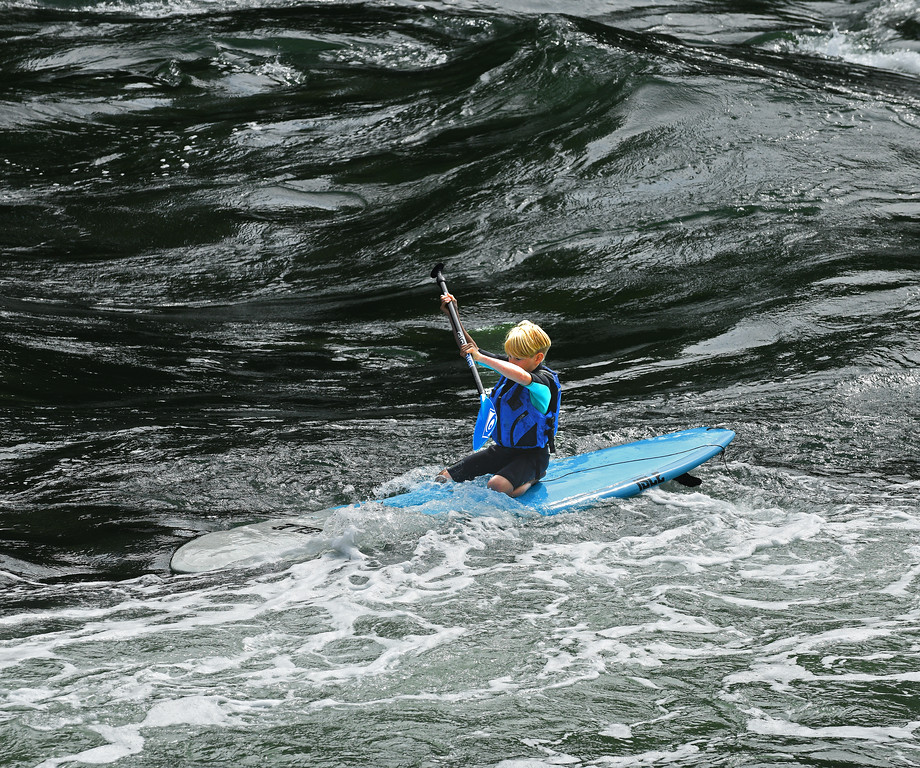
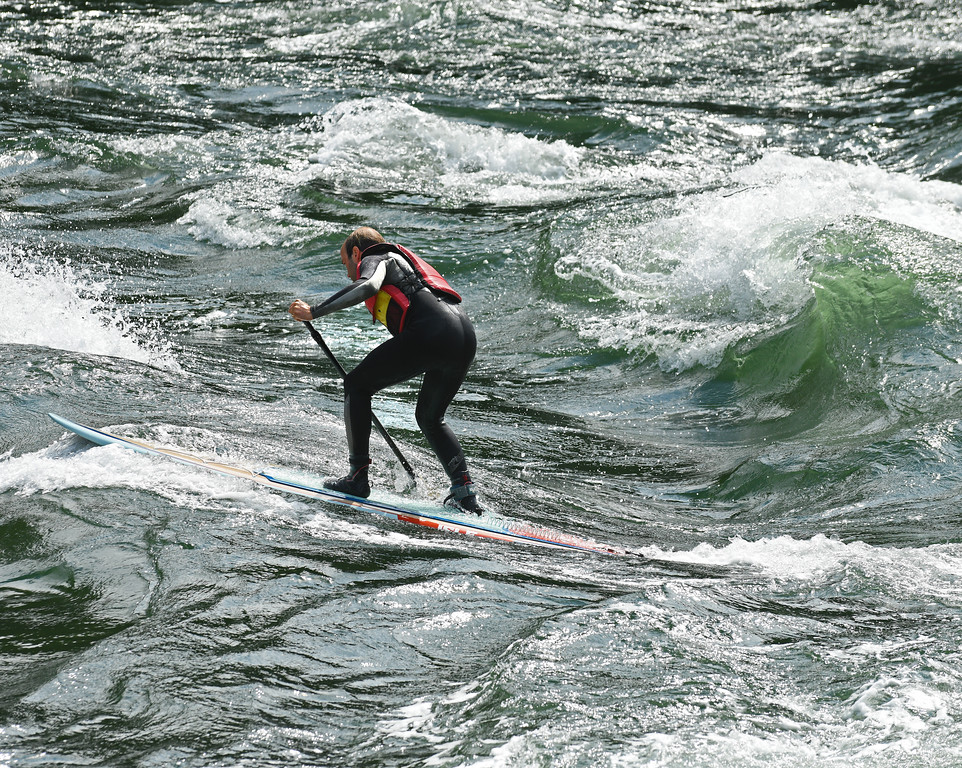
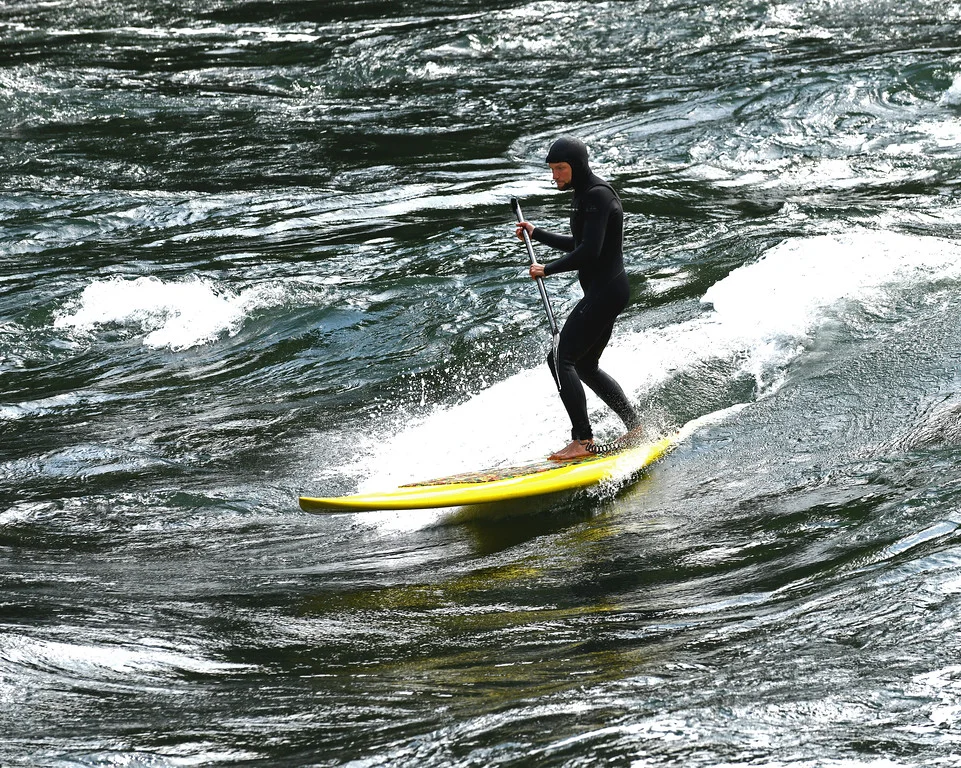
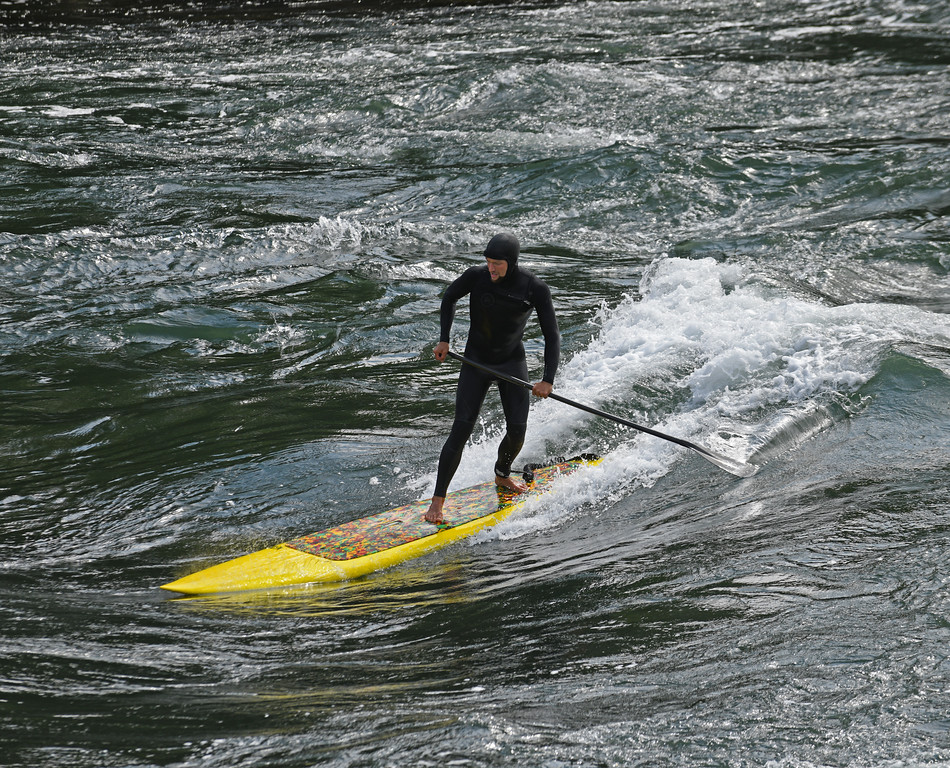
One of the best places to practice Stand Up Paddleboard Surfing is in the nearby Blue Hill reversing falls between Blue Hill Bay and Salt Pond.
1.jpg

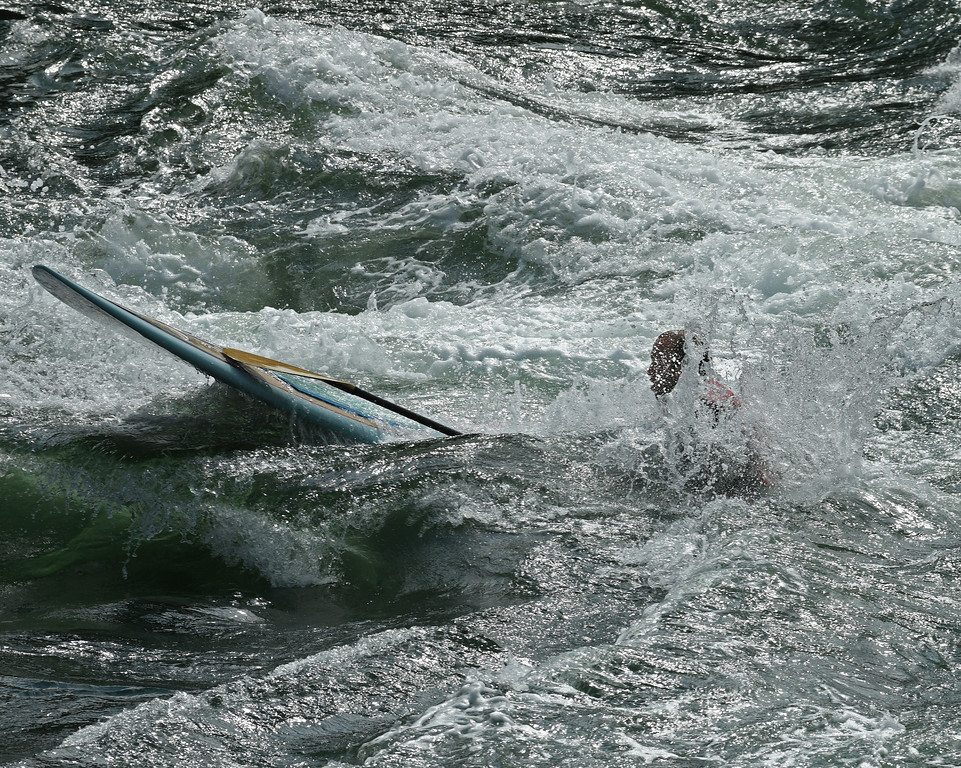
That’s where the incoming and outgoing tides provide continual moderate surf going in and going out. In the image above, we see a SUP-surfer trying the incoming tide there yesterday. here are more images:
2.jpg
4.jpg

Only Maine has this kind of falls in this country, and there are only eight of them in our State, according to geological reports. Such falls occur when bedrock geology forms an inclined channel of an appropriate width and depth between two bodies of water, at least one of which must be strongly tidal, as is the Bay. There also must be the right height difference between the two bodies of water to produce rapid surges in rising and falling tides.

(Brooklin, Maine)

Comment

Comment

In the Right Place: Still Life

1.jpg

When it comes to still life art, you can’t get any stiller than this Northern Starfish (or Northern Sea Star) posing in the inter-tidal zone of Great Cove on Labor Day. It’s dead, on its back, missing an arm, and not being eaten by our always-hungry and ever-vigilant seagulls and shore crows. Which raises a troubling question: Is the Sea Star Wasting Syndrome back and in Maine?

During the past decade, there have been epidemics of this disease along the east and west coasts of the United States. Warming waters are suspected of encouraging the spread of the flesh-eating disease in which effected starfish develop lesions and simply melt away arm by arm. Although too many starfish can wreak havoc on scallops, mussels, and clams, we apparently don’t know the effect, if any, of too few. (Brooklin, Maine)

Comment

Comment

In the Right Place: Our Town

This image is titled “Gone” and is one of the images in our show “Beautiful Brooklin: Scenes From a Coastal Town.” For those fortunate enough to reside in or near Brooklin, the show will be on display in the Friend Memorial Library through September 27.

5.jpg

(Brooklin, Maine)

Comment

August Postcards From Maine

11 Comments

August Postcards From Maine

August was our best summer month this year. Some days were so brilliant that even low tide looked like a production number from an MGM extravaganza:

# Aug 1.jpg

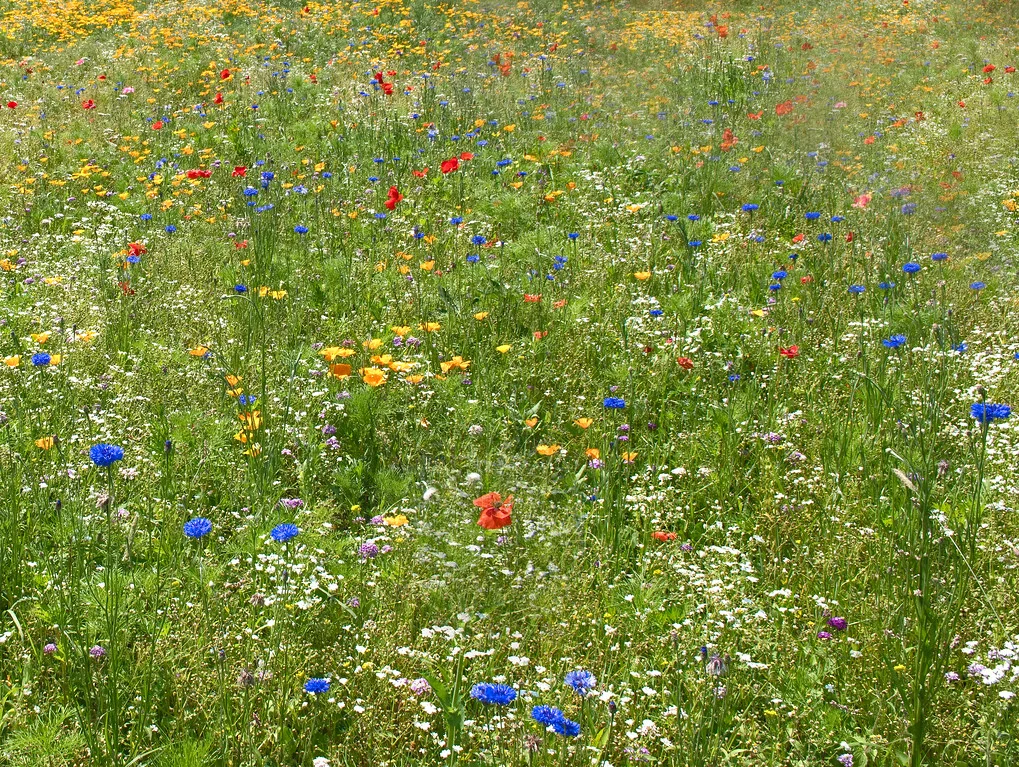
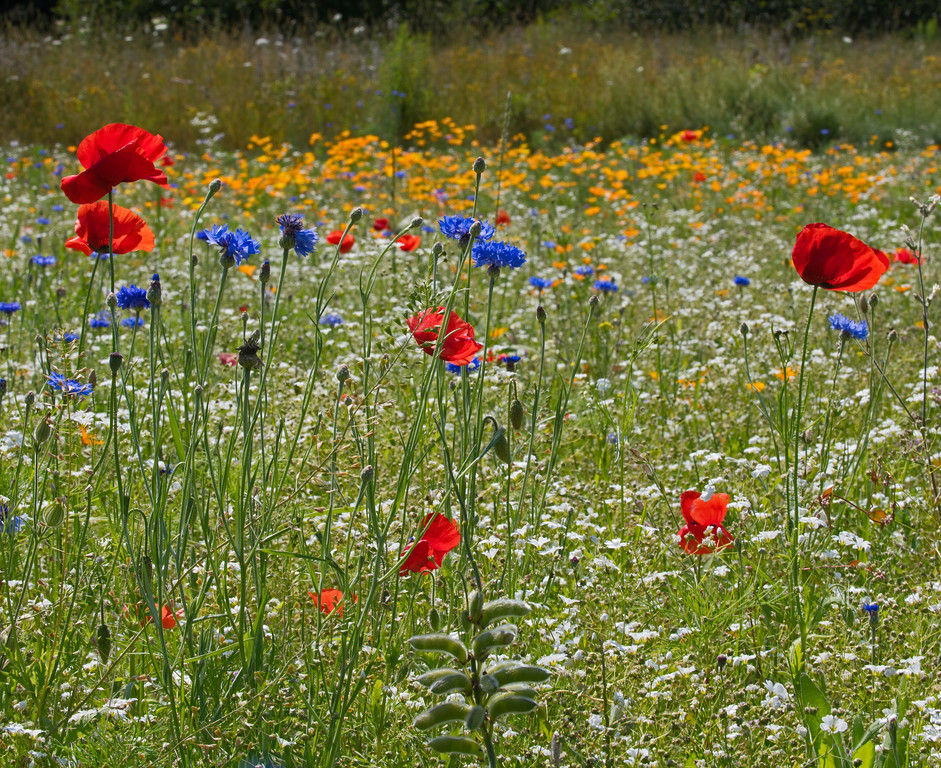
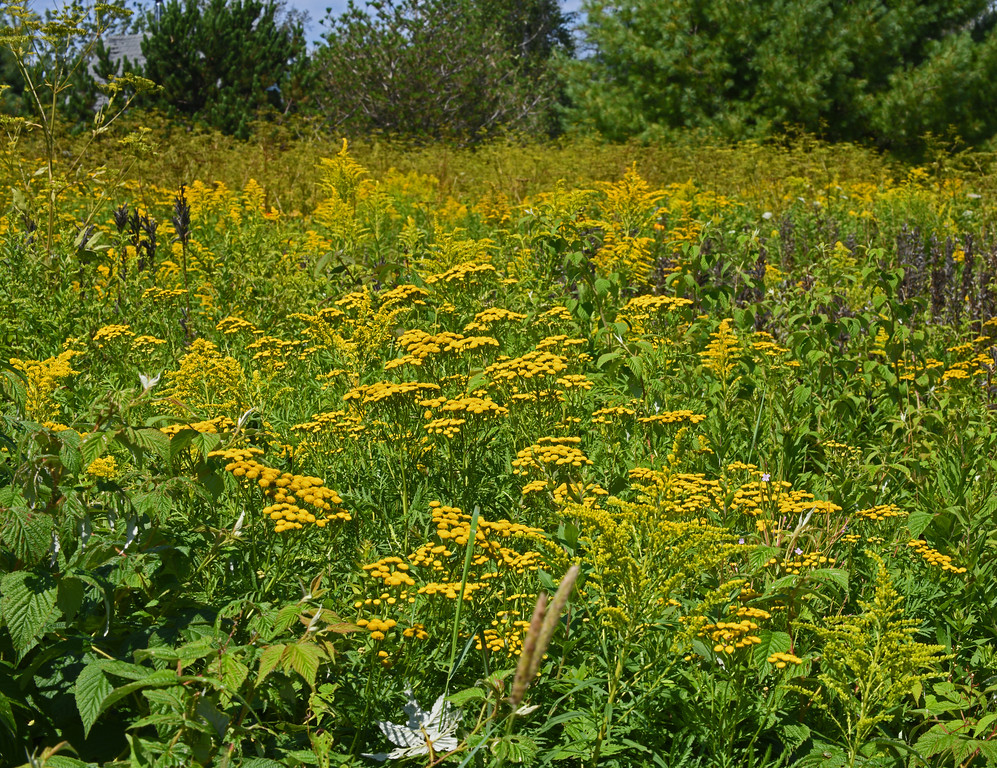
Our fields were in prime summer colors at the hot beginning of the month and, as usual, they turned into fall yellows, whites, and browns by the cool end of the month. Our woods were steadfastly wonderful all month.

# Aug 2.jpg

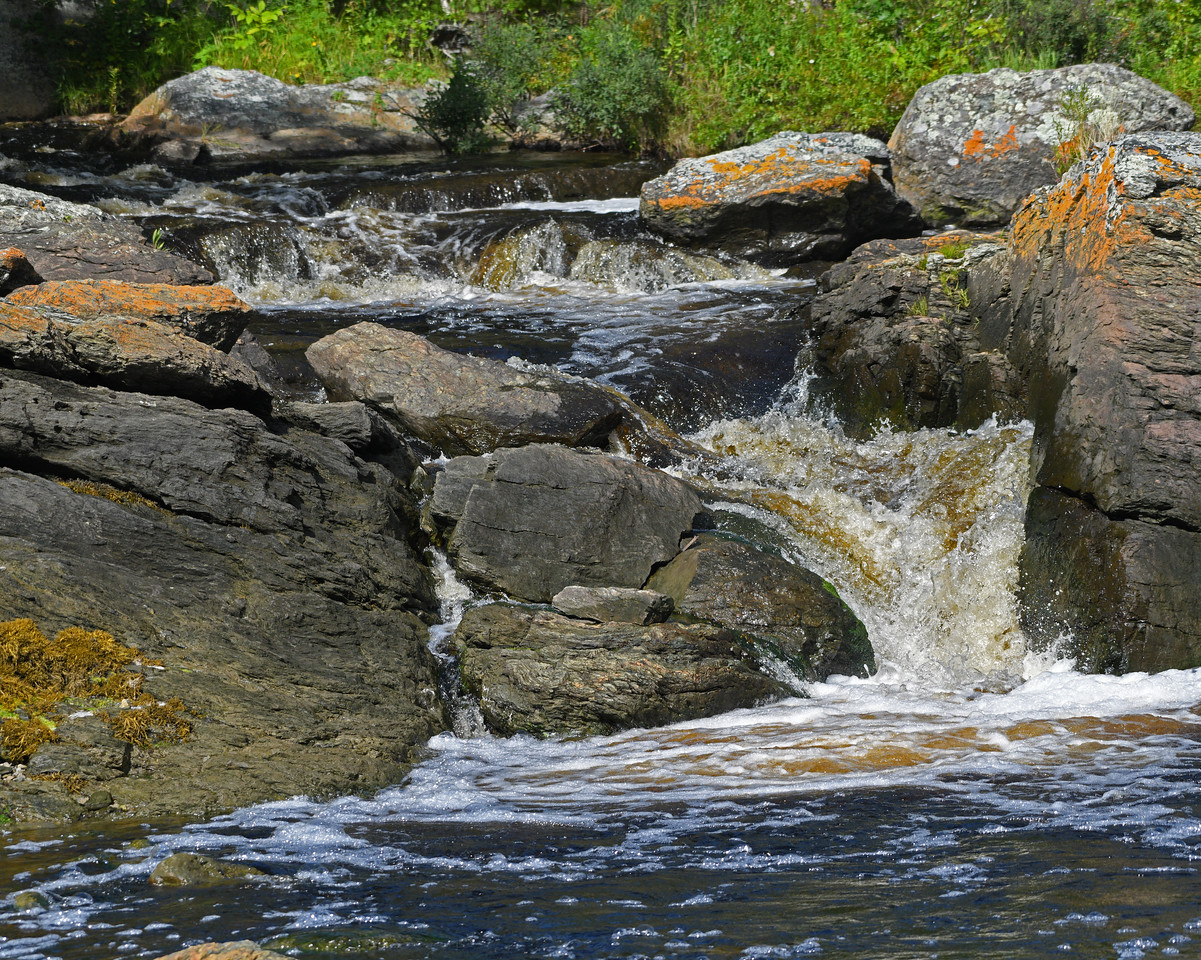
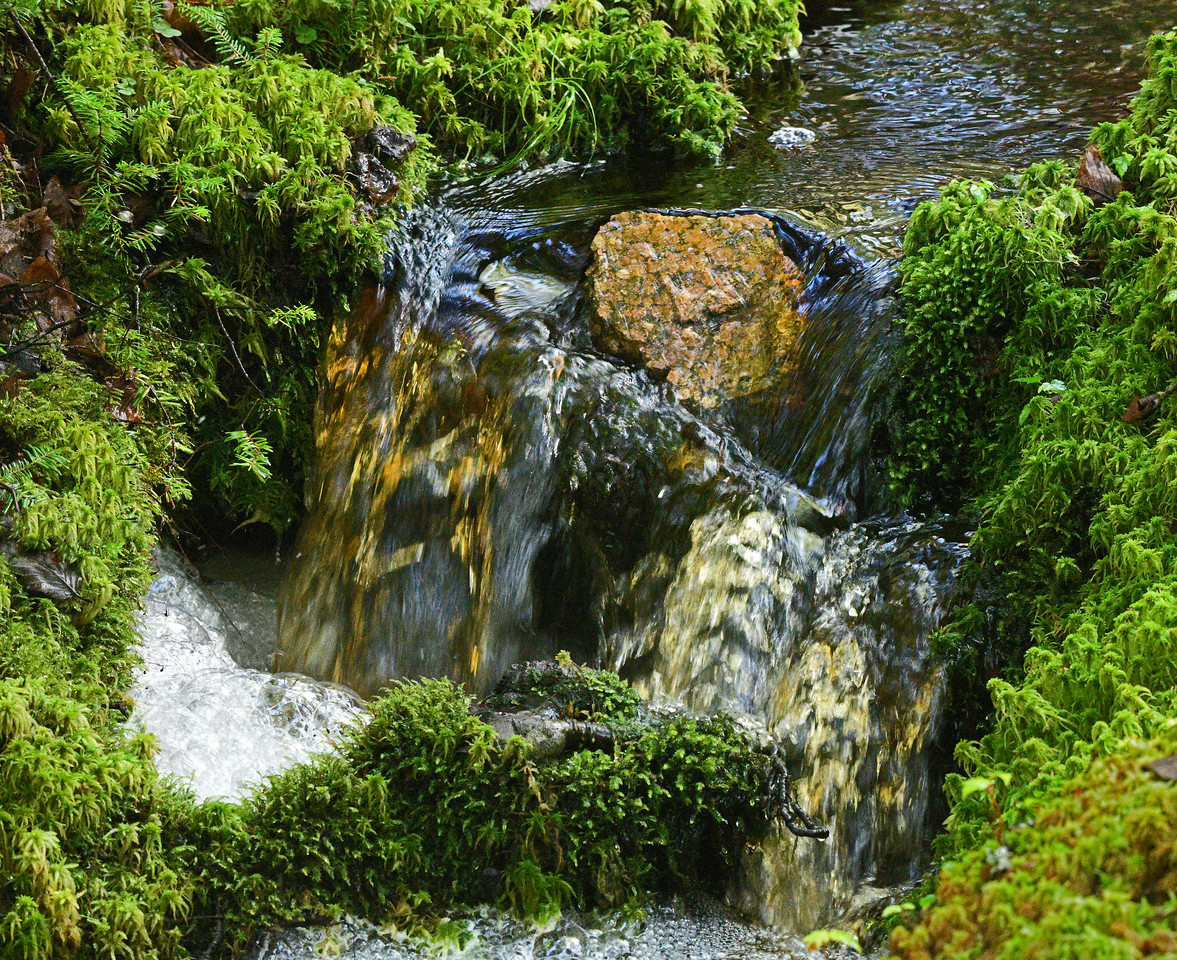
Our streams shrunk to trickles during a few dry periods in the month, but several impressive storms brought them back to raging life.

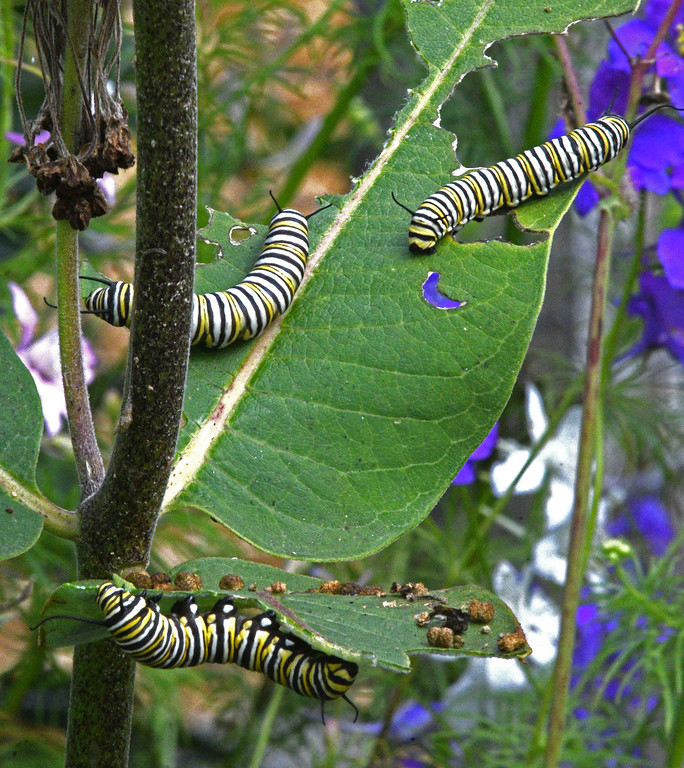
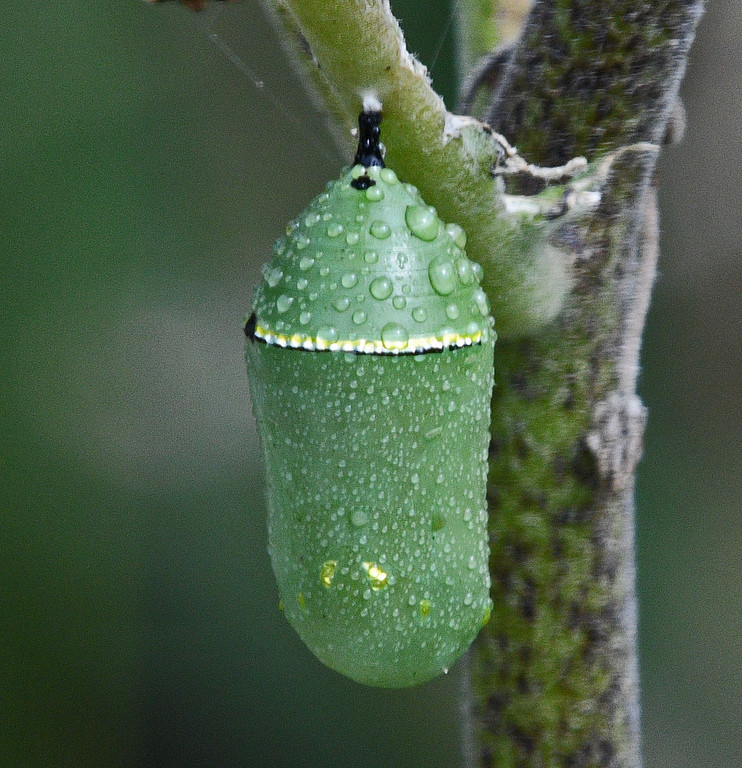
August was one of the best in recent history for attracting and maintaining Monarch Butterflies, which have had difficulties in recent years. Many laid their eggs on milkweed so that their colorful caterpillars would emerge, eat voraciously, and sew themselves up in a chrysalis out of which the next generation of Monarchs would emerge and sip nectar from Echinacea and other flowers

# Aug 11.jpg

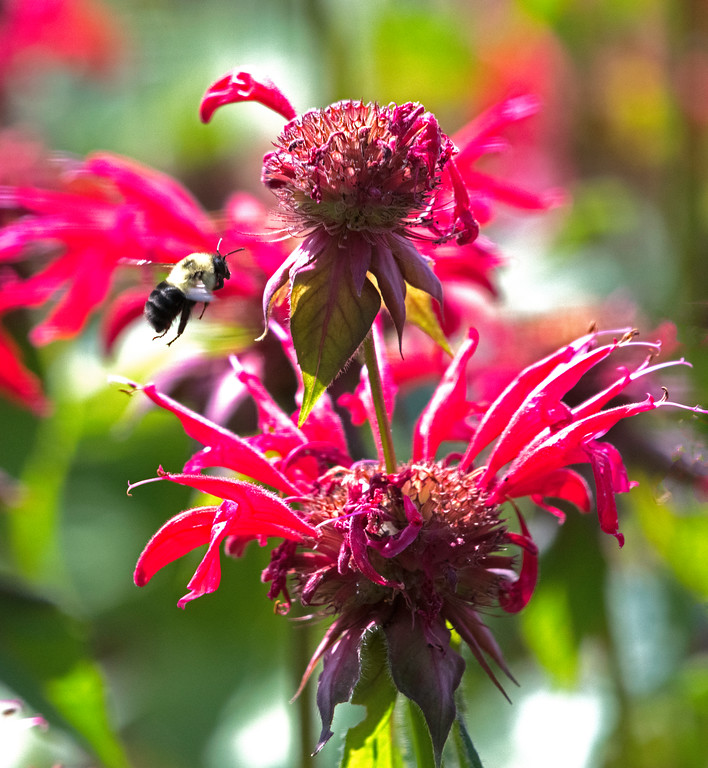
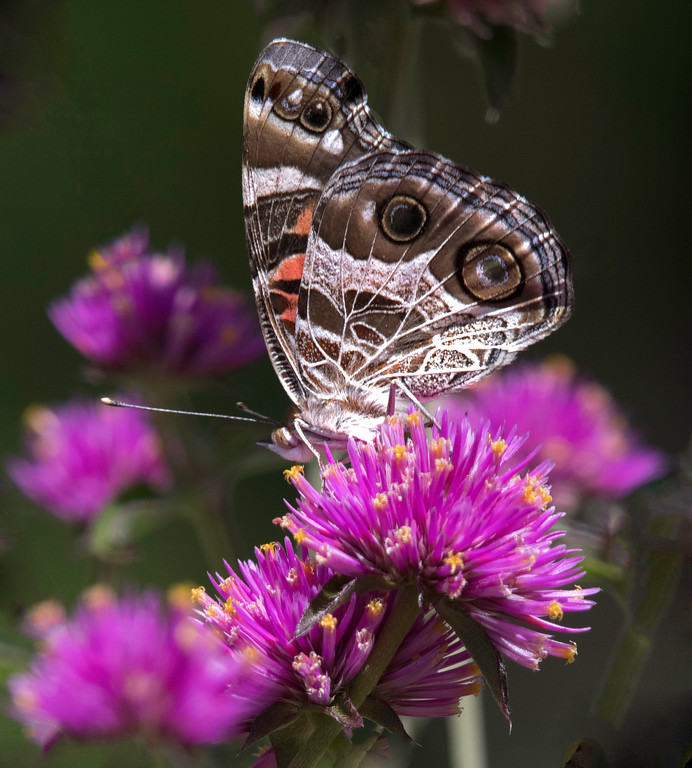
Among other pollinators that were in abundance this August were Clearwinged Hummingbird Moths, Bumble Bees, and Painted Lady Butterflies.

# Aug 16.jpg

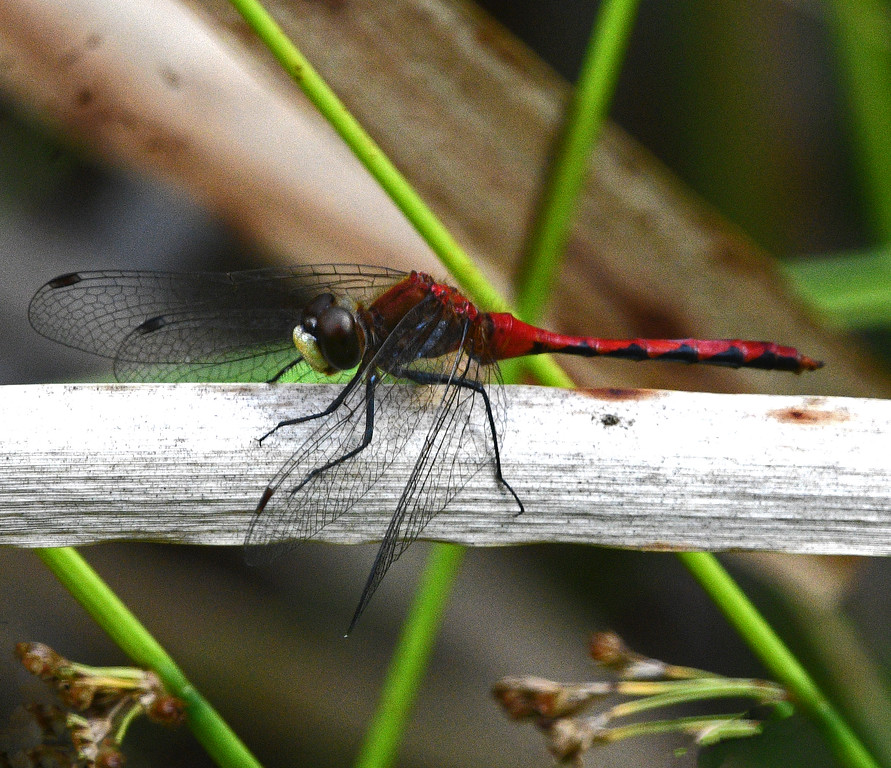
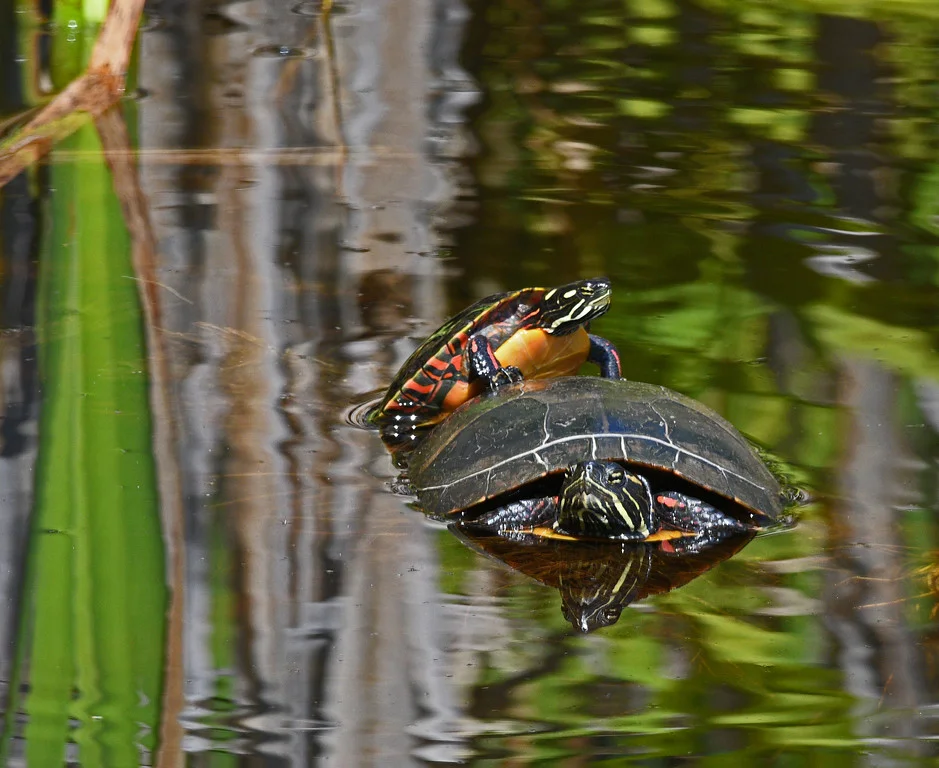
Butterflies were not the only August wildlife to be painted. There was a particularly good showing of Painted Turtles in our ponds as well as dragonflies, including 12-Spotted Skimmers and Red Meadowhawks.

# Aug 17.jpg

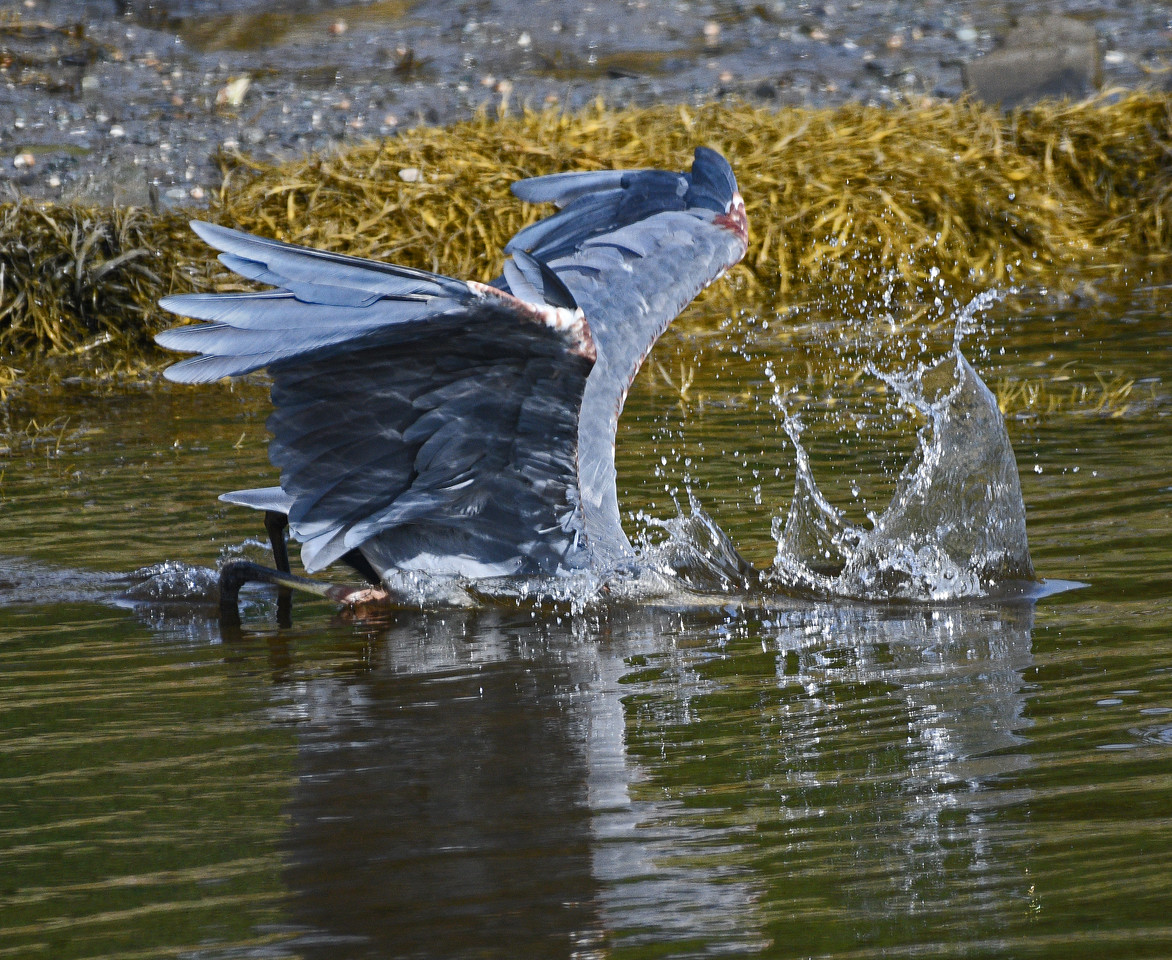
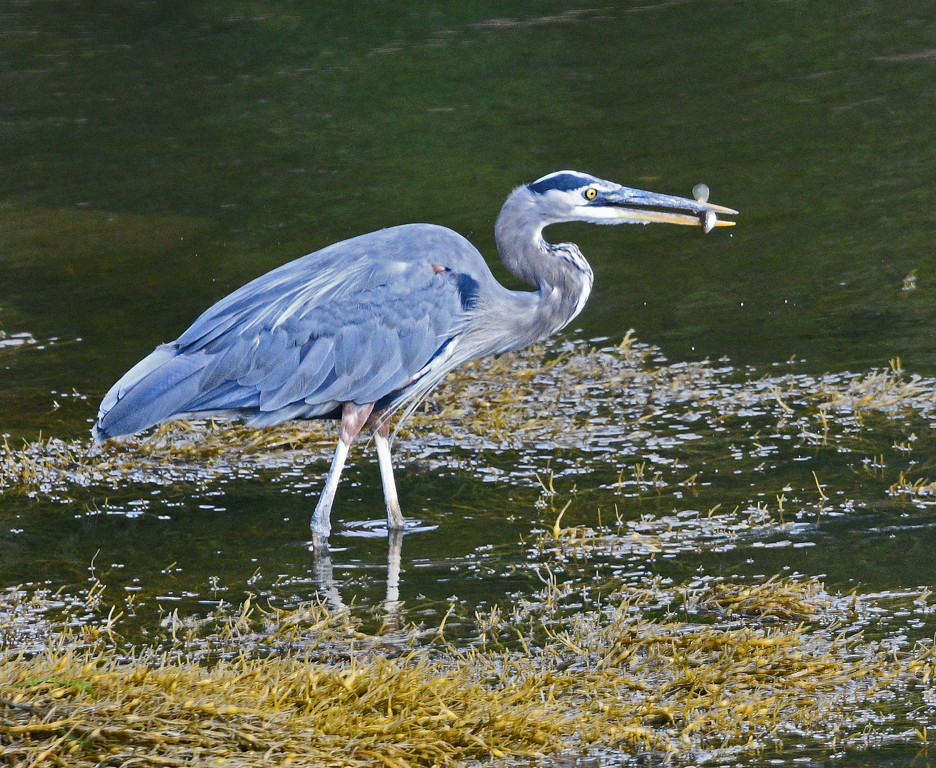
August is fishing season up here, especially for the Great Blue Herons that silently stalk the shallows along our shores:

# Aug A 5.jpg
2.jpg

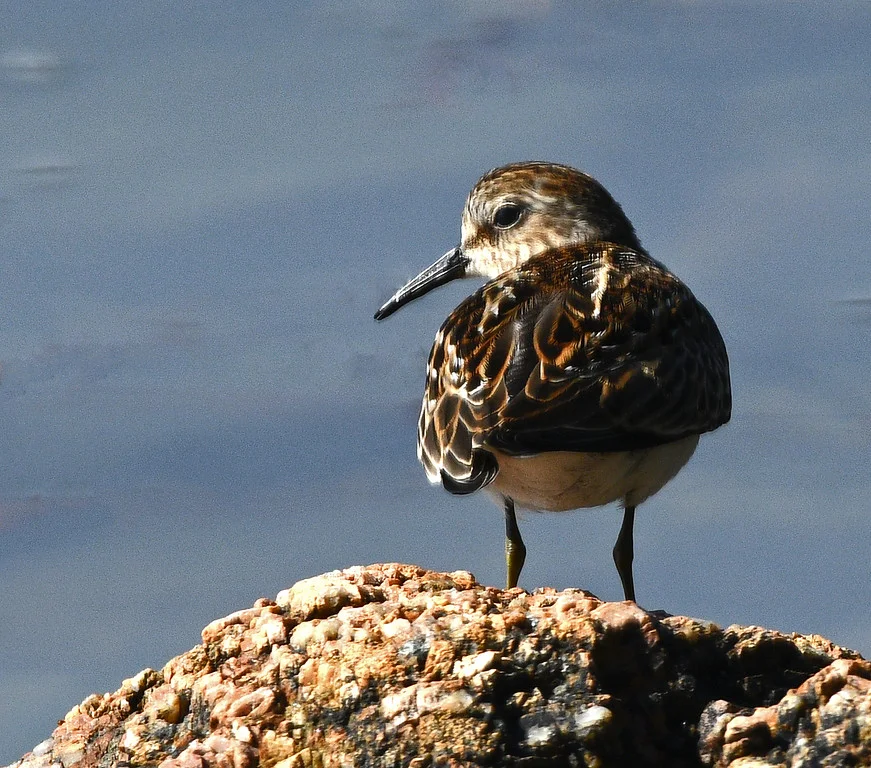
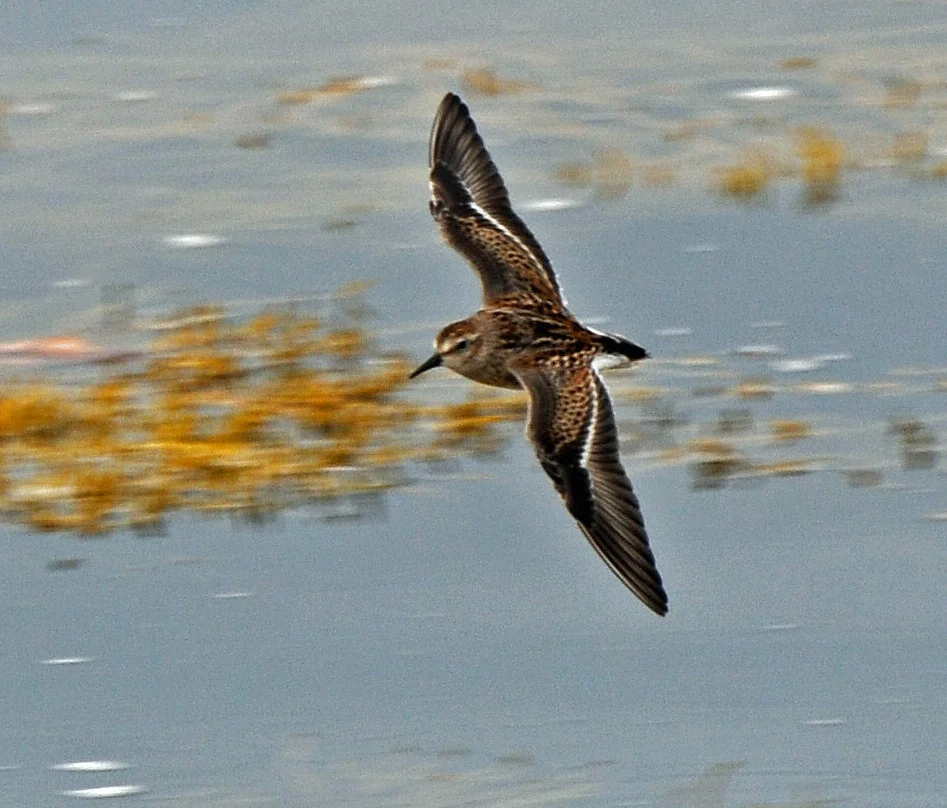
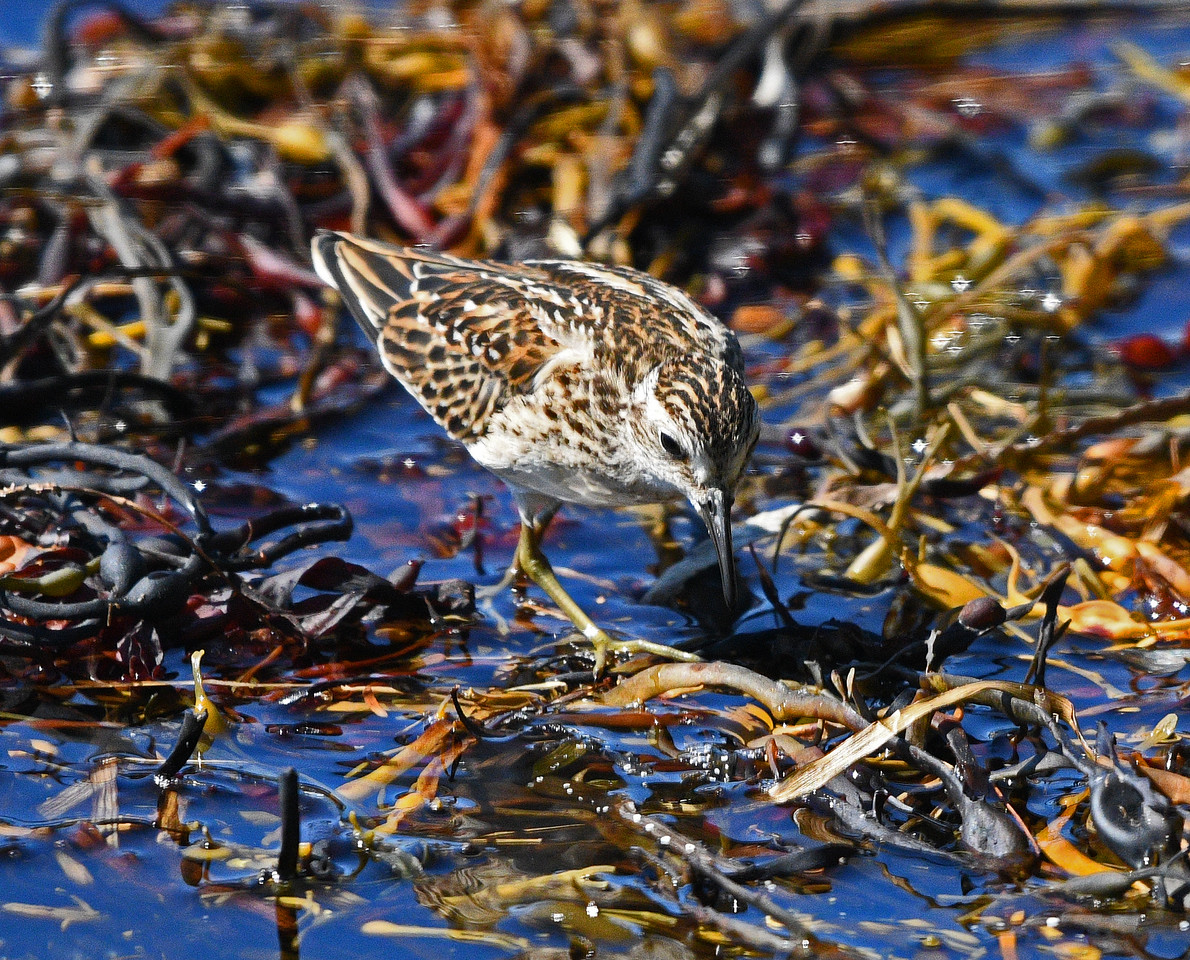
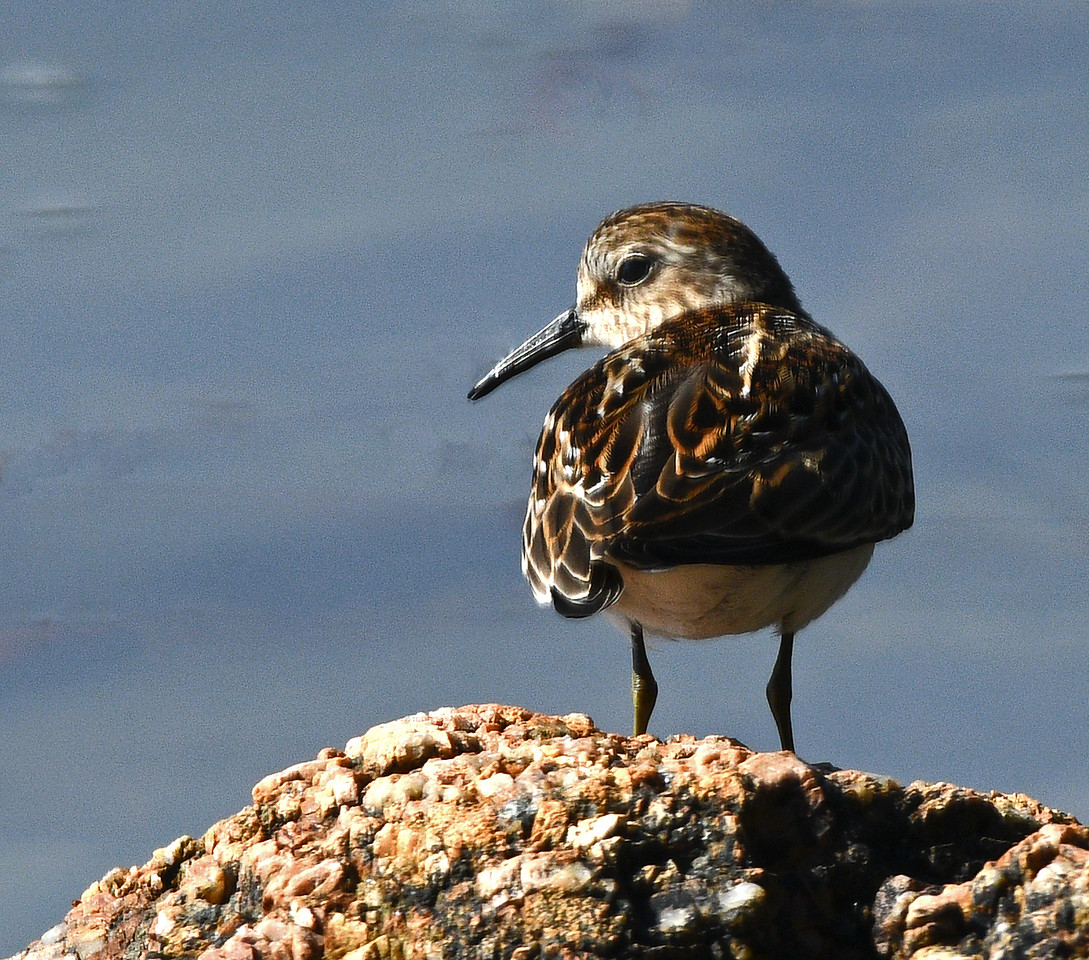
Further up those same shores, Least and Semipalmated Sandpipers roam the water’s edges and perch on rocks during the month. They’re almost impossible to tell apart in the wild because you usually can’t get close enough to see whether their legs are green (Least) or black (Semipalmated).

Our harbors are extraordinarily busy in August. Naskeag Harbor is where many of our lobster boats moor and sell their catch . It is there that you can see that not all of our fishermen use lobster traps, although they all seem to wear oilskin bib pants.

# Aug 26.jpg

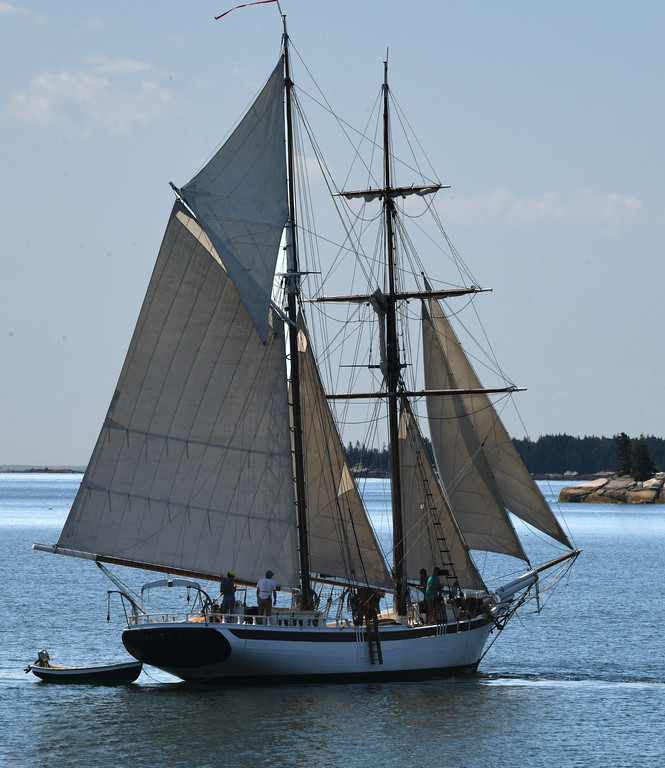
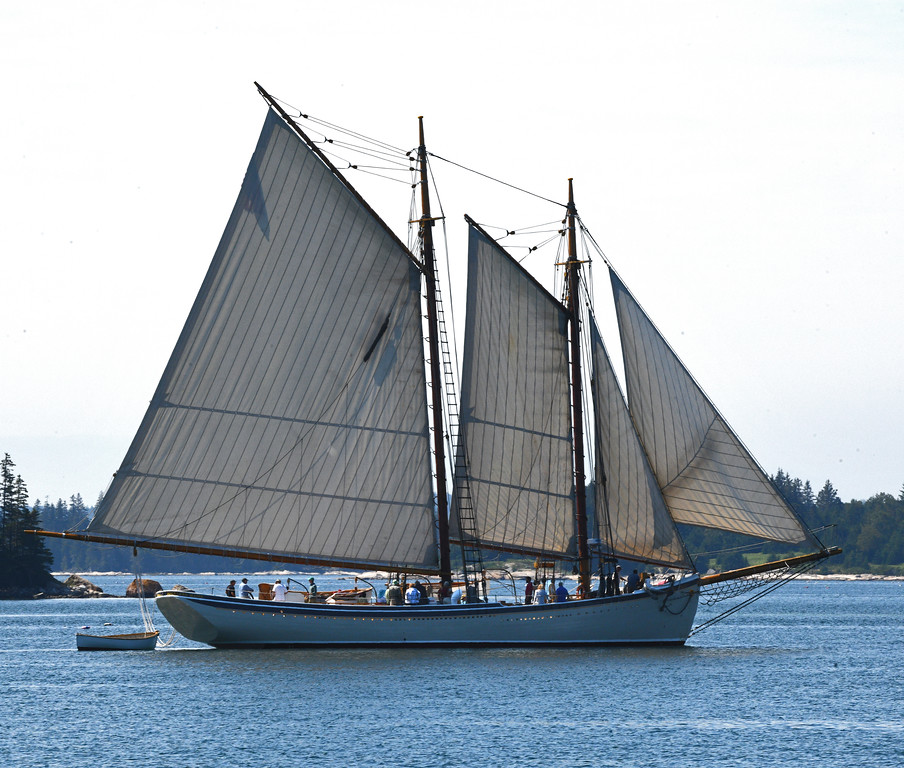
Great Cove is where where the large schooners come in to allow their tourist passengers to visit the renowned WoodenBoat School there. Among the windjammers that visited in August were Mary Day, Actress, American Eagle, and the Lewis R. French.

# Aug 27.jpg
# Aug 30.jpg

This August, Great Cove hosted some unusual and historic vessels, including Alera, a famous racing sailboat launched in 1905, and the motor yacht Atlantide, which helped evacuate Dunkirk in World War II.

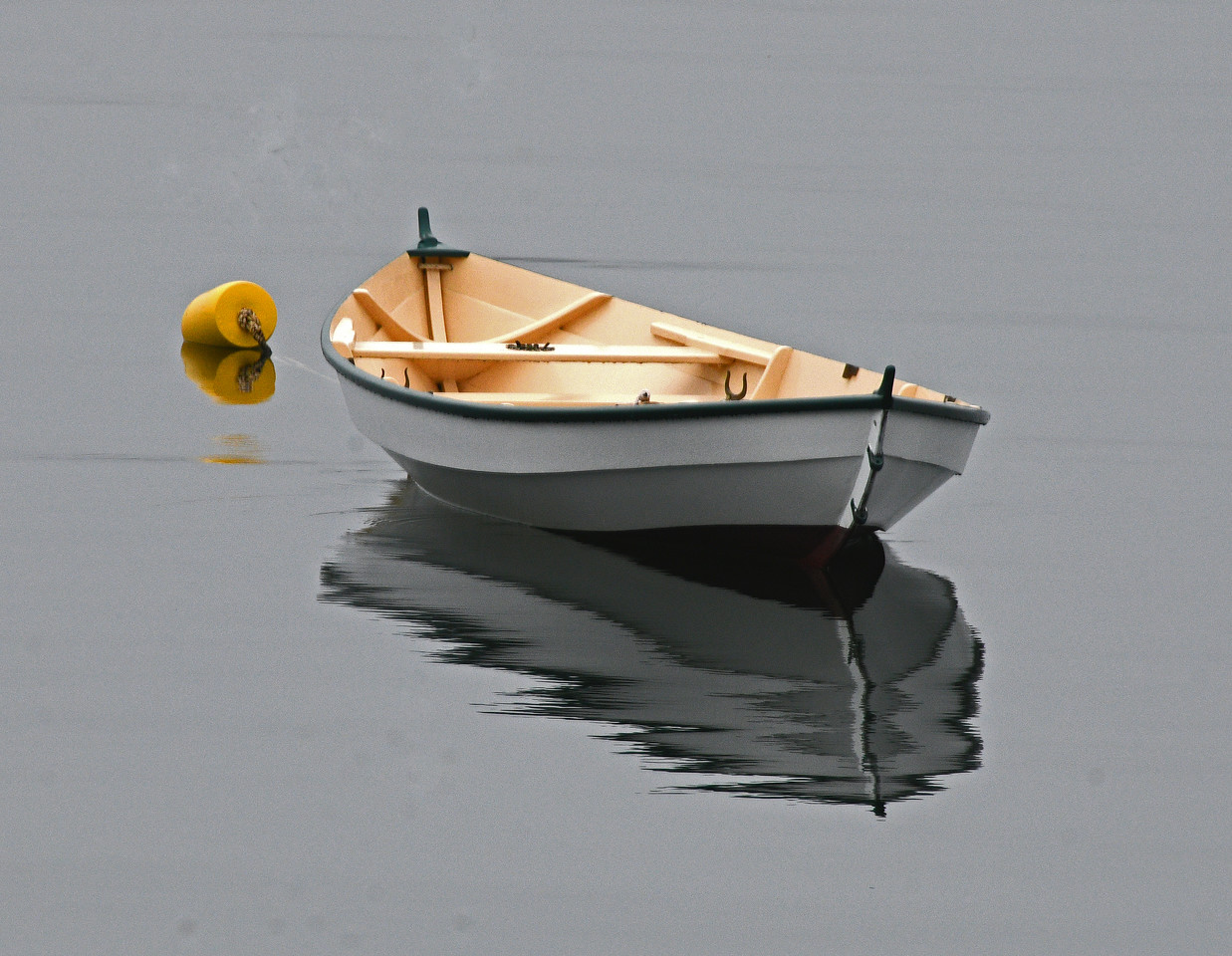
A variety of small rowboats made colorful appearances in Great Cove during August; they liked to pose when the water was still:

# Aug 37.jpg
# Aug 34.jpg

Nonetheless, August’s combination of warm and cool (sometimes crisp) days did produce some significant fogs. At times, we couldn’t see Mount Cadillac in Acadia National Park across Blue Hill Bay; at other times, we saw only the mountain’s summit. In Great Cove, the boats would appear and disappear in the mull.

# Aug 7.jpg

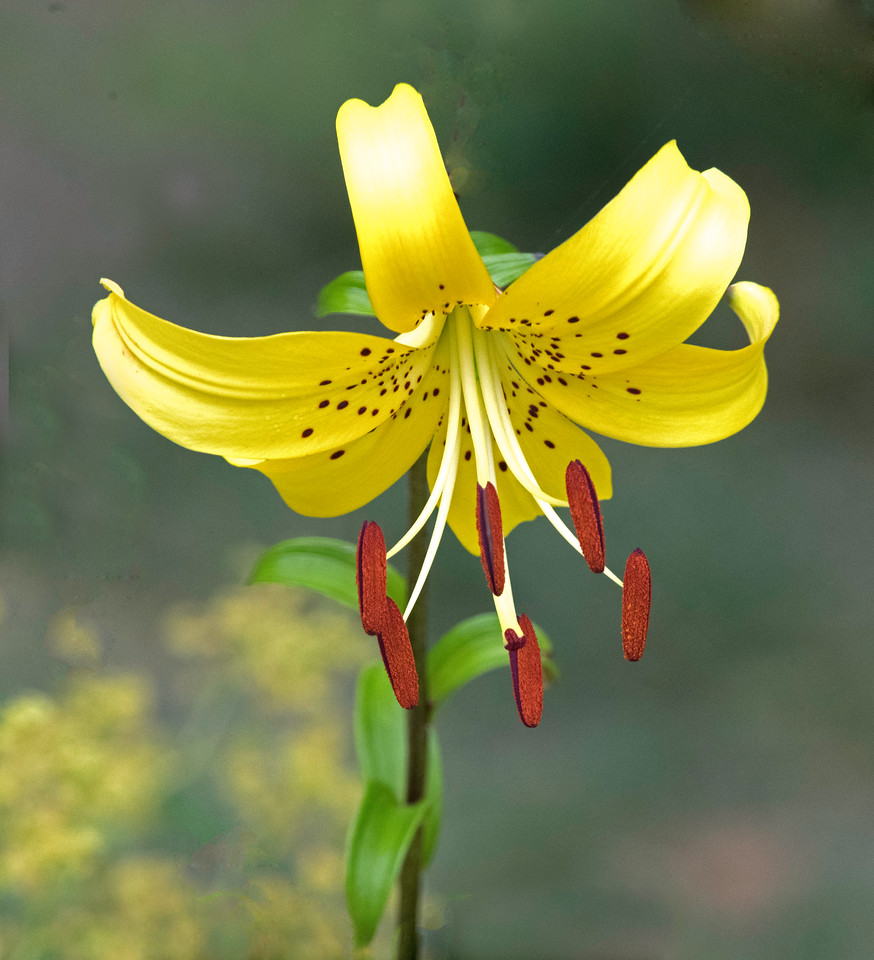
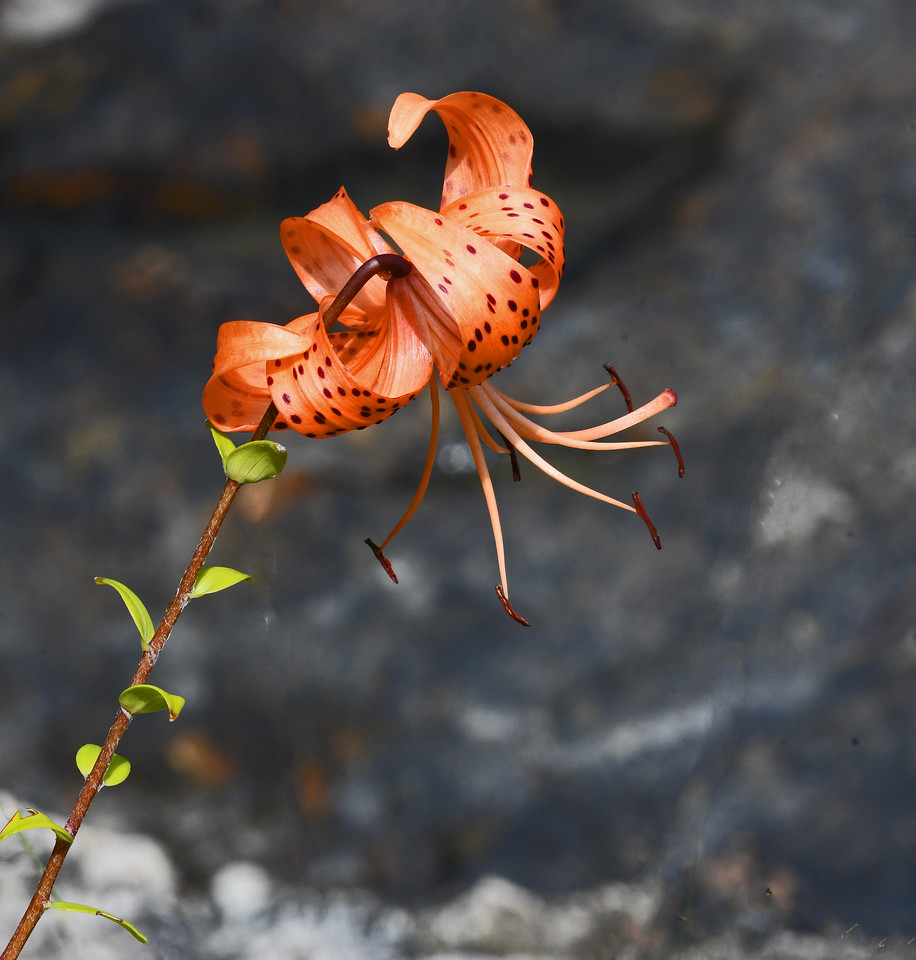
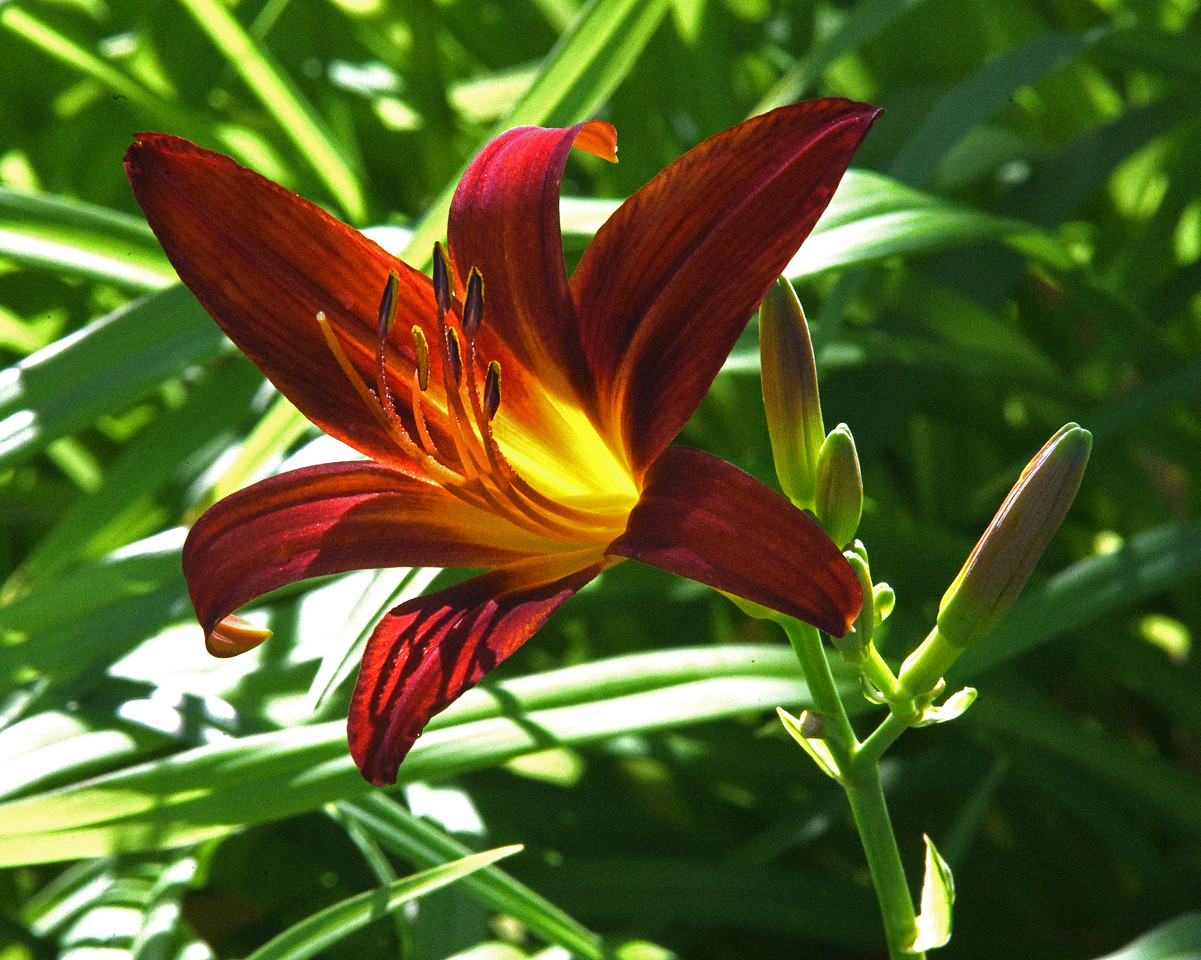
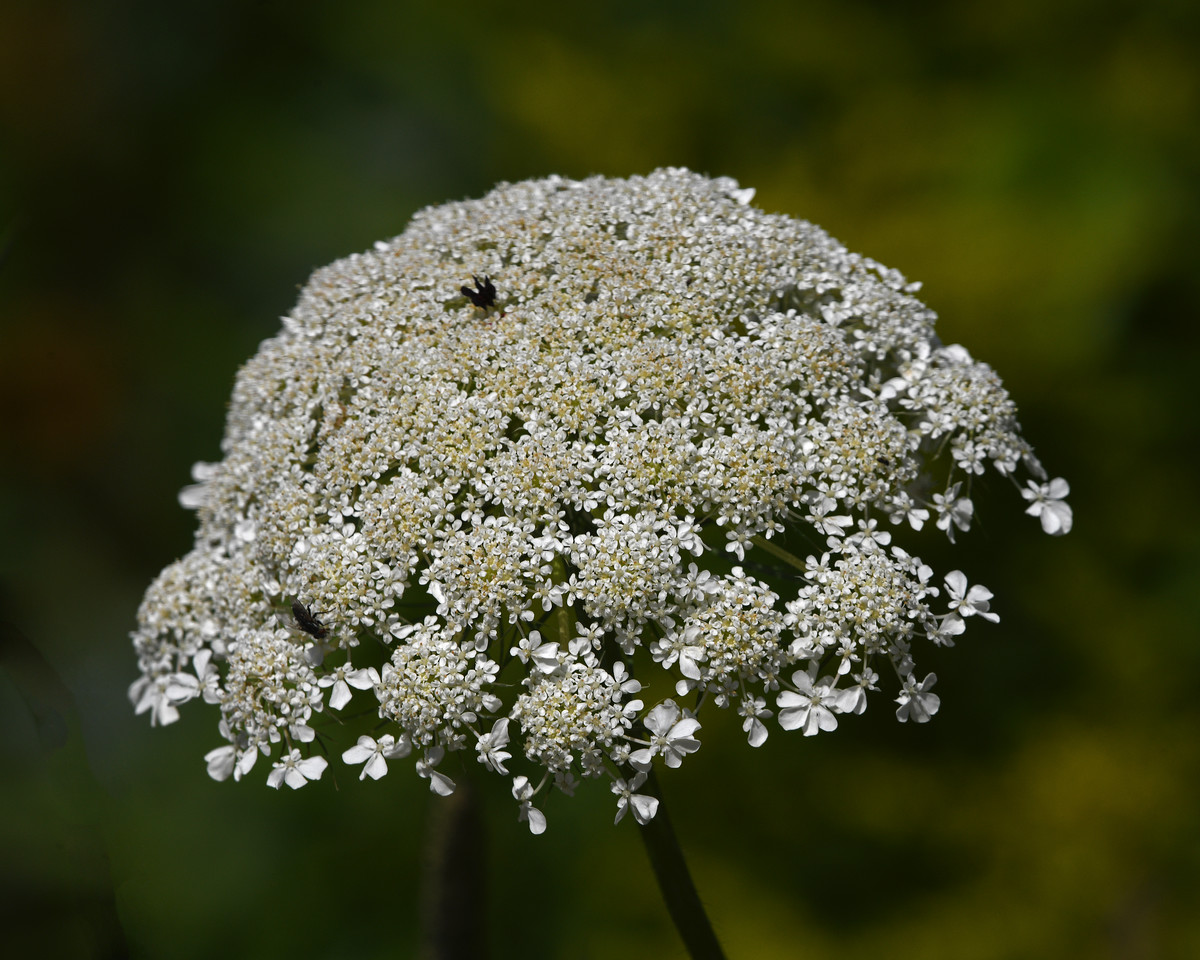
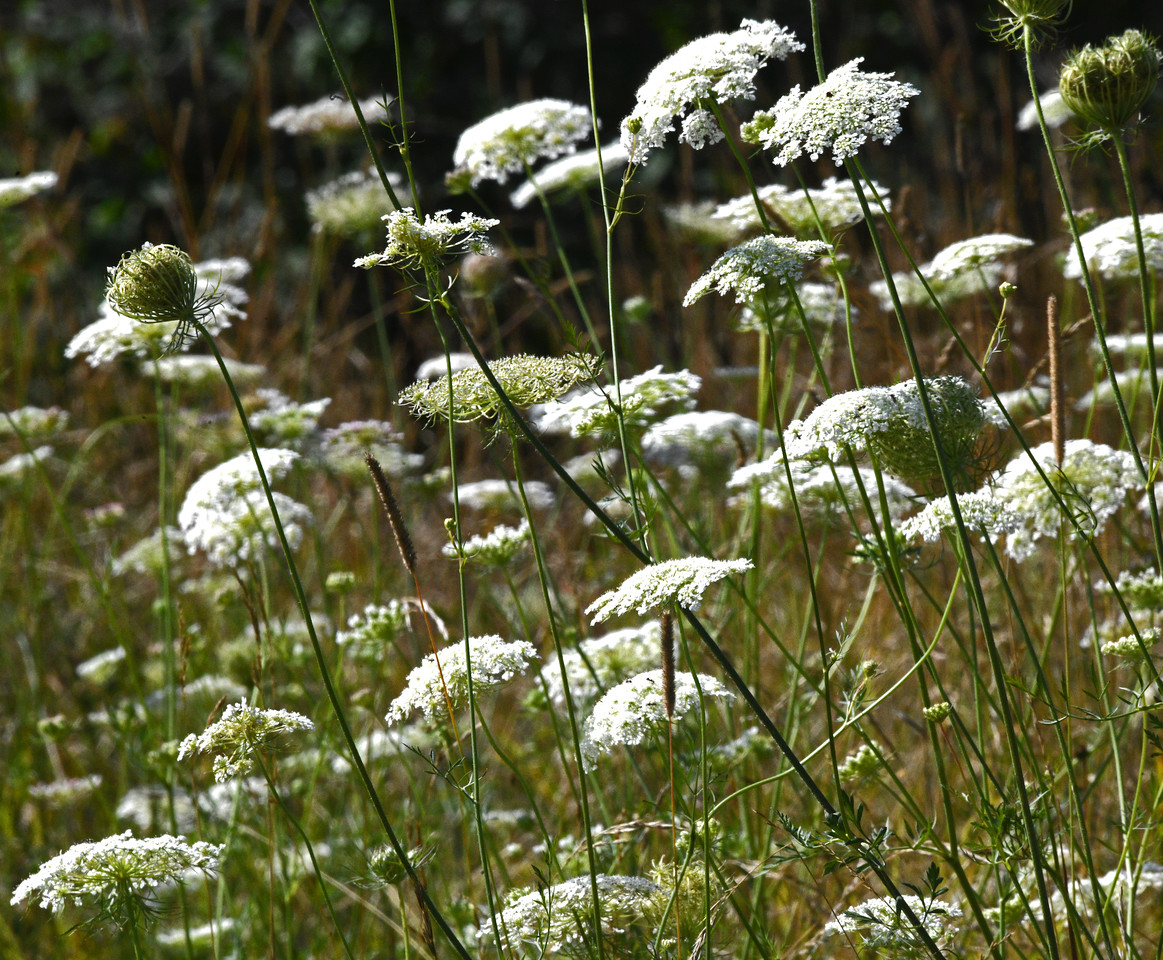
But that moist fog helped to produce a bumper crop of August’s signature flowers: colorful Lilies and white Queen Anne’s Lace:

# Aug 38.jpg
# Aug 41.jpg

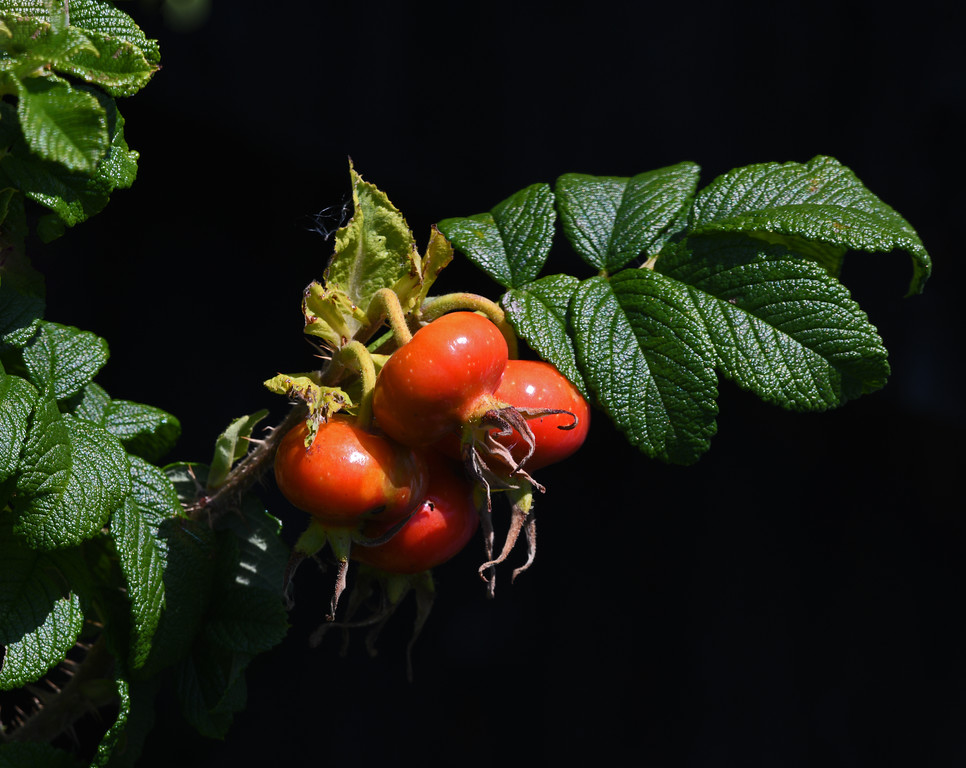
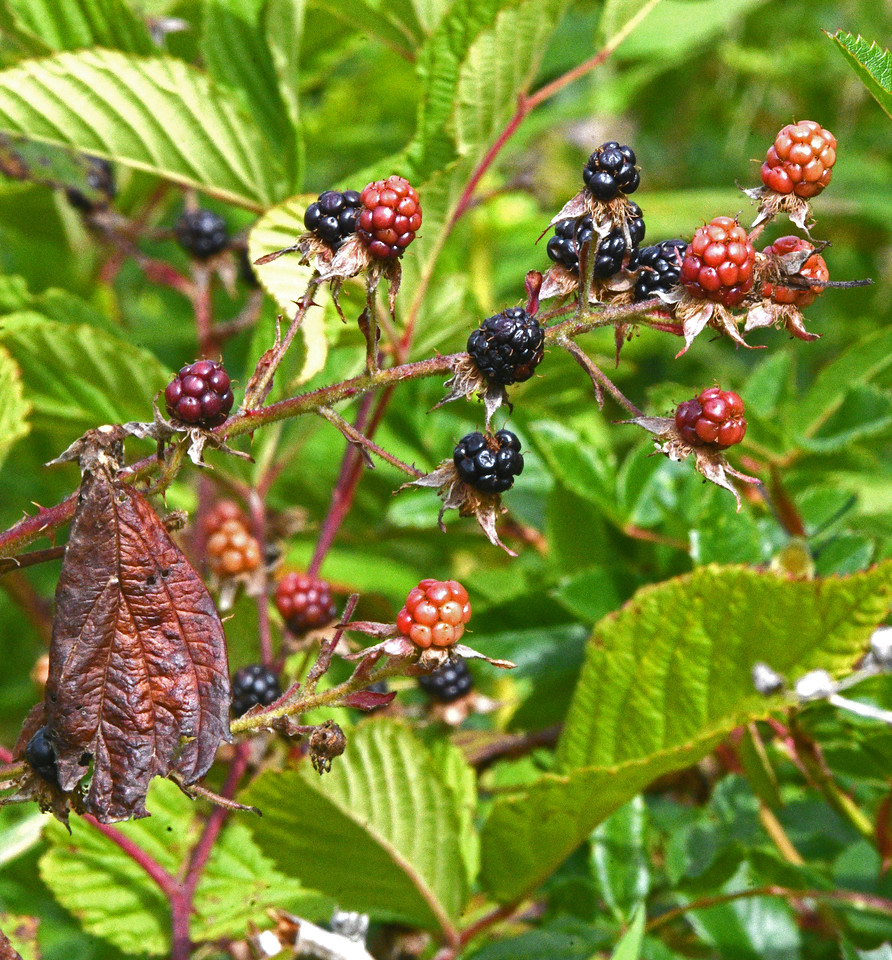
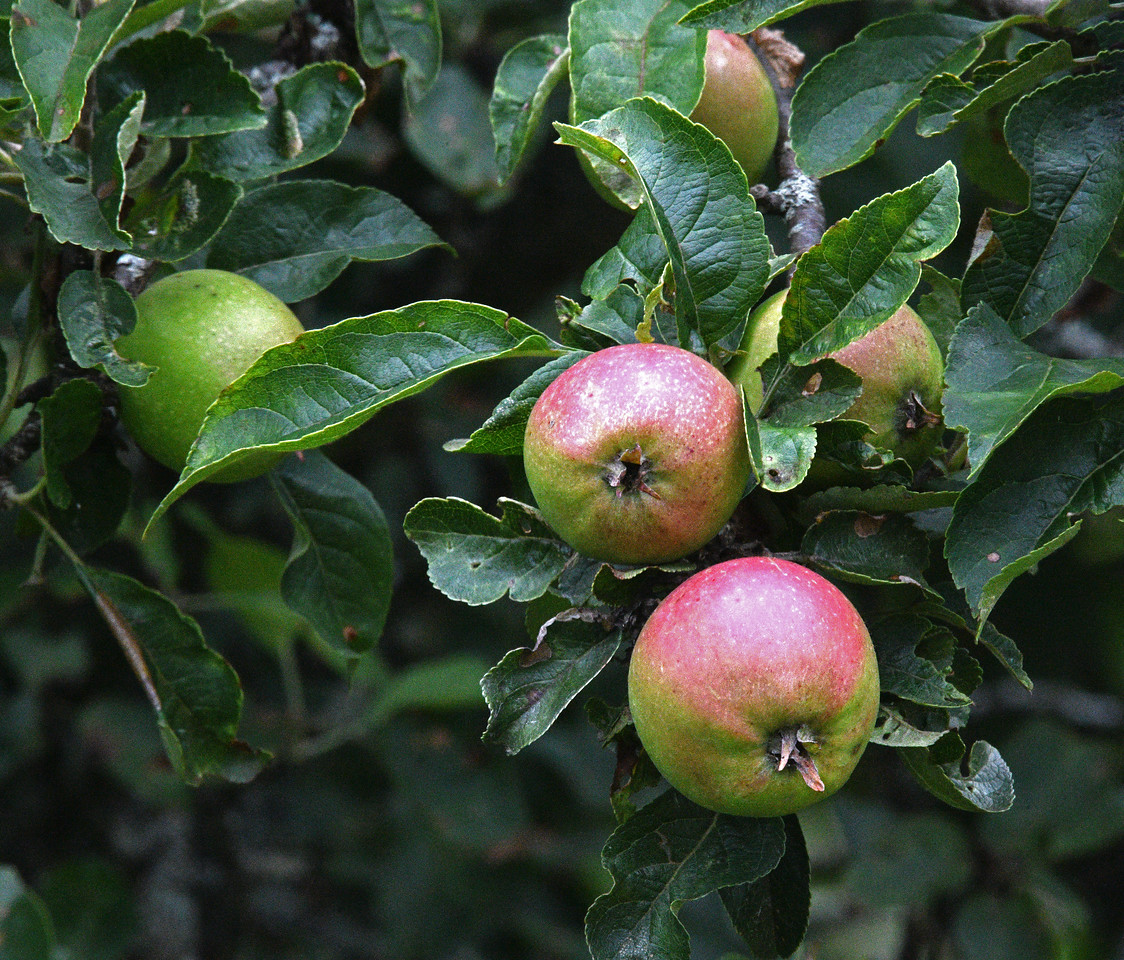
August also is when the Beach Rose Hips turn red, Wild Blackberries turn black, Wild Apples turn green and red, and Mountain Ash berries turn orange:.

Speaking of Blackberries, the August full moon was called by some Native American tribes the Blackberry Moon, because that fruit ripens during the month,; it also was known by other tribes as the Sturgeon Moon, because those fish run during the month,

# Aug 47.jpg

(All images in this post were taken in Down East Maine during August 2019.)


11 Comments

Comment

In the Right Place: Baffling

We met this shy, six-inch neighbor for about three seconds yesterday morning. You’d think that such a beautiful sandpiper would have been given a charmingly descriptive name. But, of course, noooo.

# Semi 2.jpg

The bird namers decided that this dainty creature must be called a Semipalmated Sandpiper. They apparently assumed that we would know that “palmated” means webbed and that we would deduce from the “semi” preposition that this cutie is only partly webbed -- someplace. (A virtually invisible bit of extra skin between her toes helps to prevent her from sinking when feeding on floating seaweed and in mud.)

This Semipalmated neighbor does share one charming nickname with the other two of our tiniest sandpipers, the Least and Western Sandpipers. The three are collectively called “Peeps,” which is what they say a lot.

# Semi 3.jpg

That unofficial description helps the many of us who usually find it difficult to differentiate one of these birds from another in the field (and especially in flight), but who do know a tiny thing when they see it and a peep when they hear it. Birding can be baffling to some of us. (Brooklin, Maine) See also the image in the first Comment space.

Comment

Comment

In the Right Place: Hippy

Many Beach Rose (Rosa rugosa) hips are now cherry-tomato-sized and providing deer a tasty alternative to apples. Humans also consume these hips for their vitamin C, antioxidant, and flavonoid content.

# Beach Rose Hips.jpg

Beach Rose plants are popular here, despite the plants’ highly invasive nature. They originated in Asia and were imported into New England for ornamental use as well as to stabilize shifting shorelines, hence their common name. Since the hardy plant had a high tolerance for sea salt, it was tried along New England roads that got plenty of salt and other chemicals in the winter. Thus, it now appears along many of our roadbeds.
However, a bed of these roses isn’t always good. Firmly established Beach Rose plants create dense barriers of thorns and spines that can be painful, if not impenetrable, to walkers and dogs. They also are almost impossible to remove without heavy digging equipment. (Brooklin, Maine)

Comment

Comment

In the Right Place: Intrepid

Here we see the coastal cruiser Mercantile gliding out of Great Cove as one of our August foggy drizzles (fogzles) comes rolling in. The vessel’s intrepid tourist passengers are excited about having a low-visibility adventure that most fishermen would rather not have.

# Fog 1.jpg

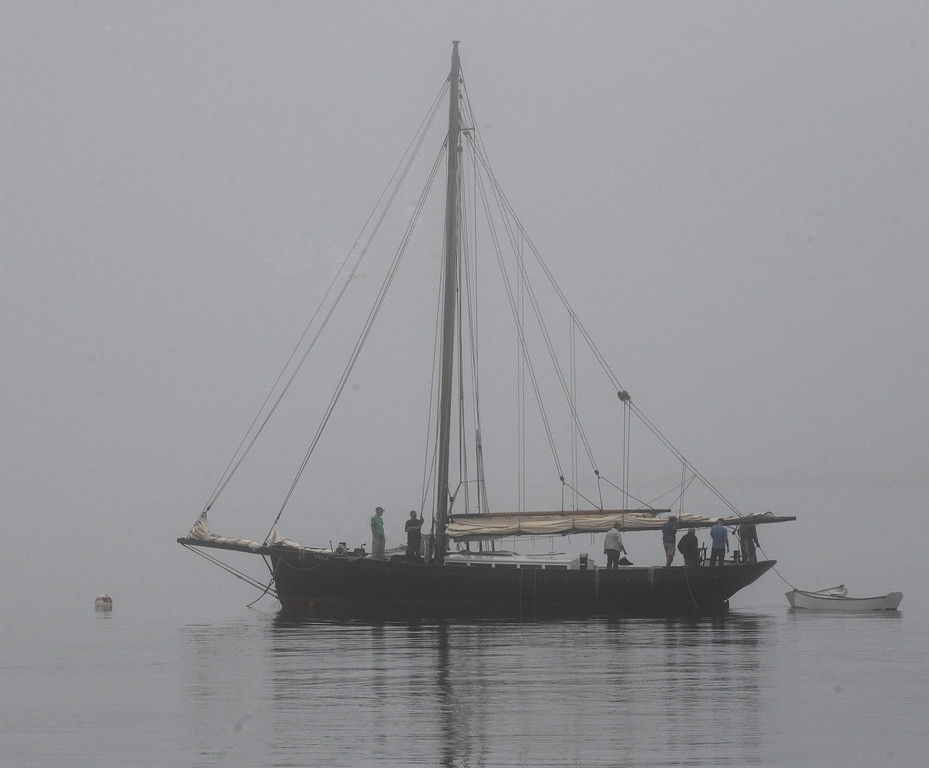
Below we see the sloop Vela being captured by that same fogzle as it arrives at her mooring. Her intrepid WoodenBoat School students seemed to be eagerly learning about her rigging before they disappeared. Not seen is an intrepid old photographer beginning to wonder why the hell he’s been standing there getting wet.

# Fog 3.jpg

Yhe Mercantile is a 115-foot schooner that was launched in 1916 and now hails from Camden, Maine. Vela is a 50-foot gaff-rigged sloop that was launched in 1998 and now hails from Sedgwick, Maine. The photographer is a 5’9” gaffe-prone observer who was launched 23 years after the Mercantile and 59 years before Vela and now hails from Brooklin, Maine.

Comment

Comment

In the Right Place: Baleful

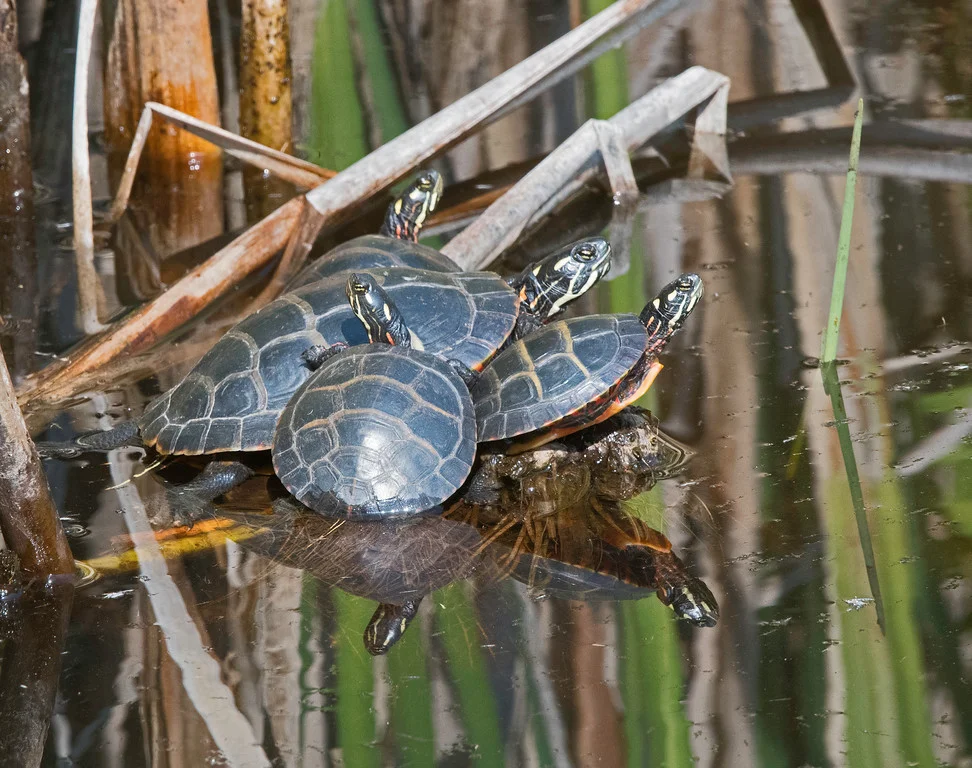
Our ponds have remained reasonably full in August and the basking has been easy for our Painted Turtles. But, they often have a counterproductive way of going about it. They need to bask in the sun’s rays to help regulate their temperature, obtain vitamin D, and to kill parasites. Nonetheless, some of them can’t seem to overcome a civic impulse to improve their neighborhood and build two- or three-turtle high condominiums with a water view. In such cases, only the penthouse turtle gets the full sun.

# PTs.jpg

The main scientific theories about this behavior seem to be that it’s competition for the best spot, a turtle social trait, and/or a defensive strategy (more eyes and ears). But, it seems, no one is sure how turtle piling fits into the survival or quality of life of these summer residents.

# PTs 2.jpg

By the way, a group of turtles is officially called a “bale.” This, reportedly, is because a collection of these compacted and plated reptiles is thought by some to look like a bale, which usually is a closely pressed and visibly bound container of merchandise. To us, one turtle may look like a bale, but a stack of them looks like a shaky pile of bales. (Brooklin, Maine)
Comment

Comment

In the Right Place: Treasure

Historic Alera was moored in Great Cove yesterday and for almost all of last week. It was like having a reincarnated Theodore Roosevelt camped in your back yard – except that Alera is much better looking than Teddy.

# Alera 1.jpg
# Alera 2.jpg

Alera, which means Eagle in Latin, was launched in 1905 and is 30 feet long at the waterline and 43 ½ feet overall. She’s also known as “NY 1,” which she proudly displays on her mainsail. That’s because Alera was the first of the New York Yacht Club’s famed 30-foot class of racers.

File Image

File Image

Eighteen of these identical 30s were designed by Nathanael Greene Herreshoff (“call me Nat”) to race against each other. Nat, by the way, is the Michelangelo of racing sailboat architects. (He designed every defender of the America’s Cup from 1893 through 1920, among many other accomplishments.) Twelve of his 30s reportedly remain viable treasures today.

# Alera 3.jpg

While in Great Cove yesterday, Alera and three residents formed an interesting wind quartet. Here she is with Shenaniganz (a 16-foot Cat Boat), Ned Ludd (a 19 1/2- foot Caledonia Yawl) and Aretha (a 11’2” Shellback Sailing Dingy):

# Alera 4.jpg

We’ll end this post with Alera returning to Great Cove last year:

File Image

File Image

(Brooklin, Maine)


Comment

Comment

In the Right Place: Breathing

Yesterday morning was a bundle of brightness and crispness, of bluer blues and greener greens and sudden breezes that were both chilling and thrilling. It was a reminder of what a privilege it is to be able to escape the grotesque carnival’s noise simply by going into the late summer woods alone and breathing balsam-scented air while a hermit thrush sings.

# Woods.jpg

(Brooklin, Maine)

Comment

Comment

In the Right Place: Plaintive

The virtuosos of the Mimid Family in this area are Gray Catbirds, Northern Mockingbirds, and Thrashers. “Mimid” is Latin for “mimic” and the Catbird, shown here, is the best performer in the family, in our opinion.

# Catbird.jpg

Catbirds get their name, of course, from their plaintive “meowing,” but they – especially males defending territories – also mimic other birds, frogs, machines, and almost 100 other sounds. And, unlike other Mimids, they can sing long arias without repeating a single mimicked sound.

However, Catbirds are more bashful performers than their cousins; they prefer to sing unseen and we often must part a leafy curtain to catch their performance. (Brooklin, Maine)

Comment

Comment

In the Right Place: Local Beauty

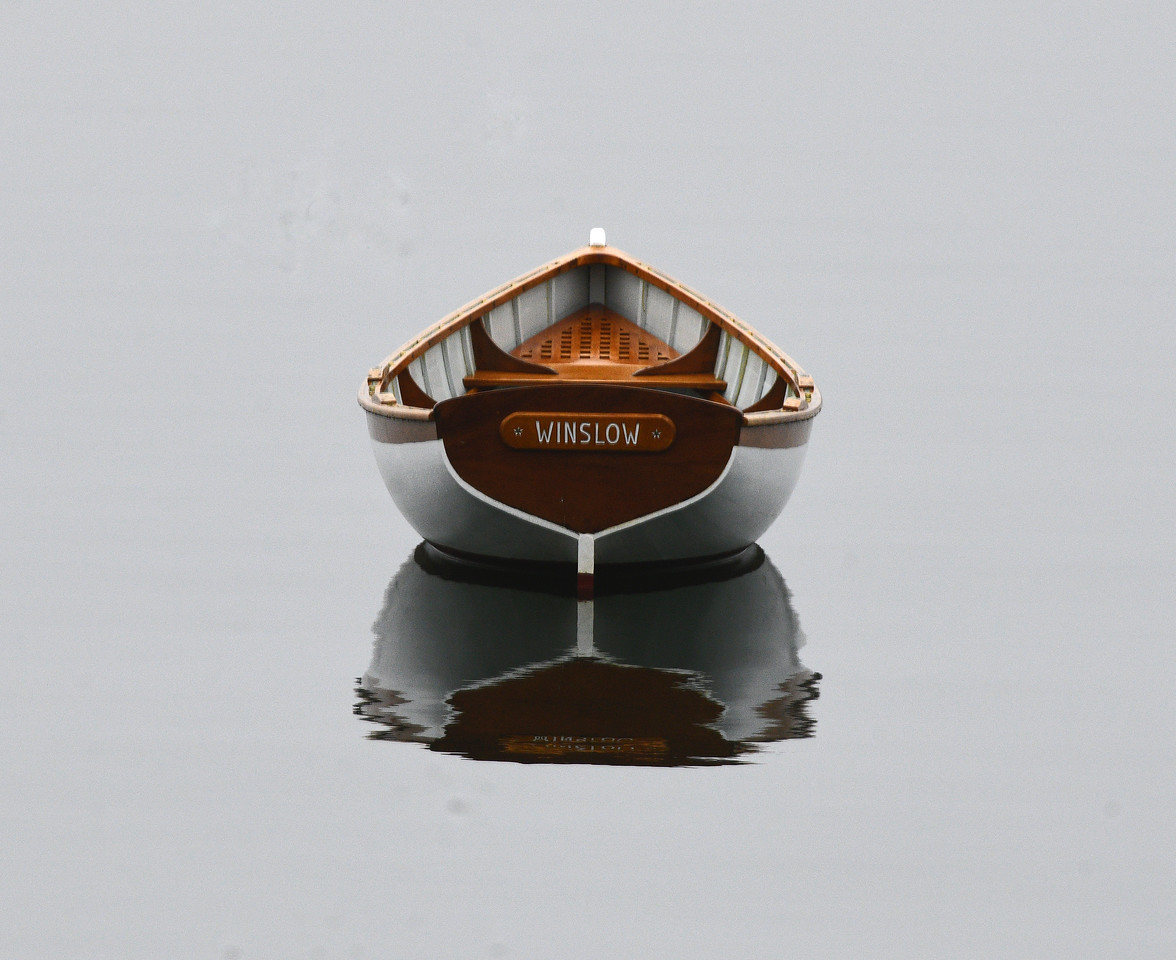
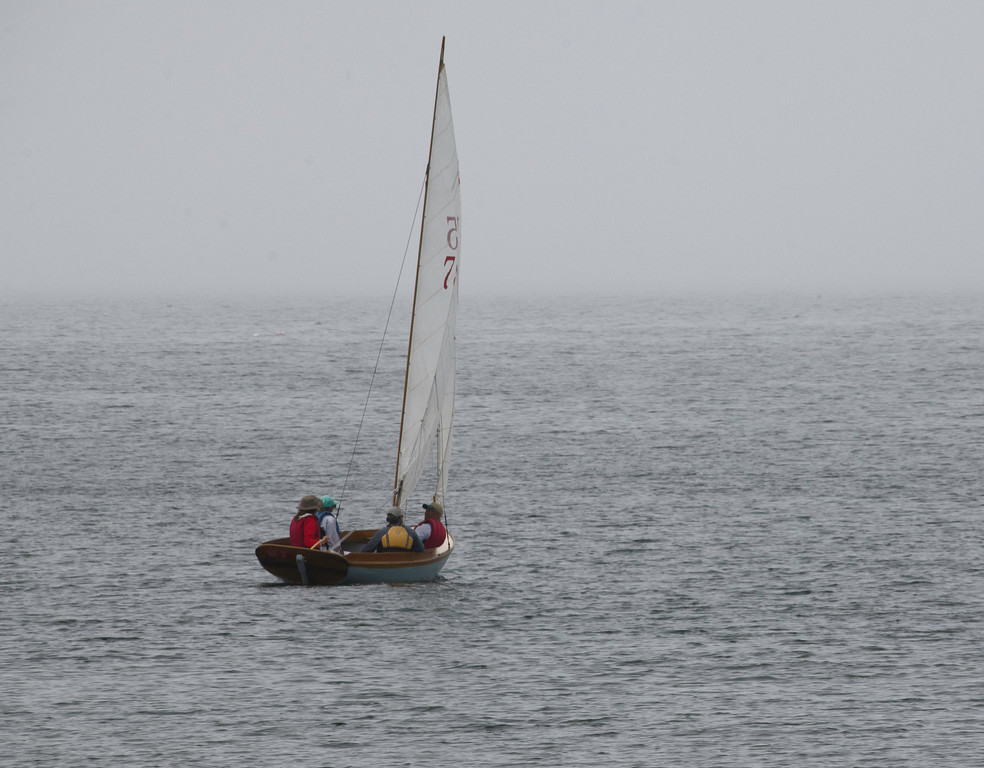
Here are still-water studies of two of our local beauties posing in Great Cove earlier this week. Both were built by students at our neighboring WoodenBoat School. The first is Winslow:

# Boat 1.jpg

Winslow is a skiff that is not quite 14 feet long (13’6”). She’s similar in design to the 19th Century skiffs that were rowed for recreation on the Charles River in Boston. Many skiffs are flat-bottomed and slow, but Winslow’s elegantly curved hull makes her a high-riding and fast-pulling boat. She was built during the 1998-1999 school years.

The second beauty is Shearwater:

# Boat 2.jpg

Shearwater is a 16-foot sail and pulling boat designed by Joel White and based on the lines of a Norwegian workboat. Her light weight (150 pounds) and narrow beam (4.5 feet) give her very good acceleration. Shearwater can be remarkably fast when rowed by two good oarsmen. She was built in 1987.

(Brooklin, Maine)
Comment

Comment

In the Right Place: Oh-Oh

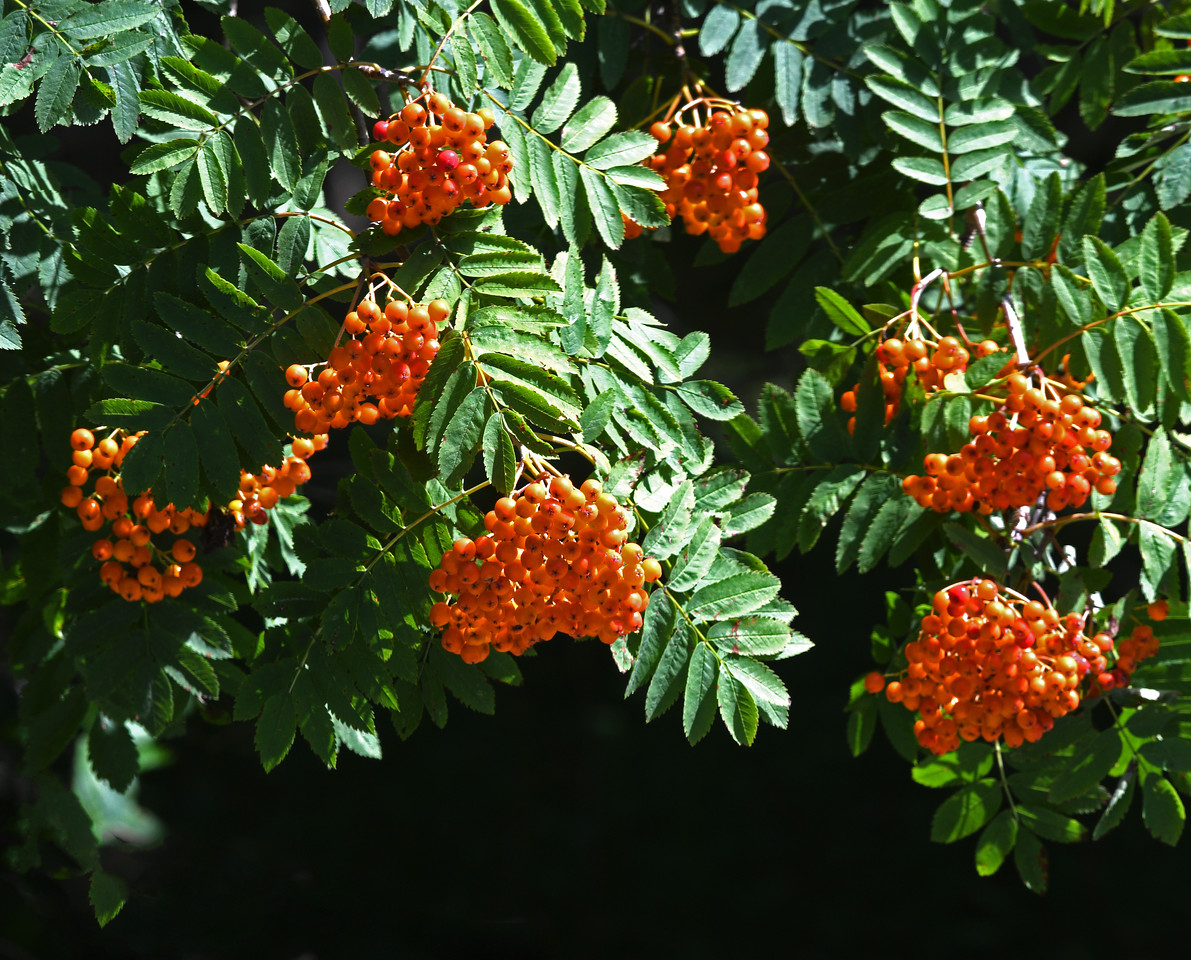
Our mysterious American Mountain Ash Trees are now bursting with their outrageously orange berries. We say that these trees are mysterious because they’re the subjects of considerable folklore and mystery. For one example, no one seems to know why they are called ash trees. They’re not ashes, they’re members the rose family.

# Northern Ash.jpg

They’re also called Rowan Trees here because our settlers from the British Isles mistakenly thought that they were the same as European Rowan Trees. The Celts (and some of America’s colonists) thought Rowan trees warded off witches and had other magical properties. Across our border in Canada, American Mountain Ash Trees are also known as Dogberry Trees and their berries are used to make popular Dogberry Jam there.

But, it’s an Ojibwa Tribe legend about the trees that gives us pause, as we look at the multitudes of orange orbs hanging from them now. The legend is that, if there are many Mountain Ash berries in late summer and fall, the winter is sure to be very harsh. Oh-Oh. (Brooklin, Maine)
Comment

Comment

In the Right Place: Breathtaking

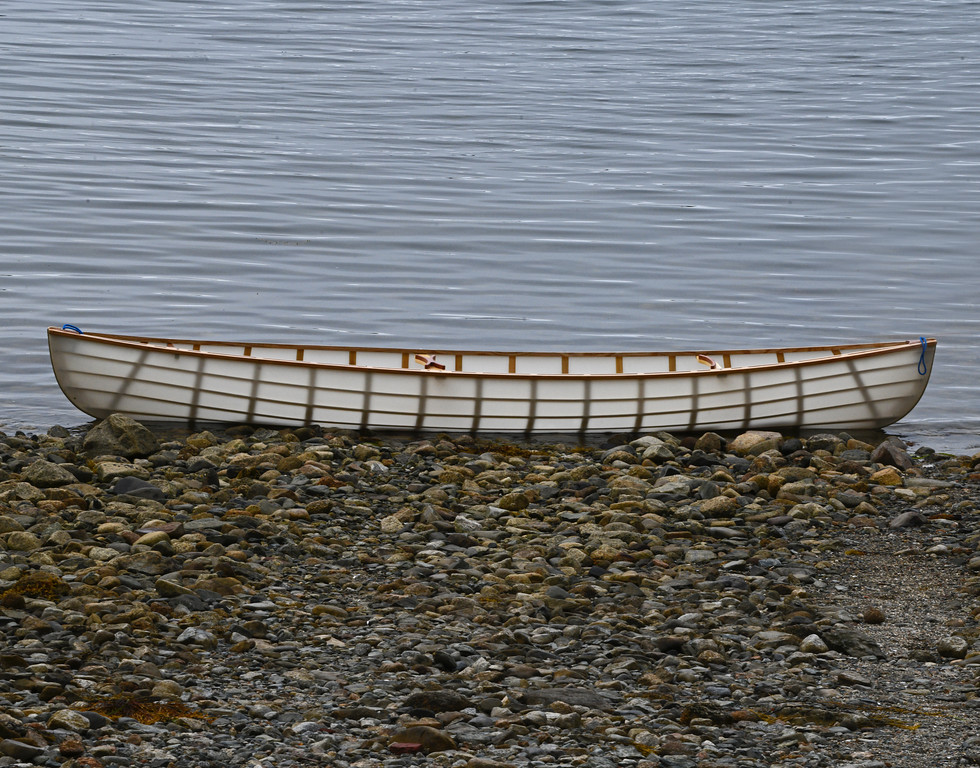
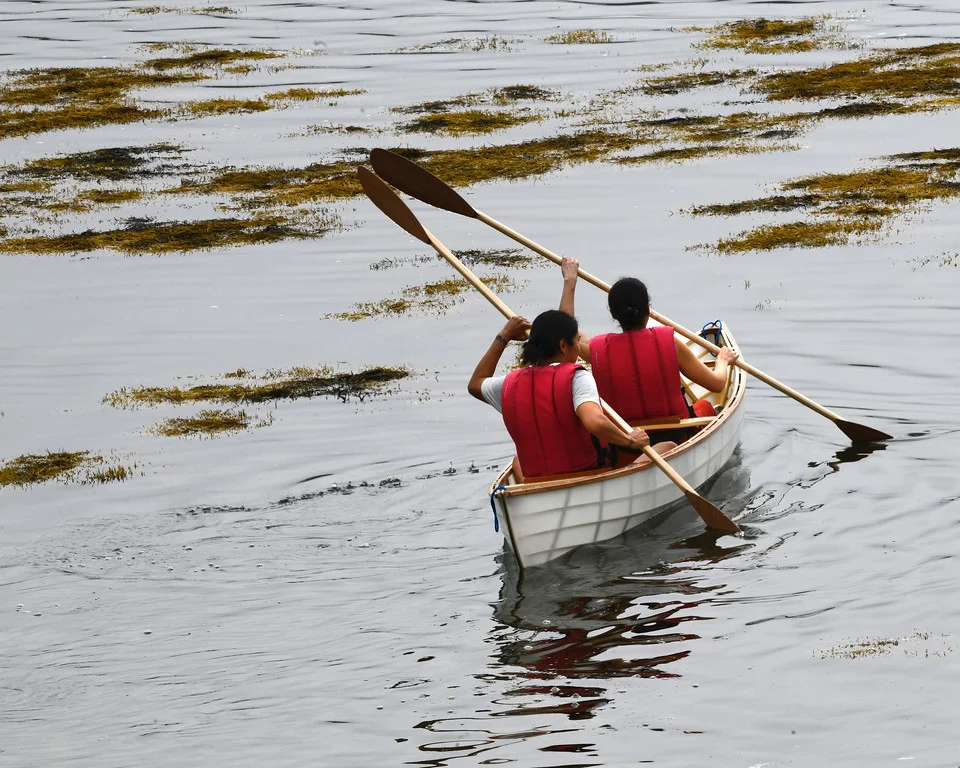
This graceful craft is a – take a deep breath – tandem, double-paddle, skin-on-frame, ultra-light canoe. We’re seeing her in foggy Great Cove last week, where she met serious water for the first time. She was built by students at a WoodenBoat School class under the direction of boat builders Hilary Russell and Roger McKee.

# Canoe 1.jpg

This canoe reportedly has – take a deeper breath - spruce gunwales; northern white cedar ribs; white pine stringers (supports in hull); a spruce keelson (centerline backbone for transverse pieces); hardwood deck, backrests, seats, and rub-rails; brass stem bands (boat end protectors), and a polyester skin that is waterproofed and hardened by a polyurethane coating. Phew!

Here she is taking her maiden voyage:

(Brooklin, Maine)

# Canoe 2.jpg

Comment

Comment

In the Right Place: Elusive

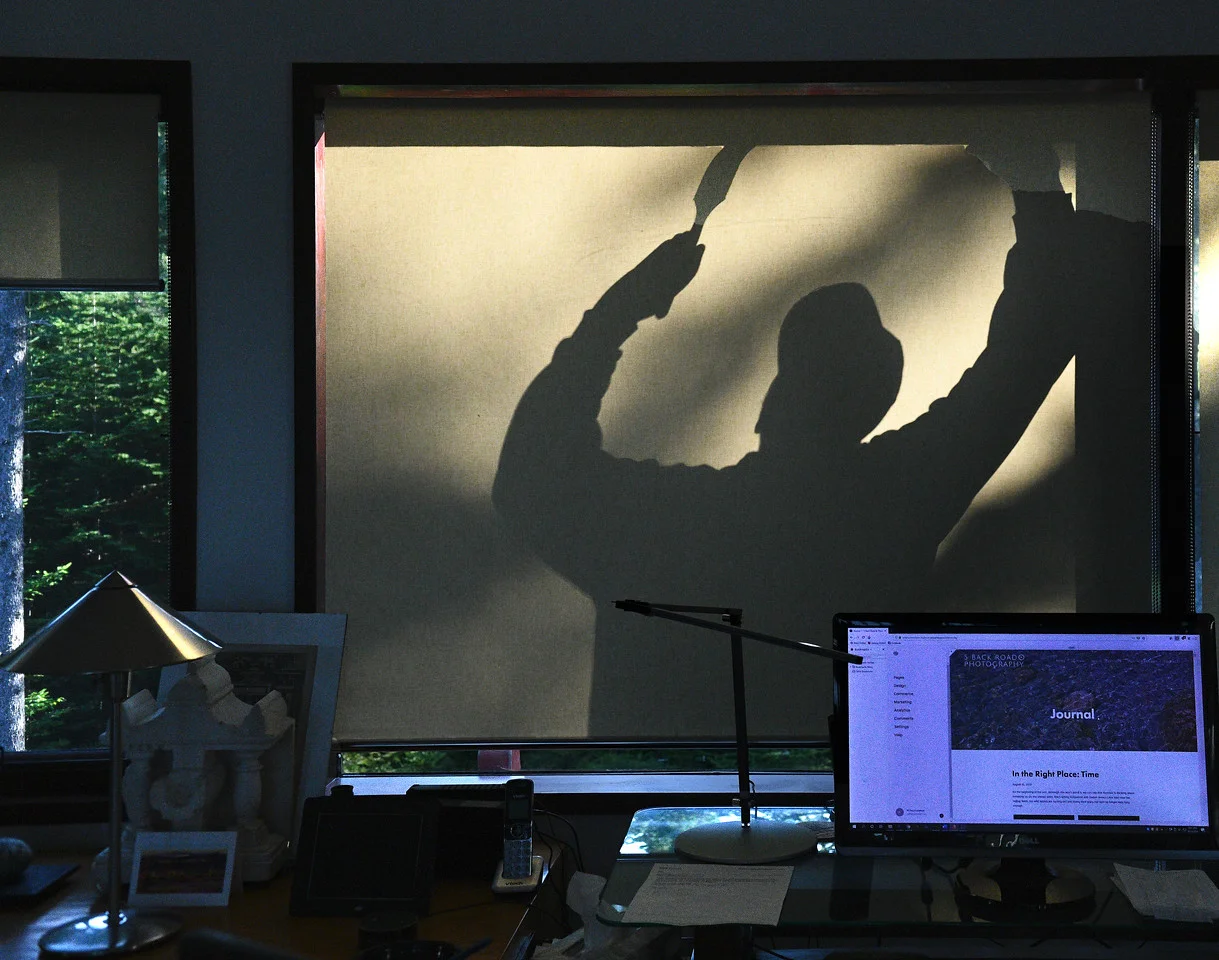
It’s a little after 7 a.m. and we’re in our second-floor office trying to get some writing done. The shades in front of us are closed because the morning sun beams in and makes us squint. A large shadow suddenly looms….

# Paint 2.jpg

It’s a Pileated Woodpainter! This is an elusive species that appears here only about every 12 years. This friendly Pileated Woodpainter should not be confused with the shy Pileated Woodpecker, although both are high climbers and have caps (that’s what “pileated” means).

# Paint 3.jpg

A quick way to tell the difference between the Pileated Woodpecker and the Pileated Woodpainter is to compare their large bills: the Woodpecker’s is bone; the Woodpainter’s is paper. (Brooklin, Maine)
Comment

Comment

In the Right Place: Bad Hair

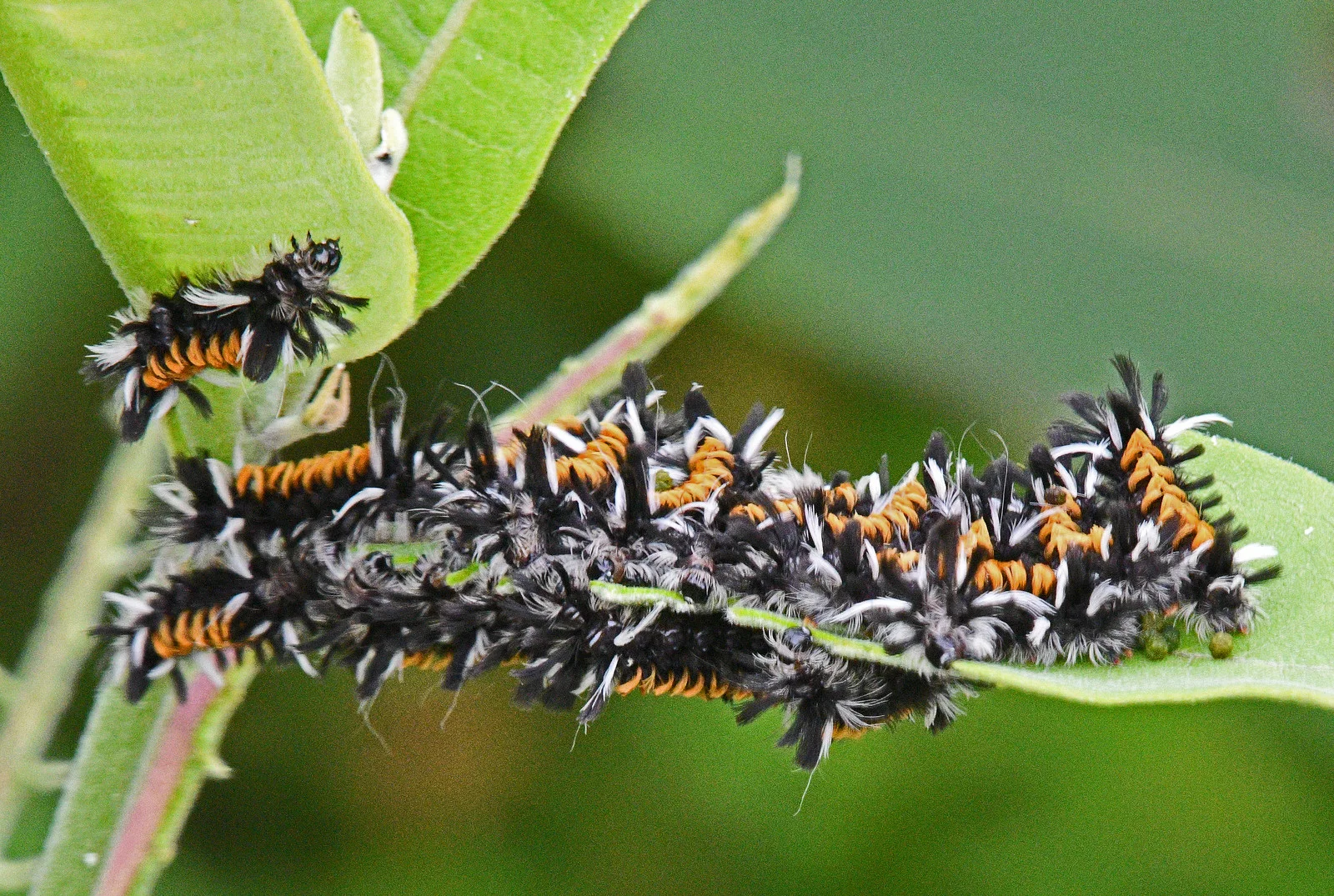
This is a swarm of recently-emerged caterpillars that soon will become Milkweed Tiger Moths, also known as Milkweed Tussock Moths. They’re devouring their namesake plant for one of the reasons that Monarch Butterfly caterpillars consume it. The toxicity of milkweed makes both the crawling and flying phases of the insects toxic to predators.

# Tiger Moth Caterpillars.jpg

But the Tiger Moth caterpillars go one step further. Tiger Moth Caterpillars literally have “bad hair” and by that we mean poisonous pompadours. Their hairdo includes “urticating” hairs, named after the Latin word for stinging nettle (“urtica”). Some of these defensive growths are long and flexible and some are stout and bristly.

The former can puncture human skin and break off, causing inflammation in sensitive people. The latter can puncture the skin and inject venom (“envenomating” hairs), which can cause a severe reaction in those people. Look, but don’t touch. (Brooklin, Maine)
Comment

Comment

In the Right Place: Fishing Time

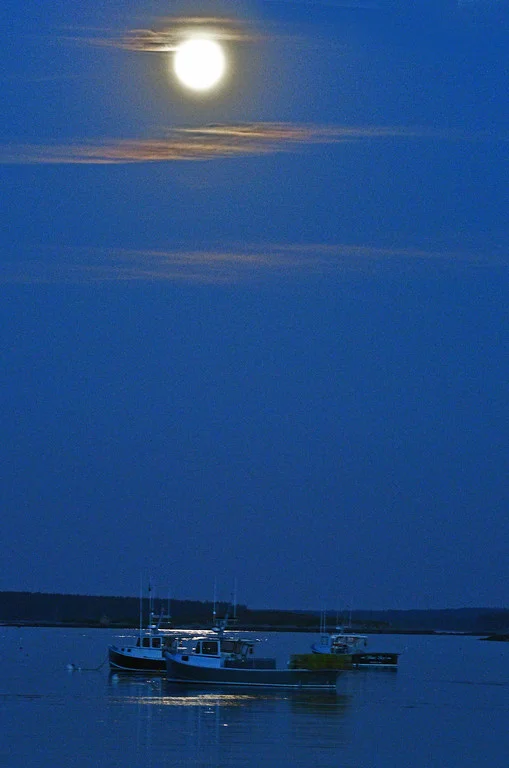
Here we see this month’s full moon as it rose over Naskeag Harbor on August 15. The August full moon is most commonly called “The Sturgeon Moon,” which was the Algonquin Tribe’s descriptor relating to the time when that fish is most easily caught in what is now the United States' Northeast.

# Full Moon.jpg

However, in the Pacific Northwest, the Haida Tribe called this moon “The Salmon Moon.” The Cree Tribe, in what is now the Ontario area, called the August moon “The Flying Up Moon,” perhaps because some birds start to migrate in August. The Ojibwe tribe,in what is now southeast Canada, called it (and sometimes the July moon) “The Blackberry Moon,” in reference to when those berries became ripe. (Brooklin, Maine)

Comment

Comment

In the Right Place: Lurking

We’ve got our own version of the Loch Ness Monster in Great Cove. The first sign of its presence usually is a school of good-sized fish (Pogies?) jumping out of the water for no obvious reason.

1.jpg

We’ve come to realize that they jump because they see the monster rising fast toward them from the black depths. The monster attacks with tremendous speed and force, sometimes bursting high out of the Cove to catch its prey as they leap for their life.

2.jpg

We’ve seen, at a significant distance, the monster’s silhouette and parts of its breaching body and can tell that it’s a large seal of some type. But, we haven’t been able to confidently identify what type of seal it is. We think that it’s probably a Harbor Seal, our most common seal.

File Photo

File Photo

Harbor Seals can grow to over six feet long and weigh almost 400 pounds. Usually, Harbor Seals find their prey along the bottom (e.g., lobsters and other crustaceans) or chase fish at mid-sea depths. This Great Cove lurker is different, and we’re glad it prefers fish over arms and legs.

3.jpg

(Brooklin, Maine)
Comment

Comment

In the Right Place: The Right Stuff

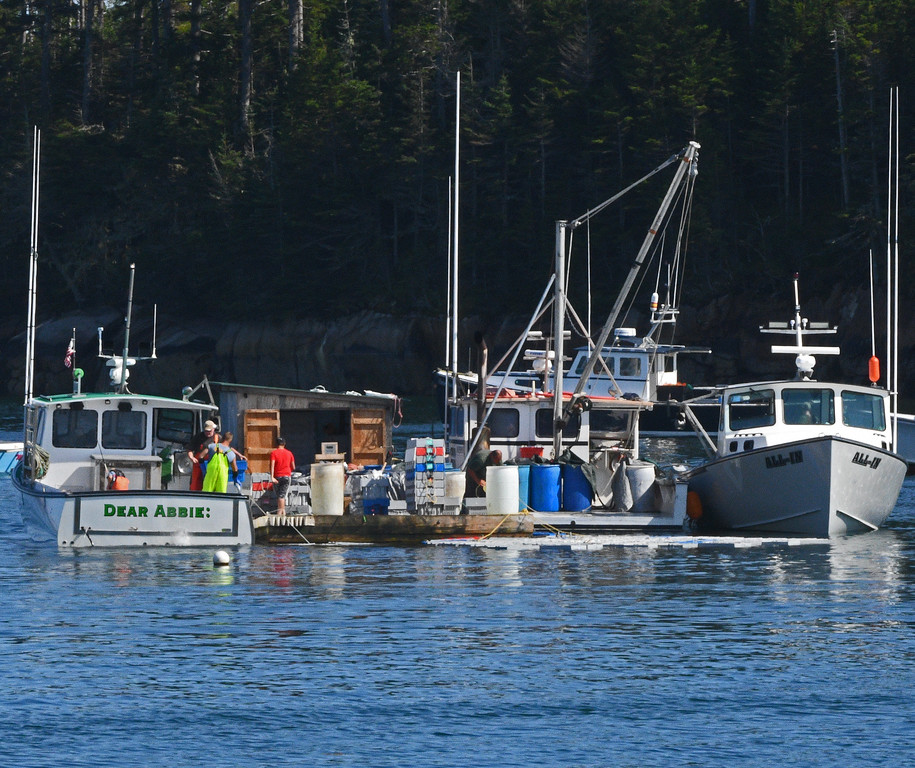
As you can see, not all fishermen on lobster boats use traps these days, but they all continue to wear “oilskin” bib pants. Today, waterproof oilskins often are made of breathable rubber or flexible PVC-coated synthetic fabric – the right stuff for fishing in foul weather and other wet activities.

080919.jpg

In days of yore, fishermen wore real oilskins, often made of discarded sailcloth coated with linseed oil and wax, which created a waterproof and breathable garment.

The bibbed fisherman shown here in Dear Abbie: is Nolan Candage, the son of the owner of another good-looking local fishing vessel, Judith Ann. (Brooklin, Maine) Click on image to enlarge it.
Comment