Comment

In the Right Place: Happy Birthday!

The Great State of Maine, also known as The Pine Tree State, is 200 years old today.

Pine.jpg

Our statehood arose out of a bitterly divided nation headed for war. When the Massachusetts District of Maine filed for statehood in 1819, there were 22 states, equally divided between those that were “free” (that prohibited slavery) and those that were “slave” (in which slavery was legal).

Maine’s requested entrance as a free state would destroy the political balance as it related to the country’s gravest problem, slavery. The Missouri Compromise of 1820 was the Congressional solution: free Maine would enter the Union on March 15, 1820, as the 23rd state and slave-permitting Missouri would enter as the 24th on August 10, 1821.

Pine 2.jpg

Maine was a fervent abolitionist state. It was the first state to support creation of the Republican Party to oppose slavery and the birthplace of President Abraham Lincoln’s first Vice President, Hannibal Hamlin. When the Civil War arose, Maine contributed a higher percentage of its population to the Union military than any other state. (Brooklin, Maine)

Comment

Comment

In the Right Place: Moon Pi to Maine Pi

Most people won’t know this: today is International Pi Day. It’s a day on which mathematicians celebrate that formula, which is an amazingly useful tool for many things, from equipment for the space program to forestry management in Maine.

C.jpg

Pi, symbolized by the Greek letter “π,” is a way to measure things involving circles, such as parachutes for slowing landings and the insides of living trees. More specifically, Pi is the ratio (comparative size) of a circle’s circumference (length around) to that circle’s diameter (length through the middle). That ratio, numerically, is recognized as 3.14159 for most uses, but it has been calculated out to over a trillion digits.

B.jpg

Thus, if you want to know the diameter of any part of that big spruce trunk behind your house, measure the part’s circumference and divide that number by Pi. Or, use a forester’s diameter tape, which has circumference measurements on one side and Pi-derived diameter measurements on the other.

D.jpg

(Brooklin, Maine)

Comment

Comment

In the Right Place: Spring Unsprung

“The significant snowstorm shown in the accompanying photograph was taken on April 10 of last year, at the beginning of the Easter weekend in Brooklin, Maine. Stated another way, it’s time that we had a candid talk about Spring here in Down East Maine.”

EA 031220.jpg

That’s the first paragraph of our monthly column that appeared yesterday in the Ellsworth American. Click on image to enlarge it. (Brooklin, Maine) To read the column, click here: http://www.5backroad.com/montly-column

Comment

Comment

In the Right Place: On Thin Ice

Here we see Matthew and Martha Mallard, testing the fast-disappearing ice in the WoodenBoat campus marsh pond yesterday.;

1.jpg

A few days ago, ice covered the pond and was thick enough to support a man:

2.jpg

If we get one of our famous spring freezes, the pond will refreeze. If we don’t, it soon will host considerable wildlife, including red-winged blackbirds, mergansers, wood ducks, and, of course, mallards like Matthew and Martha, who may decide to nest there. (Brooklin, Maine)

Comment

Comment

In the Right Place: Bulging

Monday night’s full supermoon had plenty of pull with yesterday’s high tide. That tide was a 12 ½ -footer, our highest predicted tide for March, according to Center Harbor data. We also had fog coming in with the tide yesterday, making the effect more dramatic.

2.jpg

As you can see above, the tide reached high onto the banks of Great Cove. On the other side of our peninsula, it climbed the Town Dock to about two feet from the top:

3.jpg

Tides actually are very long waves that are pulled back and forth and made to bulge by the gravitational effects of the moon and sun on the Earth. When the sun, Earth, and moon are in alignment, the moon not only appears “full” (of light), the pull of the sun on the tides is added to the pull of the moon. This makes the oceans bulge deeper than at other times. (Brooklin, Maine)

Comment

Comment

In the Right Place: Worming

We were on Mount Desert Island yesterday evening when March’s molten full moon arose out of Frenchman’s Bay into the low-lying clouds. At first, it was a massive, planet-like presence.

1.jpg

But, it was rising fast and resolved itself when it got above the clouds:

2.jpg

By the time that we got home, it was a silver cannon ball hurtling over Blue Hill Bay.:

3.jpg

This is our last winter full moon, at least for those who believe spring won’t arrive until the March 19 equinox. It also was a supermoon, since it was at its closest monthly point to us last night. Because the March full moon usually comes when worms in the soil are stirring, this lunar spectacle traditionally is called the Full Worm Moon. But, maple tree sap also often starts to run in March, so some call it the Full Sap Moon.

4.jpg

(Mount Desert Island and Brooklin, Maine)

Comment

Comment

In the Right Place: Inspirations

In the spring of 1804, William Wordsworth was wandering “lonely as a cloud” around Glencoyne Bay in the Lake District of England, when he saw something that inspired his most famous poem: “all at once I saw a crowd / A host of golden daffodils / Beside the lake, beneath the trees / Fluttering  and dancing in the breeze. ****”

1.jpg

Well, it’s technically spring here and we’ve been wandering a lot in the woods, fields and beside ponds and the sea; yet, it wasn’t until we wandered into the supermarket that we found a host of golden daffodils.

3.jpg

Nonetheless, daffodils will be growing out of the ground here soon. In the meantime, daffodils picked in the supermarket can help us pretend that it’s spring and inspire us photographically. (Brooklin, Maine)

Comment

Comment

In the Right Place: Passing Through

Yesterday morning, we had a good sign: a flight of 42 Canada Geese were resting and eating in Great Cove and on its shore.

1.jpg

They’re gone now, possibly continuing north to the country for which they’re named. They’re magnificent birds, especially when they rise and circle high, honking and forming a V-shaped formation.

Leighton Archive Image

Leighton Archive Image

Even better, when a mating pair of them flies low in close-order drill to strafe you, you don’t know whether to dive to the ground or stand and marvel.

Leighton Archive Image

Leighton Archive Image

An increasing number of Canada Geese born in Maine are not migrating, which has created issues. Geese don’t migrate by instinct, they learn the pathways from older leaders when they’re young. If they mature where they’re born, they and their following generations become non-migratory residents and have to survive our winters. If the winter survival drives them to urbanized areas, they often are considered to be aggressive (and messy) pests.

Leighton Archive Image

Leighton Archive Image

(Brooklin, Maine)

Comment

Comment

In the Right Place: Ruffles and Snuggles

It’s Thursday, March 5. We first go to feel the 30-something-mile-per-hour gusts that are blowing down and across Eggemoggin Reach and into Great Cove. The winds are whistling through the Cove’s north entrance; ruffling the lowering tide into greens, blues, and whites, then escaping out of the Cove’s south entrance back into the Reach and out to the nearby Atlantic.

B.jpg

A short time later, we drive a few miles down to the point of our Peninsula to check Naskeag Harbor, which snuggles within larger and more numerous protective islands. The difference is remarkable: Captain Morgan, a local fishing vessel, is calmly pointing into the wind; her line is taut, but she’s not bucking or wallowing. She might even be smiling.

A.jpg

(Brooklin, Maine)

Comment

Comment

In the Right Place: Caring

One of our better old folks’ homes for wild (non-harvested) apple trees is the WoodenBoat campus, where those aged trees that are not buried in the woods are cared for tenderly and loved by visitors.

1.jpg

The queen of long-term care there is an extraordinary centenarian that likes to take the sun in her walkers:

2.jpg

(Brooklin, Maine), images taken March 3 and 5, 2020)

Comment

Comment

In the Right Place: Wind Watching

It doesn’t feel like spring, no matter what the calendars say, but early March is trying to live up to its windy reputation. Here,we see the usually placid Great Cove early this morning being whipped up a bit by 33-mile-per-hour gusts:

1.jpg

Here, we get a little closer yesterday at low tide in similar winds:

2.jpg

(Brooklin, Maine)

Comment

Comment

In the Right Place: False Signals

It’s a tropical 43 degrees (F) as we speak this morning. We’ve been in a freeze-thaw-refreeze cycle lately in which the wooded streams continually form ice and then sculpt it away. Compare the first image of our favorite two-foot waterfall, taken yesterday afternoon, with the one below it, taken Monday (March 2):

1.jpg
2.jpg

The streams seem to enjoy the process, but trees and smaller plants can be endangered when their root systems keep getting confused by false signals of spring. (Brooklin, Maine)

Comment

Comment

In the Right Place: Death Vigil

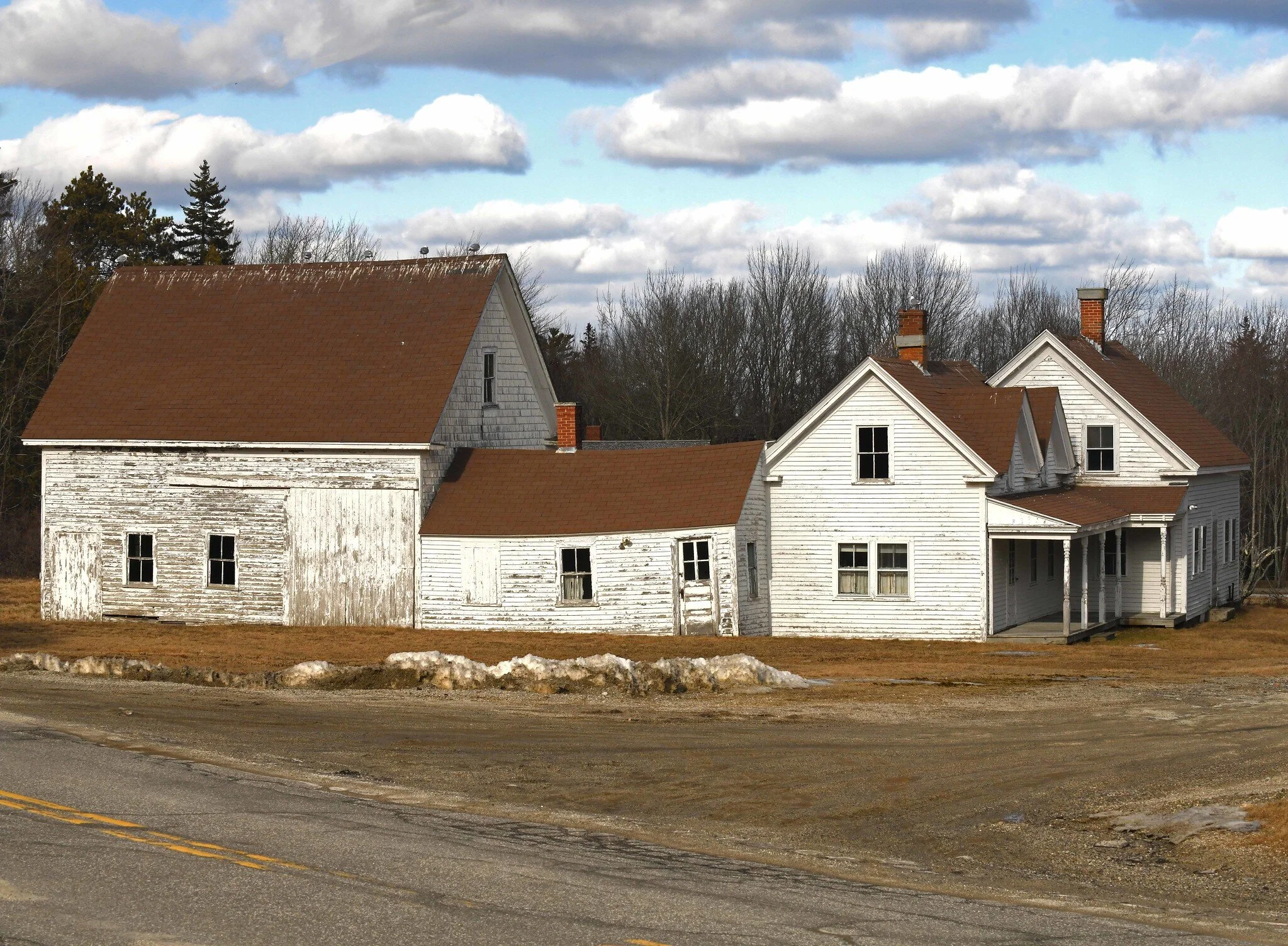
We’re watching this connected farmhouse on Bay Road die a little bit each day. She seemingly is straining to maintain some of the dignity that she had when a large family and a cow, horse, and chickens called her home.

A.jpg

At one time, this house also acted as an important local Post Office. Now she’s a place visited mostly by seagulls that befoul her roof.

B.jpg

She’s a symbol of the times: small farms declining fast, Maine land values increasing exponentially, insurers refusing to insure old houses without extraordinarily expensive safety renovations, mortgage institutions refusing to fund houses that don’t have adequate insurance, and many older owners not having the heart or money to tear down their former homes.

There is a movement here in Maine to use land trusts to try to conserve some of these farmhouses by subsidizing organic and other small farmers to inhabit them, but it may be too little too late.  The inhabitants of reconstructed connected barns now often are not milking cows; they’re fancy cars.

C.jpg

(Brooklin, Maine; images here taken March 1, 2020)

Comment

Comment

In the Right Place: This Is Slick

Our temperatures in February and early March have been above average. But, they still have been mostly below freezing with some short daily highs that reach above the 32-degree mark (F). This confuses the sea ice that has been accumulating in the shadowed nooks of our coves and the pond ice in our marshes and field ponds.

As the days heat up, the edges of scalloped sea ice have been getting pulverized by the incoming tides, only to refreeze again later.

3.jpg

Our pond ice has been frozen thicker and more uniformly because it has less movement and salinity compared to its salty cousin. But, the ponds are not happy. They’ve been moaning a lot lately, with occasional ice cracks that open with a sound louder than a rifle shot.

2.jpg

(Brooklin, Maine; images taken yesterday)

Comment

February Postcards From Maine

5 Comments

February Postcards From Maine

February is supposed to be the grand finale of winter here, the month of blinding whiteouts, plowed snow piled high, bitter cold, and gray days followed by days so bright that they make your head hurt. Well, not quite this year. We’ll blame it on Climate Change until a better reason comes along. Nonetheless, February did have a few good winter moments, including two plow-worthy snowstorms that we explored with camera in hand.

39.jpg
40.jpg

During and after the snowstorms, some of our miserly old apple trees held tightly onto their fruit, providing red memories of Fall, albeit withered memories.

23.jpg

A sunny February day after a gray snowy one is one of the great pleasures of a rural life. We had several of those. On one such days, snow hid imperfections, ice glistened in branches, and an orange-burnished sunset tucked the day in as if it were a precious child.

44.jpg
46.jpg
6.jpg

Speaking of the white stuff, February’s full moon was called the Snow Full Moon by Native Americans. This year, it rose dramatically into a densely clouded sky and looked very “February.”

30.jpg

Although we had little snow, we had plenty of fierce rain and high winds, a combination that downed trees, disrupted electrical power, and devastated dirt driveways.

However, those windy days created a traveling color show along the coast, where fishing flotsam came bobbing in for a brief rest.

61.jpg

Some fishing vessels remain working in February here, fishing for scallops and urchins, mostly. But, a good number of vessels are put “on the hard” and go to bed with nightcaps on.

19.jpg
20.jpg
21.jpg

In the wildlife category, the mild month made survival easier for our resident rafts of Wild Turkey and herds of White-Tailed Deer in thick winter coats that gather falling snow. However, that survival always is subject to some culling by our Eastern Coyotes, sometimes called Coywolves. Note the fresh deer leg bone in the mouth of one of our residents, below. (Eastern Coyotes, are the result of a significant coyote migration last century; they’re larger than their Western cousins because they picked up a significant percentage of wolf in their DNA along the way.)

Coyotes can’t reach our annual convention of about 400 Common Eiders in Blue Hill Bay. They come into the fast waters of Blue Hill Falls with the rising tide and dive for mollusks and crustaceans.

14.jpg

Finally, February is about love. Valentine’s Day is a great excuse to brighten the winter of a loved one. This year’s flowers from Fairwinds Florist in Blue Hill did the job nicely for one beloved person:

63.jpg

(All images above were taken in Down East Maine during February 2020.)

5 Comments

Comment

In the Right Place: The 4th Dimension

Today is Leap Day, an extra day in our lives that is given to us by calendar makers only every four years. It’s a reminder of the value of Time, which seems to have become mankind’s most important dimension. Most of us need uniform calendars and clocks to exist effectively in today’s world. We need to be “on the same page” with others for everything from baptisms to funerals.

C.jpg

In significant part, that’s because we now live our lives according to how long it takes us (and the Earth we’re on) to make one revolution around the Sun. A trip around our star takes us 365.2422 days, as we now measure things. That’s about six hours more than the standard calendar year of only 365 days, which includes a February of only 28 days.

So, we forget about those six hours until they add up to a whole day in about four years (6 x 4 = 24); and, we make that today, February 29. If we didn’t “leap” into this extra day, time would continue to get away from us and we’d end up with summer beginning in mid-July. (Brooklin, Maine)
Comment

Comment

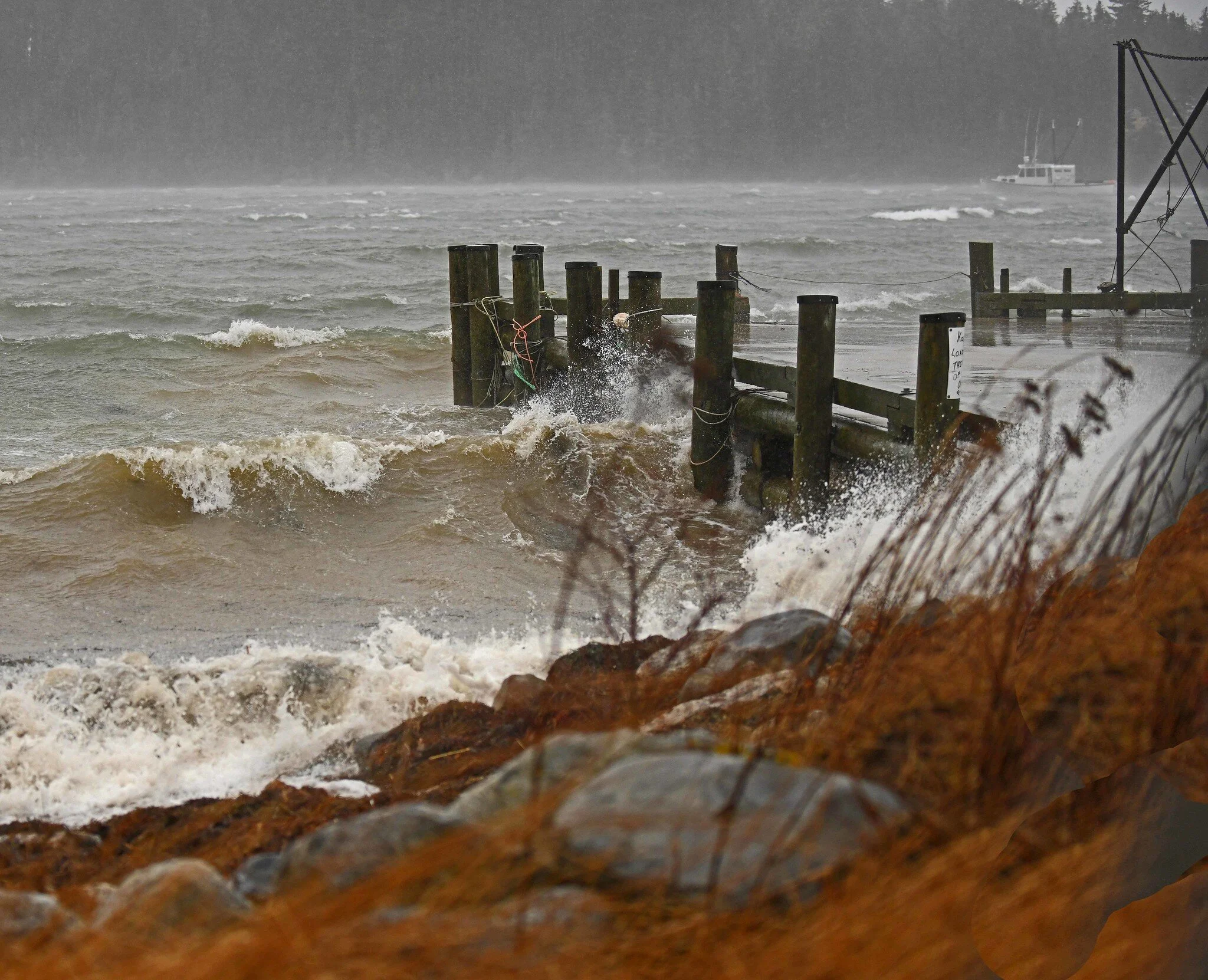
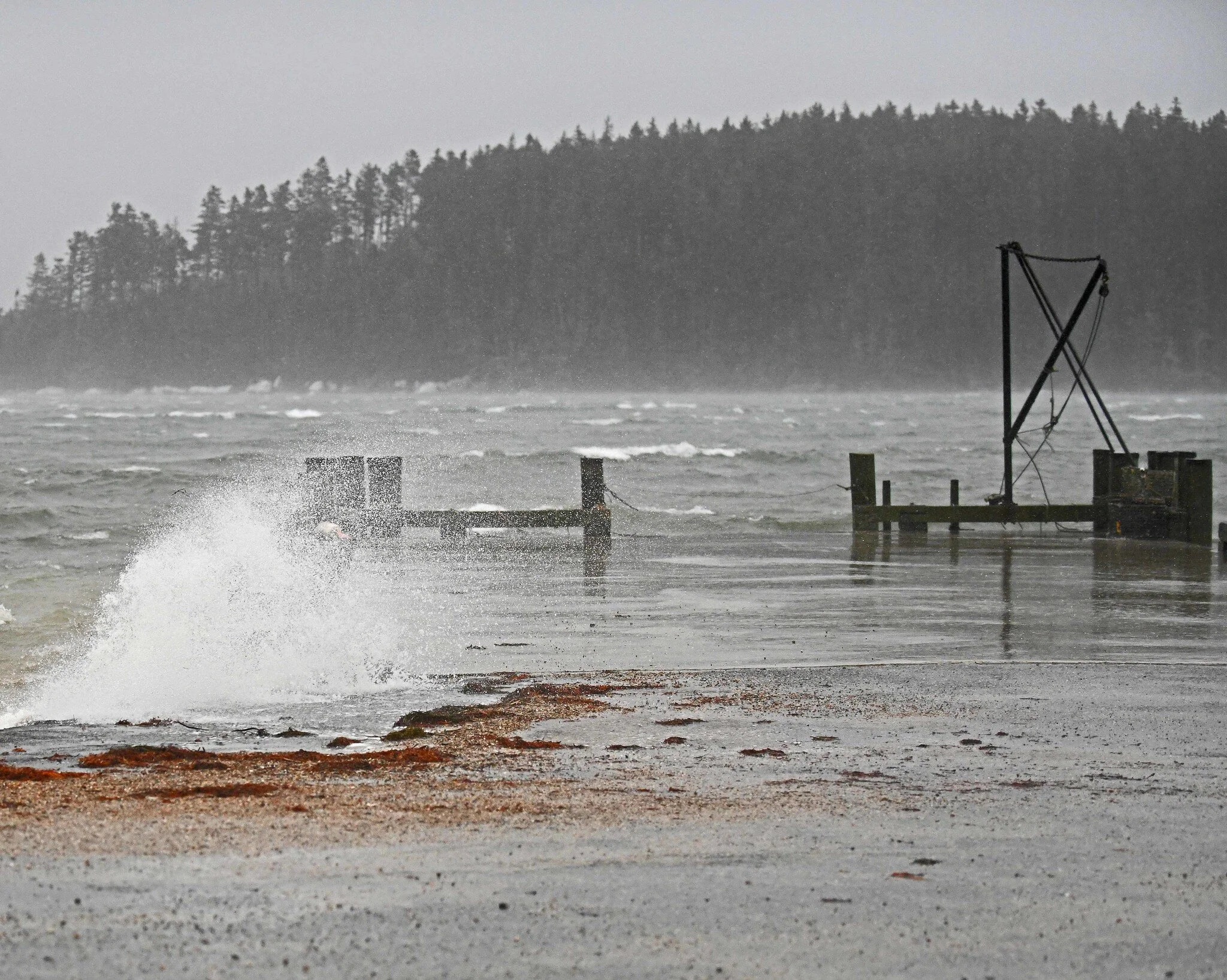
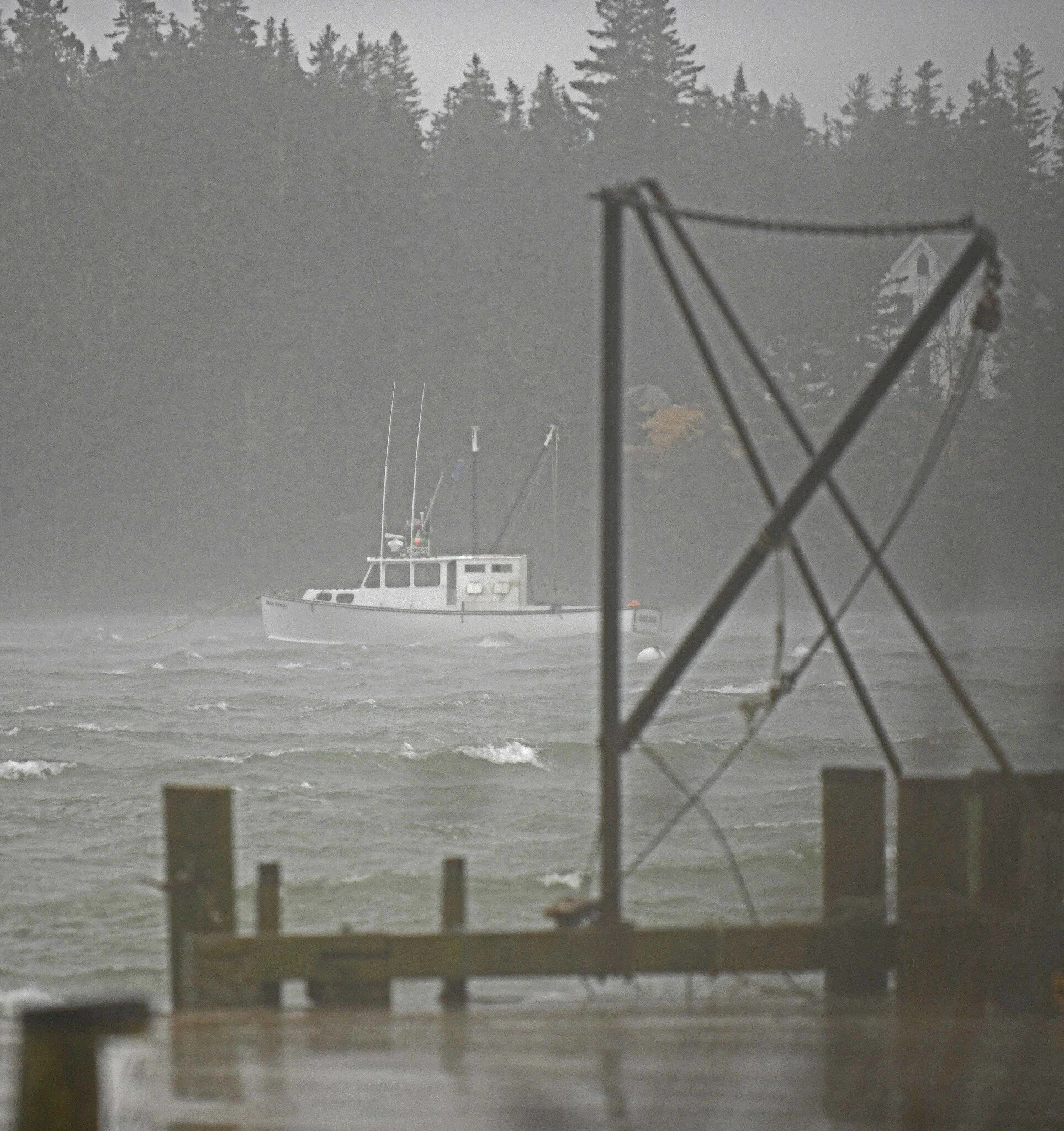
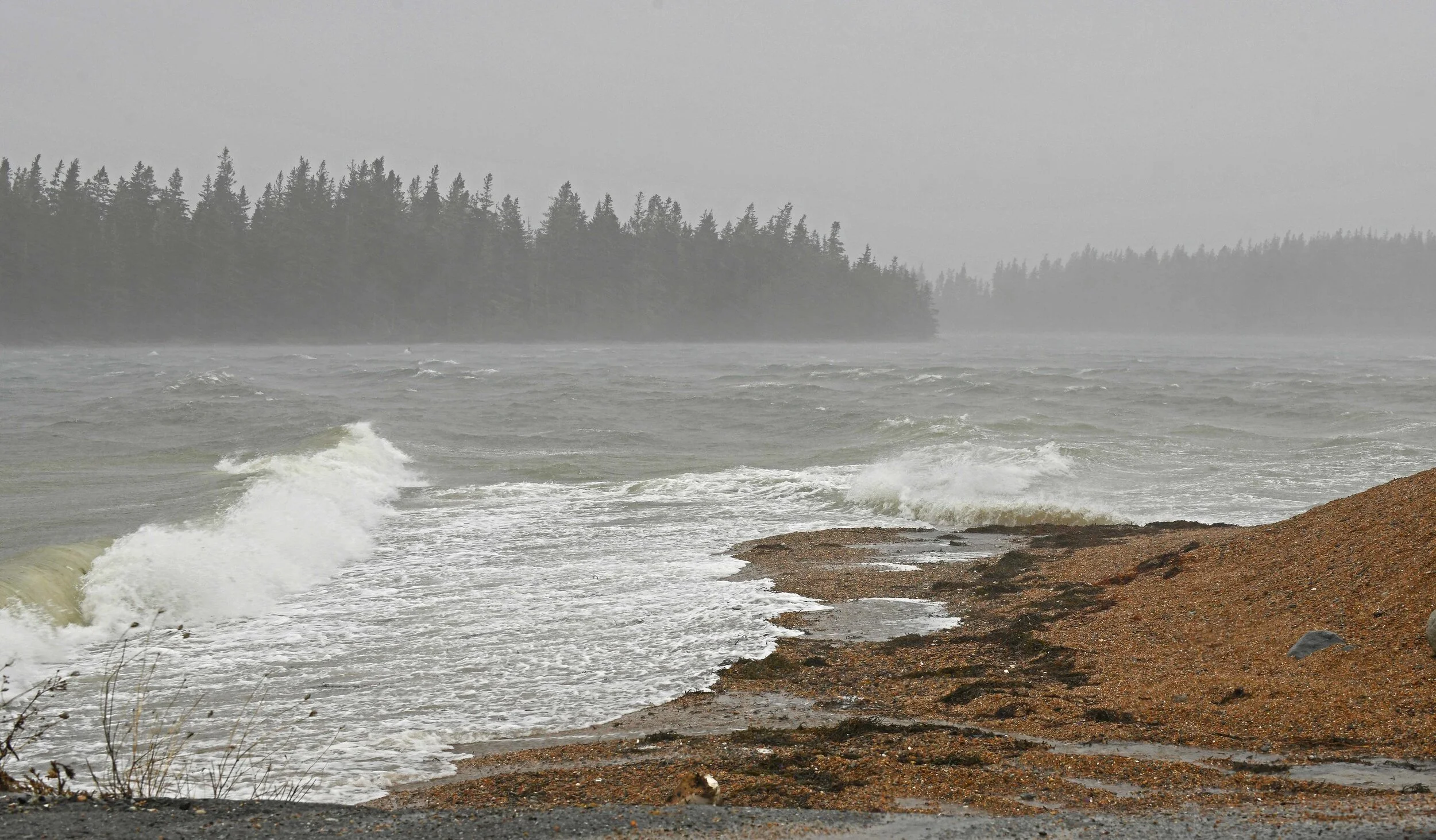
In the Right Place: Wet, Windy, and Mild

Here we see Naskeag Harbor roiling in yesterday’s storm of teeming rain and wind gusts of over 50 miles per hour. The tide ripped seaweeds off their rocks and beached them:

B.jpg
F.jpg

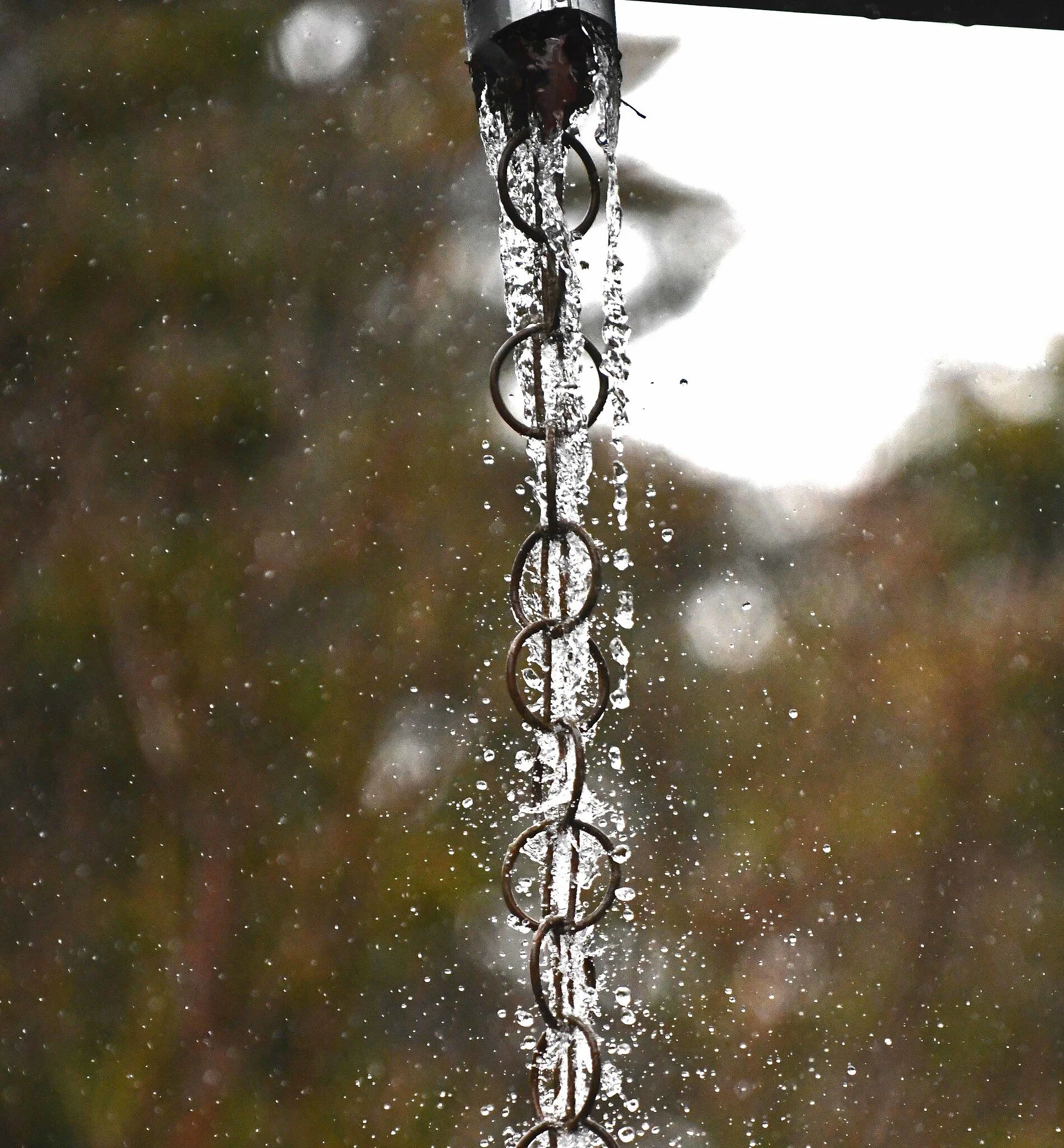
Rain chains worked overtime:

E.jpg

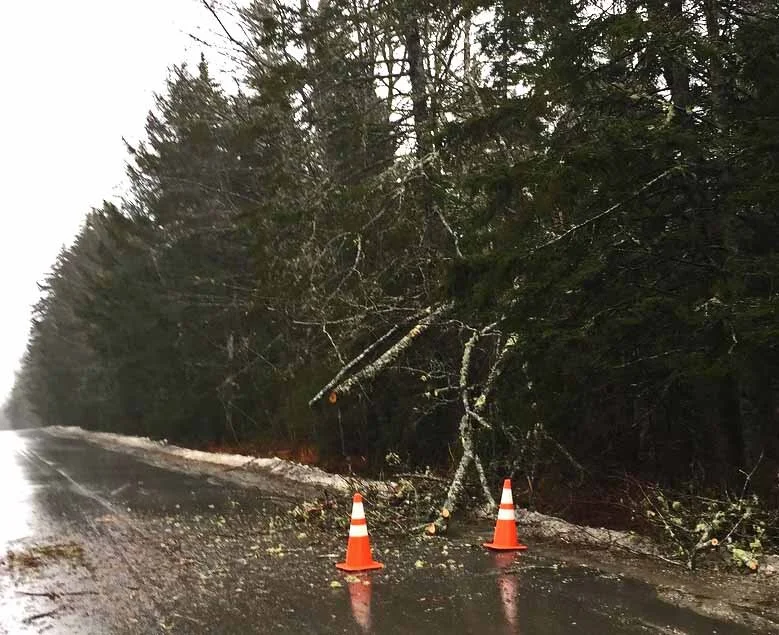
A few trees came down into Naskeag Road and a few people temporarily lost power.

022720.jpg

Nonetheless, the temperatures remained mild for February and much of the remaining snow and ice was washed away. By four p.m., the sun was trying to break through in an eerie way. As we speak, its sunny, 28 degrees (F) with gusts of 28 MPH that are white-capping Great Cove. (Brooklin, Maine)

Comment

Comment

In the Right Place: The Ancient Future

This abstract expression was not created by Jackson Pollock in a red mood; it was created by the sea in a bad mood. It’s an image of seaweeds in the low sunlight of a February afternoon. They were ripped from their rock holdfasts by a recent turbulent tide and stranded on Great Cove’s shoreline.

021720-5.jpg

The species here appear to be mostly Dulse (Palmaria palmata) and Knotted Wrack (Ascophyllum nodosum), which is our principal “Rockweed” that attaches itself to rocks and other hard underwater surfaces.

Seaweeds such as these often are considered to be in the plant kingdom, but they’re not true plants. They’re rootless algae that seek external food like animals, but they also create internal energy (photosynthesis) like plants. They’ve been used by mankind for thousands of years as human and other animal food, fertilizer, medicine, and cosmetics, among other things.

Today, attention has focused on these marine algae to see if they might be mankind’s next major commercial harvest from the sea. Let’s hope that any such wild-cut sea harvest is more sensitive to the environment than prior major commercial harvests that lacked forethought, such as the over-harvesting of the smaller fish (alewives, etc.) on which local cod preyed, which apparently has almost extirpated our once numerous cod. (Brooklin, Maine)

Comment

Comment

In the Right Place: Blimey!

Here, living in our melting snow and ice, is a tiny fungus called British Soldier Lichen (Cladonia cristellata). Its name derives from the British uniform referenced in the New England warning, “The Redcoats are coming!”

Y.jpg

However, these redcoats won’t fit anything much larger than a pinhead and they like to bivouac on cedar tree stumps.

X.jpg

Nonetheless, the lichen is considered to be a tasty treat for white-tailed deer, wild turkeys, and other mixed salad lovers. We say “mixed” because lichens are two symbiotic organisms – a fungus and an alga – in partnership to help each other. Basically, most of the combined body is a fungus that provides protection, water, and minerals to the lichen; the alga makes sugar from sunlight for the fungus. Because their “bodies” are mostly fungi, lichens are classified as fungi. (Brooklin, Maine)

Comment

Comment

In the Right Place: Meltdown

Despite our recent tropical temperatures (i.e., 40F+), there were rink-sized patches of ice in the woods and on spruce-shadowed country lanes. The slick stuff was appearing from under the melting snow and plowed crusts yesterday.:

1.jpg
2.jpg

For those who can’t resist the come-hither call of the woods, cleats and/or a hockey stick are advised until the ice melts fully. (Brooklin, Maine)

Comment