June Postcards From Maine

5 Comments

June Postcards From Maine

Summer has arrived, but there have been far fewer visitors to our “Vacationland” this year due to the Covid 19 plague. Perhaps these Postcards will be able to give a few who couldn’t make the trip a virtual vacation.

June here was a month of many clear, summery days, showing to advantage our sun-spotted Acadia National Park across Blue Hill Bay; brightly-flowered window boxes; broken-windowed barn shells, seemingly standing by sheer determination; fields of perky wildflowers; winding country roads into the unknown; friendly streams, and secret granite-ledged inlets on the islands.

1.jpg
4.jpg
7.jpg

But, June was not a month of only clear skies. We had a significant number of foggy days that would transform one visual beauty into another.

10.jpg
14.jpg

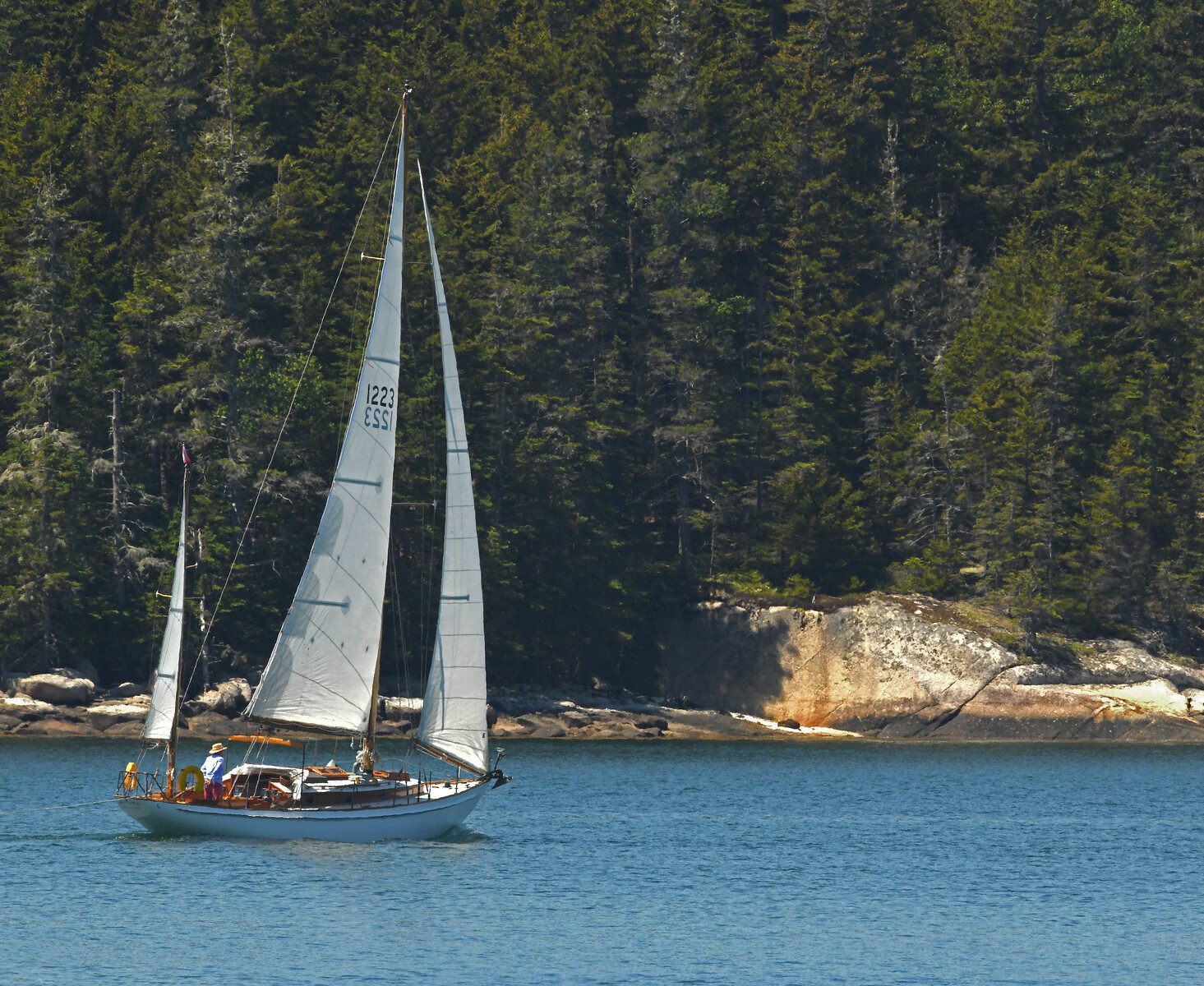
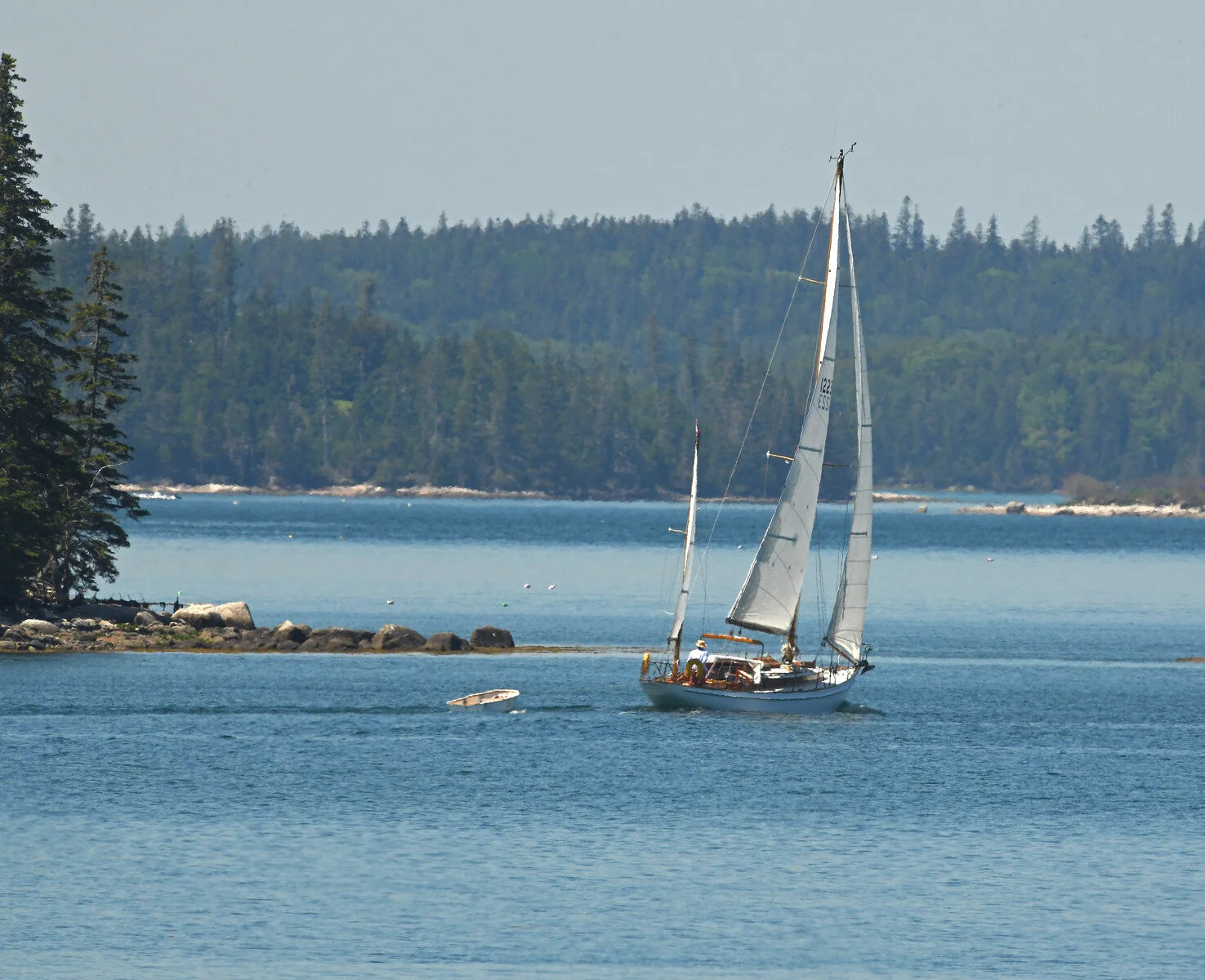
Sailboat, motorboat, and even kayak traffic was diminished significantly this June compared to last year. But, many fishing vessels, including much of the Stonington fleet, worked through the winter and others returned to the water in June to set their lobster traps.

18.jpg
21.jpg

There’s a different watery view in the June bogs and marshlands where exotic plants hide among innumerable hues of green: Lady’s Slippers and Jack-in-the-Pulpits emerge within shadows; Water Lilies begin to bloom; Skunk Cabbage spreads its lettuce-like leaves, and Arrow Arum rises high out of the still ponds, soon to bend gracefully and dip its arrows into the water.

28.jpg

In terms of wildlife, June is a time when many animals give birth. We saw White-Tailed Deer does that froze and didn’t flee, indicating that their fawn was nesting nearby; Tree Swallows that dove endlessly for the thousands of insects that their little ones needed, and our yearly resident Ospreys did it again and produced two fine nestlings in June.

68.jpg
70.jpg

As the wildlife young grew fast in June, so did our trees, especially the Pine and Horse Chestnut trees.

32.jpg

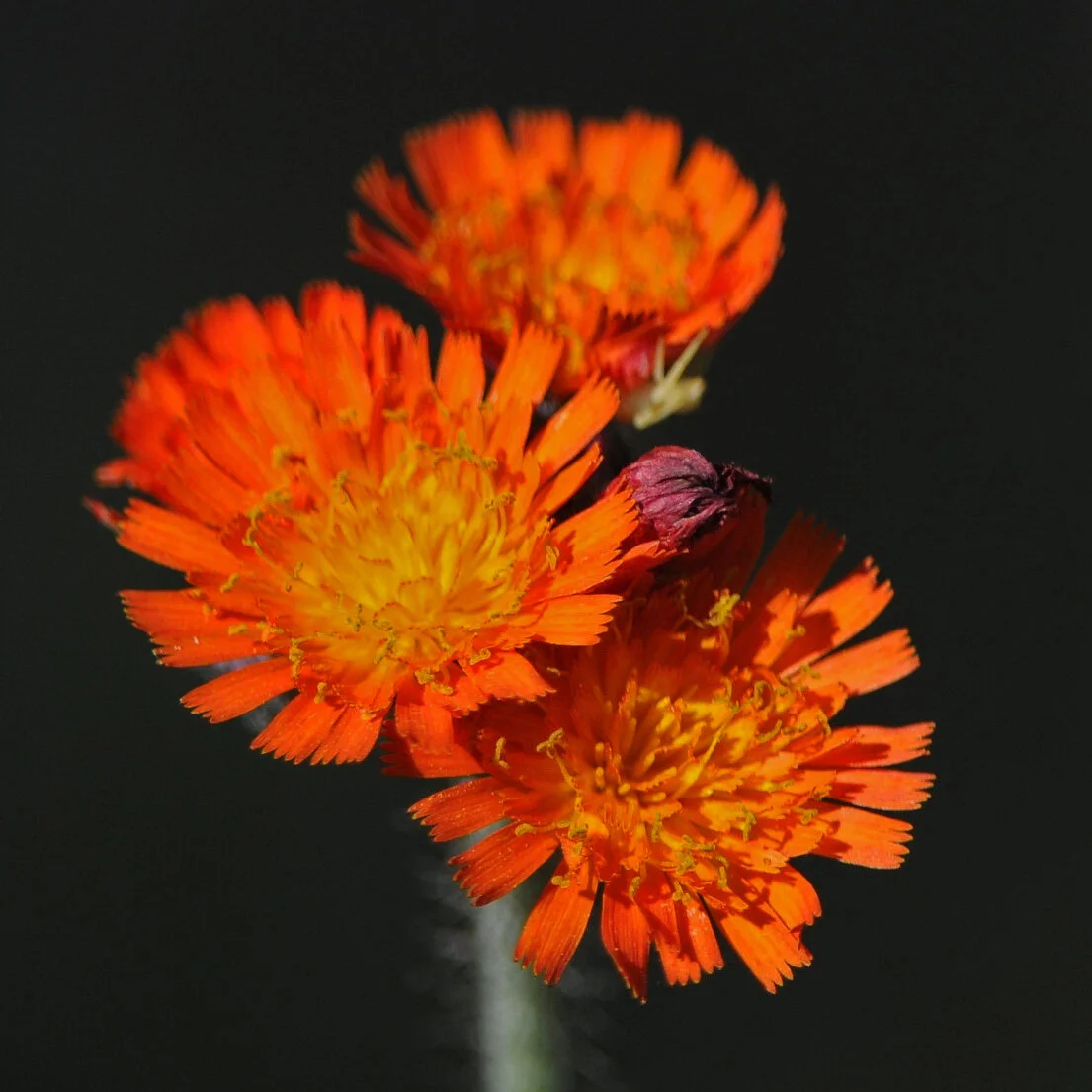
But, it’s the flowers of June that get most attention after our cold winter and virtually nonexistent spring. Early in the month, the wild flowers in the fields were dominated by millions of Buttercups and Daisies, with Orange and Yellow Hawkweed and Wild (Blue Flag) Iris hidden within.

39.jpg
36.jpg

By mid-month, Maine’s iconic wild Lupines were grabbing the attention with their glowing purple, pink and white pyramids of pea pods; by end of June, the Lupines were beginning to lose their color and go into their “velvet” phase.

43.jpg

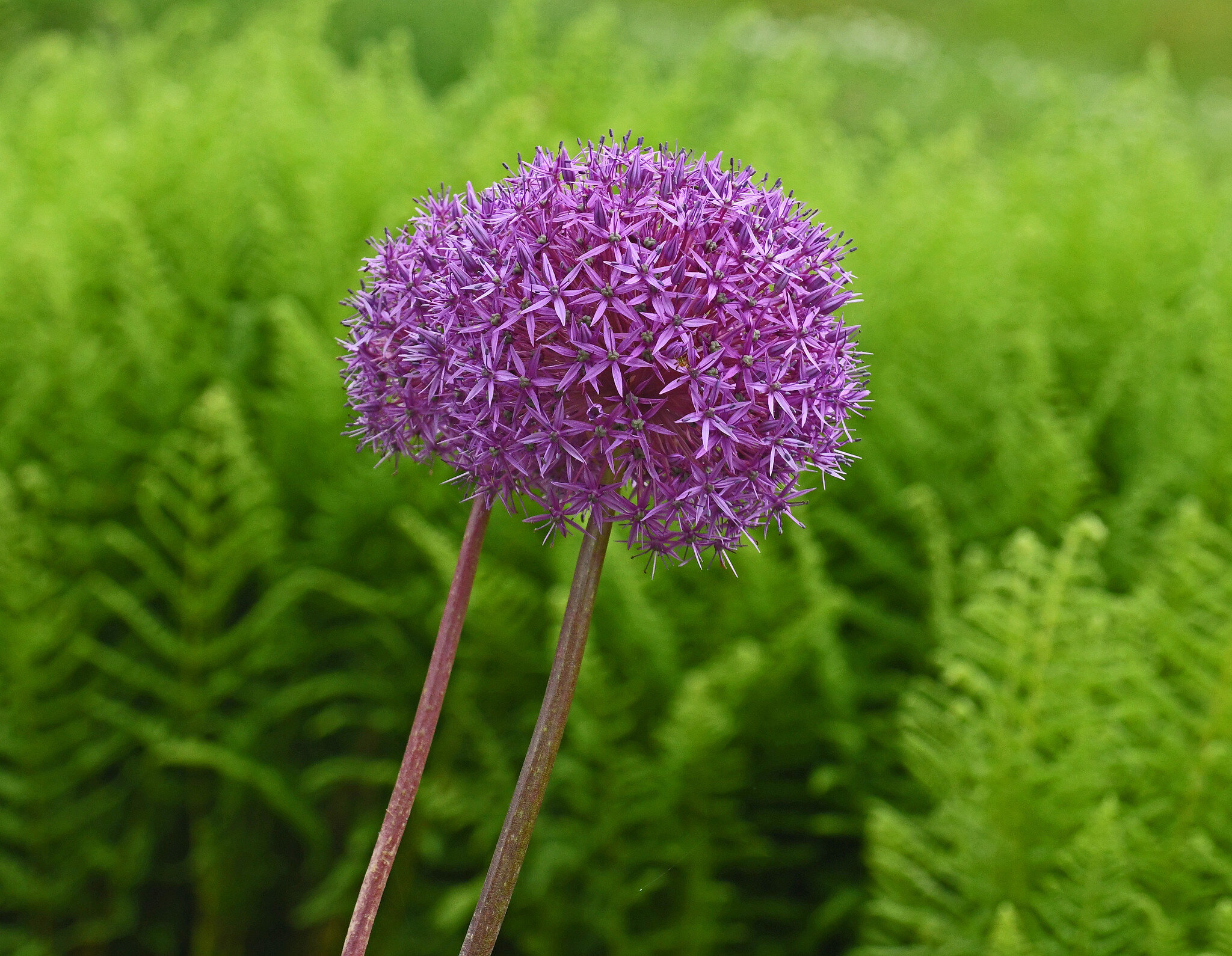
It’s not just the wild flowers that showed off in June. Lilacs came early to Maine gardens; then, Peonies of many different varieties began to open, as did Roses, Clematis, Iris, Poppies, Allium, and many more domestic flowers.

47.jpg
58.jpg
46.jpg

But, of course, we could not escape all of the pain of the plague and unrest that pervaded our Nation’s June. It was reflected in the Brooklin Inn’s cry of support for Black lives and nearby Leaf & Anna Gift Shop’s imaginative open air display with no shoppers browsing.

Nonetheless, we end with this sign of optimism: the Quarter Moon that rose here on the afternoon of June 28 signaled the coming of a Full Moon on July 5.

64.jpg

(All images here were taken in Down East Maine during June 2020.)


5 Comments

Comment

In the Right Place: Bombs Away

June is leaving us with the gift of several days of soaking showers and heavy fog to ease our dry landscapes. Surprisingly, our dry spring has been a good one for Peonies (“PEE-uh-knees”), but perhaps that’s because they are mostly domestic flowers that usually are watered by gardeners. The ones shown here are from our neighbors’ gardens.

Below, we seem to have an image of a Japanese form Peony, with its pollen-producing stamens waving like kelp, but it might be an Anemone Peony, which appears similar to our eyes:

i-ts3c8Wn-X3.jpg

There reportedly are about 30 species of Peonies, several of which are native to the United States, if not Maine. There apparently are at least six recognized Peony flower forms (the shape and content of the flowers): Single; Semi-Double; Double; Anemone; Bomb, and Japanese. Below, we apparently have a Double and/or Bomb Peony (find the ant):

i-QtFT9fv-X3.jpg

As you may have guessed, we have trouble distinguishing Peonies, since we haven’t found one that wasn’t beautiful to us and we inherently resist being analytical about beauty. (Brooklin, Maine)

Comment

Comment

In the Right Place: Erratic

Many cats love catnip and some of them are tigers – Eastern Tiger Swallowtail Butterflies (Papilio glaucus), that is. Here we see a female yellow tiger on blooming catnip (Nepeta cataria).

1.jpg

We know it’s a female by the blue dots on the edges of her hind wings (not easily seen in some of these images); if a butterfly of this shape were all black or virtually black, it would be a female tiger as well.

3.jpg

Tiger Swallowtails reportedly are not originally native to Maine, but have become naturalized in the eastern and southeastern United States. They are the state butterfly (or insect) of Alabama, Delaware, Georgia, North and South Carolina, and Virginia.

4.jpg

When they are flitting among flowers that they like, such as catnip, these tigers are great target practice for photographers who want to increase their eye-hand coordination to “shoot” erratically flying or moving things:

2.jpg

(Brooklin,  Maine)

Comment

Comment

In the Right Place: Osprey Nest Report No. 6 (Congratulations!)

Ozzie and Harriet, whom we’ve been monitoring since April 21, are the proud parents of two nestlings that you can see if you study this very long-distance image:

1.jpg

We’re calling them David and Ricky or “the boys,” which television viewers of a certain age will understand.

The eggs hatched earlier in the week, but, despite our best efforts, we were unable to see the chicks until yesterday when Harriet flew off the nest for about two minutes while Ozzie was guarding it. (Ozzie visits the nest frequently, but we’ve never seen him try to cover the chicks as Harriet does.)

Based on average egg sizes of 2.5 inches, the newborns were probably about 2 inches long when they emerged. Now the boys appear to be about 4 or 5 inches long. Compare the chick in the first Comment space image to Harriet as she returns to the nest after her break. She’s approximately 24 inches in length.

2.jpg

Ospreys are known for super-fast growth. The boys likely will be flying in August. We’ll keep you posted. (Brooklin, Maine)

Comment

Comment

In the Right Place: Priority Shipping

The delivery of toilet paper during the plague around here has been very slow. We discovered why yesterday, when we caught a glimpse of the latest shipment arriving at Naskeag Harbor:

i-wfFXprh-X3.jpg

Well, that may not be totally correct. This kayaker was an important part of a guided paddling tour of the coastal islands here. It is illegal to deposit human waste into U.S. waters and the Maine Island Trail Association protocols call for island visitors to carry solid waste and used toilet paper back to the mainland for proper disposal. (No digging “cat holes” on our islands!)

The protocols suggest using portable toilets designed for carrying in canoes or strapping onto kayaks, such as a small “Boom-Box,” which has a top that folds open as a seat. In fact, this paddler might even be carrying one behind him.

Such innovation has been a great response to the need to protect our environment, especially since kayaks seem to be getting slimmer and slimmer (and more graceful) each year, such as this beauty, also seen yesterday:

i-4fPKnzt-X3.jpg

(Brooklin, Maine)

Comment

Comment

In the Right Place: Favorites

A very slim silver lining in the Corvid 19 plague up here may be that full-time residents can enjoy their favorite summer “Vacationland” spots with fewer distractions from tourists and summer residents. On the other hand, we need our $6.5 billion tourist influx and, besides, many of our favorite summer spots are small, secret, or otherwise unknown to outsiders.

Here we see a family, complete with dog, recently enjoying one of their summer spots: where Surry’s Patten Stream empties into Patten Bay, a spot that is especially beautiful at high tide:

M-1.jpg

Here’s another local favorite photographed recently — the ledges around Sand Beach on Deer Isle:

i-LvC4LnR-X3.jpg

(Surry and Stonington, Maine)

Comment

Comment

In the Right Place: Saintly

Many domestic perennial roses are starting to peak here. This is one of our climbing pink varieties:

Rose 1.jpg

Below, we see an amazing yellow/gold variety belonging to a neighbor:

Rose 2.jpg

There are hundreds of species and tens of thousands of specially cultivated varieties of roses, all in the family Rosaceae and genus Rosa. Scientific reports state that the rose originated wild in nature about 35 mullion years ago and was first cultivated about 5,000 years ago, apparently in China where cultivated roses were thought to be pink originally.

The plant’s English name (“rose”) apparently, was just a transliteration of the Latin genus name (“Rosa”) for roses. However, that genus name, in turn, may have been derived from the German “Roza,” a 13th Century saint. (Brooklin, Maine)

Comment

Comment

In the Right Place: Bee Bells

The bells on Red-Vein Enkianthus bushes (Enkianthus campanulatus) are calling and falling here. As you see if you look closely, they’e calling Orange-Belted (or Tricolored) Bumblebees (Bombus ternarius) for the last round of nectar. (Image taken June 14.) The bushes have been attracting insects all spring and are shedding their bells as we speak.

E1.jpg

Enkianthus (“enn-KEY-ann-thus”) plants are native to Asia, where they were collected by famed botanist Charles Maries and brought to England in the 19th Century. This Red-Vein variety became popular among English gardeners and was exported here soon thereafter.

The beautiful springtime cascades of nodding bells vary from lemon-white to shades of red, depending the variety of Enkianthus. The most famous attribute of this plant, however, is its ember-like leaf colors in the fall:

E2.jpg

As for our Orange-Belted Bumblebee, it’s a common species in northeastern United States and Canada. It nests in a ground colony that lasts only one season. (Brooklin, Maine)

Comment

Comment

In the Right Place: Values

Many lobster fishermen (of both sexes) here are still laying their traps in favorite places. Here, we see two of the many fishing vessels going about their business in Great Cove last week. This vessel, commuting through the Cove at high speed, is Lily Ann (image taken June 20);

L1.jpg

It makes you wonder: To be sure, lobster fishing can be harder and dirtier work than many dry world occupations; however, on good Maine summer days, the lobster fishermen’s commute and work environment may make everything worth it.

This slowly circling little vessel from which the fisherman is throwing a trap into the Cove is Knotty Problem (image taken June 15):

L3.jpg

(Brooklin, Maine)

Comment

Comment

In the Right Place: Dad's Day

Happy Father‘s Day to those of you who are fortunate enough to be fathers. As we fathers and Canada Geese know, good fatherhood is much easier when accompanied by good motherhood. (We might be able to learn certain aspects of offspring management from the excellence of Geese parenthood, as our archive image here shows.)

4.jpg

It’s therefor ironic that one of the major inspirations for this Father’s Day holiday came from a female activist who, with five siblings, was raised by a single family male parent. For our historical essay on Father’s Day, click here: http://www.5backroad.com/montly-column

Comment

Comment

In the Right Place: Gliding Around Heaven All Day

We’ve had nearly perfect weather here recently, except it’s been a bit too warm by Maine standards. But, if you have access to a sea breeze on days like these, you clearly understand Maine’s slogan: “The Way Life Should Be.” If you also have access to a good sailboat, you clearly understand what Heaven should be.

1.jpg

Here we see two lucky people in heaven yesterday morning. (One is below deck in these images.) They’re in Sea Hawk, gliding north in a light wind along Babson Island in Great Cove.

2.jpg

The boat is a 41-foot (LOA) Concordia yawl built in 1965; she hails from Brooklin or did at one time. (Brooklin, Maine)

Comment

Comment

In the Right Place: Chaw

Our fallow fields have been thickly daubed with yellow for weeks, but not because of one plant. First it was mostly Dandelions, then Buttercups, and now millions of Yellow Hawkweed flowers (Hieracium caespitosum), such as these:

H4.jpg

If you look closely at the fields now, you’ll see a small percentage of the Hawkweed consists of Orange Hawkweed (Hieracium aurantiacum):

H1.jpg

There is a debate as to whether the Yellow and Orange species should be considered the same species that just comes in two colors.

There is no debate about both versions of these Hawkweeds being part of the sunflower genus and being closely related to members of the Dandelion/Chicory family. There also is no debate about them being invasive. That’s why many farmers called them red and yellow “Devils” – they spread quickly and are virtually impossible to kill.

H2.jpg

By the way, their usual common name – Hawkweed –derives from folklore in which hawks ate parts of the plant to improve their eyesight. That’s nonsense, of course. But, in reality, many Native Americans kept a Hawkweed chaw in their mouths and chewed it like chewing tobacco during their daily activities. (Brooklin, Maine)

Comment

Comment

In the Right Place: Comforting

An interesting neighbor has revisited. This is Little Bear yesterday in Great Cove.

06/17/20

06/17/20

She’s a replica of a North Sea fishing trawler with ketch-rigged sails for stability. Built in Scotland in 1964, she’s named after Ursa Minor (Latin for Lesser Bear), the northern sky constellation commonly called Little Bear.

Leighton Archive Image

Leighton Archive Image

She reportedly was built for a professor of classical arts at Cambridge University and fitted for ample comfort, not slimy fish. Her home port now is Rockport, Maine, across the Penobscot Bay from us. (Brooklin, Maine)

Comment

Comment

In the Right Place: Flowering Wolves

The essence of a Maine summer includes Large-Leafed Lupines (Lupinus polyphyllus), colorful members of the pea family that are now in full bloom here. The plant name, pronounced “LOU-pin,” derives from the Latin word for wolfish, in this case meaning that the plant was thought to wolf down soil nutrients at the expense of other plants.

Lupines, like a good Scotch, go well with water on the side. Here we see Lupines in a hill patch overlooking Stonington Harbor:

06/13/20

06/13/20

Here we see Lupines erupting in a field on Amen Ridge in Brooklin, overlooking Blue Hill Bay and Acadia National Park beyond:

06/15/20

06/15/20

06/12/20

06/12/20

These plants are not Maine natives; they reportedly were imported here from western states and even Europe. We’re told by the New England Historical Society that one of the reasons that so many of these plants are found scattered throughout Maine is because of the efforts of Hilda Edwards, “The Lupine Lady.”

Hilda reportedly scattered Lupine seeds fanatically in Maine during her extensive travels as a summer resident here. Among other ways, she apparently did so through the windows of moving cars, while striding our fields, and in walking city blocks where there were patches of greenery or dirt. A popular and award-winning children’s fictional book was based on her in which she was called Miss Rumphius, the Lupine seed scatterer. (Brooklin, Maine)

Comment

Comment

In the Right Place: Acrobats

Tree Swallows (Tachycineta bicolor) are now performing their airborne acrobatics at a frenzied pace to feed their nestlings – swooping low, diving high, skimming just above field grass, and even helicoptering to yell at a neighbor that comes too close to the nest. This blue-brown blur was diving at an incredible speed yesterday:

B1.jpg

Reports indicate that they need to consume about 6,000 small insects a day just for their own high-energy needs. When they have nestlings, they catch more. Both parents come to the nest to feed their young all day long and clean the nest of droppings on the way out.

Leighton Archive

Leighton Archive

They also take baths by skimming their bodies in the water and then flying fast and high to get a self-administered blow-dry.

Leighton Archive

Leighton Archive

(Brooklin, Maine)

Comment

Comment

In the Right Place: Jacks Wild

We went to the usual boggy and buggy place Saturday (June 13) looking for Jack-in-the-Pulpit plants (Arisaema triphyllum). We saw just two complete plants. By “complete” we mean having a striped protective spathe (“Pulpit”), within which a flower spike spadix (“Jack”) is standing (some might say hiding). The scarcity of the “pulpits” probably is because our woods are in a semi-drought condition.

x2.jpg
i-Wp5csNn-X4.jpg

Much about this plant is strange, beginning with its name. We have a “pulpit” that virtually hides its occupant and that occupant is called by the nickname “Jack,” which does not sound to us like a religious preacher. Who was this Jack supposed to be? We did some research and found nothing on point. Perhaps Jack-in-the-Pulpit is a play on Jack-in-the-Box, where you also can’t see Jack most of the time. Does anyone know the history of this plant’s name?

But wait, there’s more: The Jack that you see (if you get on your hands and knees and look from the side) may be a Jill! This plant can change from male to female before its yearly appearance, as energy needs require. Whether the plant hides a Jack or a Jill, you better not taste it raw – it’s toxic to humans. (Brooklin)

Comment

Comment

In the Right Place: Consistent

Today is Flag Day, which is no problem for us to celebrate in Brooklin – we have the Flag of the United States all over the place, including lining our roads and on private property. This image of two of the flags lining Reach Road at sundown was taken on Friday (June 12):

F-2.jpg

Importantly, diagonally across from these two flags is the Brooklin Inn’s “Black Lives Matter” sign, taken at mid-day on the same day:

F-1.jpg

Respect for the Flag and Black Lives seems to us to be perfectly consistent.

By the way, President Woodrow Wilson officially established June 14 as national Flag Day in 1916. But, the original idea is attributed to Bernard Cigrand, a small-town Wisconsin teacher who advocated an annual national Flag Day in 1885. (Brooklin, Maine)

Comment

Comment

In the Right Place: Osprey Nest Report No. 5

This is the latest report in the continuing saga of “Ozzie and Harriet in Brooklin,” starring a local pair of nesting ospreys that we’ve been checking at least two times a week since they set up housekeeping in their annual summer residence on or about April 21.

Status: there has been no significant change. Both birds seem to be well. They’ve survived vicious storms and continue to fend off Brutus, the jealous single male osprey in the area. Harriet is still doing most of the incubation, while Ozzie brings her fish and sometimes takes over the incubation to give Harriet a break (often by flying to another treetop to eat her fish). Here’s Harriet incubating yesterday:

1.jpg

Here, we see Ozzie flying off the nest yesterday after delivering Harriet a headless fish that he decapitated for his own breakfast:

2.jpg

After mating, female ospreys usually lay their first egg within 10 days and generally will lay up to three eggs within several days, according to reports. These birds are long term incubators, usually taking between 37 and 43 days before the first egg hatches. Thus, we may not see any fledglings until late June or July, if everything goes well. (Brooklin, Maine)

Comment

Comment

In the Right Place: Horseplay

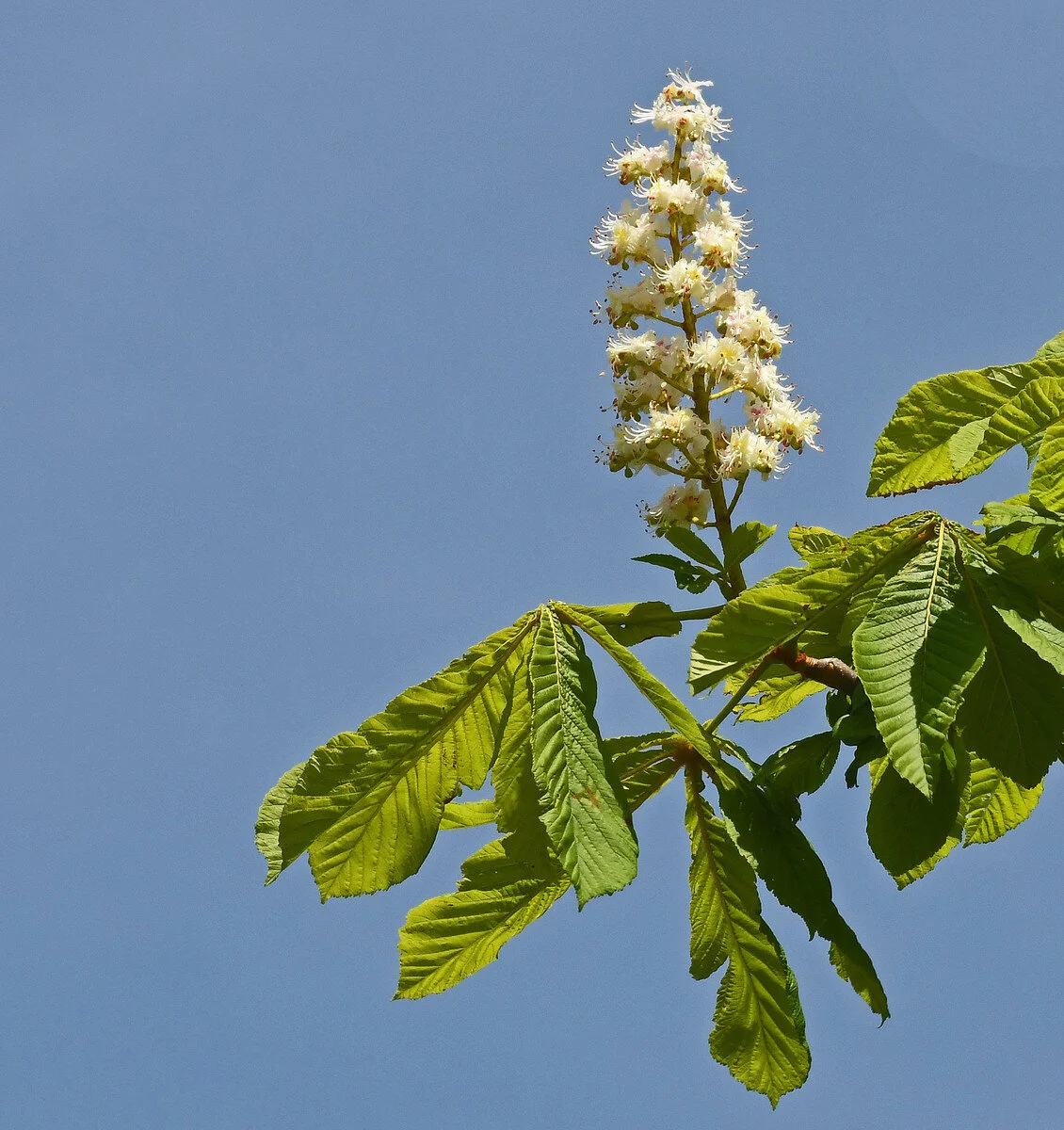
Our Horse Chestnut Trees (Aesculus hippocastanum) have been flaunting their flowering pyramids recently, as the images here from yesterday show.

C-2.jpg

These unusual trees are native to the Balkans. They were imported into England in 1616, primarily for landscape use in towns and on private property. Soon after, they were being exported from England to Colonial America for the same uses.

The trees apparently were given the “Chestnut” name because of their similarities to the European Sweet Chestnut Tree (Castanea sativa), but these Horse varieties are not related to that tree. The European Sweet chestnuts are edible; the horse chestnuts are not.

C-1.jpg

As for that equine part of its name, there are two major stories. Most botanists reportedly say that the tree was called a “Horse” Chestnut because the Turks fed the tree’s seeds to cure coughing horses. Some people also say that they got that name because, when the trees’ leaves fall, they leave scars on their twigs that look like horseshoes with nail holes. (Brooklin, Maine)

Comment