Comment

In the Right Place: Challenges

This is one of a rafter of eight Eastern Wild Turkeys that we spotted in a nearby patch of woods earlier in the month.

T1.jpg

But, curiously, we haven’t seen one decent Turkey since the Fall Wild Turkey Hunting Season opened on September 20 here in Maine Wildlife Management District 26. Do these, the largest of North America’s upland game birds, sense something?

Under a new Maine law, Turkey hunters need not register, pay a registration fee, or tag the Turkeys that they harvest and transport in this Fall Season. However, as of now, the hunters will have to resume the usual registration and tagging process in the Spring Season, which starts for all hunters here on May 2, 2022.

Maine wildlife officials have said that the Spring registrations should provide enough data for them to monitor and manage the State’s burgeoning Turkey population. Nonetheless, the officials indicated that they may survey Fall hunters to get some informal data this year.

Leighton Archive Image

Leighton Archive Image

We don’t hunt, but we accept hunting as part of the culture that we adopted when we moved to rural Maine. We hear that hunting Turkeys in their habitats can be very challenging – the birds’ sight is three times better than that of humans, they have acute hearing that allows them to hear more distant and lower sounds than humans, and, when spooked, they’ll fly up to 60 miles per hour in explosive bursts.

(Images taken in Brooklin, Maine, on September 9, 2021, and March 17, 2018.)

Comment

Comment

In the Right Place: Being In It

The coasts of Maine long have been a Mecca for artists, especially those in the tradition of the French masters of “Plein- Air” (“Plenn-Air”) painting – painting landscapes while in the outdoors itself. Winslow Homer and the Wyeths (N.C, Andrew, and Jamie) were among the more well known Plein-Air painters of Maine landscapes.

The ruggedness of granite ledges and stone beaches; the swell of blue, green, white and gray waves, and the everchanging special light seem to evoke impressions that artists need to try to express in two dimensions while being within their subject. Before the invention of paint in tubes, such outdoor painting was virtually impossible.

A1.jpg

Above, we see one of the artists who was taking a course in Plein-Air Watercolor Painting at the WoodenBoat School in Great Cove earlier in the month. Below, we sneak a peek at the work of another student’s quick impressions of the Cove on that foggy day.

A2.jpg

(Images taken in Brooklin, Maine, on September 6, 2021.)

Comment

Comment

In the Right Place: Chocolates

Look what we found yesterday, growing in sphagnum moss under spruce and fir trees: so-called Chocolate Milky Mushrooms (Lactarius lignyotus). These brown members of the Rusula family are lovely to the touch, like velvet purses or suede pouches

092221-34.jpg

Unfortunately, according to Mushroom Meister Michael Kuo, in North America, “we have a big mess on our hands when it comes to [identifying]  lignoytus-like mushrooms and the species complex is begging for a thorough contemporary investigation based on analysis of carefully documented collections from many locations.”

It seems that these “milk”-leaking mushrooms differ slightly depending on the species of nearby conifers. Variation “primarily occurs with regard to the stains created by the milk and the color of the gill edges,” Kuo tells us.

092221-32.jpg

(Images taken in Brooklin, Maine, on September 22, 2021.)

Comment

Comment

In the Right Place: Keeping Mum

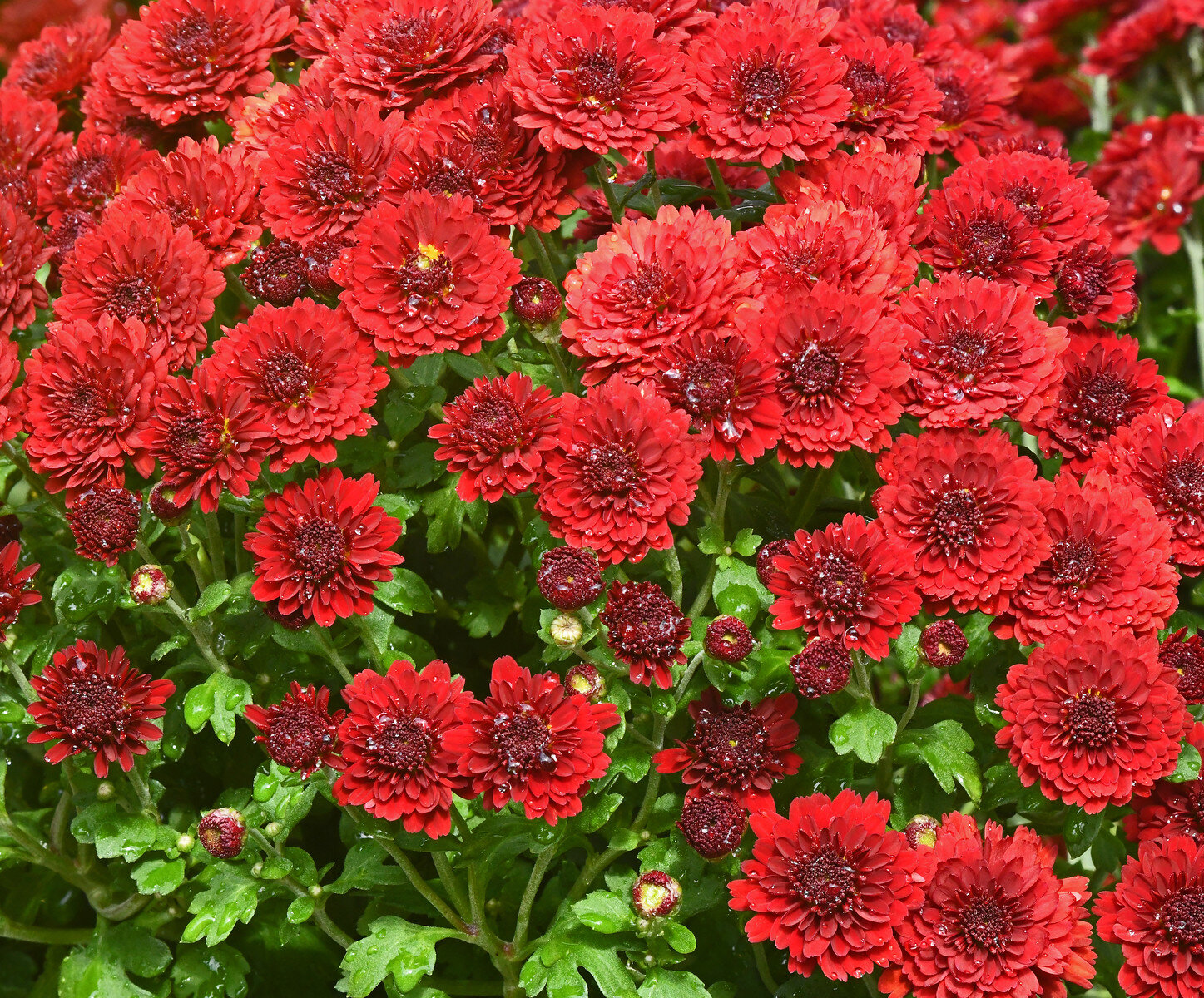
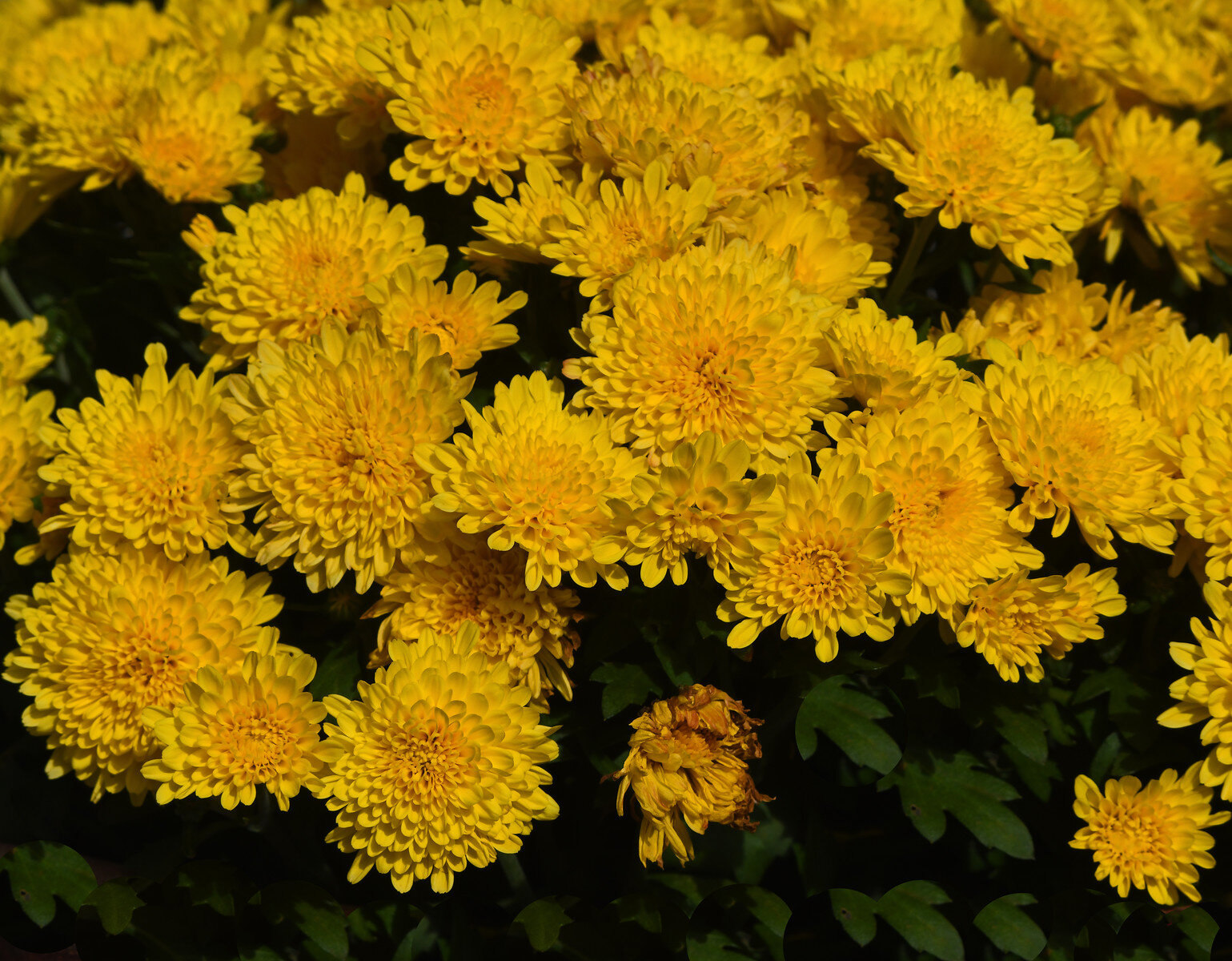
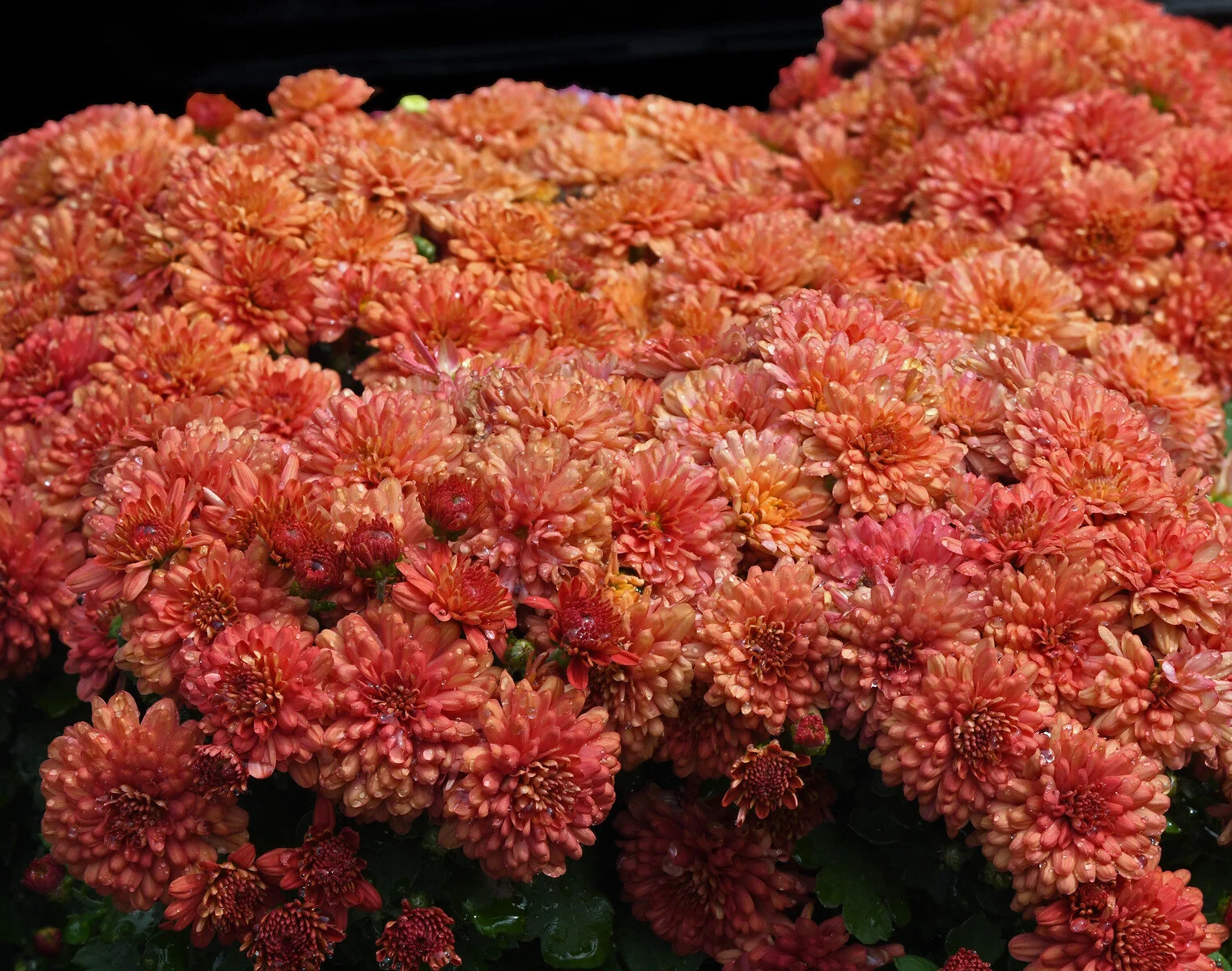
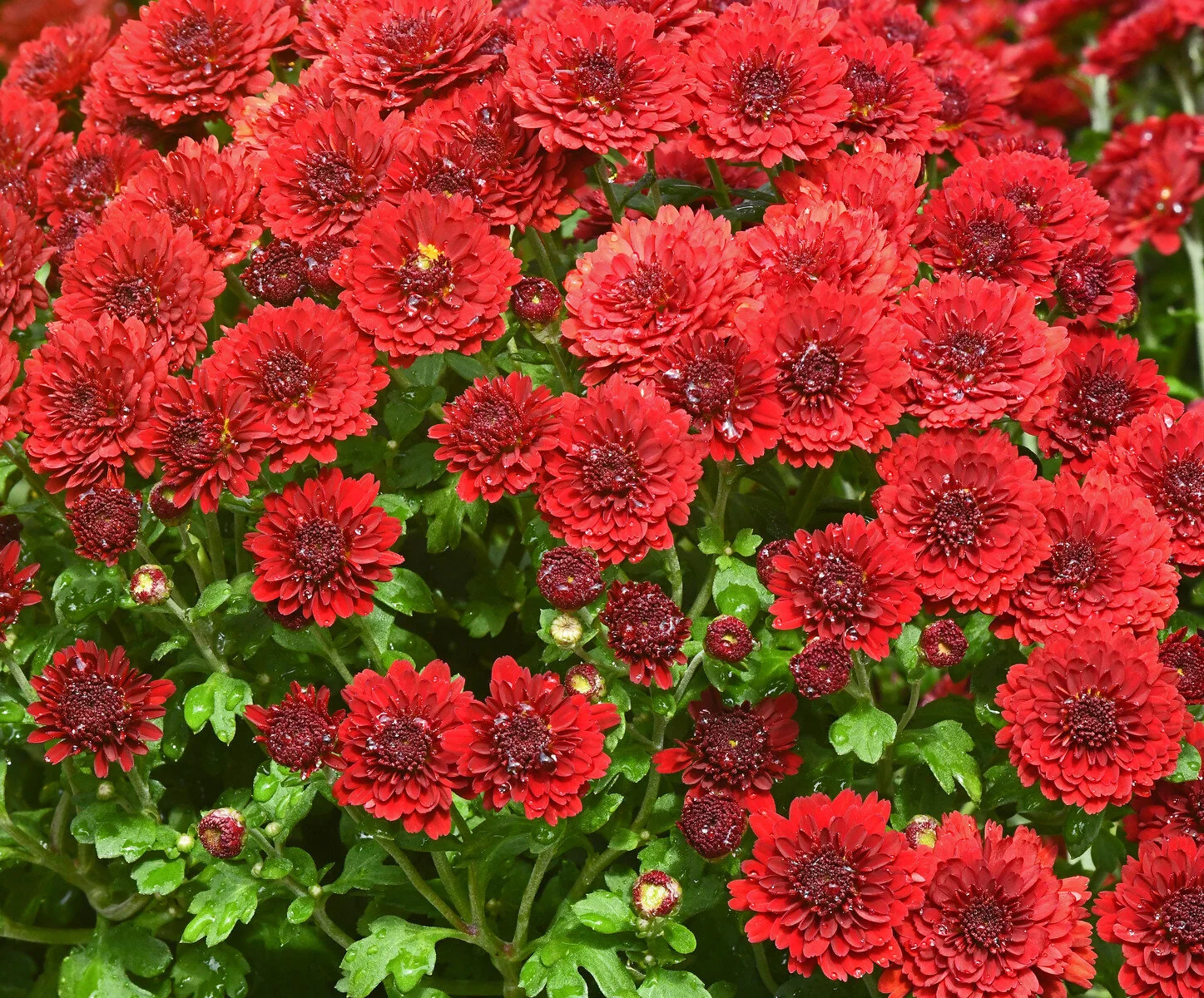
It’s Chrysanthemum time here. Now is the time to display these ancient symbols of joy and happiness that love colder days and evenings.

C-3.jpg

The flowers originated in China, but their name derives from the Greek words gold and flower. In China, their leaves are steamed as vegetables and their buds are boiled into a reportedly very healthy tea that has a high content of vitamins A and C.

In Japan, a stylized Chrysanthemum flower is the royal crest of the Emperor; it appears on Japanese passports. In darker times, that crest appeared prominently on the prows of Japanese battleships and other naval vessels.

C-1.jpg

(Images taken in Brooklin and Blue Hill, Maine, on September 22 (vase) and 23, 2021.)

Comment

Comment

In the Right Place: "The Times They Are A-Changin"

Today is the first day of “Autumn,” a word that reportedly originated from ancient words for “cold” and “to cool off.” In the United States, you more likely would hear that today is the first day of “Fall,” referring to a time when the leaves of deciduous trees and bushes turn color and fall. Some of our trees and bushes started to change weeks ago. Here we see the leaves of what we think is a small Mountain Maple (Acer spicalum) near our pond.:

L1.jpg

The trees and bushes feel the cooling and lessening of sunlight as a signal that they must conserve moisture and reduce the amount of energy that they consume to survive the oncoming winter. They do this by ceasing to make food for themselves.

L3.jpg

As we understand it, this process breaks down the leaves’ green chlorophyll pigment that is used for turning the sunlight into food and oxygen (photosynthesis). That breakdown allows human eyes to see the other pigments – yellows, oranges, reds – many of which already were in the leaves, but were masked by the abundance of green.

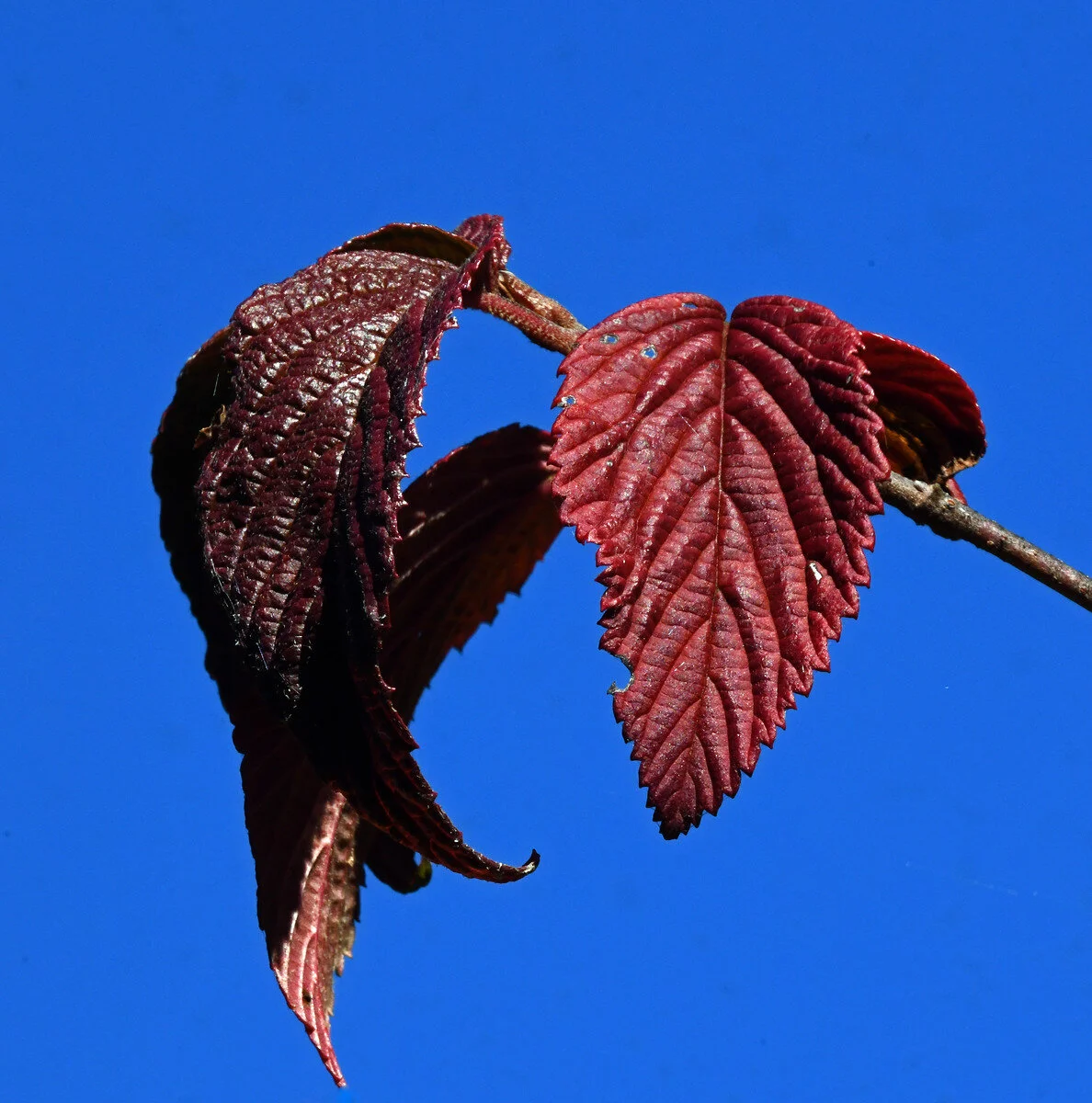
Below, you’ll see the leaves on one of our Viburnum bushes (Viburnum plicatum, we think), which contains dark and light purple, as well as reddish and green leaves at this moment:

L2.jpg

It will be interesting to see whether this Autumn/Fall of 2021 is any different throughout the country due to the various effects of Climate Change. (Images taken in Brooklin, Maine, on September 20, 2021; quoted title of song by Bob Dylan.)

Comment

Comment

In the Right Place: Fullness

The full Harvest Moon “rose” in the east from behind the islands in Blue Hill Bay last night. At first, it was like a huge molten globule – red-orange and distorted because the heavier gases in our lower atmosphere filter out blue light waves and create contorted sights.

7.jpg

As it rose into lighter atmospheres, last night’s moon became circular, turned yellow and then white, and, finally, extended a friendly glitter path to us on the Bay. Tonight’s moon also will look full to unaided eyes.

10.jpg

It’s called the Harvest Moon or Corn Moon because it becomes 100 percent illuminated by the sun at the traditional time of Native American vegetable harvesting and can provide enough light to harvest into the night.

11.jpg

The Harvest Moon name is given each year to the full moon that comes closest to the fall equinox, the seasonal tipping point after which we’ll receive less and less sunlight. This year’s fall equinox is tomorrow, September 22, the first day of Autumn.

In two out of three years, the fall equinox (“equal night”) occurs in September. When the equinox is in October, the full moon becomes a combined Harvest and Hunter’s Full Moon. (Images taken in Brooklin, Maine, on September 20, 2021.)

Comment

Comment

In the Right Place: Transition

It’s that poignant time of the year when the kids go off to enlightening school and the pleasure boats go off to darkened storage. Here we see Swifty, the WoodenBoat School’s Caledonia yawl, on her last day in direct sunlight this year.

W1.jpg

Within minutes, she was backed into the WBS Boatshed.:

W2.jpg
W3.jpg

That’s Wild Rose, a Maine Coast Dory, drying off in front of the Boatshed:

W4.jpg

Soon, Great Cove will be devoid of its joyful fleet of pleasure craft and the winter waterfowl will bring a new type of joy there. (Images taken in Brooklin, Maine, on September 17, 2021.)

Comment

Comment

In the Right Place: Native Suns

Annual Sunflowers (Helianthus annuus) are at their peak here. They can be dramatic when getting their “hairdos” tussled by sea breezes:

S1.jpg

However, they also are impressive when just imitating their namesake, the radiating sun:

S2.jpg

There reportedly are about 70 species of sunflowers that are native to North and Central America, some of which have been cultivated for their food (seeds and oil), clothing dye, medicinal properties, or just exotic looks.  

Sunflower plants were cultivated in this continent at least as early as 3000 BC, according to researchers. They reportedly were introduced to the rest of the world around 1500 by Spanish Conquistadors returning from the Americas to Europe. (Images taken in Brooklin, Maine, on September 17.)

Comment

Comment

In the Right Place: Romping

We were lucky to be down at Great Cove earlier in the week as the sun was going down. They let Snow Falcon loose in the low light with a good breeze blowing.

S3.jpg

She tacked, romped, and sliced at high speed through the Cove like a graceful racehorse when first given the freedom of the paddock.

S1.jpg

Snow Falcon is a Concordia yawl (No. 84) built in 1961 by Abeking and Rasmussen. She’s almost 40 feet in overall length (39’10”) and she’s very fast for her class. She now hails from nearby Pumpkin Island at the top of Eggemoggin Reach.

S2.jpg

(Images taken in Brooklin, Maine, on September 13, 2021.)

Comment

Comment

In the Right Place: Medical Insurance Plans

These mushrooms have been in the news lately due to the Covid-19 pandemic’s creation of a heightened interest in the human immune system. They’re Turkey Tail mushrooms (Trametes versicolor), named for their shape and color patterns.

T1.jpg

Turkey Tails have been used for centuries as medicinal mushrooms and lately have been associated with alleged significant benefits that protect and improve human immune systems.

Their real job in life is to get rid of dead trees in the woods cell by cell, a job that needs nature’s almost infinite patience. A look-alike is the Violet-Tooth Polypores (Trichaptum sp.), this one most likely Trichaptum abietinum:

T2.jpg

(Images taken in Brooklin, Maine, on September 11 and 16, 2021.)

Comment

Comment

In the Right Place: Soul-Satisfying

At this time of the year, this traditional English climbing rose, a Gertrude Jekyll hybrid, offers us one fragrant bloom at a time and probably will continue to do so until a serious frost in October. During its prime in the late spring and summer, it was covered in blooms.

R2.jpg

For those who skipped art history in school, Gertrude Jekyll was a renowned English horticulturist, garden designer, writer, photographer, and fine artist who died in 1932. Her Celtic last name is properly pronounced “GEE-kill,” but many Americans pronounce it “JECK-ill.”

R3.jpg

This hardy hybrid named after her was first introduced into the United Kingdom by the famous rose cultivator David Austin in 1986. One of it’s primary attributes is that it smells like a traditional rose – that indescribable, soul-satisfying aroma that many of today’s chemically preserved roses can’t produce. (Images taken in Brooklin, Maine, on September 6 and 7, 2021.)

Comment

1 Comment

In the Right Place: Jamming at the Cove

The annual WoodenBoat Windjammer Sail-In occurred here yesterday afternoon at the WoodenBoat School. Nine coastal cruisers swept into Great Cove on good winds, while the lowering light played off their vast sails and often silhouetted the vessels. (Not to mention driving photographers crazy.)

W21.jpg

Below we see WBS’s Friendship Sloop Belford Gray seemingly welcoming the incoming schooner Stephen Taber (which was launched in 1871). The Taber did a few turns in the Cove to show off, as you see.

w14.jpg
W17.jpg

On one of those turns, the Taber passed by the schooner American Eagle (1930), which had anchored and was sending her passengers ashore, where they raised their oars coming into the WBS pier float. Meanwhile, the red- (tanbark-) sailed ketch Angelique (1980) slipped by.

W16.jpg
W7.jpg

The schooner Mary Day (1962) arrived with the sun at her back, as did the schooners Lewis R. French (1871) and J&E Riggin ((1927), which seemed to be racing each other,.

W6.jpg
W8.jpg

The schooners Riggin and Ladona (1922) dropped their sails and anchored beside each other, but the gray and red- hulled French continued on and took a few celebratory laps around the Cove.

W15.jpg

The Queen of the Windjammers and the only three-masted one in the Maine fleet, Victory Chimes (1900) and the Heritage (1983) also came in dramatically with the sun behind them.

W-5.jpg
W9.jpg

While the Eagle and Riggin were dropping anchors and sails, the French continued rollicking and sailed between them.

As the sun continued to go down, the windjammers, including the Riggin here, became silhouettes on the glistening Cove

(Images taken in Brooklin, Maine, on September 14, 2021.)


1 Comment

Comment

In the Right Place: Shanty Time

It’s not every day that you’ll see an 18th Century Bantry Bay Long Boat resting in a field, as this one has been doing recently. Well, yes, it’s actually a replica, but still ….

G1.jpg

These vessels were 38 feet long and rowed by 10 long oars (five per side) and/or sailed with three masts rigged with boomless sails.  They were “officers’ barges” or “gigs” on large warships that could be rowed fast and maneuvered skillfully by experienced oarsmen. (The word “gig,” as applied to fast, narrow boats, reportedly derives from the Middle English “ghyg,” meaning spinning top.)

G2.jpg

In 1796, part of the French fleet attempted to invade Ireland to assist the anti-British separatist movement there. Warships entered Bantry Bay on the Irish west coast during a fierce storm. Only one of their long boats made it safely ashore. It became the model for today’s Bantry Boats.

G3.jpg

Today, rowing enthusiasts compete among themselves in local and international Bantry Boat contests. Work song enthusiasts also row the boats while singing sea shanties and other work songs. Such activities have become tourist attractions.

Actually, that’s why this replica is on the WoodenBoat School campus. Early on some mornings, it’s ramped into Great Cove and rowed out into Eggemoggin Reach by singing oarsmen and women whom you can hear all along the coast. (Images taken in Brooklin, Maine, on September 12 and 13, 2021.)

Comment

Comment

In the Right Place: Waterfront Economics

We hear that the lobster prices are good, but that the delicious critters haven’t been cooperating – “things are pretty slow right now.” The hope is that the harvests will pick up as the weather gets colder.

N1.jpg

Above, you see the Fishing Vessels Cool Change and Jack Black on Saturday at the convenience raft in Naskeag Harbor, where bait and fuel can be bought and lobsters sold. Below,, you’ll see FV Meghan Dee posing with her Mona Lisa smile at the Town Dock on Friday.  

N2.jpg

(Images taken in Brooklin, Maine, on September 10 [Meghan Dee] and 11 [Cool Change], 2021.)

Comment

Comment

In the Right Place: Early

Some wild Winterberry bushes (Ilex verticillate) here are showing large berries about a month early this year, perhaps because of our wet summer. Many of the bushes also appear to be suffering from a plant fungus, perhaps abated by the wet summer. The fungus looks like it might be Black Spot (Diplocarpon rosae), which should not adversely affect the berries 

W1.jpg

The little red Winterberry fruits are a major ingredient in nature’s winter survival kit for 49 species of birds, deer, raccoons, and white-footed mice. However, they can be toxic to pets and people. (Image taken in Brooklin, Maine, on September 10, 2021.) Click on image to enlarge it.

Comment

Comment

In the Right Place: Thick and Thin

It rained yesterday morning, as it had all day previously. But, in the afternoon yesterday, the sun broke through in places, towering cumulus clouds formed, and we had competing patches of shadow and sun on Blue Hill Bay, as you see here:

c2.jpg

As the afternoon evolved, the thick clouds thinned and sun swept over the landscapes and seascapes. Here’s Acadia National Park across Blue Hill Bay in the late afternoon:

C1.jpg

It appears that we’re headed for one of the wettest summer-fall seasons in history here on the coast of Maine, while we still have abnormally dry and drought conditions in inland Maine and elsewhere in the country.

The U.S. Drought Monitor reported Thursday that there was slight improvement in Maine as of its reporting data for September 7, compared to August 31. However, most of the State remains “abnormally dry” (yellow), in “moderate drought” (tan), or in “severe drought” (burnt orange).:

20210907_me_none.jpg

(Images taken yesterday in Blue Hill [Sailboat] and Brooklin [Acadia], Maine.)

Comment

Comment

In the Right Place: Schooner Watch

The Stephen Taber slipped into Great Cove on Tuesday afternoon and, as shown here, tacked out through gusting winds yesterday morning. She was launched in 1871 from the Bedel Shipyard in Long Island, New York, and named after an obscure former New York Congressman.

S1.jpg

The 110-foot Taber is now a National Historic Landmark out of Rockland, Maine. She still does not have an engine, but her powerful motorized yawlboat, Babe, has no problem pushing her in light air.

S2.jpg

As with many 19th Century cargo cruisers, the Taber was built with a flat bottom to “ground out” and discharge her cargo without the need for a pier. She does have a centerboard to lower during cruising, however. (Images taken in Brooklin, Maine, on September 8, 2021.)

Comment

Comment

In the Right Place: Change Is Constant

Living on a ridge above Great Cove on the Down East coast of Maine can make you eager to get up early. It’s a time to see life begun anew with the morning’s always unique offerings, which will change as the day opens wider.

My wife Barbara and I have gotten to the point where we can use shorthand descriptions to describe the morning’s complex changes. On the recent foggy morning shown here, for example, you would have heard, “Martha’s there now.”

i-CK9kKxx-XL.jpg

Decrypted, this means that the retreating fog has passed the lonely mooring of the small cruiser once owned by famed author E.B. White and named after his granddaughter, Martha. It also would imply that Babson Island likely soon would be fog-free.

On a clear morning here, the sun has to rise above a ridge of trees before its early light can reach the Cove. When it does, it often acts as a spotlight to feature exquisite sights, which we consider to be visual gifts for us. Thus, during yesterday’s clear dawning, you would have heard me shout to Barbara, “Angelique!”  

i-JWqbxzR-X3.jpg

Decrypted, that meant that this familiar 130-foor windjammer had come in the previous evening (without us seeing her), that she was anchored where we could see her, and that the sight was worth stopping what you were doing to see. It also is an invitation to join in the strange Peeping Tom pleasure of watching a vessel full of sleeping tourists who soon will be doing their own peeping. (Images taken in Brooklin, Maine on September 6 [fog] and 7 [sun].)

Comment

Comment

In the Right Place: A Good Year For Some

We continue to see what appears to be a larger number of fawns than usual and wonder why this was a good birthing year for White-Tailed Deer. Here you see one resting gracefully on September 5:

F1.jpg

On the day before, I watched one wending carefully through a nearby fallow field:

F-2.jpg

(Images taken in Brooklin, Maine, on September 4 [field] and 5 [resting].)

--

Comment