Comment

In the Right Place: Pier Review

No matter how brightly the sun is shining, Maine piers usually are lonely places in November. But the two of them in Brooklin shown here are dramatic all year long.
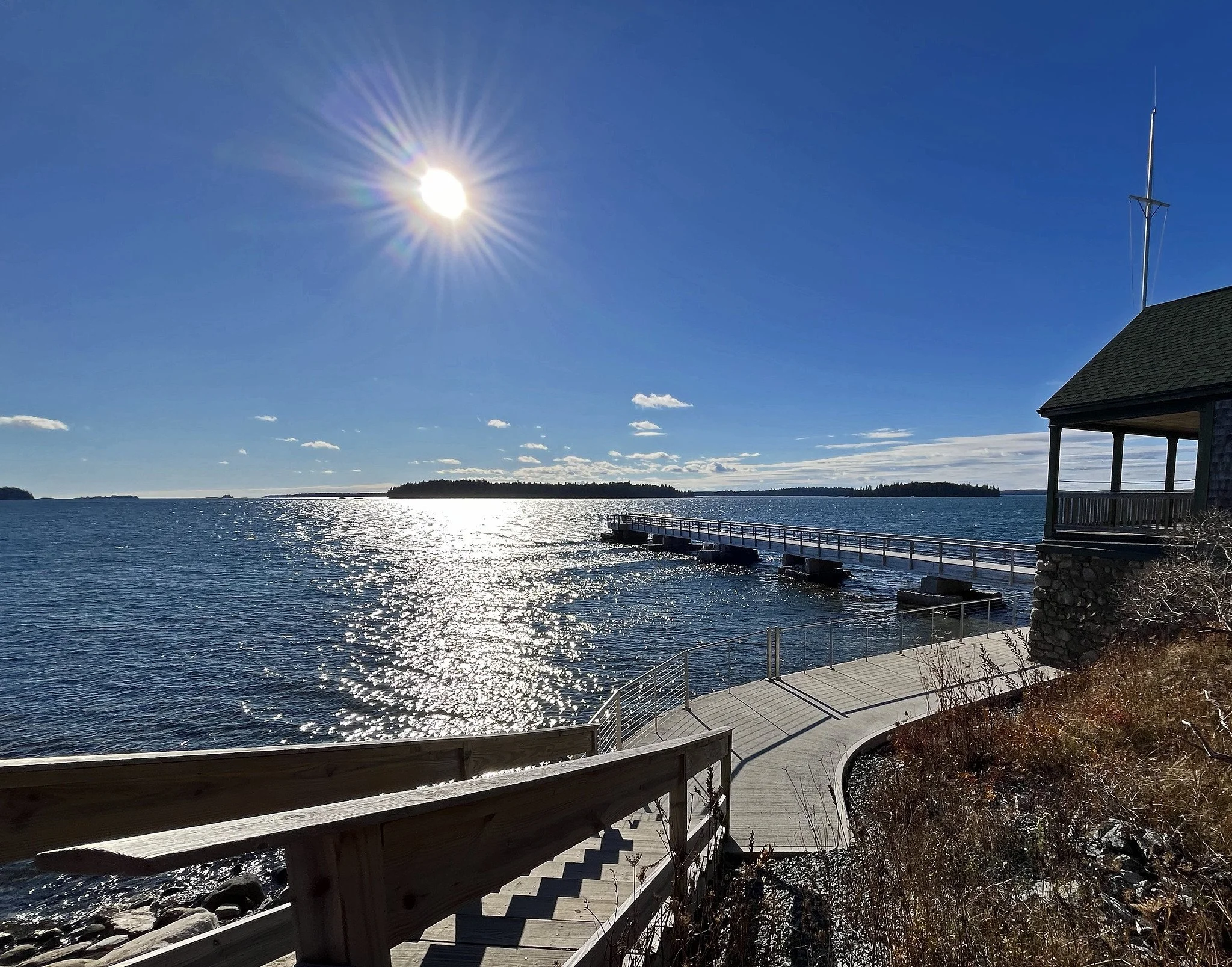
Above, you see a pier that is often crowded in summer and early fall: the WoodenBoat pier that extends from near its boathouse into Great Cove. Below, you’ll see the other pier, which also often is crowded in summer and fall: the Brooklin Boat Yard pier at Center Harbor.
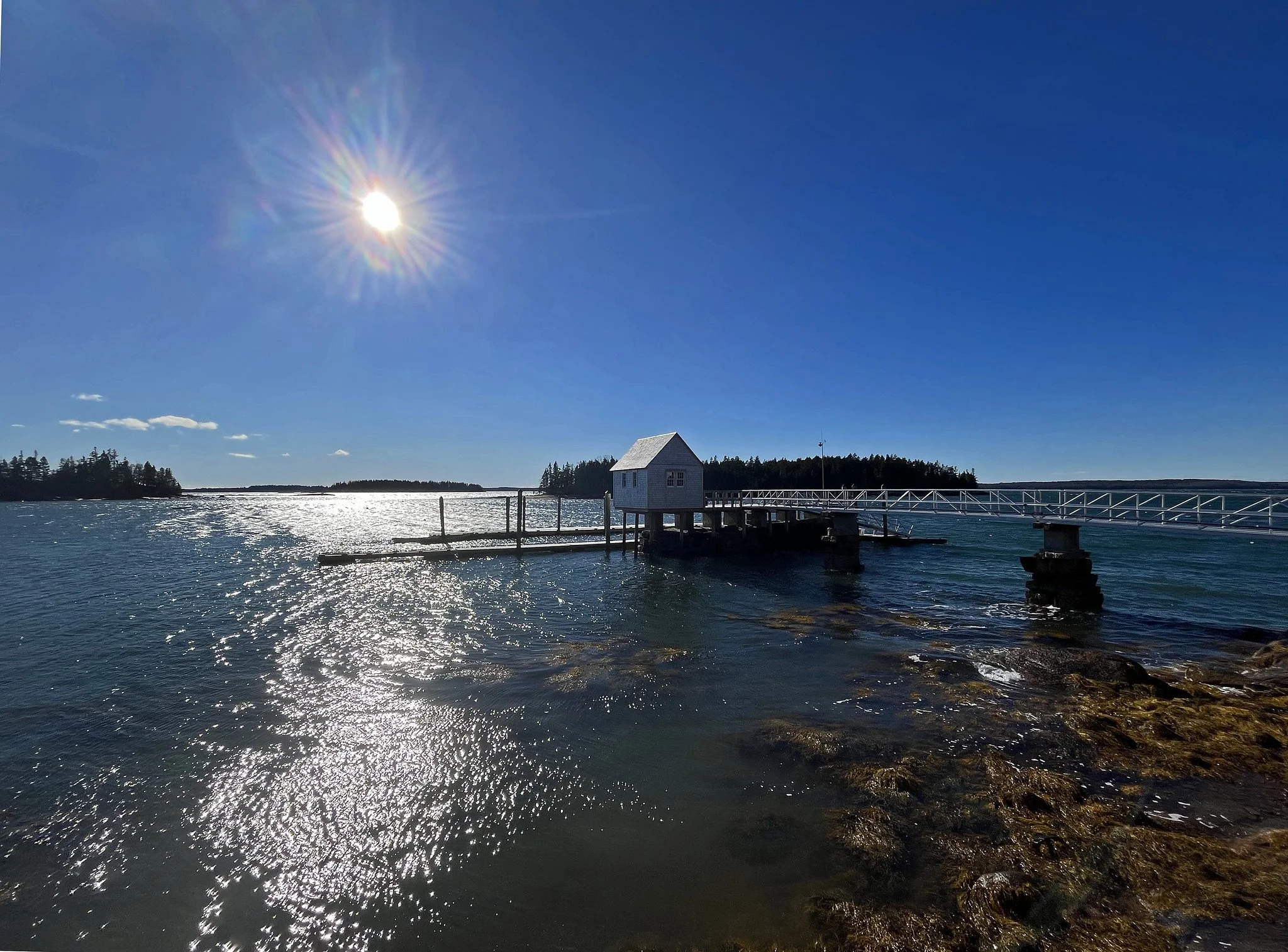
Both piers have 20th Century granite block pilings with walkways that have been repaired and replaced over the years, sometimes after major storms. Both lead to docking floats that are removed in winter. (The BBY floats were removed shortly after this image was taken.)

As far as I can tell, the original WB pier and boathouse were built in 1916-1917 as part of the creation of a new summer estate for Alexander S. Porter, a Bostoner. His estate was purchased from a subsequent owner by WoodenBoat Publications in 1977, which was founded in 1974 by Jon Wilson. (The WoodenBoat School was founded there by him in 1981, I believe.)

The original pier at Center Harbor apparently was constructed in 1957 at the Arno Day Boat Yard, three years before that boatyard was purchased and expanded into the BBY by Joel White. The pier’s walkway and shed were replaced entirely after being destroyed by a historic storm in January of 2024.
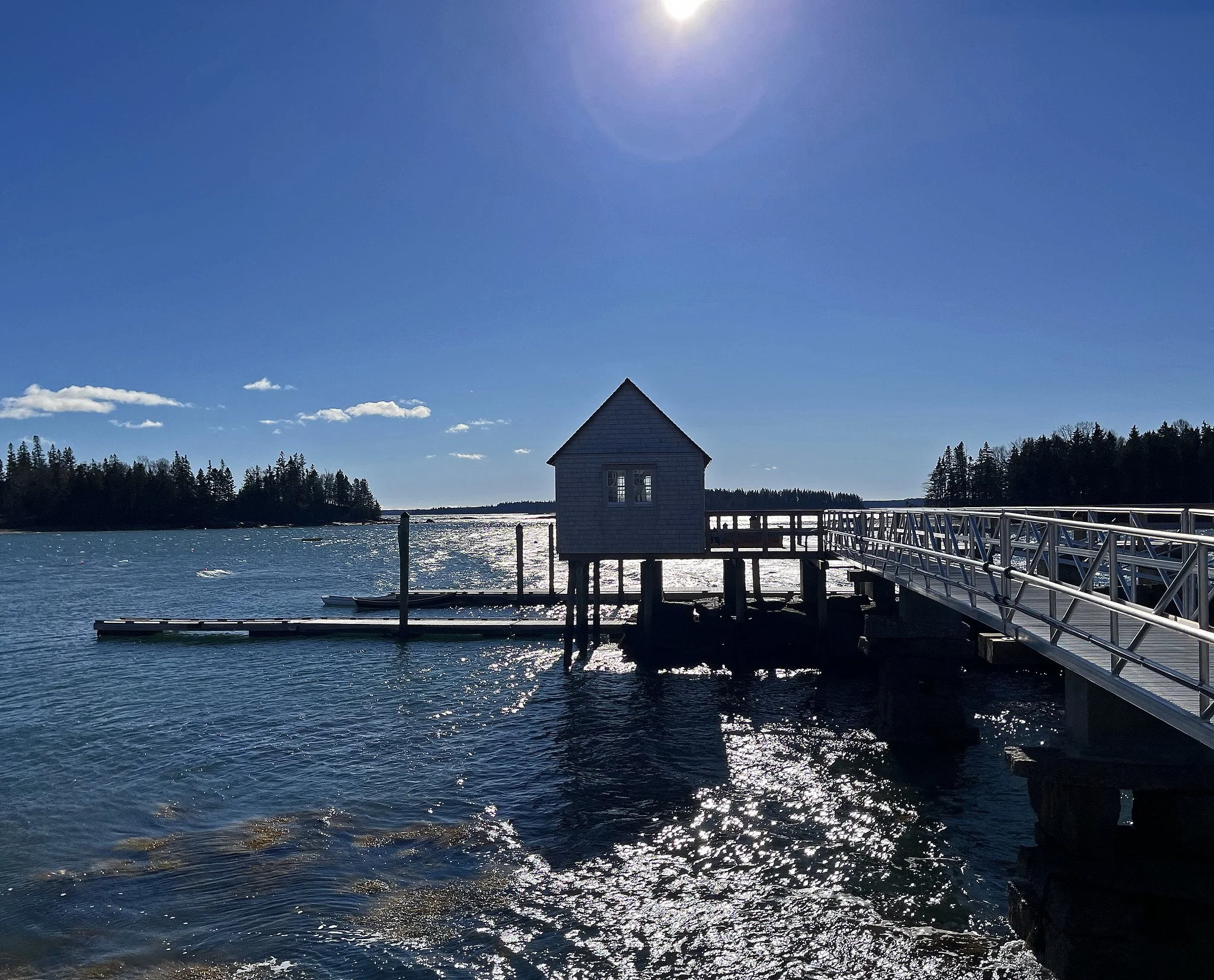
(Images taken in Brooklin, Maine, on November 18 [BBY] and 24 [WBS], 2025.
Comment

Comment

In the Right Place: Life with Bernie & Bernice, VIII

I’m still not sure whether living with claim-jumping American beavers is a privileged educational opportunity or a deserved penance for my many sins. Time will tell. So far, there have been no damaging floods and no special trees toppled. Our fingers are crossed.
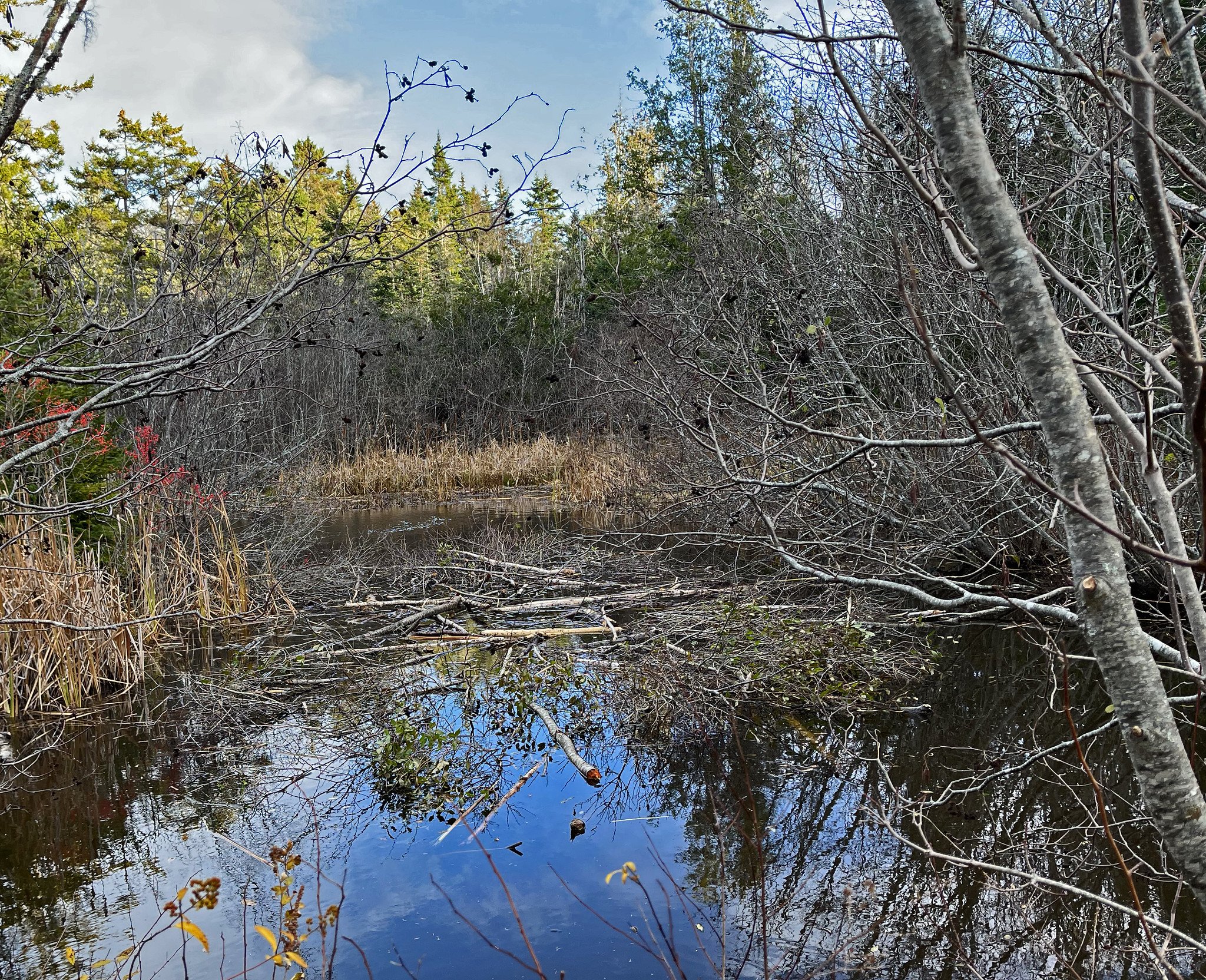
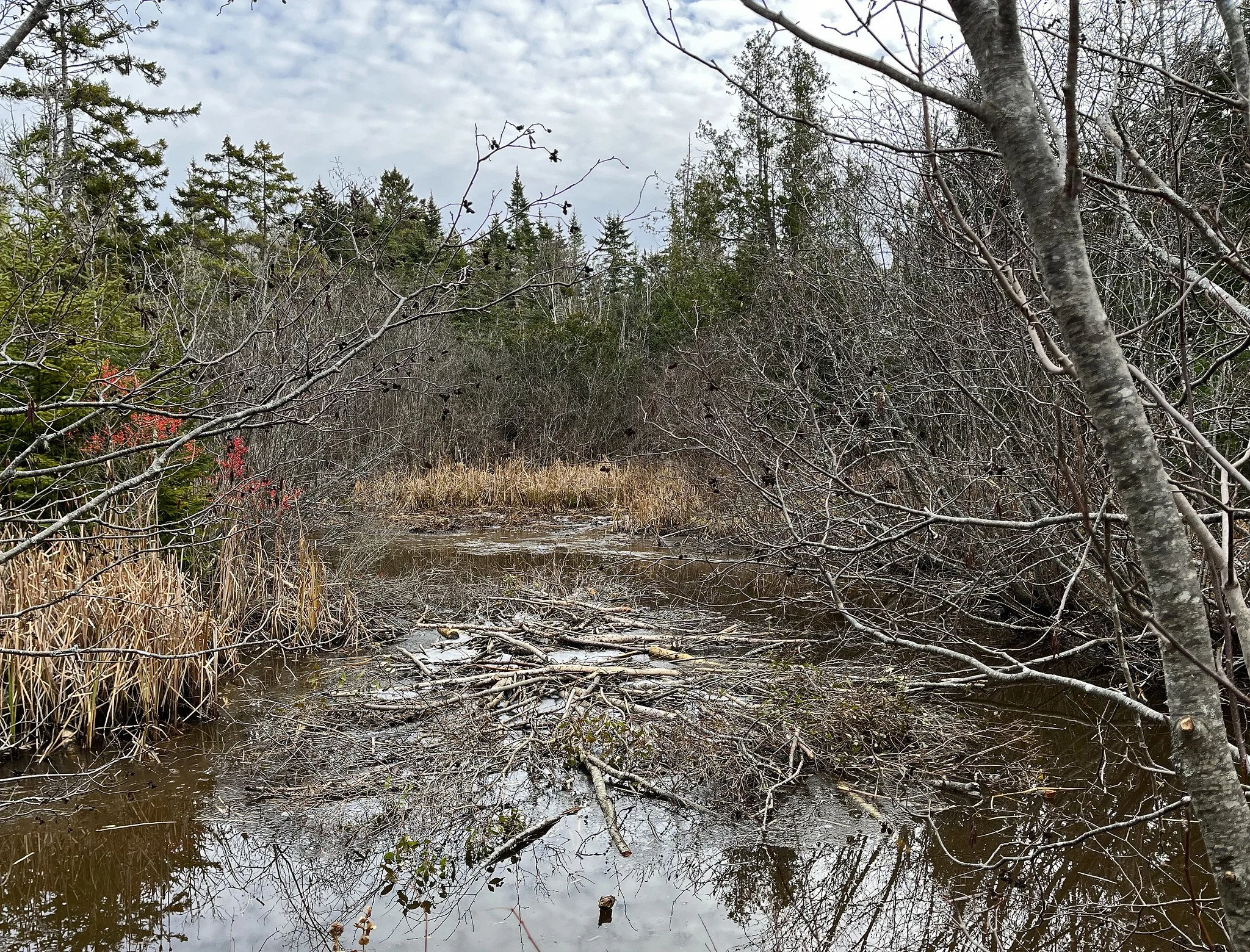
Above is an image taken yesterday of the pond that Bernie and Bernice have claimed for their home, since Bernie staked it out in late September. Ice is forming there now from the cold and the water level is lowering due to lack of rain or snow. Yet, our honeymooners continue to spend their nights joyously gnawing down bushes and tree trunks and piling them on the water and ice in a seemingly haphazard manner to create a lodge for themselves and their eventual family.

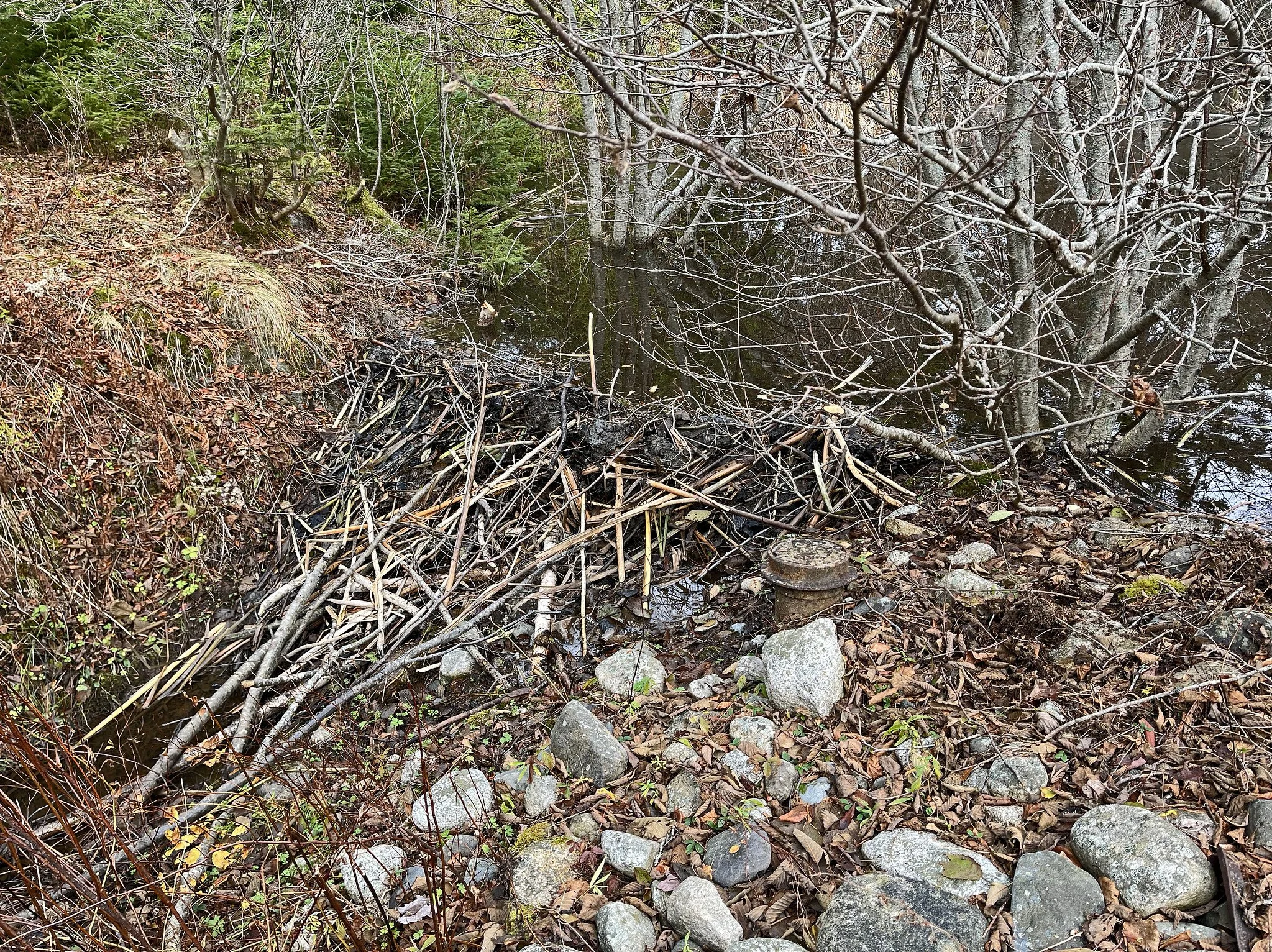
The result so far is that B&B have made a mess and are making it a bigger mess nightly. Below is another image taken yesterday of the largest of the three dams made by the beavers; they all leak:

One of the surprises of this experience (and a little research) has been to see how sloppy and imprecise beavers can be in constructing dams and permanent homes. Most birds are much neater in making even temporary homes.

Of course, beavers can’t fly (thankfully!) and they undergo threats of home invasions here from bobcats, coyotes, and bears (and lynx, cougars, and wolves in other beaver territories). Strong and jagged homes that are accessible from under water are better for beavers than intricately woven and beautiful nests high above.

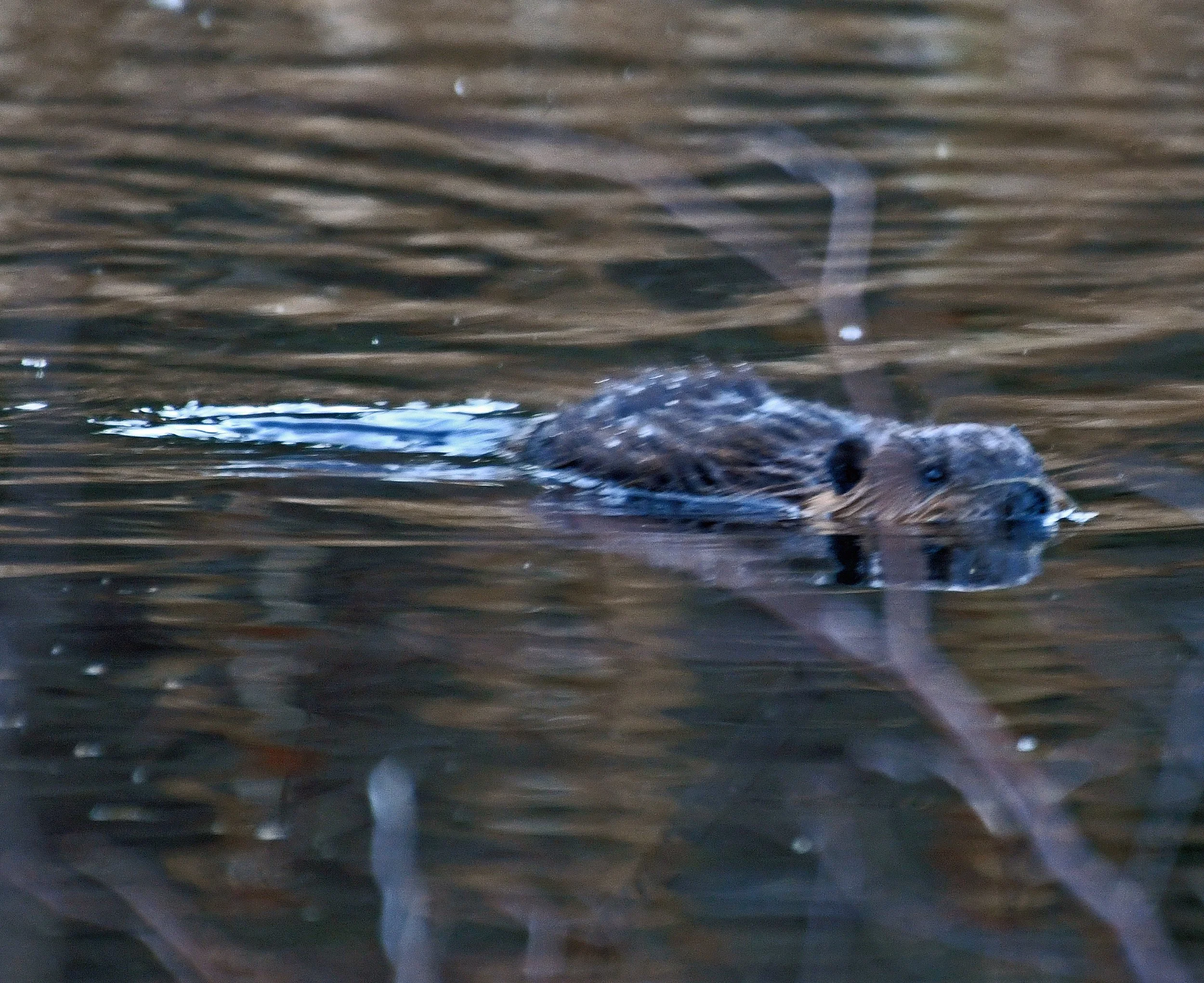
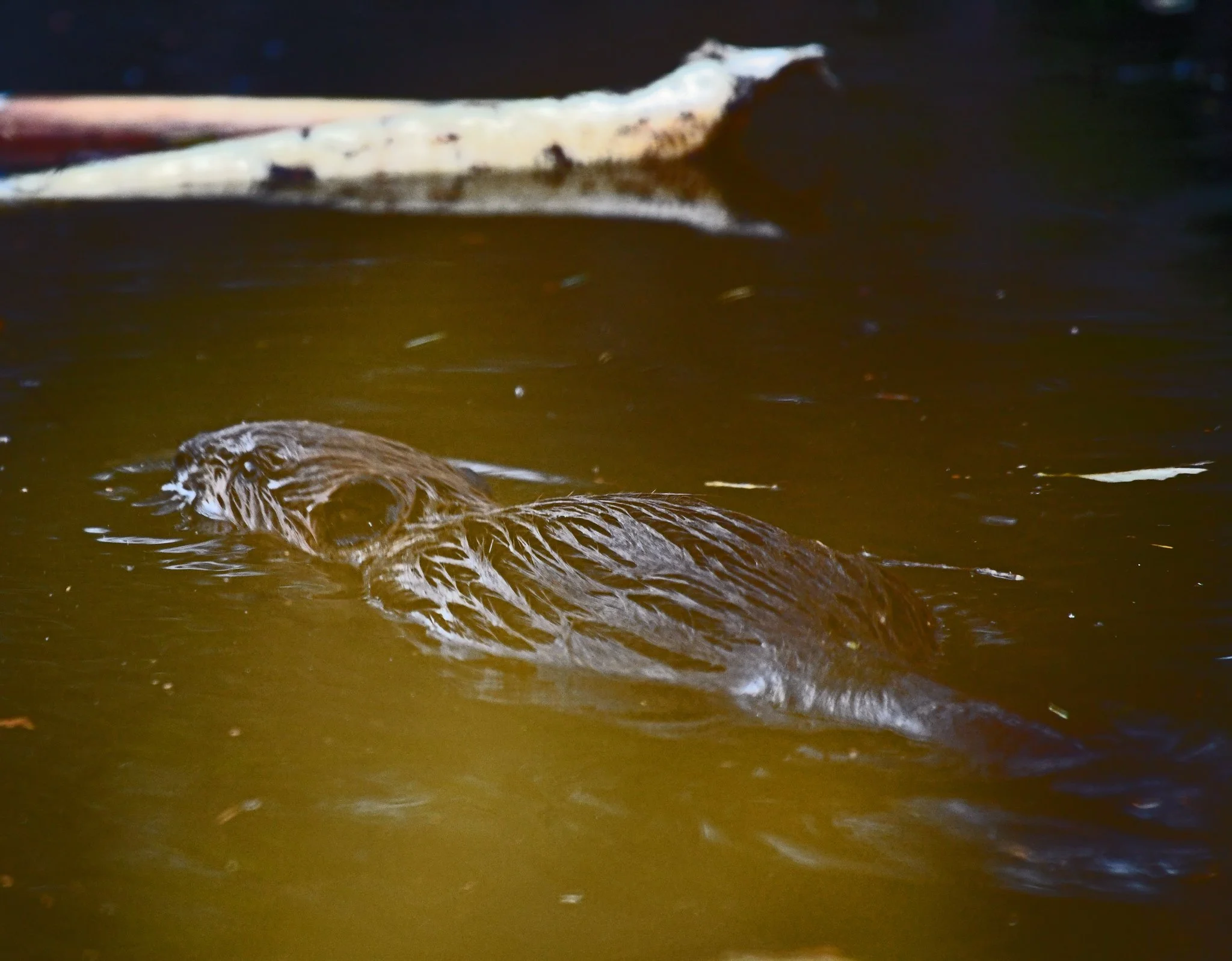
Beavers also are specially-equipped for building homes in wintery waters. Their fur coats are two-layered and extraordinarily dense, making them warm, waterproof, and luxurious. Their outer guard hairs are coarse and come together to repel water, while the thick, oily underfur is soft and contains tiny barbs that help the “hair” strands interlock. Take a look at the protective thickmess of Bernie’s coat after surfacing out of the water :

(Images taken in Brooklin, Maine, on November 22 and October 22, 2025.)

Comment

Comment

In the Right Place: On Winter Coastal Sunsets

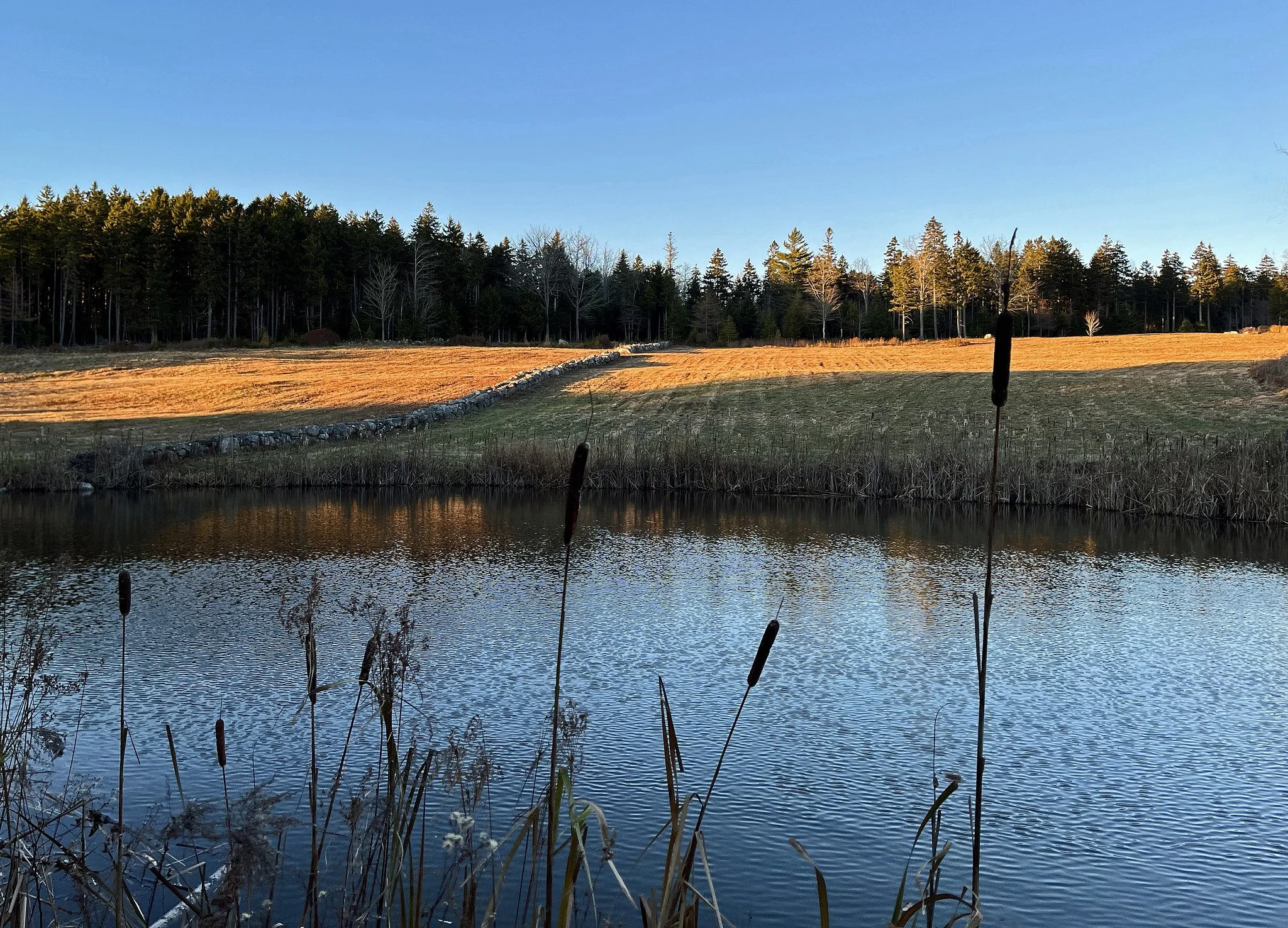
Sundowns come early now for us on the watery edge of the eastern time zone.  When they come to a meadow, the sun sometimes reaches a golden arm out and languorously embraces the field before departing.

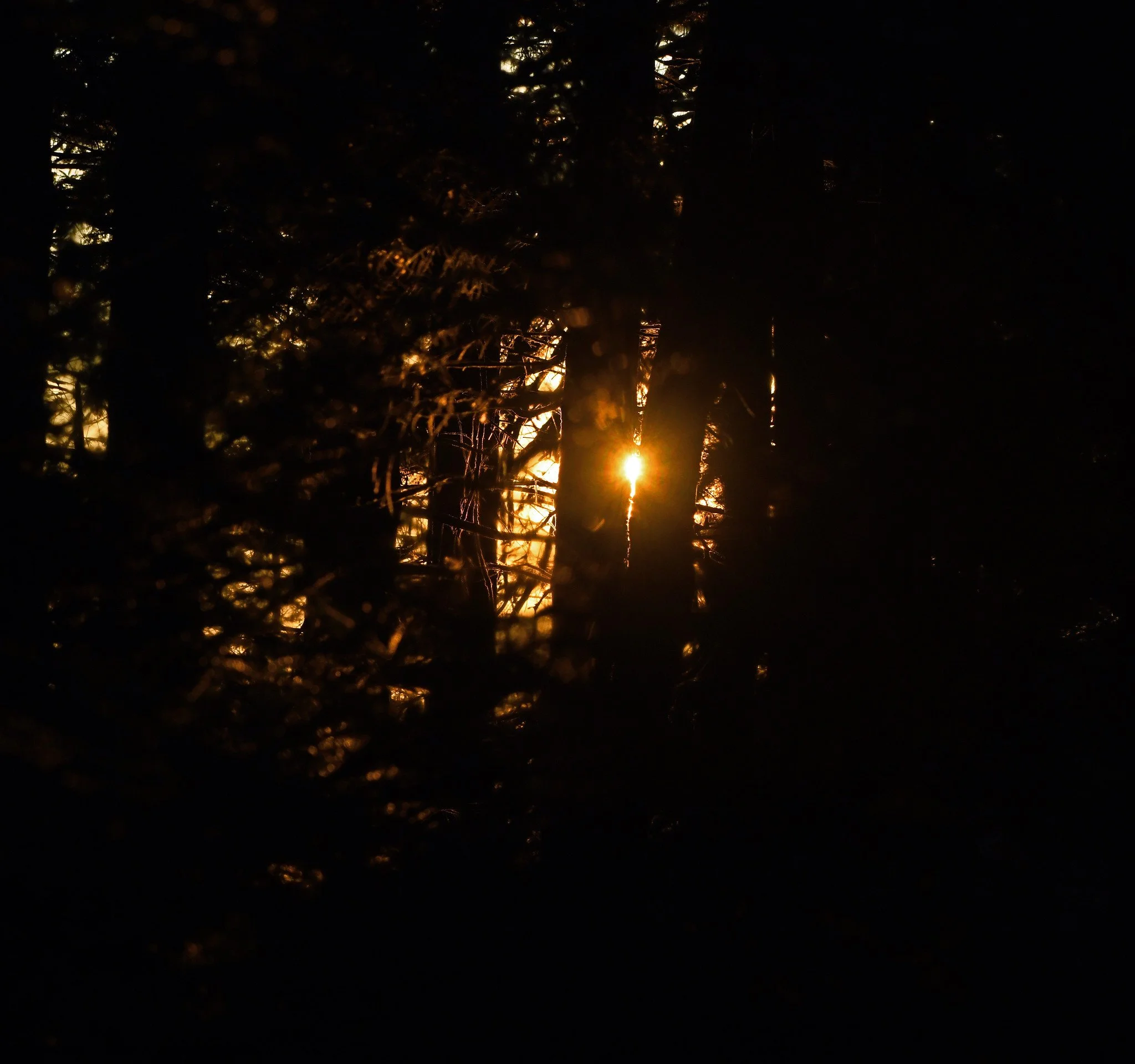
There also can be a playful, hide-and-seek aspect to the sun going down behind a spruce and balsam fir woods:

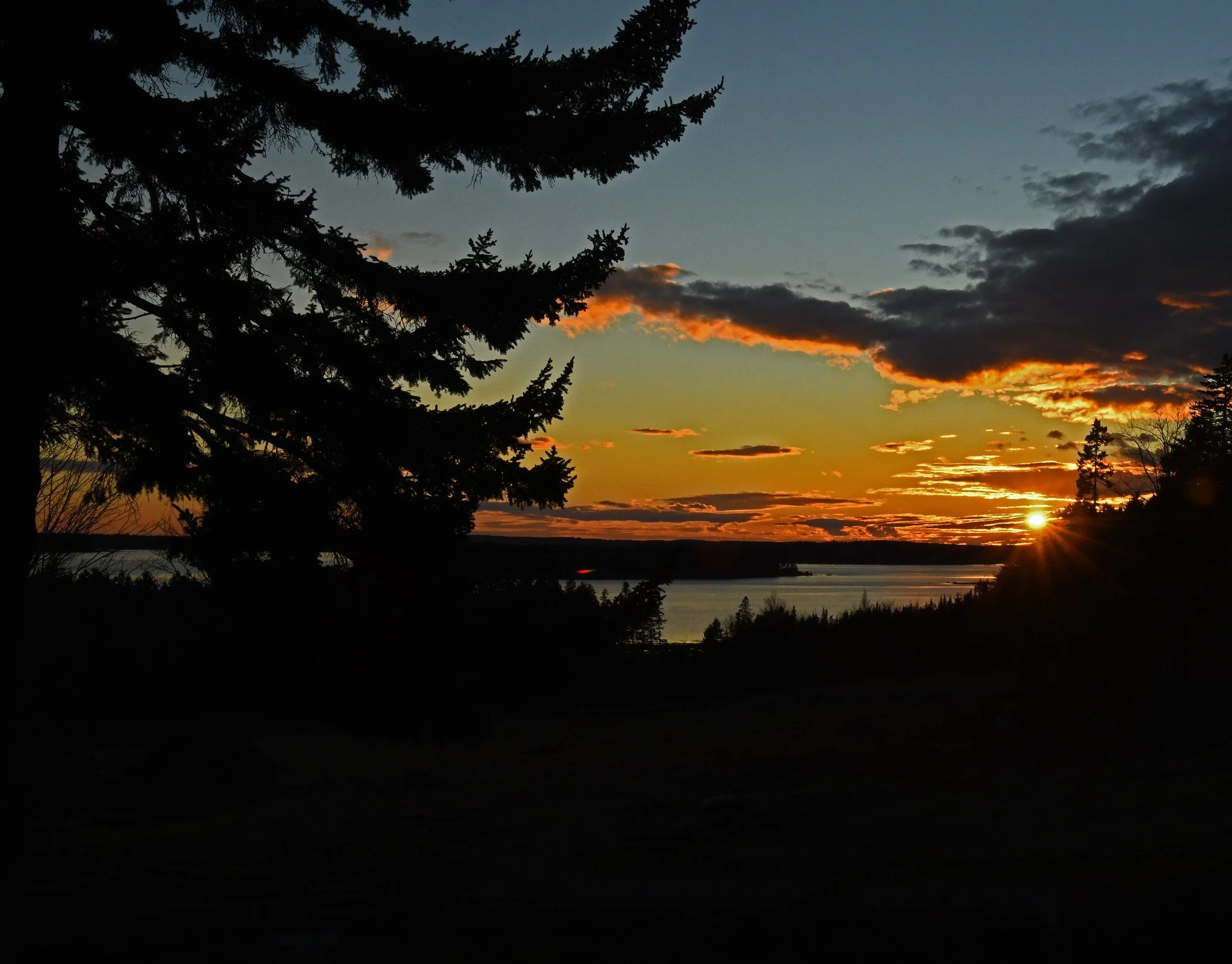
Just before it departs, the sun often performs a visual drum roll and is gone, leaving behind a short-lived afterglow to ease us into night.

Sometimes, as night’s blackness is just arriving, the clear, cold winter air wafts in off the ocean and seems to mix with the dwindling warm light, giving it a salty, intoxicating tang that makes you wish you could drink the day’s end down before it goes away. (Images taken in Brooklin, Maine, on November 10 and 22, 2025.)

Comment

Comment

In the Right Place:  Ups and Downs

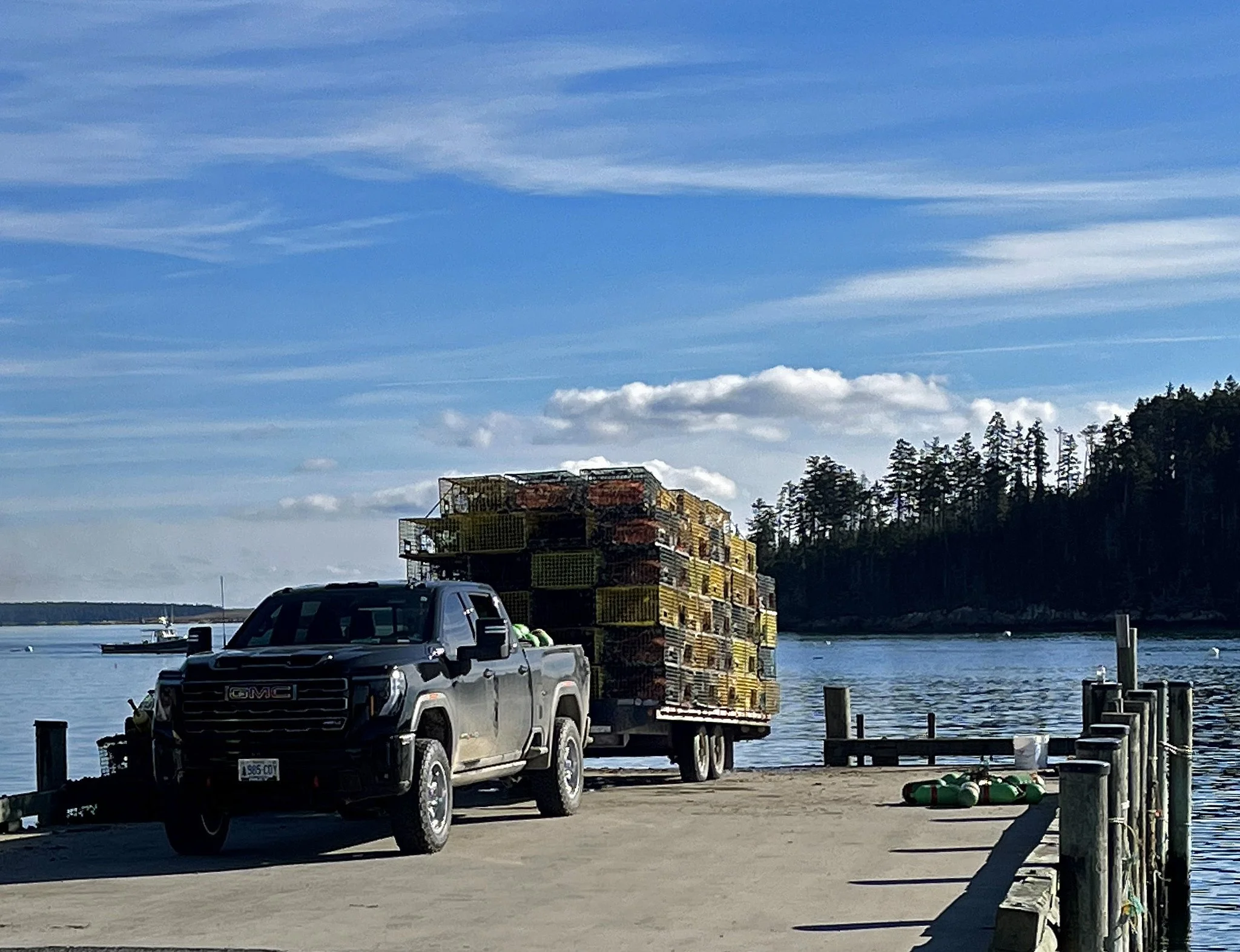
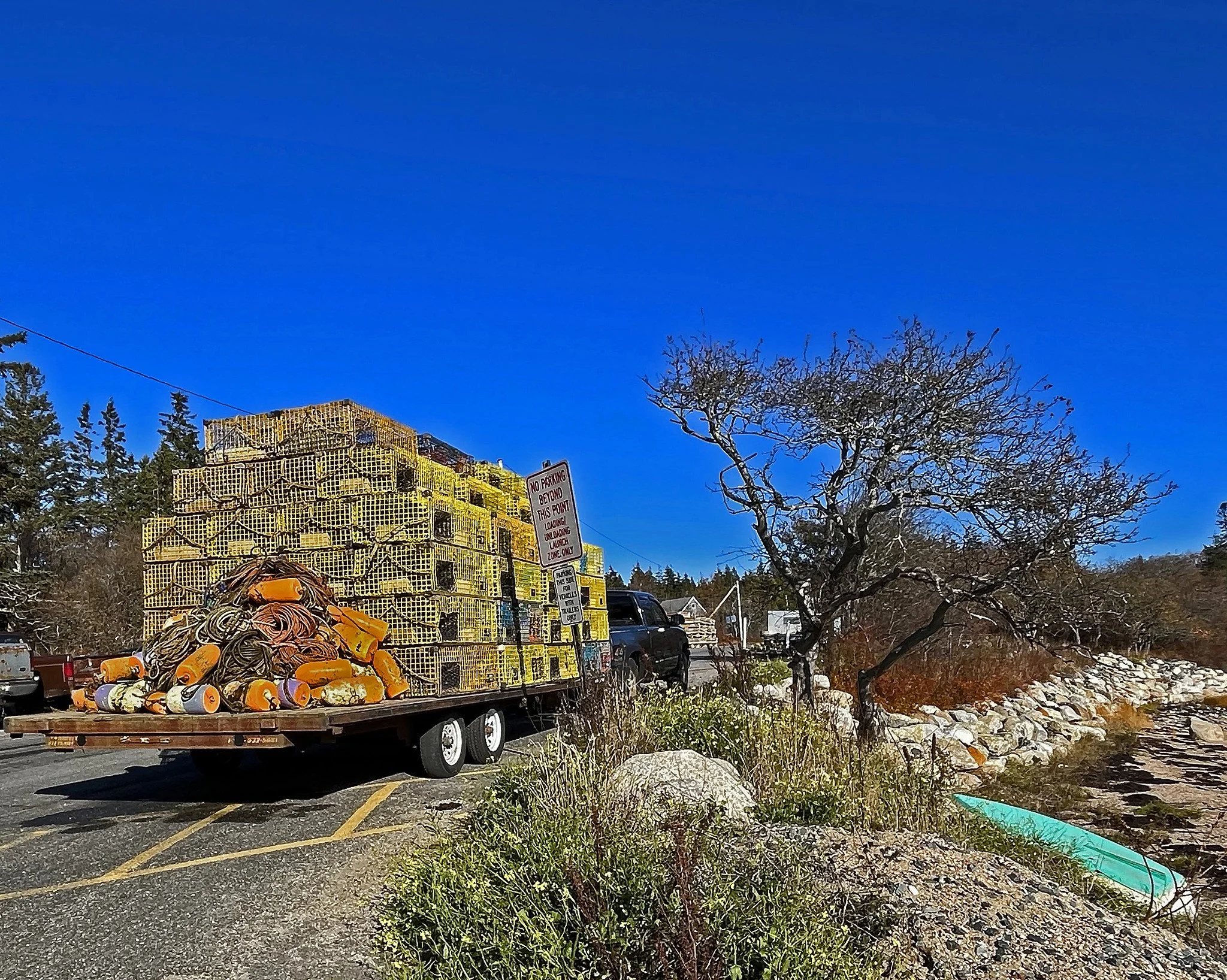
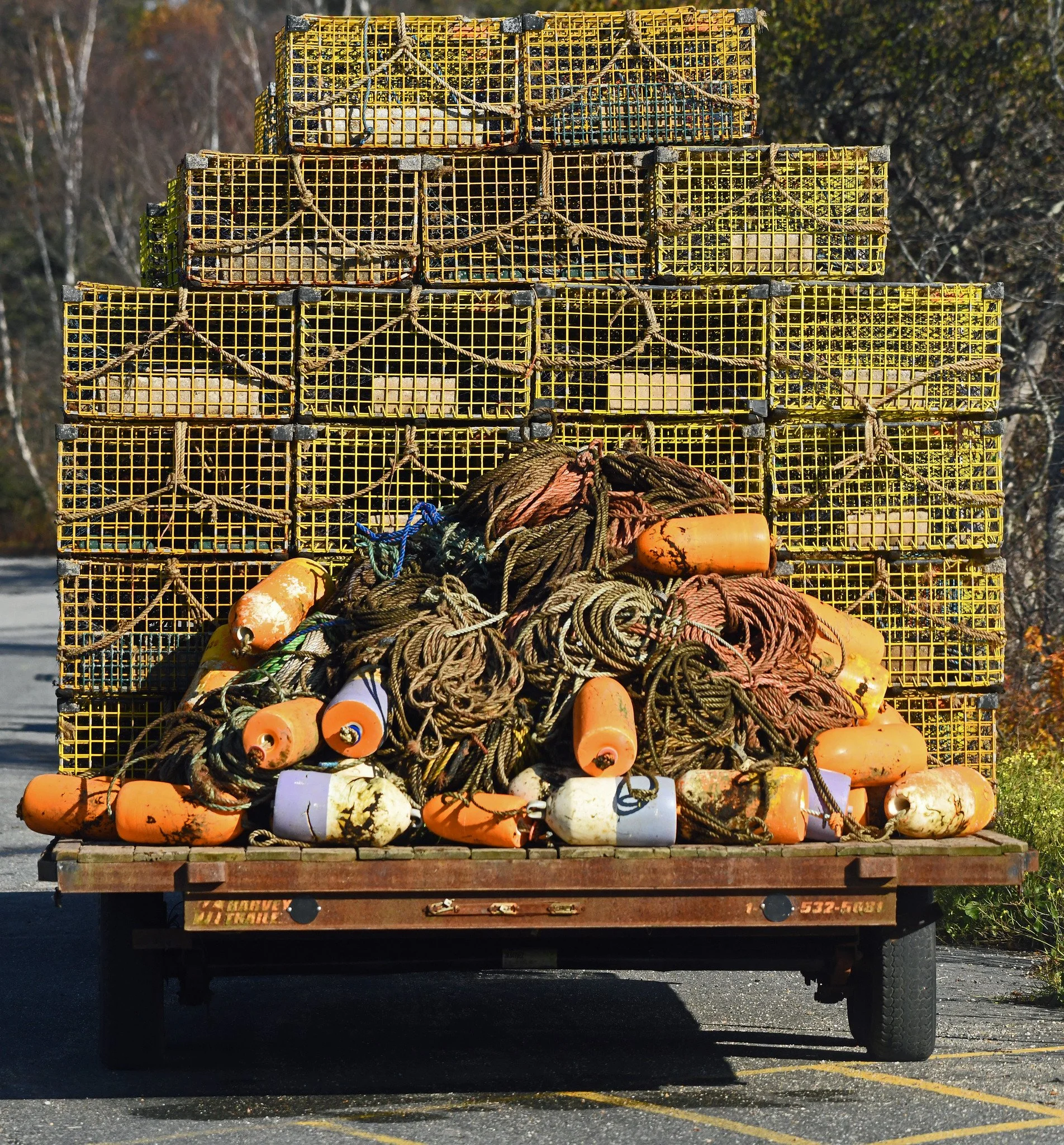
Here you see that the coastal lobster season is winding down and lobster traps and their gear are being brought up and stacked at Naskeag Harbor to be trailered to storage. I hear that it has been a good (albeit not great) summer and fall for lobster fishing. 

Some fishermen soon will be reconfiguring their vessels into scallop-dragging boats with booms, masts, winches, and “drags.” (A drag is an ingenious contraption in the form of a purse-netting dredge made of wood, chain, and rope for scooping scallops off the sea bottom.)

(Images taken in Brooklin, Maine on November 20, 2025.}

Comment

Comment

In the Right Place: Face Time

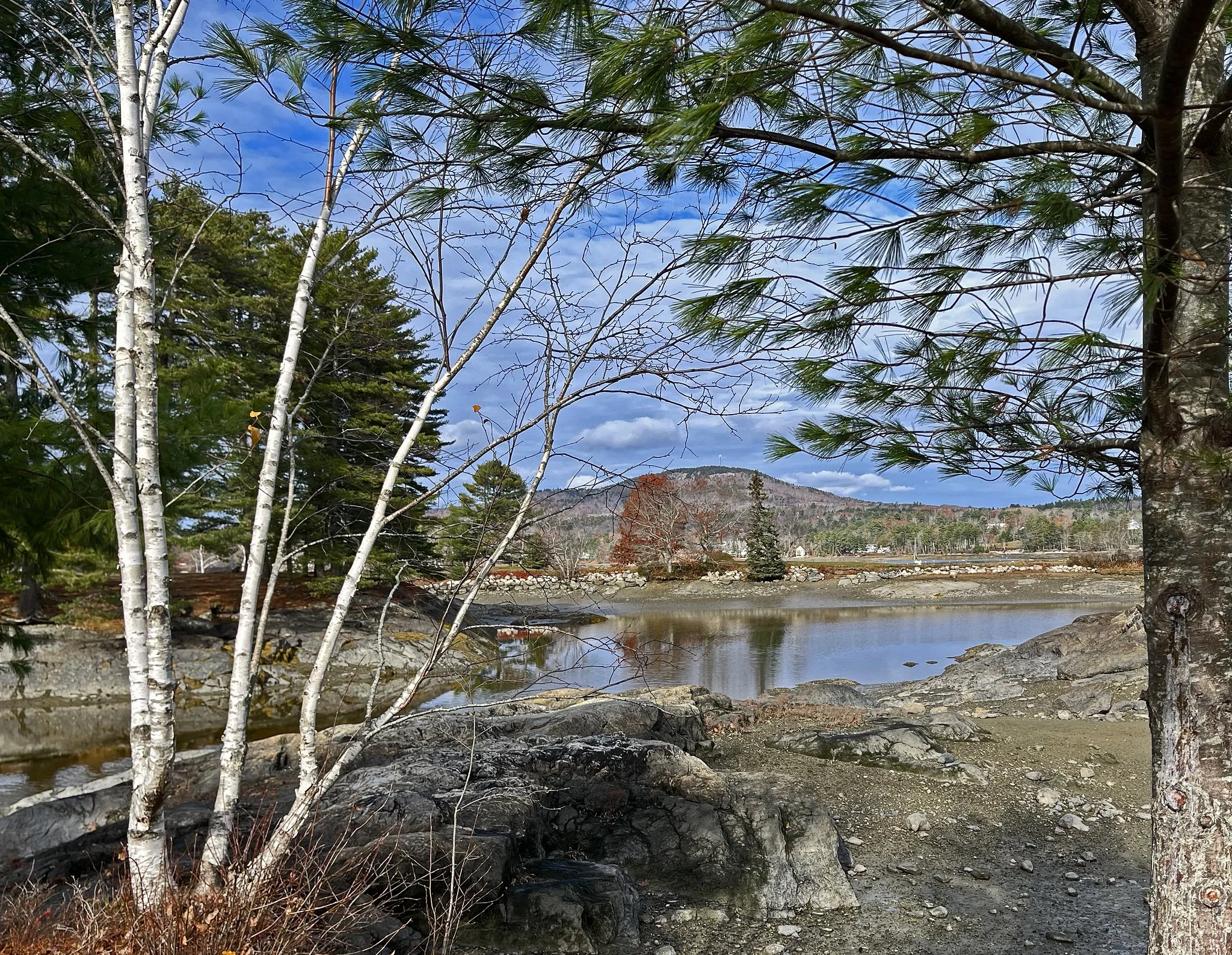
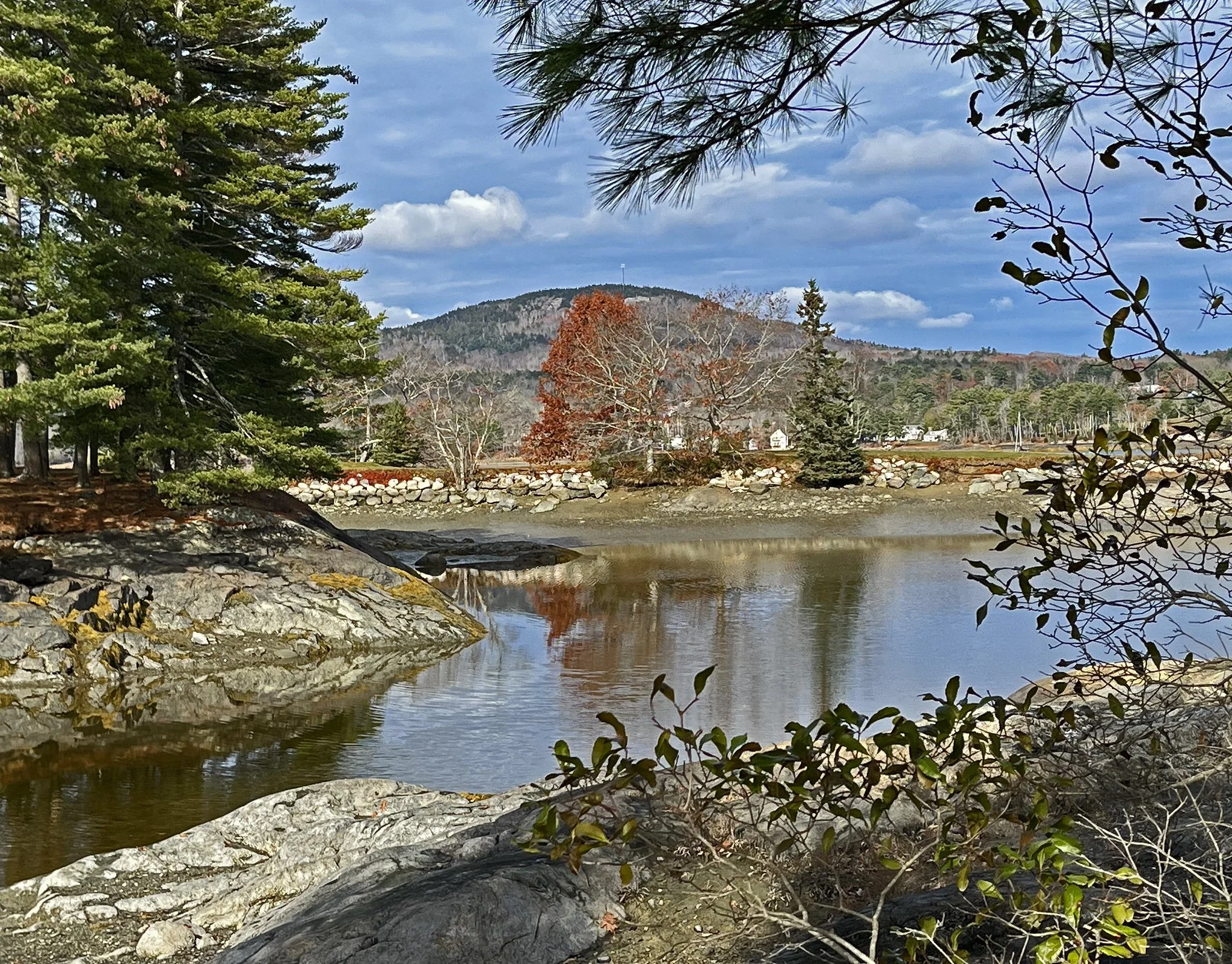
Here you have a long view of the south face of that near-mountain called Blue Hill, as it looms over a lowering tide in Blue Hill Bay:

There are three good trails along that rocky south face, one of which will give you a grand view from near the summit of the Hill. The rocks there mostly are local bedrock schist and volcanic rocks, scattered with glacially-deposited granite boulders. On the reverse side of the Hill, its north face has a continuing trail that’s a bit more difficult to reconnoiter.

Which reminds me of an interesting fact: The North Face Company that produces stylish weatherproof clothes was created by two outdoors enthusiasts and named to reflect what usually is the hardest part of a mountain to climb – the weather-beaten north face. Curiously, the idea for the North Face Company, itself, reportedly began at a much lower altitude – on a San Francisco beach. But that’s another story.

(Images taken in Blue Hill, Maine, on November13, 2025.)

Comment

Comment

In the Right Place: Winter TLC

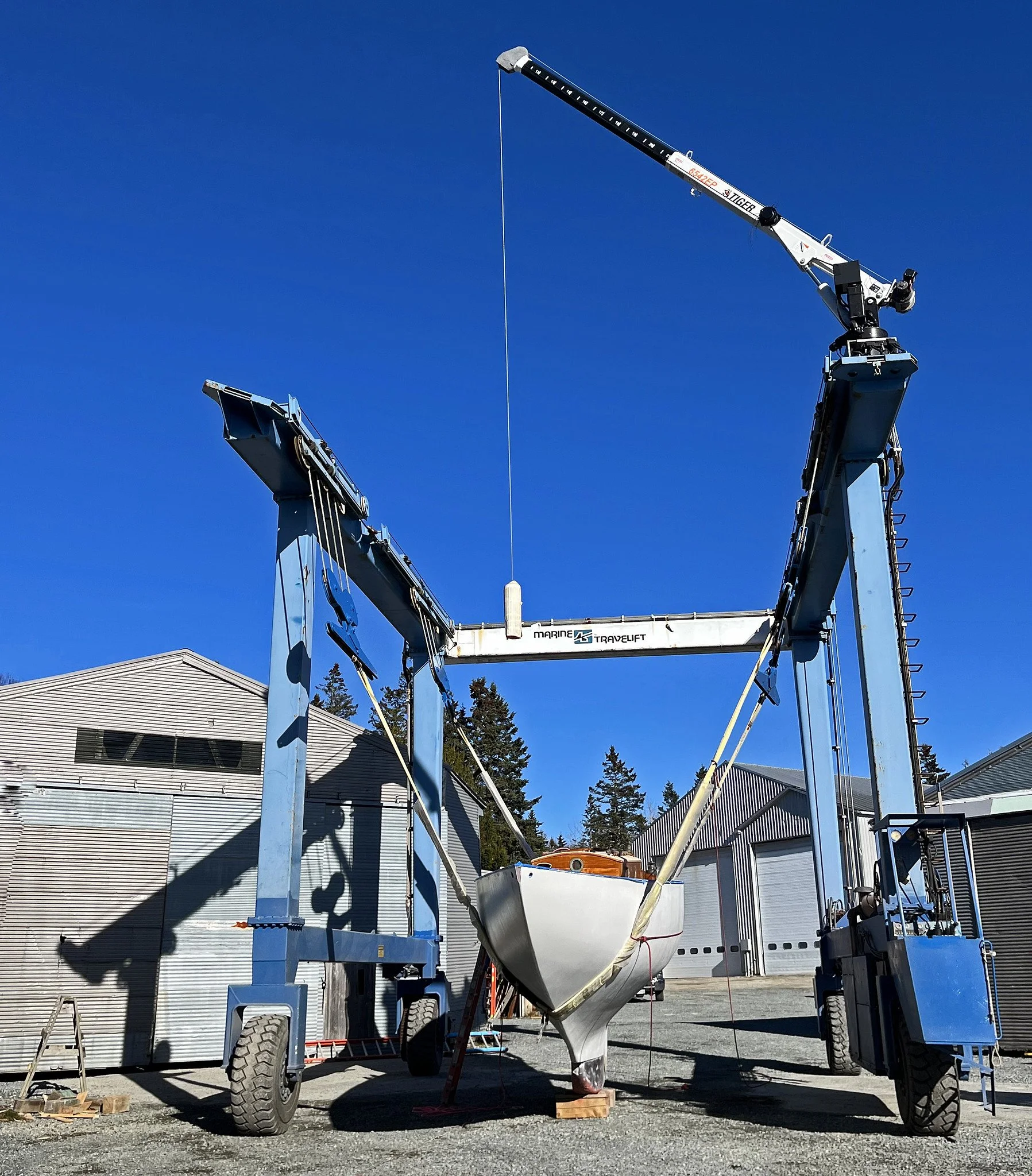
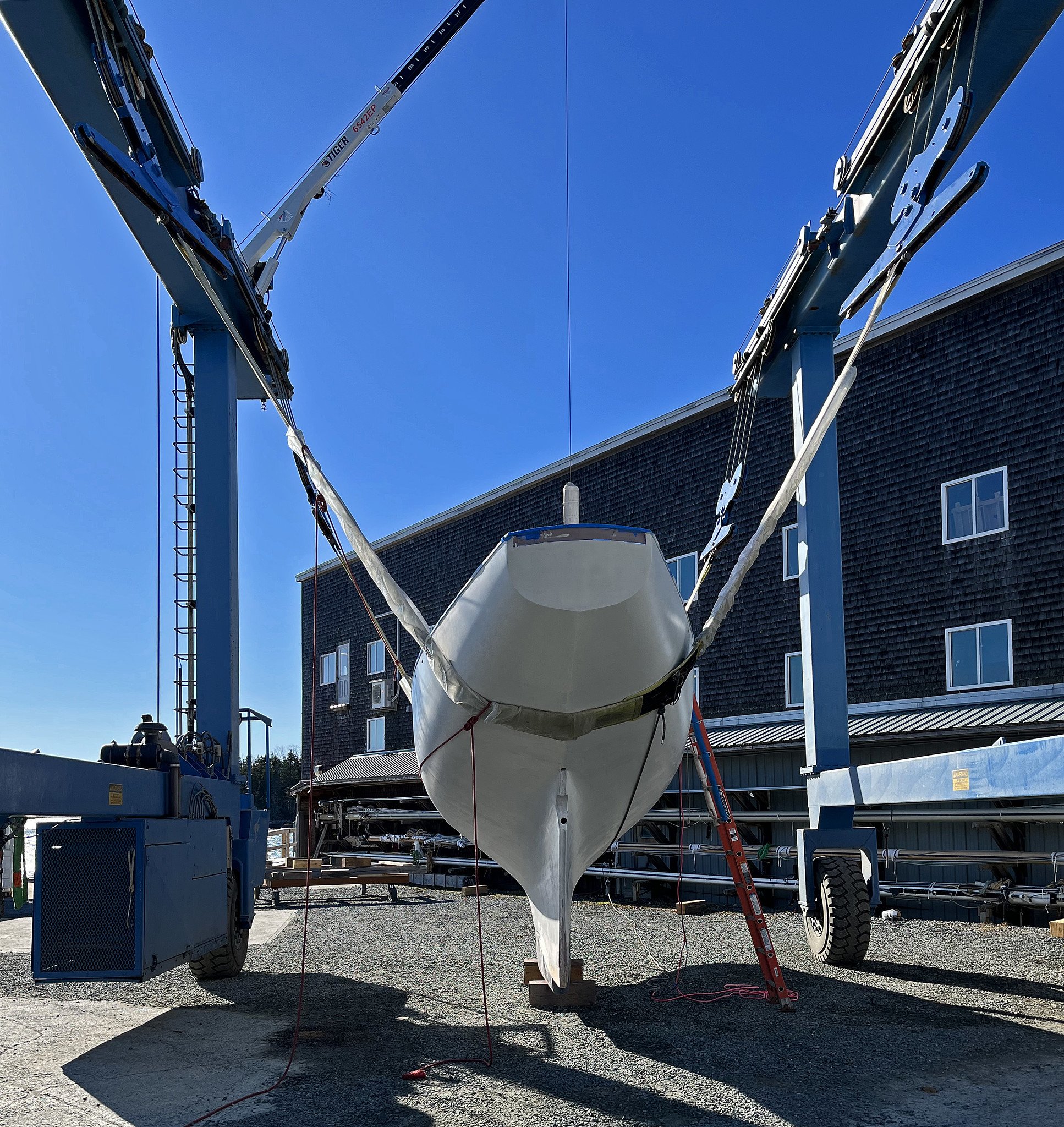
Beloved boats need tender loving care when they’re put “on the hard” in the winter. Here you see a de-masted sailboat in the gentle grip of a heavy-duty mobile boat hoist at the renowned Brooklin Boat Yard Tuesday. She’s being helped to balance temporarily on her keel like a ballerina student learning to pose en pointe.

Boats like this are eased at high tide into a high-sided channel landing from Center Harbor up to the BBY. The hoist is driven astride the channel, where its sling can be spread below the boat to hoist it and motor it slowly to a place for stabilization and eventual storage, usually undercover.

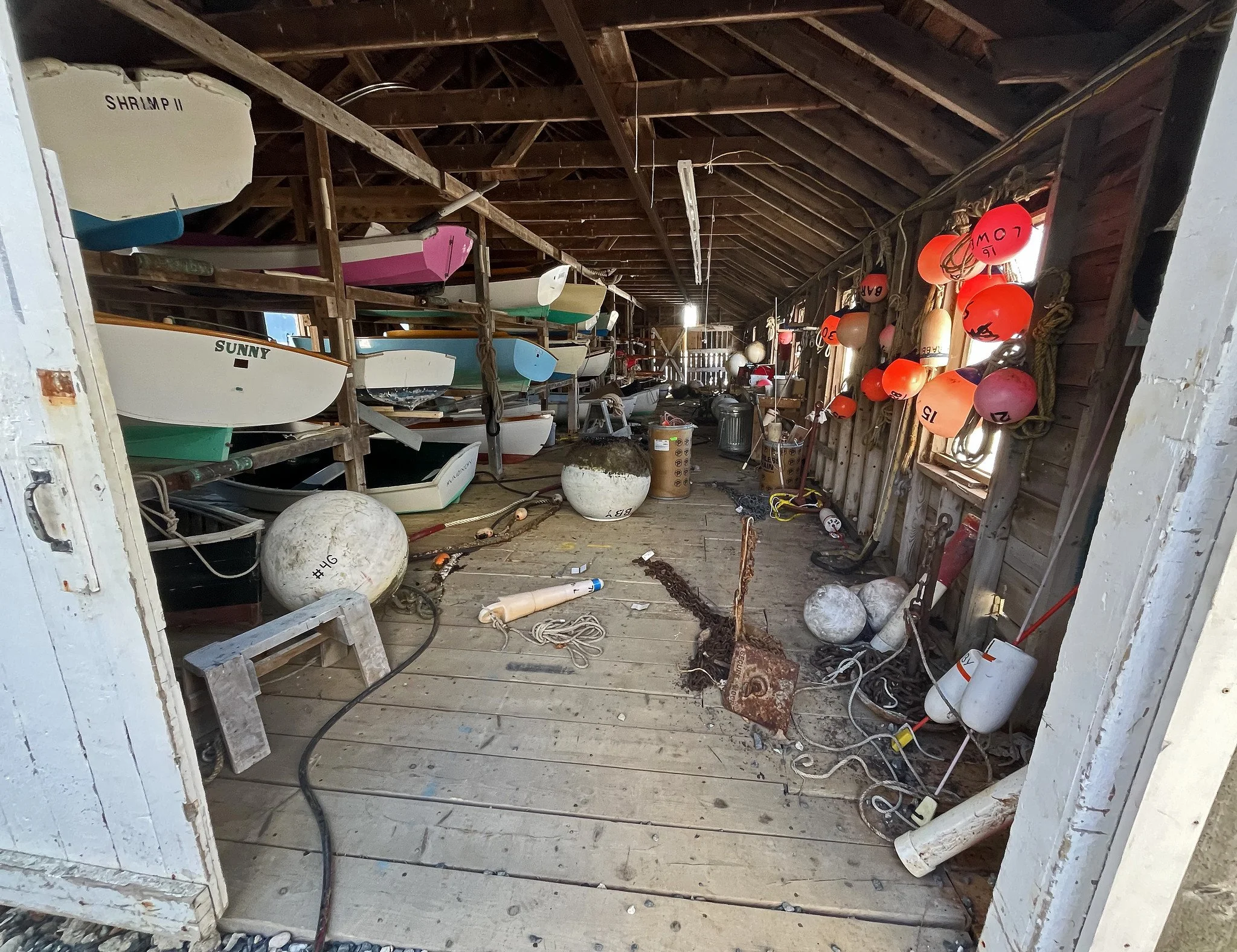
On the other hand, skiffs and other small vessels and mooring gear are hauled onto  land in most-any convenient way and snuggled in an attractive jumble inside BBY’s old boat shed, near the channel landing:

(Images taken in Brooklin, Maine, on November 18, 2025.)

Comment

Comment

In the Right Place: Bullet Proof

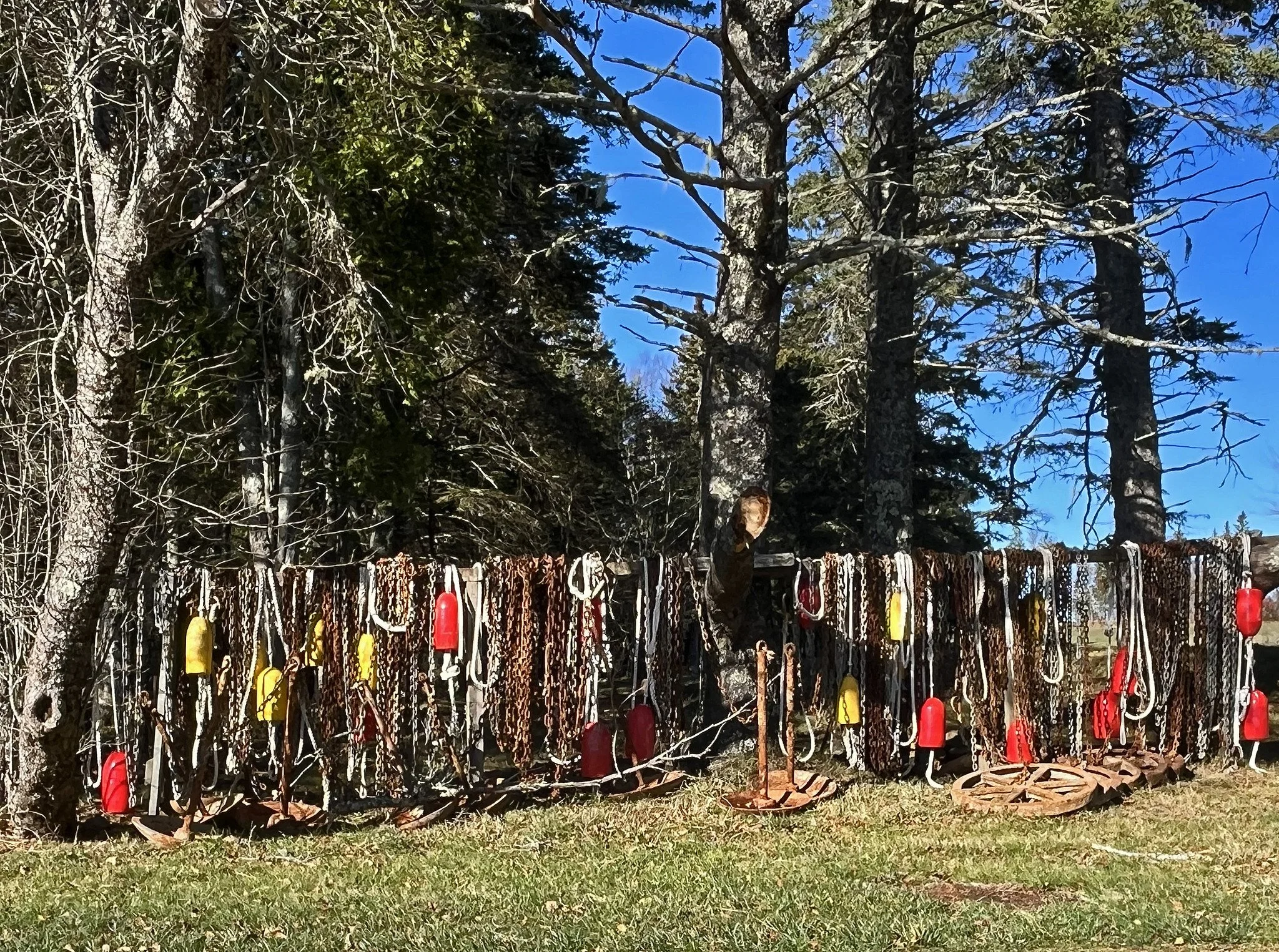
The WoodenBoat School campus has some colorful displays that show the differences among small boat mooring buoys, lobster trap buoys and boat bumpers (fenders) that protect boat hulls from scraping against things. Here you see the WBS moorings gear hanger with red and yellow bullet mooring buoys and mushroom and circular anchors:

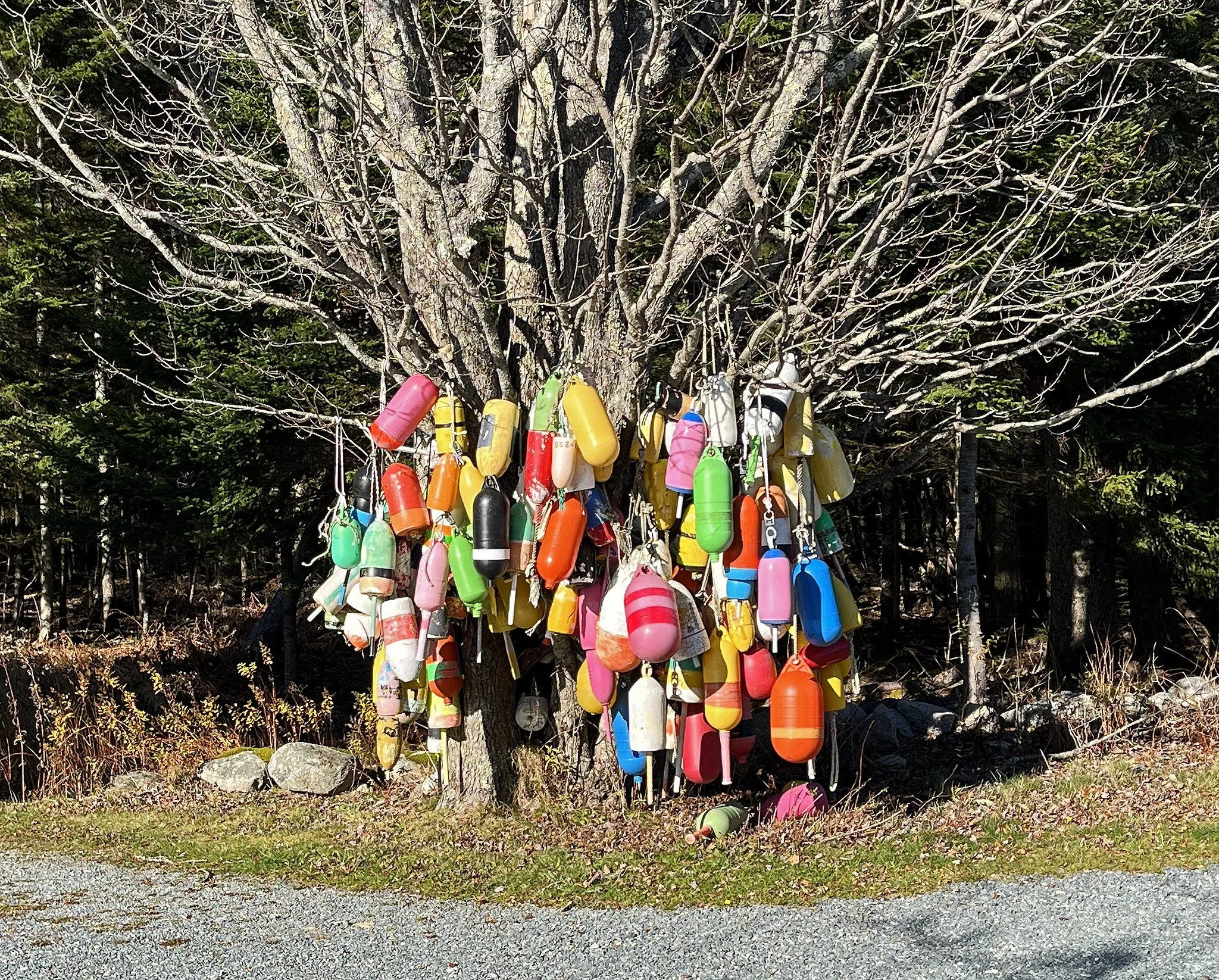
Below, you’ll see WWB’s iconic “Buoy Tree,” which contains lobster trap bullet buoys that are required to be a unique color combination for each licensed lobster fisherman, as well as a few bumpers:

(Images taken in Brooklin, Maine, on November 18, 2025.)

Comment

Comment

Breaking News: It’s a Girl!

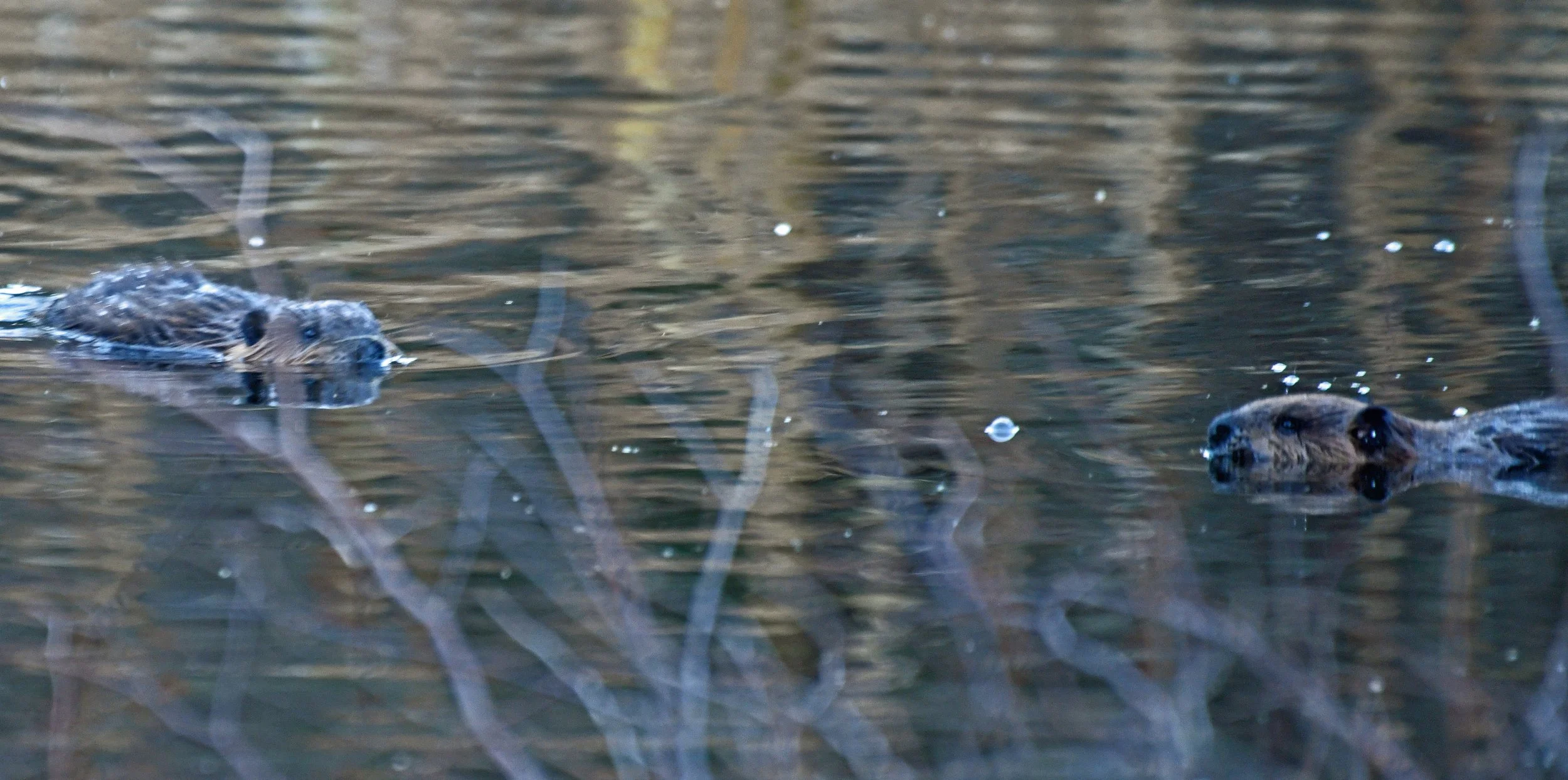
For those of you who have been following our “Life with Bernie” series: The visitor mentioned in our last report turns out to be a sexy female American beaver. I just witnessed a courtship swim in “Bernie’s pond” from a concealed position in near-dark conditions on this cold night. (Yes, I’m definitely crazy.)

Thus, the images aren’t great, but there is no doubt that Bernie (on the right, above,I think) has a serious playmate who will help him topple trees that they think they own. God help us! (But it should be interesting.) The series now will become “Life with Bernie and Bernice.”

(Images taken at dusk in Brooklin, Maine, on November 18, 2025.)

Comment

Comment

In the Right Place: Life with Bernie, VI

Well, it’s a mess down there around the pond that Bernie has claimed as his own. Here you see the state of the lodge that he’s building as of yesterday:


Frank Lloyd Wright he is NOT. And he better hurry up; it’s getting colder. (American beavers build their lodges by planting a few stabilizing logs in the mud and then just piling and piling on trunks and branches until they have a large pyramid or dome in which they can hollow out chambers and underwater accesses to them.)

More than 20 trees, ranging in diameter from 1 to 7 inches, have been felled by Bernie since he arrived in late September. He eats the inner bark and keeps his ever-growing teeth from becoming tusks by felling trees. He sometimes uses most of the tree for his lodge, at other times he uses only a small part of it and leaves most of the tree lying there. It looks almost random.

Now that the days are getting shorter, it’s harder and harder to see Bernie, who only works night shifts due to beaver union rules. The most excitement that we’ve had, beaver-wise, since our last Bernie report here was the appearance of a second beaver in an adjacent pond:

The newcomer was hard to see and almost impossible to photograph through the surrounding vegetation and in very low light. I’m leaning toward thinking it was an invading male (let’s call him Putin) that Bernie chased off, because I’ve not seen any sign of a second beaver since.

However, if it’s a female that is attracted to Bernie (let’s call her Bernice), our patch of paradise may be in trouble this spring. Beavers mate in the winter and usually have two to five kits in May or early June. The family usually starts a colony that needs a bigger lodge. We should be okay for this winter, though. Bernie’s three dams have not created a flood risk. Yet.

(Images taken in Brooklin, Maine, on November 6 and 17, 2025.)

Comment

Comment

In the Right Place: Rain and Fire

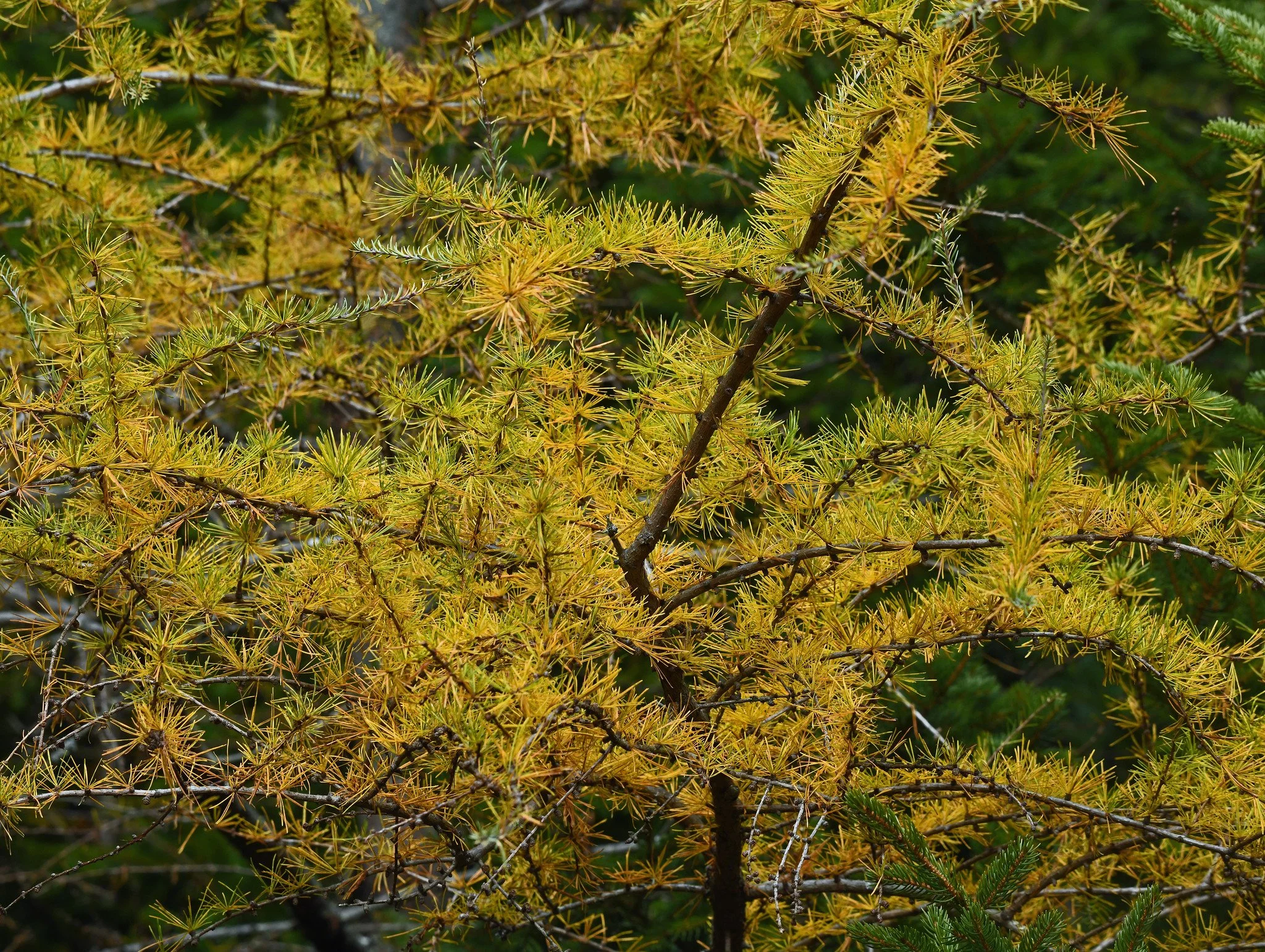
Climate change and a severe drought seem to have convinced November to try some of October’s tricks here. Especially impressive are the final performances of wild tamaracks (aka eastern larches, hackmatacks), shown above, and the cultivated Japanese maple trees, shown below:

As you probably know, the tamaracks (Larix laricina) are conifers (cone-bearing trees) with green needles in the spring and summer. From a distance in the warm months, they look like spruce, firs, and other conifers that are evergreen. But, in the cold fall or early winter, the tamaracks reveal their secret deciduous nature: their needles turn yellow and then fall like golden rain.

The Japanese maples (Acer palmatum), of course, are straight-forward deciduous (leaf-dropping) trees that come in many varieties. On some of these trees, just before their red leaves fall, they get even redder – they turn a fiery scarlet color. This is one of the reasons why they’re called “The Autumn-Welcoming Tree” in Japan, where they’re cherished and even digested. The ancient delicacy momiji tempura is made of tempura-battered, deep-fried maple leaves that have been preserved in salt.

(Images taken in Brooklin, Maine, on November 11 [tamarack] and 12 [maple], 2025.)

Comment

Comment

In the Right Place: Quieter Times

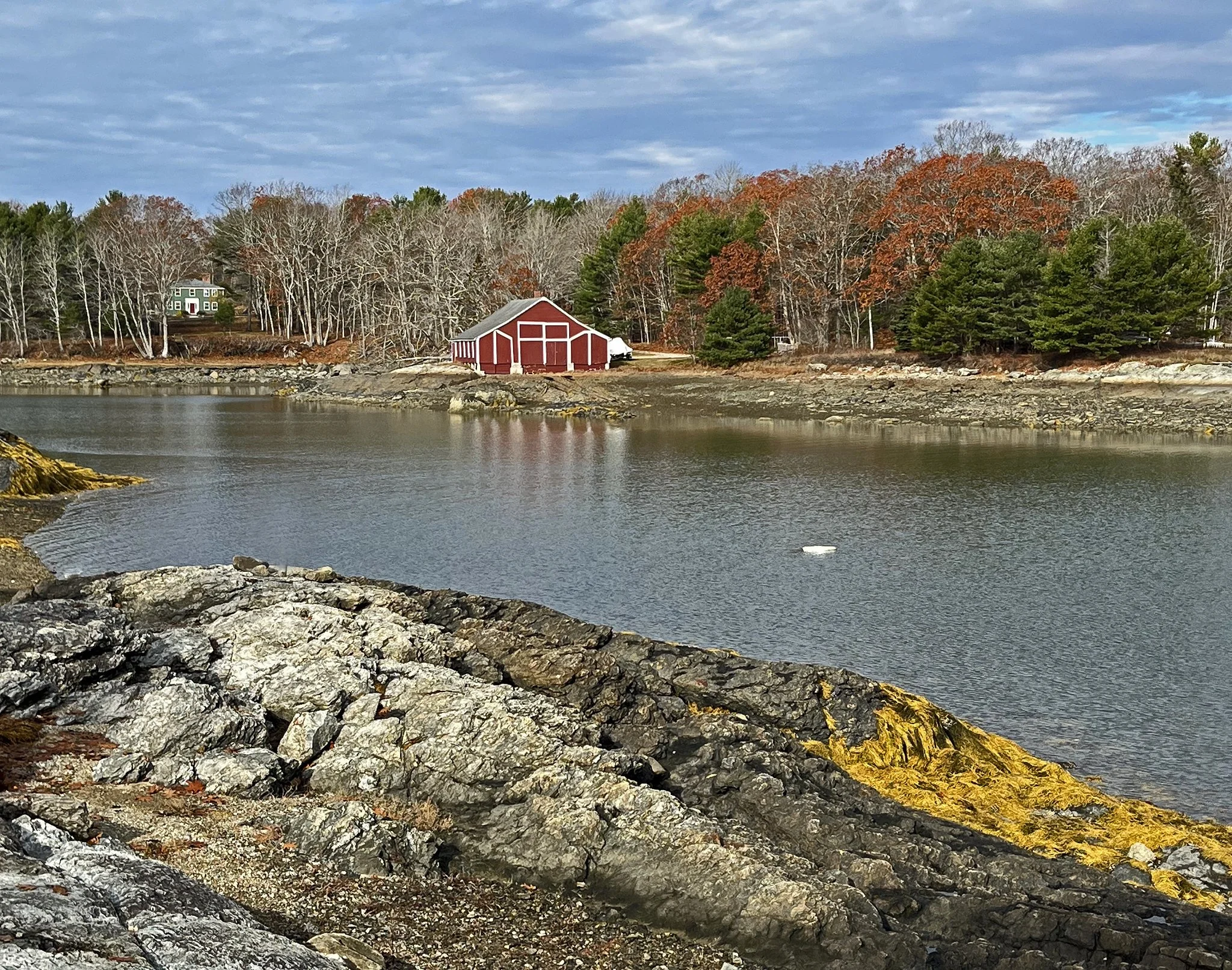
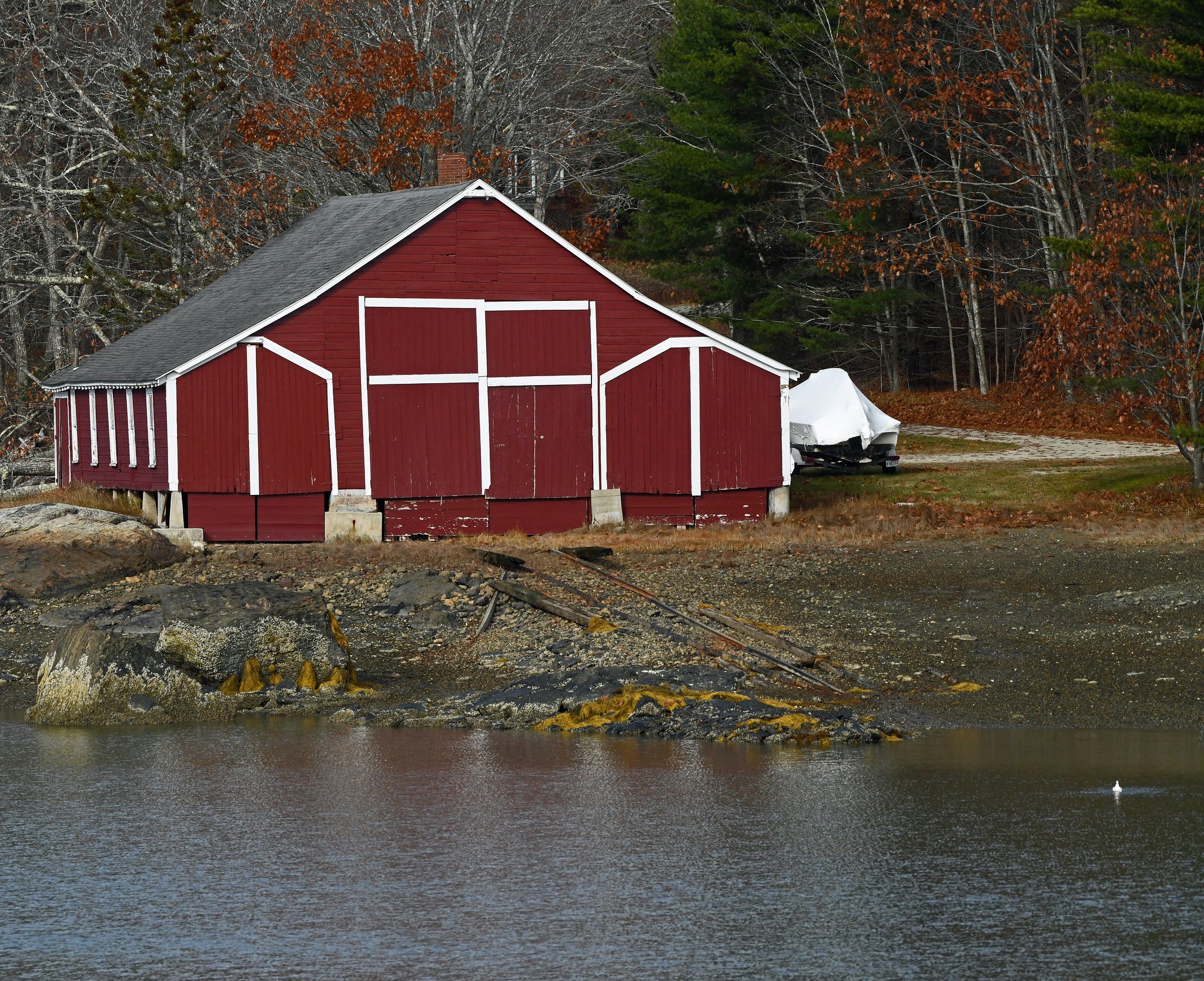
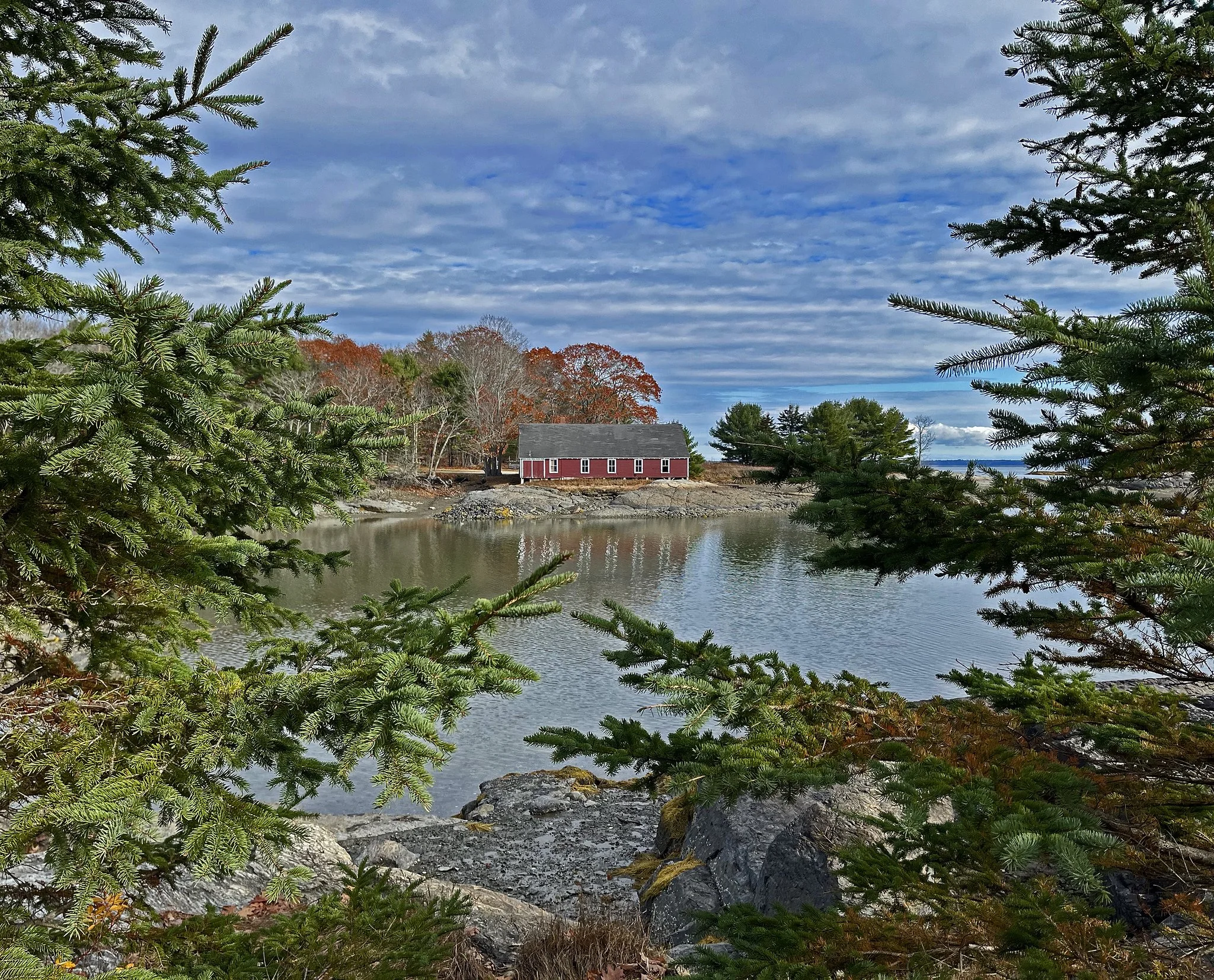
Here you see the tide lowering in the northwestern half of Conary Cove, where the historic boat house sits rockbound. This iconic scene was different in the last Century. The red structure was built in 1924 as a white boat house that eventually sprouted a pier into the Cove. In the 1940’s the second owner of the property kept more than his boat there. He reportedly moored his seaplane in this part of the Cove and often taxied it up onto a wooden platform on the rocky beach and parked it there. Things were a lot nosier then.

There has been no boat in the boathouse or seaplane in the Cove for many years. The current owners maintain the structure for its historical significance and ongoing utility as a workshop and storage space, according to reports. 

(Images taken in Blue Hill, Maine, on November 13, 2025.)

Comment

Comment

In the Right Place: Elderly Oddities Department

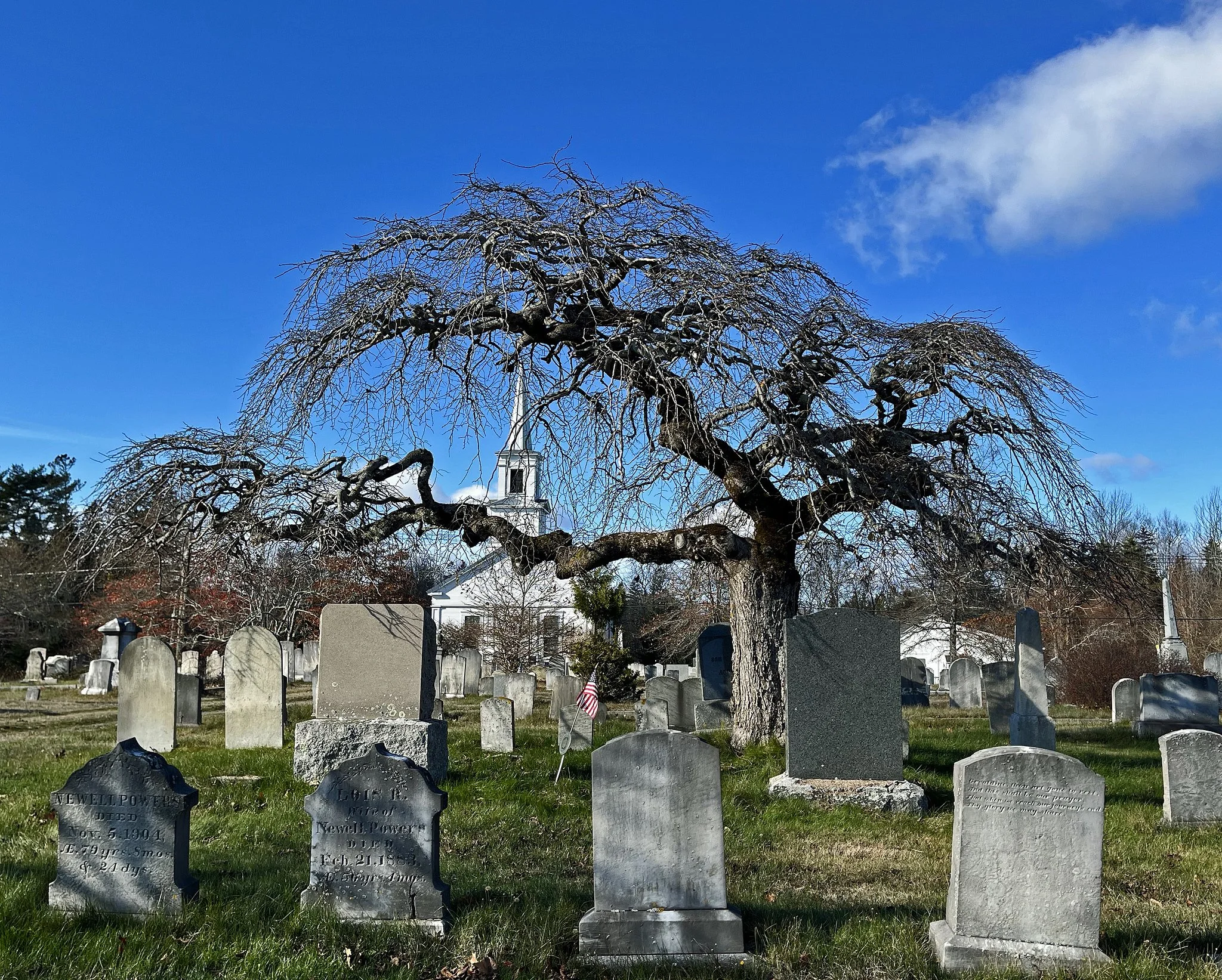
Below, you’ll see the Camperdown elm in the Brooklin Cemetery yesterday, bereft of her 2025 leaves. This uncommon Scottish cultivar must be well over 100 years old, but apparently there is no reliable record of how old she is or when she was planted there.

There is a clue, however: The elm principally shelters the grave of Rodney S. Blake, who went down with the side-wheeling passenger steamer “Portland” and everyone onboard in a huge November gale off Maine in 1892. The late 1800s and early 1900s reportedly were popular times for these articulated elms to be cultivated and planted in the U.S.

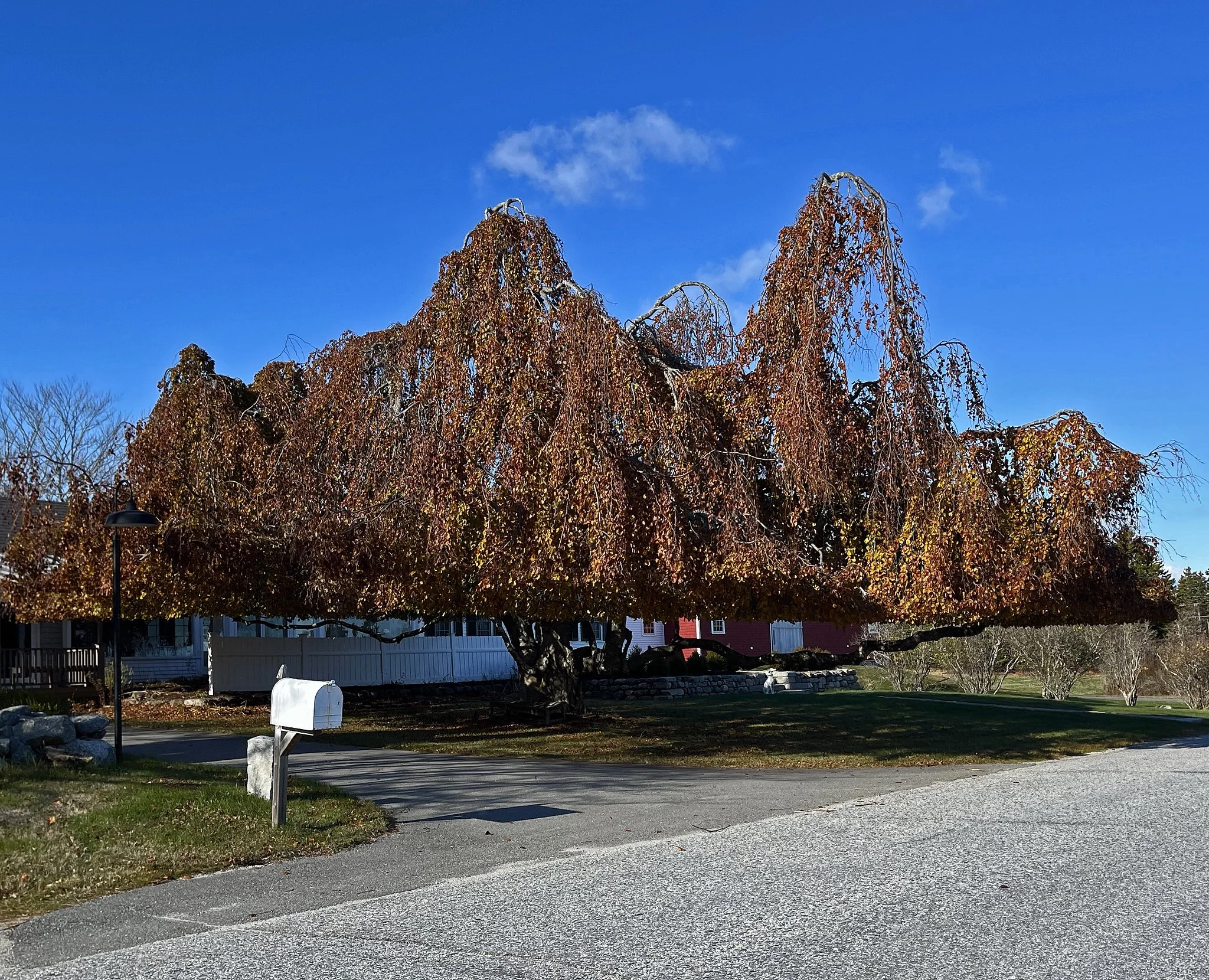
On the other hand, the uncommon weeping beech tree several miles away at Amen Farm still wore her leaves yesterday, although they were browning:

This pendulous specimen apparently is more than 70 years old, according to local sources. Weeping beeches were selectively bred from various beeches in England in 1836 and were introduced into the United States in 1847, according to the literature.

Beeches usually don’t lose all of their leaves in the fall or winter, a saving phenomenon called “marcescence”; this beech usually doesn’t lose most of her leaves until December or January; the remaining ones drop when new growth is ready to appear in the spring. (Images taken in Brooklin, Maine, on November 14, 2025.)

Comment

Comment

In the Right Place: Thorny Subjects

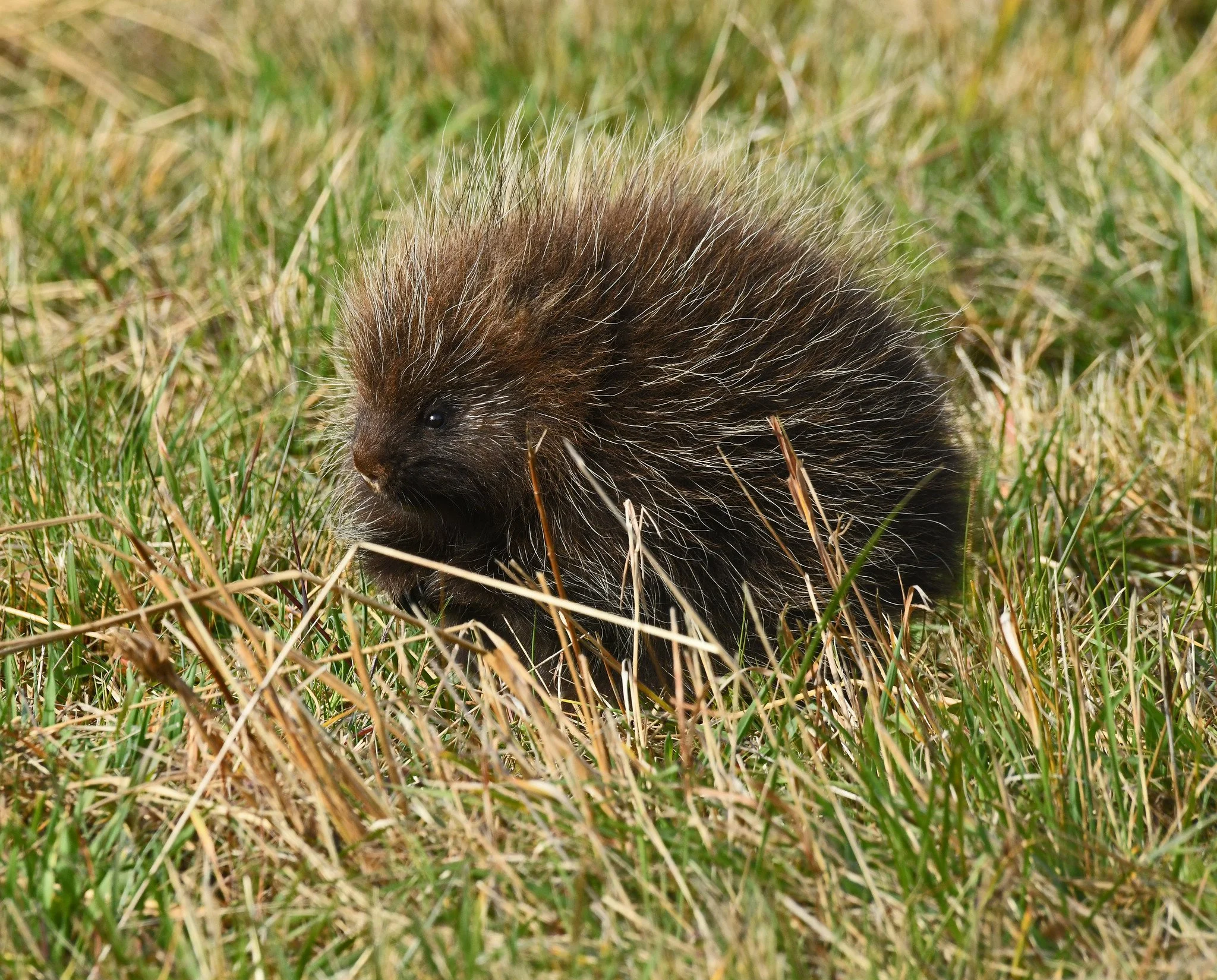
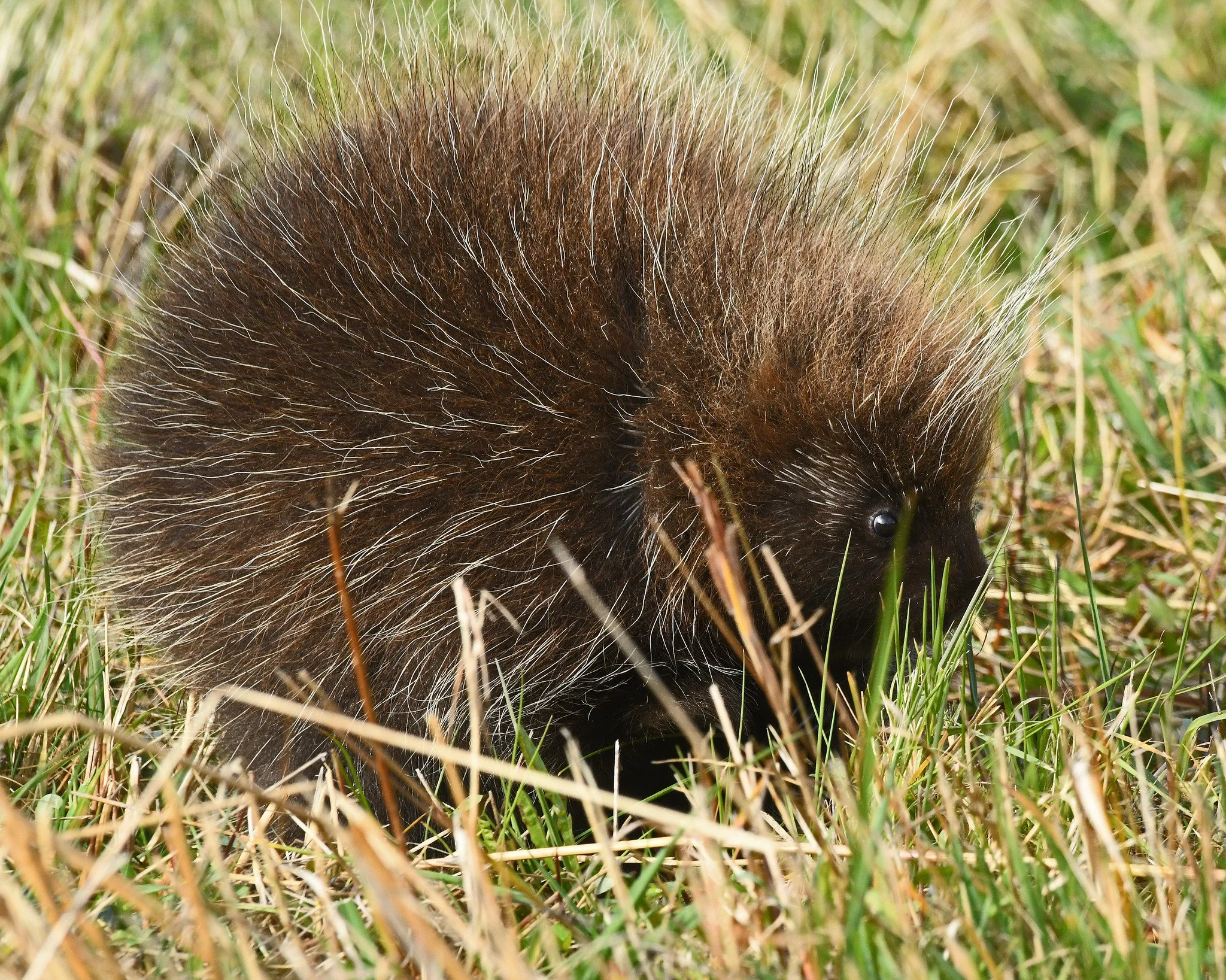
My path crossed with this little fellow’s yesterday, but I didn’t try to pet him. He is, of course, a young porcupine. His strange name reportedly derives from the Middle French words that mean “thorny hog” (or “spiny pig”), which were based on the Latin words “porcus” (pig) combined with “spina” (thorn).

Porcupines don’t hibernate, but they do hole up in very cold or nasty weather. They don’t shoot their quills, but they do swing their quilled tail like a spiked club with alarming force and effect. They’re considered cute and interesting by many people (including me), but they kill and wound valuable trees by girding them with their big teeth. They’re part of the grand natural scheme, but some people (including me) wonder whether the harm that they do outweighs their inherent value (if any) in today’s world.

(Images taken in Brooklin, Maine, on November 12, 2025; sex assumed.)

Comment

Comment

In the Right Place: Wet Views

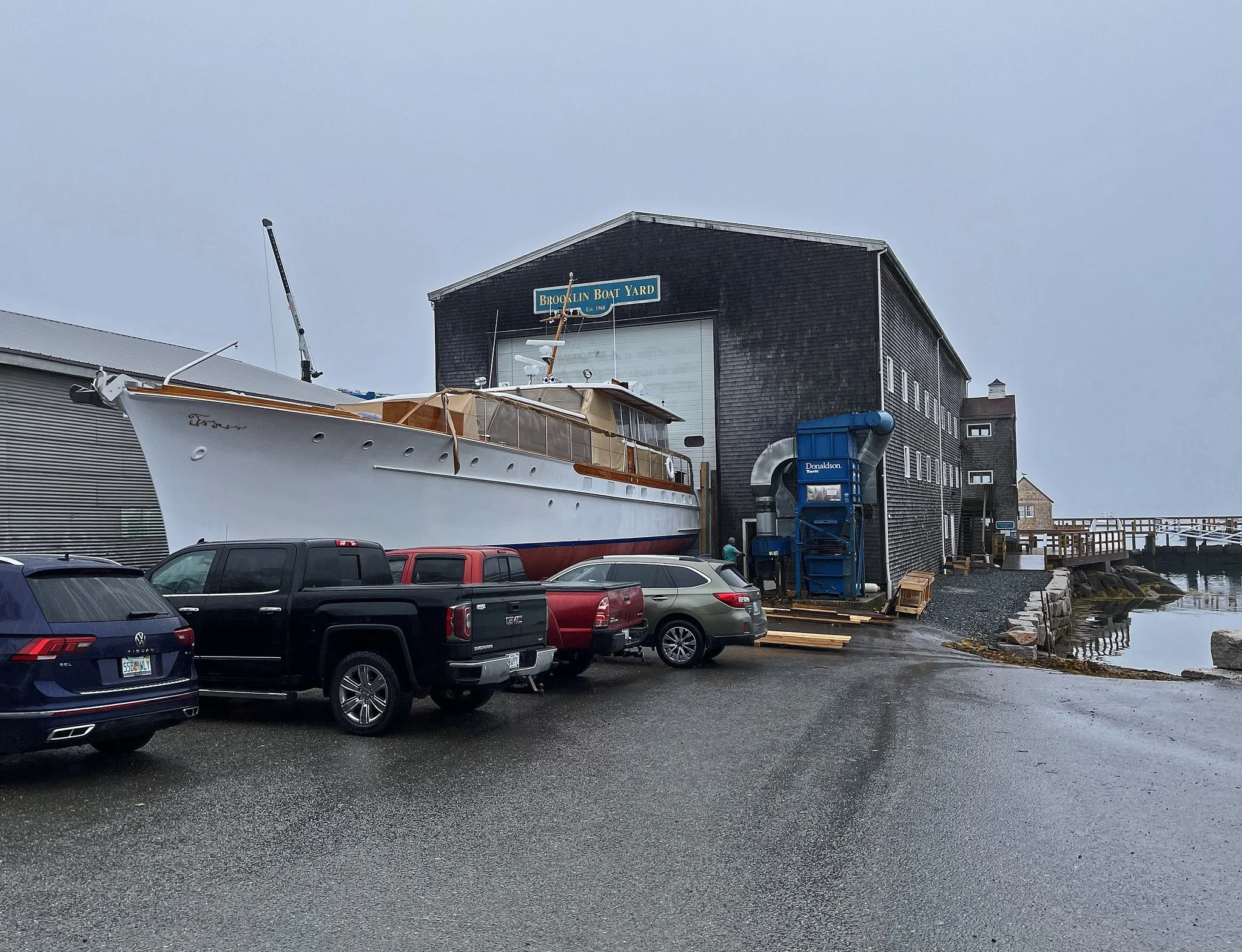
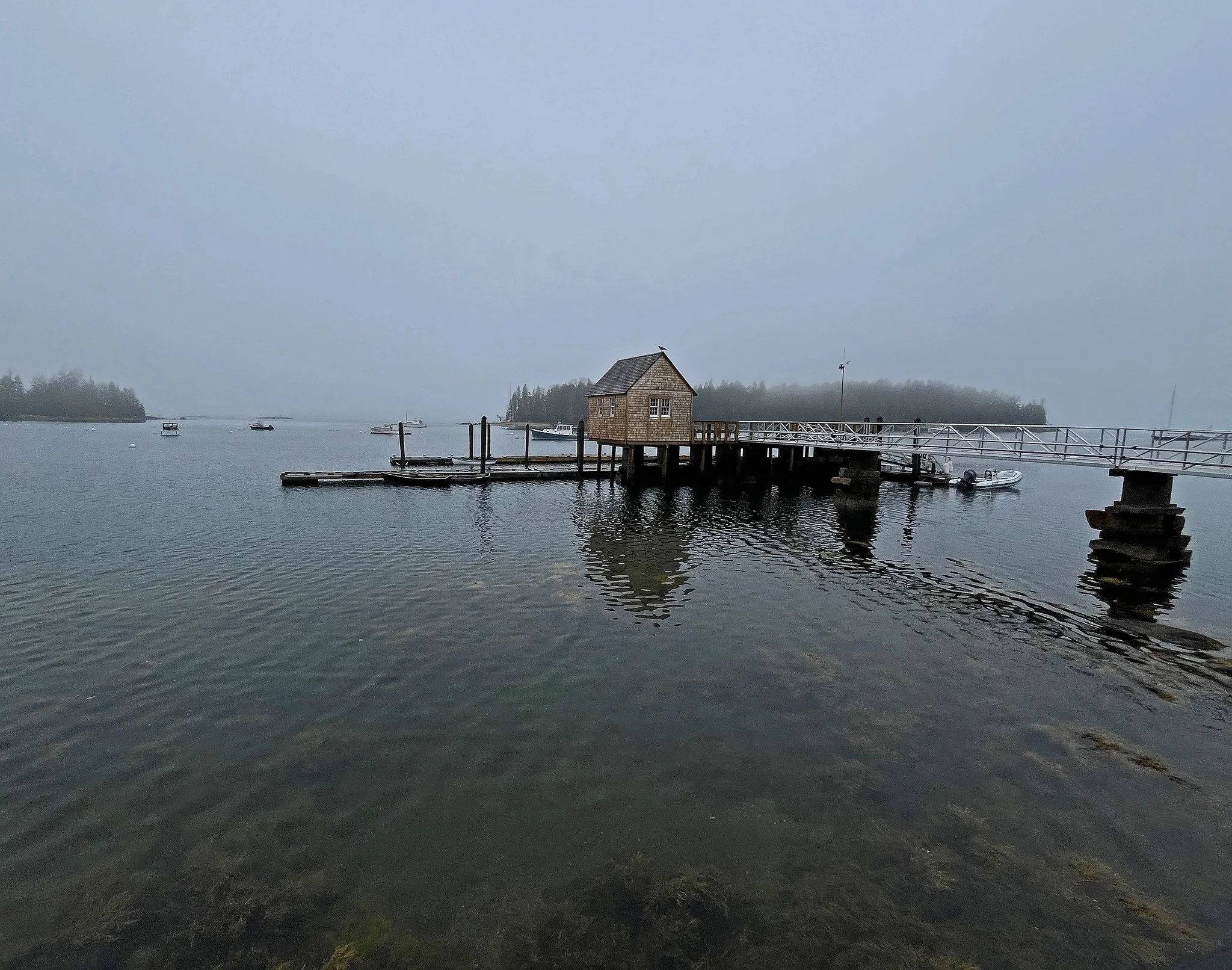
November is proving to be a wet month, with plenty of rain and fog and – last night – our first snow (albeit only an unspectacular little sneezer). This winter wetness seems to add a darker, more seasonally New England-ish touch to familiar sights that we’ve seen almost daily throughout a usually dry and often sunny summer and fall.

Above you see one familiar sight in dampened form: the renowned Brooklin Boat Yard. It’s one of the few places where you can park your car under a looming yacht and be overwhelmed by a huge “factory” building where large boats are built and restored, among other activities.

On the seaside end of BBY’s factory, the Yard’s fairly new pier extends out into Center Harbor to a perched shed and removable docking floats:

The prior BBY pier was destroyed by a massive storm surge and record high tides in January of 2024. (Images taken in Brooklin, Maine, on November 10, 2025.)

Comment

Comment

In the Right Place: Death and Disappearance

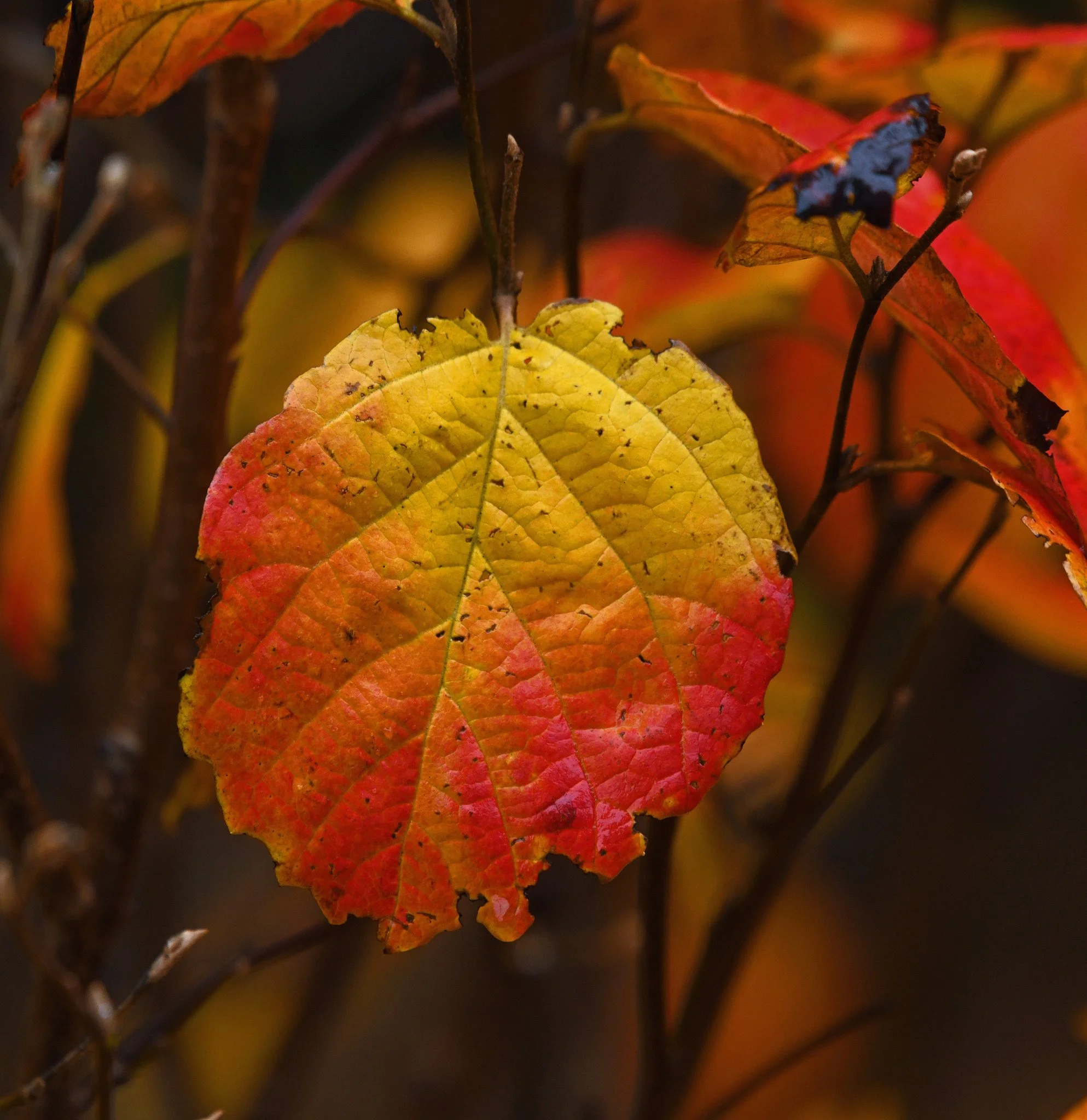
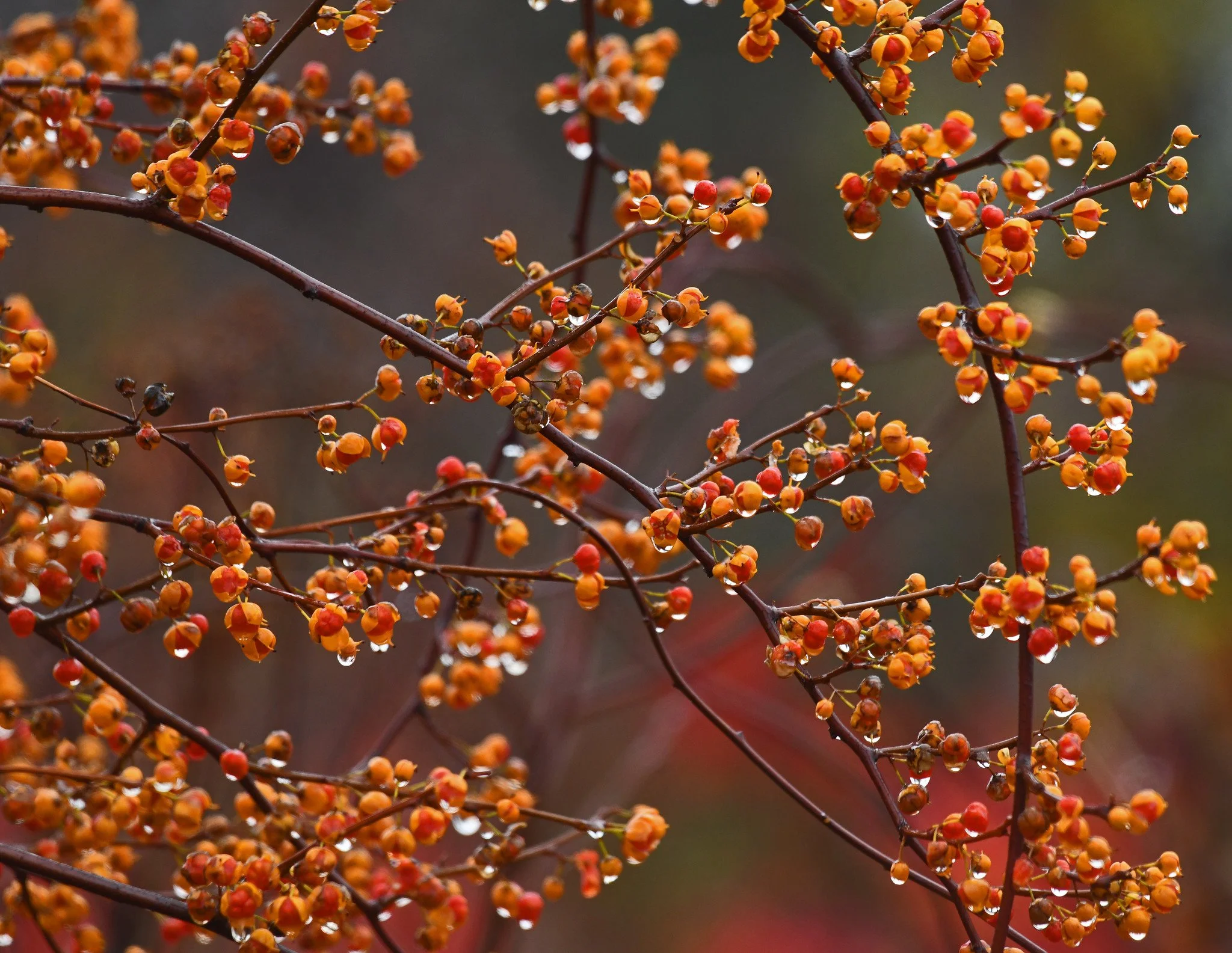
We’ve been getting some much-needed rain lately, which has made the darkening month of November even darker. But that’s okay. Much of November’s beauty seems to lie in the colors and poignance of her dying and disappearing leaves and fruits, which tend to glow in light rain. By mid-month, most of these jewels will be stolen by the angels of death or the hungry wildlife.

Above, you see the colorful death throes of a lonesome fothergilla leaf, once part of a green witch hazel family. Below, you’ll see the insidious emergence of the red fruits of an Asiatic (aka Oriental) bittersweet vine (aka snake), a god-awful killer that squeezes its hosts to death in the perennial fight for sunlight:

(Images taken in Brooklin, Maine, on November 10, 2025.)

Comment

Comment

In the Right Place: Not Too Sticky

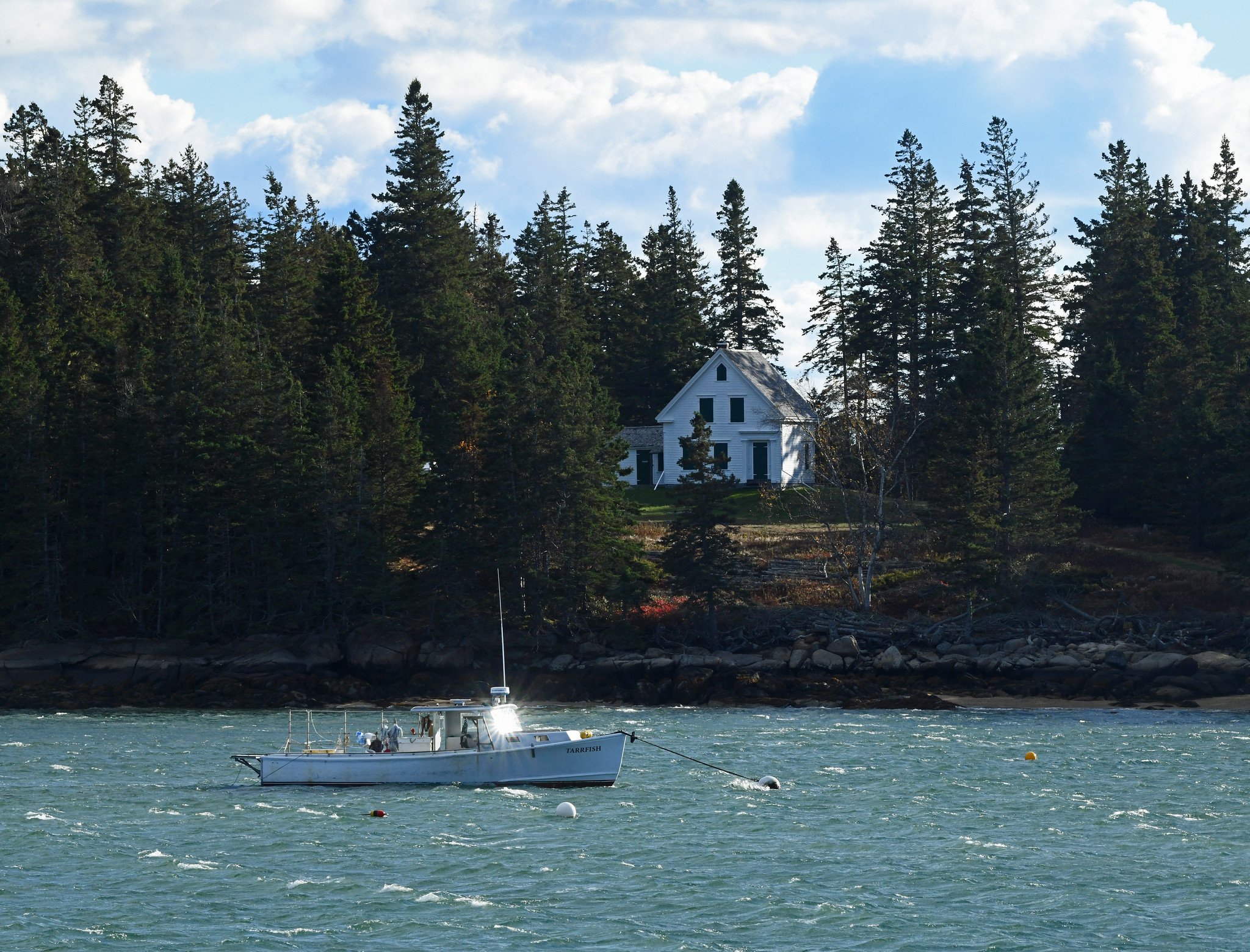
Here’s a little moment that became a little memory. It happened on Thursday, which was a fine day, with plenty of sun, big white clouds in a big blue sky, and earnest westerly wind gusts that whipped Naskeag Harbor’s waters into small whitecaps. The fishing vessels in the Harbor were rocking and tugging on their mooring lines like tethered horses awakened in the night.

As usual, Fishing Vessel TARRFISH – a curious name explained later – had pulled guard duty for the summer residence on Harbor Island. For a while, as she rose and plunged, the sun would catch the vessel’s cab windows and bounce pulsing star bursts off them. She looked like a warship sending a stream of silent signals with a blinker light.

As for that handsome vessel, a TARRFISH is not a sticky black fish that doesn’t spell well. She fishes for lobster in the summer and fall and scallops in the winter and early spring – and, she belongs to Brooklin’s David Tarr. (Image taken in Brooklin, Maine, on November 6, 2025.)

Comment

Comment

In the Right Place: Of Hairy Chests and Wet Noses

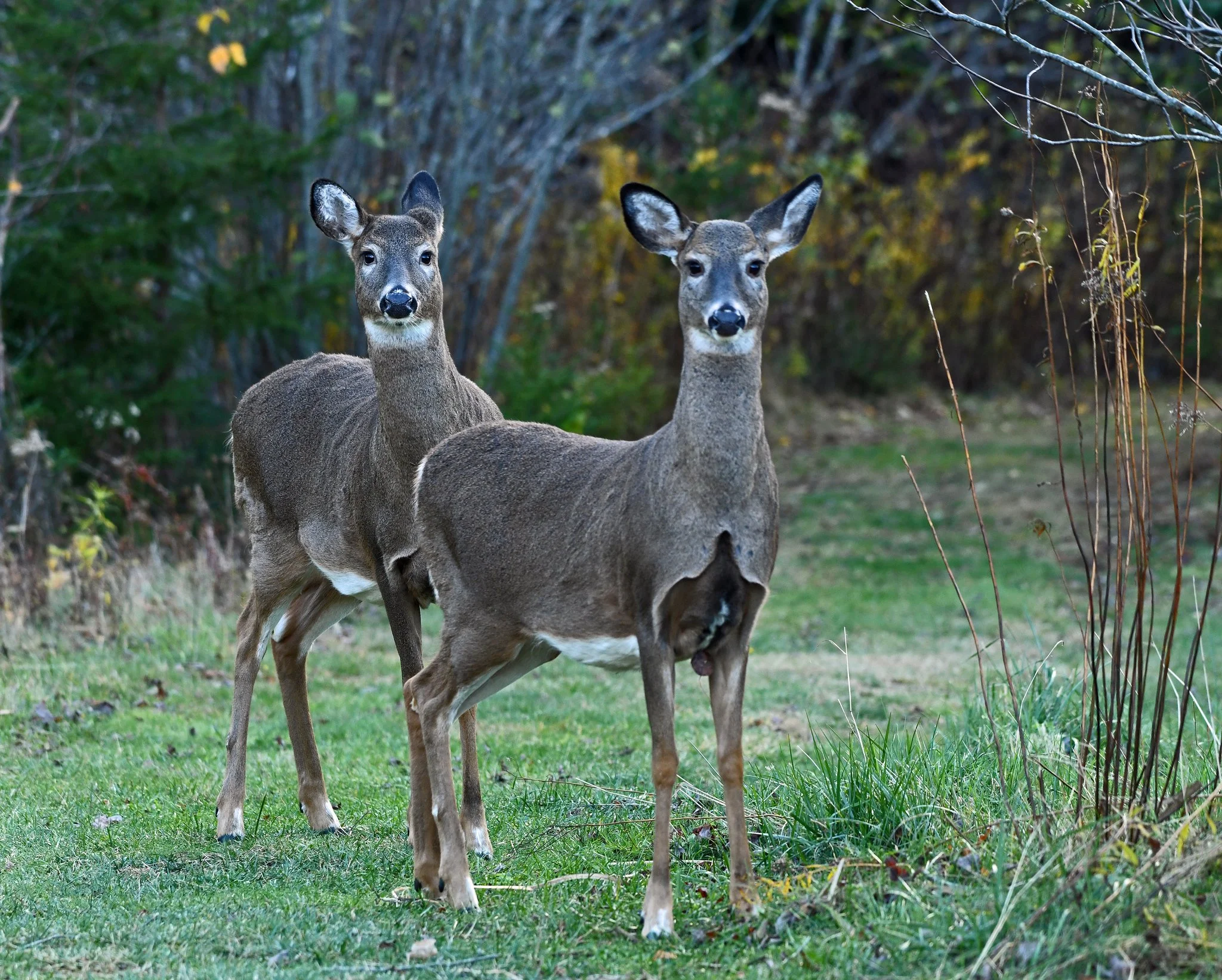
It looks like all of the white-tailed deer that co-own our property have shed their reddish summer sport coats and grown into their winter gray overcoats. The deer will blend into the woods better now and be much warmer.

Some of the deer are sporting winter fur vests on their chests that seem darker and more defined than in past years. But that impression may be the result of my increasingly poor memory. They don’t have that melanistic look; but I’m no vet, either.

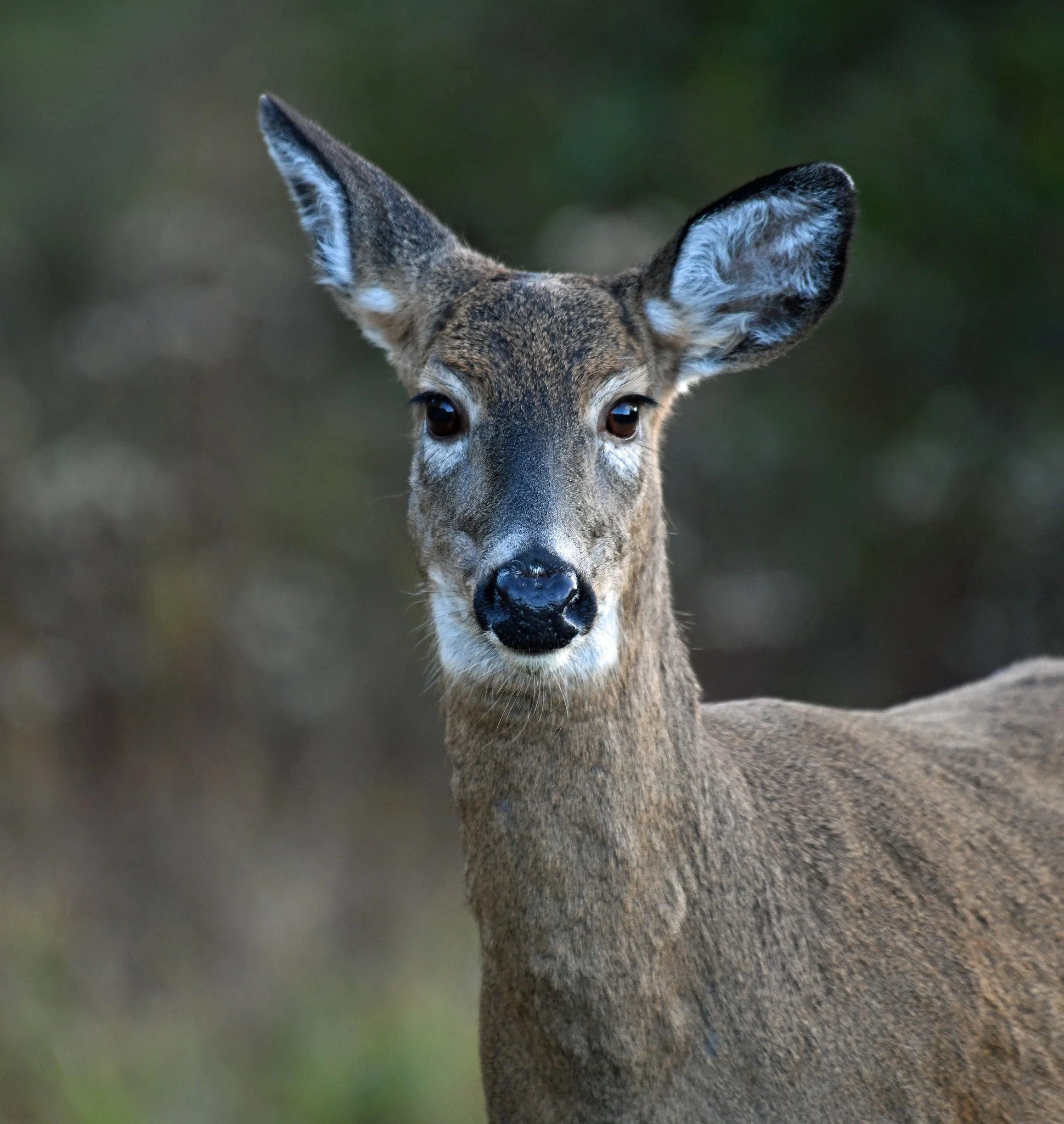
In fact, all the deer that I’ve seen this year have appeared to be robustly healthy – bright eyed, bushy-tailed, and wet-nosed:

Being wet-nosed is important to a deer. As you may know, that moist, furless skin around the nostrils of deer and other mammal's (their “rhinaria”) serves an important sensory function. The wetness enhances their sense of smell by trapping multitudes of scent molecules that are then mysteriously detected and differentiated into recognition by the deer.

(Images taken in Brooklin, Maine, on November 6, 2025.)

Comment

Comment

In the Right Place: Betwixt

November seems to have the thankless job of cleaning up after October’s carnival. She seems to need to becalm the outdoors to promote the glowing celebration of Thanksgiving indoors. It’s a work in progress at this point, which makes for a betwixt time.

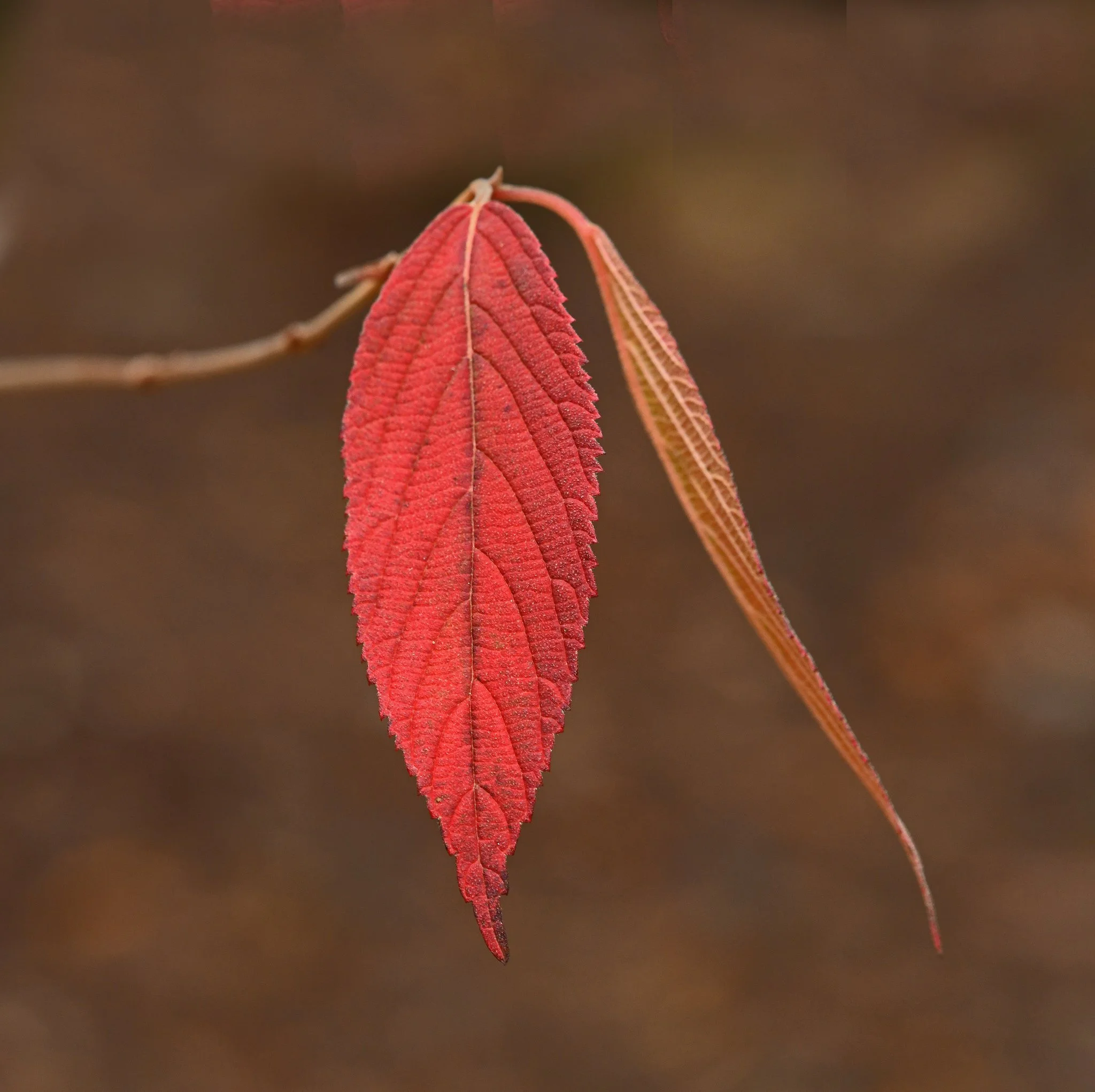
At this time, the fading makeup on viburnum leaves provokes memories of October’s Mardi-Gras-like parade. Yet, the bleaching blades and graying tufts of silver grass remind us that the mostly monochromatic drama of winter will be opening in a wood near us soon:

(Images taken in Brooklin, Maine, on November 3, 2025.)

Comment

Comment

In the Right Place: Great Escapes

Yesterday, a large school of cloud fish were chased by great white shark clouds over the mountains of Mount Desert Island and the waters of Blue Hill and Jericho Bays. All fish temporarily escaped the sharks in their sky while one photographer temporarily escaped the sharks in his mind.

(Image taken in Brooklin, Maine, on November 6, 2025.)

Comment