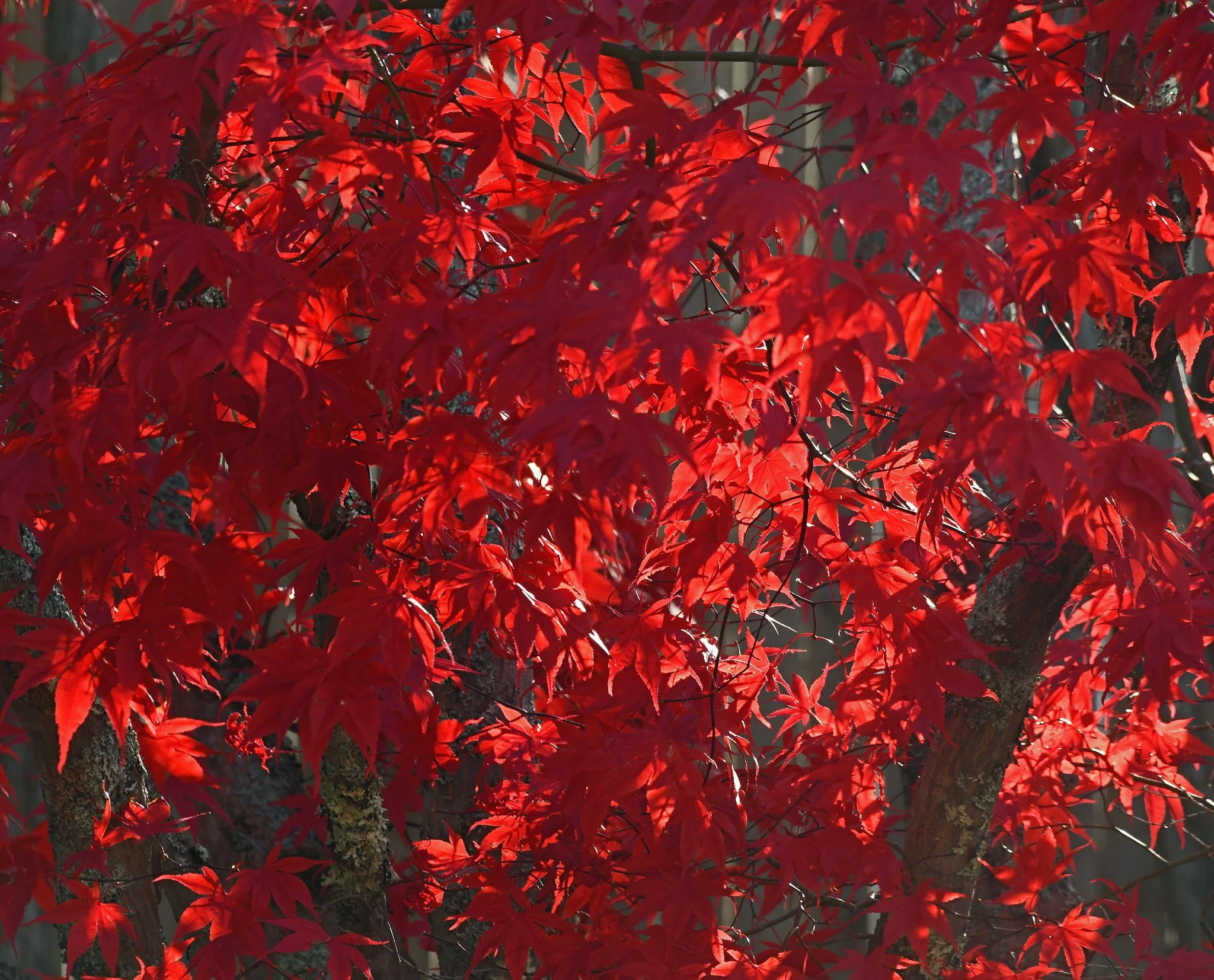
November is when we ease from the colorful autumn into the darkening winter. Some of October’s colors and golden light leave here late and brighten the shorter days and some of December’s chilling winds and brilliant skies arrive here early to make the transition easier.
There are fewer people here in November, which can make it a time of increasing closeness and introspection – such as being grateful for family and friends at a crowded table on Thanksgiving, yet enjoying walking alone along a deserted water’s edge. It's also a time to send postcards to family and friends to tell them that we “Wish You Were Here” or are “Glad You Were Here” in November.
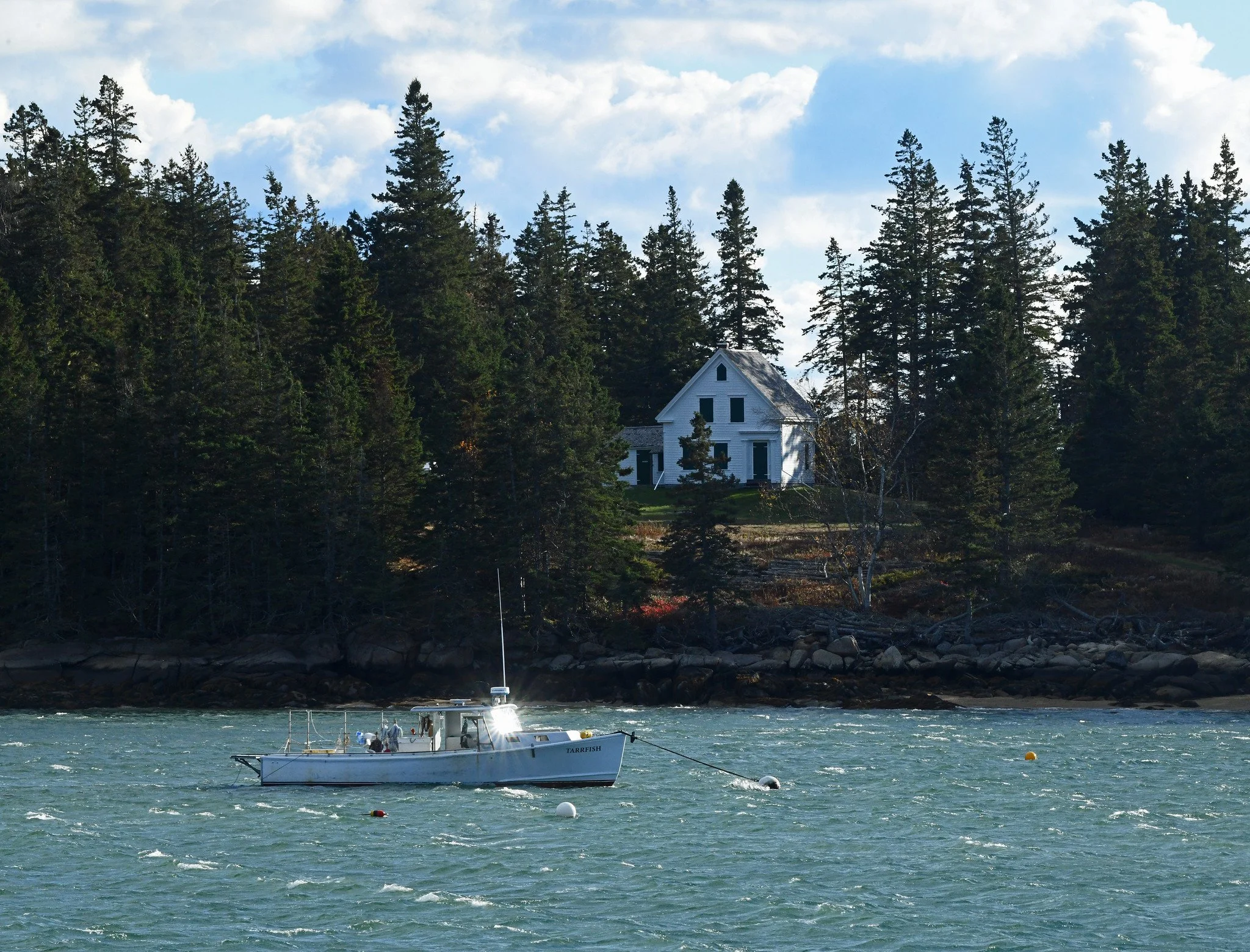
As usual, we’ll start with images of the four iconic scenes that we monitor monthly for you: The Harbor Island summer house overlooking Naskeag Harbor; the western mountains on Mount Desert Island (in sun and fog this month); the old red boathouse at Conary Cove, and the near-mountain called Blue Hill looming above Blue Hill Bay:
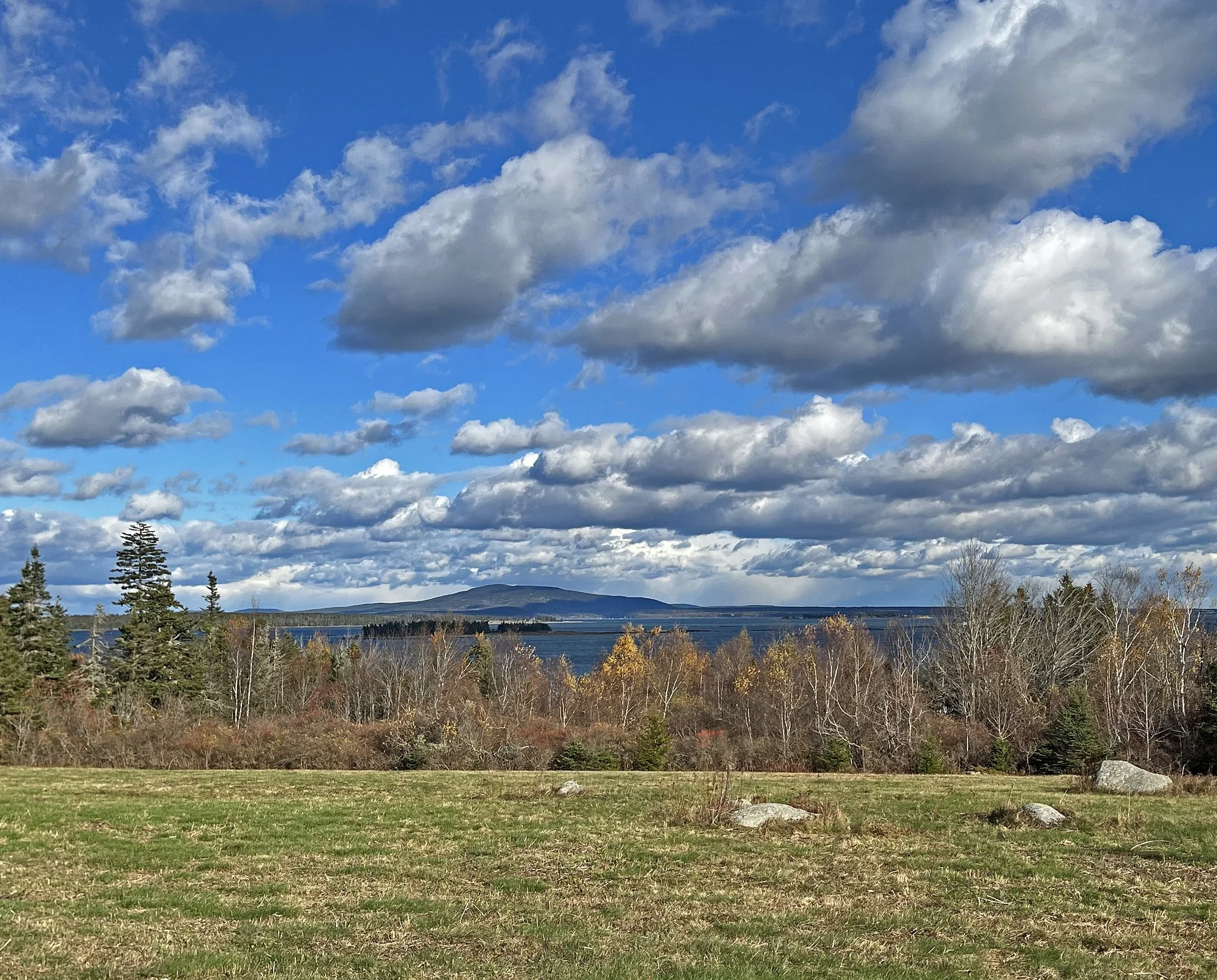
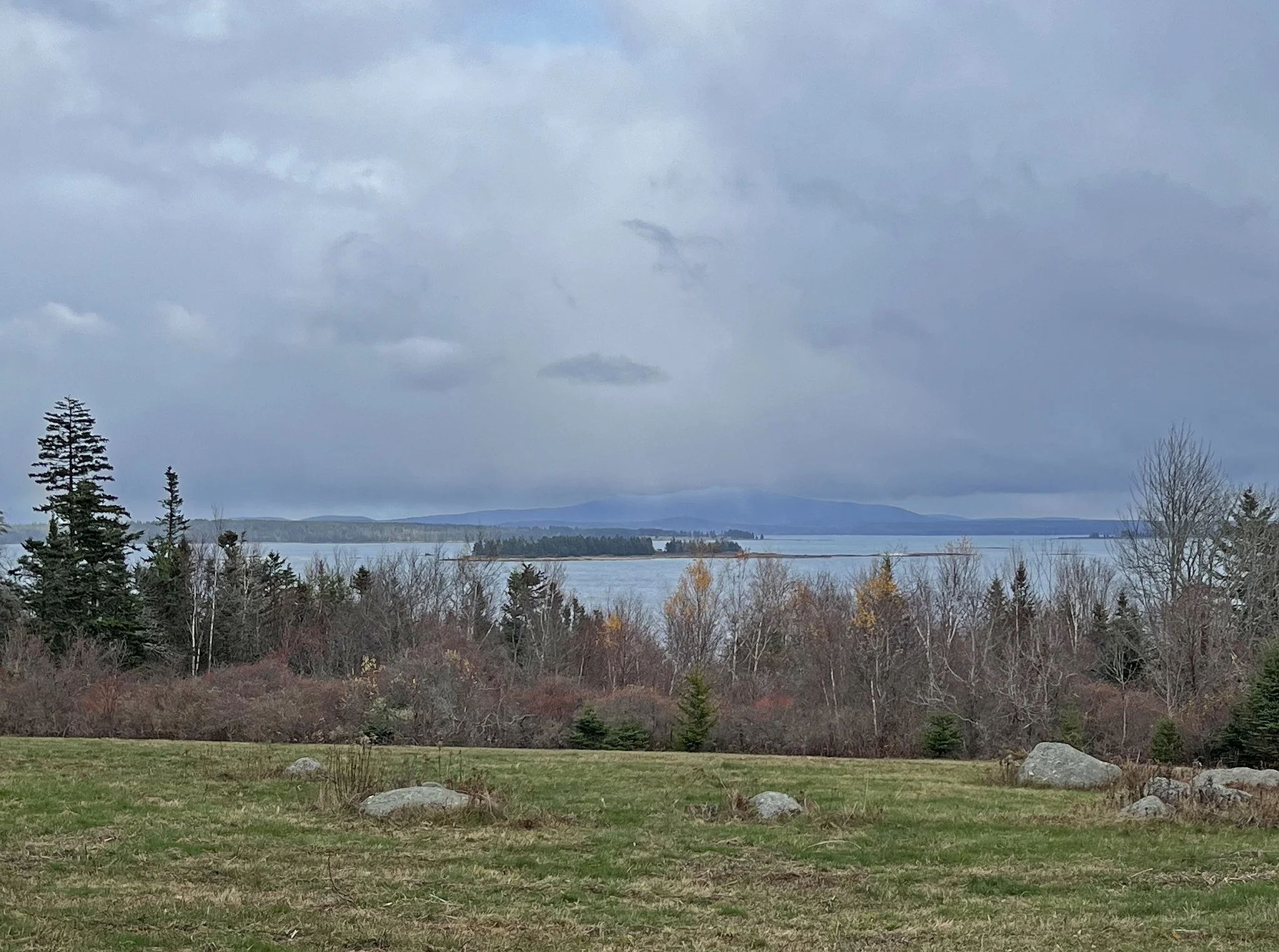
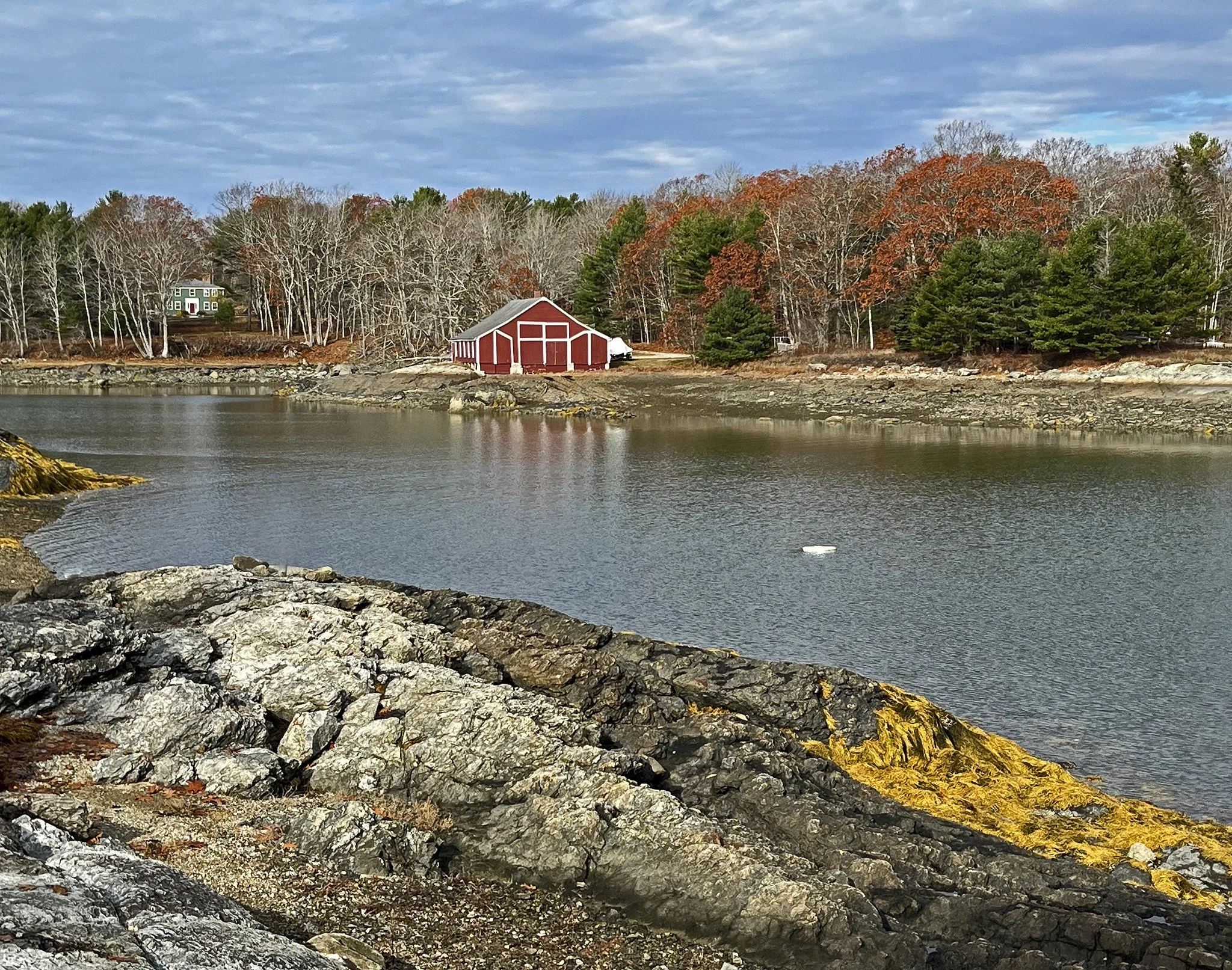
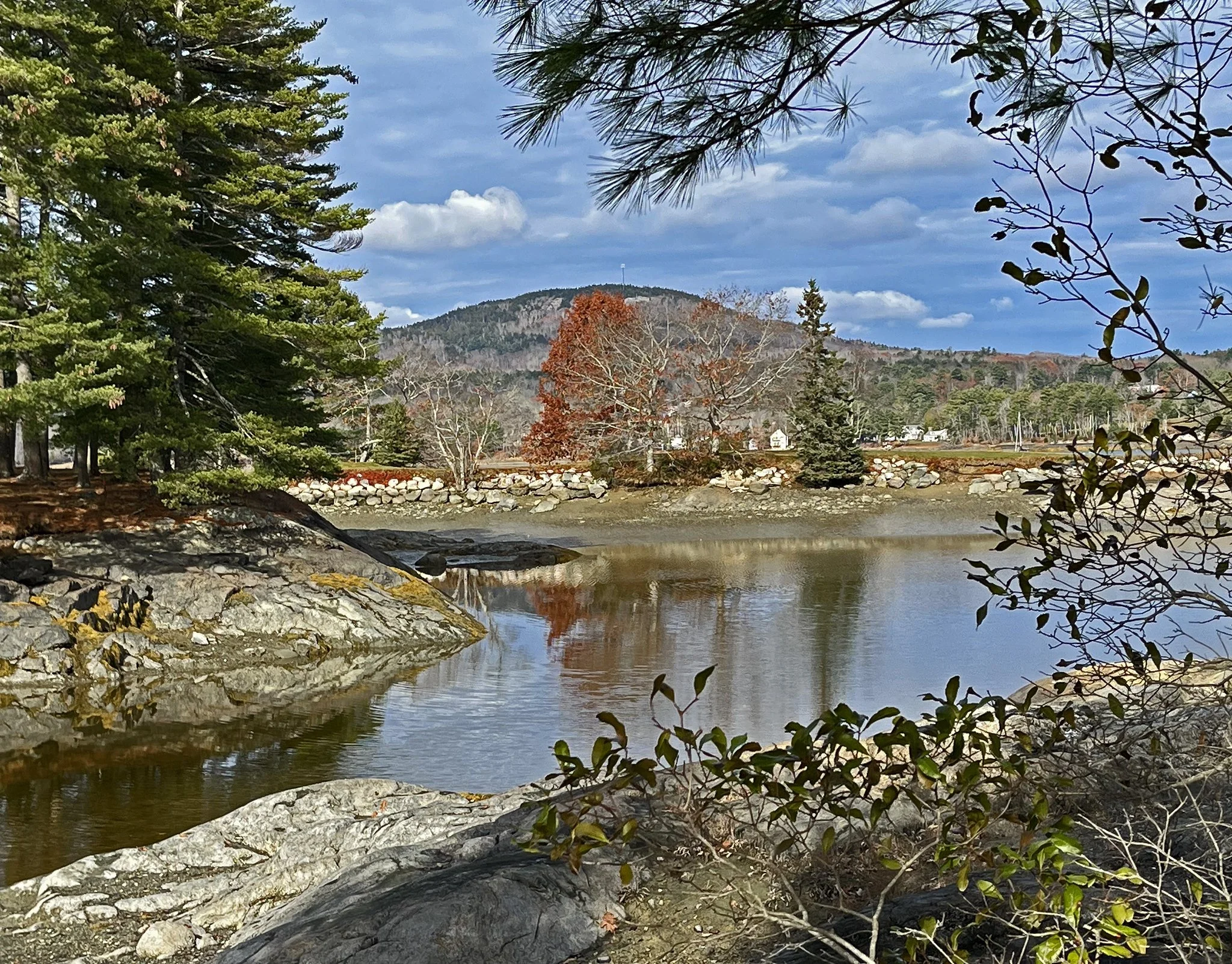
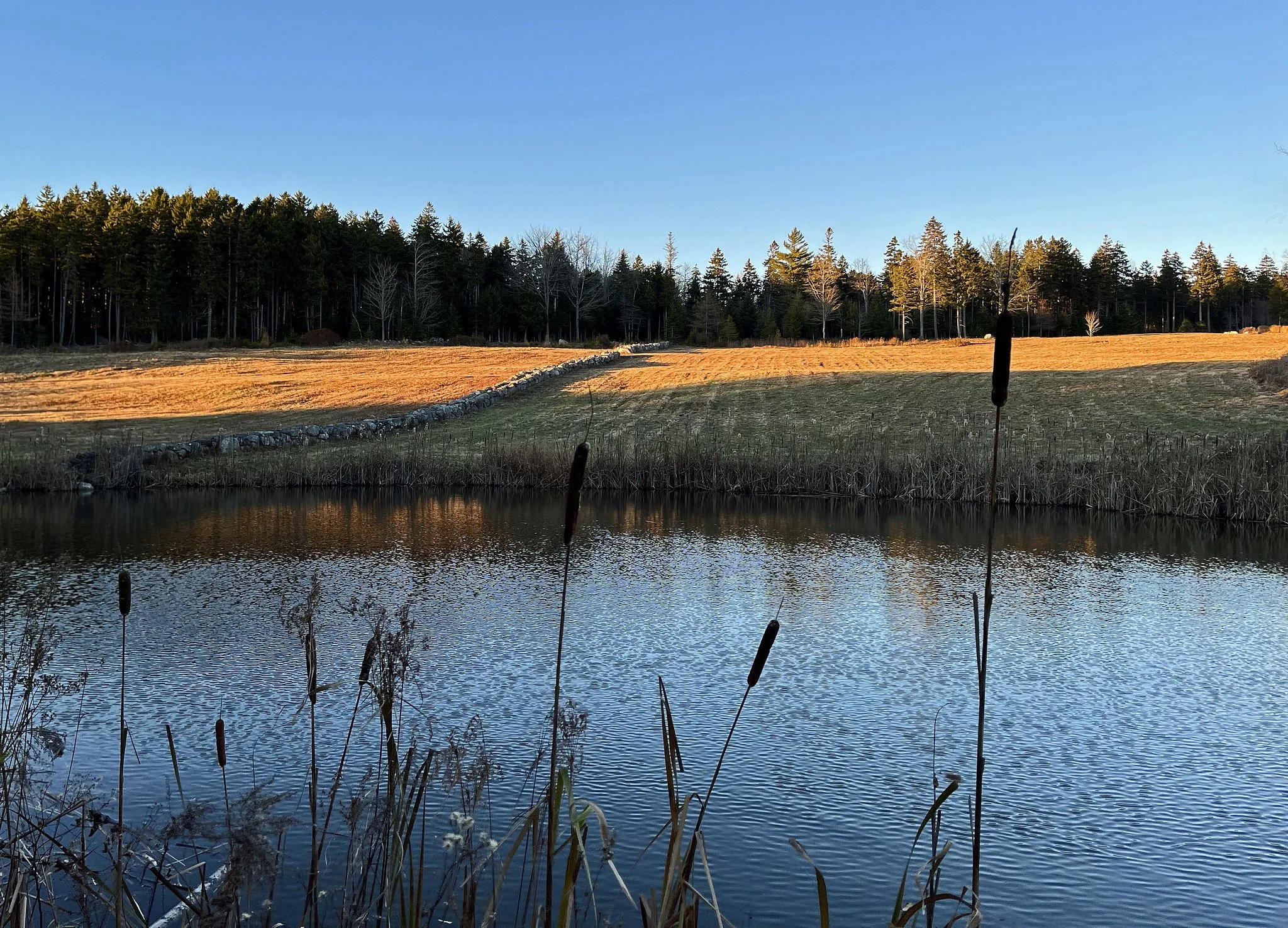
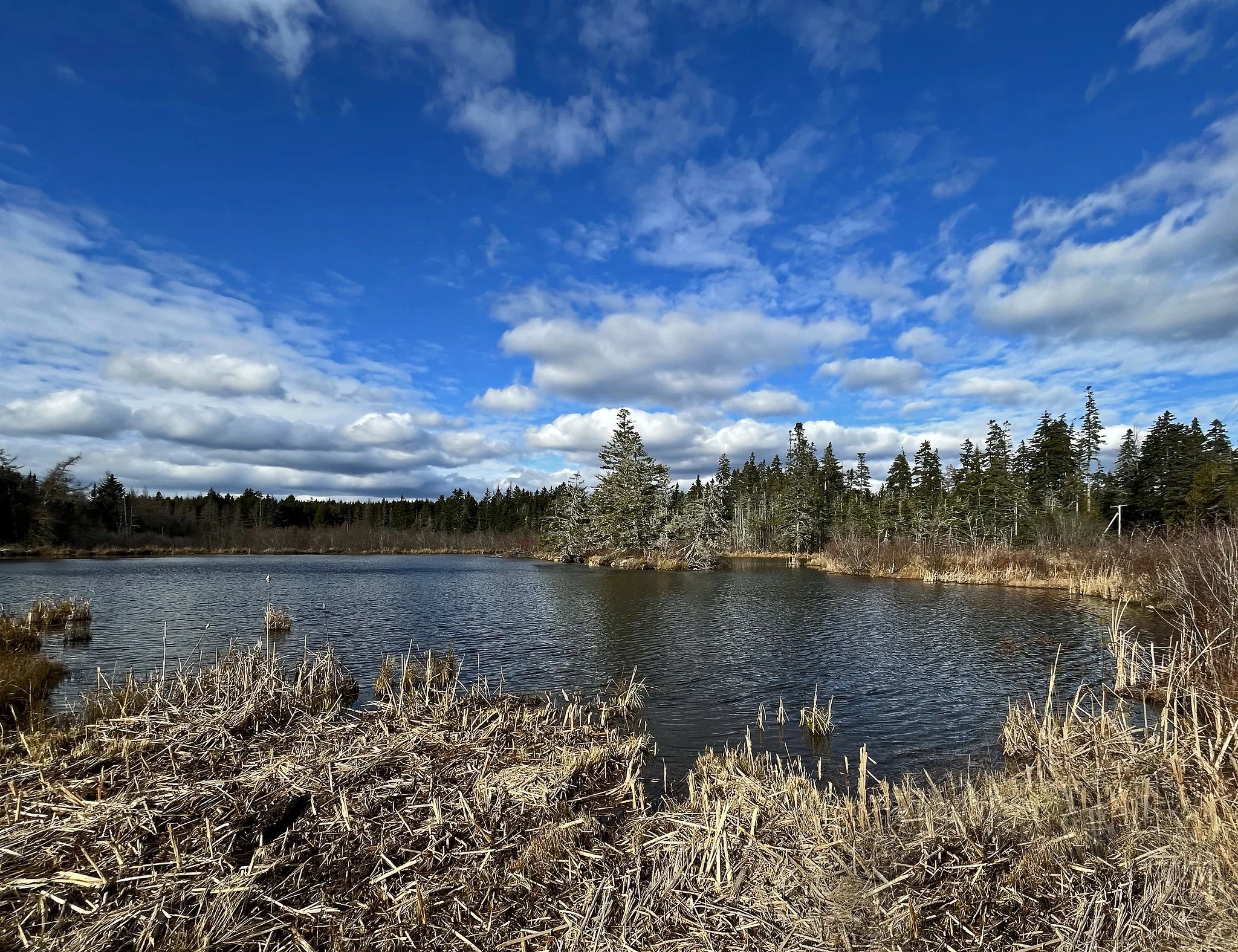
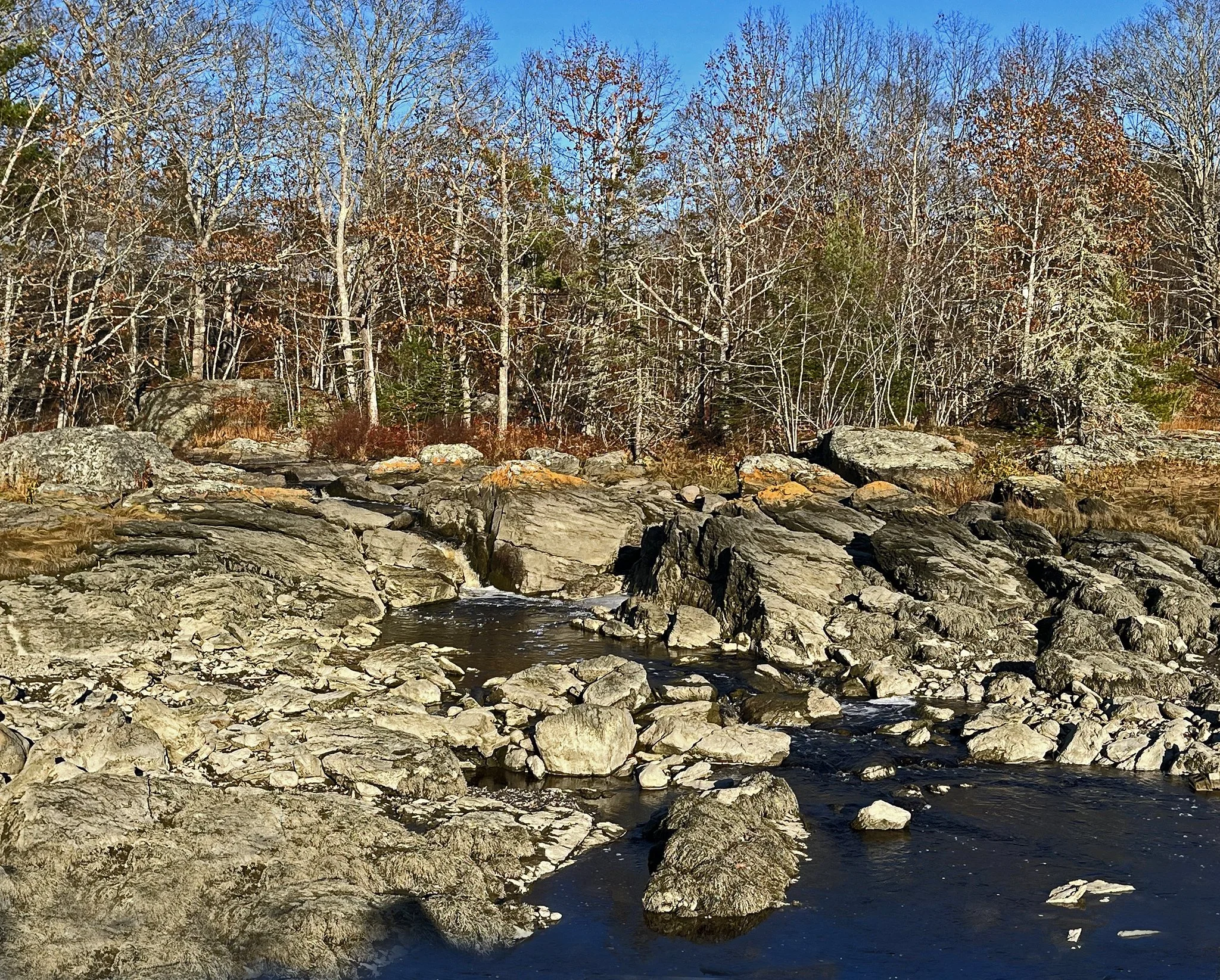
The November woods and fields were dry, the ponds lower, and the streams slower. We’ve been suffering from a drought for months, but there was beauty almost everywhere:
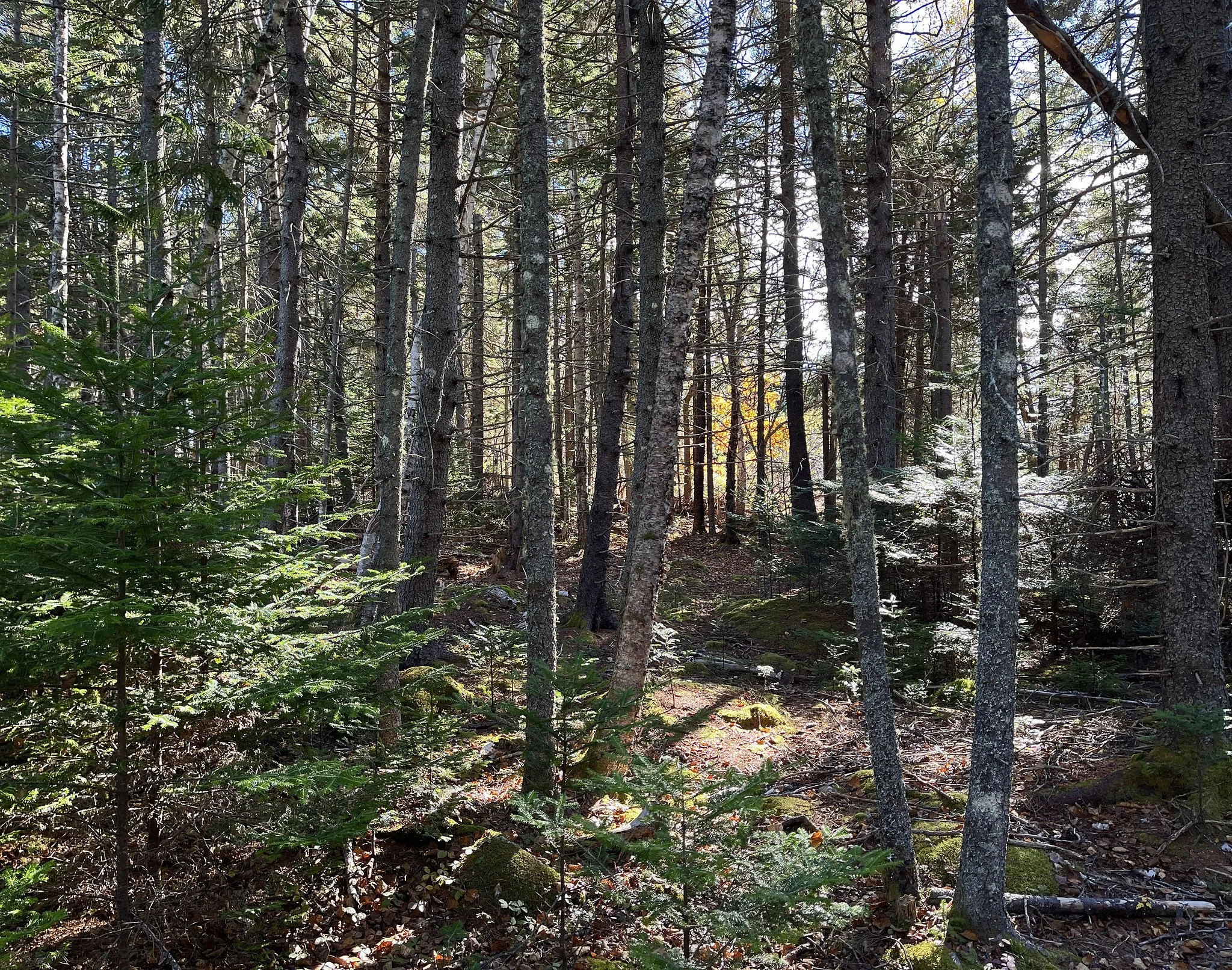
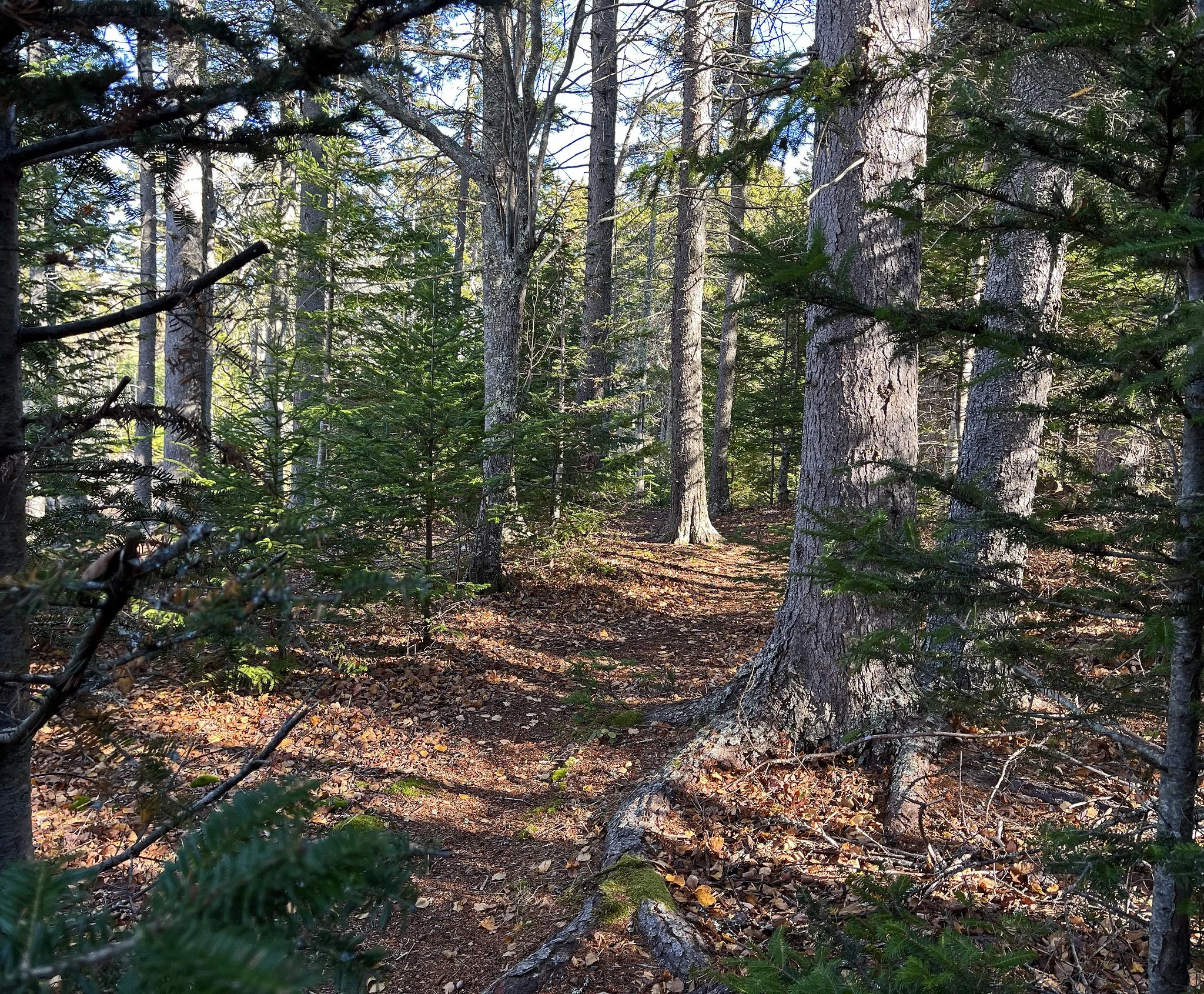
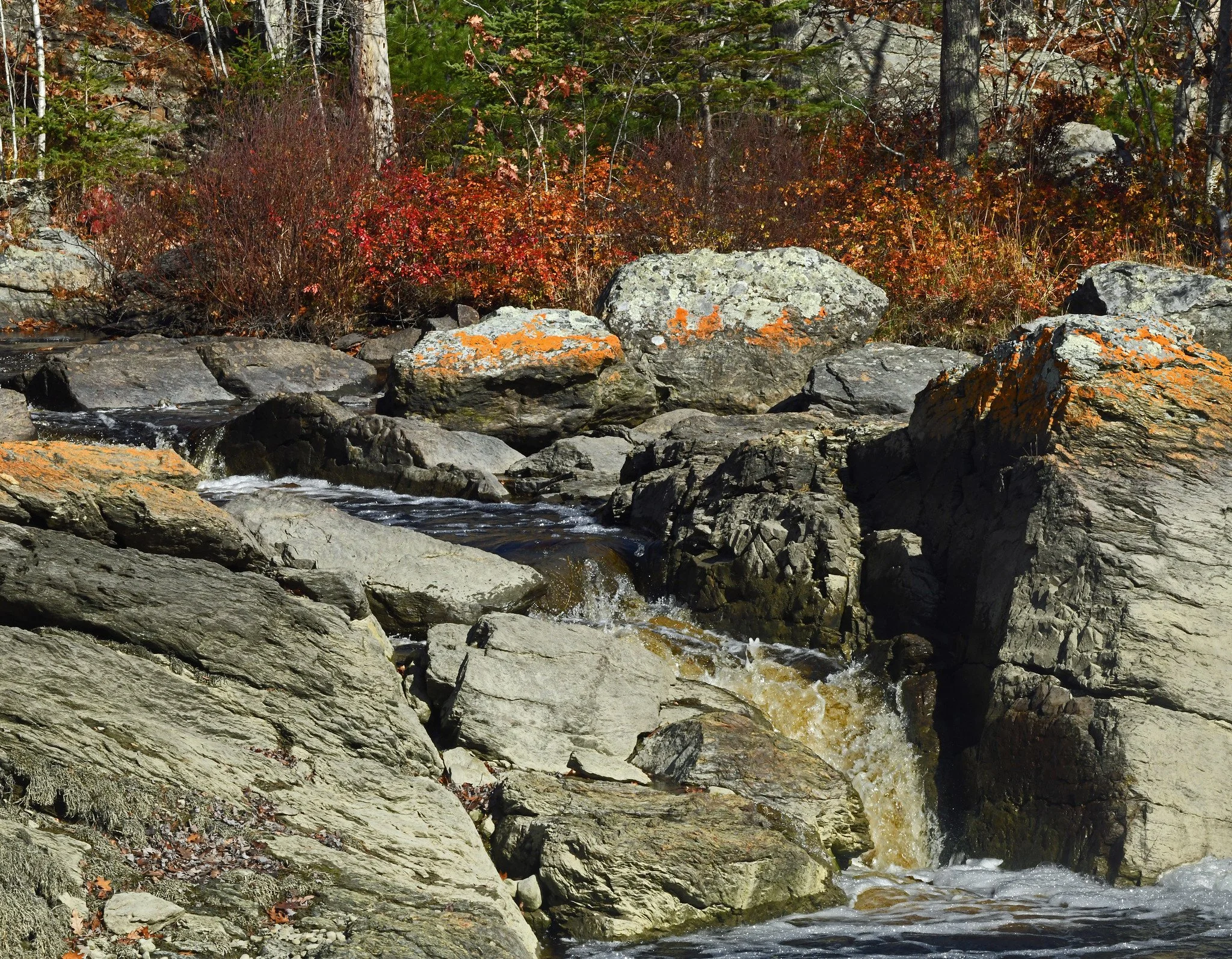
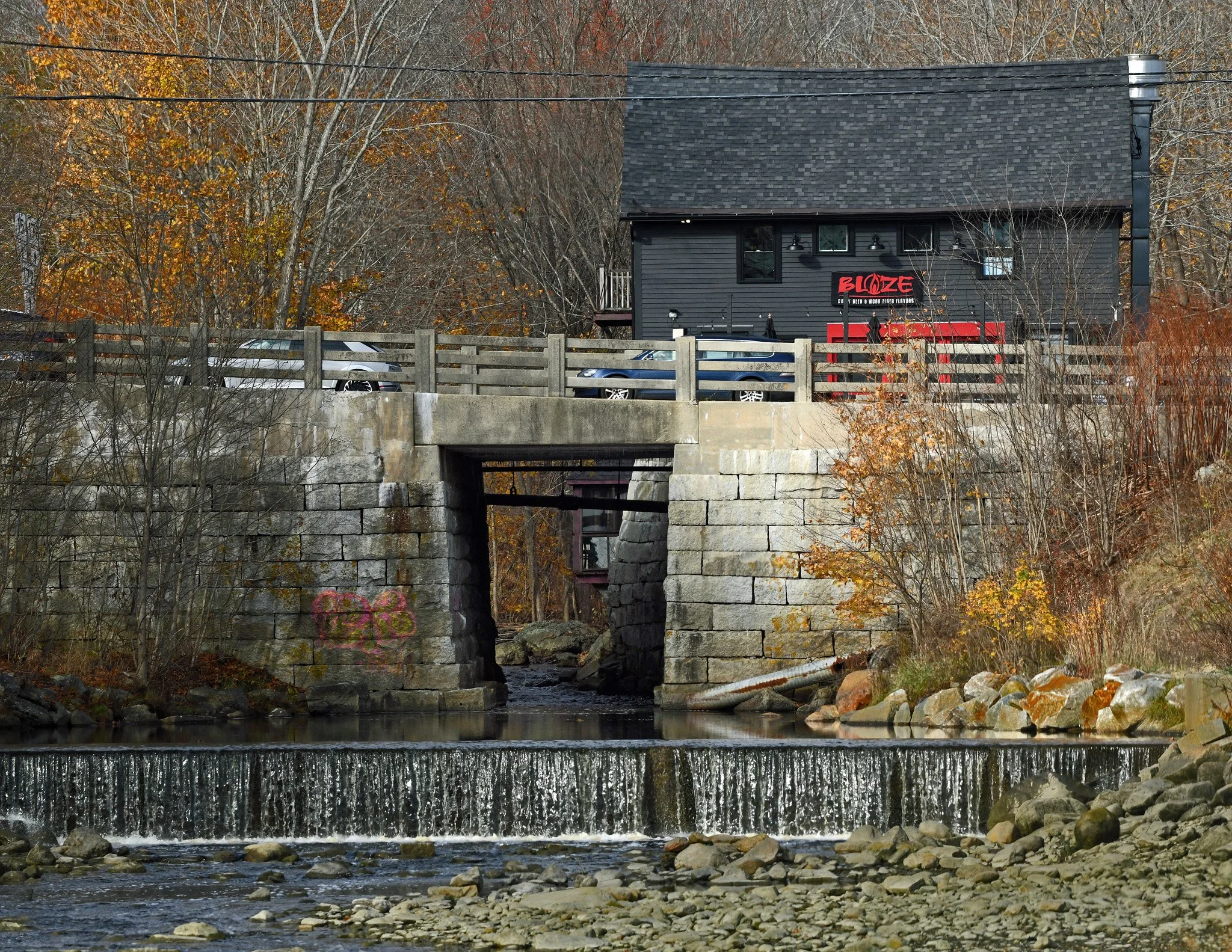
As for November’s flora, that drought and climate warming apparently contributed to one of the most colorful winter months that we’ve ever had, including the blood-red Japanese maple in the title background. Let’s begin with the trees.
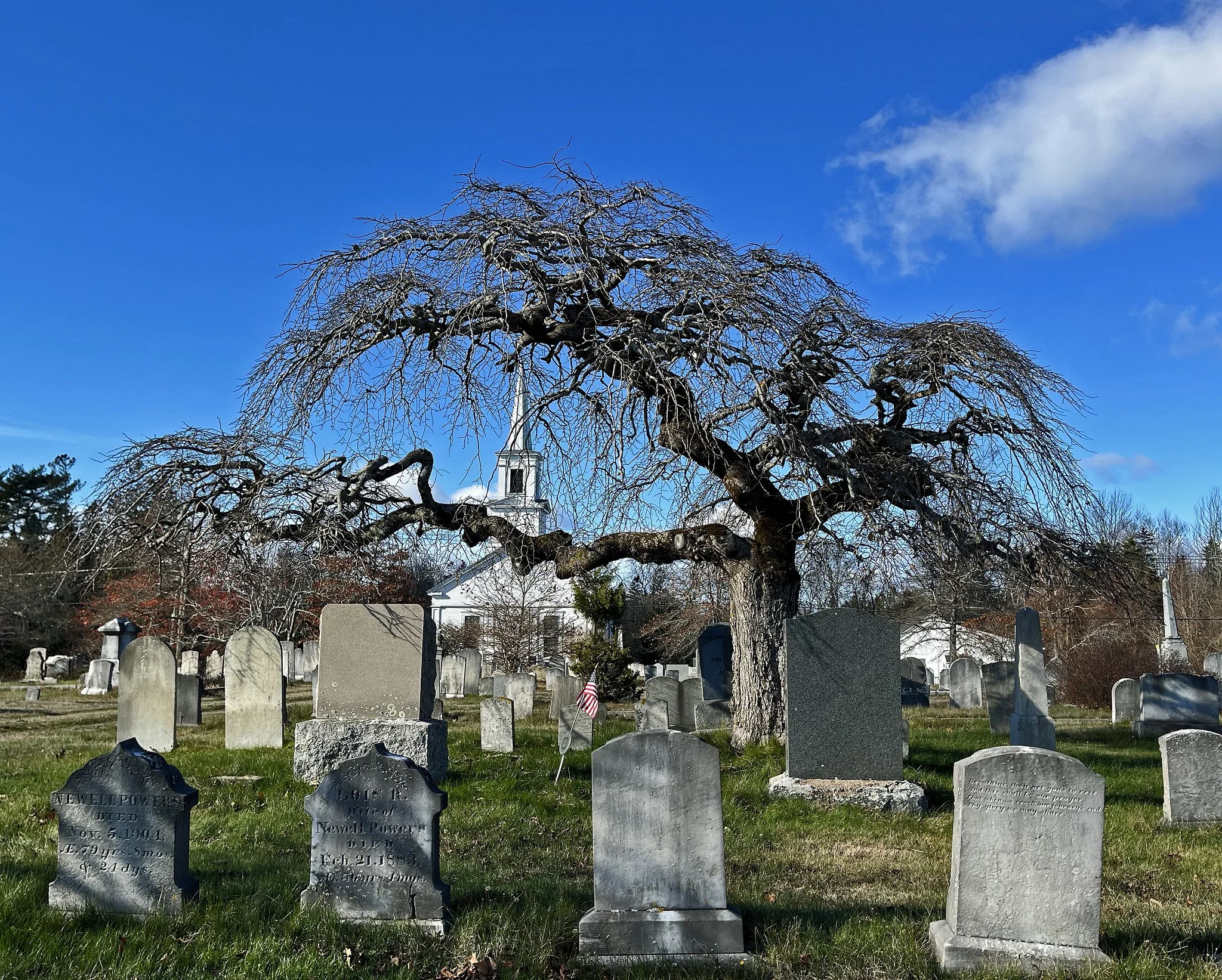
Many of the apple and mountain ash trees retained their fruit throughout the month, while the ancient Camperdown elm in the cemetery lost all of its leaves early.
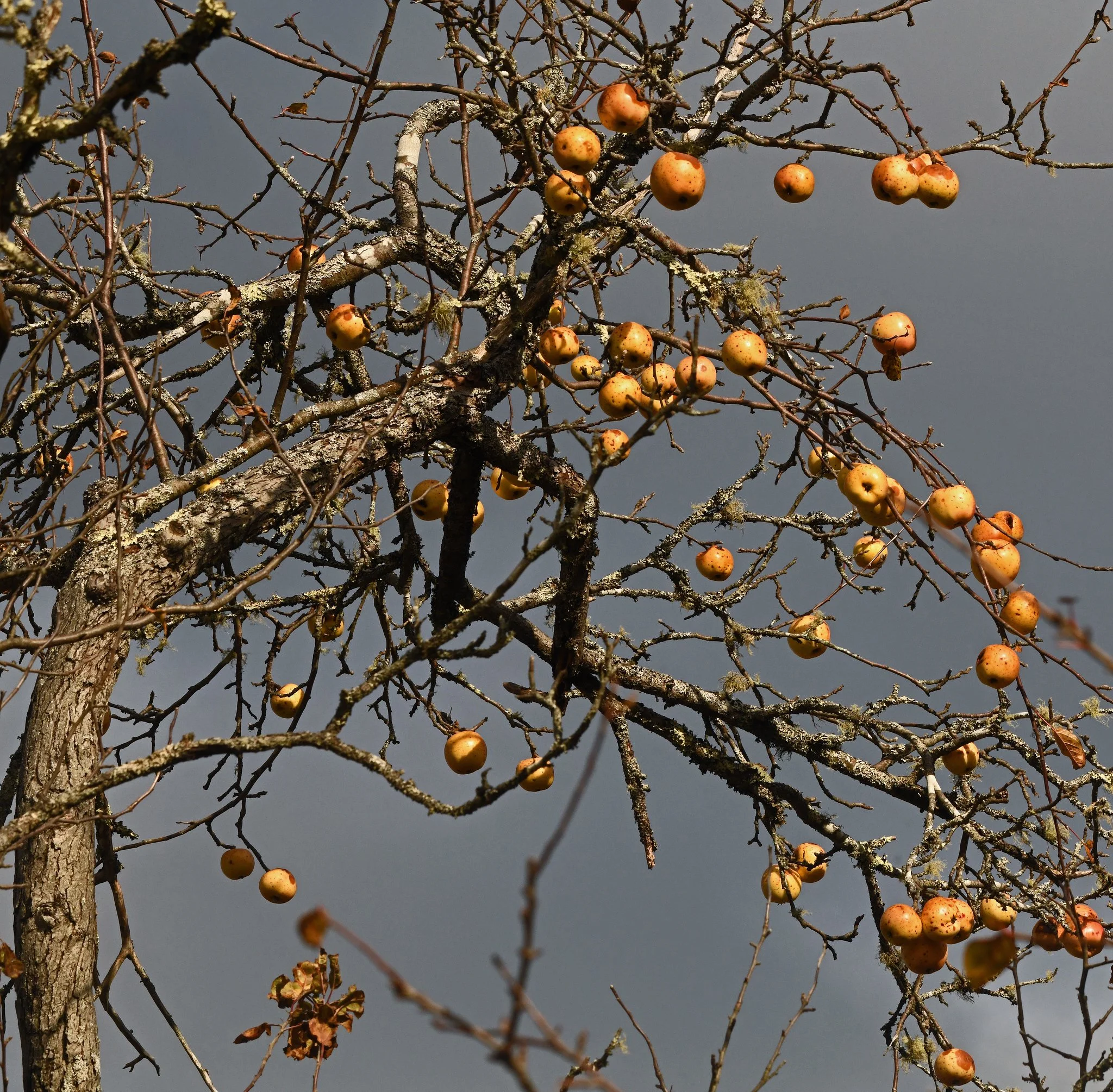
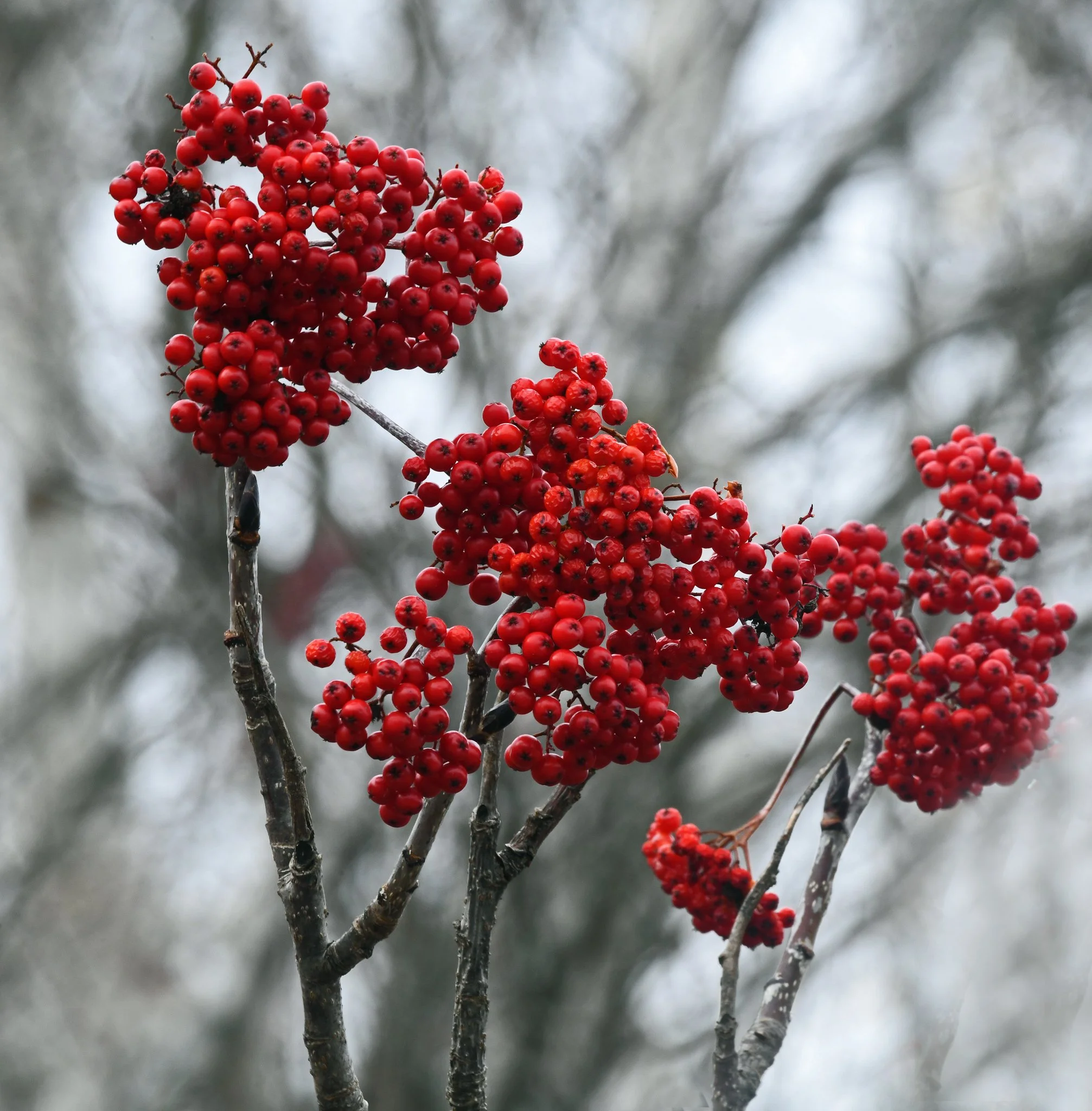
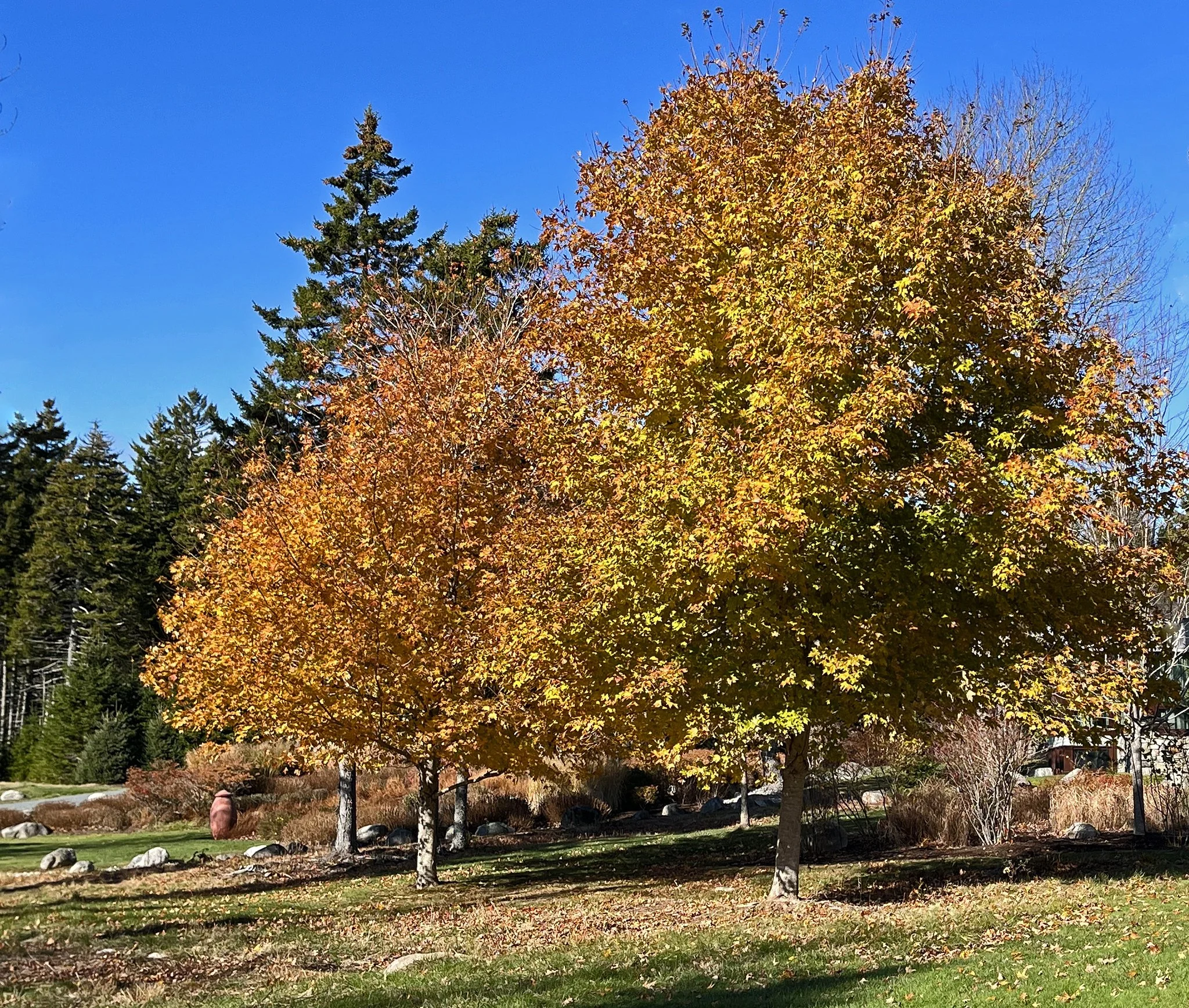
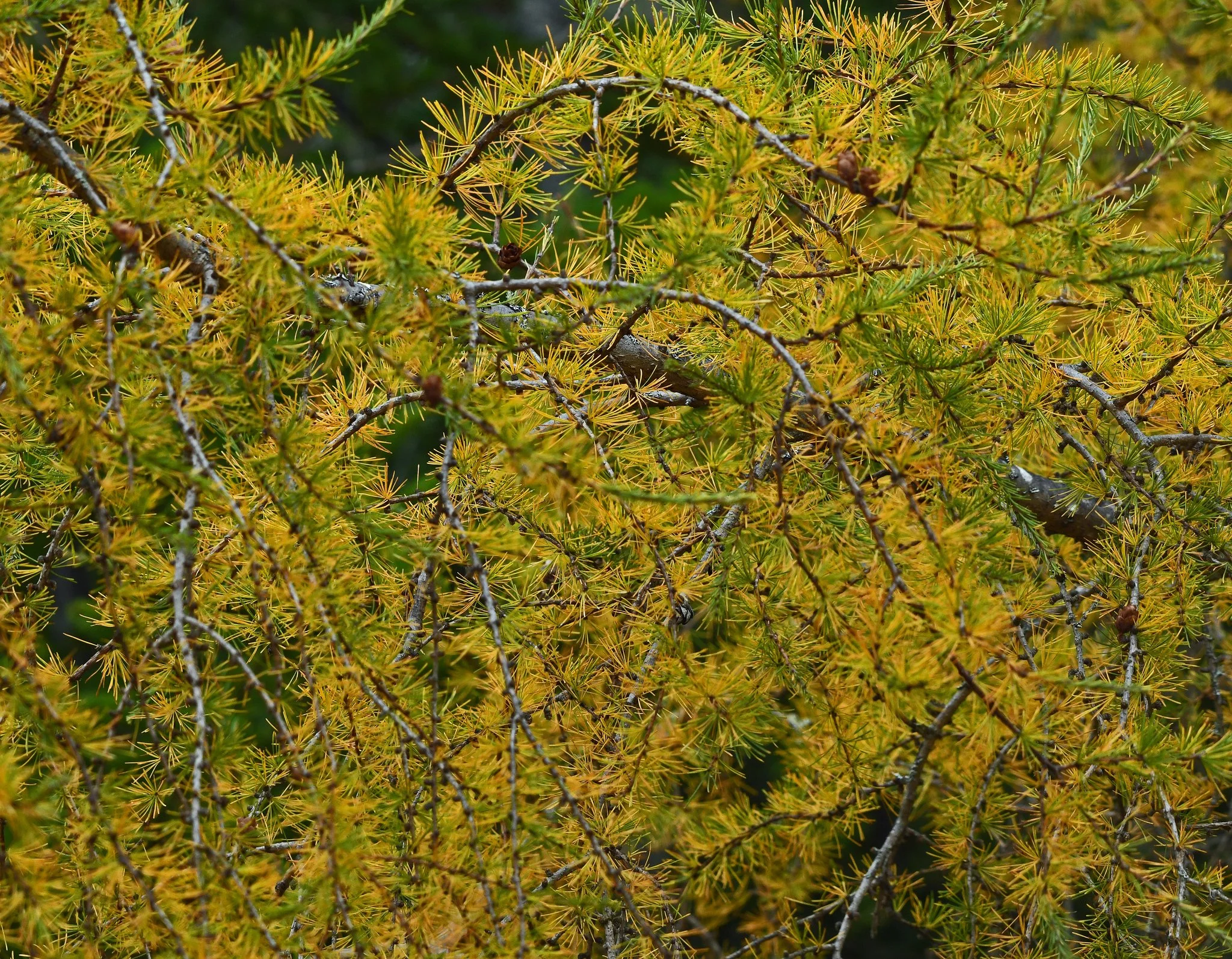
Many sugar maples retained their leaves longer, while the needles on the tamaracks (larches) turned yellow earlier and lasted longer.
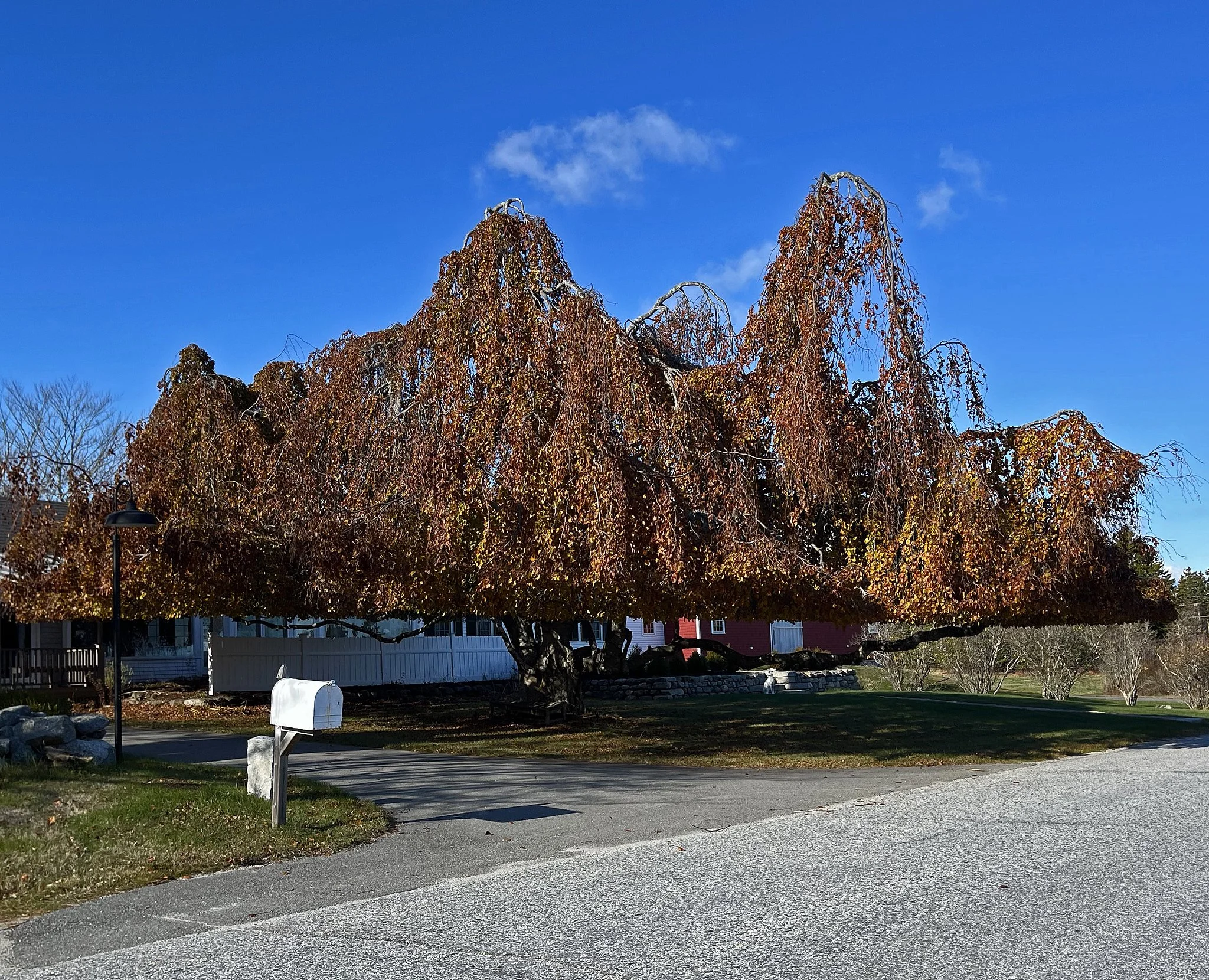
But, as usual, most leaves on the weeping beech at Amen Farm turned bronze and refused to drop until later in the winter.
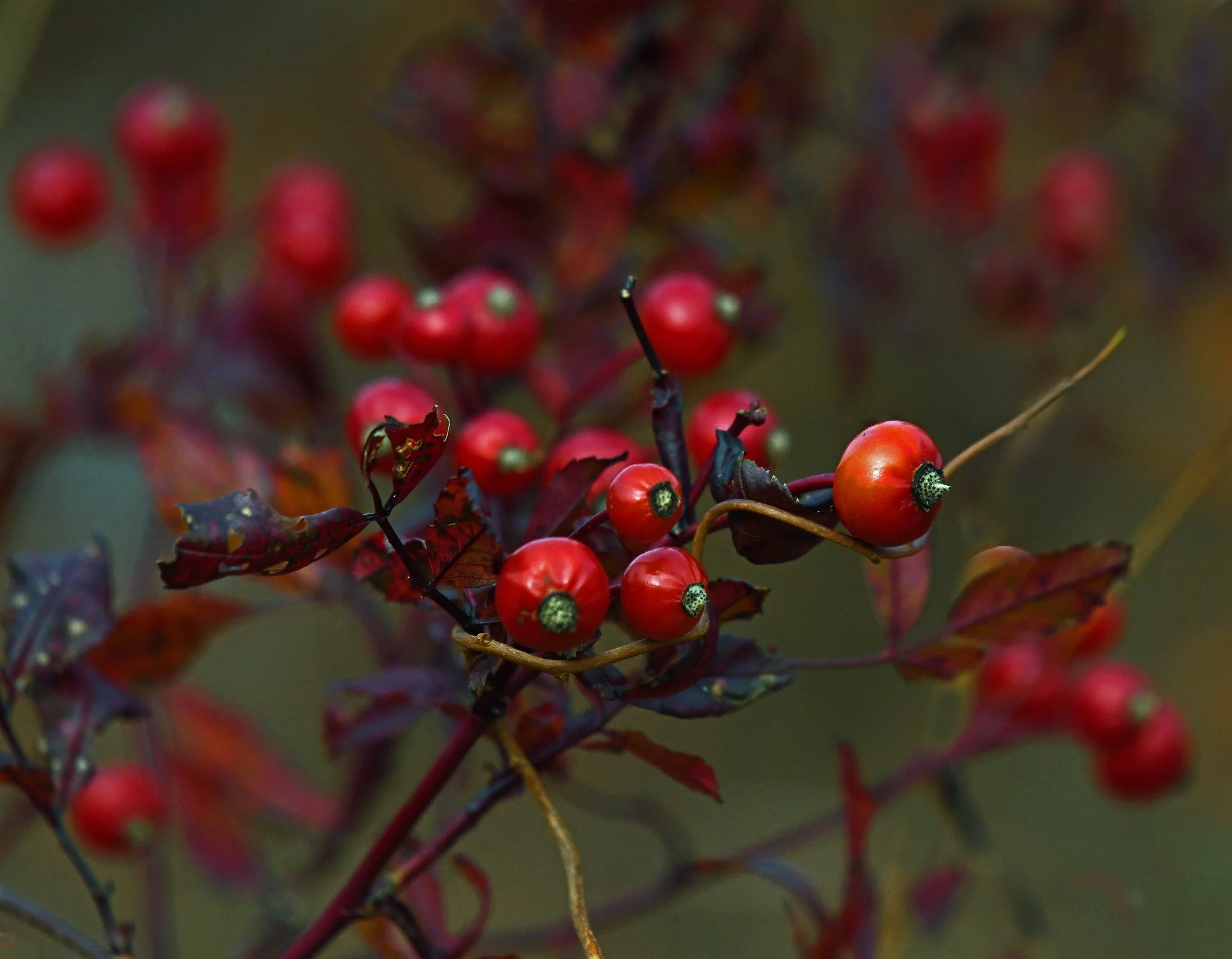
It was a bonanza month for berries and seed pods. The red winterberry (a benificial native plant) was abundant and tempted Barbara to do one of her exotic arrangements. Unfortunately, the red and yellow Asian bittersweet and the scarlet hips of multiflora rose (invasive non-natives) also were abundant, albeit beautiful, assasins.
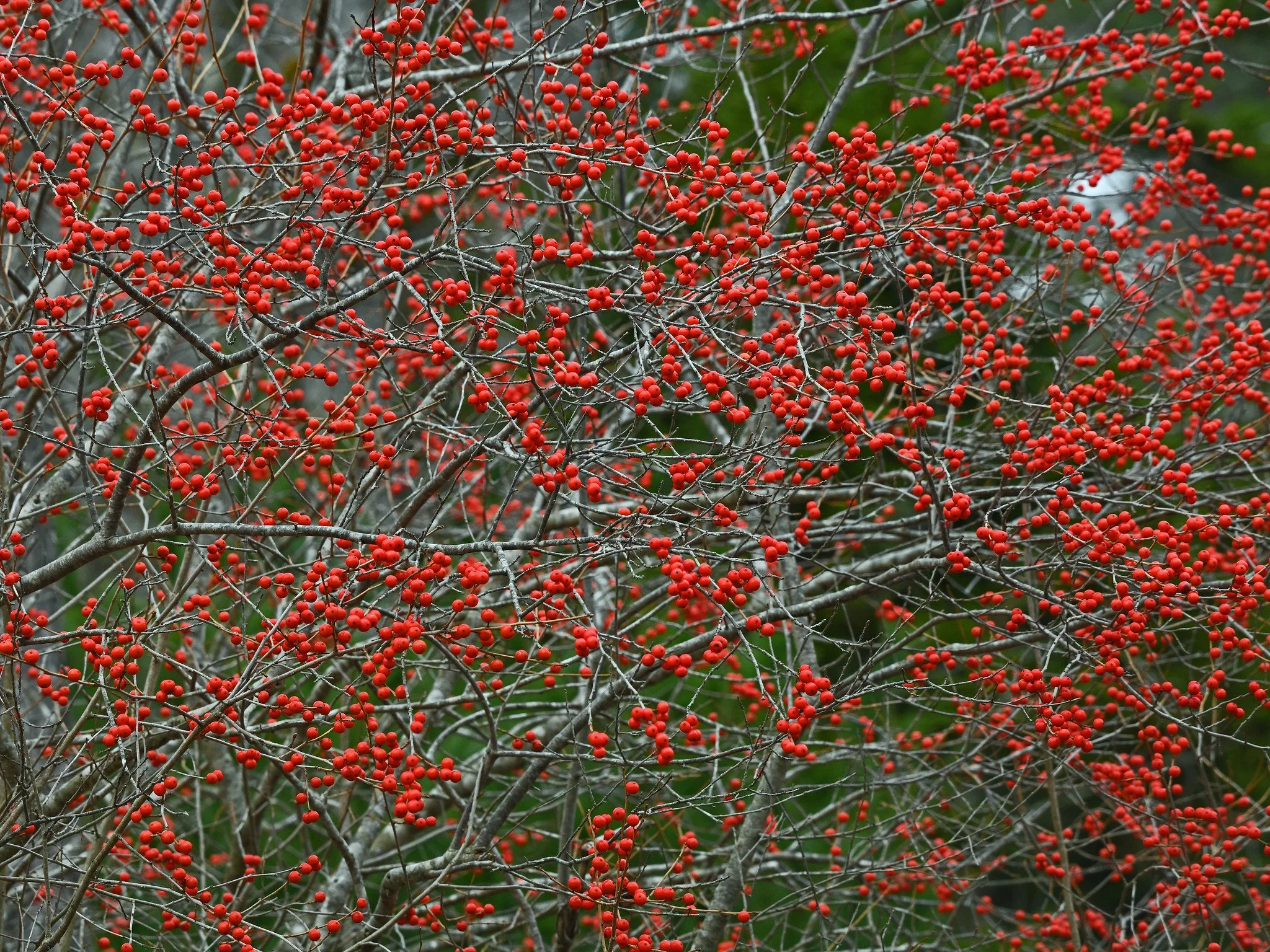
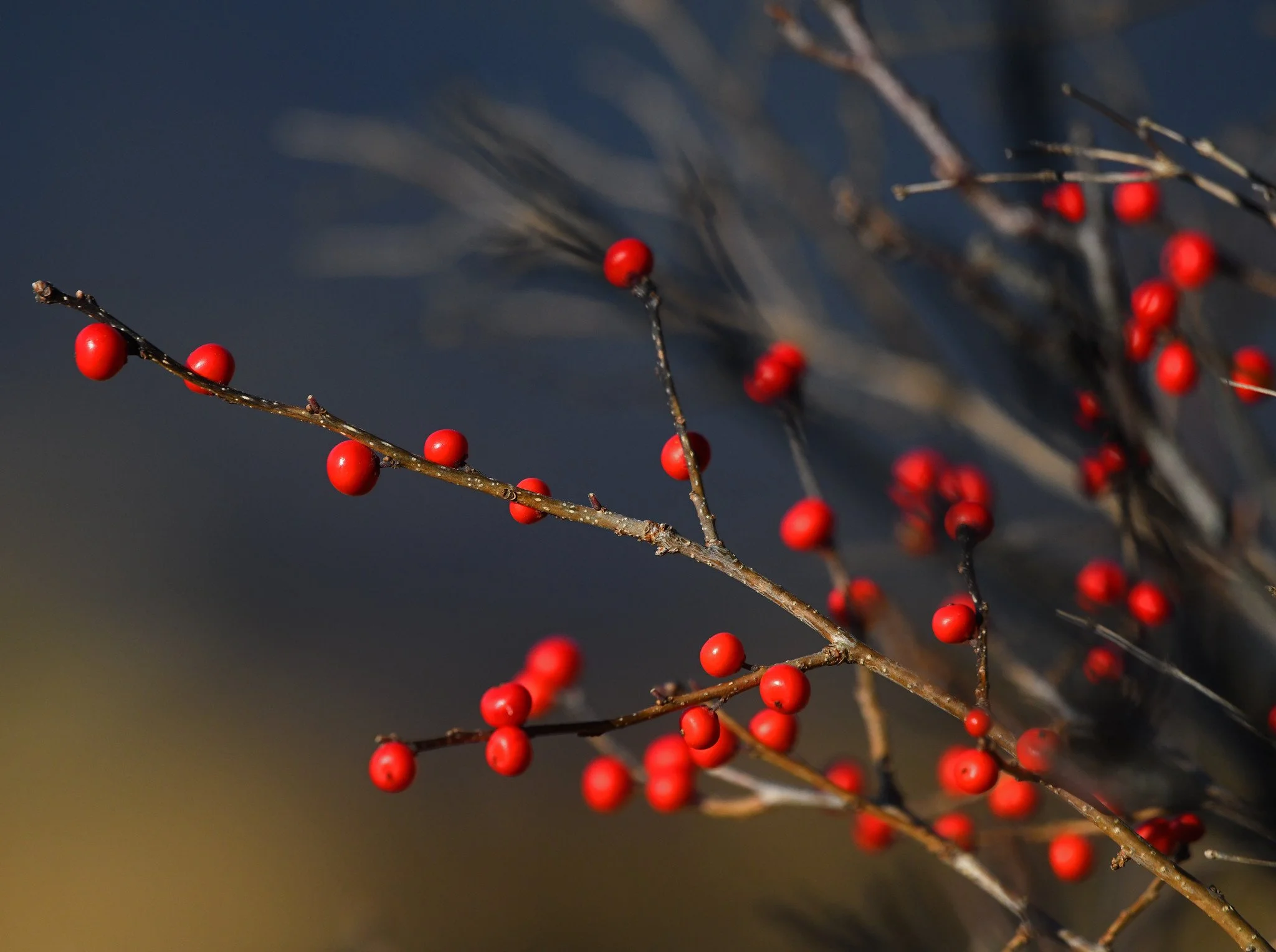
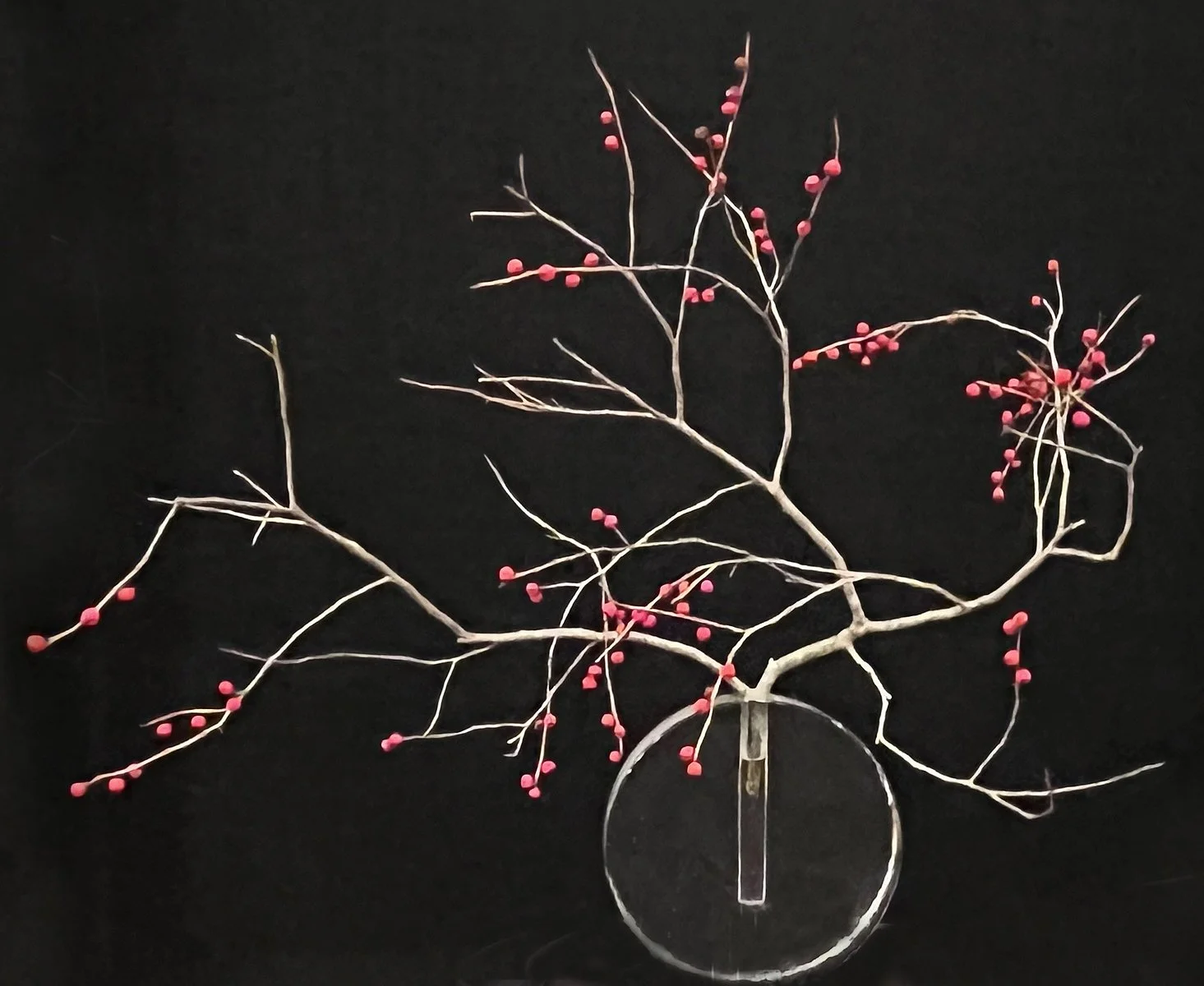
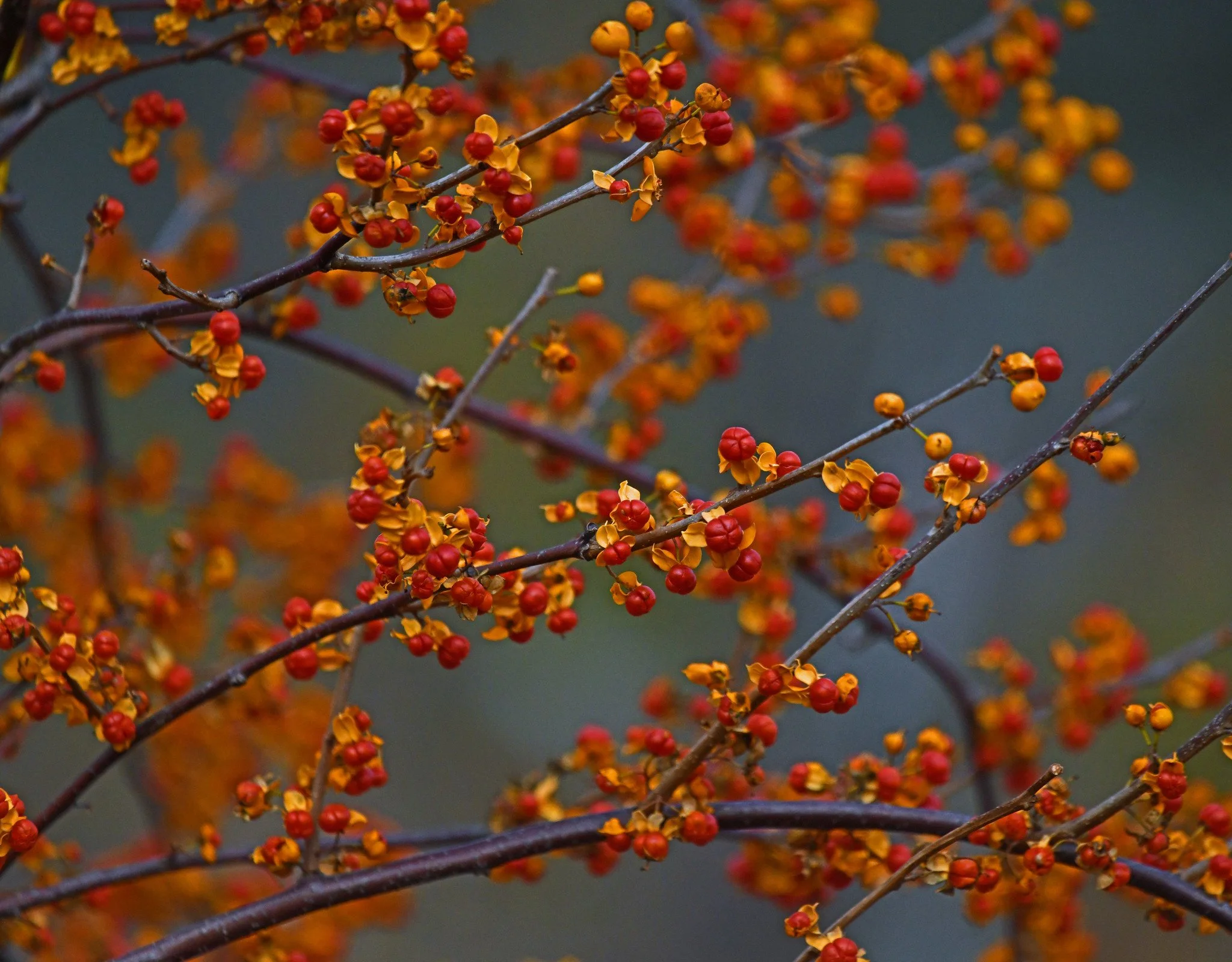
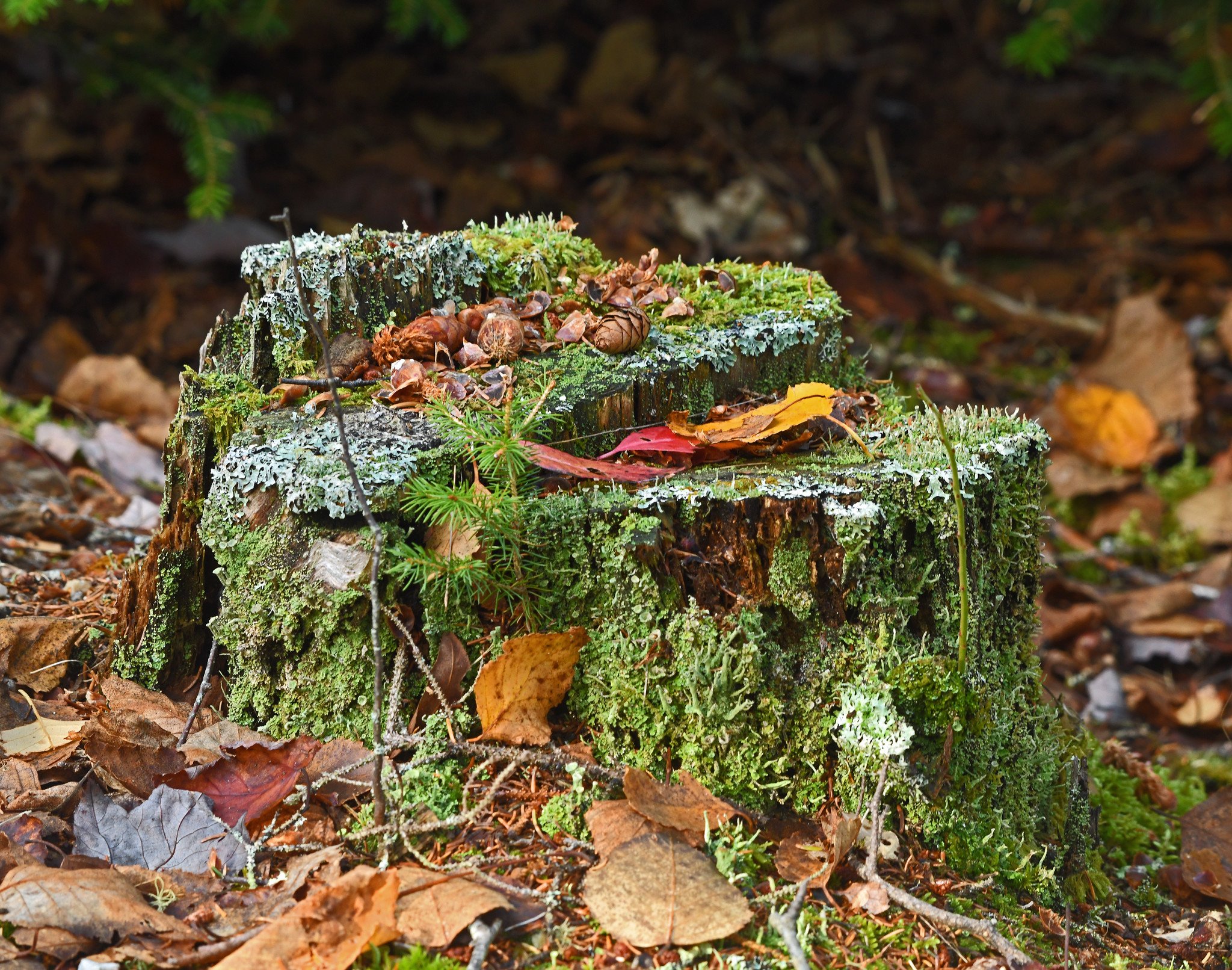
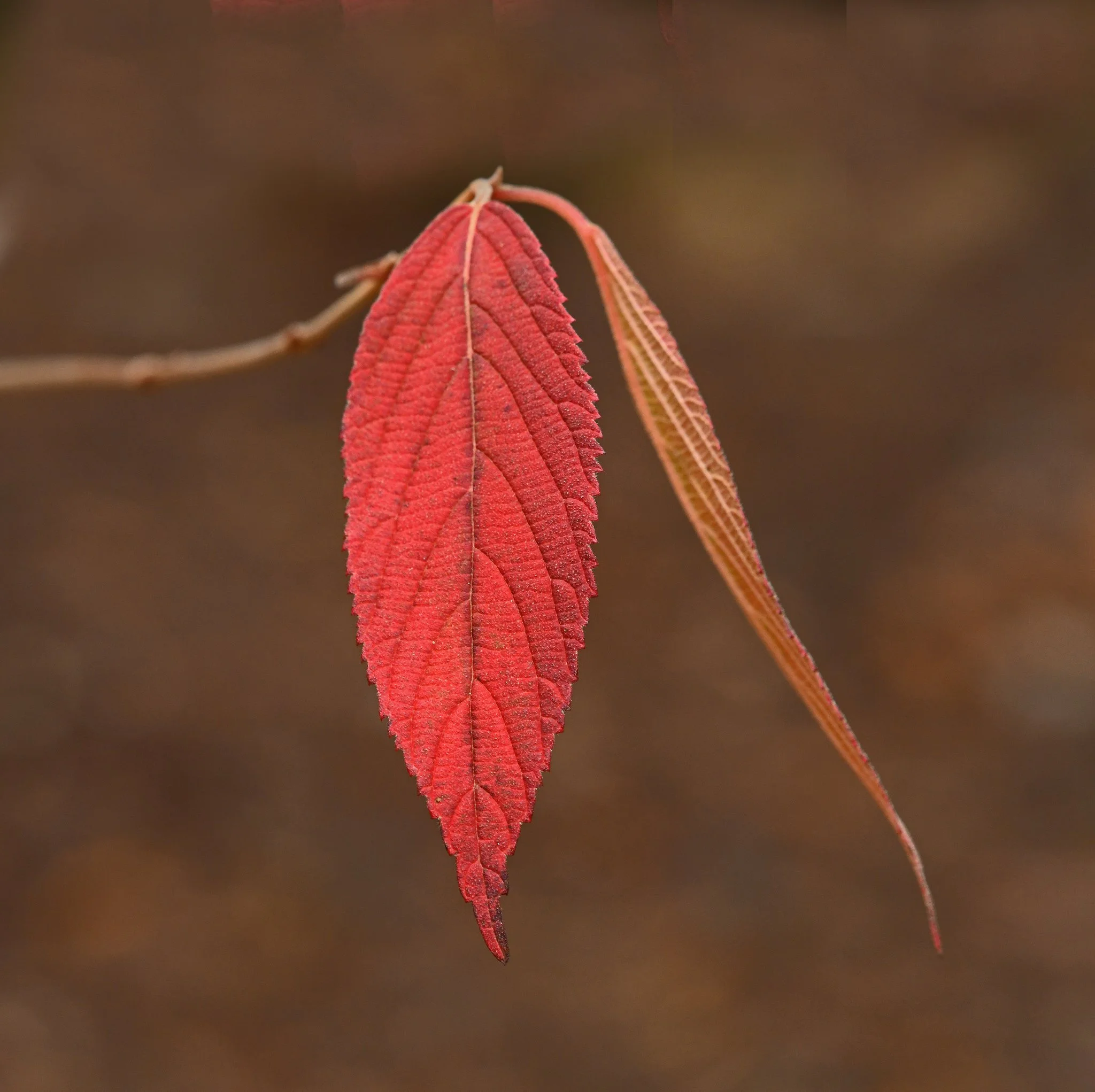
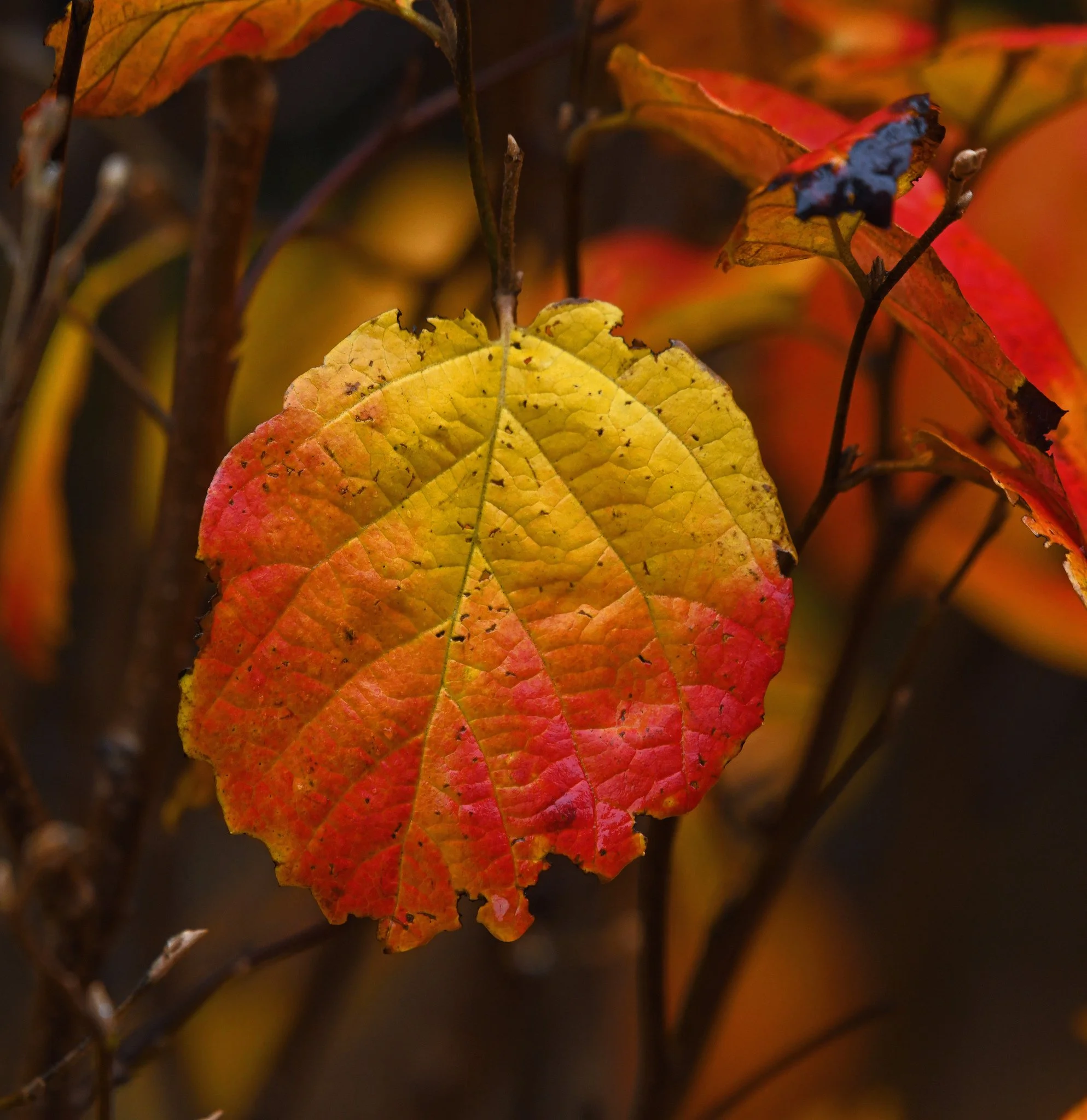
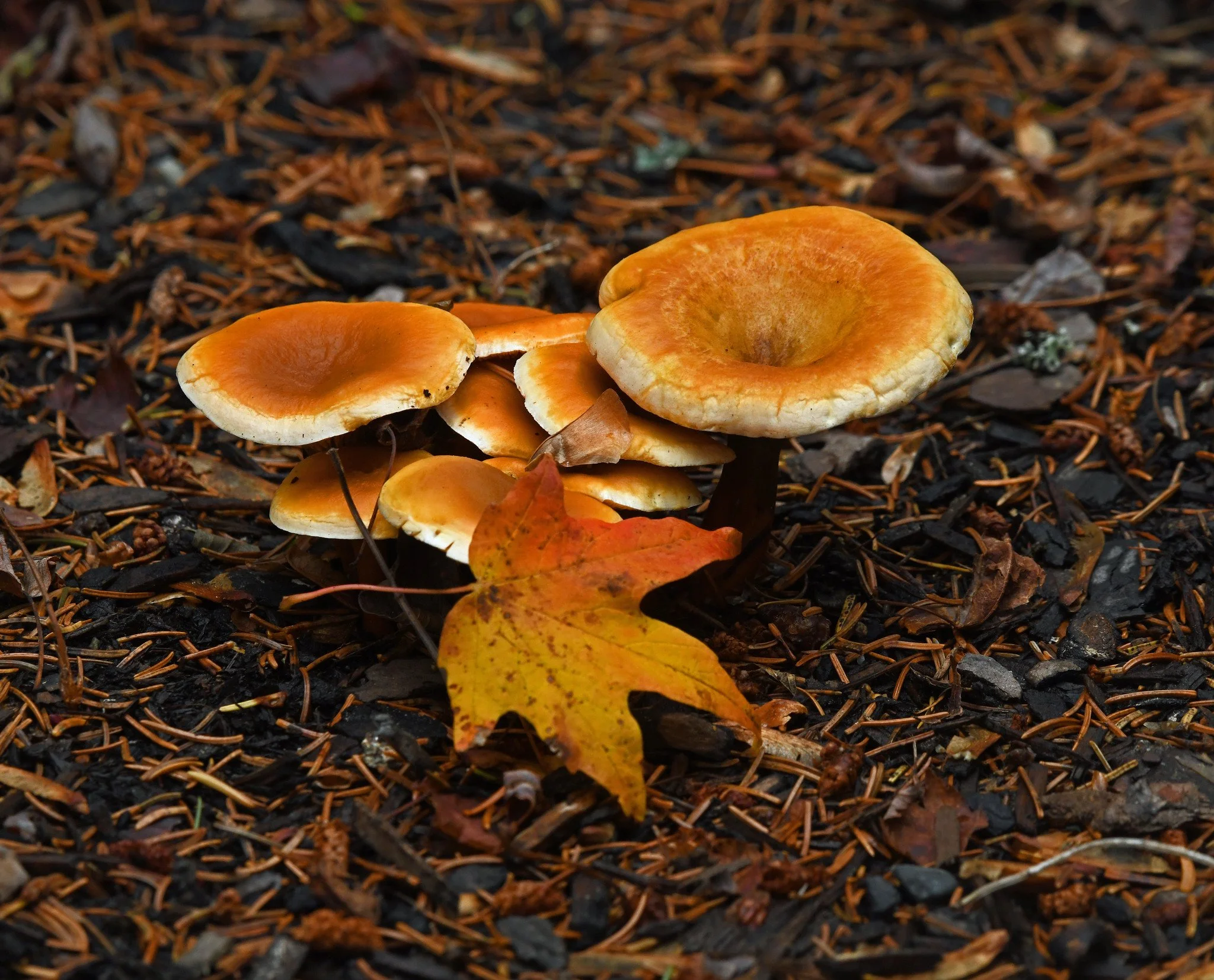
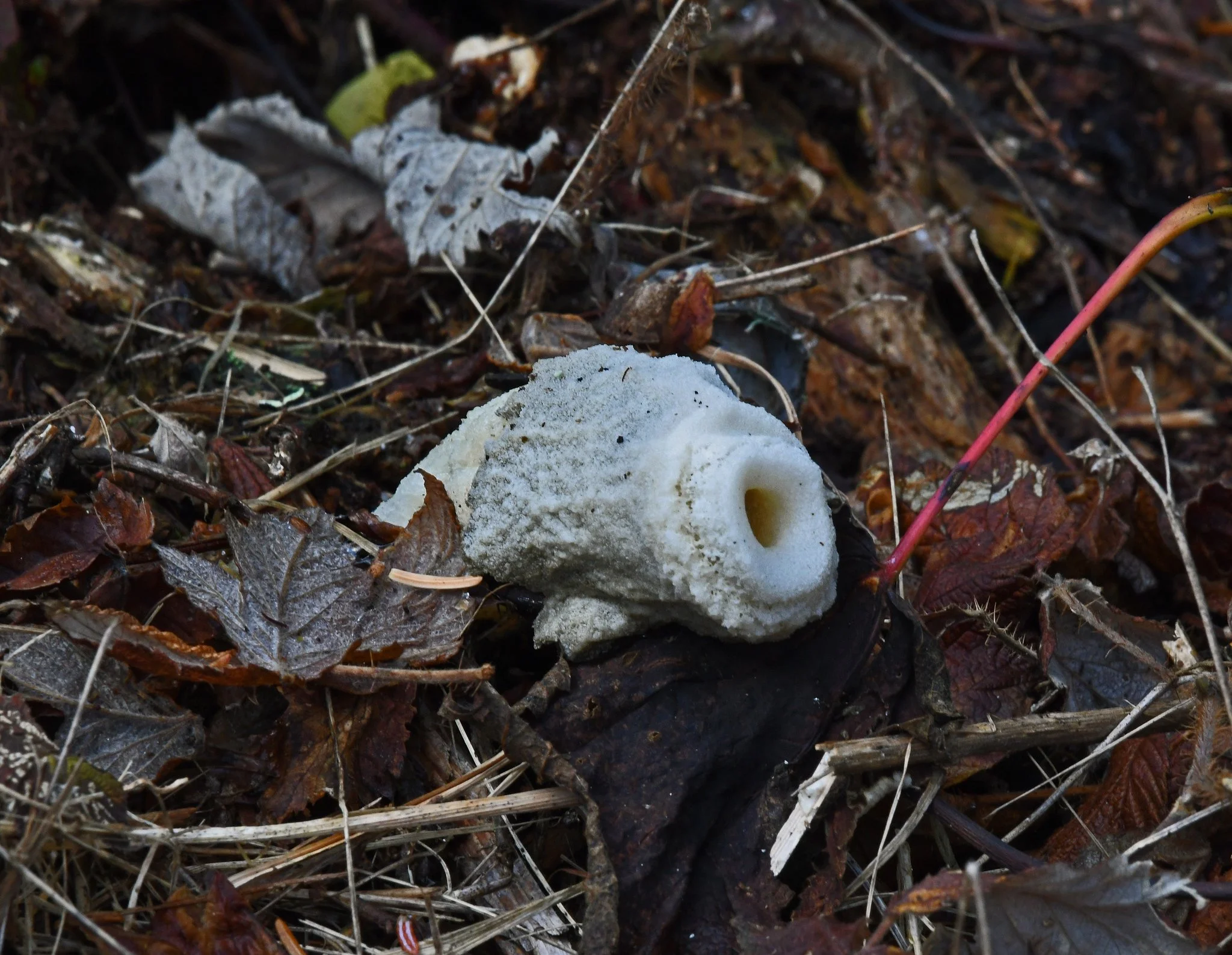
For a flora finale, there were the eye-catching dead and dying leaves and the multi-colored moss, lichen, and fungi, including lonely red viburnum leaves, boastful fothergilla leaves, toasty false chanterelle mushrooms and even marble-like stinkhorn fungi.
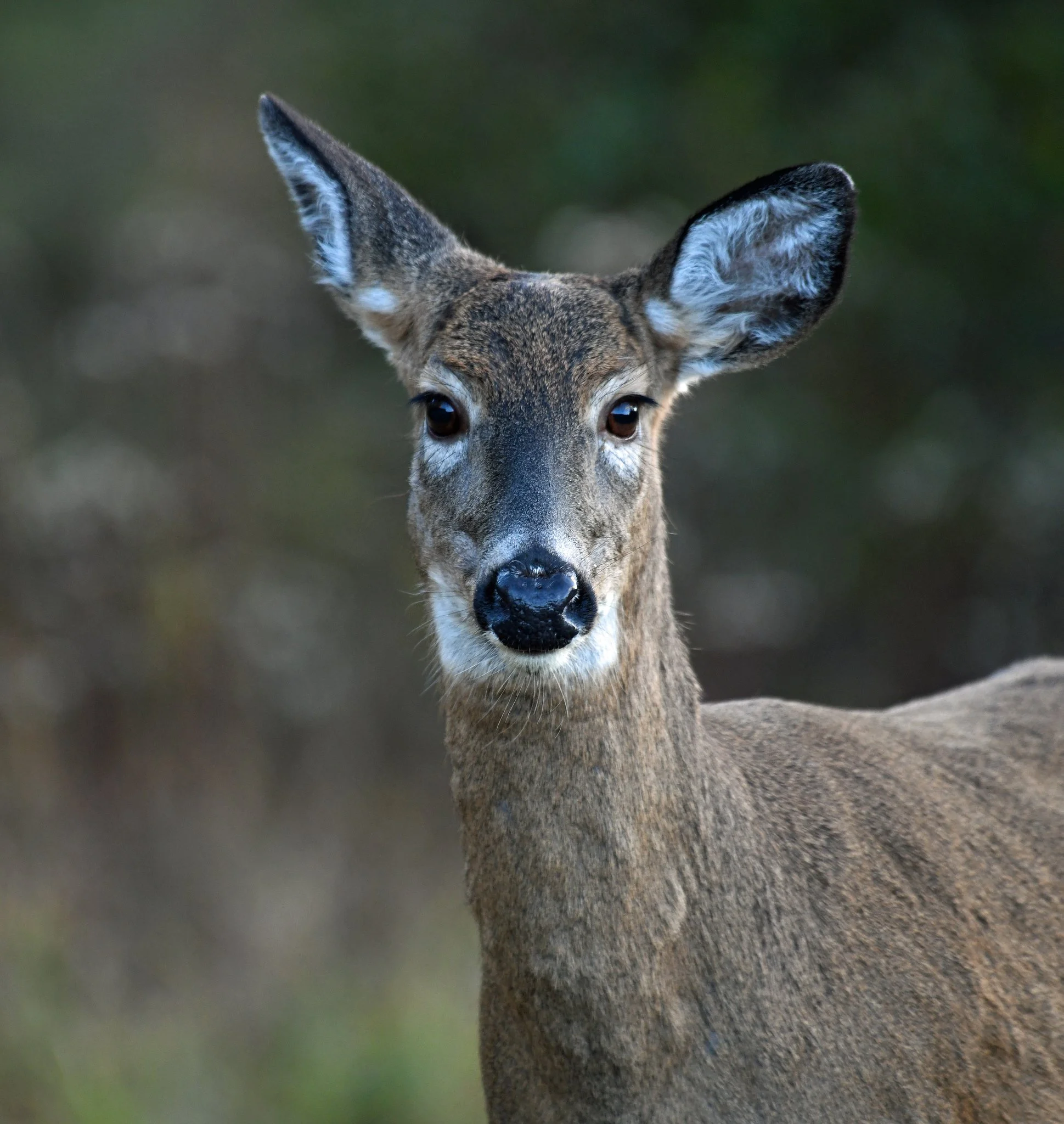
As for the November fauna, it included residents as well as widlife that were just passing through on their way to warmer climes. Fauna of the furry kind included resident white-tailed deer sporting their new darker winter coats:
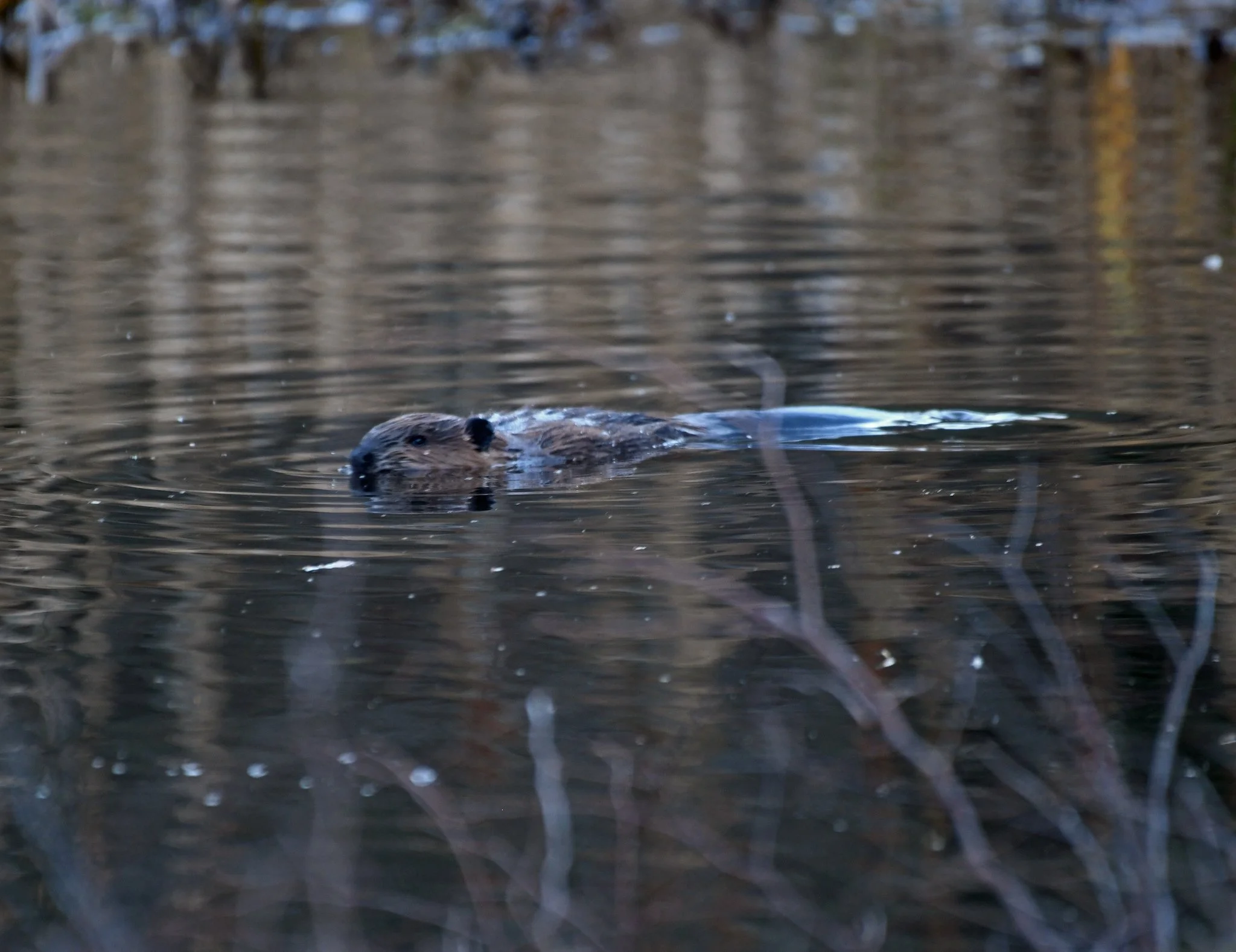
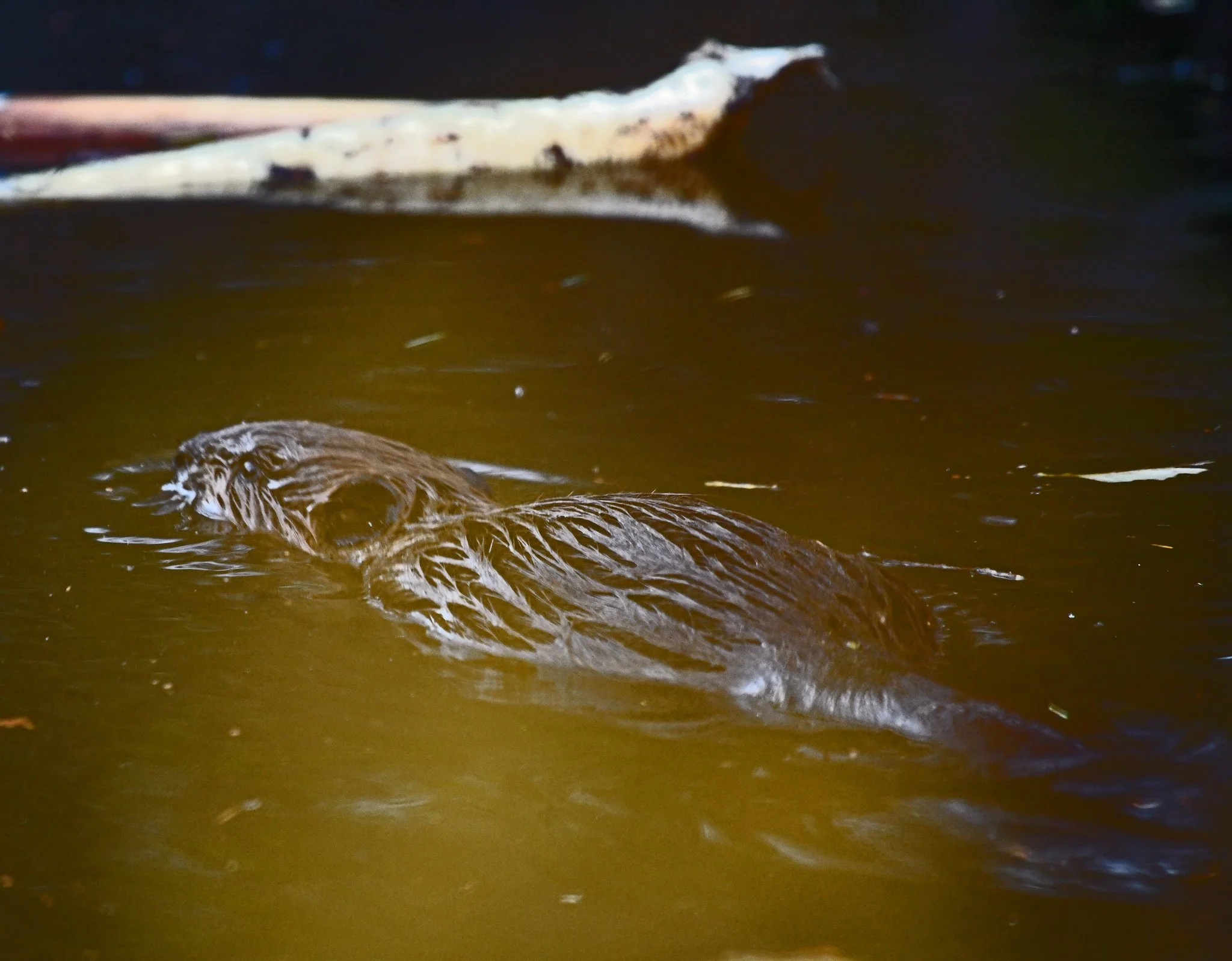
The most dramatic (and potentially disasterous) of our furry fauna experiences was the arrival of a pair of claim-jumping American beavers that are building dams and a lodge in our ponds and toppling trees to do so. We’ve named them Bernie and Bernice and they work the night shift, so these images of them are not great:
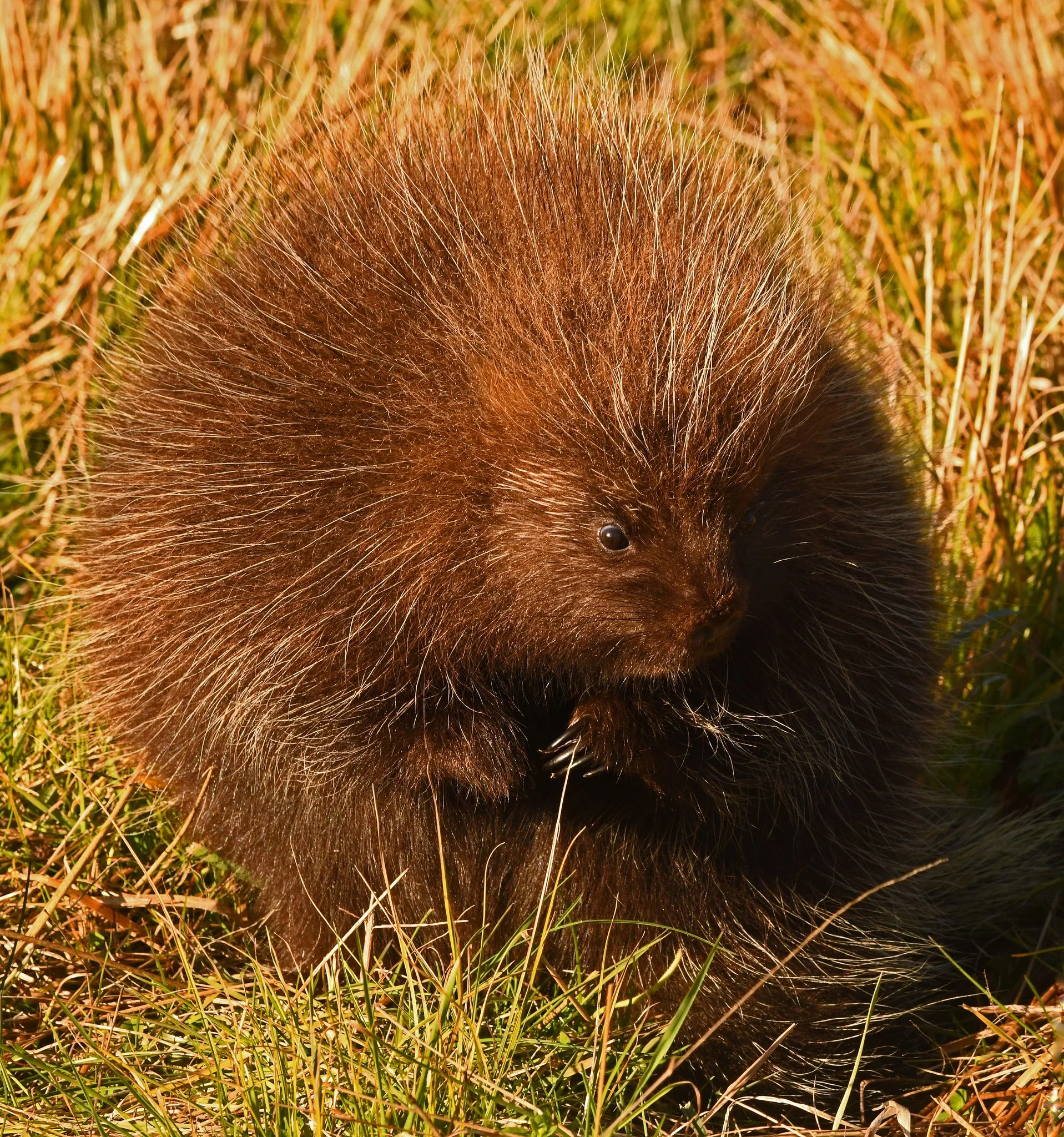
We also have a resident porcupine who we see regularly, but we’re also not gleeful about him because he eats tree bark. He’s furry, but also spikey, and we call him Harry:
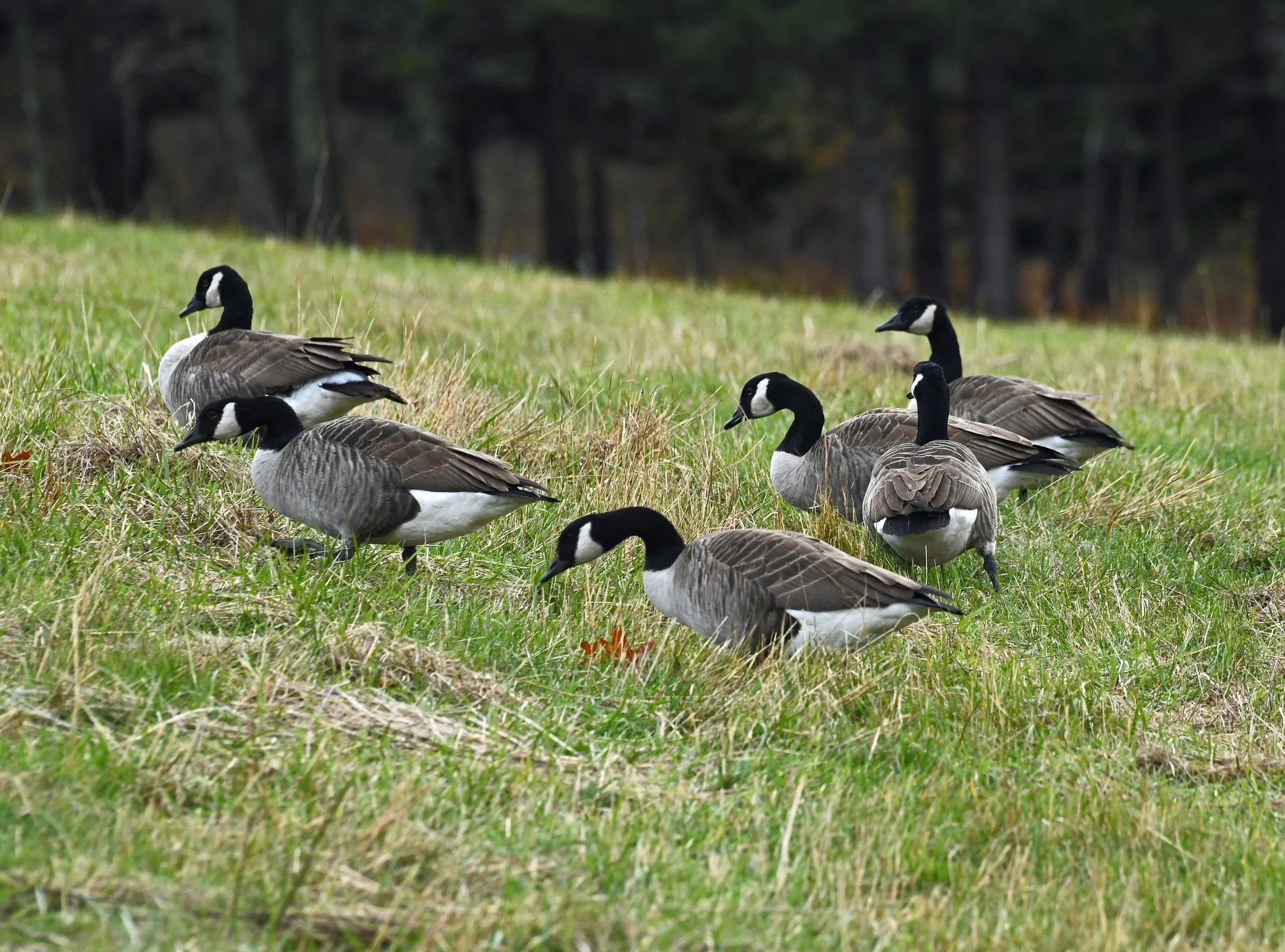
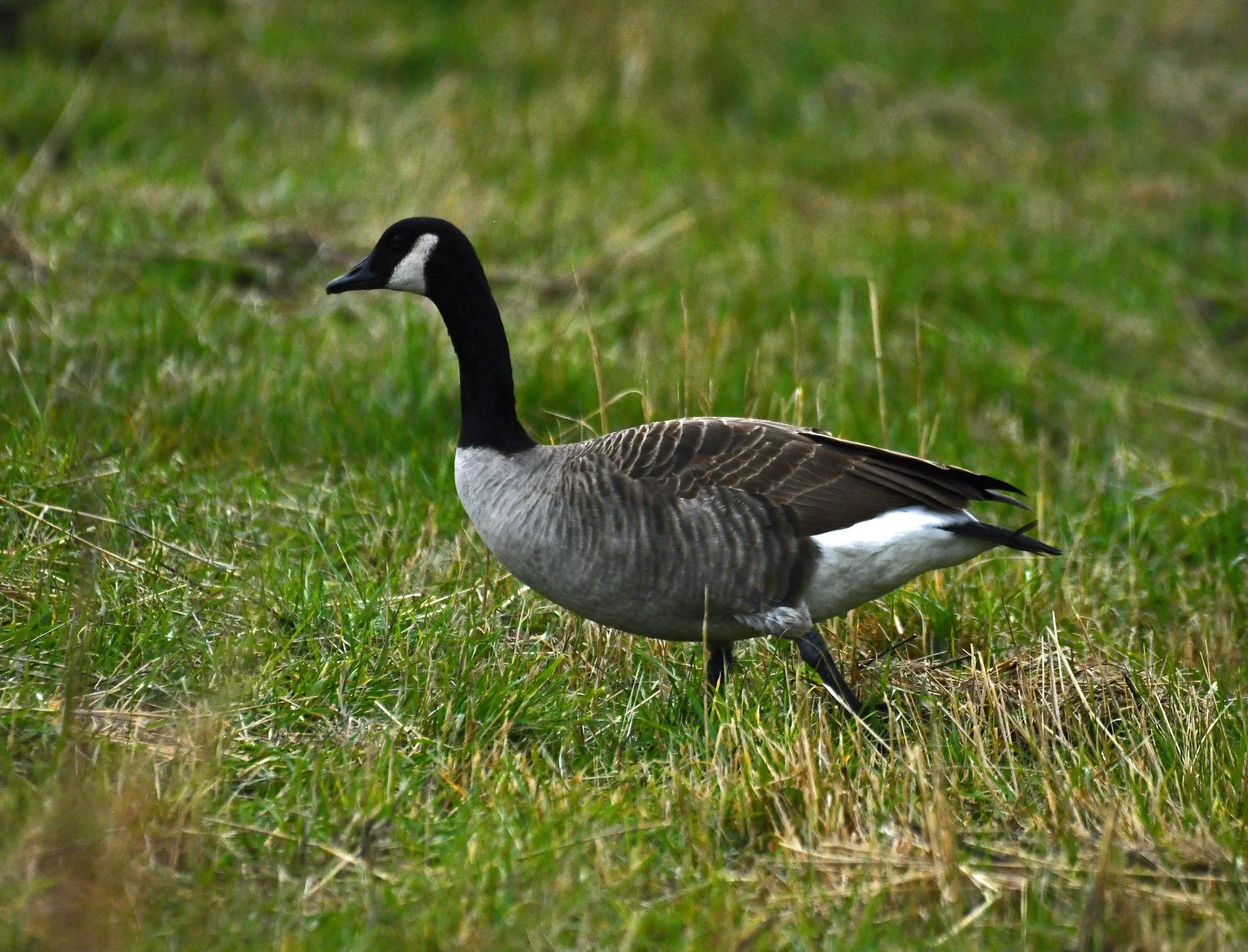
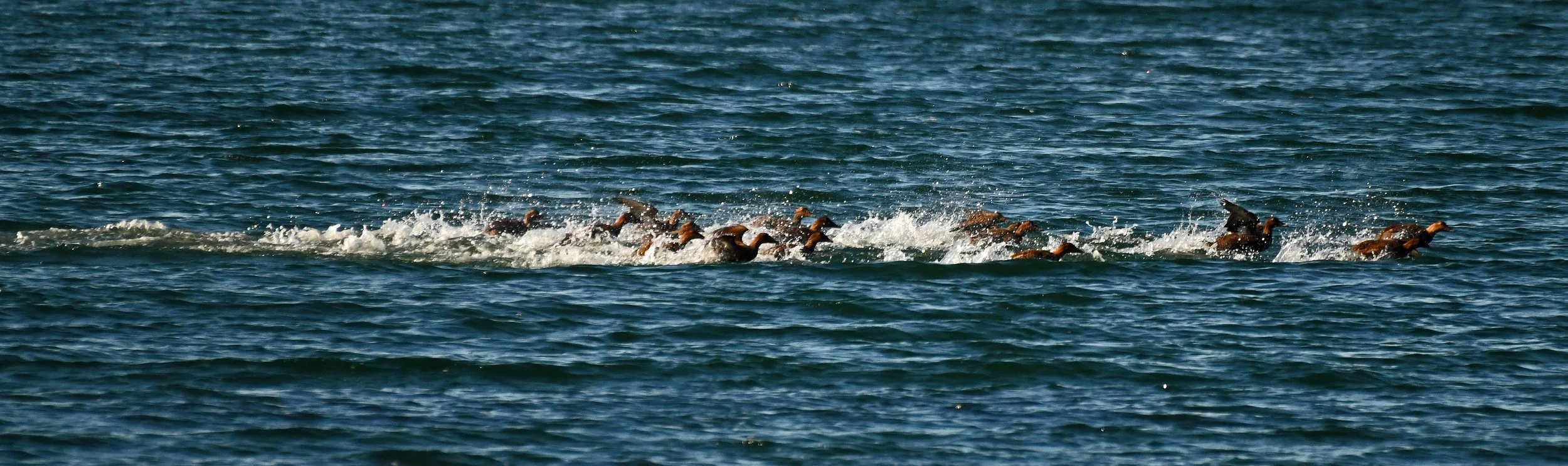
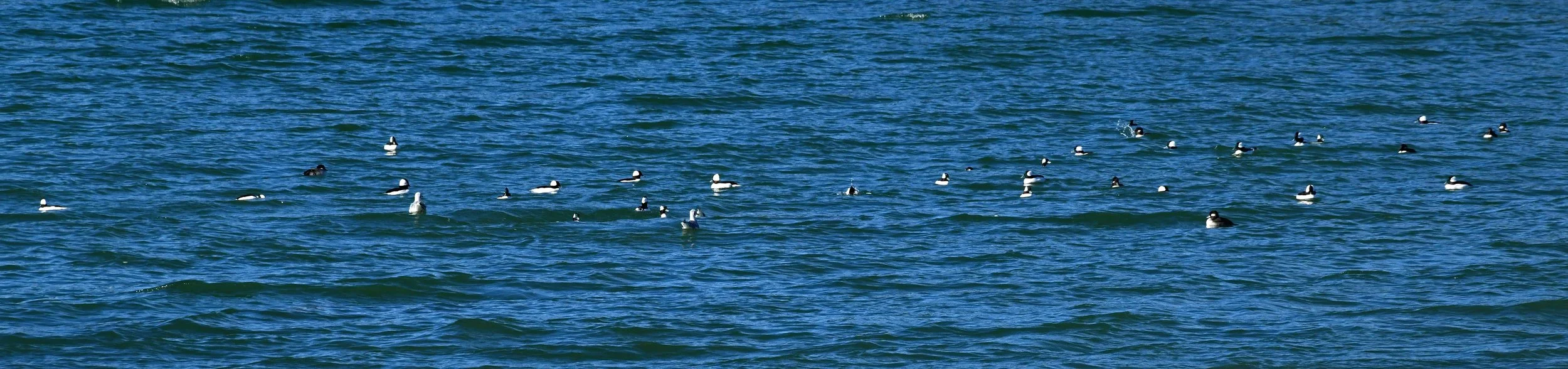
As for feathered fauna, we’re on Route 1 South for Canada geese. They’re mostly overnight tourists that stop for dinner and breakfast, then continue on. On the other hand, we have flocks of waterflowl from Canada that will enjoy our now-boatless coves all winter. They include splashing eiders and content buffleheads.
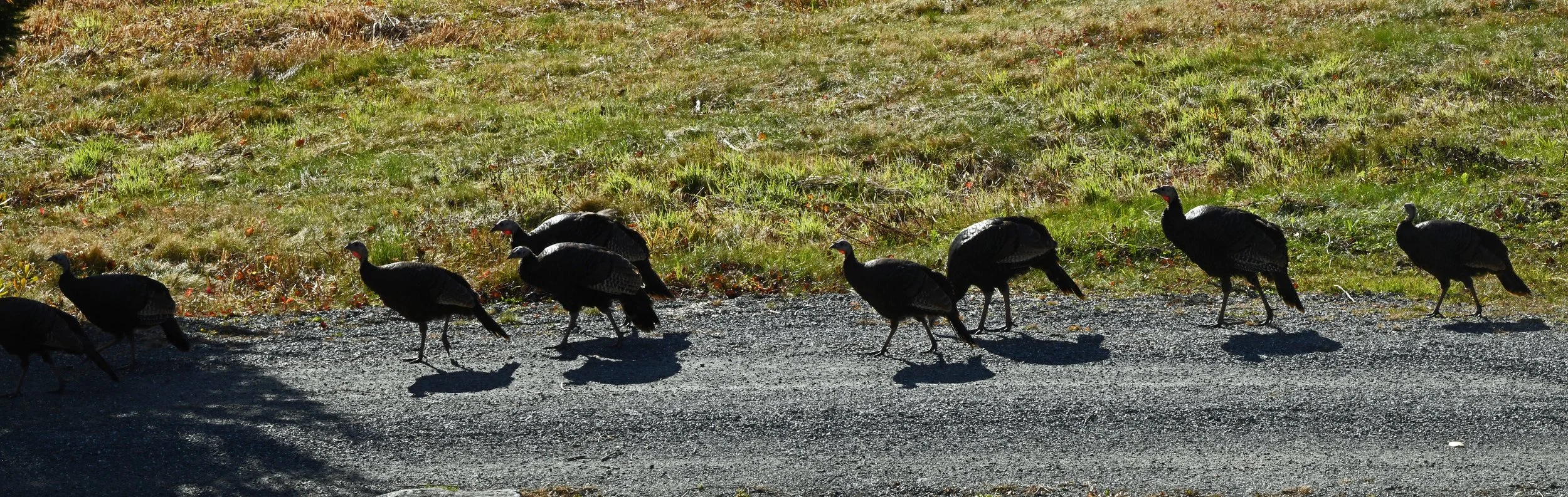
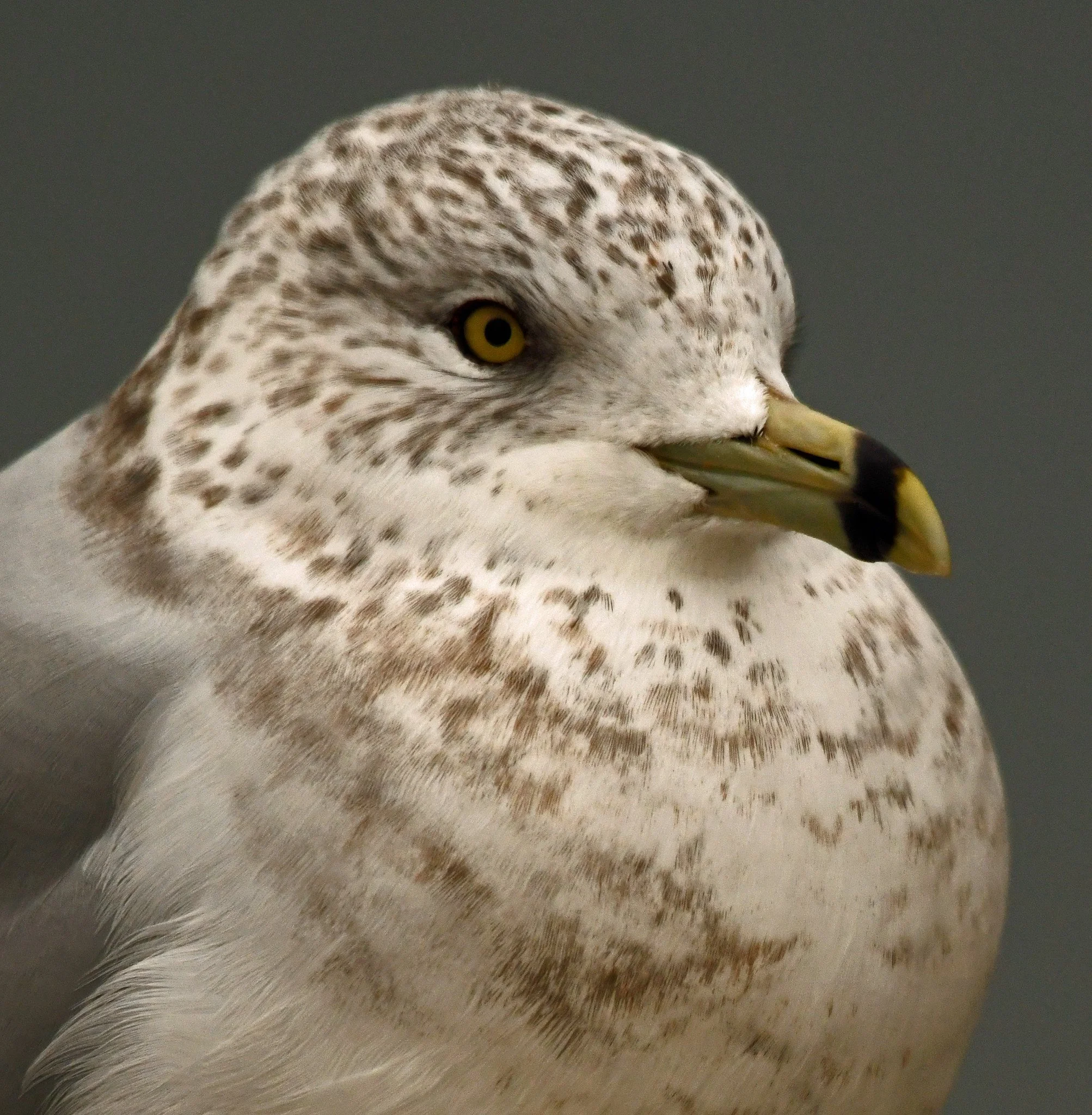
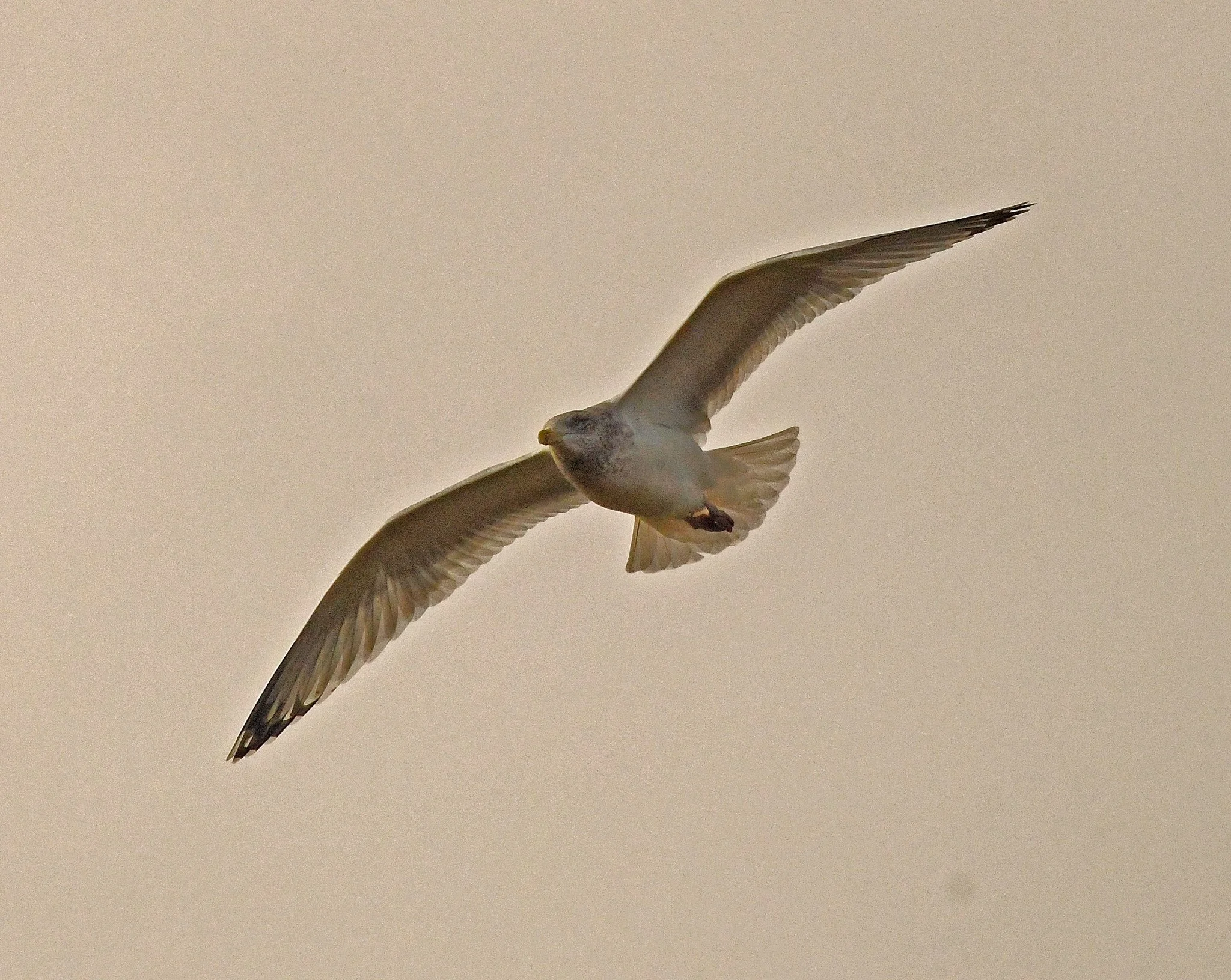
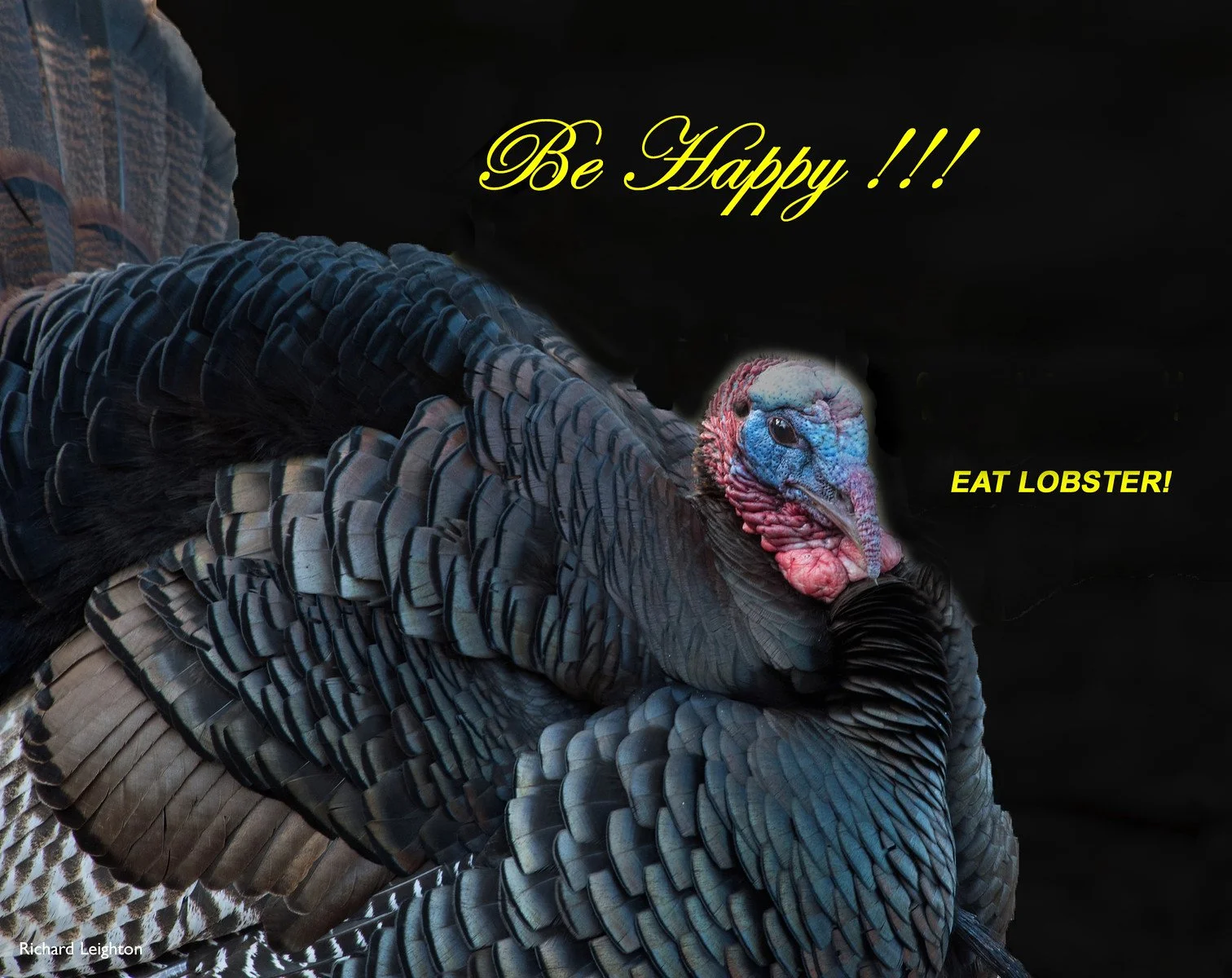
Not to be outdone, our resident wild turkeys parade along driveways as well as fields during November. And, of course, our resident ring-billed and heron gulls also are a constant and pleasing presence throughout the winter.
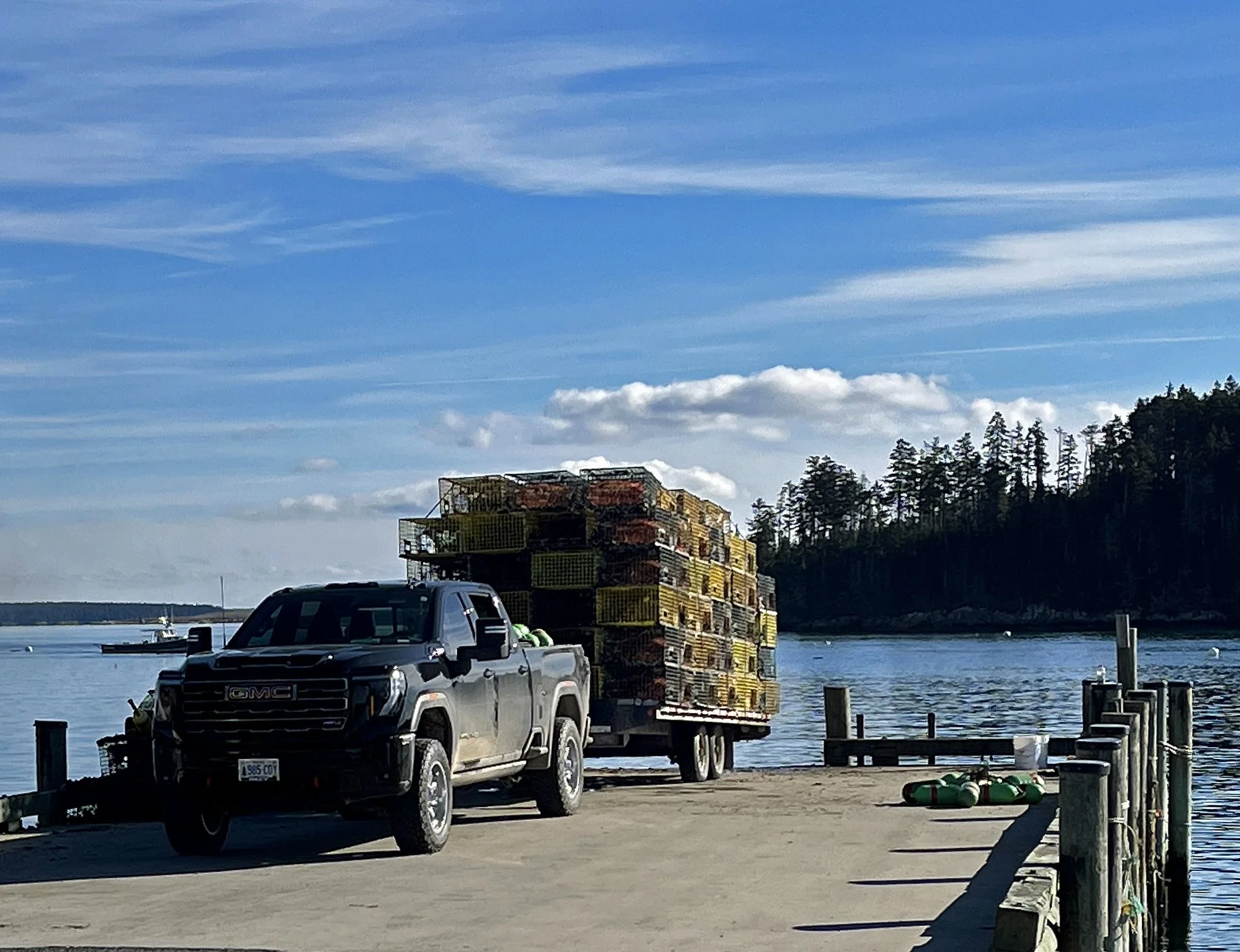
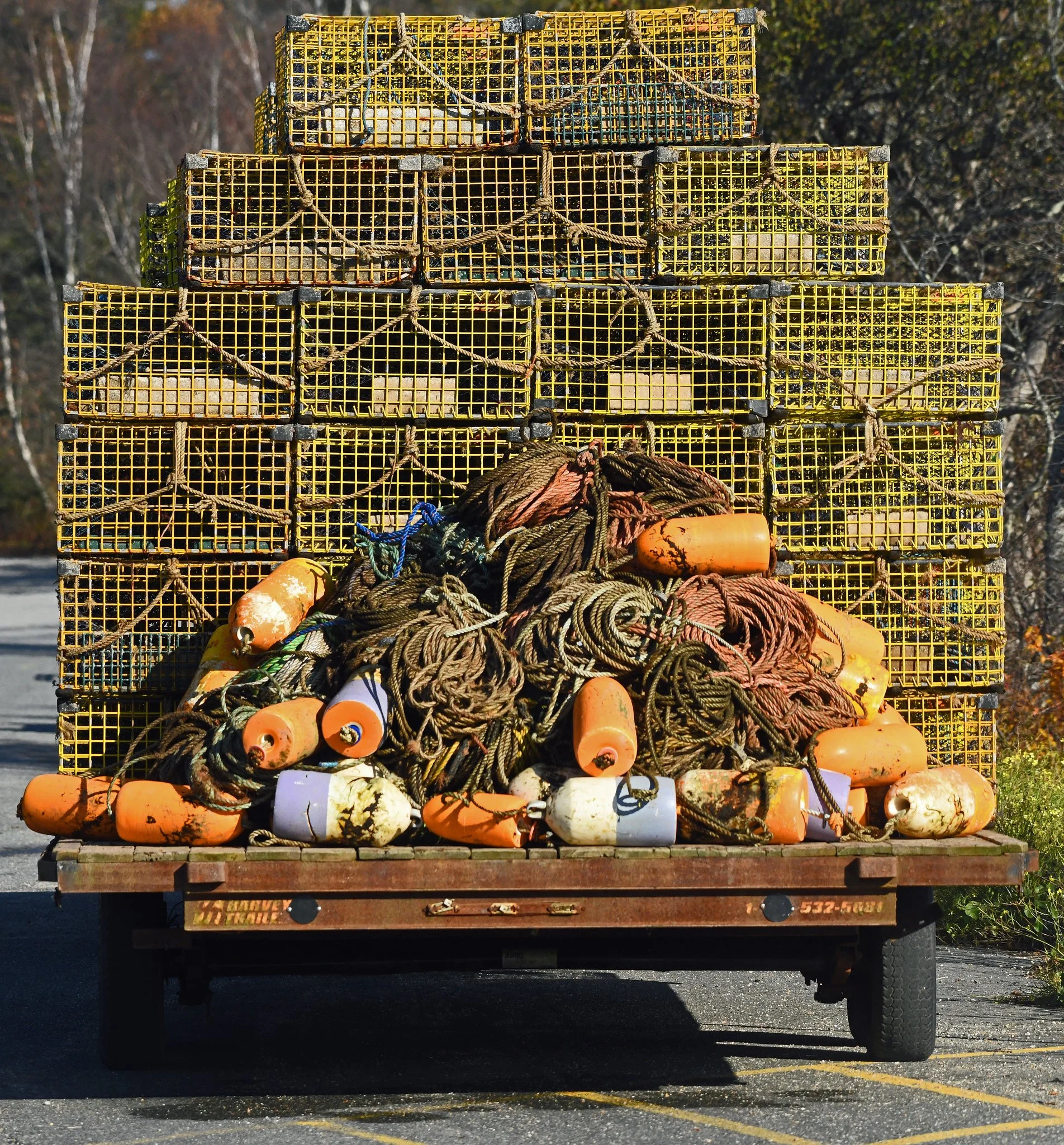
On the working waterfront, November is the time when most coastal lobster fishing ends here. Lobster traps are hauled into the harbors and trailered to storage, while the fishing vessels are prepared for winter.
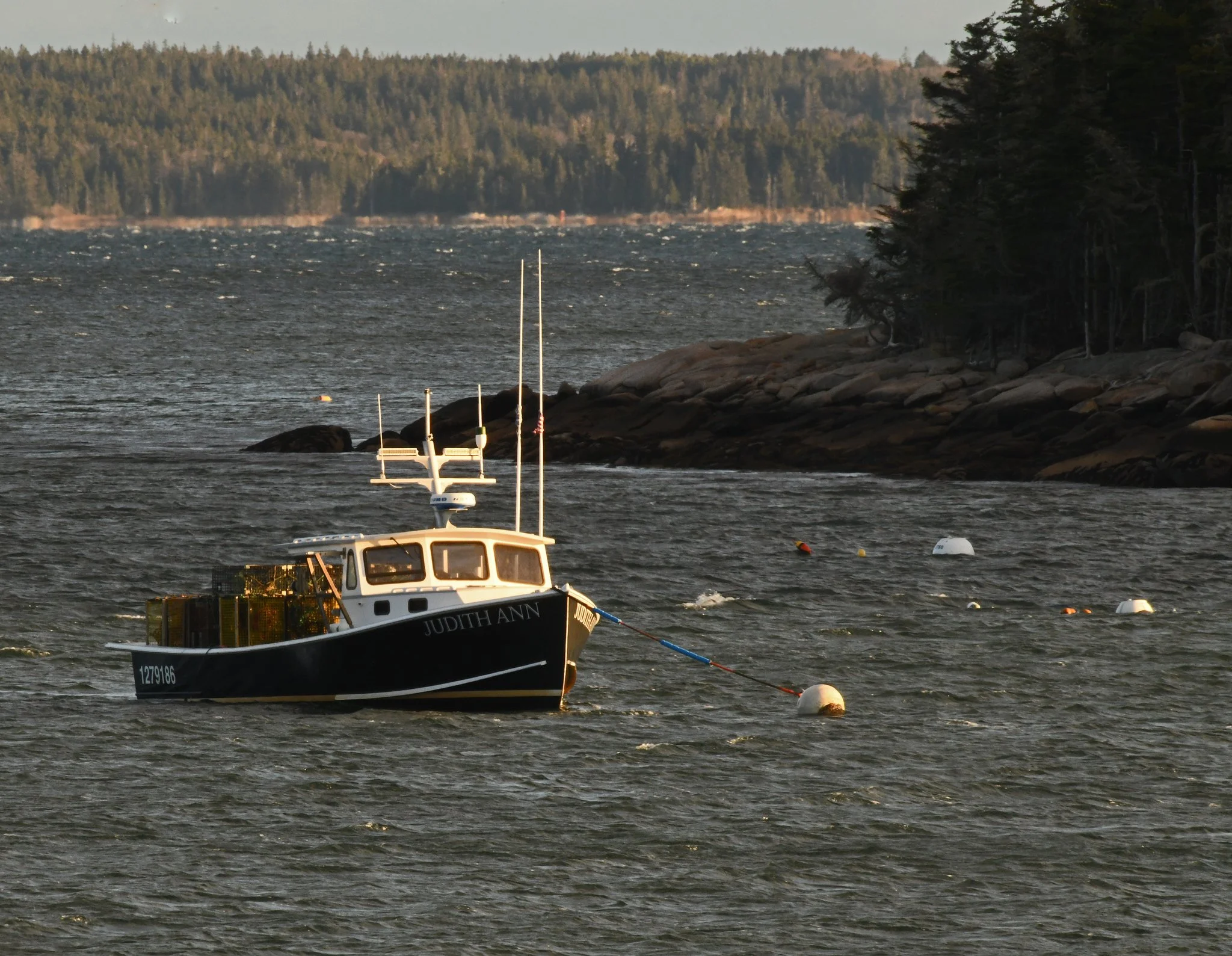
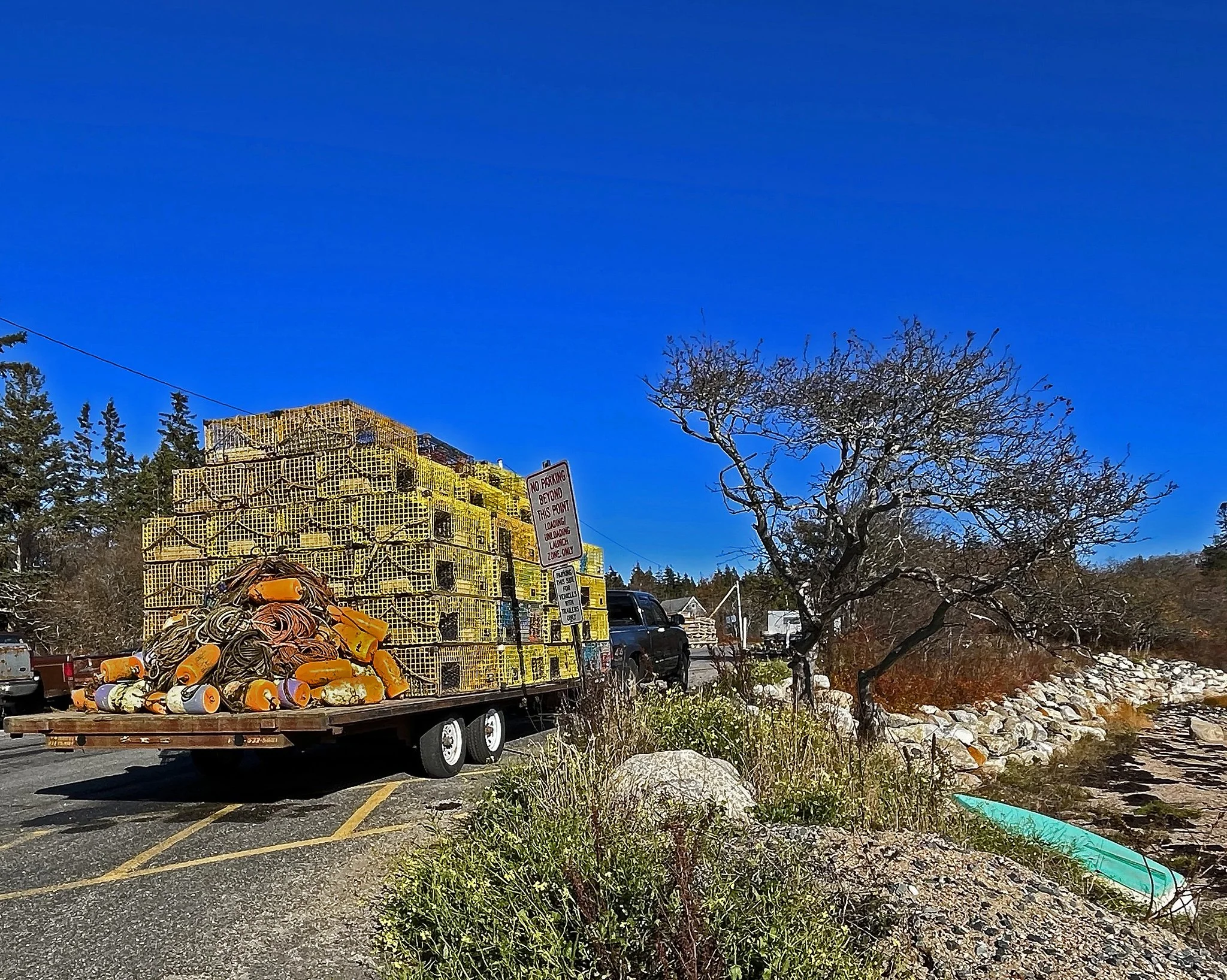
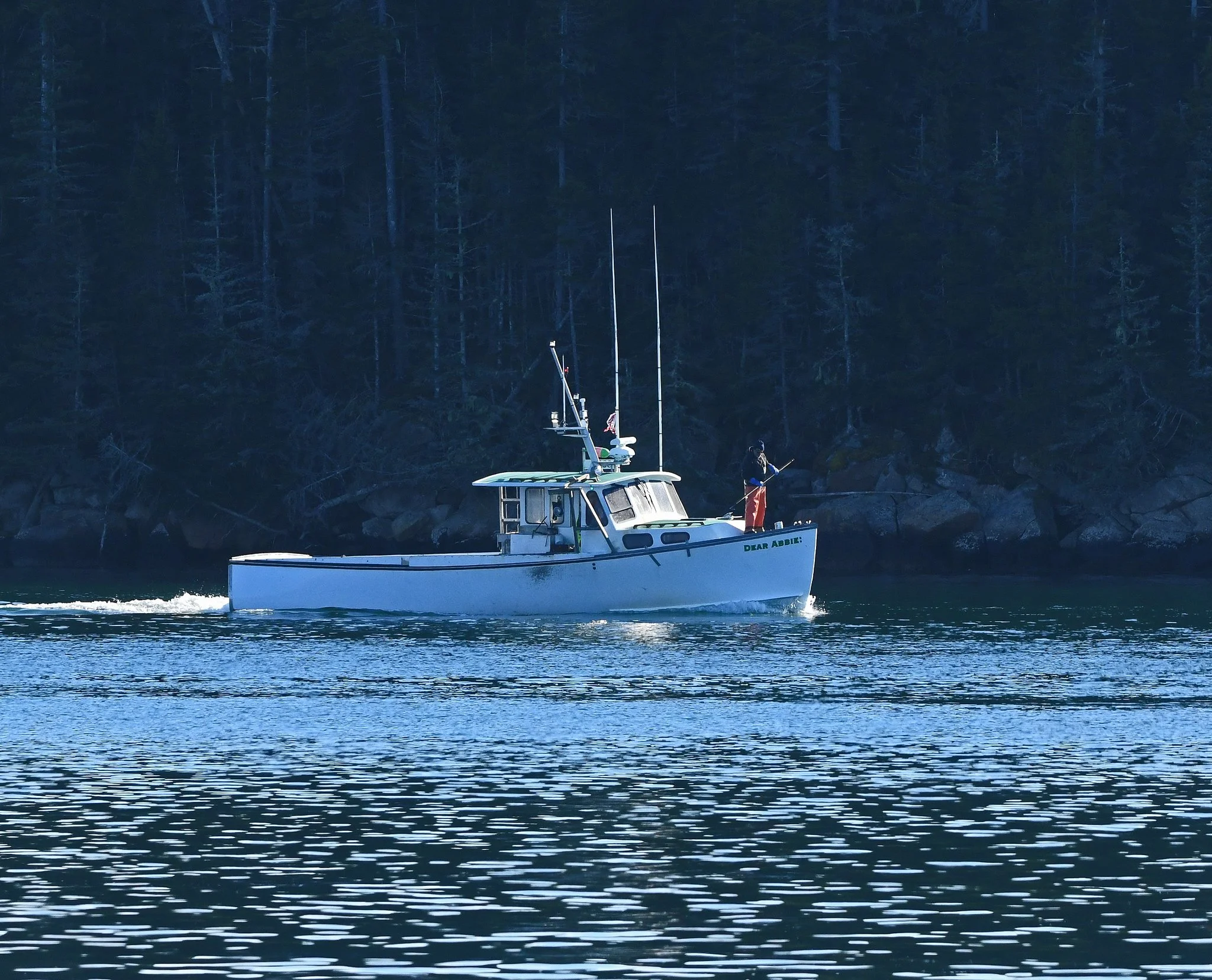
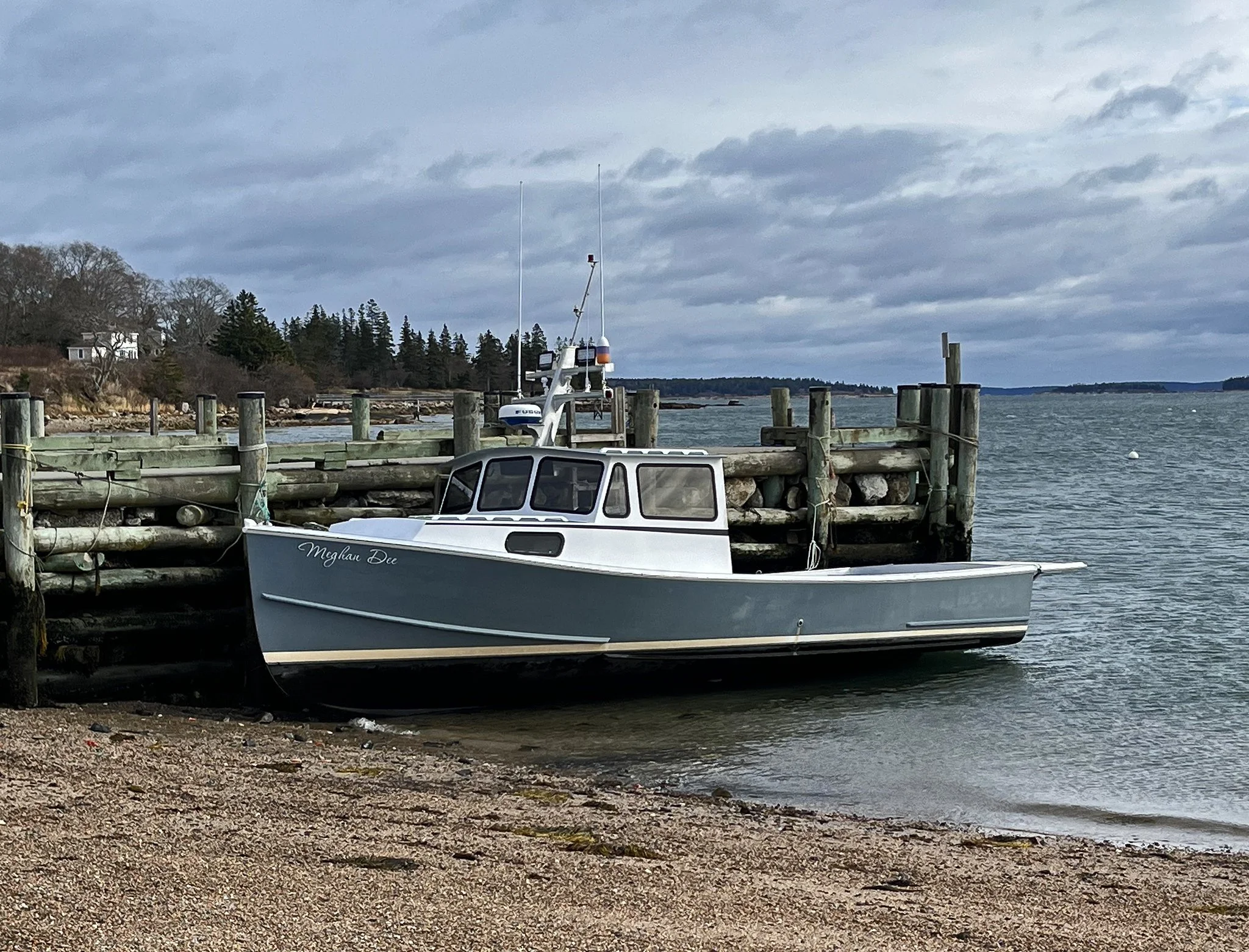
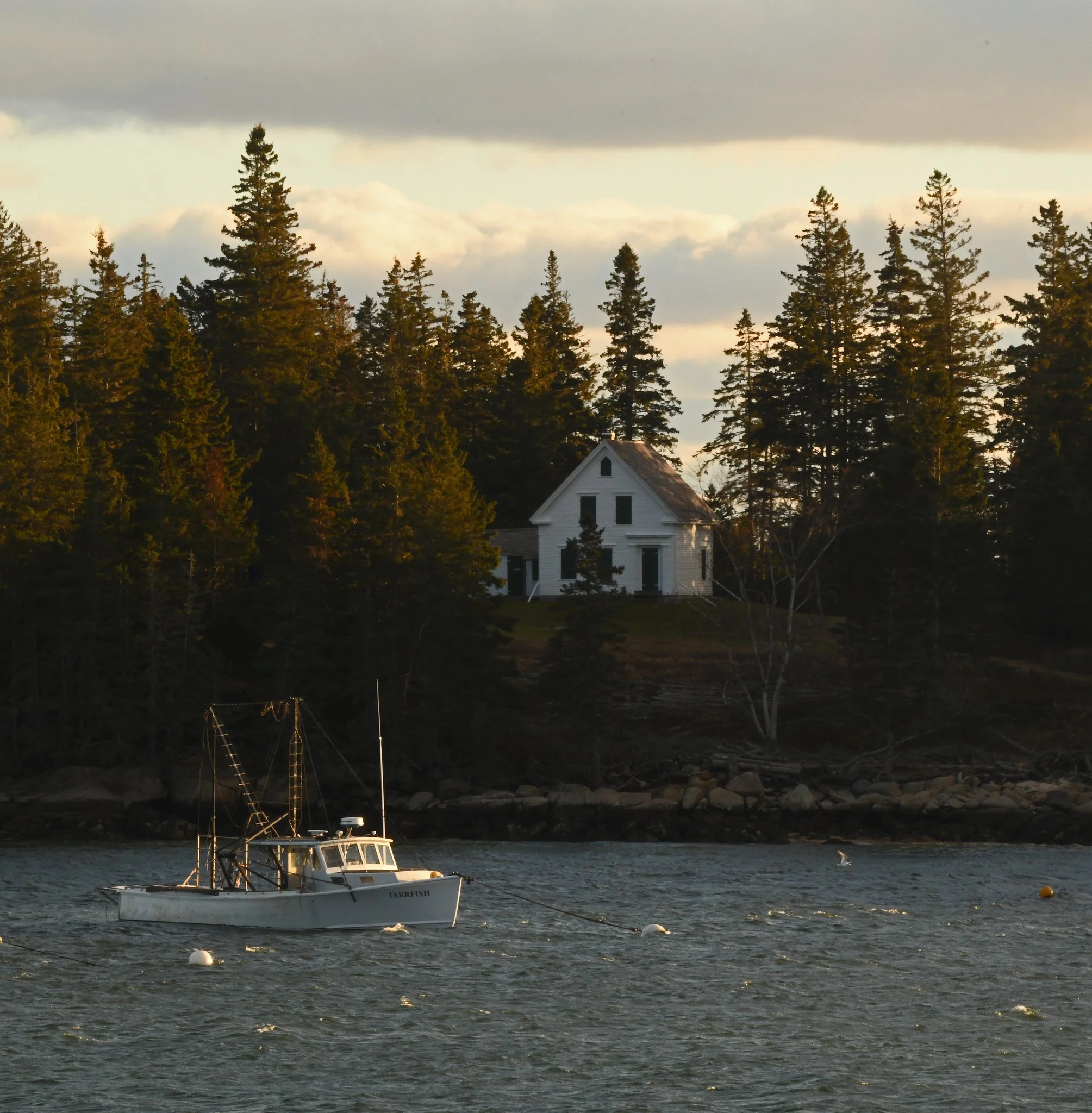
Some lobster fishermen will rig their vessels with masts, booms, and “drags” (pursenet drredges) for dragging the sea bottom for scallops when the season opens in December. A very few will use their boats as platforms for diving underwater in wetsuits to hand-harvest the more expensive “diver’s scallops” from the sea bottom. Fishing Vessel TARRFISH, below, was one of the first lobster boats to be drag-rigged in November and her owner, David Tarr, also will dive for them:
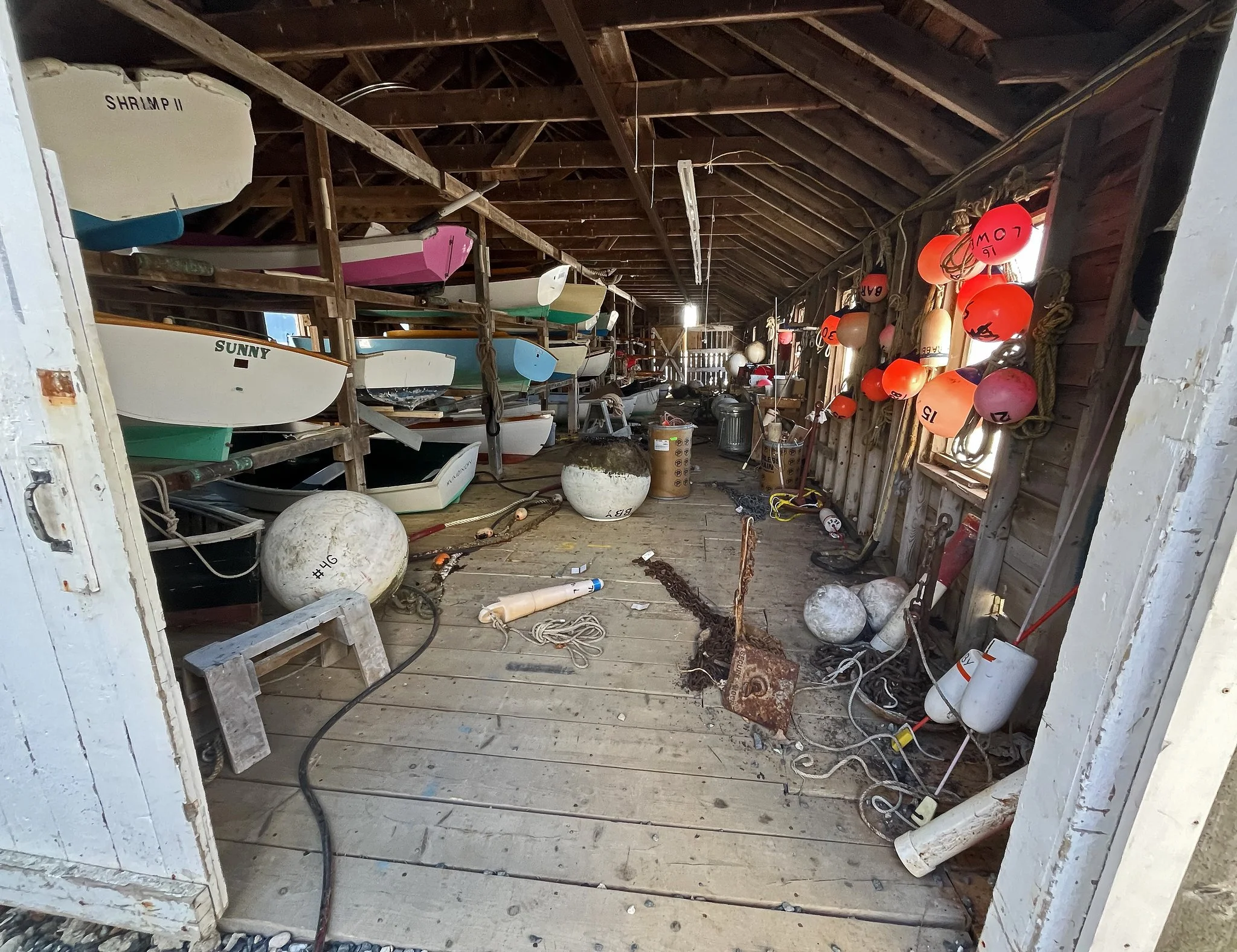
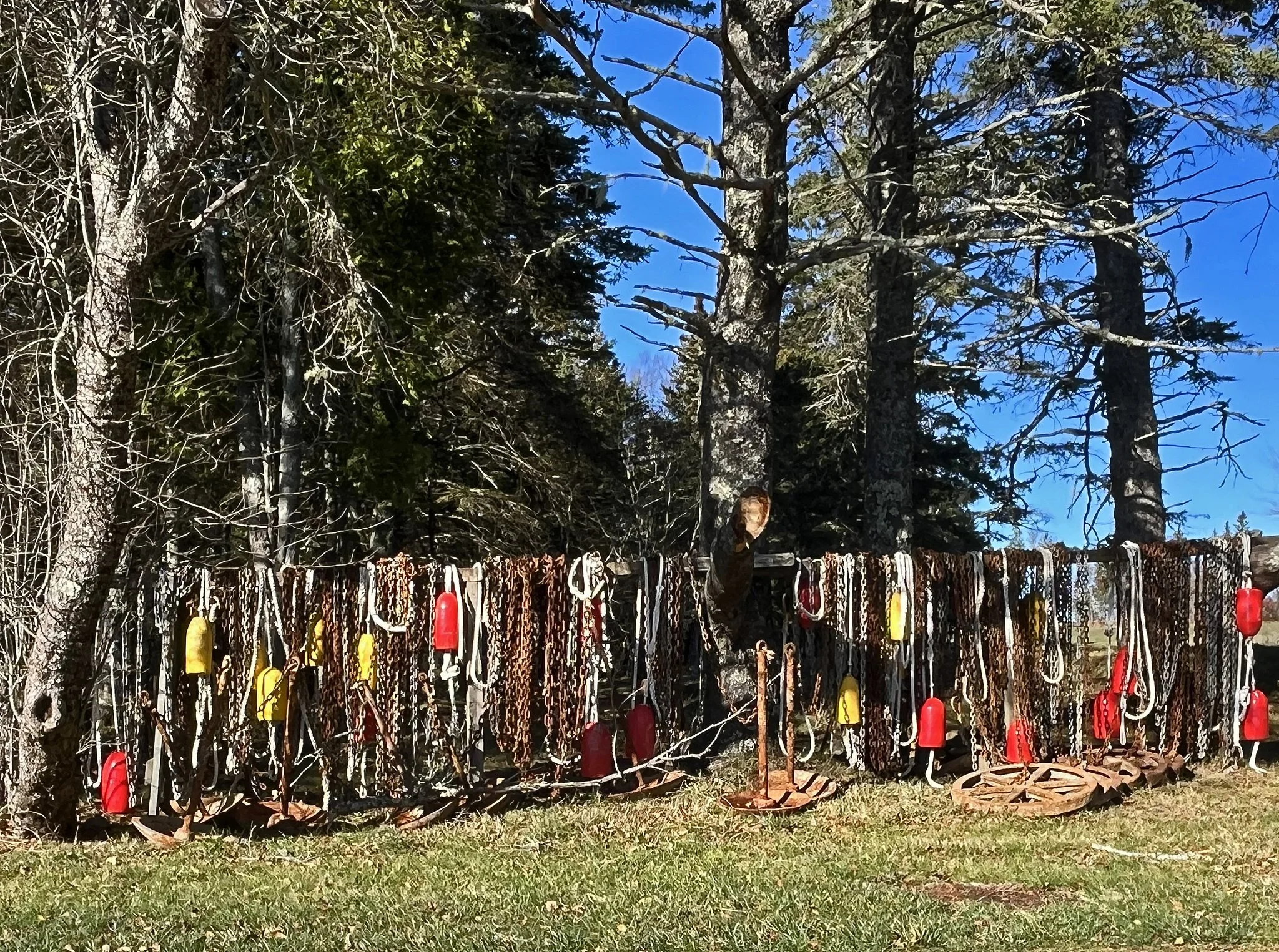
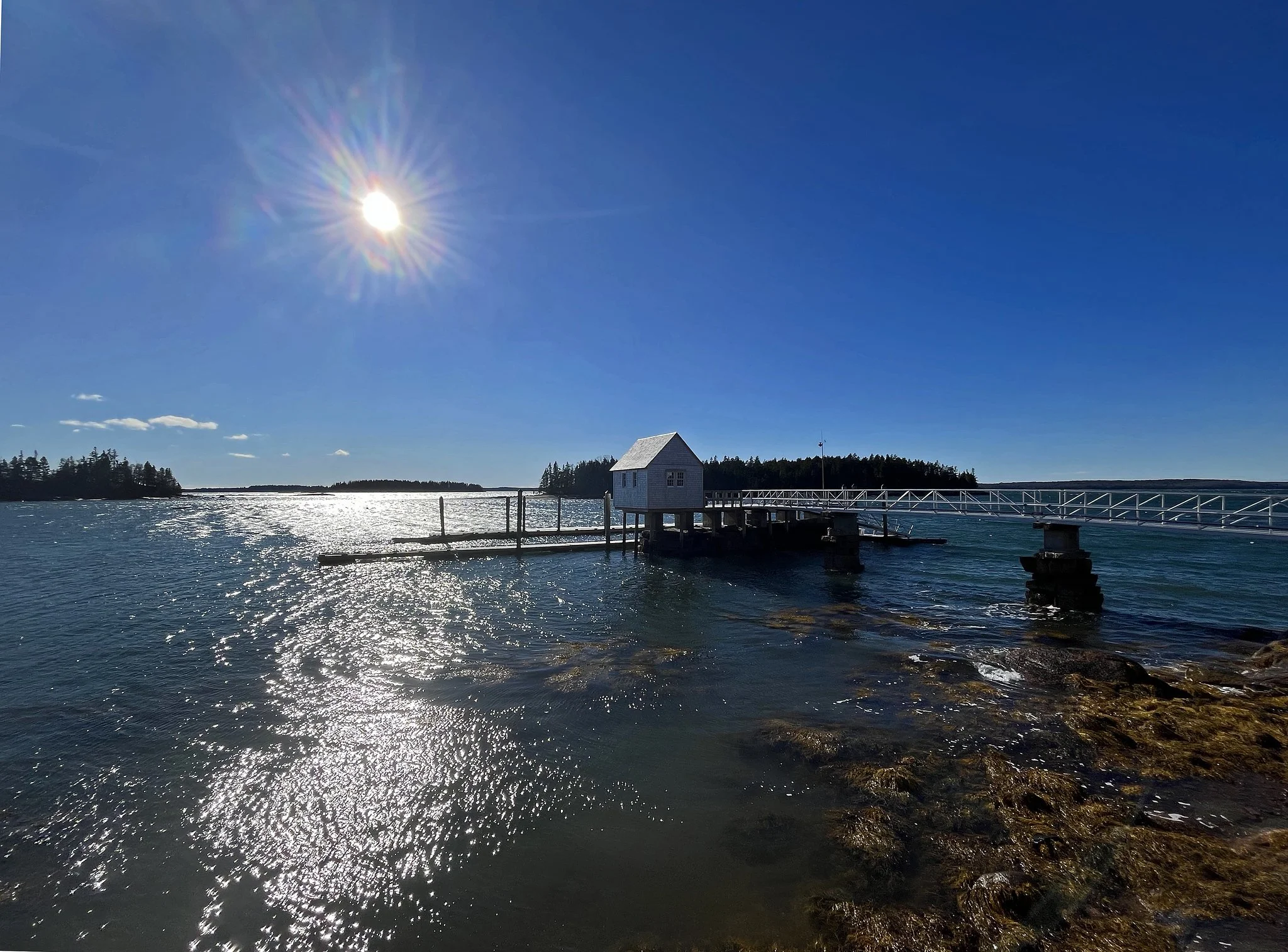
In November, some working boats and virtually all recreational boats and their moorings are hauled out of the water for winter storage under plastic wrap, boat shed roof, or even spruce trees. Piers, once filled with eager recreational sailers, become lonely places during the month.
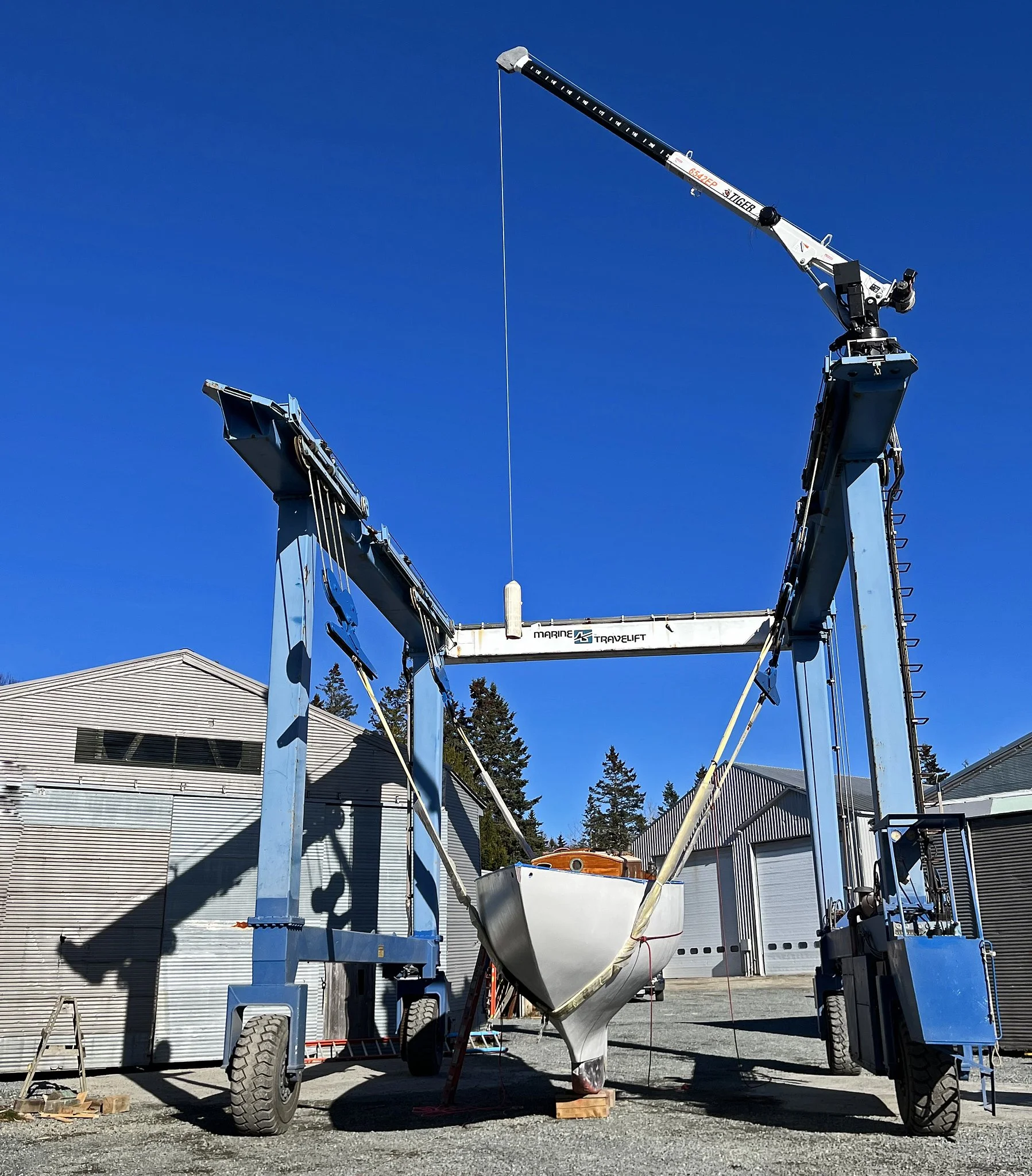
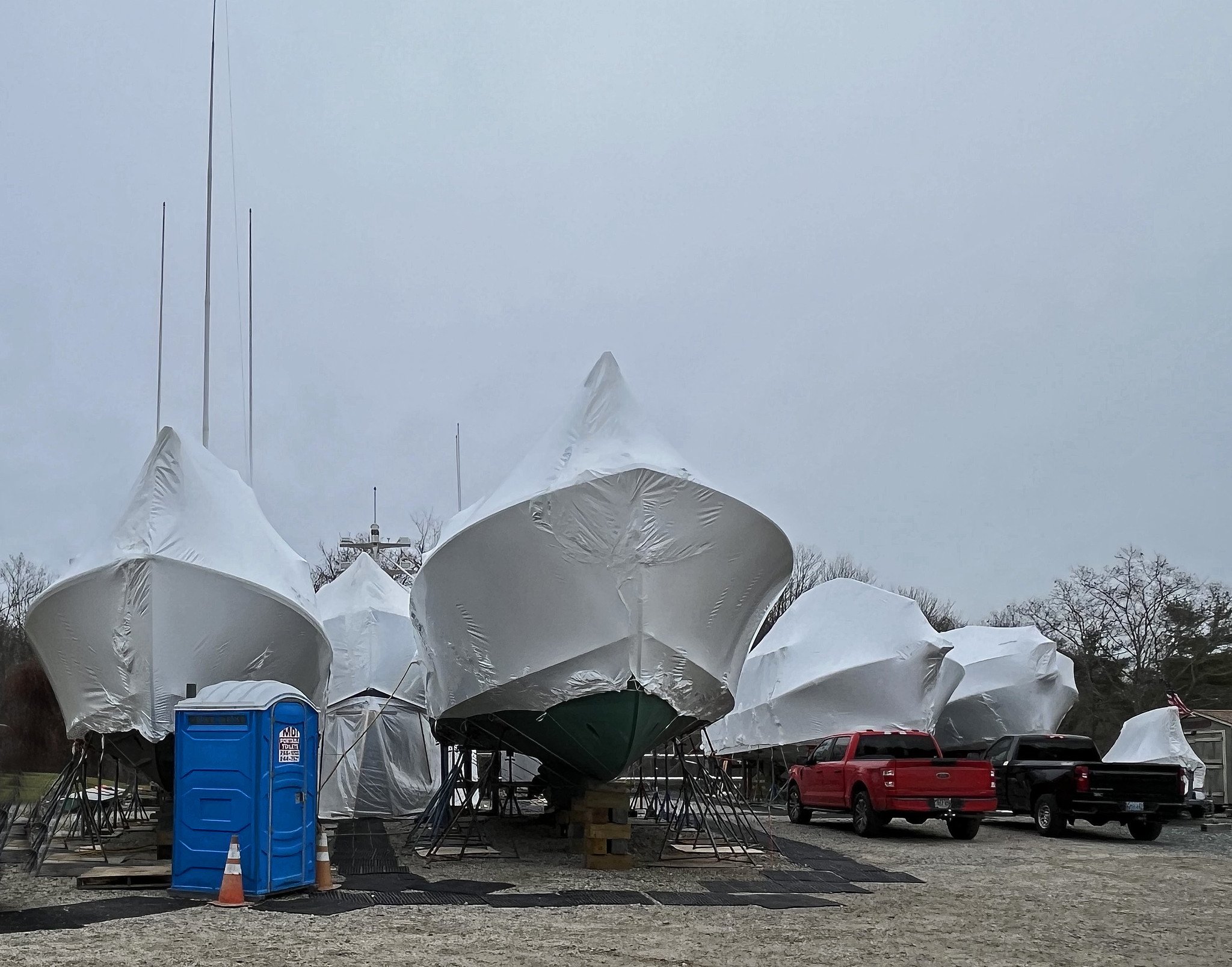
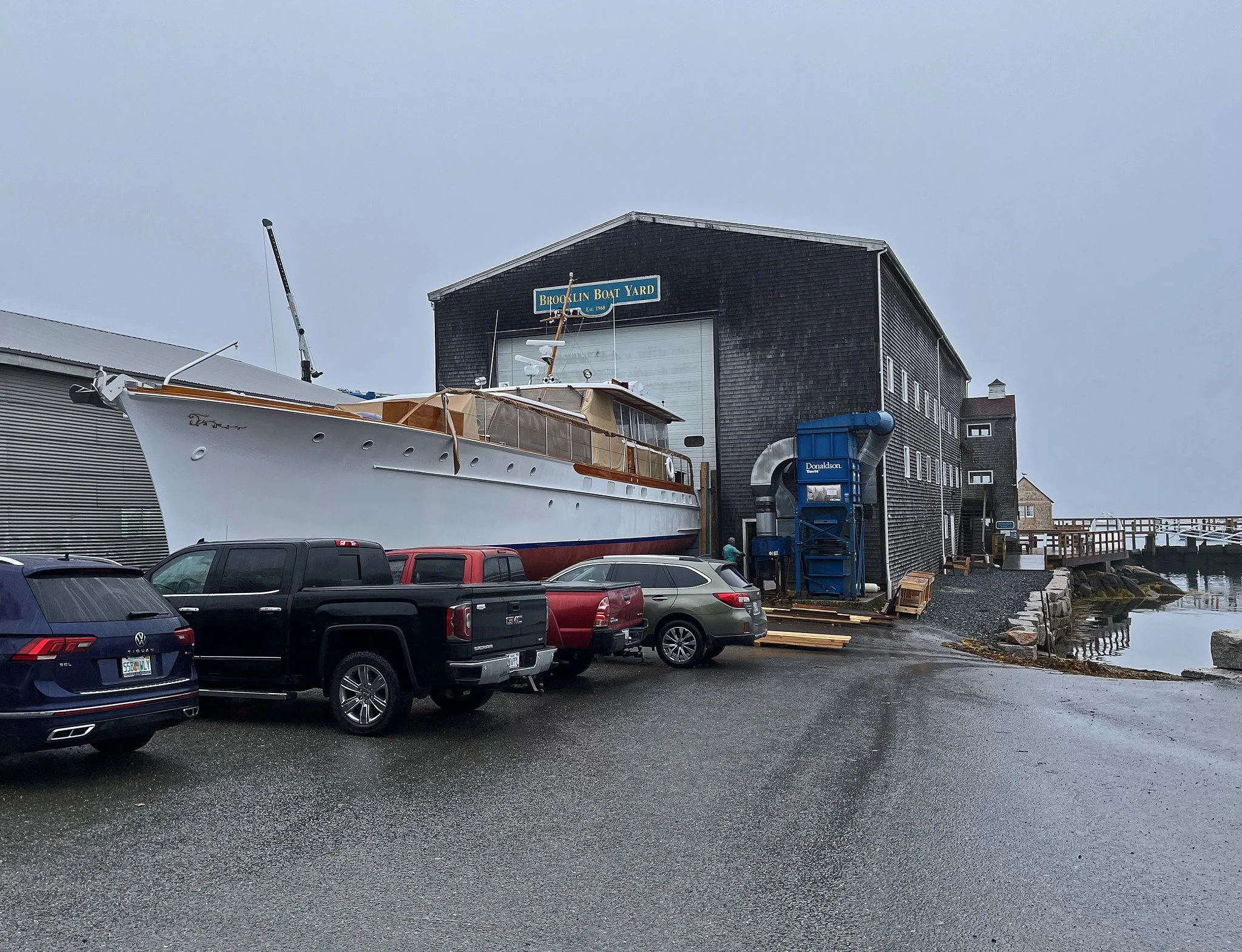
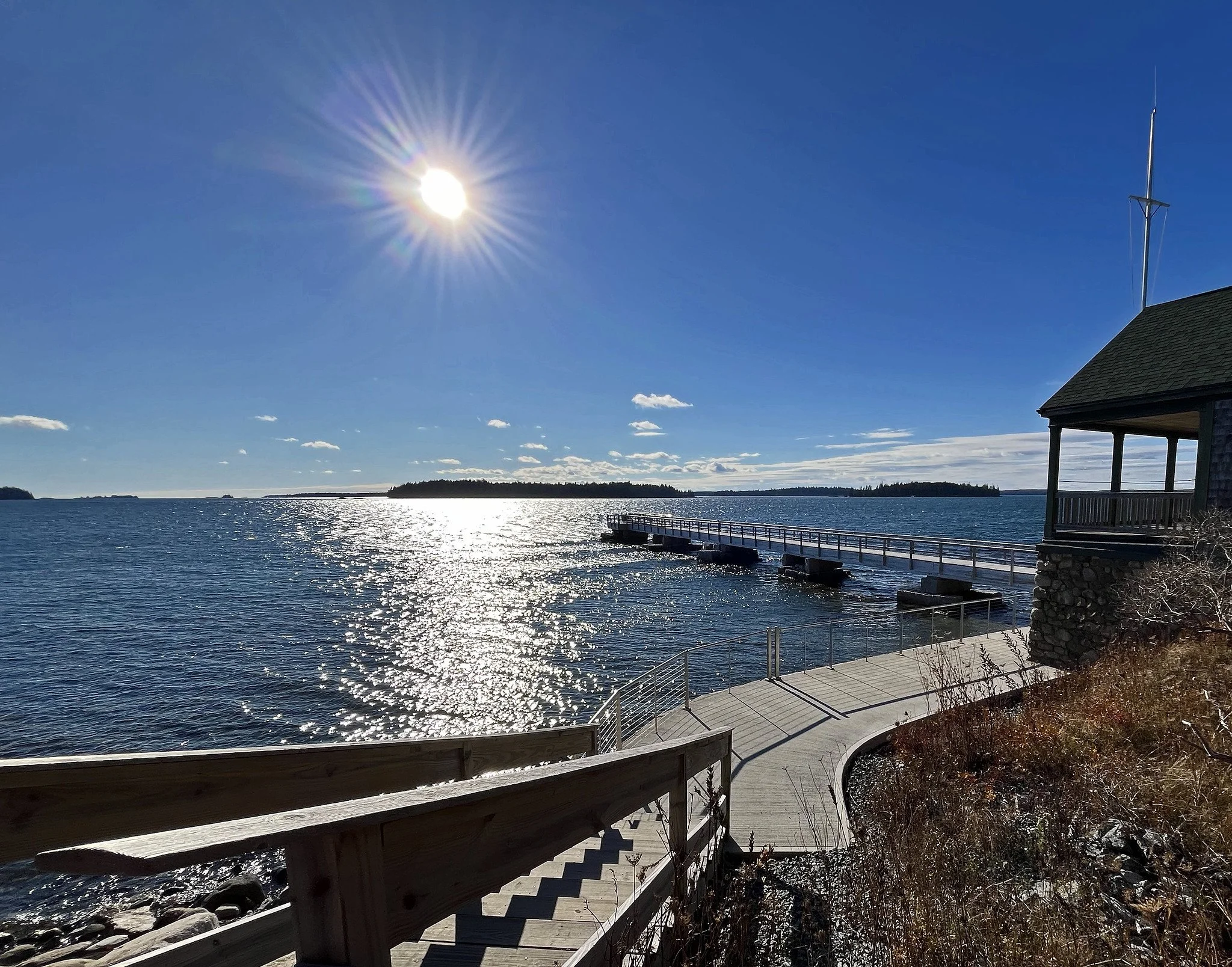
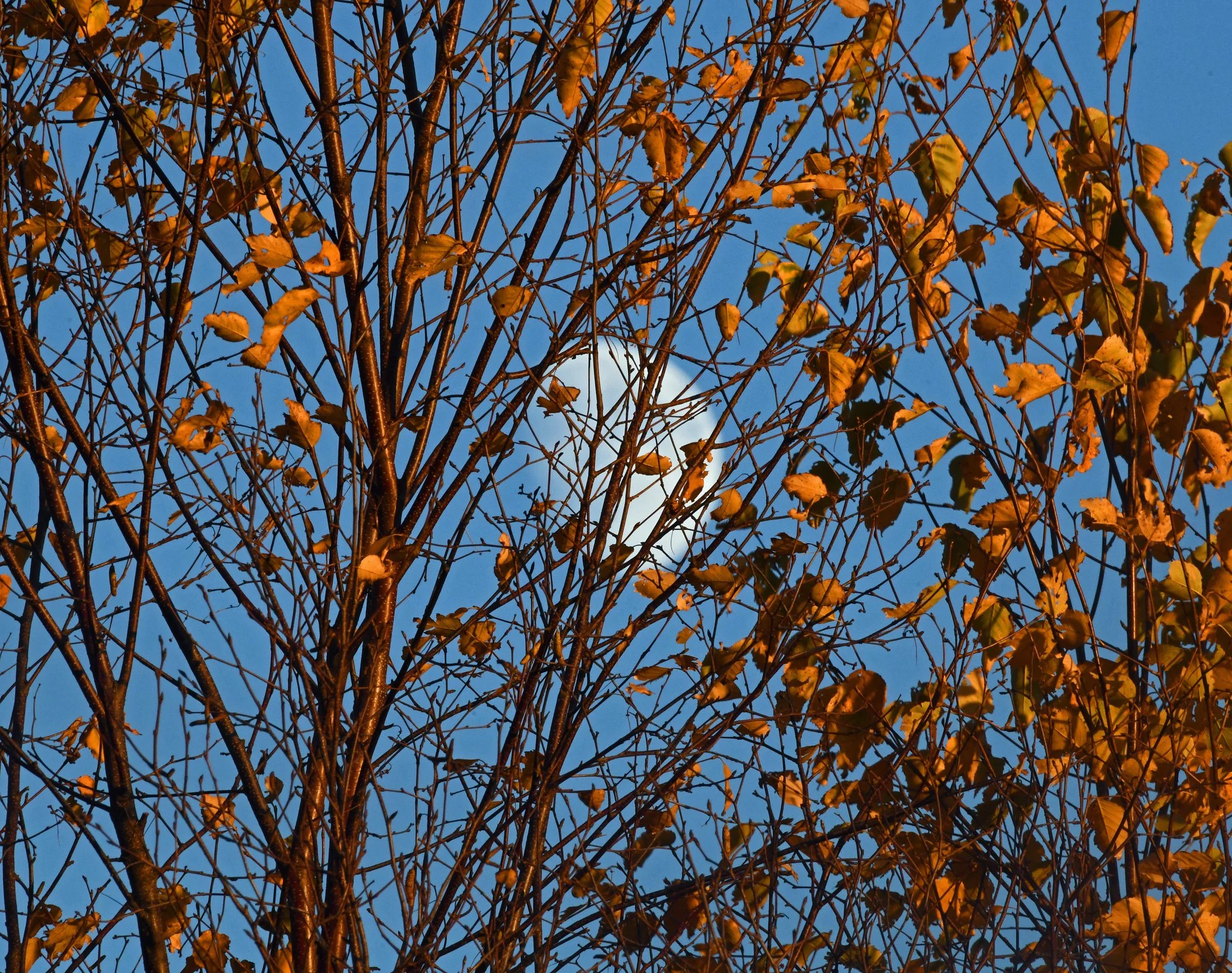
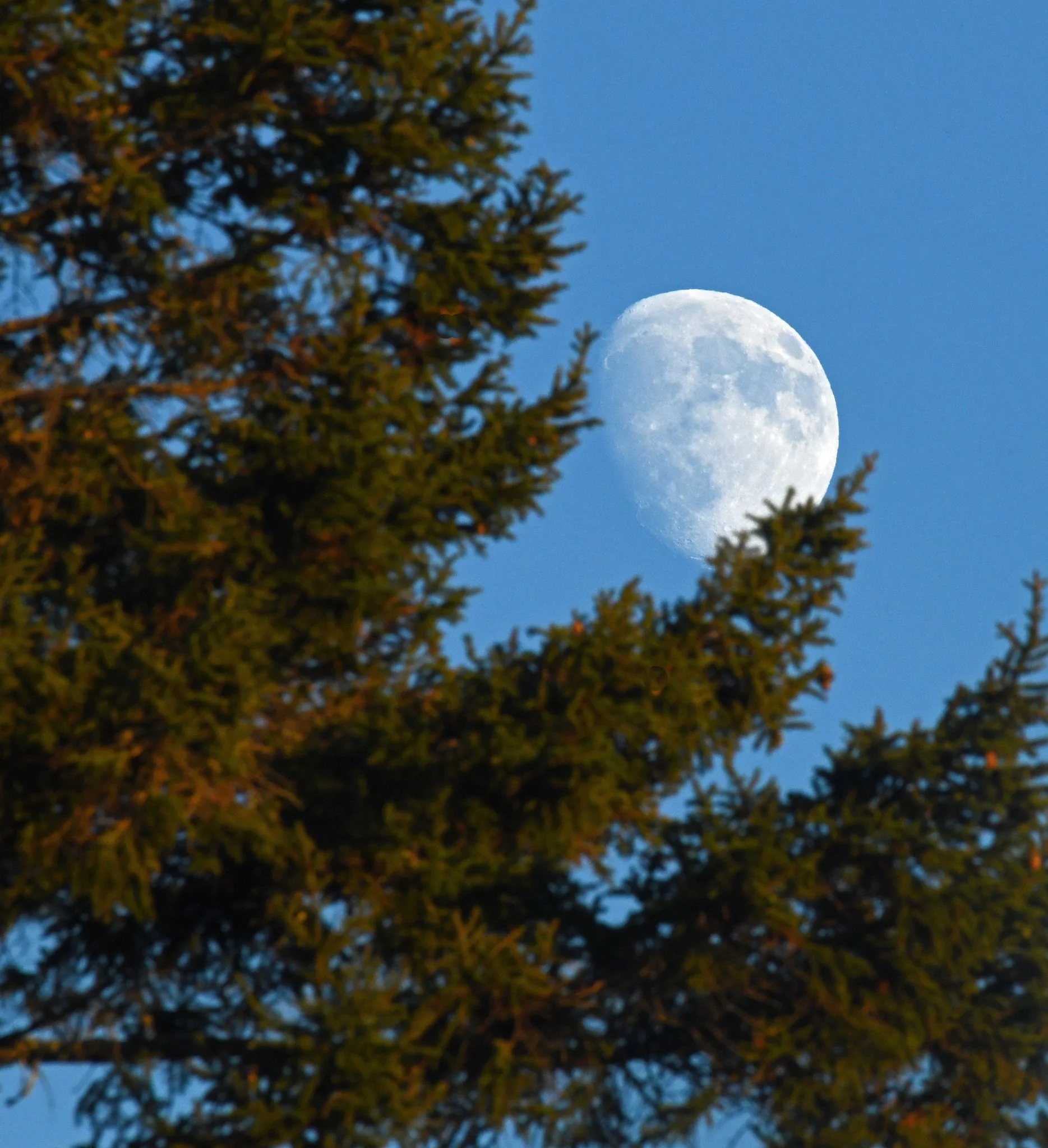
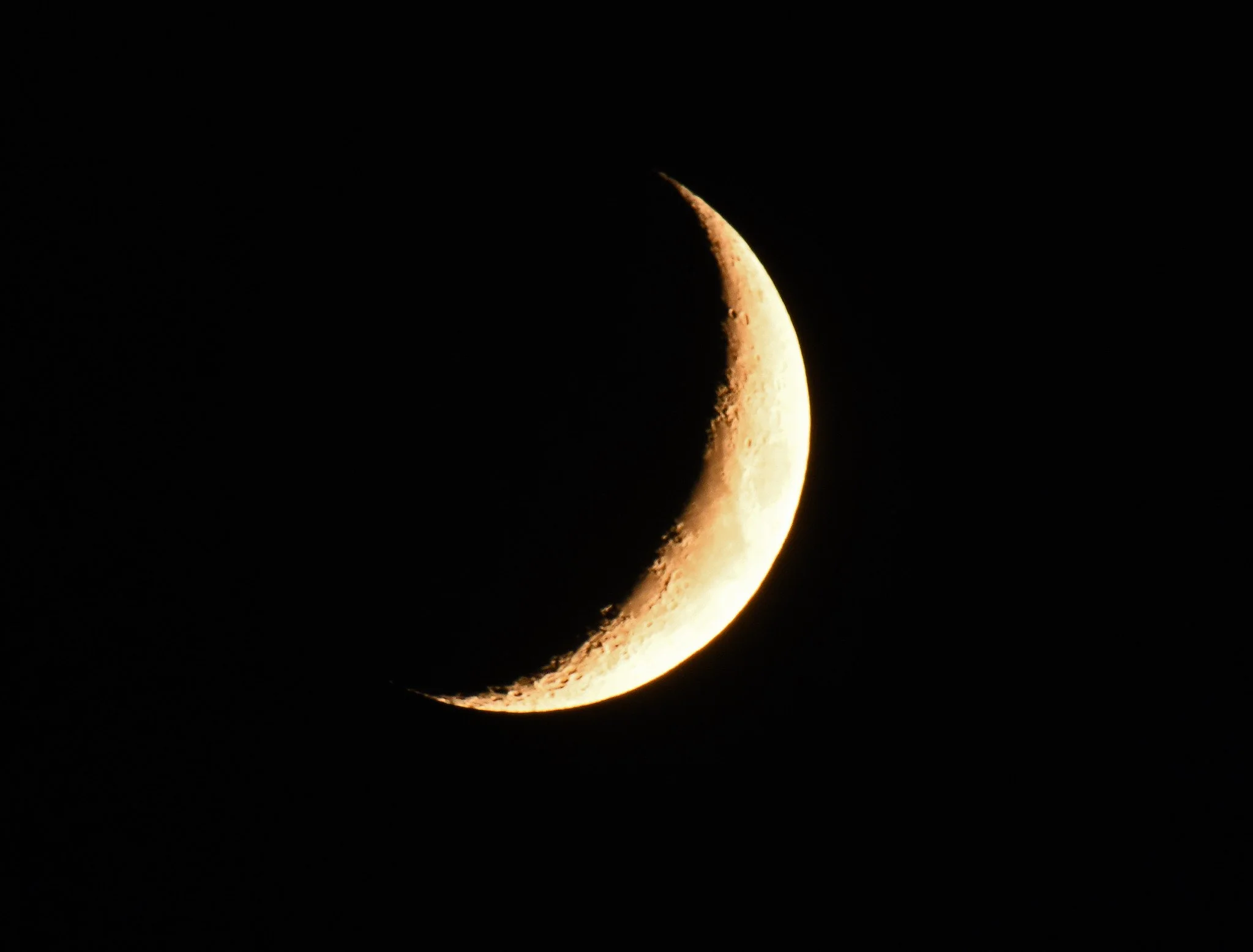
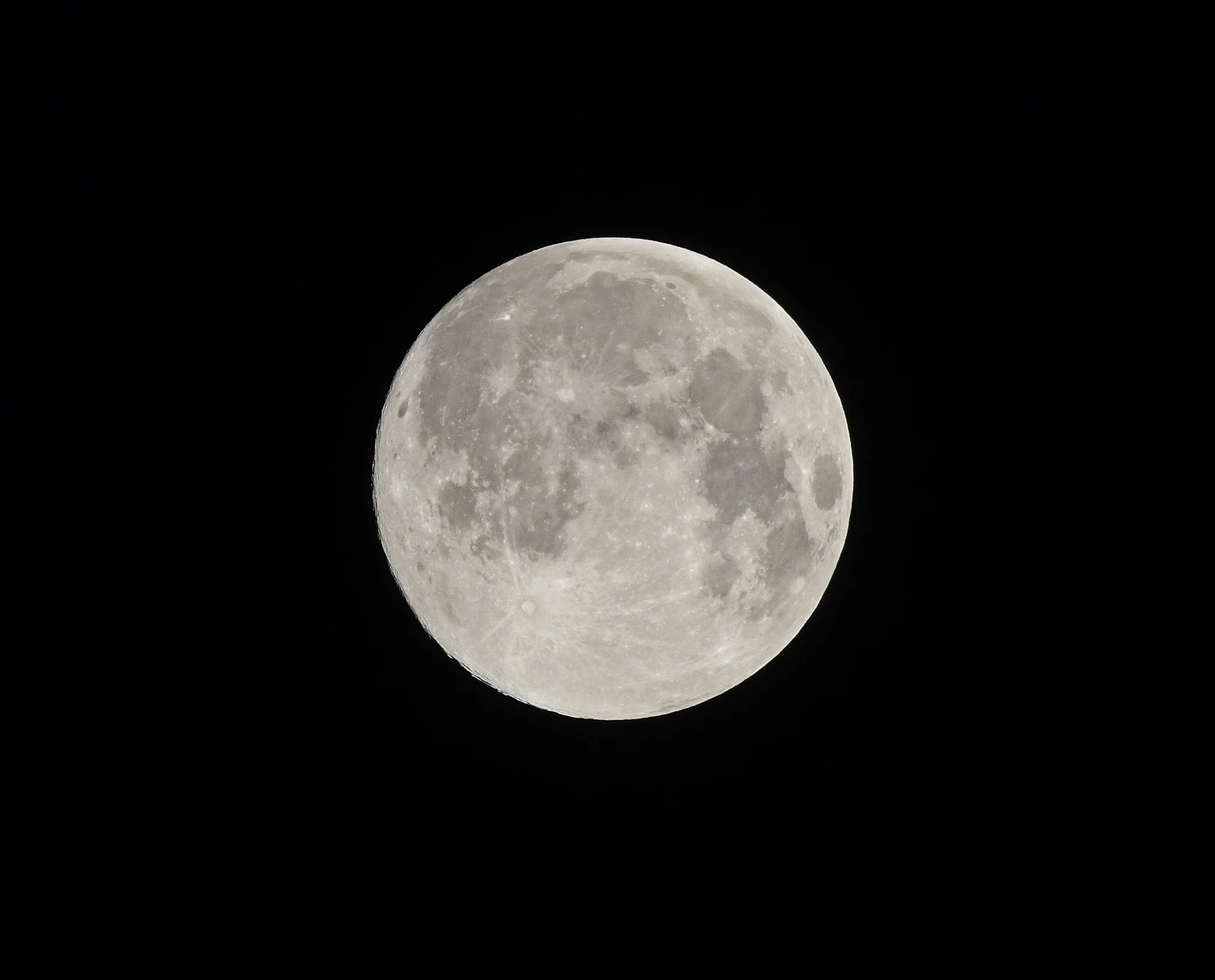
Of course, November is perhaps most famous in this country as the month for a Thanksgiving turkey (for which we created a greeting card) and a beaver moon (which was a supermoon this year that reminded us of our invading beavers):
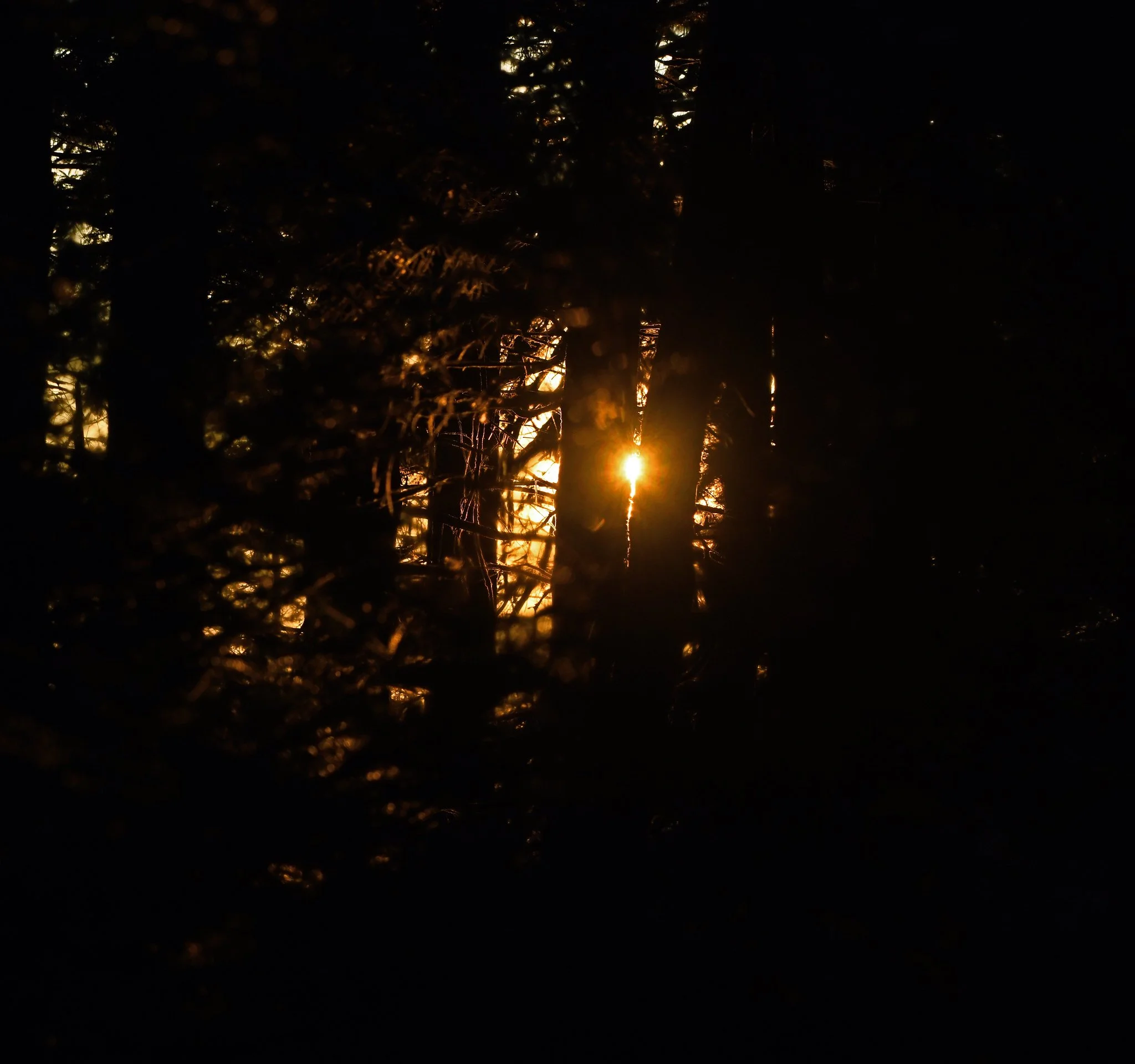
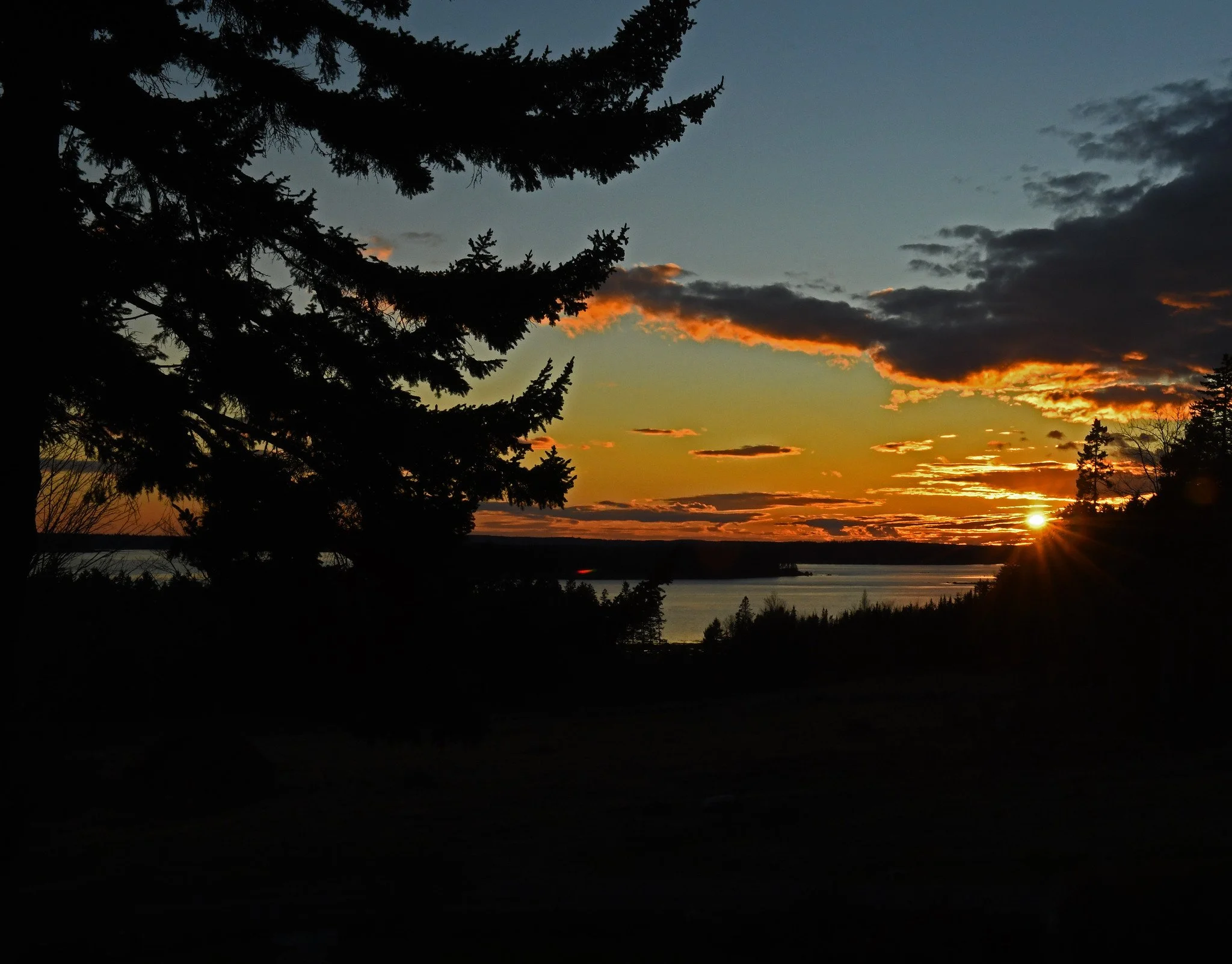
Finally, we leave you with a memory of the sundown over Great Cove at the end of a clear, crisp November day:
(All photographs in this post were taken in Down East Maine during November of 2025, except the turkey image in the Happy Thanksgiving card, which was taken previously here.)