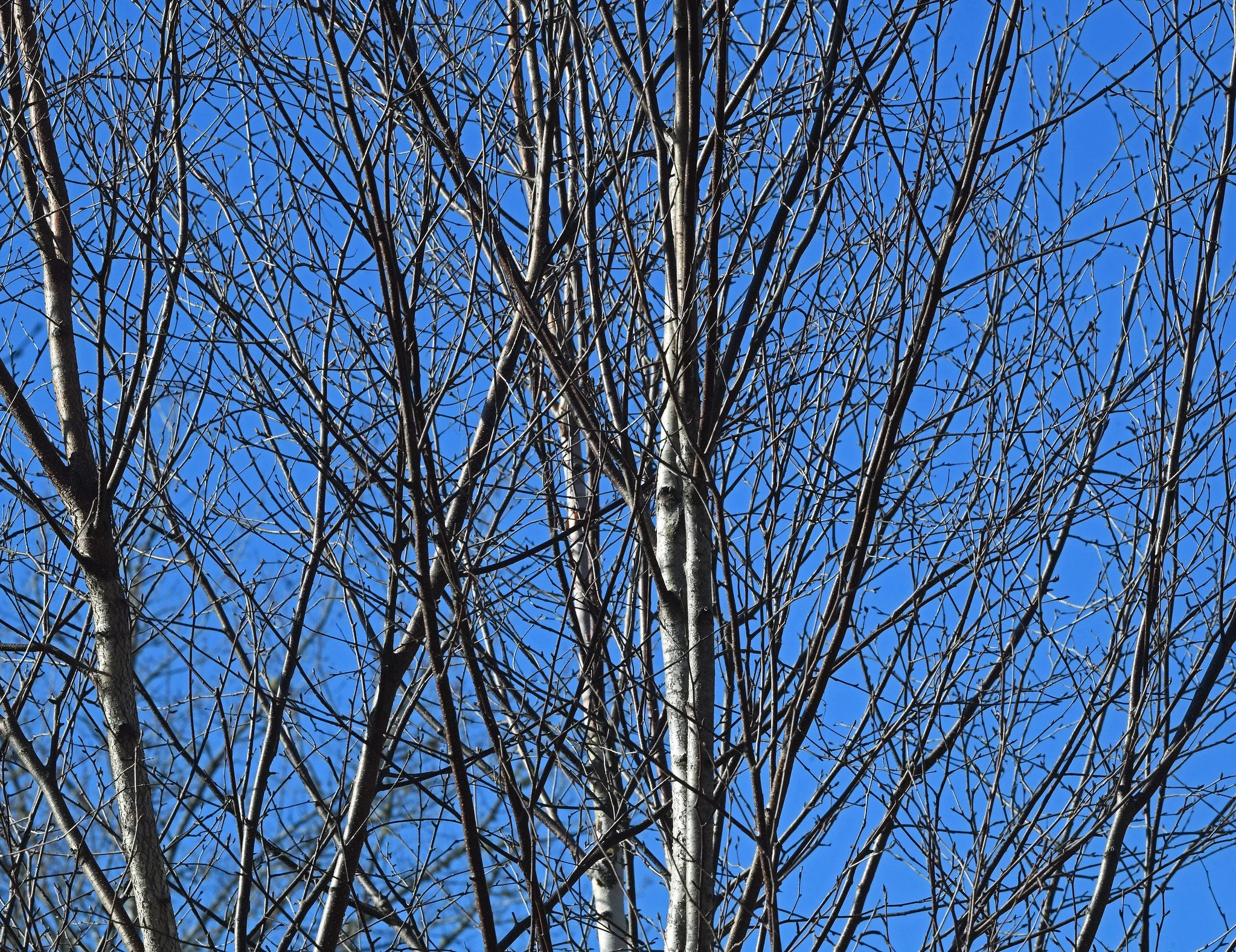
March of 2026 here on Maine’s Down East coast was upside down and volatile. The first half of the month often was spring-like, while the second half often was wintery. There were above-average snow accumulations, as well as some significant periods of rain and sleet and power-outing mixes of all of those conditions with gale-force winds and flood warnings. Yet, we remained in severe drought the entire month. And, to top it all off, we had some of the most beautiful, sunny days that ever graced this gifted coast.
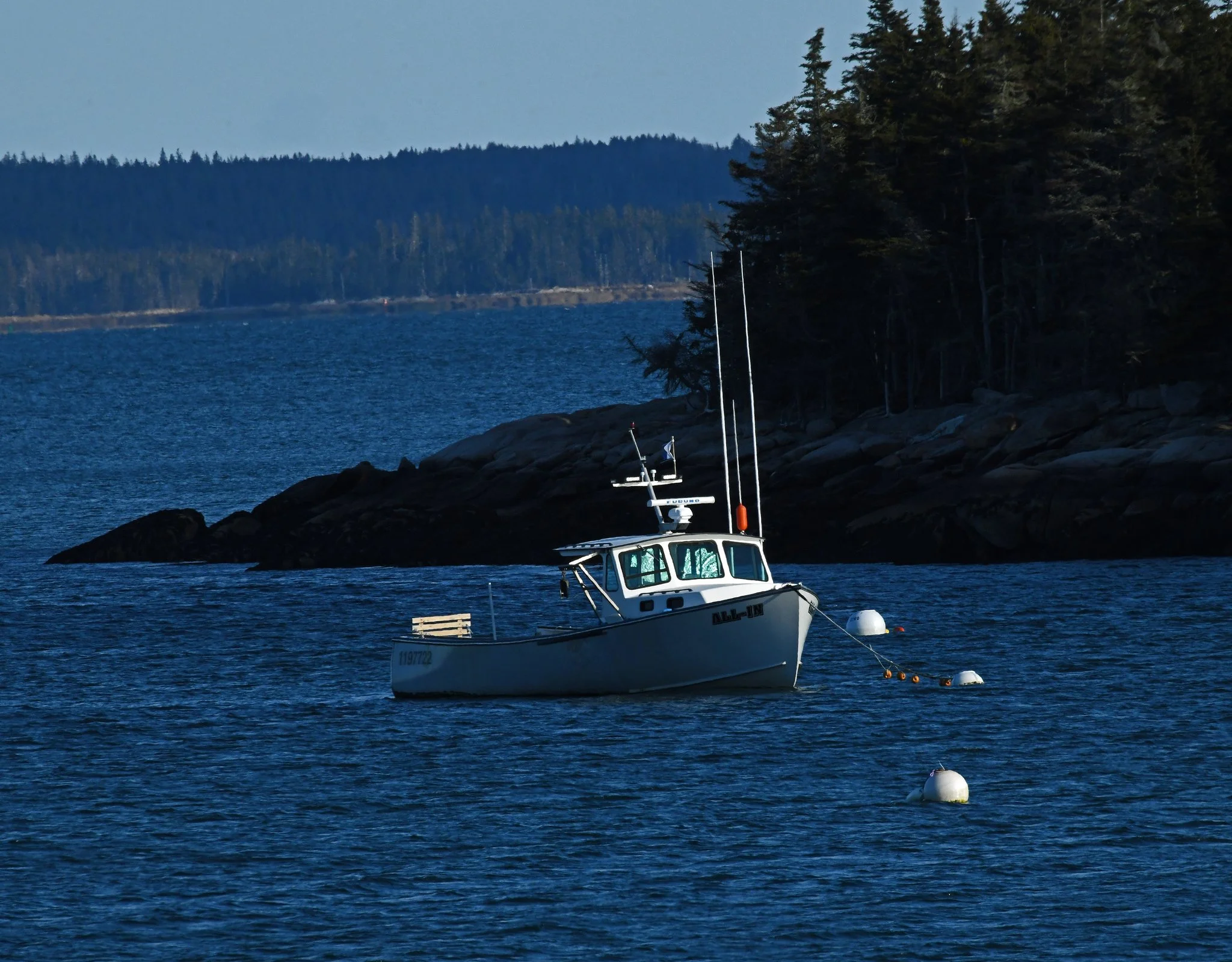
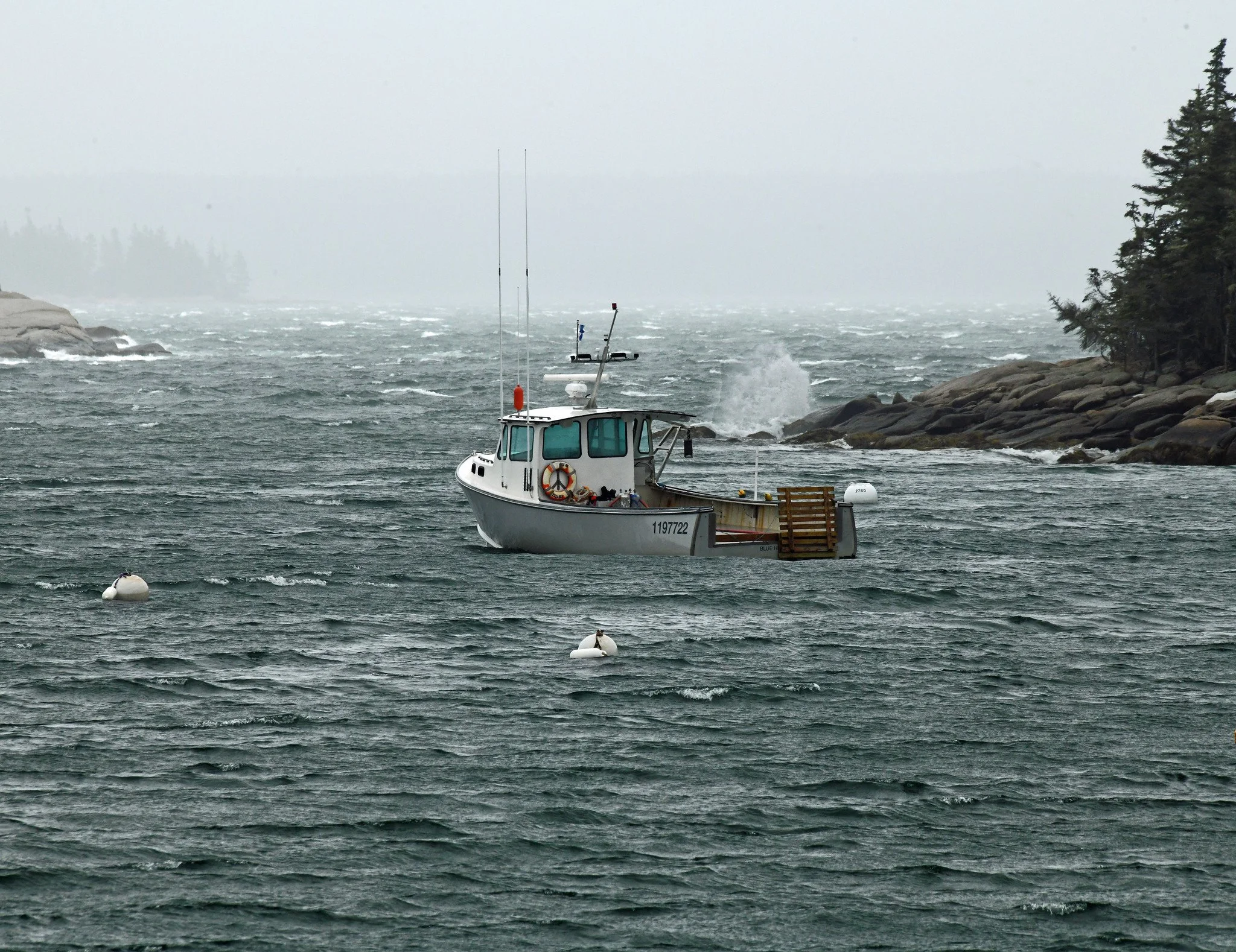
For example, there were days to bask in the sun and days to be tormented by rain, sleet and fierce winds:
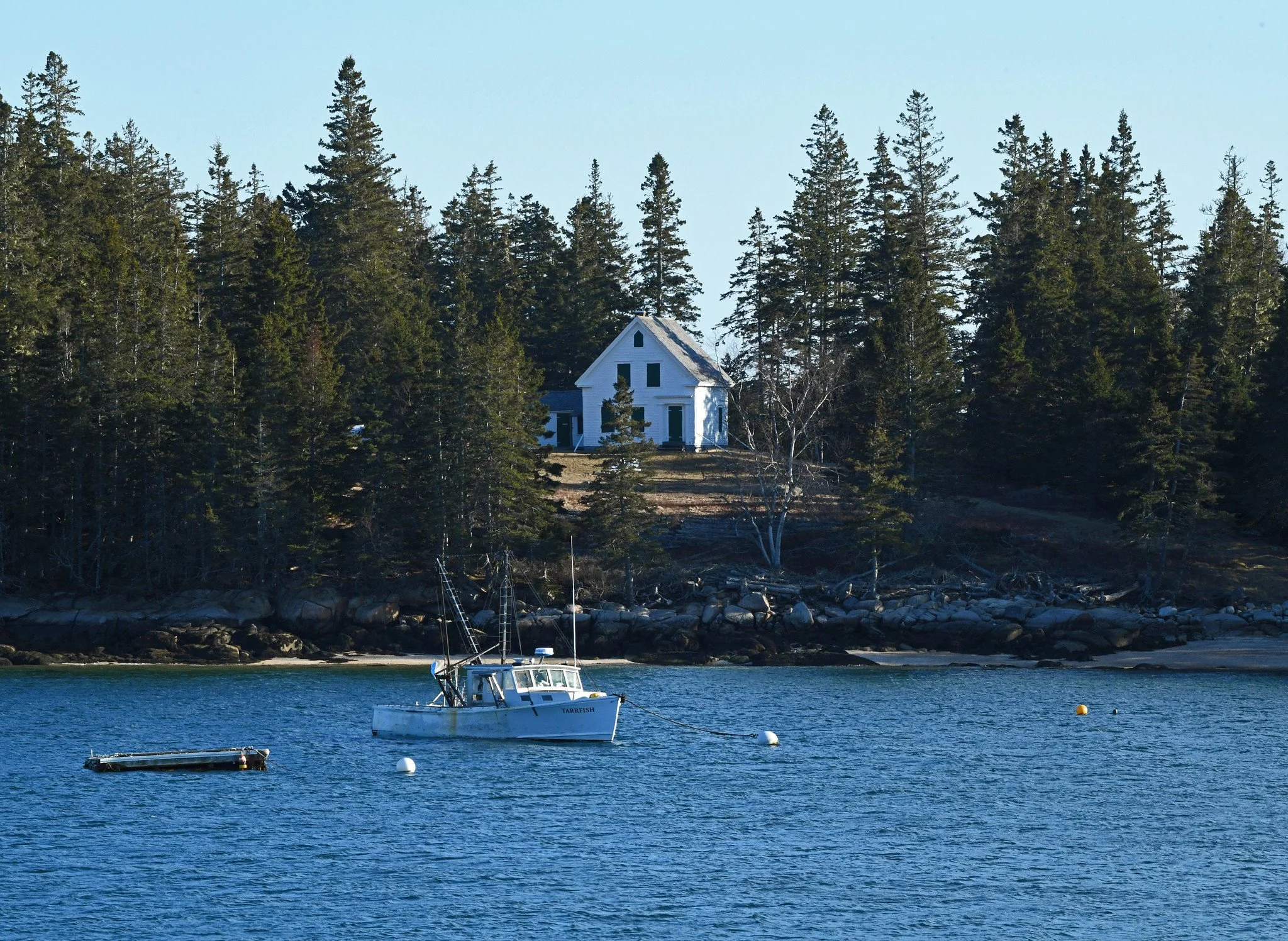
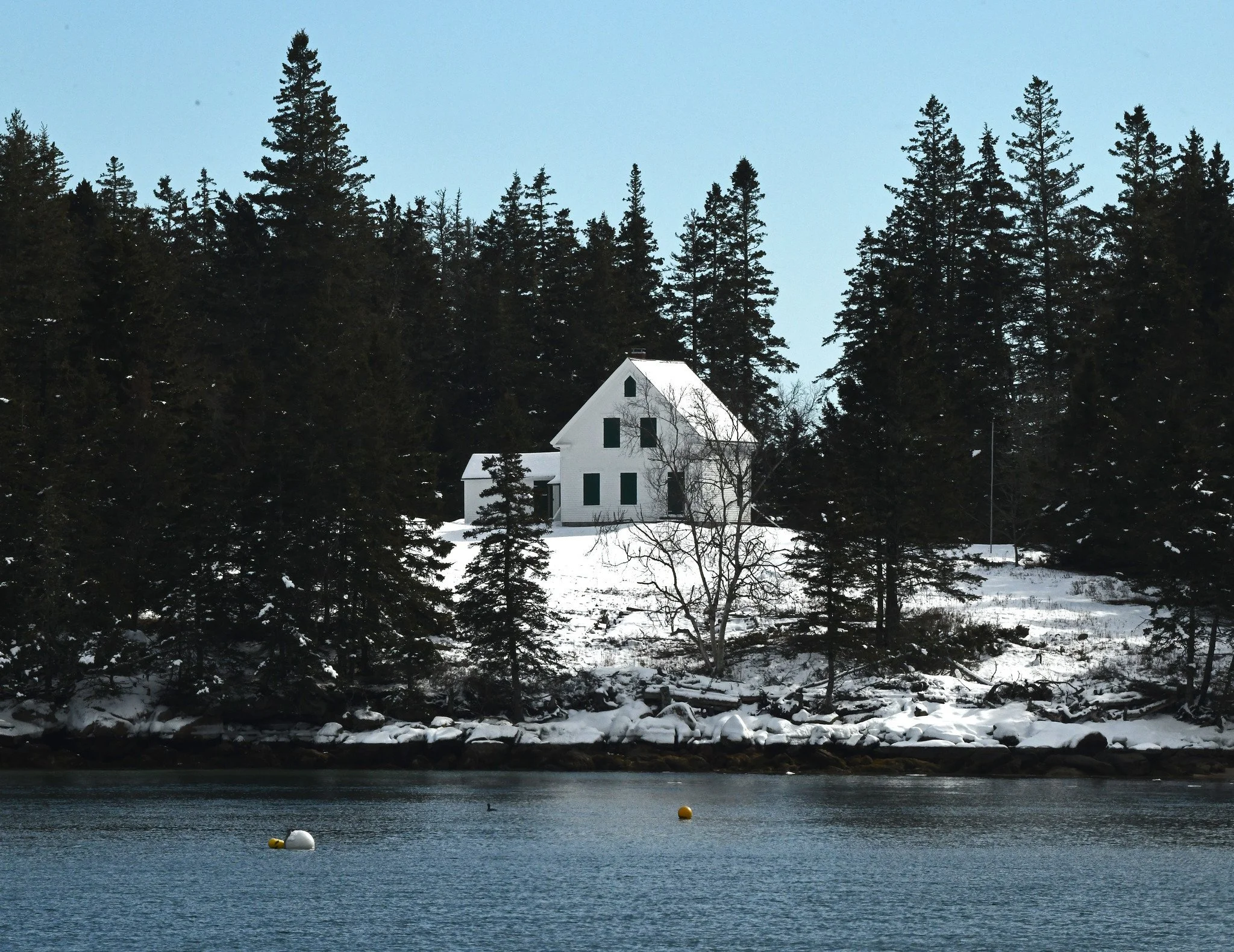
As usual, let’s document the four iconic scenes that we always show in the Postcards for cross-referencing purposes. First there’s Brooklin’s Naskeag Harbor house, which we’ll show in March’s spring-like and wintery moods:
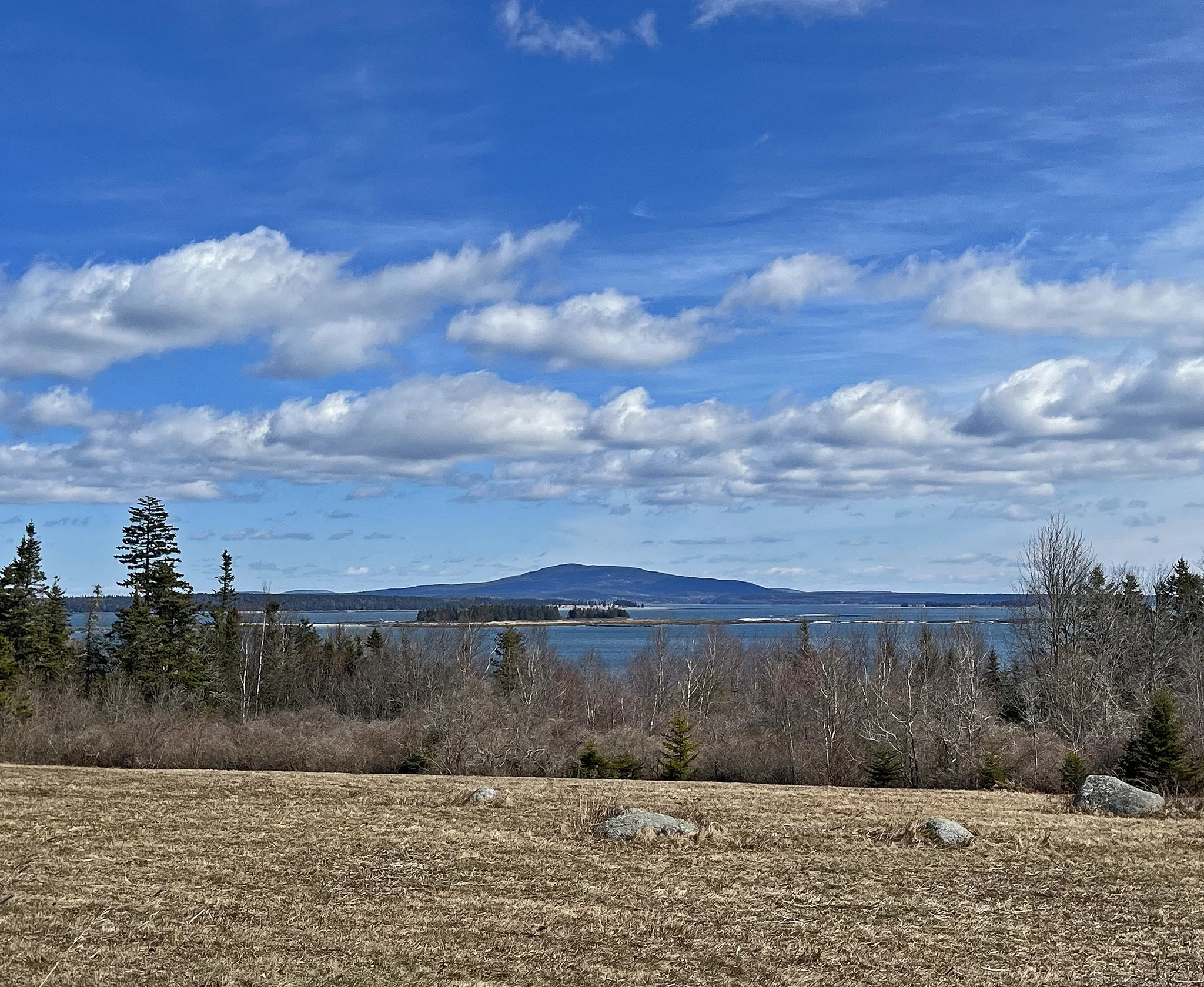
Next, here’s thde Brooklin view of the mountains on Mount Desert Island on a cold, clear March day:
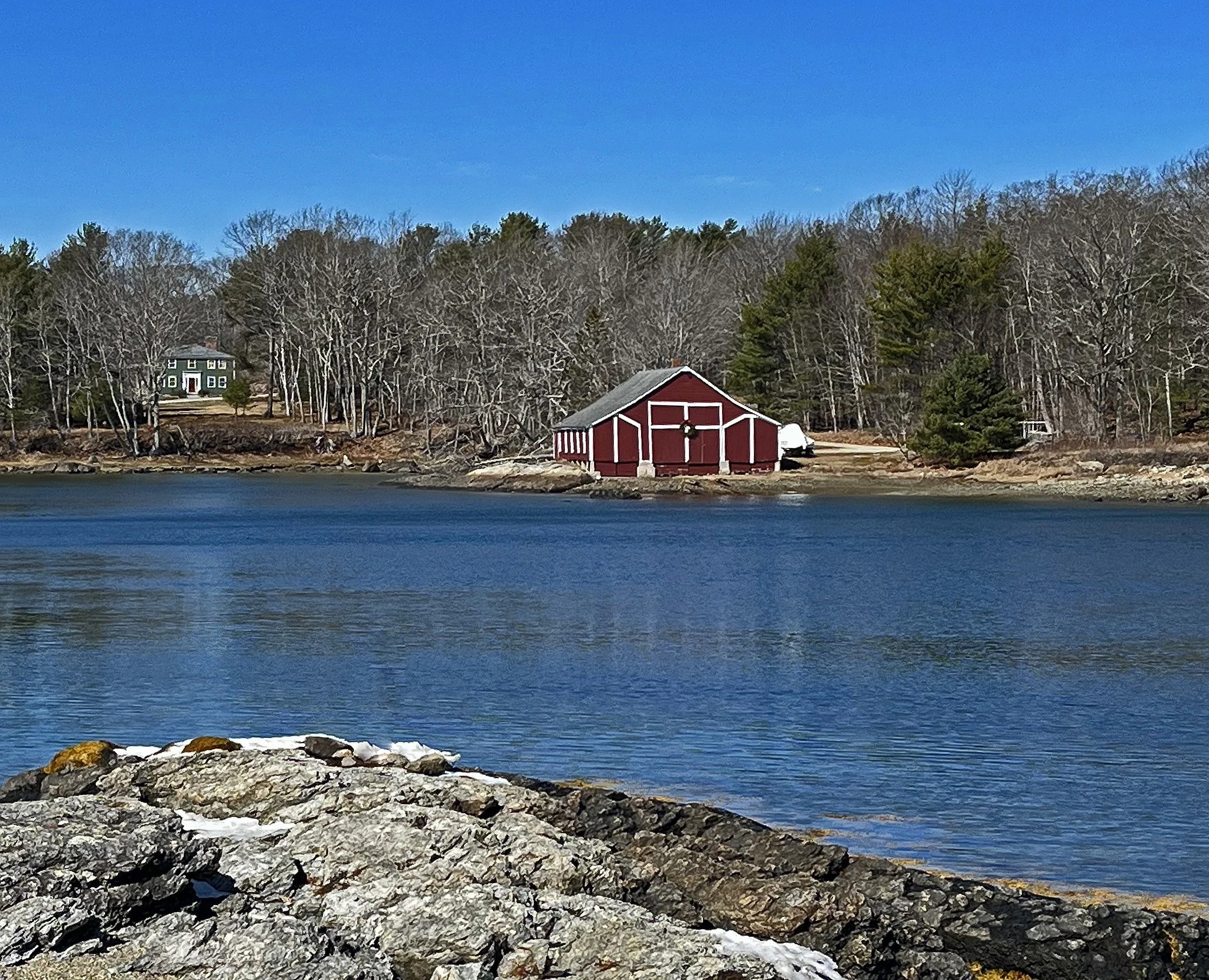
In Blue Hill, granite-coasted Conary Cove also seemed to be at its best when the ice and snow were mostly gone. However, judging by the holiday wreath, someone considers March to be in winter:
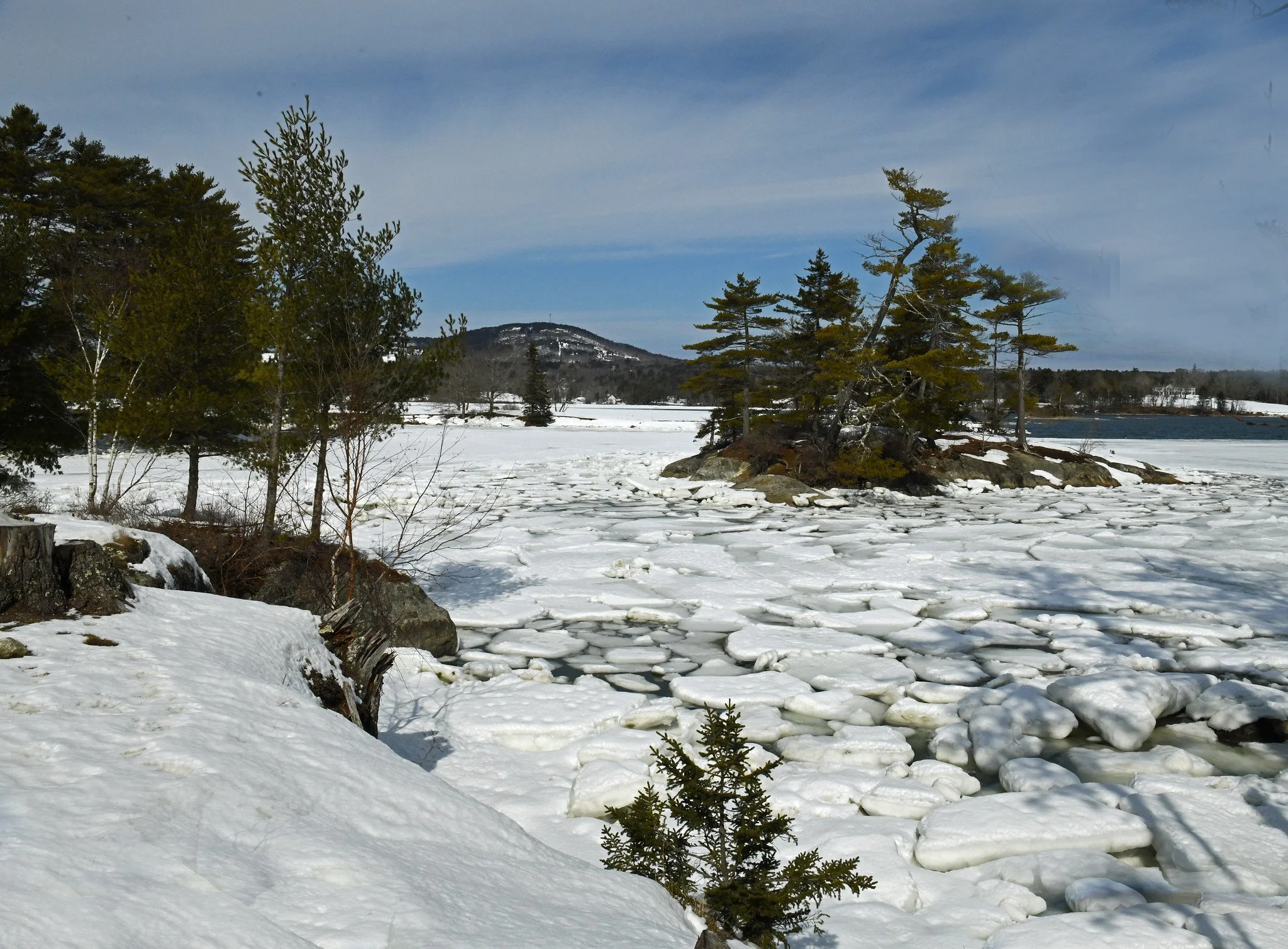
As for the last of the four scenes of record, March’s snow and sea ice seemed to be the best choice for a view of the near-mountain named Blue Hill and the Bay named after it:
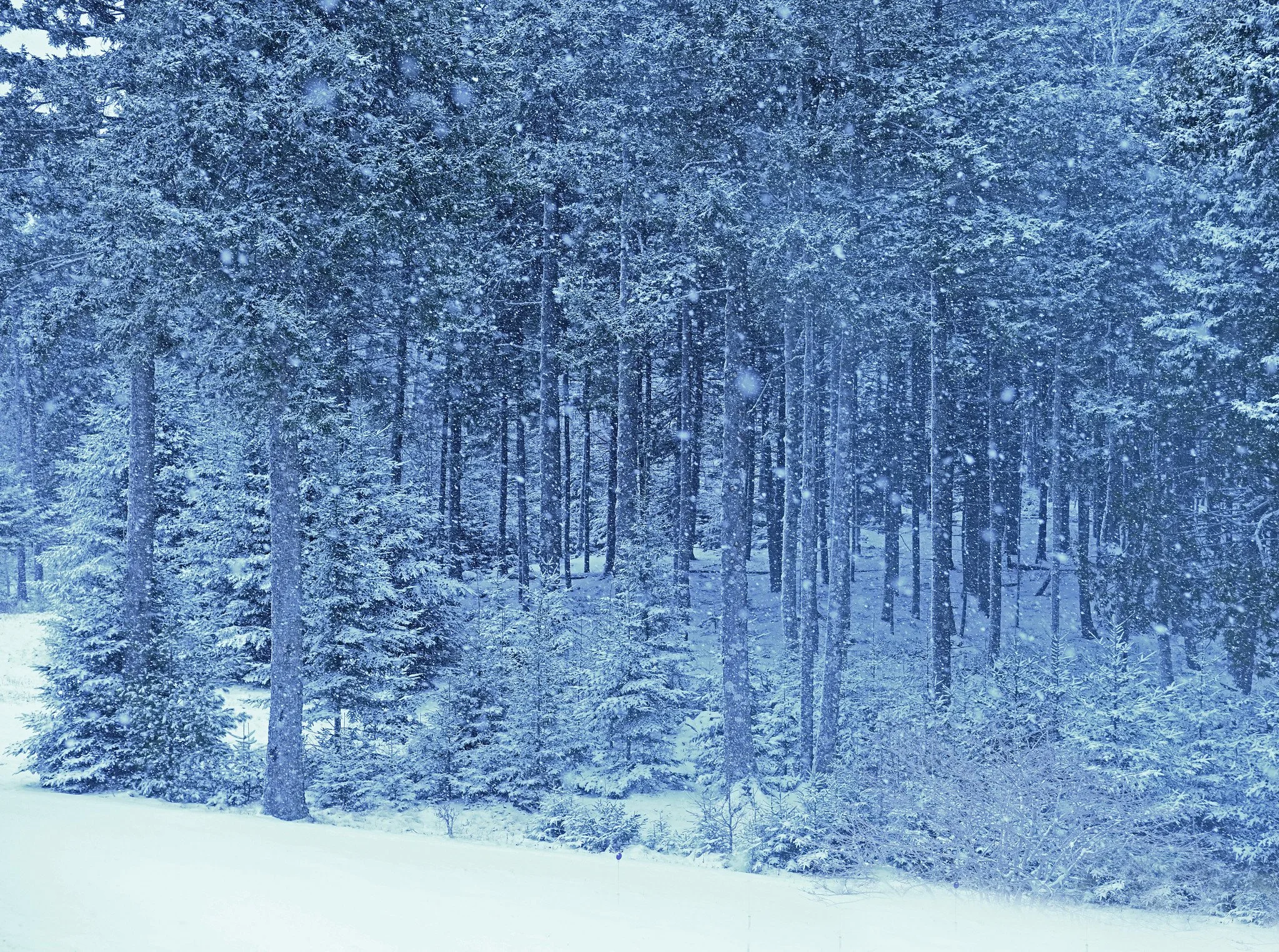
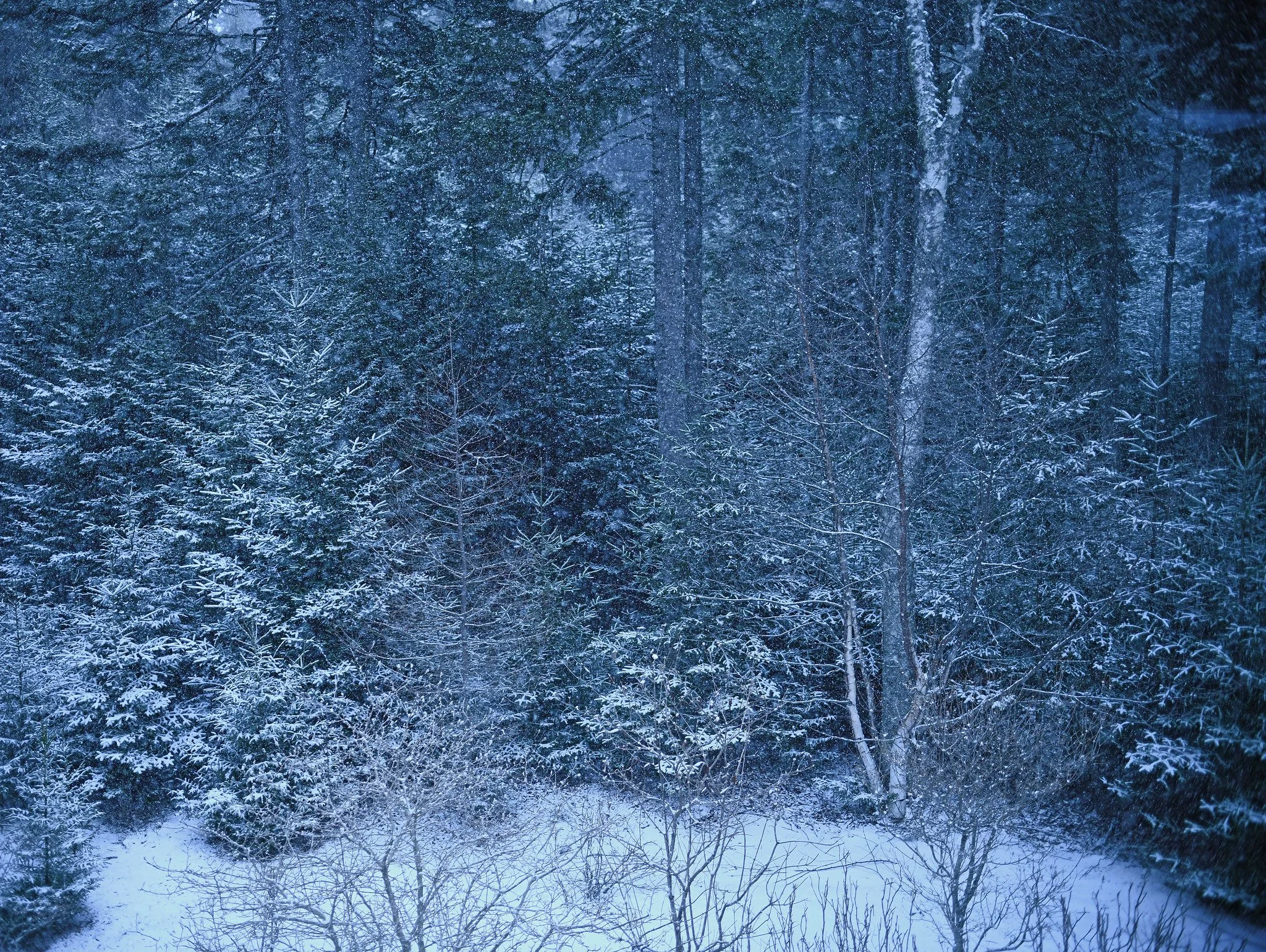
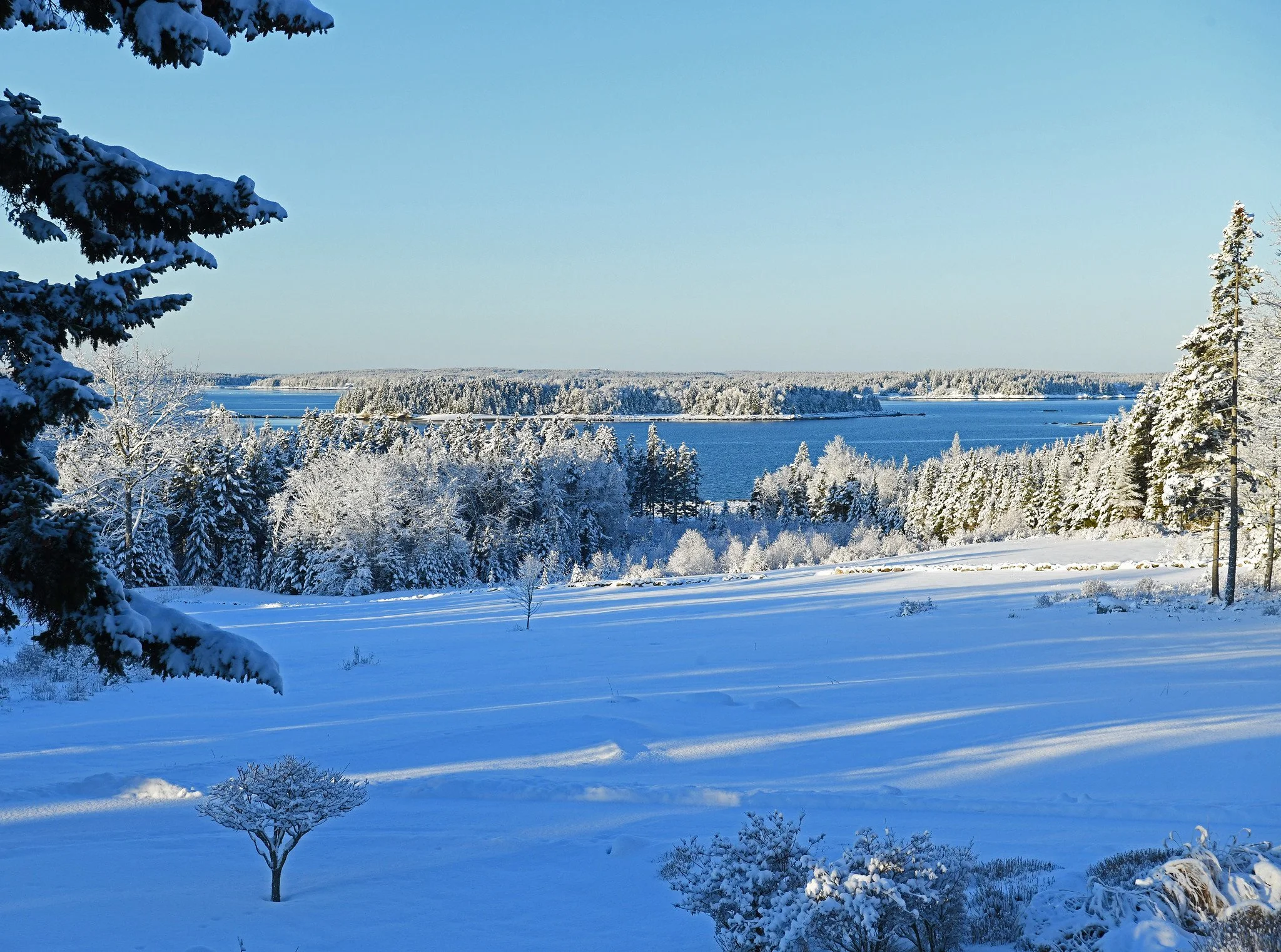
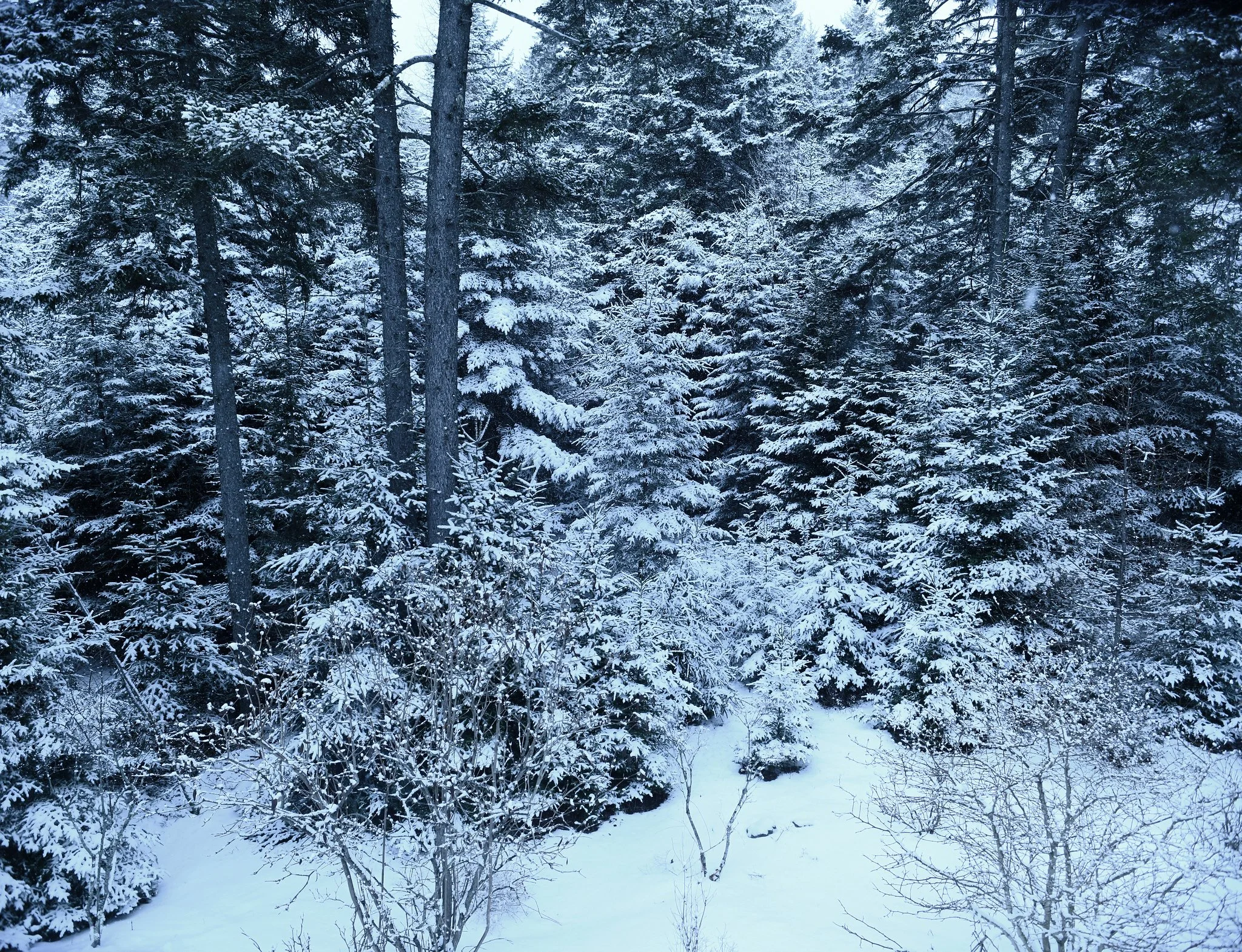
March’s snowfalls, themselves, often were gusts of small flakes that came in plumes, like a white dust storm. But, when the sun came out the next day, it often was clear that March’s white dust was of the magic kind.
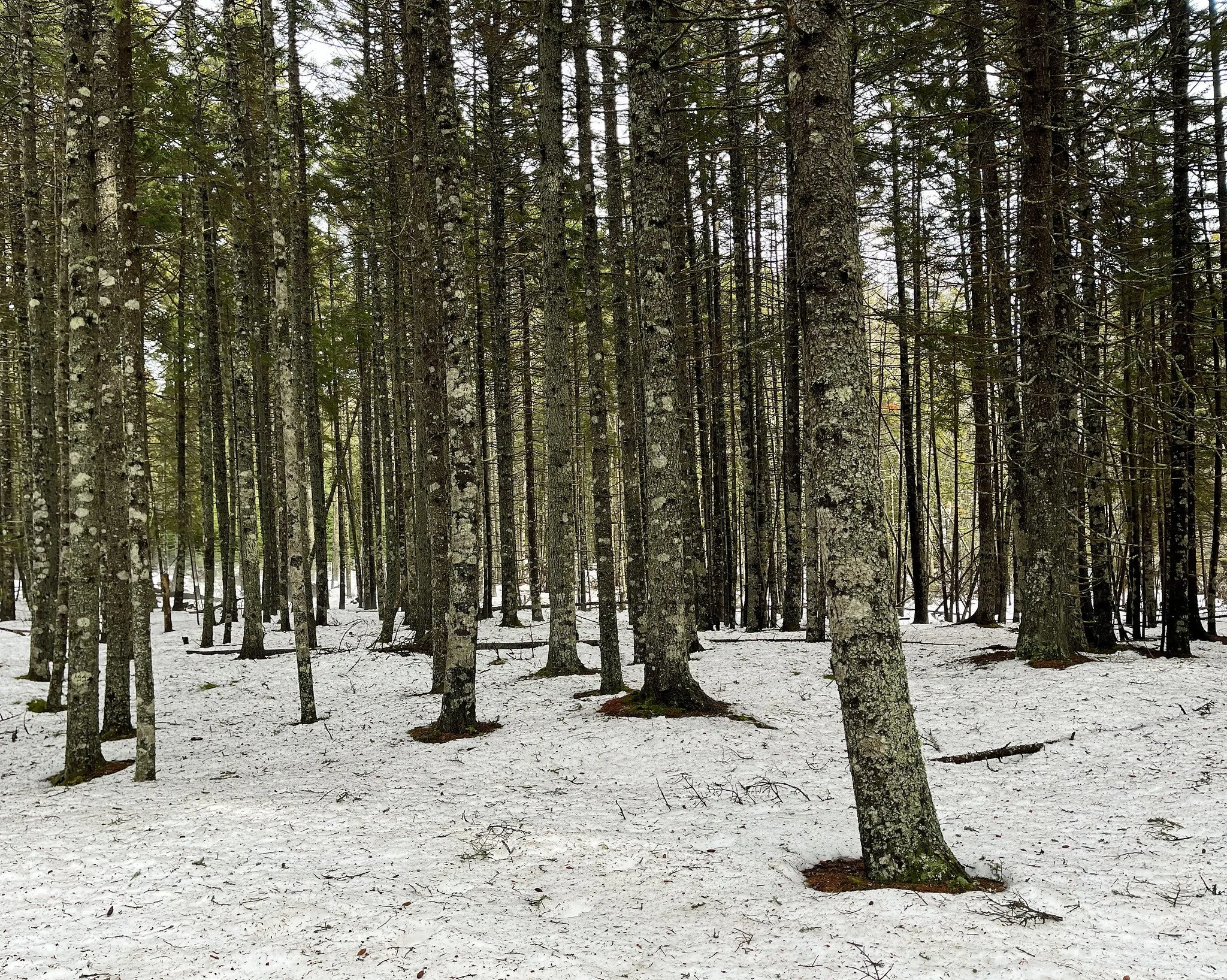
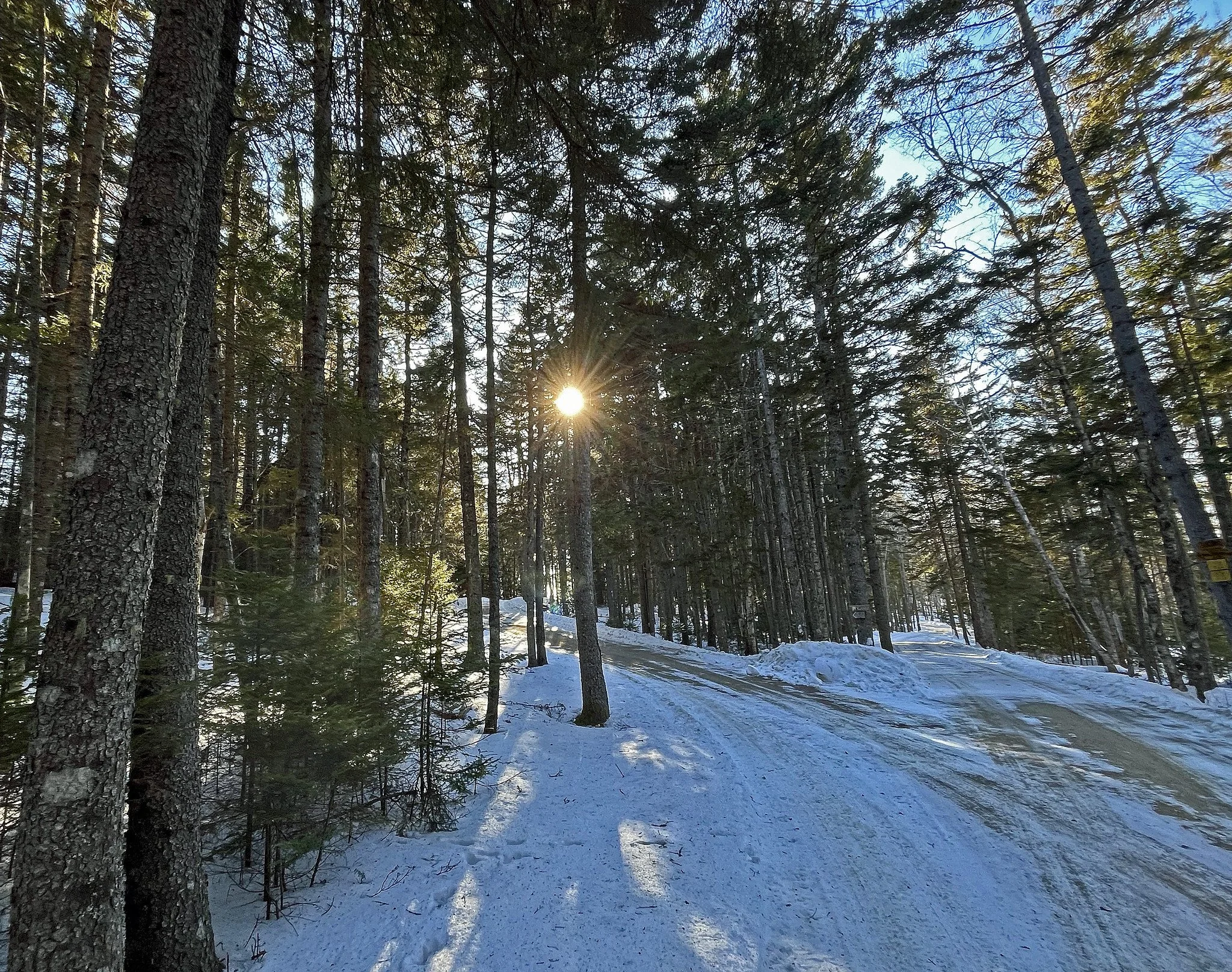
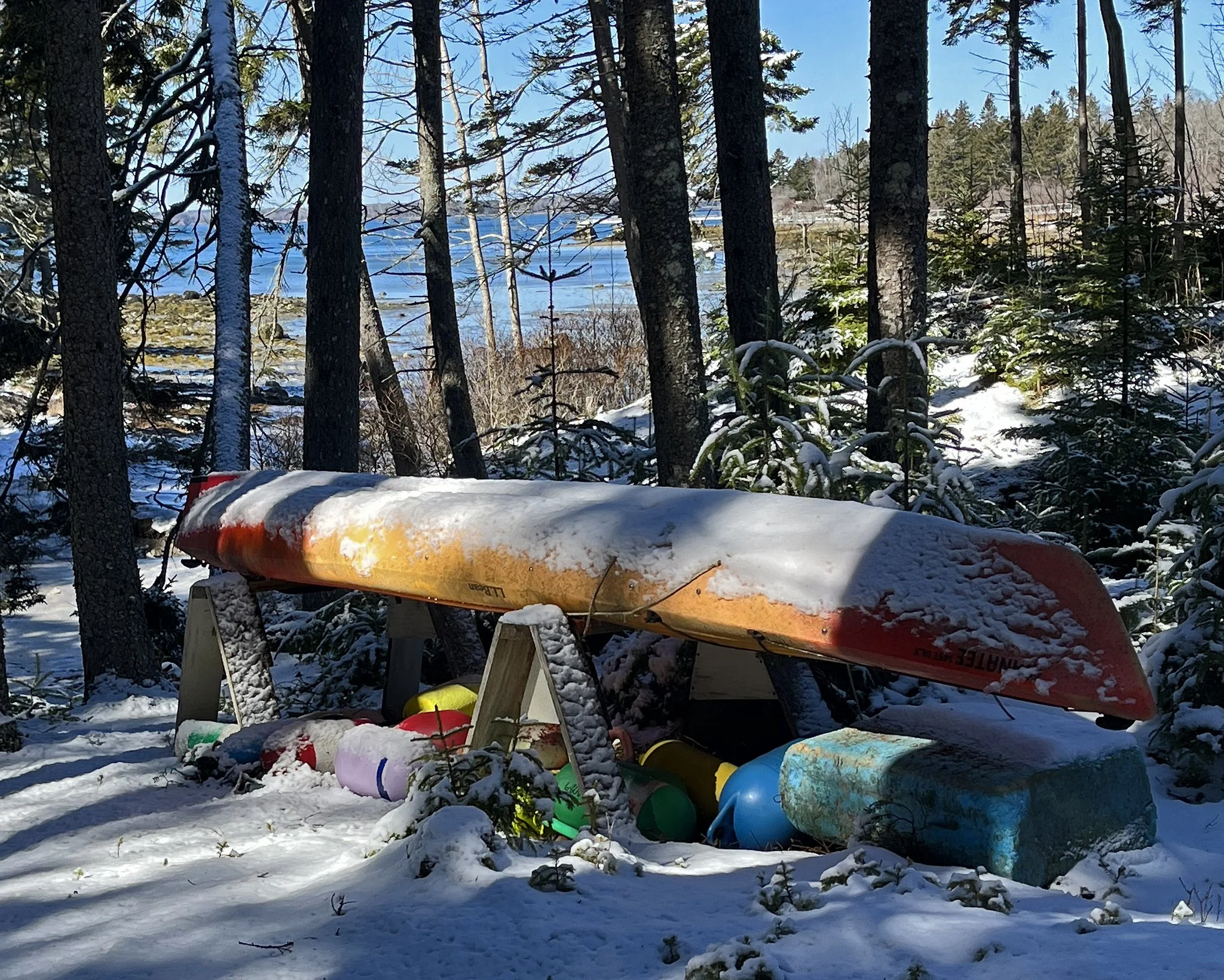

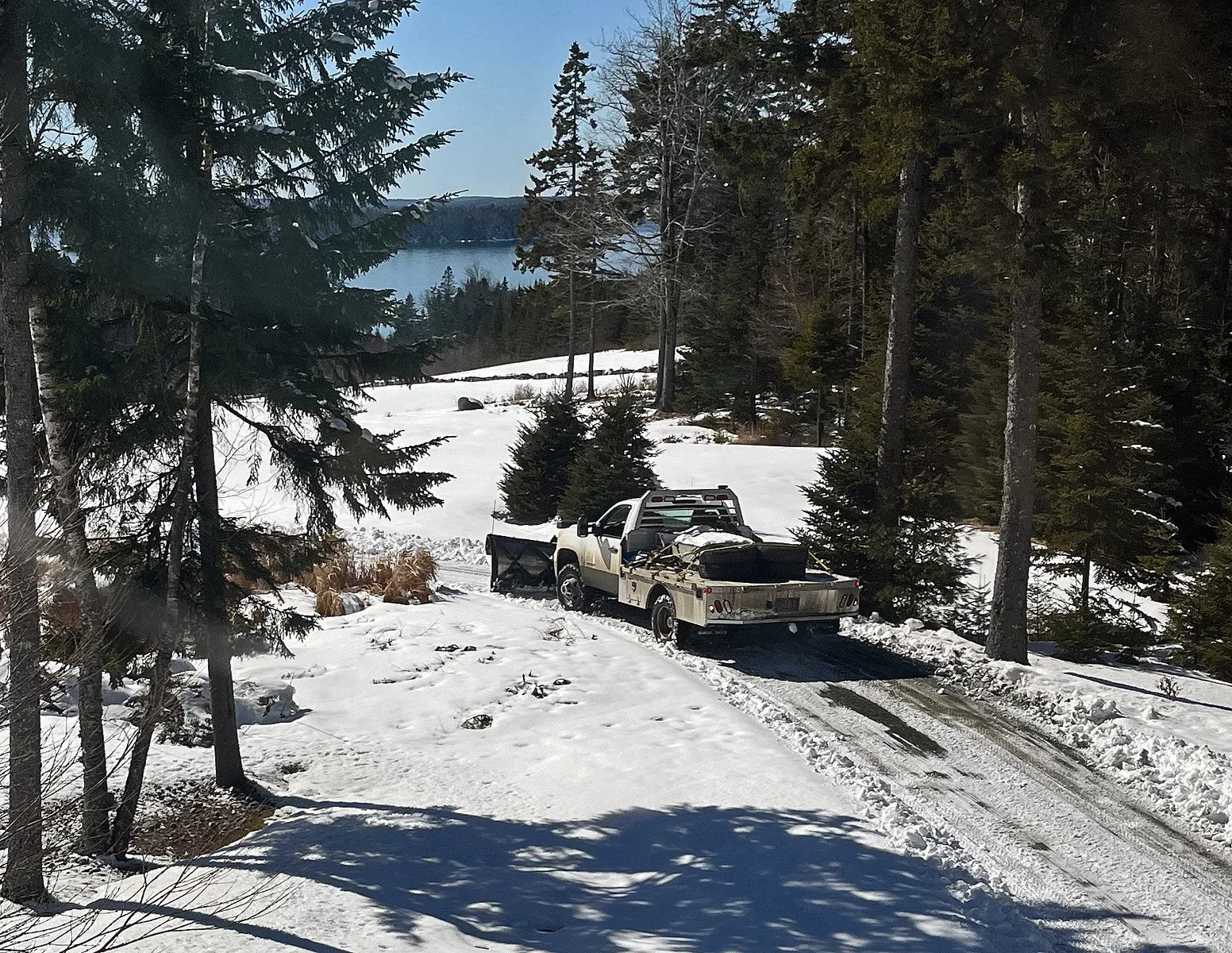
Of course, significant snowfalls have to be plowed. And, if we get a lot of them, as we did this March, that plowed snow becomes old, dirty piles that everyone wishes would go away.
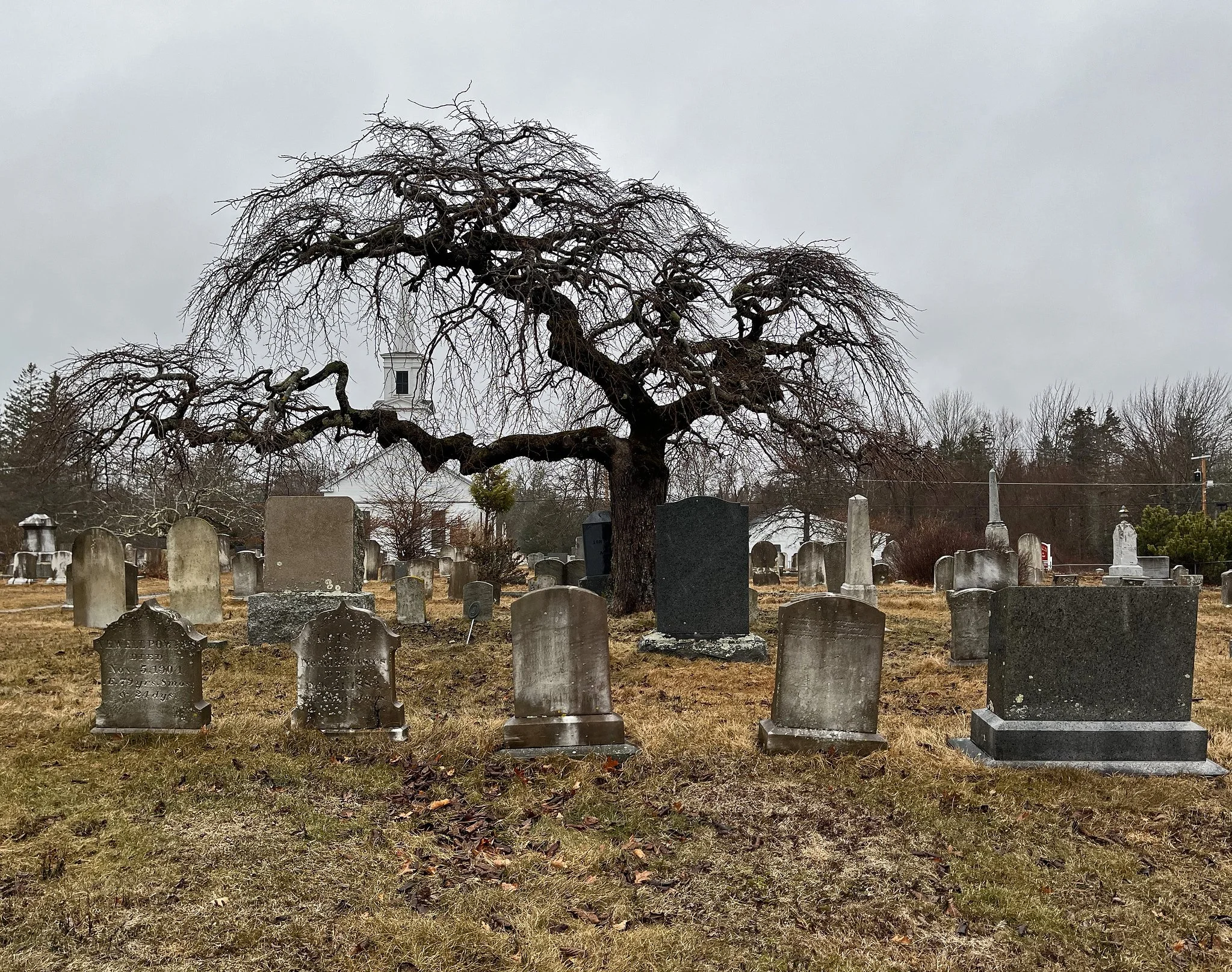
March also is the bringer of spring and daylight saving time, which can be hard to appreciate fully while surrounded by piles of snow or on cold, rainy days that seem to conjure cemetery spirits:
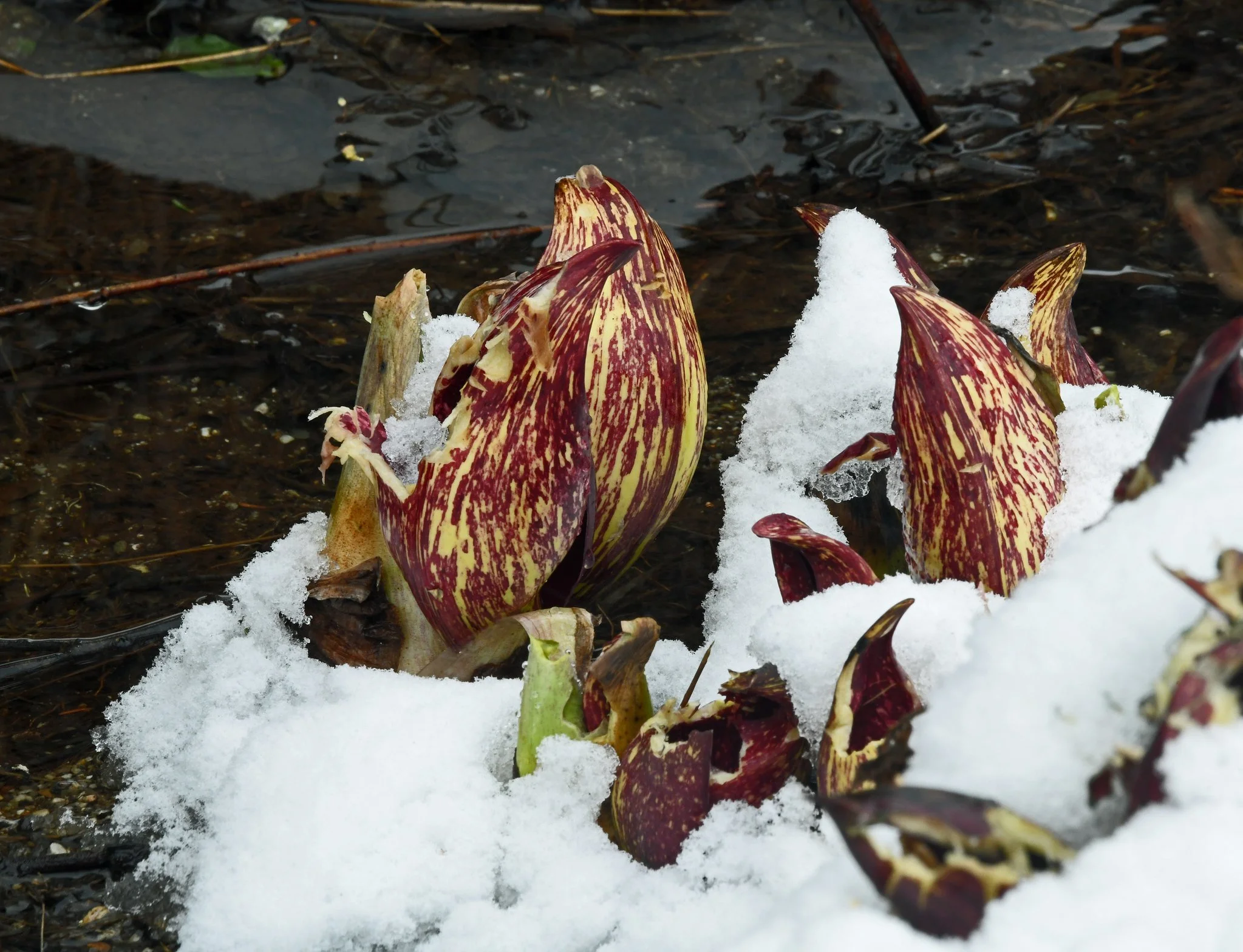
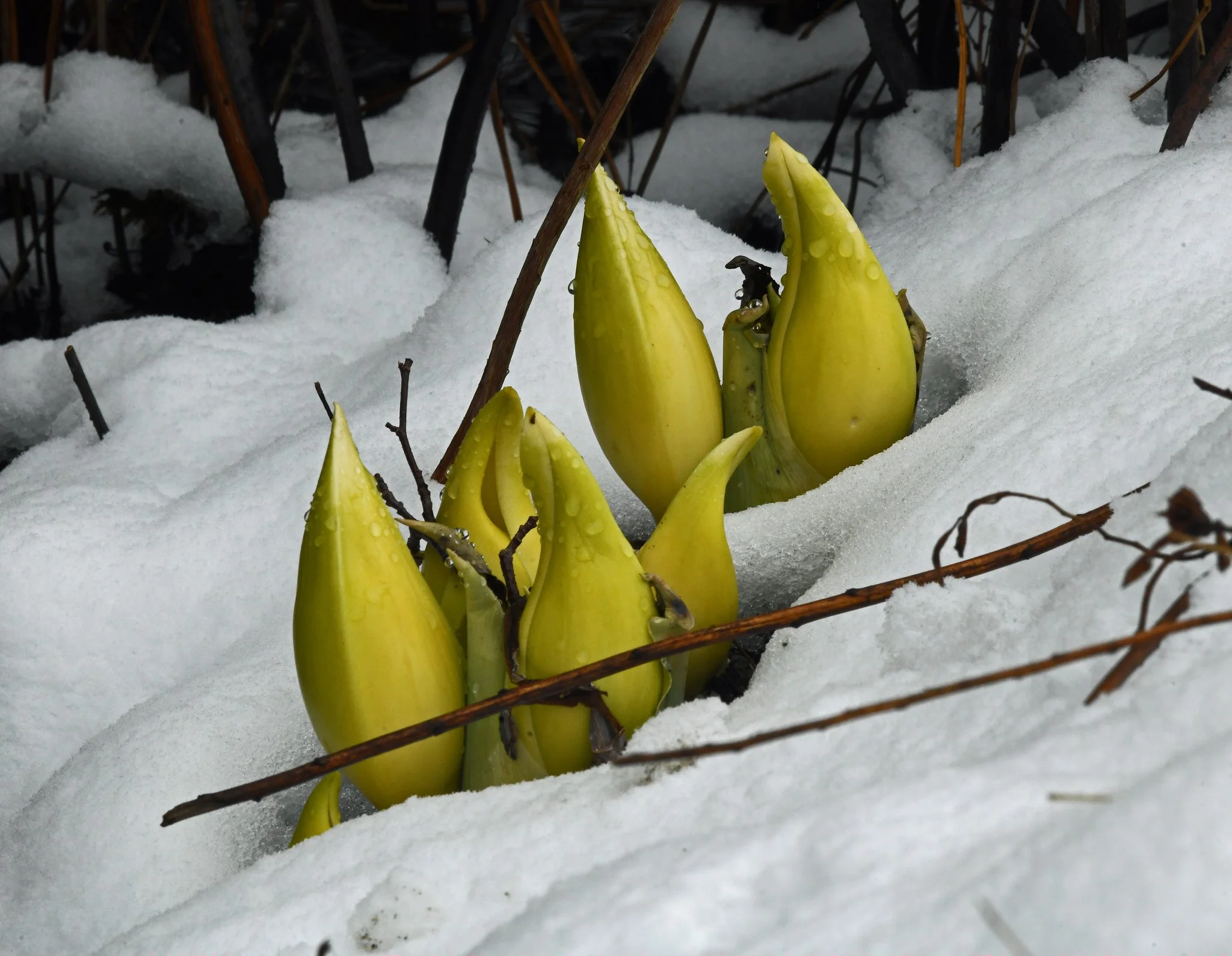
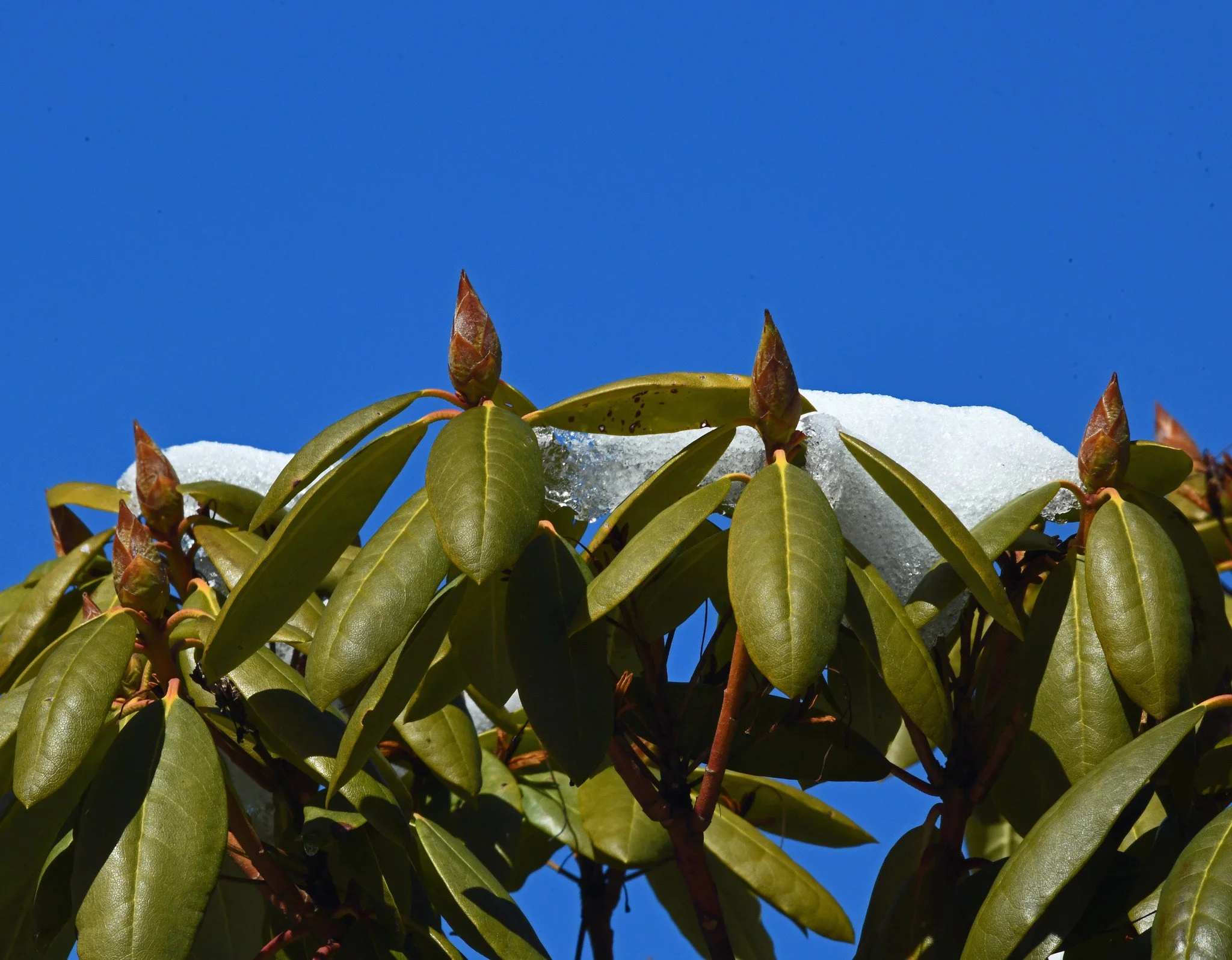
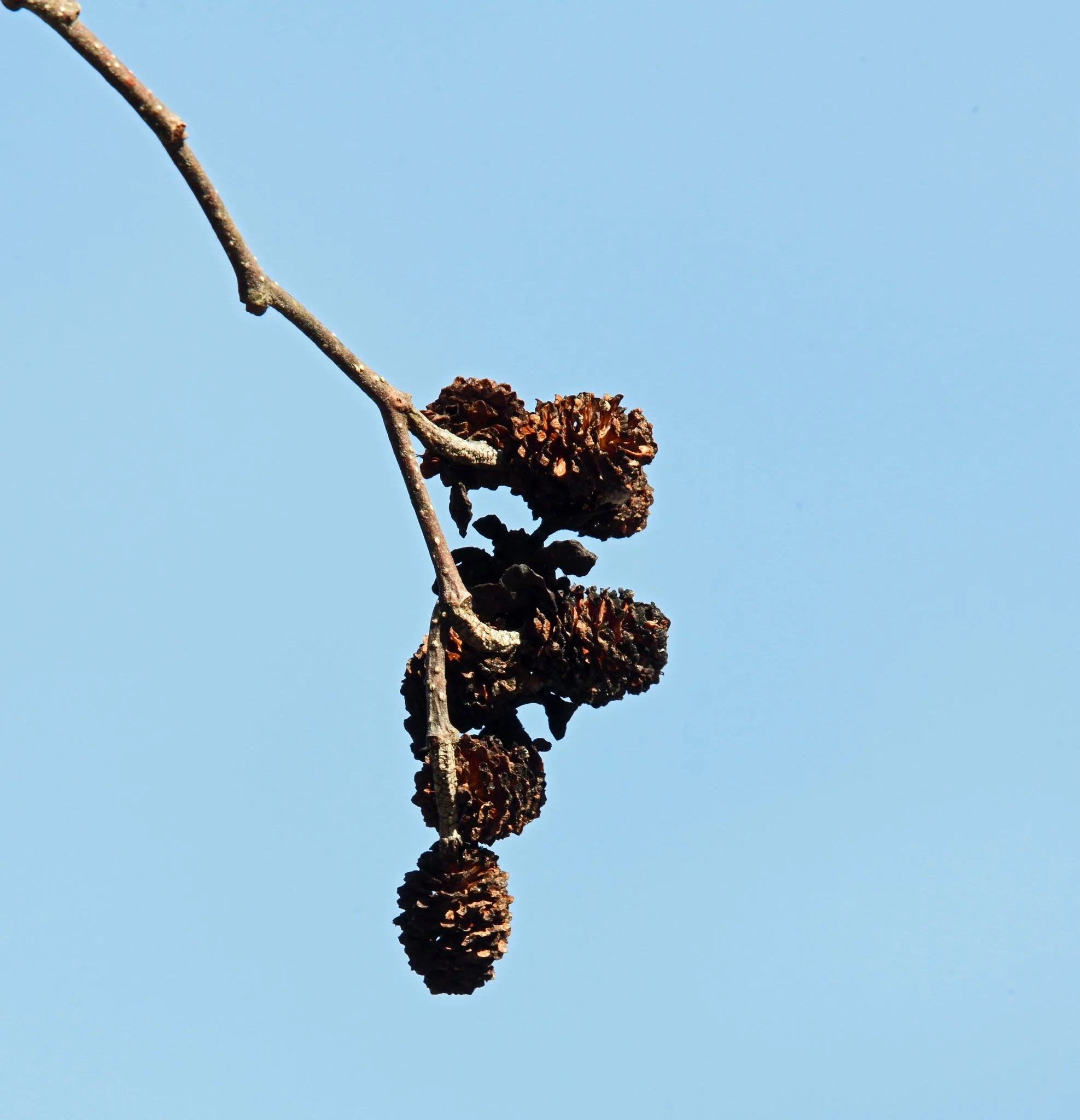
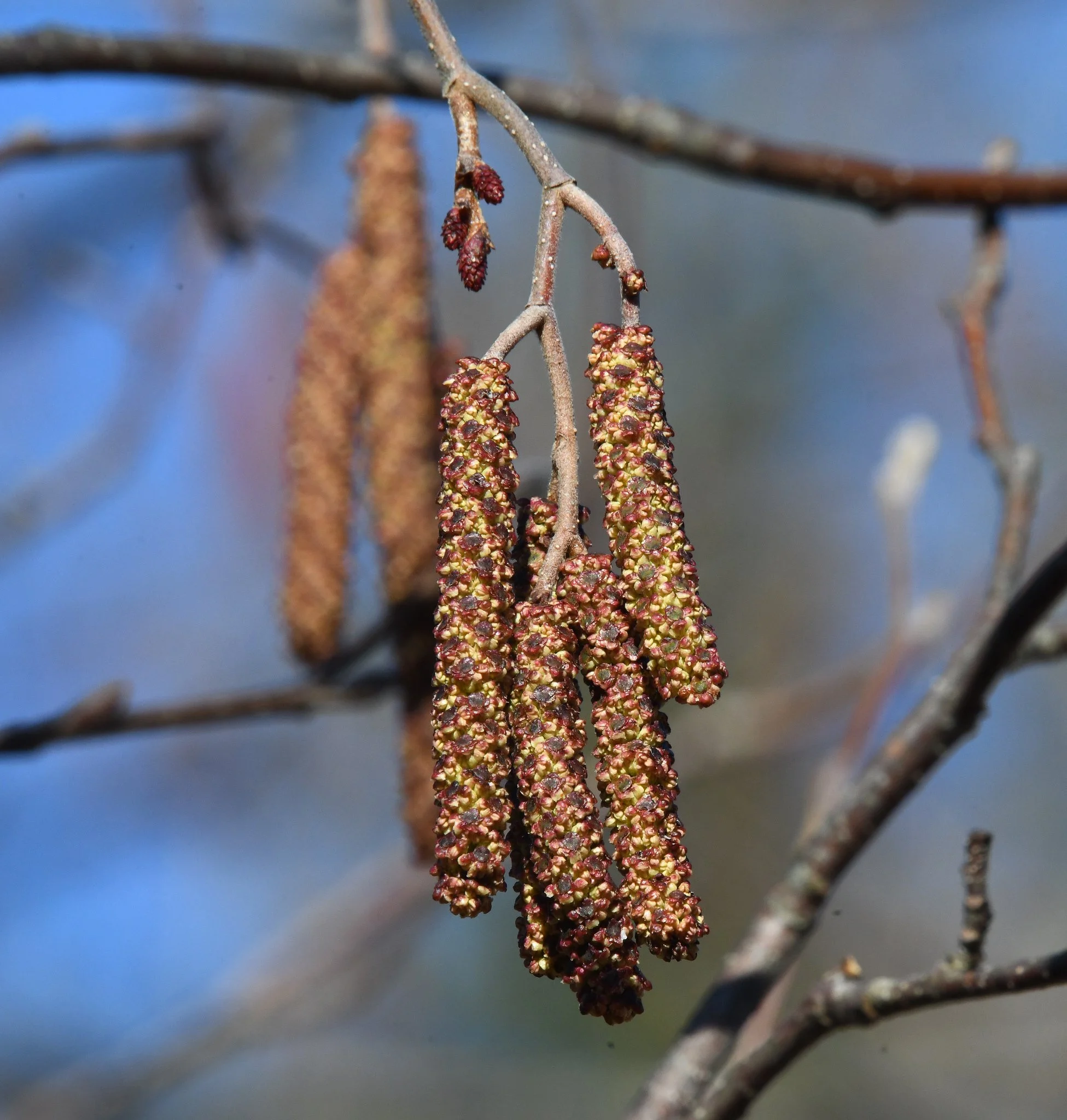
Yet, our first spring flowers always come in March, although they’re hidden inside the colorful, protective spathes of eastern skunk cabbage. Tightly-closed rhododendron and other March buds showed hope for April, even under snow. And, most trees and bushes seemed ready for spring activity, including speckled alder female seed cones (strobiles) being at the ready near the trees’ elongated male catkins.
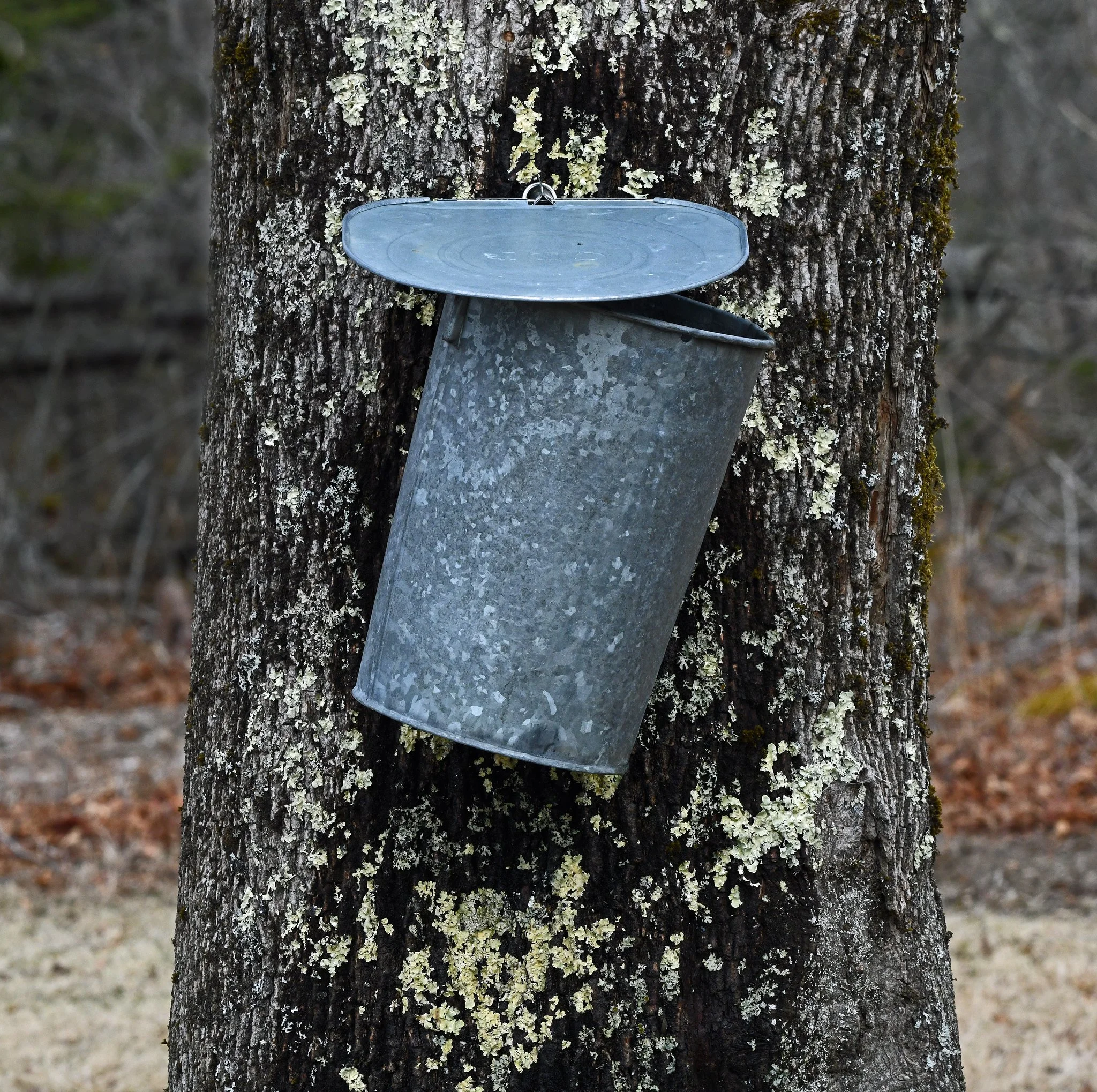
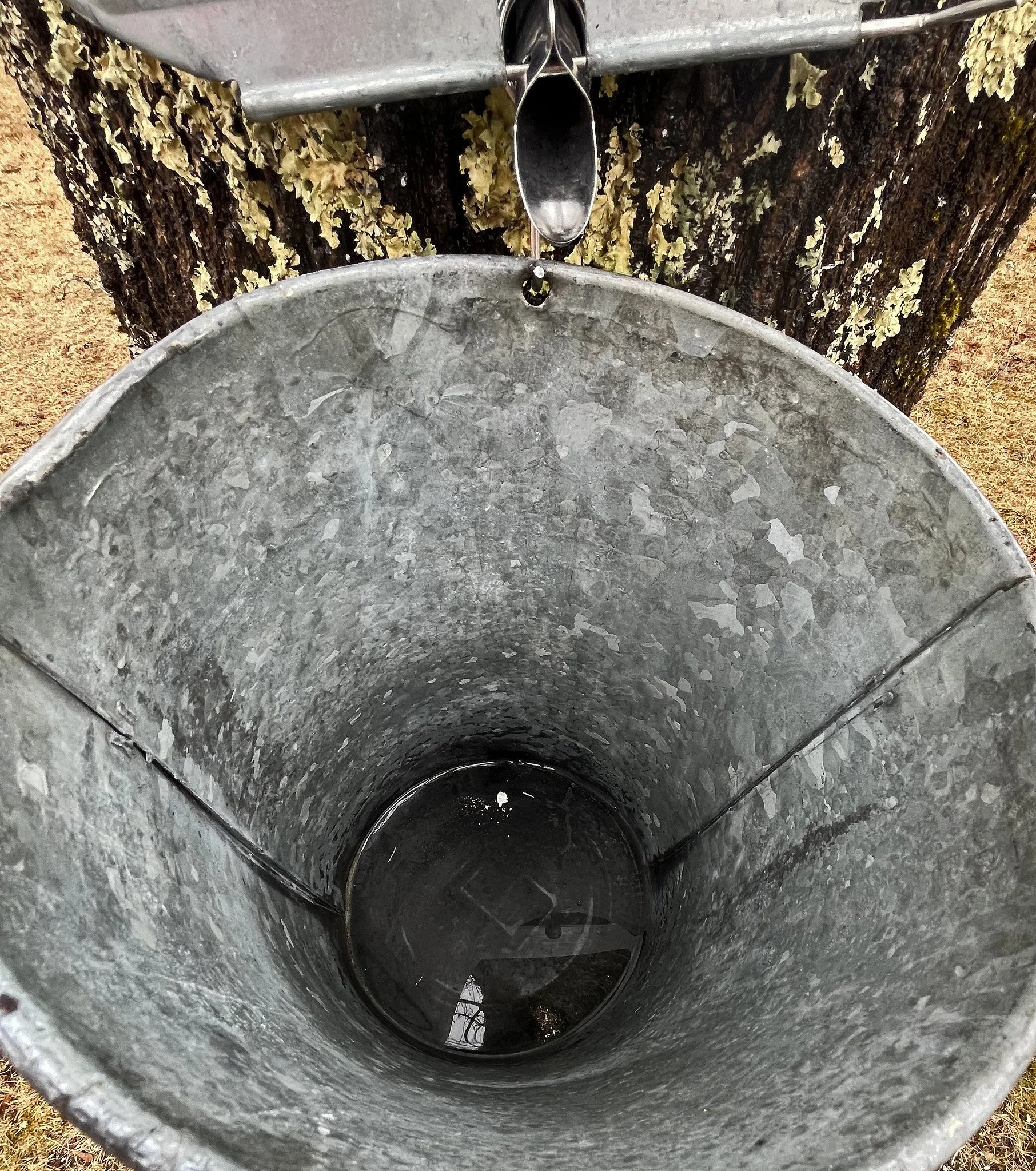
Nonetheless, March’s freezes and thaws may have adversely affected tree tapping for maple syrup (see if you can find the falling drop of clear sap):
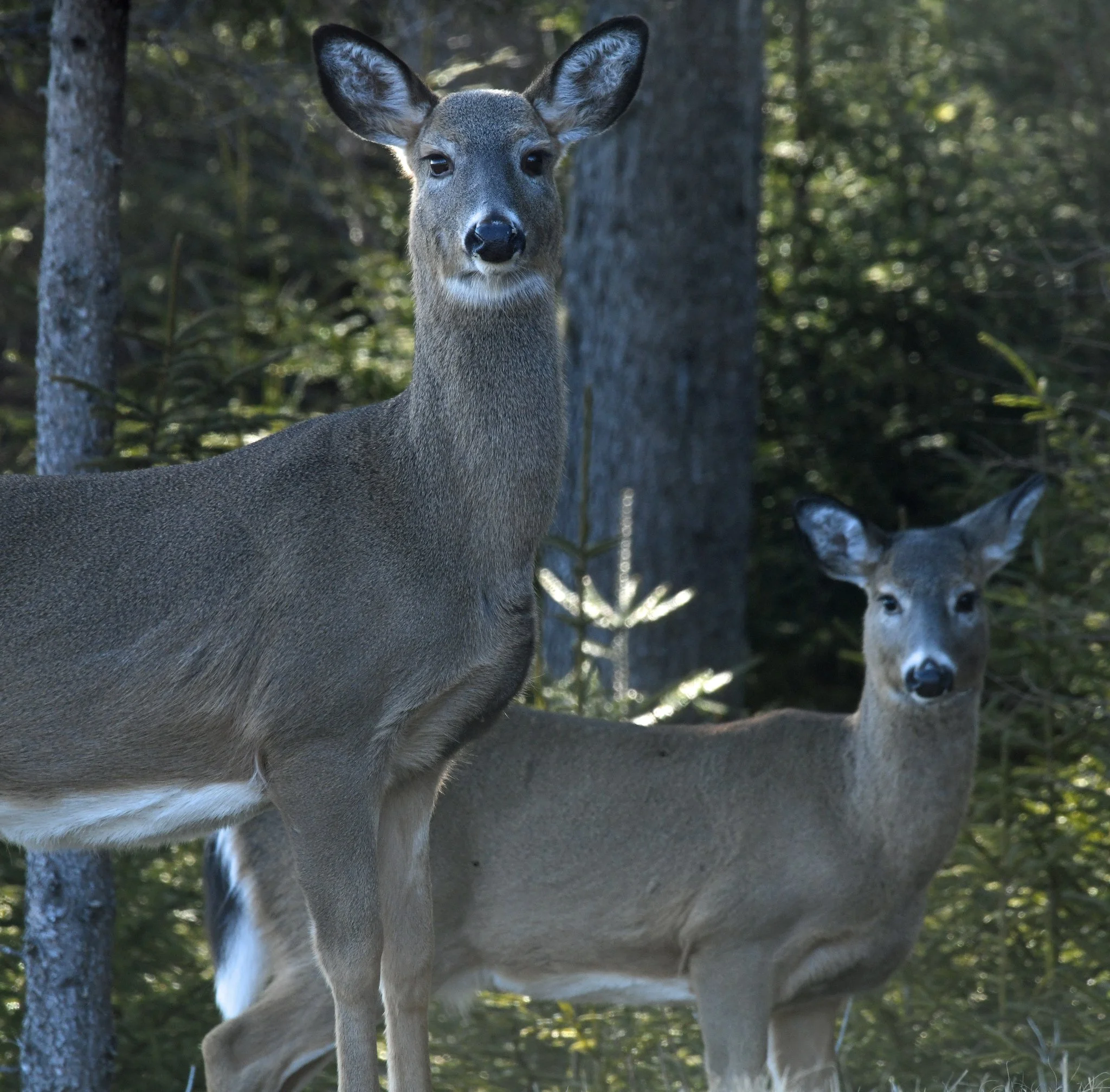
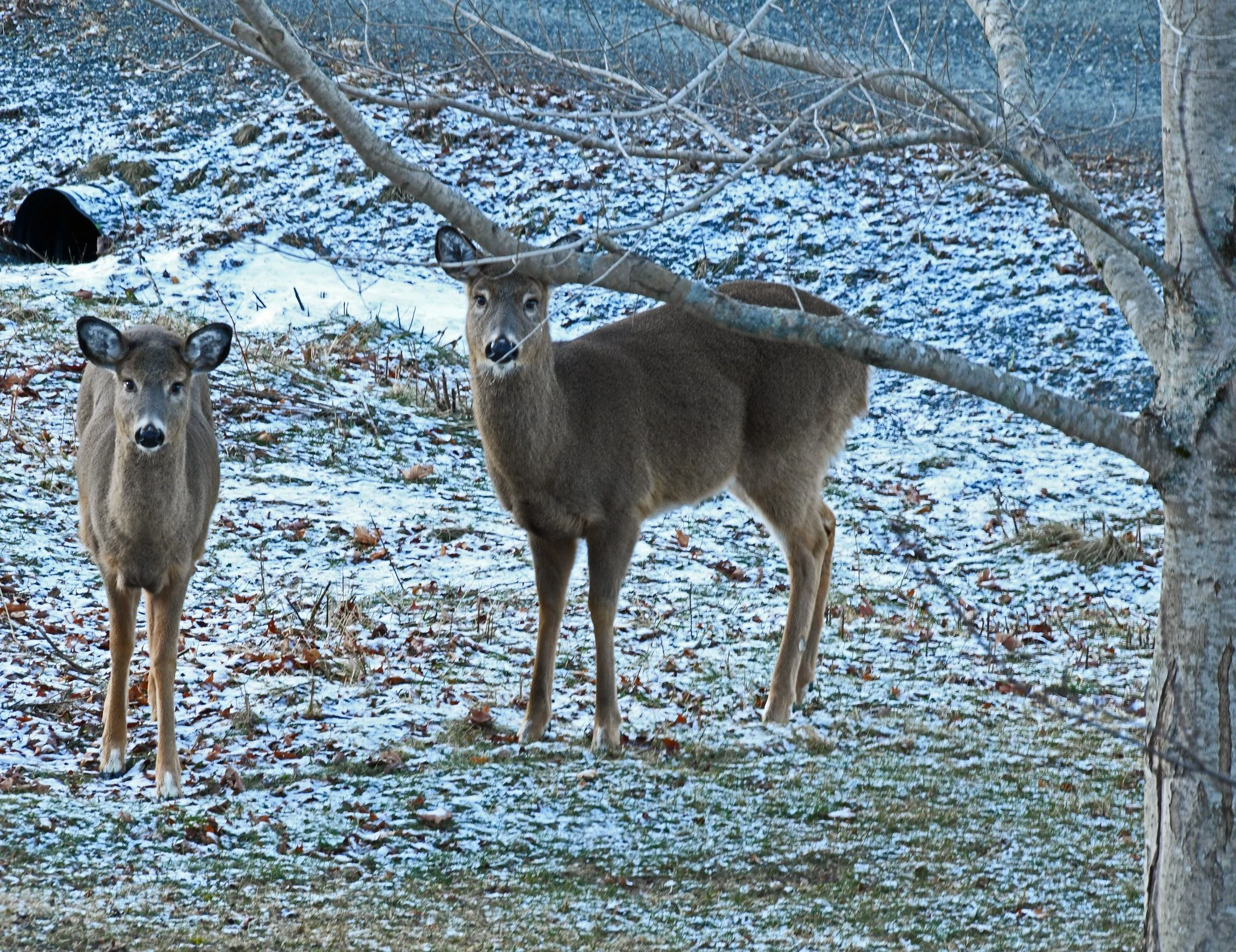
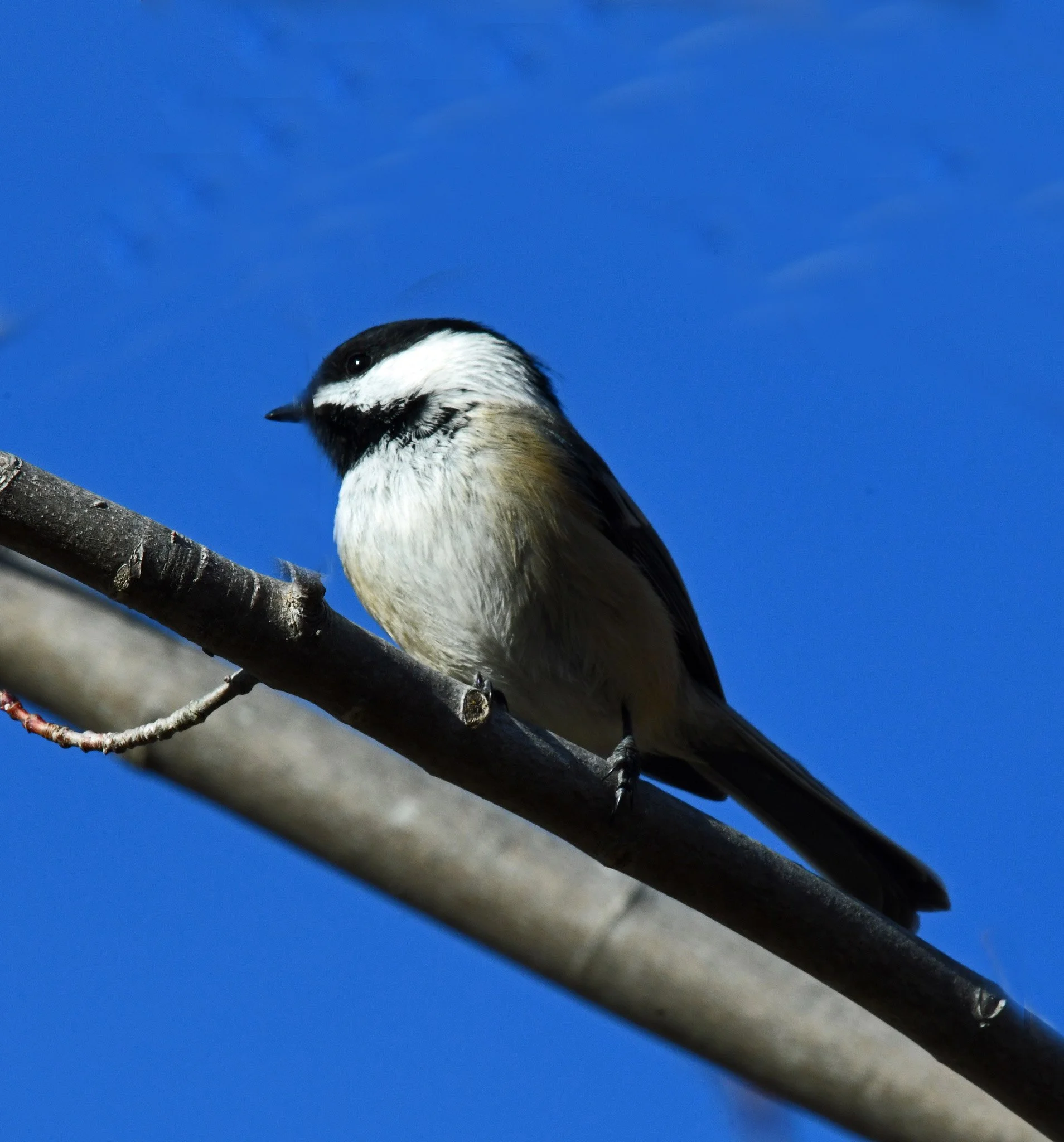
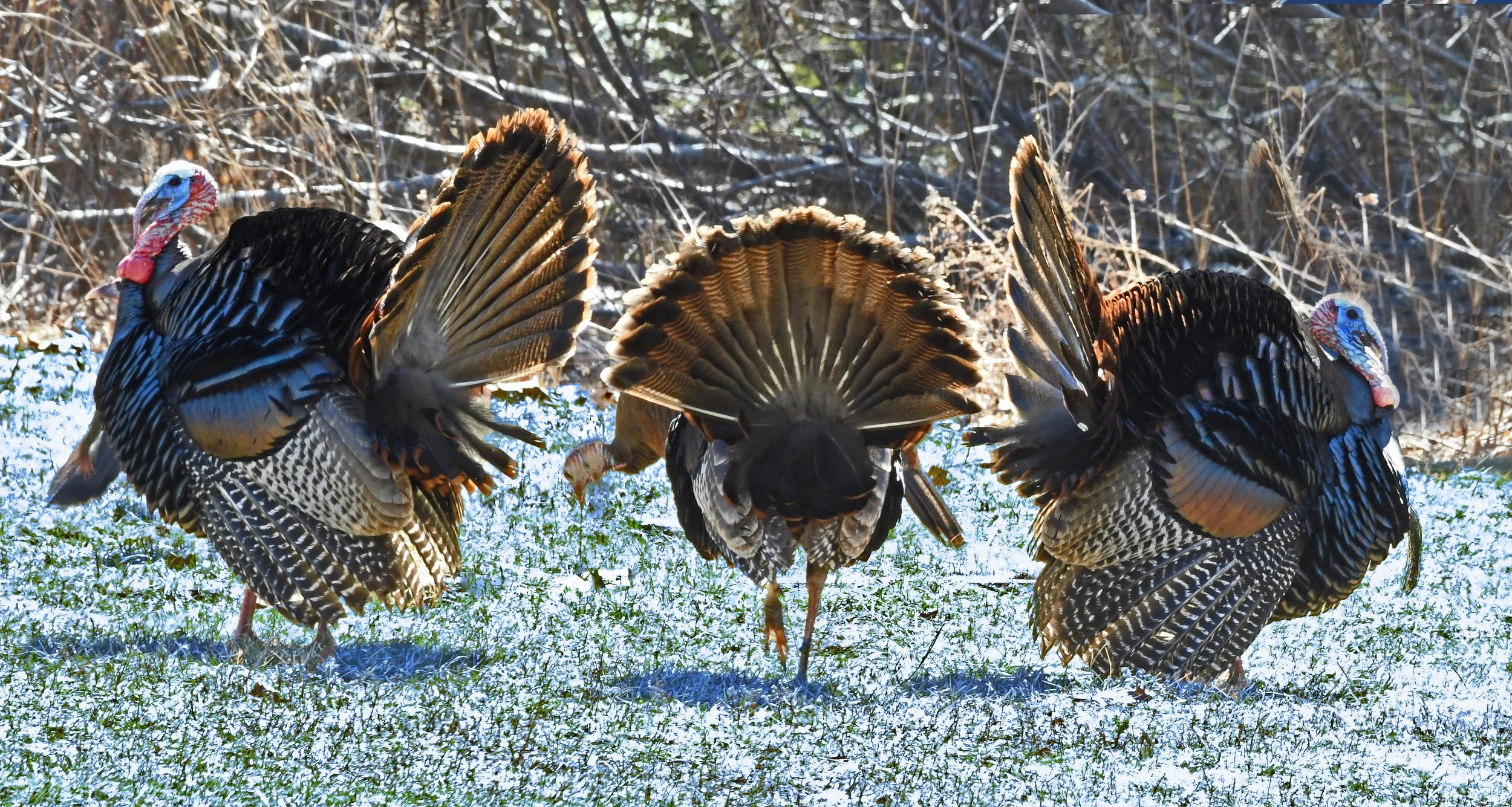
March’s meteorlogical madness got mixed reactions from our resident wildlife. Our white-tailed deer and smaller birds, such as black-capped chicadees, seemed to have no problem with the volatility. Our wild turkeys did have difficulties foraging when the snow was deep, but the Toms turkeys’ testosterone was spiking and the ritual March struts were not postponed.
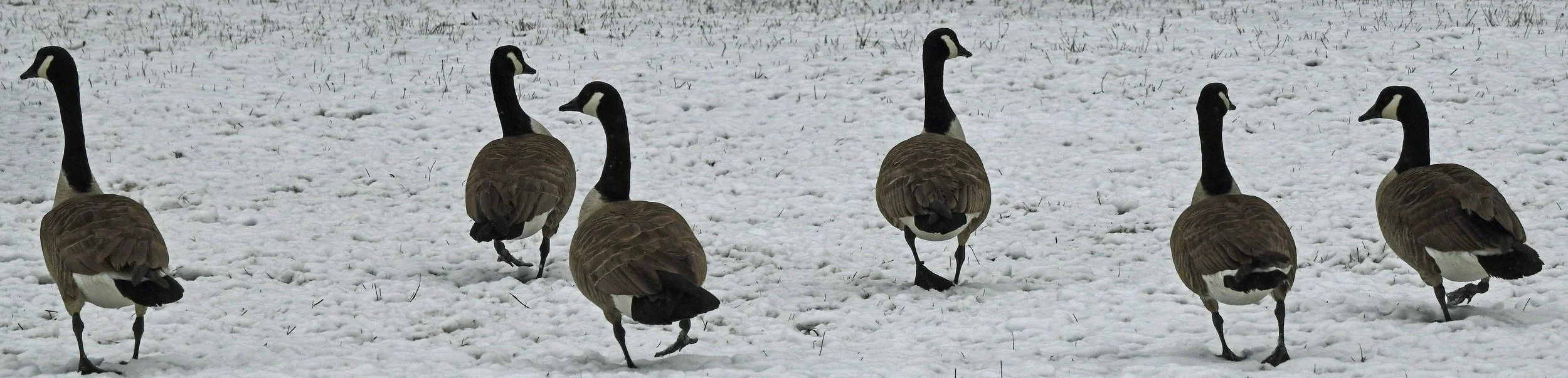
As for non-residents, the Canada geese migrating south had no problem with the cold and snow, and they seemed grateful that we haven’t (yet) required them to show IDs:
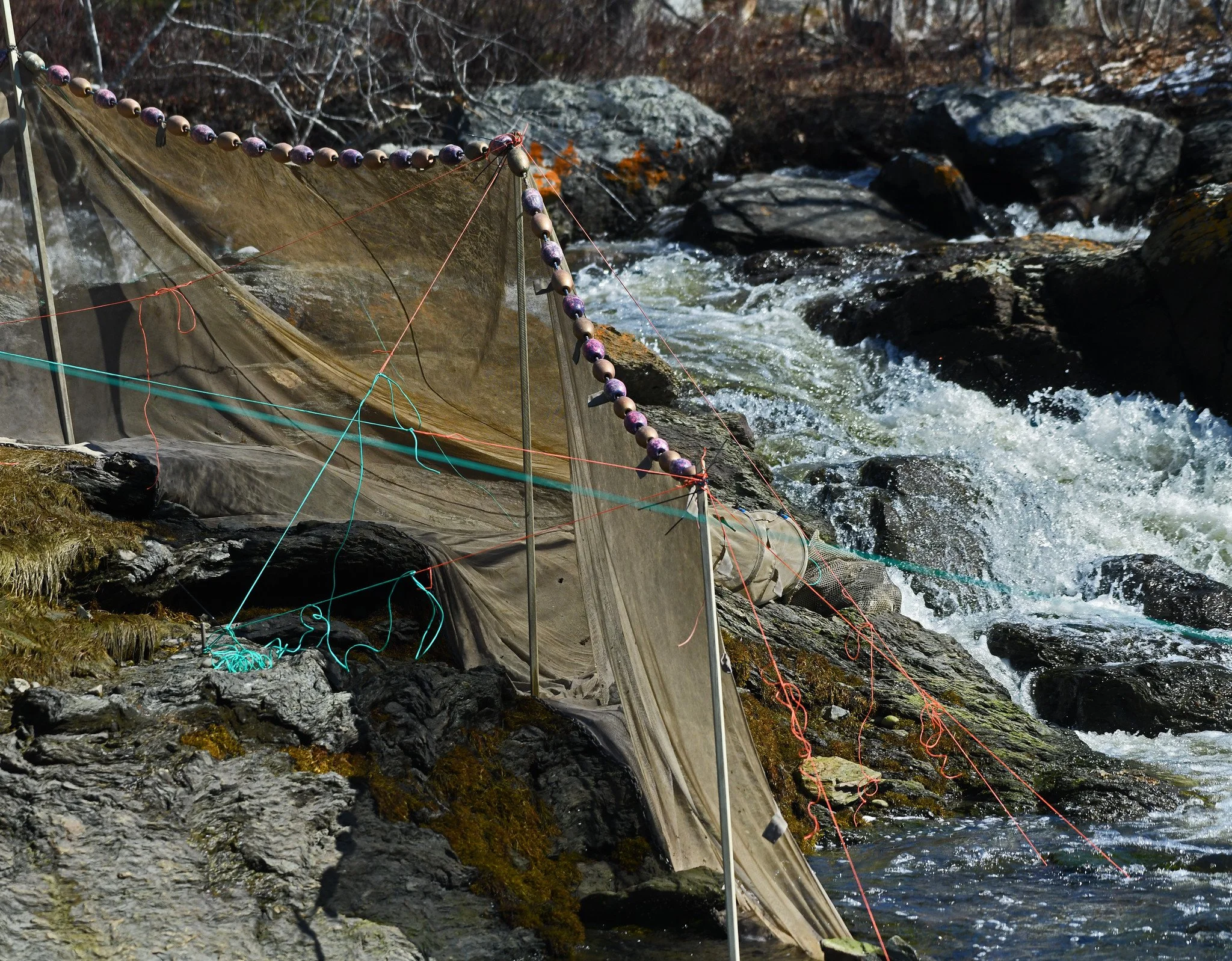
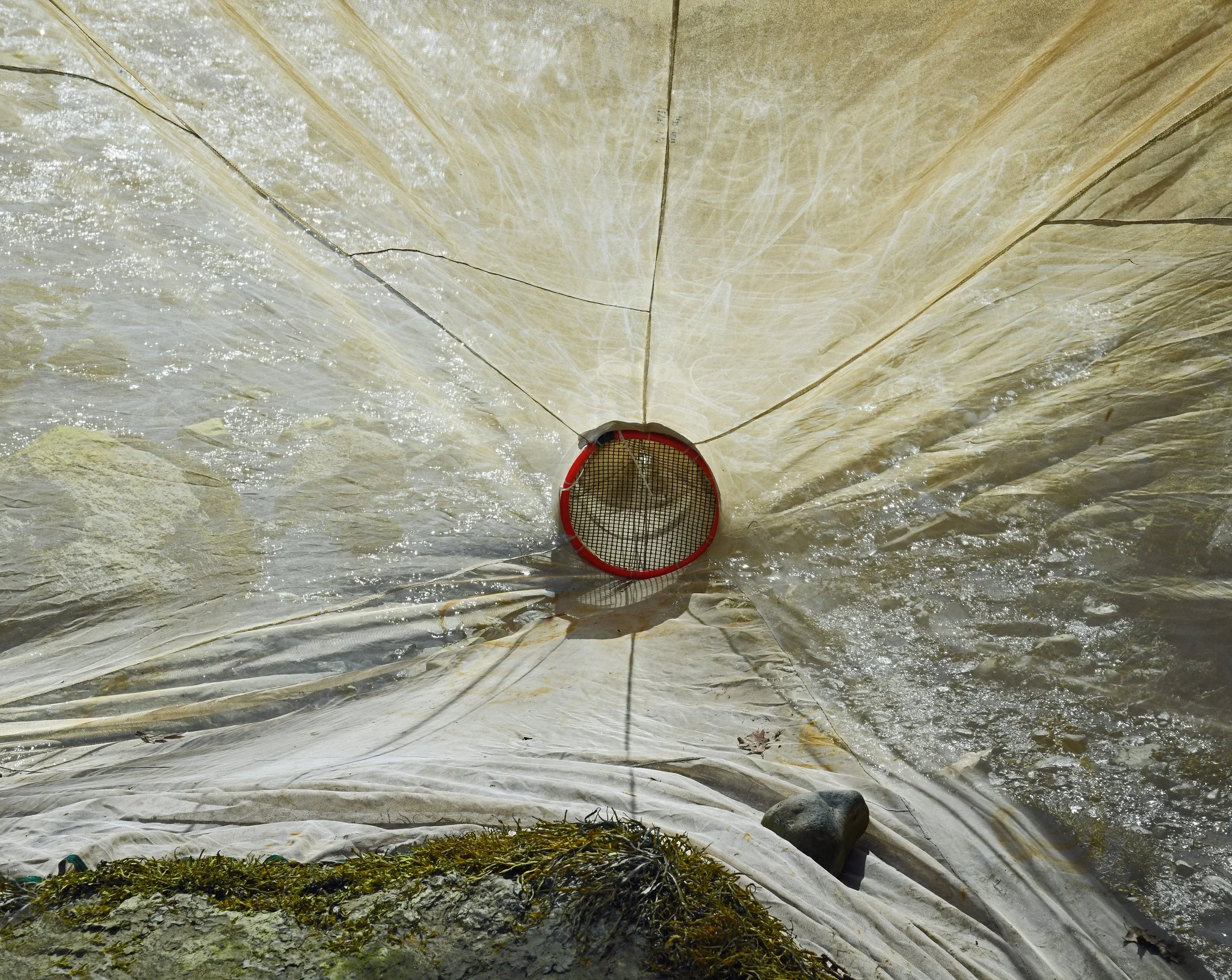
On the other hand, the baby American eels (aka glass eels or elvers) arriving from their birthsites in the Sargasso Sea were a different story. They seek the freshwater in streams and ponds to mature. In Maine, they have to run a gauntlet of nets, which can be seen in full only at low tide at river and stream mouths. The captured live eels mostly are air-shipped to Asia, where they will grow in aquaculture farms and be sold later as delicacies.
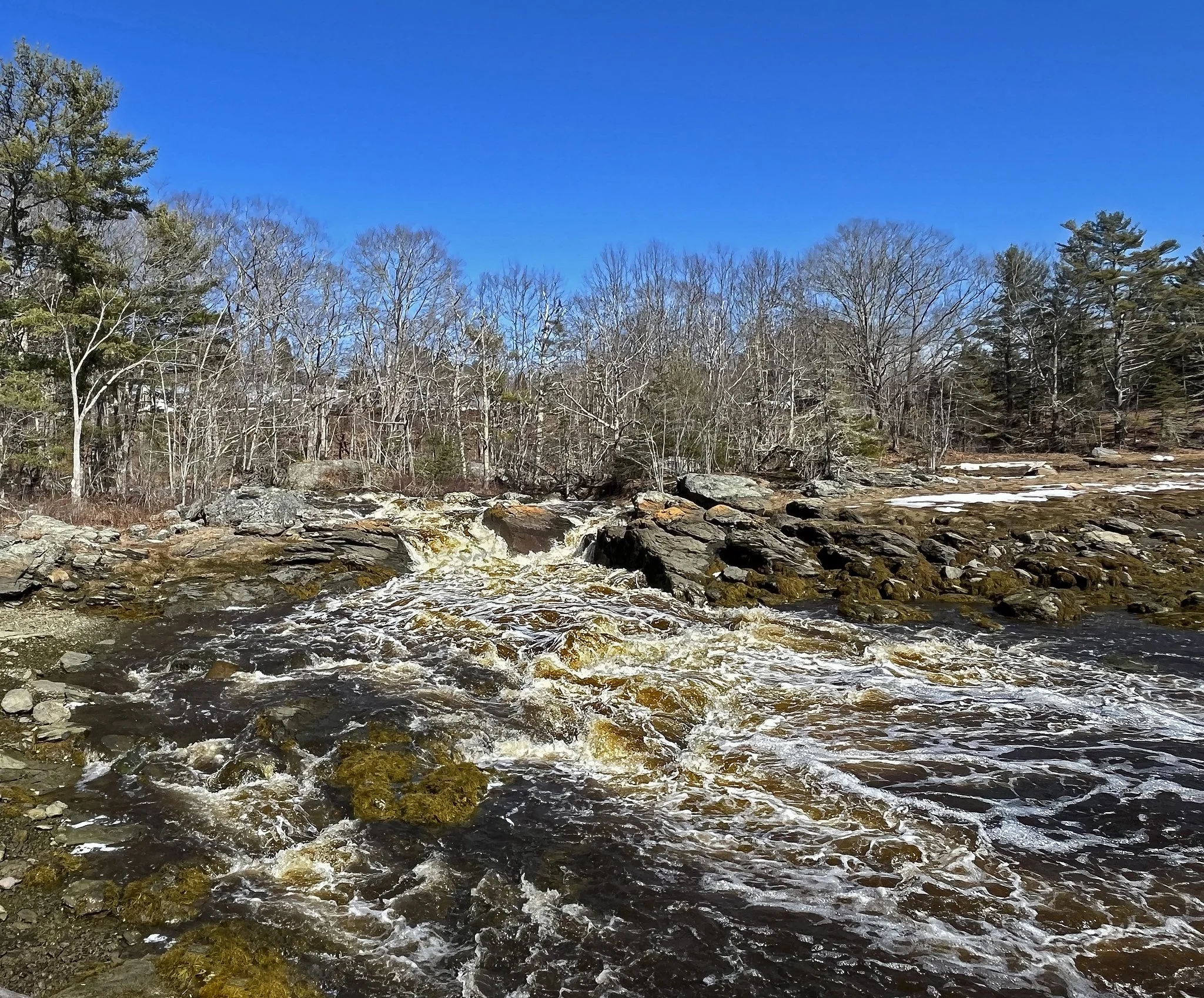
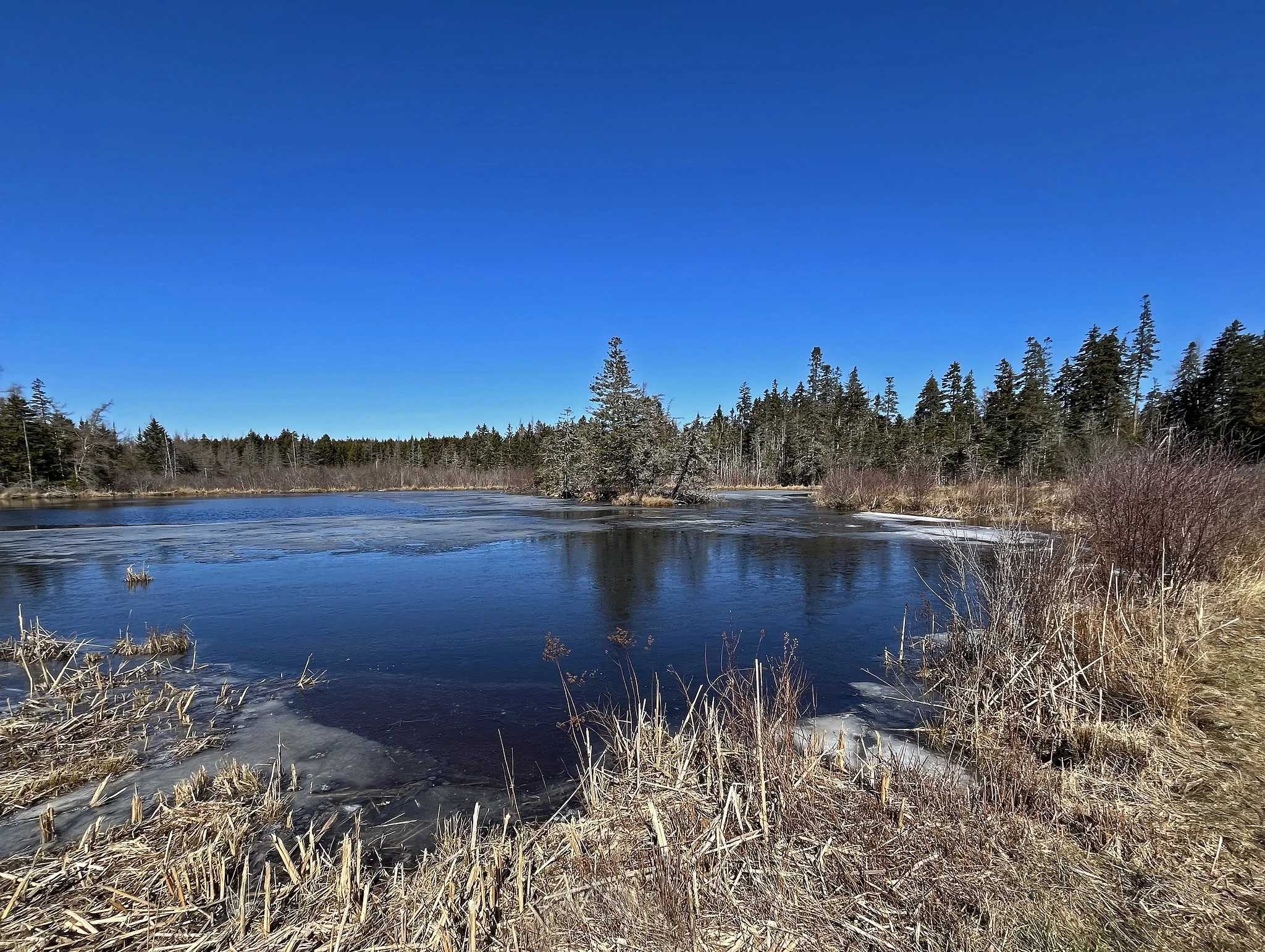
Speaking of fresh water, March’s precipitation tended to run-off, rather than sink into, the soil, This didn’t help remedy the drought, but it did significantly enhance stream flows and pond levels.
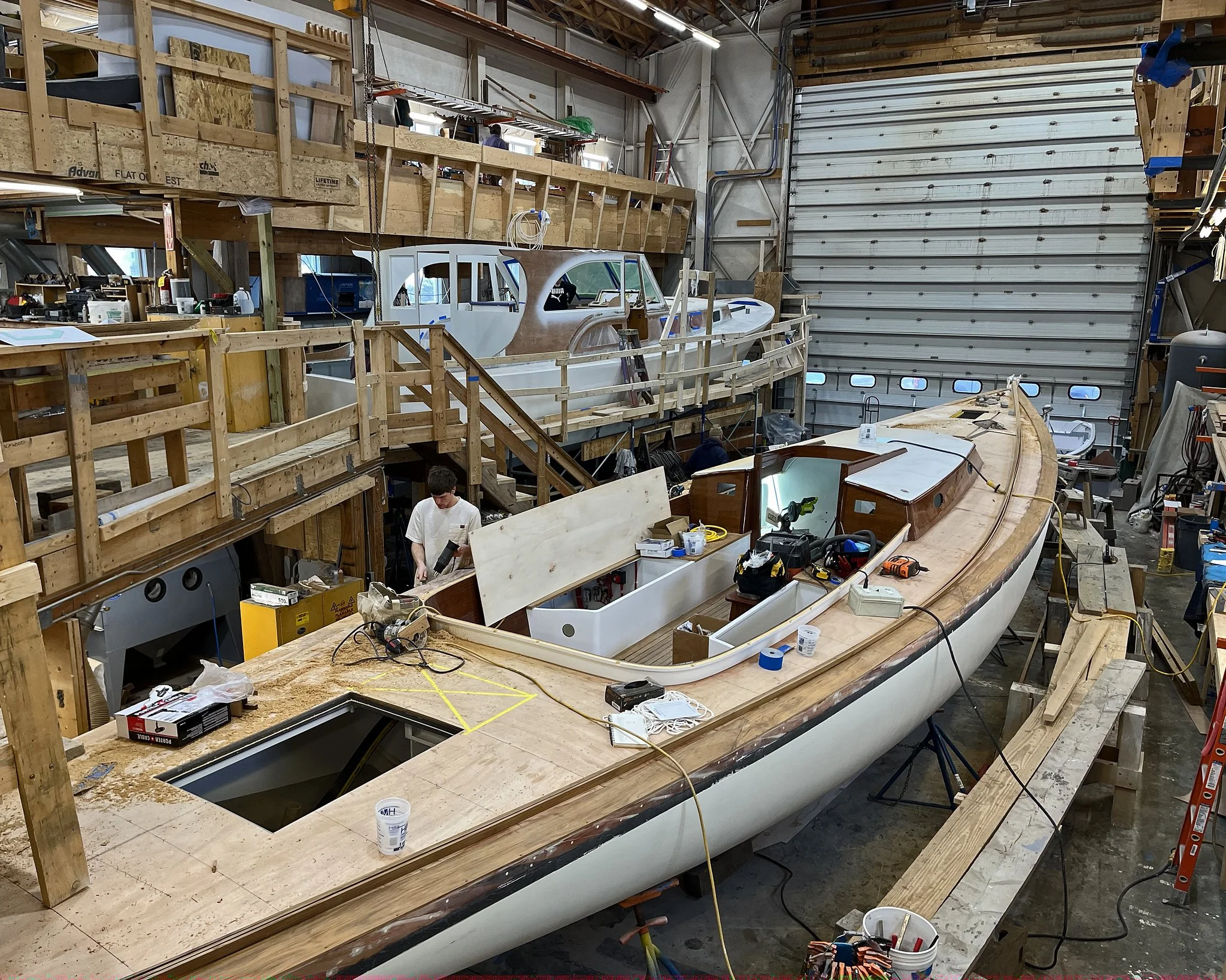
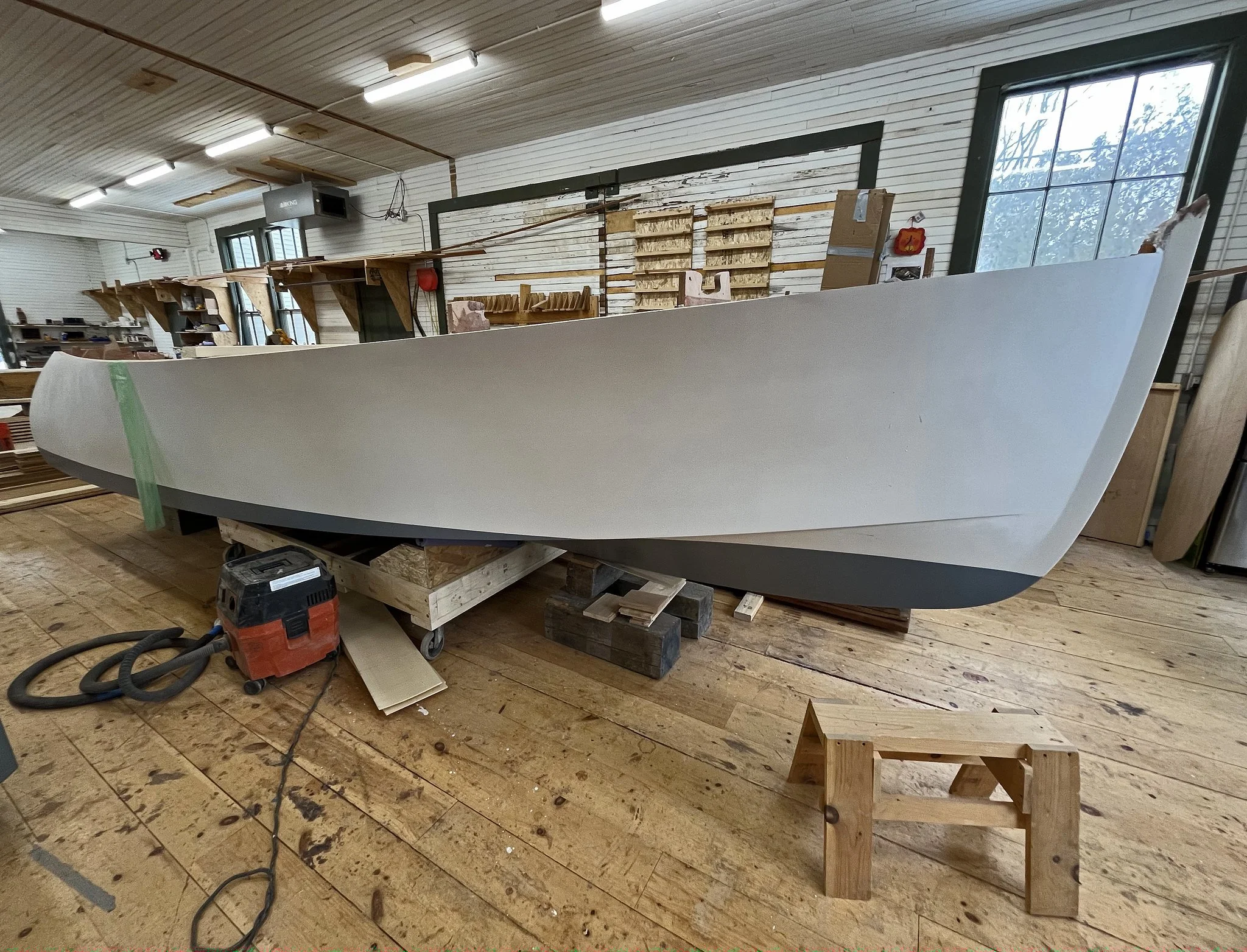
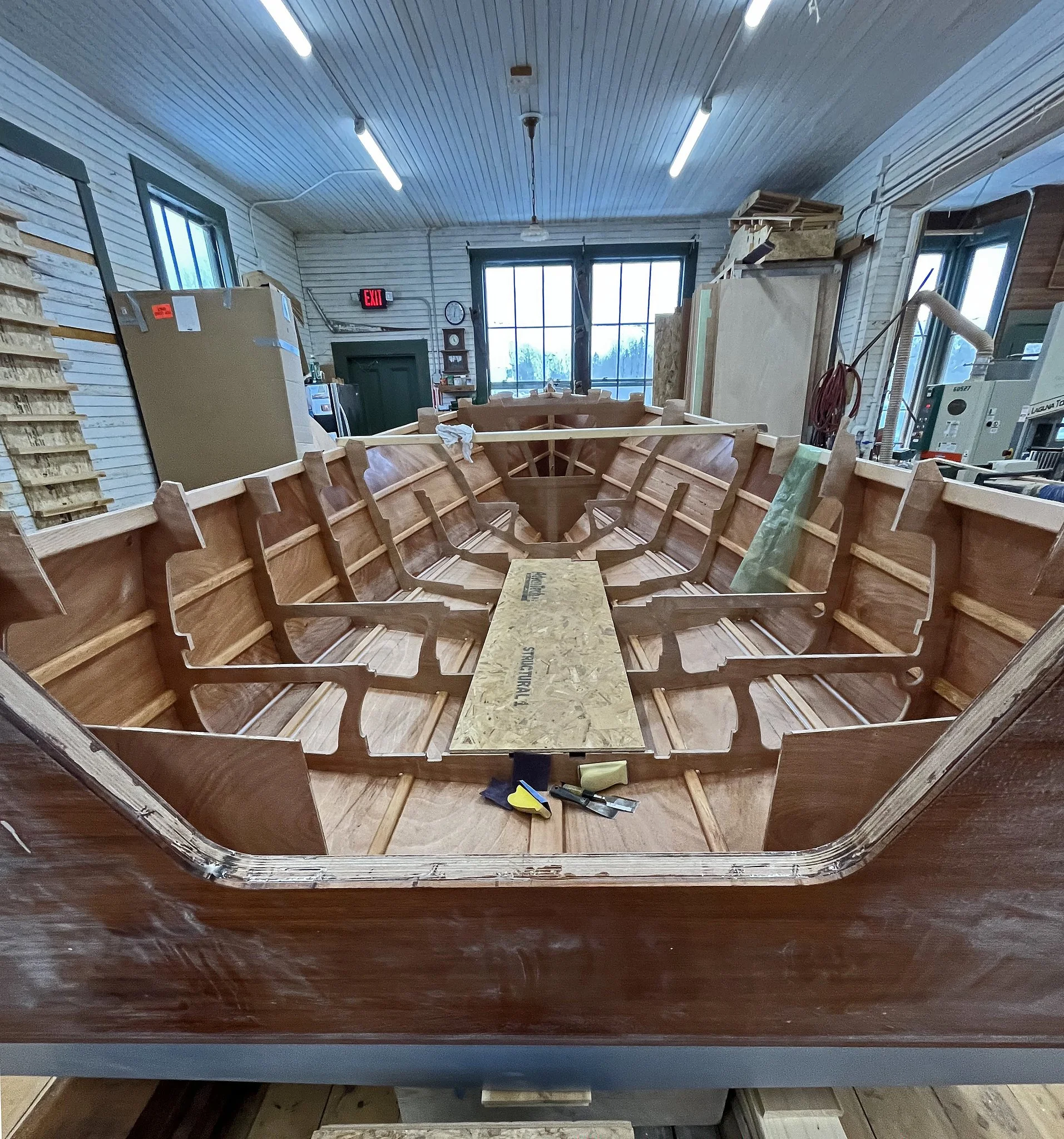
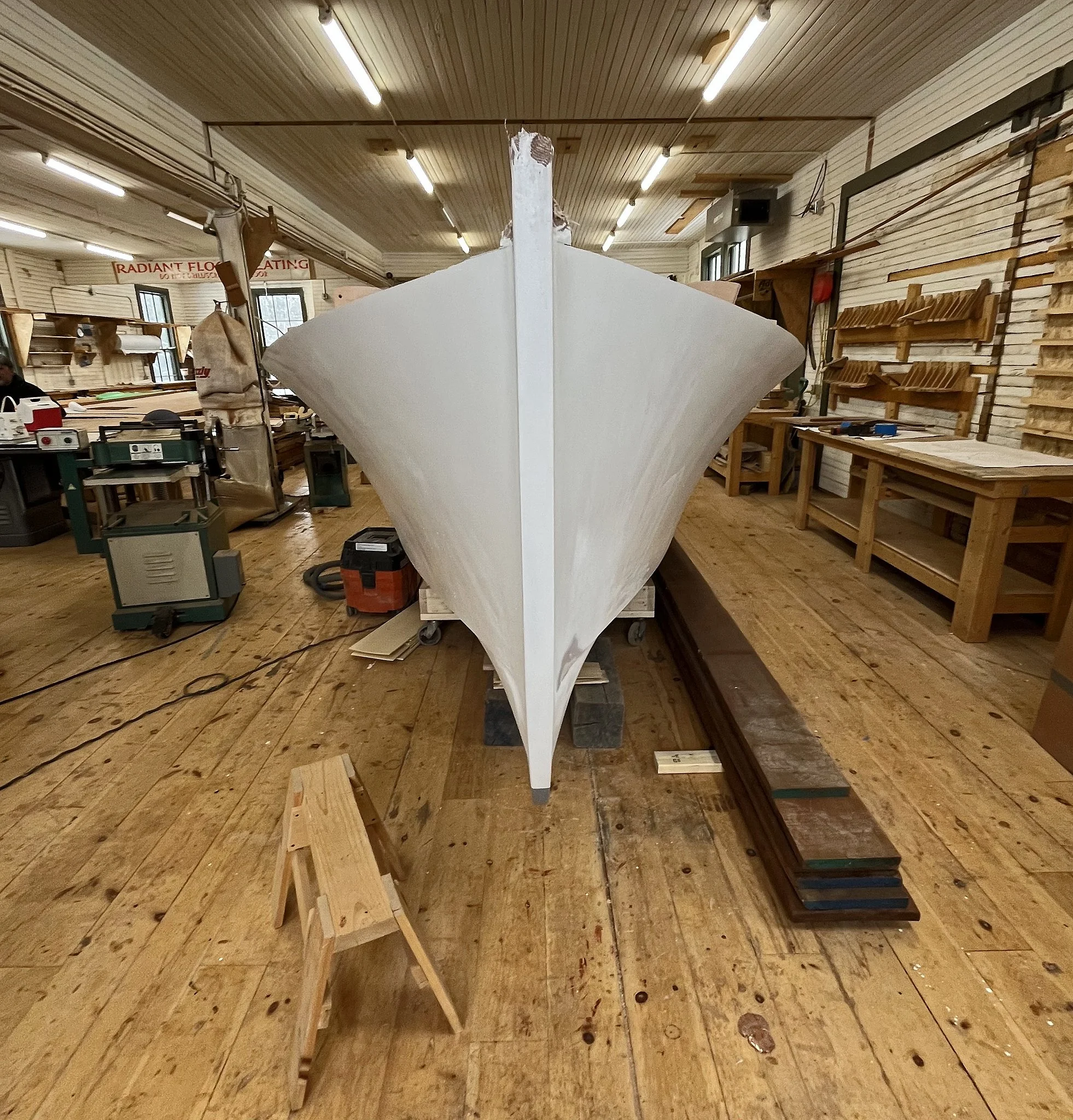
Of course, Down East Maine is better known for its salt water than its fresh water. Among other maritime activities, this is a place for serious boat building, and one of the most serious at designing and building boats is the renowned Brooklin Boat Yard. During March, three BBY-designed vessels were being built among other activity there — a 47’ 6” racing sailboat , a 47’ power cruiser, and an 18’ skiff:
Although the Brooklin Boat Yard’s pier has been stripped of its docking floats, it is an attraction year-long due to its unique design and the constantly changing shadows and reflections of Center Harbor:
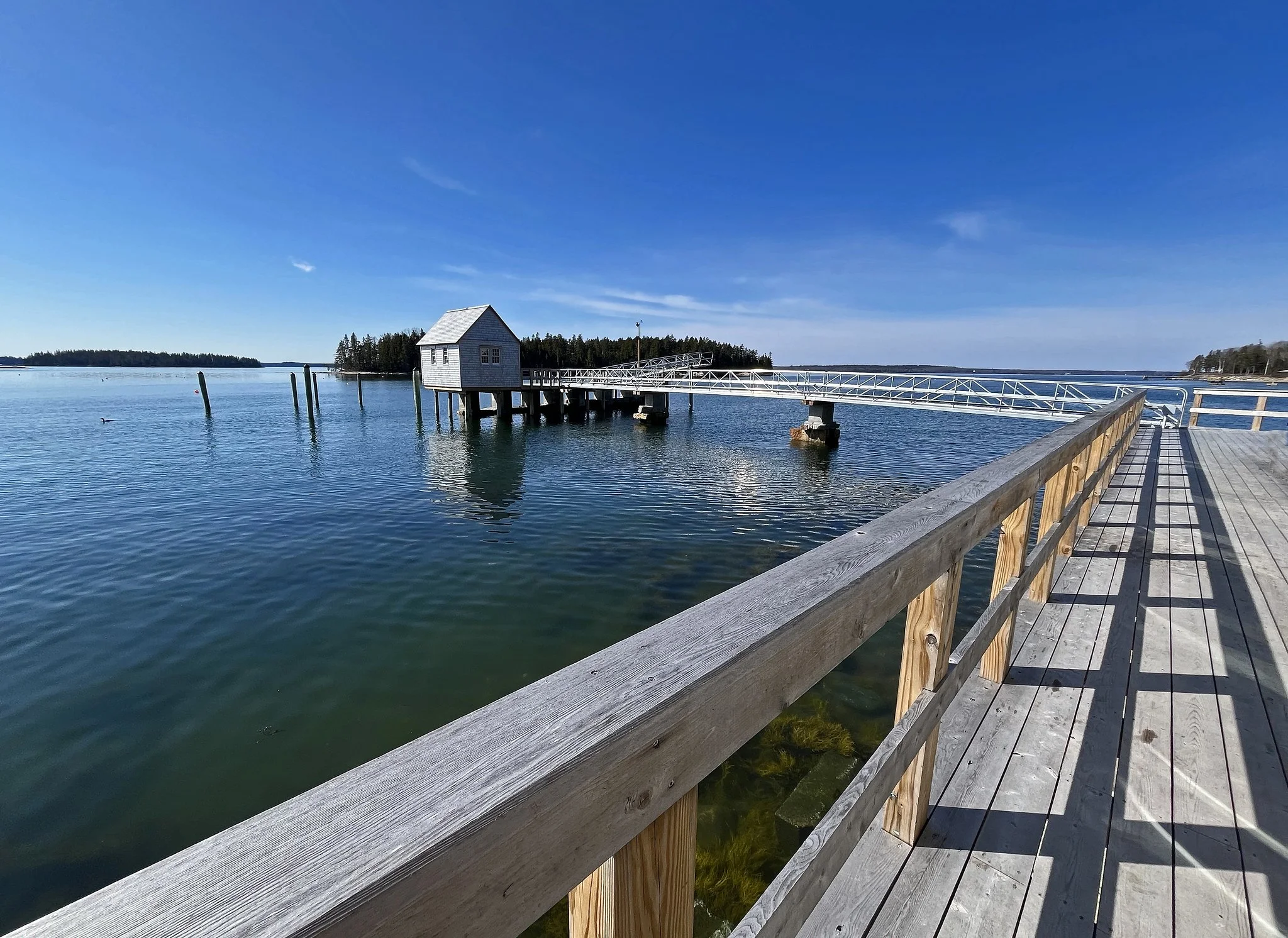
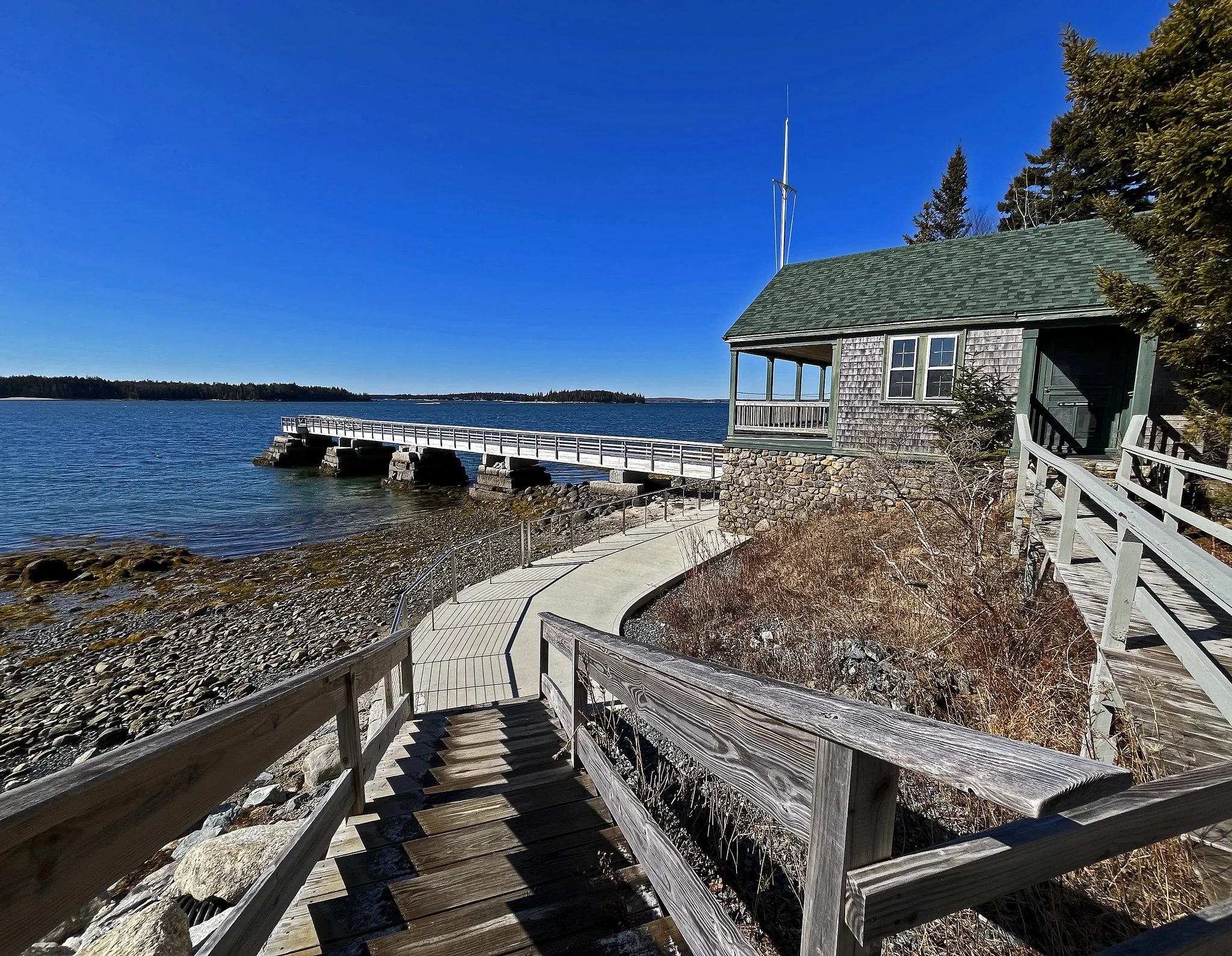
The famed WoodenBoat campus is not far from BBY. The headquarters of WoodenBoat Publications is there as is the WoodenBoat School, where students from all over the world are taught boat building and other maritime crafts in the summer. WBS also has a significant pier and boat house on Great Cove that are year-long attractions:
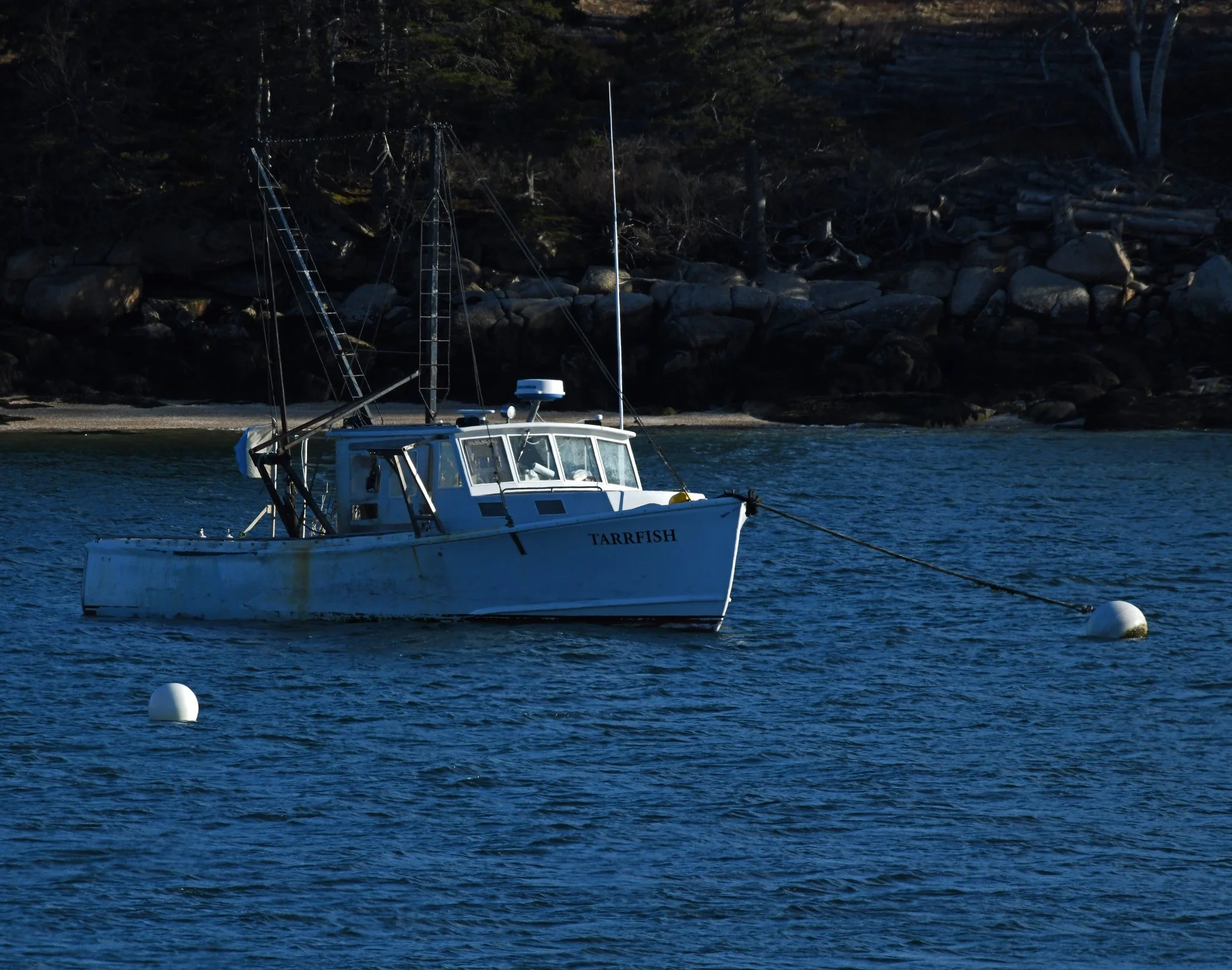
As for commercial sea activity, March is the last month for scallop-dragging in Maine waters, although diving for hand-harvested scallops will continue into April. Lobster boats that are active in summer are rigged with masts, booms, winches and drags (dredges) for scooping up Atlantic sea scallops from the sea bottom in the cold months:
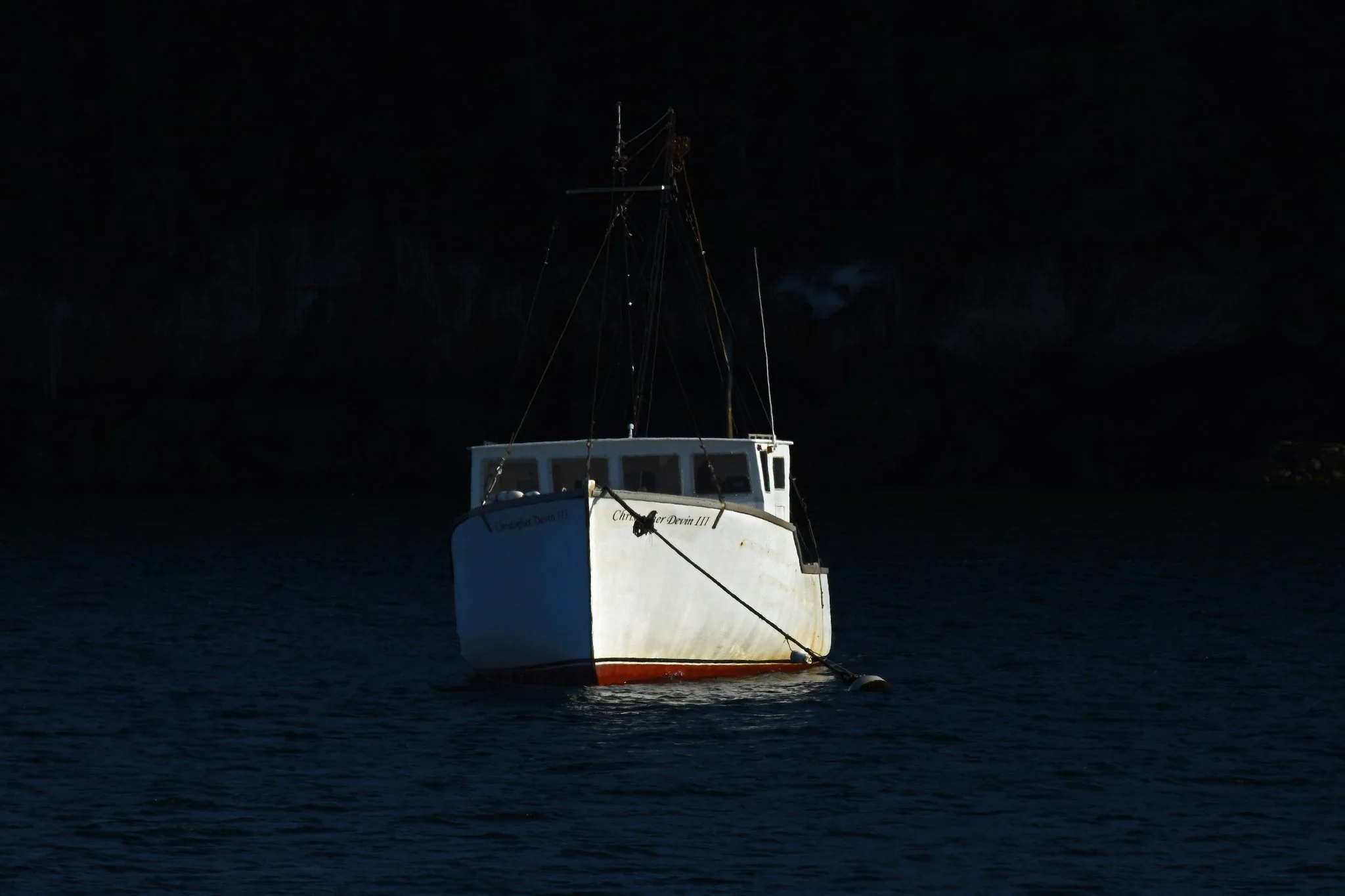
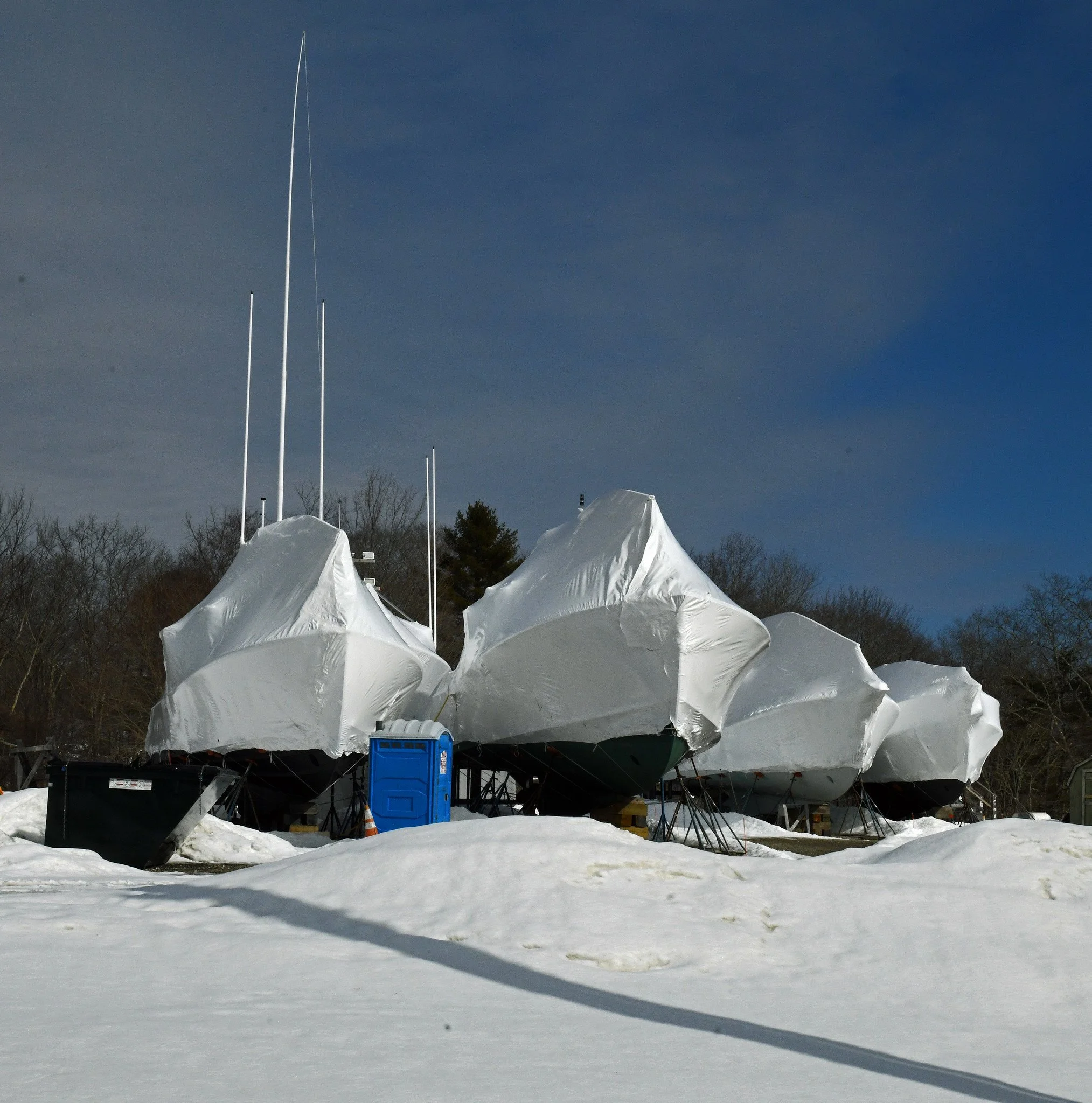
There also are commercial vessels here that spend their winters and springs seemingly wearing sleeping masks and dreaming:
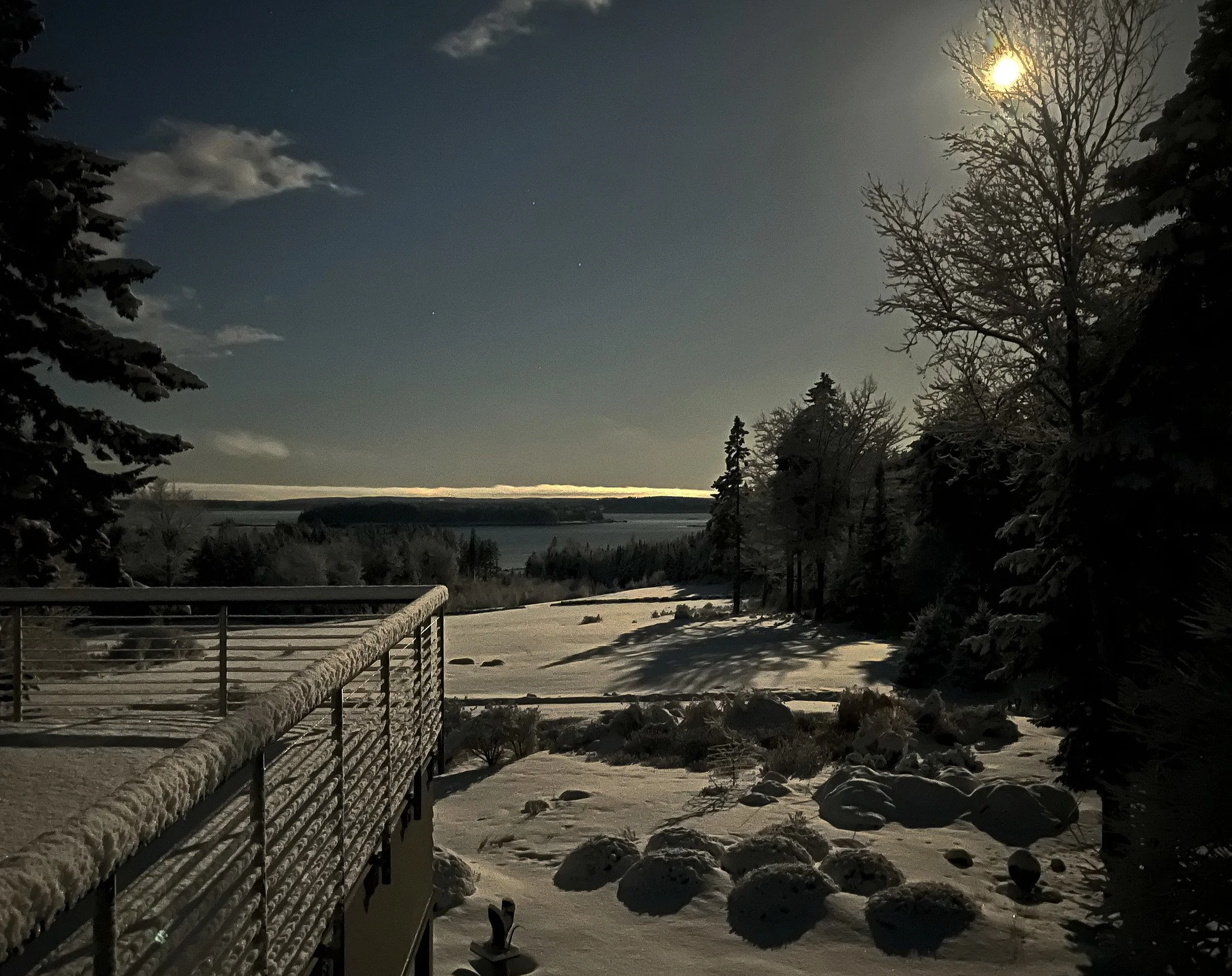
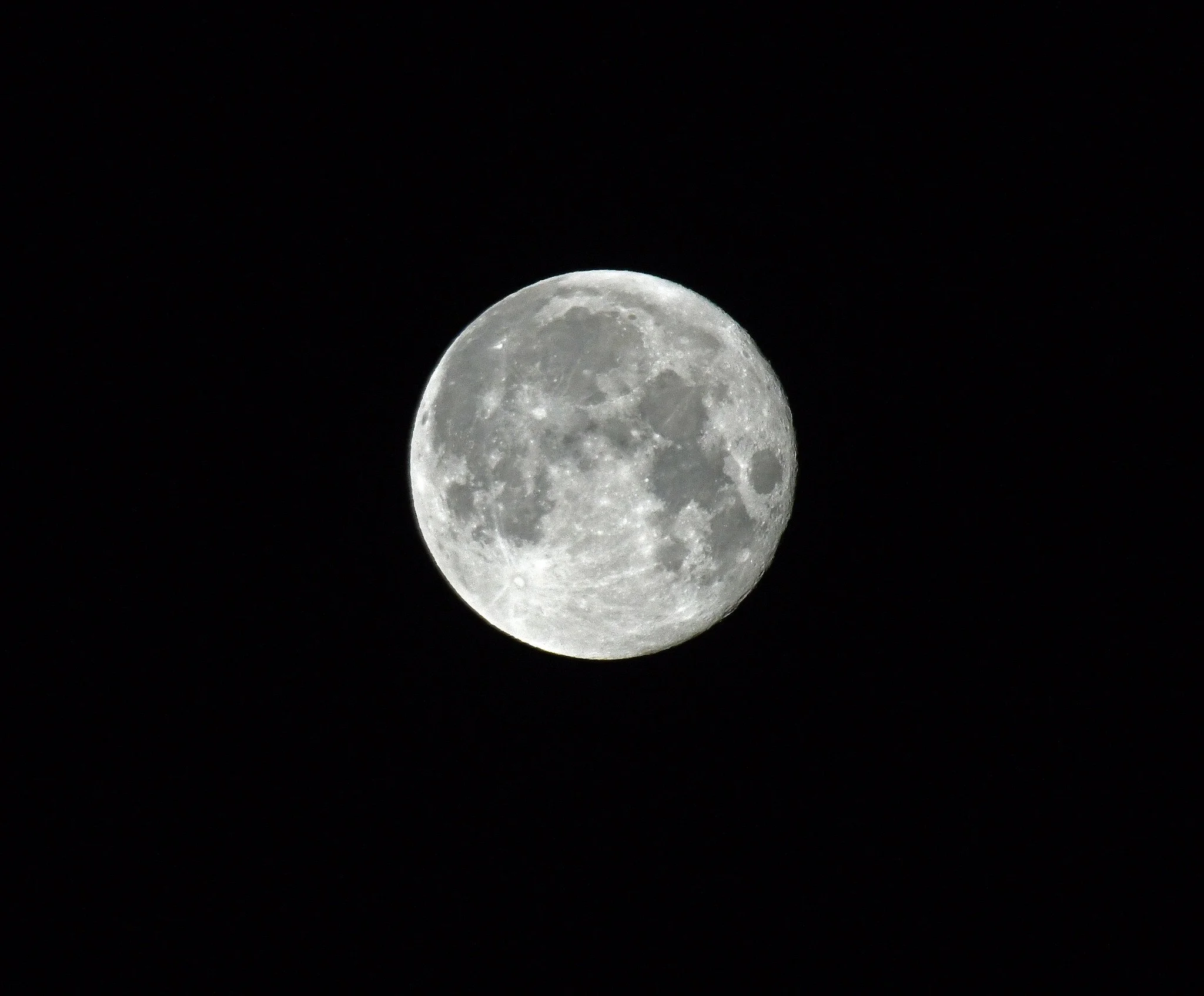
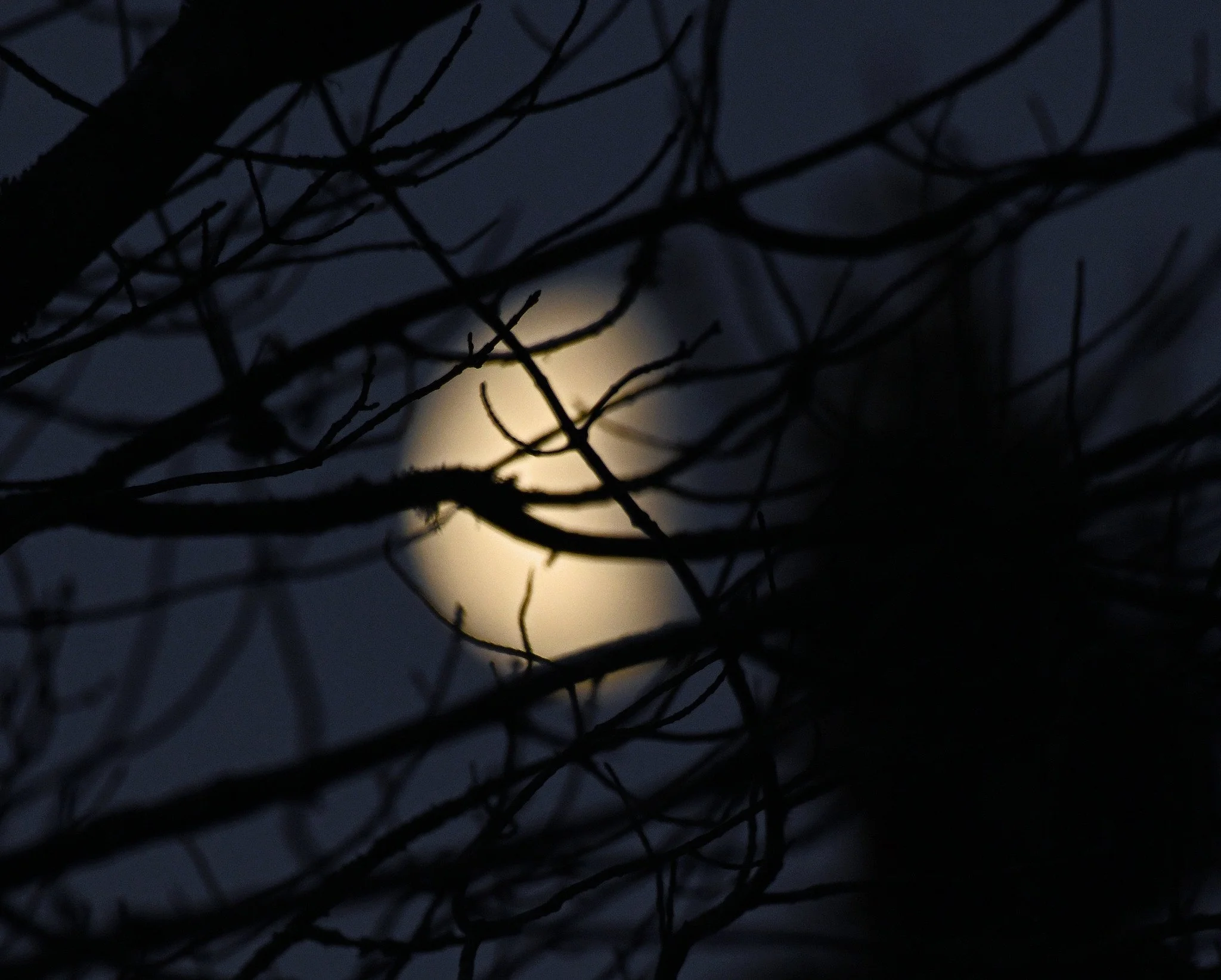
The March sky often was impressive this year. The month’s full moon traditionally is called the Worm Full Moon to signify the thawing of the ground and the reappearance of earthworms. Well, those worms often were thwarted by snow and ice this year. However, the fallen snow under the bright moon sometimes turned night into day, complete with shadows:
Finally, we leave you at the end of one of March’s finest days, when the sun had done a good job of melting snow and refused to go gently:
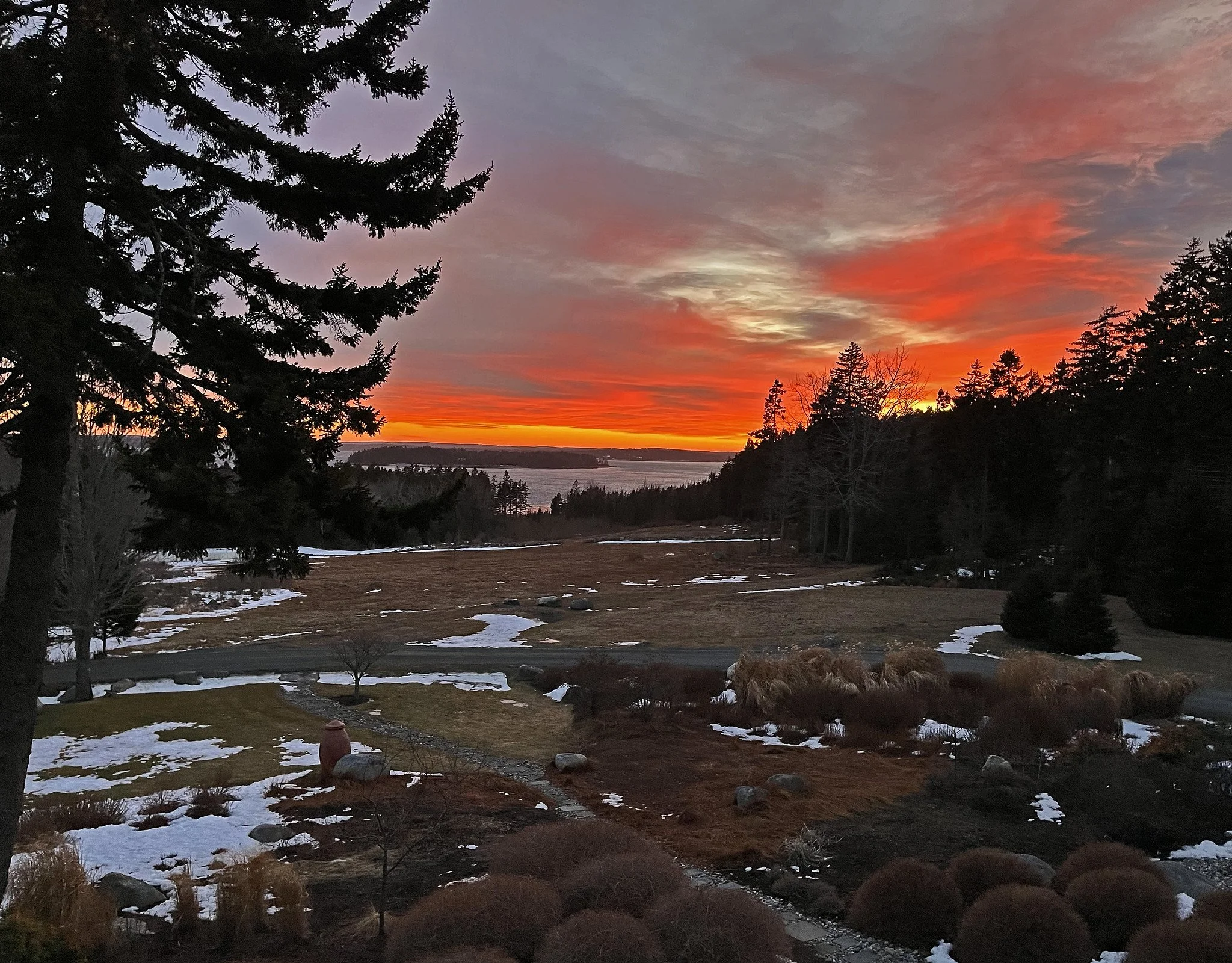
As usual, we’re having a wonderful time and wish you were here.
(All images in this post were taken in Down East Maine during March of 2026.)