Comment

In the Right Place: Mellow Yellow

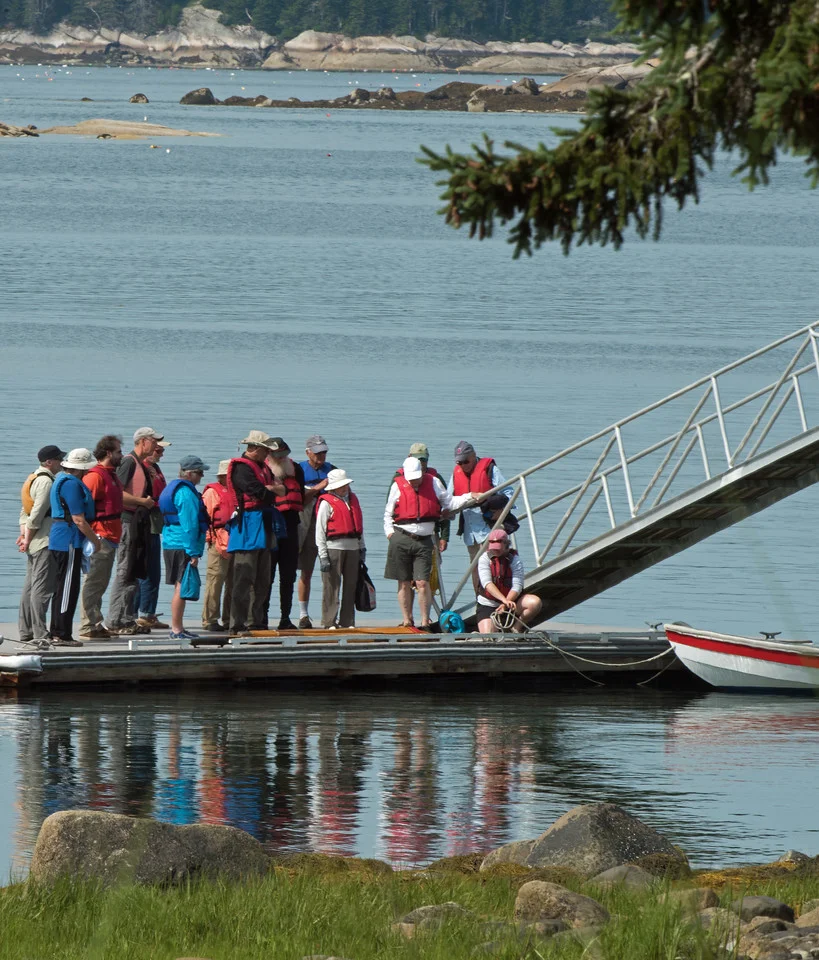
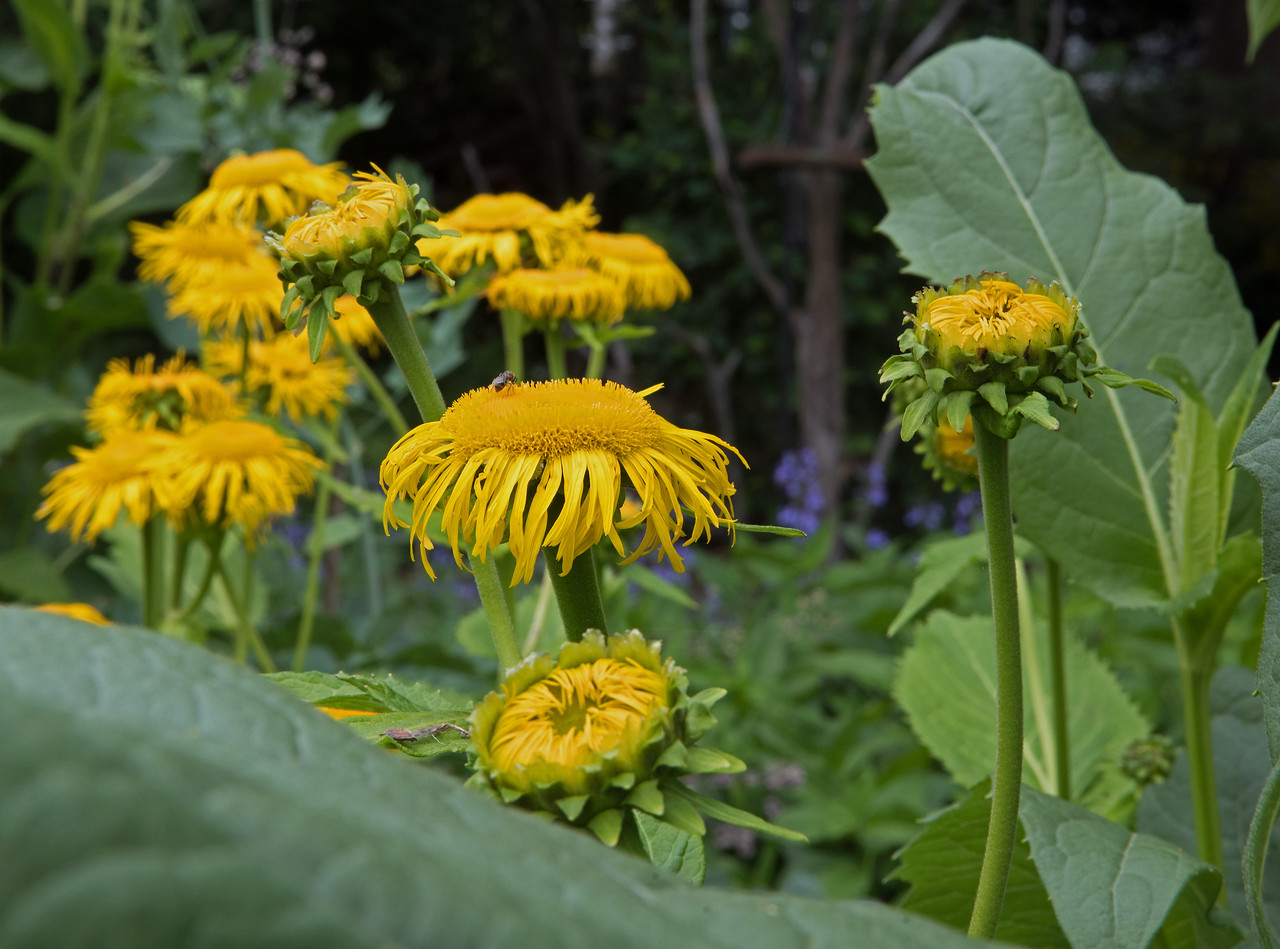
A school of rare Yellow-Backed Dolphins is being carted around the WoodenBoat campus for some reason. Judging from their faces, the Dolphins are enjoying the experience.

Photo info: Nikon D-810; 200-400 f/4 VR Nikkor Zoom Lens at 200 mm; f/14; 1/60 sec.; ISO 400.

Photo info: Nikon D-810; 200-400 f/4 VR Nikkor Zoom Lens at 200 mm; f/14; 1/60 sec.; ISO 400.

The mature Yellow-Backs also have yellow undersides.

Photo info: Nikon D-810; 17-55 f/2.8 VR Nikkor Zoom Lens at 200 mm; f/14; 1/250 sec.; ISO 250.

Photo info: Nikon D-810; 17-55 f/2.8 VR Nikkor Zoom Lens at 200 mm; f/14; 1/250 sec.; ISO 250.

Of course, all Dolphins love to be near their fellow mammals, human beings.

Photo info: Nikon D-810; 200-400 f/4 VR Nikkor Zoom Lens at 360 mm; f/14; 1/400 sec.; ISO 250.

Photo info: Nikon D-810; 200-400 f/4 VR Nikkor Zoom Lens at 360 mm; f/14; 1/400 sec.; ISO 250.

(Brooklin, Maine)
Comment

Comment

In the Right Place: Royal Blood

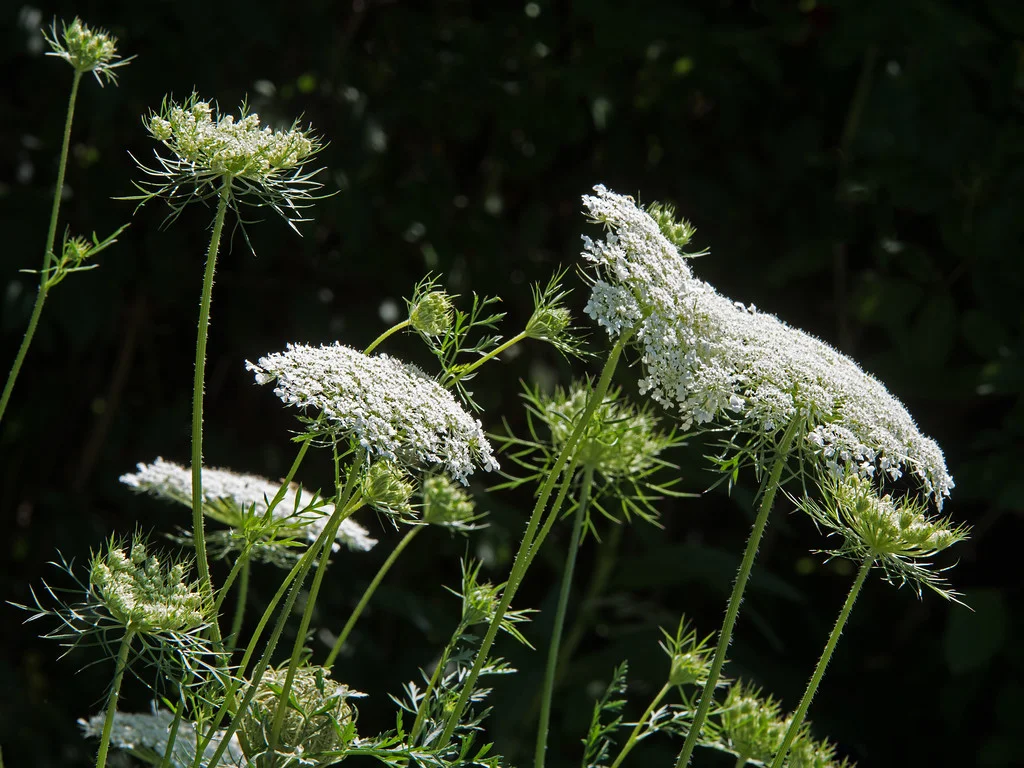
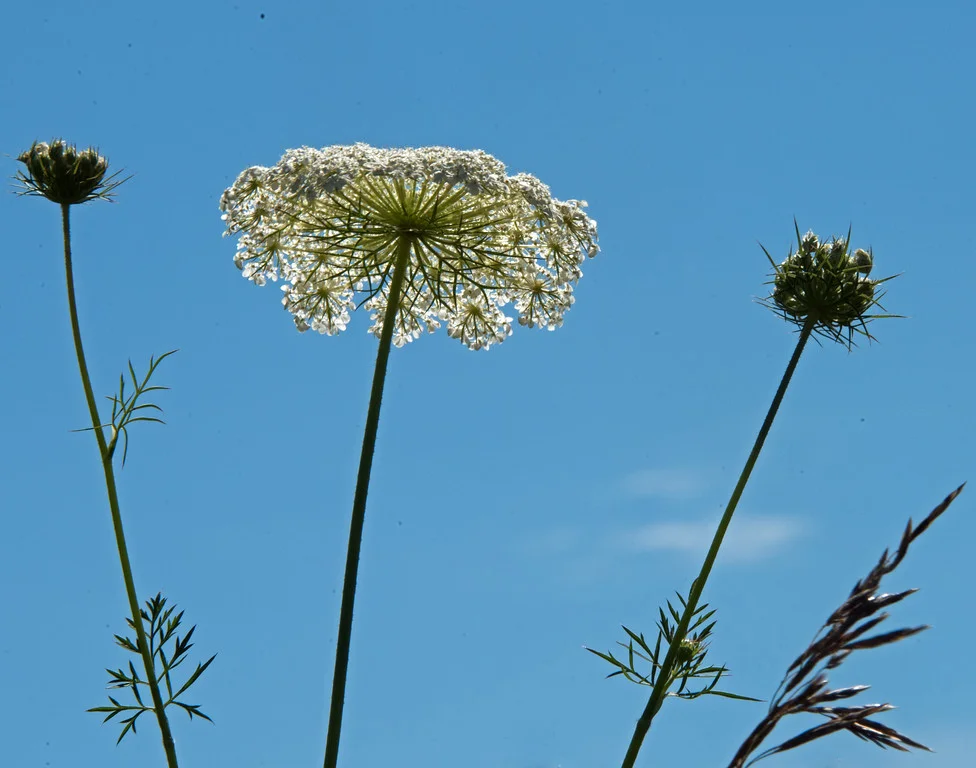
It’s the height of summer, which means that our fields are a profusion of flowering white weeds that originated in Europe and are the subject of a debated legend.

Photo info: Nikon D-810; 200-400 f/4 VR Nikkor Zoom Lens at 220 mm; f/32; 1/100 sec.; ISO 200.

Photo info: Nikon D-810; 200-400 f/4 VR Nikkor Zoom Lens at 220 mm; f/32; 1/100 sec.; ISO 200.

There is agreement that the legend includes Queen Anne tatting lace and pricking her finger; one drop of her royal blood fell and spoiled the lace. The lace-like flower of the Wild Carrot plant sometimes has a red or purple spot in its center, and the plant began being called Queen Anne’s Lace in England.

Photo info: Nikon D-810; 200-400 f/4 VR Nikkor Zoom Lens at 200 mm; f/18; 1/60 sec.; ISO 200.

Photo info: Nikon D-810; 200-400 f/4 VR Nikkor Zoom Lens at 200 mm; f/18; 1/60 sec.; ISO 200.

However, there is disagreement as to which of two Queens said “Ouch!” – the first Stuart Queen Anne (1574-1619), who was married to King James of Scotland, or the last of the Stuart Queens, Anne (1665-1714), the daughter of William and Mary.

(Brooklin, Maine)

Comment

Comment

In the Right Place: Summer School

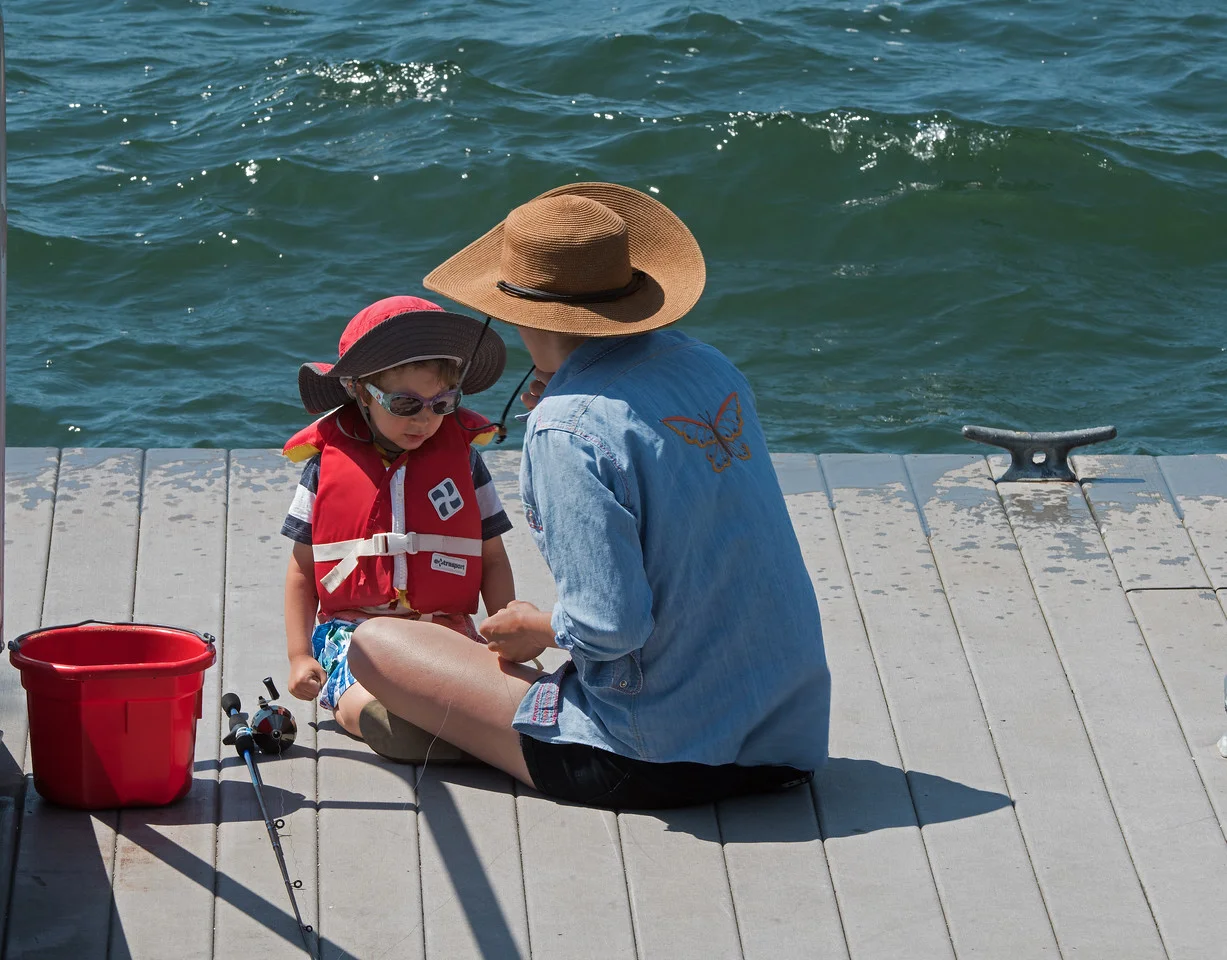
This Mom knows the importance of having a good education, which, of course, includes how to bait a hook without hooking a thumb.

Photo info: Nikon D-810; 200-400 f/4 VR Nikkor Zoom Lens at 200 mm; f/18; 1/160 sec.; ISO 320.

Photo info: Nikon D-810; 200-400 f/4 VR Nikkor Zoom Lens at 200 mm; f/18; 1/160 sec.; ISO 320.

(Brooklin, Maine)

Comment

Comment

In the Right Place: Watch Out, Adam!

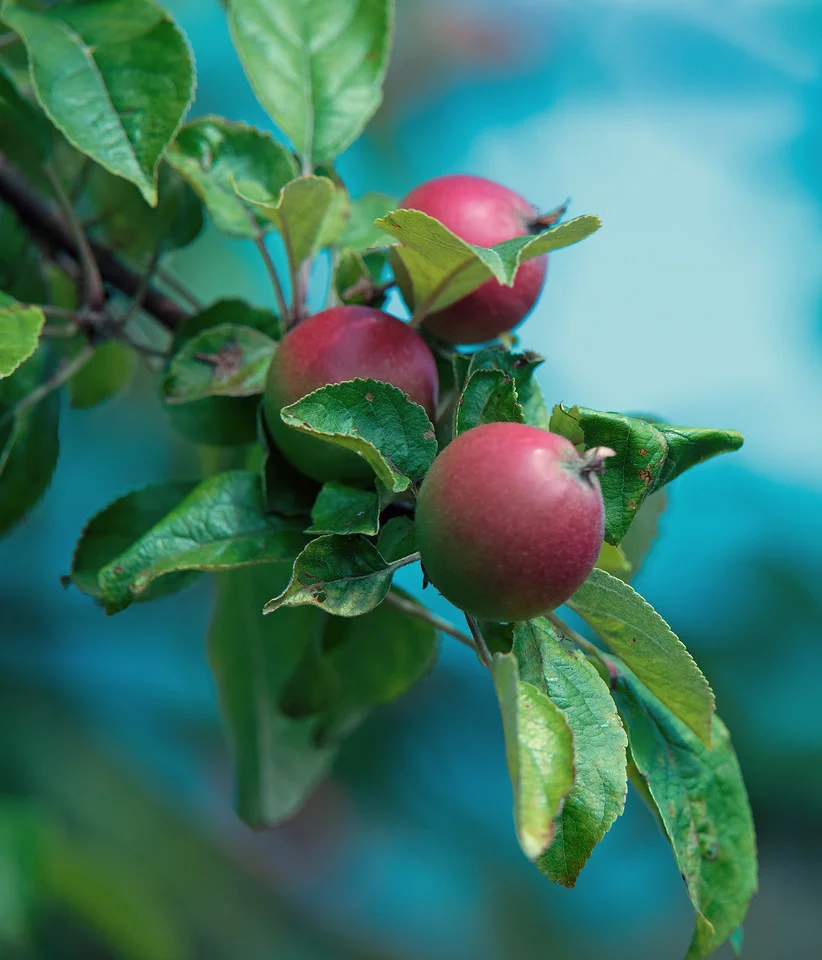
Apples are starting to appear here; looks like there will be plenty for harvesting in Autumn. Many of the apple trees around here are “wild”; that is, they’re survivors of abandoned orchards and farms of years ago.

Photo info: Nikon D-810; 200-400 f/4 VR Nikkor Zoom Lens at 300mm; f/5.6; 1/1600 sec.; ISO 320.

Photo info: Nikon D-810; 200-400 f/4 VR Nikkor Zoom Lens at 300mm; f/5.6; 1/1600 sec.; ISO 320.

Apple trees were brought to Maine initially in the 16th Century by European fisherman who planted them on the sea islands where the men camped. Much of the apple crop that’s picked locally goes into cider presses. It reportedly takes about 36 mature apples to create a gallon of cider. (Brooklin, Maine)
Comment

Comment

In the Right Place: Felicitous Fog

Fog has become a common nuisance around here this week. Some of us have come to view it as, basically, a belligerent stratus cloud that has decided to impose its boredom on us.

Camera info: Nikon D-810; 200-400 f/4 VR Nikkor Zoom Lens at 400mm; f/10; 1/2500 sec.; ISO 500.

Camera info: Nikon D-810; 200-400 f/4 VR Nikkor Zoom Lens at 400mm; f/10; 1/2500 sec.; ISO 500.

Nonetheless, something special can happen when sun and fog have a fencing match on the sea -- advancing and retreating, thrusting and parrying in the wind. It’s then that the increased moisture in the air can filter and reflect light along the edges of the battlefield to make colorful things seem more colorful, especially tan bark red sails and blue water. (Brooklin, Maine)
Comment

Comment

In the Right Place: A Little Mystery

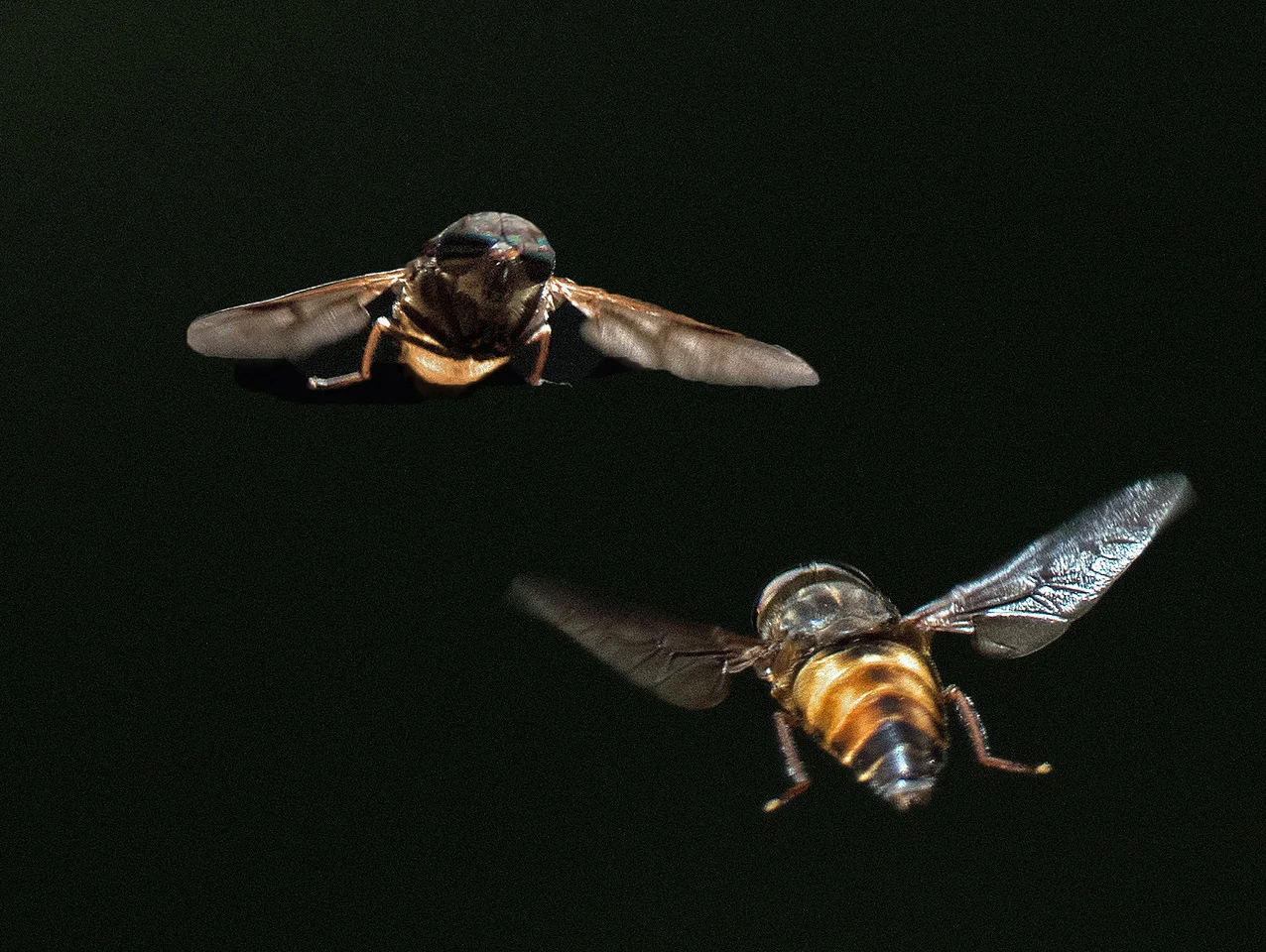
It’s about half an inch long, has only two functional wings (unlike bees, which have four), and hovers in one spot for 60 seconds or more. We think that it’s a species of Hover Fly, but are not certain if that is correct and, if so, which Hover Fly it might be.

Nikon D-810; 200-400 f/4 VR Nikkor Zoom Lens at 400mm; f/4; 1/3200 sec.; ISO 500

Nikon D-810; 200-400 f/4 VR Nikkor Zoom Lens at 400mm; f/4; 1/3200 sec.; ISO 500

Any entomologists out there? By the way, what you see here is two merged images of one insect that let me walk around it while it was hovering in a beam of light in deep woods. (Brooklin, Maine)

Comment

Comment

In the Right Place: Cruel World Department

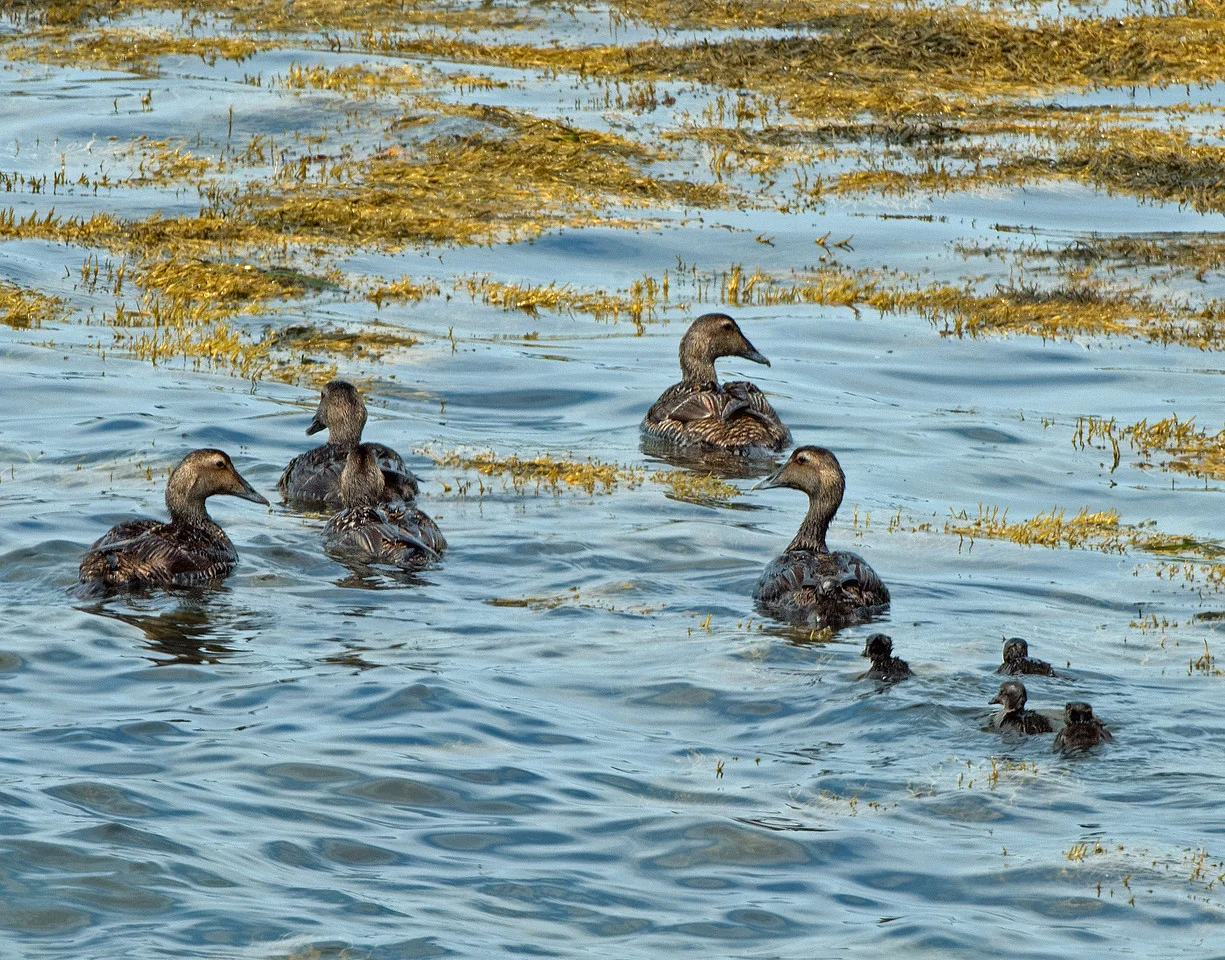
Two weeks ago, five female Common Eiders and at least 13 of their ducklings appeared in Great Cove, roaming together like a feathered flotilla. Two days later, the convoy had 11 ducklings. On July 11, when this image was taken, there were six ducklings. (One was lollygagging out of frame.)

The probable cause of the phenomenon was seen last week: one of our resident Bald Eagles was diving on the squawking flotilla and the adult Eiders were diving deeply; the ducklings apparently didn’t yet know how to dive deeply. (Brooklin, Maine)
Comment

Comment

In the Right Place: Enough

We’ve had four consecutive days of dense morning fog here. Some days, it slinks off later and the sun appears, but it often slips slowly back, like a suspicious character in a mystery movie.

After four fog days, even life-long residents who like fog say, “Seen enough.” That’s roughly the Maine equivalent of New York’s “Enough with the fog, already.” In this image, the schooner Heritage skillfully glides into fog-bound Great Cove with most of her sails still up. (Brooklin, Maine)
Comment

2 Comments

In the Right Place: Lightness

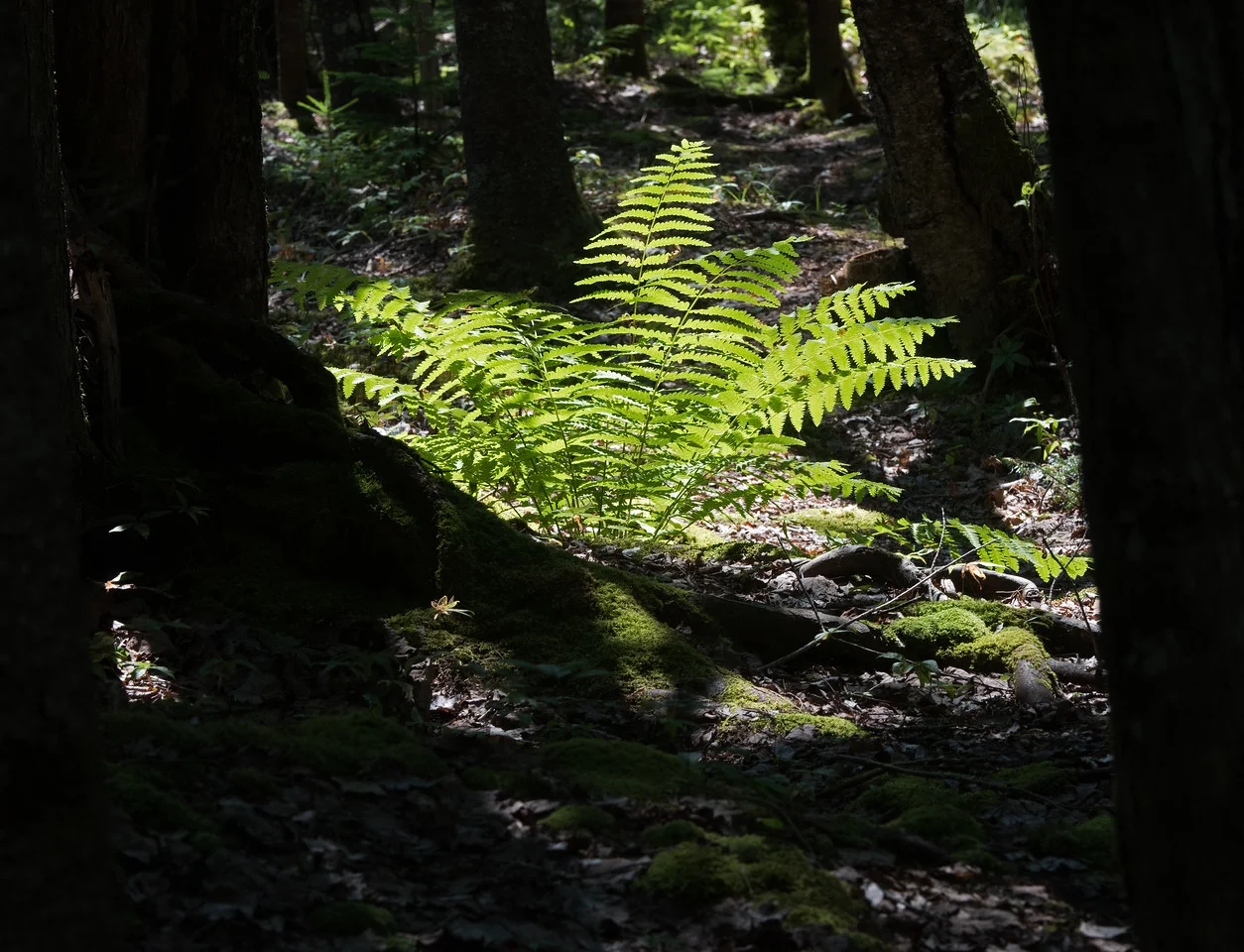
At this time of the year, the soft and lush new-summer leaves of the maples, birches, and other deciduous trees in our woods have closed many of the winter and spring canopy gaps among the firs, spruces, and cedars there. However, when a breeze shuffles the leafy branches, shafts of sunlight can beam briefly down onto the forest floor and touch the moss and fern (including this Cinnamon Fern).

The moment can provide a small heart-lilt for those who are attuned to the subtle harmonies being played. (Brooklin, Maine)
2 Comments

Comment

In the Right Place: Going Balmy

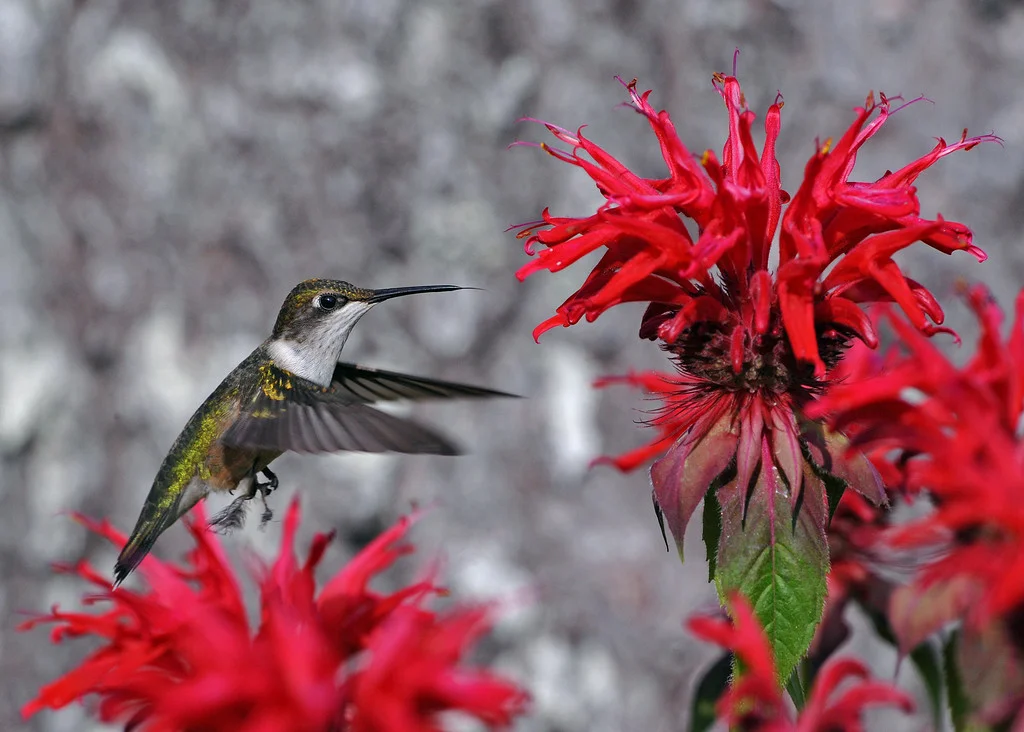
Ruby-Throated Hummingbirds are now feeding frenetically on Barbara’s Bee Balm to get the nectar needed for their high-energy motors. These hummers are about three to three-and-a-half inches long, but they can fly horizontally up to 25 miles per hour and dive up to 40.

The wingbeats of Ruby-Throats average a blurry 53 per second and, when in passing gear, the beats can reach 200 a second – at which point even the bird becomes a green blur for many of us. 

Females, as in this image, don't have the red necklace that their uncaring mates have. The males impregnate the females and just continue north. (Brooklin, Maine)
Comment

Comment

In the Right Place: Good News

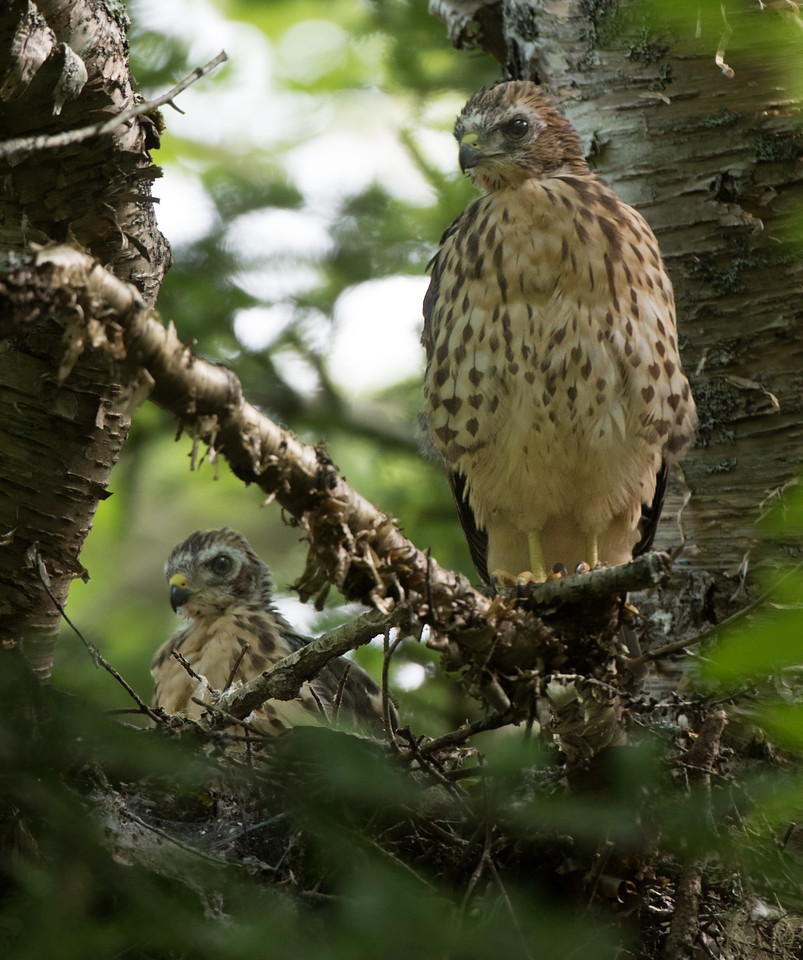
The two Broad-Winged Hawk fledglings that we’ve been monitoring have left their nest and are now on their own, learning to be raptors by trial and error.

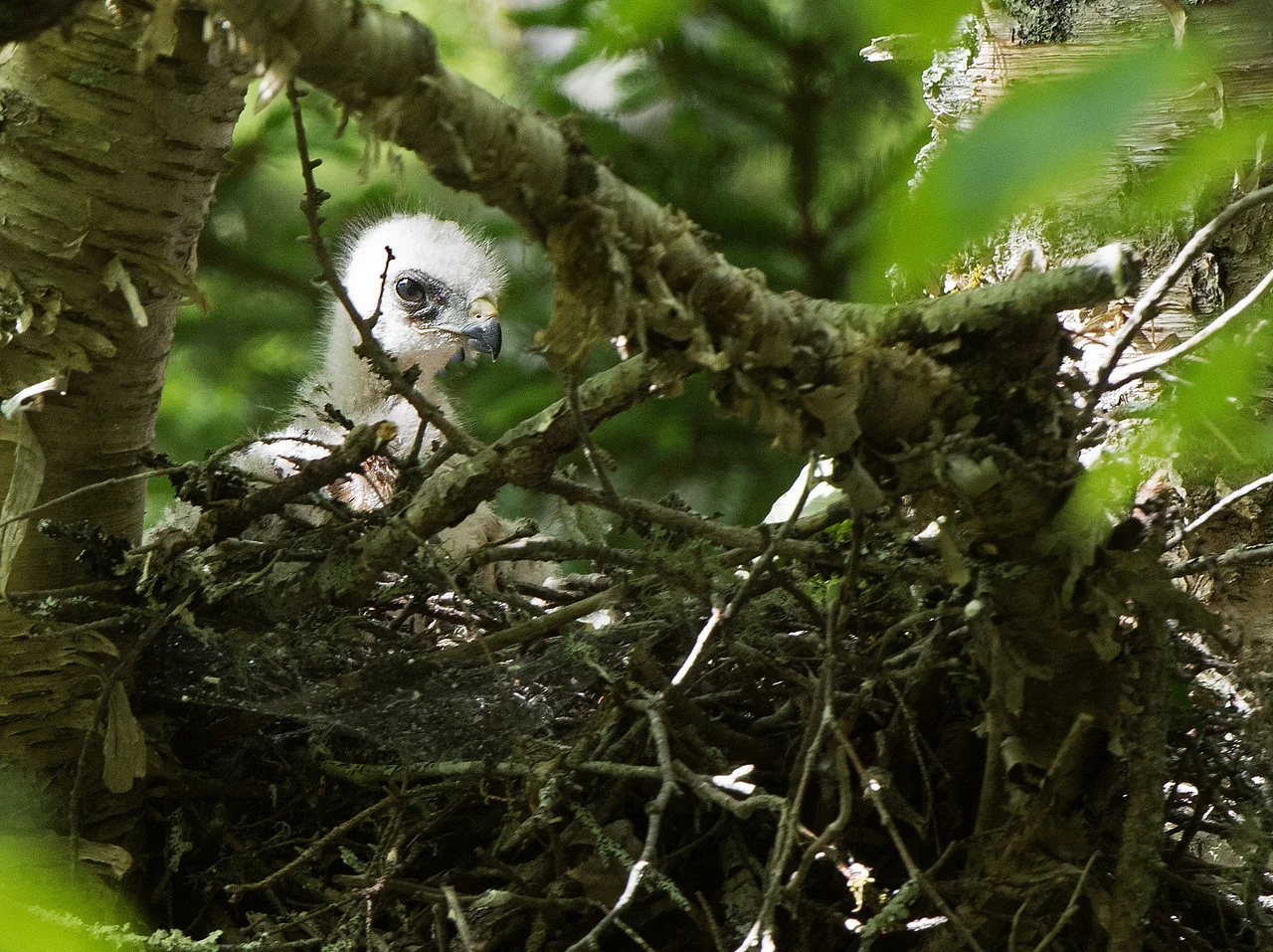
They’re almost fully camouflaged in the image here, which was taken on July 10; it’s the last image of them together. The following morning, the hawk on the right was gone; on July 12, the second had flown away. Here's how the one on the right looked on June 28:

They grow quickly. (Brooklin, Maine)
Comment

Comment

In the Right Place: The Devil Is in the Details

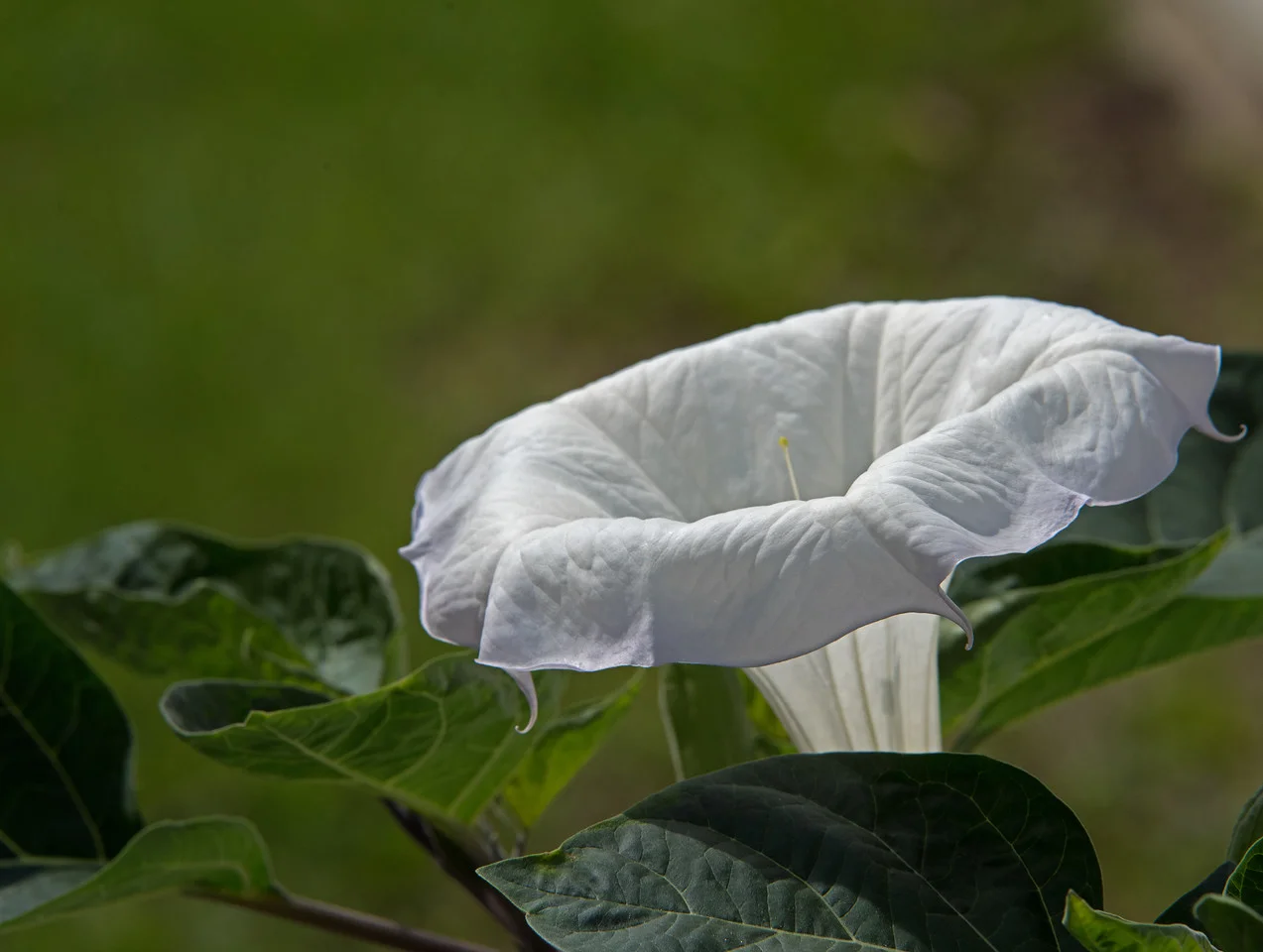
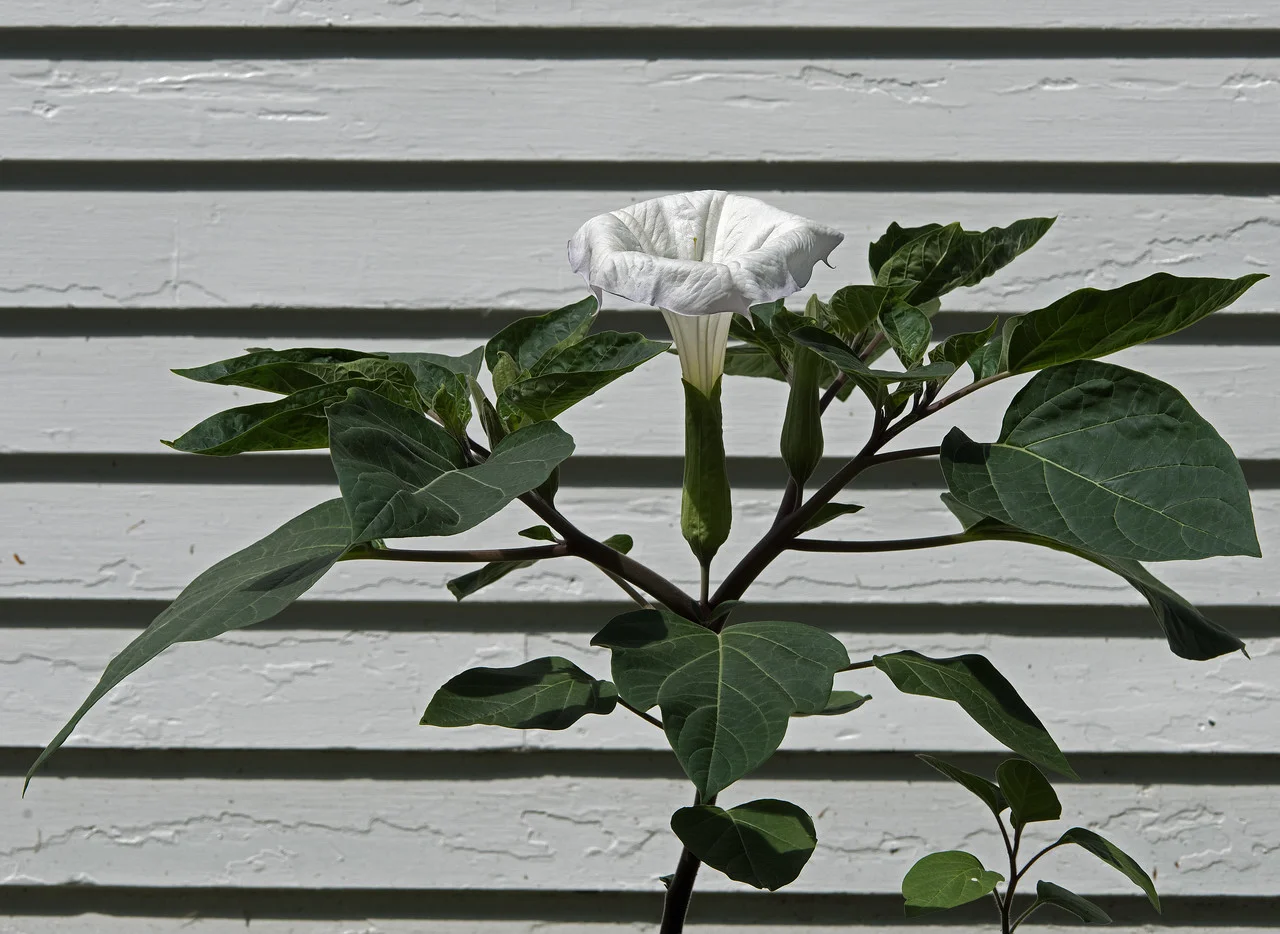
This plant with a six-inch white trumpet-shaped flower is a Datura innoxia, sometimes called a Moonflower or Thorn-Apple.

Many people keep them for their strange beauty and evening fragrance, but we hope that they don’t put them in their salads.

This and the other eight species of the Datura genus are collectively known as Devil’s Trumpets because they’re poisonous to animals, including humans. (Brooklin, Maine)

Comment

Comment

In the Right Place: Magic Realism Remembered

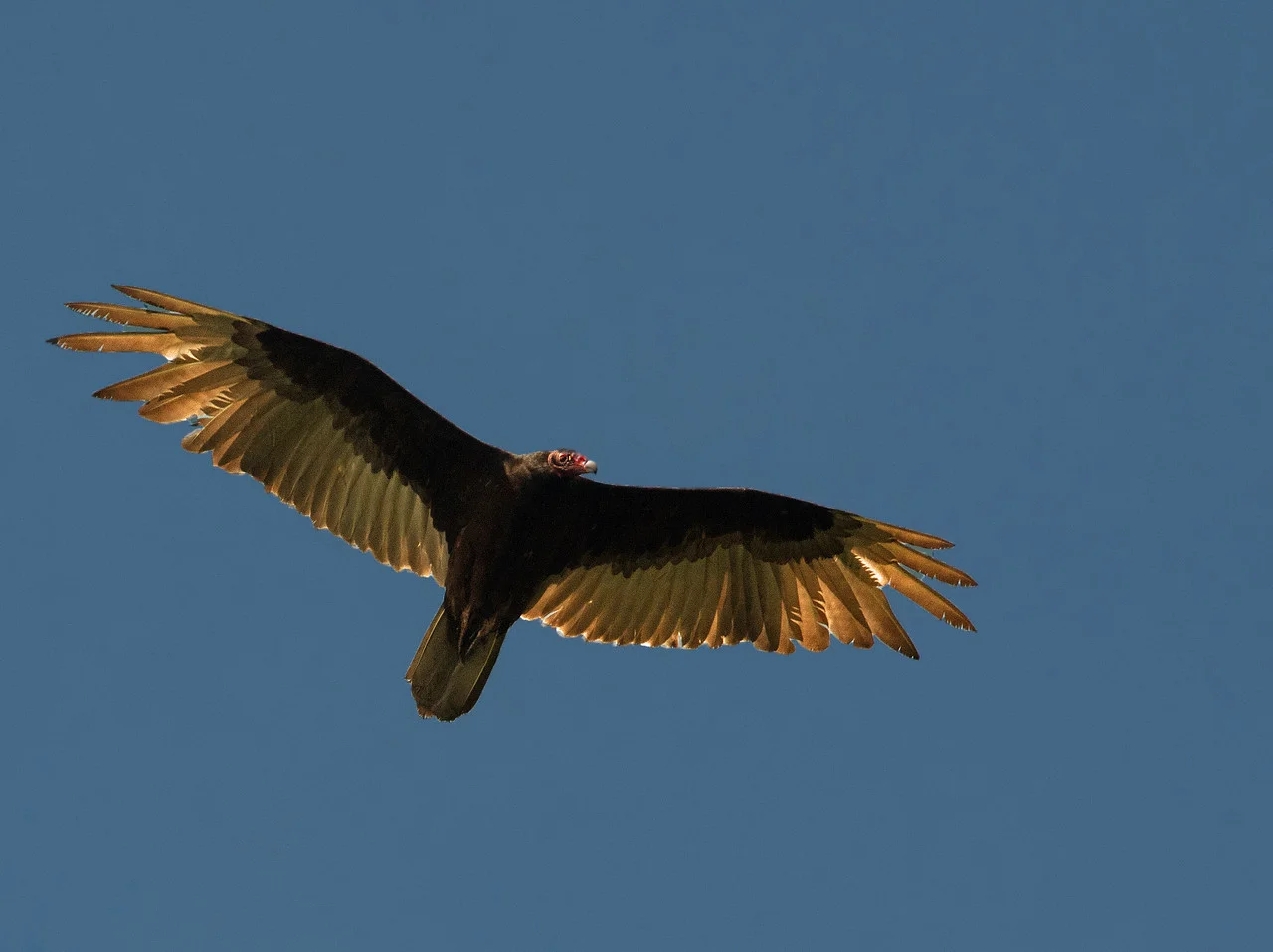
Andrew Wyeth would have been 100 years old today; and, yes, this Turkey Vulture soaring over us a few days ago was an especially relevant reminder of one of America’s leading members of the Magic Realism School.

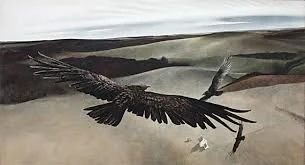
Such birds are the focal point of Soaring, perhaps Wyeth’s first major visualization of an out-of-body experience. (Wyeth and Edward Hopper, among others, are known for realistic renderings that have sometimes-hidden, mystical meanings, at least to the artists -- a school or style dubbed by the Museum of Modern Art and others as Magic Realism.)

As for Soaring, that egg tempera painting was started in 1942, but Wyeth abandoned it in large part because his famous father hated it. In 1950, Wyeth finished it at the suggestion of an art critic. 

In Soaring, Wyeth places viewers above three Turkey Vultures as they ominously wheel high in a big sky; they – and we – look down over the rural Pennsylvania area of Wyeth’s birth and death. The only structure shown is the Kuerner (aka Koerner) Farm where Wyeth painted in an upstairs room.  It's where Carl Kuerner lured and shot a Turkey Vulture so that Wyeth could study it for the painting.

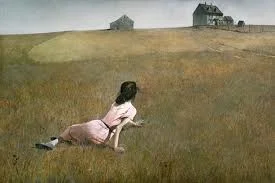
While Soaring lay abandoned, Wyeth completed his most famous tempera, Christina’s World, which was finished in 1948.

In that painting, crippled Anna Christina Olson – and we, eventually – stare up the slope of a Maine field, looking toward the Olson farm buildings on the horizon of a very small sky. Here, we’re provoked by an inner- (and broken-) body experience involving Christina’s life of crawling over her land.

Wyeth was intrigued by (if not obsessed with) strangeness and death, but he lived a long and controversial life. He died at the age of 91 in January of 2009. Images of Soaring and Christina’s World are reproduced here for educational purposes only.

(Brooklin, Maine)

Comment

Comment

In the Right Place: Cruel World

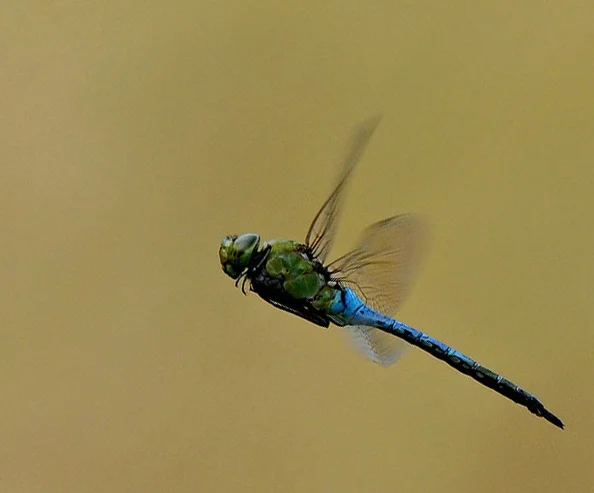
When it comes to viciousness, it’s hard to beat a Dragonfly. Dragonflies, such as this Common Green Darner, visually lock onto a chosen victim (even if it’s within a swarm of other insects); then, they use each of their four wings together and/or independently to out-fly their prey.

They can grab the other insect with their legs, tear off its wings to prevent distraction and further flight, and rip and chew the victim to pieces with strong jaws and serrated mandibles – all in mid-air. Glad they’re small.

(Brooklin, Maine)
Comment

1 Comment

In the Right Place: Edens We Have Known

(July 8, 2017) With a few obvious exceptions, there’s no bad time to go to a good garden.

It was cloudy this Saturday afternoon, but one of the best “backyard” gardens in the country was open to the public that day.

It just so happens that this backyard is in the middle of Blue Hill, Maine, and consists of 10 beautiful acres of various environments.

There are more-or-less formal areas with structures and flower beds; fields of milkweed and other native plants for pollinators; bee hives; a pond; vegetables;  trails through woods where mushrooms grow, etc.  And, there are bird feeders and birdbaths everywhere.

It’s the regionally-renowned garden of Leslie Clapp and Blaise de Sibour, who generously share it with the community. Here are some images:

For larger versions of the above images, as well as additional images of the garden, click on the link below. (We recommend that your initial viewing be in full-screen mode, which can be achieved by clicking on the Slideshow [>] icon above the featured image in the gallery to which the link will take you.) Here’s the link:

https://leightons.smugmug.com/US-States/Maine/Out/2017-in-Maine/A-Cloudy-Day-in-a-Garden/


1 Comment

Comment

In the Right Place: Encounters

White-Tailed Deer here are not like their relatives in suburbia that have become almost oblivious to humans. Most here dash away at the first sight of humans, seemingly aware that we’re their fiercest predators.

Thus, it can be exciting stalking them: getting upwind of a browsing doe; hiding and remaining still as she slowly comes closer. Seeing her suddenly become aware of another presence, her ears snapping up in alarm, her lovely eyes wide and focused on the potential danger. That’s the time to shoot her – CLICK. (Brooklin, Maine)
Comment

Comment

In the Right Place: To Wake, To Sleep, To Die

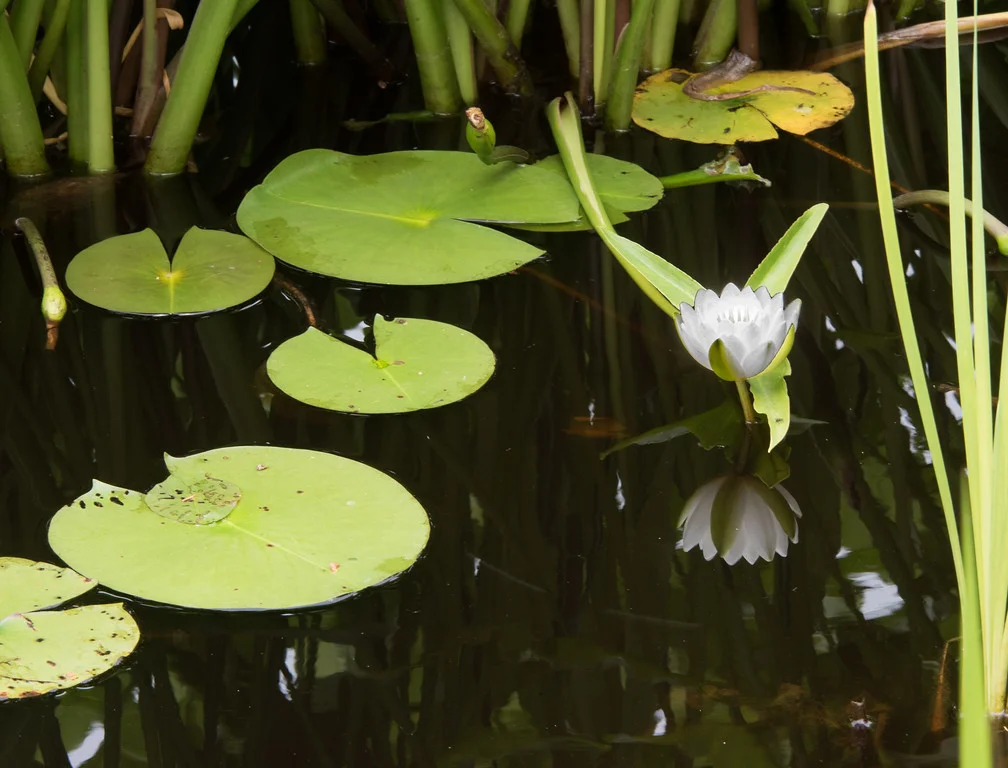
Wild Water Lilies are now offering themselves, becoming part of the ephemeral art of marsh ponds.

They arise and bloom during a few days, close and sleep those few nights, and then die, bequeathing their seeds into the water for their progeny’s brief, brightening life next year. (Brooklin, Maine)
Comment

Comment

In the Right Place: Breezing Up

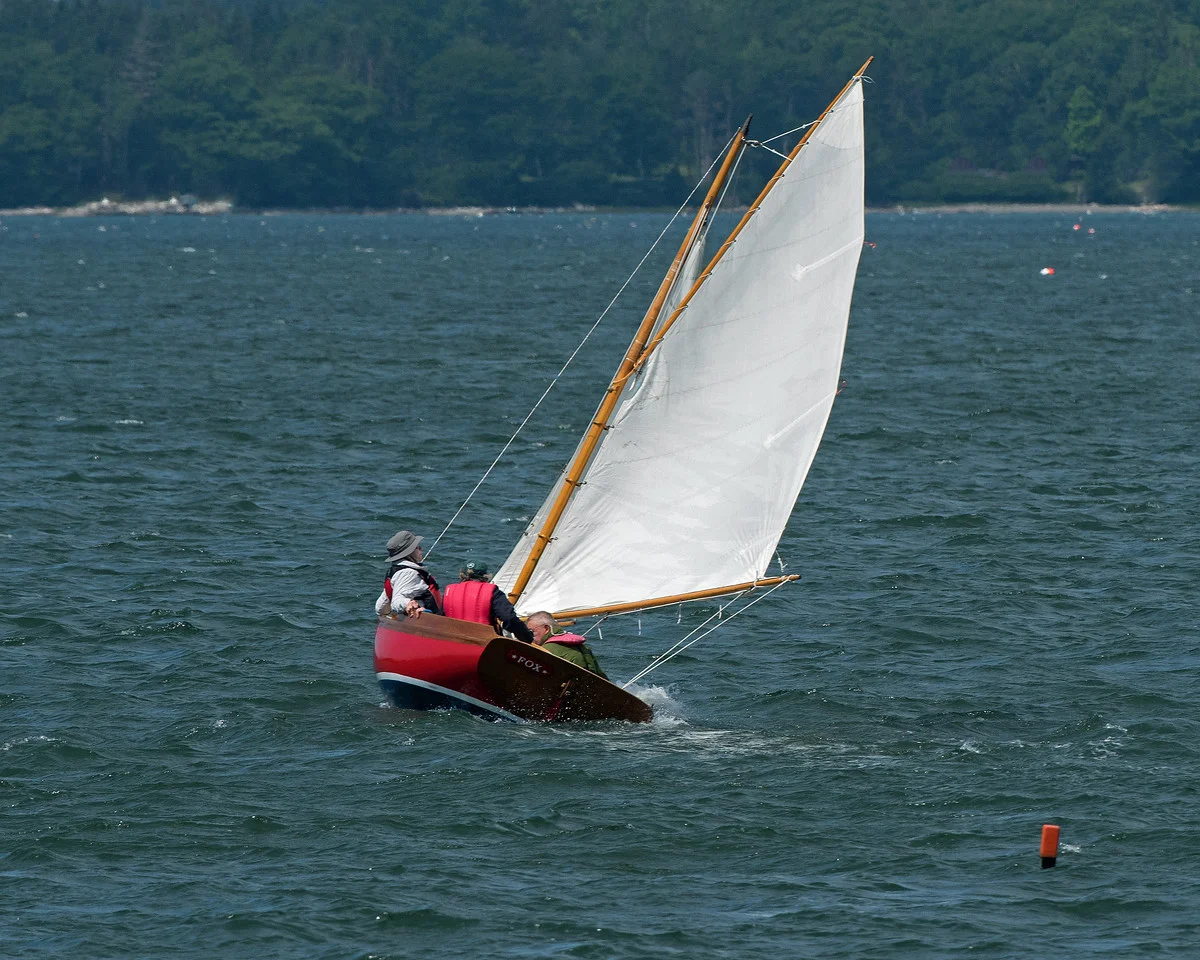
Winds worthy of Winslow Homer whirled in Great Cove yesterday morning and WoodenBoat School sailors were there to chase them.

Here, we can almost feel the thrill of beating to windward in Fox, a 12.5-foot Haven built by School students. (Brooklin, Maine)

Comment

Comment

In the Right Place: Waiting and Watching

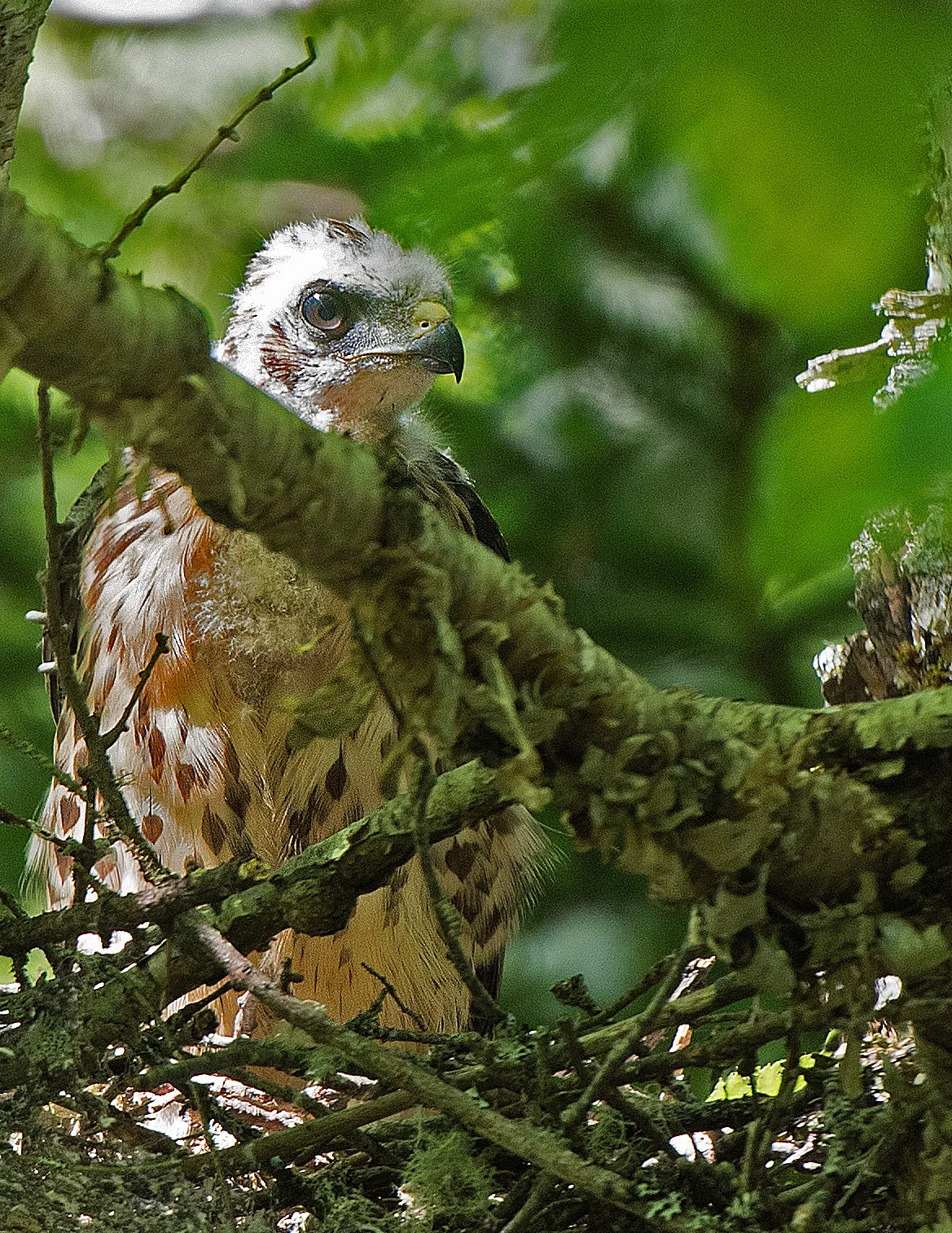
We’re happy to report to the many who are asking that the twin Broad-Winged Hawk fledglings are doing well. As you know, we’ve been monitoring them from a distance since they were about the size of tennis balls.

This is one of them yesterday, starting to look like a hawk with bad hair. We hope that they’ll be flying this month or early next. (Brooklin, Maine)

Comment