Comment

In the Right Place: Attraction

There’s snow and ice on the ground and it’s below freezing here, but our Northern Cardinals are starting to court. These birds are among the earliest nest-builders, sometimes starting home construction as early as February.

ITRP 12.jpg

The red males singing on leafless winter branches are so obvious that we wonder whether they’re an example of evolution gone wrong. They seem to be advertising, “Red Hot! Get your hawk food here!” As far as these bright male Cardinals are concerned, however, it’s apparently worth the danger – the reddest males attract the most females. Here’s an interested female:

ITRP 10.jpg

Researchers have concluded that female Cardinals consider red brightness to be a significant predictor of a healthy mate. “Seeing red” is a good thing when it comes to Cardinal speed-dating. Lightly-colored males such as this one get what’s left:

ITRP 9.jpg

(Brooklin, Maine)
Comment

February Post Cards From Maine

3 Comments

February Post Cards From Maine

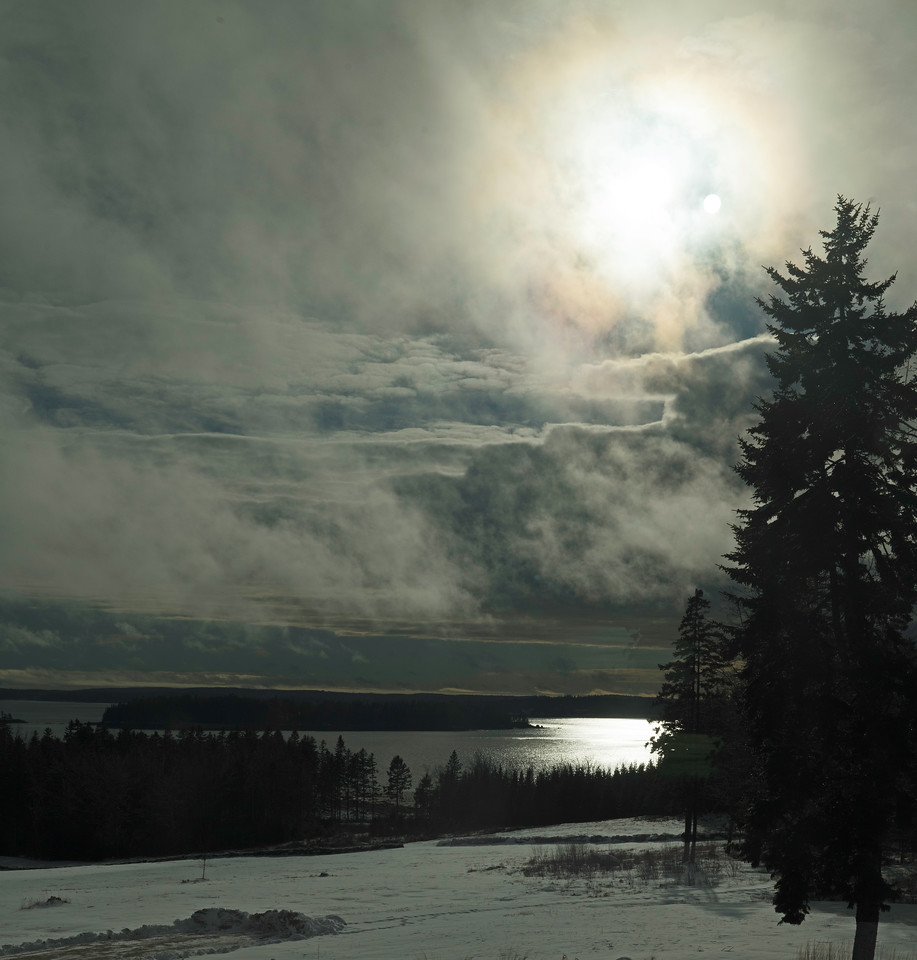
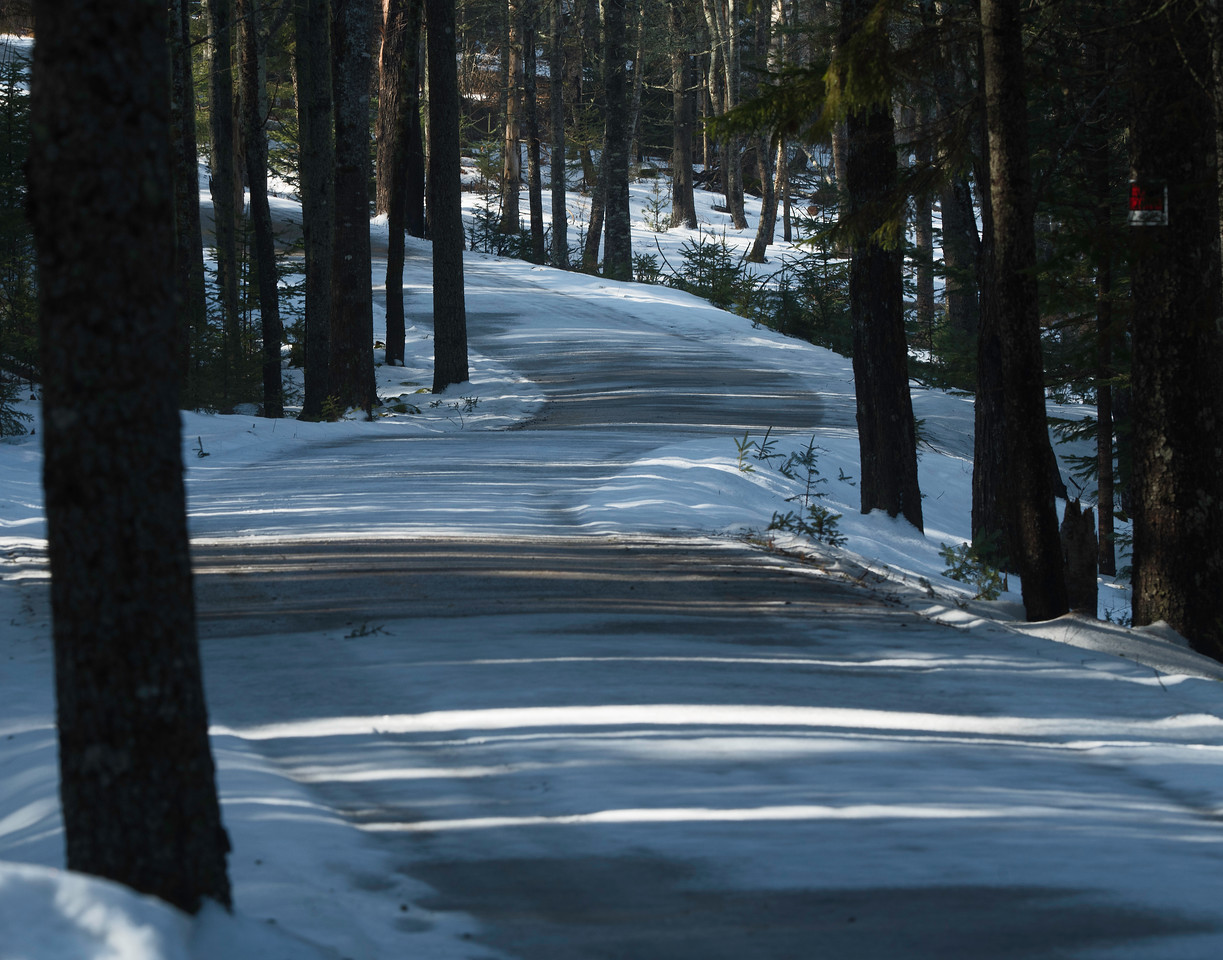
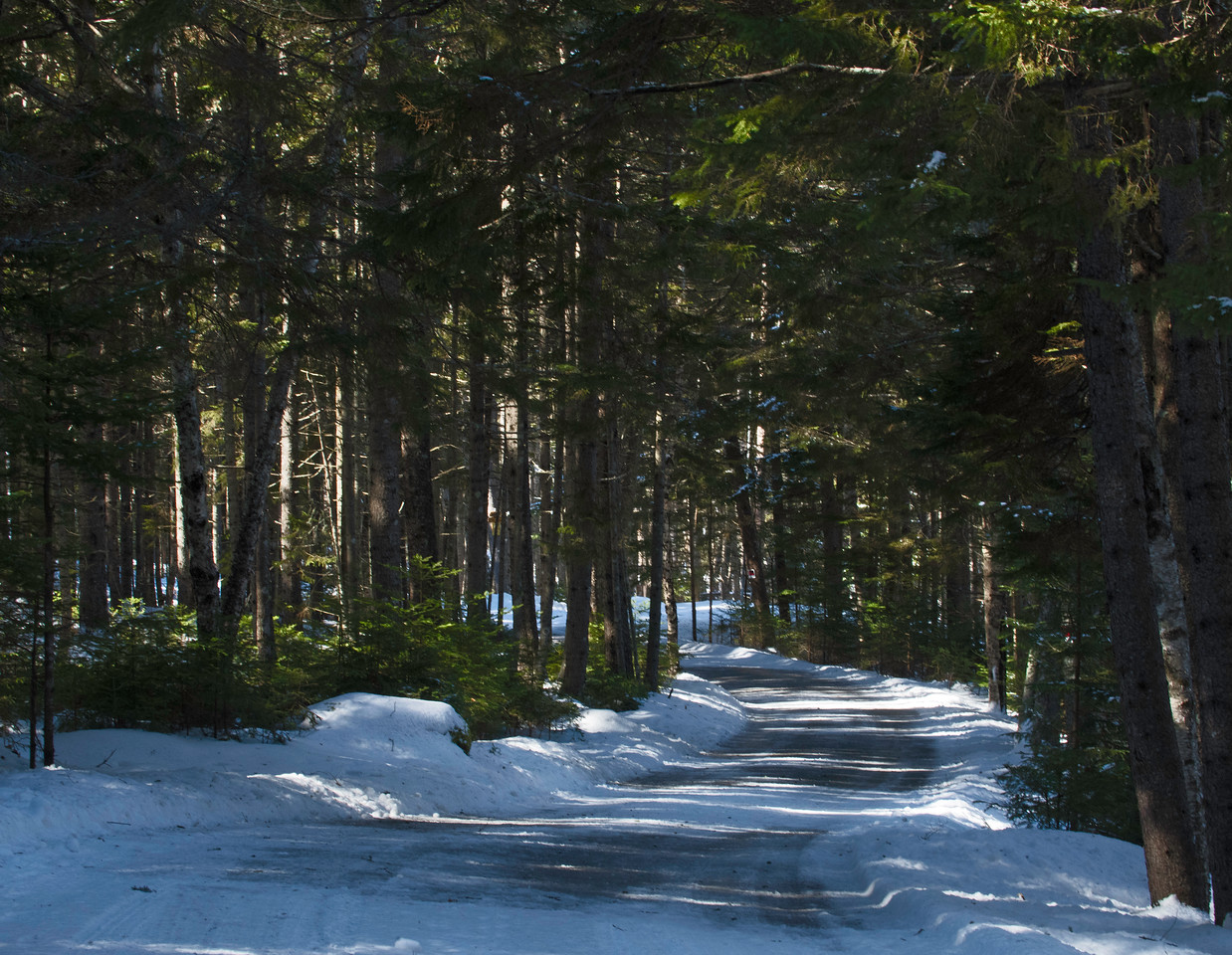
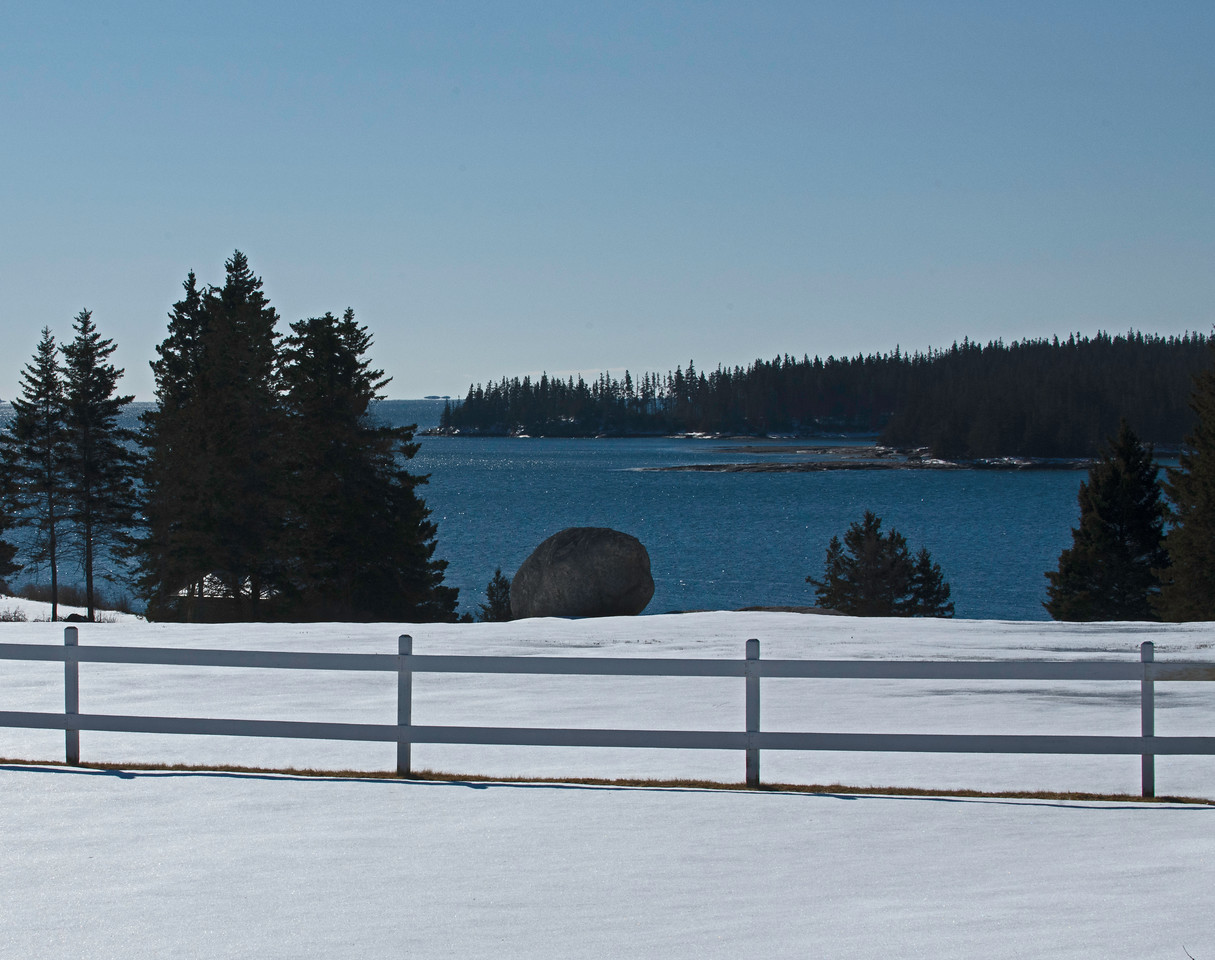
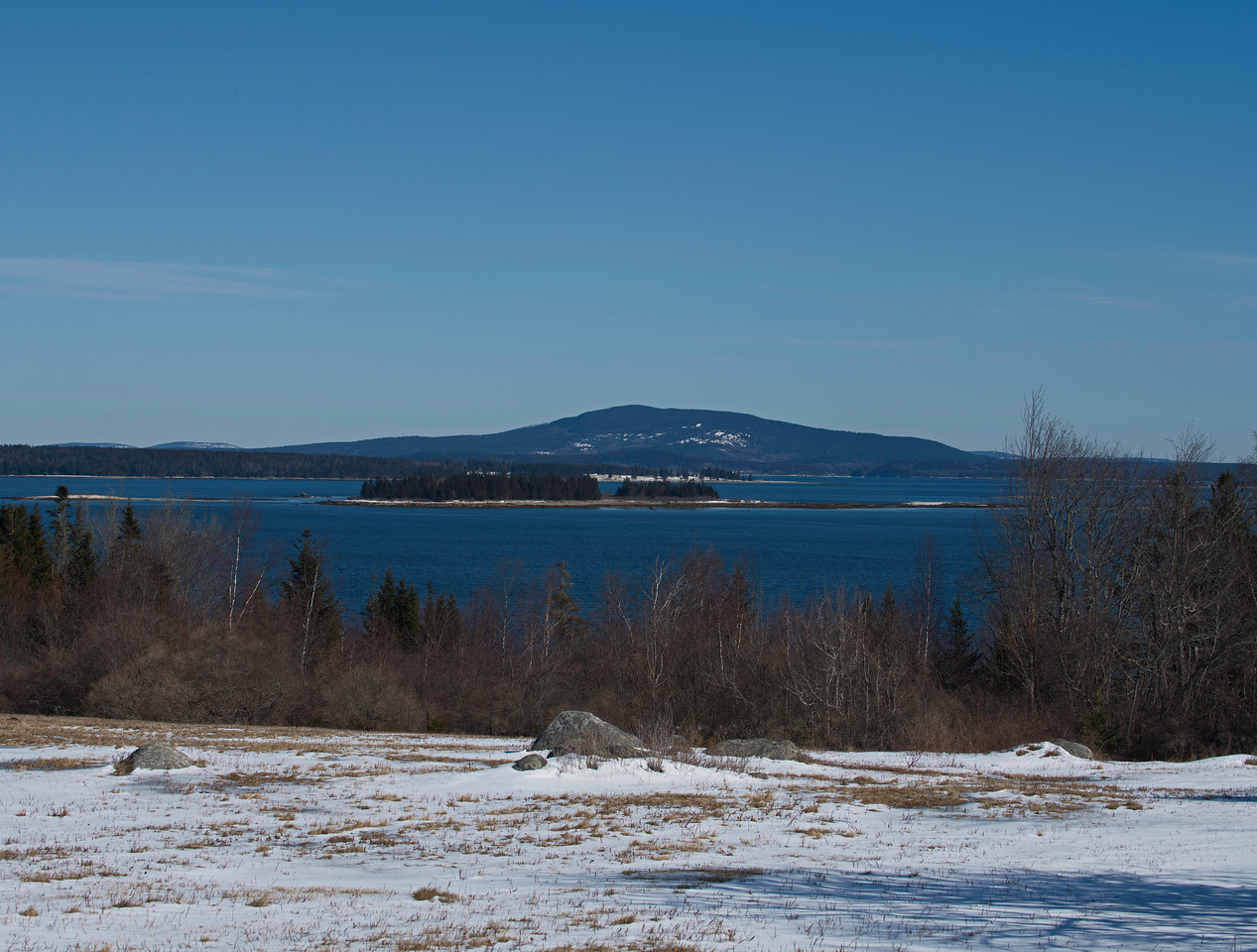
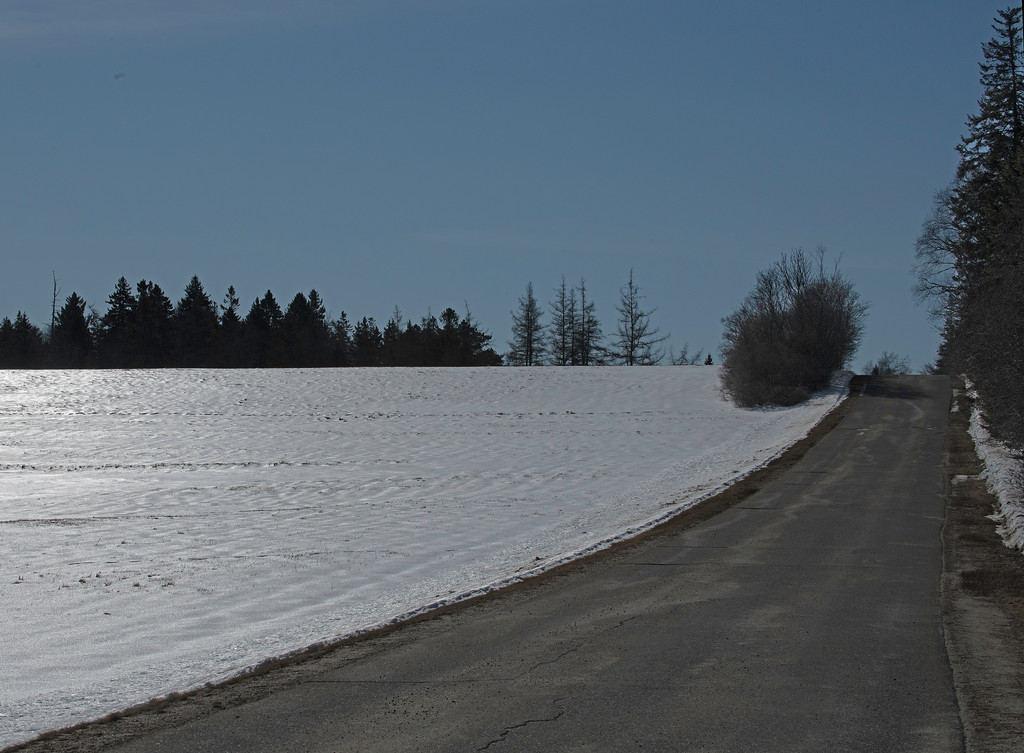
February is the last full month of winter. This year, we had the usual cycle of the month’s contradictions: snow storms that brought ephemeral beauty and white stuff that had to be plowed and shoveled; Arctic air that froze the ground followed by warm thaws that caused frost heaves; gray days followed by squinty-bright ones with the bluest of skies and seas.

Feb 01.jpg
Feb 05.jpg

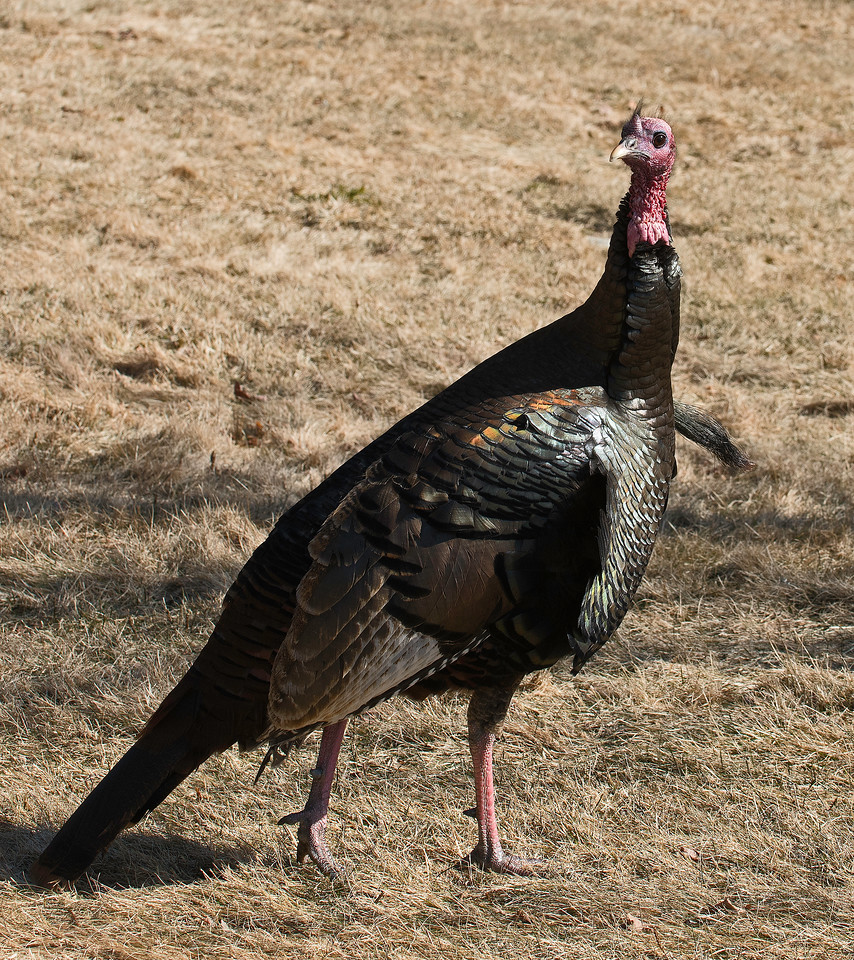
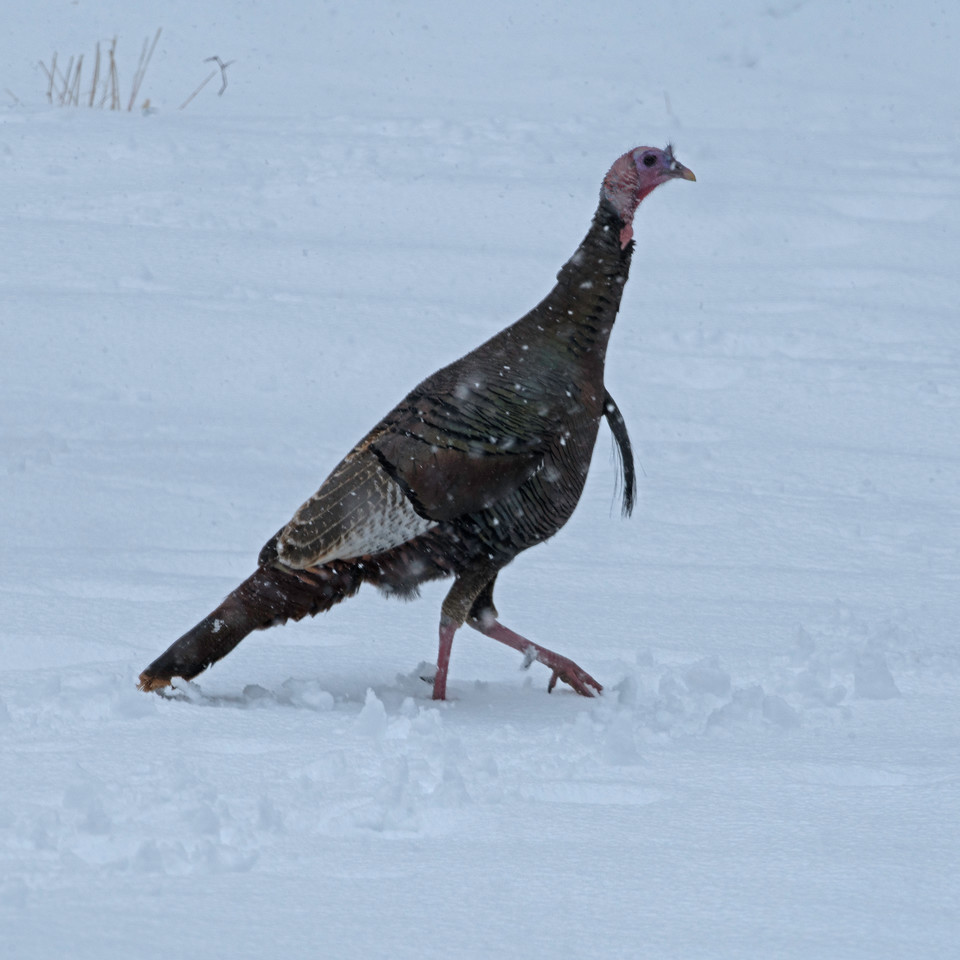
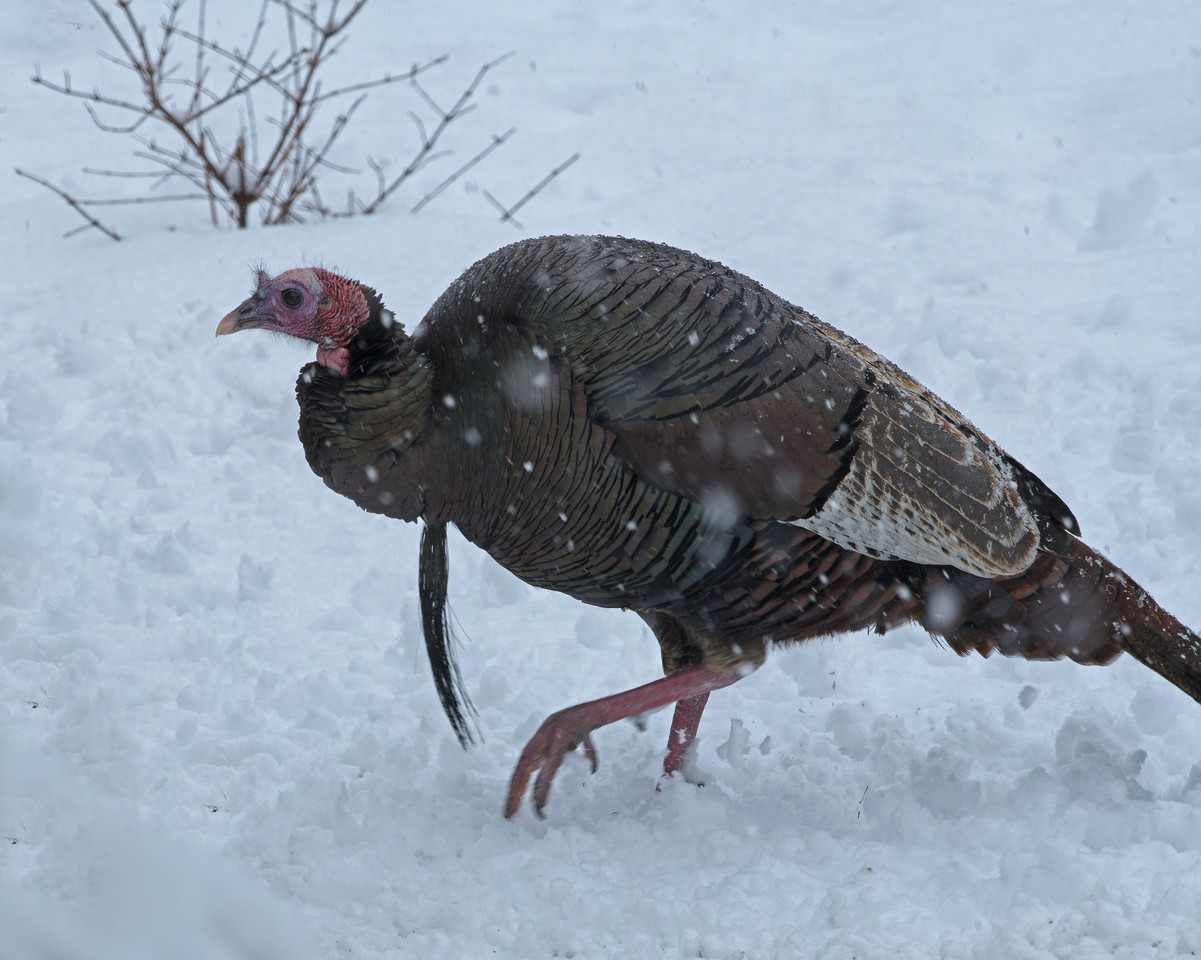
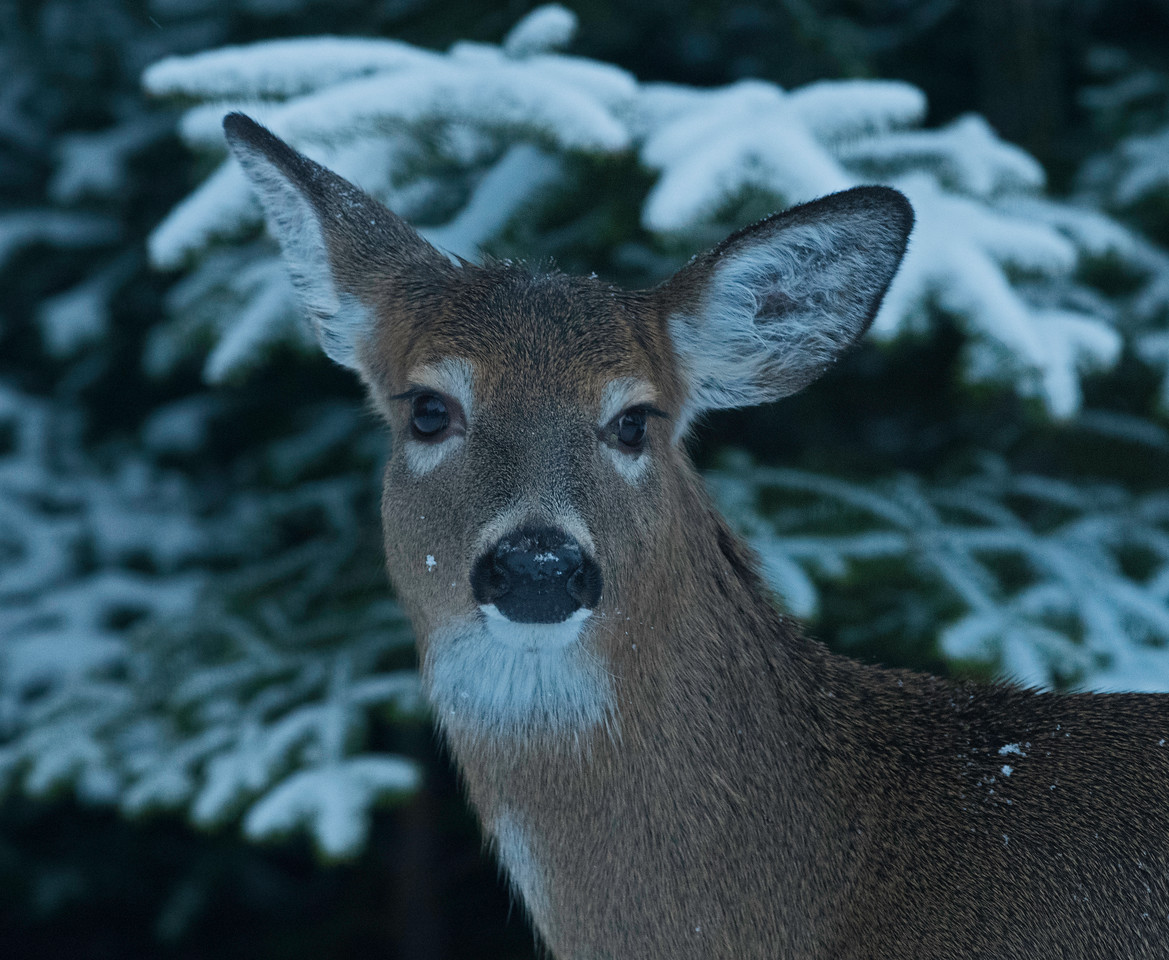
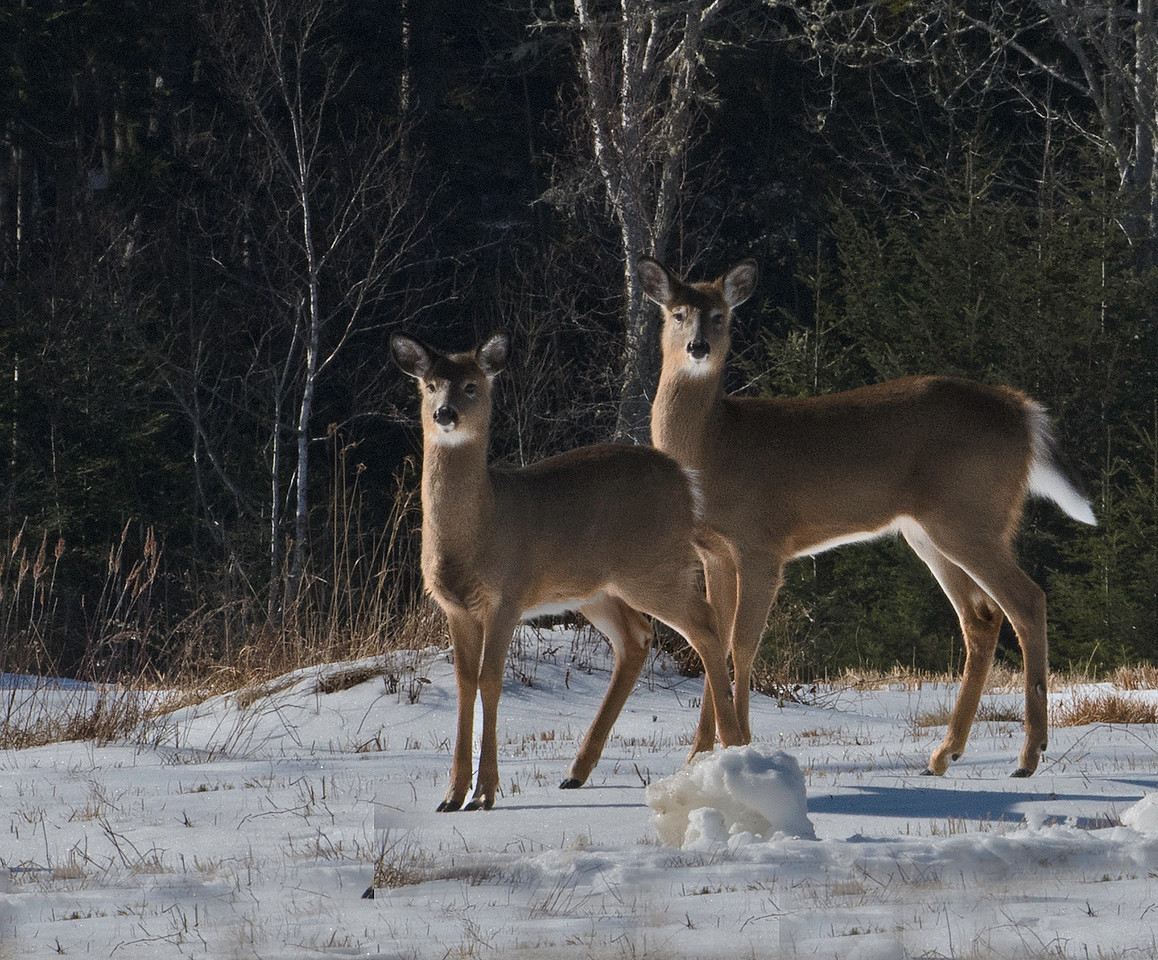
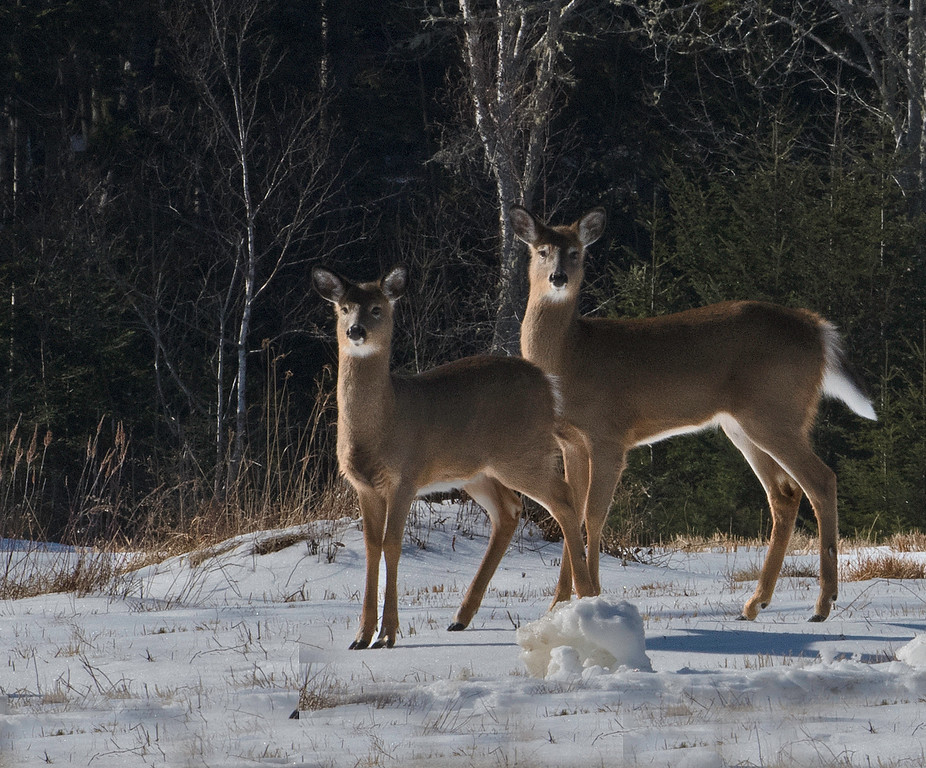
This month’s cold weather and snows seemed to be no problem for our perenial winter neighbors: Wild Turkeys, Common Eiders, and White-Tailed Deer.

Feb 15.jpg
Feb 12.jpg

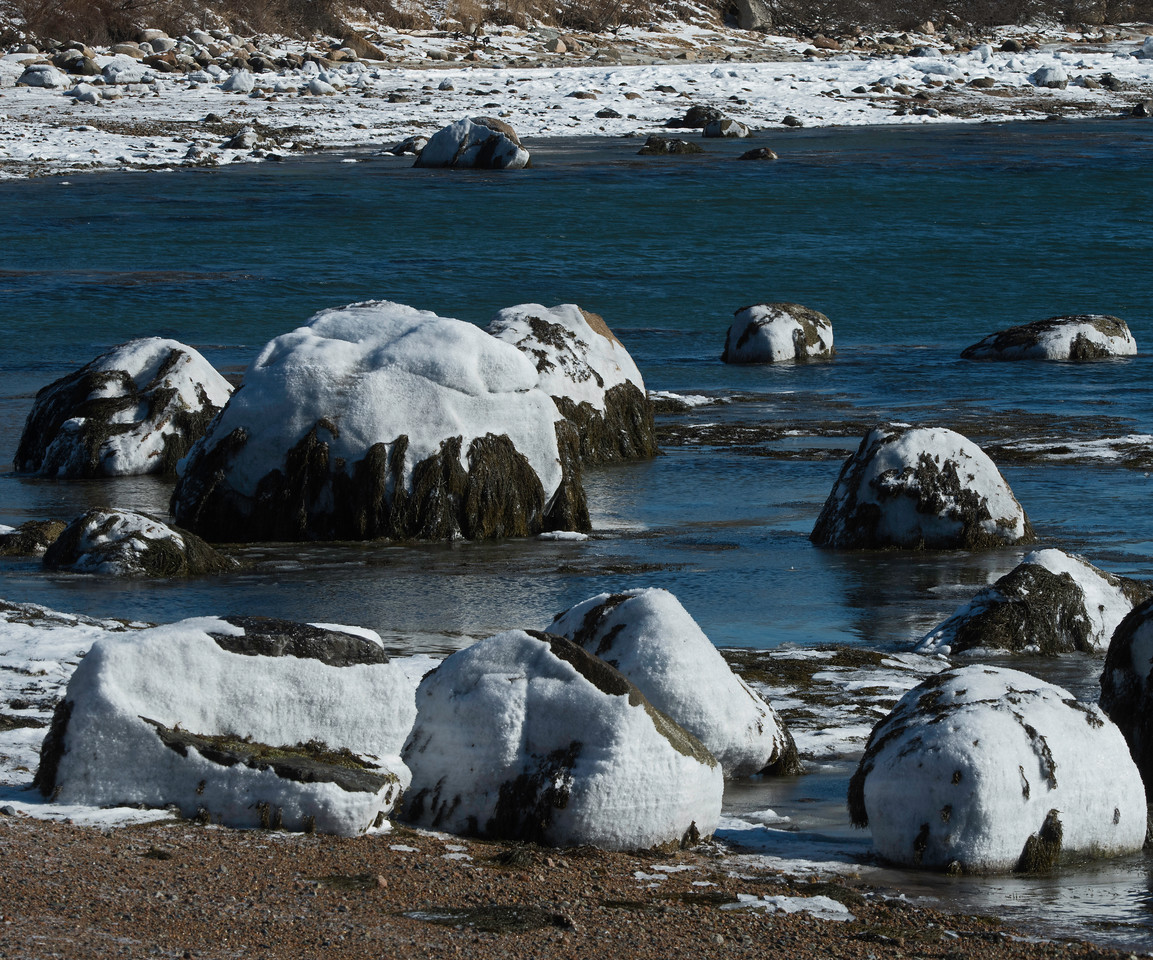
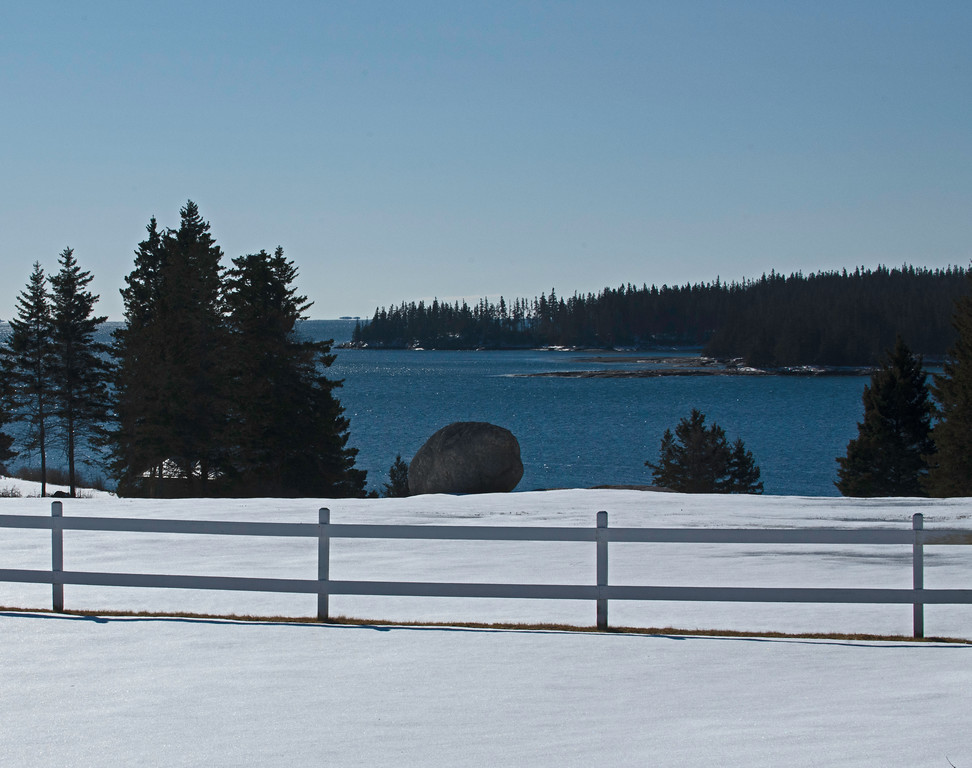
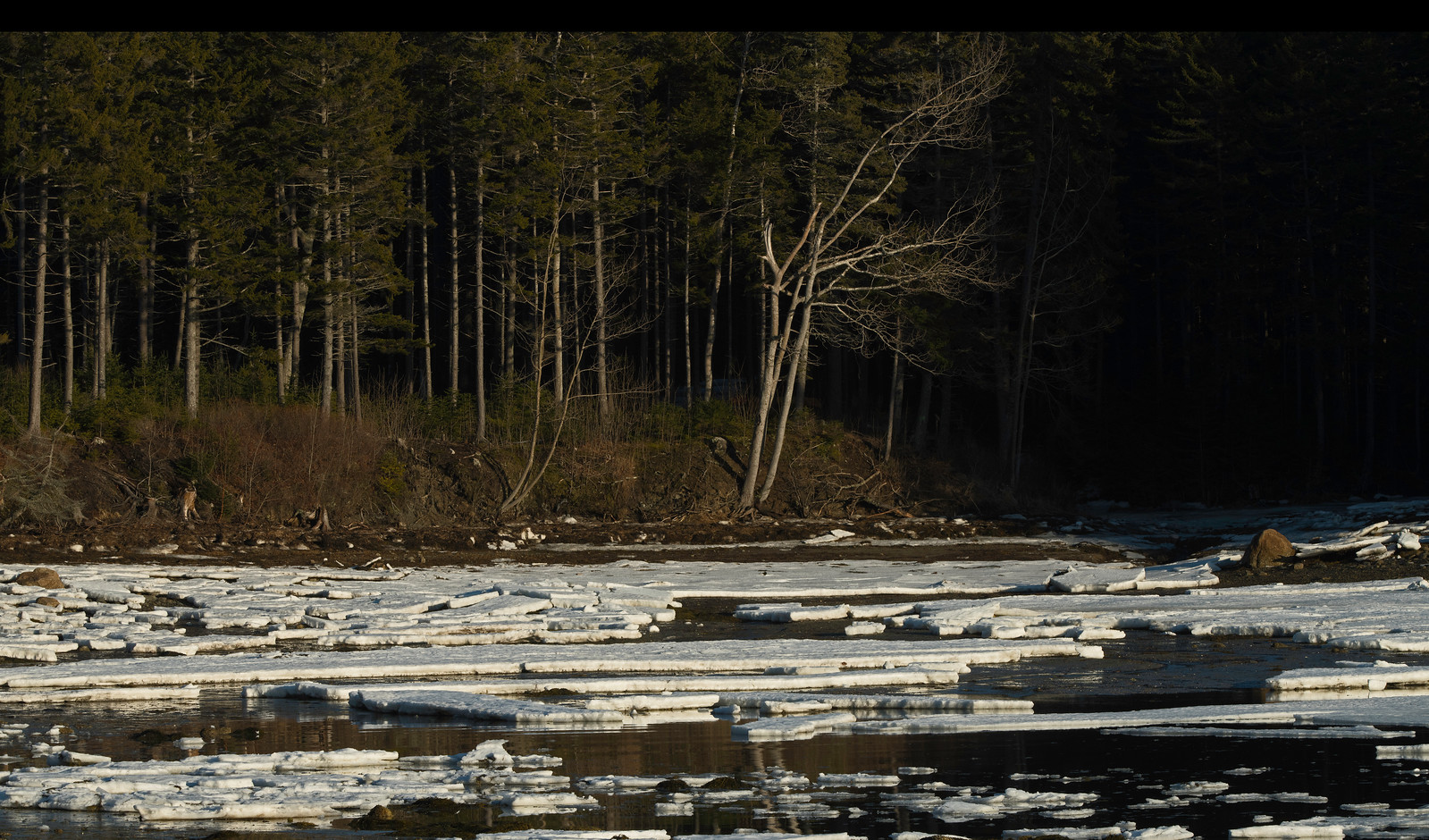
February is a good time for water-watching. The fresh water streams are full and robust; the coastal vistas are enchanting, and the sea often is glimmering and studded with sea ice.

Feb 08.jpg
Feb 18.jpg
Feb 34.jpg

The local lobster boats that remain in the water during February were transformed in December into scallop trawlers with booms and masts or they become platforms for diving for those scallops.

Feb 22.jpg

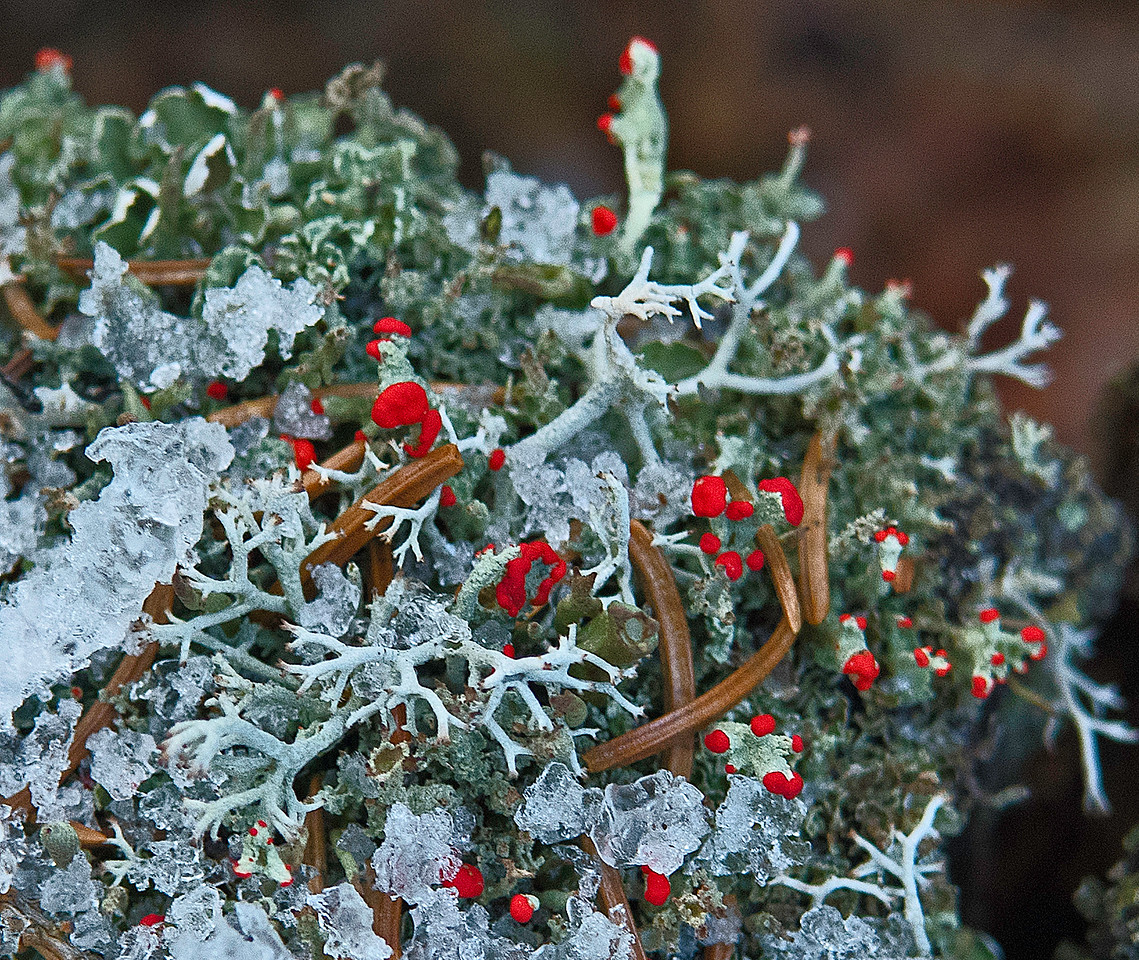
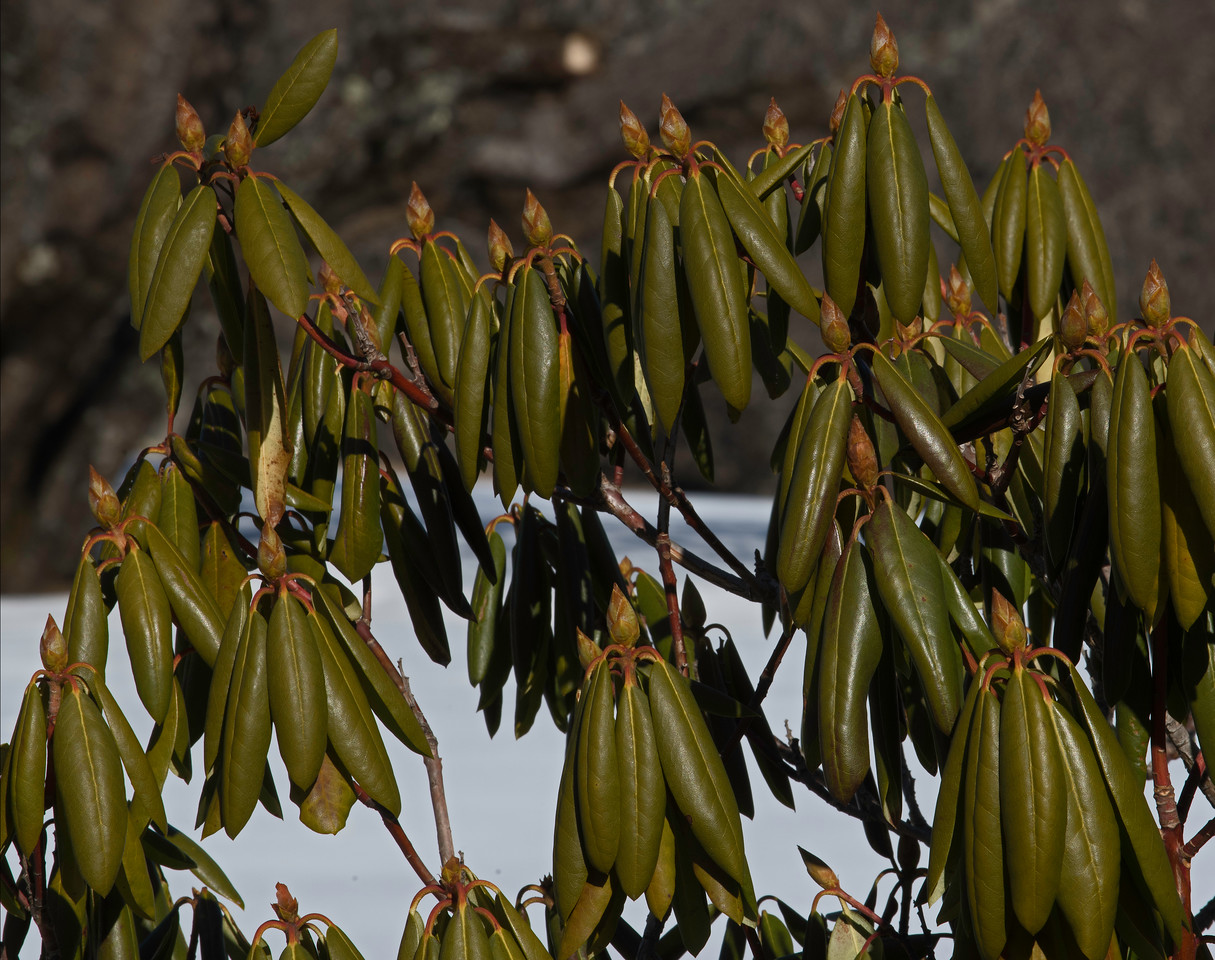
Ice-encrusted British Soldier Lichen (“The Red Coats are coming!”) and Rhododendrons curled into rockets show the effects of February’s temperatures and winds.

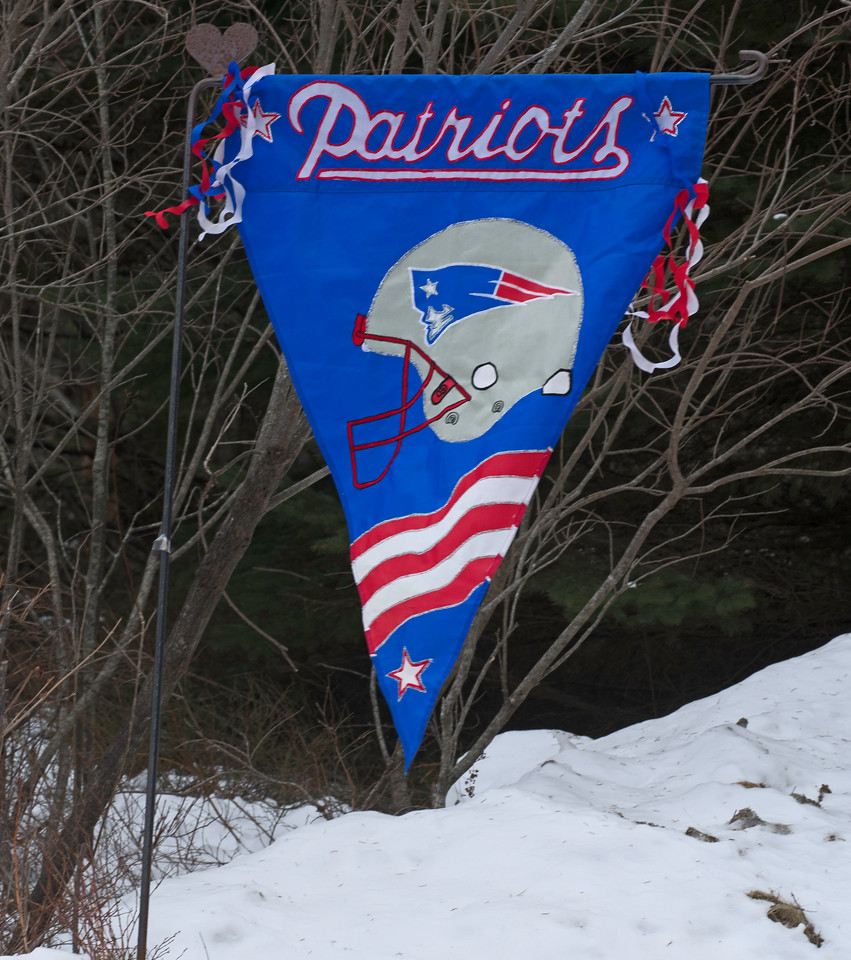
Neighbor Judith Fuller’s ever-changing roadside banners this February included commemoration of Super Bowl LIII (won by our New England Patriots) and Valentine’s Day.

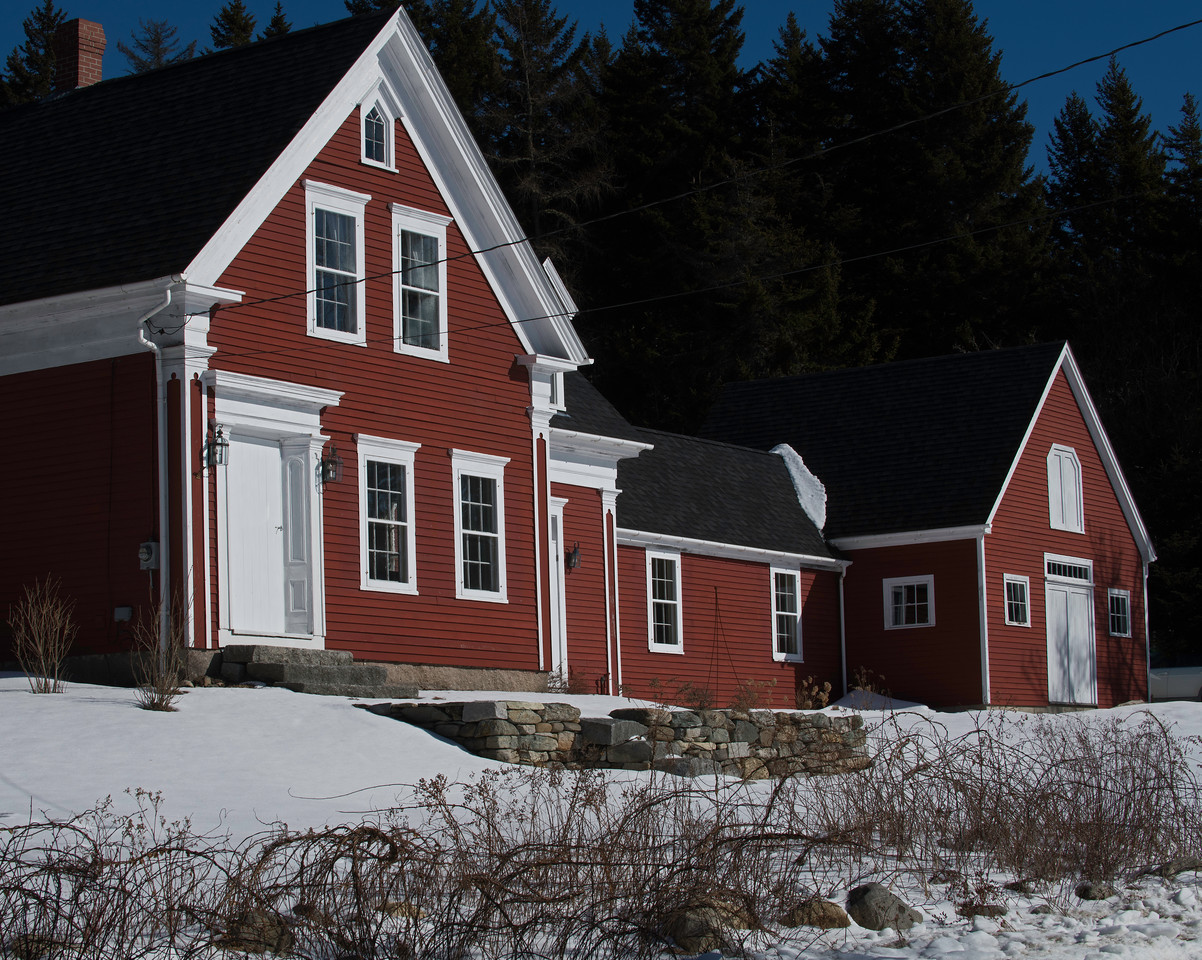
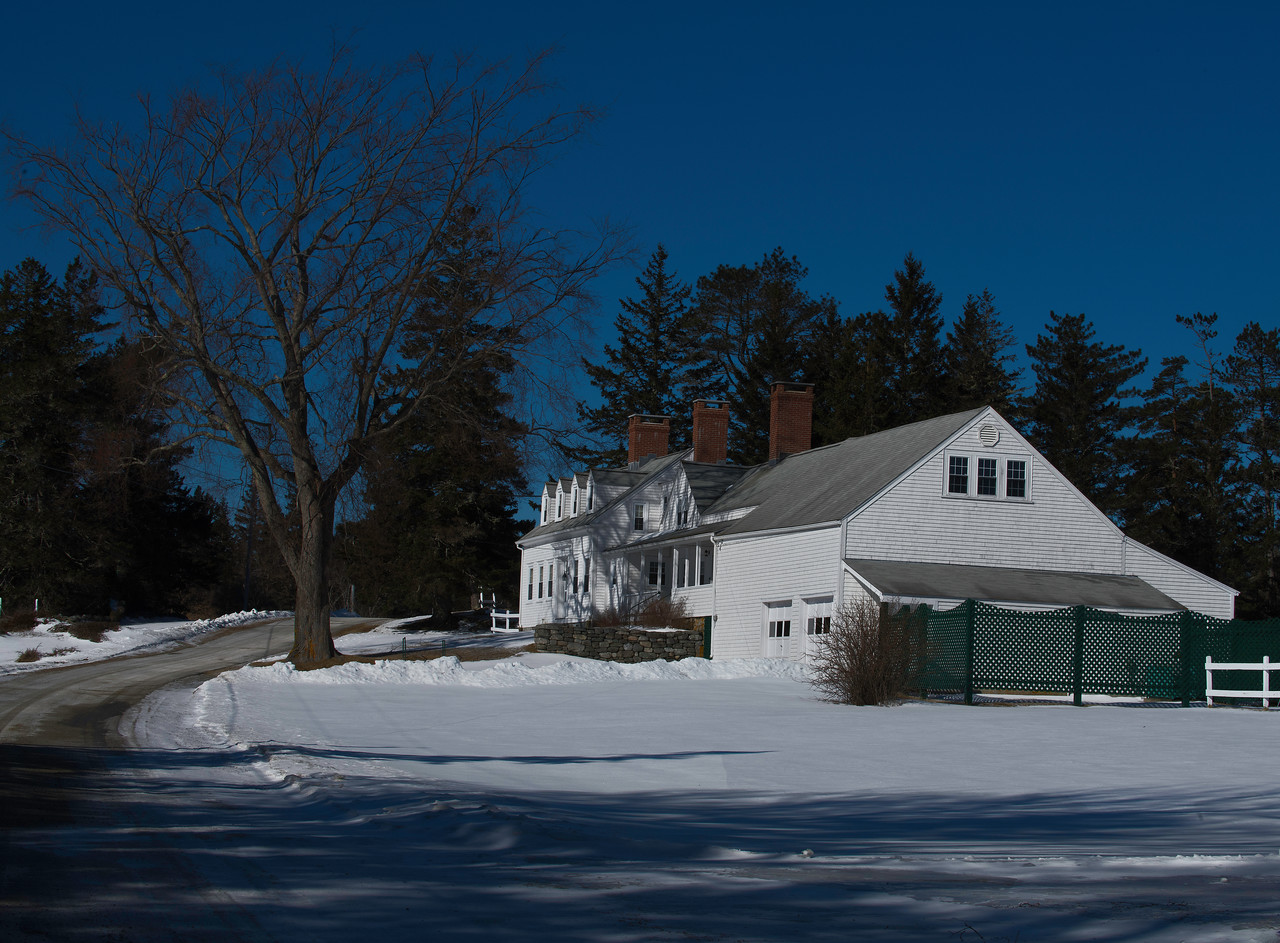
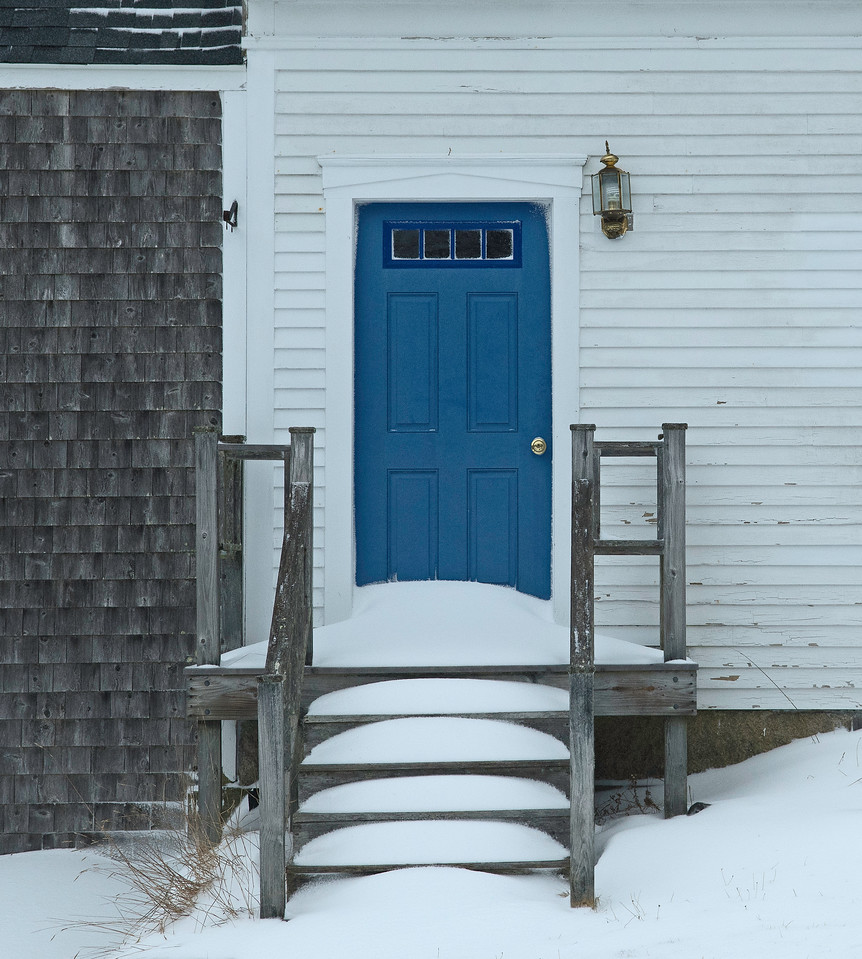
New England architecture displays its practical beauty in February’s snowy days.

Feb 25.jpg

Finally, there are the extraordinary winter sunsets and their afterglows in February, often our last “cold gold” skies of the year.

Feb 11.jpg

(All images in this post were taken in Down East Maine in February 2019)


3 Comments

Comment

In the Right Place: Truths

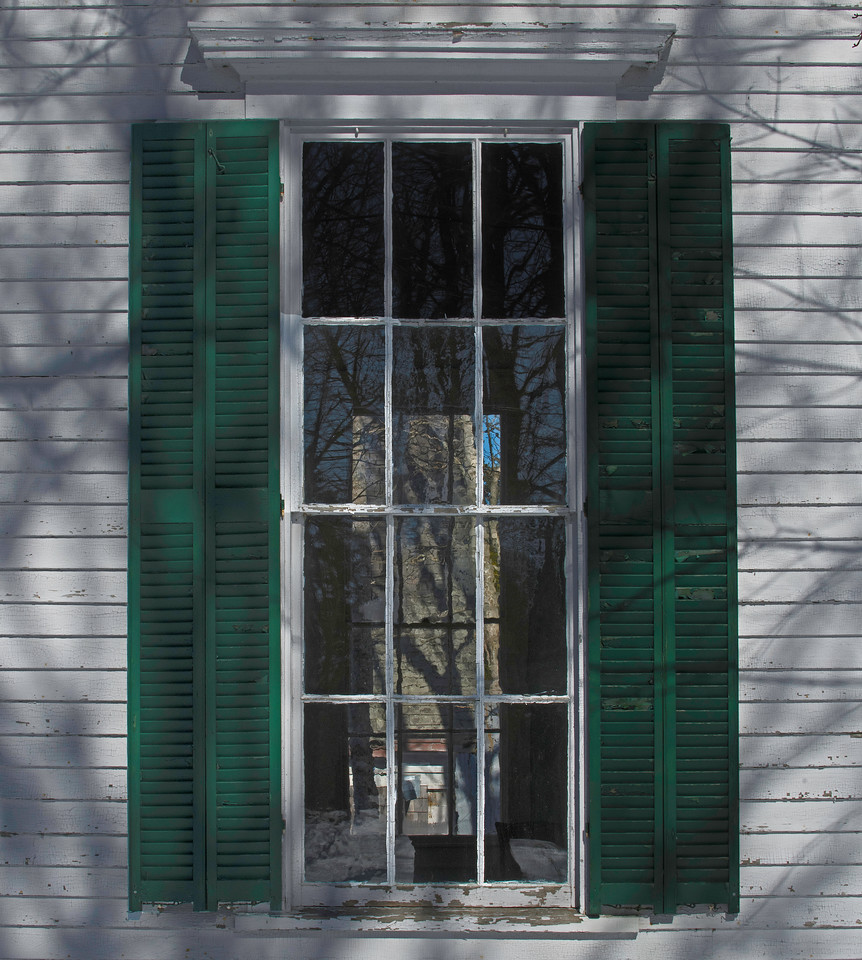
We’re looking at a window that’s more than 100 years old. I’ve photographed it many times and, each time, it reveals new truths, often only about me. It looks out from the one-room Chapel on Naskeag Road known as Beth Eden.

Chapel.jpg

It sees a line of bare maple trees that cast their shadows and reflections on it, as if trying to get to know it by feeling its face. It draws us in to see through the Chapel’s darkness to another window brightly looking out at other trees. And when we do this – this looking in and out – we can get a sense of the hope, joy, grief, and solace the Chapel has hosted. It’s usually vacant now, but it once was the place for a small rural community’s christenings, weddings, funerals, and hopeful prayers. (Brooklin, Maine)

Comment

Comment

In the Right Place: Rockets

Pity the Rhododendrons in winter: a huddle of promises trying to remain viable until their time comes. In freezing weather, Rhododendrons curl and trail their leaves below their buds, forming a green mass of ascending rockets.

i-38GXqHP-XL (1).jpg

This gives these evergreens extra protection from their greatest danger: dehydration caused by winter winds. (Brooklin, Maine)

Comment

Comment

In the Right Place: Irony

This is a corner of Naskeag Cemetery, where a Revolutionary War Captain and some of Brooklin’s earliest settlers are buried. It’s a quiet place made even quieter by our most recent snow; it drifted through the tombstones like a tide among pilings.

i-9M9HpPh-XL.jpg

The Cemetery is near the bottom of our small peninsula, which creates an irony that might have amused many of those buried here: Our Abenaki fore-residents named this area “The End.” They pronounced it “Naskeag.” (Brooklin, Maine)
Comment

Comment

In the Right Place: Stacking Up

Wood is a domestic resource here. This is our neighbors’ woodshed-in-the-woods containing logs split to fit in a wood stove or fireplace.

01.jpg

Near the shed, covered by our most recent snow, is a pile of larger logs sawed from fallen and dead trees on their property.

02.jpg

Stacks of wood are common sights around here, although this shed for them is fancier than most. Many people simply stack their firewood outside their houses, often under a tarpaulin. An estimated 50 percent of Maine homes use split or pelleted wood for supplemental heat and about 14 percent use such wood for primary heat, according to the last Census. (Brooklin, Maine)
 

Comment

Comment

In the Right Place: Boring

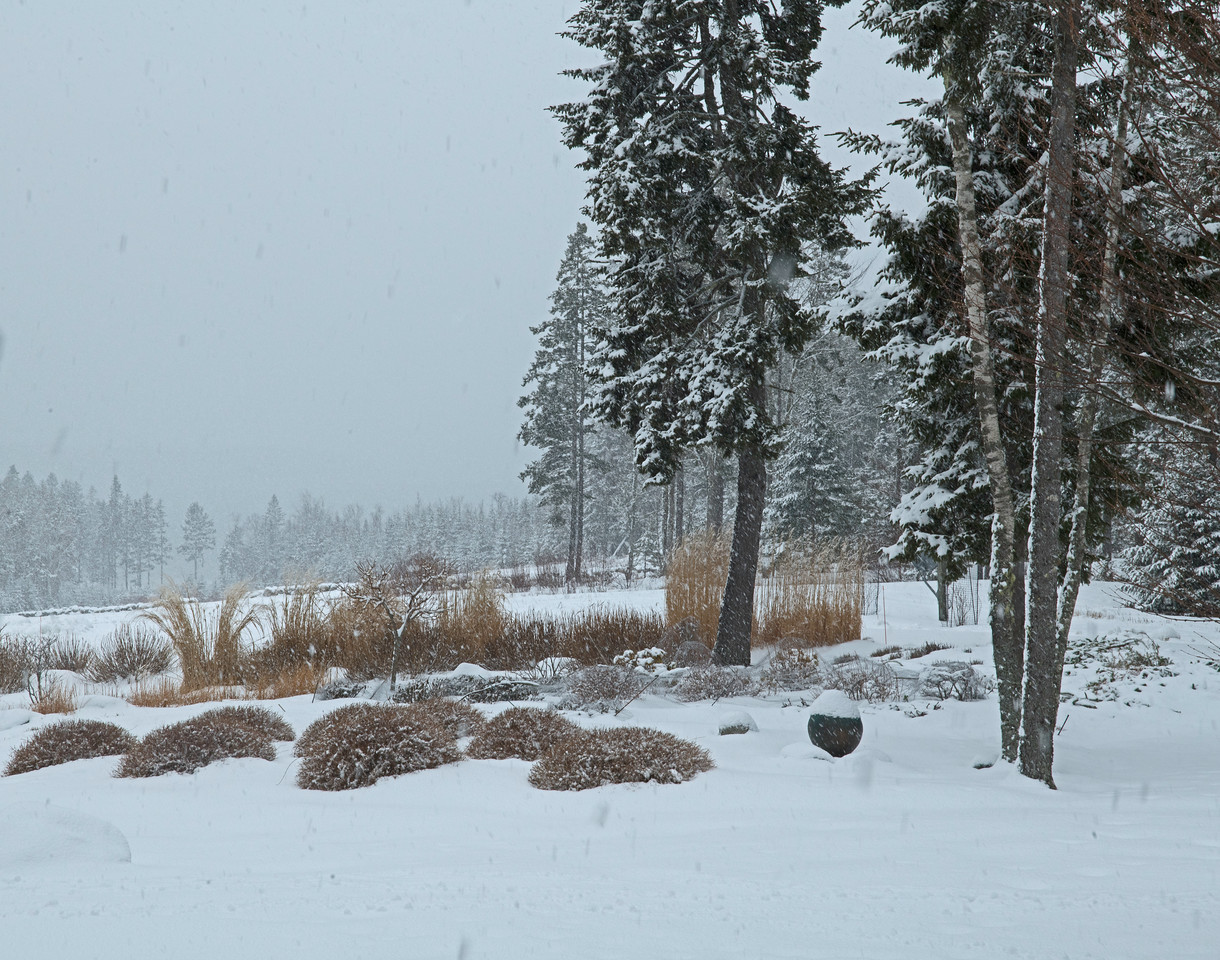
We got another snow storm yesterday. This latest storm wasn’t spectacular, but it had its moments, especially in the early morning when it veiled the vistas:

01.jpg

We’ve had enough snow storms this winter for the phenomenon to start to become boring. However, our neighbors who prefer to dine outside, including Morning Doves, Dark-Eyed Juncos, and Wild Turkeys, appear to continue to find the storms annoying at best:

07.jpg

The snow flakes were wet enough to cling to the branches and deep enough to turn walking into a workout.

13.jpg

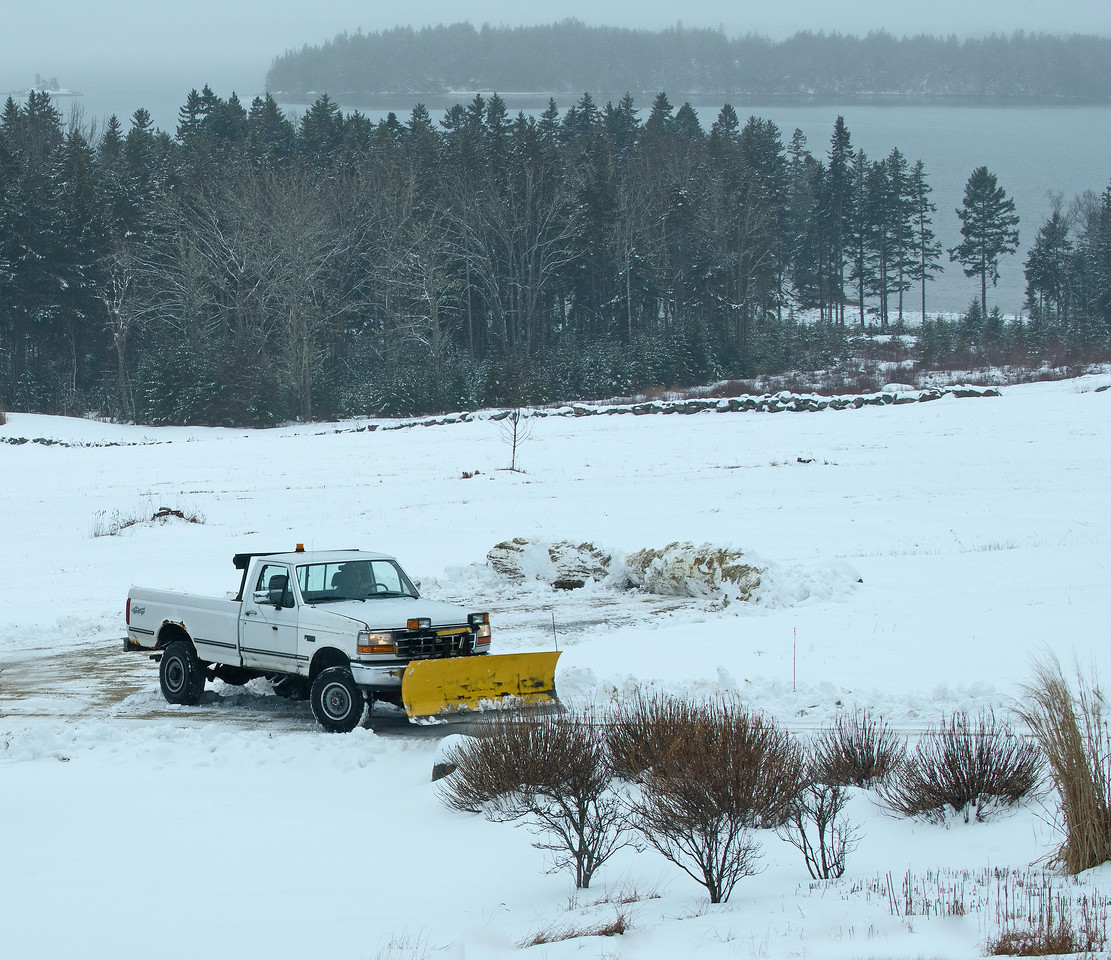
We of course had to have our driveway plowed — again. Our thanks go to Jerry Gray and his drivers who always have been reliable in digging us out.

10.jpg

In the afternoon, rain chased the snow and the sun chased the rain, creating some extraordinary light on the freshly-cleansed landscape. It was a good predictor for this morning’s sunny beauty.

02.jpg

(Brooklin, Maine)
Comment

Comment

In the Right Place: Well-Connected

There are many attractive “Connected Houses” here, including the two in this post that are both on Back Road.

i-kssjtpR-XL.jpg

These houses evolved from the renowned New England “Connected Farm” architecture that was a 17th Century adaptation to our winter weather. Typically, most of these farm structures consisted of a “Big House” (for family living), connected to a “Little House” (mostly for a kitchen), connected to a “Back House” (for wagons and/or carriages), connected to a Barn (for livestock). The “Privy” most often was in a corner of the Back House or nearby out back as an “Outhouse.”

This early architecture was banned in many areas due to its being a fire hazard. But, most bans were lifted in the 18th century, when fire prevention was better understood, lightening rods invented, and fire ponds had become more common.

Here’s another modern connected house on Back Road:

i-sbmFJ2M-XL.jpg

(Brooklin, Maine)

Comment

Comment

In the Right Place: Sustainability

Maine lobster traps hibernate in plain sight during the winter, often clustered cubistically in a fisherman’s snowy yard.

i-vSxqWtL-X2.jpg

When submerged in summer, the traps attract the night-strolling lobsters by the smell of their bait, which preferably is salted herring. Lobsters smell it with their antennae and enter an open funnel into the trap’s “kitchen,” where that raunchy dinner is waiting.

01.jpg

The funnel discourages the pricey prey from turning or backing out. When the lobster moves forward, it must go through another funneled opening into the larger “parlor,” where it usually is trapped, unless it can escape through one of the exits for small creatures. By regulation, lobster traps also must have an escape hatch with a biodegradable door, which will dissolve if the trap becomes lost at sea.

02.jpg

Lobster traps are notoriously inefficient; it’s been estimated that only 1 in 20 trap-visiting lobsters is caught. On the other hand, this built-in inefficiency helps to maintain lobster sustainability. (Brooklin, Maine)

Comment

Comment

In the Right Place: Jubilance

Yesterday was wonder-weather time. Most of the day, fat snowflakes fell slowly. In the afternoon – while it was snowing – the sun burned through the overcast to set Great Cove aglow. And, at dusk, we received this little Thumbs Up Rainbow as a jubilant goodbye.

i-vnWScbJ-XL.jpg

As we speak today, it’s eye-squintingly sunny and nose-bitingly cold, with deep blue seas and snow-covered fields. (Brooklin, Maine)
Comment

Comment

In the Right Place: Pointy

Most of our fields here are covered with snow that is topped with an inch or two of ice meringue, which is hard enough to hold sharp-toed deer.

01.jpg

The images here were taken yesterday, a beautiful sunny day.

02.jpg
03.jpg

That has changed; it’s gray and trying to snow again as we speak. Soon, we may have fields of old snow under old ice under new snow, which can be tricky to walk on, even if you have four pointy feet. (Brooklin, Maine)
Comment

1 Comment

In the Right Place: Upon Reflection

Here we see Great Cove a few days ago, restless in her finest silver-stitched silk. She’s in one of her “ocean glitter” moods, a light-manipulating phenomenon that has attracted scientists and poets for centuries.

01.jpg

The sun must be at the right angle, the water must be moving at the right speed, and we must be in the right place to get the full glittering effect. The small waves break the Cove’s reflective surface like the shattering of a mirror, each broken piece reflecting the sun.

If the water were virtually still and the sun at the right angle, the Cove surface would be an intact mirror that reflects clouds and islands.

005.jpg

If the sun were low and the water moving slowly, the maritime mirror could be distorted and a narrower “glitter path” might reach out to us. Here’s one near dawn at Naskeag Harbor:

02.jpg

(Brooklin, Maine)
1 Comment

Comment

In the Right Place: Rx

Dog 02.jpg

It’s mid-February and there’s snow and ice everywhere: time to check whether your zest-for-life prescription needs to be refilled.

(Brooklin, Maine)
Comment

Comment

In the Right Place: Moods

Yesterday’s snow and sleet storm laid down about six inches of wet, heavy snow here in a storm that created many moods. Here are three of them, as we look across the North Field to Great Cove and Babson Island: the first is yesterday morning’s falling snow and sleet; the second is yesterday afternoon’s sun trying to break through, and the third is early today, when bright sun returned to take command:

02.jpg
12.jpg
01.jpg

The lanes to hidden houses and the out-back woods became black-and-white etchings:

05.jpg

There was some color and contrast among the houses and barns, although a cord of wood nearly disappeared under snow

13.jpg
14.jpg
08.jpg

The deer didn’t seem to be bothered; they mostly munched on bushes and small trees rather than nose through the wet snow looking for grasses.

15.jpg

The Town Office provided some color and the Cemetery was picturesque in a Poe-like way, although Naskeag Harbor was a bit bleak..

18.jpg
19.jpg

By dusk yesterday, the sun was breaking through and the deer were cautiously entering the North Field.

20.jpg

(Brooklin, Maine)

Comment

1 Comment

In the Right Place: Brrr

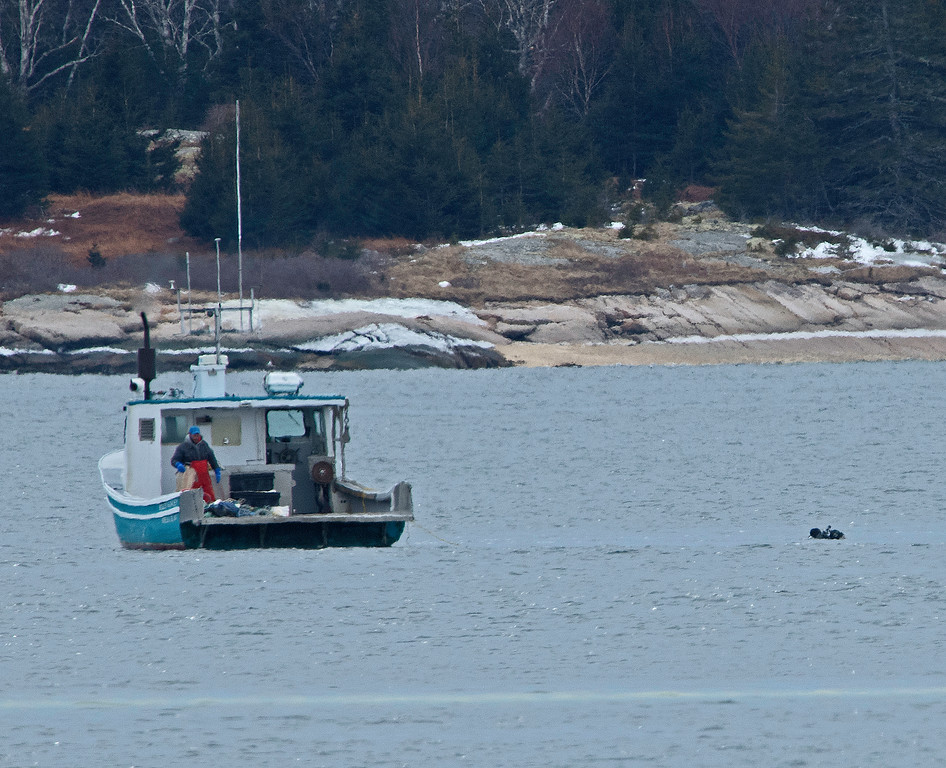
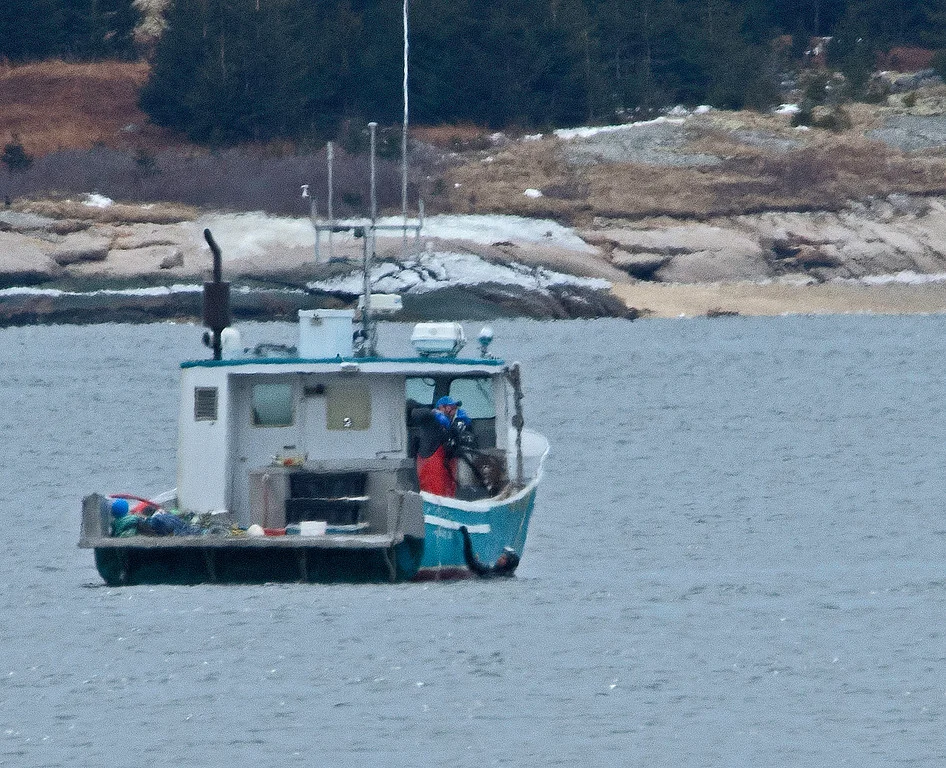
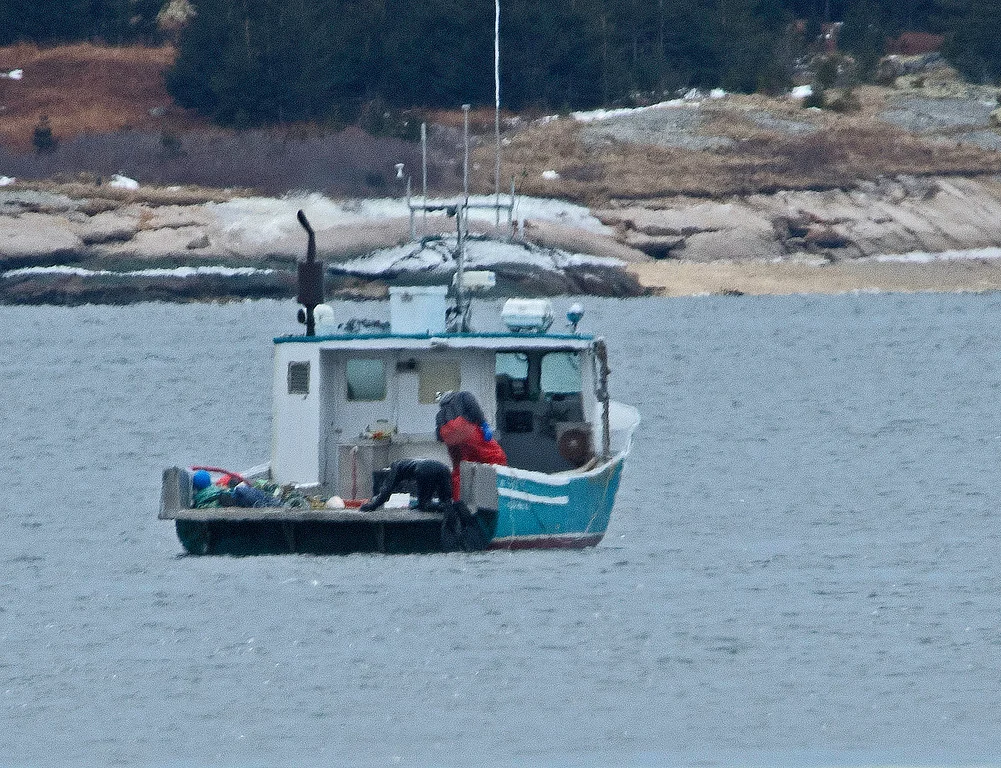
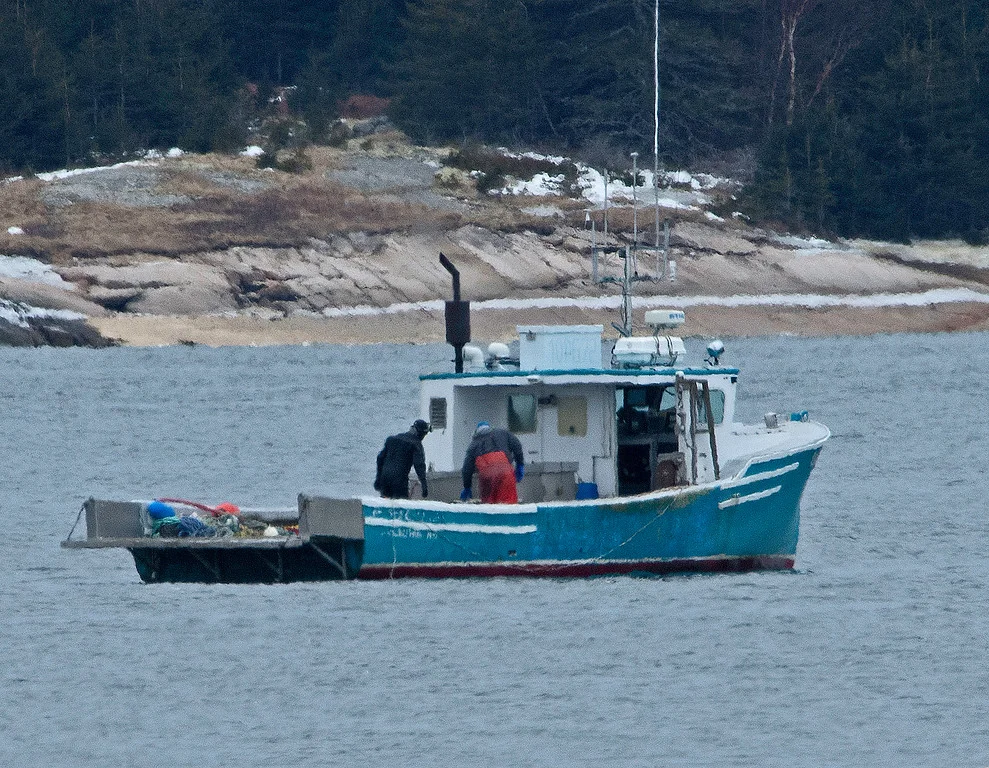
A scallop diver was diving off Babson Island while his sternman circled their Novi-style fishing vessel, yesterday. It was raw and gray and signs of last night’s snow storm were already in the air. The ambient temperature reportedly was 25 degrees (F), and the water temperature 38. Here, the diver is returning to the boat after his last dive:

05.jpg

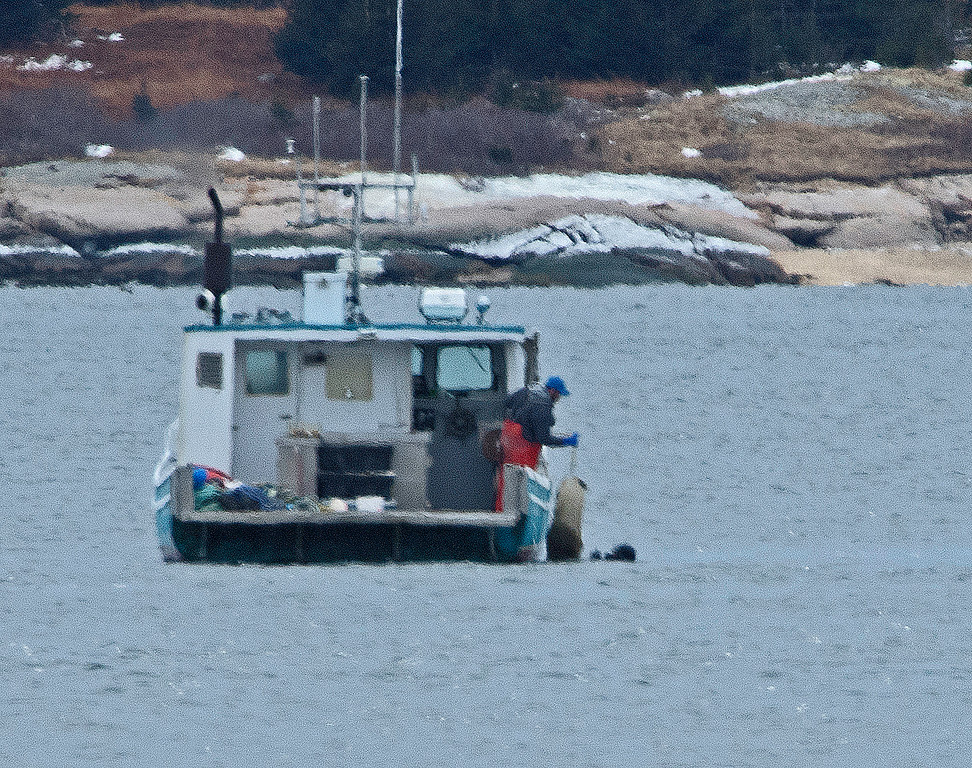
The images here were taken over a long distance through misty air; hence, they’re not great. But they’re probably good enough to make most of us realize that we’re not cut out to be a scallop diver or sternman, not to mention being either in February. Here, the diver reaches the boat and hands up his mesh bag of scallops that he has just picked off the bottom:

01.jpg

Next, the diver’s oxygen tank is taken up by the sternman:

02.jpg

You can’t be graceful climbing aboard through a vessel’s open transom into air that is more than 10 degrees colder than the cold water:

03.jpg

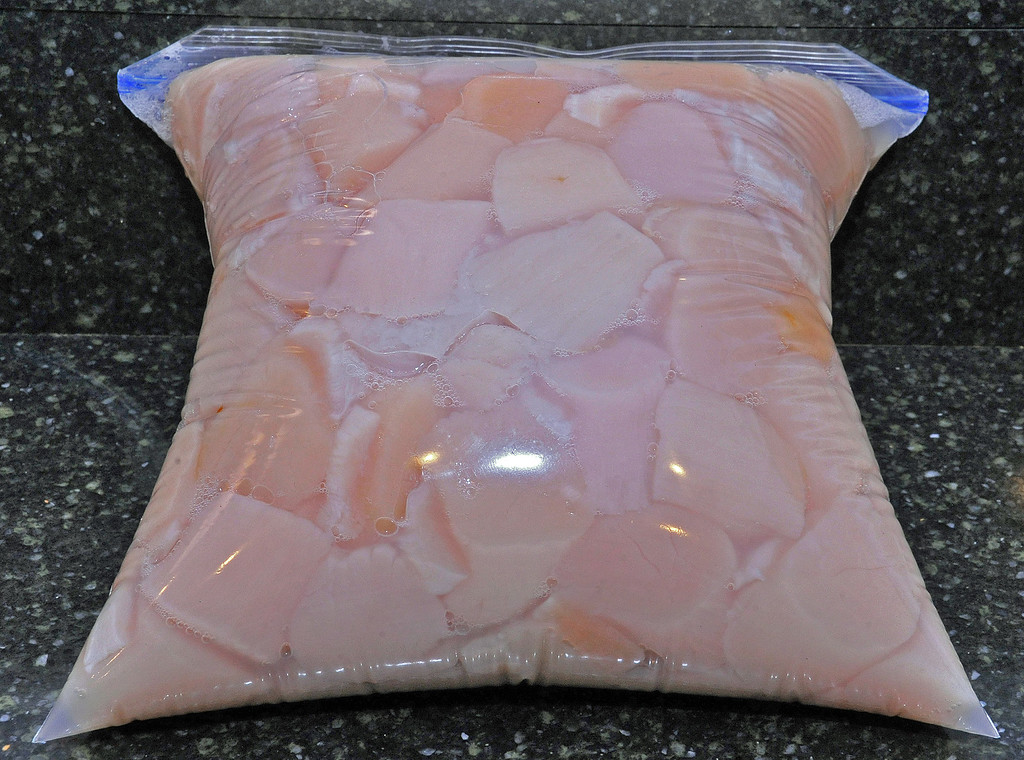
Most Atlantic Scallops are dredged, these more expensive “Divers’ Scallops” are hand-picked. and well worth the price, considering the extraordinary efforts it takes to harvest them. Usually, they’re shucked on board and only their abductor muscles (what most of us call “scallops”) are brought to shore.

04.jpg

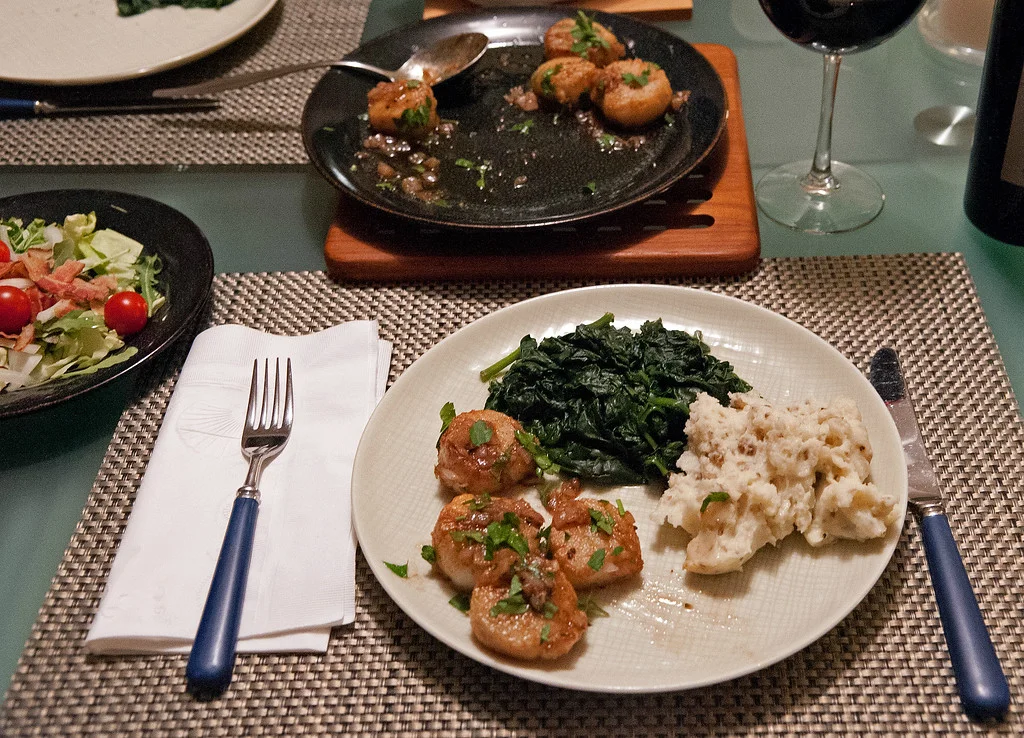
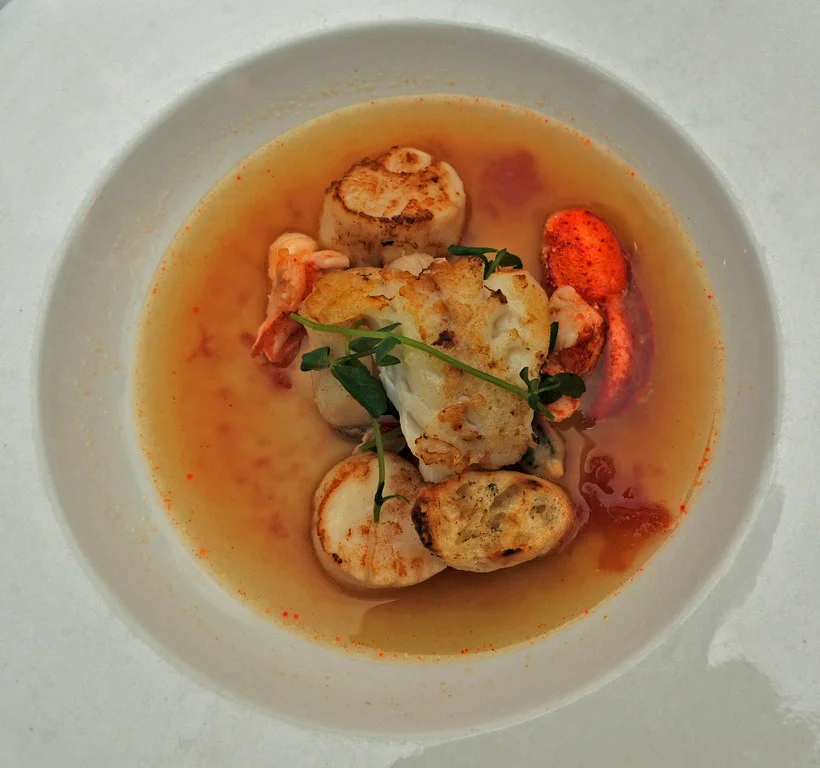
Many of us here have annual standing orders with neighboring divers for gallon packages of this food of the gods and of coastal Mainers. Usually, Barbara prepares them simply so that their mouth-watering natural flavor is foremost. However, it’s impossible to pass up renowned local Chef Devin Finigan’s exquisite fresh scallop and lobster bouillabaisse.

06.jpg

(Brooklin, Maine)

1 Comment

Comment

In the Right Place: Blimey!

Here, living amid yesterday’s ice crystals, is a Maine native that only those with the keenest eyesight have ever seen without help. It’s a tiny fungus called British Soldier Lichen (Cladonia cristellata). Its name derives from a British military uniform immortalized in an old New England alarm: “The Redcoats are coming!” BSL stalks grow to about ¼ an inch and the red caps are slightly larger than pin-heads. Yet, this lichen is nibbled by White-Tailed Deer, Wild Turkeys, and other wandering salad lovers.

01.jpg

As you may know, lichens are two symbiotic organisms in one entity: fungi and algae. Basically, most of the body is a fungus that brings in water and minerals; the alga makes sugar from sunlight. Because their bodies are mostly fungi, lichens are classified as fungi. Thanks to neighbor Werner Gansz, a fine eagle-eyed photographer, for warning us that these British Soldiers were bivouacking on a nearby tree stump. (Brooklin, Maine)

Comment

Comment

In the Right Place: Chilling

Posted on FaceBook February 11, 2019

What a difference a season makes. Here’s a Fall image of a local spring-fed stream taken October 14, 2018, above a Winter image of that same spot, taken yesterday.

02.jpg
03.jpg

If we keep getting cold spells, this stream may not thaw until April. (Brooklin, Maine)

Comment

Comment

In the Right Place: Vanilla

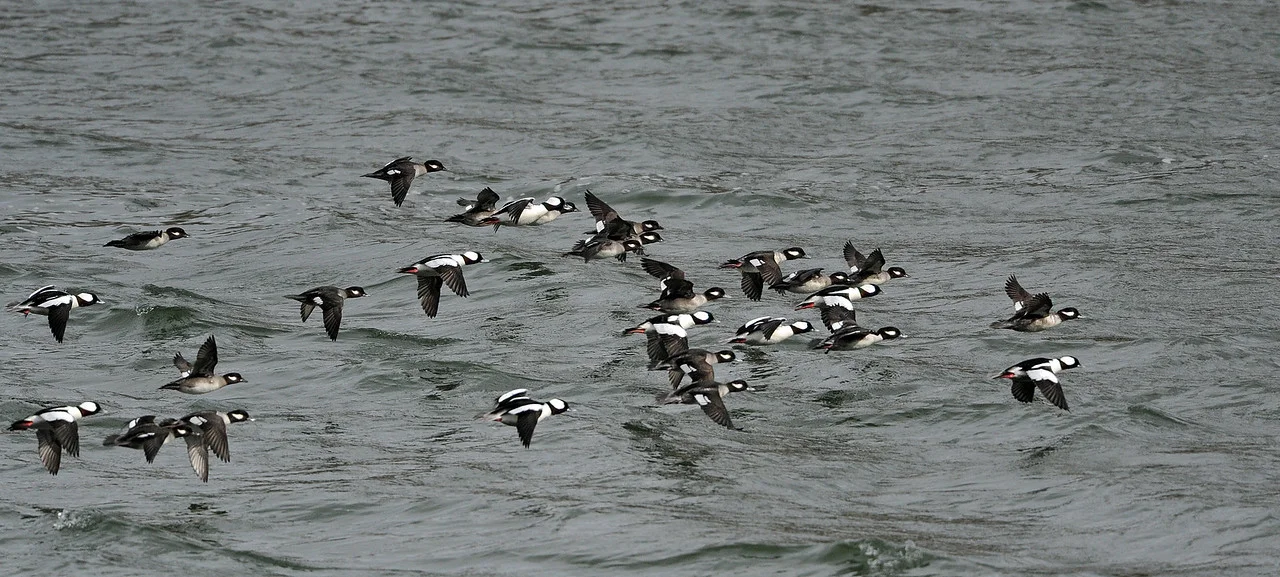
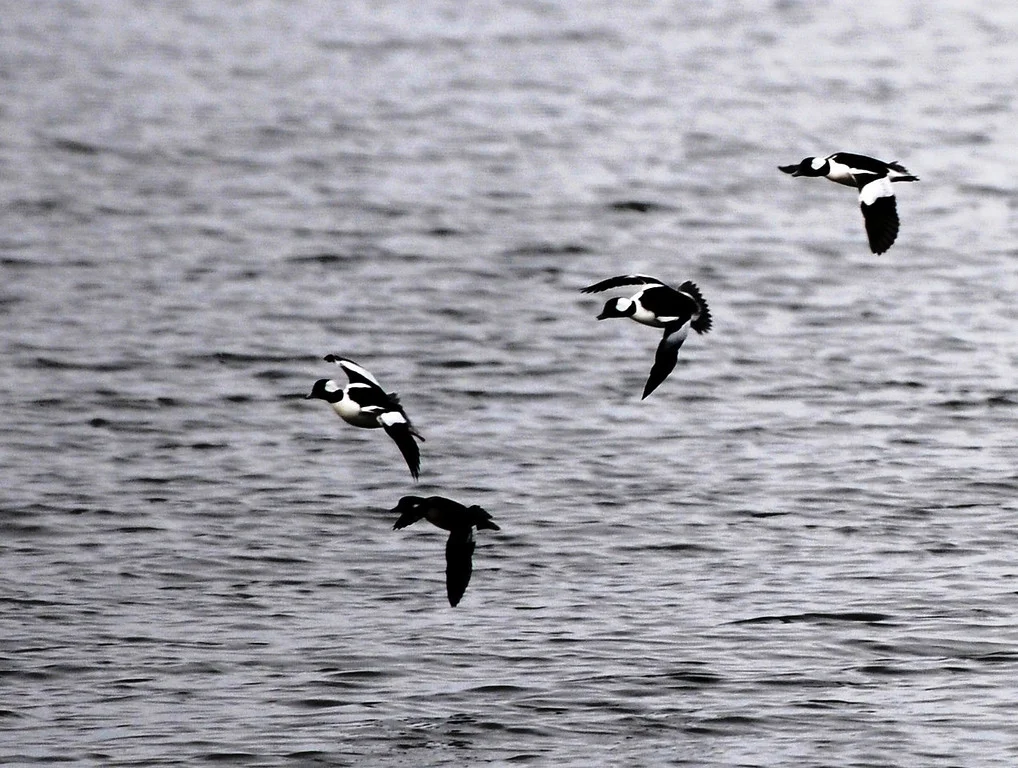
It’s been a good winter for seeing Bufflehead Ducks here. Sorties of them regularly fly just above the surface of Great Cove in high-speed, close-order formations.

02.jpg

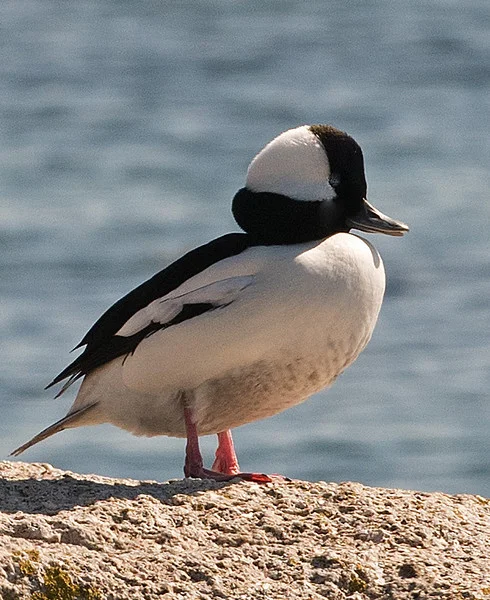
They get their names from the shape of their heads (especially the males’ heads), which look like the heads of American Buffalo (technically, Bison). The males are mostly white with a black head on which it looks like a double scoop of vanilla ice cream has been dropped:  

04.jpg

The females are darker overall with a dab of that ice cream on their cheeks.

Buffleheads are the smallest diving ducks in North America, seldom larger than 15 inches in length. They eat crabs, clams, and water vegetation in winter and (unusually) nest in abandoned cavities of large woodpeckers.

01.jpg

(Brooklin, Maine)

Comment

Comment

In the Right Place: Choice

Here we see a lowering tide in Eggemoggin Reach being frothed early this morning by west-north-westerly winds of 12 miles per hour with gusts of 25:

01.jpg

Here’s a similar tide in Naskeag Harbor a few days ago, when there was no significant wind:

02.jpg

These are the kinds of things many of us around here take note of each day. Such scenes might appear wearisome to some people, but they’re one of the reasons why others choose to live in Maine on a small peninsula (Naskeag) jutting from a slightly larger but still small peninsula (Blue Hill), which juts into small bays bordered by a big sea. (Brooklin, Maine)

Comment