April Postcards From Maine

2 Comments

April Postcards From Maine

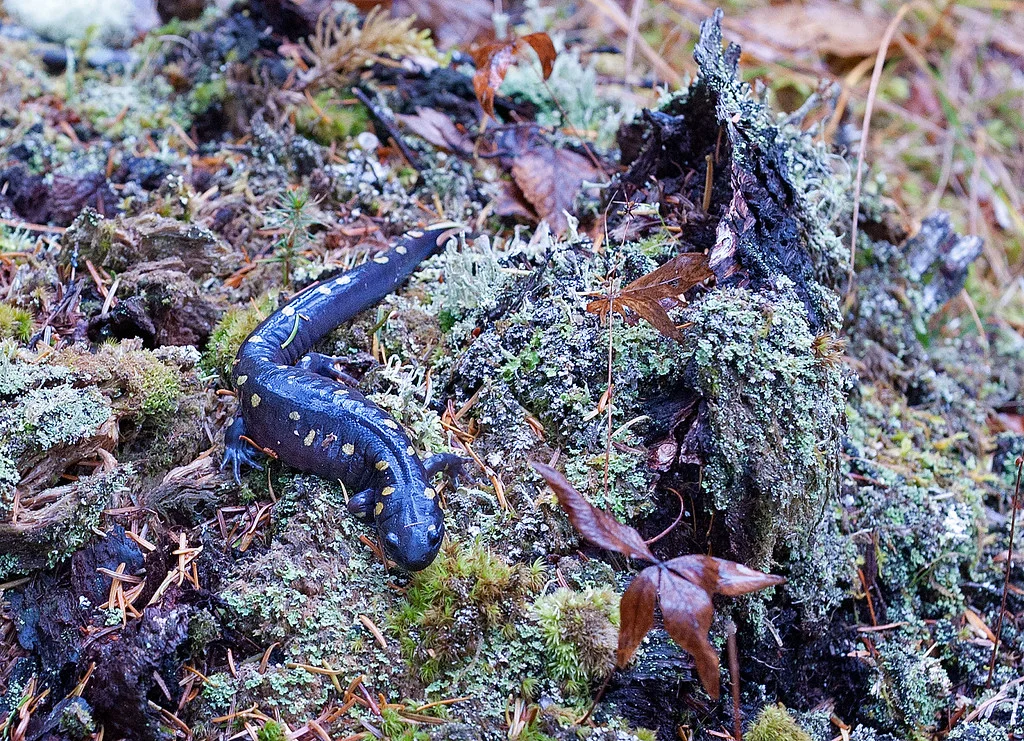
Sure, April showers bring May flowers, but this year’s April seemed a bit too exuberant in the precipitation department. She merrily throttled us with too much fog, snow, and rain – sometimes all in one day – not to mention nights of high winds and residues of treacherous ice. That said, however, we have to admit that she did give us some good moments.

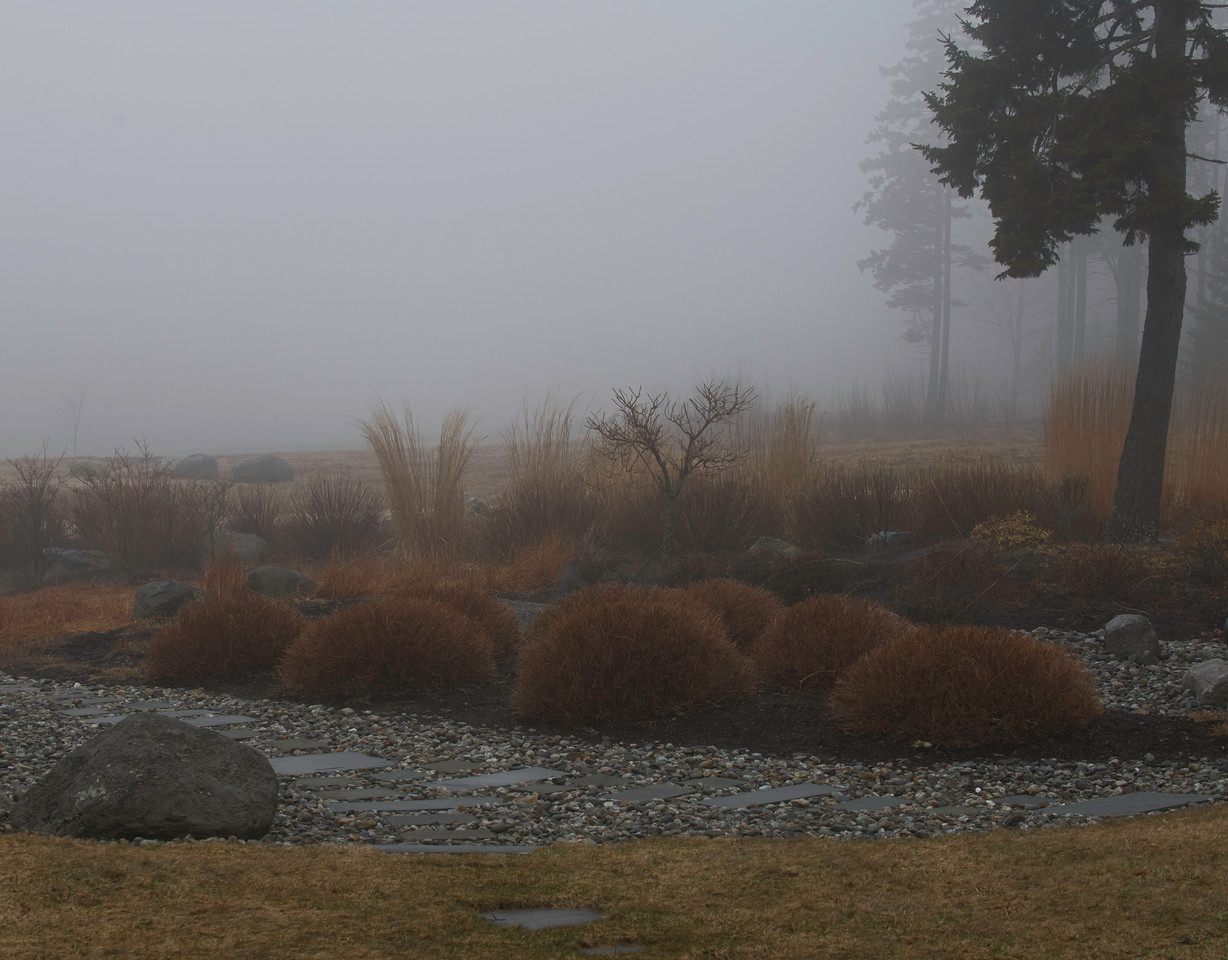
April’s fog could be a gentle veil, slowly changing our familiar surroundings into a mystical kingdom.

April 01.jpg
April 04.jpg

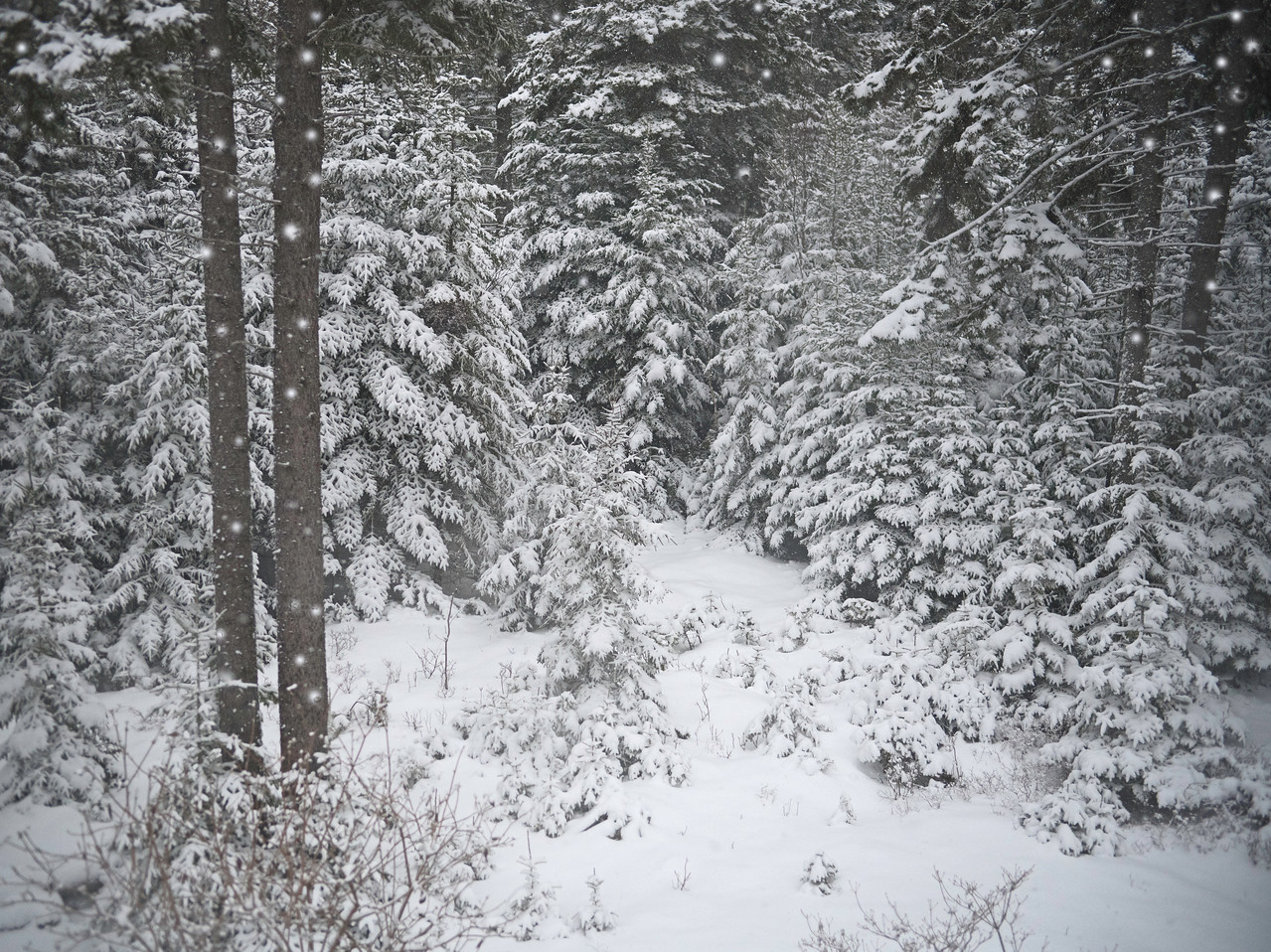
Too much of a good thing is not a good thing. April delivered so much snow that we began to hate the stuff. But, of course, the snow often was breath-taking on the way down and for a few hours thereafter.

April 05.jpg
April 08.jpg

In the end, it was the rising temperatures and — mostly — the rain that did in the snow. We had torrential rains and had them often. Small, mossy-banked streams in the dark woods became hilarious with their new power; large streams emptied into bays in a jailbreak of whitewater; wooded lowlands became swamps, and Red Squirrels hunkered down in the pouring rain and prayed for sunshine.

April 09.jpg
April 12.jpg

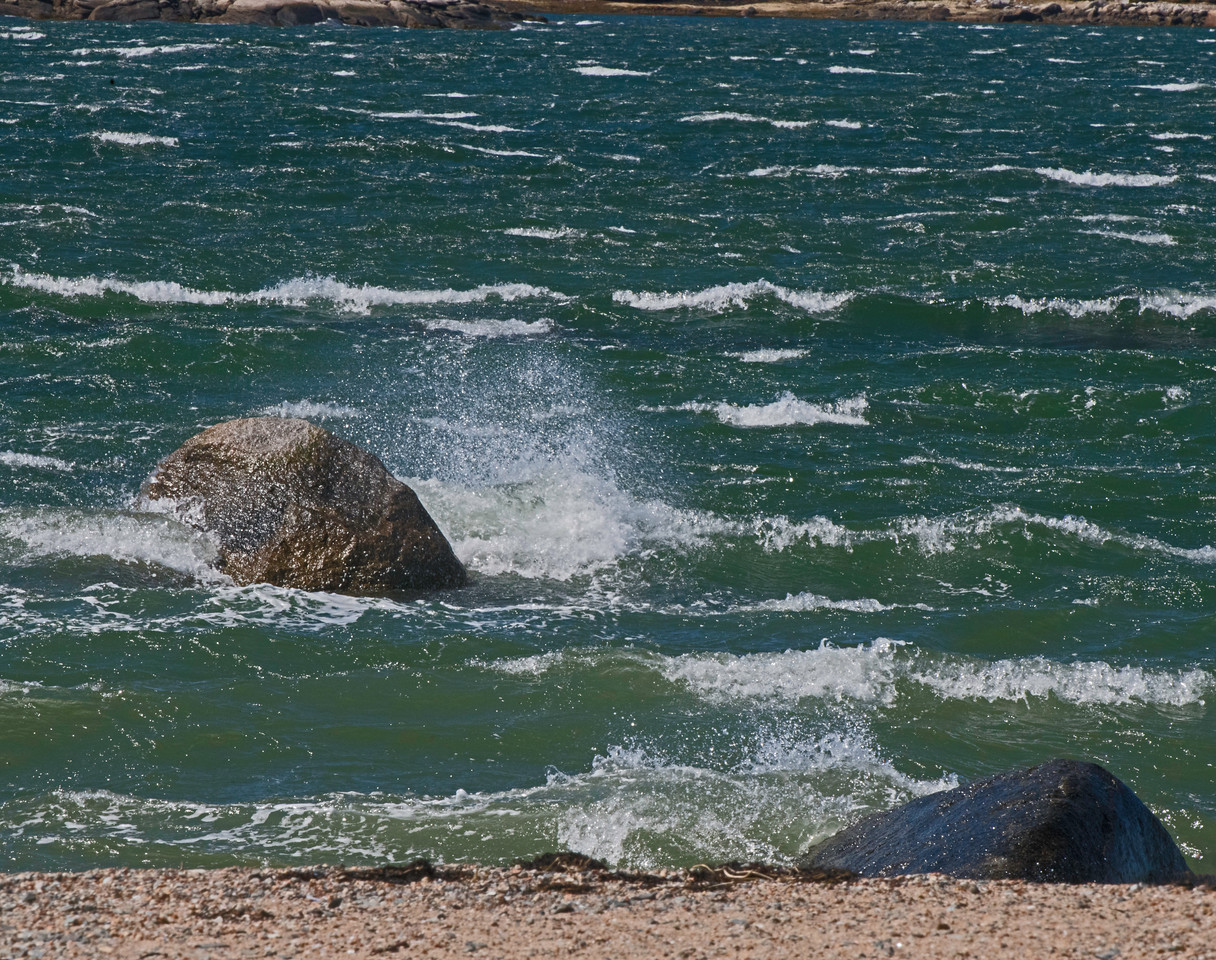
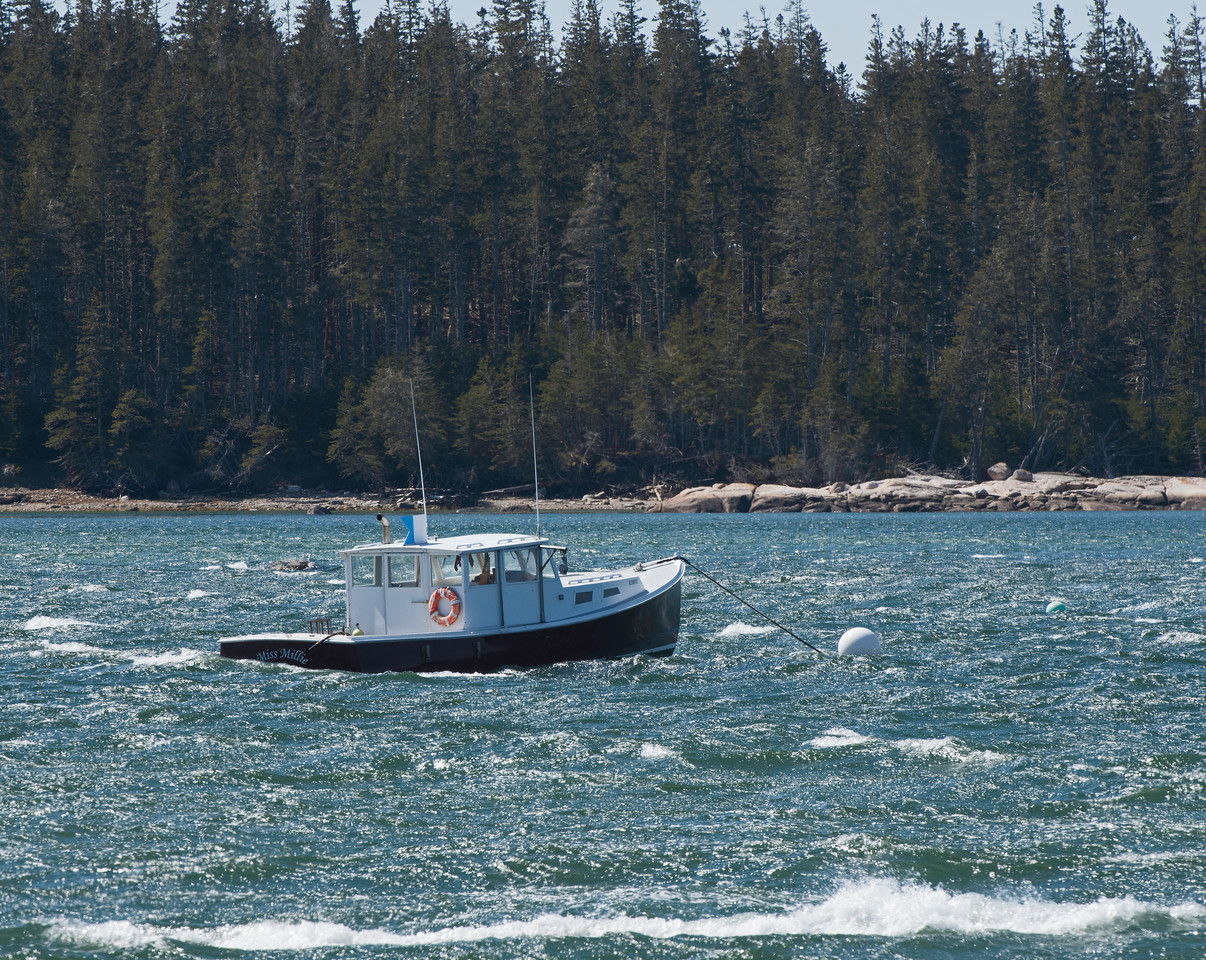
Our coves and harbors were additional targets of April’s moods. Sometimes, she serenely allowed those waters to remain calm and reflective; at other times, she unleashed her wind furies.

April 16.jpg
April 13.jpg

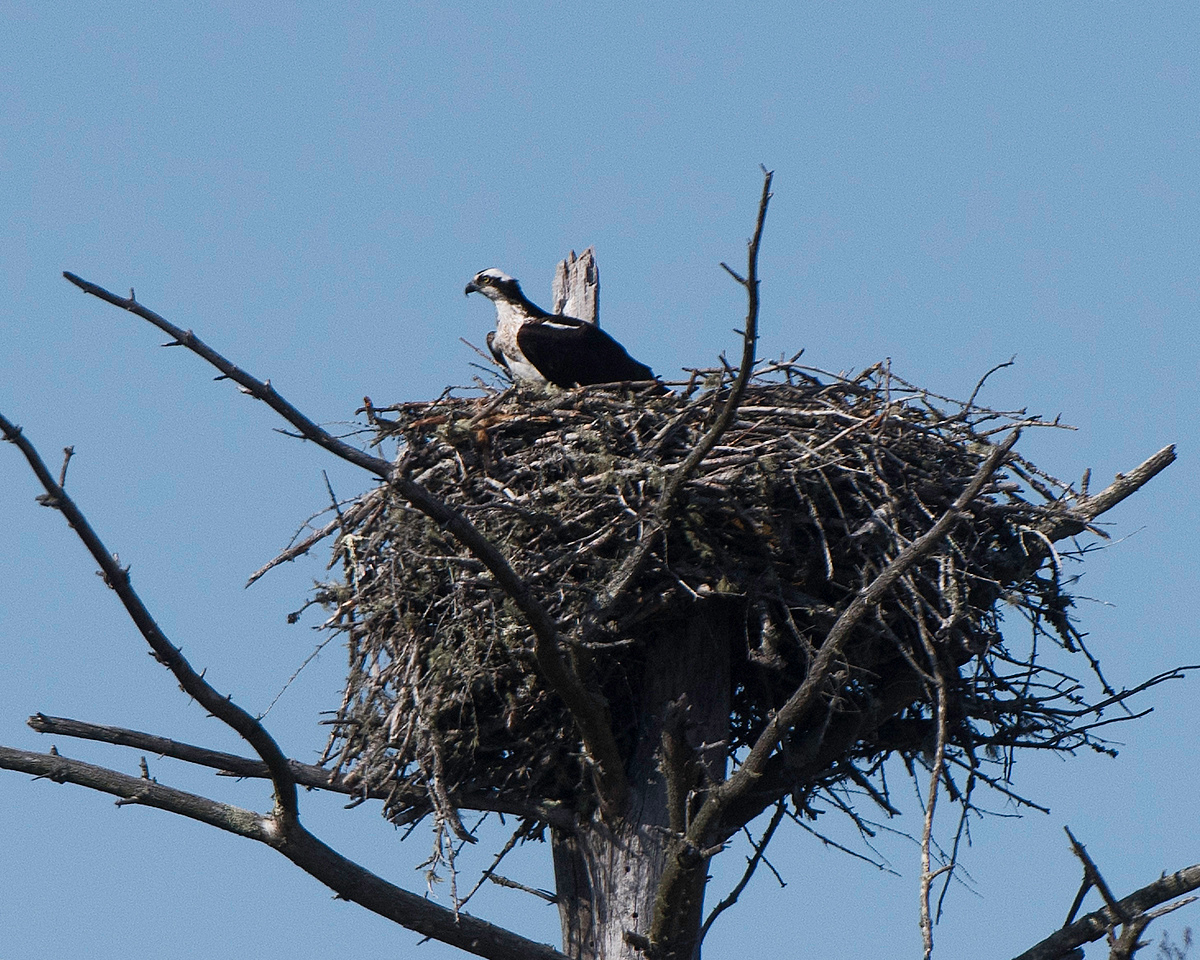
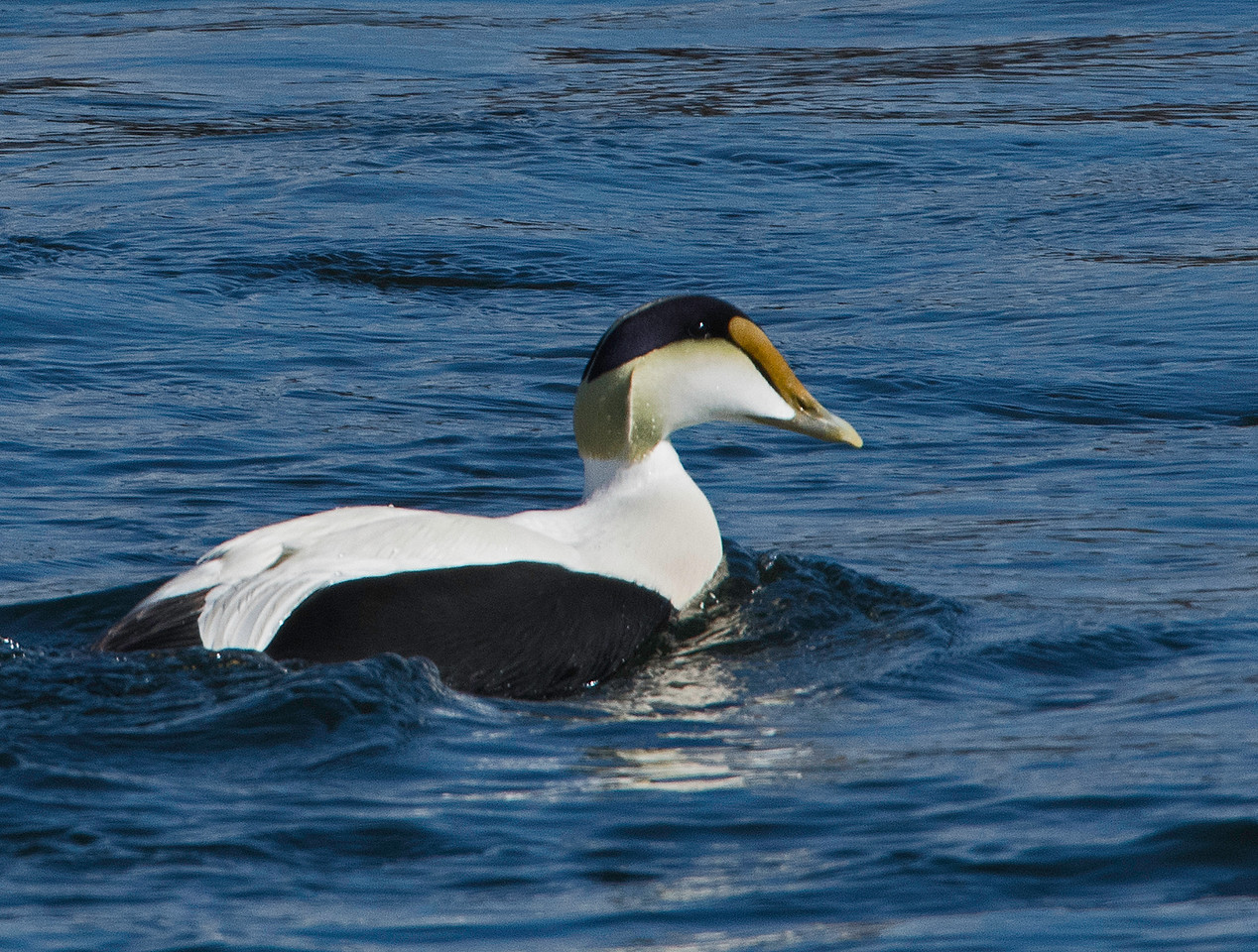
Of course, there’s more to April than her dramatic weather. The month is when we say goodbye to the Common eiders that winter in our bays and coves. It’s also usually the first month that we see Ospreys reopening their high summer condos and Canada Geese looking for their own warm weather real estate.

April 17.jpg
April 20.jpg

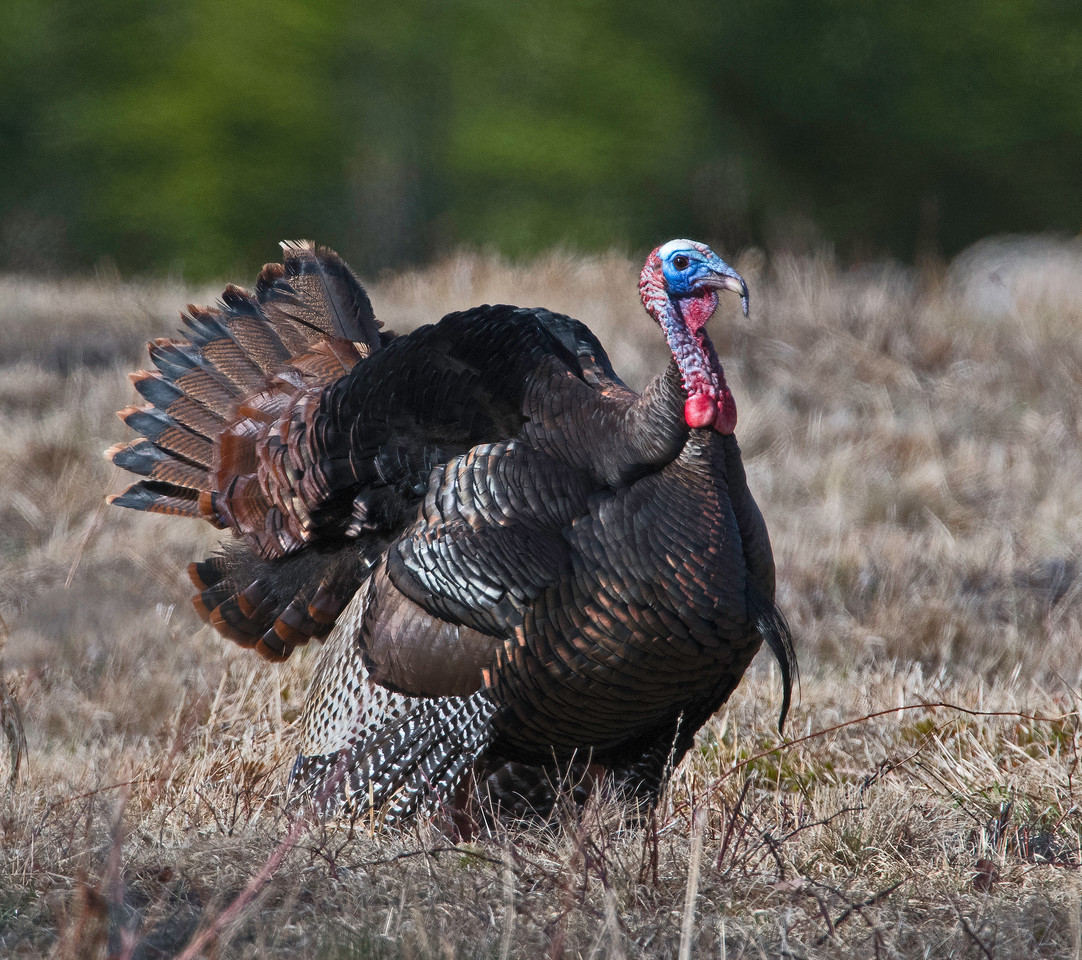
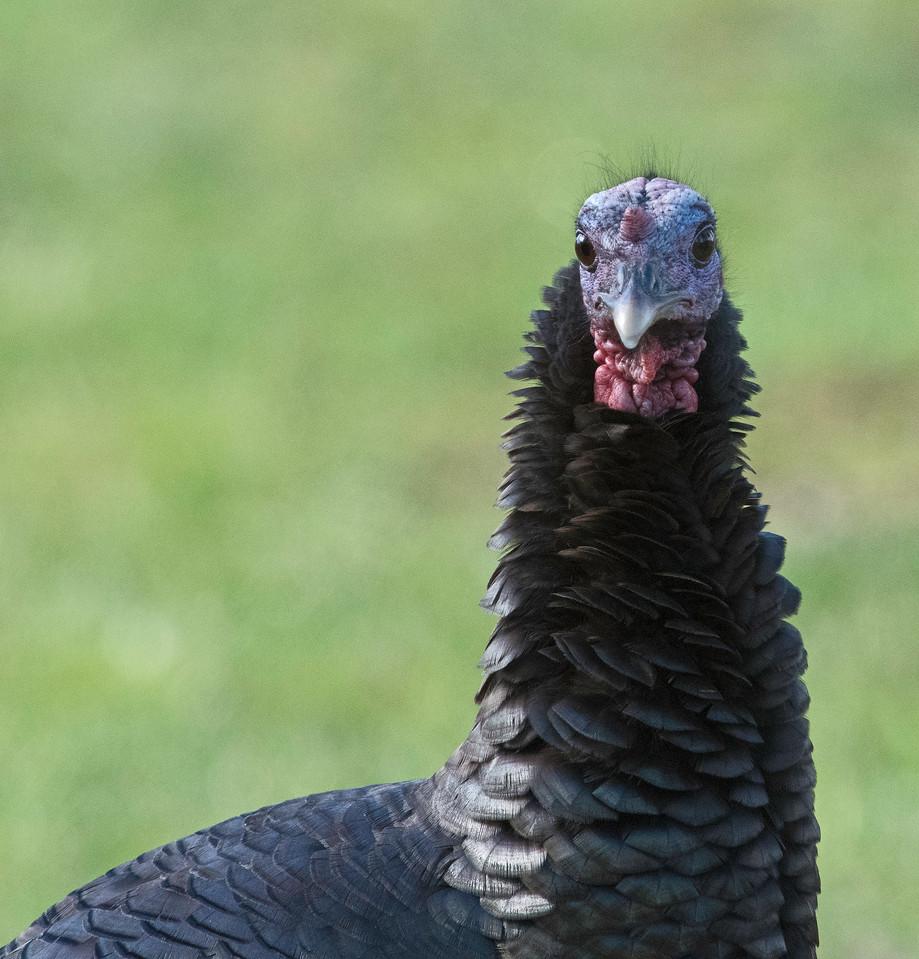
As far as our resident feathered neighbors, April is when our Wild Turkeys fall in love in their peculiar way: the Toms strut and the Hens judge them severely. The Hens are in control; they eagerly say yes to some self-inflated males and reject others with an “Are-You-Kidding-Me? look.
April 23.jpg

It was late in April that we got a quick glimpse of our first snake of the year, a Common Garter Snake on the move. By then, most of the White-Tailed Deer had turned in their heavy gray winter uniforms and were sporting the thinner red-brown summer garb.

April 28.jpg
April 26.jpg

Finally, April is the month of renewal. For some, it’s represented by the high holy day of Easter. For everyone, it can be a time to ponder and experience the joy of new life. Easter Eggs, the symbol of such new life, can bring joy even on a rainy day, as neighbor Judith Fuller’s wet road banner shows.

April 29.jpg

(All images above taken in Down East, Maine, in April of 2019)

2 Comments

Comment

In the Right Place: Strapping

Yesterday, we got our first glimpse of a snake this year; it was this Common Garter Snake, the most abundant snake species in Maine.

A.jpg

Our State is home to nine species of snakes and – to the tourists’ delight – none of these is venomous. (In days of yore, we had Timber Rattlesnakes.) Garter Snakes were named after “garter straps,” elastic devices once used to hold up socks and stockings.Adult Garter Snakes here usually range in size from 18 to 26 inches, but one was recorded at almost 44 inches.

B.jpg

These snakes prefer earthworms, but will eat just about any living thing that they can get their mouths around. They, in turn, are a favorite snack for many larger predators. (Brooklin, Maine)

Comment

Comment

In the Right Place: Elephantine

This appears to be the flower cluster for some variety of Elephant Ear Plant (Colocasia). We say “appears” because it’s one of several such clusters growing where elephant-eared leaves were seen last summer.

1.jpg

This is what that spot looked like last simmer:

2.jpg

The flower cluster is about four inches tall; the summer leaves were about two feet broad. Perhaps some of you gardeners and/or botanists can identify this interesting plant for us. Thanks to photographer Werner Gansz for the tip. (Brooklin, Maine)

Comment

Comment

In the Right Place: The Redcoats Are Coming

White-Tailed Deer are changing their wardrobes. Their thick, gray winter overcoats were warm and good camouflage among the gray trees, shrubs, and fields. But, they’re no longer in fashion. Now is the time to get ahead of the season and sport red-brown grazing clothes.

X.jpg

These are made of thin and wiry hair, which is cooler and harder to notice in and around the edges of fields. Some deer already are promenading in well-tailored summer suits, as you saw above and here:

Y.jpg

Others are showing molting patches as they grow out of their winter garb:

Z1.jpg

In August and September, winter overcoats will come into fashion again. (Brooklin, Maine)

Comment

Comment

In the Right Place: Cruelty

Mother Nature is in one of her cruel moods. Yesterday morning, when this image of a rising tide in Great Cove was taken, she gave us a good glimpse of sunshine. (We had almost forgotten what it looked like after six days of fog, rain, and cloud.)

1.jpg

By yesterday afternoon, however, Mother was allowing only a weak glow to sneak through the overcast. This morning looks like a repeat of yesterday: the sun and clouds are pushing each other back and forth over the seascape, as we speak. The weather tellers predict that the clouds will win and that they’ll celebrate vindictively by raining on us. Better get outside when we can. (Brooklin, Maine)

Comment

Comment

In the Right Place: Survivor

American Robins are everywhere. They’re running and suddenly standing tall on lawns and in fields; posing on fence posts; scuttling along low in seaweed along the coast, and perching in the woods, where their beautiful songs are often the last to be heard at dusk. The beauty of their songs is not surprising; they are, after all, members of the historic Thrush family, which is noted for its musicians.

5.jpg

Our Robin was named after the European Robin, which is a similarly-colored, but different-looking Flycatcher. That foreign bird, in turn, was given a human name in England during the 1400s, when there was a lot of anthropomorphism going on. That bird was named Robin Redbreast, “Robin” being a diminutive for “Robert,” as in Robin Hood.

4.jpg

Although one of the most loved birds In the United States, the American Robin (along with the Passenger Pigeon) was among the birds most hunted due to its abundance and tender meat. The Robin somehow survived the carnage and is now protected. (Brooklin, Maine)

Comment

Comment

In the Right Place: Dripping and Oozing

It’s raining hard here, as we speak. It’s rained in deluges or drizzles since our last fair day, Thursday (April 19), and more rain is predicted for tomorrow. We have severe cabin fever, which probably will force us out into the woods today, if the rain lessens a bit.

1.jpg

We did that in yesterday’s intermittent showers, when the images here were taken. The discomfort was nothing compared to the joyous freedom of walking and smelling the wet woods. There was no green haze from sprouting buds yet. However, the spring-fed streams were laughing uproariously and the mosses were lazy and lush. The fruiting bodies (“conks”) of Red-Belted Polypores (Fomitopsis pinicola) had been resurrected from deadness and were oozing their own liquid drops as rain fell on their caps:

3.jpg
2.jpg

Maybe we’ll go out even if the rain does not lessen. (Brooklin, Maine)

Comment

Comment

In the Right Place: Phew!

The flower-containing spathes of Skunk Cabbages are surfacing like porpoises in the water-logged bogs, bringing the deeper woods some of its first Spring color. We have the Eastern Skunk Cabbage, which emerges out of purple spathes; the Western version has yellow spathes.

Spathe 03.jpg

By summer, Skunk Cabbages will be regal, shade-producing canopies for smaller wildlife.:

July 2018

July 2018

The plant’s name is uncharitable, but descriptive; it has bad breath when it flowers or is bruised. But, that’s why the plant has survived for centuries: that odor is very pleasant to bees and other pollinators and obnoxious to larger animals that might crush it. Some gardeners plant Skunk Cabbages at strategic points within their gardens to repel squirrels and raccoons and attract bees and butterflies. (Brooklin, Maine)

Comment

Comment

In the Right Place: Happy Days

We wish everyone a Happy Sunday. We also thank neighbor Judith Fuller for this road banner of symbols that have become associated with Easter, broadly defined.

i-mBVcFZF-XL.jpg

Some think that Easter was named after Eostre, the Germanic fertility goddess. In spring, she was thought to carry a basket of seedlings and eggs representing fertility and new life. Early Christians stained eggs red in spring to help them think of Jesus having to shed blood before finding a new, resurrected life. Medieval Catholics celebrated the end of Lent’s fasting by bringing baskets of food to church to be blessed and exchanged as part of the cleansing renewal.

European folklore soon created the idea of a rabbit that left baskets of decorated chicken eggs to surprise children at this time of year. If the eggs were fertile, new life soon came in the form of fuzzy chicks. Easter candy in the form of eggs, rabbits, and chicks followed, including little egg-shaped candy that became known as jelly beans.  (Brooklin, Maine)

Comment

Comment

In the Right Place: Encounters

Massachusetts state officials are warning the public to stay away from Wild Turkeys during the present strutting season, according to the April 18 (Thursday’s) edition of the Boston Globe. The newspaper reported that a pregnant woman had been “surrounded by turkeys that pecked at her legs, leaving visible welts.”

2.jpg

We’ve never had that problem in many years of close encounters of the turkey kind, but maybe those turkeys to the south of us were just copying the incivility that seems to be rampant in some parts of the country nowadays.

3.jpg

Nonetheless, Toms are strutting now and hens are submitting all over the place. (The full ritual and consummation are not exactly balletic; we’ll spare you those images.)

1.jpg

Coincidentally, the images shown here were taken on Thursday, the day that the Globe article appeared. However, these are Brooklin Toms; they have proper manners. We even think that we heard the Tom on the left say, “How ya’ doin’?”. (Brooklin, Maine)

Comment

Comment

In the Right Place: Extrovert

As we speak, we’re surrounded by heavy fog that every now and then turns into light rain. We wouldn’t be surprised if April ends up being a precipitation record-breaker. At least we have this memory of our last brilliantly sunny morning, which was Wednesday, April 17.

c.jpg

Our Hibiscus was showing off by displaying two of her large, outlandish blooms at once, which is unusual for this little plant. She’s an incorrigible extrovert who has given us one bloom per month for about six months.

b.jpg

“Hibiscus,” by the way, is derived from the Latin description of naming a baby after a flower, any flower. Apparently, one could say: “Rose’s parents gave her an hibiscus name.” (Brooklin, Maine)

Comment

Comment

In the Right Place: Odd Couples

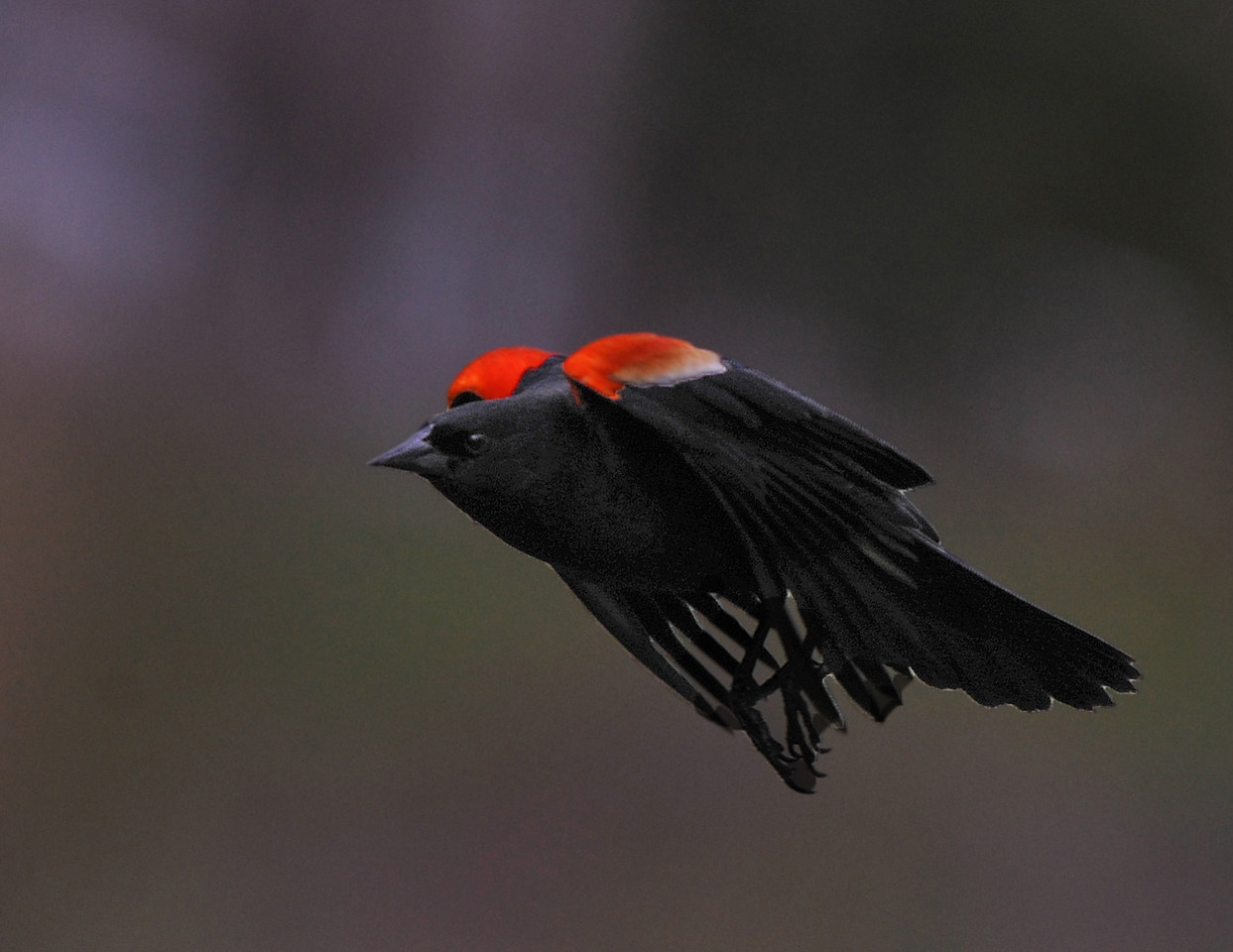
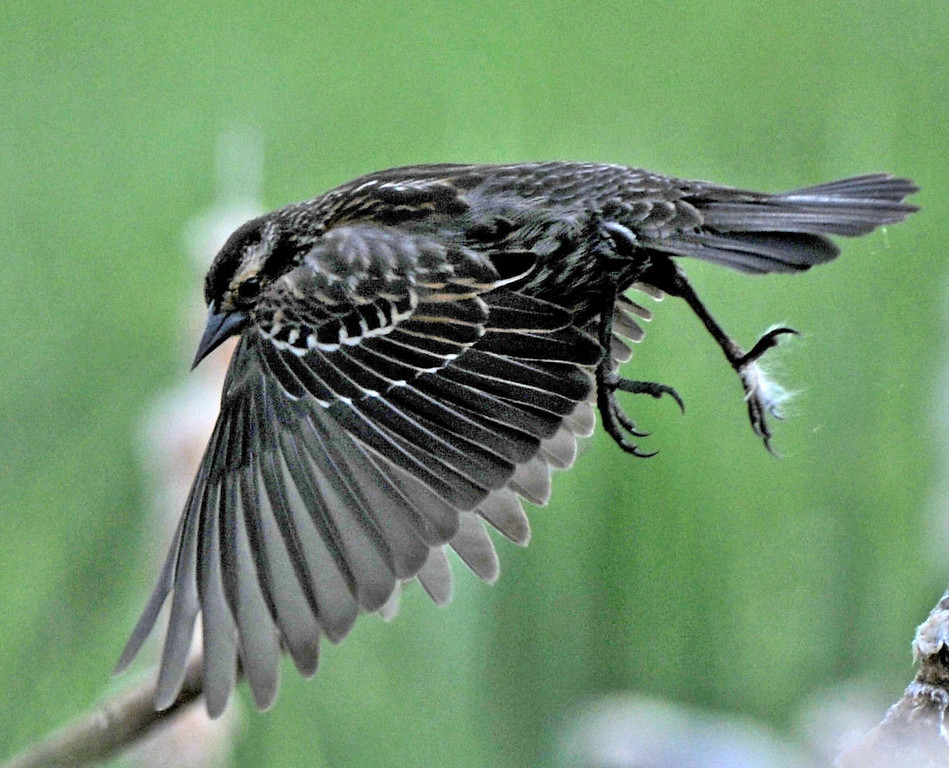
A few male Red-Winged Blackbirds are back, fighting over real estate options.

Image from prior year

Image from prior year

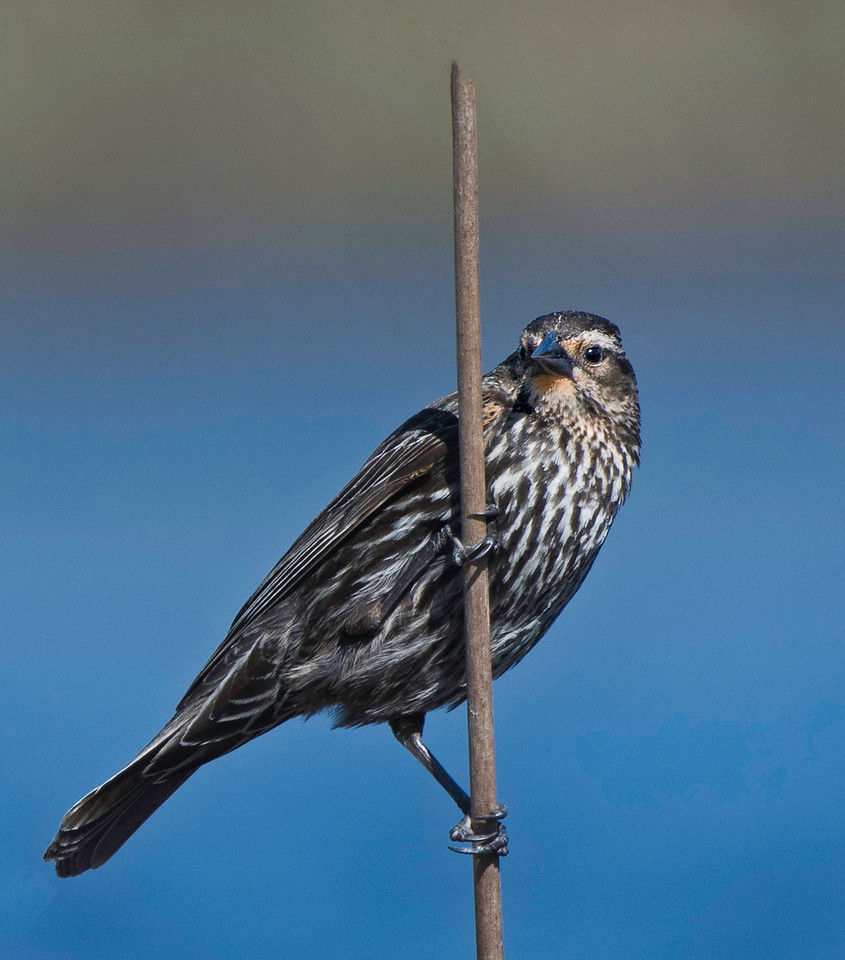
The females apparently are waiting for the males to stake out and hold a territory before flying in and setting up house. The females are much smaller and look like gussied-up sparrows.

Image from prior year

Image from prior year

 The males and females make a very odd couple, but they share an aggressive attitude when it comes to protecting their homestead.

Images from prior year

Images from prior year

(Brooklin, Maine)

Comment

Comment

In the Right Place: Friendly Reminder

We were trying to capture a good fog in Great Cove on Monday (April15), when we spotted something strange emerging.

1.jpg

At first, we thought it was a lost lobster trap buoy. When it got closer, however, we saw that it was a cluster of escaped party balloons. Thus, we had to get a little wet to remove a happy thing that had turned dangerous.

2.jpg

This is the second time this year that we’ve seen balloons in the Cove. As you know, for wildlife, these are as bad as or worse than plastic, especially after they burst or otherwise deflate. We all must be careful with them. More images of the fog and balloons:

5.jpg

(Brooklin, Maine)

Comment

Comment

In the Right Place: Different Schools

Two good looking, but interestingly different, fishing vessels were moored close together in Naskeag Harbor last Friday (April 12). Both are lobster boats in summer and scallop boats in winter and spring.

1.jpg

Dear Abbie: is trawler-rigged now with a mast and boom to work a bottom-scraping dredge that nets-in scallops. She also has a temporary “shelling house” just aft of the cabin, where the muscles from the mollusks (what we eat) can be shucked out with some protection from cold winds.

Miss Millie, on the other hand, comes from another school of scallop fishing and has no such equipment.

2.jpg

She goes out with a wet-suited, air-tanked diver who swims along the sea bottom hand-harvesting “divers’ scallops.” and putting them into scallop bags to be hauled up by a crewman. (Brooklin, Maine)

Comment

Comment

In the Right Place: Runts

A flight of fast-flying Green-Winged Teal darted into Great Cove yesterday. They’re our smallest dabbling ducks, usually no more than 15 inches in length.

Image from a prior year.

Image from a prior year.

The spiffy green-masked males, shown here, have a strange call that sounds like a frog – a high-pitched “dreep”; the all-brown females have a more duck-like sharp “quack.” Both sexes are relatively easy to spot by their silhouettes: they’re compact runts with short bills and they sit high on the water.

II.jpg

What their bills lack in size, they make up for in design: compared to other dabblers, Green-Wings have more combing structures (“lamellae”) around the insides of their mandibles to trap small food – on each of their upper and lower mandibles, GWTs have about 120-130 lamellae, compared to about 50-70 for other dabblers. GWTs, apparently, are gourmets that feast on the smallest delicacies. (Brooklin, Maine)

Comment

Comment

In the Right Place: Creepy

Yesterday’s fog kept creeping in and out of our Center and Naskeag Harbors, as if it had doubts about coming ashore. Sometimes. It was a frosted glass panel, hiding the horizon and darkening the day at Center Harbor:

2.jpg

Sometimes, it was a thin vapor veil, through which we could see hints of the fishing vessels moored in Naskeag Harbor.:

1.jpg

Yesterday’s air temperature was seasonably warm. As you probably know, fog forms when there is only a small difference between the air temperature and the dew point temperature at which water droplets in the air start condensing.

(Brooklin, Maine)

Comment

Comment

In the Right Place: Tipping Points


It’s raining and foggy now and it was overcast yesterday when these images were taken. But that’s okay.

1.jpg

Temperatures are rising nicely; virtually all of the ice and snow are gone; the exposed earth and mosses are exuding an almost-arousing aroma;, and the small streams have broken through their frozen prisons and are bounding joyously through the woods after their jailbreak.

3.jpg

The ice is out of the marsh ponds, which sit serenely, fat and full, as small flights of ducks drop in and consider moving into the neighborhood.

2.jpg

Vernal pools have been formed and are awaiting the annual amphibian invasion.

5.jpg

Are we finally at the season’s tipping point? Hope has arrived for some, anyway. (Brooklin, Maine)

Comment

Comment

In the Right Place: Moodiness

Everyone is hoping that yesterday’s tantrum by the weather gods – cold, snow, sleet, rain, and, finally, slushy thaw – is the last of that kind of behavior until winter. Nonetheless, their gray moodiness had some memorable moments, including the Camperdown Elm in the Brooklin Cemetery seemingly trying to protect huddled gravestones from the fine snow and sleet:

1.jpg

The nearby reflective fire pond seemed to be gulping the fluttering snowflakes when they turned fat:

2.jpg

The woods’ streams were bursting out of their snowy overcoats.

8.jpg

Country Lanes were plowed while, of course, wooded paths remained undisturbed, except by wildlife and a wild photographer:

5.jpg

The gnarly character of old apple and crab apple trees seemed to be enhanced by snow.

12.jpg

In the early afternoon, Naskeag Harbor was experiencing more rain and sleet than snow, and the temperature was rising to the point that the thaw had begun along the beach:

16.jpg
15.jpg

The thaw was remarkably fast. Here you see our frozen rain chain starting to melt yesterday afternoon and being virtually bare early this morning:

Speaking of this morning, that’s when the weather gods redeemed themselves with a sparkling blue and white gift::

19.jpg

(Brooklin, Maine)

Comment