Comment

In the Right Place: Relationships

We’re under a winter storm warning and experiencing a significant snow fall as we speak, which makes us glad that we took our annual Tahitian vacation yesterday. We went to the usual tropical place -- our upstairs landing – and saw the first and second Hibiscus blooms of the new decade exploding simultaneously in exotic colors there. It was sunny and the temperature outside was a balmy 37 degrees (F).

1.jpg

Yesterday was the first time that two Hibiscus blooms appeared at the same time on this productive plant. The blooms will remain for a day or so, then close and be replaced by others that are already in bud.

3.jpg

Historically, these attention-getting flowers were used by Tahitian women as romantic signals: If they wore a blossom behind their left ear, they were in a relationship; if one was behind their right ear, they were looking for a relationship. (Brooklin, Maine)

Comment

Comment

In the Right Place: Scamp

Here we have one of our little neighbors sunbathing on his wood pile yesterday morning when the temperature was 23 degrees (F) and the windchill 14. Our Red Squirrels seem to be flourishing this winter, perhaps because the winter has been mild, so far.

2.jpg

Seeing this healthy scamp yesterday conjured the folklore fable of “The Squirrel and the Grasshopper” about the virtue of planning ahead (a later variant of Aesop’s “The Grasshopper and the Ant”): 

“The squirrel works hard in the withering heat all summer long, building and improving his house and laying up supplies for the winter.

“The grasshopper thinks he’s a fool and laughs and dances and plays the summer away.

“Come winter, the squirrel is warm and well fed. The shivering grasshopper has no food or shelter, so he dies out in the cold.”

1.jpg

(Brooklin, Maine)

Comment

Comment

In the Right Place: Ingrained

We’re hearing more sea duck hunting (boom-boom-boom) from the waters off the nearby islands as we get closer to that hunting season’s end on January 18. We usually don’t see the hunters until they return ashore, as is happening in this image of a duck hunting boat pulling into Naskeag Point yesterday to be trailered home.

1.jpg

Not everyone here is comfortable with shooting sea ducks (and other wild things), of course. However, most of us seem to recognize that it’s part of the unique character of Maine, an activity that has been ingrained in the culture of many of our coastal people since well before the Colonial Revolution. (Intertidal zone access to the King’s, State’s, and private property for sea water “fowling,” fishing, and navigation has been a continuous public right here since at least 1641.)

Nonetheless, sea duck hunting is highly regulated here. Sea ducks are defined as only Scoters, Eiders, and Long-Tailed Ducks. Among other current restrictions, individual licensed hunters may take no more than five such birds per hunting day, a period beginning half an hour before sunrise and ending at sunset. Of the allowable five birds, no more than four of any species may be taken. Hunters also must use nontoxic shot that will not sicken birds if they ingest the shot while feeding later in the area. (Brooklin, Maine)

Comment

Comment

In the Right Place: Imagination

One of the best times to imagine the spirit of a special tree is on a cold and gray winter’s day, when the sun is only a slight brightness within a dingy sky. Here, on such a day last week, we’re looking through the crown of a local crabapple tree that reportedly is over 100 years old.

6.jpg

We can sense the strength it took for her to stand and grow in one place for so long – so many spring rains and blossom births; summer climbing children and drilling insects; fall leaf-turnings and lettings go; winter winds and icings and broken branches. She bends and ducks and gnarls her way through a tough, solitary life. We like to imagine that her many twists are where she once laughed or sighed or cried to herself. (Brooklin, Maine)

Comment

Comment

In the Right Place: Retaliation

This is an image of Babson Island yesterday at about 3:30 p.m., a few minutes before it disappeared. The temperature was a remarkable 50 degrees (F) then, but the increasing wind already was up to 16 miles per hour with gusts of 28 – early warnings sweeping up the field to us.

5.jpg

We can see the storm clouds forming into squadrons. A few hours later, they delivered a ferocious bombardment of wind and rain that lasted all night. (Such meteorological viciousness seems to be an increasing retaliation as we continue to befoul our own atmosphere.)

As we speak this morning, however, the declining temperature is down to a more seasonal 37 degrees and the wind is dying. It’s raining, but nothing like the forces unleashed last night.

10.jpg
9.jpg

(Brooklin, Maine)

Comment

Comment

In the Right Place: What Legends Are Made Of

It was cloudy, rainy, foggy, and windy last night. Stated another way: We didn’t see the first full moon of the decade. Legend has it that the January full moon is to be called The Wolf Full Moon, because it comes at a time when cold and hungry wolves howl at the moon. Come to think of it, we also didn’t hear any wolves, or even coyotes, last night.

However, in our disappointment, we did drink enough wine to create our own legend with a little help from PhotoShop®: As you see, the January full moon is when the Man-in-the-Moon turns into Wolf Man. (Well, we also don’t have any good images of real wolves, so this actually is Malamute Man and a prior moon.)

Untitled-3.jpg

According to our new legend, during January’s full moon, the Wolf God, Harry, appears in a gold and jeweled coat and howls that he’s more beautiful than the moon. See the image in the first Comment space. (Uh, since we don’t have any images of real wolves, we’re using this Christmas light wolf baying at a prior moon. [Why anyone would want a Christmas light wolf is part of someone else’s strange legend, we suppose.])

2.jpg

We’re not confident that we’ll see a moon or a wolf tonight, but the odds are better than even that we’ll see a decent cabernet sauvignon. (Brooklin, Maine)

Comment

Comment

In the Right Place: Tough

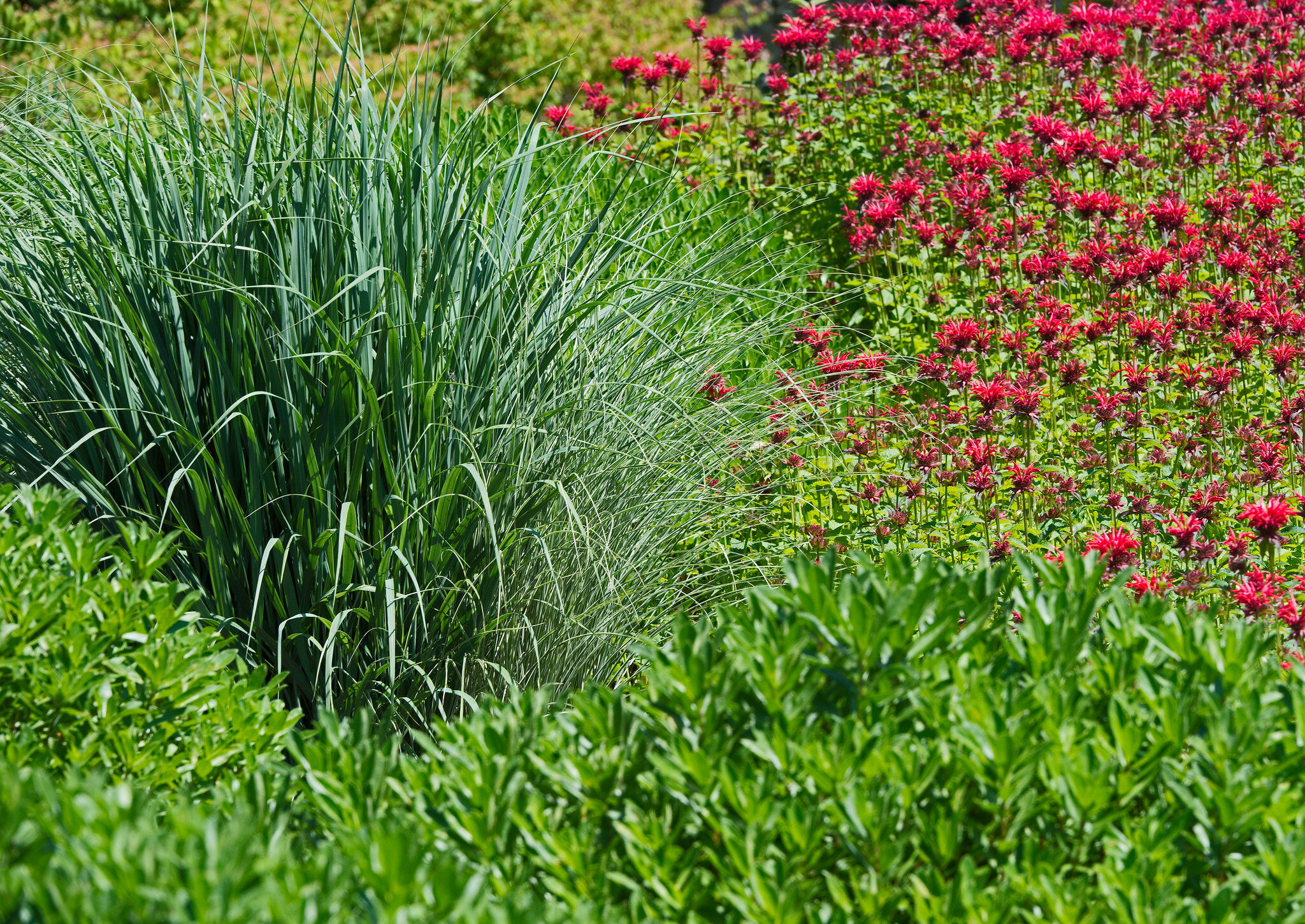
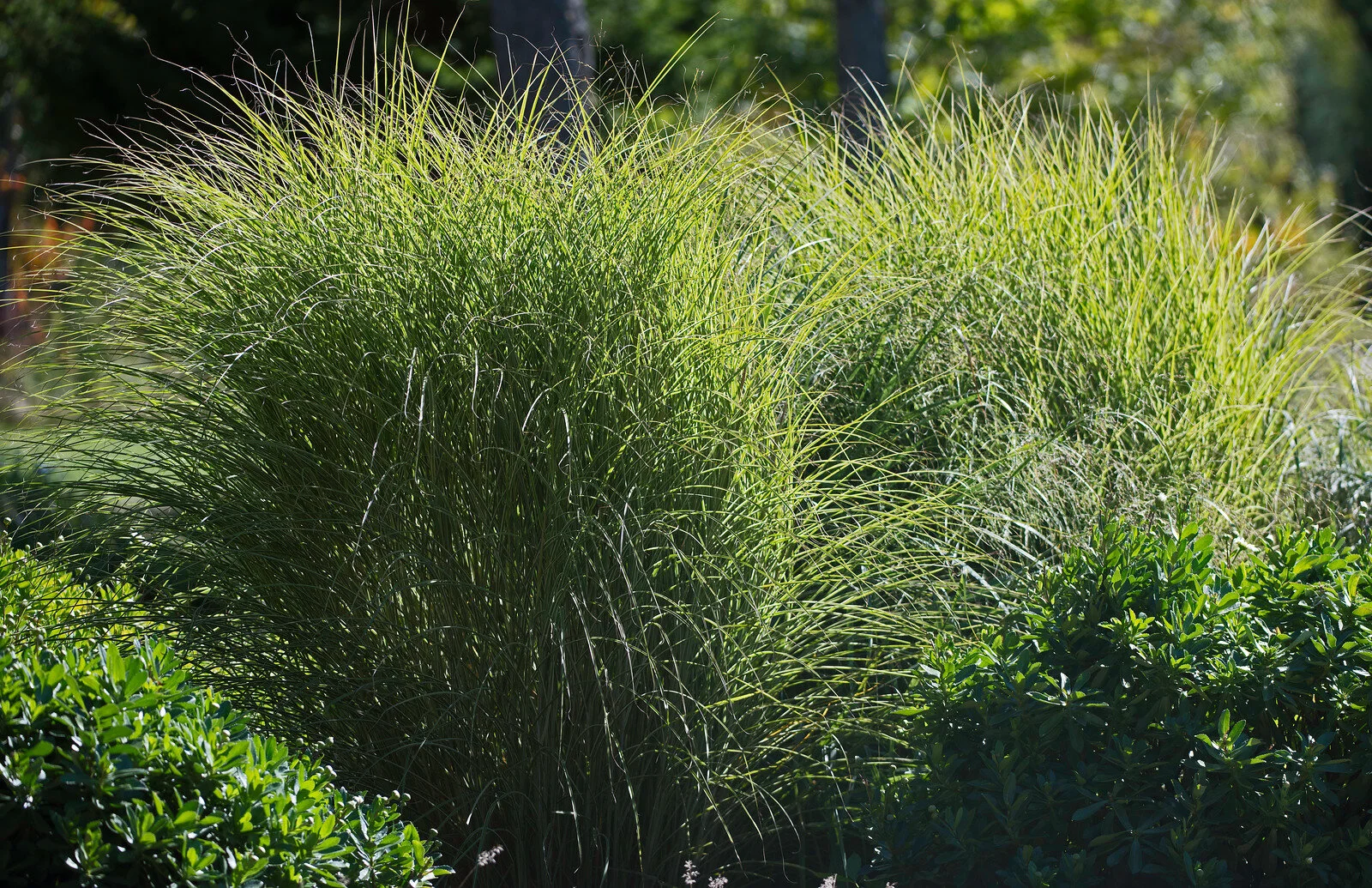
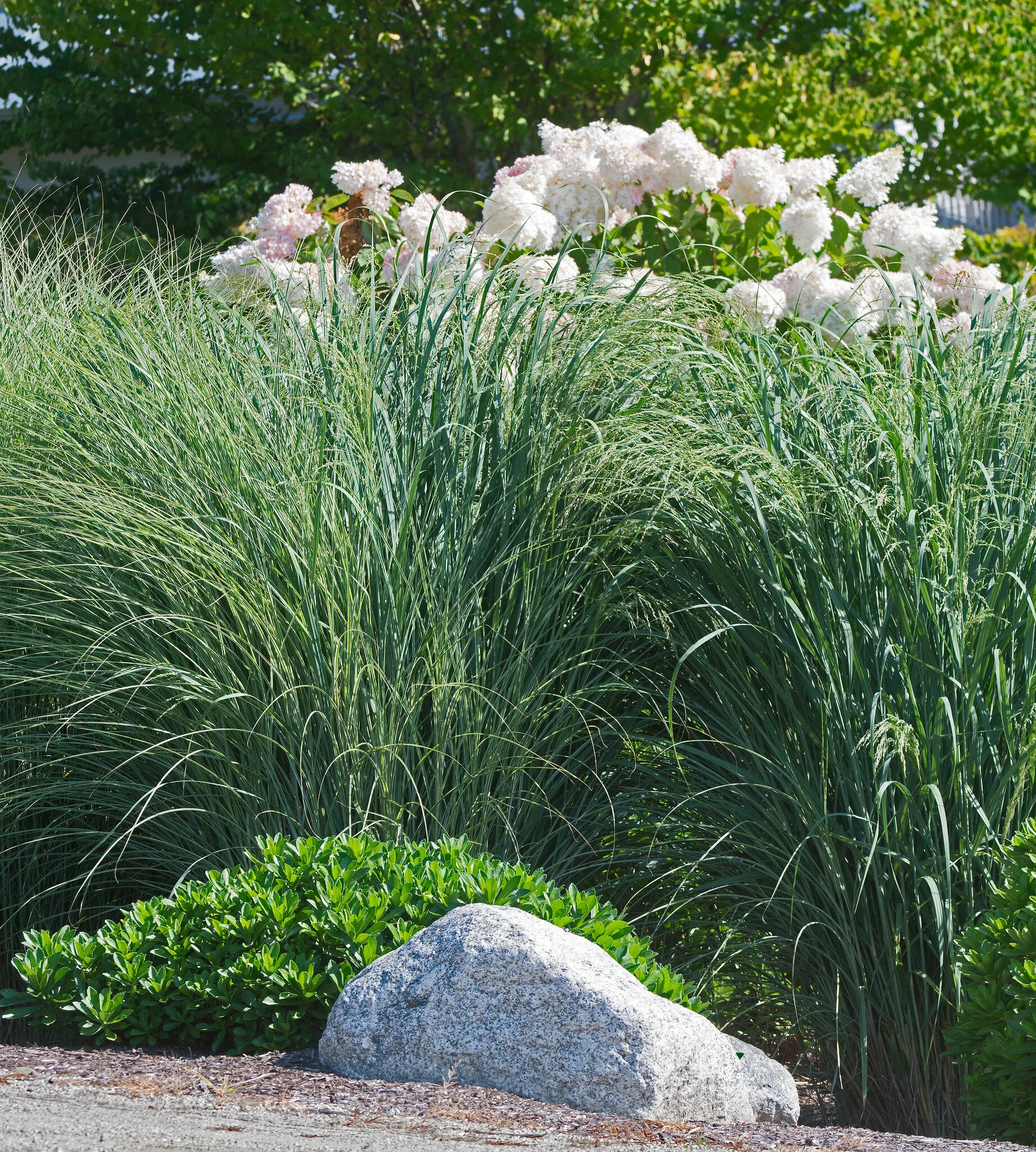
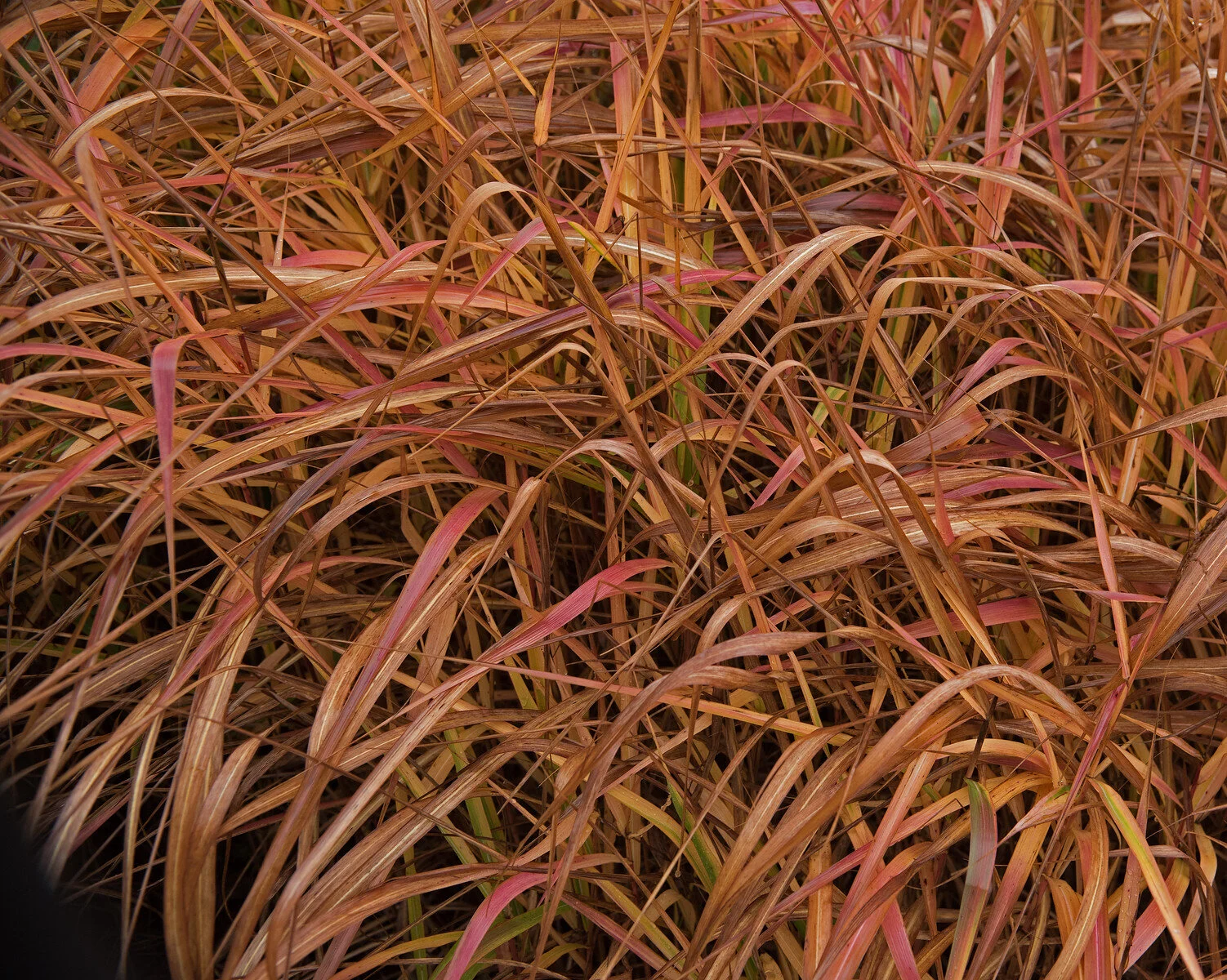
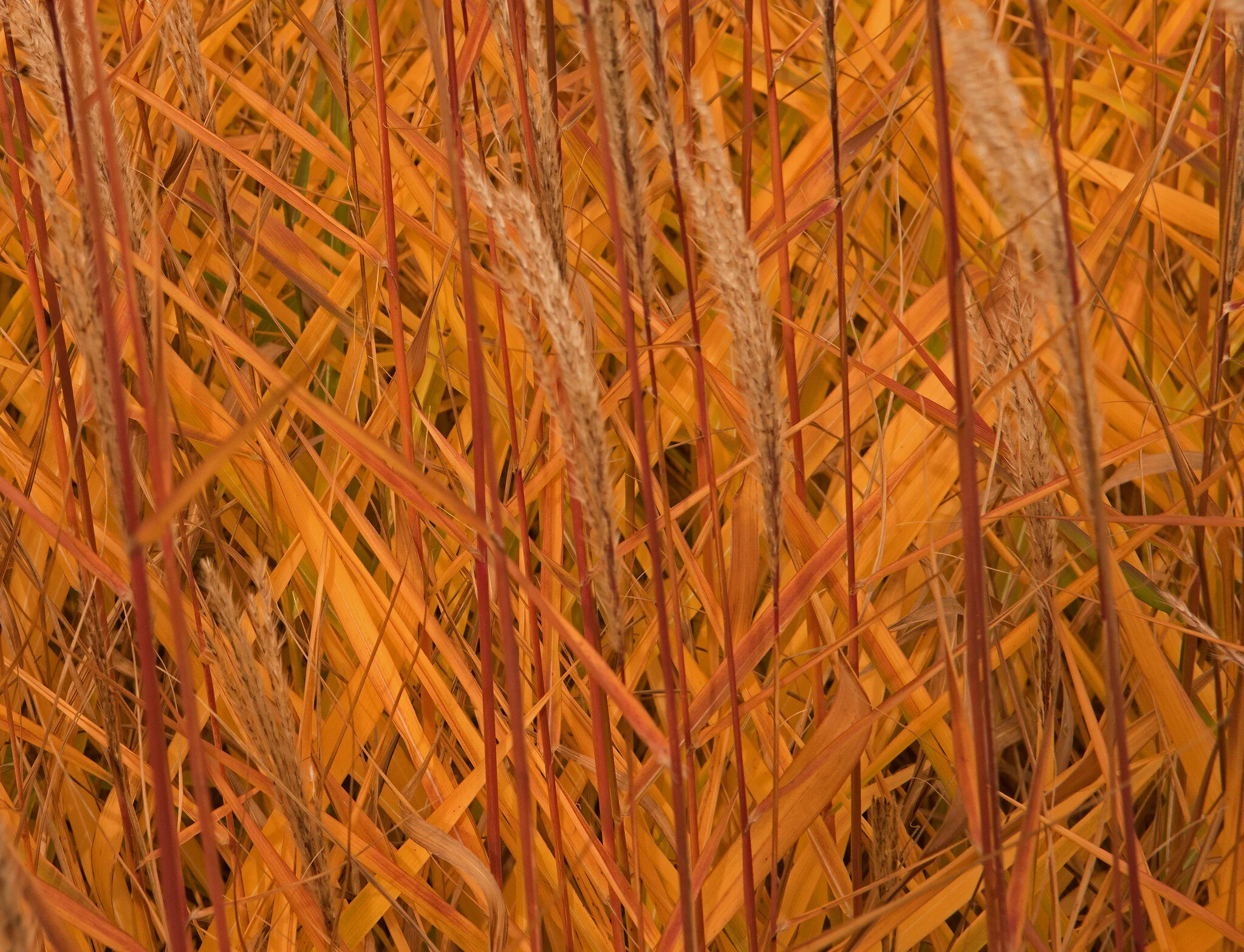
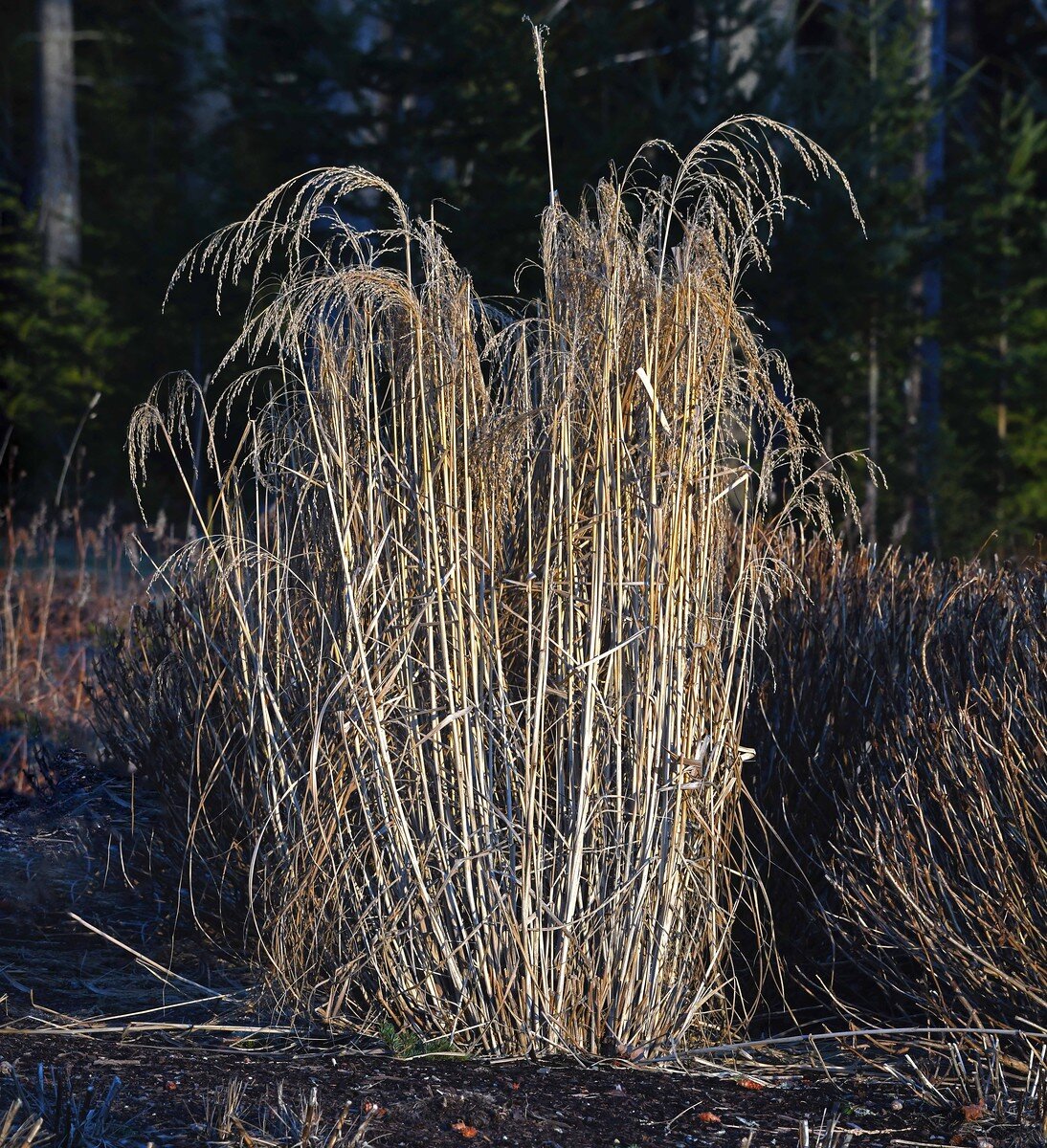
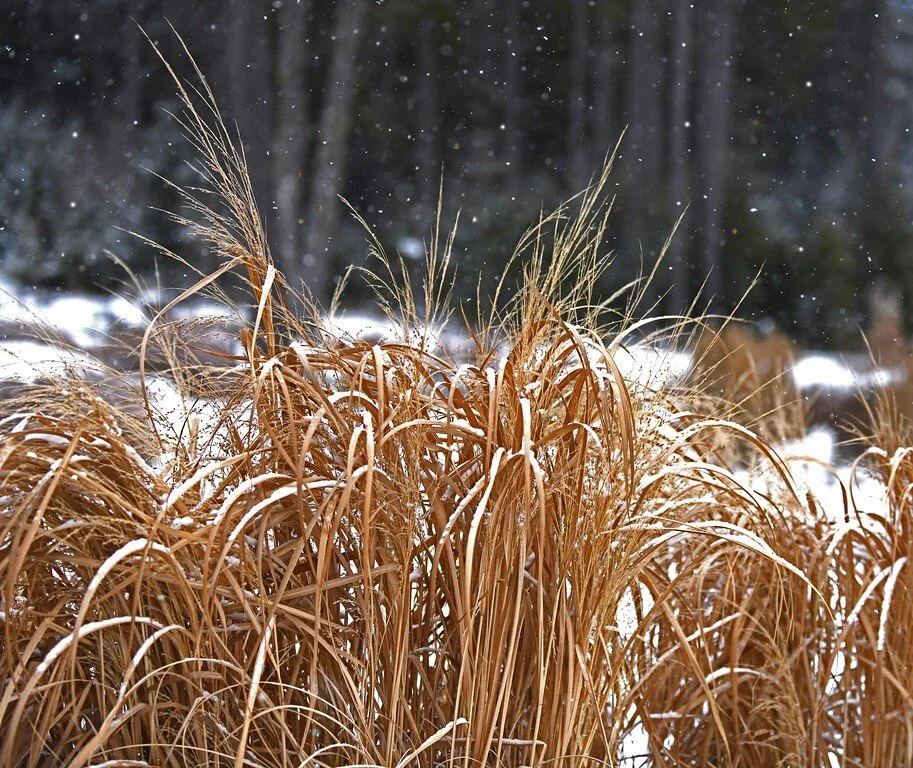
It may seem strange, but some native American prairie grasses do very well in Maine winters and look great in all seasons here. Below, you see a variety of Switch Grass (Panicum virgatum) that has survived many harsh winters here. It’s also is called Panic Grass due to its scientific name, certainly not because it’s a coward. This hearty plant is rabbit-proof, deer-resistant, and can withstand salty soil, stiff sea winds, and Maine ice storms. It’s a vibrant green in the spring and summer, rose-tinted then almost orange in fall, and an attractive tan in the winter:

5.jpg
7.jpg
8.jpg

(Brooklin, Maine)

Comment

Comment

In the Right Place: Winter Contrast

It’s 26 degrees (F) here, as we speak; the sky is impenetrably dull; the fields are a white carpet, Great Cove is a pewter platter, and motes of very fine snow have been drifting by every now and then, perhaps as scouts for an invasion. But, enough of today’s gray; we want to talk about yesterday, which provided a winter contrast.

1.jpg

Yesterday was sunny and relatively warm, with air so clear that this early-rising moon moved slowly in the blue sky like a cosmic beach ball, which the spruce trees seemed to try to catch:

2.jpg

That moon rose at 1:40 p.m. here yesterday and the images above were taken at about 3:30 p.m. Technically, it was a waxing gibbous moon that will continue to wax and become full to us on Friday, January 10. That is, this moon’s illuminated part is getting larger and larger (or waxing, from the Old English for growing). The increasing size of its illuminated part also has gotten to the point where it is more than half the moon, but not yet the full moon (gibbous, from the Latin for hump and hump-backed). (Brooklin, Maine)

Comment

Comment

In the Right Place: Rompers

We saw fresh signs of Northern American River Otters along the shore of Great Cove on Sunday (January 5). We waited in wince-inducing winds for the weasels’ reappearance, but our waiting was in vain. No regrets, though; we’ll keep looking. In the meantime, we’ll share a few thoughts about these playful creatures as well as a couple of prior winter images of them.

A.jpg

It’s always reassuring to have otters nearby, since they won’t inhabit polluted areas. Although at home on the shore, they have all the latest equipment for hunting and playing in water: webbed feet; undulating tails; self-sealing ears and nostrils; special lungs that allow up to eight-minute underwater hunts; special eyes that increase vision in murky water, and whiskers that are sensitive to underwater vibrations caused by prey or playmates.

B.jpg

Otters often are seen in small, happy-looking groups, which are known by numerous collective names, including bevy; family; lodge; raft, and – our favorite – “a romp of otters.” (Brooklin, Maine)

Comment

Comment

In the Right Place: Silent Winter

Yesterday morning, the sun broke through the clouds late and ordered us into the woods, where it was enchanting the new sugar-like snow sprinkled under the evergreen canopy. We obeyed and enjoyed moments such as these:

1.jpg
2.jpg
6.jpg

However, once we had entered the wooded world, we became aware – yet again this winter – of the absence of winter birds that we used to see and hear on most cold days. As with several prior walks this winter, yesterday we neither saw nor heard a single chickadee, nuthatch, or woodpecker. (We did hear a pileated woodpecker laugh at us from a great distance.) We also have been seeing significantly fewer winter song birds at our feeders this winter.

It may be just one of those localized quirks, but expert reports of extraordinary bird losses have got us worrying about our spring birds. We have no Rachel Carson to write another Silent Spring and environmentally sane people seem to be disappearing faster than the birds. (Brooklin, Maine)

Comment

Comment

In the Right Place: Endings and Beginnings

Last night we saw the unsightly fall of the last decade’s football dynasty, the New England Patriots. This morning we awoke to discover the cleansing sight of the new decade’s first snowfall in this part of New England, a more delicate moment.

1.jpg
2.jpg
3.jpg

(Brooklin, Maine)

Comment

Comment

In the Right Place: Galaxies

We’re still enjoying (while we can) the bumper crop of wild winterberry fruits this winter. The berries, which appear only on the females of these deciduous holly bushes, still are unharvested, as you can see from this image taken yesterday. Their red galaxies along our gray roadsides are a balm to the winter traveler’s eyes.

1.jpg

Soon, however, the birds will run out of tastier and more nutritious things and gulp down most (or all) of these little orbs, which reportedly are one of the last winter survival meals for more than 40 species of birds. Perhaps that’s why the berries remain so red – they’re easy for desperate birds to find. (Brooklin, Maine)

Comment

Comment

In the Right Place: Fake News

While walking through a miserable combination of rain and snow last Tuesday (December 31), we heard the unmistakable whump-whump-whump of big wings pumping heavy air. We turned and – almost on top of us – was one of our winter bald eagles flying up a sloping field toward us. We got off one “shot” before the bird was gone. That shot produced a wonderfully abstract image that only we can recognize as a bird’s blurred butt.

However, the experience reminded us of a time on a previous rain-with-snow day when we got lucky and captured the front end of an oncoming wet eagle. We’re posting that earlier image here and making believe that we took it on the last day of the past decade. Don’t tell anyone.

2.jpg

(Brooklin, Maine)

Comment

Comment

In the Right Place: Winter Song

Here we see our favorite two-foot waterfall, running clear and cold yesterday, which was a lovely first day for a new decade.

i-ft4jVCT-X3.jpg

If we have a typical January this year, our waterfall’s spray will create an ice tent and the falls will hide from our view, but we’ll still hear its winter song from within. (Brooklin, Maine)

Comment

December Postcards From Maine

3 Comments

December Postcards From Maine

With apologies to T.S. Elliot, this is the way the decade ended for us, not with a bang, but this whimper of aggressive rain and timid snow today:

54.jpg

December here was a month that will be remembered mostly for its miserable rainstorms, gorgeous sunsets, and breath-taking moon rises.

As for the rainstorms, one brought down massive trees that destroyed power lines and roiled Naskeag Harbor, but none of our fishing vessels seemed the worse for it.

18.jpg

But not all was wet and gray. December’s low sunlight more than compensated for the precipitation. The month’s colorful sunset and afterglow dramas defied description:.

1.jpg

December also brought us the last full moon of the decade, and it was a good one – a supermoon that arose big, burly, and bronze over Acadia National Park and sailed away as a silver orb that cast a searching light across our dark waters.

6.jpg

The moon had one final trick up her sleeve when she returned to our view in late December as a new crescent moon: she “held the old moon in her arms,” as the astronomers say. That is, she not only reflected the sun brightly in her crescent, the rest of her turned charcoal-blue in reflected light from earth:

7.jpg

Meanwhile, back here on earth, our woods, fields, and streams were going through a December cycle of sunny brightness, light snow that sugar-coated things awhile, then rain that removed the snow better than any plow. This led to engorged streams that raced wildly through the woods.

19.jpg
24.jpg

The marsh ponds also went through a repeating cycle of freezing and thawing, sometimes with snow-covered ice.

15.jpg

December’s mild-then-cold temperatures contributed to the freeze-snow-rain-thaw cycle, seeming to confuse the red squirrels and white-tailed deer, especially the yearling deer who loved to frolic together at dusk in their first snow — when it was there.

27.jpg

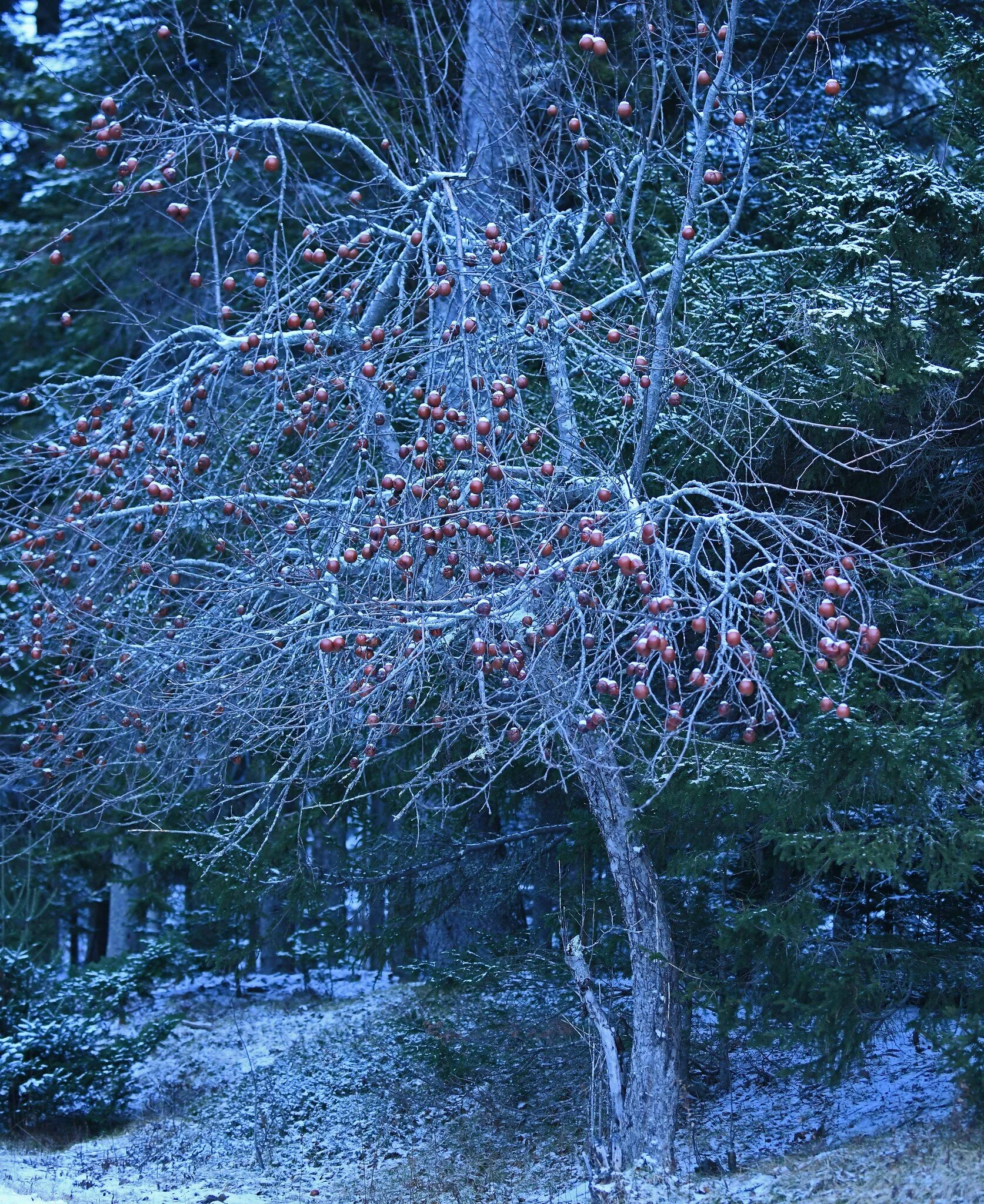
Our old wild apple trees didn’t seem to mind December. In fact, some seemed to brazenly defy it by refusing to let go of their apples and doing line dancing when no one was looking.

31.jpg

While summer houses luxuriated in snow baths, wood sheds and the Brooklin General Store got very good use during the month.

41.jpg

The General Store wasn’t the only place where winter wreathes were hung. Brooklin driveways, houses, and barns displayed a wide variety of wreaths in December (many of which won’t be taken down until winter ends).

45.jpg

Of course, the most important parts of December for many were its religious and cultural celebrations of Christmas and Hanukah, reflected in roadside banners on Naskeag Road.

(All images taken in Brooklin, Maine, during December 2019, except the image of the Hanukkah banner, which was taken last December)


3 Comments

Comment

In the Right Place: December Junction

It’s not easy to get to Brooklin, Maine, in winter. You’ll drive on coastal Route 175 and, if coming from the north, you’ll pass Herrick Bay, where 175 also is called Bay Road; if coming from the south, you’ll pass parts of Eggemoggin Reach, where the road also is known as Reach Road. Bay and Reach Roads meet at 175’s junction with Naskeag Road, which runs down a peninsula to Naskeag Harbor at the end. That junction is the heart of the Town.

It sounds easier than it is. especially while traveling at night along 175’s dark, winding, and sometimes icy miles. Many porcupines consider the road to be a sacrificial alter and deer have been known to try to fulfill death wishes there. But, at this time of the year, where Bay, Reach, and Naskeag Roads meet, there’s a welcoming oasis of light and Christmas decorations for night travelers.

C.jpg

That’s where our still-open Brooklin General Store is on the eastern side of 175 facing our spot-lighted and decorated Friend Memorial Public Library on the western side. In the cold December night, the Store can look like an Edward Hopper painting and the Library like an institution that belongs in a town that has many more residents than our happy 800 or so people.

D.jpg

(Brooklin, Maine)

Comment

Comment

In the Right Place: Cleaving

Last night at twilight two uncommon and beautiful things happened in our southwestern sky. First, we had what some astronomers call “the old moon in the young moon’s arms.”

4.jpg

That is, the dark portion of the crescent new moon was visible within a blue glow. Leonardo da Vinci was the first to realize that this phenomenon happens when the Earth infrequently comes into a position to reflect sun back onto the moon – earthshine cleaving with moonshine in the twilight. The phenomenon reportedly will happen again on January 28, 2020.

3.jpg

Second, and at the same time last night, Venus and the sculpted new moon posed together for an uncommon portrait.

1.jpg

At this time of year, Venus often is called “The Evening Star” because it is trailing the sun and rises to us brightly in the west soon after the sun goes down. When Venus orbits on the other side of the sun, it rises to us in the east near dawn and is called “The Morning Star.”

2.jpg

Of course, Venus is not a star; it is the second closest planet to the sun and within Earth’s orbit. (Brooklin, Maine)

Comment

Comment

In the Right Place: Blurs

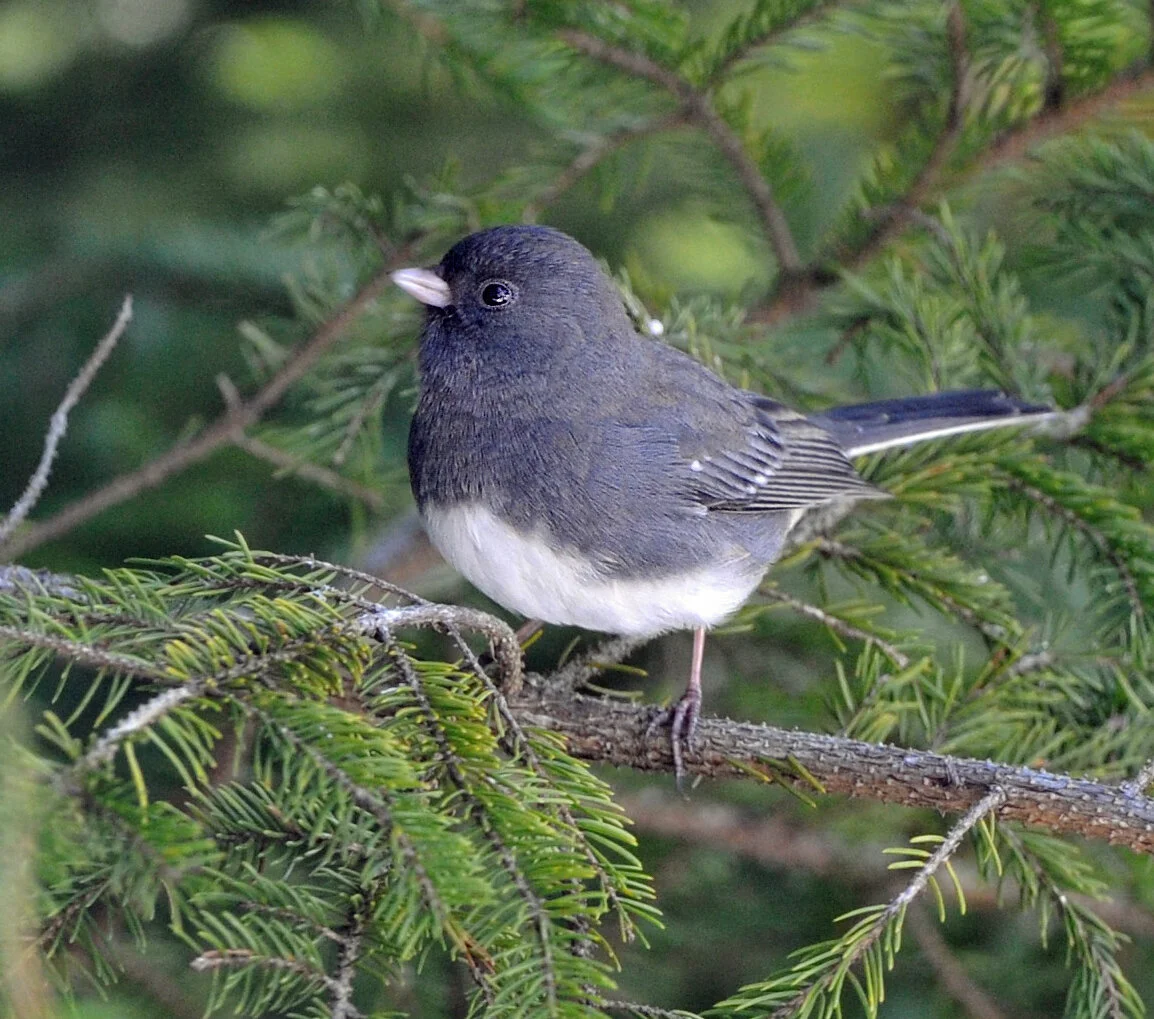
Dark-Eyed Juncos (Junco hyemalis) are common here in winter, yet they can be confusing. There are five varieties of the bird in this country, ours being the Northeast subspecies known as the “Slate-Colored Junco.”

2.jpg

Scientists consider Juncos to be sparrows, but some birders insist that they’re finches. No one seems to know what “Junco” means in Latin or any other language, except Spanish in which it is the name of a plant that Juncos don’t go near.

3.jpg

Some old-timers call them “Snowbirds” due to their apparent sudden appearance with the first snows of winter. According to one myth, they even cause that snow.

4.jpg

But, many Juncos are here all year in the form of indistinguishable single or double gray blurs that exist on and near the ground. It’s when it snows that Juncos stand out; they also form into more visible feeding flocks in the winter, apparently as a defensive measure during the leafless season – more eyes and ears to spot predators.

1.jpg

(Brooklin, Maine)

Comment

Comment

In the Right Place: Value

Monday morning (December 23) was one of those special winter times to be alone near the sea, where you can try to find reality by remembering that you’re only one little dot in an immensely grand scene. Thus, we went to Great Cove on that achingly clear and bright Monday morning and gazed beyond the islands in Eggemoggin Reach to the horizon of the open Atlantic.  

6.jpg

There was enough of a southwesterly breeze to tickle the water, but not enough to scare it into whitecaps. The light, of course, was winter-low. It gained just the right angle to catch the wind-scattered sea surface and turn it into billions of tiny mirrors, each with a different view.

With apologies the Shakespeare:  All that glisters may not be gold – sometimes it’s more valuable than gold. (Brooklin, Maine)

Comment