April Postcards From Maine

4 Comments

April Postcards From Maine

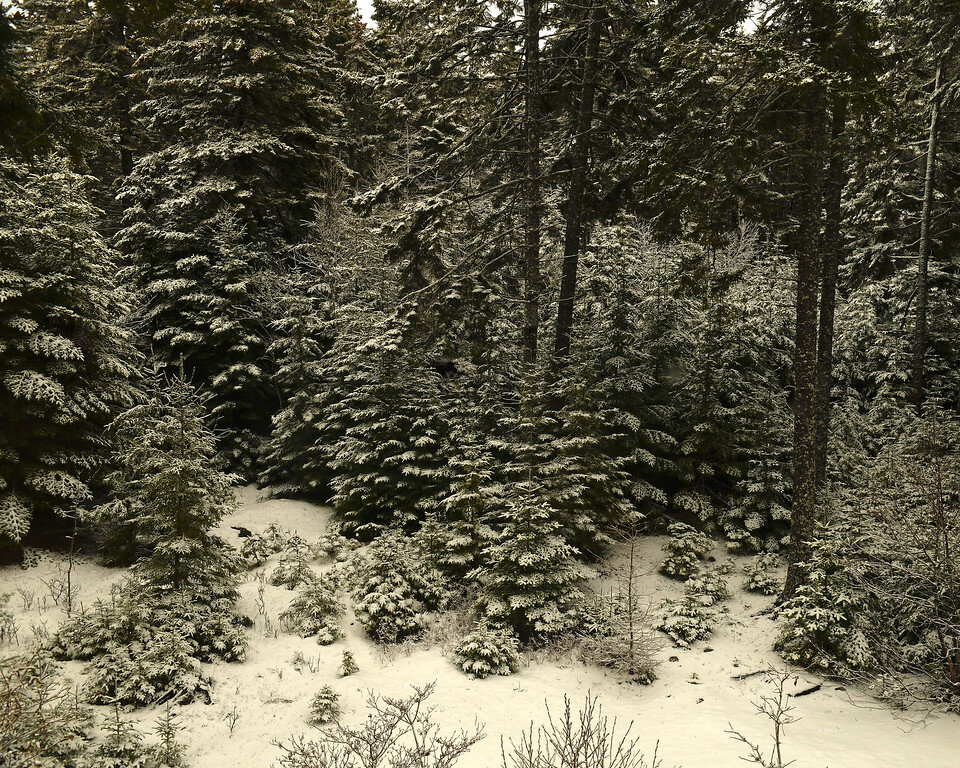
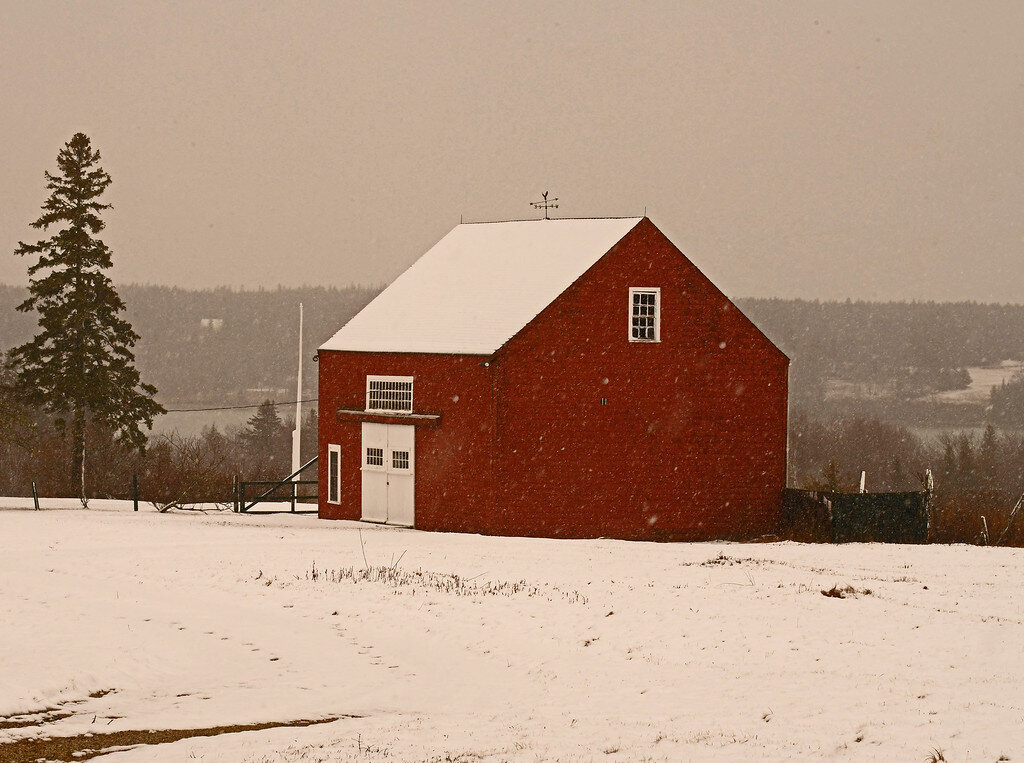
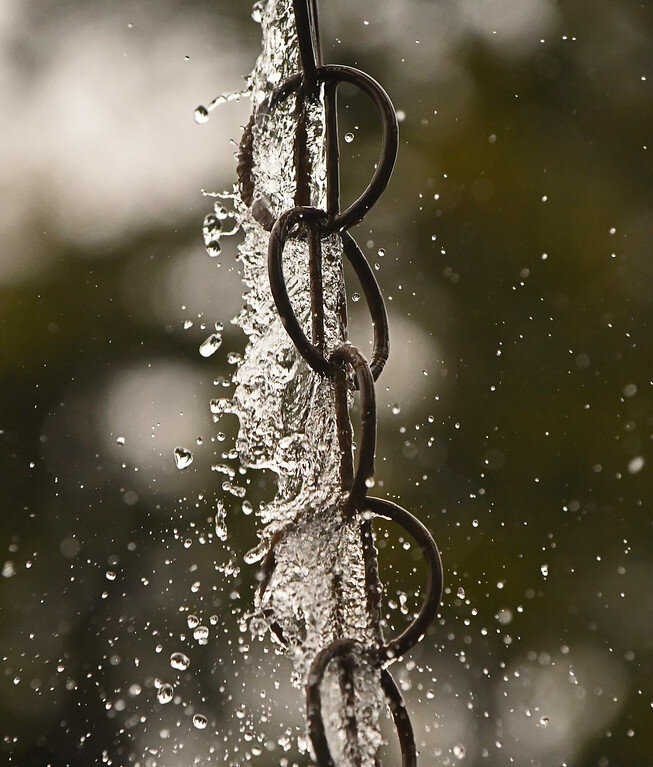
If April showers bring May flowers, we’re going to be buried in flowers soon. Precipitation was the headline for April this year — we had well more than average. The skunk cabbage spathes in the bogs thought it was wonderful, but the rain chains were overcome, and the last of the year’s snowstorms — we hope — reminded us that we were in Maine.

PC-1.jpg
PC-4.jpg

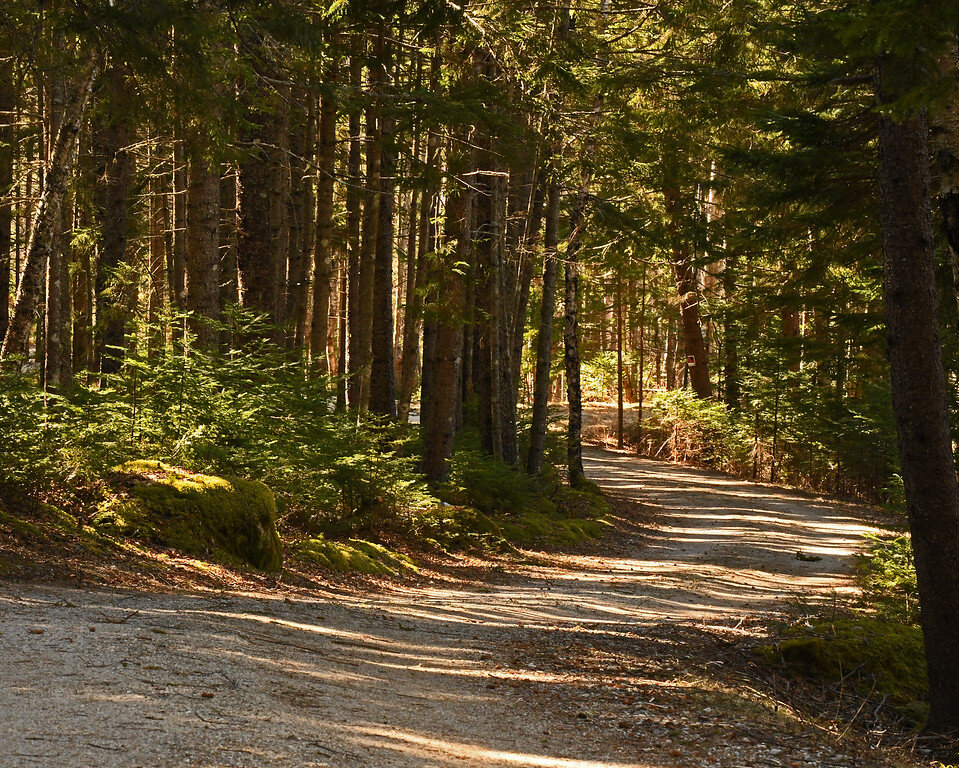
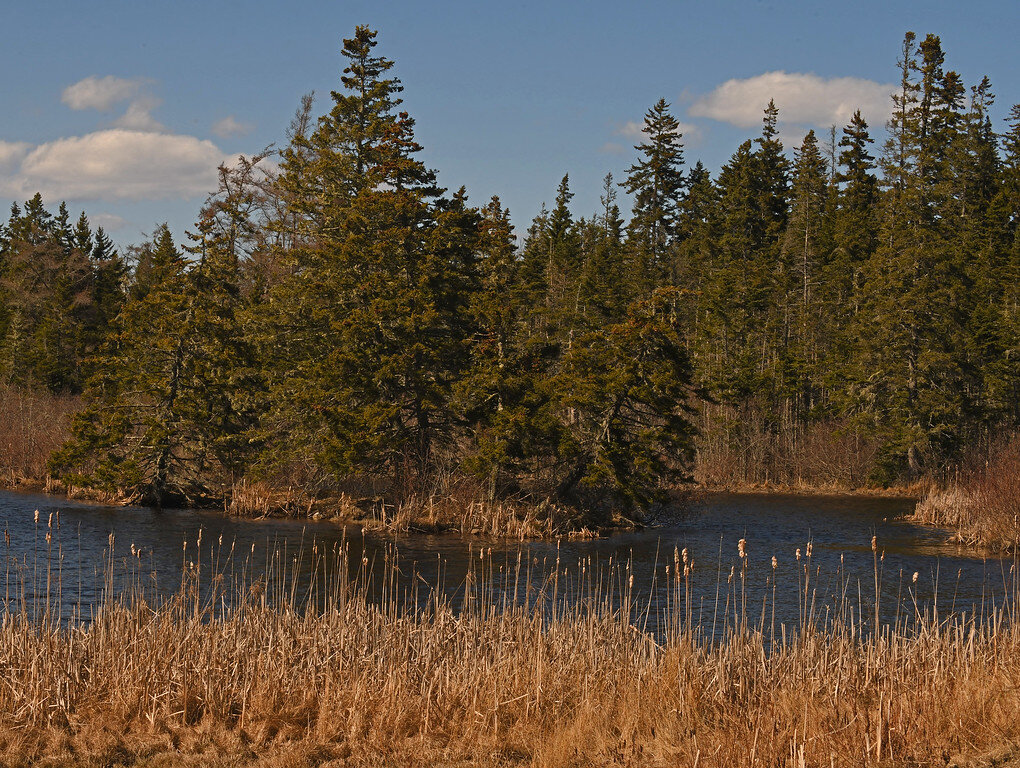
However, April delivered its fair share of beautiful days here. We enjoyed clear vistas over Blue Hill Bay to Acadia National Park, very full marsh ponds, sun-speckled country lanes, and balsam-scented woods.

PC-5.jpg
PC-8.jpg

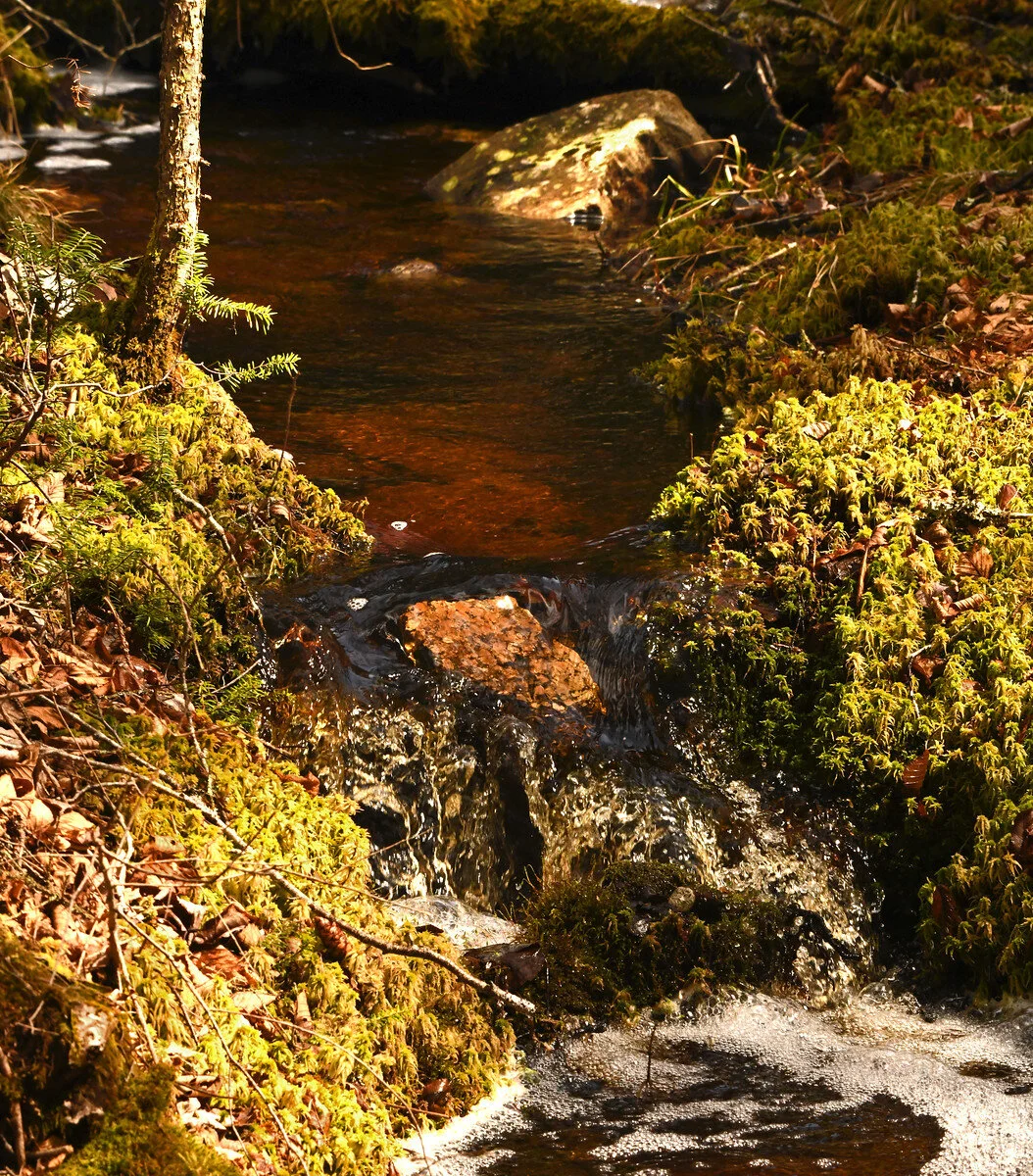
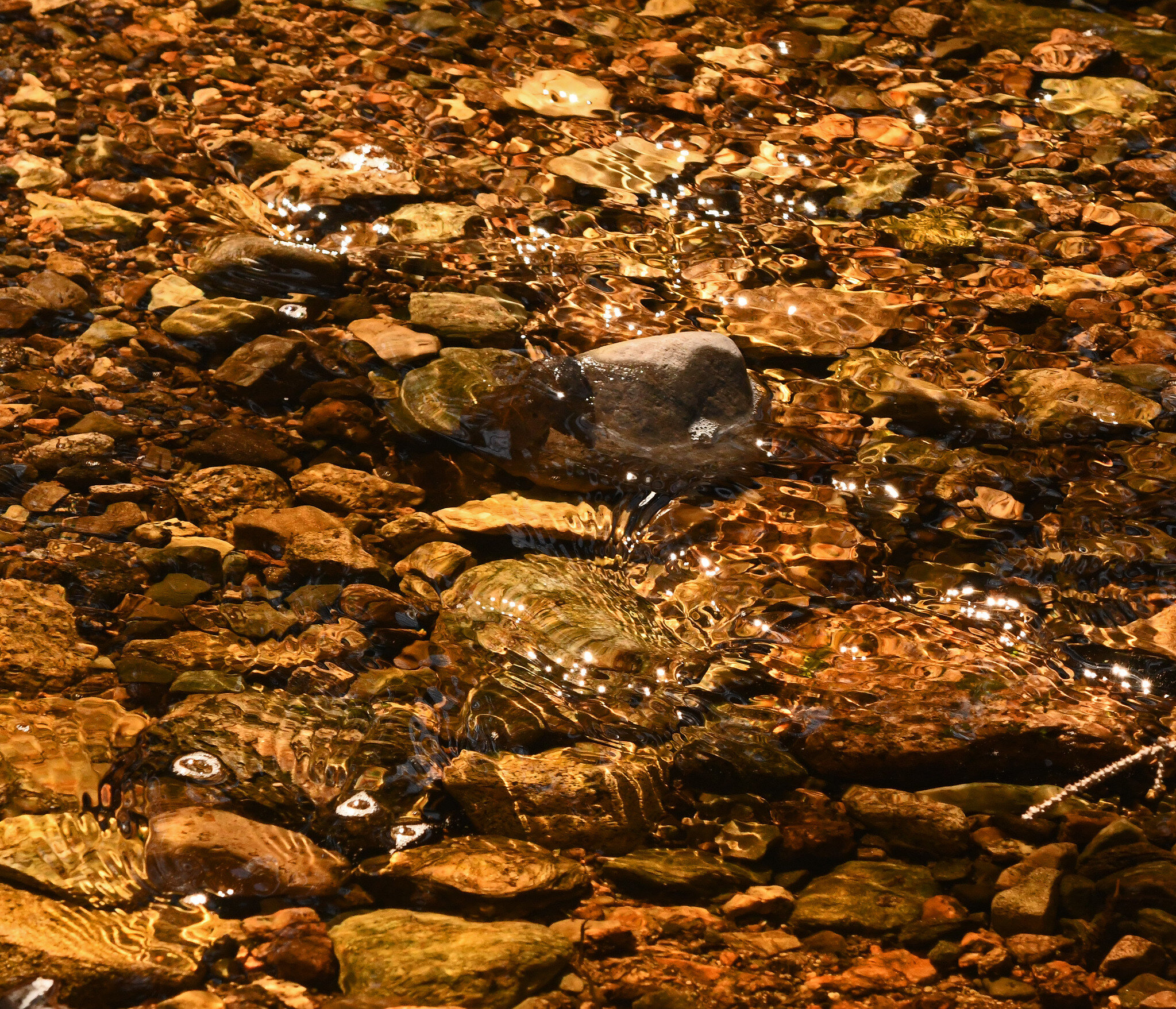
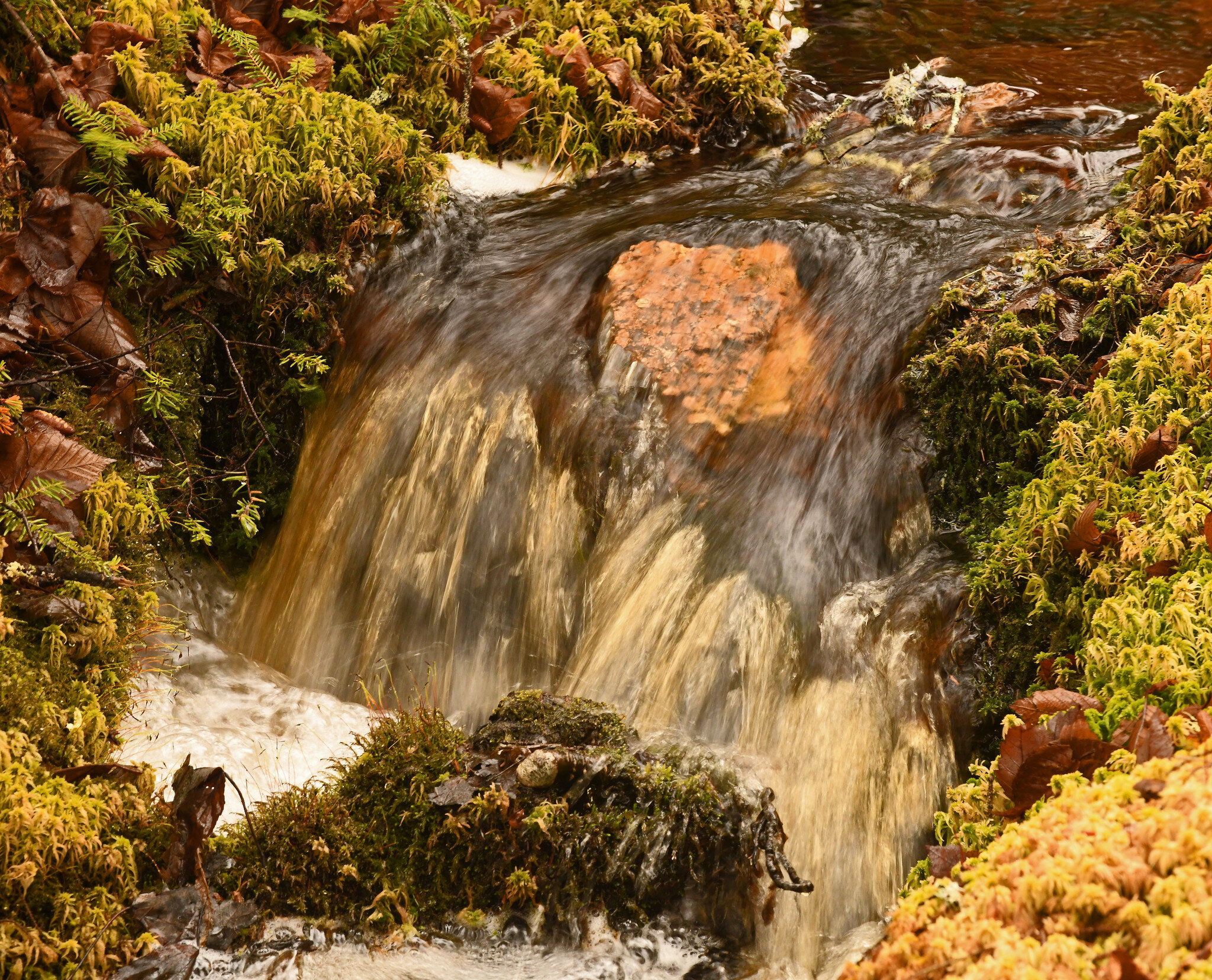
The rain-swollen streams hurtled through their mossy banks in April, providing a little day music.
PC-20.jpg

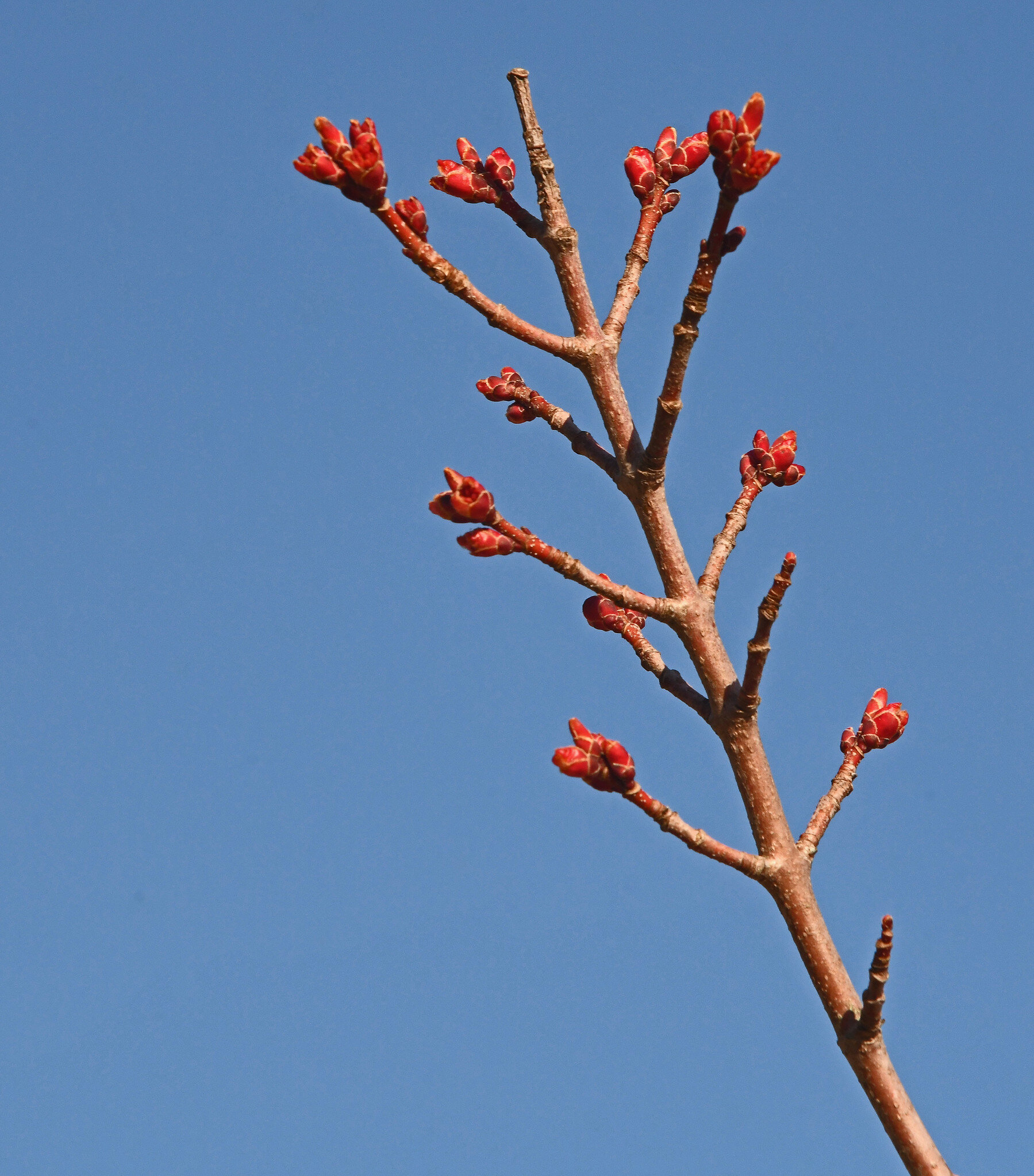
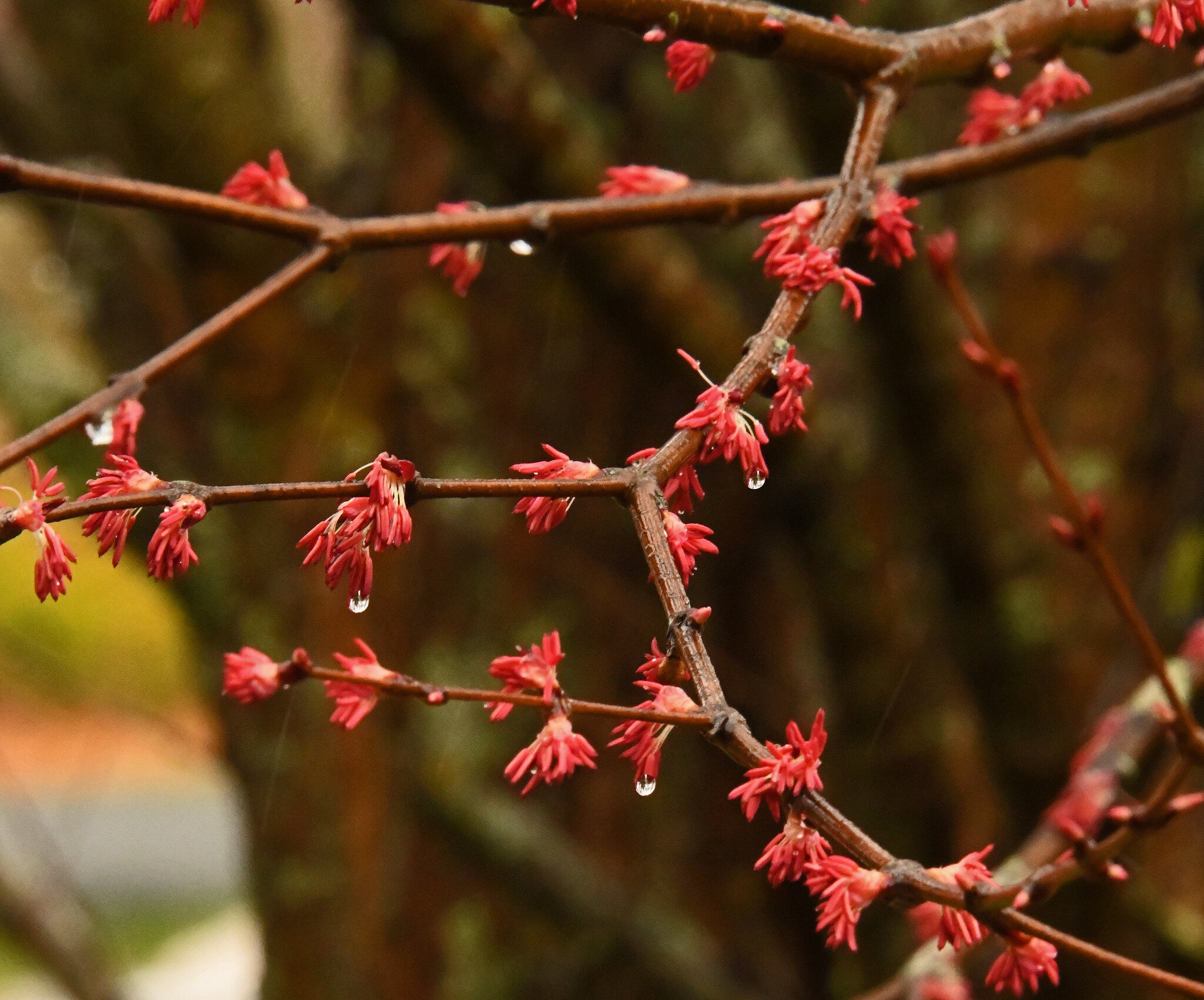
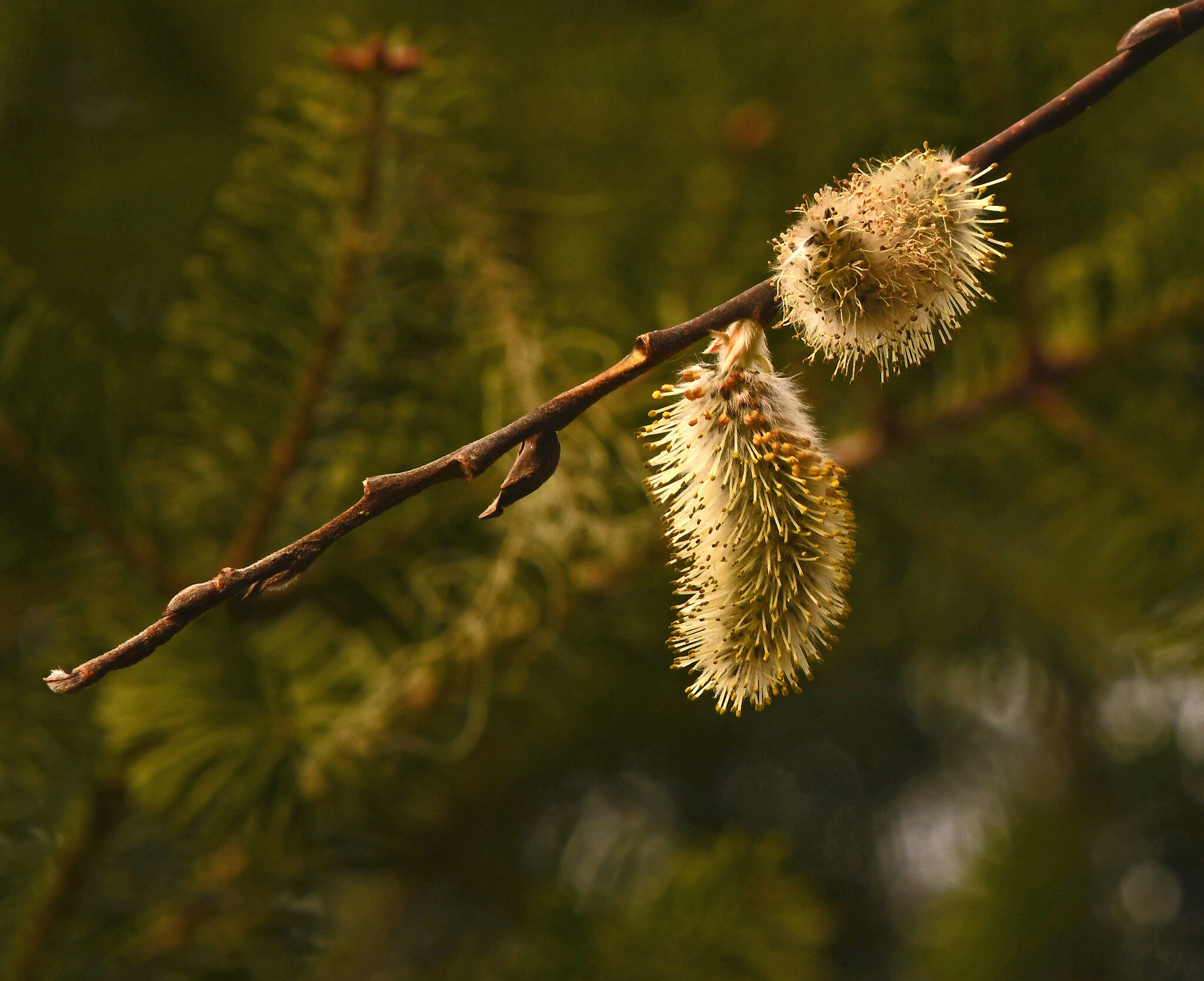
There are no leaves here in April, but it is the month when early-budding plants give us a promise of lush times to come, including katsura tree flowers, pussy willow catkins, and red maple tree buds. And, of course, there were the blossoming forsythia plants that are almost at their peak during April.
PC-24.jpg

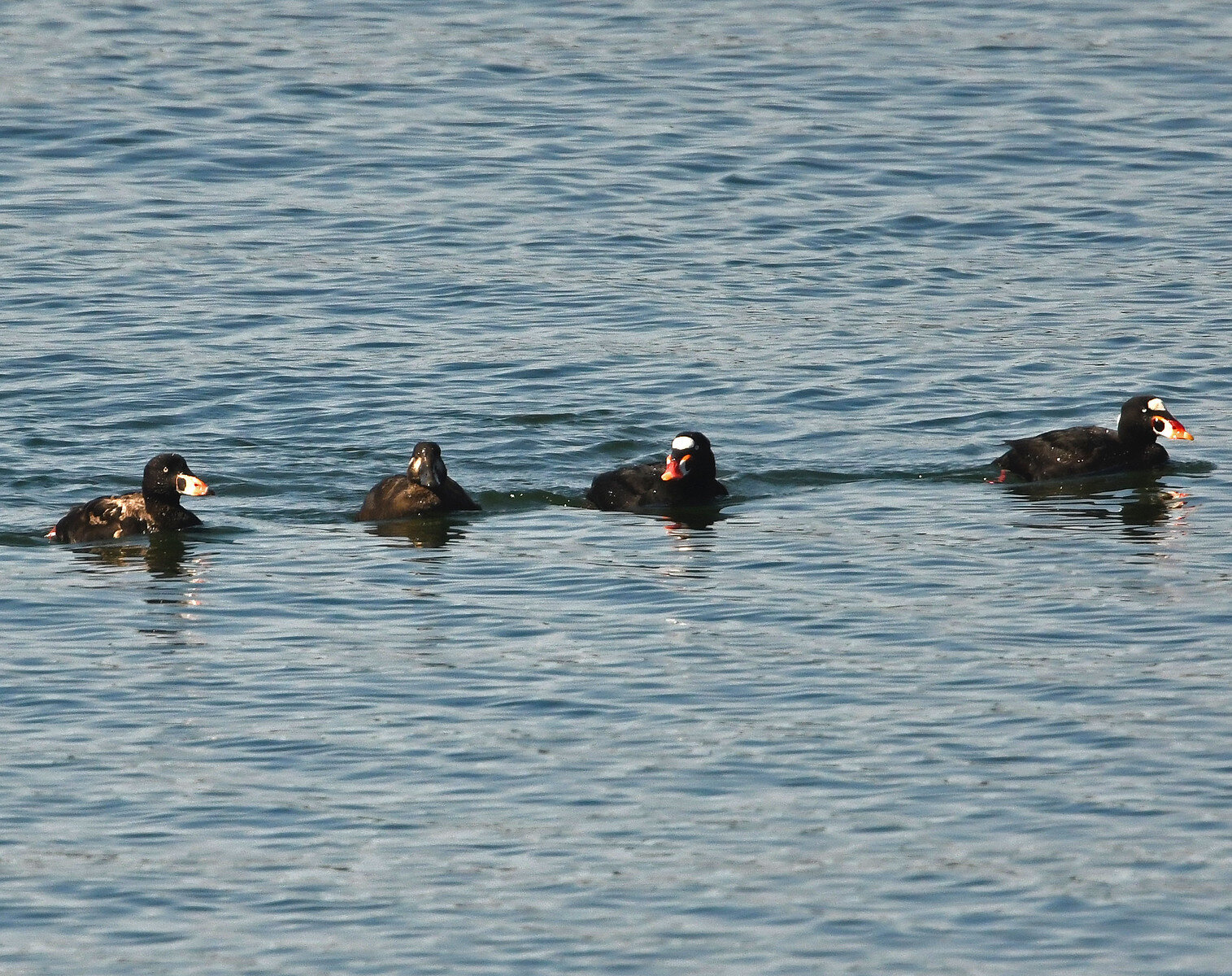
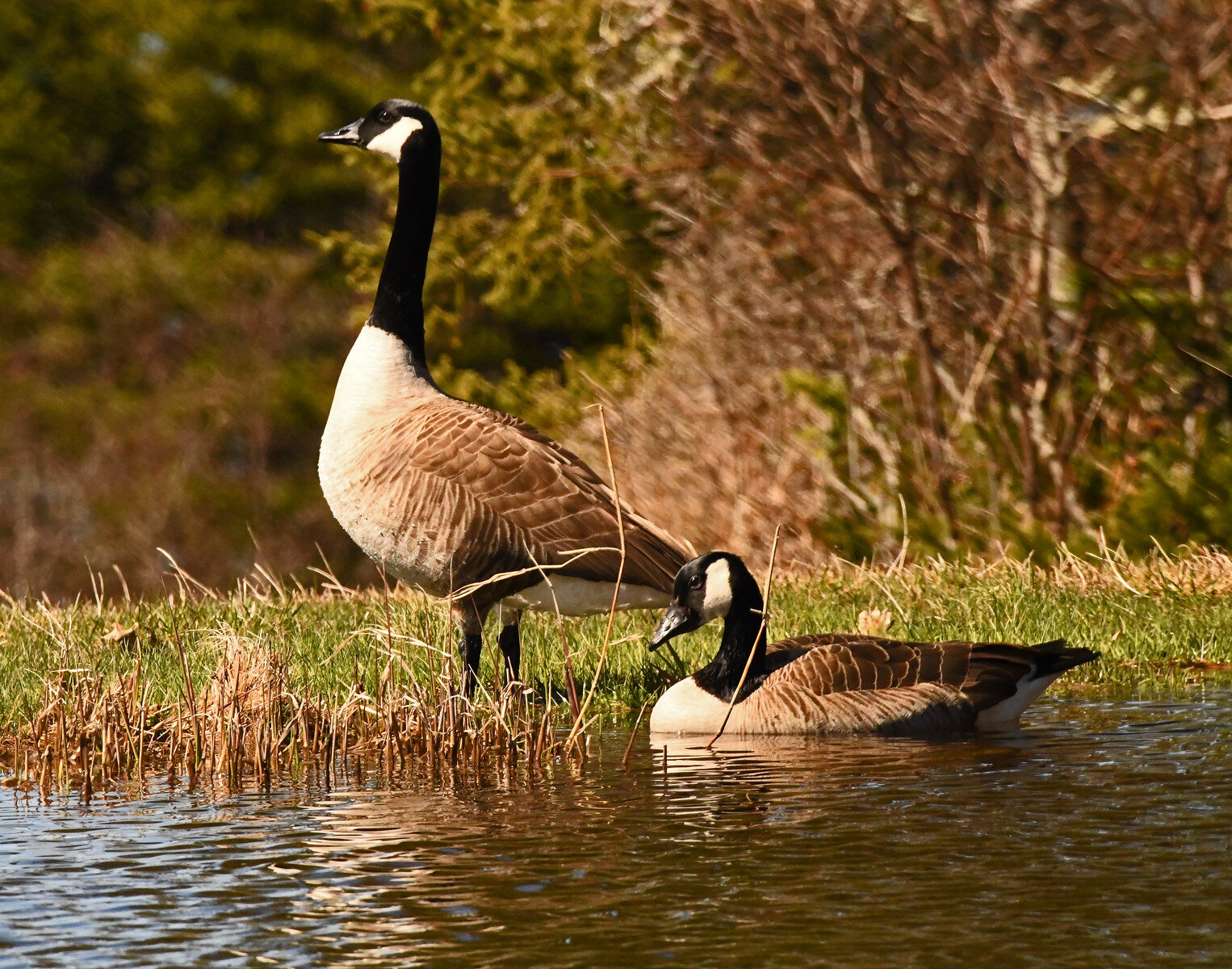
There were virtually no spring break tourists here during the ongoing covid-19 pandemic. However, we did get some good-looking winged visitors on their way north. Flocks of big-beaked surf scoters and big-necked Canadian geese were among them.
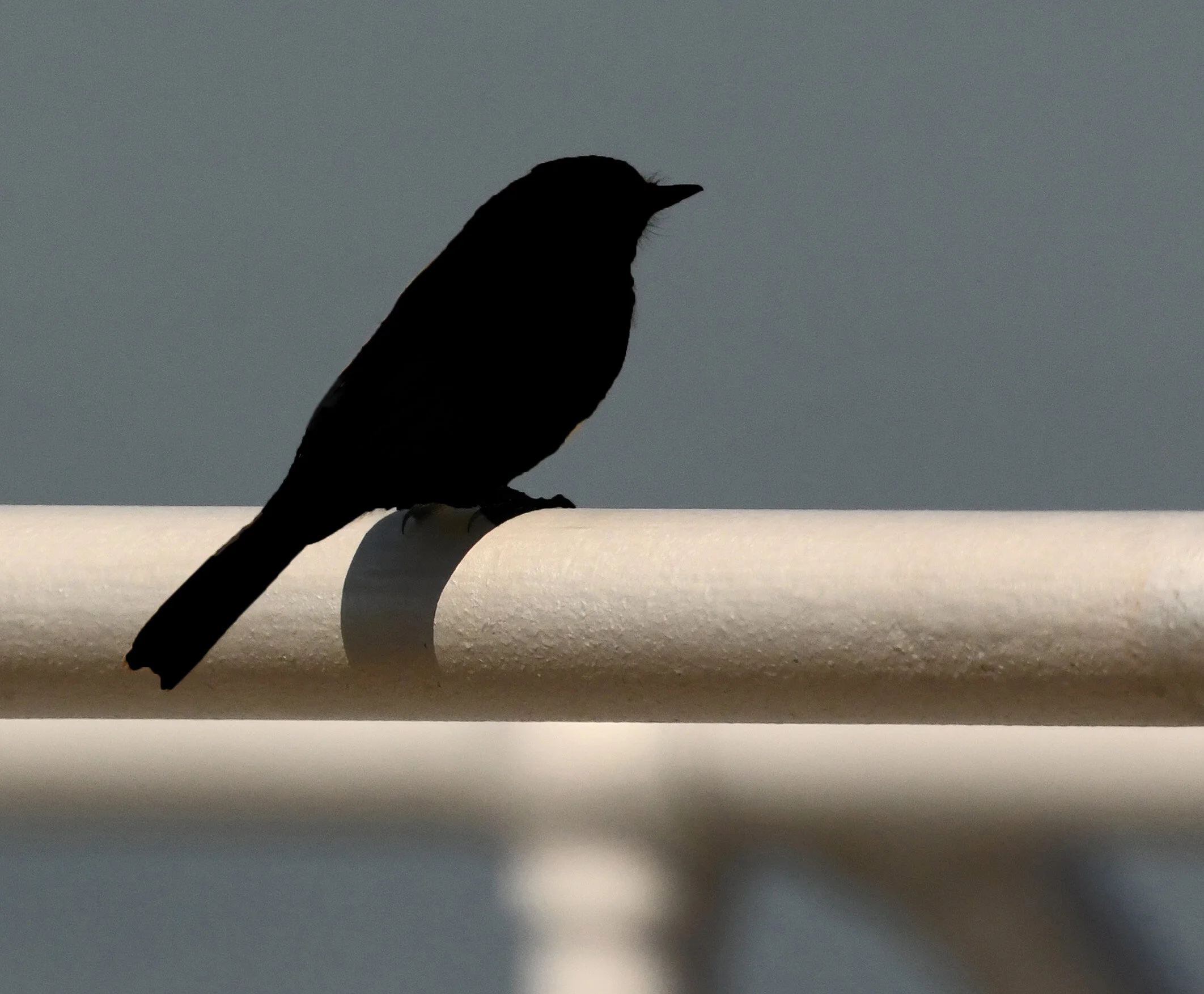
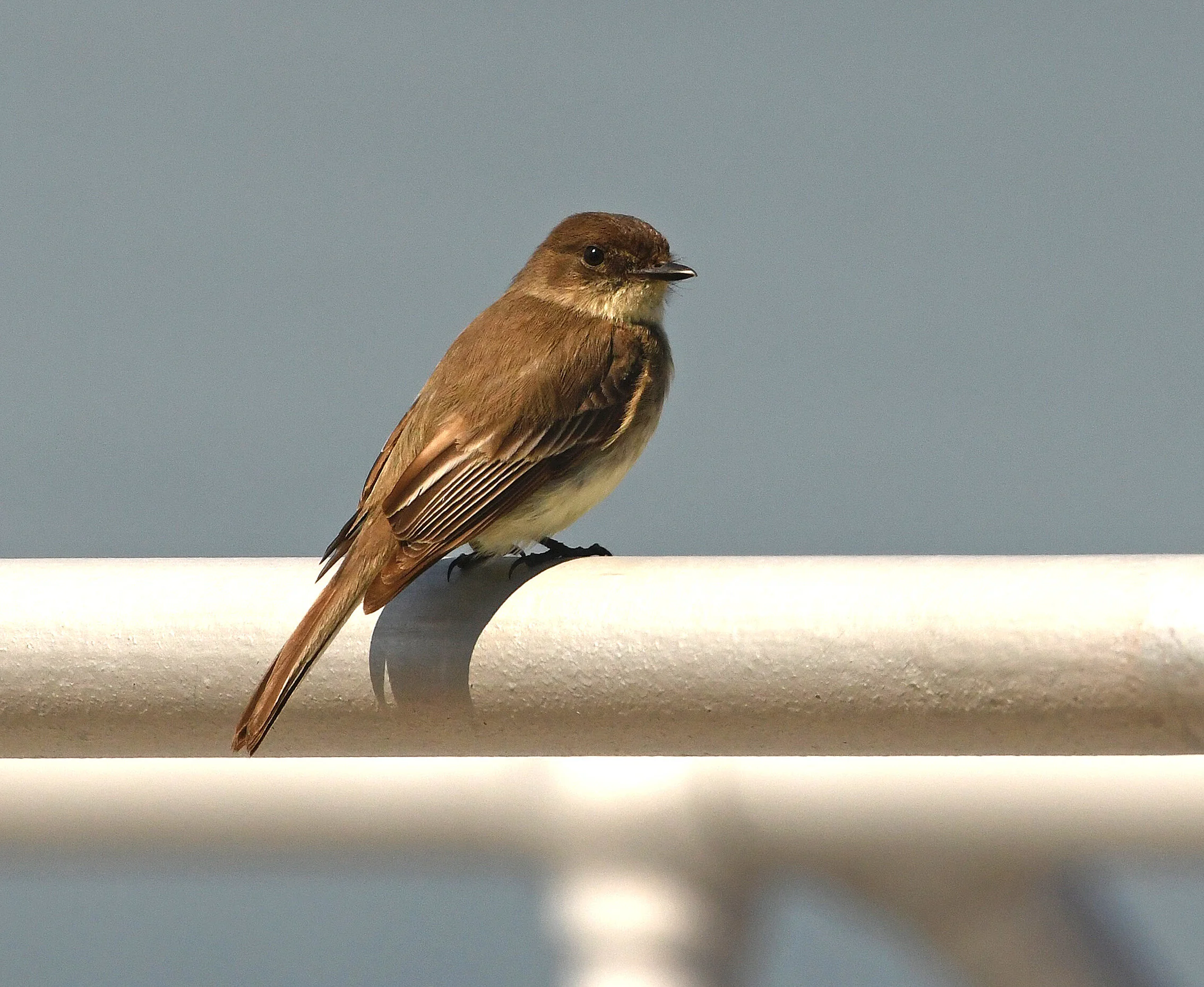
But, we were most grateful to see our annual winged summer residents, small and large, that came north again to nest among us. Those in the small and unobtrusive category included Eastern Phoebes.

PC-11.jpg

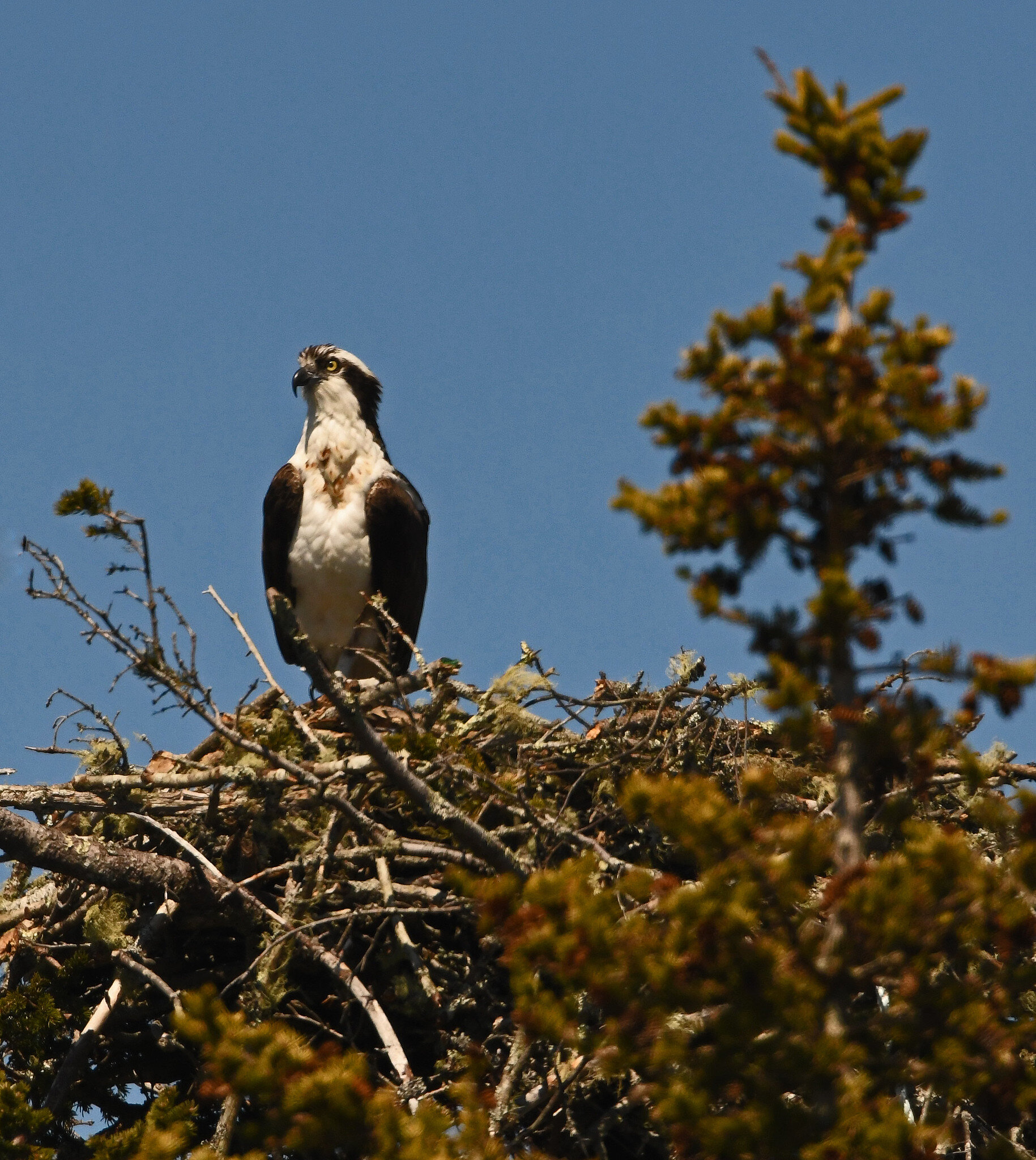
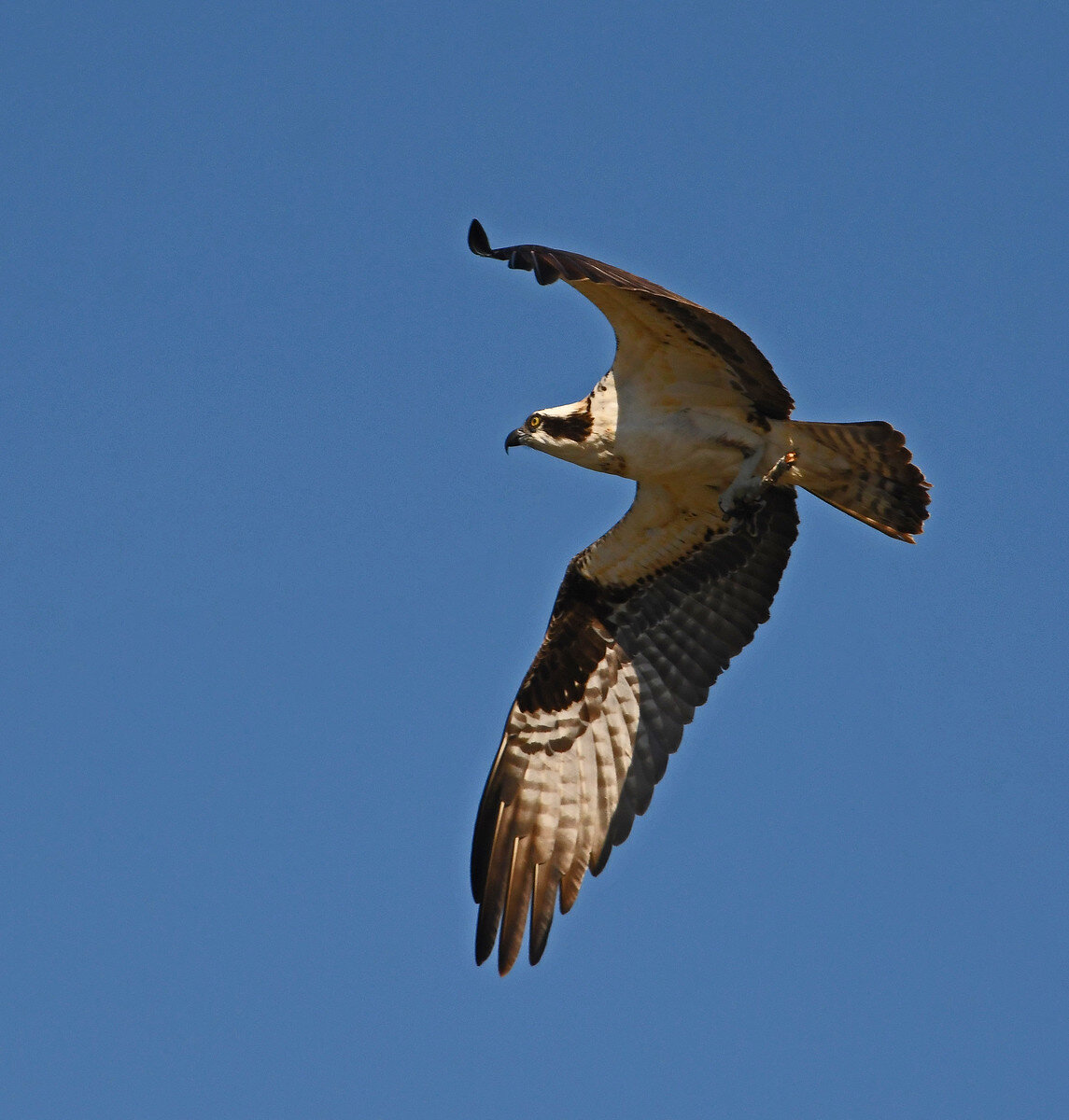
In the large and loud category, our spectacular ospreys returned in April to their summer residences here. They displayed courting behavior, such as males feeding fish to begging females, and extraordinary aerial maneuvers. It looks like we’ll again have some nestlings in May.

PC-12.jpg
PC-15.jpg

April also is the month that our full-time white-tailed deer residents get frisky, frolicking in the fields and jumping large stone walls just for the hell of it.

PC-26.jpg

April winds here were much stronger than average, often producing white caps in usually placid Great Cove. But, we also had still days when the sea was virtually motionless.
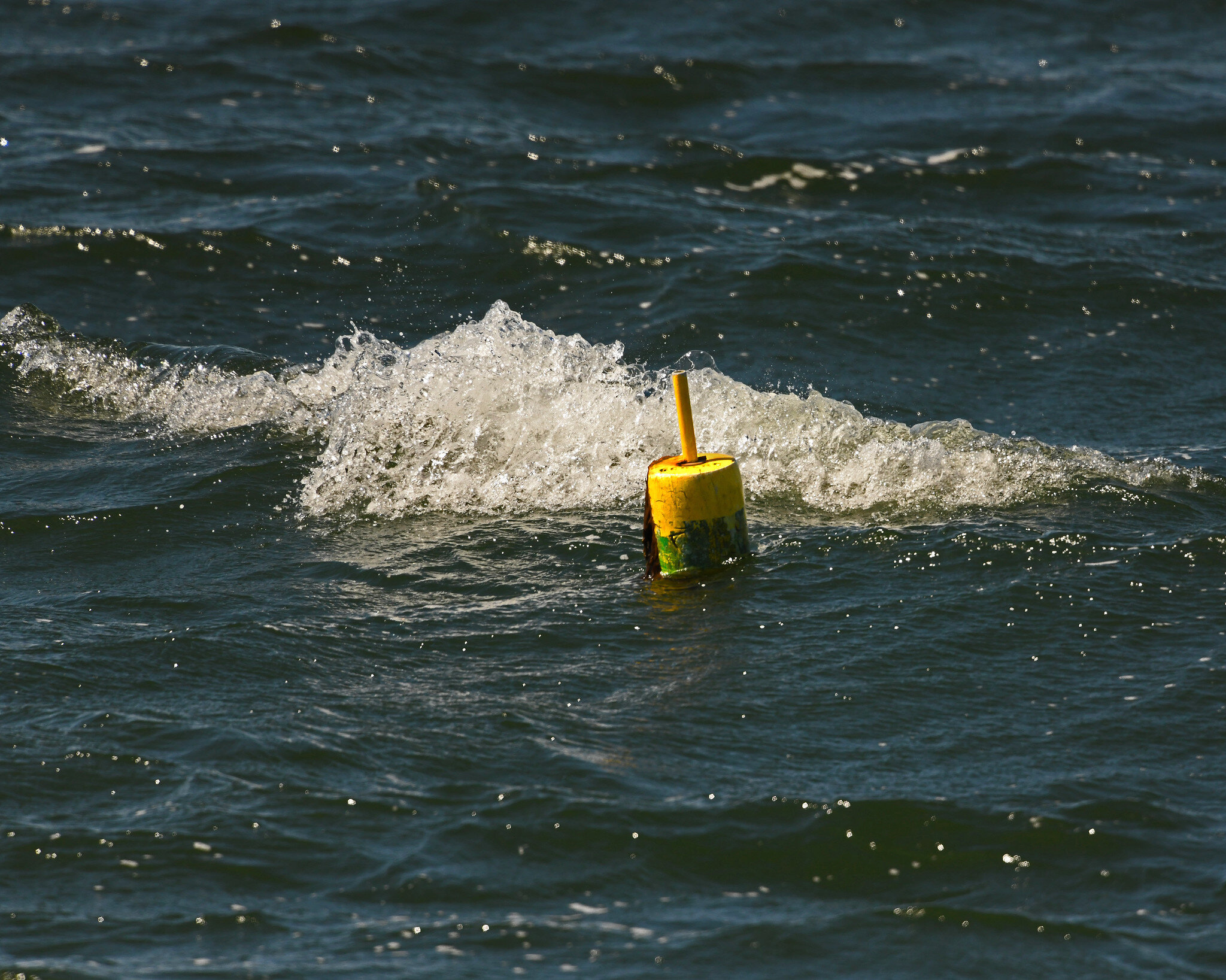
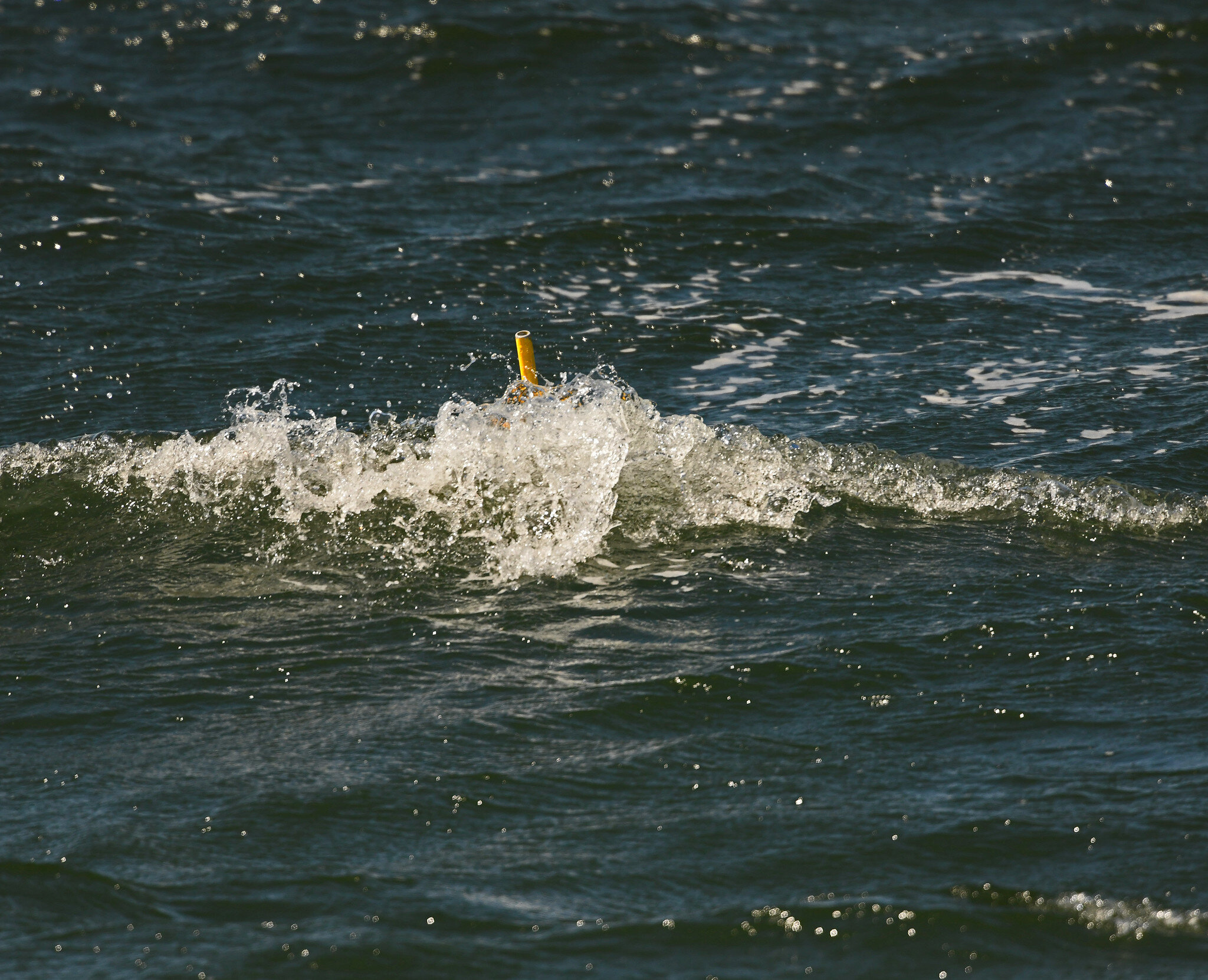
PC-30.jpg

Brooklin’s famous WoodenBoat School cancelled it’s early summer classes due to the virus. The gear for its fleet of small boats remains waiting for good times that may not come this year.

PC-36.jpg

The scallop fishing season ended in April and the fishing vessels started dismantling their scalloping equipment, converting for the summer lobster season — if there is to be one. But the season for catching migrating elvers (glass eels) continued with Fyke nets at stream mouths being swept into graceful forms by the high tide currents.
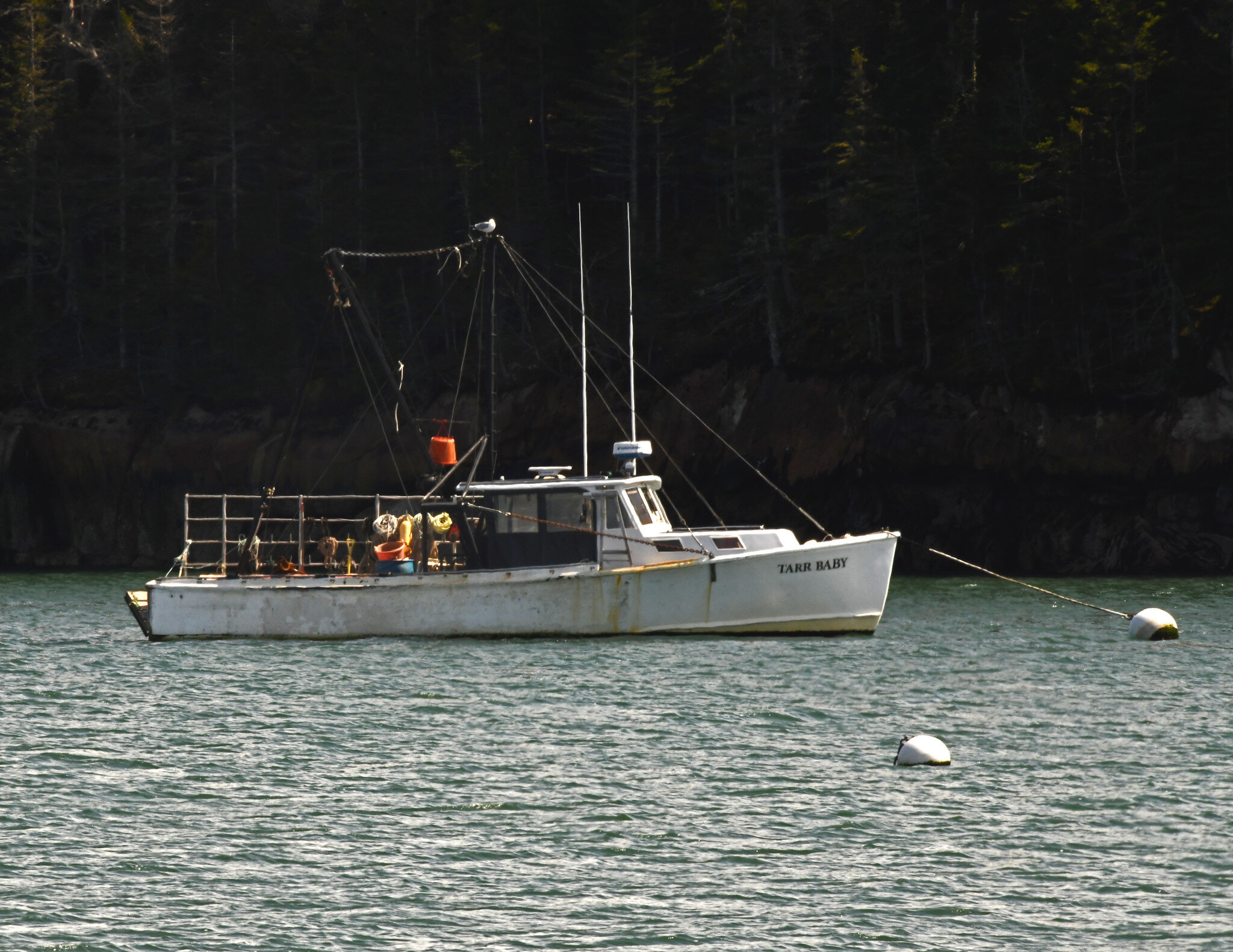
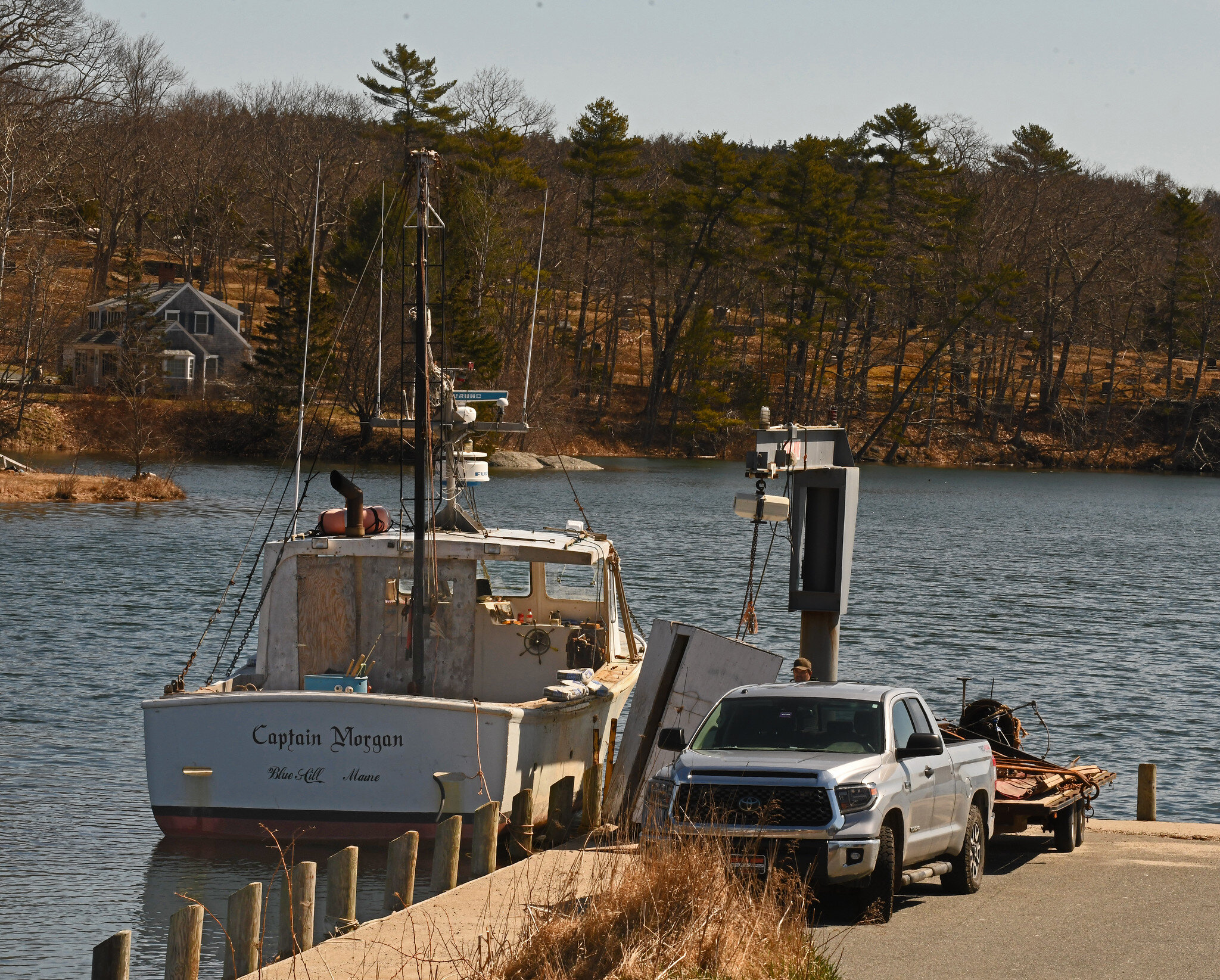
PC-27.jpg

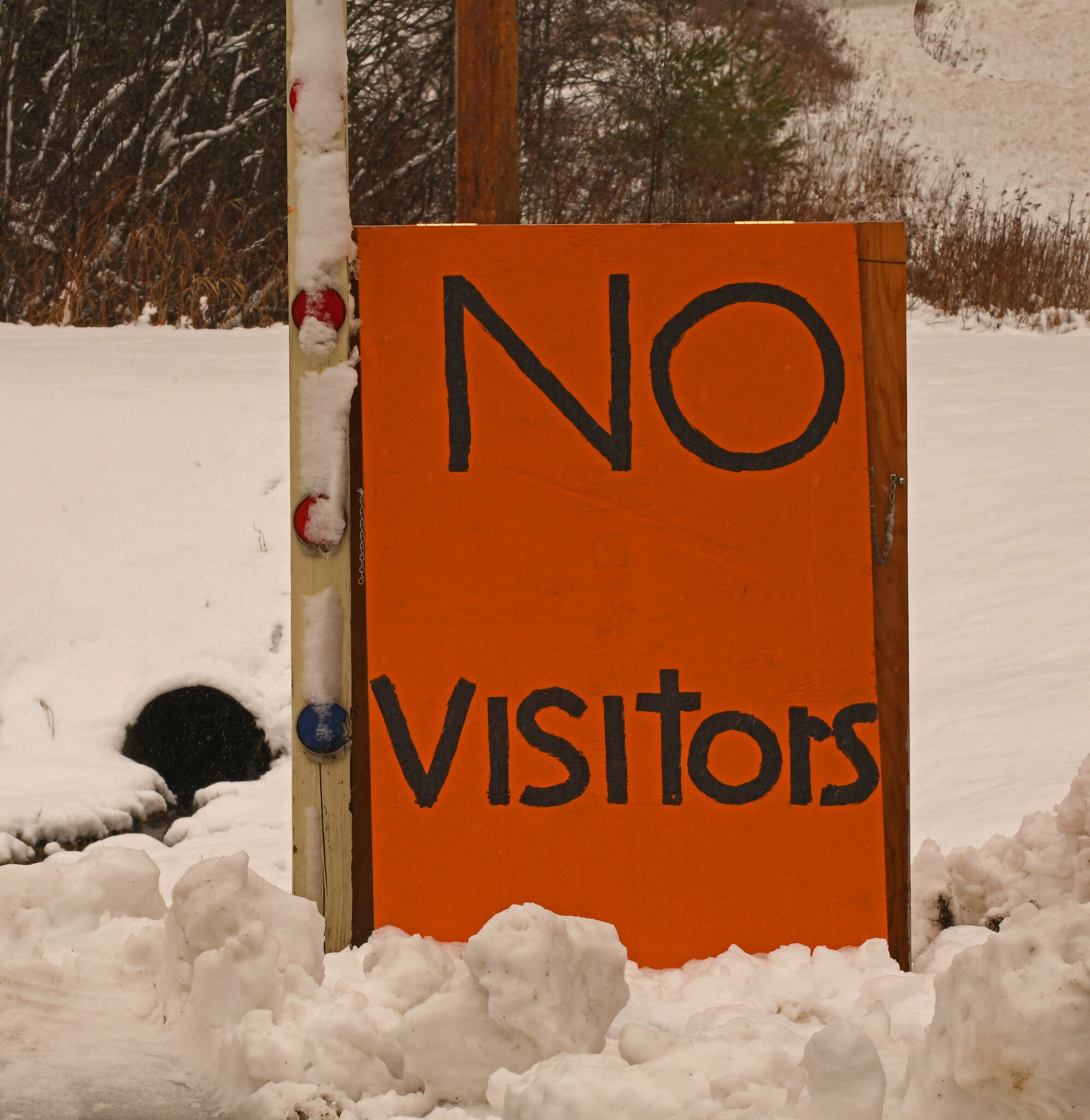
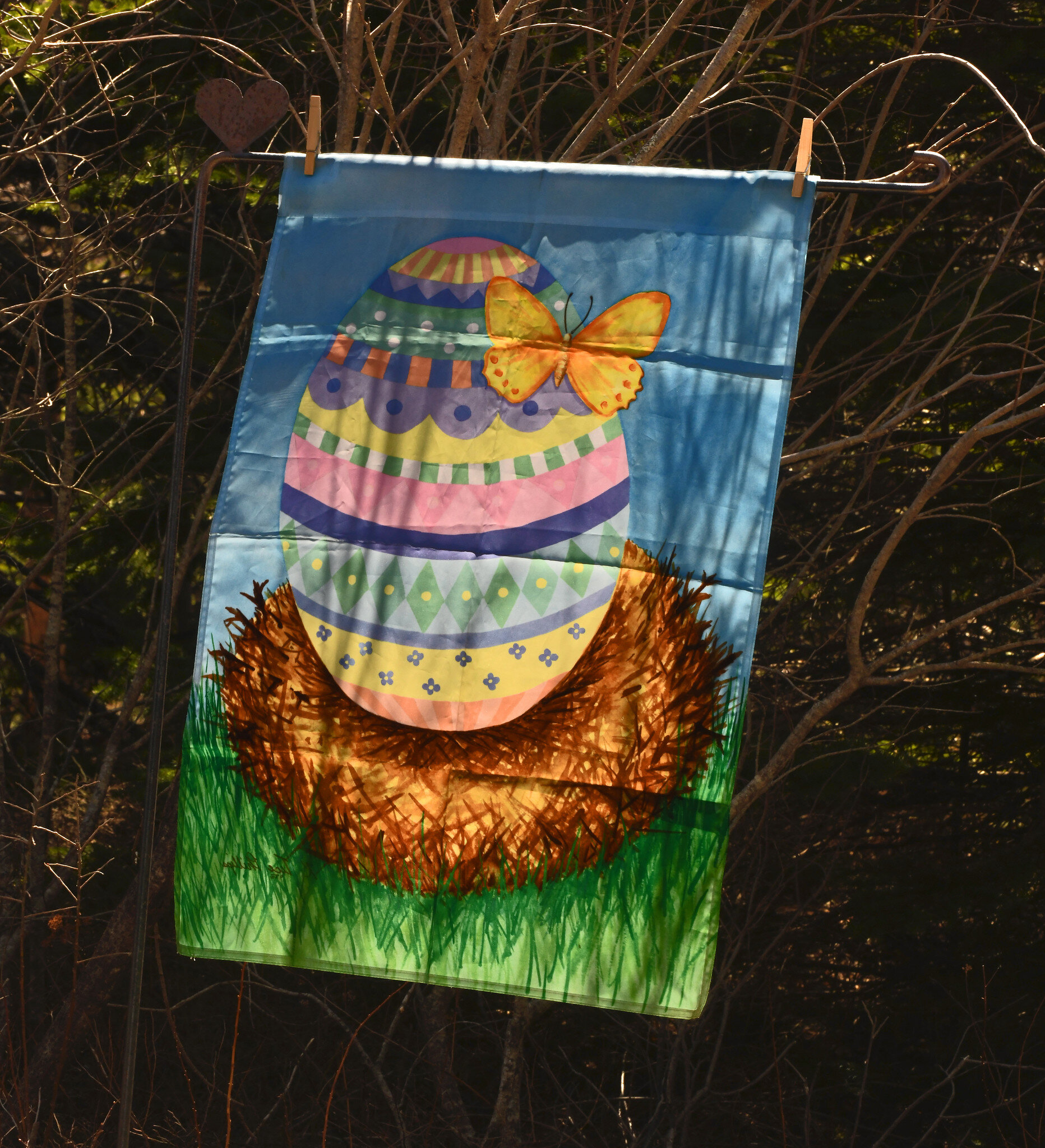
Of course, April is the Easter month, the month of renewal and hope. But, this year it also was the month of harm and fear, as the plague reached us.. The two road signs below tell a tale of two Aprils here — one is still in front of a long-term care facility in Blue Hill, the other was beside a driveway in Brooklin:
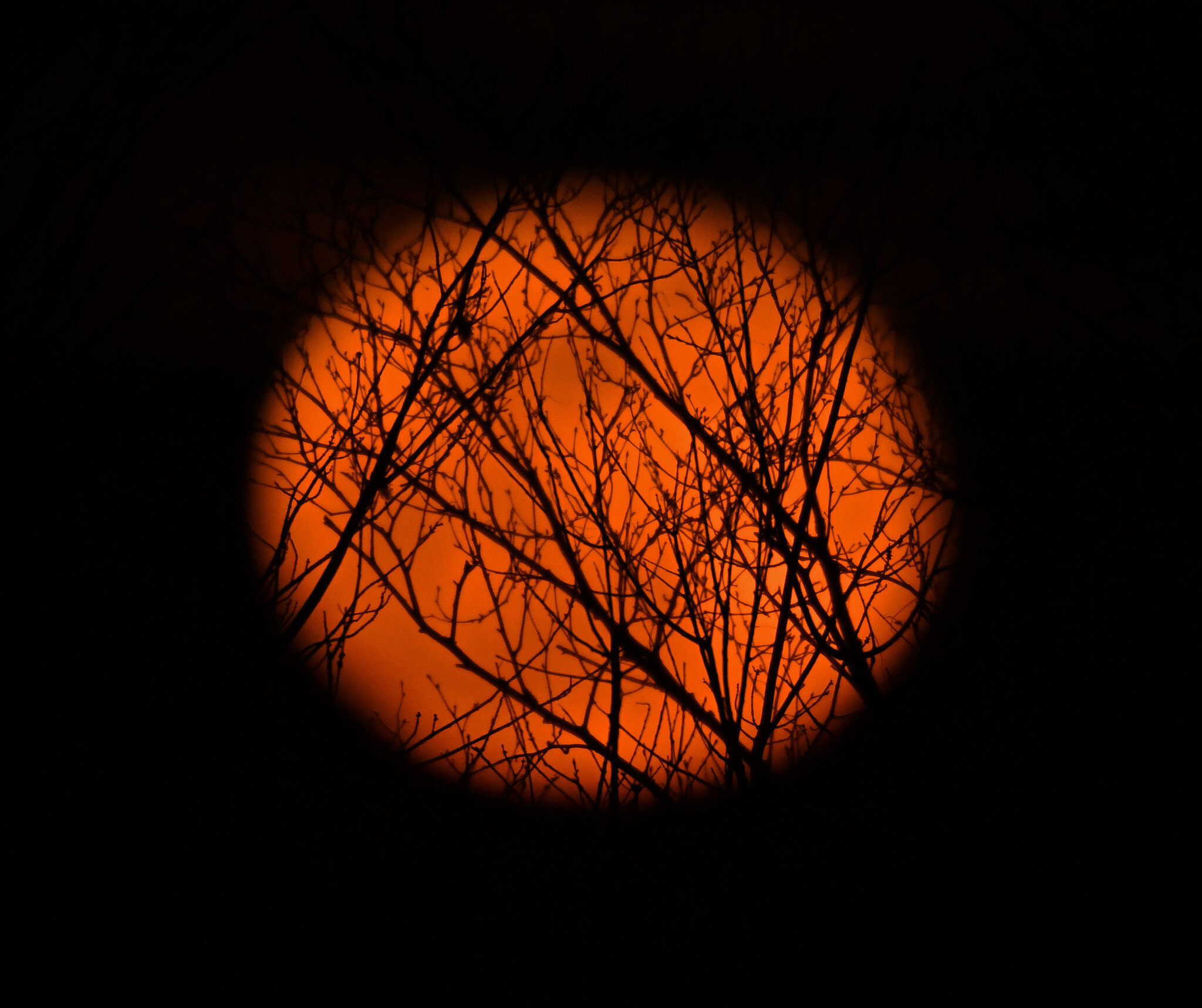
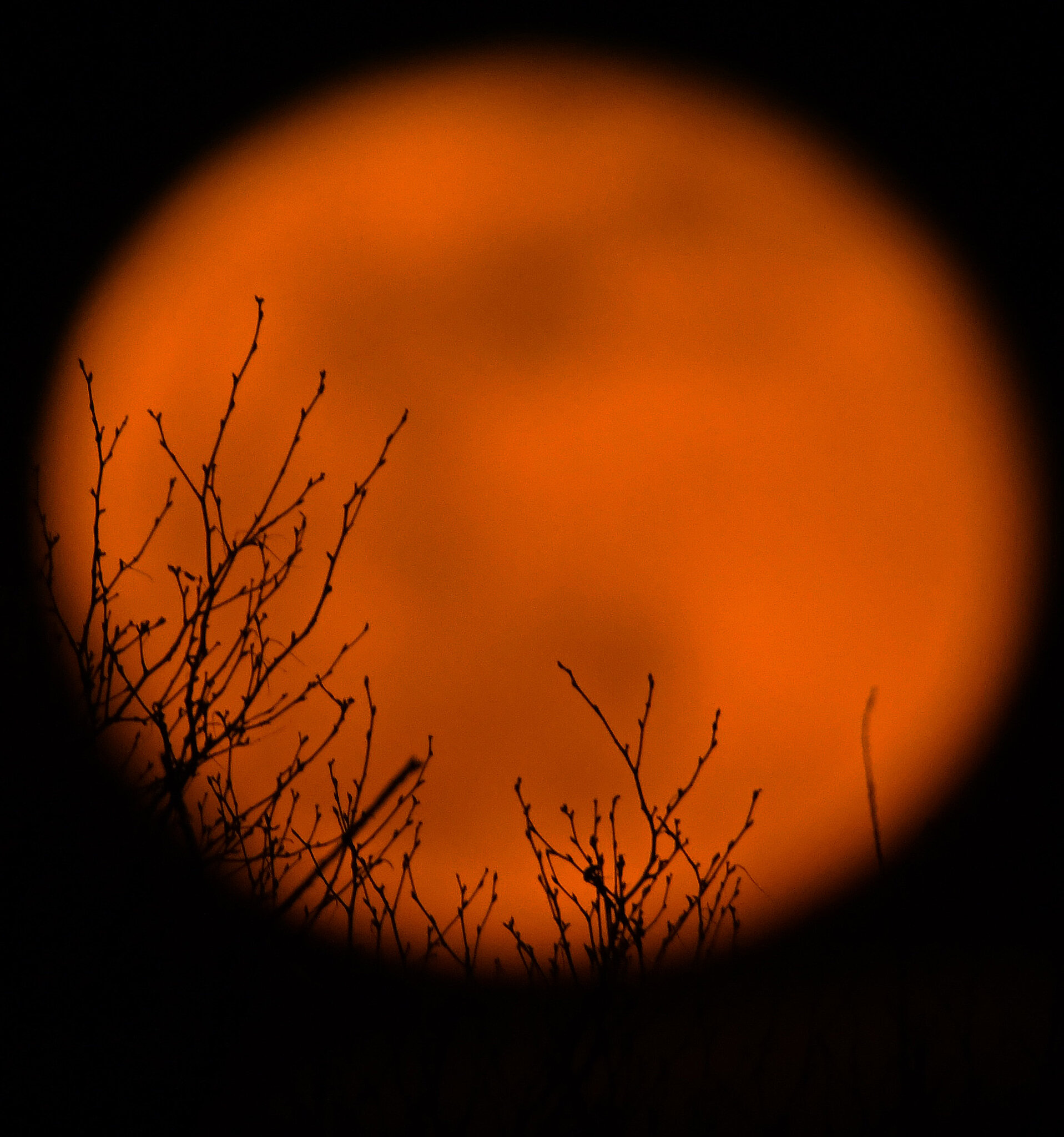
Finally, perhaps the most dramatic April moment was when the month’s full moon, a “super moon,” rose big and orange out of the horizon and shot into the sky like a molten cannon ball:
PC-35.jpg

(Images taken in Brooklin, Blue Hill, and Surry, Maine, during April 2020)
4 Comments

Comment

In the Right Place: Fame

Is that one of those famous birds? Let’s see: About seven inches long? Check. Gray-brown head and back with white belly? Check. No eye-ring? Check. Fly-catching whiskers? Check. White wing bars? Check. Bobbing tail? Check. Raspy voice that keeps repeating its last name? Check. On or near a man-made structure? Check!!!

Phoebe-2.JPG

Yes, it’s an Eastern Phoebe, one of our earliest spring migrants and one that builds nests in man-made structures as well as in the woods. He or she (only Phoebes can distinguish a perched him from a her) was taking a rest yesterday on the railing of a pier in Great Cove. S/he and her/his mate had just finished inspecting the underside of that structure for a possible nest site. Here’s a silhouette that we created for identification:

Phoebe-1.JPG

Eastern Phoebes are famous for a 19th Century report on their being the first bird species banded in North America. The reporter and bander was an 18-year-old young man in Pennsylvania, but not just any young man. He was none other than the artist-ornithologist John James Audubon performing an experiment in 1804. According to Audubon’s account (which some dispute), he used silver thread to band young Eastern Phoebe nestlings and documented their return to the same area the following year. (Brooklin, Maine)

Comment

Comment

In the Right Place: Season Endings

(Posted on FaceBook April 29, 2020)

The Maine scallop dredging season ended in March. But, the scallop diving season is still open until the end of April and a few vessels are in our coastal waters with divers aboard who hand-harvest the more expensive “divers scallops” from the sea bottom.

Some divers dive off the backs of the same vessels used for dredging during that season: lobster boats converted into dredgers with masts and booms and other bottom-sweeping gear for harvesting scallops. However, some divers prefer to use smaller, highly maneuverable boats that can be trailered around and operated with an outboard motor that sips gasoline, rather than a powerful engine that gulps more expensive diesel fuel. 

Boat-1.jpg

The boat shown abiove is like those that some fishermen use for scallop diving, but we don’t know if it is one of them. We simply like the way it was powering down Eggemoggin Reach all alone on the sunny morning of April 25. Here’s Dayspring, which our neighbor has been using this month to dive for scallops:

Boat-3.jpg

We do know that the Captain Morgan, shown below, was a full-fledged scallop dredger this winter. You’re seeing her here in Blue Hill Harbor on April 8, having her scalloping equipment removed; including her boxy “shelling house” that protected scallop shuckers from the winter cold.

Boat-2.jpg

We’ll likely see her again in the summer lobster season – if there is one. (Brooklin and Blue Hill, Maine)

Comment

Comment

In the Right Place: Hair-Raising

There are two seasonal things happening now that you might find interesting. Both relate to the white-tail deer that regularly roam our fields in some unknown circadian schedule, all of which are females or yearlings in various sized sororities. (We have a buck or two on the property at times, but they usually remain hidden.)

First, our deer are being very frisky. They gambol and chase each other with a freedom, energy, and grace that makes an old man wistful. Lately, a few of these high-spirited white-tails have taken to jumping over our large double stone wall for the hell of it, rather than walk through one of its portals. That’s when wistful becomes envy.

04/23/20

04/23/20

Second, many of these deer are in one stage or another of their spring molt. If you look closely at the jumper, you’ll see that she’s molting along her neck and chest. The annual spring deer molt usually starts there and moves back to the rump and can be quite patchy:

Leighton Archive Image

Leighton Archive Image

The deer’s dark gray winter topcoat absorbs the sun’s heat; it also provides better camouflage in the winter landscape of gray trunks, dark evergreens, and white snow that resembles their tails and underbellies. In the spring, the darker hairs in the topcoat are replaced with lighter, reddish hairs, which reflect away the sun’s light and provide better camouflage in brighter, leafy terrain. (Brooklin, Maine)

Comment

1 Comment

In the Right Place: A Tree for All Seasons

Here we see branches of our Katsura Tree offering us its flowers in this morning’s rain. This wonderful tree has red flowers in the spring and lush blue-green leaves in the summer:

K-1.jpg
K-2a.jpg

The tree gives off a “good woody fragrance,” which is what Katsura means for this tree in Japanese. In the fall, it turns bright yellow, then a combination of bronze and yellow:

K-3a.jpg
K-3.jpg

In the winter, the Katsura  is a many-veined fan that becomes the framework for intricate snow painting:

K-4.jpg

The Katsura (Cercidiphyllum japonicum ) is a native of Japan and China, but it does very well in our cold zone and is a featured specimen in Maine’s famous Asticou garden, a garden that was inspired by the plans of Beatrix Farrand. The tree grows in the 40-to-60-foot range and its many oval-shaped (ovate) leaves range from a little more than an inch to a little more than three inches in size. (Brooklin, Maine)

1 Comment

1 Comment

In the Right Place: Winging It

We’re regularly checking “our” Ospreys that have returned this month to their usual spring-summer nest nearby.

2.jpg

We’ll give you status reports from time to time, and perhaps an interesting fact or two gleaned from our research. As you can see from the images here, taken yesterday, our “Fish Eagles” are in great shape.

1.jpg

The Osprey’s wings are the bird’s most distinctive feature, we think. They’re very big compared to the bird’s body. Each of those wings can range in size from five to almost six feet in length; yet, their skinny body usually is less than two feet in length and the whole bird usually does not weigh more than four pounds.

3.jpg

Osprey wings are oil-coated to repel water, extraordinarily strong to soar and change directions in high winds, and unusually designed to power dive on prey. The wings are bent at the “wrist,” which gives them greater maneuverability than eagles and other large raptors. Ospreys are the only raptors than can fold their wings halfway and flutter in one place like a helicopter when targeting a fish below the surface.

They’re also the only raptor that tips over when “helicopting” and dives headfirst at amazing speed into the water to catch prey, which may be several feet below the surface. They then swim back up to the surface with those bent wings and rocket out of the water with a relatively heavy fish in a tight grasp.

4.jpg

(Brooklin, Maine)

1 Comment

Comment

In the Right Place: Unstraight Arrow

Arrow Arum plants (Peltandra virginica) are now emerging from marsh ponds like batteries of missiles, as you can see from this image taken yesterday:

Arum-1.jpg

By mid-summer, they’ll be a green tangle of lush and graceful arrow-tipped stalks, as shown by this image taken of this same colony on July 1 last year:

Arum-2.jpg

Of course, the “Arrow” in this plant’s name reflects its arrowhead leaf shape. The name Arum shows that it is part of the Arum family of plants. That group name is thought to derive from the Arabic word for fire because many of the family plants have toxic sap that burns those crazy enough to taste them. However, the edible fruits of Arrow Arum are loved by ducks, muskrats, and other marsh creatures. The way that this perennial native reproduces is interesting: It forms a nesting area for chloropidae flies, which get pollen-coated when they settle in; the flies, in turn, visit other plants and pollinate them. (Brooklin, Maine)

Comment

Comment

In the Right Place: Wave Dancing

Yesterday morning was beautiful, albeit in the low 30s (F) when we rushed to our hidden spot on Great Cove’s shore to set up a big lens on a heavy-duty tripod. We were osprey hunting, waiting for activity in their local nest. We had dressed for cold spring weather, but we hadn’t taken into account that a southwest wind with estimated 30-35 mile-per-hour gusts was blowing in from the sea down there. It packed a wicked wind chill.

As it turned out, the gusts were too strong for big birds to fly safely; the ospreys probably had chosen to roost inland for the duration rather than sit on their exposed, swaying nest. We should have known that they would be no-shows from the flock of sea gulls hunkered down in the middle of a field near us. Nonetheless, optimists that we are, we waited and shivered without seeing an osprey. But, the story doesn’t end there.

To ease the boredom and discomfort, we took target practice on an old mooring buoy out in the Cove:

1.jpg
3.jpg

And, maybe it was a reminder of the need for creative endurance during difficult times.

2.jpg

(Brooklin, Maine)

Comment

Comment

In the Right Place: Shades of Green

Here’s a plant that those of us in isolation might find interesting: in the Middle Ages, it was used as a plague remedy. This plant is part of a colony on the WoodenBoat Campus. It’s just starting to flower, as you can see from this image taken Tuesday (April 21):

04/21/20

04/21/20

By summer, the colony will have constructed a gigantic blue-green leaf dome that will shade out everything under it:

Leighton Archive Image

Leighton Archive Image

Two of the common names for this non-native plant are Japanese Butterbur and Sweet Coltsfoot. Its scientific name is Petasites japonicus. The name Butterbur originated many years ago when the large leaves were used to wrap butter in hot weather. The name Coltsfoot originated from the shape of the leaves. The adjective Sweet indicates that this plant’s flowers and leaves have a sweeter scent than other Coltsfoot plants, including our native Coltsfoot. In Japan, the plant is used to make a popular food called Fuki. (Brooklin, Maine)

Comment

Comment

In the Right Place: Beneficiaries

Today is the 50th anniversary of Earth Day, the beginning of the modern environment movement. And, serendipitously, “our” Ospreys returned to their nest overlooking Great Cove yesterday. We got a few images and are about to go out and try to get more. Curiously, \this year three Ospreys returned to the nest, a number not conducive to peaceful mating. But, they seem to get along and call loudly to each other when flying, contributing to our unsilent spring. Perhaps last year’s single offspring followed its parents back to its birthplace.

2.jpg

Ospreys are beneficiaries of the environmental movement. As with many other birds in the 1950s and 1960s, Ospreys were dying off due to chemical sprays containing DDT and other toxic mixtures that eventually poisoned their food chain. Then, Rachael Carson’s inspiring book Silent Spring was published in 1962. It created a firestorm of concern about the largely overlooked environment that was becoming a hazard to humans and other animals. In 1969, a gigantic oil spill in Santa Barbara, California, outraged the newly sensitized “environmentalists” who organized massive demonstrations.

6.jpg

Senator Gaylord Nelson (D-WI) was sympathetic and began organizing activists and groups for nation-wide annual teach-ins and presentations focused on the need to protect the deteriorating environment. The first of these Earth Day events occurred on April 22, 1970. (Brooklin, Maine)

Comment

Comment

In the Right Place: Progress

Thirty- and Forty-degree April weather makes spring lethargic here, but there is progress. The pussy willow catkins along the roads are no longer kitten paws; they’ve opened up into bottle brushes.:

1.jpg

The skunk cabbages in the bogs are no longer just jester-hatted purple spathes; their furled leaves are rocketing out of the plants’ launching platforms and reaching for the sun:

4.jpg

Soon, those stemmed anthers in the male pussy willows (look closely) will spew clouds of yellow pollen into the air like miniature firehoses; some of the pollen will find the females’ ovules waiting within their shorter-stemmed carpels. Soon, skunk cabbage leaves will go on a rampage, spreading into large fans and taking control of their extended territories in the bog. (Brooklin, Maine; images taken yesterday)

Comment

1 Comment

In the Right Place: Jubilance

It’s easier to notice that each day is special in its own way when death in the air focuses our attention on the things around us. But, days of jubilance are worth extra-special attention. Today is such a day of for us; it’s our 57th wedding anniversary.

042020.jpg

One of our ways of enhancing our days of jubilance has been to get a fine arrangement of fresh flowers – one that we can put in the morning light to try to see what the Dutch Masters saw and put on the dinner table to perfume the evening while we reminisce and try to understand our good fortune.
This beautiful arrangement, photographed yesterday, is by Cullen Schneider, an American Master of floral art and owner of Fairwinds Florist in Blue Hill. (Brooklin, Maine)

1 Comment

Comment

In the Right Place: Attitude

For more than a week, we’ve been hearing Red-Winged Blackbirds hunkered down unseen in the dead remnants of last year’s cattails. Finally, on Friday, April 17, a tough male rose suddenly to our eye level, told us in no uncertain terms to back off, and then quickly disappeared, all in one swoop. (The image here is of a similar situation taken in a prior spring.)

Leighton Archive Image

Leighton Archive Image

We suspect that we have only males checking out the real estate here at this time; females usually come in later, when most property disputes are settled.

Leighton Archive Image

Leighton Archive Image

Curiously, the males and females look nothing like each other. She’s beautiful, but a blackbird only by name; she’s smaller than her mate and mostly brown, sort of a Hollywood version of a sparrow. But, she can flash her usually covered red-orange epaulets in a very beguiling way.

Leighton Archive Image

Leighton Archive Image

We’re lucky that these aggressive birds are not the size of eagles. When defending territory, especially nests, males and females often will curse loudly and buzz anything or anyone that comes close. If they had talons, we suspect that they would use them kamikaze-style.

Leighton Archive Image

Leighton Archive Image

(Brooklin, Maine)

Comment

Comment

In the Right Place: Priorities

Fresh water probably is our world’s most precious resource and Maine has an abundance of clear rivers, streams, and springs. We were reminded of our good fortune yesterday, when we took these images of a joyful stream in the nearby woods -- soon after reading an alarming article in the morning’s electronic Washington Post.

C.jpg

The article reported on the “mega-drought” that has been devastating parts of California, Arizona, New Mexico, Oregon, and Idaho. Scientists have concluded that this drought is the first climate-change-induced drought in the country and, therefore, the first large drought caused primarily by us, the short-sighted human race. There likely will be more droughts to come if major changes are not made. When will we ever get our priorities straight?

1.jpg

(Brooklin, Maine)

Comment

Comment

In the Right Place: Messages

It’s an other-worldly feeling to be self-isolated in Down East Maine and watching televised reports on the coronavirus from Washington, D.C., New York, Chicago, and Sacramento, where all the trees are in lush leaf and the Cherry Blossom spectacle is long gone. When we look out our window, there are no leaves yet. But, we have plenty of buds, such as these Red Maple buds photographed yesterday afternoon. They’re our little messages of hope for the future –still on the way, unopened.

1.jpg

Soon, these buds will become flowers, after which we’ll see the tree’s leaves. Red Maple (Acer rubrum, also known as Soft, White, and Swamp Maple) and Norway Maple (Acer platanoides) are our only maple trees that produce flowers before they produce their leaves, according to our State botanists.

RJL_8705-Edit.jpg

Our other maple trees are Sugar (aka Rock or Hard), Silver, Striped (aka Moosewood), and Mountain Maples. They produce flowers when they produce leaves or after the leaves appear. (Brooklin, Maine)

Comment

Comment

In the Right Place: Vaccine

Here we are on Amen Ridge yesterday, once again marveling at the ever-changing vista, a sight that is a psychological vaccine for the coronavirus blues. It’s midday and refreshingly cool, but not cold; in the low 40s (F), we guess. There’s a cleansing west-southwesterly breeze; it’s not strong enough to whip up Blue Hill Bay, but it’s enough to plow low-flying banks of cumulus clouds northward. As usual, Cadillac Mountain in Acadia National Park dominates the scene – our sacred mountain, if there can be a secularly sacred thing.

1.jpg

Western histories say that Cadillac Mountain and Mount Desert Island from which it rises were “discovered” and “claimed” for France in 1604 by Samuel de Champlain. The area later was awarded by the French king to Antoine Laumet de La Mothe Sieur de Cadillac, hence the Mountain’s name. But, Samuel and Antoine were latecomers.

Native American histories say that the mountain was revered by the indigenous peoples of the Wabanaki Confederacy of tribes. They called it Wapuwoc,” which has been translated as “[the] first light white mountain.” That’s a reference to the fact that the dawn’s sun first arrived in their homeland at the summit of the Mountain. We think that they had a better idea: Cadillac Mountain should be renamed First Light Mountain. (Brooklin, Maine)

Comment

Comment

In the Right Place: Lurid

Here, one of the dark secrets of the bog was revealed to us yesterday. Apparently, a deer has nipped off the top of a toxic Skunk Cabbage spathe. (More on toxicity later.) Our area’s first flowers of spring have been revealed. They usually bloom unseen in their dark purple jester caps since at least early March. They arise from a geodesic-dome-like bulb, called the spadix, that is protected by those spathe caps.

04/14/20

04/14/20

The flowers … well, their chief attribute is that they stink, as we Skunk Cabbage lovers have to admit. (Mary Oliver’s ode to the Skunk Cabbage calls the aroma “lurid.”) But, that revolting odor is the most enticing of perfumes to the pollinating insects that crawl into the spathe for their nectar. And, although the plant appears in the early, leafless spring as a cluster of hard purple forms, it grows tremendously fast into soft, luxurious leaves (that also are toxic). See our archive images:.

Leighton Archive Image

Leighton Archive Image

Leighton Archive Image

Leighton Archive Image

As to Skunk Cabbage’s toxicity, it’s caused by a significant amount of oxalic acid content. Even a tiny toothpick-tipped taste will cause an almost unbearable needle-like burning in the mouth, according to the crazy naturalists who want to make sure scientific reports are correct. Very few animals can eat any of the forms of Skink Cabbage, but deer do so in the early Spring. That’s when it’s one of the first protein sources to emerge after their woody and lean winter. Reportedly, deer have a threshold for the plant’s toxicity and will eat only up to that threshold. (Brooklin, Maine)

Comment

Comment

In the Right Place: Posing

This is one of our sultry hibiscus blooms opening fully to us on Easter Sunday morning. She was found closed and dead on the floor yesterday, while one of her sister blooms was starting to open above her.

04/12/20

04/12/20

It’s a short life that these beautiful blooms lead, but not a shy one. They seem to strike salacious poses to get attention just before they leave the world. It’s no wonder that some Tahitian women wear (or wore) them in a certain way to signal that they’re looking for a relationship. (Brooklin, Maine) Click on image to enlarge it.

Comment

Comment

In the Right Place: Wriggling

It’s elver season here, so we went to the mouth of Patten Stream last Wednesday (April 8) to see whether the Fyke nets were out during the ongoing viral pandemic. They were. Here’s one curving gracefully in the high tide currents, enticing the migrating baby eels into its collection funnel.

04/08/20

04/08/20

Elvers are baby American eels (Aguilla rostrate) that arrive in the United States by the hundreds of thousands in the spring. They’re also called glass eels because, at this stage, they’re transparent except for their eyes and spinal cords:

Leighton Archive Image

Leighton Archive Image

The elvers have drifted and swum from their birthplace in the the salty Sargasso Sea south of Bermuda and are now wriggling their way up American fresh water streams to the ponds and lakes where their parents grew up. But, first, they have to get by many predators, including humans. Around here, the most common way to capture them is with the Fyke nets (pronounced “fick nets”). Here’s the mouth of Patten Stream at low tide during a prior elver season:

Leighton Archive Image

Leighton Archive Image

These nets are large, fine-mesh funnel traps that end in a cylindrical , coned netting bag that makes it easier for the fry to enter than to exit.

Leighton Archive Image

Leighton Archive Image

Leighton Archive Image

Leighton Archive Image

The elver season here is usually about a month long and it’s highly regulated. This year’s season contains even more restrictions due to the corvid-19 virus pandemic — social distancing rules, personnel limits, etc. Most of the trapped elvers are air-shipped alive in special containers to Asia, especially China, where they’re raised to non-transparent adulthood and then sold as delicacies.

The pandemic has caused havoc with the transportation of the elvers to Asia and has resulted in significantly lower prices. The average price per pound paid here to fishermen by elver dealers early this season reportedly was $512.00; the average price for the 2018 season reportedly was $2,366.00.

Part of their high value is due to the creatures’ miraculous lifestyle. American Eels spend eight to 25 years growing up in brackish or fresh water, where they are a favored food for many predators, especially great blue herons and crested cormorants .

Leighton Archive Image

Leighton Archive Image

When they feel ready (no one seems to know how that happens), the adult eels swim down into the Atlantic Ocean and out to the Sargasso Sea, where they spawn and die. Their eggs become larva that drift into the Gulf Stream and transform into the little glass eels that migrate in the winter and spring back to the fresh or brackish waters in which their parents grew up. (Surry, Maine)

Comment

Comment

In the Right Place: Happy Easter

Here you see Cadillac Mountain shortly after sunrise today. In most years, the summit of this mountain in Acadia National Park is the site of a sunrise Easter service, where the sun first reaches the United States during parts of the year. Sadly, the Park is closed now, due to the corvid-19 plague

X.jpg

Near where that image was taken was the Fuller family banner on Naskeag Road this morning, flying a brightly decorated Easter egg in its nest:

Y.jpg

Although Easter is revered by Christians as a celebration of the resurrection of Jesus, it also historically has been celebrated as a time for exchanging decorated eggs and building nests for the Bunny that laid those eggs.

The custom of exchanging eggs at Eastertime has been traced to the early Christians of Mesopotamia, where eggs were symbols of fertility and new life. Western Christians would not eat eggs during Lent, but would exchange decorated ones and then eat them on Easter day. The concept of decorating the eggs was extended to the extreme in the 1800s by Russian nobility, which exchanged jeweled and gold-encrusted eggs on Easter.

As for the Easter Bunny, the leading theory is that the origin of that tradition was the pagan festival honoring Eostre, the fertility goddess whose animal symbol was a rabbit. The imaginative idea of exchanging “rabbit eggs” at Easter reportedly came from Germanic peoples. They developed the custom for young children to enjoy Easter by making nests for the “Osterhase” (Easter Hare), which would come by while they were sleeping and lay decorated eggs in their nests. Apparently, in 18th Century German settlements in Pennsylvania, the Easter Hare was translated into English as the Easter Bunny for the children.

Z.jpg

(Brooklin, Maine)

Comment