Comment

In the Right Place: The Baths of Blue Hill

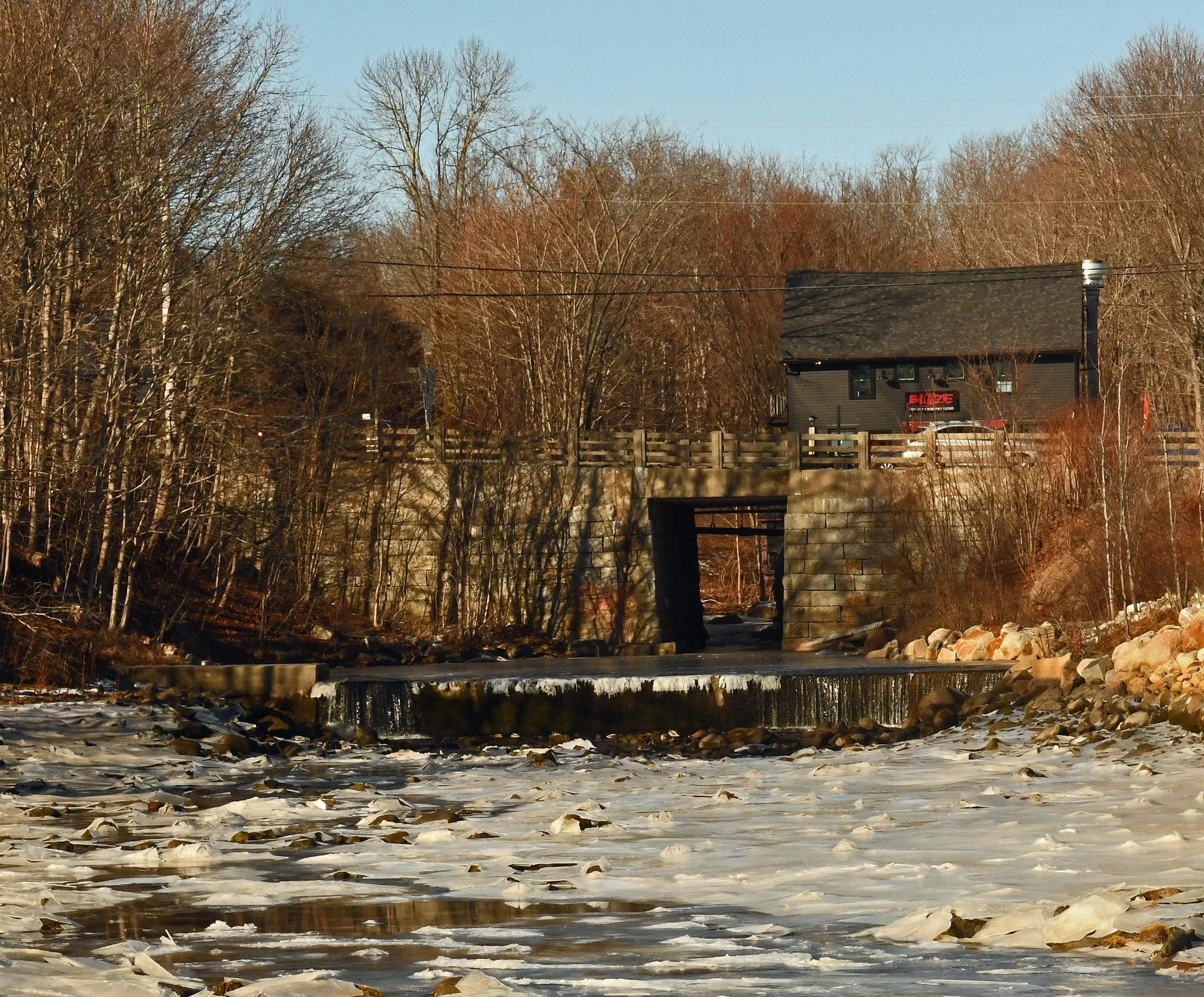
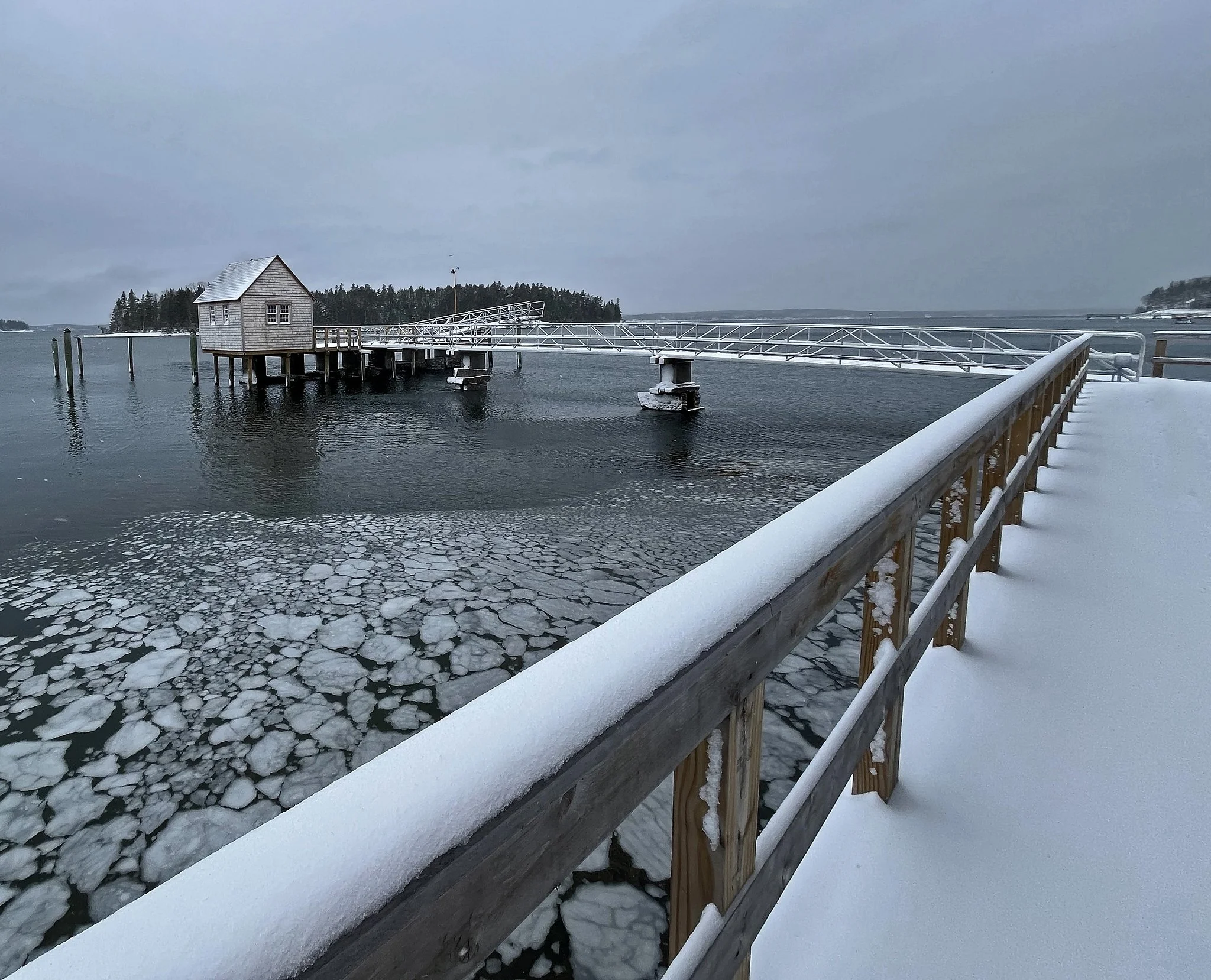
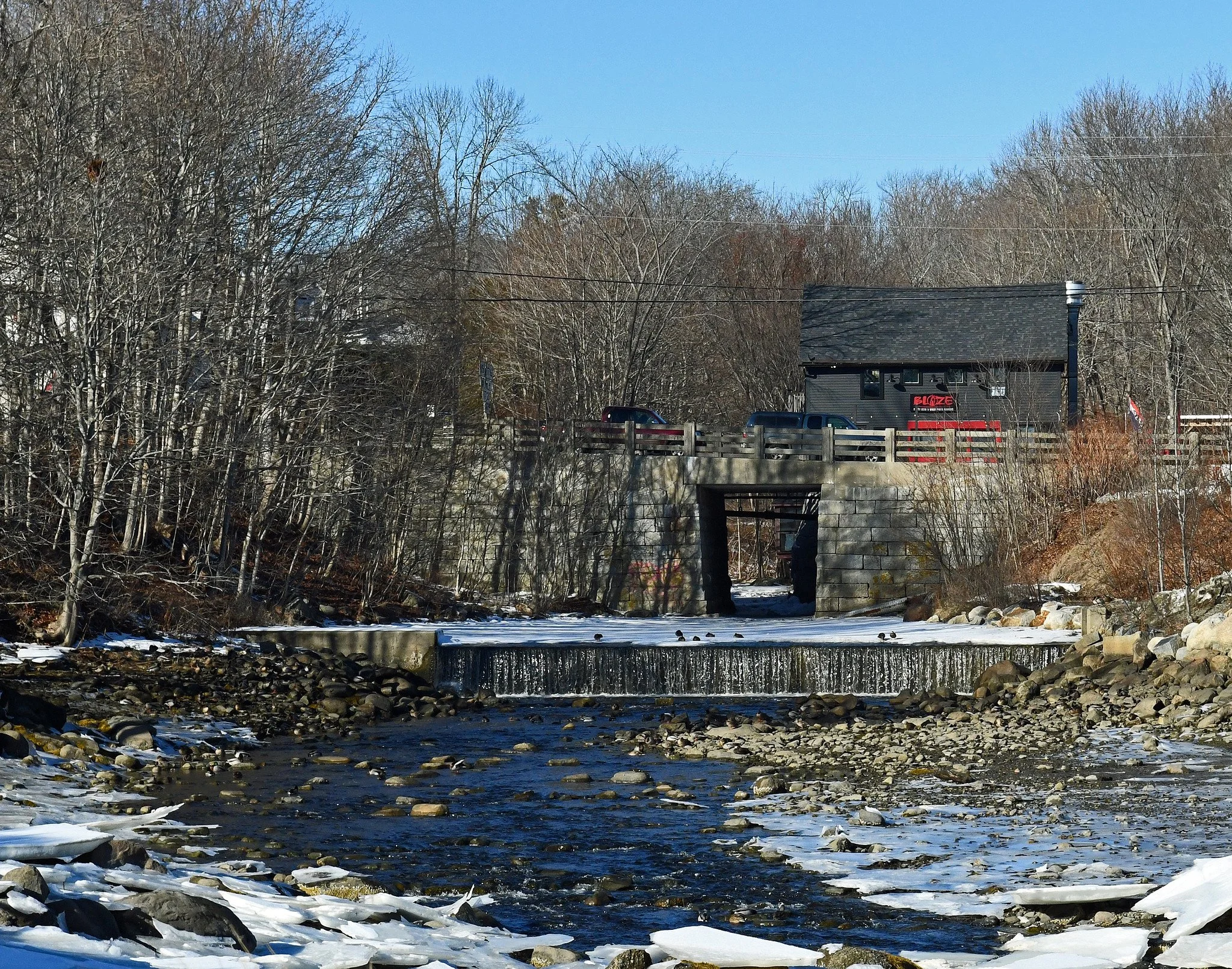
Mallard ducks gather and quack loudly at the mouth of Mill Stream and other streams in winter where there is vital open, fresh water. These communal baths provide safety from ice-hunting predators, food to dabble and a place to rest and conserve energy.
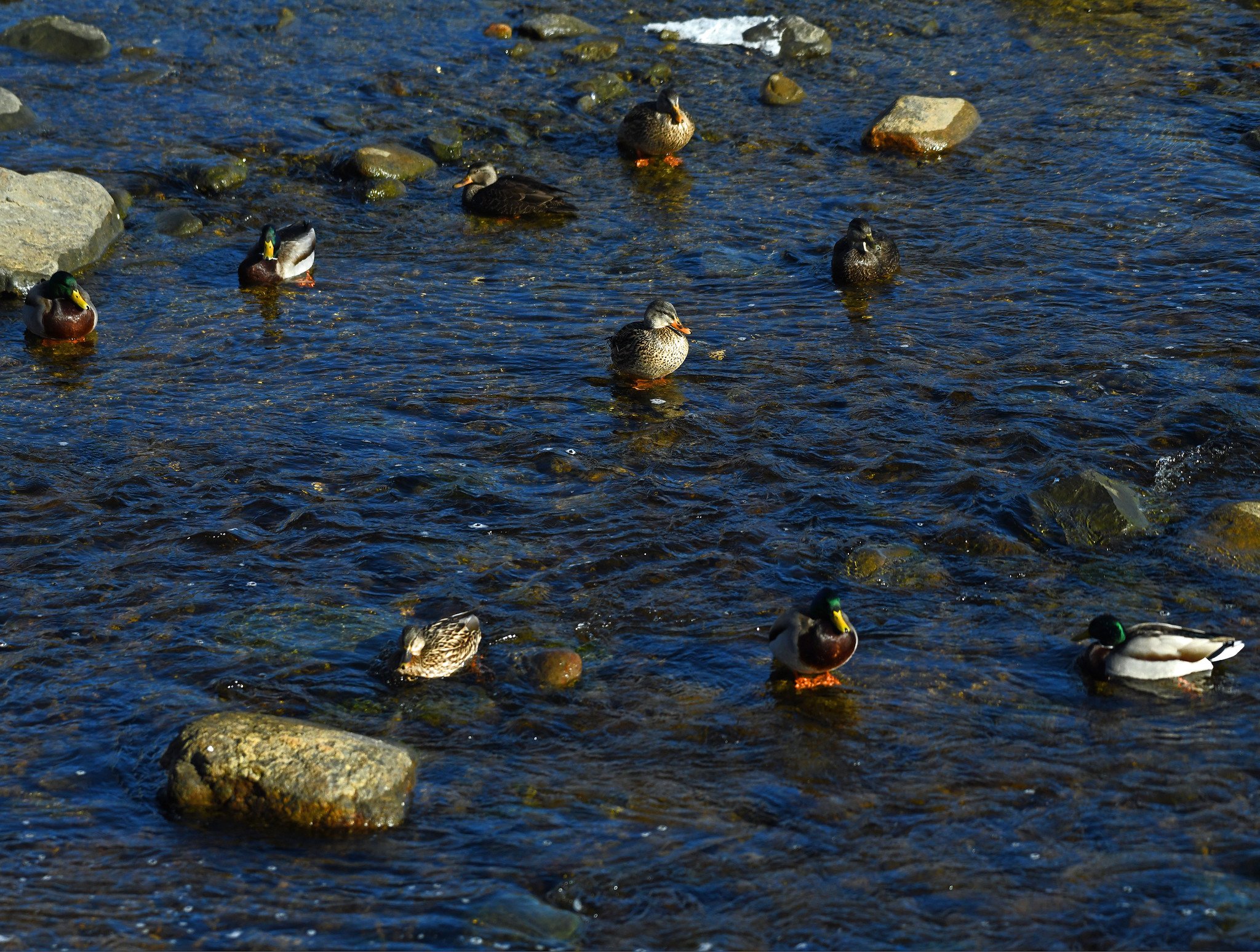
They’re also good places for pairs to form and strengthen bonds, increasing the odds of later breeding success.
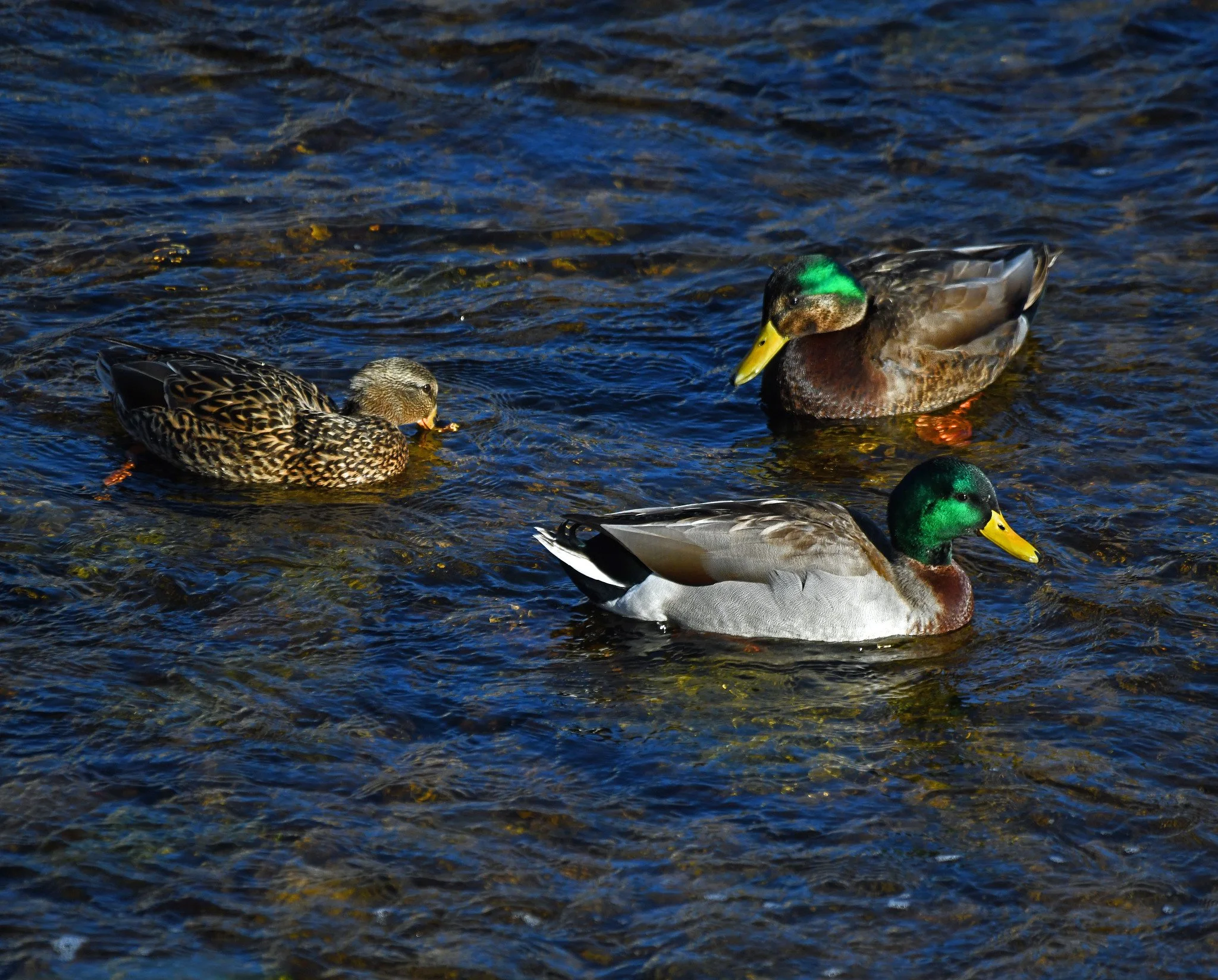
(Images taken in Blue Hill, Maine, on January 13, 2026.)
Comment

Comment

In the Right Place: Do I Smell Peyote?

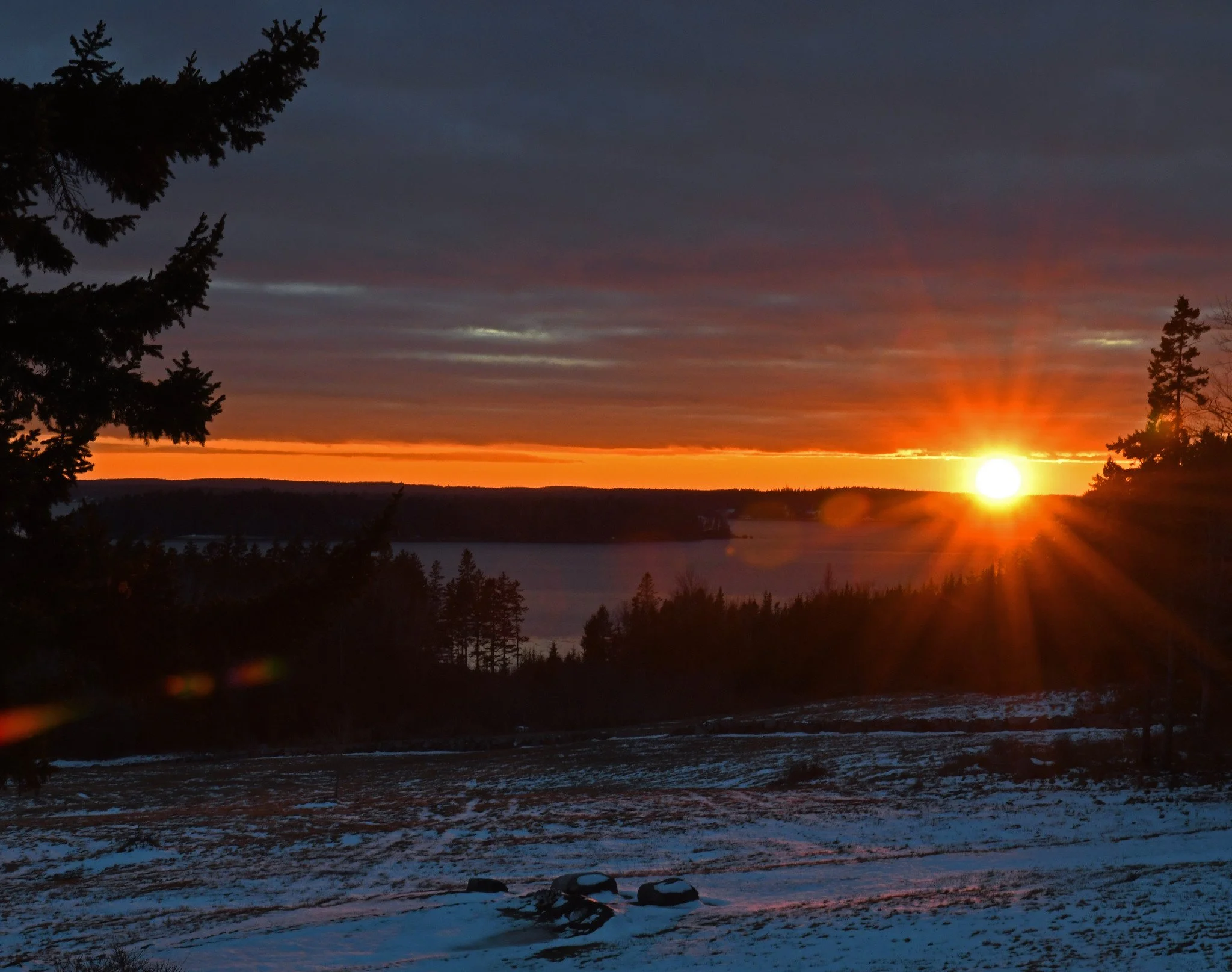
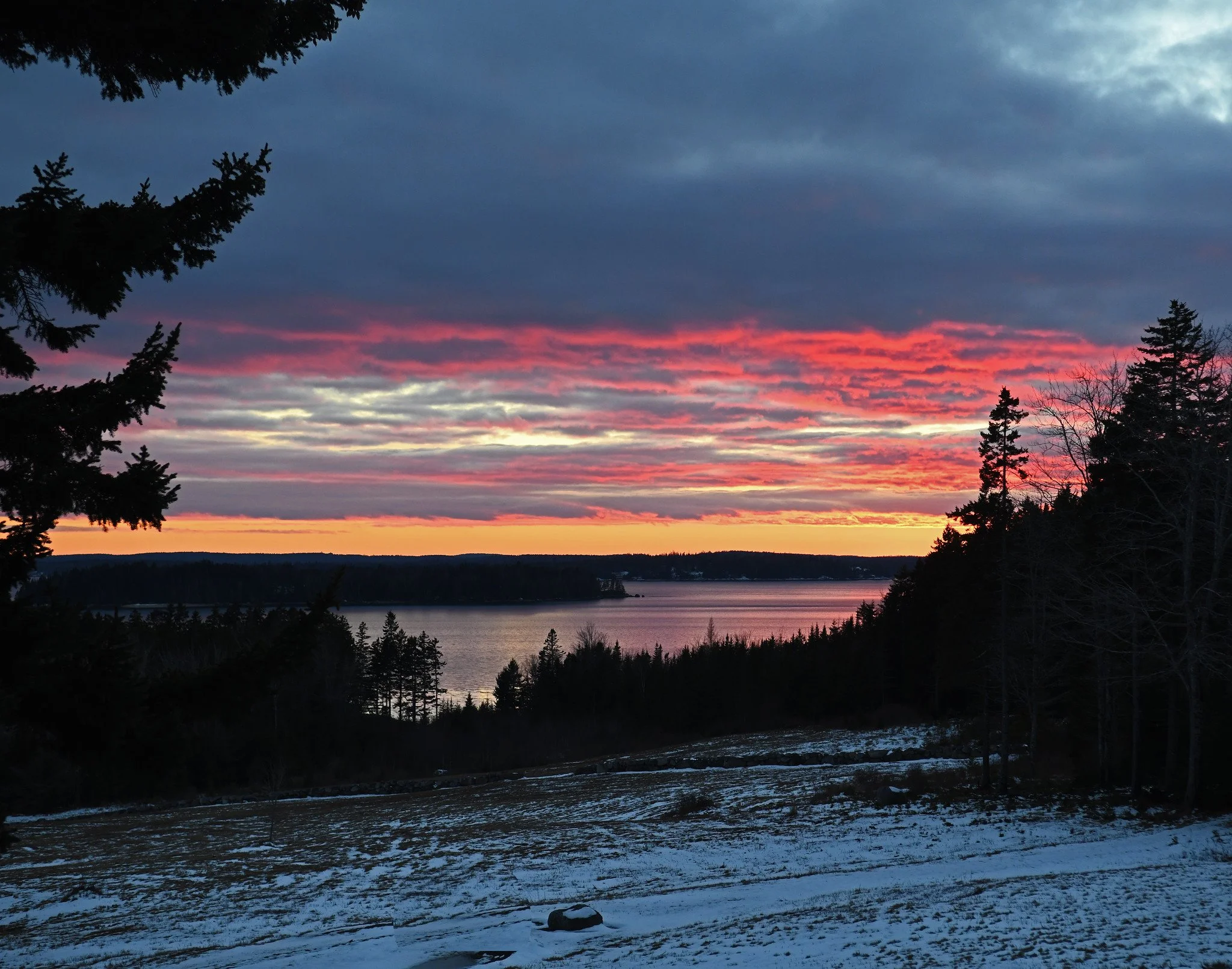
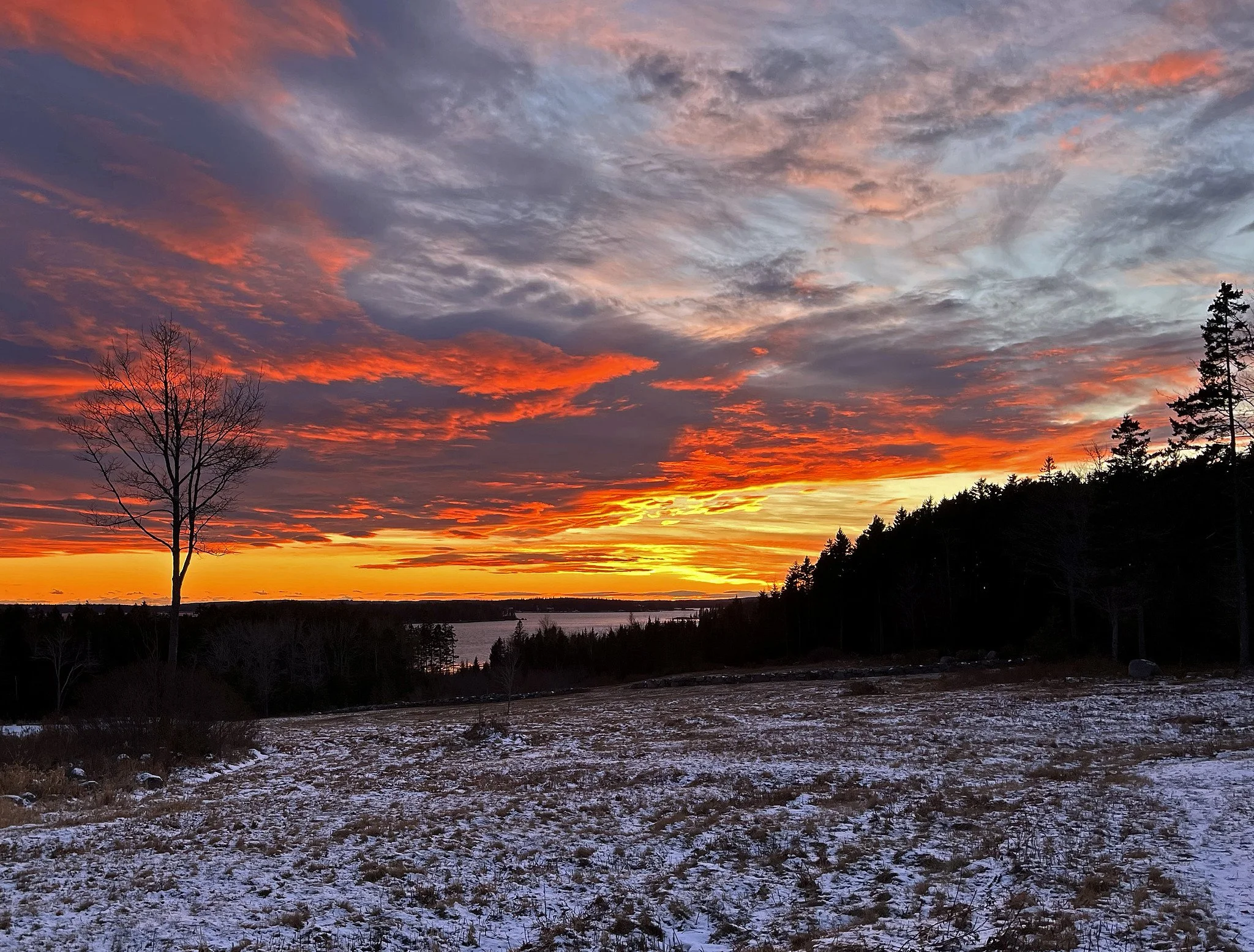
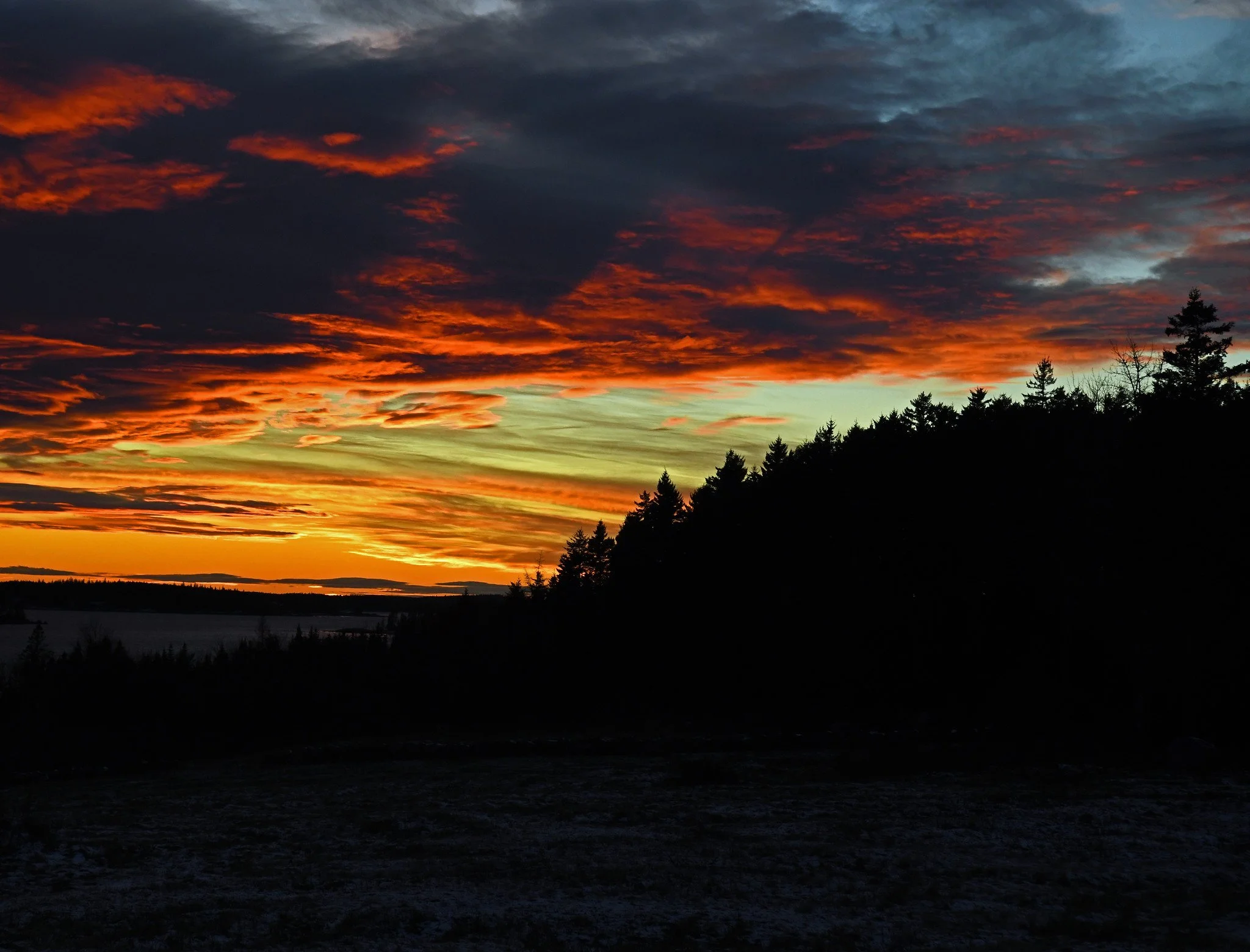
If I didn’t see last night’s sunset afterglow with my own eyes, I would think that the photographs here are interpretive paintings by an artist who has been smoking cactus again.

The sky was filled with swirling, molten, ever-changing color – like the northern lights, but better in its own cloudy way. It was a performance that lasted until darkness, which was almost a relief.

(Images taken in Brooklin, Maine, on January 12, 2026.)

Comment

Comment

In the Right Place: Old and New

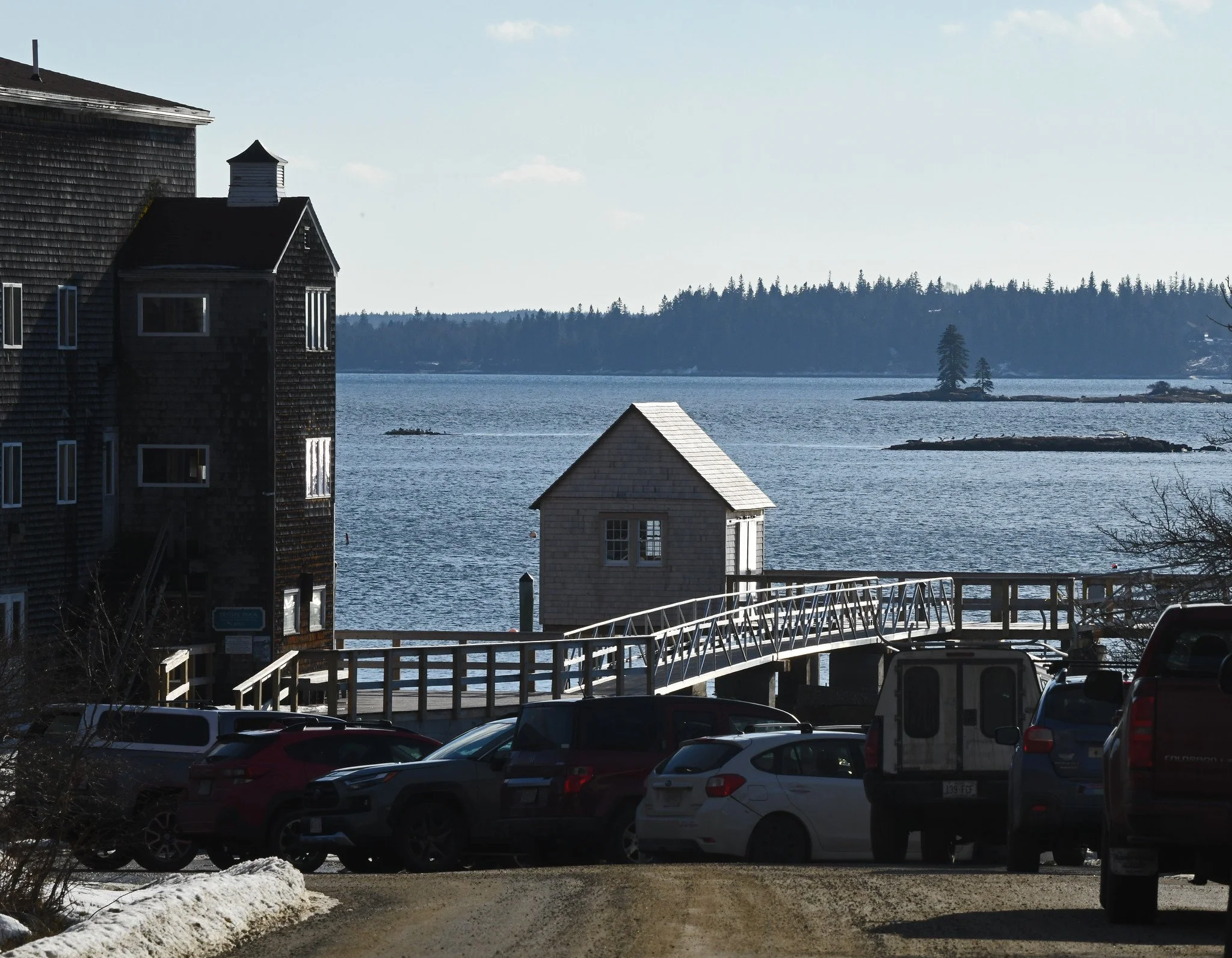
Here you’re looking down the Center Harbor Road. It’s lined with the cars and trucks of the boatbuilding artisans, designers and business people of the renowned Brooklin Boat Yard at the bottom, on the Harbor waterfront:

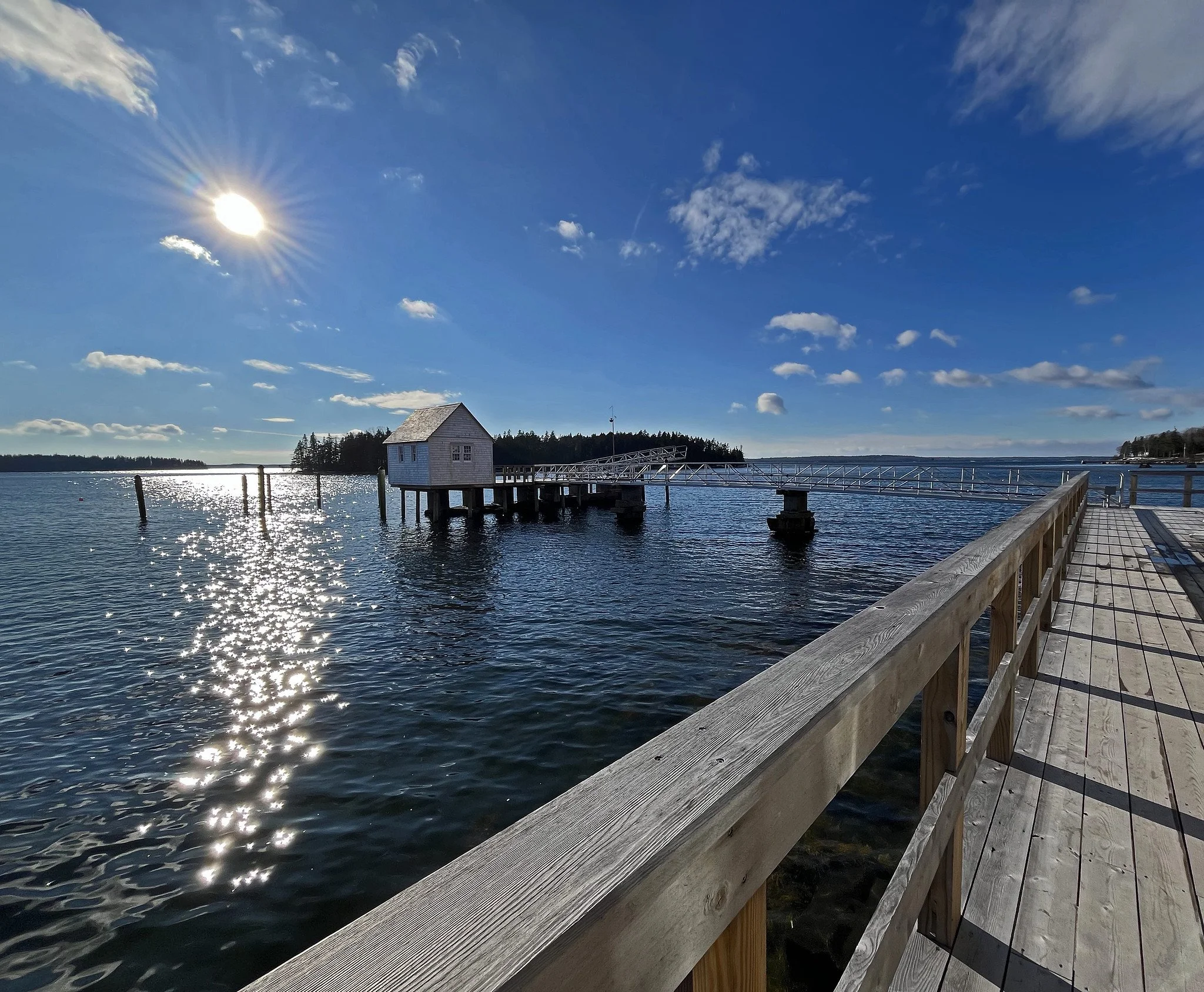
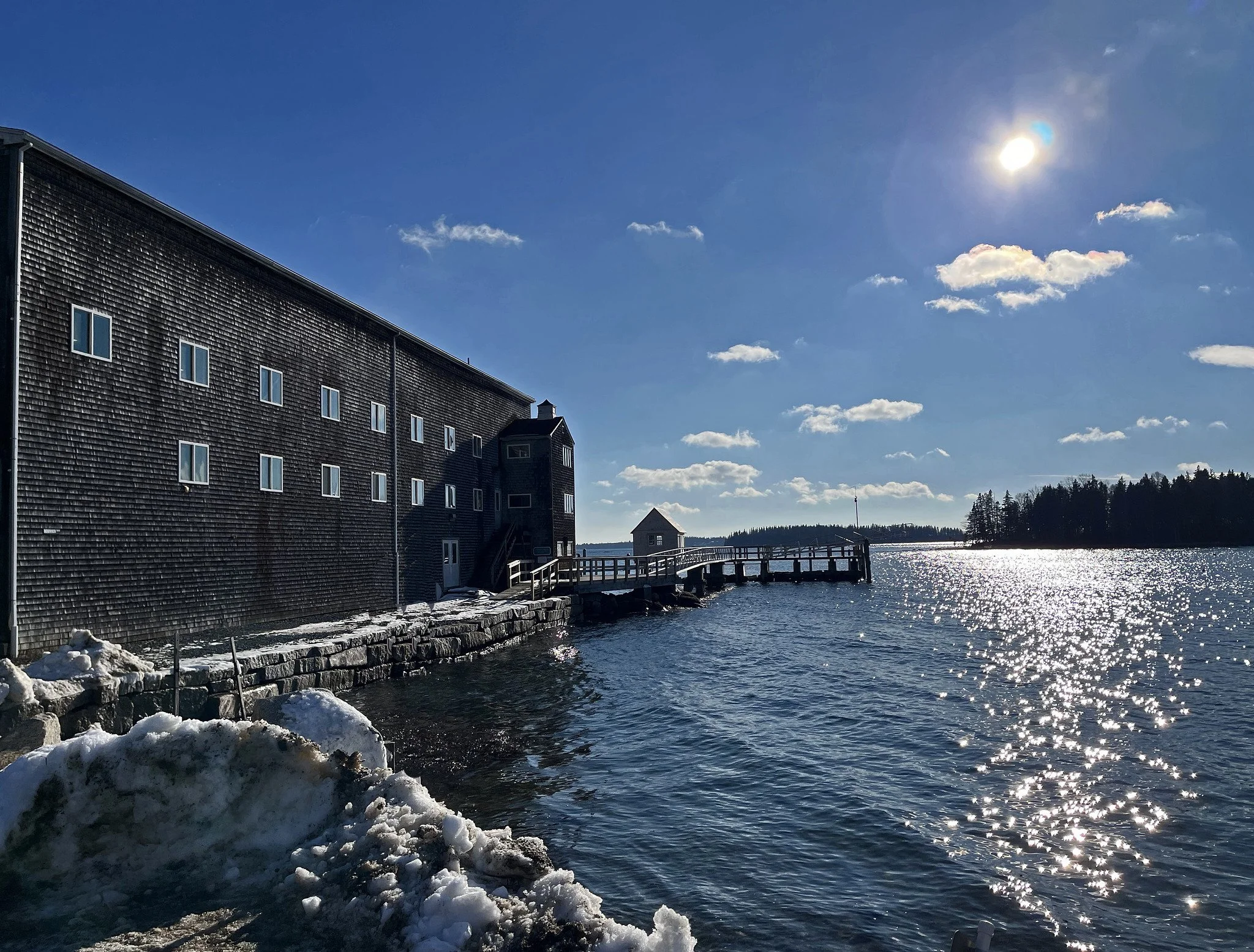
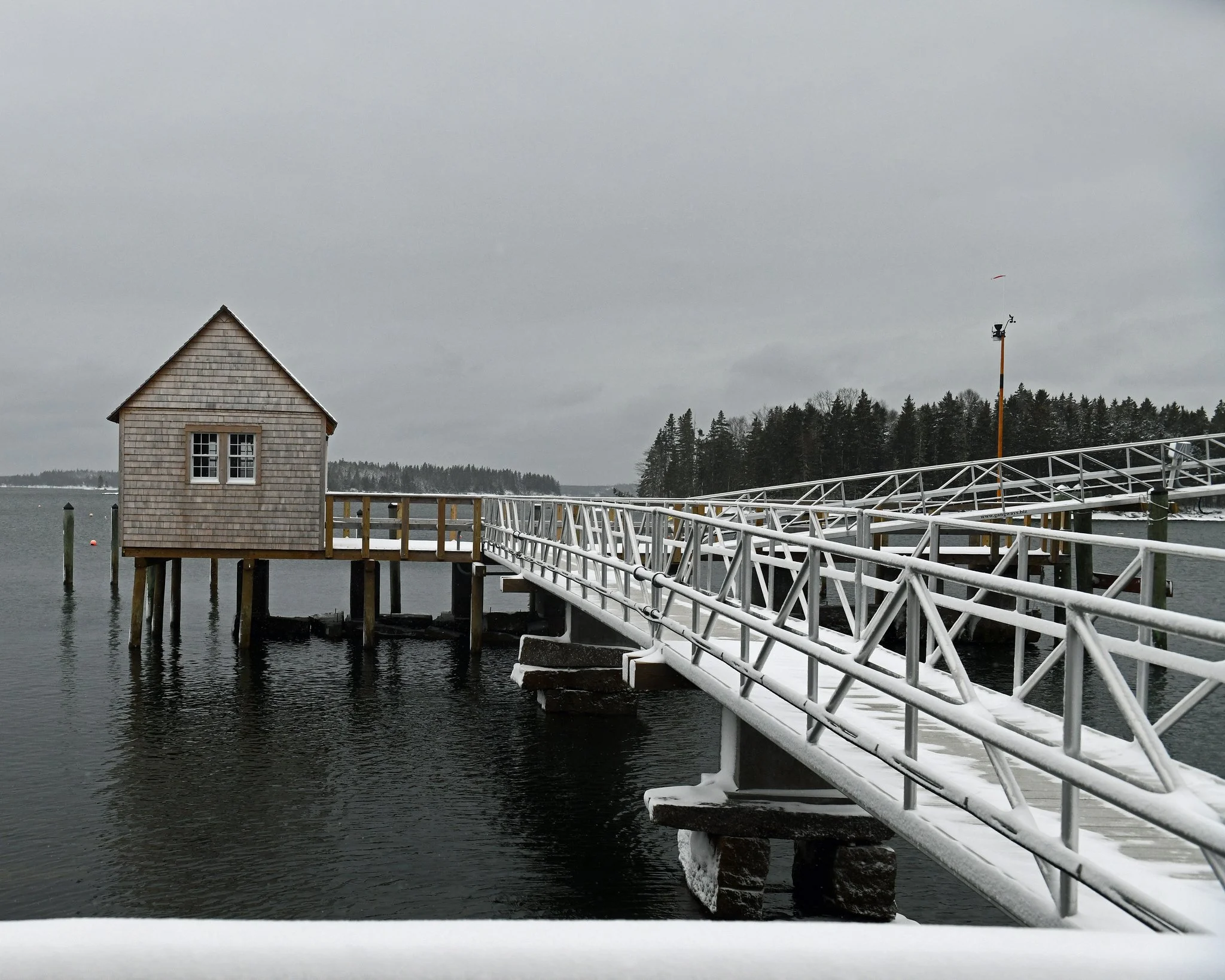
On the left of the image is the seaside end of BBY’s old three-level workshop and offices; on the right is its relatively new pier and pier shed. Behind that workshop, there’s a walkway to the pier, which has had its floating docks removed for the winter:

The workshop originally was a fish processing factory in the 19th Century. It went through several ownerships that eventually specialized in canning sardines. In about 1938, the site was bought and transformed into a boatyard. In 1960, the site was bought by the famed naval architect (and son of E.B. White) Joel White, who started BBY there. And the rest is a history of success.

In January of 2024 the wooden BBY pier and pier shed were significantly damaged and partially destroyed. The replacement has composite and light metal gangways but continues to sit on the original granite pier pilings. (Images taken in Brooklin, Maine, on January 8, 2026.)

Go Pats!

Comment

Comment

In the Right Place: Diffraction Action

January sunsets on the Maine coast can be spectacular and their afterglows surprisingly different, as you see below.

That’s the sun “going down” behind Deer Isle. In the foreground. You can just make out Great Cove and various islands in Eggemoggin Reach, a windy channel that basically runs between Penobscot Bay and the Atlantic Ocean.

As you may know, that nice starburst effect is not a natural phenomenon; sunlight does not get emitted like that. Photographers will tell you that the radiating veins that create such a sunstar are “diffraction spikes” that are caused in photographs by circular sunlight being diffracted by the edges of a non-circular camera aperture. The same effect can be seen by the naked eye when eyelashes and/or eyelids diffract the light.

(Images taken in Brooklin, Maine, on January 8, 2026.)

Comment

Comment

In the Right Place: A Few Friendly Fauna Facts

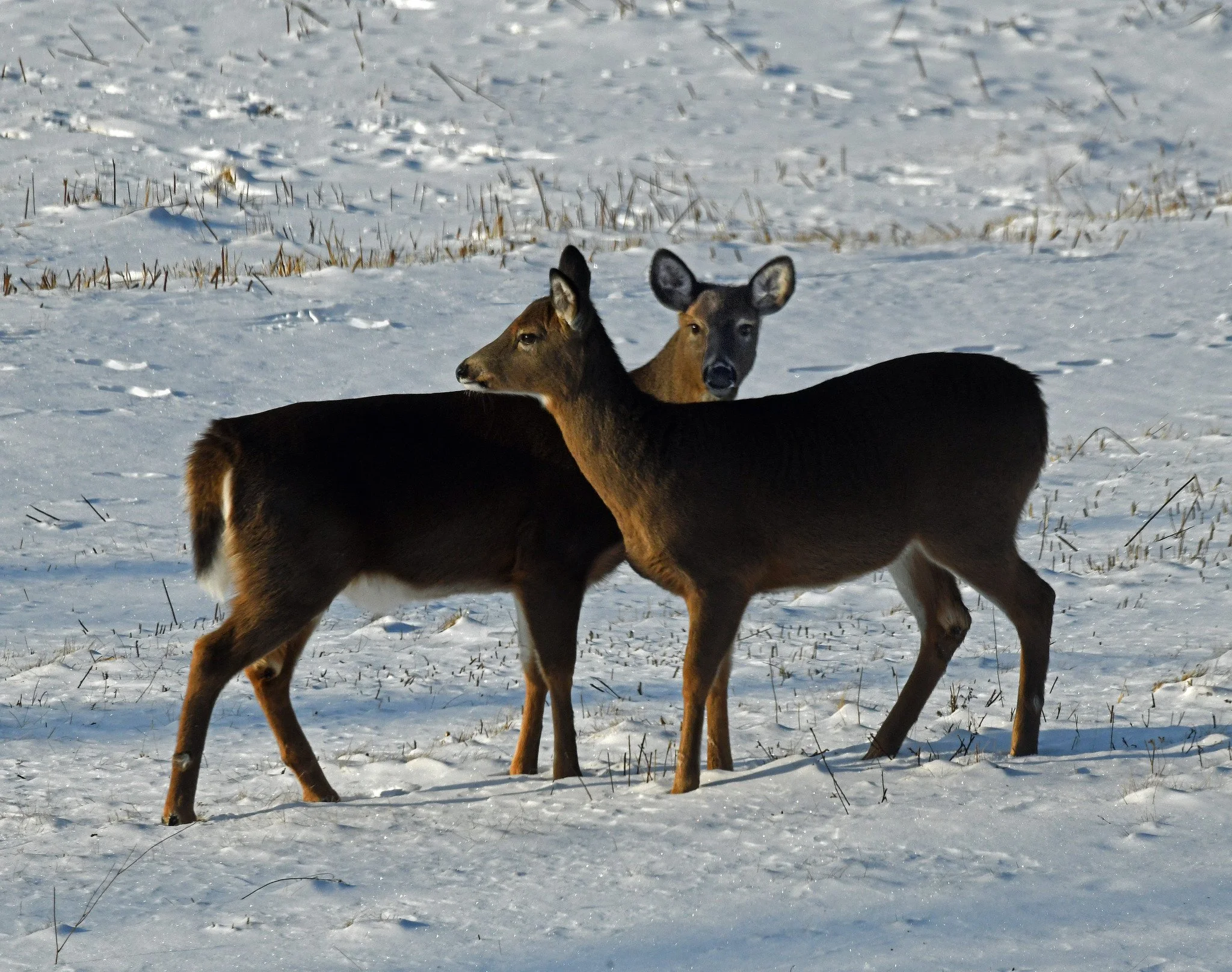
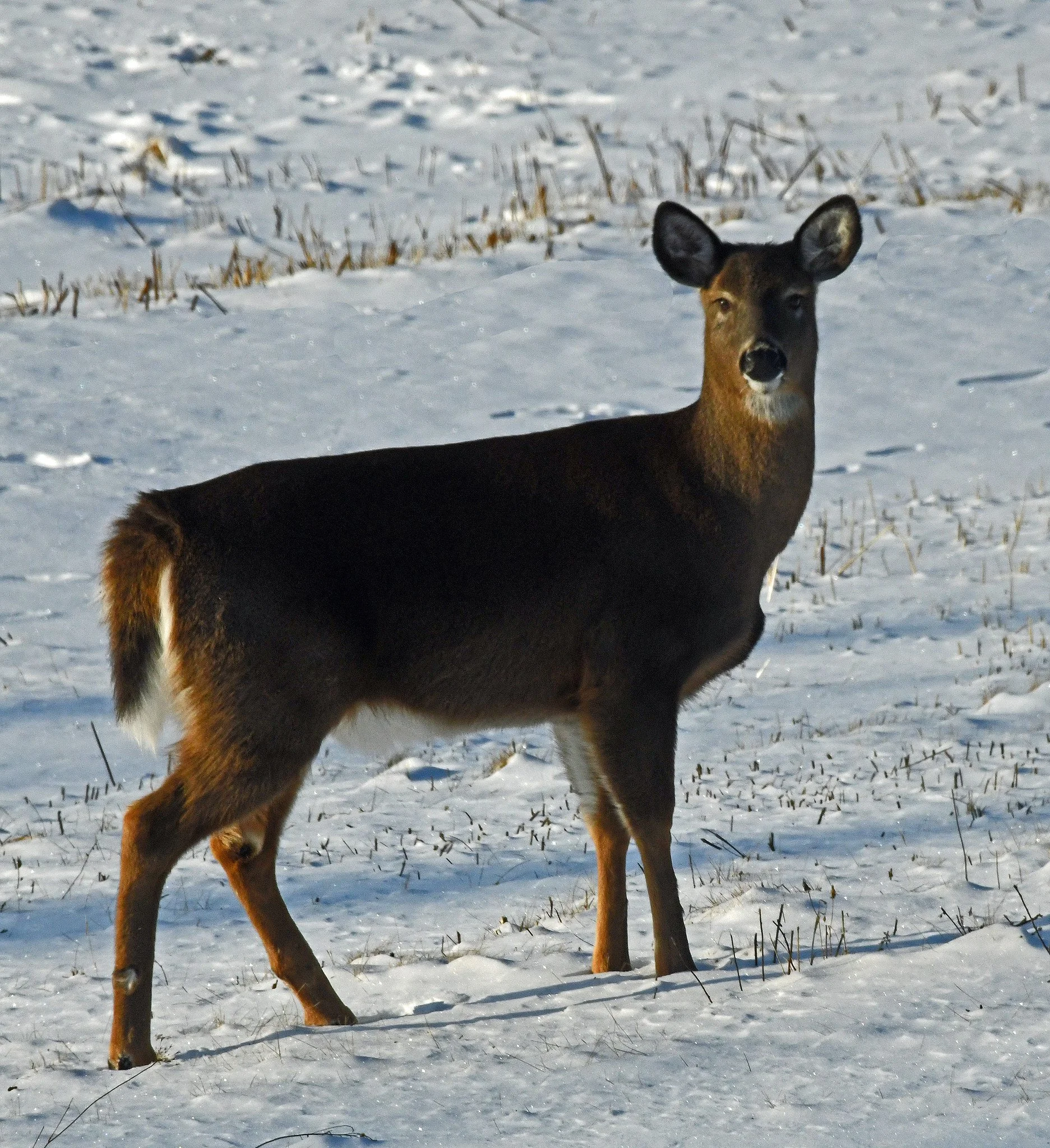
We’ve been having some snow-ice-rain-sun-thaw cycles, which seem not to bother the furry creatures who think they own this property. Bernie and Bernice Beaver haven’t come out when I can see them since “their” pond has been virtually iced-in, but their tracks tell the tale of nighttime adventures.

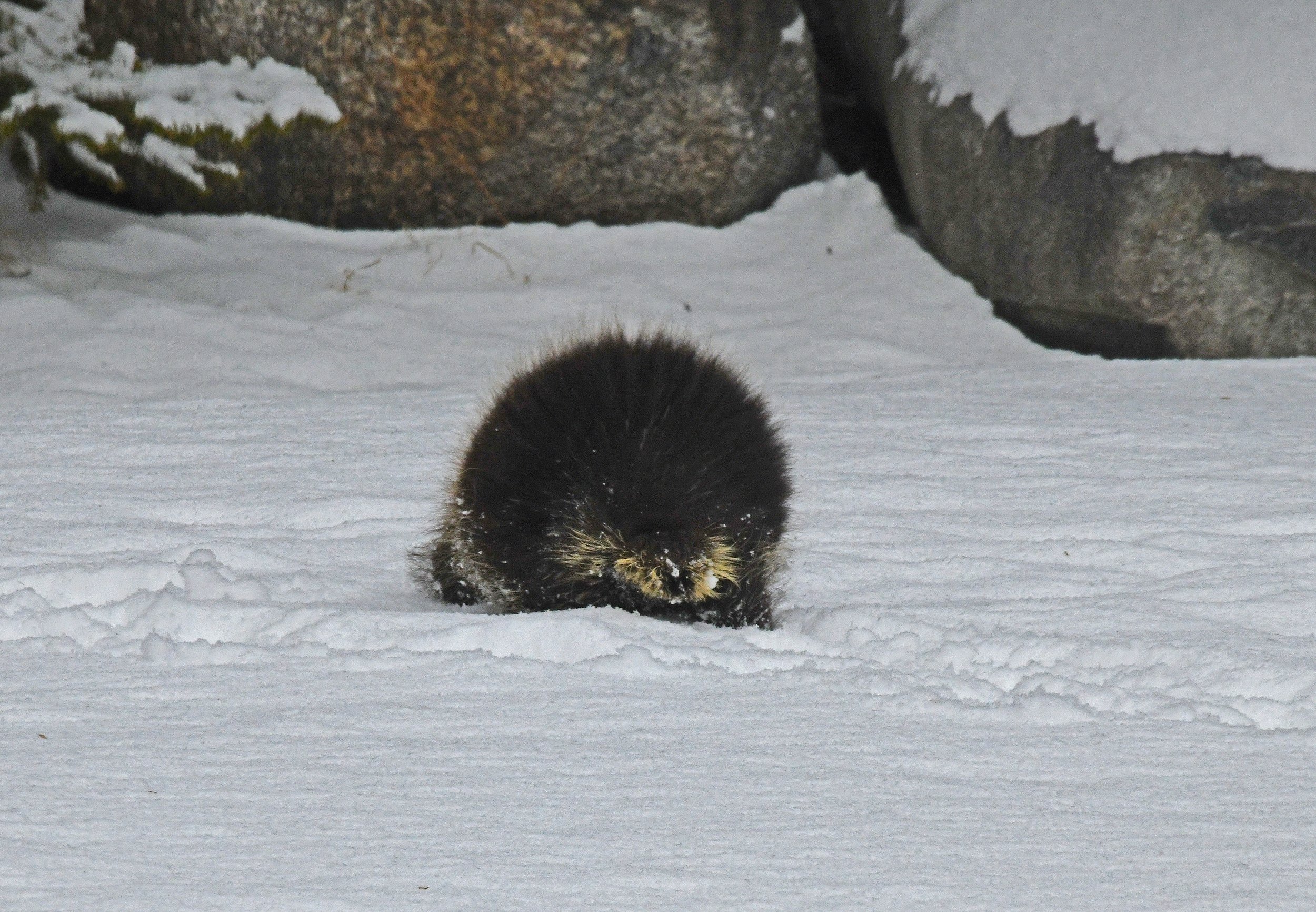
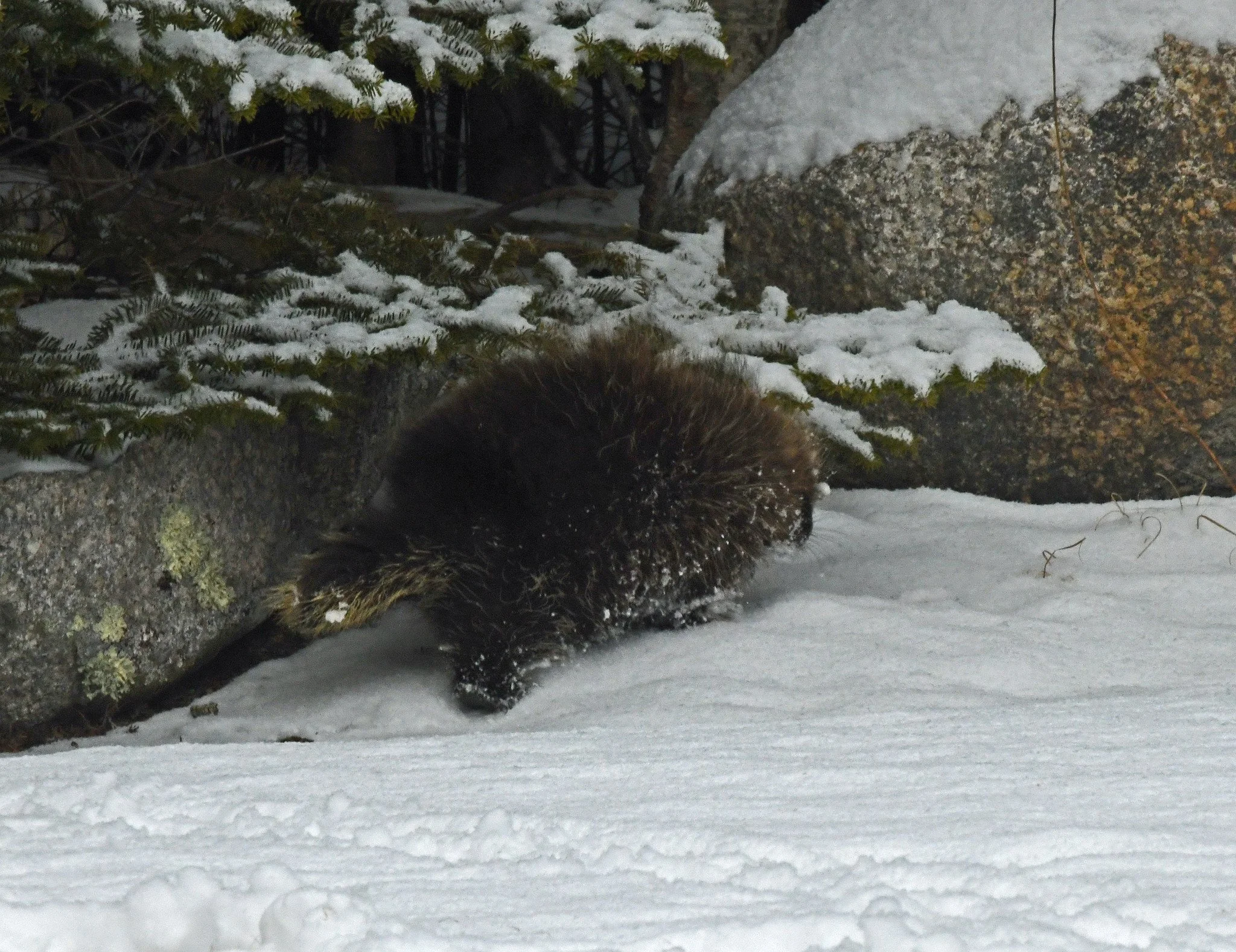
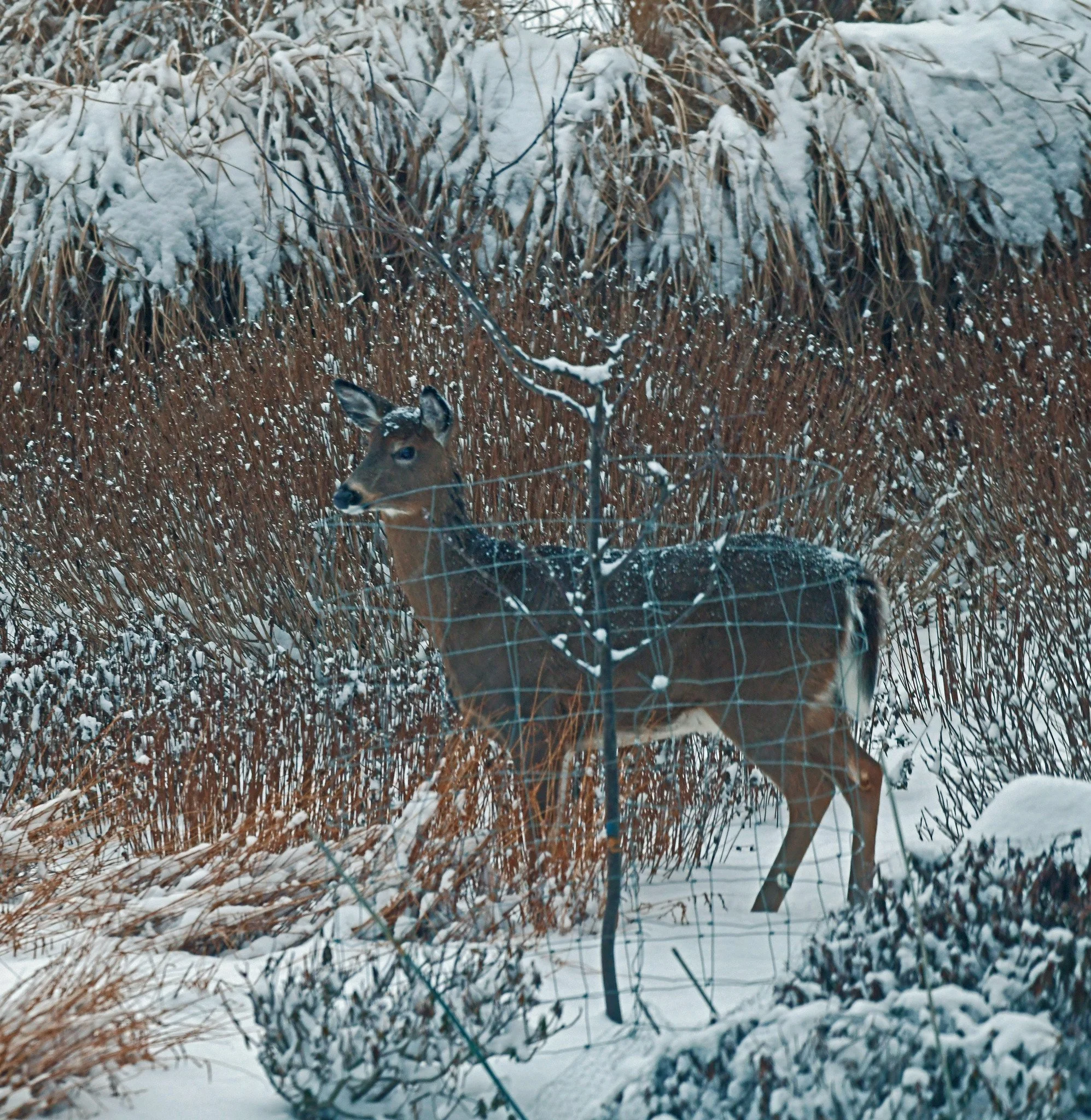
Also, as you see above, our white-tailed deer remain happy and even seem to like imitating Doctor Dolittle’s Pushme-Pullyu. Harry the porcupine is still not behaving like the rest of his kind; he’s now digging through snow in the daytime to munch vegetation when he should be snoozing in a tree:

(Images taken in Brooklin, Maine, on January 5 and 6, 2026, respectively.)

Comment

Comment

In the Right Place: Curb Your Appeal

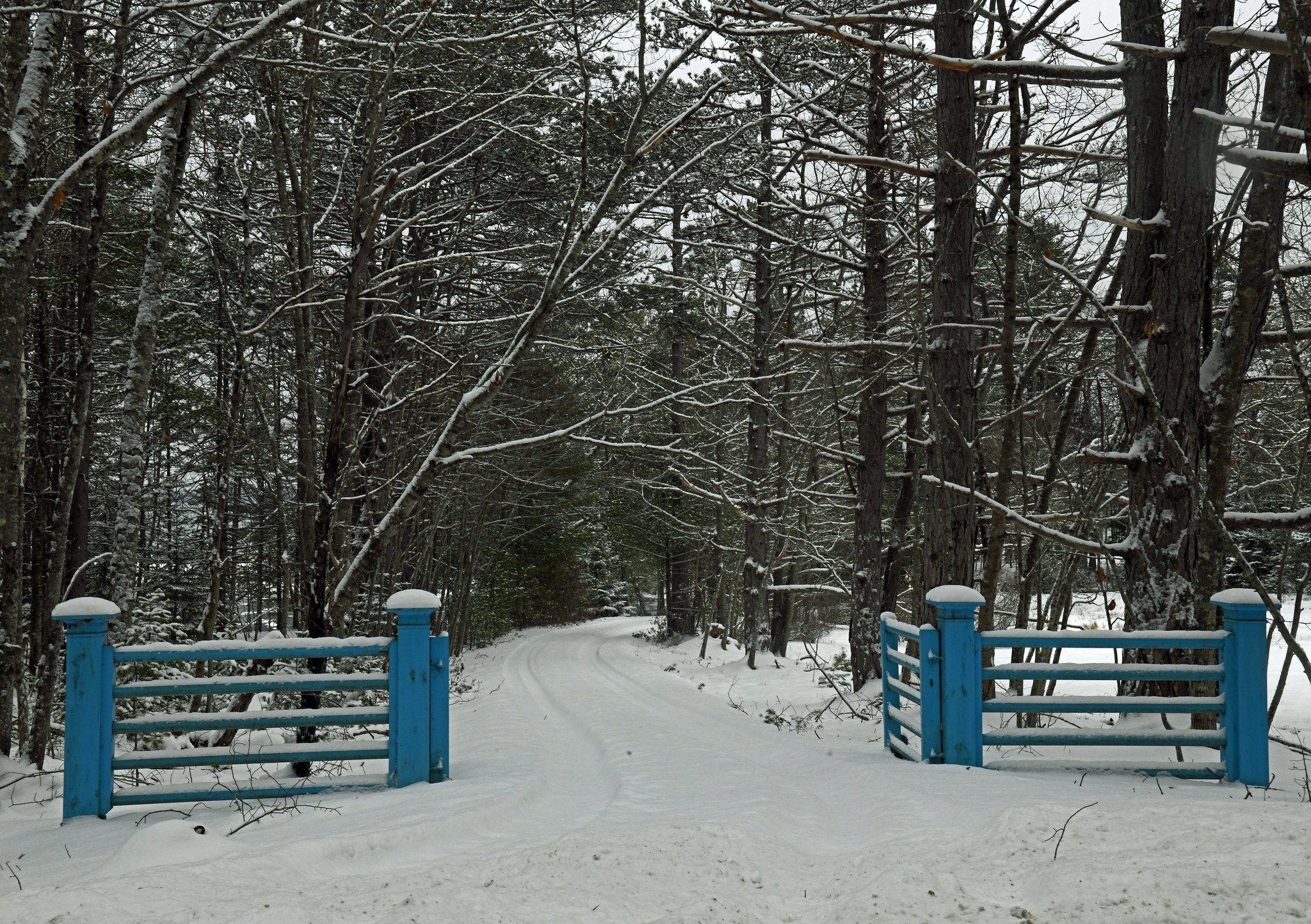
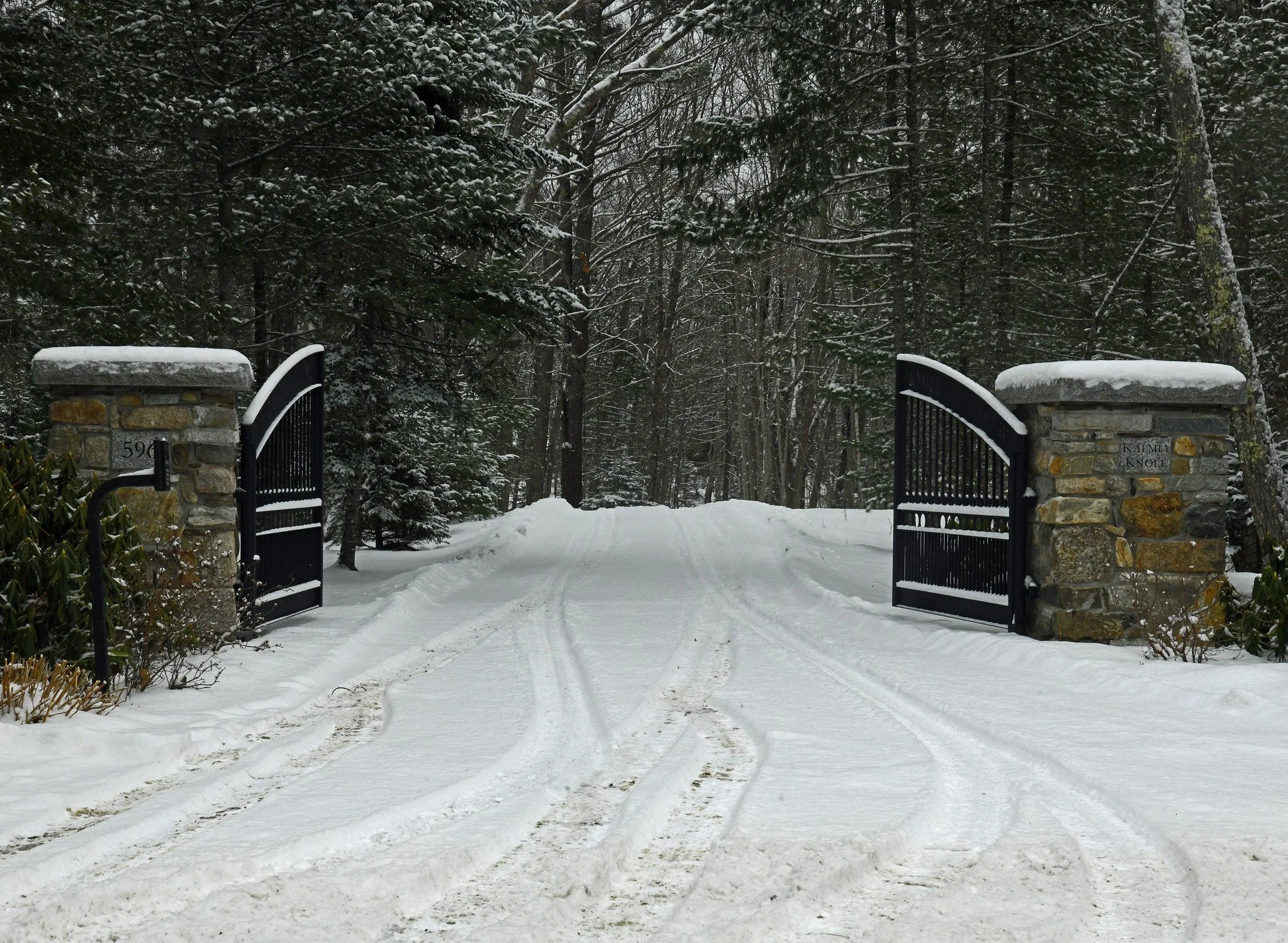
It’s rare to see a driveway gate around here. It’s even rarer to see two driveway gates within about a mile of each other on the same road, as you’ll see posing here during a recent snow flurry. They’re certainly fun to see, but I wonder what their owners are trying to say with them.

The above metal tubular gate looks to me like a cow pasture dual swing gate and fence – except it’s powder blue and almost always open and the fence doesn’t fence in anything. The metal dual swing gate ibelow looks to me like an elegant Los Angelas estate gate.

The principal purpose of these driveway barriers doesn’t seem to be privacy. The respective properties are not fenced-in; they can be entered easily by walkers and, when the gates are opened, could be entered by an unimpeded Putin tank convoy. At least one of the properties also is accessible by water.

When closed and locked, of course, either gate would provide security against vehicular traffic for those who detest Amazon deliveries and the like. But two wooden posts and a locked chain would be all you’d need for that, and it wouldn’t be unusual here. Maybe the primary value of these is what real estate agents call “curb appeal.” But wait –  there are no curbs in their neighborhood.

(Images taken in Blue Hill, Maine, on January 6, 2026.)

Comment

Comment

In the Right Place: Life and Death

Locally, we have vibrant landmarks, such as this structure, and dying landmarks that we’ll call sadmarks.

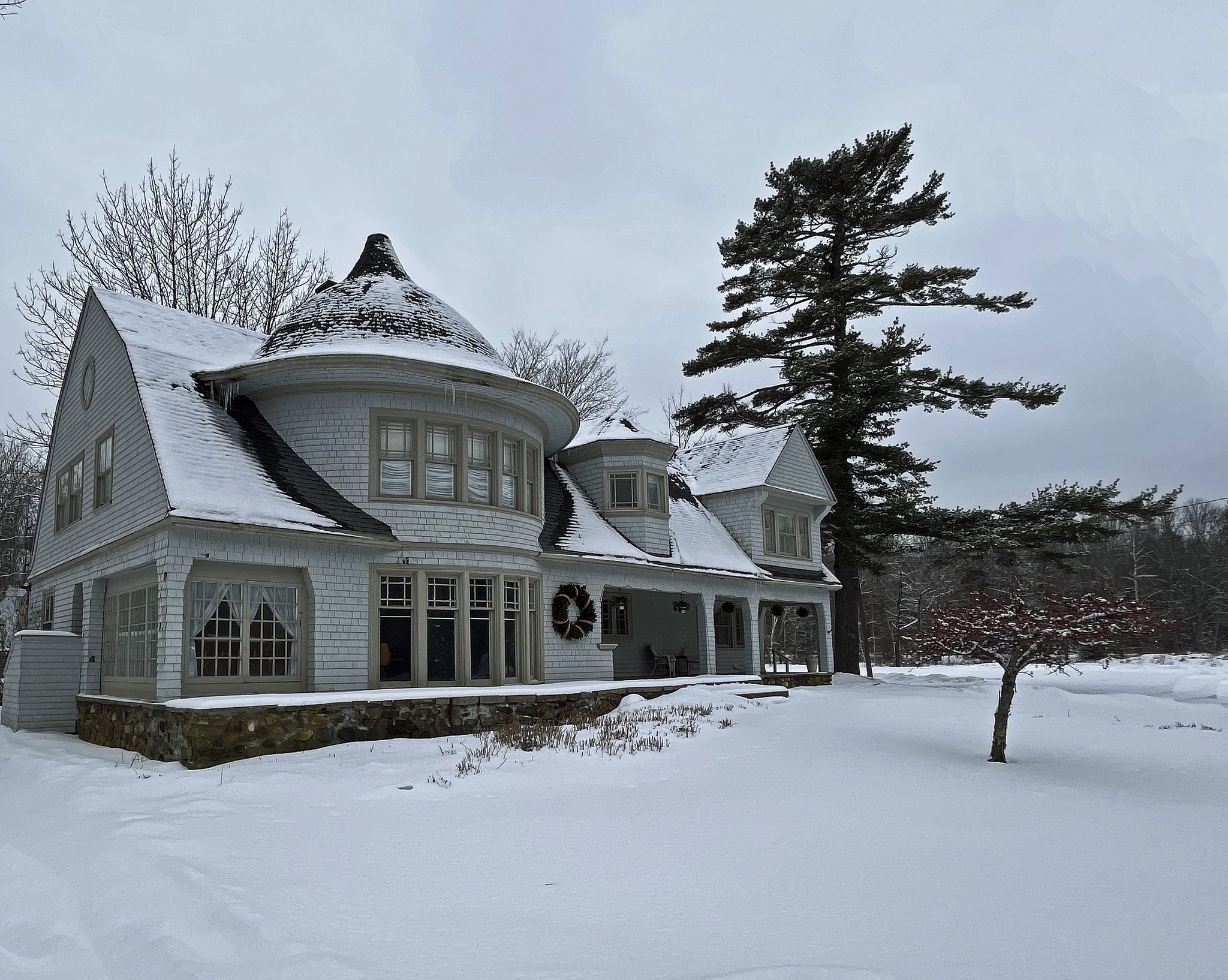
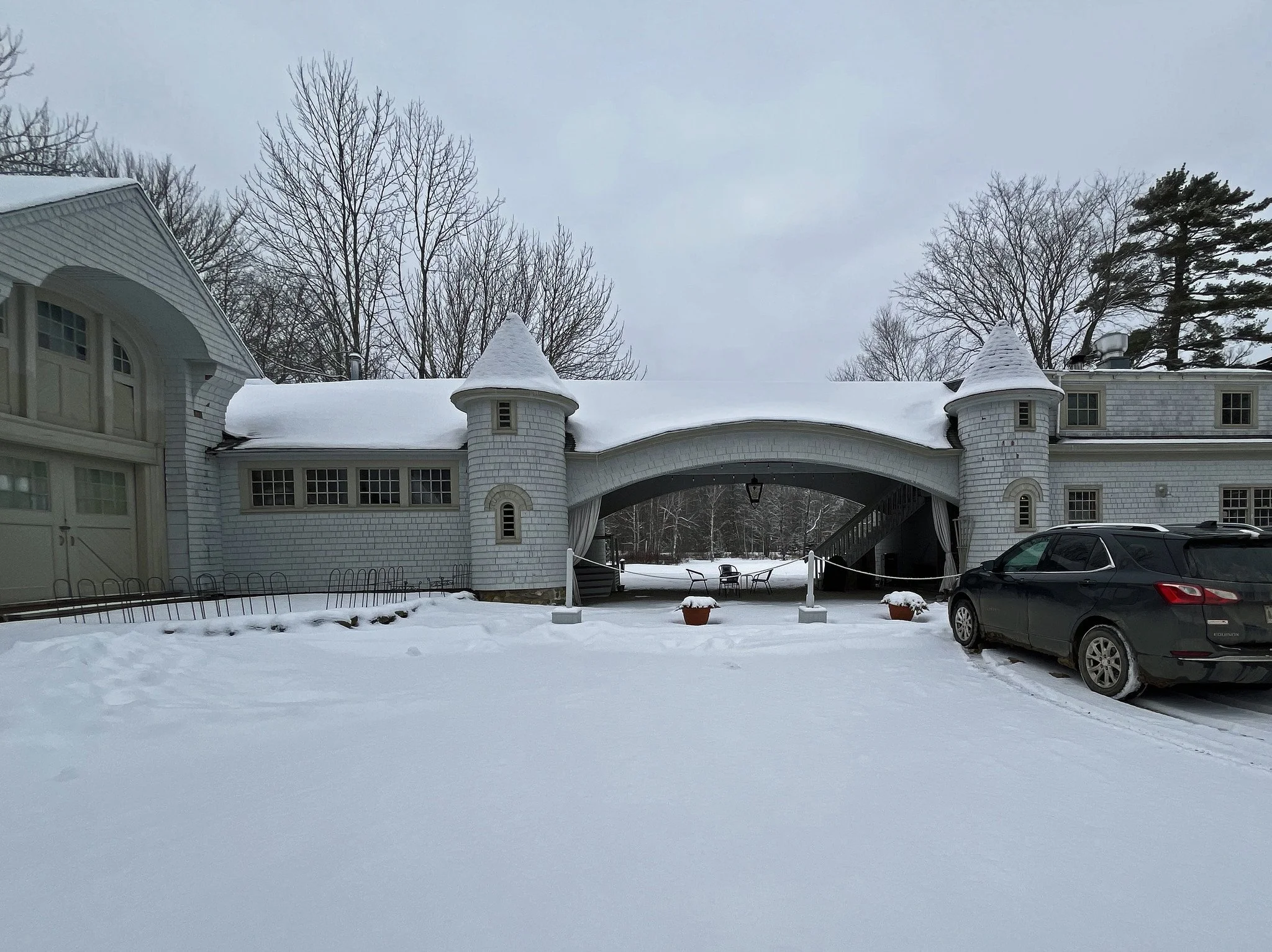
Here you see the BarnCastle Inn and Restaurant in Blue Hill, a distinctive example of Shingle Style architecture that was built in the late 19th Century up and around an original 1830s Cape Cod house. I hear that its popular restaurant is going to transition from Alsatian to Italian Cuisine this winter.

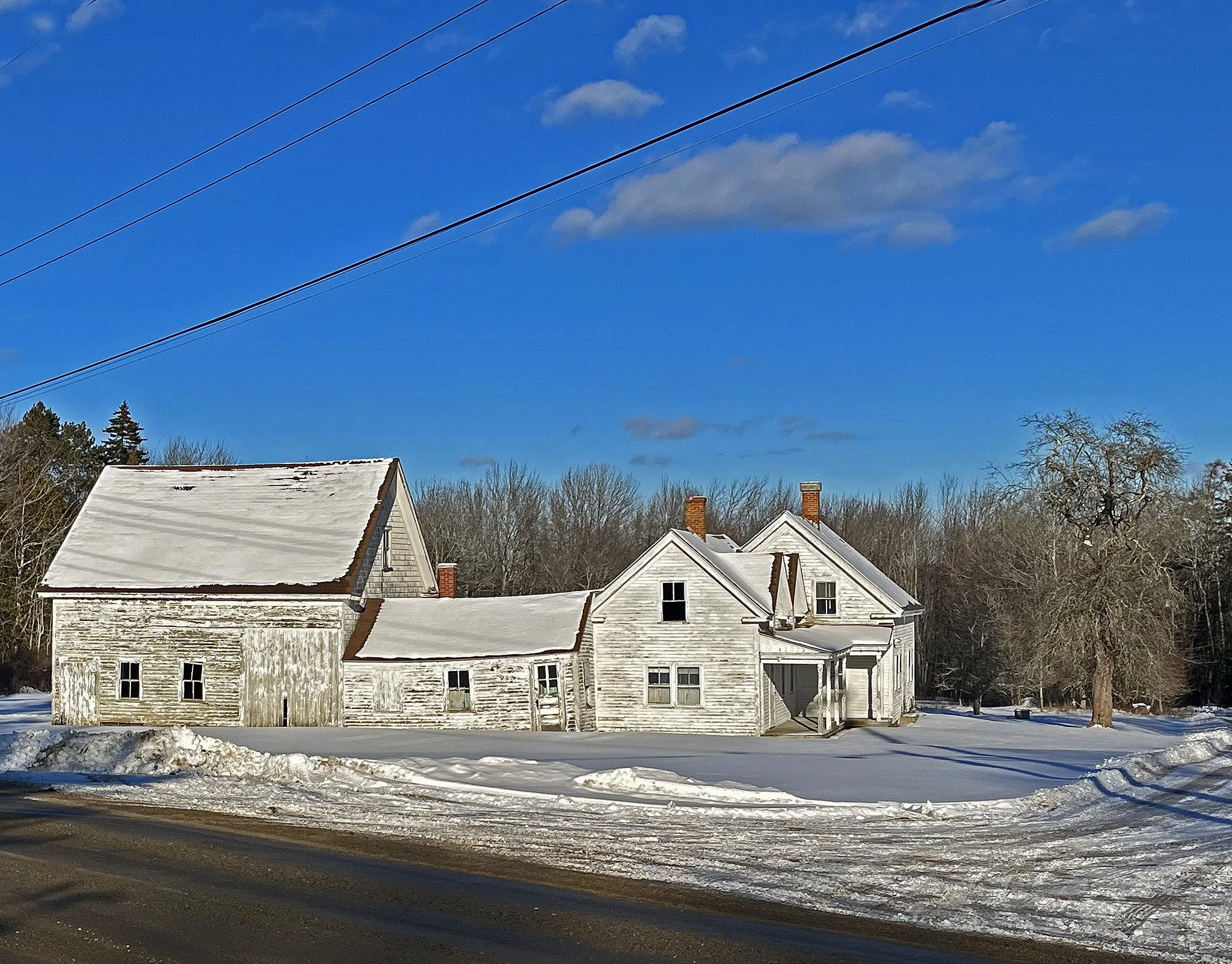
As for sadmarks, below you’ll see a virtually abandoned New England Connected Farmstead in Brooklin. It reportedly was built by Erastus Candage for his wife Mattie, likely in the late 1800s or early 1900s. It eventually housed a post office and became a focal point for community life and a subject for E.B. White to write about when he lived nearby.

(Images taken in Blue Hill and Brooklin, Maine, on January 6 and 3, 2026, respectively.)

Comment

Comment

In the Right Place: Winging It

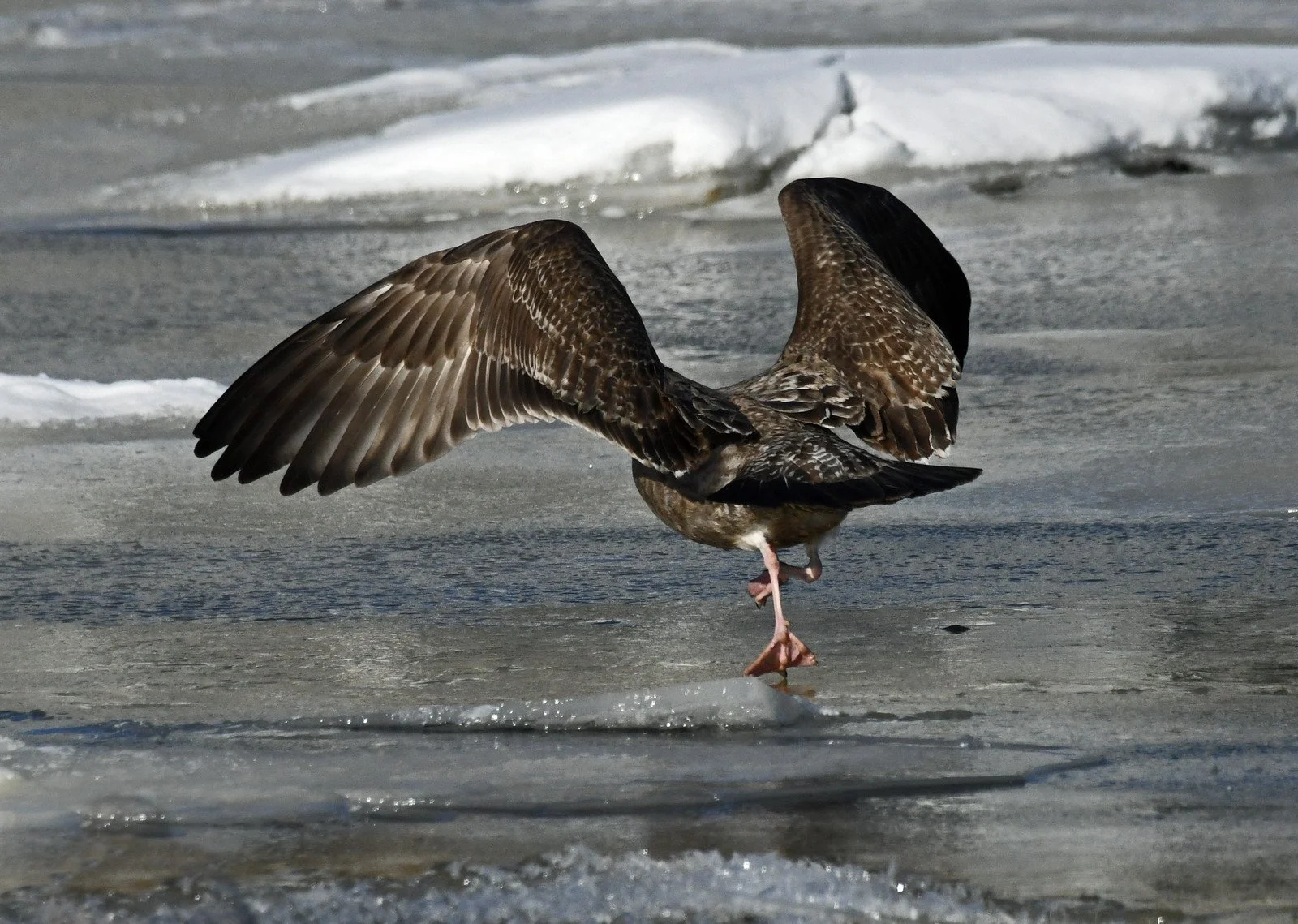
Seagulls are among the most extraordinary fliers in the feathered flora kingdom.  They have been inspirations to musicians, painters, aircraft designers (including drone designers), and just about anyone who has seen them fly under various conditions.

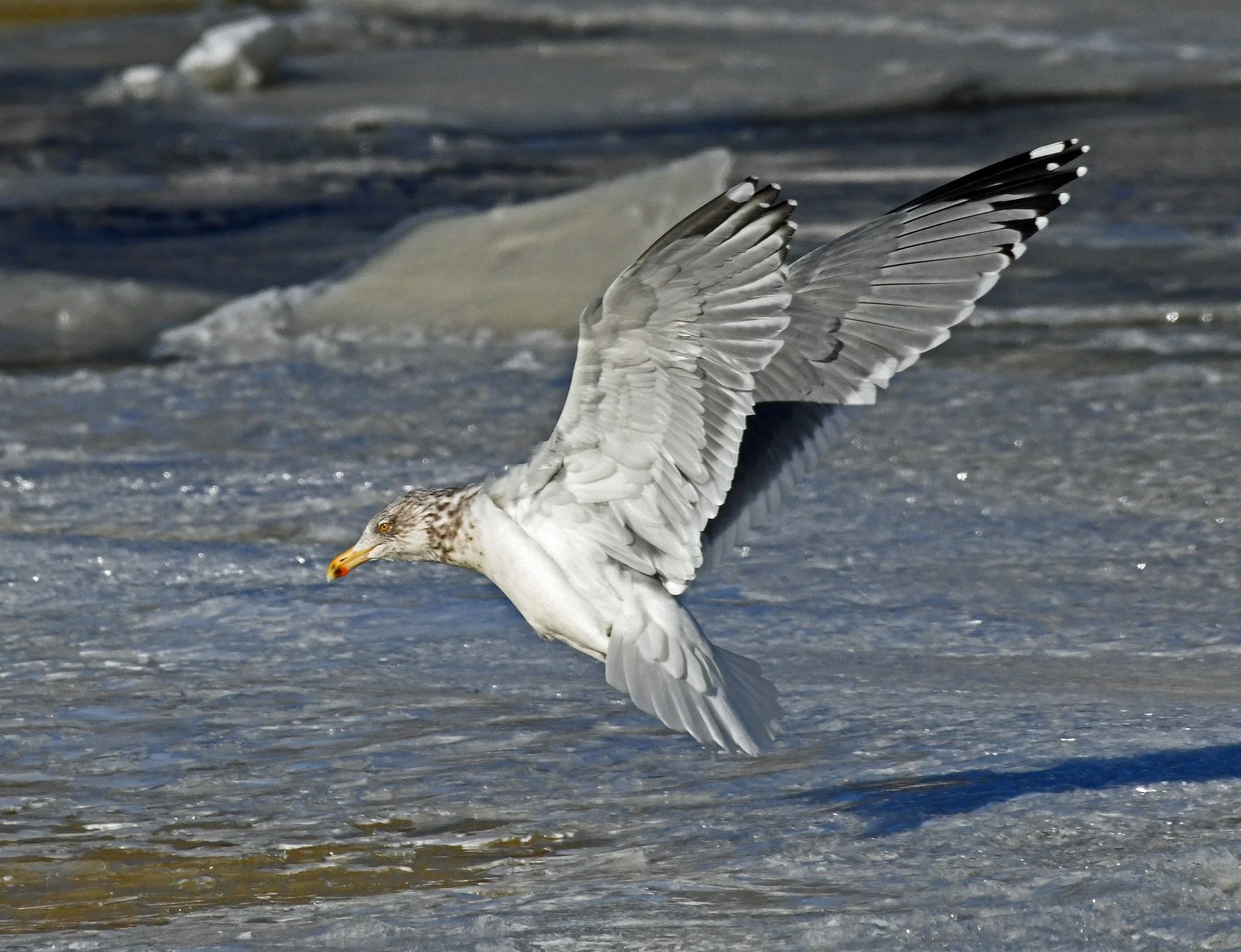
The most common seagull along the Maine coast reportedly is the American herring gull, shown here Edward Howe Forbush, the late, preeminent ornithologist, had this to say about that bird : “The Herring Gull is a master of the air. It can fly forward or backward, veer gracefully in any direction, soar with stiffened pinions or shoot downward like an arrow, sail on steady wing against the wind and perform numberless evolutions with grace and ease.”

Research has shown that gulls, as they fly, change wing shapes by flexing their elbow joints, tucking wingtips in or extending them out. This can create more stable, rounded shapes for soaring or flatter shapes for quick turns. When landing, they twist wings to increase surface area for lift, slow wing beats, and spread their tail feathers to act as a brake:

Seagulls also know how to glide more smoothly by manipulating the cushion of compressed air between their wings and the water's surface. To conserve energy, herring and some other gulls "surf" above the wings of fellow gulls in the moving air there. Also, the darker wing colors on herring and some other gulls help absorb heat, creating warmer air that improves flight efficiency and lift, allowing for better gliding.

(Images taken in Blue Hill, Maine, on January 2, 2025.)

Comment

Comment

In the Right Place: Old and Older

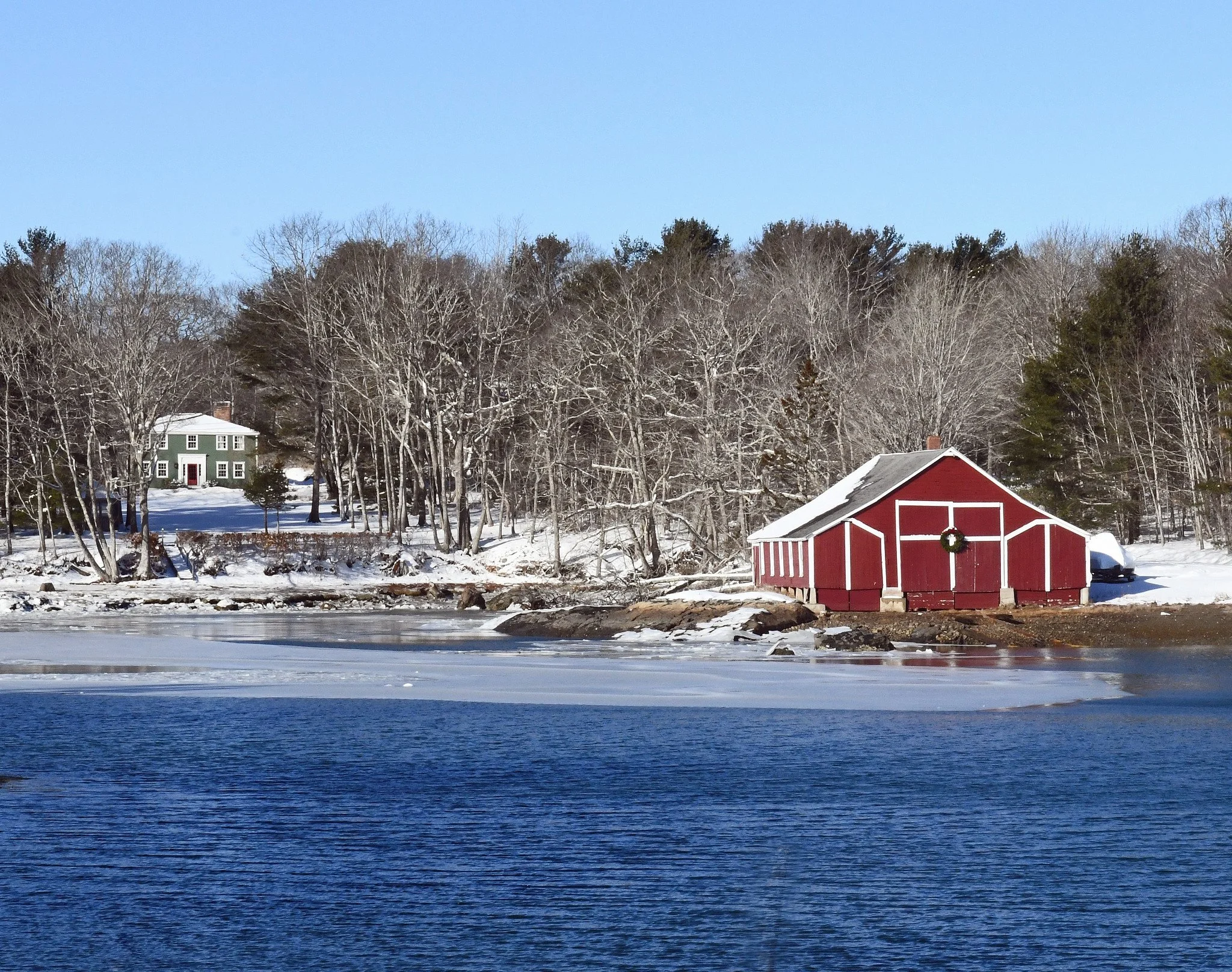
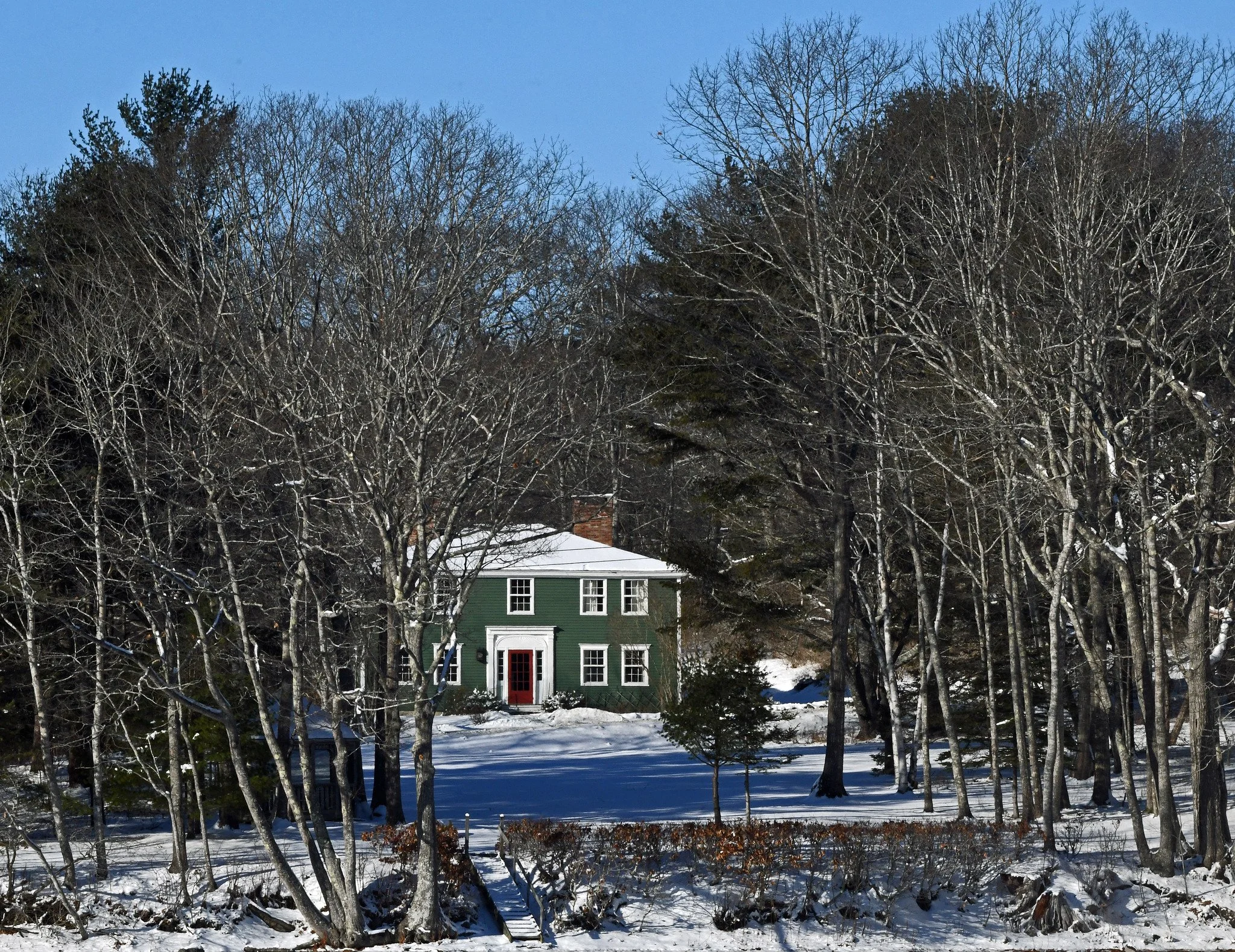
Here you see two famous old structures in and overlooking Blue Hill’s Conary Cove:

The frequently photographed red boathouse is a motorists’ landmark. (Seamark? – I don’t want to say “watermark” and confuse people.) It was built about 1924 as a white boat shelter that eventually had a pier and was painted red by a subsequent owner. Along the way, one prior owner liked to run his seaplane up on the shore beside the boathouse.

The less obvious green house, on a separate parcel of land, might be more interesting to historians and architects. The original structure apparently was white and built in the early 1760s by Joseph Wood, one of two first settlers of the town that became Blue Hill. This house may have been rebuilt completely or partially in the 1880s and perhaps the front of it took on its Federal style then.

Although the green house now has Parker Point Road running right in front of it, it has an unobstructed view of the beautiful Cove, which apparently is why Joseph Wood built his home there originally

(Images taken in Blue Hill, Maine on January 2, 2026.)

Comment

Comment

In the Right Place: Moon Shots

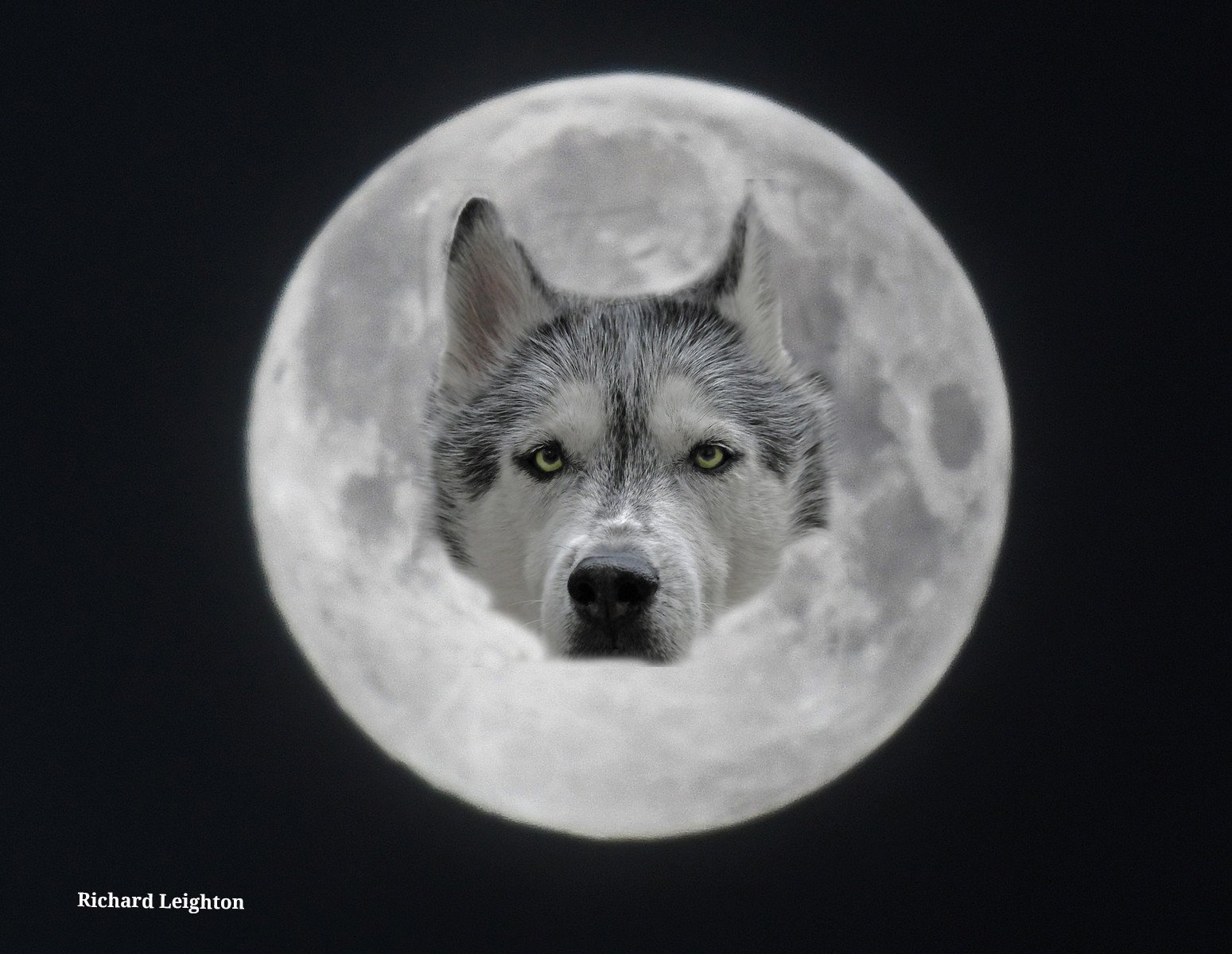
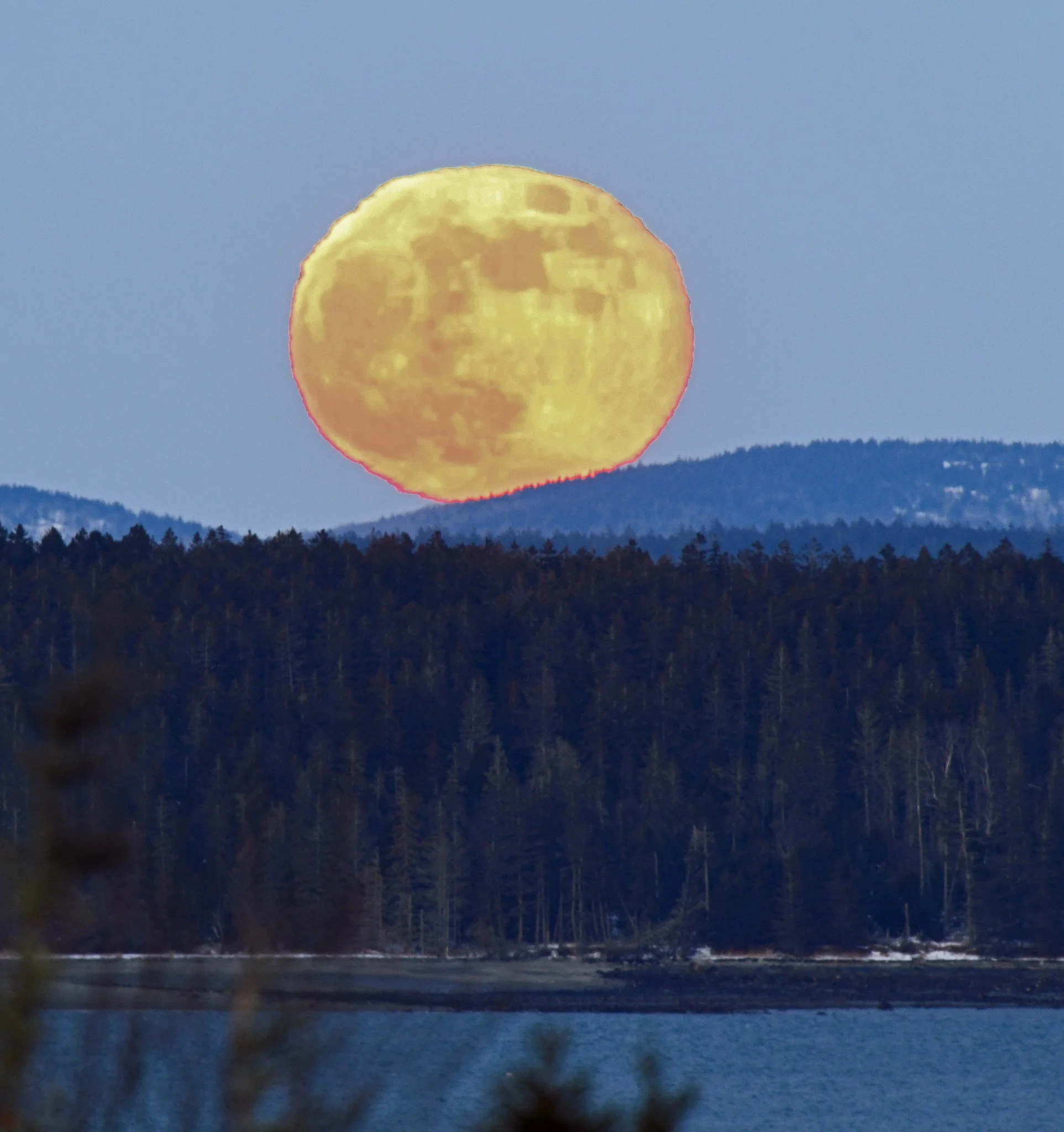
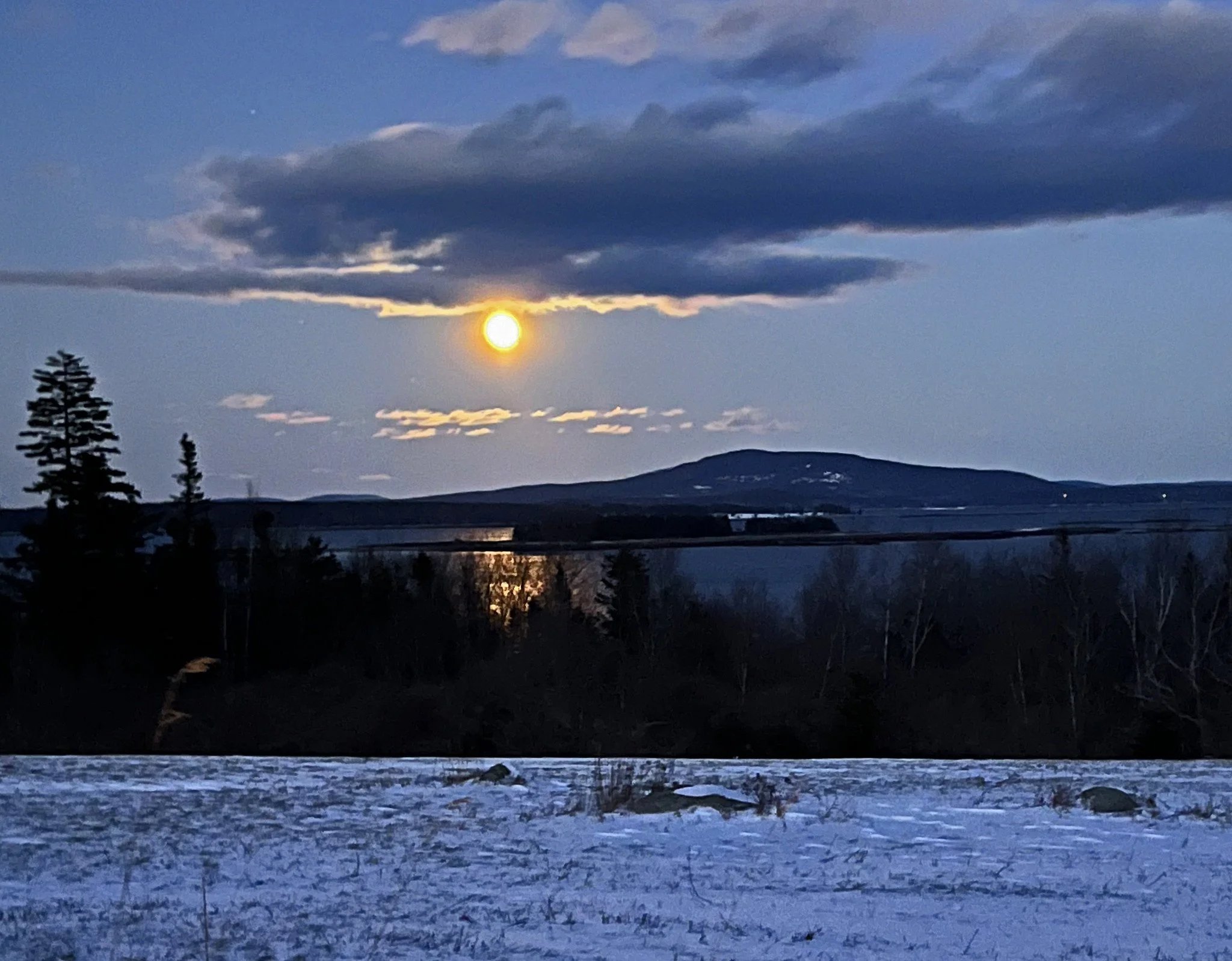
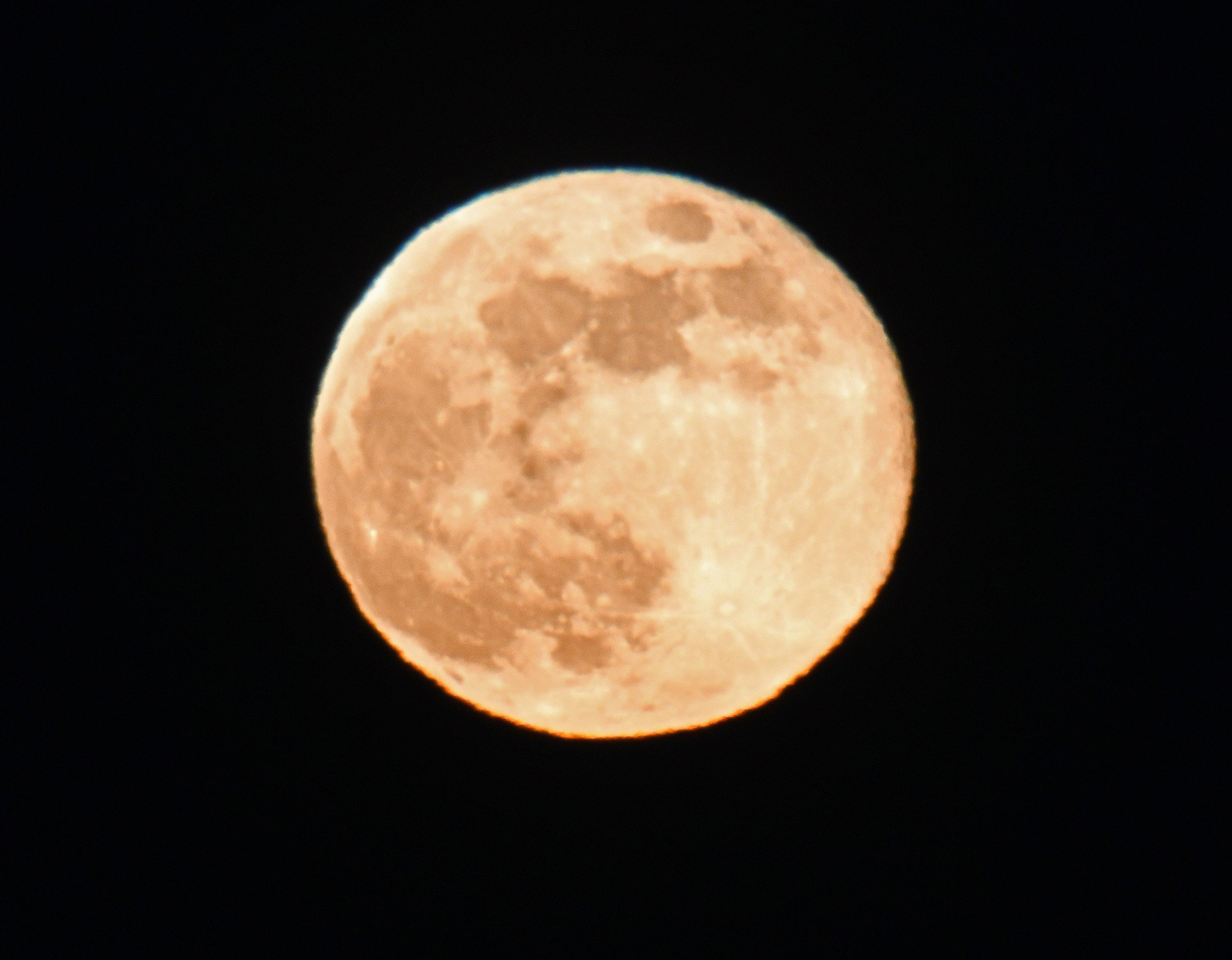
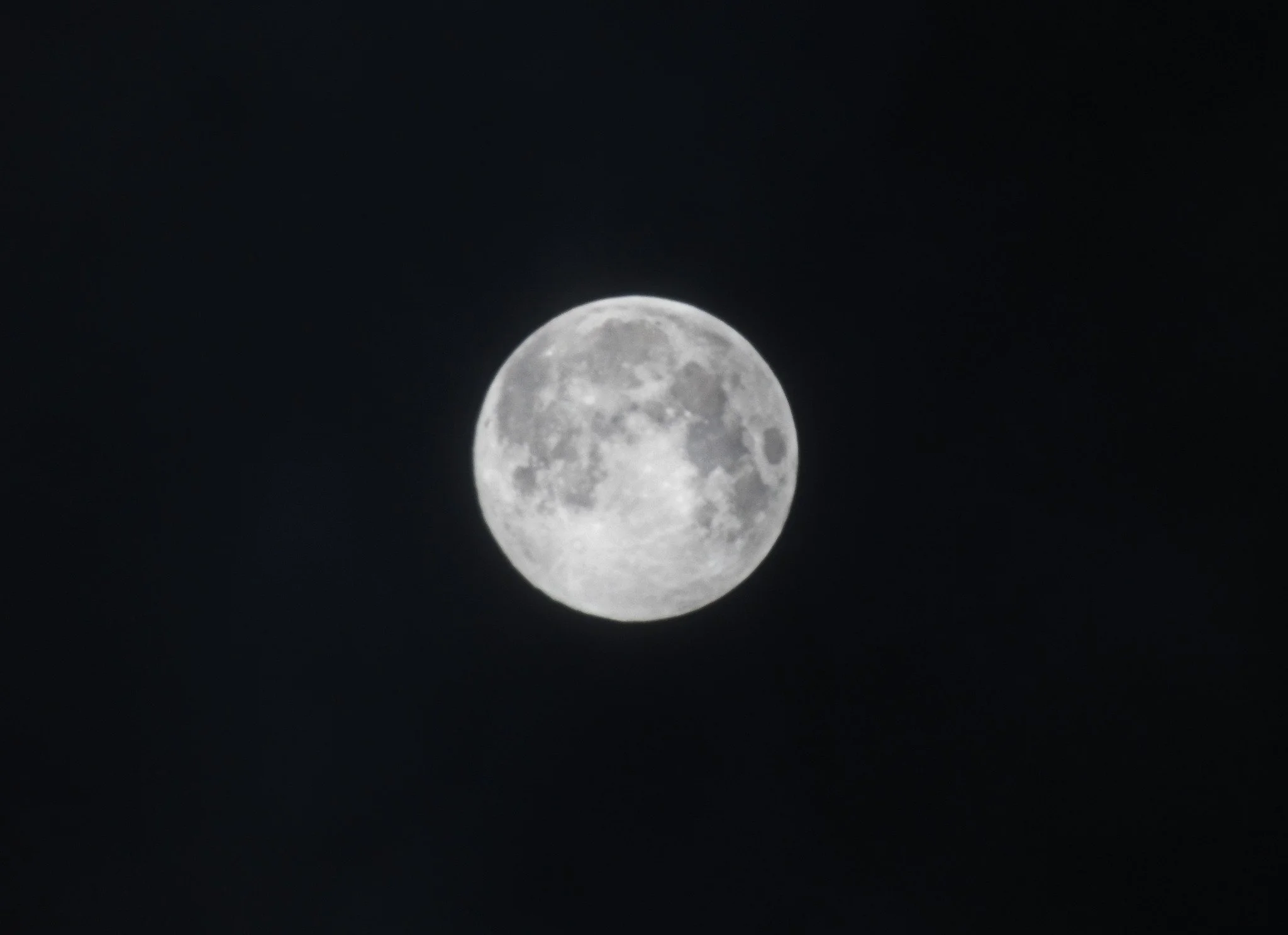
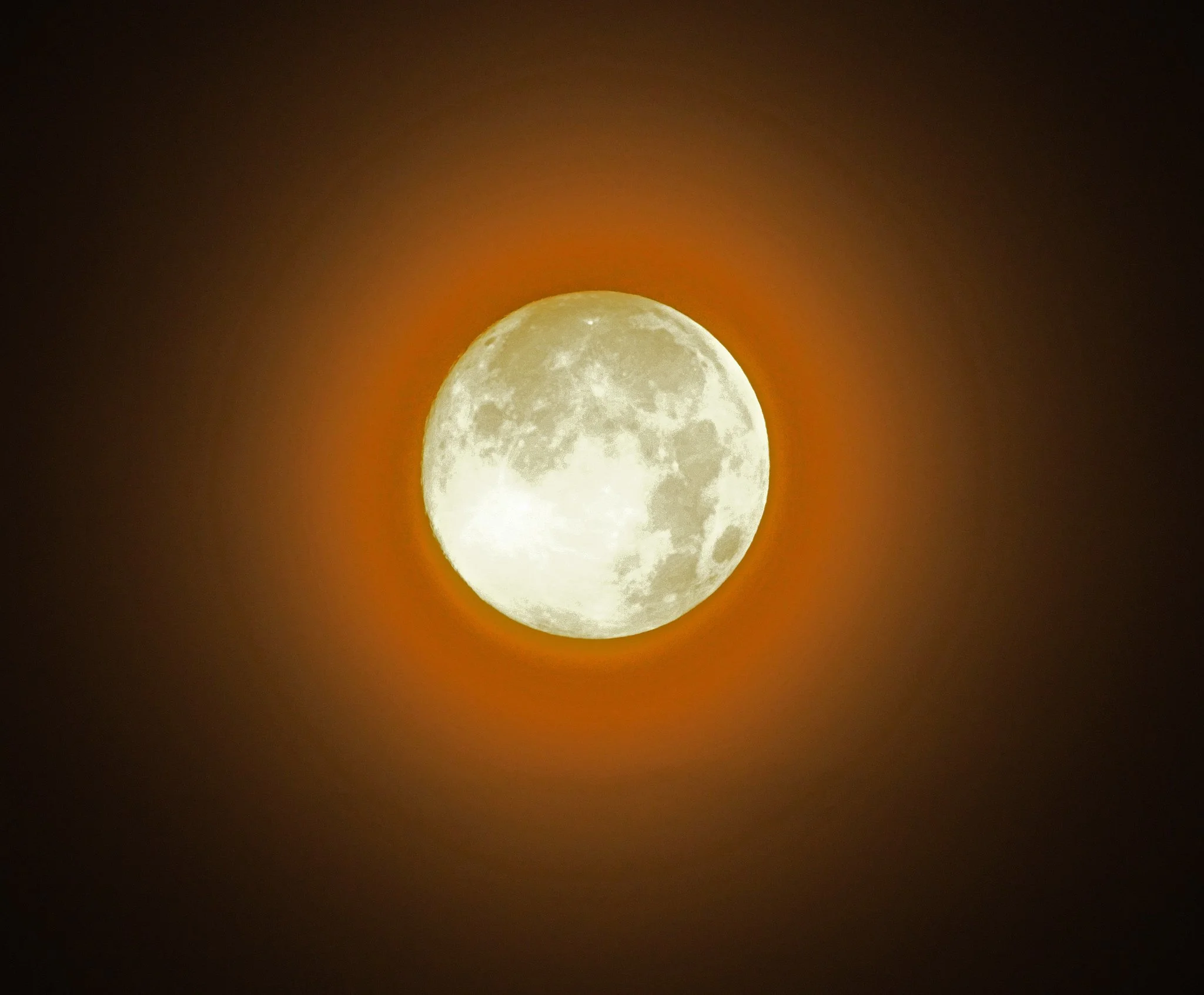
Above, you see my illustration of yesterday’s Full Wolf Moon, which has a secret photographic fault. Below, you’ll see a daylight image of the area over which yesterday’s first supermoon of the year arose shortly after sundown.

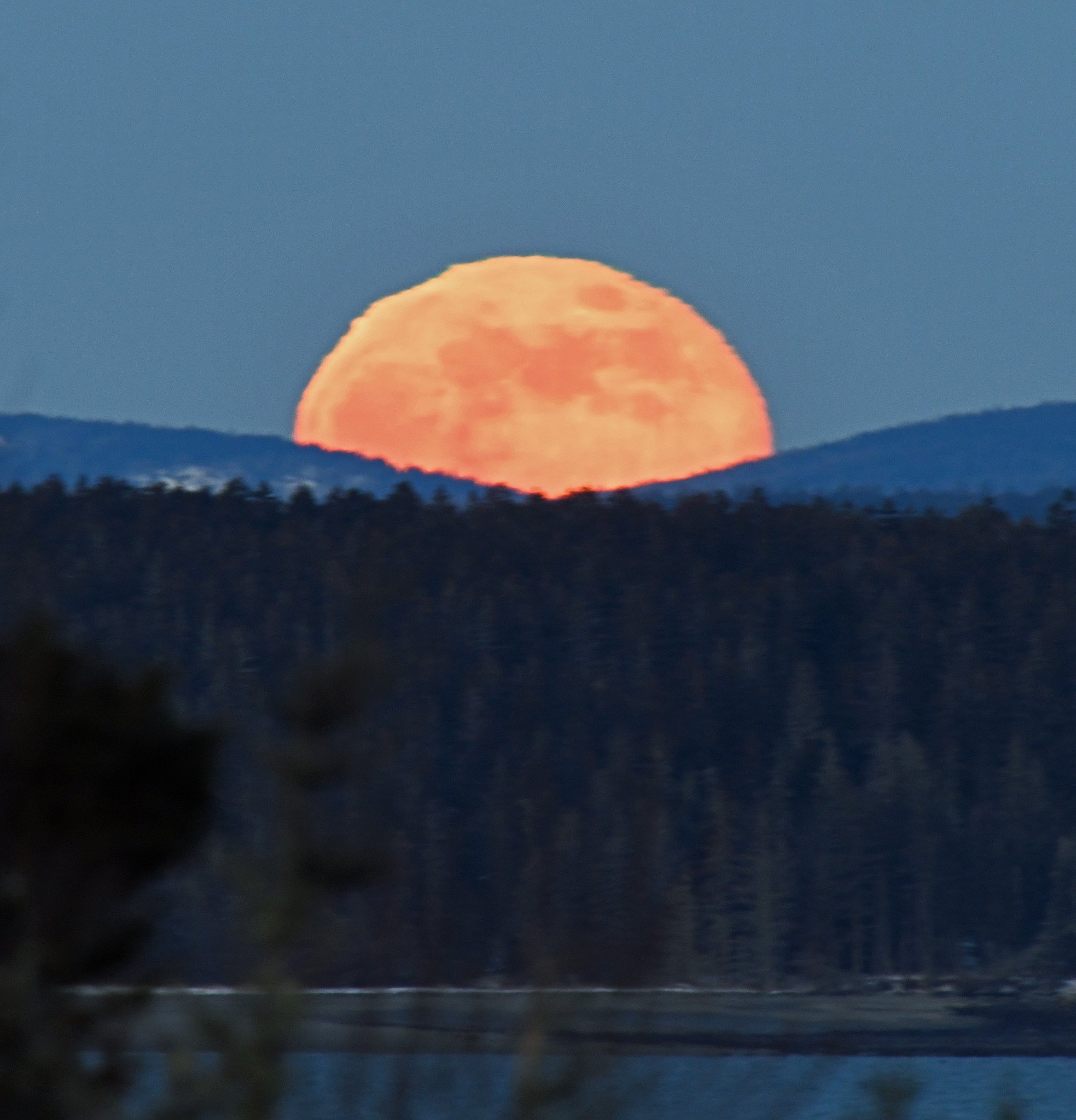
When the Wolf Moon rose, it ascended like a ball ofmolten copper from more than 225,000 miles behind the Mount Desert Island horizon:

When the rising moon is low on the horizon, we see it through hundreds of thousands of miles of the Earth’s gritty atmosphere, which distorts and discolors the orb when it’s seen through our eyes or standard cameras.

As the moon got higher and escaped our atomospher, it got lighter and eventully became seemingly phosphorus-white:

The secret fault in the illustration? That’s yesterday’s moon, alright. But I don’t have any wild wolf closeup portraits (for obvious reasons). So, I used my archive portrait of Freddie, the friendly Alaskan malamute, a former neighbor’s dog that would head-butt you repeatedly to get you to keep scratching the sweet spot between his ears. I also changed the color of Freddie’s eyes to wolf-yellow.

(Images taken in Brooklin, Maine, on January 3, 2026.) Click on the images to enlarge them.
Comment

Comment

In the Right Place: Yearly Firsts Department

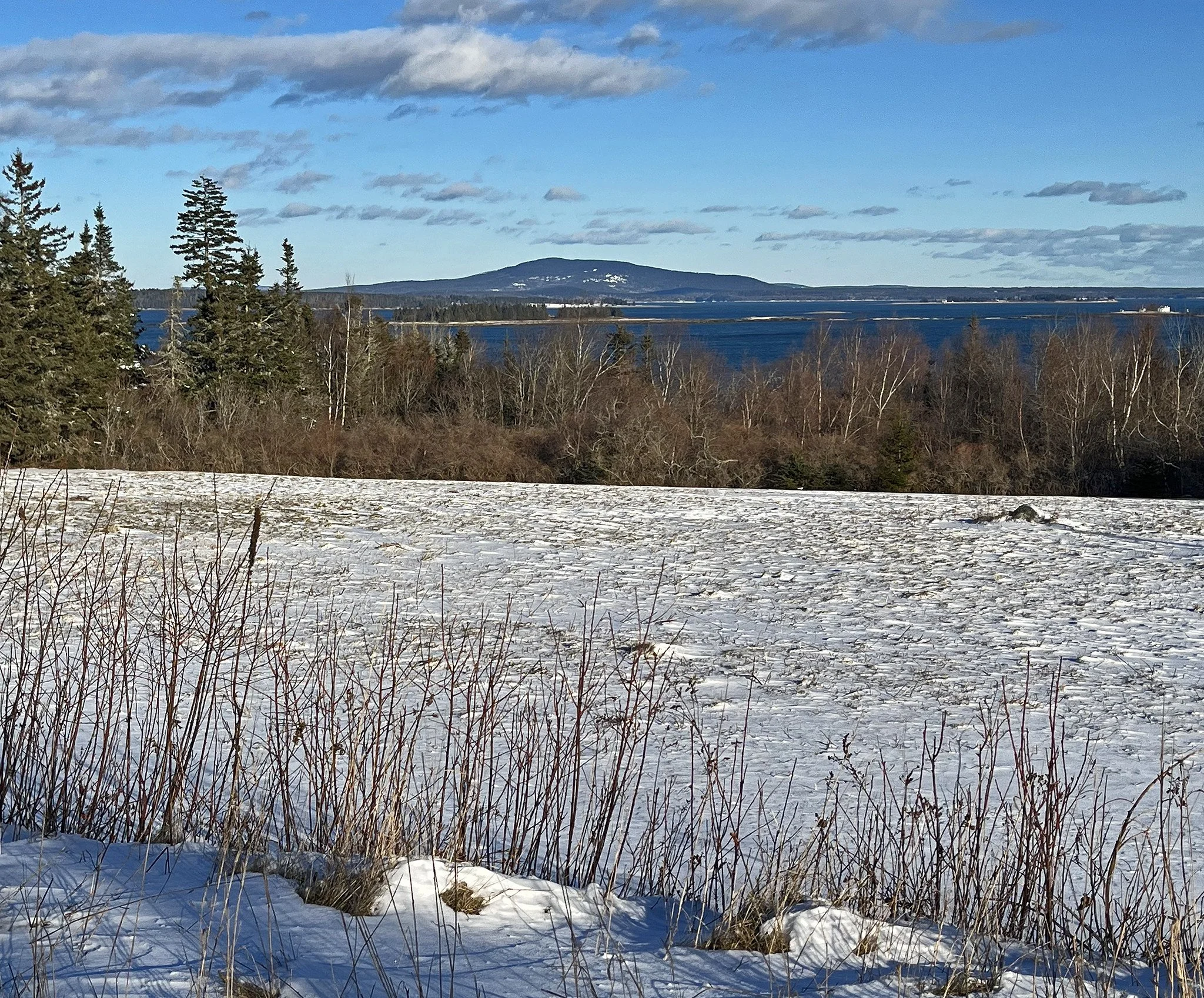
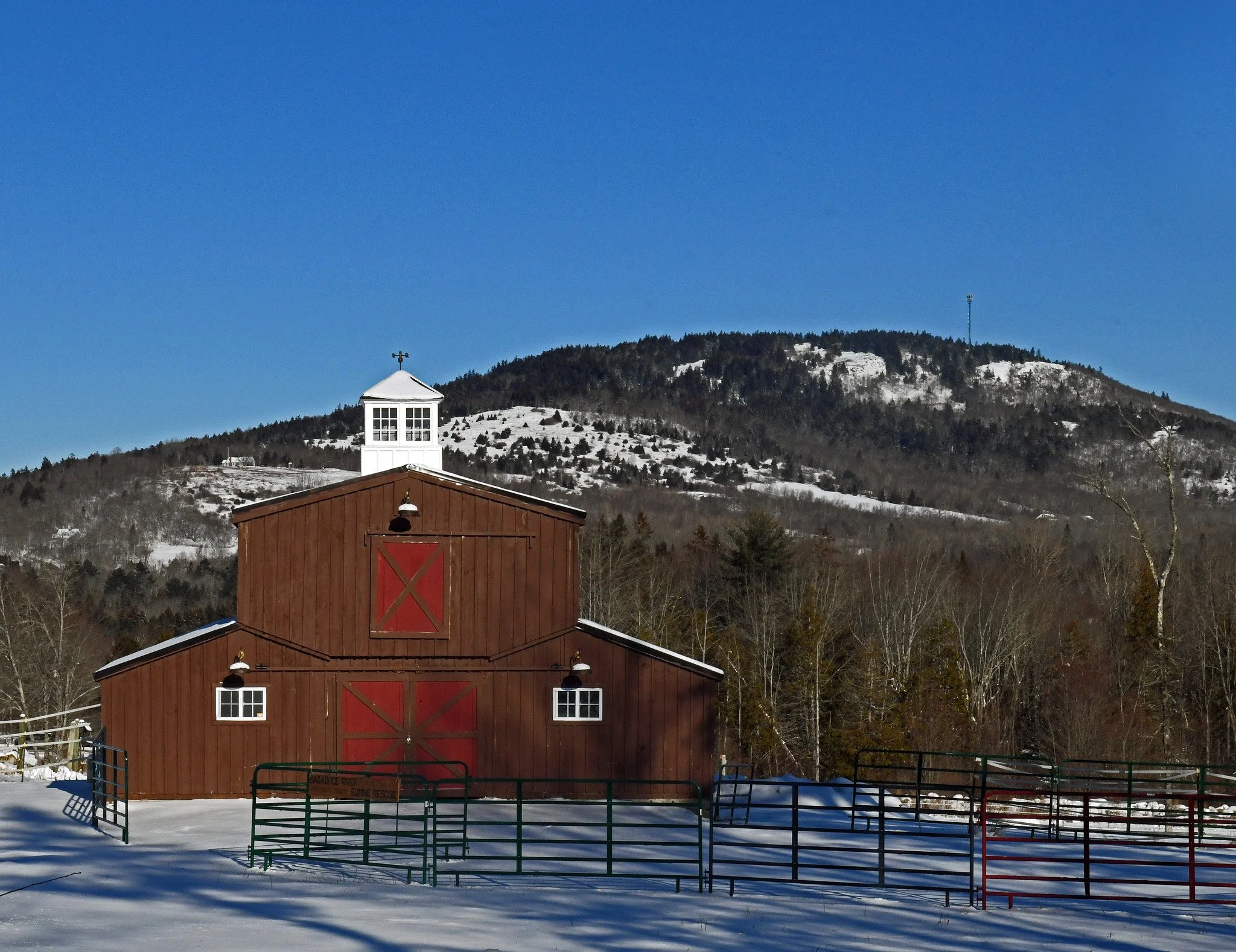
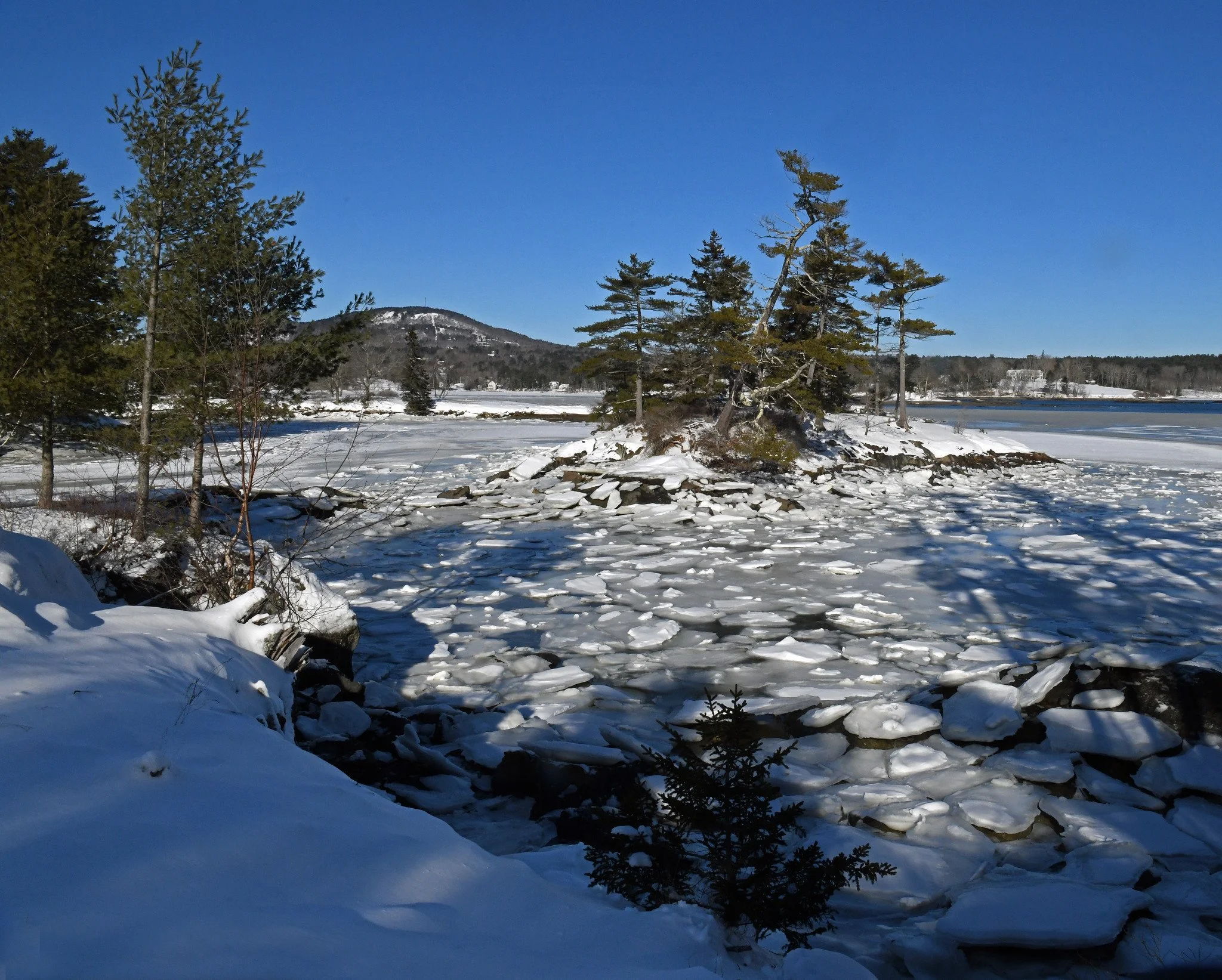
Here are our first 2026 images of the south face of that near-mountain called Blue Hill – the image above was taken over a snowy stable and, below, an image taken over an icy bay.

As many of you know, this nearly-1000-foot lonely land mass gets the blues in some weather. Before this area was settled by Europeans in 1762, the local Penobscot Abenaki people reportedly called this massive mound “Awanadjo,” meaning “small, misty mountain.”

(Images taken in Blue Hill, Maine, on January 2, 2026.)
Comment

Comment

In the Right Place: Double Delight Department

We had another gentle, fine-flaked snow fall during New Year’s Day morning yesterday. Within the week, the wily weather gods have presented both a white Christmas and a white New Year’s Day. Let’s hope that this is a good omen and that 2026 will have less chaos and fewer terrible events than last year.

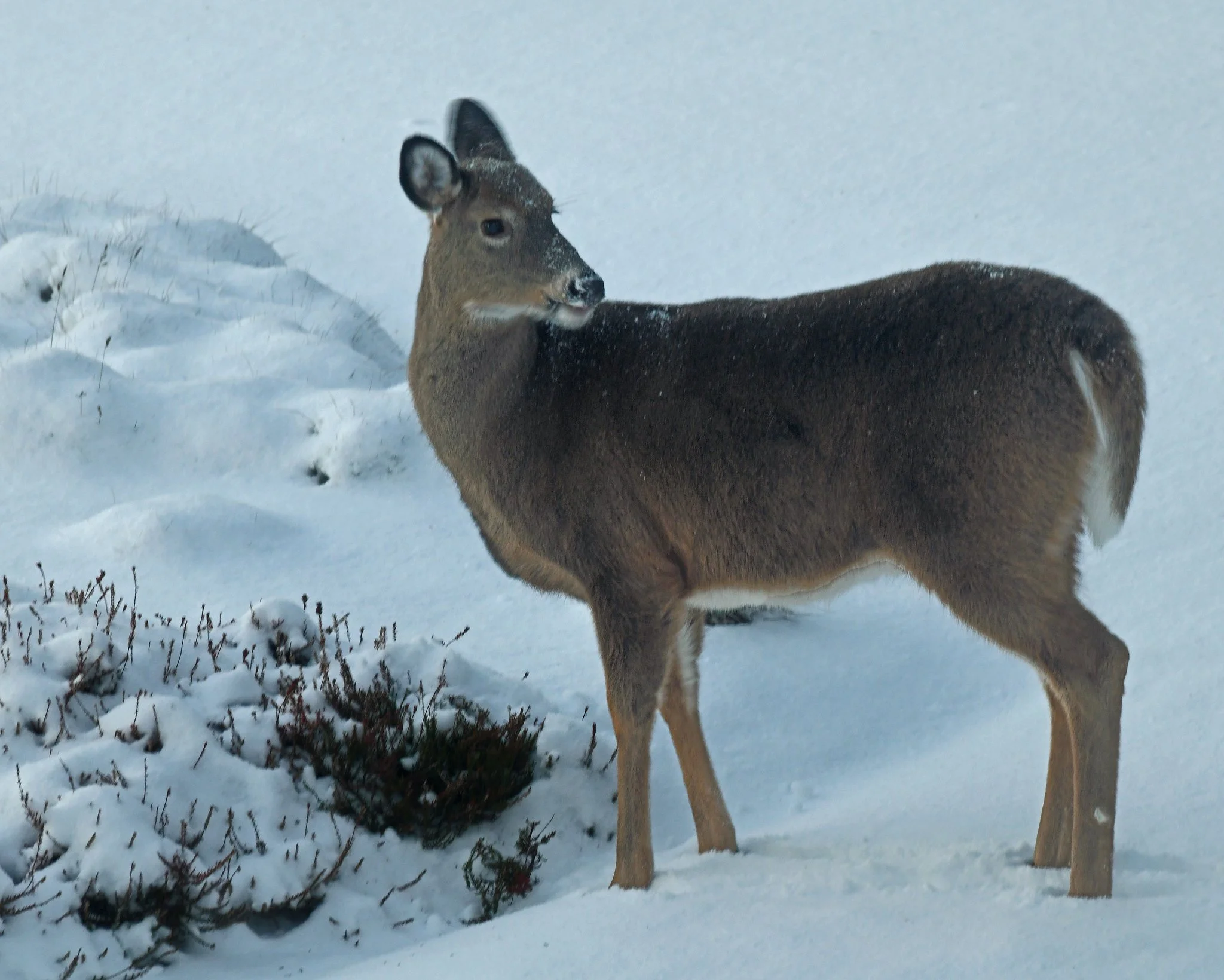
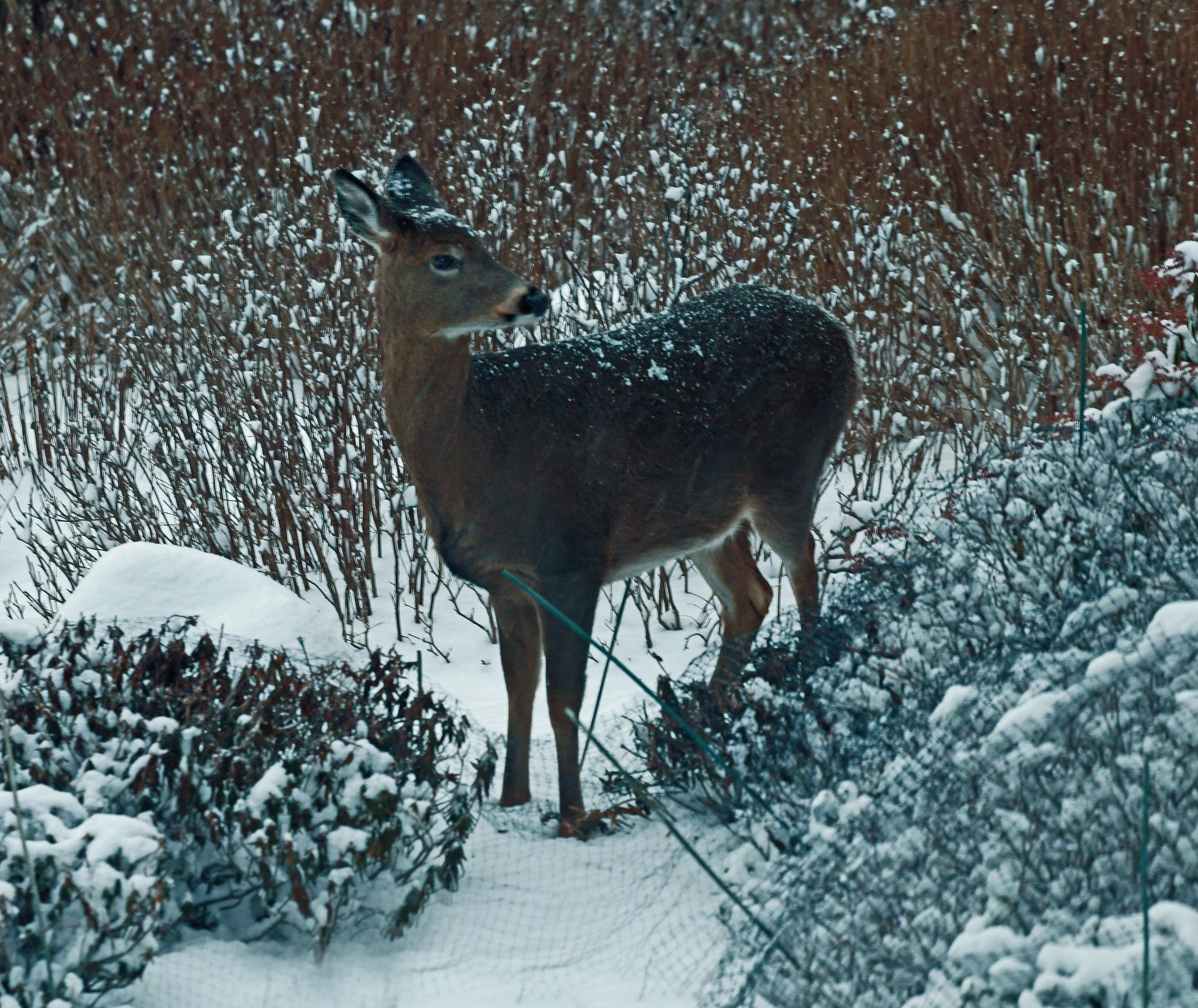
Although the snow has brought us more delight than damage, it seems to have caused some difficulties for our white-tailed deer, which have been trying to breach the deer barriers in our front garden:

Note that this youngster not only has a partially white-tail, she has a partially white back due to clumps of snow. The fact that this snow is not melting on her – despite a body temperature of over 100° F – shows how well her winter coat insulates her.

(Images taken in Brooklin, Maine, on January 1, 2026.)
Comment

December Postcards From Down East Maine

1 Comment

December Postcards From Down East Maine

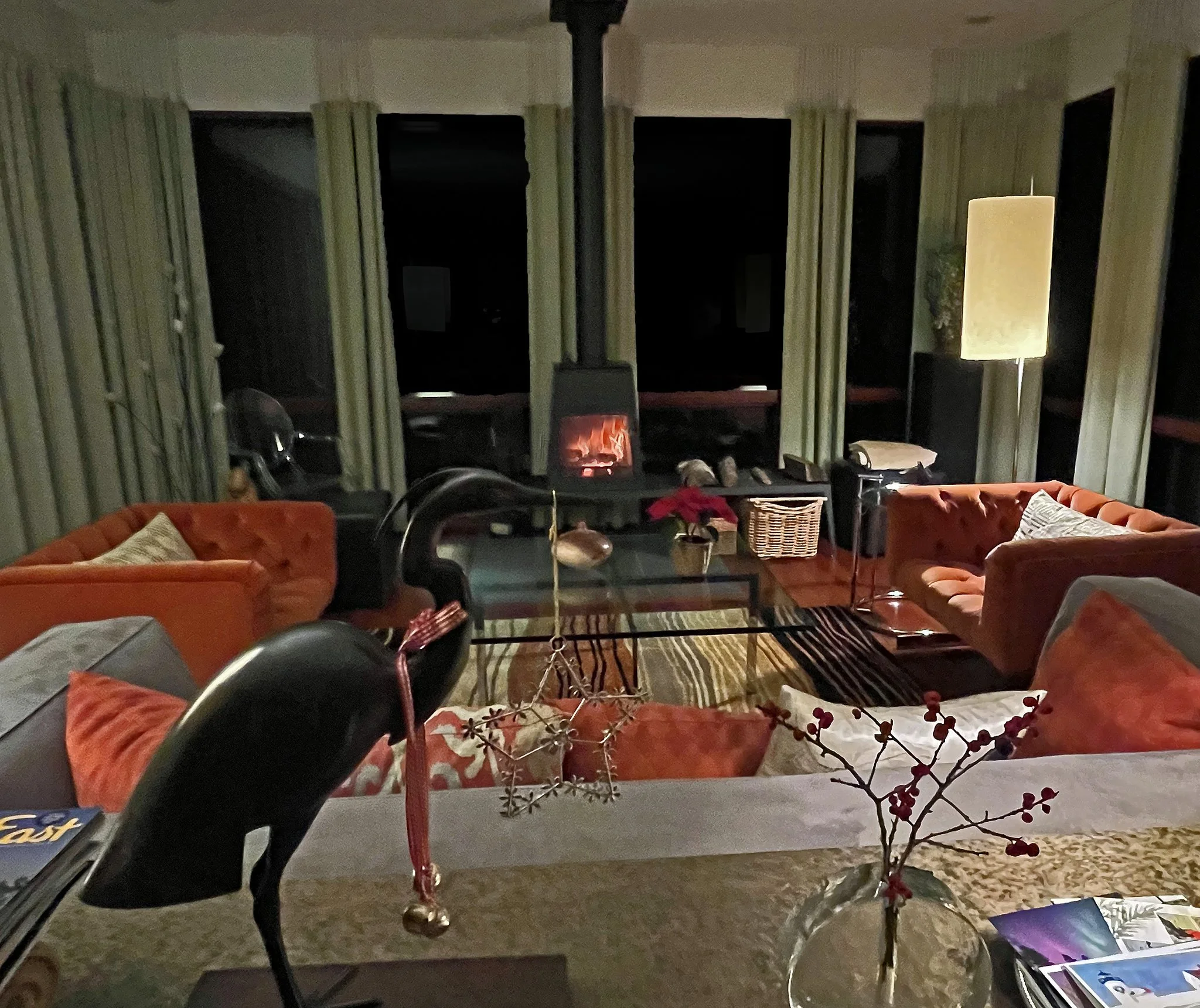
December, the last month of chaotic 2025, was surprisingly pleasant. We had mostly mild temperatures (by Maine winter standards) with several snowfalls that were more picturesque than problematic. Perhaps the highlight of the month was when one of those gentle snowstorms arrived on the day-before-Christmas, which ended that eve with us waiting for Santa by the fire, followed by a sunny white Christmas:

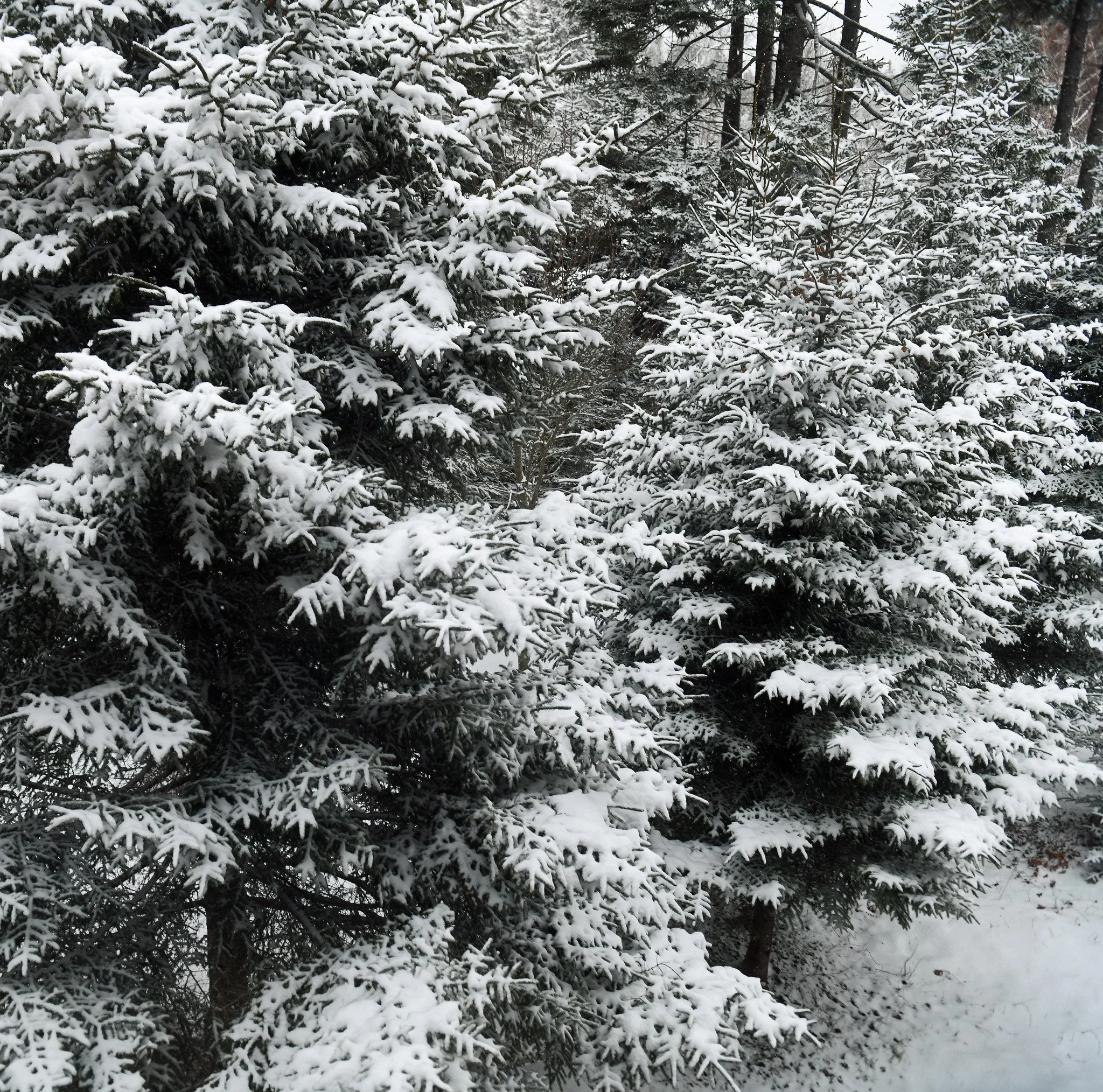
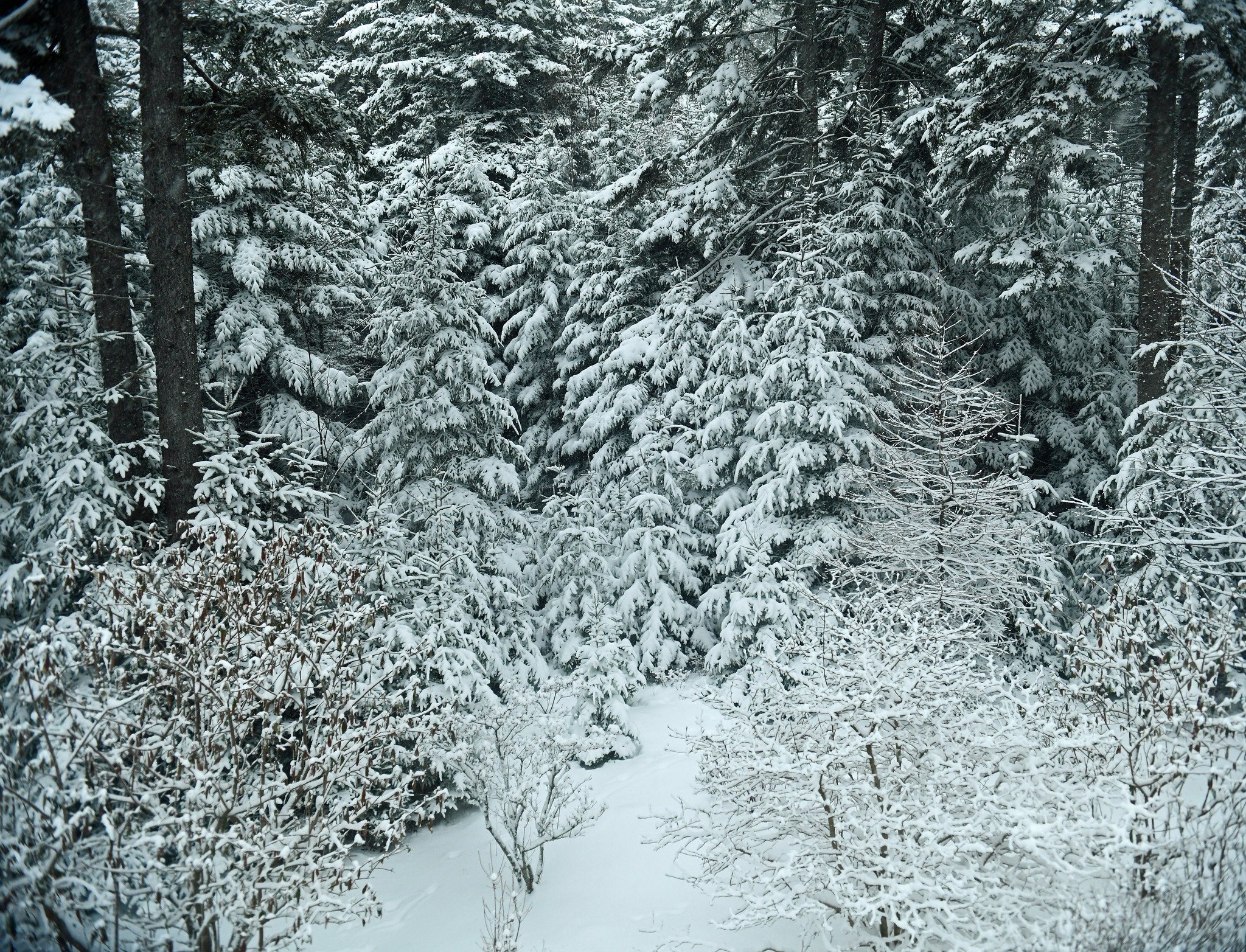
There was a lushness to December’s falling snow and a brilliance in the landscape when the sun came out:

As usual, we include Postcards of the four iconic scenes that we’ve been monitoring for you and posterity: the view of Mount Desert Island’s western mountains from Brooklin’s Amen Ridge; the summer house overlooking Brooklin’s Naskeag Harbor; the near-mountain called Blue Hill in the town of the same name, and the old boathouse in Blue Hill’s Conary Cove:

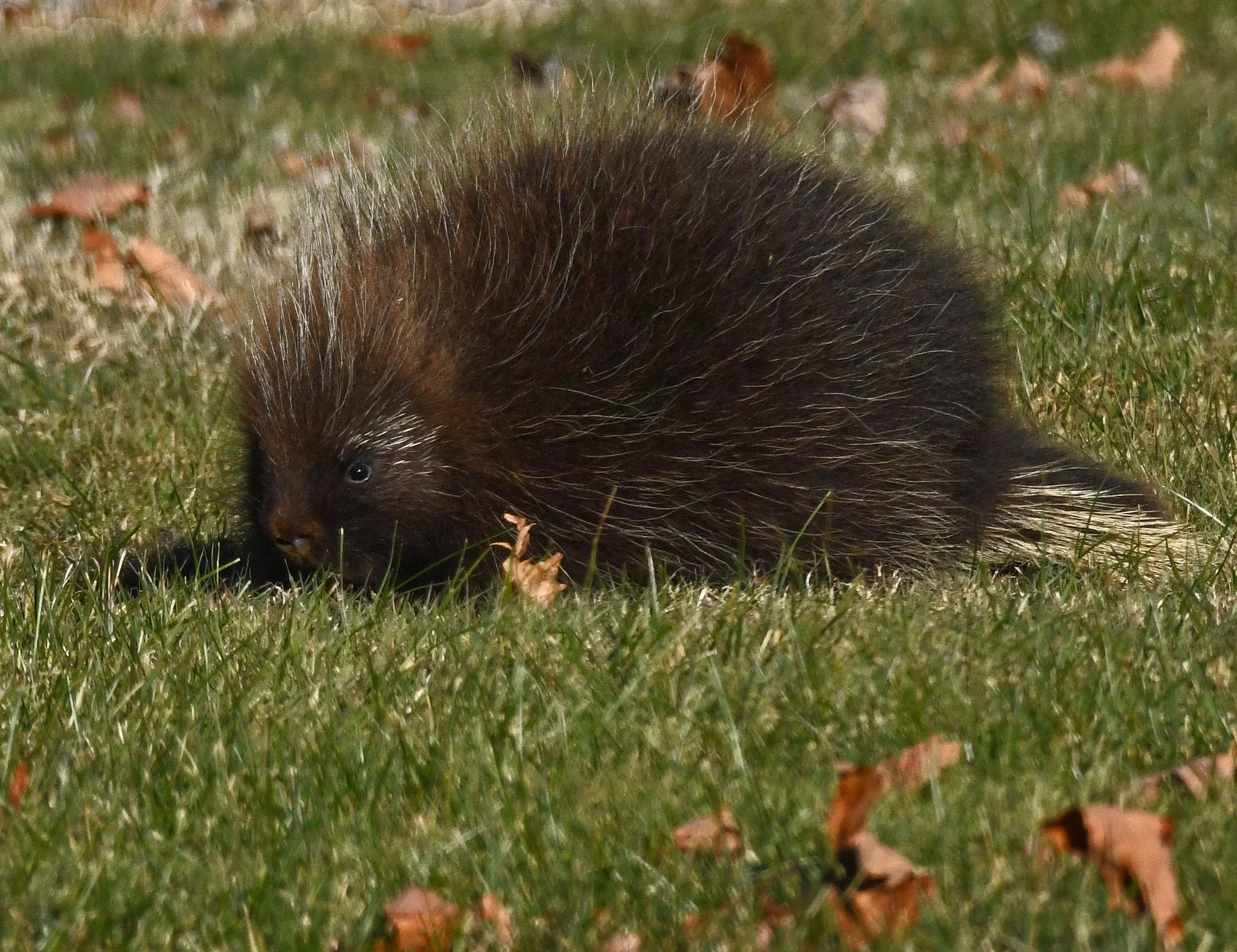
December’s most memorable furry and spikey fauna included white-tailed deer in their darker winter coats and Harry, our resident porcupine, who came out on sunny days. (Unfortunately, I was unable to get a decent photograph oi Bernie and Bernice, our resident nocturnal American beavers who stay in their burrow on cold days.)
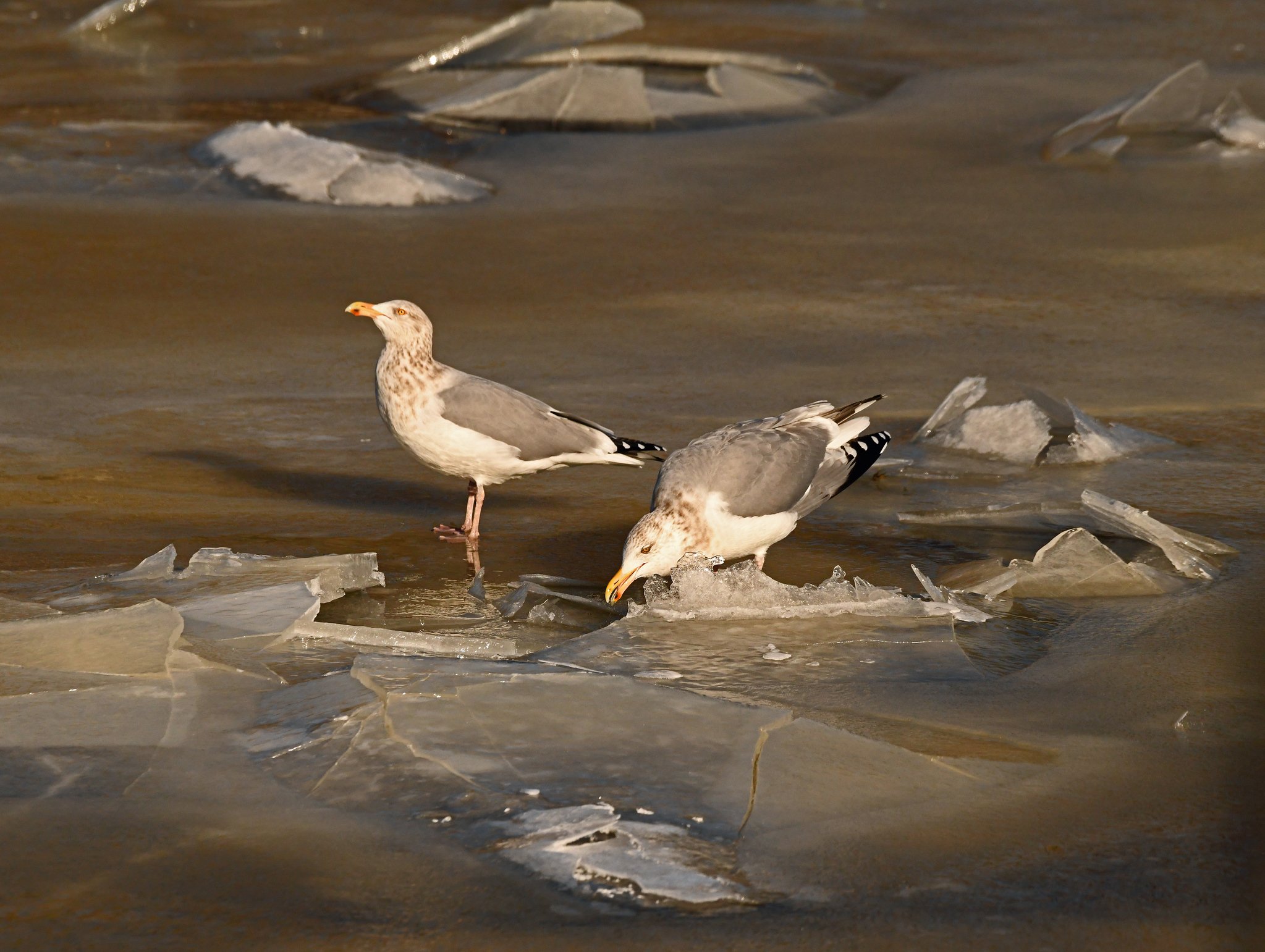
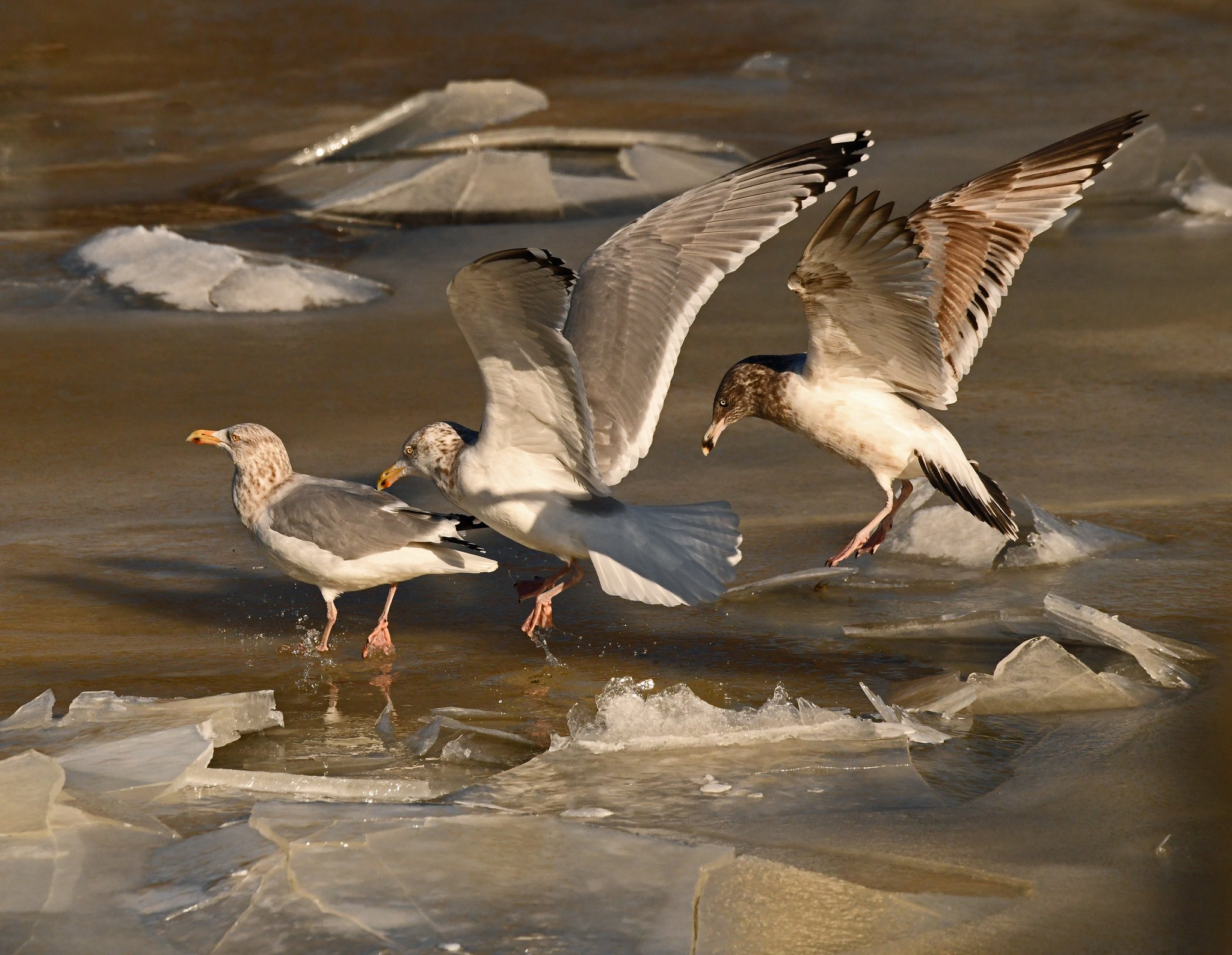
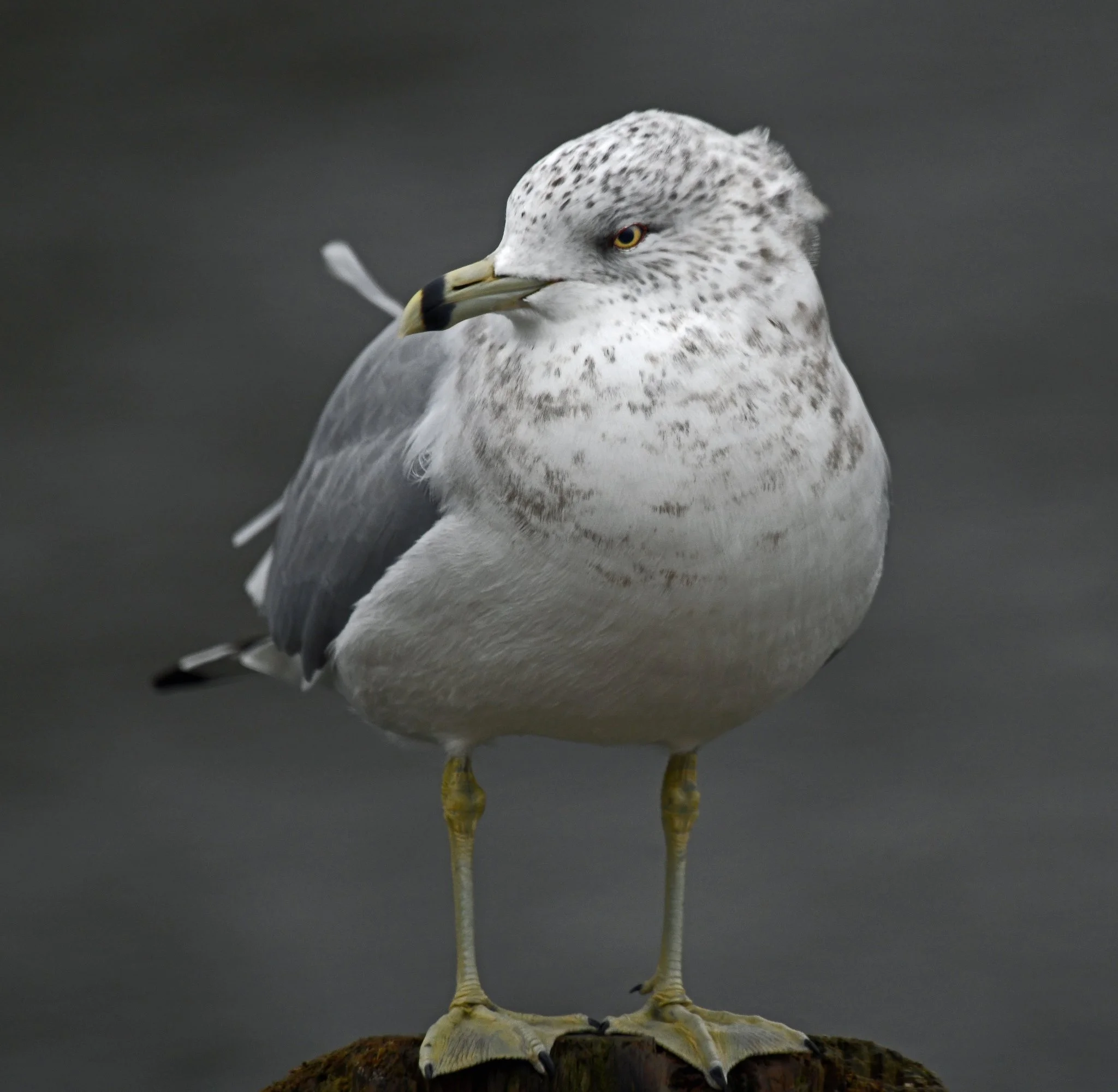
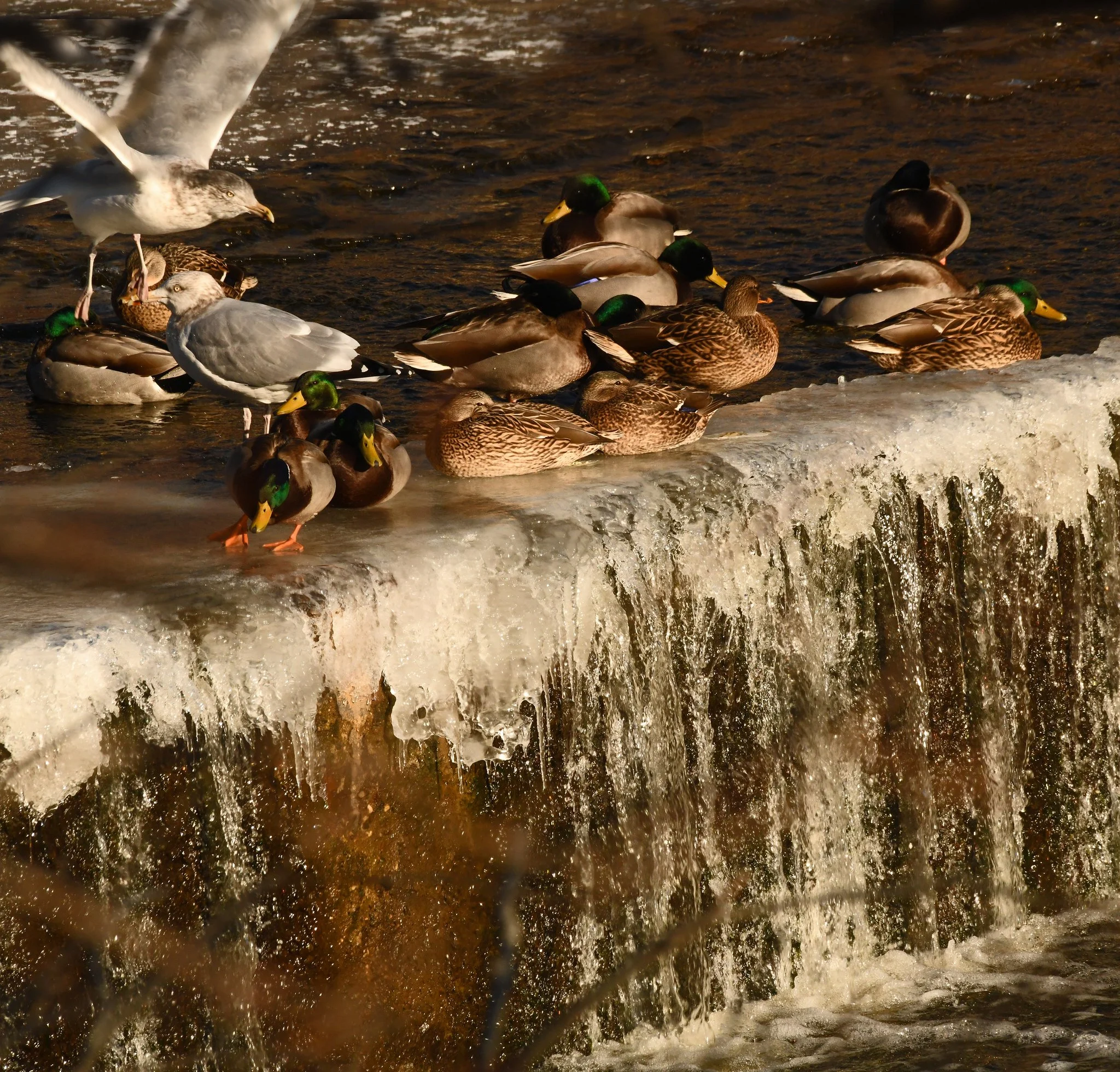
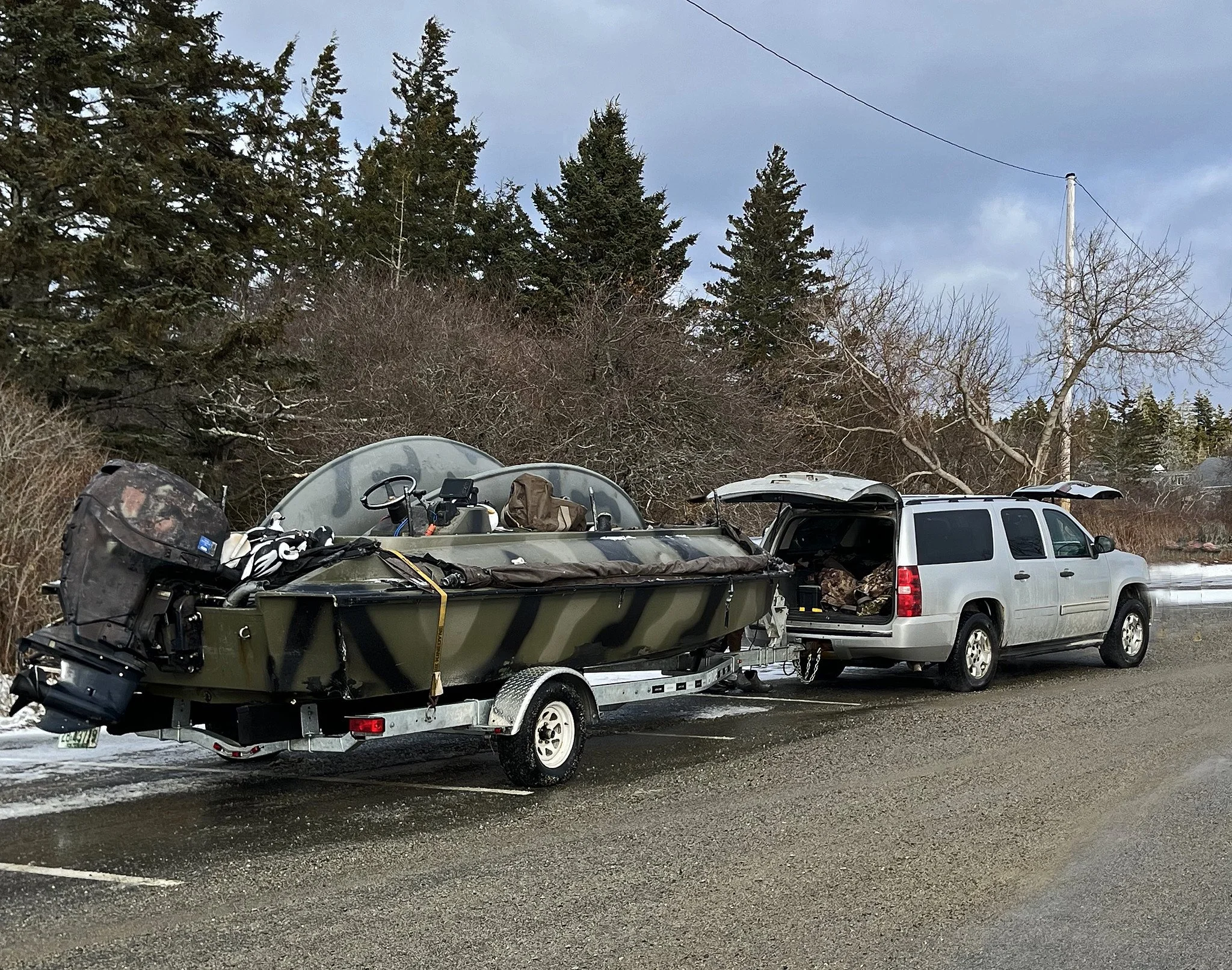
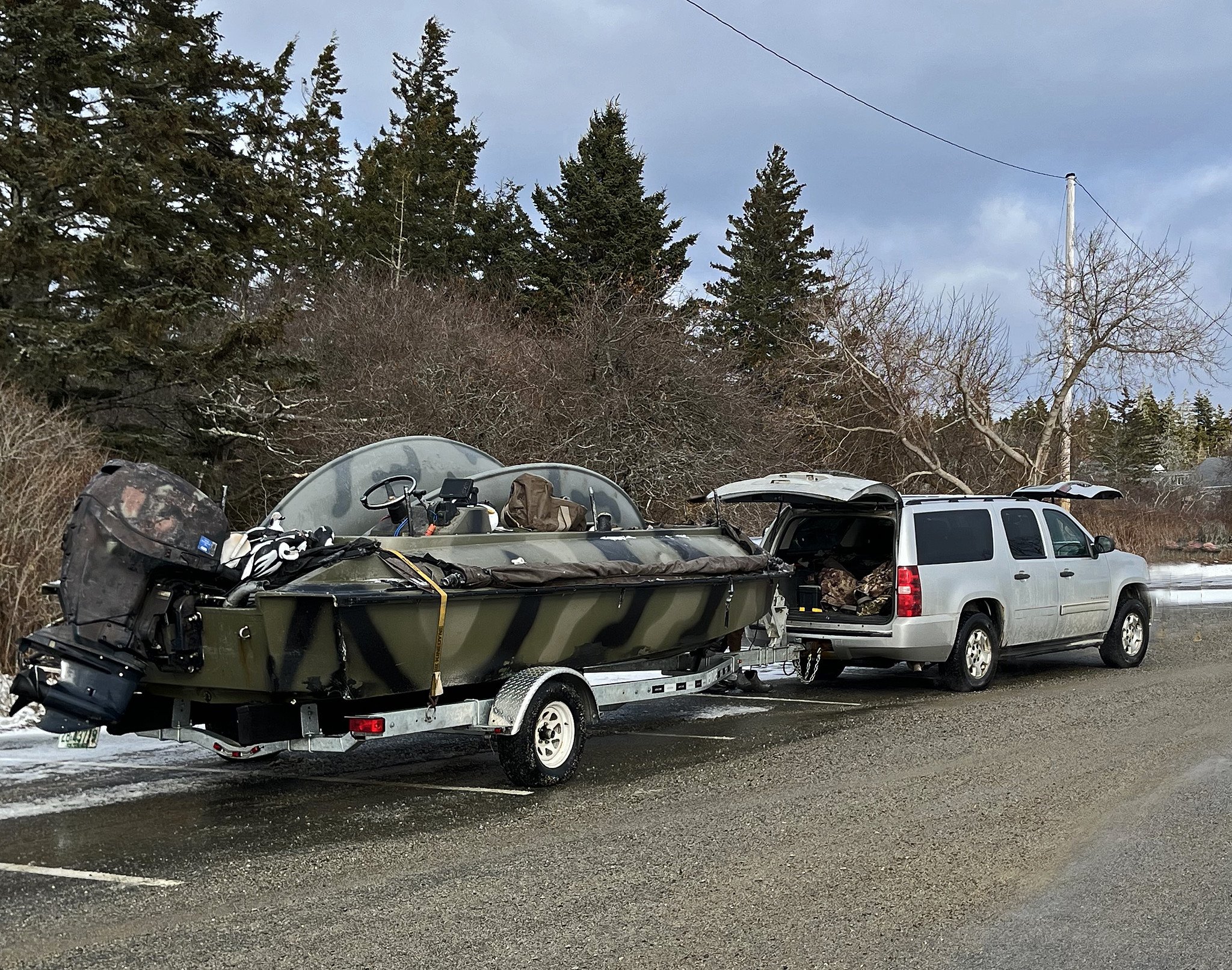
As for the most memorable feathered fauna, that would be our hardy ring-billed and herring seagulls that like to drink the fresh water from melted sea ice and the mallard ducks that huddled with gulls in the open water atop Mill Stream’s icy dam. (And, by the way, December was duck hunting time when boat-blinds were seen being readied to motor out to the islands.)
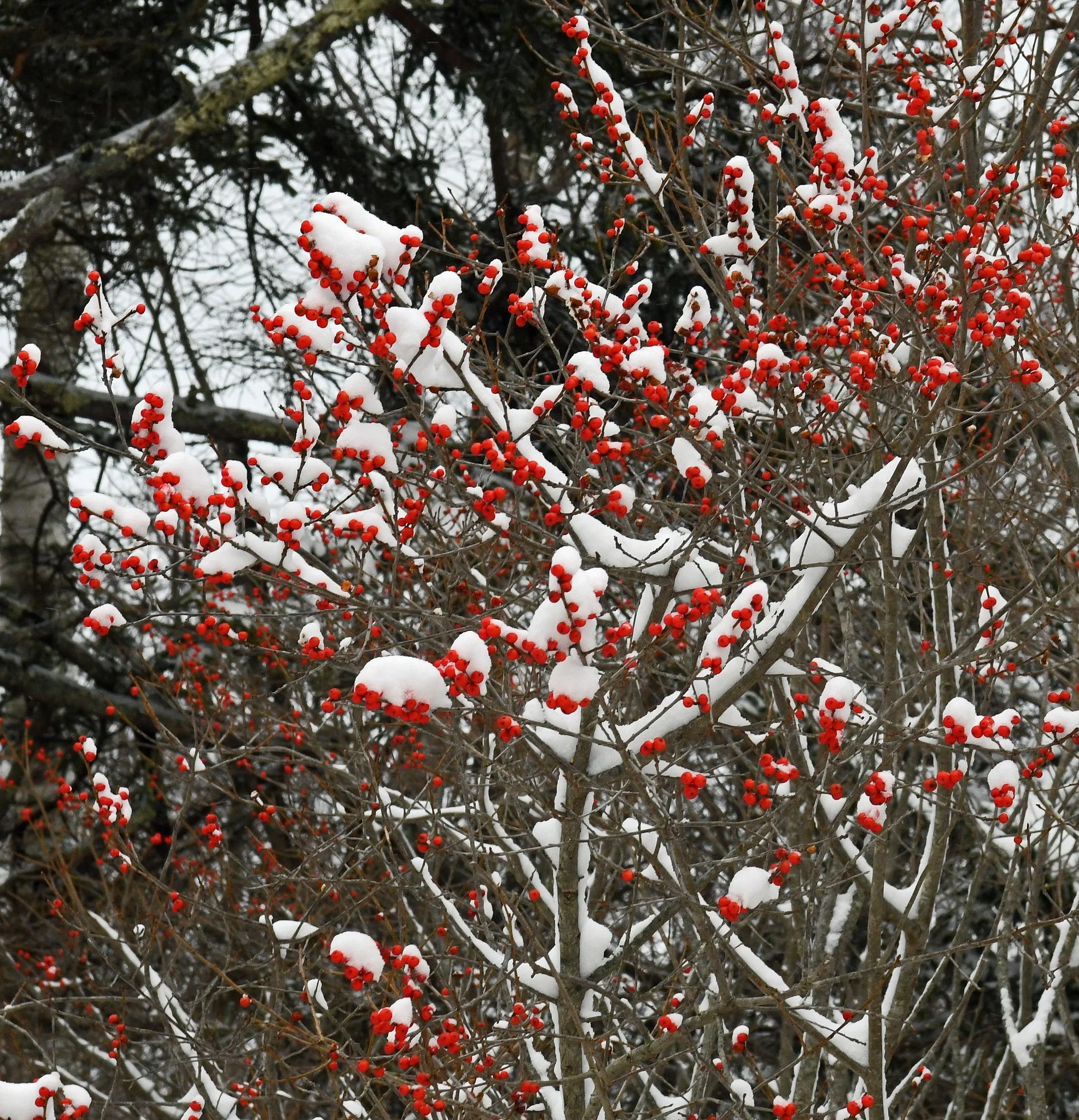
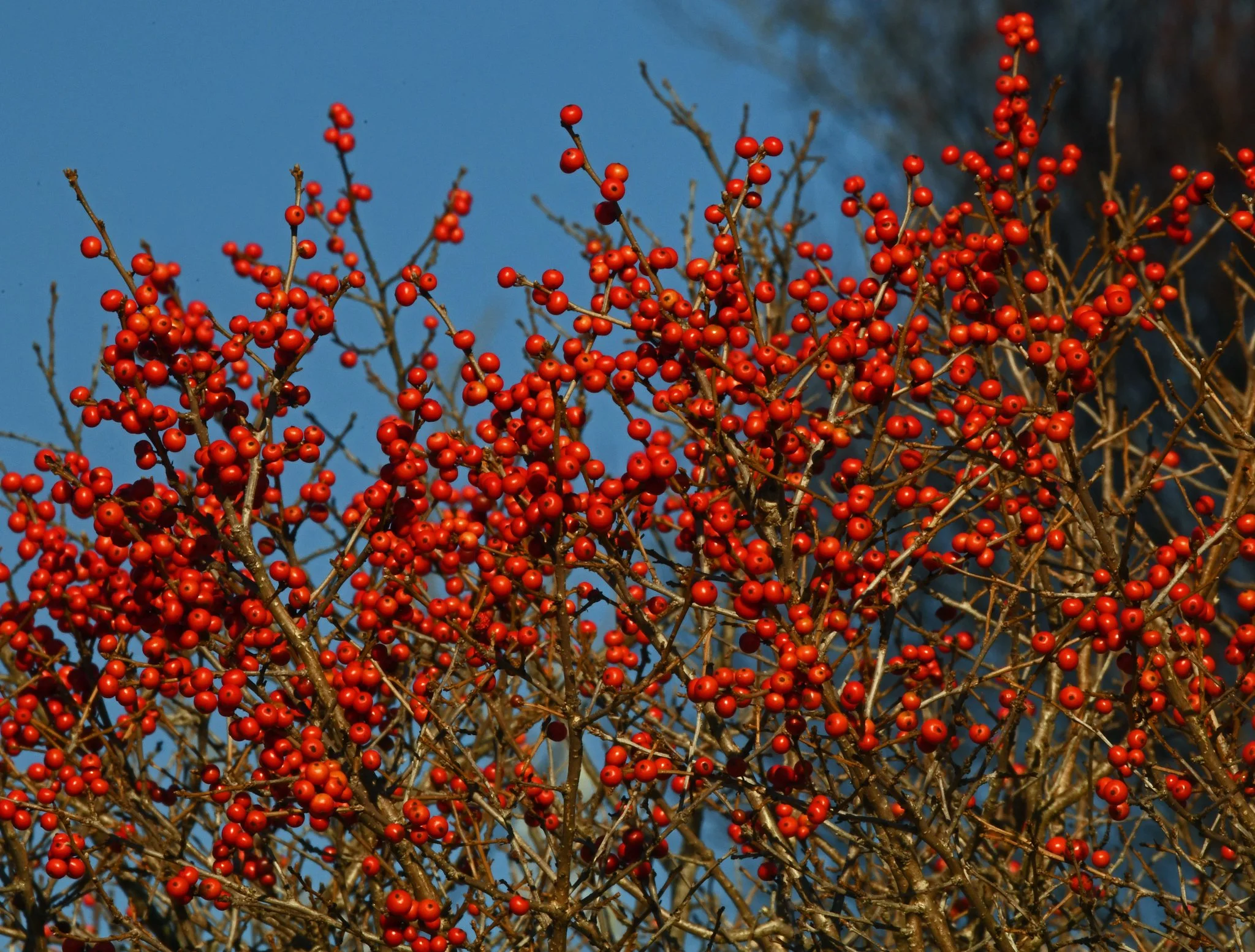
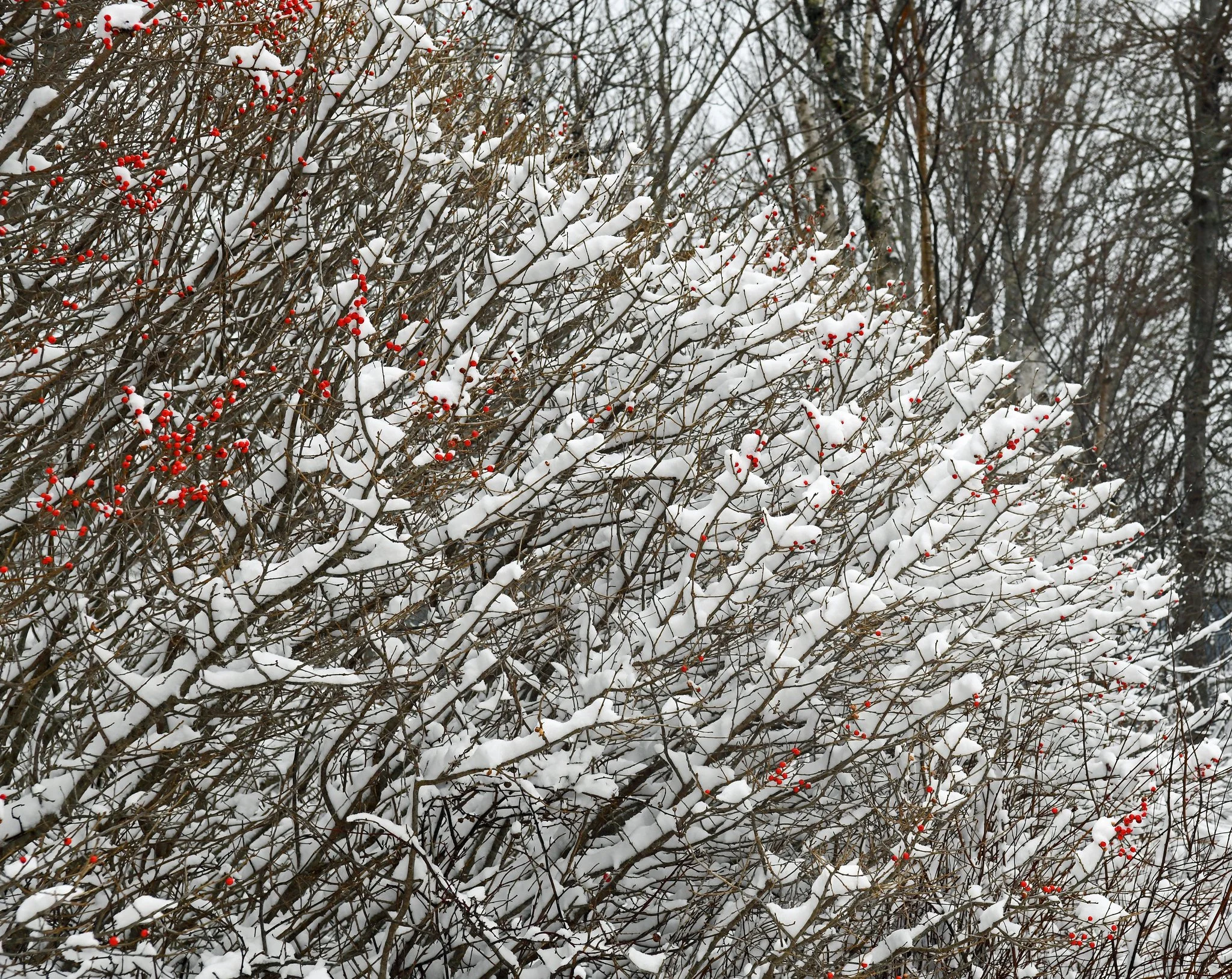
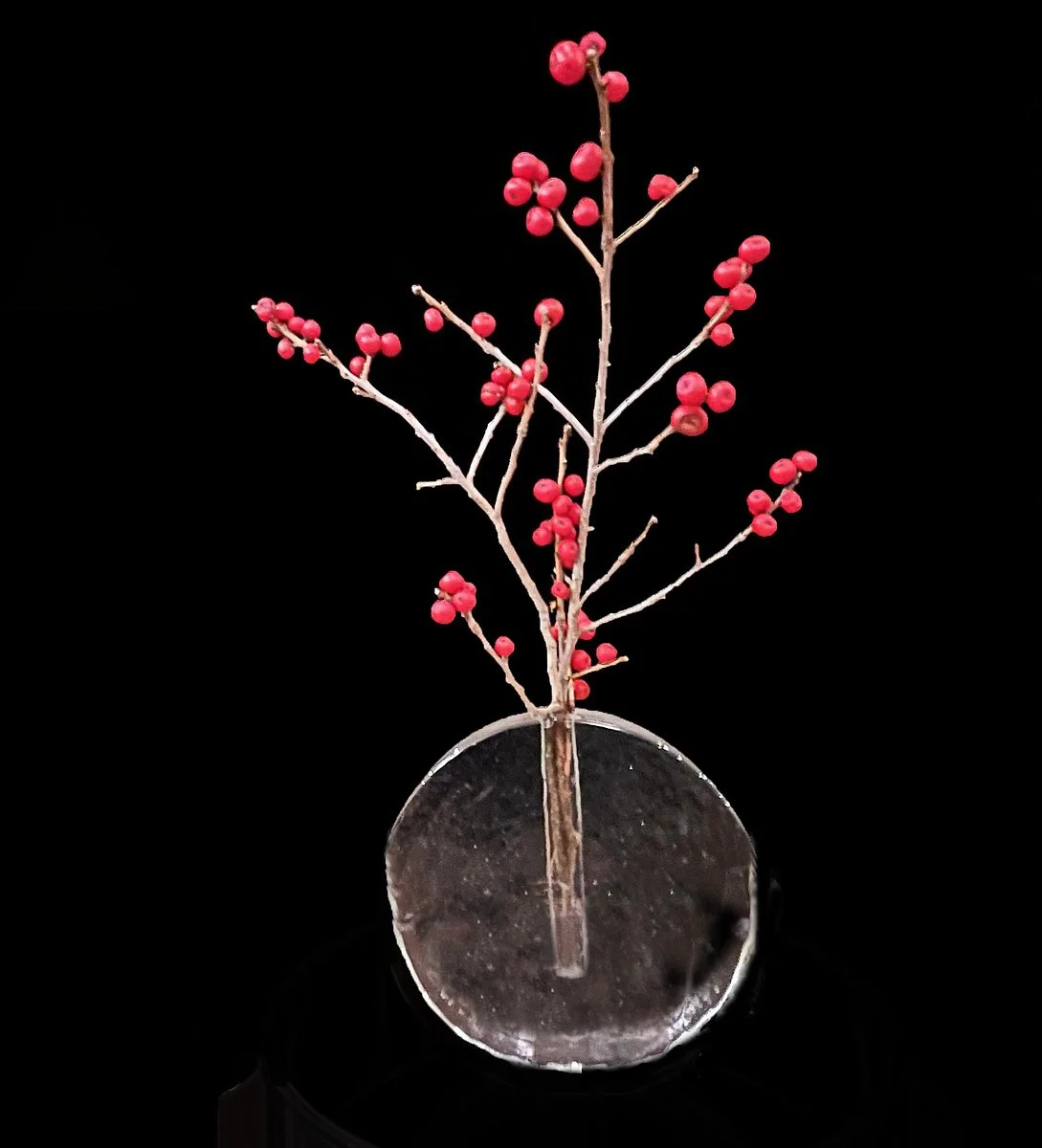
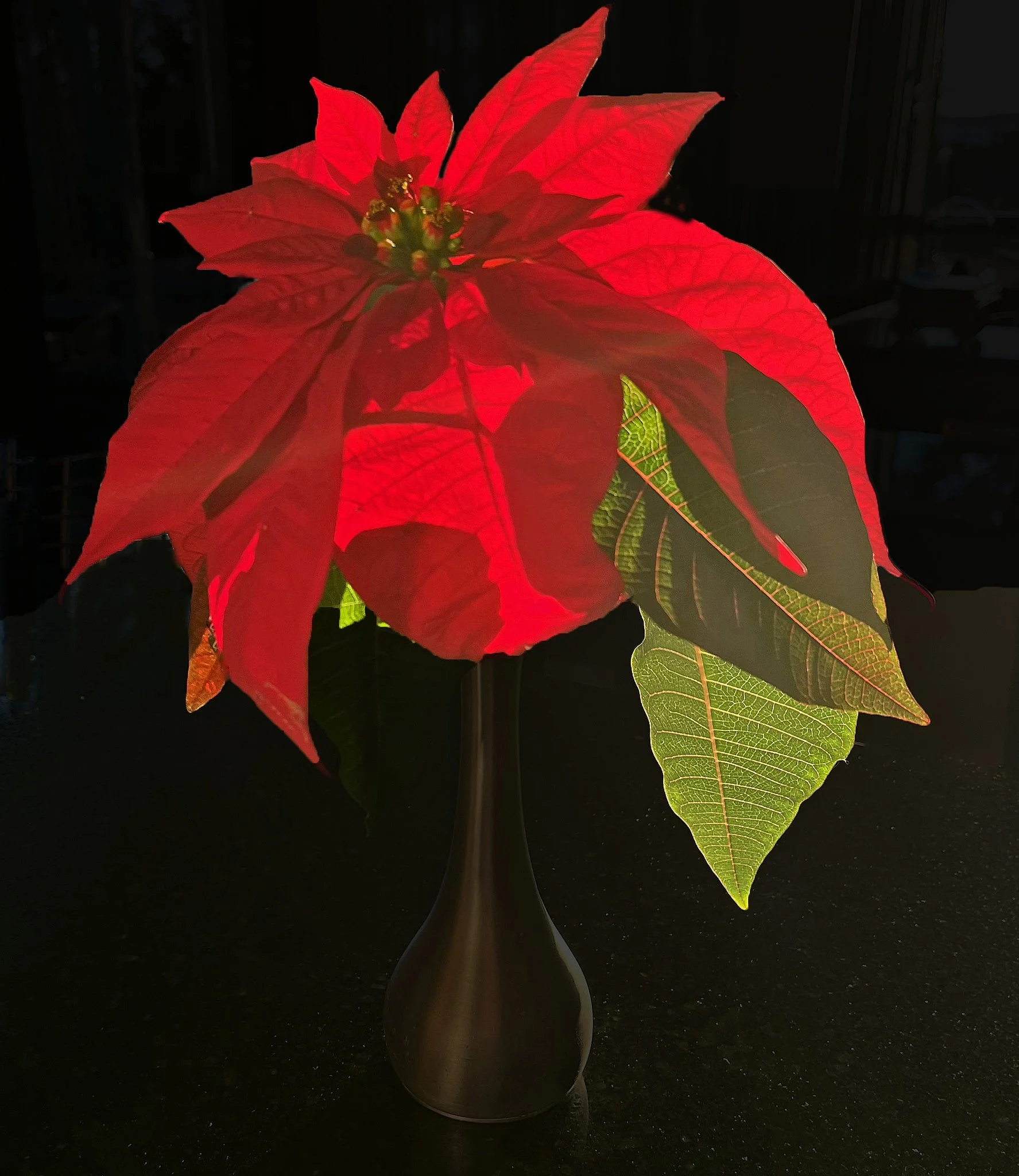
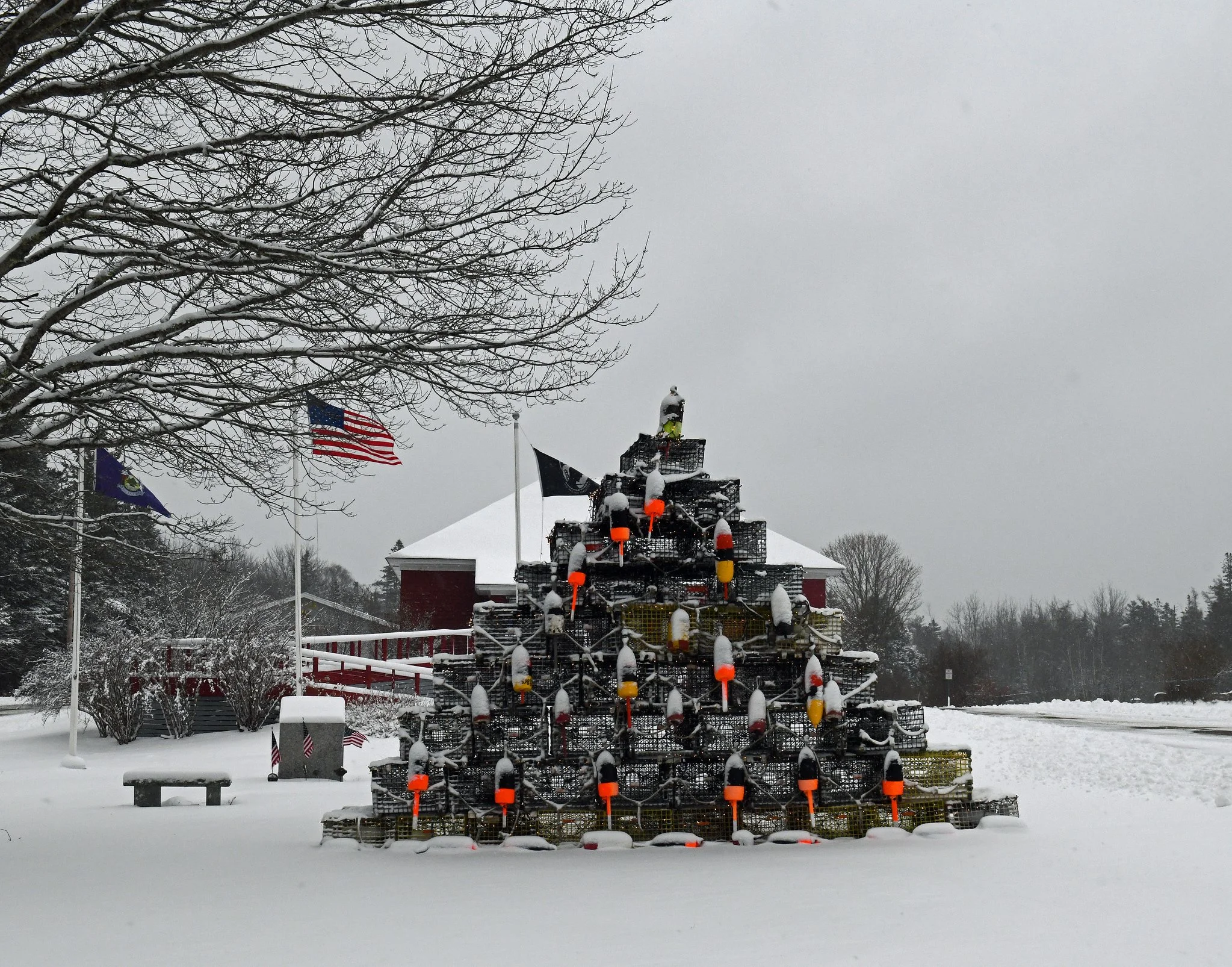
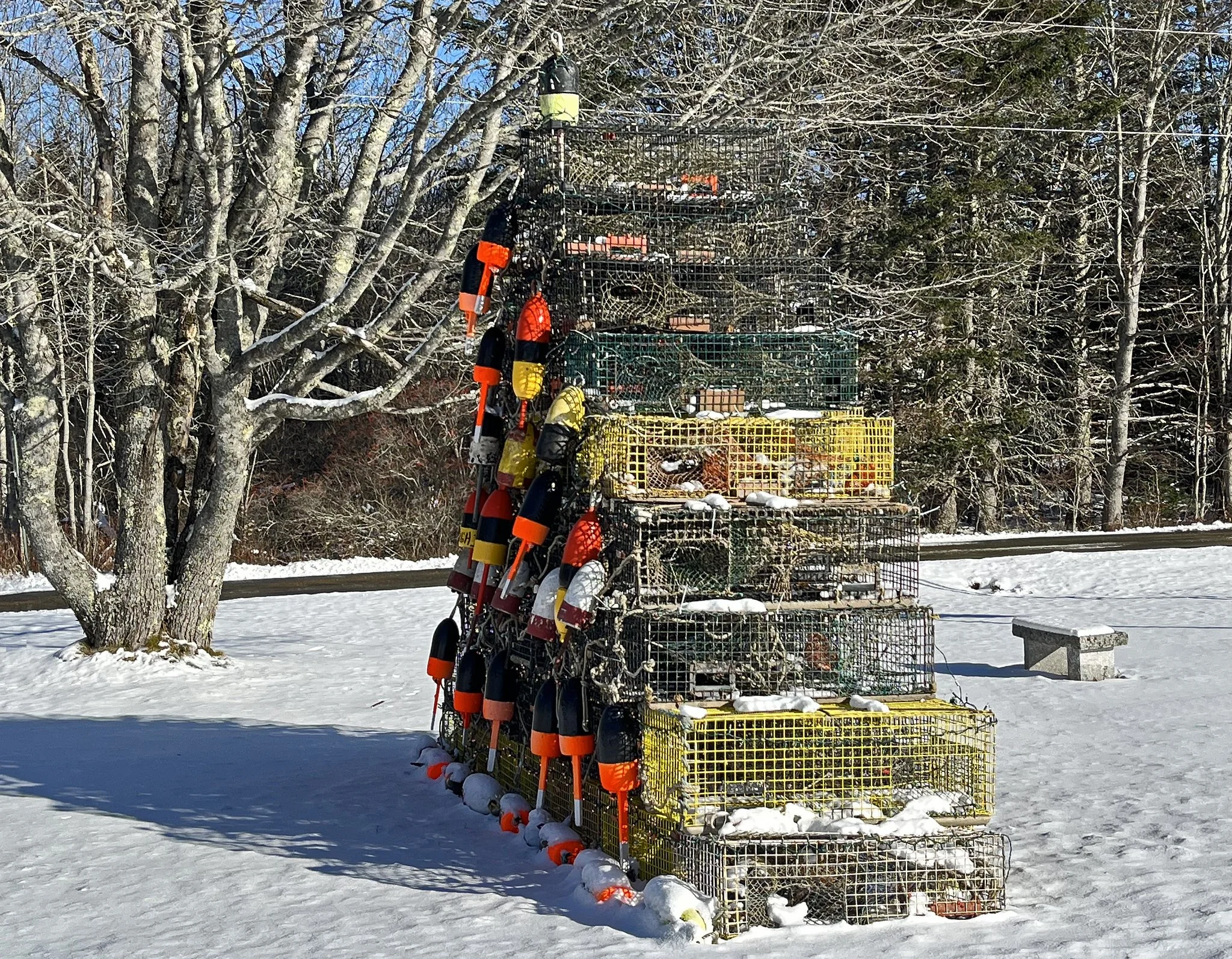
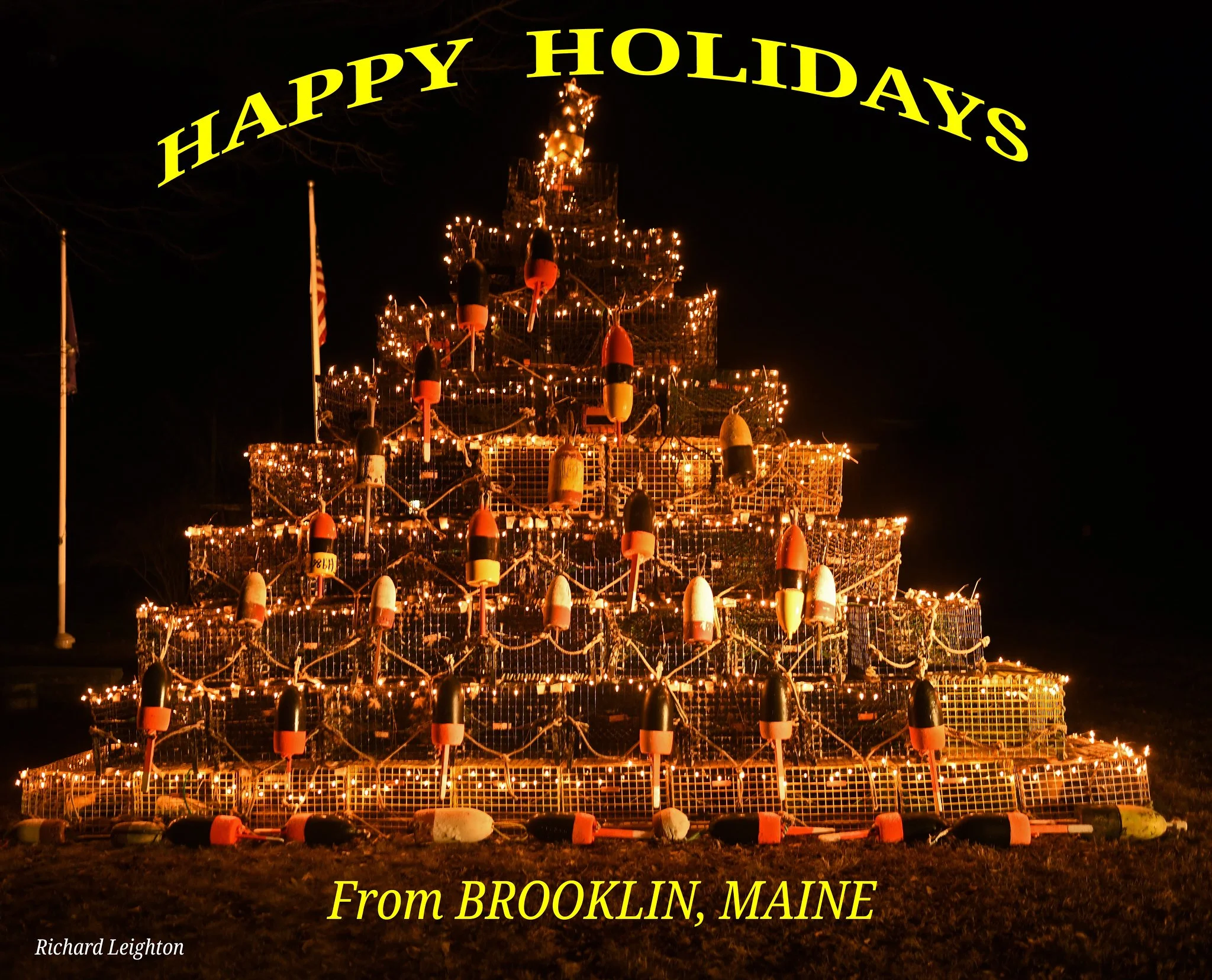
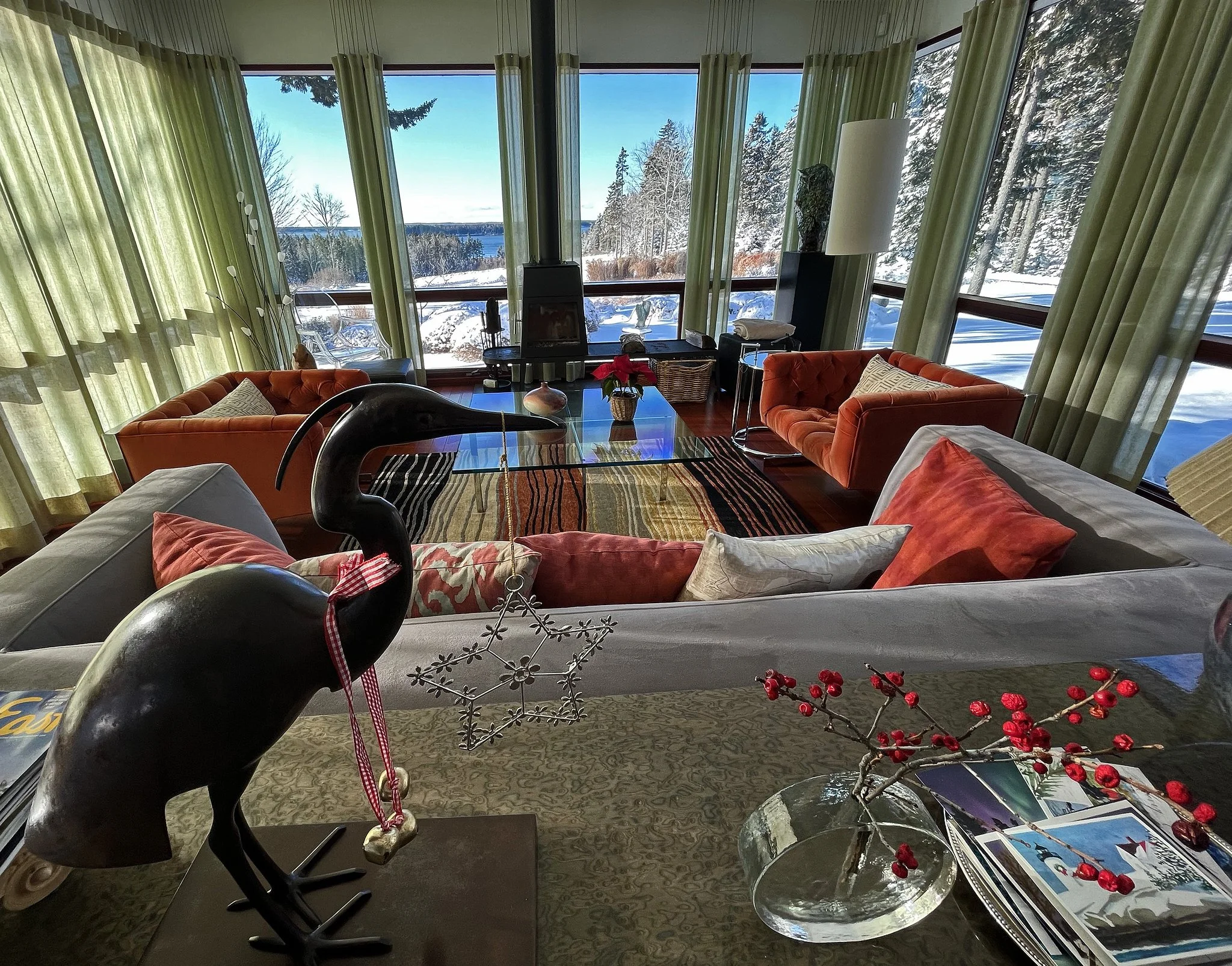
Winterberry was the most seasonal December flora of the native kind. We also enjoyed flora of the non-native kind in the form of poinsettias. And, perhaps the most important of December “flora” was of the constructed kind, the Brooklin community-created Christmas Trap Tree on the Town Office lawn.

The waterfront always is interesting. In December, boats were still being put into winter storage at the renowned Brooklin Boat Yard and its pier in icy Center Harbor went through several fascinating transformations.

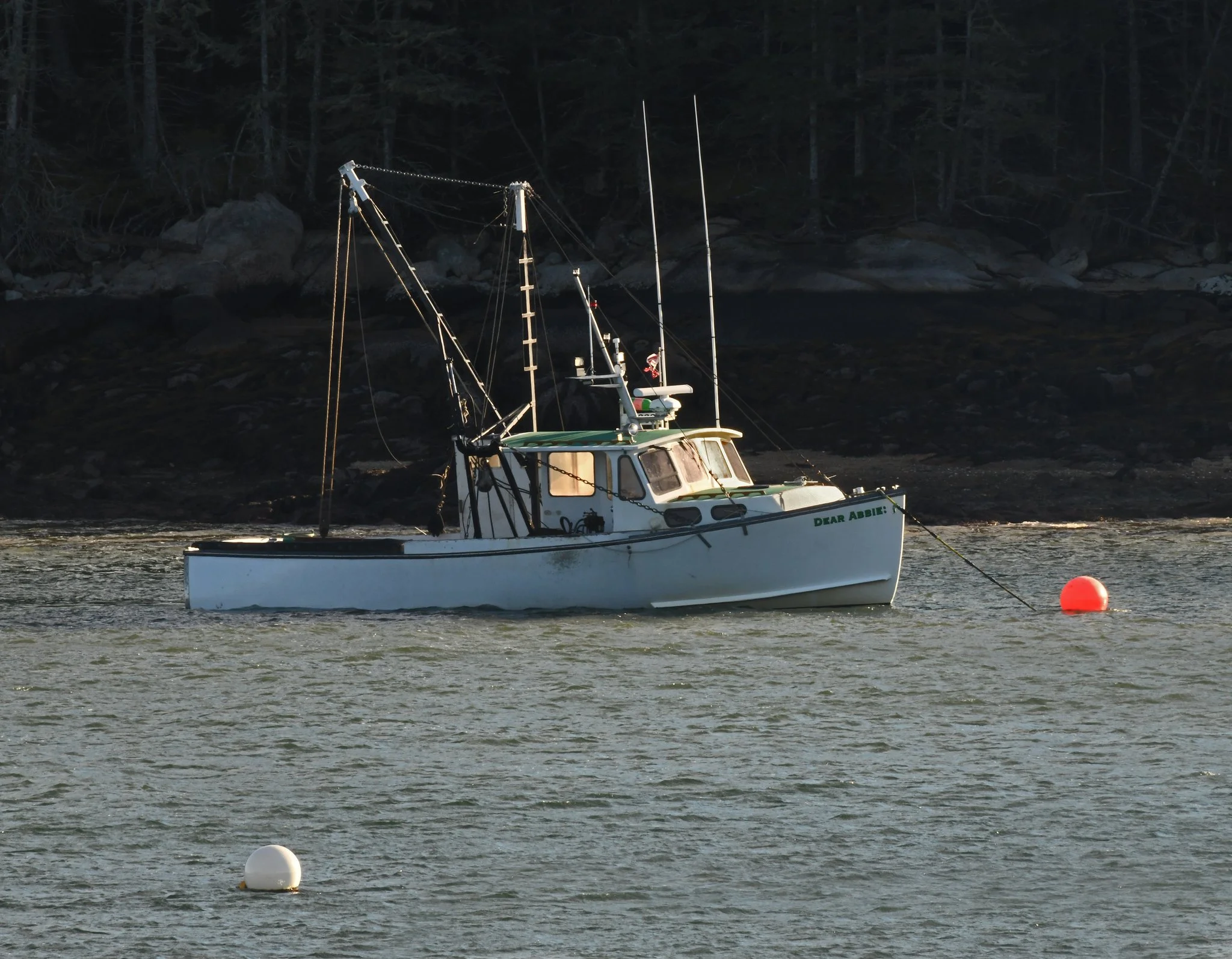
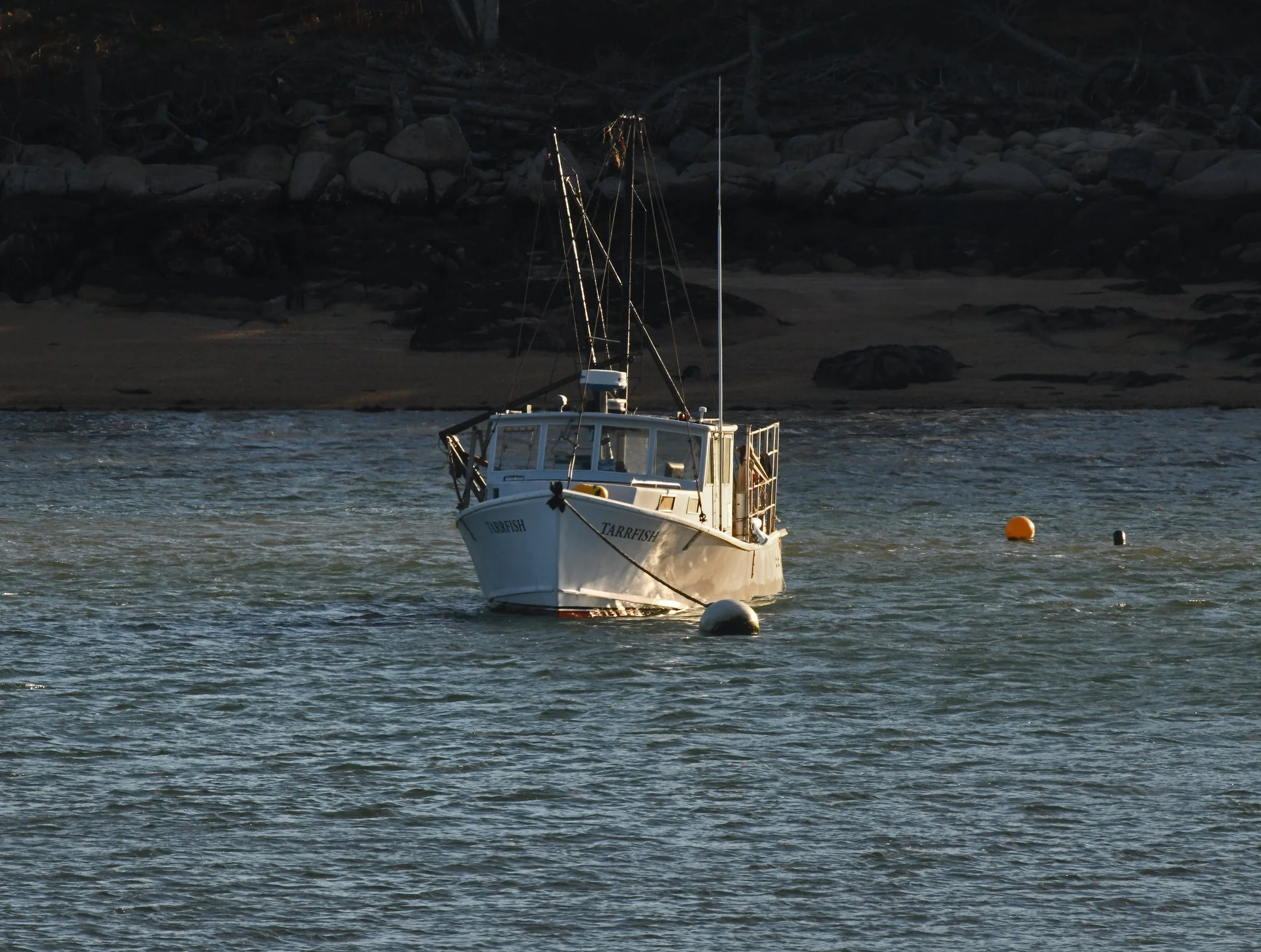
In nearby Naskeag Harbor, the no-nonsense Brooklin Town commercial dock dominated the seascape and fishing vessels were re-rigged from lobster trappers into scallop draggers. The beauty of Maine’s rockbound shore also became more apparent as the tide lowered in Blue Hill’s Conary Cove on a clear December day.

In December’s skies, winter’s colder, clearer air brought us many extraordinary sundowns.

A beautiful waxing gibbous moon rose on several clear December nights. When the moon later became fully illuminated into the month’s traditional “Full Cold Moon ,” it rose through the icy crystals of high-altitude cirrus clouds that ceated a lunar halo:

We hope that all our friends and family enjoyed the December holidays and have a happy new year.

(All the images in this post were taken in Down East Maine during December 2025.)


1 Comment

Comment

In the Right Place: Duck!

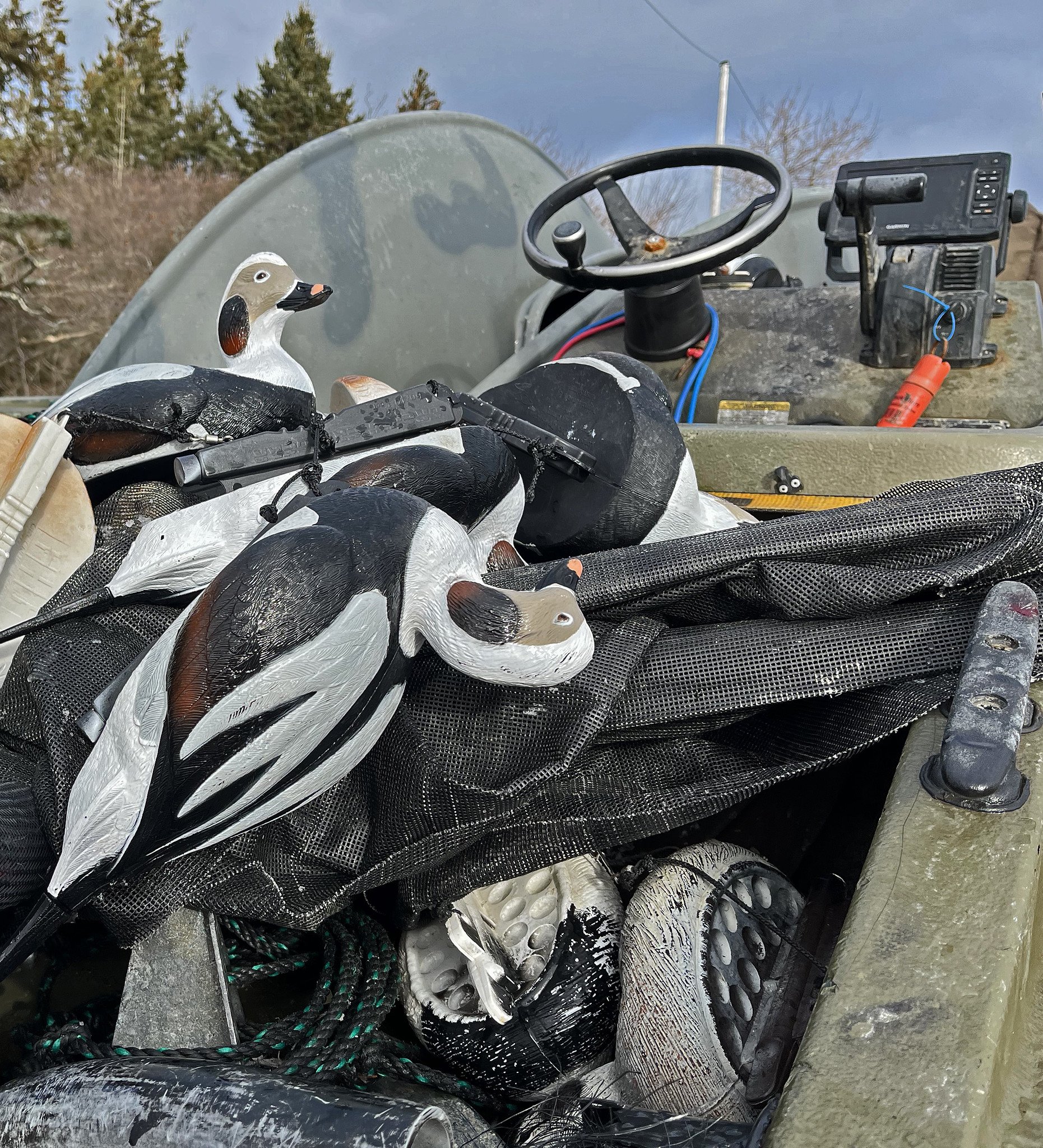
We’ve been seeing duck hunting boat-blinds like this one that came in and out of Naskeag Harbor yesterday. Note what appears to be a pile of long-tailed duck decoys in its storage area:

The migratory duck hunting season here in Maine’s Coastal Zone ends January 6. Hunters here primarily use shotguns when hunting migratory ducks, but state regulations require that the guns be no larger than No. 10 gauge, incapable of holding more than three shells, and fired from the shoulder. The ducks also may be hunted with bow and arrow, crossbow, or a falcon.

For many species, the daily duck limit is 4, but other limits are applied to various species. Duck hunters here must buy a Federal Duck Stamp and a State Migratory Waterfowl Permit, the funds from which go to wildlife and habitat conservation. (Images taken in Brooklin, Maine, on December 30, 2025.)
Comment

Comment

In the Right Place: Holiday Styles, IV

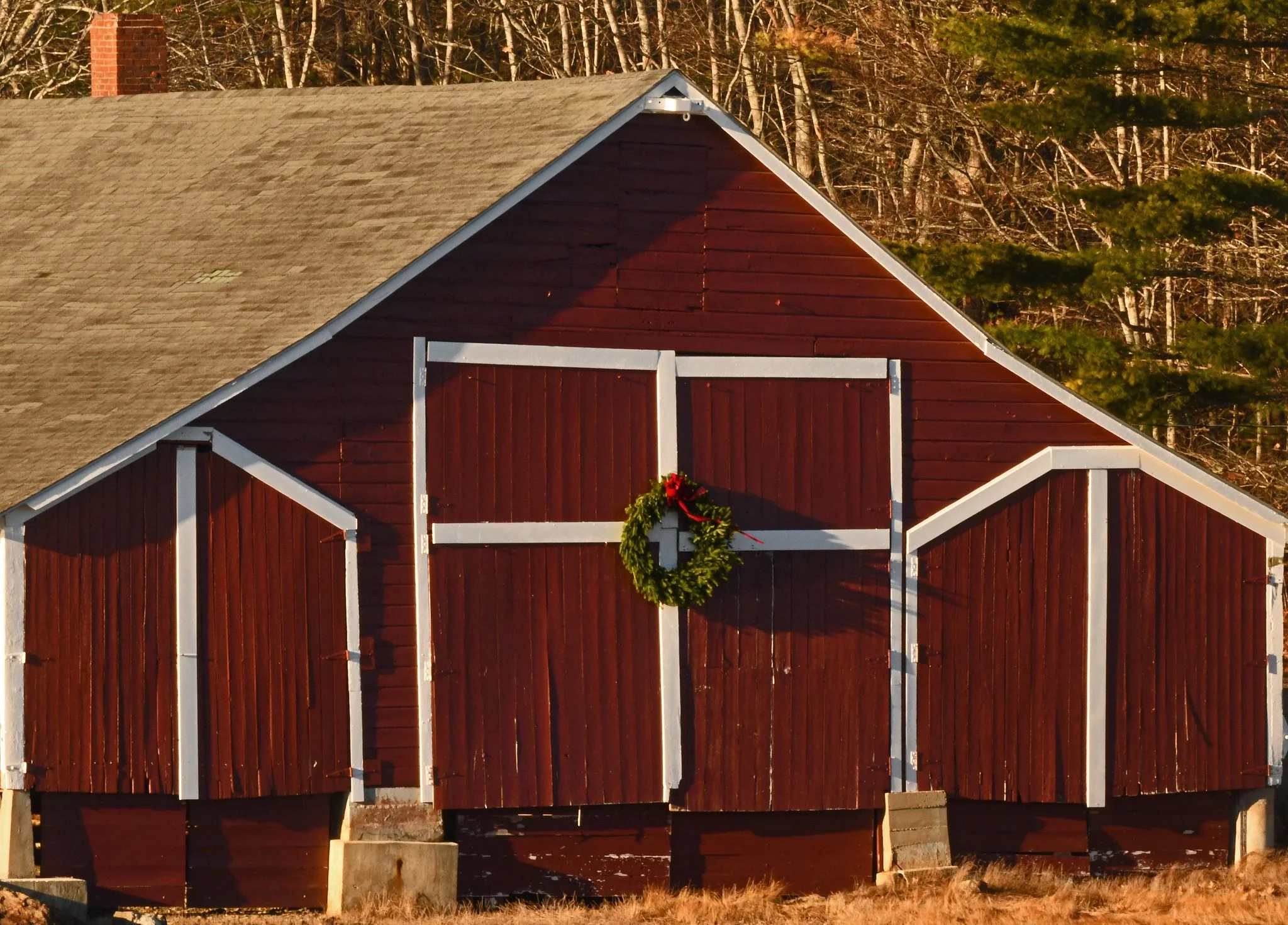
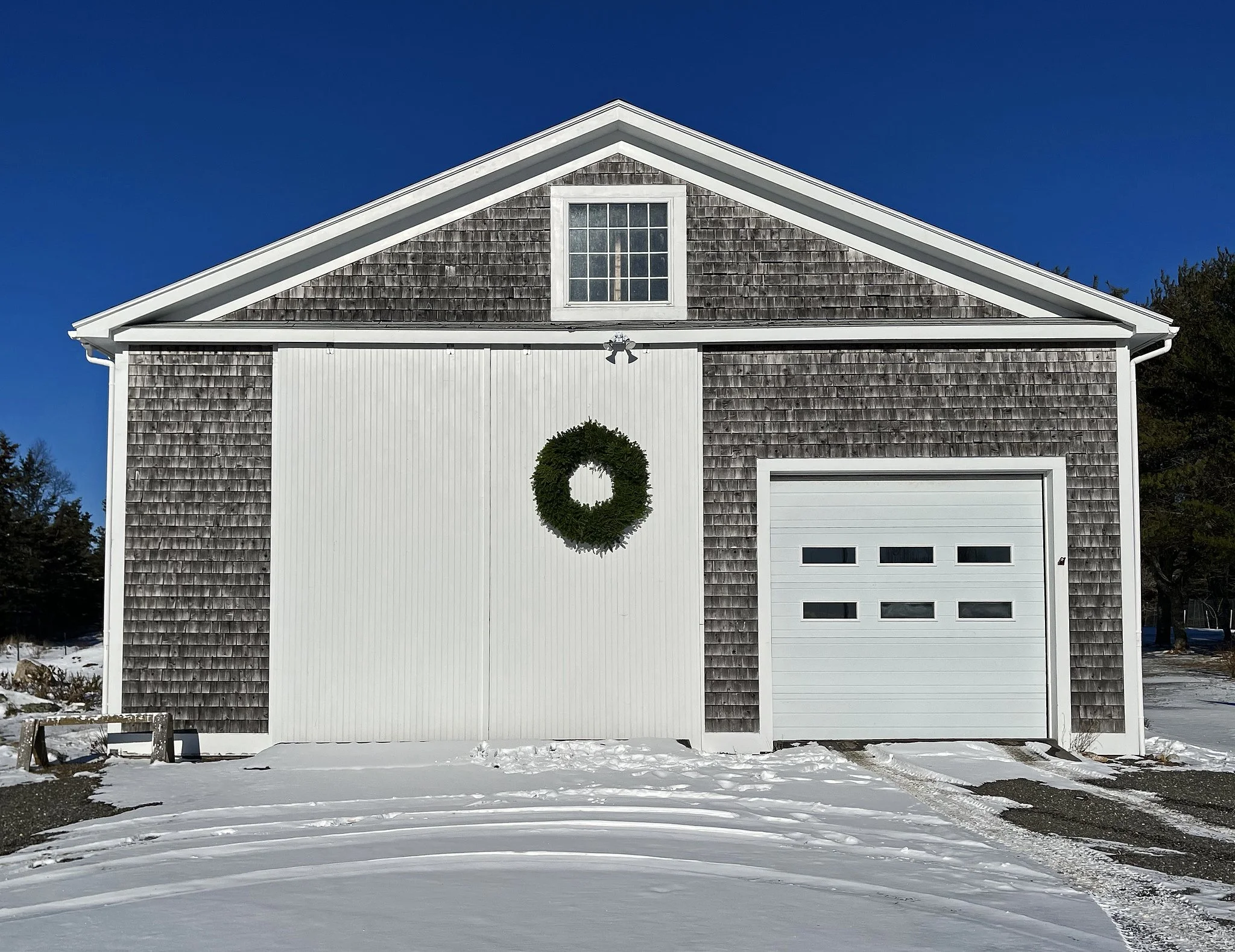
The Big Bang Theory of how our universe began with hot gases is not to be confused with The Big Wreath Theory of how the holiday season is extended in Down East with large wreaths on highly visible structures, including boathouses and repurposed barn- garages.

Some of Down East’s public wreaths won’t be taken down until March or later, when they’re brown or bare. (Images taken in Blue Hill [boathouse] and Brooklin [“barn”] on December 18 and 9, 2025, respectively.)

Comment

Comment

In the Right Place: Holiday Styles, III

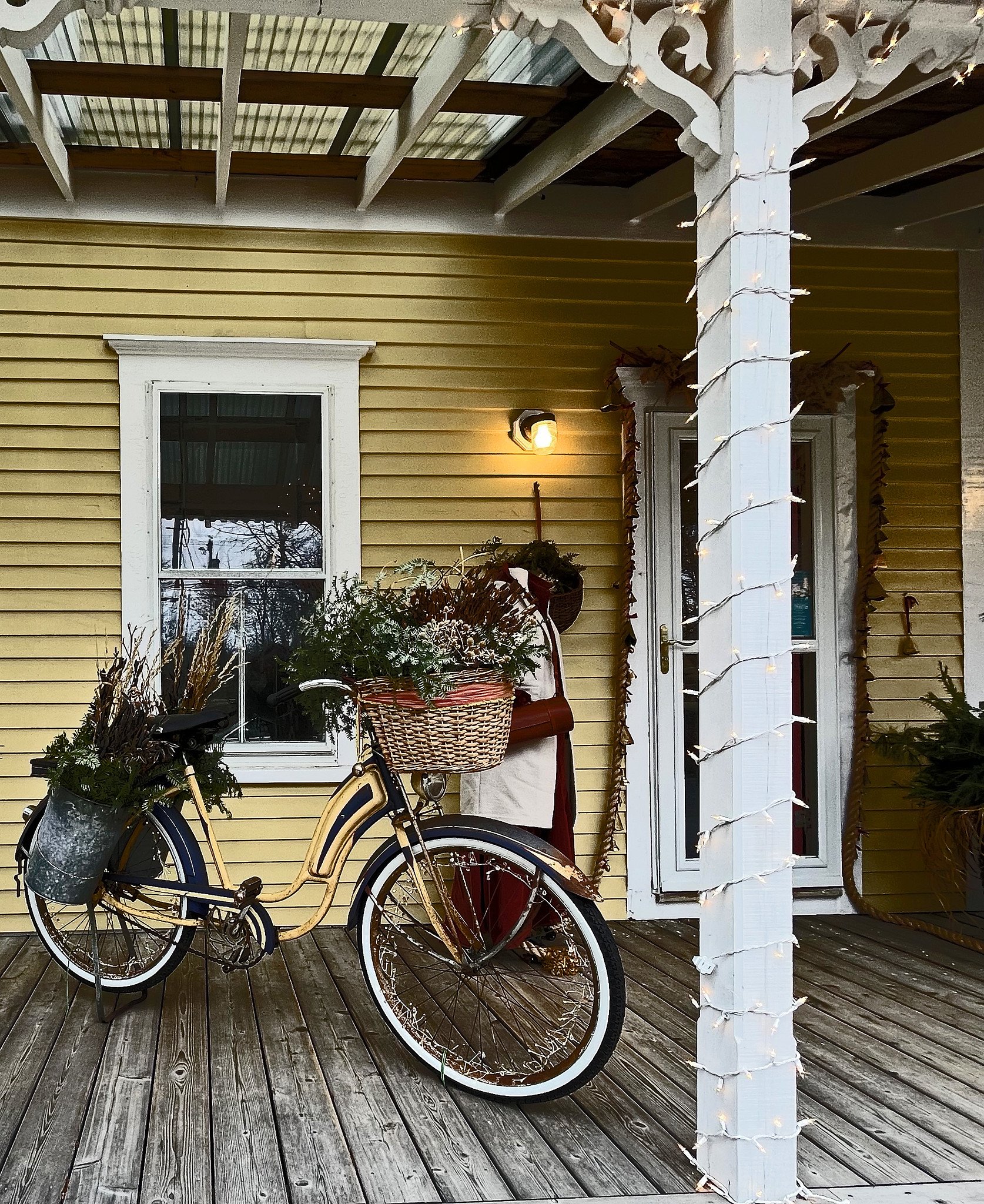
Porch holiday decorations vary greatly around here. Above ypu see what appears to be a historic bicycle that has been festooned with holiday lights and flora. It’s on the MAE boutique’s porch. The bike looks like it might be a balloon-tired “Ladies’ Roadmaster Cruiser” made by the Cleveland [Ohio] Welding Company, which started production in the 1930s and was later bought by AMF. (Note also the interesting gingerbread capital atop the column.)

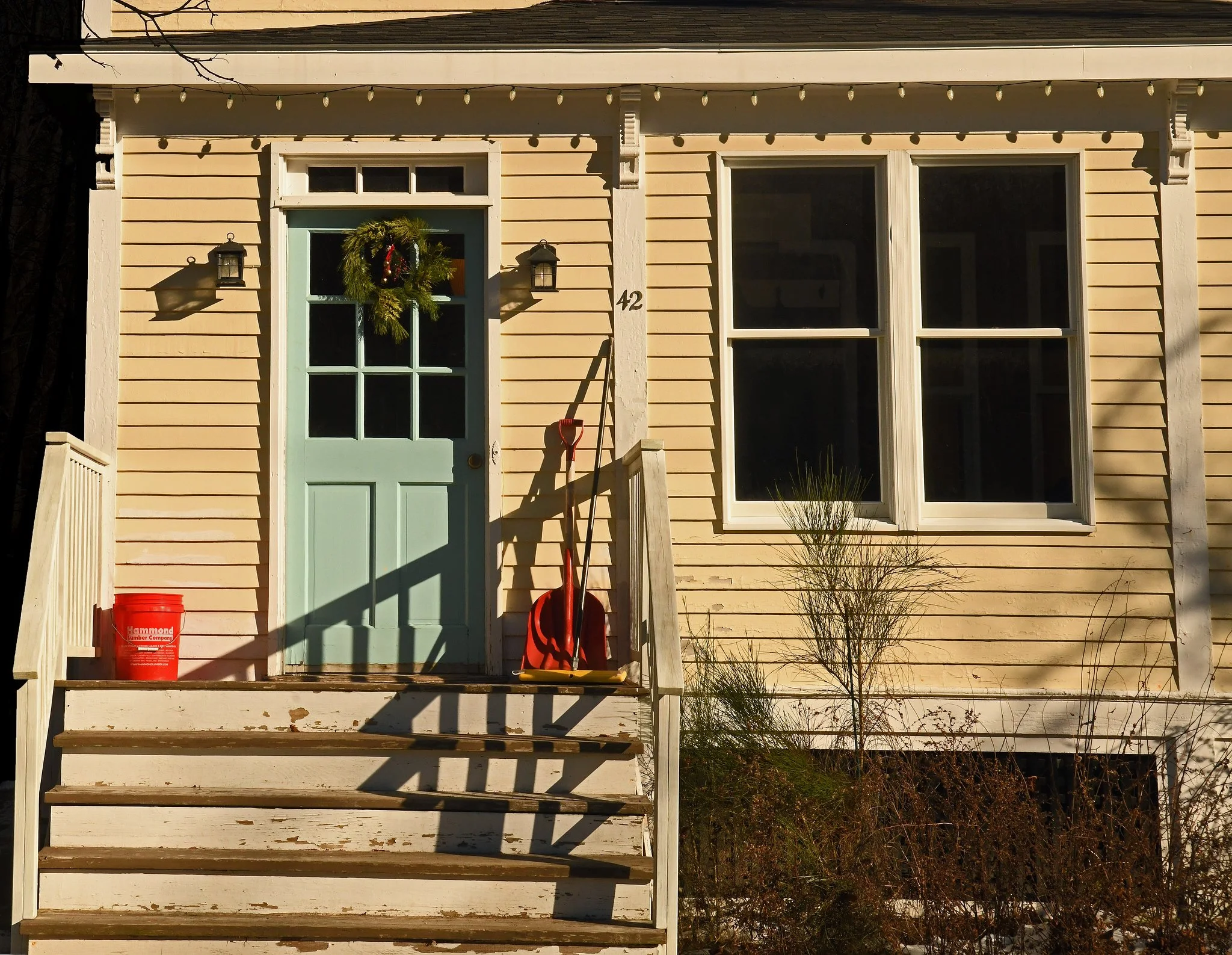
Below you’ll see a more utilitarian and common Down East residential porch with holiday lights, a wreath of greens, and ready-to-use winter paraphernalia: shovel, broom, and bucket (containing ice melt crystals, I suspect). (Note also the intriguing shadows.)

(Images taken in Blue Hill, Maine, on December 23 [MAE] and 16 [residence], 2025.)

Comment

Comment

In the Right Place: On Being Rockbound

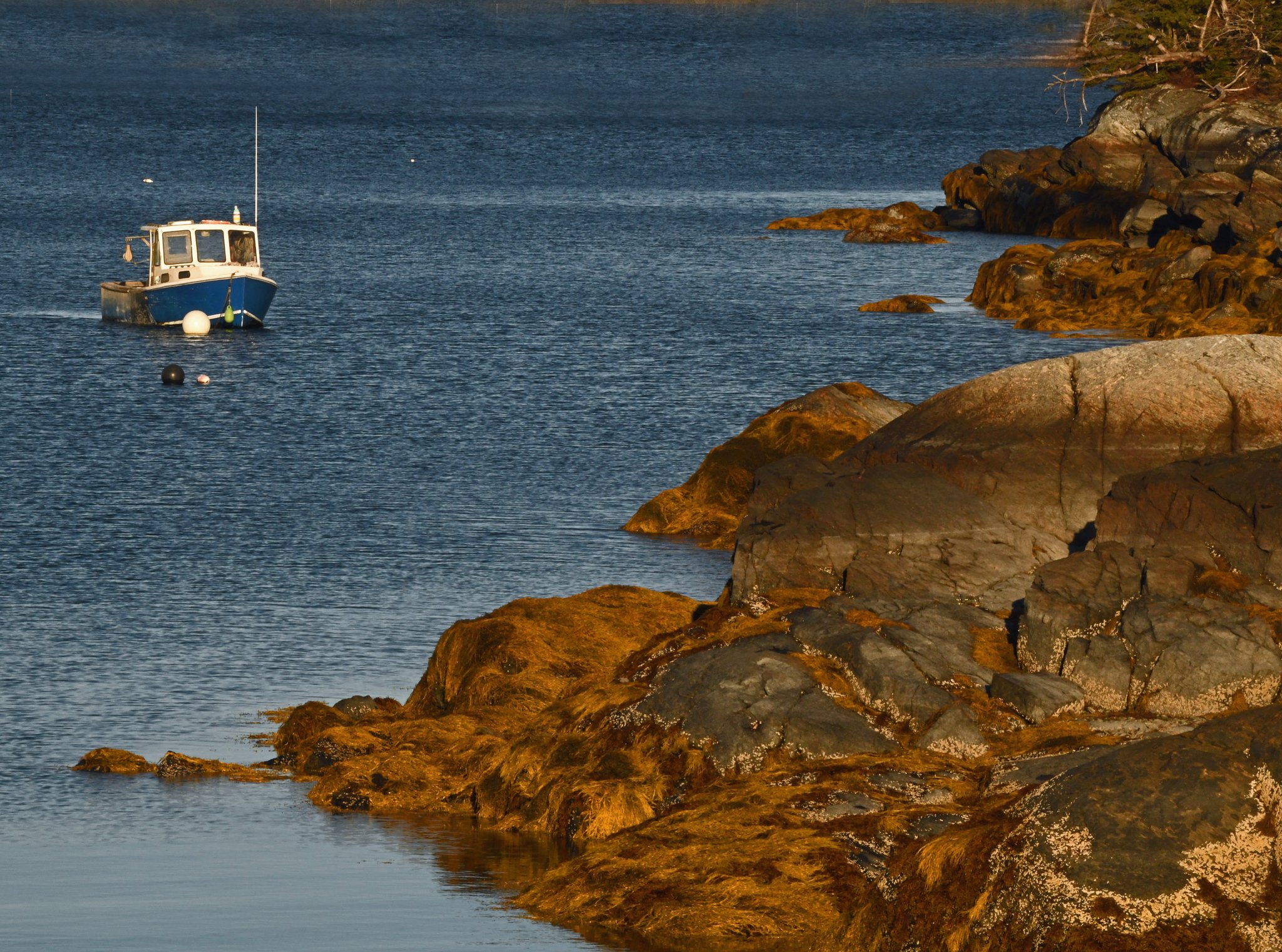
The rockbound coast of Maine sometimes seems to reach out and dare – some would say entice – vessels to get too close. And, over the centuries, many vessels have gotten too close and been damaged or destroyed on our jagged edges. That’s when a mariner’s boldness turns to terror, especially in the winter cold.

Yet, there’s no denying it: much of our coast is awesomely beautiful and intriguingly thrilling. That’s especially so when the lower winter sun finds the massive granite probes at half-tide and illuminates their prehistoric rockweed and barnacle free riders. The complicated soul of Maine seems to be slightly revealed by its beautiful, but not fully-tamed, shores.

(Image taken in Blue Hill, Maine, on December 18, 2025.)

Comment

Comment

In the Right Place: Seeing Red

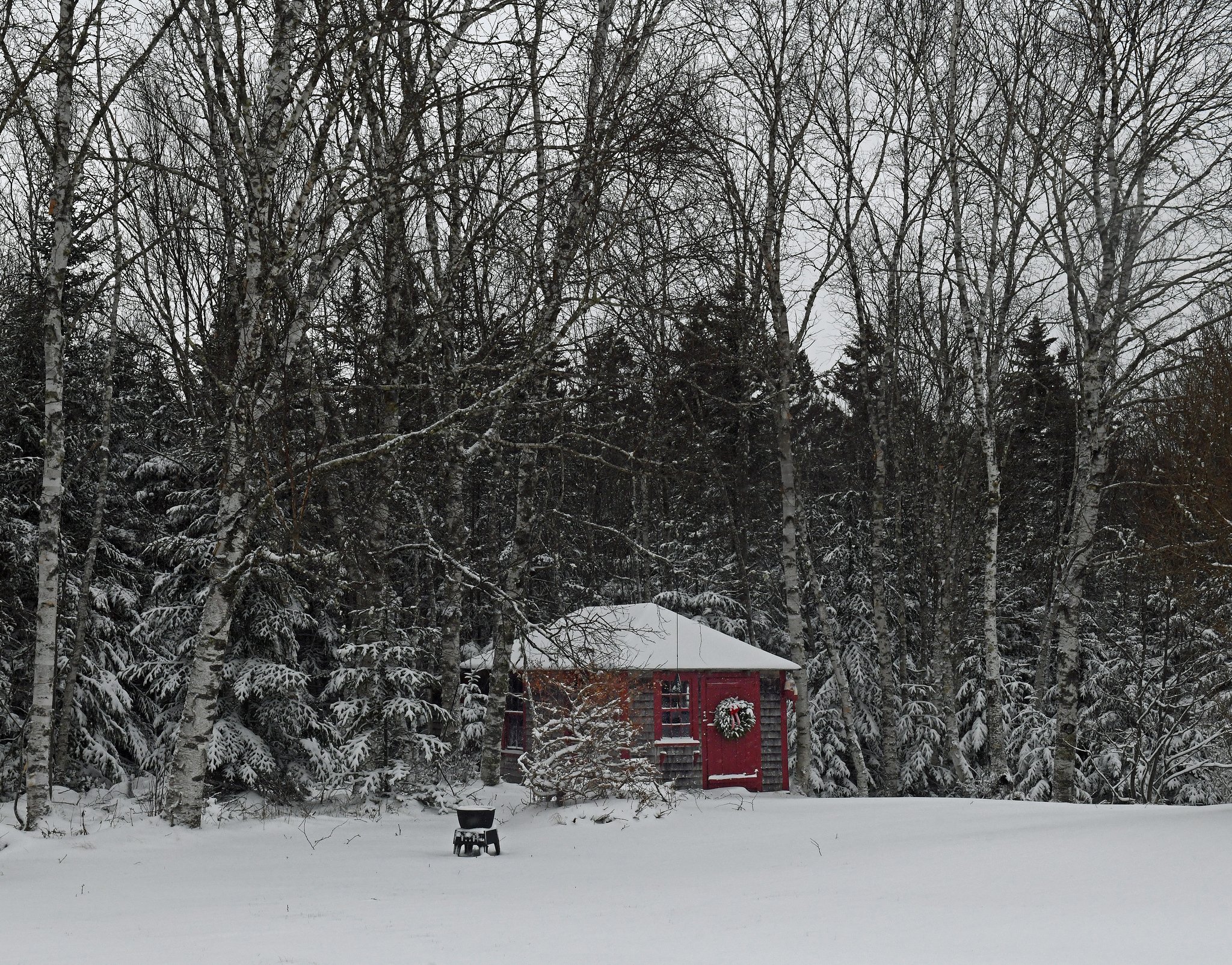
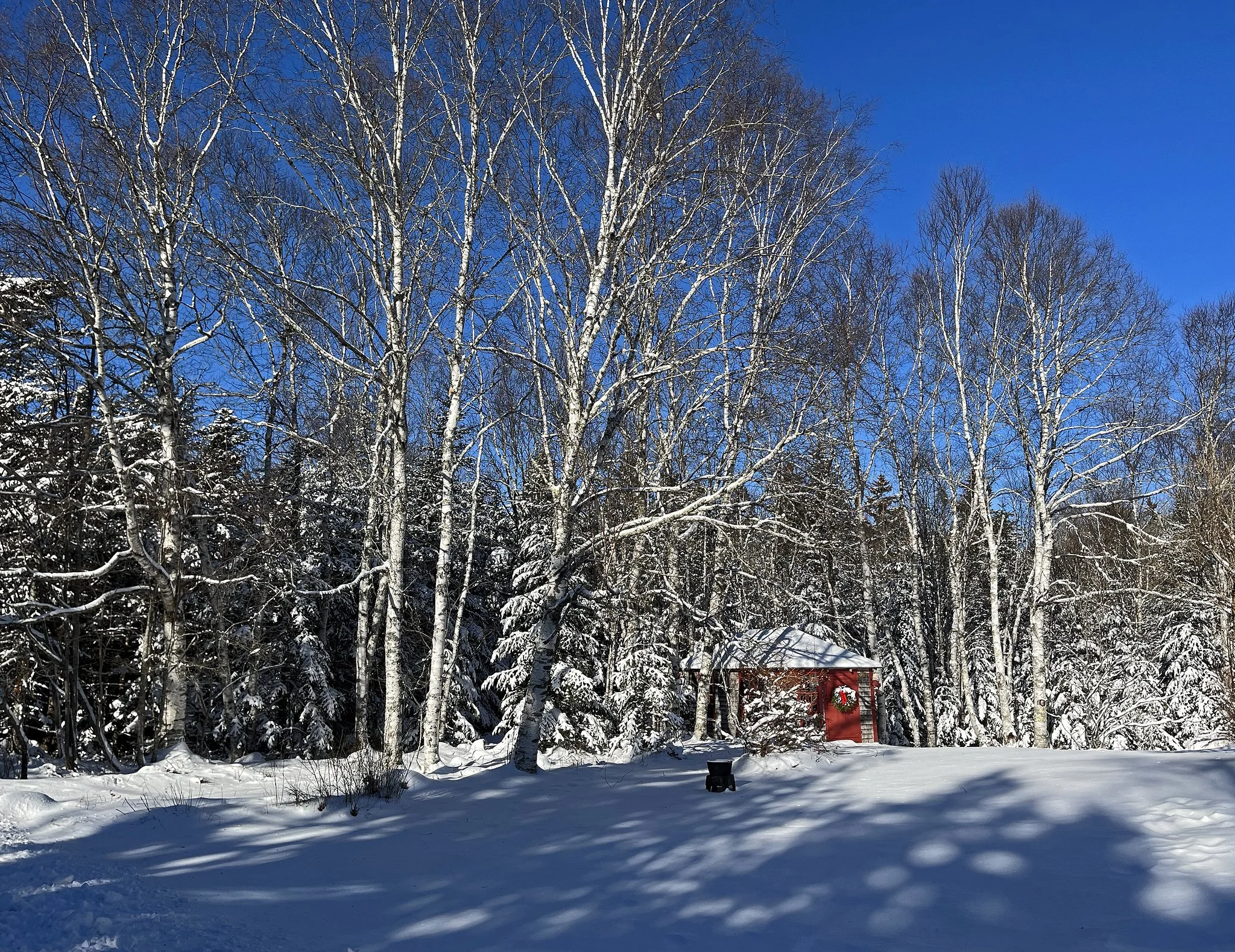
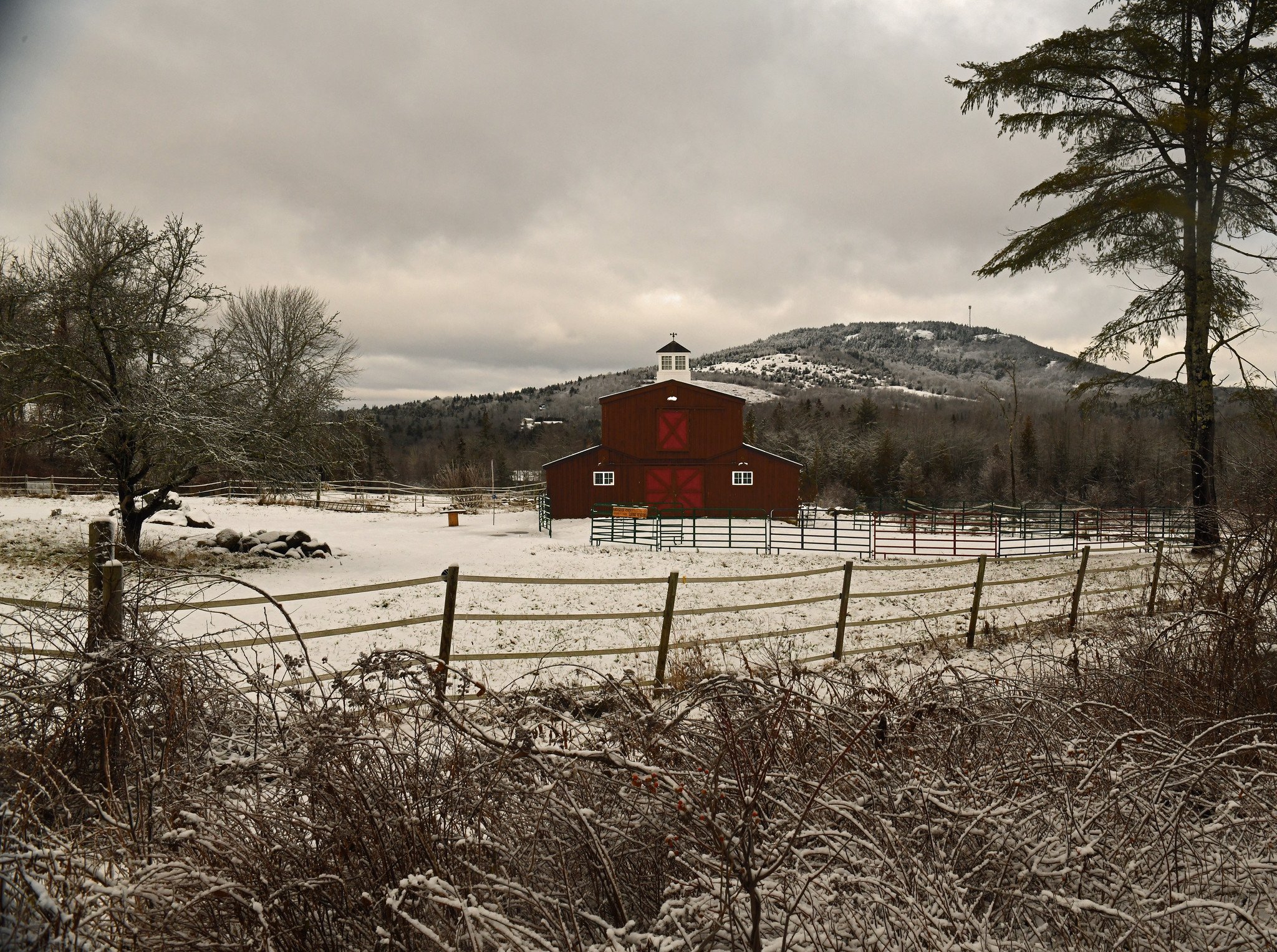
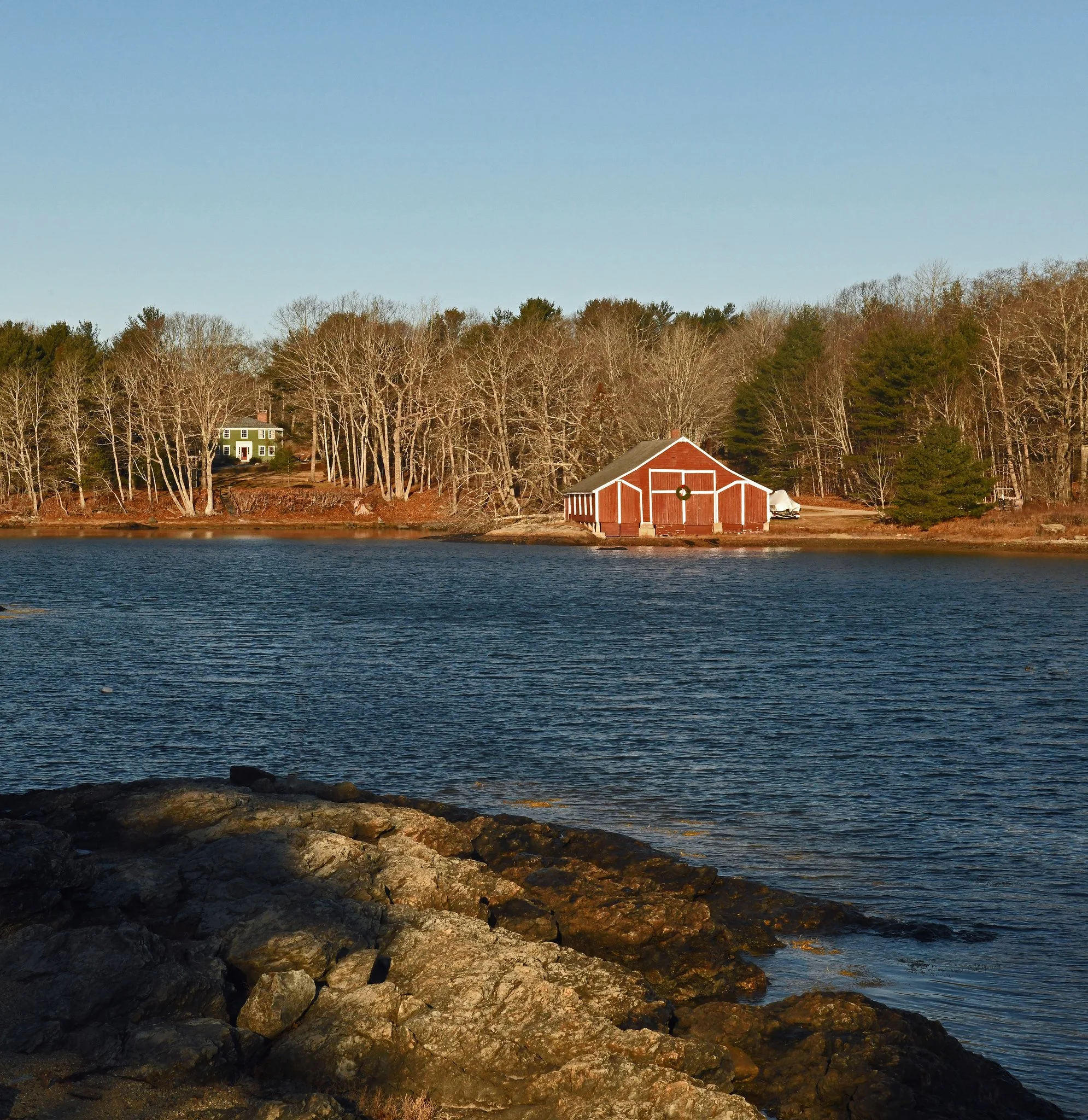
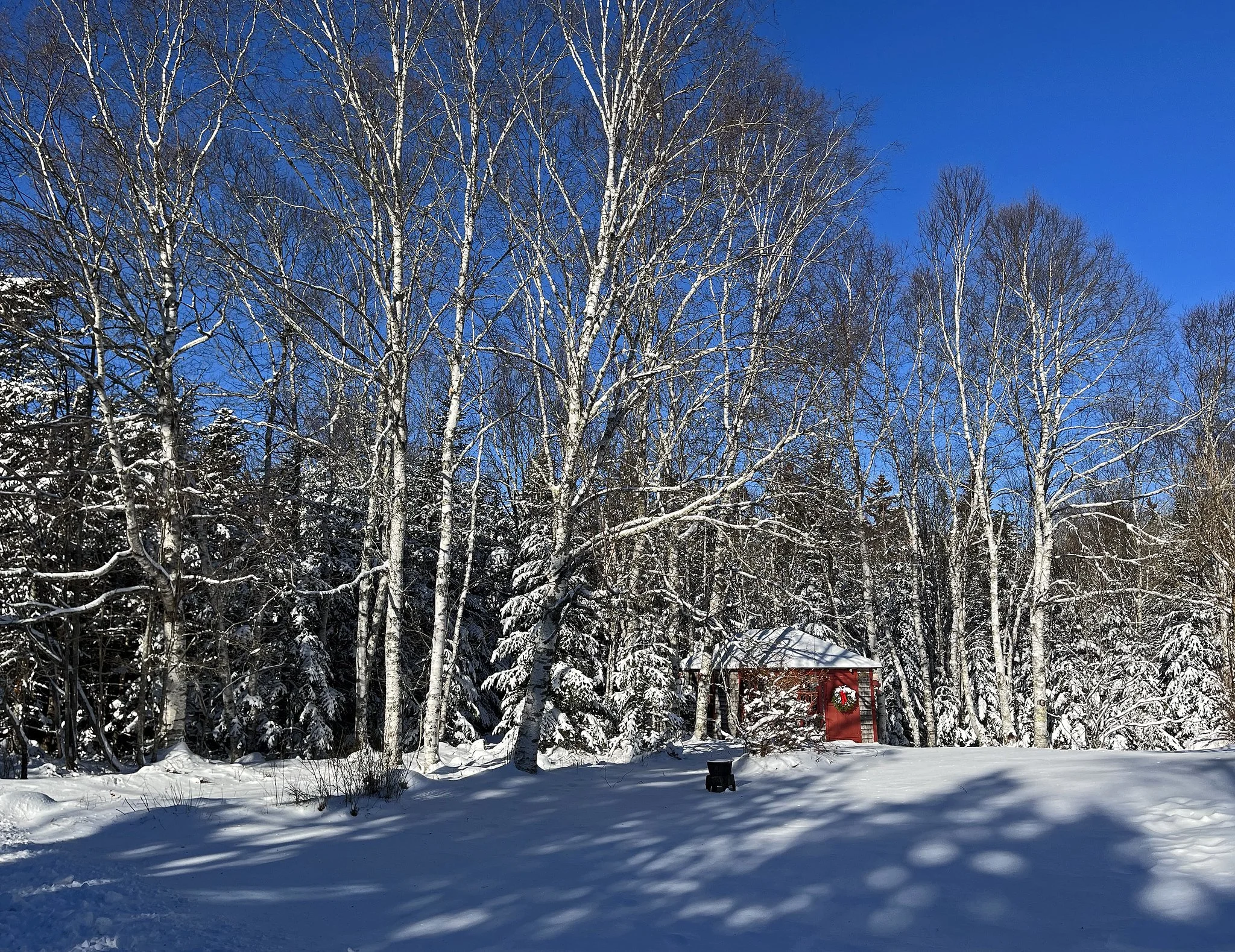
Mother Nature’s Christmas gift has become glazed like fine porcelain. Colorful objects wrapped in the snow pop visually. Old and old-looking red structures are especially eye-catching. Here’s a neighbor’s red-daubed workshop that was built in the early 1900s and reportedly was used to carve wooden decoys for duck hunting, among other things:

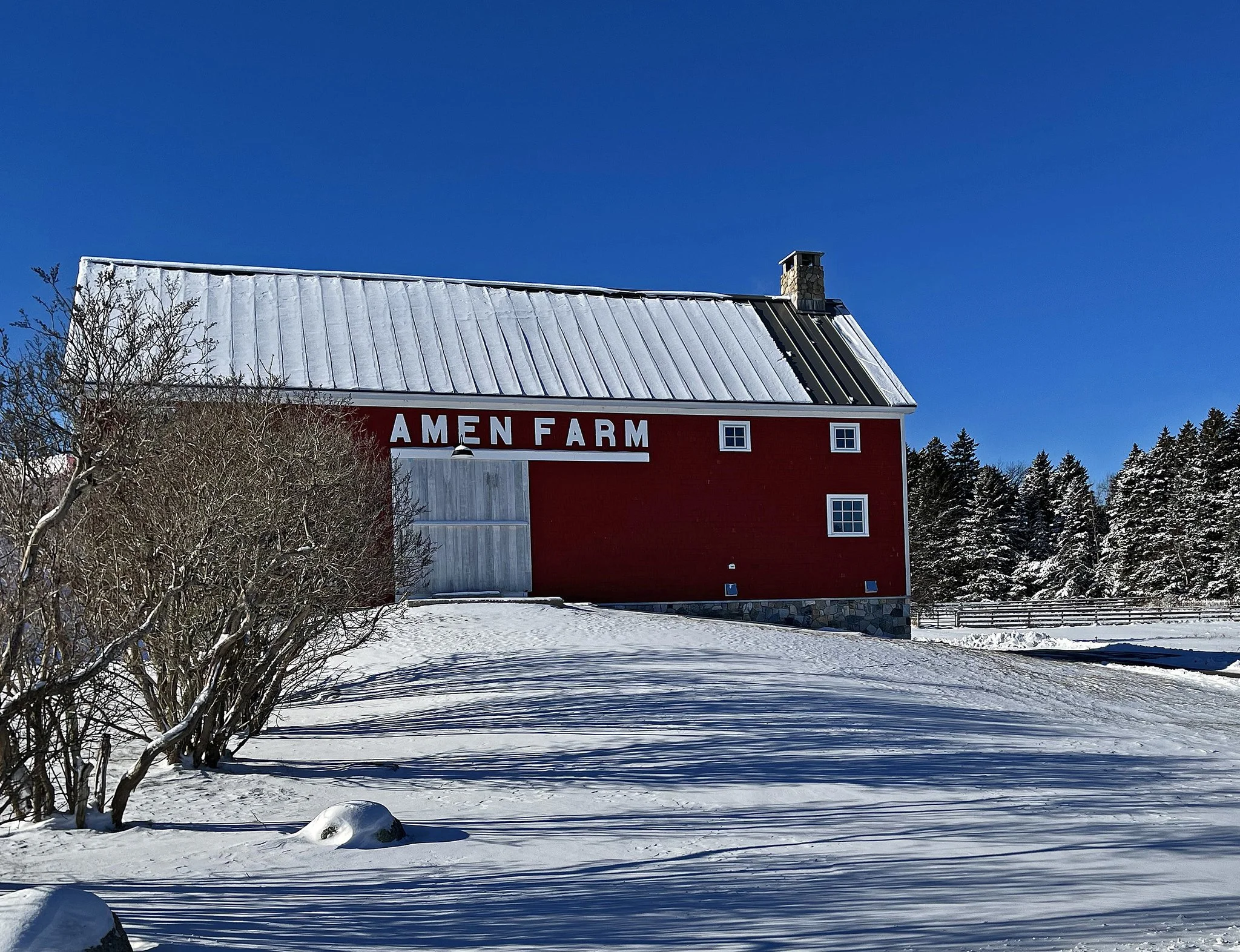
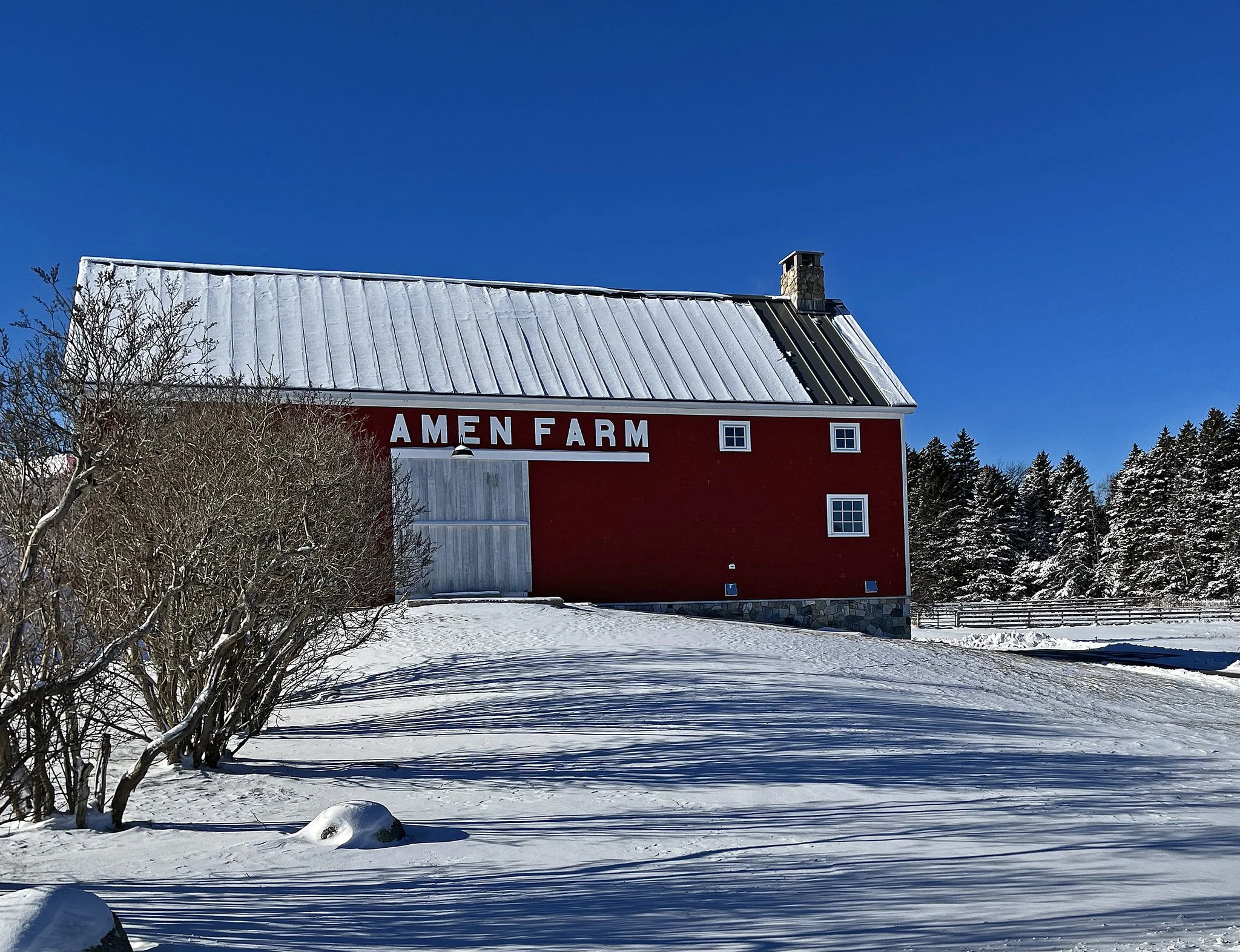
Here’s the present red Amen Farm “barn,” which actually is a recently rebuilt place, reportedly with an entertainment great room and fireplace, among other human amenities:

That structure is reminiscent of the original Amen Farm barn, which reportedly was built about 1850. That well-worn barn last housed goats and chickens before it was torn down and replaced.

(Images taken in Brooklin, Maine, on December 26, 2025.)

Comment