Comment

In the Right Place: Snowy Shops and Sheds

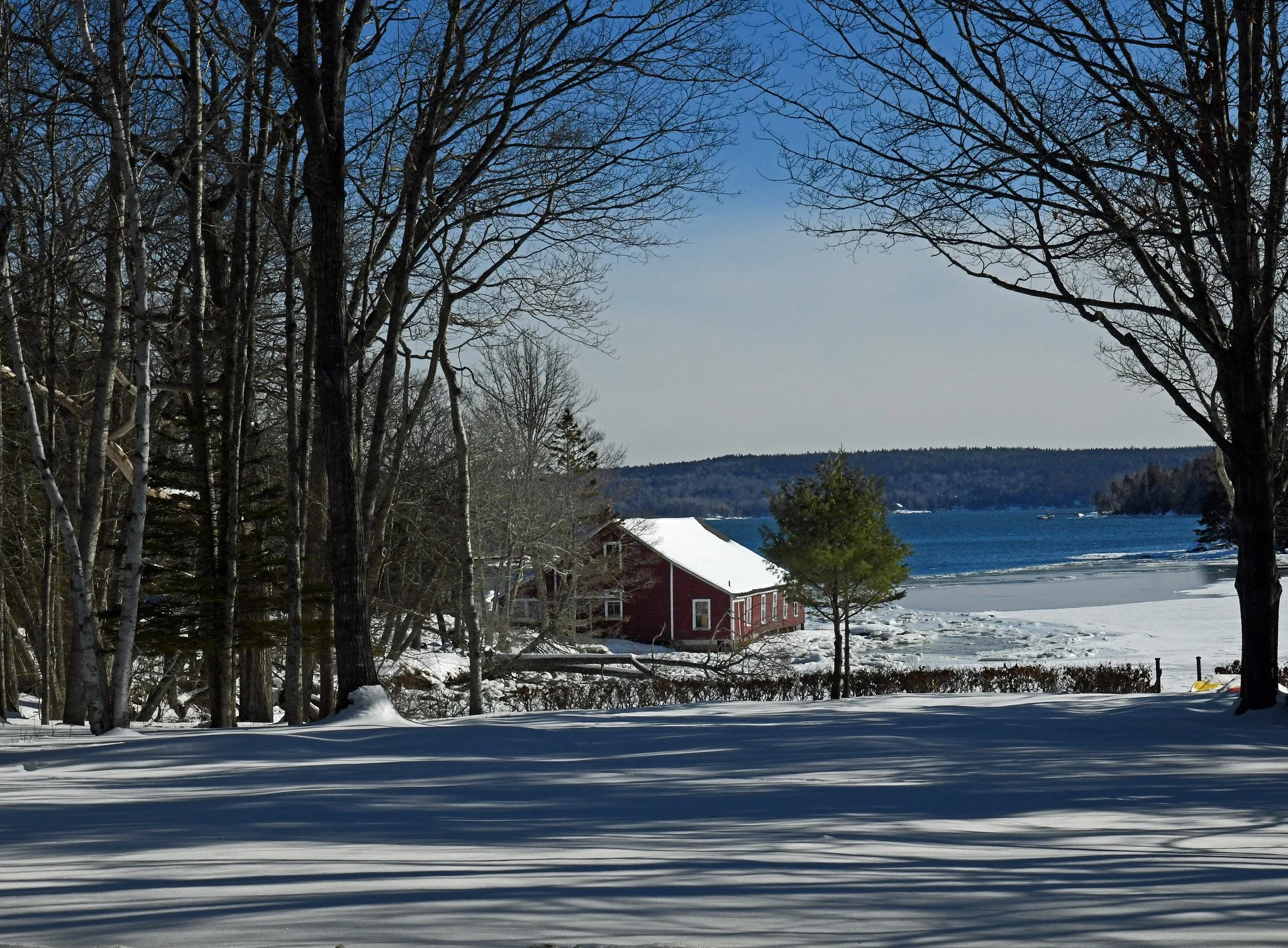
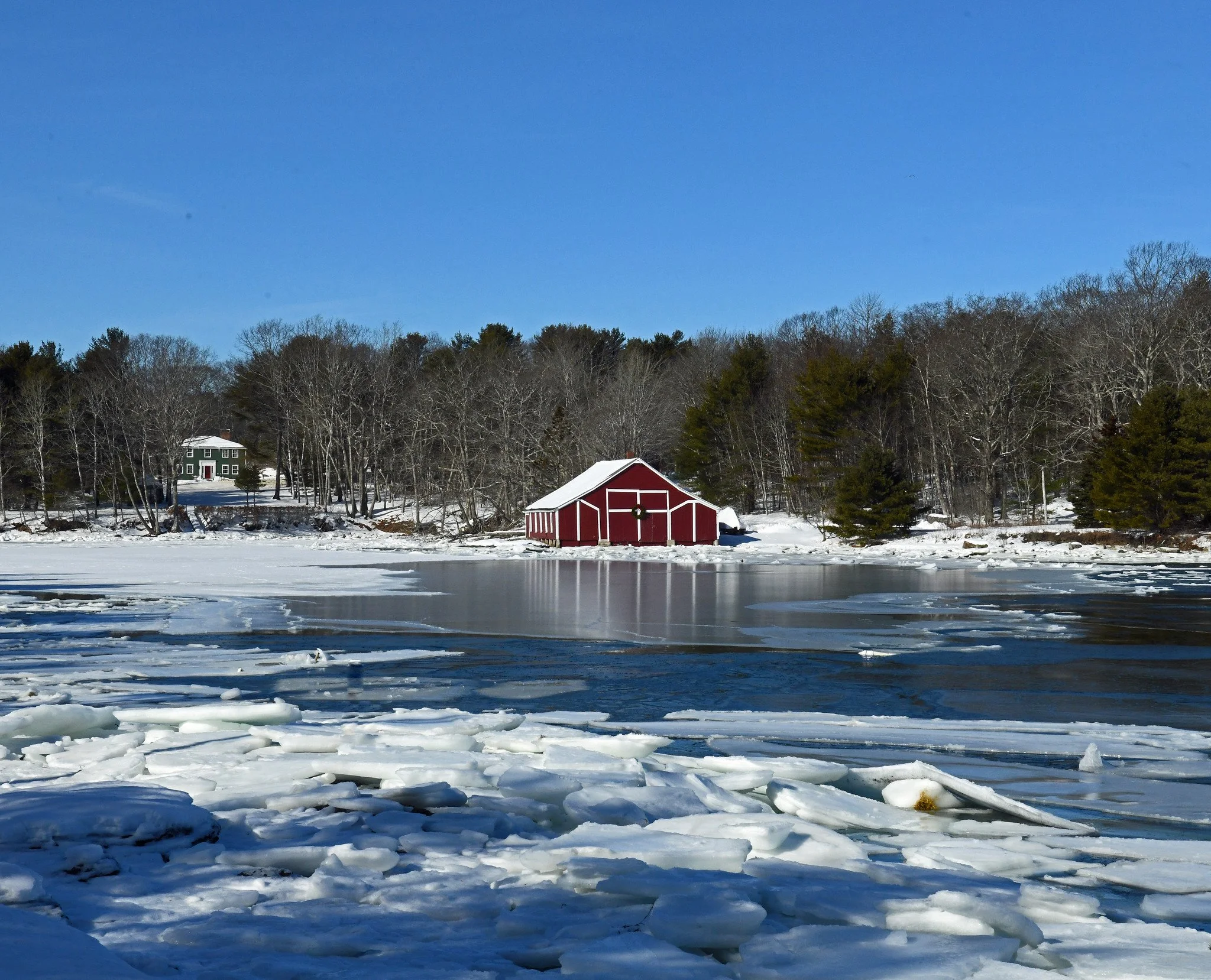
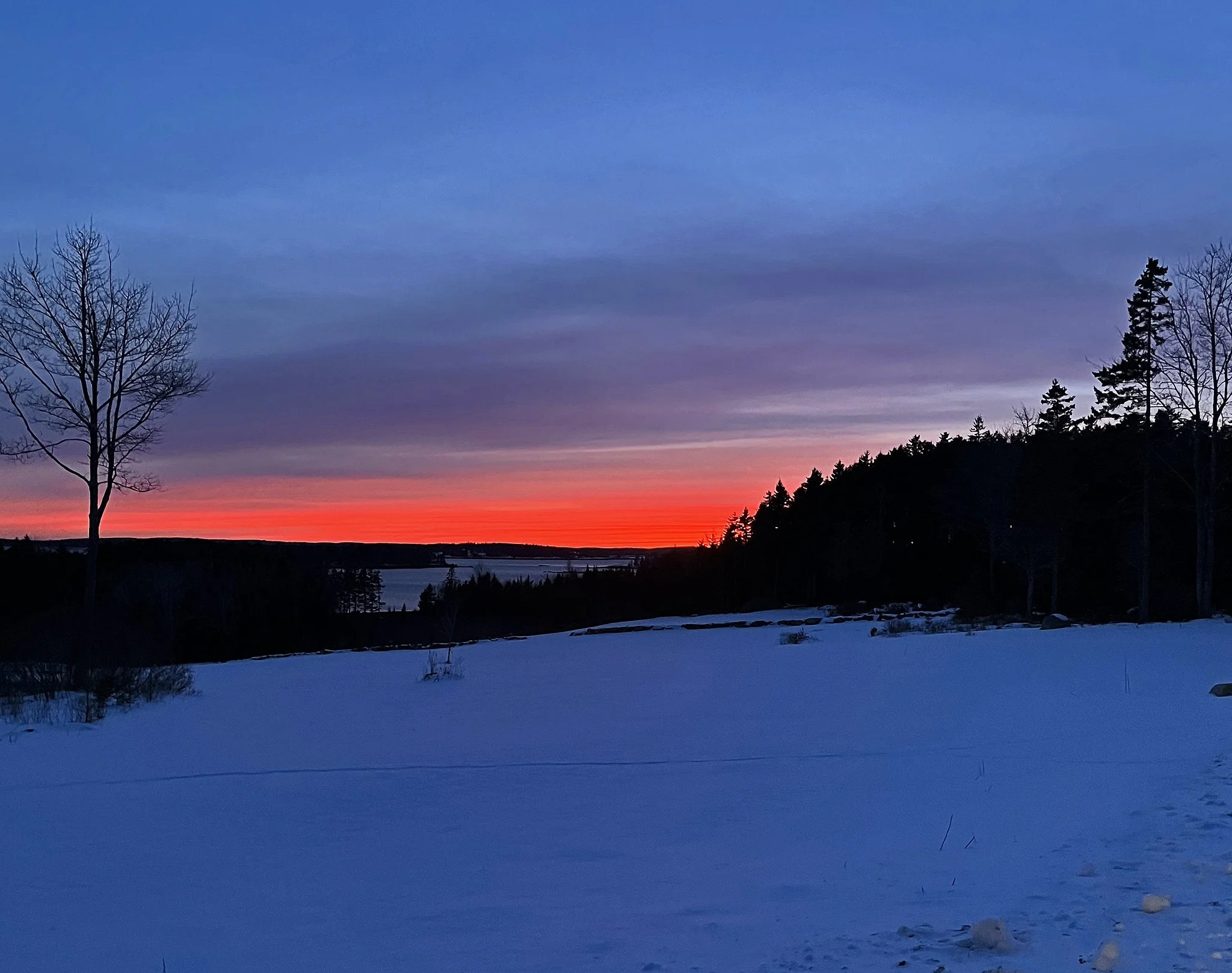
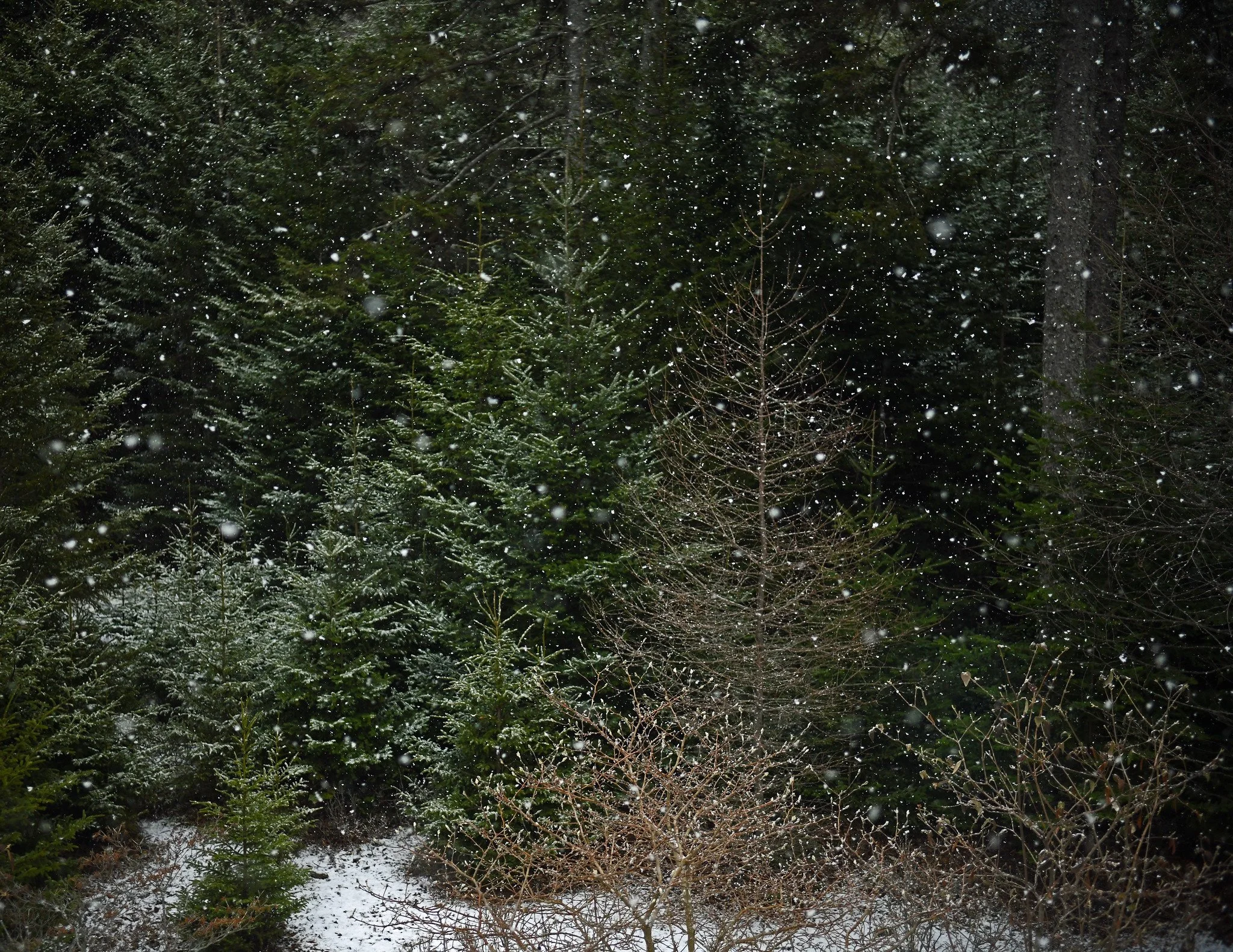
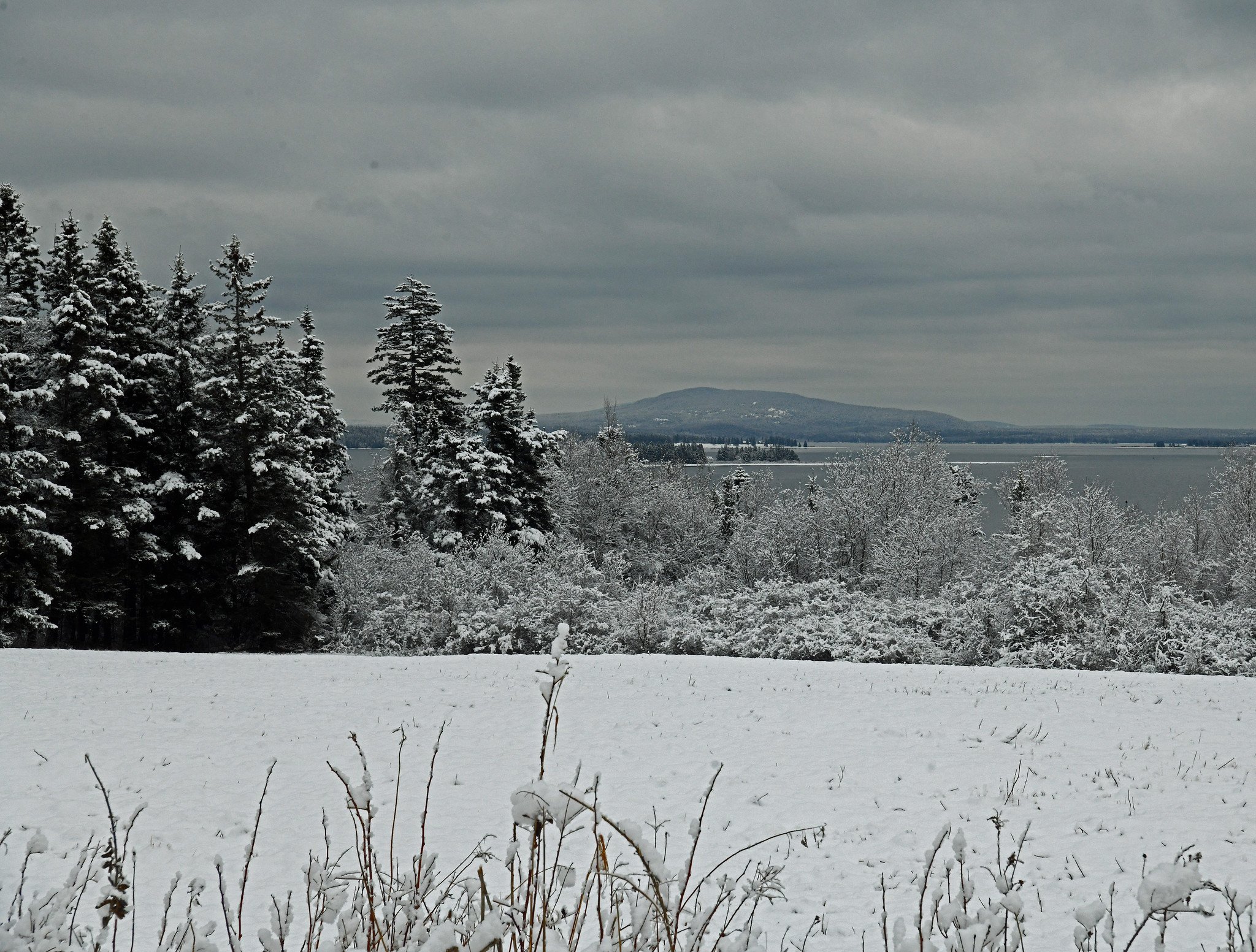
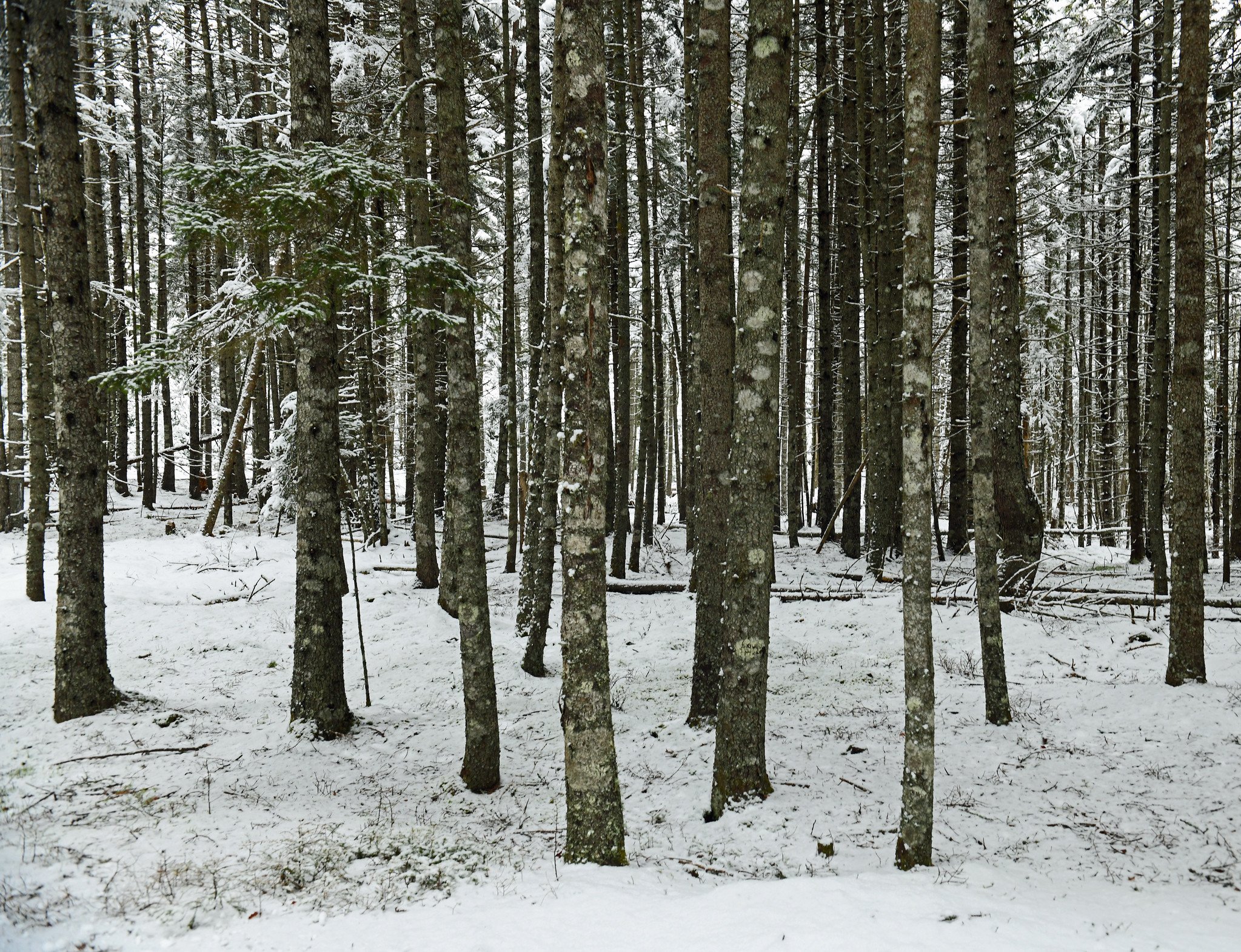
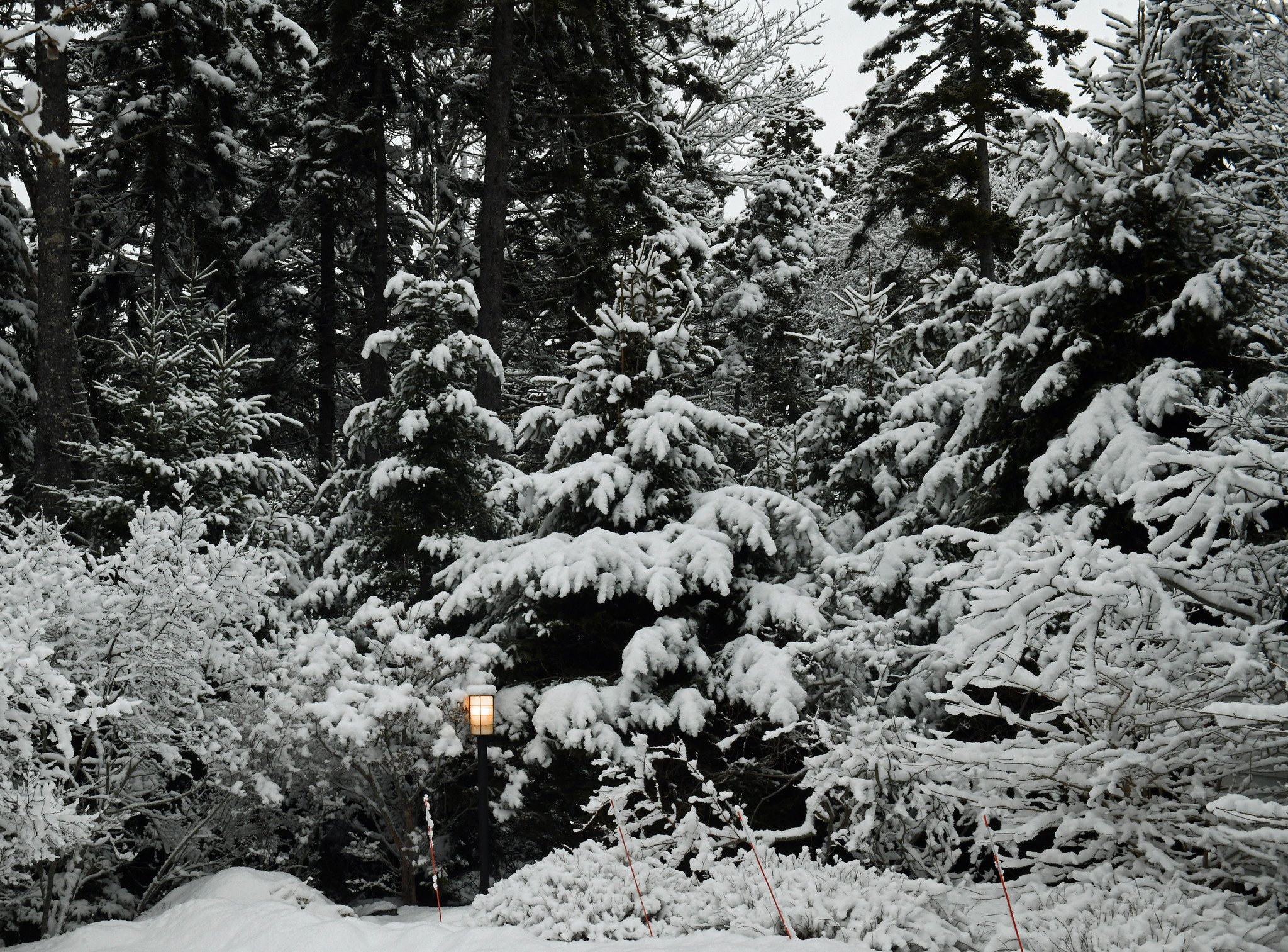
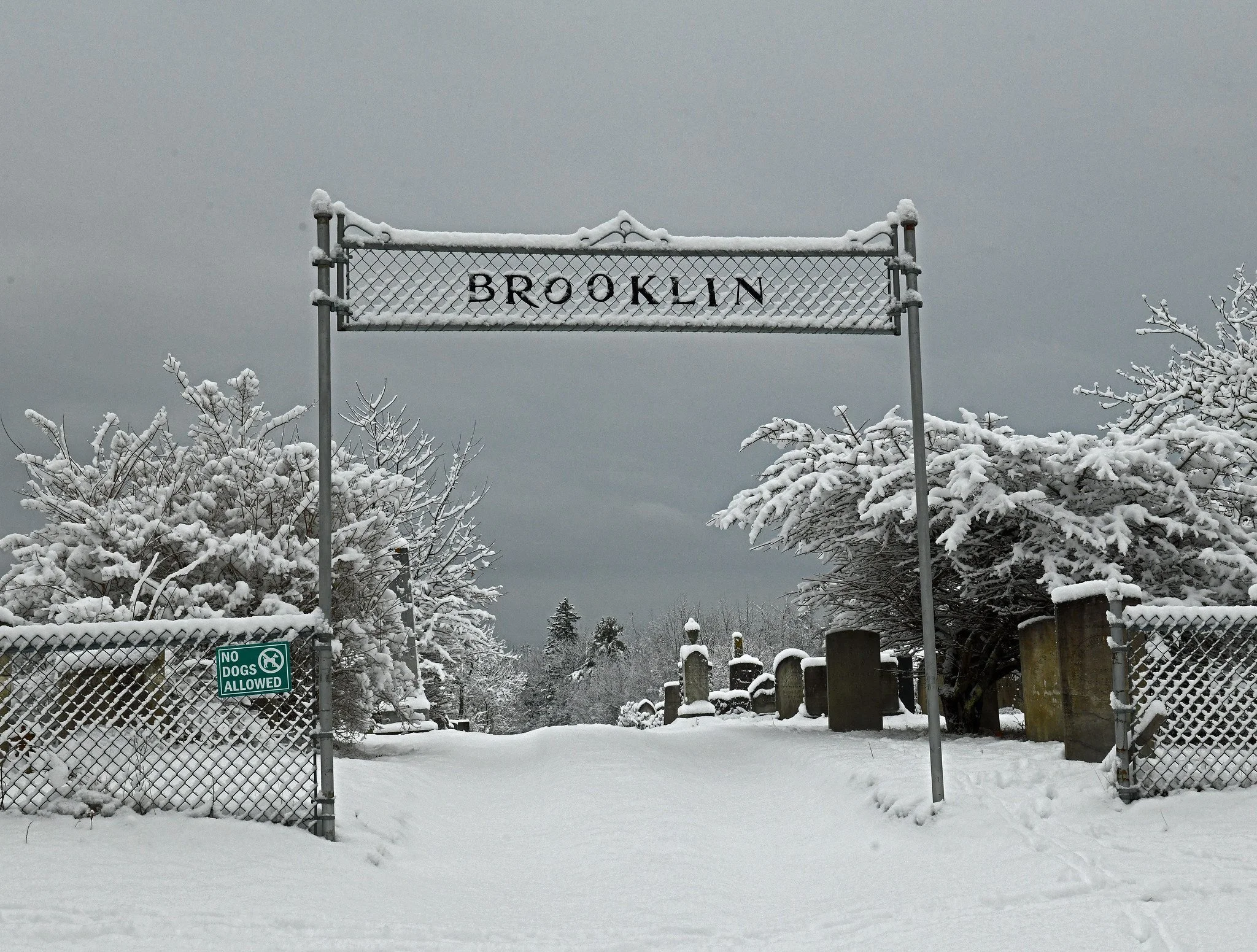
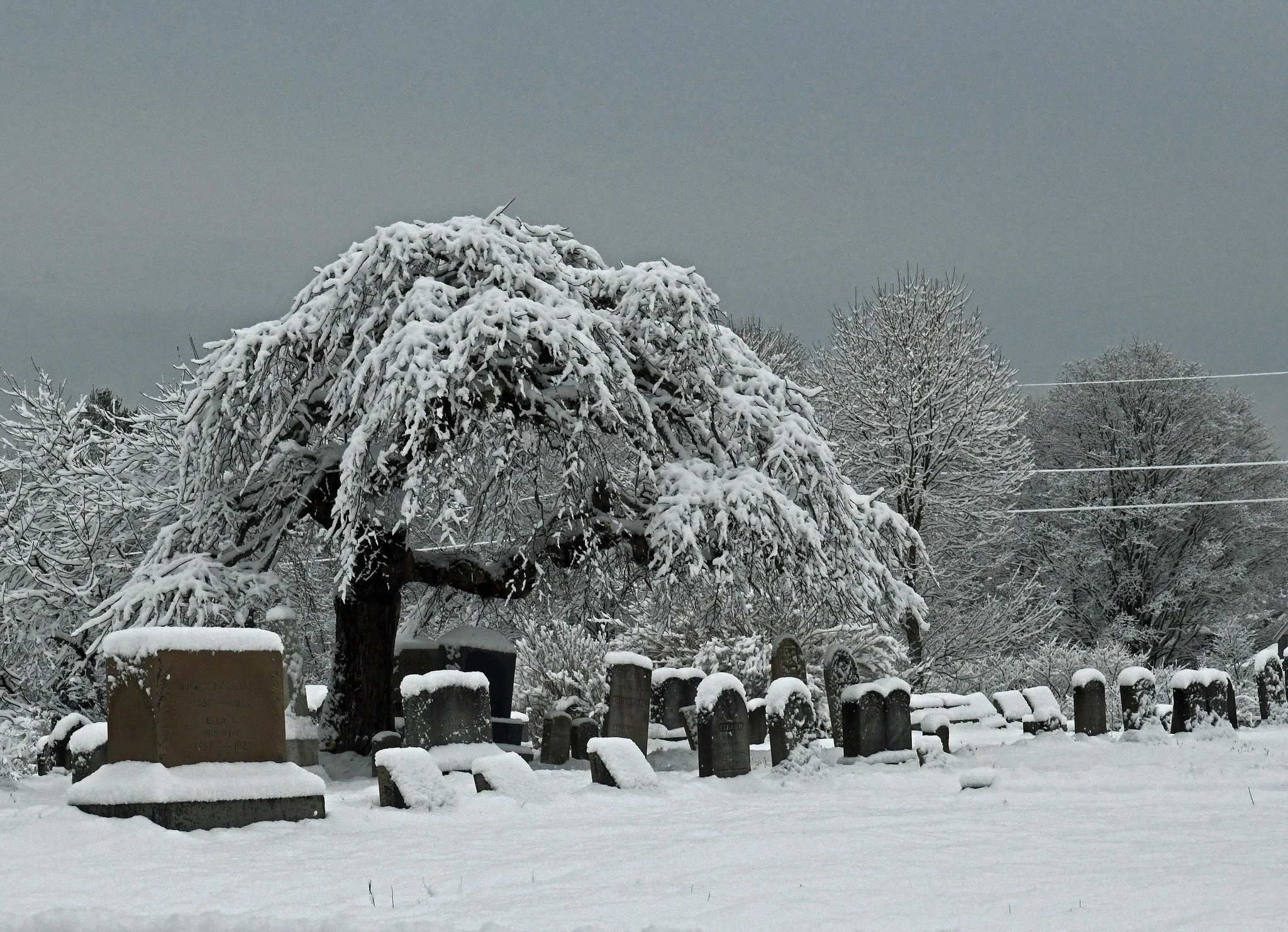
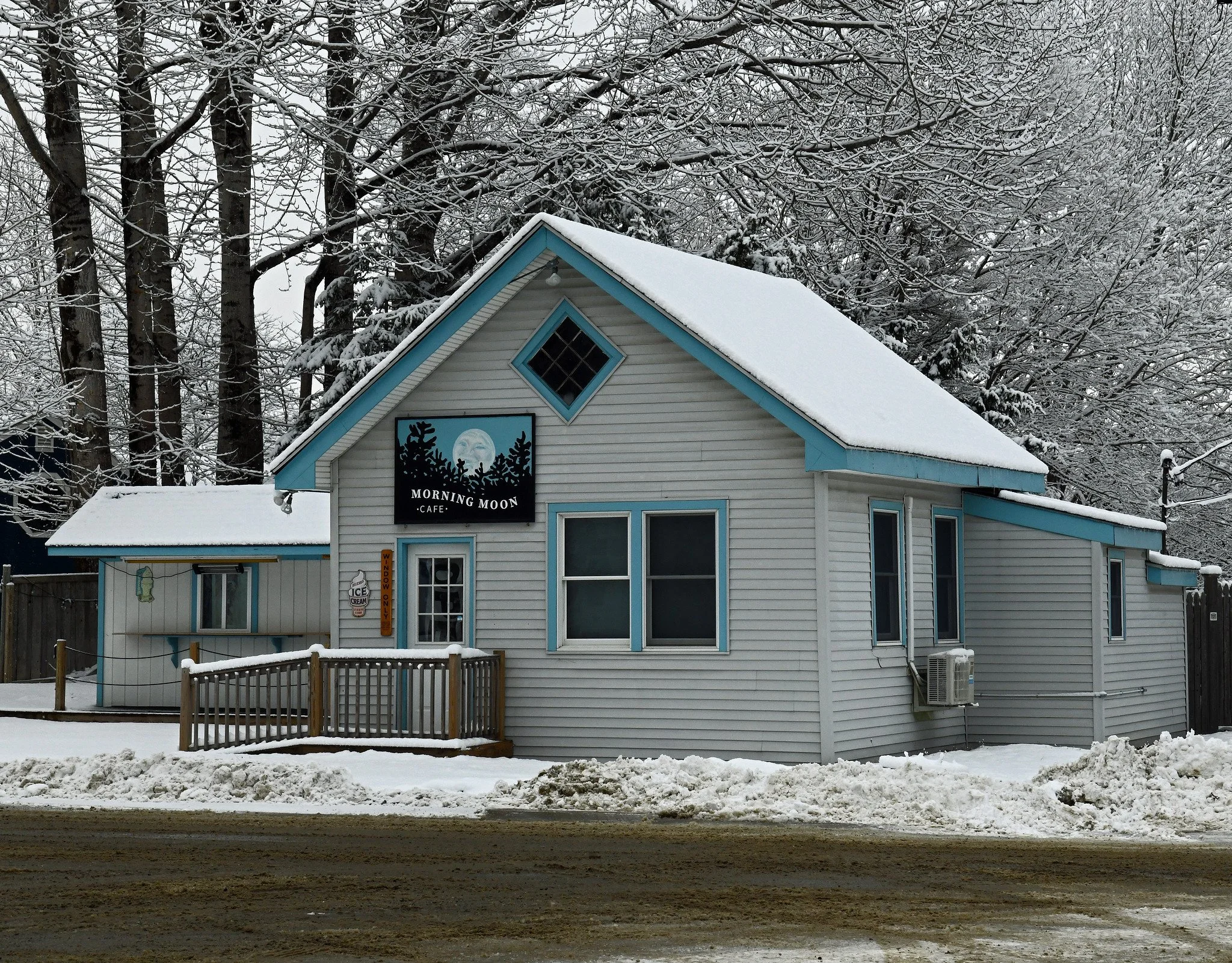
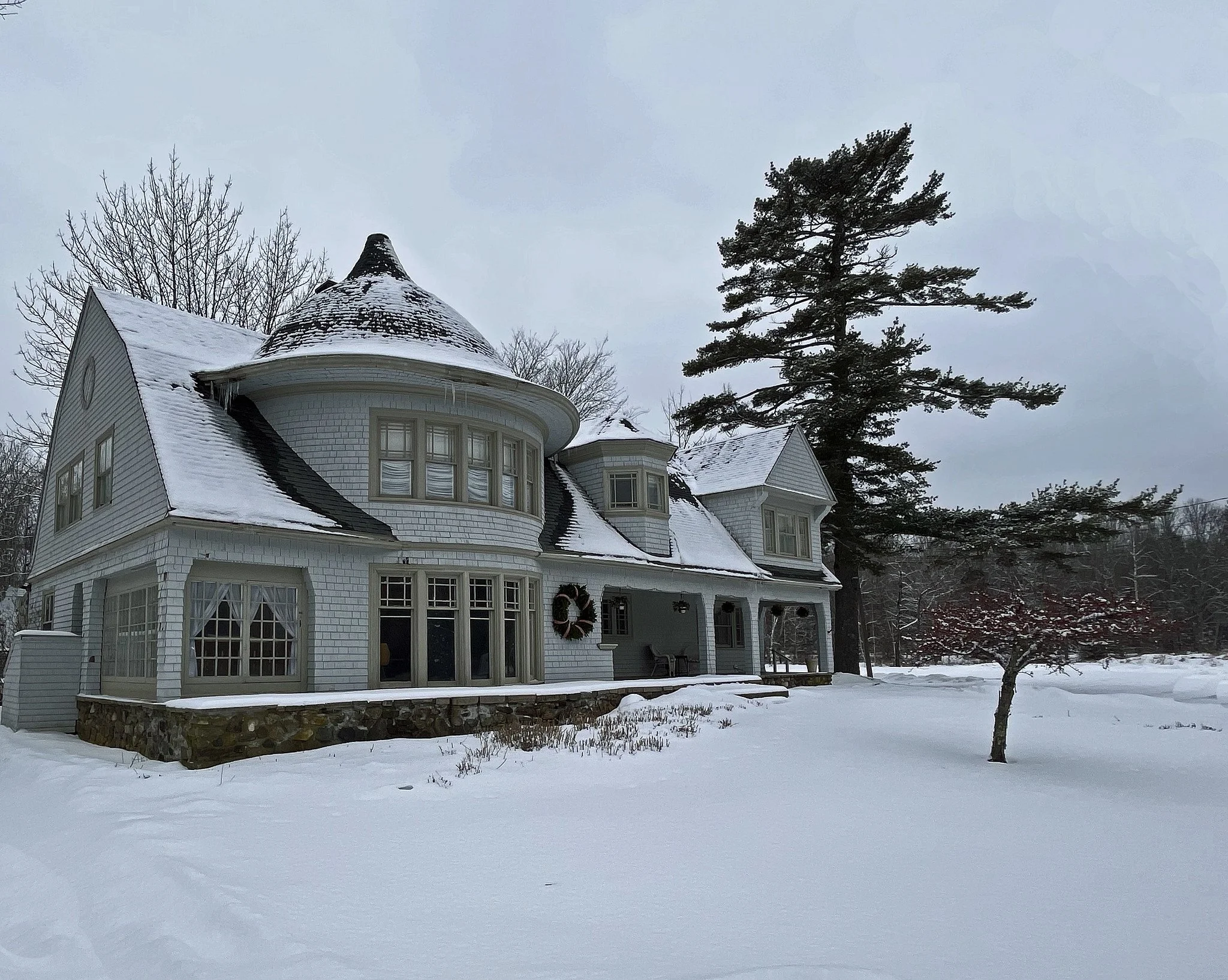
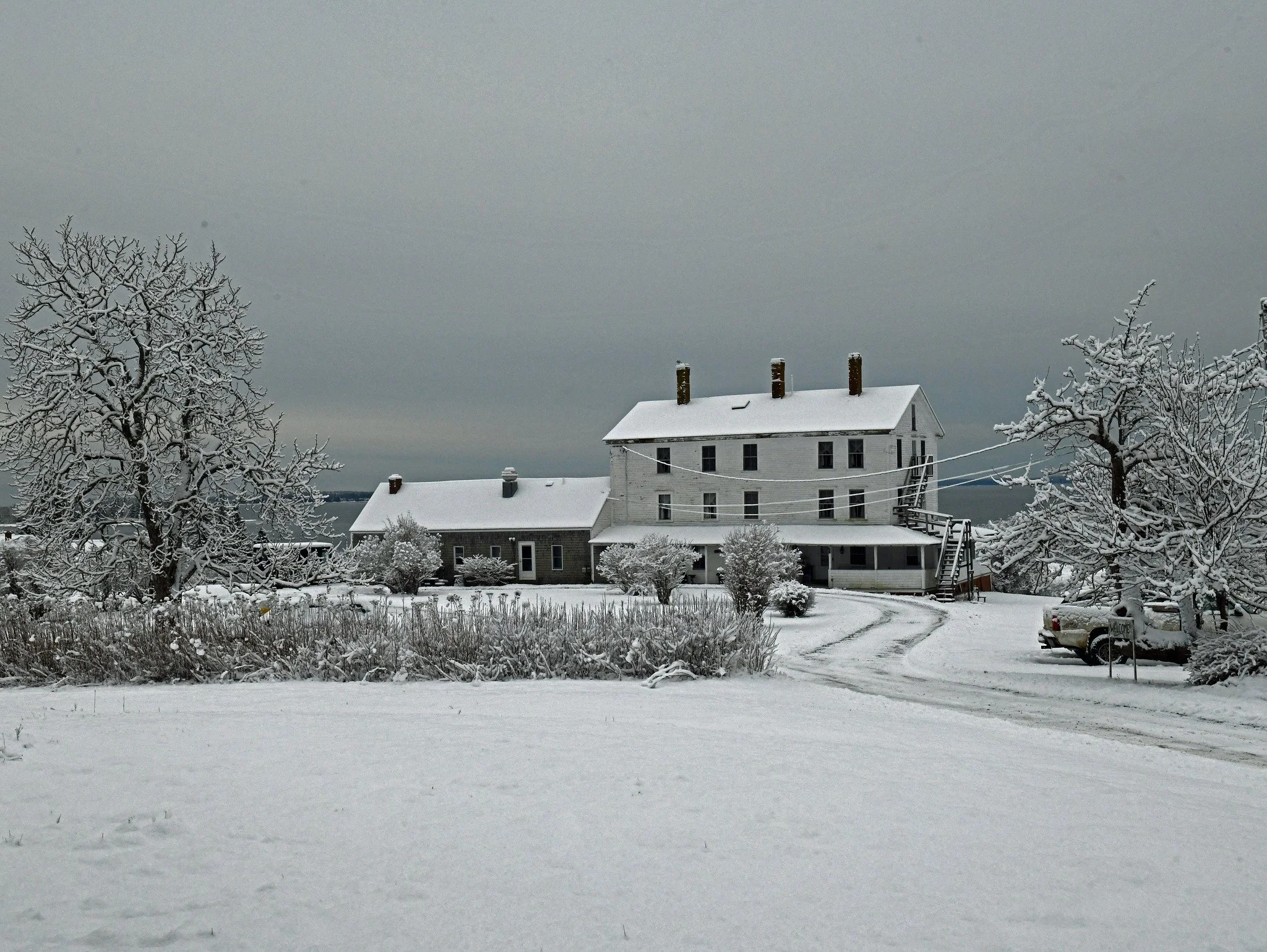
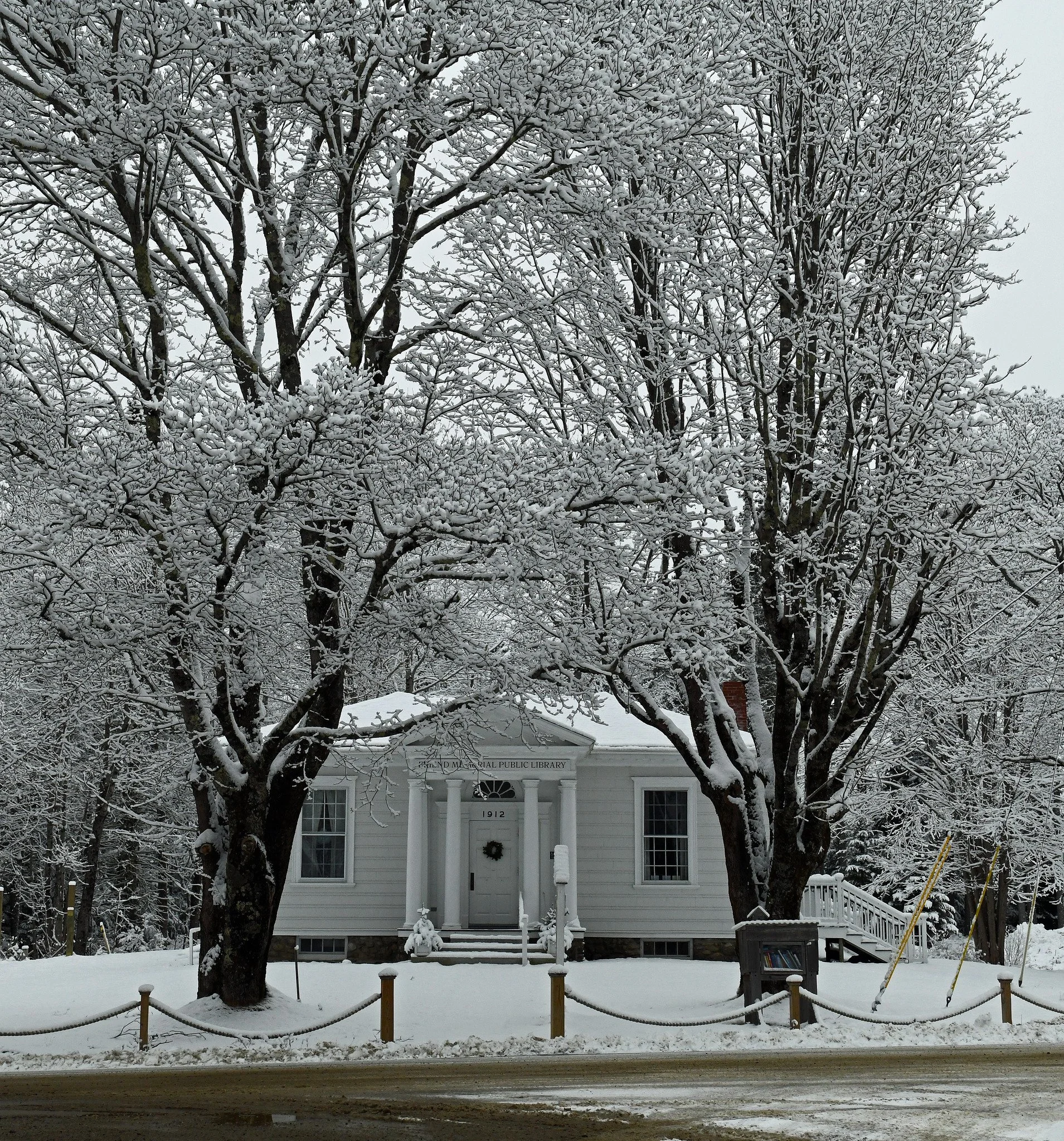
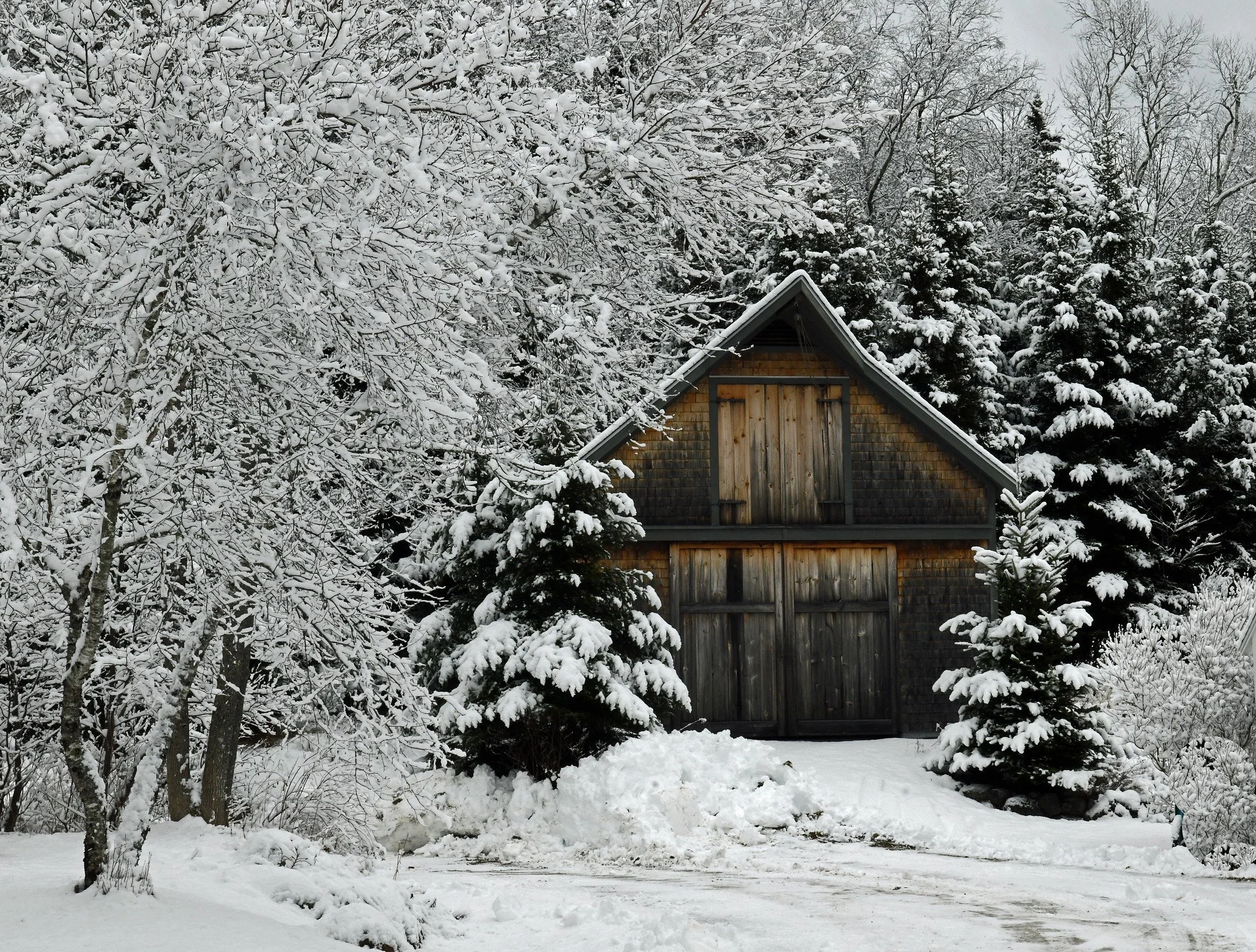
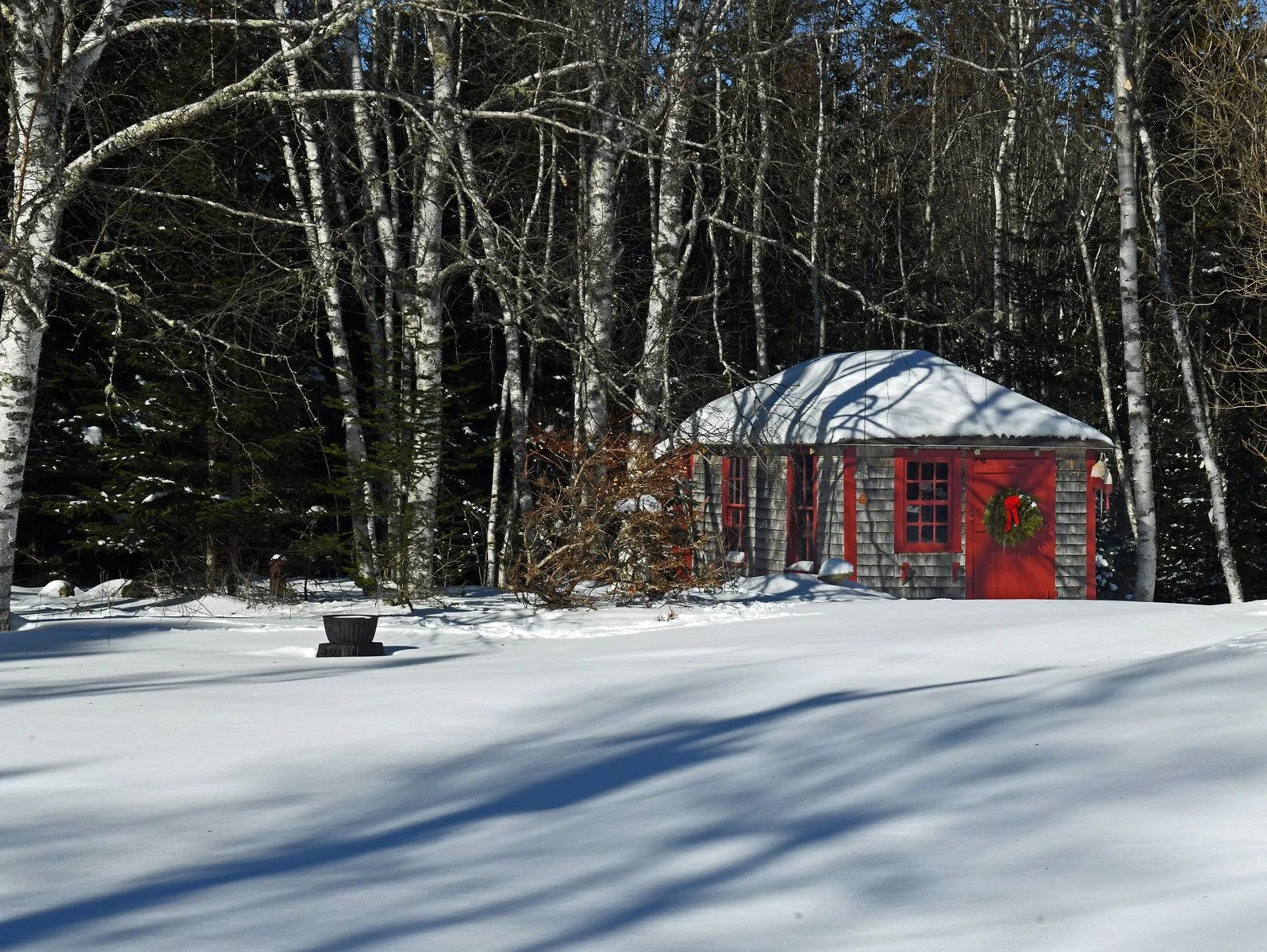
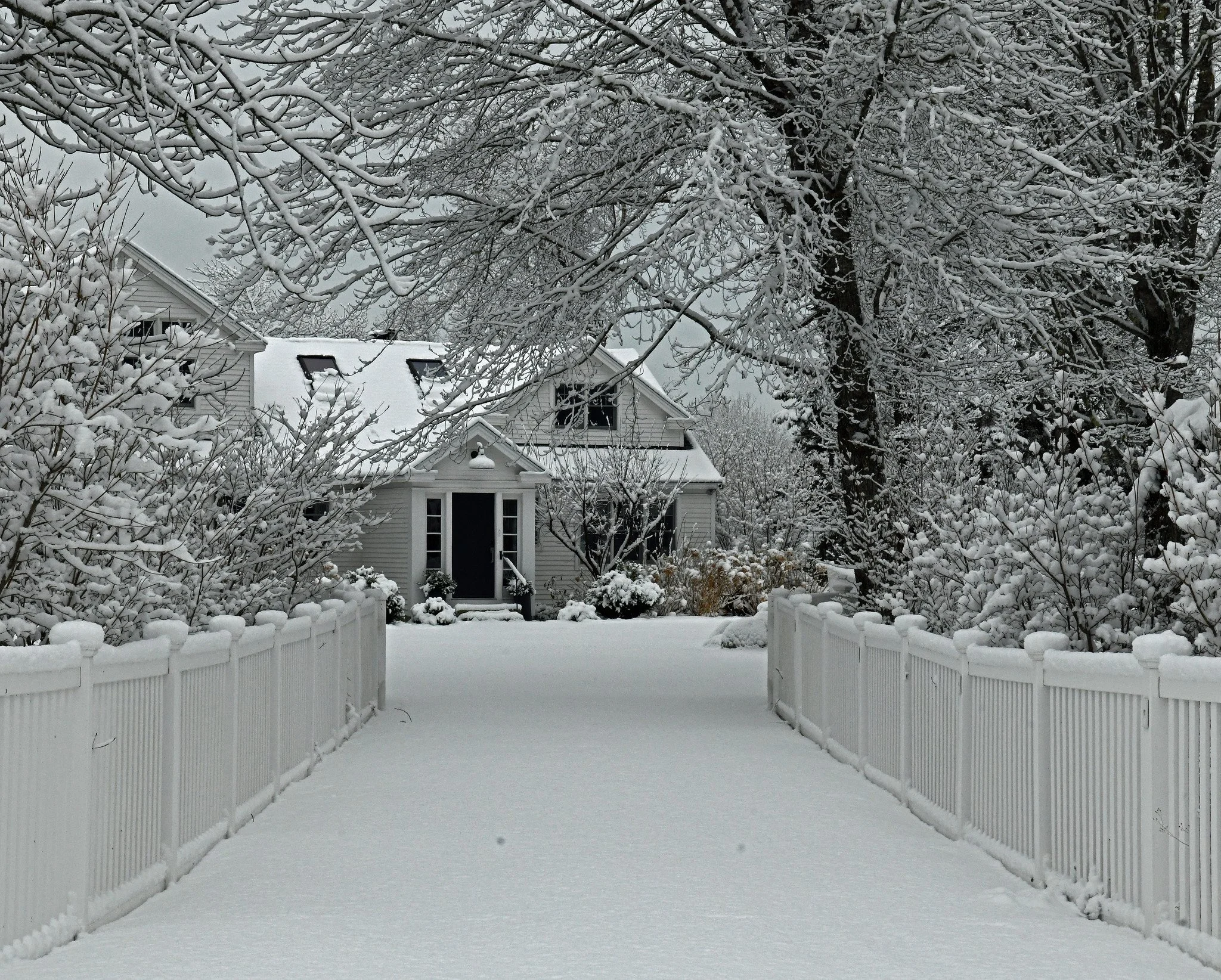
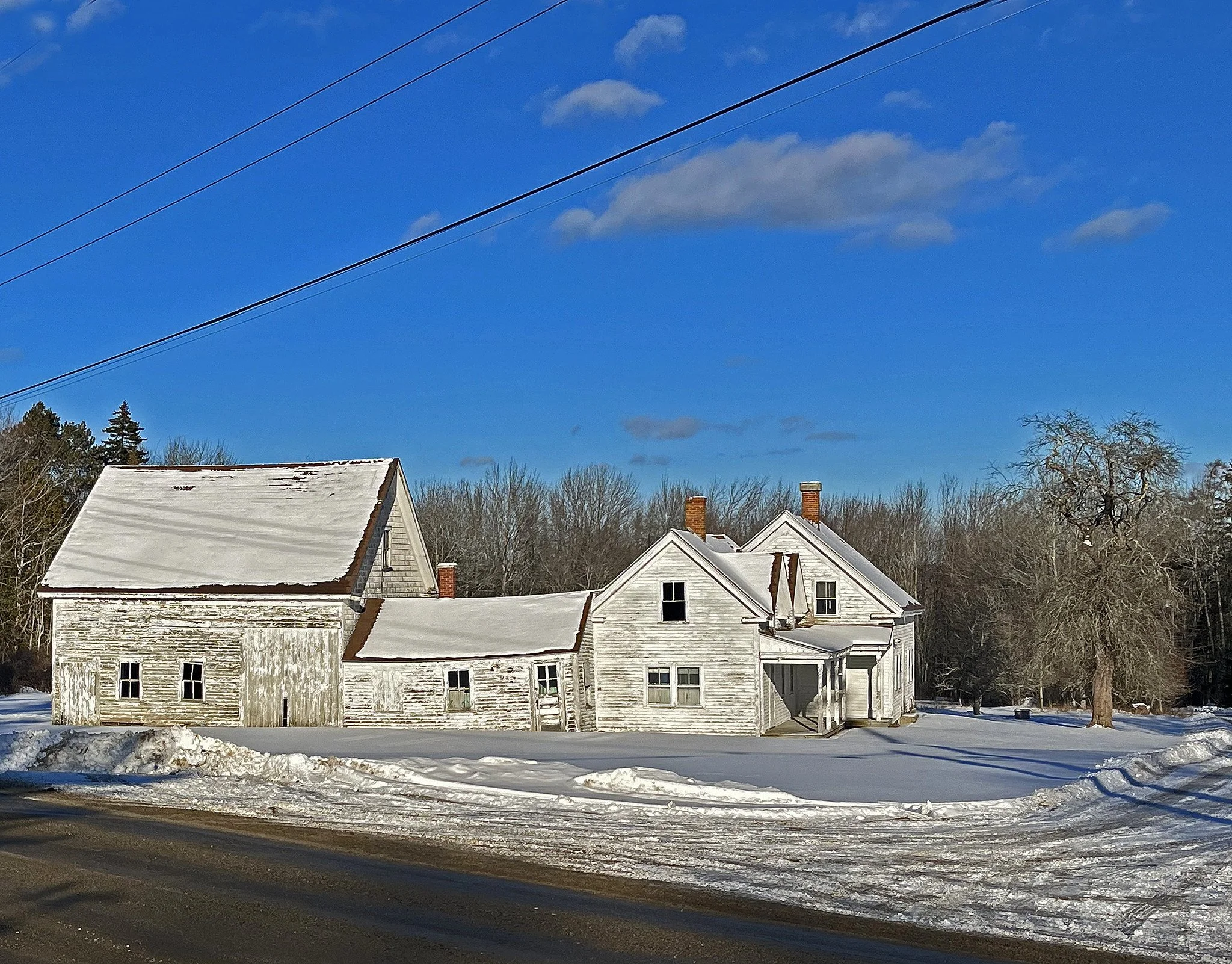
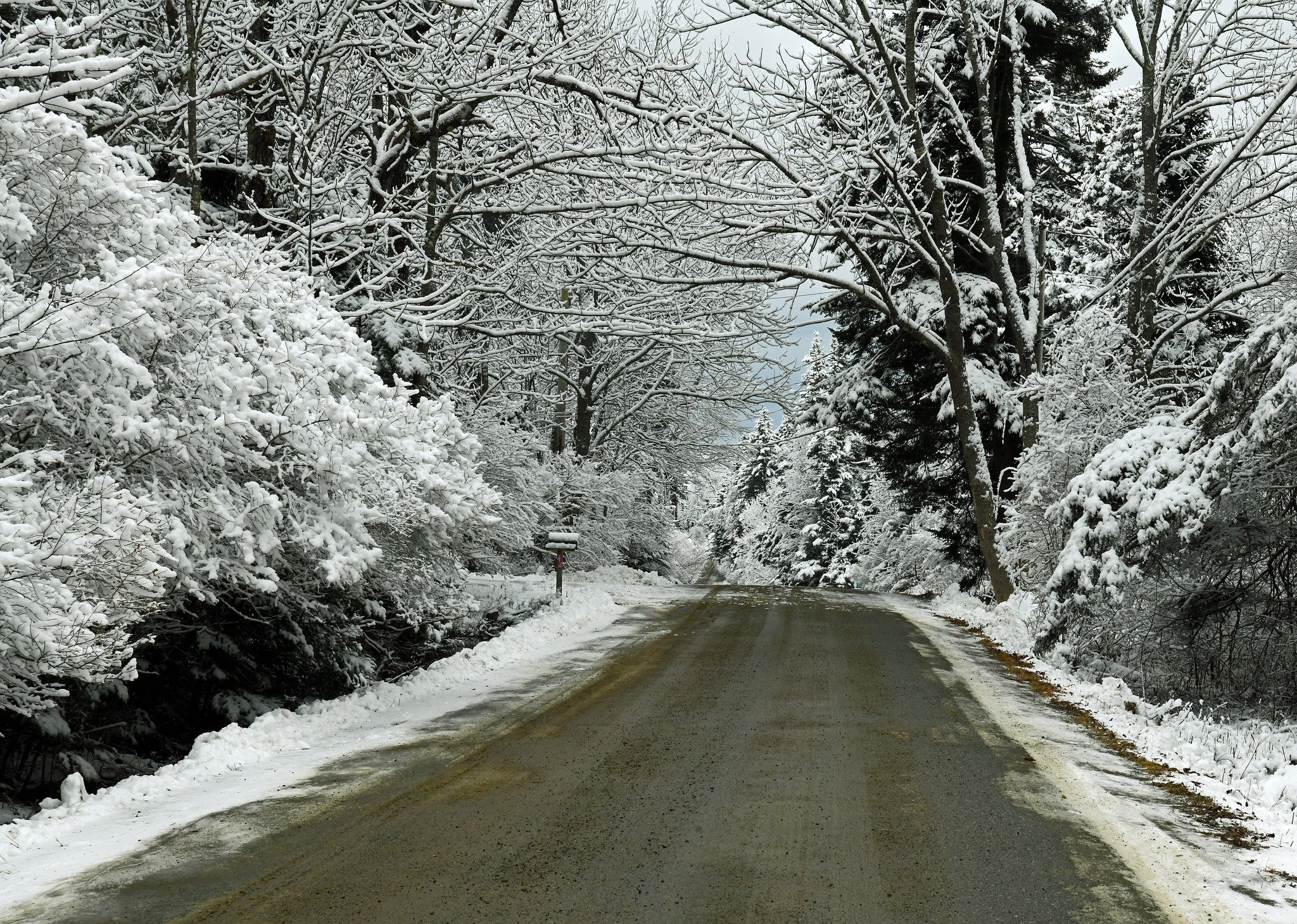
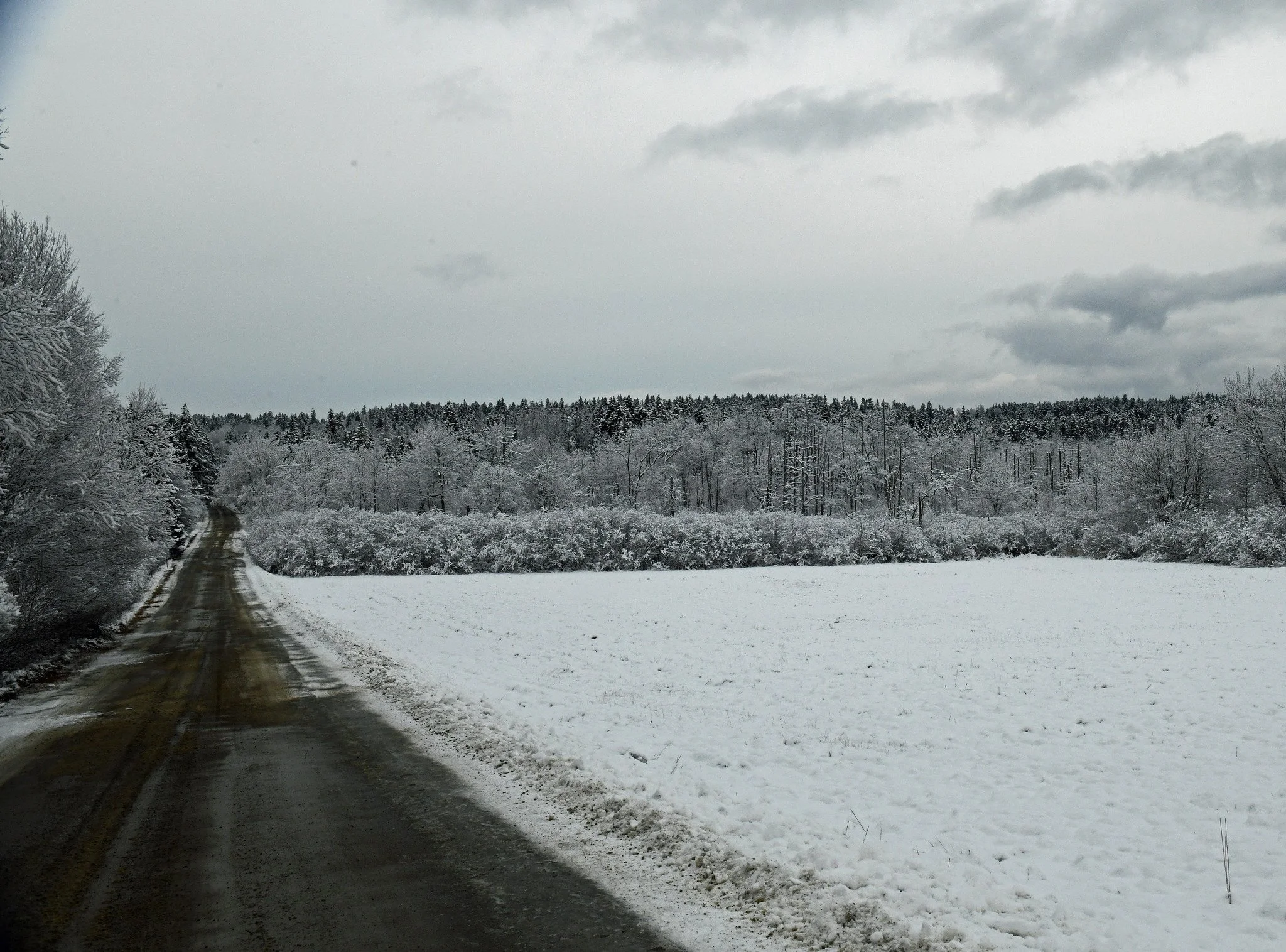
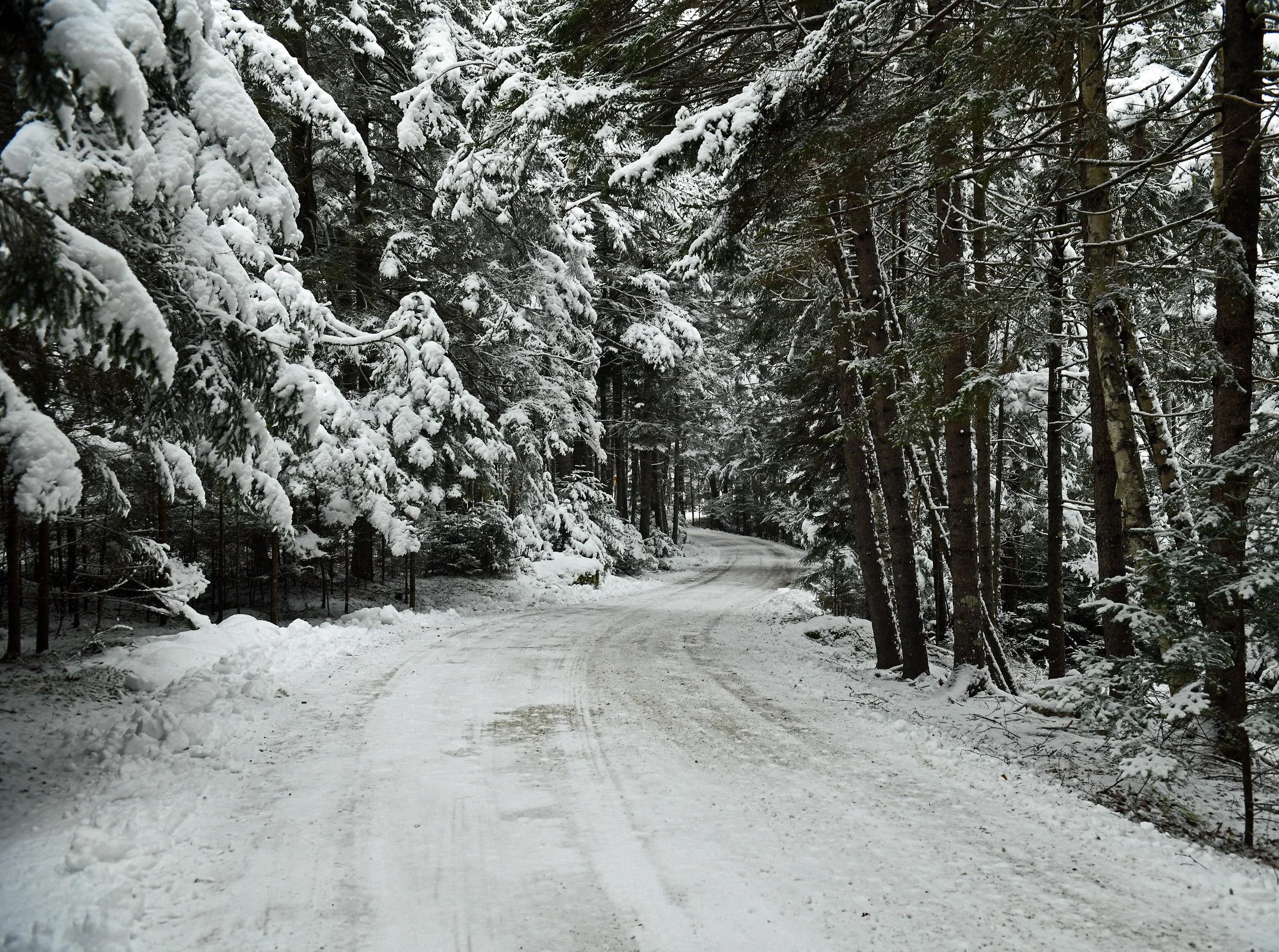
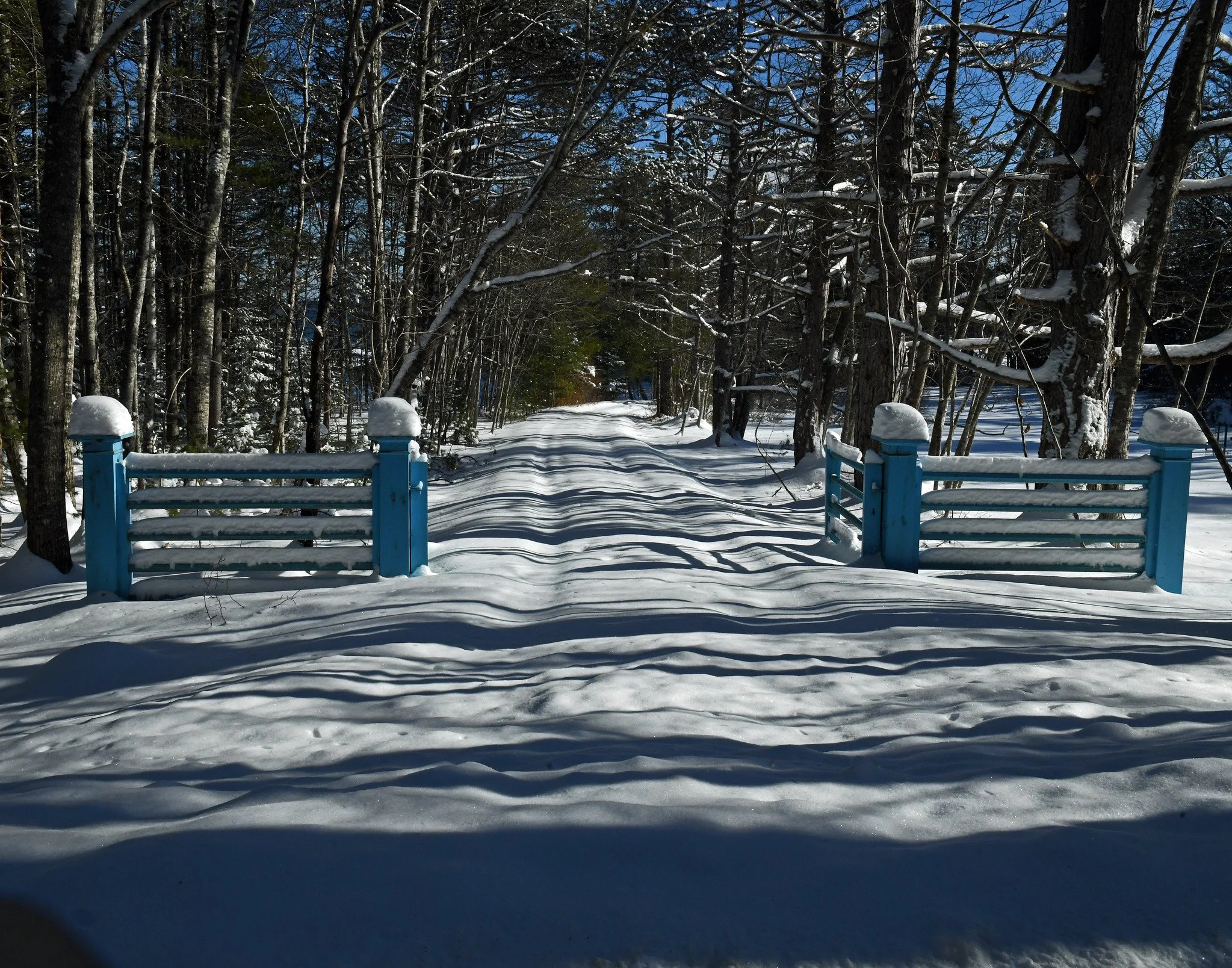
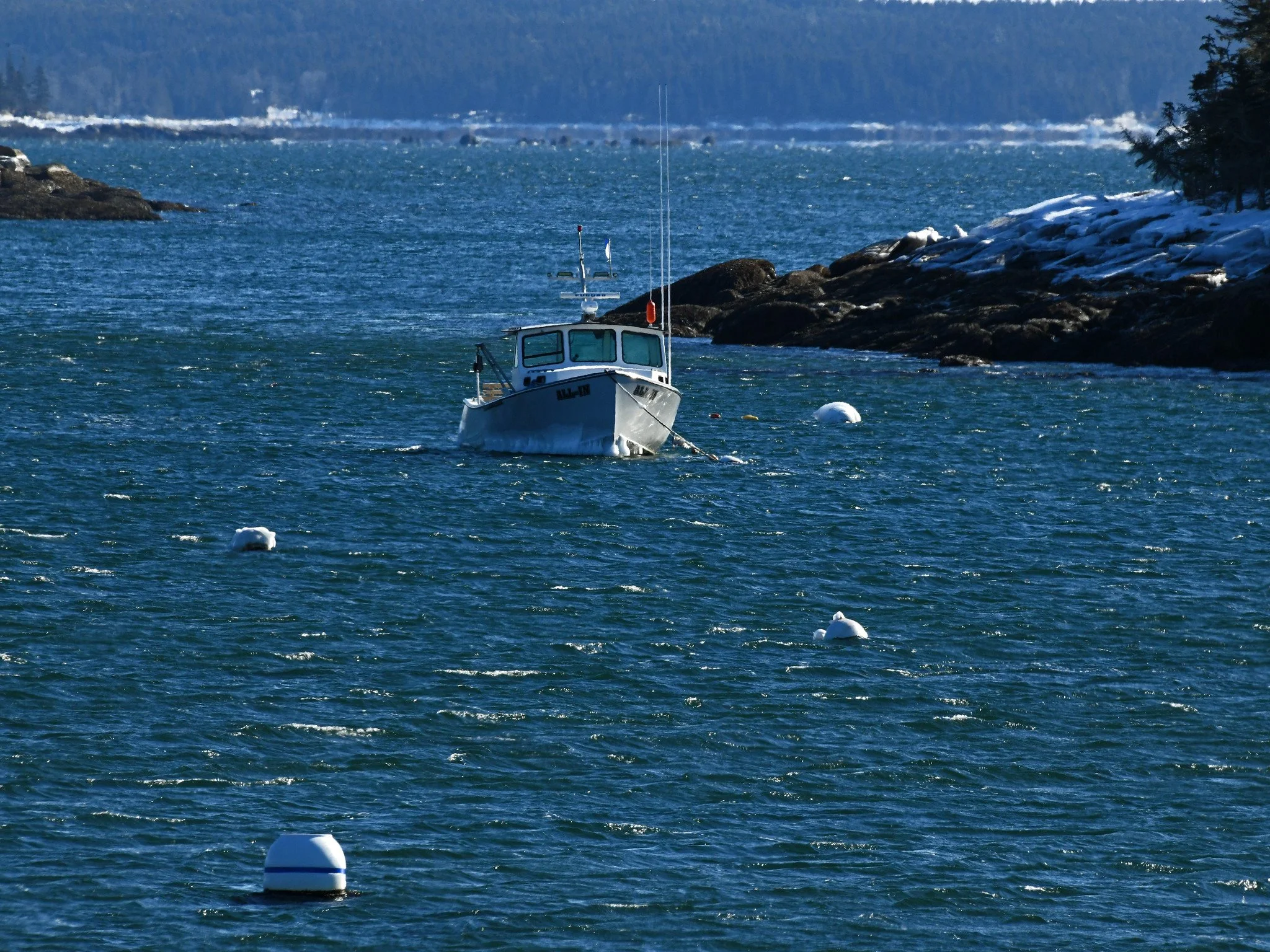
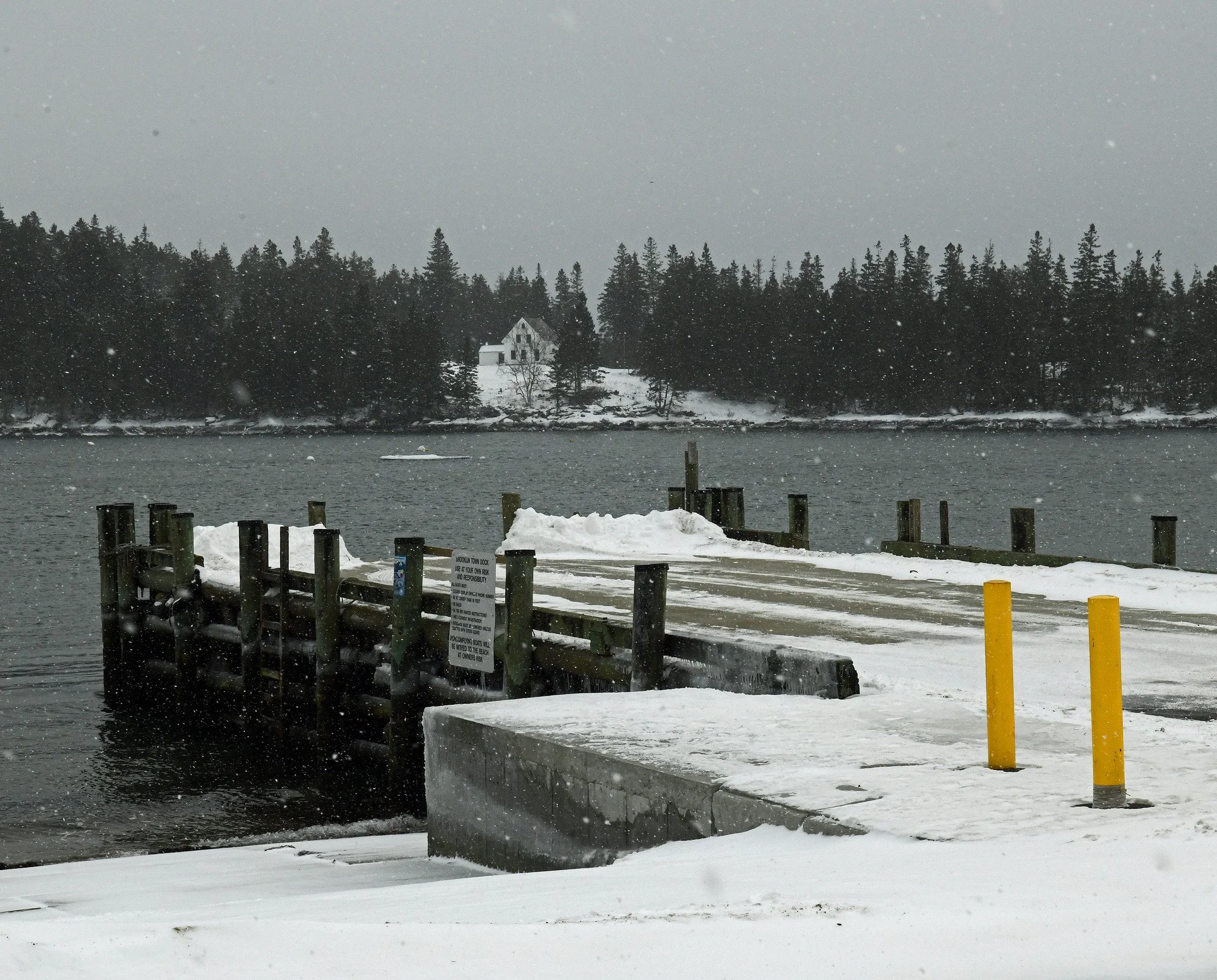
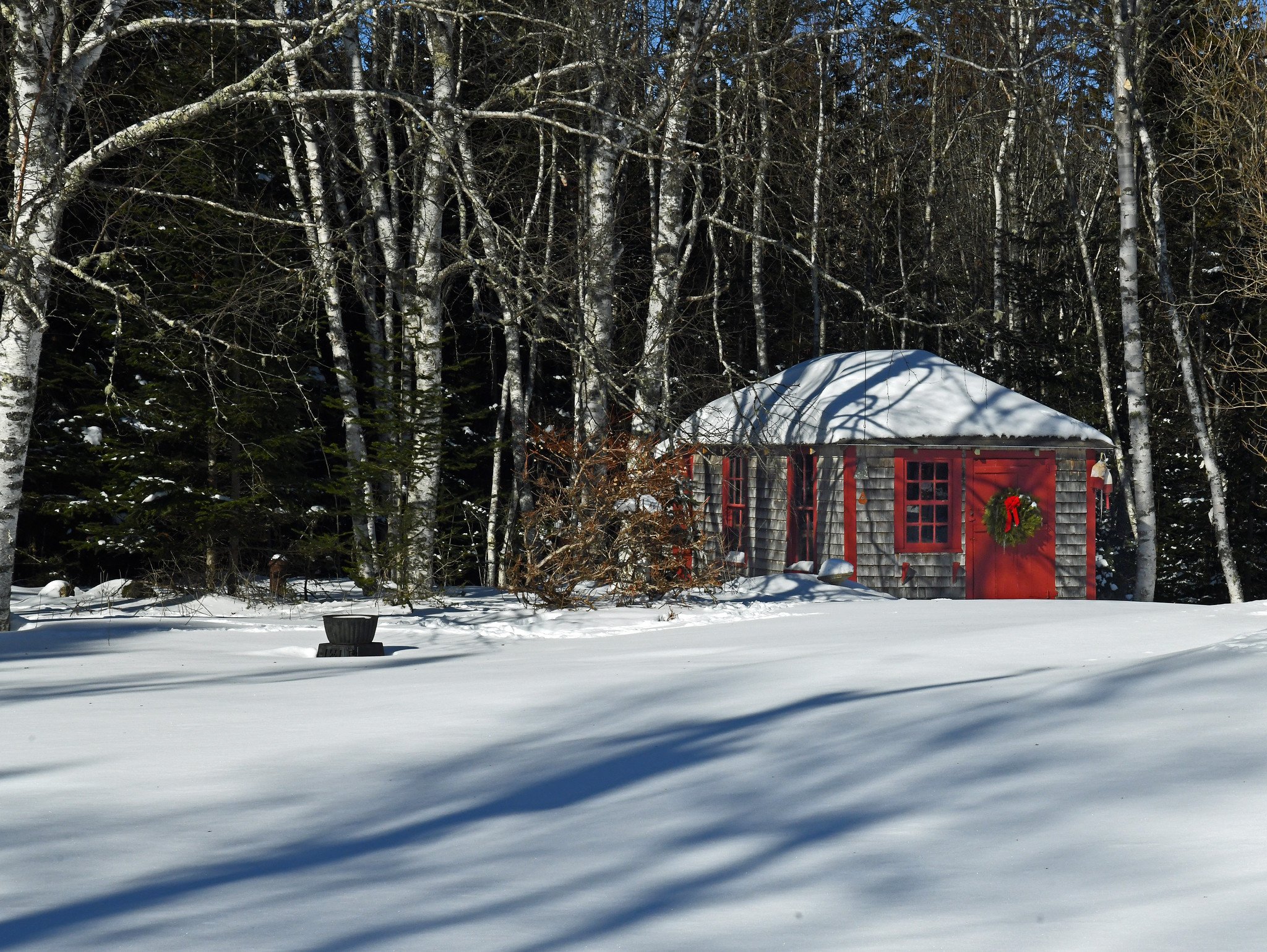
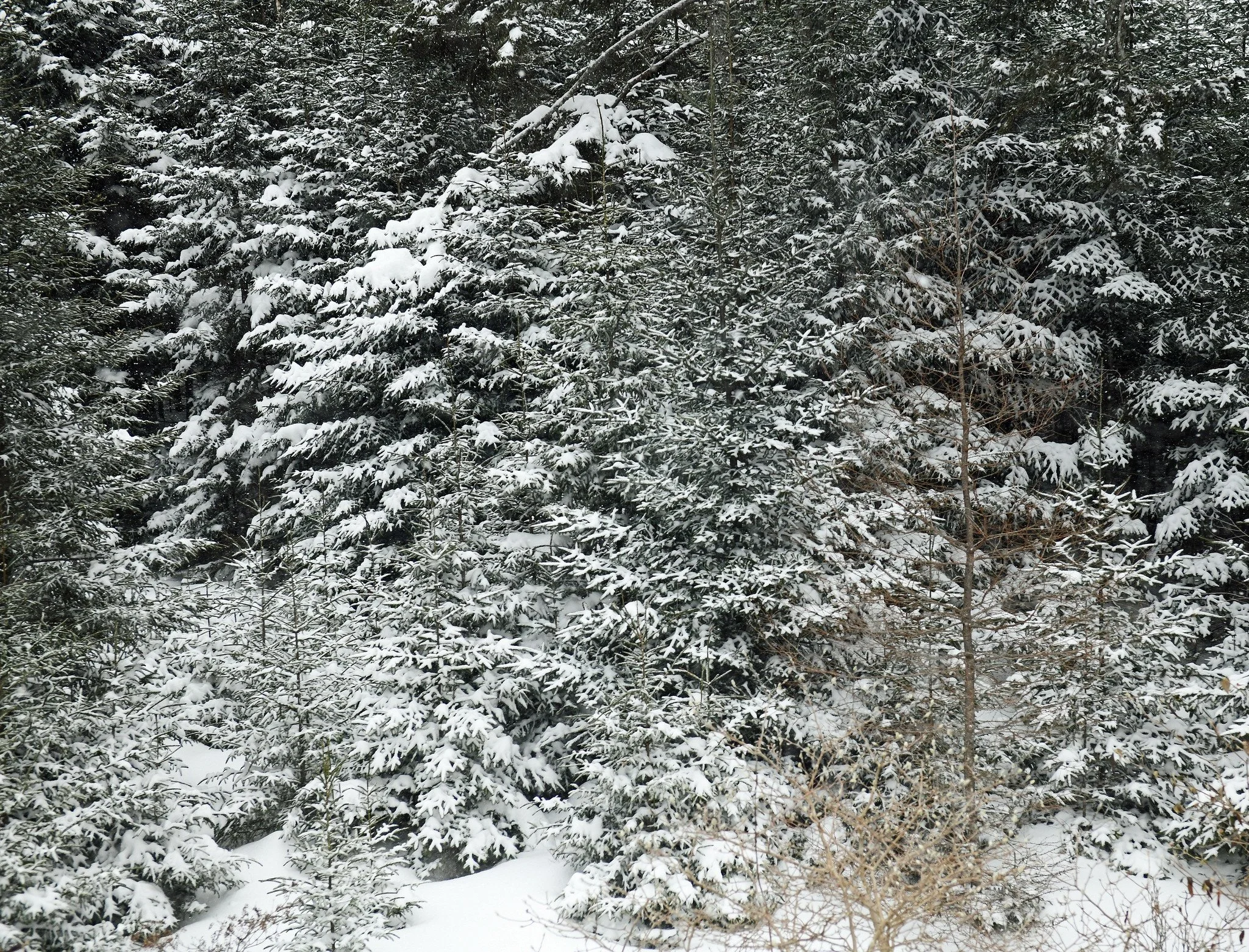
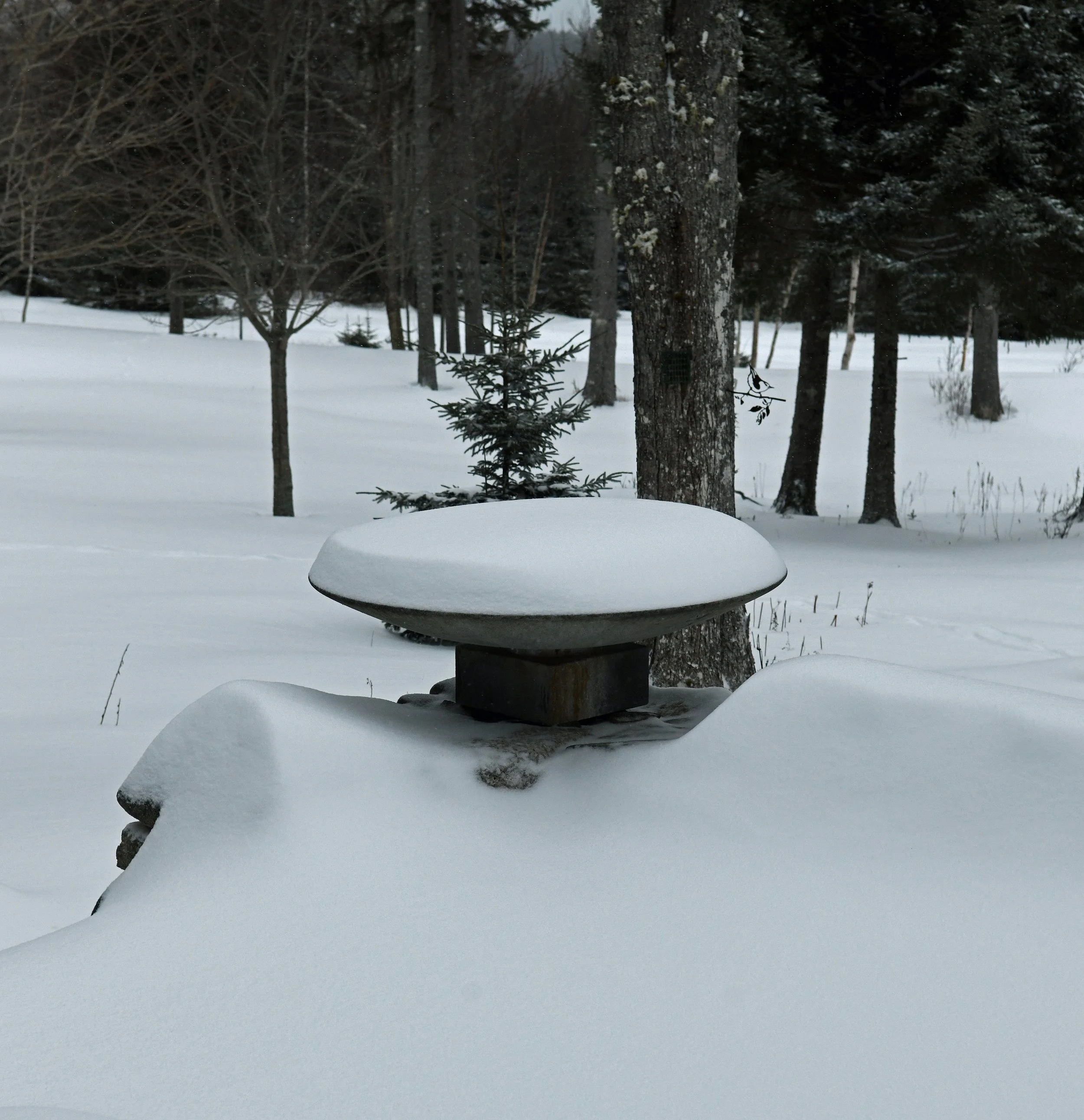
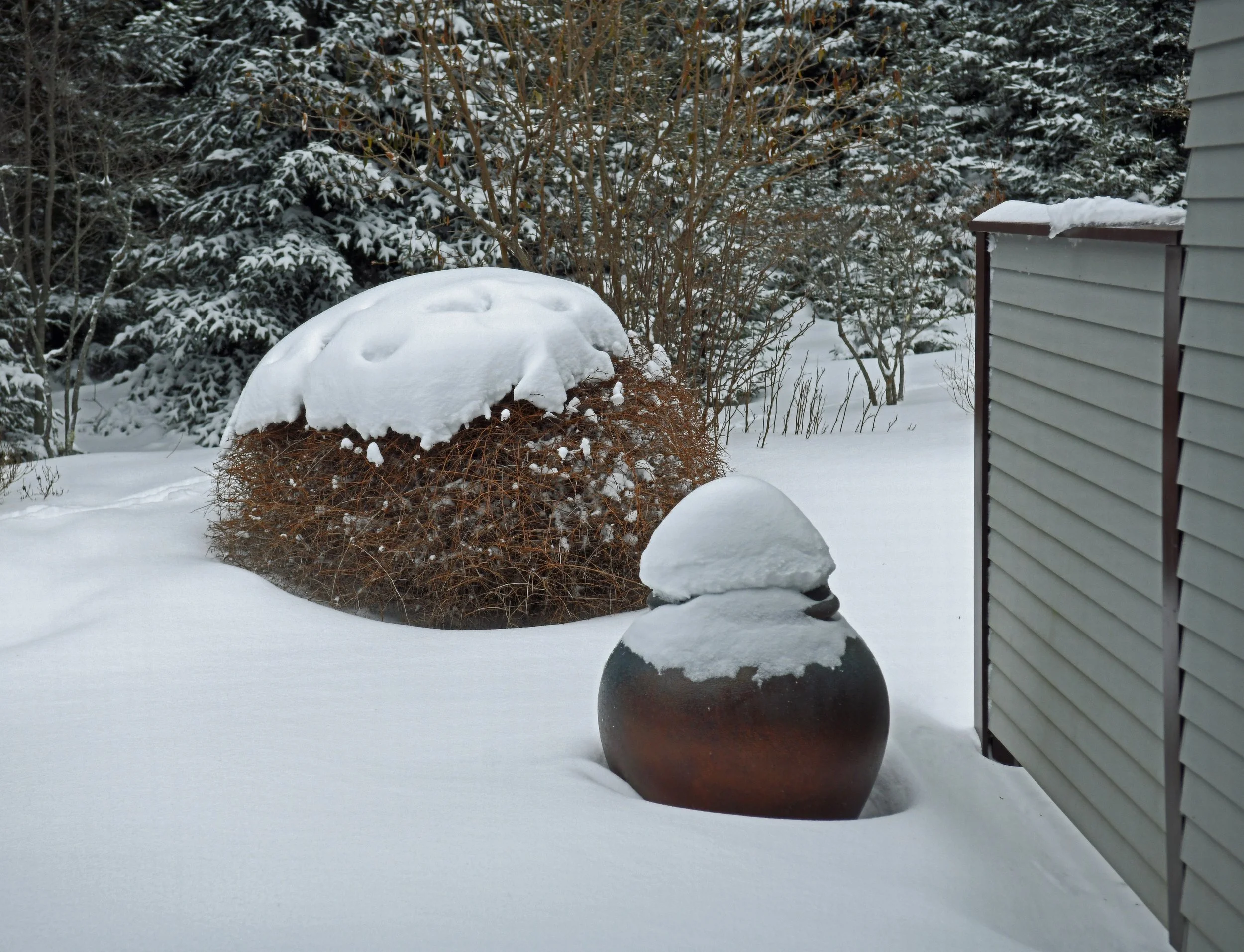
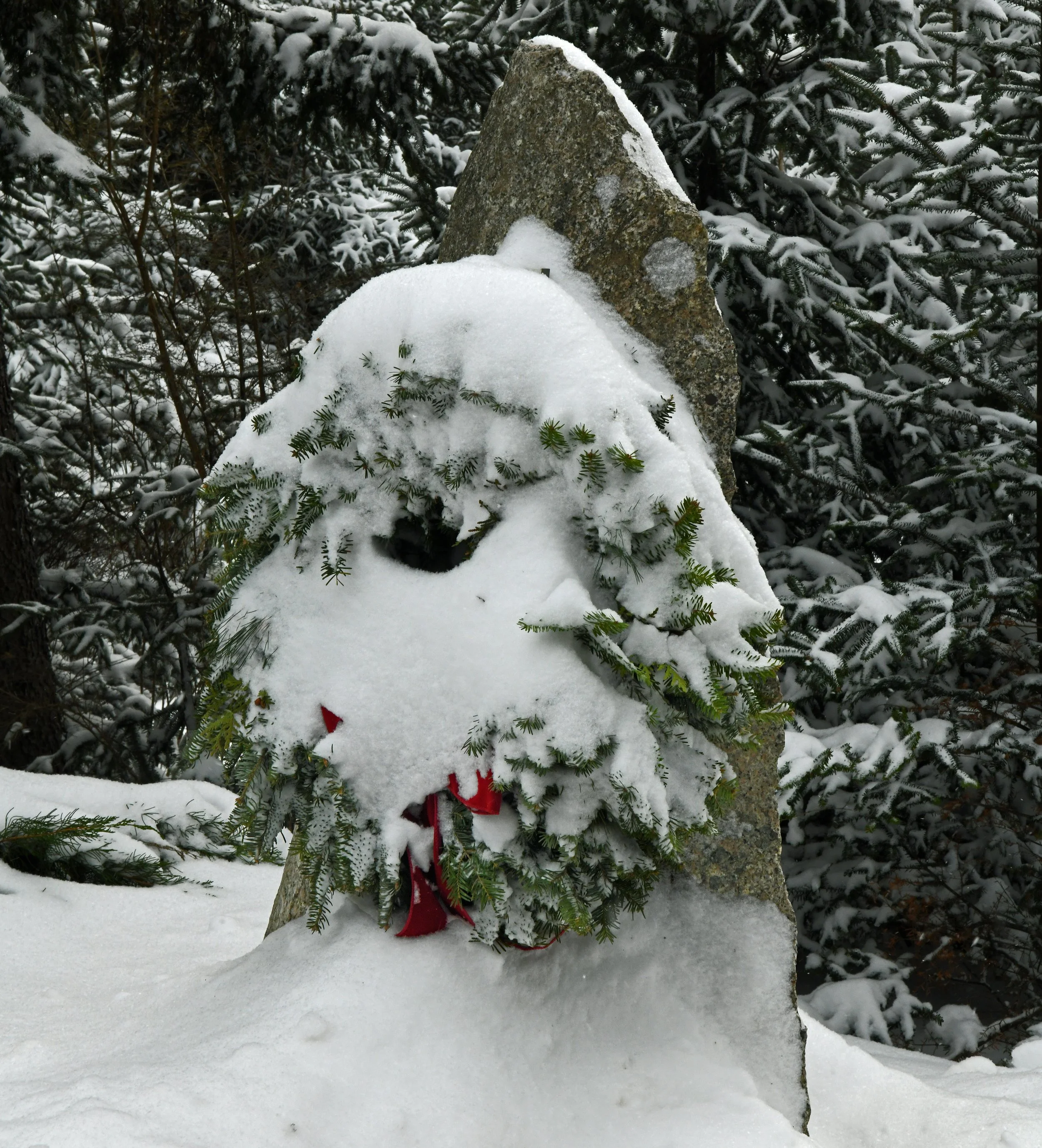
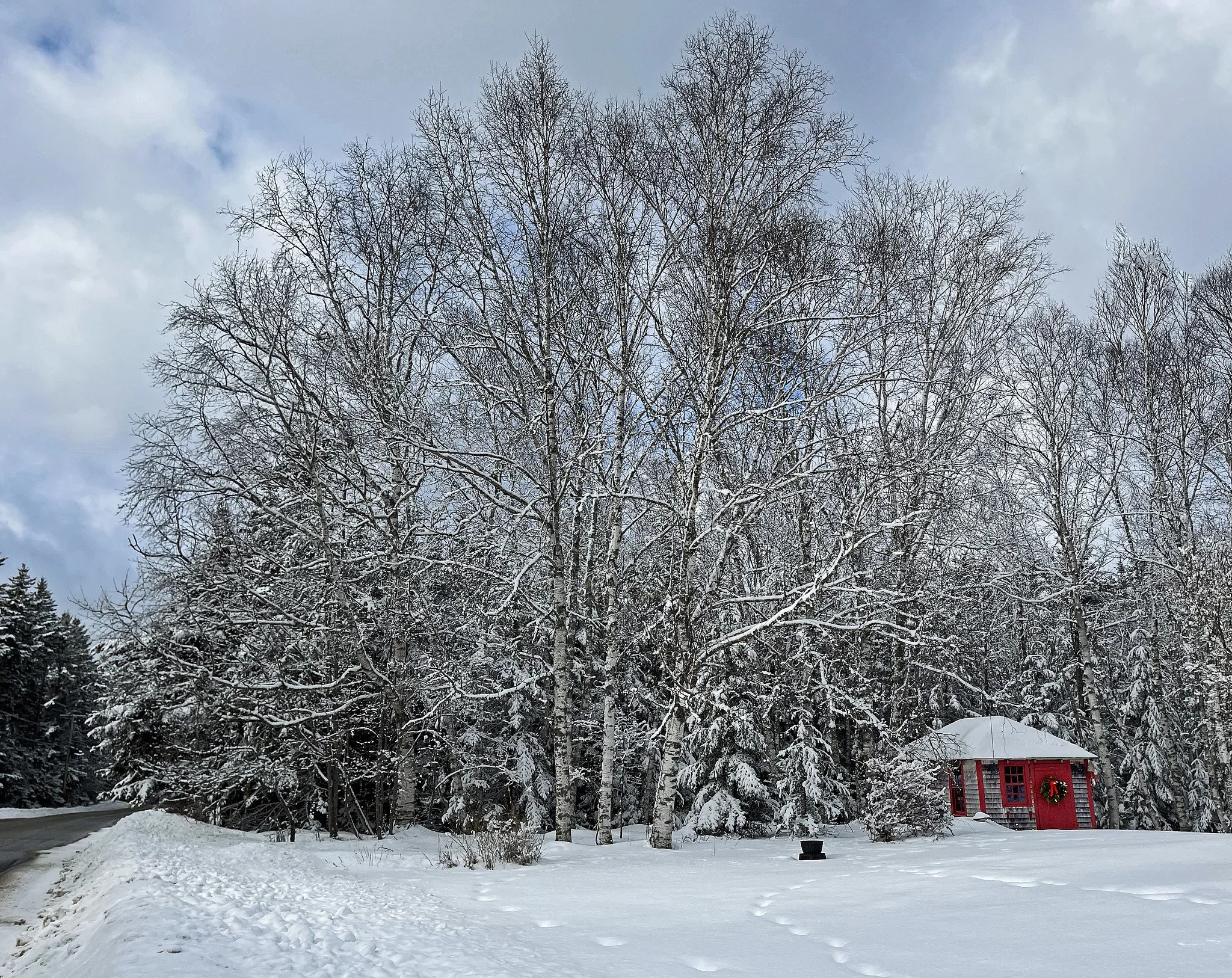
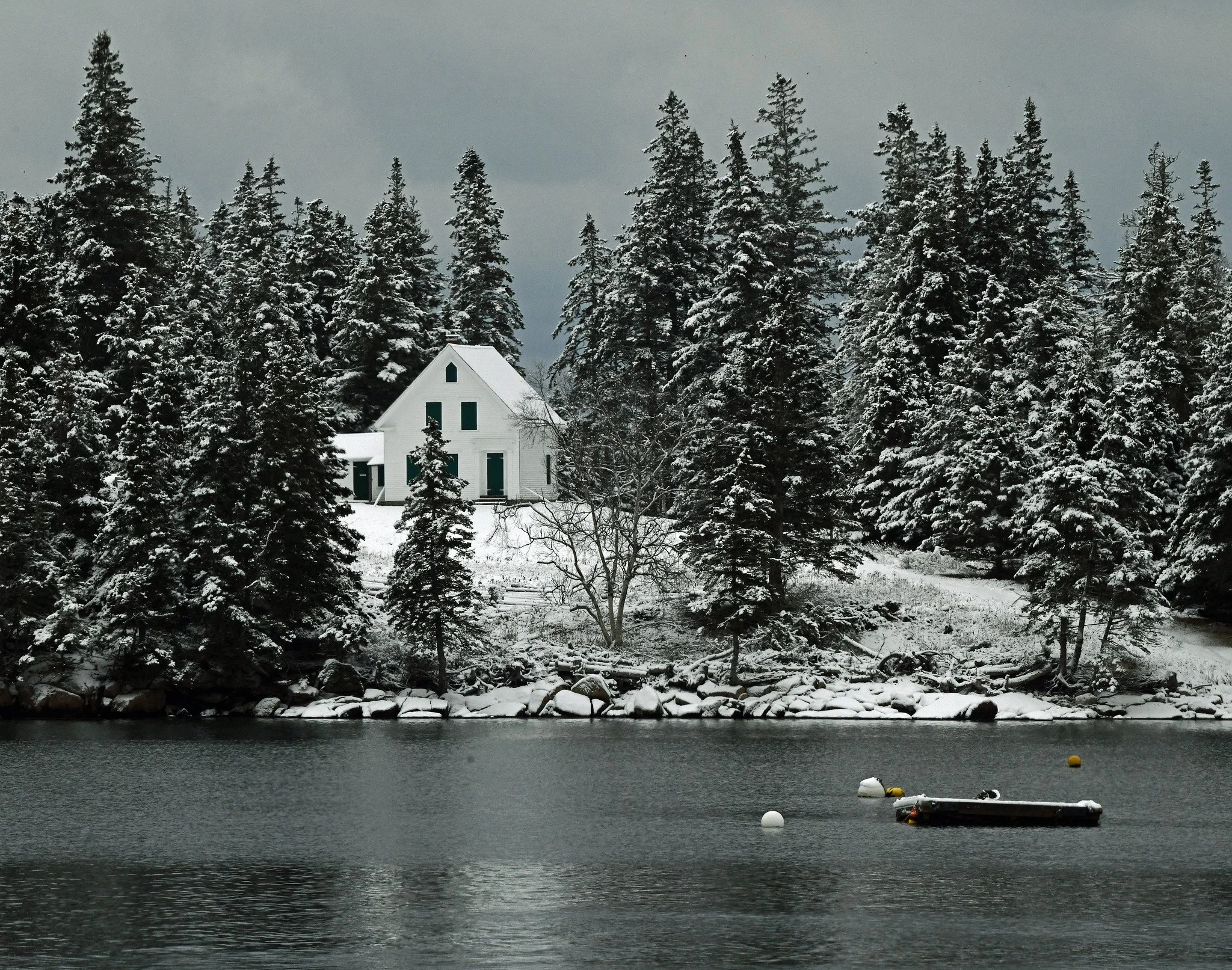
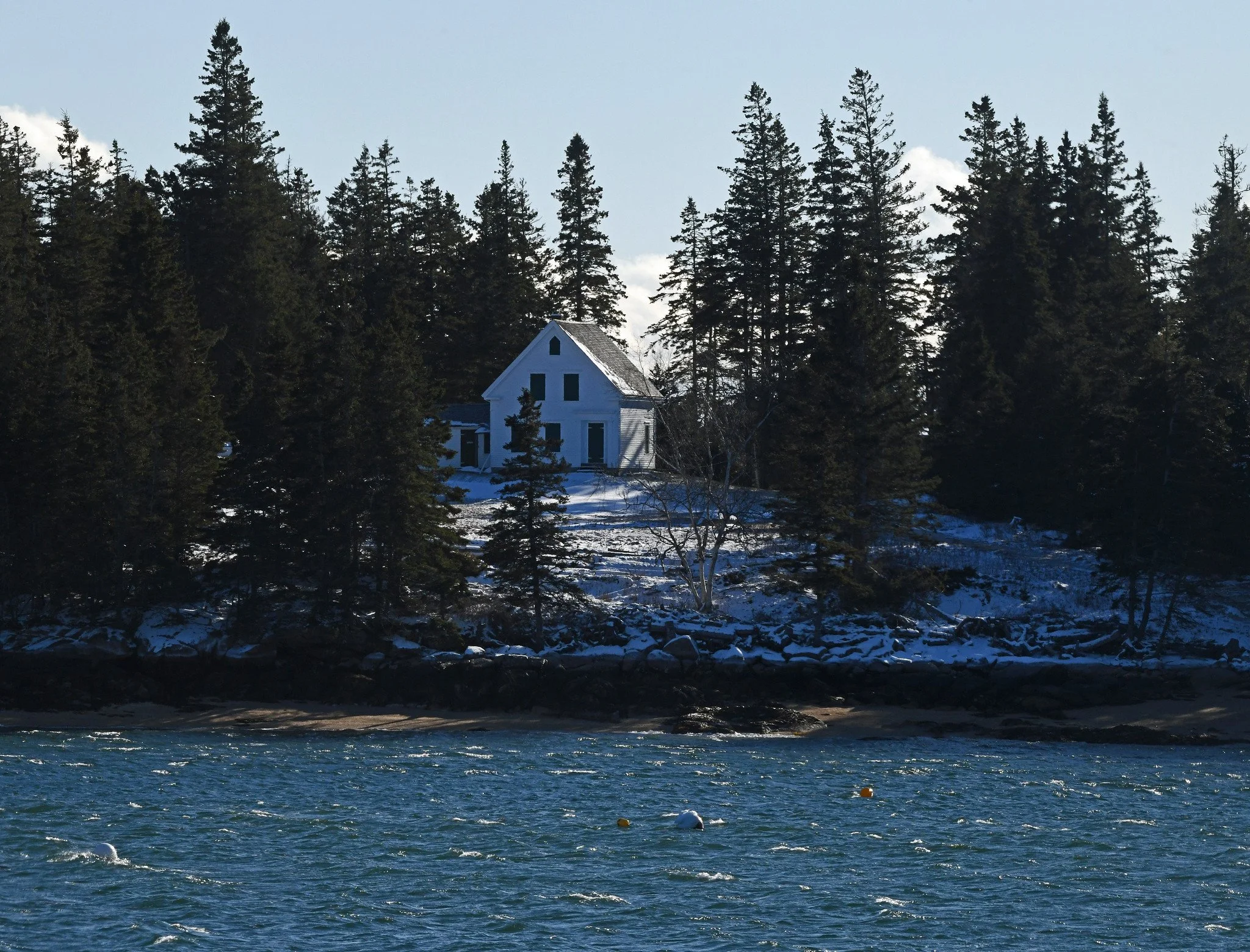
February’s first significant snowfall ended on Wednesday after having brightened our area nicely. This ITRP may be the first of a series of intermittent posts on that beautification. Above, you see an old workshop snuggling amid a stand of white birch. In the early 1900s, a wood carver made duck decoys there.

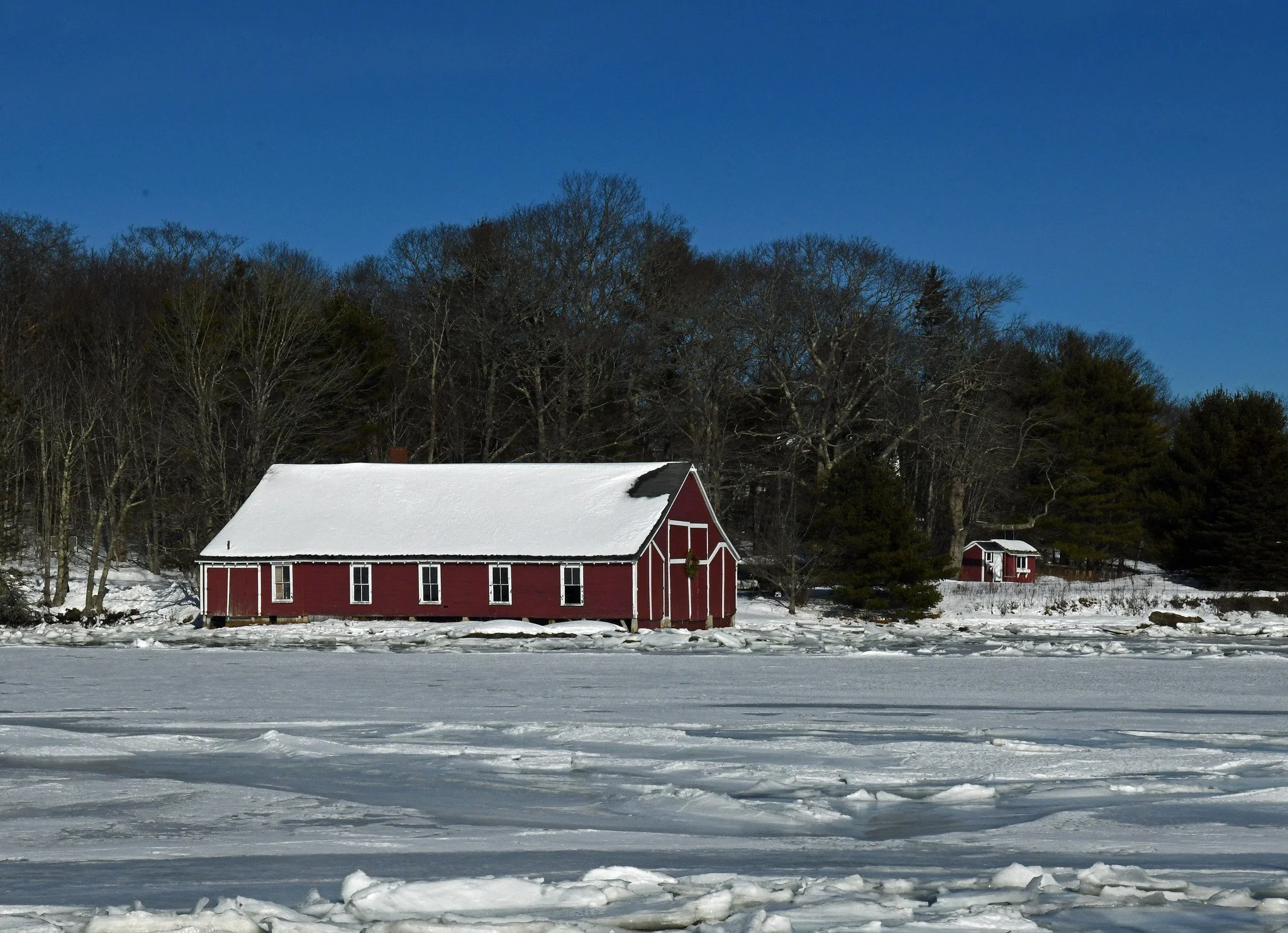
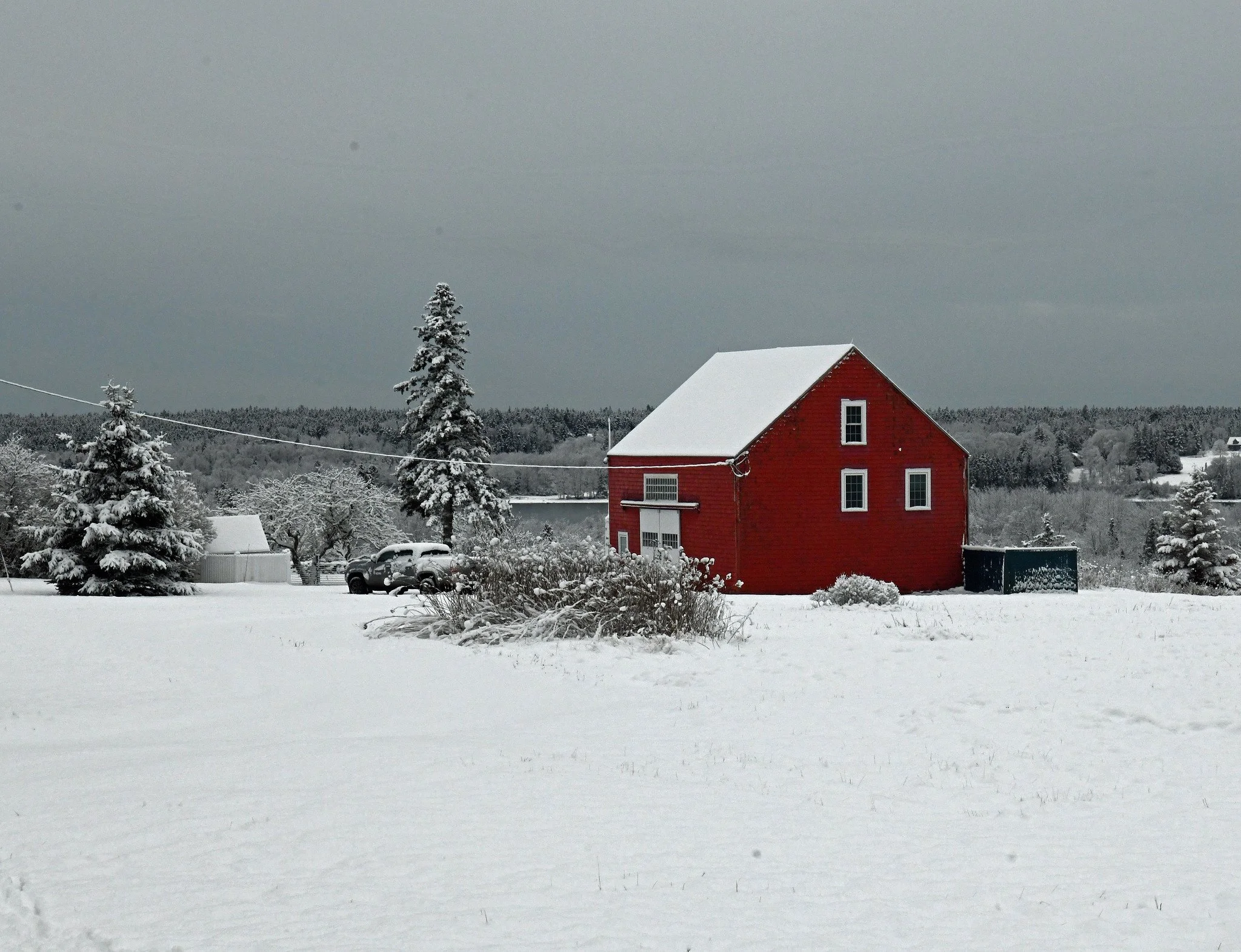
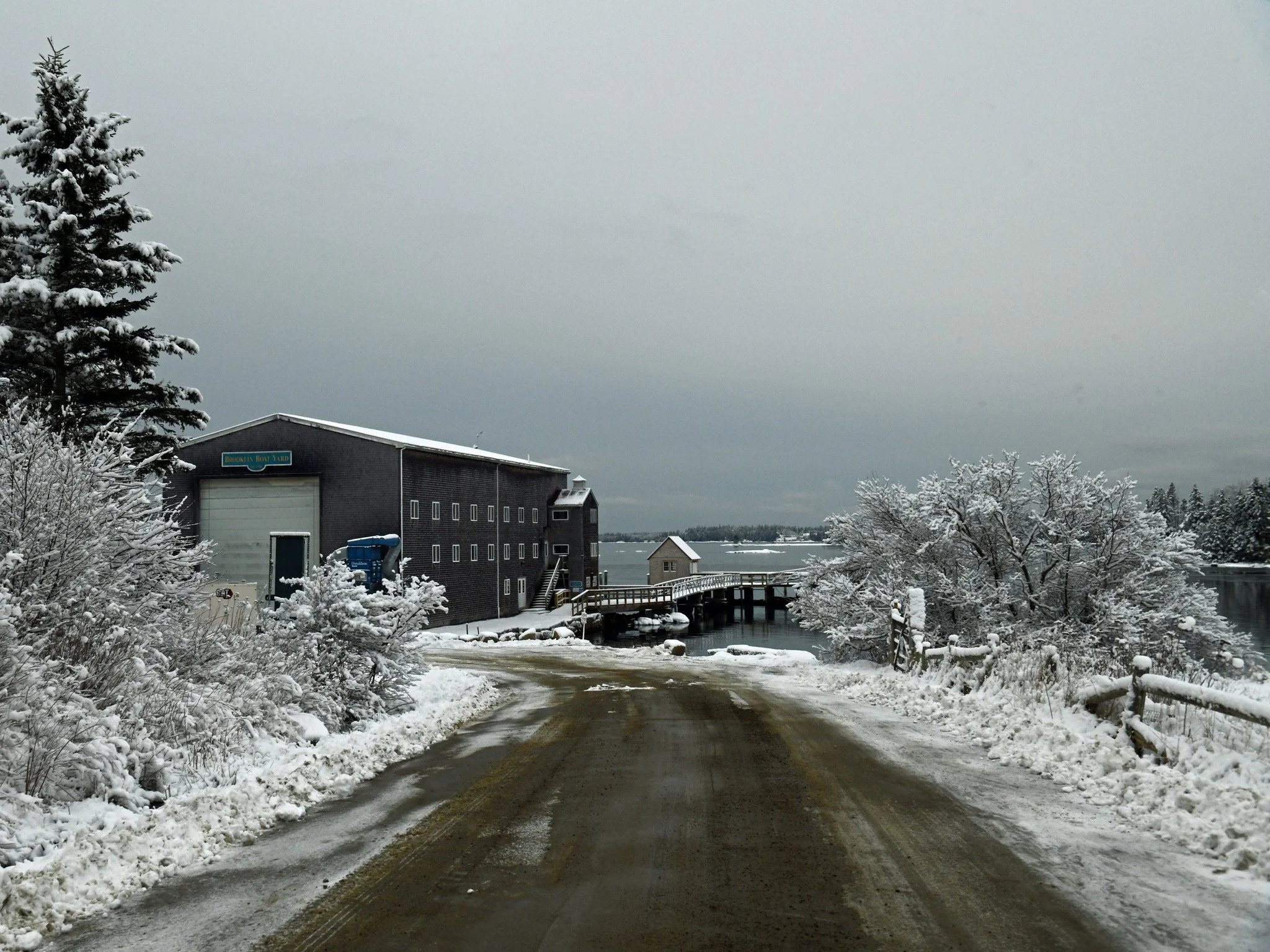
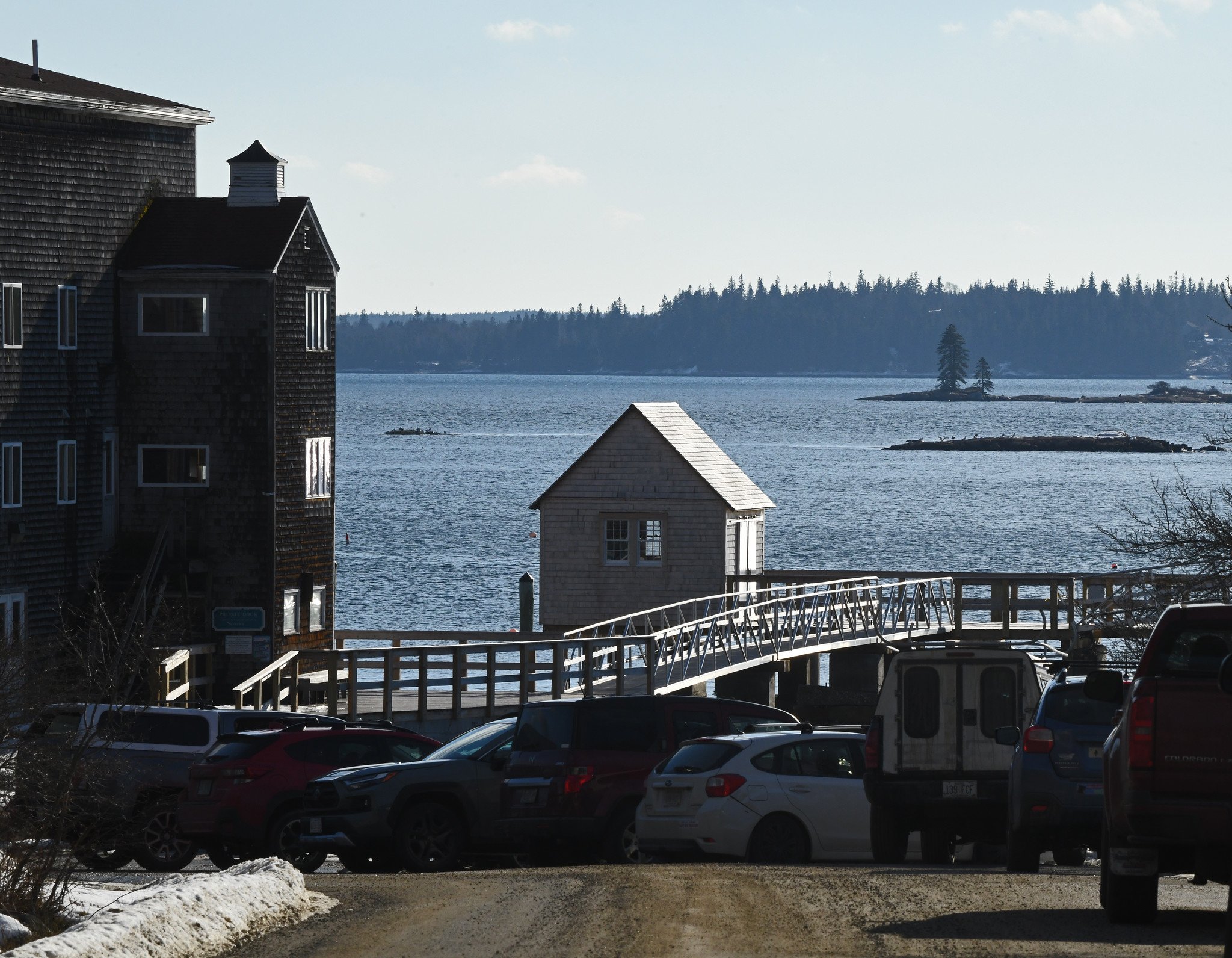
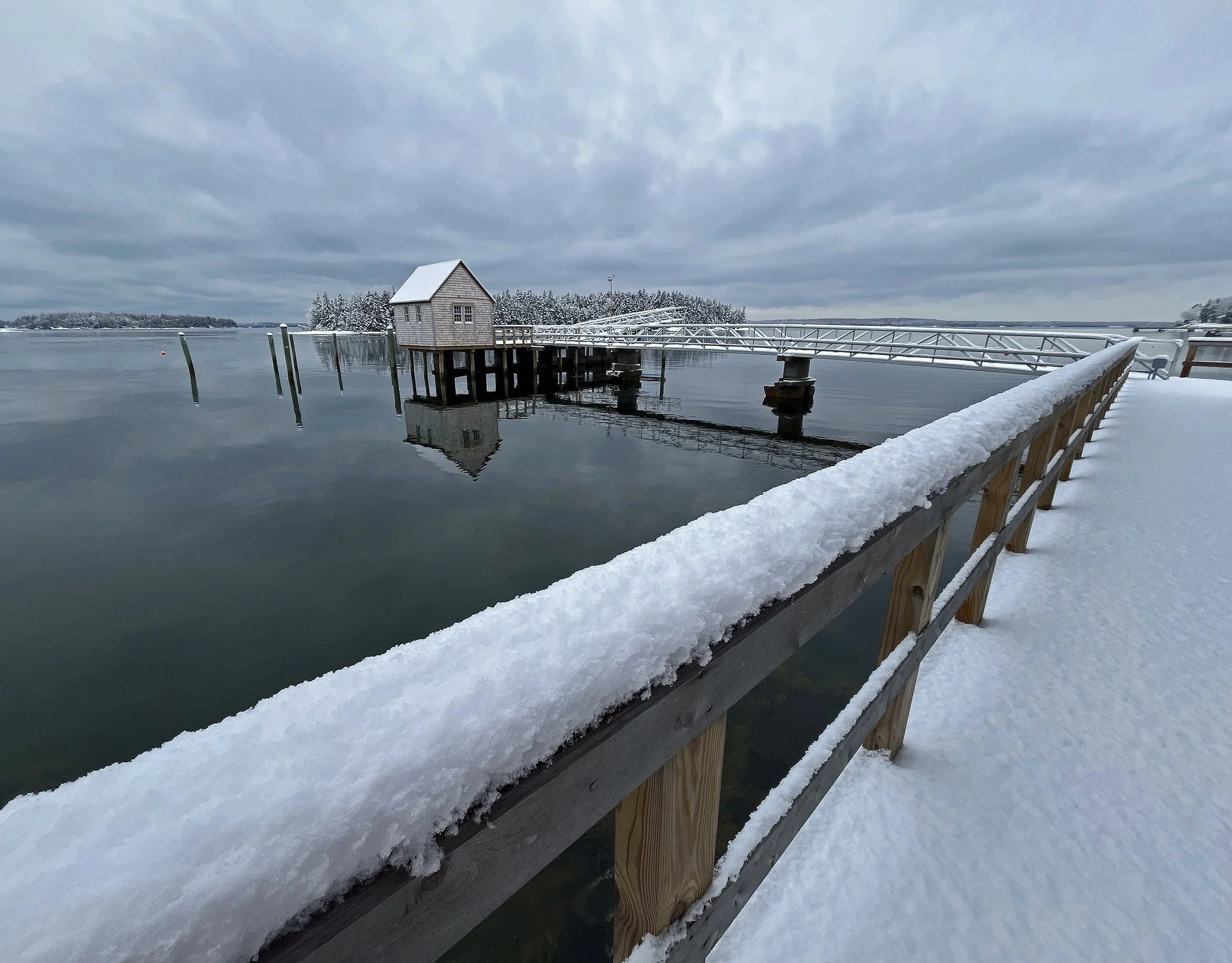
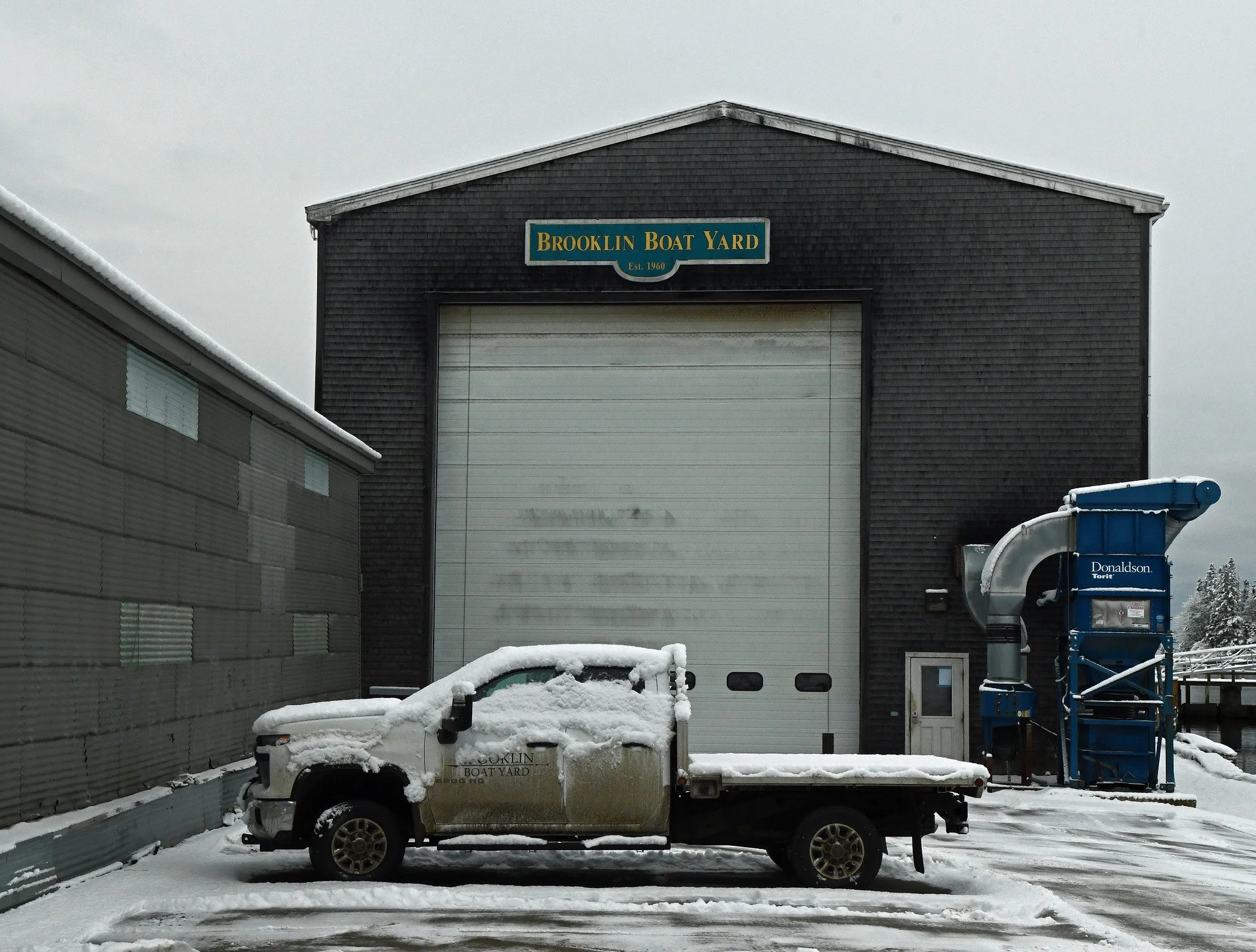
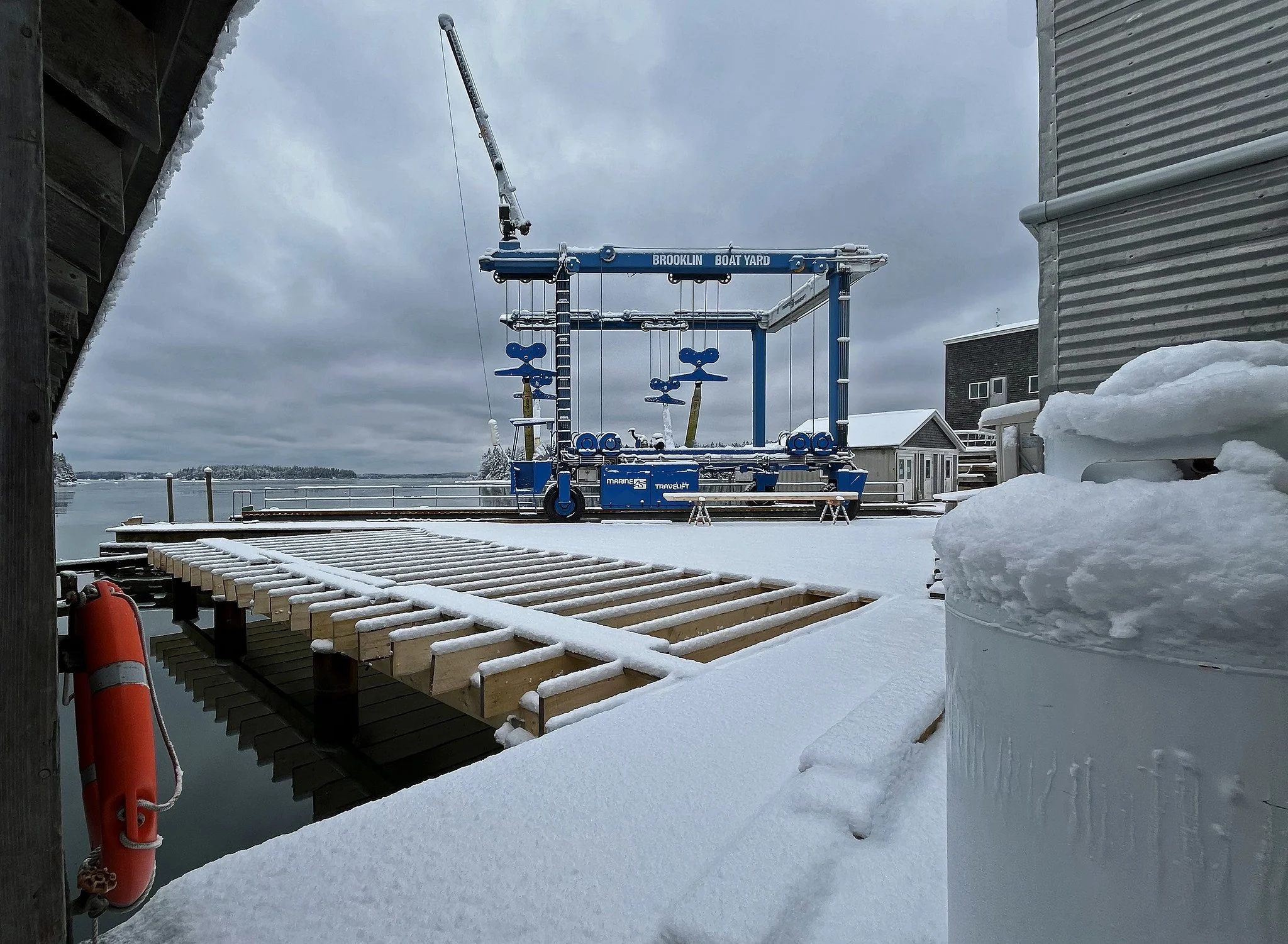
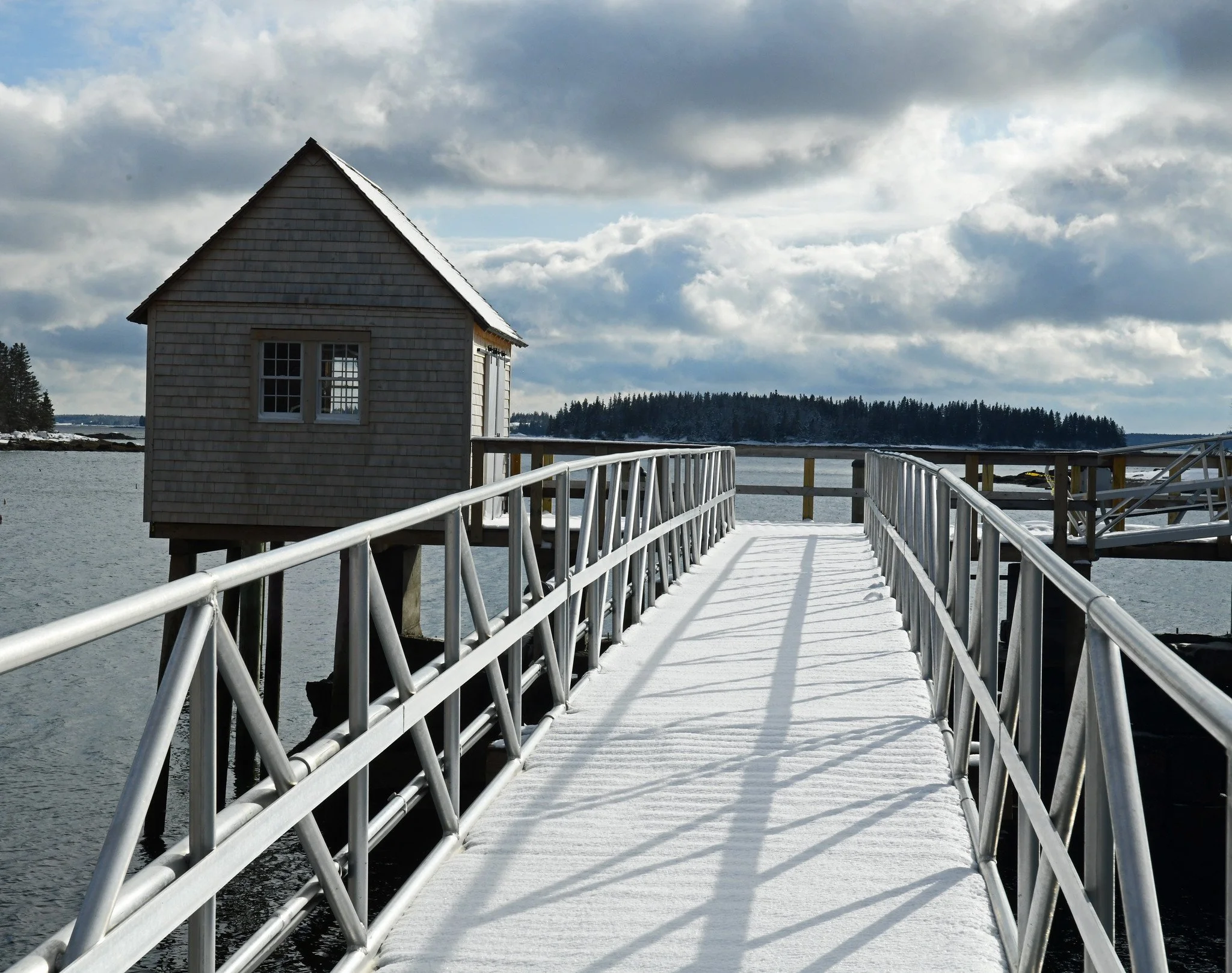
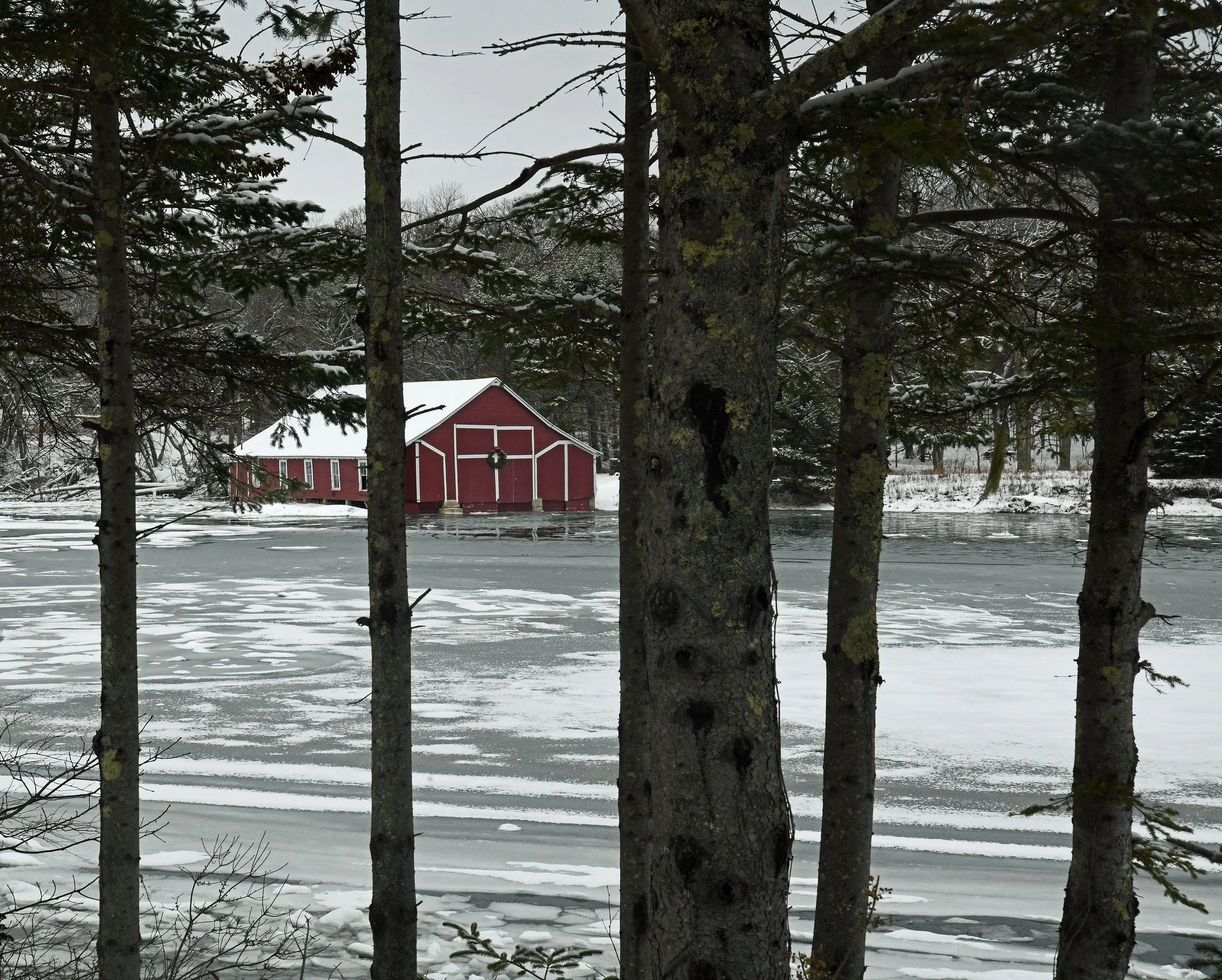
Here’s the Brooklin Boat Yard’s pier shed perched over Center Harbor; it replaced a much older equipment shed that was ruined by a nor’easter in 2024:
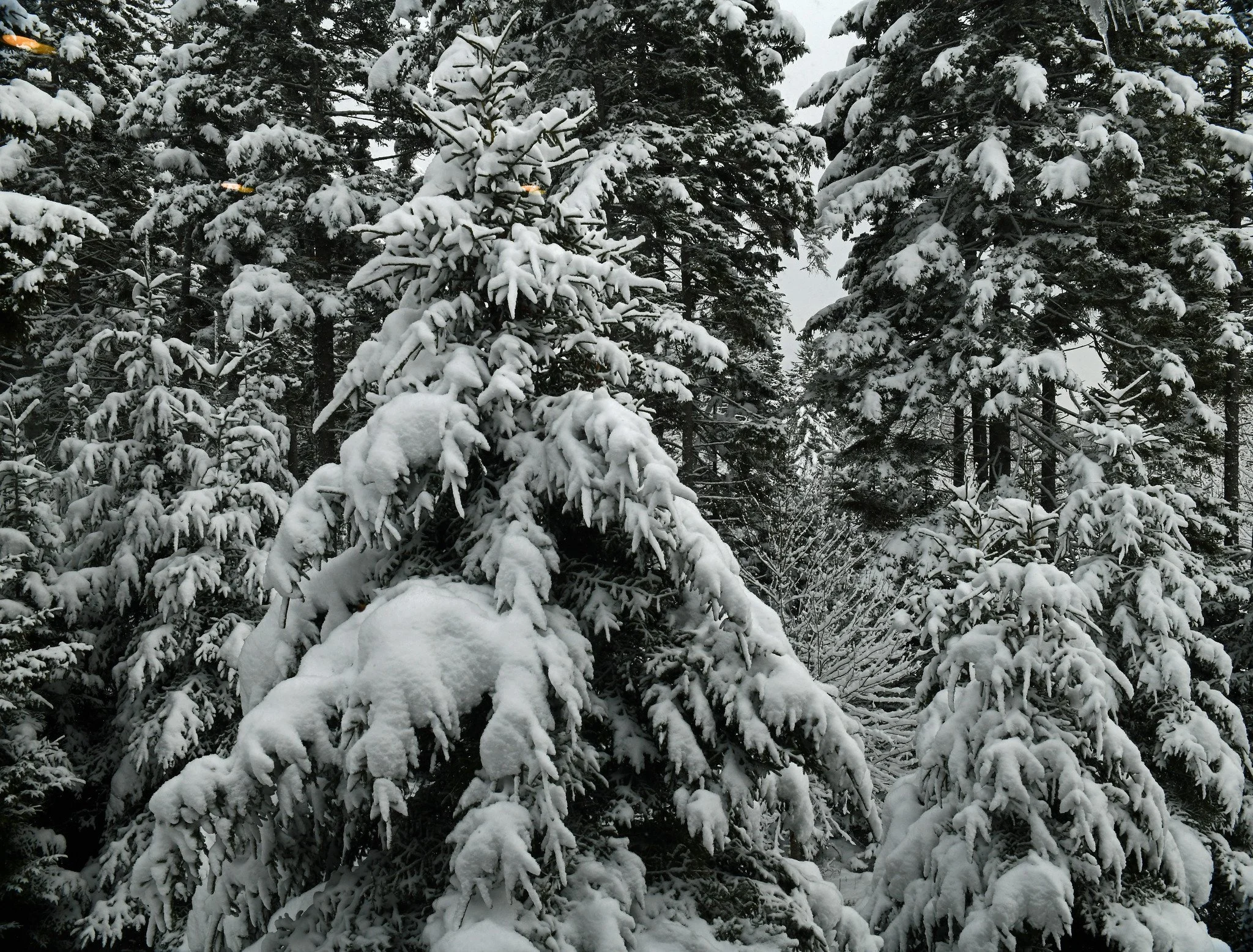
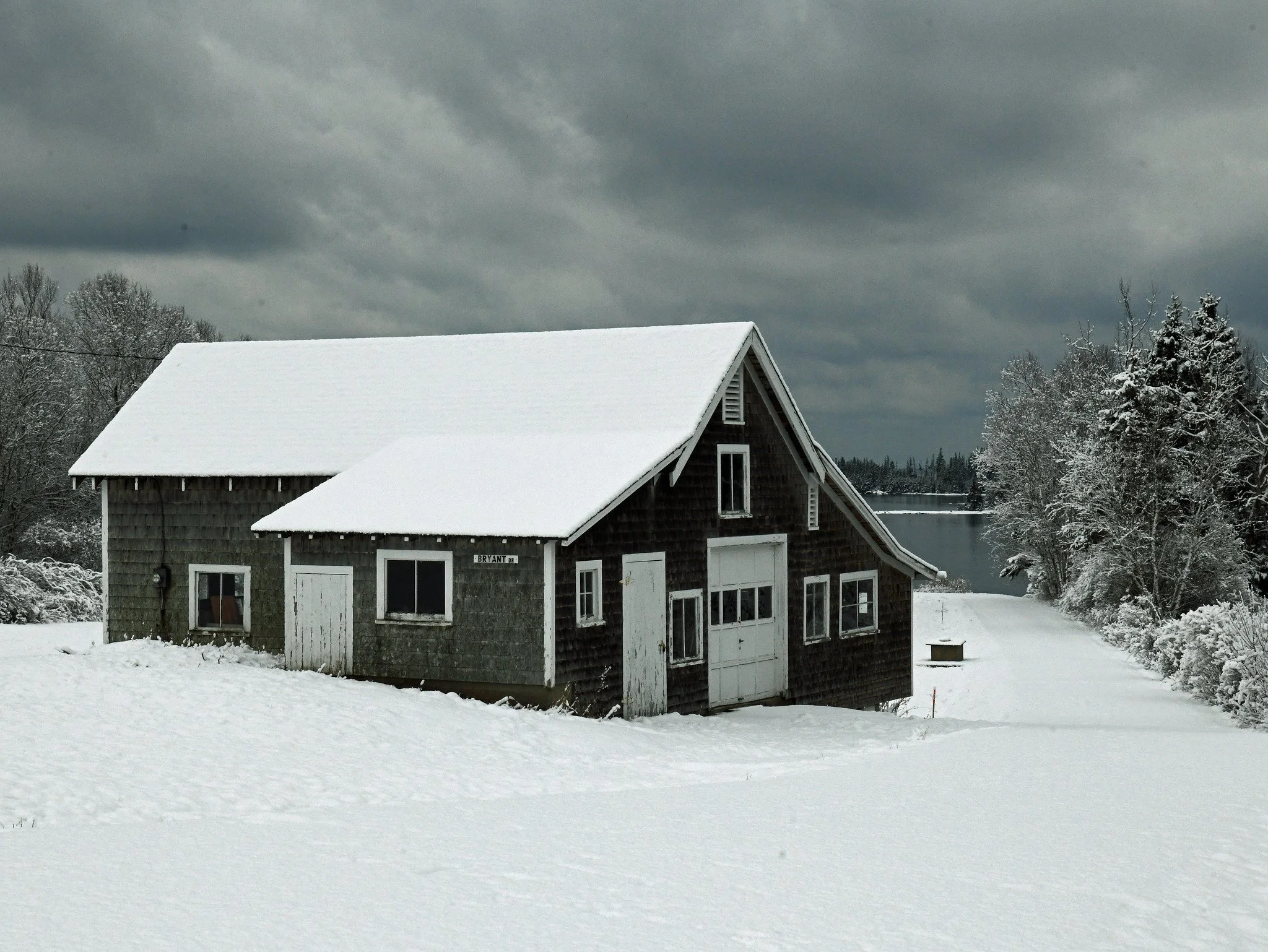
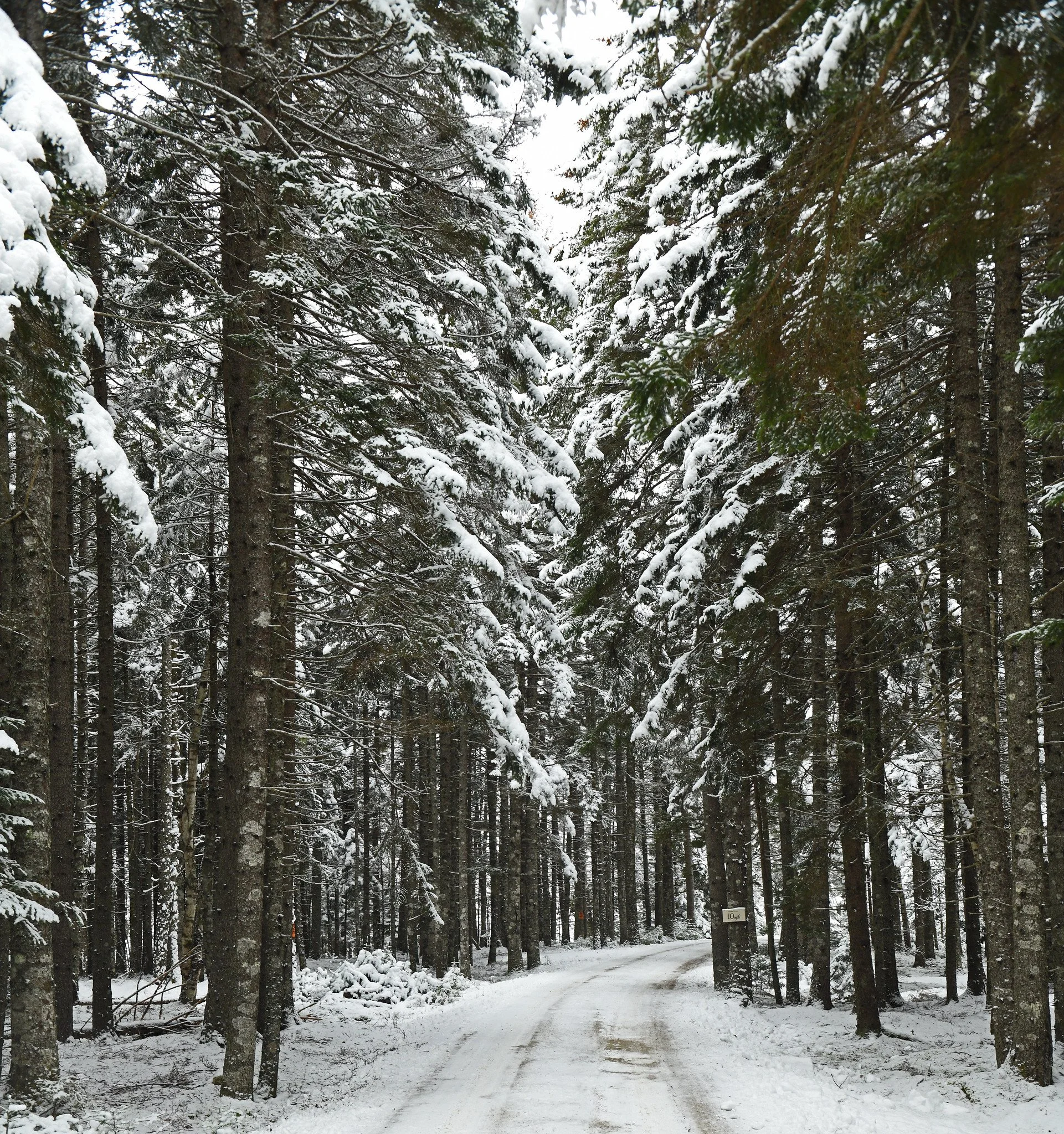
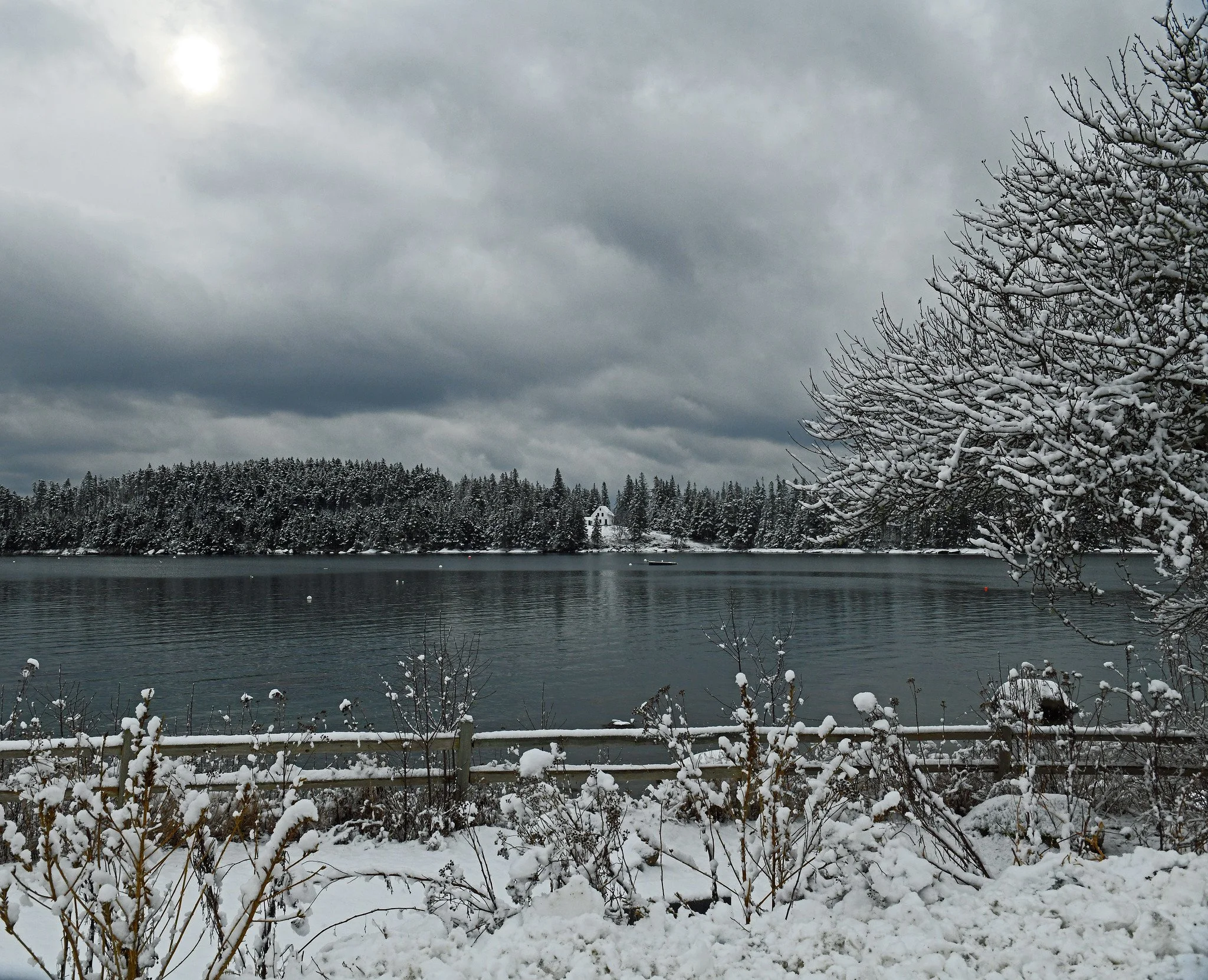
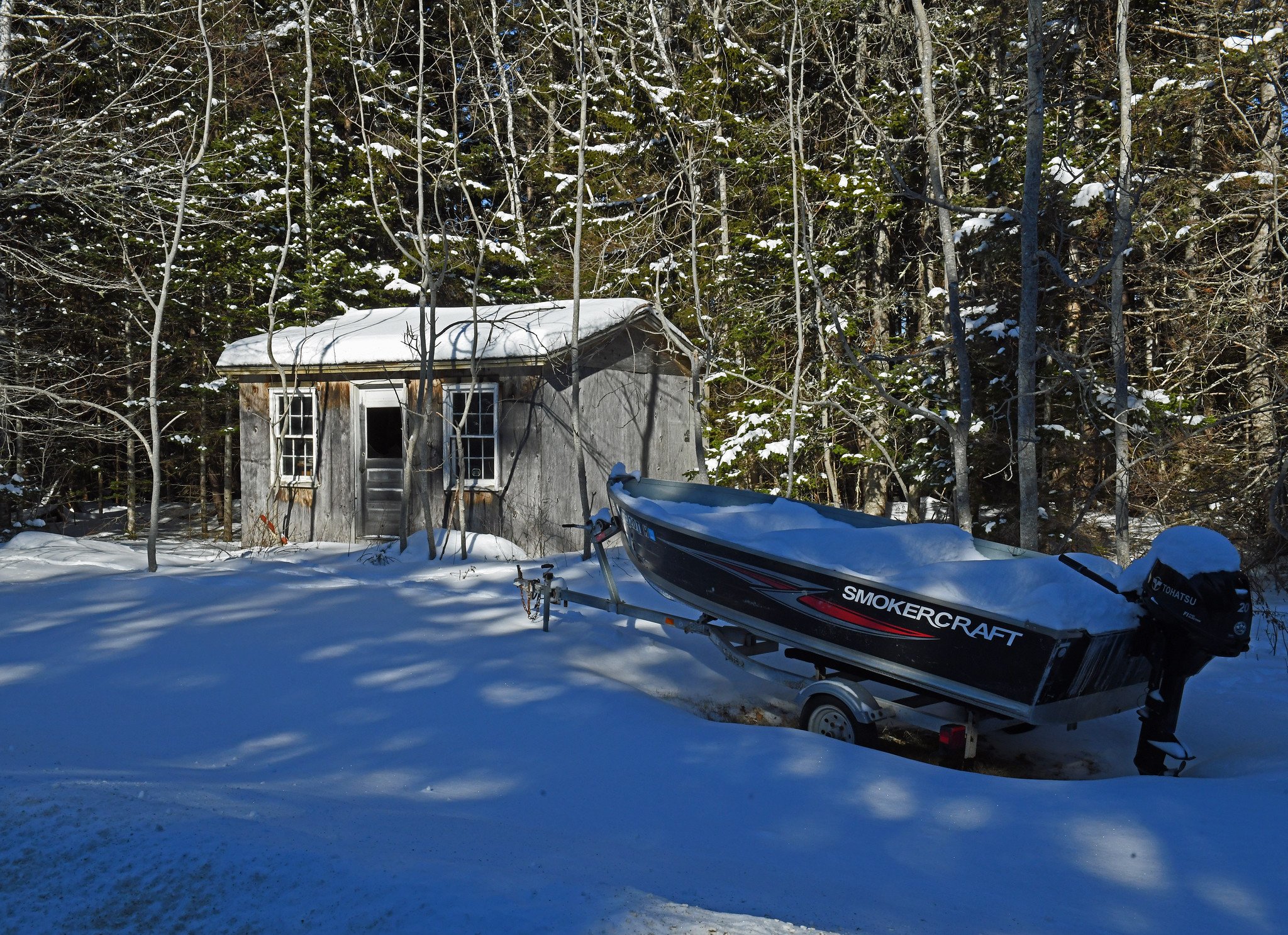
Below, you’ll see a little gray boat shed that seems to like hiding among a crowd of big, tough spruce trees. That shed was built in 2024 by a neighbor to store a small trimaran in winter.
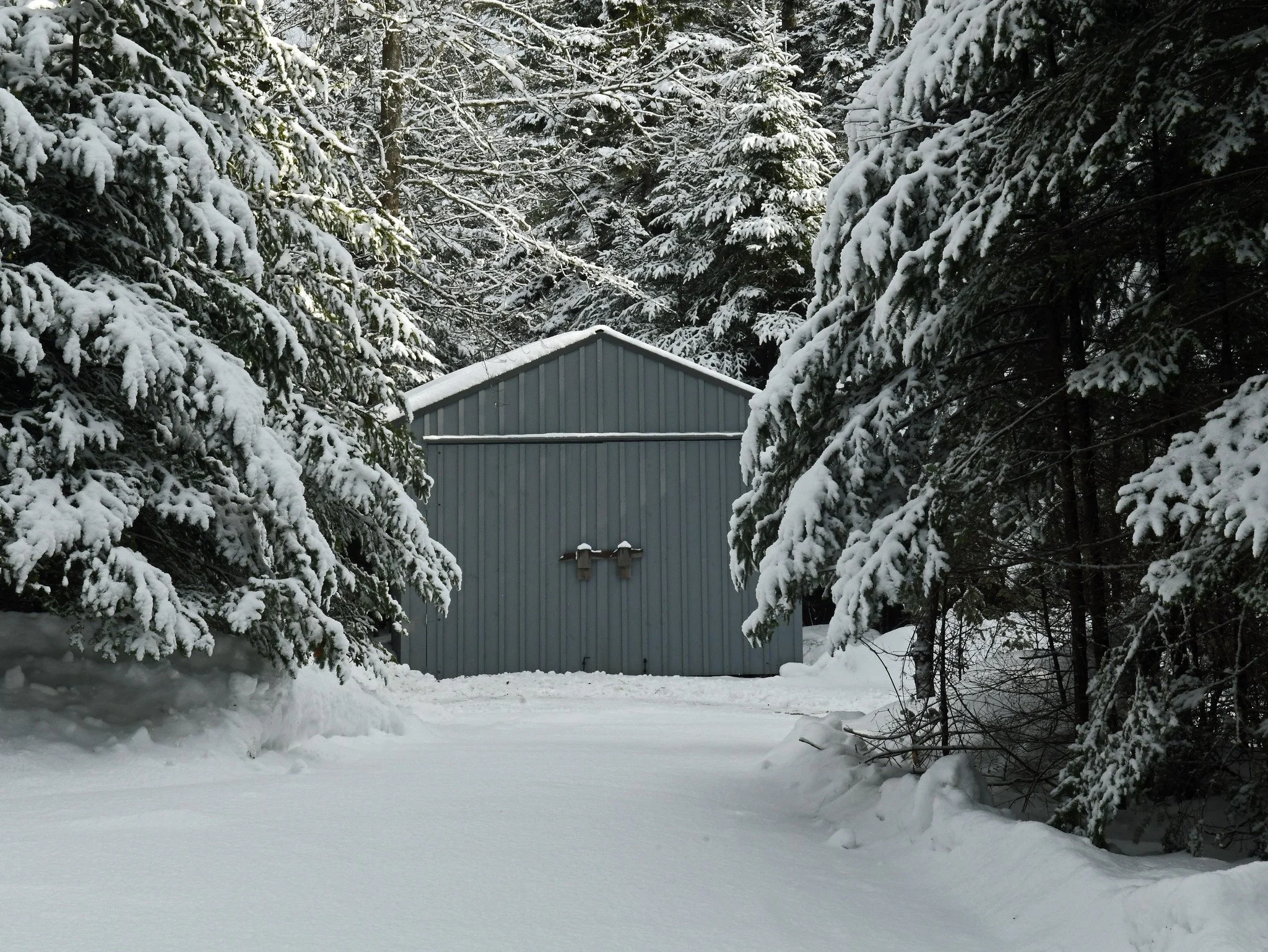
(Images taken in Brooklin, Maine, on February 11, 2026.)
Comment

Comment

In the Right Place: “Smile, Though Your Heart Is Aching”

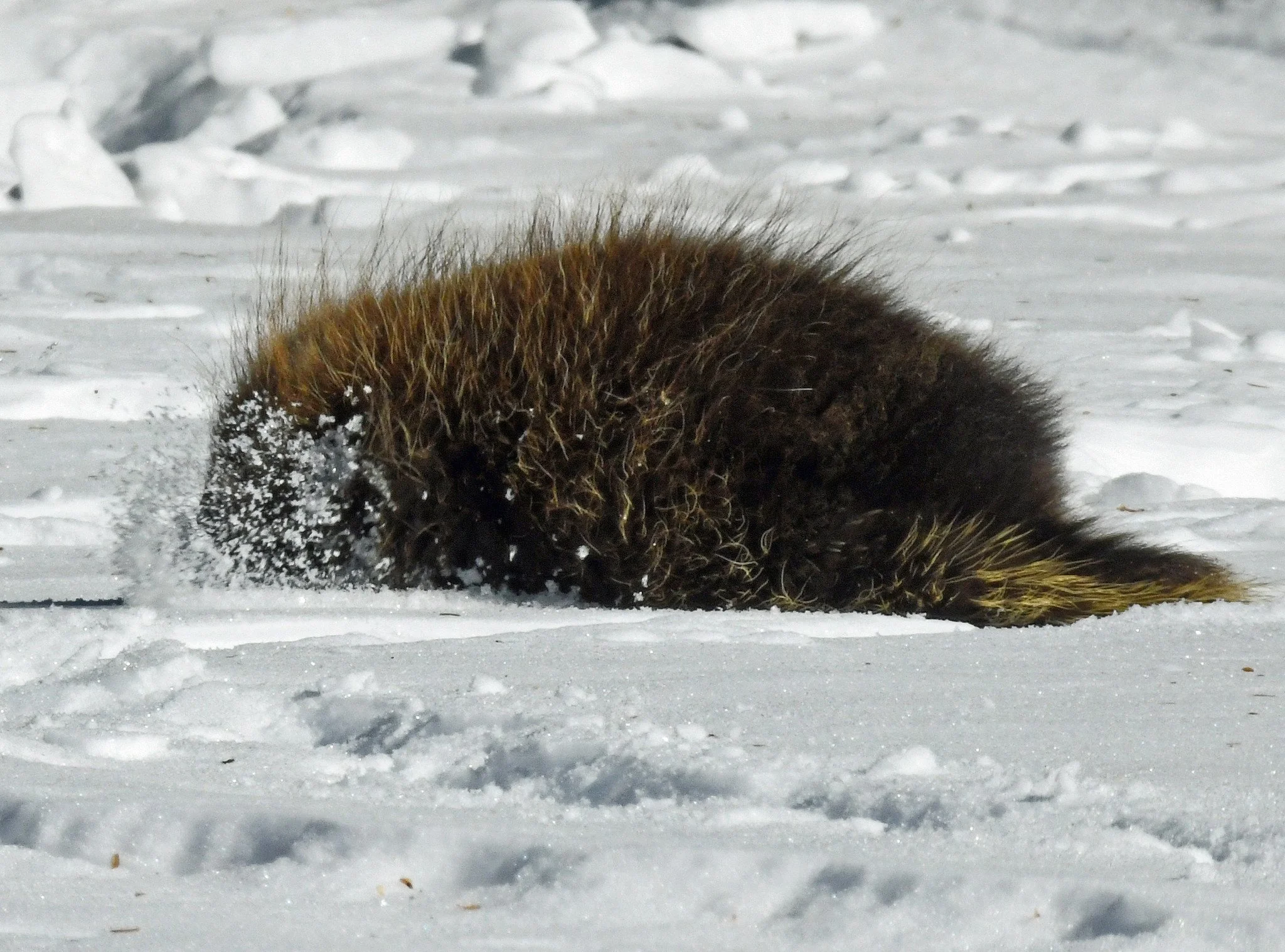
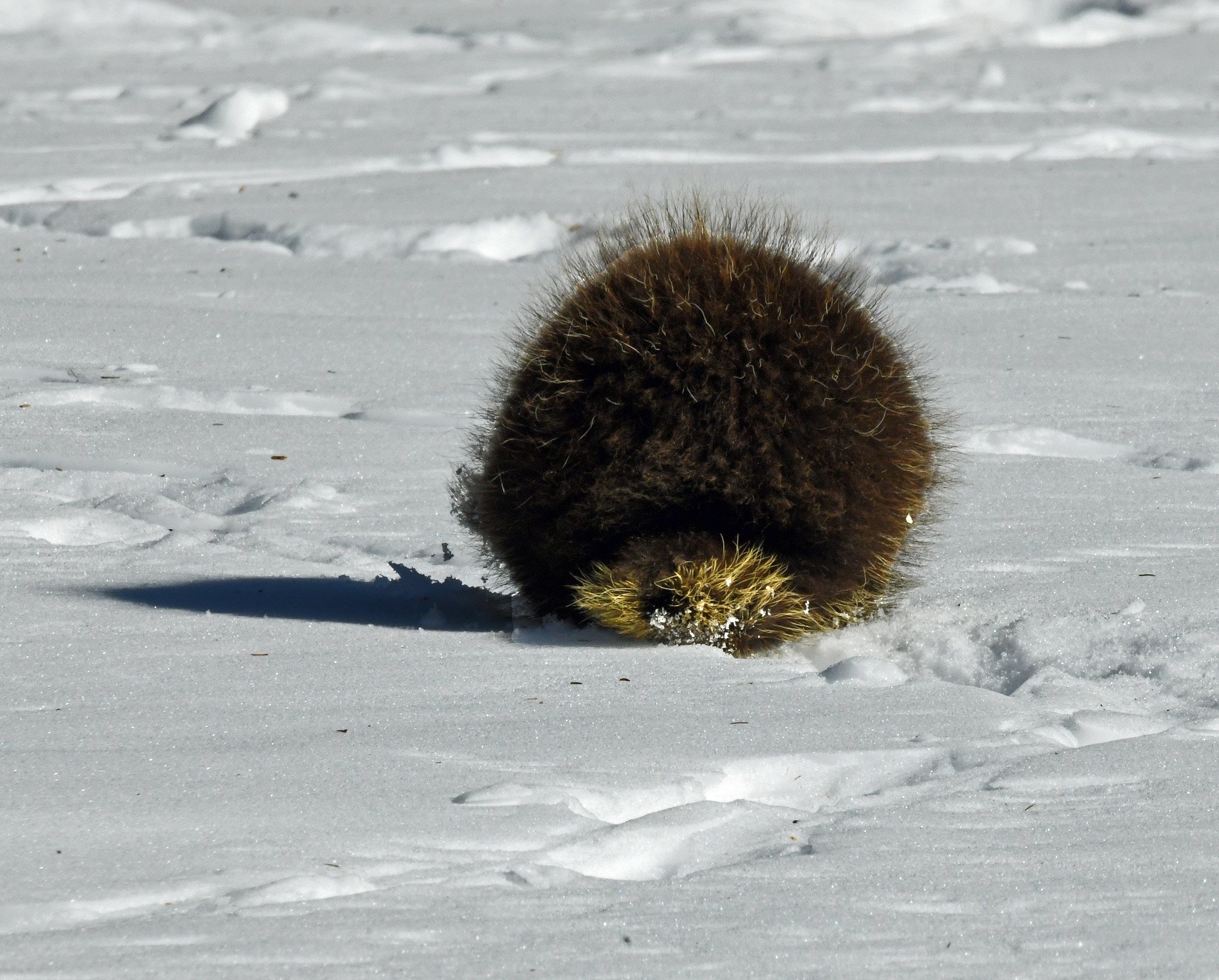
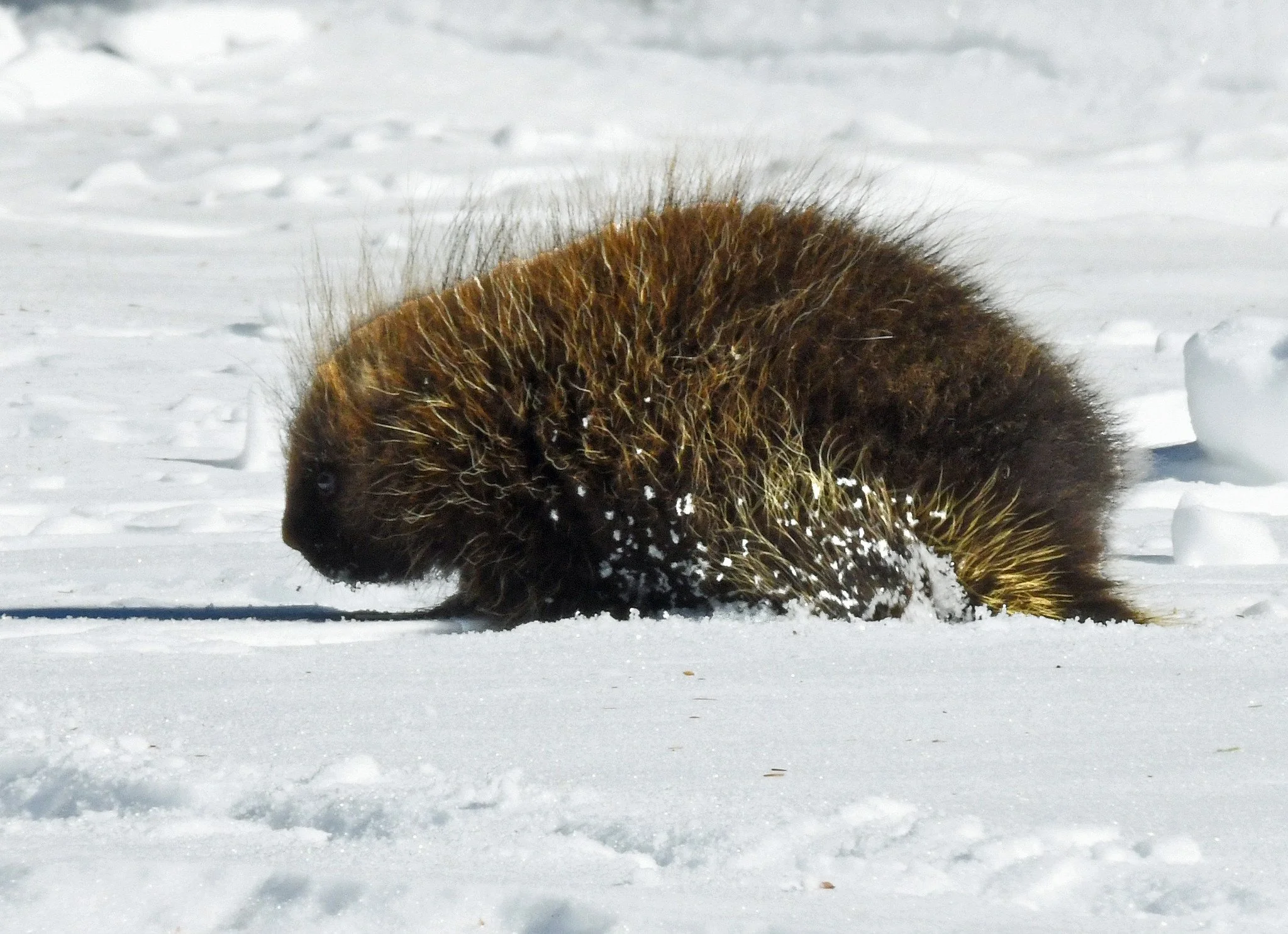
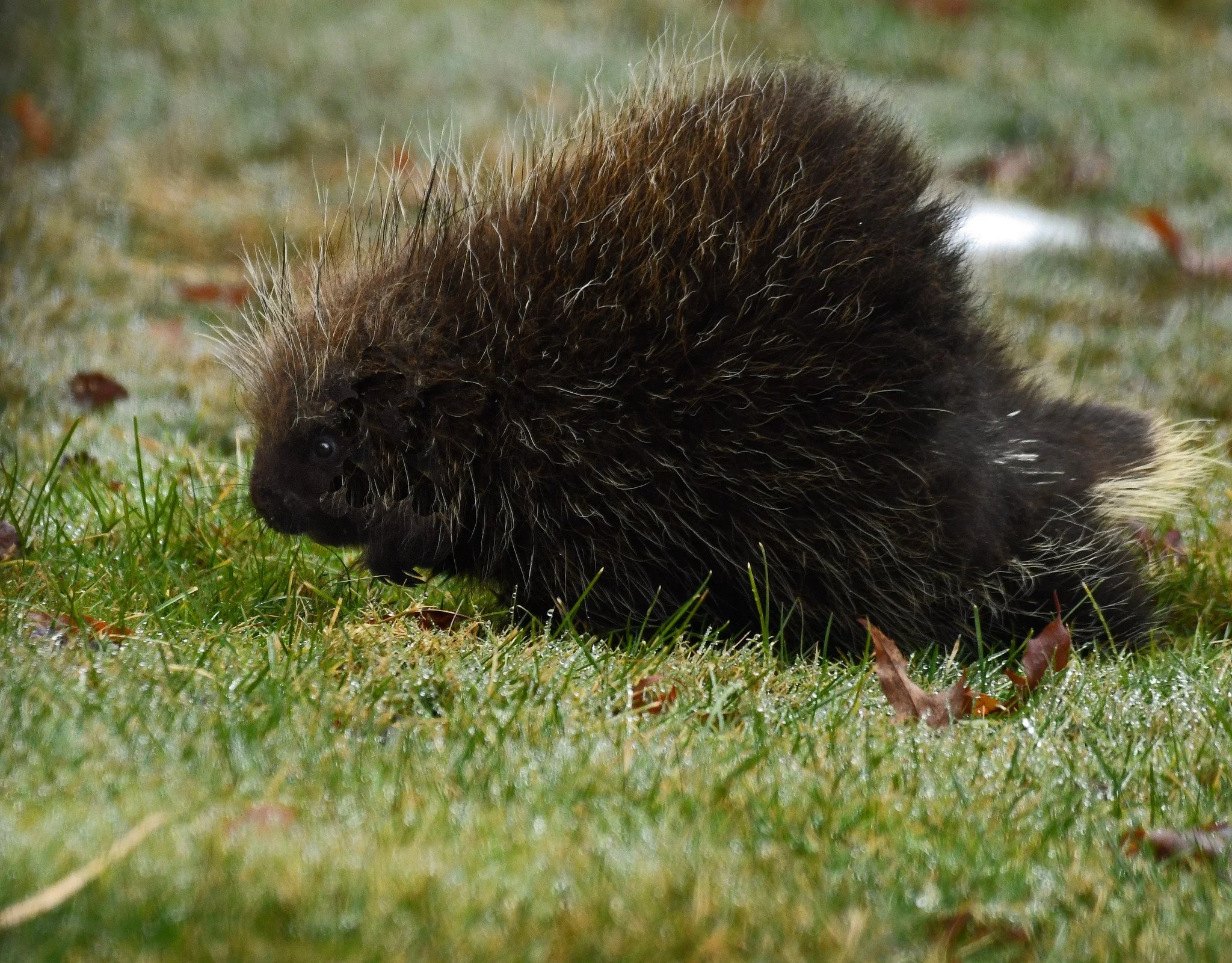
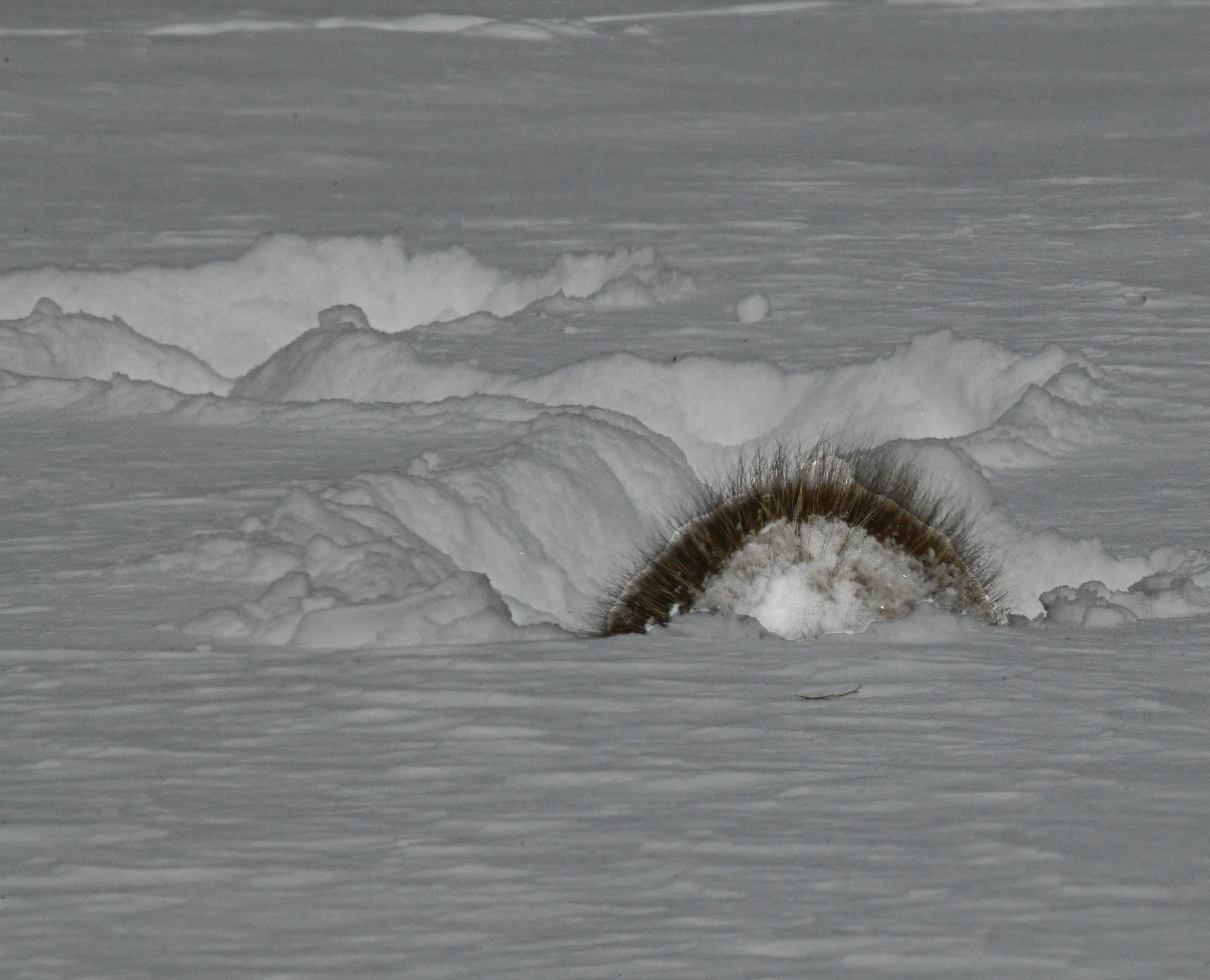
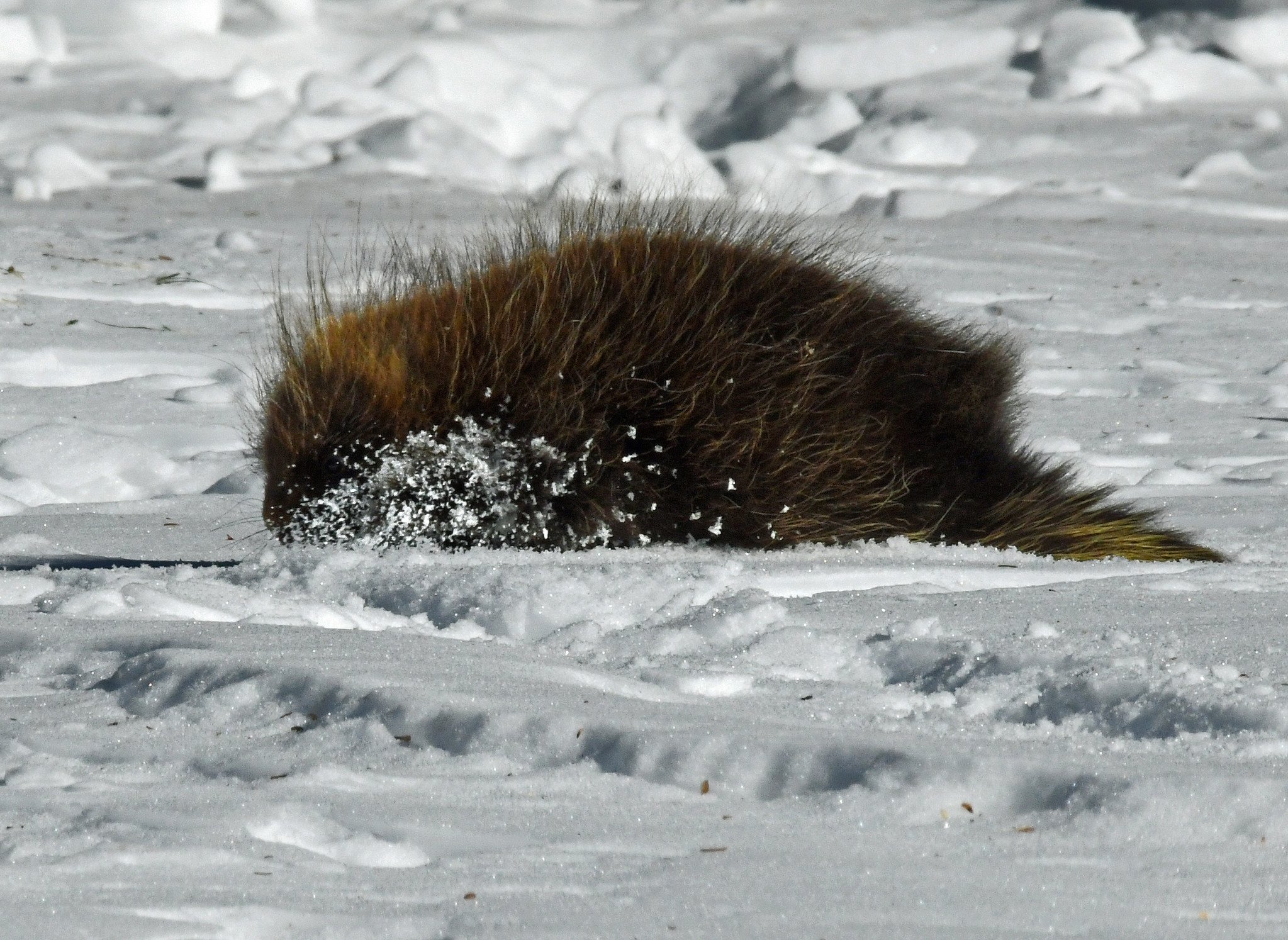
It’s been snowing again and I’m worried about Harry, the odd porcupine. Here you see him plowing crusty snow with great difficulty yesterday; he’s apparently looking for  greens and their roots.

 In the winter, porcupines are known for their adoption of a woody diet of bark and branches, especially eastern hemlock branches. Harry apparently isn’t following that regime and appears to be losing more weight than most porkies do in winter. (They all lose some most winters, according to the literature.)

It’s hard to make a case that porcupines are more needed than harmful in our ecosystem nowadays. We’re losing hemlocks and other trees to invasive insects as well as to porcupines now. Nonetheless, Harry sure can make you smile, and that must be worth something.

(Images taken in Brooklin, Maine, on February 10, 2026.)

Comment

Comment

In the Right Place: Limited Menus

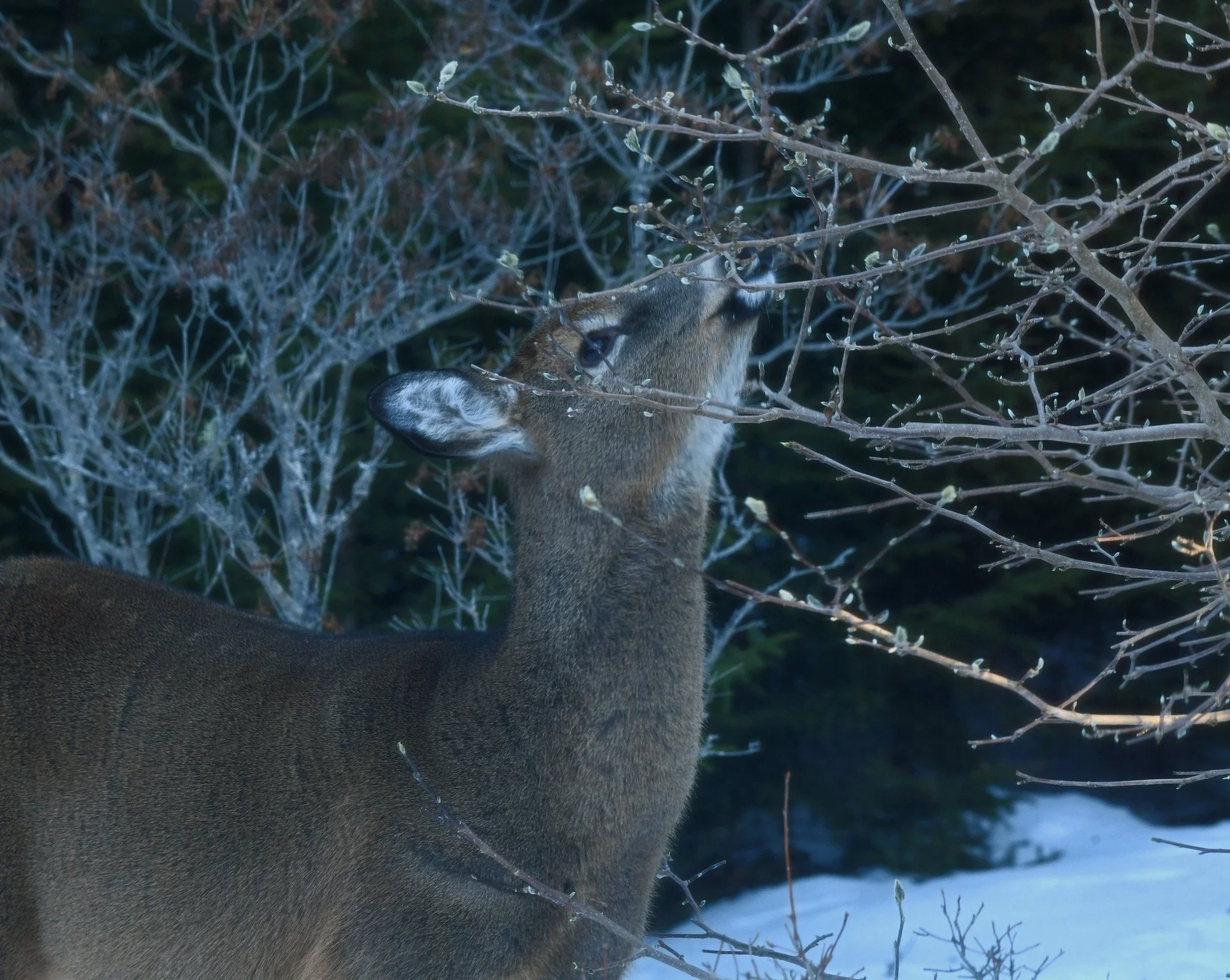
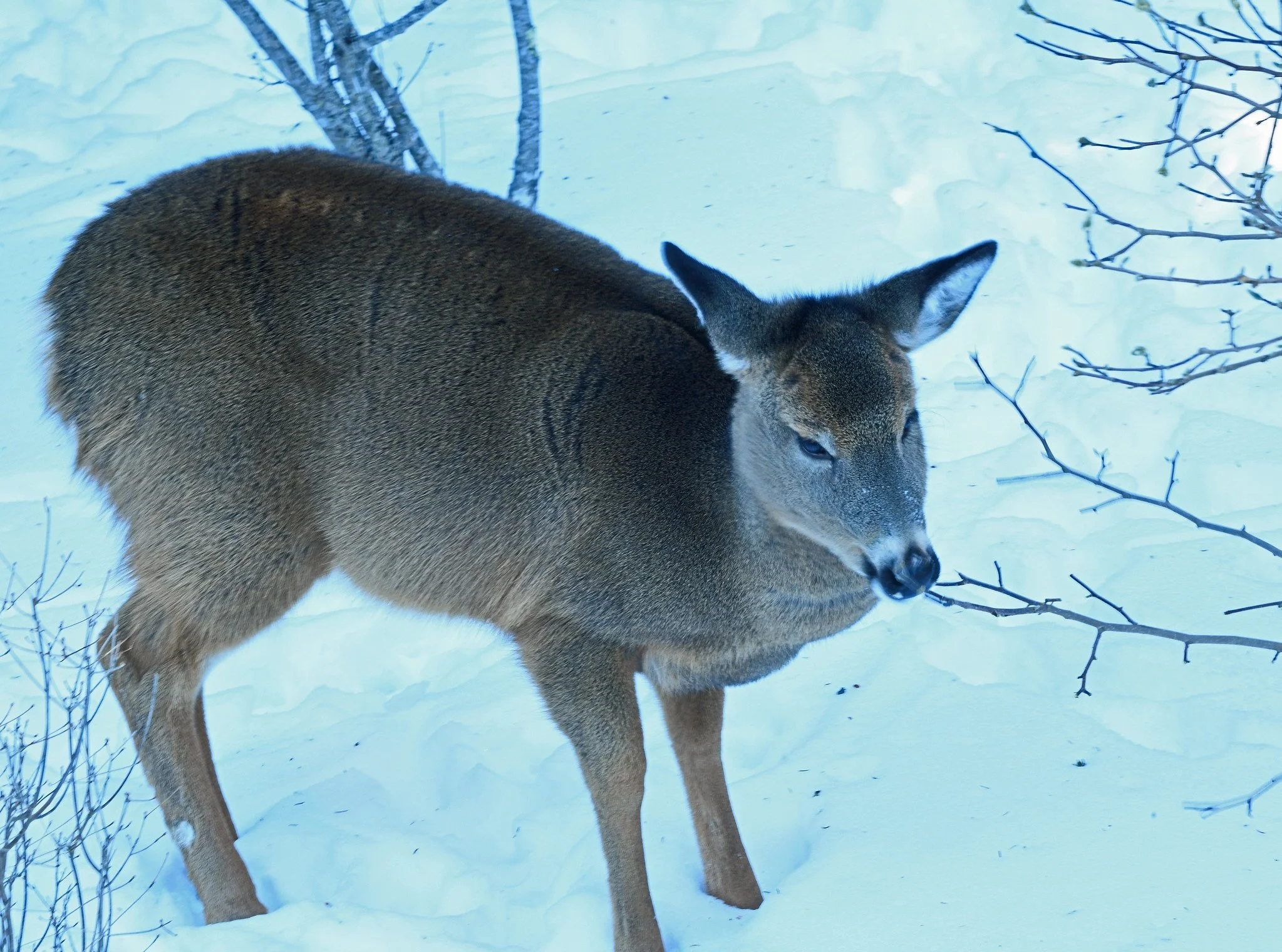
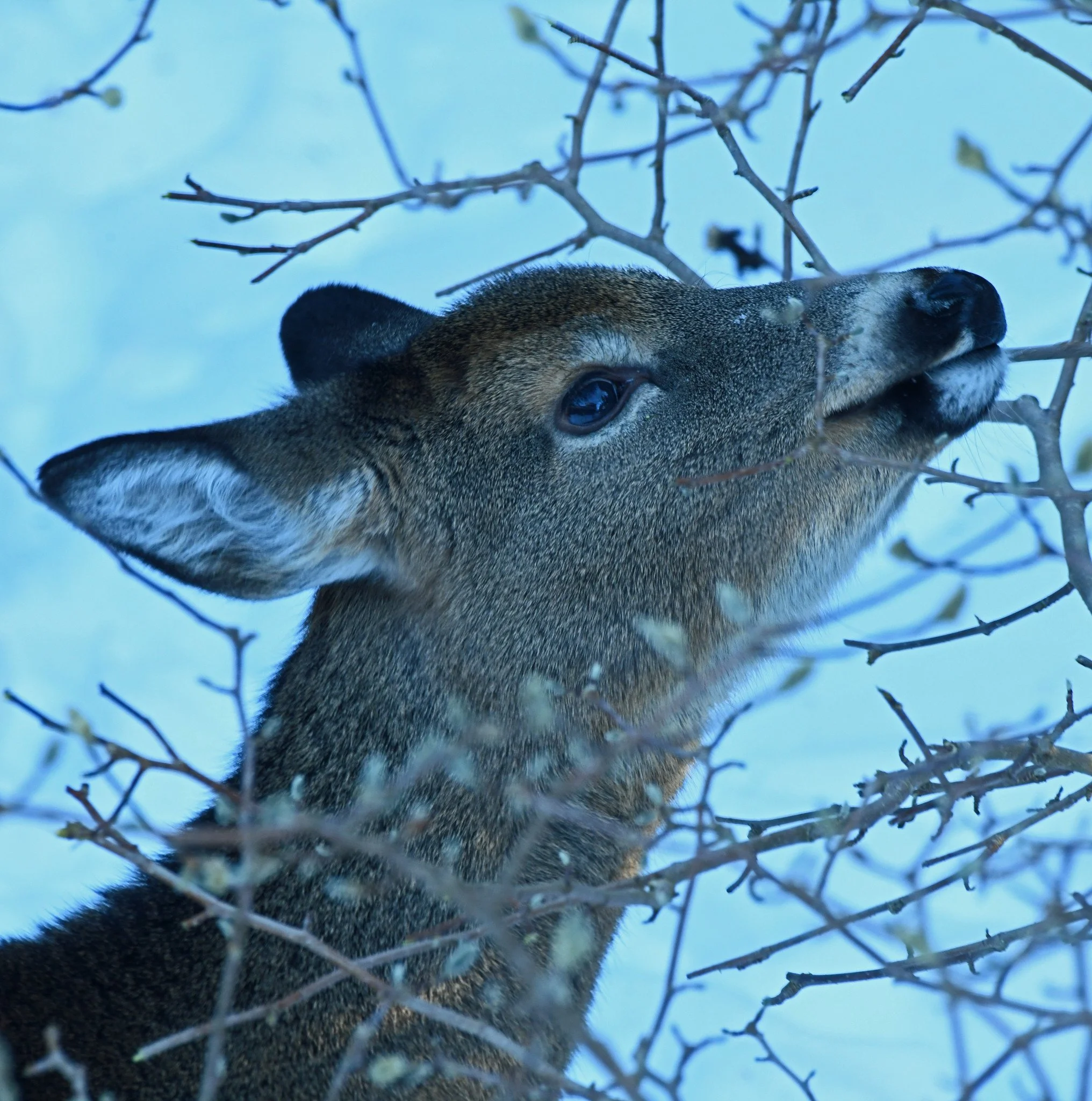
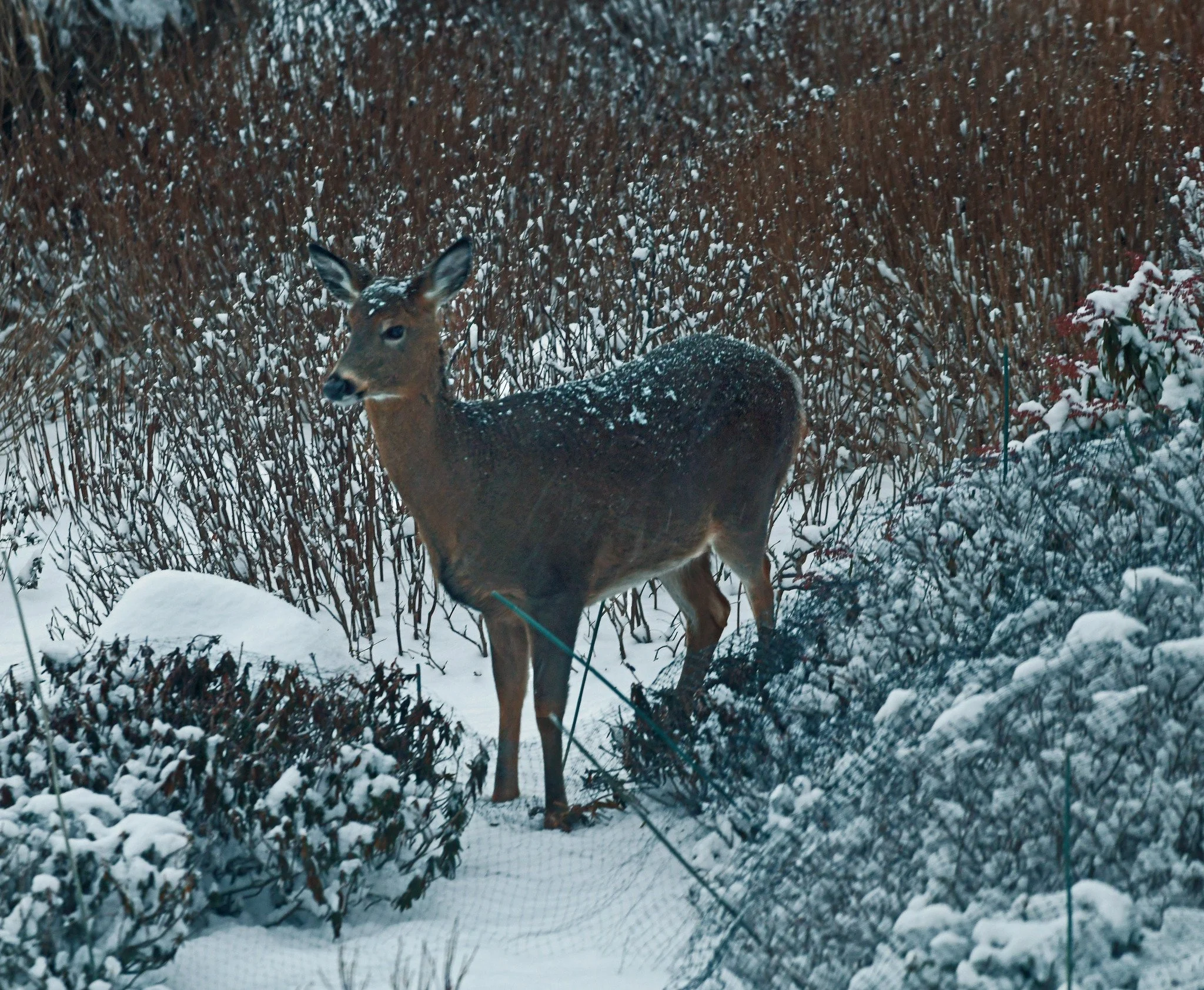
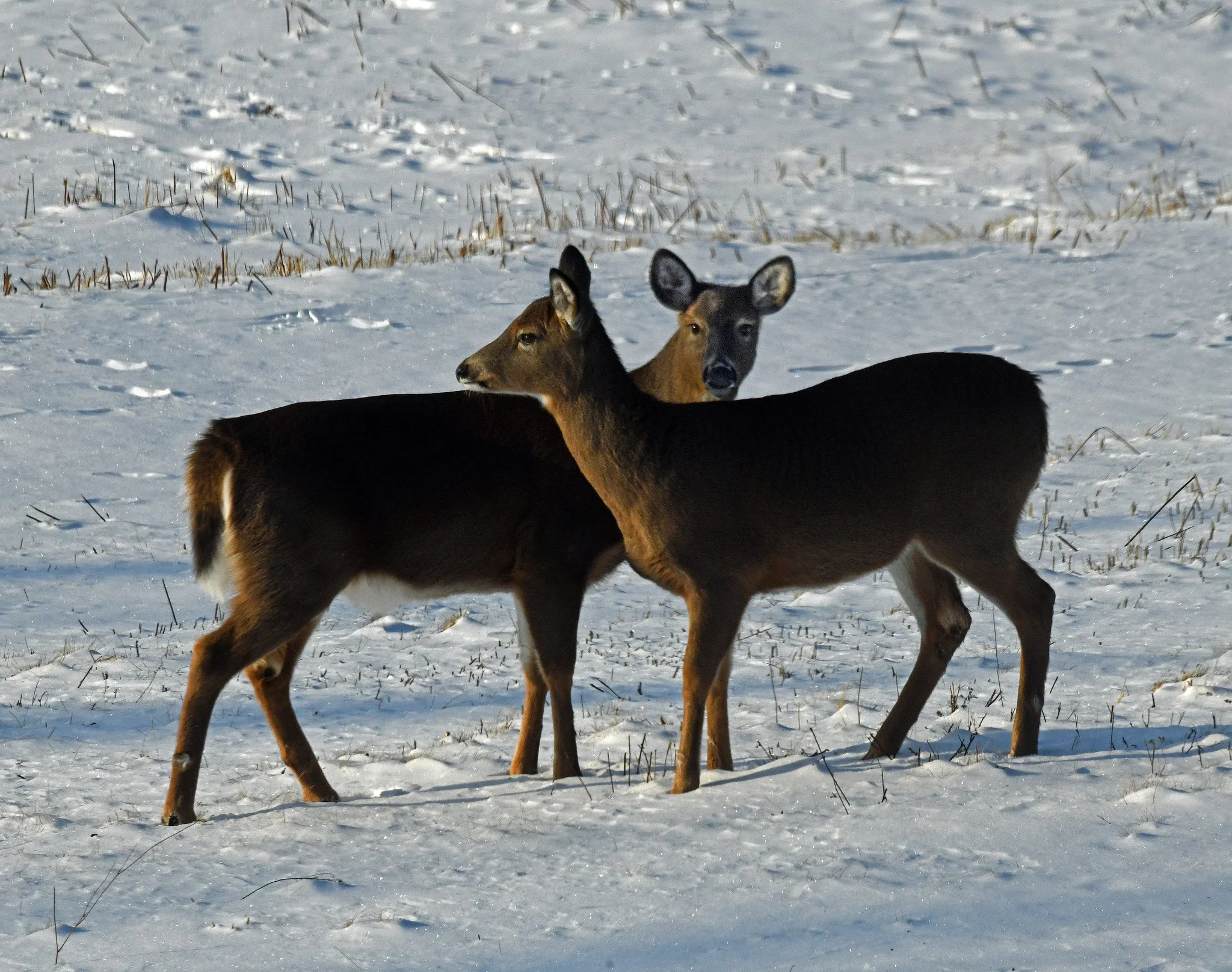
Here you see a white-tailed deer browsing on the branch tips and terminal buds of a star magnolia bush in freezing temperatures early yesterday. It’s probably not this yearling’s favorite meal, but she can’t be choosy during the kinds of cold winter spells that we’ve been having.

Lately, many of our deer have limited their movement and “yarded up” much of the time in communal deer yards within stands of dense, wind-breaking coniferous trees. We still have somewhat deep, frozen snow that hinders their movement, makes it harder for them to avoid predators, and covers their best food.

Harsh winters often are part of Nature’s way of culling deer herds by causing high mortality rates for fawns and bucks. (Yes, bucks: They lose a lot of their fat reserves during the rigorous rutting season, when their body weight plummets.) Frankly, our white-tail herd appears to have gotten too numerous for the animals’ own good and ours. (Images taken in Brooklin, Maine, on February 9, 2026.)

Comment

Comment

In the Right Place: Keeping Watch

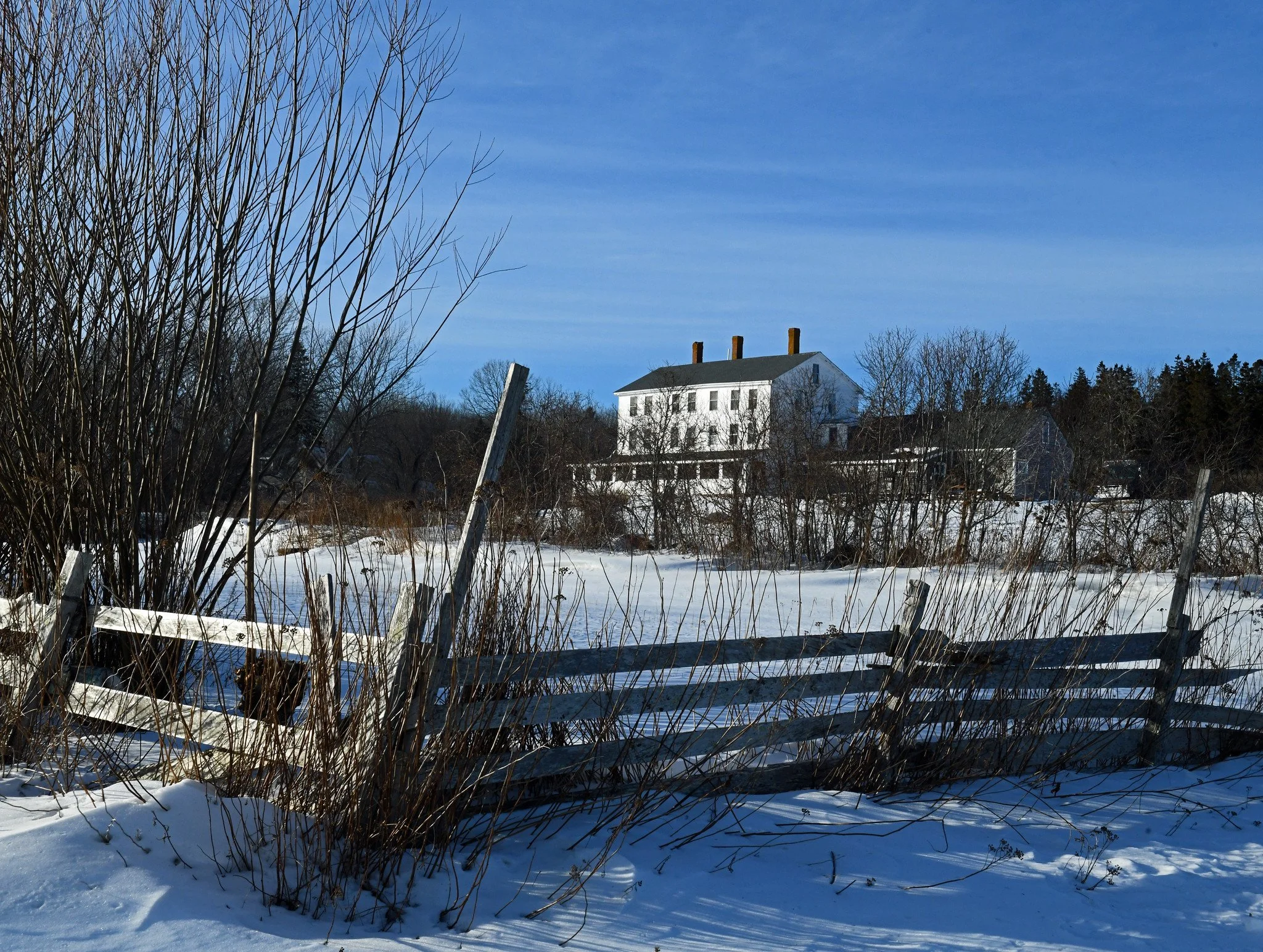
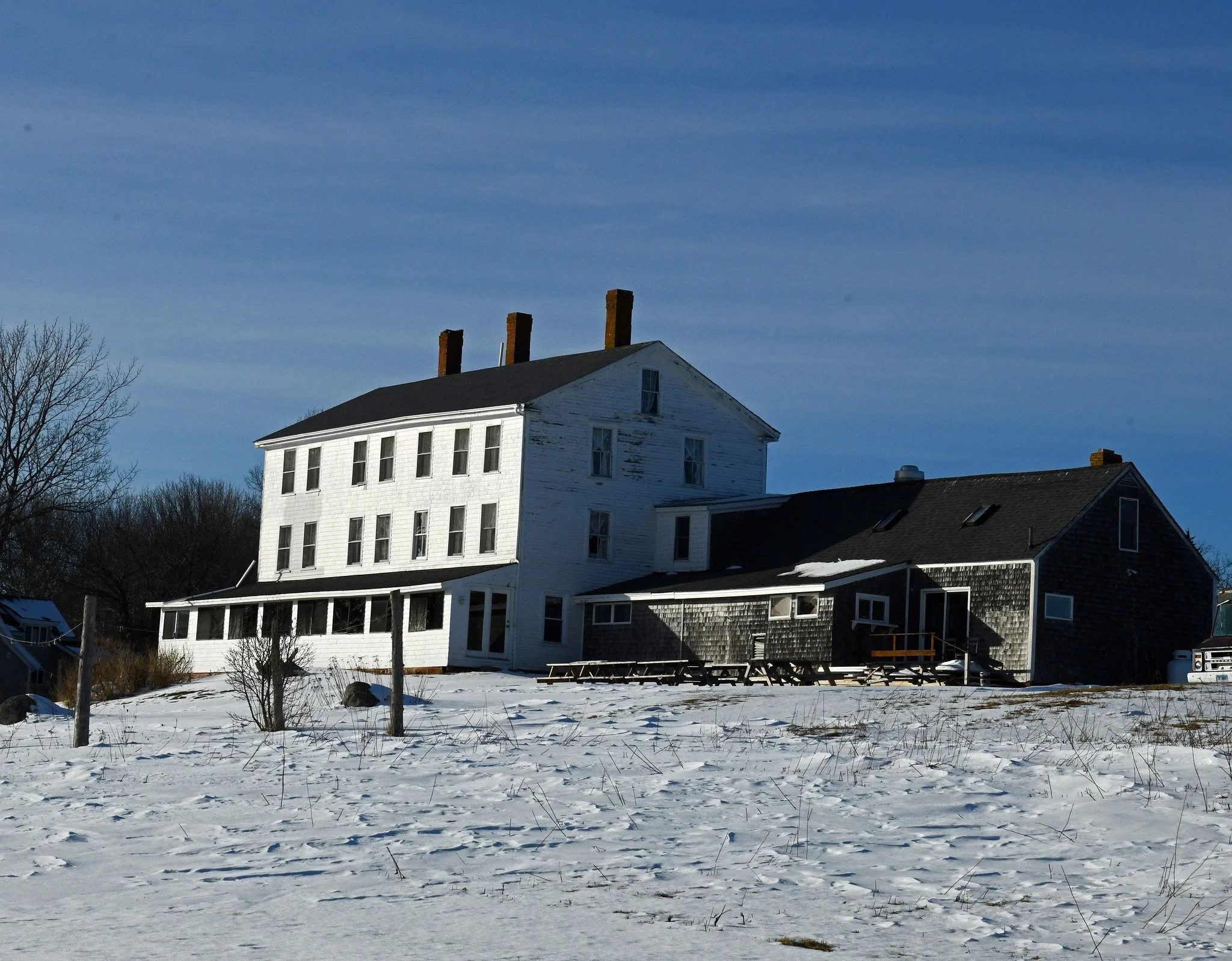
Here’s “The Lookout,” still keeping watch yesterday over local bays and the Atlantic ocean beyond. It’s perhaps Brooklin’s most historic structure, with original sections that have sheltered people since about 1760.

It was a colonial sentry point that gave warning of unwelcome visitors from the sea, hence its name. The original house was expanded in the 1800s into an Inn and has remained one since then. Its fine restaurant is open to the public in the summer, and its extensive grounds with sea vistas are popular for weddings and other outdoor events.

(Images taken in Brooklin, Maine, on February 8, 2026.)

Comment

Comment

In the Right Place: Thoughts on White Magic

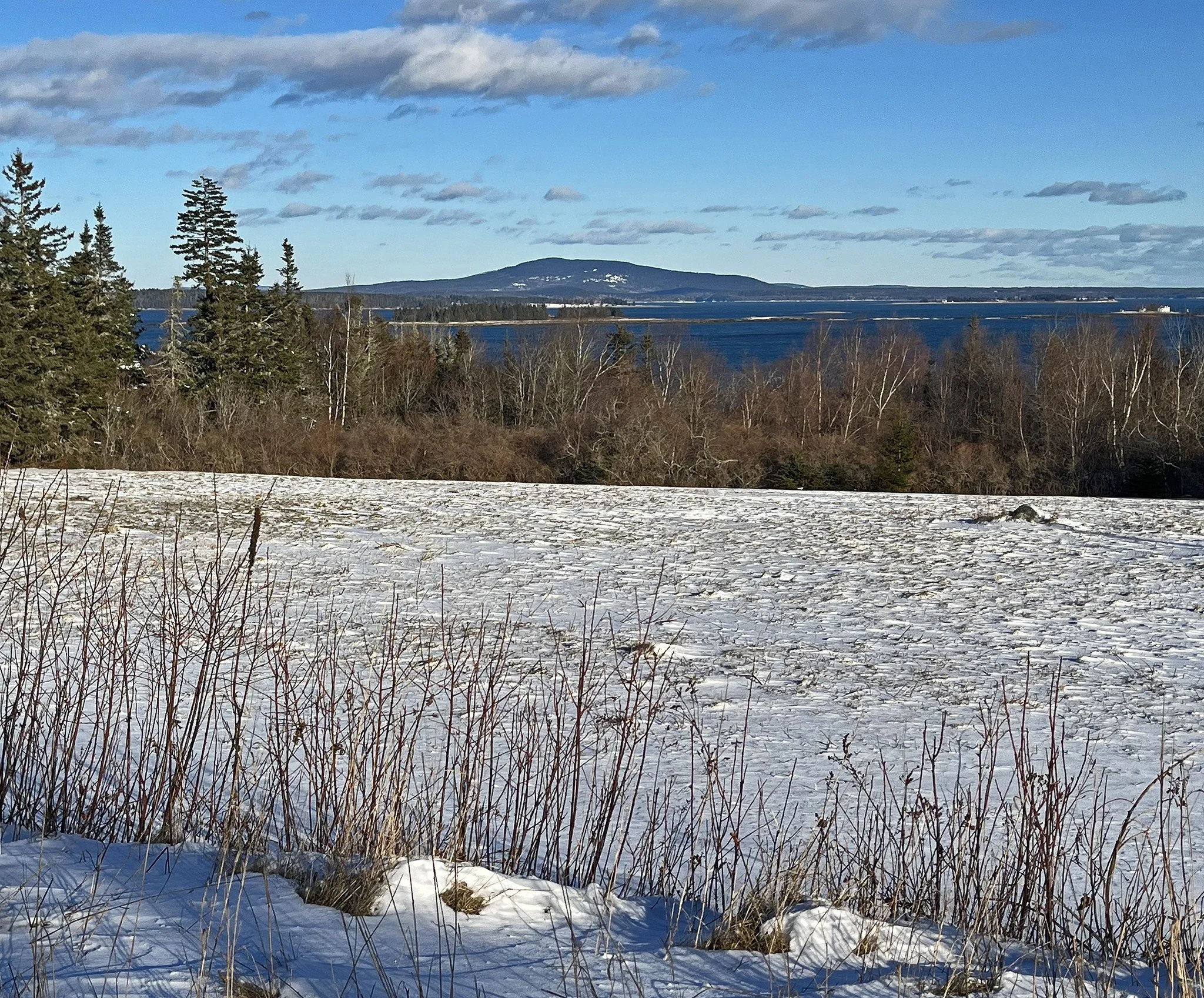
Snow is a transformative emotion in Maine’s winter moods. It comes happily on little white parachutes during somber gray days and creates a new, pure land.  When the cold winter sky turns blue and the sun shines after a good snowfall, the now-firm crystals seem to be trying to hold everything in place to prevent harmful change. Yet, there’s movement along the plowed and chemicalized roads, and the once-white silk parachutes become soiled mounds of our dirty laundry.

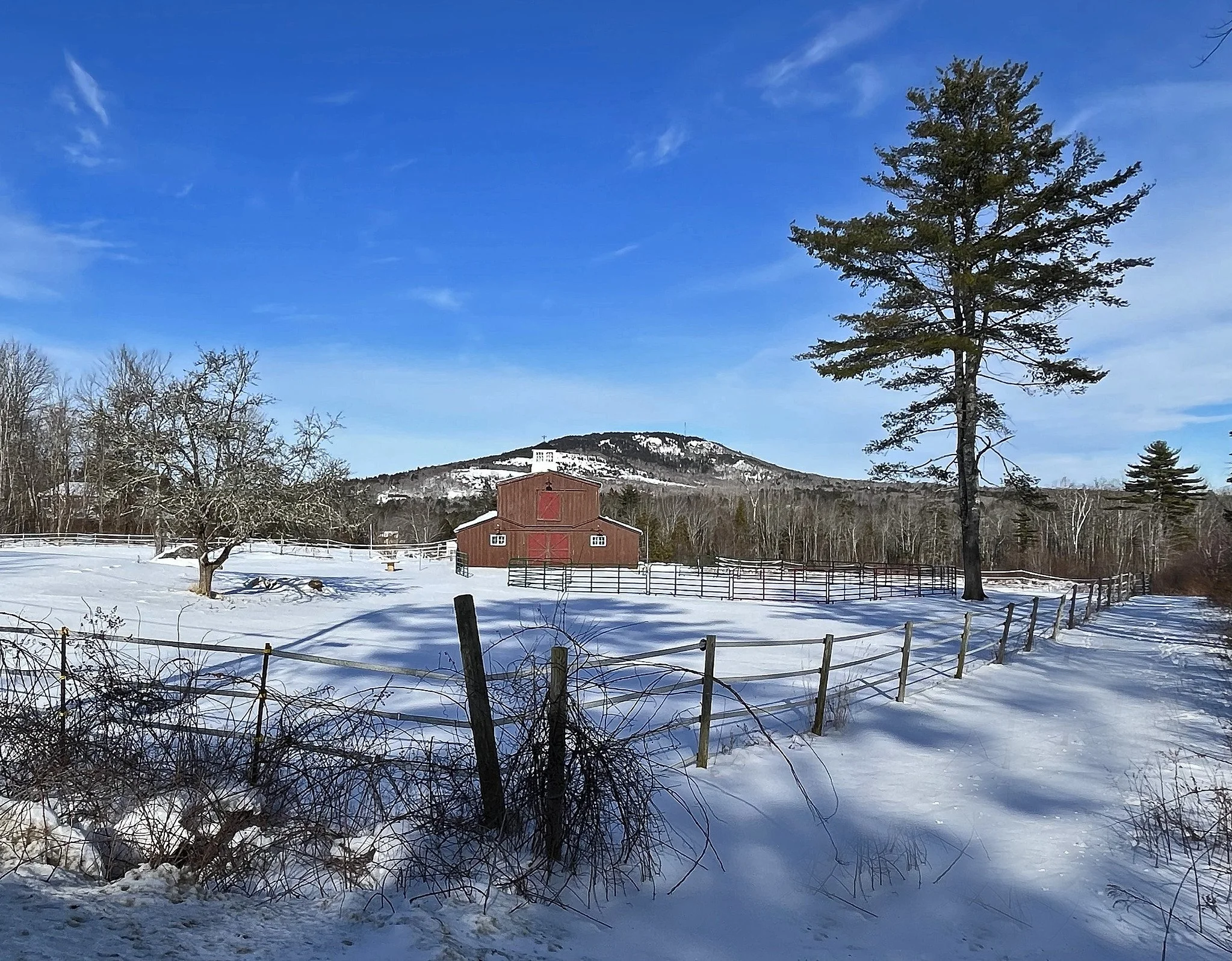
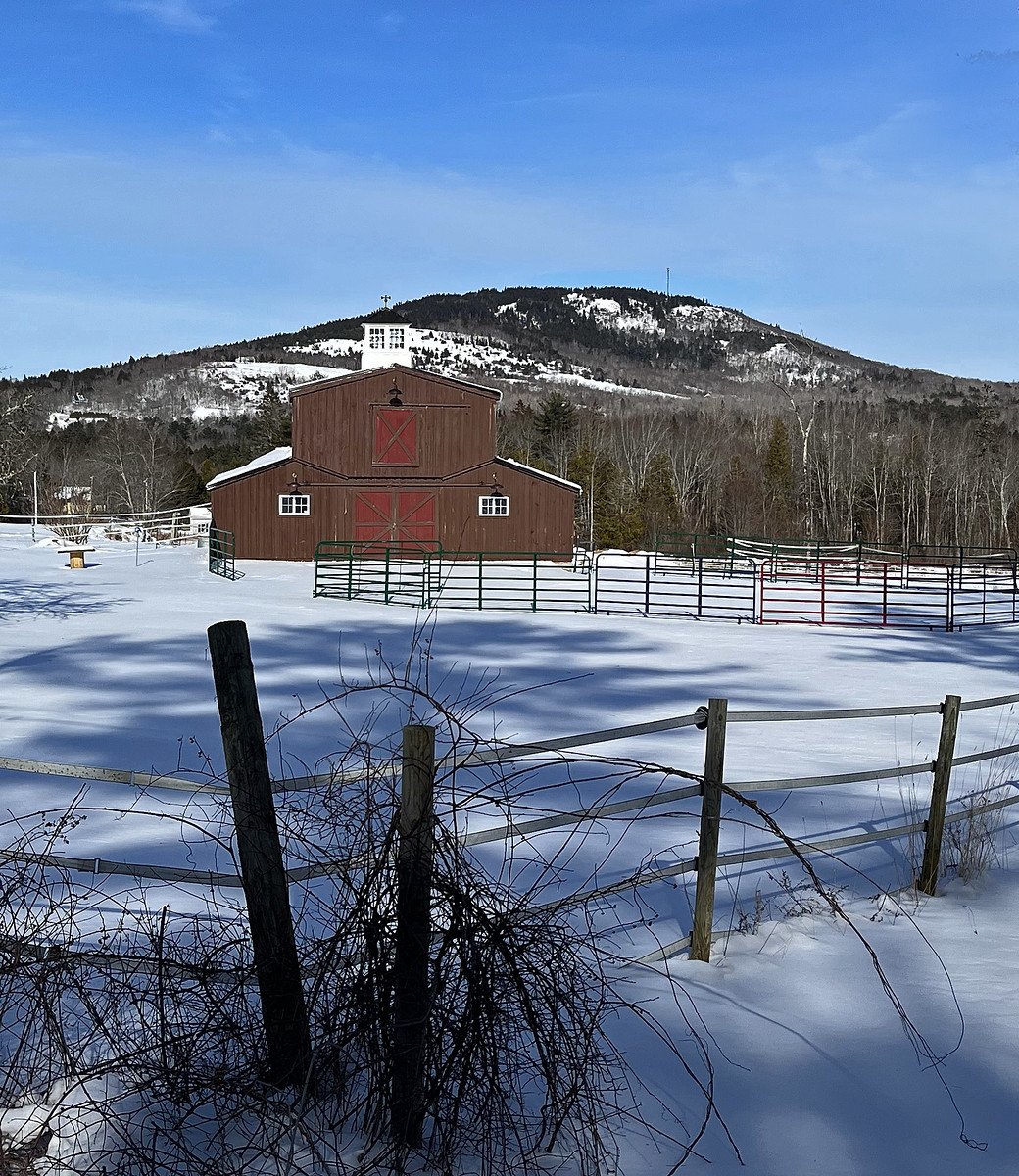
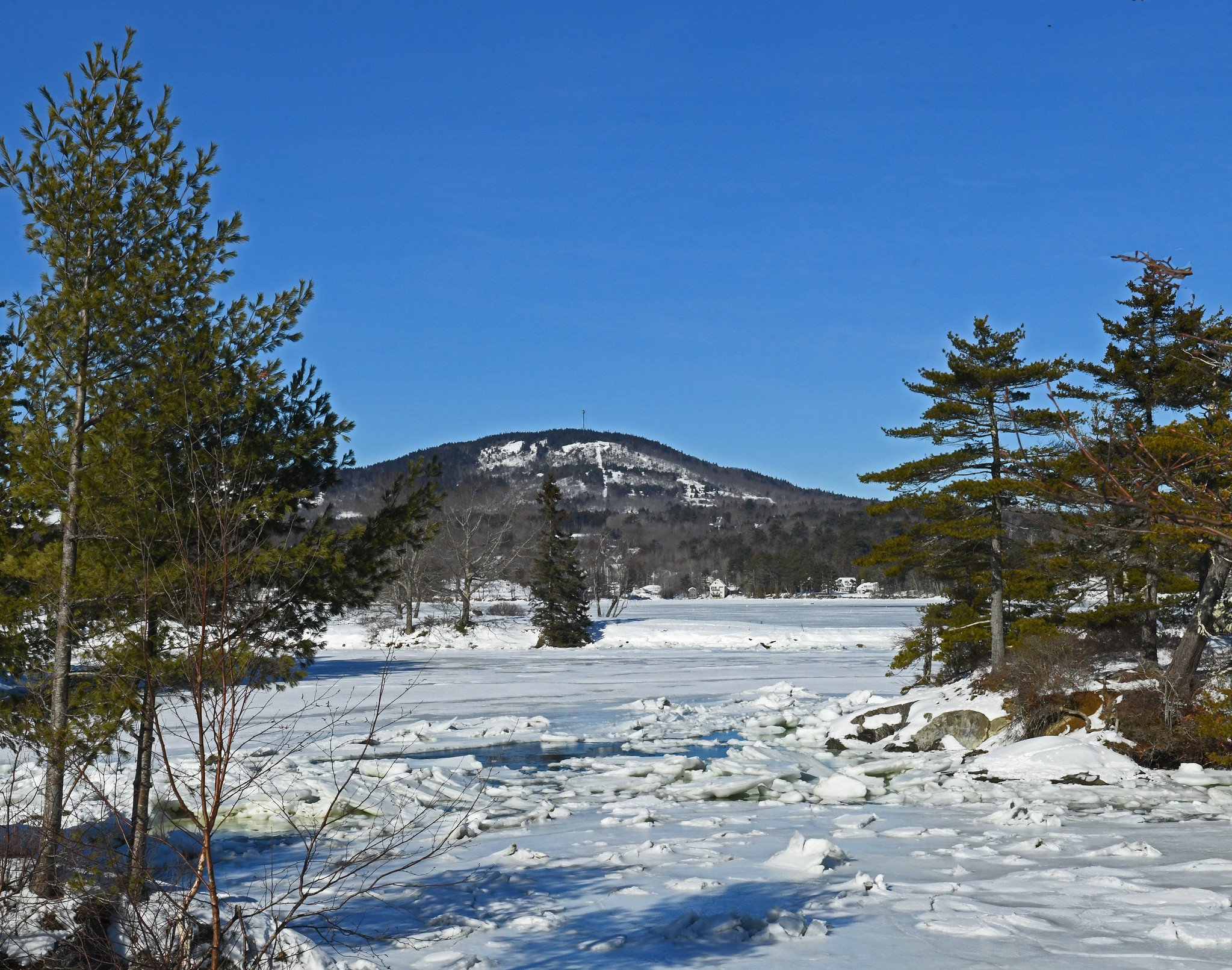
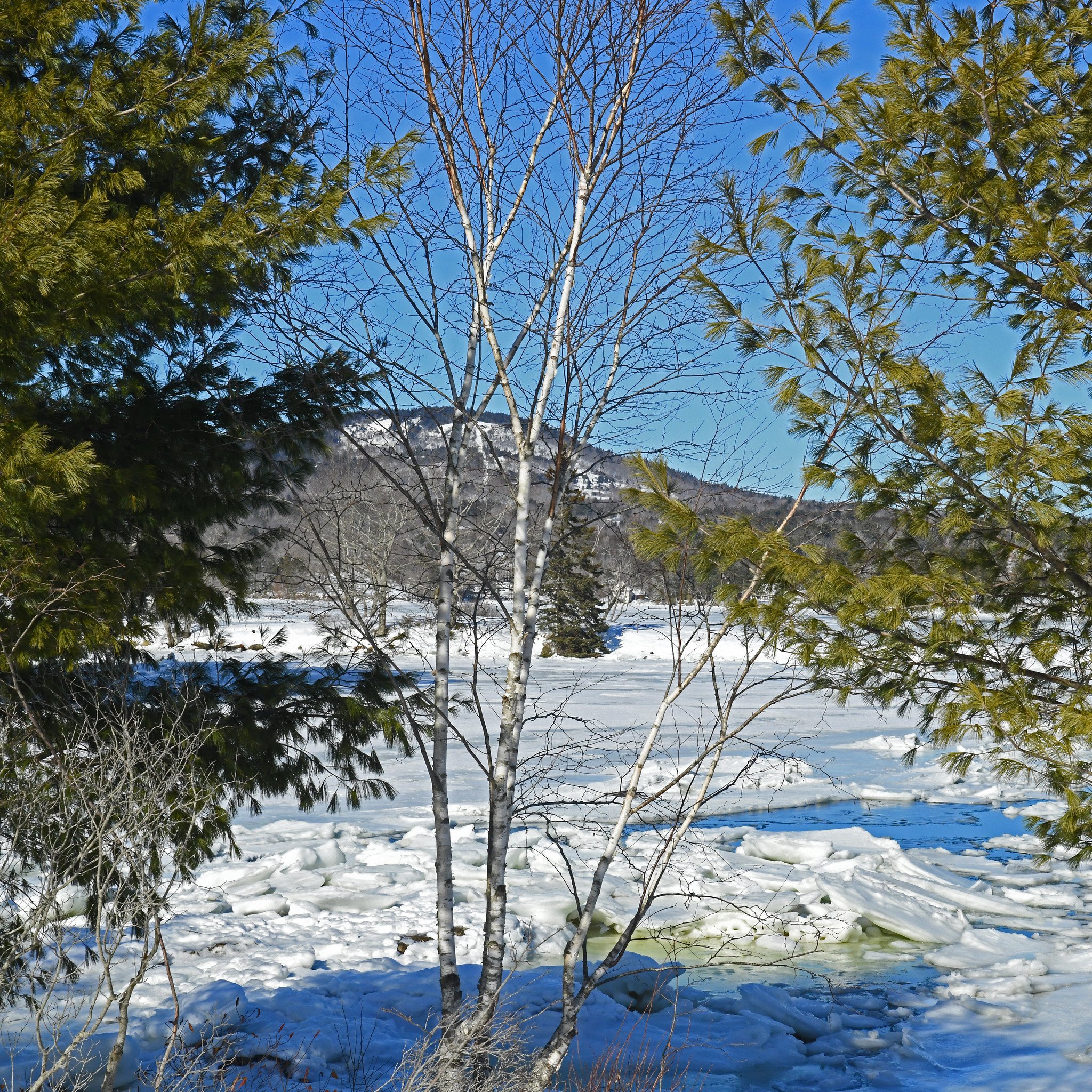
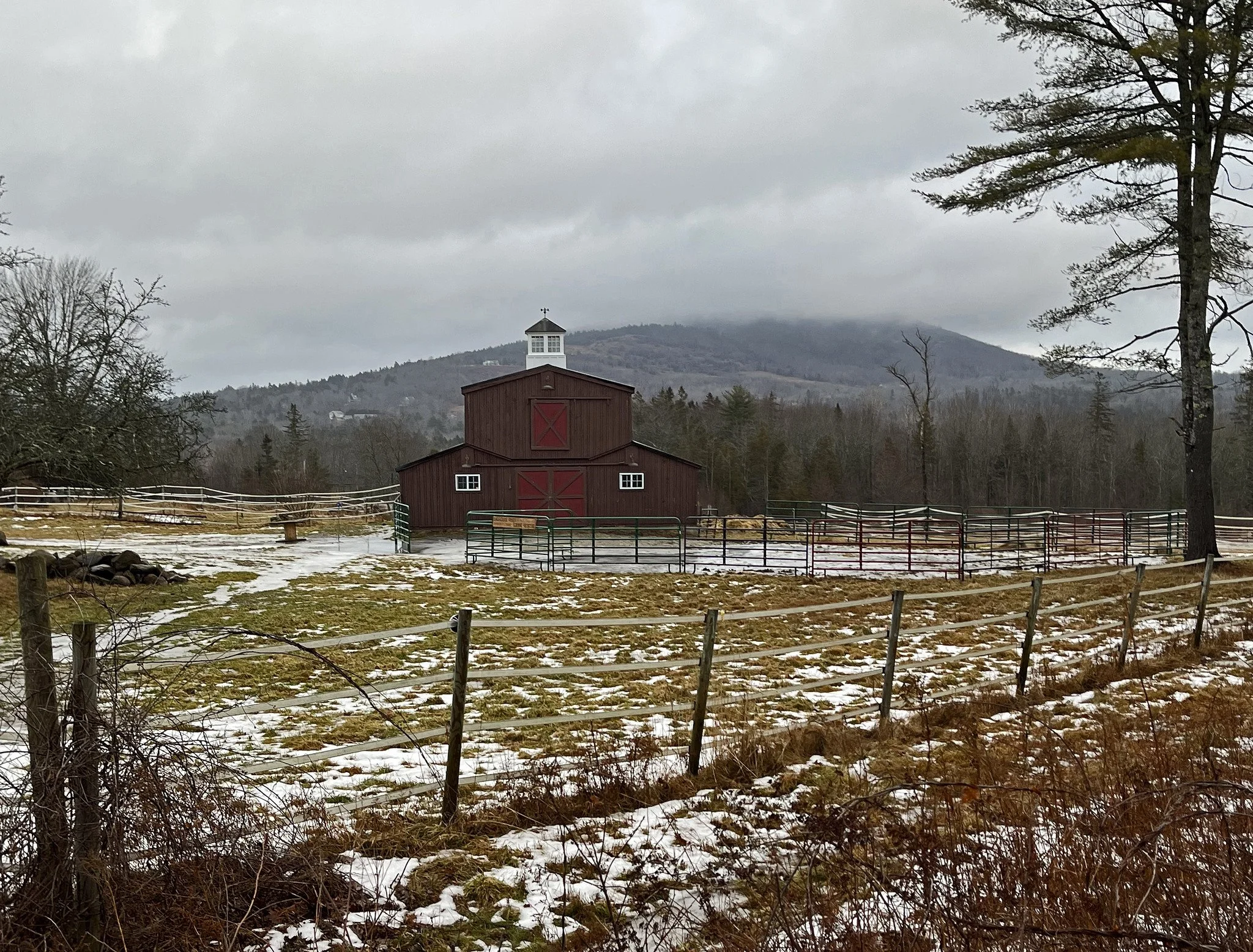
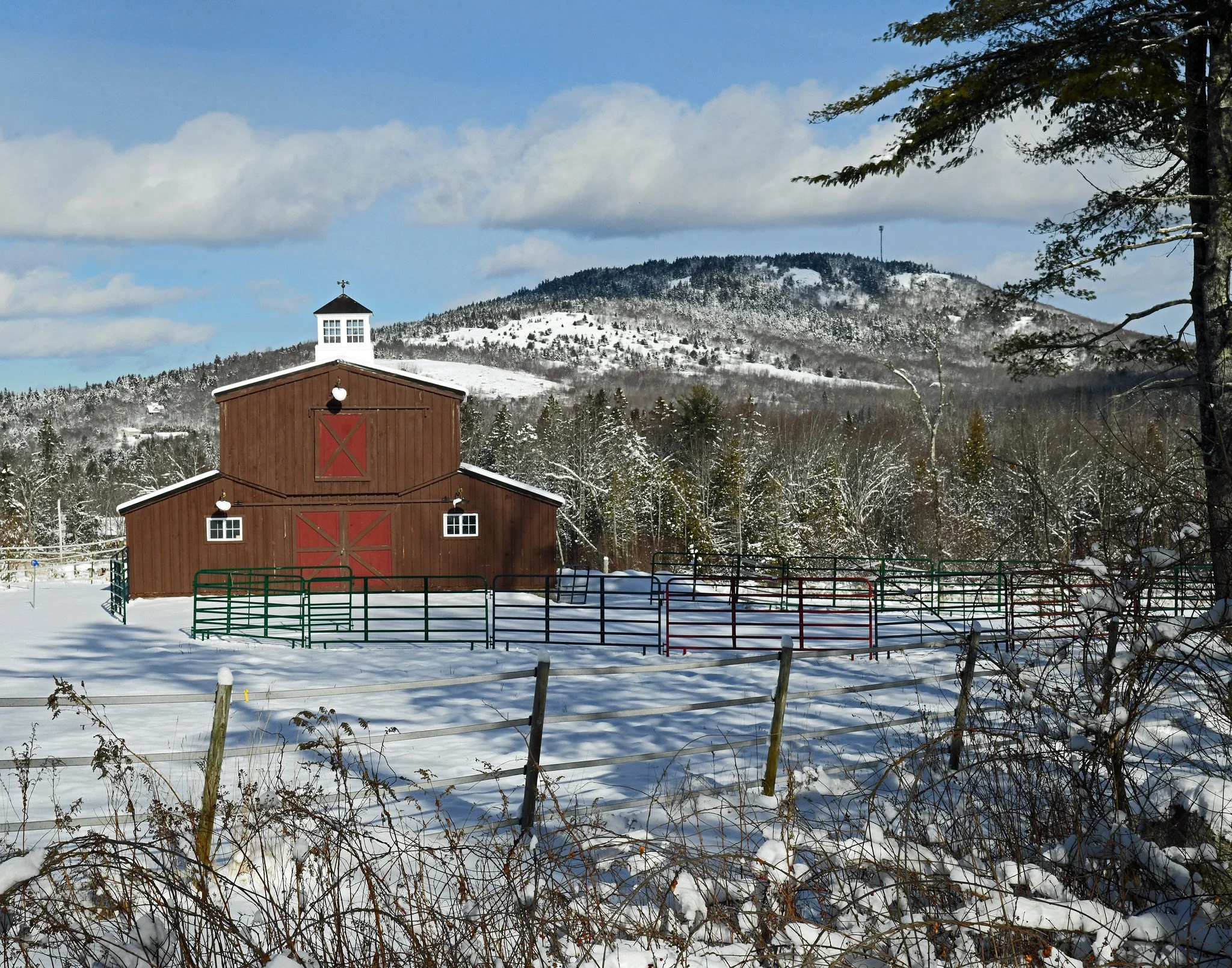
Above you see the snowy south face of the near-mountain called Blue Hill on Friday, as viewed from Beech Hill Road (Route 175). Two views of the face from across Blue Hill Bay, taken the same morning, are shown below We record these iconic views monthly for local records.

Snow in this area typically arrives in November and can continue into March. The snowiest season on record in the Blue Hill area apparently was 2014-2015, in which 150.8 inches of total snowfall were recorded here by the Blue Hill Conservatory & Science Center. During that winter of 2015, a still-held monthly record was set in February, when 79.9 inches of snow were recorded. 

(Images taken in Blue Hill, Maine, on February 6, 2026.)  GO PATS!

Comment

Comment

In the Right Place: High-Stepping

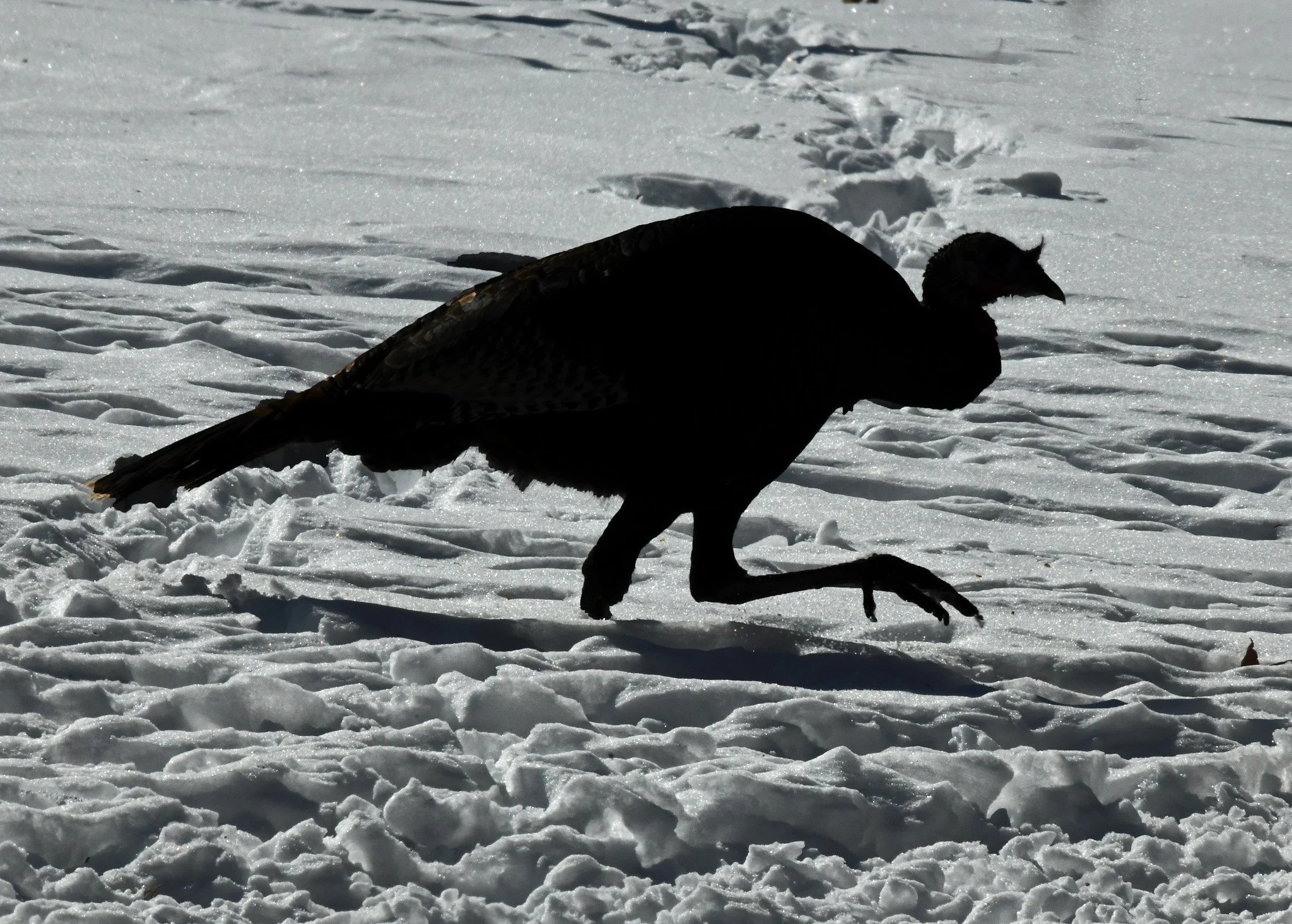
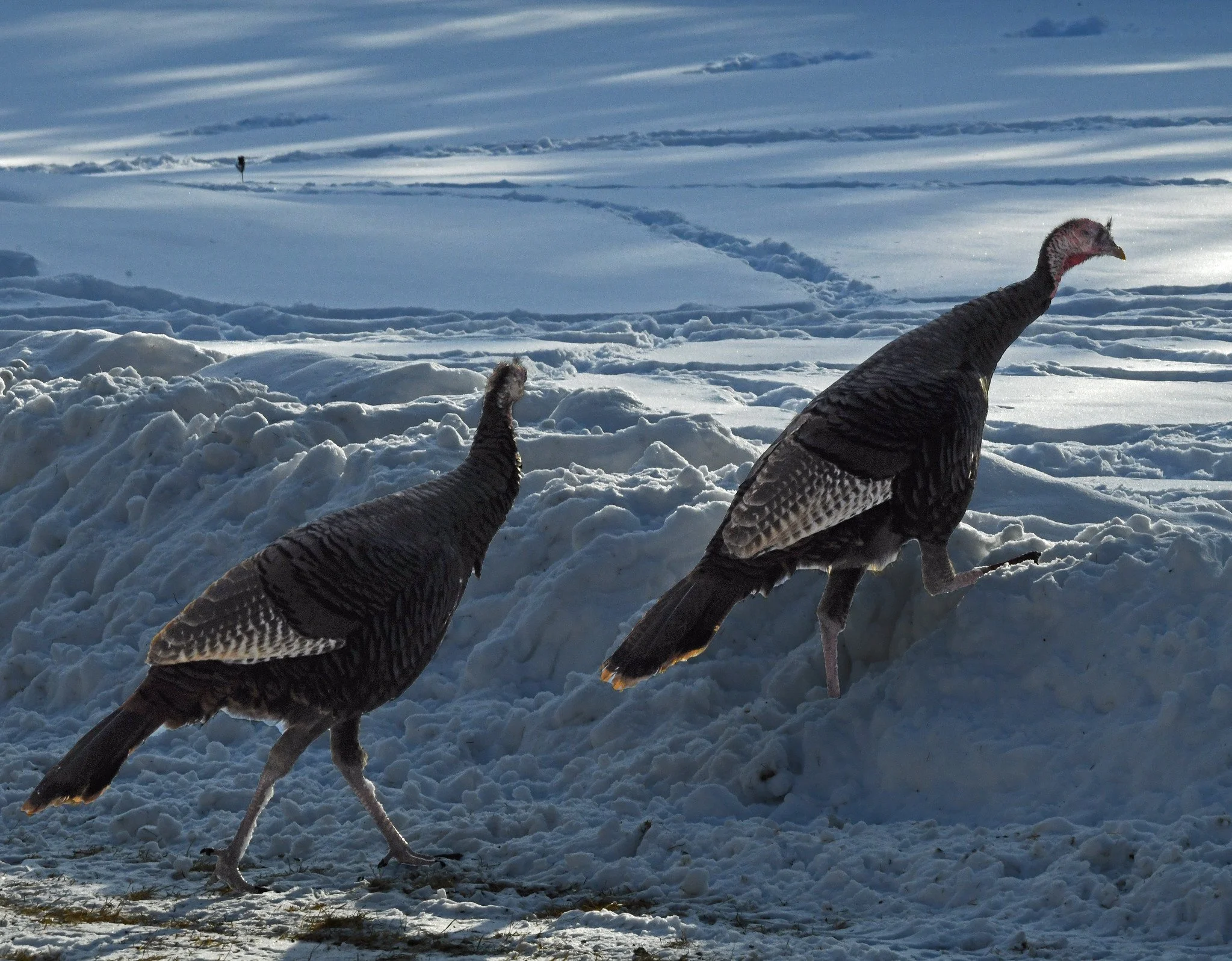
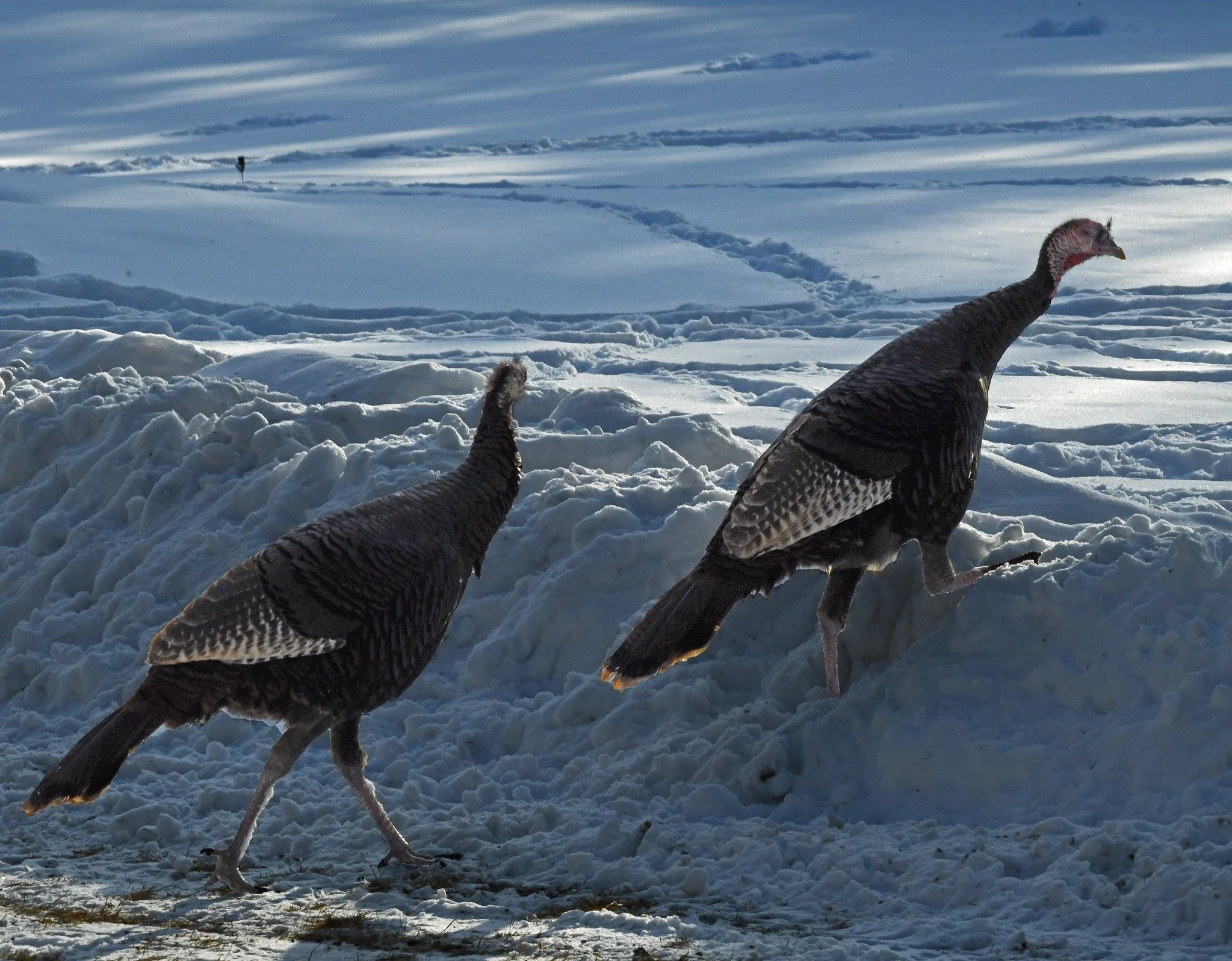
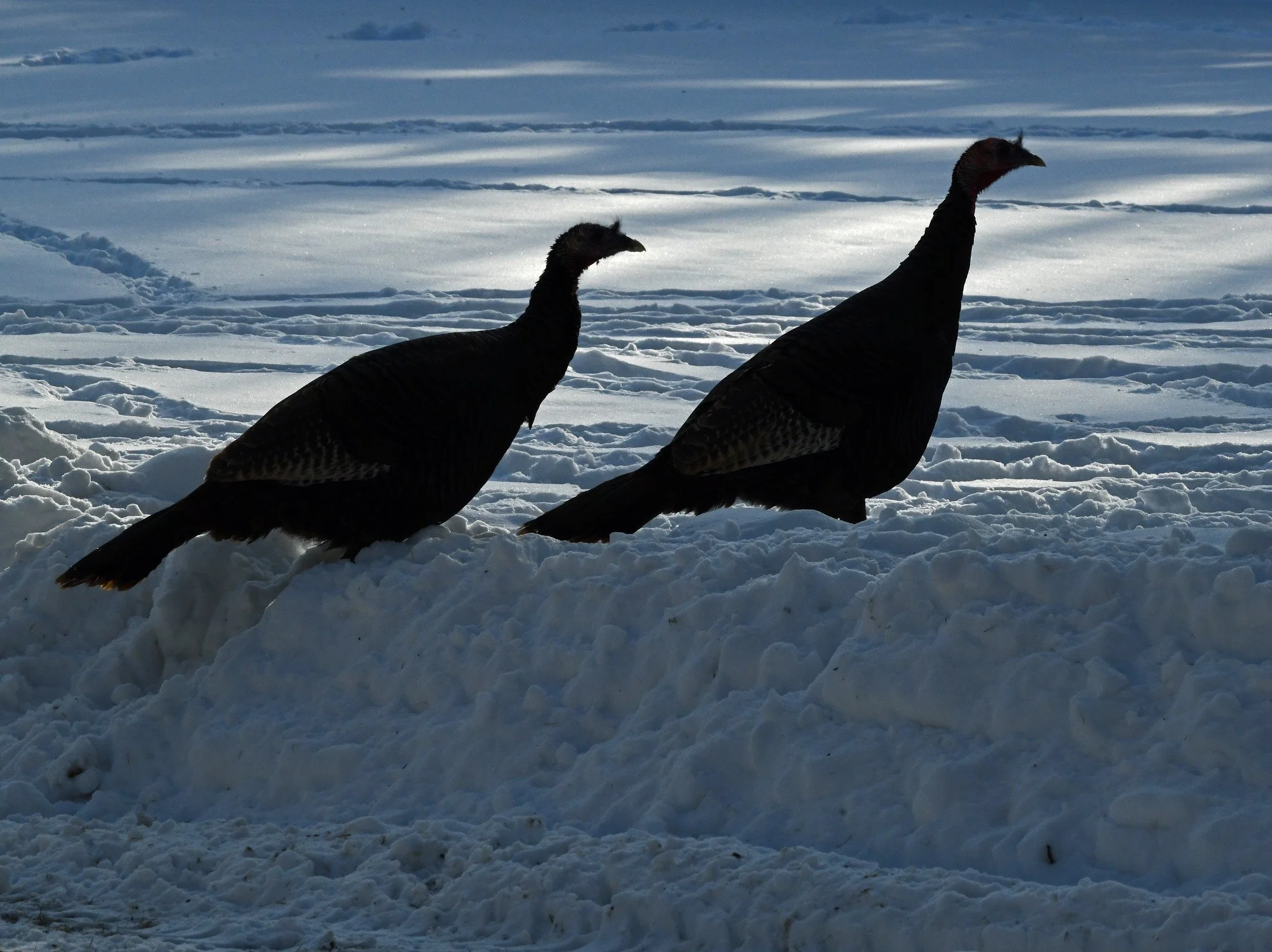
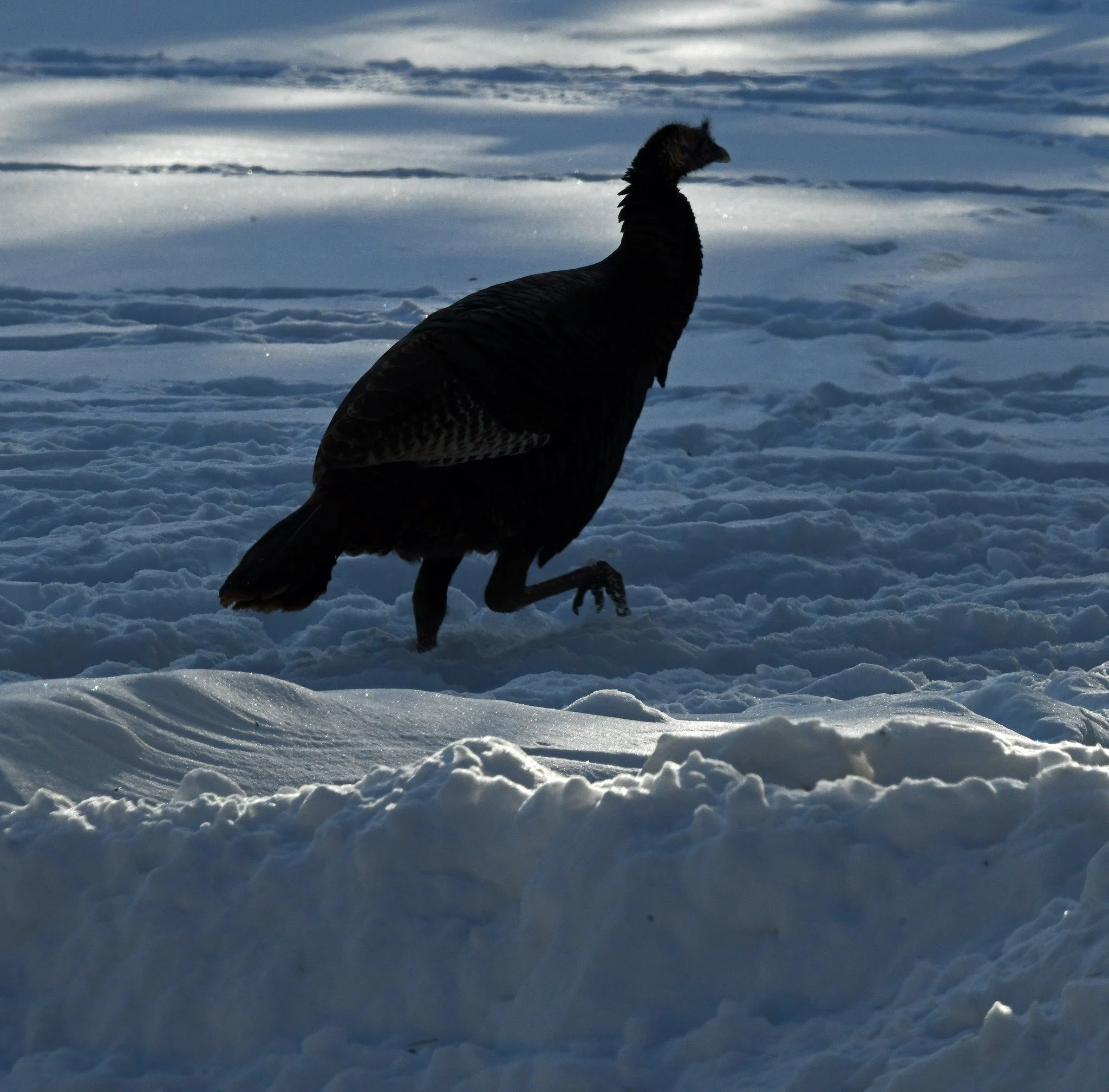
Pity the wild turkeys that have to high-step slowly through snow. These birds walk on their clawed toes rather than their shanks (feet) and keep at least one foot on the ground when they travel on the ground. They bend their legs in the middle at what looks like a knee, but really is an intertarsal joint (ankle). On solid ground, they can run up to 18-25 miles an hour; in snow, they creep.

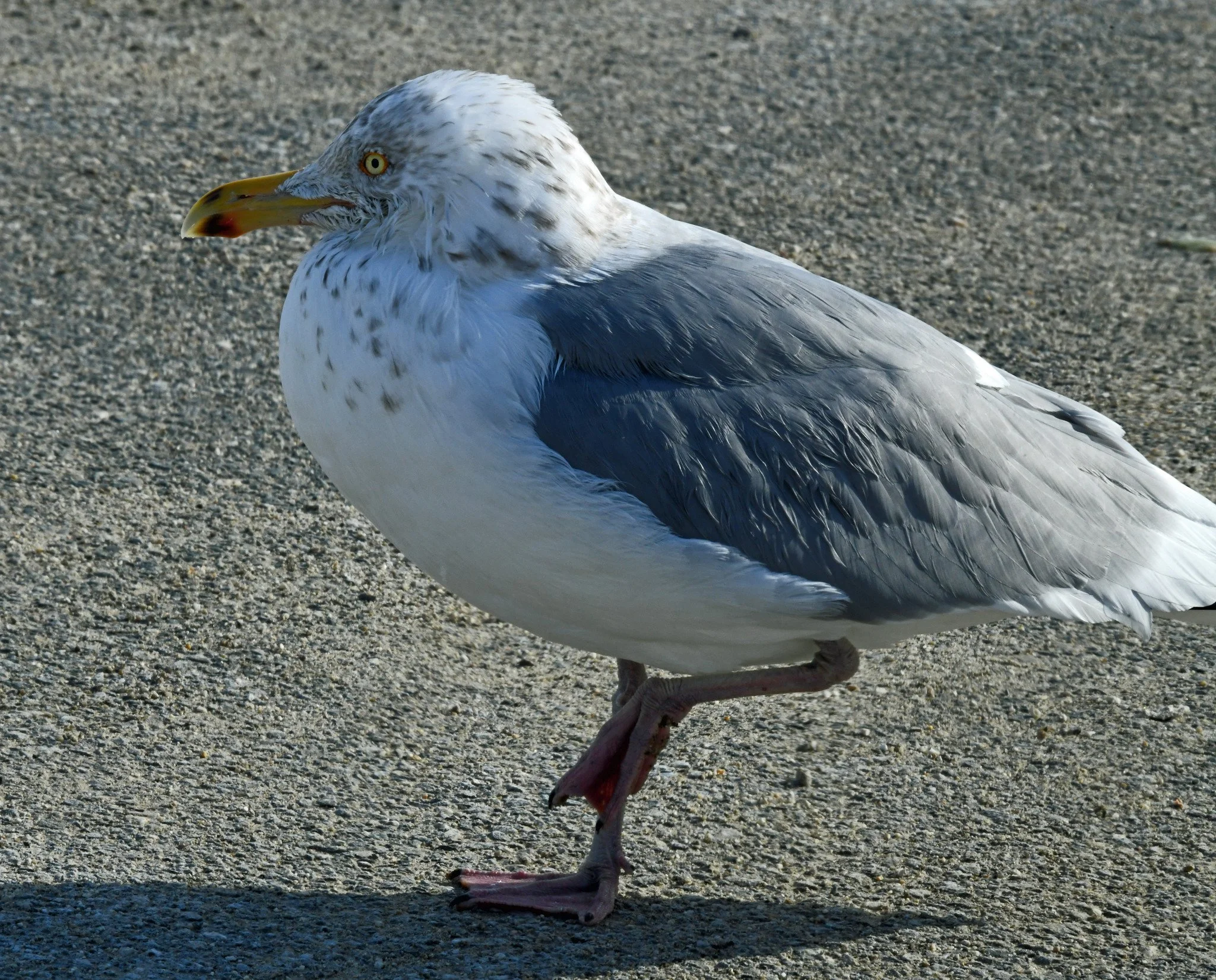
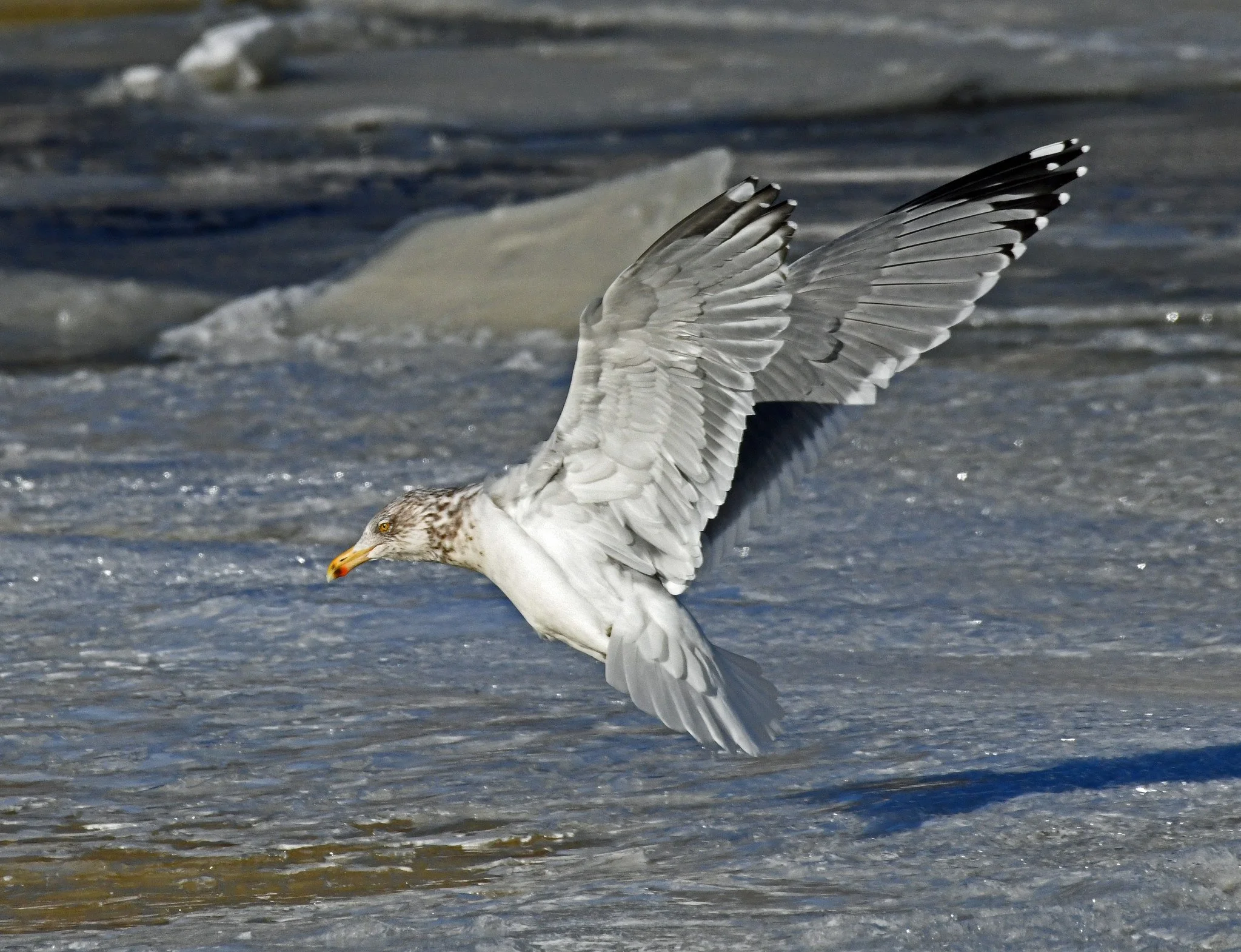
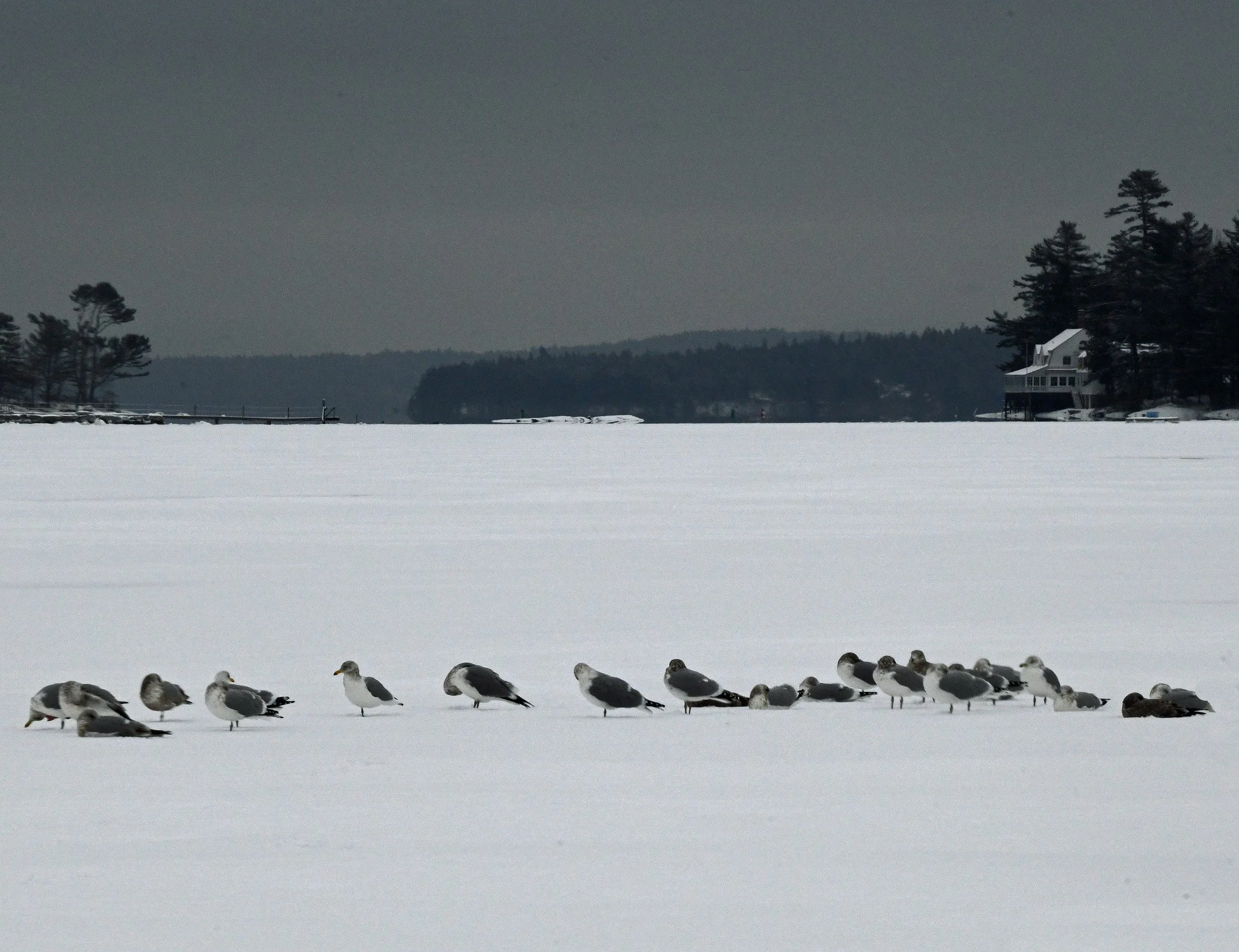
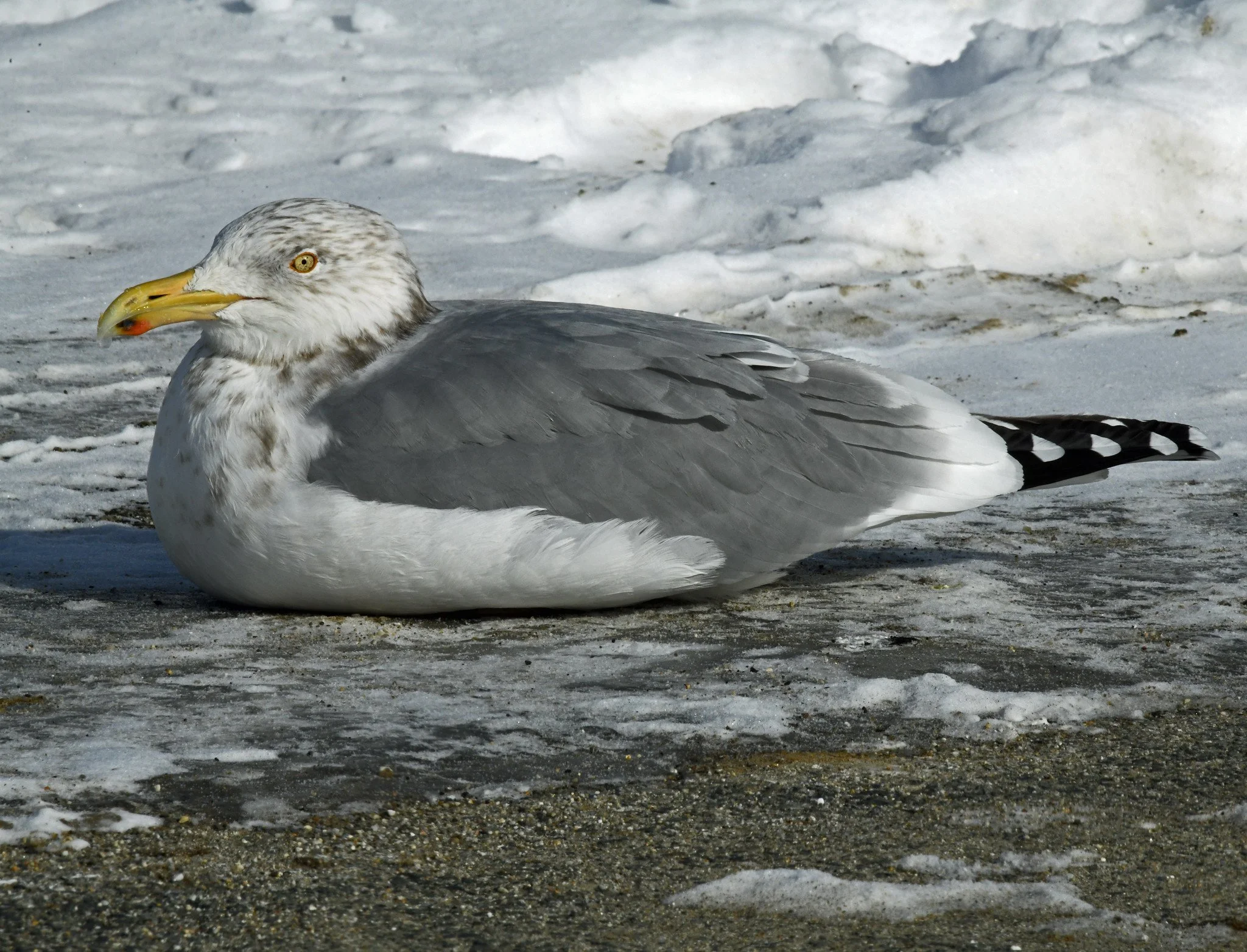
Also pity the high-stepping, slower-running herring gulls when their inshore sea territory turns to snow-covered ice. (See the image in the Comment space.) But seagulls have some advantages: their webbed feet can act like snowshoes in snow and slush, they’re more comfortable with populated spaces, and they’re smarter than turkeys. (What mammal or bird isn’t?) In very cold weather, seagulls often descend on roofs, parking lots, or other surfaces that absorb and give off heat. (Images taken in Brooklin and Blue Hill, Maine, on February 5 and 6, 2026, respectively.)

Comment

Comment

In the Right Place: Seasonal Beauty

Here are February images of the iconic Conary Cove scene that we monitor monthly for the local records. The snow, ice and apparent cold shown here will only be distant memories by June or July.

But they’re very real now, and the little discomfort that they create is far outweighed by their addition of an intriguing layer of seasonal beauty to this always-picturesque little cove.

(Images taken in Blue Hill, Maine, on February 2, 2026.)

Comment

Comment

In the Right Place: Night and Day, You Are the Moon

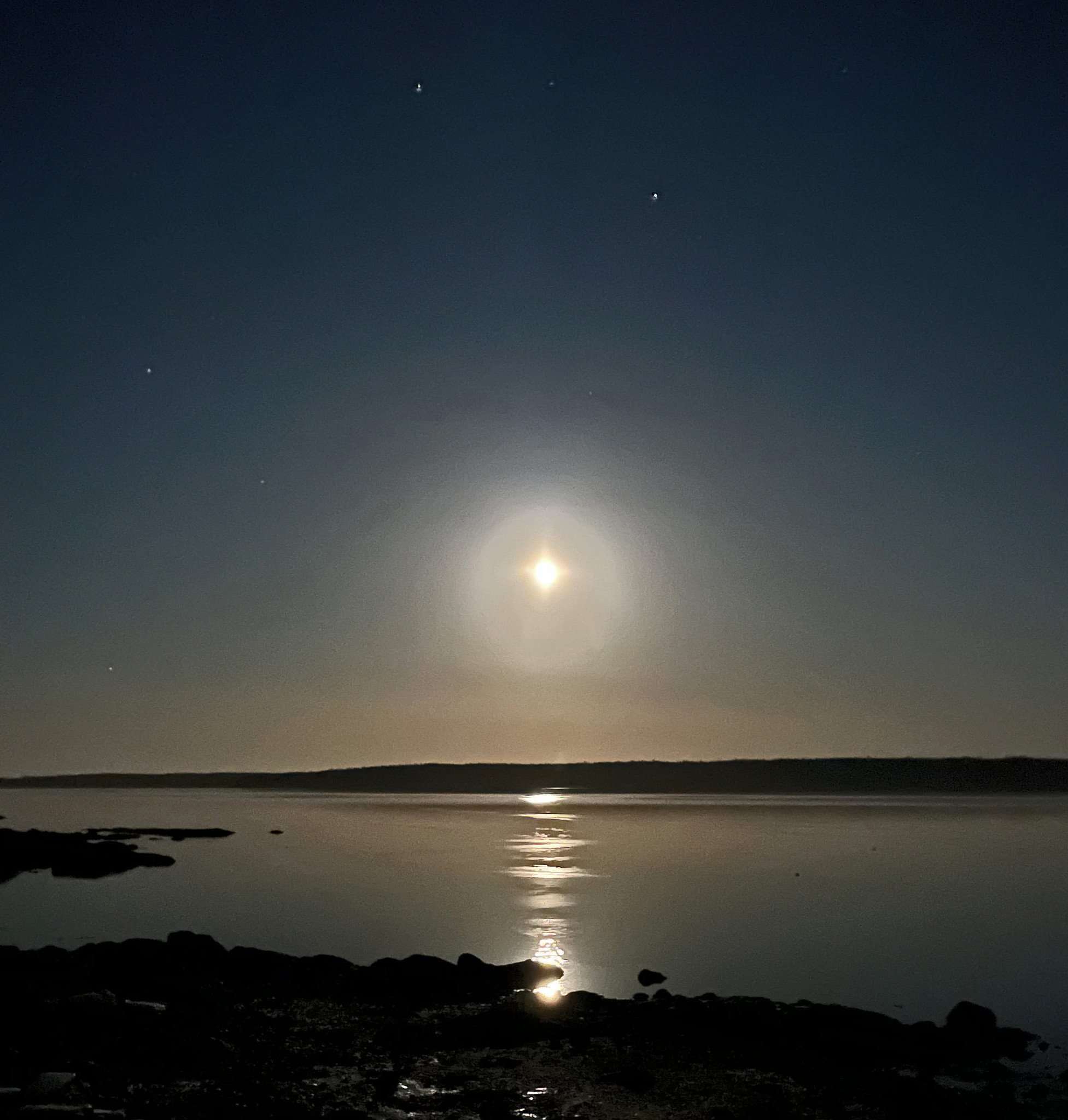
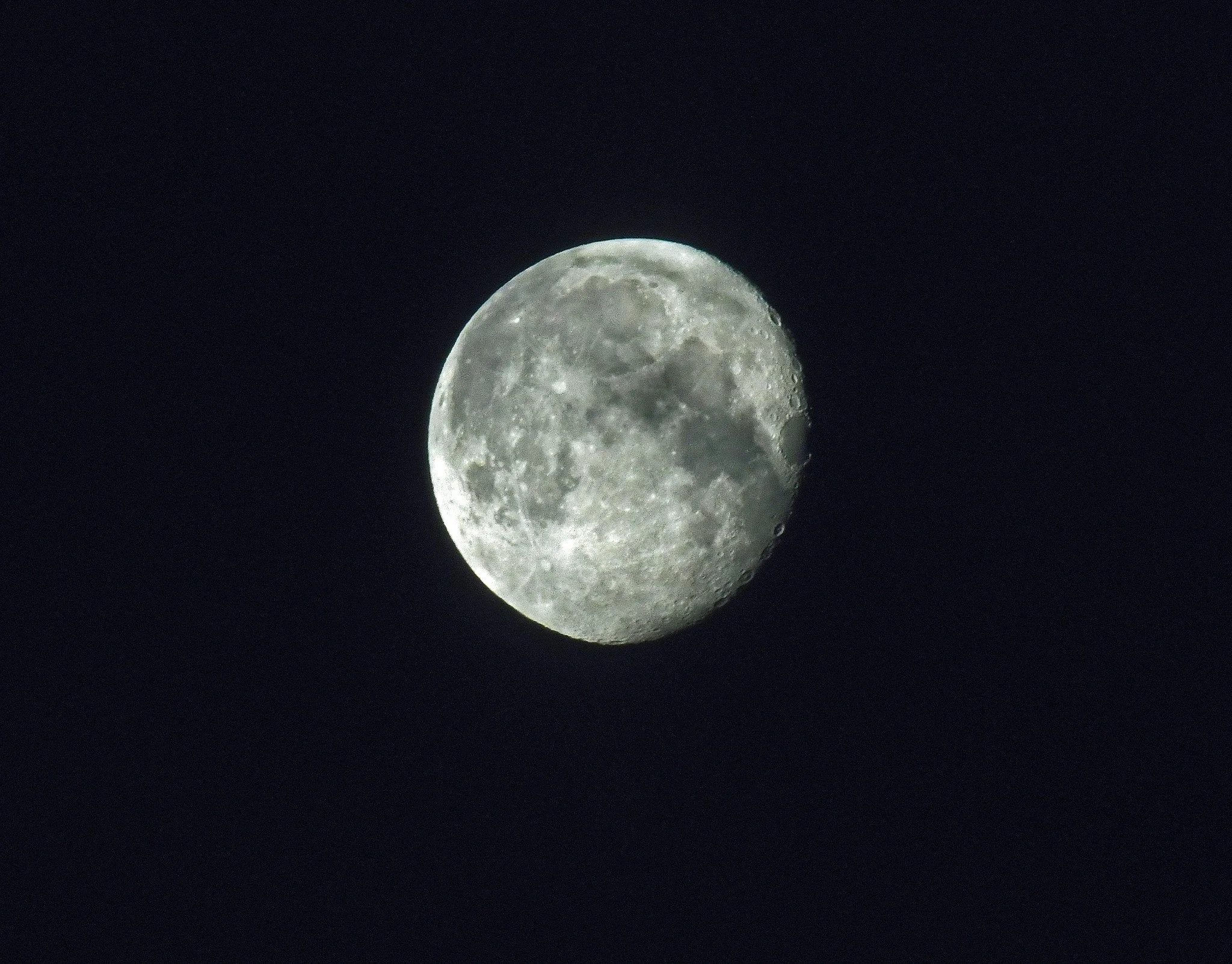
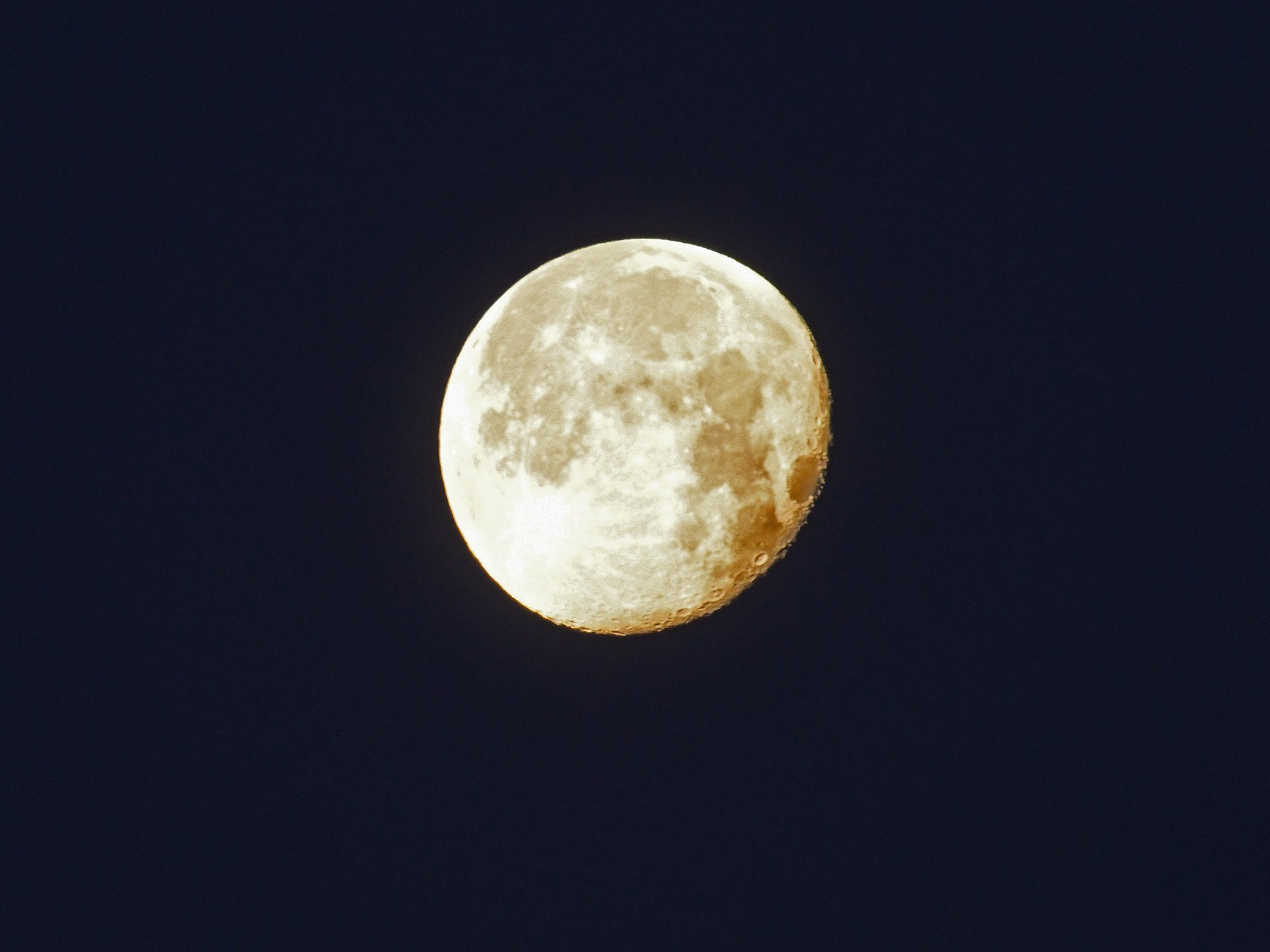
The February has been cold, but generous with her sunlight and moonlight so far. Her full Snow Moon is waning, but still ample while getting more and more gibbous (“hunched”) as it loses sunlight. Here you see the moon rising over Blue Hill Bay on Tuesday evening:

Below,, you’ll see it going down over Great Cove as the sun is rising on Wednesday morning:

(Images taken in Blue Hill and Brooklin, Maine, on February 3 and 4, respectively.)

Comment

Comment

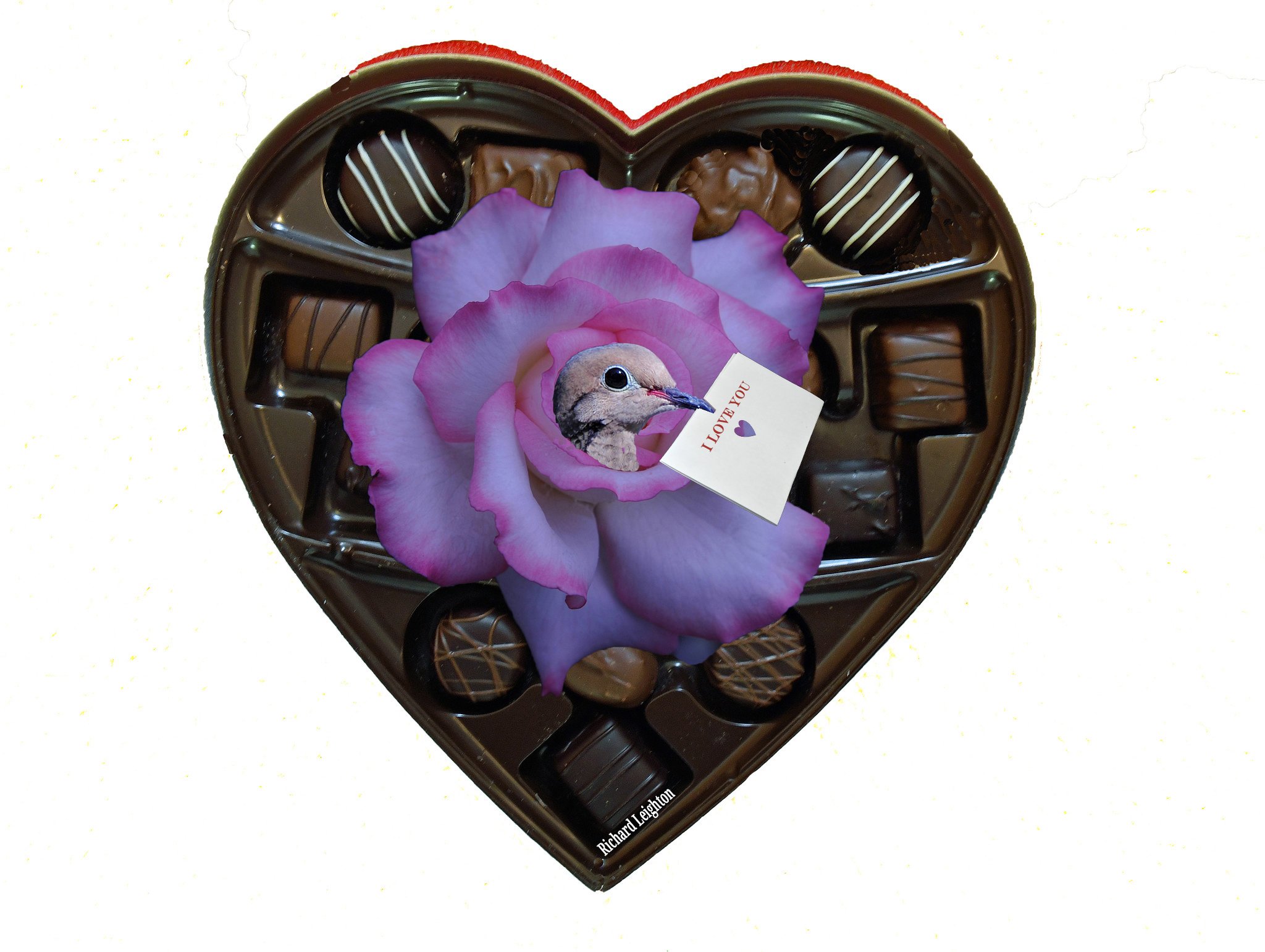
In the Right Place: Lovely Mystery

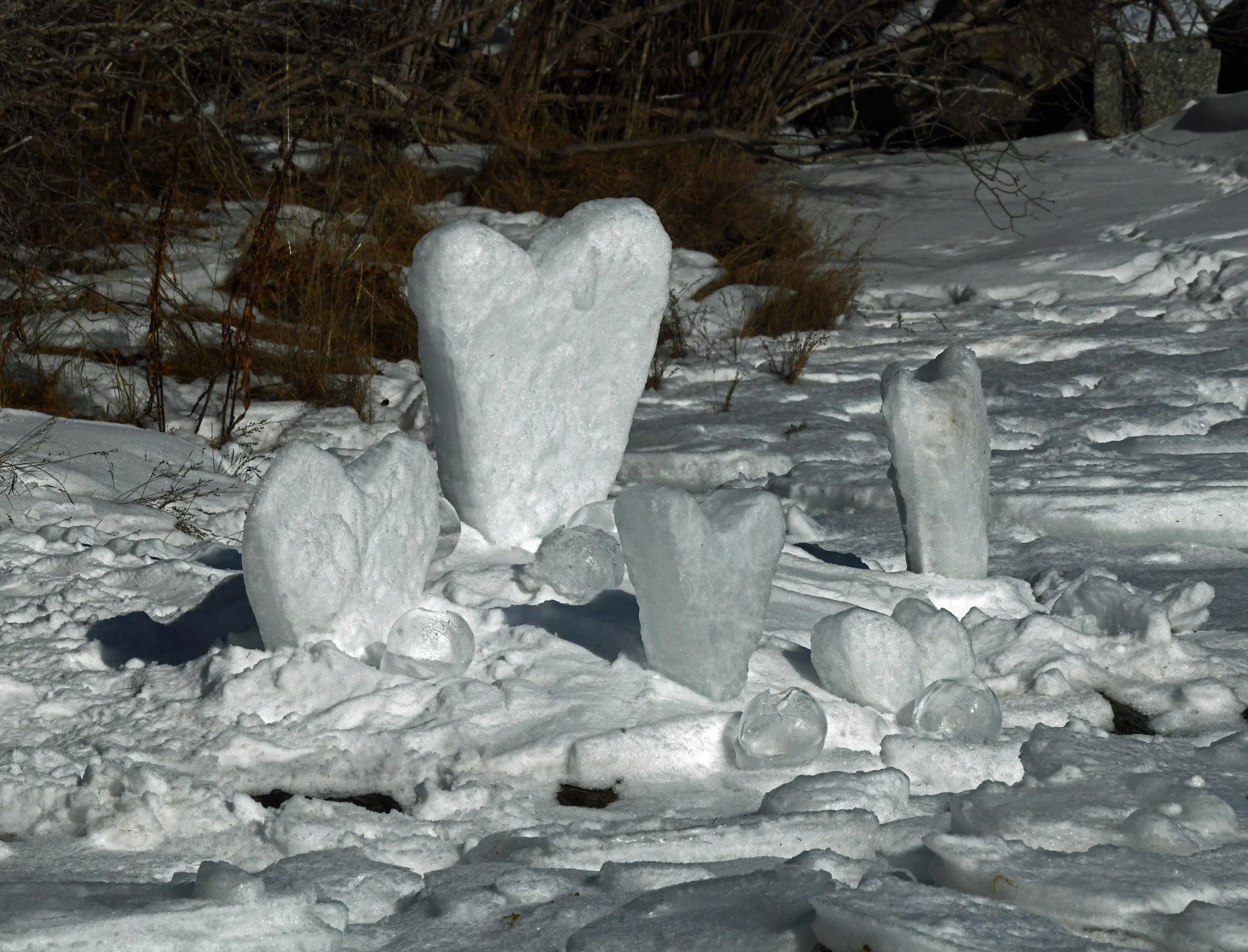
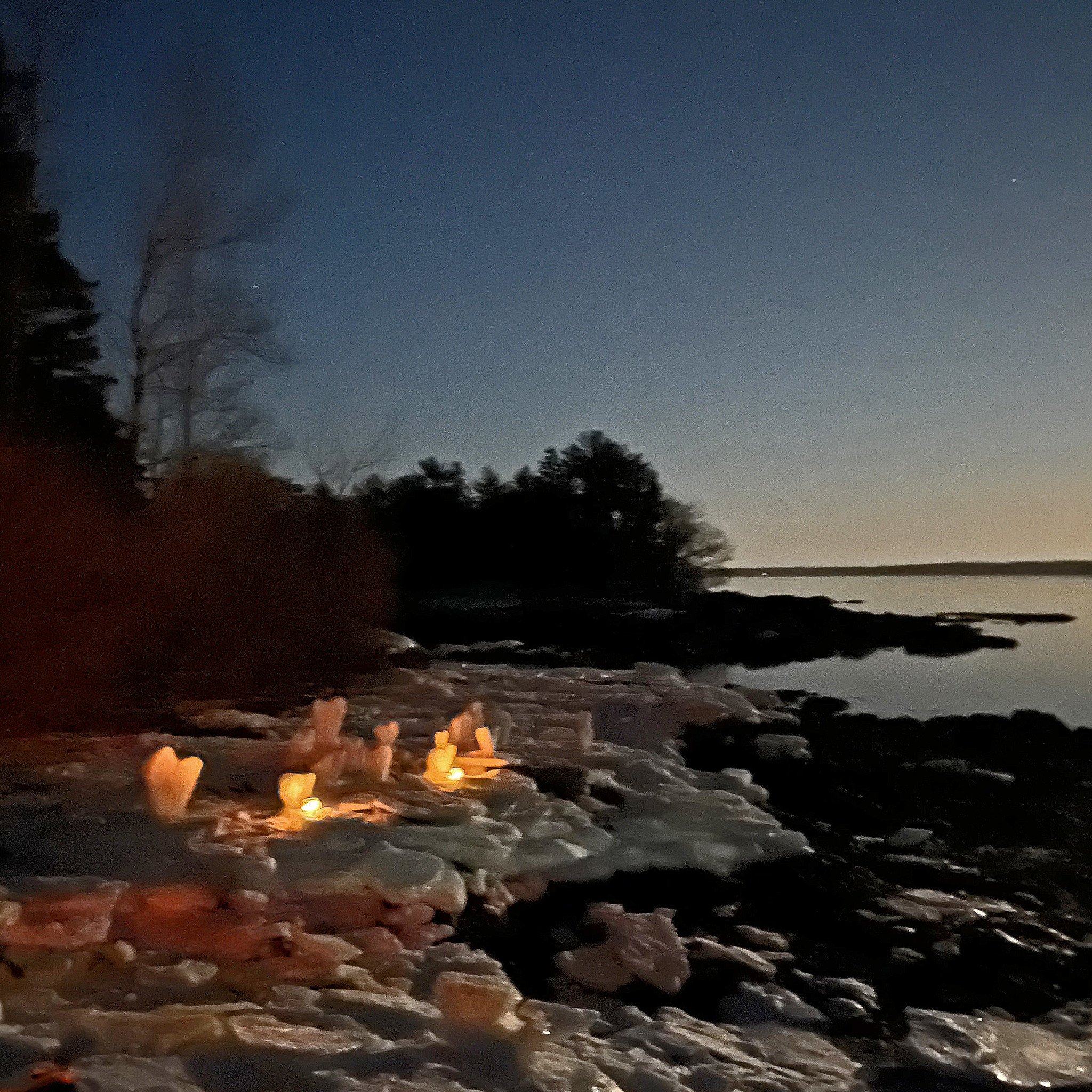
This mysterious frozen sculpture appears bright in the sunlight on the Nub and glowing in the candlelight at night:

It gets you thinking.

Is it a reminder that Valentine’s Day is near? A memorial to someone who was loved? An inspiration from the statement that “God is Love,” as was Robert Indiana’s famous “LOVE” sculpture? Or just one of those exuberant and unexplainable artistic expressions?

This sculpture will never be famous, but it’s a good (and possibly needed) reminder for those of us who drive by of that incredible and mysterious thing called love. Thanks to its anonymous artist(s) and keepers. Click on the images to enlarge them. (Images taken in Blue Hill, Maine, on February 2 and 3, 2026).

Comment

Comment

In the Right Place: Snow Thrills

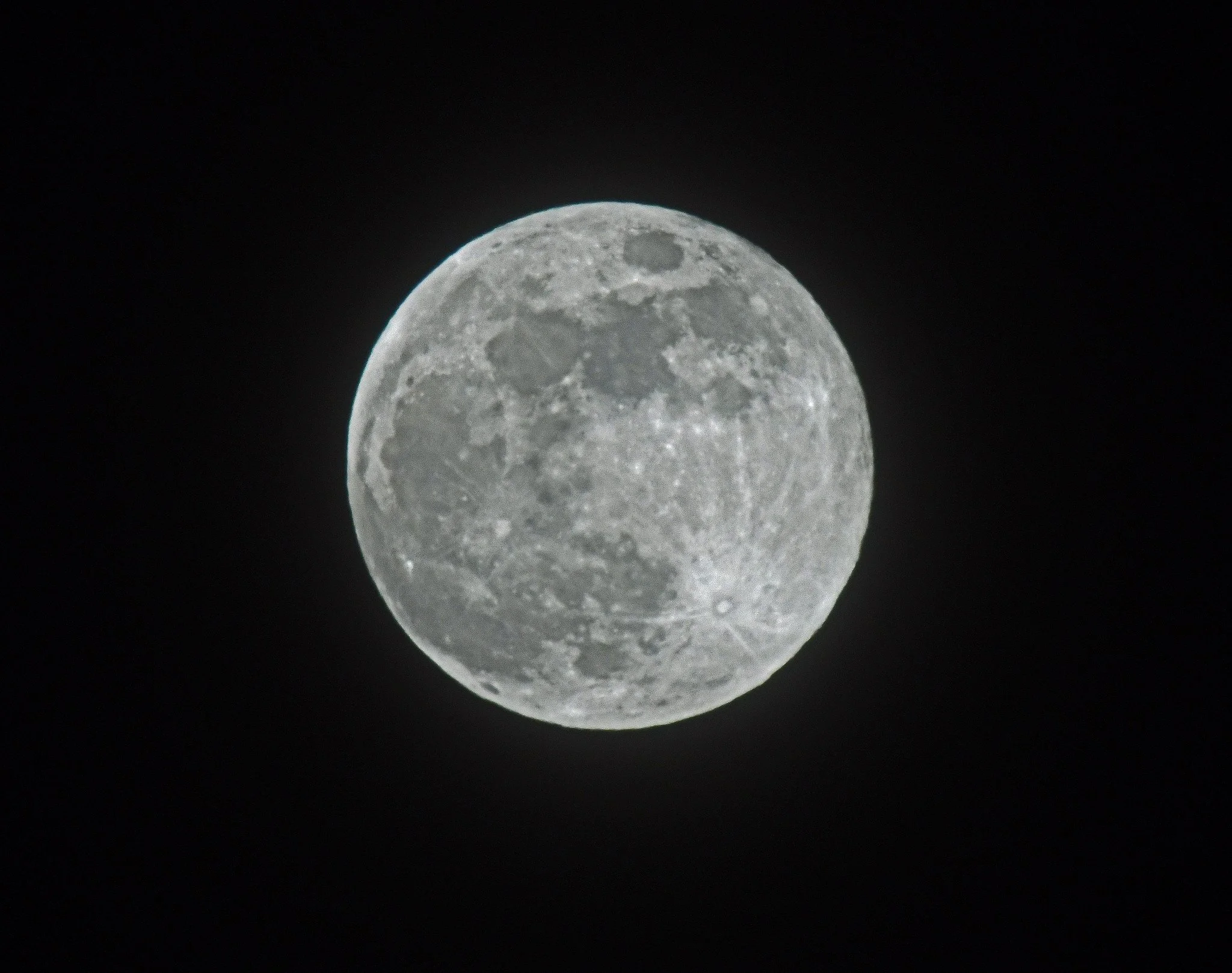
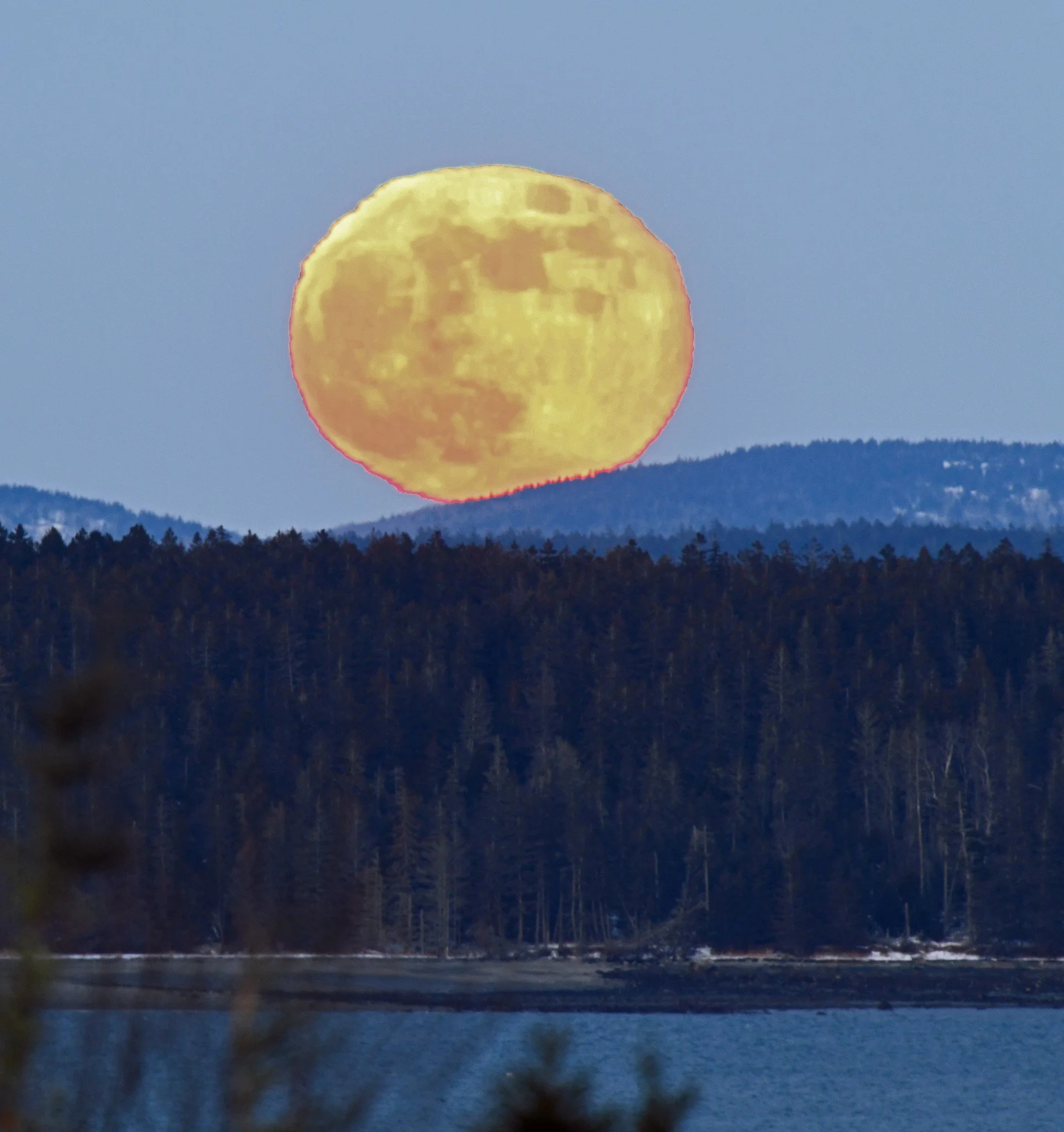
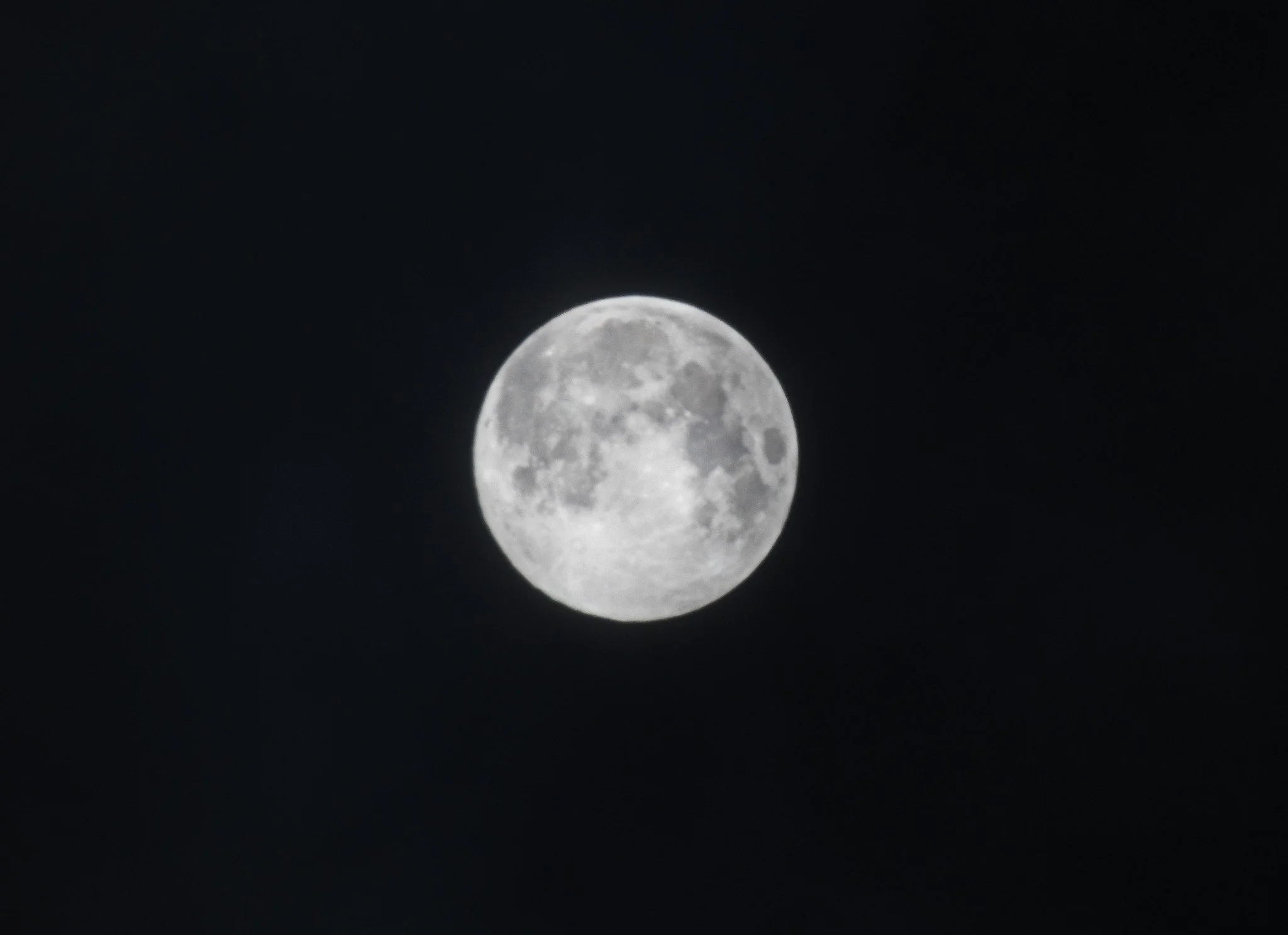
Here’s February’s full moon rising over the Naskeag peninsular Sunday, a big start for a short month. This full moon traditionally is called the Snow Moon, based on the Farmer’s Almanac records of mostly Native American terminology.

Native Americans, especially their children, loved to play in the snow, according to the literature. In fact, the toboggan sled reportedly originated from the Algonquin people; it originally was designed for hauling, but children used it for thrilling slides down snowy hills. The Lakota and Dakota children reportedly used sleds made from buffalo rib bones, leather, and wood for their winter thrills.  

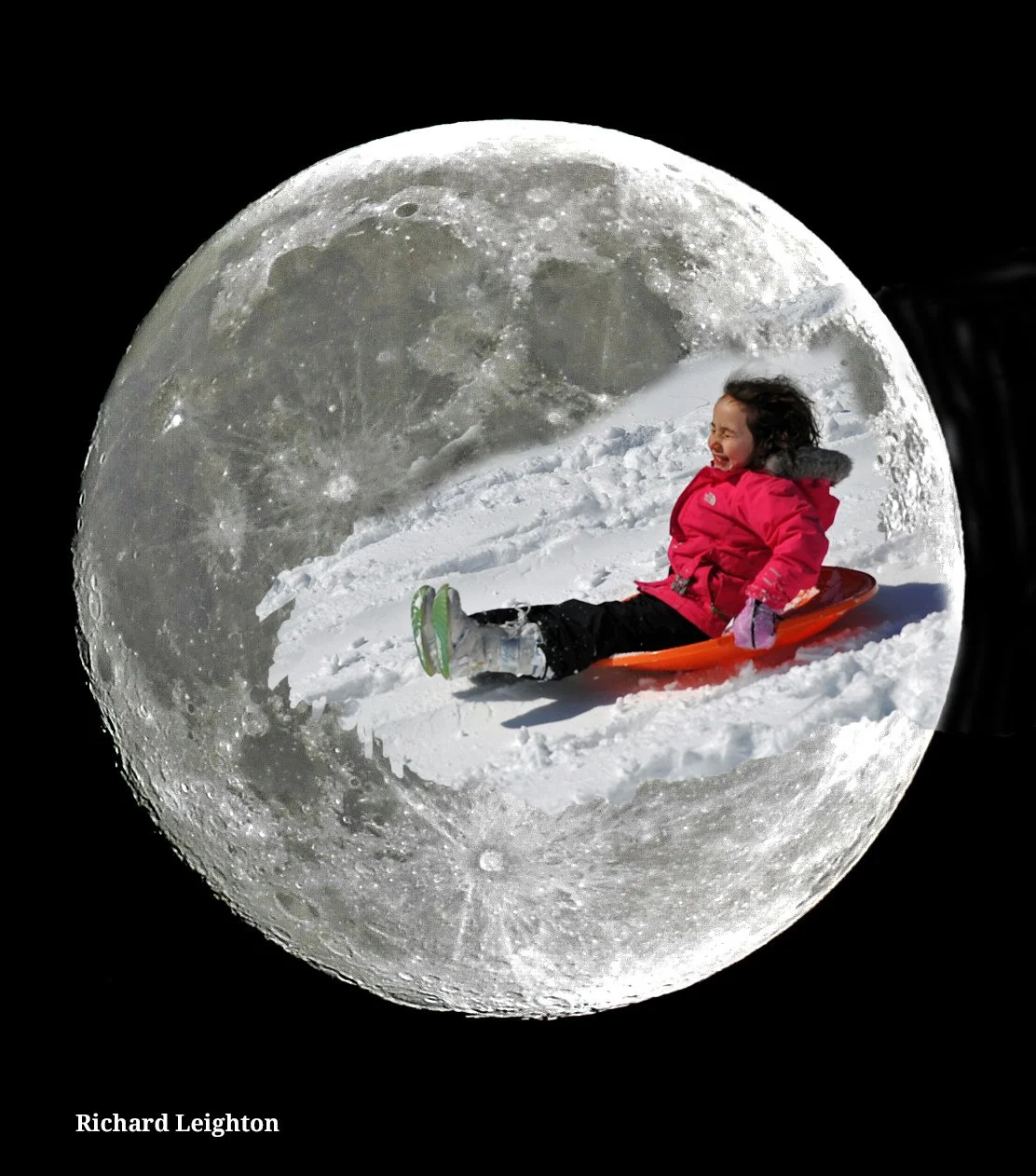
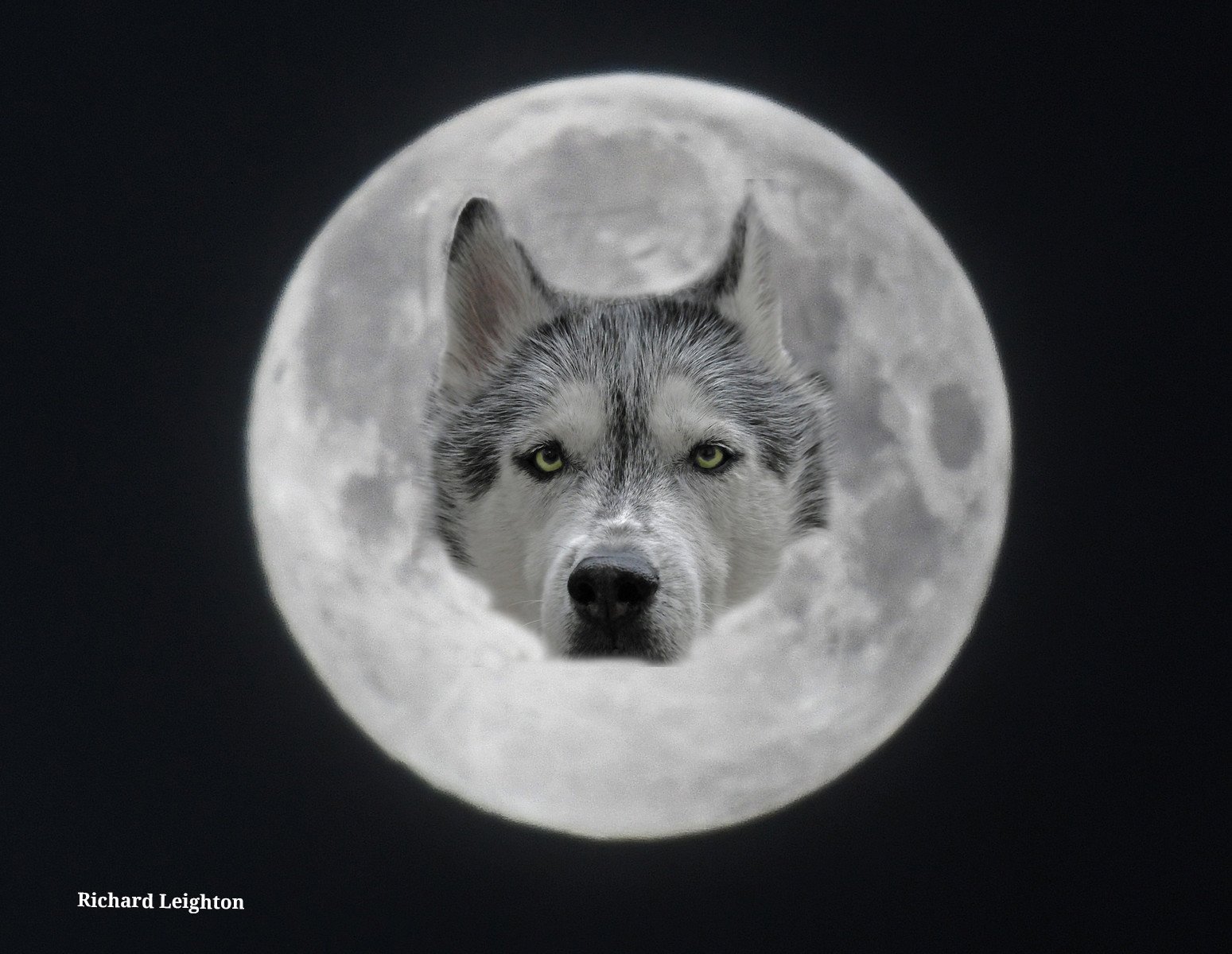
With that history of wonderful times in mind, I thought I’d see what the Snow Moon would look like with one of today’s native (small “n”) Americans having similar fun on it:

(Real moon images taken in Brooklin, Maine, on February 1, 2026; merged image based on Leighton Archives material.)

Comment

Comment

In the Right Place: Fire Alarm

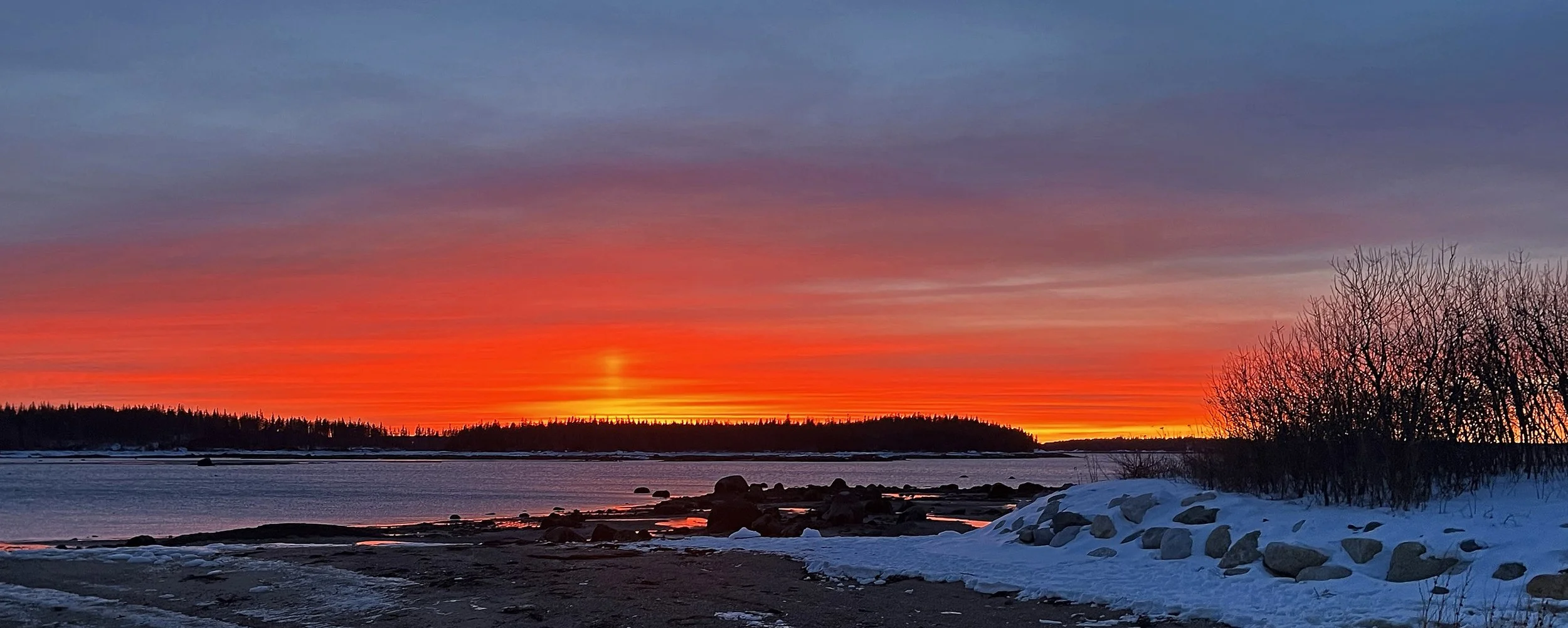
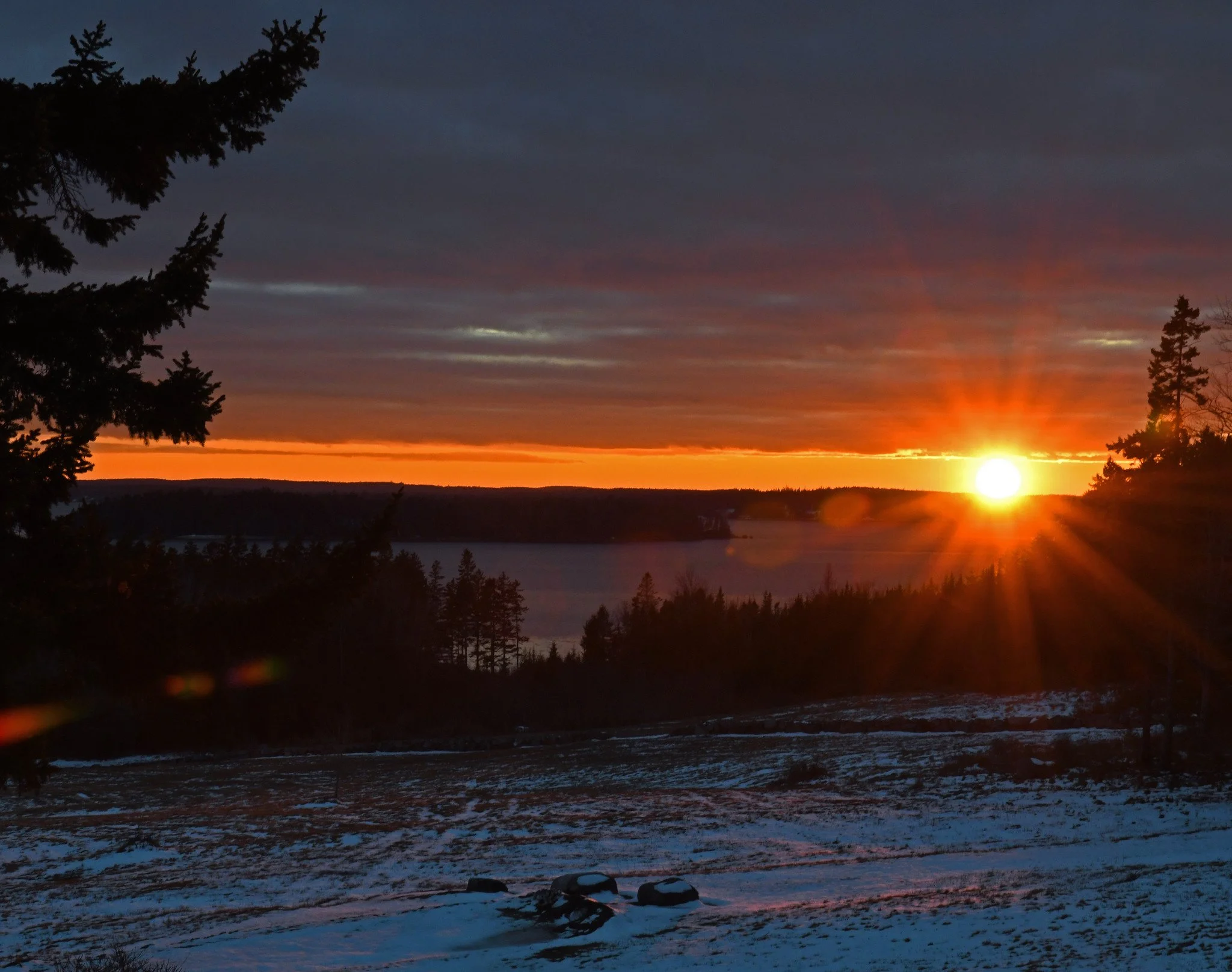
The first day of February decided to make a dramatic exit in flames yesterday. Here you see the beginning of the afterglow just as the sun descended below the horizon at Naskeag Point:

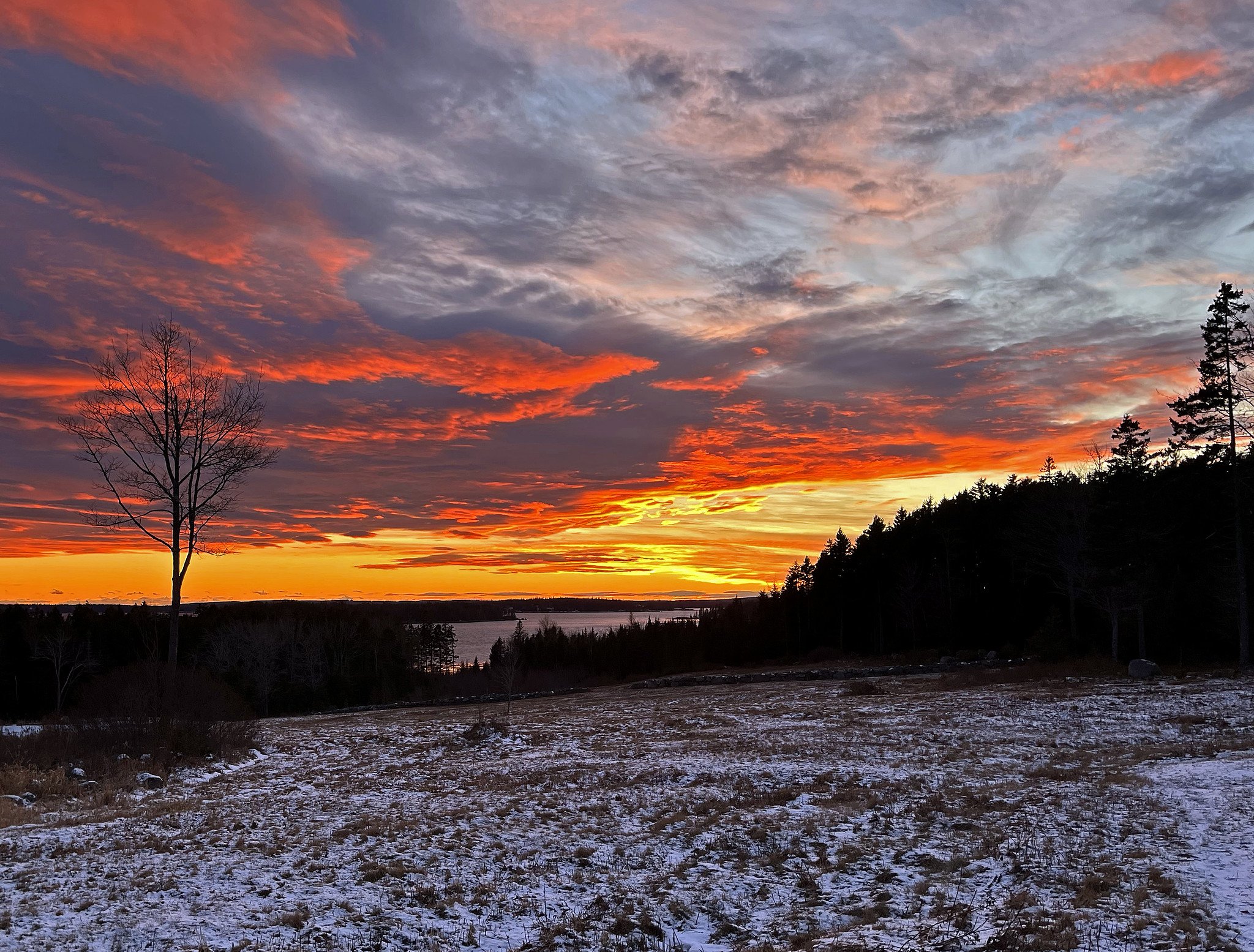
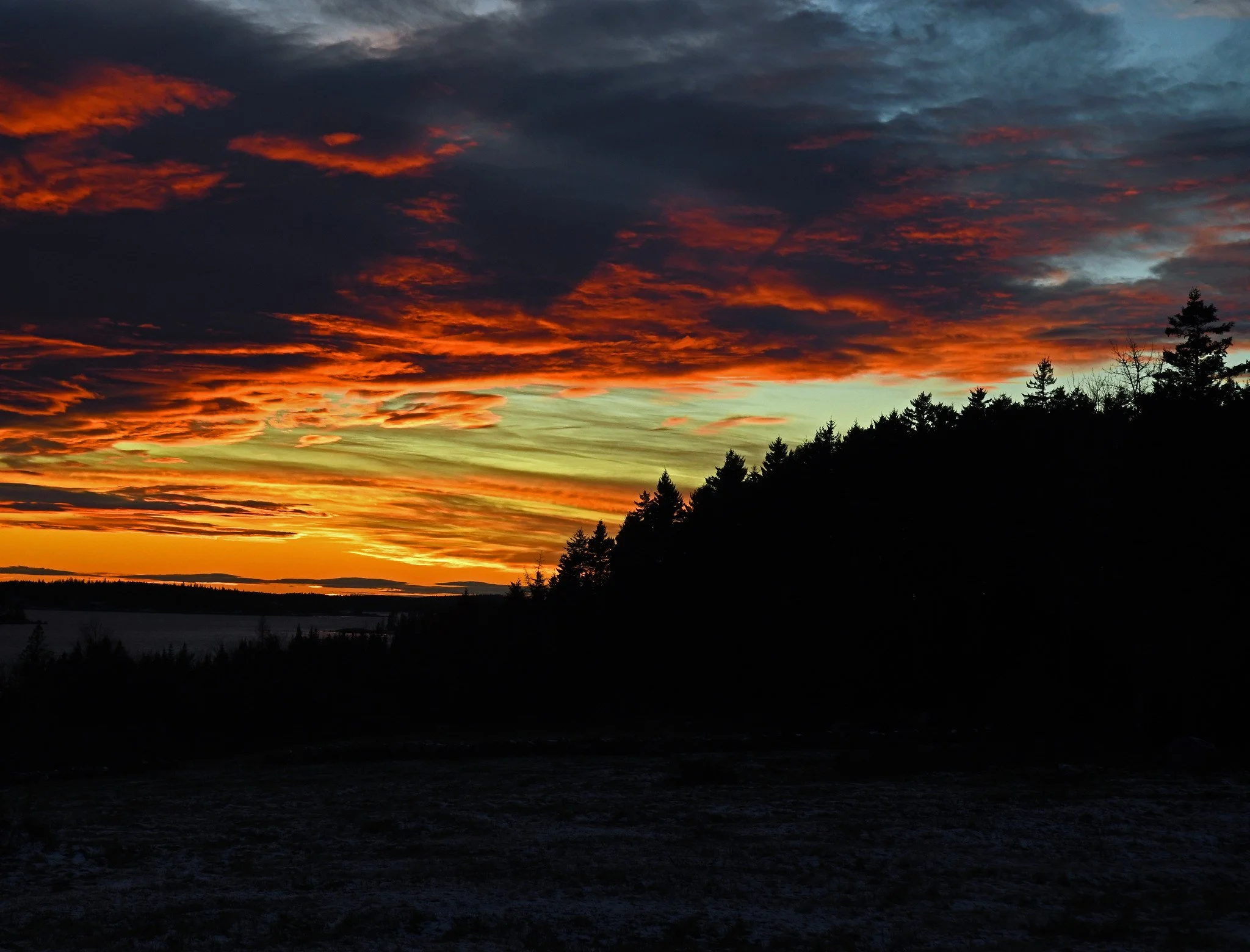
About five minutes later, the sky above Great Cove was still on fire:

The apparent irony is that cold winter air has less moisture and grit, so it produces hot colors. (Images taken in Brooklin, Maine, on February 1, 2026.)
Comment

January Postcards From Down East Maine

5 Comments

January Postcards From Down East Maine

January brought us an old-fashed Maine winter here on the coast. There were many serously cold days and a few good snow storms, including a significant nor’easter that left a snow blanket of well over a foot in most areas and about two feet or more in some. Let’s take a look.

We’ll start with the four iconic vistas that we monitor every month for these Postcards. They would be the western mountains on Mount Desert Island, as viewed from Amen Ridge in Brooklin; the “harbor house” on Harbor Island in Brooklin’s Naskeag Harbor; the south face of that near mountain called Blue Hill in the town named after it, and the old boathouse in Conary Cove, also in Blue Hill:

The effect of snow falling in our woods was magical:

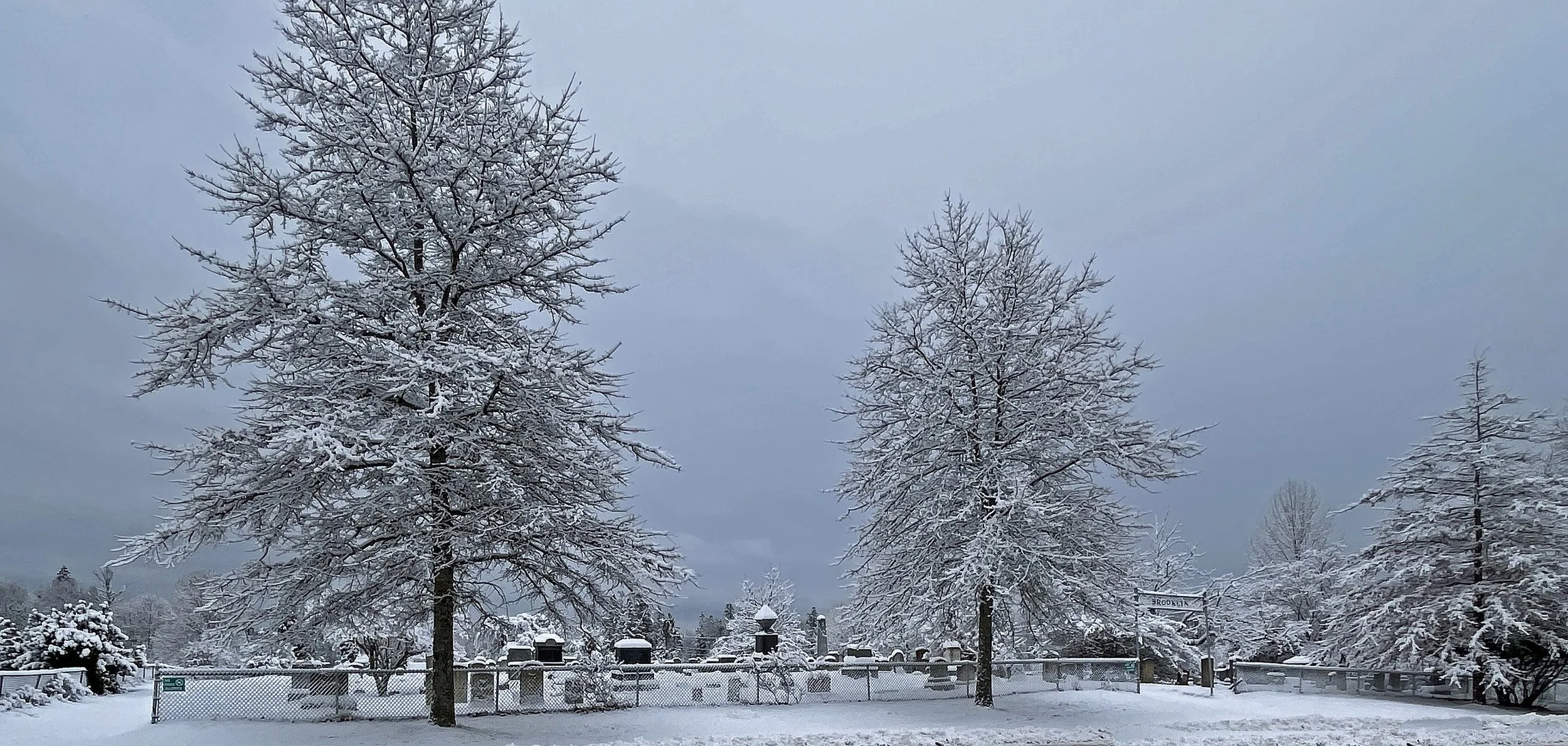
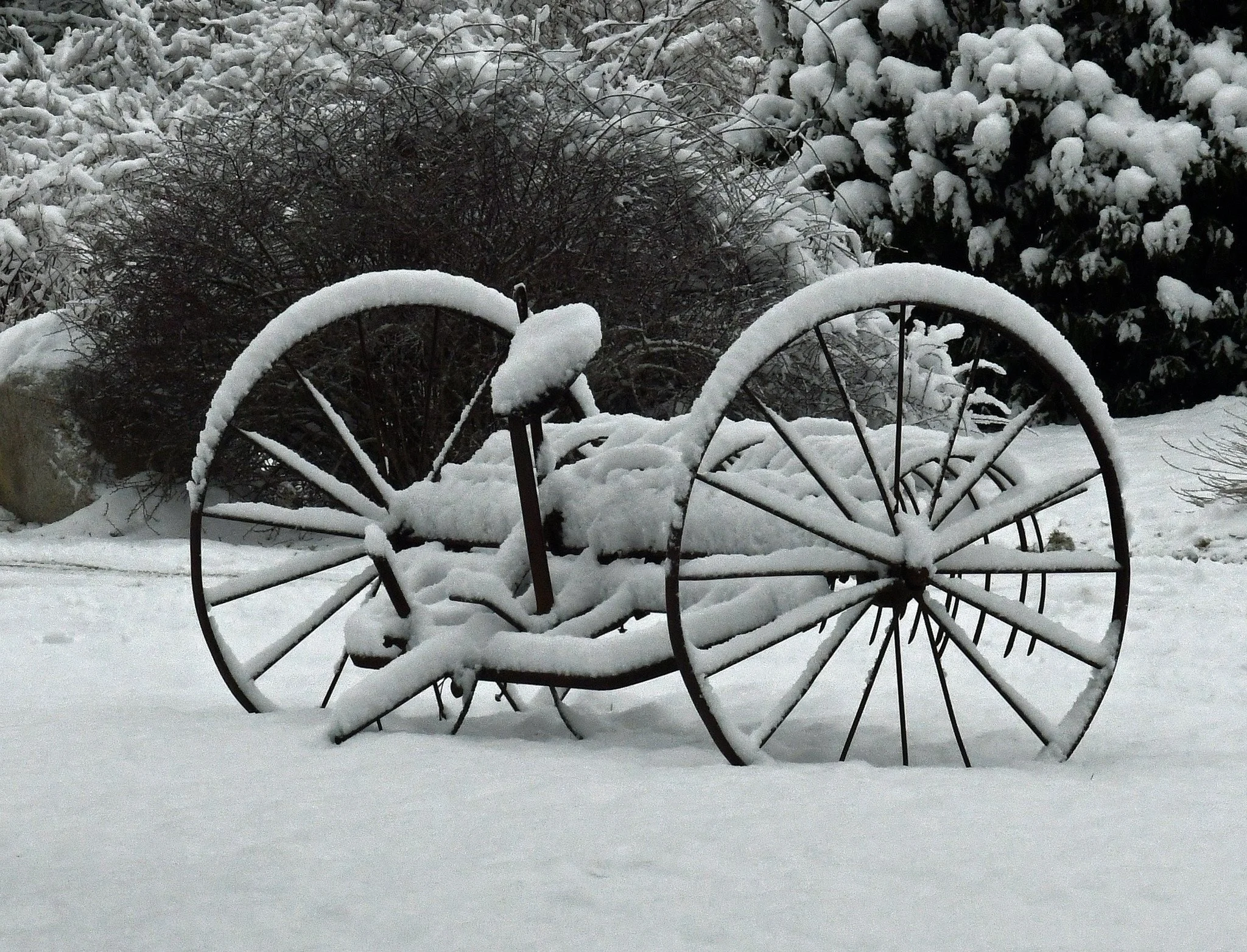
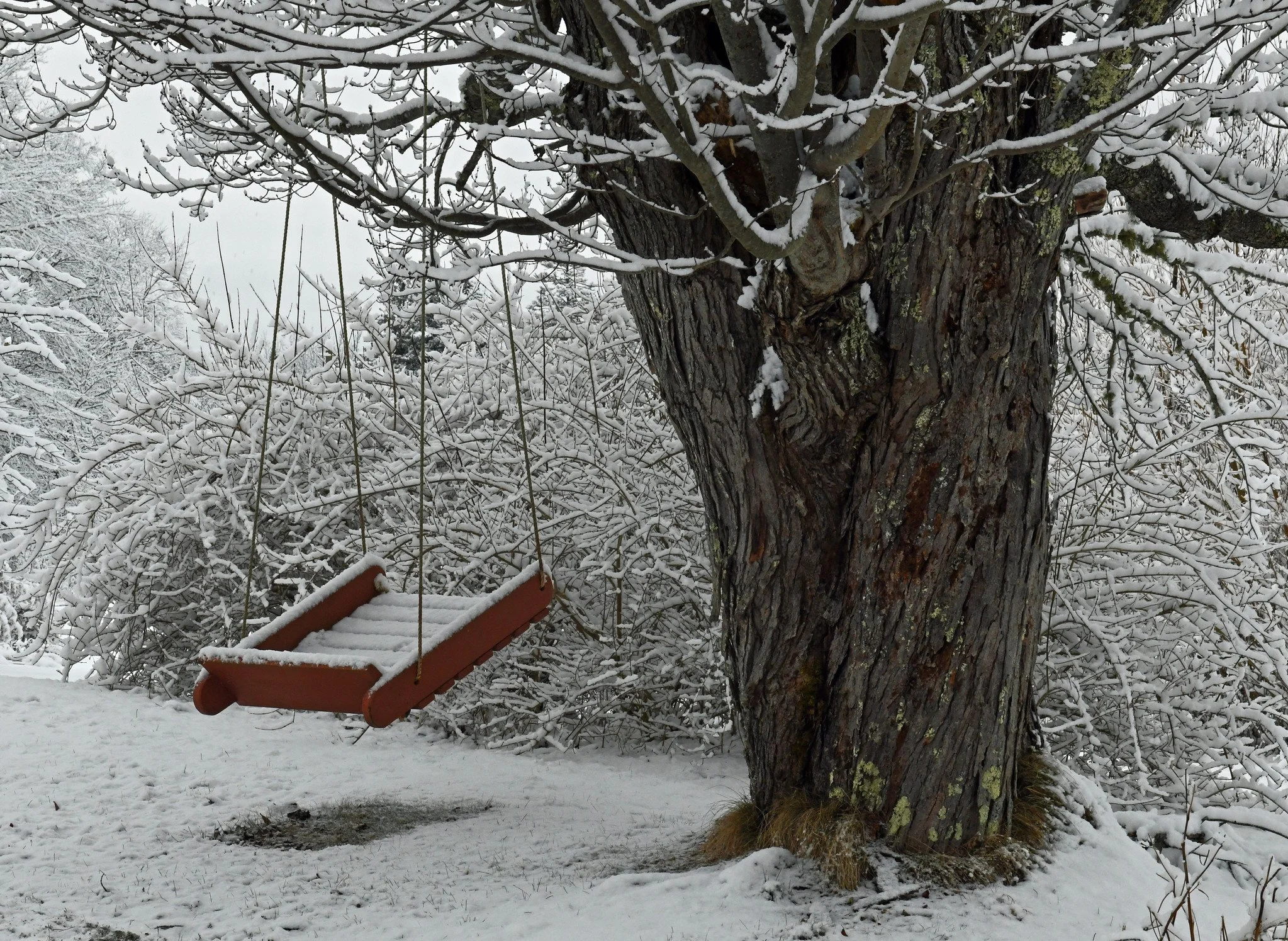
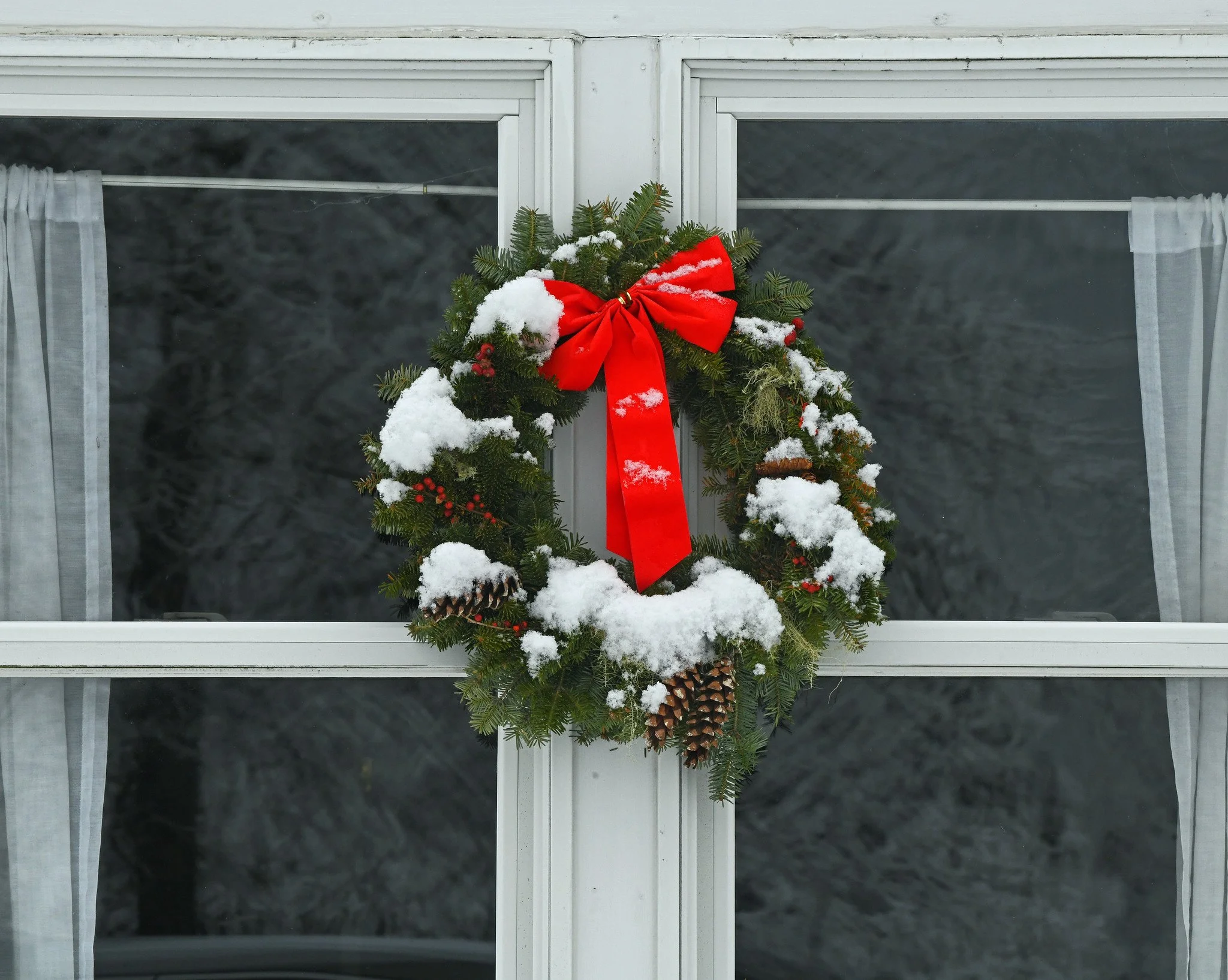
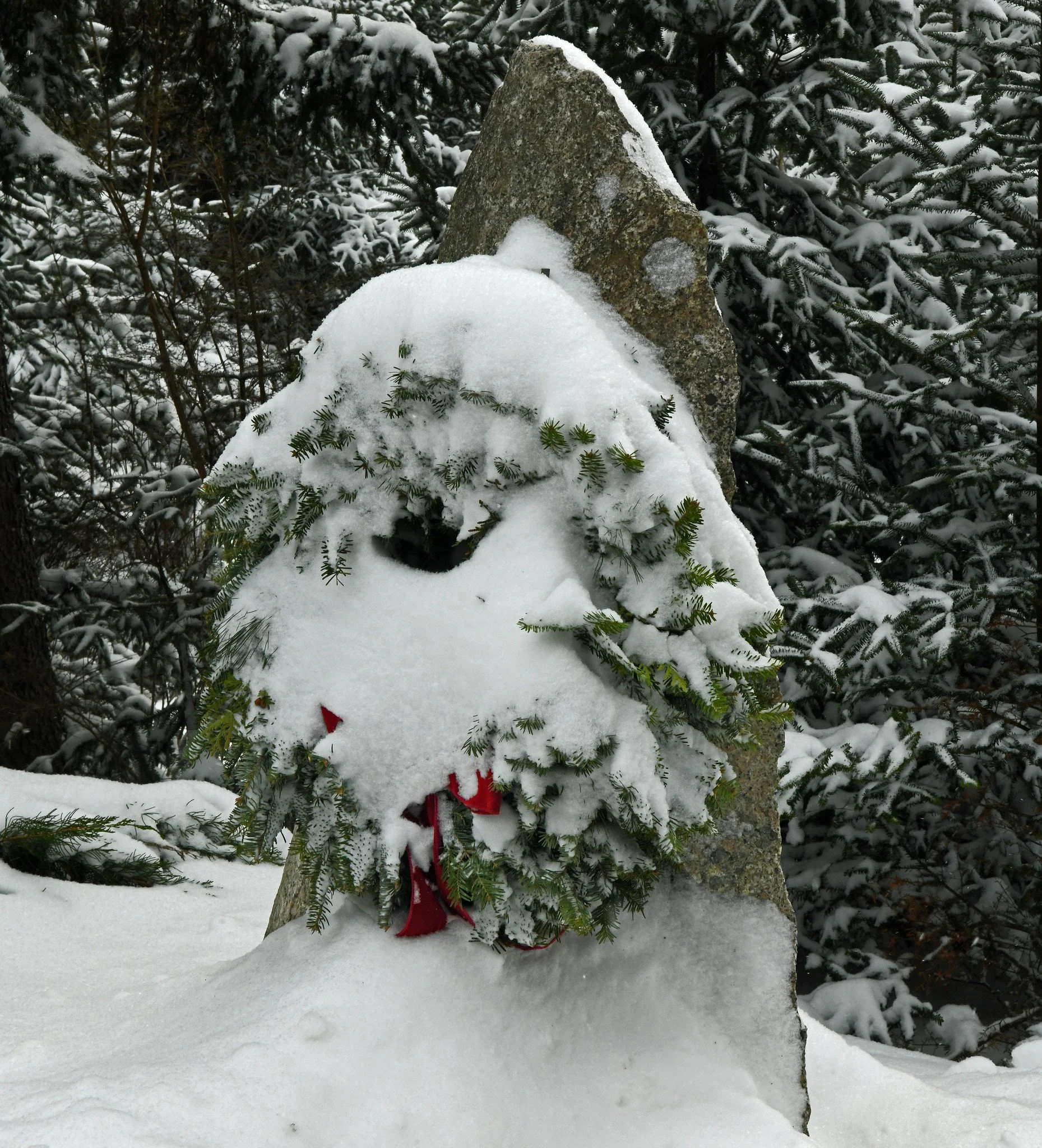
The quiet sanctity of a cemetery became serenity; ancient equipment and playthings became art and Christmas wreaths turned into frozen fir rings:

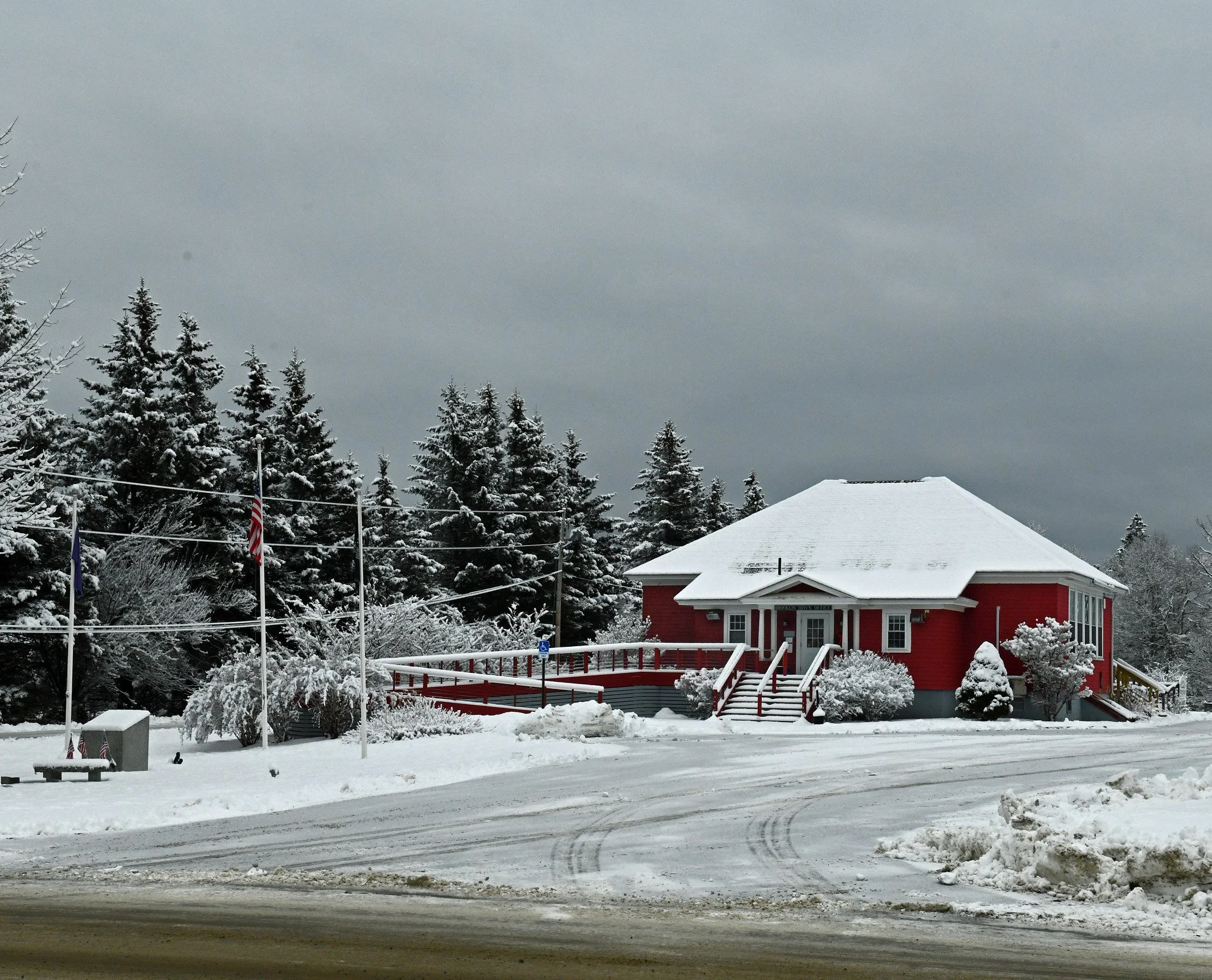
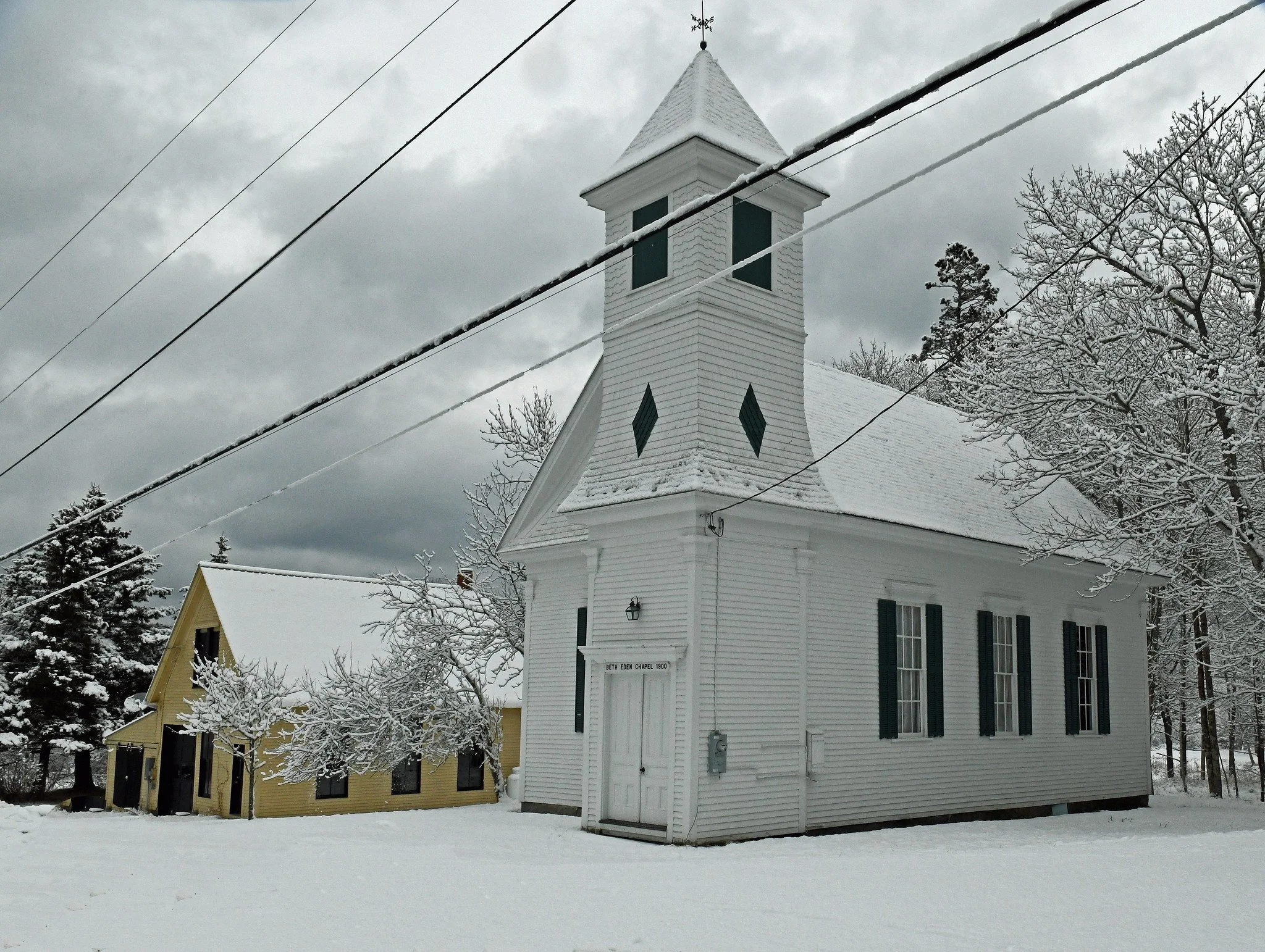
The snow added character to many familiar structures — governmental, religious, commercial, educational, utilitarian, residential and even those that were rundown and abandoned:

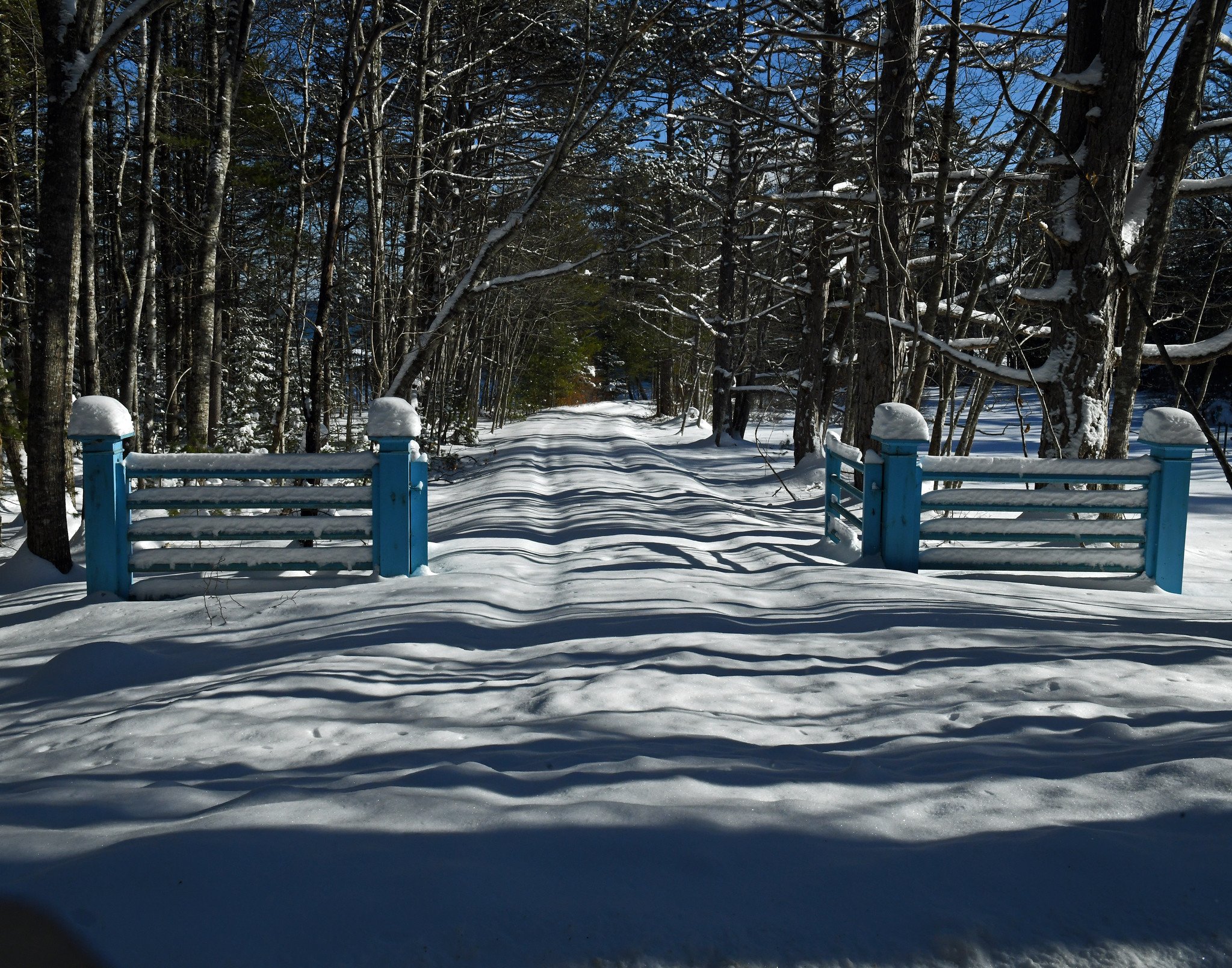
Public roads were always plowed immediately and “salted” with a melting mix; unpaved private lanes and driveways that led to occupied residences also were cleared quickly; those that led to summer residences usually were the last to be plowed (in case of fire or other emergency):

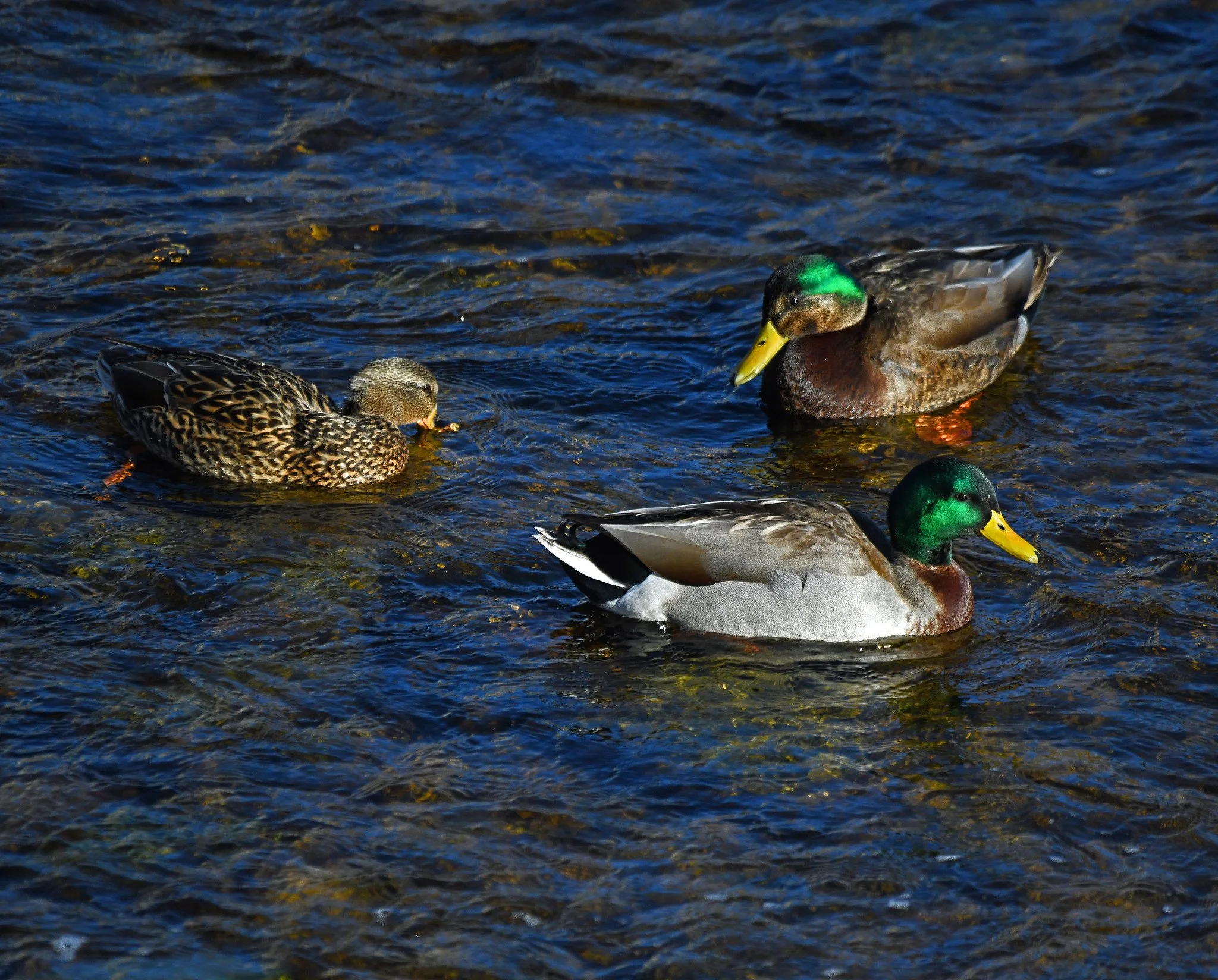
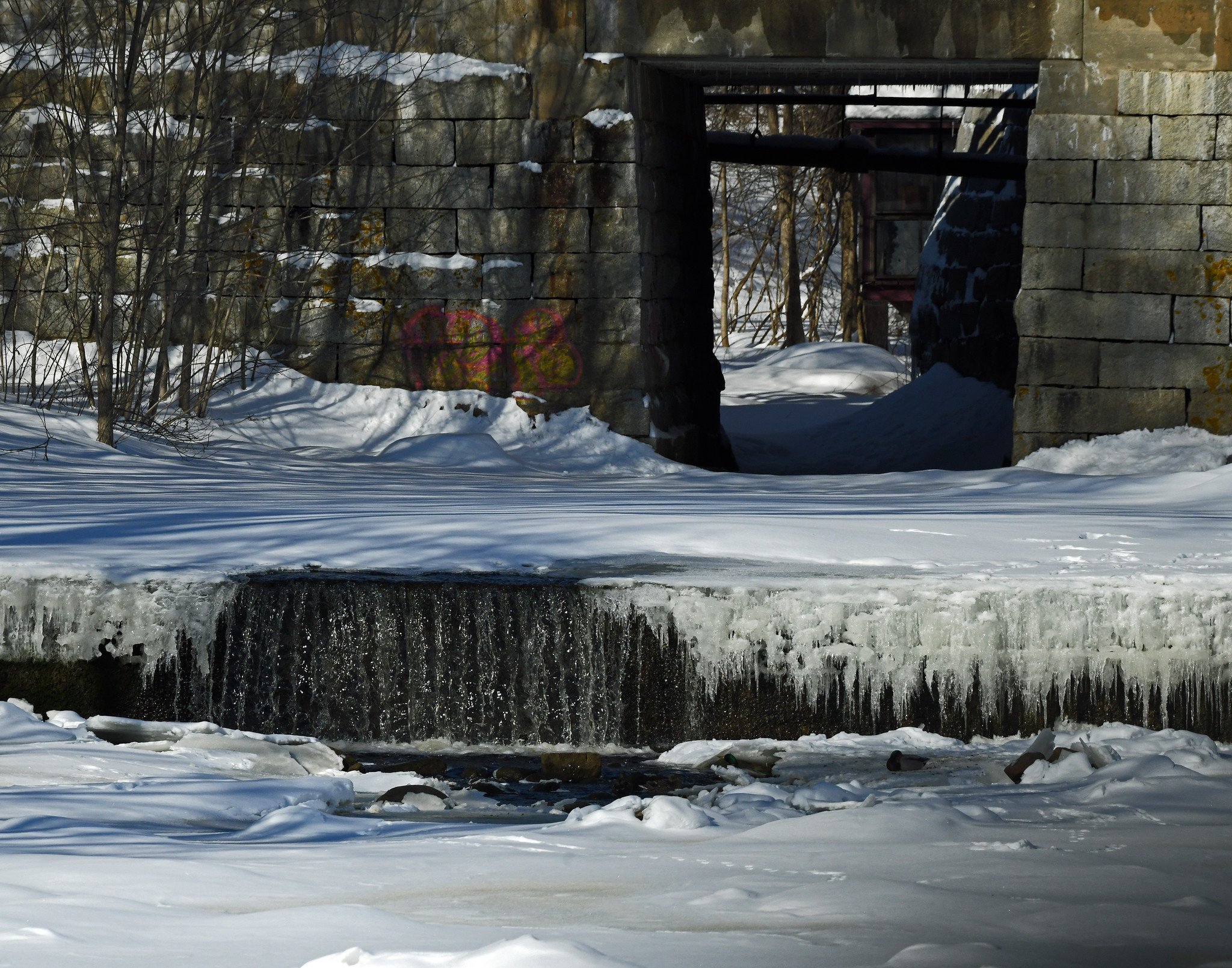
On the fauna front, our white-tailed deer were protected by their plush winter coats that insulated heat so well snow didn’t melt on their backs; Harry, our resident porcupine, went into the snow-plowing business; wild turkeys had trouble crossing plowed roads; sea ice prevented gulls from swimming, and mallards visited freshwater streams to feed:

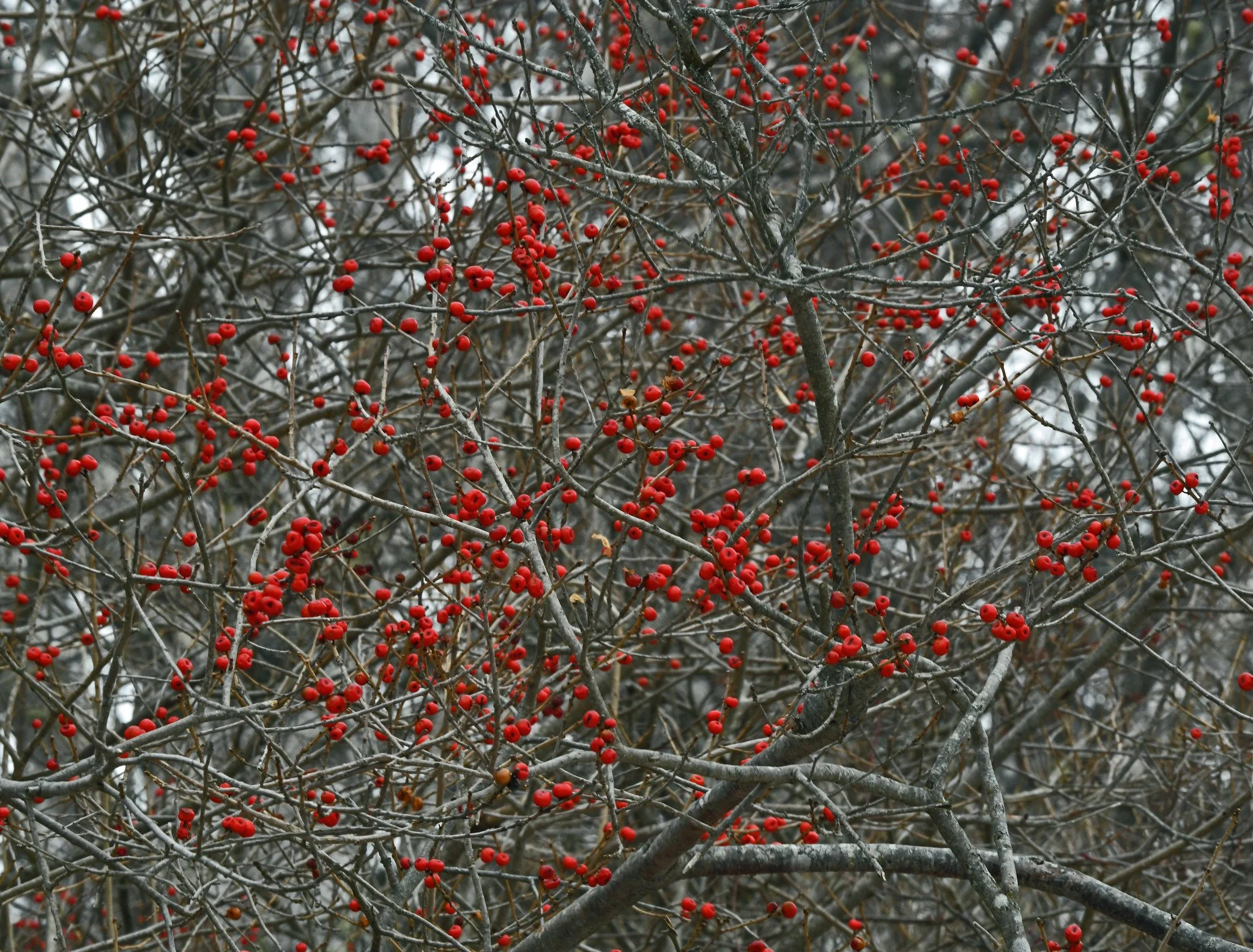
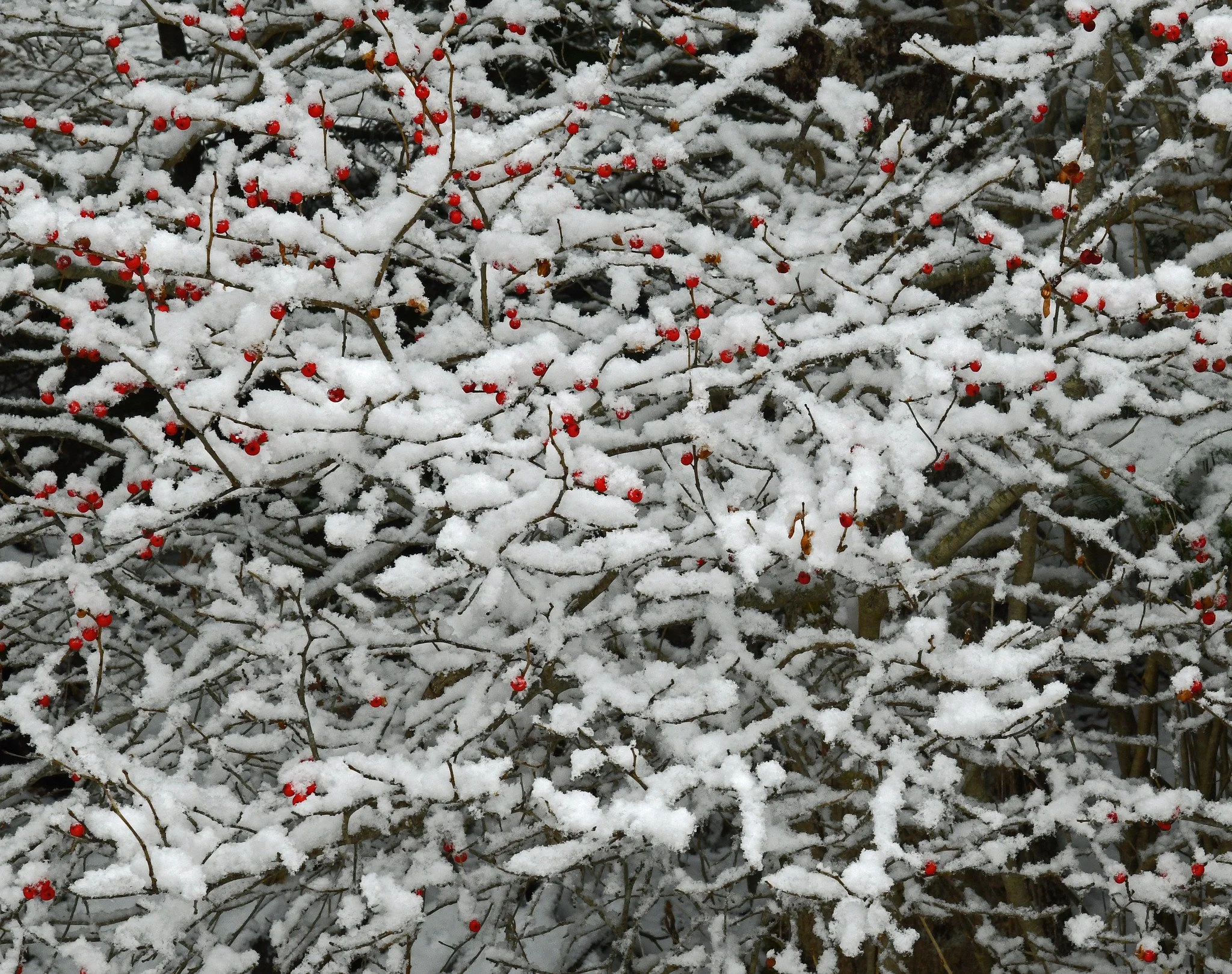
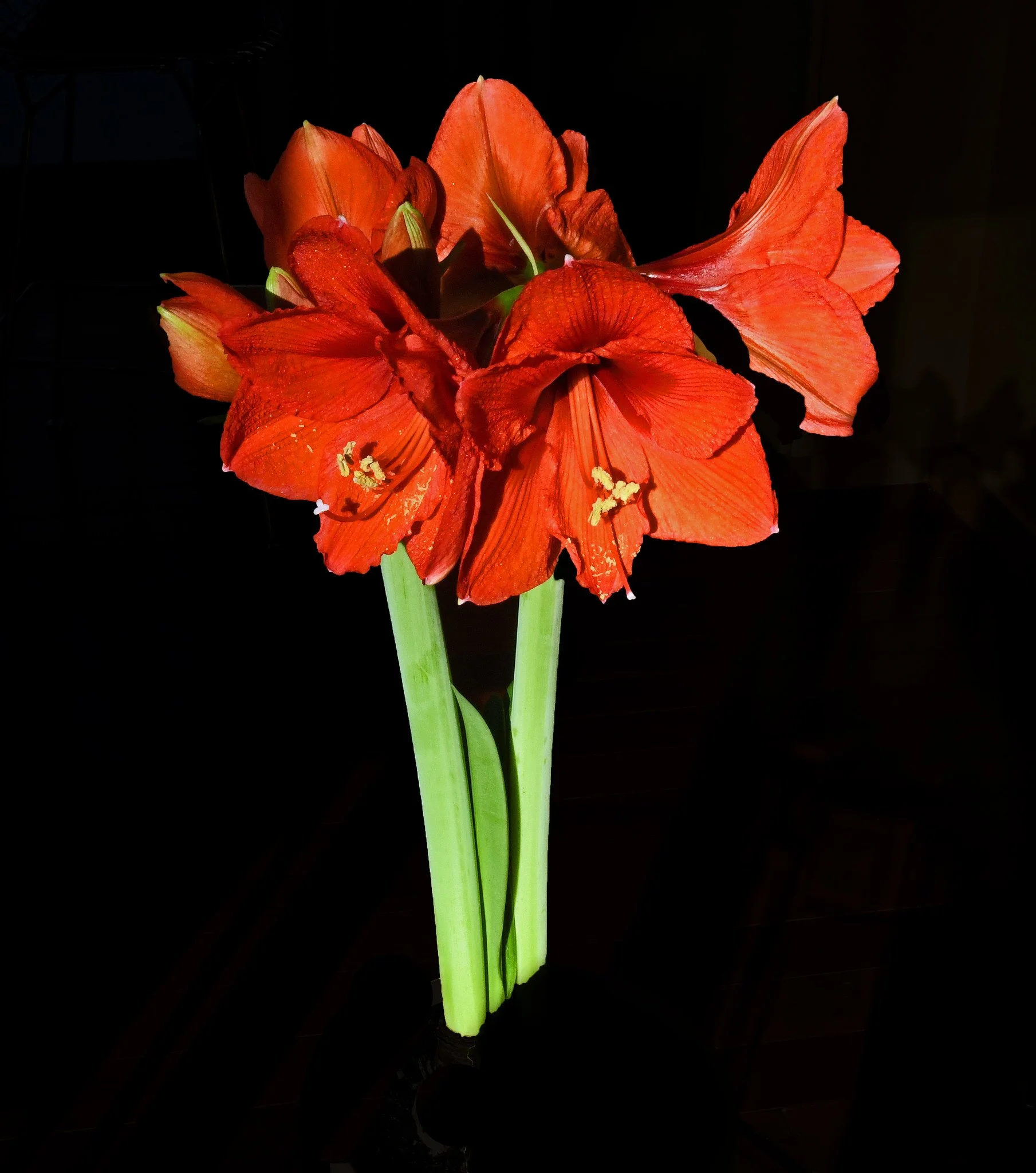
On the flora front, winterberry lived up to its name outside, as did our tropical amaryllis (from the Greek “to sparkle”) inside:

The working waterfront at Naskeag Harbor was quiet this January because the State closed that scallop-fishing zone temporarily for conservation:

The working waterfront at Center Harbor was a busier story due to the presence there of the renowned Brooklin Boat Yard and its many gifted boat designers and builders:

Moving from the seaside to the sky above, January’s clear, cold and coastal air provided breathtaking sunsets and afterglows, with everchanging colors that slid and swayed:

Finally, we leave you with the January full moon, which traditionally is called the Wolf Moon. This year it was a supermoon that arose over Mount Desert Island as a distorted, molten orb when viewed though our gritty atmosphere. When it escaped into the stratosphere and silverized, it was time for a certain photograoher’s imagination to take over. Later, it began to reflect less light and become distorted into a gibbous oval.

Having a wonderful time, wish you were here!

(All images in this post were taken in Down East Maine during January 2026, except the image of a canine-faced moon, which was a merger of a Leighton Archive phorograph with my image of this January’s full “Wolf Moon.”)

5 Comments

Comment

In the Right Place: Coping with Cold

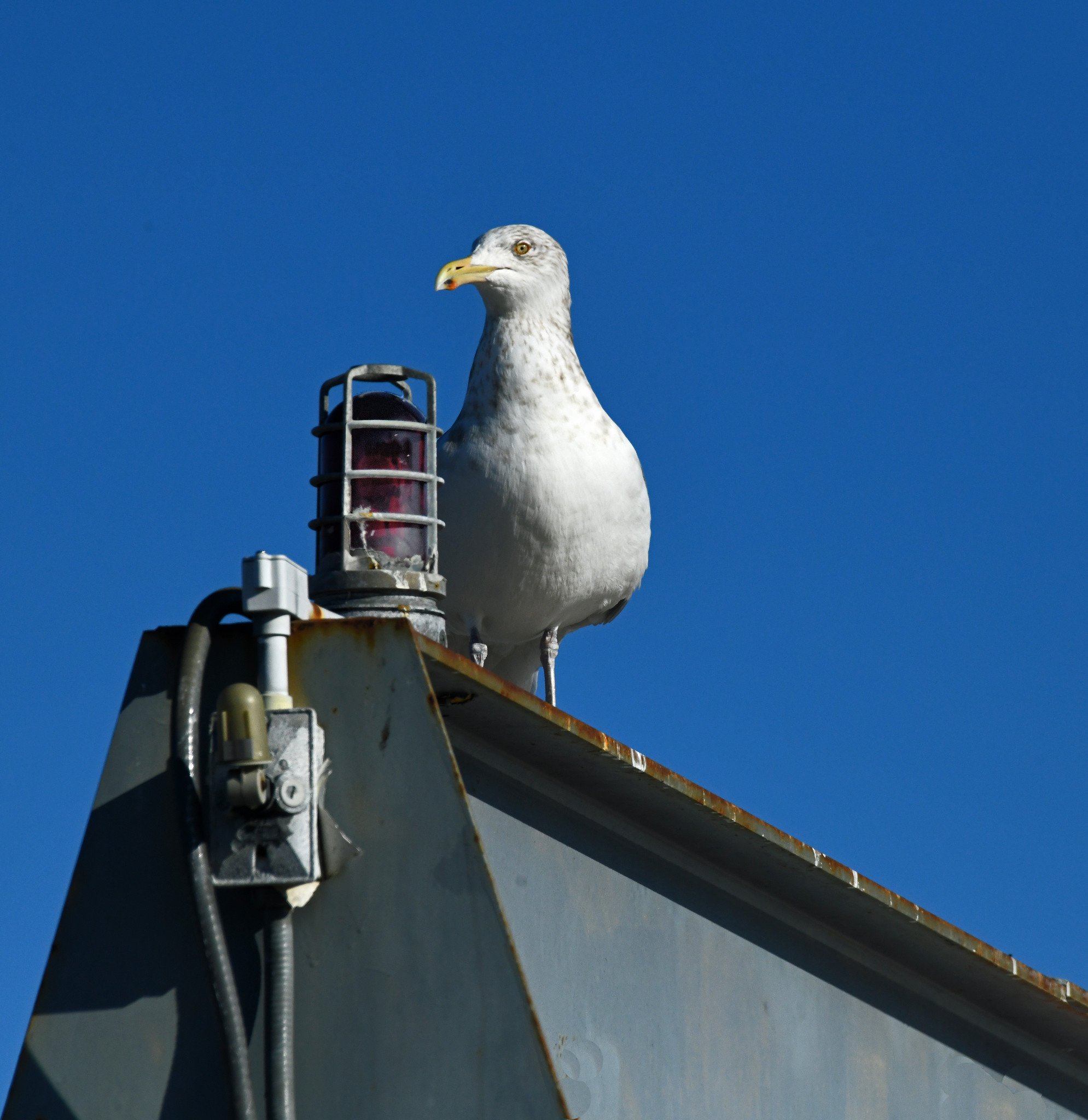
Before this extended cold spell, our sea gulls regularly roosted on high metal surfaces:

Now, they shun those surfaces and seek out low bare spots in sun-absorbent surfaces and just hunker down for long periods:

Another reminder of the value of a warm home. (Images taken in Blue Hill, Maine, on January 13 and 30, 2026.)
Comment

Comment

In the Right Place: Rejuvenation

Having a tiny cabin in the woods as a workshop, studio or home was the joy of many who are no longer with us.  Some of those structures, such as this early 20th Century wood-carving workshop, are well-cared-for by subsequent owners:

Others appear to have been abandoned and in need of loving care:

But both appear to be rejuvenated on sunny days after a good snowfall. (Images taken in Brooklin, Maine, on January 29, 2026.)
Comment

Comment

In the Right Place: Tough Birds in Tough Times

The recent snow buildup and high roadside plow mounds have made things a bit difficult for our wild turkeys. The snow is too deep in many places for them to scratch through it and sometimes they have to use their breasts as a plow to roam from here to there.

They seem to be conserving energy by doing less foraging and more roosting in dense conifer stands, while self-heating by fluffing themselves up to trap insulating air around their bodies. They’re tough.

(Images taken in Brooklin, Maine, on January 28, 2026.)
Comment

Comment

In the Right Place: Chilling Times

Maine now is experiencing federal ICE, made of misguided goons; stream ice; made of running mountain waters; sea ice, made of heavier salt water, and driveway ice, made of snow that has a frozen crust.

All but one of these phenomena are tolerable. (Images taken in Blue Hill, Maine, om January 27, 2026.)
Comment

Comment

In the Right Place: One More Time

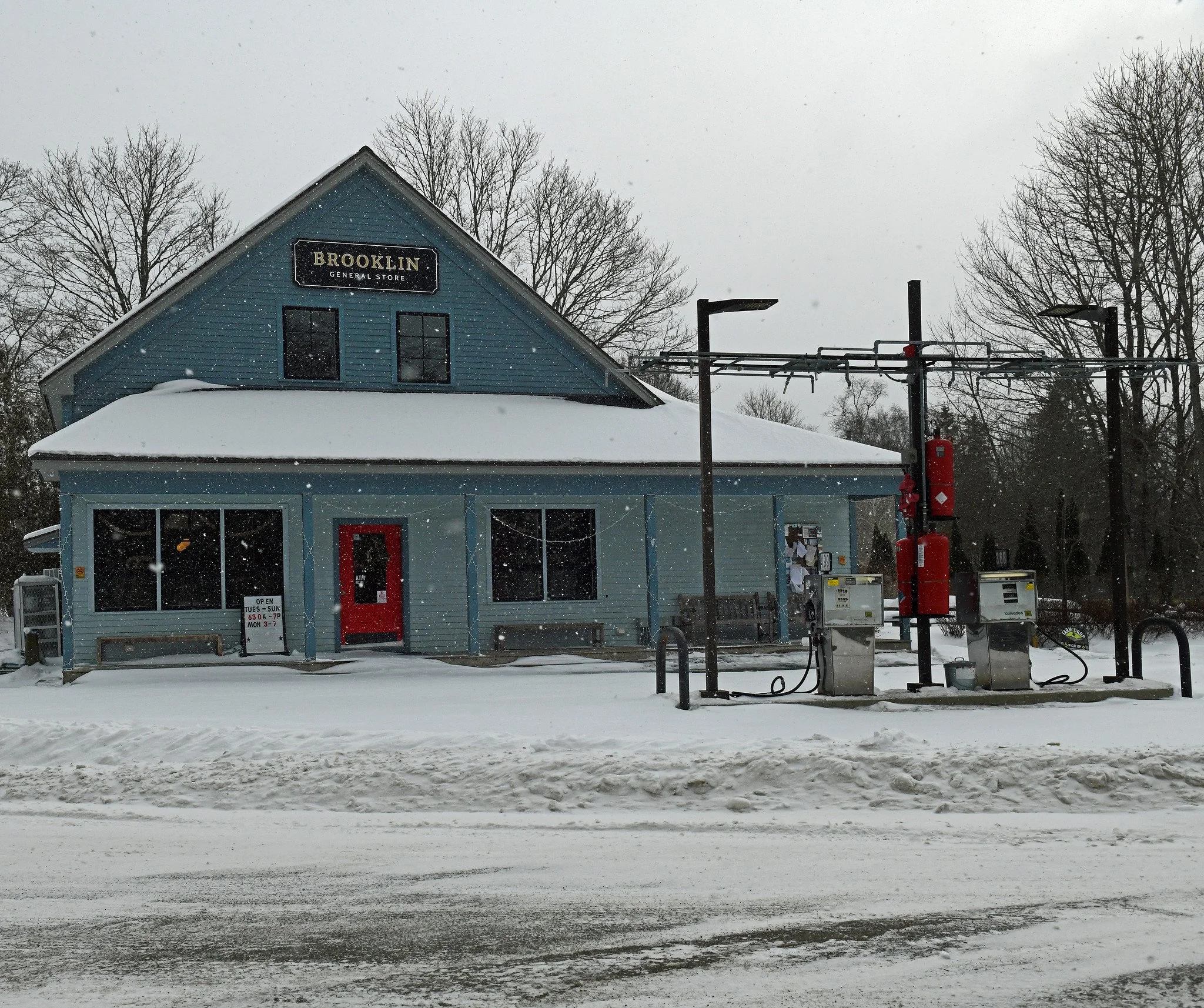
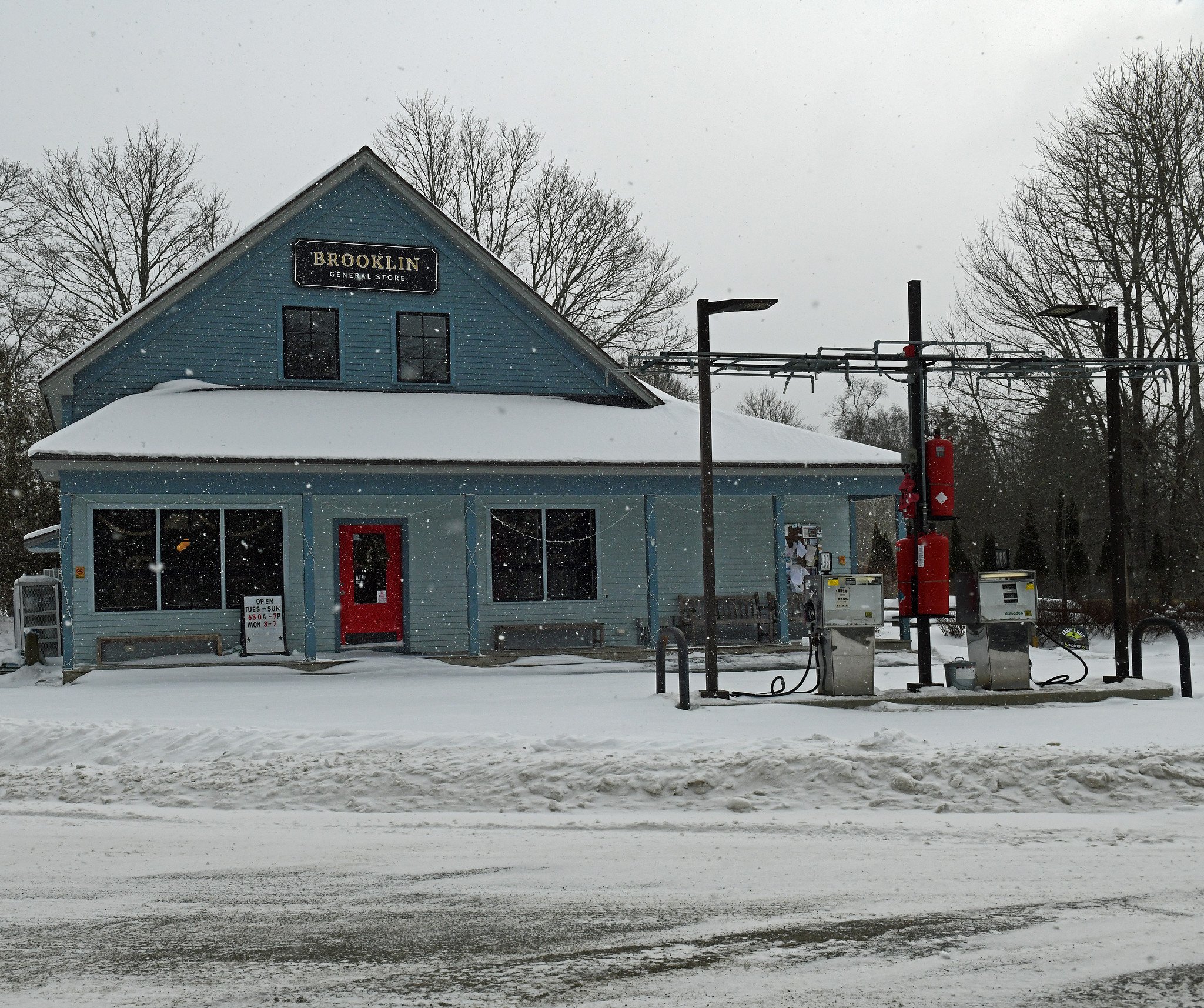
It looks like what I’ll call the Patriot Playoff Snowstorm is finally over this morning. Yesterday, it continued to deliver tiny snowflakes most of the day. The Brooklin General Store’s parking area, shown here, was refilled with snow and had to be plowed again after this image was taken. The BGS is closed (only) on Mondays, so it didn’t matter much.

There has been a general store acting as a community hub and landmark at that location virtually without pause since Captain Elijah Reed built one there in 1872. (There have been a few short periods without a store for such things as selling the property and reconstruction.) The original store eventually had to be demolished in 2016 and the current one was built mostly on the original foundation in 2017.

The current owners, Alissa Wagner and Graham Macbeth, purchased the BGS in late 2023 and continue to operate it as a community focal point and café, with a focus on local produce, store-prepared foods, beers and wines, and fresh-roasted coffee. (Image taken in Brooklin, Maine, on January 26, 2026.)
Comment

Comment

In the Right Place: Thank Goodness!

Well, the “major” snowstorm that was predicted for this area last night turned out to be only a corporal. Thank goodness! I don’t think that there were any power outages in our area and I didn’t see any tree blow-downs on our property this morning.

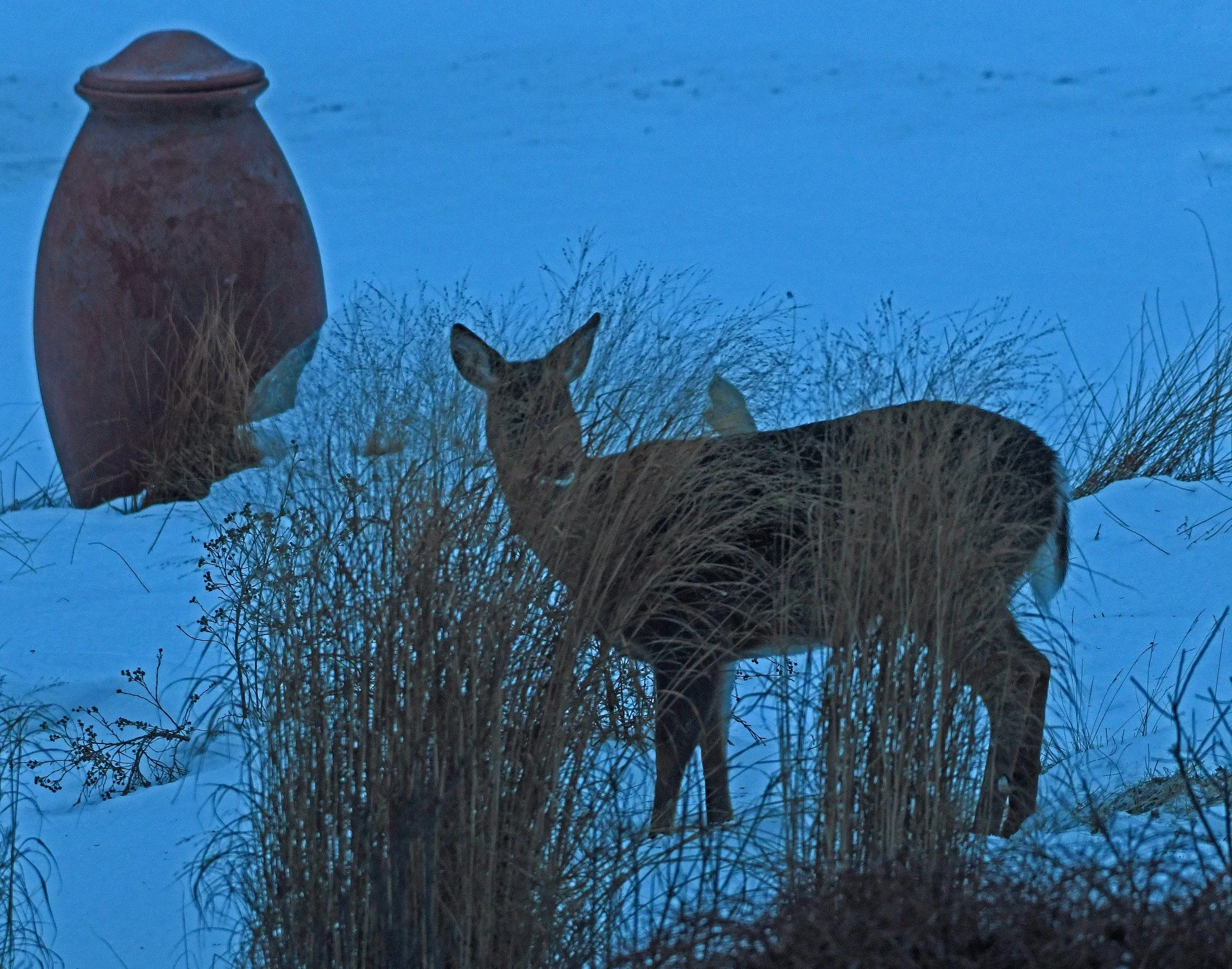
It was worse in Denver, where our amazing New England Patriots pulled another win out of the snowy hat and are Superbowl bound. Go Pats! At dusk, while the football game was on, a desperate white-tailed doe was feeding on garden grasses that deer have always shunned. We let her:

We got about 2 inches of new snow last night, with the highest recorded wind gusts at 16 mph. It was cold, though: in the low single digits during last night, warming from a minus 7.5°F at 2 p.m. yesterday, according to the local (Naskeag) weather station.

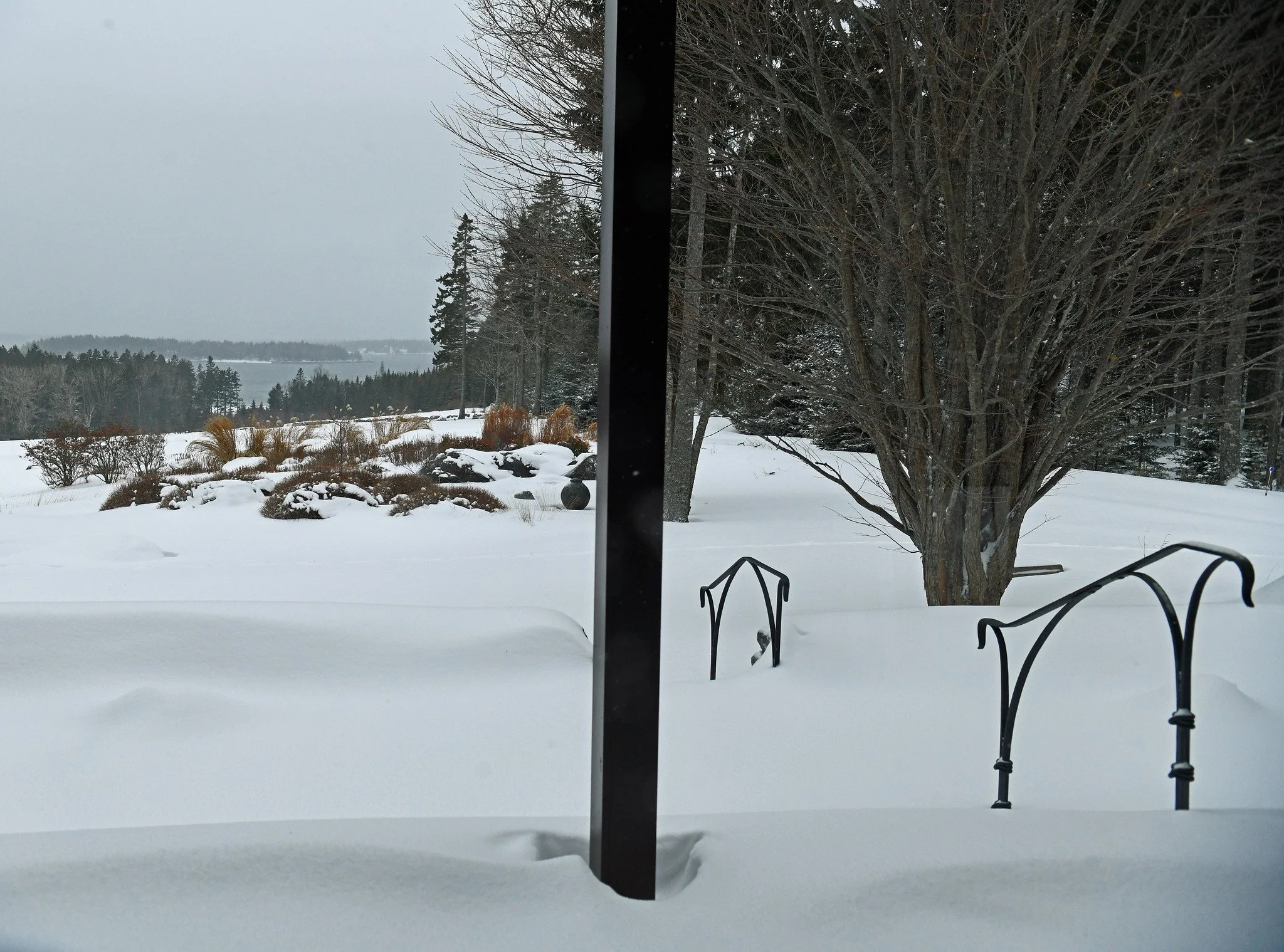
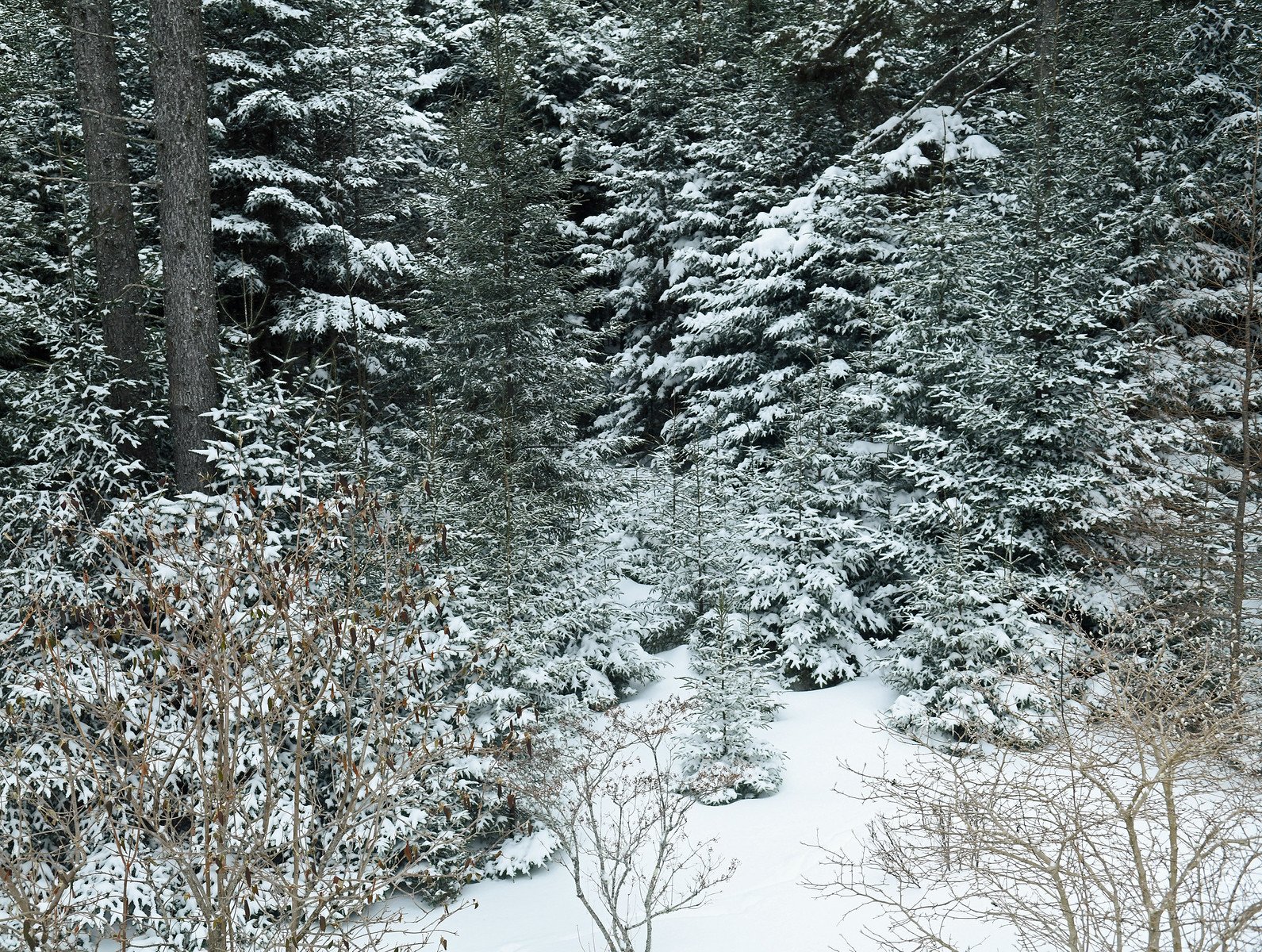
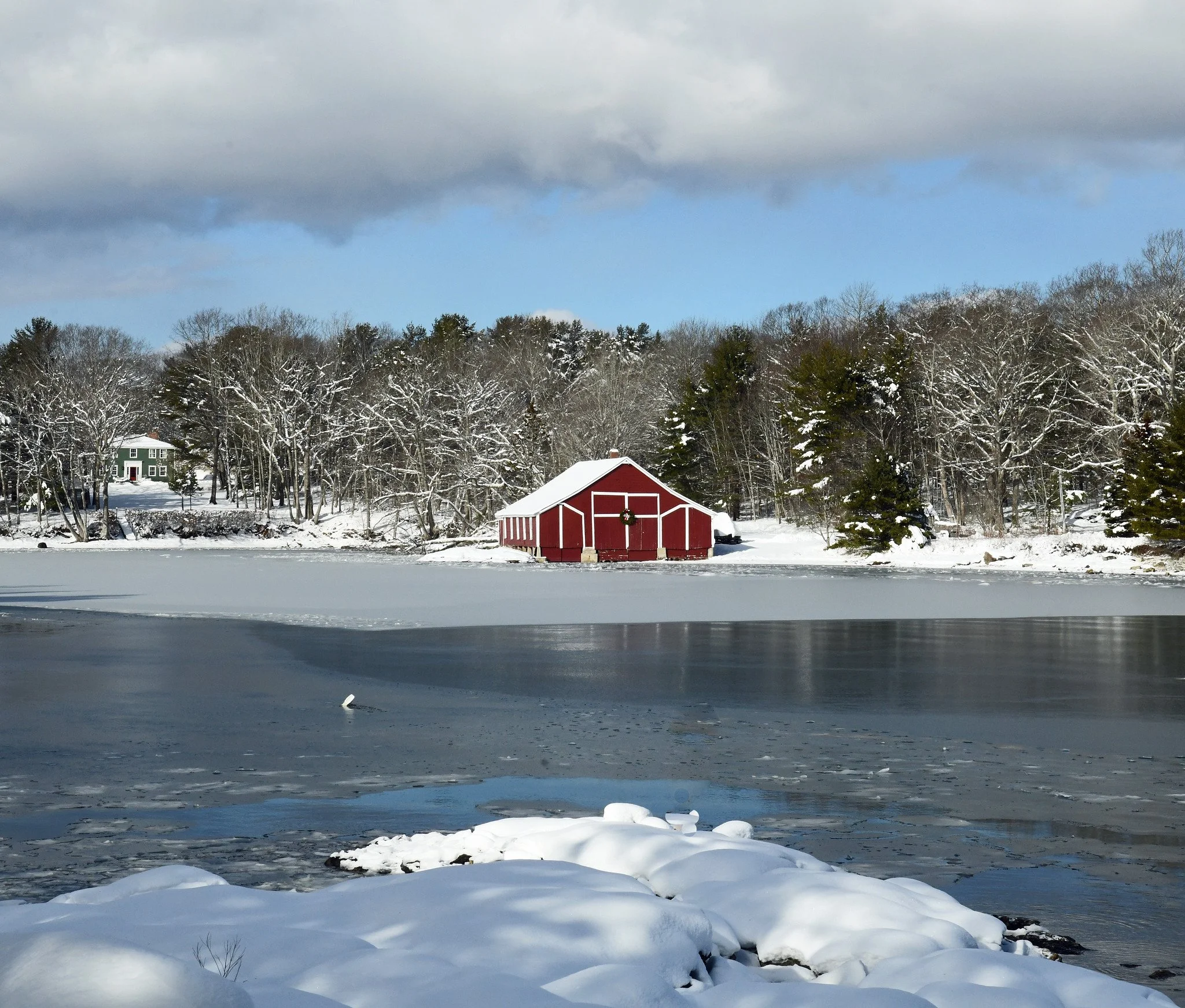
Here’s an early morning sea view from our porch, a woods view from our office windows, and some odds and ends, as seen through windows:

(Images taken in Brooklin, Maine, on January 25 [Deer]) and 26, 2026.)
Comment

Comment

In the Right Place: Storm? What Storm? It’s SUNNY In Here!

Hibernation (hībərˈnāSHən). The state of being asleep for the winter.” (Cambridge English Dictionary’s oversimplification)

Stay safe and happy by watching the Pats beat the Broncos. GO PATS! (Even if the Pats lose, they’ve got plenty to be proud of.)
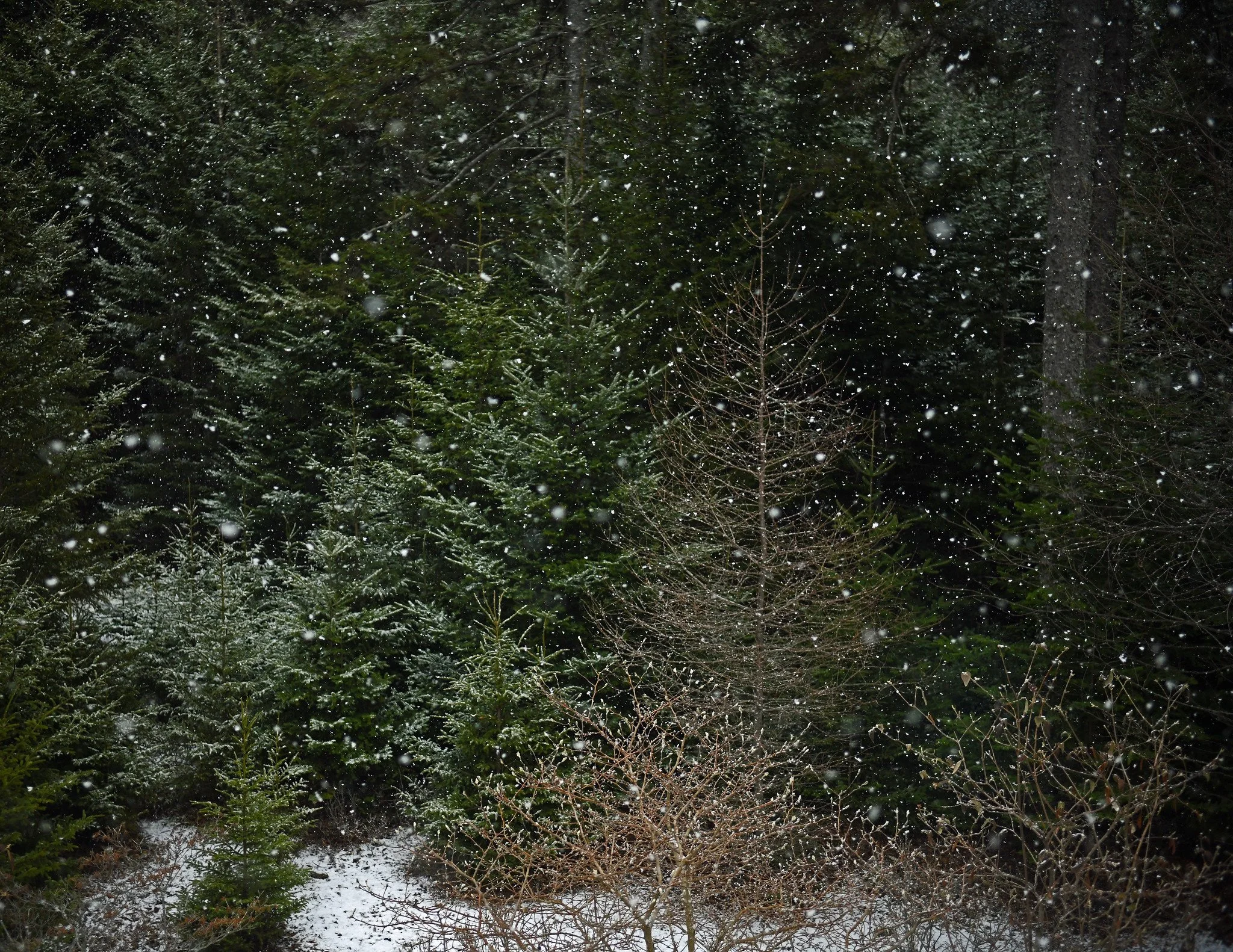
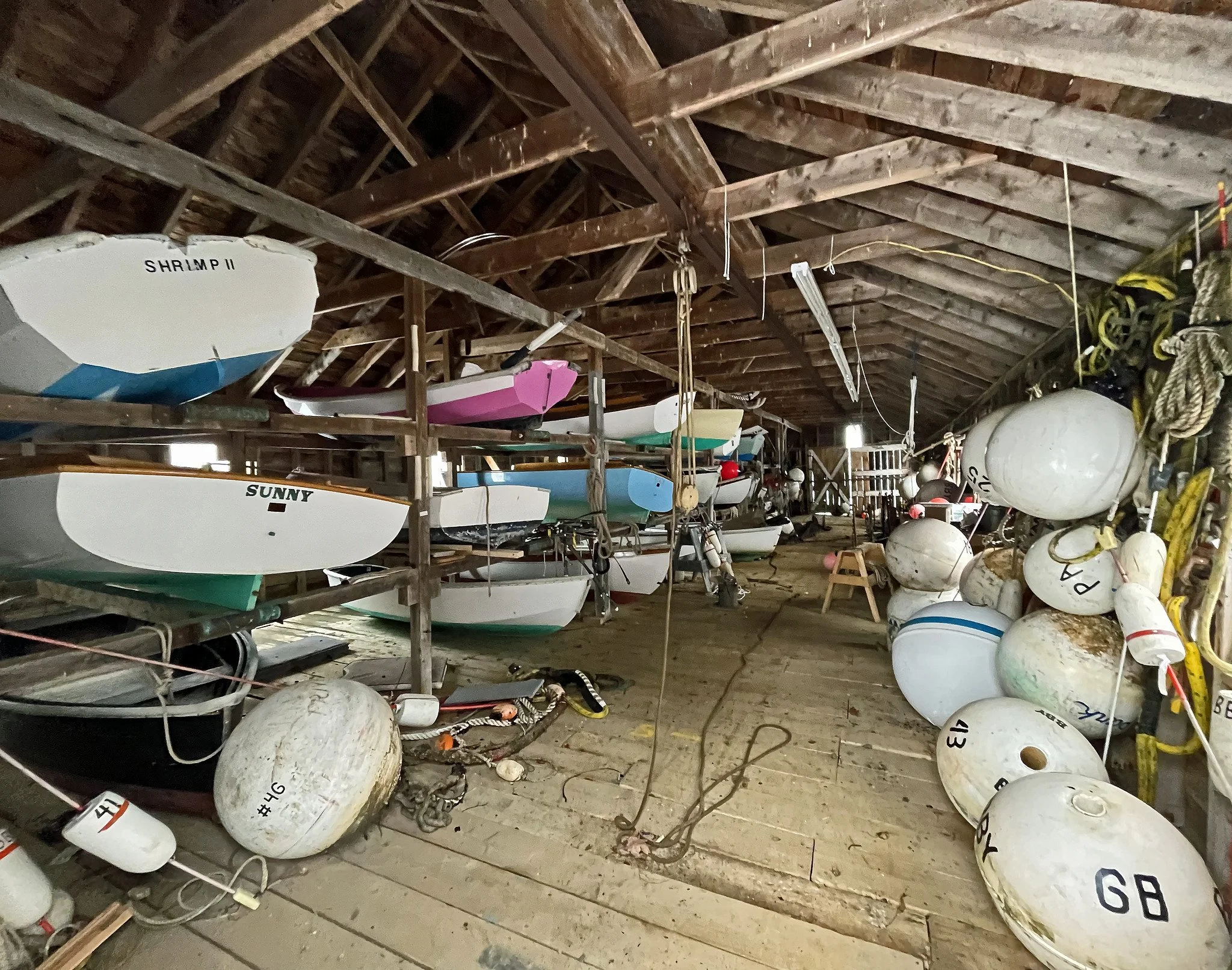
(Image taken in Brooklin [Brooklin Boat Yard’s small boatshed], Maine, on January 18, 2026.) Click on the image to enlarge it.
Comment