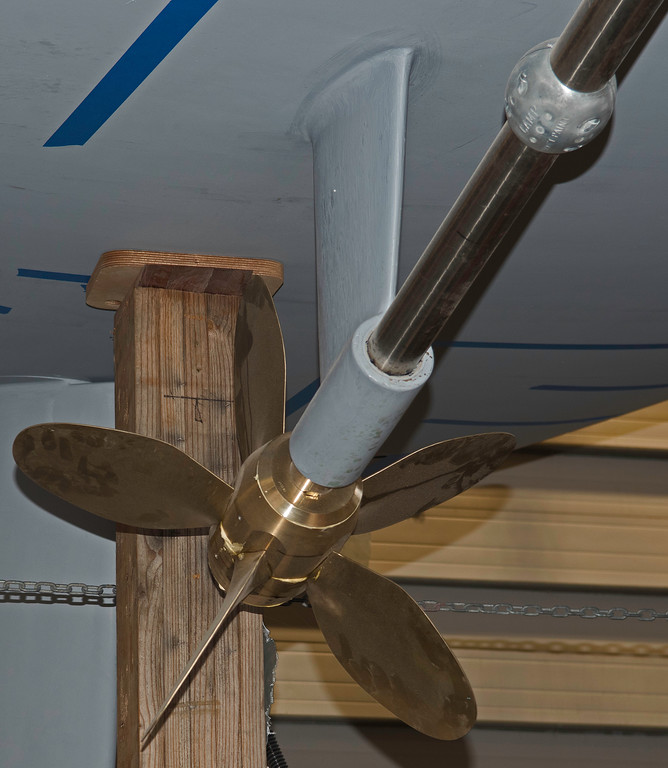
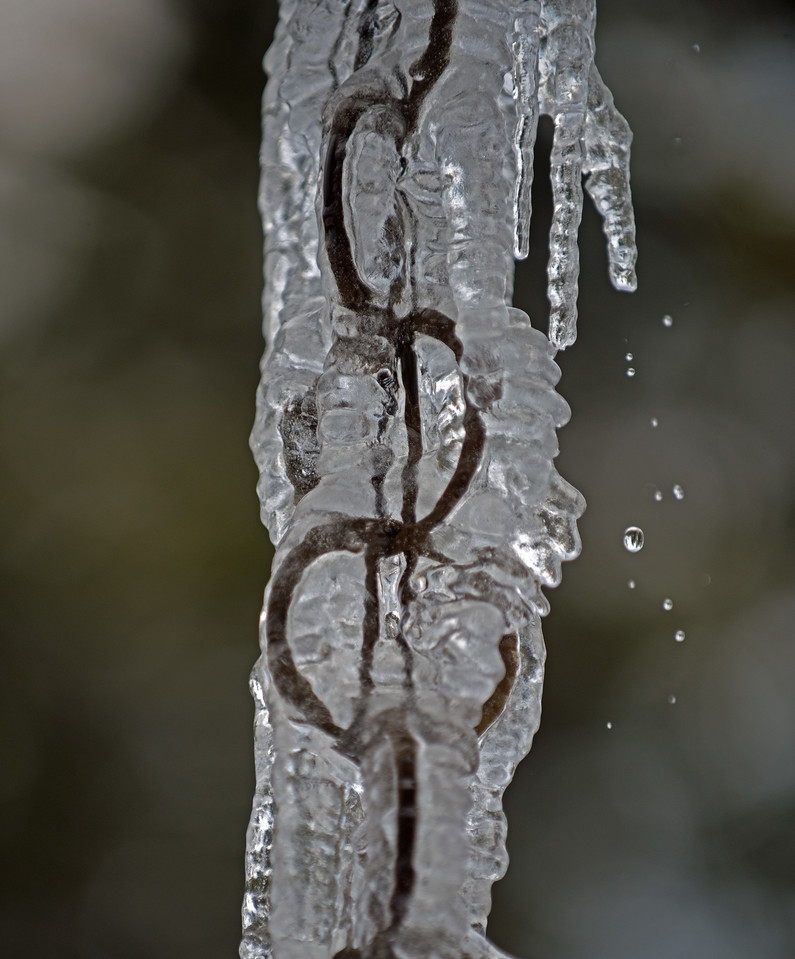
We’re not sure, but we think that these might be the instructions for how to do line dancing if you have no hands and feet.
(Brooklin, Maine)
JOURNAL
We’re not sure, but we think that these might be the instructions for how to do line dancing if you have no hands and feet.

(Brooklin, Maine)
It’s apple tree pruning time. There are many centuries-old apple trees around here that are kept just for their appearance. Gnarly is a good look in Maine. The apples from these “just love ‘em” trees are not harvested for fruit or cider; they fall to the ground and feed the wildlife.
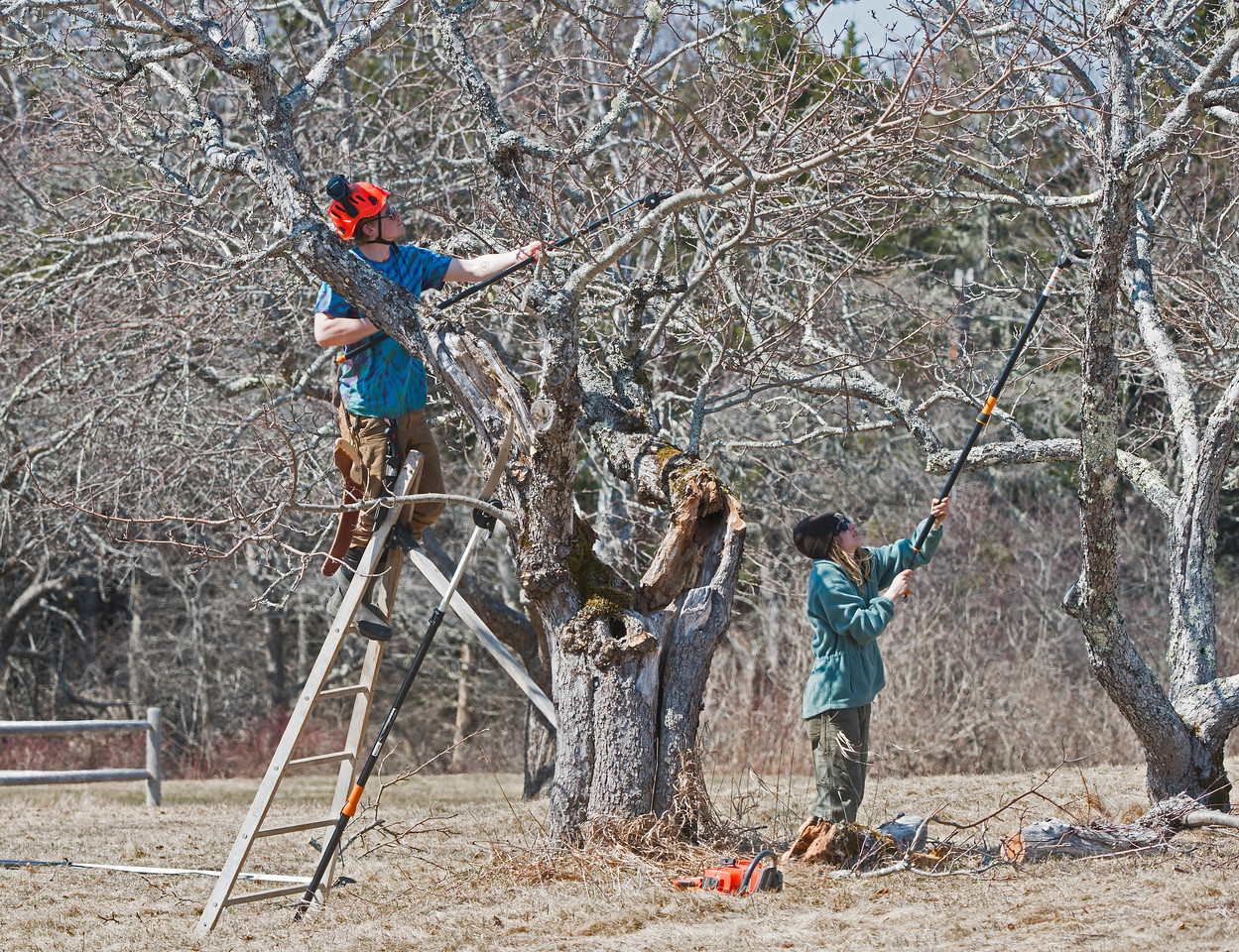
That’s not the way it was in the first half of the 1500’s when the apple tree – not a native -- originated in Maine, according to historians. Those original trees were planted on our offshore islands by roving European fisherman who wanted to create a renewable fruit supply for their visits. (Brooklin, Maine)
We have here the uncommon Eastern Buoyberry Bush (Lobsteris belowus), a hardy species found mostly in coastal areas. This plant blooms flamboyantly and can withstand cold and wet conditions. It also is resistant to deer and Japanese Beetles.

(Brooklin, Maine)
Please forgive us for posting too many images from this location, but there are good spirits here. It’s one of the places where we go to try to understand how light constantly changes what we see and to remind ourselves that there’s always more of anything (or anyone) to see.

We’re looking at Acadia National Park from Brooklin across Blue Hill Bay on a fine, winter-colored day last week. This ever-changing view is just as alluring in spring, summer, fall, fog, rain, snow, and moonlight. (Brooklin, Maine)
This is the sharp-bowed Sonny, the 91-foot sloop that we’ve been watching being built by the Brooklin Boat Yard. She's now out in the fresh air.


She came out into the daylight yesterday to get her huge mast and boom installed while other work continues.

Sonny is now snuggled next to the main BBY building and probably will be launched into Eggemoggin Reach for trials in late April or May.


This high-performance cruiser will harbor in Providence, Rhode Island. (Brooklin, Maine)

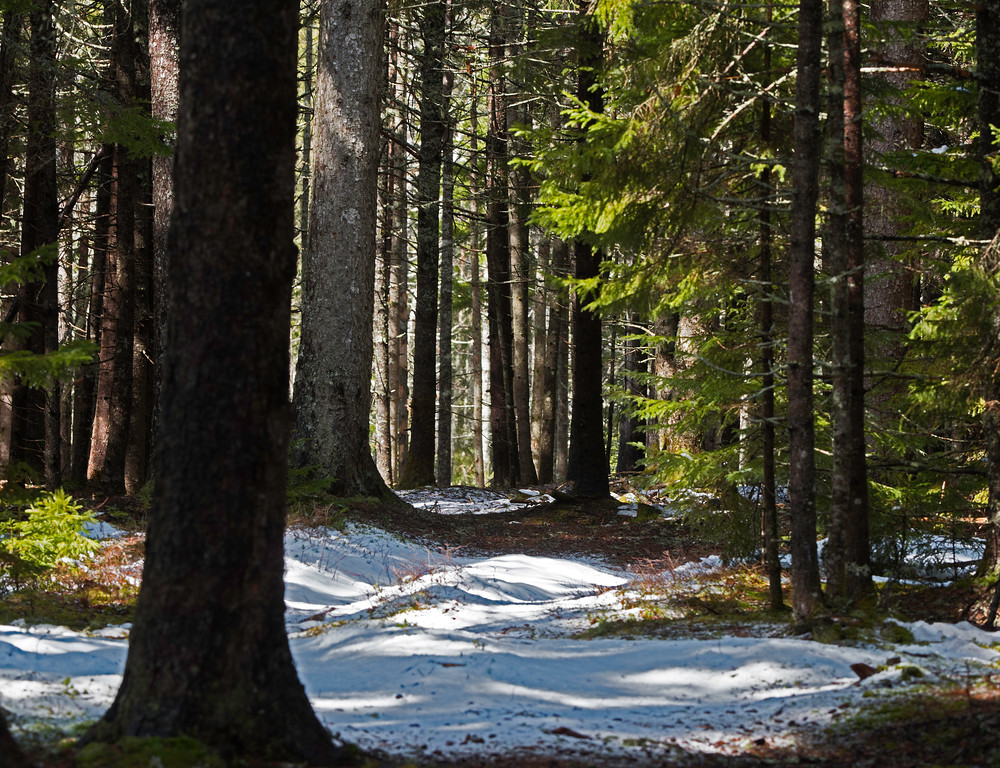
The wooded trails still are dappled with snow and it’s a bit nippy for a Spring morning, but change has arrived.
The higher-angled light makes the clean air sparkle, the buds hugging the red maple branches appear in the distance as a wine-colored mist, and the songs of thrushes are heard.
(Brooklin, Maine)
At first, we saw nothing different in the marsh pond. Then, about 200 feet out, a sinewy shadow moved the wrong way. A solitary Canada Goose was low in the water, amid floating branches, slowly lifting its long-necked head to watch us. Something was wrong.

Migrating Canada Geese are like traveling Nuns: they usually visit in active pairs or larger groups. This one was alone, still, and appeared to be hiding. That afternoon, the Goose was gone. Like many morning walk stories, the ending of this one is left to our imagination. (Brooklin, Maine)
It’s snowing as we speak and has been doing so since yesterday afternoon, with occasional interruptions of rain to disrupt the process. Greening fields and budding gardens that had finally come out from under their snow rugs earlier in the week are now being covered again.

It seems that the weather gods have realized that they were hoodwinked when we traded our greenhouse gasses to them for their clean air. Nonetheless, we don’t expect their current insurgency to amount to much. (Brooklin, Maine)
Yesterday morning, gusting winds of almost 35 miles per hour stampeded our usually calm cove waters, allowing the sun to pierce more deeply into their thinned, running surfaces. Hues of white-flecked jade and sapphire escaped.

(Brooklin, Maine)
The Wild Turkey Toms have started strutting and puffing themselves up to what looks like their explosion point, but most Hens don’t seem interested yet.

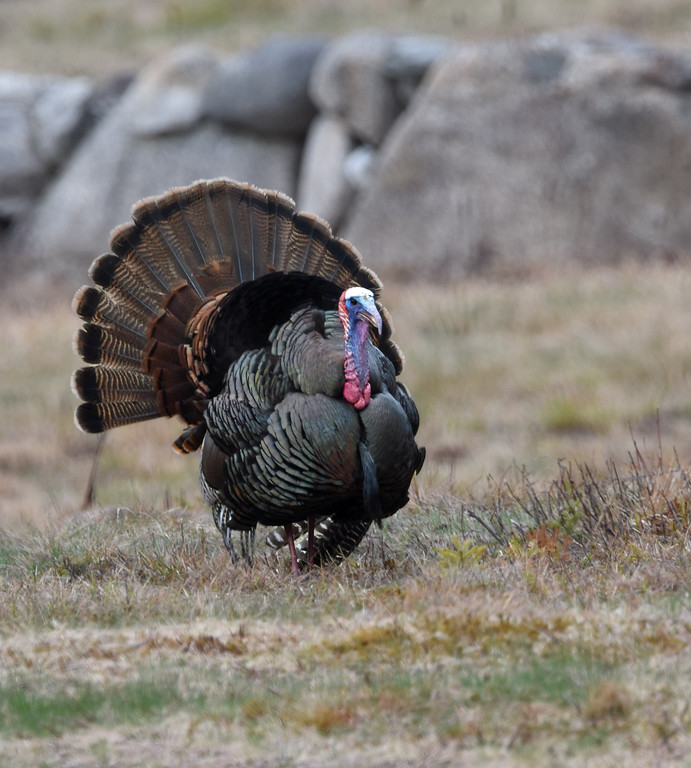
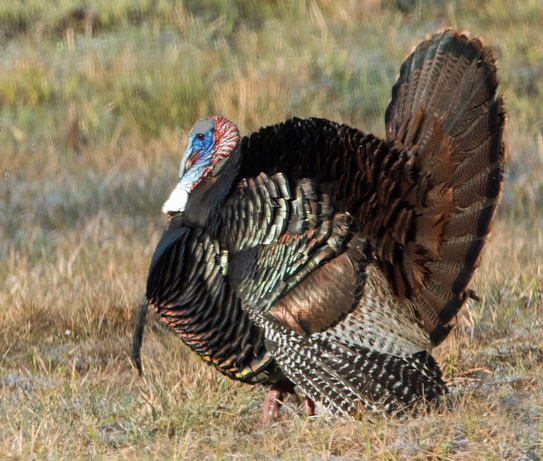

Ever wonder why these native birds were named after a foreign country? They reportedly were named by our English-speaking settlers who thought that the birds were American versions of what were nicknamed “Turkeys” in England and Scotland. The British birds that our settlers remembered actually were African Guinea Fowls that were imported as game via Turkey and, thus, informally called “Turkeys.”
(Brooklin, Maine)
The little wooded streams are now in full-throated bel canto song as they happily usher the snow melt and spring rain through their mossy banks to the awaiting ponds, bays, and sea.

(Brooklin, Maine)
We’re still monitoring the progress on Sonny, this sharp-bowed 91+-foot sloop that the Brooklin Boat Yard has been building for over a year. She likely will come out of the shop next week to get her huge carbon fiber mast and boom affixed, while the remaining work will continue al fresco. Launching is expected in May.

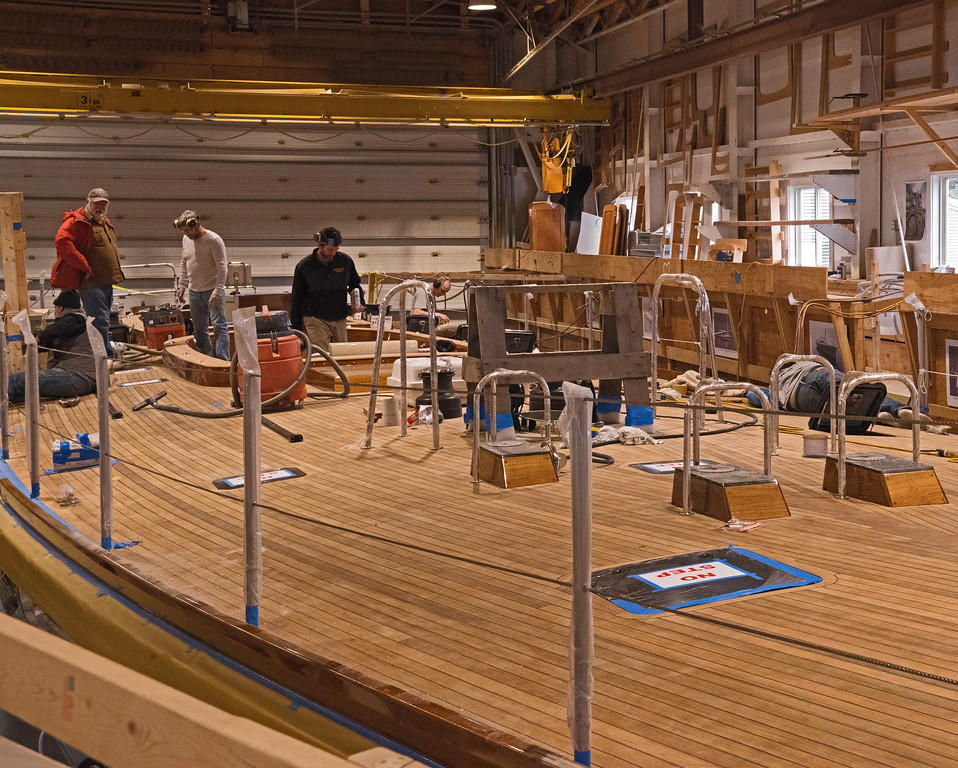
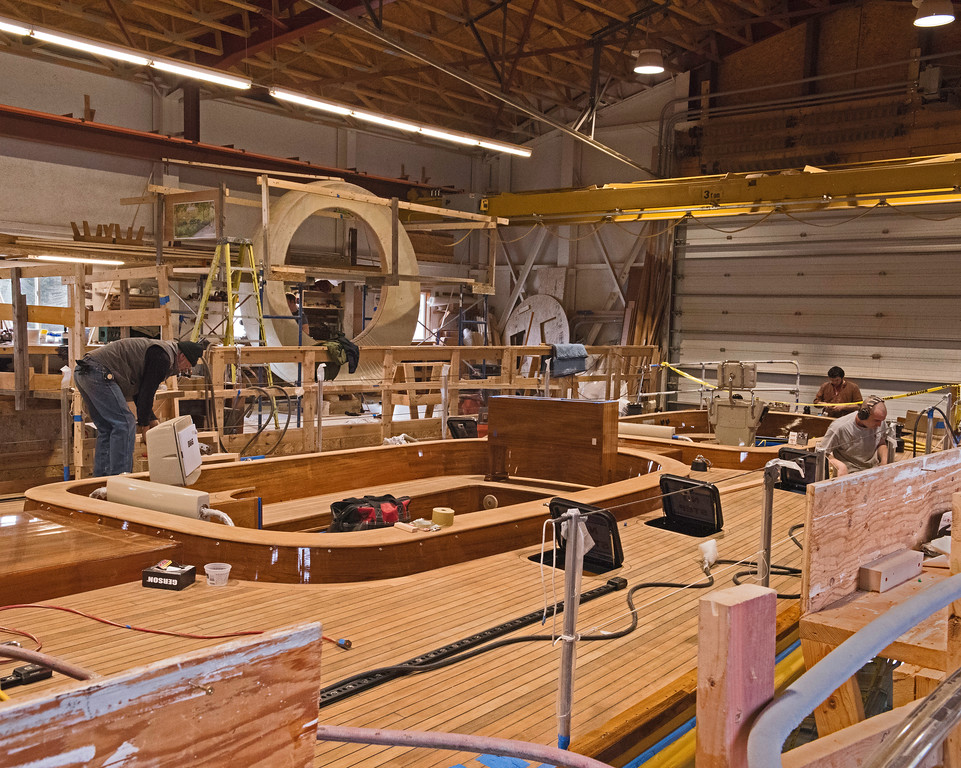
This high-performance cruiser will have a flush deck, aggressively-raked bow, and a reverse transom. There will be two cockpits, an aft sailing cockpit containing the wheel and a center one for entertainment, both protected by cockpit comings.
Work is progressing primarily on three levels at the shop, as shown below. At the middle level, the sloop's high-gloss hull reflects builders at their benches. At the bottom level, there's access to her 42,770-pound ballast keel and propeller for her 301-horsepower diesel engine. Returning to her bow at the top work floor, we can get a sense of the sloop's 19-foot beam.

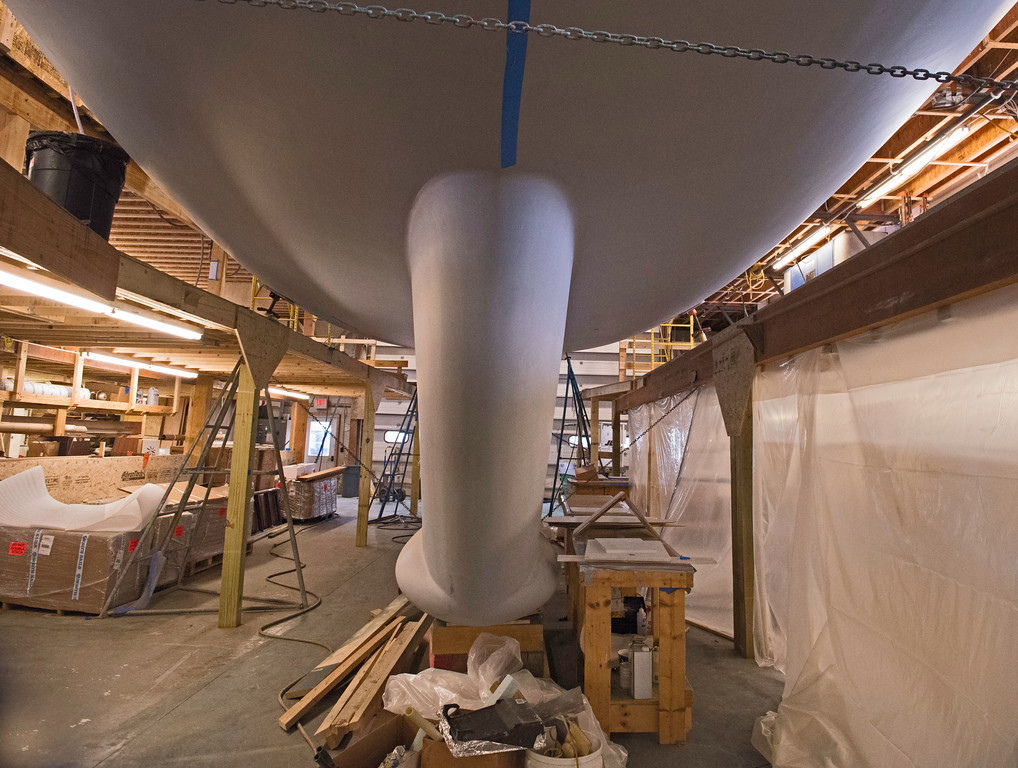

BBY obviously is doing something right: Sonny is the third yacht by that name built for same owner; the other two were 70-footers. Stay tuned. (Brooklin, Maine)
We have far fewer Eastern Gray Squirrels here than we do their smaller cousins, American Red Squirrels. However, as far as we can see, there is no problem with these natives getting along here.

Eastern Gray Squirrel

American Red Squirrel
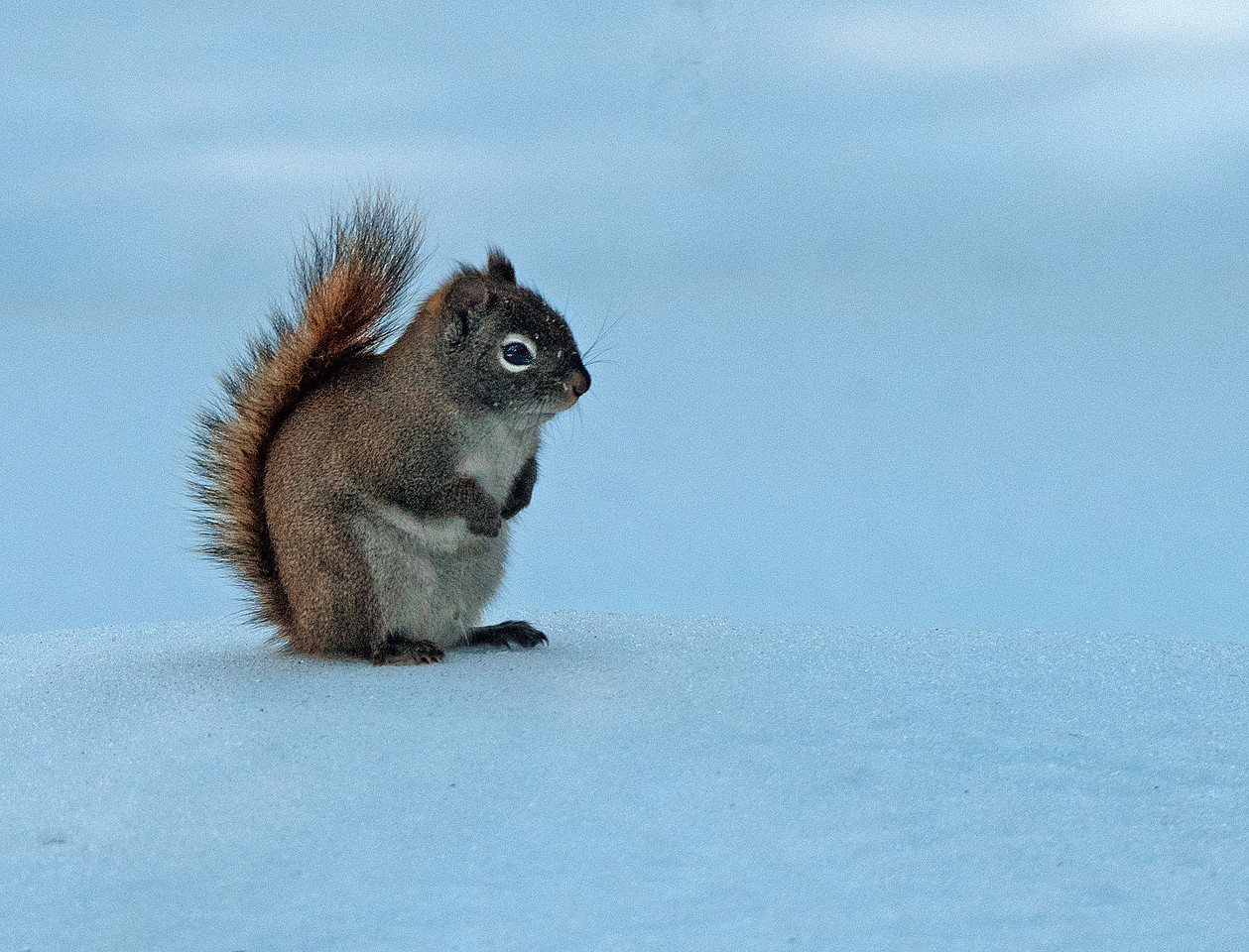
It’s different in England and Ireland, where our Gray Squirrels were introduced and have a scarcity of effective predators there. Those Grays are in the process of wiping out the native Red Squirrels by out-competing them for food. In Maine, both the Gray and the Red Squirrels are considered to be potential household pests and both may be hunted. In fact, there is no limit on when and how many Red Squirrels may be killed here. Nonetheless, they’re cute outside the house.
(Brooklin, Maine)
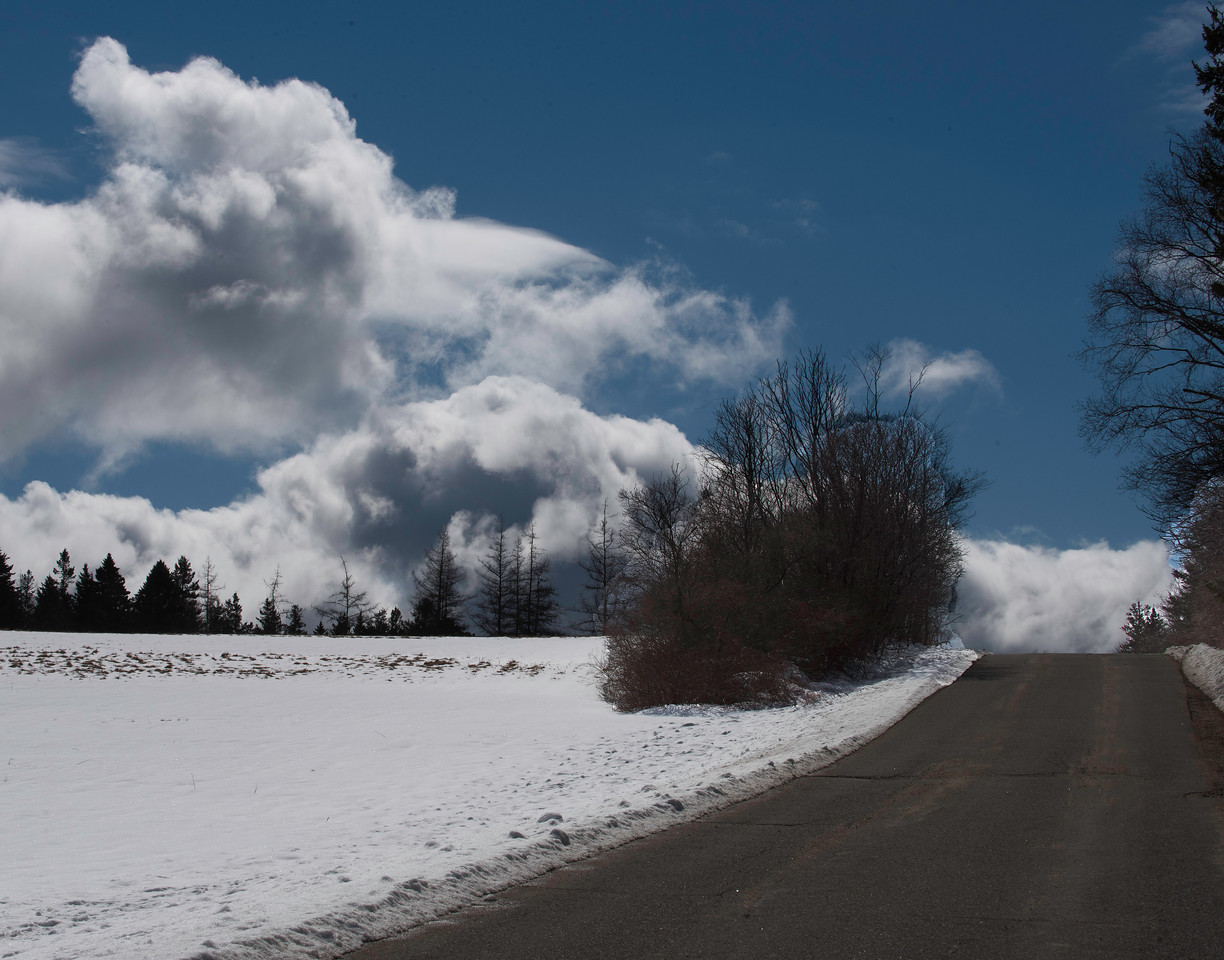
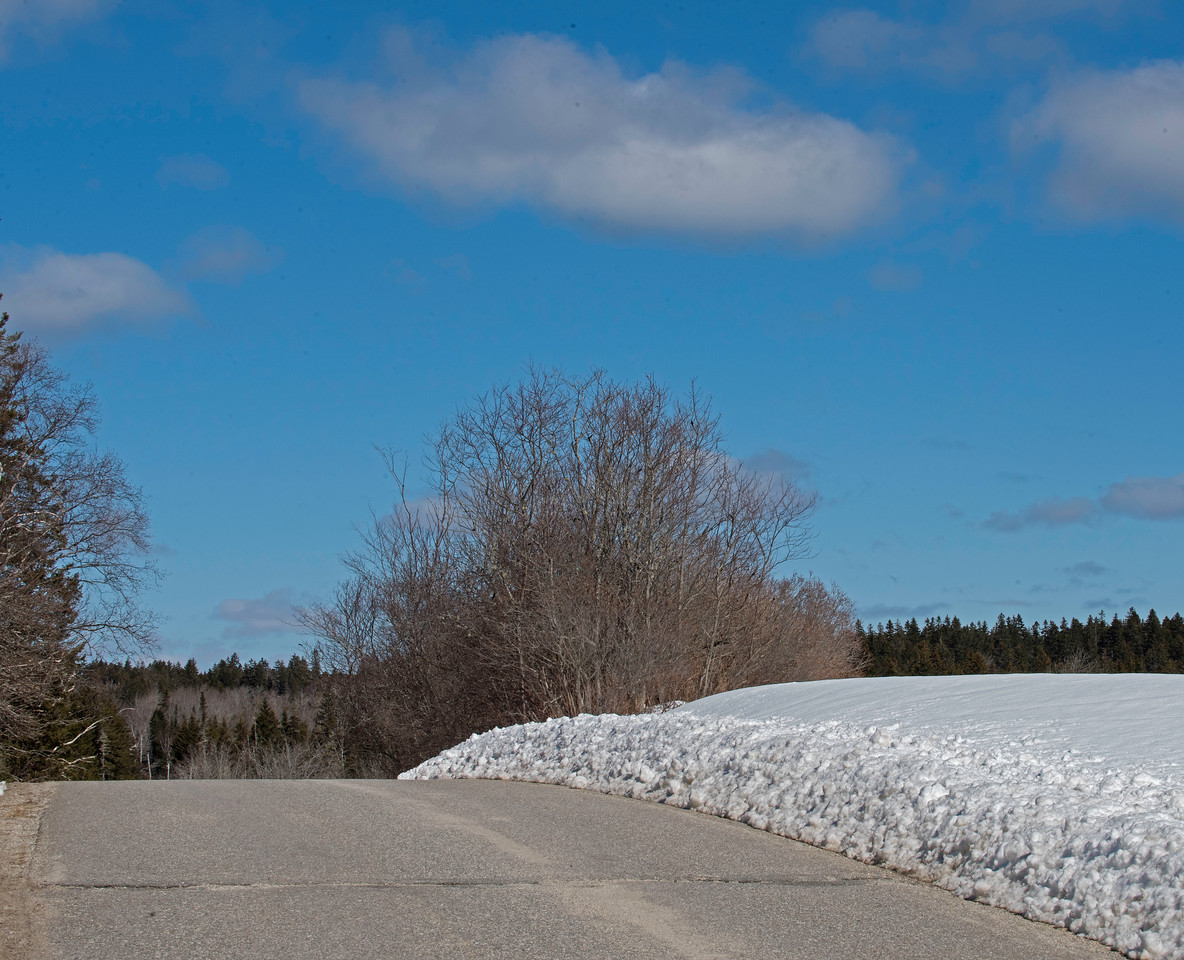
The proverb about March coming in like a lion and going out like a lamb was an understatement for us this year. March came in like a howling, snow-breathing dragon and left us with its apologies in the form of beguilingly calm last moments. The month's fantastical extremes can be illustrated with two images:


We had four significant Nor’easter snow blizzards this March, with enormous tides and winds approaching 50 miles per hour at times. Fortunately, we had little significant damage here and the sights were spectacular. Here are a few:


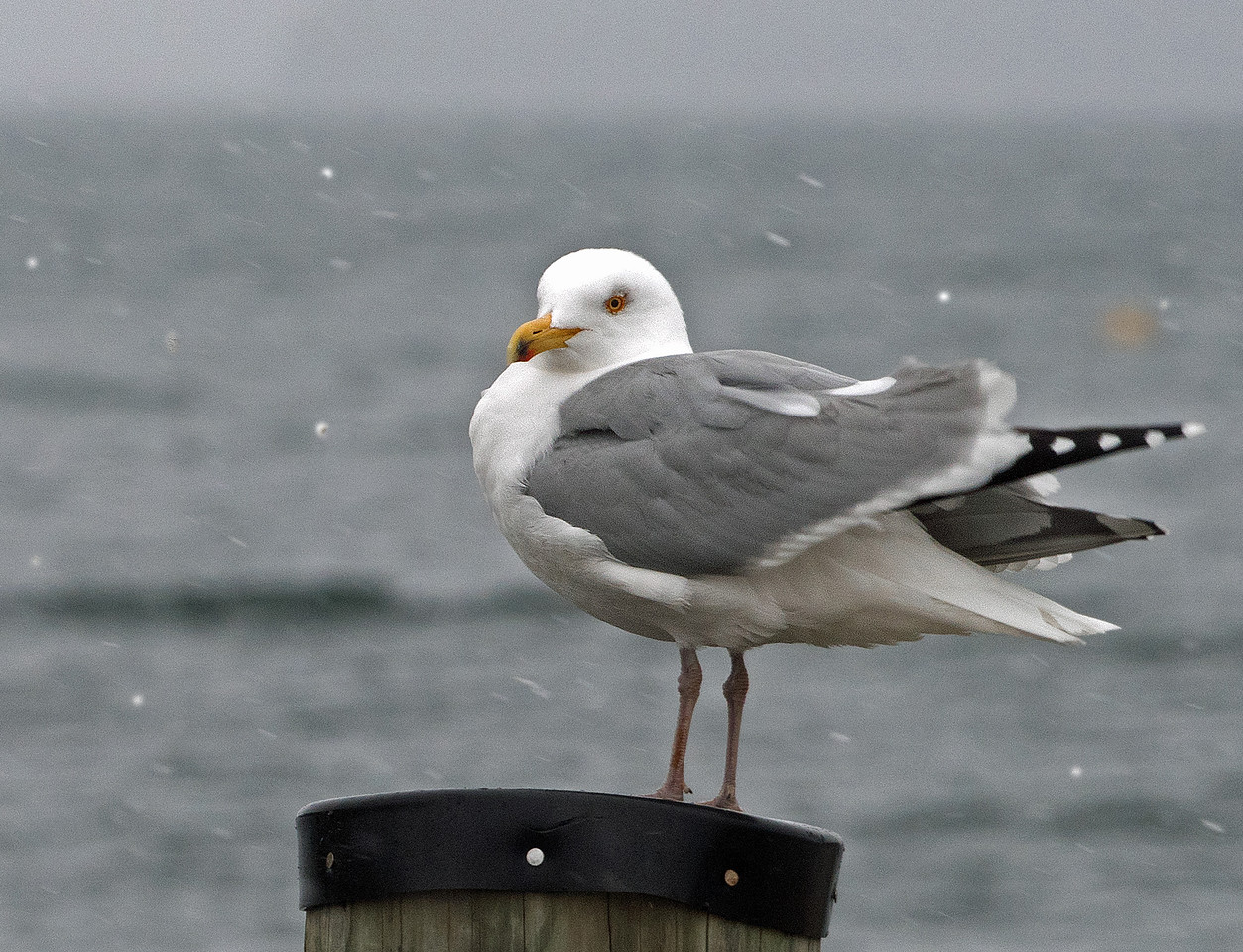
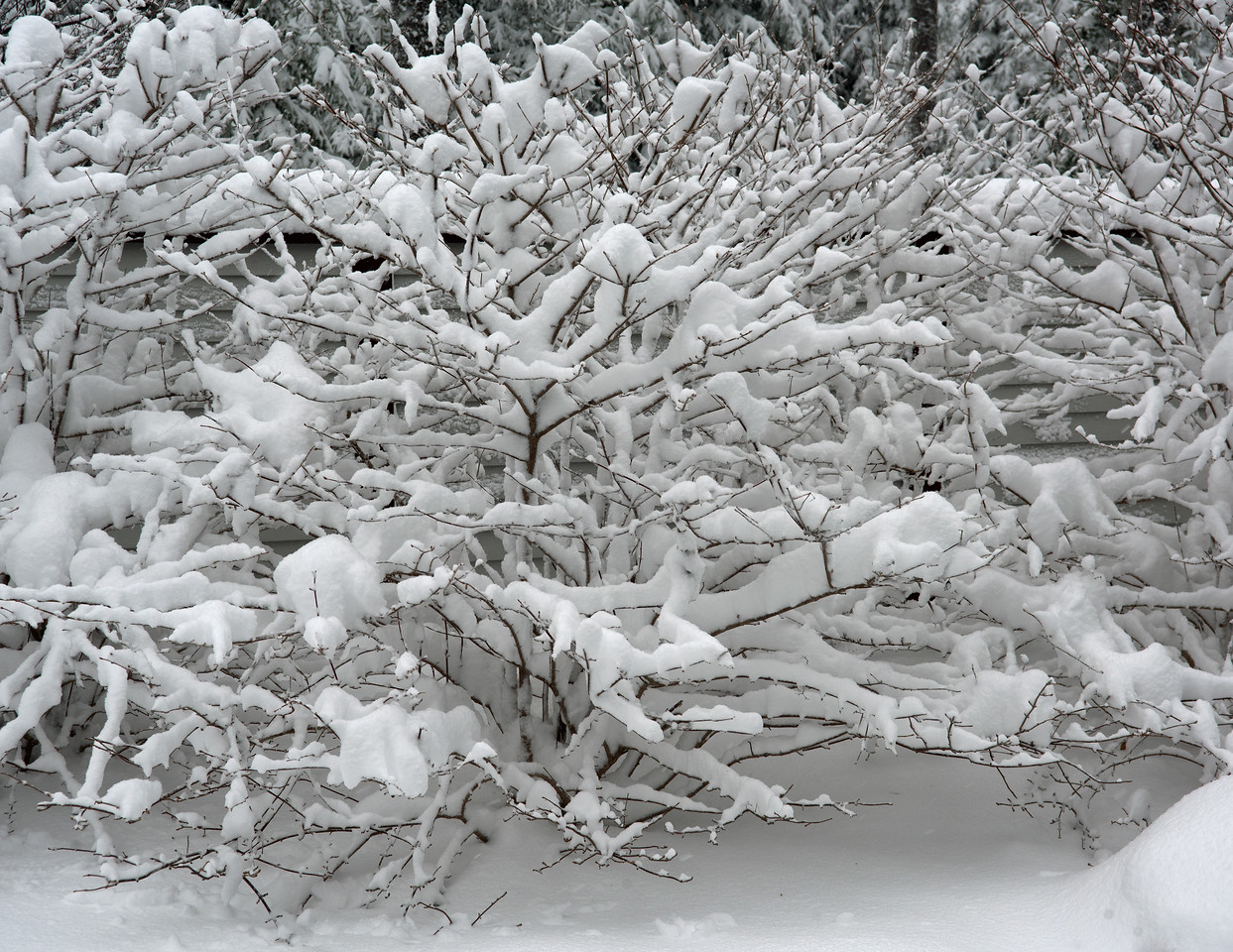
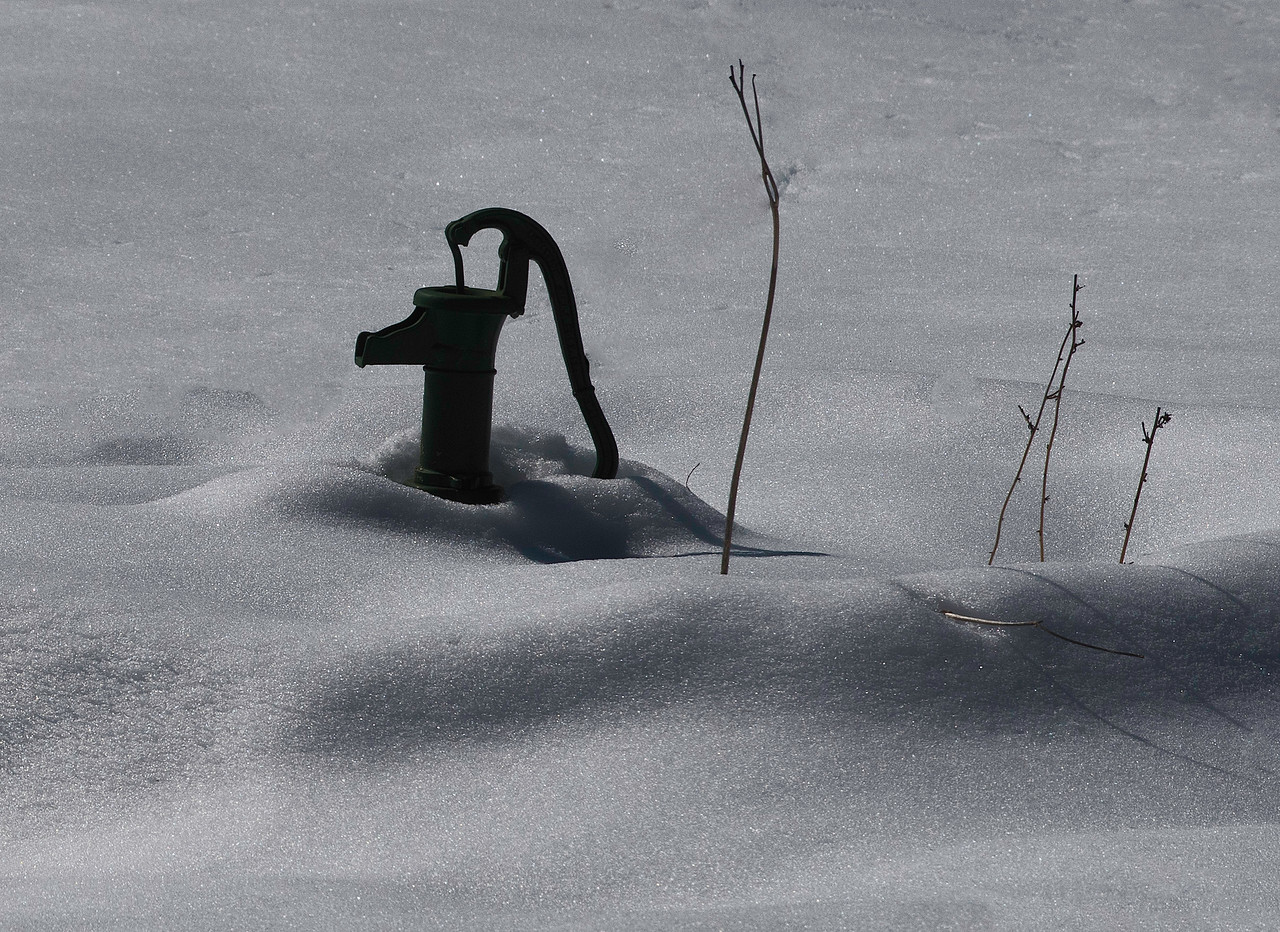
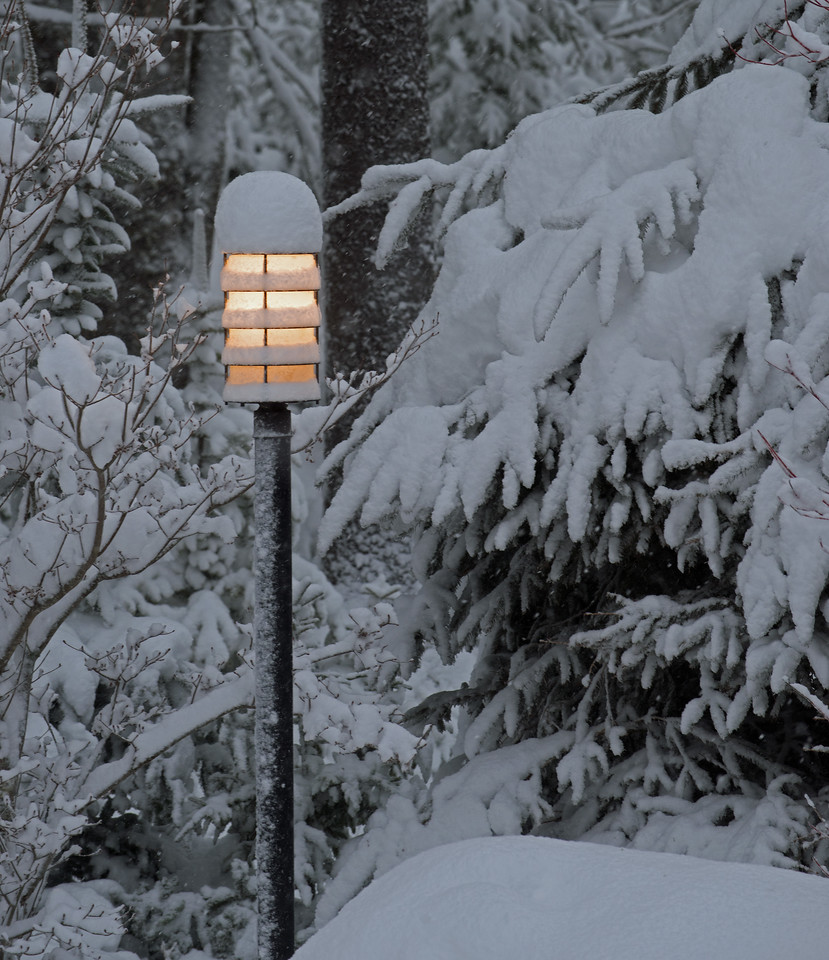
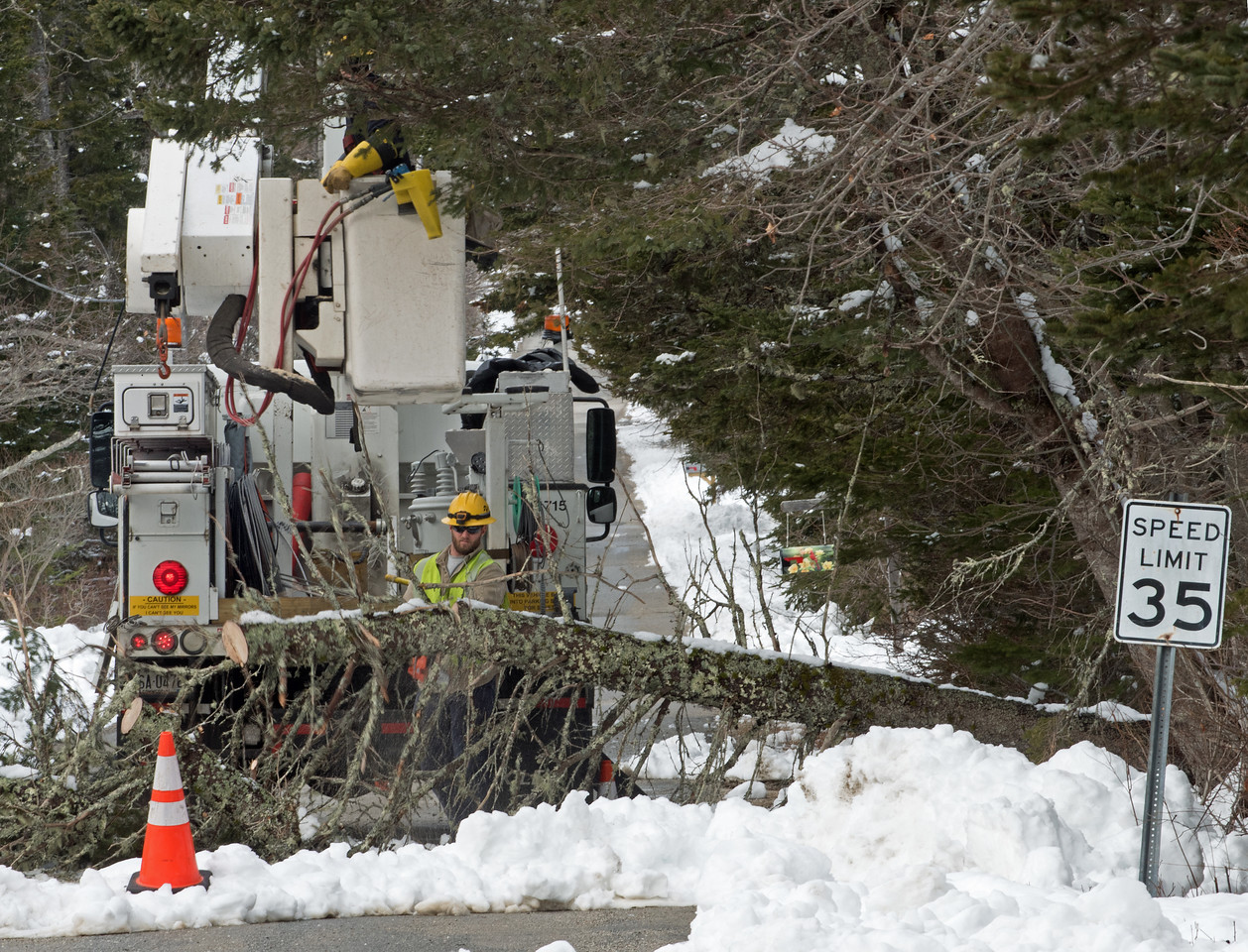


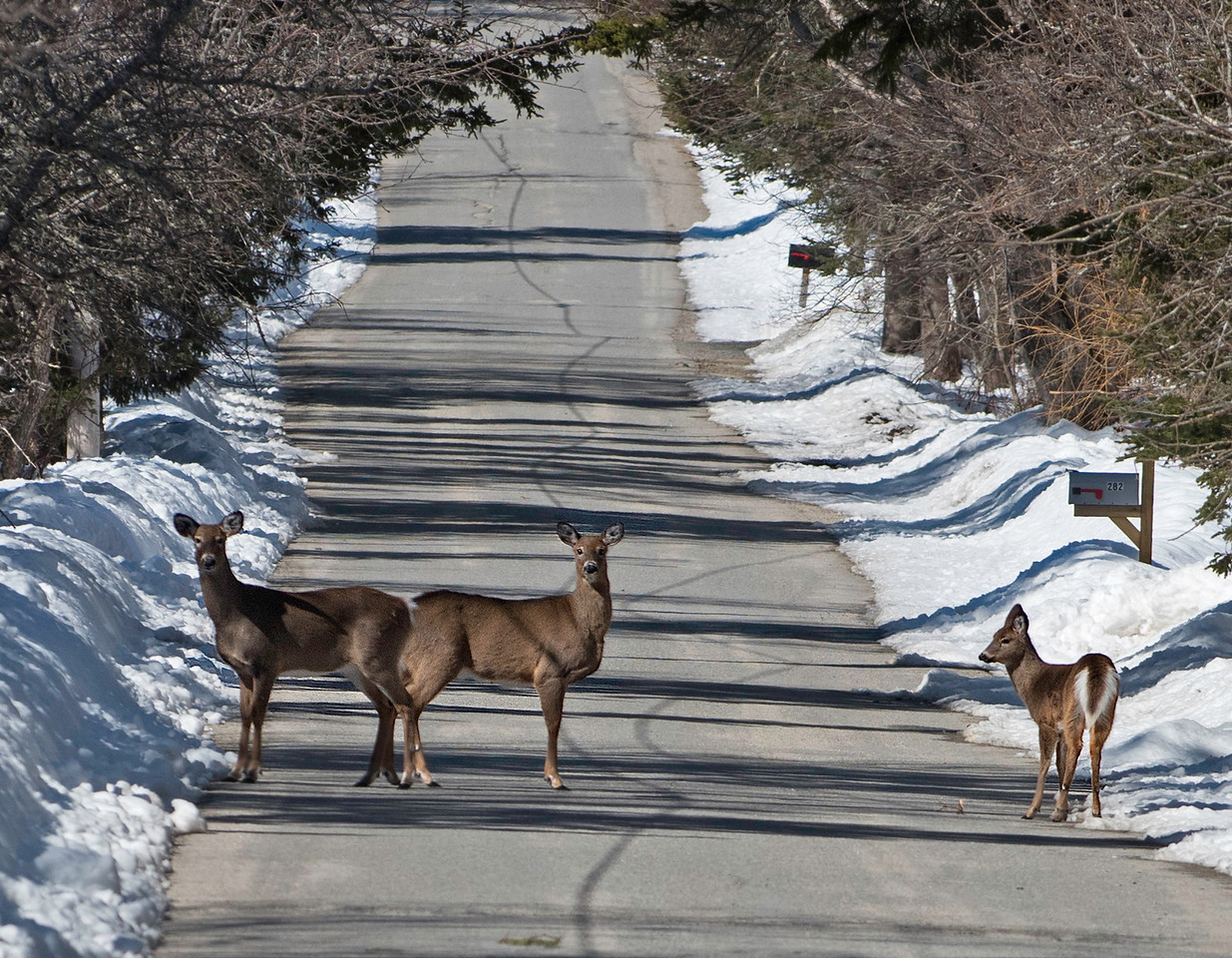
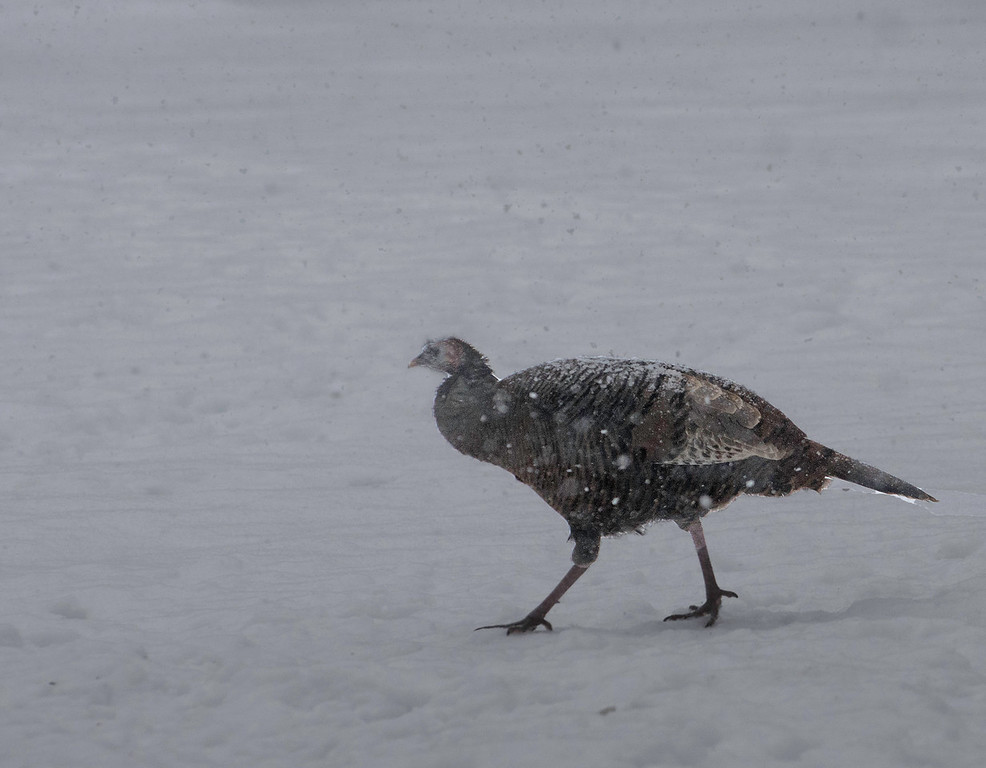
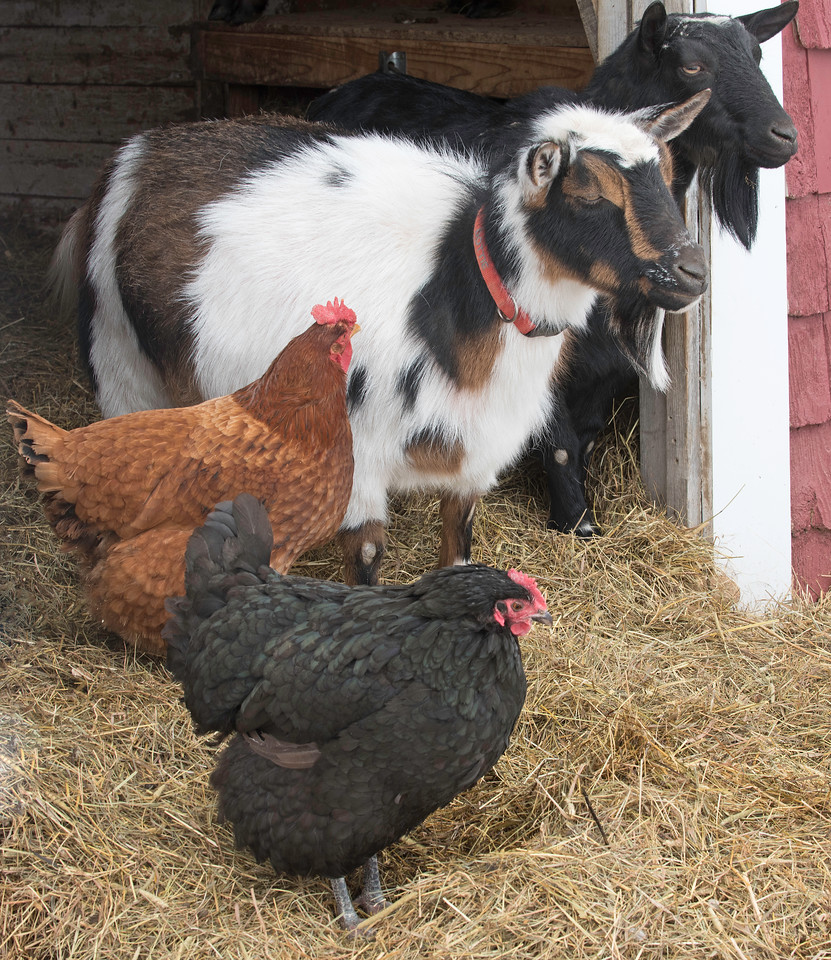
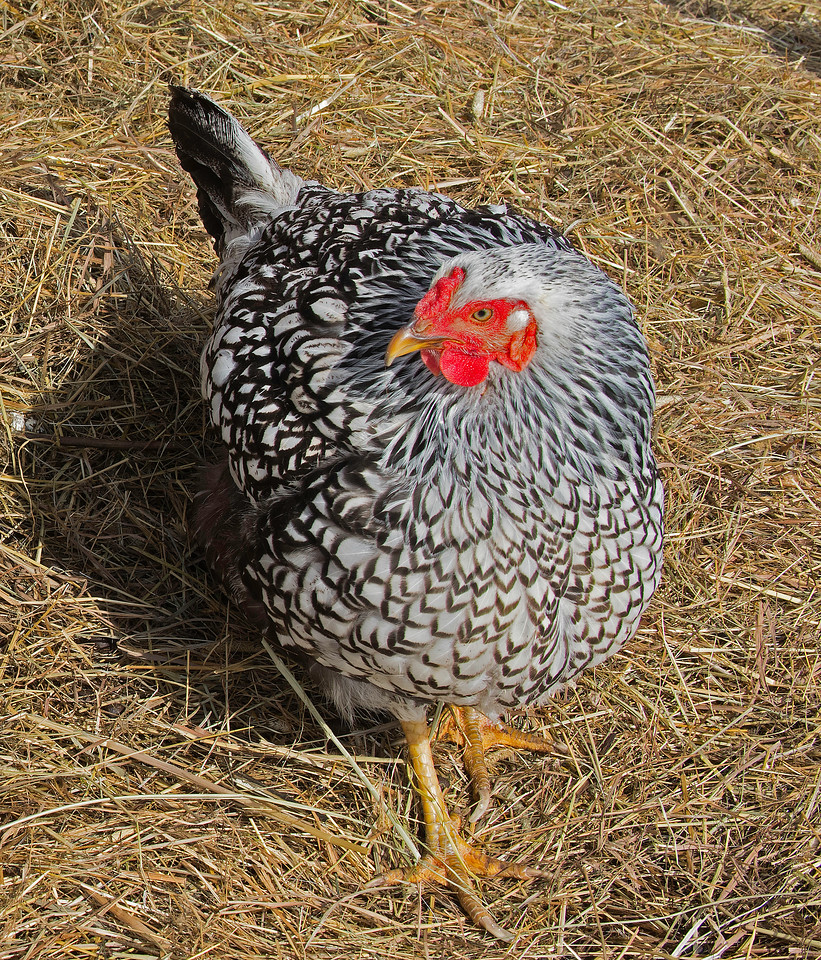
The White-Tailed Deer found it easier to stroll in the roads, and the Wild Turkeys had some tough times, often having to fly instead of walking in soft snow; barn doors were opened on sunny days for the goats and chickens to stretch their legs:

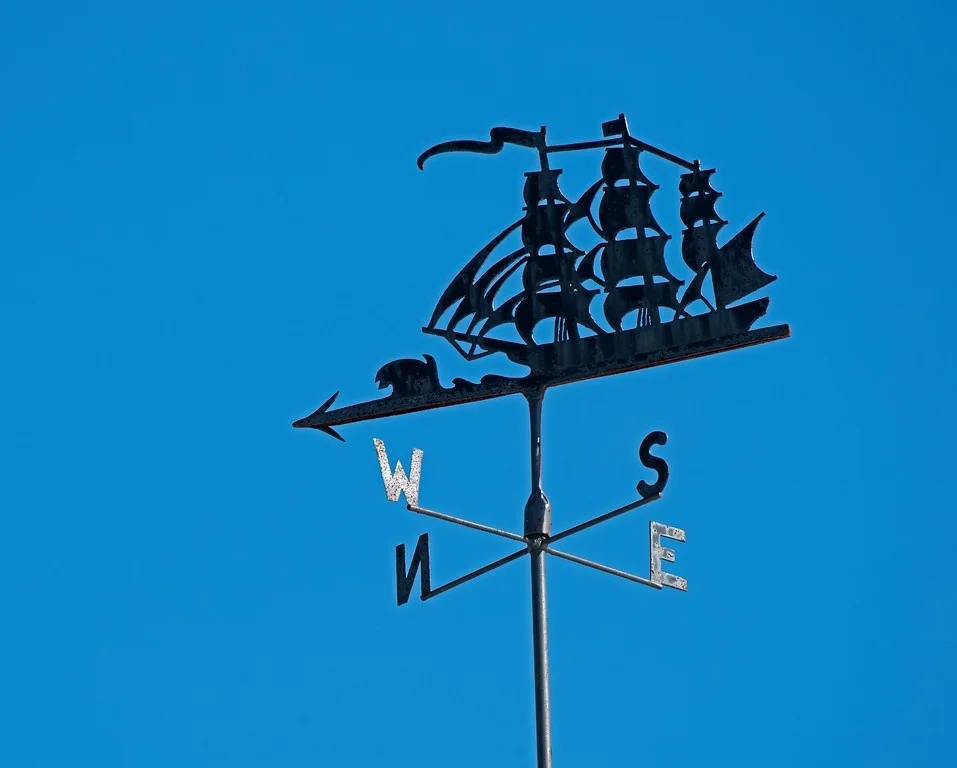
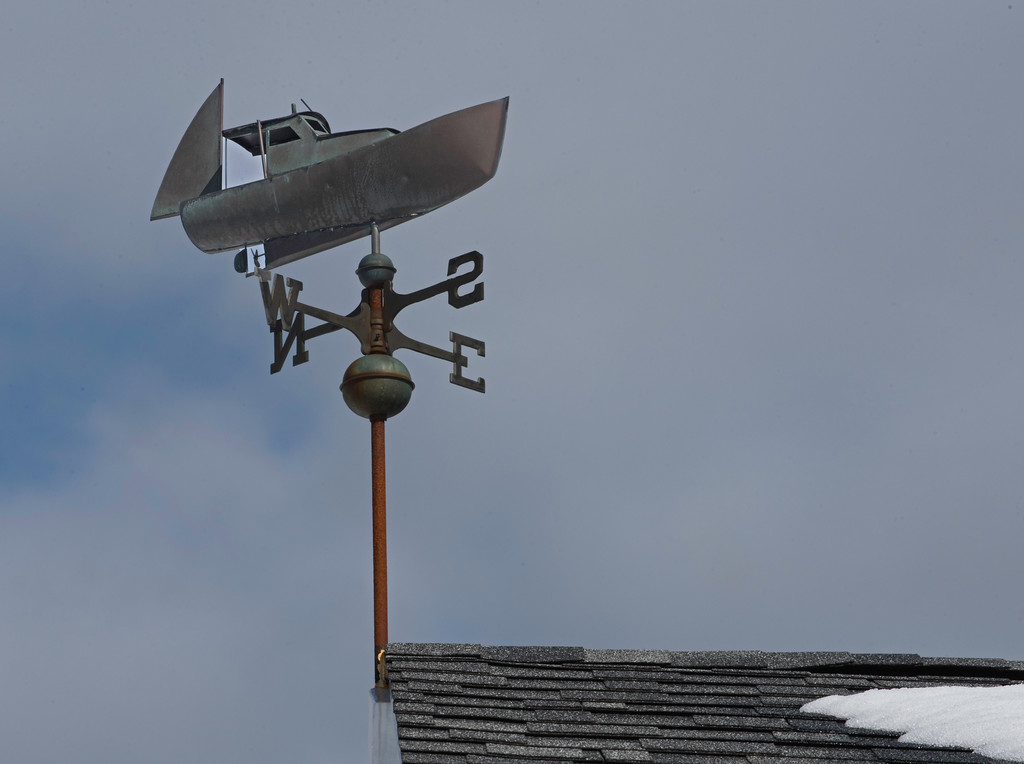
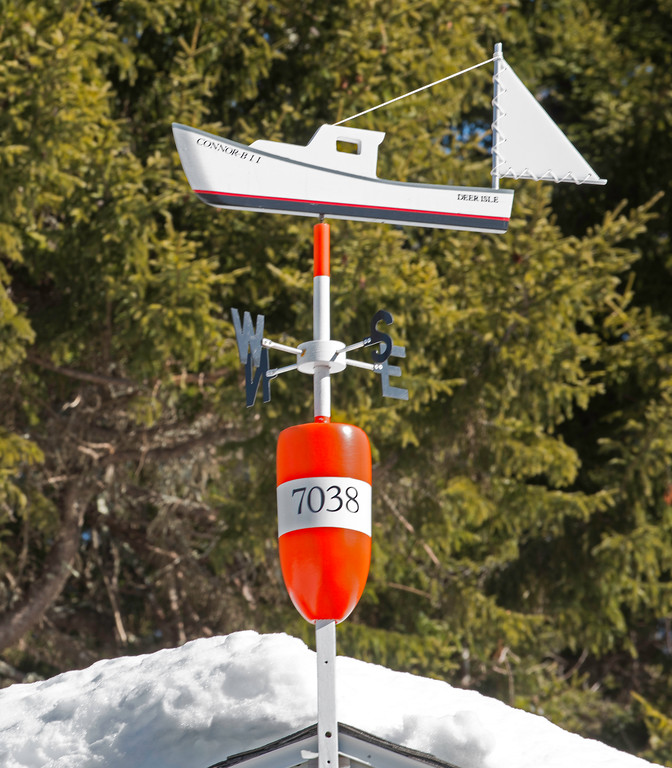
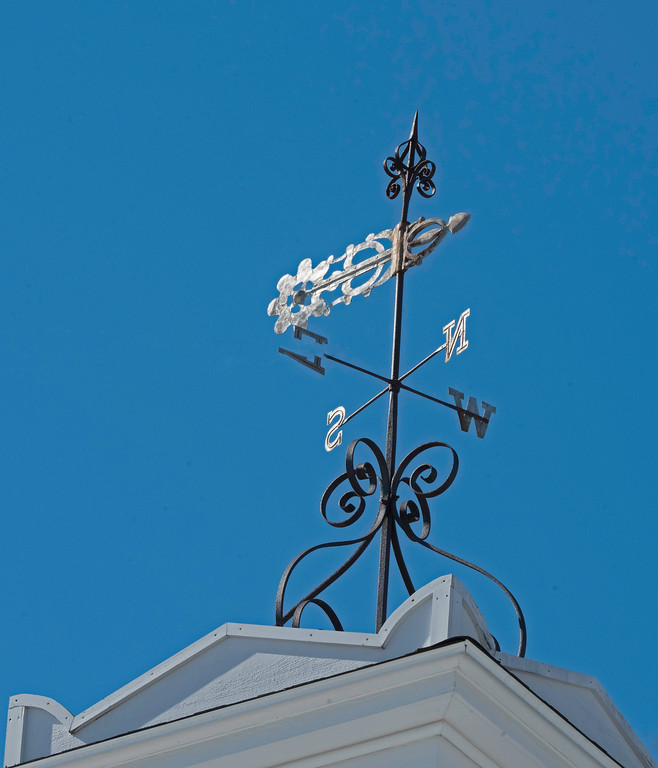
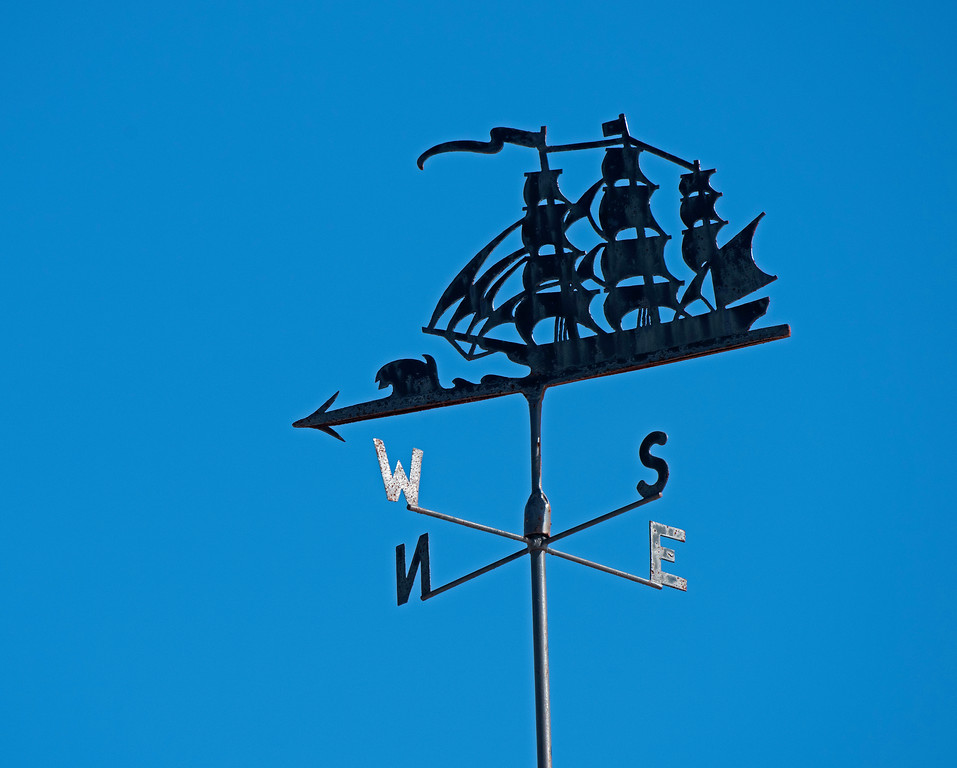
The winds of March had us watching the many interesting weather vanes here, including these:
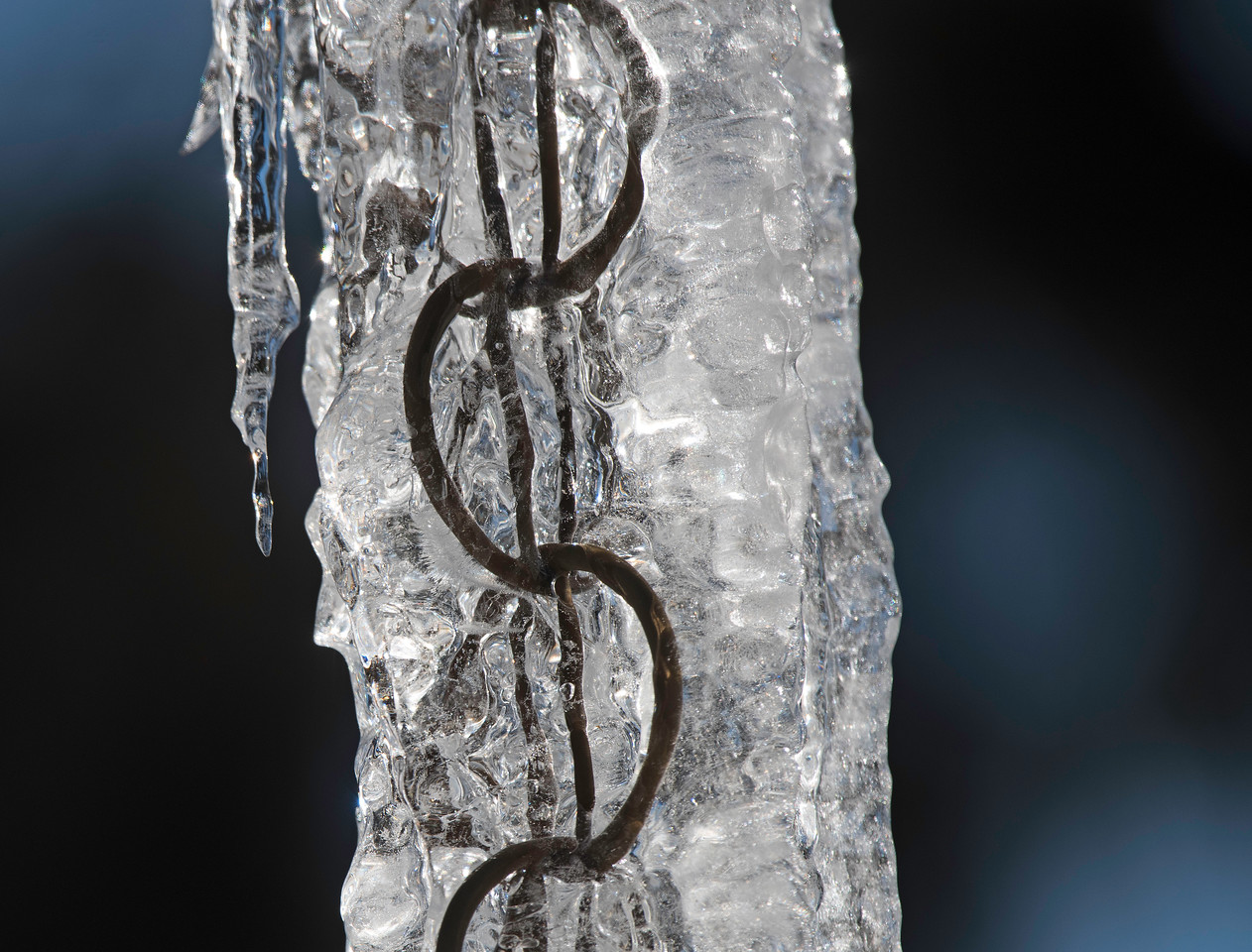
March was a series of freezes and thaws from the beginning. The thaws brought fog to the shore and fields, followed by cold, cleansing snow. In between, rain chains became ice chains and melt chains.


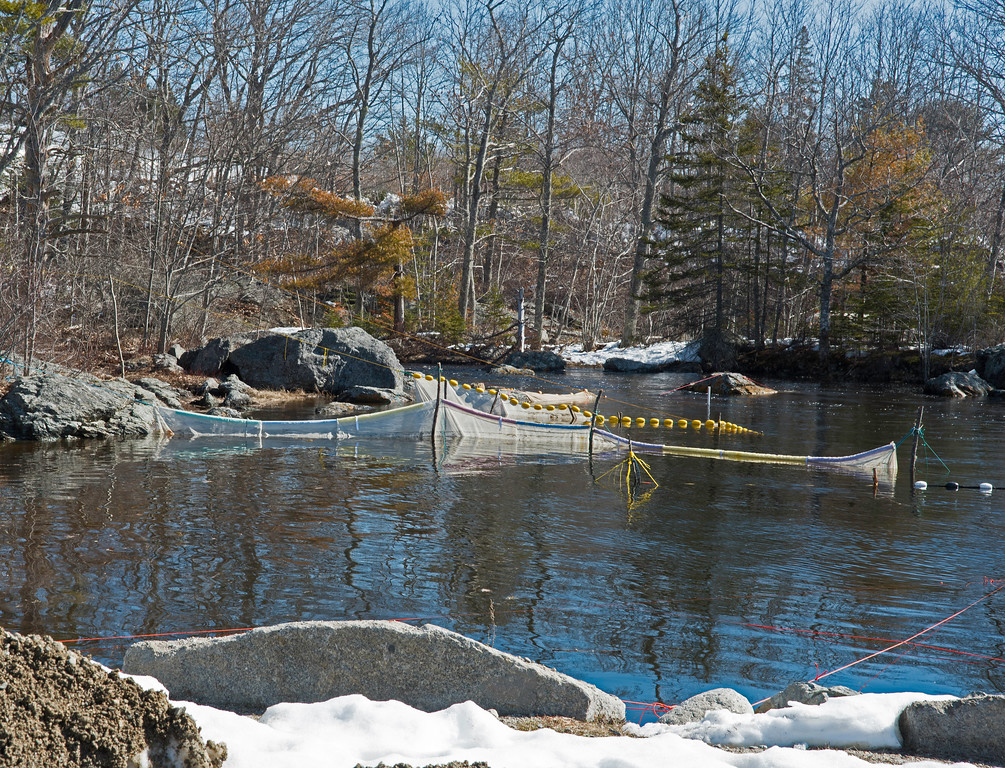
On March 22, the Glass Eel Elver fishing season began, as these valuable baby American Eels came back from the sea on their annual migration to find the streams of their parents. And, our eel fishermen had their nets waiting for them.
As March was leaving, it showed its best: the wonder of that hopeful time that is neither winter nor spring:

(Brooklin, Maine)
For larger versions of the above images, as well as many additional images of special moments in this March, click on the link below. (We recommend that your initial viewing be in full-screen mode, which can be achieved by clicking on the Slideshow [>] icon above the featured image in the gallery to which the link will take you.) Here’s the link for more:
https://leightons.smugmug.com/US-States/Maine/Out/2018-in-Maine/March/
This is yesterday morning as the rain came down within the fog and began freeing the snow-captured needles, mosses, and lichens.

The well-watered woods are beginning to look lush again. (Brooklin, Maine)
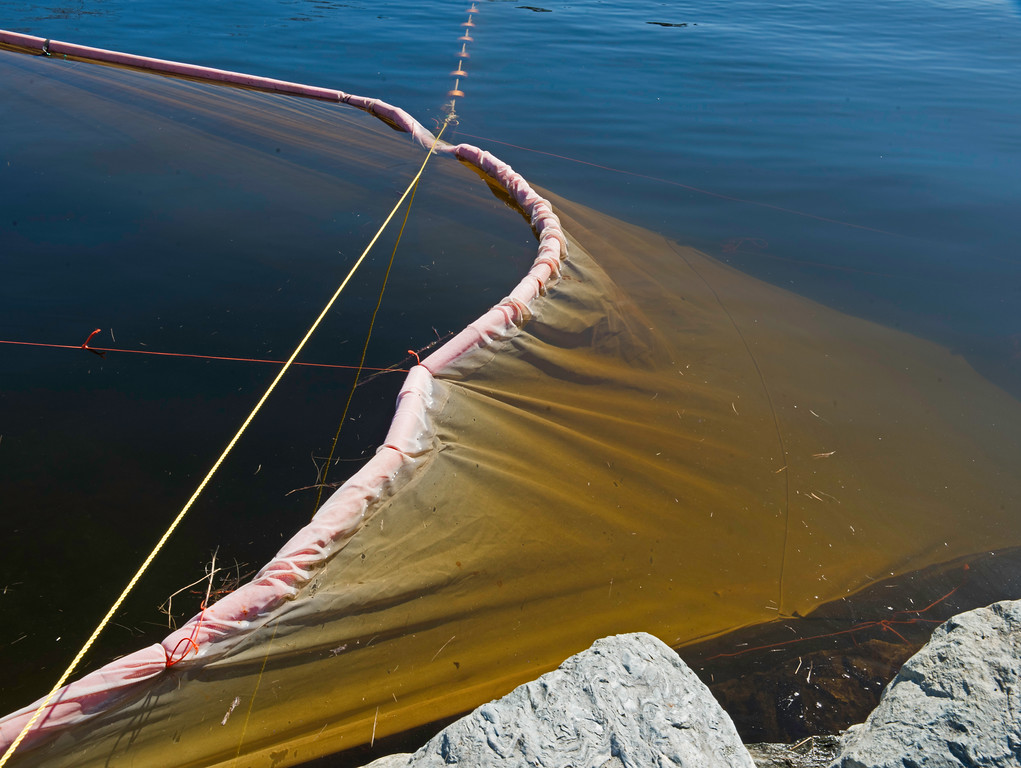
For some people here, the arrival of flocks of adult Robins on lawns and fields is the harbinger of spring; for others, it’s the swarm of baby eels at the mouths of our rivers and streams. The annual arrival of the strange and valuable babies (Elvers) of American Eels (Aguilla rostrate) has begun. Their long and dangerous trip to become residents has just one final major obstacle: walls of nets to capture them, including these at the mouth of Patten Stream yesterday:

Maine’s fishing season for those lucky enough to get an Elver license is March 22 through June 7. Fyke (“Fick”) Nets seem to be the preferred fishing equipment for them here. These nets are large, fine-mesh funnel traps that end in a cylindrical netting bag that contains cones that make it easier for the fry to enter than to exit.

These babies actually are cute in an eely way – they’re transparent (except for their eyes and spinal cords), which is why they’re also called “Glass Eels.”
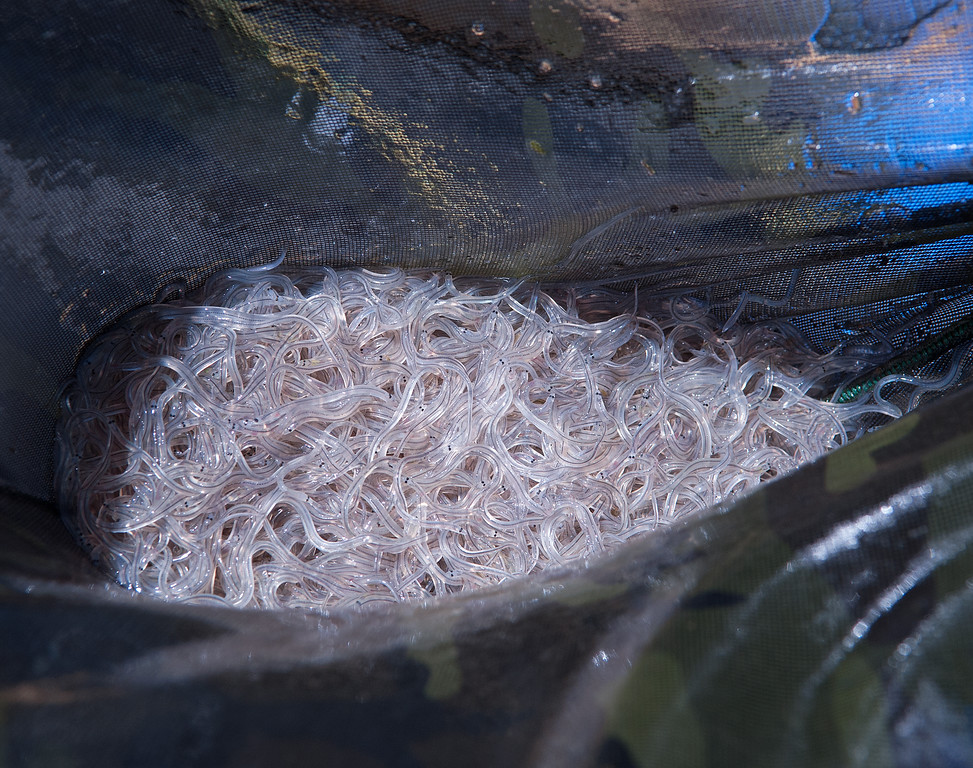
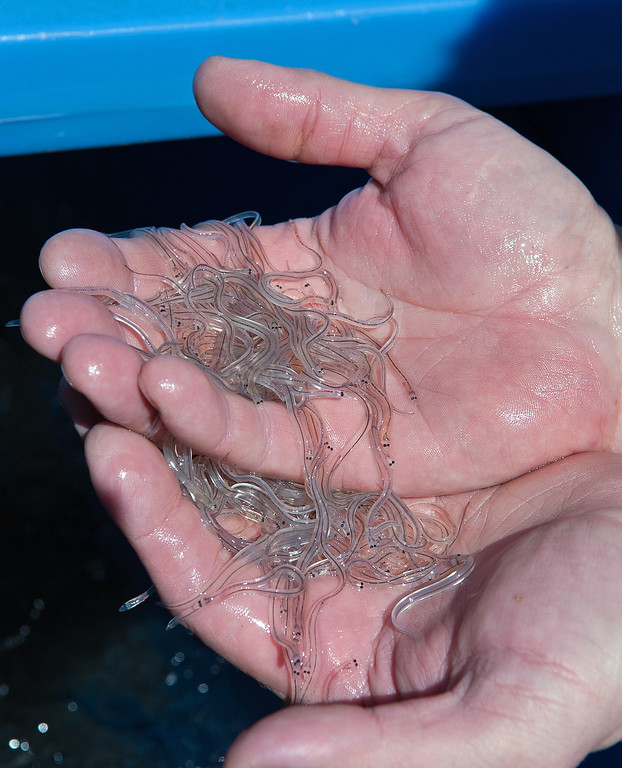
Most of the trapped Elvers are air-shipped in special containers to Asia, where they’re raised to nontransparent adulthood and then sold as delicacies. The price paid here to fishermen by Elver dealers during the first week of the season ranged between $2,700.00 and $2,800.00 per pound, according to government reports. That price should decrease as the number of migrating eels increases daily.


Part of their high value is due to their miraculous lifestyle. American Eels spend 8 to 25 years growing up in brackish or fresh water, where they are a favored food for many predators.
When they feel ready (no one seems to know how that happens), they swim down into the ocean and out to the Sargasso Sea south of Bermuda. After spawning there, the adults die.
Their eggs become larva that drift into the Gulf Stream and transform into the little glass eels that migrate in the winter and spring back to the fresh or brackish waters in which their parents grew up. (We haven't seen an adequate explanation for that trip, either.) Most of them will avoid being caught by fishermen, especially at high tide when some of the nets -- even the floats -- are submerged.

(Surry, Maine)
The weather gods aren’t trusted around here after four March blizzards. Although the snow is melting steadily in our current “heat wave” (41 degrees F, as we speak), many people are keeping their generators oiled and their cross-country skis at hand for a while.

(Brooklin, Maine)
As we speak, the snow is melting in the warmth of 43 degrees (F) and we’re entering that never-never time between Winter and Spring. This image is of an iconic boathouse that is a recurring joy to all who travel between Blue Hill and Brooklin.

It has the squid-like ability to change its look depending on the environment – rail, snow, sun, high or low tide. However, unlike a squid, the boathouse doesn’t change to hide in its background, but to say, “Look at me now!” (Brooklin, Maine)
Why are we thinking that there probably aren’t too many of these weather vanes in Indiana? Did you wonder about the colors and numbers on the striped lobster trap buoy?

They’re not the street address of a barber; Maine regulations require fishermen to put their license numbers on their buoys and their lobster traps. The buoys also should not be of similar colors to other buoys in the same fishing area. (Brooklin, Maine) NOTICE: Our posts will be suspended for a few days while our computer is in the hospital getting a brain transplant.
If you sneak up on a Wild Turkey here today, we think that you won’t hear the usual “Gobble-Gobble, Gobble-Gobble”; we think you’ll hear “Enough Already, Enough Already.”

It’s snowing as we speak, and it’s supposed to continue to do so until we get up to three new inches of snow on top of the piles that we already have. This is our fourth significant Nor’easter snow storm in March, and the month is only two-thirds over. (Brooklin, Maine)