Comment

In the Right Place: Spinkers

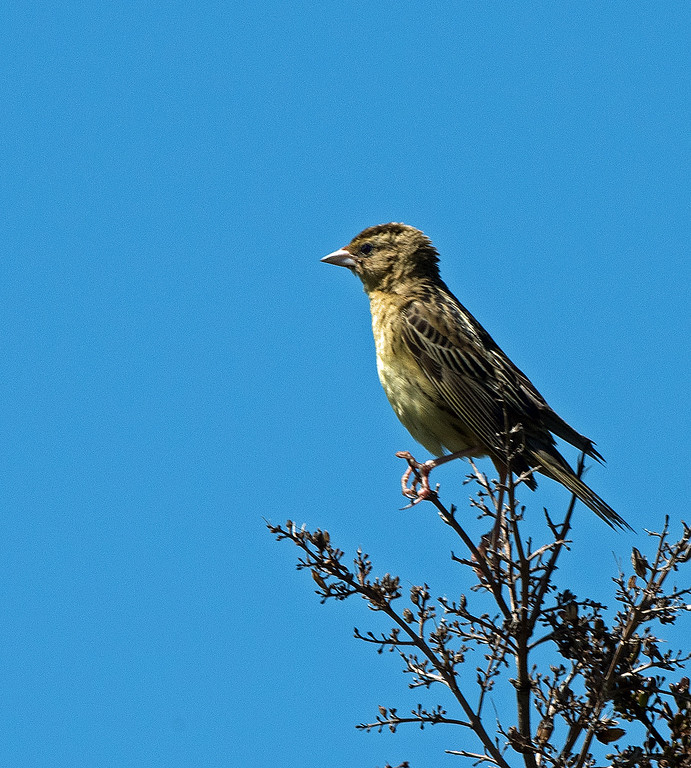
The Bobolinks came to us late this year, but the important point is that they came again. Their species has been decreasing drastically, apparently due in significant part to the disappearance of suitable unmowed fields for nest-building. Shown here is the male, with his strange yellow hoody; no other bird – including his mate – looks like him.

1.jpg

Below, we see the sparrow-like female.
2.jpg

The species received its name from the sound of its bubbling song. In 1855, William Cullen Bryant wrote a popular children’s poem that formalized the bird’s name to help youngsters remember its song: “Robert of Lincoln, is telling his name / Bob-o’-link, bob-o’-link / Spink, spank, spink….” (Brooklin, Maine)

Comment

In the Right Place: Mainely Charming

4 Comments

In the Right Place: Mainely Charming

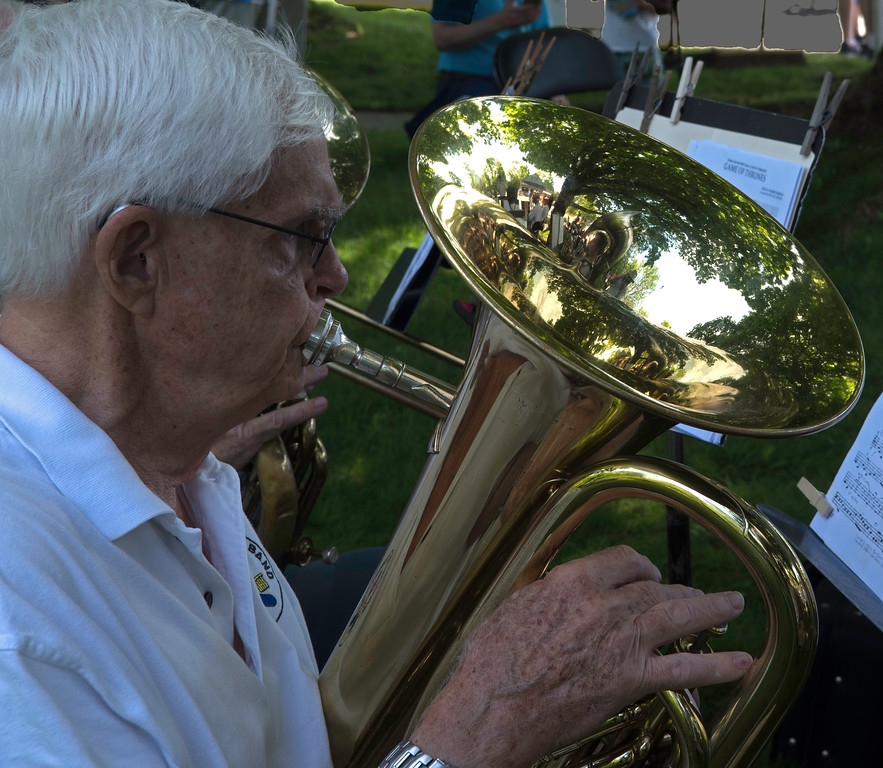
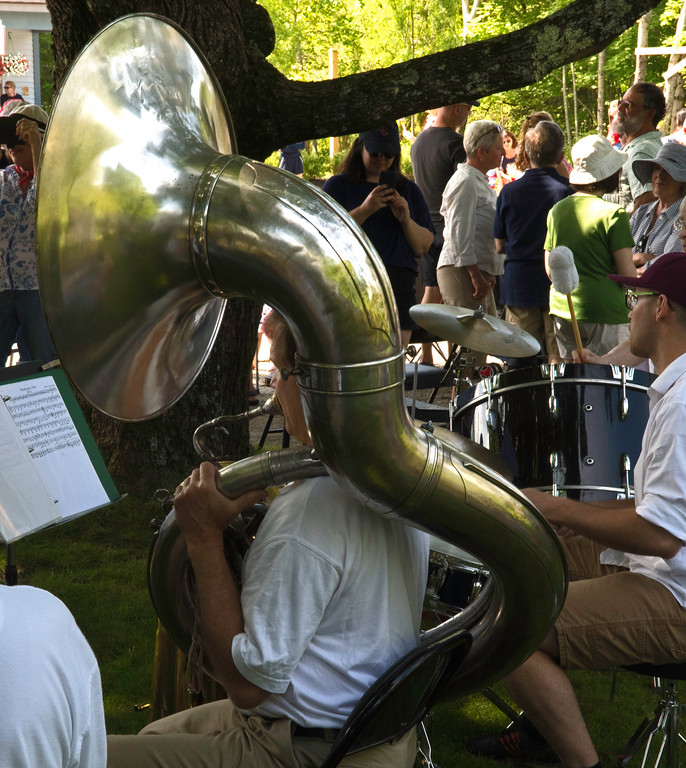
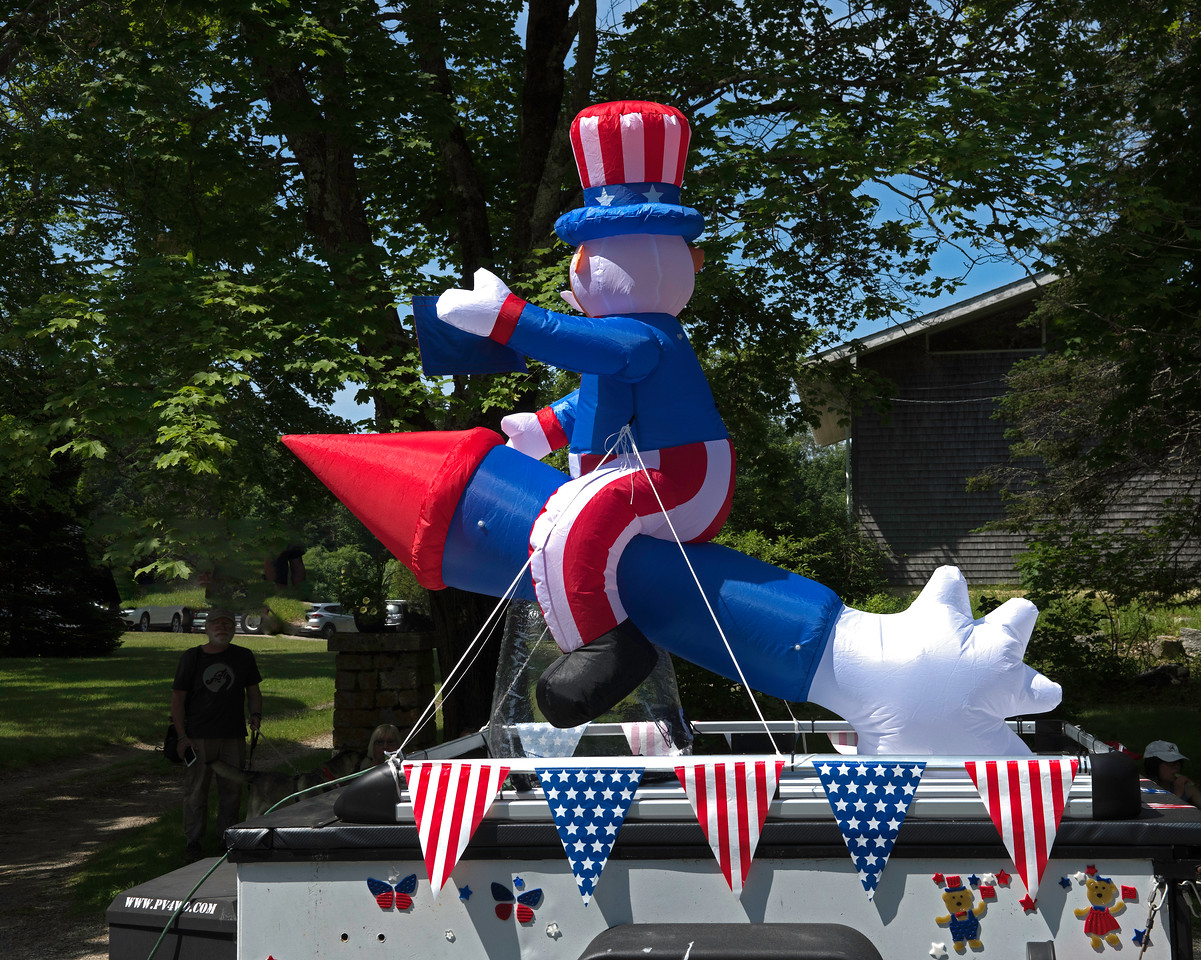
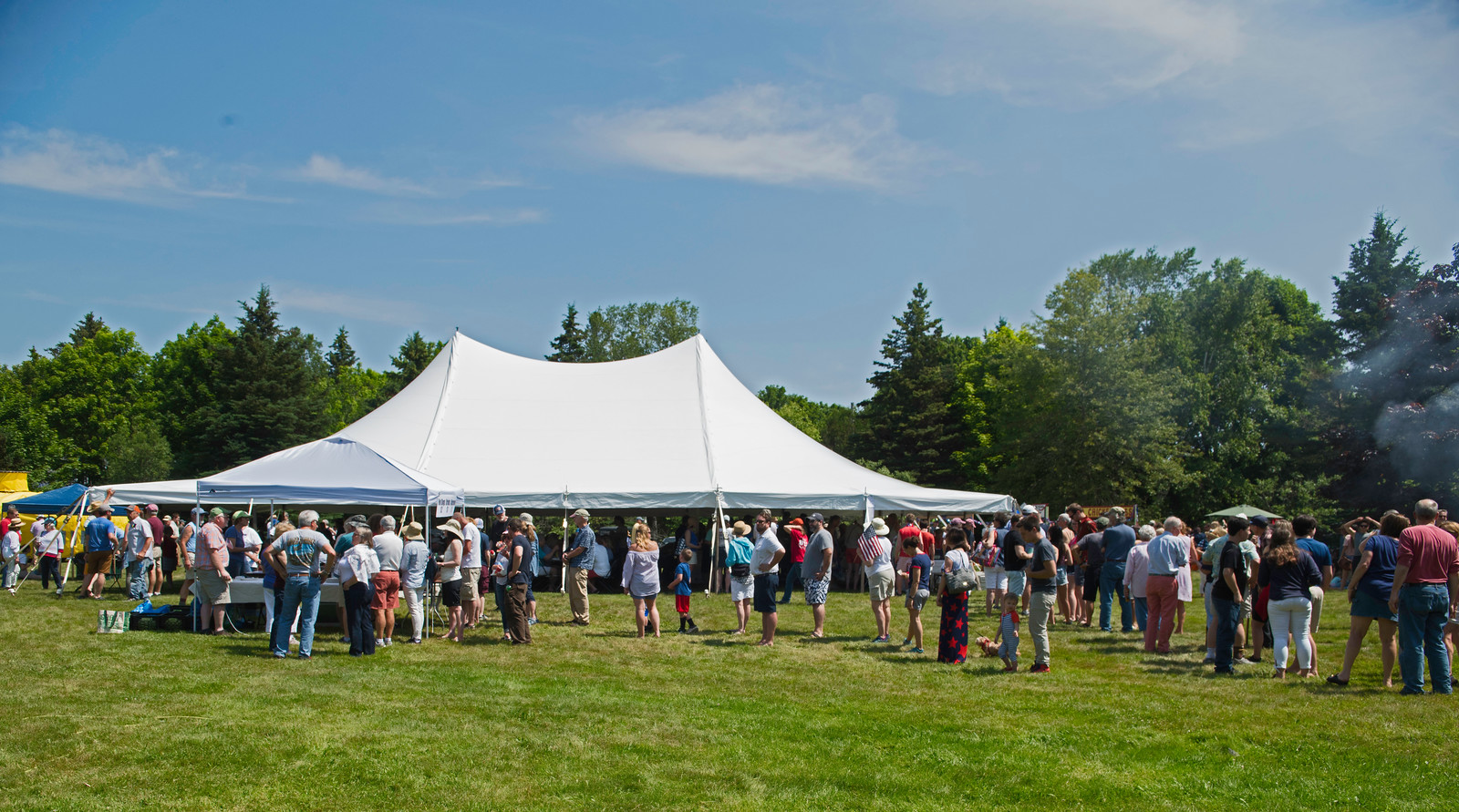
Among other things, Brooklin is known for having one of the most charming Independence Day celebrations you’ll ever experience. It starts at 9 a.m. with the amazingly good Brooklin Town Band playing uplifting music in the shade of the large maples on the Library lawn, across from the General Store.

1.jpg
2.jpg

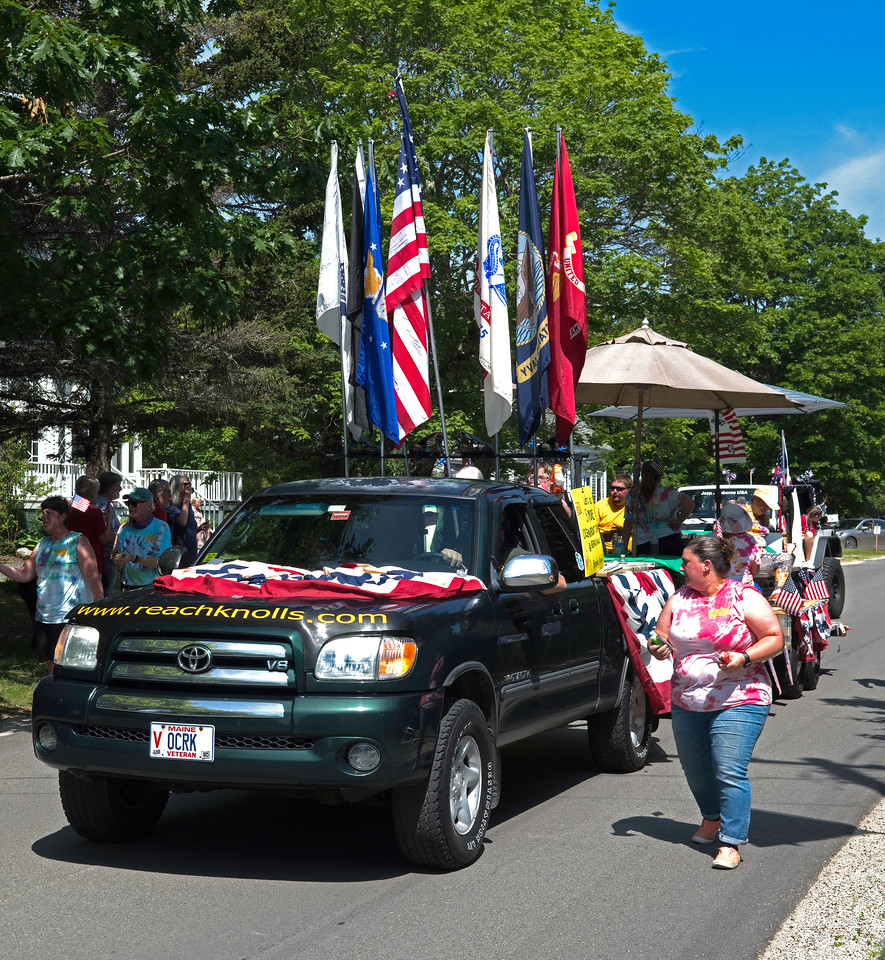
At 10:30, the parade starts with military veterans leading the way, proudly guarding Old Glory as they march.

6.jpg

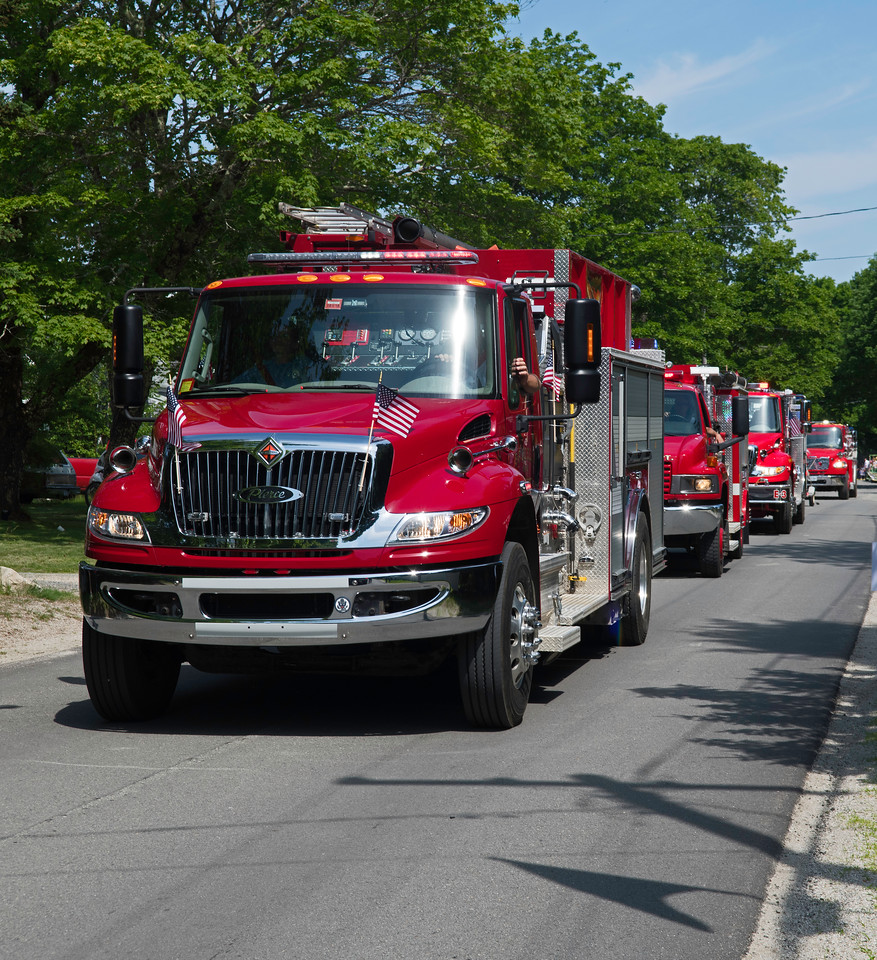
After them, there’s usually a grand display of how some of our taxes are spent locally – fire trucks and ambulances from Brooklin and nearby towns come with sirens on and lights blinking.

7.jpg
13.jpg

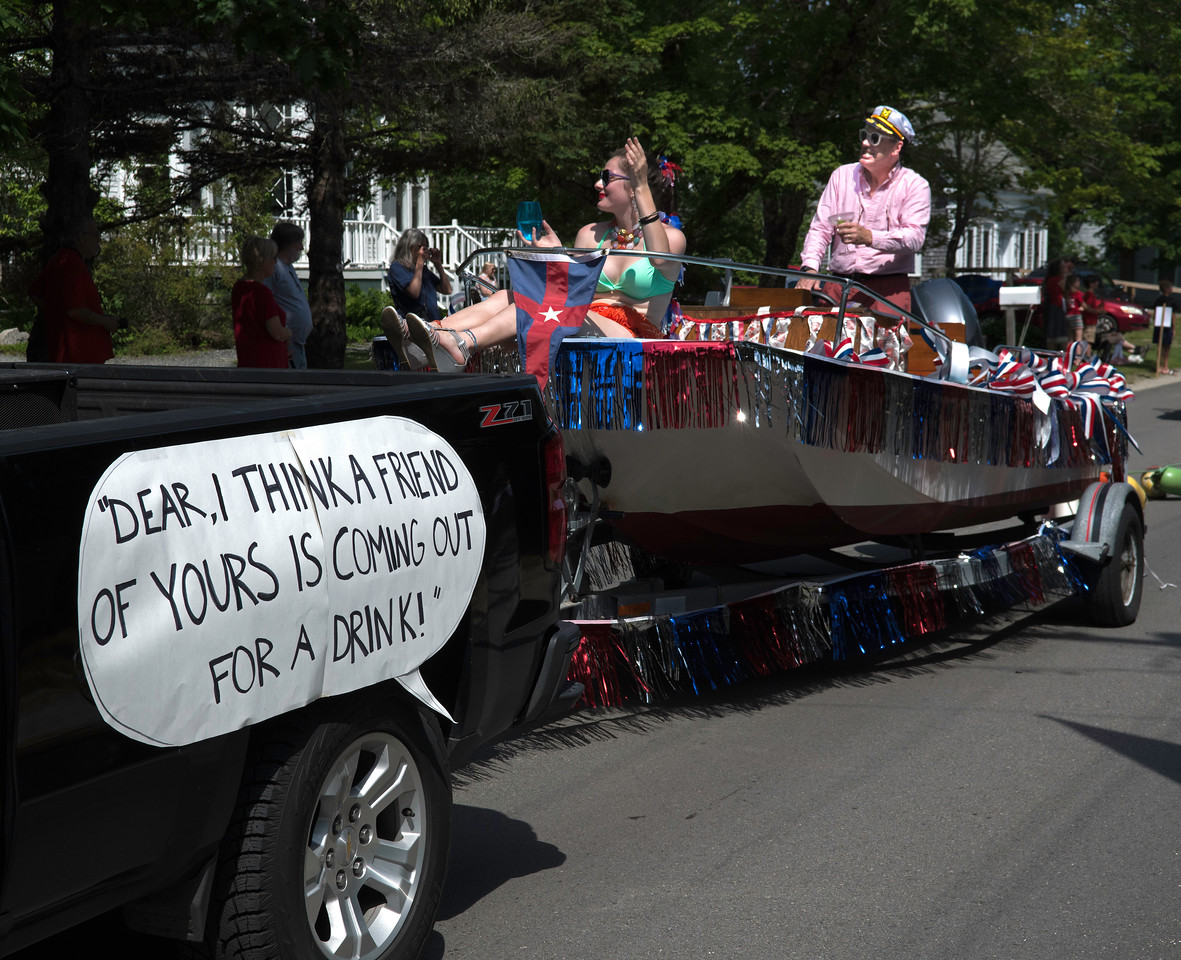
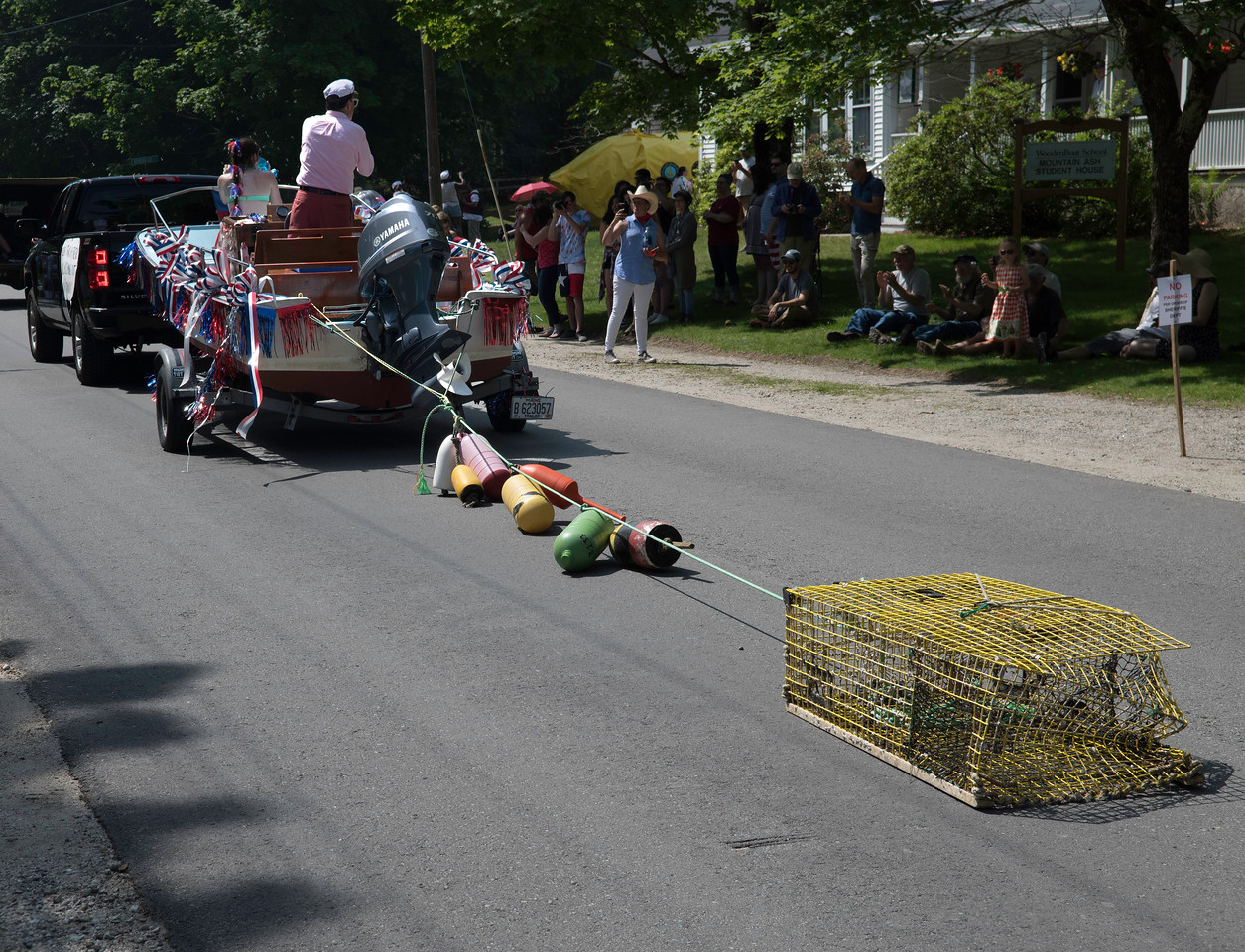
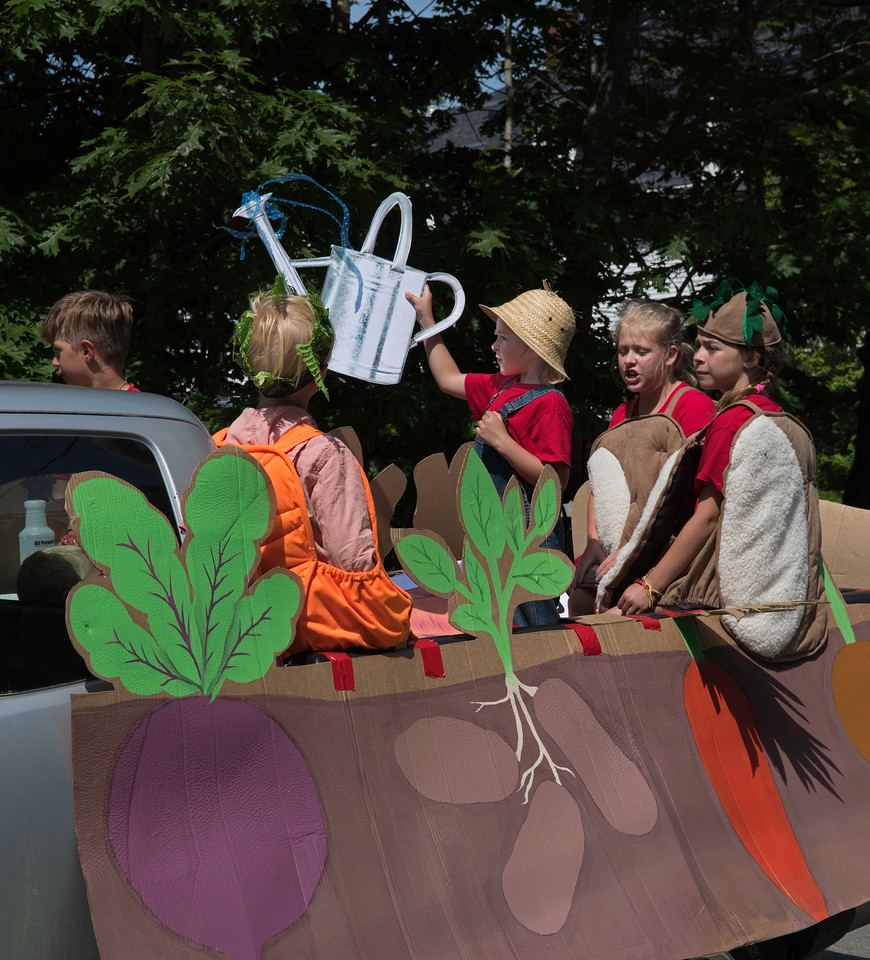
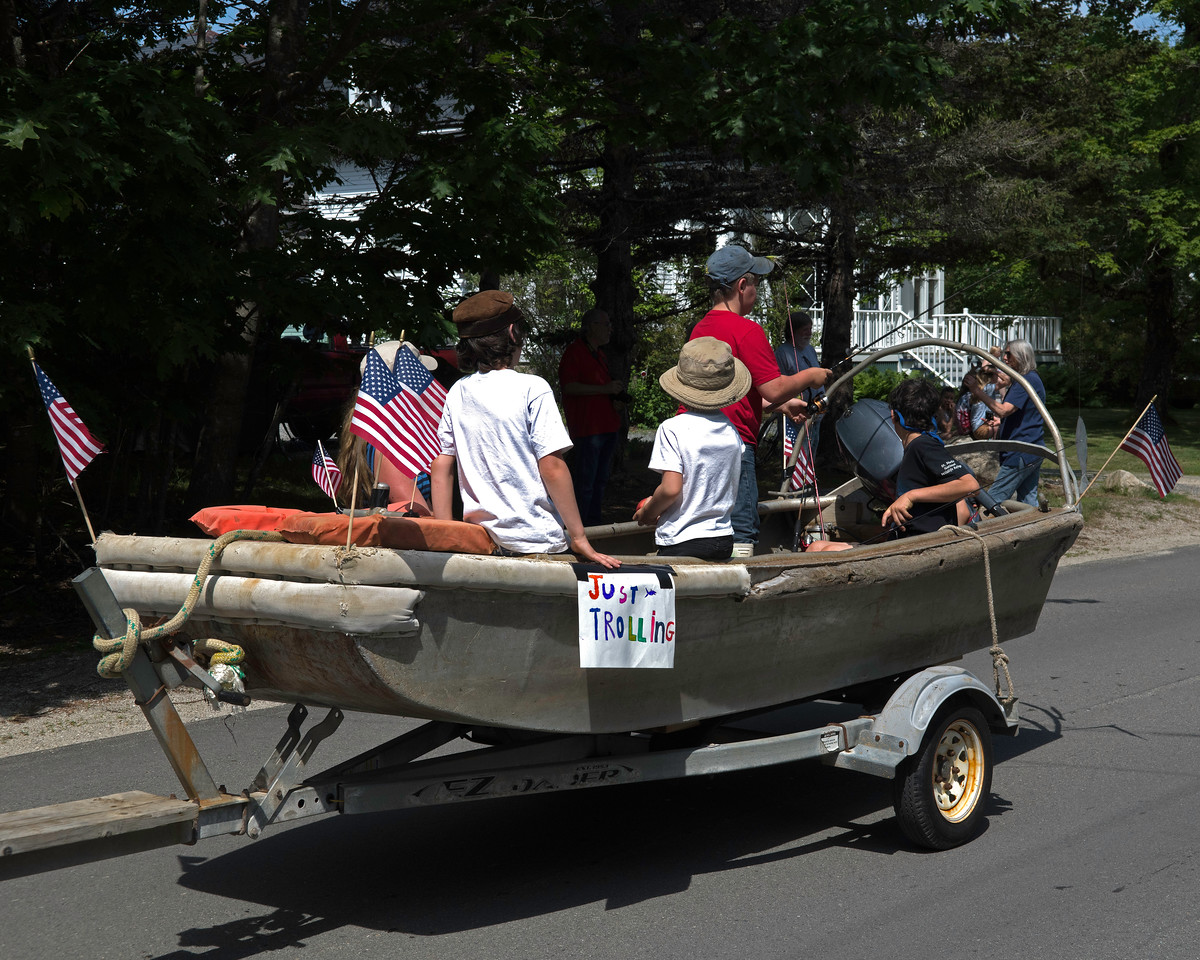
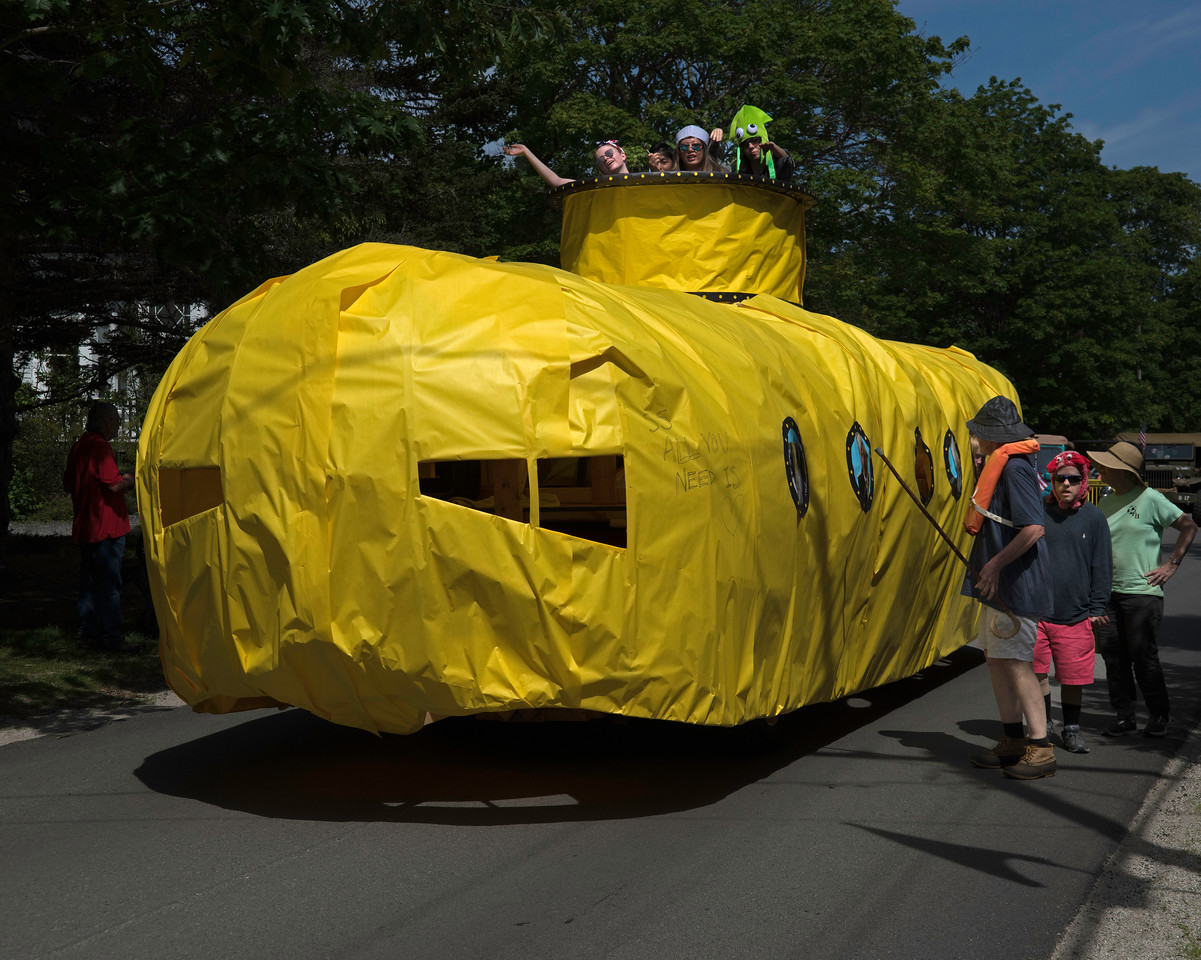
Then, there are imaginative floats and displays created locally. These, unsurprisingly, included many with water themes this year, including synchronized swimming and a yellow submarine that played the Beatle’s song of the same name.

14.jpg
16.jpg

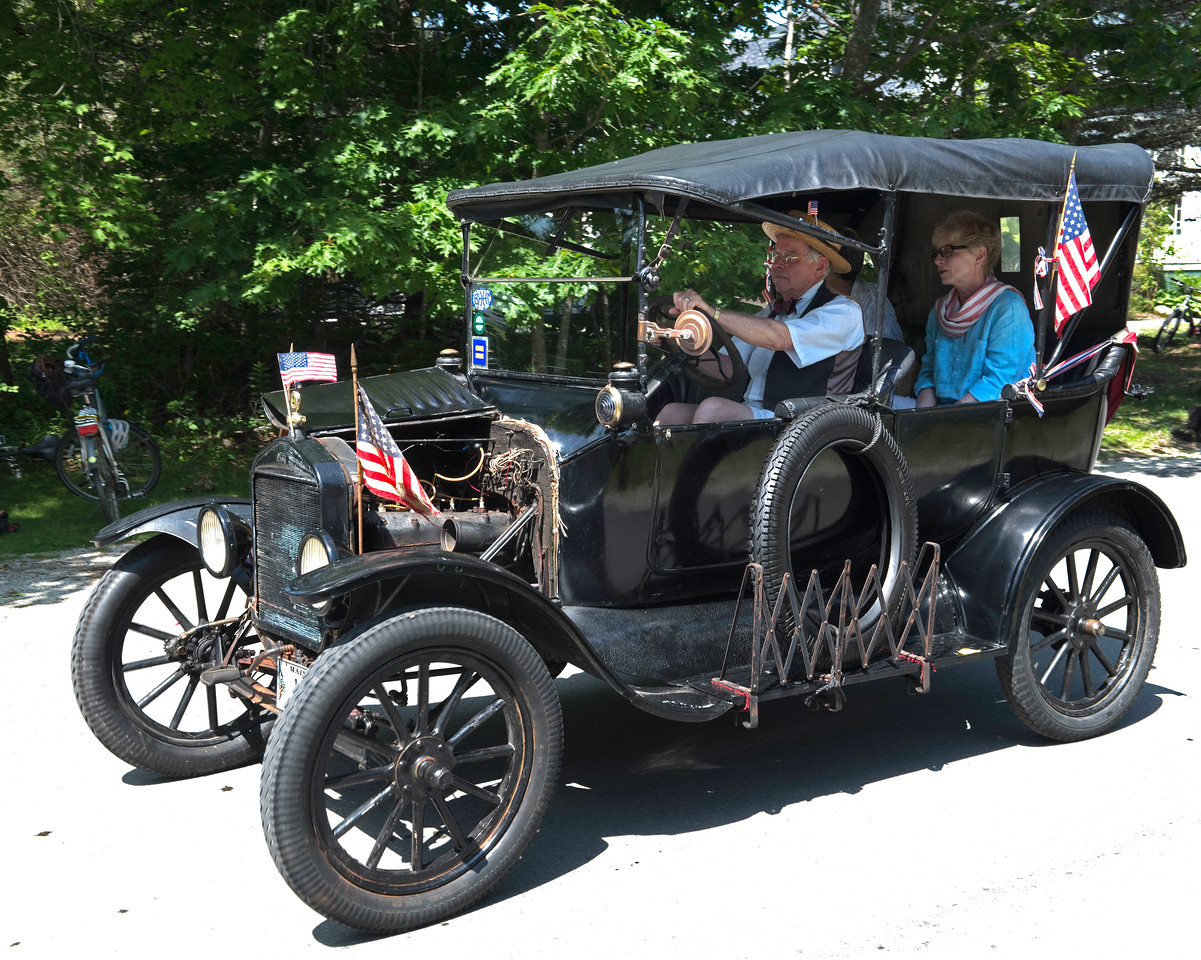
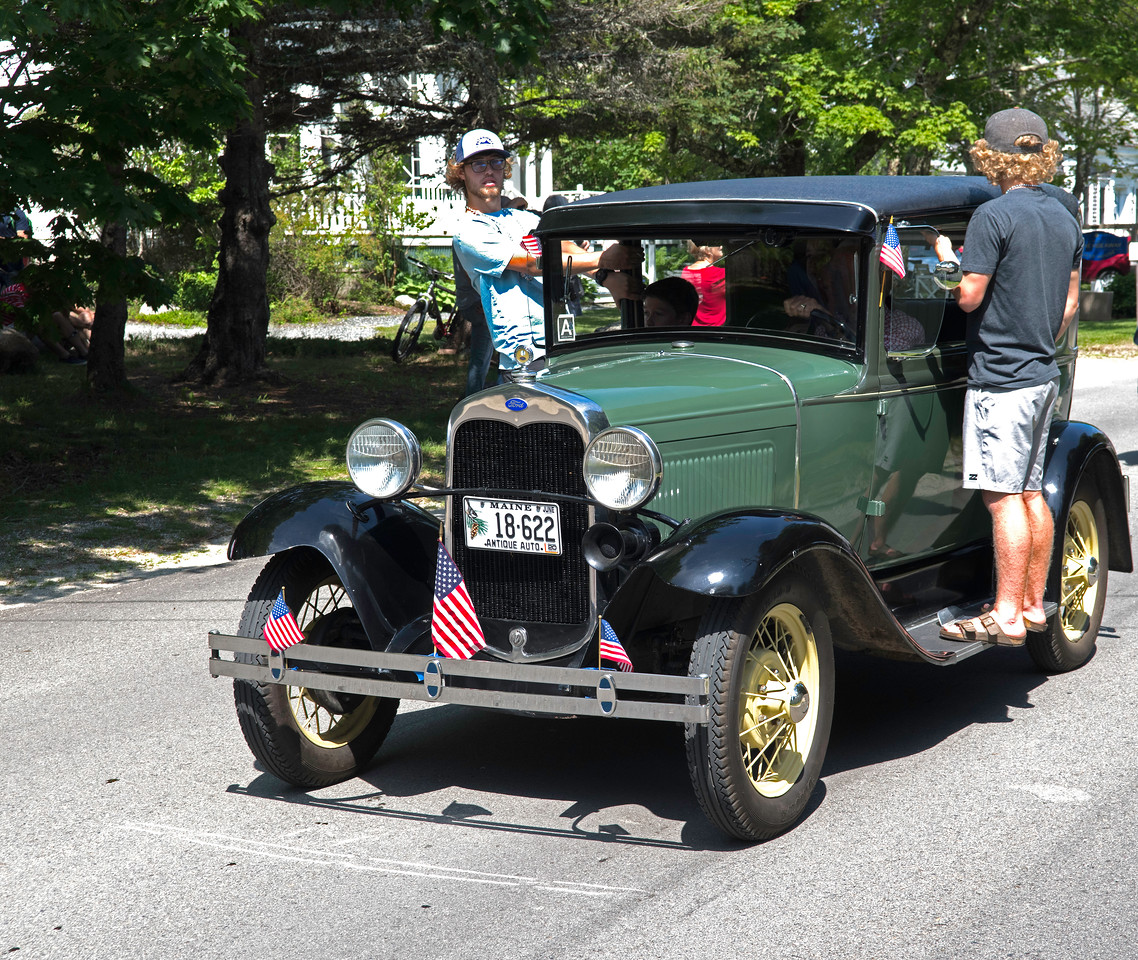
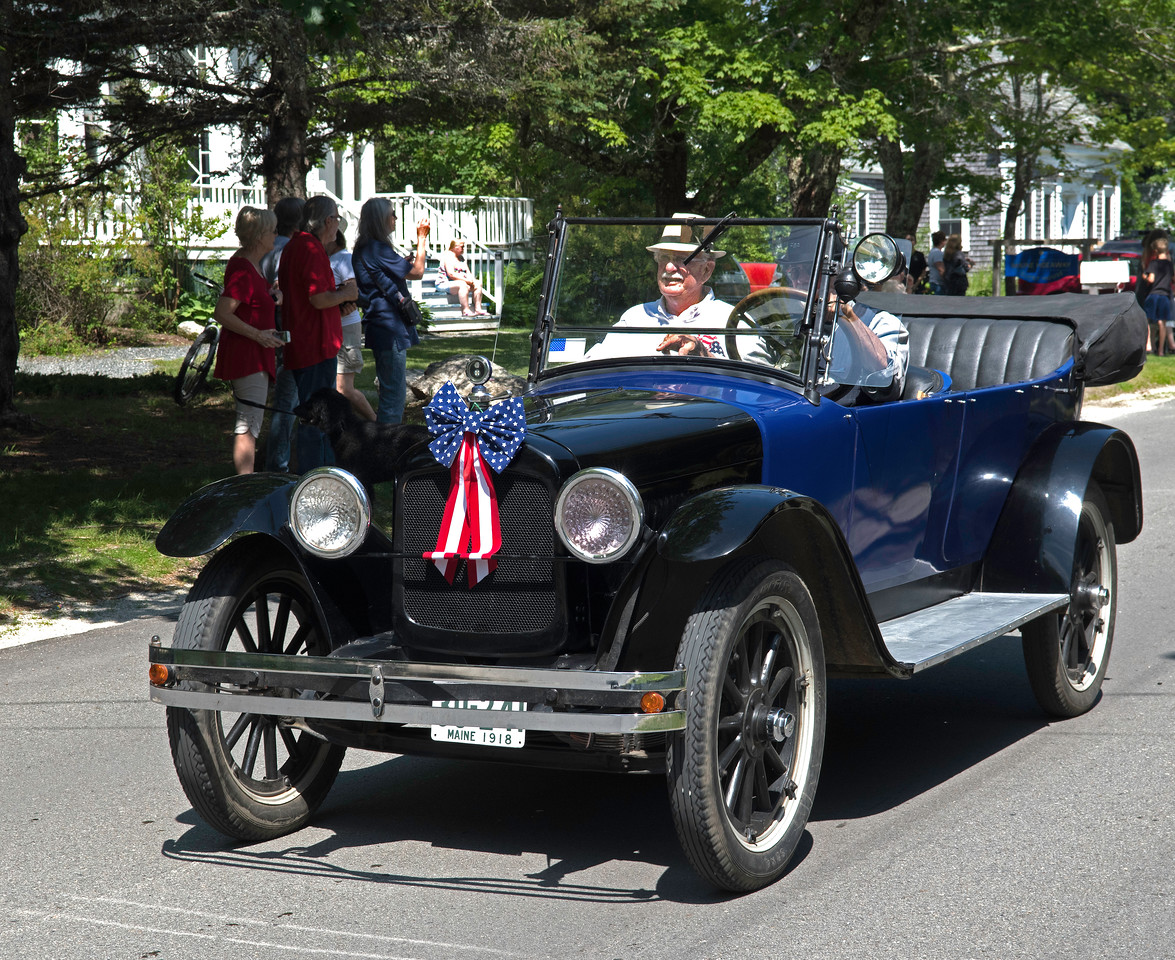
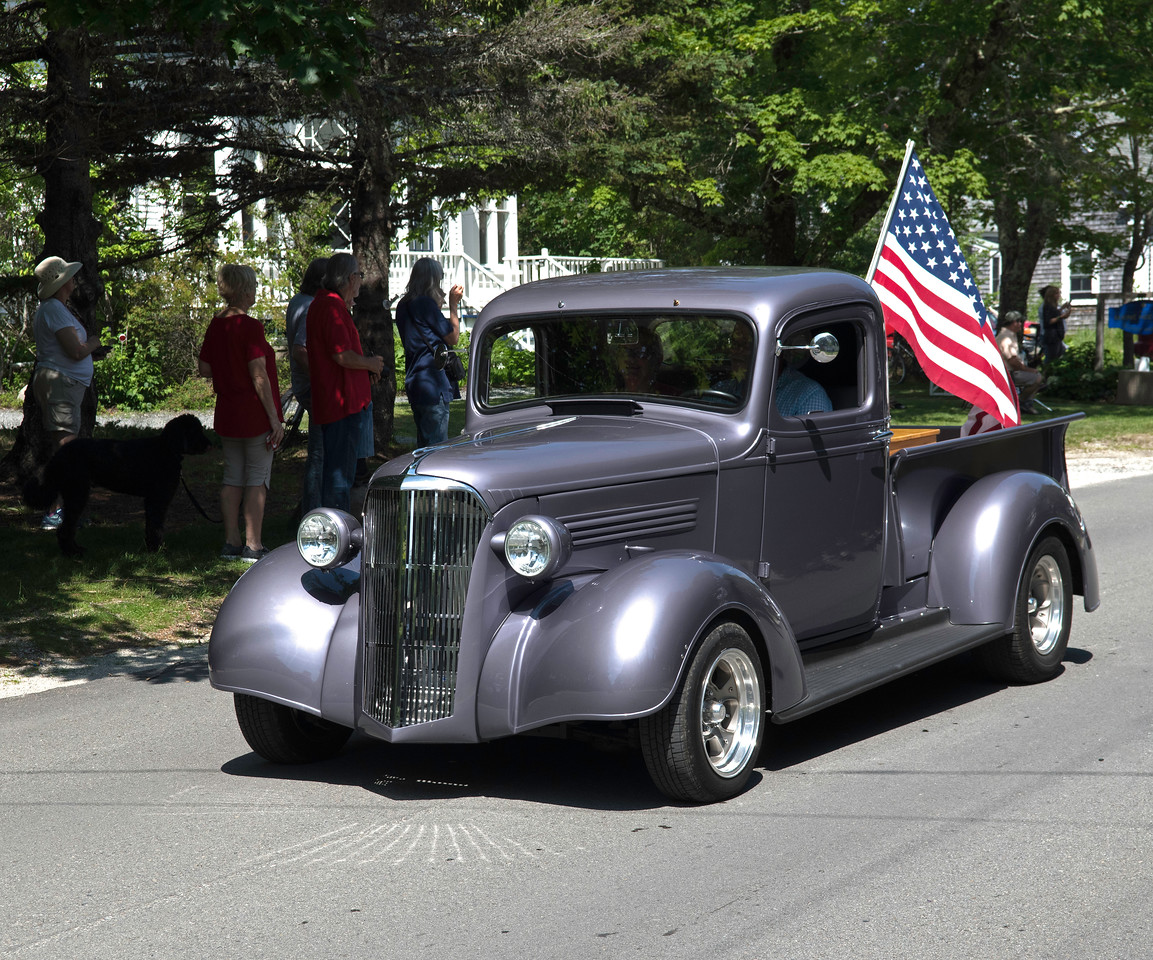
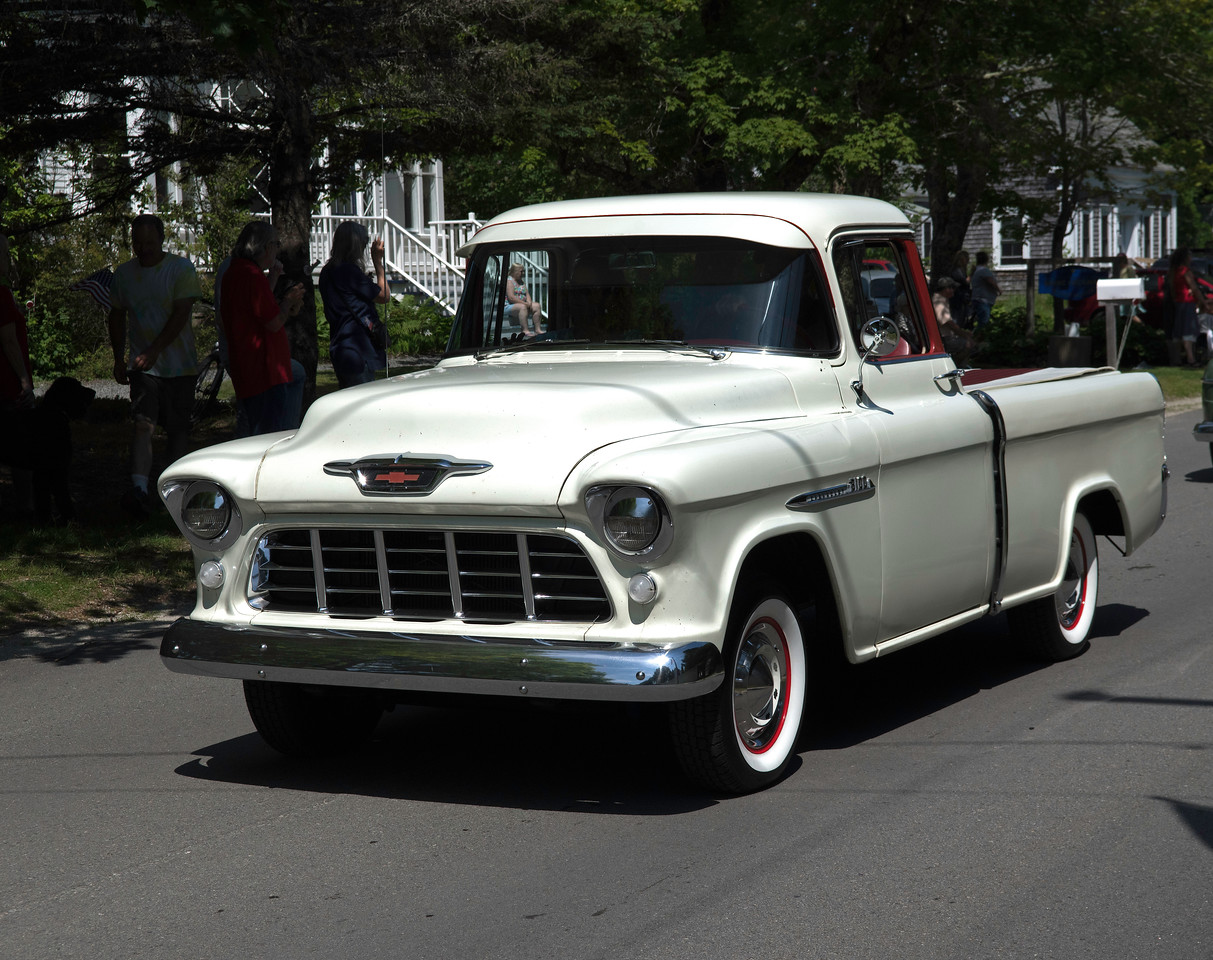
Some fine antique cars and trucks that live up here are always a dazzling part of the parade.

24.jpg
26.jpg
29.jpg

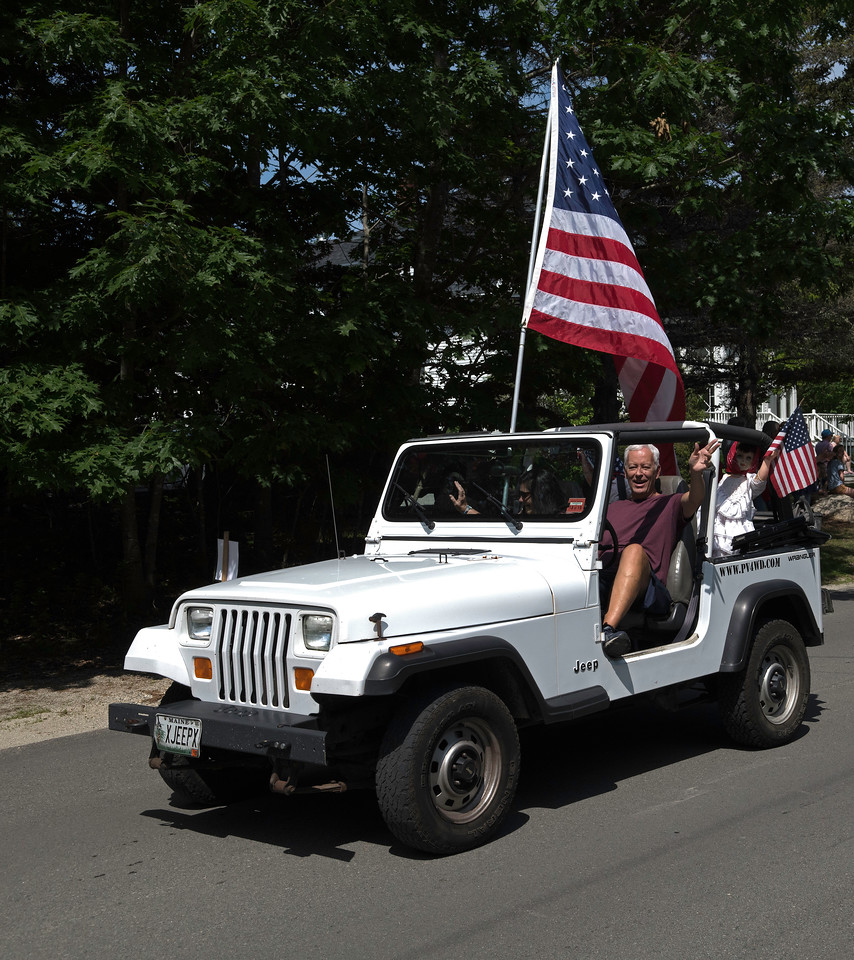
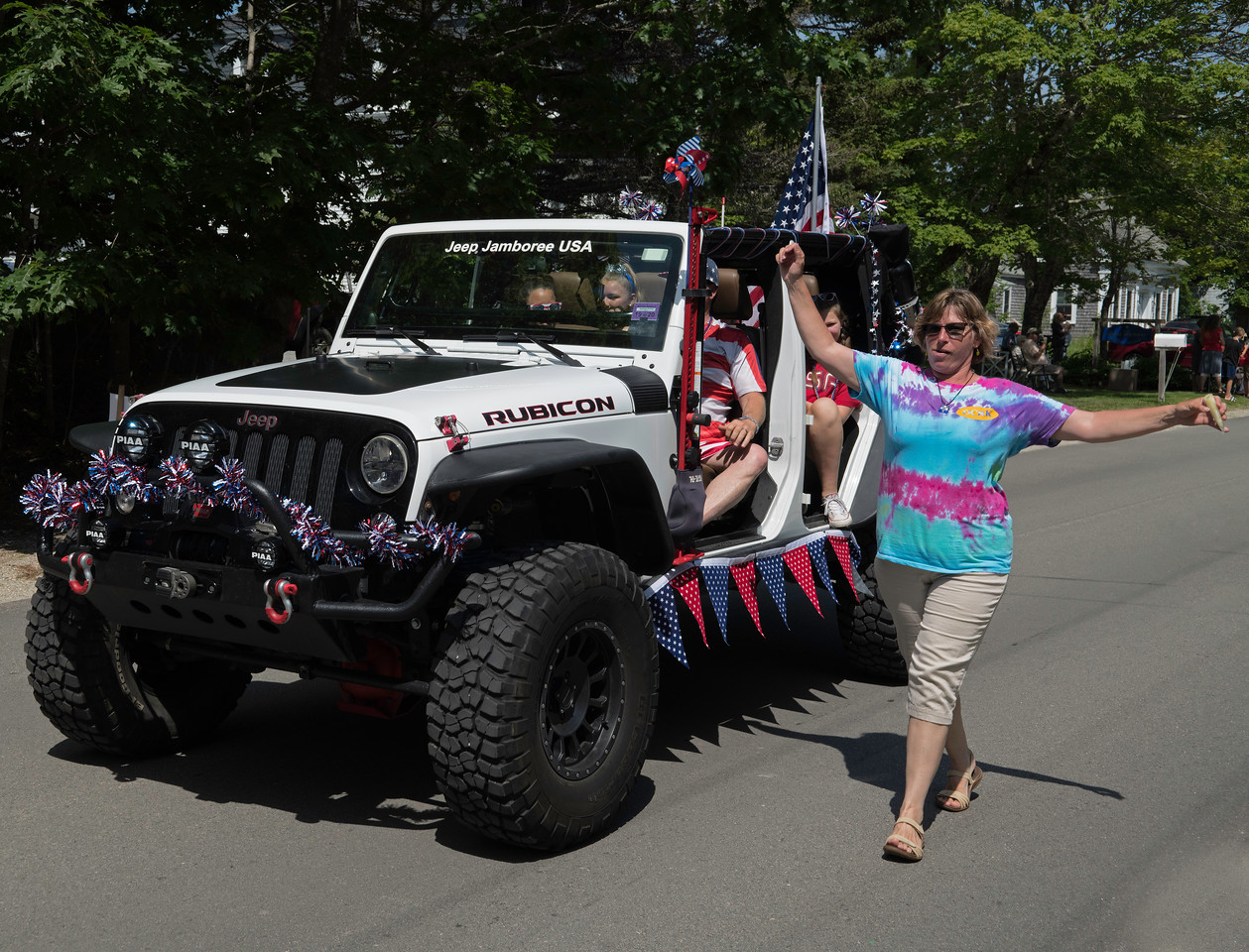
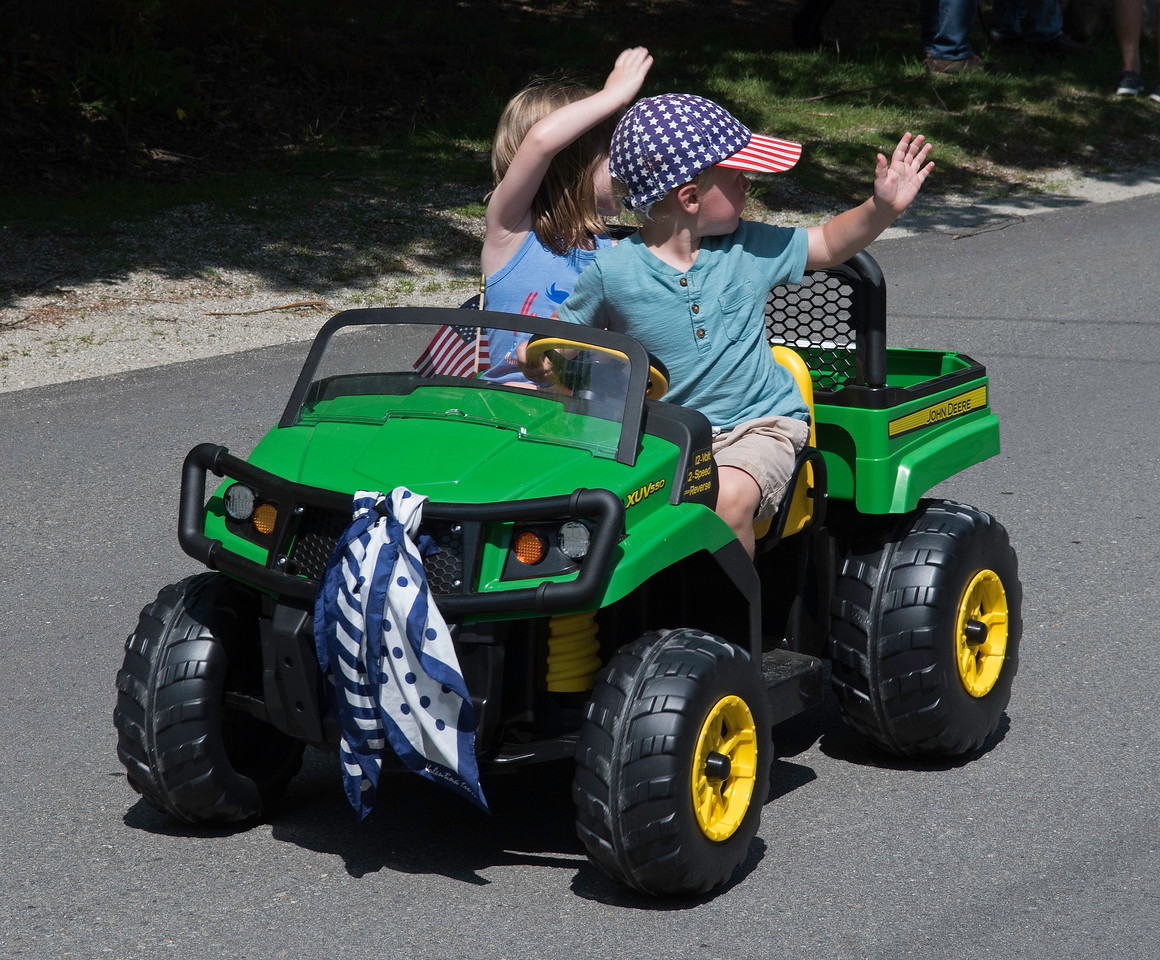
Jeeps and All Terrain Vehicles. usually are among the motorcade, as well.

30.jpg

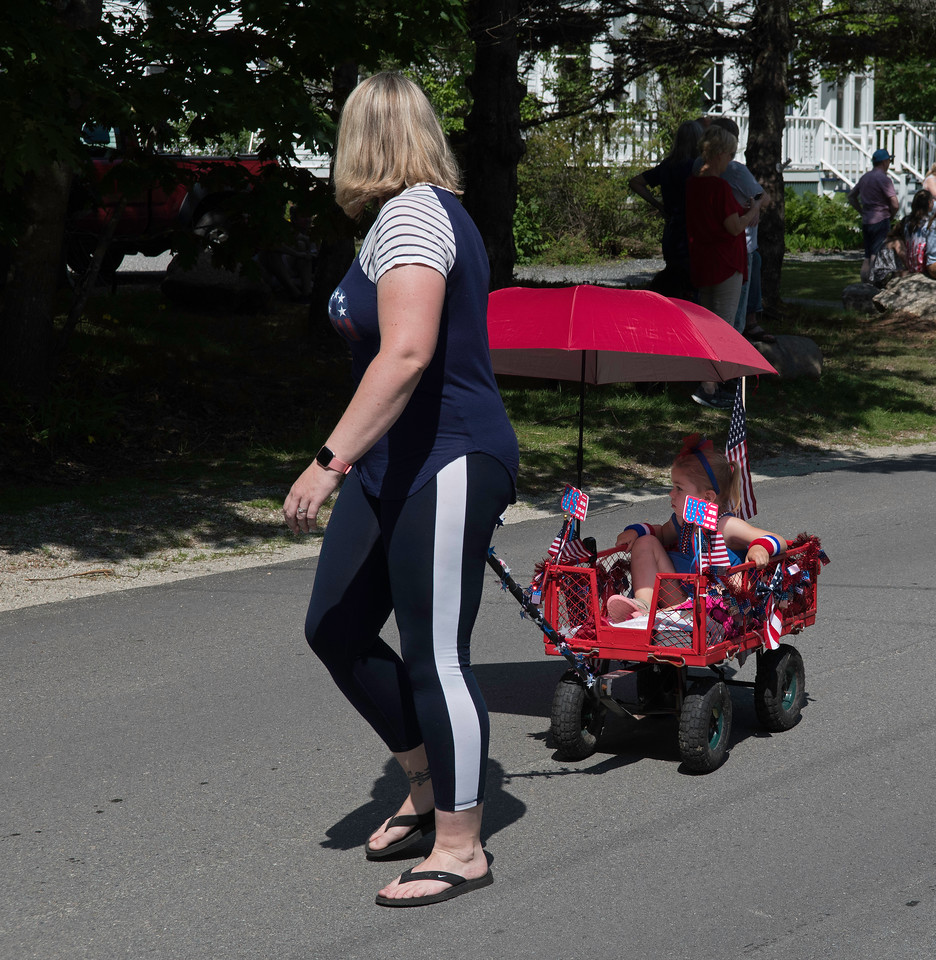
Interspersed are all sorts of people promoting their causes or who just decided that they wanted to march. As usual, dogs get priority seating.

33.jpg

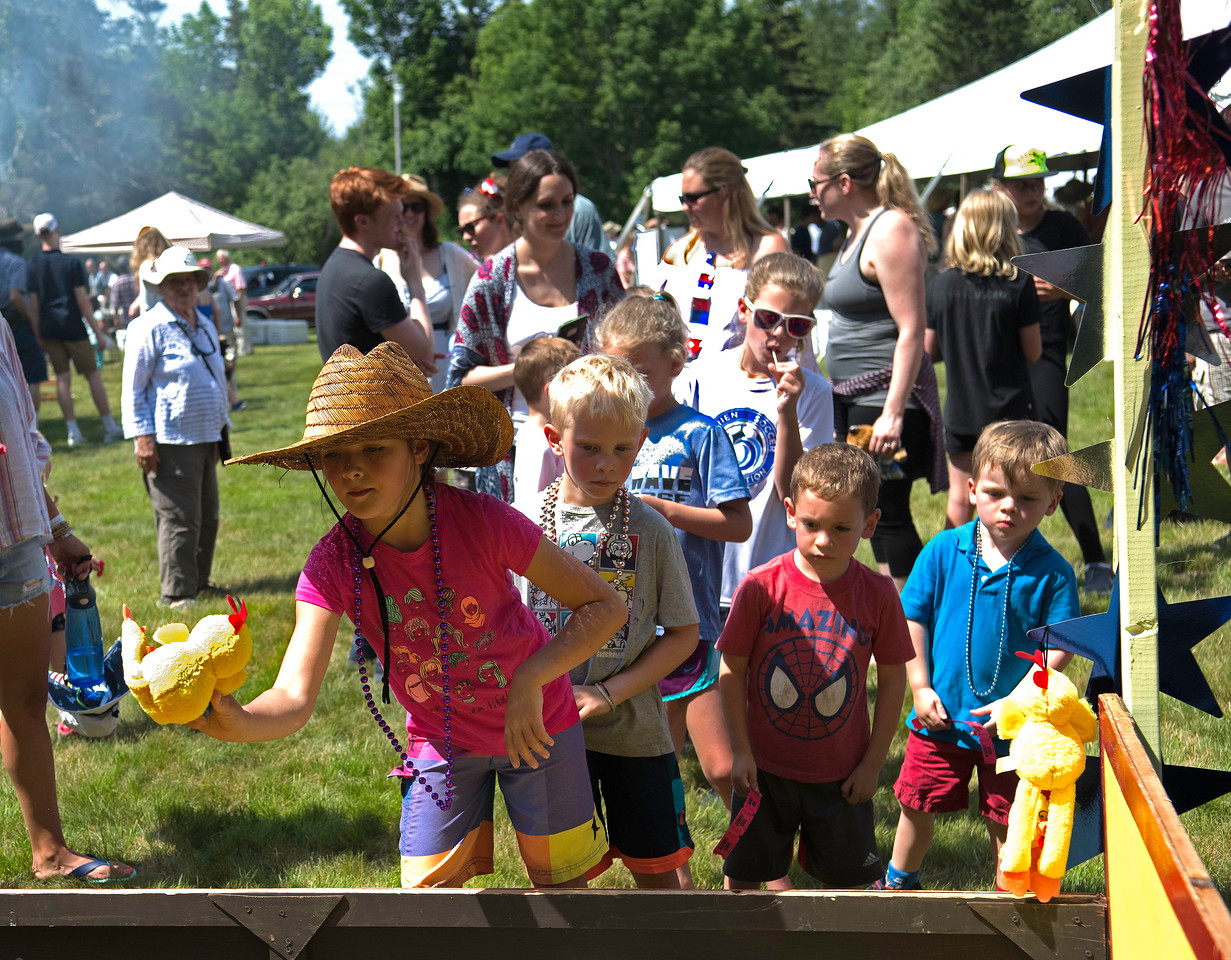
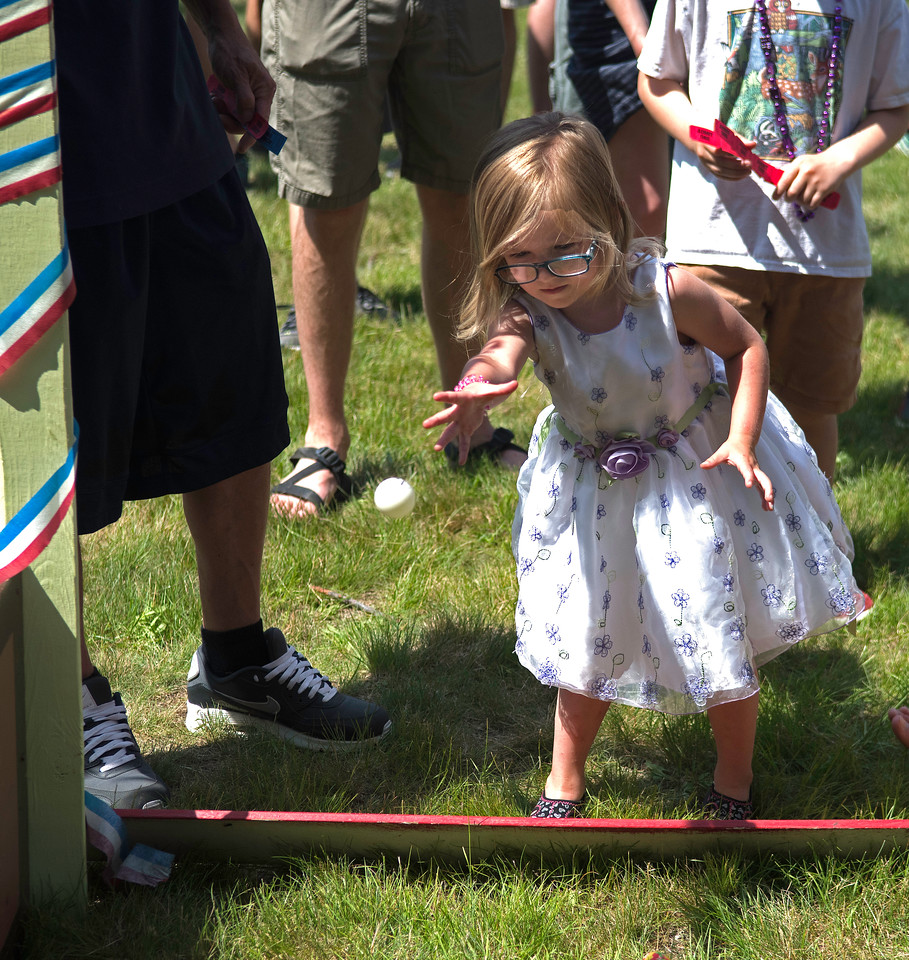
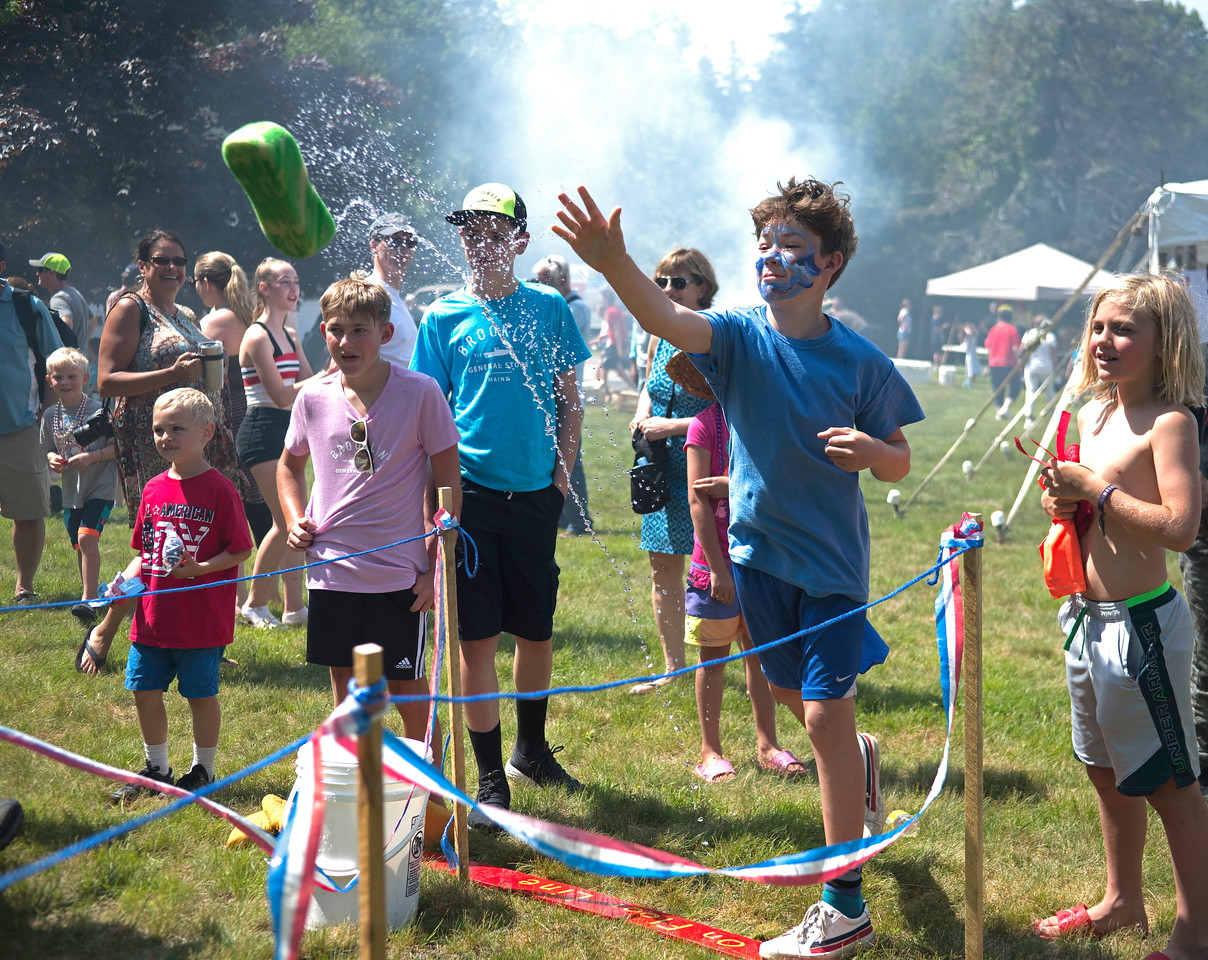
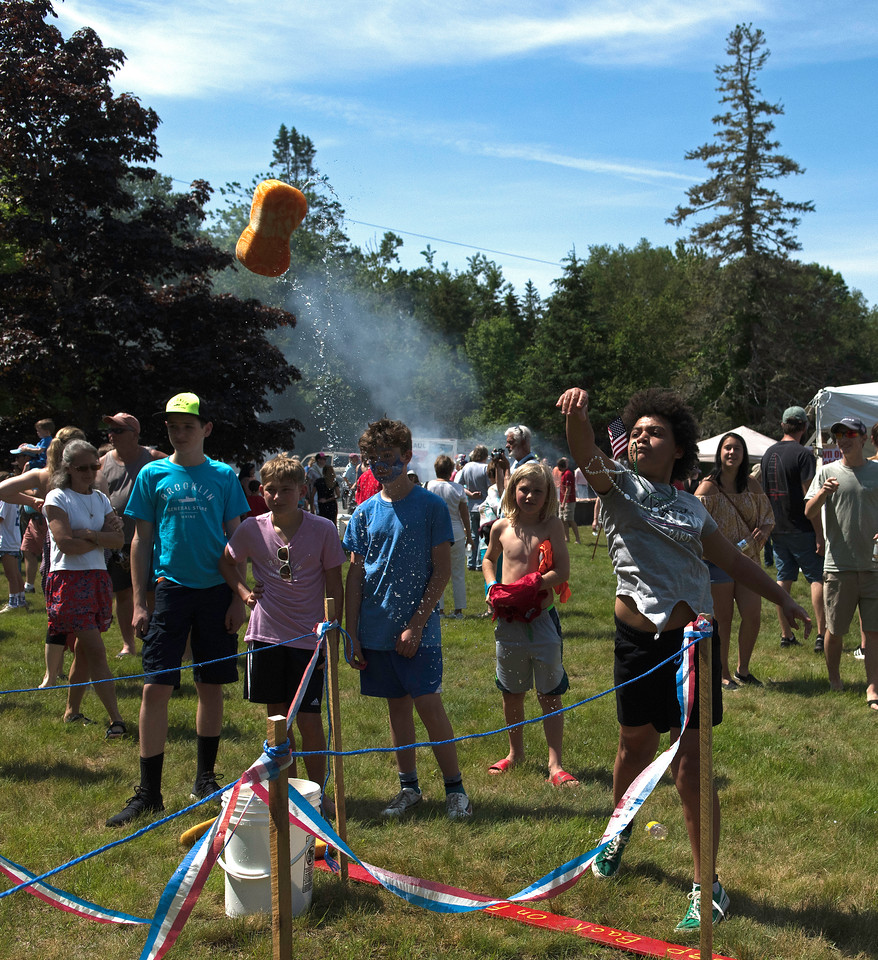
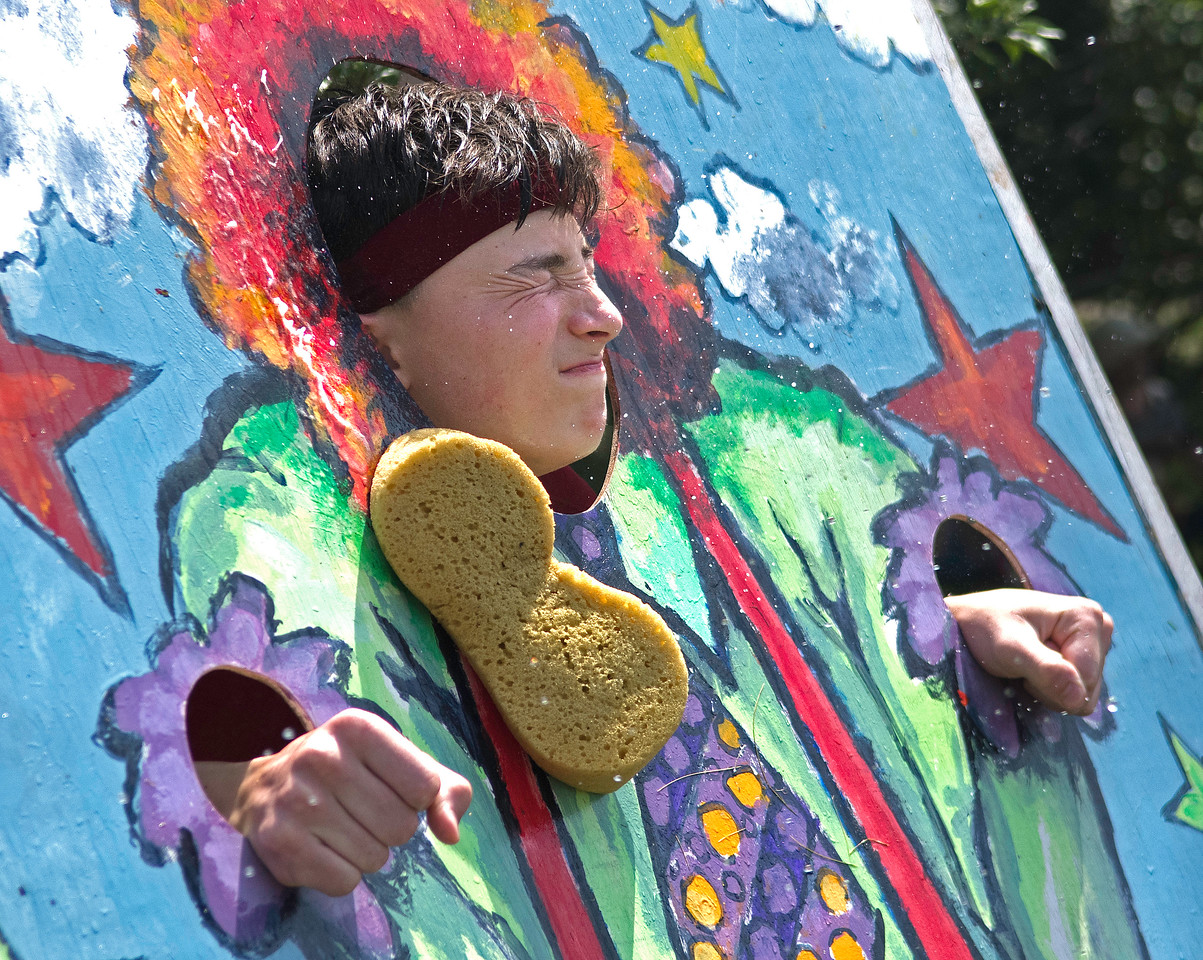
The parade ends at the Town Green, where delicious food and children’s games await and neighbors (full time and summertime) get to enjoy each other’s company. Our teenagers volunteer being targets in the Wet Sponge Toss , where even a near miss can be an uncomfortable experience..

44.jpg
41.jpg

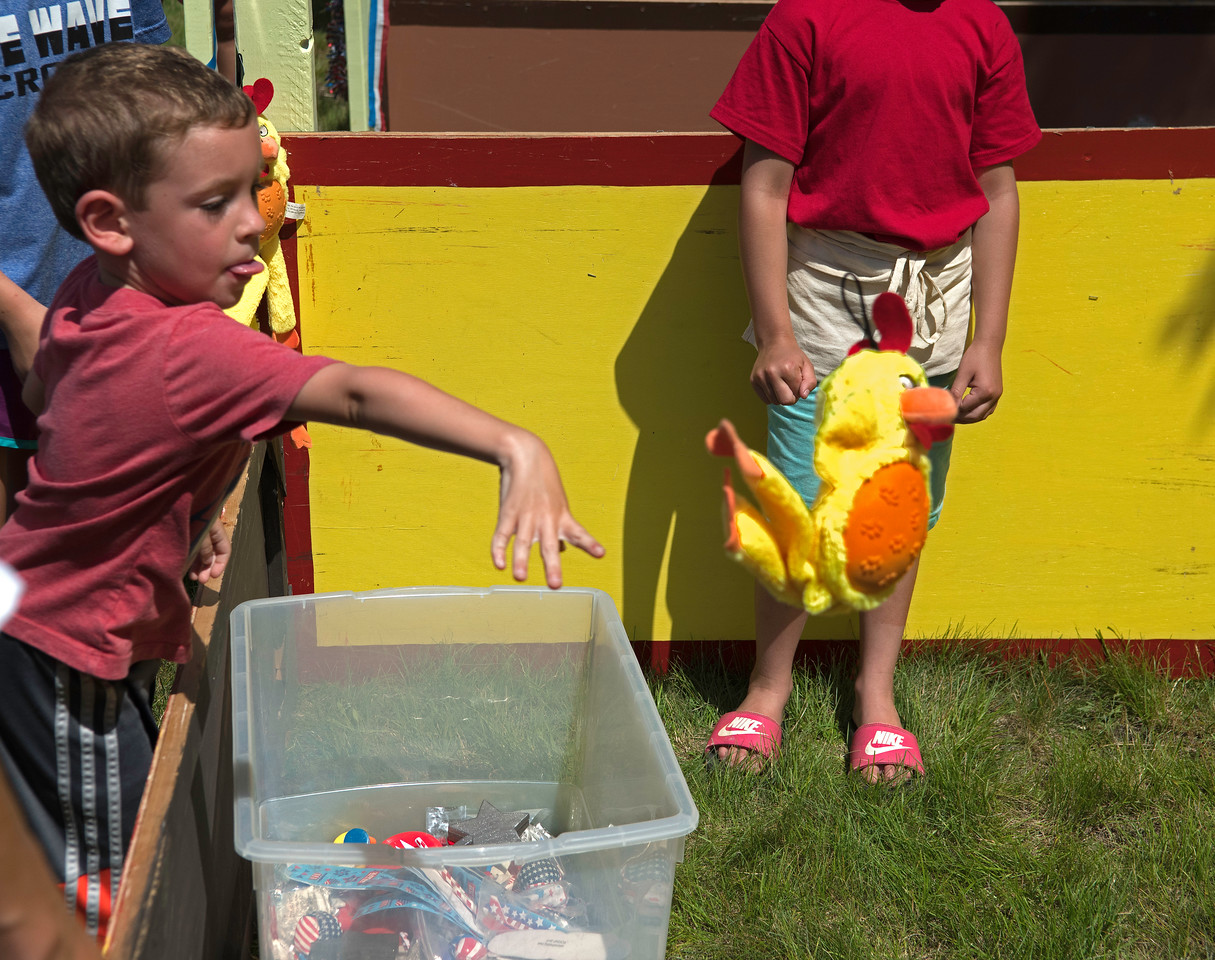
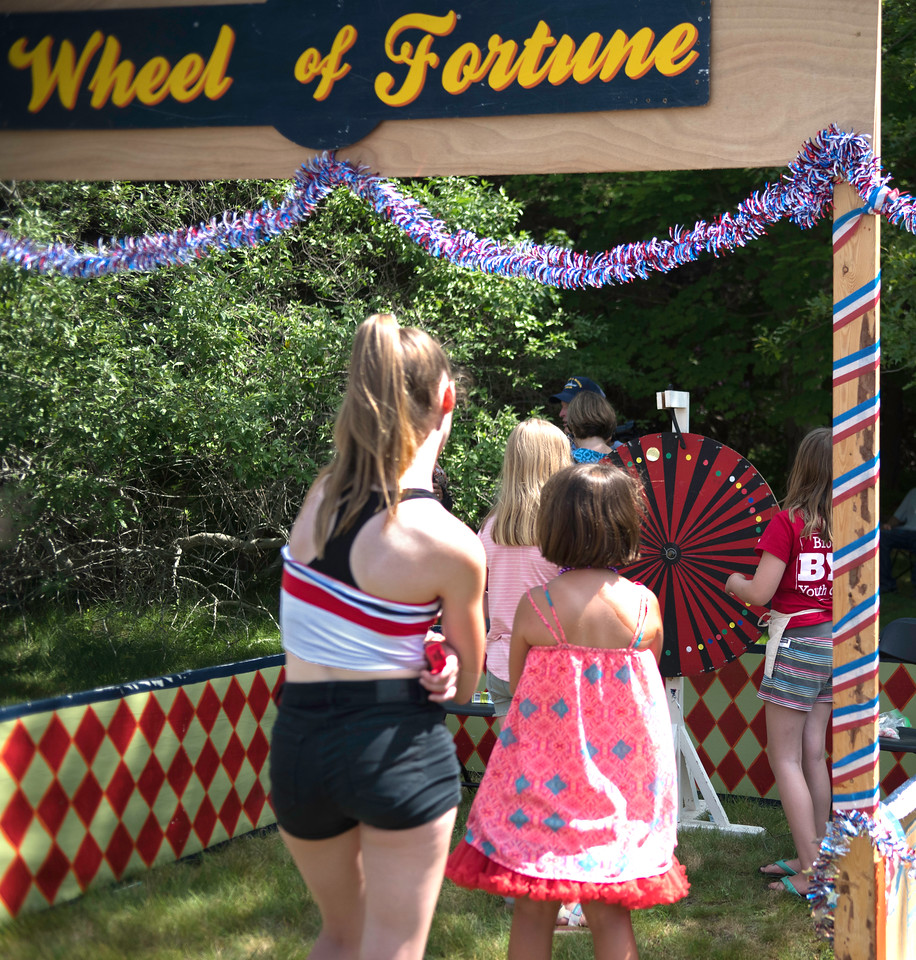
The Dead Chicken Toss also is popular with youngsters., as are the Wheel of Fortune, Ping-Pong Ball Tossinf=g, and really miniature golf.

48.jpg

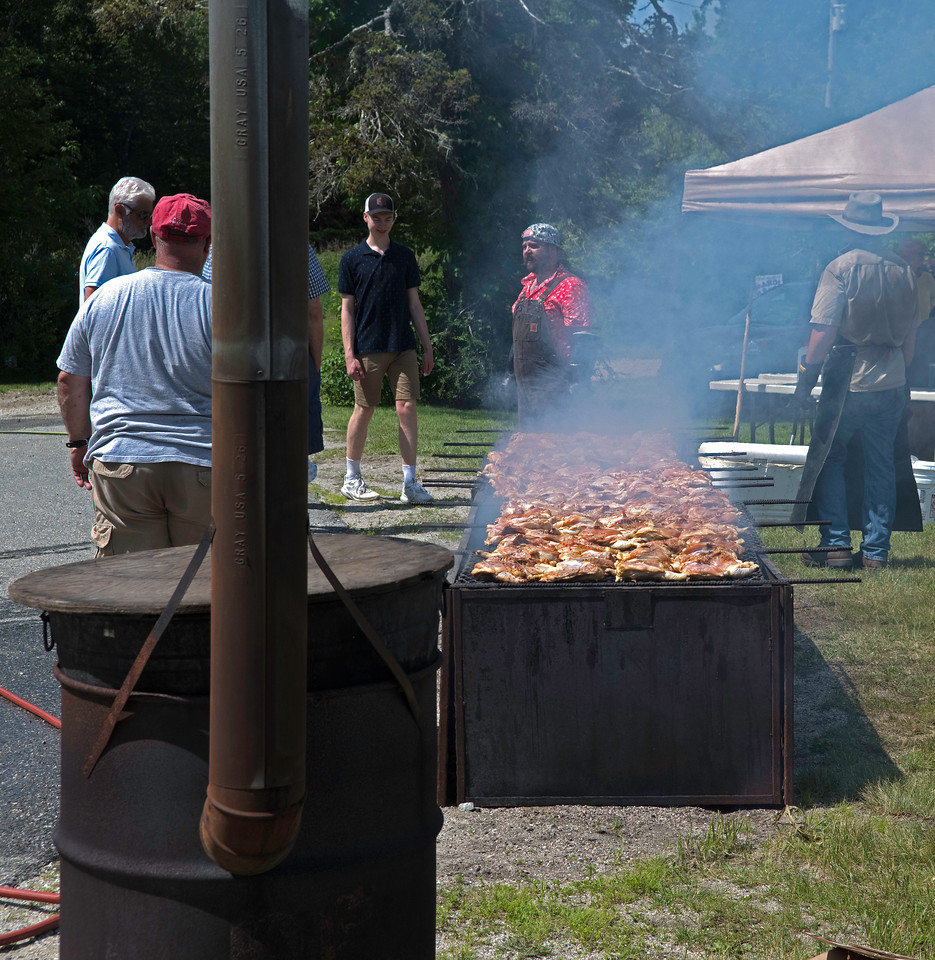
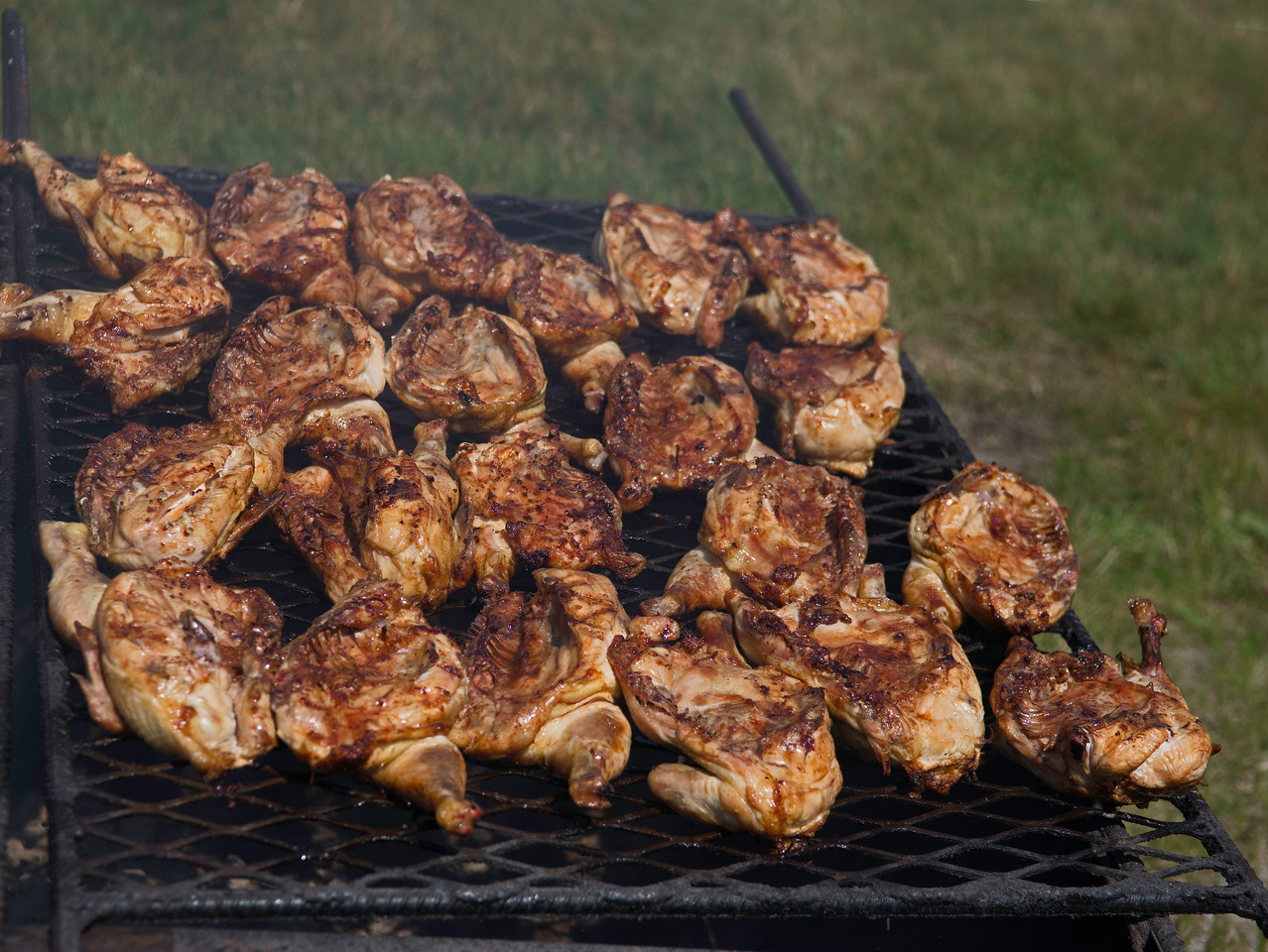
The food, alone, is worth the trip: barbecued chicken, hot dogs, and locally made potato salad and coleslaw, with watermelon. as dessert.

RJL_2874-Edit-XL.jpg

But, of course, friendly conversations on the Town Green and at the food tables under the tent are what make the day special.

55.jpg

(Brooklin, Maine)
4 Comments

Comment

Independence!

1.jpg

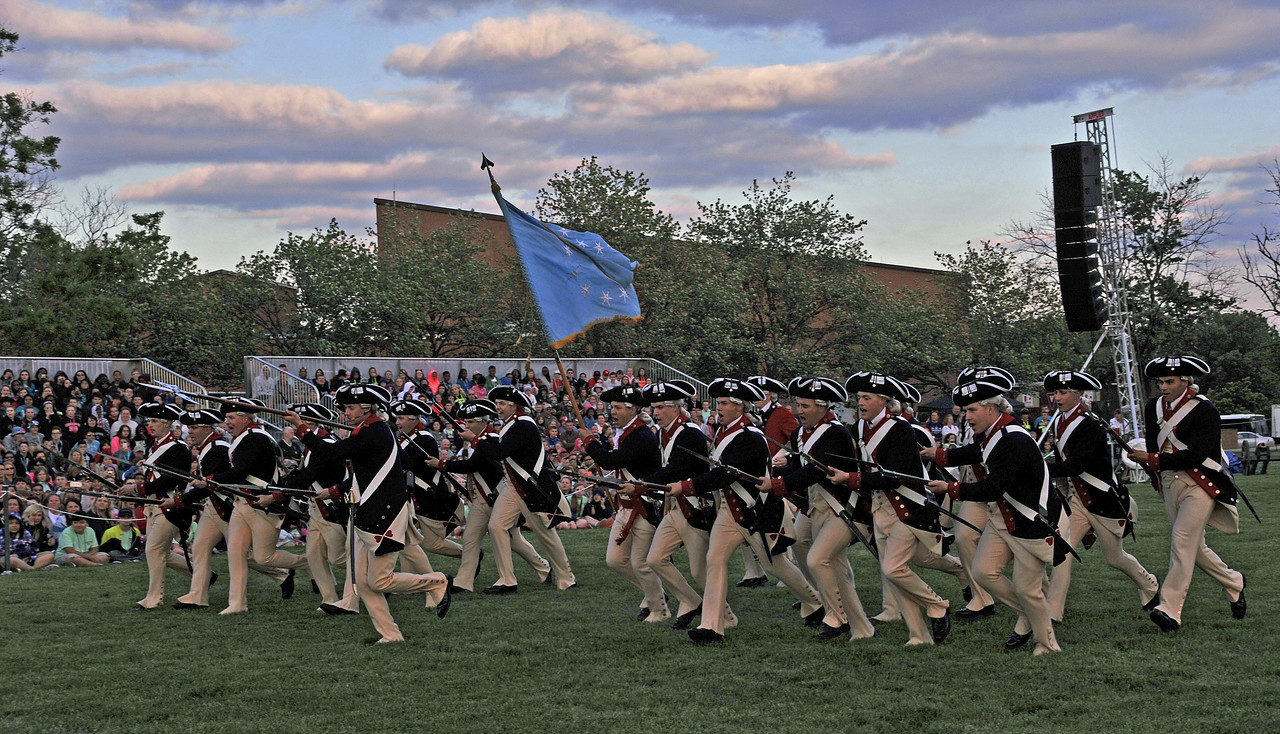
We hope that you have a meaningful, happy, and safe July 4th. The images here are a wonderful reenactment of maneuvers of the Continental Army commanded by George Washington.

It’s performed by the U.S. Army’s 3rd Infantry Regiment (“The Old Guard”) during one of their famous Twilight Tattoos at Fort Meyer, Virginia, a while ago.

Also, as part of the Tattoo, the U.S. Army Band ("Pershing's Own") performed martial music of the era in their Continental Army red ceremonial uniforms.

2.jpg
3.jpg
4.jpg
5.jpg

Comment

Comment

In the Right Place: Typical

Here, we’re looking at Cadillac Mountain and the rest of Acadia National Park from Brooklin across Blue Hill Bay. It's July 1 and a typical Down East summer day, unlike most of the days in June’s dismal rain-o-rama. (Weather records show that our precipitation this June was over three times the average.)

i-3zRfF6T-XL.jpg

Yesterday was sunny, except for a wind and rain tantrum in the afternoon that came and went in 15 minutes. This morning dawned sunny and clear, with delicious fresh breezes wafting up from the sea. Tomorrow, Independence Day, is supposed to be sunny, but unusually hot. Oh well, that’s better than the gods raining on our July 4th parade. Let’s hope that a real Down East summer has come to stay.

(Brooklin, Maine)
Comment

Comment

In the Right Place: Reckless

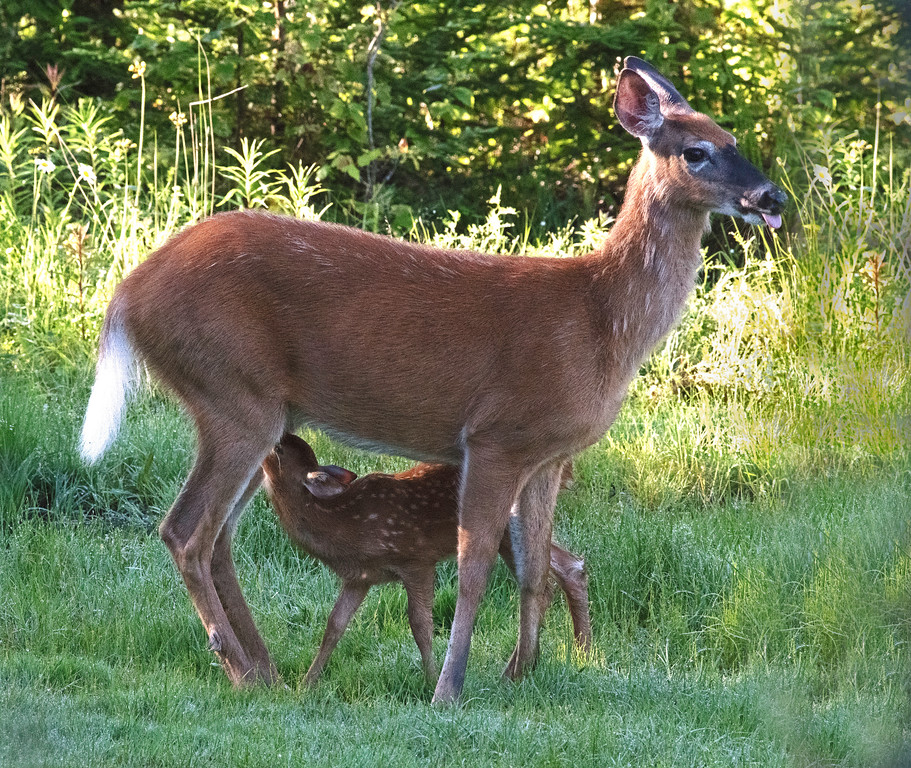
We’ve seen this White-Tailed Deer fawn twice in the past week.

1.jpg

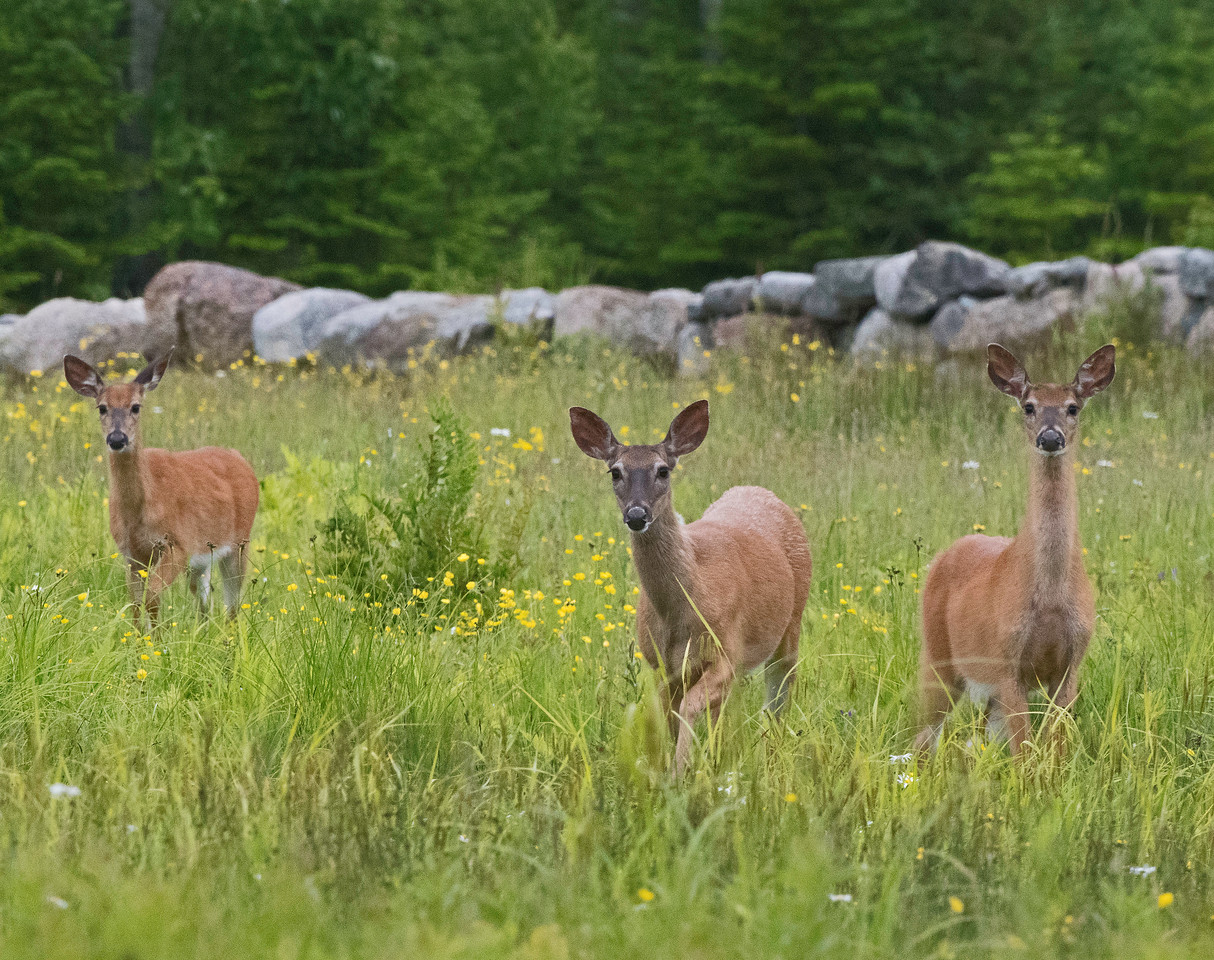
It and its Mother have stayed mostly in the shadows, so it’s been even more difficult than usual to tell its sex. It has one characteristic of a buck fawn: it cavorts around recklessly, usually in 50- to 100-foot circles around Mom, who often has to pursue it when it refuses to come.

2.jpg

The other two major characteristics of buck fawns are a flatter head than doe fawns and white spots where the buck’s button antlers will appear. We haven’t been able to check these out carefully. White-Tailed fawns reportedly weigh between four and eight pounds at birth in the late spring or early summer. By November, the bucks reportedly weigh up to 85 pounds and the does up to 80. (Brooklin, Maine)

Comment

June Postcards From Maine

5 Comments

June Postcards From Maine

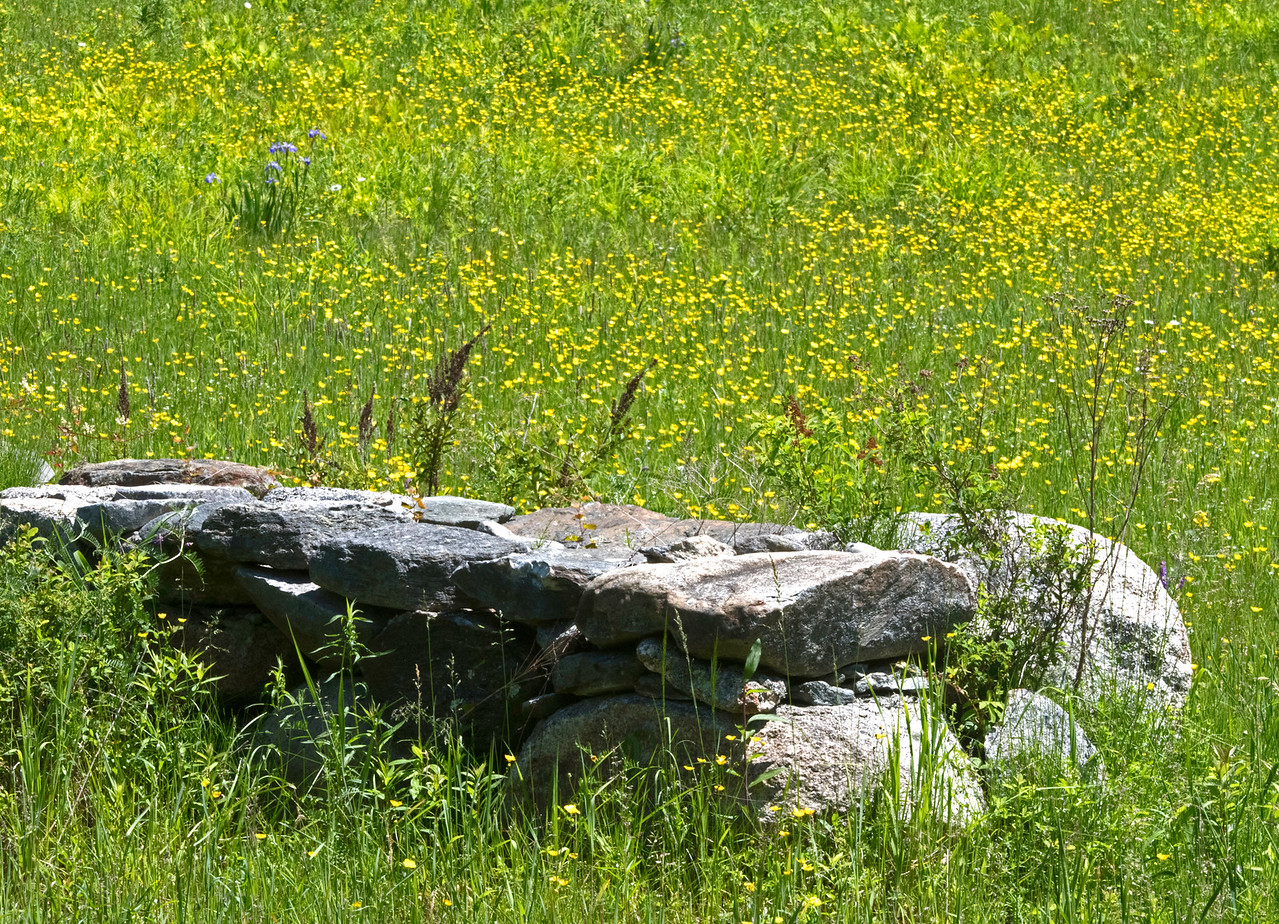
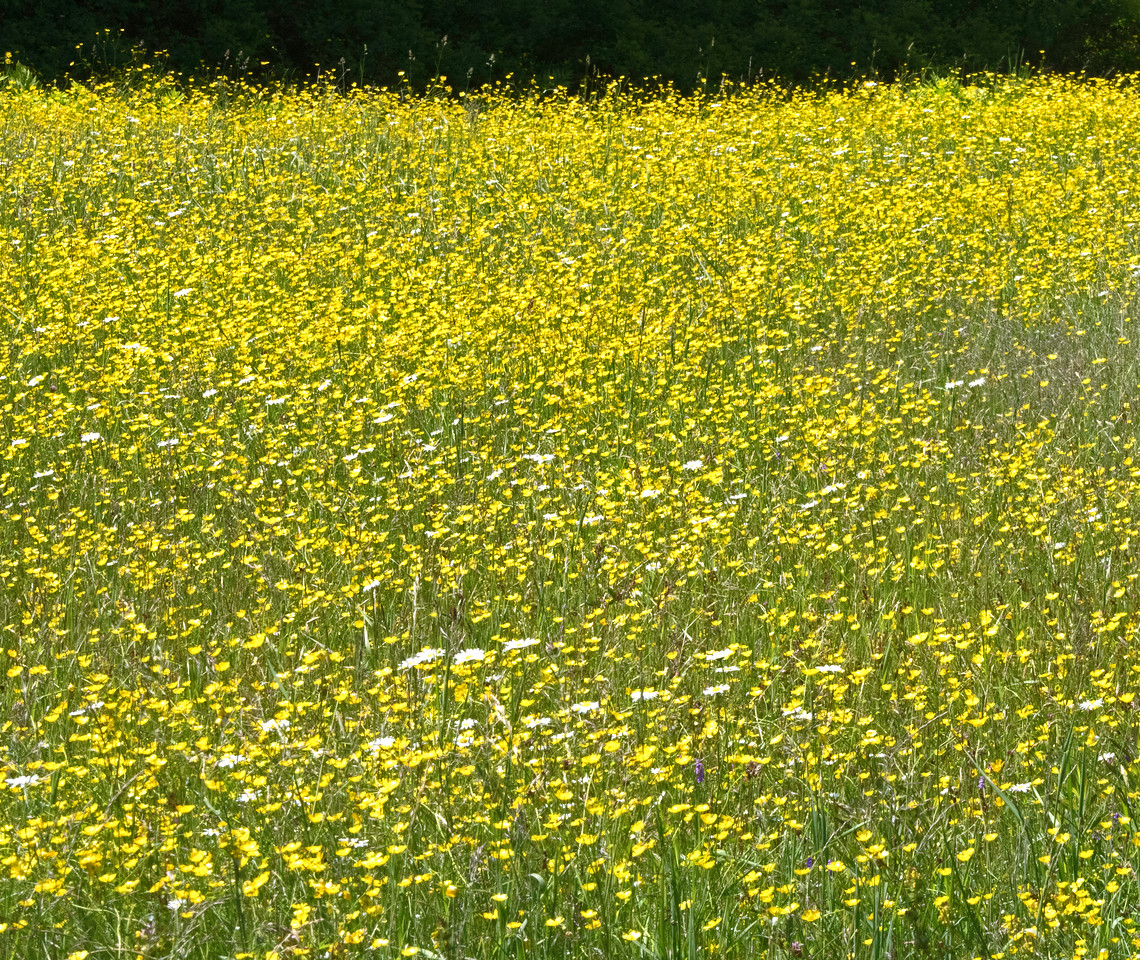
June is when bright summer wild flowers mysteriously flood many fields and the lush field grasses reach deer bellies.

1.jpg
7.jpg

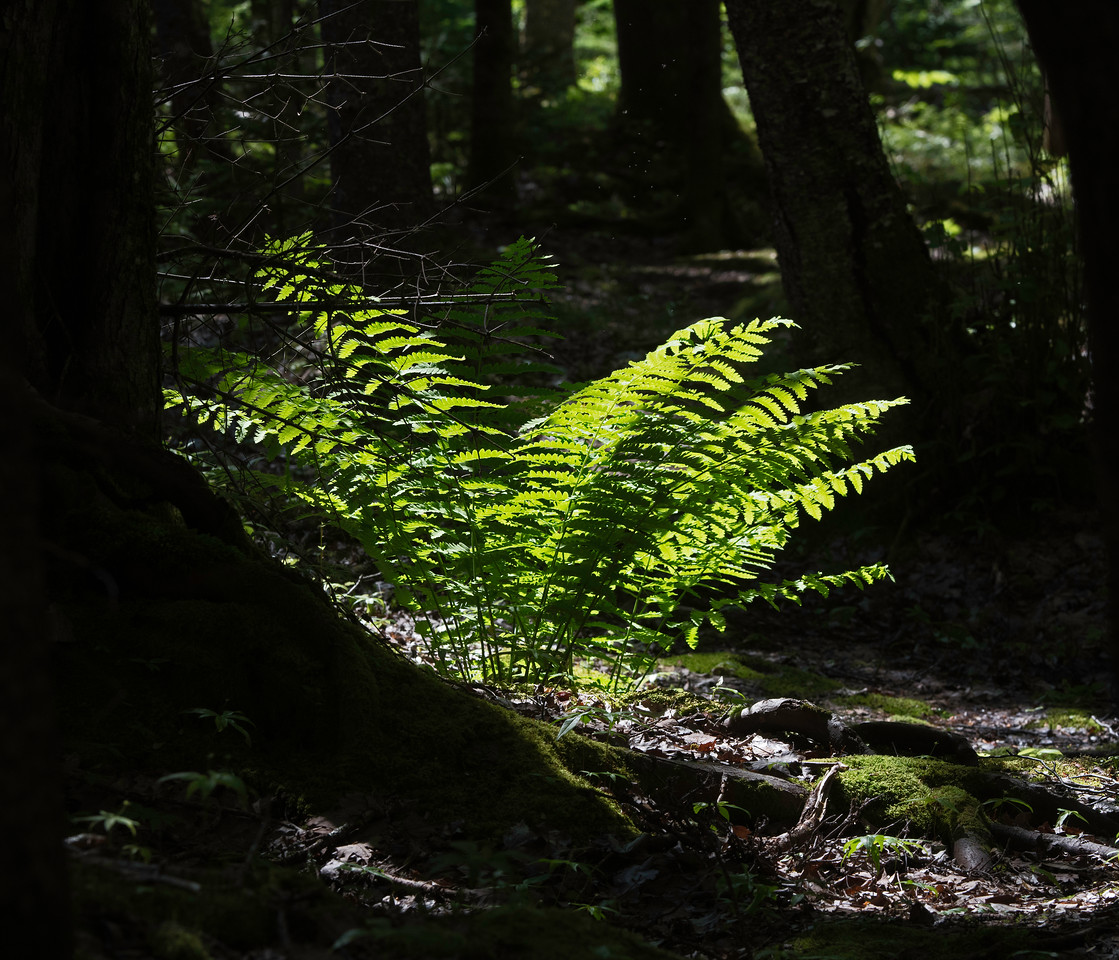
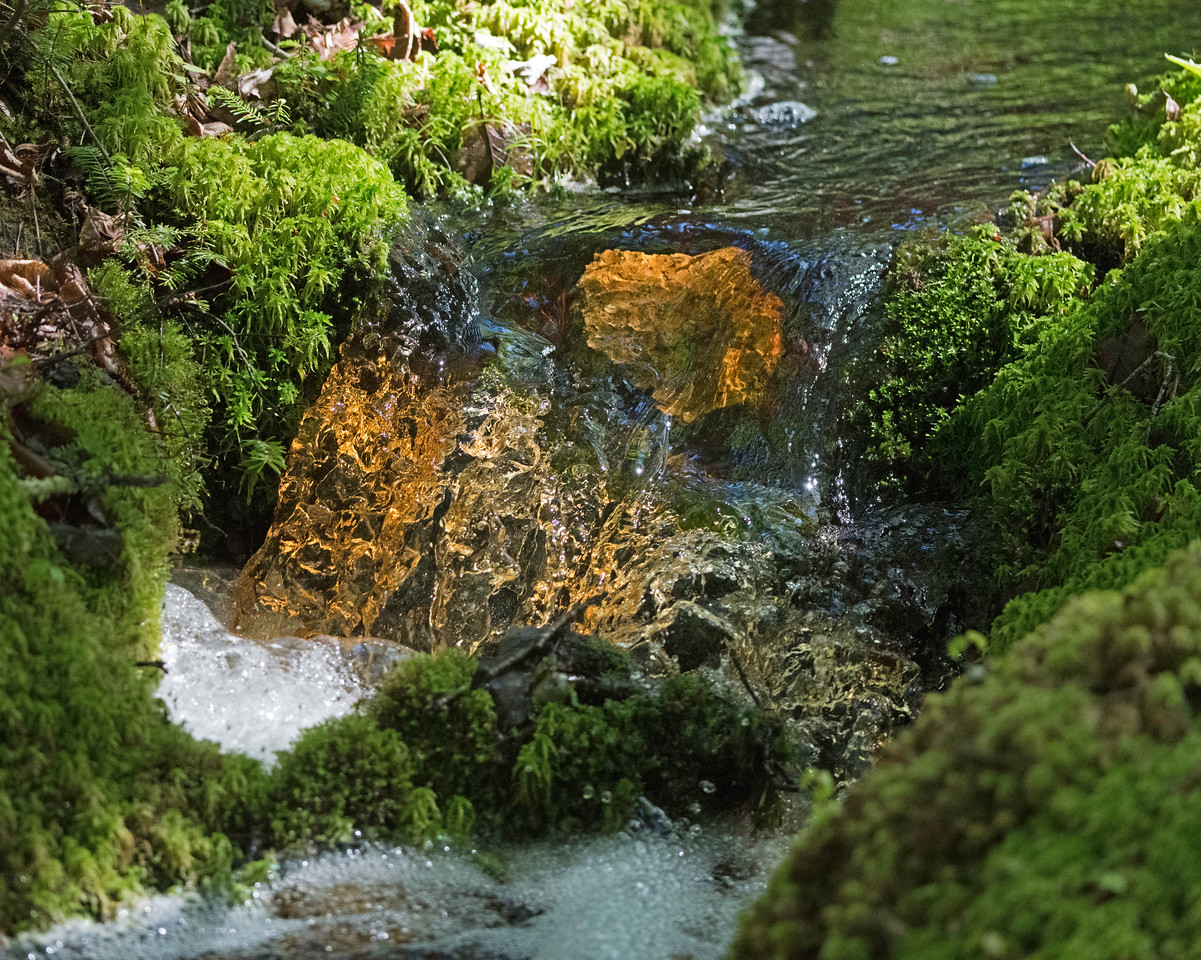
New tree leaves fill most of the woods’ canopy in June, creating pools of light and dark. Record-setting rain and fog during the month seem to have made this year’s greens greener, the streams deeper, and tourists wetter.

2.jpg

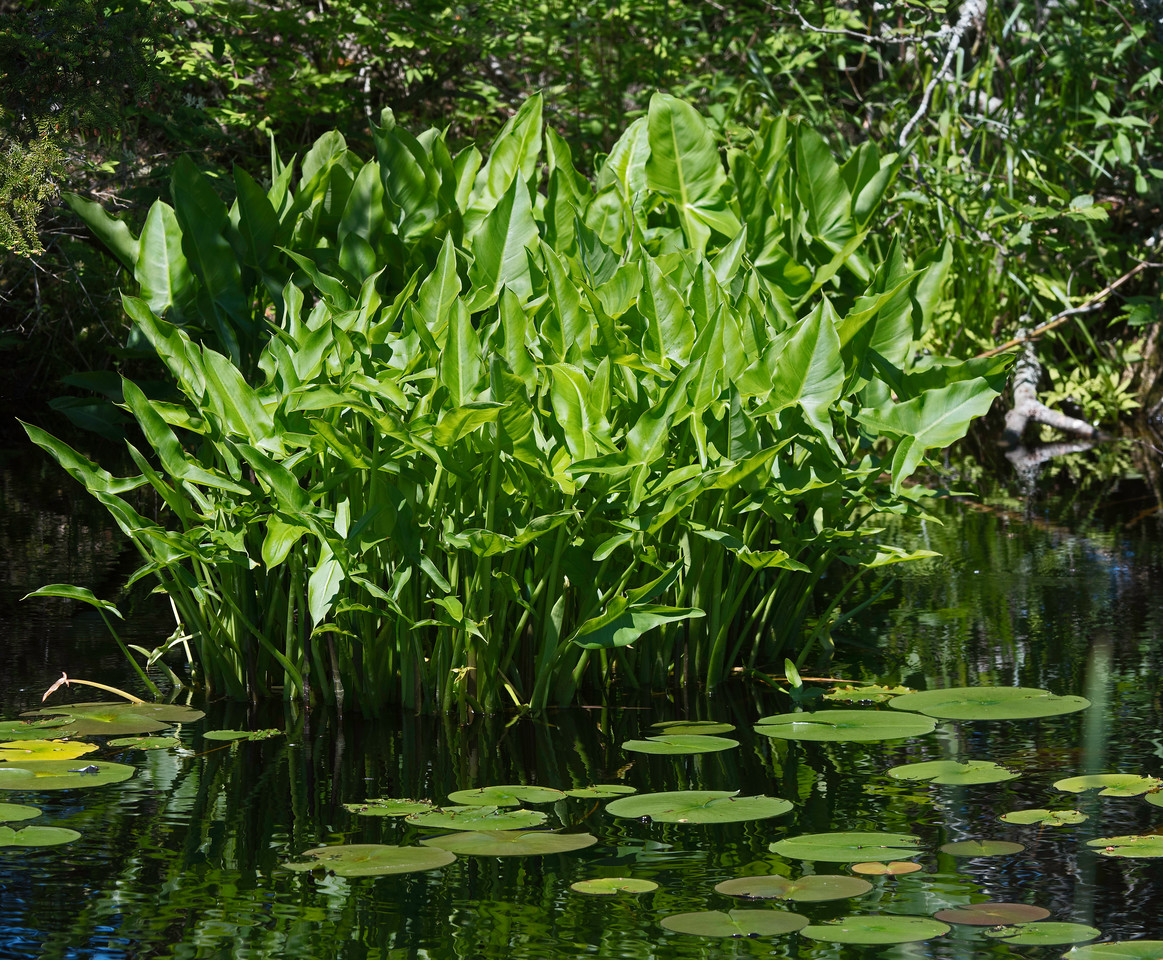
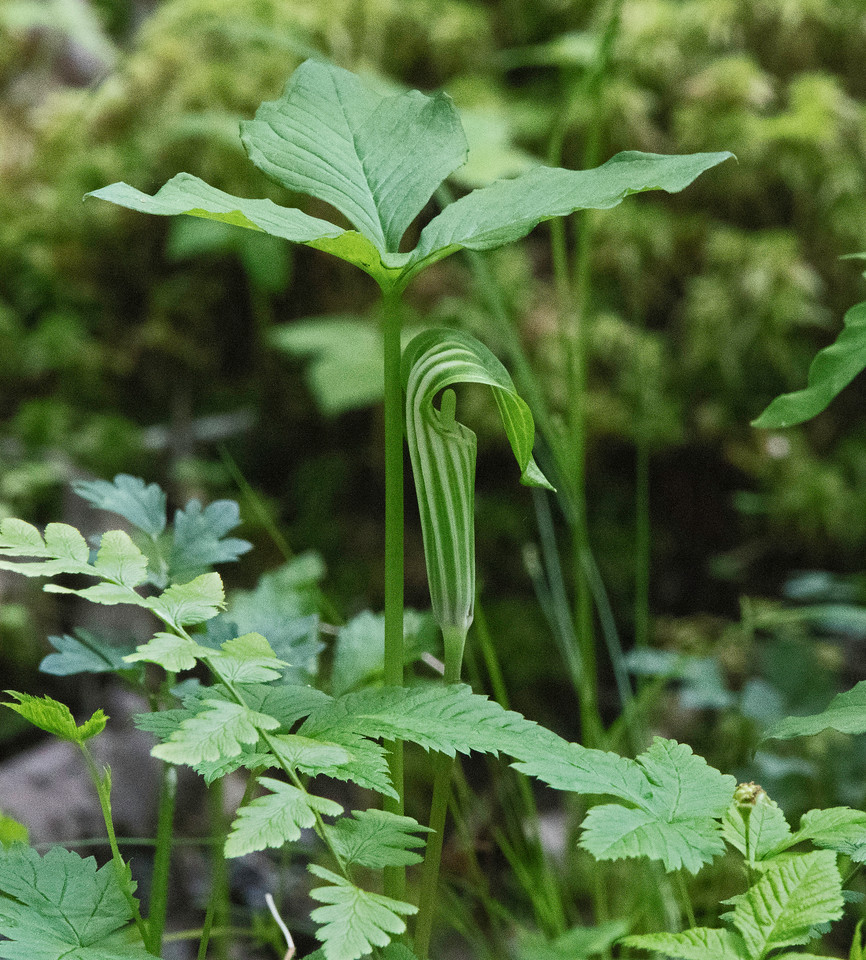
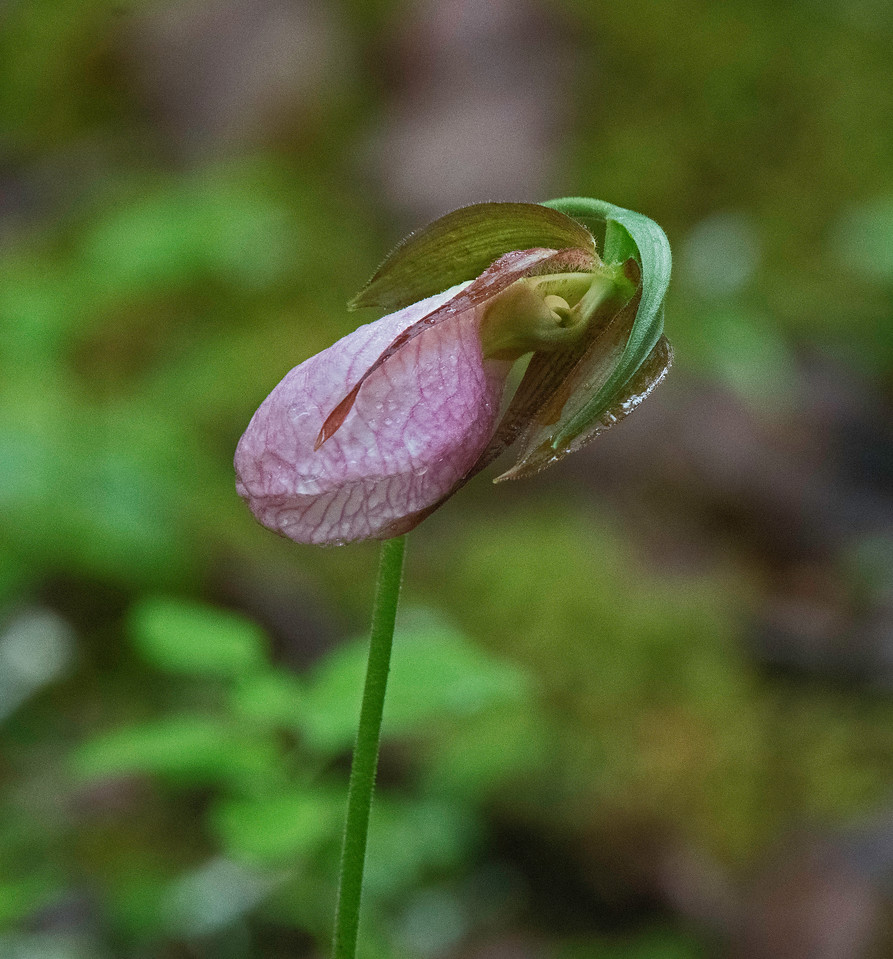
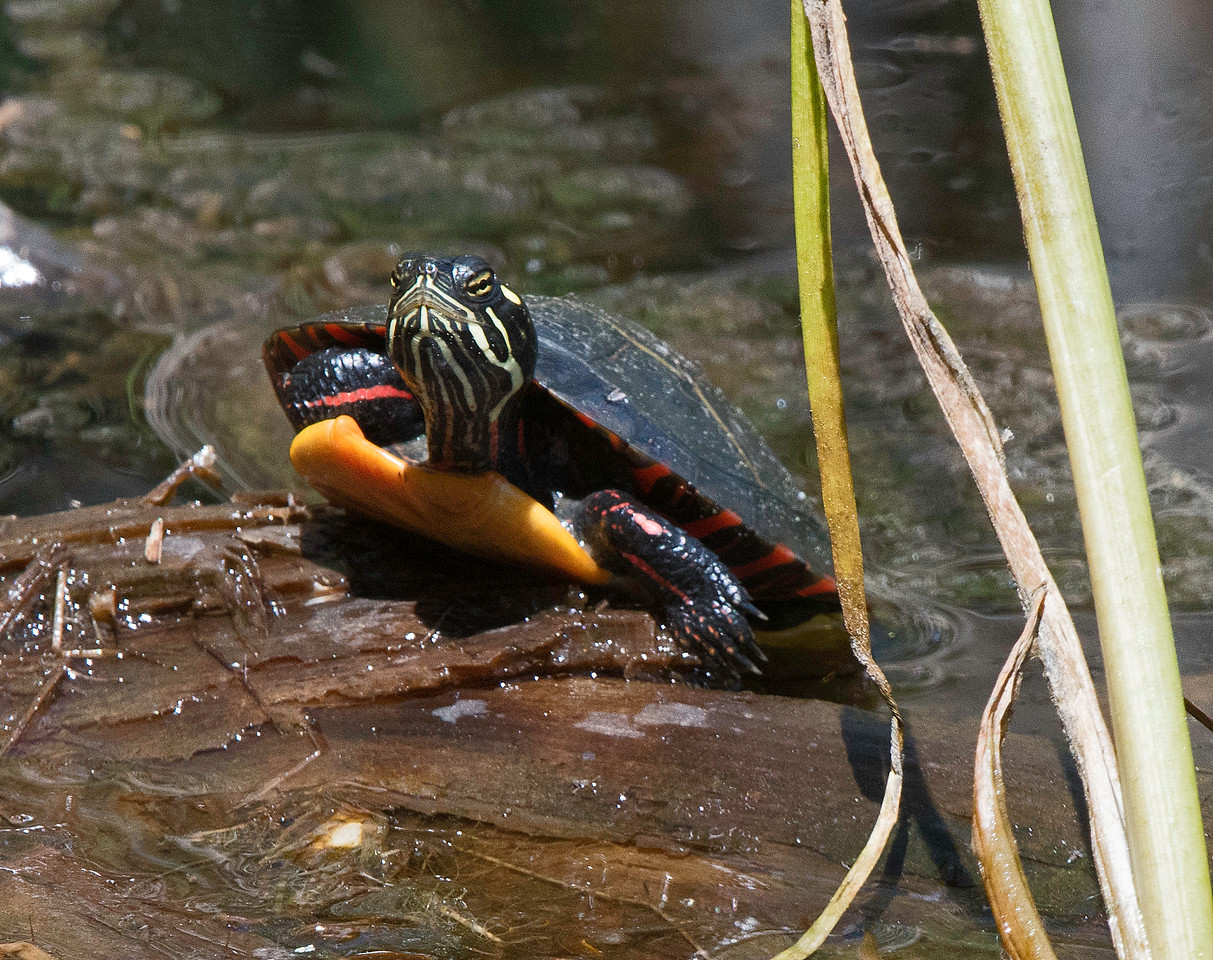
The June ponds are high, much to the satisfaction of Arrow Arum, but perhaps a little too high to please the Painted Turtles that have trouble finding basking space. The Water Lily pads come out during the month, but most of their flowers wait until July to appear. In the darker bogs, Jack-in-the-Pulpits and Lady’s Slippers enjoy their chosen solitude.

8.jpg
11.jpg

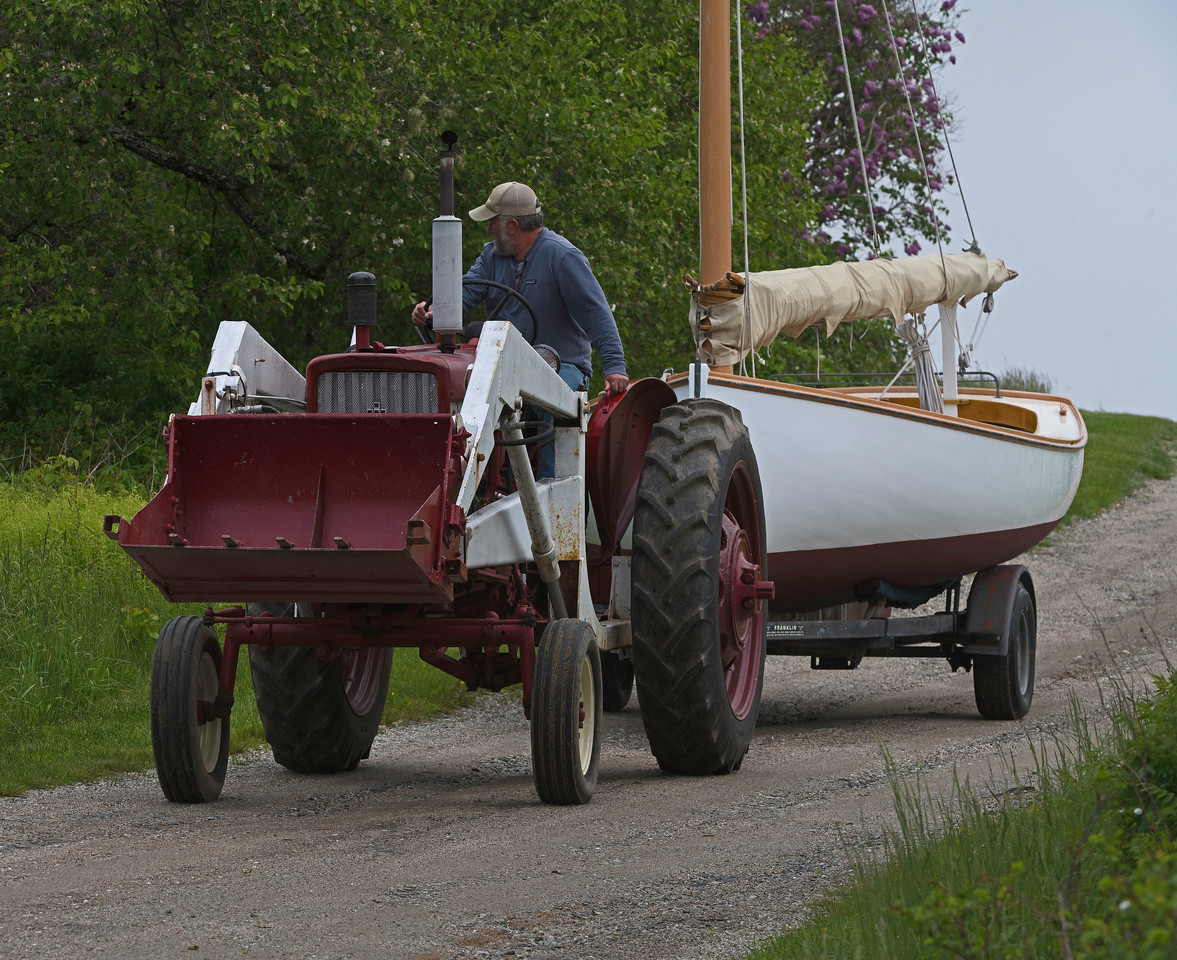
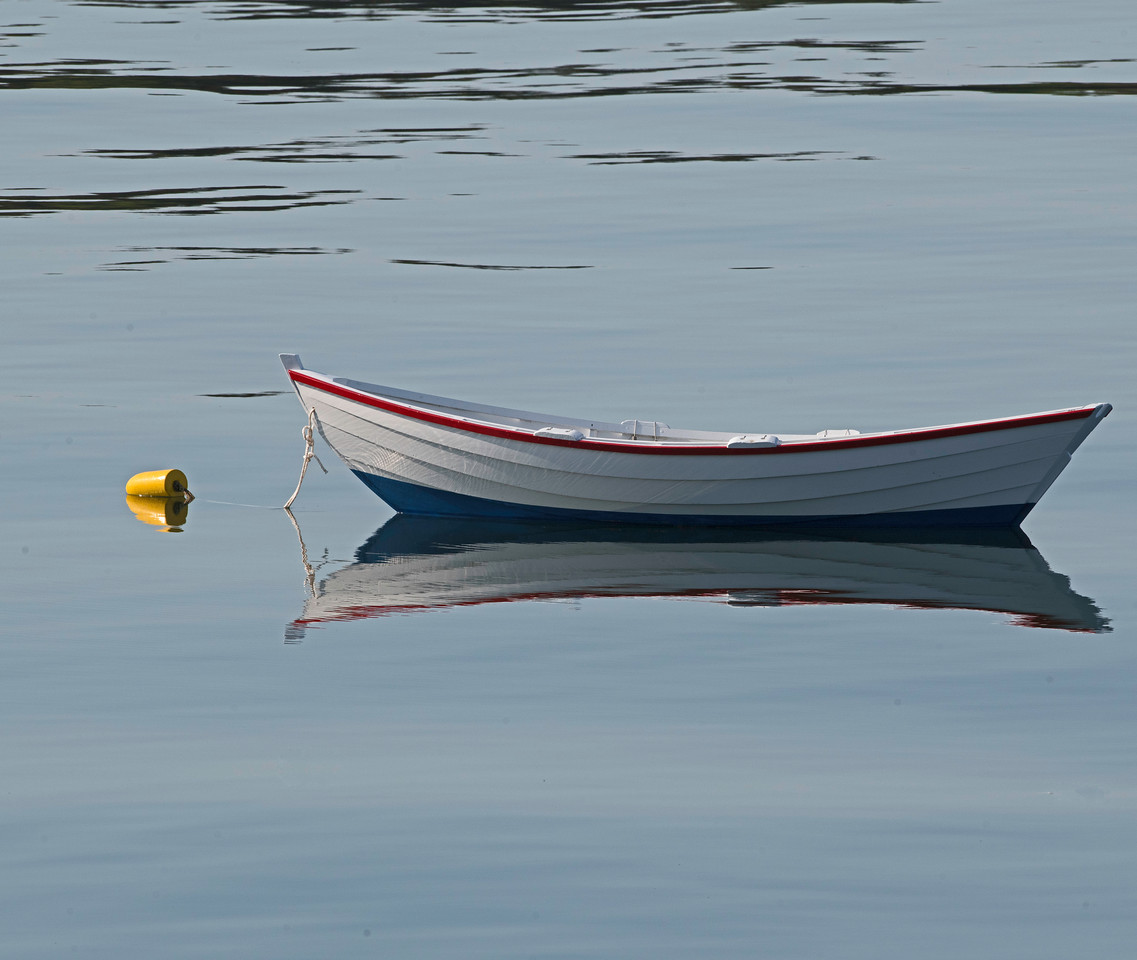
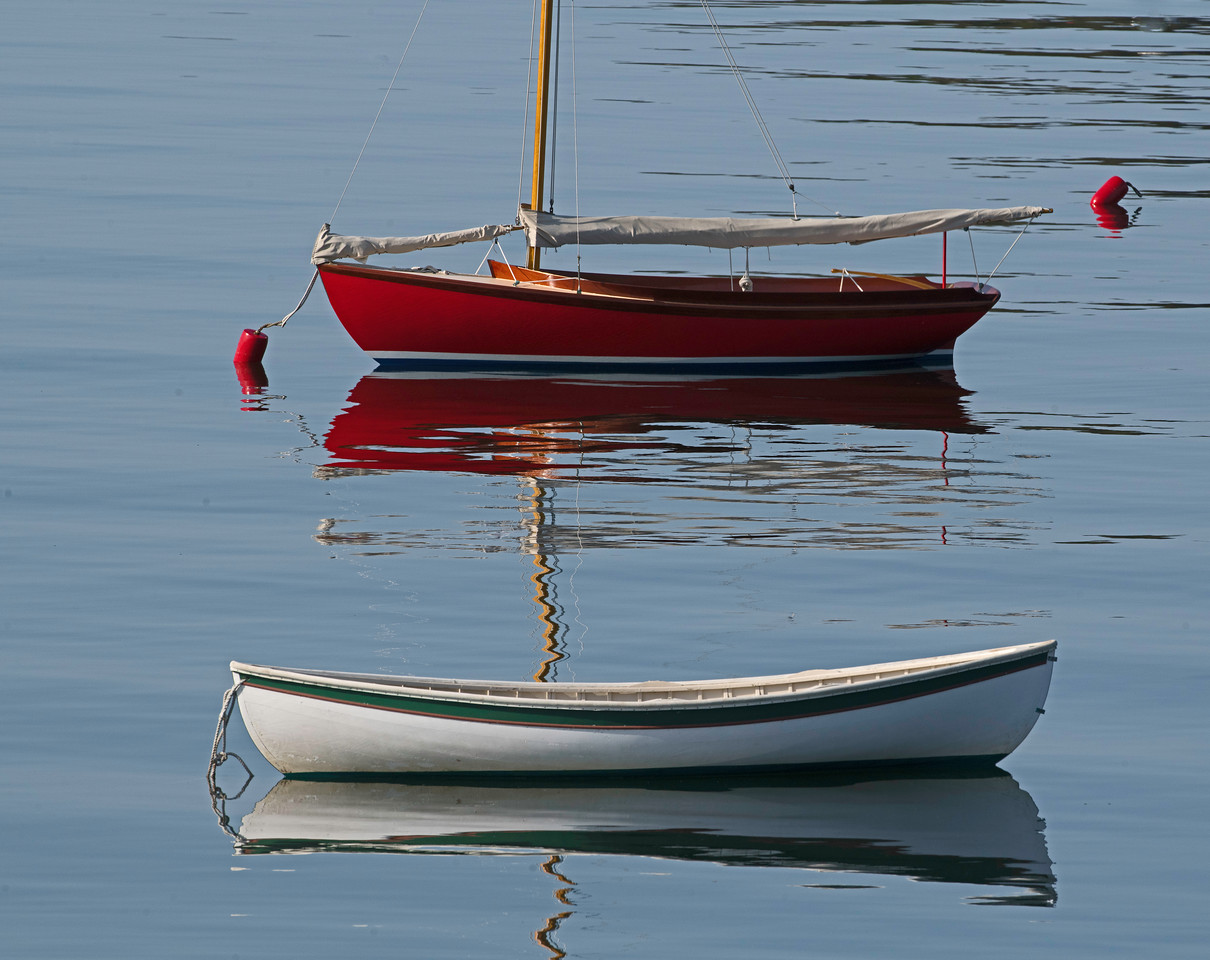
June is when the WoodenBoat School returns most of its fleet of small boats to Great Cove, where they are floating classrooms for lucky sailors.

14.jpg
17.jpg

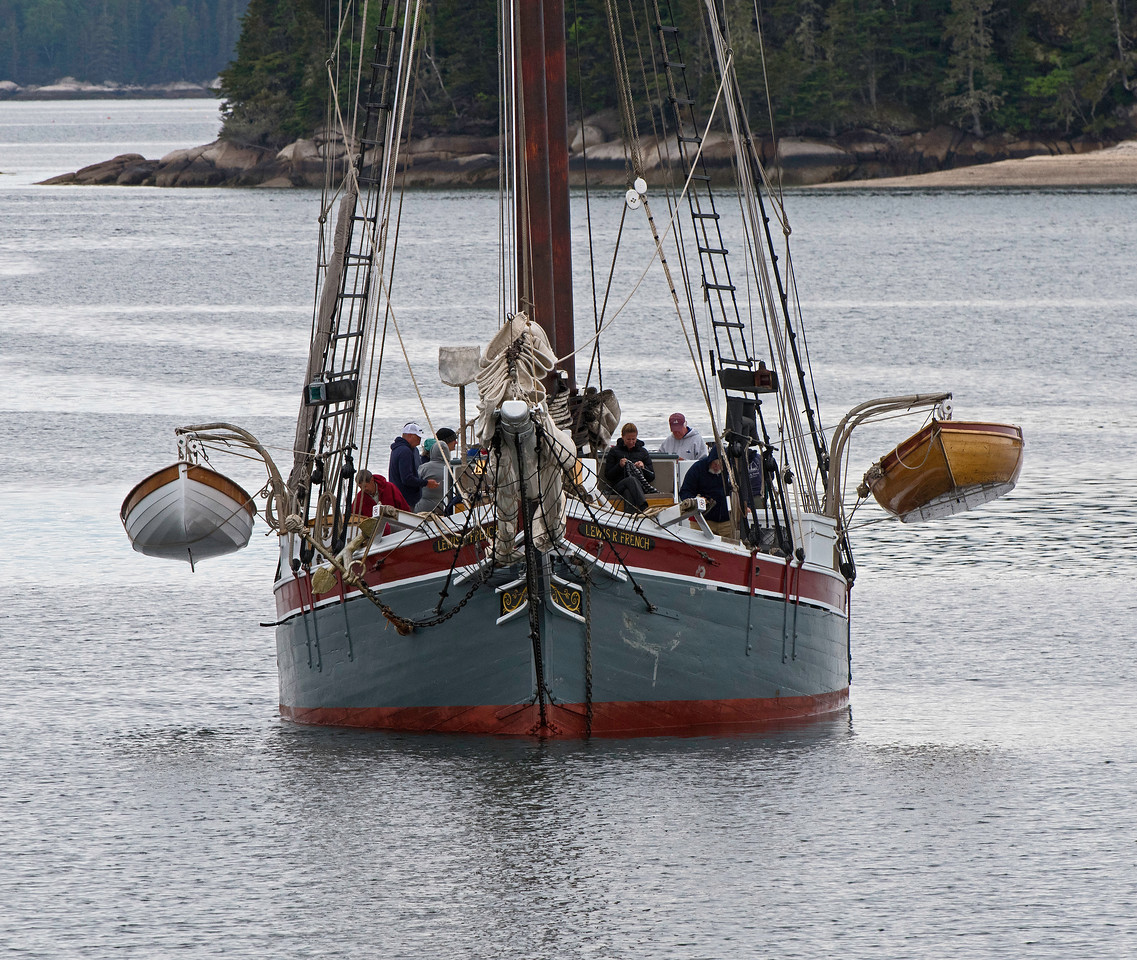
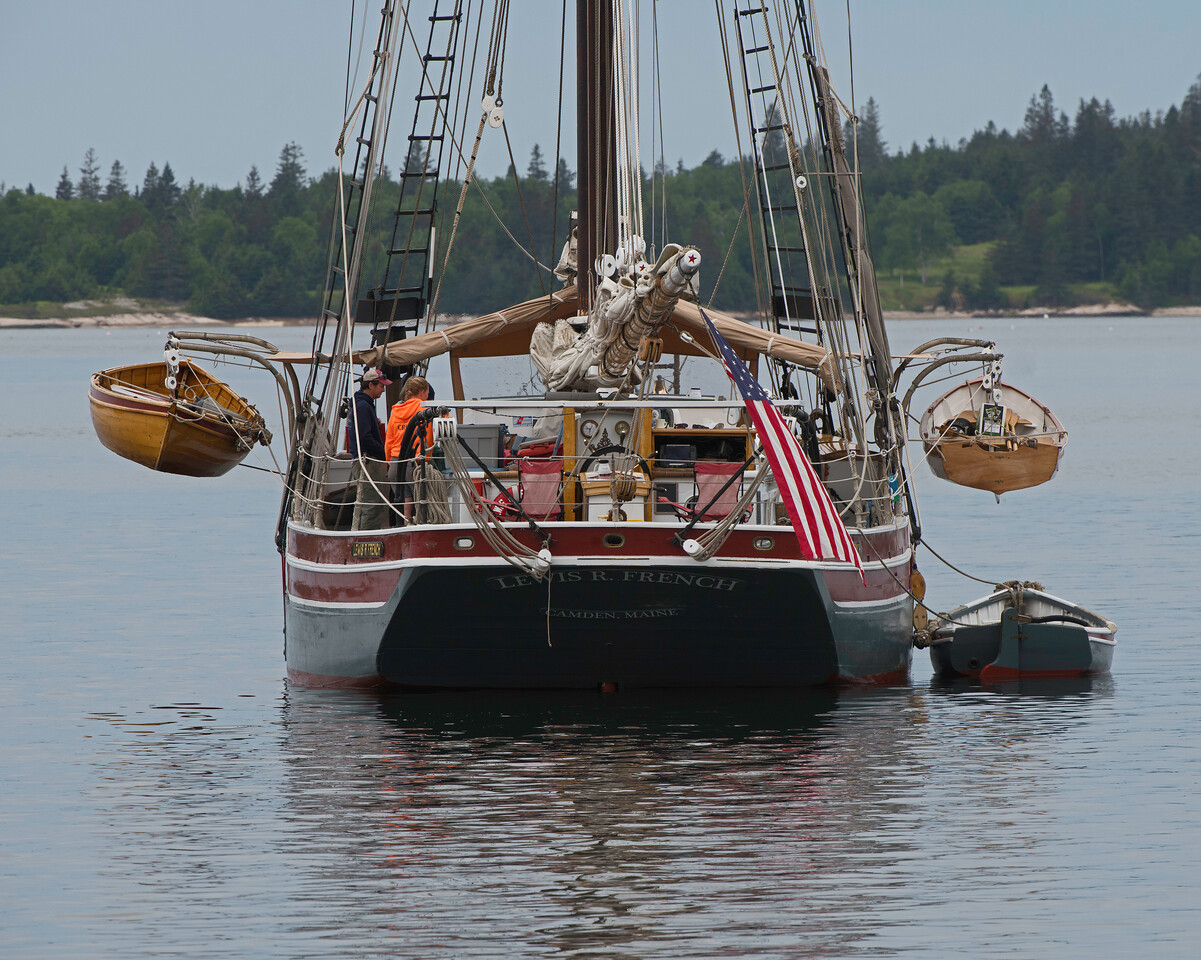
Of course, June is when much bigger sailing vessels also appear in Great Cove. Among them are Angelique, with her red (“tanbark”) sails; the gray-hulled Lewis R. French, and the broad-beamed Stephen Taber.

18.jpg
21.jpg

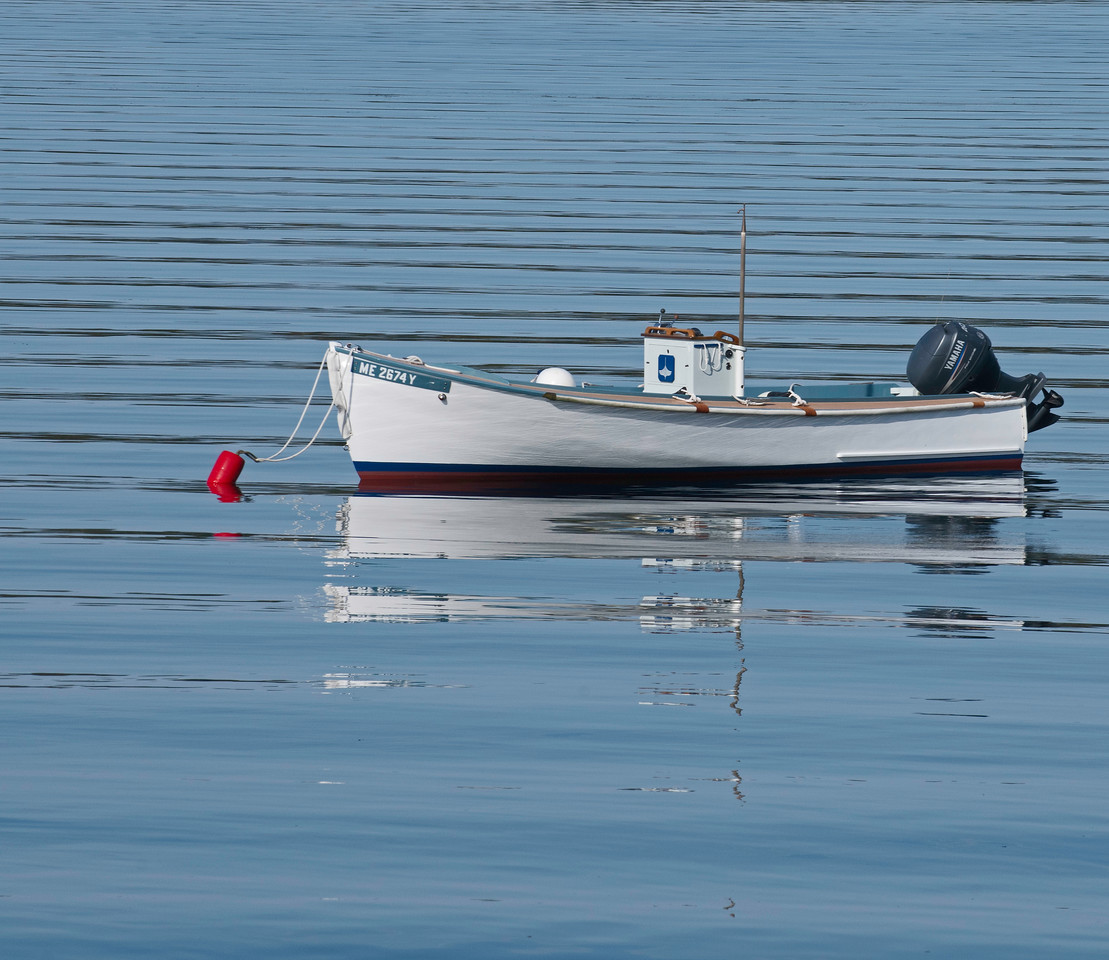
Most of the lobster fishing here starts in June, when traps are loaded in fog and sun during high and low tides.

22.jpg
23.jpg

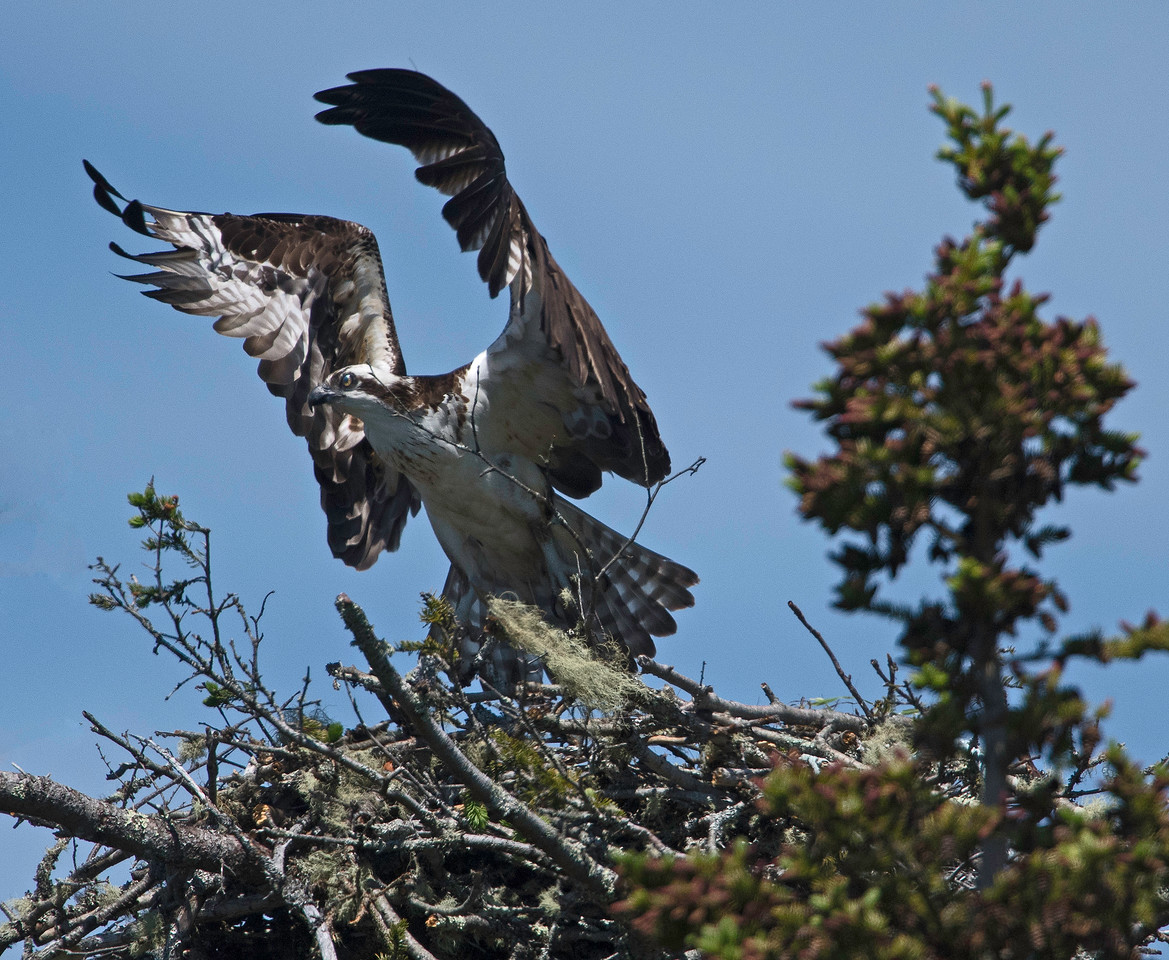
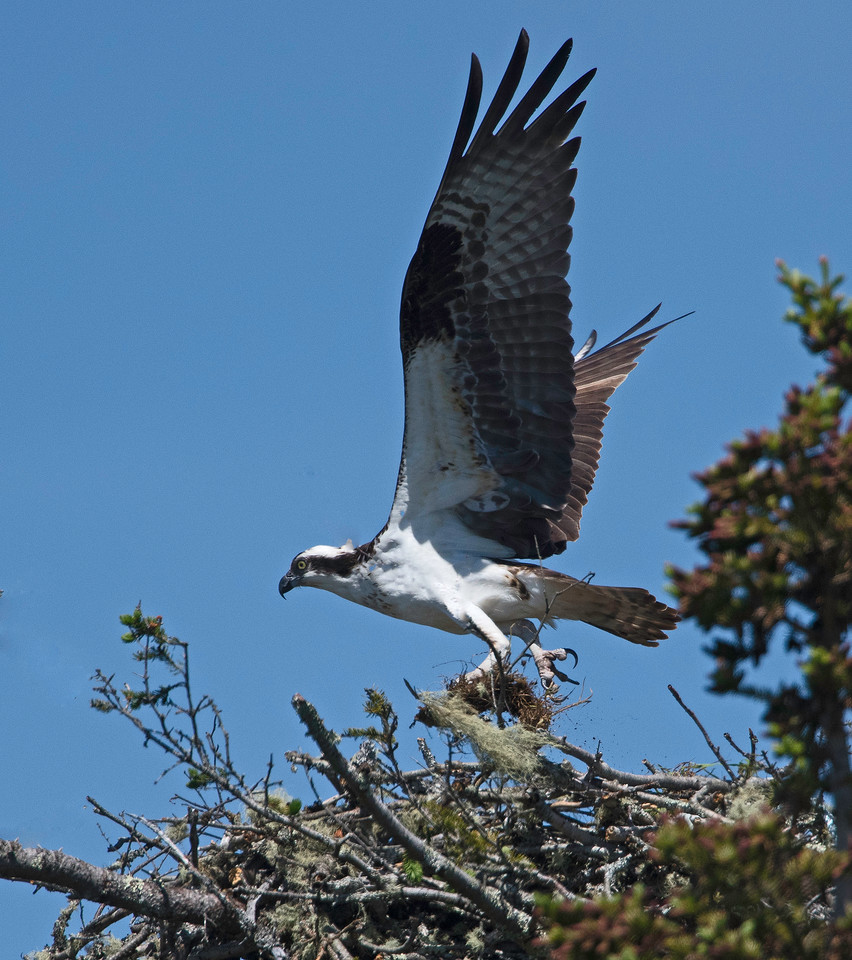
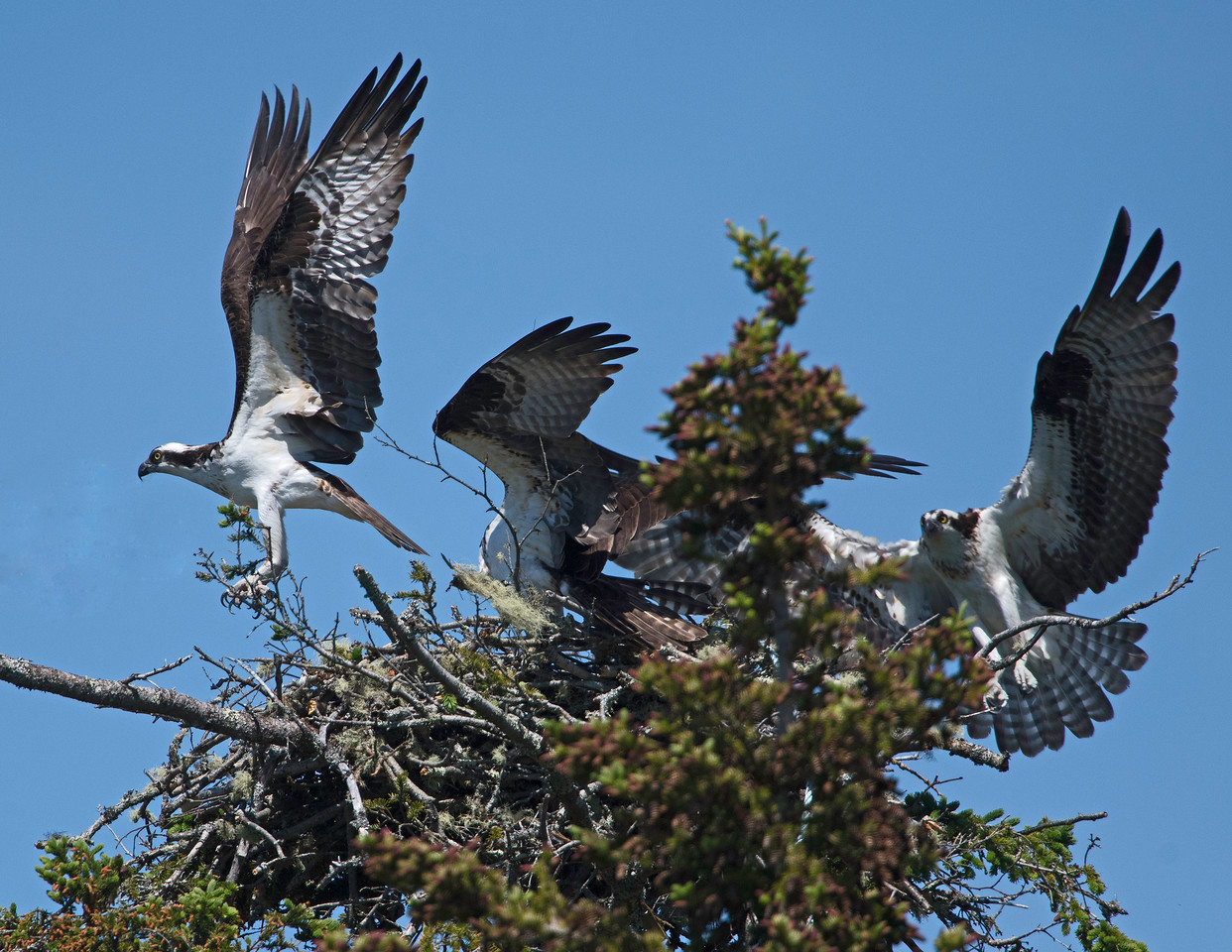
In the air, a pair of Ospreys nested in a Balsam Fir overlooking Great Cove this year. They raised one fledgling to full size by late June. Even though their nest is huge, it’s not big enough for Mom, Pop, and the youngster at the same time. Usually, the youngster gets to keep the place to himself during his summer vacation, but sometimes there’s a reunion that just doesn’t work.

24.jpg
25.jpg

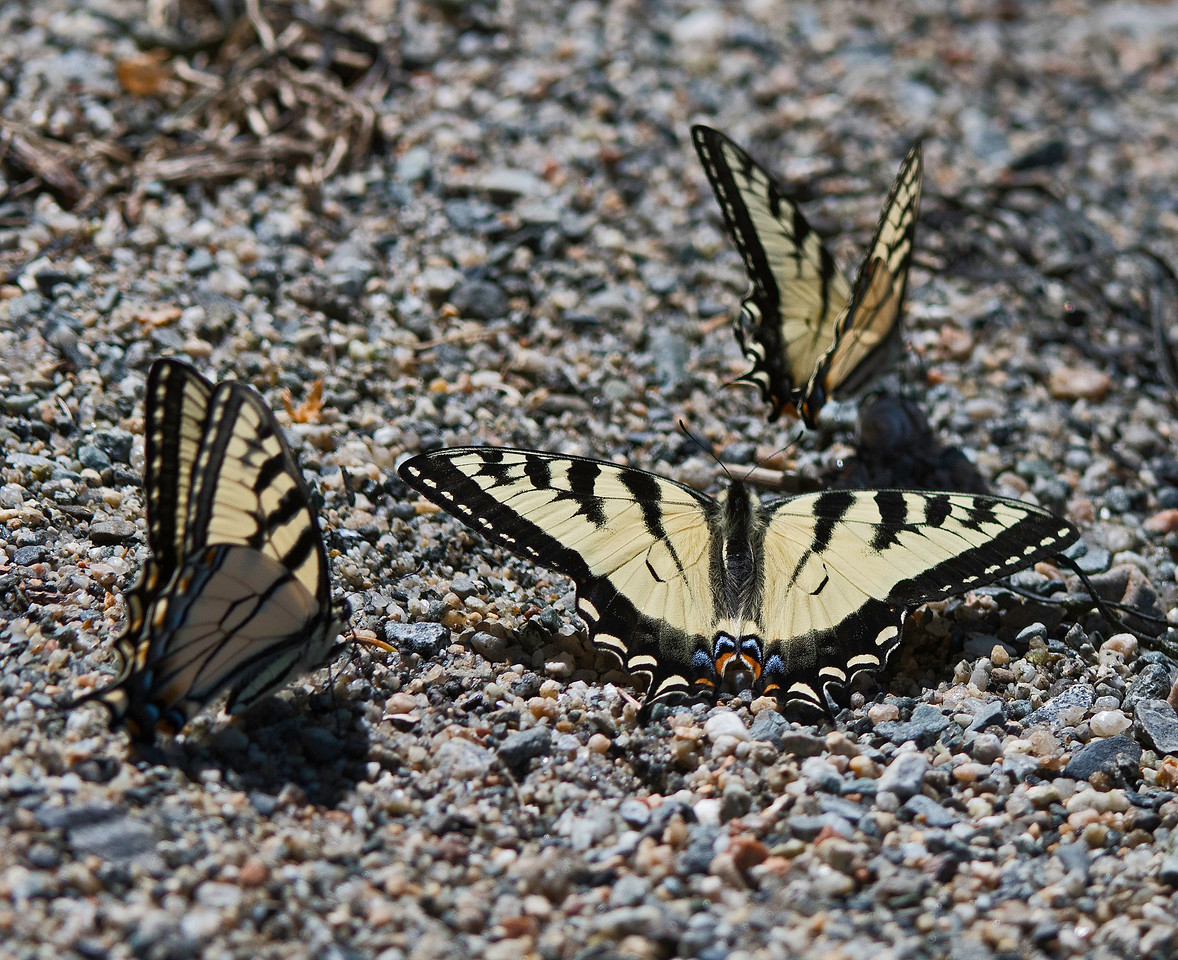
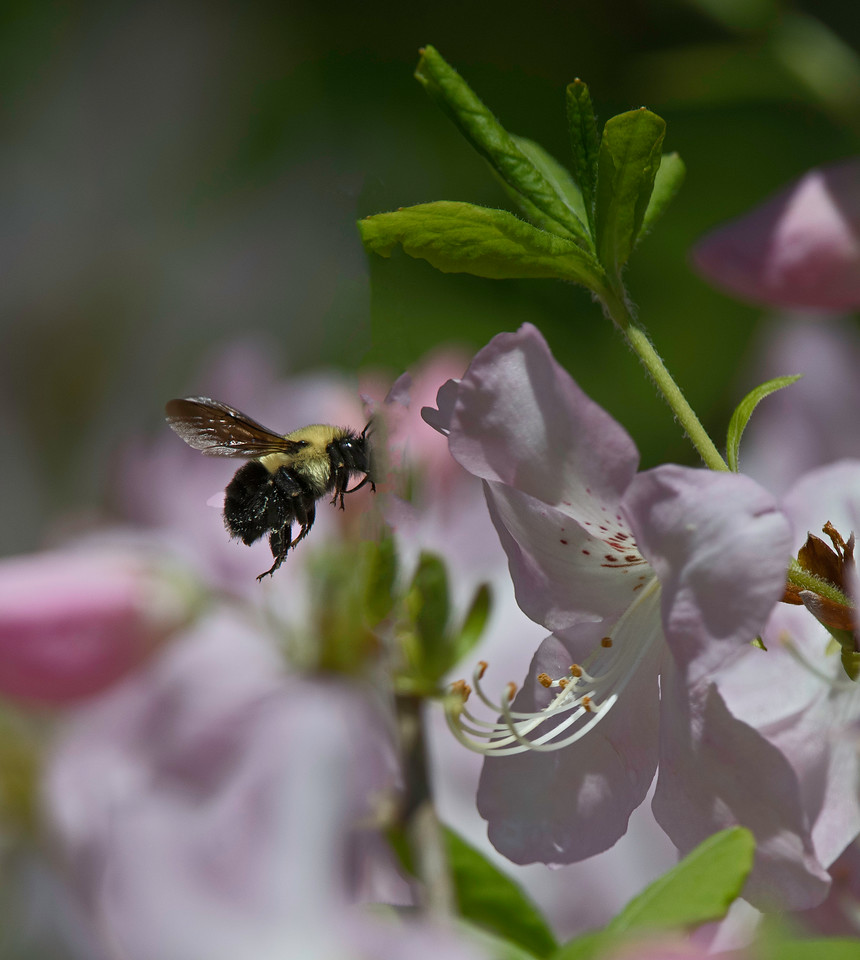
A wide range of pollinating insects are frequent June flyers, including Eastern Tiger Swallowtail Butterflies and Bumblebees.

Among the wild native flowers that are the beneficiaries of these pollinators are Wild (Blue Flag) Iris and Yellow and Orange Hawkweed.

31.jpg

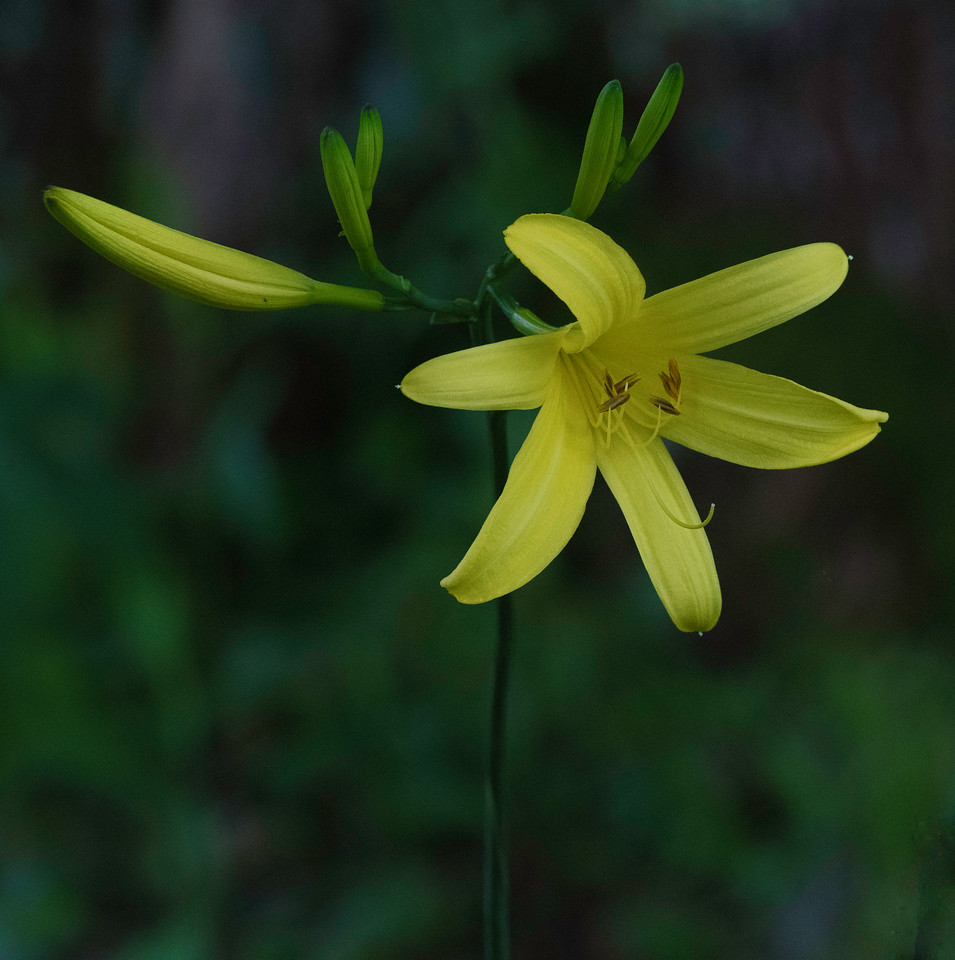
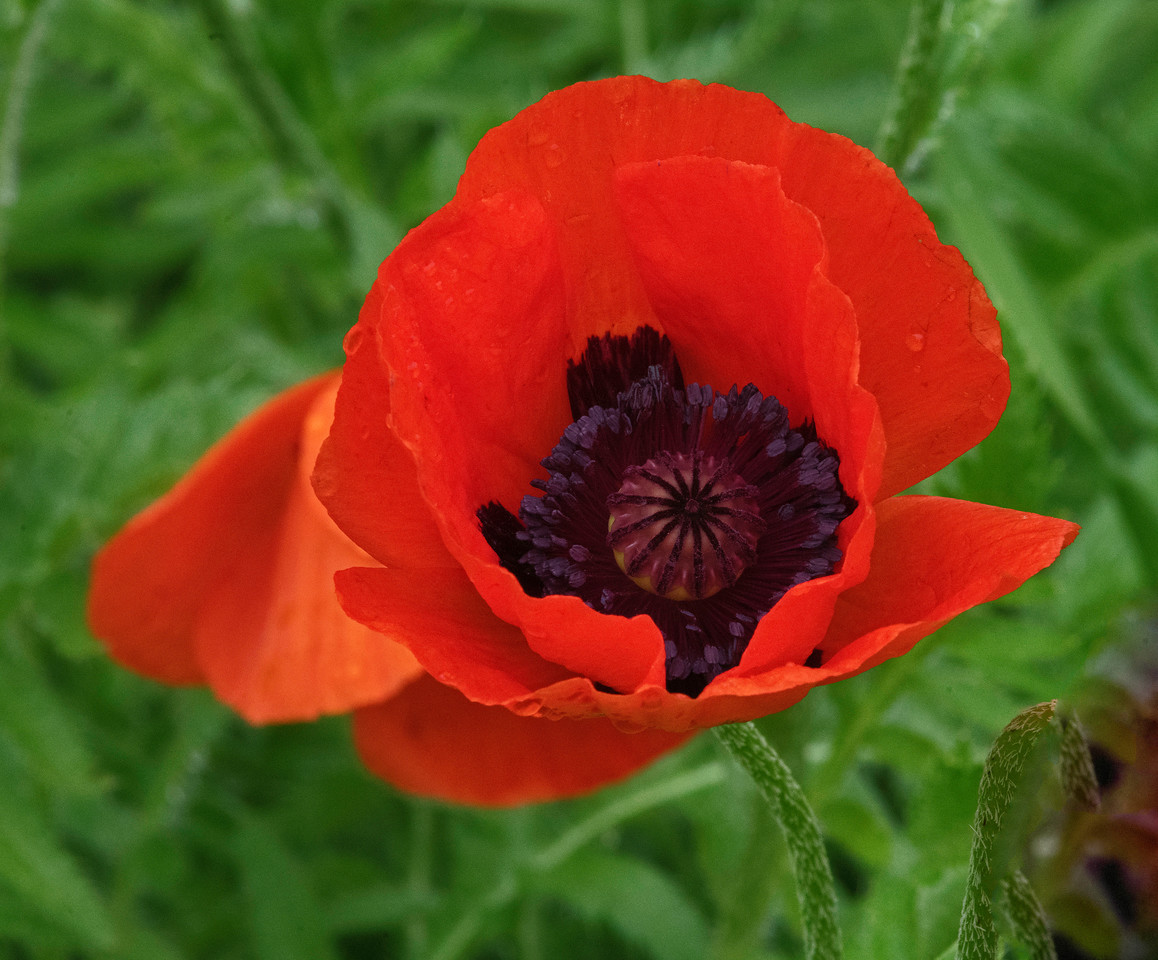
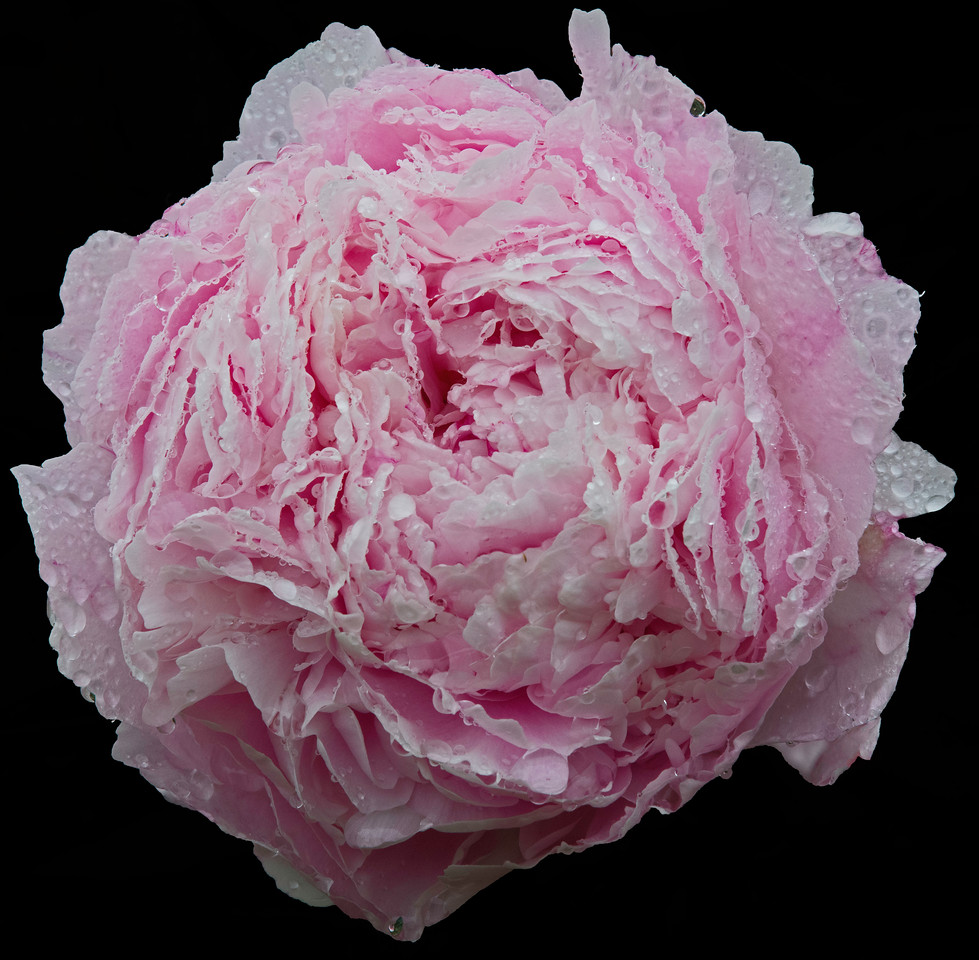
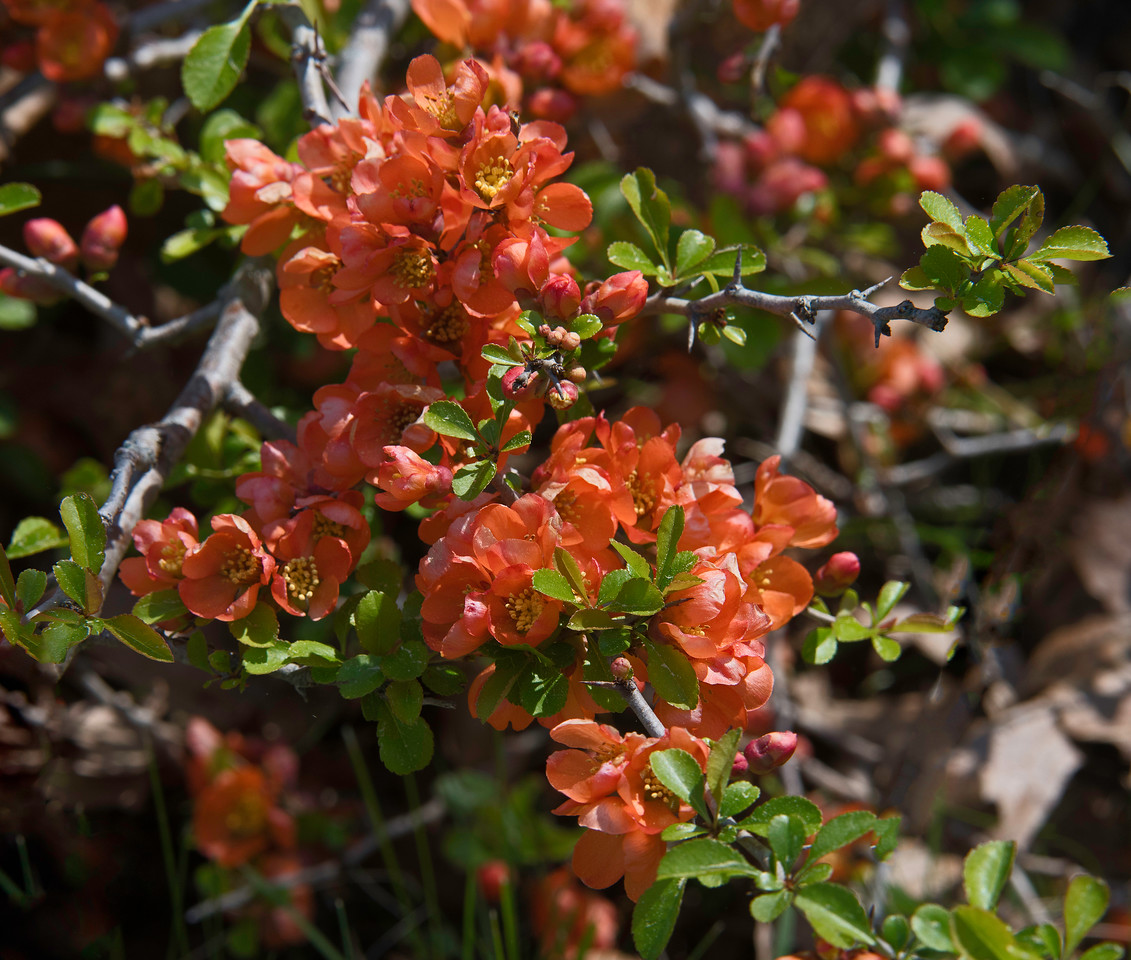
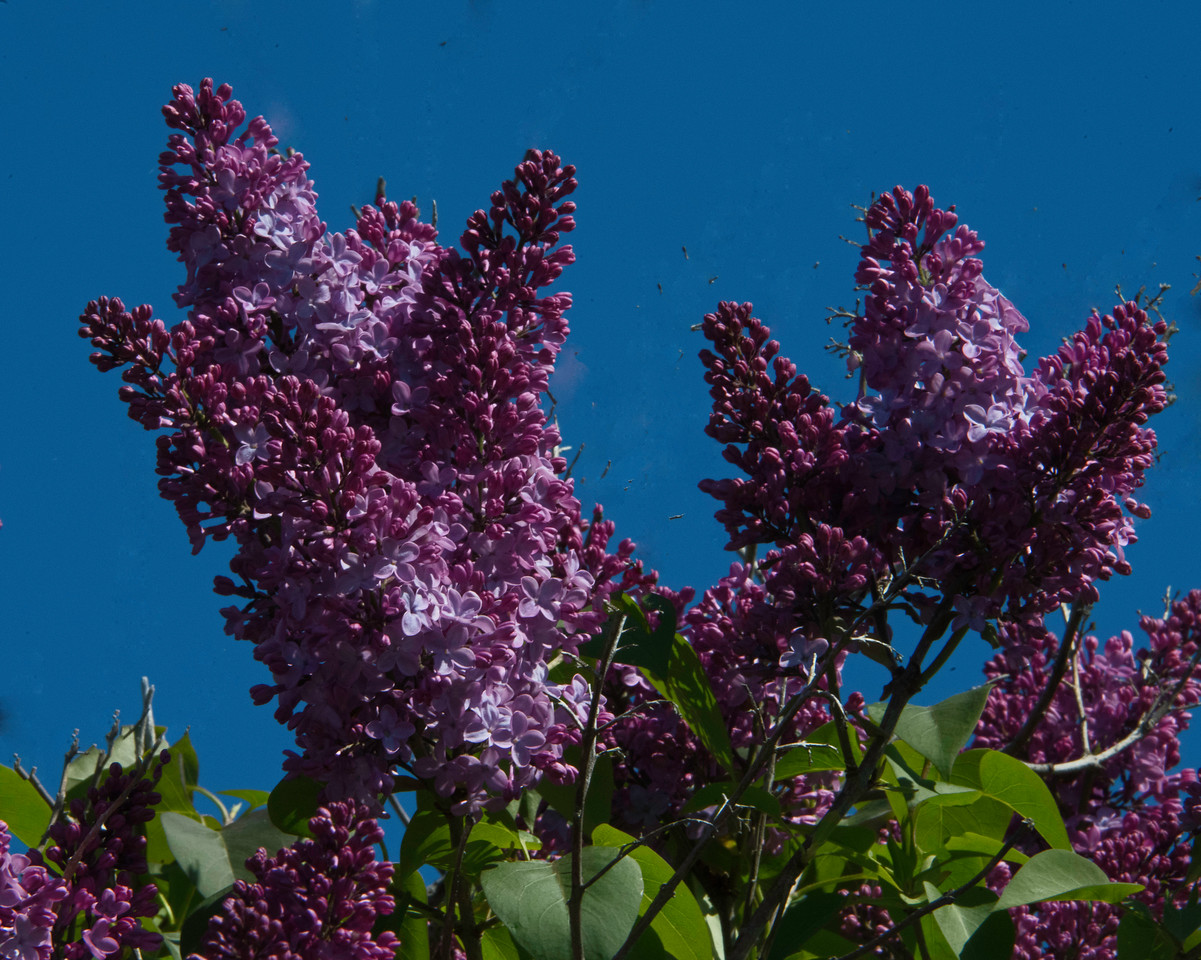
Cultivated blossoms appearing this June included Japanese Crab Apple; Early yellow Day Lilies; Poppies; Peonies; Azaleas; Beach Roses; evergreen Rhododendrons; Quince, and Lilacs.

30.jpg

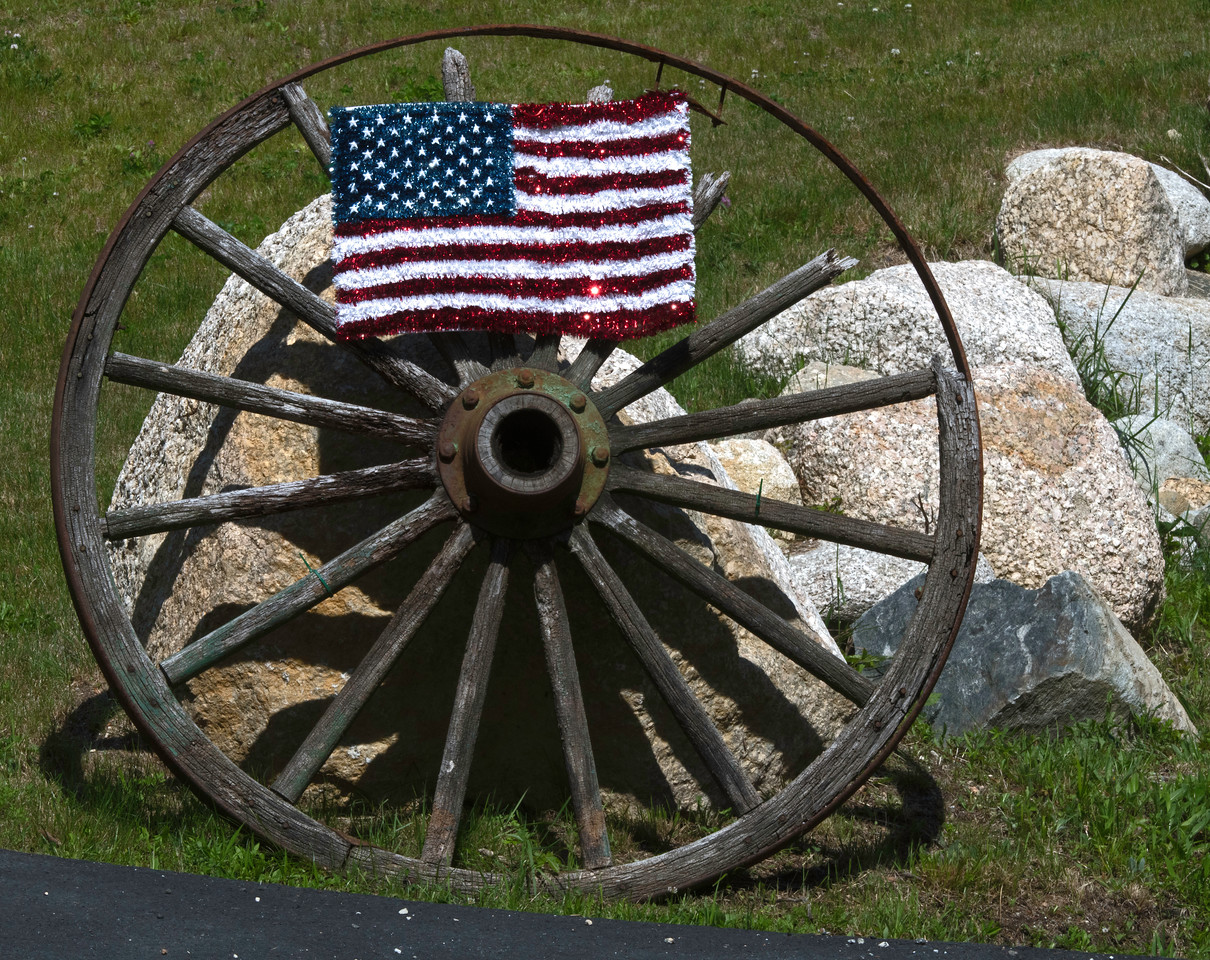
Finally, June also is the month that we start preparing for Independence Day. The Fourth of July is a big deal here, complete with our own parade, own band, and own celebration on the Town Green, not to mention Old Glory flying in the most unexpected places.

42.jpg

(All images above were taken in Brooklin, Maine, during June 2019.)


5 Comments

Comment

In the Right Place: The Last Chance

This image, taken yesterday, is poignant for two reasons.

1.jpg

First, it’s the final sail by the women in the first sailing class of the year at the renowned WoodenBoat School. They were ending a five-day basic course for women only called “Elements of Sailing I,” which was taught by super-sailors Jane Ahlfeld and Robin Lincoln. The sailboats used are 12 ½-foot Herreshoffs and Havens, usually shepherded by WBS Waterfront Manager Greg Bauer in one of the School’s motorized skiffs.

The second reason why this image is poignant is that these four little boats are tacking out of Great Cove into Eggemoggin Reach on a fair (albeit hazy) afternoon. The weather has been miserable here most of the week, forcing these sailors to stay in the Cove, often in fog and/or drizzle – which they didn’t seem to mind! But, the weather gods smiled on them for their last WBS sail yesterday.

2.jpg

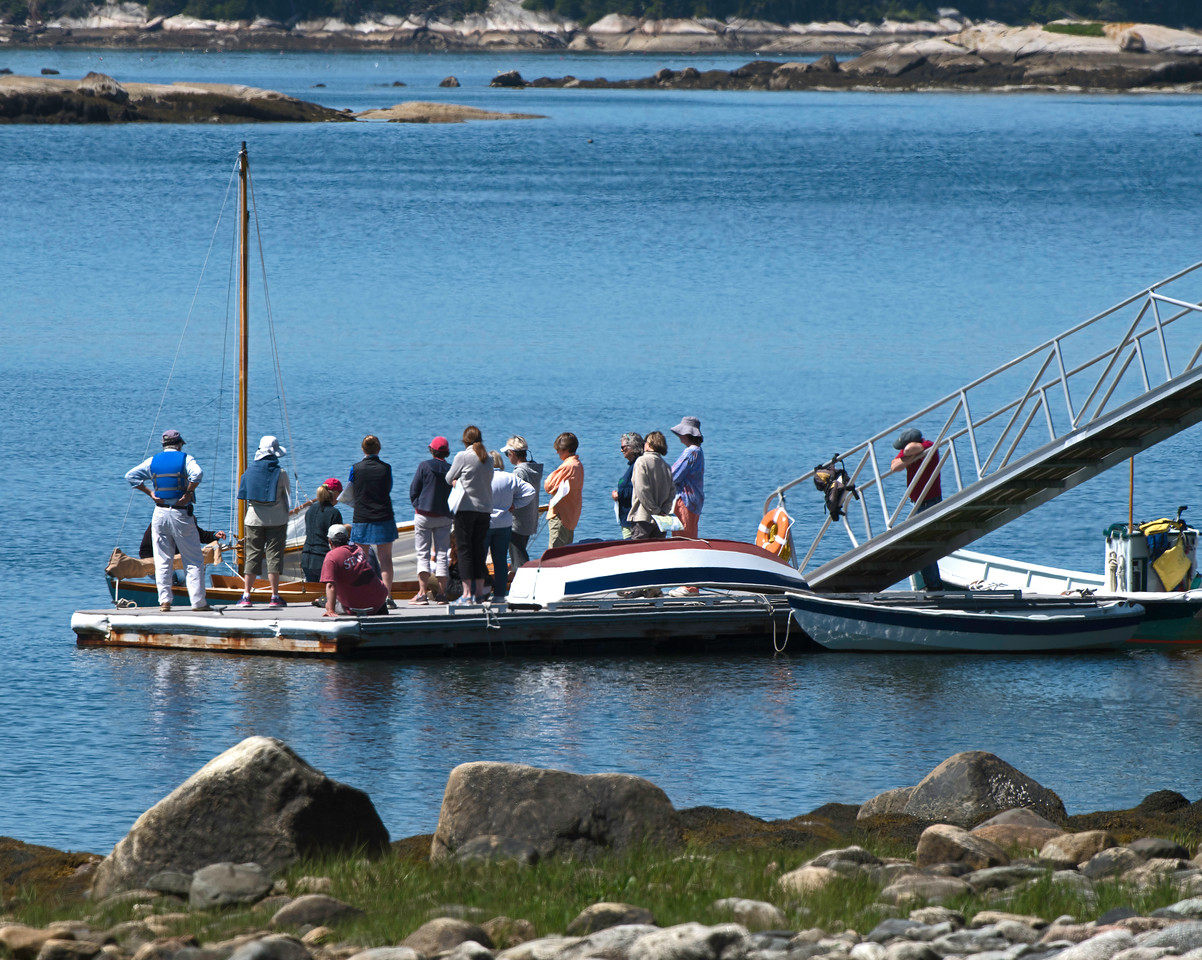
Above, we see the class at an early, show-and-tell stage of the cours:

(Brooklin, Maine).

Comment

Comment

In the Right Place: Curiosity

Here’s a moment from yesterday at dusk. Part of our local “herd” of adult does and yearlings have started browsing slowly up the North Field. Some of these White-Tailed Deer will stay the night, curling down and making a grass nest; others will move on to another bedding place on nearby property; others will not sleep.

i-8MZ37wV-XL.jpg

Three browsing yearlings on the flank get to about 100 yards from us and see something curious in the surrounding woods. They don’t do a yellow alert freeze; they keep coming, but with eyes and ears in action mode, unable to get a whiff of an unusual shape that is upwind from them. That shape is not moving and crouched over a camera and monopod. On hearing a “click,” they veer off toward the rest of the herd, but at a walk. They’re very calm tonight. (Brooklin, Maine)
Comment

Comment

In the Right Place: Bejeweled

If you like to go out singing and dancing in the rain, Brooklin has been the place for you lately. If you’re not quite that exuberant, but feel cooped up, you can join us for this short, virtual walk to see some of our summer flowers being bejeweled by yesterday’s weather gods.

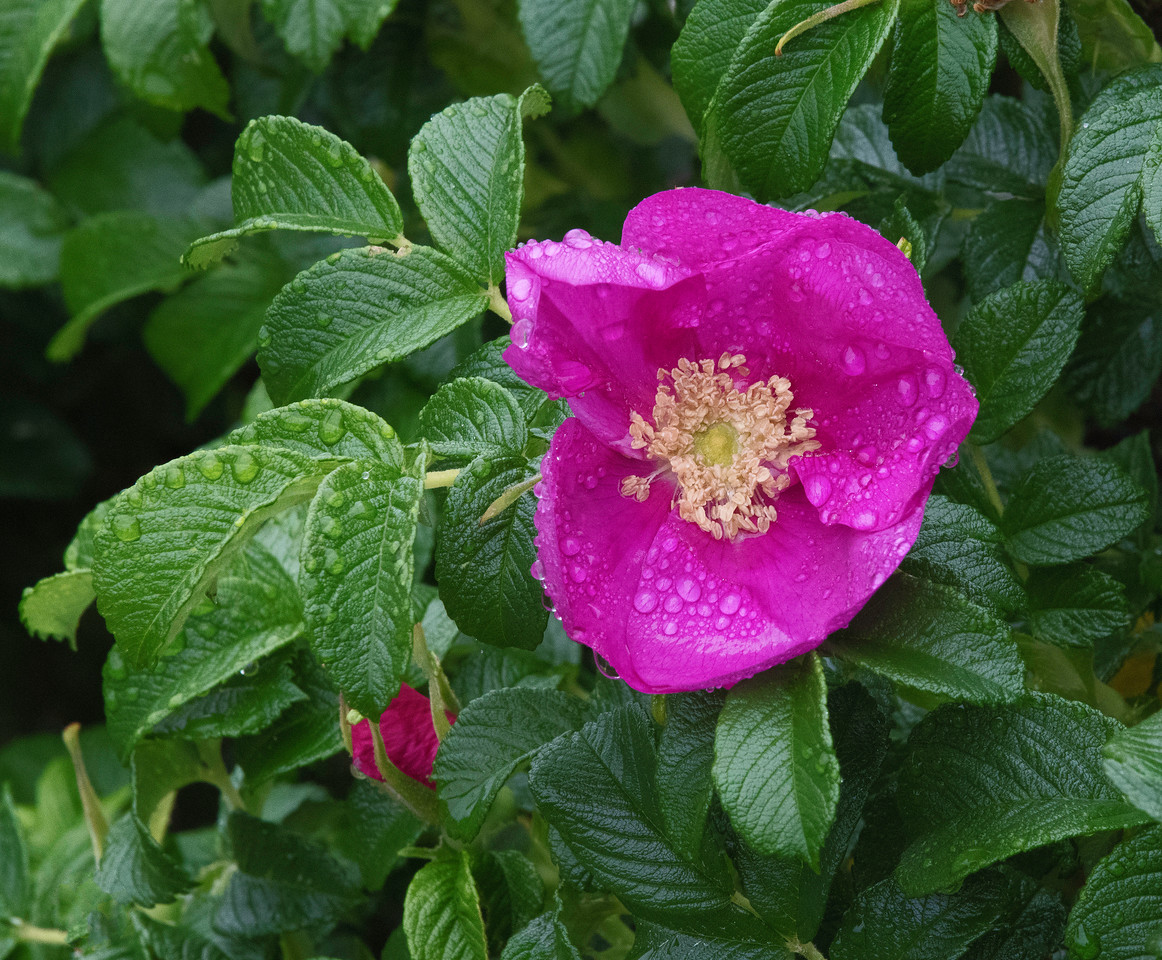
The tough Beach Rose (Rosa rugosa) seems to be warning the wind and rain not o dare to come closer, while the disheveled Iris seem to open their mouths to drink in the rain.

1.jpg

The modest Peonies remain closed to the showers, while the mysteries of the flamboyant Poppies are revealed after gentle persuasion.

5.jpg
7.jpg

The colorful mazes of Azaleas and evergreen Rhododendrons confuse and trap the wandering raindrops.

And, of course, the impervious wild Lupines pretend that nothing is happening.

12.jpg

(Brooklin, Maine):

Comment

Comment

In the Right Place: Short Lives

Here we see three young male Eastern Tiger Swallowtail butterflies (Papilio glaucus). They’re “puddling” on Great Cove’s shore during low tide Monday (June 24). That is, they’re sucking up sodium ions and amino acids that will help them reproduce.

1.jpg

Usually, only males do this and only during the first few days of their existence. Tiger Swallowtails live only about a month as butterflies.

Prior year image

Prior year image

Above, we see a female ETS drinking the nectar from purple cow vetch, which has recently emerged around here. Females have hind wings that are hemmed with blue jewels, whereas the males’ wing borders are black, except perhaps for a button or two of blue near the abdomen. (Brooklin, Maine)
Comment

Comment

In the Right Place: Little Devils

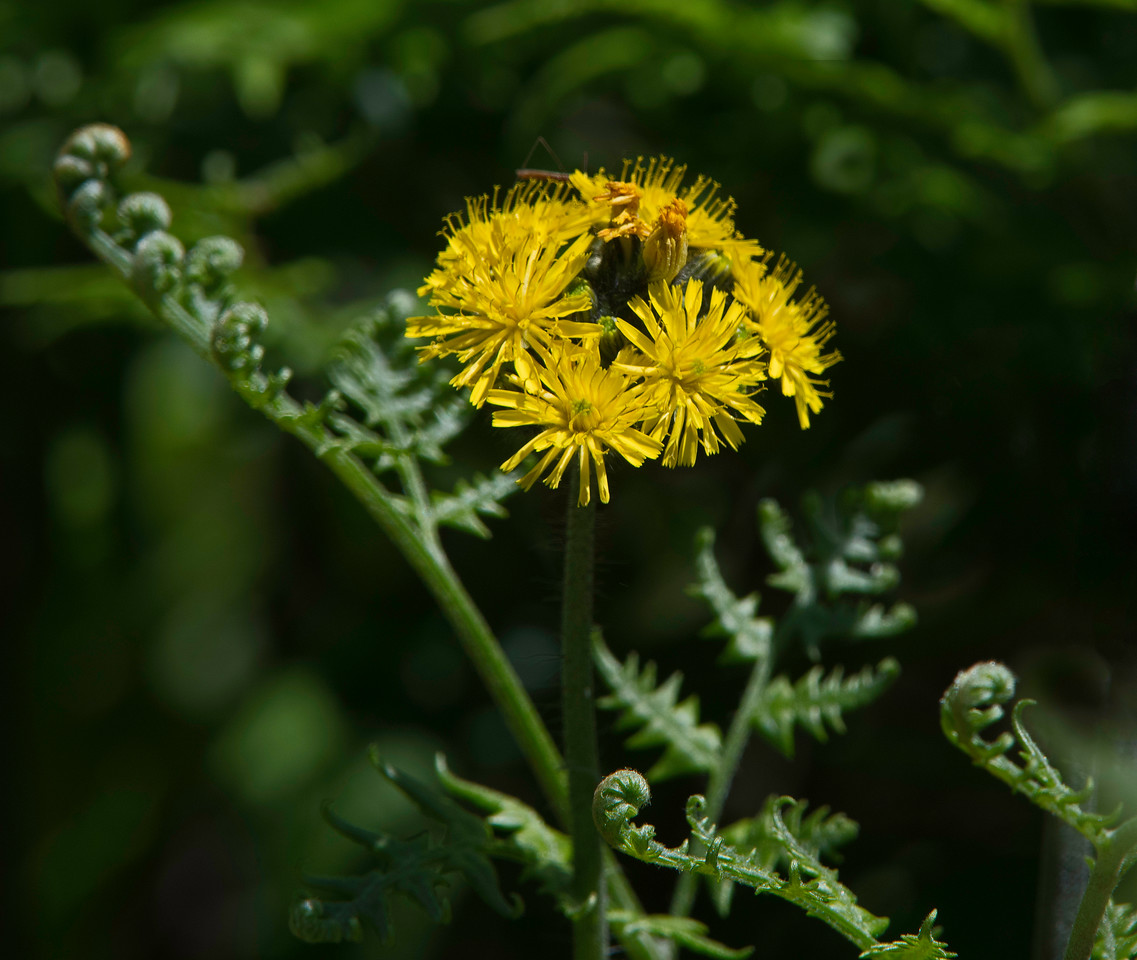
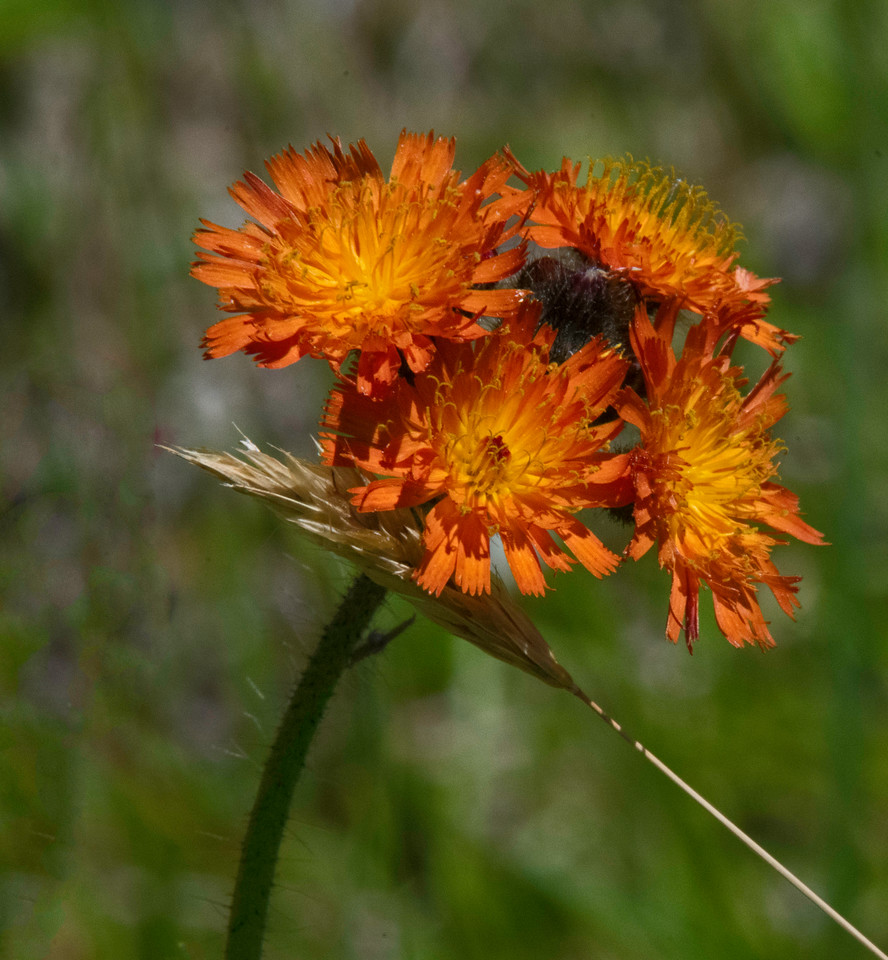
Hawkweed has suddenly been brightening the fields here, joining the daisies:

3.jpg

Most of it is Yellow Hawkweed:

1.jpg

About 10 percent is Orange Hawkweed:

2.jpg

t seems that experts now consider Yellow and Orange Hawkweed to be two different plants. Nonetheless, both are in the dandelion/chicory family and share the common name Hawkweed.

That common name derives from whimsical folklore in which hawks supposedly ate parts of the plant to improve their eyesight. Other common names include the word “devil,” because farmers found the weeds to be invasive and virtually impossible to kill. On the other hand, Native Americans used these plants like chewing tobacco. (Brooklin, Maine)

Comment

Comment

In the Right Place: Greatness

Heron 2.jpg

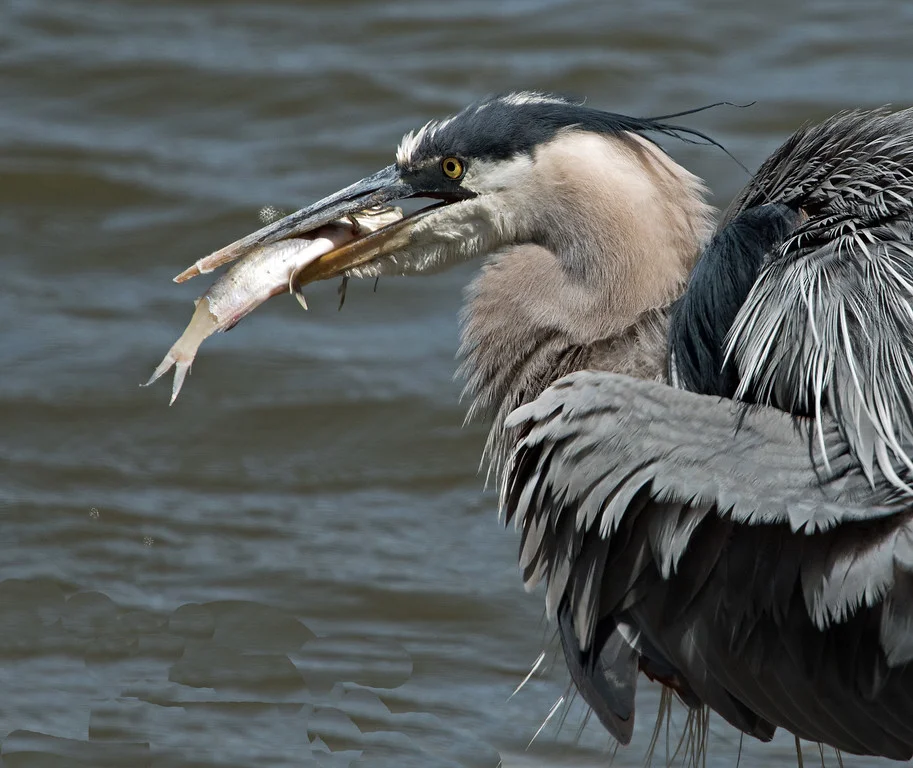
Each year, it seems, we see fewer Great Blue Herons here. It’s not that they’ve become endangered or rare; it’s just that they were once common sights and now they seem to be occasional glimpses.

In the 1990s, there was a small rookery of them in the spruce and balsam fir overlooking Great Cove. But, we haven’t seen a Great Blue nest there for decades.

Great Blues are our largest and most regal Herons, hence the title “Great.” They’re at their most graceful in slow flight when their supple wings seem to furl and unfurl in waltz-like rhythms: one-two-three-glide..

GBH 1.jpg

They can achieve a respectable air speed of about 30 miles per hour once they get cranked up. When it comes to speed, however. It’s their fishing spearing technique that is most impressive — it’s an extremely fast blur.

Heron 5.jpg

Great Blue Herons have a decidedy mysterious quality that perhaps is best experienced in a heavy, silent fog, when they sail over us like dark spirits on broad wings that whisper “whoosh, whoosh, whoosh” — pause for gliding — “whoosh, whoosh, whoosh.”

Heron sillouhette.jpg

(Brooklin, Maine)
Comment

Comment

In the Right Place: Fast Flora

If plants could experience growing pains, flora “ouches” would be louder than bird songs around here. Coastal Maine has one of the shortest, but one of the most robust, growing seasons for native plants. Each year, we photograph the growth of an Arrow Arum (Peltandra virginica) in a nearby pond and an Eastern Skunk Cabbage (Symplocarpus foetidus) in our bog.

Below is an image of the Arrow Arum taken yesterday above one taken about a month before:

062219

062219

052119

052119

Below is an image of the Skunk Cabbage taken yesterday above one taken about two months before:

062219

062219

042219

042219

(Brooklin, Maine)
Comment

Comment

In the Right Place: Miserable

Many of our fishermen (male and female) are still getting their lobster traps into the water. Record amounts of unseasonable cold, fog, and rain seem to have complicated our spring and early summer, including the beginning of the summer fishing season. Here, we see the Cassie Marie being loaded with traps at Naskeag Harbor in the fog and drizzle that made Thursday (June 20) miserable. 

Fog-Cassie.jpg

Cassie is a “Novi”-style fishing vessel that moors in the Harbor. These boats are called “Novies” because their basic design originated in Nova Scotia. Usually, they have stepped up hulls, utilitarian cabins with banked windows, upswept sterns, and rounded bottoms. (Brooklin, Maine) (By the way, it’s a beautiful day here as we speak.)

Comment

Comment

In the Right Place: Seeing Red

Here we see the Angelique resting in Great Cove earlier this month:

1.jpg

She soon raised her famous tanbark-colored sails and left the Cove fully loaded:

2.jpg
4.jpg

Angelique is a 130-foot gaff topsail ketch out of Camden, Maine. She’s one of our more easily identified tourist coasters due to her distinctive overhanging fantail, plumb bow, and, of course, reddish sails that evoke thoughts of historic sail-making. In days of yore, when sails were made of cotton, the sailcloth often was dipped in a vat of tannins extracted from tree bark to protect the sails against rot. The resulting red-brown color was (and is) called tanbark, although “bark-tan” would seem more apt.

3.jpg

Another distinctive characteristic of Angelique is that her crew encourages their passengers to row the schooner’s longboat ashore and back for land activities.

5.jpg

(Brooklin, Maine)

Comment

Comment

In the Right Place: Delicacy

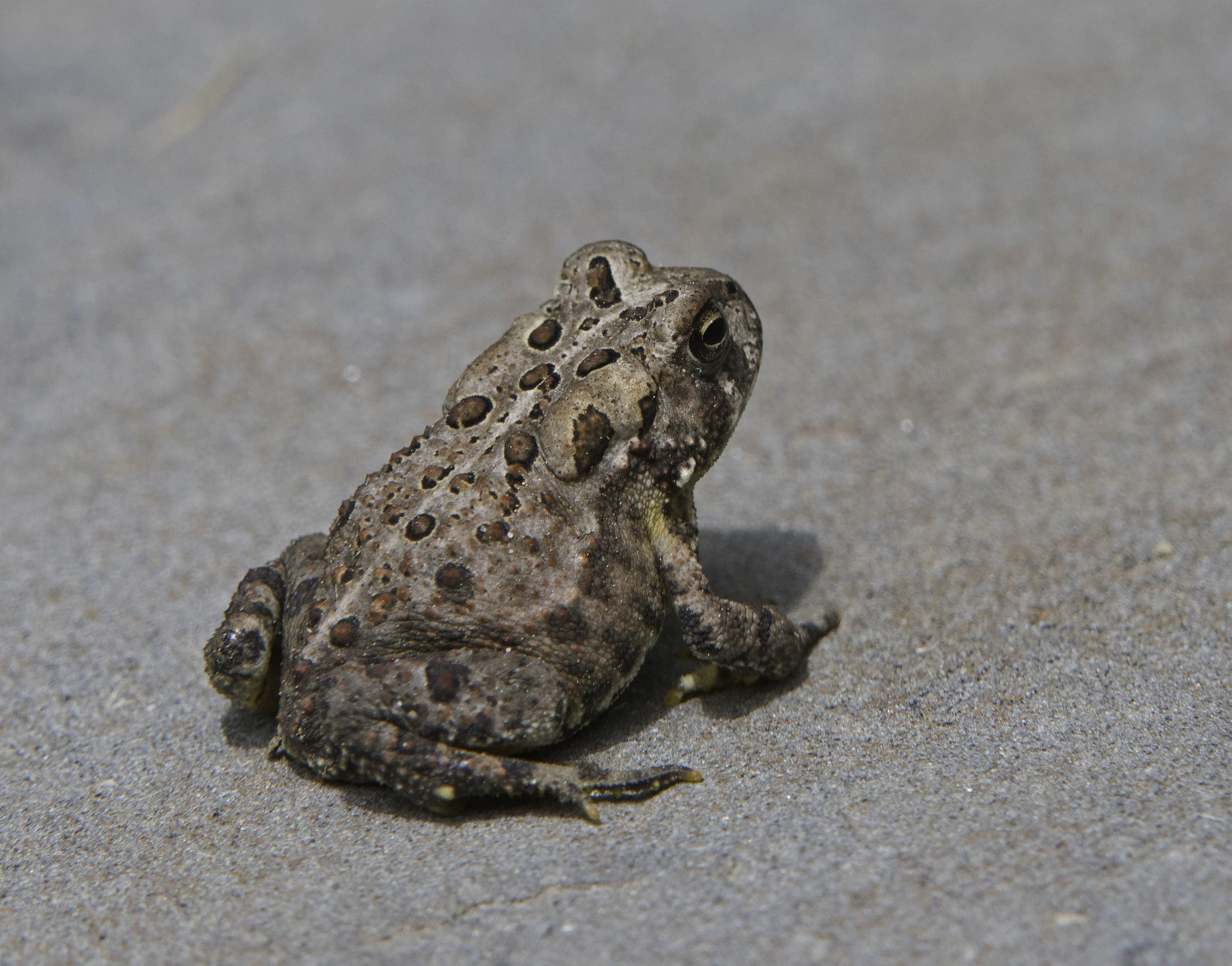
This little fellow could sit on a nickel and still have room to stretch. He’s an Eastern American Toad (Anaxyrus americanus) and part of the toad migration now hopping through our woods. A few days ago, the little toads like this were tadpoles; now, they’re looking for homesteads.

RJL_9778-Edit.jpg

If he grows up, he’ll be somewhere between two and four inches long and capable of eating 1,000 insects daily. To protect against predators, he exudes a mild poison from his cranial crests. That toxin can irritate human eyes and mucous membranes and make dogs sick, but it doesn’t bother the Garter Snakes that think toads are a delicacy. (Brooklin, Maine)
Comment

Comment

In the Right Place: Late Bloomers

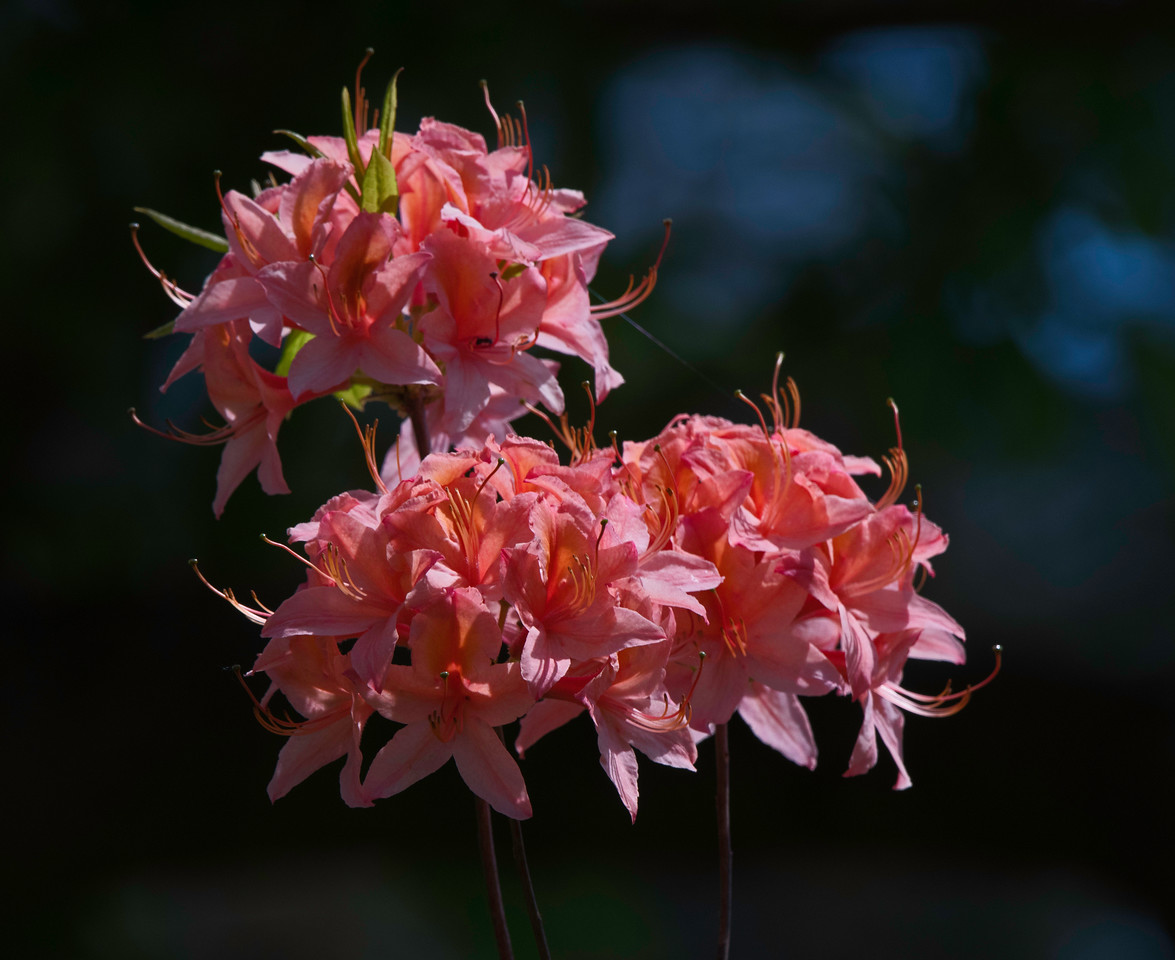
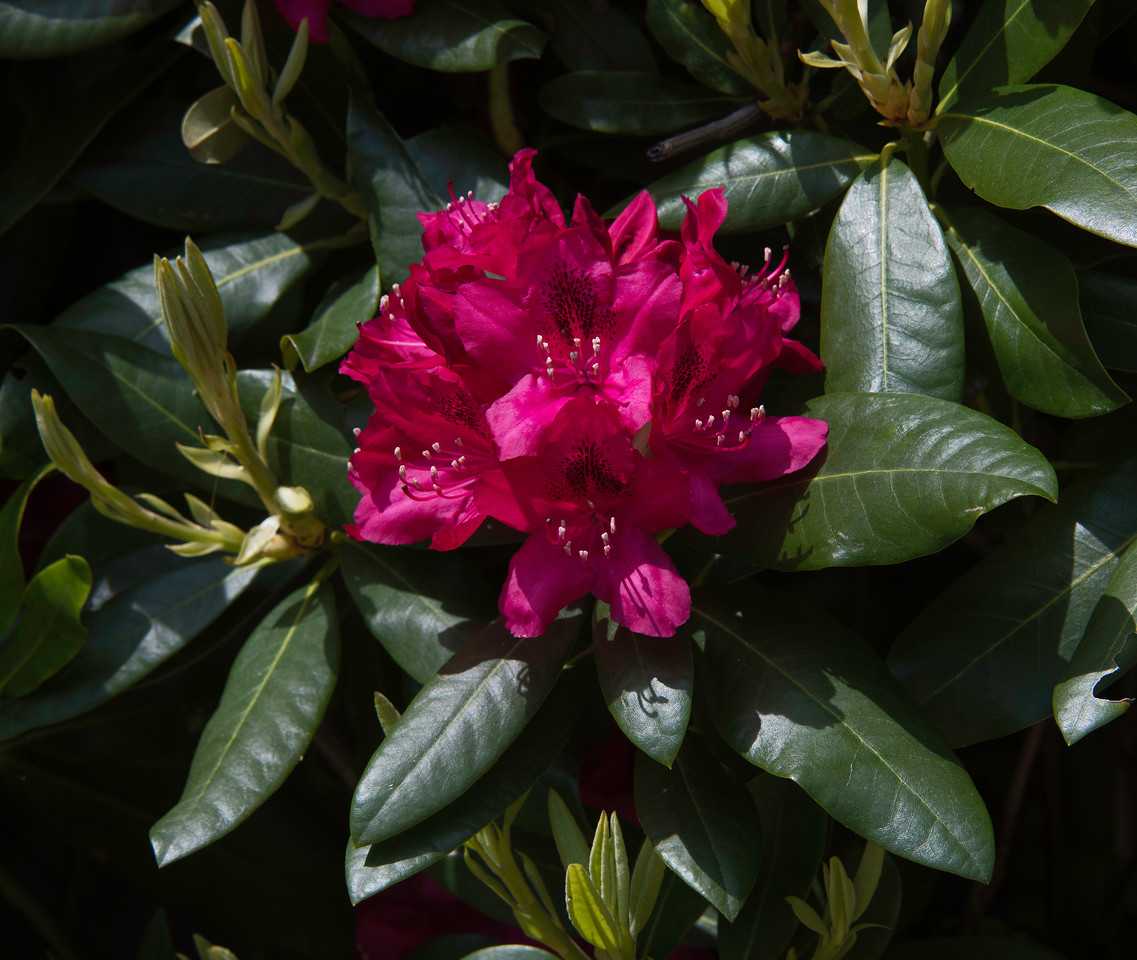
Many of the more exotic Rhododendrons, including Azaleas, were late in blooming on our coast this year, apparently due to our freeze-thaw-freeze winter and wet-cold spring. However, during this week, we’ve finally seen the riotous colors that some of these Rhodies produce.

1.jpg

Our favorites are the stunning pink-orange Azalea above and red evergreen Rhody below.

2.jpg

(Brooklin, Maine)
Comment

Comment

In the Right Place: Blur

This bird is heard more often than seen. When seen, he’s usually just one of several flying brown blurs that are impossible to focus on without equipment. But, when occasionally seen clearly in the underbrush, he’s surprisingly cute in a brown-feathered way.

A.jpg

Yes, he’s a Song Sparrow. Here, he’s apparently trying to attract a mate late in the courtship season. As with many other birds, female Song Sparrows are attracted most to the males that add novel improvisations to the specie’s usual calls. This lonely soloist inserted some complicated cadenzas that sounded pretty good to us, but no female Sparrow showed up to applaud. There was no sense in taking a bow.

B.jpg

(Brooklin, Maine)
Comment