Comment

In the Right Place: Cushy

We’re in Great Cove yesterday morning watching the Stephen Taber. There’s virtually no wind, so she’s being turned by a crew member in her powerful yawl boat, Babe, which is lashed to her stern. Once the Taber is pointed toward Eggemoggin Reach and its better winds, the crew member will climb onboard and Babe will become the vessel’s outboard motor.

4.jpg
3.jpg

This 110-foot windjammer has no engine, which is the way things were in 1871, when she was launched into the rugged 19th Century commercial coasting fleet.

5.jpg

Now, the Taber is a spiffy National Historic Landmark out of Rockland, Maine; life on her can be pretty cushy.

1.jpg
2.jpg

She’s now on an advertised five-day “Gourmet Gastropub Cruise” with Chef James Tranchemontagne at the stove and lecturing on cooking. He’s the owner of the Frog & Turtle restaurant in Westbrook, Maine.

Don’t get fooled into thinking that she’s just a lush floating lounge, though. When she’s racing with all her canvas up, passengers better hold on:

Prior Year Image

Prior Year Image

(Brooklin, Maine)

Comment

Comment

In the Right Place: Dark and Darker

Deciduous tree leaves have filled much of the canopy of our spruce-fir-hardwood forests, making the woods darker in many areas. Two of our more bashful plants that love shadows are emerging there: Star Flowers and Lady’s Slippers.

Multitudes of tiny Star Flowers are sprinkling the dappled and dark mossy areas of our woods and many of them are “Lucky Stars”: plants that have seven leaves and seven-petalled flowers.

1.jpg

The less common Lady’s Slippers need things darker and danker for their delicate foot-ware. These wild orchids grow only in moist soil that contains the mycorrhizae fungus, which provides the plants necessary energy and nutrients.

2.jpg

(Brooklin, Maine)

Comment

Comment

In the Right Place: Down East Tale

This is the Lewis R. French in Great Cove early yesterday morning, waiting to raise sail.

3.jpg

She sailed out of the Cove in a light rain that, by afternoon, had worked itself into a psychotic torrent of a storm. The drenched tourists on this schooner will have a good tale to tell when they get home.

The 101-foot French was launched in 1871 out of Christmas Cove, Maine. She was built there by the French brothers and named after their father. In her youth, her life was varied and hard: Among other things, she freighted bricks, granite, fish, lime, firewood, and Christmas trees.

6.jpg

Now, the French is a classic and almost luxurious coastal cruiser out of Camden, Maine; she takes visitors out for leisurely multi-day sails, roving the islands and coves of Down East Maine and serving exquisite food. (Brooklin, Maine)

Comment

Comment

In the Right Place: Candelabra Time

Our Horse Chestnut Trees (Aesculus hippocastanum) are sprouting their beautiful candelabra-shaped flower stalks now.

1.jpg

These unusual trees are native to the Balkans. They were imported into England in 1616, primarily for landscape use, and then exported to the United States for similar purposes – it’s unusual to find one within the woods. It was called a chestnut tree because of similarities to the European Sweet Chestnut Tree (Castanea sativa), but it’s not related to that tree.

2.jpg

Most botanists say that it was called a “Horse” Chestnut because the Turks fed its seeds to cure coughing horses. Some also say that it got that name because, when the trees’ leaves fall, they leave scars on their twigs that look like horseshoes with nail holes. (Brooklin, Maine)
Comment

Comment

In the Right Place: The Chase

These are our Lilac days. The bushes are offering large, fragrant scoops of their delicious-looking dessert. The flowers are edible, but they don’t taste nearly as good as they look and smell.

3.jpg

Folklore tells us that the purple Lilac is the flower of our first love and the white Lilac is the flower of our once youthful innocence.

2.jpg

In Greek mythology, Pan, the god of the forests and fields, saw the beautiful nymph Syringa and immediately gave chase for reasons other than conversation. She escaped his clutches by turning herself into a Lilac bush (probably white). That’s why the scientific name for the Lilac genus is Syringa. (Brooklin, Maine)
Comment

Comment

In the Right Place: Awakening

This is early yesterday morning. The sun has just crested the ridge and is peering into Great Cove; there’s virtually no wind; the tide is rolling slowly out as an undulating mirror. It’s quiet. There are no other people here to see the boats awaken.

1.jpg

We focus on an odd pair of residents. Martha is a gracefully sturdy 20-foot Salee Rover Sloop owned by neighbor Rich Hilsinger. She squints into the sun, languidly taking in its warmth.

2.jpg

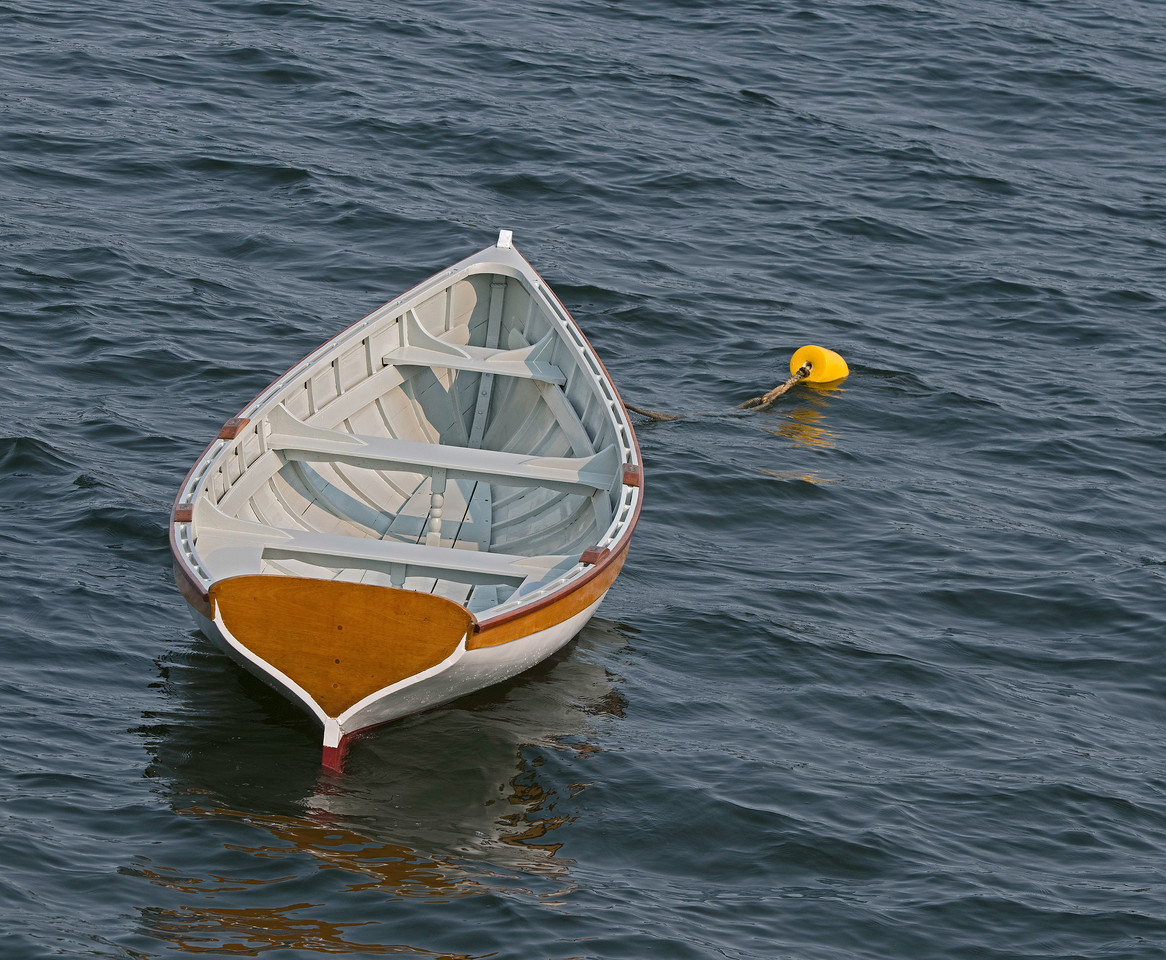
Geronimo is a strong and fast 18-foot West Pointer skiff designed and originally built by Alton Wallace. She’s fully awake and eager to be let off the leash to start the day’s ferrying, pushing, and pulling for her WoodenBoat School masters. See the image in the first Comment space. (Brooklin, Maine)

Comment

Comment

In the Right Place: Attached

You’re looking at the subject of an important recent court decision on Maine shore rights. This is Rockweed, which is the common name for several forms of seaweed that attach themselves to rocks. The plants are havens for marine life, but also are harvested commercially for human food and fertilizer uses.

i-Zg29GBP-X2.jpg

The Maine Supreme Judicial Court held that Rockweed that is growing in the inter-tidal zone (ITZ) of a private property belongs to the owner of that property and may not be harvested without that owner’s permission. The ITZ is defined as the area between the average high and low tide lines up to a maximum distance of “100 rods” (1,650 feet).

i-GqtcPKG-XL.jpg

Everything within the ITZ belongs to the upland property owner, but is subject to public use for “fishing, fowling, and navigation” – ancient words that are broadly interpreted to provide a reasonable balance between modern public and private shore rights. For example, the public has a right to dig (colloquially, to “fish”) for clams and bloodworms in the ITZ. But, the Court ruled, it would be going too far to interpret Rockweed harvesting as fishing, fowling, or navigation. (Brooklin, Maine)

Comment

Comment

In the Right Place: All in the Family

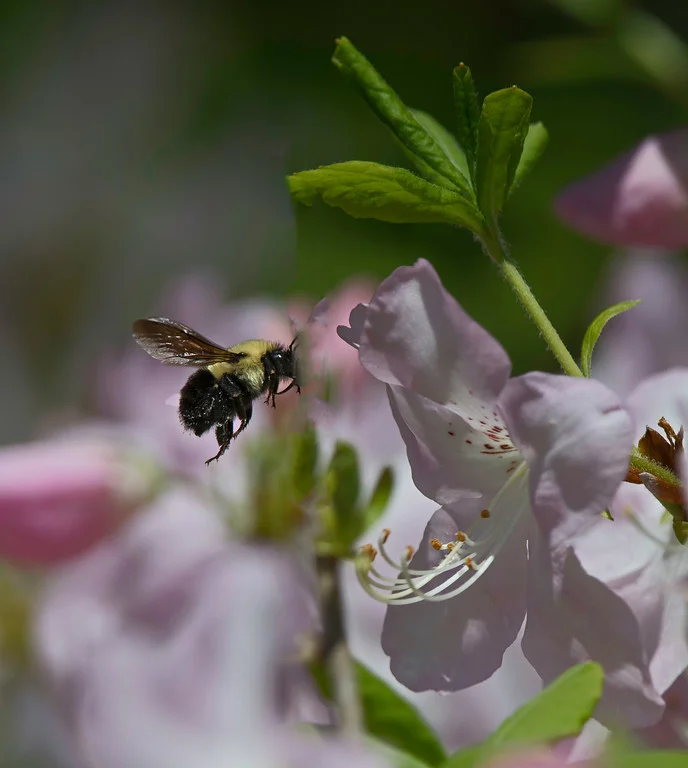
Our nectar-starved bees are overjoyed: Azaleas are now appearing in profusion. The cold spring apparently delayed many Azalea blossoms.

i-ptFdZfk-XL.jpg

There also is the question of what to call them now. Since the nosy horticultural genealogists reclassified Azaleas into the Rhododendron genus, there has been some confusion among those of us who are not experts.

A.jpg

 As we understand the situation, all Azaleas are now Rhododendrons, but not all Rhododendrons are Azaleas. Most Azaleas are deciduous; most non-Azalea (“true”) Rhodies are evergreen. Azaleas have funnel-shaped flowers; most true Rhody flowers are bell-shaped. Most Azaleas have 5 stamens per lobe; true Rhodies have 10 or more.

B.jpg

(Brooklin, Maine)

Comment

Comment

In the Right Place: Elongated

This is one of our bears that probably won’t destroy any bird feeders. It’s a Banded Woolly Bear, also called a Woolly Worm and Fuzzy Worm. These caterpillars are the just-hatched larva of the Isabella Tiger Moth (Pyrrharcticia Isabella).

i-SSpgkkx-X2.jpg

According to unsubstantiated folklore, Woolies predict the weather (especially winter weather) by the number and size of their reddish-brown segments – more red means milder. By the way, the origin of the word “caterpillar” apparently is the Old French word “chatepelose,” literally “hairy cat.” But, English children thought that the lumbering insects looked more like little elongated bears. (Brooklin, Maine)
Comment

May Postcards From Maine

6 Comments

May Postcards From Maine

This year we had the most disappointing May that we’ve had here for a long time: mostly cold fog and rain But it did provide some wonderful experiences.

1.jpg

When the sun did come out, we jumped at the chance to experience the jewel-like Maine spring days. that May is (or was) famous for.

5.jpg
8.jpg

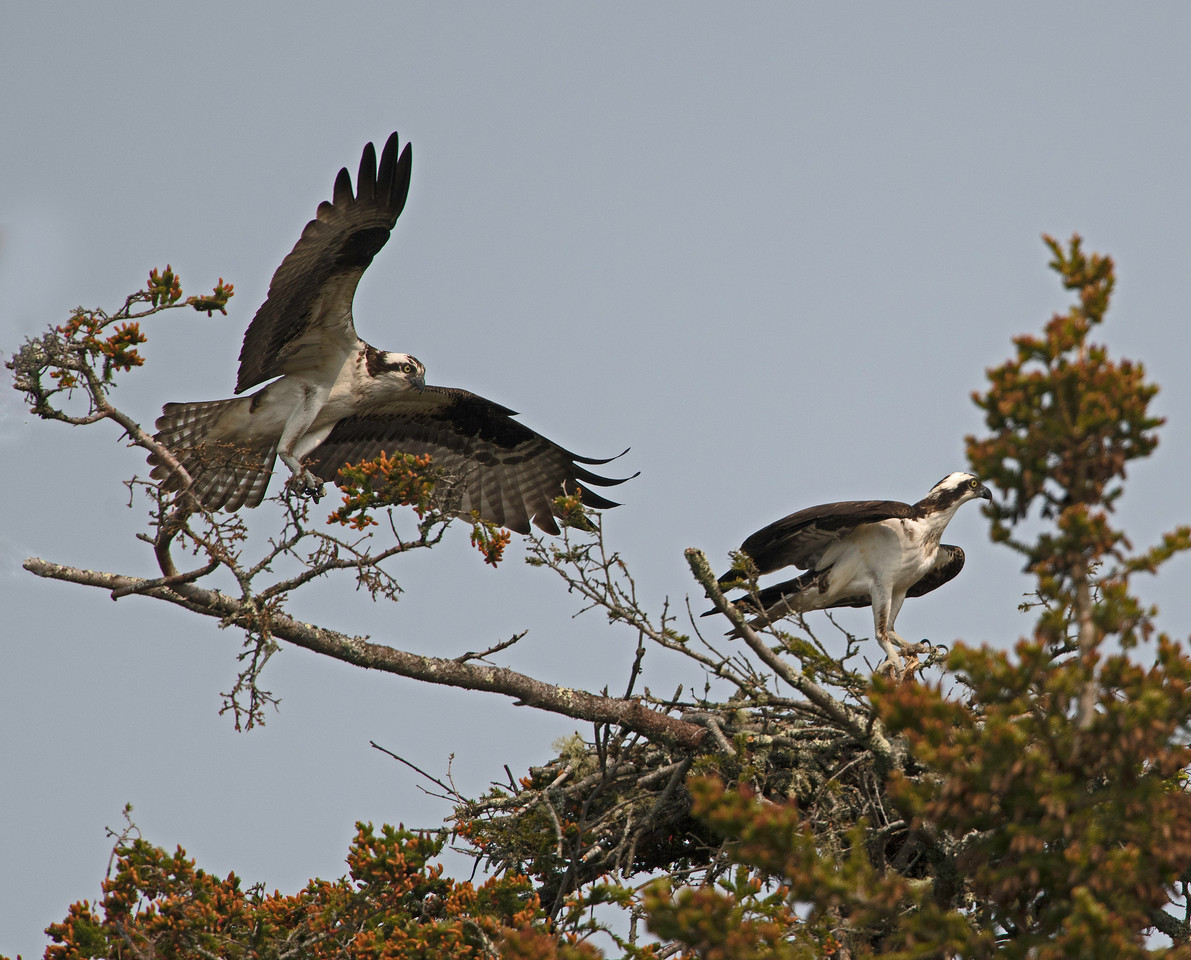
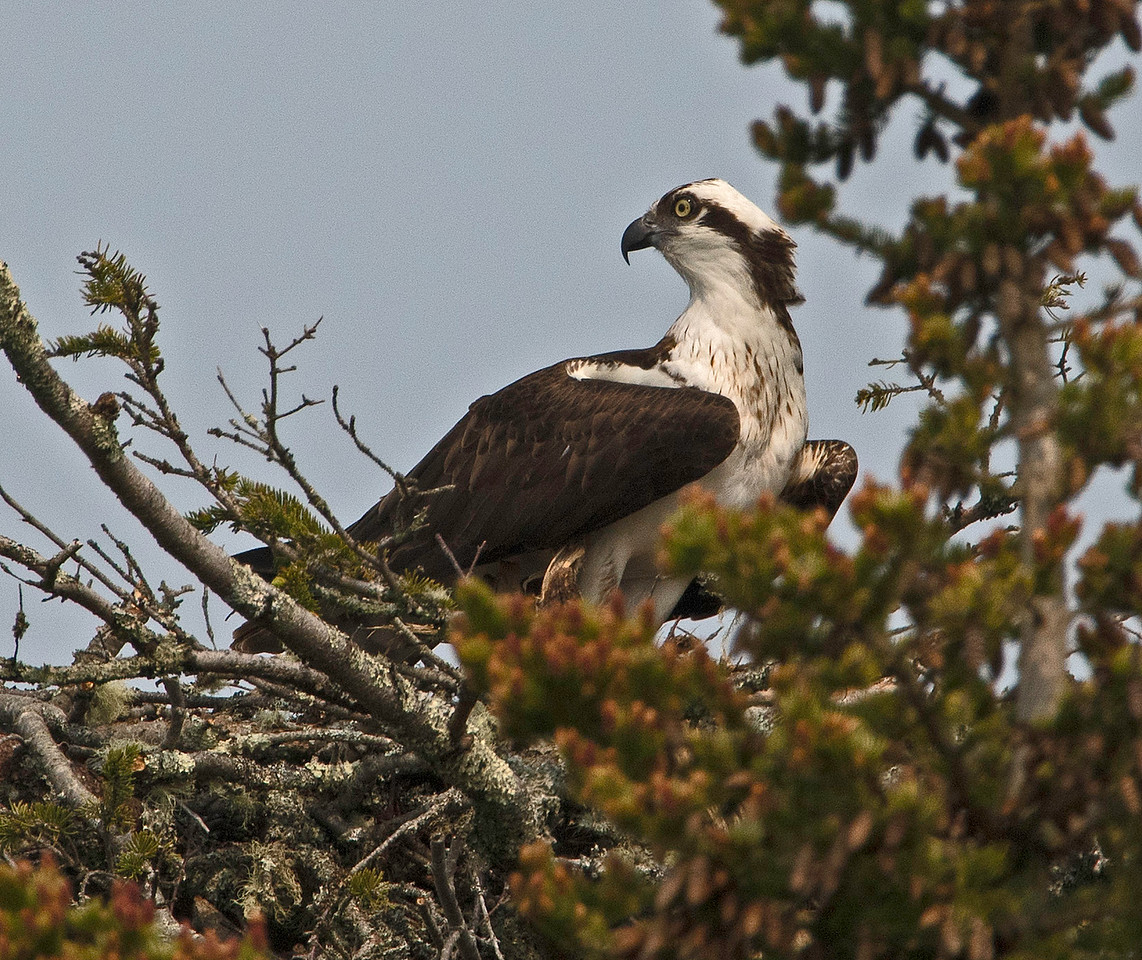
Nonetheless, our resident Gulls seemed not to mind the drizzly fog and our large migrant fishing birds seem to have wintered well. We have a pair of Ospreys building a love nest in the top of a Balsam Fir on the shore of Brooklin’s Great Cove and colonies of Double-Crested Cormorants seem larger than usual.

4.jpg
9.jpg
12.jpg

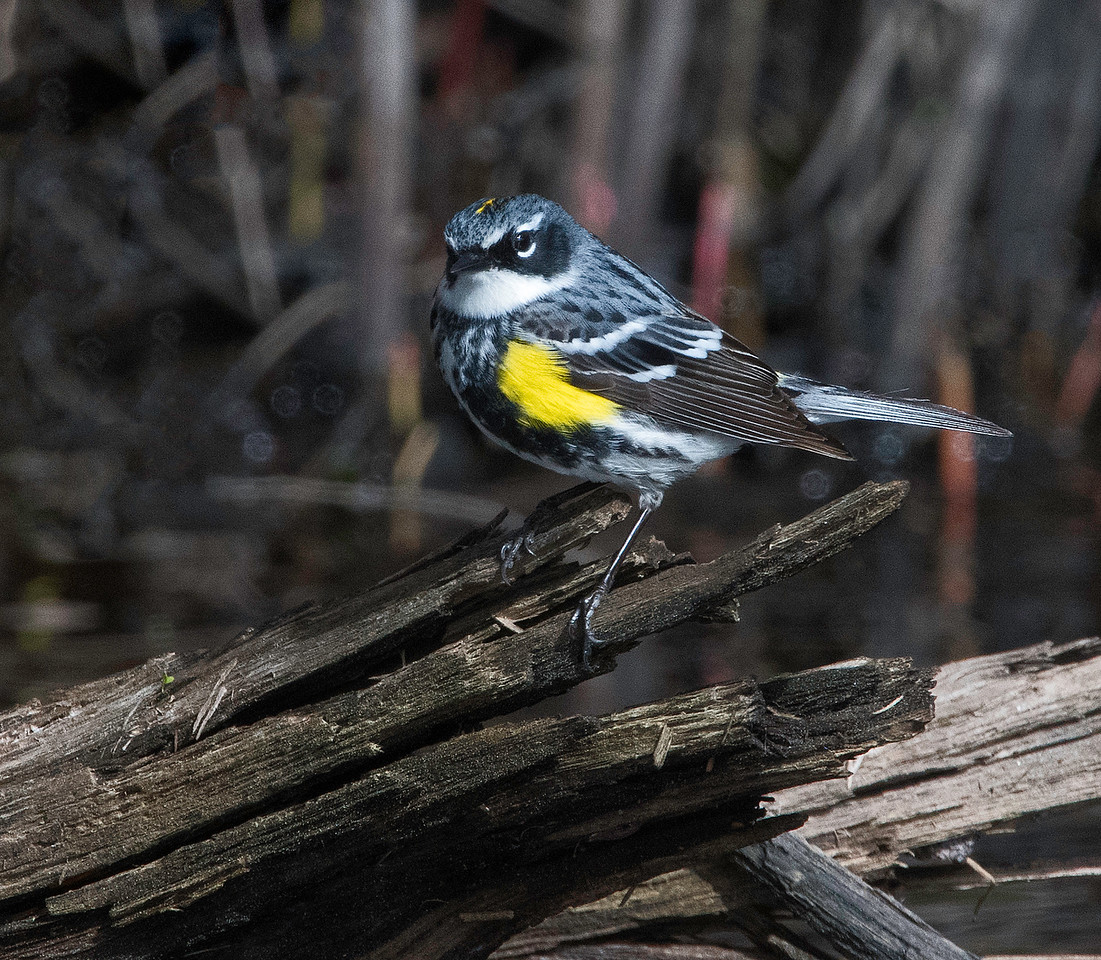
Tree Swallows have been here all month and our spring warblers are still coming in. (Below there are three images of Tree Swallows, then these Warblers: Common Yellowthroat, Yellow-Rumped, Northern Parula, American Redstart, and [singing] Yellow.)

15.jpg
16.jpg

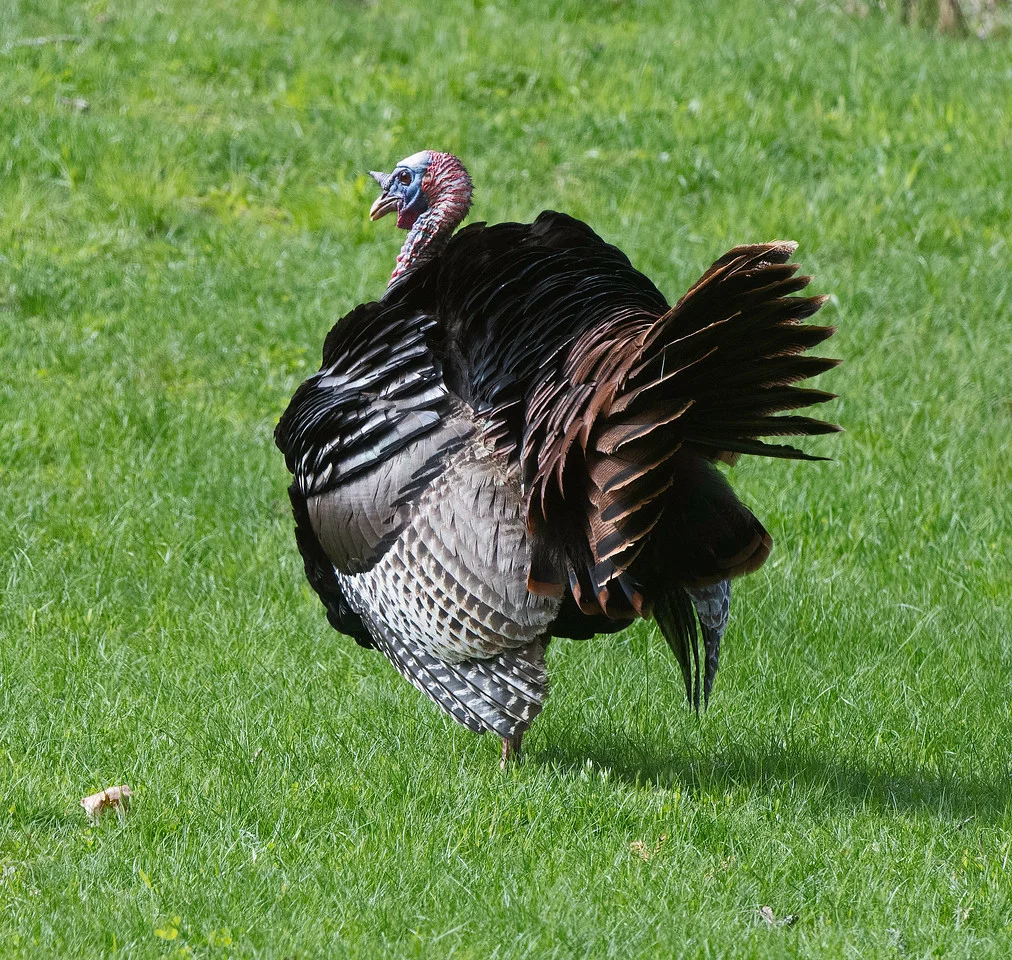
In terms of our tough resident birds who braved our winter, our male American Goldfinches donned their summer yellow suits and our male Wild Turkeys were still strutting in May.

Our favorite reptiles came out of hibernation in large numbers, We have at least seven Painted Turtles in our pond; they usually bask in threes and fours.

23.jpg

Moving from pond water to the sea, Great Cove came alive in May. Blue Sky was the first fishing vessel to set and tend lobster traps there, small sailboats and pulling boats were moored there again, and the first Coastal Schooner, Angelique, arrived on May 30 and left the next day.

24.jpg
28.jpg

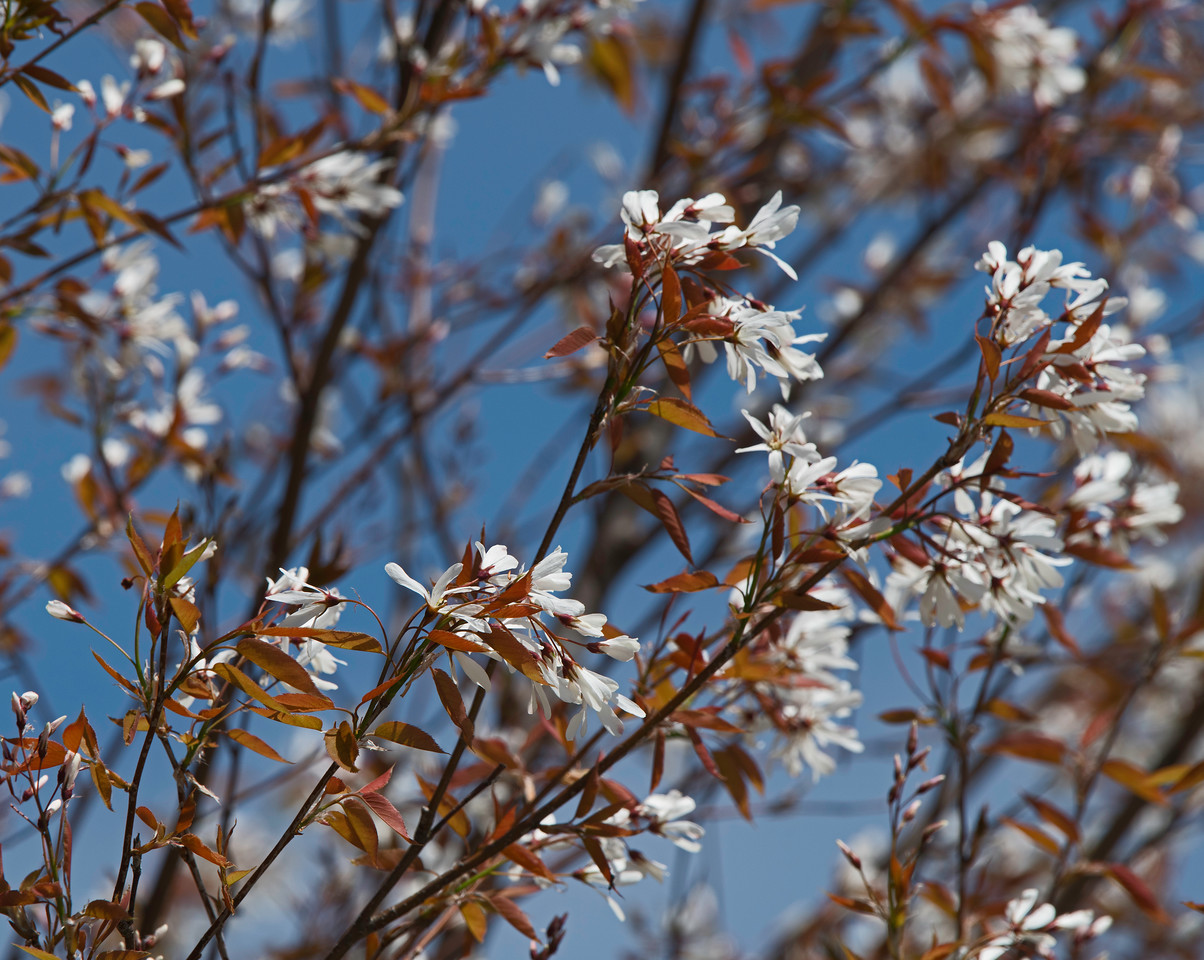
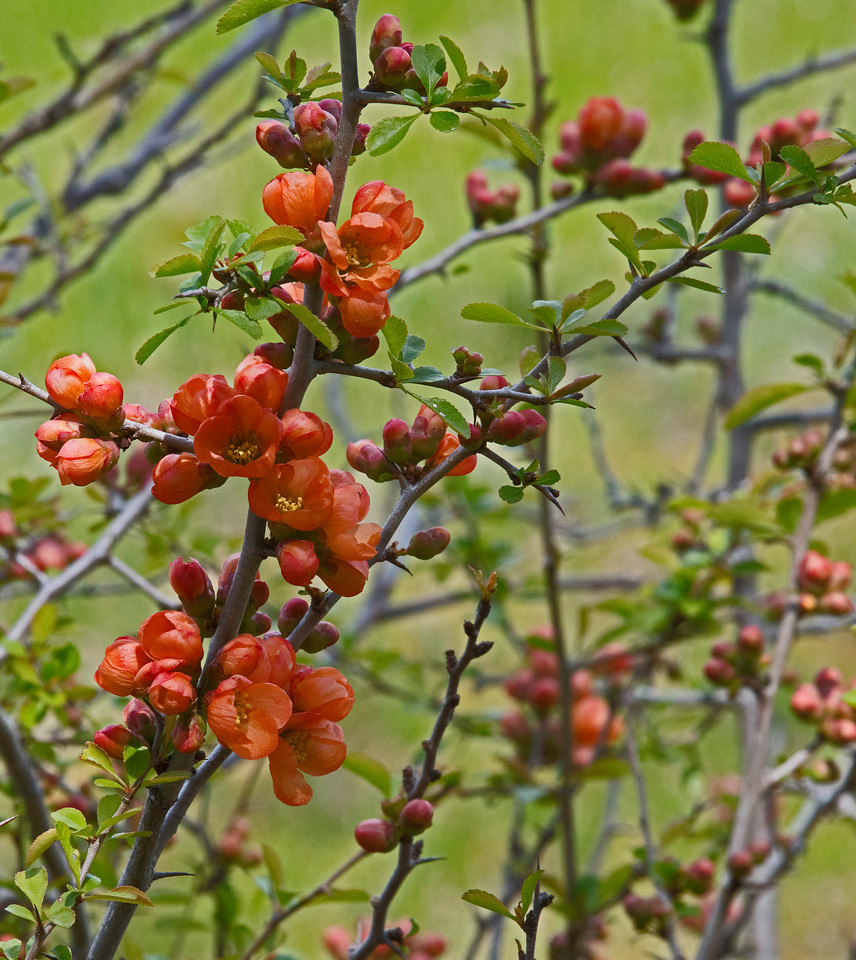
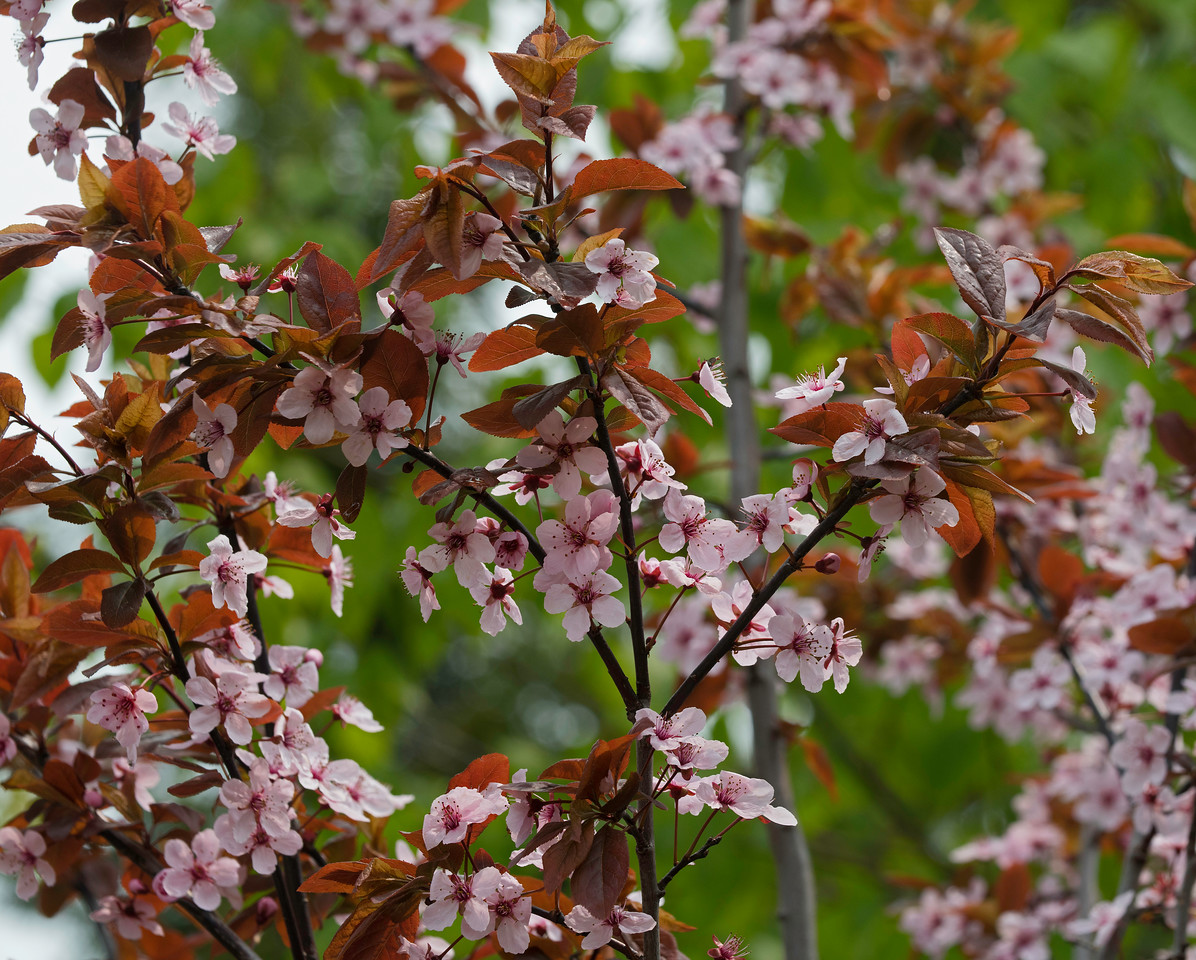
Of course, May also is the month for blossoms. Here are just a few (Shadblow, Quince, Forsythia, Plum, and Crabapple. )

30.jpg

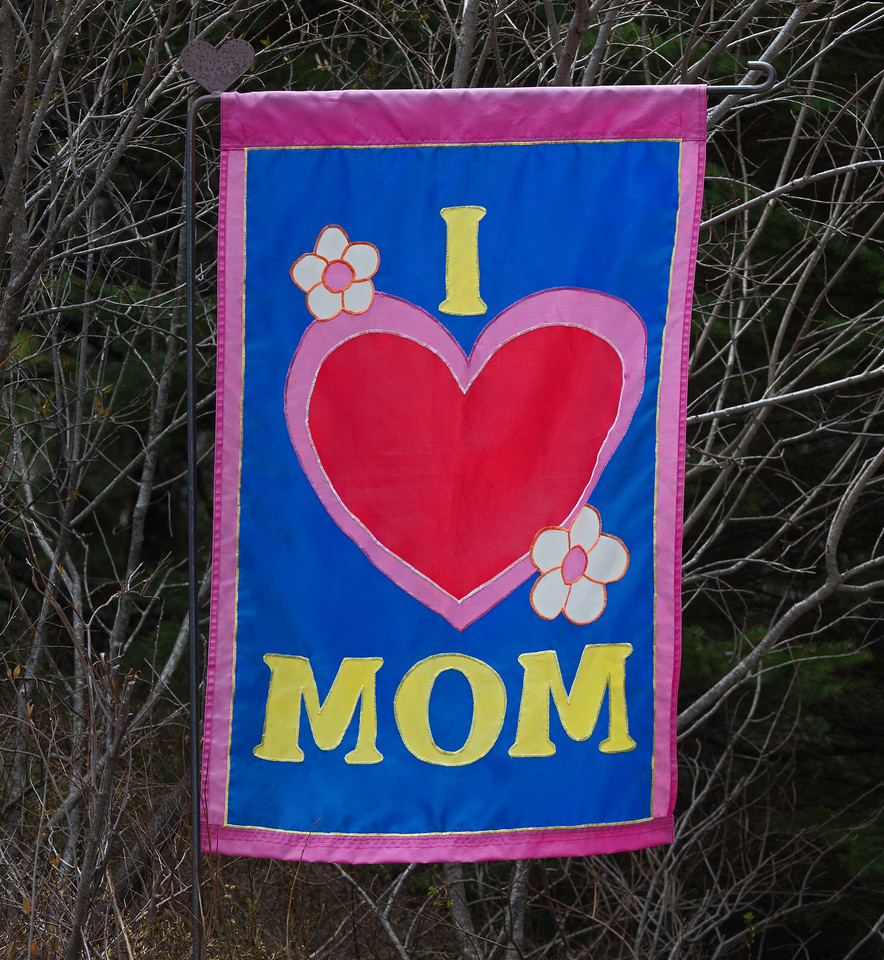
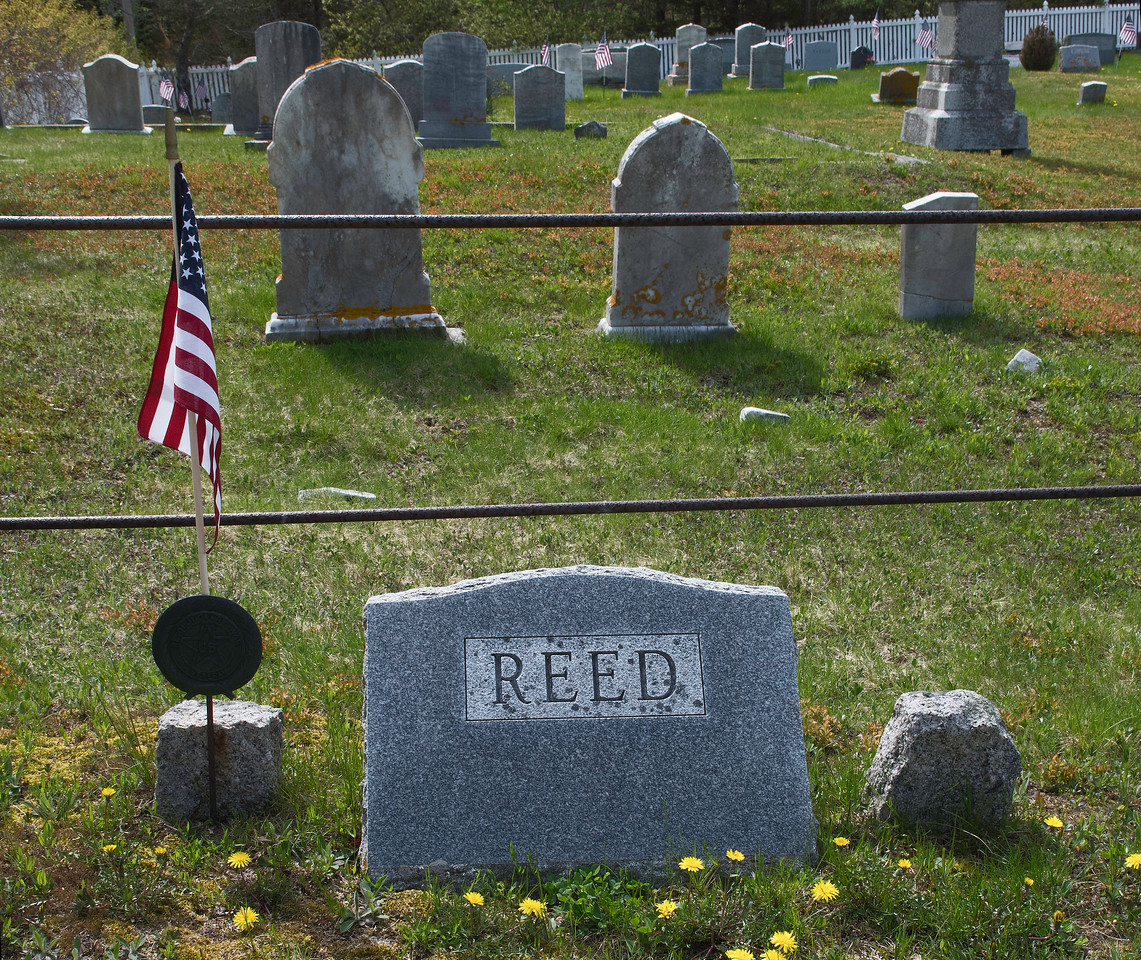
We celebrate Mother’s Day and Memorial Day in May, when neighbor Judith Fuller hangs her famous road banner and flags fly over veterans’ graves. This year, we also had a “Flower Full Moon” that was a New Moon, as well.

37.jpg

(All above images taken during May of 2019 in Down East, Maine.)


6 Comments

Comment

In the Right Place: She's Back

This is Blue Sky coming into Great Cove yesterday morning.

ITRP 1.jpg

She’s one of our fishing vessels that are starting the summer-fall lobster season now, after spending the winter “on the hard.” Here we see owners Sandy and John White hauling up a trap as Blue Sky idles

ITRP 2.jpg

The traps need to be emptied and rebaited (preferably with smelly herring) in a bait bag.

ITRP 3.jpg

Below we see Sandy putting bait into the orange bait bag and John tossing back lobsters that are not within the legal limit. (You can see a baby lobster in mid-air.) The legal limit now apparently is from 3 1/4 to 5 inches of carapace length. The carapace is the lobster’s armored body part that contains the legs and claws.

ITRP 4.jpg

(Brooklin, Maine)
Comment

Comment

In the Right Place: Tale of Two Tails

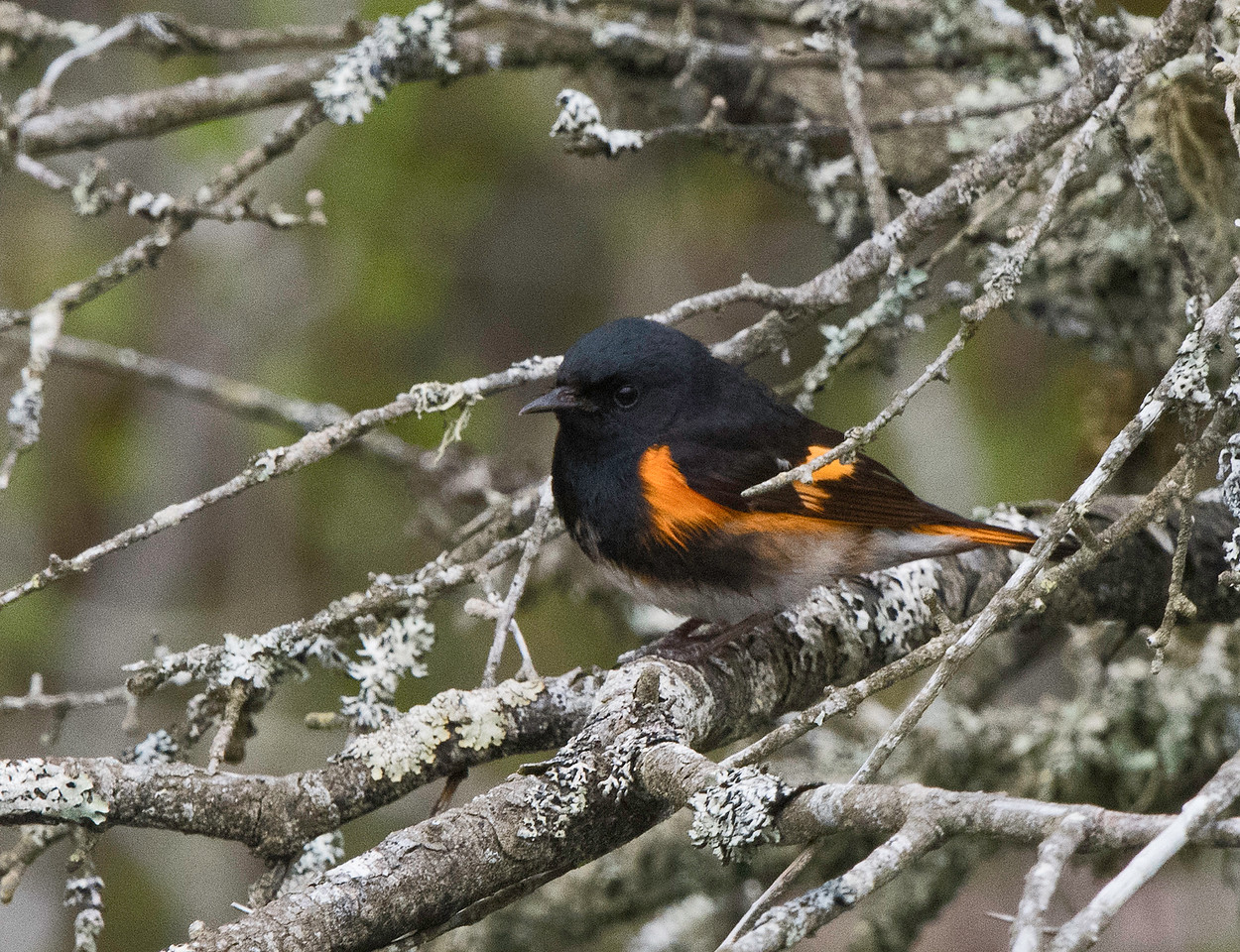
We were lucky to catch this mature male American Redstart at rest for a second before it resumed its flitting patrol among the thick alder branches. Both sexes of these Warblers are vigorous invaders and defenders of territory.

i-49tWd5w-XL.jpg

There was no sign of a mate. Female Redstarts have no red jewelry. They’re white and gray-olive, with yellow patches on their wings and tail. So are first-year male Redstarts, making identifications difficult for amateurs like us.

The mature male’s red-orange tail patches are how the birds got their name, even though that name is descriptive only of older male Redstarts: “start” derives from the Middle English “stert,” meaning tail. (Brooklin, Maine)

Comment

Comment

In the Right Place: Welcome

It’s another foggy-drizzly-chilly day here in the Vacationland State. Old-timers are saying that this has been the most disappointing Spring ever. Nonetheless, many of the purple azaleas are at their peak and deep red tulips are standing tall.

Azalea 1.jpg
i-Bj3sjVW-XL.jpg

Thye’re like neon Welcome signs on a dark road.

(Brooklin, Maine)

Comment

1 Comment

In the Right Place: Game of Stones

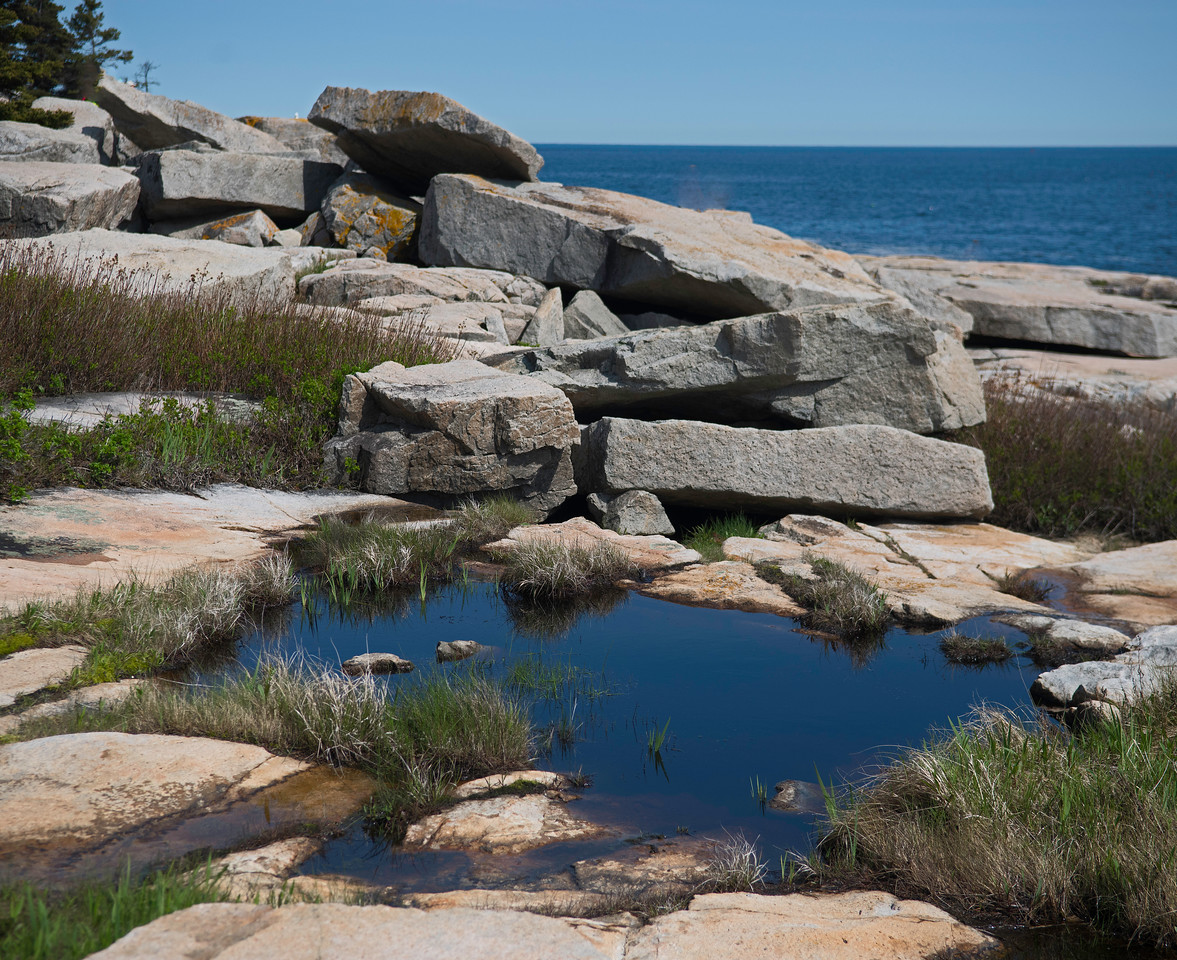
This is Schoodic Point on Saturday (May 25), where exciting scenes can be enjoyed without staring at a digital screen.

1.jpg

This peninsular, located in Winter Harbor, is the only part of Acadia National Park that is not on an island.  Its massive granite ledges and volcanic basalt dykes have been fighting a war of attrition against the Atlantic Ocean since time immemorial.

2.jpg

Danger is in the history here, where sailing ships have foundered and a few careless climbers have had serious falls and even been caught by rogue waves and swept to sea.

4.jpg
7.jpg

Real thrills mixed with three-dimensional beauty are still possible.

8.jpg

(Winter Harbor, Maine)

1 Comment

Comment

In the Right Place: Service

Today is the most profound of our three annual military recognition days: it’s Memorial Day, when we honor those who died while serving in the United States Armed Forces. The other days are May 18, Armed Forces Day, when we honored those on active duty and November 11, Veterans Day, when we’ll honor those who previously served in the military.

2.jpg

The image above is from the full military honors at Arlington National Cemetery for someone we think of on all three days: Don Green, a good friend, colleague, and former Lieutenant Colonel in the U.S. Marine Corps. More images of his ceremony are below, followed by local images.

2A.jpg
1.jpg
3.jpg

The above military ceremony for our friend was several years ago, but we also visited Brooklin’s Naskeag Cemetery yesterday to honor many local veterans whom we never knew. Most notable, perhaps, was William Reed, a Captain in George Washington’s Revolutionary Army who participated in “The Battle of Naskeag,” a 1778 skirmish with Redcoats not far from the cemetery.

7.jpg

Veterans from many other eras are buried there, including those under these gravestones:

9.jpg

At the Naskeag Cemetery yesterday, we were reminded that hope often emerges from sadness — the beautiful crab apple trees there are about to bloom.:

i-gTkFBfS-XL.jpg

(Brooklin, Maine).

Comment

Comment

In the Right Place: Dabs

For once, the Ornithological High Priests who name birds were able to come up with a name that is simple, true, and memorable: this is a male Yellow Warbler.

1.jpg

Yellow Warblers have more yellow on their little (about 5-inch) bodies than any other of our warblers. Both sexes resemble dabs of sunshine. The males have rusty breast streaks, as you see above. The females don’t have those streaks or only faintly have:

2.jpg
3.jpg

The males are very musically talented – they reportedly compose and perform up to 3.240 different happy arias a day to attract females, but they also hiss like snakes when protecting their territory.

i-Ghq4cw9-XL.jpg

(Brooklin, Maine)

Comment

Comment

In the Right Place: Persnickety

Sailing season must be coming: WoodenBoat School staff members attached the docking float to the WBS pier at low tide on Thursday (May 23).

Pier 1.jpg

Many consider a “dock” and a “pier” to be interchangeable words. But some of us are persnickety and consider a dock as a parking place for boats, a place that may be part of a floating pier that is in the water or attached to a stationary pier that is above the water. The pier, in effect, is the walkway or roadway to the dock area. That area may be a docking or boarding “float” attached to the pier by chains and accessed via a gangway down from the pier, as is the case at the WBS.

Pier 2.jpg

[Added later: The gangway was affixed in the morning of May 28:}

i-xgMb8fR-XL.jpg

(Brooklin, Maine)
Comment

Comment

In the Right Place: Baptism

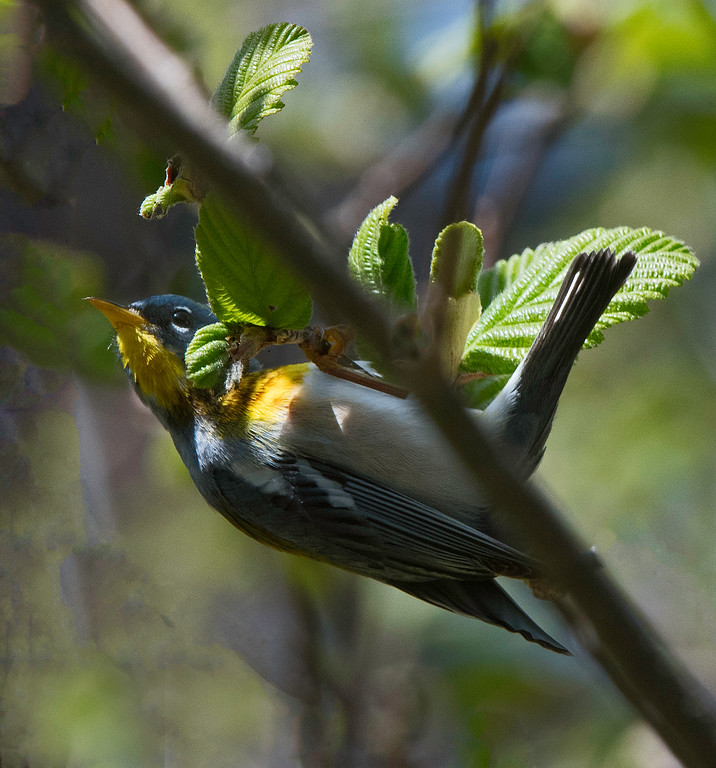
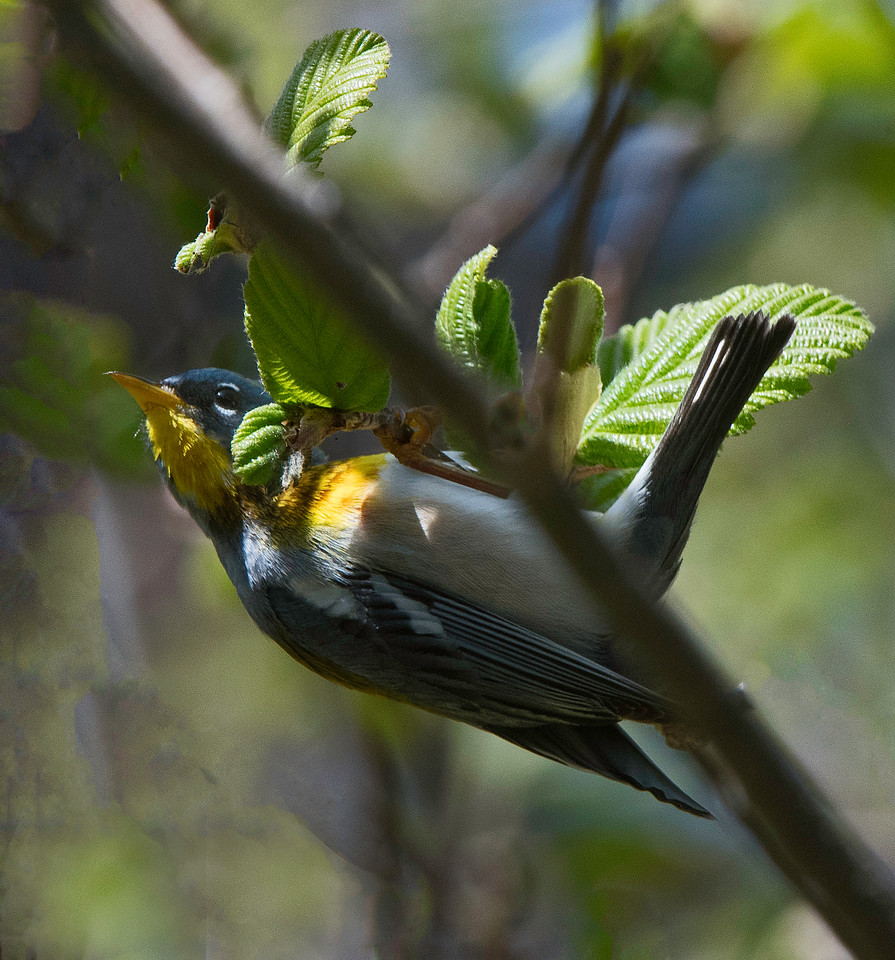
Here we have a newly-arrived male Northern Parula Warbler busily gleaning insects from emerging Speckled Alder leaves.

1.jpg

The female NPW looks the same, except she’s neater and doesn’t have dark “food stains” on her chest. Compare her with him: 

5 Female.jpg
2.jpg

James Audubon named these little birds “Blue Yellow-Backed Warblers” because that’s what they look like:.

4.jpg

However, our ornithological high priests who prefer obscure terminology baptized them Parulas (“little titmice,” the genus for titmice being Parus).

3.jpg

Our Parulas are called Northern because they live mostly in the United States and Canada, compared to the Tropical Parulas, which are yellower and live mostly in Central and South America. (Brooklin, Maine)
Comment

Comment

In the Right Place: Vintage

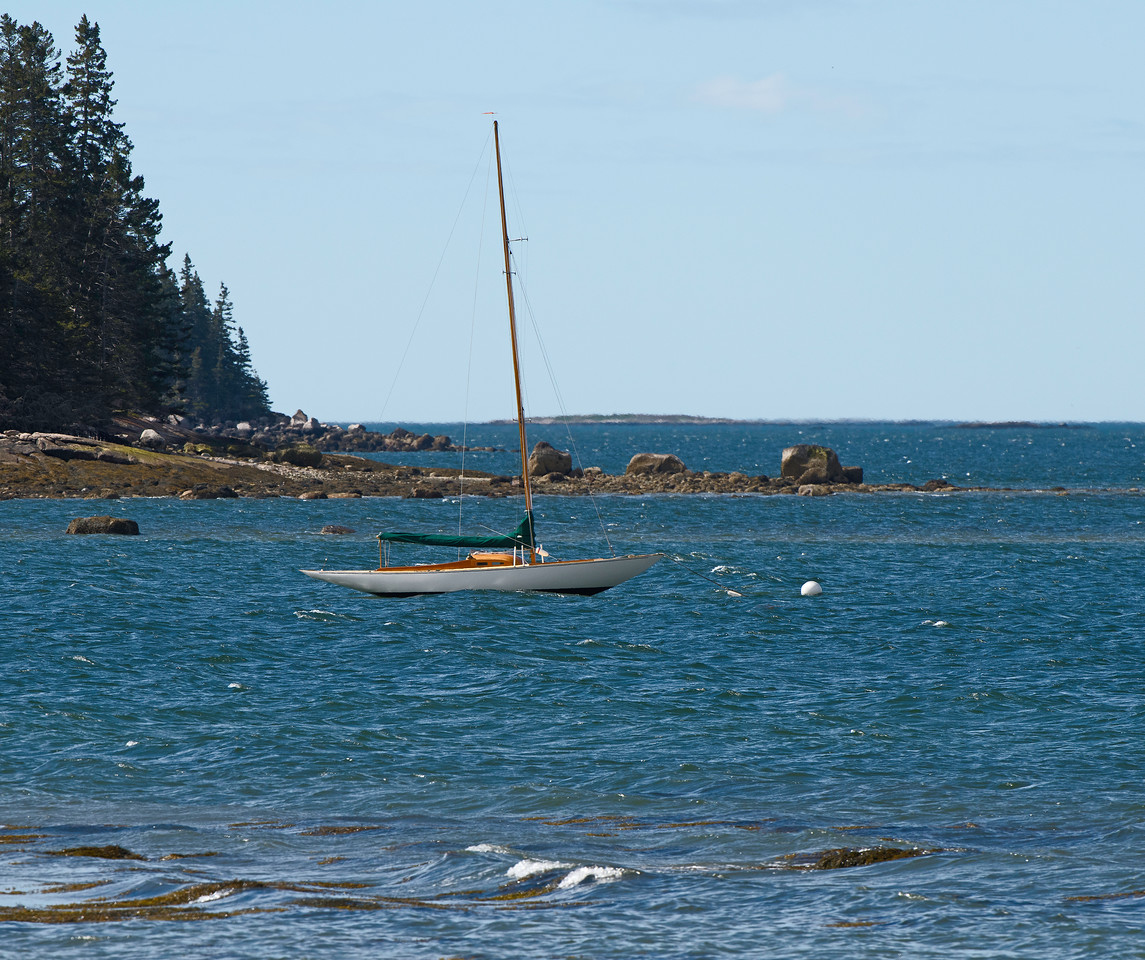
Here we have neighbor Cynthia Stroud’s beautiful Frolic pulling at her mooring line in windy Great Cove on Tuesday (May 21). As usual, Frolic was the first sailboat to moor in the Cove this Spring and remains the only one there as of today.

052119 GrCove.jpg

She’s a “Luders 16” sloop. That is, she’s part of a class of graceful boats designed by famed naval architect Alfred Edward (“Bill”) Luders, Jr., and is a little over 16 feet long at the waterline (26’4” overall length). These boats originally were designed in 1934 for junior sailors, but have become favorites for many highly-experienced sailors who love to race vintage boats. (Brooklin, Maine)
Comment

Comment

In the Right Place: Looking Down

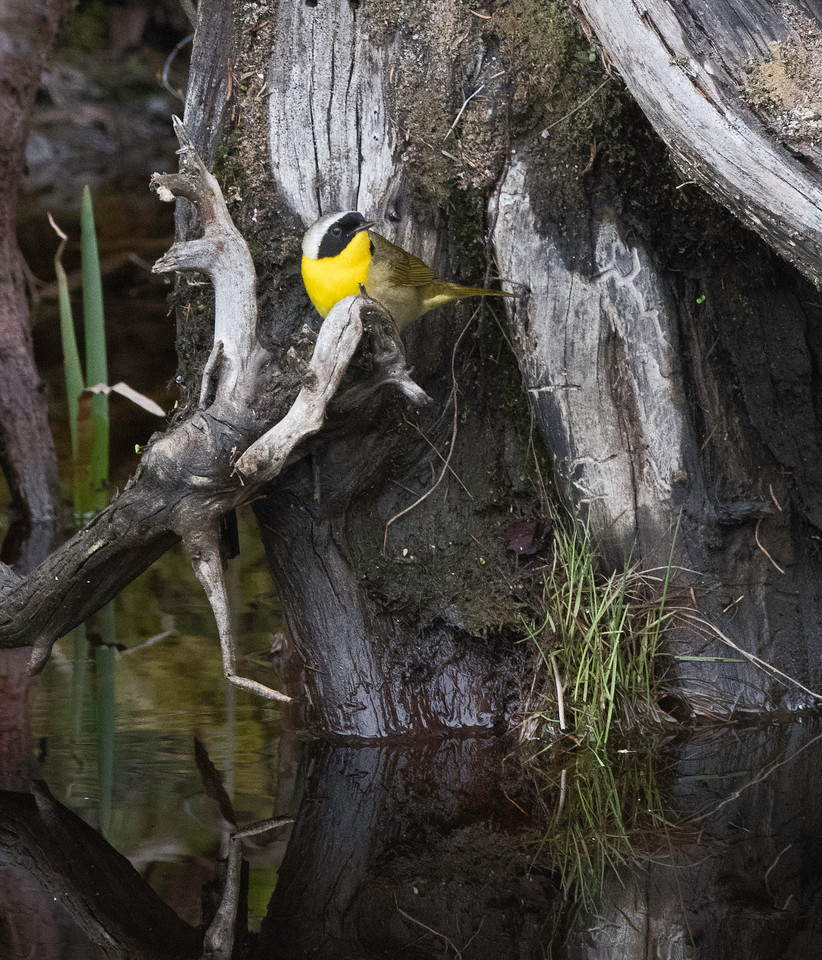
Waves of warblers are now coming through, driving us crazy as we try to identify the flitting and confusingly-named beauties.  Here we have a Common Yellowthroat Warbler, which is not to be confused with the different Yellow-Throated Warbler.

3.jpg

In fact, this is a male Common Yellowthroat, which is not to be confused with the female; she does not wear a mask, but loves them – she reportedly chooses a mate based on the size of his mask. (Bigger is better, when it comes to this species.) Here’s what she looks like

6.jpg

Common Yellowthroats are our only warblers that nest low in reedy marshes and like to hop around at the water’s edge; they’re easily missed by those who always look up for warblers.

4.jpg

However, the males frequently sit in low trees just above the cattails to sing over their domain:.

2.jpg

(Brooklin, Maine)
Comment