Comment

In the Right Place: Weapon of Choice

Here we see last night’s full Hunter’s Moon rising above Naskeag Harbor. This bright October moon reportedly was named by Native Americans to commemorate the period after the harvest when they would hunt in the newly-cleared fields for animals, especially deer, that came to scavenge the remains of the crops.

1.jpg

Some Native Americans also called the October full moon the Blood Moon, apparently another reference to hunting, or the Sanguine Moon, which apparently was a reference to the optimism of the annual fall feast that many tribes held.

Curiously, the Hunter’s Moon occurs this year during our archery hunting season for deer (October 5 through November 1). Guess what was the weapon of choice for many Native Americans when hunting deer before the Europeans arrived? (Brooklin, Maine)
Comment

5 Comments

In the Right Place: Fall Colors

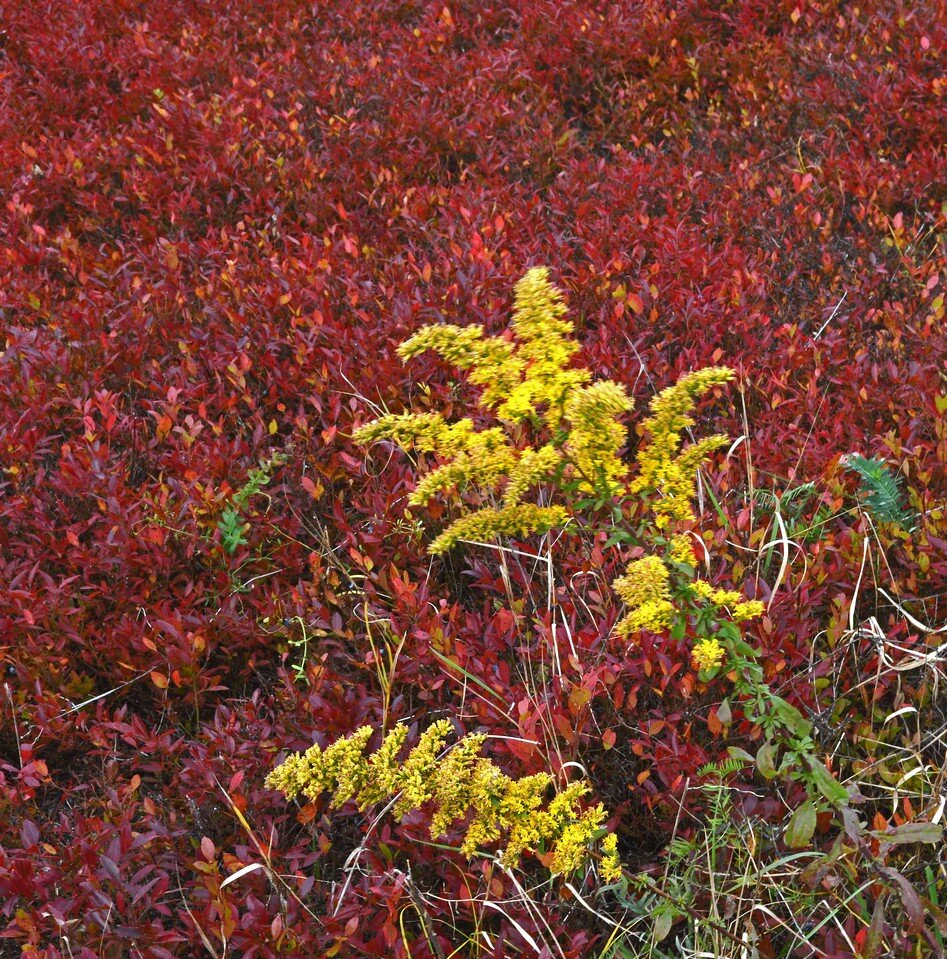
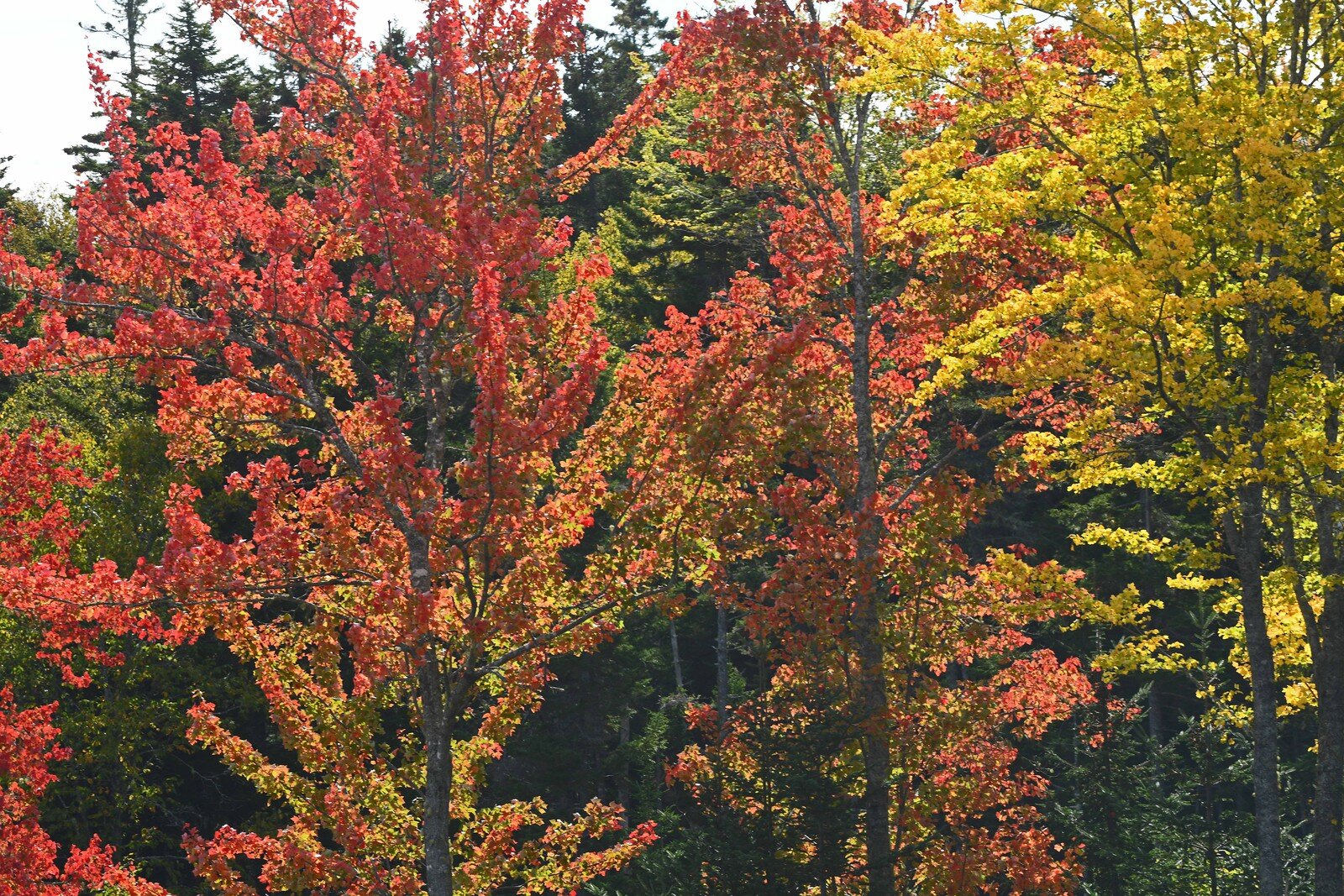
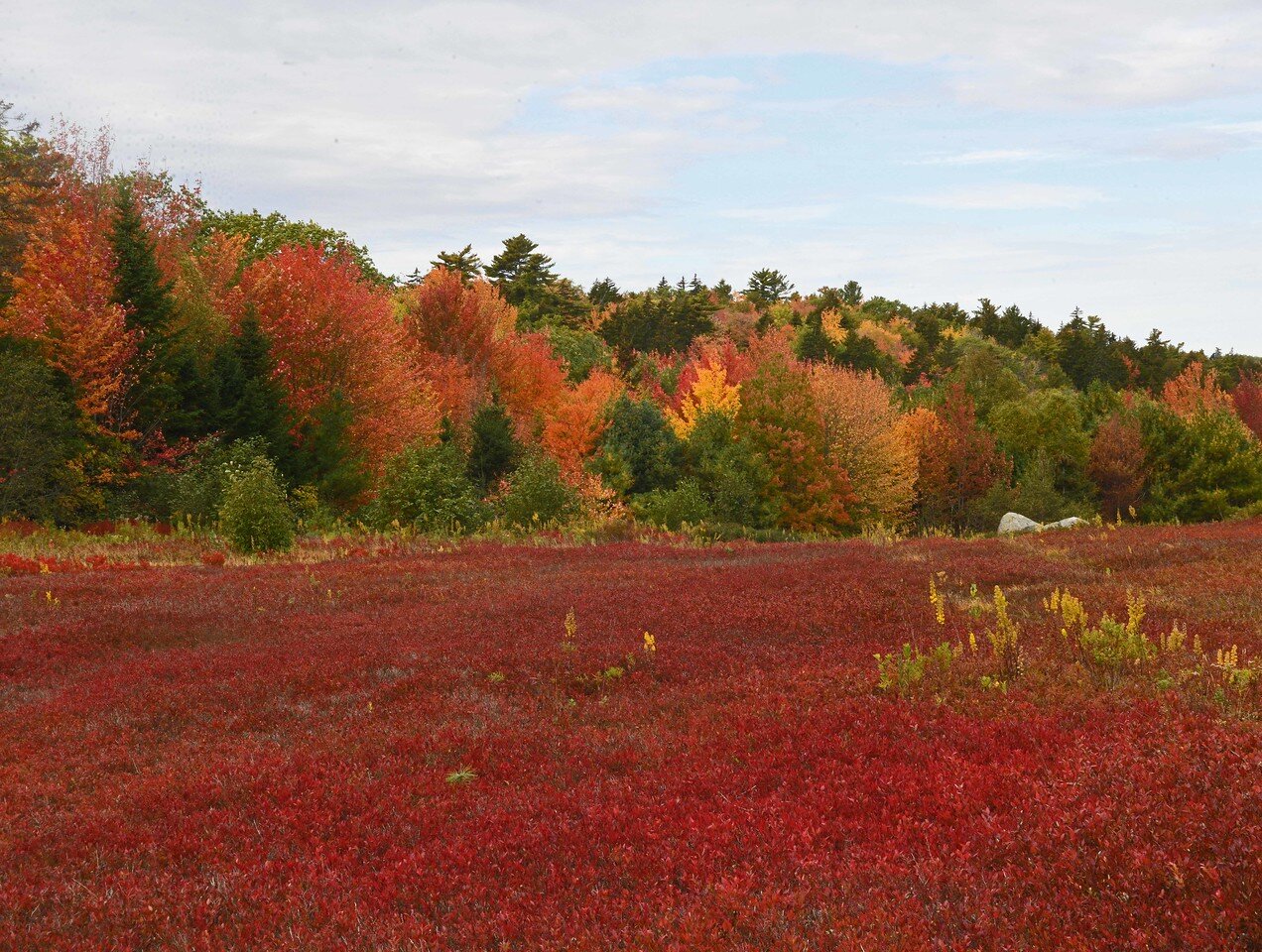
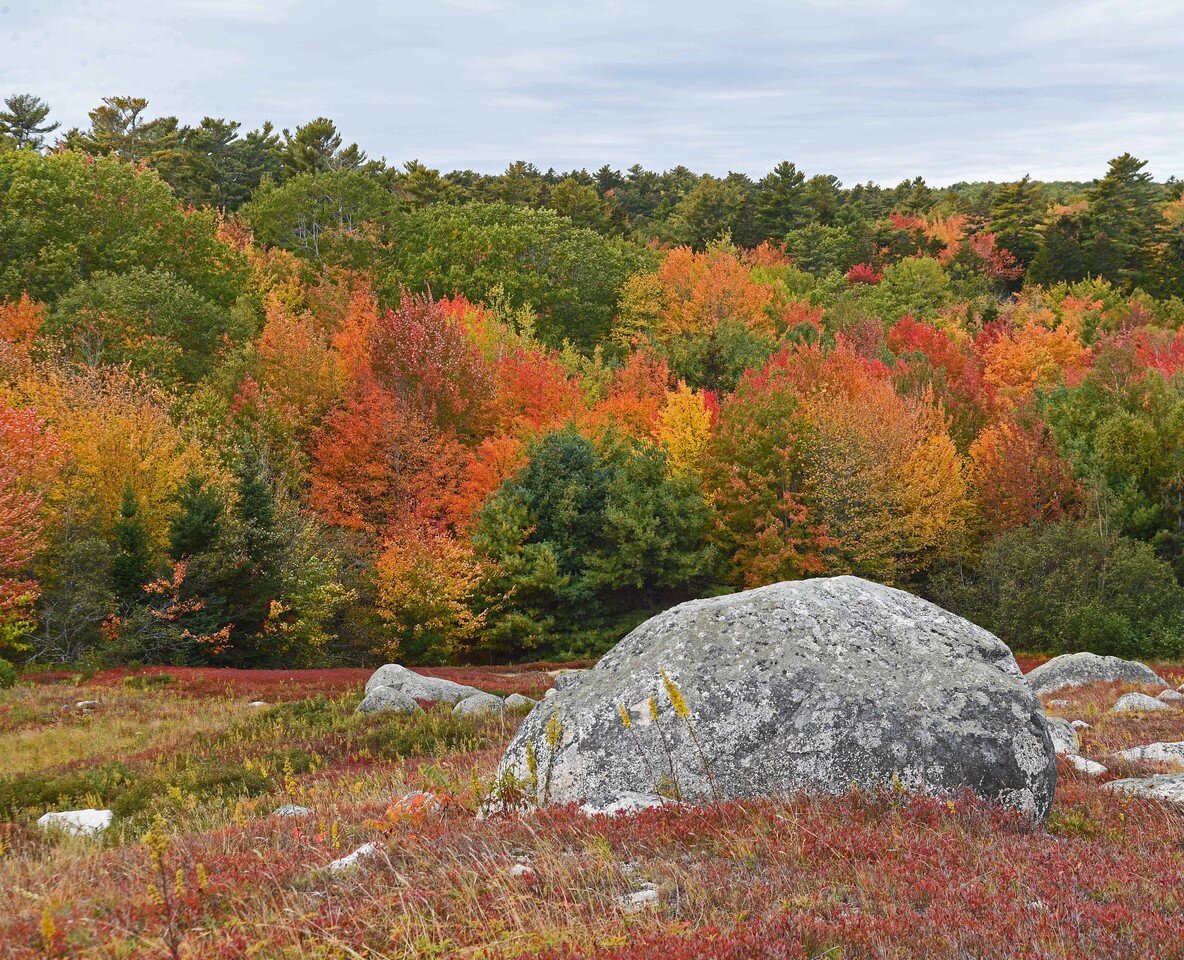
The Fall colors this year are vibrant as we speak, especially in some Blueberry fields where the little plants are doing a good job of holding their breaths and turning scarlet. The occasional bursts of bright yellow Goldenrod in those fields provide an autumnal contrast.

1.jpg

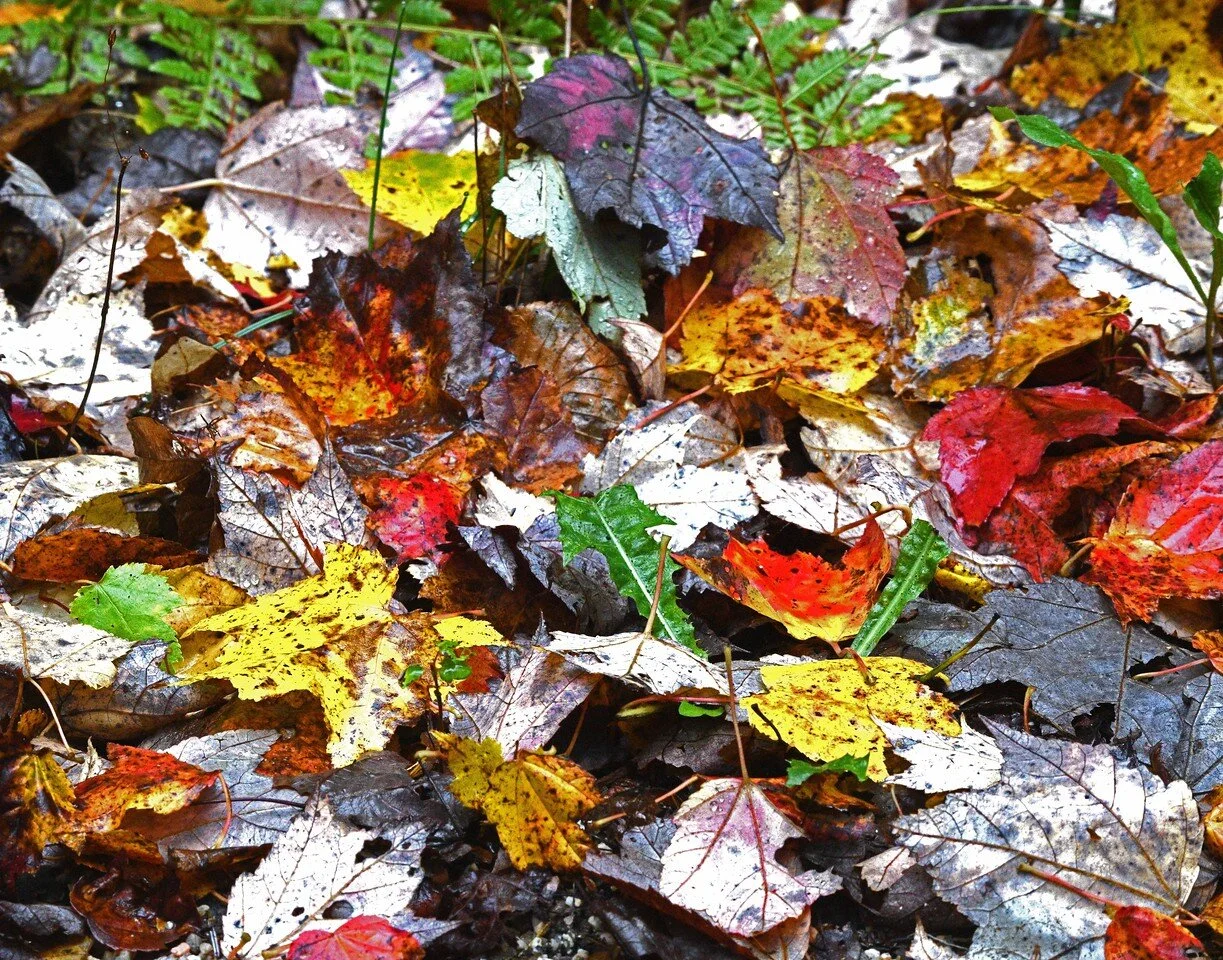
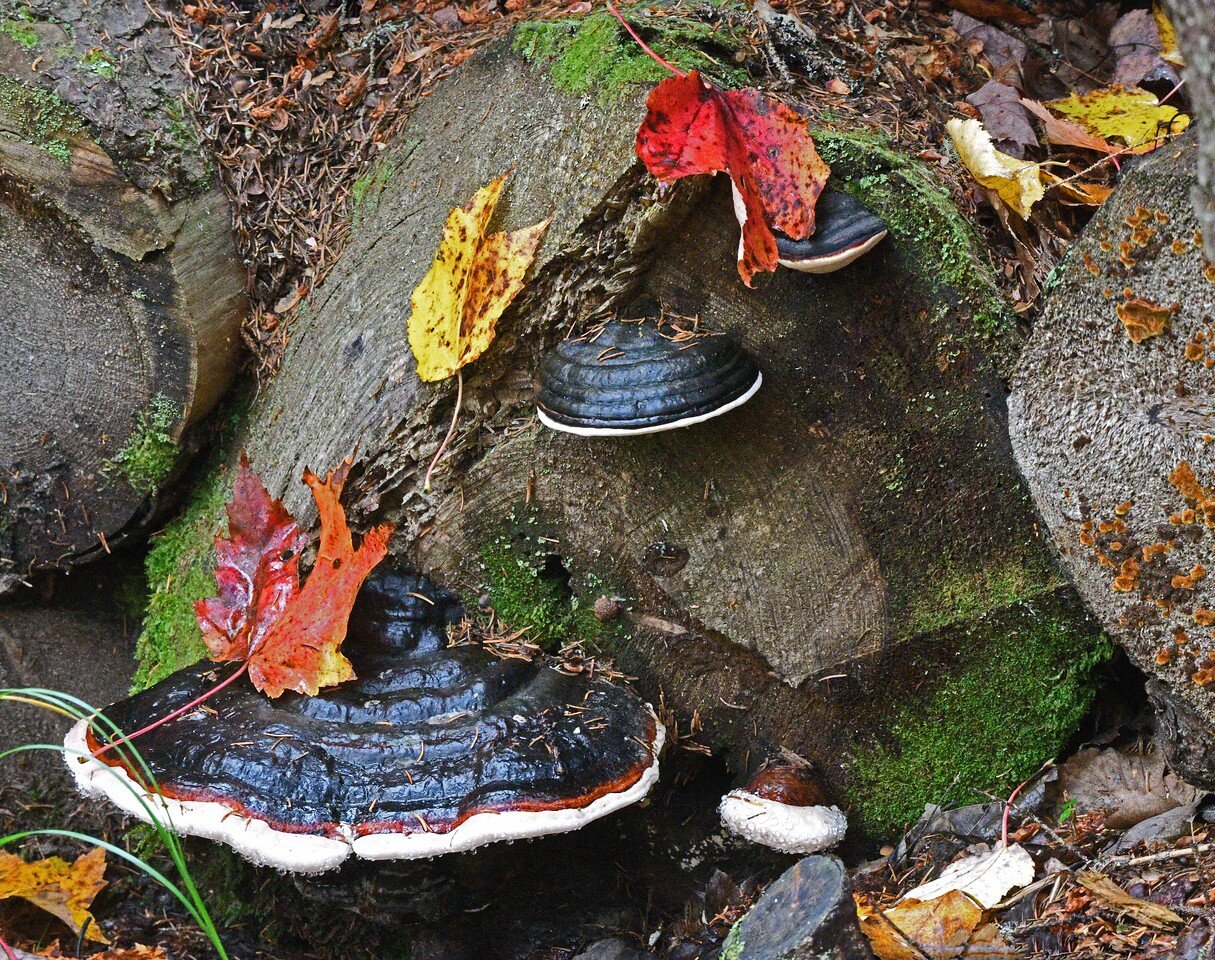
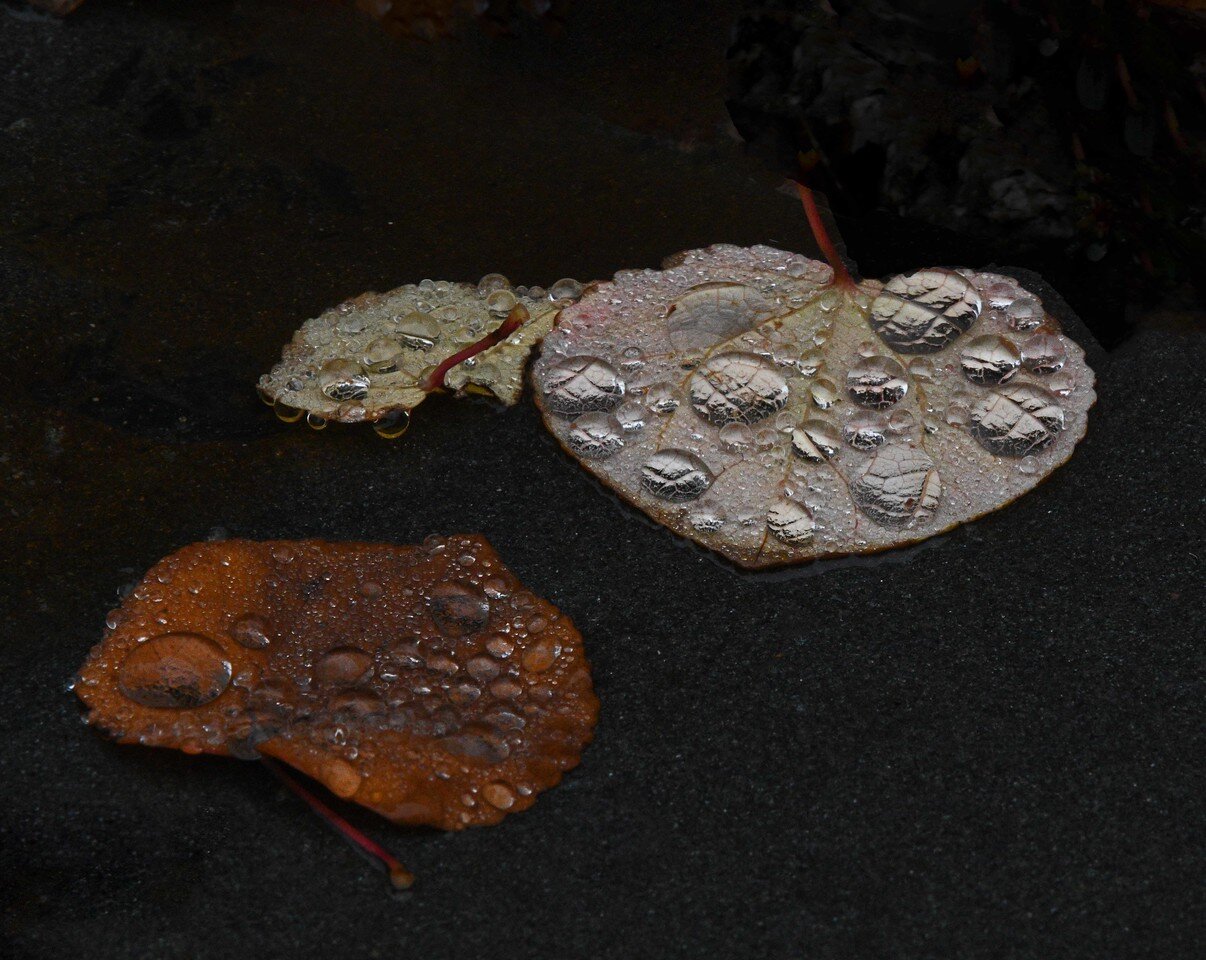
The blending of color has been good, especially during a light rain, when the fallen foliage collects itself into abstract art and the living leaves become misty hues. Errant leaves that flutter into lonely places become jewelry or collectors of magnifying raindrops.

4.jpg
5.jpg

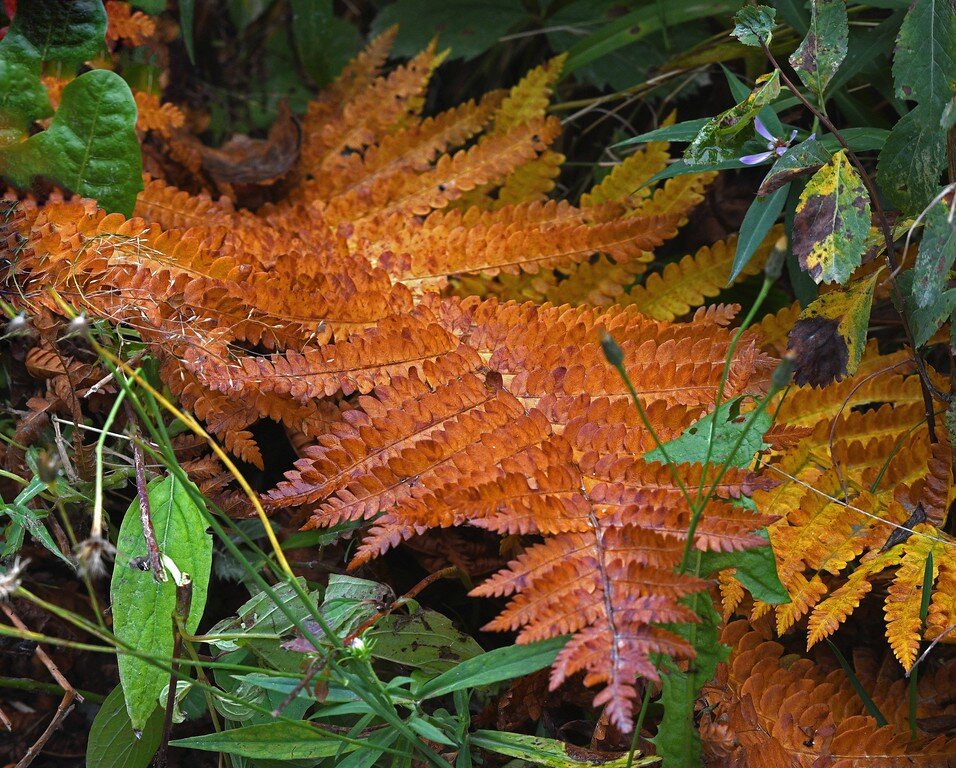
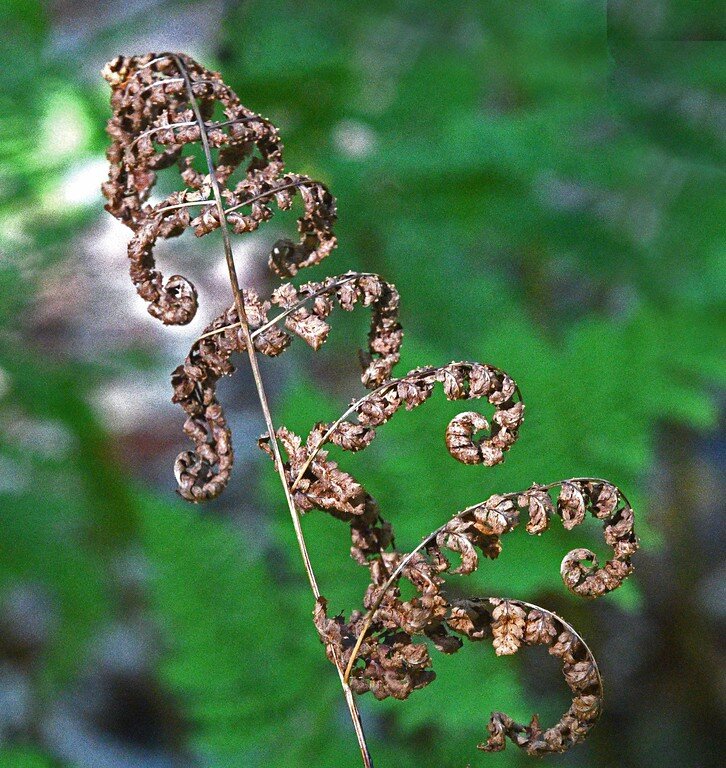
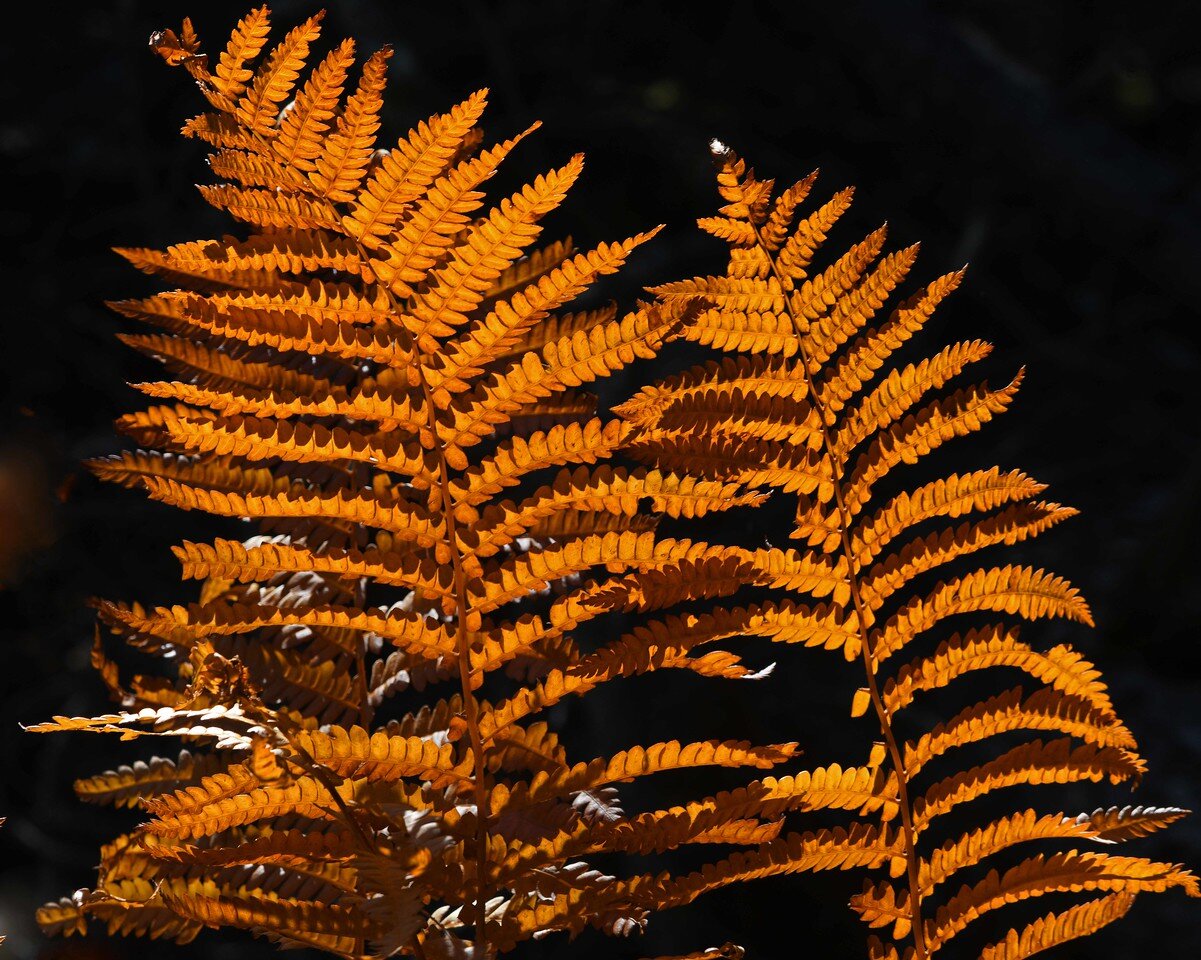
Ferns are giving their last performances with their usual dramatic yellow and bronze flare before they exit with dry punctuation.

9.jpg

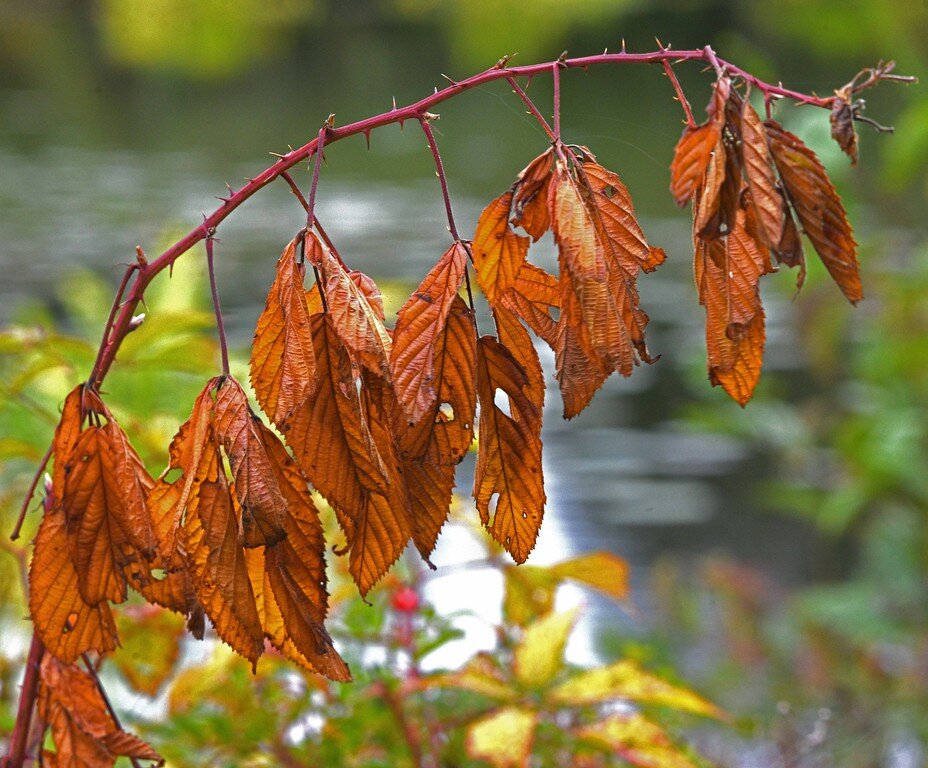
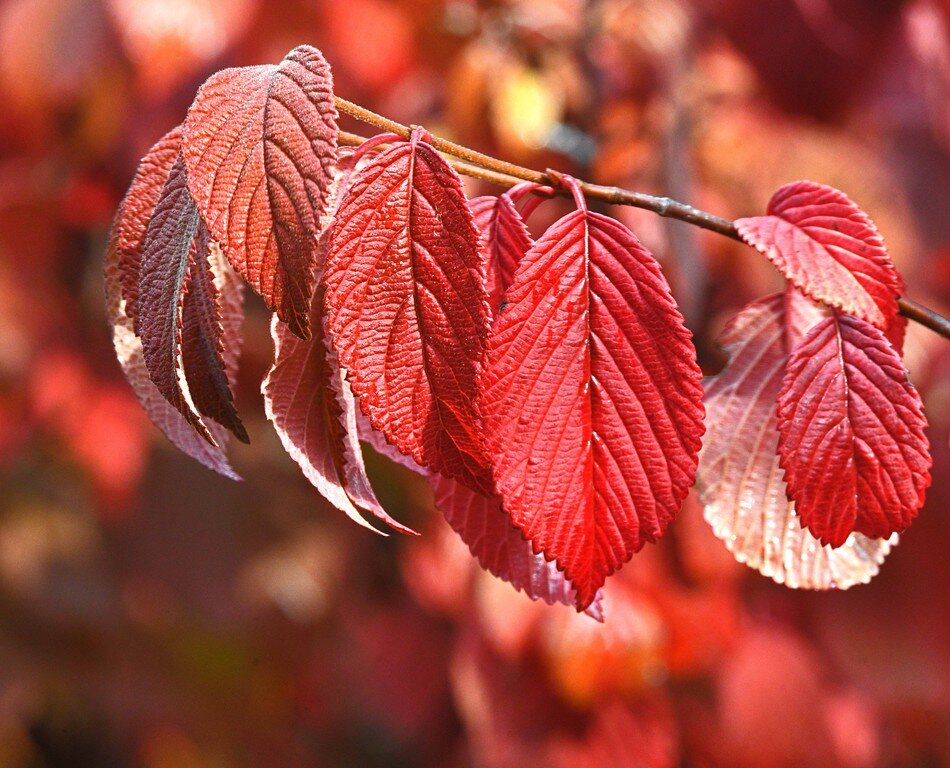
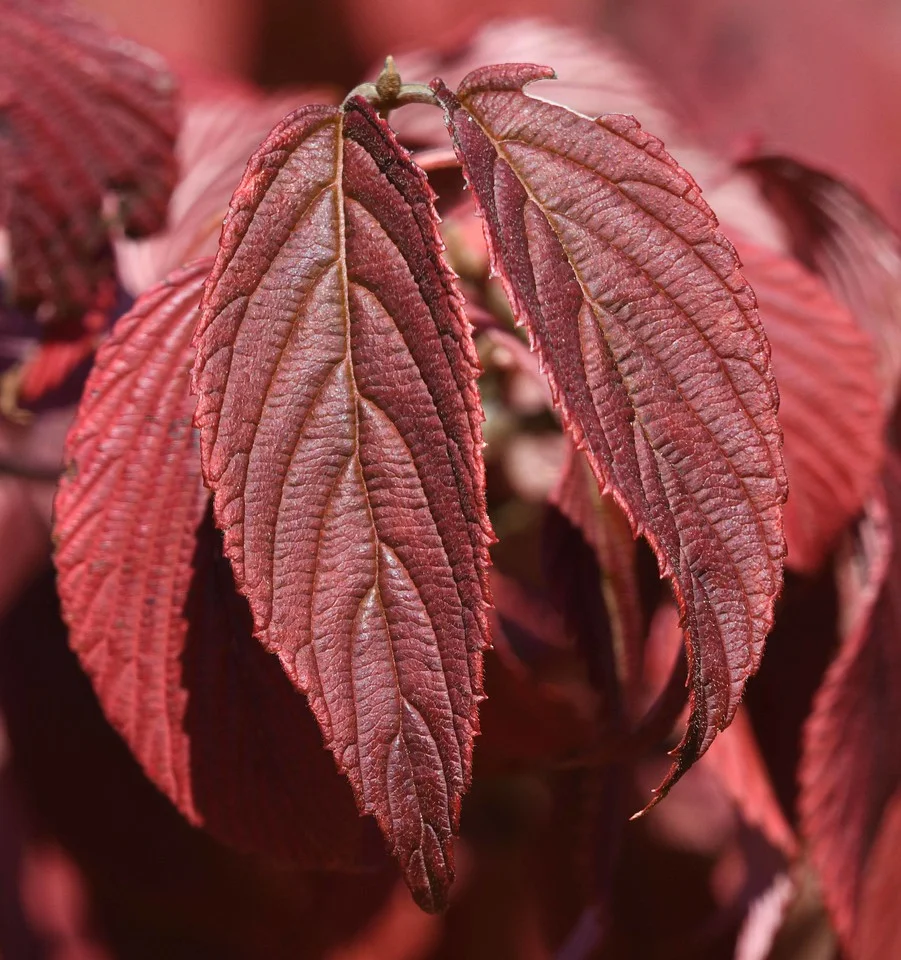
Raspberry bush leaves are turning brown before they drop, Viburnum leaves are mostly staying red, and Stewartia leaves are like pouring purple wine.

19.jpg

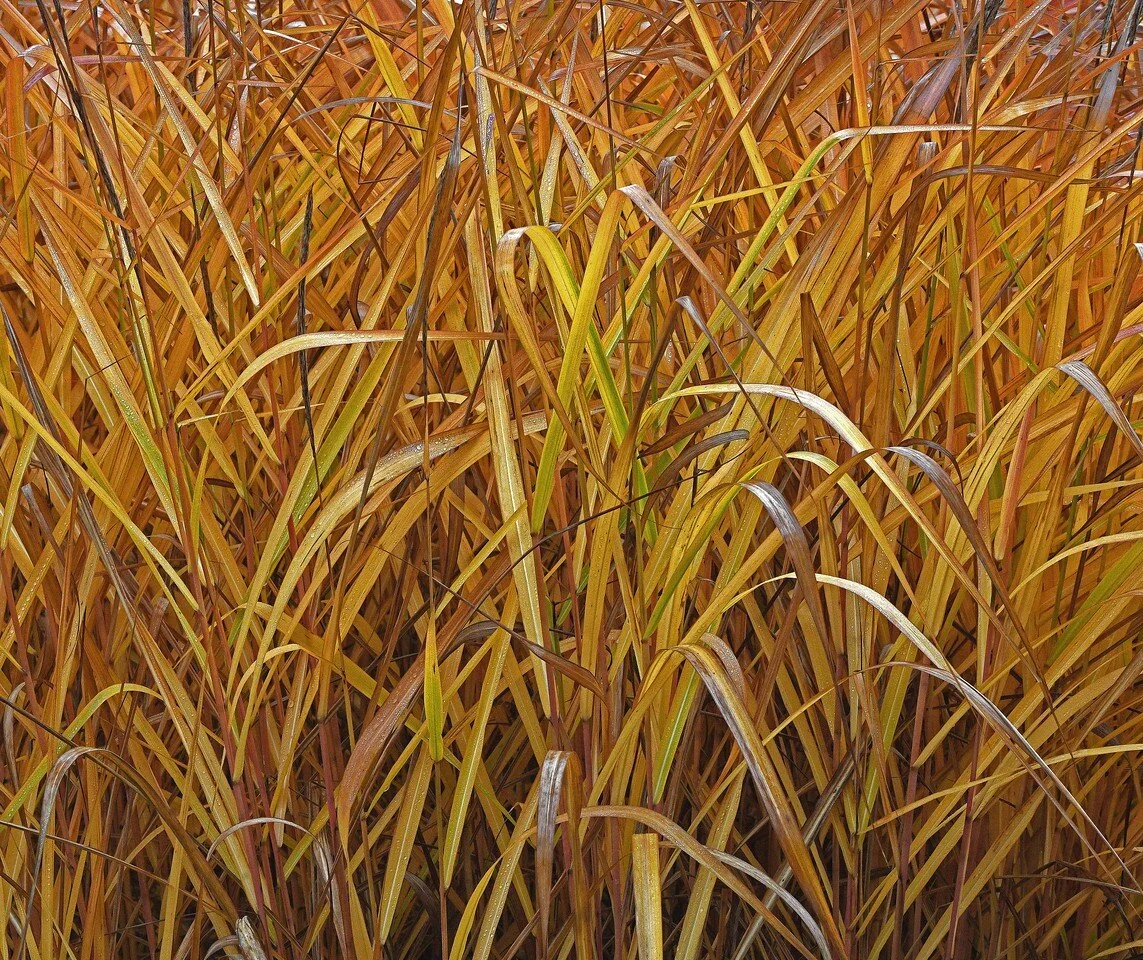
In the garden, the last of the Hydrangia blooms are meeting the first of the Montauk (Fall) Daisies, while the Japenese Silver Grass is turning gold.

101319 Wedding Hydrangea.jpg
13.jpg

(Brooklin, Maine)


5 Comments

Comment

In the Right Place: Winterization

We suspect that most people don’t think much about what happens when Maine waterfronts are winterized by a force of talented people and specialized equipment, a process that has been ongoing around here.

First, of course, the boats have to be hauled out of the water, cleaned, and stored. Smaller ones usually are “hardscaped” in sheds; larger ones may be wrapped in protective material and left outside.

14.jpg

Mooring buoys and tackle usually are removed from the water to avoid damage and dislocation from ice that might take the mooring for a ride or damage the buoy. Here we see Vulcan, a local mooring tender, pulling larger moorings from Great Cove recently. Mooring anchors and tackle can be quite heavy. (One published rule of thumb for larger vessels is that the mooring anchor(s) should be 10 times heavier than the length of the boat.)

1.jpg

Moorings for smaller boats often can be pulled up by chain and ratchet on a raft, as we see the WoodenBoat School harbor staff doing recently. (Another rule of thumb is that a 200-pound mooring anchor is adequate for vessels of less than 25 feet.) Mushroom anchors, which bury themselves in the mud, are a favorite here. Mooring gear often is left outside during the winter, although some buoys may be put under cover.

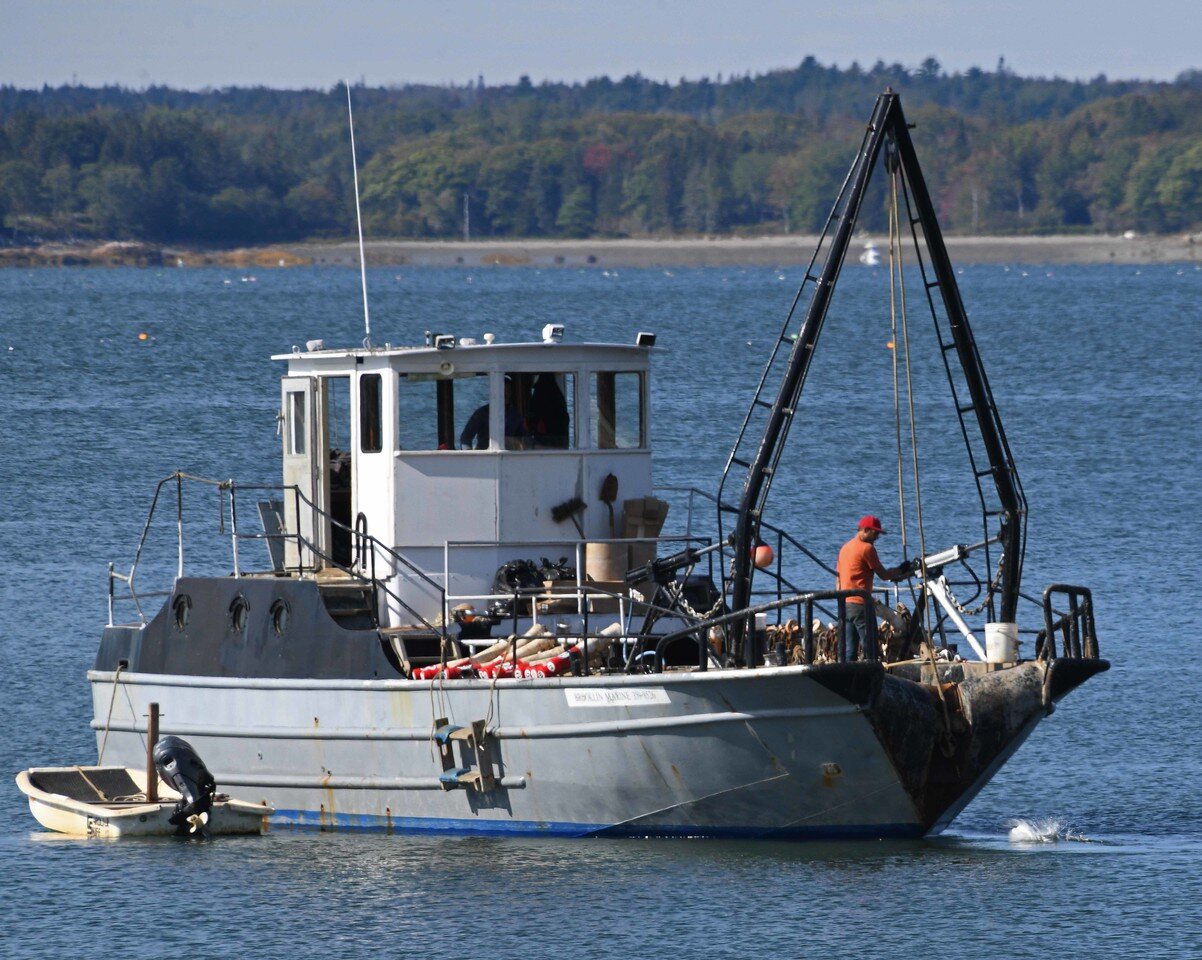
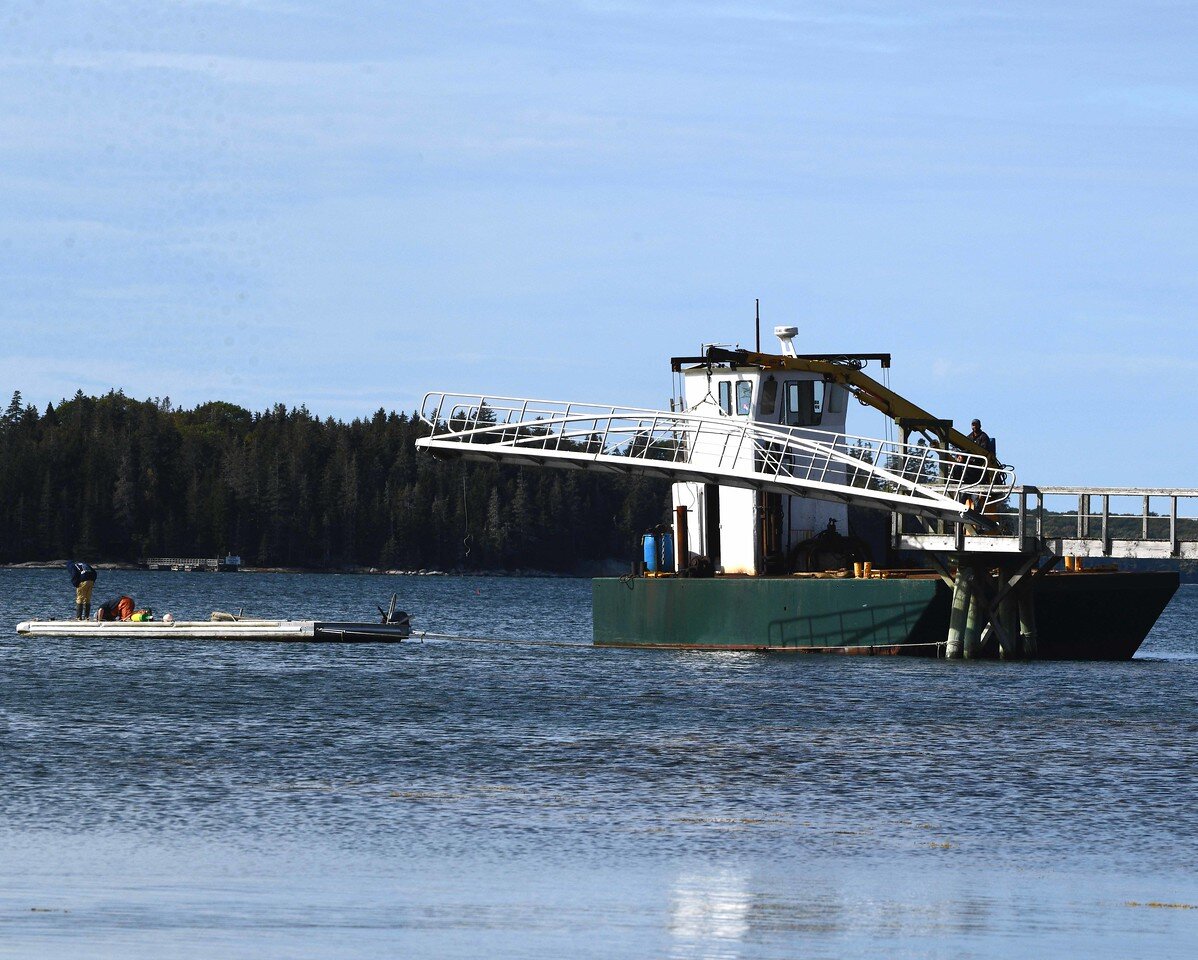
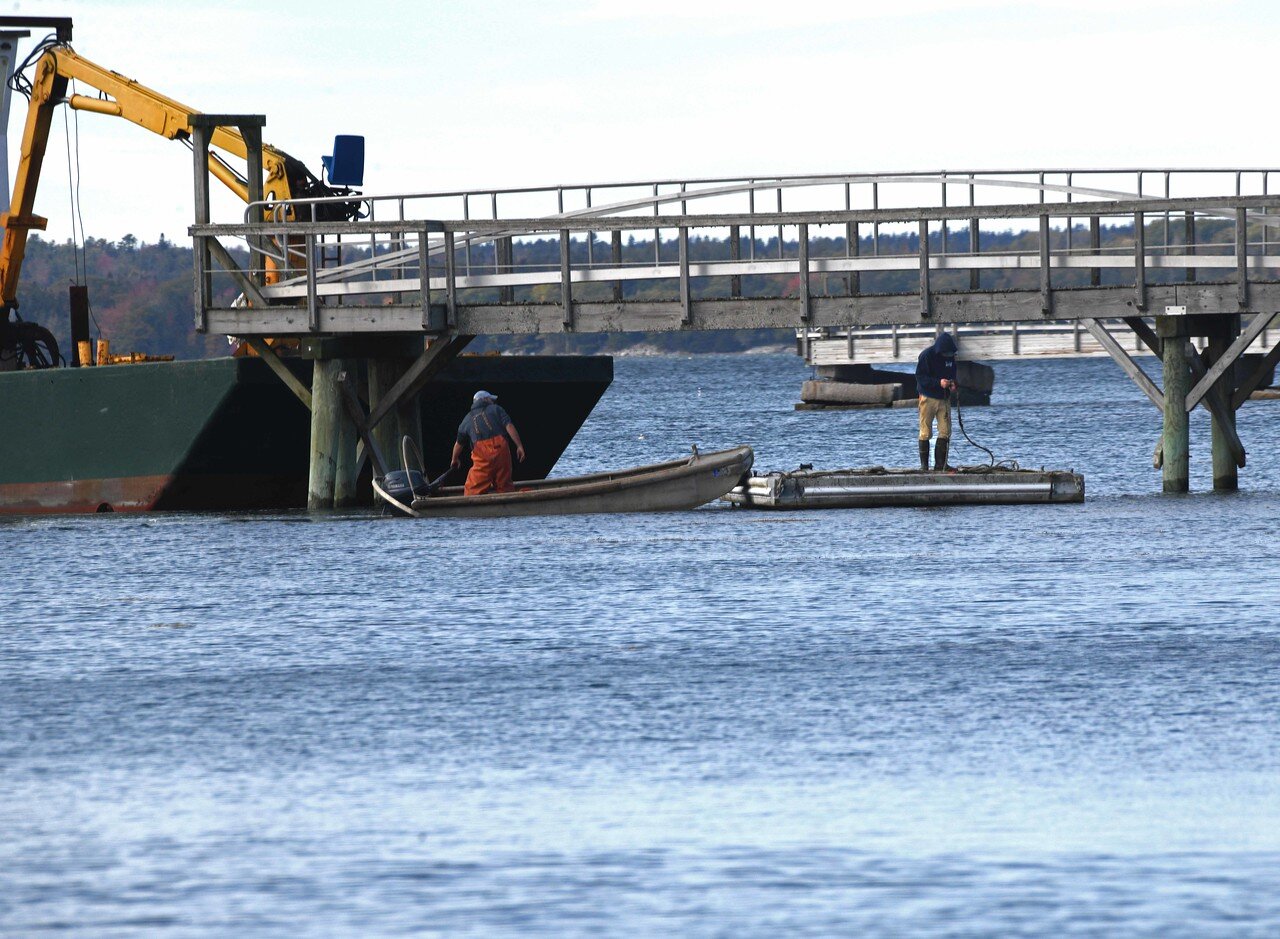
Pier floats and their gangways can suffer serious damage from ice and winter winds; they are removed from all non-commercial piers here, as far as we can tell. Below, we see A.H. Marine’s unique unnamed workboat approaching our neighbors’ pier in Great Cove yesterday morning at high tide. This Brooklin vessel is there to remove the pier float and gangway, after shooing away the daily coffee klatch of Herring Gulls on the float.

4.jpg

The crew of this highly modified, no-name barge first unfastens the gangway and places it on the pier. Crew members then untie the float and push it to shore, where it is tied onto a wooden runway there. (If it is not high enough on the runway, our neighbor will pull it to higher ground with a tractor.) Then, no-name departs for her next job.

16.jpg

(Brooklin, Maine)


Comment

Comment

In the Right Place: A Tree for All Seasons

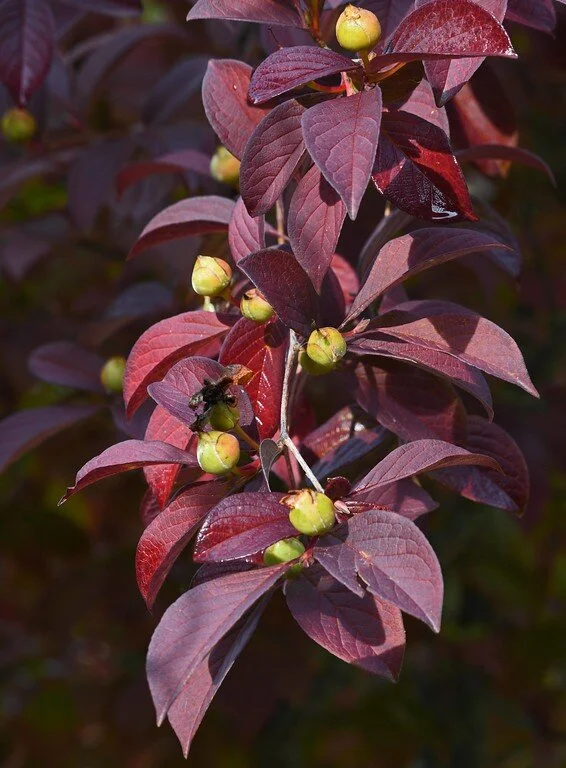
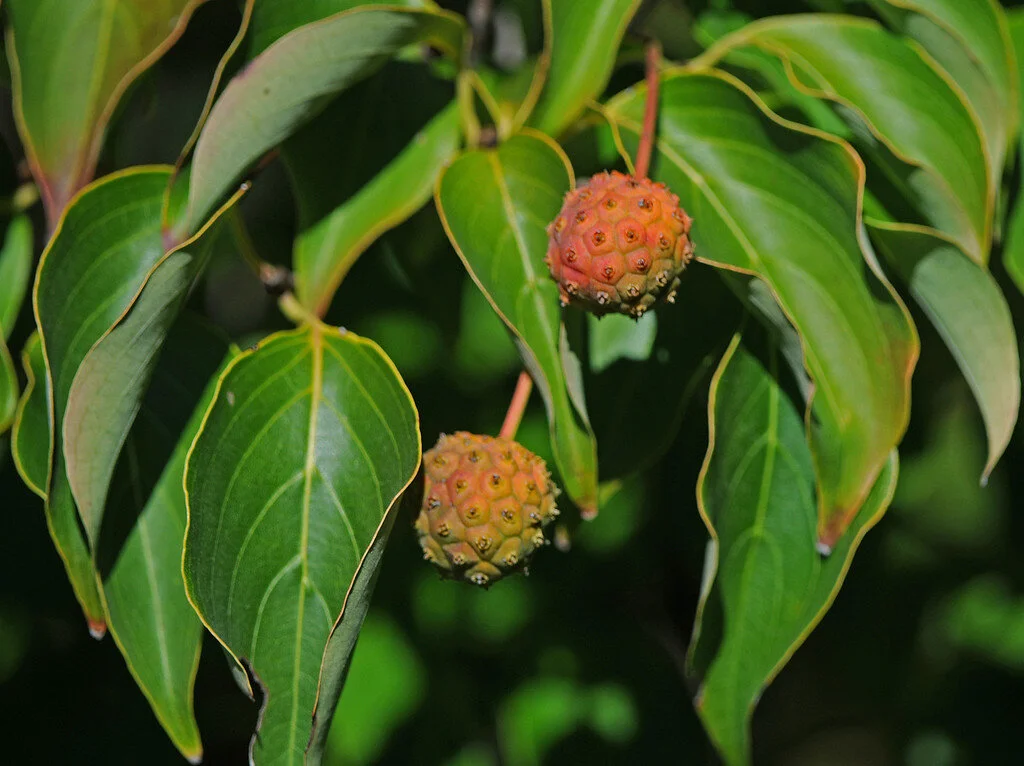
When it comes to year-round botanical wardrobes, nothing is more consistently fashionable than a Japanese Stewartia (Stewartia pseudocamellia). It’s a smallish (about 25-foot), non-native tree that likes Maine and shows its appreciation by always being seasonally sartorial.

1.jpg

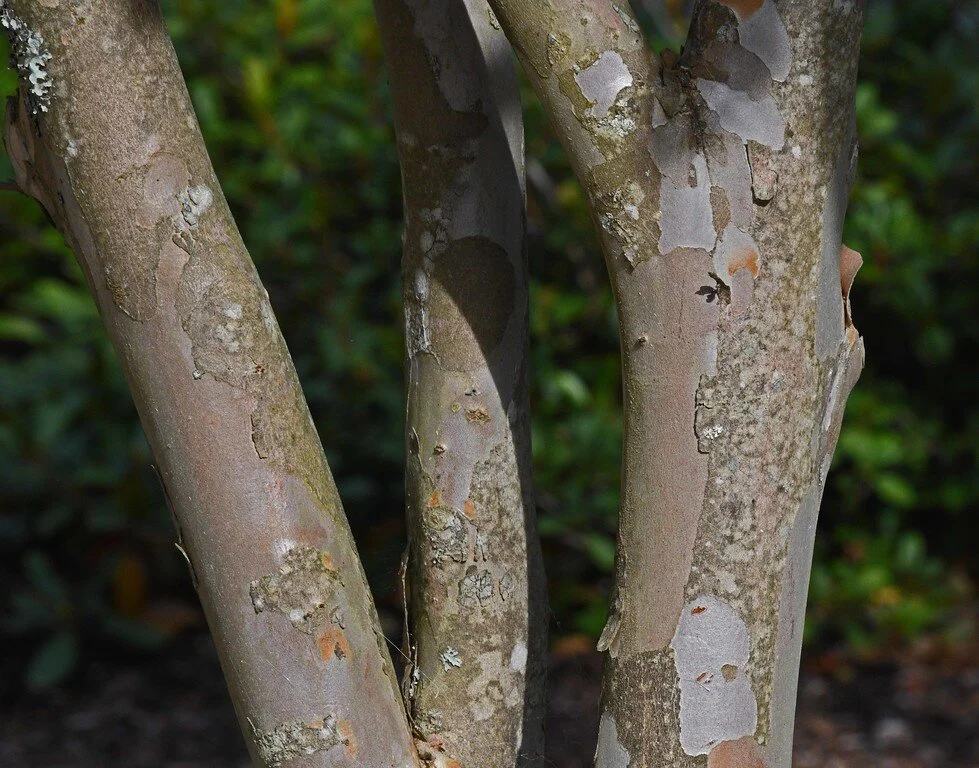
As you can see above, it’s now wearing its Burgundy-wine-colored leaf cloak, accessorized with pale green buds. Soon, the cloak will be discarded and we’ll gasp at the beauty of its shapely, textured trunk, which goes very well with snow:

4.jpg

In the spring, it will cloak itself in luminescent green leaves studded with subtle reddish buds:

5.jpg

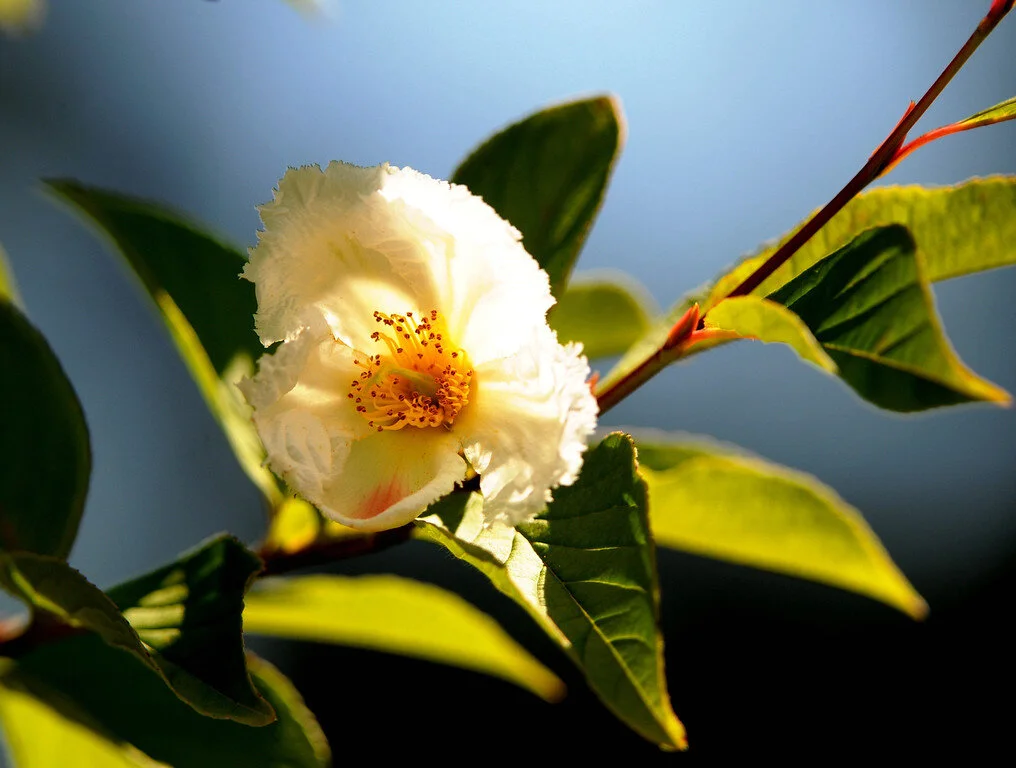
In summer, the Stewartia likes to wear a lot of attention-getting jewelry in the form of yellow-centered white flowers.

2.jpg

Some think those blossoms look like camellia flowers, hence the tree’s species name (pseudocamellia), which translates to imitation camellia. (Brooklin, Maine)

Comment

Comment

In the Right Place: Smiles

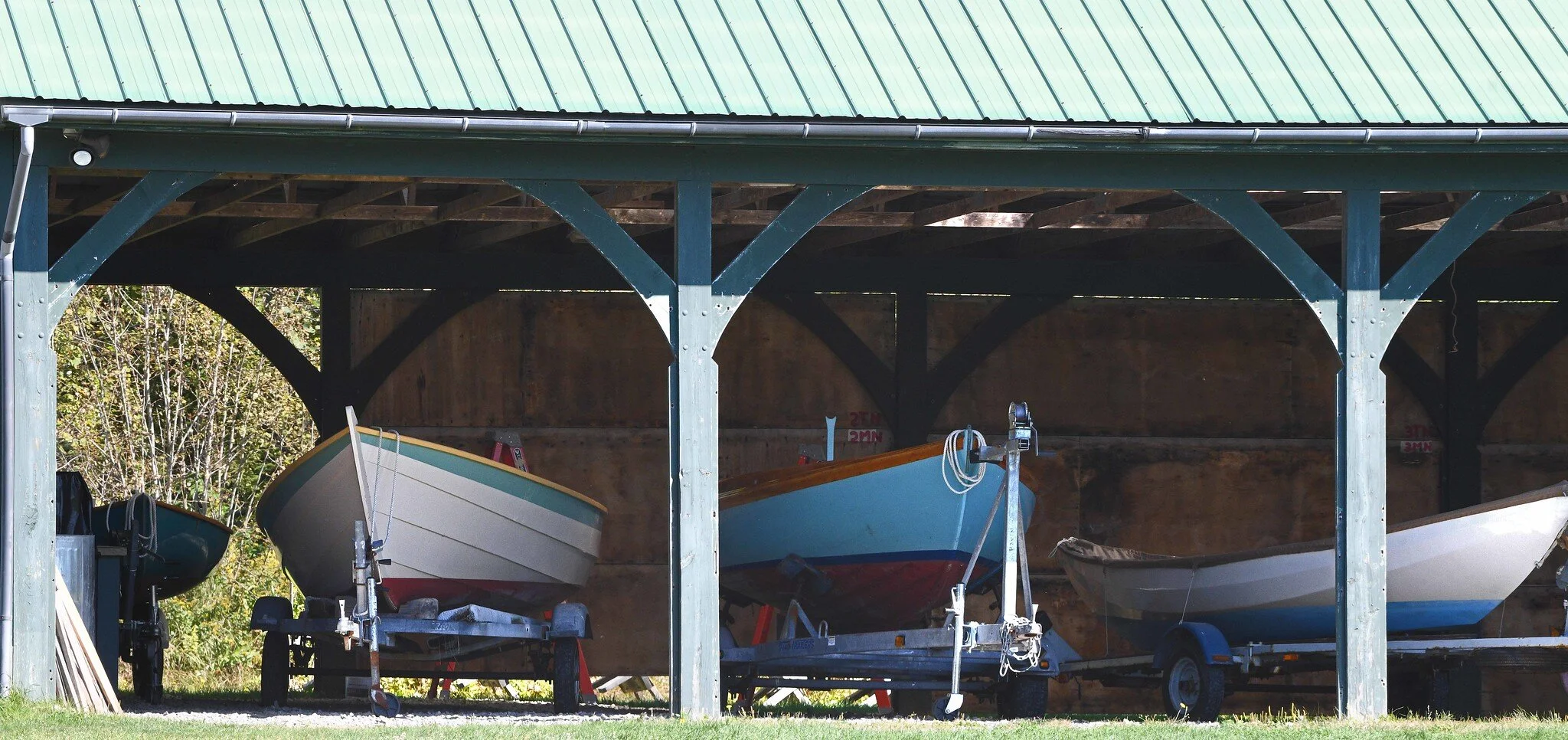
Yesterday morning, the sun peeked into the open door of this boat shed and found Aretha, an 11½-foot shellback dinghy. She seemed to smile poignantly at the attention.

1.jpg

Well, actually, we were the ones who were poignant as we also peered into that WoodenBoat School building. We knew that the door soon would seal her and her kind into that shadowy place. We also knew that our clear memories of Aretha’s summer days cheerily bobbing on the water would fade into uncertainty. She won’t feel direct sunlight again until late May or early June of 2020. We hope to be there when it makes her smile. (Brooklin, Maine)

Comment

Comment

In the Right Place: In the Eye of the Beholder

“Found Object Art” is defined as art created from objects that are not made for creating art and that usually have functional purposes. Such art often makes one see the ordinary in extraordinary ways.

8.jpg

 Here we see a local rectangles-within-rectangles creation that might meet the test. This creation also might be considered part of the “Temporary” (or “Ephemeral”) Art school, at least in part. It lasted about 20 minutes – until the unknowing but fastidious creator finished a nearby job and put the ladders back into his truck.

 Nonetheless, abstract artists that can find spirituality in geometric forms (as did Piet Mondrian), probably would find intriguing symbolism in this scene with or without the ladders. (Brooklin, Maine) Click on image to enlarge it.

Comment

Comment

In the Right Place: Unpredictable

It’s raining here as we speak and periodic wind gusts are reaching 19 miles per hour, according to closest of the three weather stations that we monitor. Weather reports are a significant part of the lives of small coastal town people, like traffic reports and subway delay alerts for people in large cities.

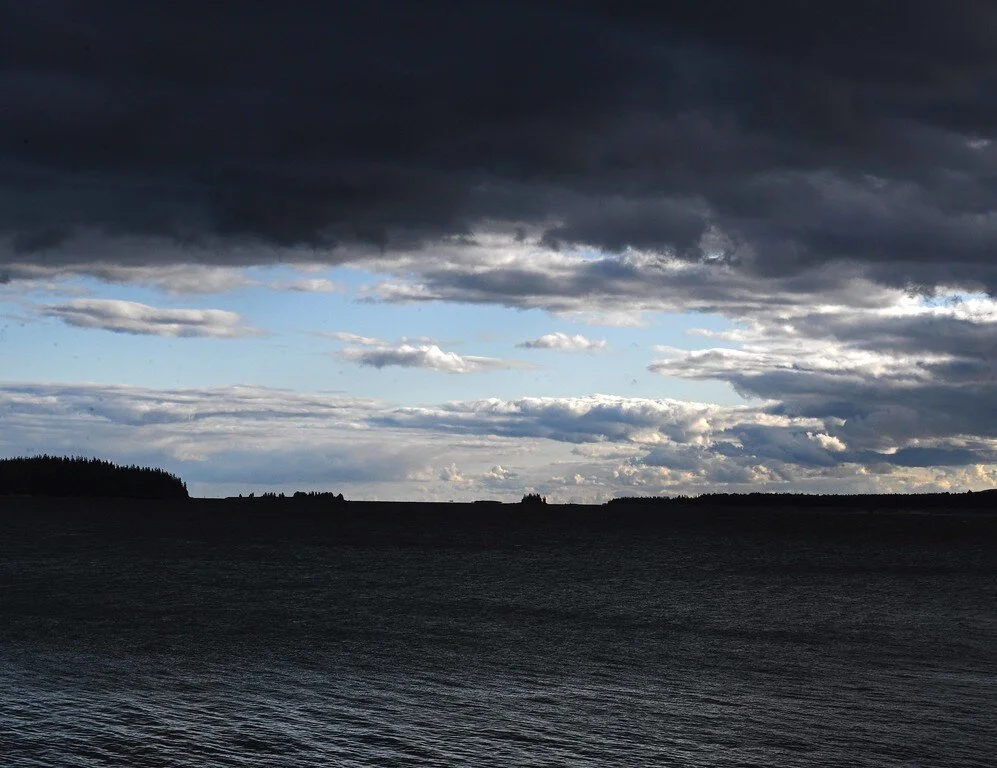
Nonetheless, we do have unreported and unpredictable squalls – very localized darkenings bringing wind, rain, snow, and/or sleet to a small area for a short time, often while calmer weather is just yards away. We got caught in one Friday afternoon (October 4).

1.jpg

Ancient apple trees became silhouetted in skies that were half storm and half sunshine; Great Cove turned almost black with fleeting patches of gray, while the sea’s horizon remained sunny and blue. After a little rain, our sunny afternoon returned in about 10 minutes as if nothing had happened.

1a.jpg

(Brooklin, Maine)

Comment

Comment

In the Right Place: Ins and Outs

Here we see Brooklin’s Colby & Bryce yesterday at the Town Pier.

1.jpg

A crew member said that the vessel was bringing in her “outside” lobster traps to store for the winter, but that she’ll still fish “inside” awhile. That is, she’ll stop fishing the (outside) federal waters that are from three to 200 miles from shore, but continue to fish the (inside) Maine waters that extend to three miles offshore of the State. (Brooklin, Maine)
Comment

Comment

In the Right Place: Warm-Up Act

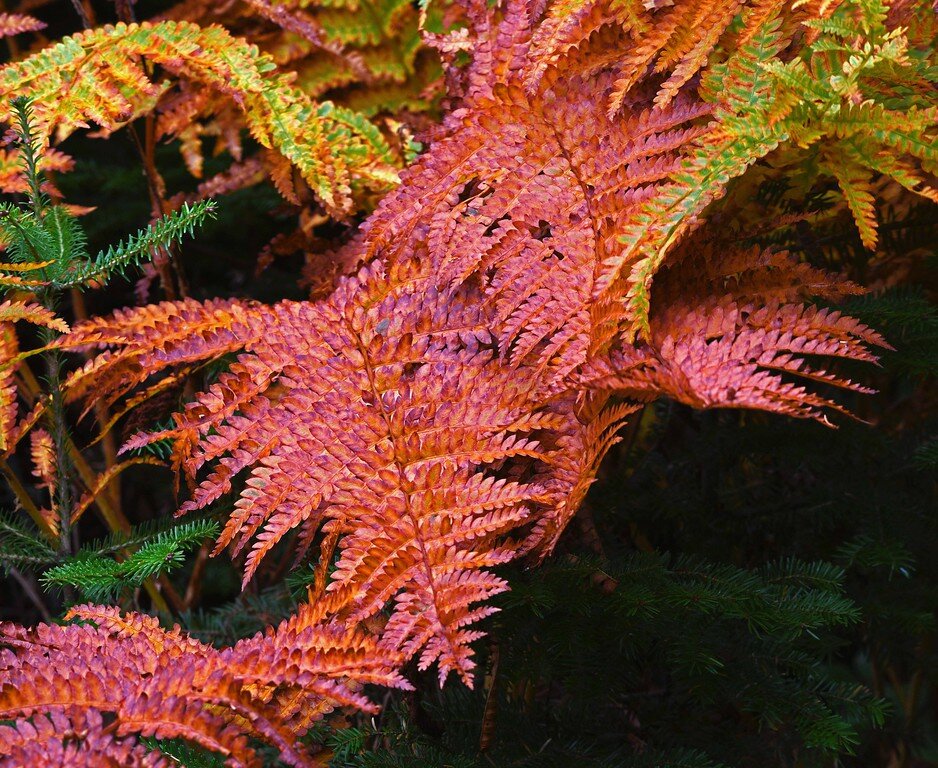
Hundreds of thousands of ferns, especially the large Cinnamon Ferns, are now putting on a woodlands imitation of a fireworks display, shooting copper, bronze and gold fronds into the air before they burn out into char.

5.jpg

Some of the fronds are creating colors that we’ll see nowhere else, perhaps never again:

6.jpg

 We hope that this is a good omen for the main act, our fall foliage.

7.jpg

(Brooklin, Maine)
Comment

Comment

In the Right Place: Personal Taste

We like this image of an ebbing tide in Great Cove last week, but we’re not sure why.

1.jpg

Perhaps it’s a scene in search of a metaphor. Perhaps it’s just a rock in the water. But, it doesn’t matter; we like it. (Brooklin, Maine)

Comment

Comment

In the Right Place: Righteous

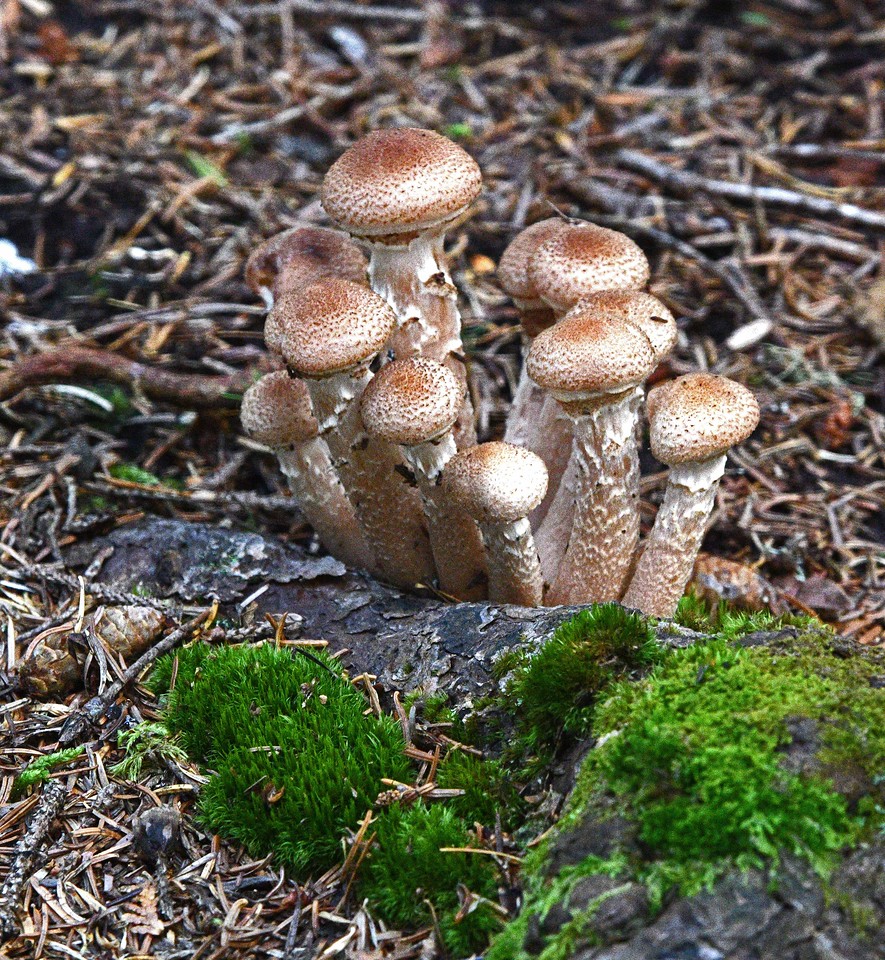
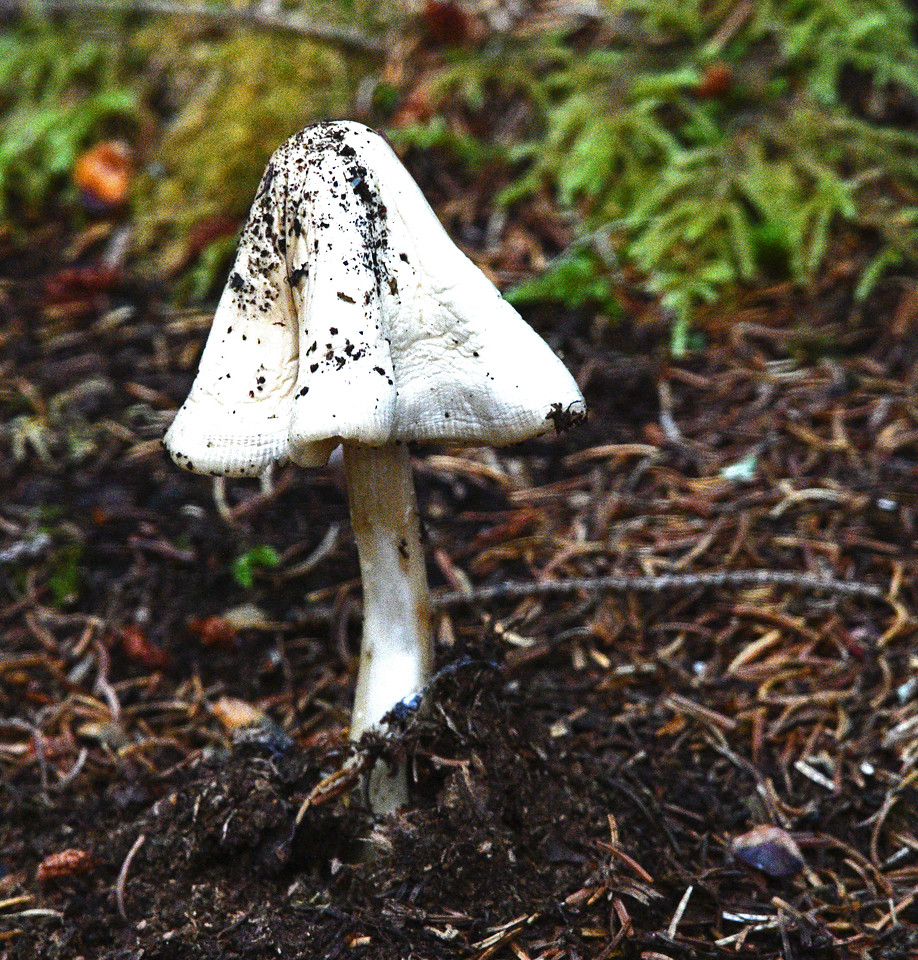
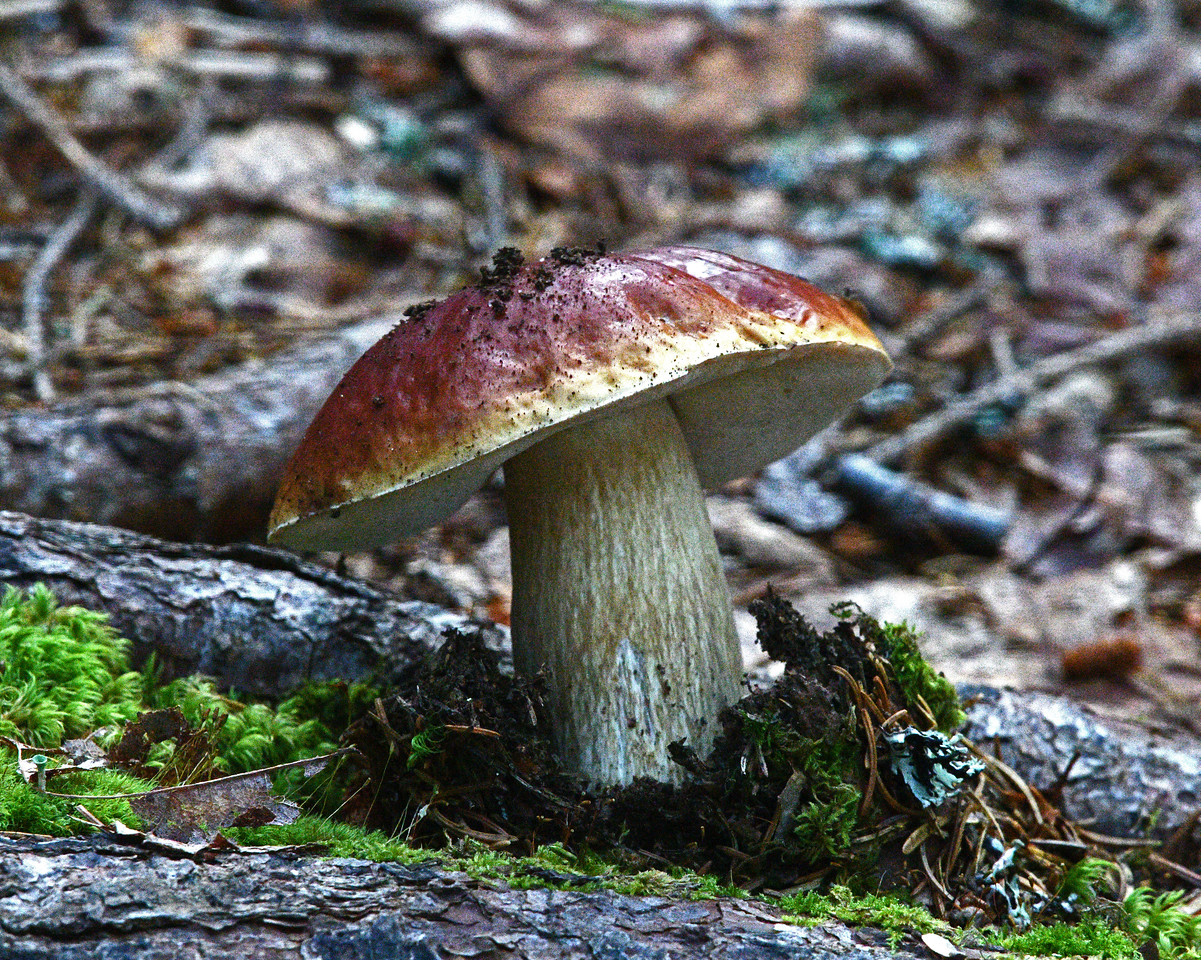
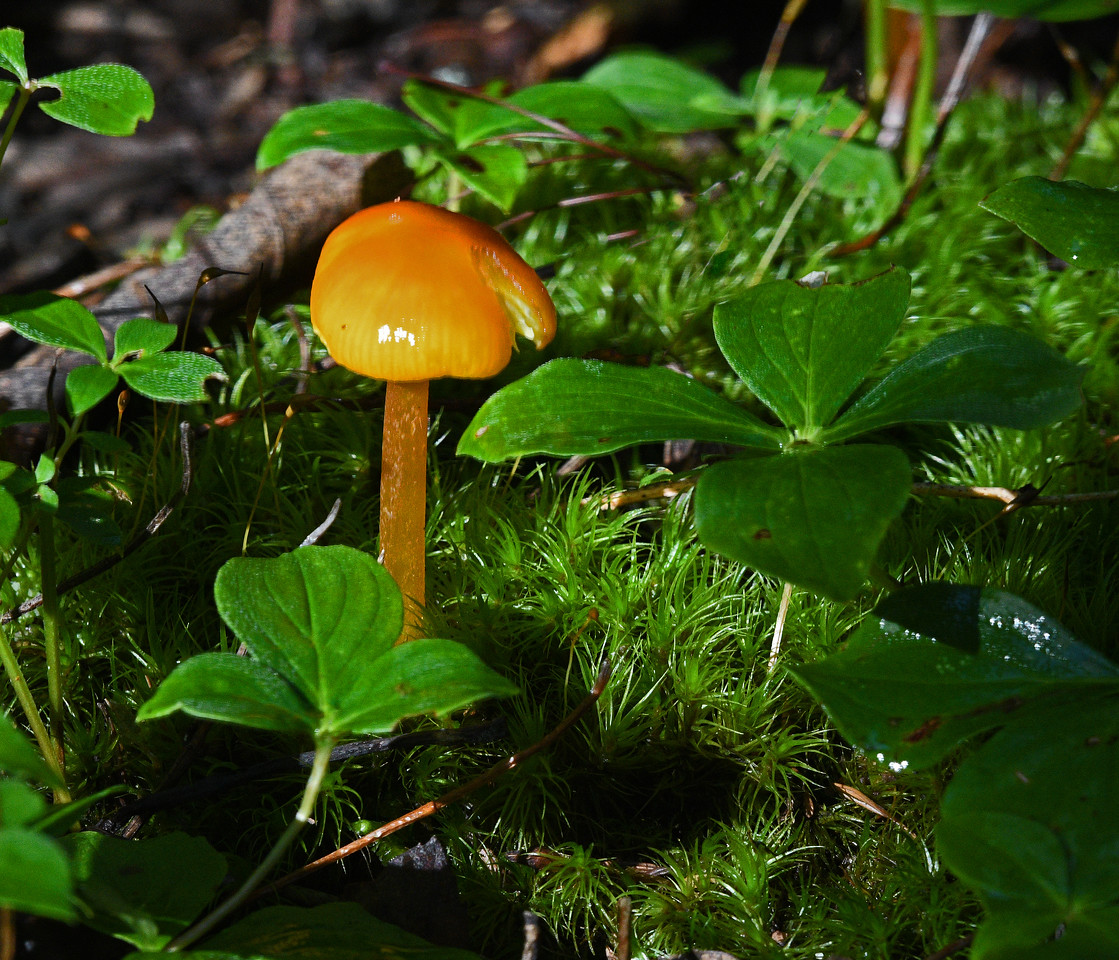
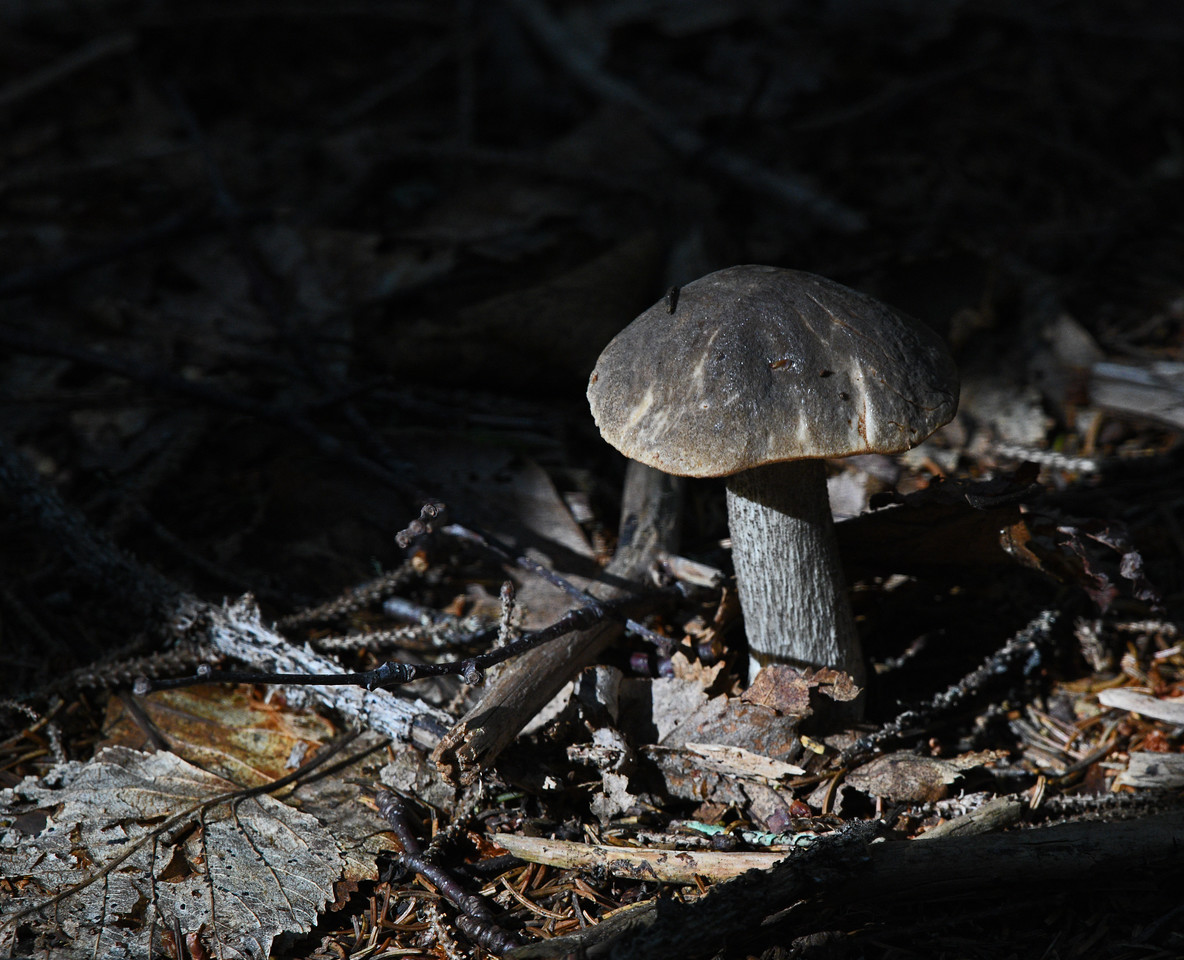
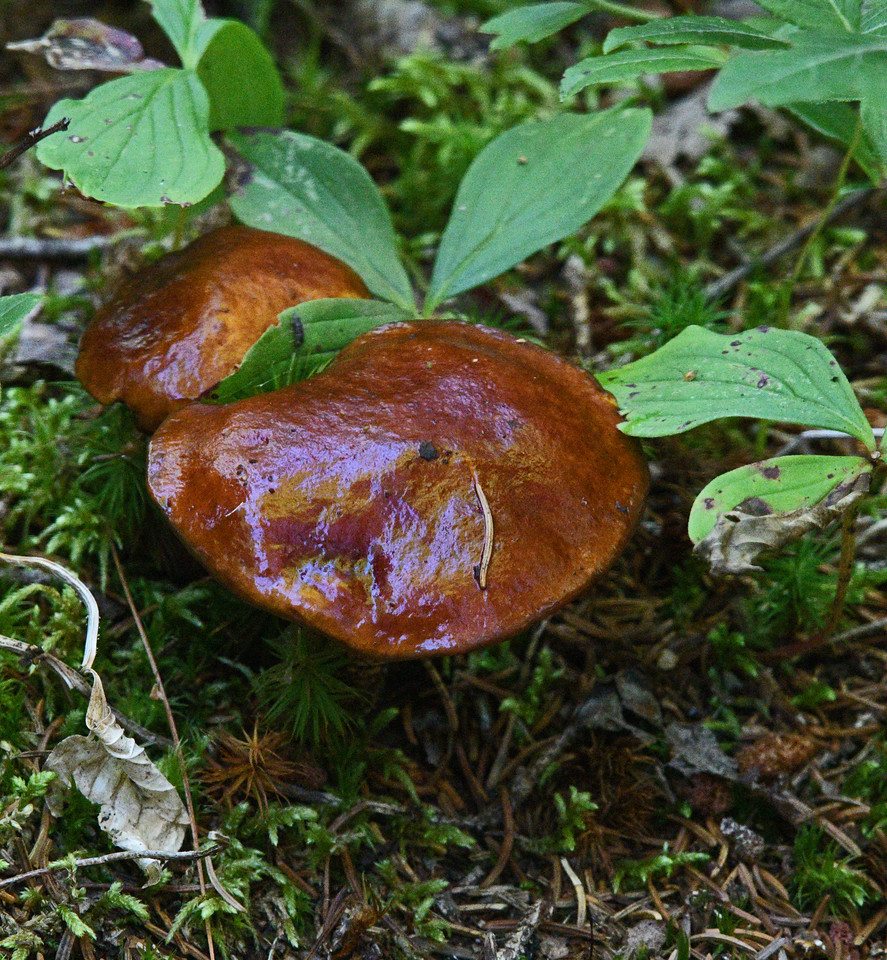
This is a good time to go mushroom hunting, whether for food, visual delight, or to play the often-frustrating game of trying to identify all the strange and colorful fungi in your own area. The image immediately below, we guess, is of Hygrocybe coccinea, which also is known as the Scarlet Hood, Scarlet Waxcap, and – our favorite – Righteous Red Waxy Cap:

2.jpg

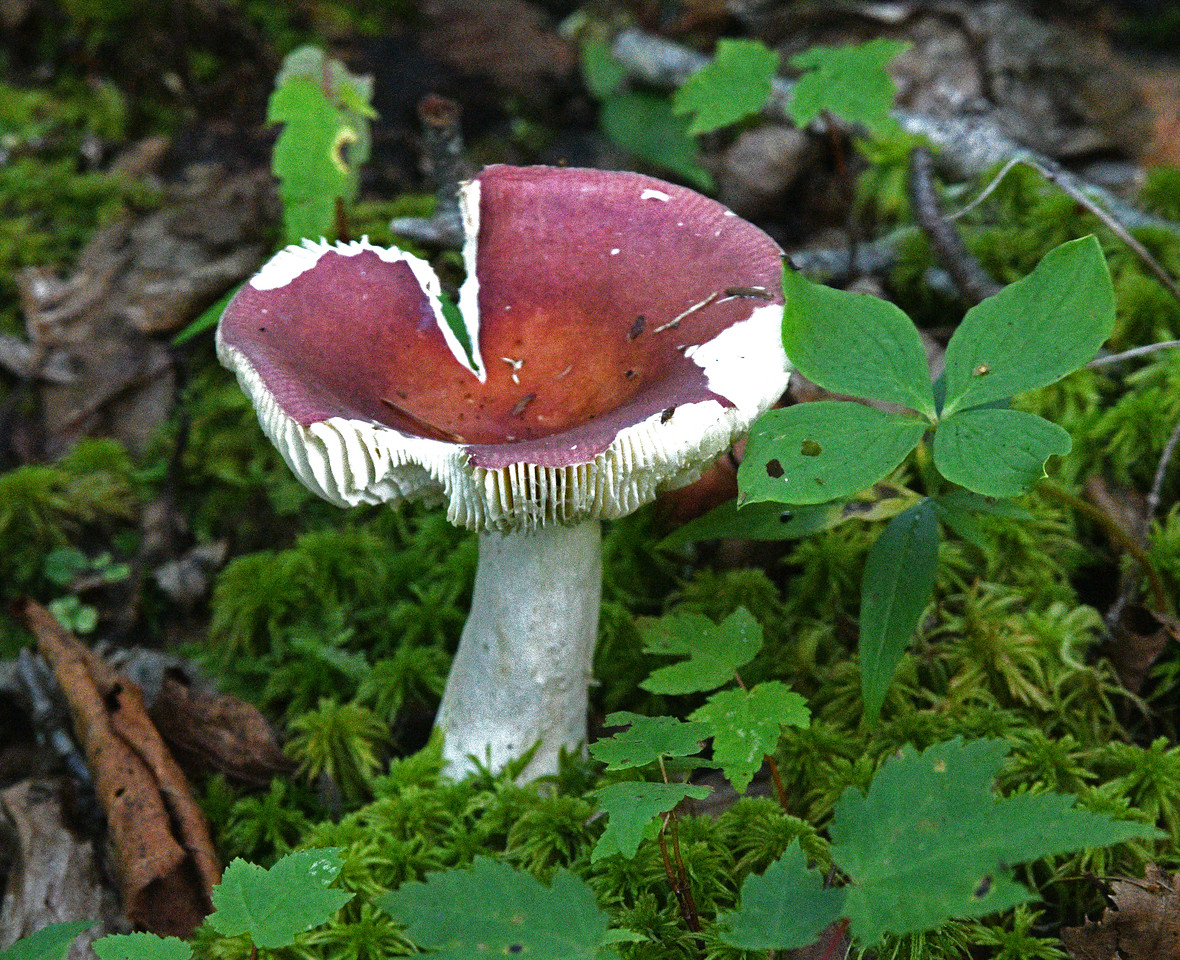
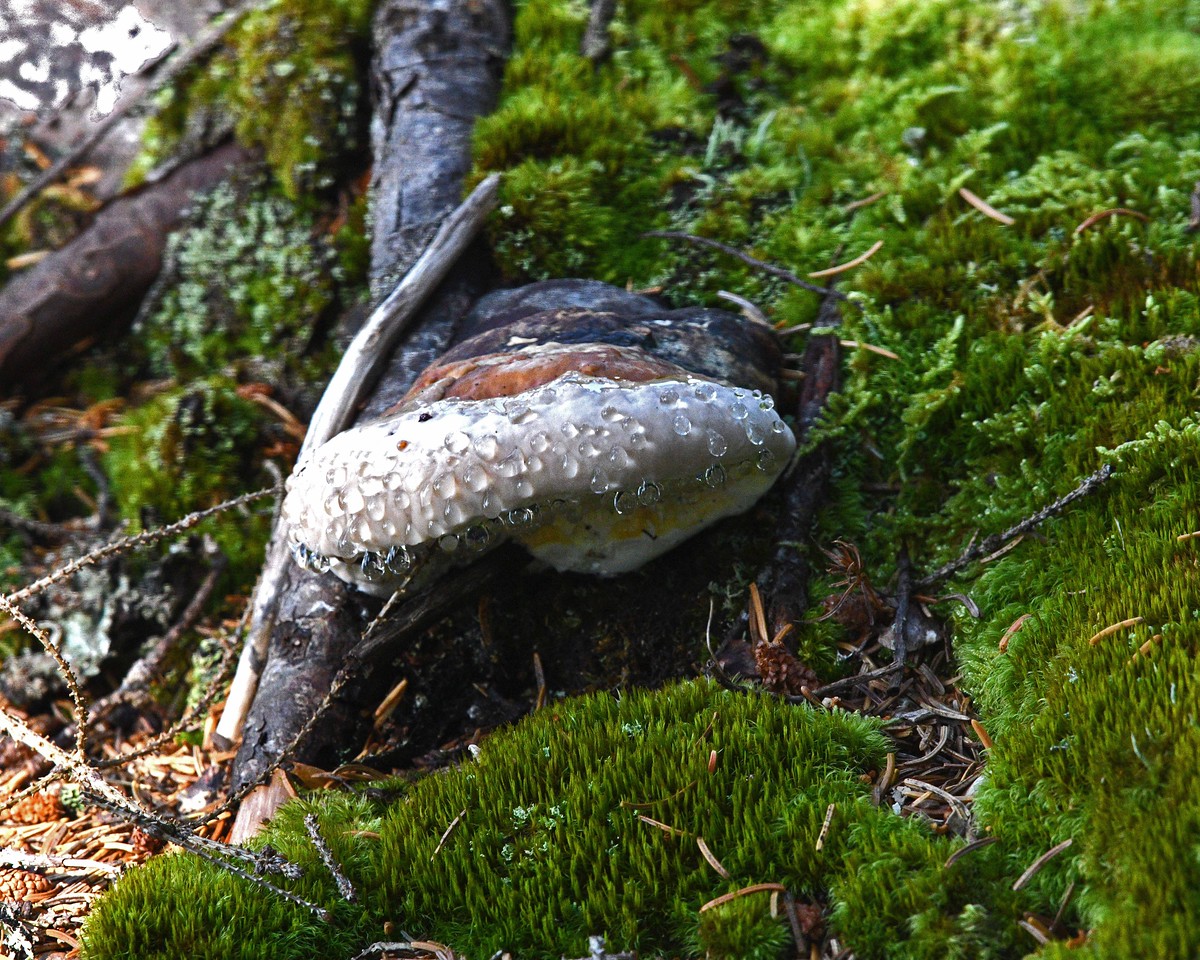
In addition to the Righteous specimen above, we’ve been working on identifying the following from a recent walk; see how you do:

1 2

3 4

5 6

7 8

9 10

(Brooklin, Maine)

Comment

September Postcards From Maine

4 Comments

September Postcards From Maine

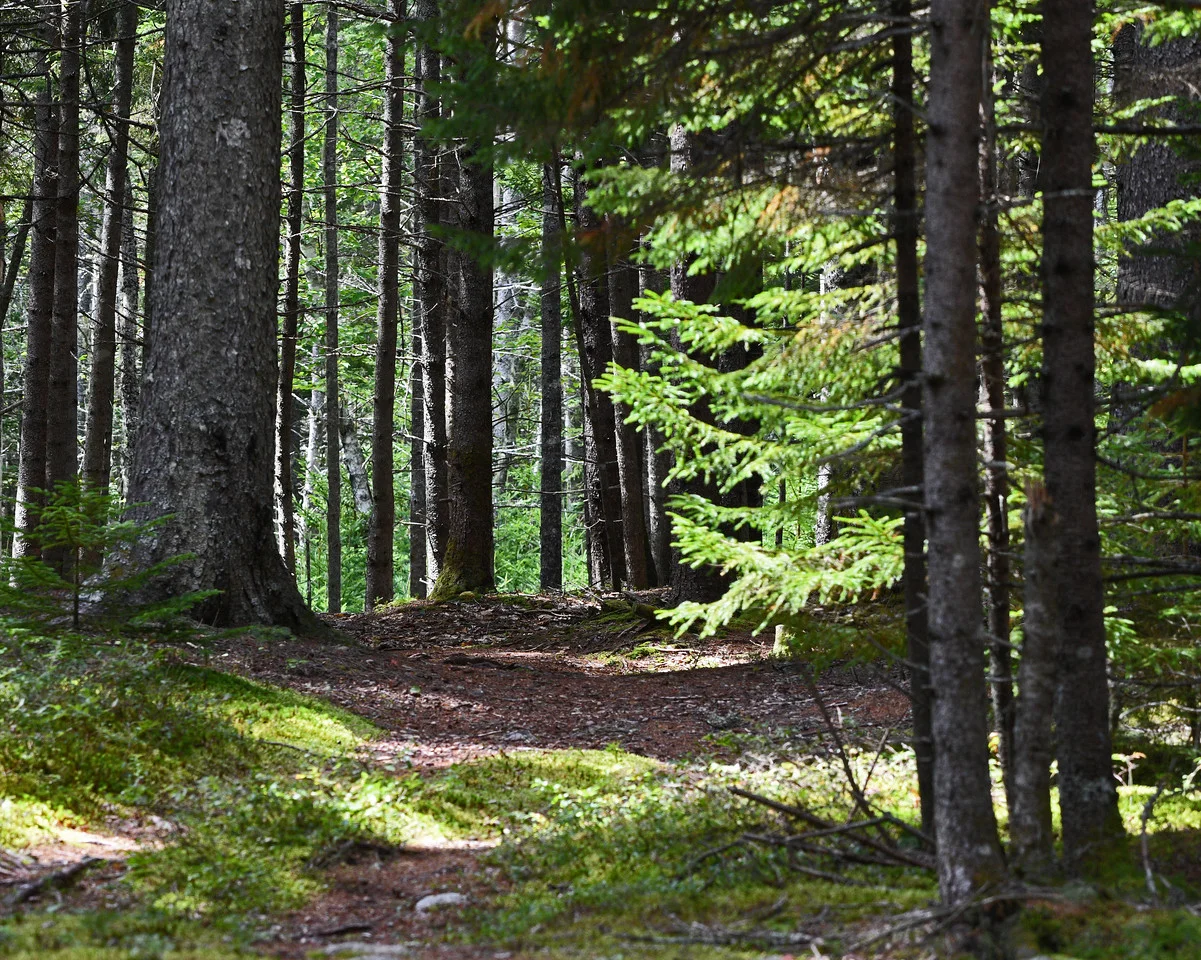
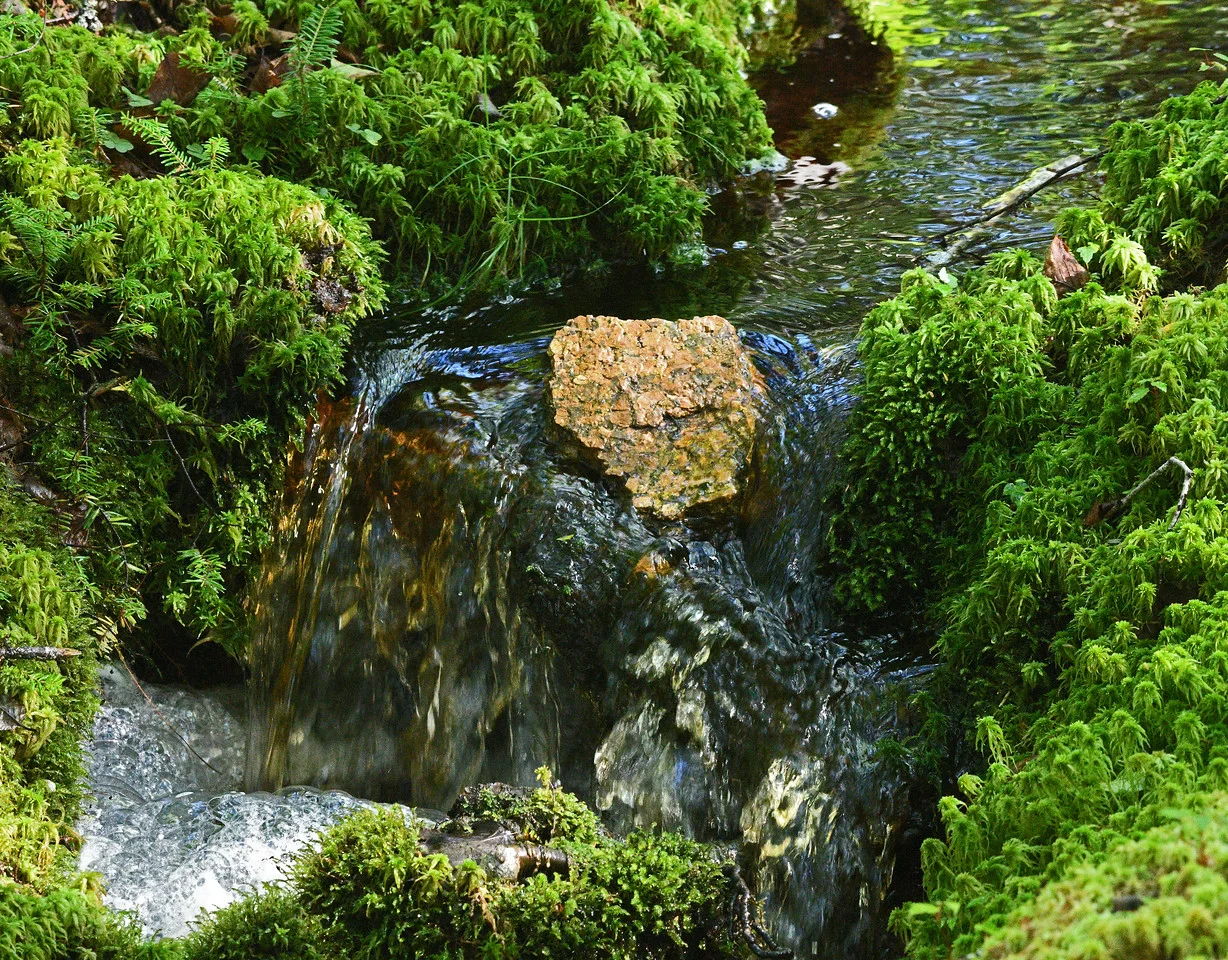
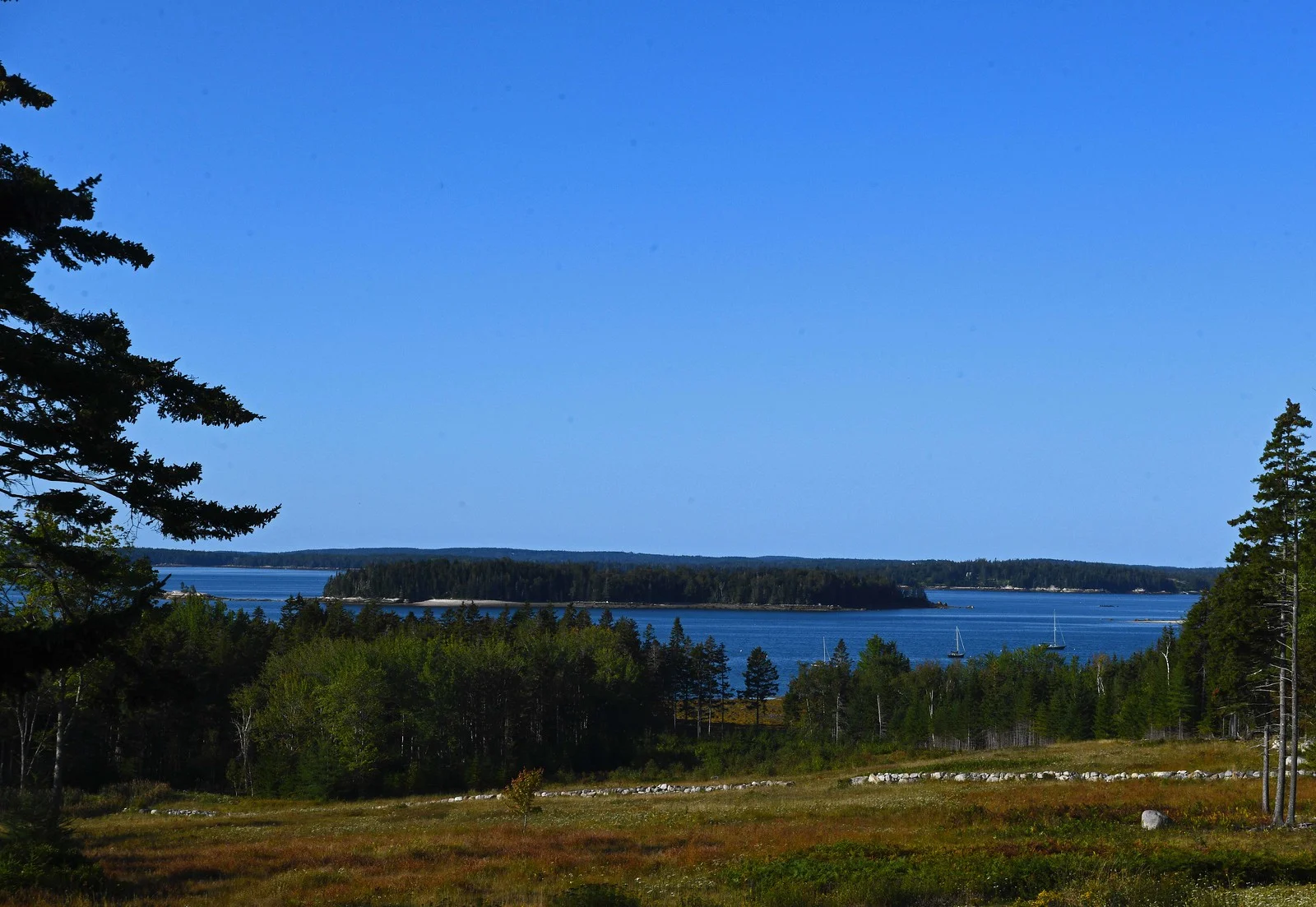
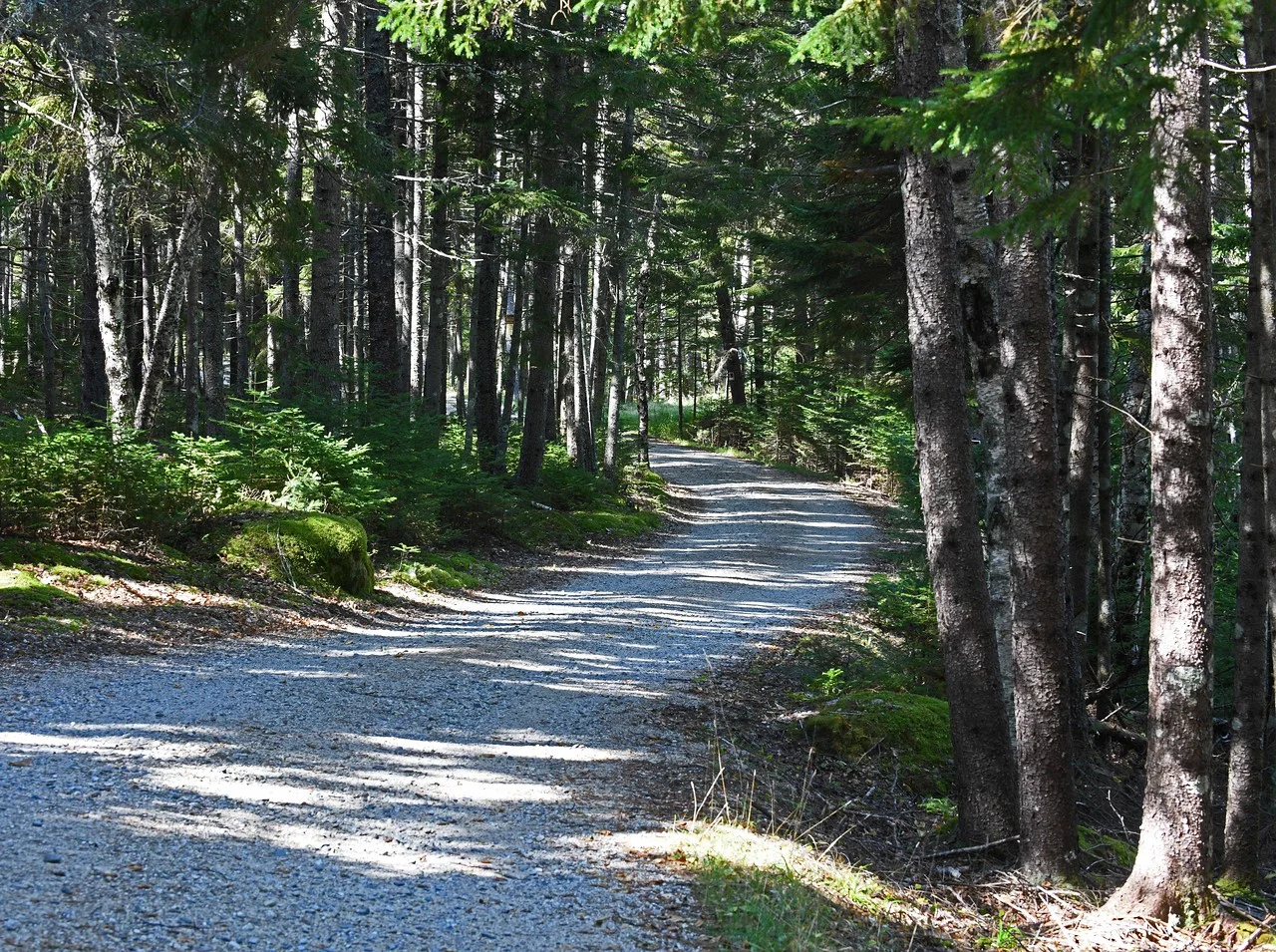
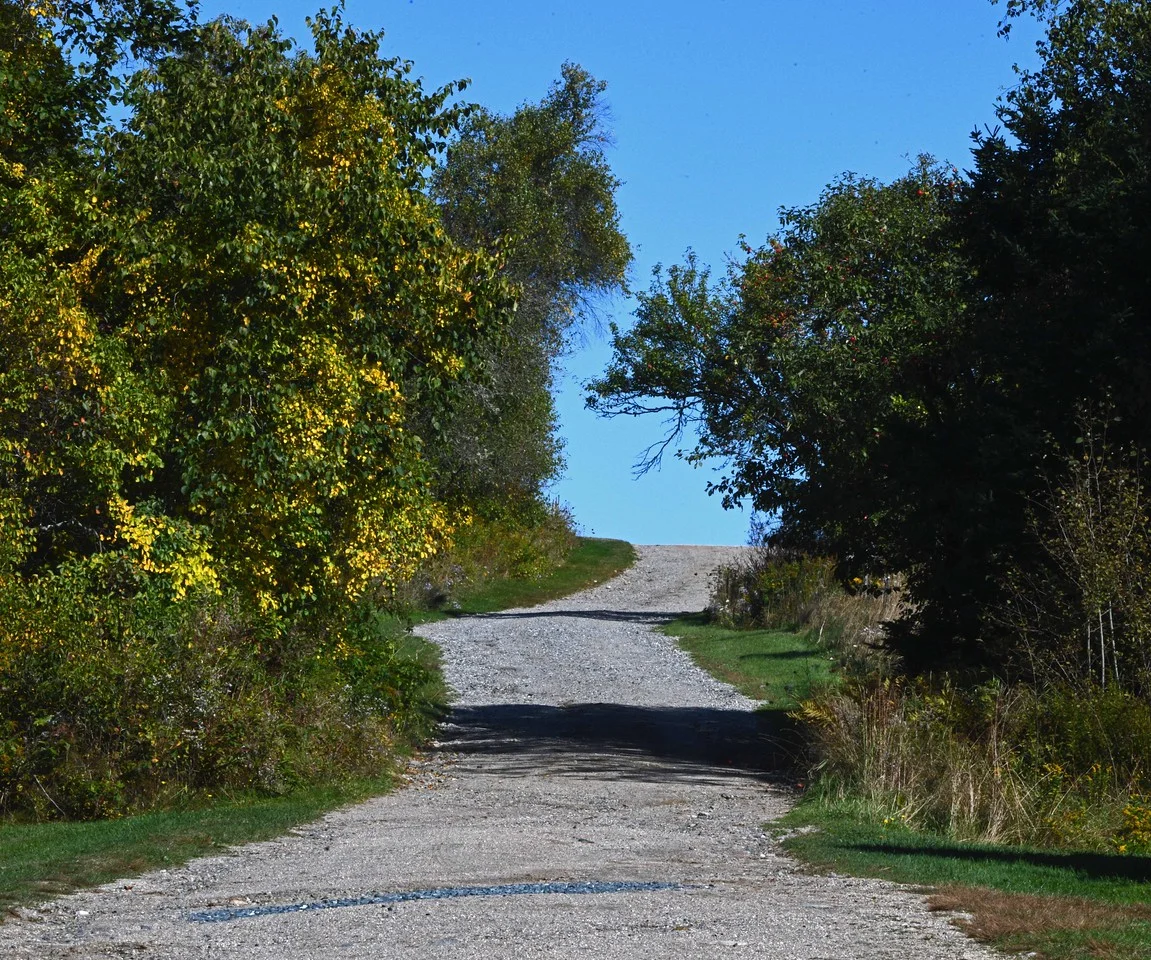
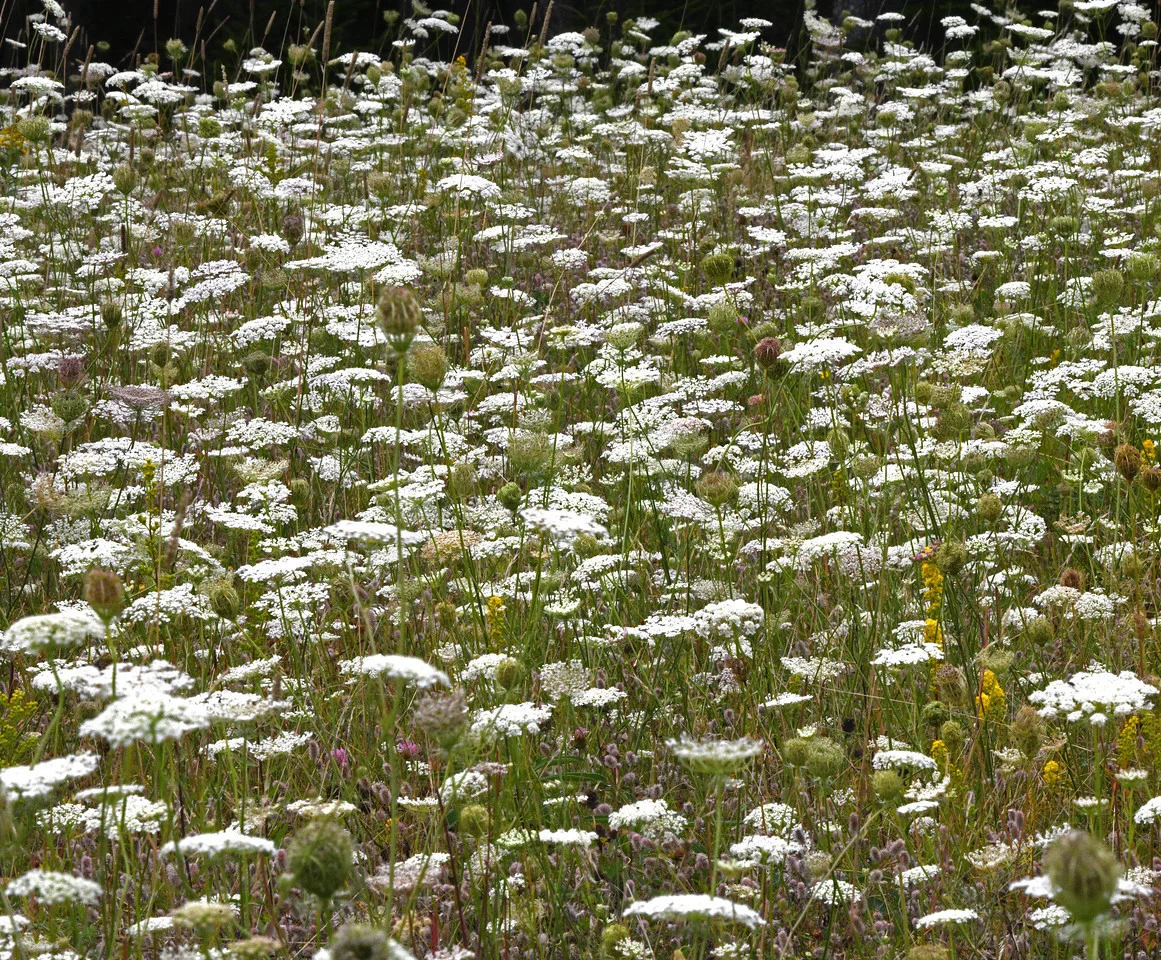
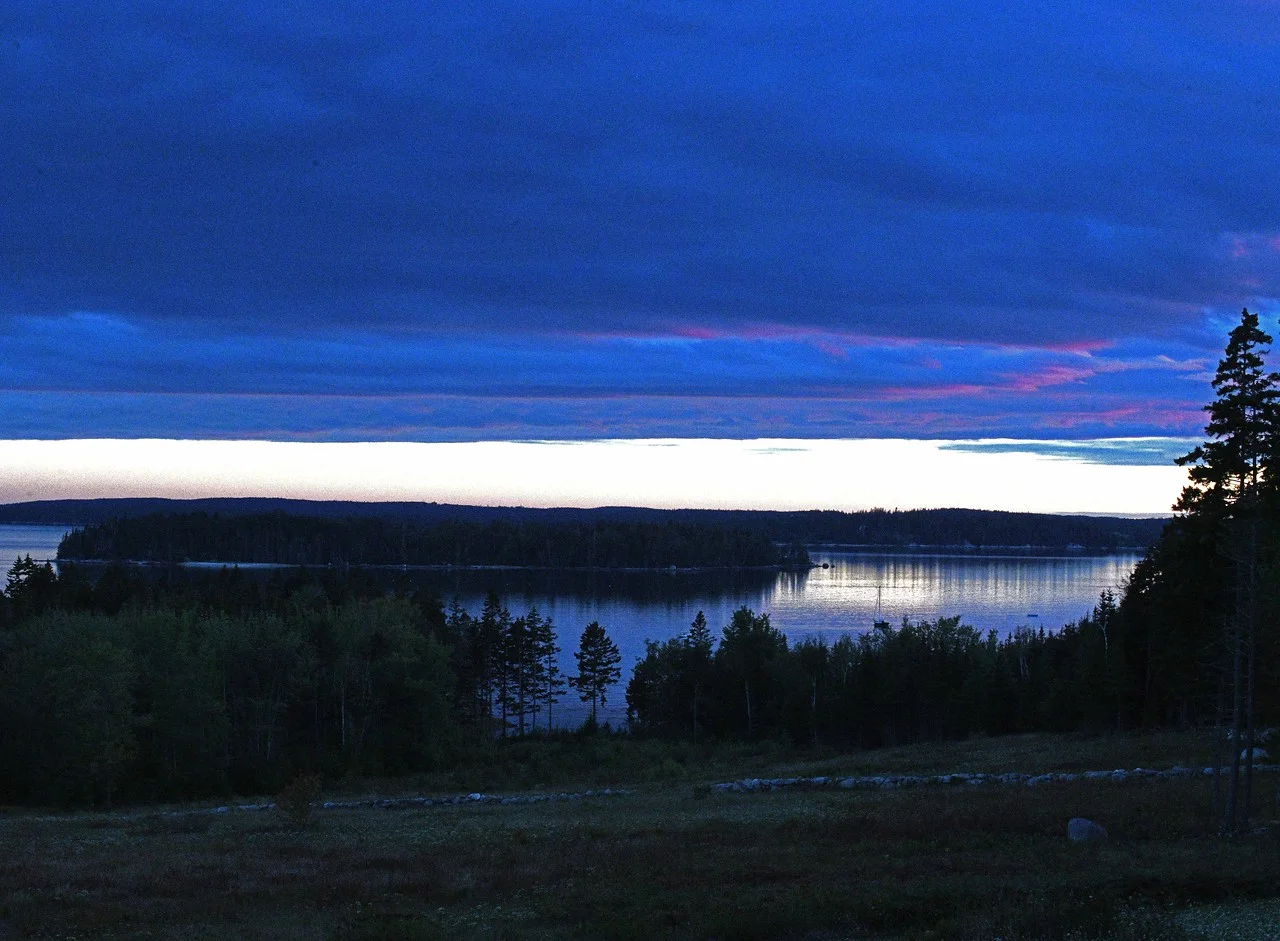
It was a good September here in Down East Maine. The dappled woods remained mostly crispy green, there was a bumper crop of Queen Anne’s Lace to brighten the browning fields; several good rains swelled the mossy streams into a state of merriment, and clear air made the coastal vistas breathtaking. It often was thrilling just to travel along our country lanes.

1.jpg
9.jpg
8.jpg

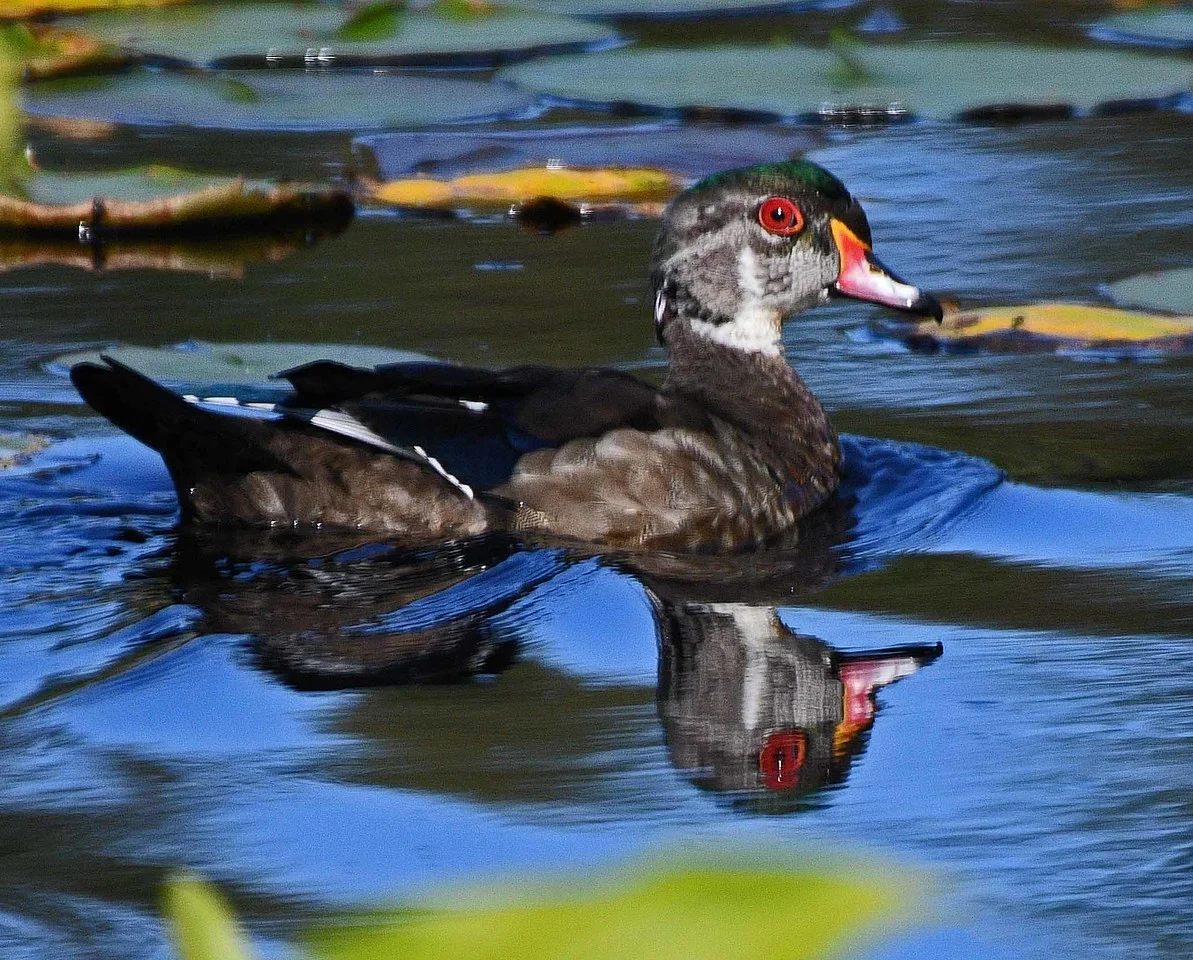
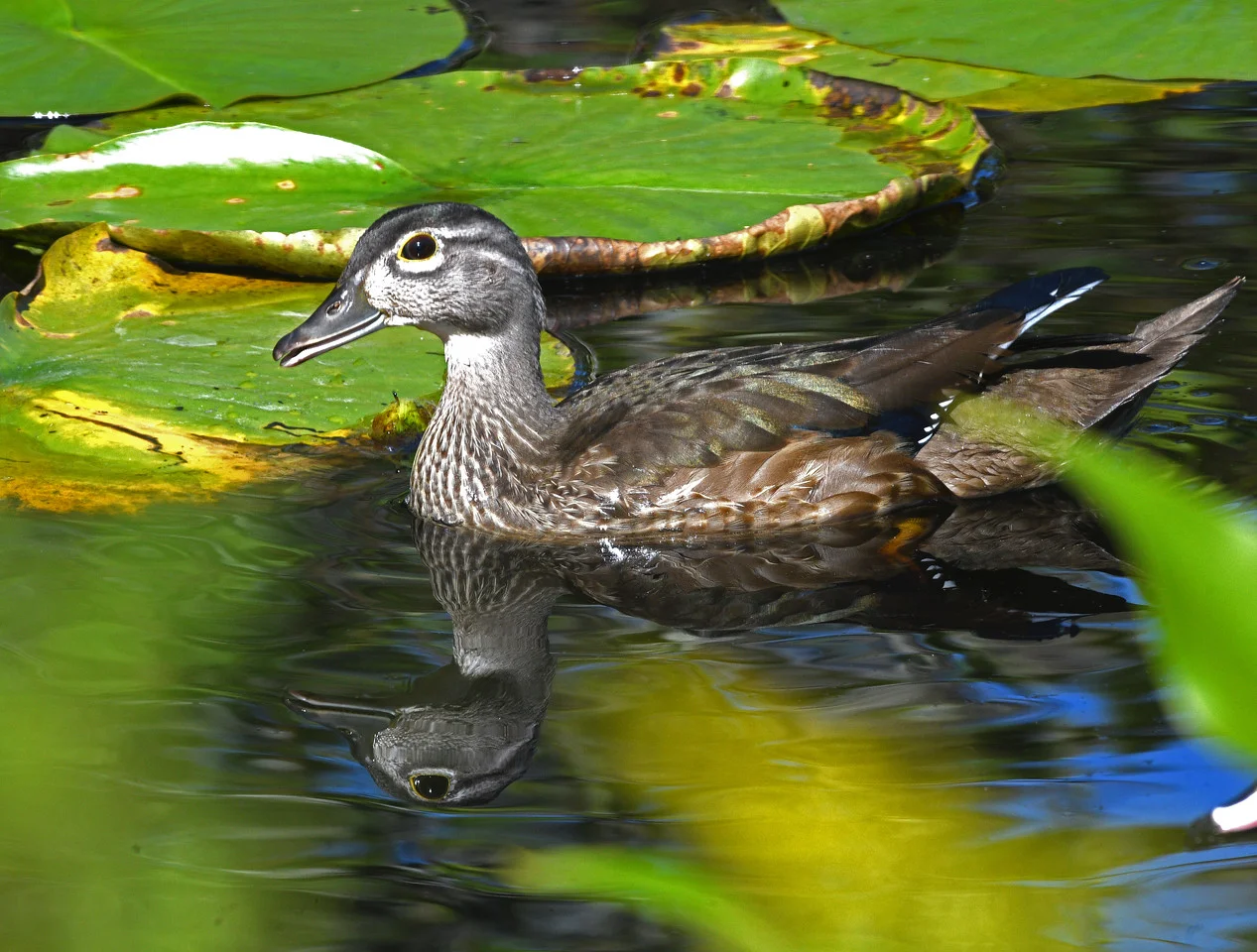
September also was a good month for birds. Our favorites were the Greater Yellowlegs Sandpipers high-stepping like drum majors on the low tide muck; the molting male wood ducks waiting to grow back enough feathers to accompany their svelte spouses southward, and the procrastinating female Ruby-Throated Hummingbirds that stayed here too long and had to strain to get nectar from the selfish late summer flowers.

13.jpg
16.jpg

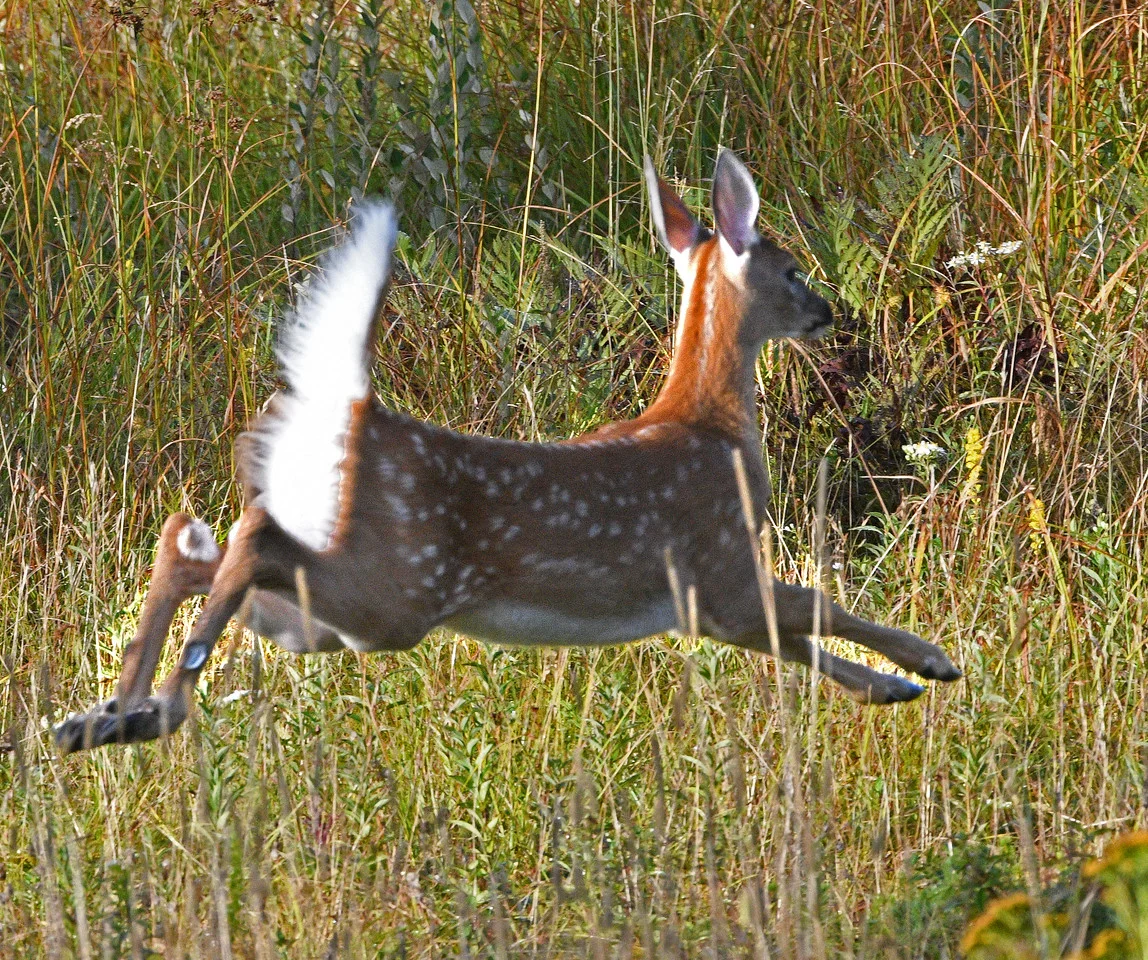
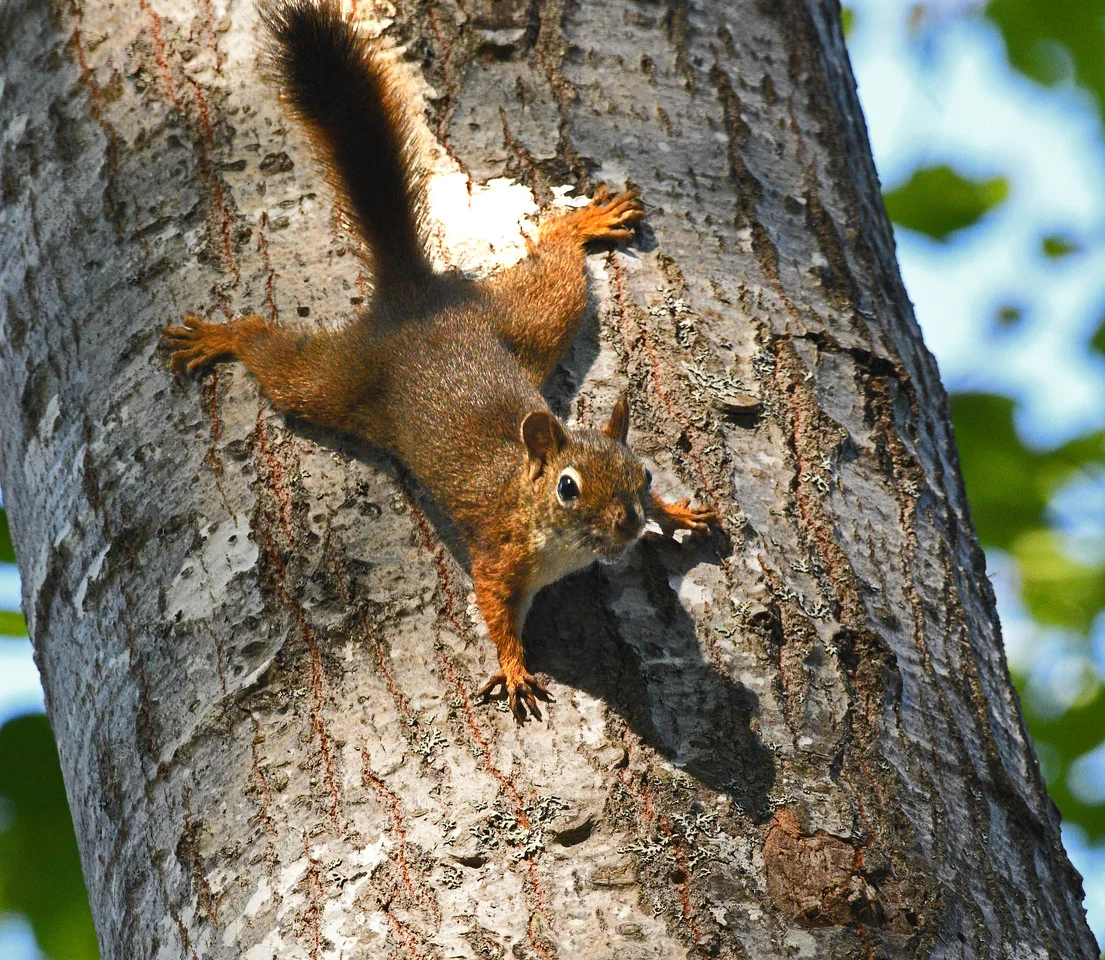
In the cute-but-too-many category, our White-Tailed Deer fawns seemed to gambol more and more as the temperatures cooled and our Red Squirrels seemed to get more foul-mouthed when we interrupted their food-storing duties.

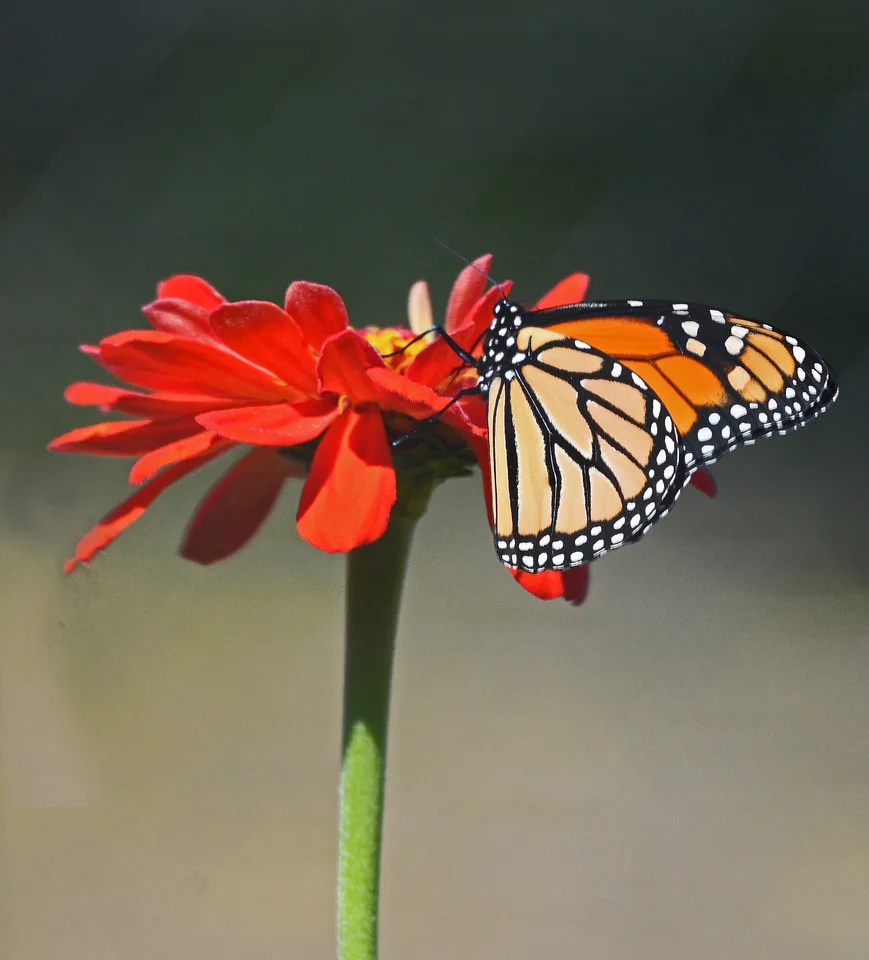
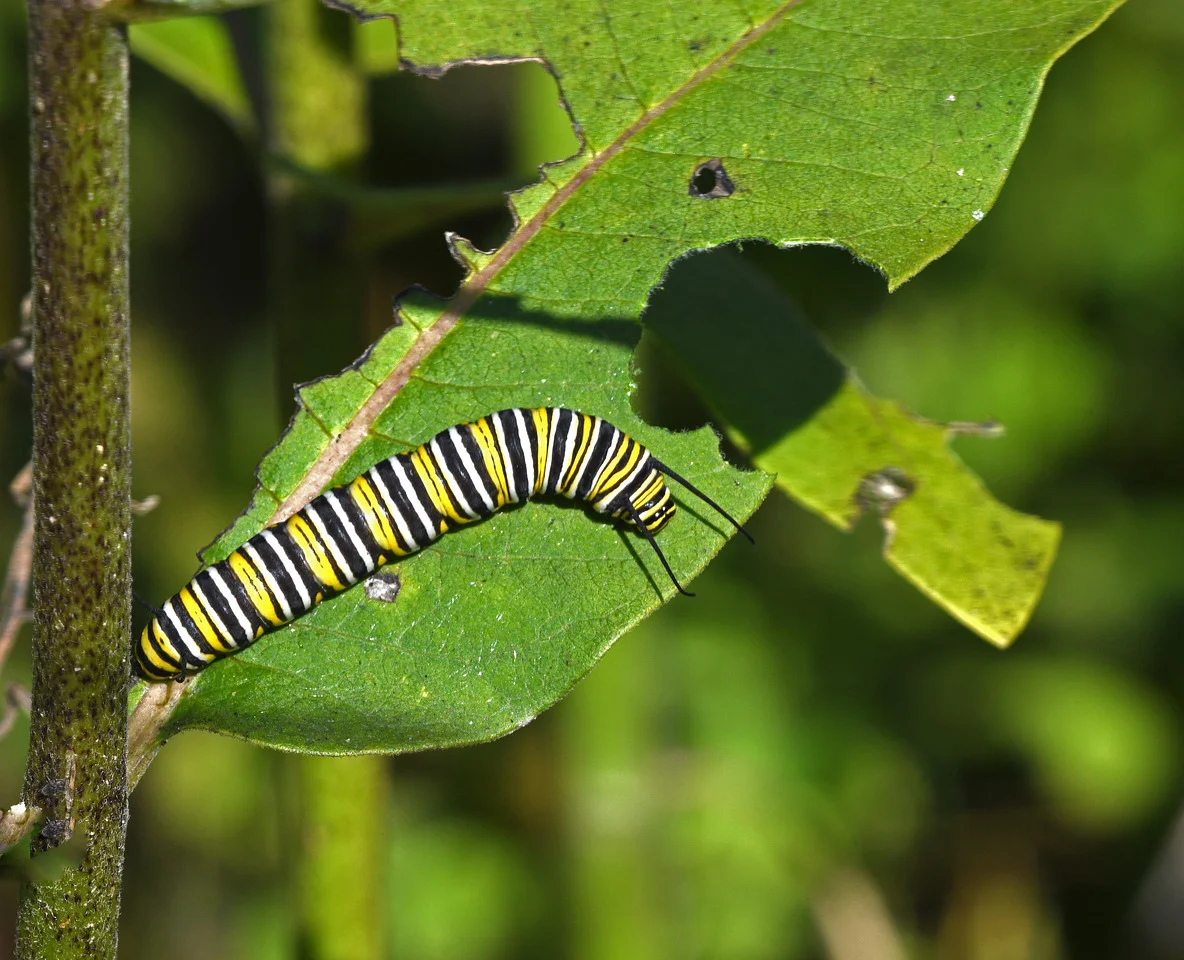
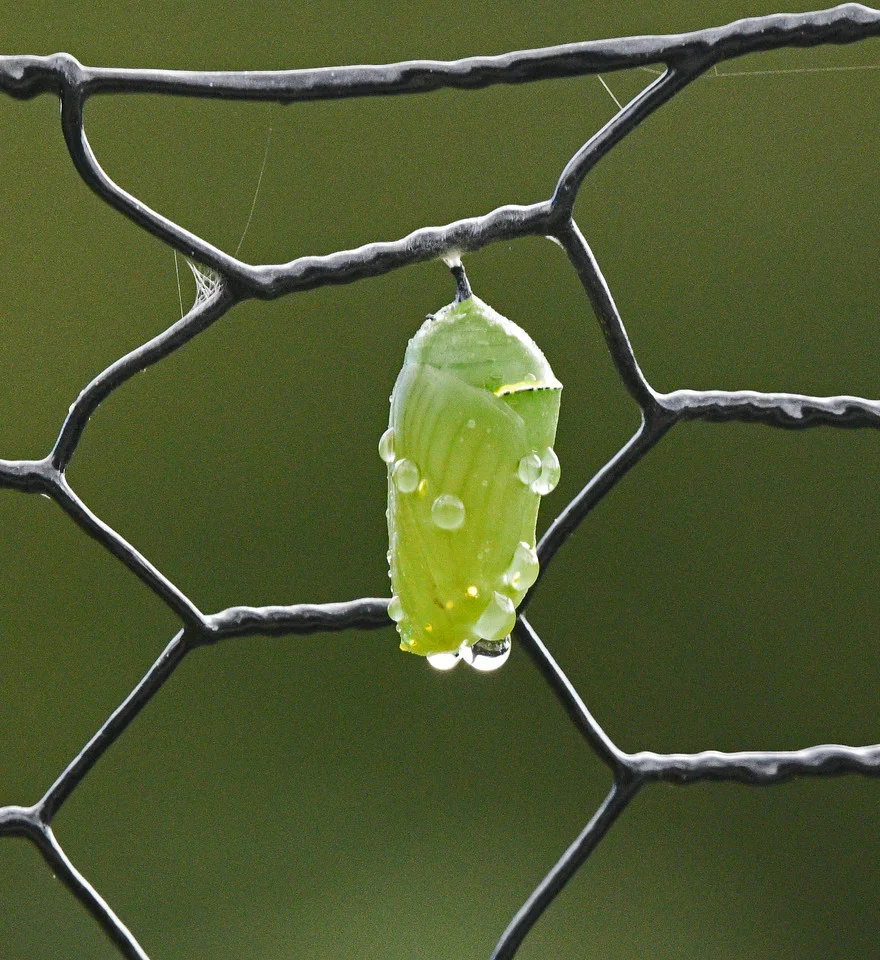
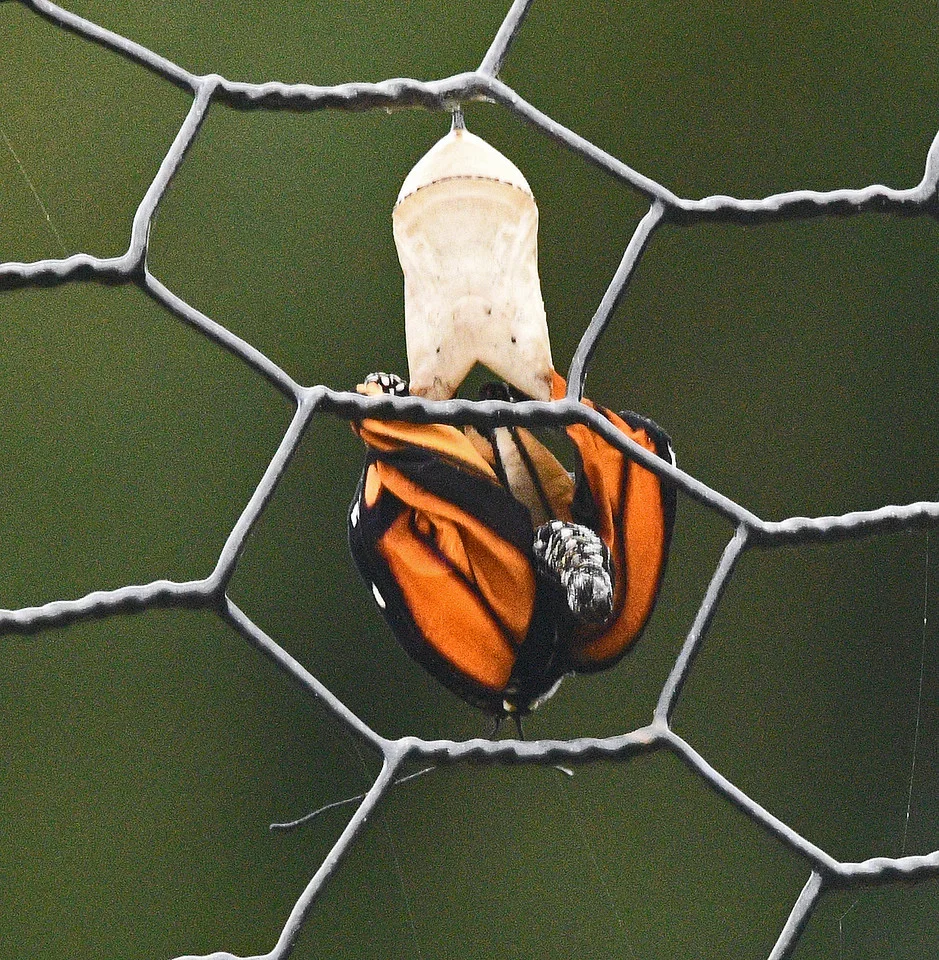
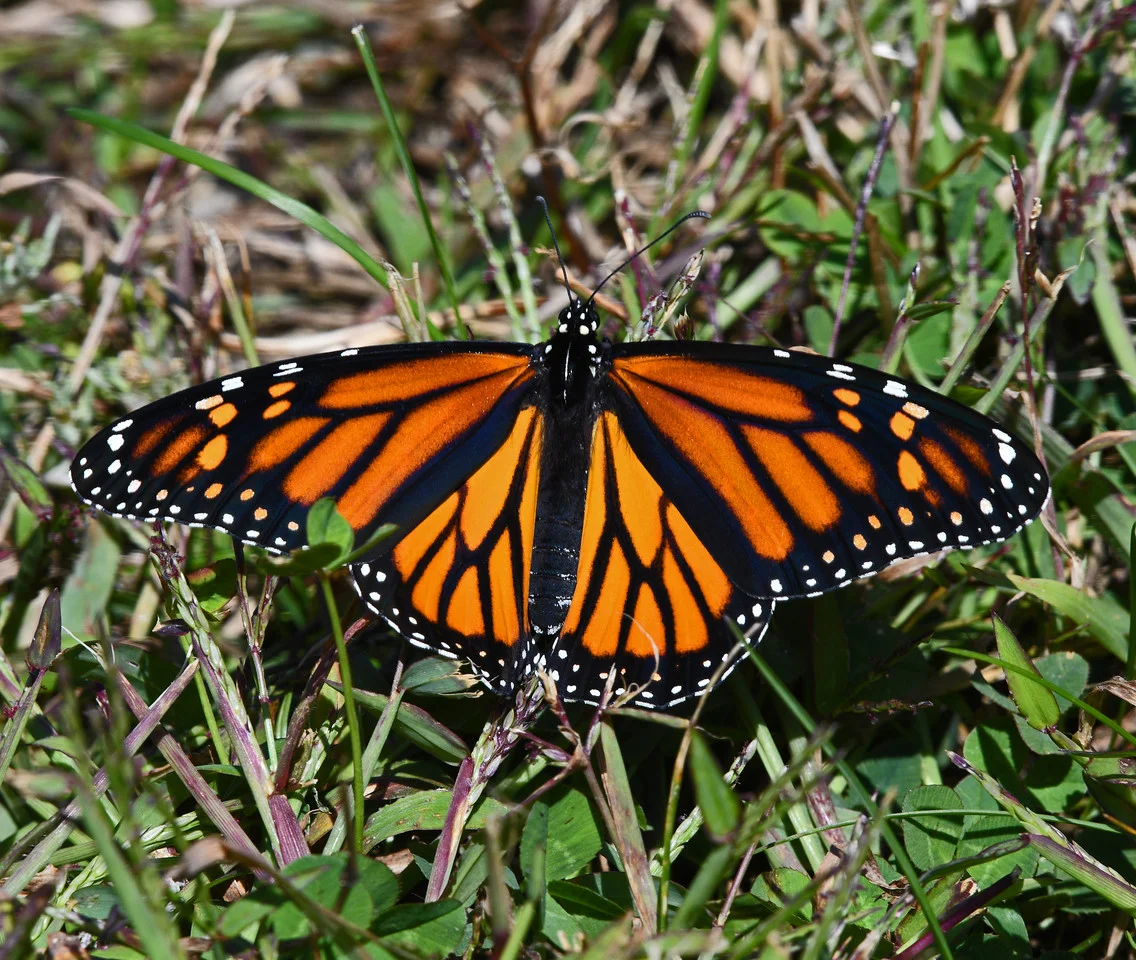
More important, this September produced a profusion of specialized migrating Monarch Butterflies — the last batch of the summer that, unlike prior batches, would travel to southern California and Mexico to preserve their species. We saw the full cycle of their creation in the month — eggs on milkweed>caterpillars>chrysalises>emerging butterflies that fluttered to the ground and then flew up and away.

19.jpg
24.jpg

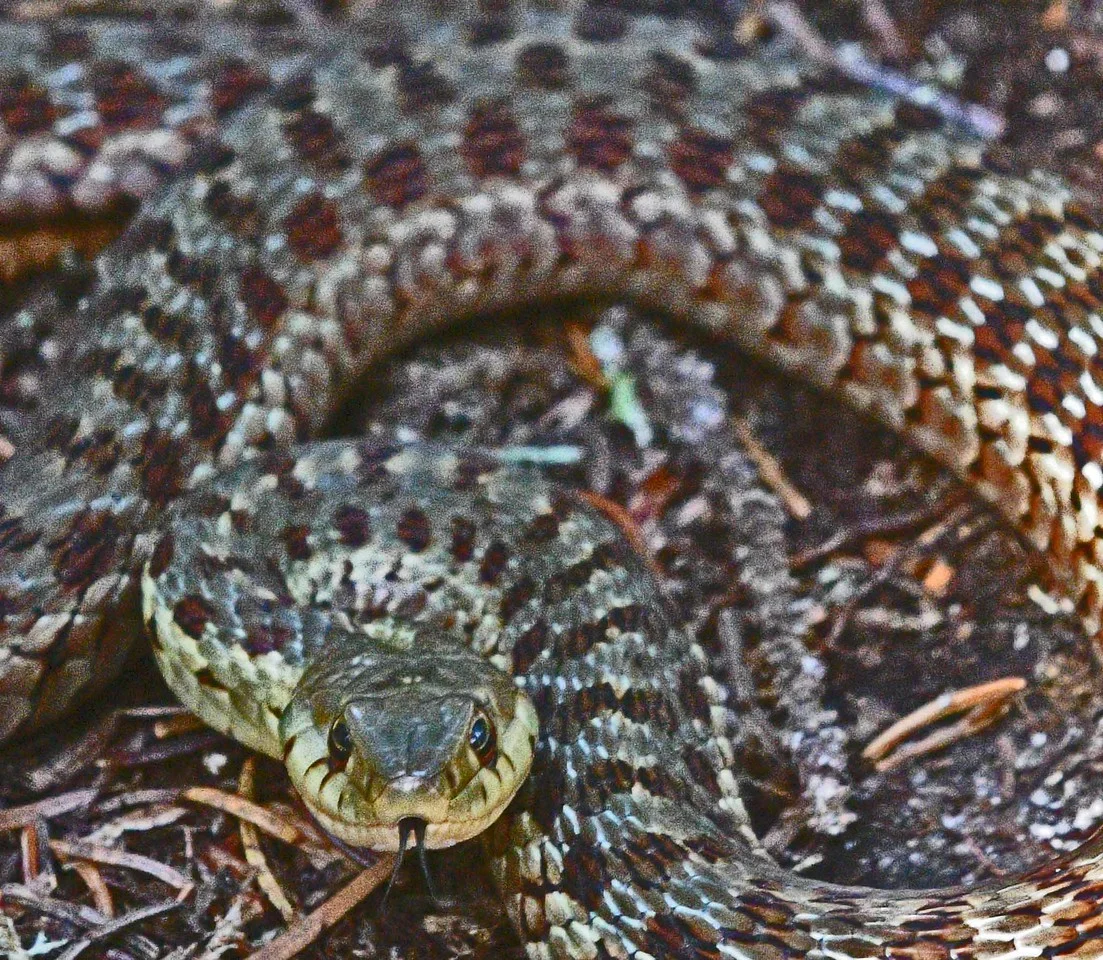
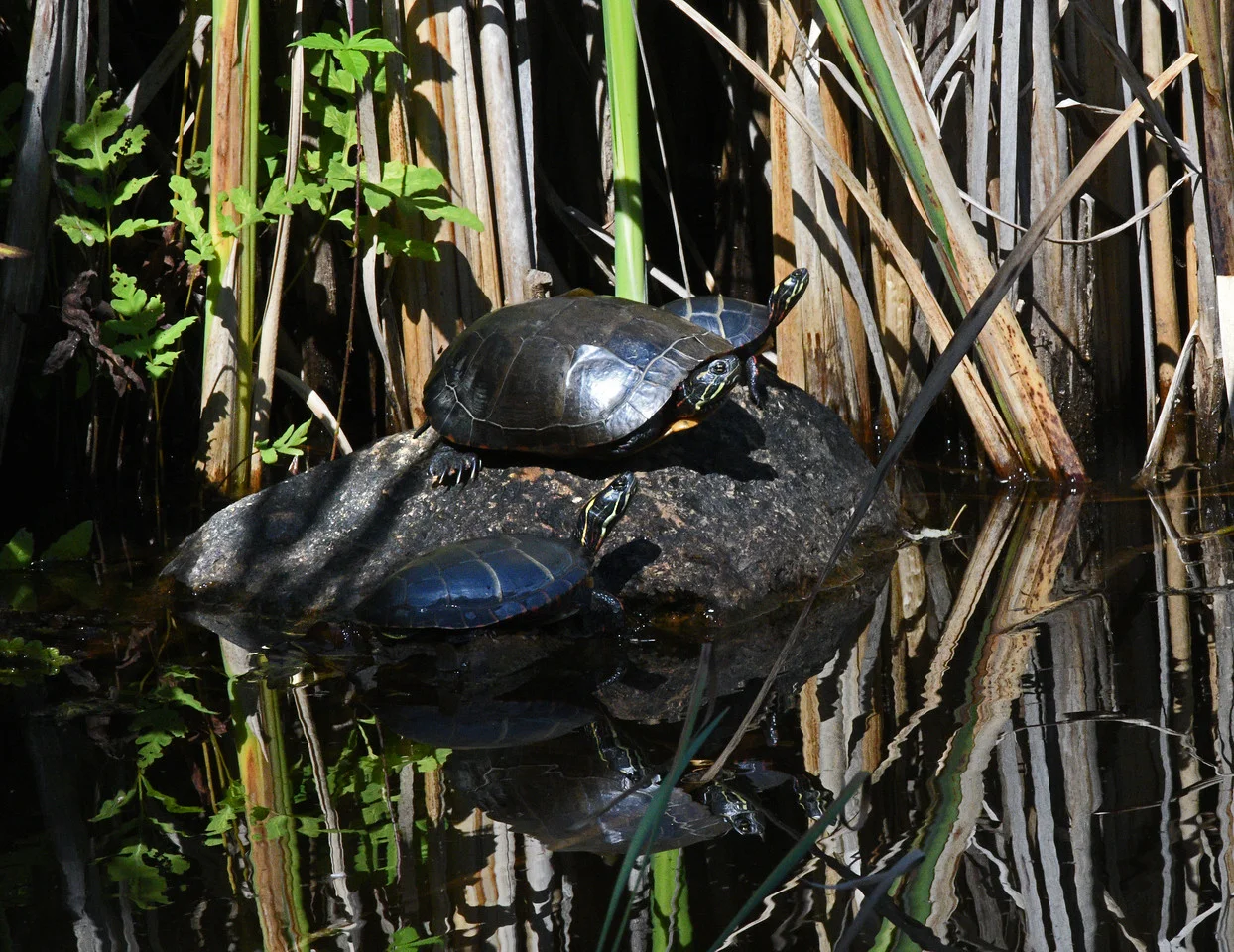
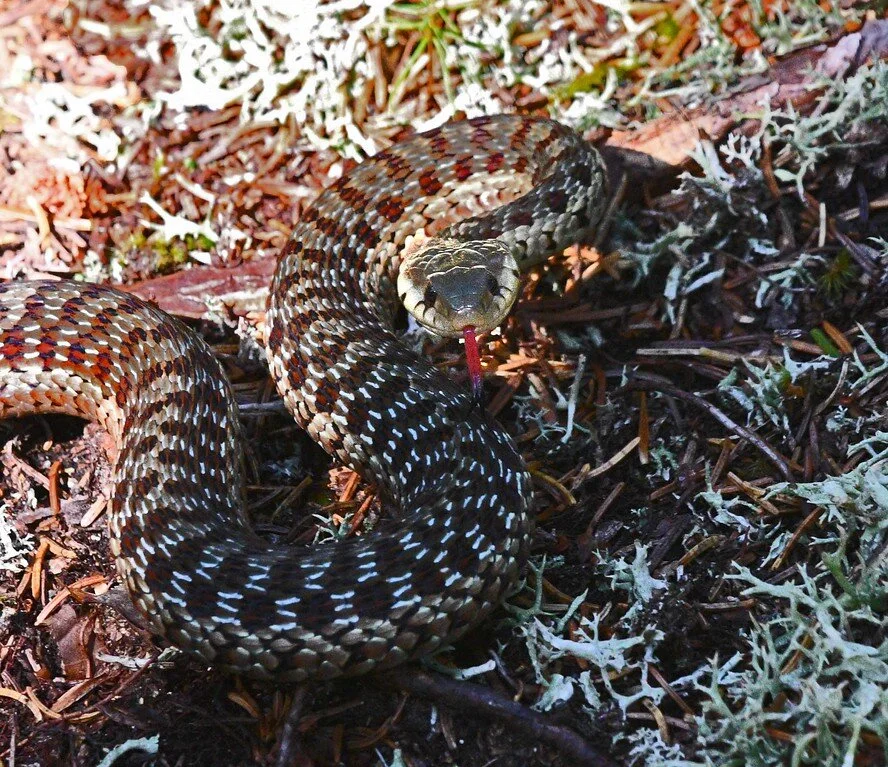
While we’re wandering the animal kingdom, we should mention that, for the fist time in decades, we saw a Northern (DeKay’s) Brown snake here this September. We also had our usual reptile and amphibian neighbors, especially American Toads and Painted Turtles.

27.jpg

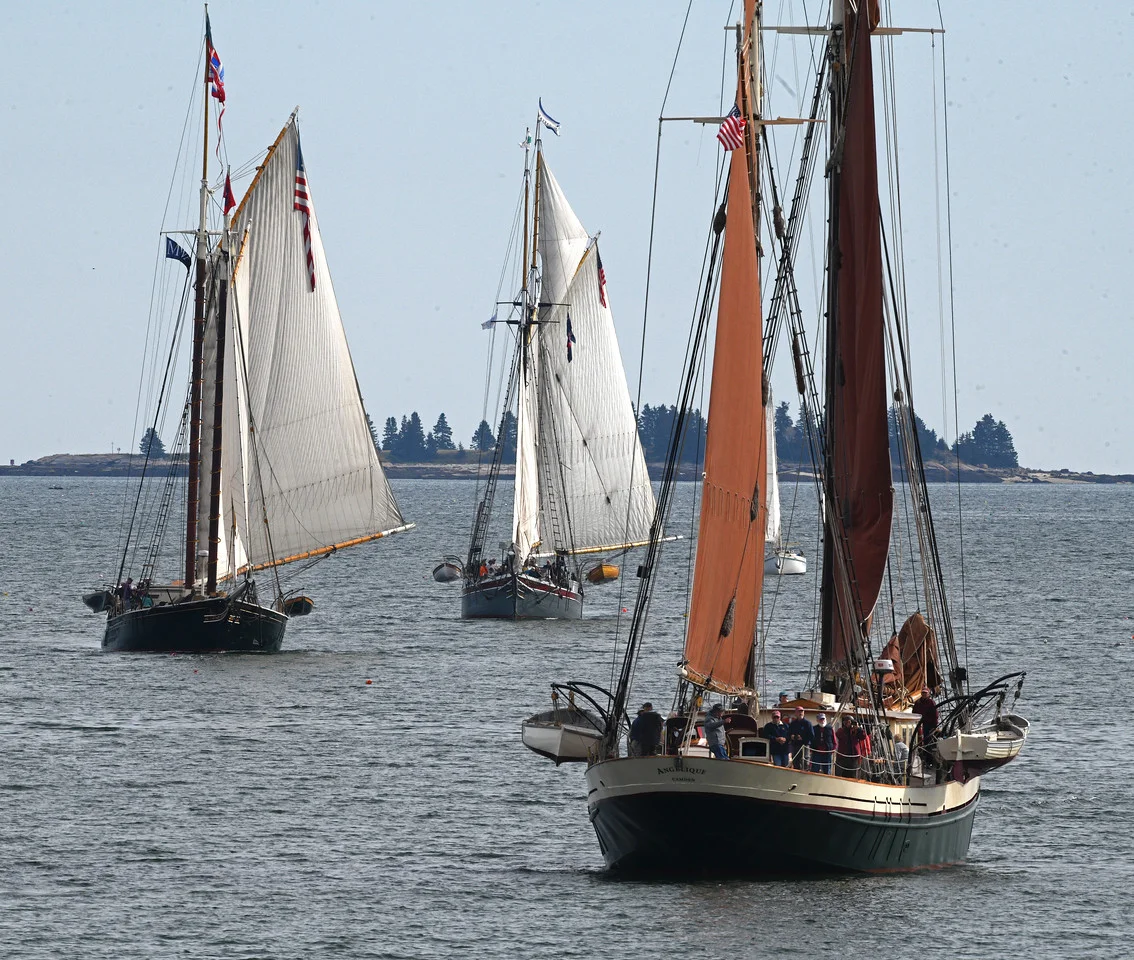
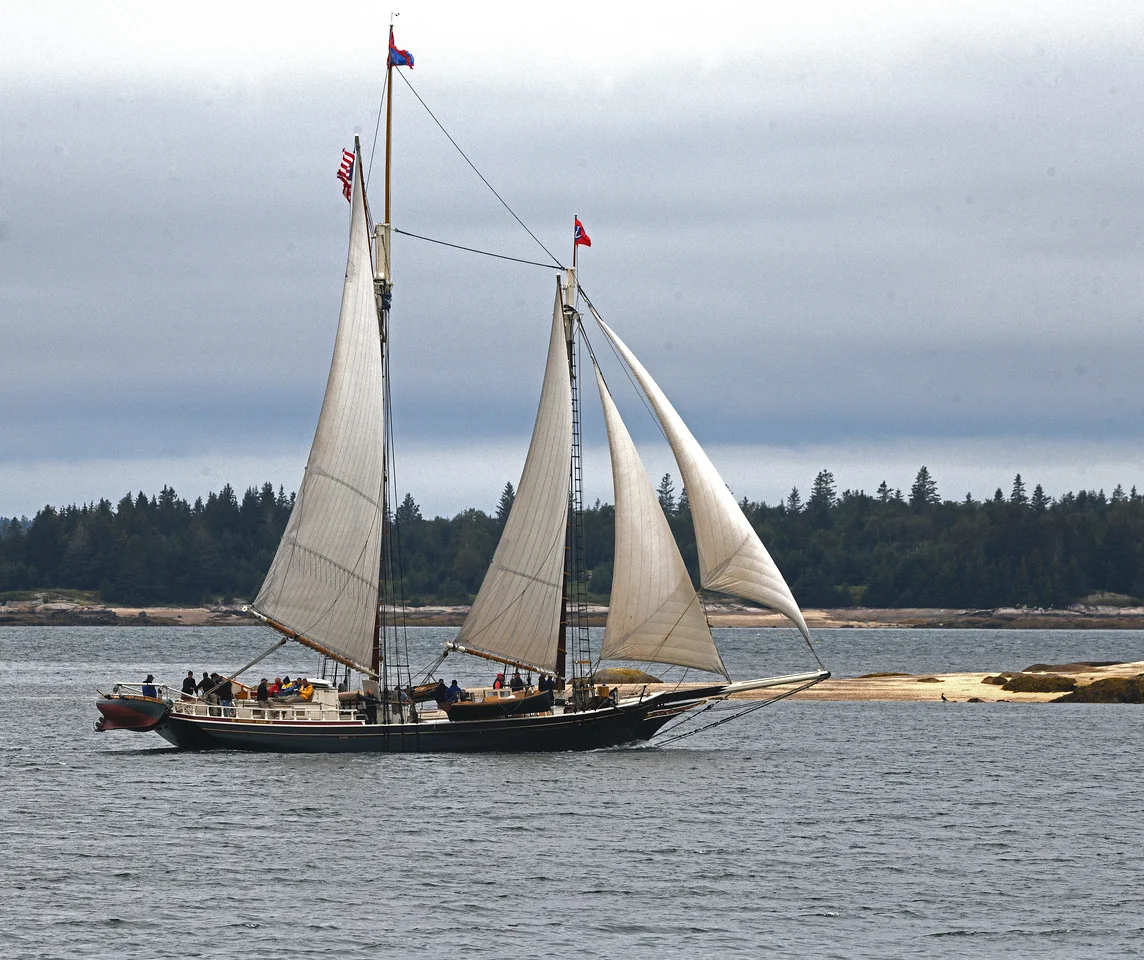
The waterfront was very busy this September. The annual WoodenBoat Sail-In for schooners was again a wonderful spectacle in Great Cove.

30.jpg

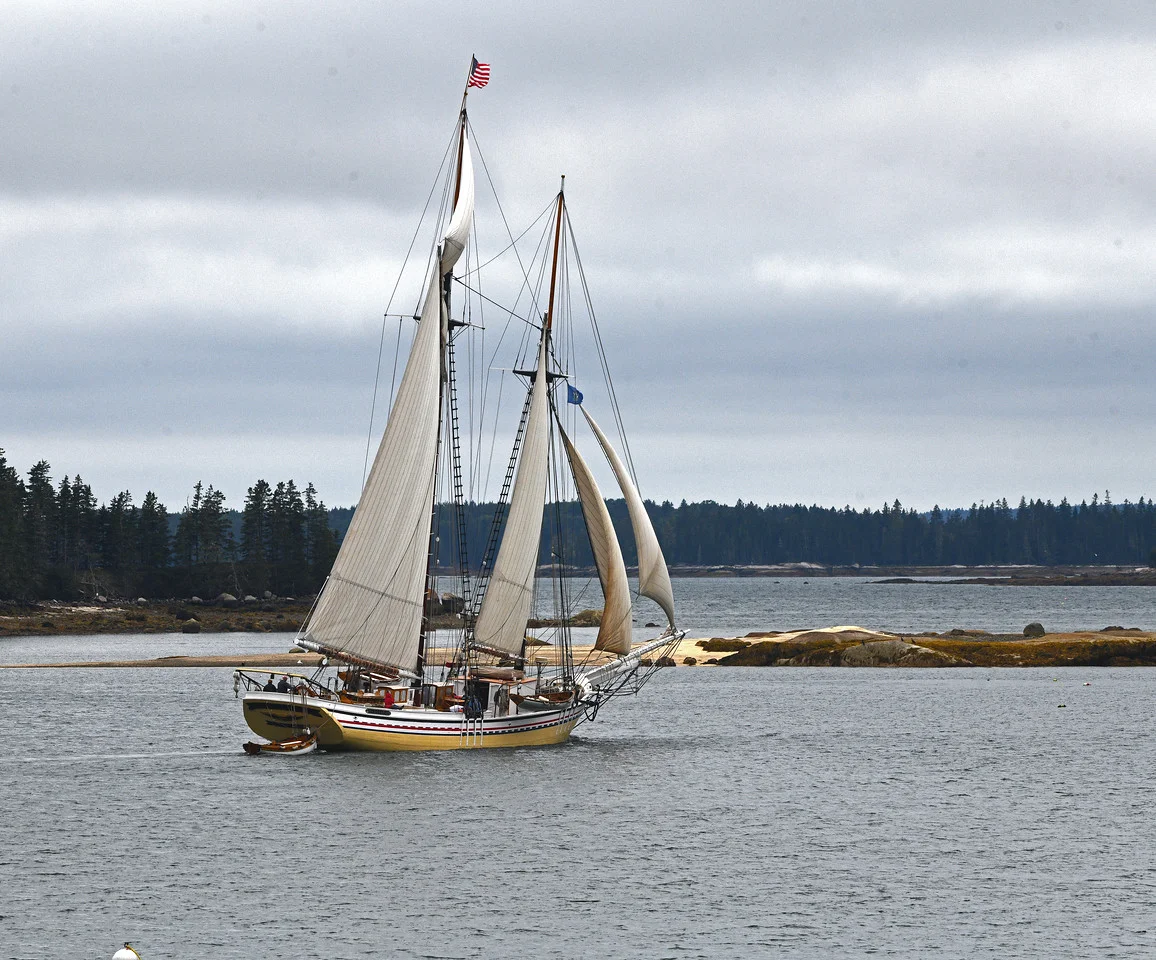
Many private sailboats visited the Cove last month, including the famous Alera, the Herreshoff-designed racer launched in 1904:

35.jpg

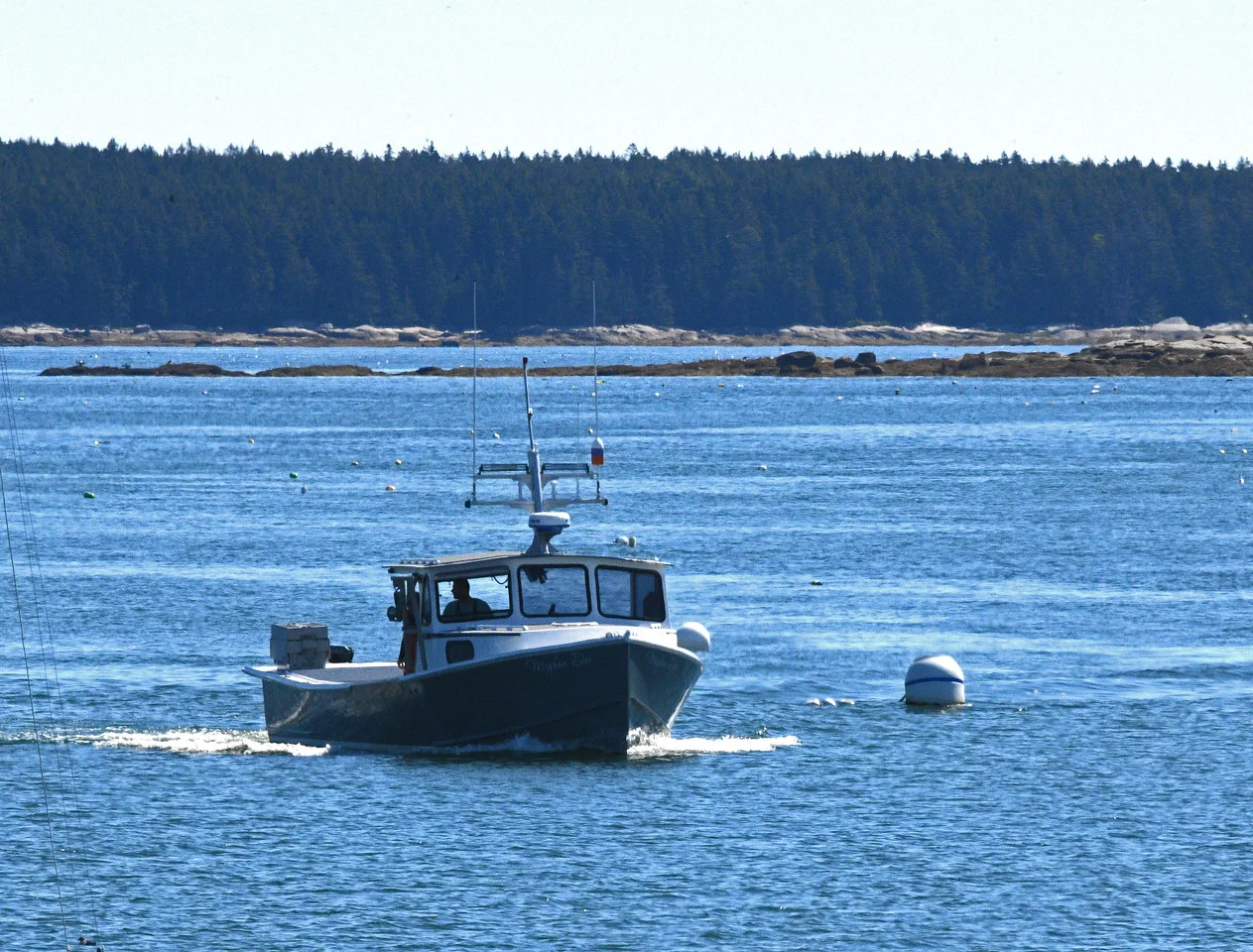
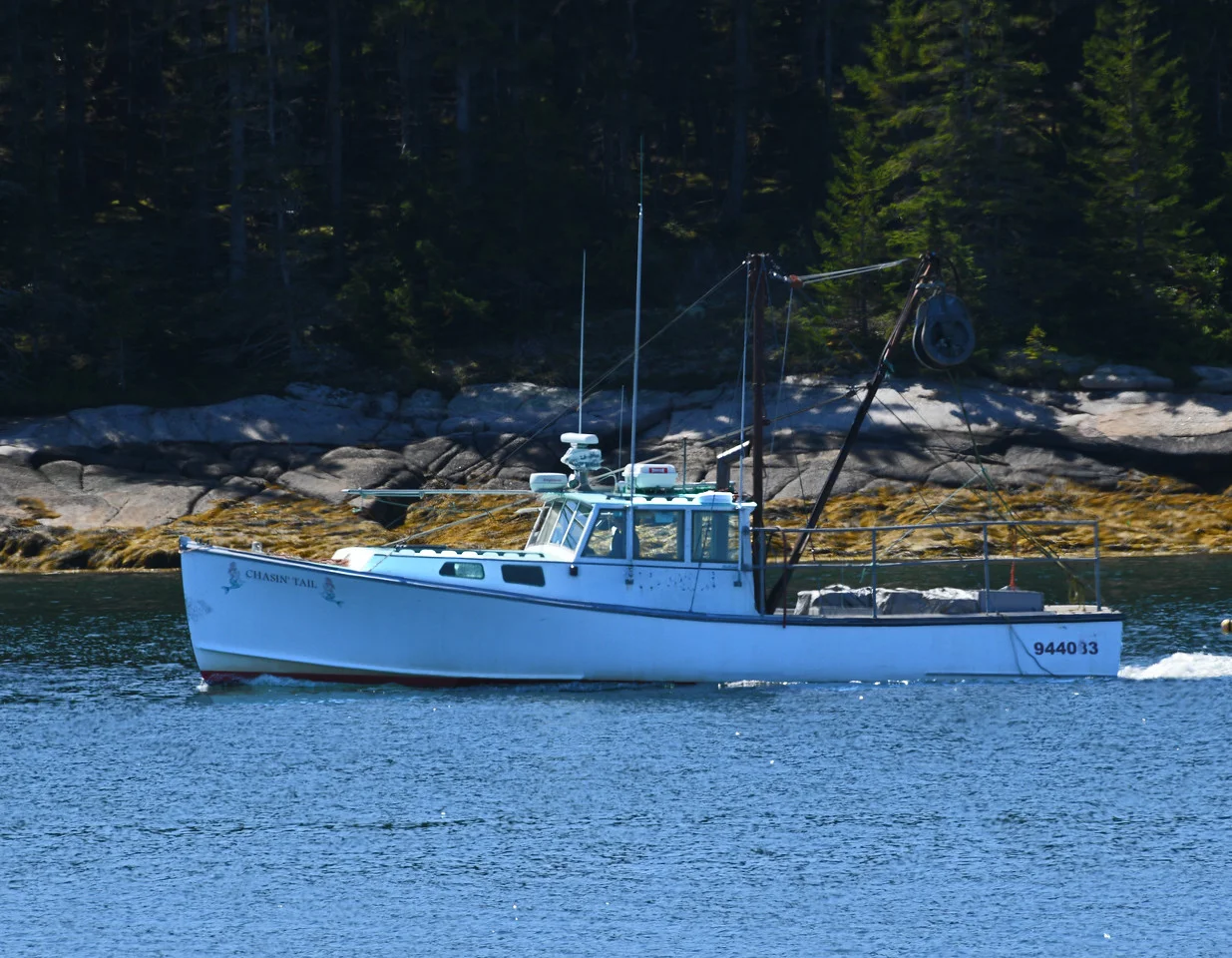
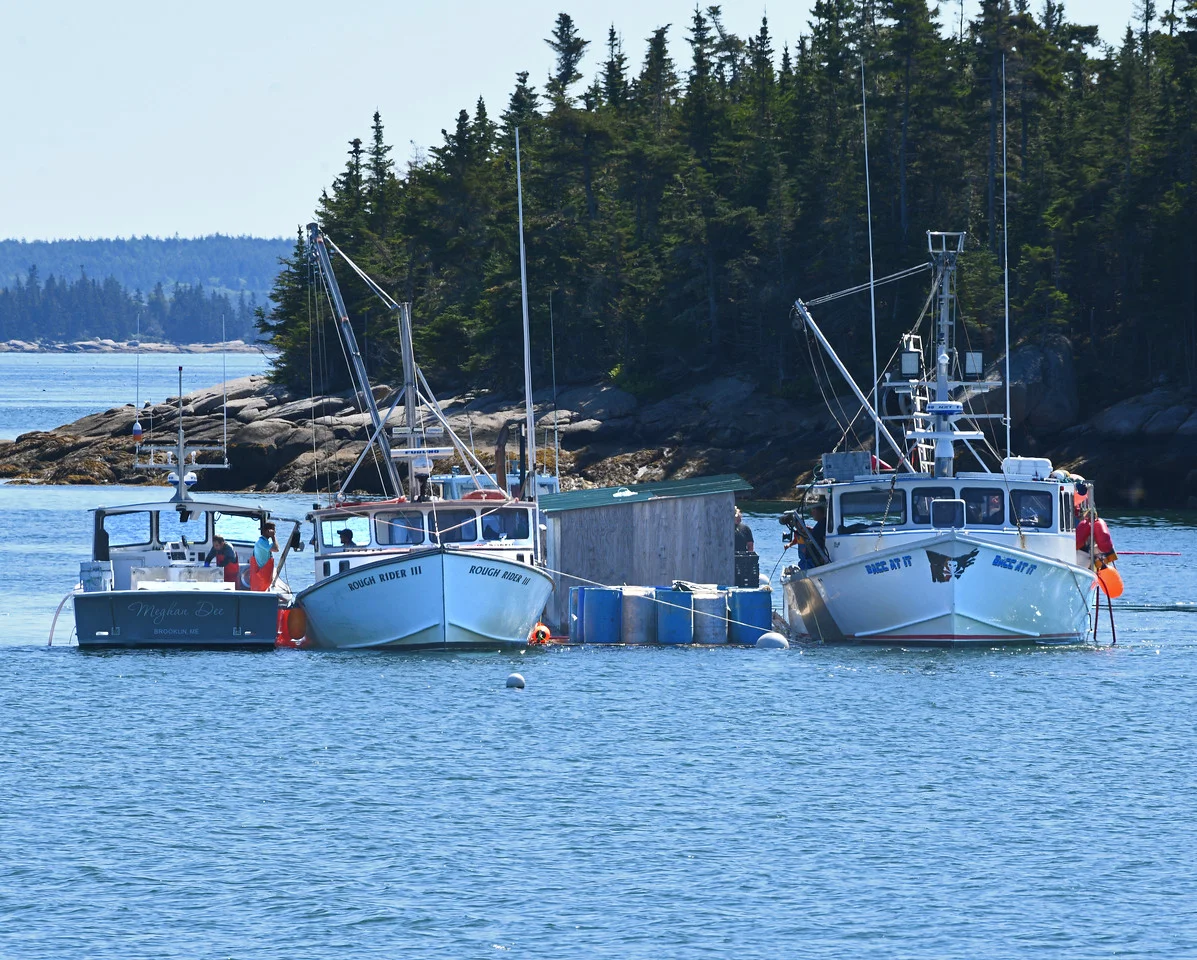
Naskeag Harbor, on the other side of our narrow peninsula, is where fishing vessels come to roost and visit the mid-harbor lobster smack and bait hut.

36.jpg
39.jpg

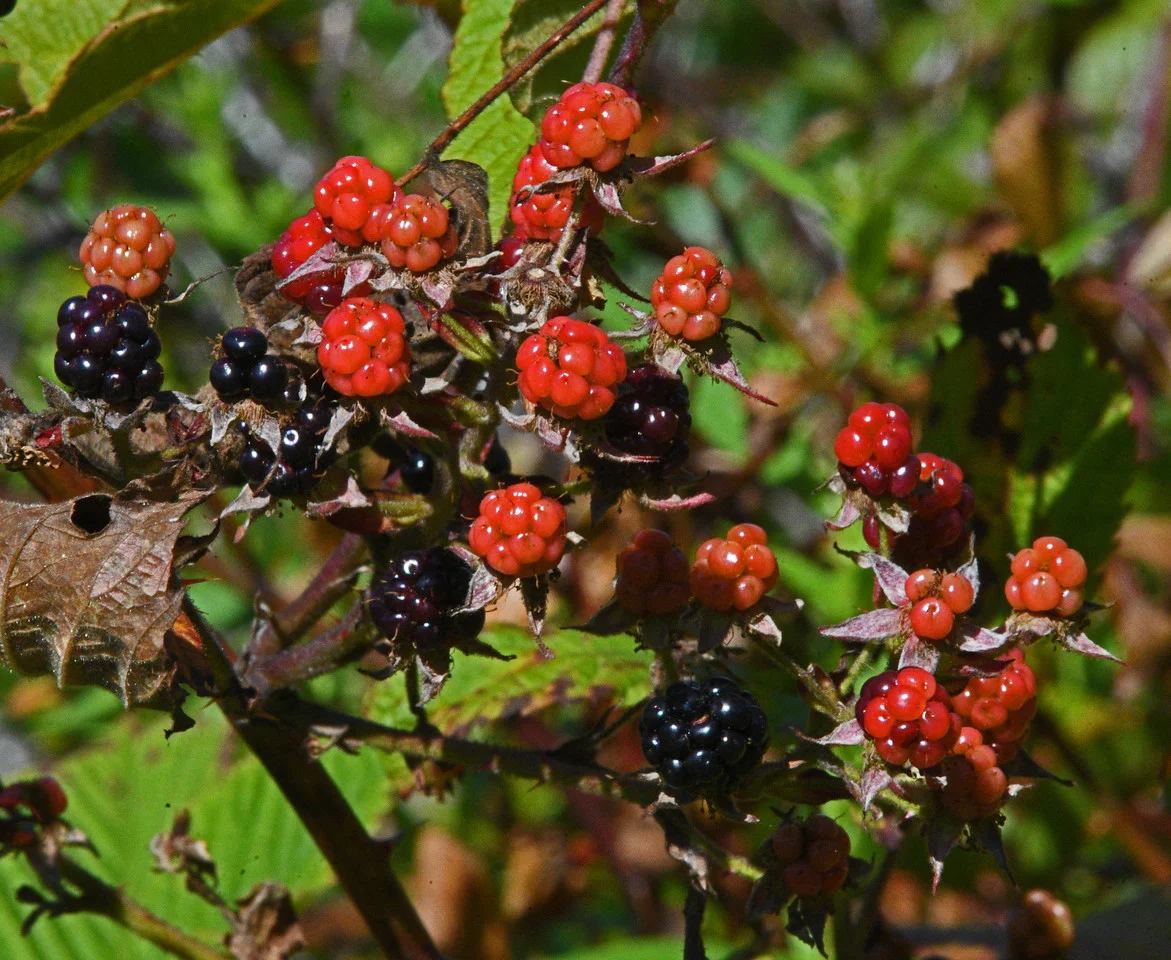
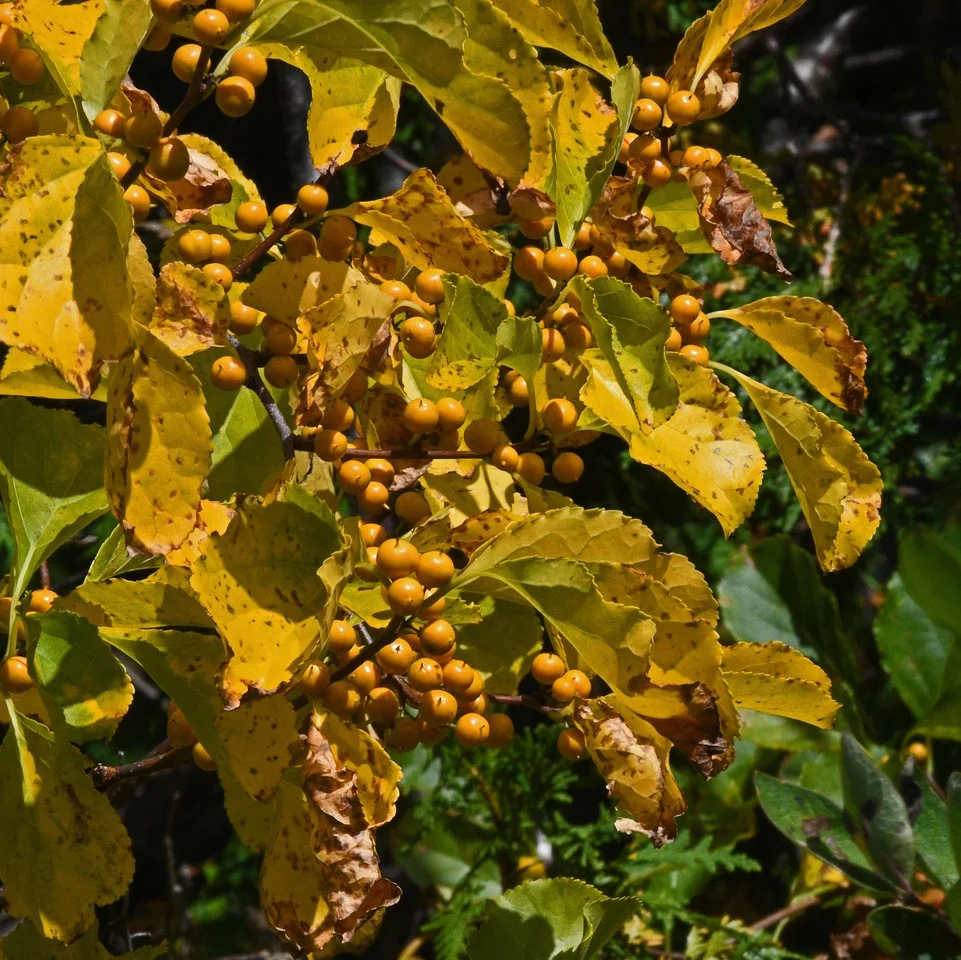
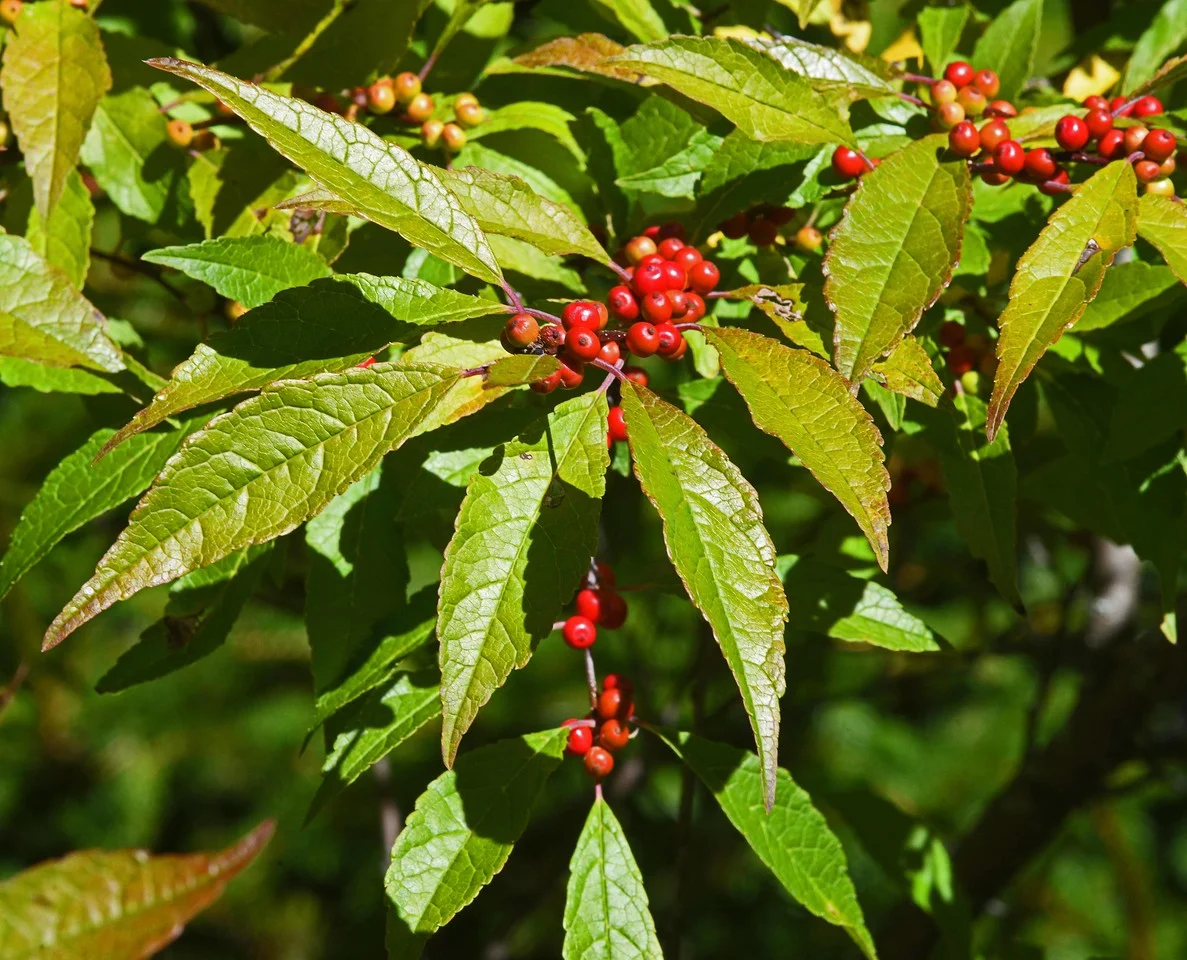
Many berries were latecomers this year due to a wet and chilly spring. Blackberries hit their delicious prime in September and Viburnum berries came and went before the plants’ leaves turned red. Unfortunately, invasive Asian Bittersweet berries were in profusion. On the other hand, our Winterberry plants and Mountain Ash trees were bubbling with berries.

40.jpg
60.jpg

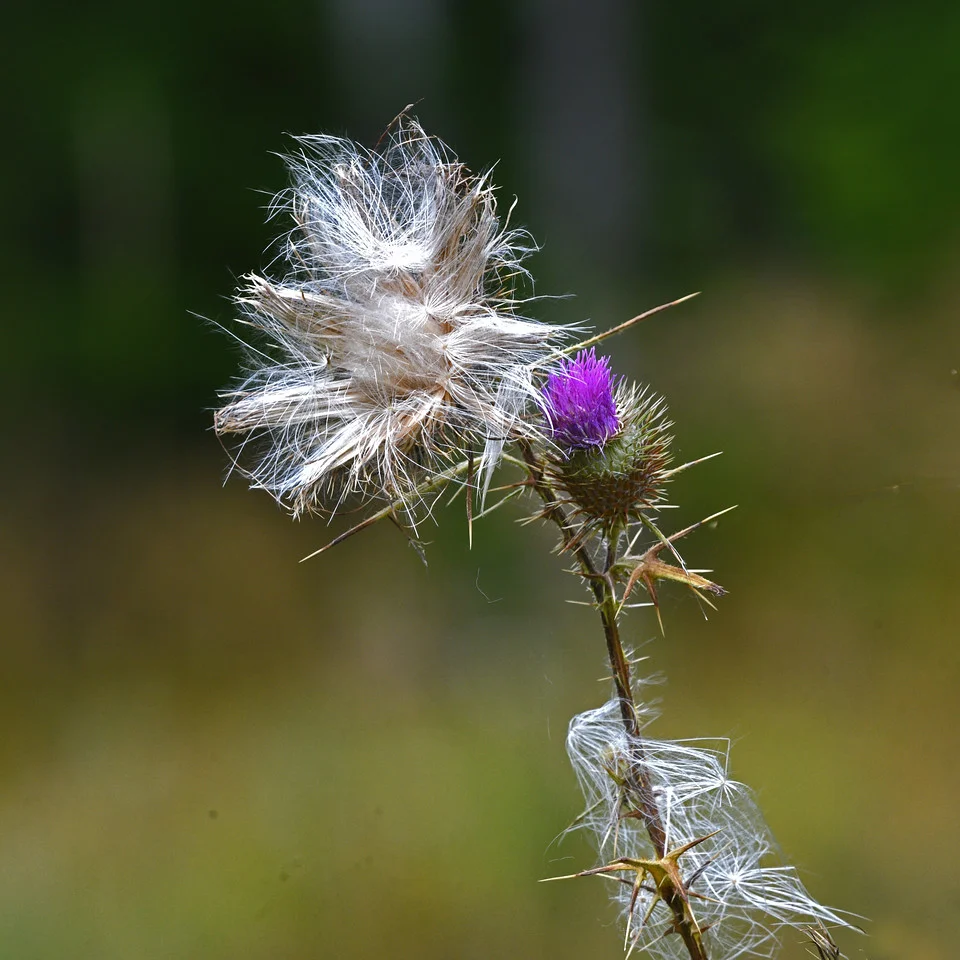
Other flora that give September its character included Queen Anne’s lace waving in the wind; Bunchberry leaves blushing in the shadows; Beach Rose hips looking like squid, and Bull Thistles exploding.

44.jpg
46.jpg

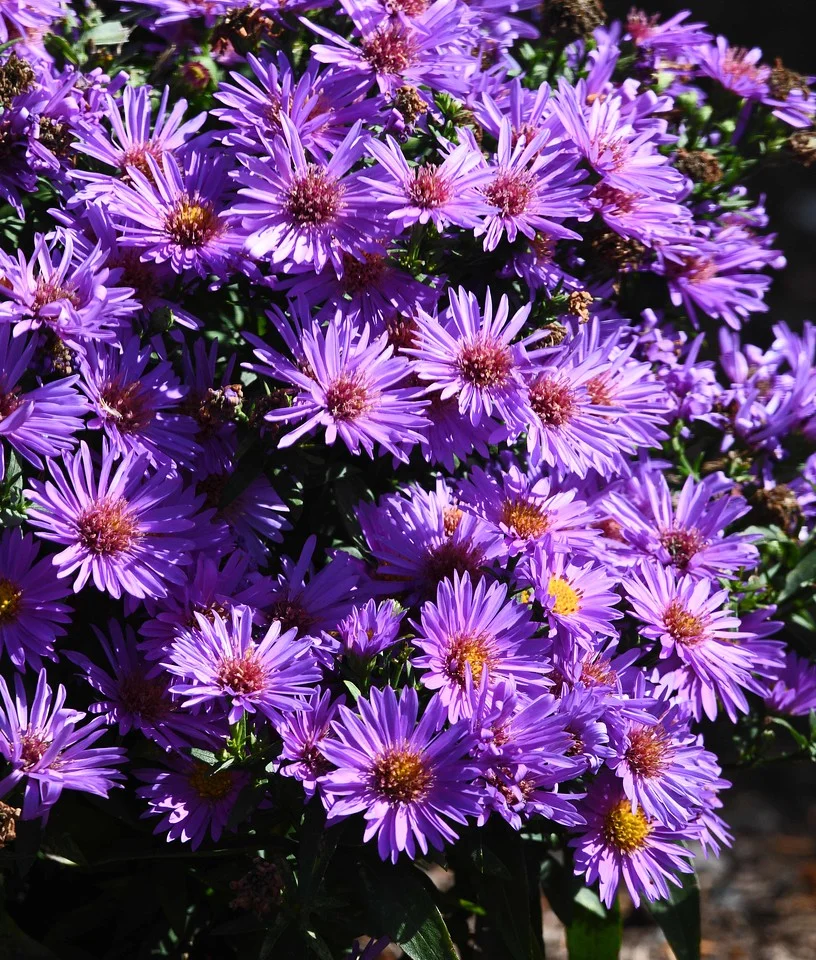
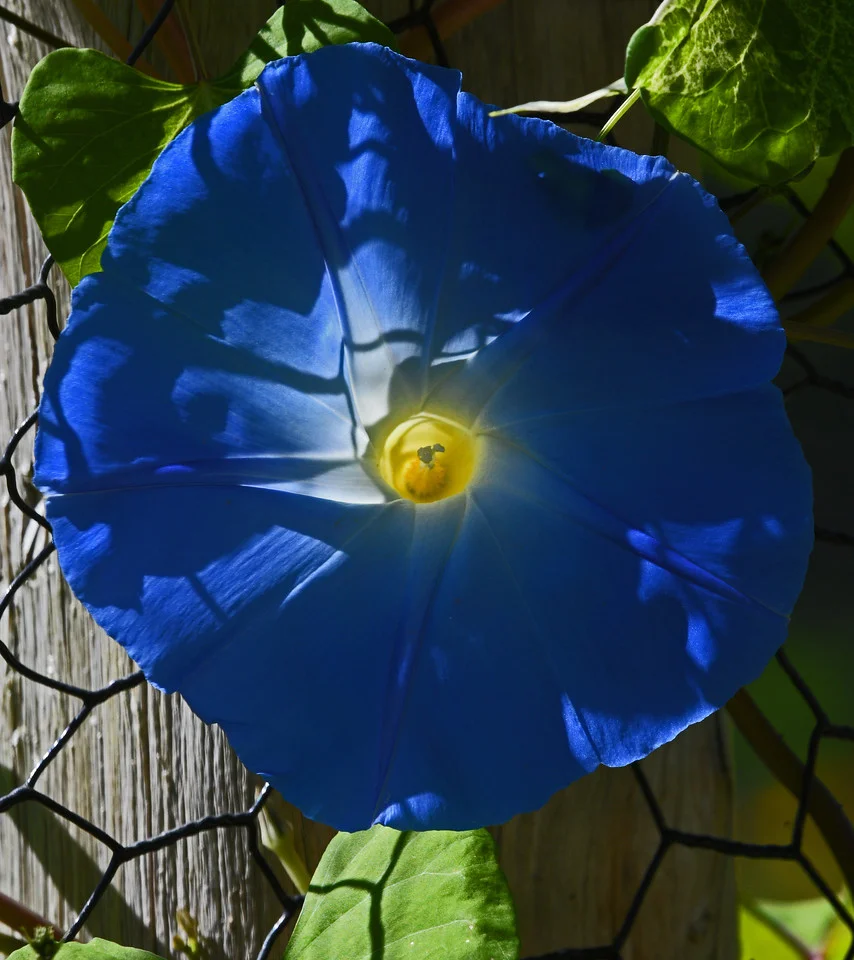
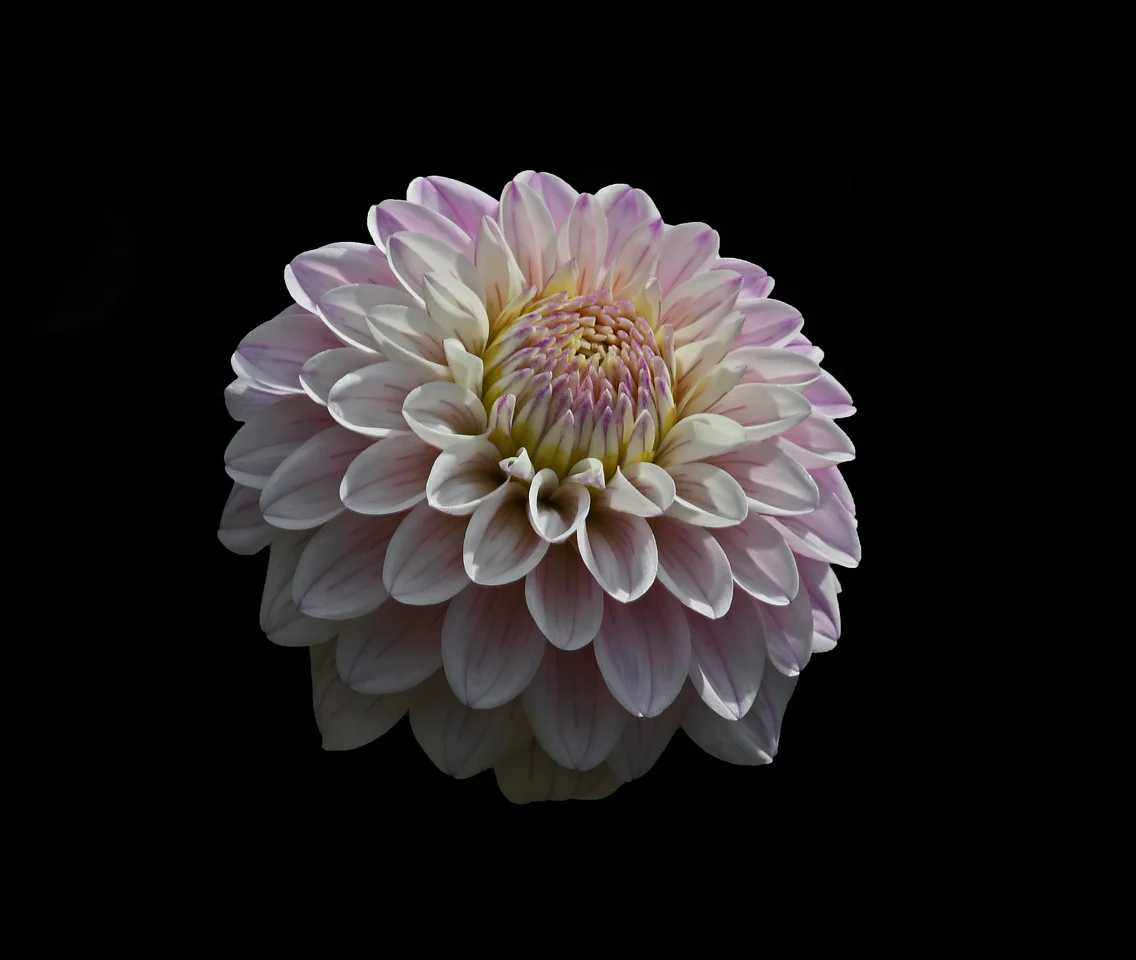
September also was a very good month for Asters, both wild and cultivated. In the gardens, Morning Glories lived up to their names, and Dahlias were exquisite.

50.jpg
53.jpg

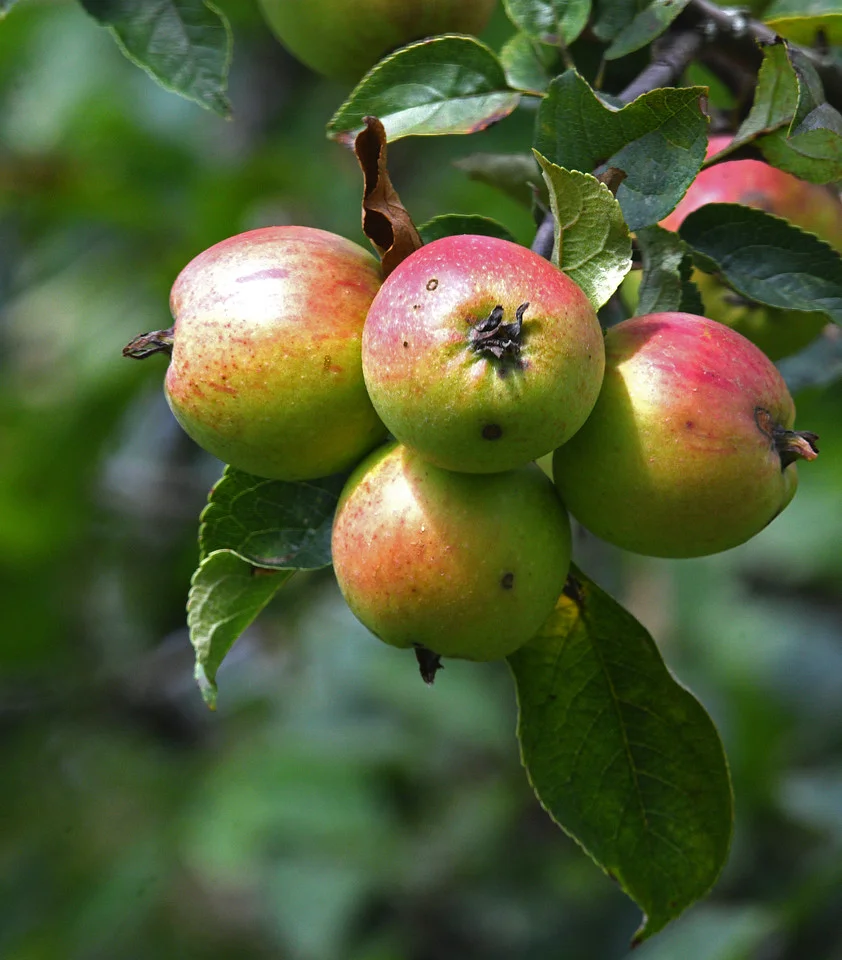
Our “wild apples” from the old trees of abandoned orchards and farms are a September standard. They provide cider for many people and survival in the winter for many of our wildlife.

56.jpg

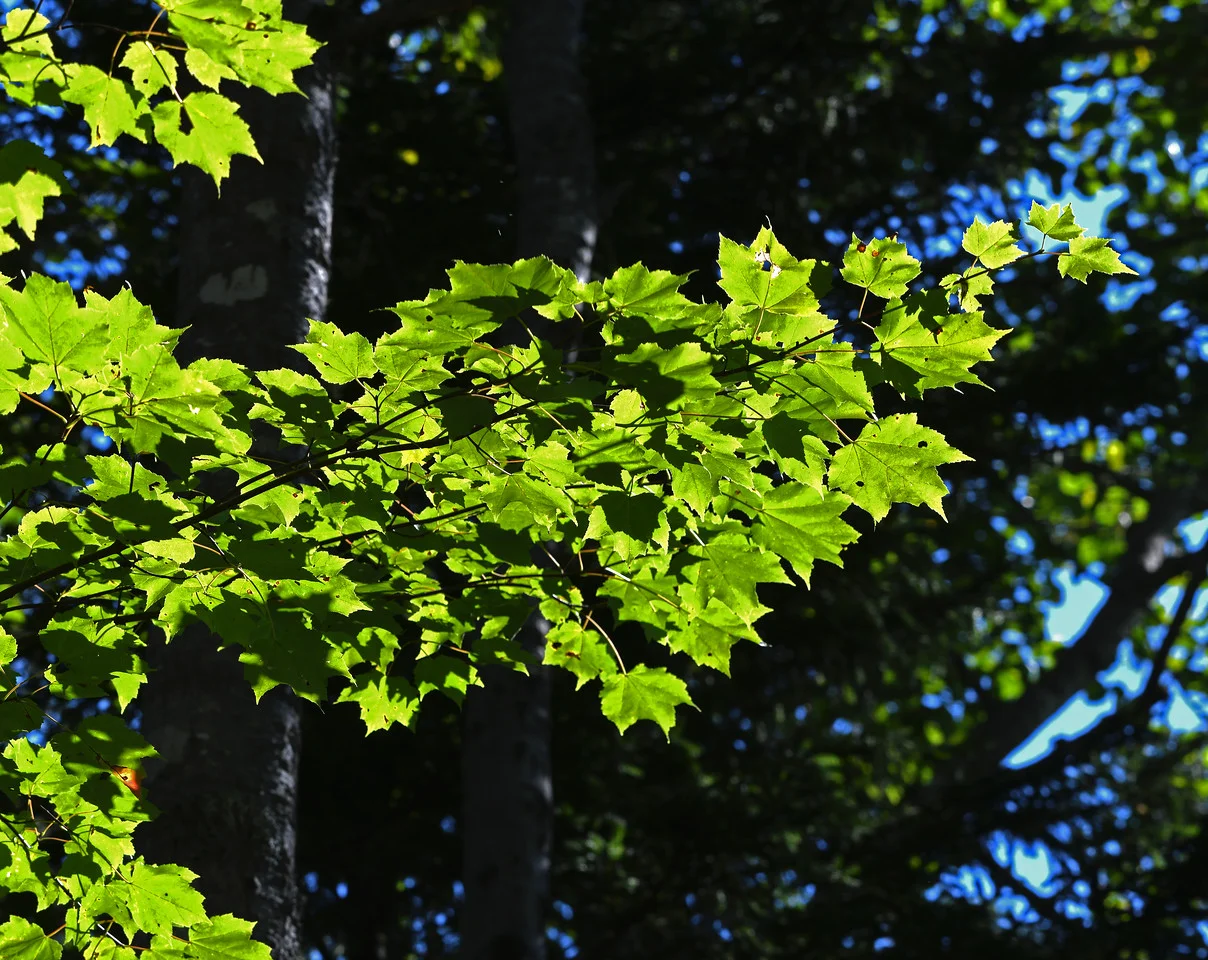
Speaking of trees, September is the month that some maple trees begin their fall turning, while others remain vibrantly green., enabling us to better appreciate the seasonal transition.

59.jpg

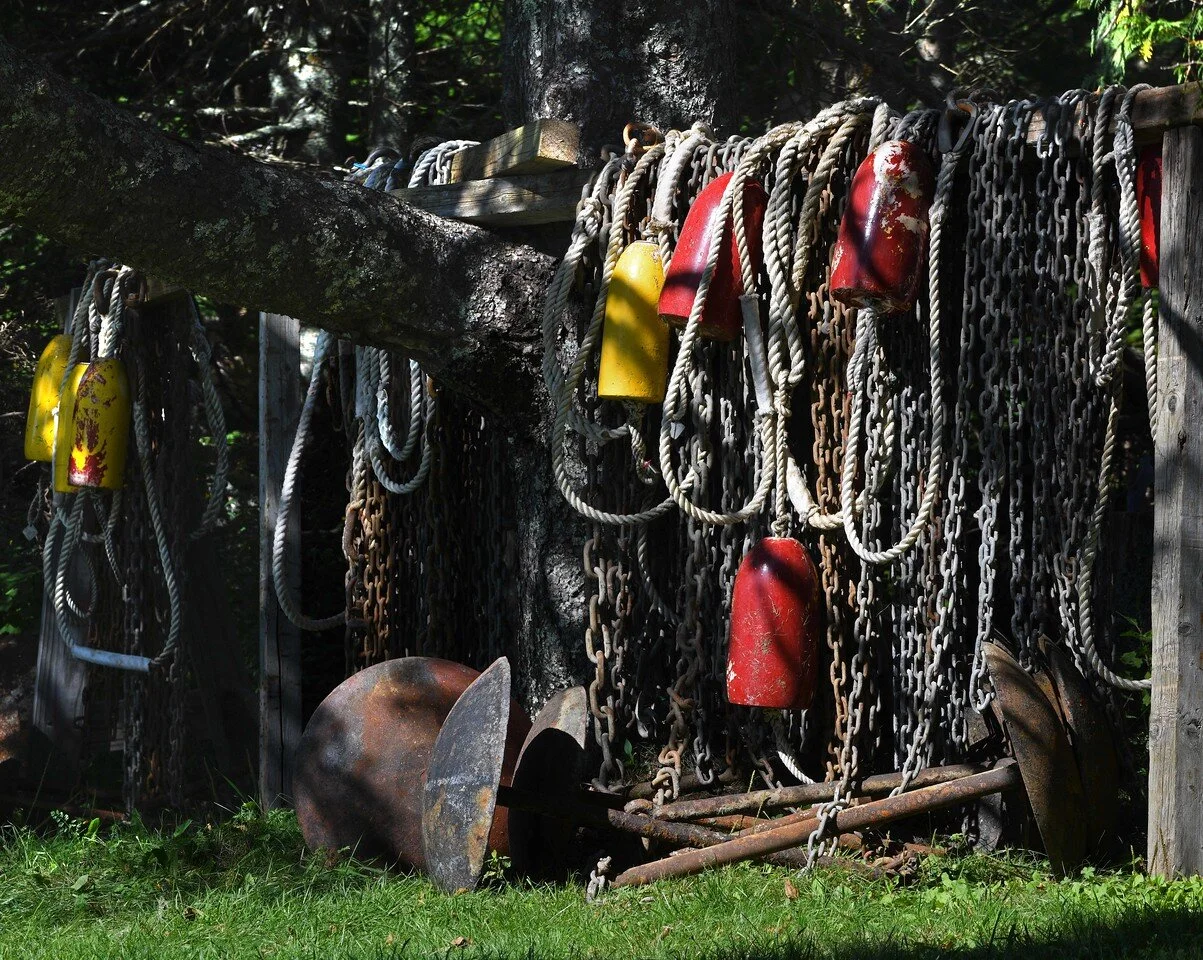
The closing of the WoodenBoat School’s classes always is among the most poignant September moments. In Great Cove, the School’s perky small sailboats were led docilely ashore, washed, and nestled into their winter quarters. Their indestructible moorings were draped outside to brave winter storms in rough splendor.

66.jpg

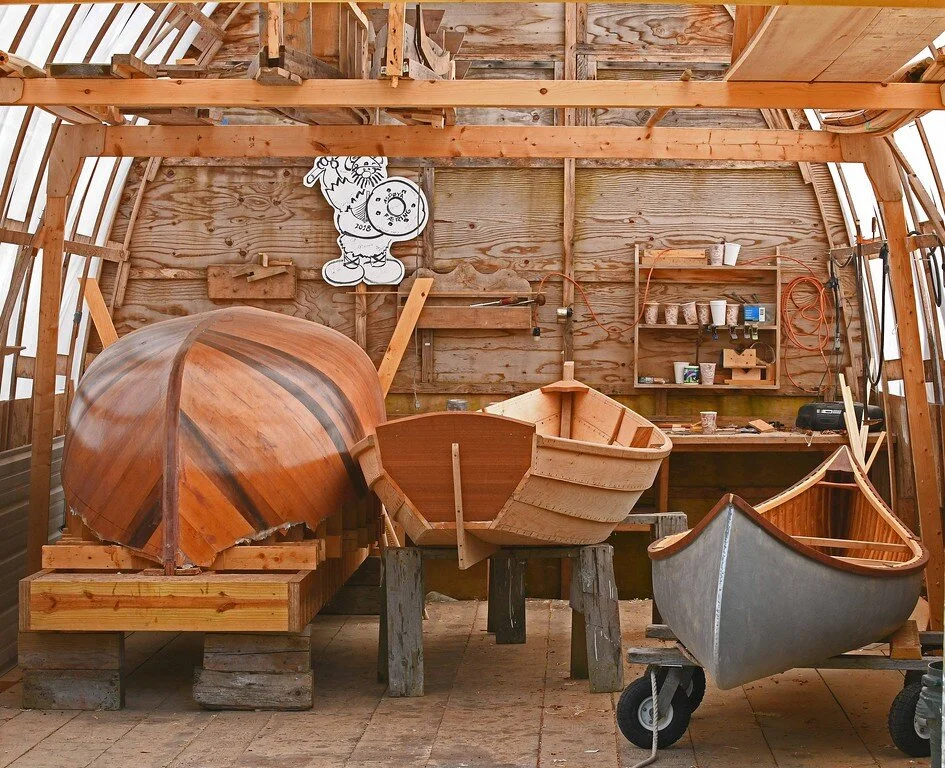
As the School’s boatbuilding classes were ending, some of the student-built boats were put on display for sale to the public and others were stored in shelters.

69.jpg

Finally, September is the month of the Harvest Moon. This year, that moon was more distant than it has been for many Septembers, but the night was clear and the effect was magical.

(All images above were taken in September 2019 in Brooklin, Maine.)


4 Comments

Comment

In the Right Place: Silent Drama

We saw last week a silent September drama of the most serious sort for those concerned. The opening scene was a wildly fluttering Cabbage White Butterfly that was caught in several strands of a web.

#AA.jpg

Shortly after, the creator of the web, apparently a Hammock Spider, appeared from its hiding place and began spinning threads tighter and tighter around the Butterfly until it couldn’t flutter.

#AC.jpg

In about 15 minutes, the live Butterfly appeared to be submissive and was mummified in silk.

#AB.jpg

Then, the Spider delivered its poisonous coup de grace. It did not appear to cause pain. (Brooklin, Maine)

Comment

Comment

In the Right Place: Lifesavers

“Wild” apples are now in lush profusion here, crowding each other out on the branches of gnarly old trees from abandoned orchards and farms.

1.jpg

It seems that there are more apples than usual, which, some old-timers say, means a harsh winter.

2.jpg

Far from being the forbidden fruit that the Bible says was the downfall of Adam and Eve, apples are animal lifesavers around here; deer and other wildlife depend on them. (By the way, the Bible never identifies the forbidden fruit. Michelangelo depicted it as a fig, but the poet Milton, in Paradise Lost, decided it must be an apple, apparently based on an obscurity in the Latin version of the First Testament.)

Apple trees were brought to Maine in the 16th Century by European fisherman who planted them on the sea islands and shores where the men camped. Much of the apple crop that’s picked (and picked up) here now goes into cider presses.

5.jpg


(Brooklin, Maine)
Comment

Comment

In the Right Place: Before and After

Here we see Tuesday’s (September 24’s) storm coming in over Mount Cadillac in Acadia National Park across Blue Hill Bay.

1.jpg

Shortly after that image was taken, high winds, rain, hail, and lightning raked Naskeag Peninsula as the storm quickly passed over us. Our house was struck and the lights flickered, but didn’t go out. It was over quickly and, by evening, Great Cove was serene, as you can see here:

2.jpg

The next day was lovely. The schooner Stephen Taber was a beautiful sight sailing out of the Cove, which she dashed into for safety the day before:

3.jpg

Nonetheless, there sometimes is a price to pay for secluded beauty. The storm left us with no Wi-Fi (fried routing switch) and no TV (disoriented cable boxes and dish), which were fixed by yesterday. And, yesterday also was lovely. (Brooklin, Maine)
Comment

Comment

In the Right Place: Learning by Doing

The bittersweetness of Autumn here is intensified by the knowledge that this week is the last week of classes at Brooklin’s renowned WoodenBoat School. Some of the most interesting people you could ever meet come to these esoteric classes, only three of which remain in progress.

One of the classes is Fundamentals of Boatbuilding, instructed by Bob Fuller. It’s a two-week course that is in its final week. The students produce works like this scaled down version of a classic Whitehall Rowboat, which the School has put up for sale outside of the classroom (background masked out):

1.jpg

Also for sale is one of the students’ Chaisson Dories, shown below behind the Whitehall. These two provide good examples of Carvel (edge-to-edge, smooth) Planking and Clinker or Lapstrake (overlapped) Planking.

2.jpg

Inside the classroom, some students are working on a Catspaw Dinghy. Here are some of them yesterday making things come together:

5.jpg

The second ongoing WBS class is Making Friends With Your Marine Diesel Engine, instructed by Jon Bardo. This hands-on course covers the care and repair of these motors. It’s not for those who are repelled by greasy hands. Here’s one of the students apparently removing a piston yesterday:

6.jpg

The remaining course is Building Half-Models, with Eric Dow as the instructor. It involves individual students using their woodworking skills to use historic boat design plans and build their own, precise half-hull model(s), layer by layer. It’s not for the impatient or the imprecise. Here’s one student being careful yesterday:

7.jpg

Meanwhile, works are being stored on the campus for possible use next year, including this eclectic collection out back:

8.jpg

If history is prologue, many of this year’s students will be back next year. The WoodenBoat School is that kind of place. (Brooklin, Maine)
Comment

Comment

In the Right Place: Attitude

We met a strange neighbor in our woods yesterday – a Dekay’s Brown Snake with a personality disorder. These snakes, also known as Northern Brown Snakes, are nonpoisonous, usually docile, and often don’t seem to mind when you pick them up. They’re considered to be good examples for children to learn about reptiles.

1.jpg

But, not this cantankerous, foot-long fellow. (Sex assumed.) He was sunning on the trail and, instead of trying to sneak off as we approached, he decided to stay where he was and deliver bluff strikes at us without opening his mouth. “This is my spot; don’t tread on me!” seemed to be his message.

2.jpg

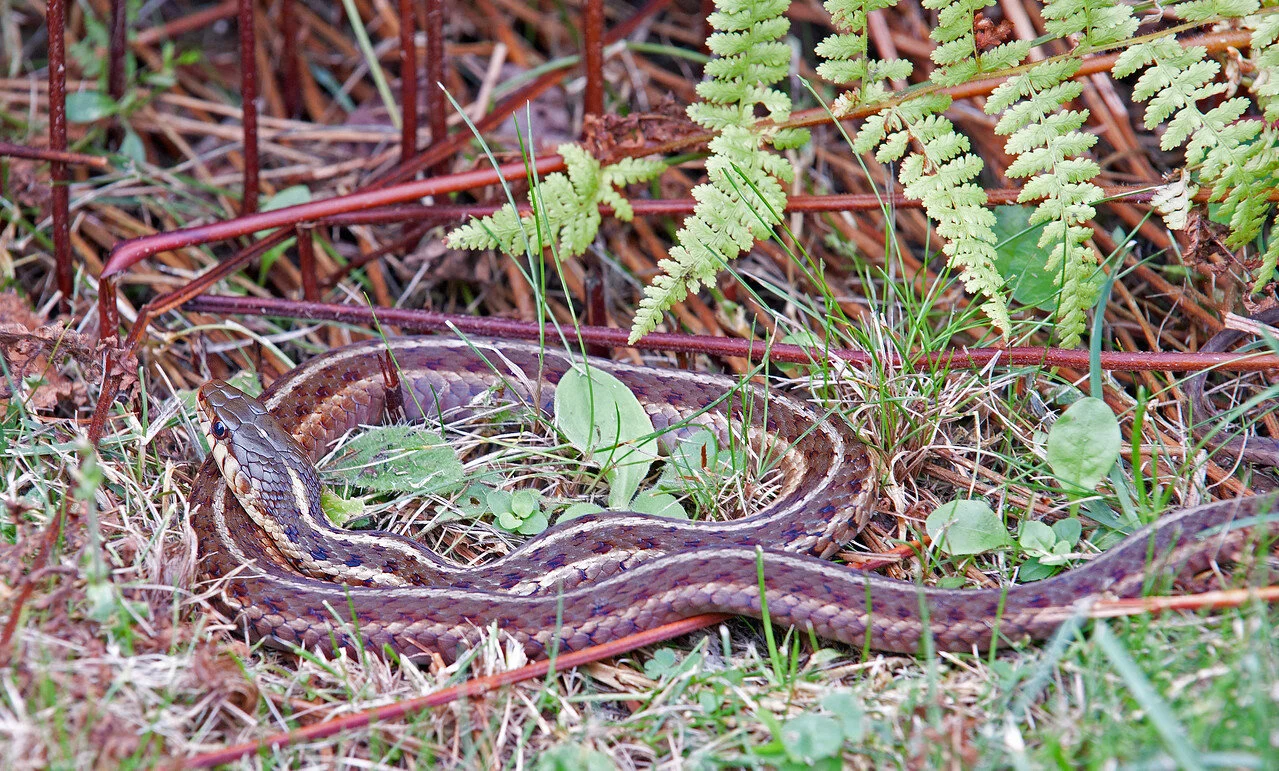
Brown Snakes are known from the central coast of Maine south, but are listed as of Special Concern by the State due to few reported sightings. They often go unseen due to their size and shyness (usually). They’re easily distibguishable from our commonest snakes, Garfer Snakes, which are larger and have more distinctive dorsum (top half) stripes:

3.jpg

Brown Snakes eat things like slugs, earthworms, small insects, minnows, and the tiniest toads and frogs. On the other hand, these snakes are a favorite snack for larger snakes (especially milk snakes) and some birds (especially broad-winged hawks).

4.jpg

It’s tough out there. And, as in our world, having an attitude usually doesn’t help. (Brooklin, Maine)
Comment

1 Comment

In the Right Place: On the Hard

It’s a poignant time in Great Cove. The WoodenBoat School’s sailing classes have ended and the School’s small boats are being pulled, seemingly reluctantly, from the water. These spirited vessels are now being power-washed and herded docilely to dark storage.

1.jpg
6.jpg

But, we suspect, many glorious summer memories remain bright for those who sailed them earlier this year:

The boats’ impermeable mooring gear – mushroom anchors, chains, lines, floats, and the like – also is being pulled and winched from the water and washed. But, it’s hung from outside timbers like the jewelry of giants.

2.jpg

The School’s famous boatbuilding courses will end Saturday (September 28), after which the School will tidy things up and close until 2020. We hope to be able to do a posting on the closing of the 2019 boatbuilding classes soon. (Brooklin, Maine)

1 Comment

Comment

In the Right Place: Masked

Cedar Waxwings are social birds that like to tour the countryside in large groups. Strangely, these flocks are called “earfuls of waxwings” by those who insist on using collective bird names. Well, we got quite an earful of these sleek masked bandits yesterday morning.

1.jpg

At least 50 of them robbed us, taking mostly winterberries and serviceberries, but also spending some quality treetop time gleaning late summer insects.

2.jpg

Cedar Waxwings got their name from their love of small eastern red cedar (juniper) cones and the almost invisible dab of red near the end of their wings that looks like a drip of sealing wax.

3.jpg

(Brooklin, Maine)

Comment