Comment

In the Right Place: Stacking Up to Wind Down

Stacks of lobster traps are reappearing in Naskeag Harbor like the beginning of Lego® constructions. The inshore lobster season is winding down and many of our lobster fishermen are starting to bring in their lobster traps to trailer them to storage. It’s all part of a yearly cycle.

As I understand it, the lobsters are undergoing their winter migration into deeper, offshore waters, where they’ll be trapped by fewer winter fishermen using larger vessels. The season for soft-shell “shedder” lobsters peaks in the summer. Late summer and fall are when most of the lobsters grow into their new shells, which harden. The colder water reportedly causes the lobster meat to firm up and fill out its newly-enlarged shell, producing what many consider to be the best (and somewhat more expensive) “hard-shell lobsters.”

As for the lobster boats, many of our coastal fishermen will be cleaning them up and converting them into scallop-dragging vessels that will start dredging for those delicious mollusks in December. A mast and boom will be added to the boat for the “drag” (the metal, wood, and rope dredging purse net), and probably a wooden “shelling house” to shelter crew members who are shucking the scallops out of shells during the winter.  

A relatively few fishermen will also be diving in underwater gear for the mollusks this winter, hand-harvesting the pricier “divers’ scallops.” (Images taken in Brooklin, Maine, on October 27, 2025.)

Comment

Comment

In the Right Place: When Differing Views Are Both Right

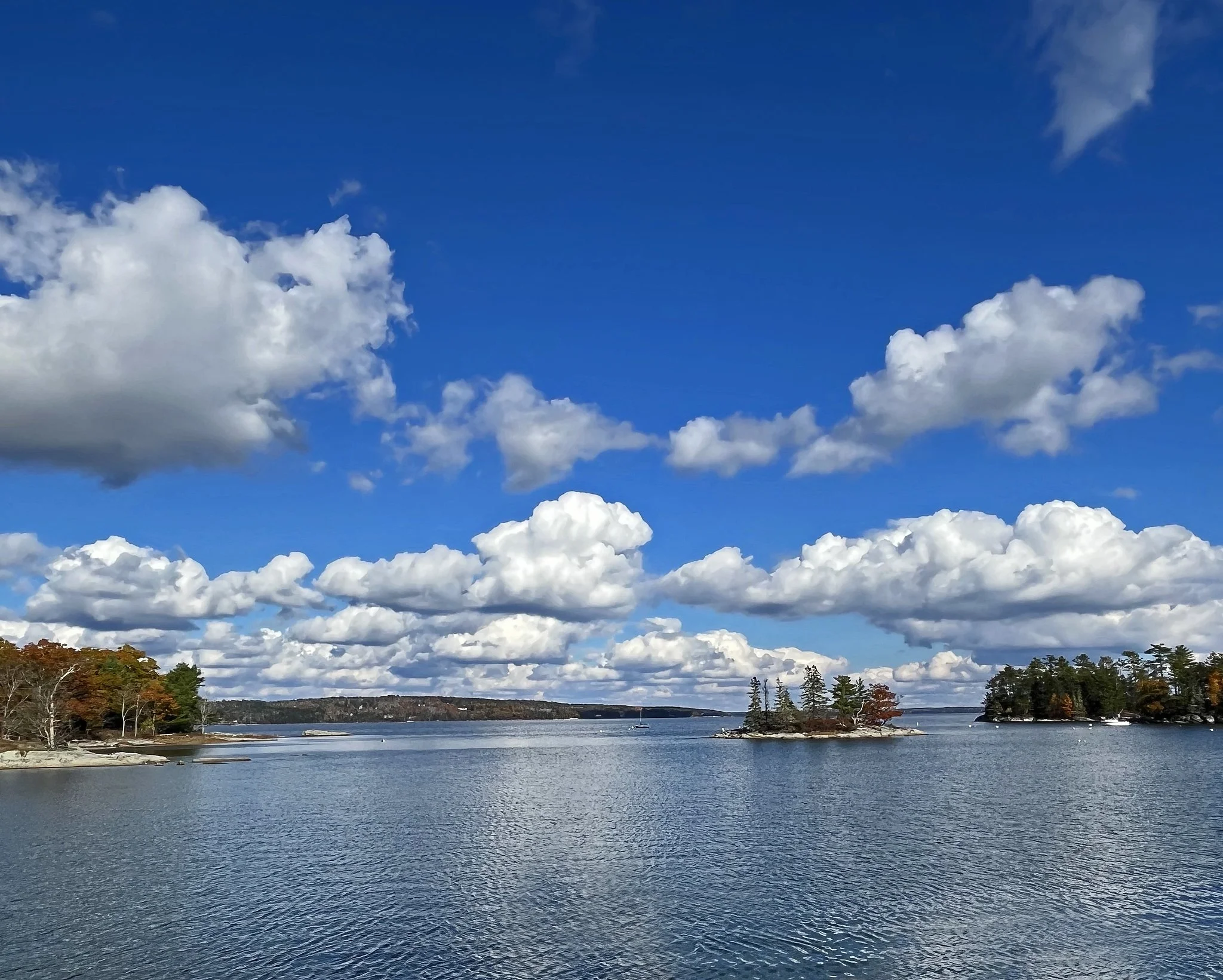
Above is a favorite view of Blue Hill as she presides over a high-tiding Blue Hill Bay. Below you’ll see this near-mountain over the shoulders of a seemingly surprised stable:

Both images were taken during Saturday afternoon’s beautiful cloud regatta. (Images taken in Blue Hill, Maine, on October 25, 2025.)

Comment

Comment

In the Right Place: Form and Function

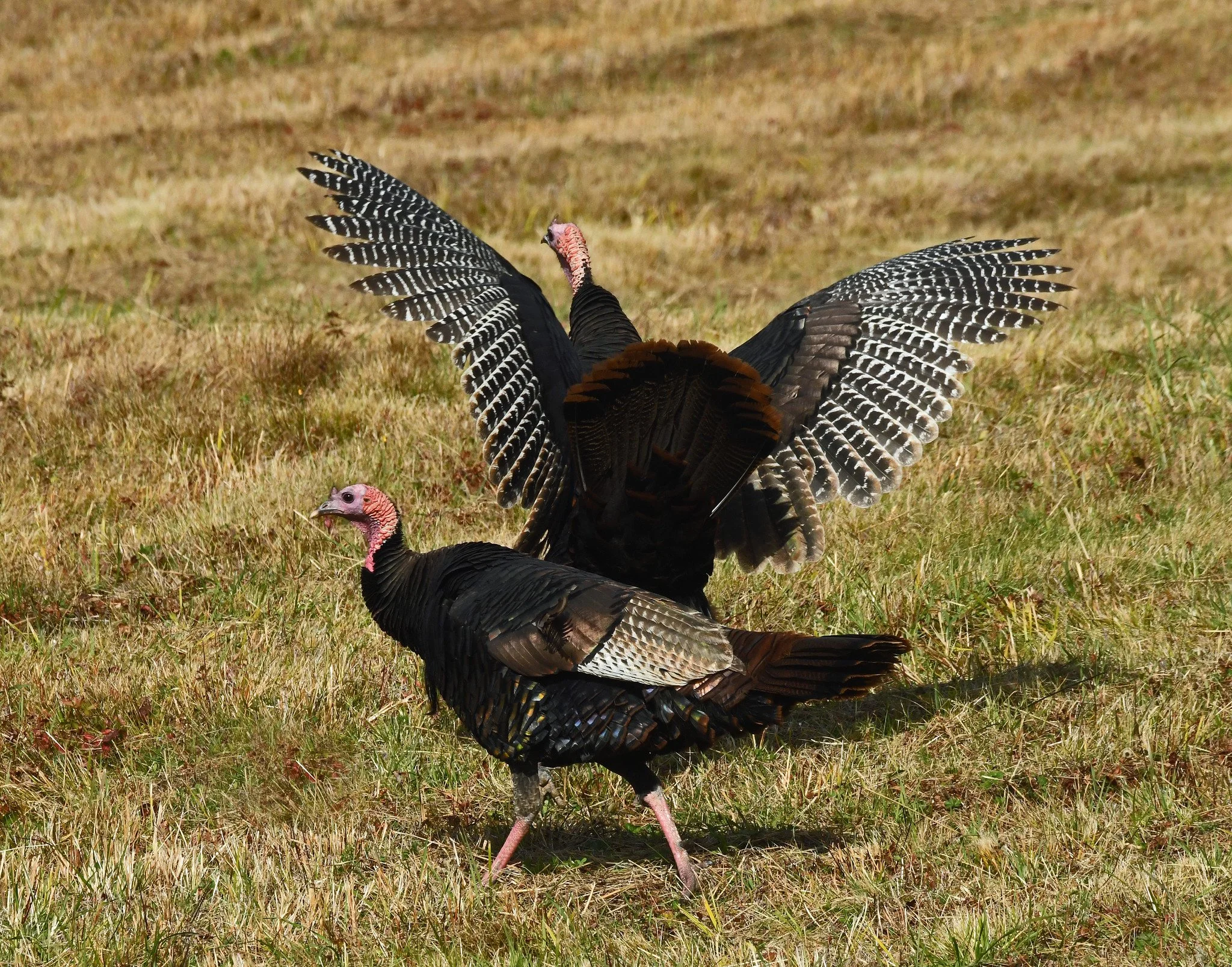
Here you see two mature female wild turkeys, and, below, you’ll see one of their immature offspring that was born in May or June and won’t mature until it reaches 17 or 18 months in age.

These birds are part of several rafters of mature females that like to roam with their young and feed in our fields and woods. (They all apparently also love the excitement of hearing automobile brakes when scurrying across cross our roads unexpectedly.)

Female turkeys often look drab as they drift across the horizon pecking away at bugs and seeds. But they’re not. They have the same beautiful primary feathers as males, but we only see those feathers well when the birds (rarely) fly or when they flex their wings momentarily.  They also have iridescent breast feathers that can sparkle and flare like a green-, blue-, and red-jeweled vest, if the sunlight is right.

One curious thing about mature female wild turkeys is that they’re simply called by their functional name, “hens.” Yet, the mature males are called Toms, the immature males are Jakes, and the immature females are Jennies. (The very young are all functionally “poults.”) No one seems to know why the mature females never picked up a human nickname.

Come to think of it, using common human names to differentiate the sex and age of animals is a tricky business. For one example, domestic cats have been divided into Toms and Mollies (and queens for mother cats), but domestic dogs are all dogs.

(Images taken in Brooklin, Maine, on October 23 and 26, 2025.)

Comment

Comment

In the Right Place: High-Class Regatta

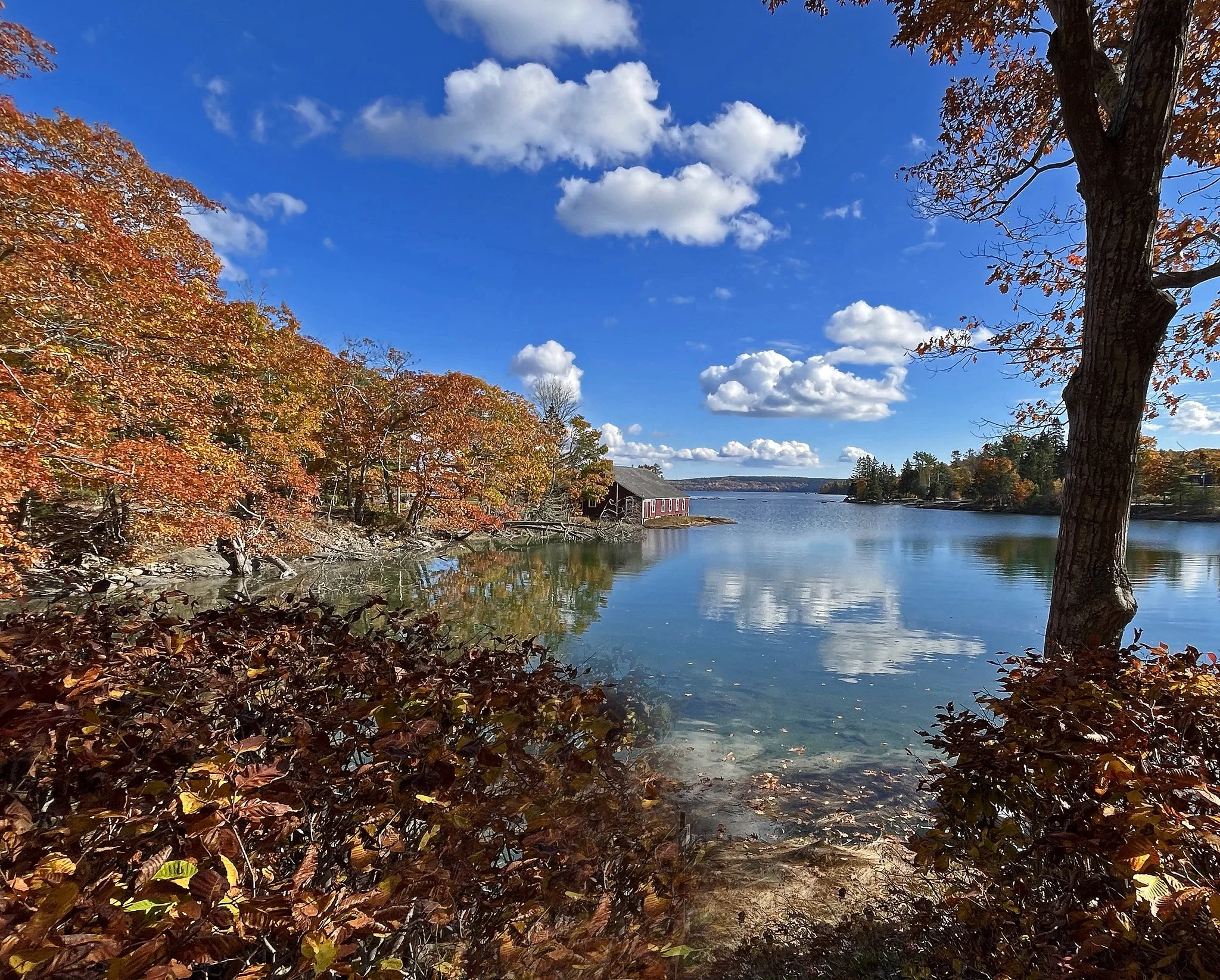
Yesterday was one of those quintessential Maine fall days on the coast– cool and clear with cumulus clouds holding a high-class sailing regatta in the blue sky over Blue Hill Bay. As the clouds sailed by, their billowed reflections tacked into Conary Cove to honor the old red boathouse:

(Images taken in Blue Hill, Maine, on October 25, 2025.)

Comment

Comment

In the Right Place: Life with Bernie, IV

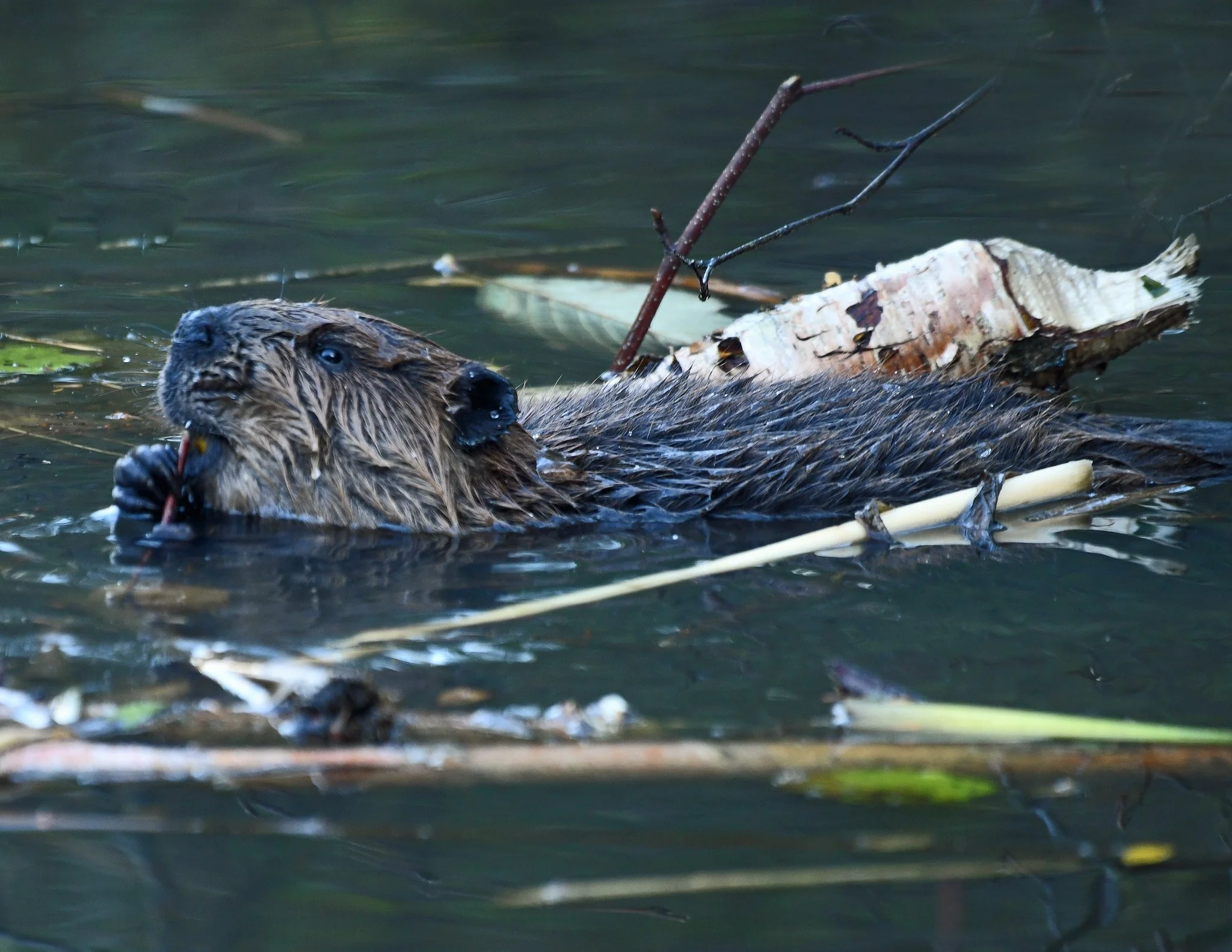
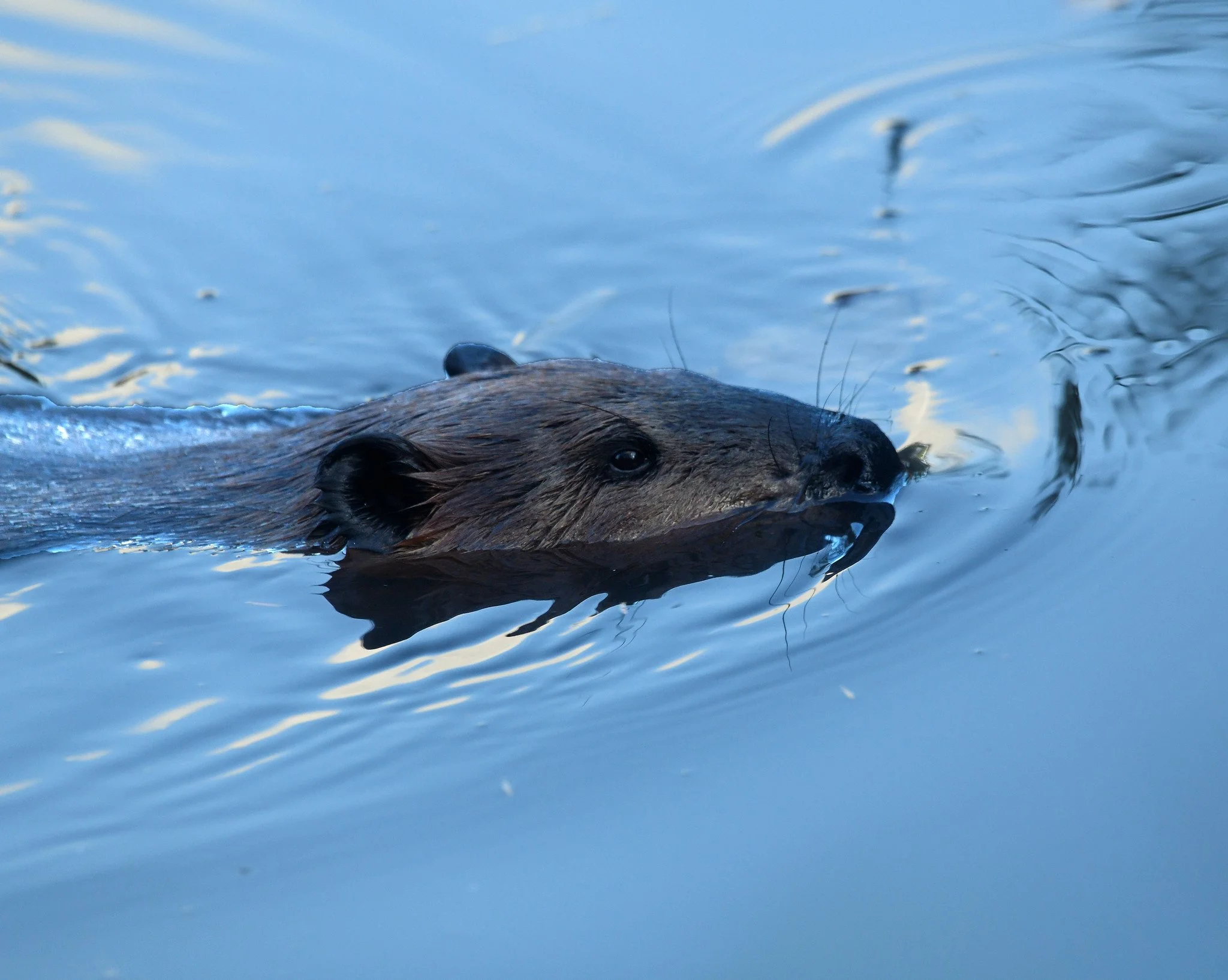
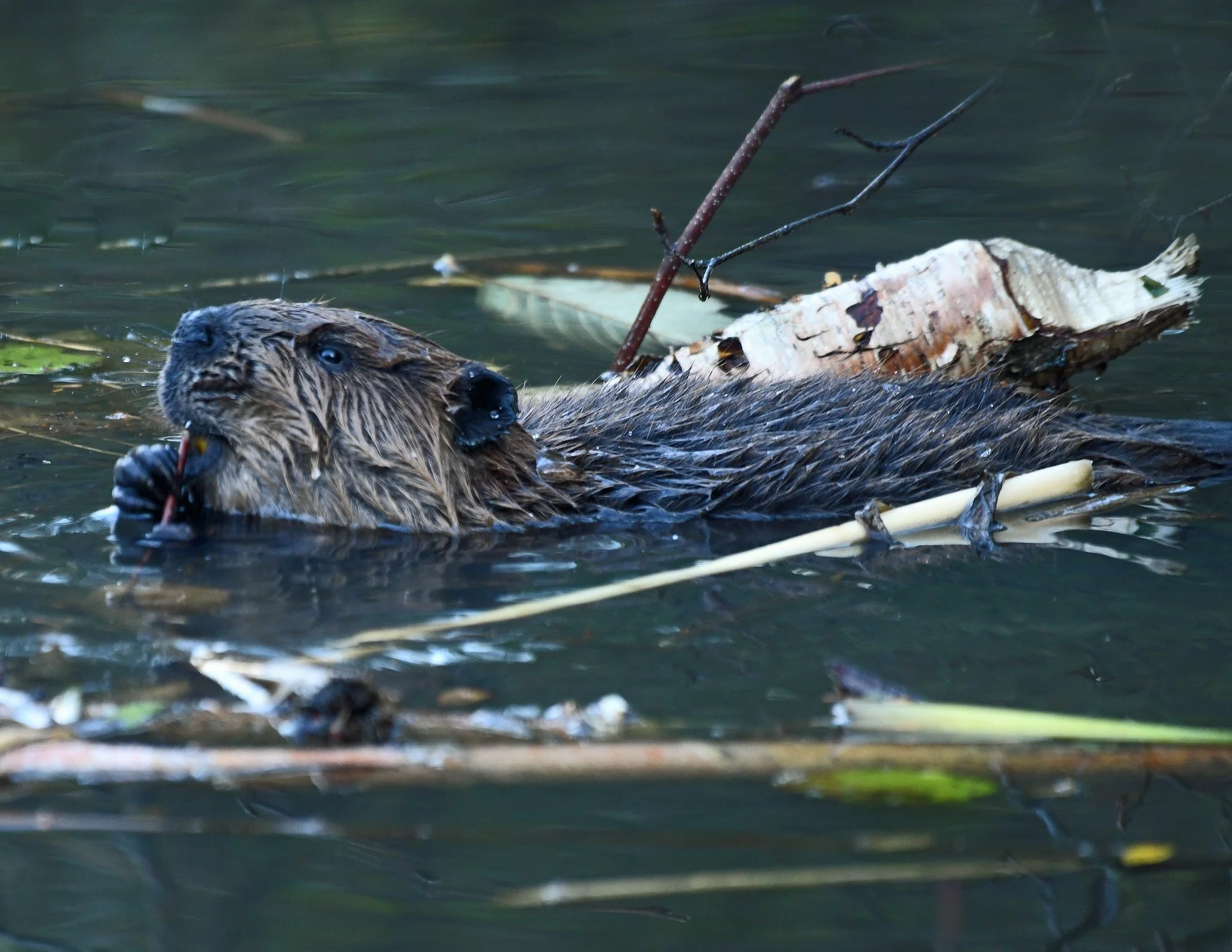
Here you see Bernie in the late afternoon shadows earlier this week, eating his evening meal on top of what is becoming his new residence in one of our ponds:

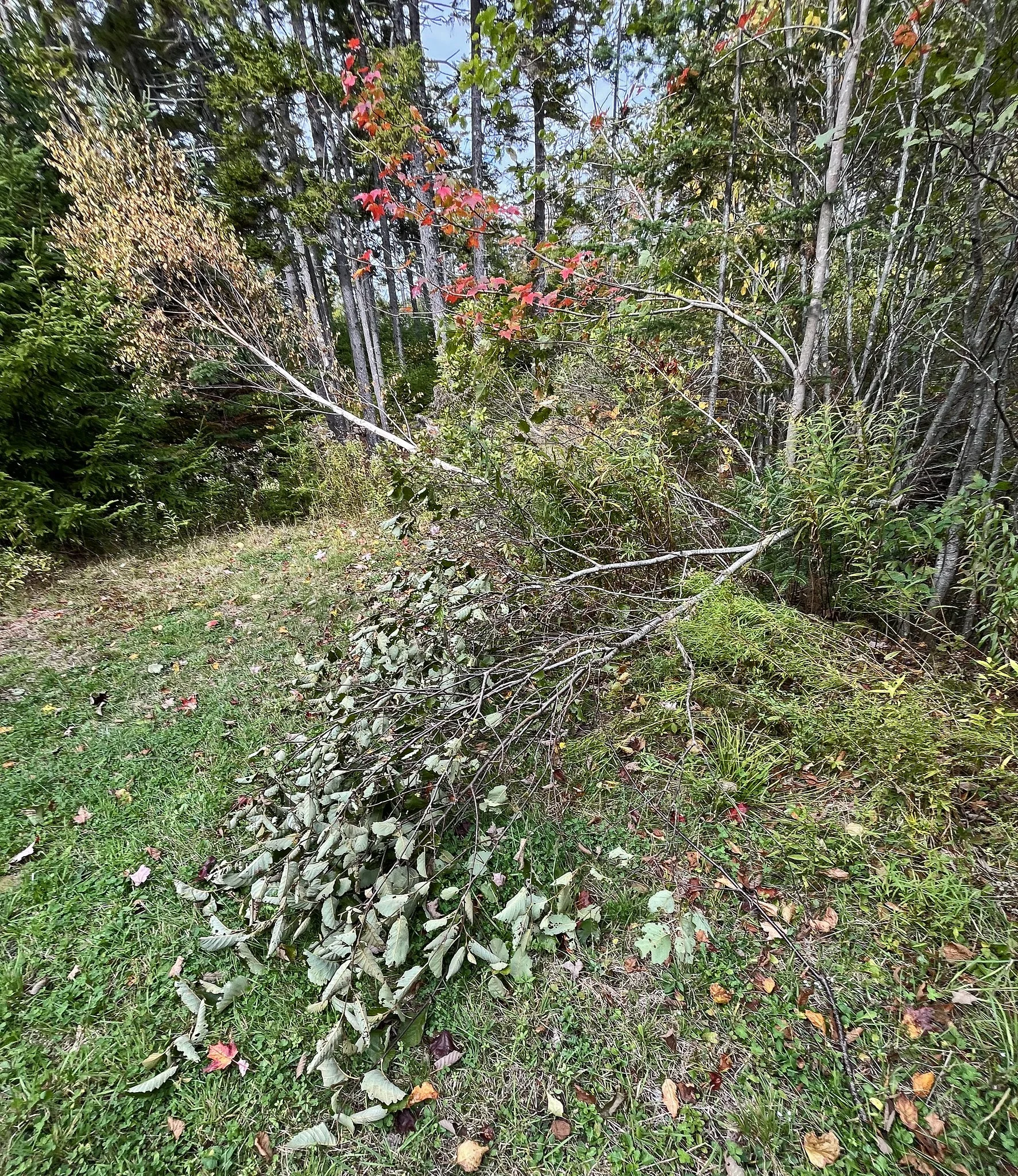
I’m finding out that sharing your property with a claim-jumping American beaver can be hard on the possessive ego. As many of you know, Bernie arrived in late September and immediately started toppling trees and damming up a stream to create what now is a new body of water that we call Bernie’s Pond.

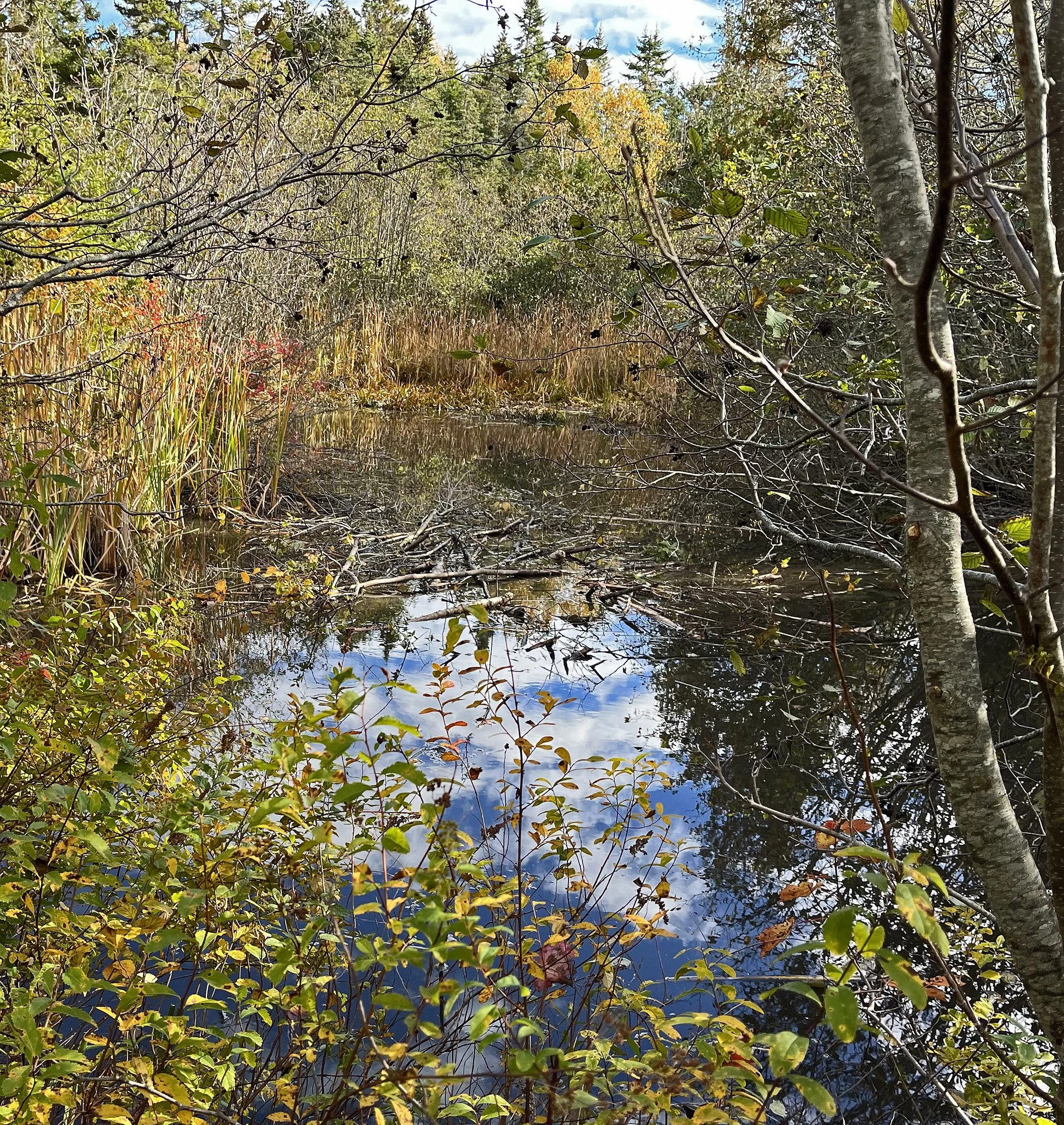
He arrived here alone and apparently is still alone. Which is good. The hope has been that he is one of those crotchety bachelor beavers who prefer to live alone and avoid ostentatious displays of destruction and construction.  However, it is now clear that Bernie has decided to build a grand residence here. Which is not good. It’s neither neoclassical nor modern in design and, frankly, it’s an ugly mess at this point that makes me worry about what it portends:

I’m worried that Bernie might yearn for an eager beaver mate, many beaver kits, and (in my nightmares) maybe a beaver ballroom. If so, I’ll be trying to figure out how to convince the beaver division of ICE to deport Bernie and his kin to the North Woods – if I can overcome the guilt created by realizing that he’s just doing what evolutionary destiny says beavers must do, which is not inherently bad and can be beneficial in many situations.

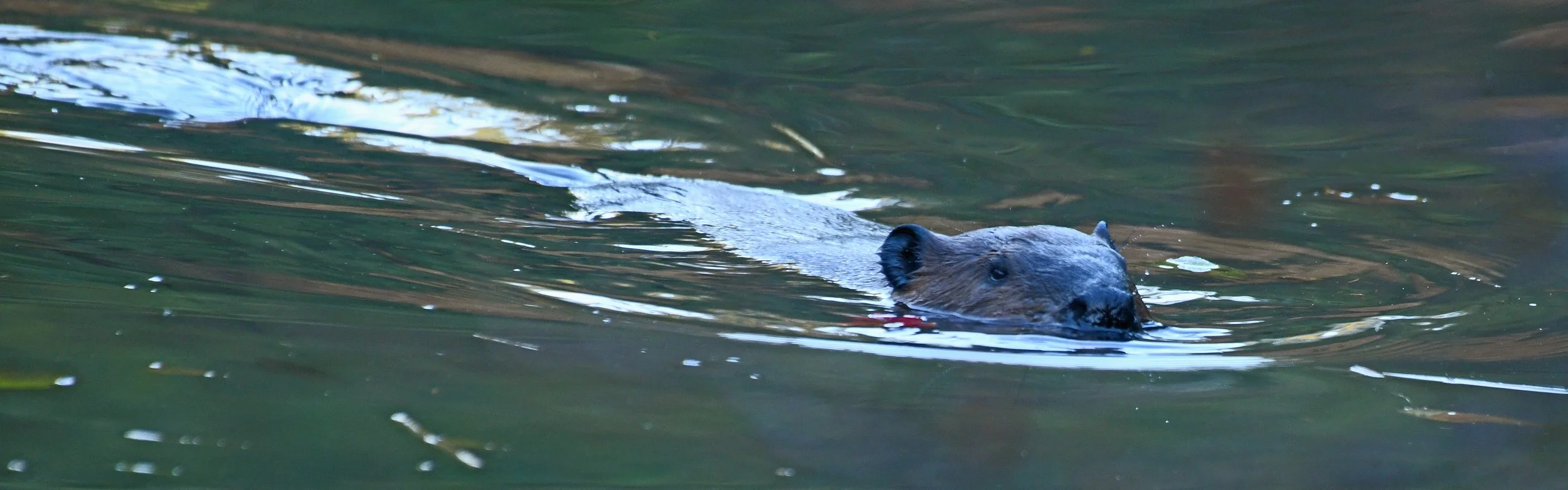
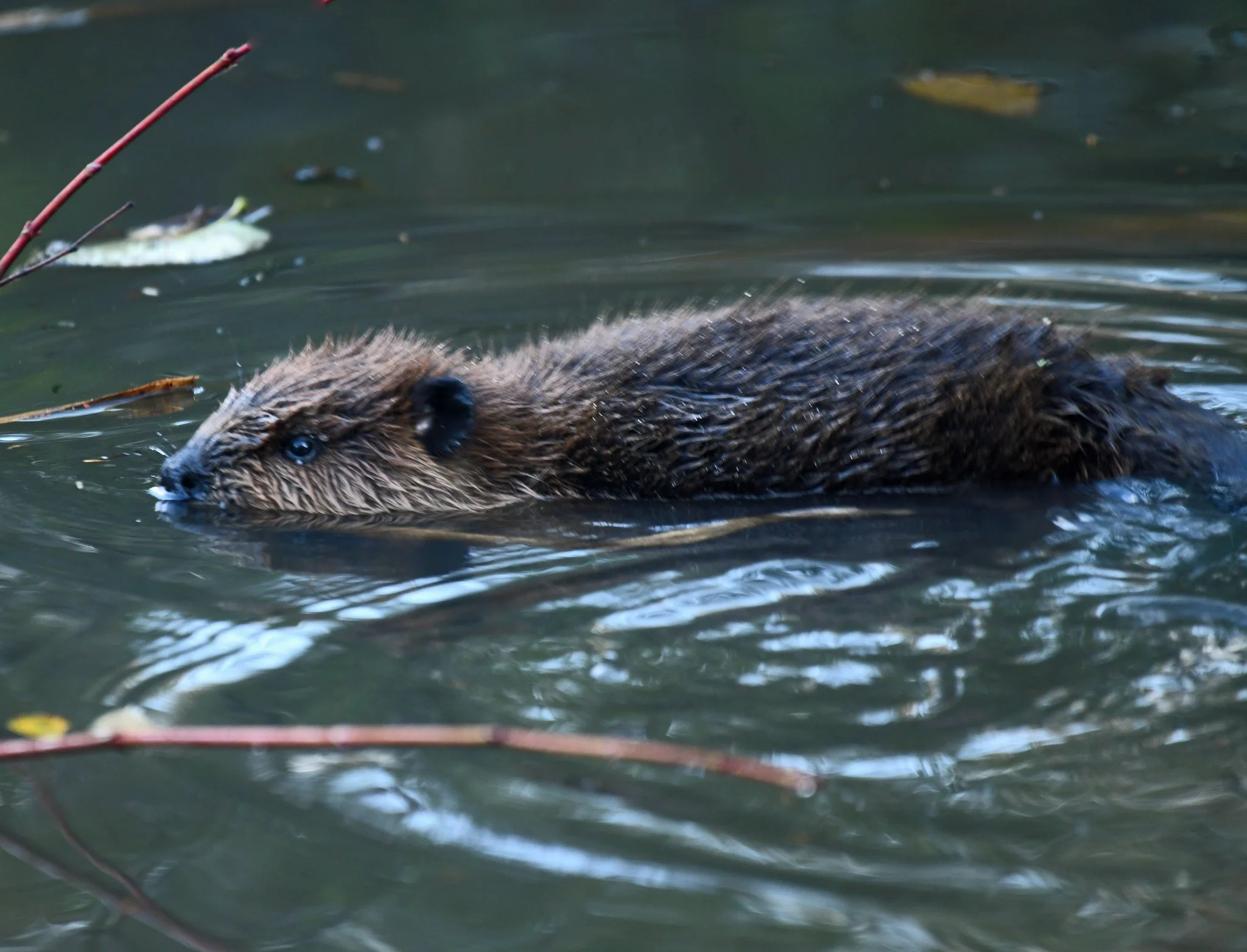
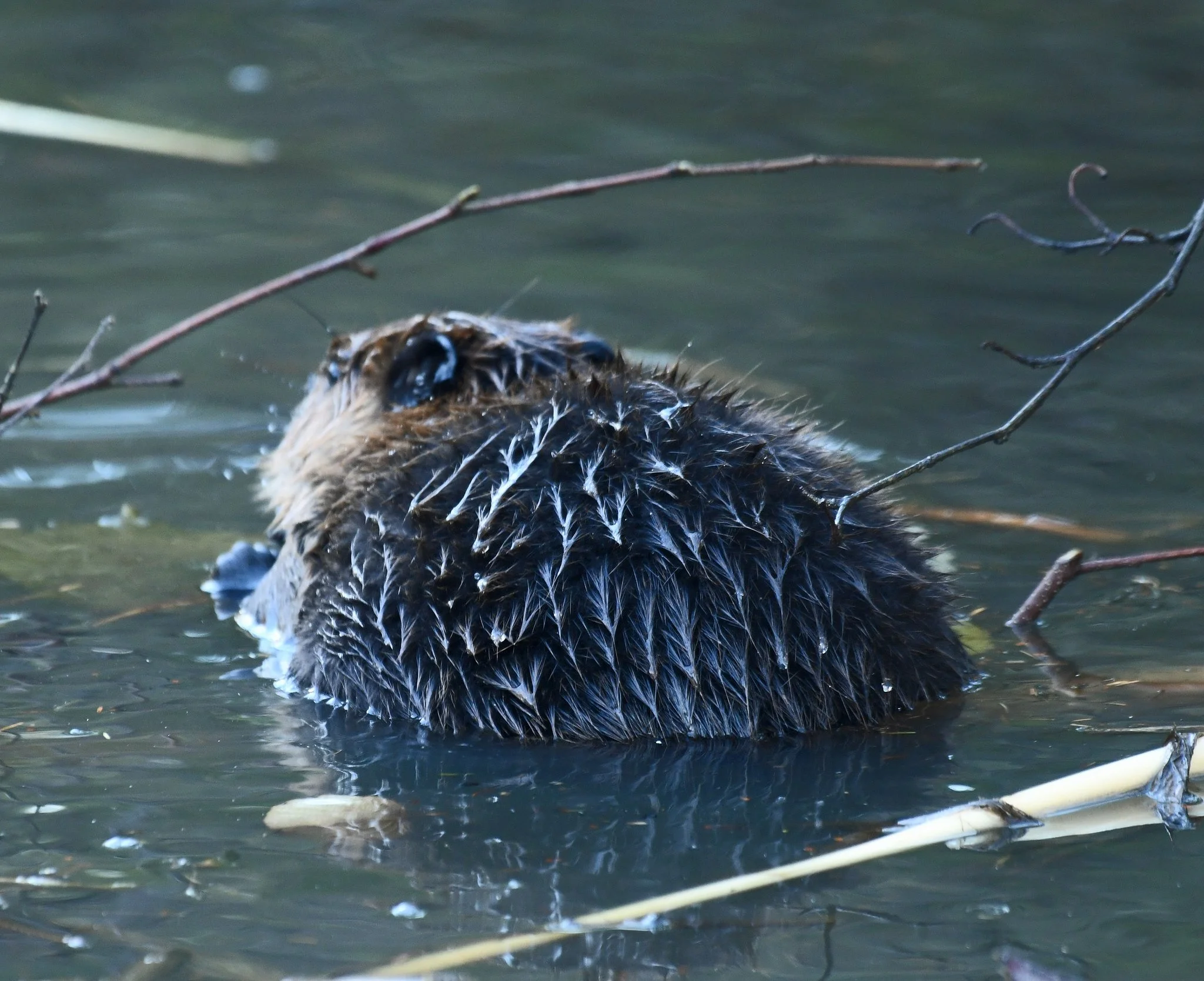
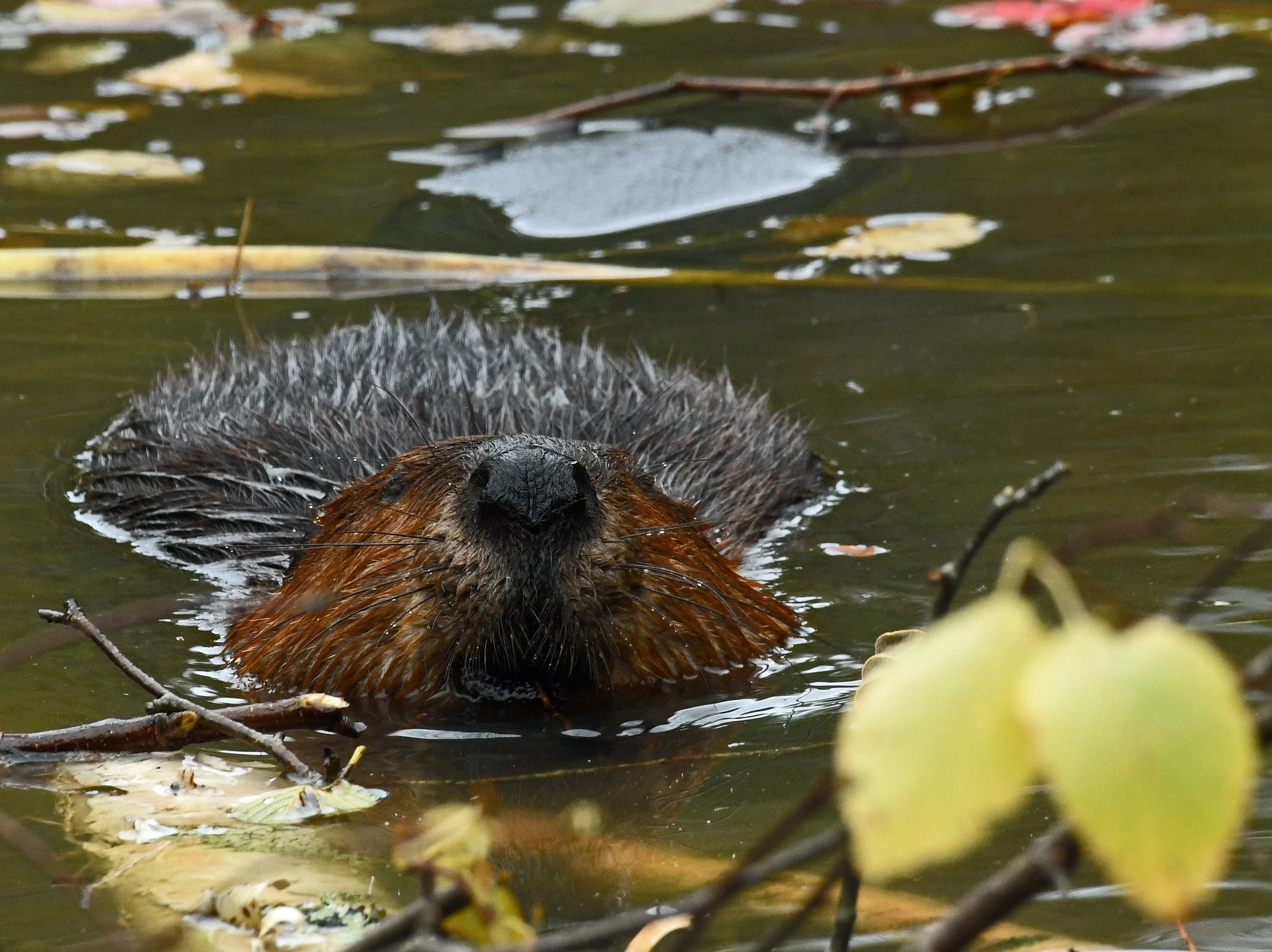
In the meantime, while I wait for something along the lines of divine inspiration if not intervention, I’m at least learning a lot of interesting things about beavers. For example, look closely at the first photograph again:

Those “hand-paws” are one of the secrets to his kind’s “success” in avoiding extinction. Beavers have very dexterous, yet strong, hand-like front paws that they use for digging, building, carrying, foraging, eating, and grooming. Unlike their large, webbed hind feet used for swimming and sitting, their unwebbed forepaws allow for manipulation of objects and other complex tasks, including sitting upright on hind feet and tail on land and eating a vegetarian delicacy like we eat corn on the cob. 

(Images taken in Brooklin, Maine, on October 22, 2025.)

Comment

Comment

In the Right Place: Please Be Careful

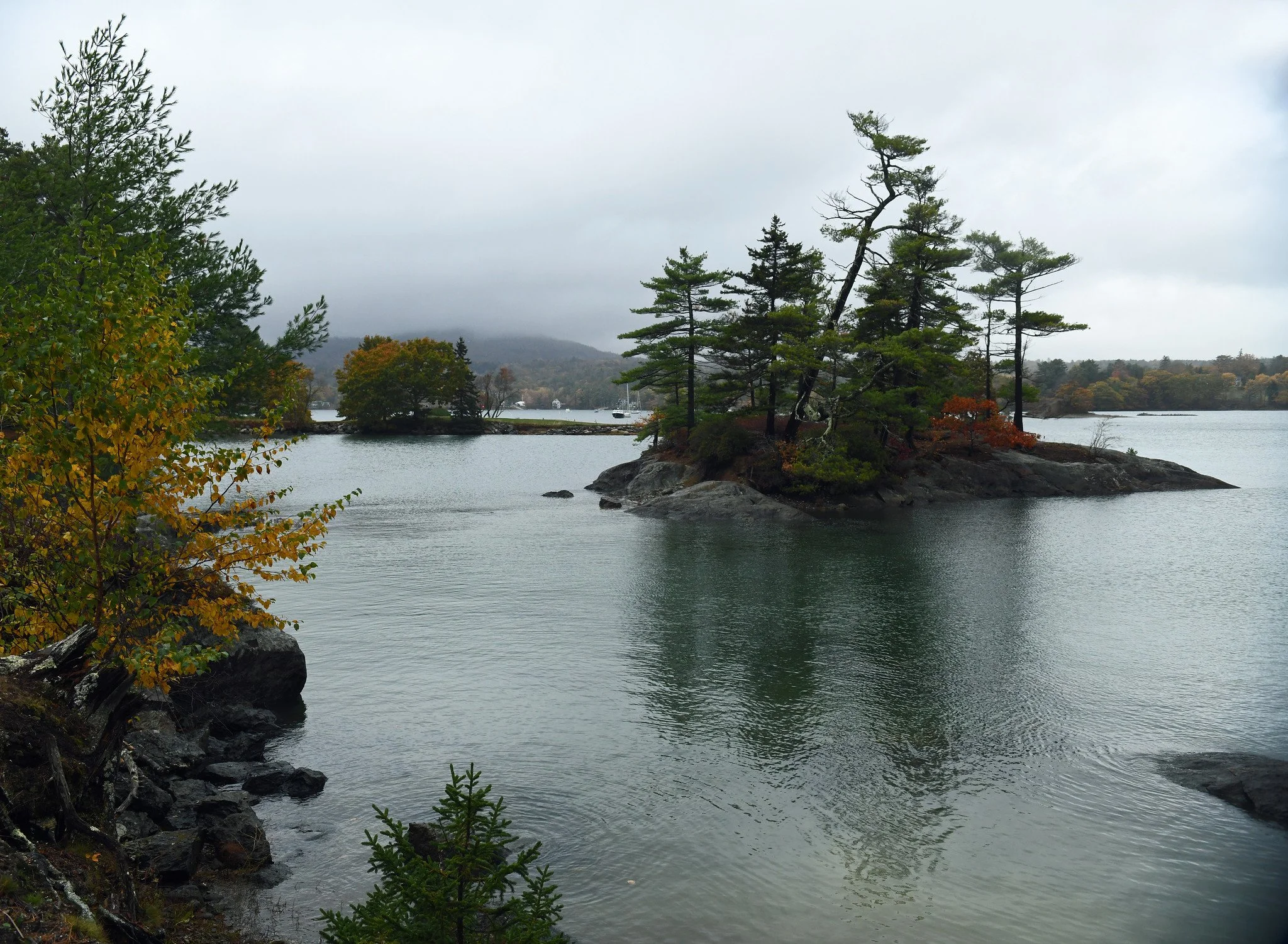
Here you see Wednesday’s fog and rain harassing Blue Hill Bay and the near-mountain called Blue Hill, itself. Although the rain was intense at times, it was not nearly sufficient to help Maine’s extreme and severe drought areas. See the latest U.S. Drought Monitor map:

That weekly federal report, issued yesterday, stated in part: “The most widespread area of Severe to Extreme Drought (D2-D3) [in the 12 Northeastern-most states] persisted across Maine and northern New England ….” The danger of devastating wildfires persists here. Please be careful out there with combustibles, folks. (Photo taken in Blue Hill, Maine, on October 22, 2025.)

Comment

1 Comment

In the Right Place: Retch-Free Fruit

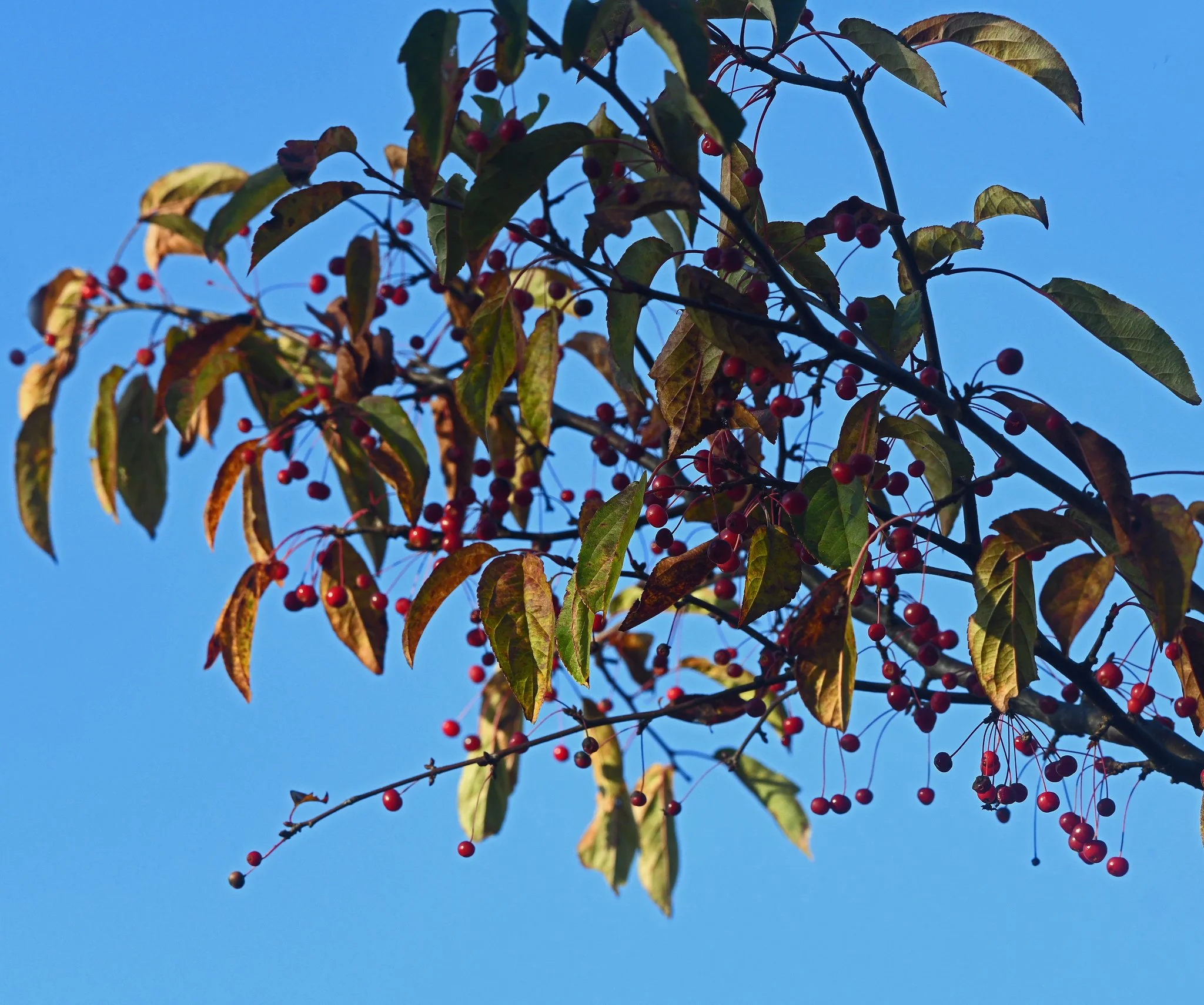
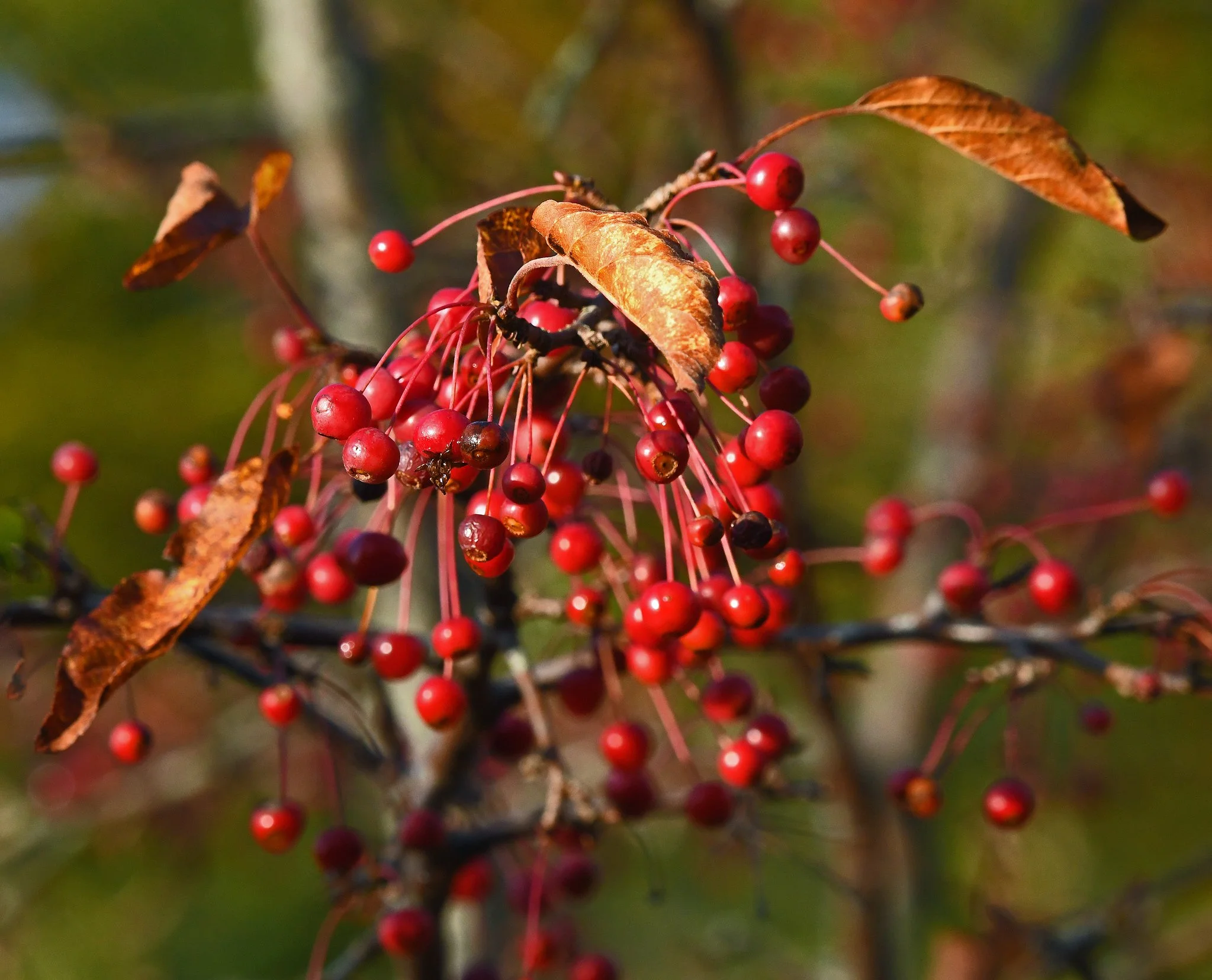
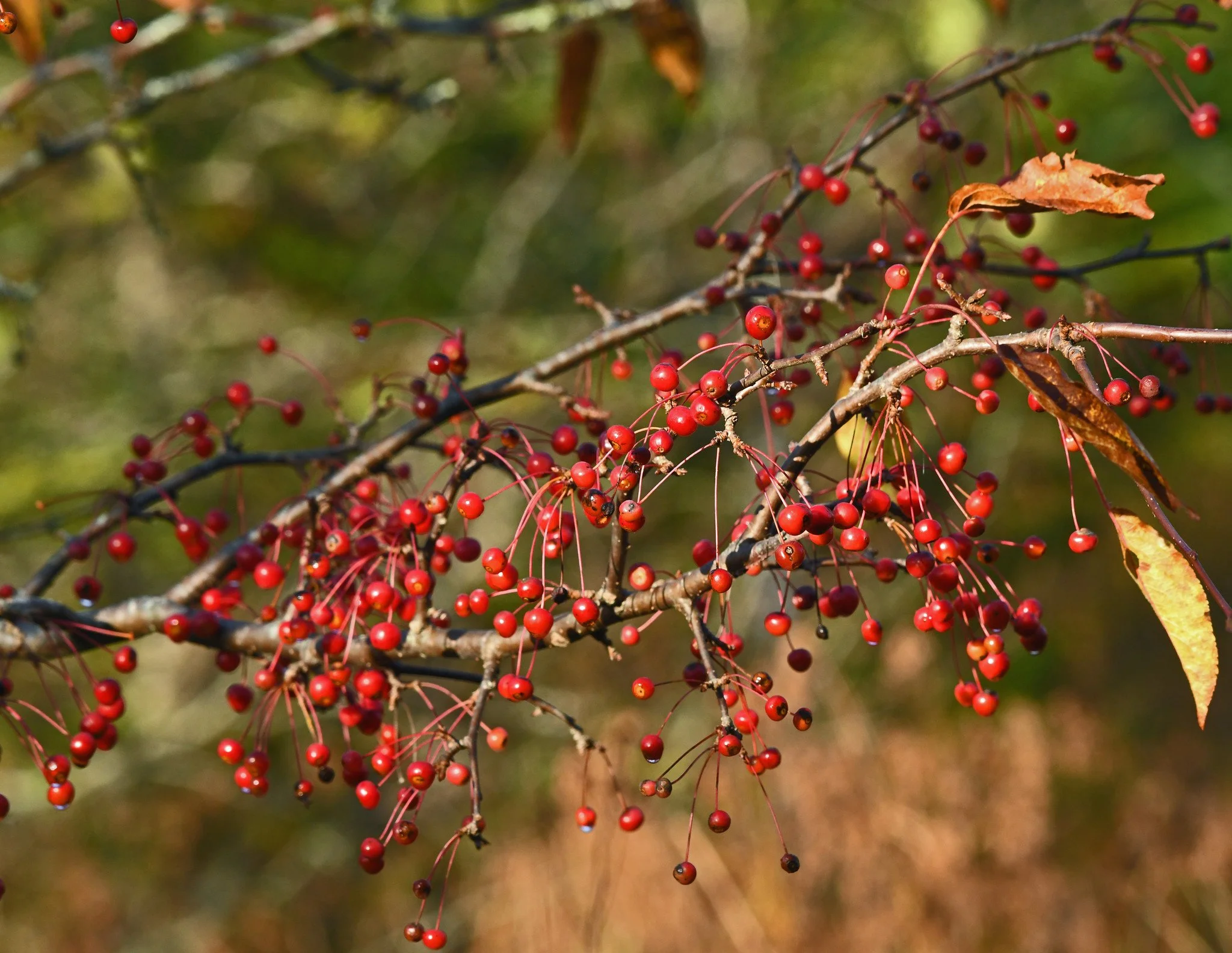
Maybe somebody can help me identify this attractive bush/small tree that is growing in the wild fringes of a field among conifers and a few scrub trees and bushes:

If I’m reading Newcomb’s Guide correctly, it’s not chokeberry or chokecherry. An AI identity search agrees and suggests that it might be an Asiatic weeping crabapple tree that was seeded by a bird that had been visiting local gardens.

The bush/tree is about 10 feet tall. Its red fruits are profuse and small, mostly less than ½” in diameter. Those fruits are solid like an apple and bitter, but not gag-inducing, and they droop gracefully on slim stems that usually are less than 2 inches long.

(Images taken in Brooklin, Maine, on October 22, 2025.)

1 Comment

Comment

In the Right Place: Working Waterfront Report

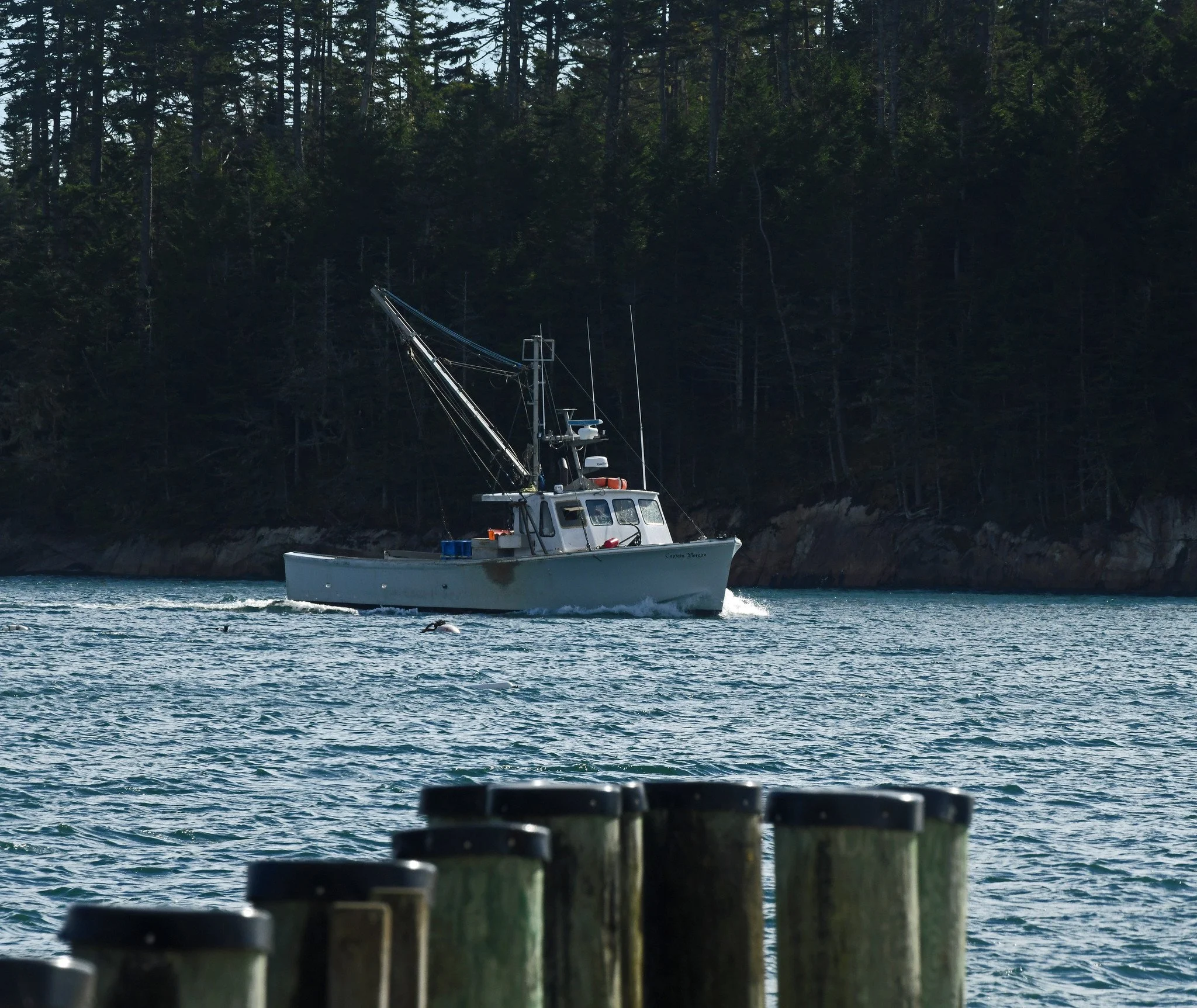
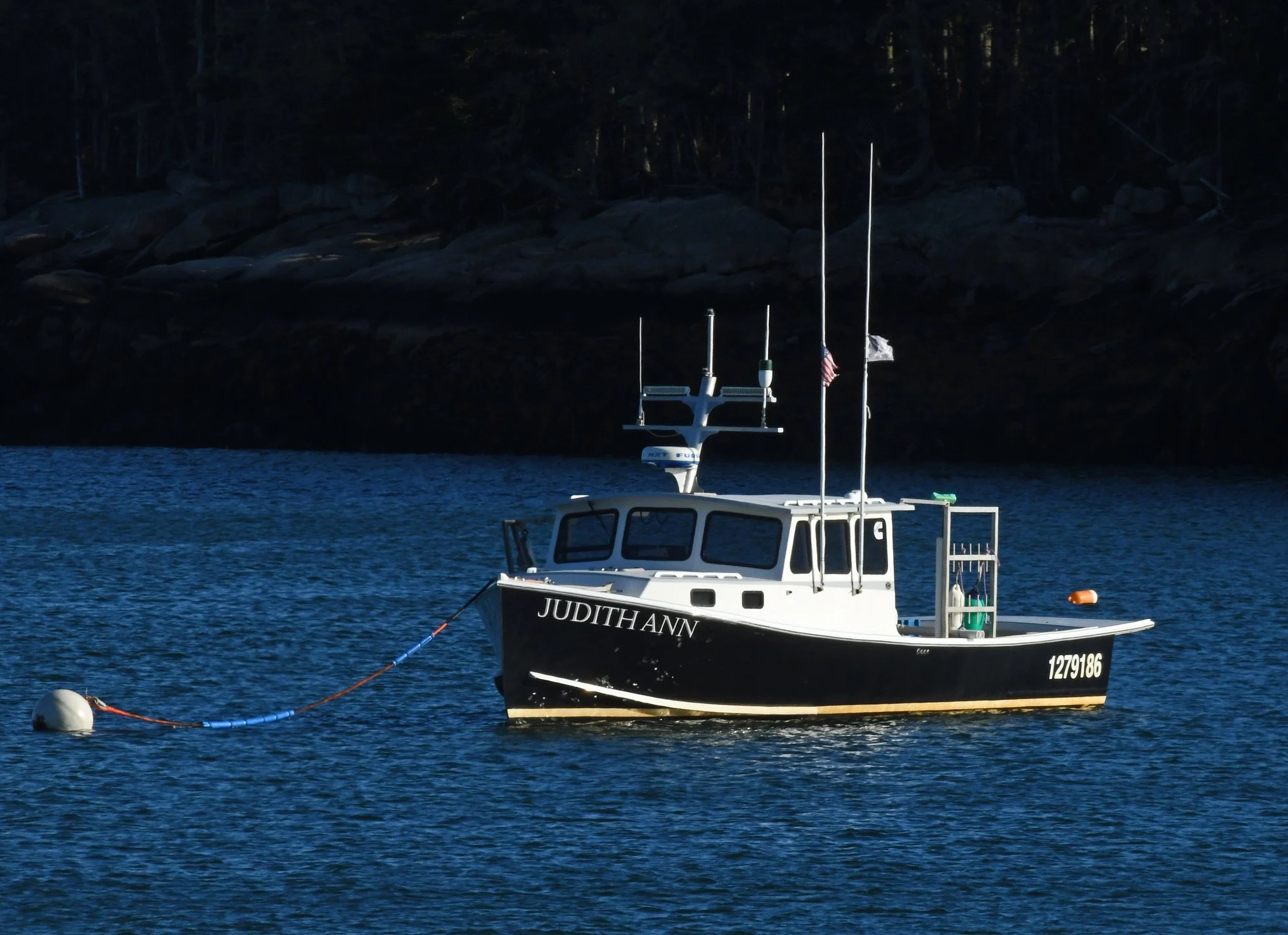
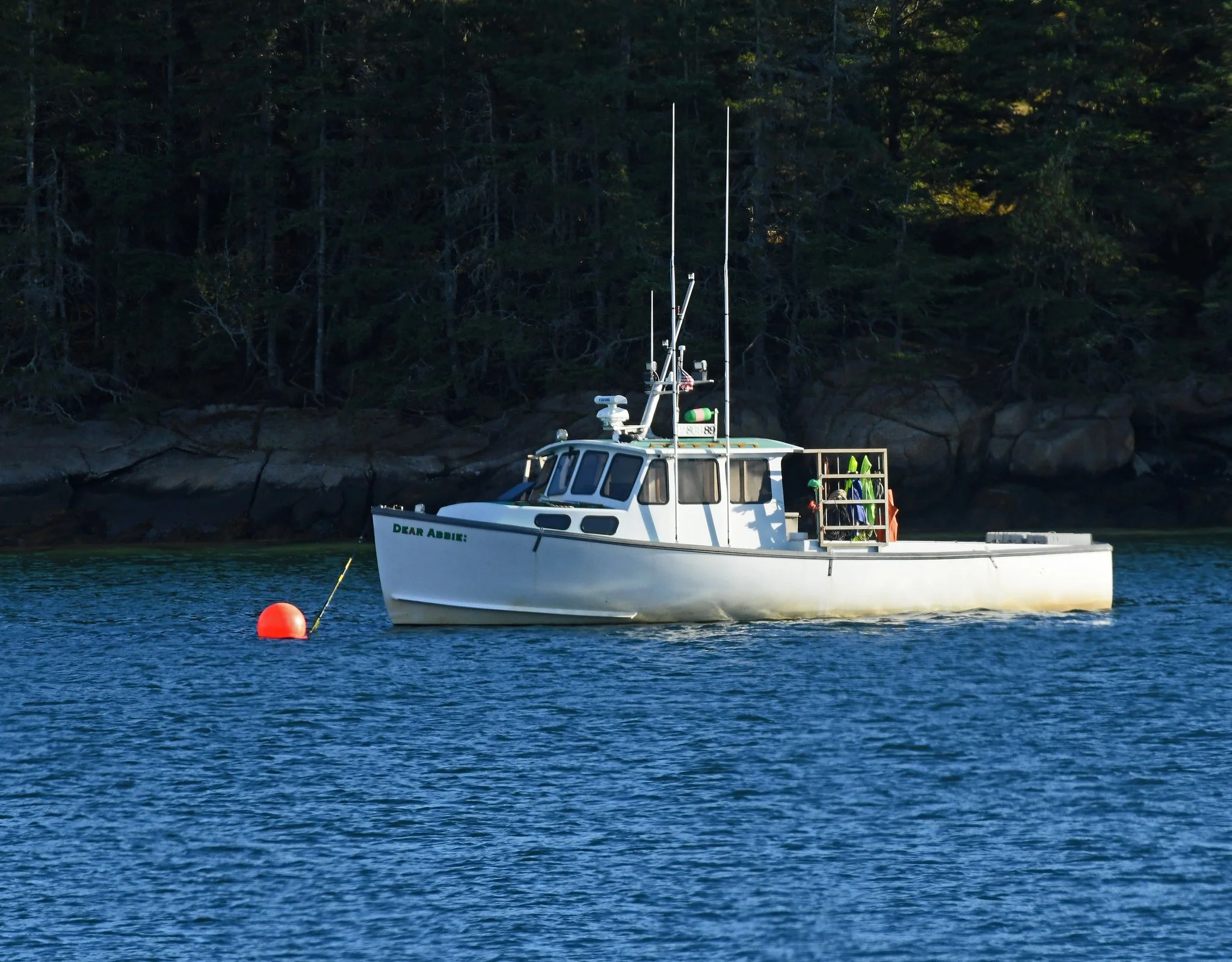
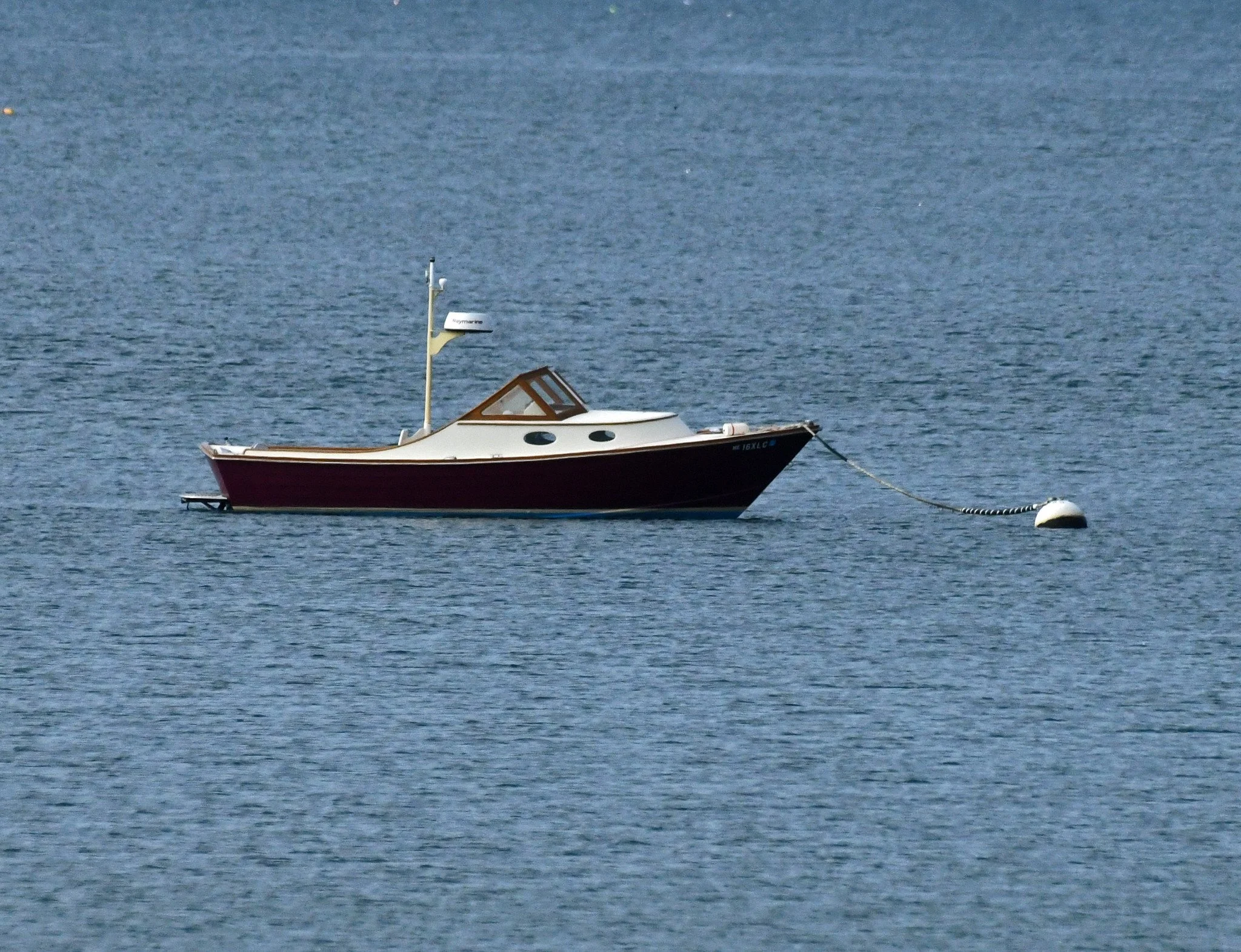
Above you see the Fishing Vessel CAPTAIN MORGAN coming home to Naskeag Harbor yesterday after hauling lobster traps in coastal waters all morning. Below you’ll see F.V. s JUDITH ANN and DEAR ABBIE: at rest in the Harbor last week:

One veteran Captain says that this year’s prices have been fair, but not great, and the season has been “decent.” Published reports indicate that boat prices for Maine lobster are being influenced by reduced catches and an increase in the annual average price paid to fishermen, among other things. While daily prices fluctuate based on factors such shell type and season, historical trends suggest that 2025 will be a profitable year for fishermen, although nothing like the record-breaking 2021 harvest and market. 

Despite relatively good conditions now, recent surveys and forums indicate that the fishermen have many concerns about the future, including the trend of cost increases for bait, fuel, gear, boats, and other necessities, as well as potential increases in environmental and conservation regulations that could require major and costly changes in fishing practices. (Images taken in Brooklin, Maine, on October 17 and 21, 2025.)

Comment

Comment

In the Right Place: Upside Downy

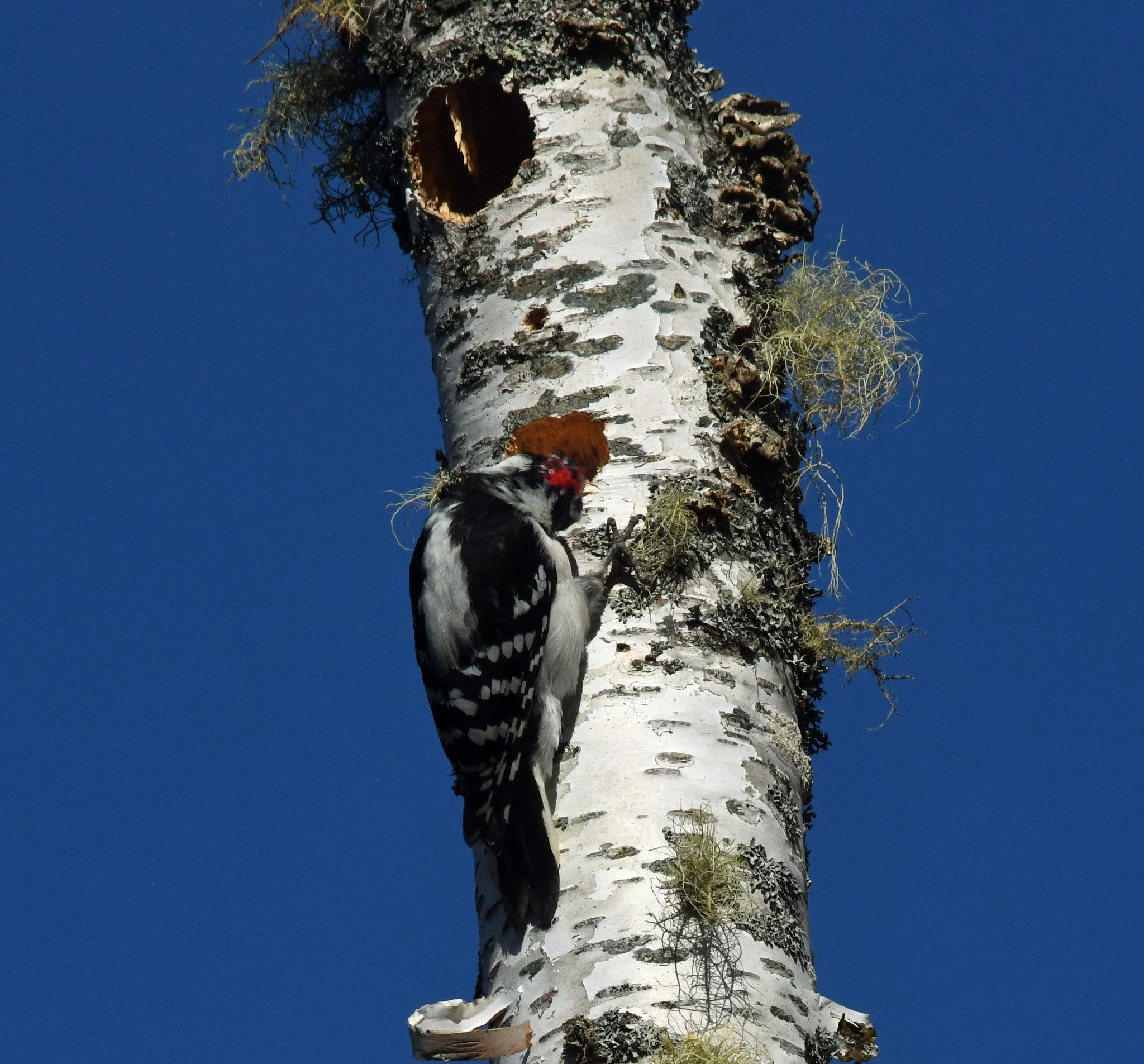
This downy woodpecker has been excavating that cavity in the birch tree for several days, and I’m wondering about the little guy. (The six-to-seven-inch downies are the smallest woodpeckers in North America, and only the males have red nape patches.)

My initial, unthinking reaction was that he had gone crazy and was creating a breeding and birthing nest in the fall instead of the spring. (It doesn’t seem unreasonable to wonder whether a creature that bangs his face against hard surfaces most of the day might go a little crazy every now and then.)

But no, this little guy isn’t crazy. He’s almost certainly creating a winter roosting shelter for himself. After the breeding season, downies part from their mates and usually occupy or create individual roosting holes for warmth and protection during the cold and snowy weather. (See also the image in the Comment space.)

Of course, the cynical among us might see the symbolism in considering this bird a downy real estate speculator. The affordable housing (habitat) crisis has spread from (and by) humans to many species. (Images taken October 19, 2025.)

Comment

Comment

In the Right Place: Don’t Worry About Kelce

Here you see Conary Cove in Blue Hill Bay at about low tide:

The average high tide here is about 10.5 feet. That is, if Travis Kelce decided to leave Taylor Swift’s side to see how it feels to wiggle his toes in the mud at low tide here, his head would be more than four feet under water at high tide. But, don’t worry about six-foot Kelce, the tide is not swift -- it takes about six hours and 12.5 minutes for the water in this Cove to go from low to high tide.

(Images taken in Blue Hill, Maine, on October 17, 2025.)
Comment

Comment

In the Right Place: Life with Bernie, III

Bernie is still here – and he’s a dynamo. This American beaver has taken down 16 trees since he arrived last month and cut them into pieces for various uses. Fortunately, they were in dense growth surrounding a boggy area. He created a new pond, which remains full of water, but does not appear to be a flood threat. At least, yet.

In the above image, you see Bernie eating his dinner one evening last week. The entrée then apparently was a delicious, fresh speckled alder tree chunky and salad. He ate it with a grinding-crunching sound similar, at times, to the sound of a fresh celery stalk being chewed steadily.

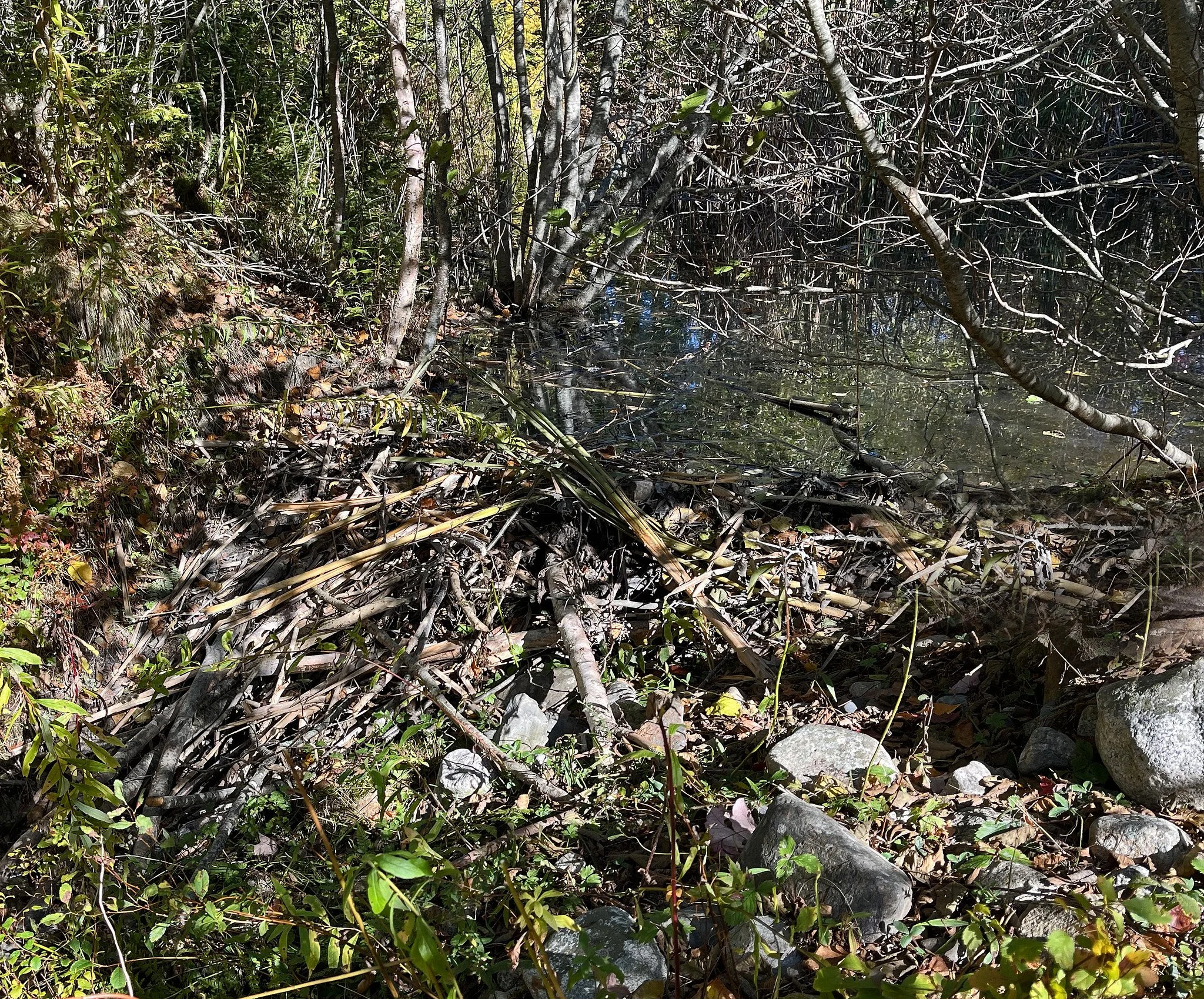
He felled that alder the night before and dragged parts of it into that area, a pond that’s adjacent to the one he created. He’s apparently building a winter residence in the original pond. I hope it will be a one-bedroom apartment and not a luxury beaver condo for a colony. I also hope that he’s not thinking of trying to make the two adjacent ponds into one pond by flooding the dirt road between them. Some of his work:

The mud-and-wood dam that he created to form a nearby body of water that we call Bernie’s Pond is a work in progress that is a little more than three feet high and about seven or eight feet long. Bernie’s Pond actually is a visual improvement over the run-off gulley that he started with:

As far as I can tell, Bernie remains a one-man wrecking crew. The hope is that he’s one of those crotchety “bachelor beavers,” and just wants to create a livable small territory that’s defensible against other beavers and his primary predators. (Around here, mature beavers are preyed upon mostly by coyotes, black bears, and humans.)

If Bernie remains a bachelor, we probably will be able to work out an accommodation with him. If he wants a large family and large watery territory, we’ll likely have to make some tough decisions about trapping and transporting him and his kin.

(Images taken in Brooklin, Maine, October 15 and 18, 2025.)

Comment

Comment

In the Right Place: Smaller But Lighter

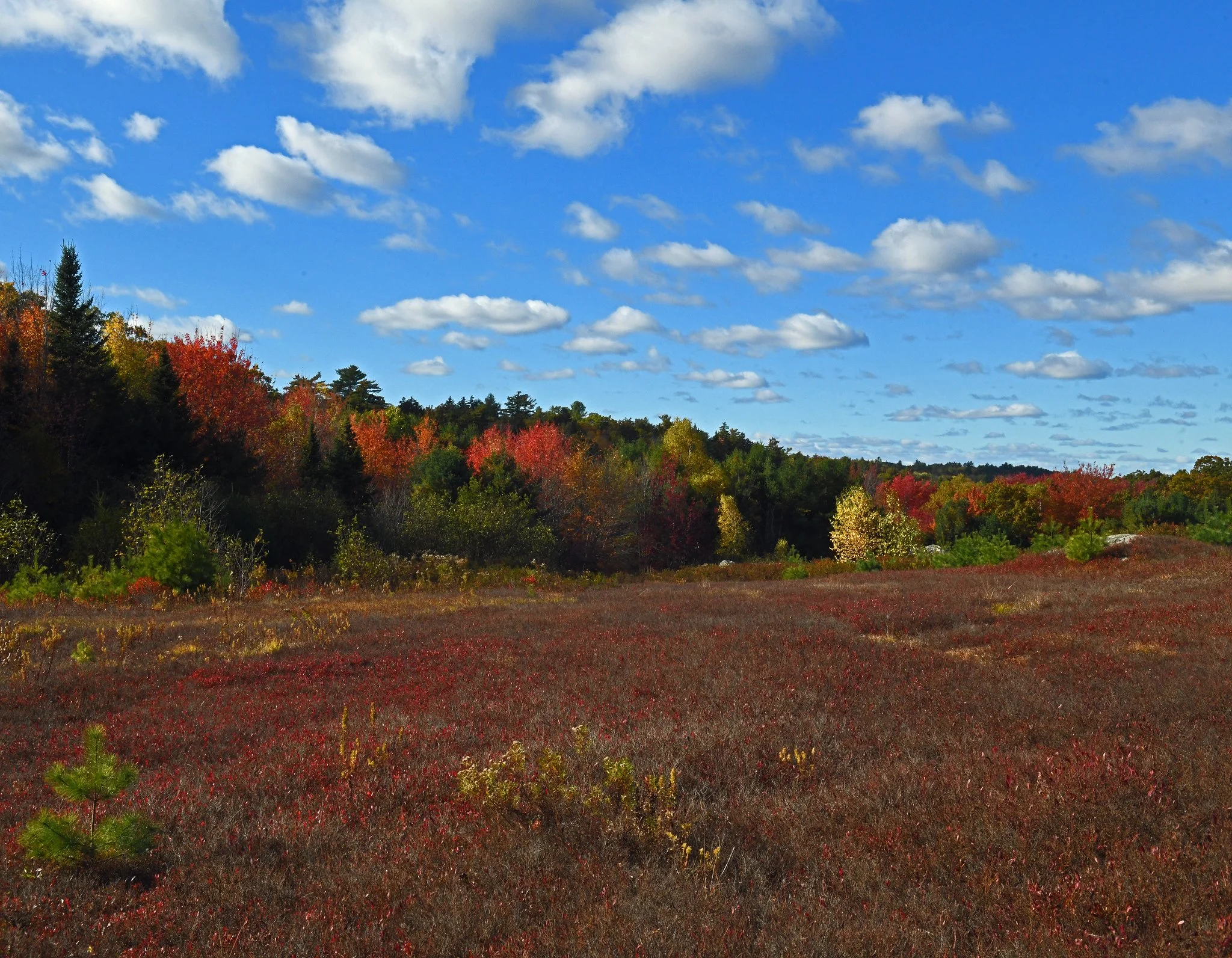
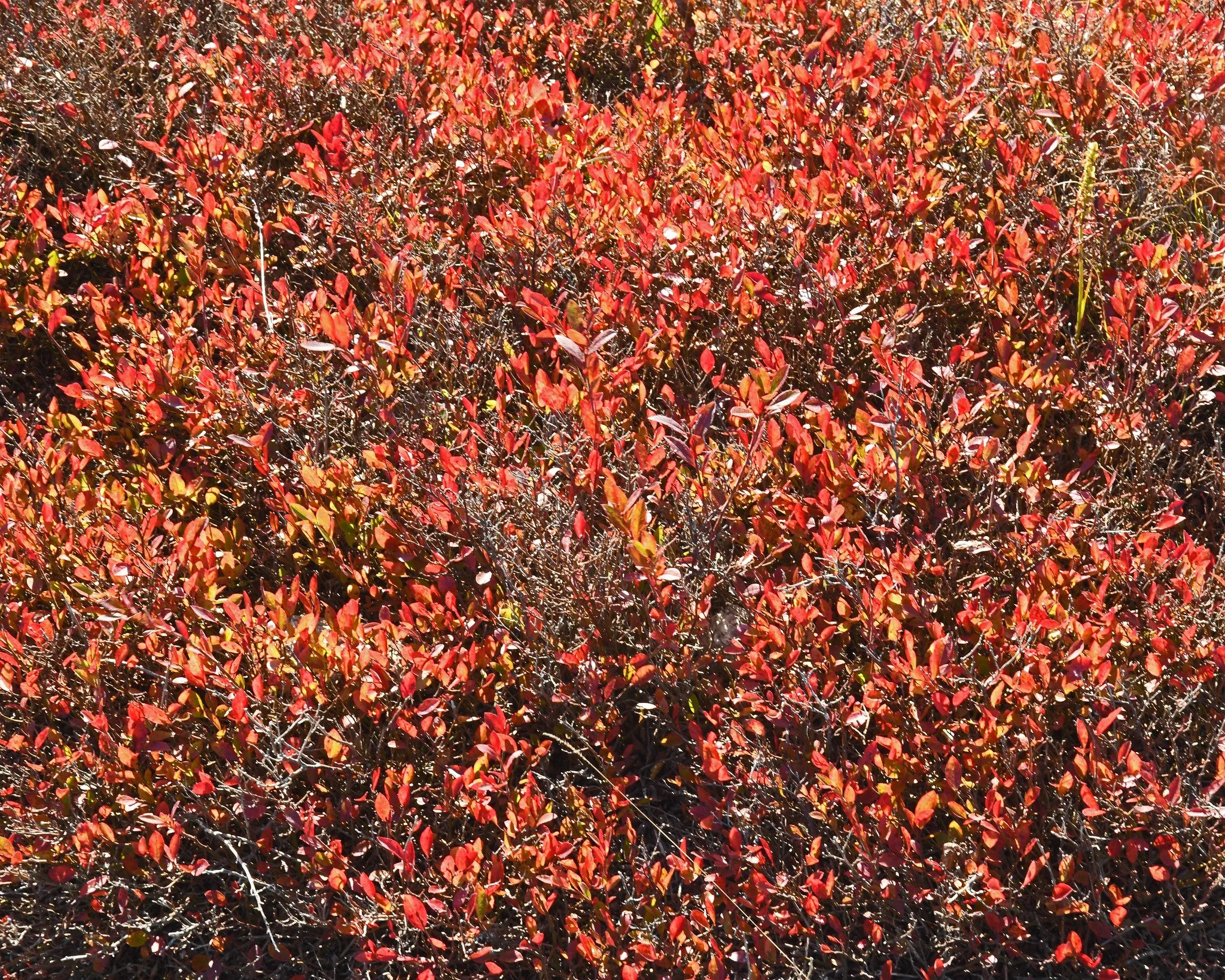
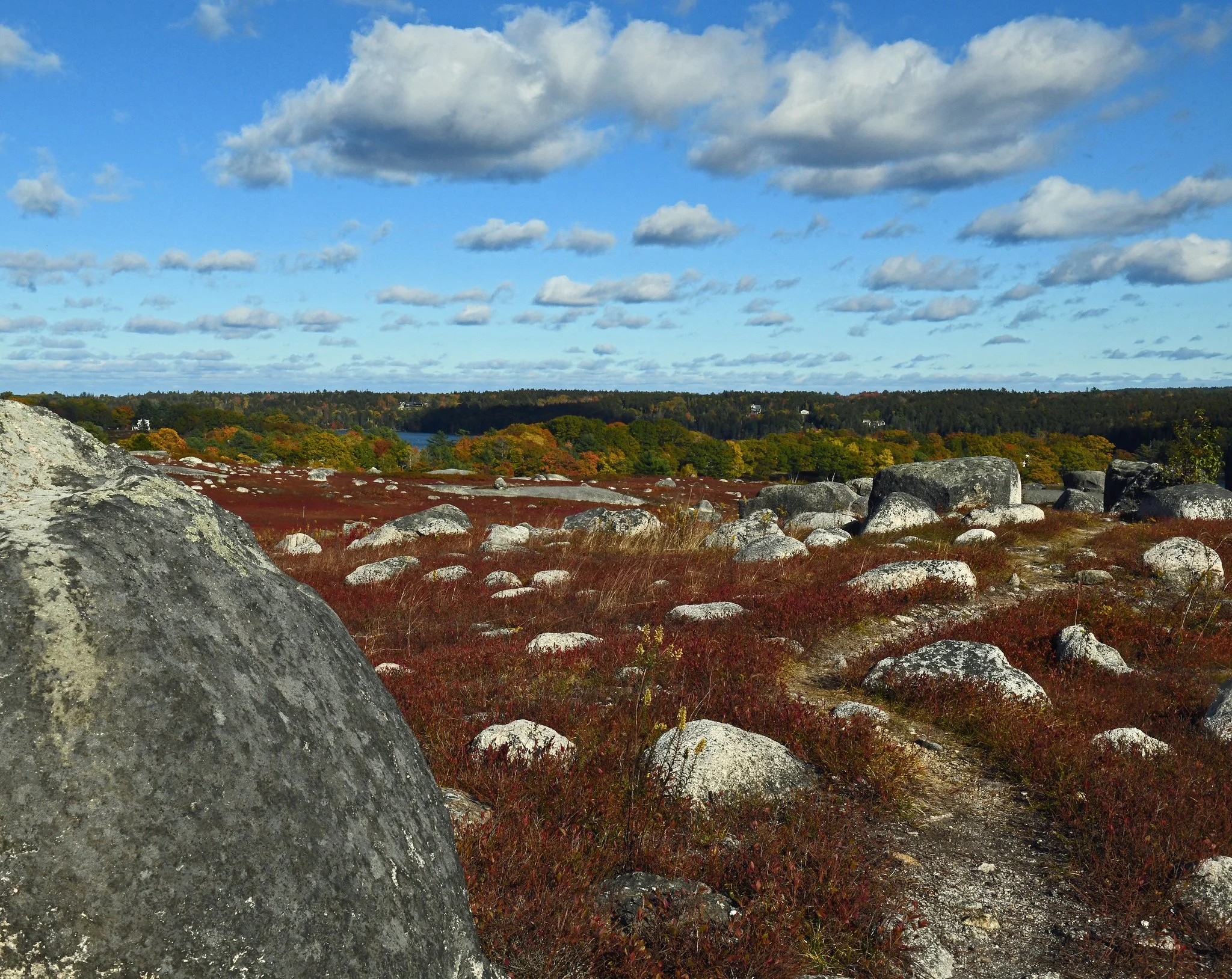
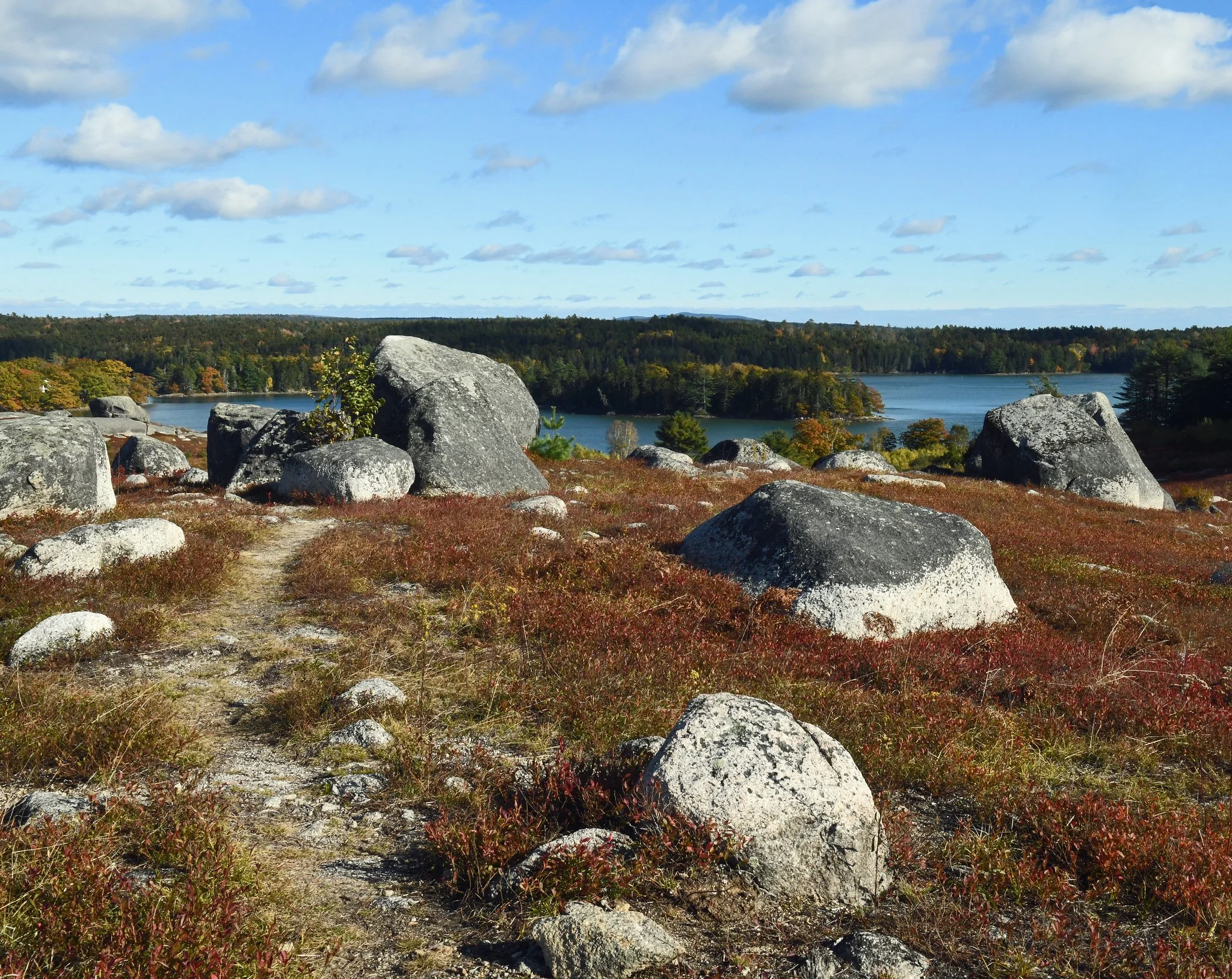
The Salt Pond blueberry barrens were in a good mood yesterday afternoon. And, as often is the case, that good mood was contagious. There was a slight bite to the bracing breeze, the sky was vastly blue with clouds that mimicked the glacier-strewn rocks below, and the blueberry leaves were a warming and reassuring red.

Those who climb the worn, crusty trails to the bluff overlooking the Pond there can learn, if the conditions are right, that feeling small and insignificant at times is a necessary realization. Most of us need to be put in our place every now and then, and this is a great place to have that happen.

I almost always come away from there feeling smaller but lighter.

(Images taken in Blue Hill, Maine, on October 17, 2025.)

Comment

Comment

In the Right Place: Embers and Wine

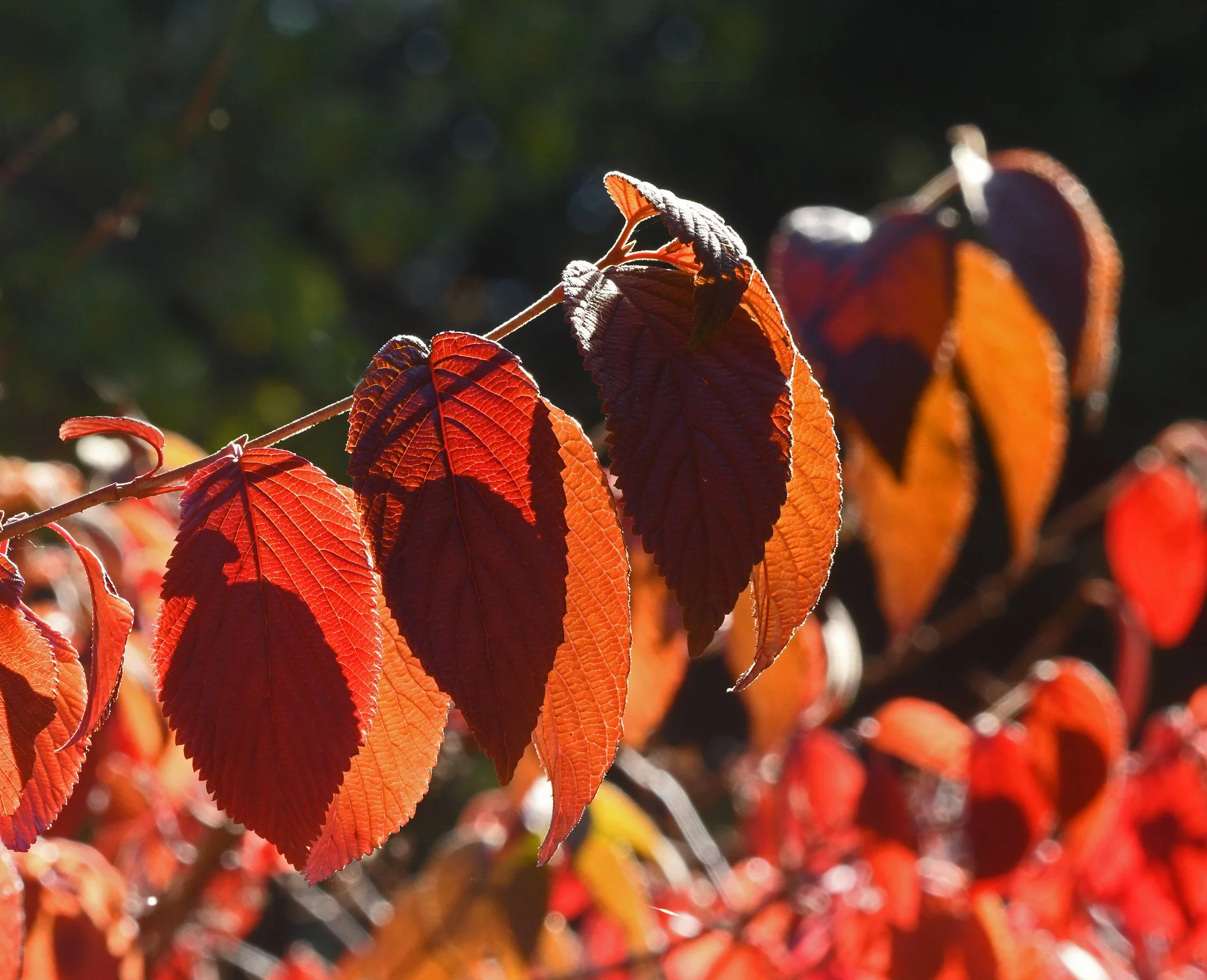
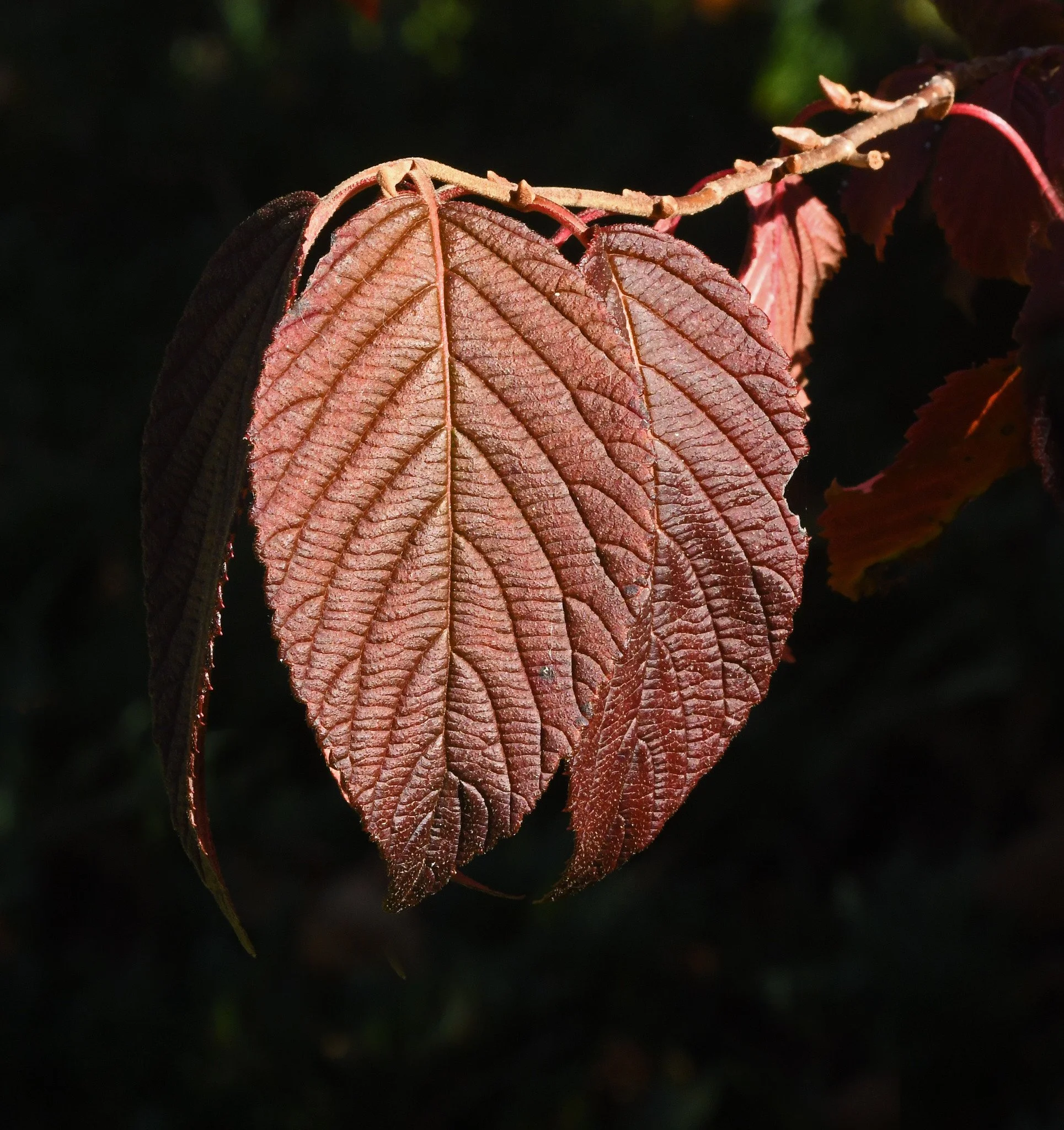
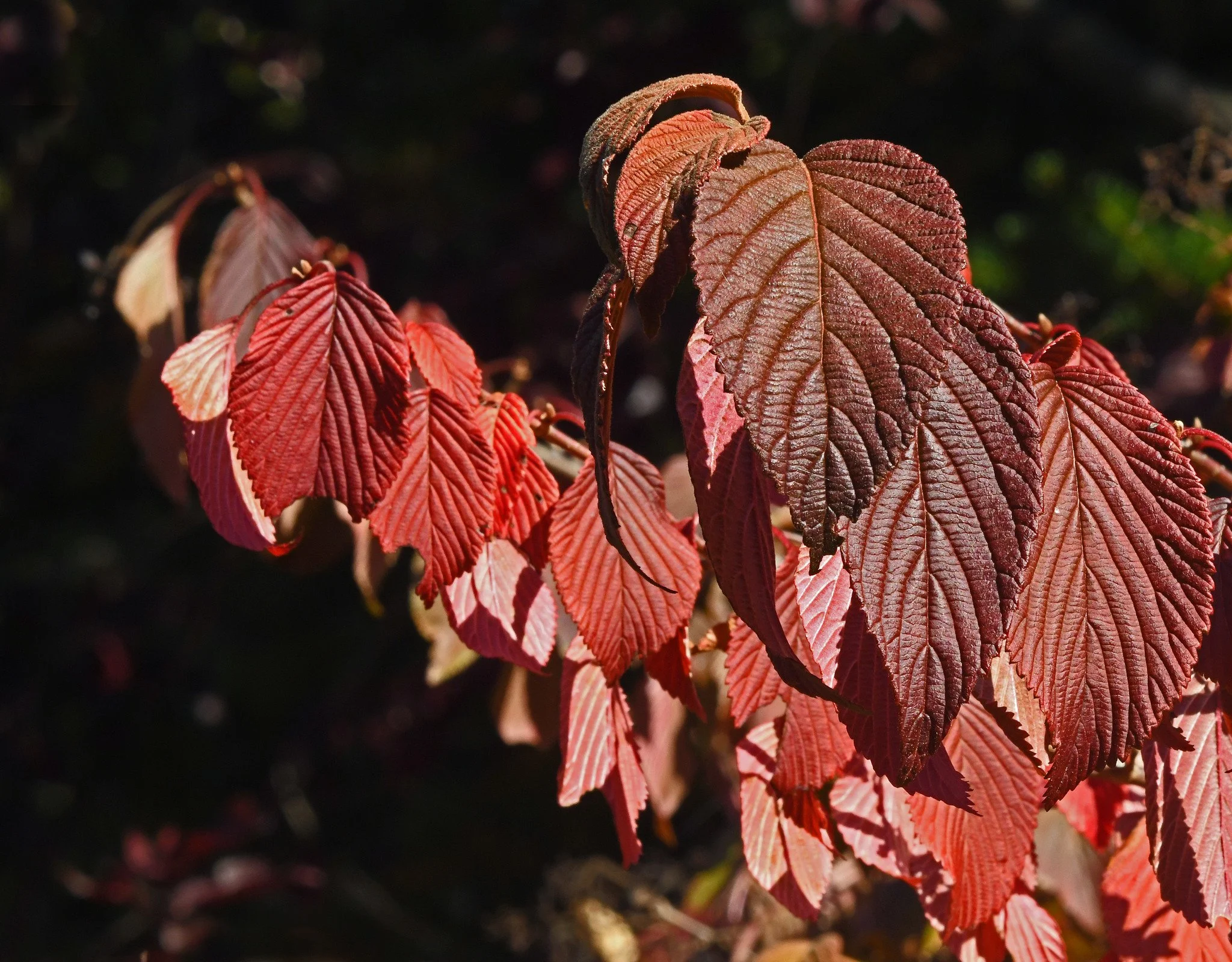
This fall the toothed leaves on our doublefile viburnums seem especially striking. Maybe it’s the drought. When backlit by a lowered October sun, the leaves glow like embers, as you see here. On cloudy days, they look like they’ve been dipped in a rich Burgundy wine and left to dry:

The doublefile viburnum (Viburnum plicatum) is known for its distinctive horizontal branches that are covered in lacecap-style flower clusters in the spring, full of berries loved by the birds in late summer and early autumn, and decorated with colorful hanging, ovate leaves in the fall and early winter.

(Images taken in Brooklin, Maine, on October 5, 2025.)
Comment

Comment

In the Right Place: American Neoclassical

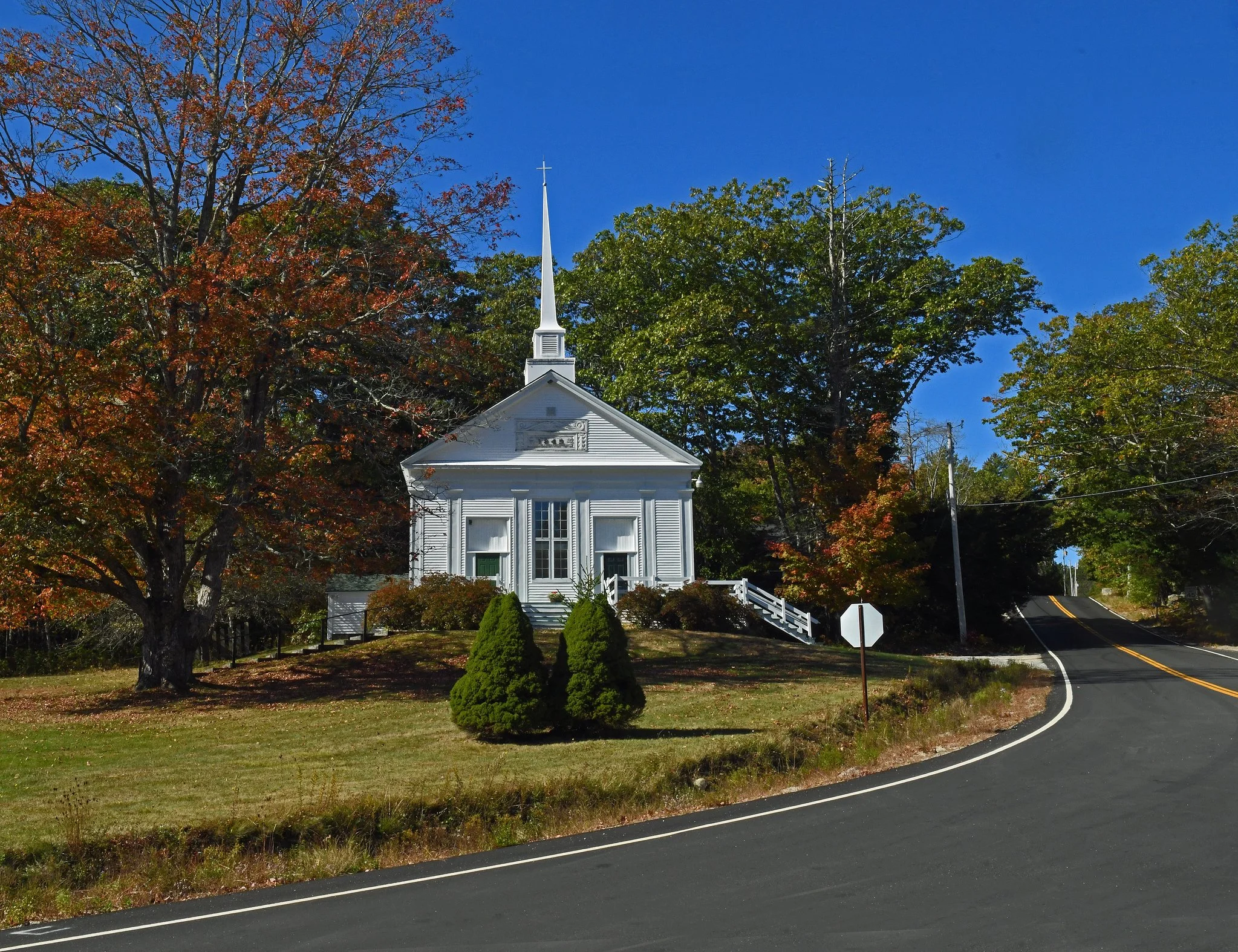
Here you see a Baptist church that was built in 1845 and, I believe, still is attended by a congregation. It seems typical of many of the 19th Century rural New England churches that were built in what is now called the Vernacular Greek Revival style. Their new, hard-working congregations could not afford (and did not want) a grand Greek Revival building of the type going up in wealthy areas in the quickly-expanding United States.

That is, this church is Vernacular (of a localized style) because it is close to a road, made mostly of wood, and painted white in imitation of marble. It has a Greco-Roman triangular temple front (pediment), as did many real Greek Revival buildings, but no marble or stone columns to hold the pediment up – just wooden impressions of plain Doric columns (pilasters). It has a multi-stage belfry, but maybe no bell. (Some Vernaculars used stucco and/or brick, according to the literature and what I have seen.)

Nonetheless, who would want a large Greek Revival edifice in this setting? This apparently well-maintained church seems appropriate and inviting for a local congregation. It sits there in quiet brightness by a rising rural road in the shelter of tall trees – not proud, but certainly not shy. (Image taken in North Sedgwick, Maine, on October 11, 2025.) Click on the image to enlarge it.
Comment

Comment

In the Right Place: And Then There Were Two

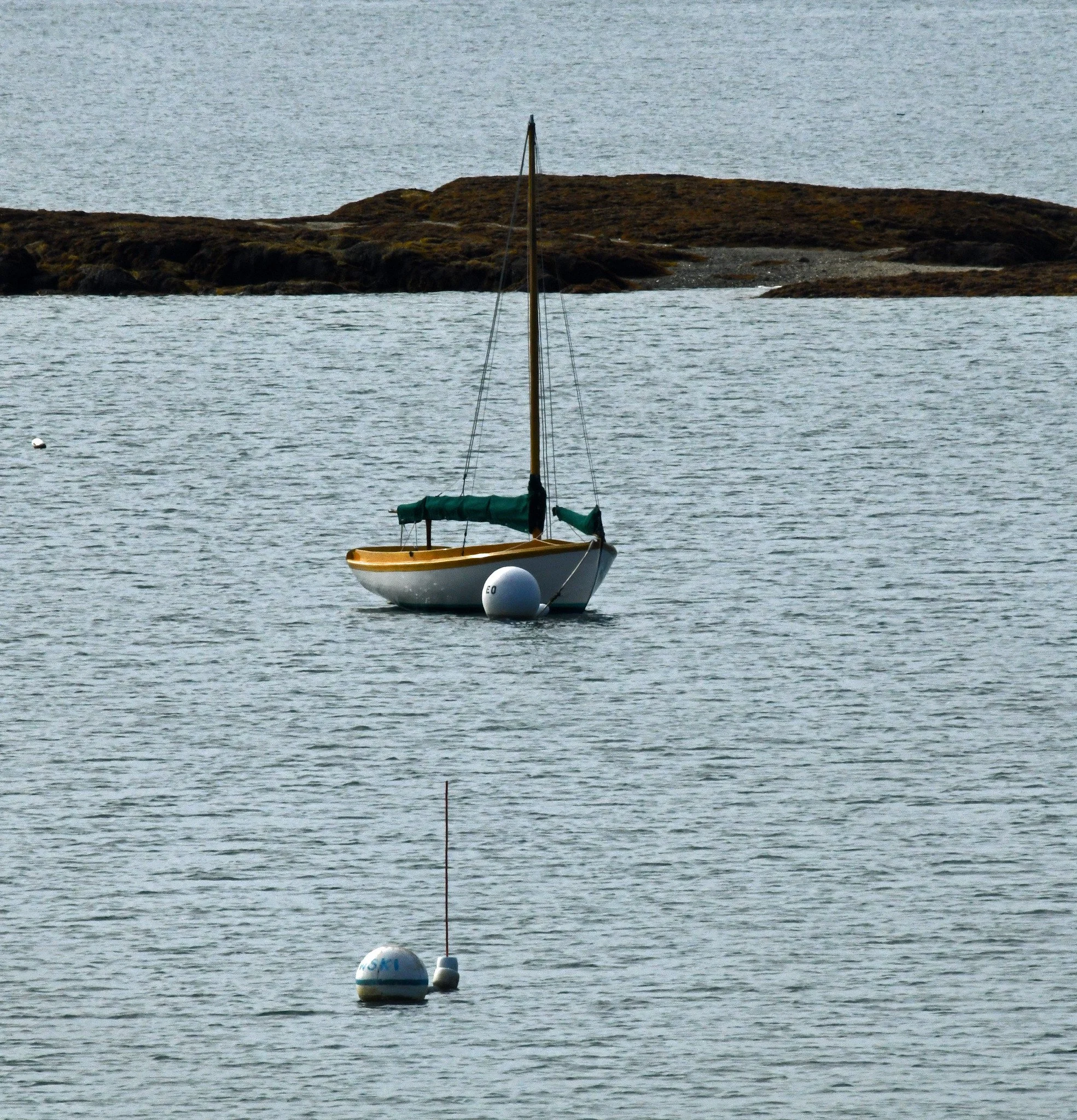
Yesterday there were only two boats left in all of Great Cove, both owned by neighbors who live on the Cove. Above you see one of the two: EO, a 12 ½-foot sailboat (Herreshoff or Haven). Below, you’ll see the other boat: RIVERBIRD, a recrafted Chris-Craft runabout/sport boat:

Living on Great Cove is like having year-long box seats at the Circus Maximus. There’s everything from the pageantry of windjammer sail-ins, to the competition of regattas, to the tragedy of duckling flotillas being attacked by bald eagles.

In the summer, the Cove is full of fascinating boats: sailing classrooms owned by the WoodenBoat School; recreational sailboats owned by neighbors and visitors; tall-masted coastal cruisers with tourists eager to explore the School campus; exotic motor yachts; fast motorized runabouts; fishing vessels (lobster/scallop) taking a shortcut; working boats full of marine equipment; skiffs; pulling boats; kayaks; paddle boards, and other watercraft.

Moored boats start to disappear in September, and all usually have moved out before November. Waterfowl then move in. At first, it’s often flocks of Canada geese migrating south. In addition to our resident sea gulls and common loons, at least 18 species of waterfowl winter in the state. In the Cove, it’s mostly common eiders, scoters, mallards, black ducks, mergansers, and bufflehead ducks each year.  There also are the occasional seals and porpoises chasing fish. Thumbs Up!

(Images taken in Brooklin, Maine, on October 14, 2025.)
Comment

Comment

In the Right Place: Season’s Greetings

October in New England is the beginning of that special season that is NOT the leaf-turning, apple-picking, pumpkin-finding, deer-hunting, baseball playoff, football or other outdoor activity season. It’s the coming of the indoor STEW season, which arrives best when the nights are crisp outside the house and glowing inside from a wood fire.

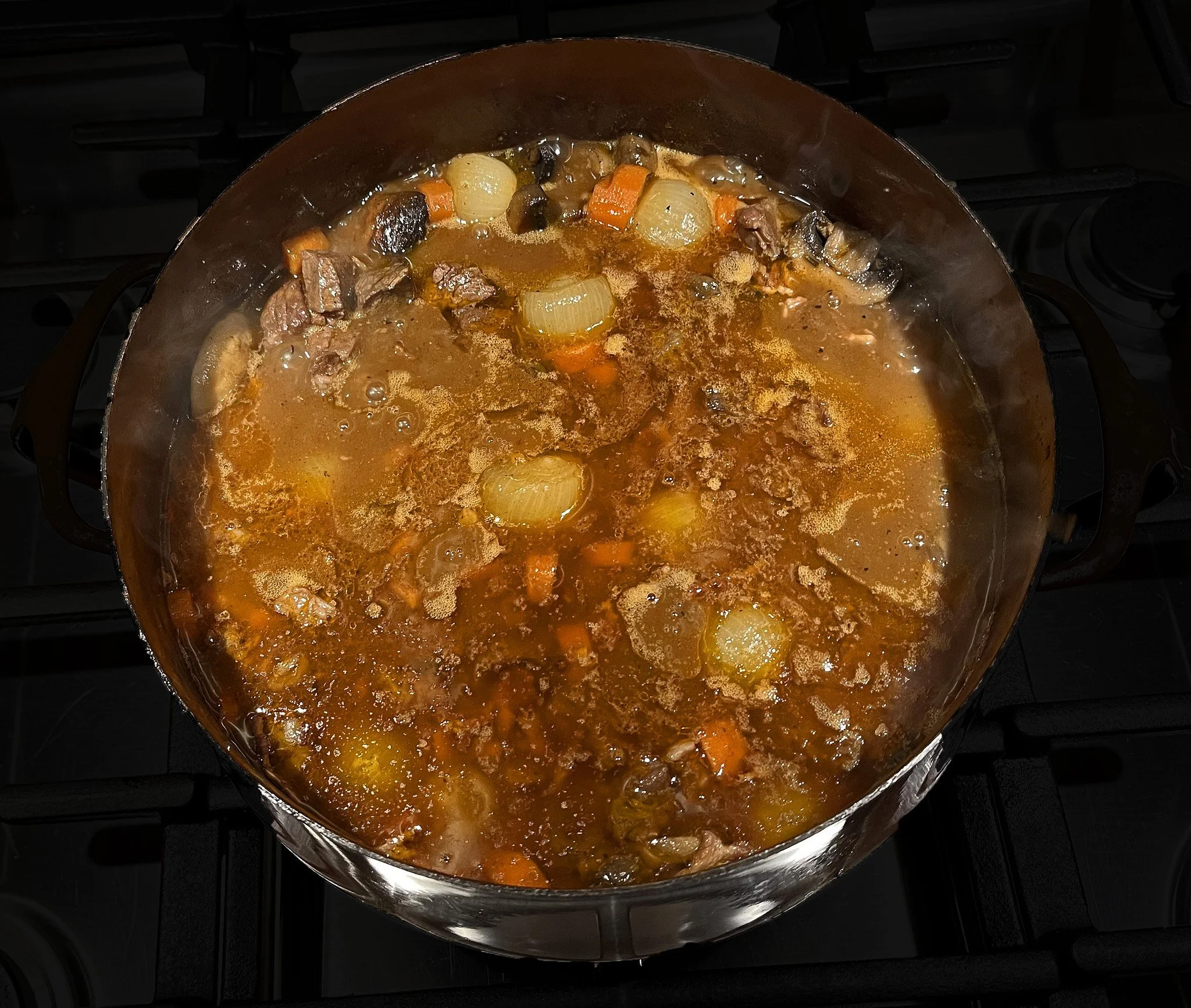
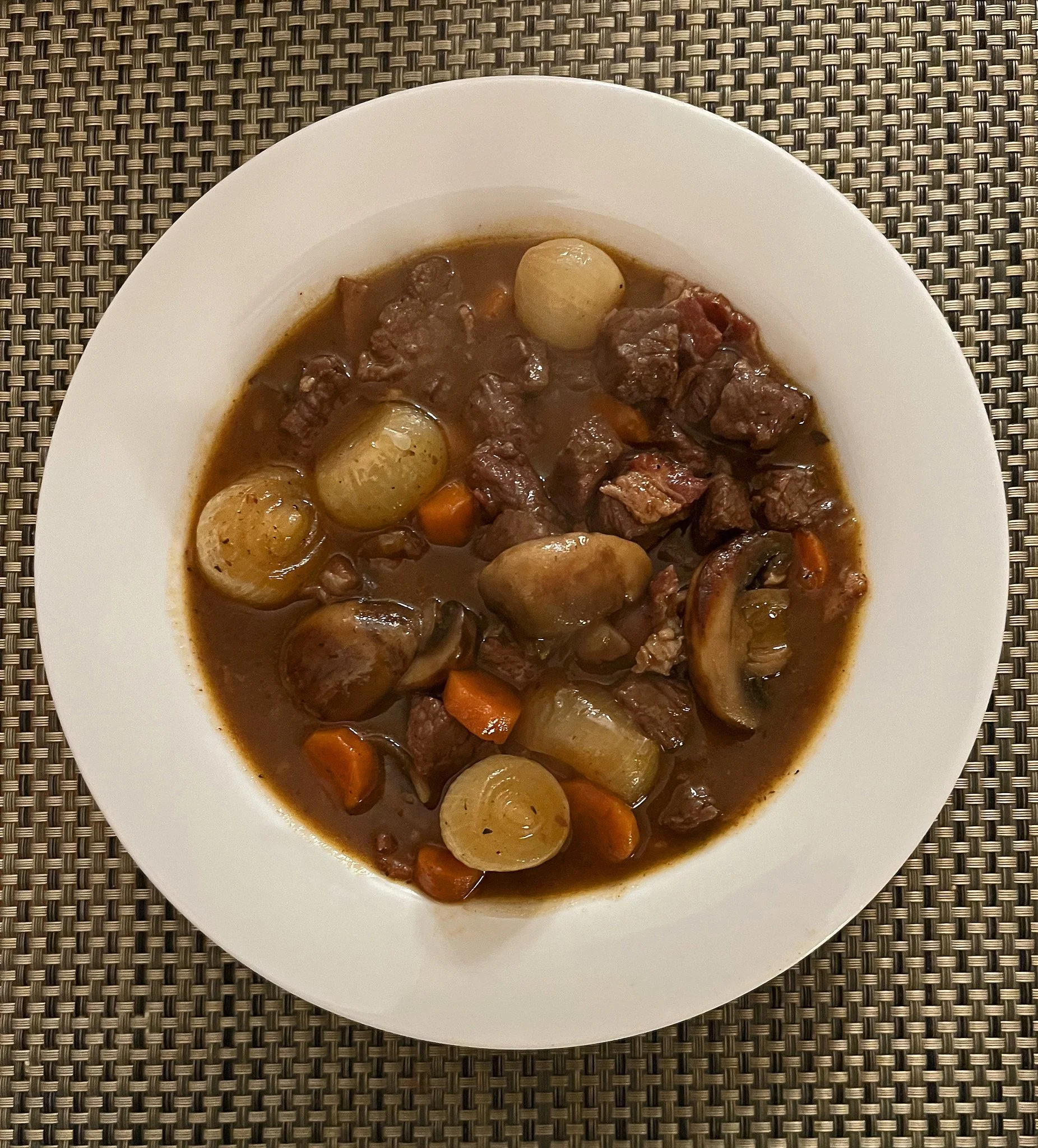
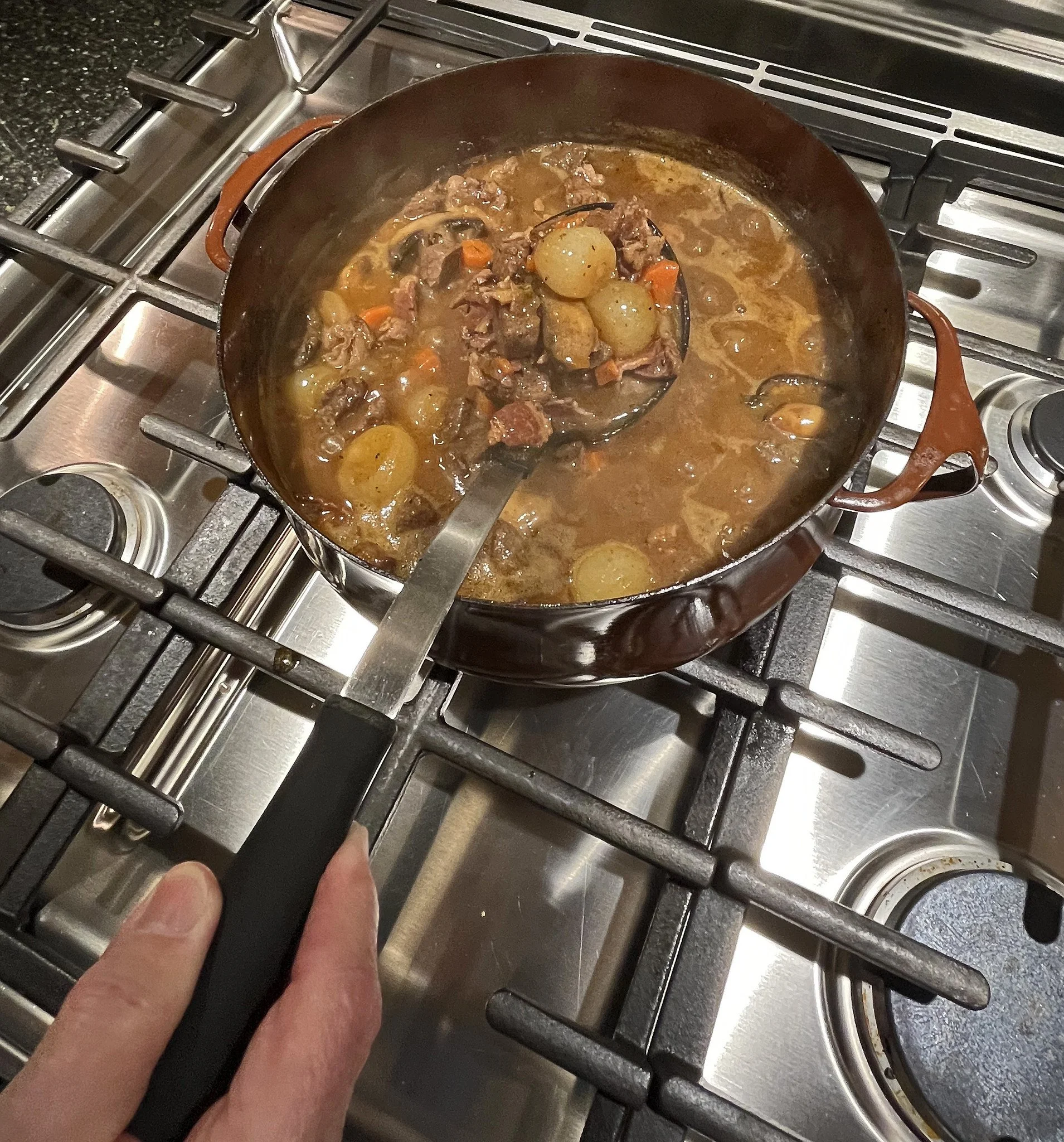
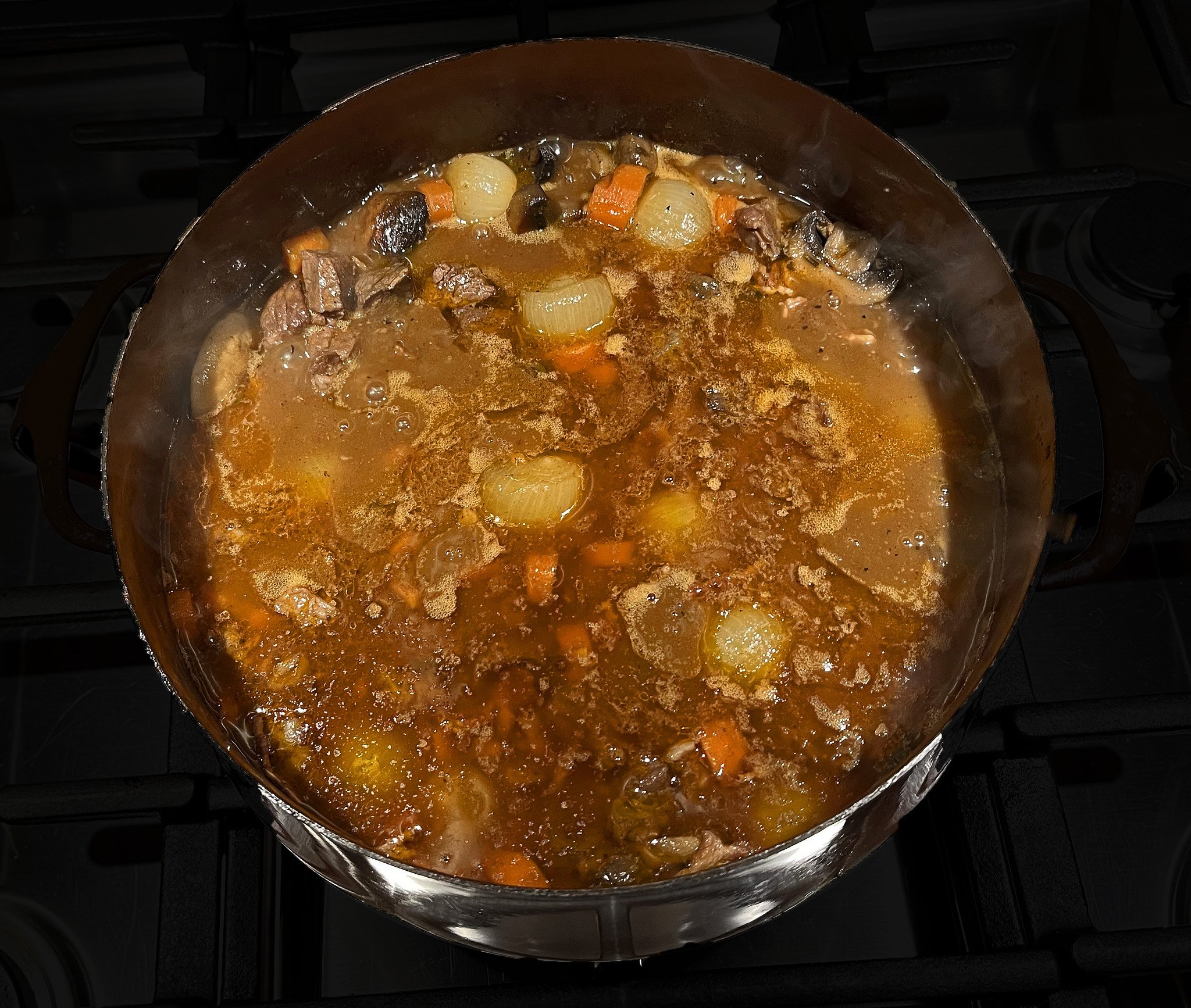
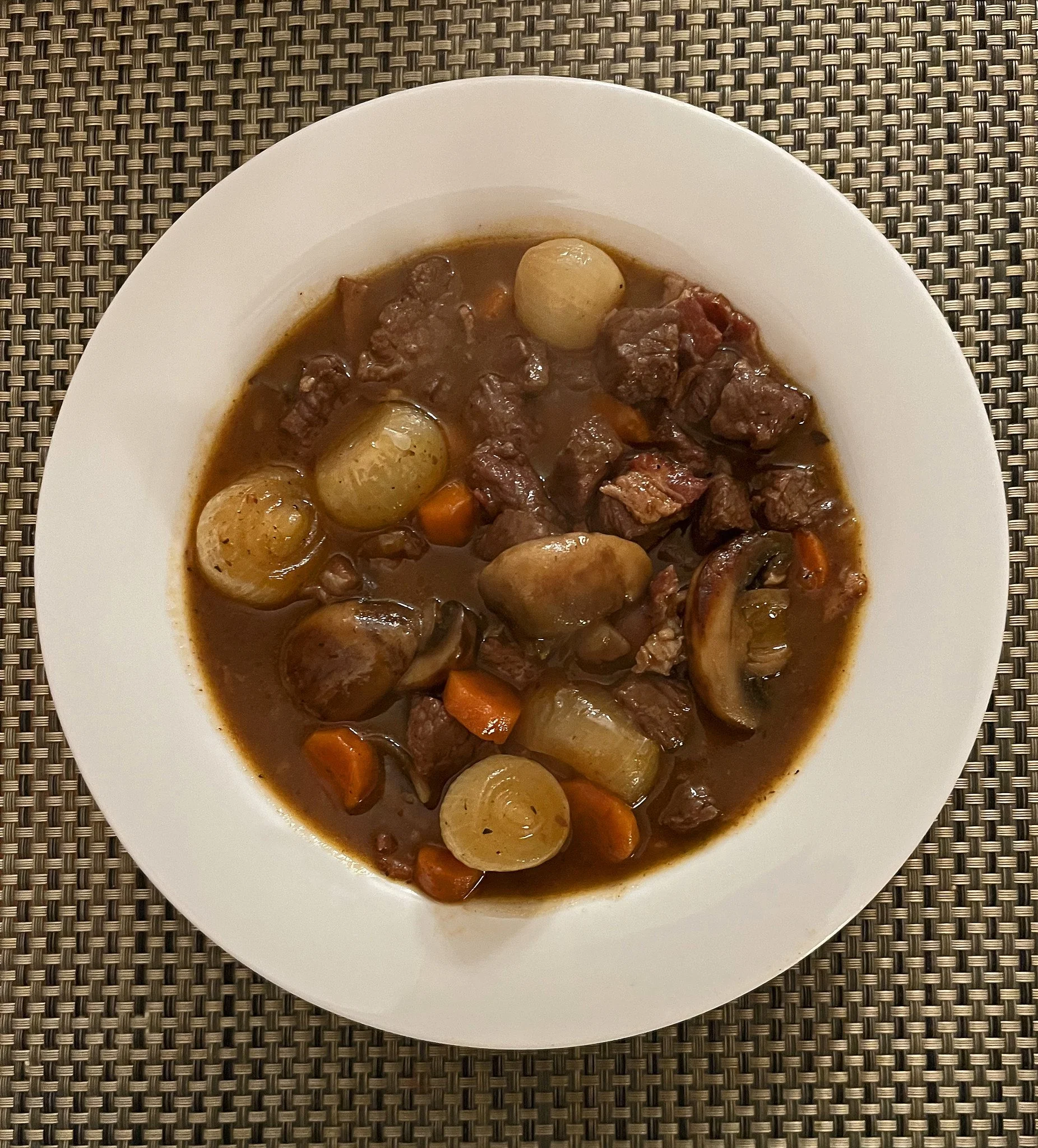
Barbara and I had our favorite stew Sunday night. That would be beef (or boeuf for you Francophiles) bourguignon, as prepared by our daughter Jessica, who is a great cook. You can practically smell and taste the hearty deliciousness from this image of Sunday’s dinner:

This classic French stew contains lots of chuck beef that is slow-cooked with onions, carrots, garlic, mushrooms, herbs, bacon and, especially, lots and lots of added, big-bodied red wine for the ingredients to tread in. As you might have guessed, the stew originates from the Burgundy region of France and is renowned for its savory gravy and fall-apart-tender meat.  

Beef bourguignon began as a peasant recipe designed to make tough meat more palatable, according to what I’ve read. It was then modified for complex tastes and popularized by Julia Child, among others. Here on the Blue Hill peninsula, you’ll probably also want to have some crusty Tinder Hearth bread handy to sop up that exquisite gravy. (Images taken in Brooklin, Maine, on October 12, 2025.)


Comment

Comment

Barbara and Dick's Birthday Dinner

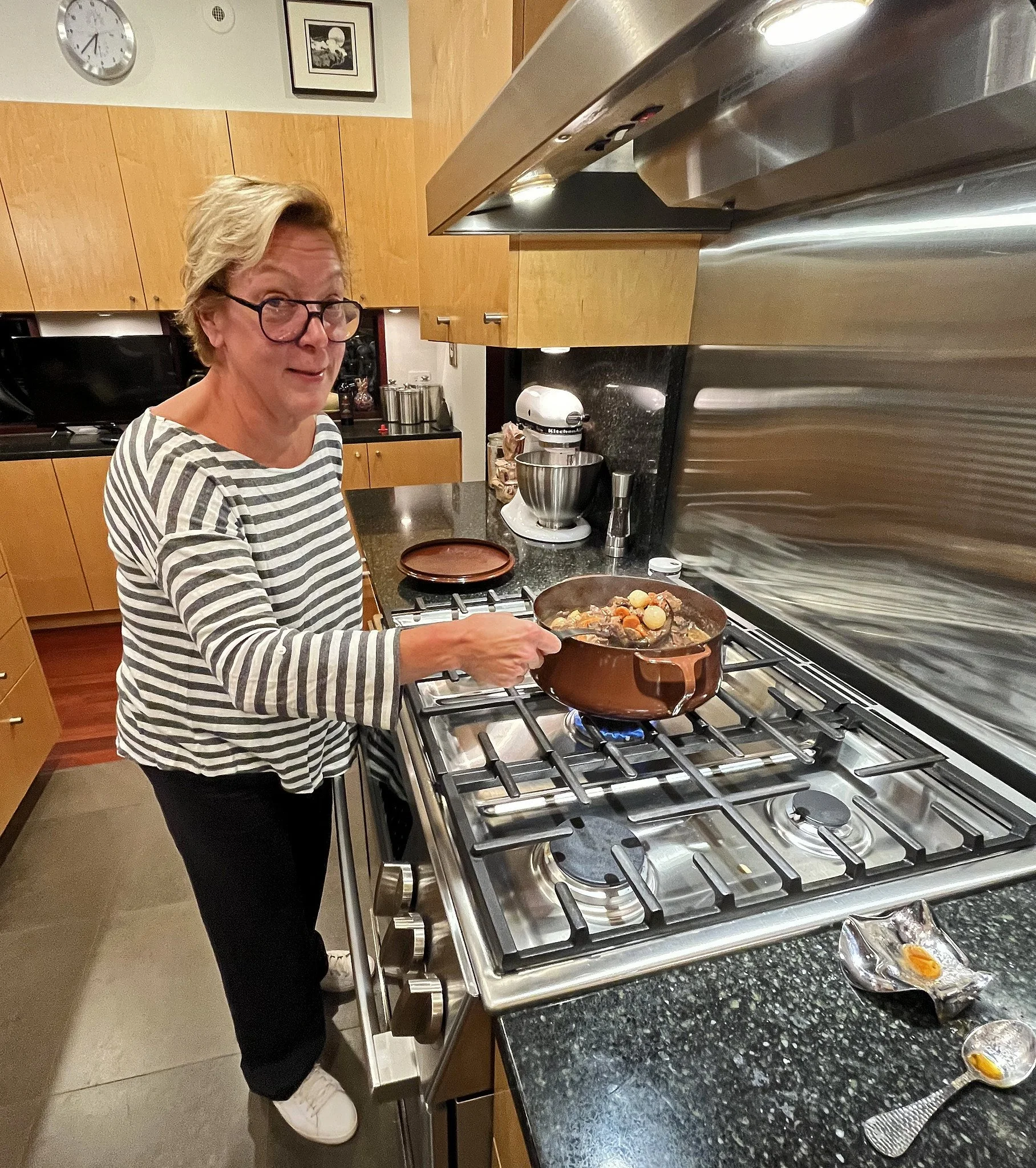
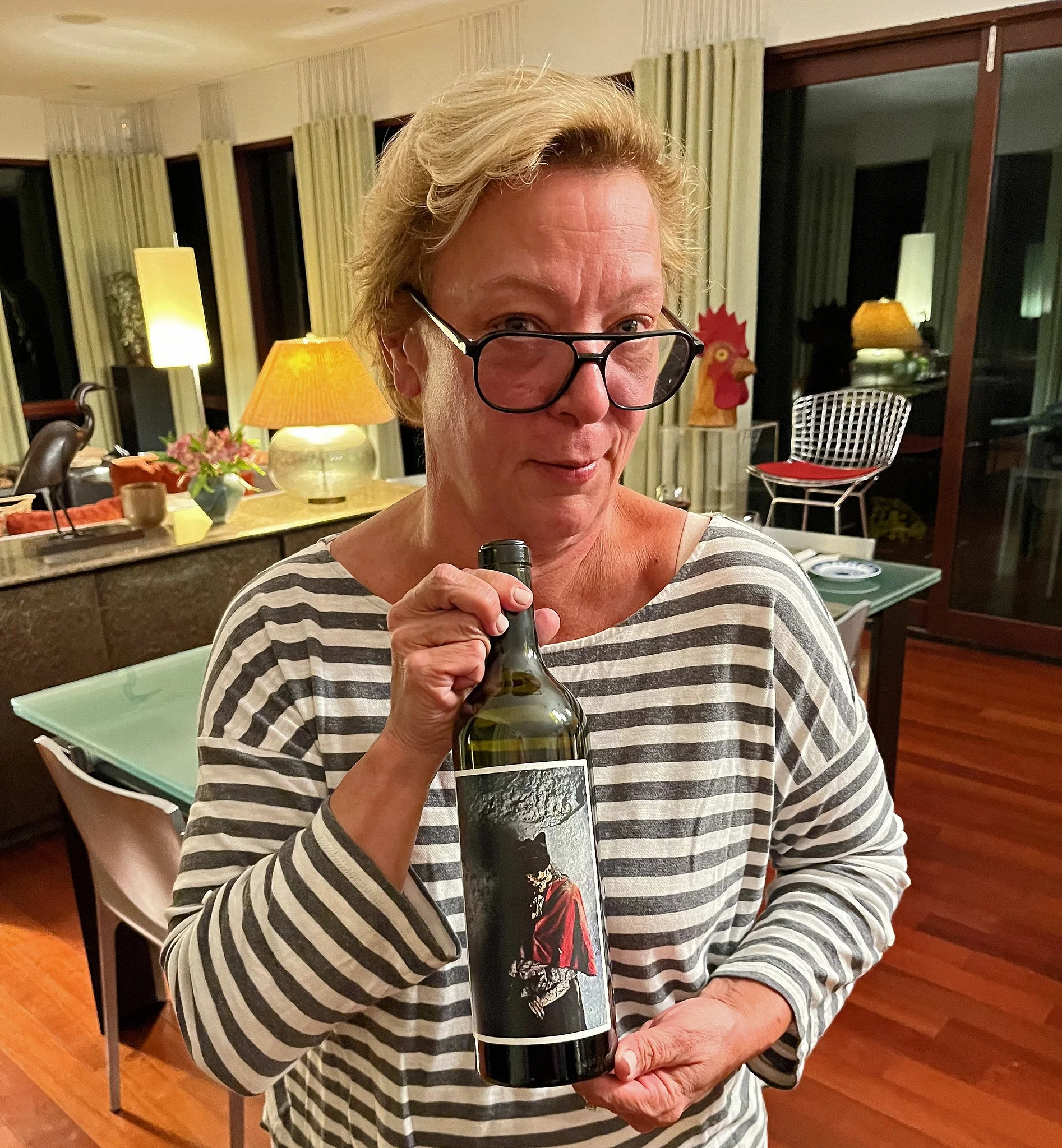
Last night, the birthday codgers were served a wonderful meal and wine by their personal chef, sommelier and flower provider, the talented Madame Jessica Dentzer (aka Julia [our] Child). A magnificent boeuf Bourguignon was well-accompanied by a bold Orin Swift Palermo cabernet sauvignon:

Comment

Comment

In the Right Place: Life with Bernie

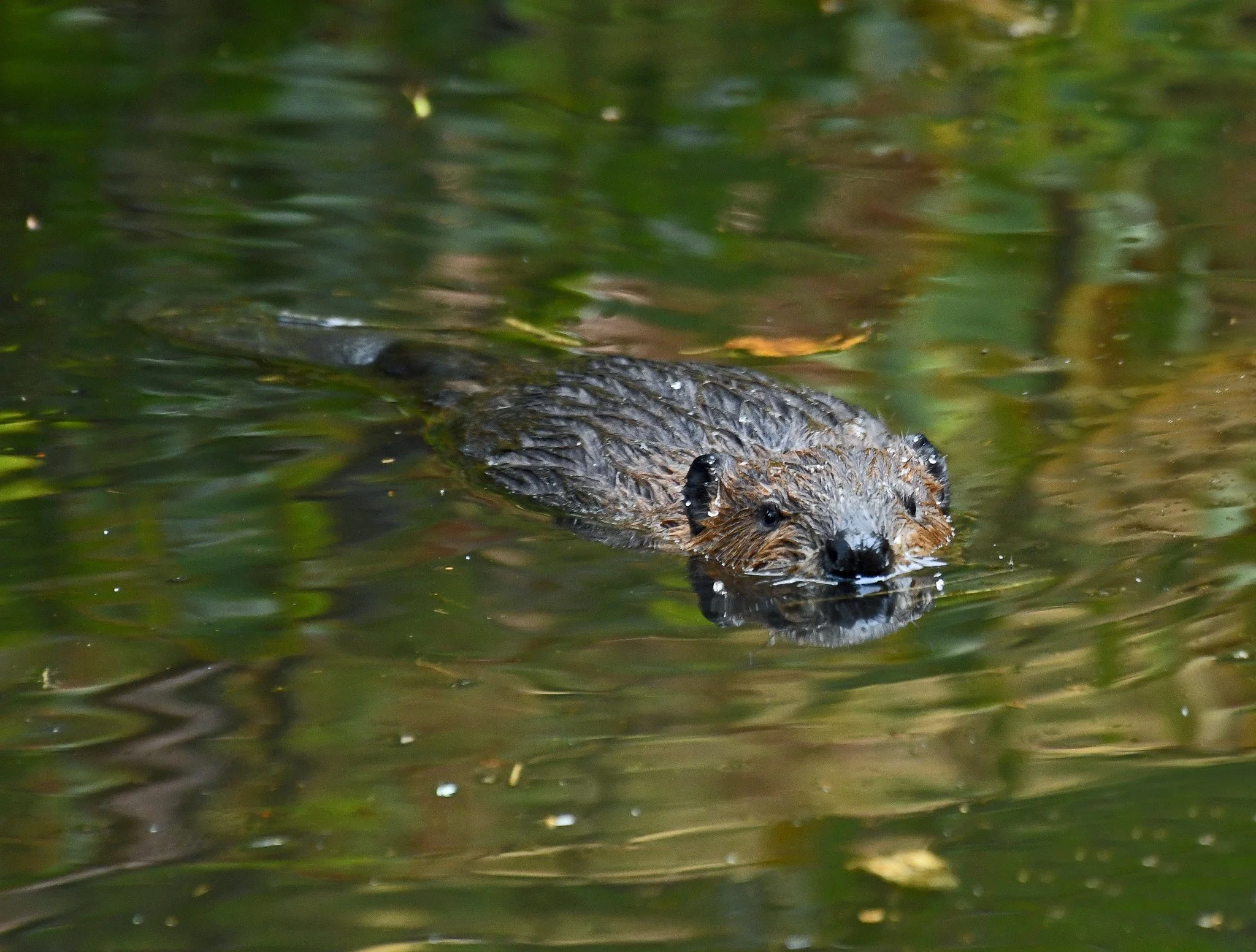
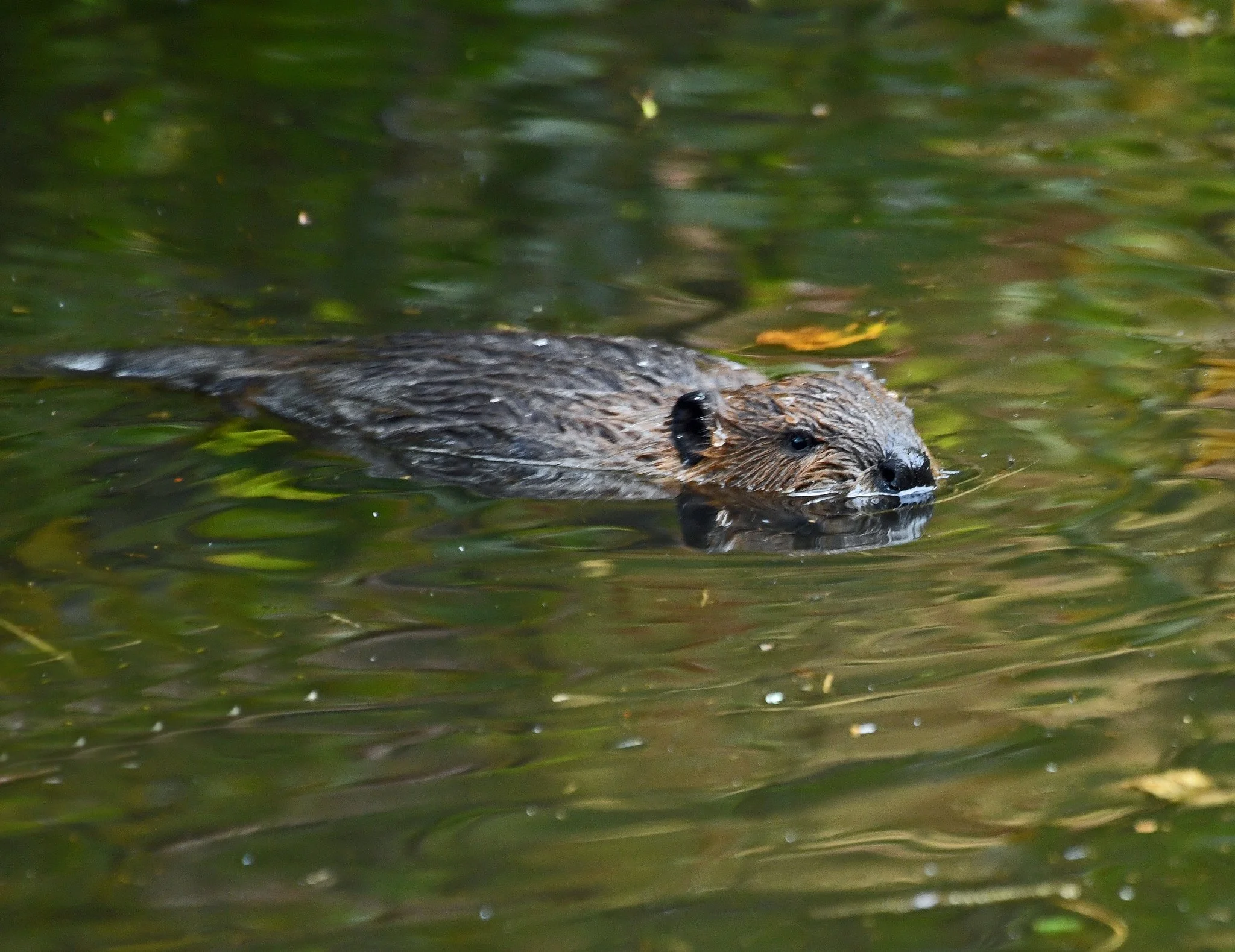
You may remember that an American Beaver visited us in late September, and we weren’t sure what to do about him. Well, he apparently has decided to stay and we still don’t know what to do about him, other than to name him Bernie and see what happens.

This is an image of Bernie at dusk Tuesday, when he was working hard in a pond that he alone created and that apparently still is a work in progress.  He did it by putting up a dam across a stream that acts as an overflow channel from our large pond. Except for his first day here, I have only seen Bernie at dusk, which apparently is when he starts his solo shift at the new pond.

As of yesterday, his dam was about three feet high, which is not nearly the size of some beaver Hoover Dams that I’ve seen. (Not yet, anyway.) He also has taken down at least eight of the many trees in that area. He prefers birch but also has taken down a small maple and several alders as far as I have seen.

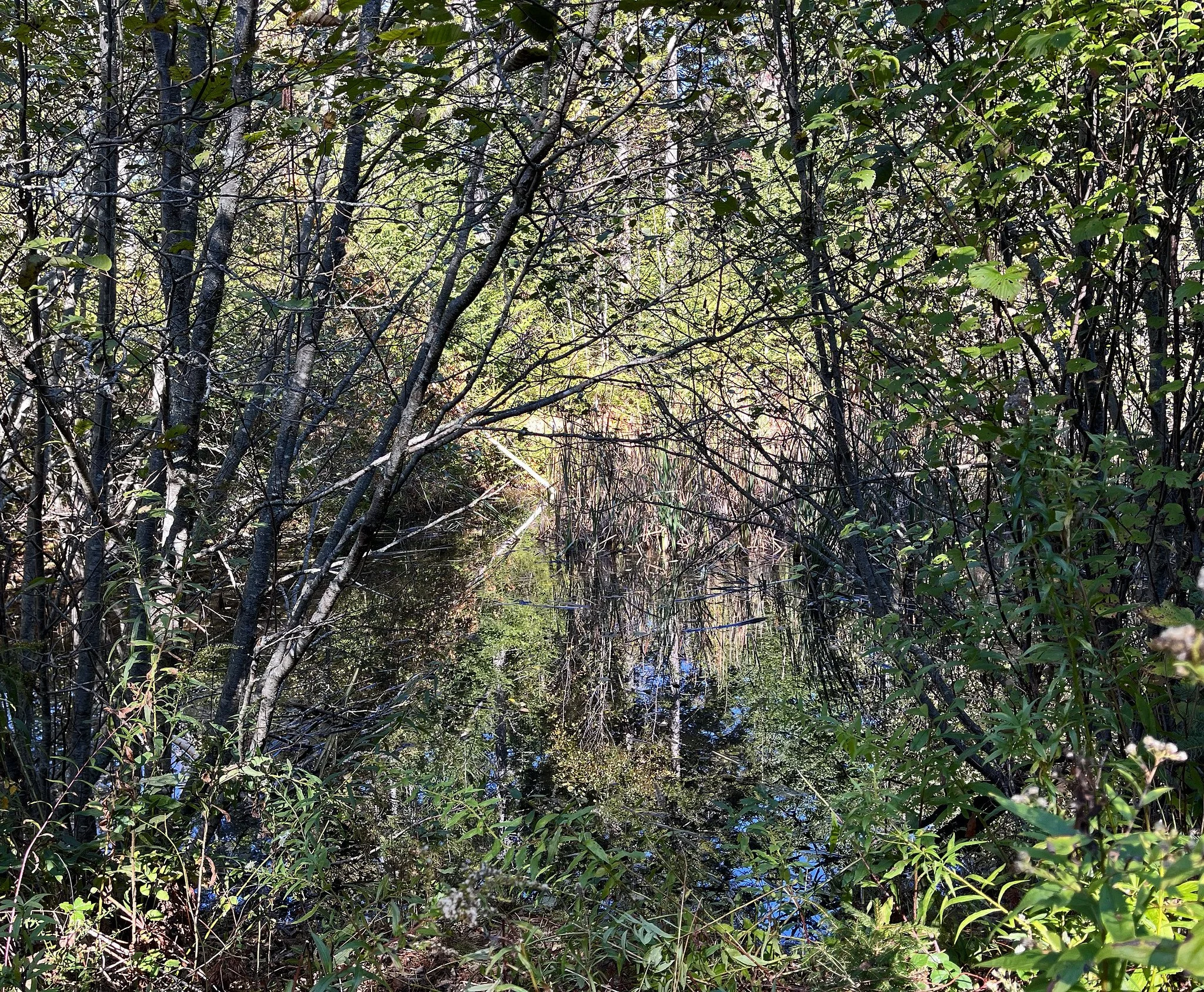
Bernie’s new pond is in a wooded area where a reasonable amount of flooding likely won’t be a problem. In the morning sun, the still, new waters give off reflections of the vegetation that the impressionist Claude Monet probably would like; Bernie probably improved the scene:

Bernie also has created what looks like a relatively small, wood-and-mud-covered residence on a little island in an existing, adjac:ent pond, but I’ve seen no dam engineering going on there. I’ve also seen no signs of another beaver in the whole area.

My hope is that Bernie is one of those crotchety “bachelor beavers” that like to live alone and don’t build large dams or colony lodges. They usually build just enough to protect themselves and then get very territorial about keeping other beavers out, according to the literature.

If that’s what happens, he and we probably will be able to come to an understanding. (Images taken in Brooklin, Maine, on October 7 (Bernie) and 11 (Bernie’s mew pond).
Comment

Comment

In the Right Place: The Last of the Queens?

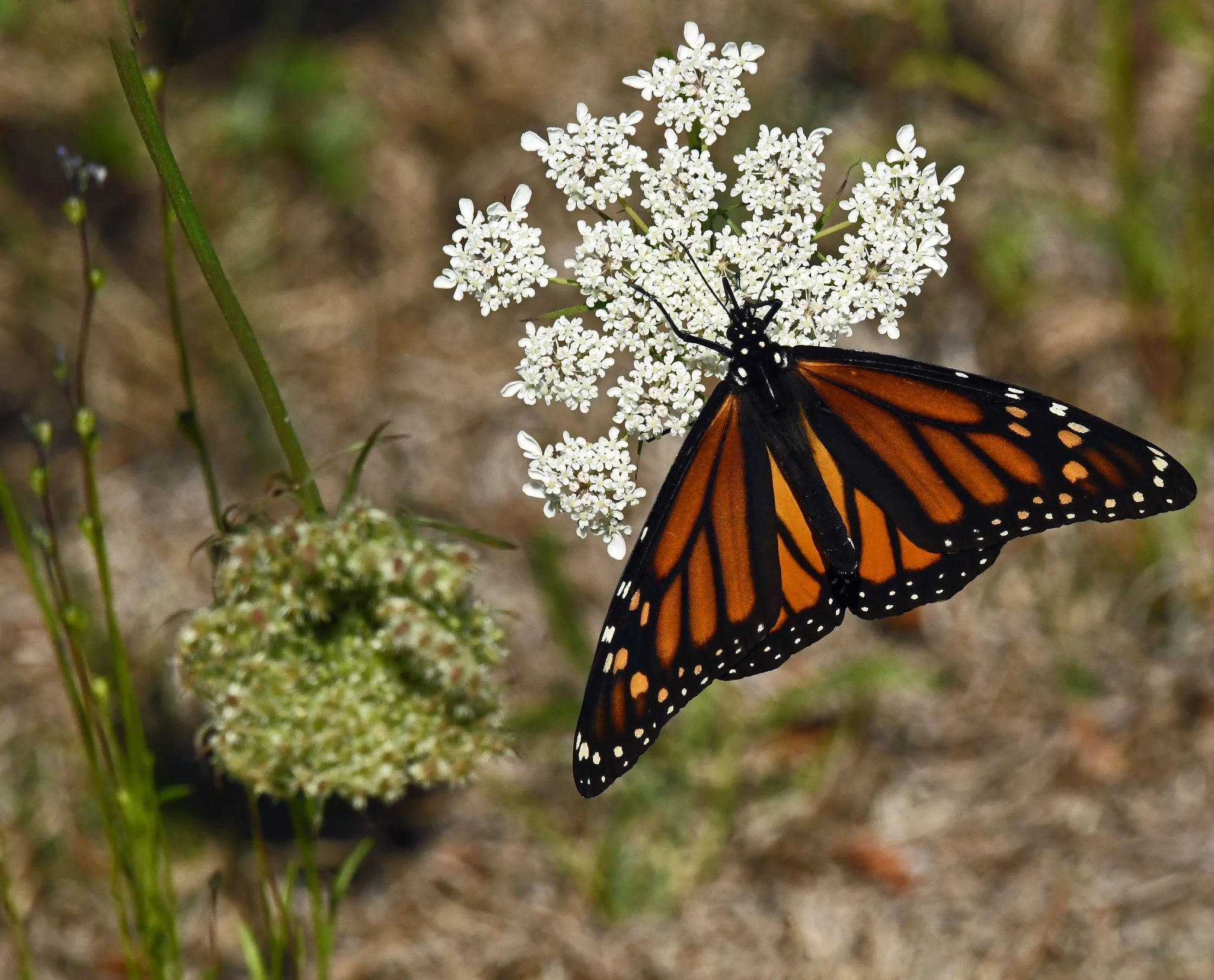
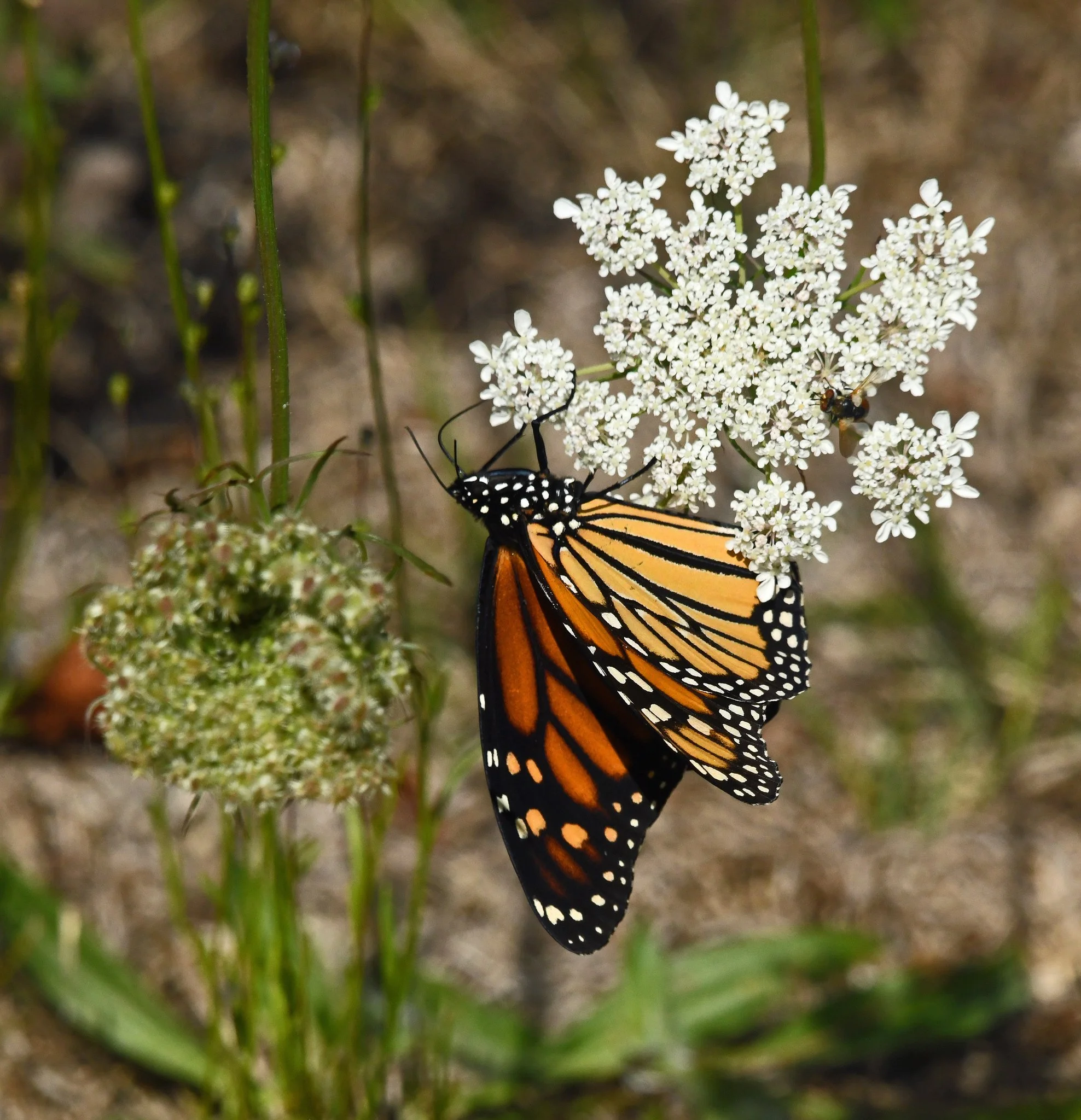
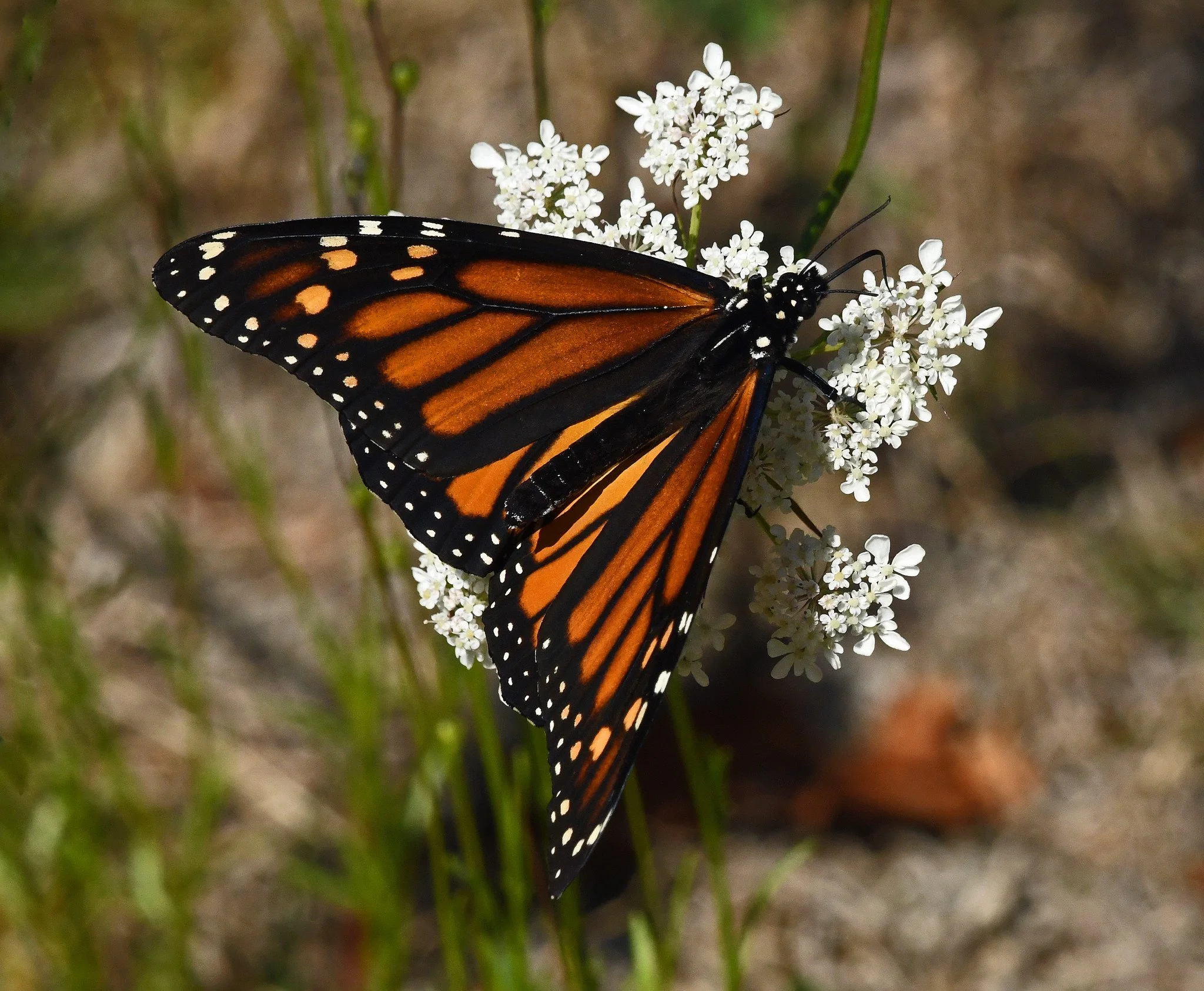
Here we see one of the last royal female insects on one of the last royal female flowers. That’s a female monarch (i.e., queen) butterfly trying to find nectar in a Queen (i.e., monarch) Anne lace flowerhead yesterday when the temperature was 55° (F).

Judging from her awkward flight, I don’t think that this beauty is part of the monarch migrating “super generation” that has the special genes to live longer and be stronger than the year’s prior generations. Those pilgrims left for Mexico in September, I believe. I think this butterfly was born in Maine this year and will die here, perhaps before all the royal lace does.

(Images taken in Brooklin, Maine, on October 11, 2025.)

Comment

Comment

In the Right Place: October Revelations

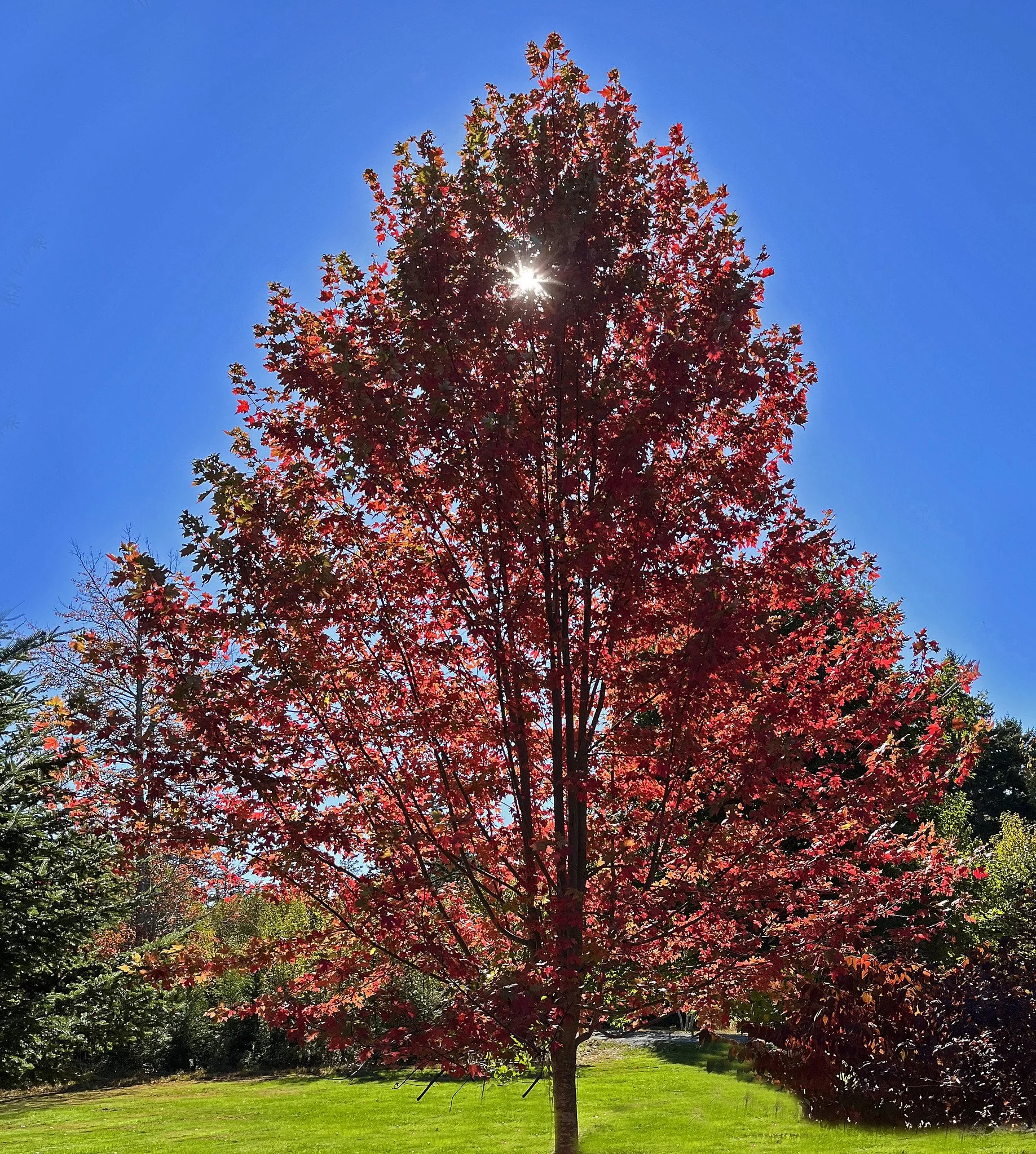
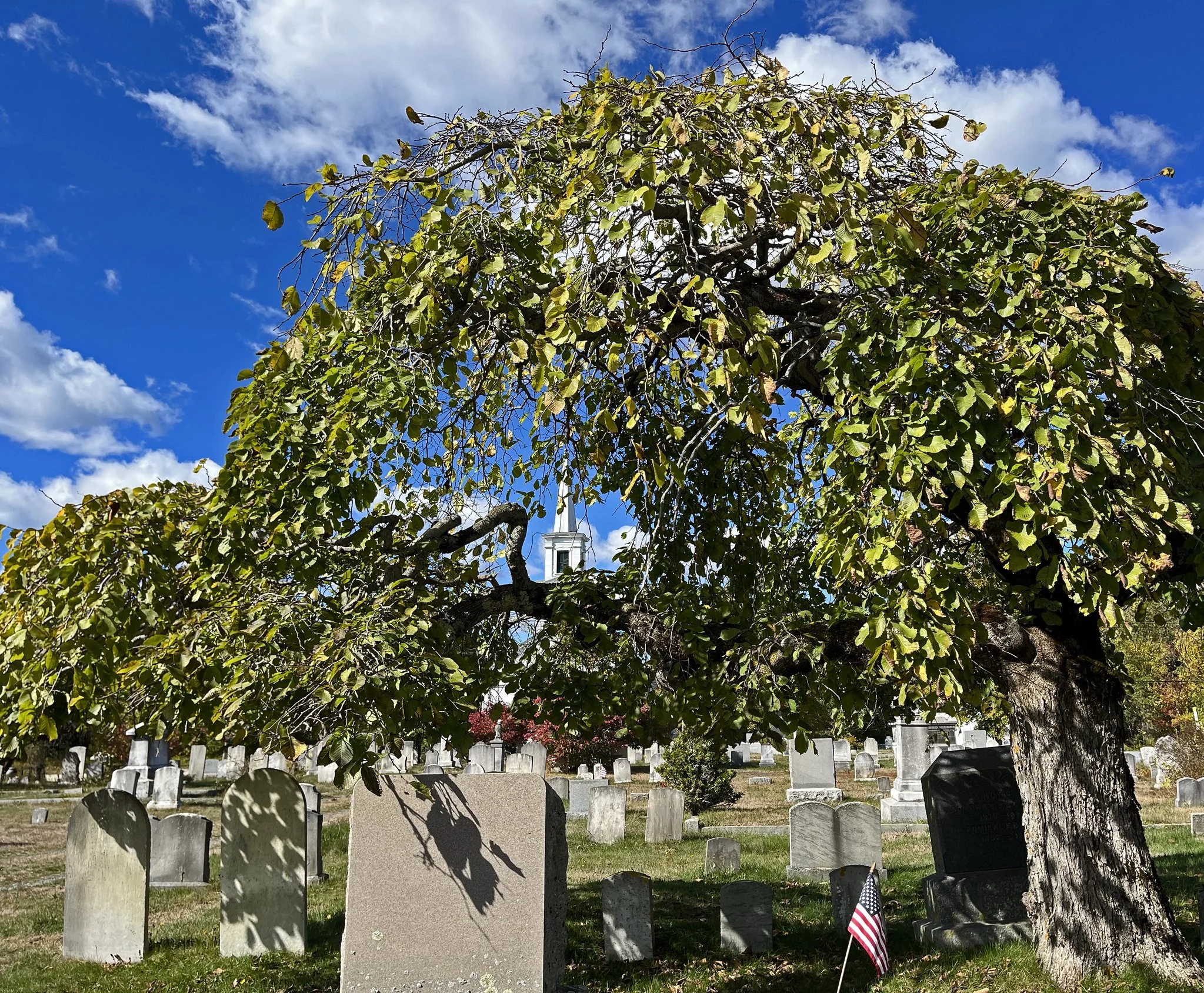
Leaf-by-leaf, our deciduous trees are slowly revealing their intriguing inner selves and provoking our imaginations.

Above, you see a young, glowing red maple, standing straight and true and silhouetted stylishly in the October sun, seemingly daring us to stare at her. Below, you’ll see a very old, seemingly aching, Camperdown elm bending to keep shading her assigned graves from that same sun, while no longer being able to hold her leaves well:

(Images taken in Brooklin, Maine, on October 9, 2025.)

Comment