Comment

In the Right Place: Dam Right They Can

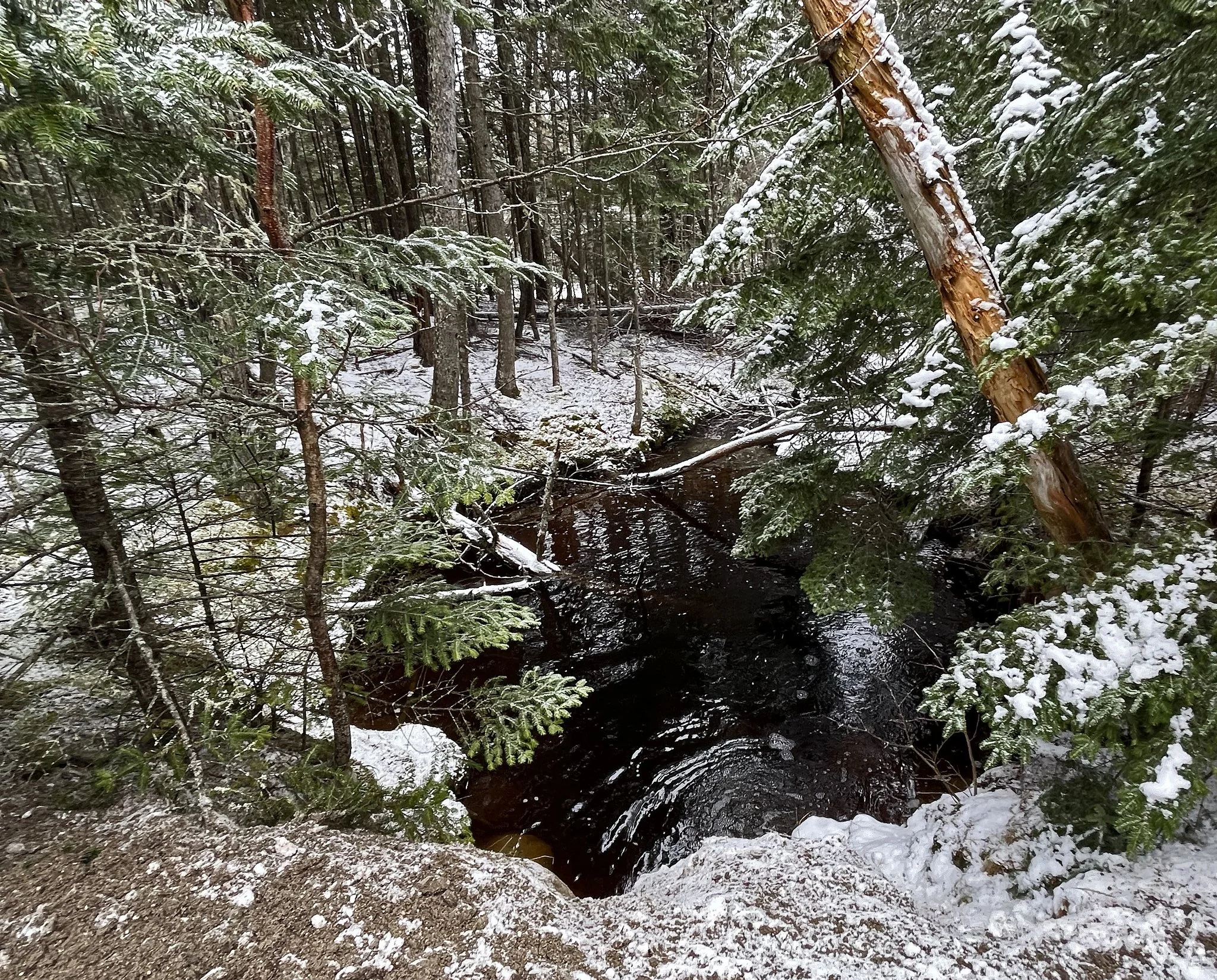
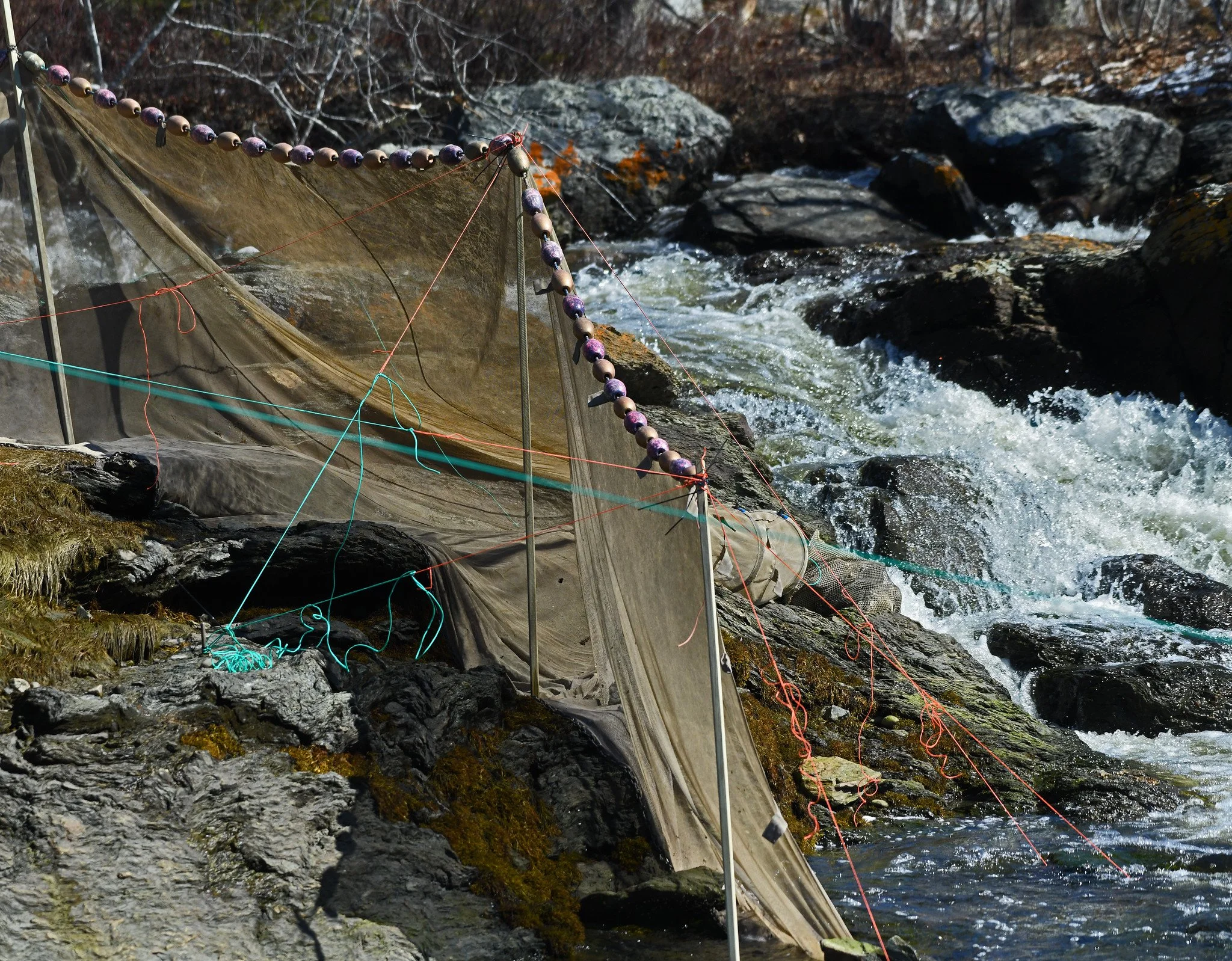
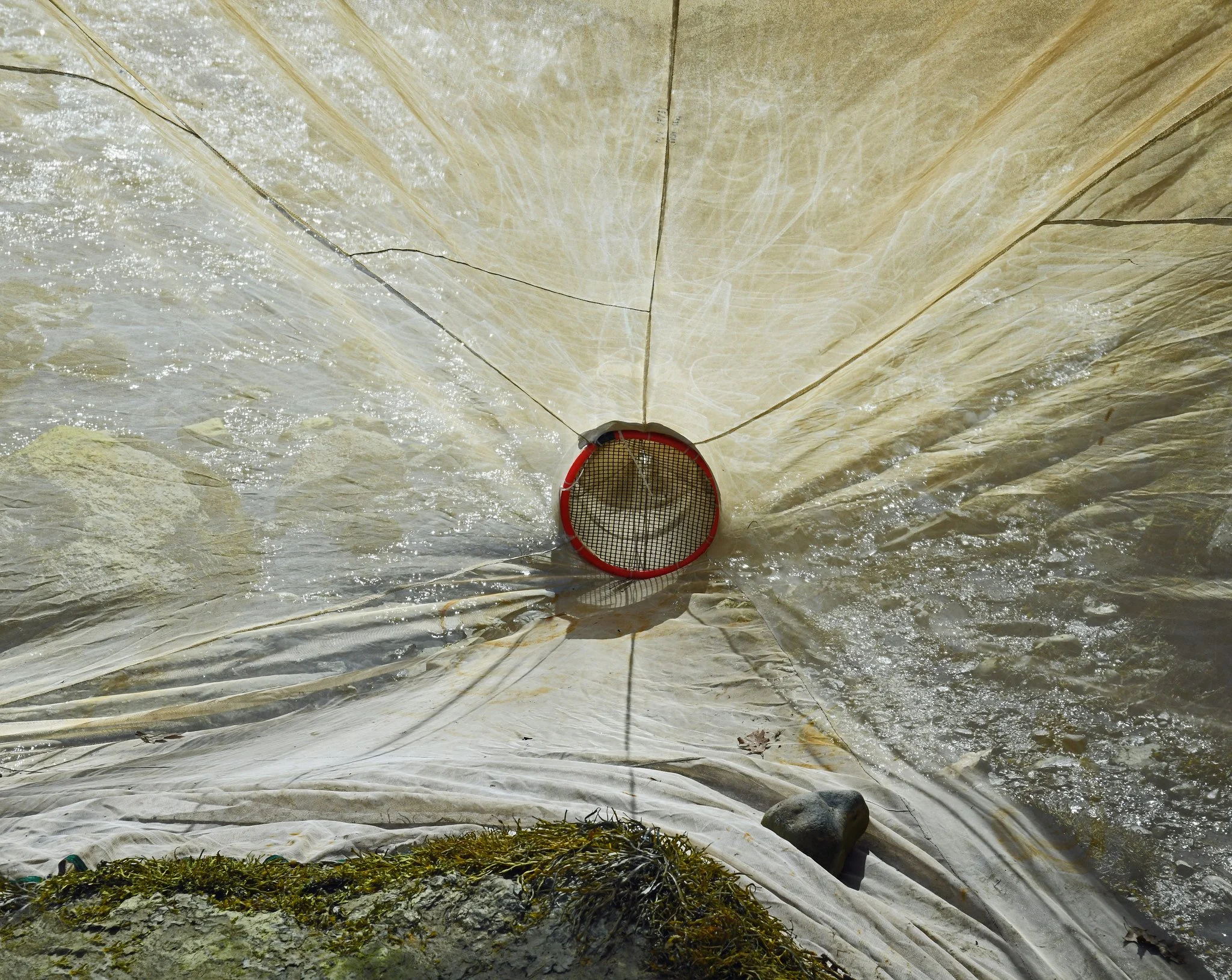
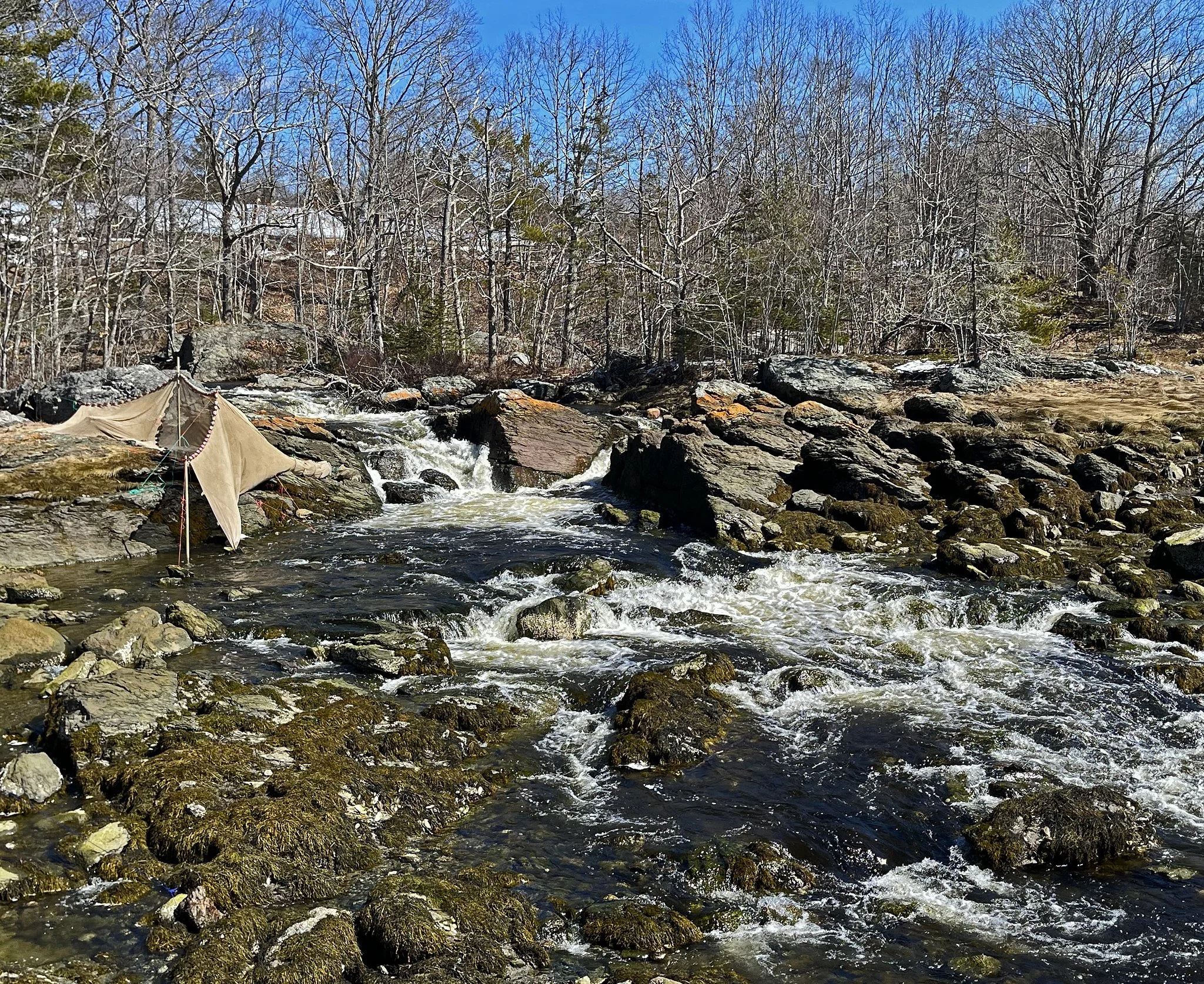
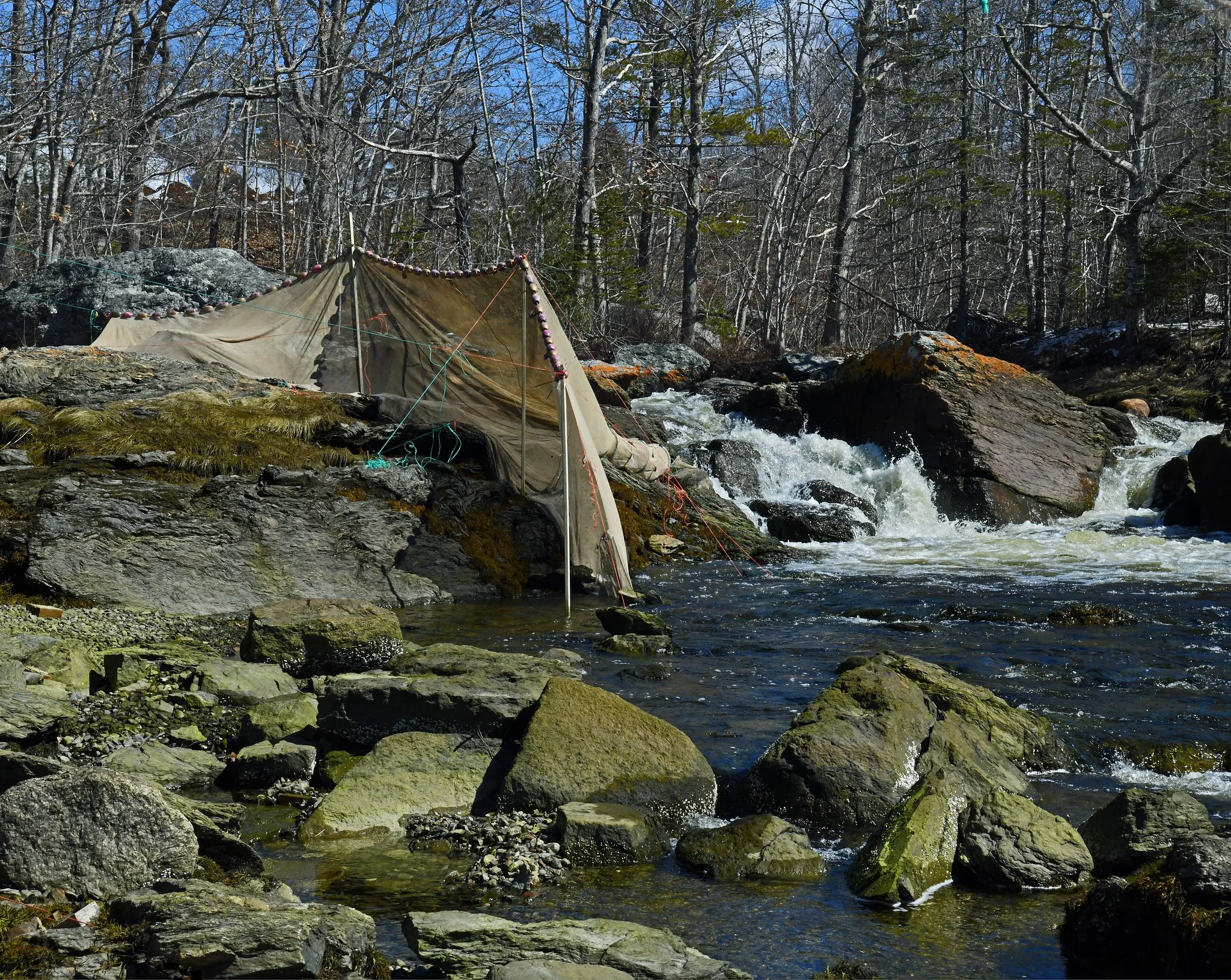
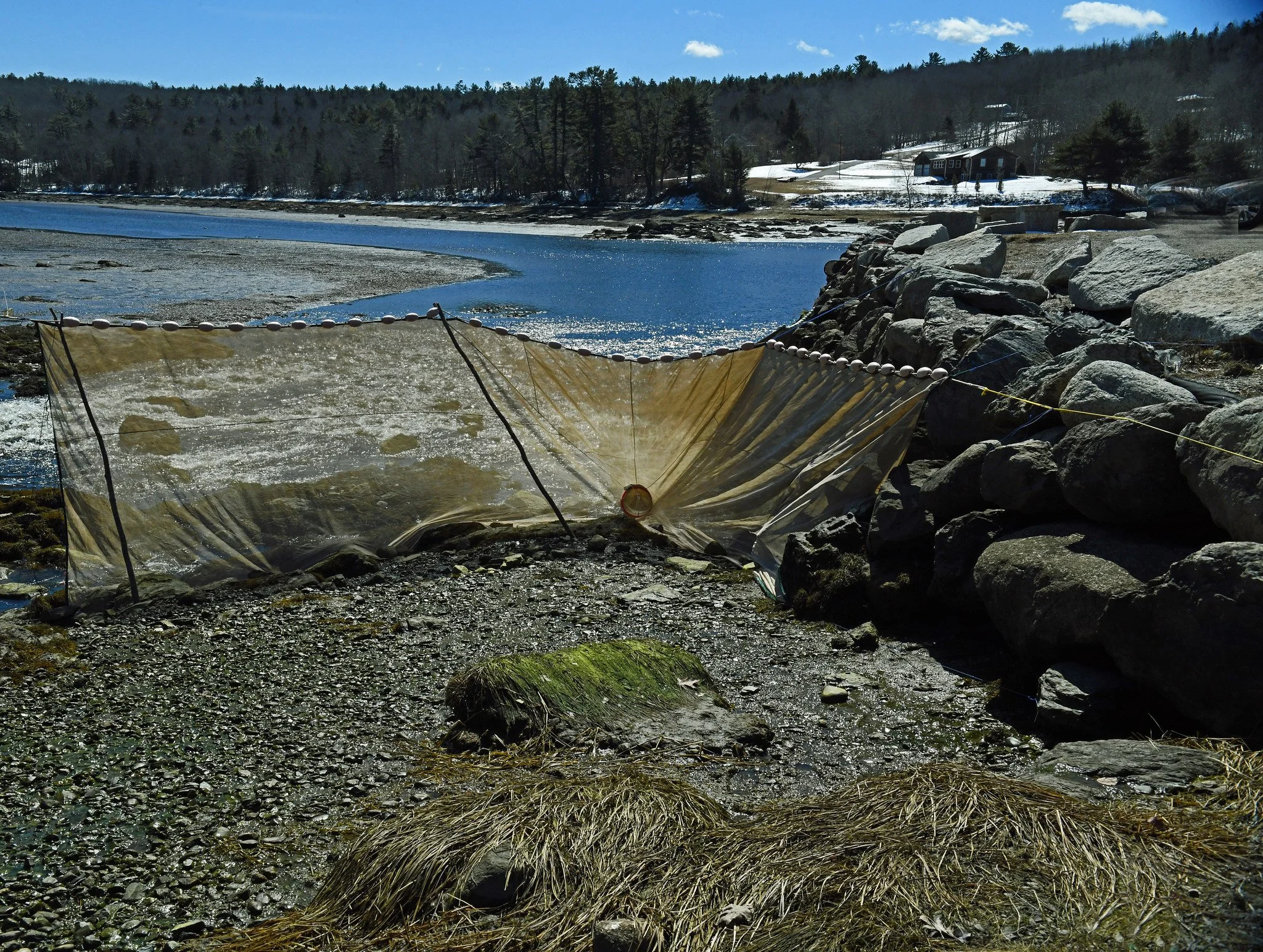
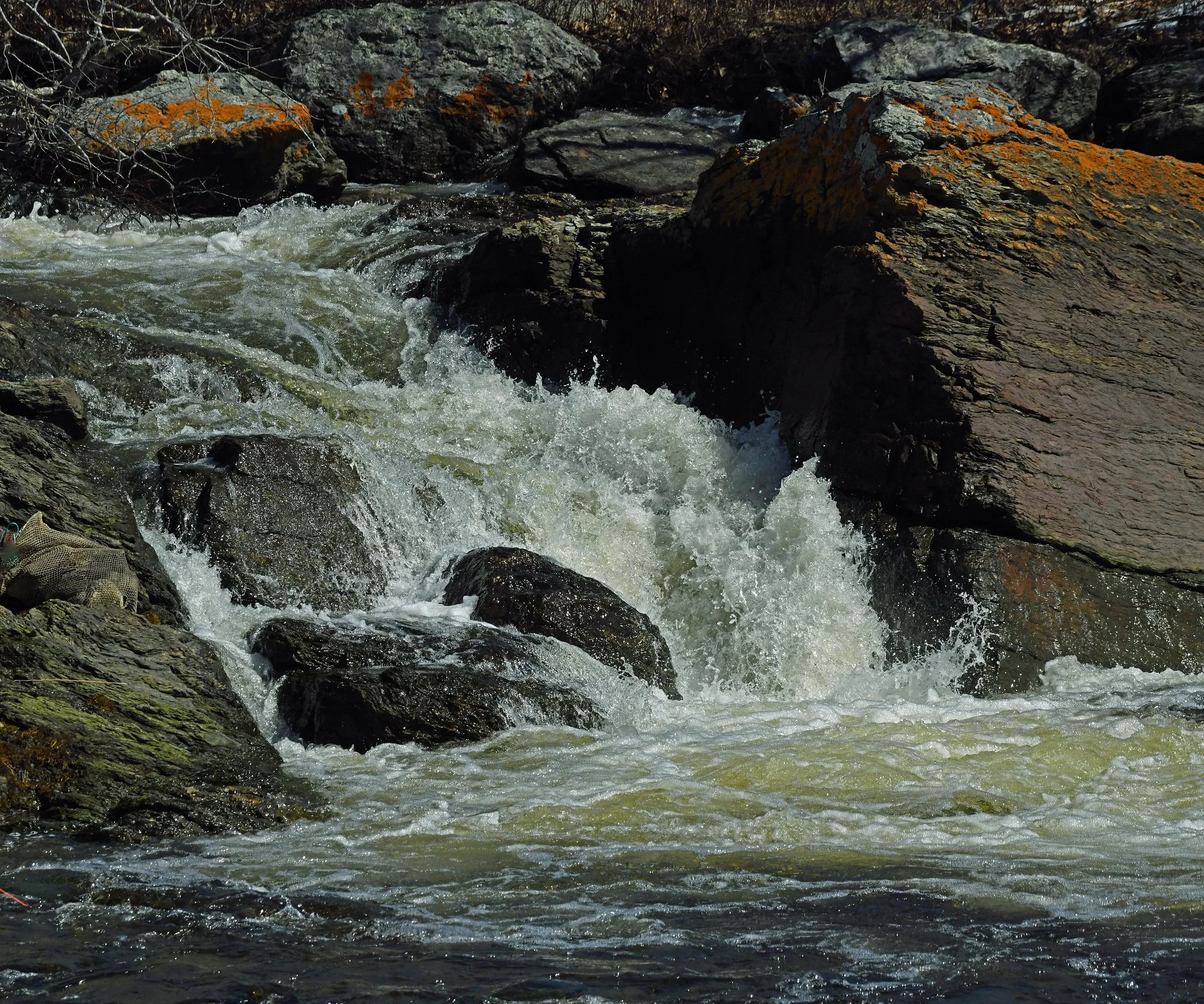
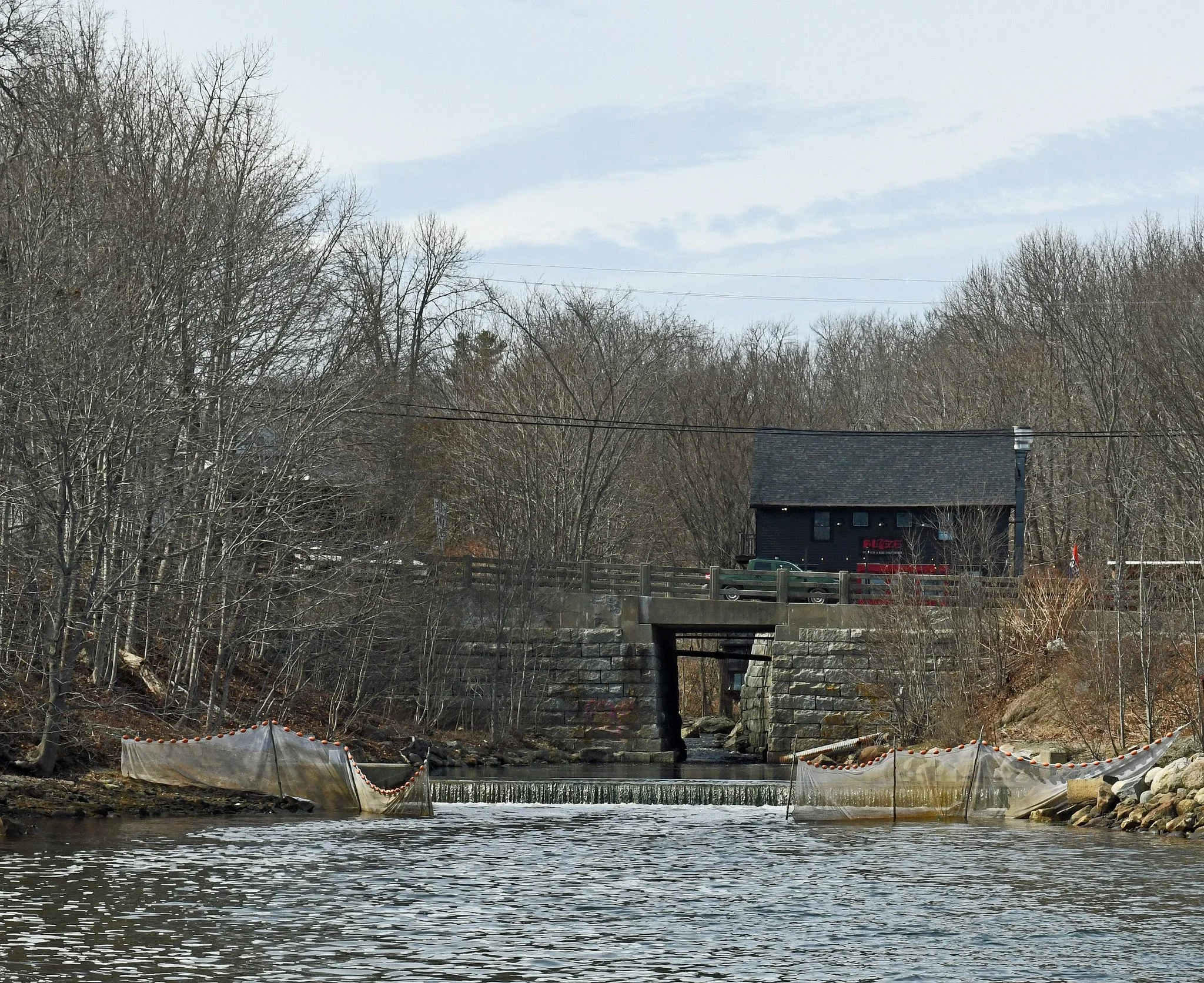
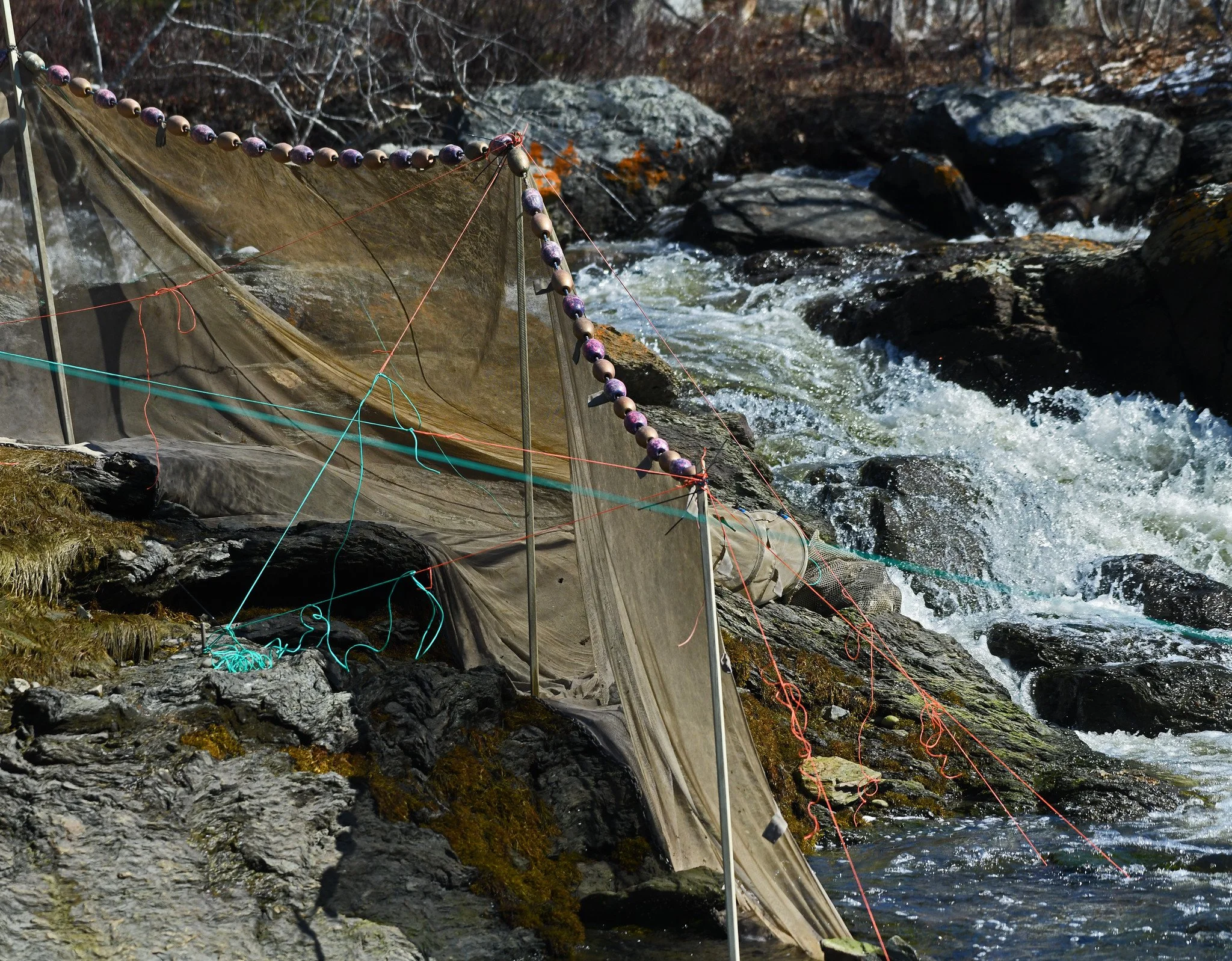
Here you see Fyke funnel nets in Mill Stream trying to trap glass eels just below the dam at Blue Hill Bay. These migrating immature American eels (sometimes called elvers) swim up our streams to spend the best years of their lives in freshwater. But you might wonder how they handle a dam such as this,
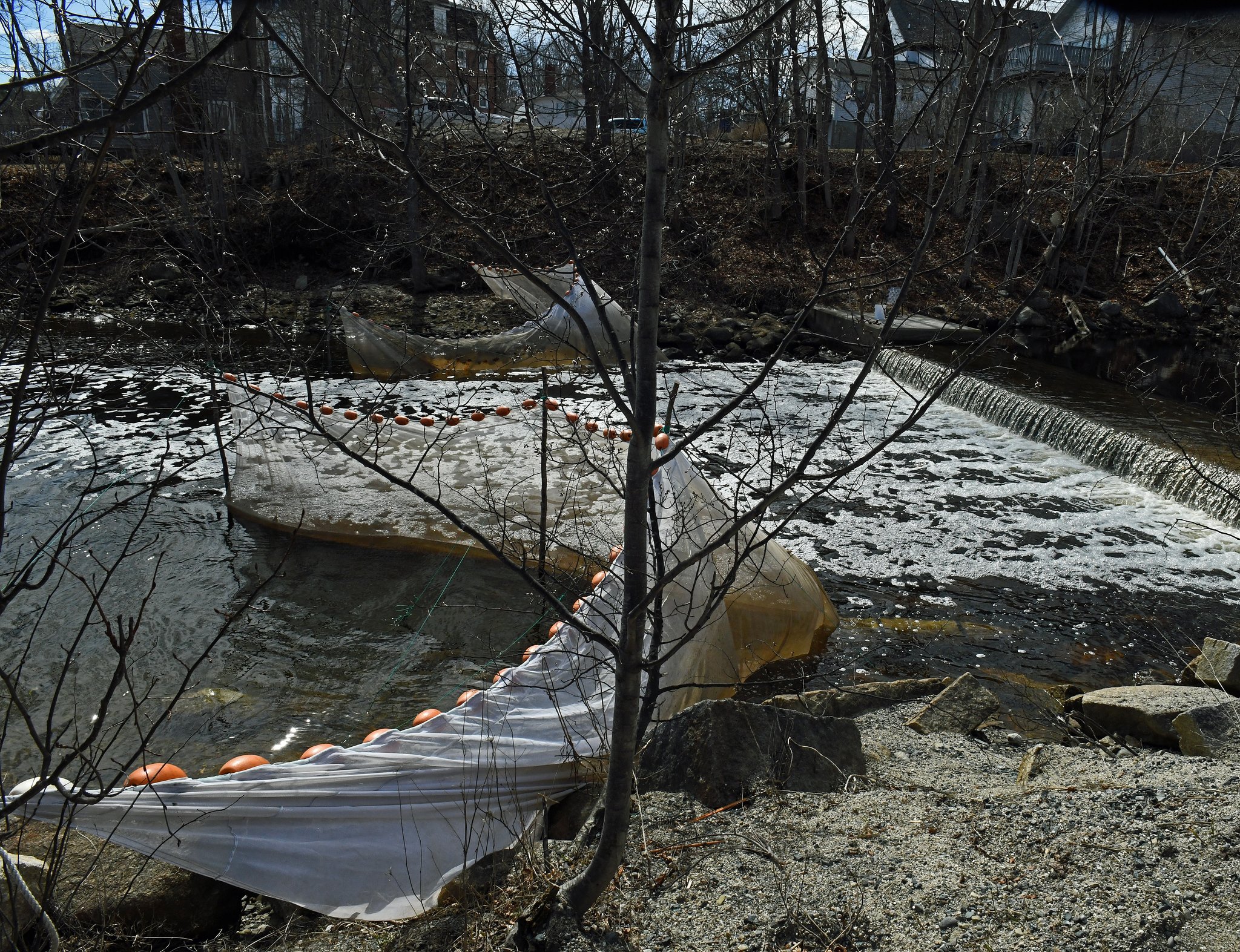
During some high tides in the spring, the Bay water reportedly comes in over this dam, which makes it easy at those times. However, glass eels have been known to wriggle up the wetted, vertical surfaces of some dams, often at night, though they much prefer man-made specialized eel ramps or ladders. (Images taken in Blue Hill, Maine, on April 4, 2026.)
Comment

Comment

In the Right Place: Let It Rain

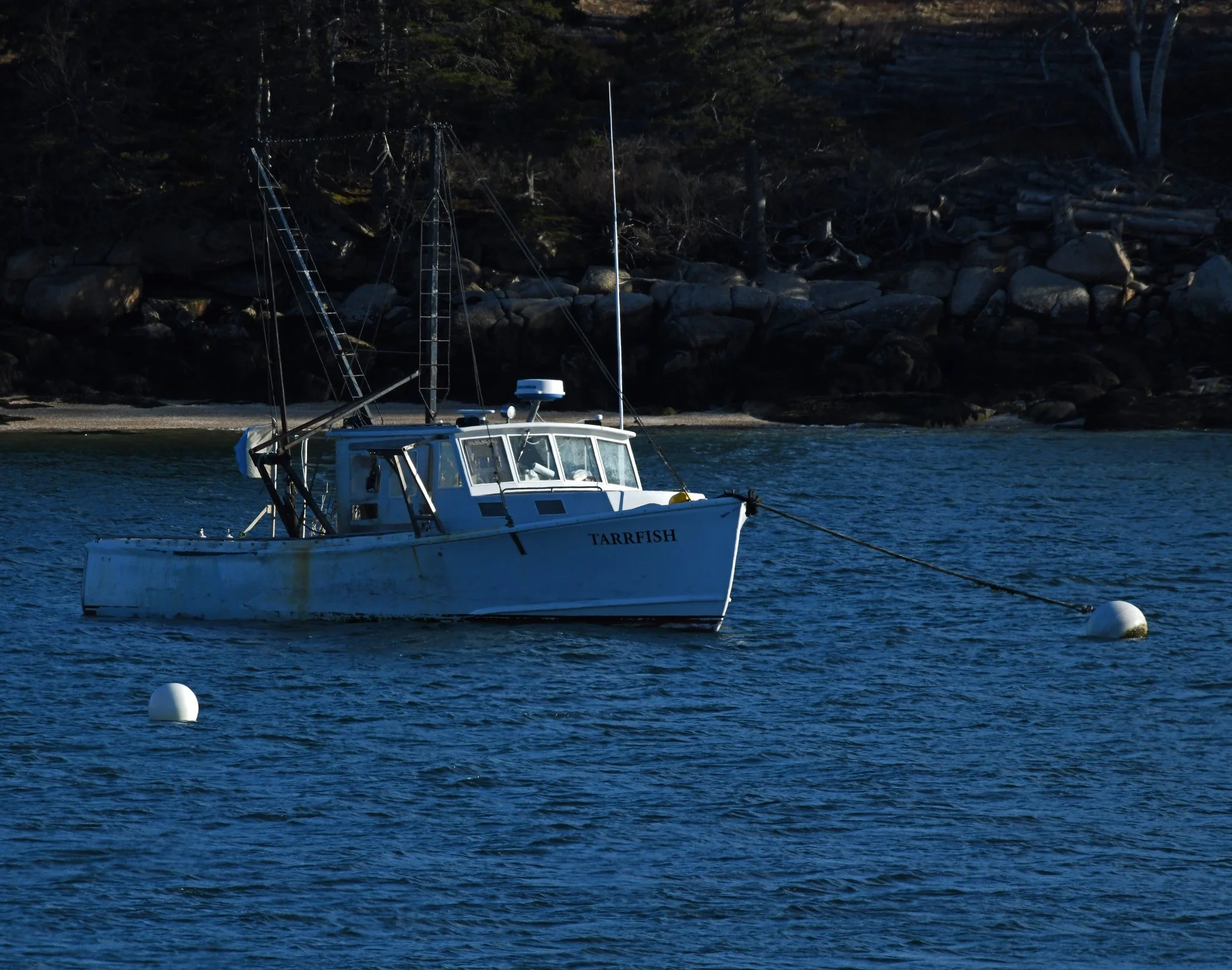
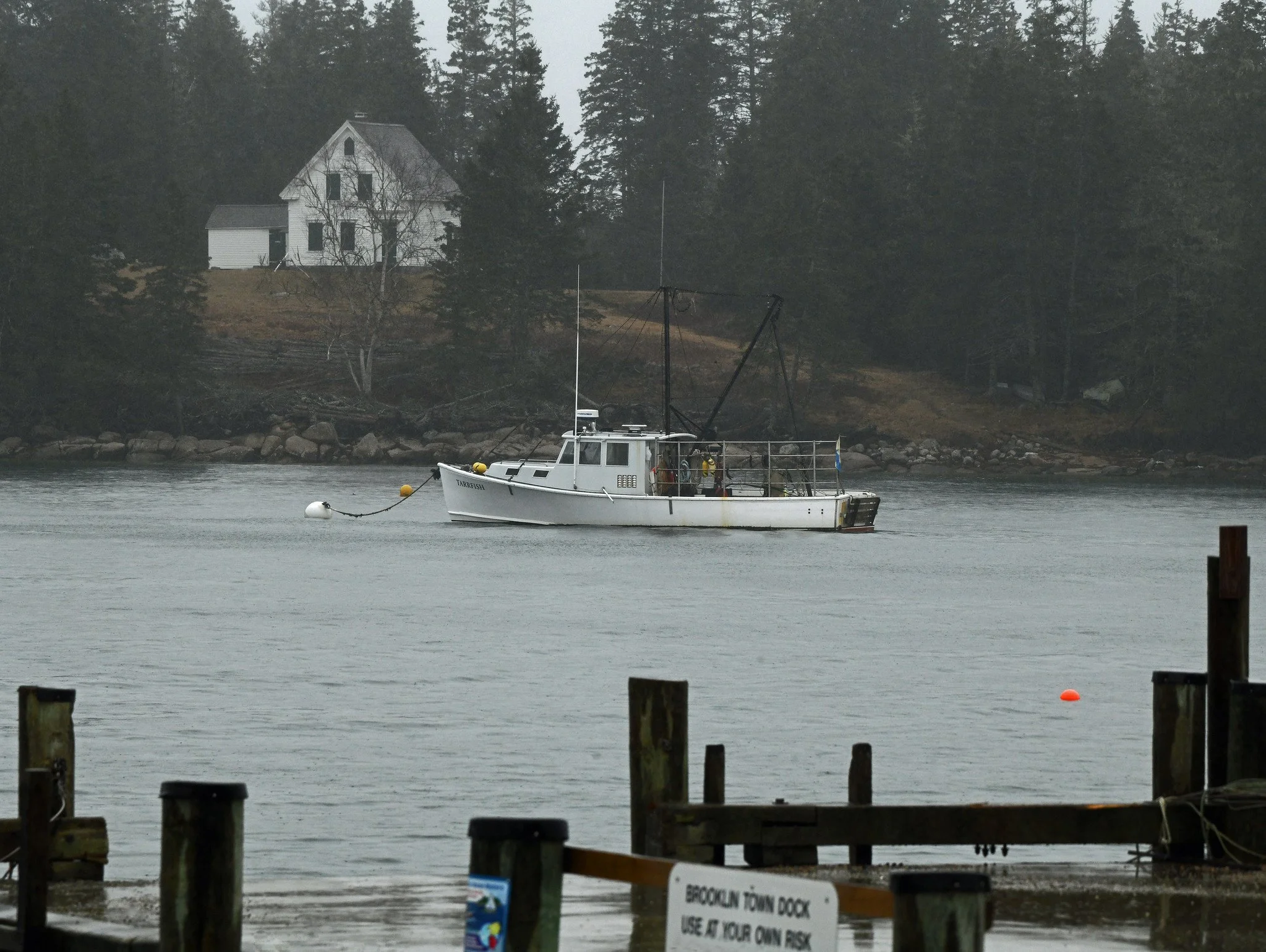
Here’s an image of an uncomplaining Tarrfish in yesterday’s rain. Today is clear, but April showered us each of her first three days and the hope is that she will relieve us of the severe drought that we’ve been suffering since fall.

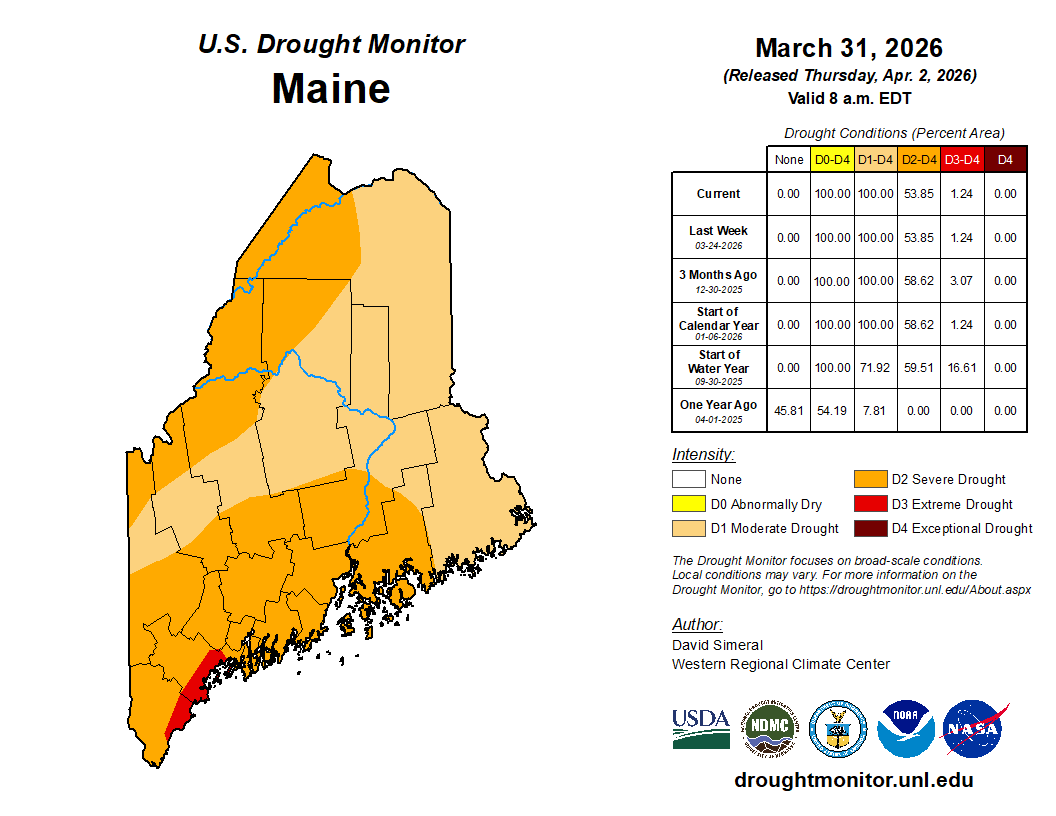
During the last week of March, temperatures were above normal across most of New England, but Maine and New Hampshire observed below-normal temperatures (2–8 °F), according to the U.S. Drought Monitor. Despite the snow and rain that we received in March, there was no significant improvement in our drought intensity, as you’ll see in this week’s USDM map::.

We need as many gloomy, rainy days as April has in her weather warehouse to ensure that the water soaks into the soil. (Photo taken in Brooklin, Maine, on April 3, 2026.)
Comment

Comment

In the Right Place: Bad Breath Beauties

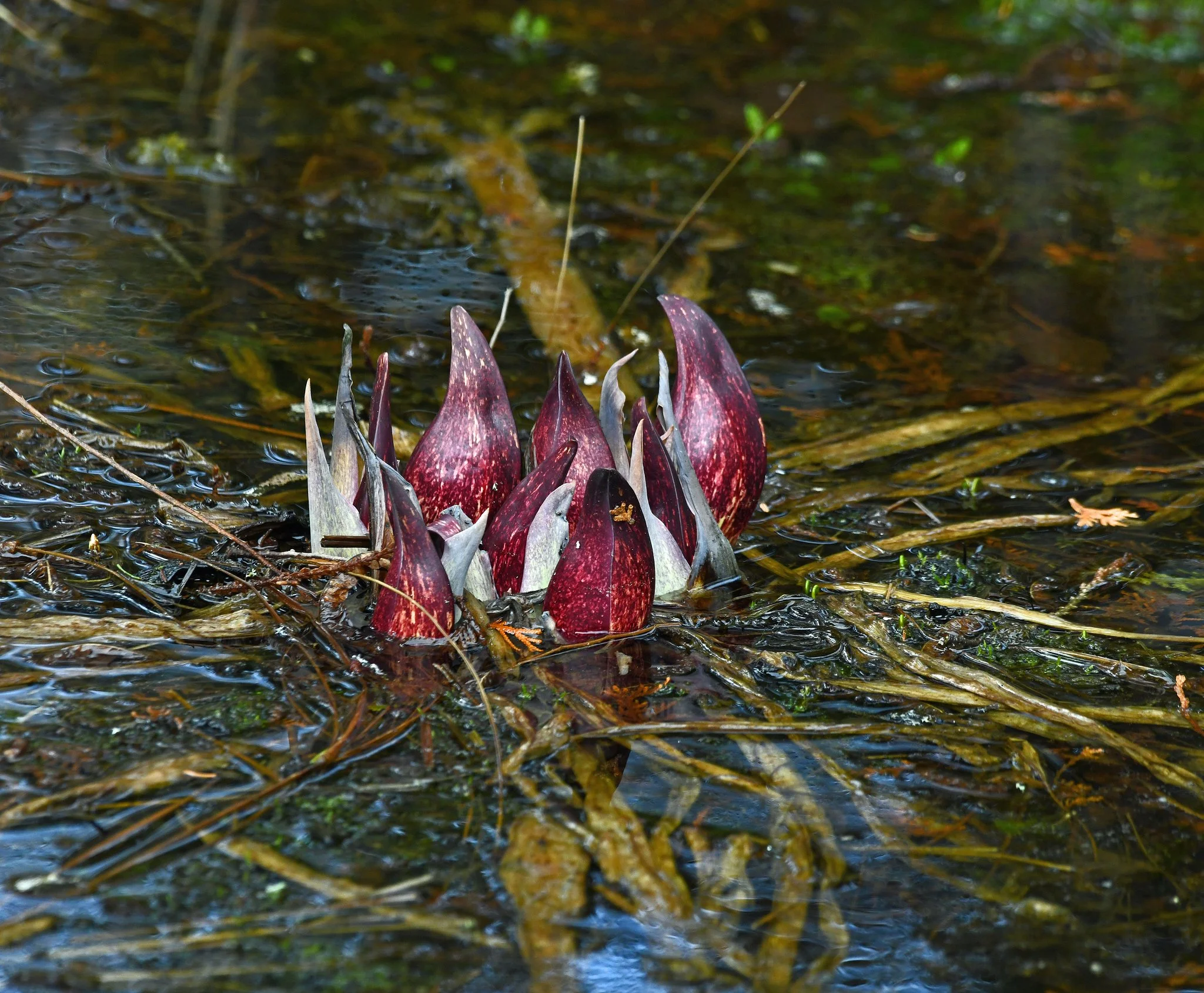
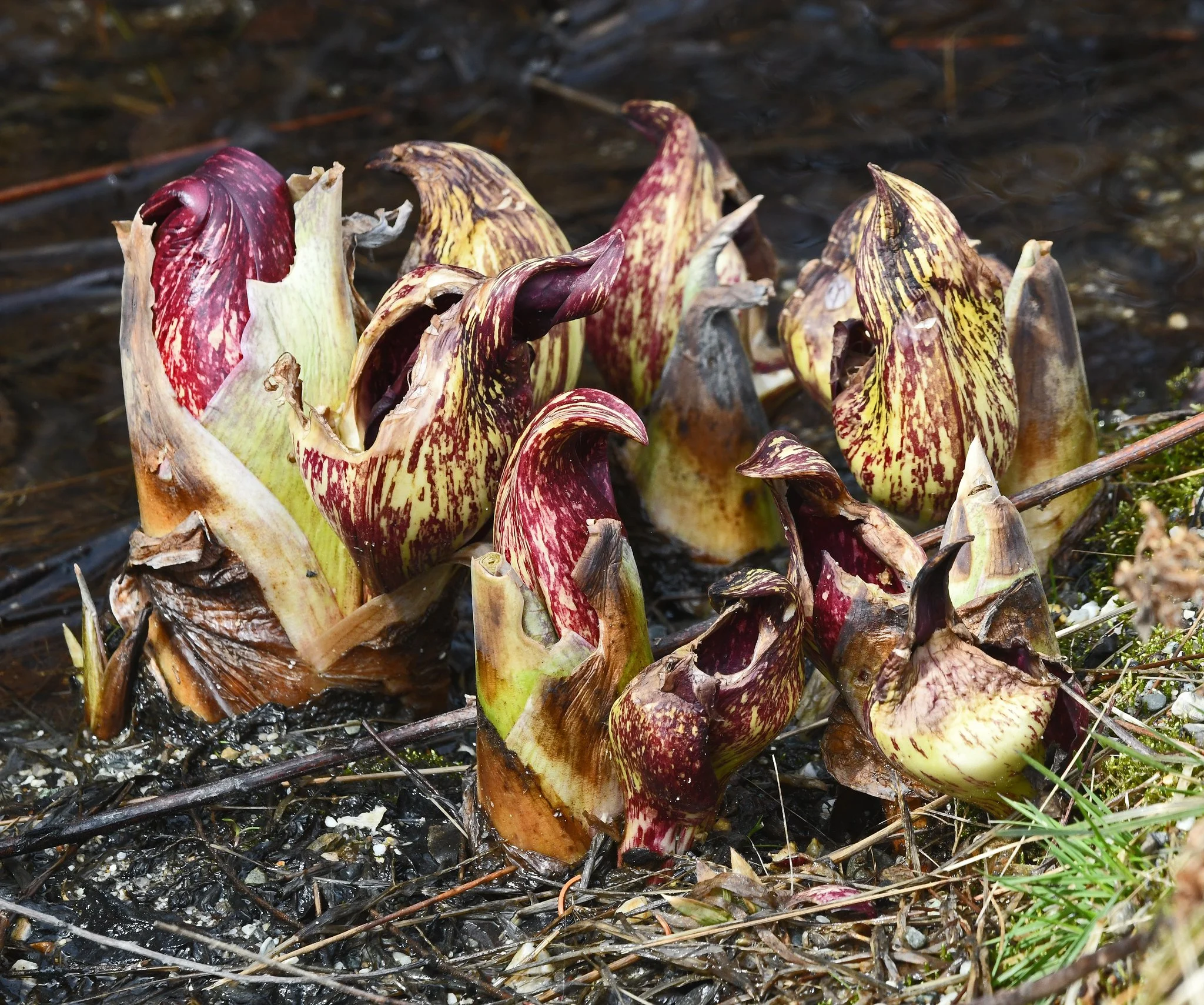
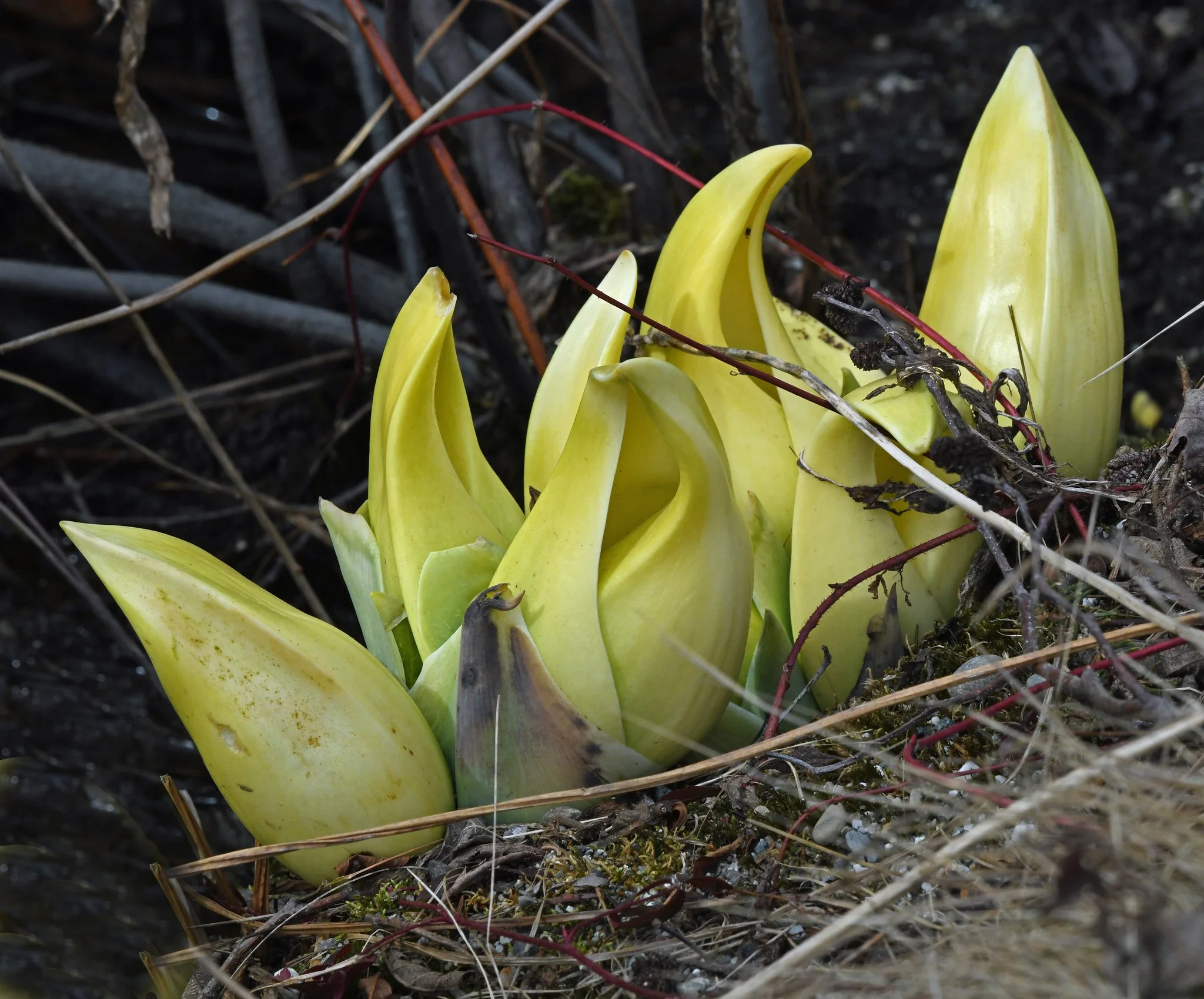
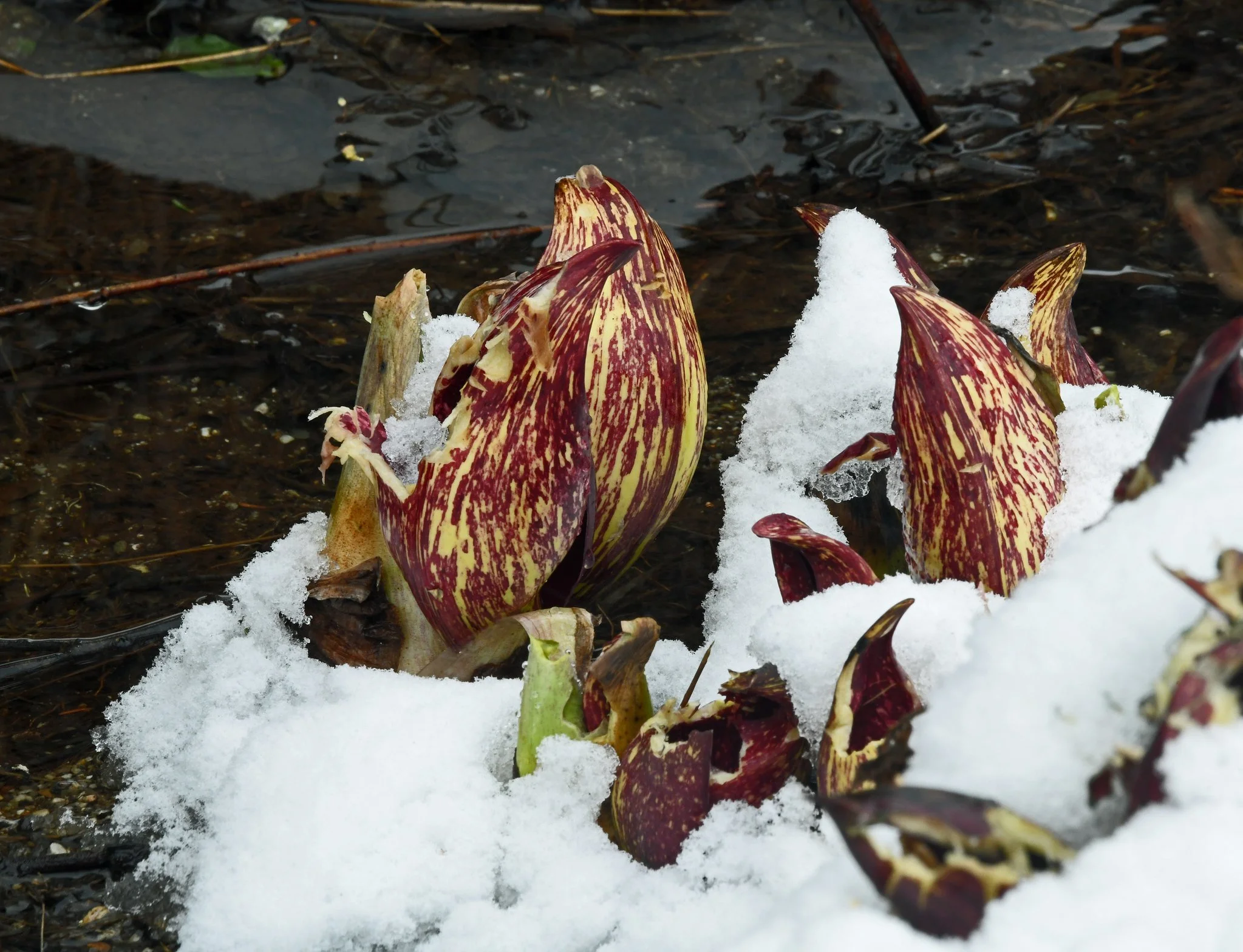
April is doing a good job showering away March’s discarded snow and watering the eastern skunk cabbages. This spring’s crop of those beauties with bad breath may be one of our best. Their curly spathes (flower-protecting modified leaves) are especially varied in color this year.

The color variations in the spathes apparently are caused by natural, inherent genetic diversity and environmental adaptation. These variations, often resulting in marbling or solid colors, serve to camouflage the plant against early spring leaf litter. 

The spathes usually last only a few weeks before the plants’ large and lush green leaves fully emerge and grab as much light as they can. (Images taken in Brooklin, Maine, on April 2, 2026.)
Comment

Comment

In the Right Place: Long Shots

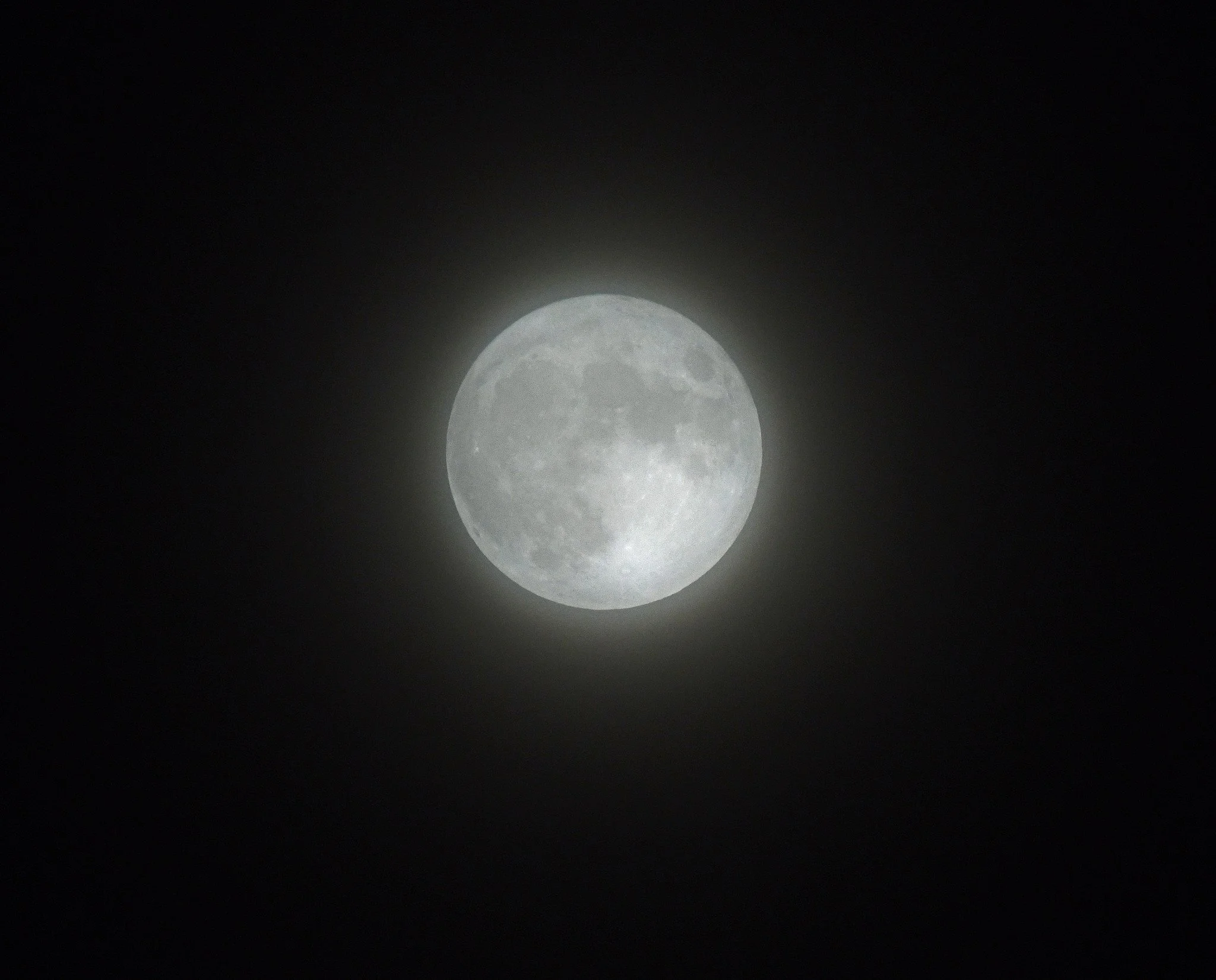
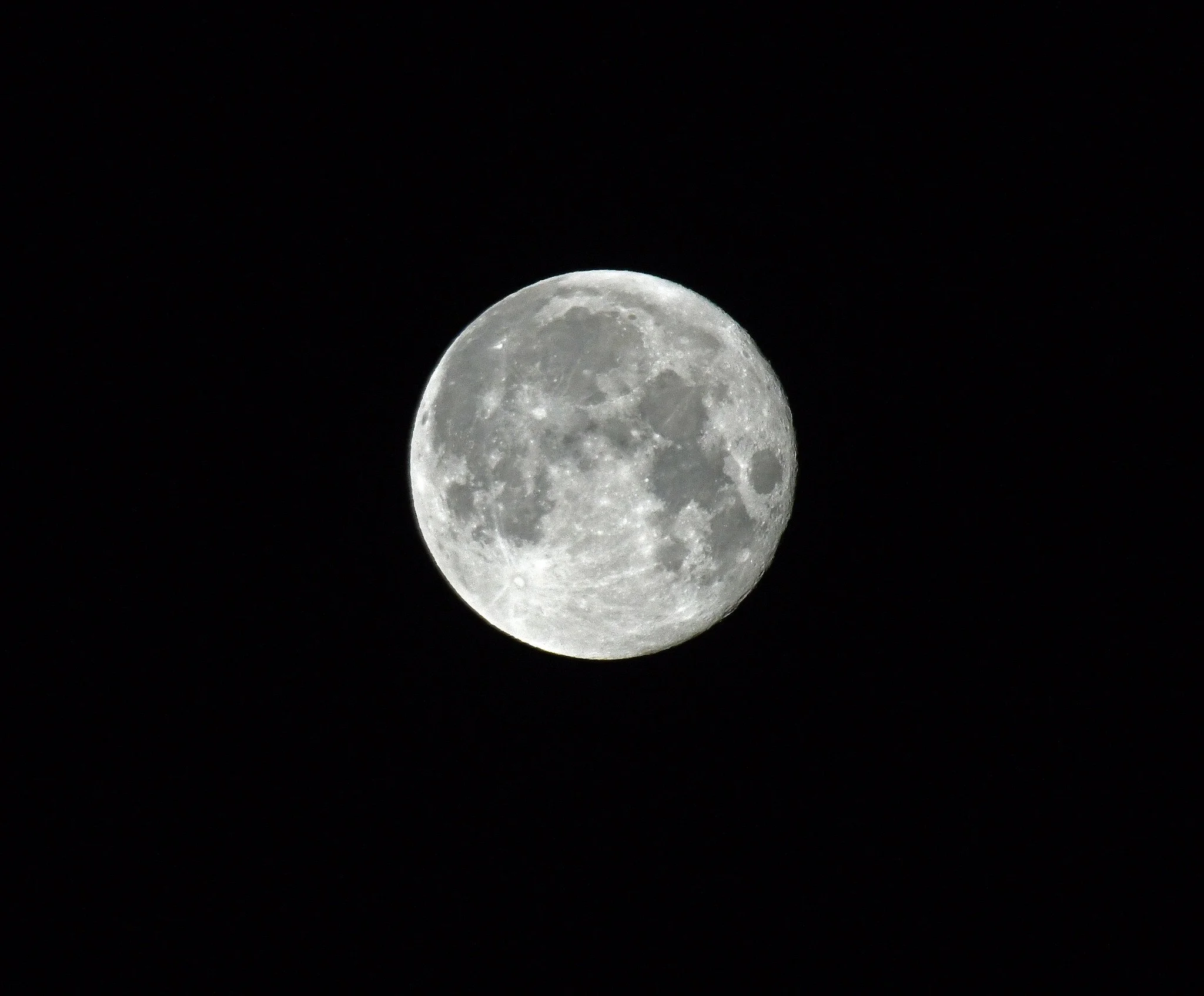
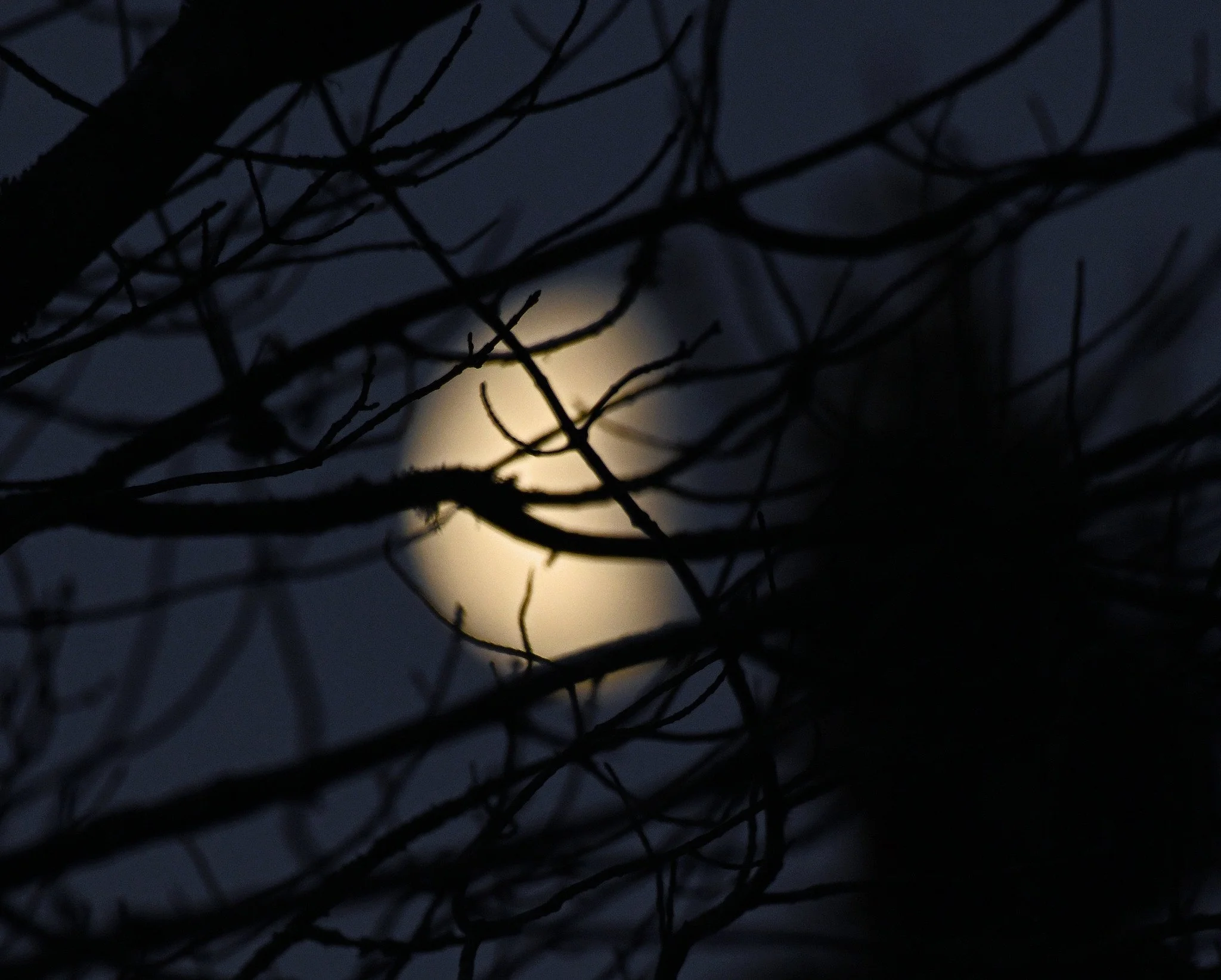
April’s full moon was behind clouds last night, as you can see, but I had no problem finding it. Nor do I think our Artemis II rocket team will have any problem finding it, after watching their breath-taking launch yesterday. But I have to admit that I’ll be nervous until these brave astronauts return safely.

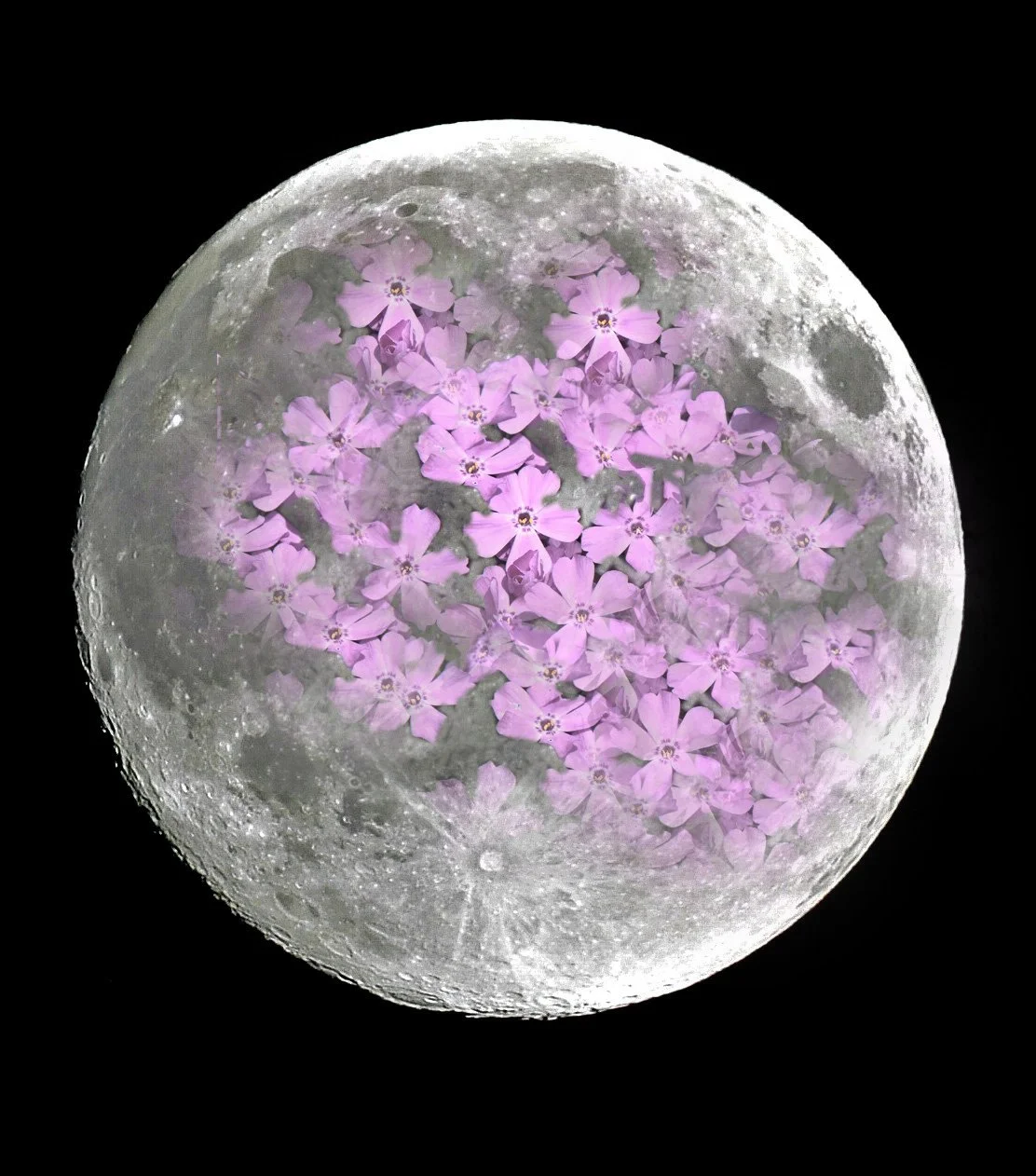
As you probably know, this April moon traditionally is called the Pink Full Moon because its arrival generally coincides with the blooming of pink “creeping phlox” wildflowers, Phlox subulata, which signify spring’s rebirth. To help you visualize that fine thought, I offer this merged image:

(First image taken in Brooklin on April 2, 2026 [35:38 a.m.]; second image composited from Leighton Archive images.)

Comment

March Postcards From Down East Maine

3 Comments

March Postcards From Down East Maine

March of 2026 here on Maine’s Down East coast was upside down and volatile. The first half of the month often was spring-like, while the second half often was wintery. There were above-average snow accumulations, as well as some significant periods of rain and sleet and power-outing mixes of all of those conditions with gale-force winds and flood warnings. Yet, we remained in severe drought the entire month. And, to top it all off, we had some of the most beautiful, sunny days that ever graced this gifted coast.

For example, there were days to bask in the sun and days to be tormented by rain, sleet and fierce winds:

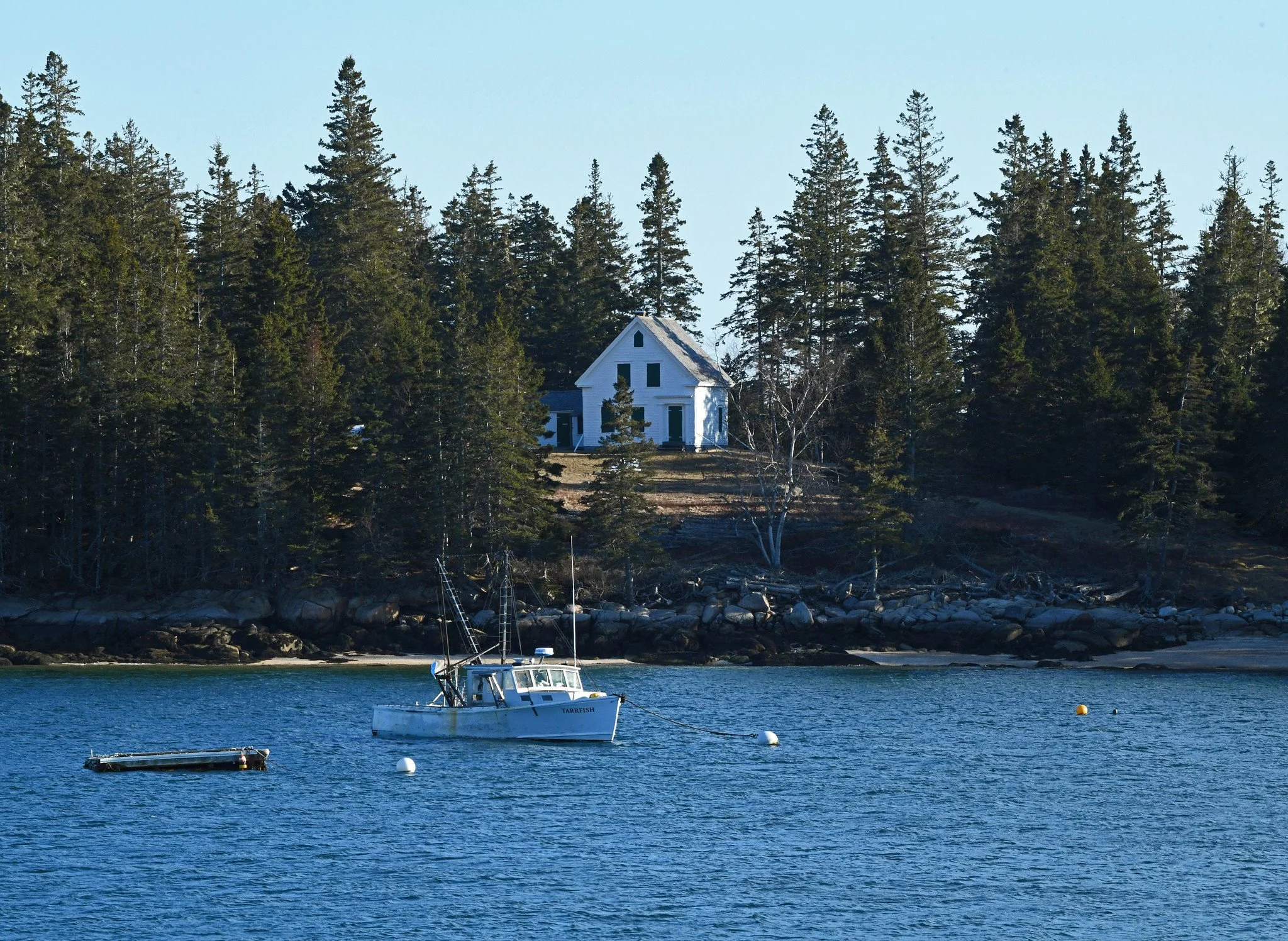
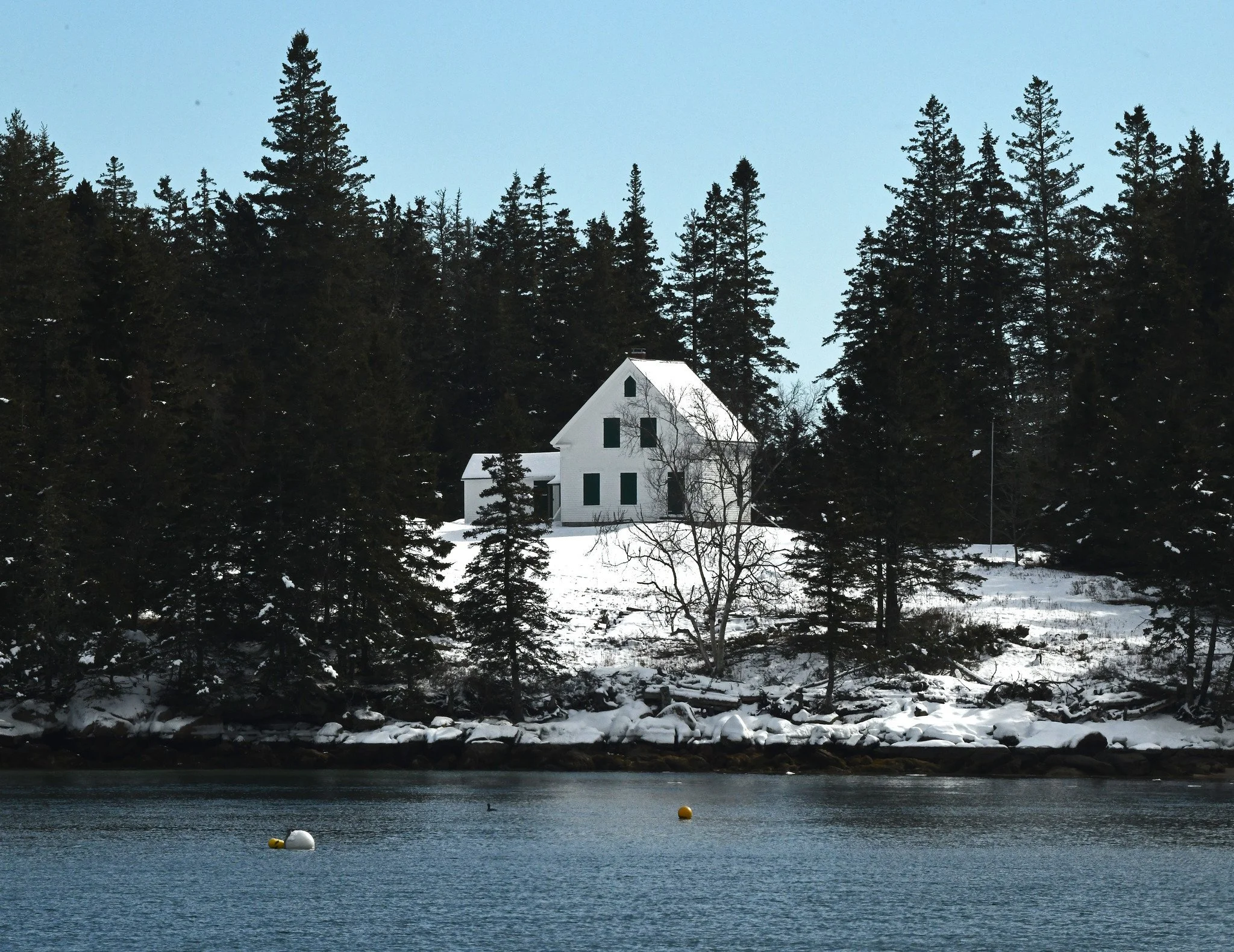
As usual, let’s document the four iconic scenes that we always show in the Postcards for cross-referencing purposes. First there’s Brooklin’s Naskeag Harbor house, which we’ll show in March’s spring-like and wintery moods:

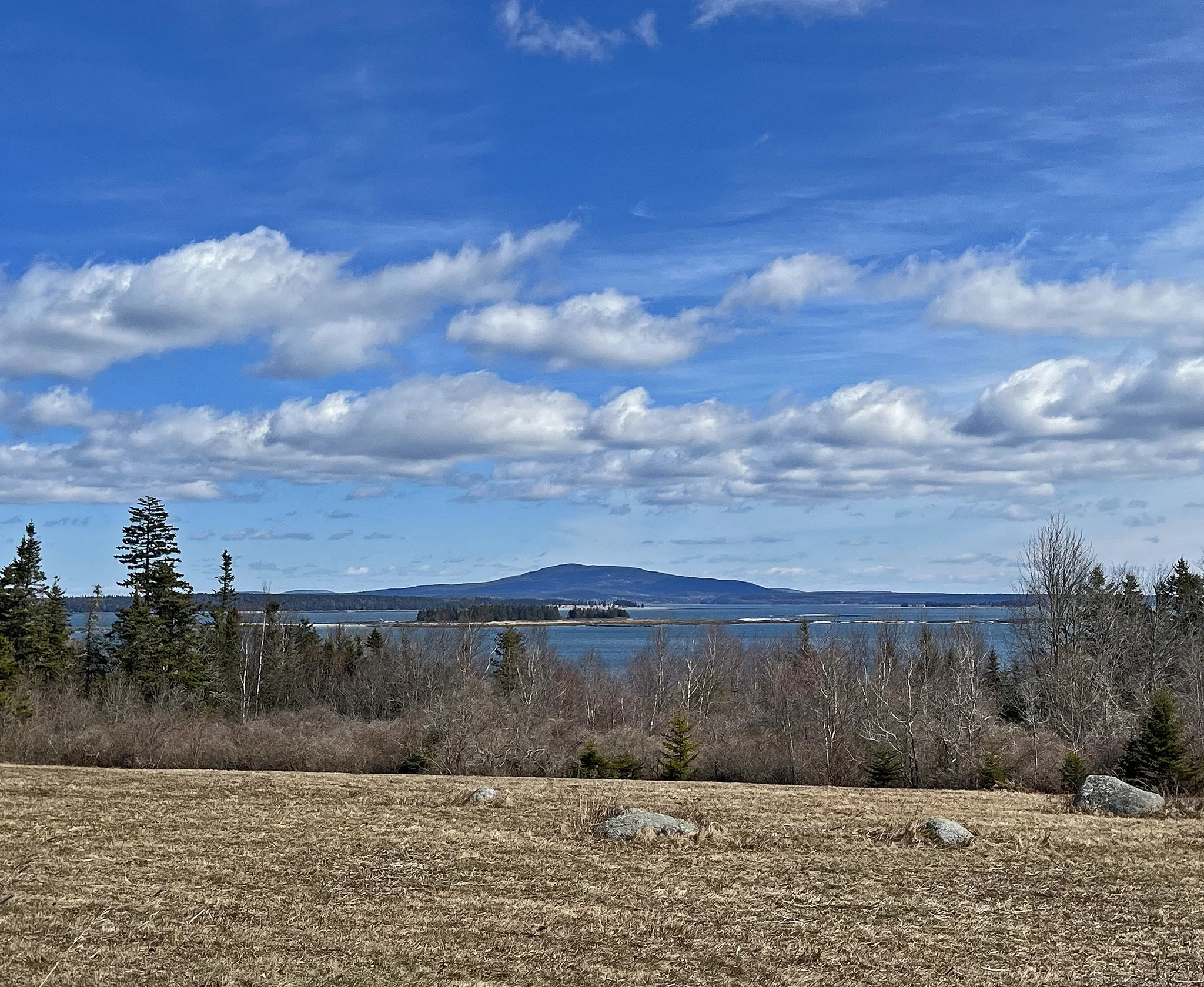
Next, here’s thde Brooklin view of the mountains on Mount Desert Island on a cold, clear March day:

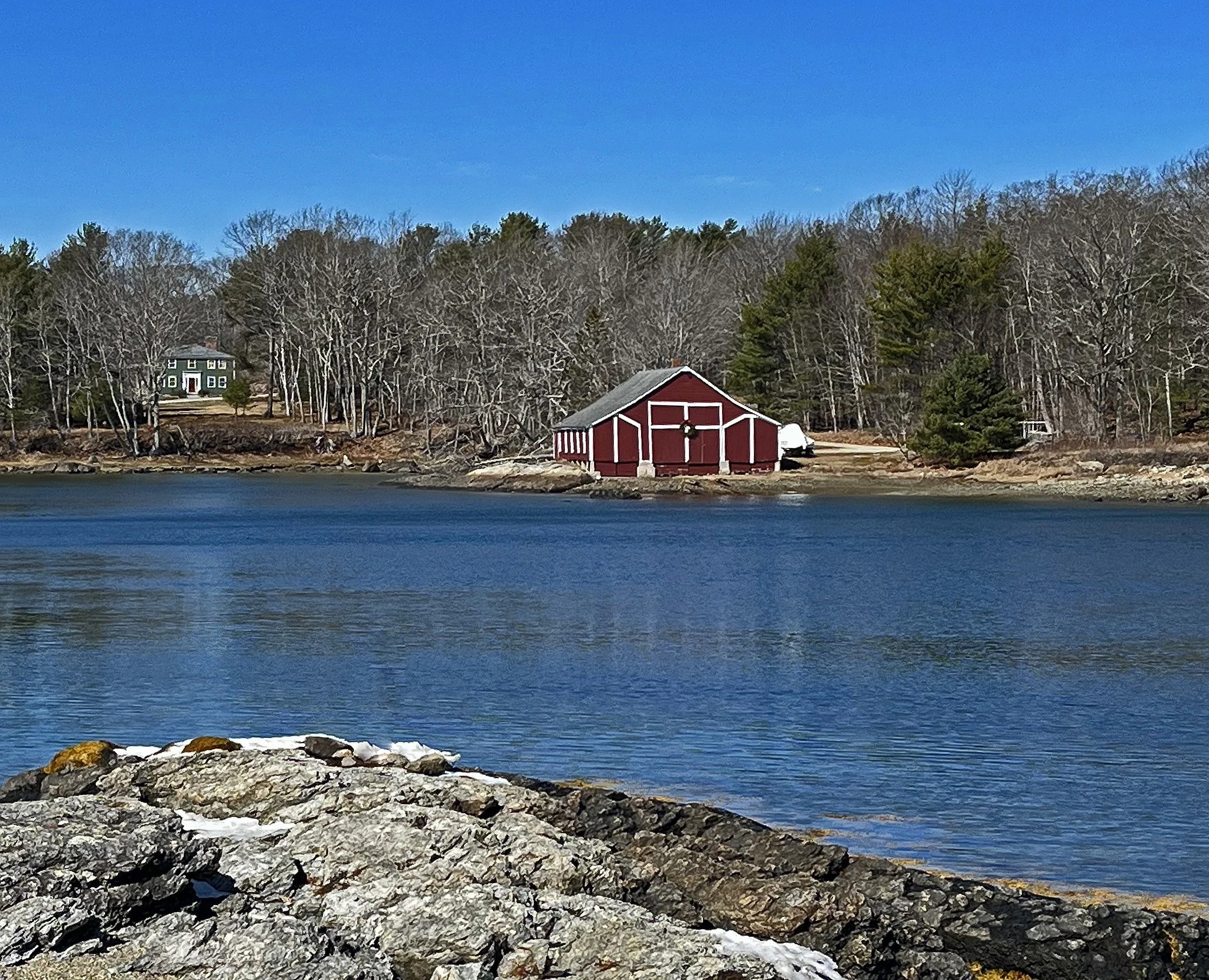
In Blue Hill, granite-coasted Conary Cove also seemed to be at its best when the ice and snow were mostly gone. However, judging by the holiday wreath, someone considers March to be in winter:

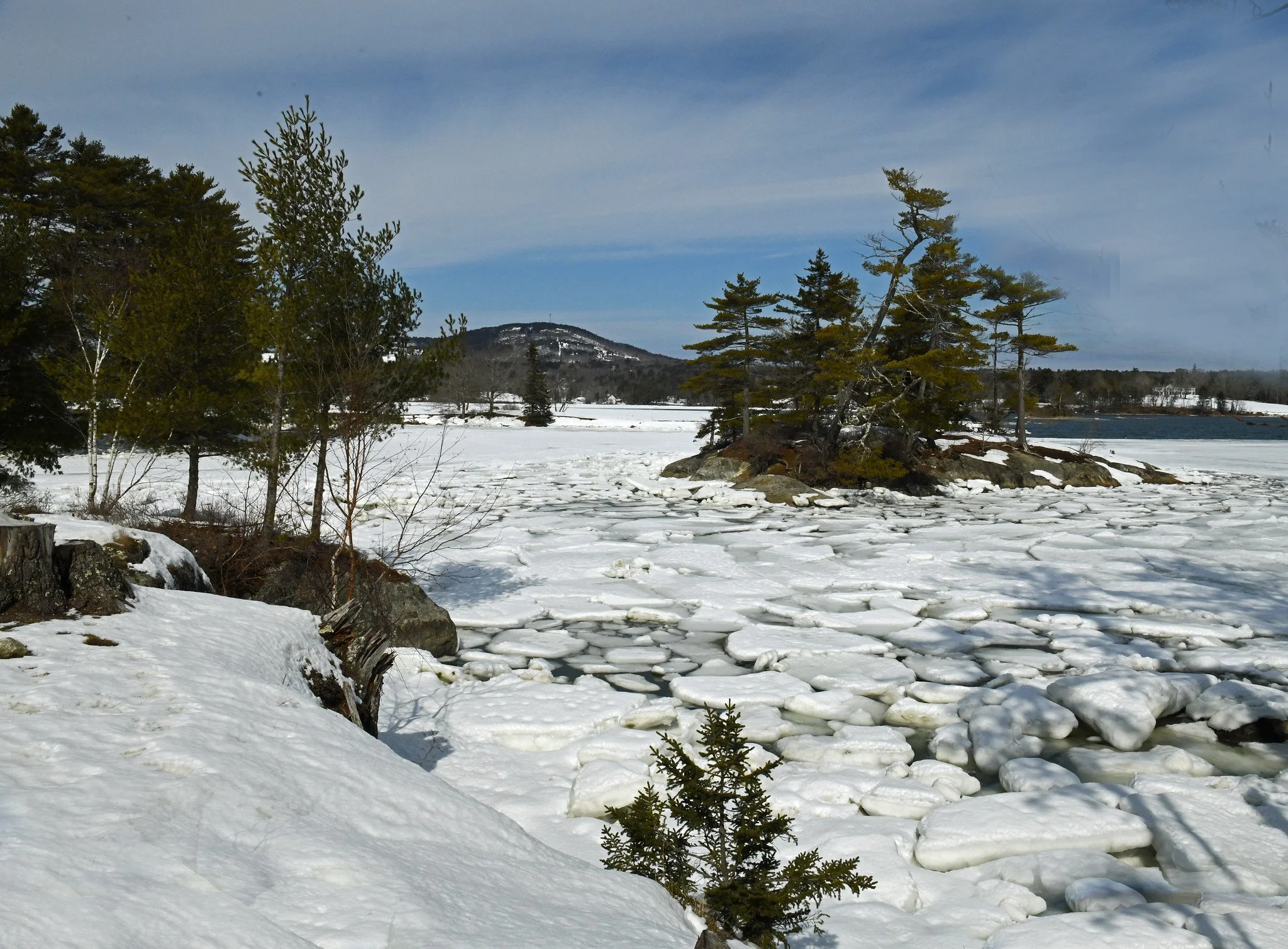
As for the last of the four scenes of record, March’s snow and sea ice seemed to be the best choice for a view of the near-mountain named Blue Hill and the Bay named after it:

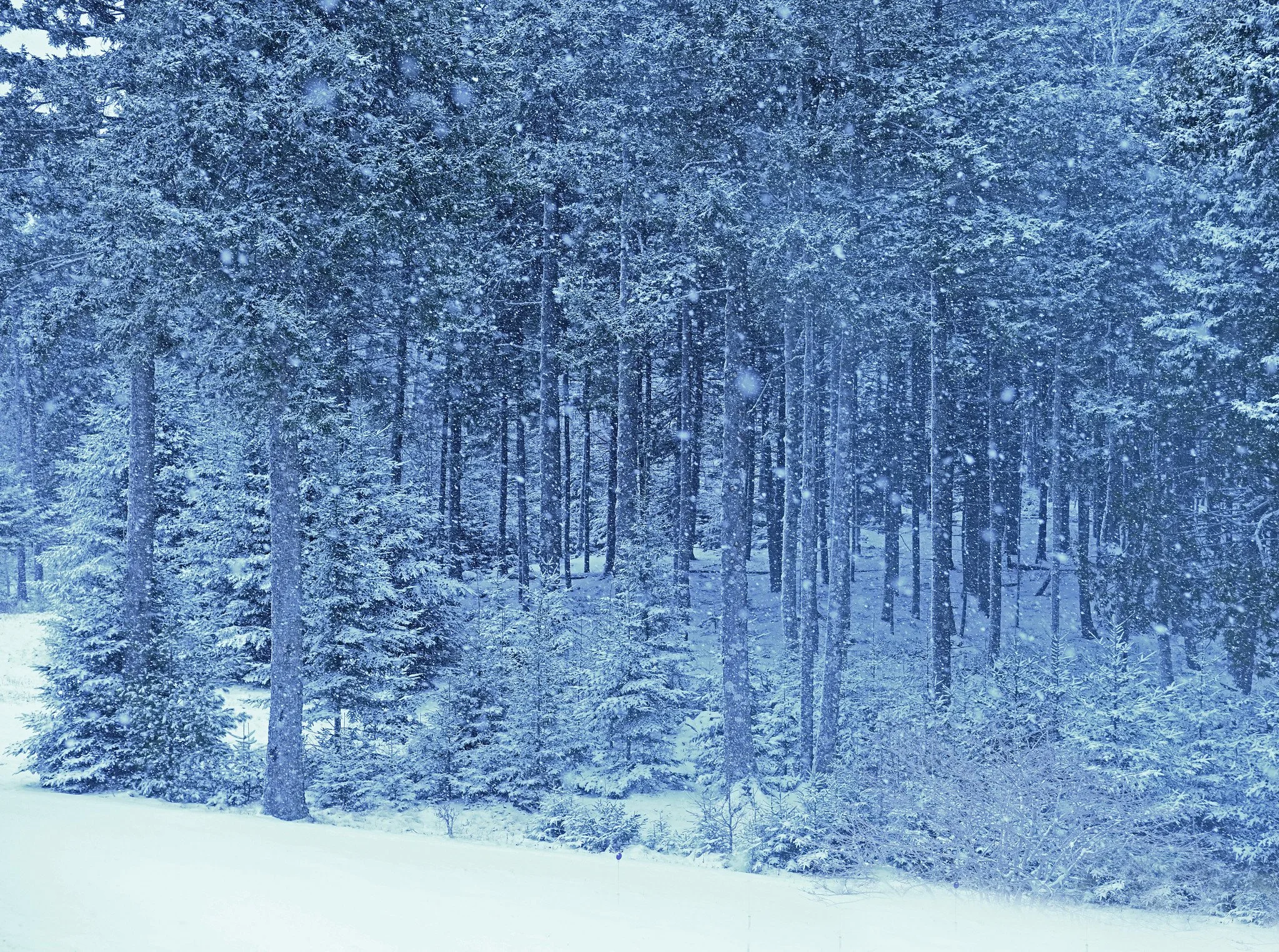
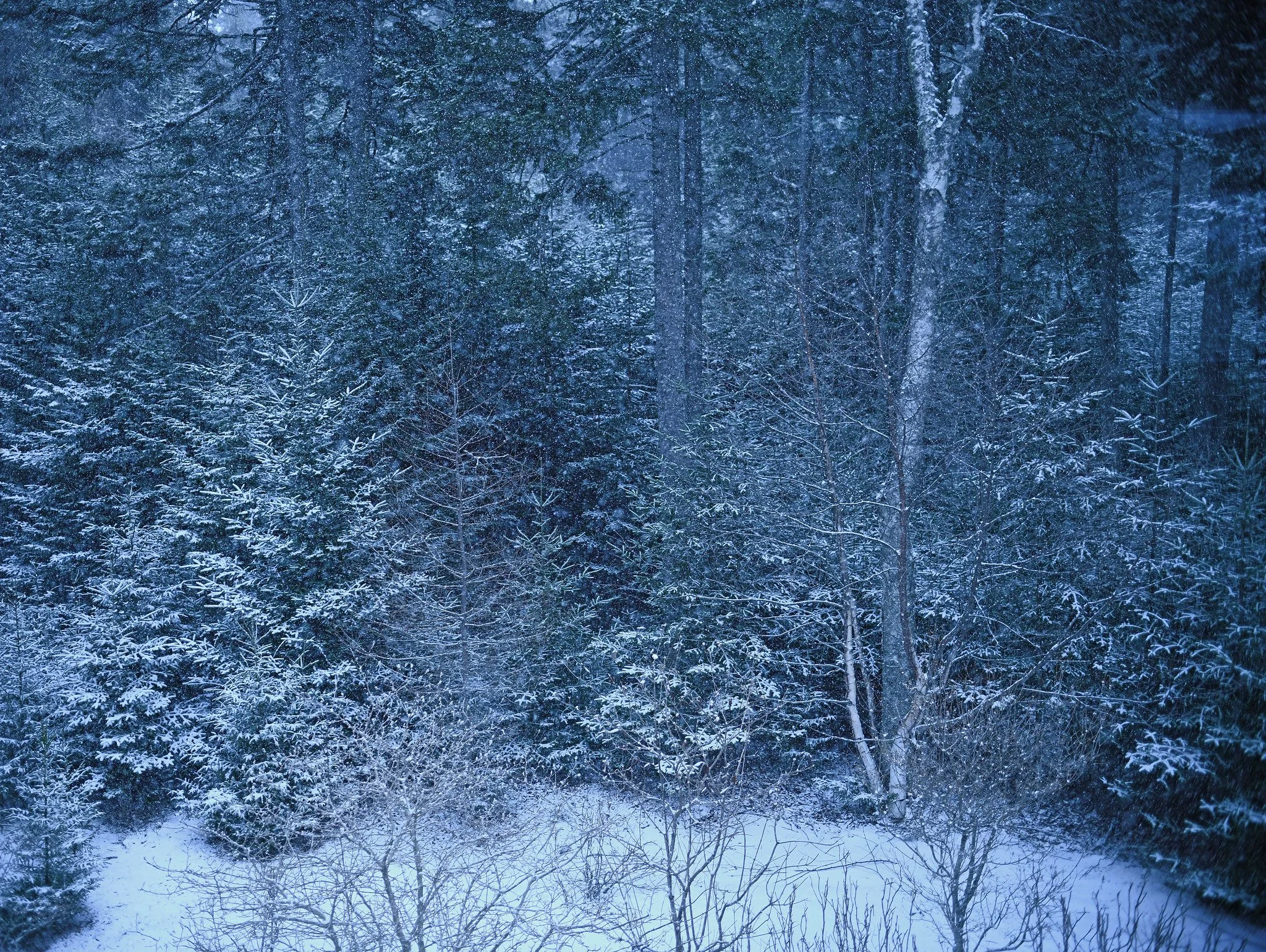
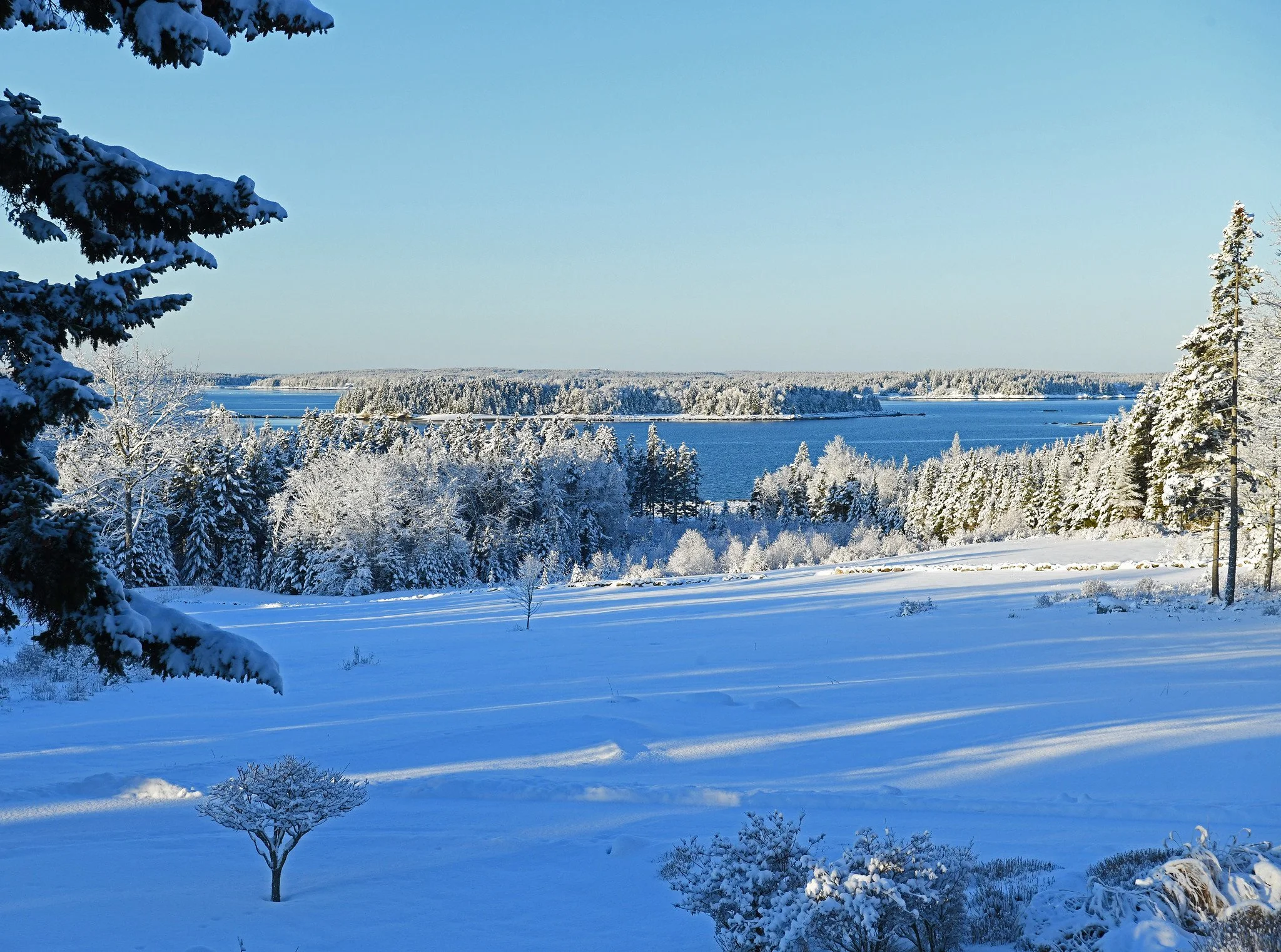
March’s snowfalls, themselves, often were gusts of small flakes that came in plumes, like a white dust storm. But, when the sun came out the next day, it often was clear that March’s white dust was of the magic kind.

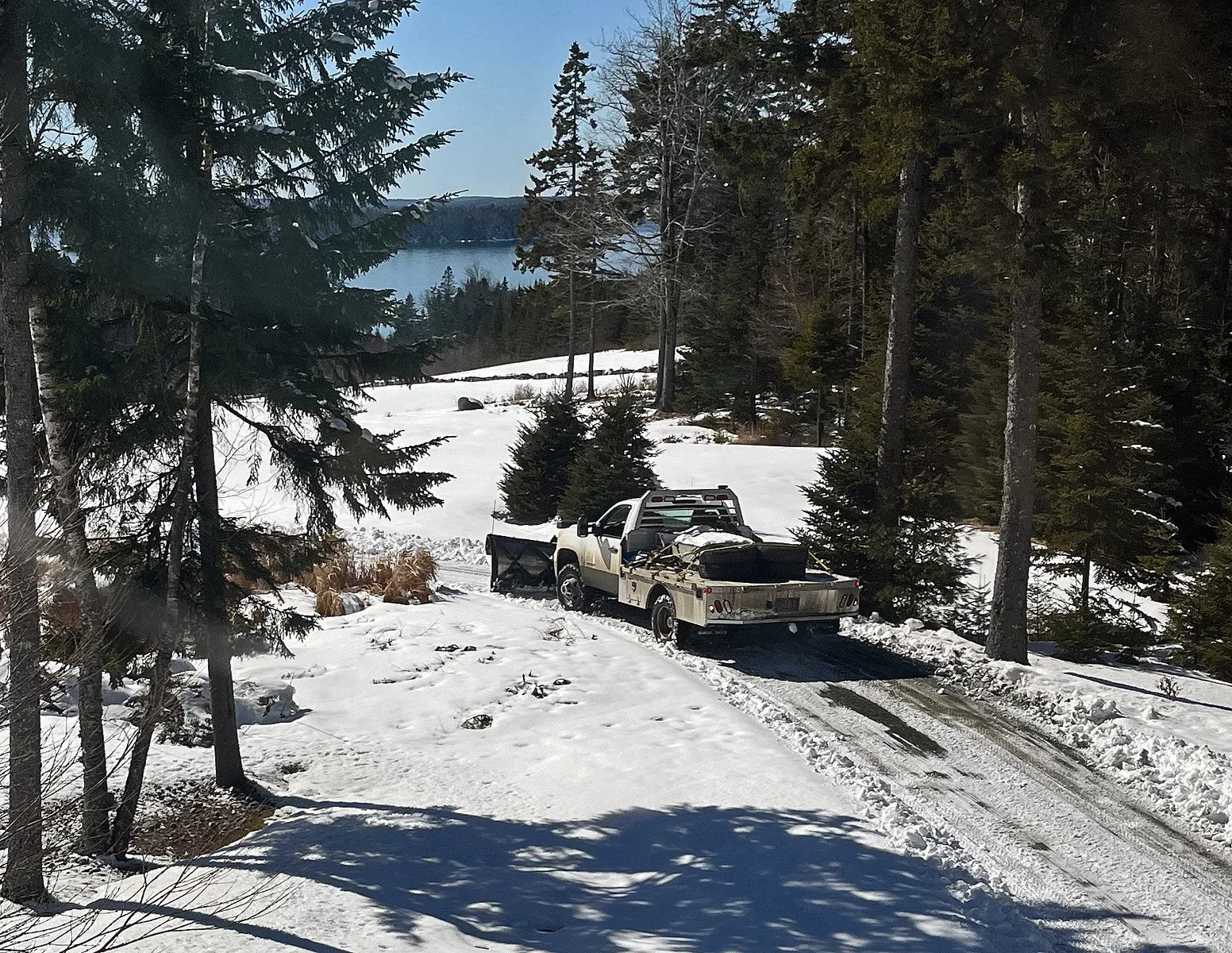
Of course, significant snowfalls have to be plowed. And, if we get a lot of them, as we did this March, that plowed snow becomes old, dirty piles that everyone wishes would go away.

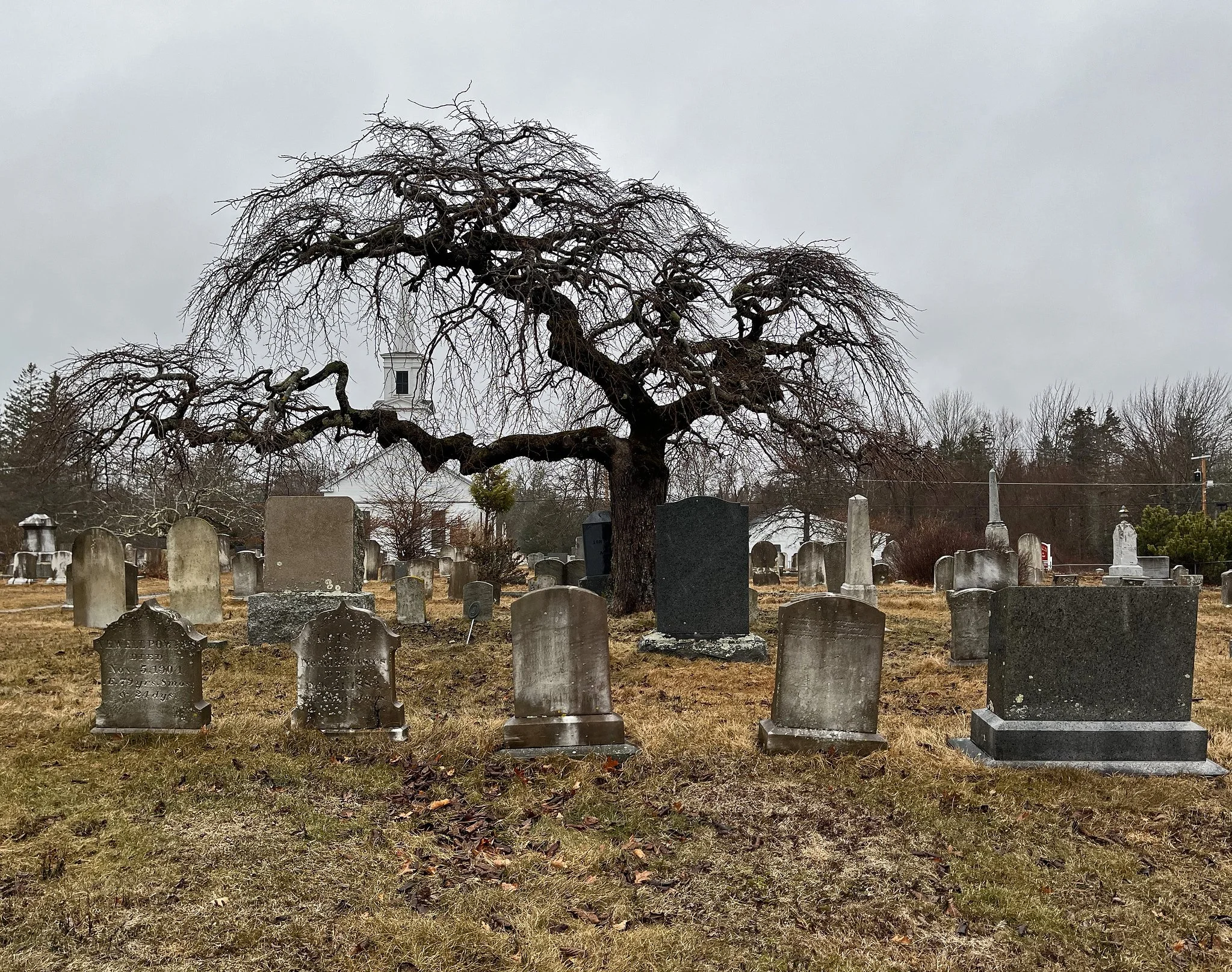
March also is the bringer of spring and daylight saving time, which can be hard to appreciate fully while surrounded by piles of snow or on cold, rainy days that seem to conjure cemetery spirits:

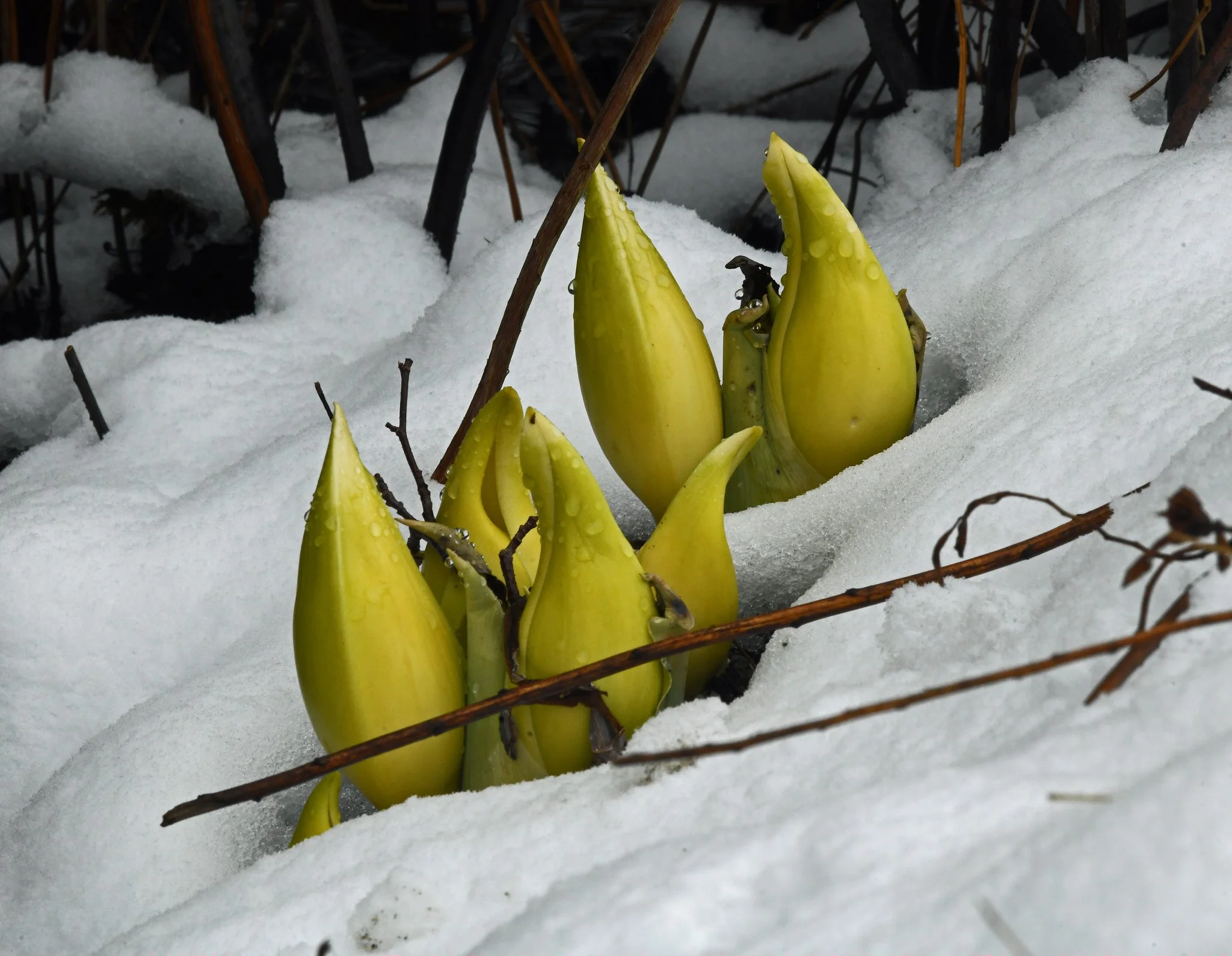
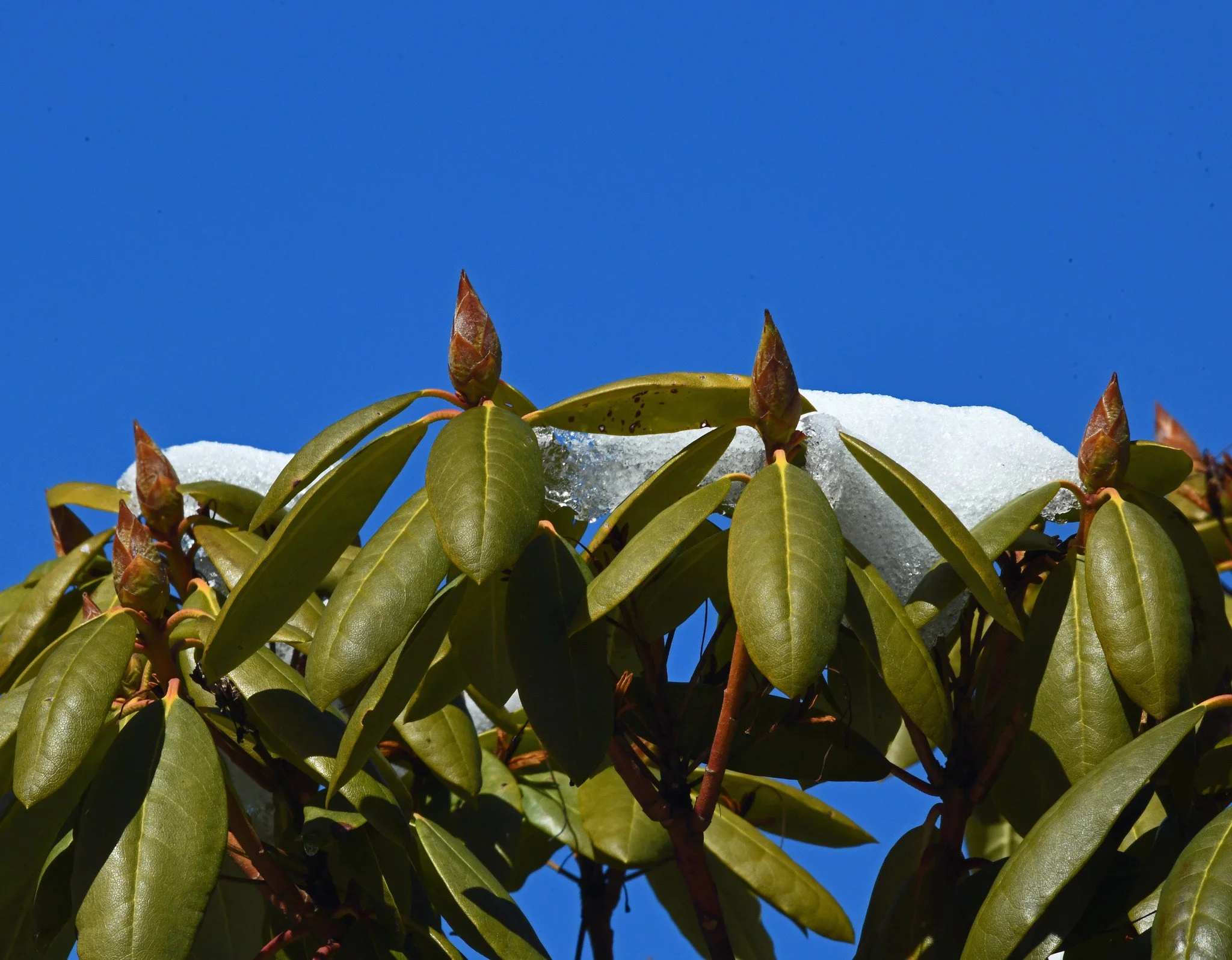
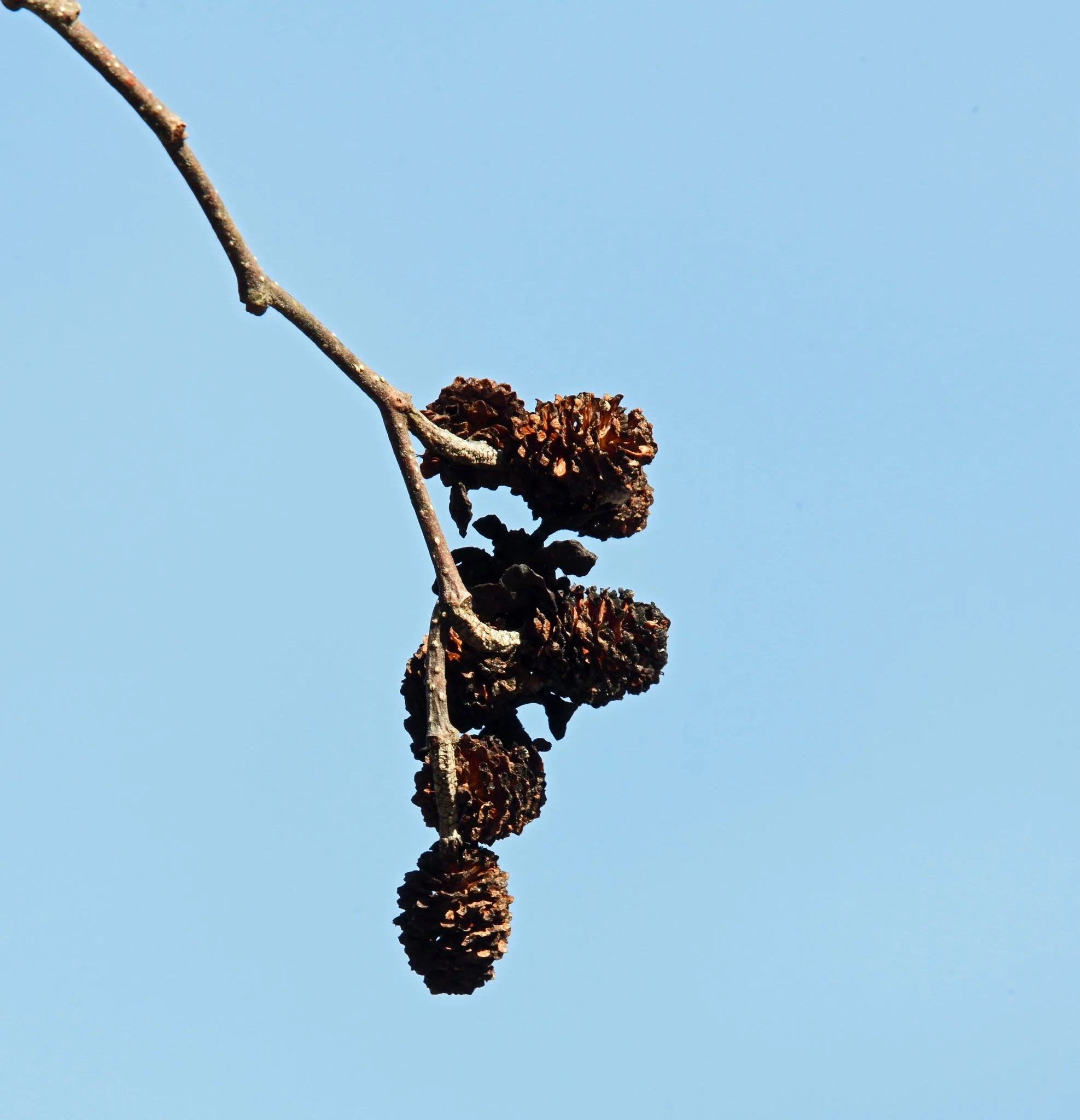
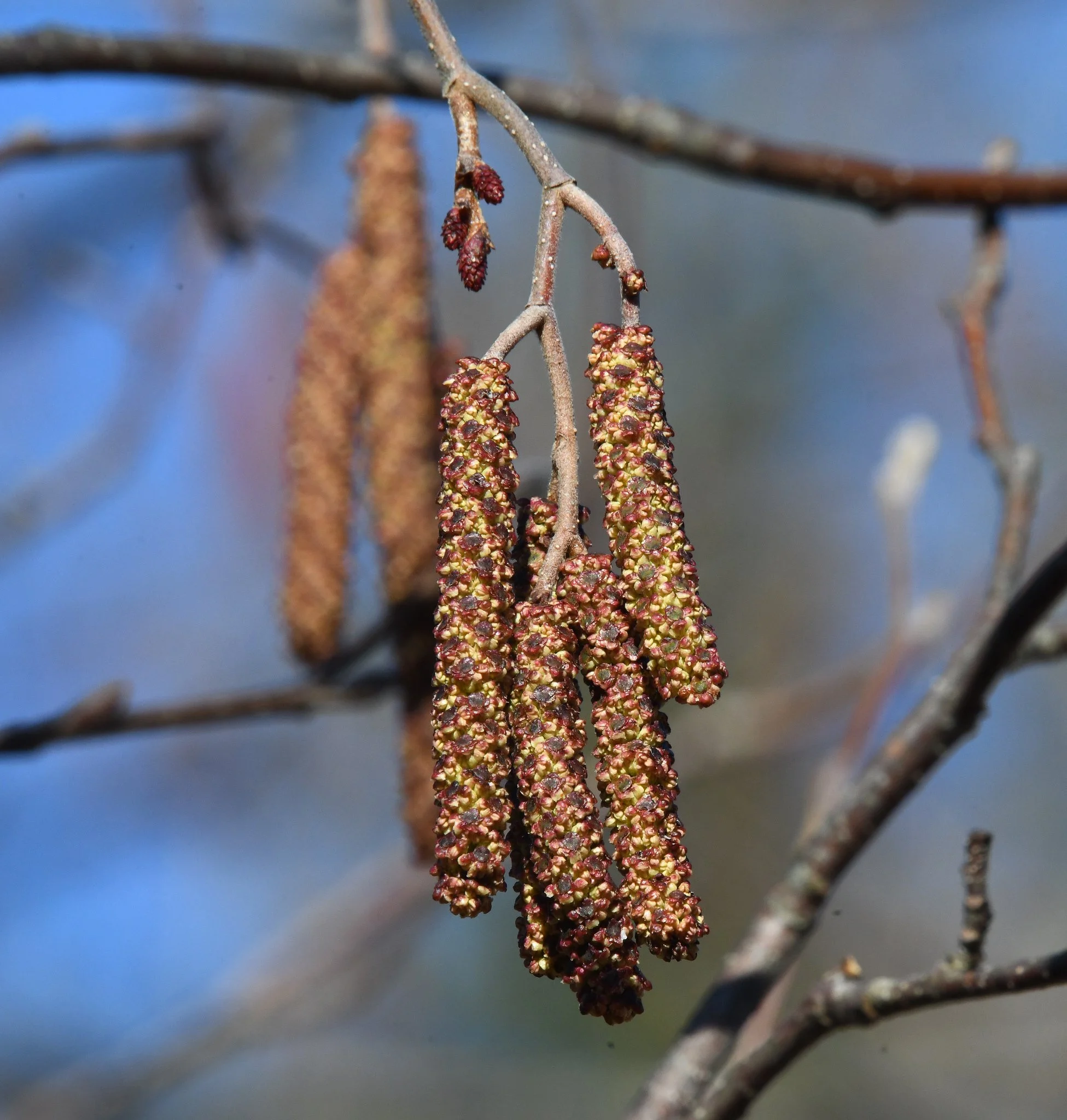
Yet, our first spring flowers always come in March, although they’re hidden inside the colorful, protective spathes of eastern skunk cabbage. Tightly-closed rhododendron and other March buds showed hope for April, even under snow. And, most trees and bushes seemed ready for spring activity, including speckled alder female seed cones (strobiles) being at the ready near the trees’ elongated male catkins.

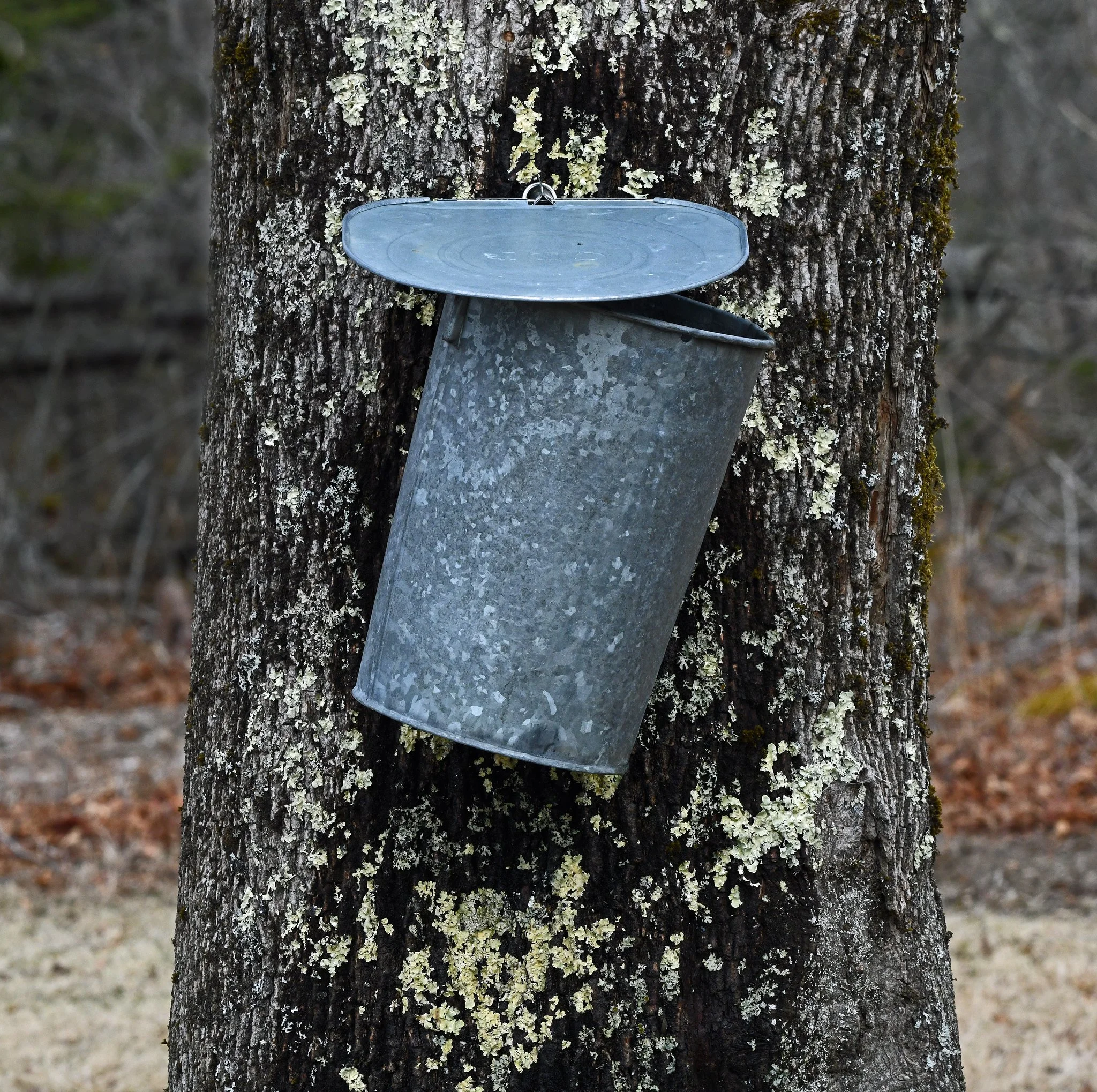
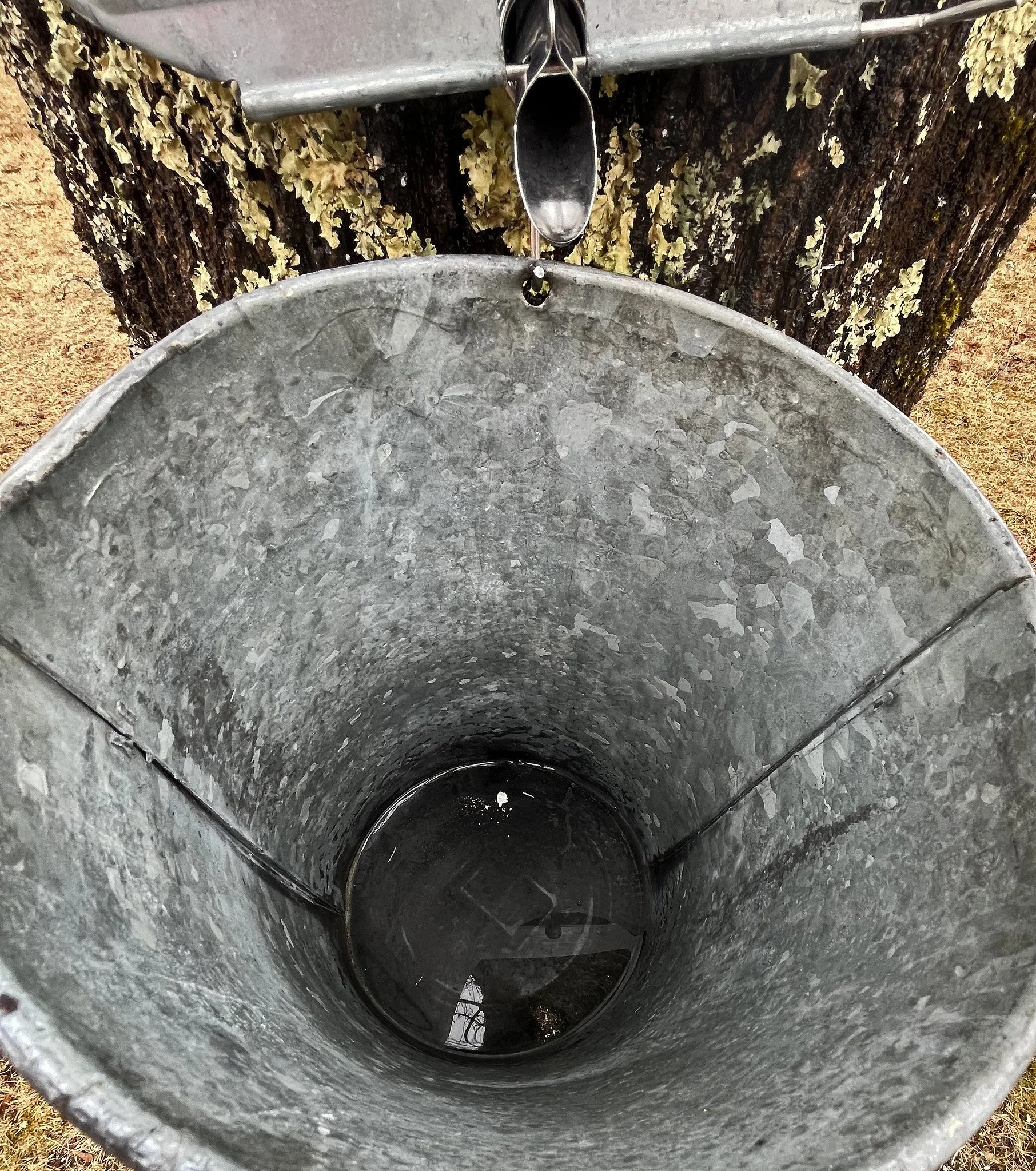
Nonetheless, March’s freezes and thaws may have adversely affected tree tapping for maple syrup (see if you can find the falling drop of clear sap):

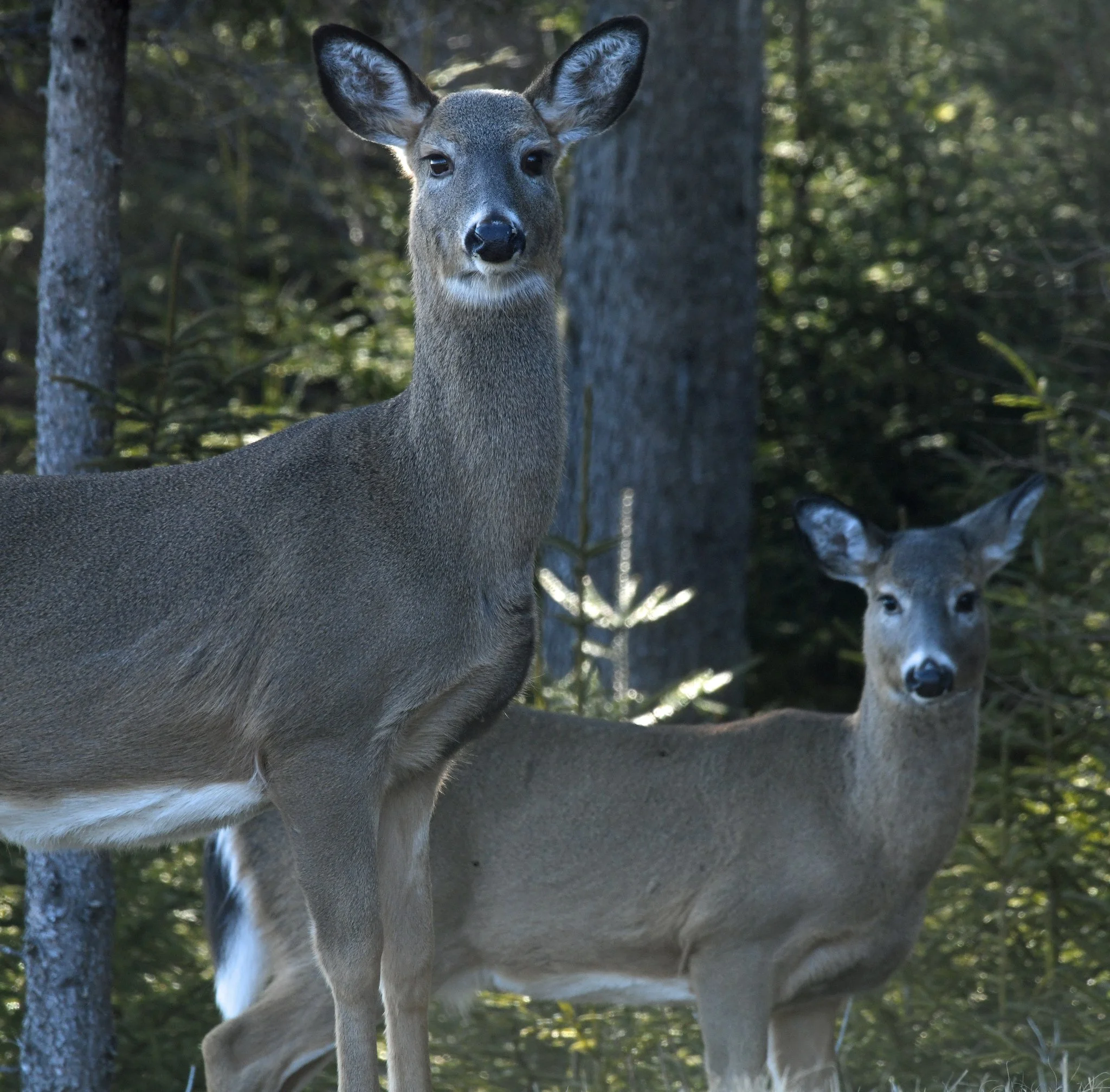
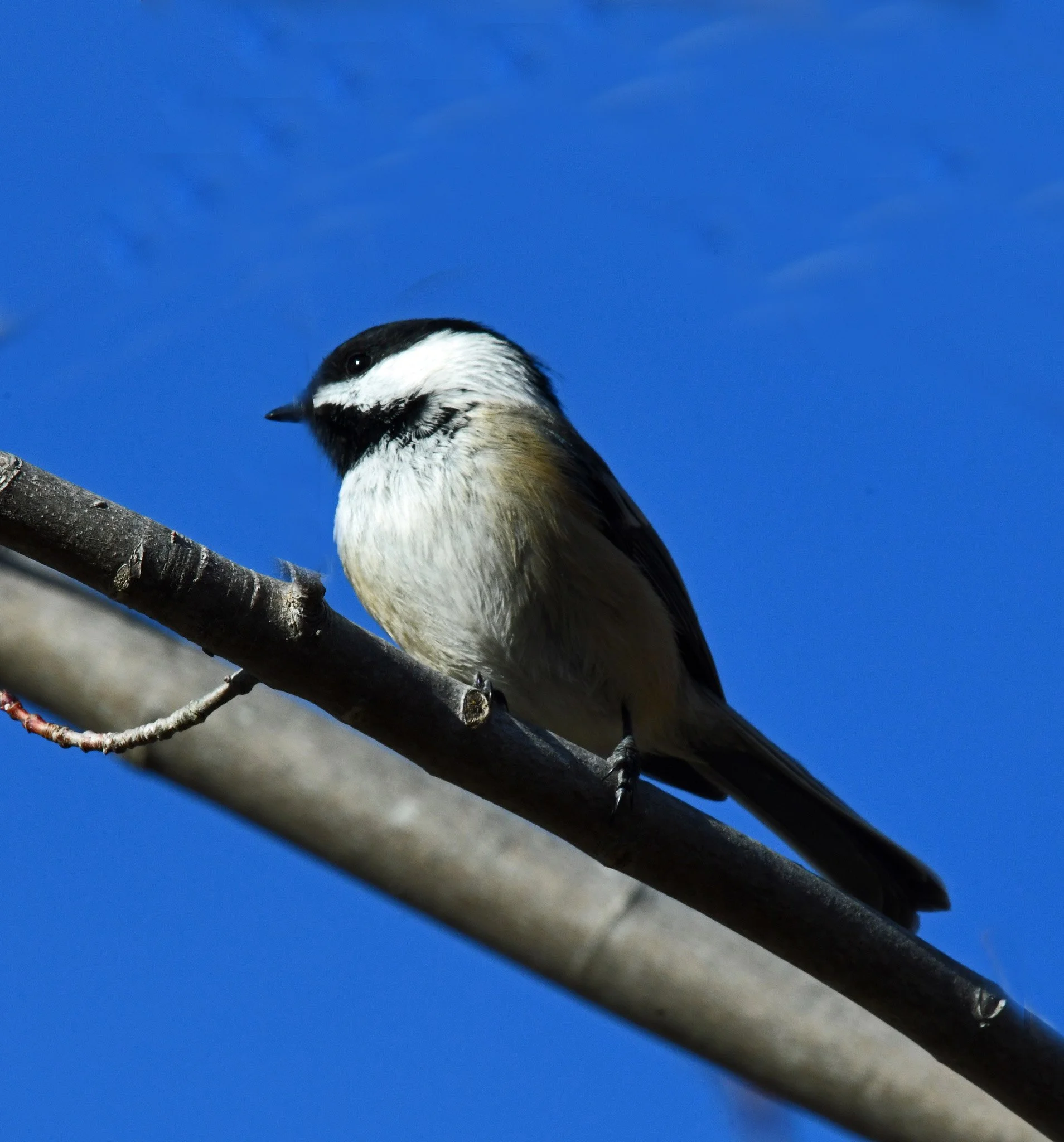
March’s meteorlogical madness got mixed reactions from our resident wildlife. Our white-tailed deer and smaller birds, such as black-capped chicadees, seemed to have no problem with the volatility. Our wild turkeys did have difficulties foraging when the snow was deep, but the Toms turkeys’ testosterone was spiking and the ritual March struts were not postponed.

As for non-residents, the Canada geese migrating south had no problem with the cold and snow, and they seemed grateful that we haven’t (yet) required them to show IDs:

On the other hand, the baby American eels (aka glass eels or elvers) arriving from their birthsites in the Sargasso Sea were a different story. They seek the freshwater in streams and ponds to mature. In Maine, they have to run a gauntlet of nets, which can be seen in full only at low tide at river and stream mouths. The captured live eels mostly are air-shipped to Asia, where they will grow in aquaculture farms and be sold later as delicacies.

Speaking of fresh water, March’s precipitation tended to run-off, rather than sink into, the soil, This didn’t help remedy the drought, but it did significantly enhance stream flows and pond levels.

Of course, Down East Maine is better known for its salt water than its fresh water. Among other maritime activities, this is a place for serious boat building, and one of the most serious at designing and building boats is the renowned Brooklin Boat Yard. During March, three BBY-designed vessels were being built among other activity there — a 47’ 6” racing sailboat , a 47’ power cruiser, and an 18’ skiff:

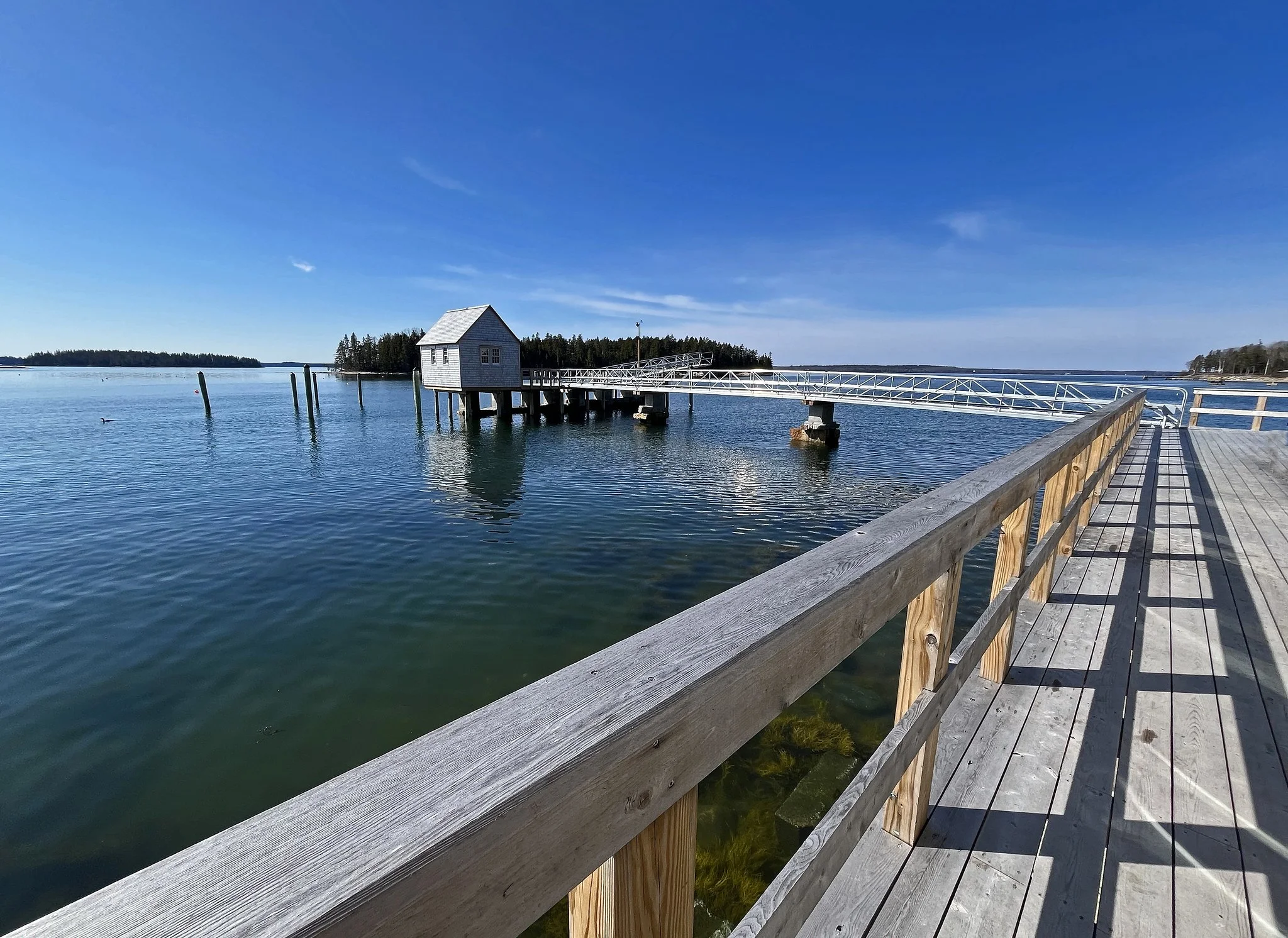
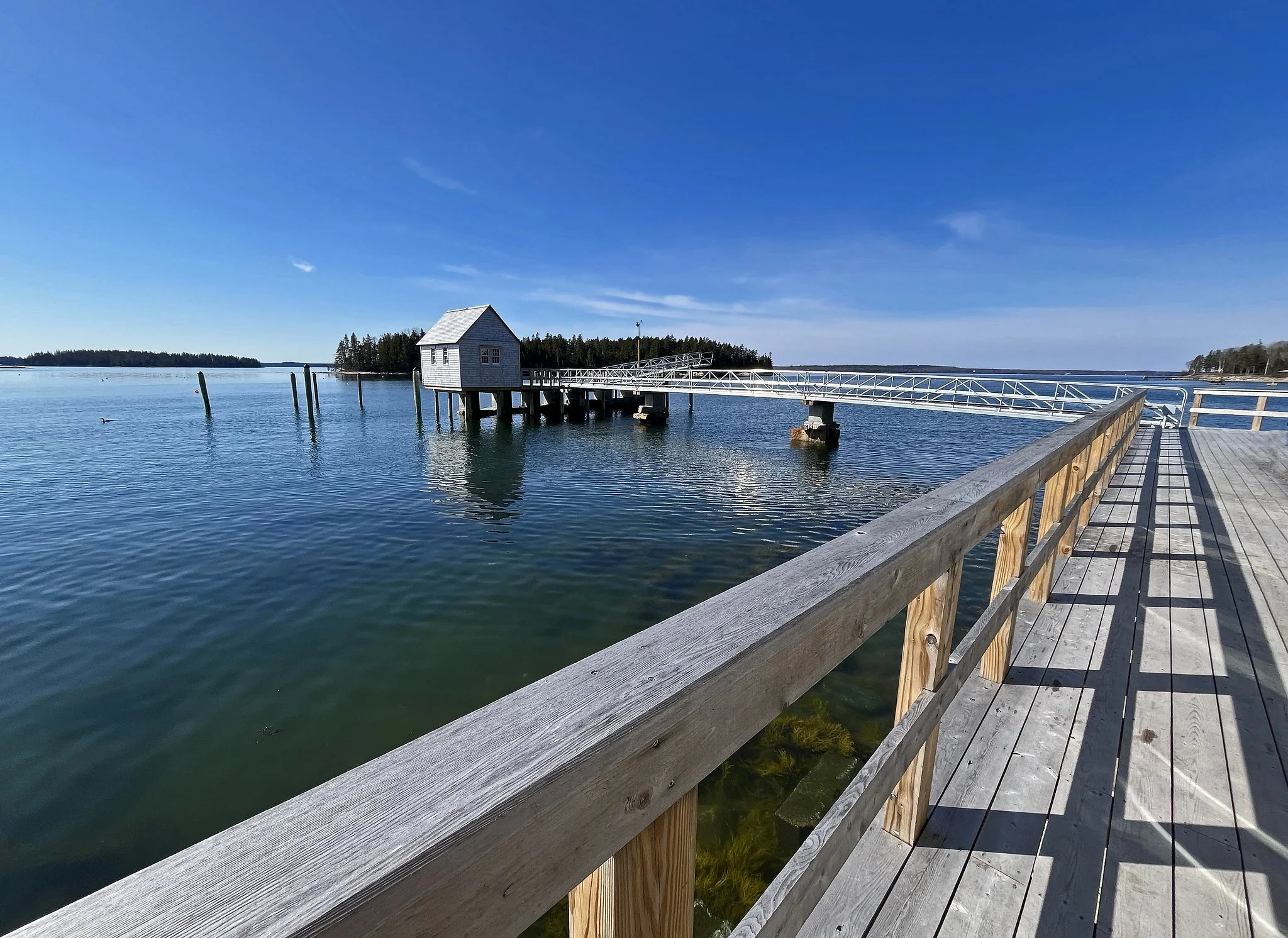
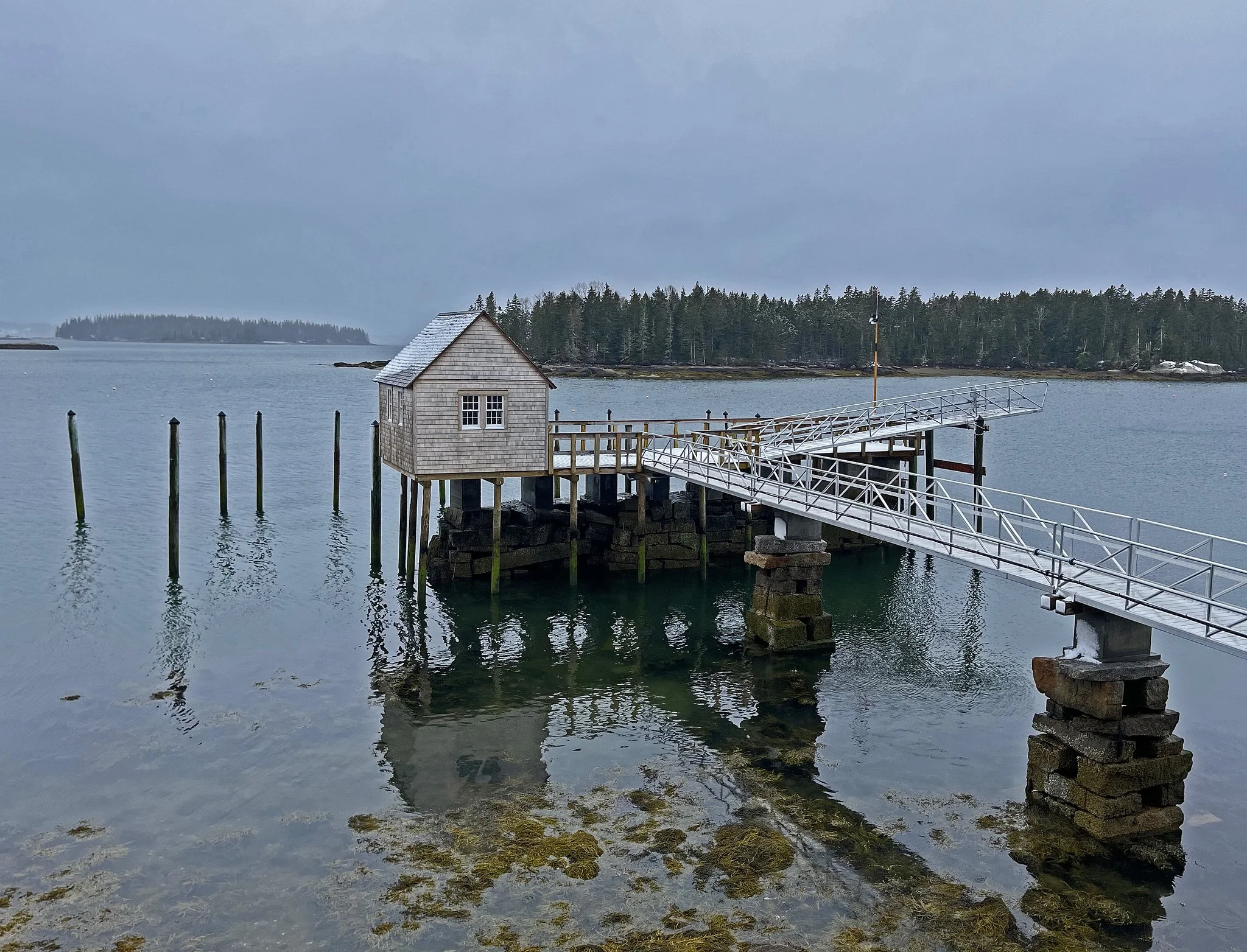
Although the Brooklin Boat Yard’s pier has been stripped of its docking floats, it is an attraction year-long due to its unique design and the constantly changing shadows and reflections of Center Harbor:

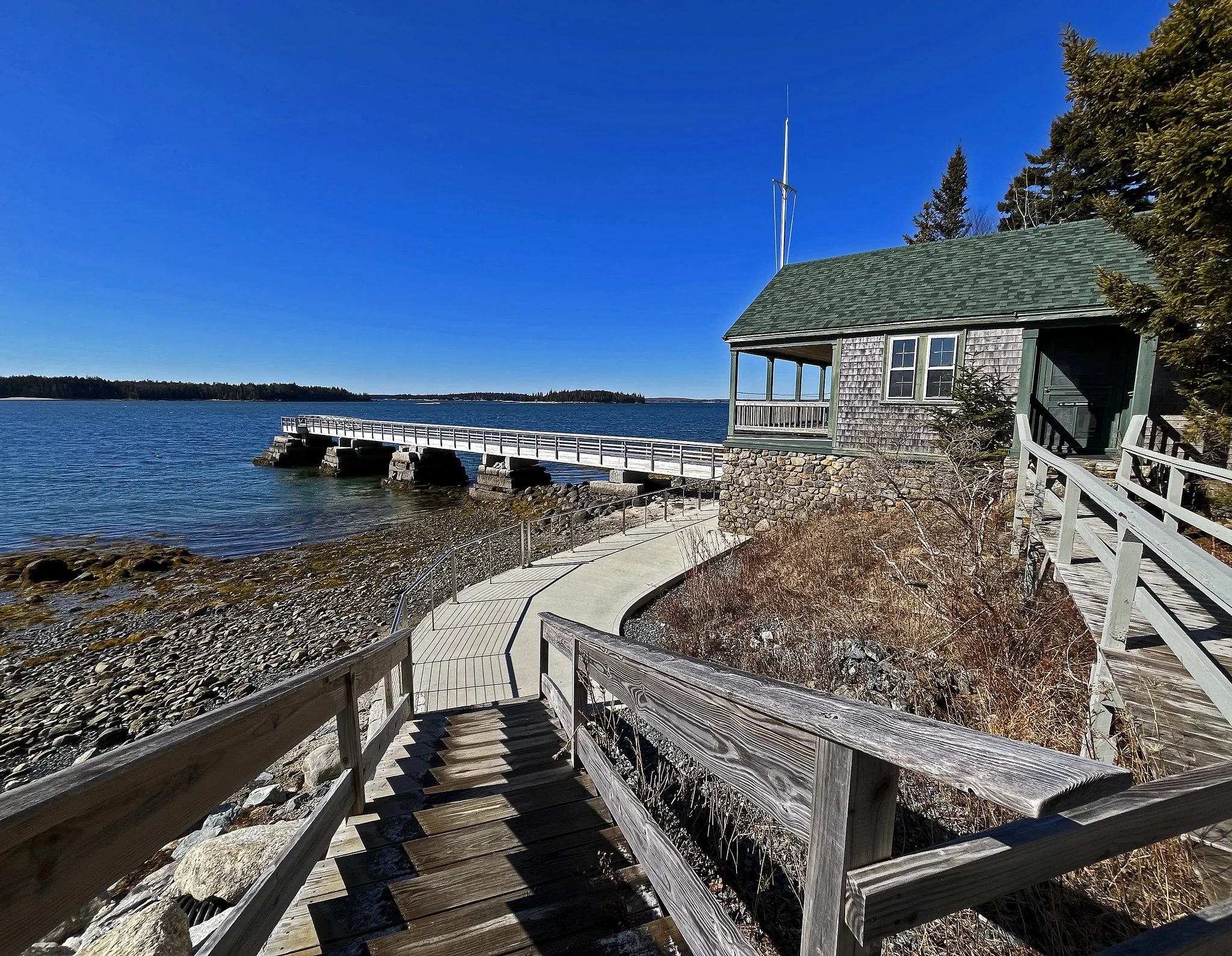
The famed WoodenBoat campus is not far from BBY. The headquarters of WoodenBoat Publications is there as is the WoodenBoat School, where students from all over the world are taught boat building and other maritime crafts in the summer. WBS also has a significant pier and boat house on Great Cove that are year-long attractions:

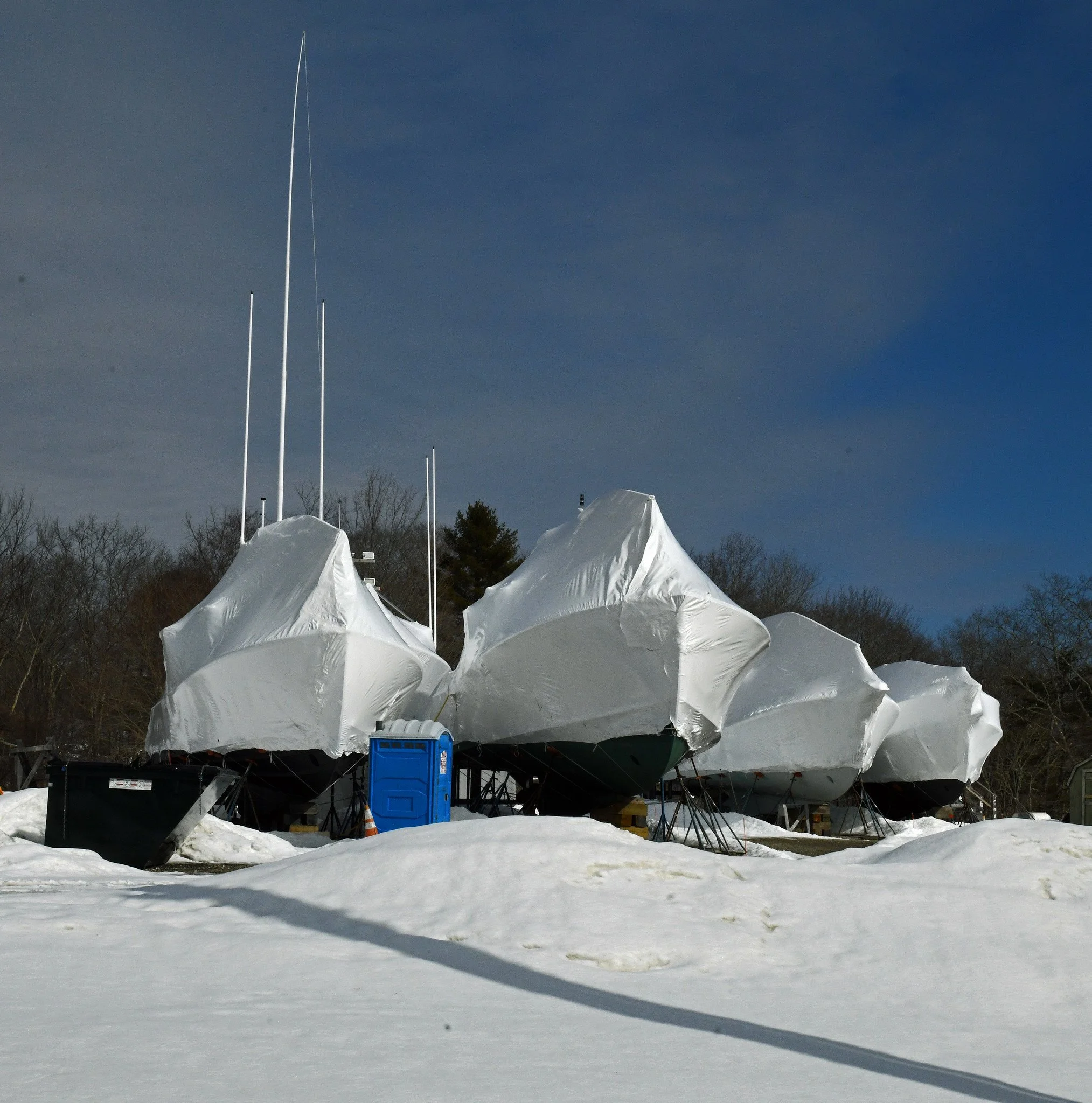
As for commercial sea activity, March is the last month for scallop-dragging in Maine waters, although diving for hand-harvested scallops will continue into April. Lobster boats that are active in summer are rigged with masts, booms, winches and drags (dredges) for scooping up Atlantic sea scallops from the sea bottom in the cold months:

There also are commercial vessels here that spend their winters and springs seemingly wearing sleeping masks and dreaming:

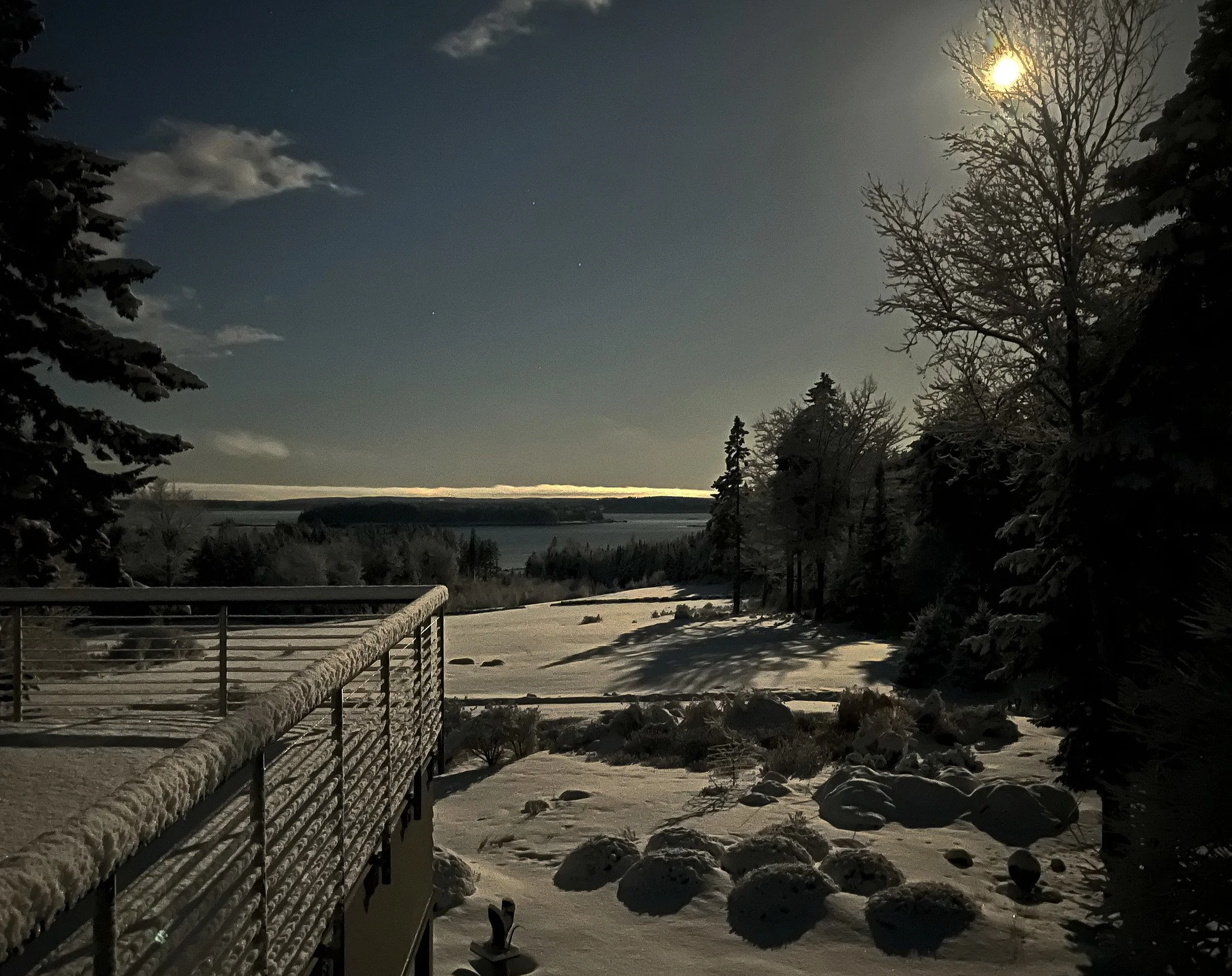
The March sky often was impressive this year. The month’s full moon traditionally is called the Worm Full Moon to signify the thawing of the ground and the reappearance of earthworms. Well, those worms often were thwarted by snow and ice this year. However, the fallen snow under the bright moon sometimes turned night into day, complete with shadows:

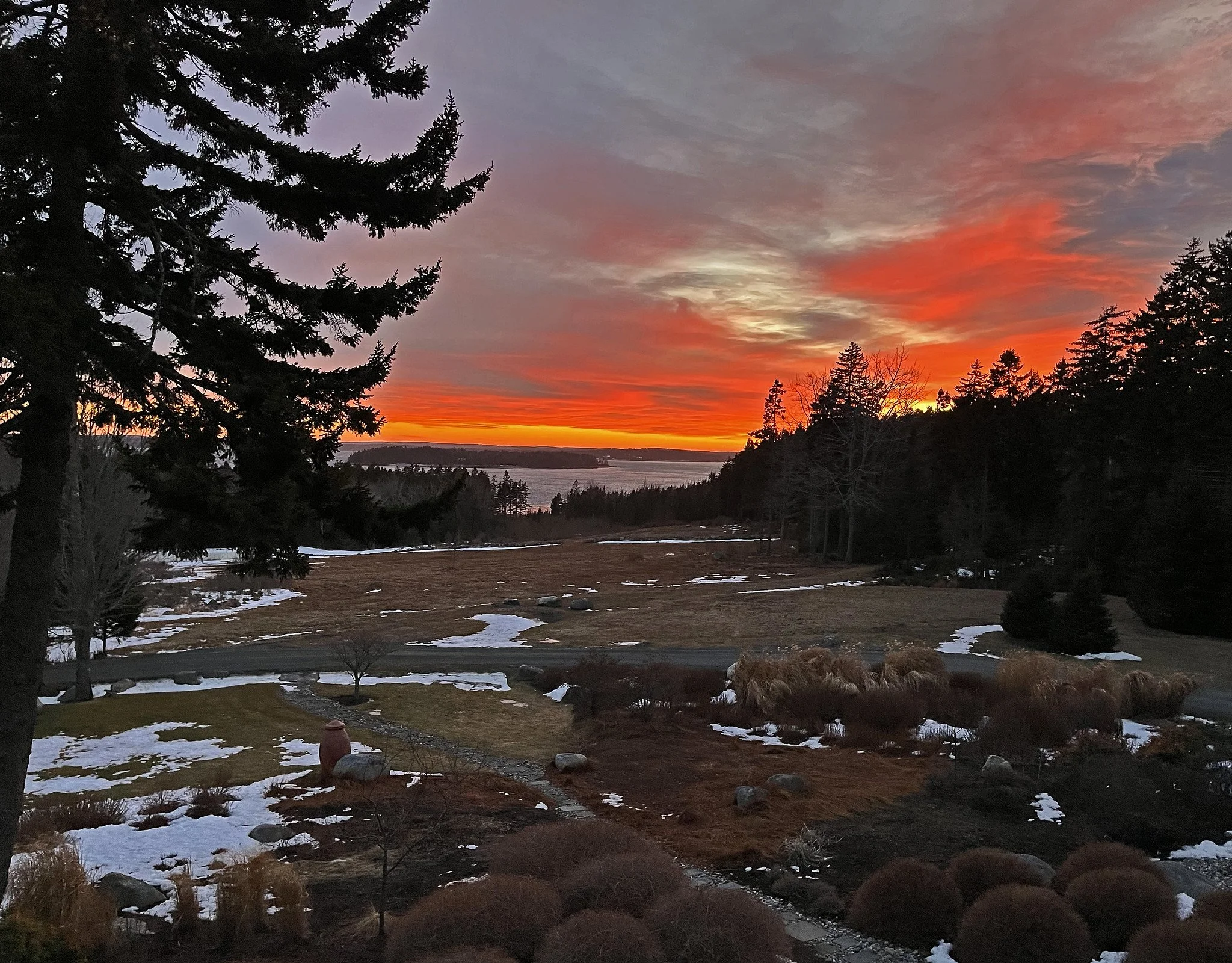
Finally, we leave you at the end of one of March’s finest days, when the sun had done a good job of melting snow and refused to go gently:

As usual, we’re having a wonderful time and wish you were here.

(All images in this post were taken in Down East Maine during March of 2026.)
3 Comments

Comment

In the Right Place: Still Crazy After All These Years

We say goodbye to March today with an image of her on one of her better days, a day when she wasn’t suffering from her severe meteorological madness:

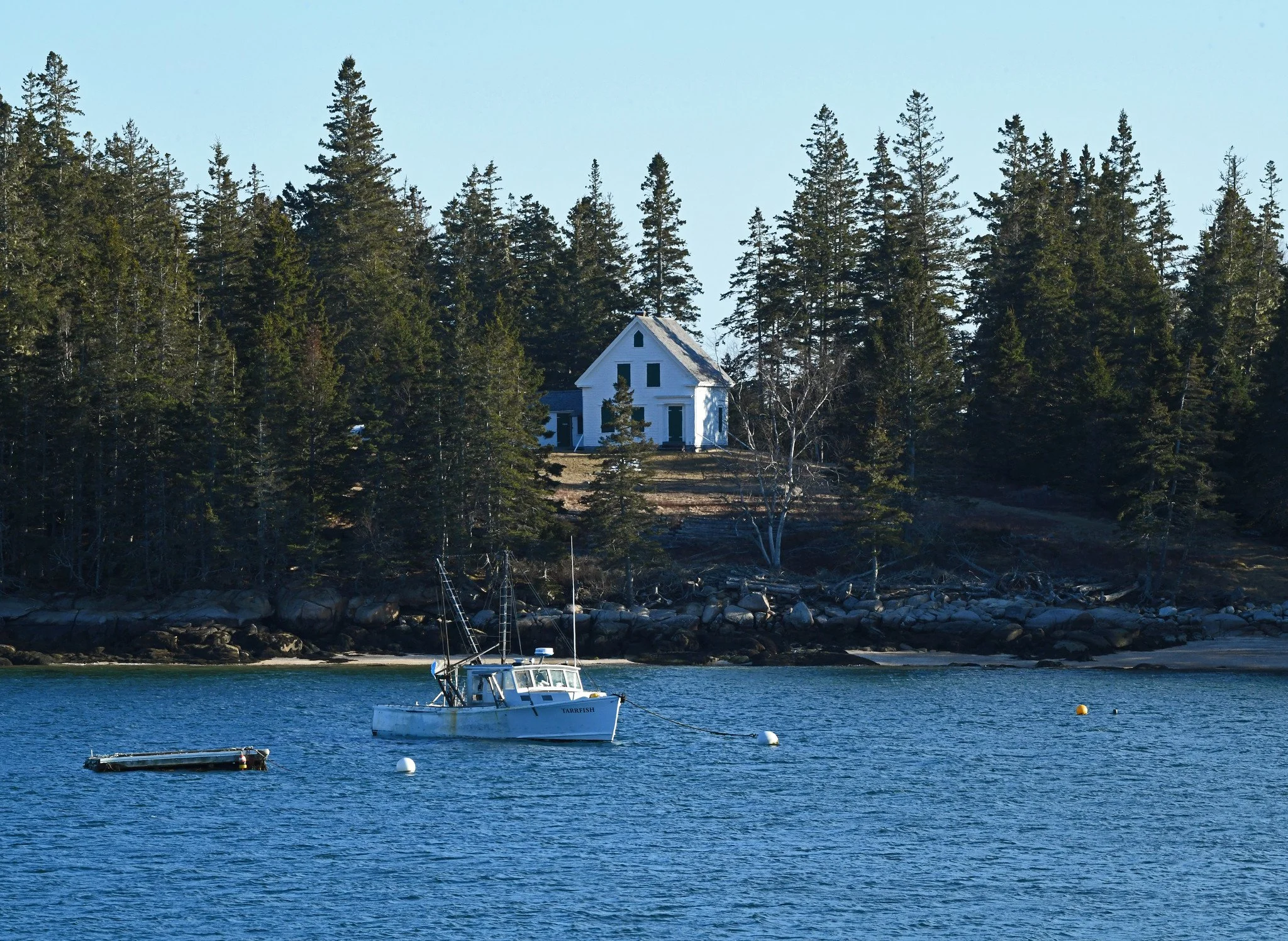
That’s the Naskeag Harbor house and its buddy, the fishing vessel TARRFISH, trying to show March what spring should look like. (Image taken in Brooklin, Maine, on March 28, 2026.)
Comment

Comment

In the Right Place: The Eyes Have It

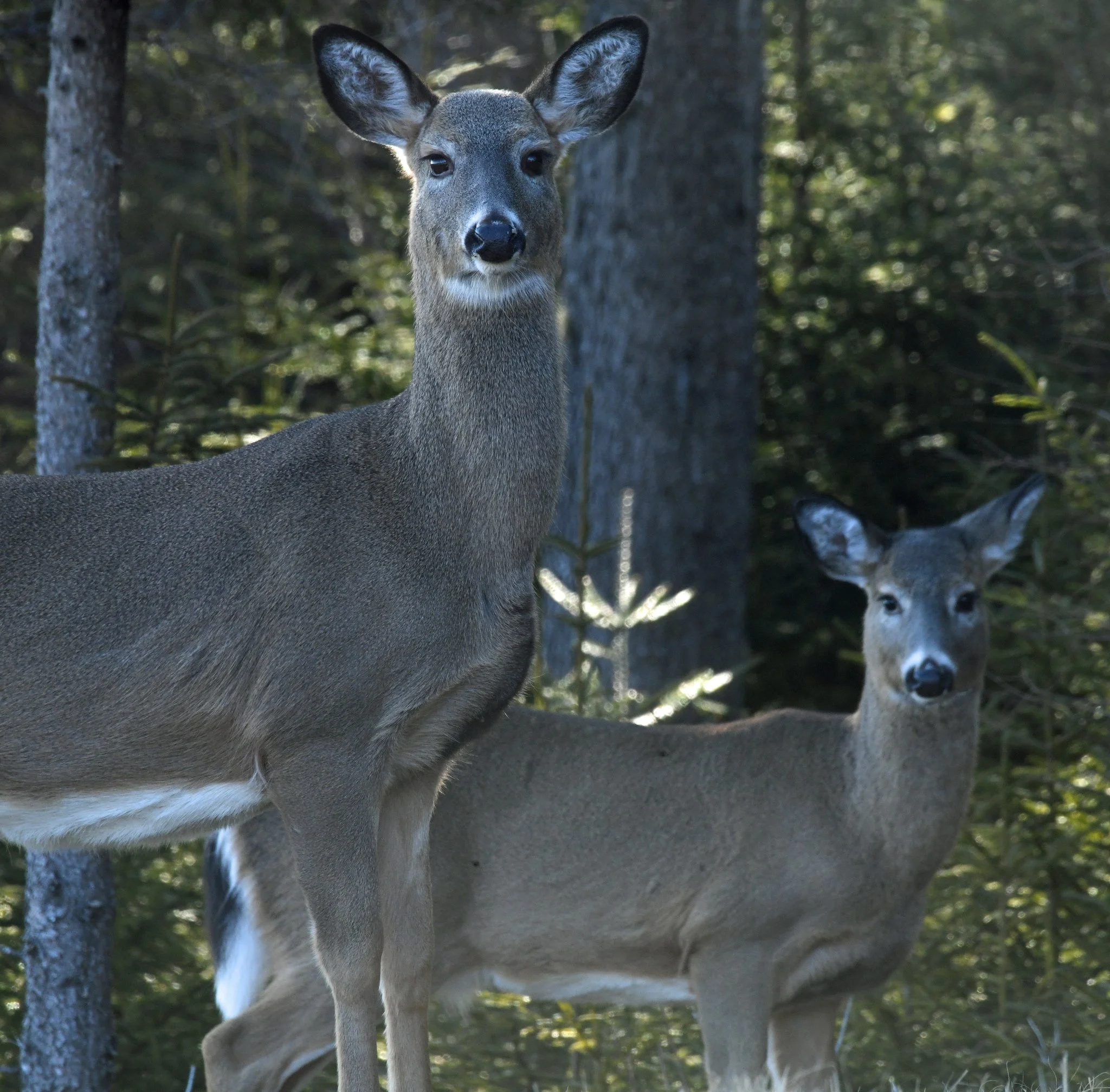
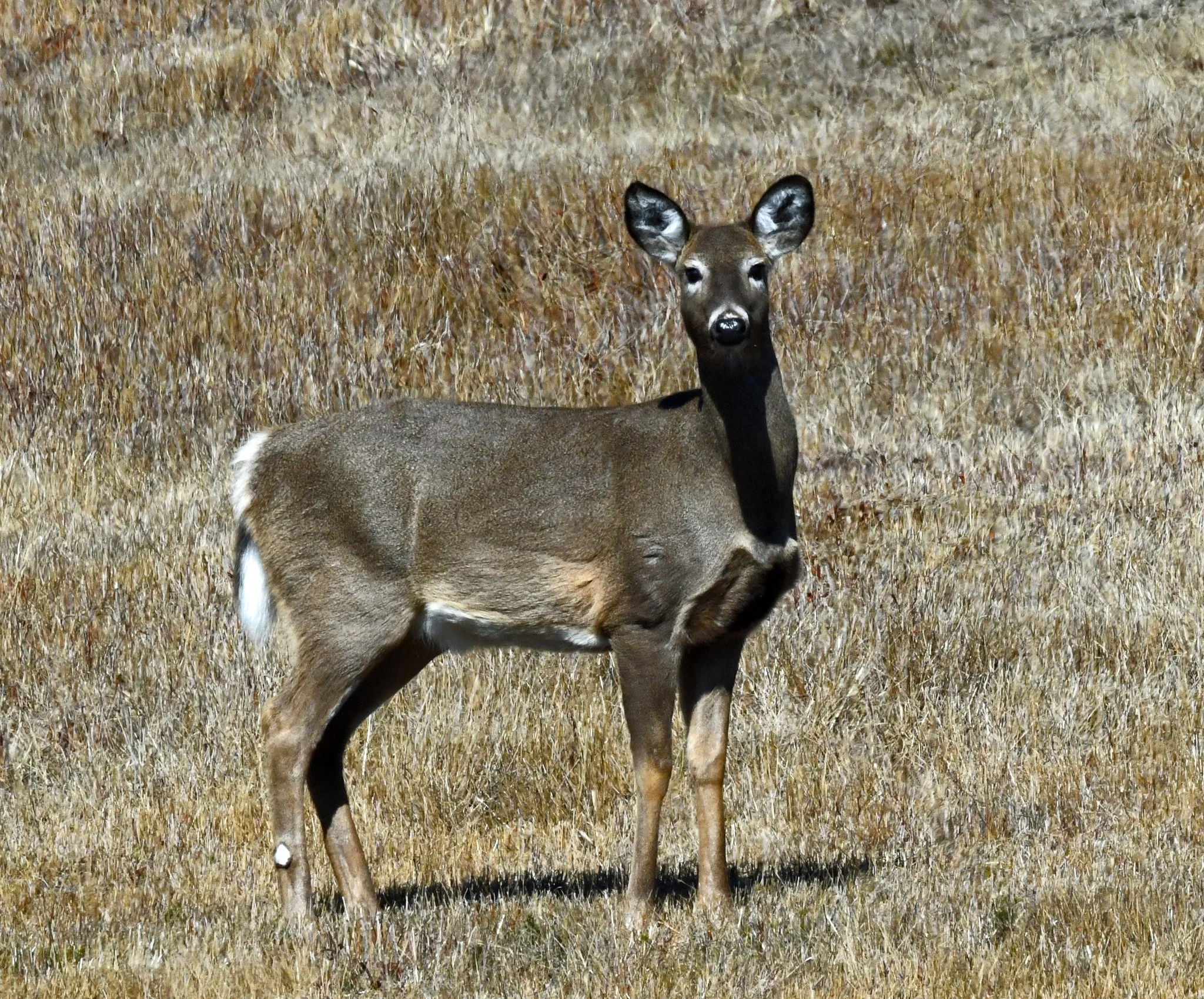
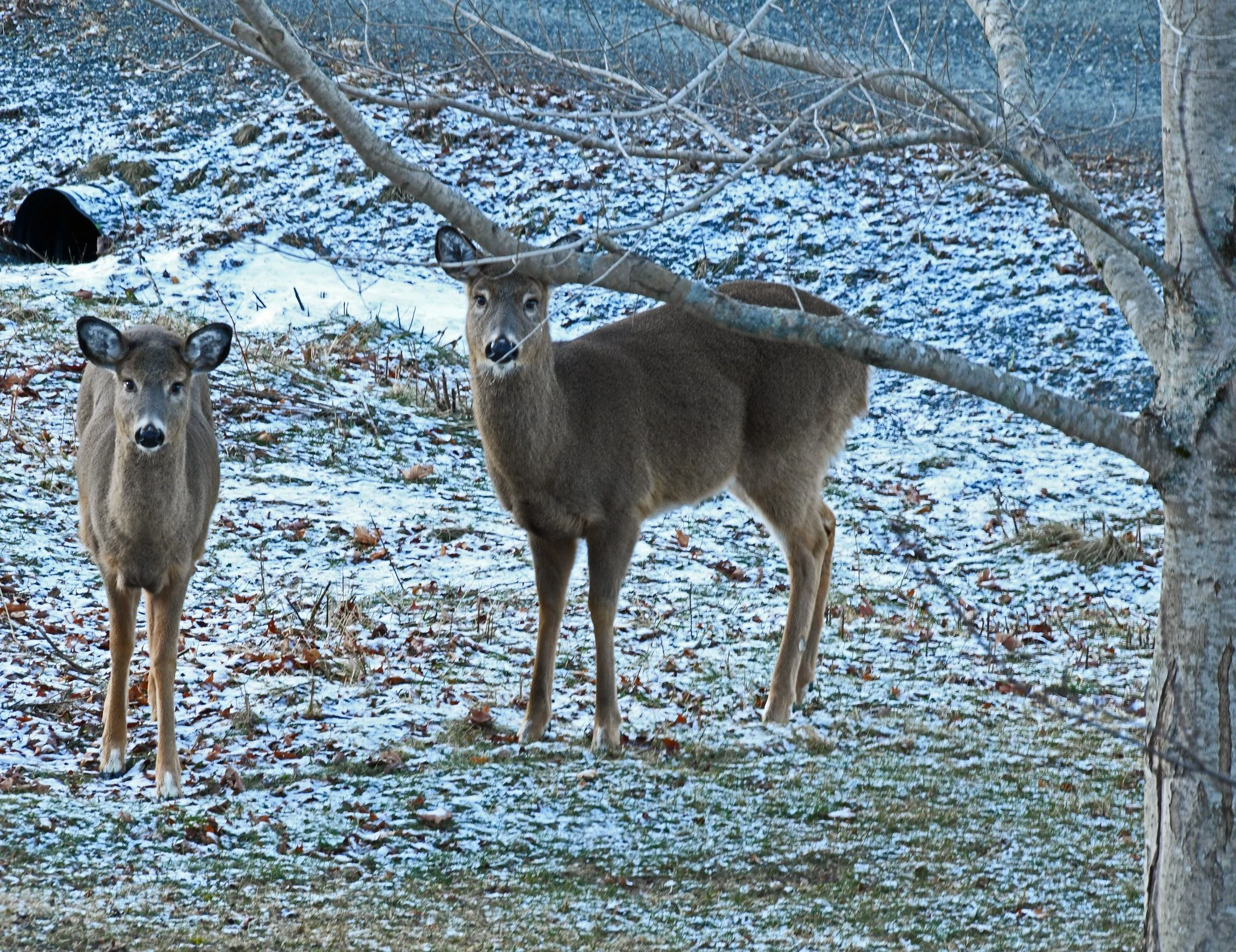
Our white-tailed deer seem to have overcome the vicissitudes of March, assuming there are no more climate surprises in these last two days. Here you’ll see part of the herd that has hung out at our place all winter. These white-tailed deer that can move fast like to engage in long-range staring contests with white-headed men who can’t.

Those beautiful and phenomenal deer eyes rotate independently and have oval-shaped pupils that enhance the white-tails’ ability to see along the horizon. In fact, these deer reportedly have an amazing 310° peripheral field of view. We humans have 180°, if we’re lucky. White-tails reportedly also have about 18 times better nighttime vision than we do. But they are impolite when it comes to staring at those who are physically less fortunate than they.

(Images taken in Brooklin, Maine, on March 28 and 29, 2025.)

Comment

Comment

In the Right Place: March Molluskness

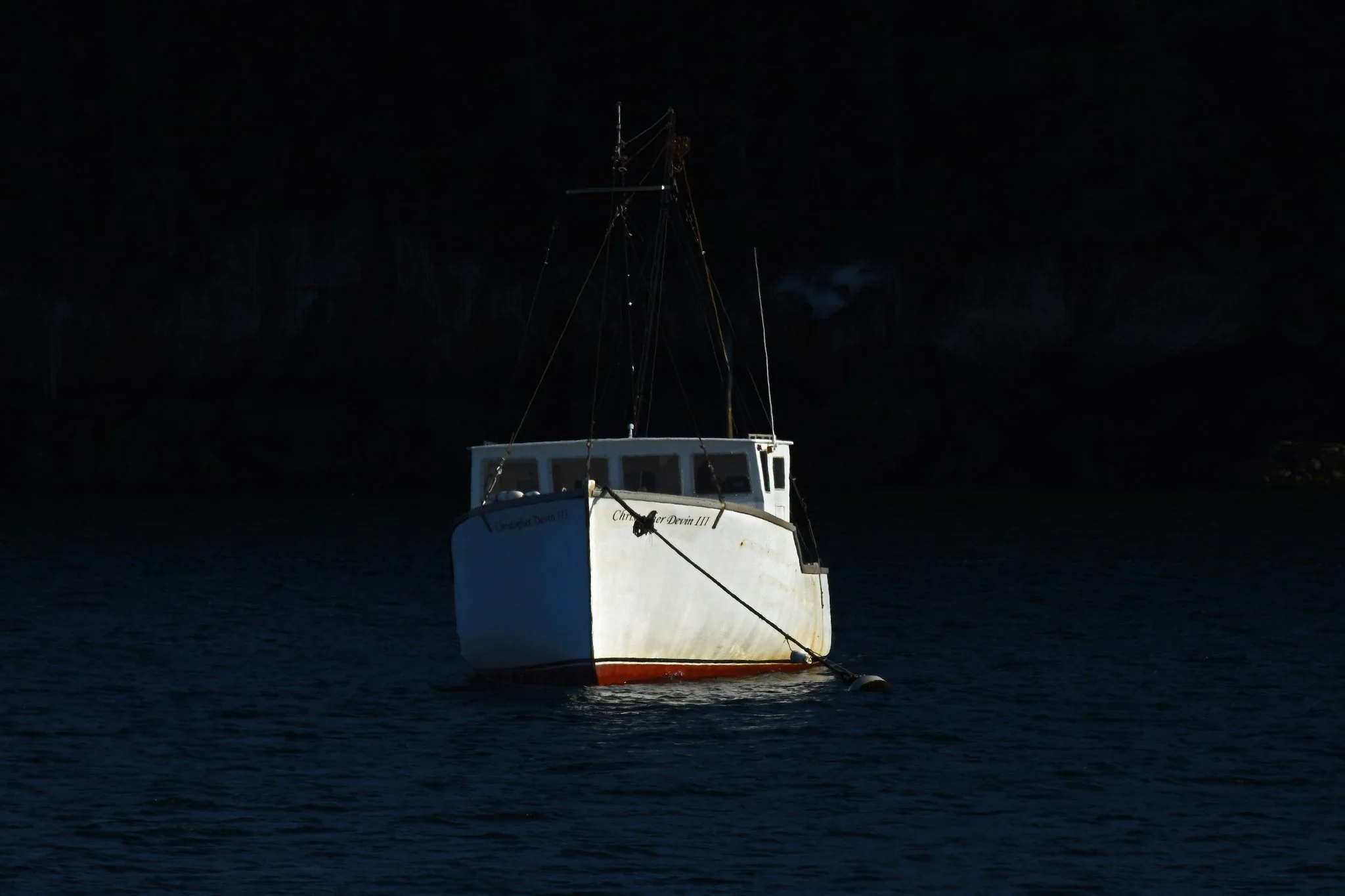
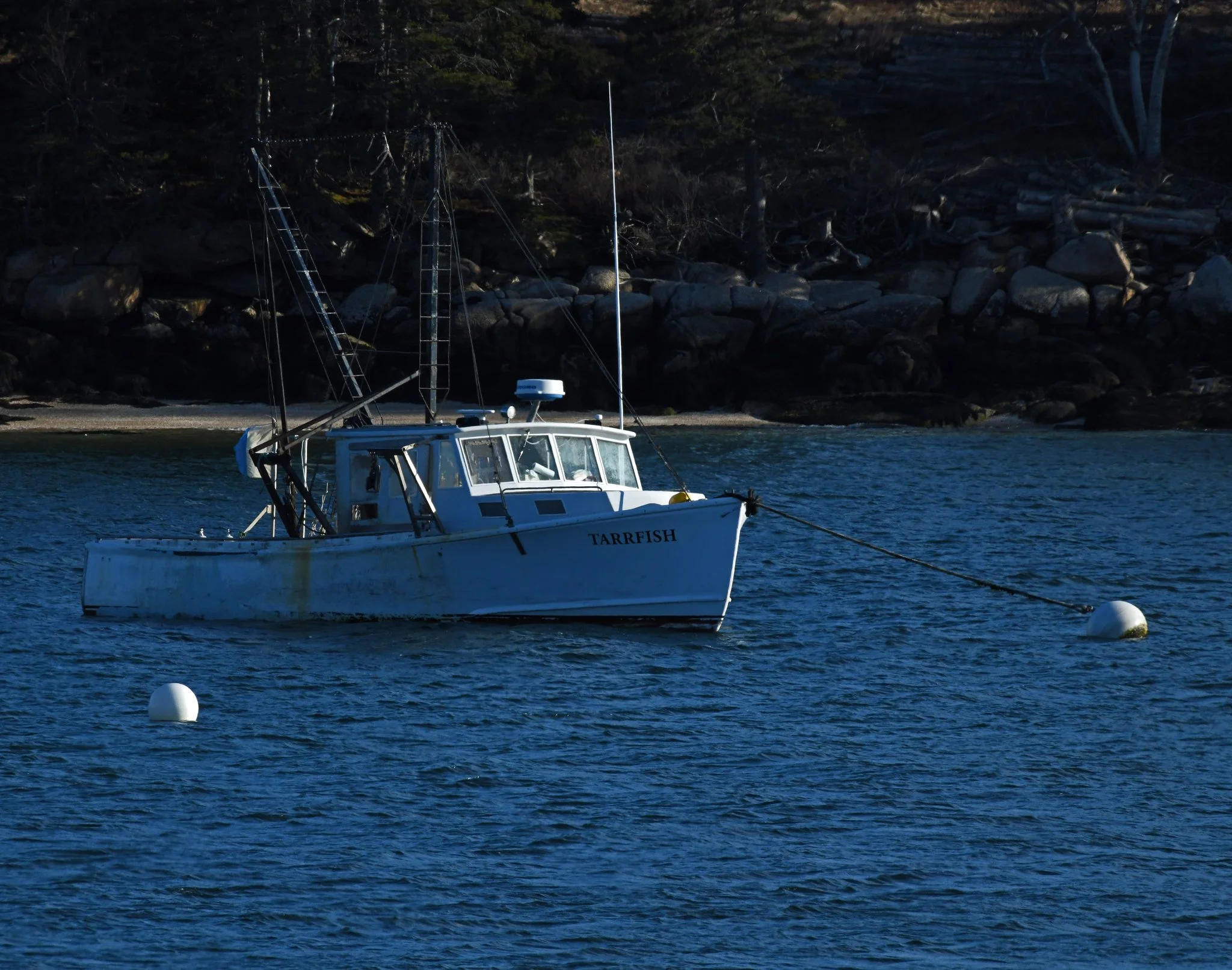
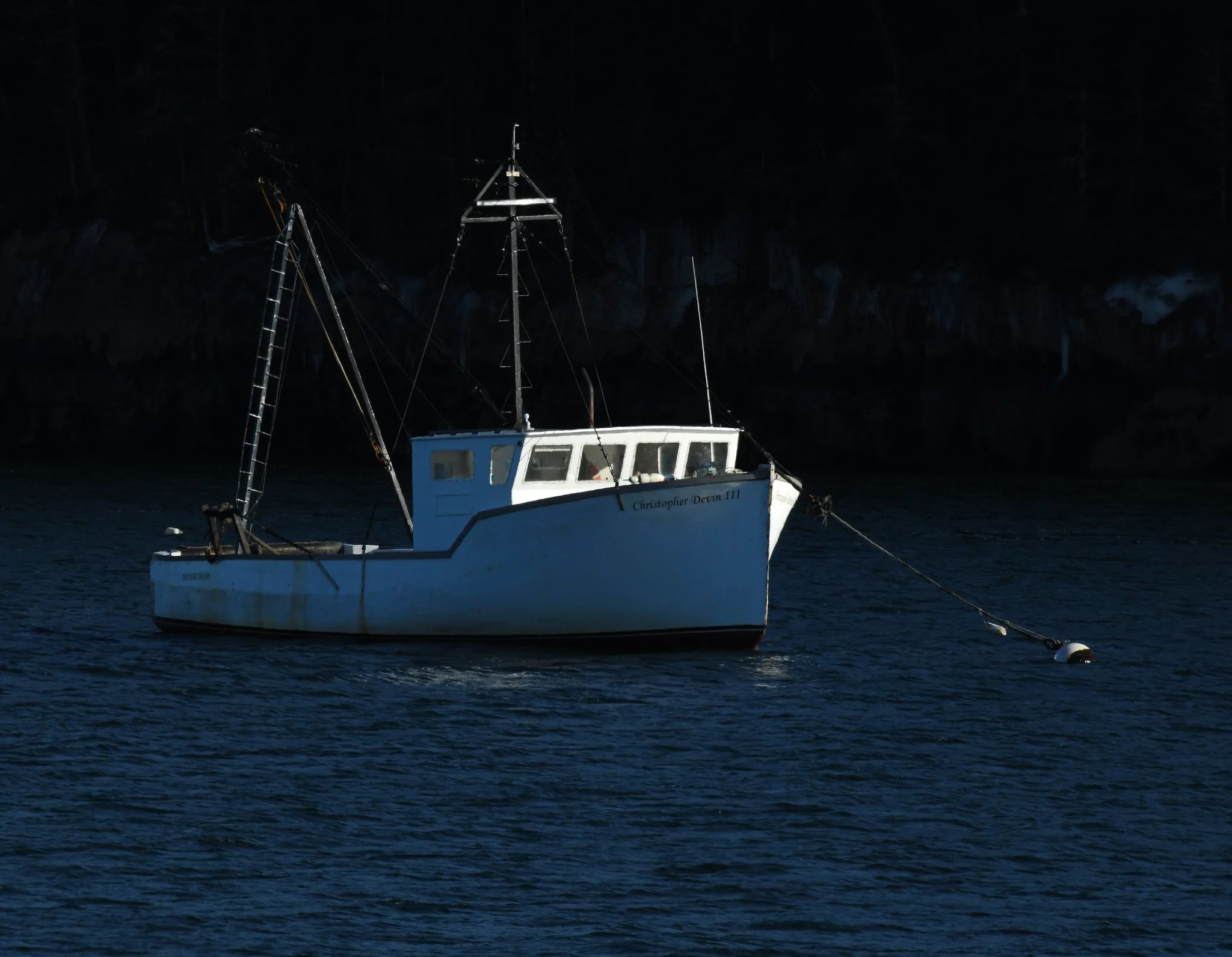
I happened to catch two of our scallop draggers (dredgers) moored at Naskeag Harbor in the friendly late light yesterday. Above, is TARRFISH, a traditional Down East lobster boat with added mast, boom. drag (dredge) and winch for winter scalloping. Below, is CHRISTOPHER-DEVIN III rigged similarly, but she’s a “Novi” (Nova Scotia) vessel, a design favored by our neighbor to the north.  

The scallop rigging soon will disappear as the boats get spruced up for summer lobstering. Maine’s scallop dragging season has ended in some areas and will end state-wide on March 31, unless the regulators decide to do something unexpected. Some diving for hand-harvesting scallops in wet suits will be allowed into April, unless sustainability requires closure. David Tarr, the owner of TARRFISH, is a scallop diver as well as a dragger. (Images taken in Brooklin, Maine, on March 28, 2026.)
Comment

Comment

In the Right Place: Thoughts at the Pier

The Brooklin Boat Yard pier in Center Harbor is an enigmatic sight that is best seen in the open air, as French artists say, “en plein air.” It’s one of the many places that can’t be seen as it really is in a photograph’s reproduction of an instant.

It’s best to see the ever-shifting light, shadows and reflections here while feeling a sea breeze and breathing in a sea scent. And, as part of getting to know the place, you should see, feel and smell the differences that weather, seasons, tides and various perspectives make.

This pier shows the scars of modern replacements of historic parts that were destroyed by a nasty winter nor’easter in January of 2024. Metal and composite walkways now balance on the ancient granite block pilings; a bigger shed seemingly stands precariously on stilts and, in winter and early spring, the docking floats and colorful small boats are gone and its gangway is pulled up like a pirate’s plank, perhaps for long-winded photographers.

(Images taken in Brooklin, Maine, on March 20 and 23, 2026.)
Comment

Comment

In the Right Place: The Right Strut

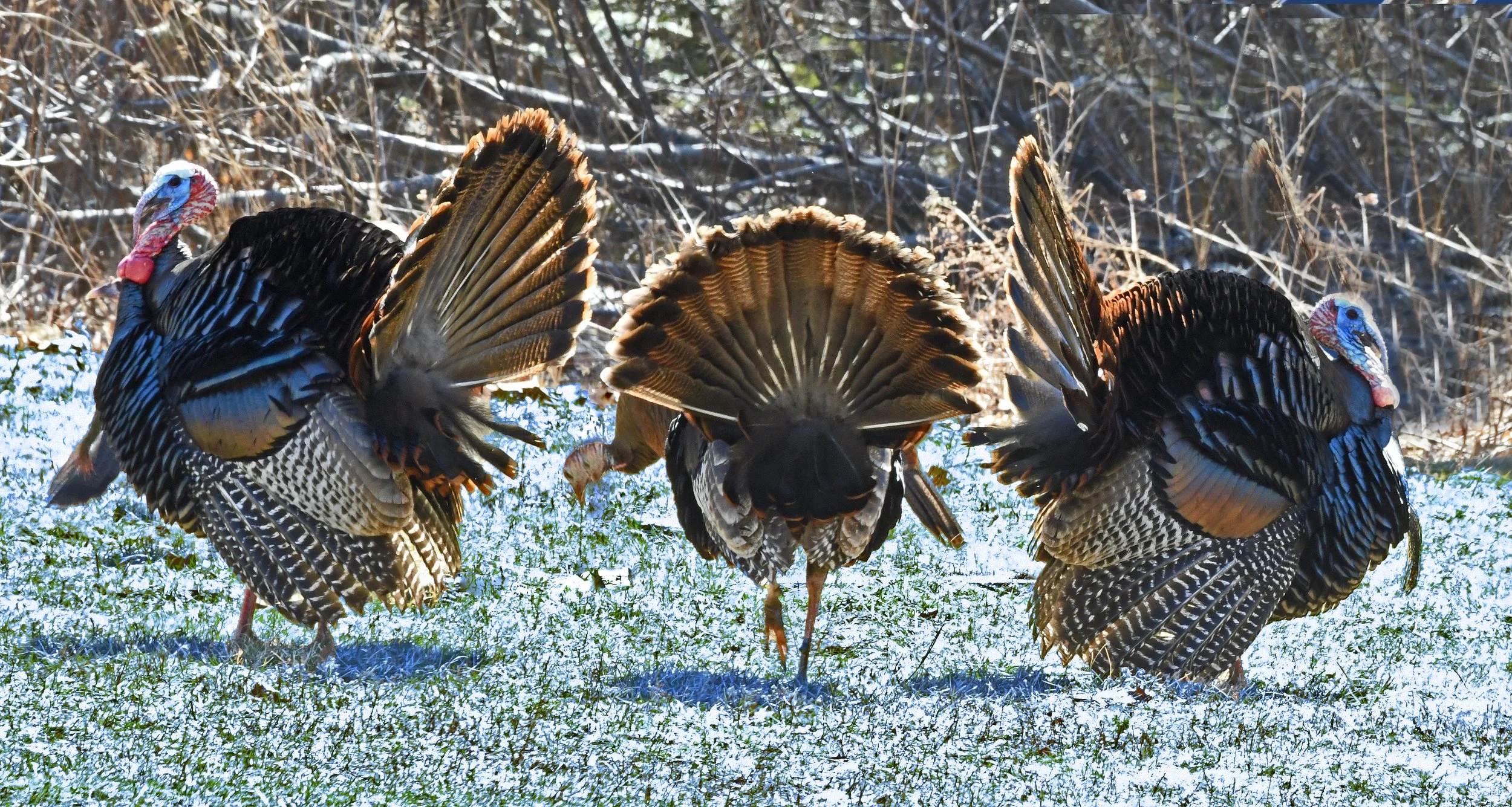
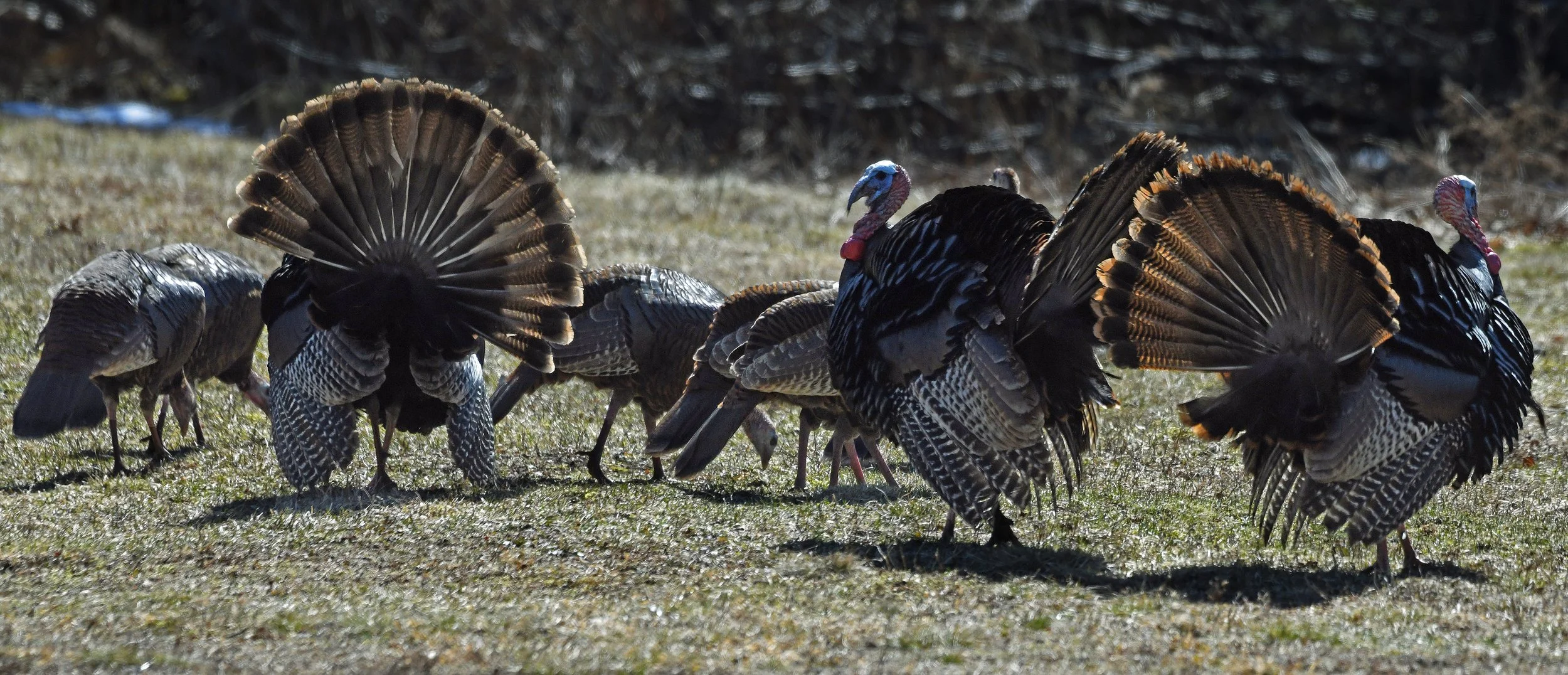
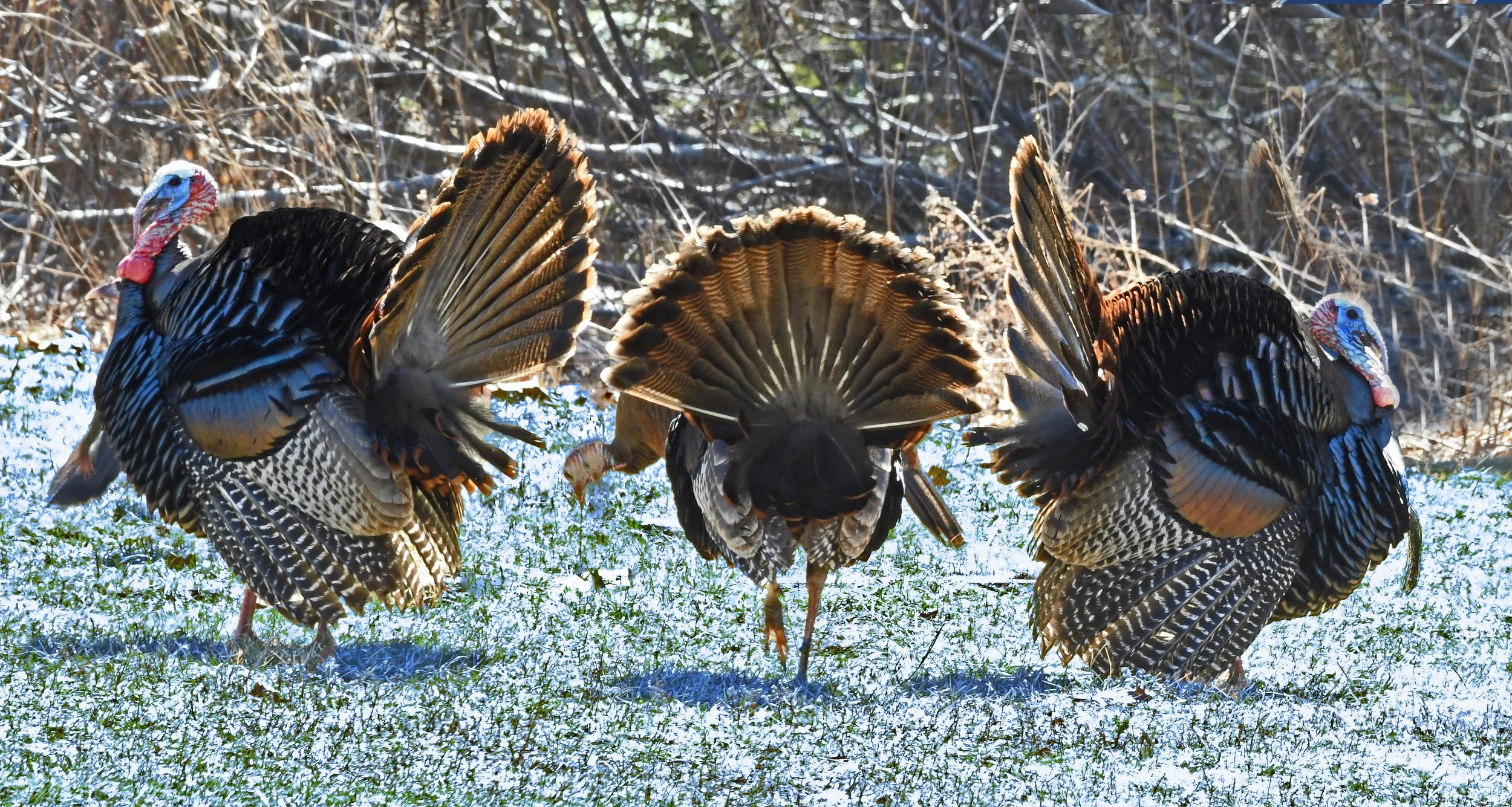
As you’ll see below, Toms around here have gotten their spring testosterone spike and are now performing the wild turkey strut. This performance is one of the most complicated and strenuous displays in the animal kingdom.

There seem to be three major aspects to the turkey strut, a courtship and domination phenomenon. First, there’s the swelling-up. The Tom contracts his many muscles at the base of each feather on his back, breast and sides, making his tail fan out and other feathers stand up. Most Toms can swell themselves up to twice as large as they were when relaxed.

Second, there’s the related dance moves and sound effects. The Tom’s primary wing feathers are drooped down while he shuffles, stiff-legged. The wings scrape the ground and make a rustling sound, while he pulls back his head to expand his chest to the ultimate size possible. While doing this, he growls with a drum-like sound and “spits” or “huffs” with sounds amplified by vibrating his breast feathers. He then periodically shakes himself all over to make his fanned tail and wings rattle.

If that hasn’t made you wonder about the biological purposes of the varying concepts of male attractiveness in this world, the final phase of the strut should. The Tom uses his blood pressure to transform his head and face. The top of the Tom’s head turns red, white and blue, while his “snood” (that fleshy flap that dangles from his face) gets engorged with blood and elongates over his beak. As if that’s not enough, he then elongates and swells his “caruncle” (that testicular-like growth on the neck), while making it flaming red.

Ah, romance …. (Images taken in Brooklin, Maine, on March 25, 2026.)
Comment

Comment

In the Right Place: Glass Sealings

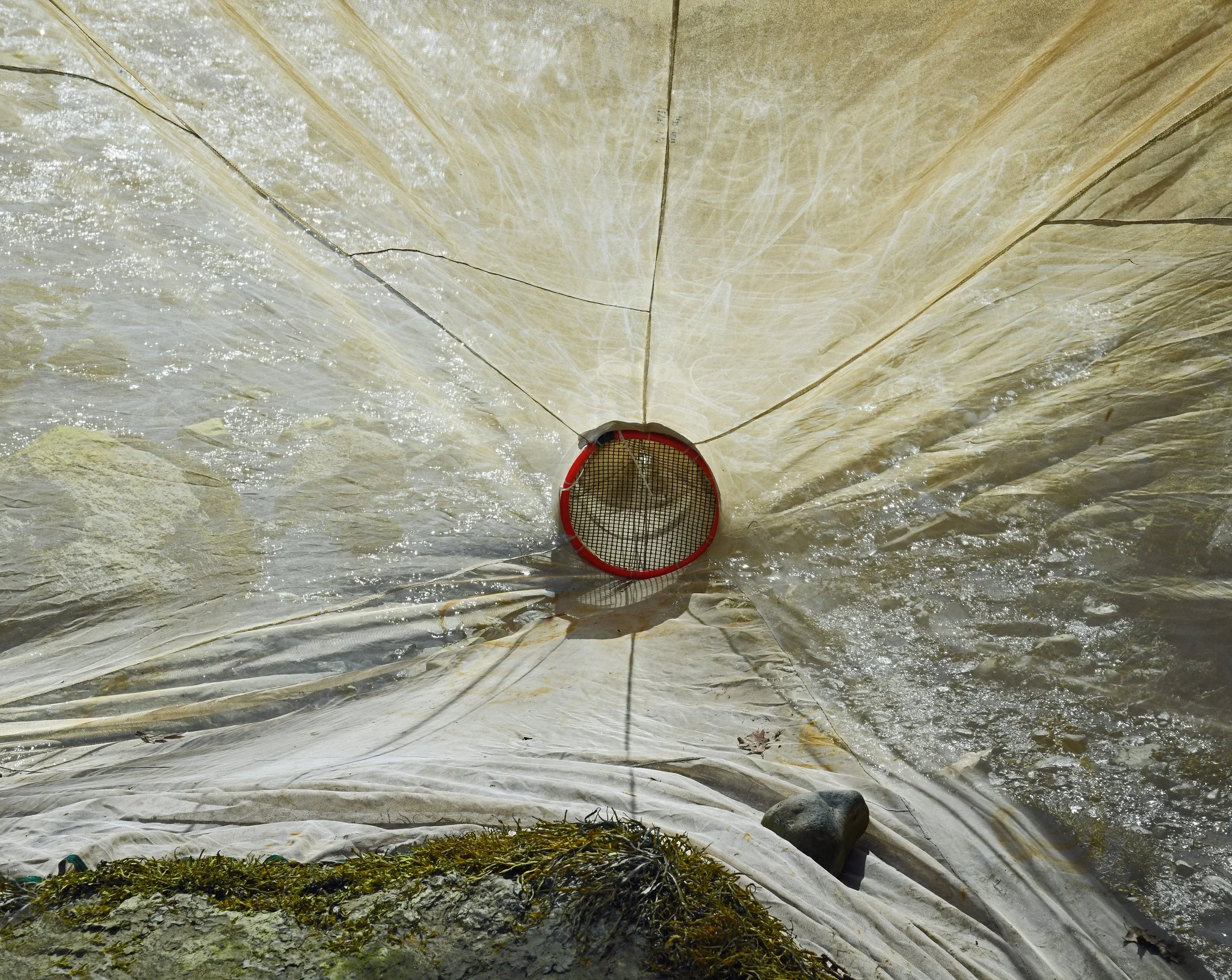
Maine’s glass eel season opened Sunday. Above, is a Fyke net perched at the mouth of Surry Stream to trap migrating glass eels, sometimes called elvers, that will swim up the stream when the tide comes in. These nets, named after a 19th Century Dutch fish trap, apparently are the favored method of catching the transparent baby American eels. Below is an eel’s eye view of a trap:

Fyke (usually pronounced “Fick”) nets, basically, are large, thin-meshed funnel nets supported by long poles with an eel trap and capture bag at the end. They’re placed in the historic paths of the incoming eels that migrate here from the Sargasso Sea. Most of those that are caught here will be air-shipped to Asia, where they’ll be cultivated and sold as delicacies when mature.
These prized baby fish (yes, eels are fish) are seeking fresh water to mature and reside in. After several years, the adults will migrate back to the Sargasso area, breed, and die there. Many of their offspring mysteriously will return to American waters to have their fates sealed with a Fyke net or some other means. Under Maine regulations, the young eels also may be caught with a dip net or a “Sheldon eel trap,” which is a netted or screened box trap that is named after its Maine inventor.

The Maine glass eel fishery has been in decline for complicated reasons. There were only two Fyke nets at Patten Stream yesterday, while there were as many as seven in prior years. Meanwhile, Surry Stream has kept on churning.

(Images taken in Surry, Maine, on March 25, 2026.)
Comment

Comment

In the Right Place: BBY Shops, II

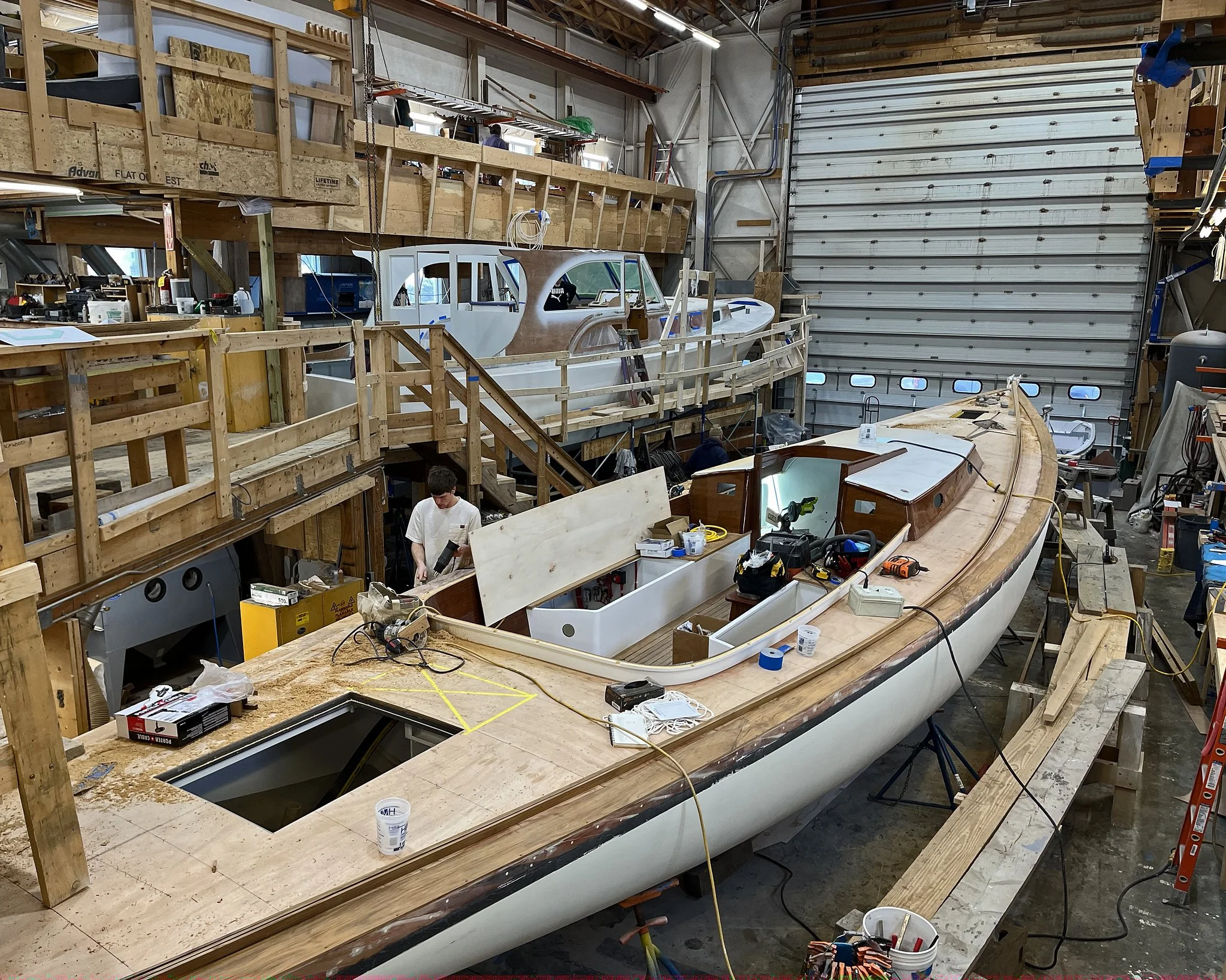
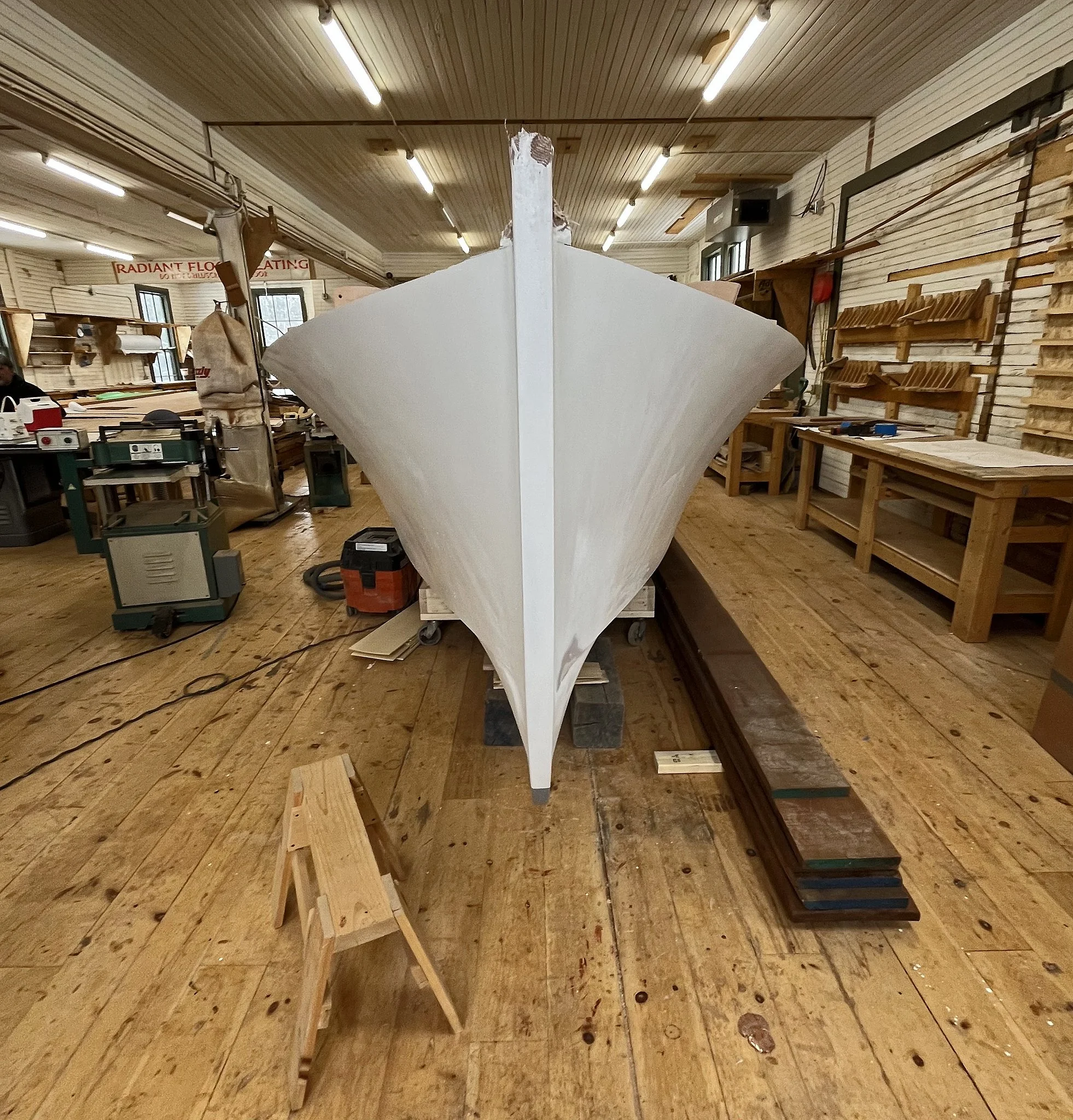
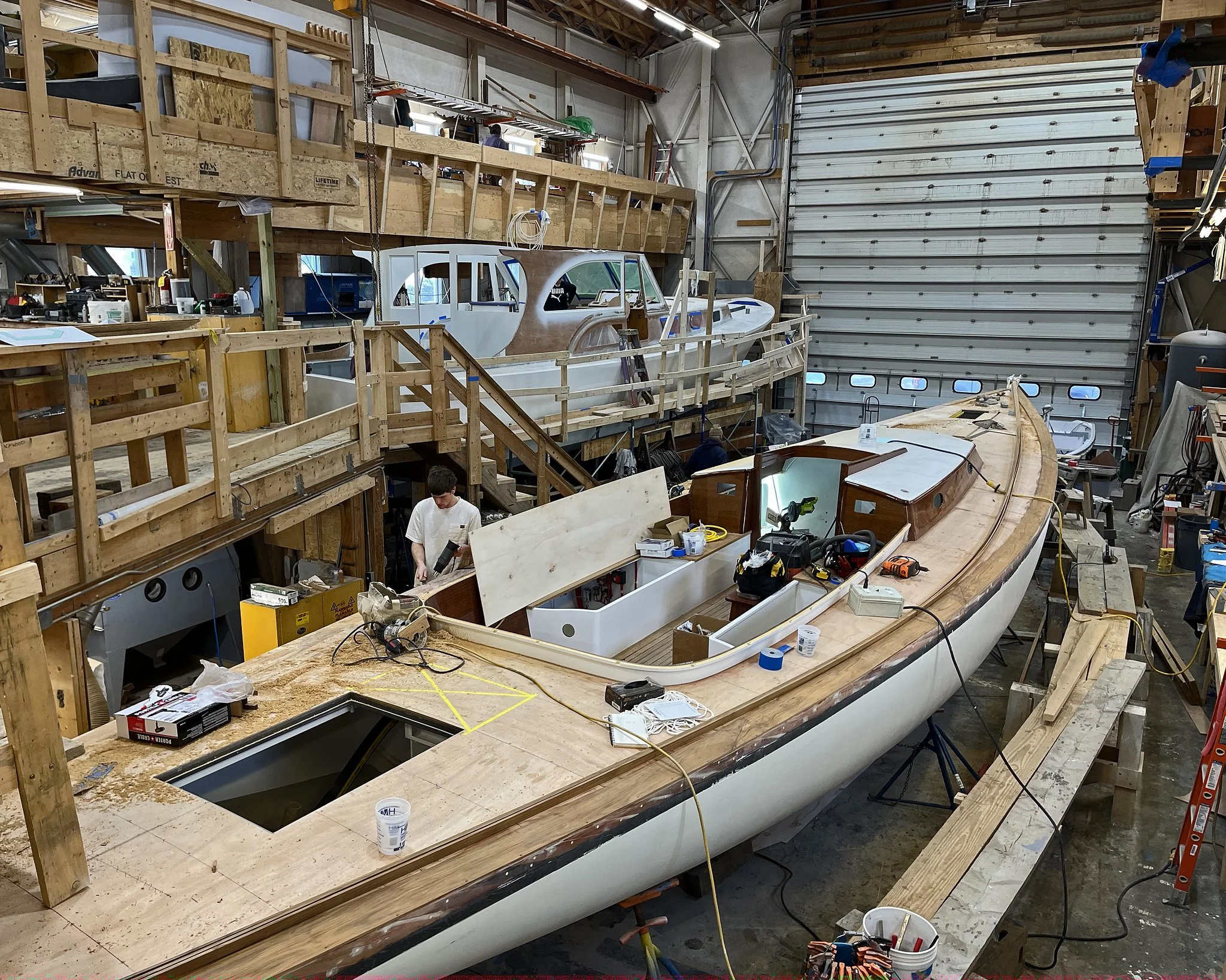
Here’s a visual update on the three remarkably diverse projects that were designed by the Brooklin Boat Yard and are now being built there. Shown in the foreground above, in the main shop, you see DYLAN. She’s an Eggemoggin 47+ (47’ 6” overall length) racing sailboat that’s coming along nicely and may be done by June. In the background is a unique 47’ Express Cruiser, a sleek power boat that apparently hasn’t been named yet. She’s in line to be completed and painted slightly after DYLAN, I’m told.

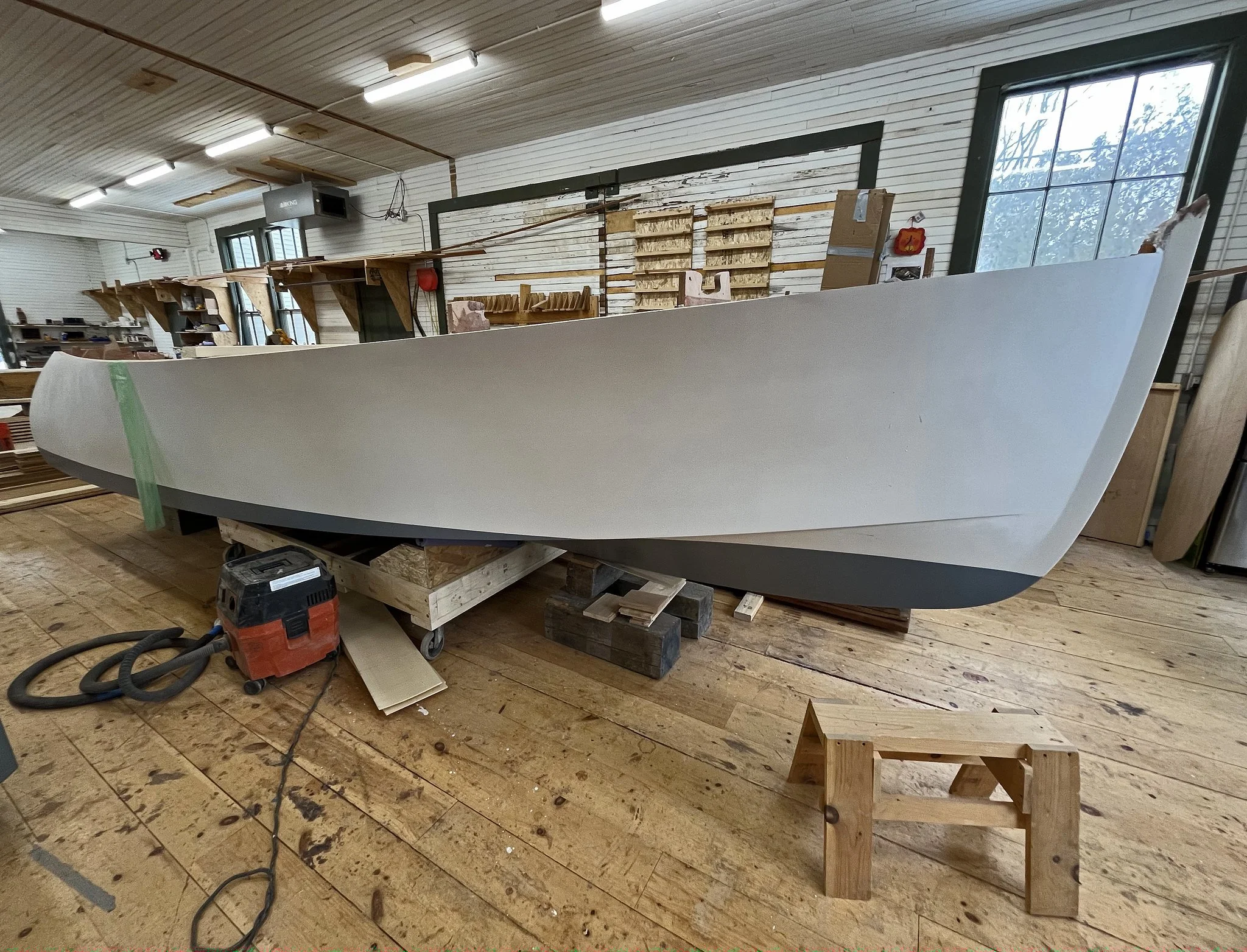
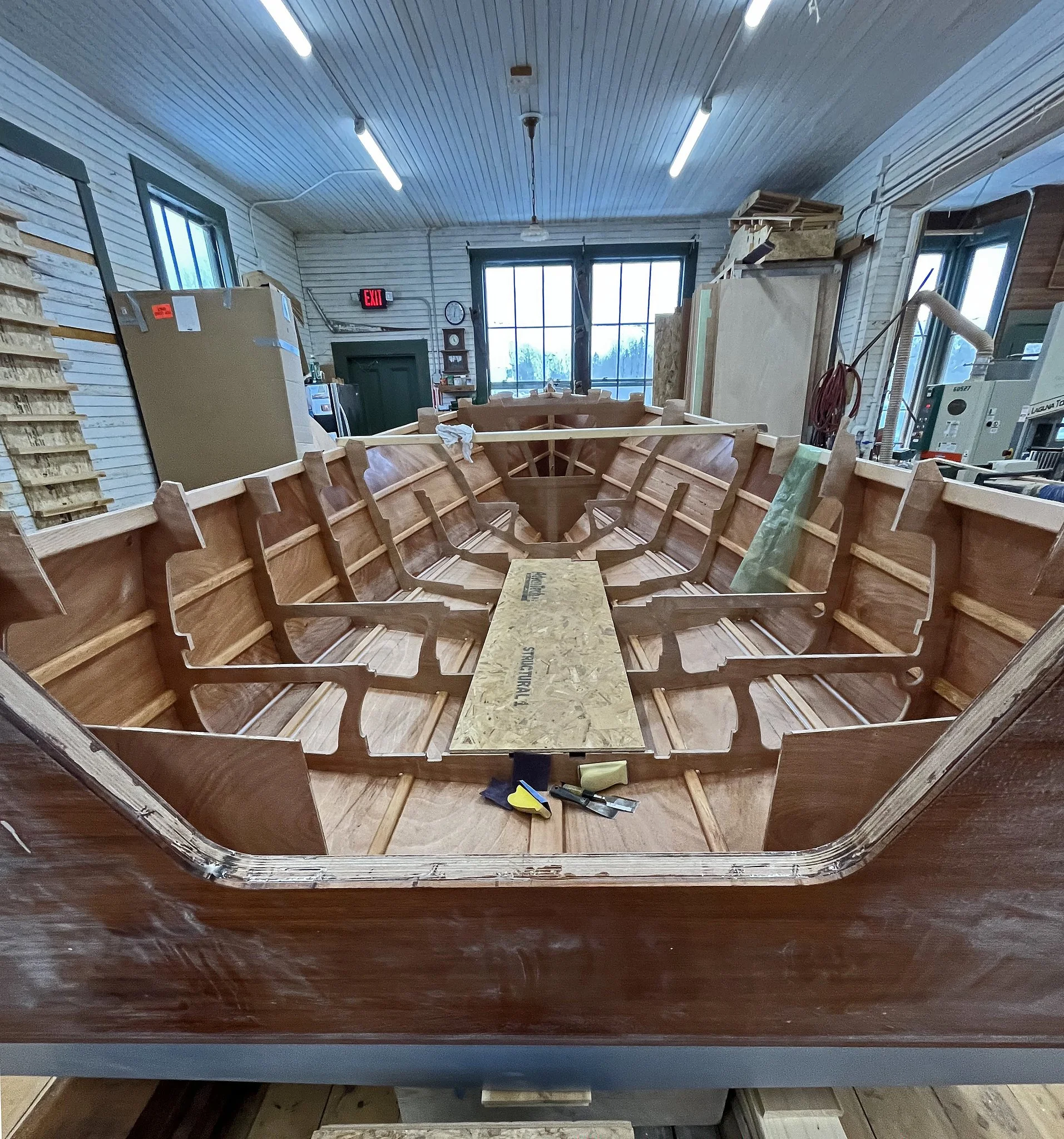
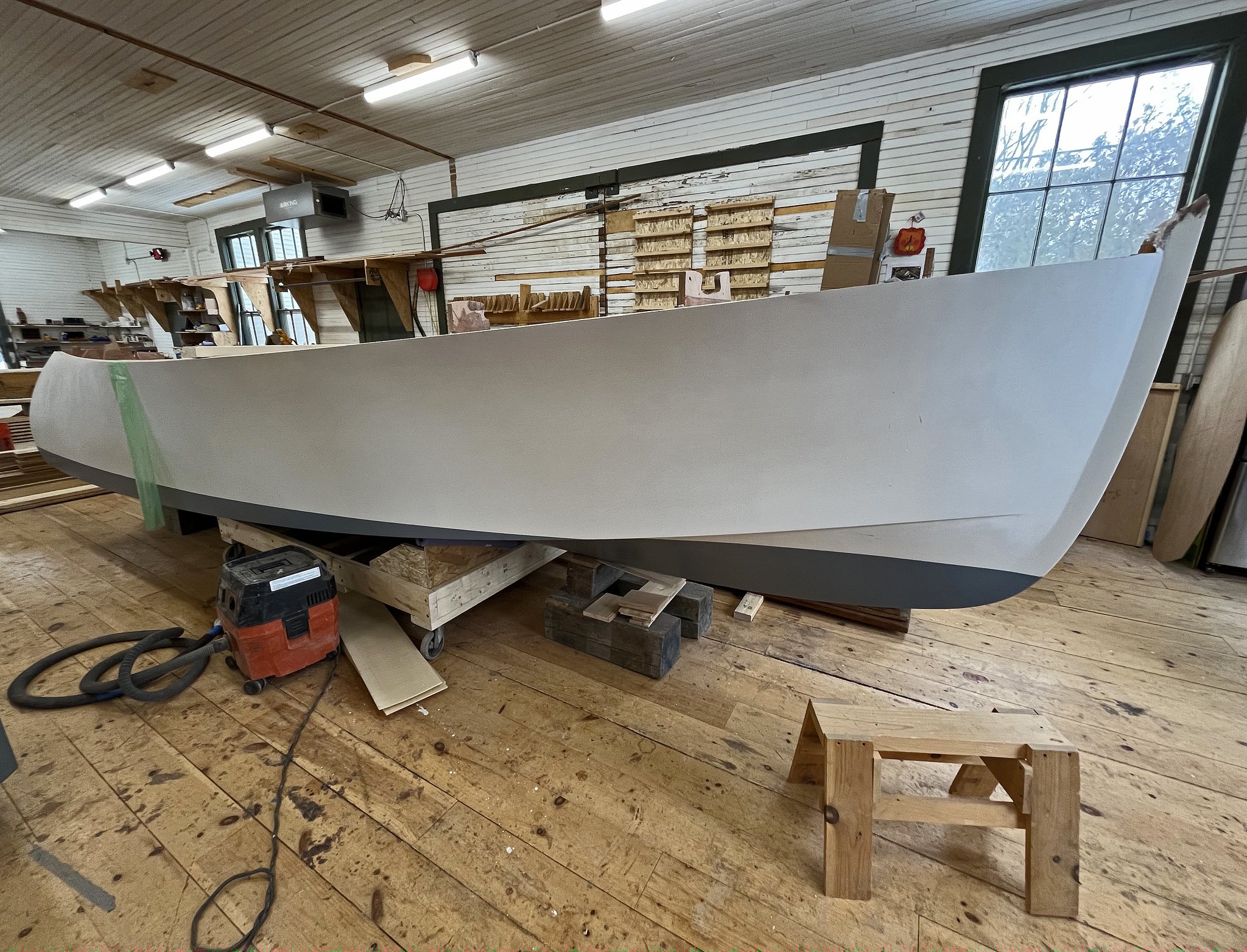
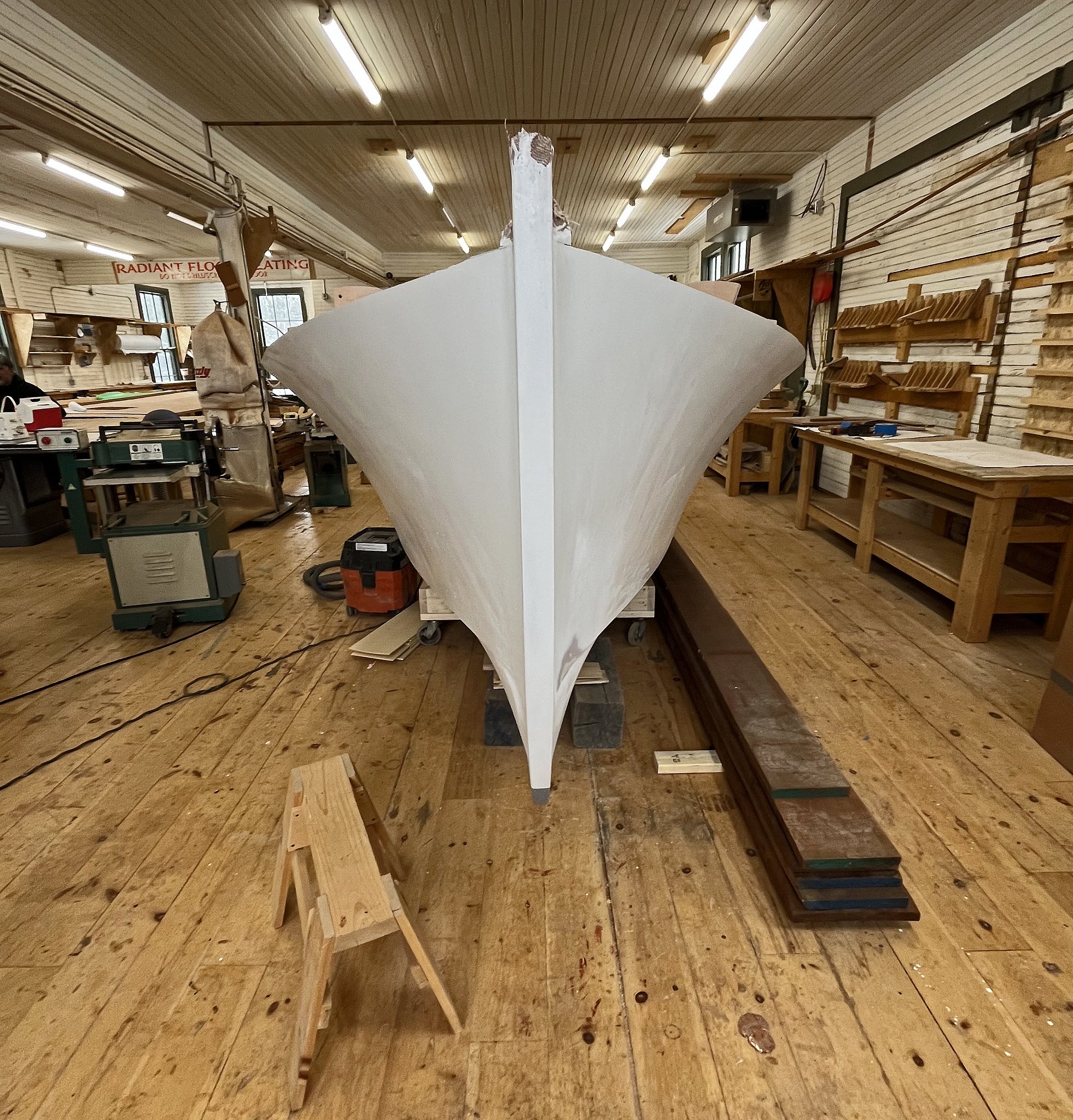
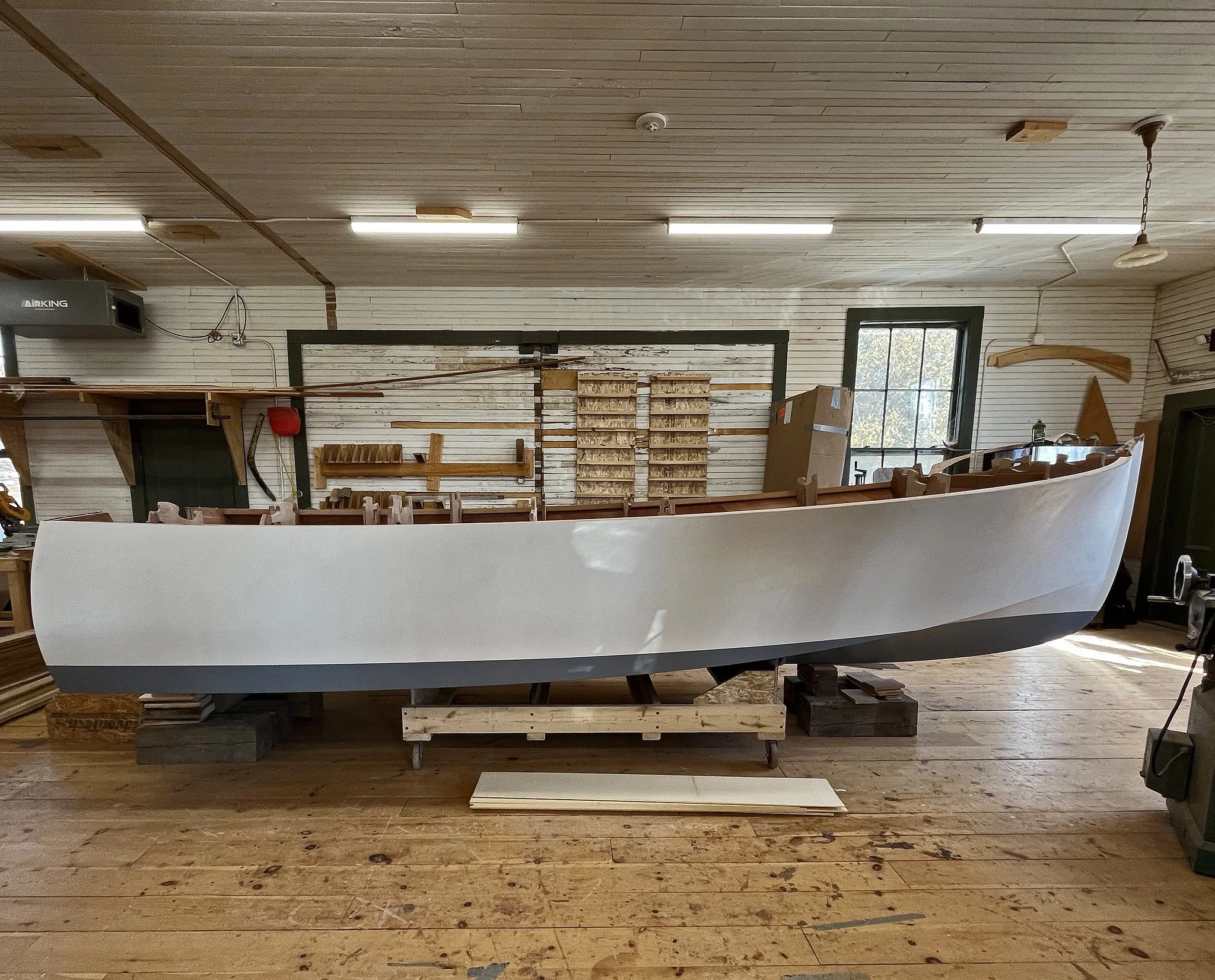
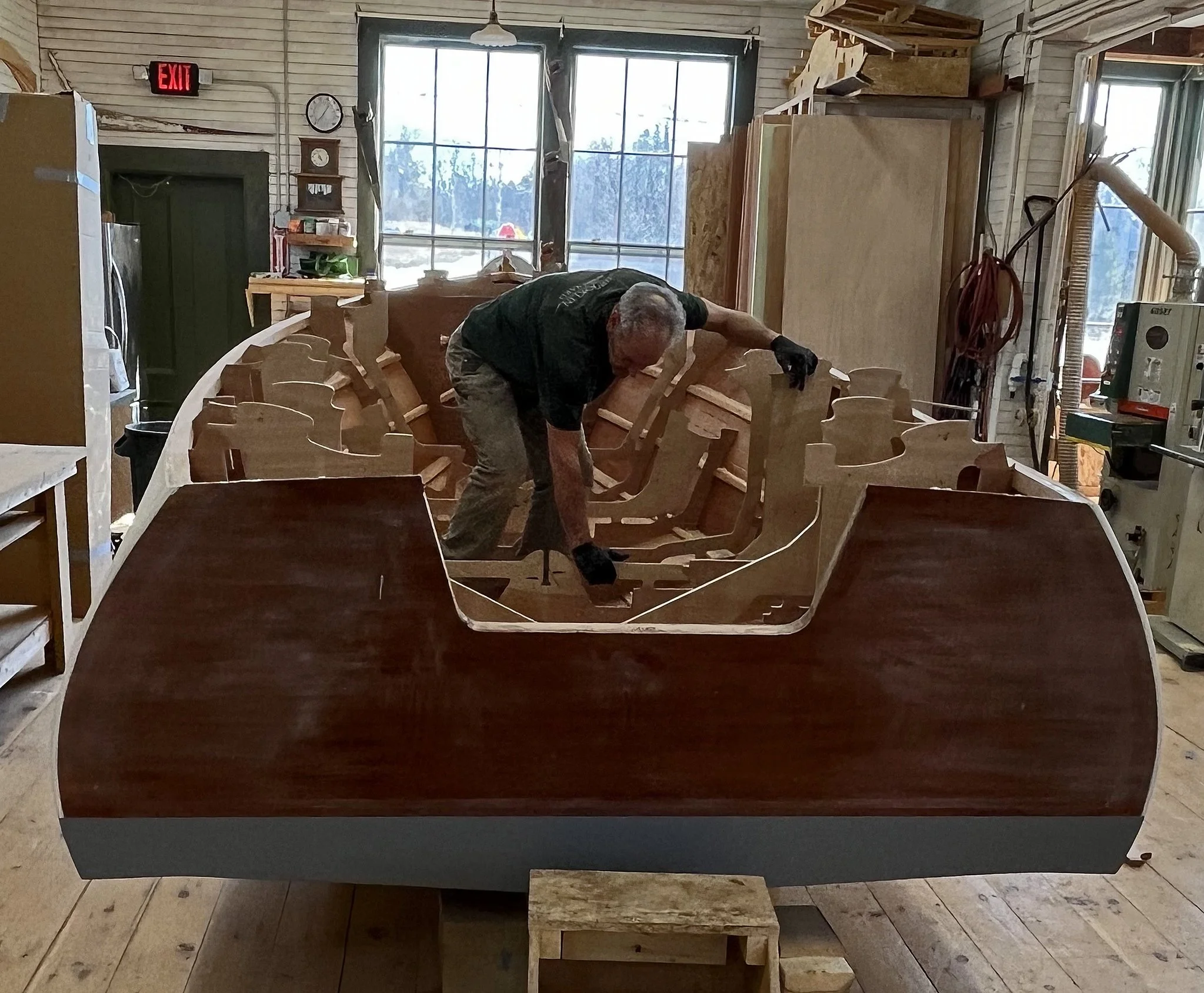
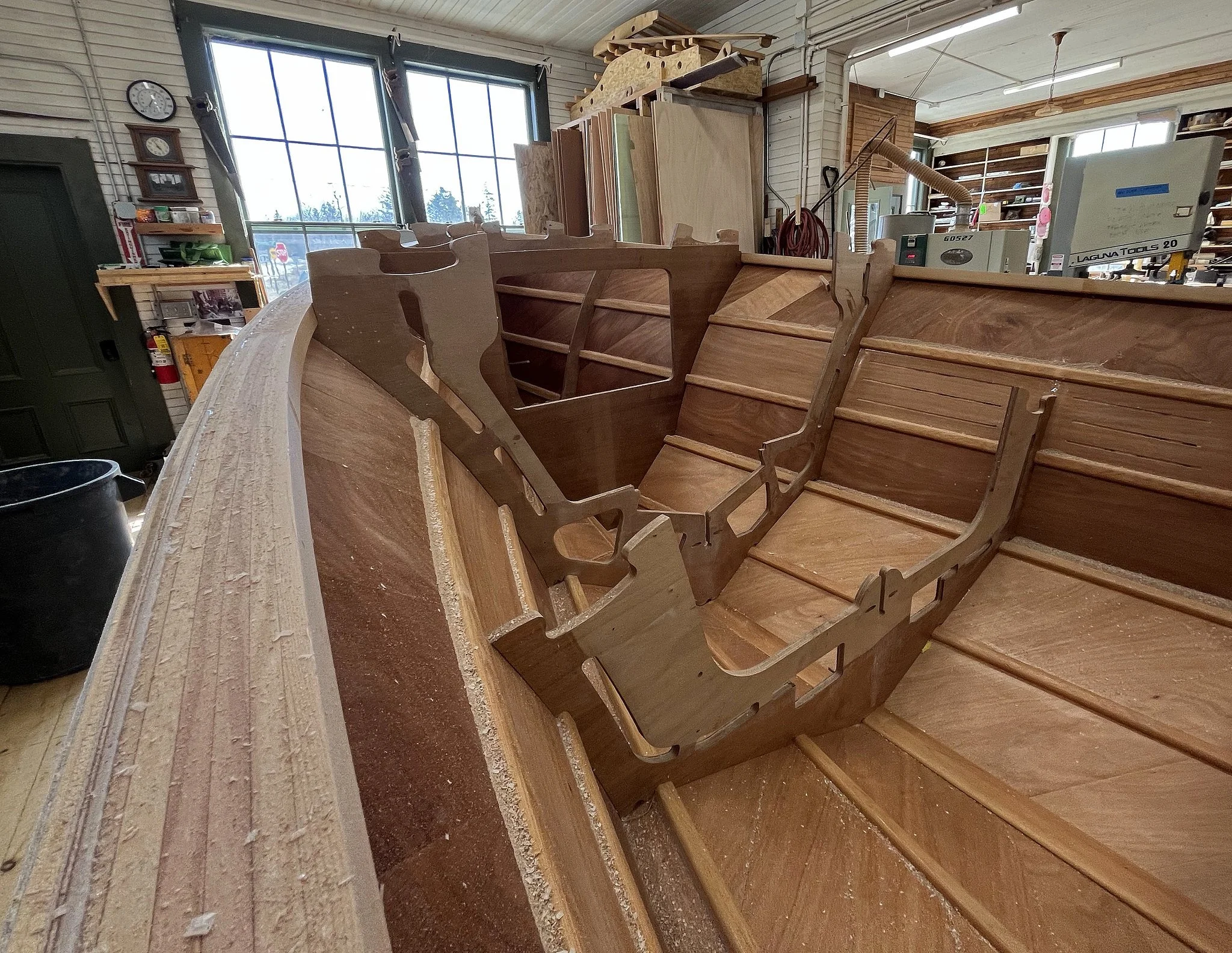
Below, you’ll see the no-name 18’ skiff being built in the auxiliary shop. She’ll be the first one completed, I assume. She has a remarkably good profile for a utility boat; I especially like the way her bow flare eases into the hull.

(Images taken in Brooklin, Maine, on March 23, 2026.)
Comment

Comment

In the Right Place: Close Encounters of the Honking Kind

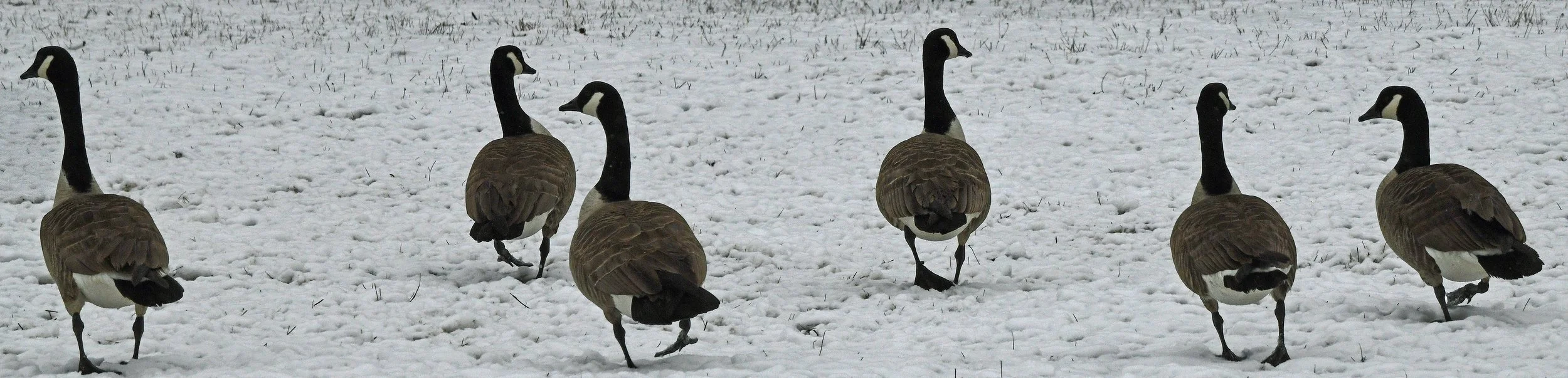
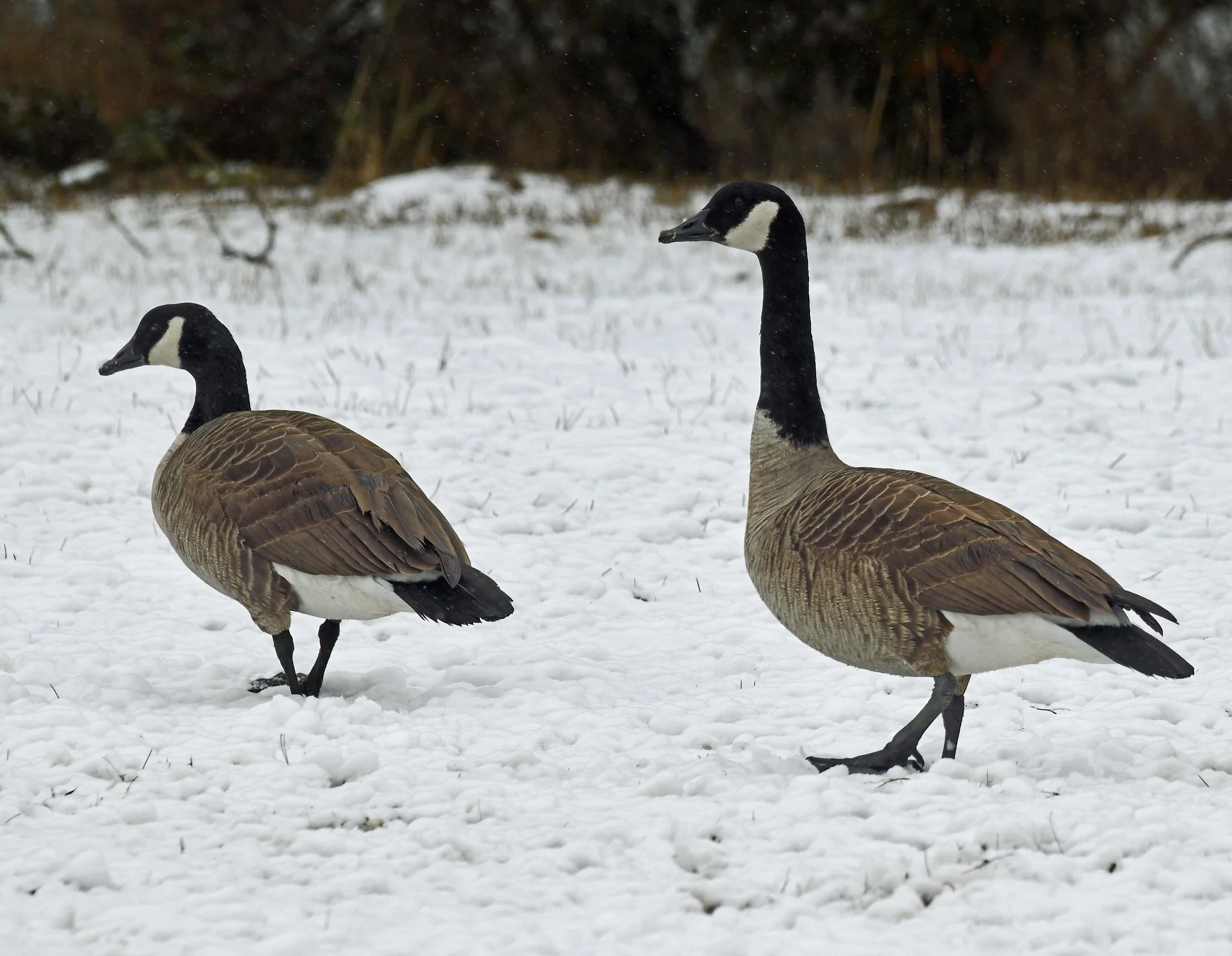
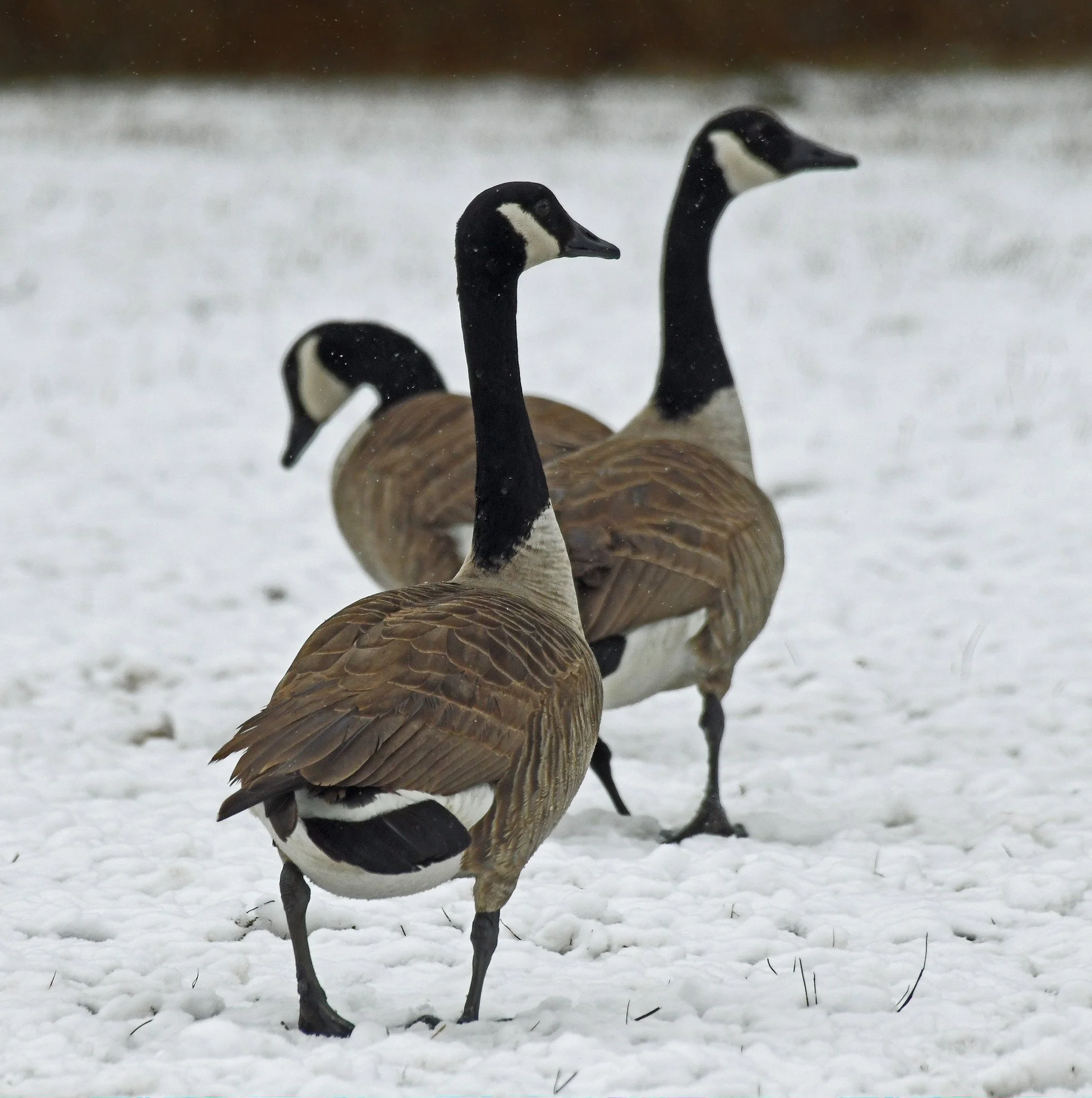
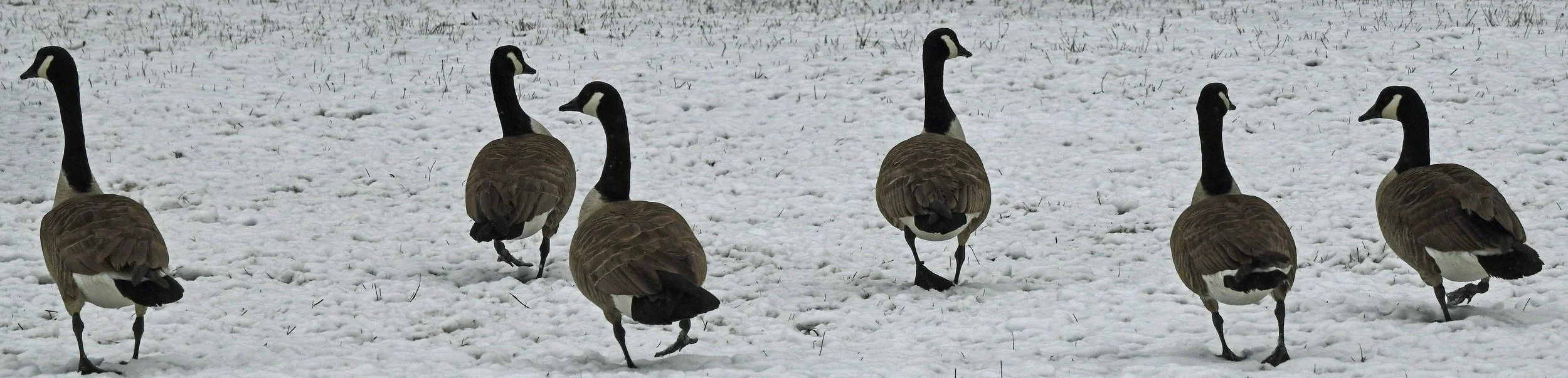
These masked characters slipped over our northern borders under cover of another snowfall yesterday and the only ICE in sight was on the ground. Canada geese have been coming south for at least two weeks.

In Maine, Canada geese consist of both migratory birds such as these and rapidly increasing "resident" populations that stay here year-round, adapted especially to environments with large lawns and still, open water.

There were no Maine breeding populations of these birds before 1960, but restoration programs were highly successful, if not too successful in some areas. Canada geese are magnificent creatures that are monogamous, extremely territorial, and can live over 20 years. But, as you’ll see, they’re not always nice neighbors.

The Canada geese that choose to reside here increasingly are the "giant" subspecies of Canada goose (Branta canadensis maxima), which were once near-extinct. The literature reports that the adult giants average around 12–15 pounds, with exceptional specimens exceeding 20–24 pounds. The common Canada geese adults migrating through usually are in the 7–9 pound range or just slightly heavier.

Yes, there are issues with resident geese. They can be highly aggressive in populated areas, especially when nesting. They threaten and scare approaching pets and people by hissing, honking and even striking. They also have been known to overgraze and ruin public and private lawns, and create significant scat buildup in public areas and water sources.

Thus, Maine wildlife regulators advise against feeding Canada geese, because it causes them to lose their fear of humans and build resident populations in numbers that are not naturally sustainable. (Images taken in Brooklin, Maine, on March 23, 2026.)
Comment

Comment

In the Right Place: March Madness

Isn’t it just like March? She notices that her snow and ice have melted, and the beloved green ground is showing itself to those that need to eat it and those, such as Yours Truly, who need to see it in spring.

March apparently decided that there was too much indecent exposure going on. She cast down millions of tiny snowflakes in plumes of white yesterday, which lay like a cheap blanket on the awakening earth and returned us to what has become decent, but boring, whiteness.

Yes, of course, snowfalls and their effects are beautiful. But they can become like engaging guests who overstay their invitation. Nonetheless, now that I’ve finished my first rant of the day, here and in the Comment space are a couple of images of March’s outdoor madness yesterday. (Fortunately, the indoor basketball madness has been mostly exciting, but that’s another story)

Images taken in Brooklin, Maine, on March 22, 2026.)
Comment

Comment

In the Right Place: Barndominiums

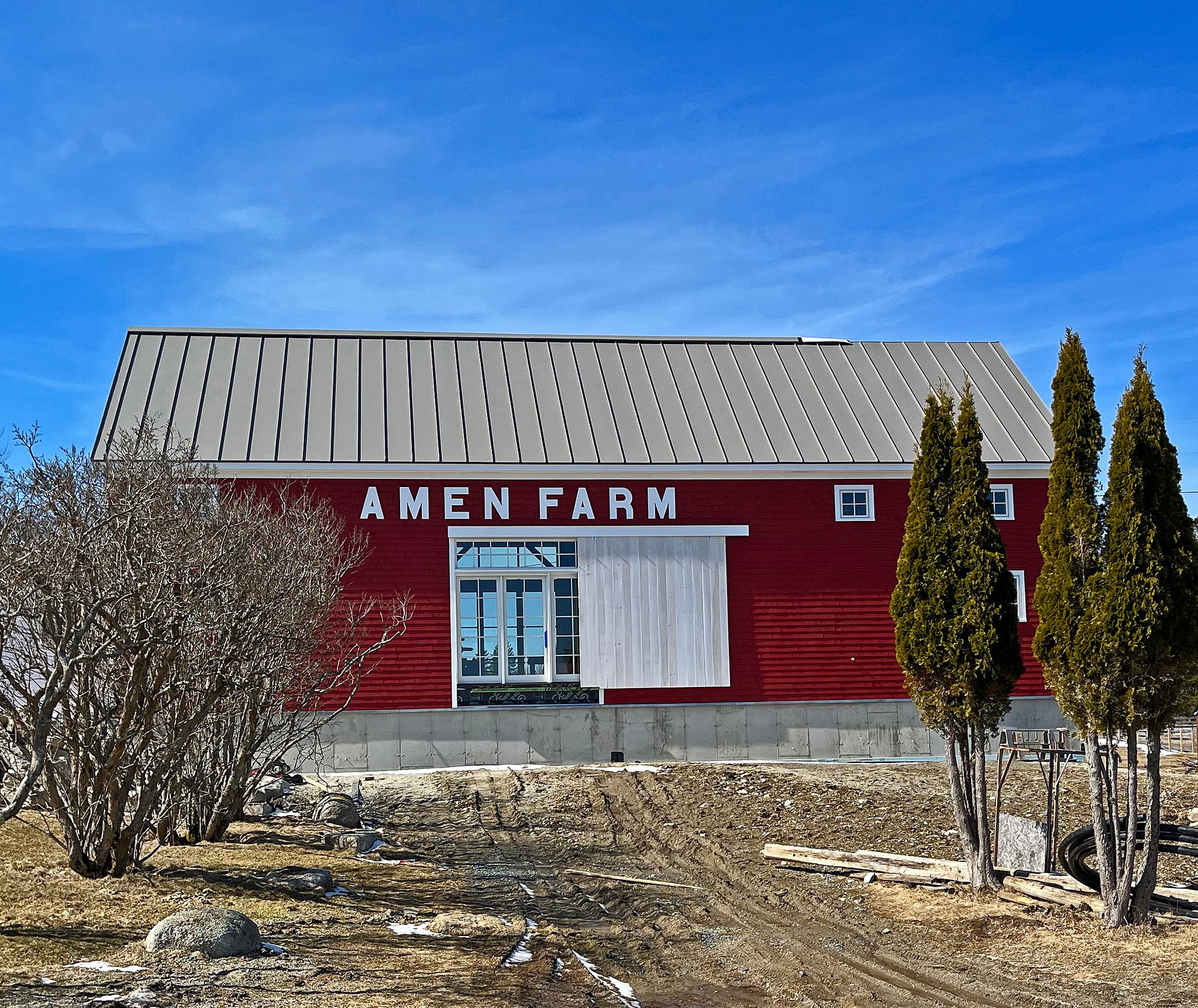
The steady decline in Maine farms has led to an increase in traditional barns being converted into what some are calling "barndominiums" – residences, B&Bs and other shelters with all the modern conveniences for people, rather than the necessities for farm animals.

Barndominiums often preserve or simulate the original barns’ historic post-and-beam exteriors, but contain features such as great rooms with large fireplaces, central air conditioning and heating, and other good-life amenities. Some barndominiums keep (or replicate) a barn’s large sliding doors, but when those doors are slid open, you’ll see large windows or glass-paneled doors. Here’s one under construction:

Leighton Archives (March 14, 2022)

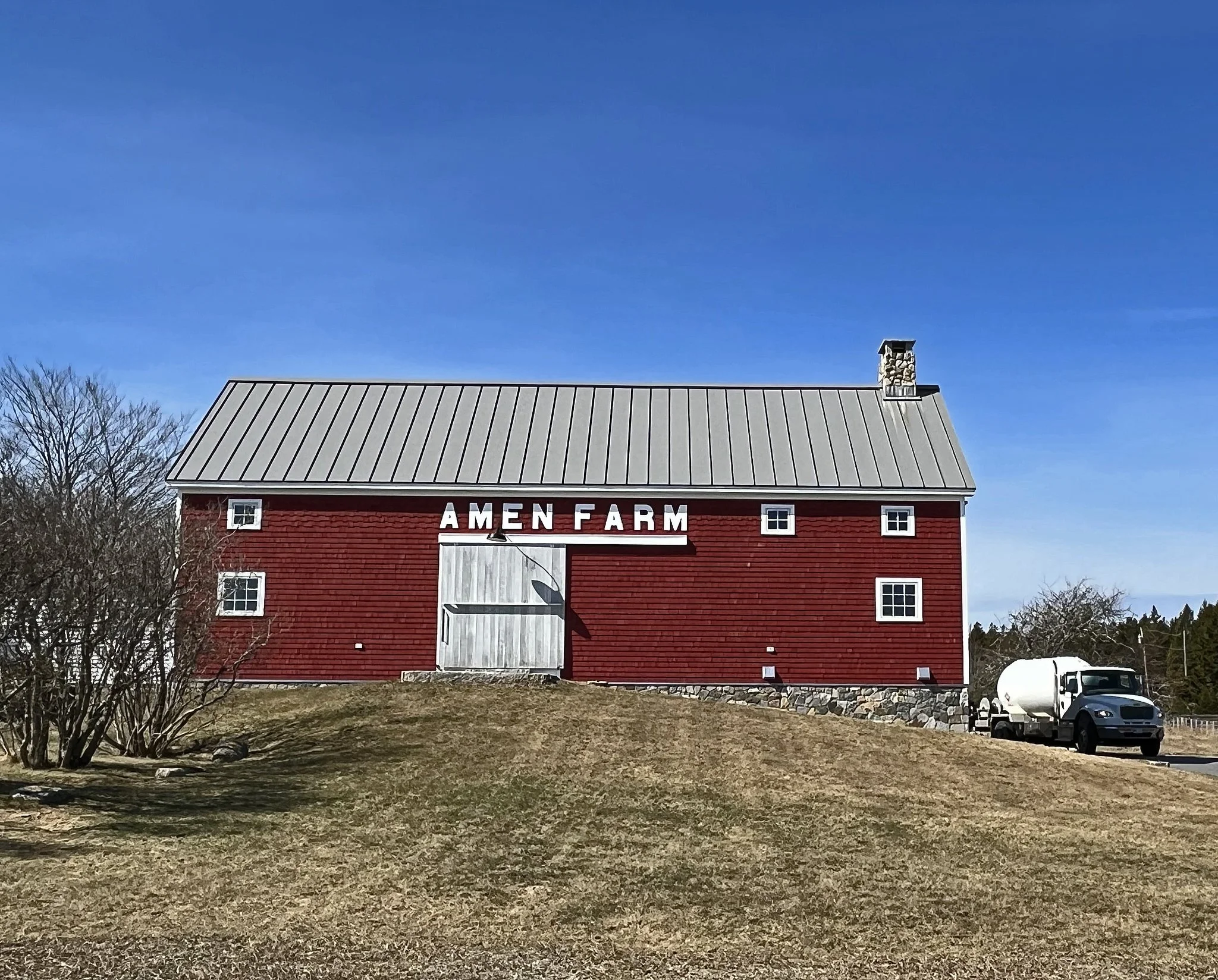
Many Maine farmers relied on animal warmth or sometimes a small wood stove to heat barns in winter. Today, you’re as likely to see a propane truck backing up to a barndominium to supply heating fuel as you were in days of yore to see a manure truck backing up to a barn on mucking-out day:

(Images taken in Brooklin, Maine, on March 18 and 20, 2026.)
Comment

Comment

In the Right Place: Getting Rolled

This well-proportioned, 18-foot skiff had just been rolled over when I visited the Brooklin Boat Yard’s auxiliary shop yesterday.

As you may know, in custom boat building, a boat’s being “rolled over" refers to the critical, often celebratory, moment when a boat hull is completely (or virtually completely) formed and the boat is flipped from its inverted build position (bottom-side up) to its upright finishing position (right-side up). Then, the boat’s interior supports, etc., can be worked on:

BBY’s auxiliary shop is in the historic (rehabilitated) Odd Fellows Hall near the main boatyard. (Images taken in Brooklin, Maine, on March 20, 2026.)
Comment

Comment

In the Right Place: Optimistic Pessimism

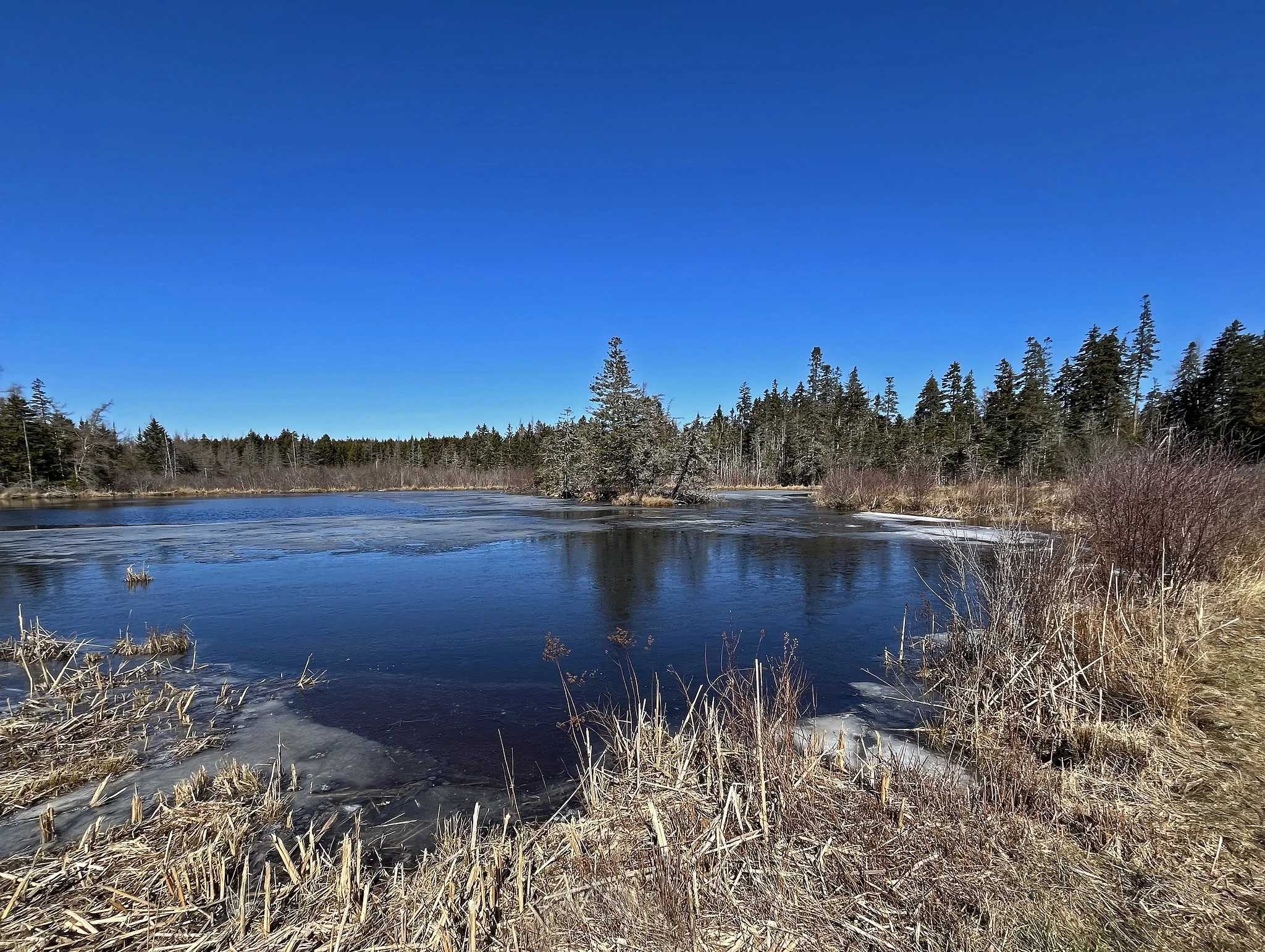
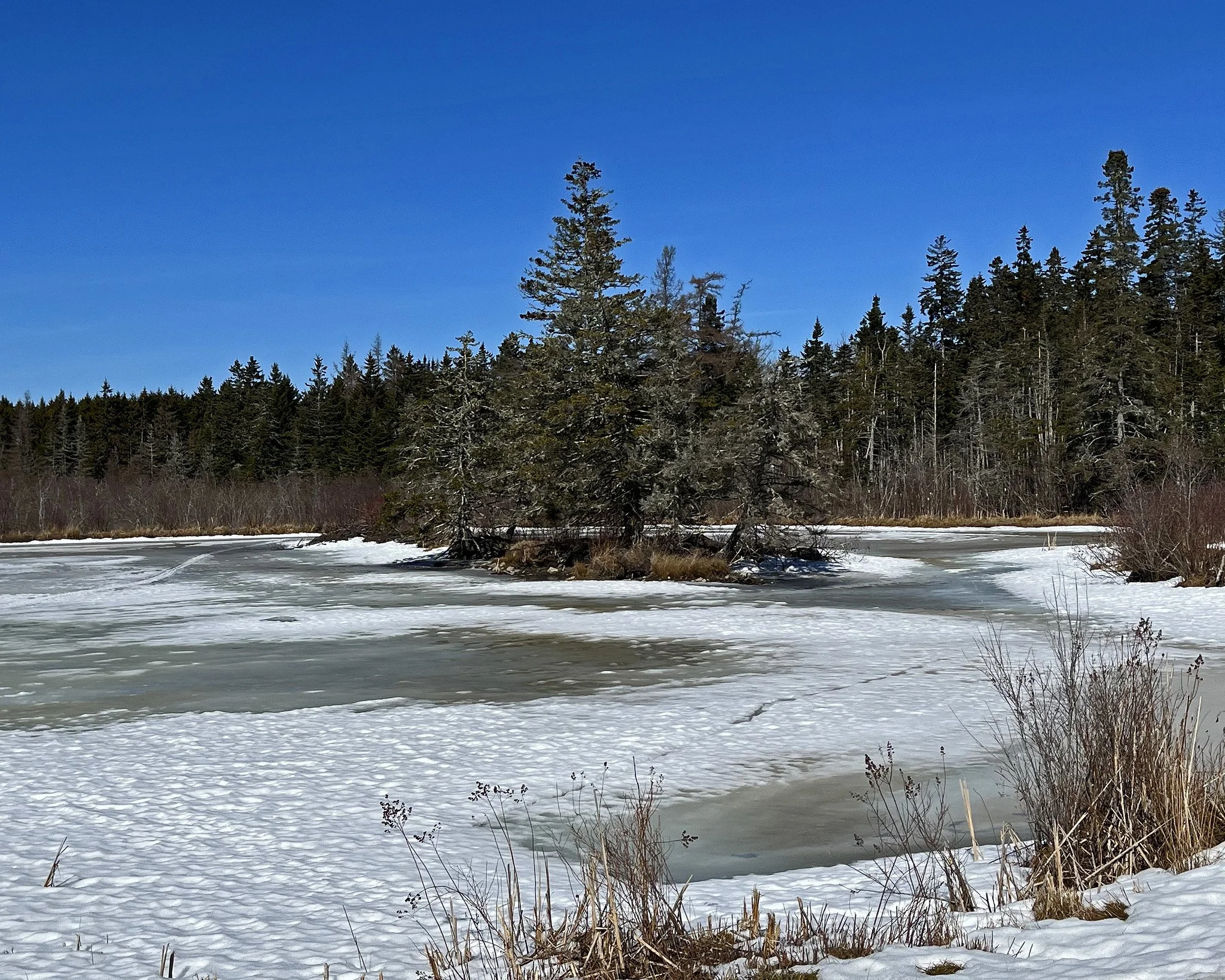
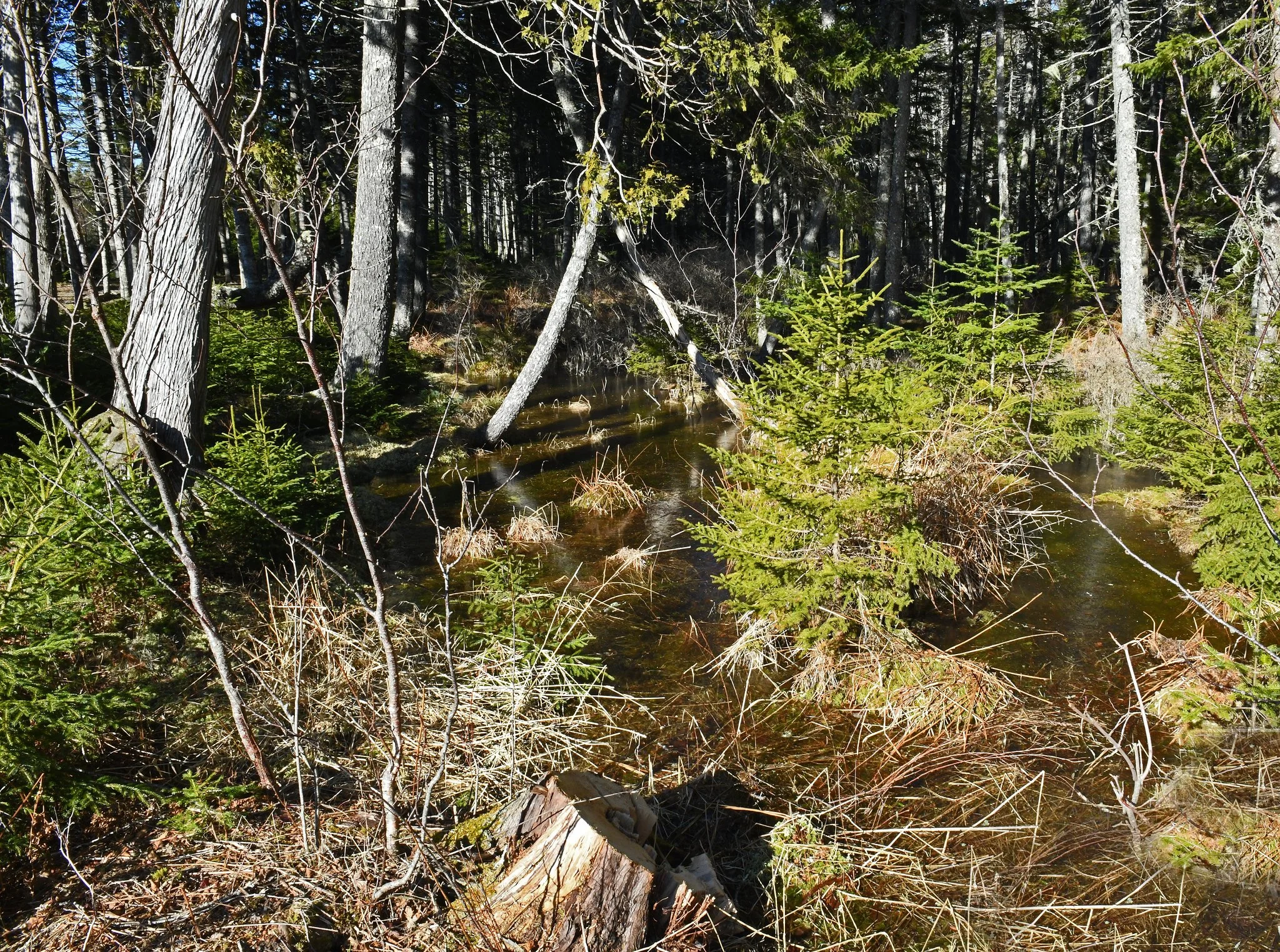
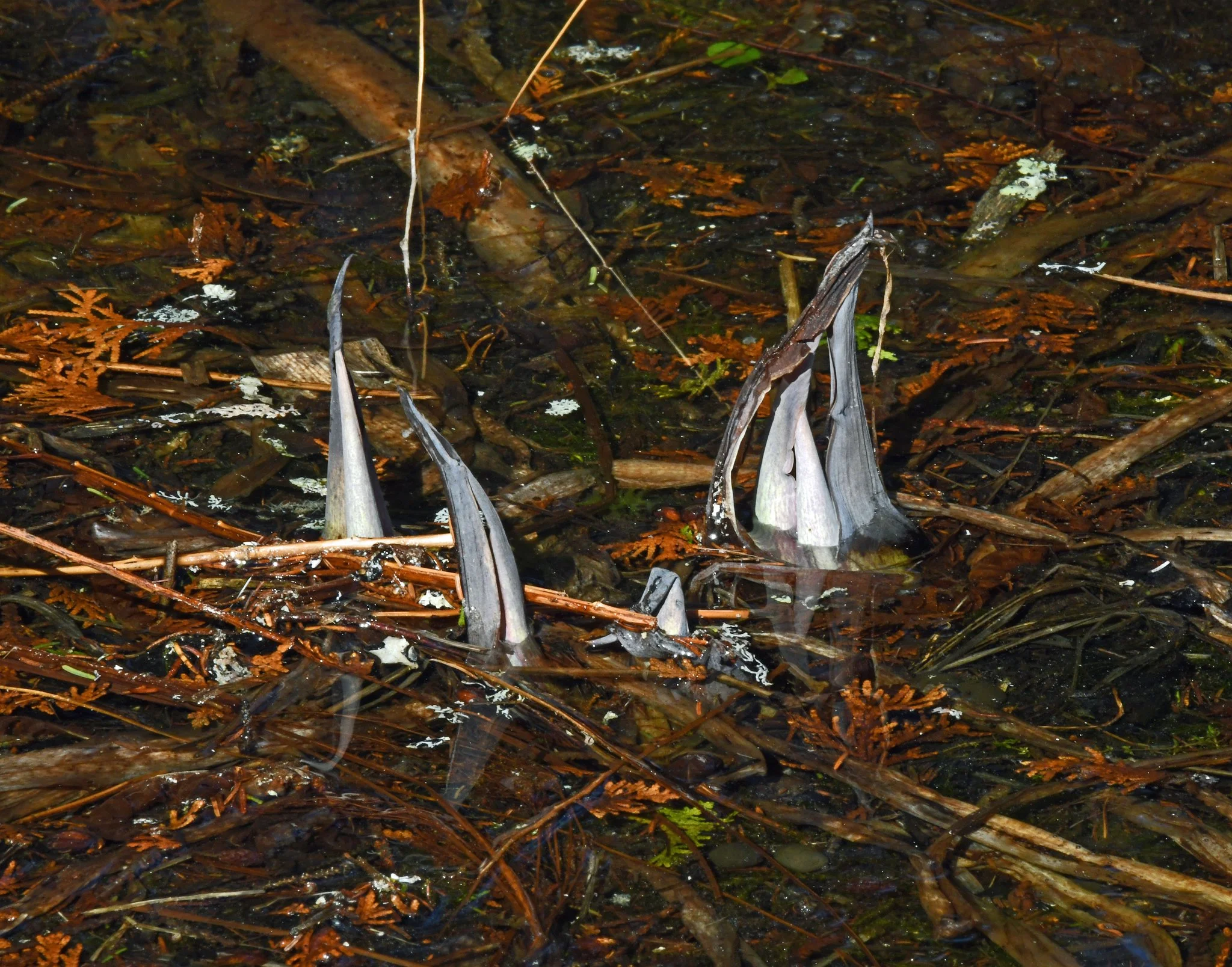
Our bogs are finally flooded into vernal pools. Skunk cabbage shoots are rising from the water again and soon should open and expose the purple and mottled spathes that protect the plants’ tiny flowers:

In a week or so, we should begin to hear the first rehearsals of our competing peeper, brown frog, and green frog choruses, each with its own version of call-and-response amphibian gospel music. In early-to- mid April the silent salamanders should be arriving for their annual life-creating dances in these waters.

That’s assuming that all will go well. I can’t shake the creepy feeling that Mother Nature doesn’t feel well and the causes may be fatal and too late to cure. And that one day the amphibian gospel music will stop, never to be sung again. The beginning of a bad ending. (Images taken in Brooklin, Maine, on March 15 and 18, 2026.)
Comment

Comment

In the Right Place: A Maine Viewpoint

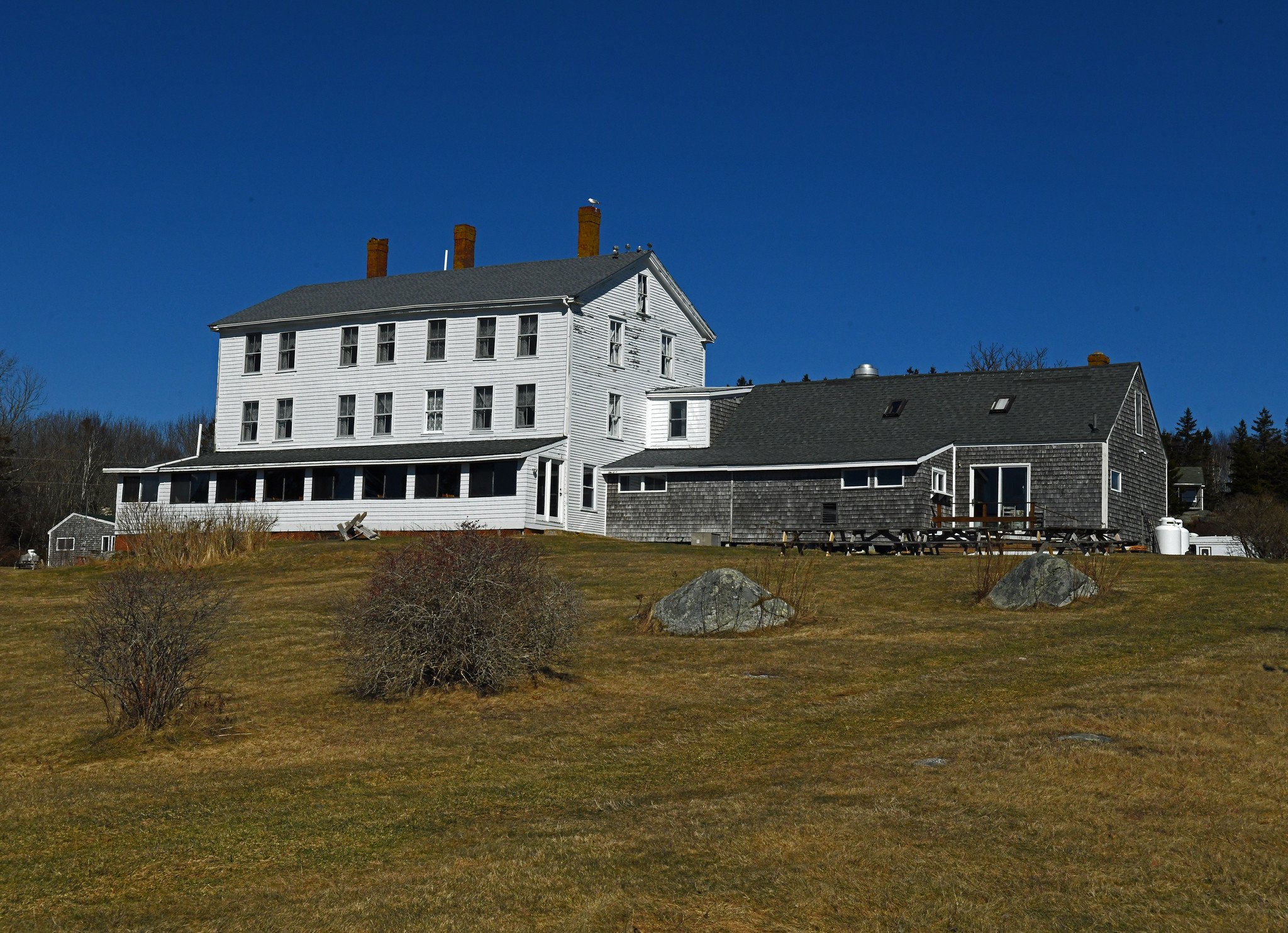
It’s time to take another peek at what is perhaps Brooklin’s most historic structure – this time without snow. Here you see the seaside facade of “The Lookout” basking in yesterday morning’s sun:

The original parts of this structure have sheltered people since about 1760. It sits on a promontory at the end of the Flye Point peninsular, where there is a panoramic view of local bays and the Atlantic Ocean. It’s a perfect spot for an observation point, which it has been from its beginning, hence its name.

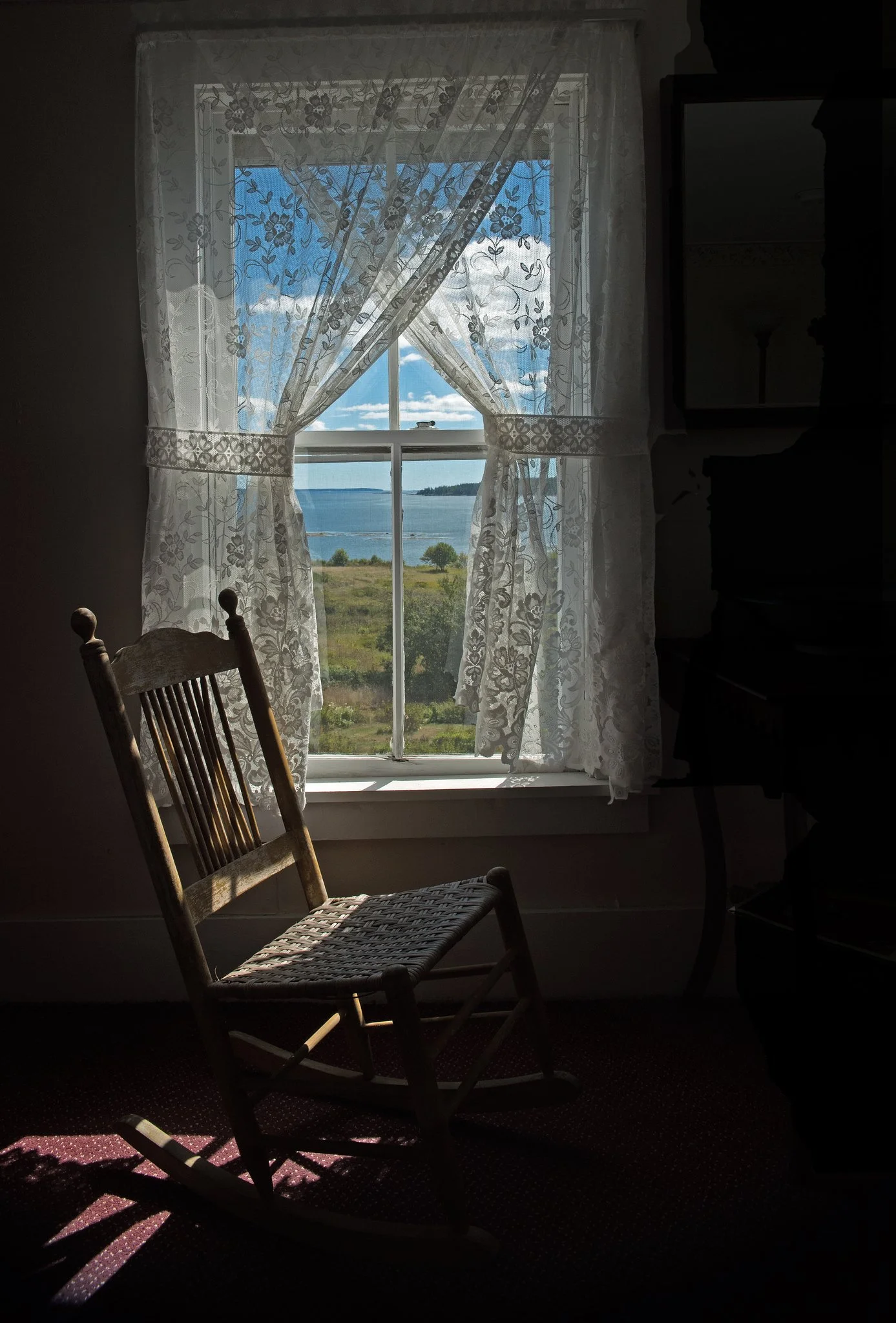
At first, The Lookout was an observation point for British colonists watching primarily for unfriendly Native Americans in canoes. Later, it may have been used by rebelling American colonists watching primarily for unfriendly British in ships. Now, it’s used by summer tourists watching primarily for small sailboats, large windjammers, lobster boats and sunsets, perhaps while sipping some giggle enhancers in that screened porch dining room. Here’s one of its rooms with a view:

Leighton Archive image

Throughout all this time, The Lookout has been in the hands of one or more members of the Flye family. The present proprietor, Butch Smith, is the grandson of Lettie Beryl (Flye) Smith. The original house was expanded upward in the late 1800s into an Inn by Butch’s great uncle, Owen Flye, and has remained one since then.
The Lookout has a fine restaurant that’s open to the public in the summer, and its extensive sea vista grounds are popular for weddings and other outdoor events. (Images taken in Brooklin, Maine, on March 18, 2026, except as noted.) 

Comment

Comment

In the Right Place: Ejecting Excesses

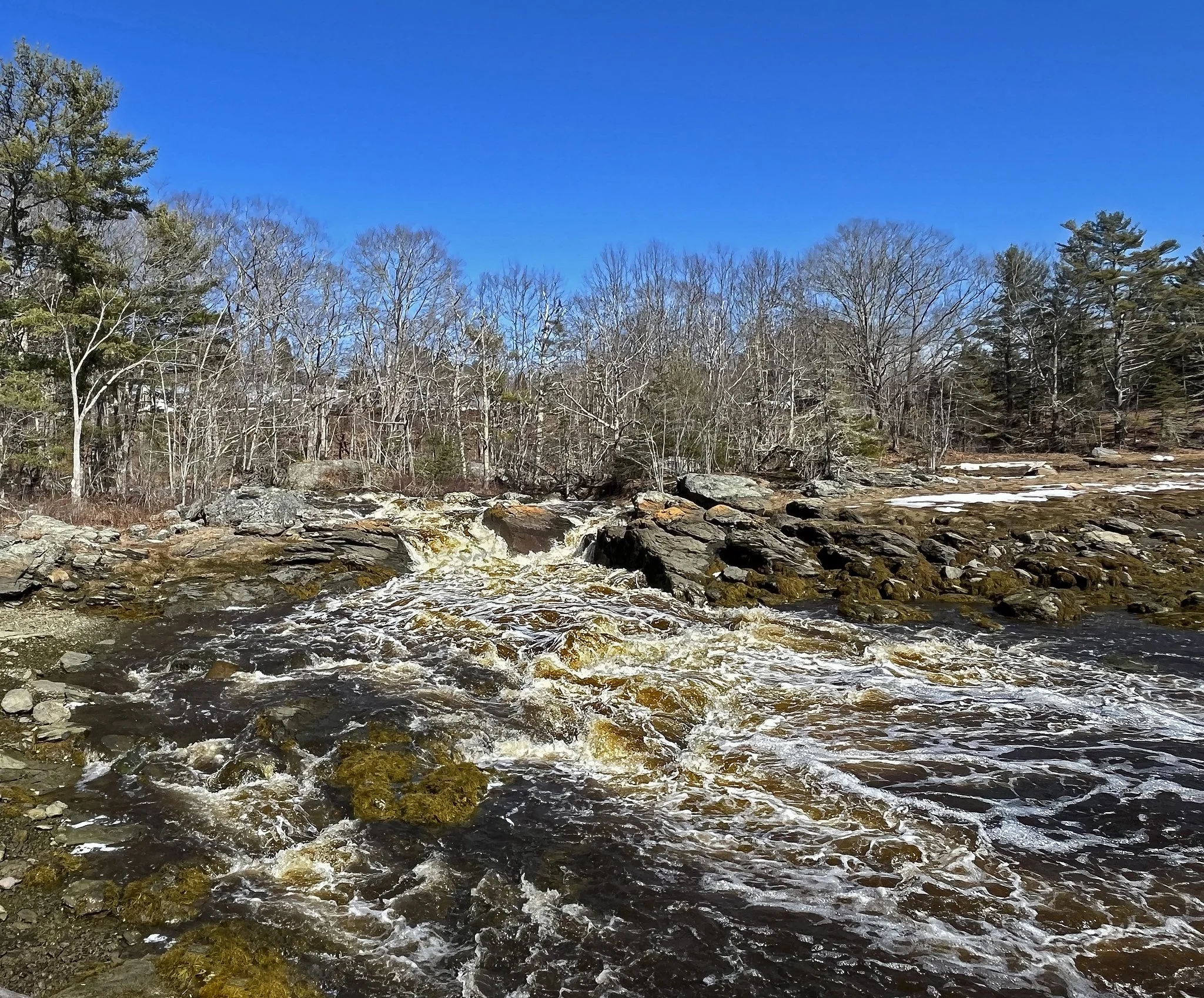
Here you see the mouth of Patten Stream at Patten Bay yesterday. The swollen and turbulent stream is forcefully ejecting the run-off water from the torrential rains of March 16-17. This phenomenon is akin to the vomiting of excesses, and it demonstrates one of the problems causing our long-term severe drought.

Under certain conditions, such as frozen ground and sudden sheet-rain, much of the rainwater runs off and eventually finds a stream or river to take it away. We need slow, soaking rain to make a comeback from our drought.

Our recent gale-force winds and rain reportedly brought various locations in the Down East pounding rainfall that ranged from 1-to-2.5 inches in a relatively short time. That’s energetic March for you. Let’s hope that April is languid with her showers this year. (Images taken in Surry, Maine, on March 17, 2026.)

Comment

Comment

In the Right Place: Nothin’ Good

We’re on generator as I write; last night’s 50 mph+ gale winds knocked out our pole-line power somehow. But a quick survey this morning  indicates that no significant damage was done to our property or any nearby.

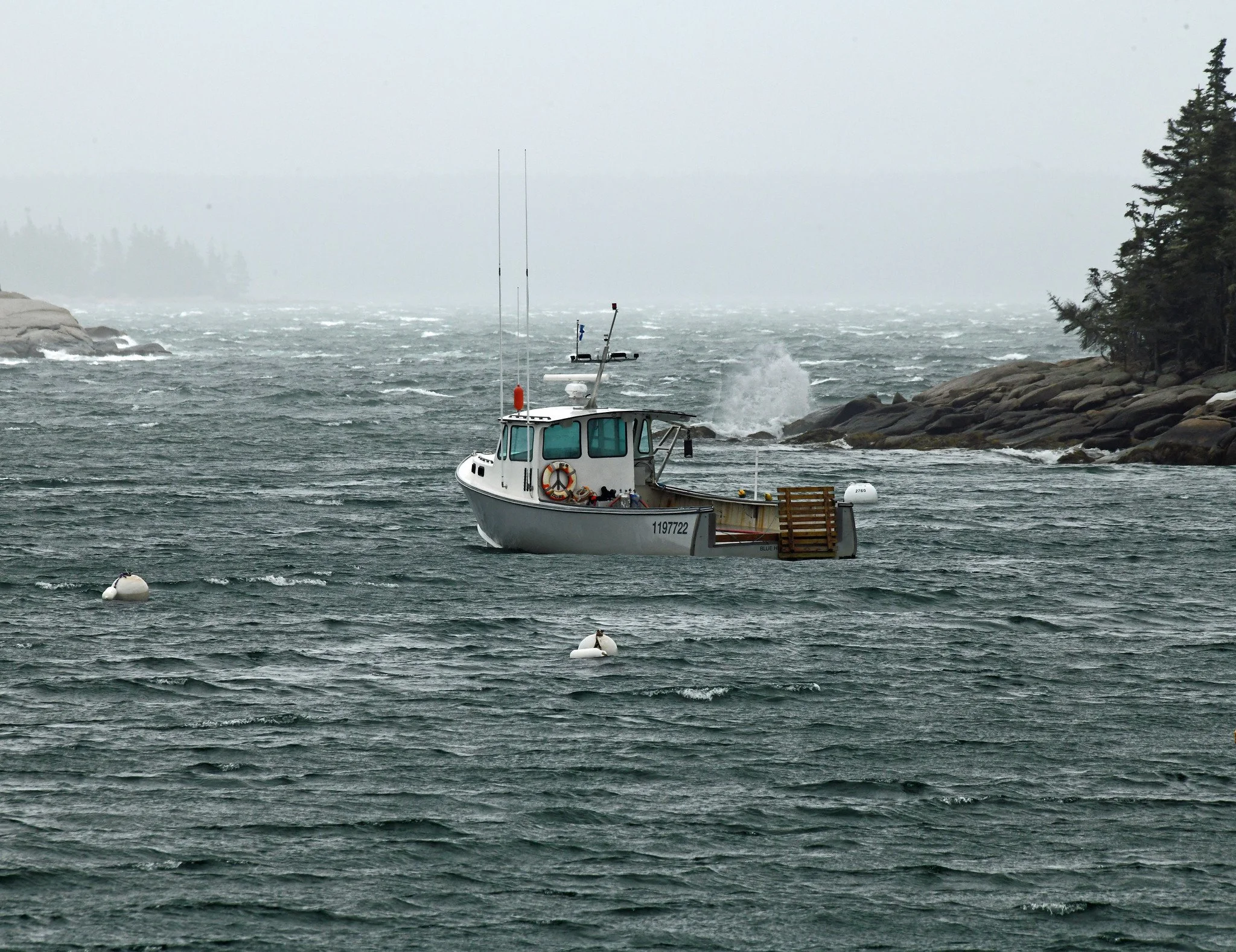
This post contains two images taken in yesterday’s rainy, high-winded buildup to last night’s howler. On their face, these images will seem completely unrelated. Yet, sadly, there is a relationship.

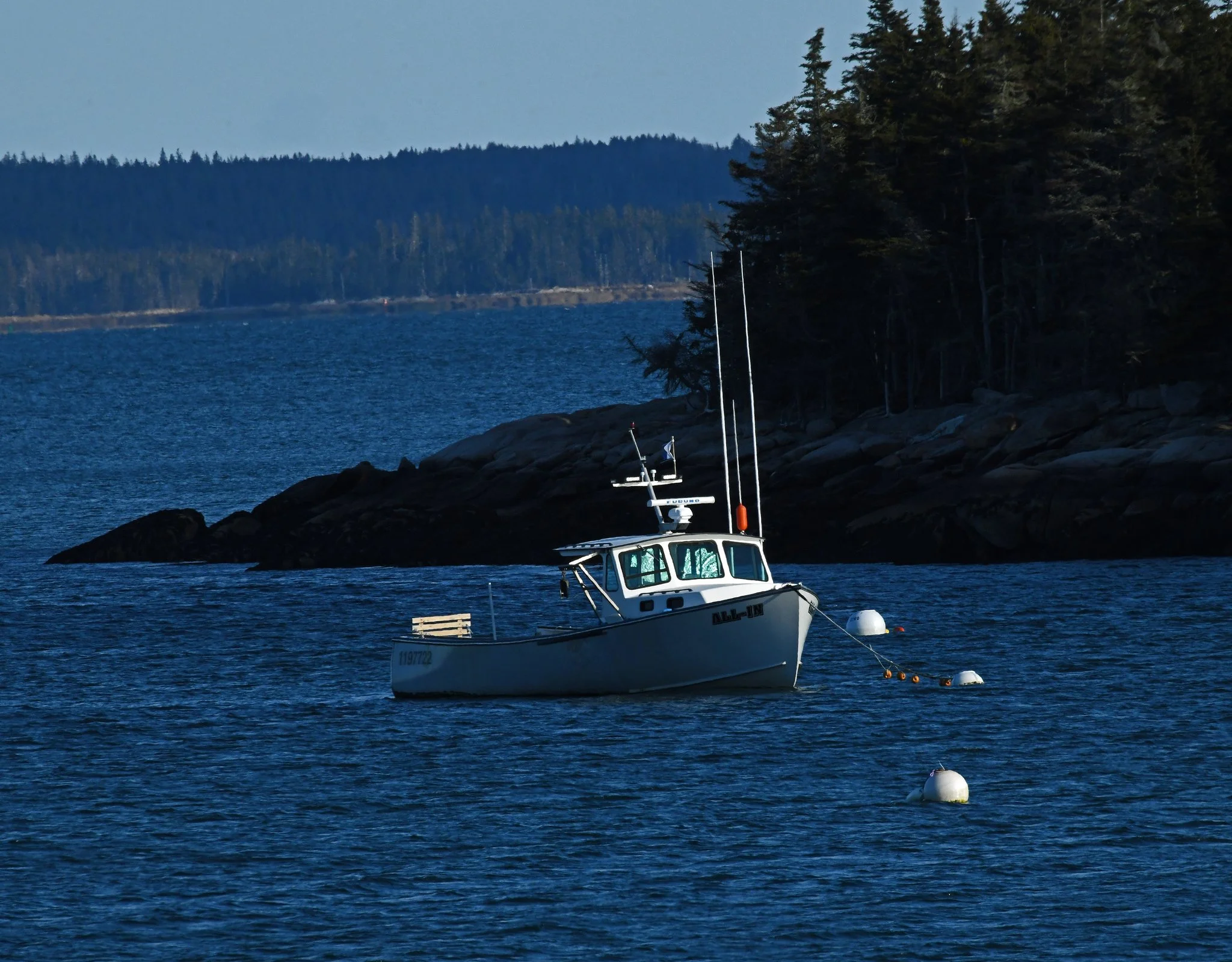
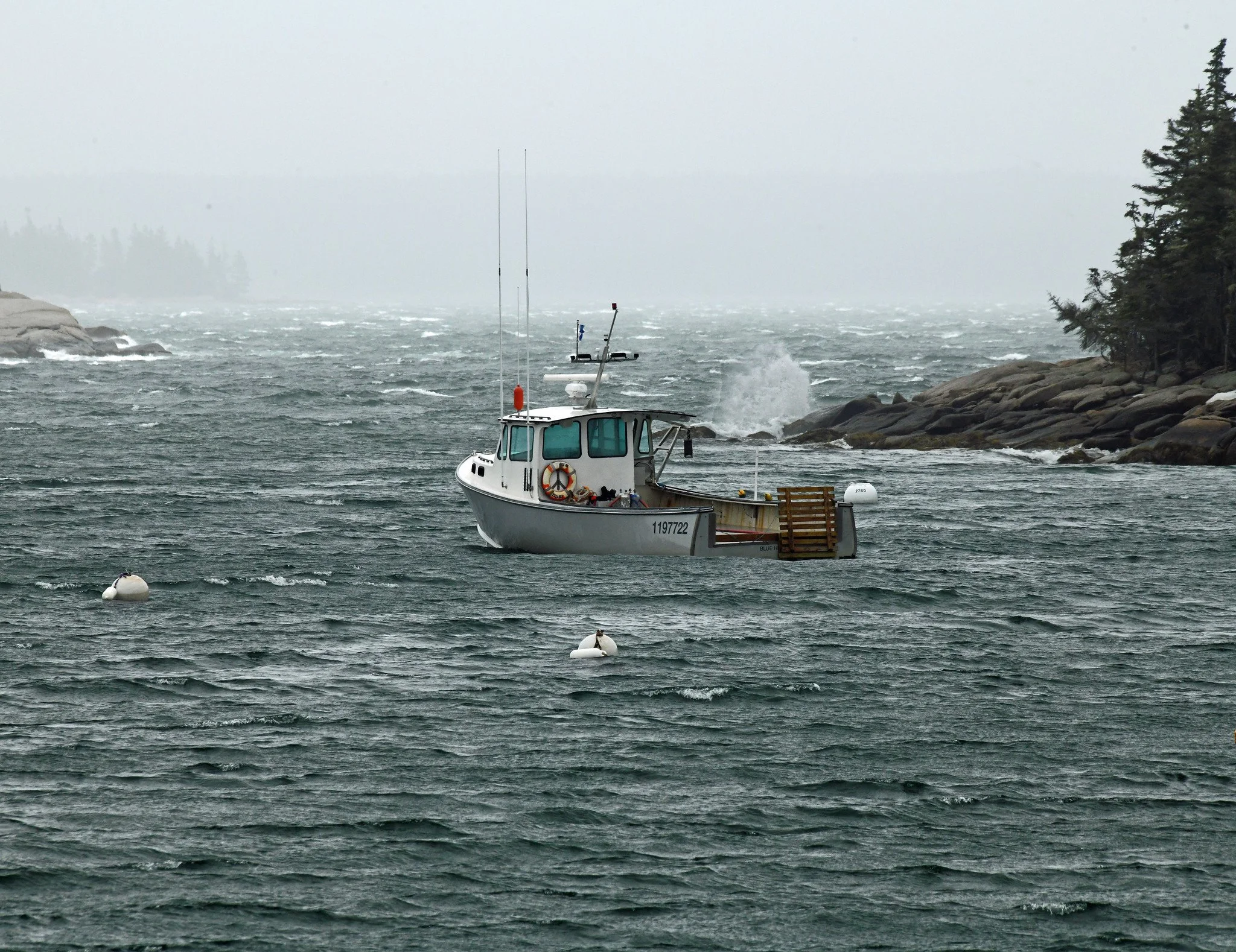
This first image is of the fishing vessel ALL-IN tossing and swinging wildly at her mooring yesterday, even though she was somewhat protected by the islands around Naskeag Harbor:

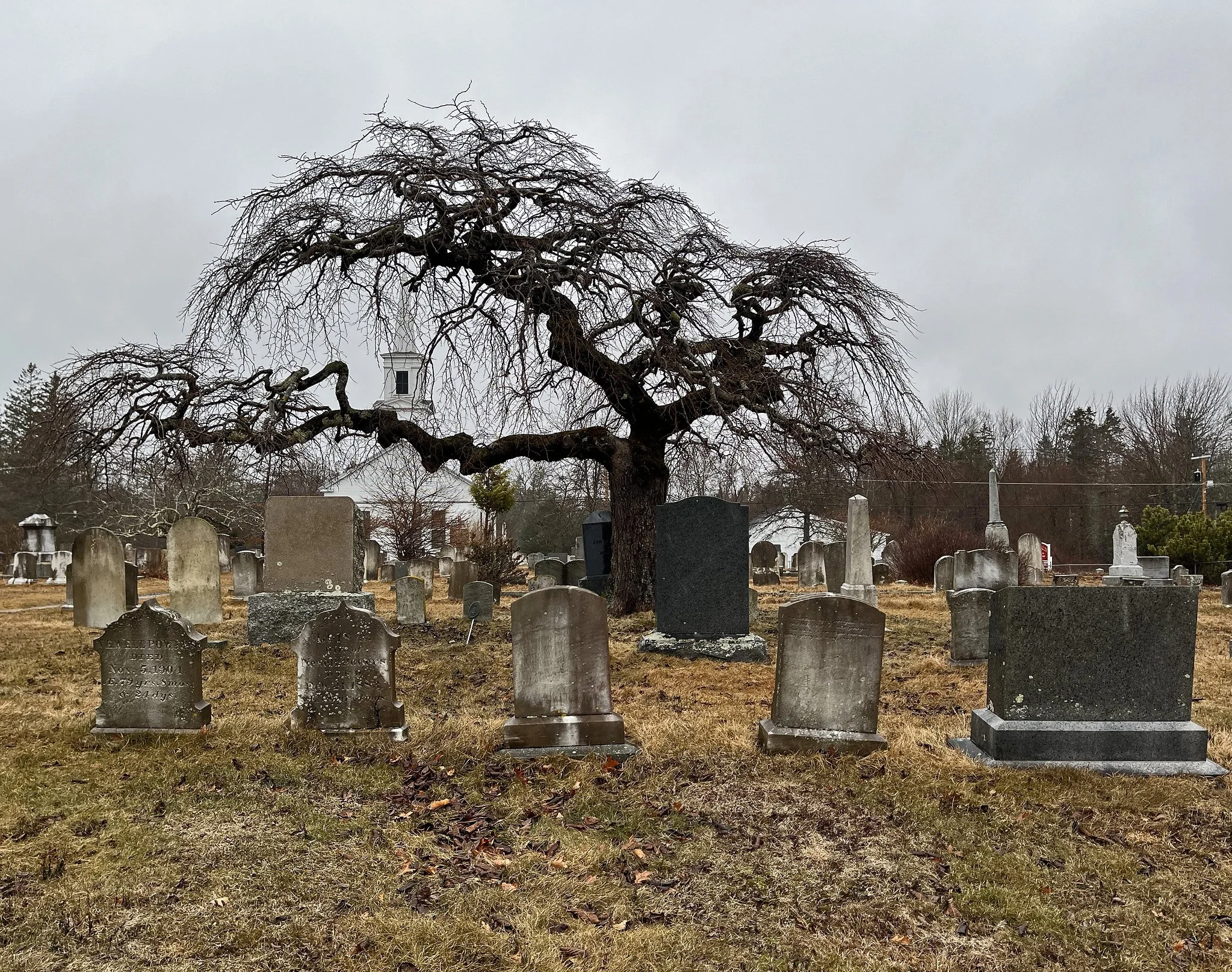
The second image is of the ancient Camperdown elm in the Brooklin Cemetery yesterday. Her stolid body was unaffected by the winds, but her leafless branches were unable to protect against the rain that was falling on the graves of those she tries to protect:

The elm principally shelters the grave of Rodney S. Blake, who went down with the side-wheeling passenger steamer “Portland,” when everyone onboard drowned in a gale off Maine in 1892.

As for ALL-IN, despite being somewhat protected, boats similar to her have slipped their moorings in Naskeag Harbor during high winds and been sunk or severely damaged. When I checked on her this morning, however, ALL-IN was swinging contentedly on her mooring, seemingly proudly.

While in bad last night as wind and rain pounded the house, I remembered the words a veteran commercial fishermen told me with a shrug: “Nothin’ good about a gale.” (Images taken in Brooklin, Maine, on March 16, 2026.)

Comment