Comment

In the Right Place: Bringing Them In

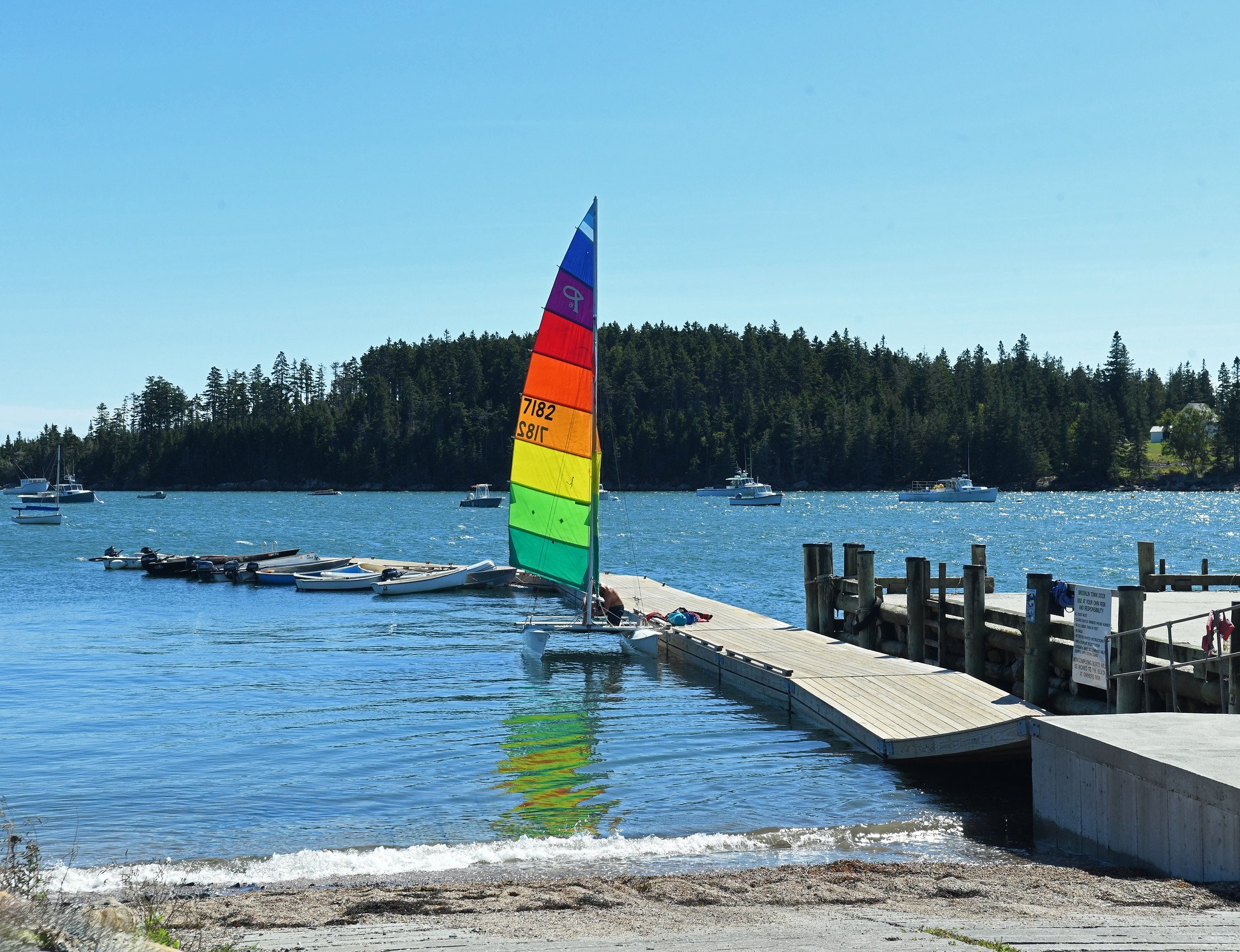
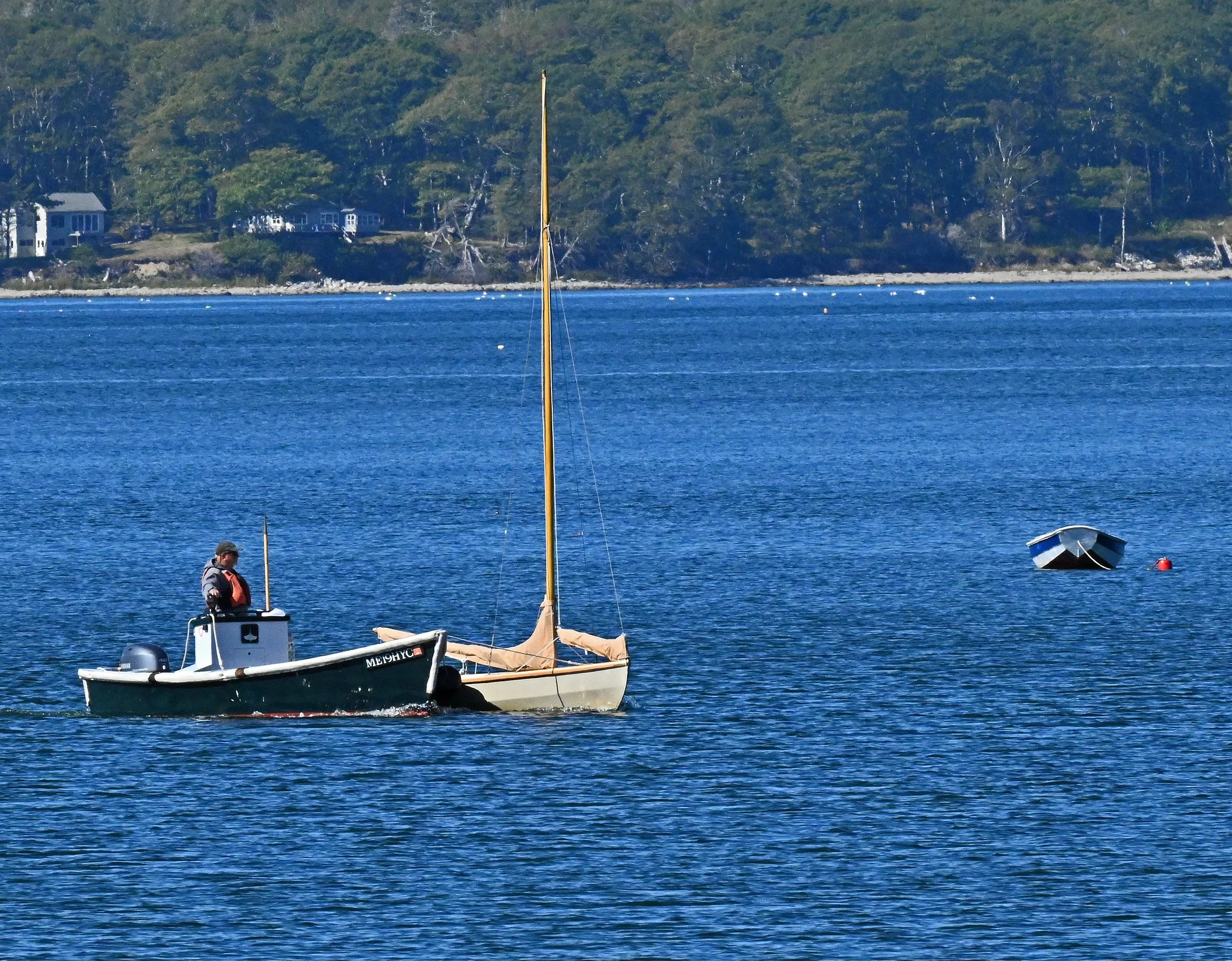
The WoodenBoat School’s small sailboats are almost all ashore for the winter now. Here you see BABSON II, the School’s fleet tender, shepherding SHIMMER like a workhorse bringing in a tethered colt:
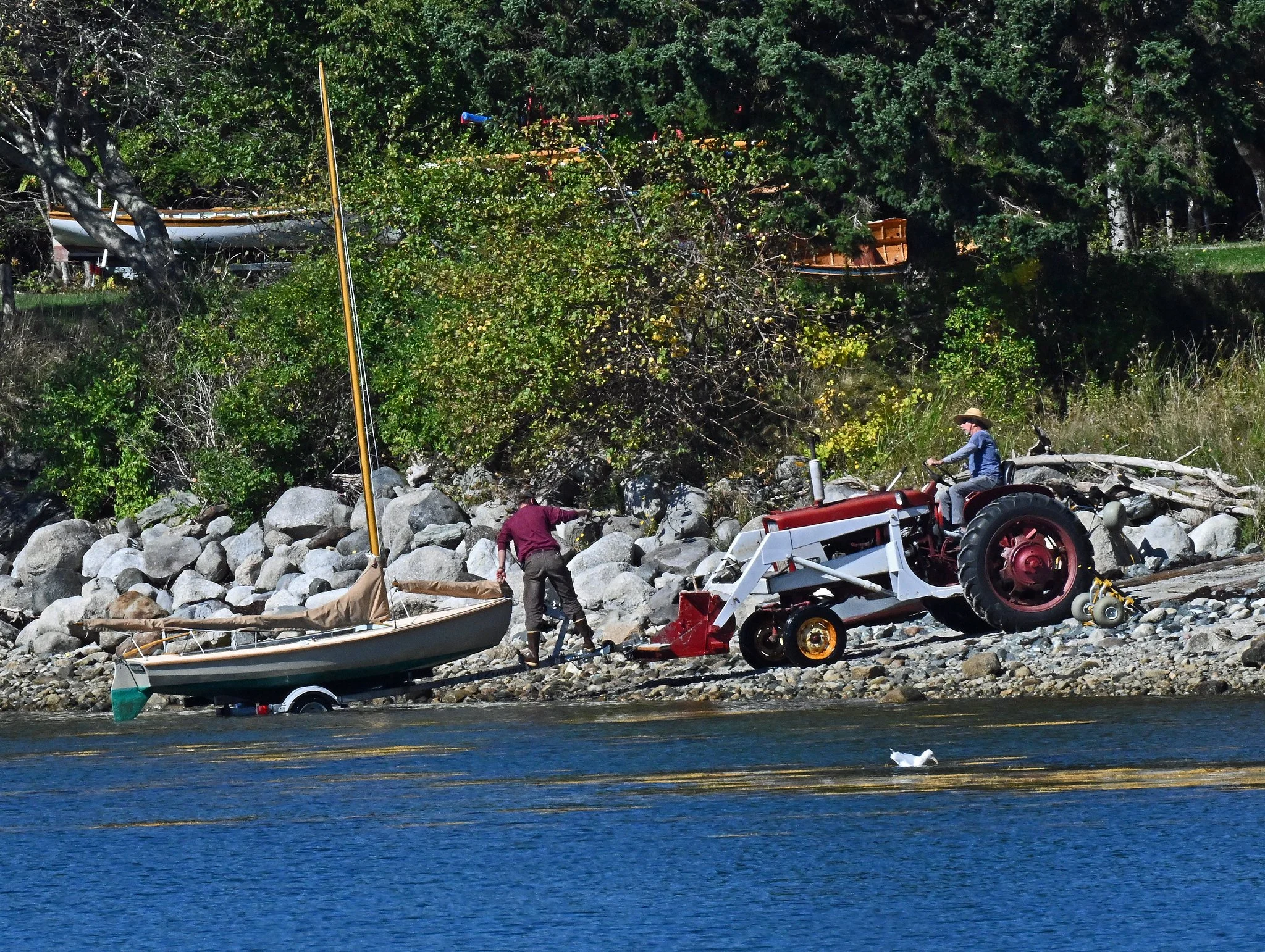
Waiting for them at the WBS landing is a tractor-propelled trailer that will haul SHIMMER out of the water and up to a grassy area to be cleaned before storage:
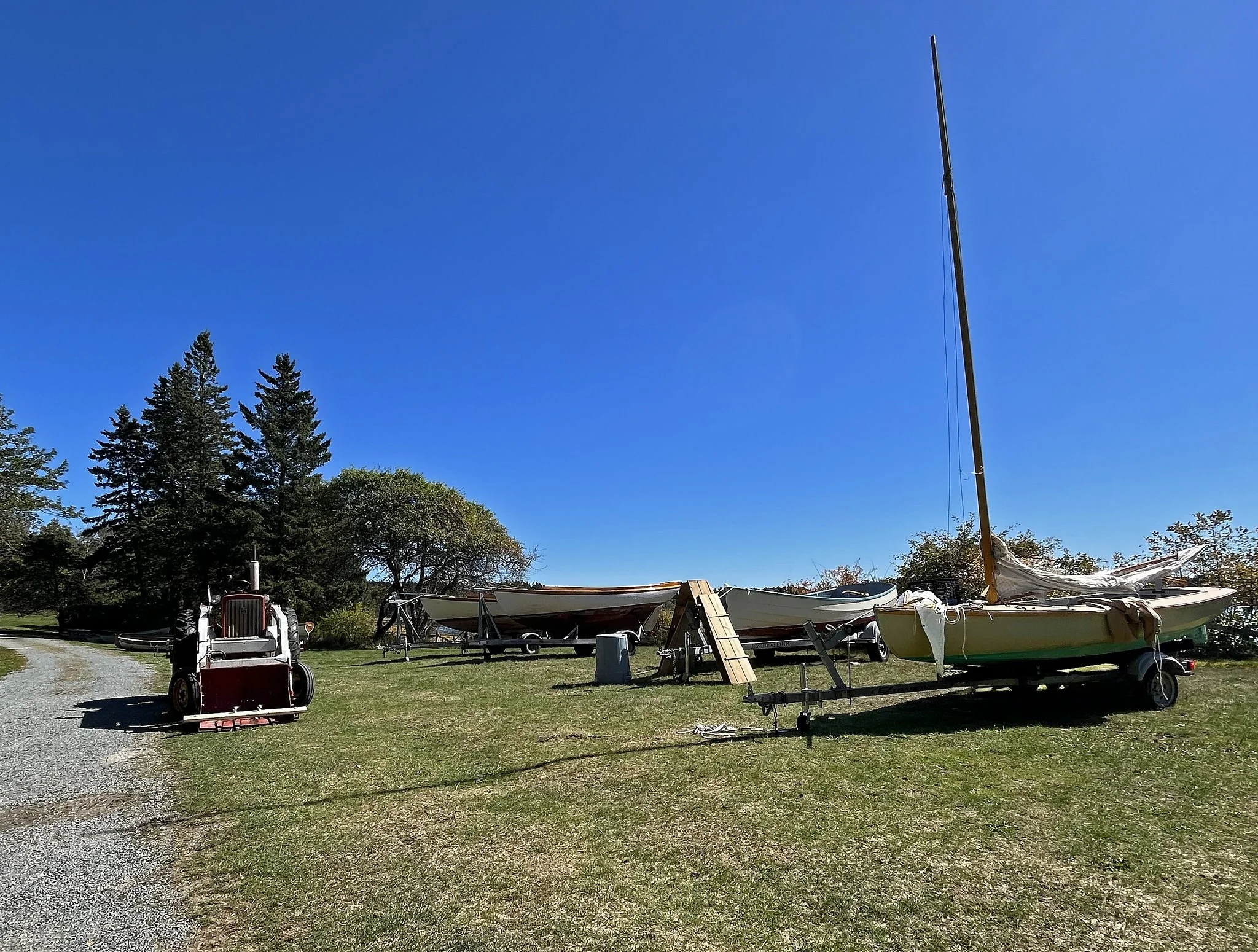
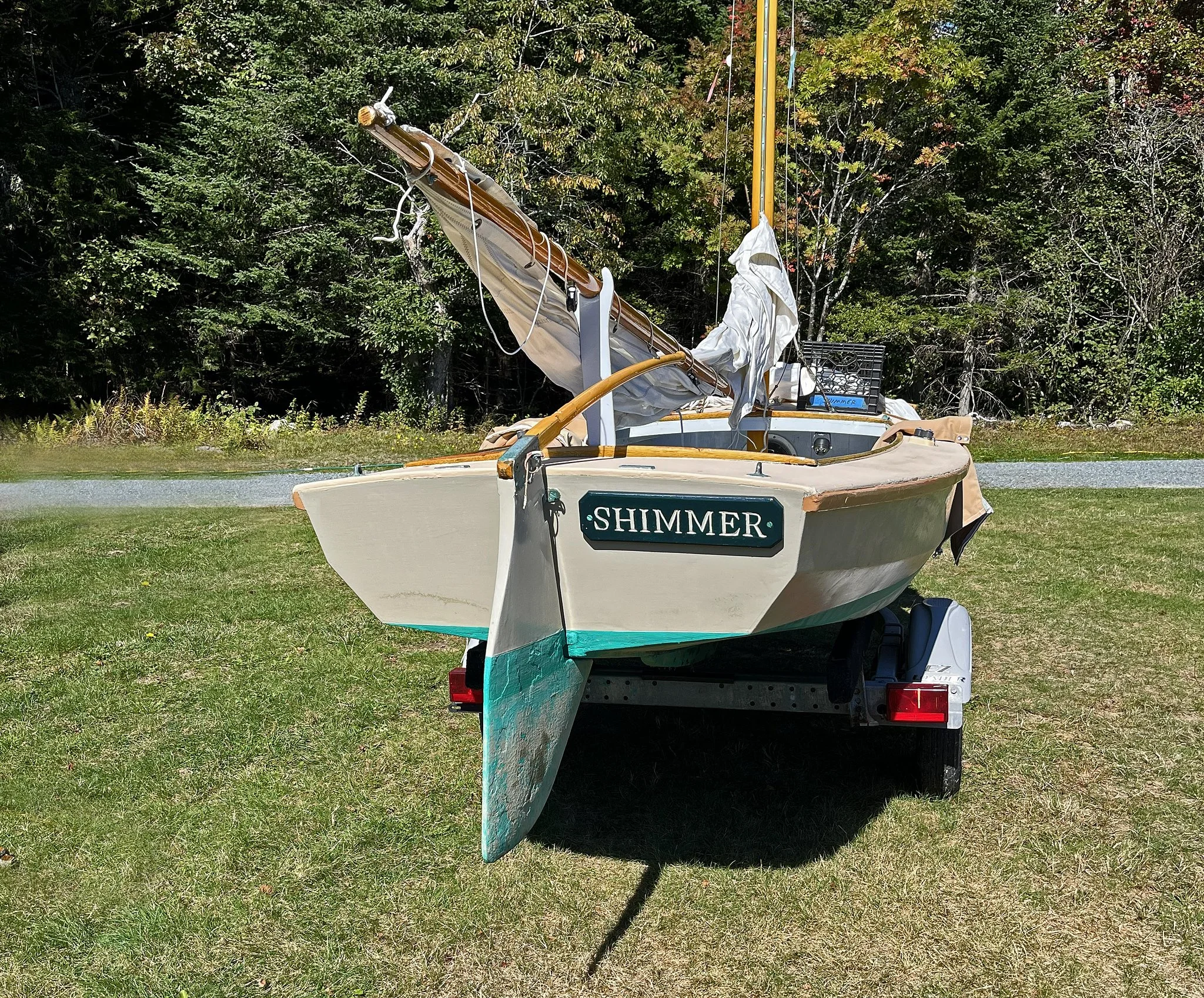
SHIMMER is a 14+-foot Biscayne Bay sharpie sailing skiff/sloop designed by Nathaniel Herreshoff and built of Mohogany plywood by Eric Dow in 1987. She’s mostly flat-bottomed with a centerboard for shallow-water sailing. I’m told that she’s very spirited and highly maneuverable in changing winds. She’ll soon be still, waiting patiently on her trailer in a darkened boatshed for next year’s summer sun and breezes.
(Images taken in Brooklin. Maine, on September 24, 2026.)
Comment

Comment

In the Right Place: Windjammers, XVI

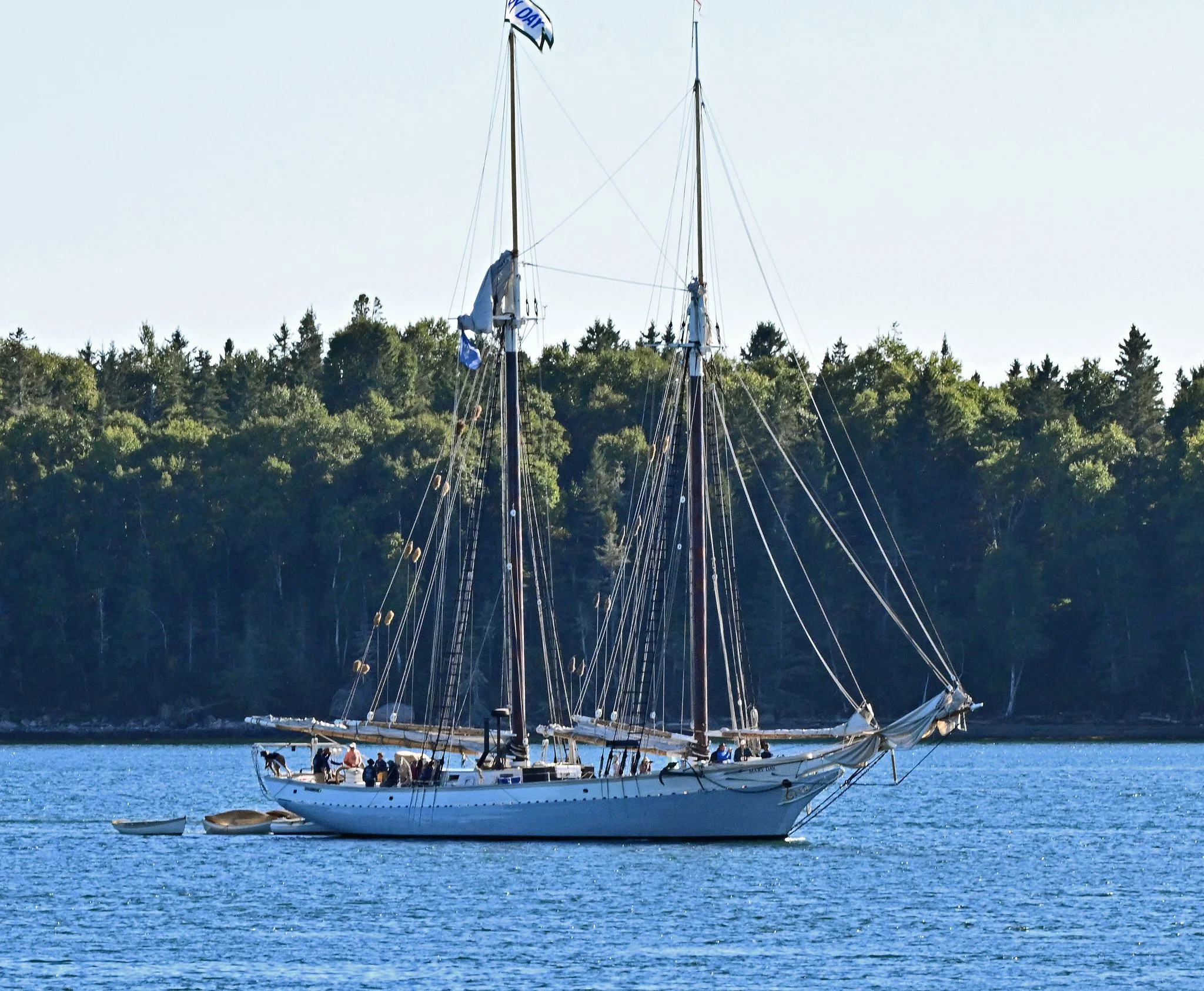
When I went down to check Great Cove Wednesday morning, I was pleasantly surprised to see that the schooner MARY DAY had snuck in the night before and anchored among some of the local folk. She was on a “4 Day No Itinerary / Just Relax” cruise, according to her schedule. She soon raised a jib and sailed south toward Acadia National Park, seemingly in a very relaxed mood:

MARY is a frequent visitor to the Cove. So far this year, I’ve seen her there on 7 cruises – so far. She’ll be cruising until early October for fans of coastal Maine’s fall colors and sights. (Hope they take a jacket for the usual MARY DAY lobster picnics.). MARY homeports in Camden, Maine, and can accommodate up to 28 guests.

(Images taken in Brooklin, Maine, on September 23, 2026.)
Comment

Comment

In the Right Place: The Afterlife

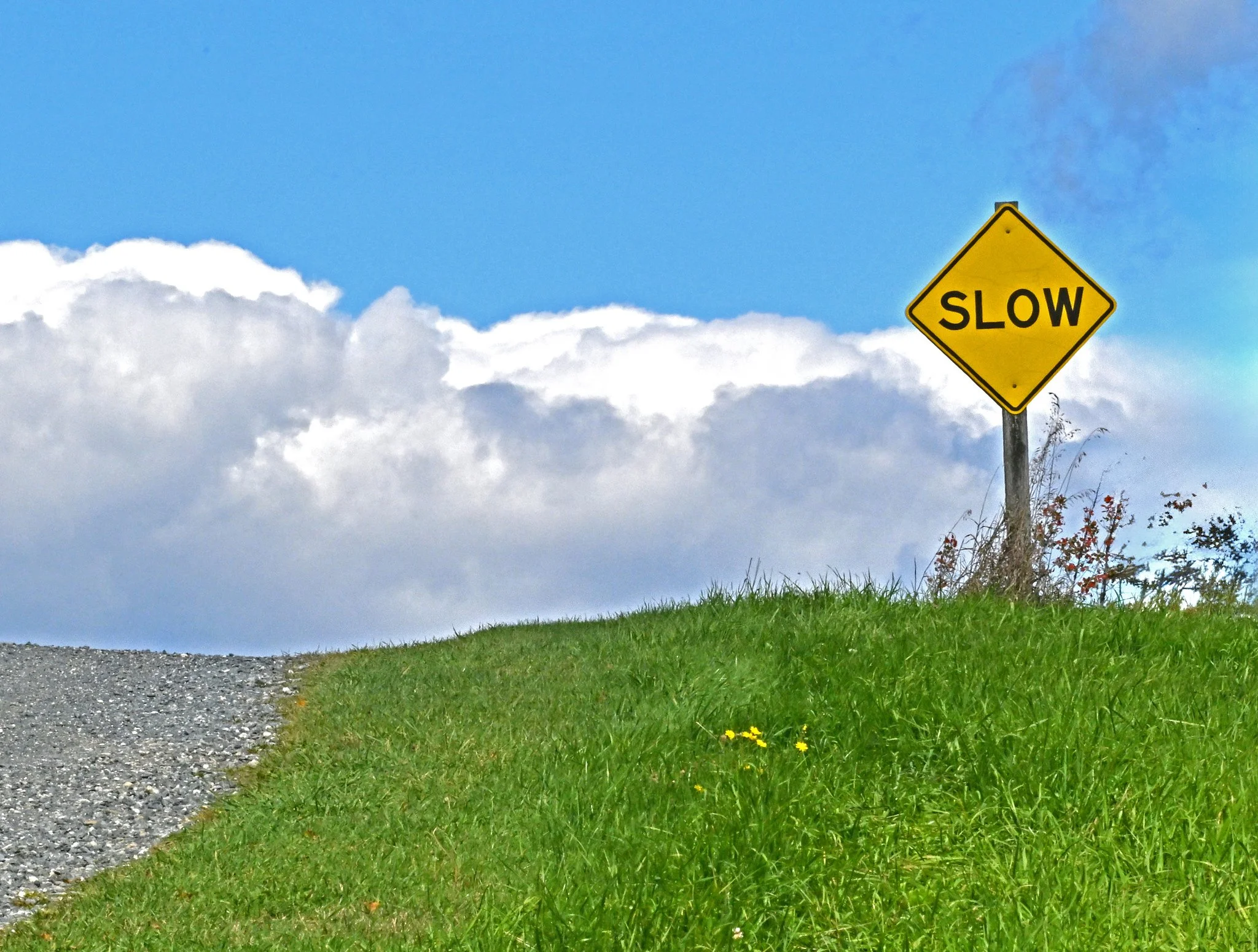
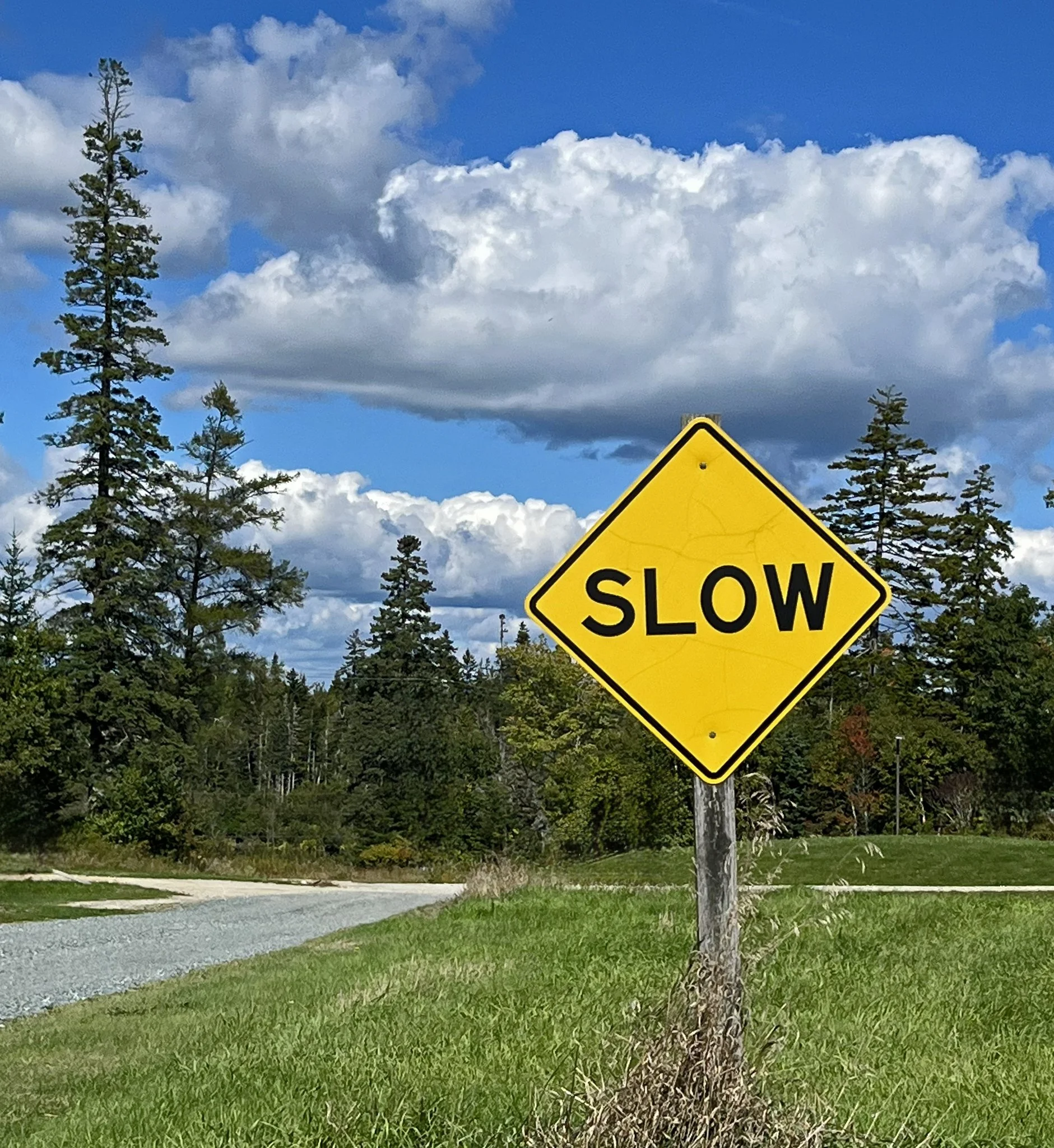
Here and below are images of the rough back road to Heaven. Stated another way: It’s the unpaved road in a summer paradise for people who lead a good life by building and sailing wooden boats, and/or doing esoteric things marine. The sign is in the middle of the WoodenBoat School campus.

WBS’s on-site courses end tomorrow and the School already is transitioning to the afterlife. Sailboats are disappearing from Great Cove, visiting students are getting ready to leave the area, and fall is chomping at the bit to enter and create a renewed paradise for people who lead a good life by enjoying Maine’s outdoors. And, of course, by supporting the Patriots.

(Images taken in Brooklin, Maine, on September 21, 2026.)
Comment

Comment

In the Right Place: Windjammers, XV

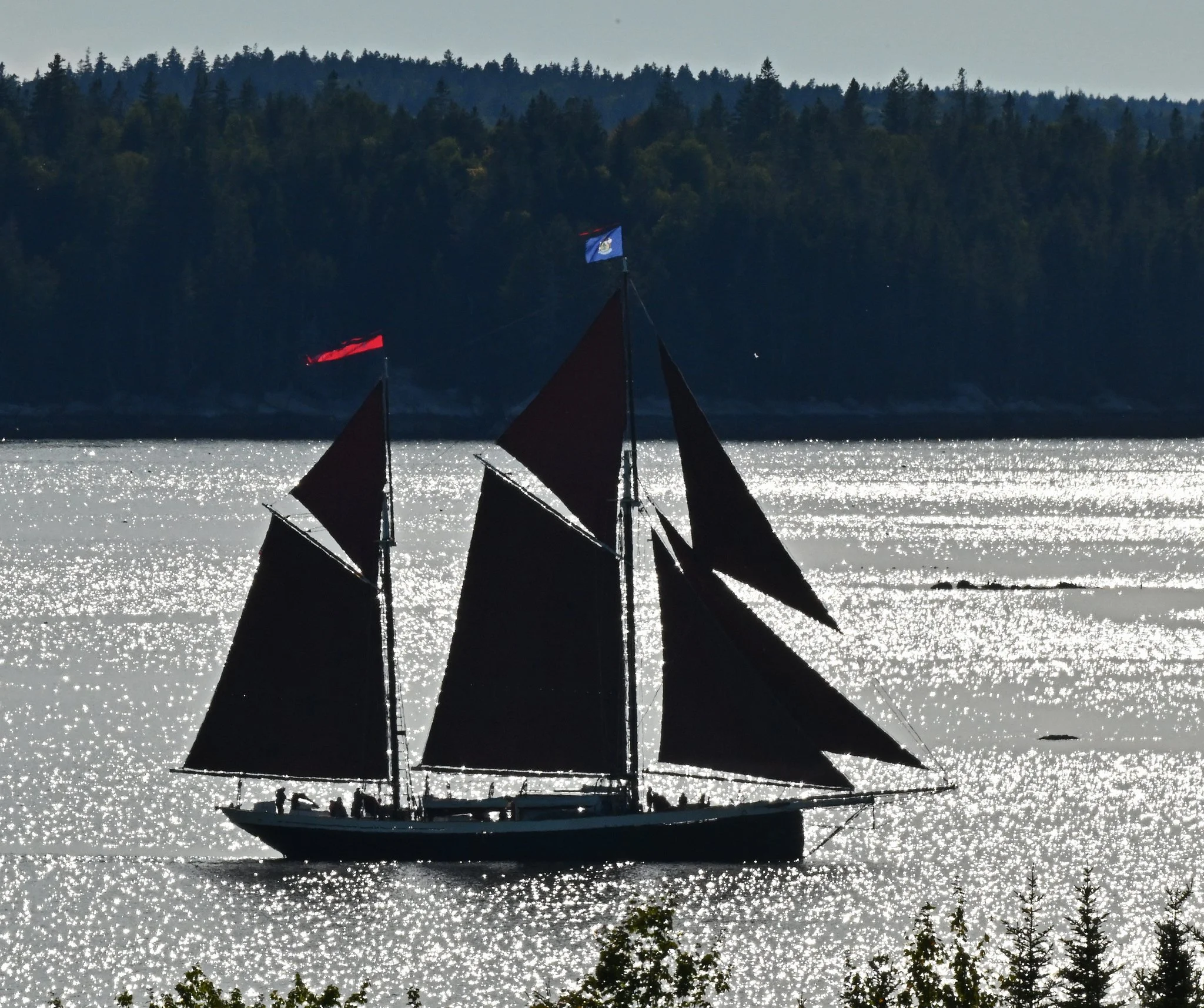
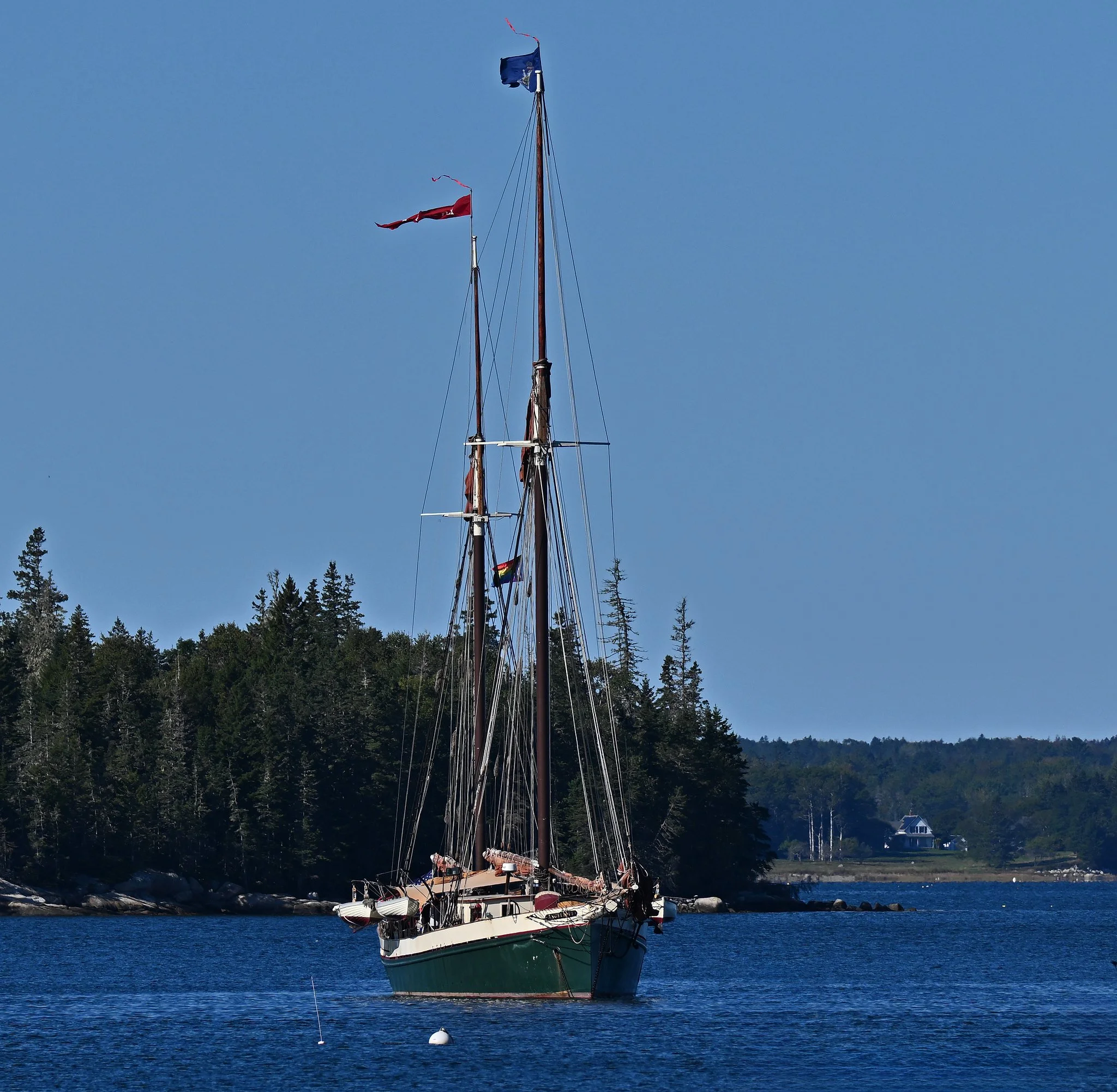
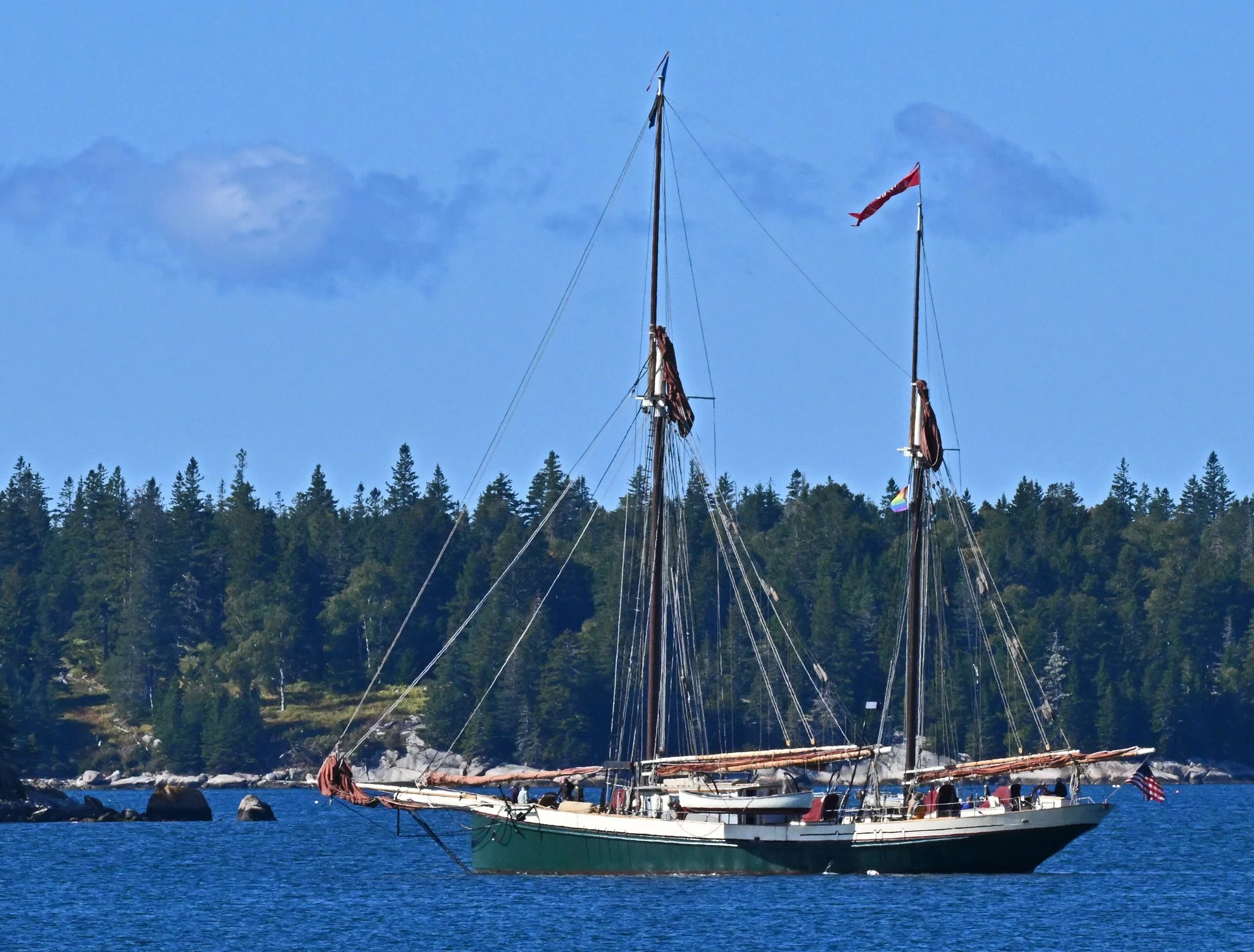
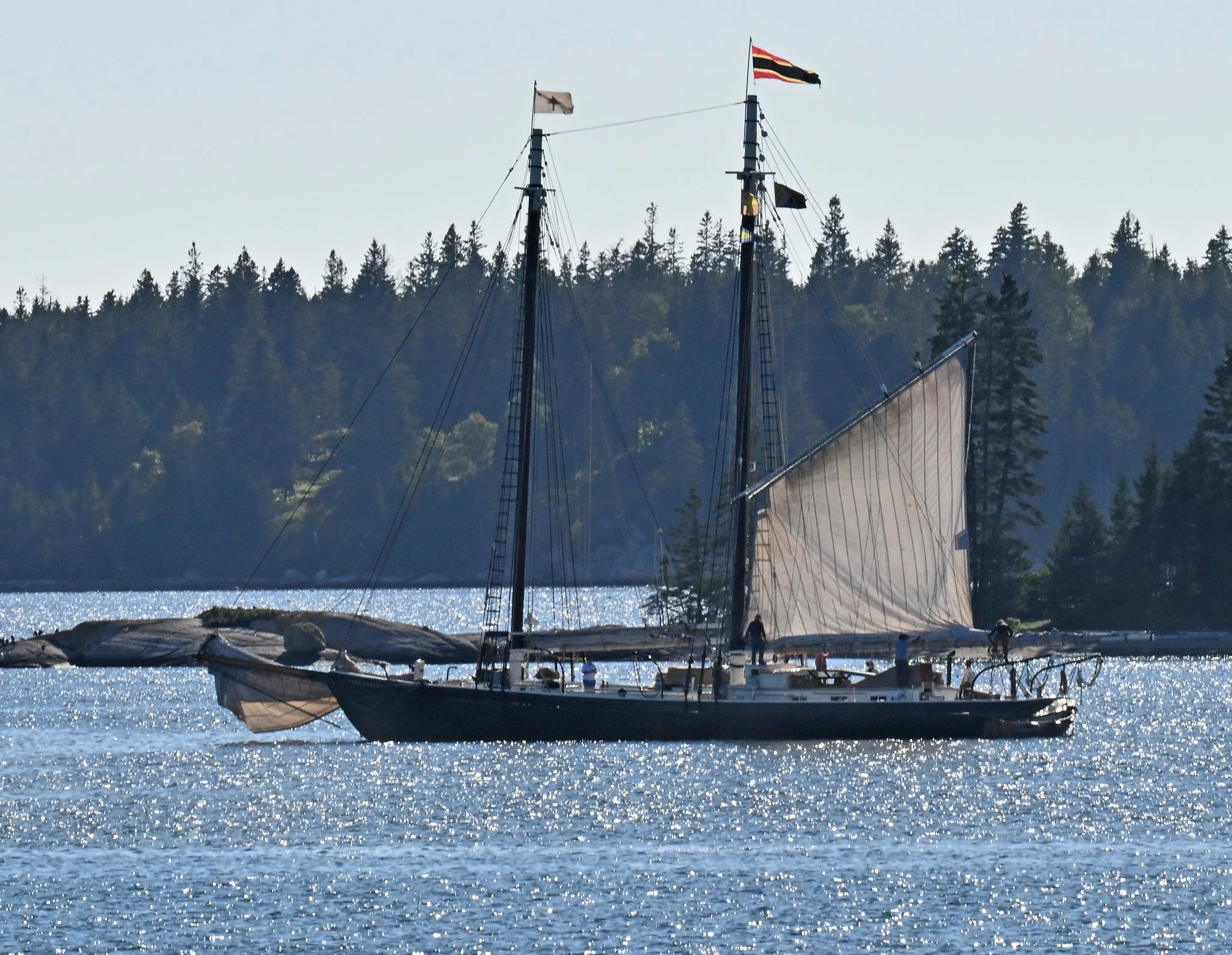
Here you see ANGELIQUE gliding into Great Cove Tuesday as the sun went down. Her distinctive deep red sails and green hull turned black as she became a silent silhouette easing her way to an evening anchorage. The next morning, she was tucked under her tarps as the sun rose:

She soon motored a short distance over to the Cove’s Babson Island without raising her trademark tanbark-colored sails:

If she did what she usually does, ANGELIGUE hosted a beach luncheon for her passengers on Babson, which is preserved under a conservation trust.  While there, her passengers also could explore the Island’s trails, inlets, and fern fields.

The 130-foot gaff-rigged ketch was on a “6-Night Sailing Adventure,” according to her schedule. She was designed and built specifically for tourist cruising in 1980. (Images taken in Brooklin, Maine, on September 22 and 23, 2026.)
Comment

Comment

In the Right Place: Not Seeing Red

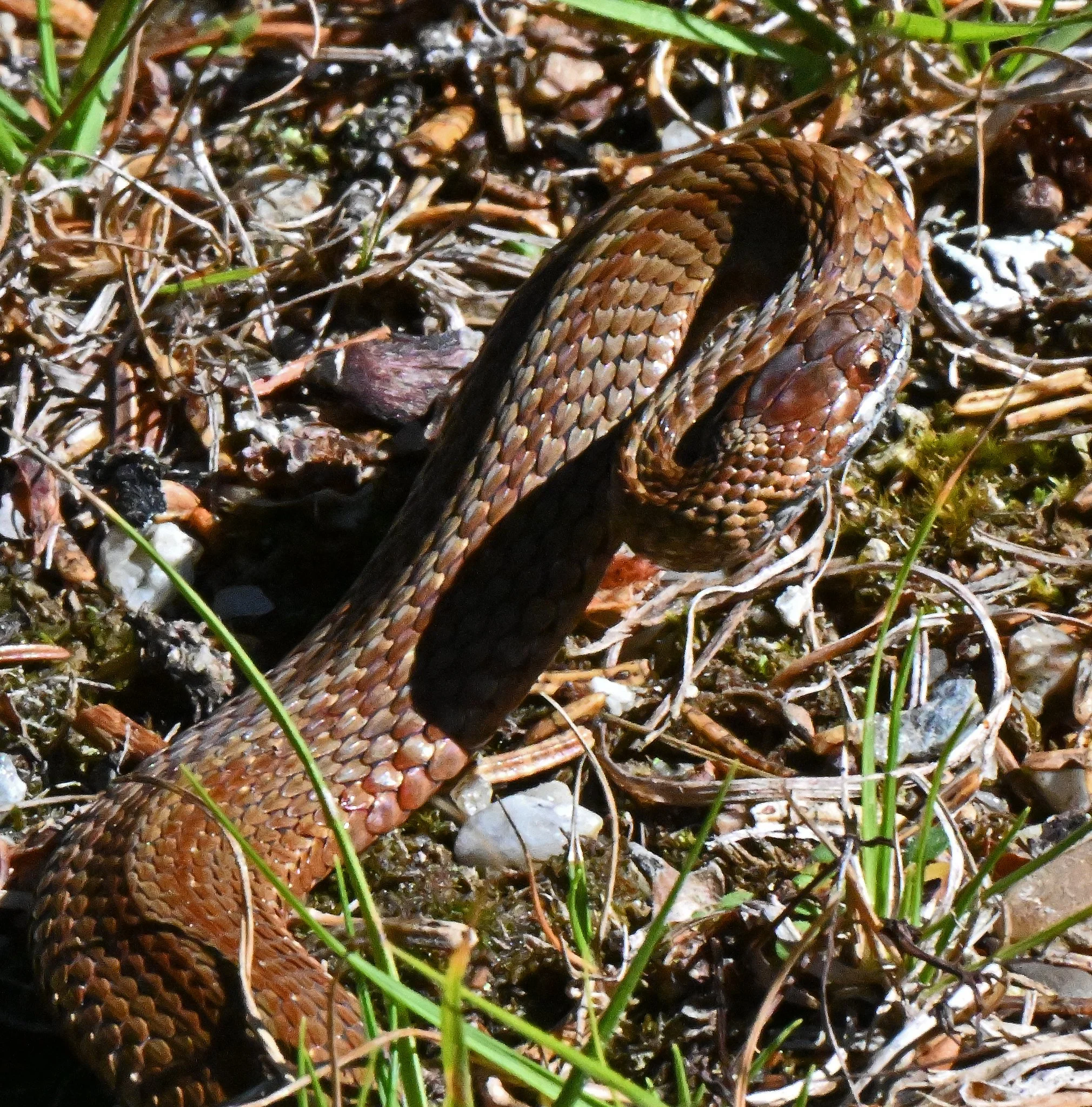
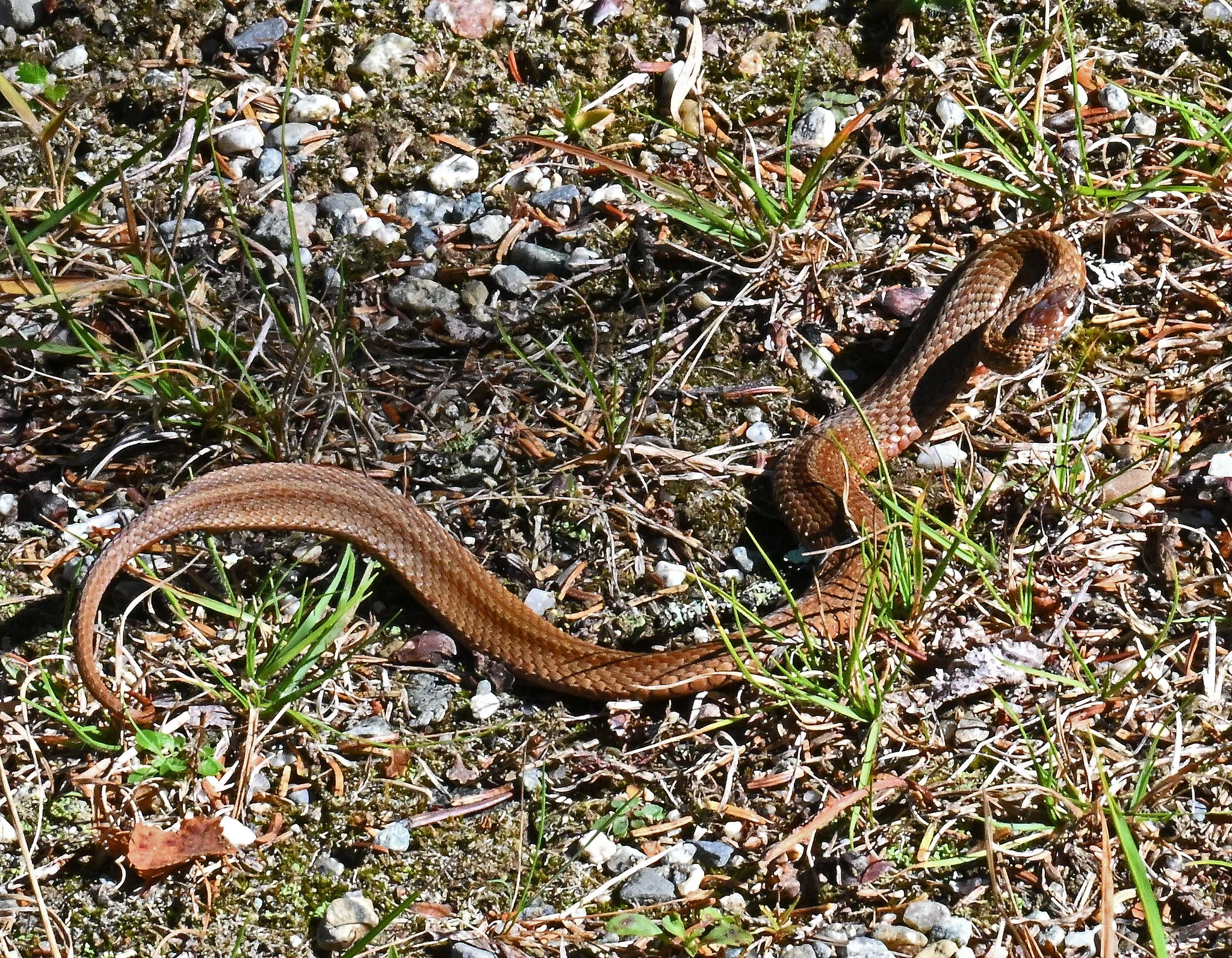
This northern redbelly snake refused to show me his attractive red belly. Rather than trying to catch him and flip him over – he’s not at all harmful – I decided to take this portrait and the genre photo below before he slithered quickly away.

Redbellies (Storeria occipitomaculata) are small snakes that live on earthworms and little crawlies. This one was about 8 inches long. They give birth to live young in September and also begin now to check out potential winter dormancy shelters, such as rock crevices, stone walls, rodent burrows, and large ant mounds.

They frequently drowse with other redbellies in a “hibernacula” (winter tent or winter quarters in Latin). Sometimes well over a hundred redbellies will form an interwoven mass of lethargic bodies in winter quarters.

As you may know, snakes and other cold-blooded animals that have no internal thermostats don’t hibernate like mammals when the temperatures drop and warming sunlight is less frequent. They enter a drowsy state called brumation and may wake and explore their surroundings from time to time during the winter.

(Images taken in Brooklin on September 21, 2026. Sex assumed.)

Comment

Comment

In the Right Place: Poignancy in Brooklin

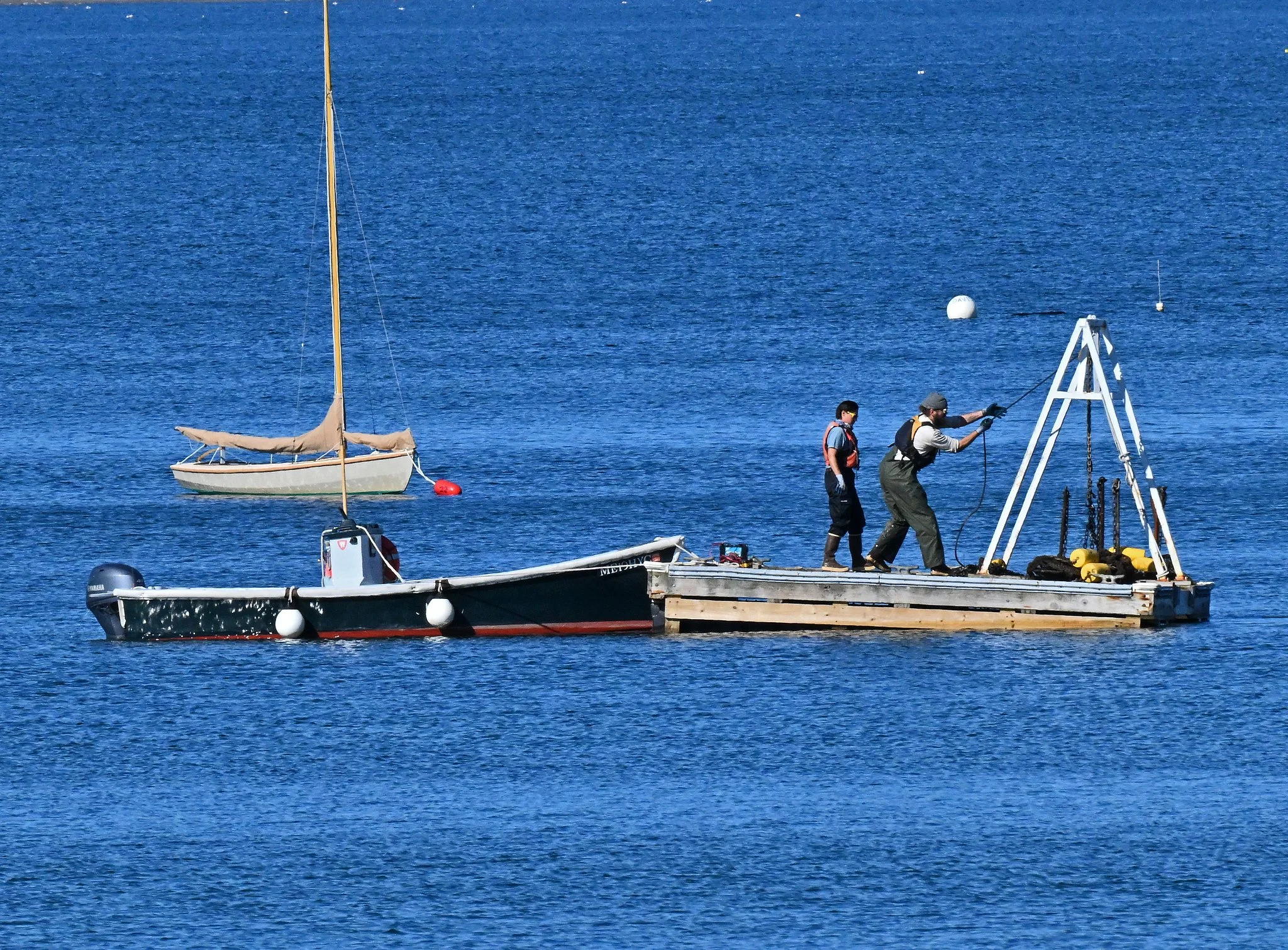
It’s that sad time of the year after the WoodenBoat School’s sailing classes are ended. WBS staff are manning the moorings raft and winching up anchors, chains, ropes and buoys for storage:

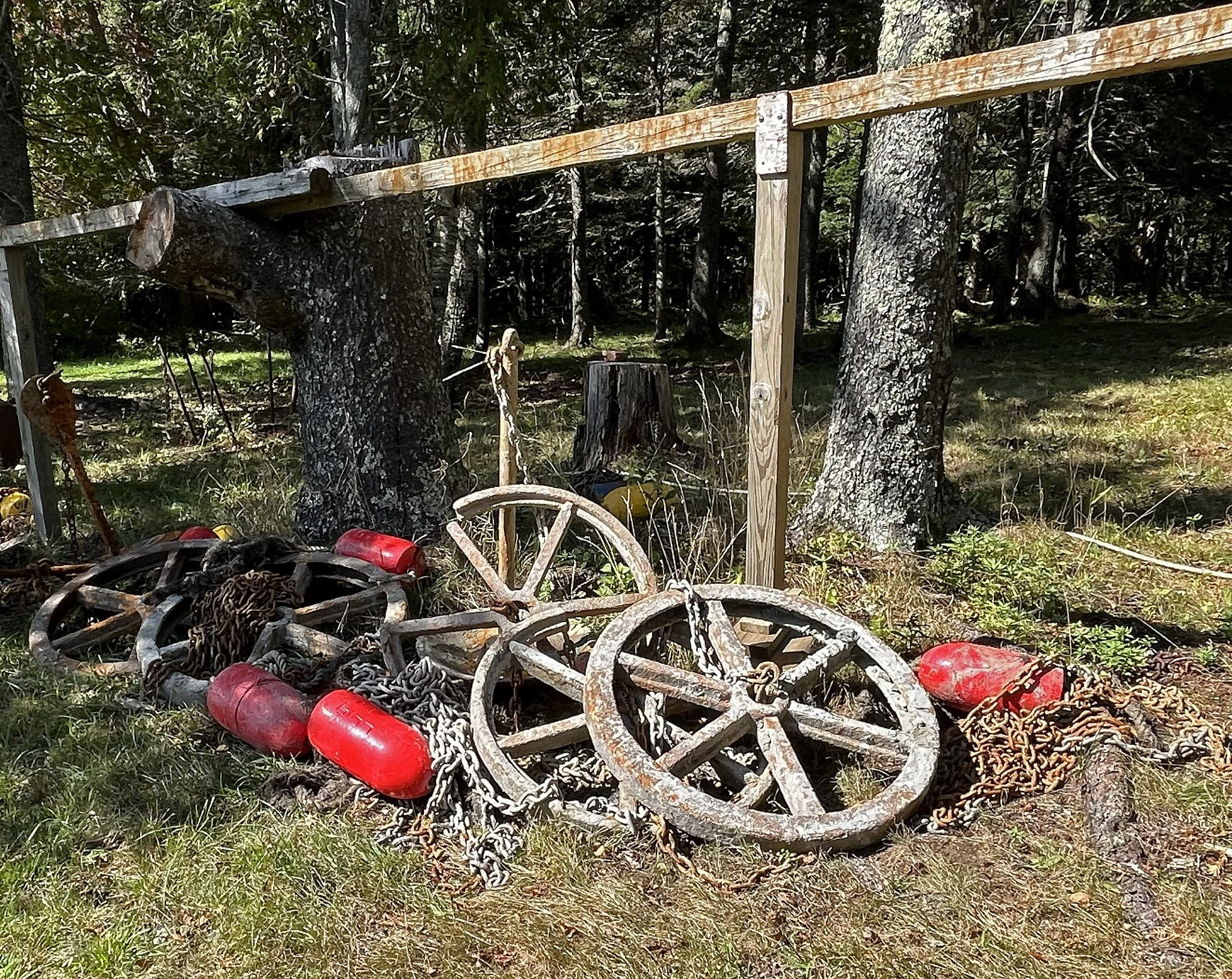
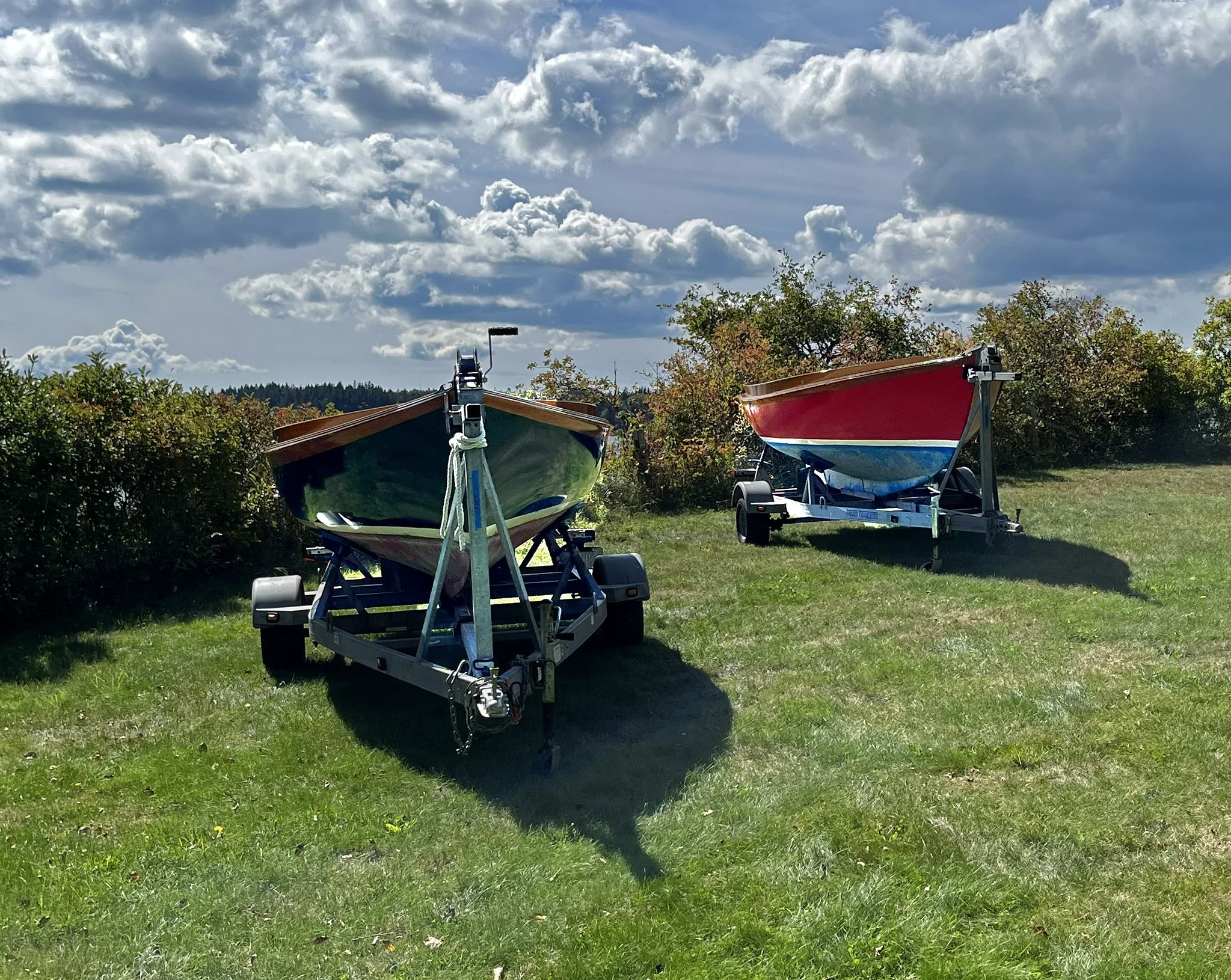
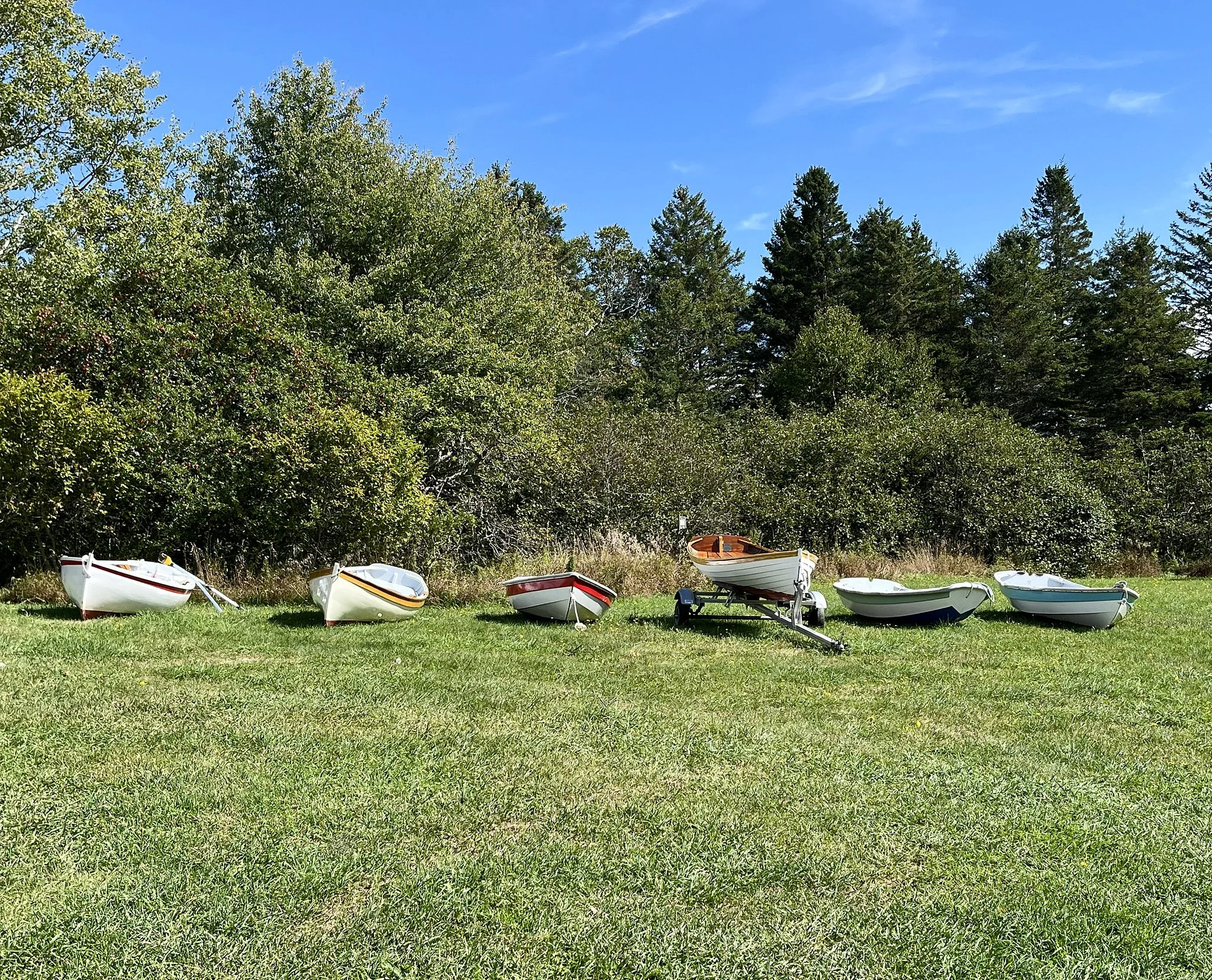
Marvelous waterborne creations are being pulled from where they belong, cleaned and scattered around the WoodenBoat campus to dry in the sun – where they become lovely landscape sculptures:

These bringers of joy will be rested until next summer, when they’ll be set free again like spirited horses that are at their finest responding to an understanding touch.

 (Images taken in Brooklin, Maine, on September15 and 22, 2026.)
Comment

Comment

In the Right Place: Toxic Treats (for the Eyes Only)

We’re entering the best time to go hunting for wild mushrooms in Down East Maine. They can be beautiful and fascinating. Some are delicious, others are sickeningly toxic, a few are potentially fatal if ingested. Those that are harmful to eat were historically called “toadstools” and associated with toxic toads and witchcraft.

Thus, IF YOU’RE NOT A WITCH AND YOU’RE NOT ABSOLUTELY SURE THAT A MUSHROOM IS SAFELY EDIBLE, LIMIT YOUR ENJOYMENT OF IT TO CELEBRATING YOUR LUCK AT FINDING SOMETHING SO INTERESTING – AND DON’T LET YOUR DOG SNACK ON IT, EITHER!

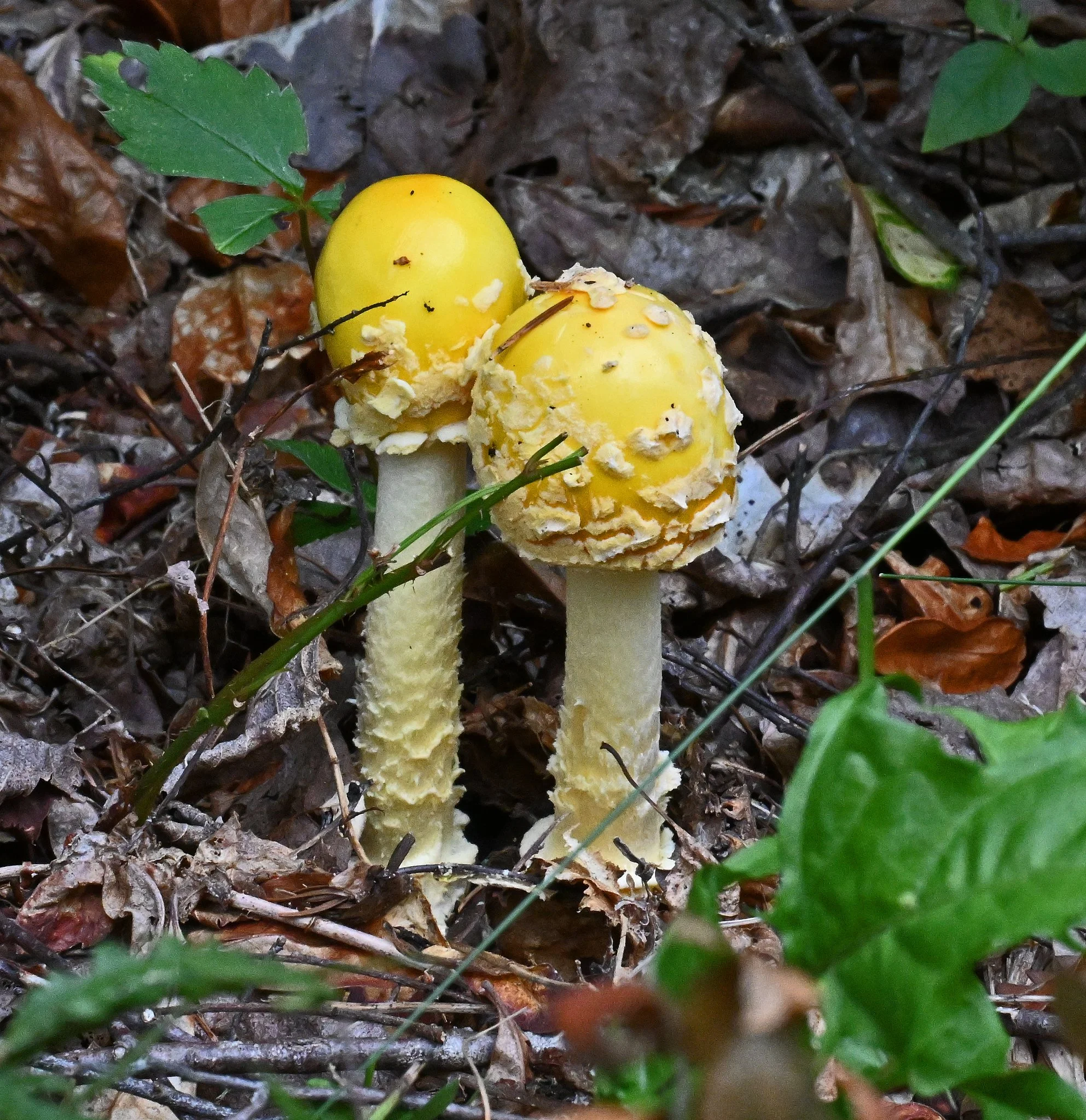
Below, you’ll see a yellow version of a mushroom that I think is a fly agaric (Aminita muscaria), a toxic mushroom featuring a bright yellow or red cap with white wart-like spots. The name “agaric” refers to a capped mushroom; “fly agaric” is a recognition of the practice by older European cultures of putting pieces of the mushroom in milk or water to stun or kill flies. Don’t eat an insecticide.

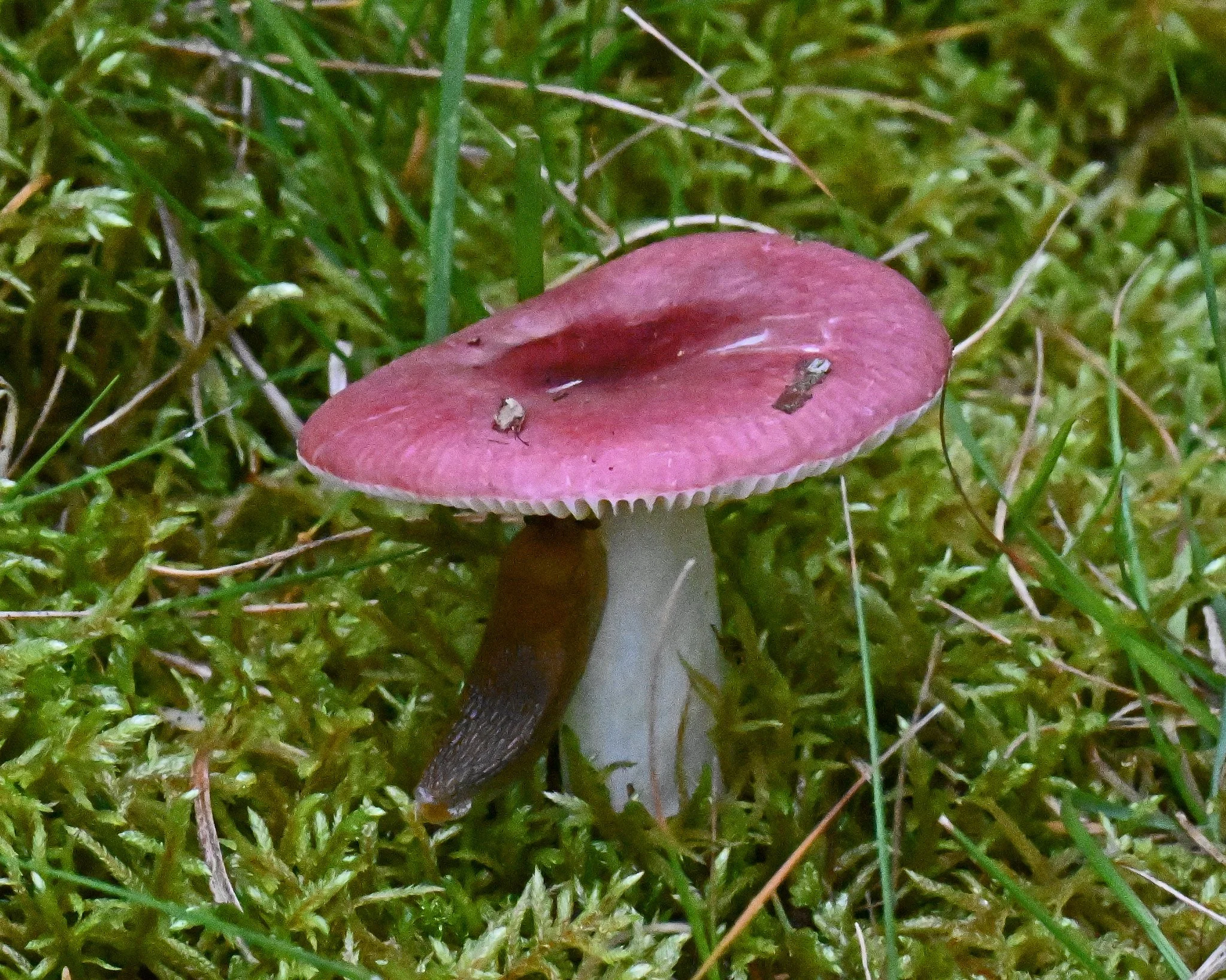
I’m reasonably sure that the mushroom below is one of the Russula (“red”) fungi. My guess after some research is that it is a Russula emetica (aka “the sickener”). Human consumption of it is reported to result in rapid gastrointestinal irritation, nausea, and vomiting. Don’t eat anything called “a sickener,” unless you’re a slug like the pne eating this Russala.

Both of these mushrooms are a joy to see while walking through the woods. Leave then there for others to enjoy.

(Images taken in Brooklin, Maine, on September 20, 2026.)
Comment

Comment

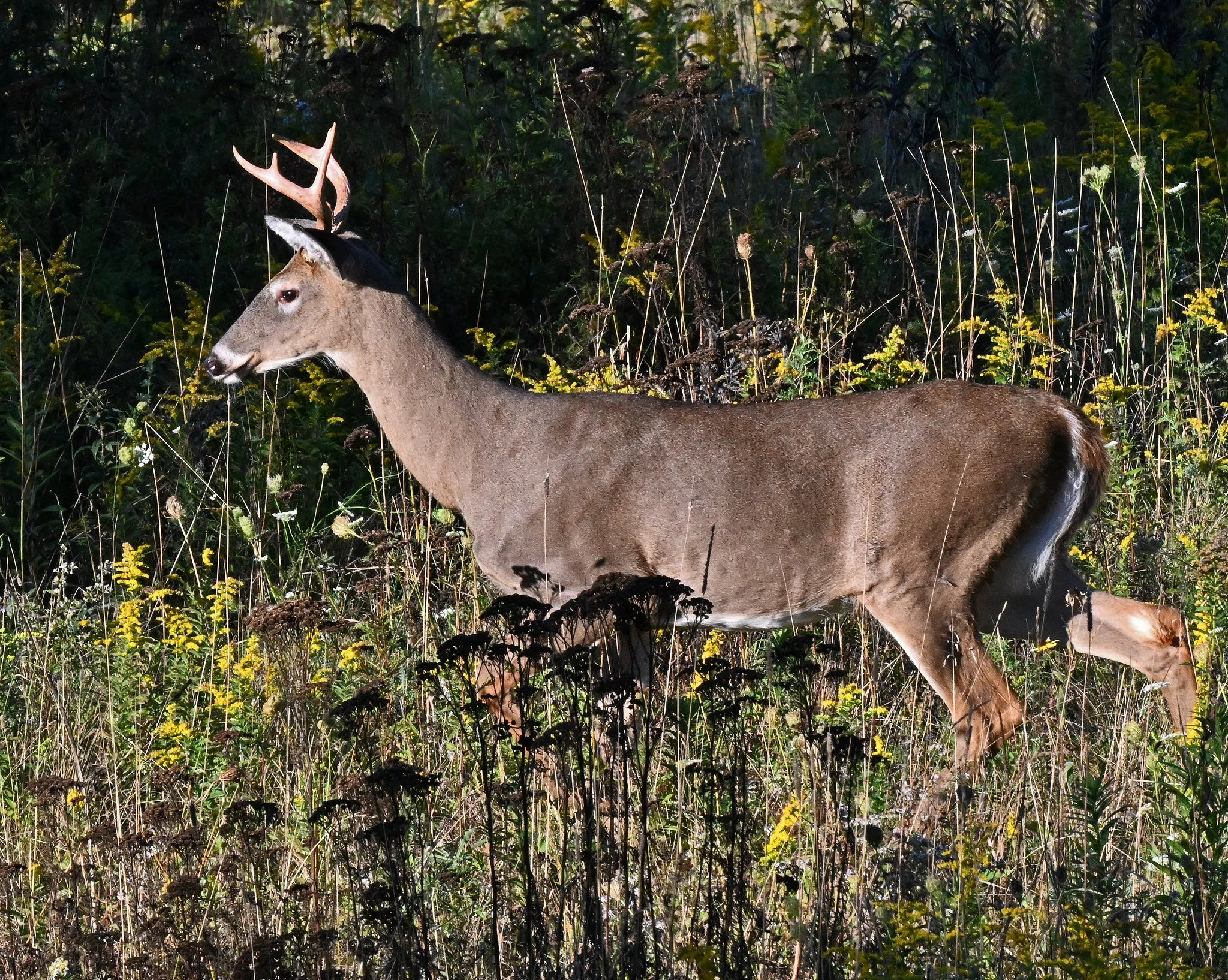
In the Right Place: The Buck Schleps Here

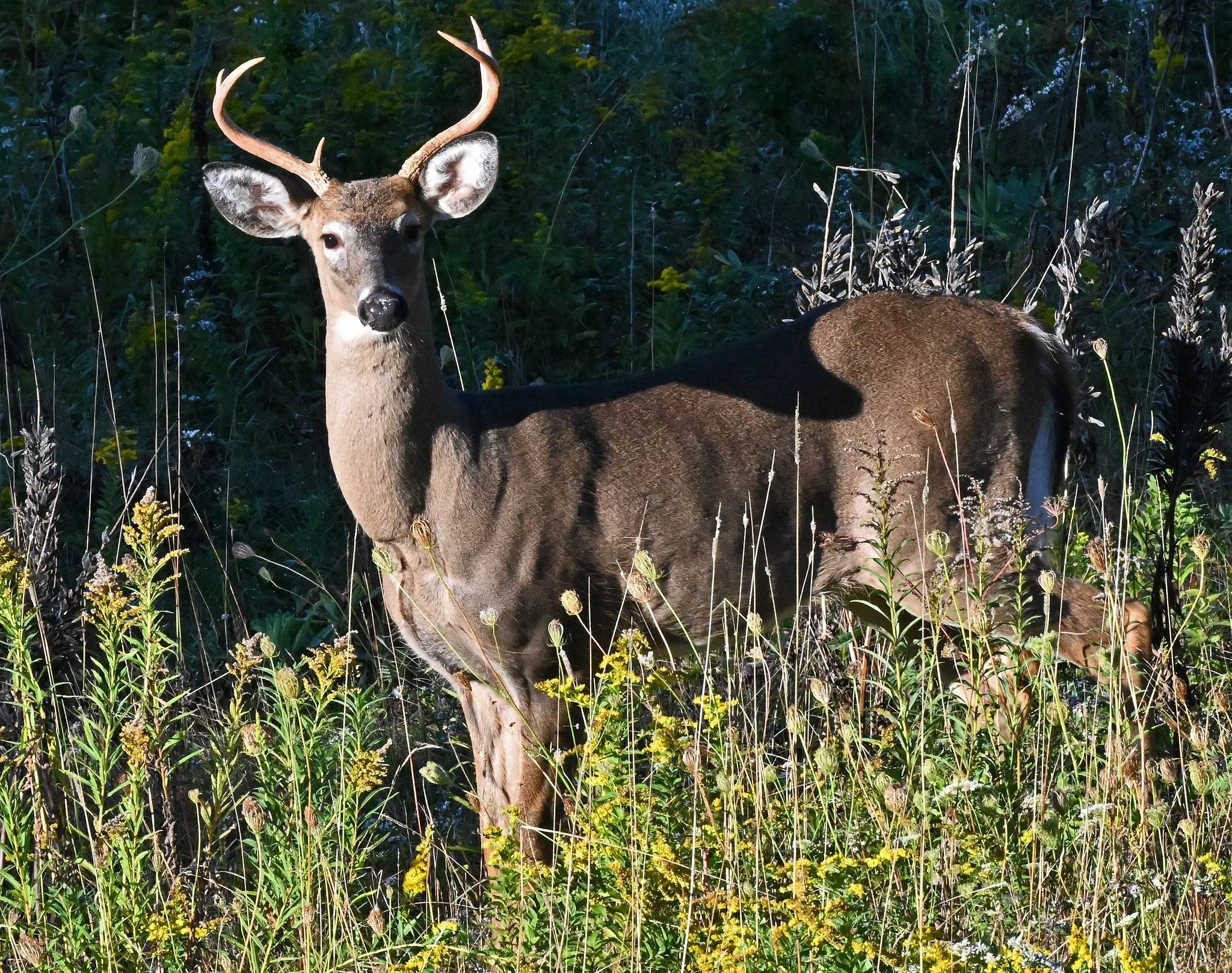
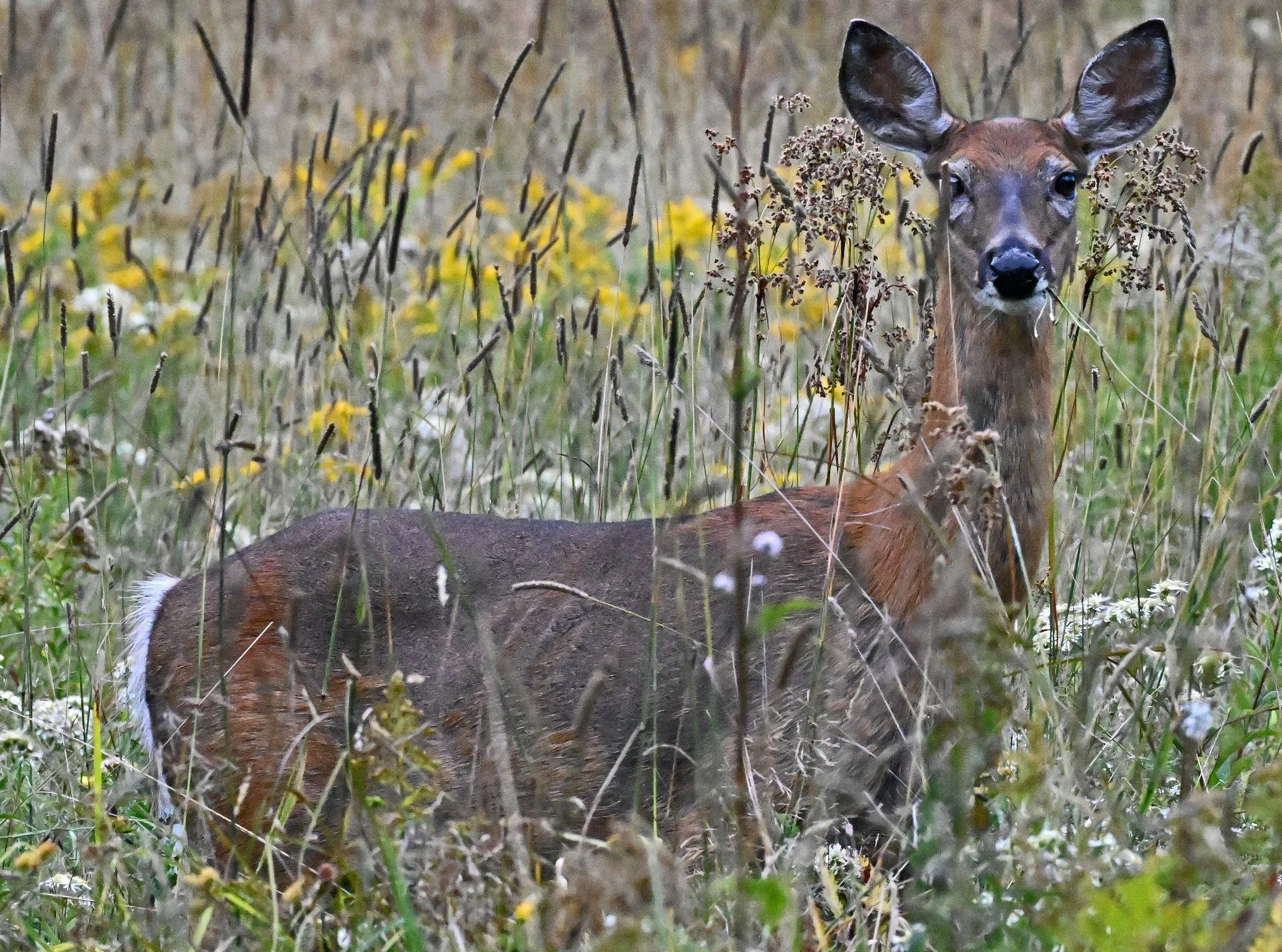
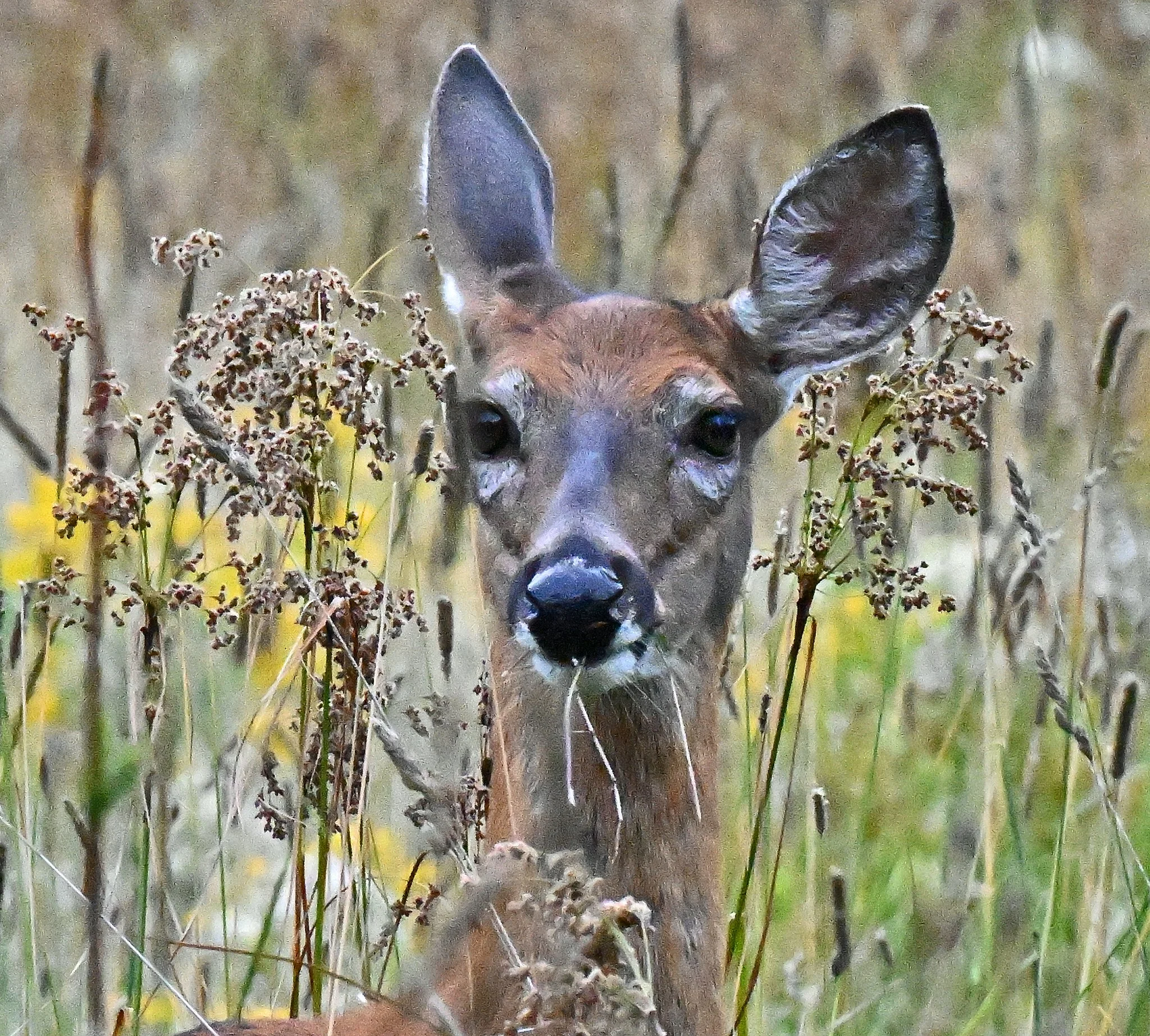
Above, you see one of the young white-tailed deer bucks in “our herd,” which refuses to recognize the validity of our title to their territory. One of the herd does is shown below:

As you see, these animals appear to be in magnificent shape. Soon our meadows will be mowed, and we’ll get to see more of them.

The two bucks that I’ve seen this past week already have shed and/or rubbed off the protective “velvet” covering for this year’s antler models. Bucks, does and this year’s fawns are transitioning nicely into their grayer and thicker winter coats. They’re also browsing more heavily than they did in August. Now is the time to gain weight and build up reserves for the winter.

Nonetheless, since about 2009, the winters have been getting milder and mostly without blizzards or other severe snowstorms. This is part of a warming trend that has been projected to continue and accelerate. The deer love the trend; skiers and snowmobilers, not so much.

Maine government trackers report that average temperatures in the state have risen by more than 3°F since 1895, and winters are now warming faster than any other season here. This has made our winter weather about two weeks shorter than it was in the early 1900s. According to the Maine State Climatologist, temperatures here are projected to warm an additional 2 to 4°F by 2050, and potentially up to 10°F by 2100.

(Images taken in Brooklin, Maine, on September 19 and 9, 2026.)
Comment

Comment

In the Right Place: Windjammers, XIV

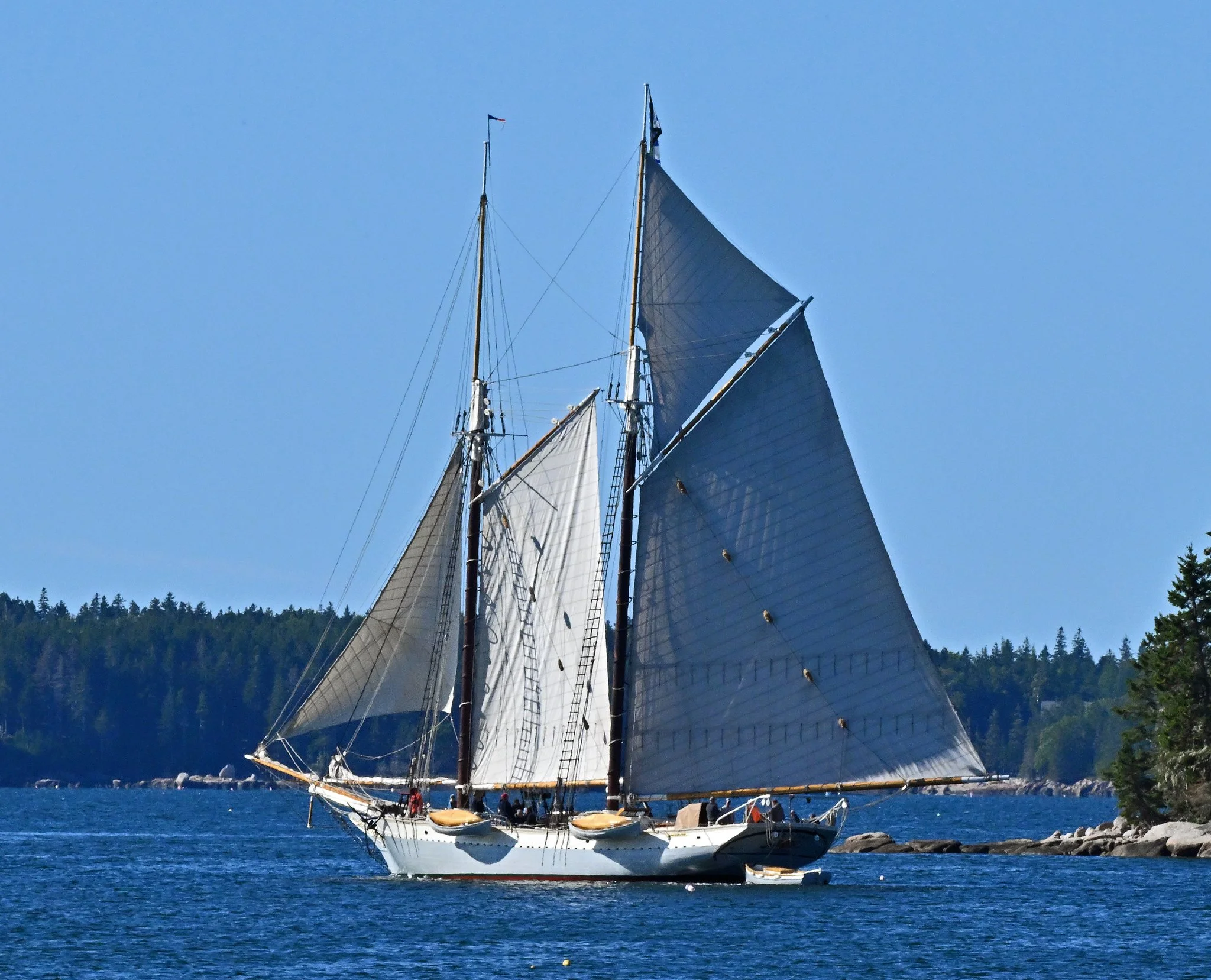
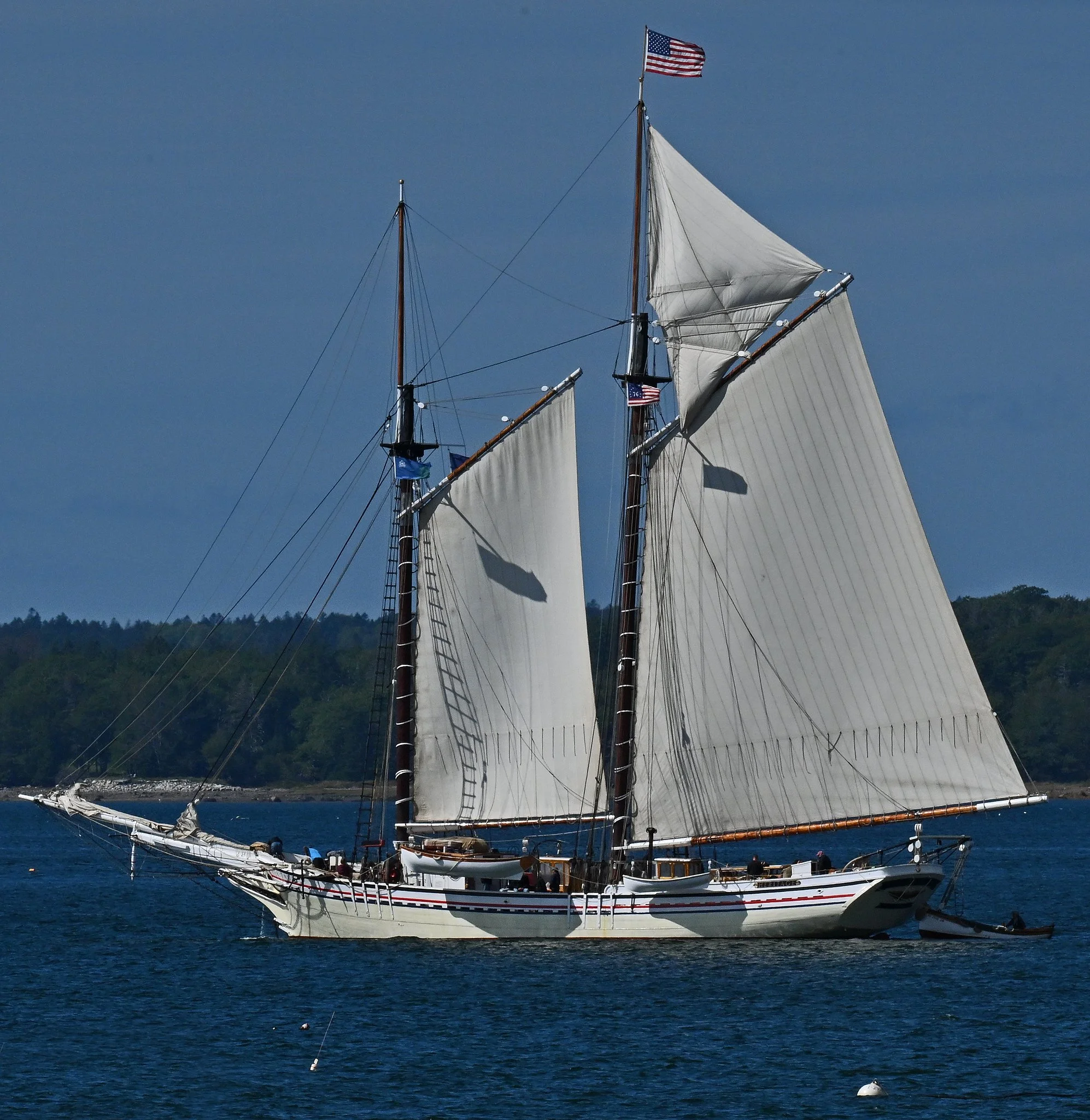
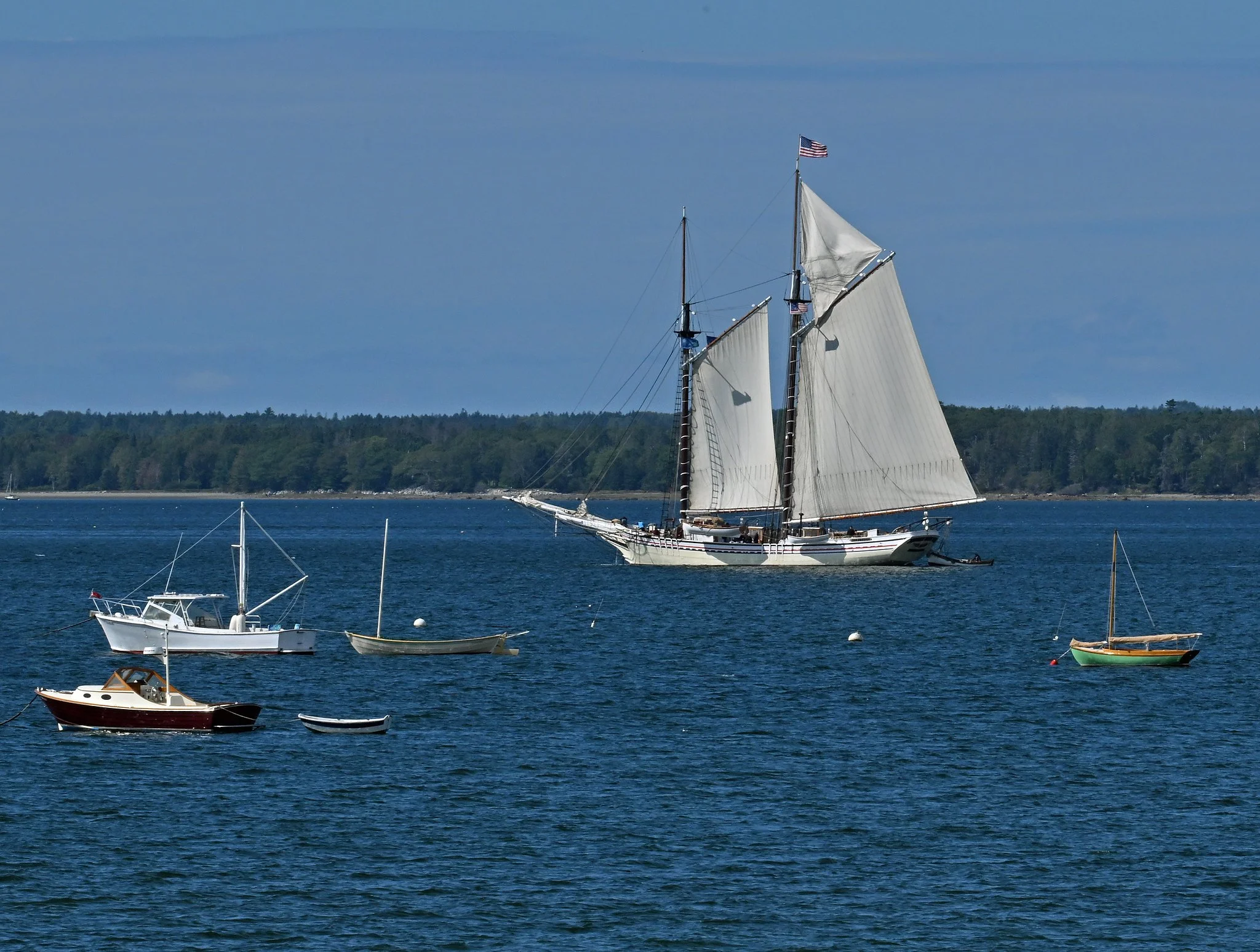
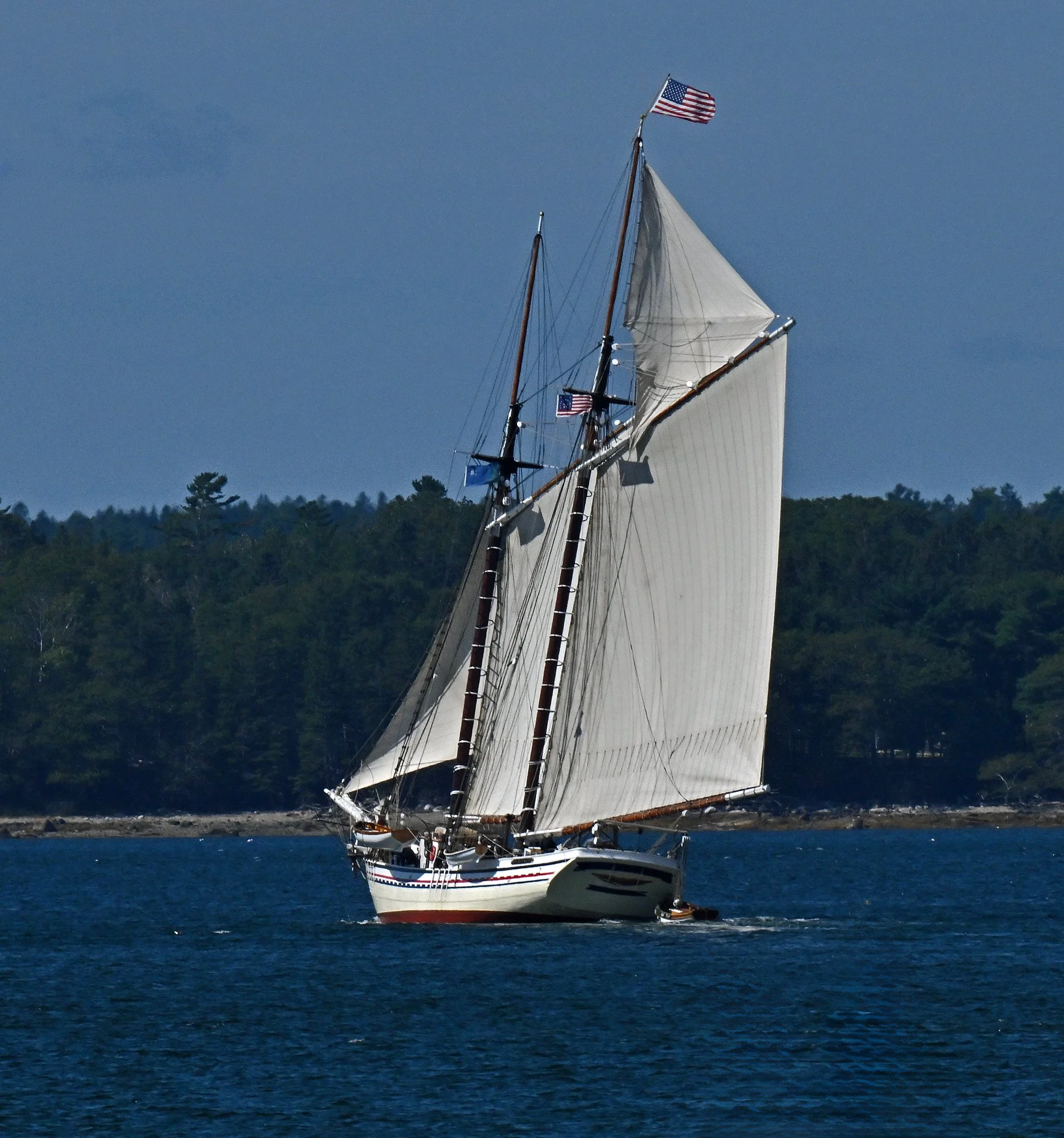
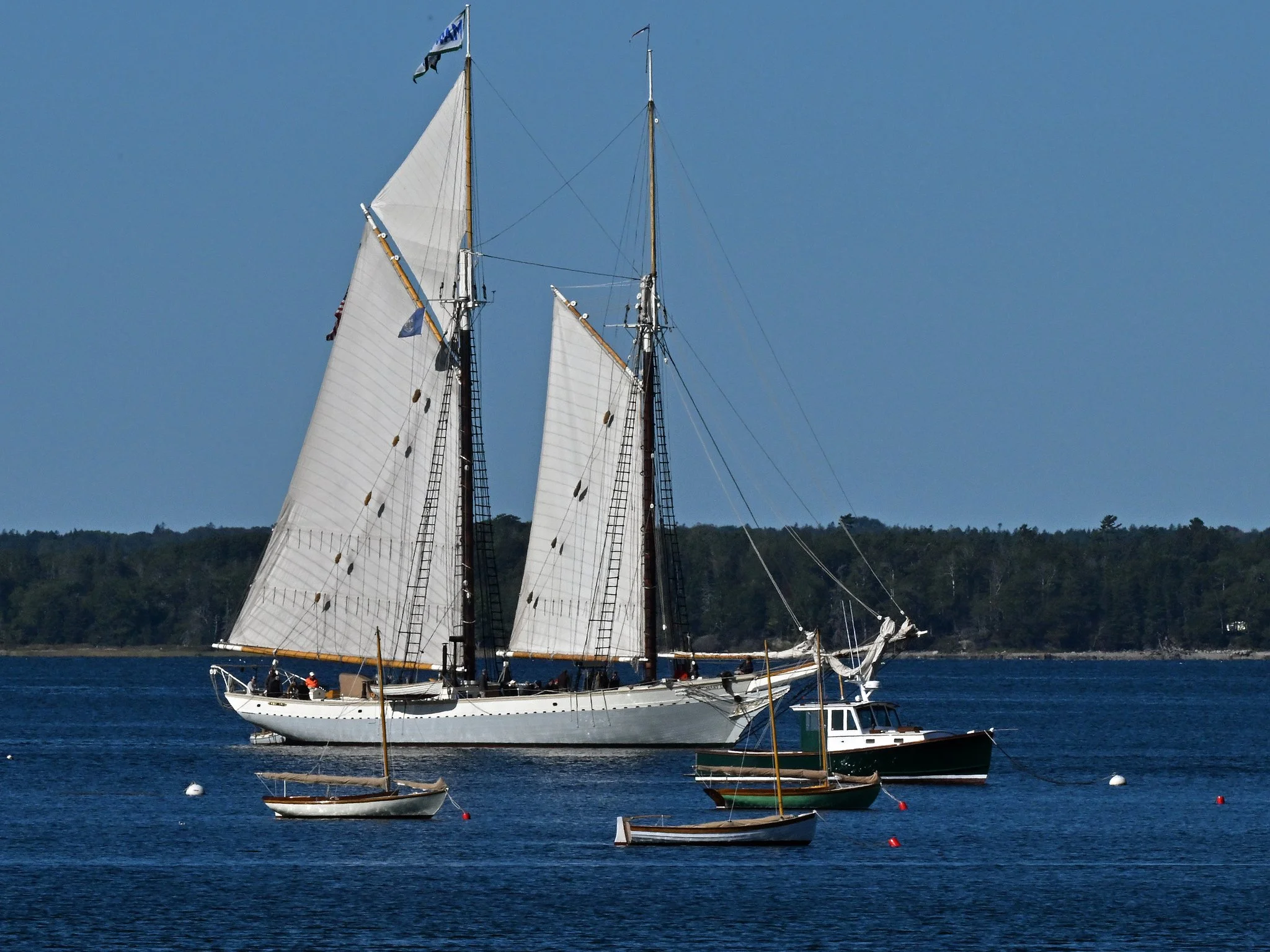
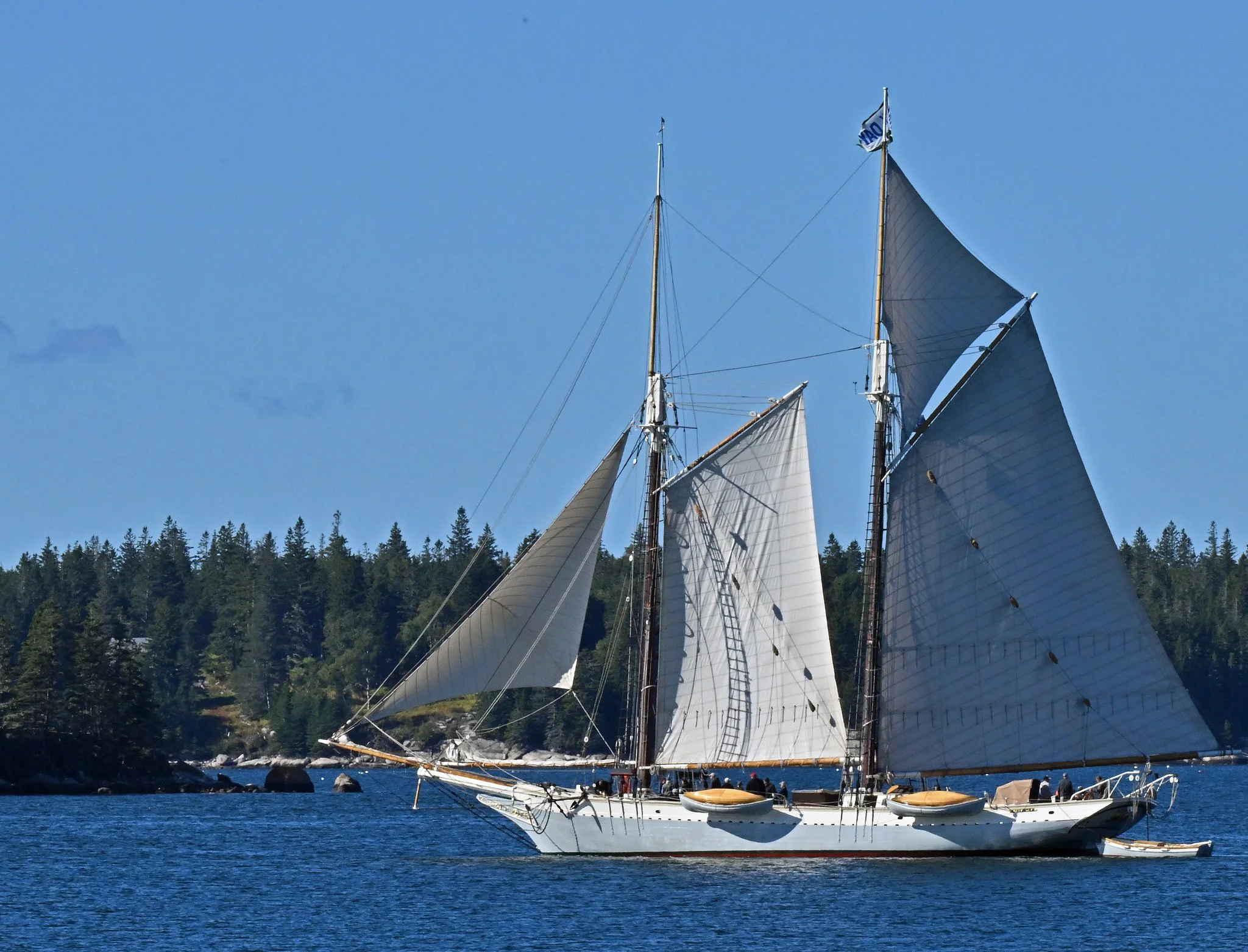
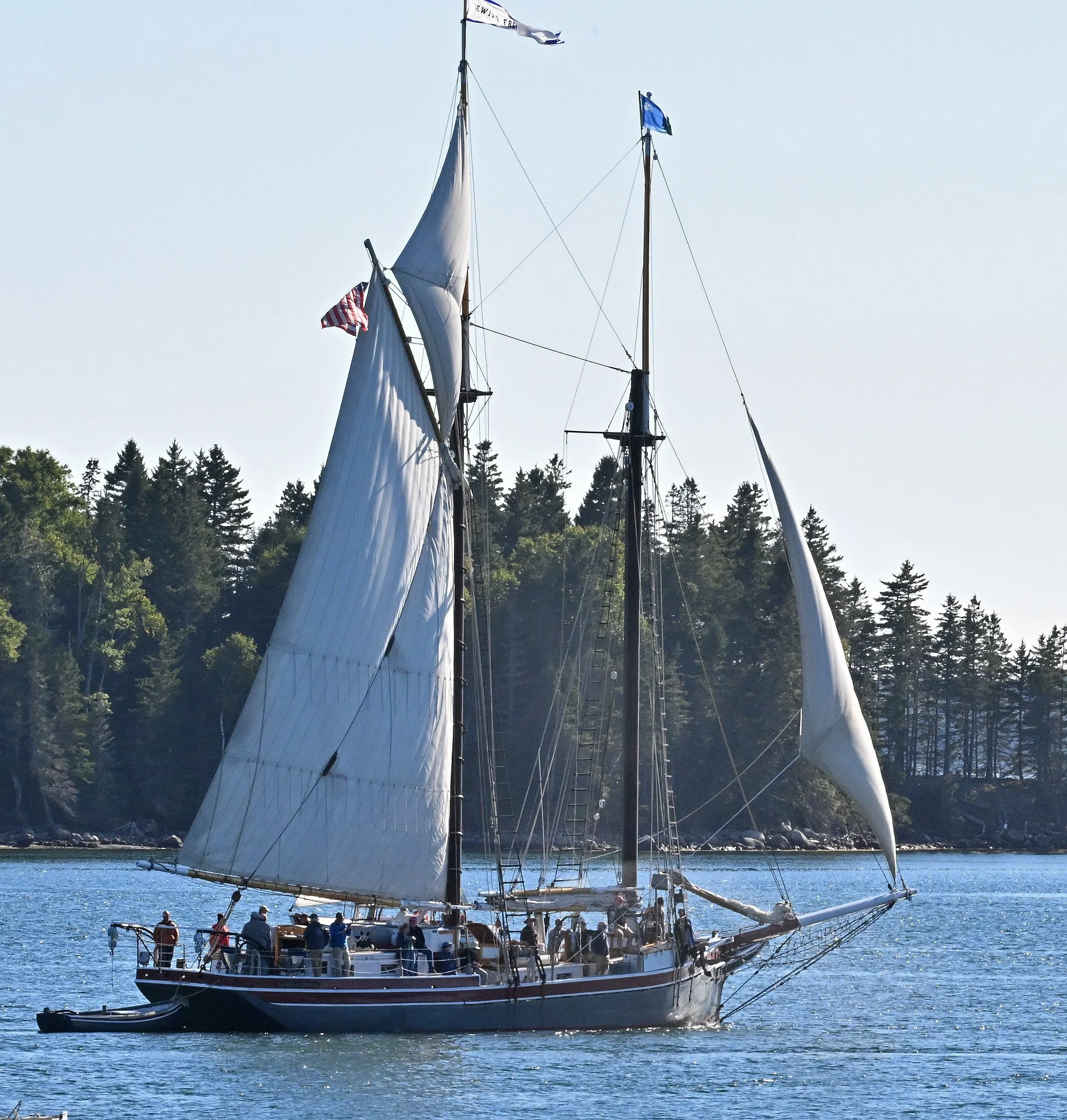
The day after the annual WoodenBoat Sail-In, the schooner HERITAGE hung round as the lone schooner in Great Cove, much to everyone’s liking. Here you see her sitting there like a monument to Maine sailing – a grand heritage embodied in the HERITAGE:

Below, you’ll see her leaning into the wind as she takes off and heads south toward Mount Desert Island and Acadia National Park. She was on a 6-night coastal adventure that included the WB Sail-In with about 10 other schooners, according to her schedule. She homeports in Rockland, Maine.

The HERITAGE is big-boned and the longest vessel in Maine’s windjammer fleet at a reported 145 feet of overall length (92’ on deck). She’s longer overall, but not really larger than, the venerable VICTORY CHIMES  (bless her tortured soul). The three-masted CHIMES was estimated at 132 feet in overall length, BUT was a documented 127.5’ on deck.

The CHIMES was a "bald-headed" (no topsails or topmasts) Chesapeake ram schooner built in 1900 for cargo carrying with a relatively short bowsprit. The HERITAGE, as you see, was well endowed up front when she was built for tourist cruising in 1983.)
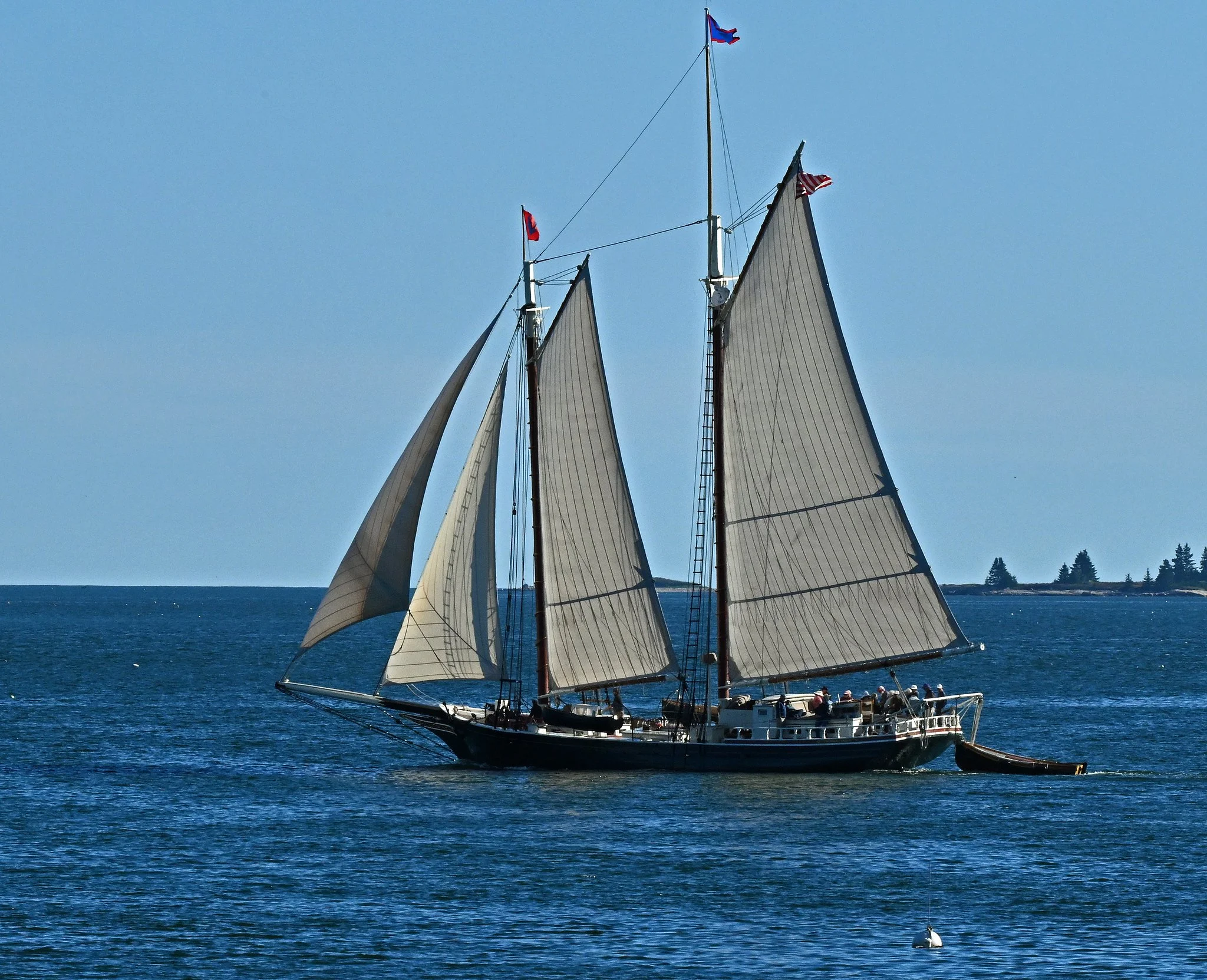
(Images taken in Brooklin, Maine, on September 16, 2026.)
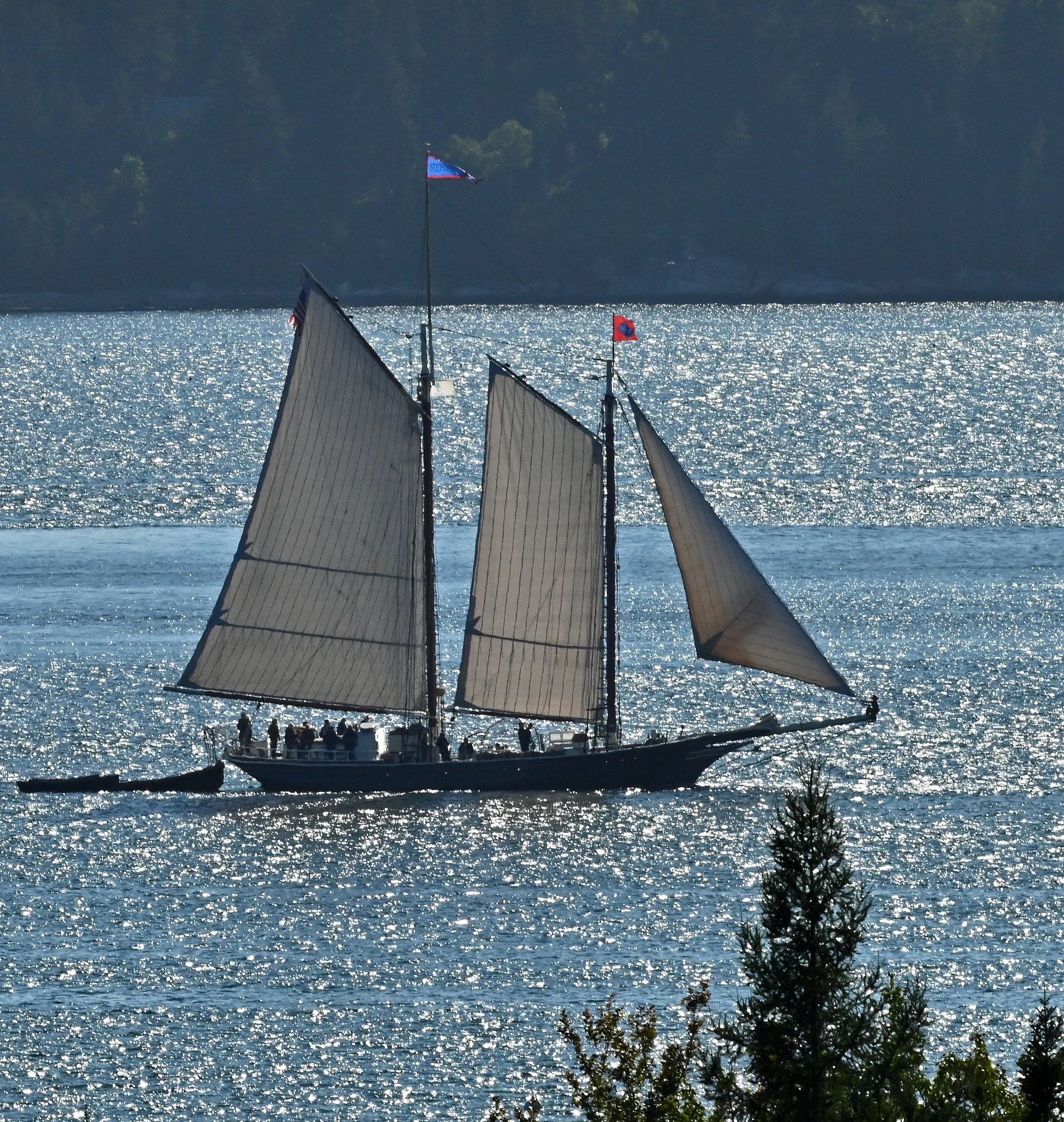
Comment

Comment

In the Right Place: This Is Serious, Folks

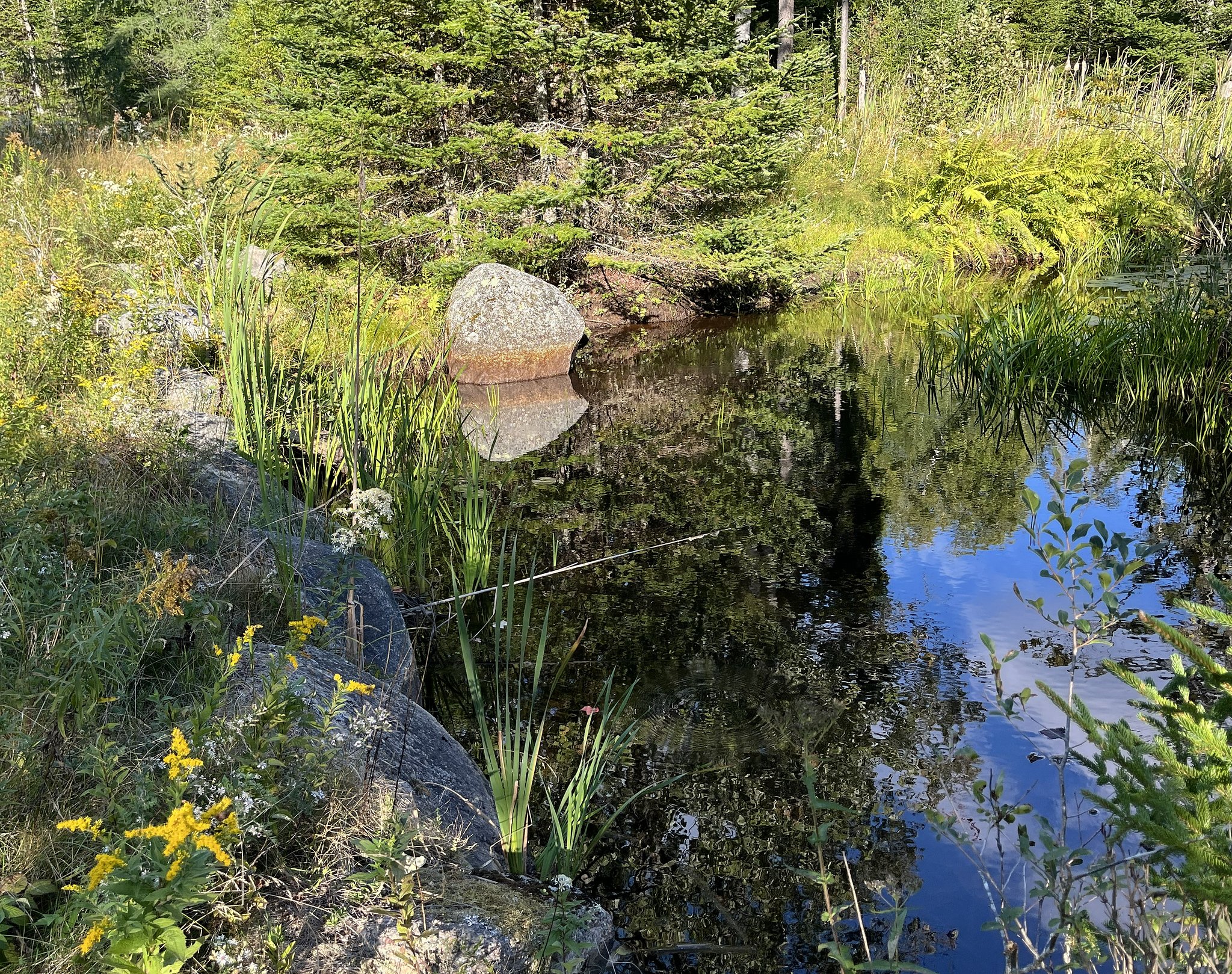
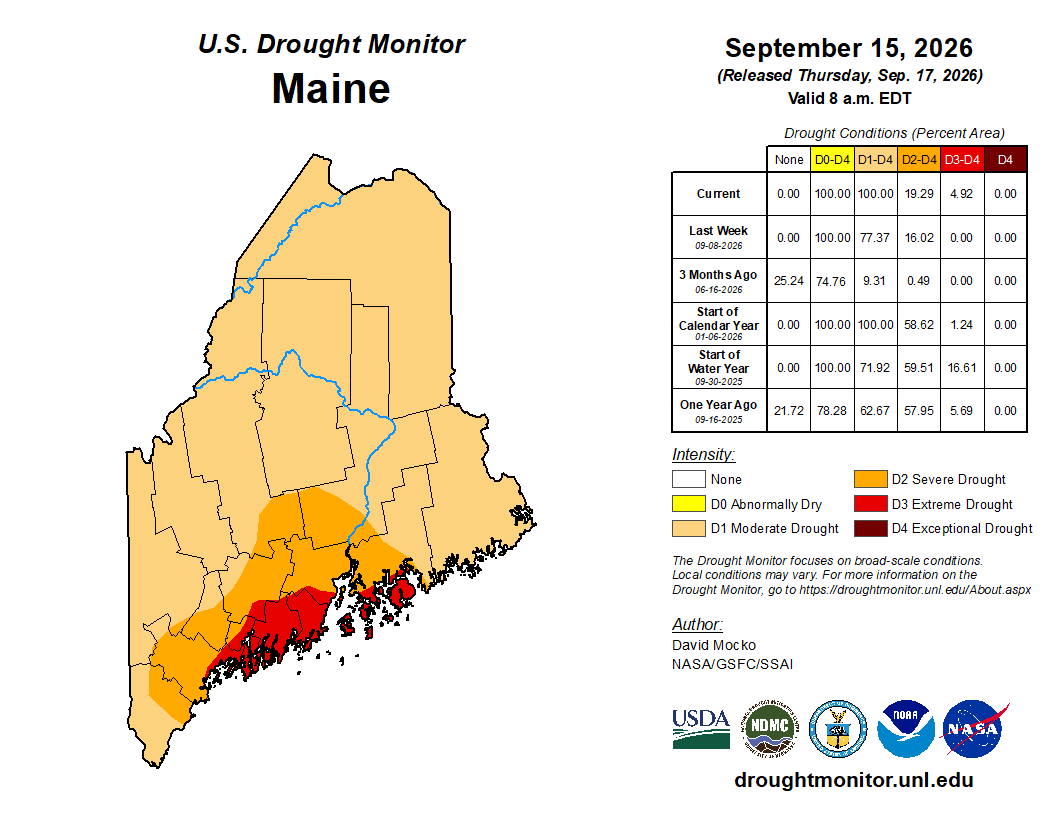
Maine has become an example of the dangers of global warming. Here you can see from the water mark on the boulder that our pond water levels are down by more than a foot. Maine is suffering more from long-lasting drought than any other state on the east coast, according to yesterday’s weekly U.S. Drought Monitor.

In Brooklin and other Maine mid-coast areas, that drought is “extreme,” the government’s second-most dangerous category:

In addition to lowered ponds and lakes, streamflows and well levels are low. If this keeps up, wells will dry up and many Mainers will have no residential source of drinking water. Hovering above all of this is the increasing dangers of wildfires, rising sea levels and increasingly harmful storms.

We had rain yesterday afternoon and last night, but it wasn’t nearly enough and much of it couldn’t sink into the hardened ground. I’m beginning to realize why a perfected artificial intelligence might decide to take over the world and rid it of incompetent, greedy and vicious humans who continue to make bad things worse.

(Photograph taken in Brooklin, Maine, on September 15, 2026.)

Comment

Comment

In the Right Place: That’s Entertainment! (For Some)

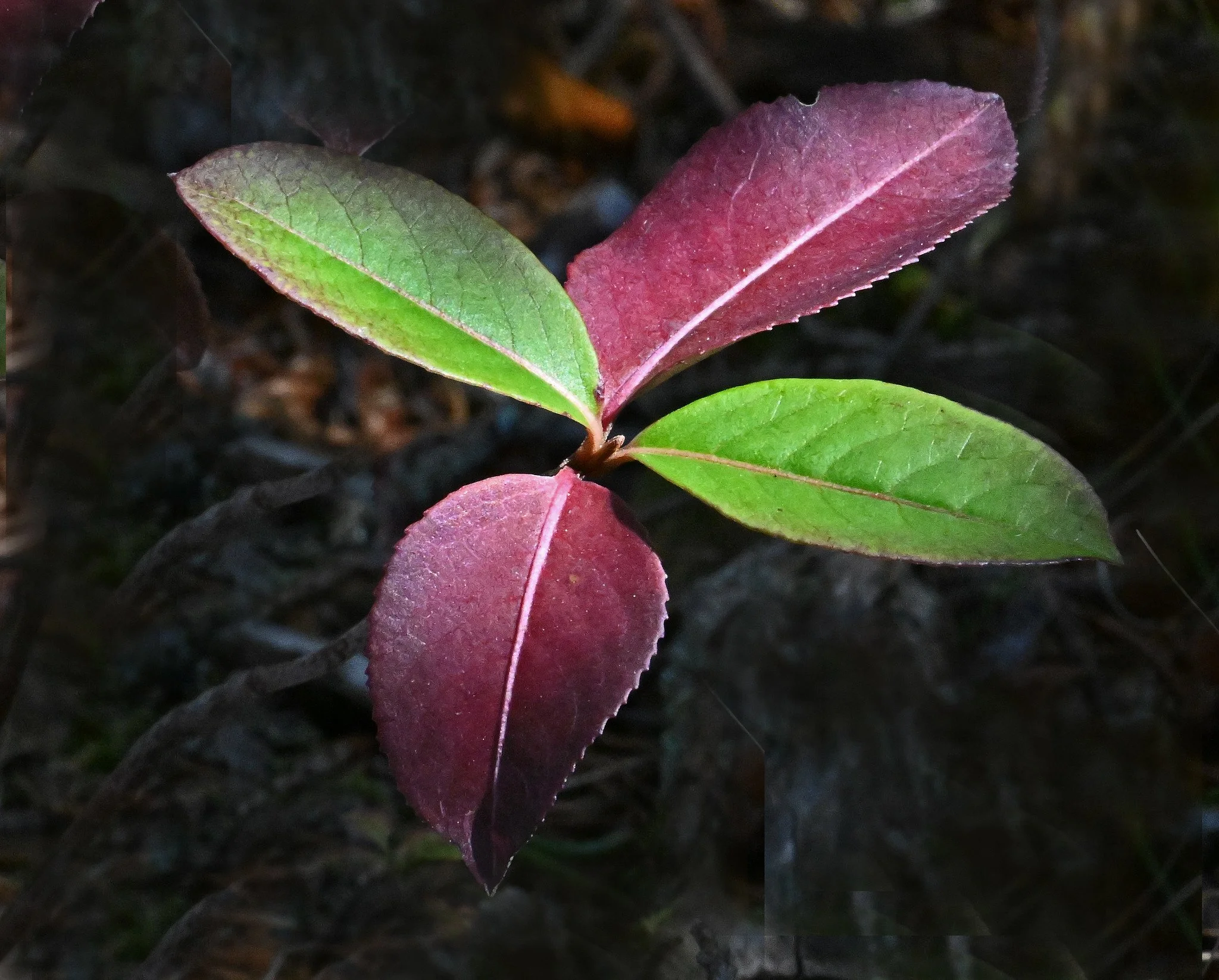
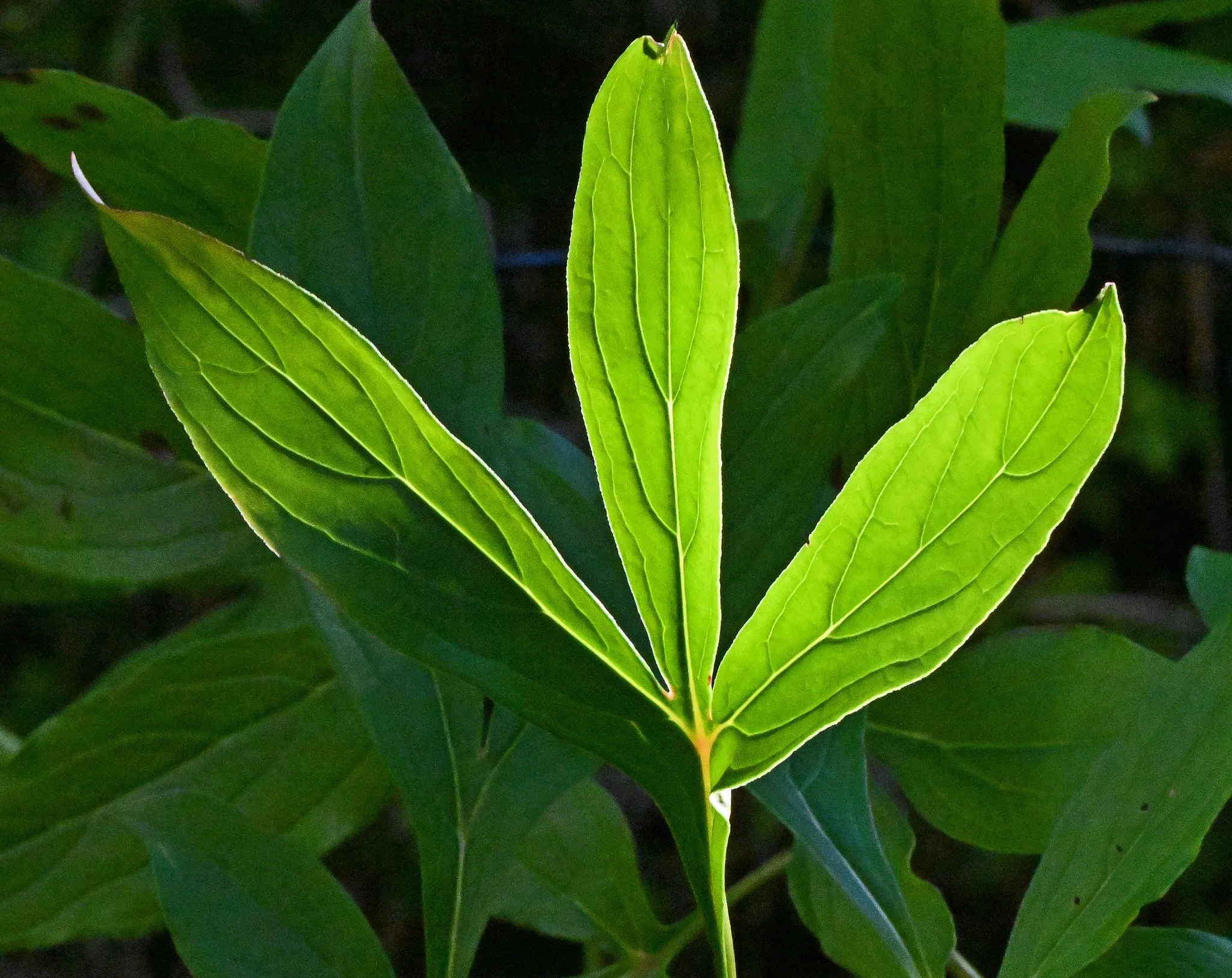
The leaf opening acts before Fall’s big performance can be charming for those who enjoy outdoor venues. Here you see a quick-change act by what I think is wintergreen, Maine’s state herb:

Below, you’ll see a peony trio doing close harmony in September’s spotlight:

(Images taken in Brooklin, Maine, on September 12 and 15, 2026.)

Comment

Comment

In the Right Place: Windjammer Sail-In (and Show Off)

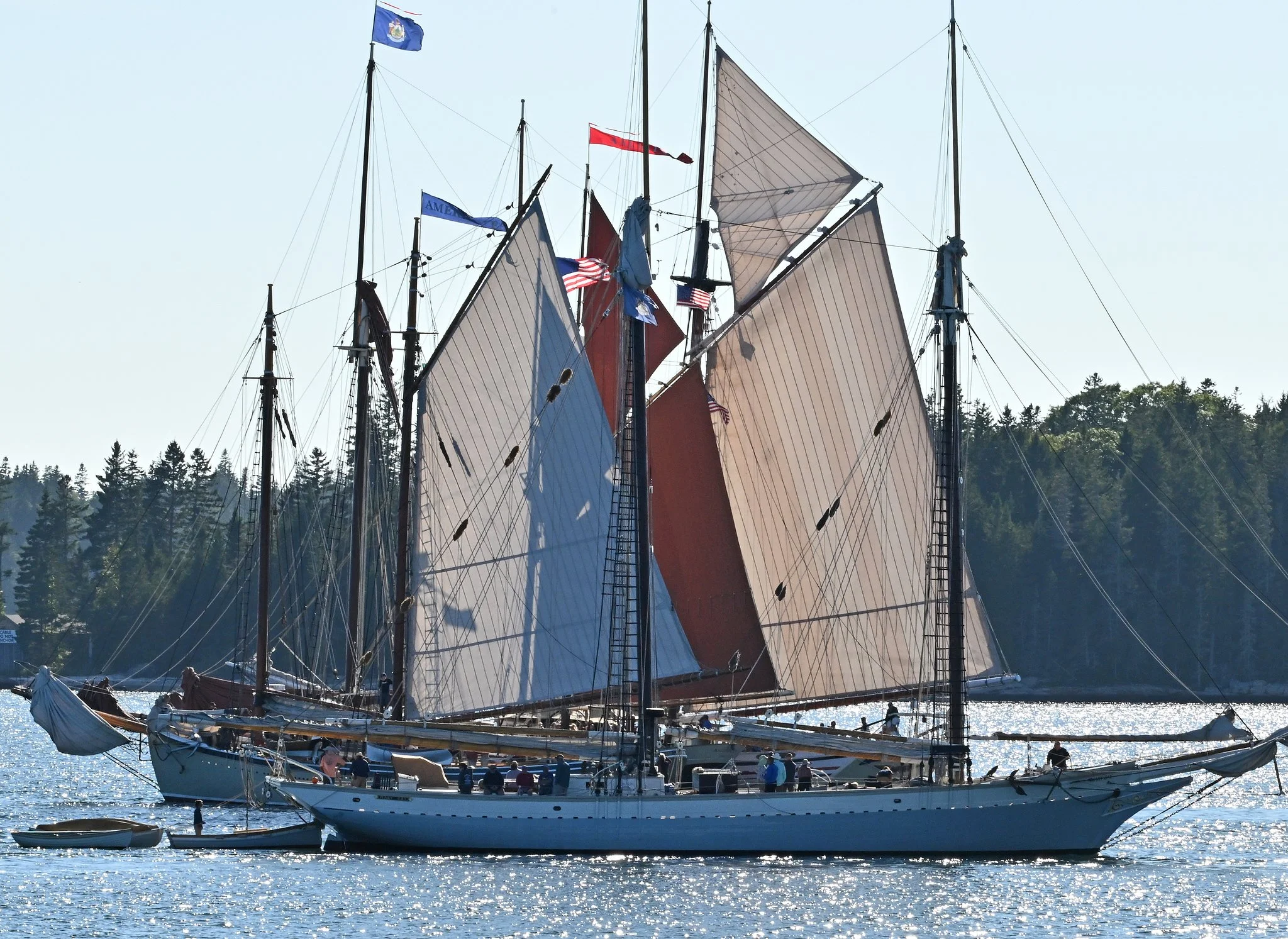
The Annual WoodenBoat Windjammer Sail-In occurred yesterday afternoon. Due to other commmitments, I got to Great Cove late for the full parade. Some ‘jammers already were achoring and/or rafting up for the night:

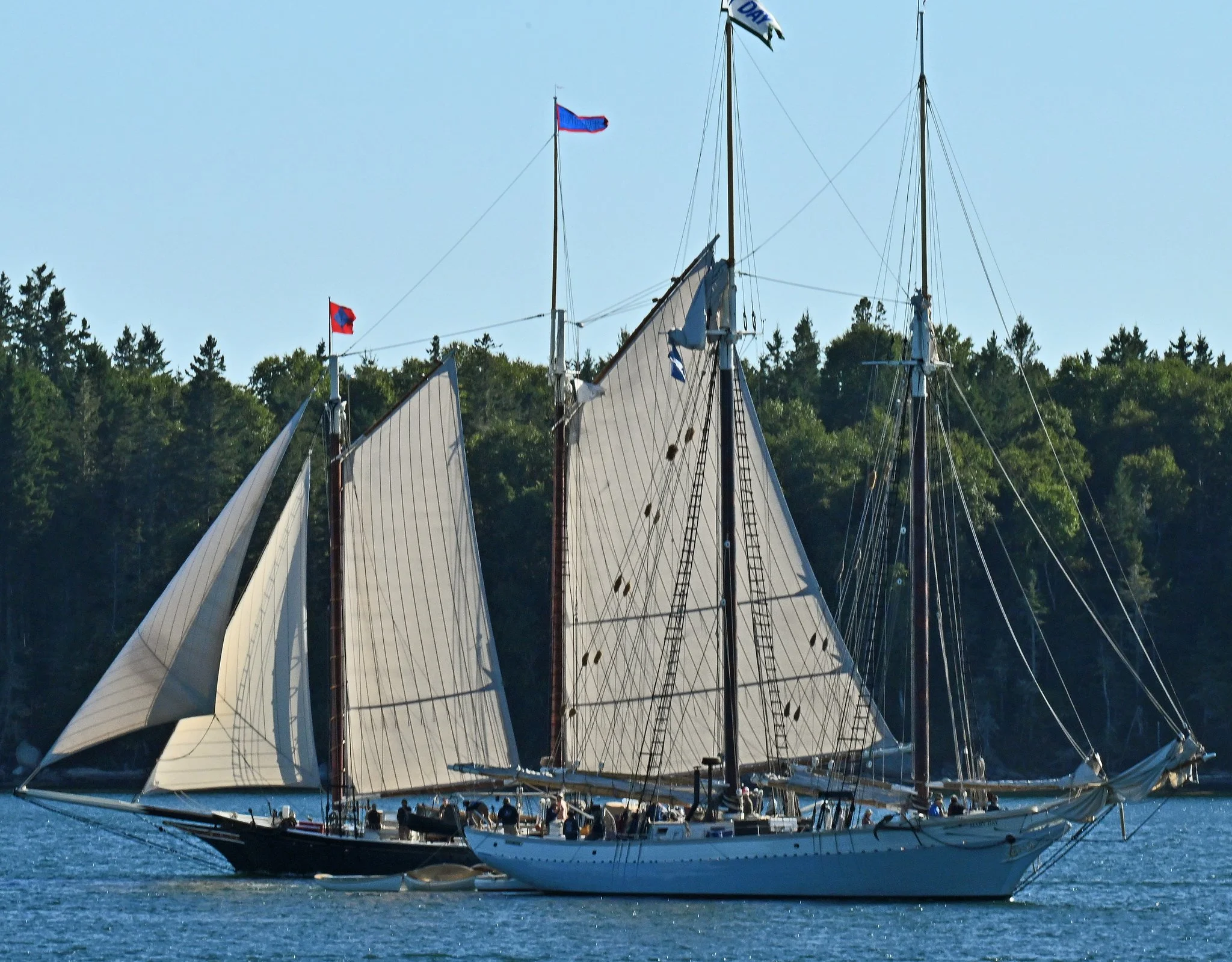
MARY DAY calling it a day

MARY DAY and others rafting up

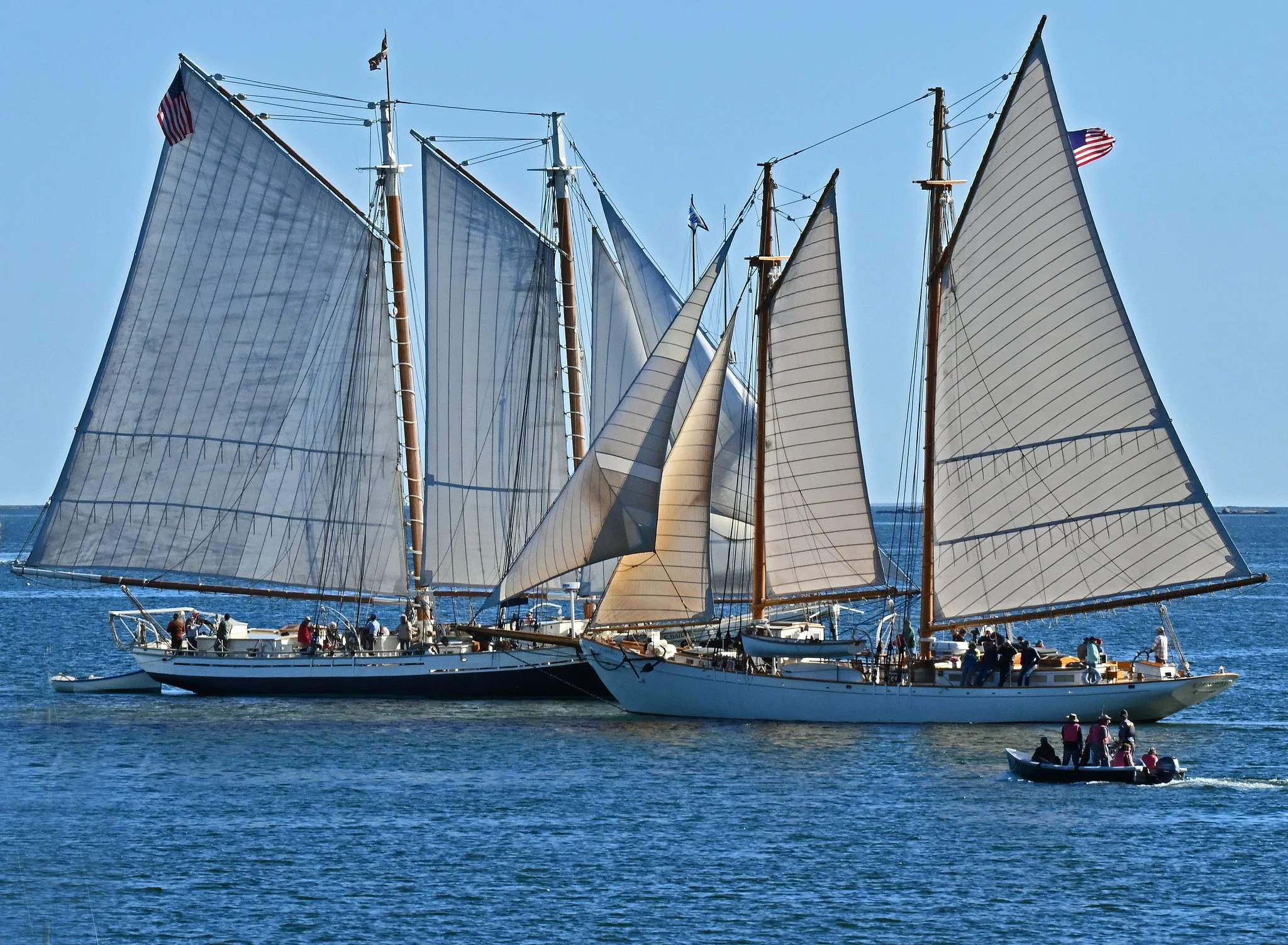
Thankfully, the captains of several beauties apparently felt that the show must go on a little longer. The finale was spectacular:

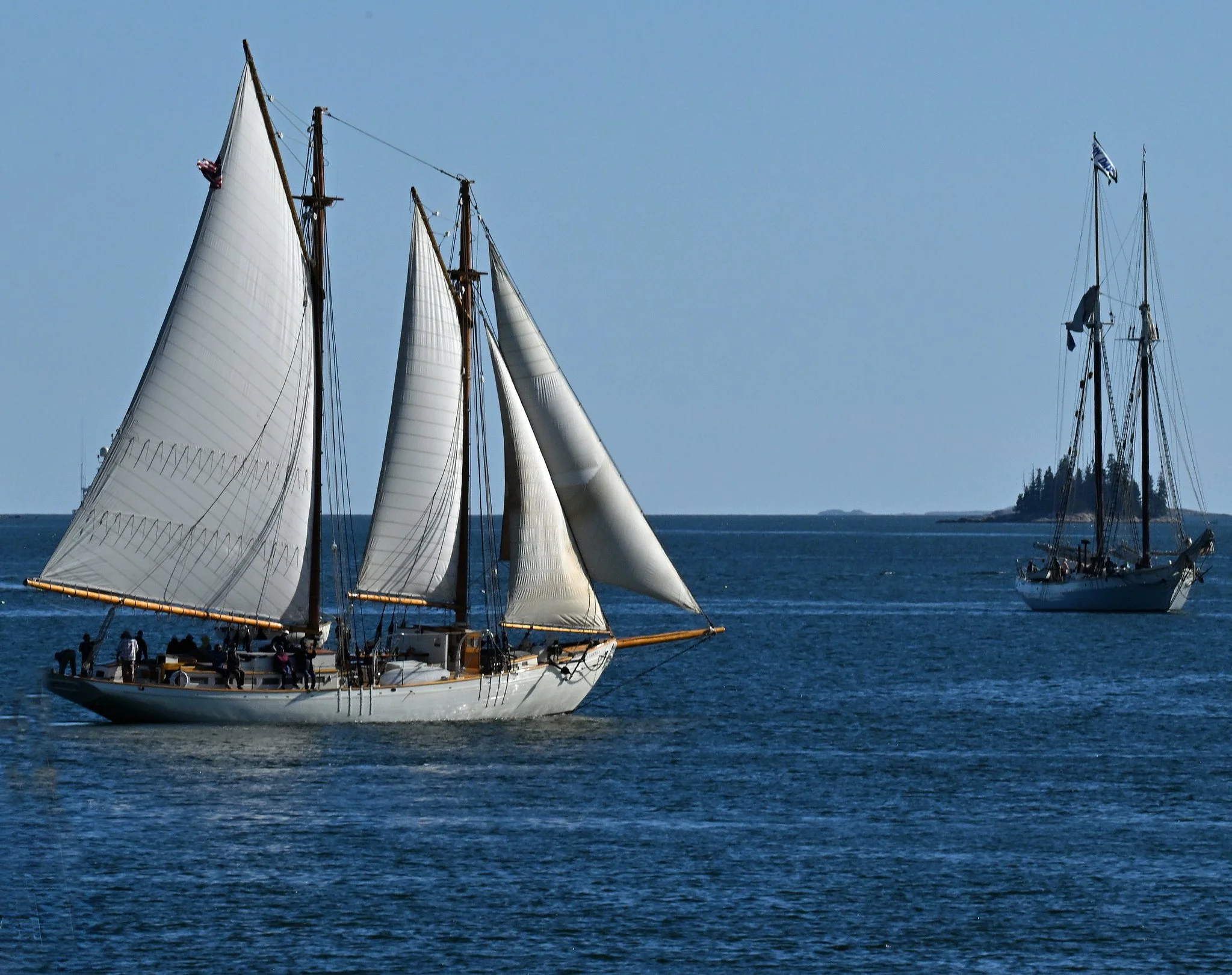
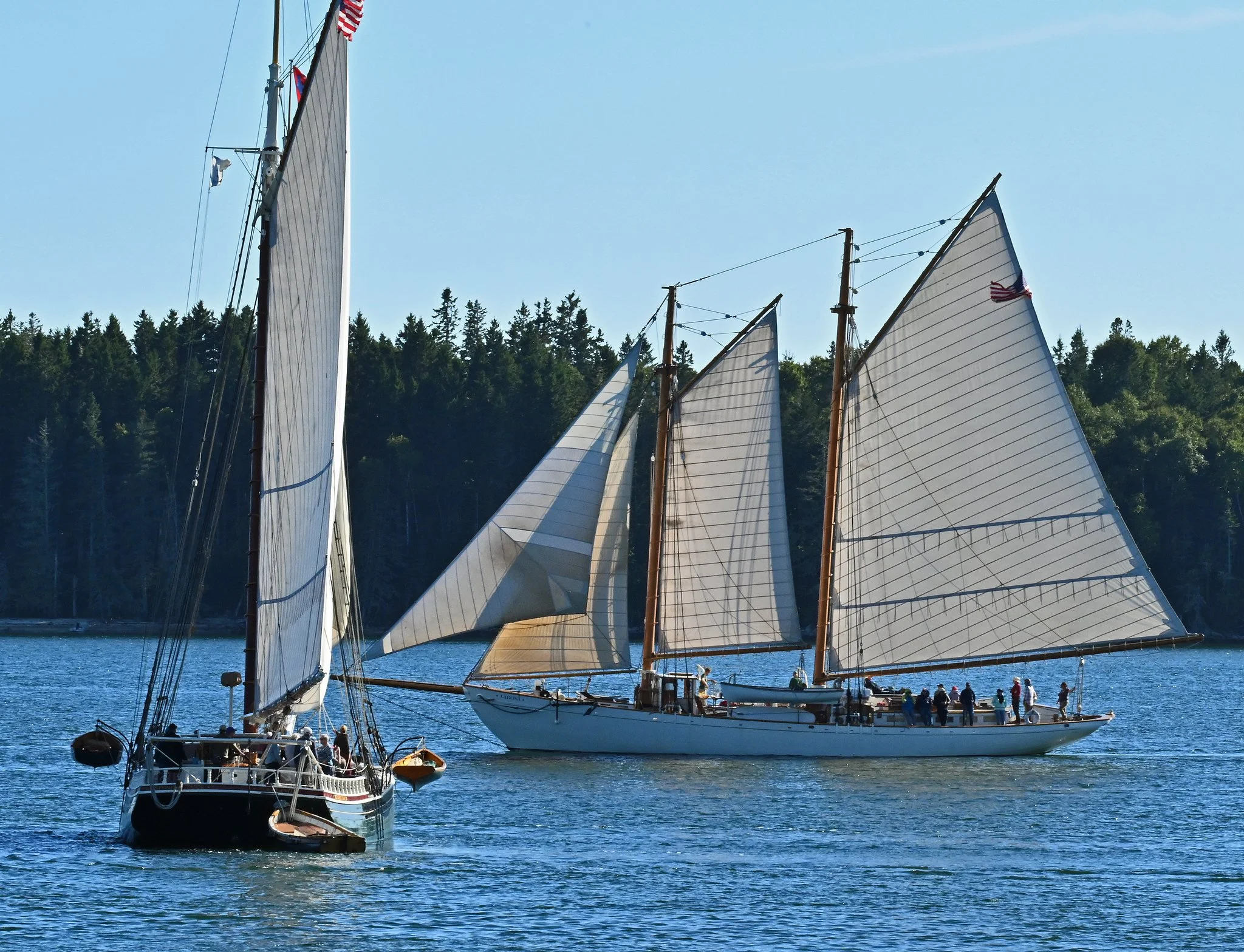
LADONA sailing; MARY DAY anchored

STEPHEN TABER going west; LADONA going south

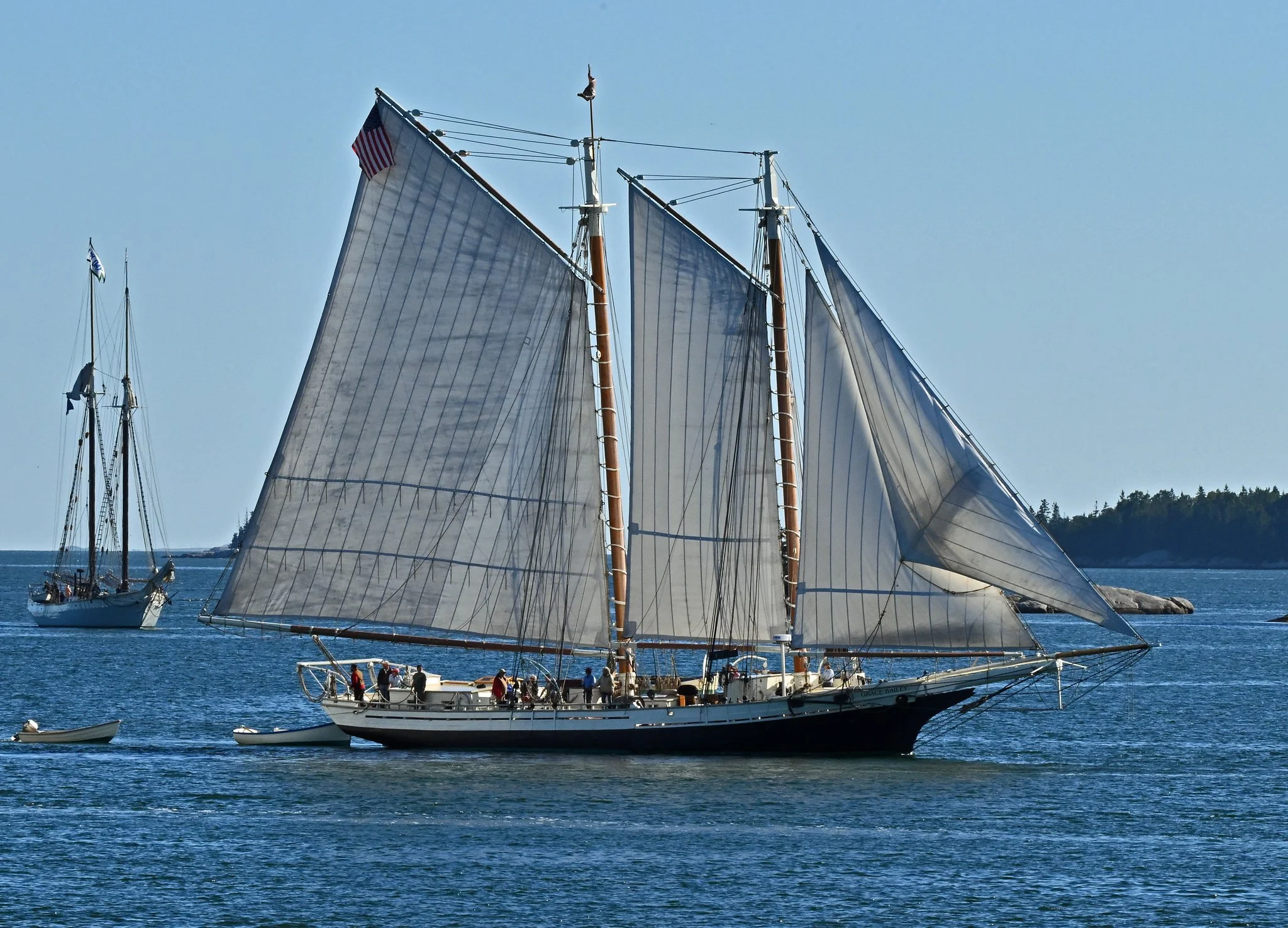
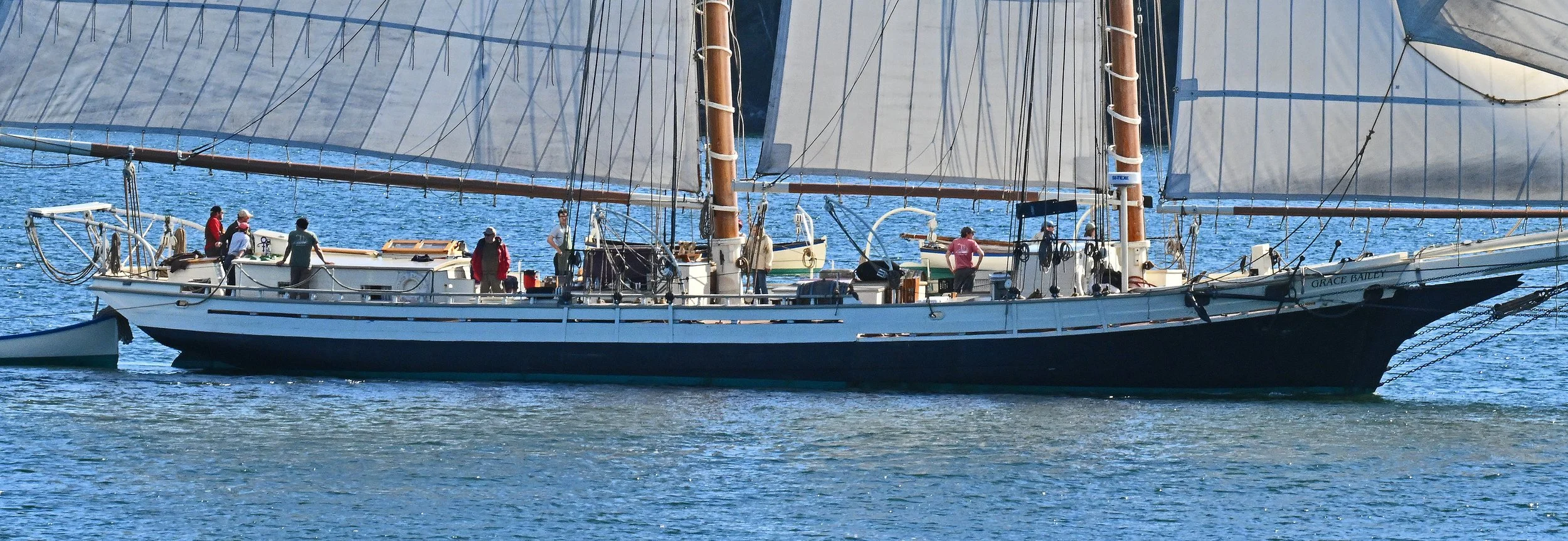
GRACE BAILEY going north; LADONA and WoodenBoat staff and students going south

MARY DAY watches GRACE BAILEY strut her stuf

GRACE BAILEY up close and personal

LEWIS R. FRENCH with foresail down

J&E RIGGIN calling it a day

STEPHEN TABER passes behind MARY DAY

STEPHEN TABER gets a good breeze

STEPHEN TABER one of the last to stop parading

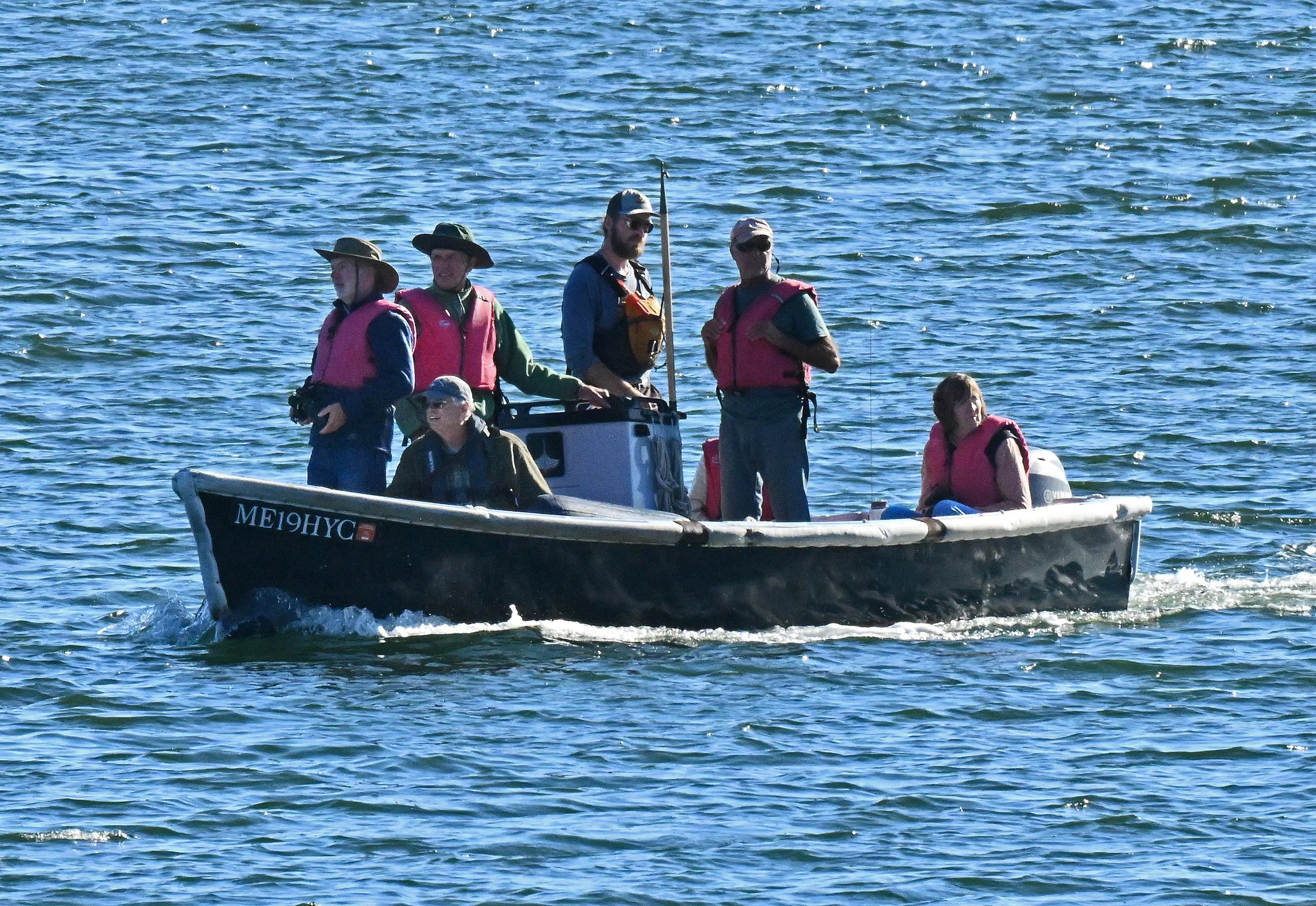
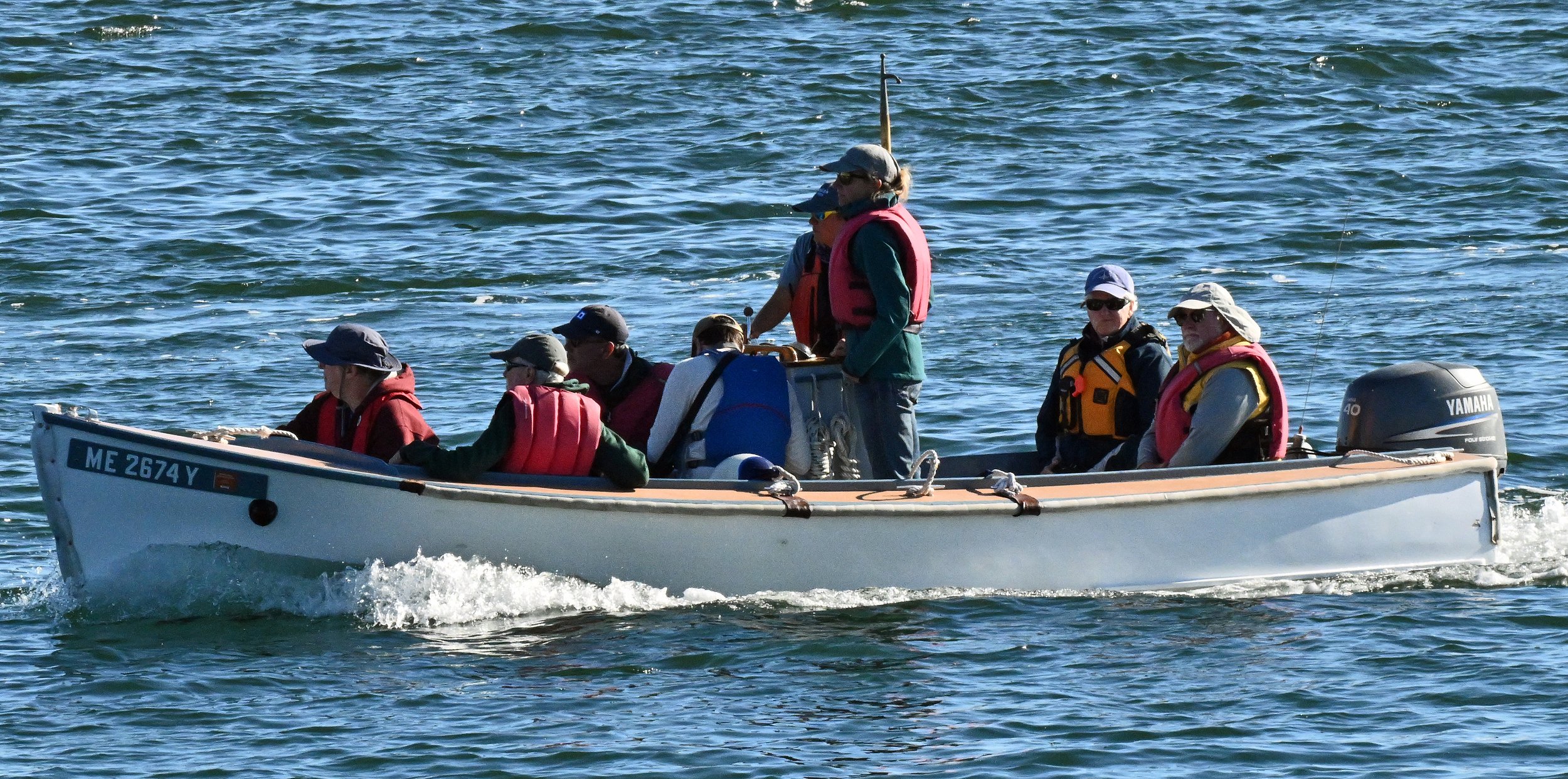
WoodenBoat staff and students always get the best seats:

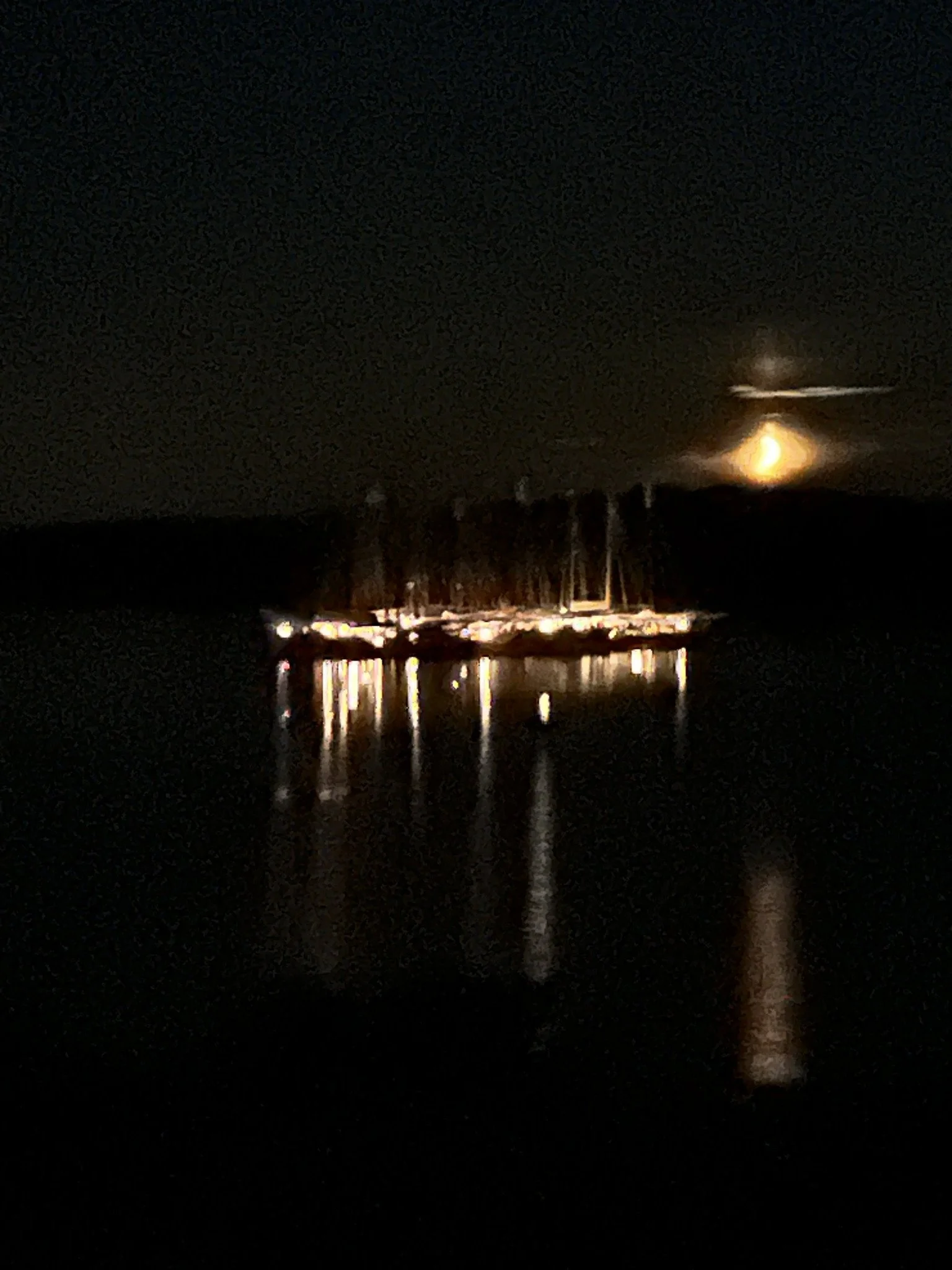
As night fell, the moon rose and the rafted widjammers celebrated a very good day:

(Images taken in Brooklin, Maine, on September 15, 2026.)

Calendar Block
This is an example. Double-click here and select a page to create a calendar of your own content. Learn more

Comment

Comment

In the Right Place: Lucky Us

A rainbow ended in Naskeag Harbor last week, imaginatively speaking.

Of course, the place is a port of gold, metaphorically speaking.

And notice, lyrically speaking –  

     Somewhere over that rainbow,

     Way up high,

     There’s a house that you heard of,

     Once in a tourist guide.

(Images taken in Brooklin, Maine, on September 11 and 14, 2026. Apologies to songwriters Harold Arlan and Yip Harburg.)

Comment

Comment

In the Right Place: Horsepower Heights

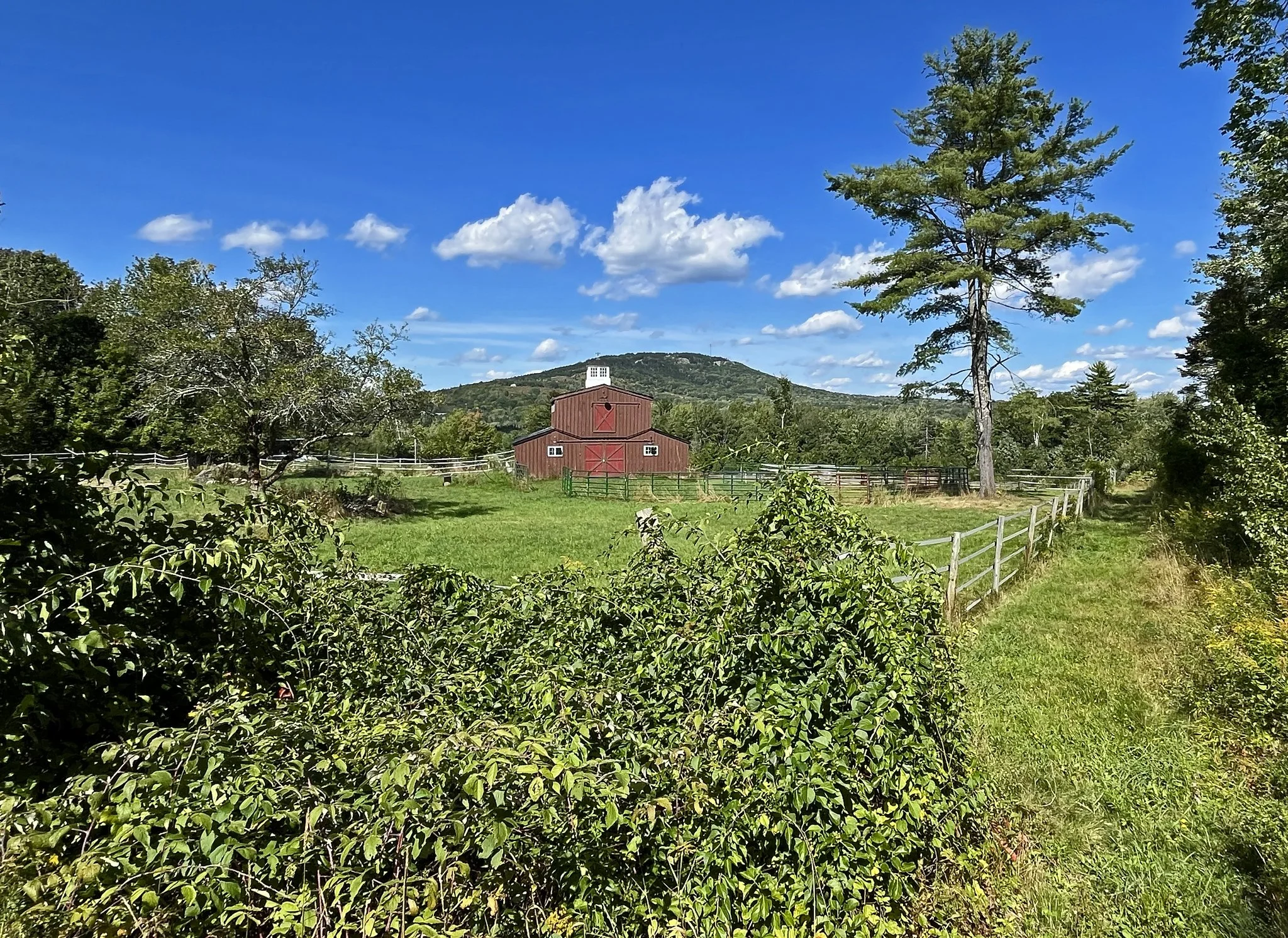
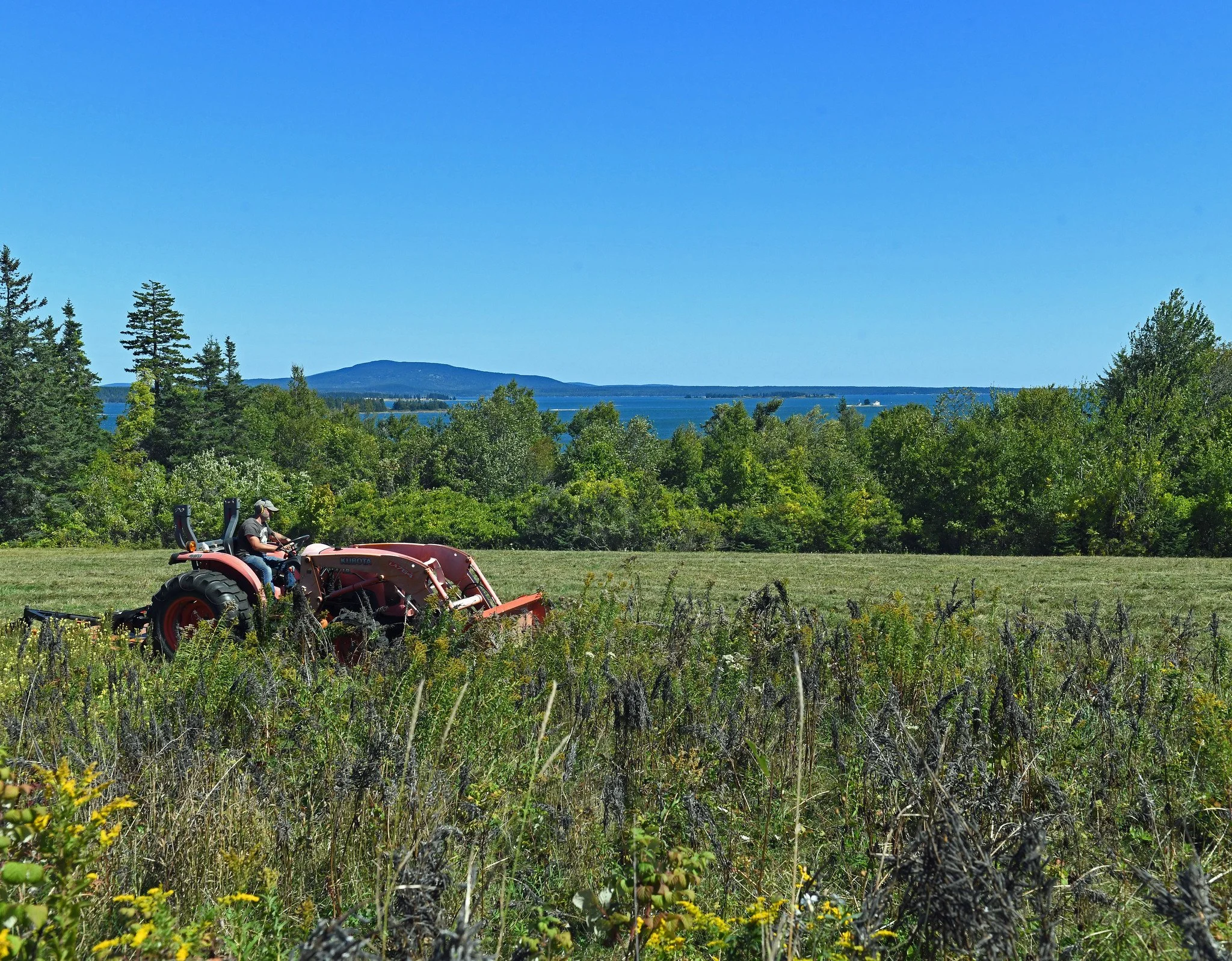
Here you see the near mountain called Blue Hill looming behind the horse stable reportedly used by Bagaduce River Equine Rescue. Below, you’ll see the western mountains of Mount Desert Island looming behind Brooklin’s Amen Ridge as the field receives its fall mowing by horsepower of a different kind:  

Note that the leaves have not started turning colors yet, but some have that “almost-there” look. (Images taken in Blue Hill and Brooklin, Maine, on September 11, 2026.)

Comment

Comment

In the Right Place: Having a Hoppy Day

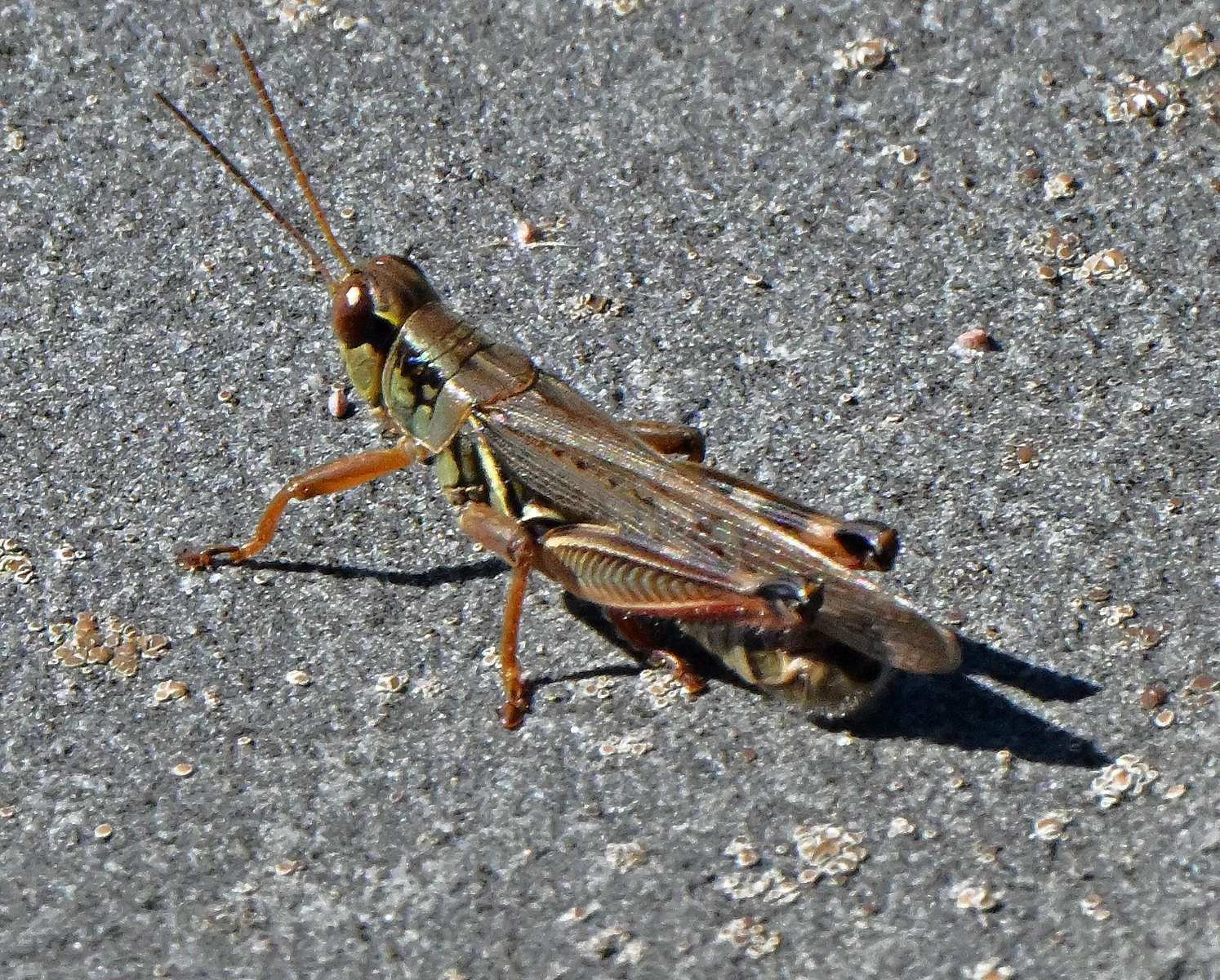
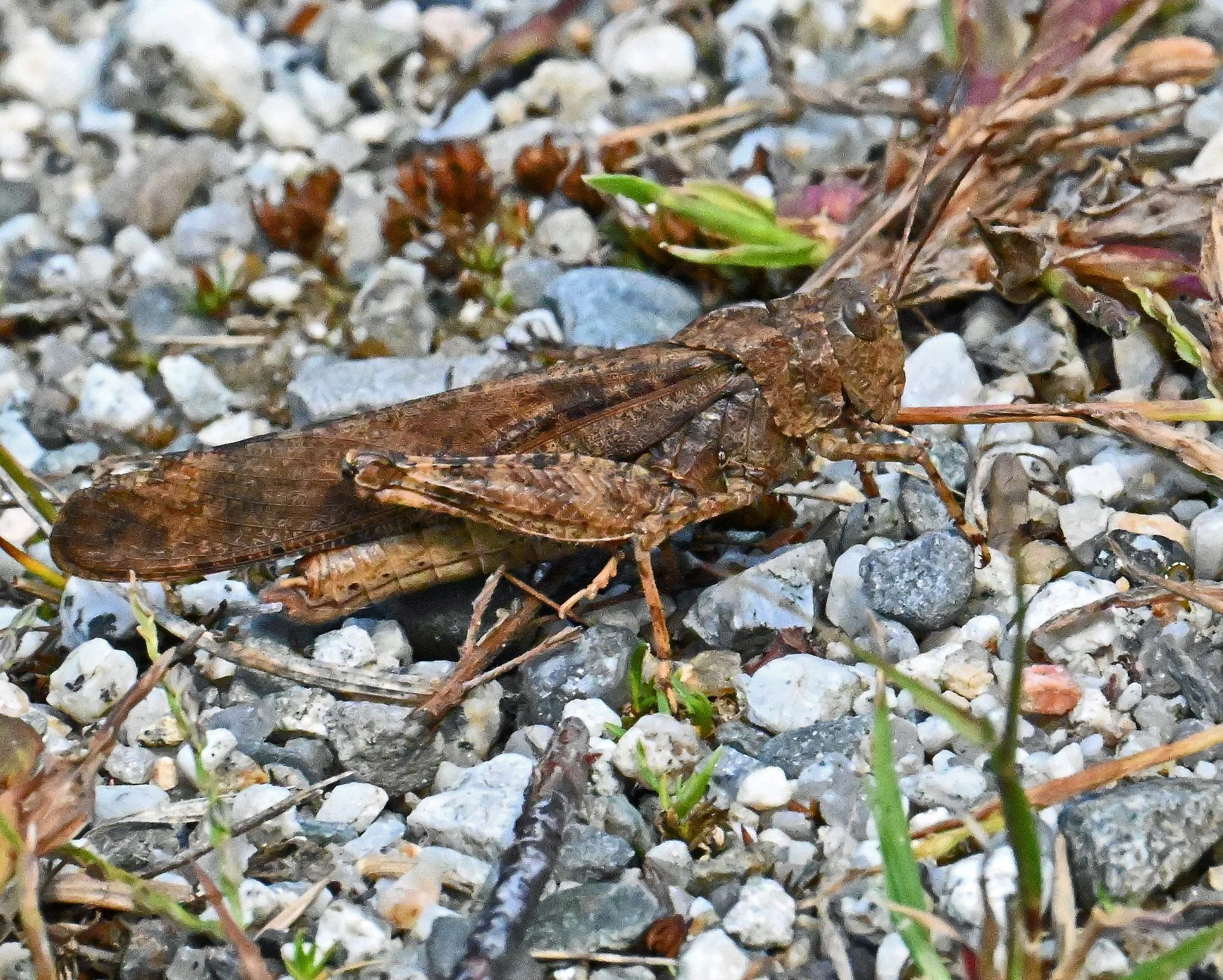
Our grasshoppers are now on their last legs:  The females are laying pods of eggs and soon will die with the males. The eggs will hatch in the spring, when our joint will start jumping again. Maine reportedly is home to about 35 species of short-horned grasshoppers. What probably are the two most common are shown here.

First, you see above the red-legged grasshopper. It’s a brownish green short-horn with reddish legs and red shin bone (lower leg) segments. It mostly basks and hops in fields, pastures, and gardens.

Below, you’ll ee the Carolina grasshopper (aka Carolina locust and “road duster”).  It blends in with the surfaces of dirt roads and usually goes unnoticed until it flies up, opens its yellow-bordered black wings and flutters erratically like a drunken butterfly that has to keep making emergency landings.

(Images taken in Brooklin, Maine, on September 1 and 8, 2026.)

Comment

Comment

In the Right Place: As American as an Apple -- Not

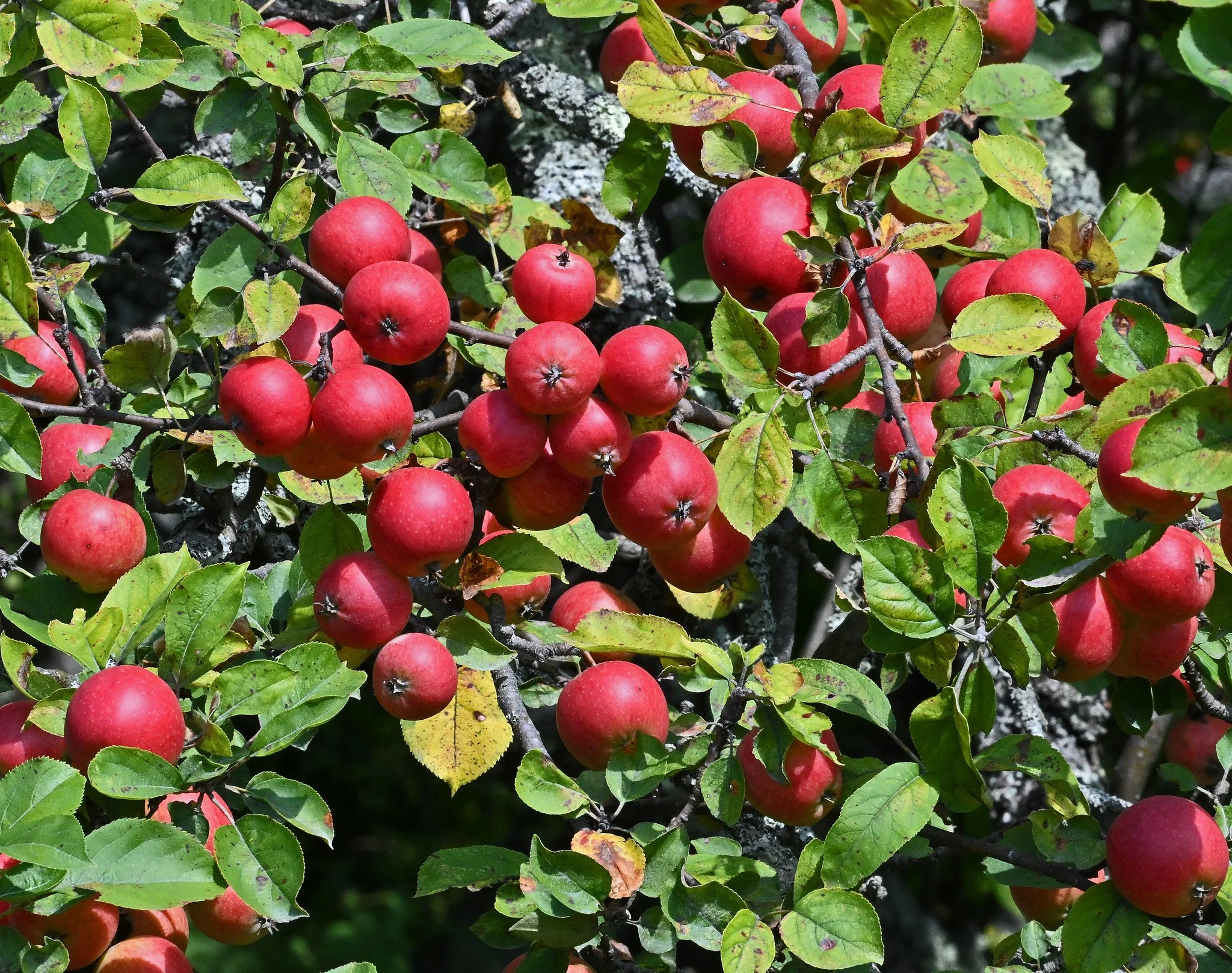
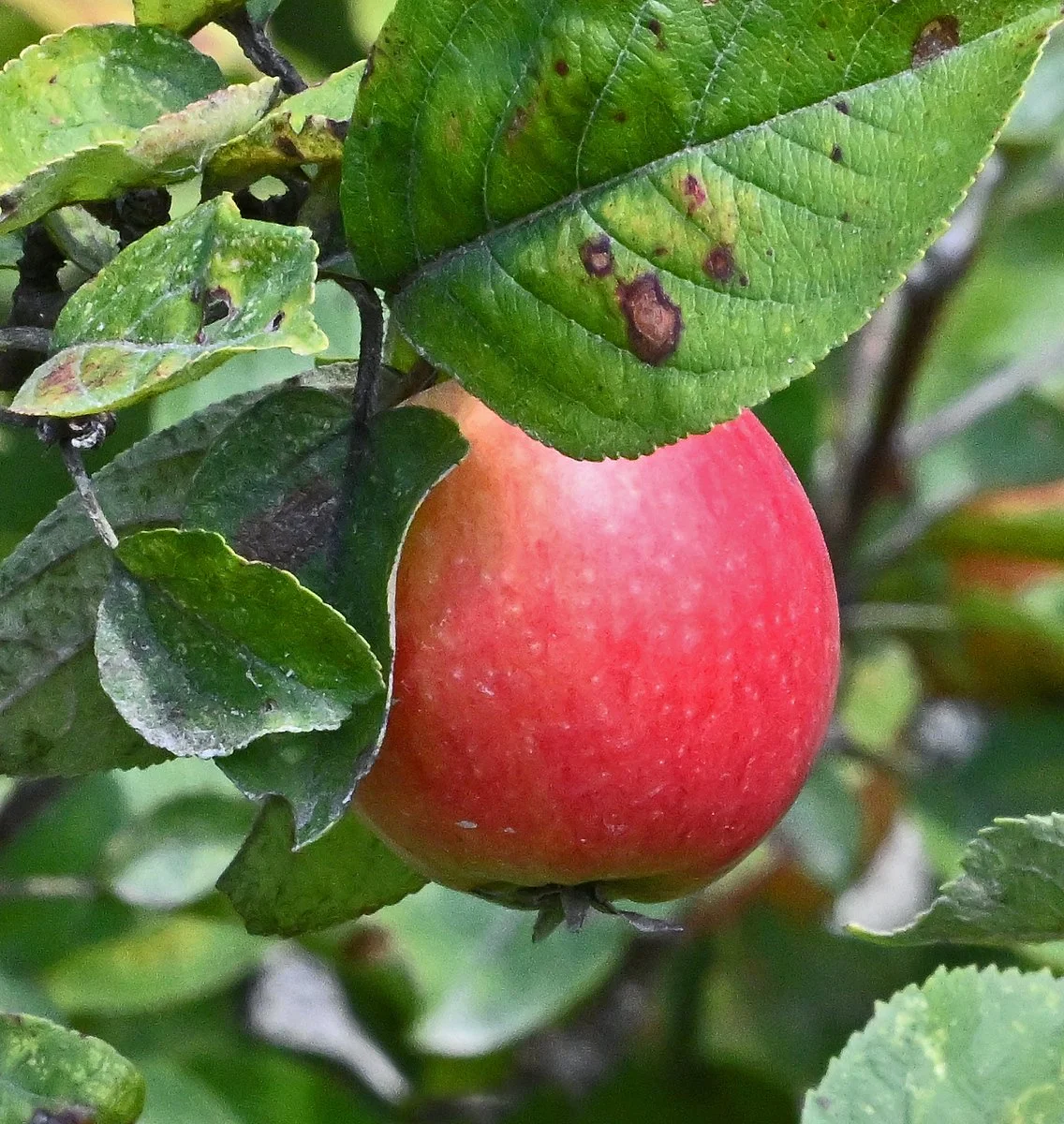
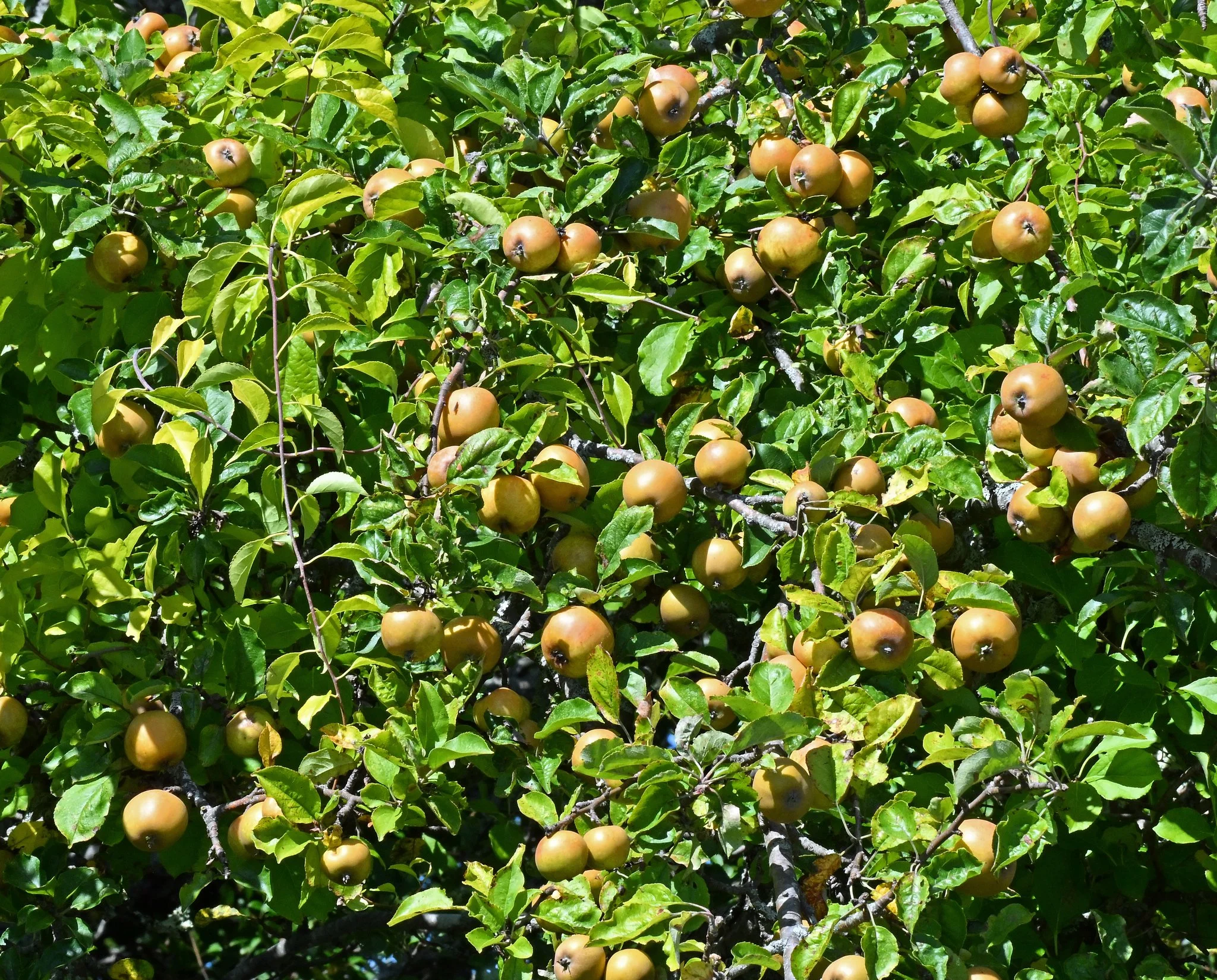
As you can see, our “wild” and “feral” apples are extraordinarily abundant, despite our persistent drought. Long-established trees seem capable of making the best of dry spells. Their unharvested fruit is ripe and starting to drop with rustling tumbles and plumping thuds.

These are not domestically cultivated apples that you’ll find in the supermarket. They’re mostly of two types. Many are cider apples planted by Mainers many years ago and abandoned to the encroaching weeds and woods. Others arose from seeds “planted” and fertilized by birds, bears and other wildlife.  In 2018, based on a survey, the U.S. Forestry Service estimated that there were more than 11 million of these wild and feral apple trees in Maine. There may be more now, red, green and mixed.

Henry David Thoreau, an ardent wild apple eater, considered them “the noblest of fruits.” Yet, all apples had immigrant ancestors here. Very early explorers and settlers brought domestic apple seeds here from Europe – primarily the Spanish into our west and southwest and the more northerly Europeans into our east and northeast areas. The delighted North American wildlife were glad to spread the joy.

(Images taken in Brooklin, Maine, on September 8 and 11, 2026.)

Comment

Comment

In the Right Place: Fishy and Worrisome

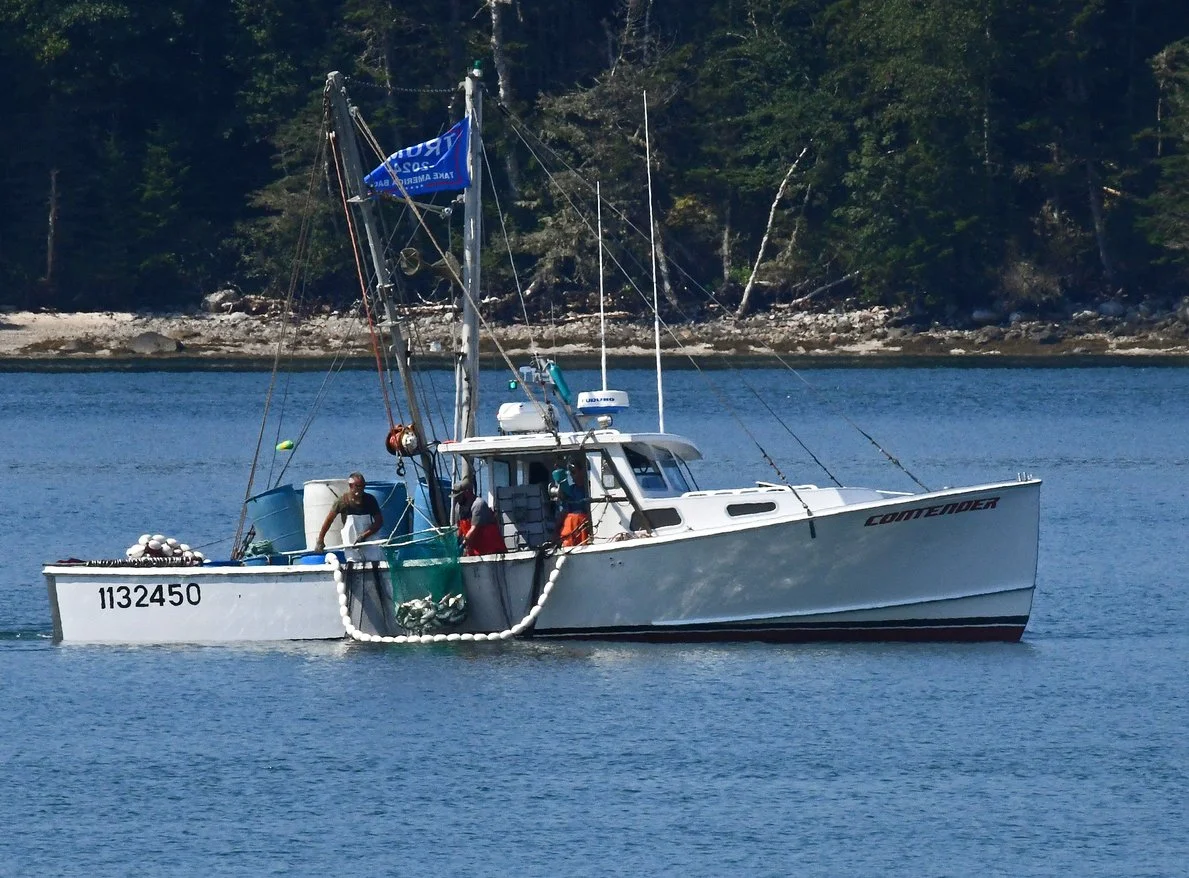
The ongoing, turbulent debate about the destiny of menhaden (pogies) will affect wildlife, fishermen and consumers along the east coast. Public hearings on the subject will be held later this month and the issues are discussed in my column in the current edition of the award-winning Ellsworth American newspaper. This image of Maine menhaden fishermen appears with the column:

To read the column, use this link: https://www.5backroad.com/montly-column

Comment

Comment

In the Right Place: Theme Day Department

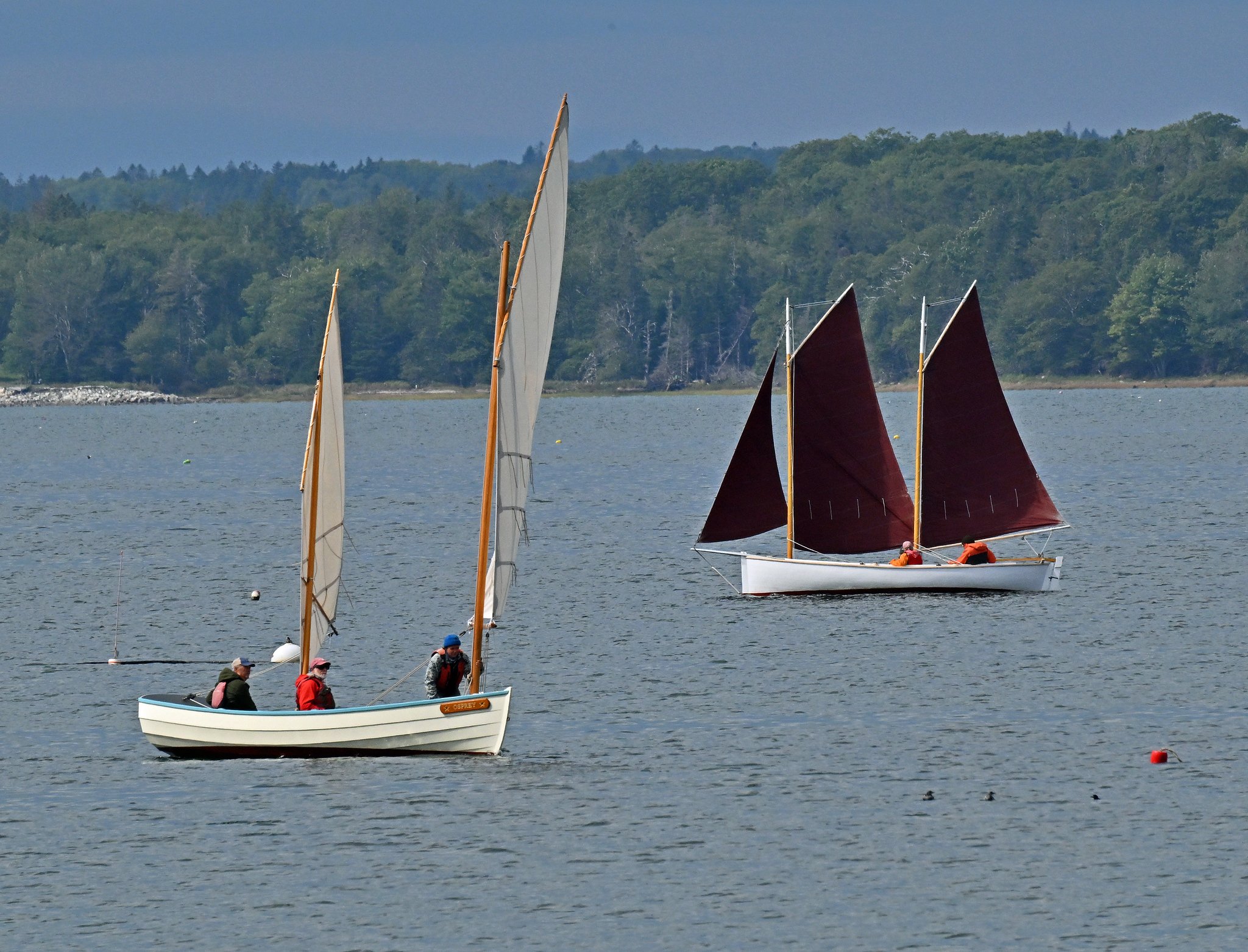
Yesterday must have been “Two-Mast Wednesday” in Great Cove. Here you see two WoodenBoat School boats out in the overcast day. The one with white sails is OSPREY, a custom-built Calendar Islands ketch designed by Clint Chase. The double ender with tanbark(ish) red sails is an unnamed Mackinaw Boat designed by Nelson Zimmer.

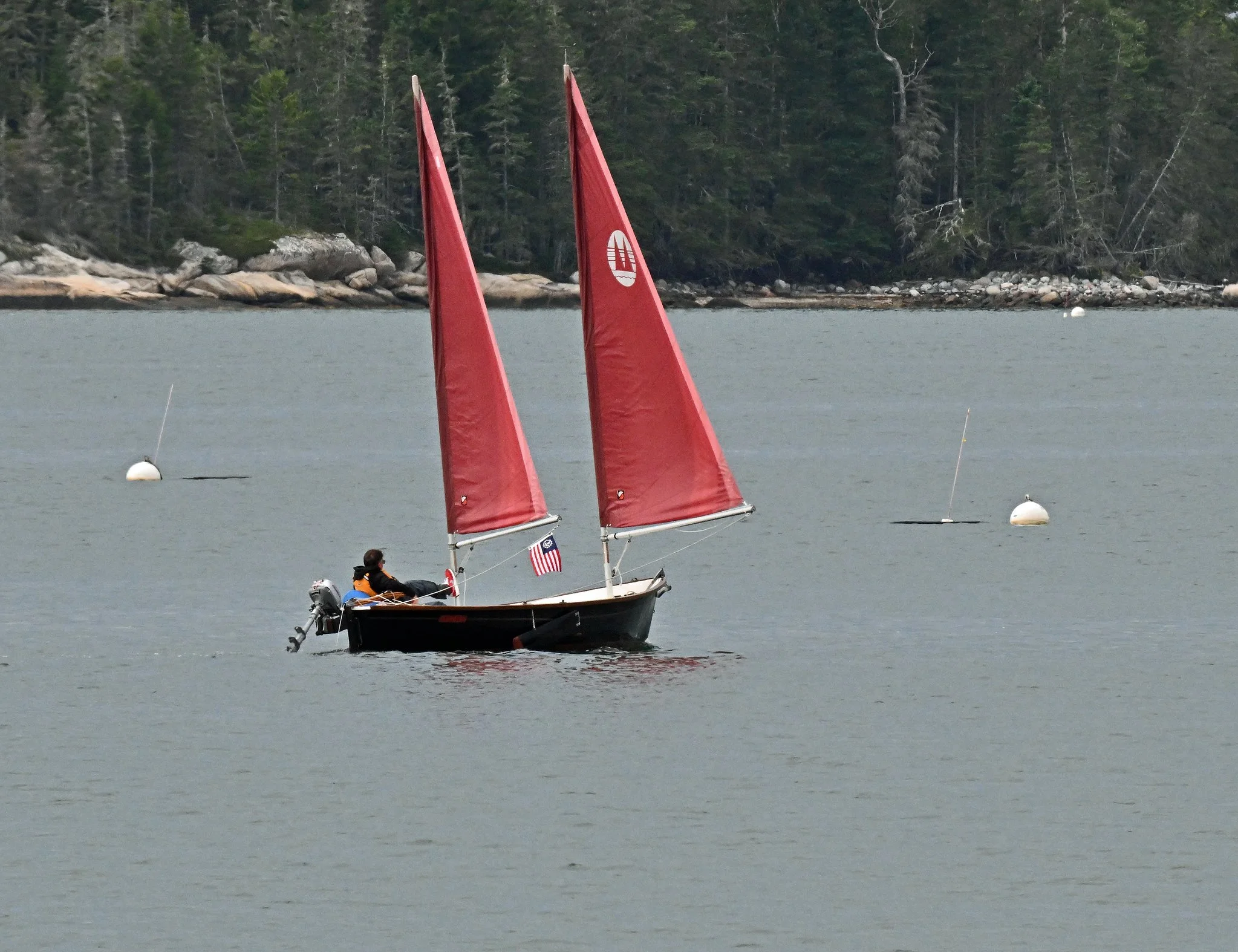
Below, you’ll see a two-masted boat (skiff?) that was out in the ambiguous weather also. I’m not sure how to characterize its type, maybe a cat-boat-rigged ketch with unstayed sails. It’s apparently privately owned and unnamed, with an outboard motor just in case. There is a hint of origin: it’s foresail bears the logo of Brooks Boats Designs, according to an AI search.

(Images taken in Brooklin, Maine, on September 9. 2026.)

Comment

Comment

In the Right Place:  Behold but Beware

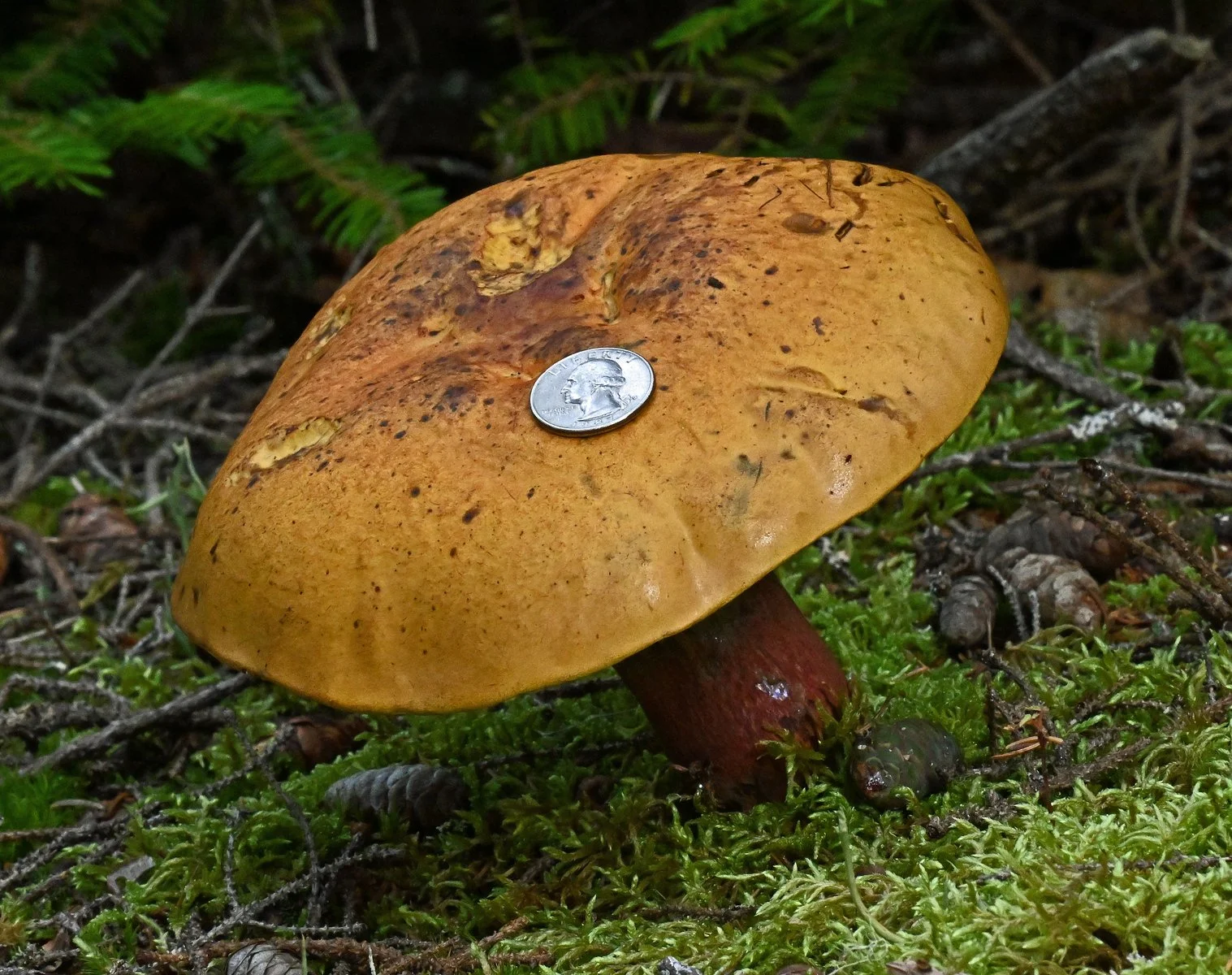
Here you see a mushroom that could shelter at least a 5-leprechaums. It’s not only unusual in size for its type, but interesting and scary in other respects. It’s over 6 inches in diameter. (I always carry a 1-inch diameter quarter [25¢] for measurement.)

It’s also in the bolete family of mushrooms, all of which have miniscule pores (hair-width tubes) on the undersides of their caps to discharge spores. Many other mushrooms have bladed gills through which they propagate.

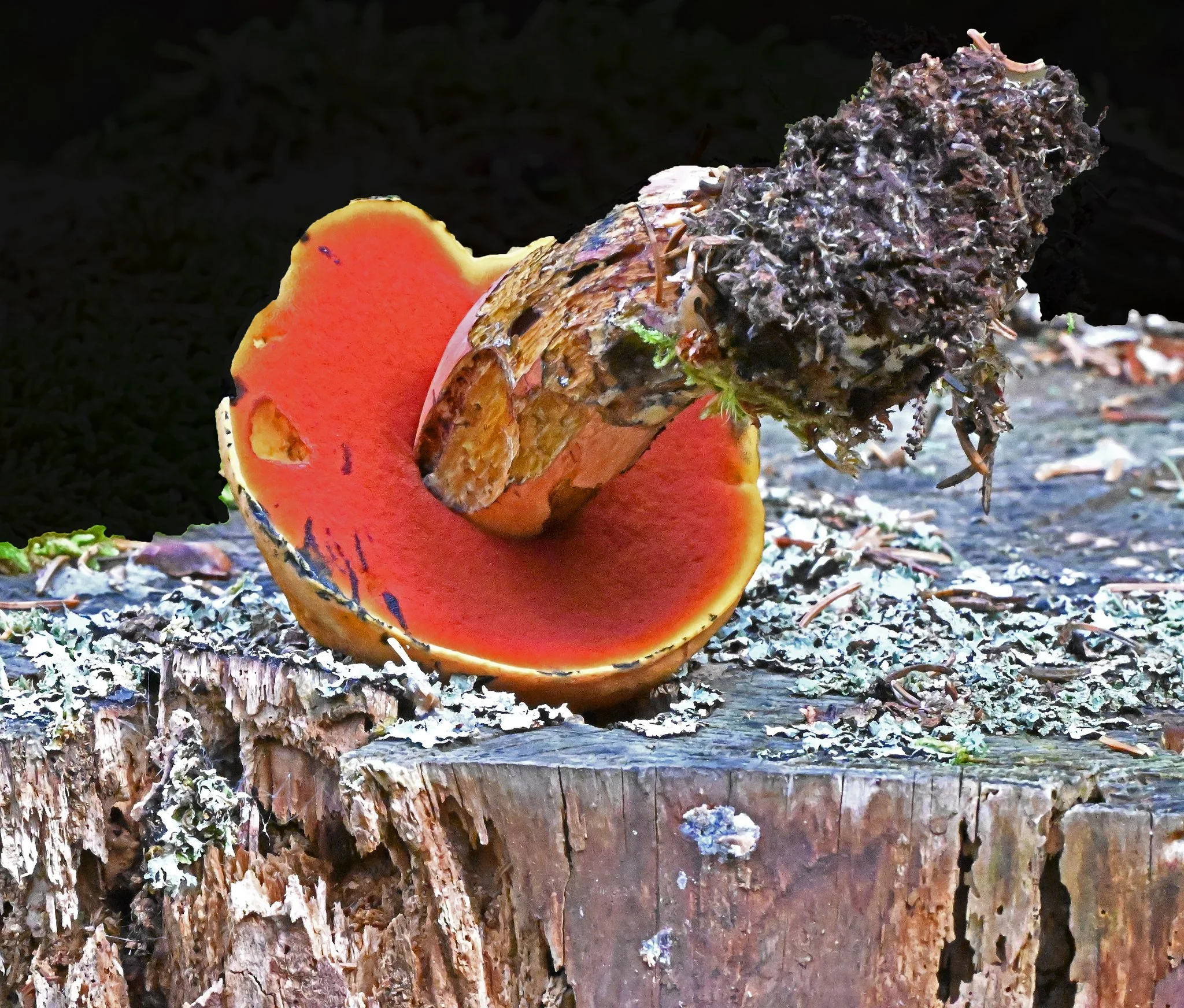
This brute was the largest of a colony of about 10 of the same type growing in moss in a stand of conifers. I picked one of the smaller ones and found that the pore surface under the cap was red and that, when scratched, it exuded a blue stain:

Based on that standard field test, the fungi’s overall appearance, and an artificial intelligence scan, I’m reasonably sure that these mushrooms were red-mouth (or red-pored) boletes (Neoboletus subvelutipes [formerly Boletus subvelutipes]). That’s probably so, even though red-mouths almost never exceed 5 inches in cap diameter, according to the literature.

Red-mouths are “mycorrhizal,” meaning they live in a mutually beneficial nourishing relationship with the roots of nearby trees. However, they also reportedly are toxic to humans and dogs. Behold but beware. (Images taken in Brooklin. Maine, on September 6, 2026.)

Comment

Comment

In the Right Place: Oldy Goldy

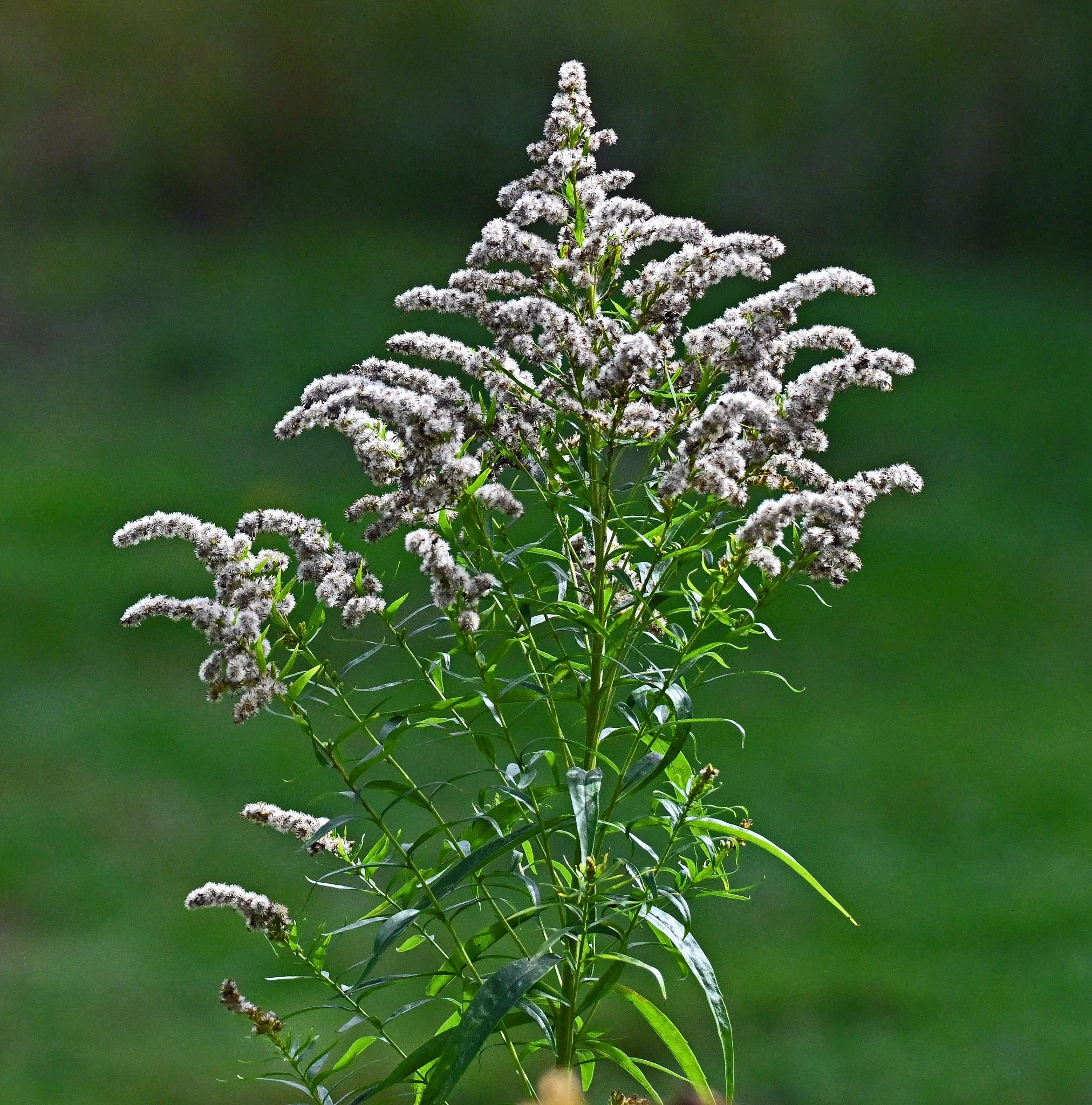
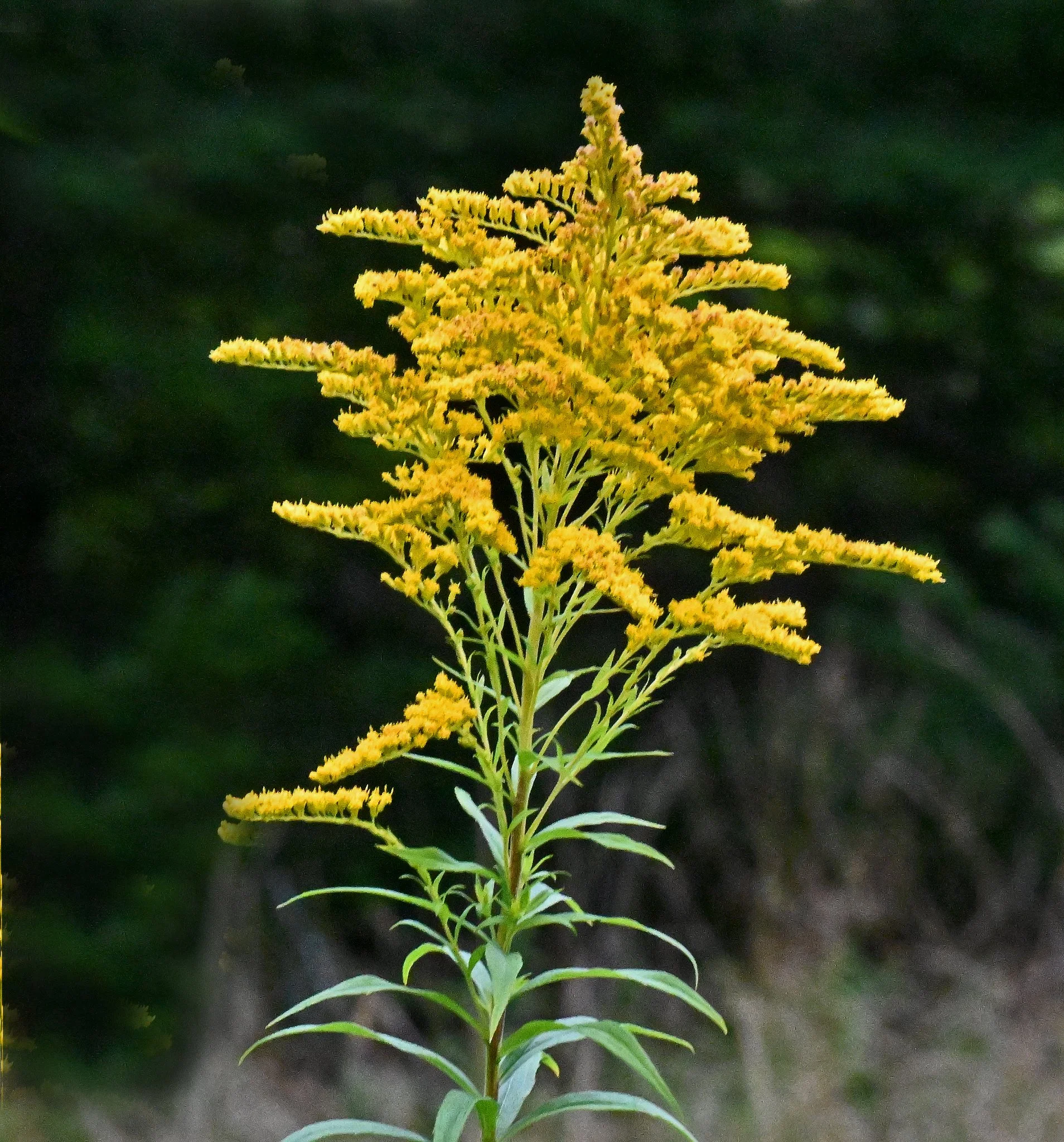
Here you see Canada goldenrod in Maine without a tariff or green card. Don’t tell ICE. Last month, this plant enjoyed a full flowerhead of gold:

September has turned its aging flowerhead gray, but it still has its long, straight rod (stem) after which its various kinds are named. While they last, the plant’s wooly gray (sometimes white) spent seed clusters will provide food for insects and birds. (Images taken in Brooklin, Maine, on September 5 and August 17, 2026.)

Comment