Comment

In the Right Place: Body Language

There’s an ancient principal of American and English law called habeas corpus (Latin for “you have the body”), but we don’t need to get into any legal weeds now. It’s just that the name of that principle popped into my mind in an odd way while enjoying a much longer view of this sight of Conary Cove on a recent spring morning:
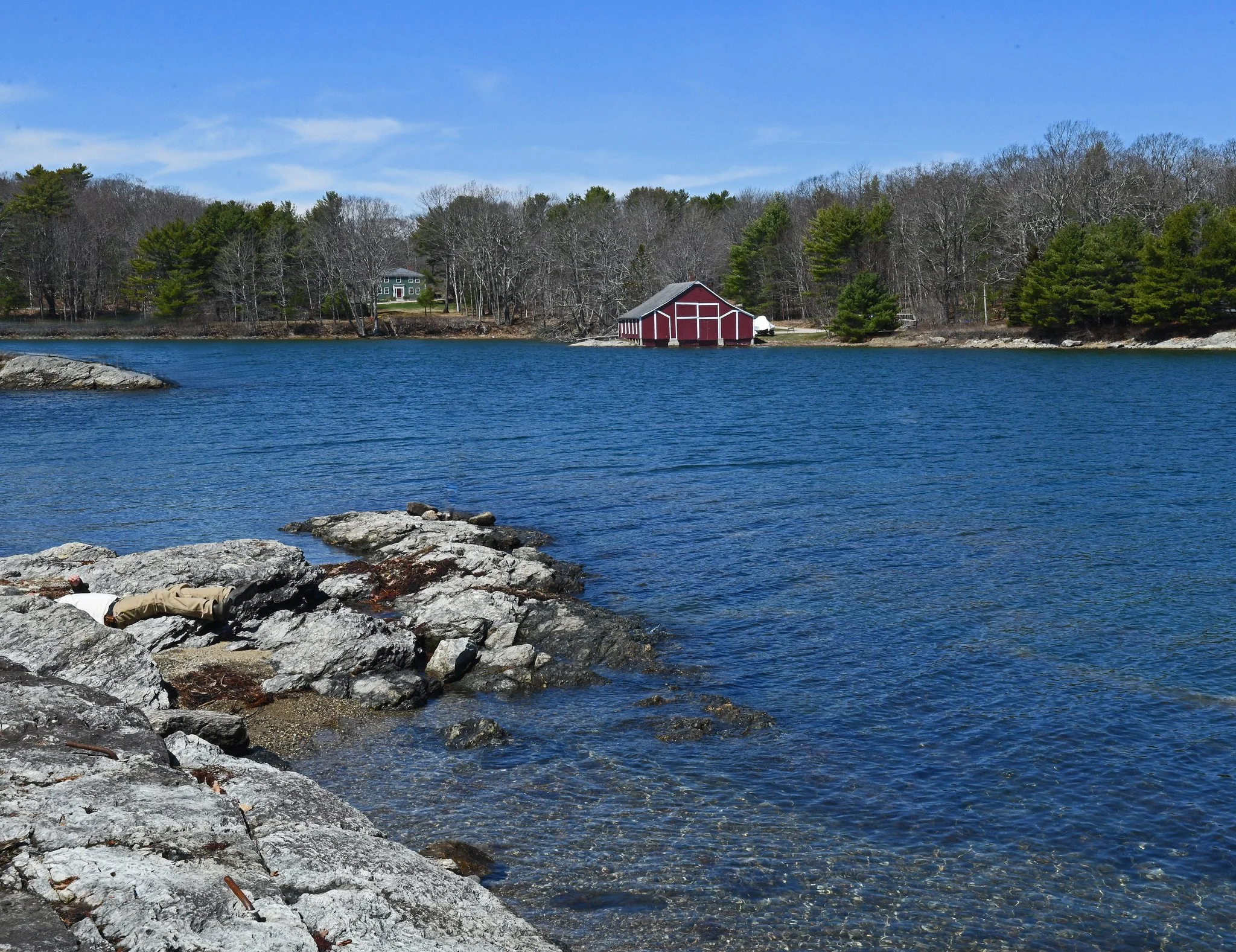
That is, we have a body here in this enlarged image, as you may have noticed. I didn’t see it with unaided eyes, until after Barbara said, “Did you see something move in those rocks there?” Something unusual had moved and a long lens revealed it to be – a hand! Unbeknownst to us, someone apparently was sunbathing within a crevice of the nicely-warmed-up granite ledges.

Not a bad way to take a break on a spring day, especially if you’re a good day-dreamer. Here’s a different look at the Cove’s old boathouse:
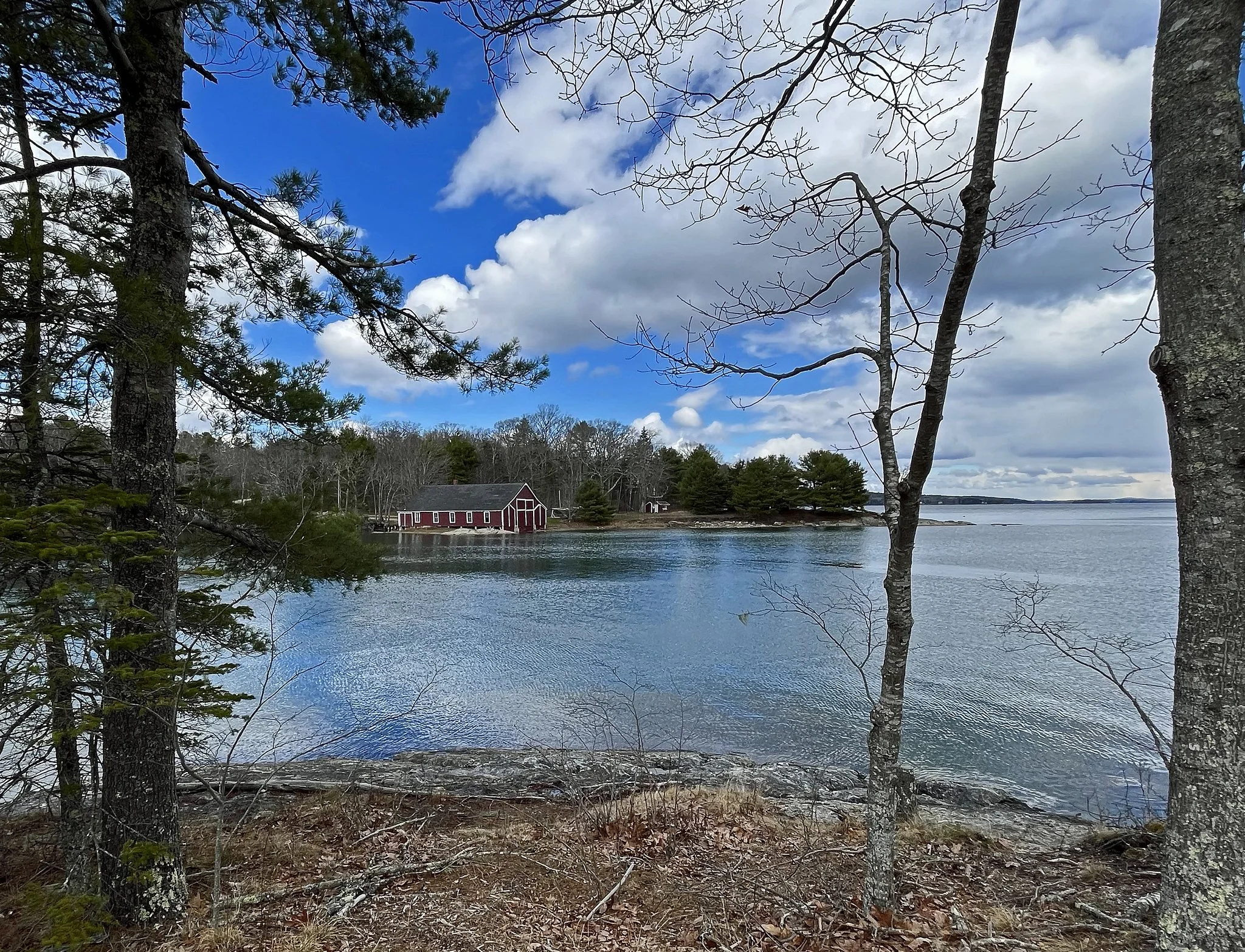
(Images taken in Blue Hill, Maine, on April 18 and 20, 2026.)
Comment

Comment

In the Right Place: Plunging Necklines

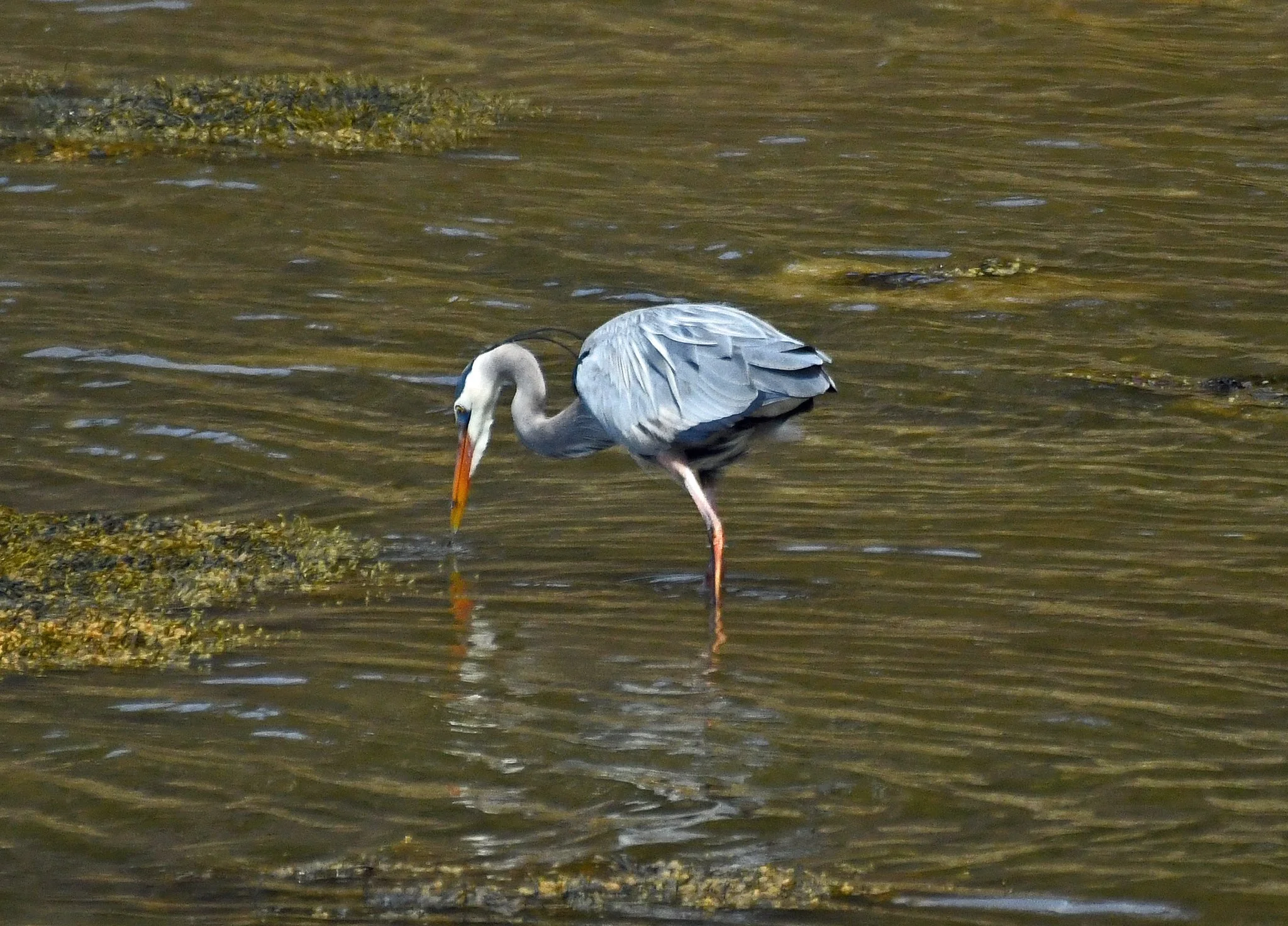
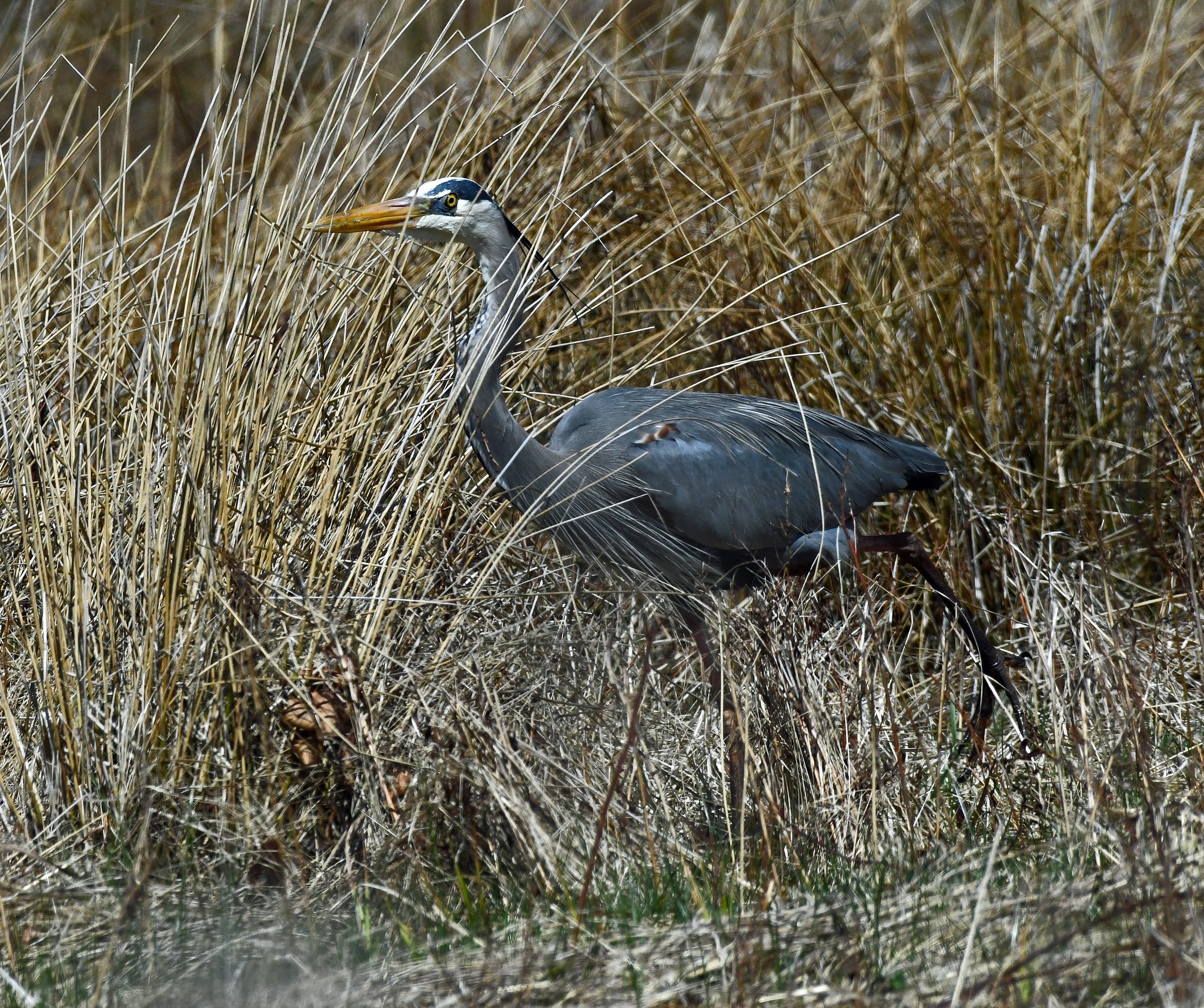
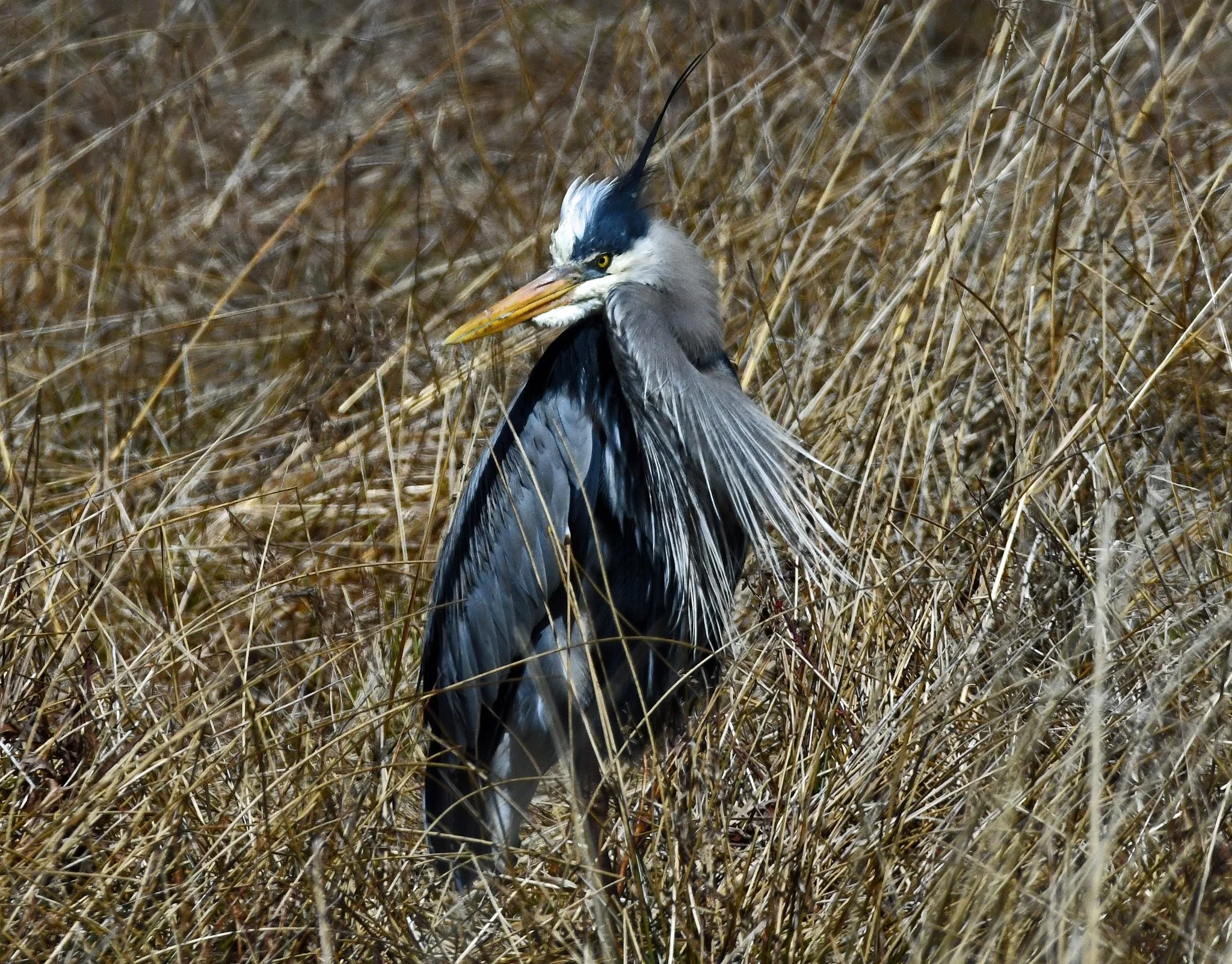
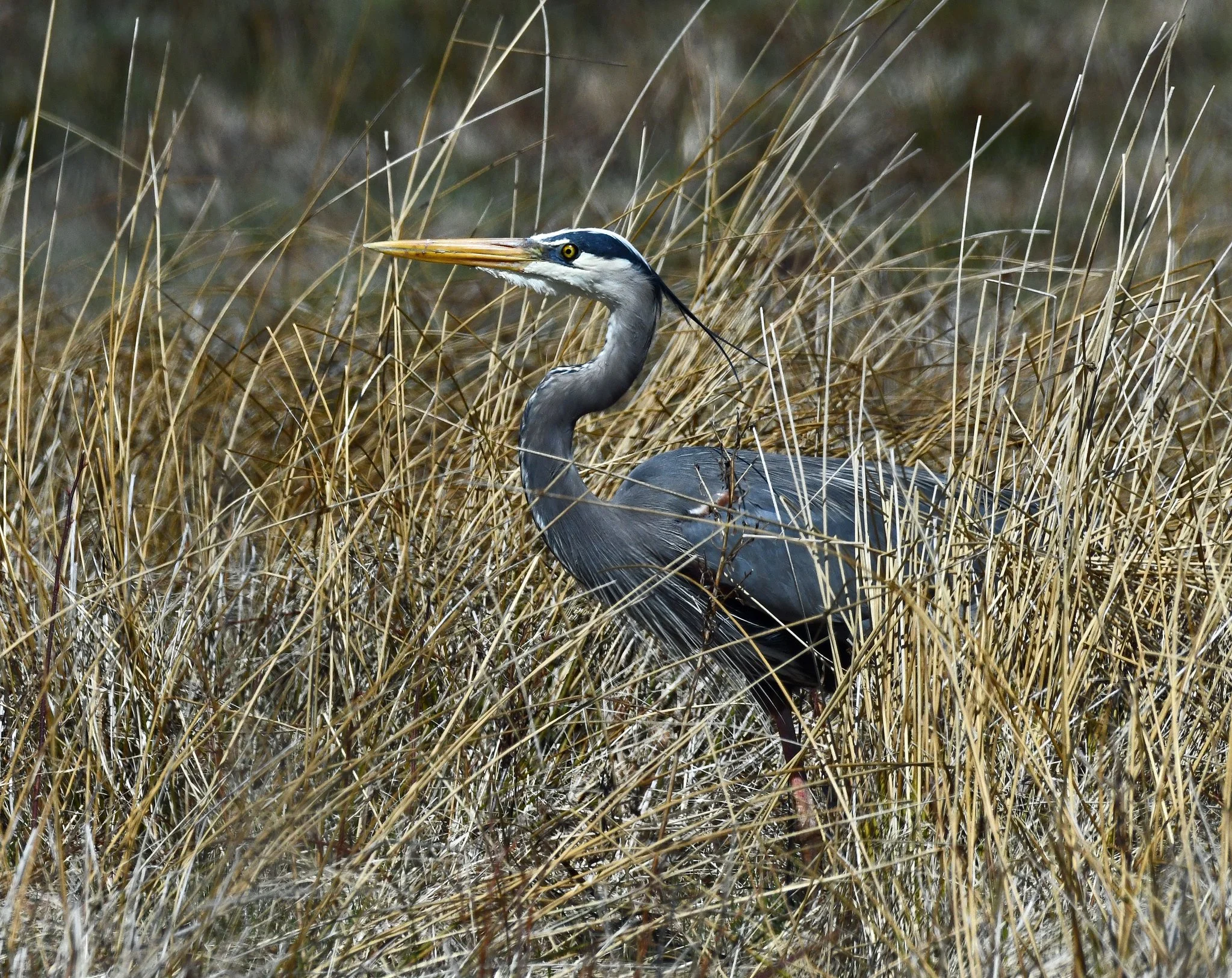
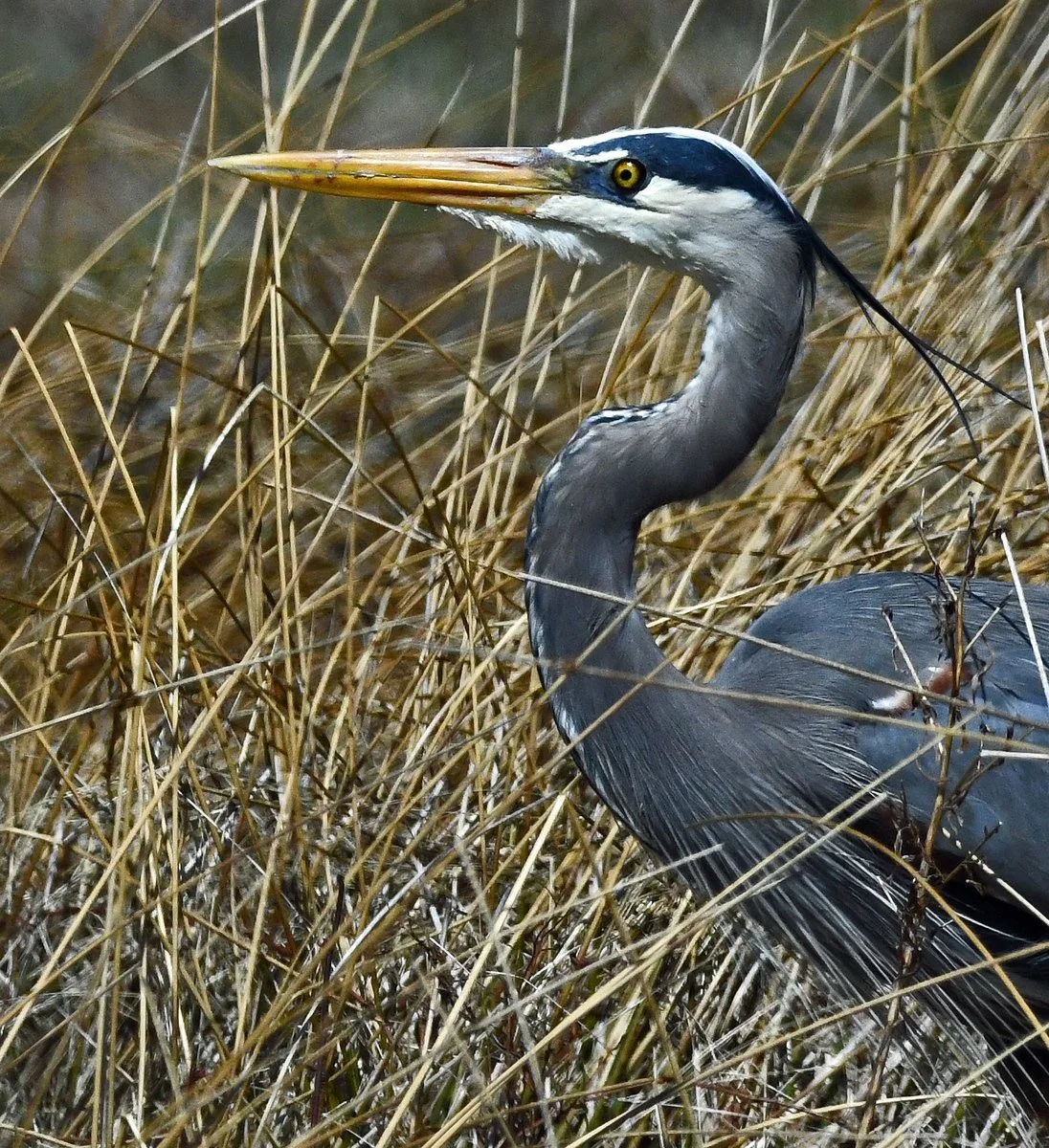
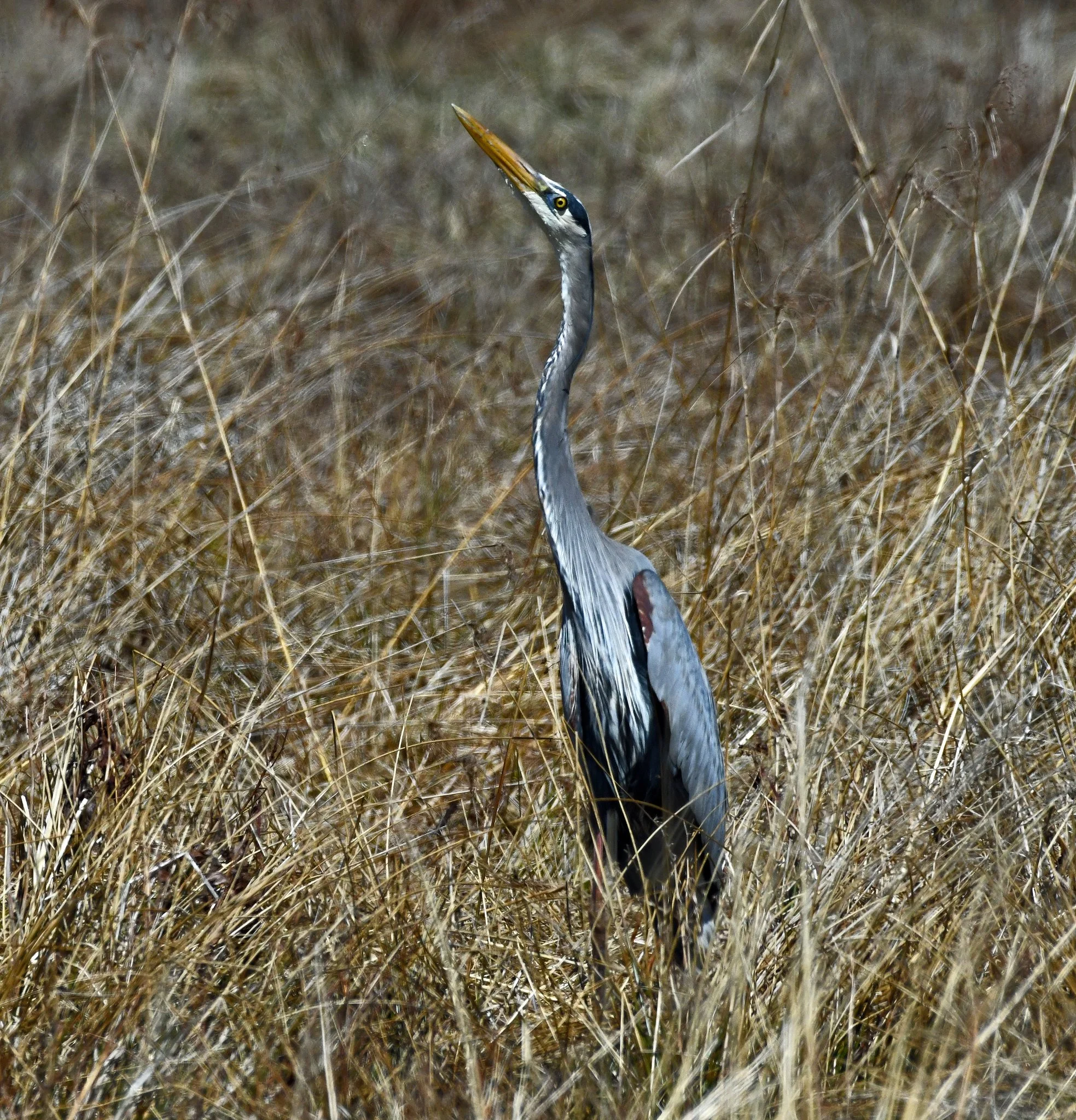
Since early April, we’ve had two great blue herons wading in our waters and mousing in our marshes. They’ve inspired me to do a little research into the unique adaptations that have evolved in these prehistoric-looking birds. I’ll share what I’ve learned about two of these adaptations here.

The first is the great blue’s long, serpentine neck, which is specialized for hunting, defending and feeding itself. Its modified, longer vertebrae double back on themselves, allowing it to coil and strike like a snake – but faster, with greater force and with a long, spearhead-like beak that can be plunged into the water. (Or plunged elsewhere: I’ve seen a great blue drive off a bald eagle by repeatedly spearing the slower National Bird in the face and chest while fighting over a dead fish on the shore.)

In the middle of the GBH’s neck, the esophagus and trachea bend behind the spine,. This protects the bird’s windpipes during the ingestion of a whole, live fish and other large, resisting prey. Unlike geese, swans and other birds with large necks, great blues can tuck their heads back into their shoulders when flying and improve their aerodynamics.

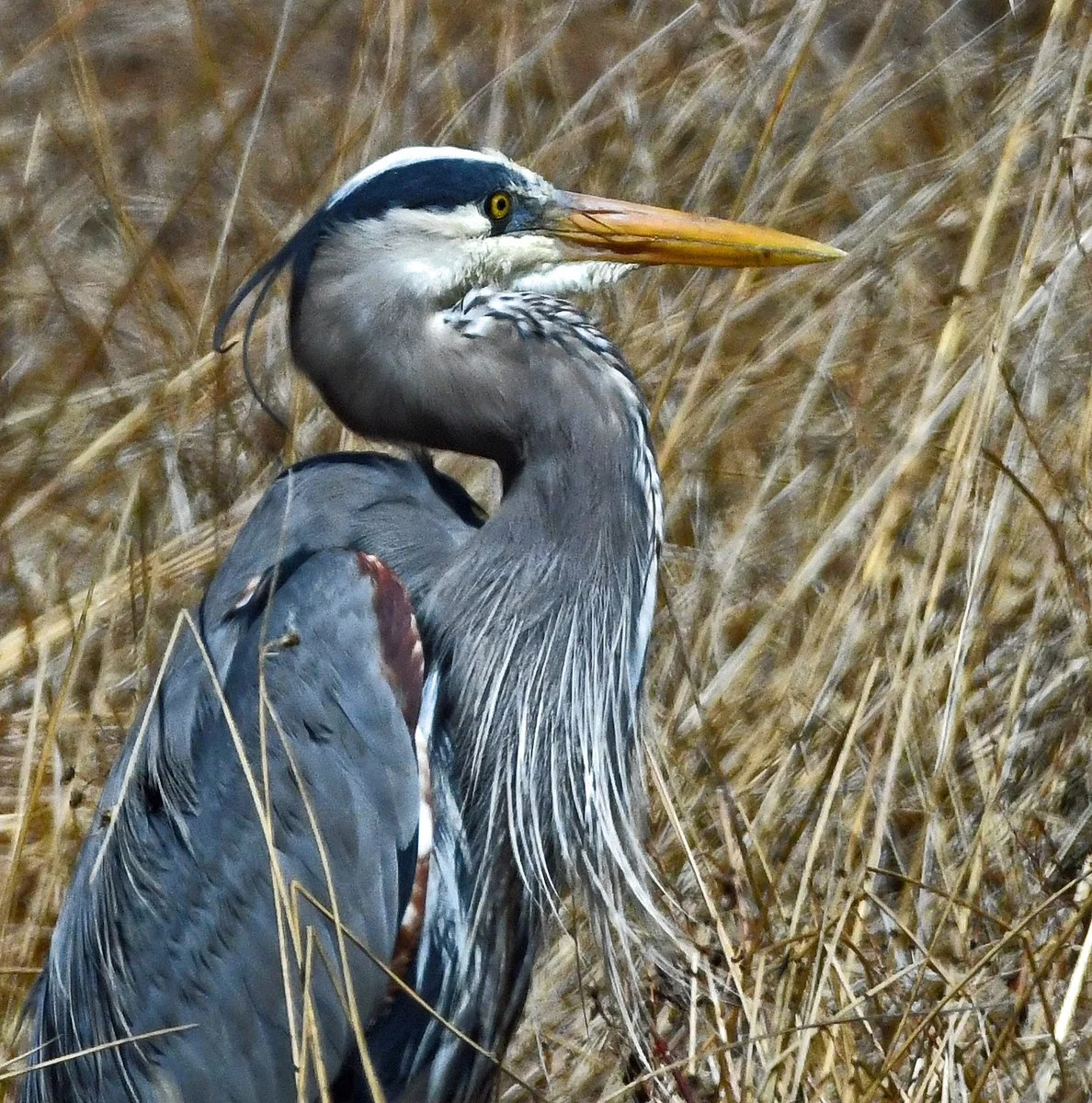
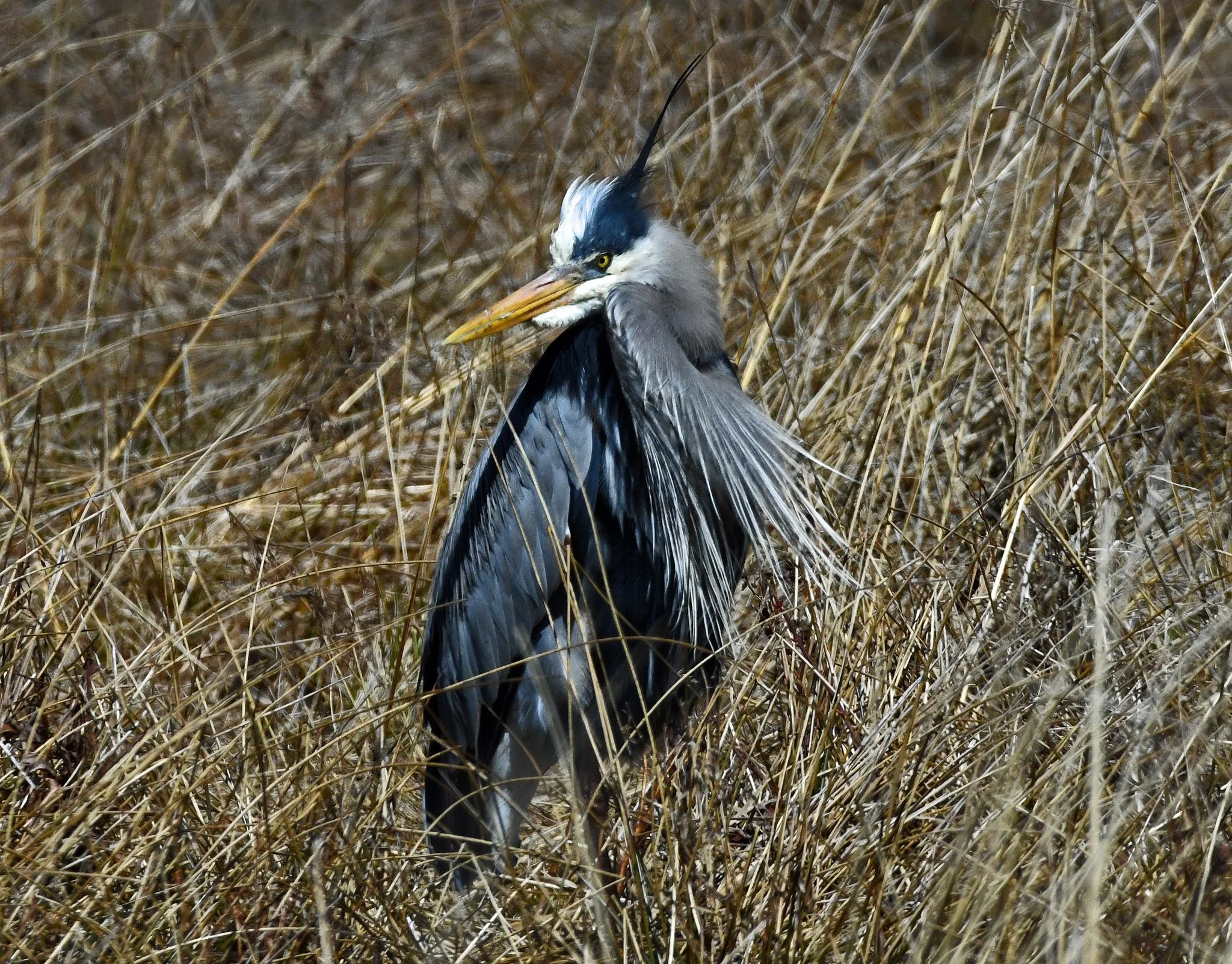
Where the great blue’s neck joins its chest, it wears a necklace of wispy down feathers that are called pectoral plumes or powder down feathers. This adaptation is not only decorative, but also highly useful to ameliorate the results of the bird’s habit of getting blood, fish oil and pond sediment on its face and chest.

The tips of these specialized feathers fray into a cleansing dust that has a consistency similar to talcum power. Sometimes the heron just cleans its head and neck by rubbing them in the powder down. More often, it uses a specialized comb-like claw on its middle toe to collect the powder and comb it through needy areas.

(Images taken in Brooklin, Maine on April 17 [marsh] and 21 [water], 2026.)

Comment

Comment

In the Right Place: Now You See It; Now You Don’t

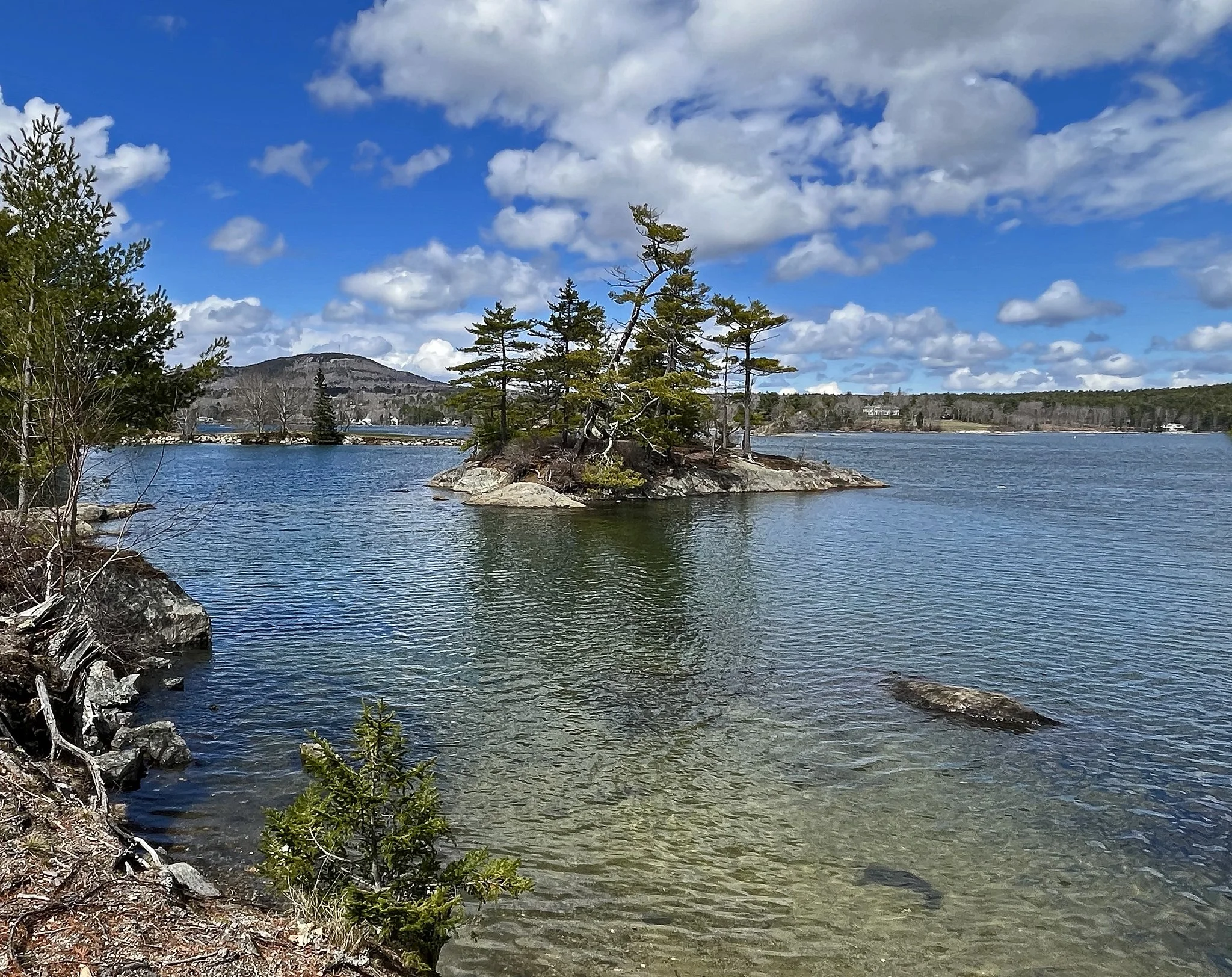
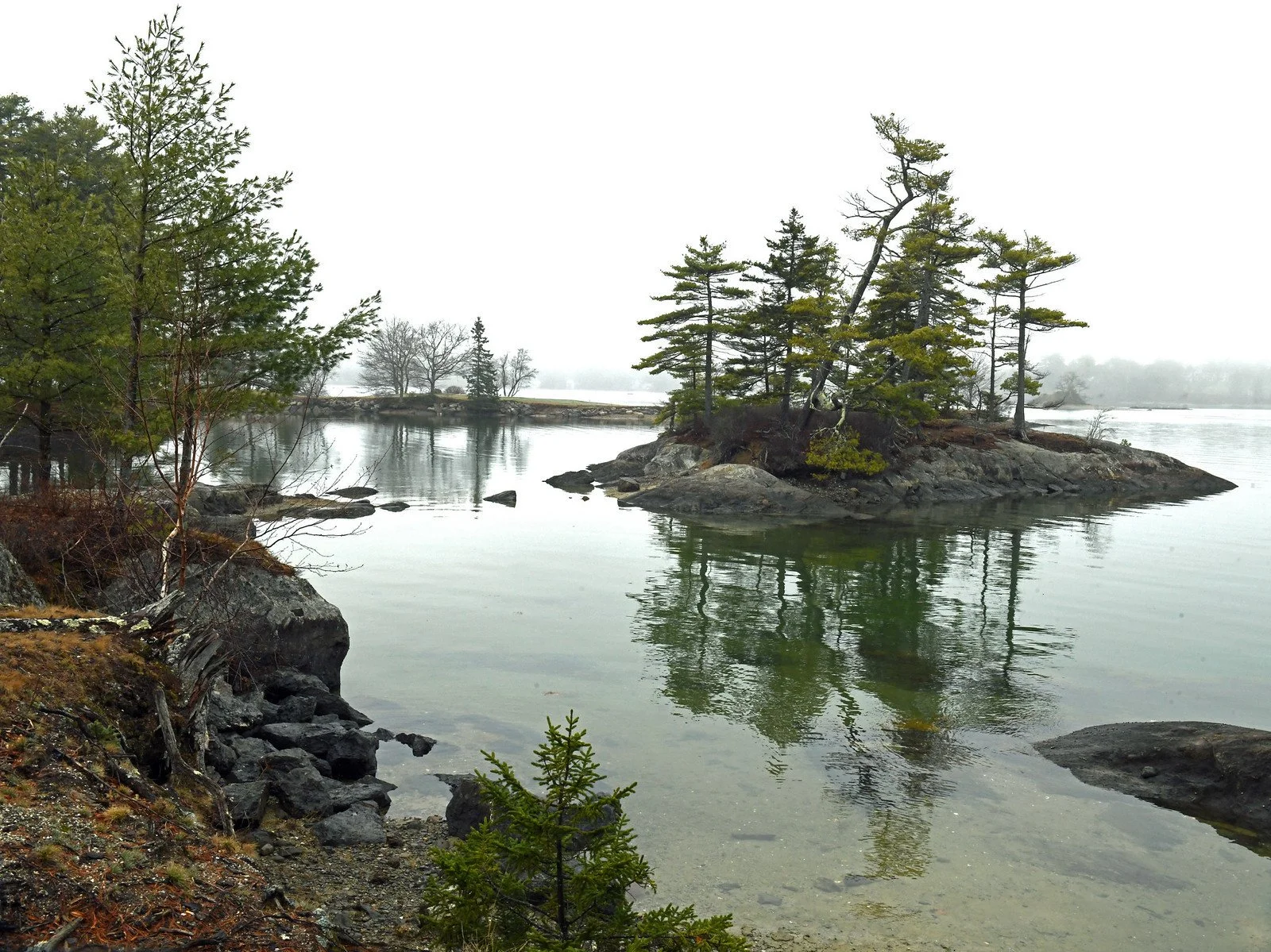
What a difference a day makes. Above is the near-mountain called Blue Hill, as viewed across the bay called Blue Hill Bay. Below is the same perspective from the day before:

Spring is magic. (Images taken in Blue Hill, Maine, on April 19 [fog] and 20 [sun], 2026.)

Comment

Comment

In the Right Place: Watching Paint Dry

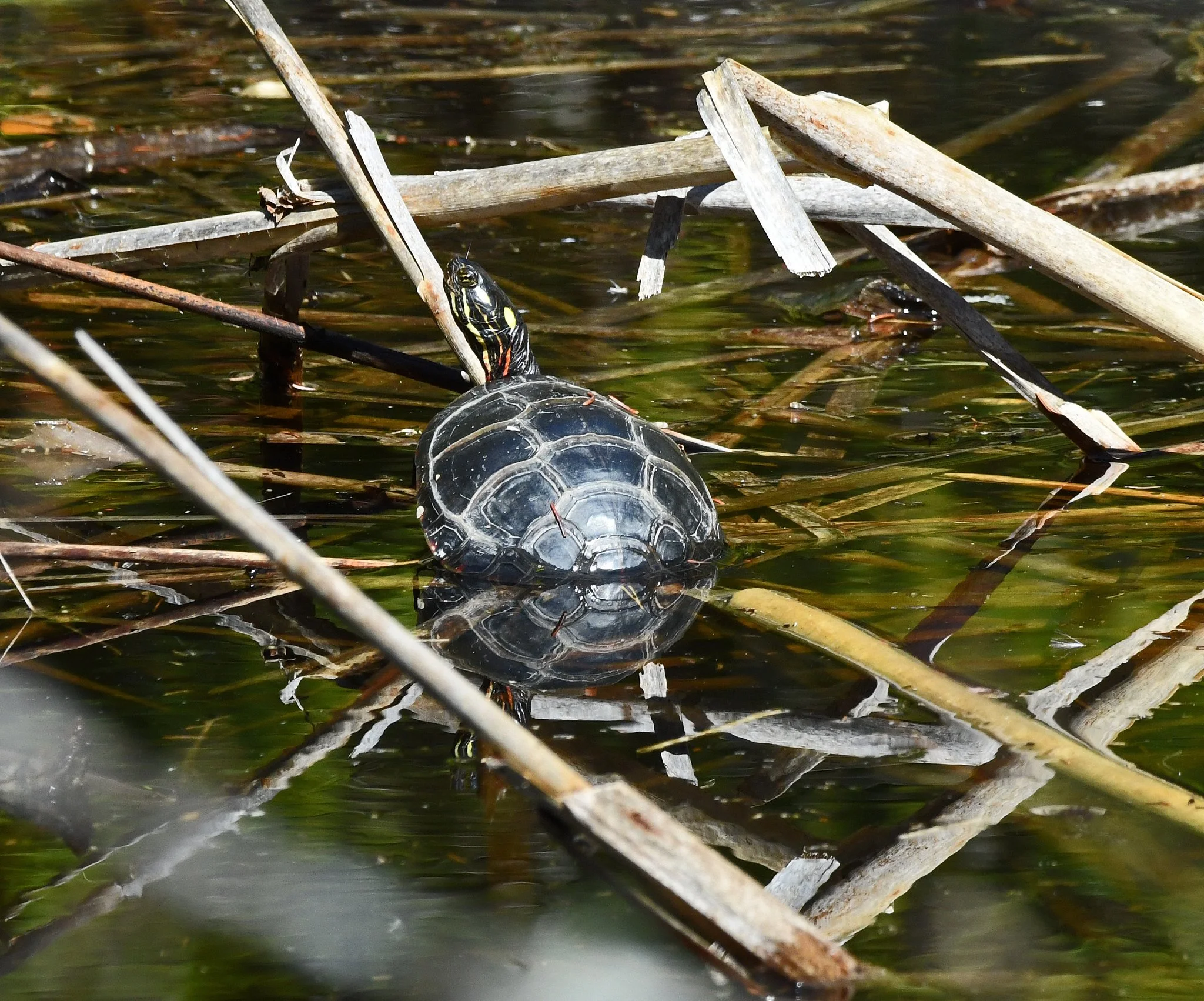
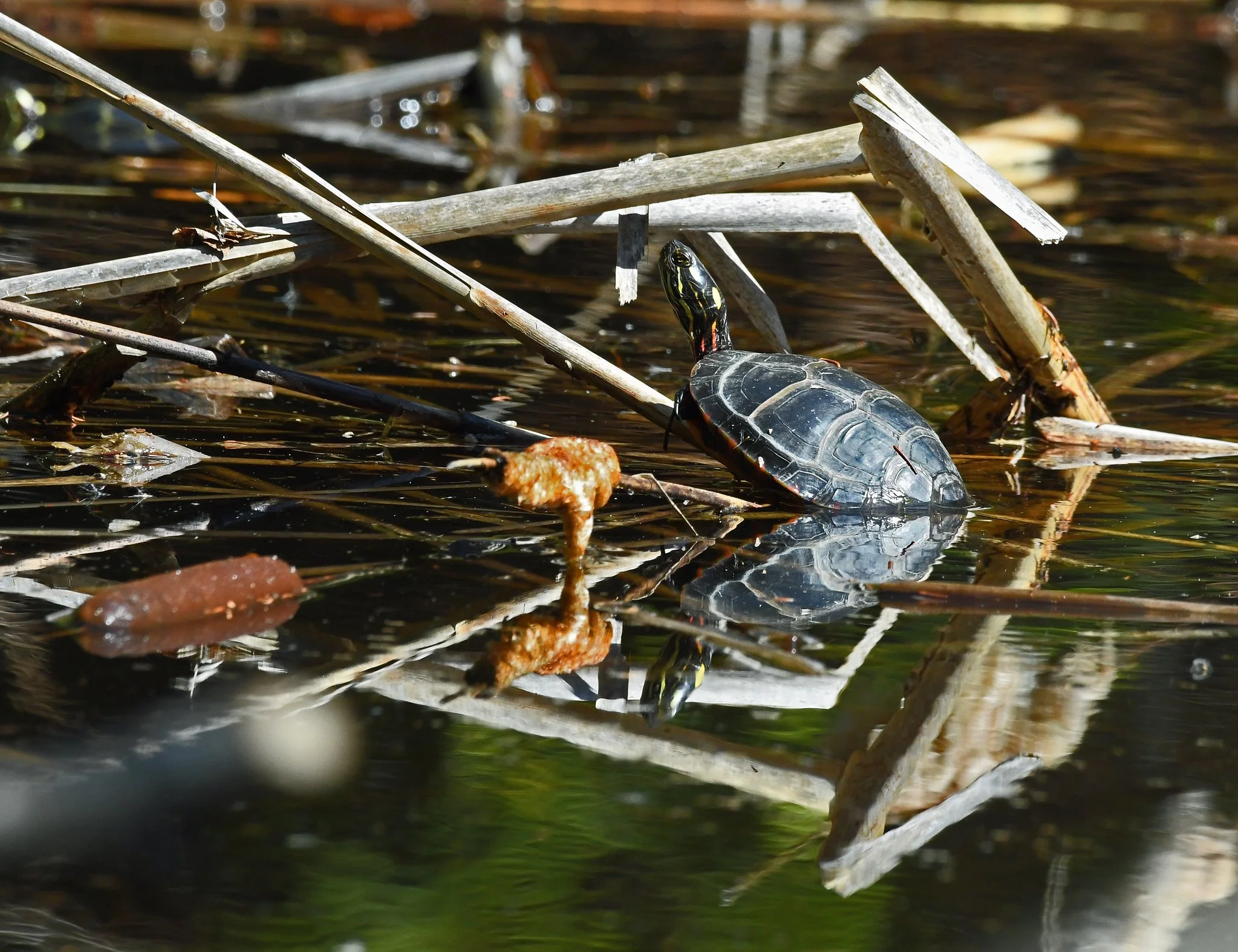
This good-looking painted turtle is the first of the year in our ponds. He’s been rising to bask on sunny days since at least April 12, when I first spotted him.

He’s got exceptionally vibrant yellow and red stripes and daubs “painted” on his head, neck and shell. These are signs of a healthy diet and a healthy turtle. Potential mates will notice that he’s a good catch from a good place to hang out.

The literature reports that the painted turtle’s diet includes aquatic insects, fish, crustaceans (crayfish), snails, worms, algae, and leafy plants. Young turtles apparently are mostly carnivorous, but they become more herbivorous as they get older. Curiously, PTs have to eat in water. They have virtually fixed tongues and can’t produce saliva; they need water to act as a lubricant to get their food “down.” They swim with their mouths open at the surface or below to catch prey and floating vegetation, then use the water to help ingest their catch.

PTs are Maine’s most common and most colorful turtle, and they live 30-40 years. In the winter, they brumate (lie very dormant) in the muck at the bottom of ponds and lakes, and they’re one of the few turtles adapted to tolerate freezing temperatures for extended periods. (Images taken in Brooklin, Maine, on April 18, 2026; sex assumed.)

Comment

Comment

In the Right Place: Spring Fling

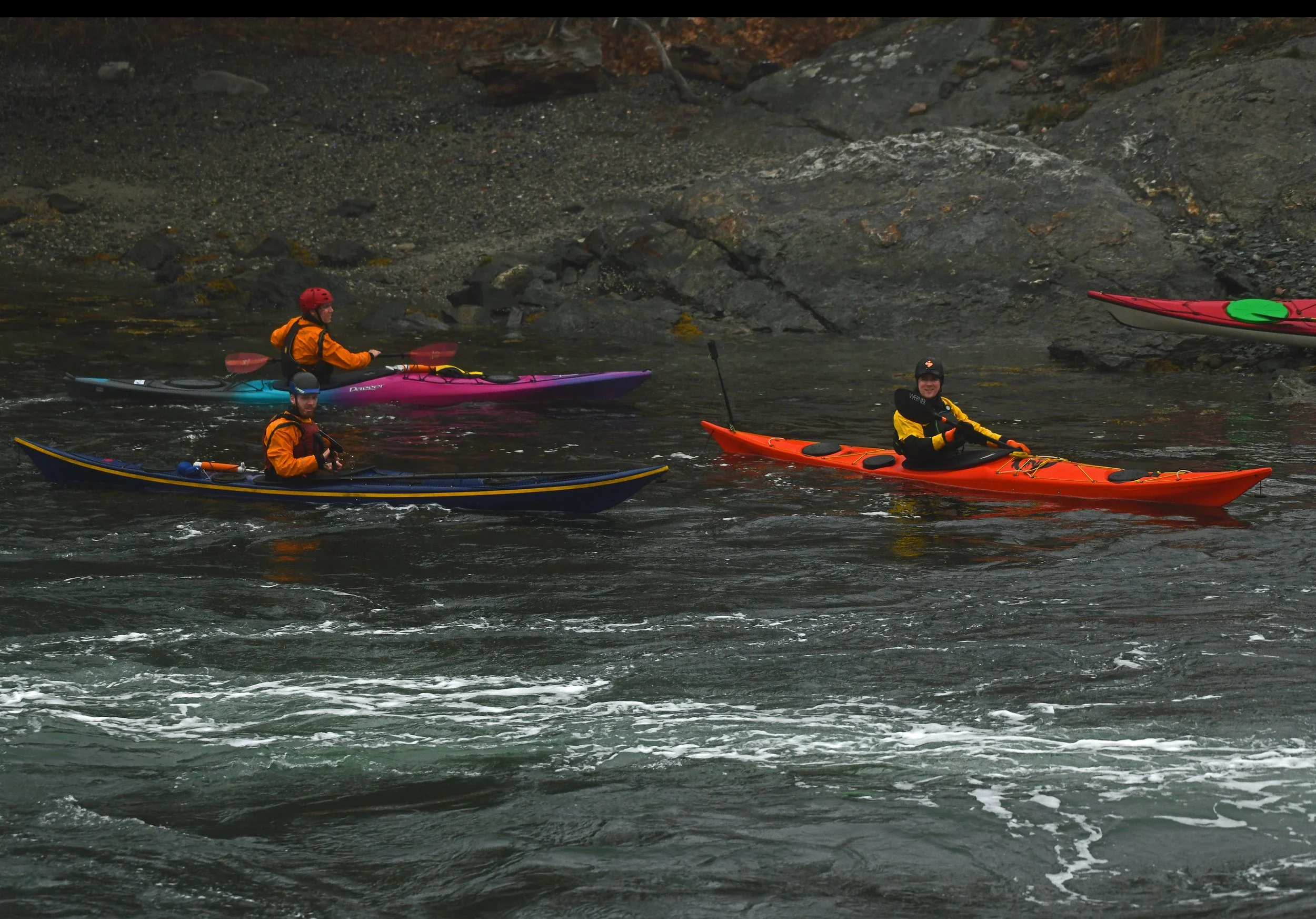
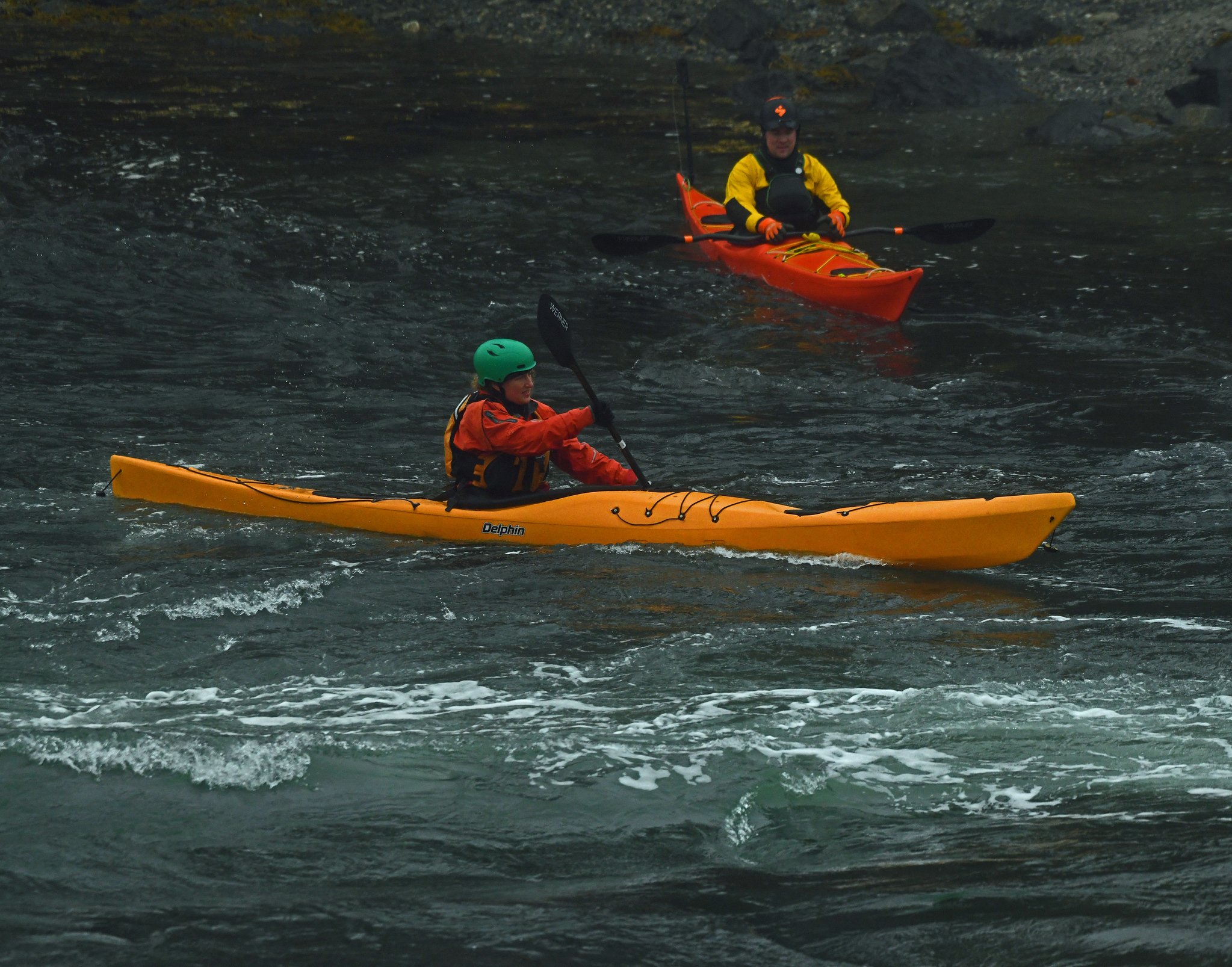
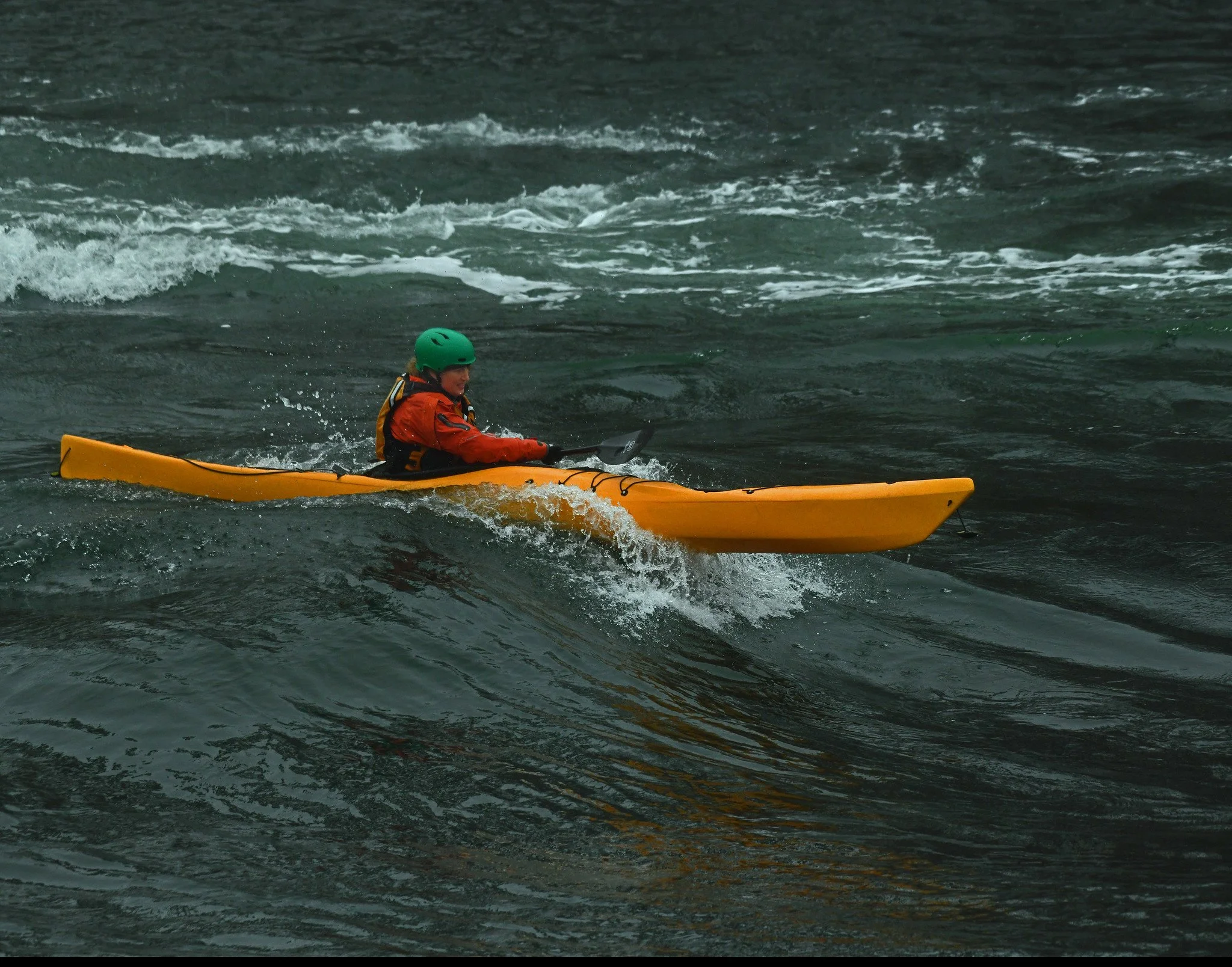
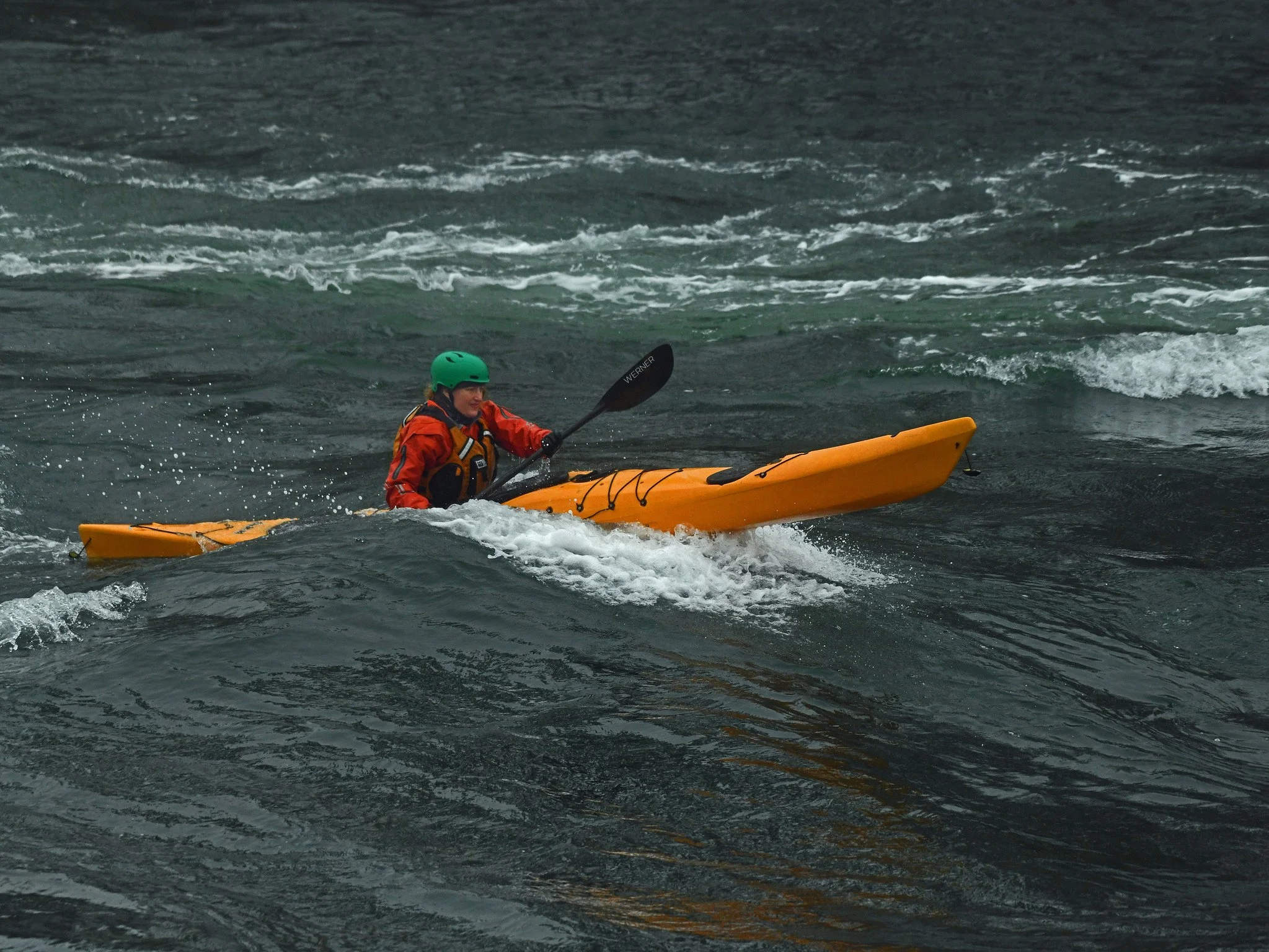
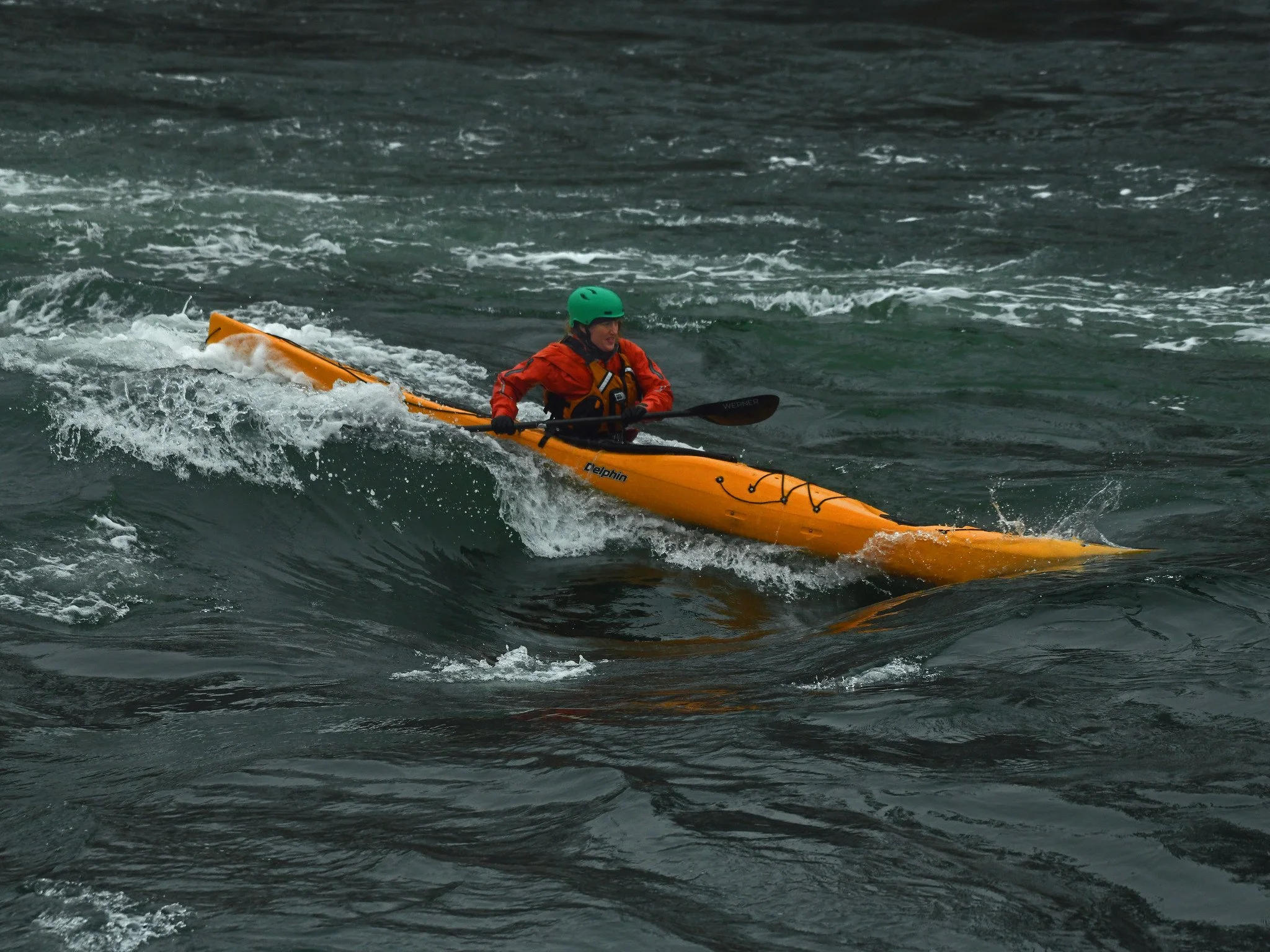
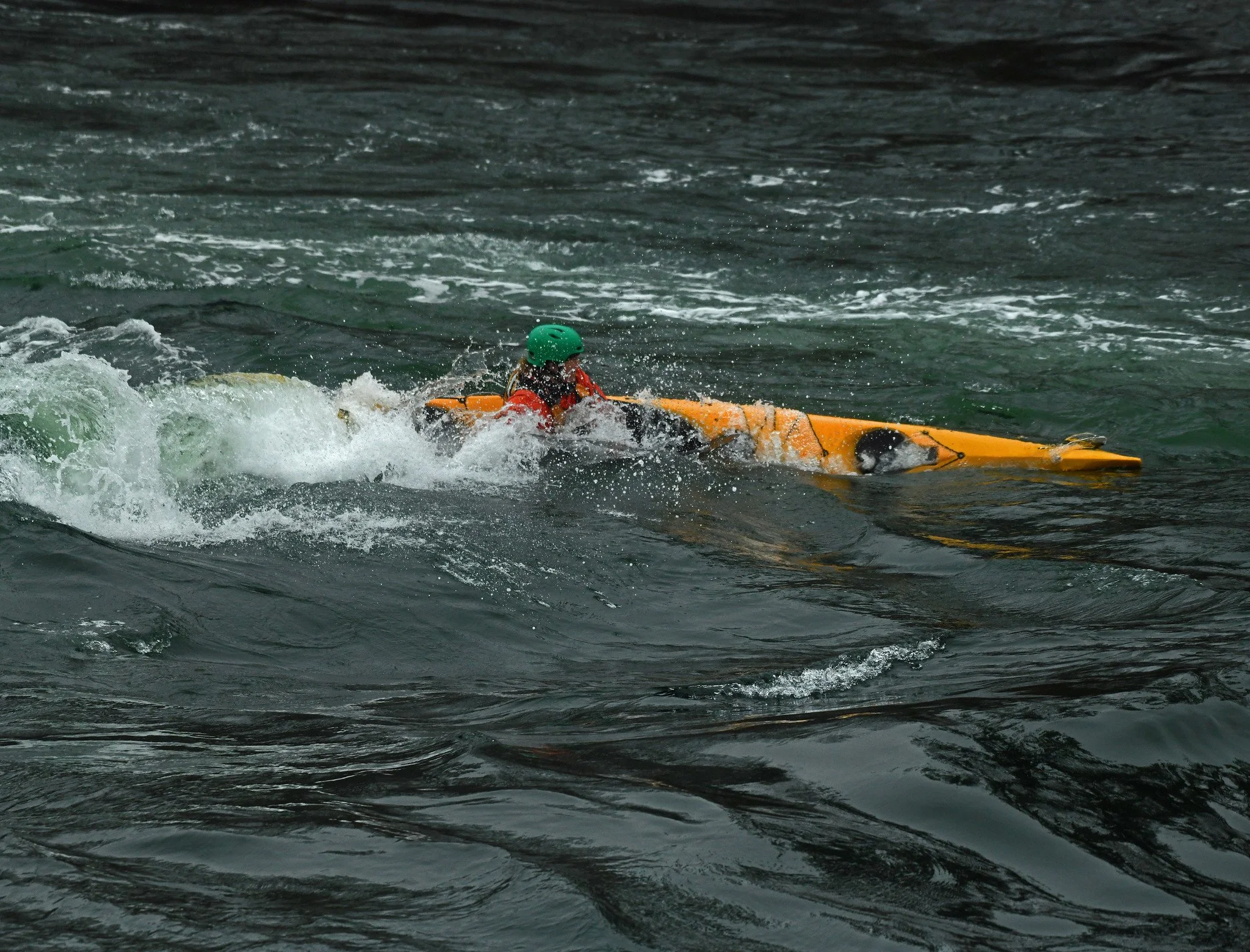
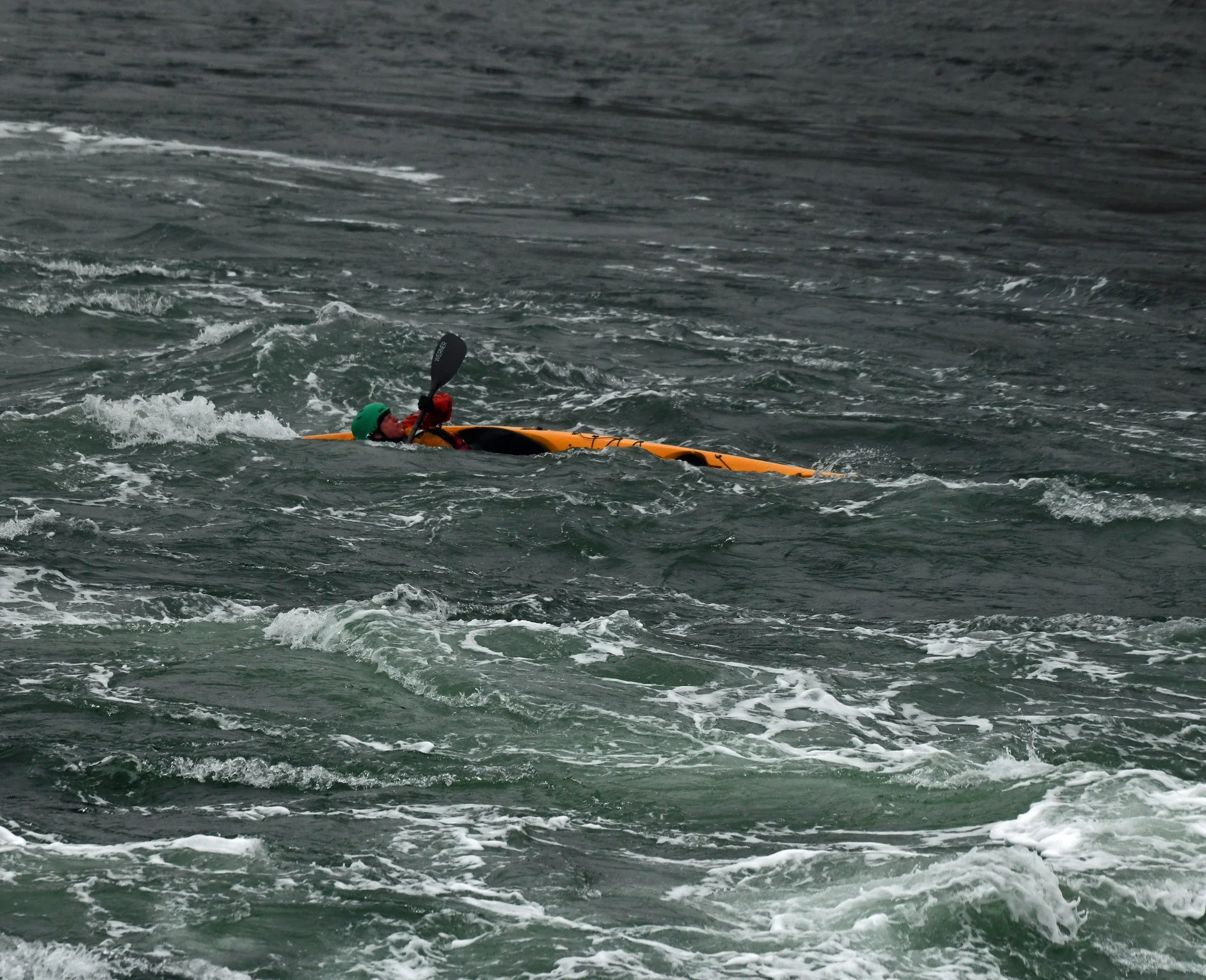
Yesterday was a miserable, rainy, chilly, dark day. It also apparently was dangerous for one adventuresome woman and hair-raising to watch her. It started with me pulling over to watch a flotilla of colorful kayaks at the Reversing Falls in Blue Hil. They were trying to catch the waves in the outgoing white water of Salt Pond. The turbulence seemed meaner than usual in the rain.

Here you see the beginning of a courageous run by that woman:

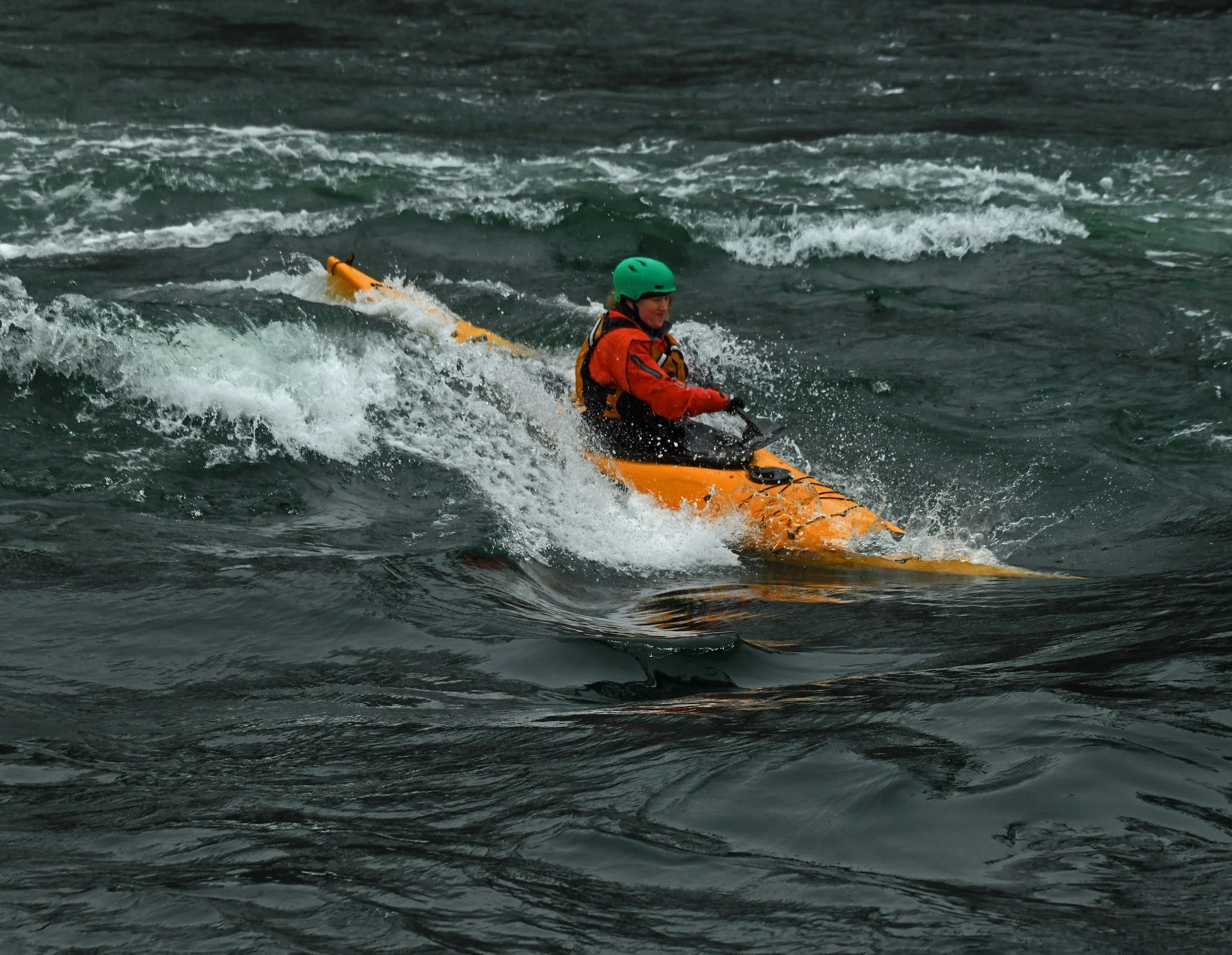
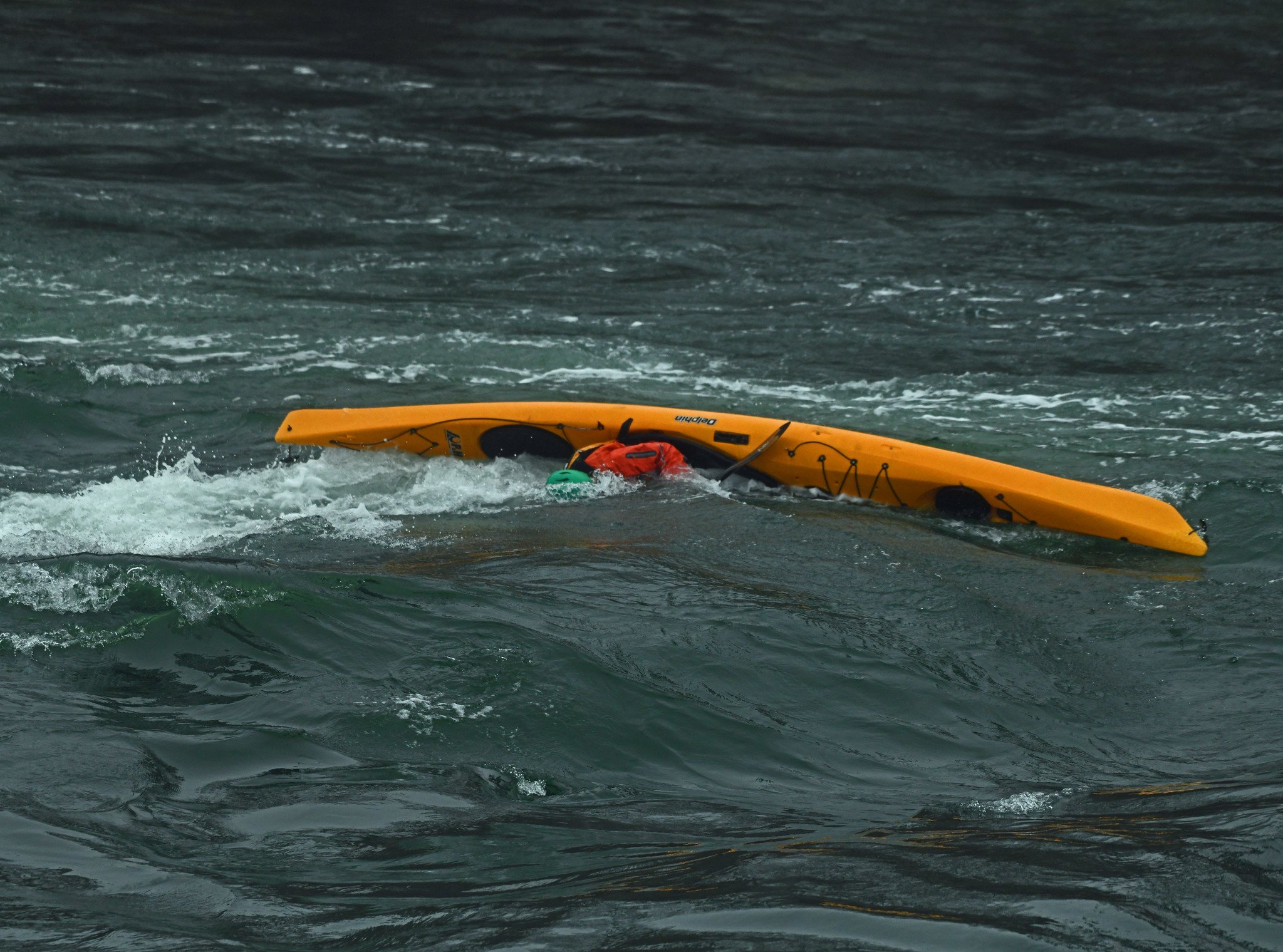
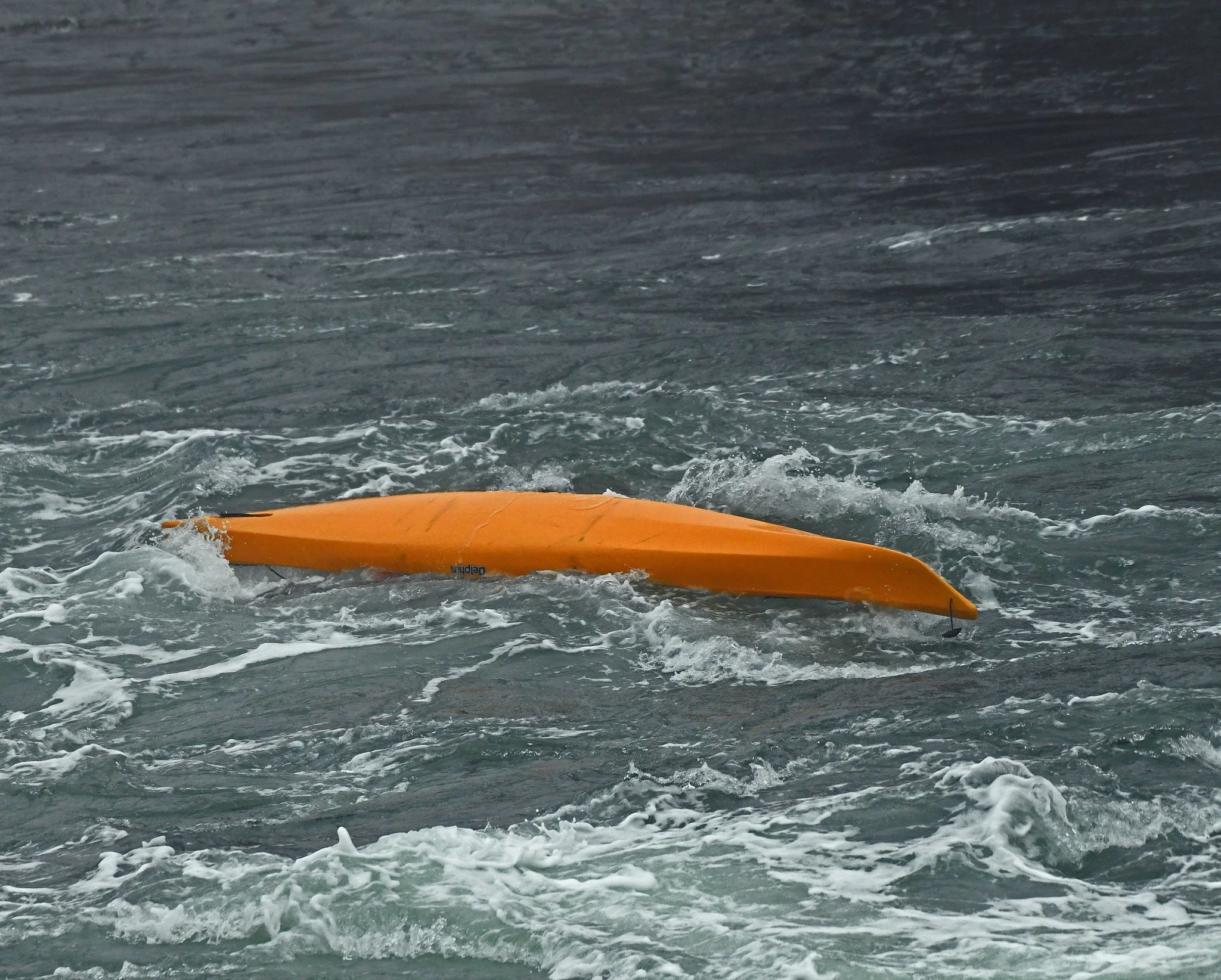
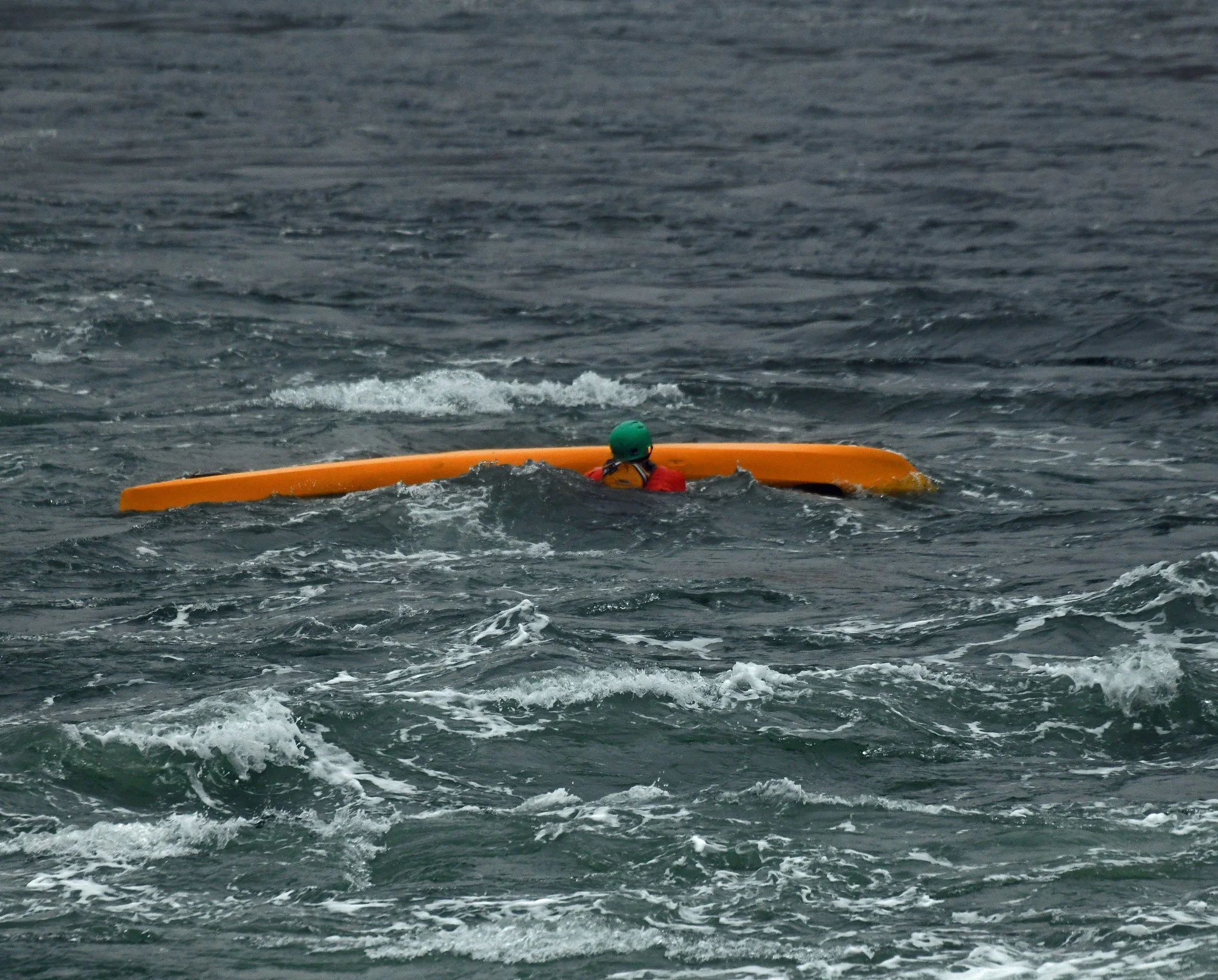
She soon pitched deeply and this led to a roll that capsized and overturned her long, thin kayak completely.

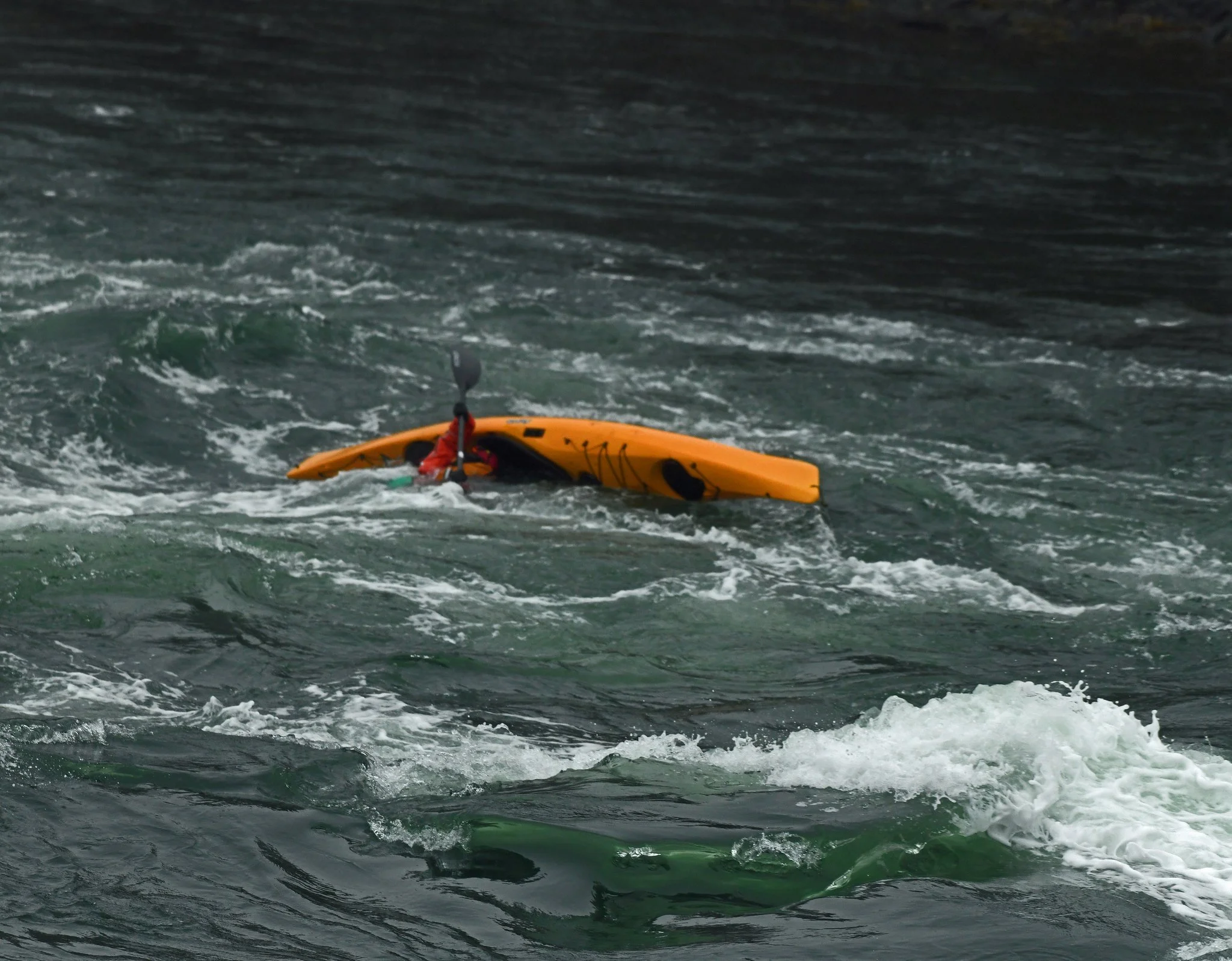
She stayed under water for what seemed an eternity, but finally got out of her spray skirt, popped up and signalled that she was all right..

The American Whitewater Accident Database and Maine boating records don’t report any fatalities to kayakers in the Reversing Falls. However, these Falls are considered to be dangerous, especially in April when the raging, winter-cooled water averages around 39° to 41° (F).

Maine officials proclaim even still water below 55°to be very dangerous for those immersed in it because it can cause hypothermia. Spring kayakers are urged to wear cold water immersion gear as well as reliable flotation devices. This brave kayaker apparently wore both. Thank goodness. (Images taken in Blue Hill, Maine, on April 19, 2026.)

Comment

Comment

In the Right Place: Down East Chic

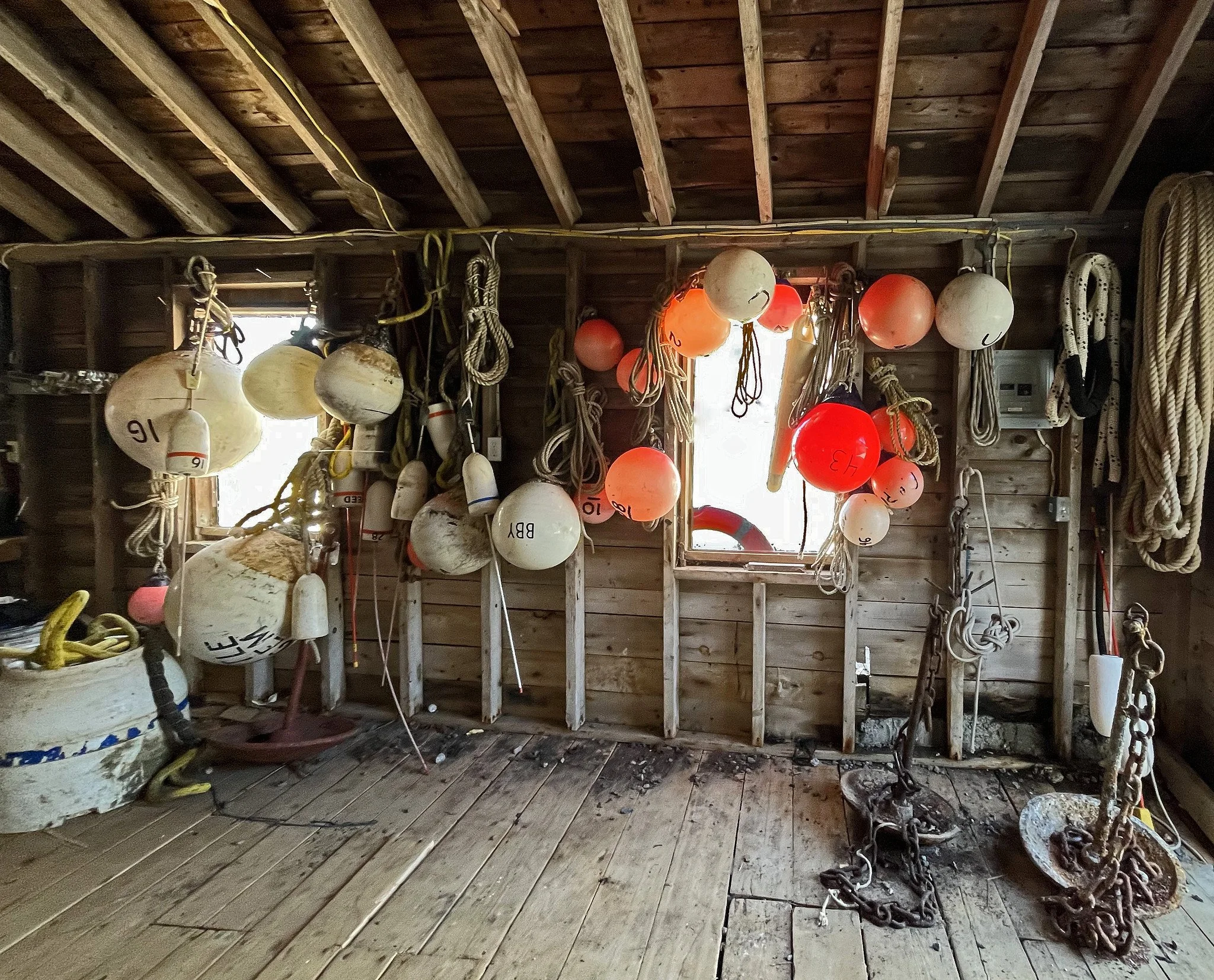
I don’t know why, but when I walked into this place again recently and liked the way I felt in it, I wondered how I would feel in the newly designed Oval Office in the White House, the People’s House.

I guess I’m not one of those people who would be comfortable in a room that looks like the lobby of a Florida golf club; and has full-length, shiny gold drapes with gold silk tie-backs; and gold-gilded wall appliques that make me hungry for scrambled eggs, and many big portraits of gruff males, and only one of a female. That one would be of the portrait of the attractive Jacqueline Kennedy, whose Presidential husband’s attractive countenance is nowhere to be found there.

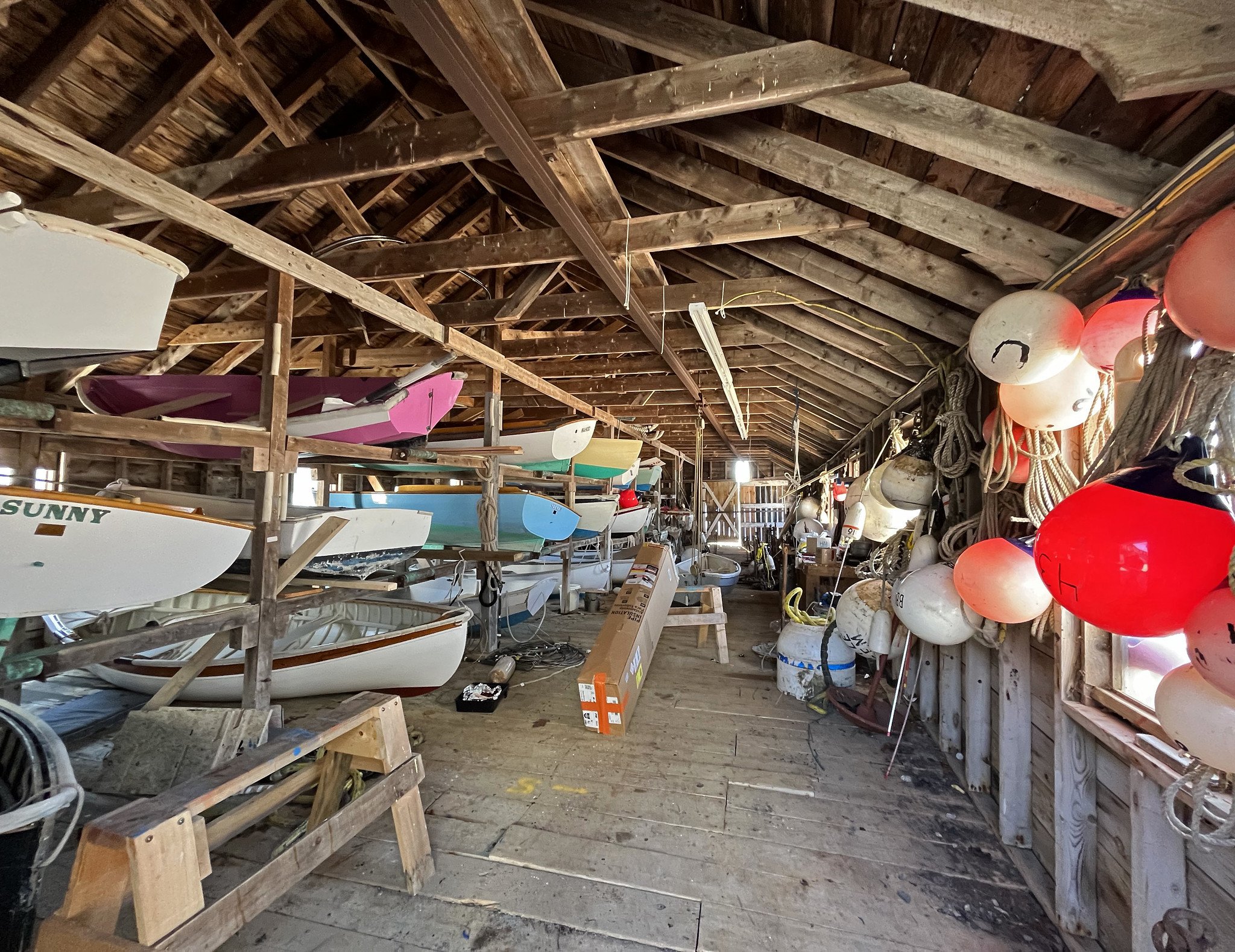
Yes, you’re looking at an image of the inside of the old small boat shed at the Brooklin Boat Yard. It’s a nice, quiet place to do some wondering.

(Images taken in Brooklin, Maine, on April 12, 2026.)

Comment

Comment

In the Right Place: Good Luck, B&B

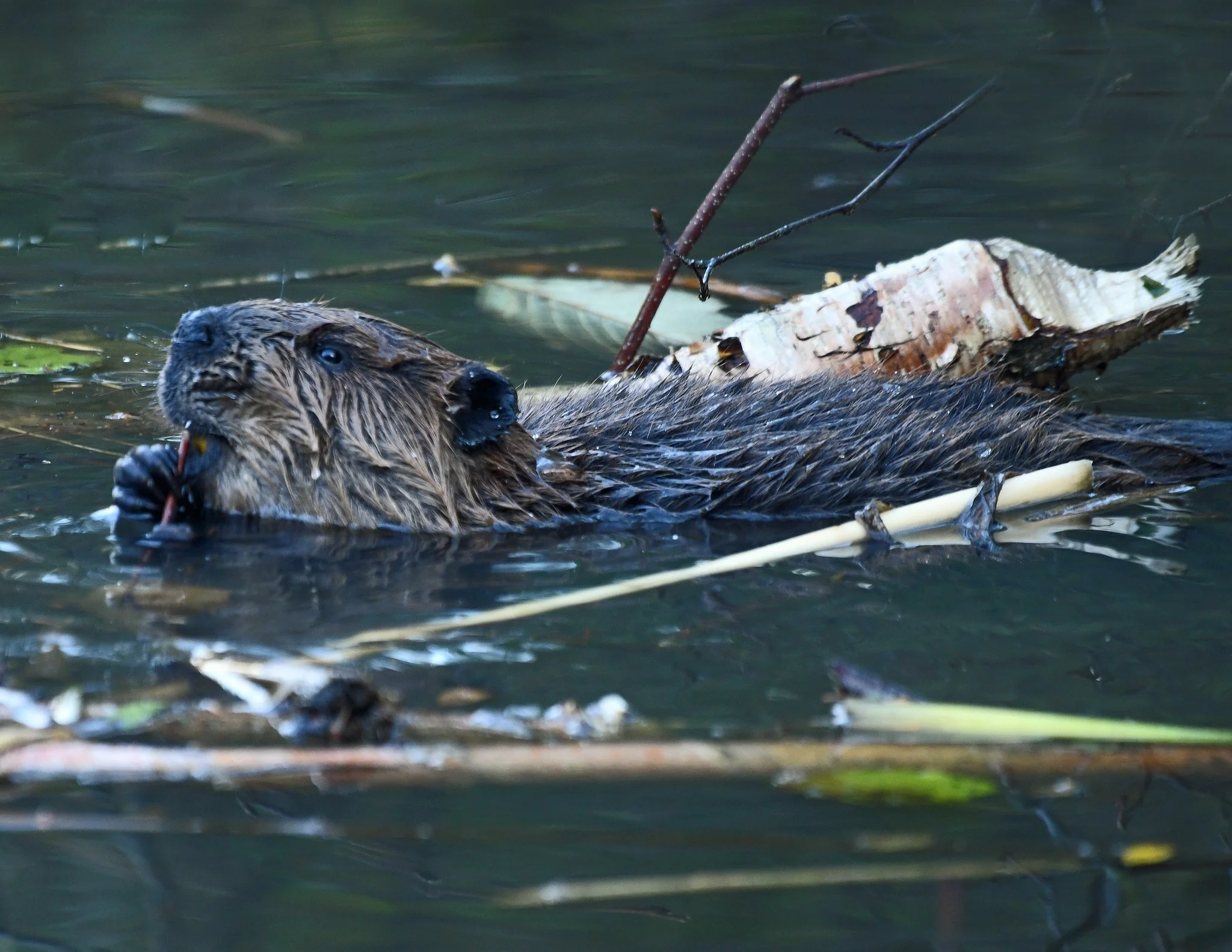
In response to many questions: I’ve not seen Bernie & Benice Beaver or any activity that could be associated with them (more trees down, dam leaks tended, lodge construction resumed, etc.) in three weeks. They apparently have moved on. I don’t know why. Perhaps it’s because they claim-jumped part of the territory of our alpha coyote, who would love to snack on the kits B&B plan to have this spring. Safe travels, my friends.

(Leighton Archive image of Bernie eating an appetizer.)

Comment

Comment

In the Right Place: Molly & Mike

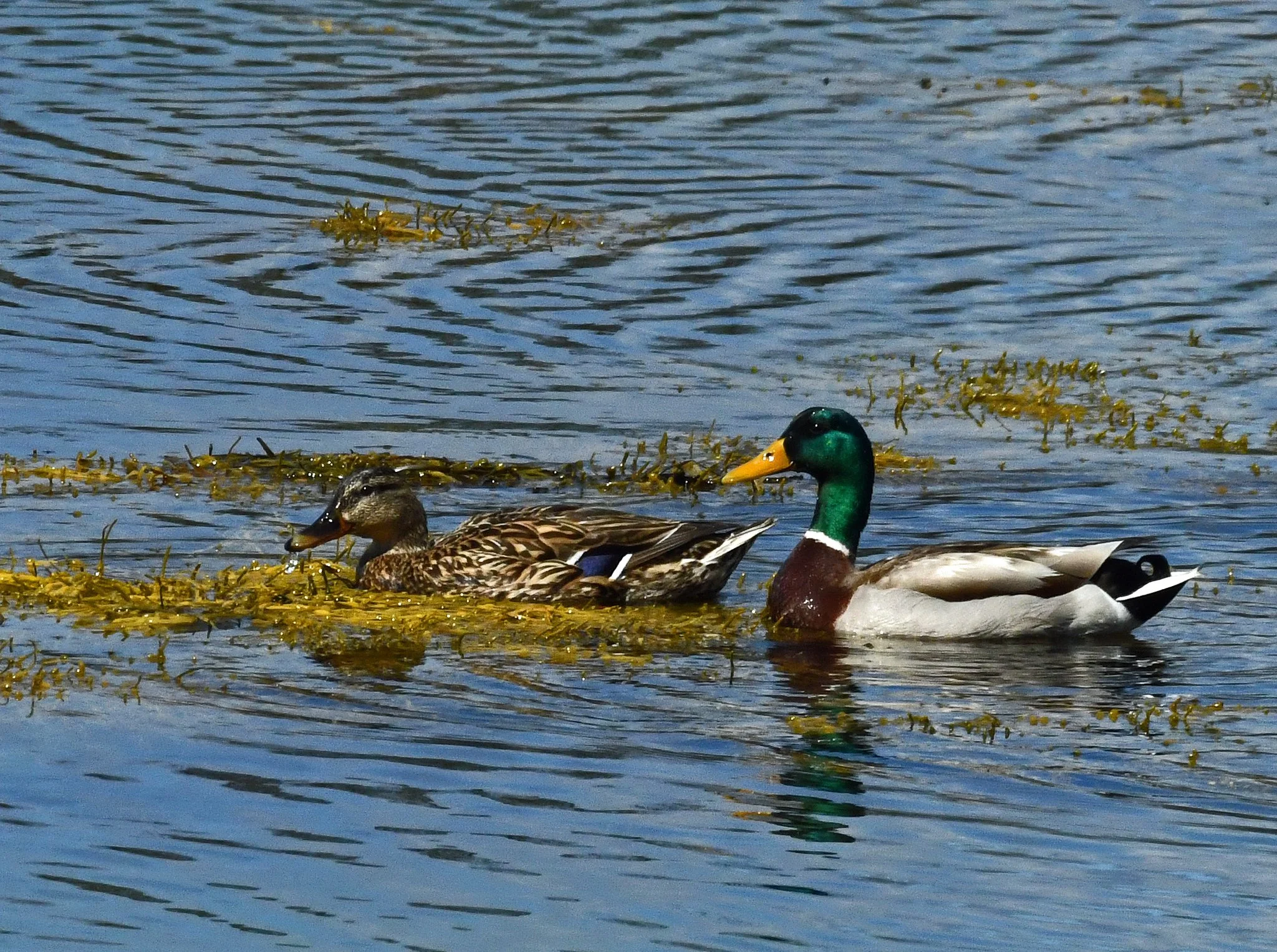
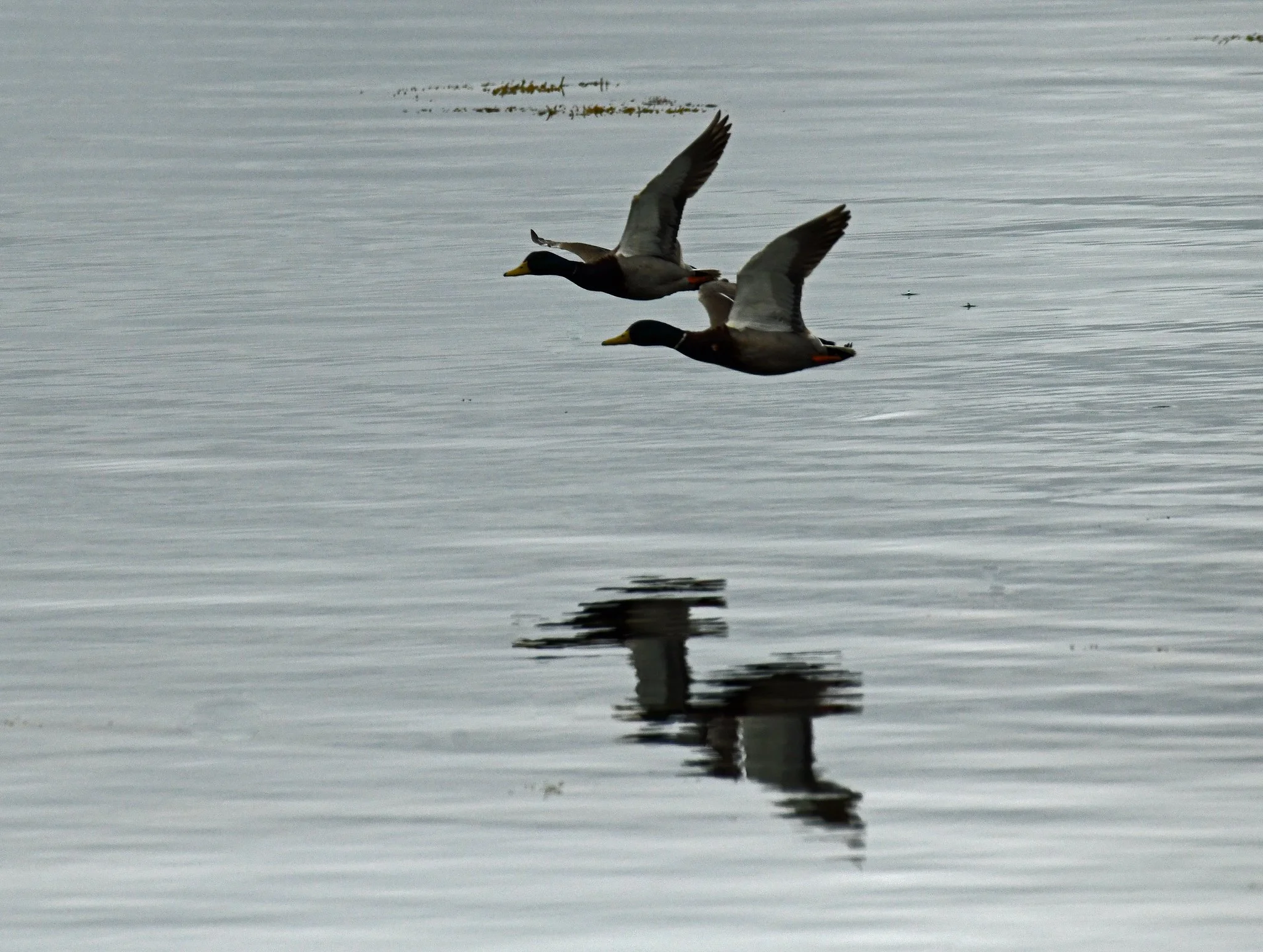
Meet Molly & Mike Mallard, who appear to be scouting our corner of Great Cove for nesting real-estate. I’ve seen them together in that area since winter. They’re clearly paired and float and fly everywhere together.

Mallards in Maine usually nest from early May through August. Females lay eggs in hidden, ground-level or elevated locations near water, often returning to the same nesting area annually. When the female starts to incubate eggs, the male typically leaves. The ducklings can walk and swim immediately after hatching. (Images taken in Brooklin, Maine, on April 14 and 15, 2026.)

Comment

Comment

In the Right Place: A Great Cove

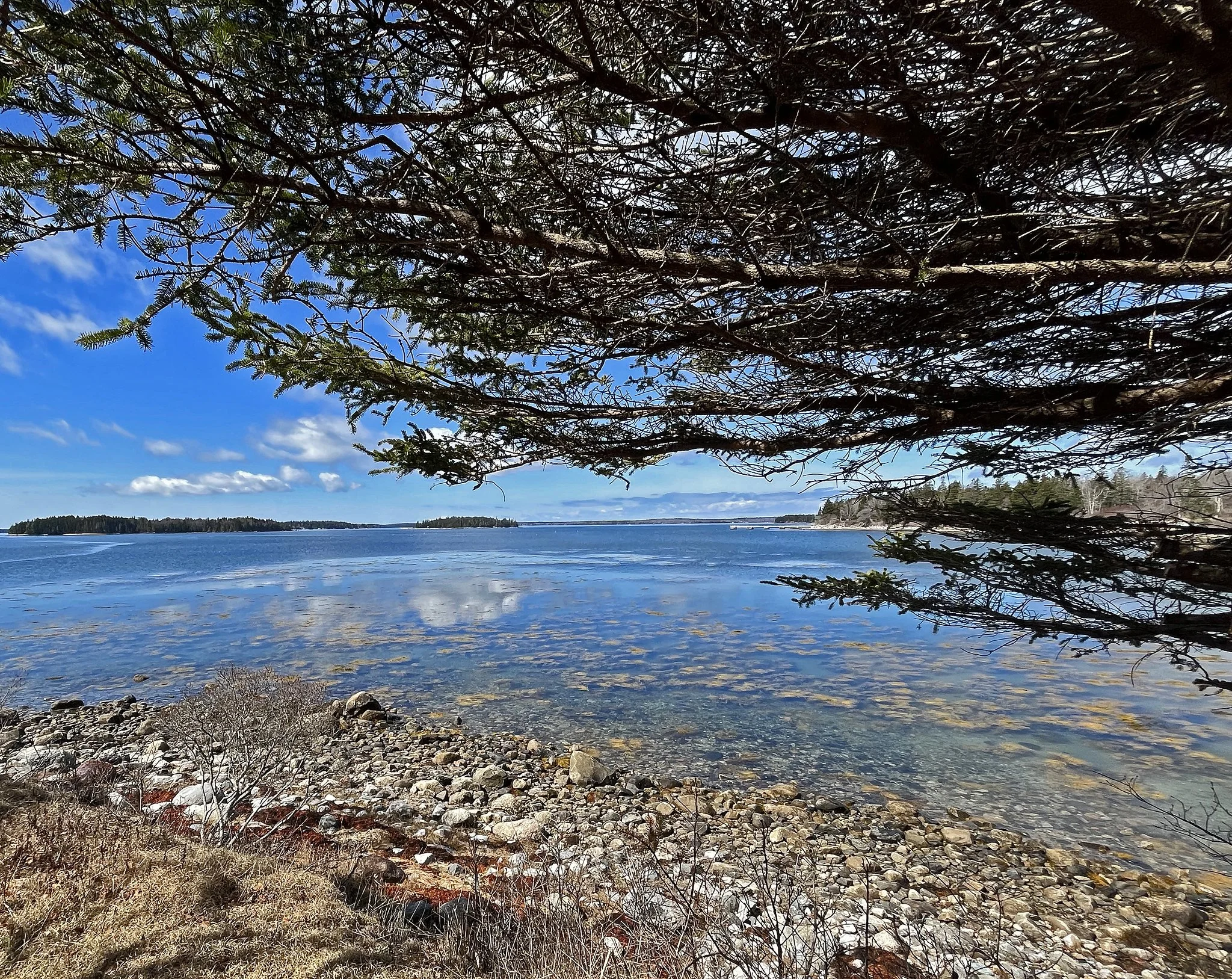
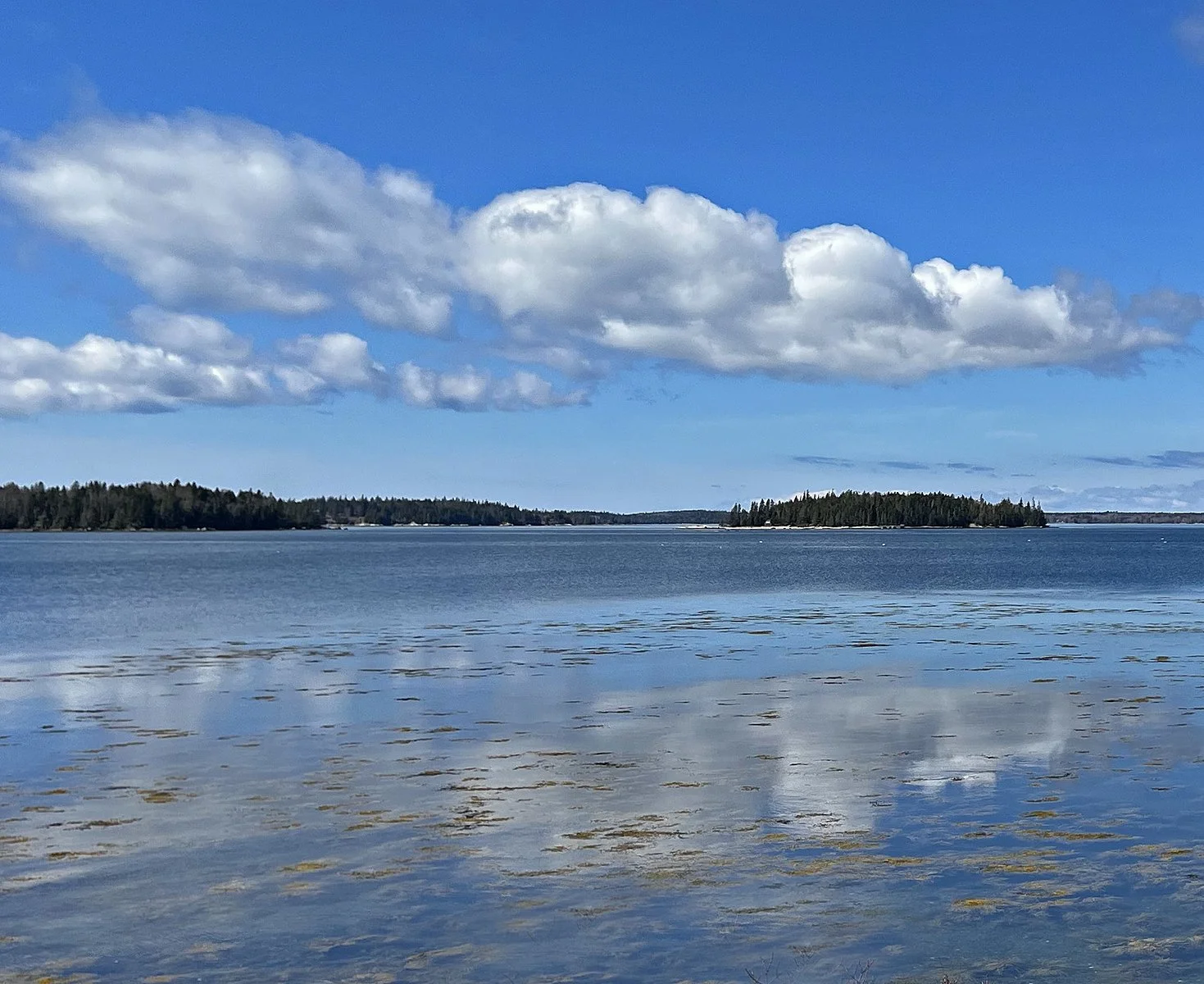
Here you see a spring tide lowering in Brooklin’s Great Cove earlier this week. There was little wind bothering her, so the Cove had time to work on her reflections. As the water receded, she revealed blooms of her swaying rockweed, which soon became tangled mats hiding crabs and snails that waited patiently for the tide to come back. It always has.  

The Cove’s changing personality is perhaps her most remarkable feature. Every day, her two tides rise and fall about 9 to 12 feet, covering her completely and then exposing her mysterious tidal pools and pungent mud. Then, there’s the disappearance act that she can do in fog.

In the winter and early spring, there’s a beautiful vastness to the Cove, when her cold waters seem vacant, except perhaps for a few dabbling ducks and swooping gulls. In the summer and fall, Great Cove is a carnival for those of us who are addicted to the pleasures of “being on the water.”

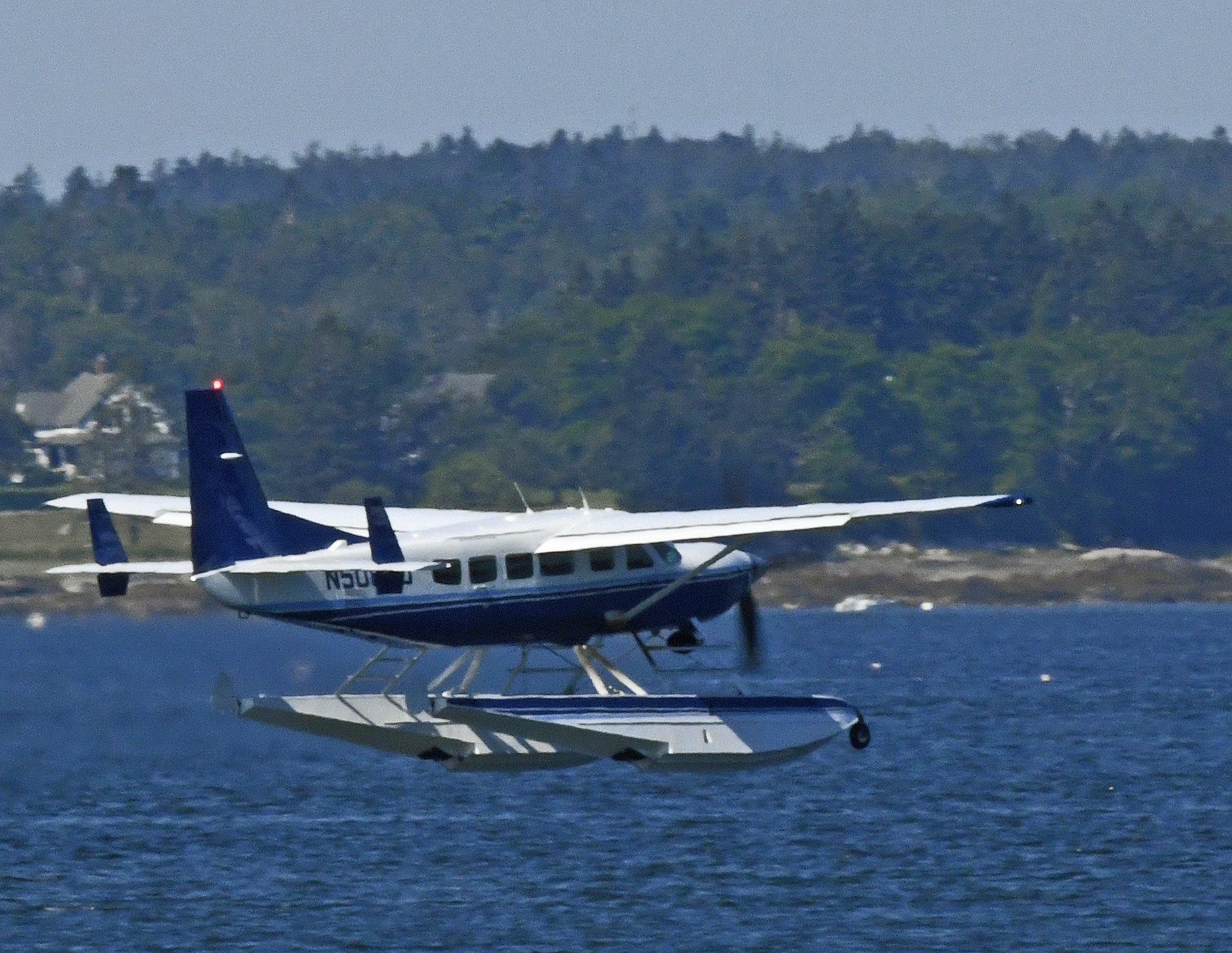
Summer in the Cove, when she’s at her most frenetic, is worth a few word pictures: colorful small and large sailboats seeking the same winds; singing passengers on tall-masted windjammers helping to lower and raise big anchors and huge sails; luxurious or just strange power boats that contribute the husky background sounds of their engines; lobster boats churning up big bow waves as they take shortcuts through the islands; water-bugging skiffs, kayaks and paddleboards and, on occasion, a seaplane landing so its passengers can watch the finish of a regatta.

(Images taken in Brooklin, Maine, on April 14, 2026, and August 6, 2023.)

Comment

Comment

In the Right Place: In the Shop, IV

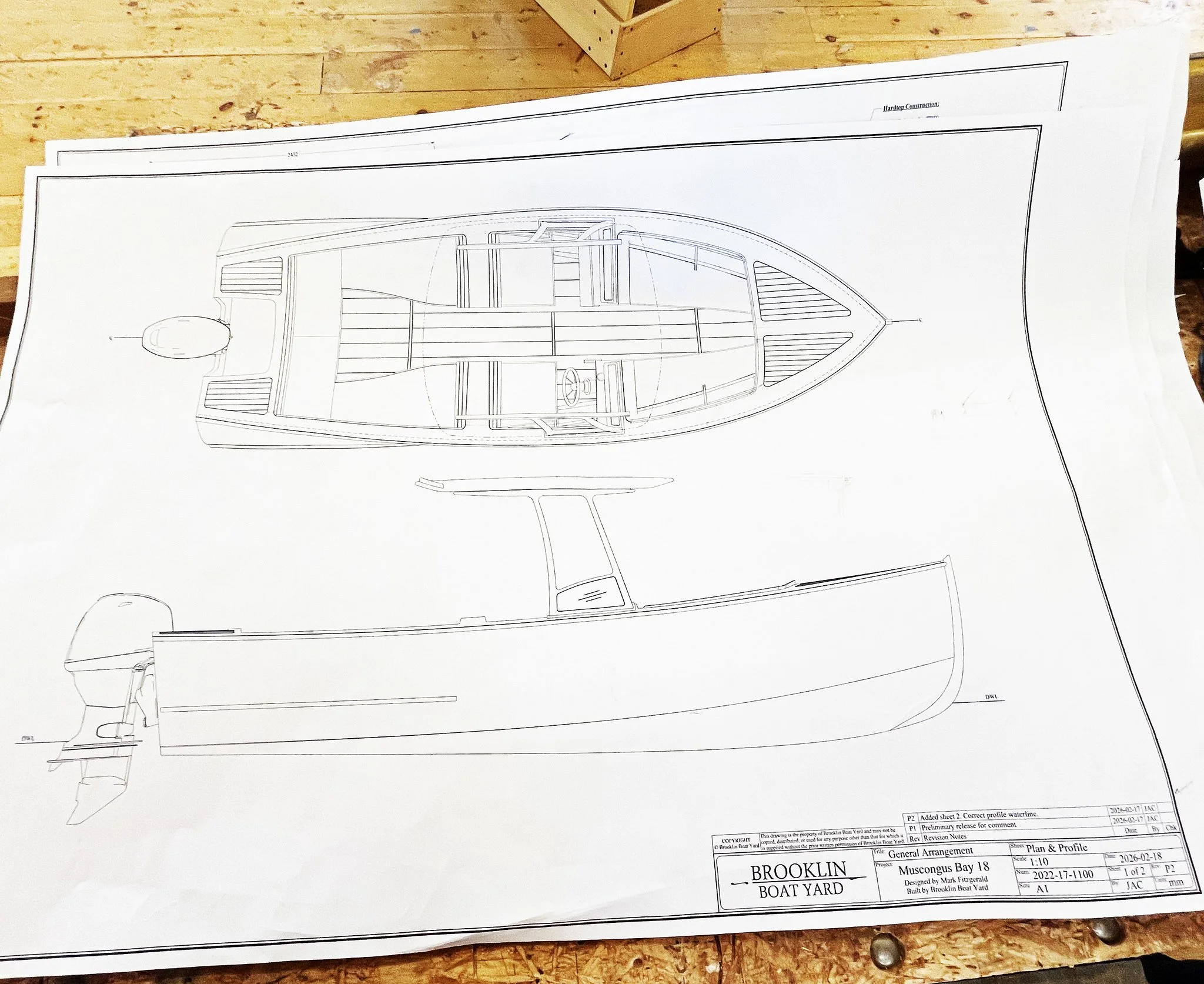
Progress is being made on this fine-lined little vessel being built in the Brooklin Boat Yard’s auxiliary shop. By summer, she’ll be a speedy, center-consoled runabout with T-top, comfortable perimeter seating, and fine woods:

She’s described as a Muscongus Bay 18 (18-foot overall length) designed by Mark Fitzgerald.  He’s a prominent naval architect who operates Fitzgerald Marine Architecture, Inc., in Camden, Maine. Muscongus means “fishing place” in the Abenaki Tribe’s language and was the name of one of their villages at a bay on the Maine coast. That Bay, now also named Muscongus, is known for its boat-related activities.

(Photos taken in Brooklin, Maine, on April 15, 2026.)

Comment

Comment

In the Right Place: Here Kitty, Kitty

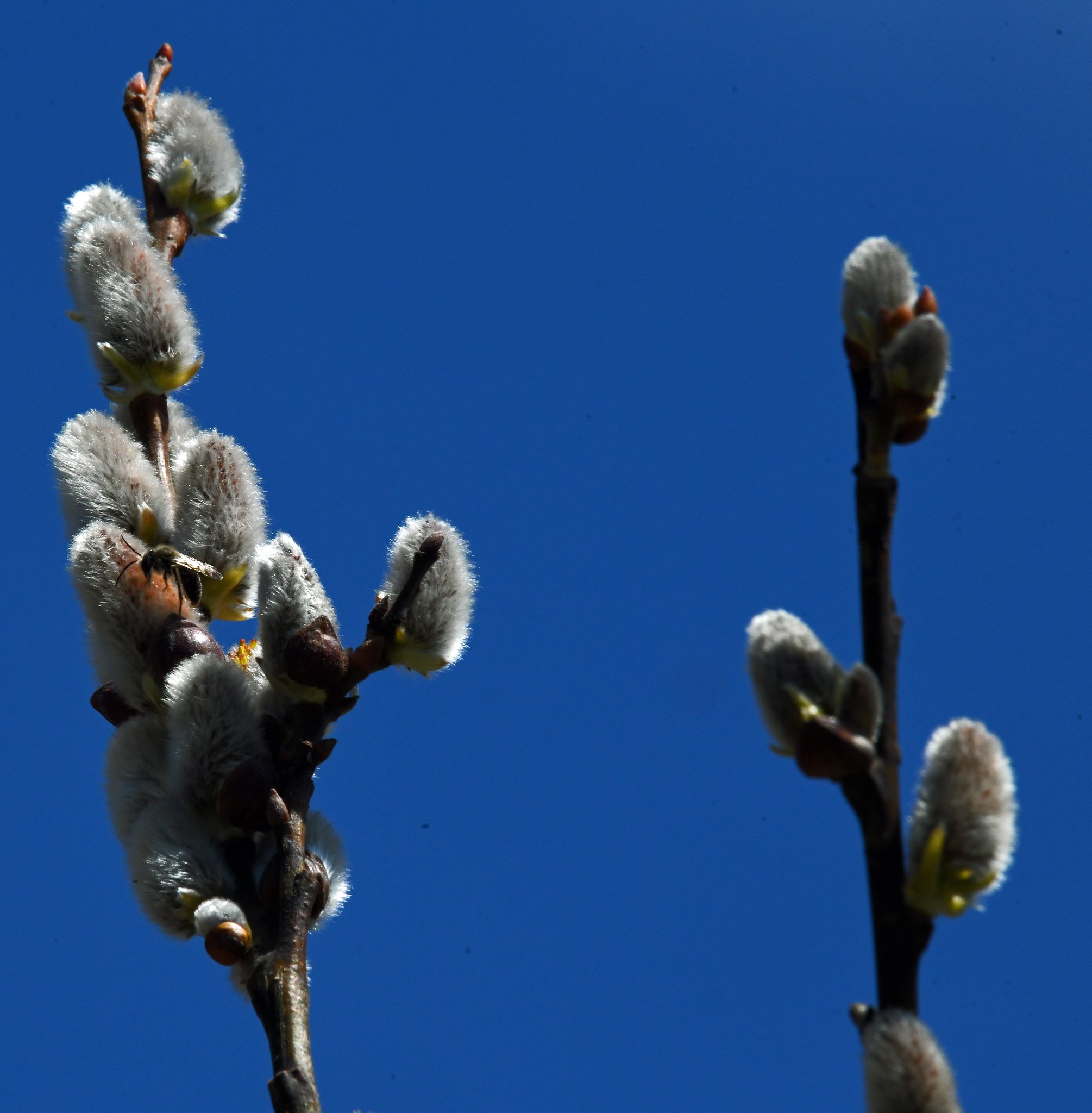
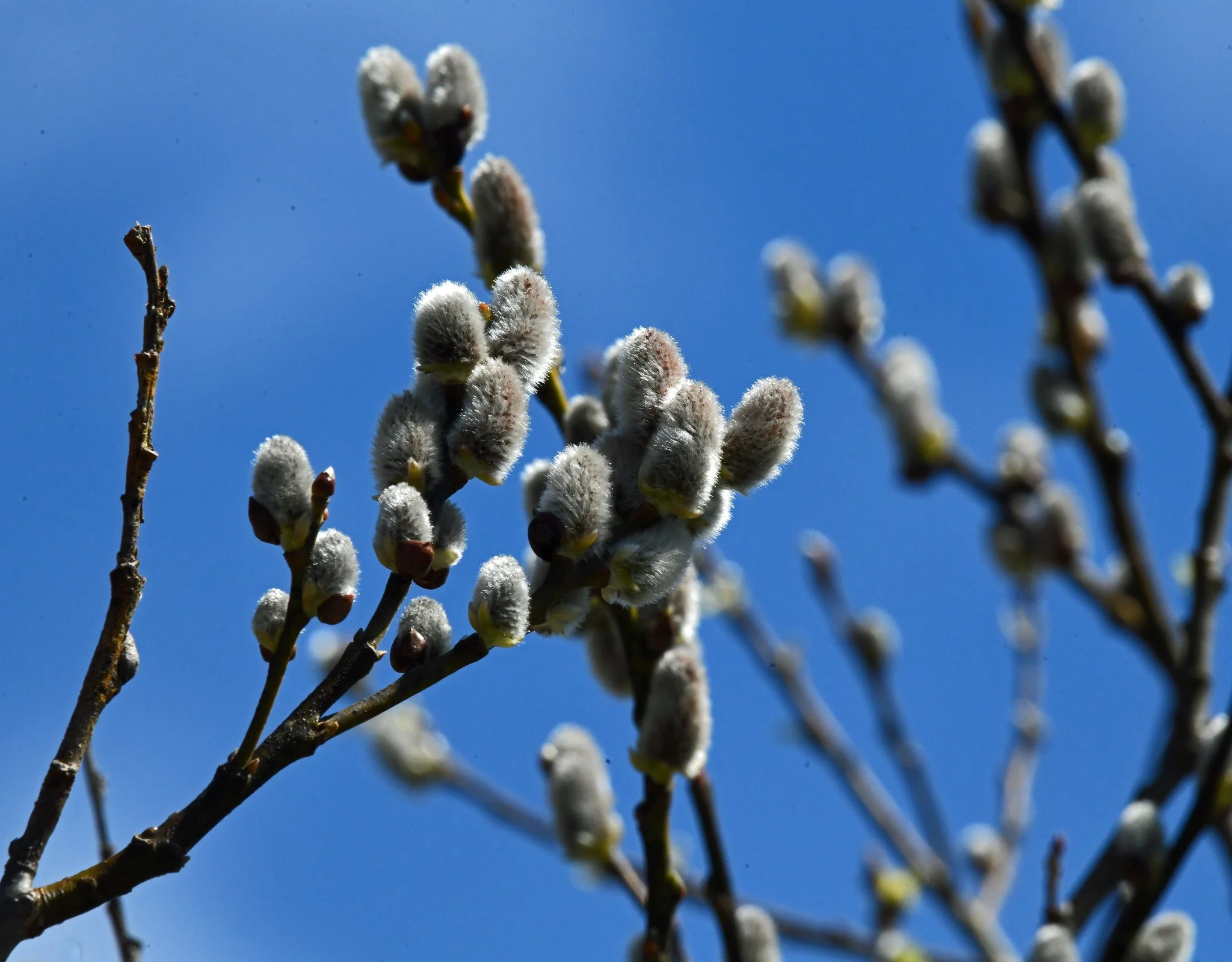
Pussy willow catkins are profuse now on Salix discolor shrubs. They’re beneficial to our earliest pollinators, one of which (a mining bee?) can be seen in this image by those with sharp eyes:

The soft, cats’-paw-like catkins are weather-protecting coverings that only grow on the male shrubs. The female shrubs have hairy green flowers that are caterpillar-like. The male cats’ paws soon will open and spew enormous amounts of powdery yellow pollen into the wind to fertilize the nearby female shrubs and give allergy-prone humans sneezing fits.

These shrubs reportedly host up to 18 species of butterflies and moths. Their bark contains salicin, an aspirin-like substance that has been used for centuries to treat human inflammation and pain. (Images taken in Brooklin, Maine, on April 14, 2026.)

Comment

Comment

In the Right Place: The Price Is (Not) Right

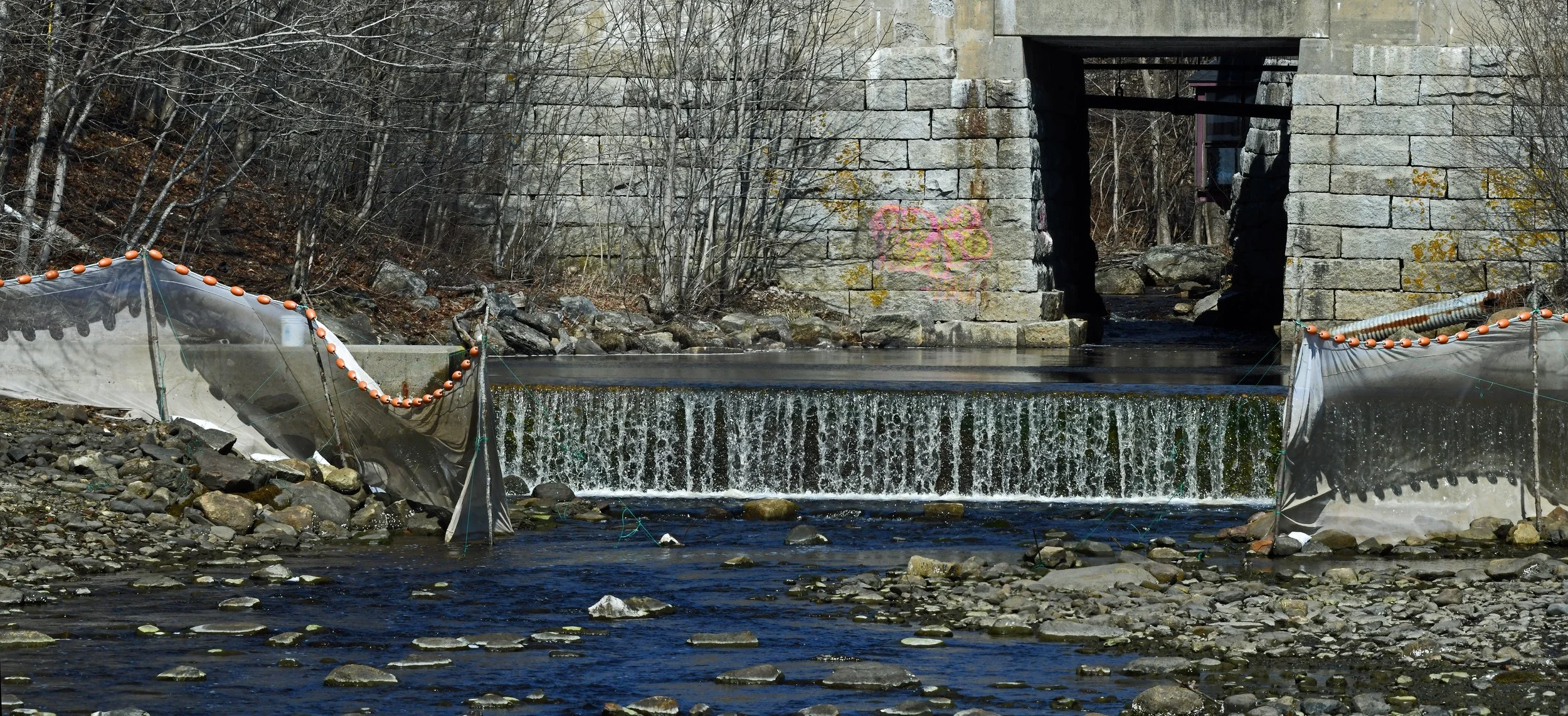
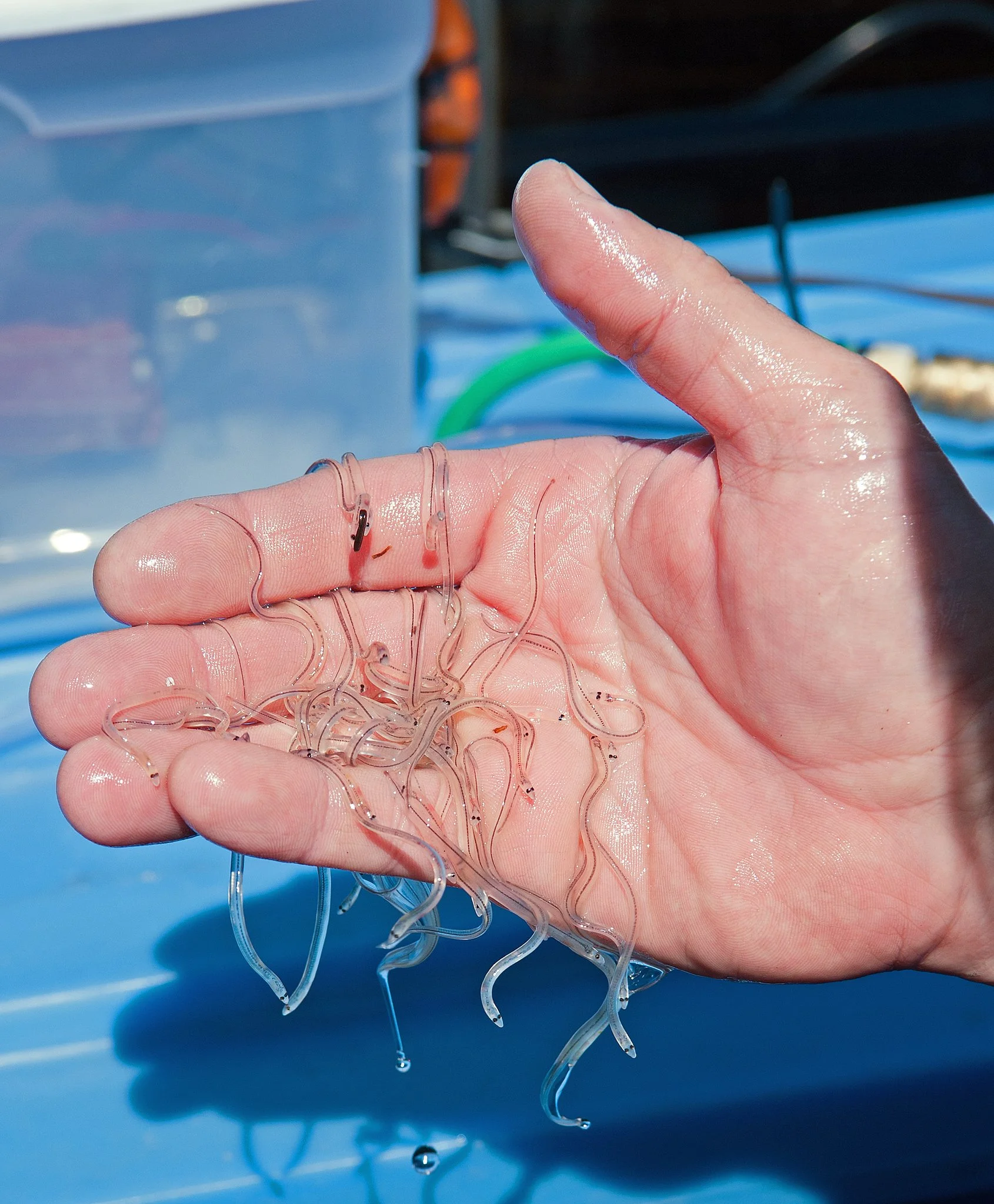
Below you’ll see Fyke nets in Blue Hill’s Mill Stream. At high tide, they’ll try to capture migrating young American eels known as glass eels or sometimes as elvers. Most of them are sold into Asian markets, where they are farmed to maturity and then sold as delicacies.

The average price to Maine fishermen for glass eels peaked at over $2000 per pound in 2023. As of April 11, 2026 (the latest state preliminary price data), it was reported to be down to $197. This fishery, once considered lucrative and important to the state economy, apparently is in trouble.

The season this year is scheduled to extend through June 7. Maine only allows 425 fishermen to hold the licenses necessary to take a quota of migrating eels during a season. As original license holders drop out, they’re replaced by applicants who are chosen by lottery.  

The reasons for the low prices may be varied, but the market for the baby eels seems to be glutted. Timothy Larochelle, a veteran Maine glass eel fisherman and fishery advocate from Woolwich, thinks that “the low price has a lot to do with Illegal fishing in Canada and Haiti the past few years.” An internet search indicates that he may be right.

(Image taken in Blue Hill, Maine, on April 10, 2026.)
Comment

Comment

In the Right Place: In the Shop, III

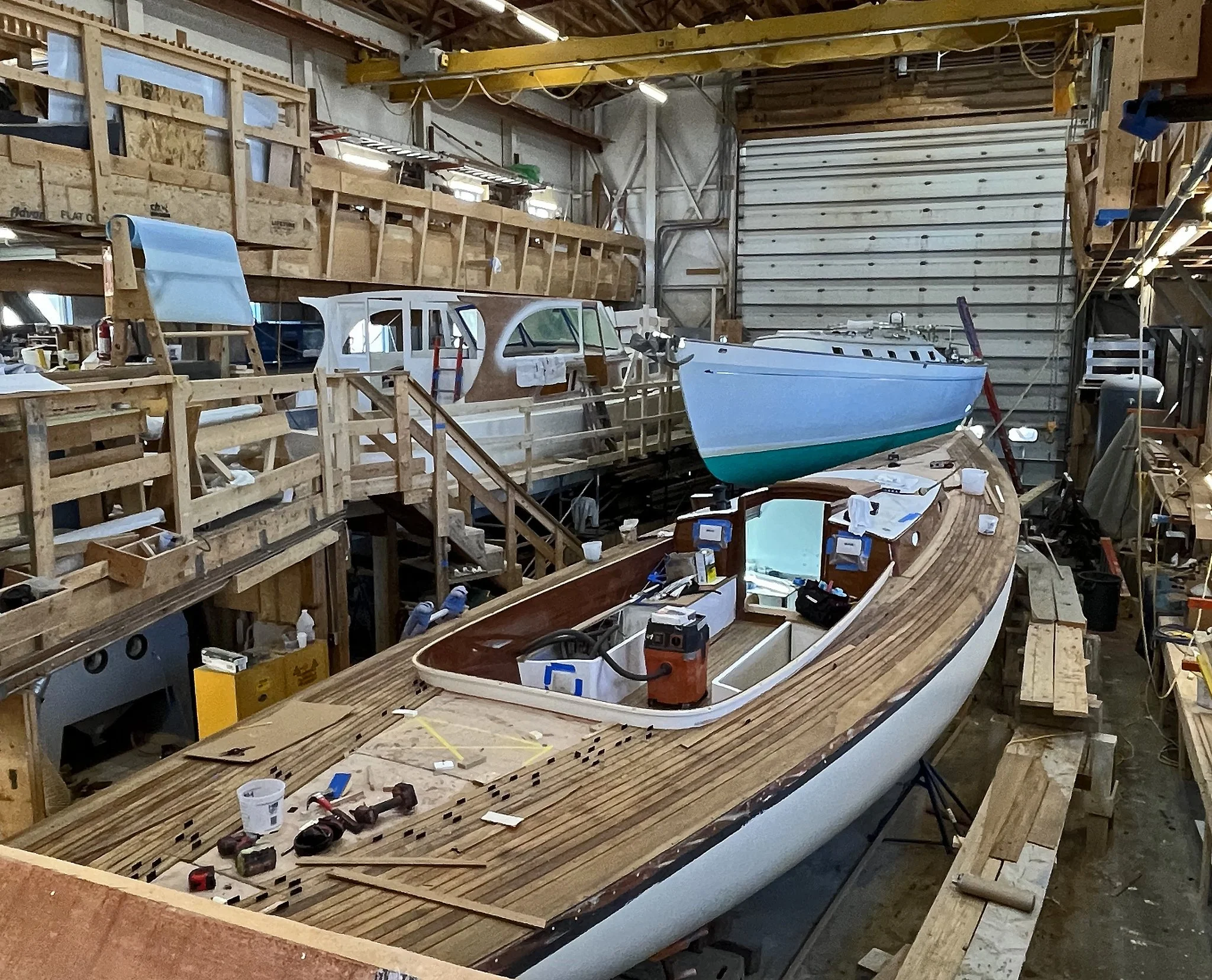
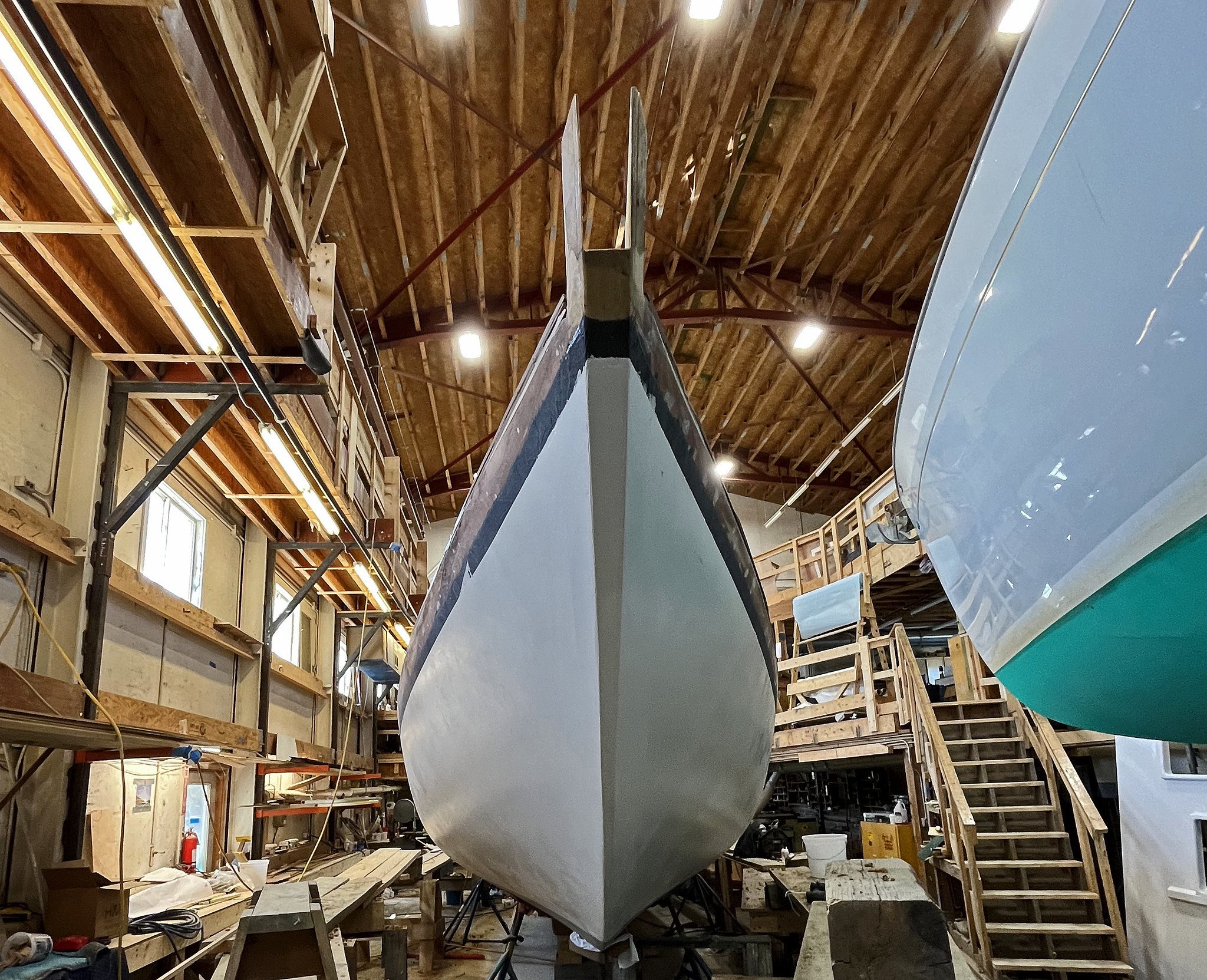
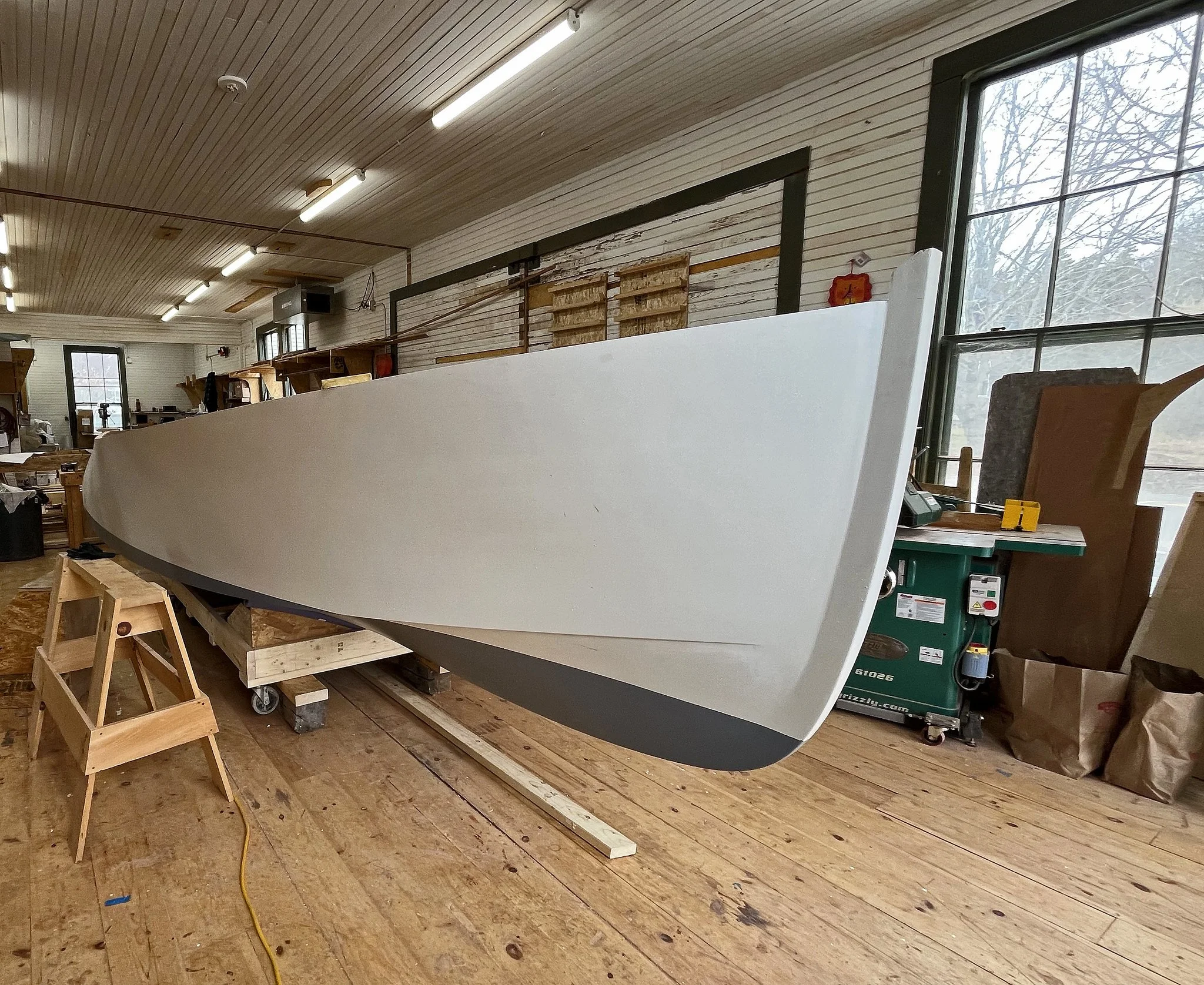
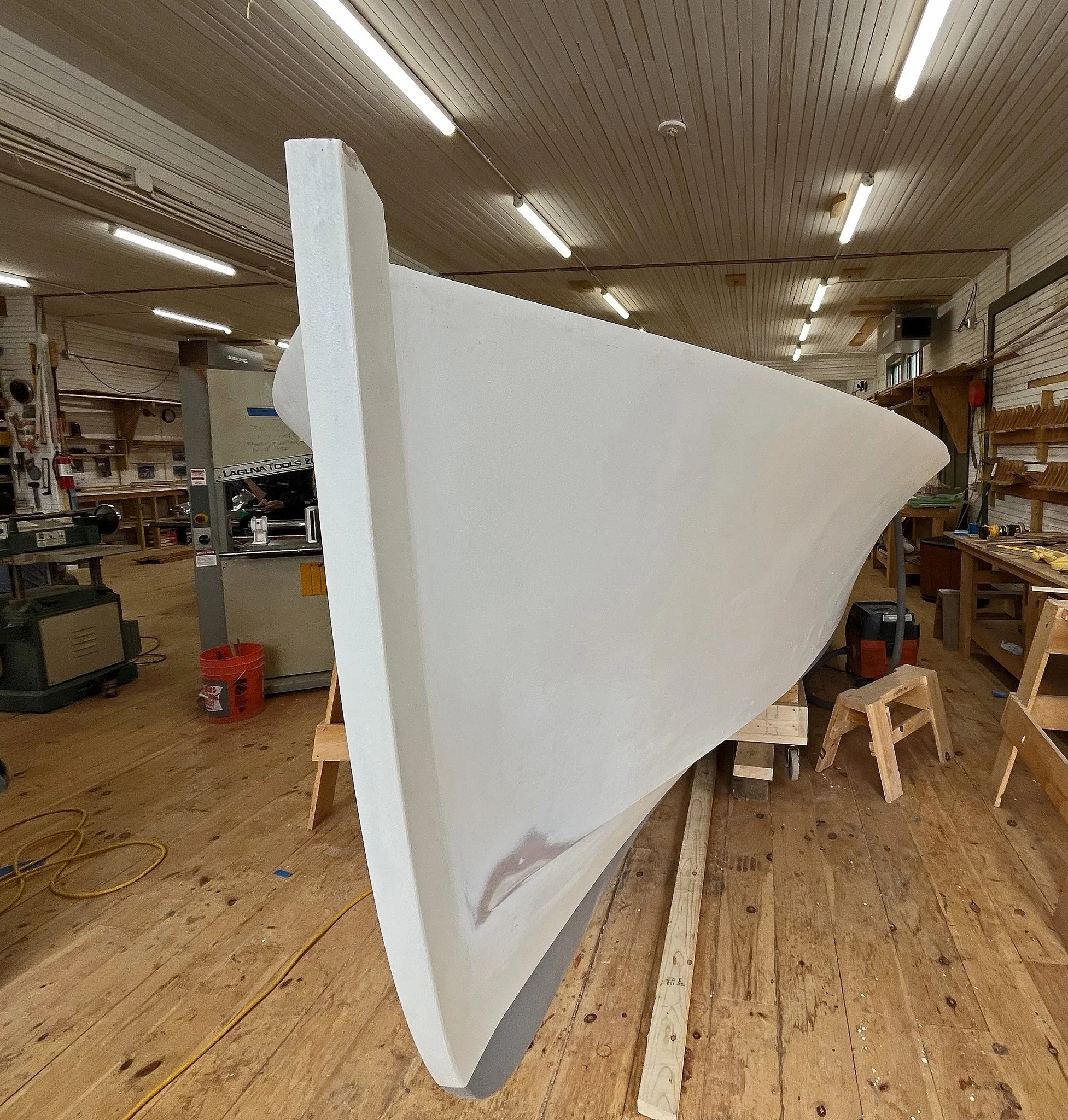
We’ve been following the creation of DYLAN, the Brooklin Boat Yard-designed boat in the foreground of the above image of BBY’s main shop. She seems to be coming along nicely. By summer, DYLAN will be an exquisite Eggemoggin 47+ (overall length 47’6”), the third such racing sailboat in that class.

The green-hulled sailboat being repaired to DYLAN’S left is ZINGARA from Belfast, Maine. She’s a 45’ racer/cruiser that’s considered to be a "Spirit of Tradition" yacht -- a vessel that combines a classic design with modern materials and performance technology.

Being created to the left of ZINGARA is a 47’ Express Cruiser designed by BBY, a sleek power boat that apparently hasn’t been named yet. She also seems to be coming along nicely. She’s in line to be completed soon after DYLAN. See also the image of DYLAN’s graceful bow:

(Images taken in Brooklin, Maine, on April 9 and 12, 2026.)
Comment

Comment

In the Right Place: Fair-Weather Friends

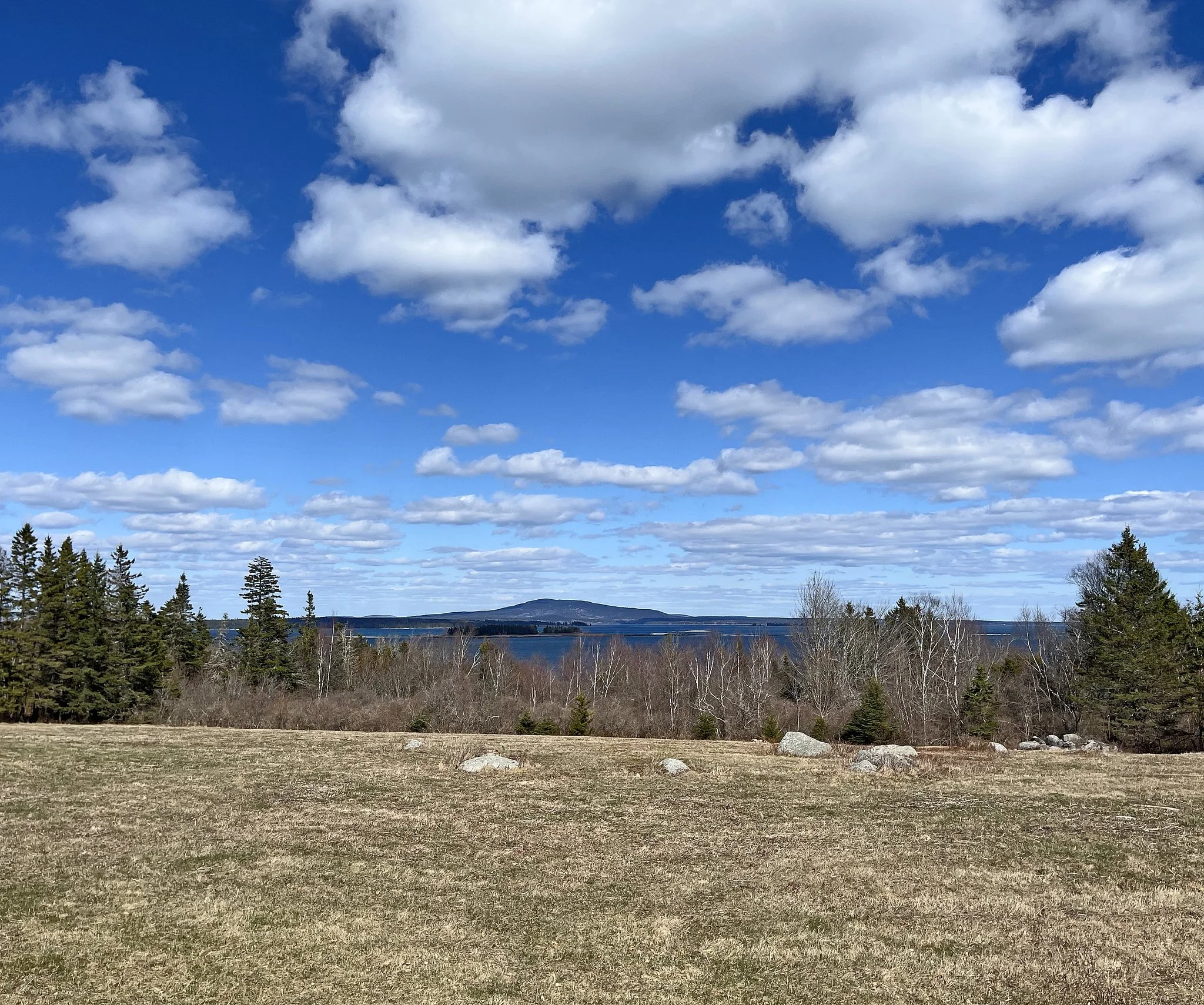
Above, you see stratocumulus clouds on parade yesterday above the near mountain called Blue Hill. Below, you’ll see that the parade began over the Atlantic Ocean and also passed in review of the western mountains of Mount Desert Island:

As you probably know, stratocumulus clouds are a combination of "stratus" (layered) and "cumulus" (puffy) clouds. They usually are happy clouds that come by in fair weather, but, like all of us, they occasionally get moody and bring light drizzle, mist, or insignificant snow. (Images taken in Blue Hill and Brooklin, Maine, on April 11, 2026.)
Comment

Comment

In the Right Place: Hatching of the Nutty Kind

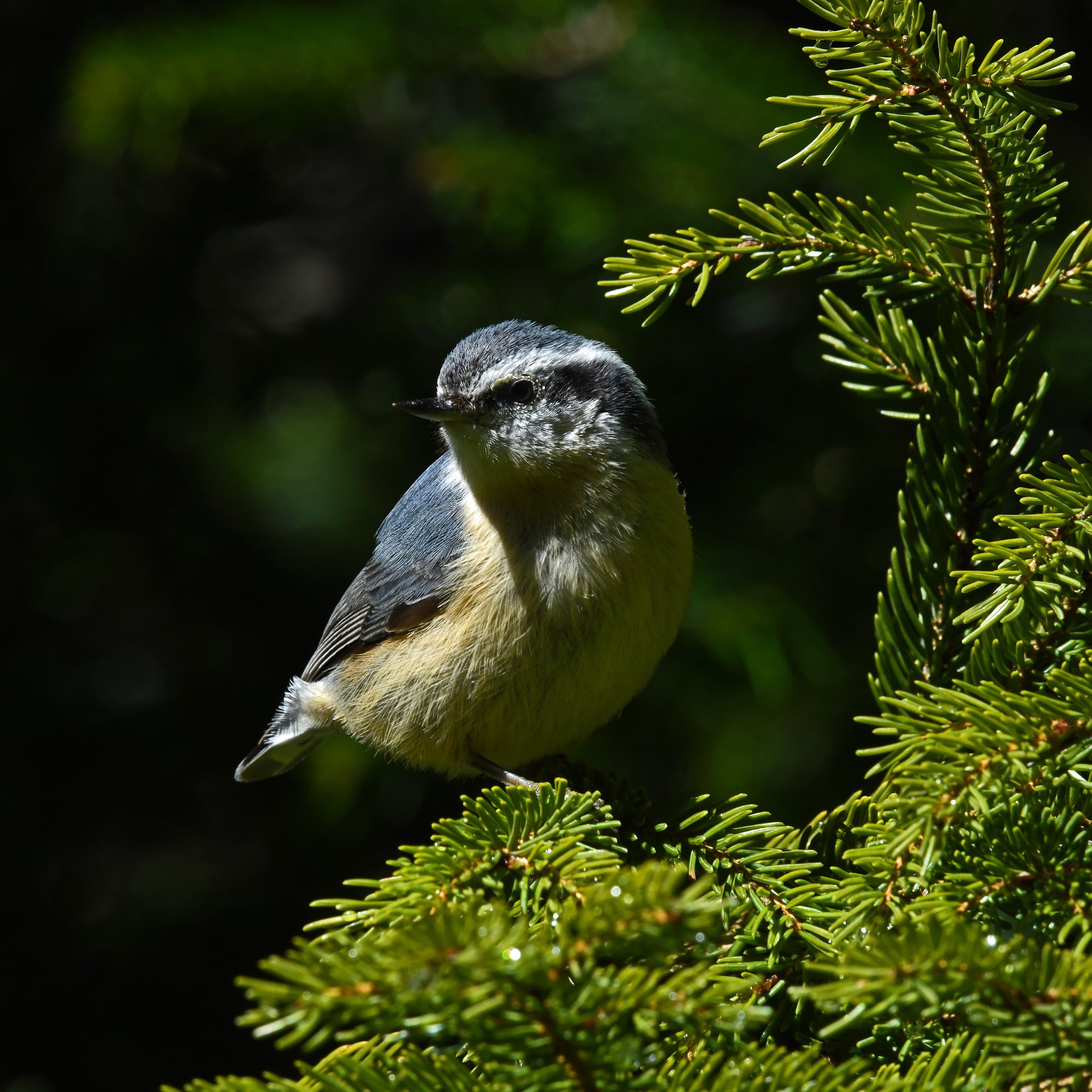
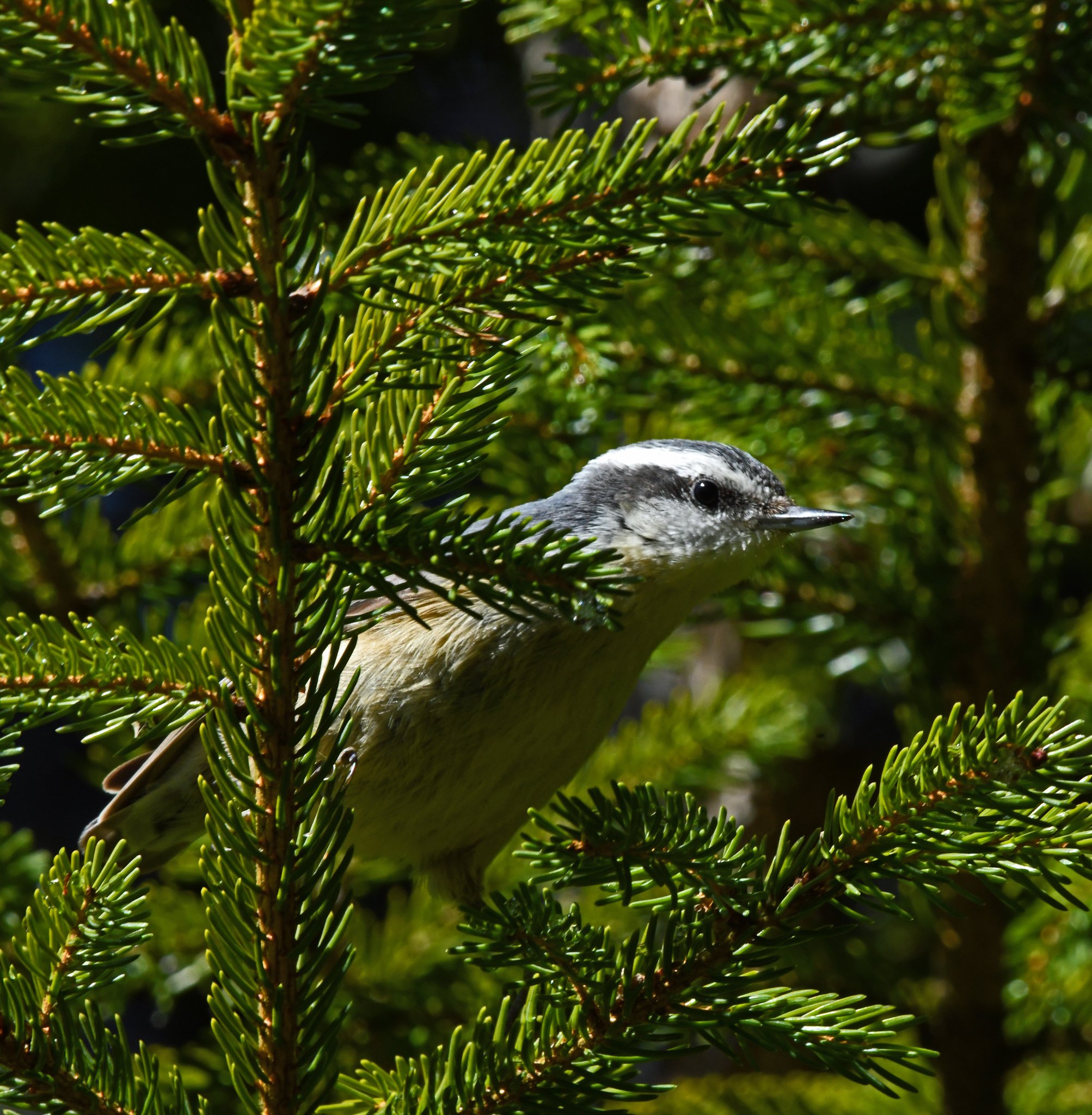
Above, you see a red-breasted nuthatch; you’ll see its mate ibelow. The pair buzzed me repeatedly this week; they apparently have staked out a nesting area near one of my favorite trails. In Maine, we also have white-breasted nuthatches that have (you guessed it) white breasts instead of rusty-red ones.

Nuthatches are known for moving headfirst down tree trunks. They’re diminutive (less than 5” and less than 5 oz.), but surprisingly aggressive. I’ve seen one get in the face of two bully blue jays and chase them off a feeder.

Contrary to what you infer from their name, Nuthatches don’t try to hatch nuts like eggs. They’re named after the Middle English term for their habit of "hacking" or "hatching" open nuts and large seeds by wedging them into tree bark crevices and hammering them with their sharp, strong bills. (Images taken in Brooklin, Maine, on April 8, 2026.)
Comment

Comment

n the Right Place: Pooling Resources

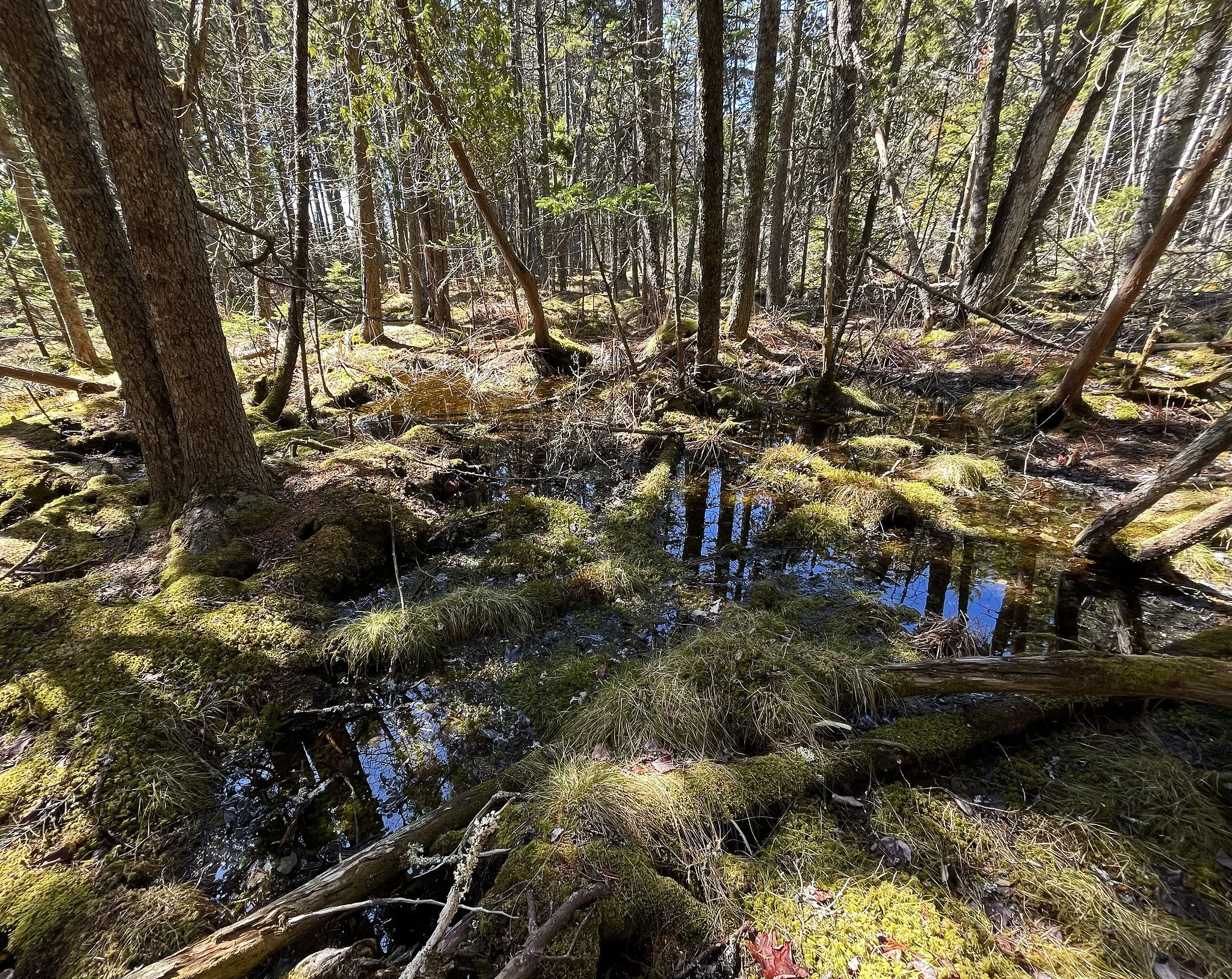
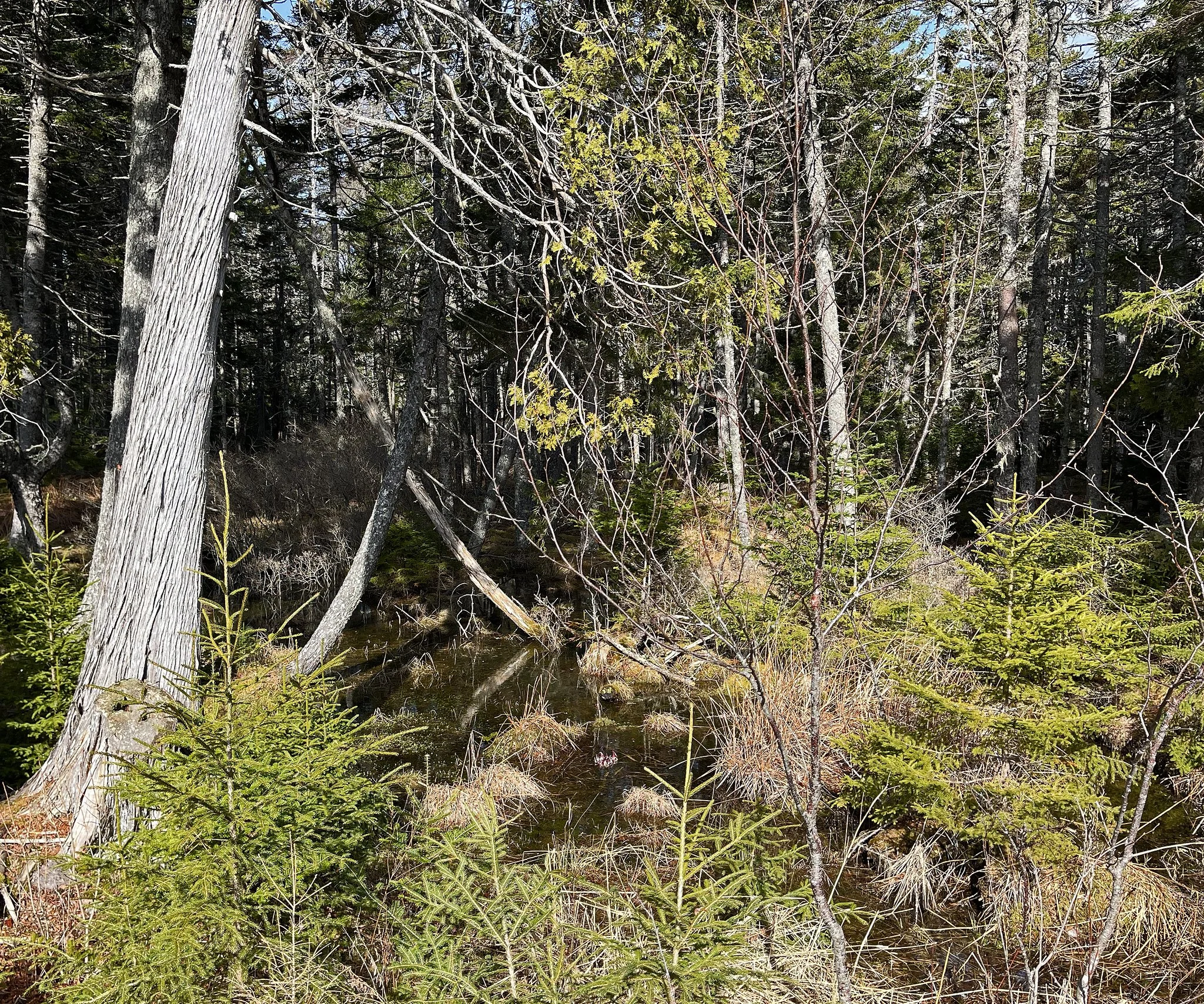
Above and below are images of some of our vernal pools where amphibians return in the spring each year to ensure the survival of their species. This year, the pools seem to have less water than prior years. Otherwise, they appear ready.

Vernal (spring) pools typically are small and temporary bog pools that appear in spring and fall and host a great diversity of wildlife. They’re disappearing in Maine and elsewhere, primarily due to the encroachment of human development. Since 2007, Maine has designated and protected “Significant Vernal Pools” by regulation under its Natural Resources Protection Act. Last year, the Maine legislature enacted a law that established a 100-foot “no disturbance” zone around these Significant pools.

Maine’s vernal pools are critical breeding and feeding habitats for salamanders (spotted, blue-spotted and four-toed); frogs (spring peepers, wood, green, gray tree and bull frogs), as well as American toads.

Other fascinating creatures rely on these wet Maine habitats for parts of their life cycles, including fairy shrimp, fingernail clams, garter snakes, herons, raccoons and diving beetles. Even moose use vernal pools as an early season opportunity to cool off, avoid insects and browse on emerging vegetation.

The first warm, rainy spring nights in coastal Maine trigger massive nocturnal migrations of amphibians to their local vernal pools to breed. Concerned citizens traditionally guess when that activity will peak and designate one or more nights as “Big Nights” to go out and help their tiny neighbors cross dangerous roads. Around here, a Big Night is scheduled for tomorrow.

(Images taken in Brooklin, Maine, on April 7 and 8, 2026.)
Comment

Comment

In the Right Place: Flakey April

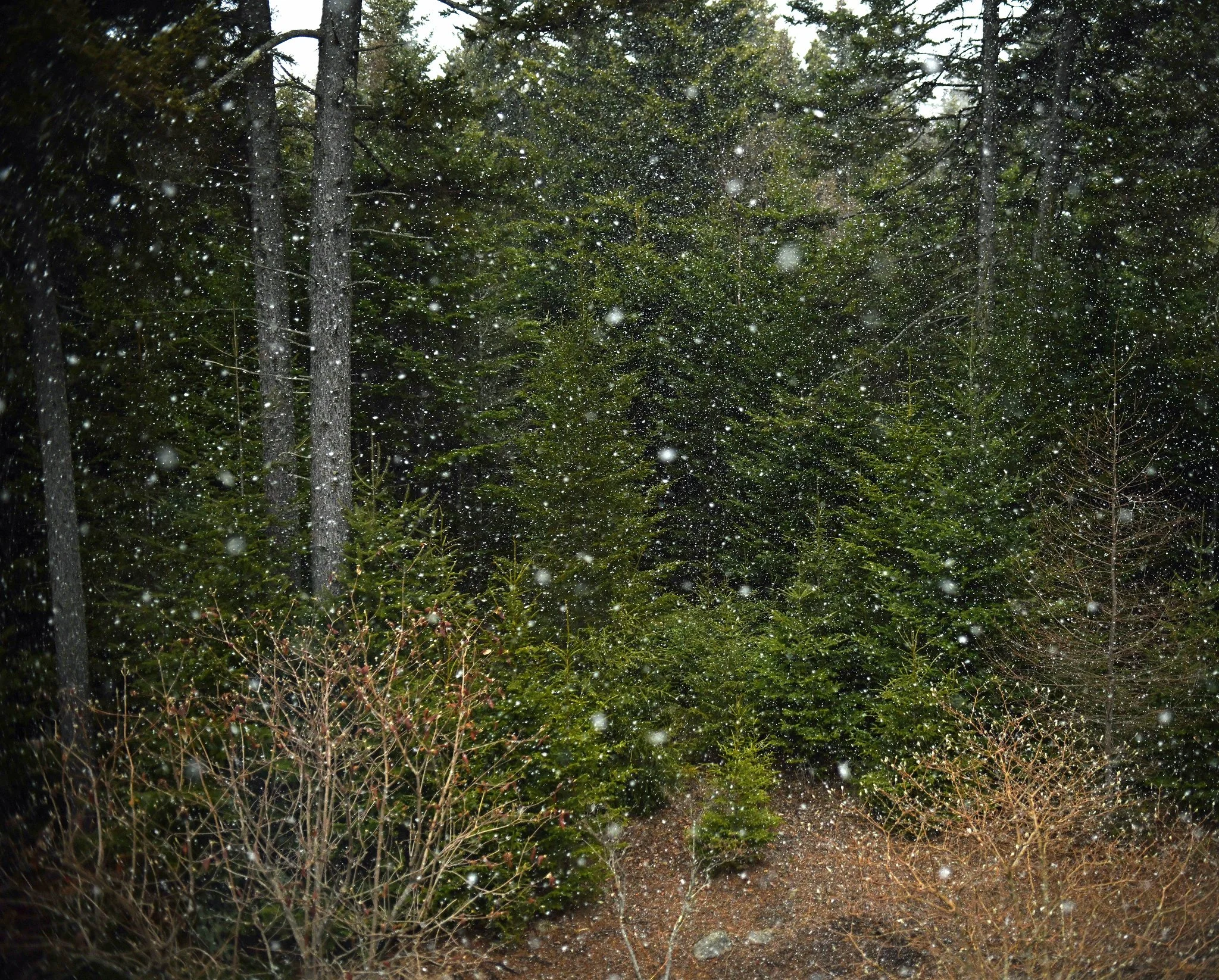
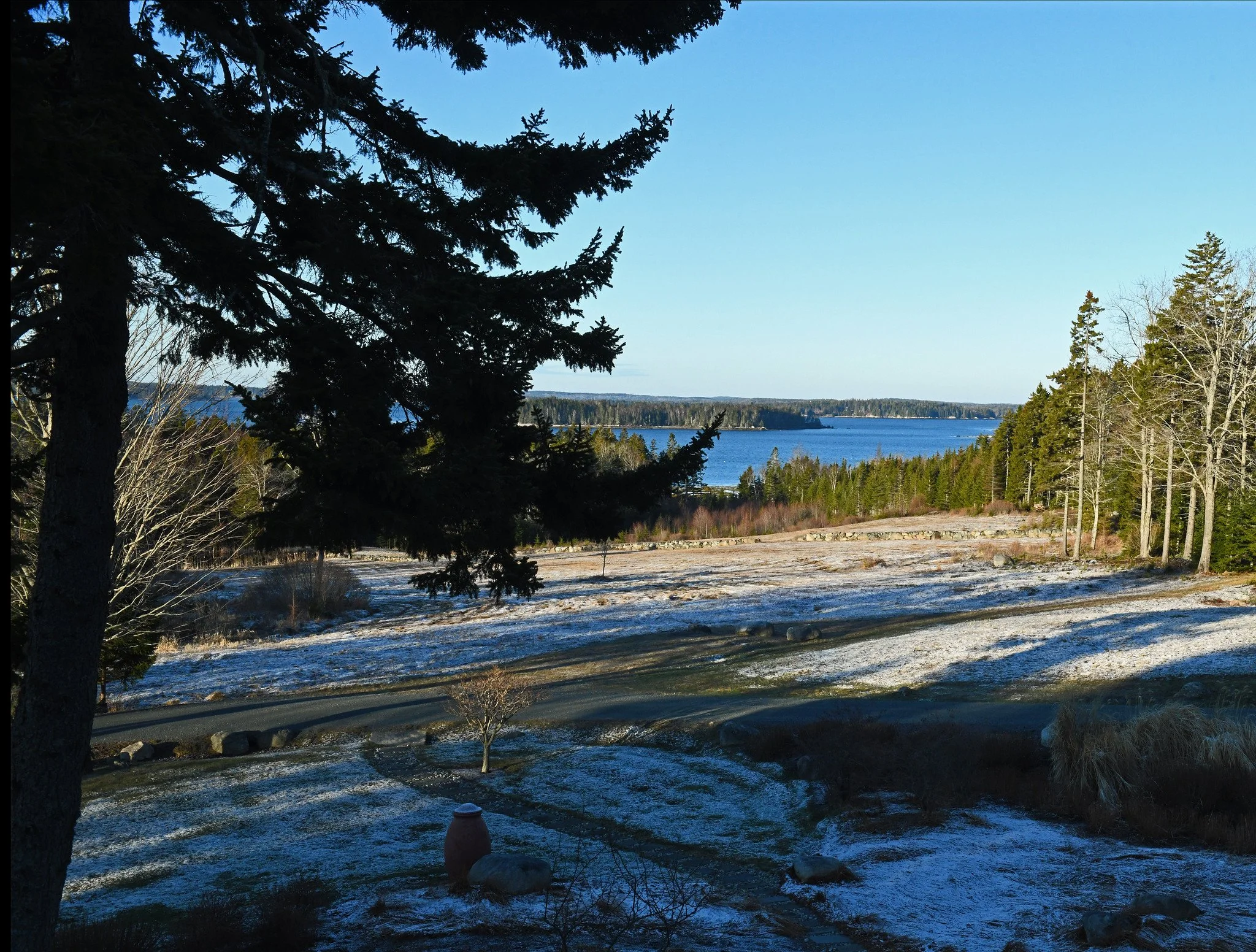
Here you see it snowing yesterday while the temperature was mostly above freezing. No one was astonished. Millions of small, light snowflakes wafted beautifully down. Most of them suffered the ignominious fate of becoming wet spots on the ground. Some flakes survived: Our north field at first light this morning made us want to have sugared pastry for breakfast:

All of that sugaring probably will be gone by this afternoon. But, we’ll probably get more snow this month and maybe a significant storm, if history is prologue.

While April often brings warmer weather to Down East Maine, heavy snowstorms during the month are not unusual here. According to precipitation reports, significant snow (6+ inches) happens here in April about 22 percent of the time, and measurable snow has occurred in about 20 of the last 30 Aprils. We had a near-blizzard here in April of 2024; it dumped 12–18+ inches on us and other parts of the state.

(Images taken in Brooklin, Maine, on April 7 and 8, 2026.)
Comment

Comment

In the Right Place: Bernie & Bernice, I

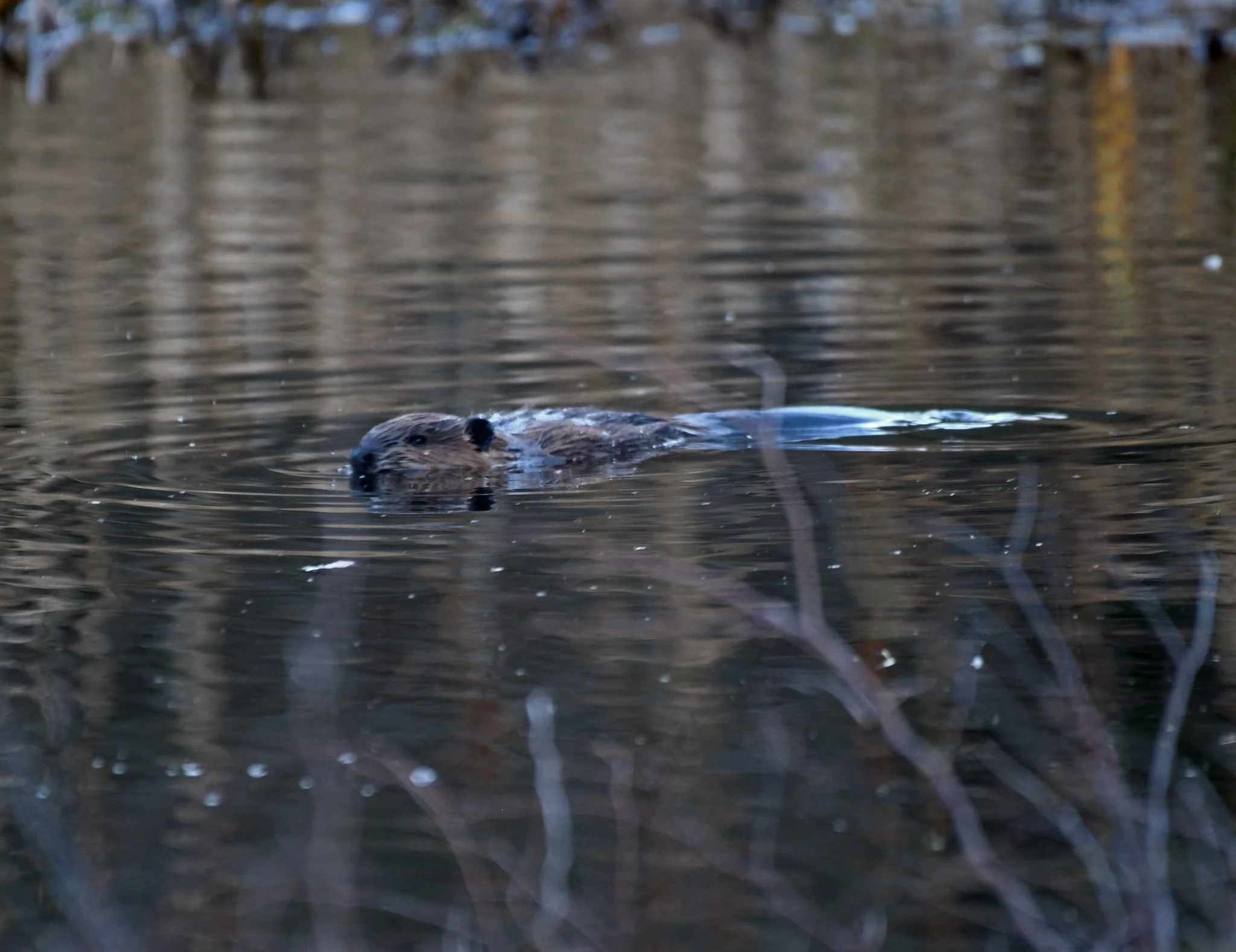
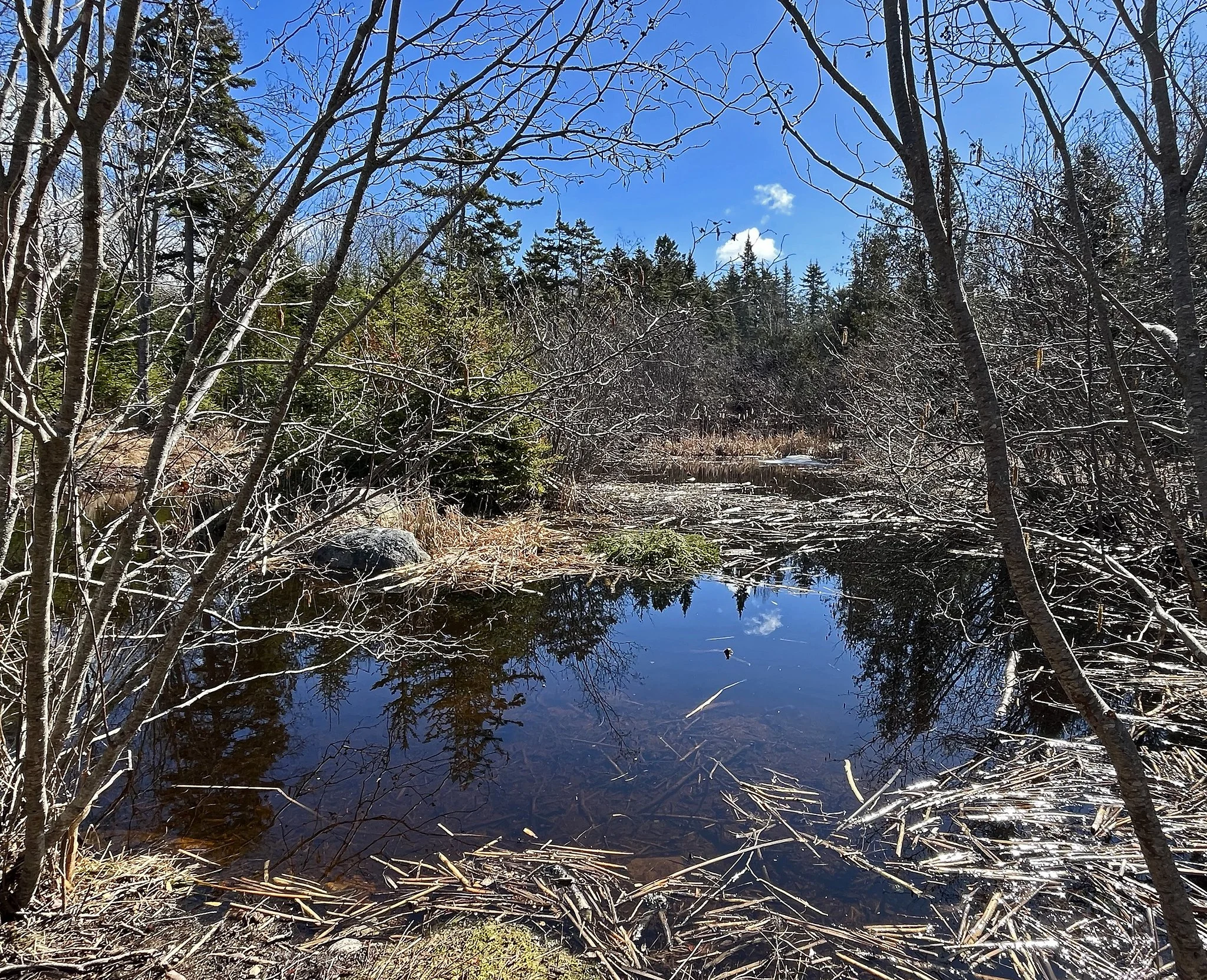
This first report of 2026 on Bernie and Bernice Beaver is premature, but I’m getting many questions from their concerned FaceBook fans now. Above you see my last photo of one of them, taken at dusk in Novembe. There’s not much to report for this spring yet. Below is an image of B&B’s pond, taken yesterday:

As you see, the ice in their pond is virtually out and their half-built lodge was destroyed by weather and coyotes in the winter. I haven’t seen either beaver yet, but I’ve seen plenty of beaver tracks that indicate at least one is active, probably at night. There also seem to have been new tree trunks, branches, cattail blades and evergreens on their lodge foundation every morning lately. My guess (and hope) is that both survived the winter.

These sightings are consistent with what I‘ve seen and read about American beavers. April is a time of transitioning from their winter routines to spring activities, a time  when they’re focused primarily on repairing winter damage, foraging for fresh spring growth, and preparing for the birth of their young.

Beaver kits in Maine are typically born in spring, primarily during late May and June, with some born as early as April or as late as July. Females reportedly give birth to an average of four kits per litter, which are born with full fur, open eyes and (of course) sharp teeth. (Images taken in Brooklin, Maine, on April 6, 2026, and November 18, 2025.)

Comment

Comment

In the Right Place: Yahoo!

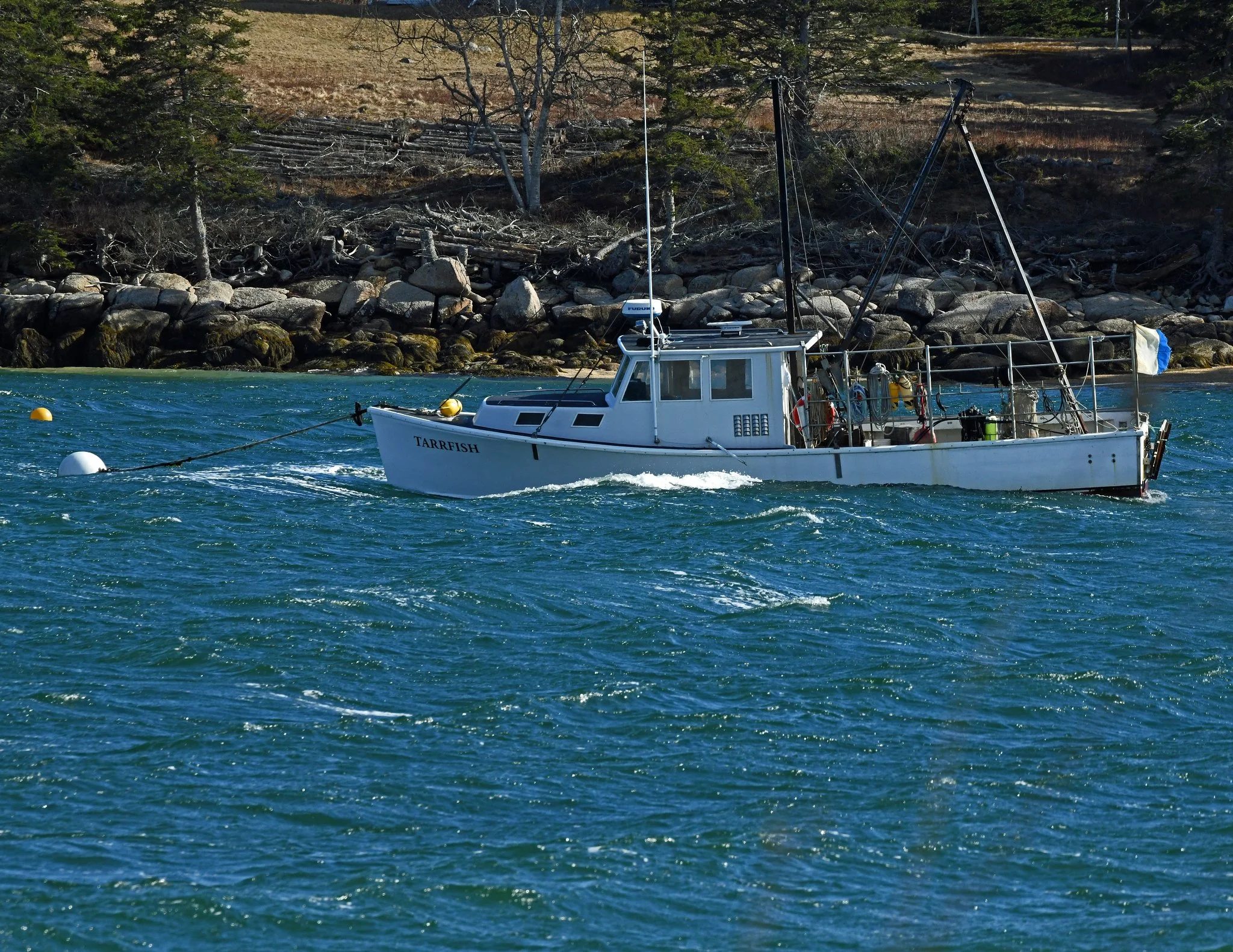
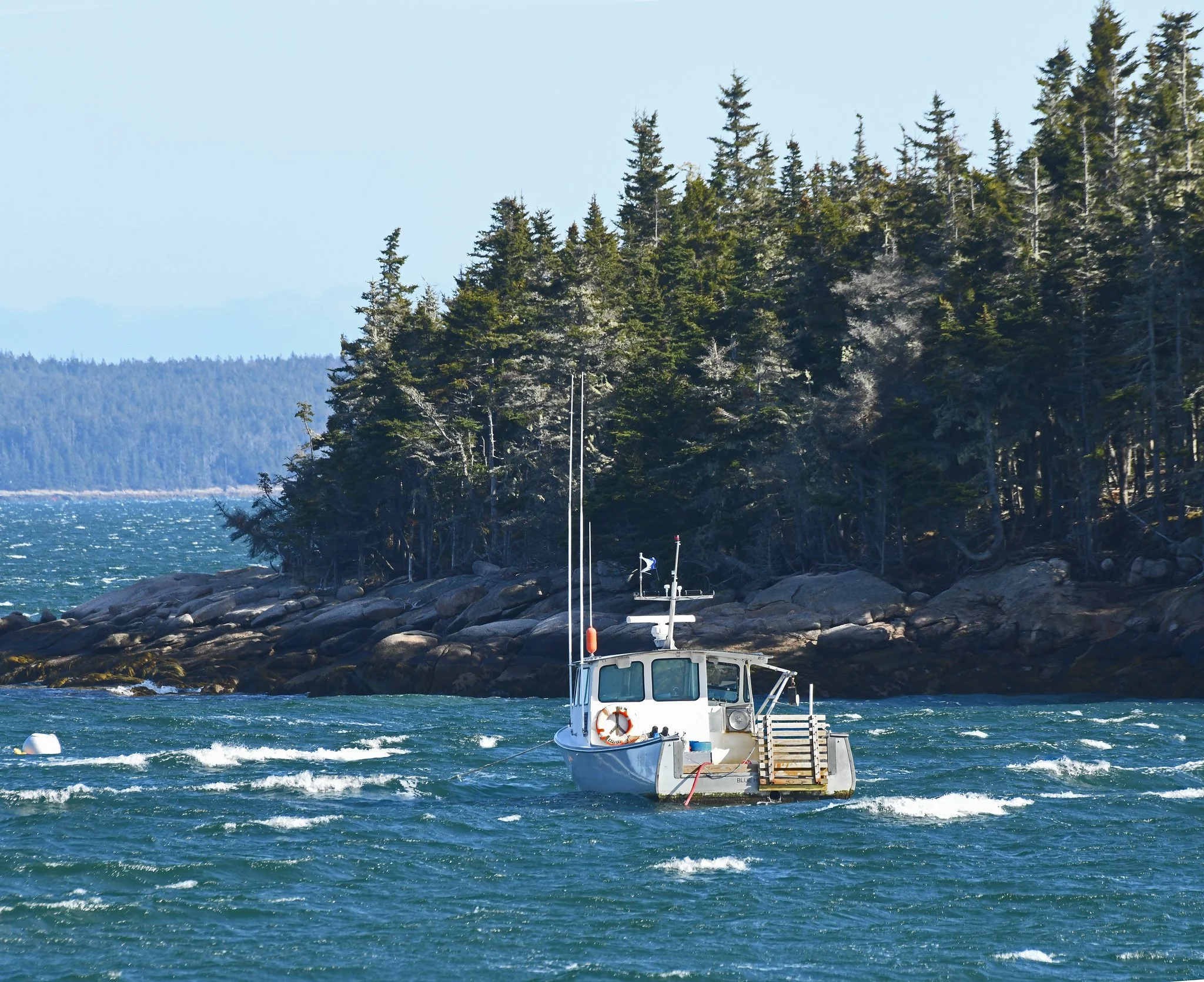
Here you see the fishing Vessel TARRFISH pulling, bucking and swinging on her mooring in Naskeag Harbor during Saturday’s high winds. About 200 feet away, FV ALL-IN also was acting like a lassoed wild horse:

I’m not sure what mooring gear these Brooklin boats are using, but it must be substantial. The literature indicates that lobster boats typically use heavy-duty gear designed for stability and 360-degree swings into tides and winds.

The anchors commonly are 2,000-to-4,000-pound blocks of concrete or granite, or mushroom/helix anchors on the seafloor, The anchors usually are connected by heavy galvanized ground chains, shackled to lighter top chains that are connected to the ball buoys. Swiveled inter-connections prevent chain twisting. Heavy duty rope or a poly steel line finished with anti-chafing gear links the buoy to the vessel’s bow.

Note that both of these boats fly blue and white International Alpha Signal Dive flags; these indicate that wetsuit diving is done from the vessels.  (images taken in Brooklin, Maine, on April 5, 2026.)
Comment