Comment

In the Right Place: To Have Bees or Not to Have Bees?

That is the disturbing question in Maine and other areas where the decline of bee populations may have profound consequences.

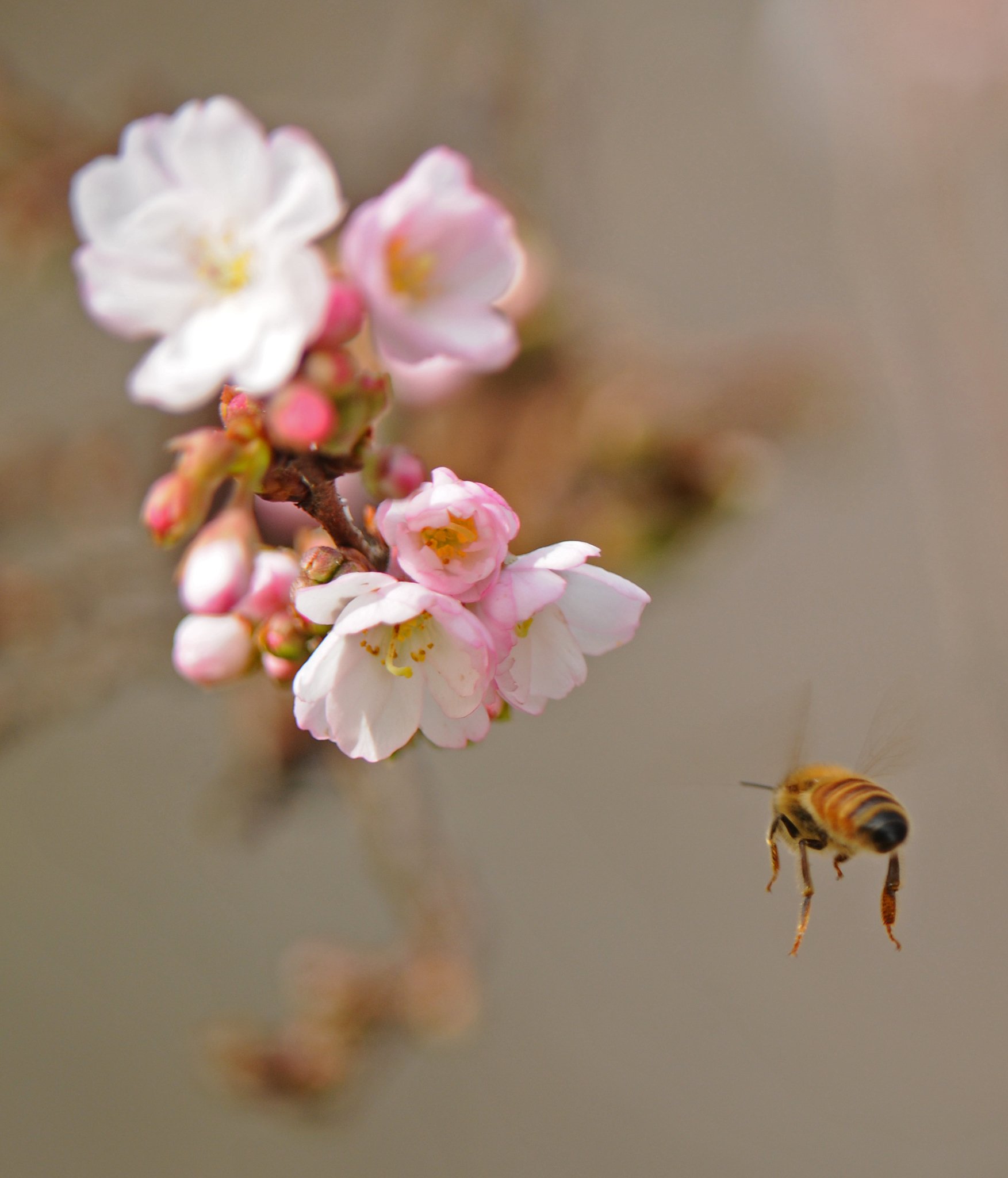
It also is the subject of my monthly column in the current edition of the award-winning Ellsworth American newspaper. This image of a honeybee searching for nectar appears with the column. Click on the image to enlarge it. To read the column, use this link: https://www.5backroad.com/montly-column

Comment

Comment

In the Right Place: Mourning Chimes

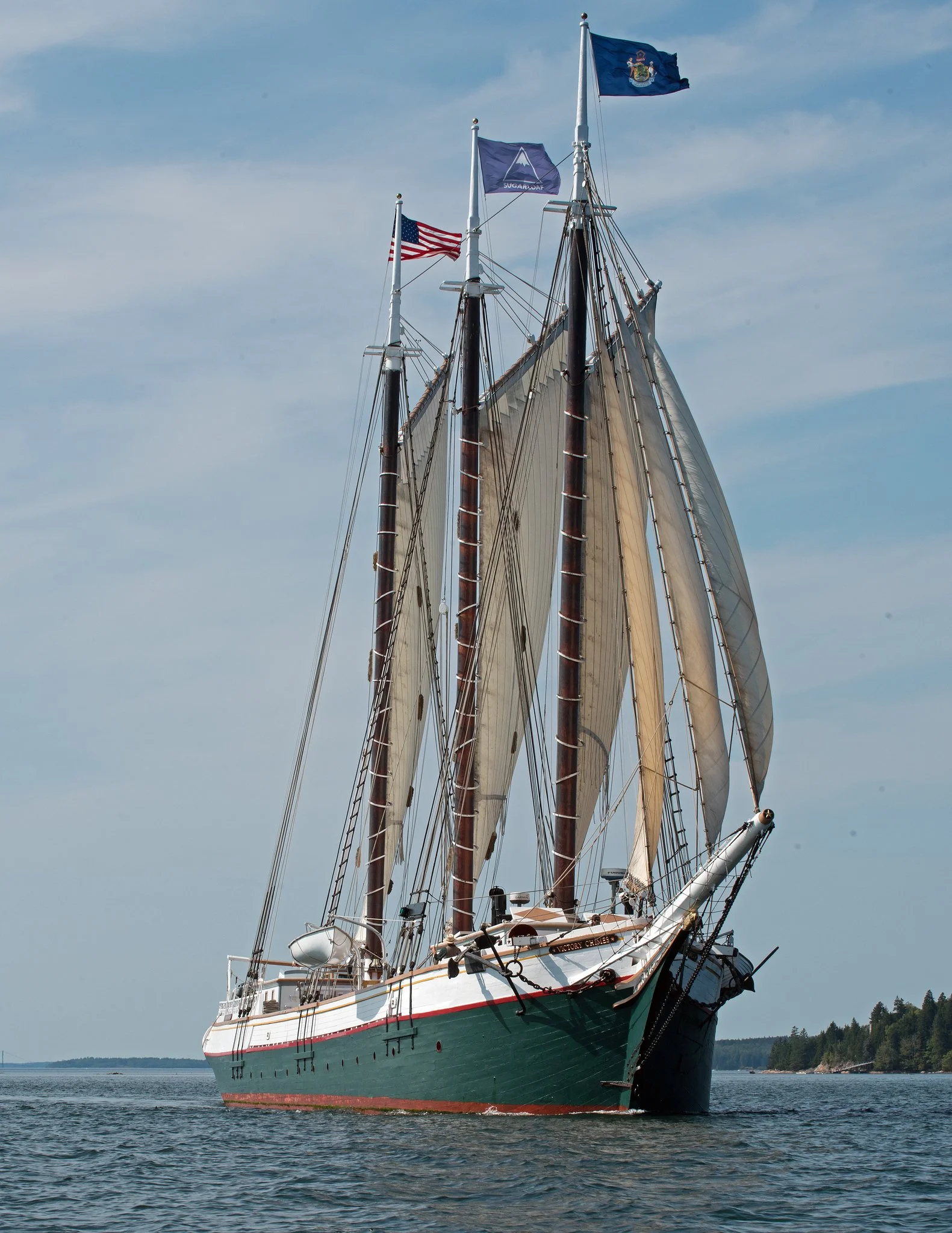
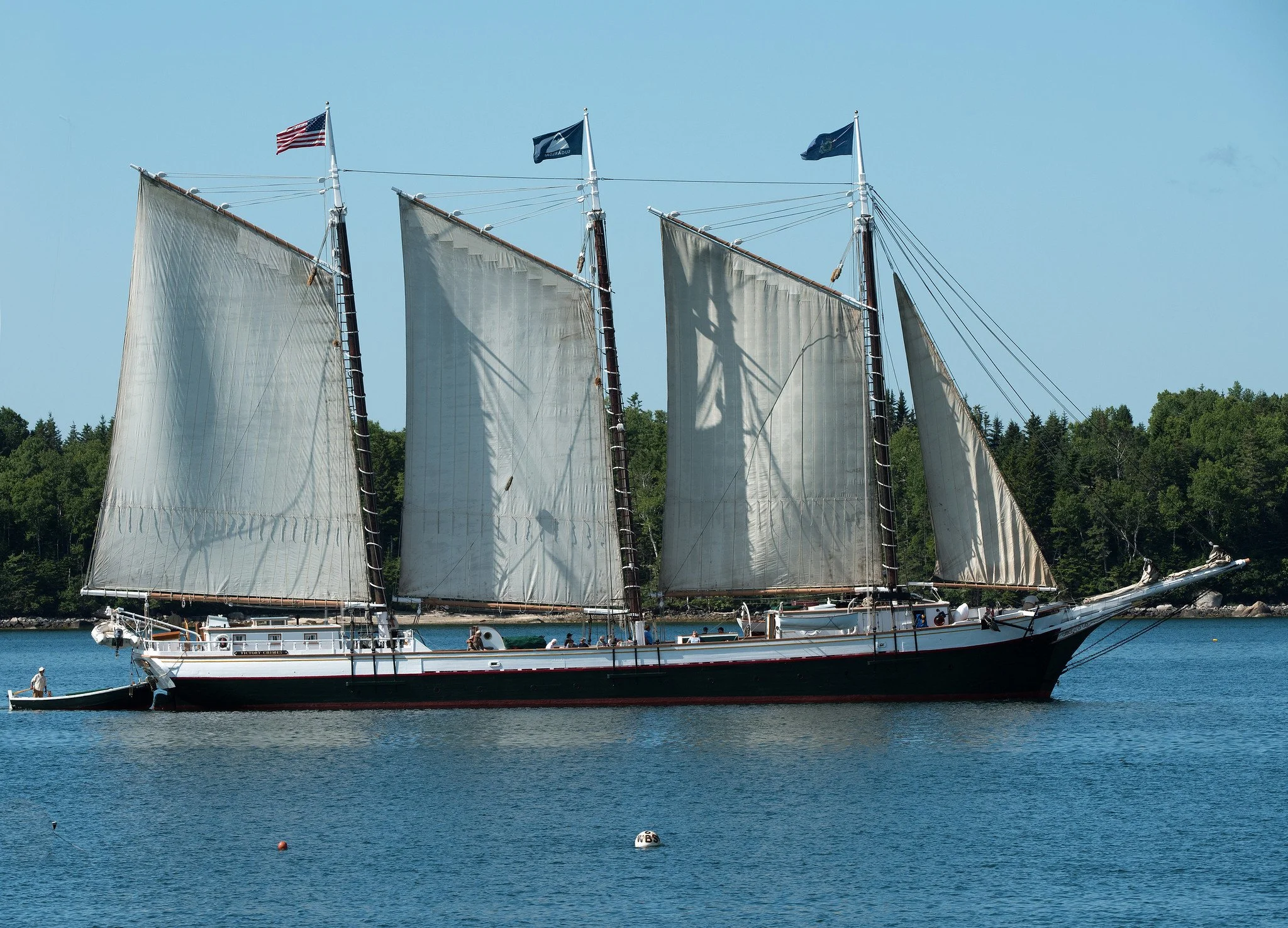
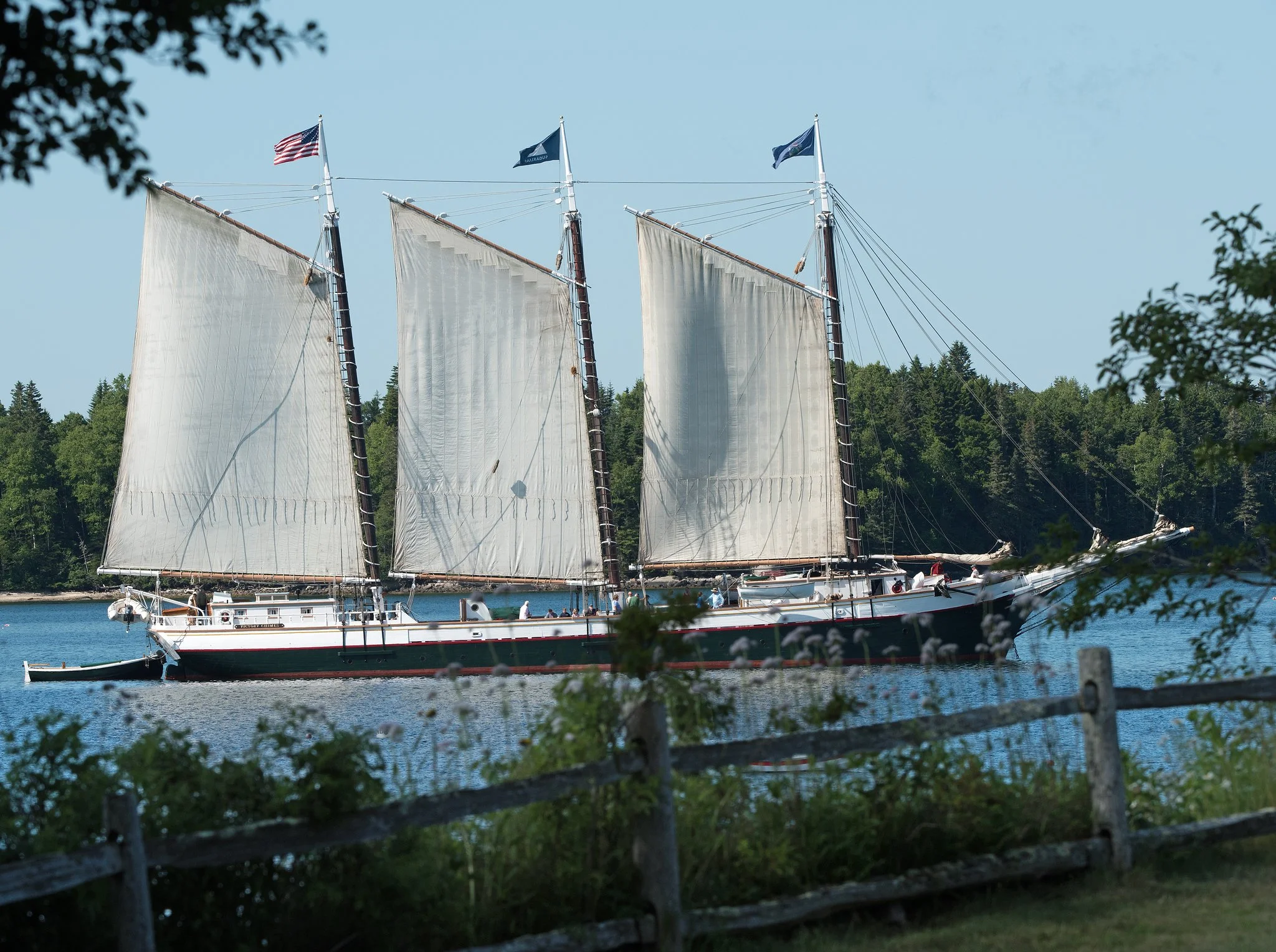
The former grand old lady of Maine’s coastal windjammer fleet has suffered yet another indignity, perhaps a fatal one. VICTORY CHIMES, shown above in her glory in Great Cove, sank in New York City during a squall over the July 4 weekend.

The schooner’s current owners, who have been less than credible in prior statements about this historic vessel, reportedly are saying that they hope to salvage and restore her as a restaurant. That means, at best, she’ll never sail again.

Yet, the CHIMES had a varied and memorable sailing life for well more than a century. She was a frequent visitor to Great Cove during fleet sail-ins and on individualized cruises when her passengers toured the renowned WoodenBoat campus. I last photographed her in the Cove in 2022. I’ll try to memorialize her long life’s highlights from published sources.

The CHIMES is the gaff-rigged, three-masted schooner featured on the 2003 commemorative “Maine quarter” (25-cent piece). She was the last surviving Chesapeake Ram schooner and was a registered National Historic Landmark. She was a “sails-only” vessel: She never had an internal engine; her motorized yawlboat pushed her when there was no wind or when the sails were not raised:

She was built in Bethel, Delaware, in 1900 as a 127.5-foot general cargo carrier. They  christened her the EDWIN AND MAUD, the names of the children of her first captain. She hauled such varied goods as lumber, fertilizer and coal in the mid-Atlantic coastal waters until 1945. Then, she was converted and re-launched as a passenger ship in 1946.

She was first christened VICTORY CHIMES in 1954 when she was brought to Maine for coastal cruising charters. Thirty years later, she was purchased by a Minnesota banker, who took her up to his state as a floating classroom for high-schoolers. In 1988, she was bought again and restored by the owner of Domino’s Pizza, Inc.; he re-named her the DOMINO EFFECT and used her for employee incentive cruises and business promotion.

In 1989, the old schooner was bought by two Maine captains, returned to the Pine State and re-christened VICTORY CHIMES. She was homeported in Rockland and became the icon of Maine coastal cruising and the largest ship in the windjammer fleet.

The present owners bought her at auction in 2023 when she was having difficult times. They said that they were going to fit her out as a dockside restaurant in New York City. She was towed north and eventually moored under tarps at a desolate area on the Brooklyn waterfront. The closest she ever came to being a restaurant was when she was misused to promote a pizza chain.

I bet many here on the Maine coast have trouble envisioning the VICTORY CHIMES as anything less than a long, three-masted beauty flying under full press of sail through our beautiful waters. (Images from the Leighton Archives taken in Brooklin, Maine.) See also the image in the Comment space.

Comment

Comment

In the Right Place: Summer Sipper

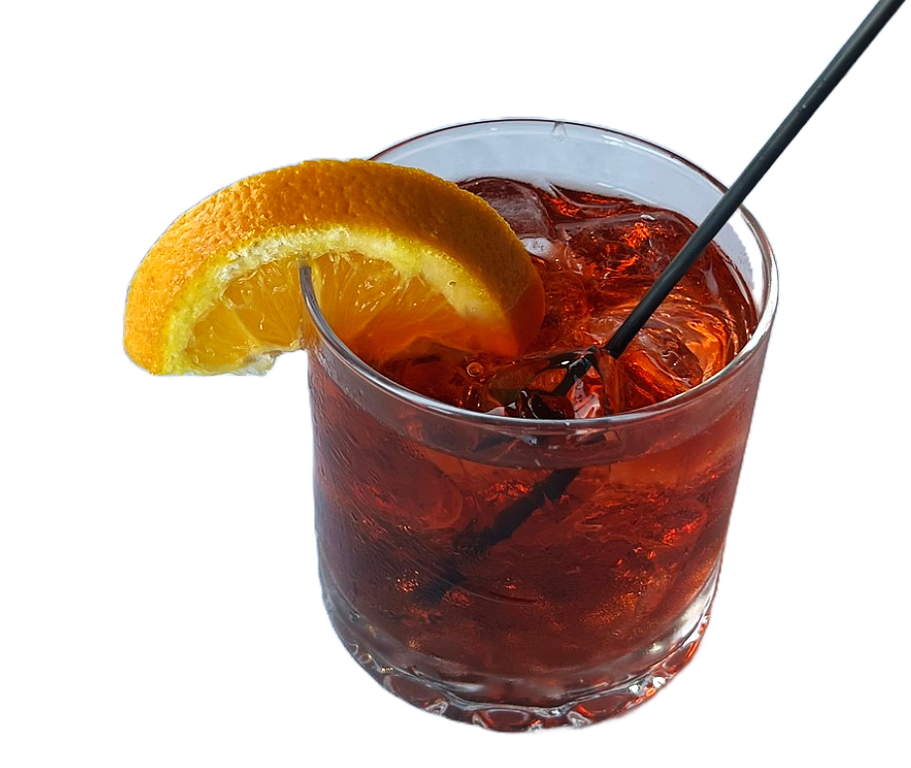
This tasted as good as it looked. So, I thought I’d change pace and post something for those few who also like a bittersweet apéritif before dinner.

This is a classic Italian Negroni, made by Marcia at The Lookout for Barbara. It’s 1 oz. Campari, 1 oz. sweet vermouth and 1 oz. dry gin. It’s mixed with ice in a mixing glass (stirred or shaken until well-chilled), strained into an old-fashioned glass over ice, and garnished with an orange slice or peel. It’s best when sipped slowly while watching the summer’s evening coming and talking softly about good things.
The folklore says that this famous drink was created for the aristocratic adventurer Count Camillo Negroni in 1919 at the Caffe Casoni on Via della Spada in Florence, Italy. (The restaurant is still there under the name Giacosa 1815.)

The Count reportedly told the bartender that he wanted his favorite cocktail, the Americano (Campari, vermouth, and club soda), but with more character: replace the soda with gin, per favore! A star was born. (Image taken in Brooklin, Maine, on July 3, 2026.) Click on the image to enlarge it.
Comment

Comment

In the Right Place: Seeing Spots

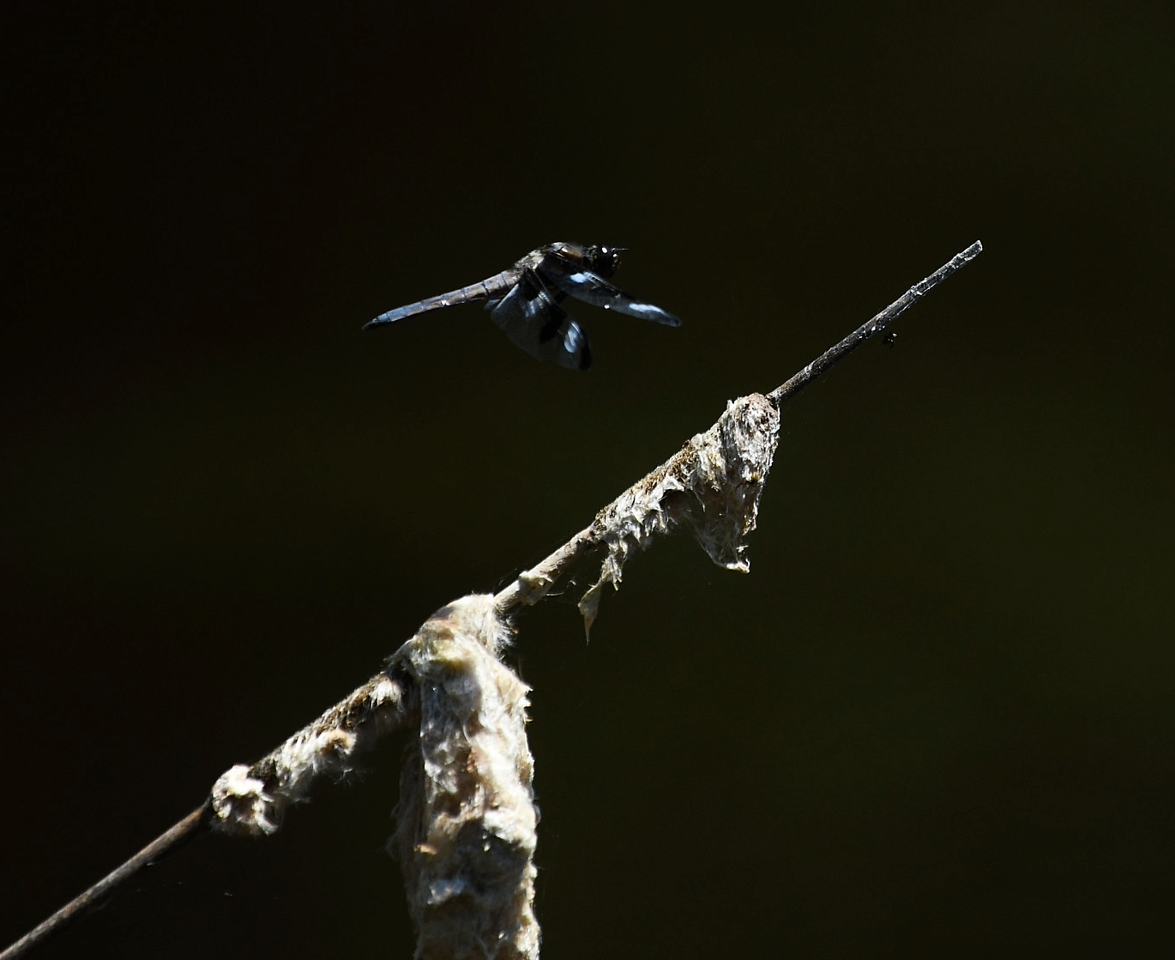
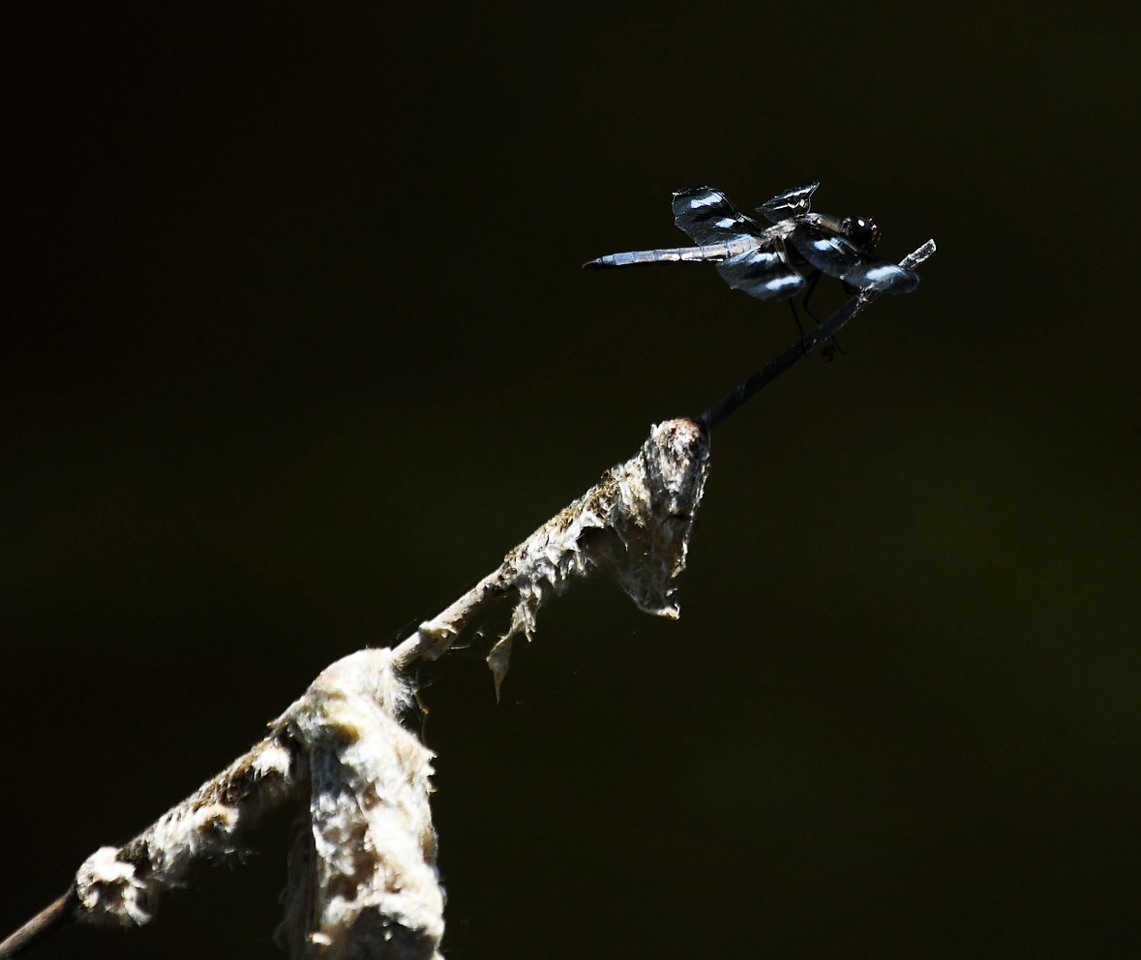
Twelve-spotted skimmer dragonflies are now flying in force. The local name of these fast-flying hunters sometimes varies depending on whether there’s a dark or light spot counter involved.

Both male and female 12-spots have three dark spots on each of their four wings (3 x 4 = 12). However, the males (such as this one) develop 10 bright spots between the dark ones and often are called 10-spotted dragonflies, although that name is not officially recognized by bug big shots.

Both 12-spot sexes are fierce mid-air pest predators. A single one of them reportedly eats from 30 to 100+ mosquitoes and other soft-bodied insects daily, such as gnats, midges, flies, mayflies, and small moths. These dragonflies digest food and expel waste so fast that they’ll often consume their own body weight in prey during the day.

(Images taken in Brooklin, Maine, on July 5, 2026.)

Comment

Comment

In the Right Place: Strange Name Game

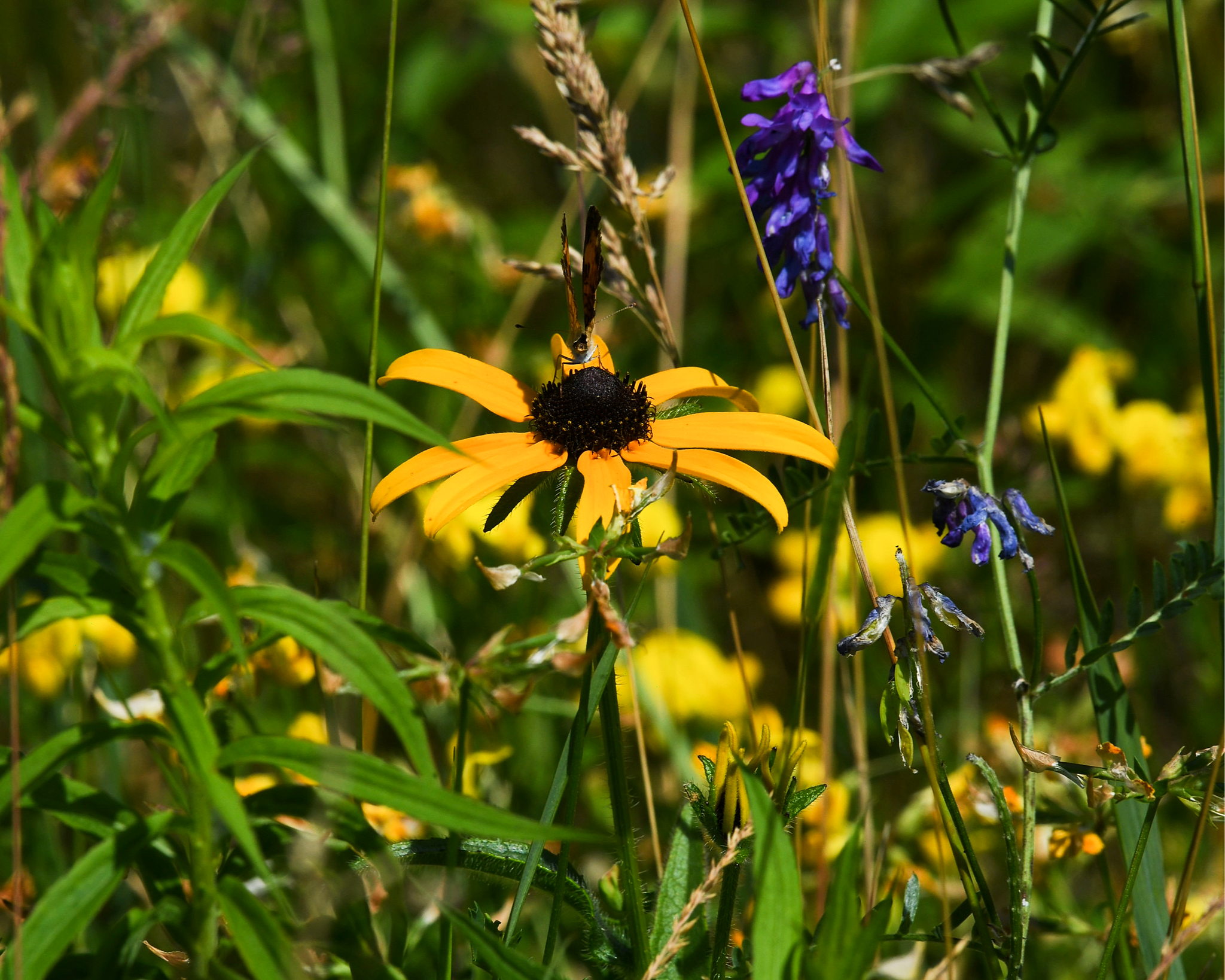
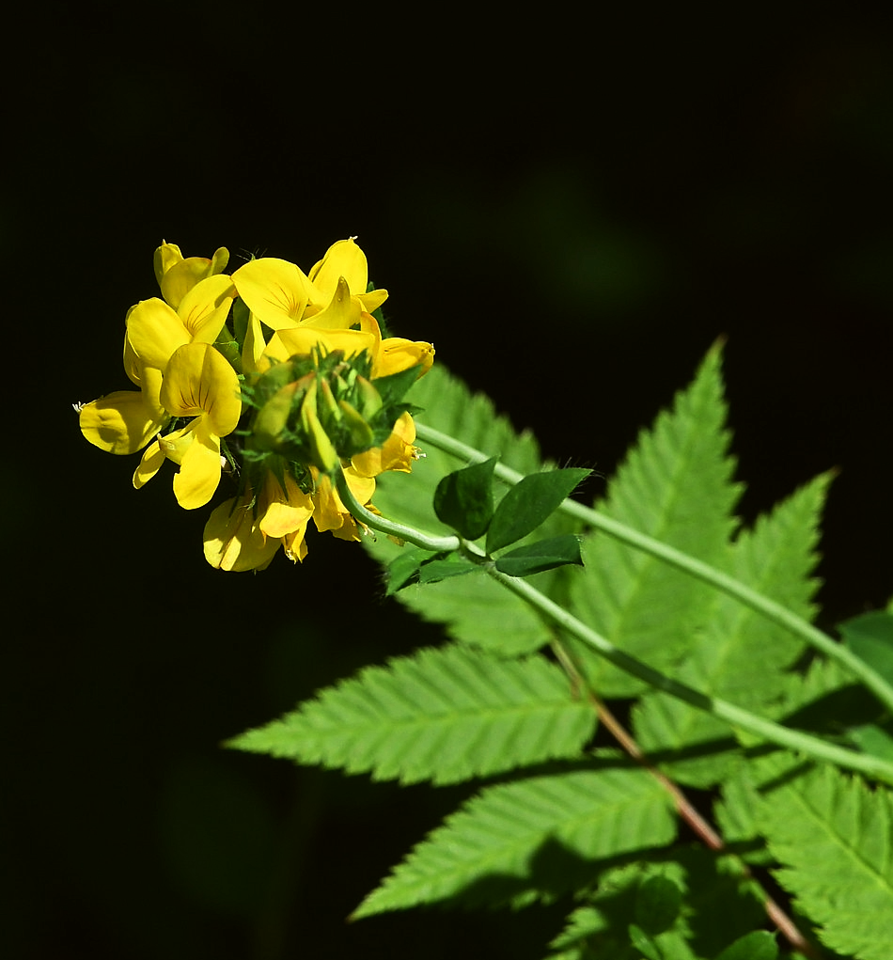
Unblinking black-eyed Susans are starting to congregate in our sunny meadows, while countless orders of butter-and-eggs are being served along the woods’ edges. These are two of our most interestingly-named wildflowers.

The name for the black-eyed Susan, shown above, reportedly was inspired by an 18th Century English ballad titled “Sweet William’s Farewell to Black-Eyed Susan.” Curiously, humans don’t have black eyes. Neither do the flowers named after Susan, their eyes are dark brown and consist of hundreds of tiny disk flowers. Susans are natives.

The name for butter-and-eggs wildflowers, shown below, is more accurately descriptive for those with a little imagination. The flower has two upper yellow “lips” that arguably look like butter, while it is orange like an egg yolk at its center. These flowers were introduced from Europe hundreds of years ago and were thought to have the ability to repel bewitching curses.

(Images taken in Brooklin, Maine, on July 4, 2026.)

Comment

Comment

In the Right Place: Great (Cove) Times

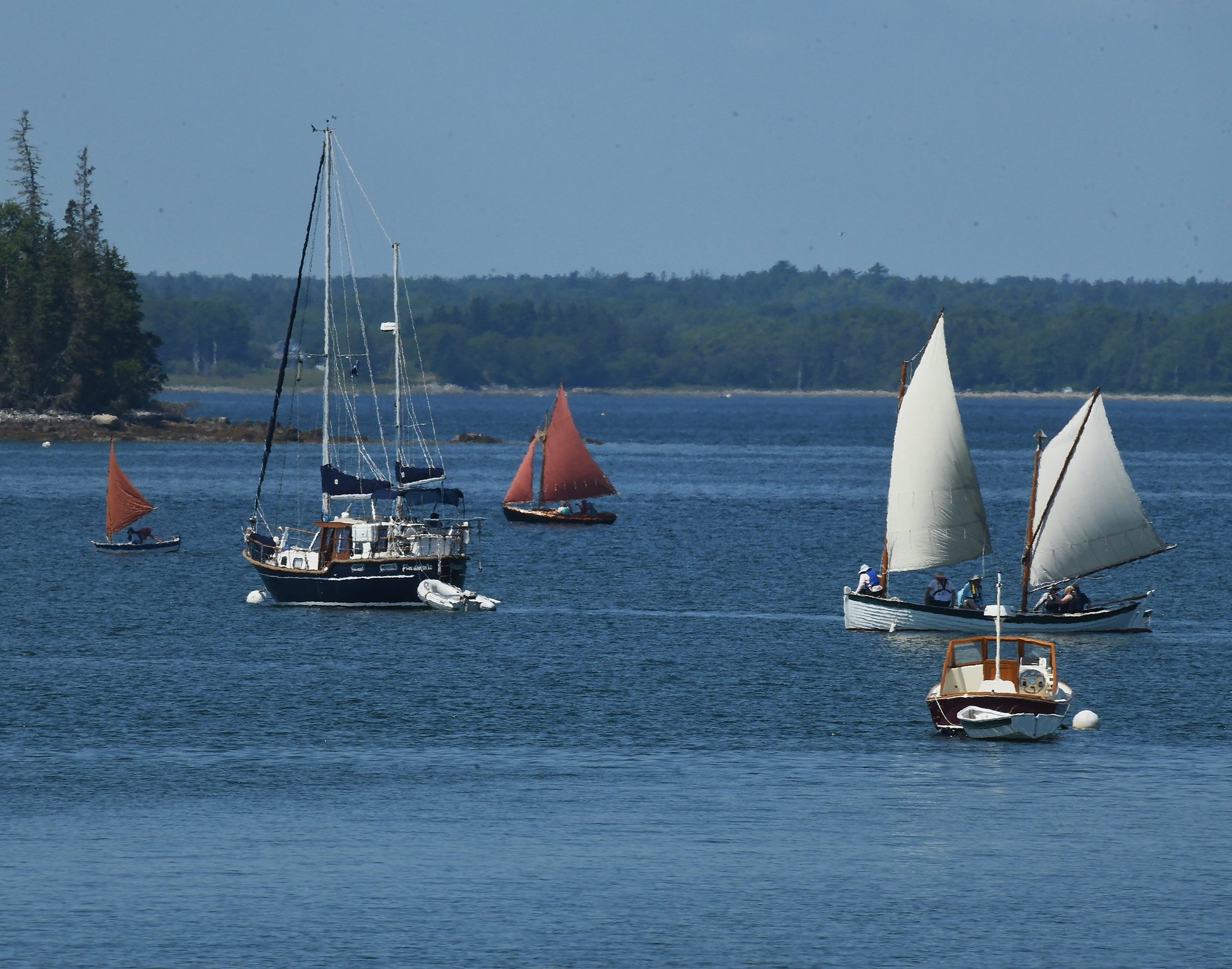
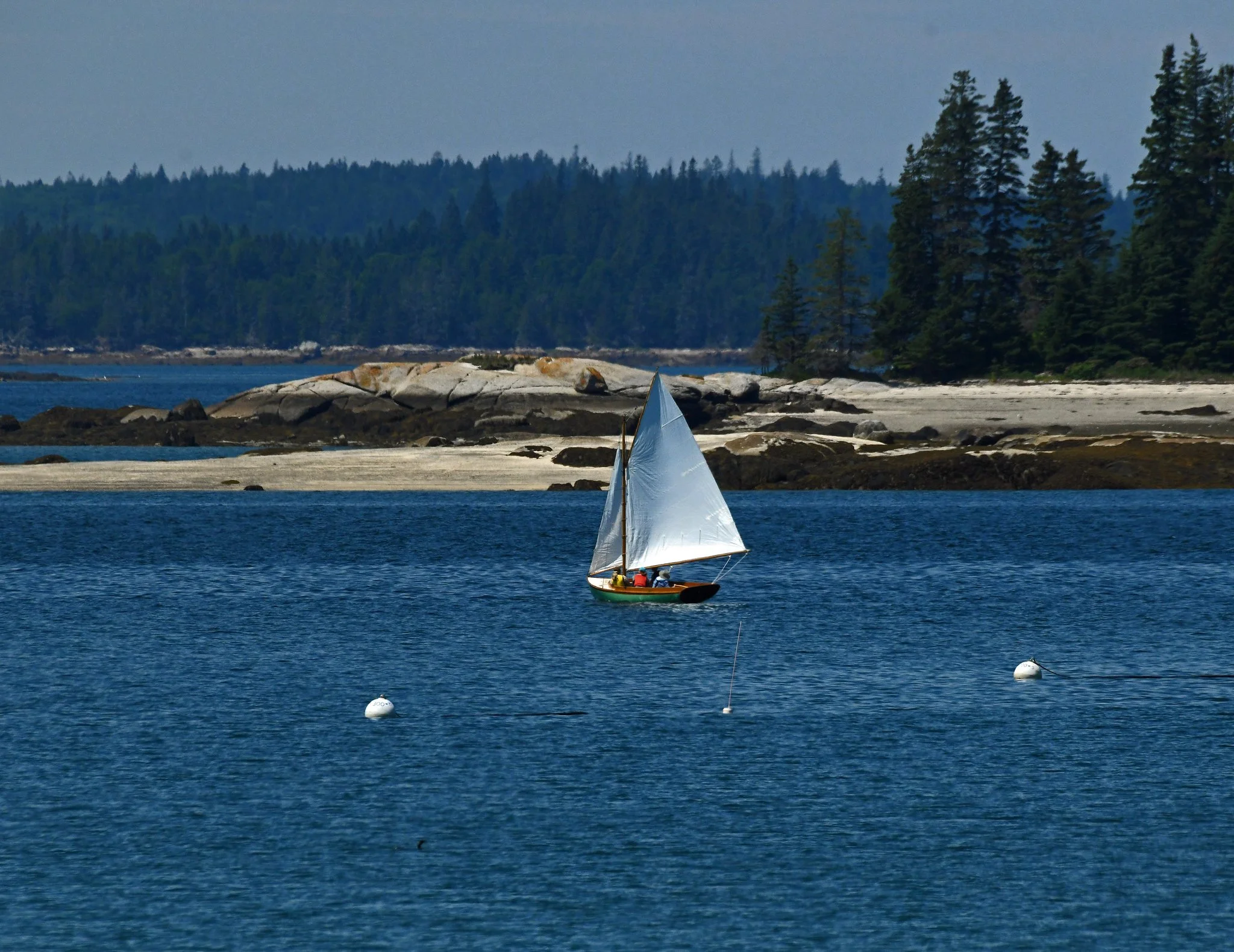
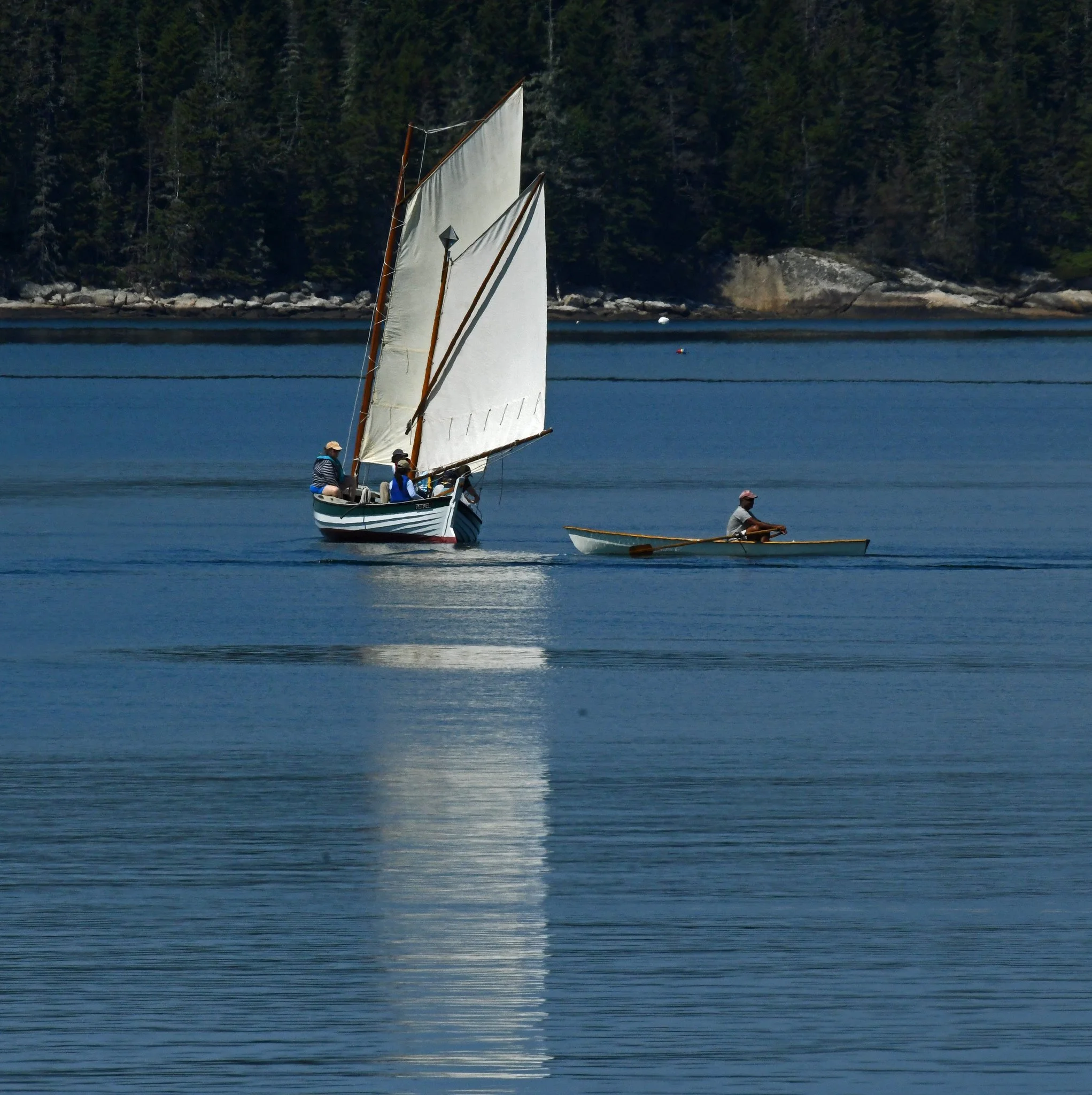
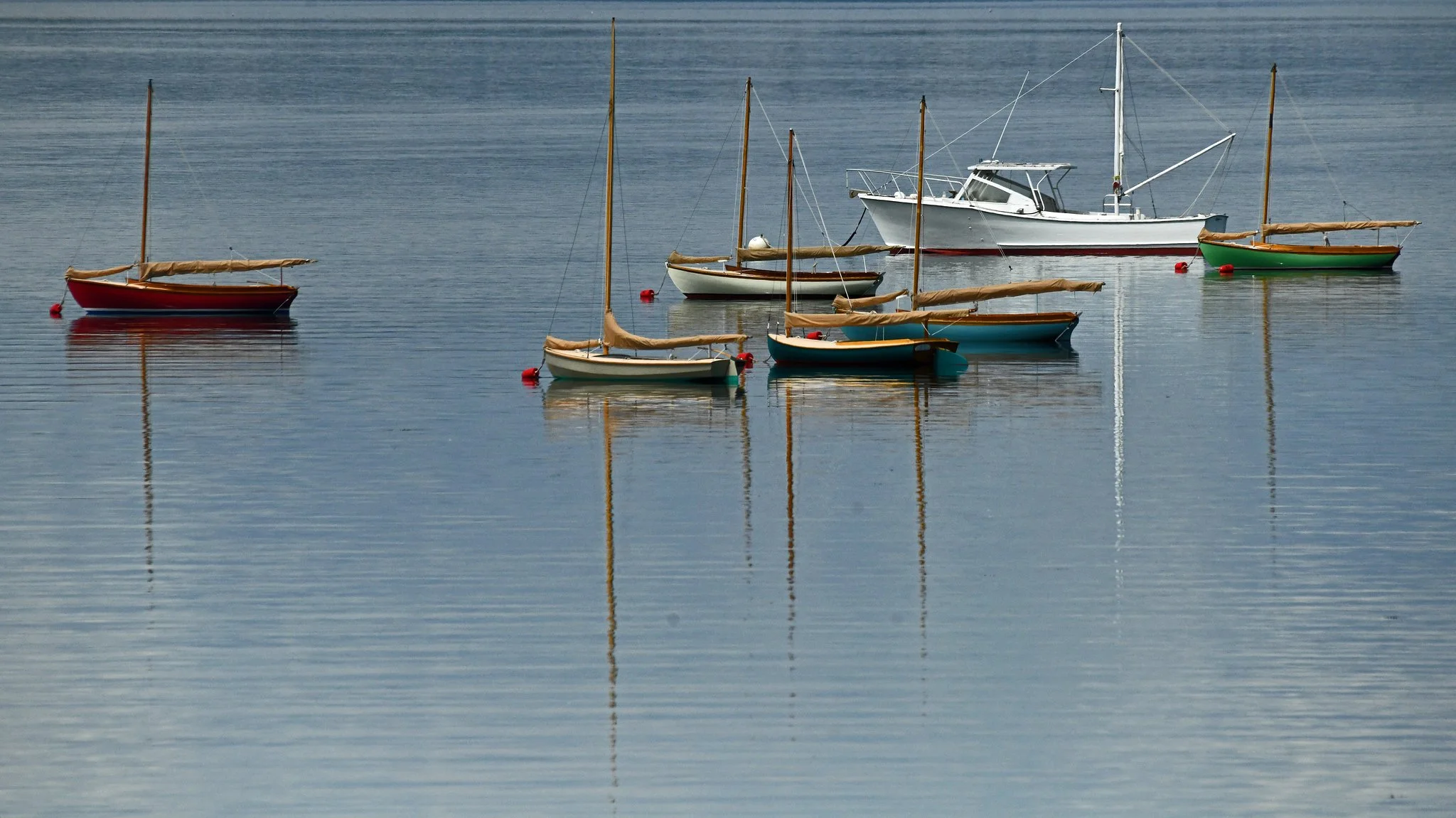
It was unusually hot here yesterday, but the WoodenBoat School’s visiting-sailors were enjoying the cool morning breezes in Great Cove. Sometimes, they wandered through moored boats:

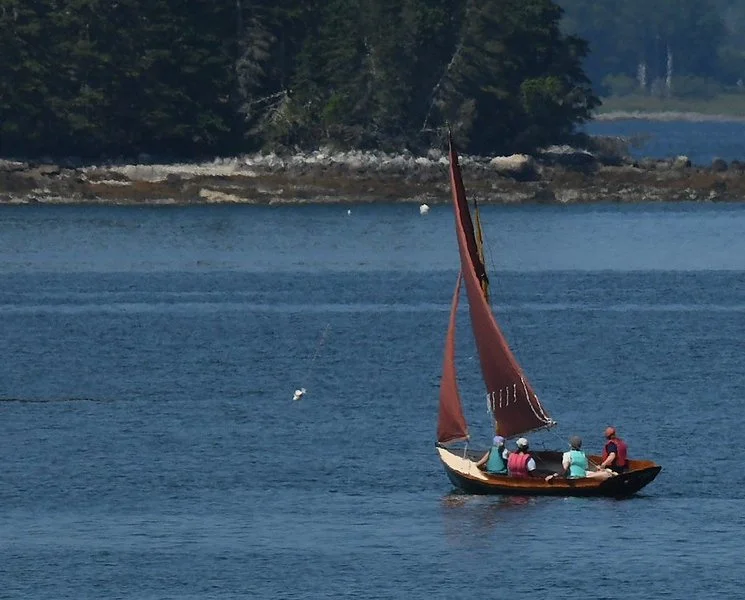
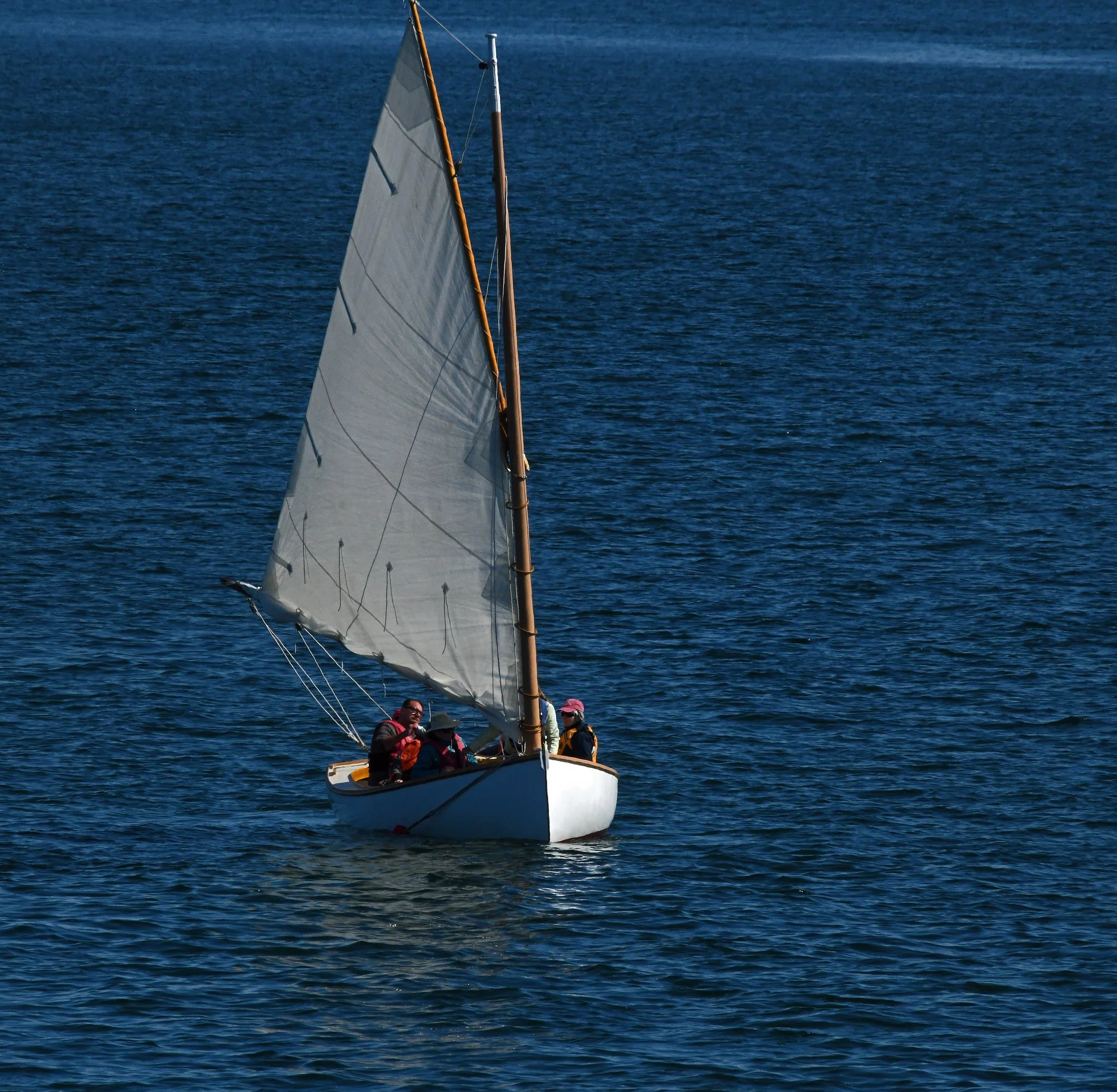
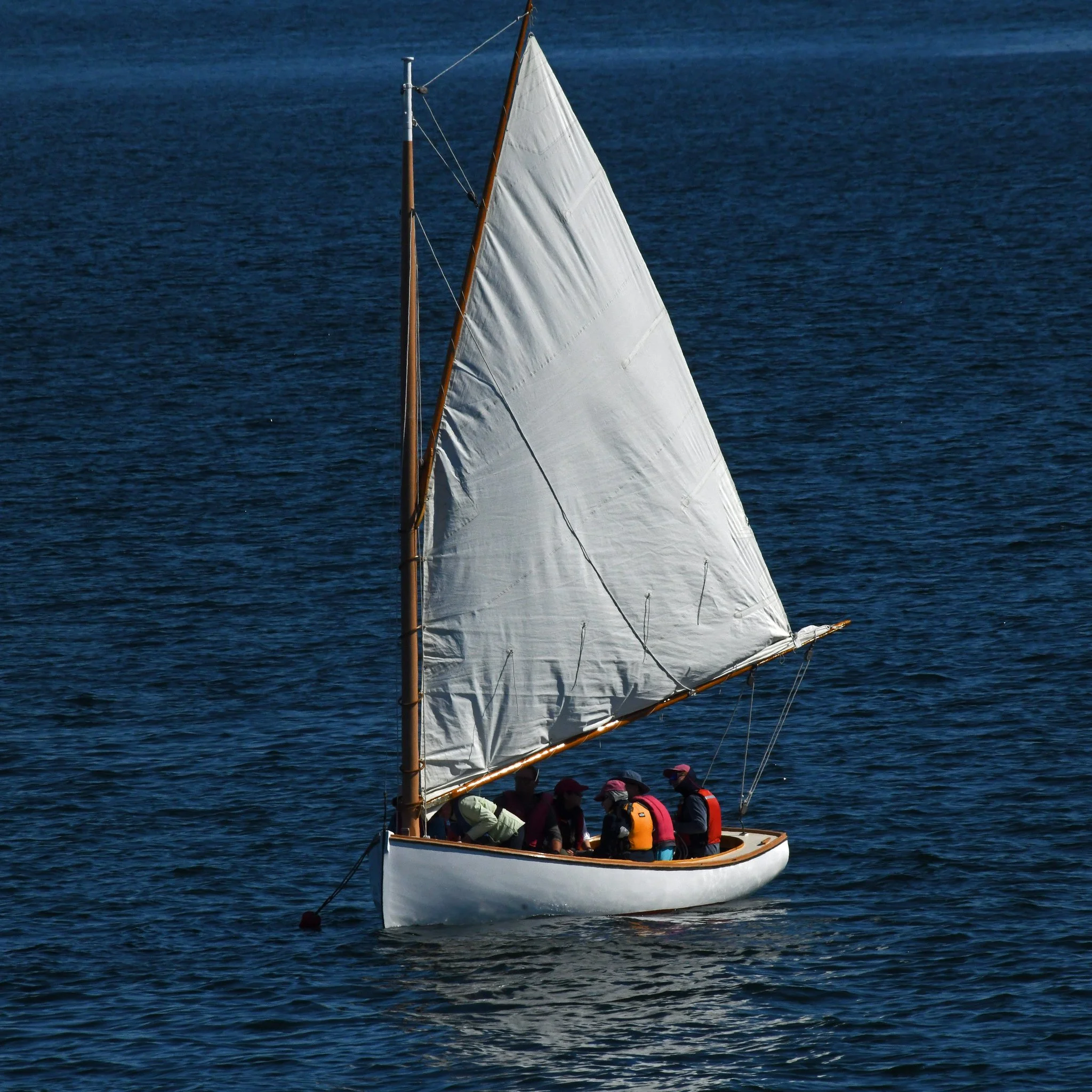
Above,. you see three types of boats in the WBS fleet sailing yesterday: from left to right, it looks like we have a small shellback sailing dingy, a 12 ½’ Haven and an 18’8” Mackinaw. The Haven is Joel White’s more versatile center-boarded version of the Herreshoff 12 ½. ( I think her name is CRACKERJACK.)

Sometimes, they caught a good wind and struck off into the open waters of the Cove. Here’s the Haven again:

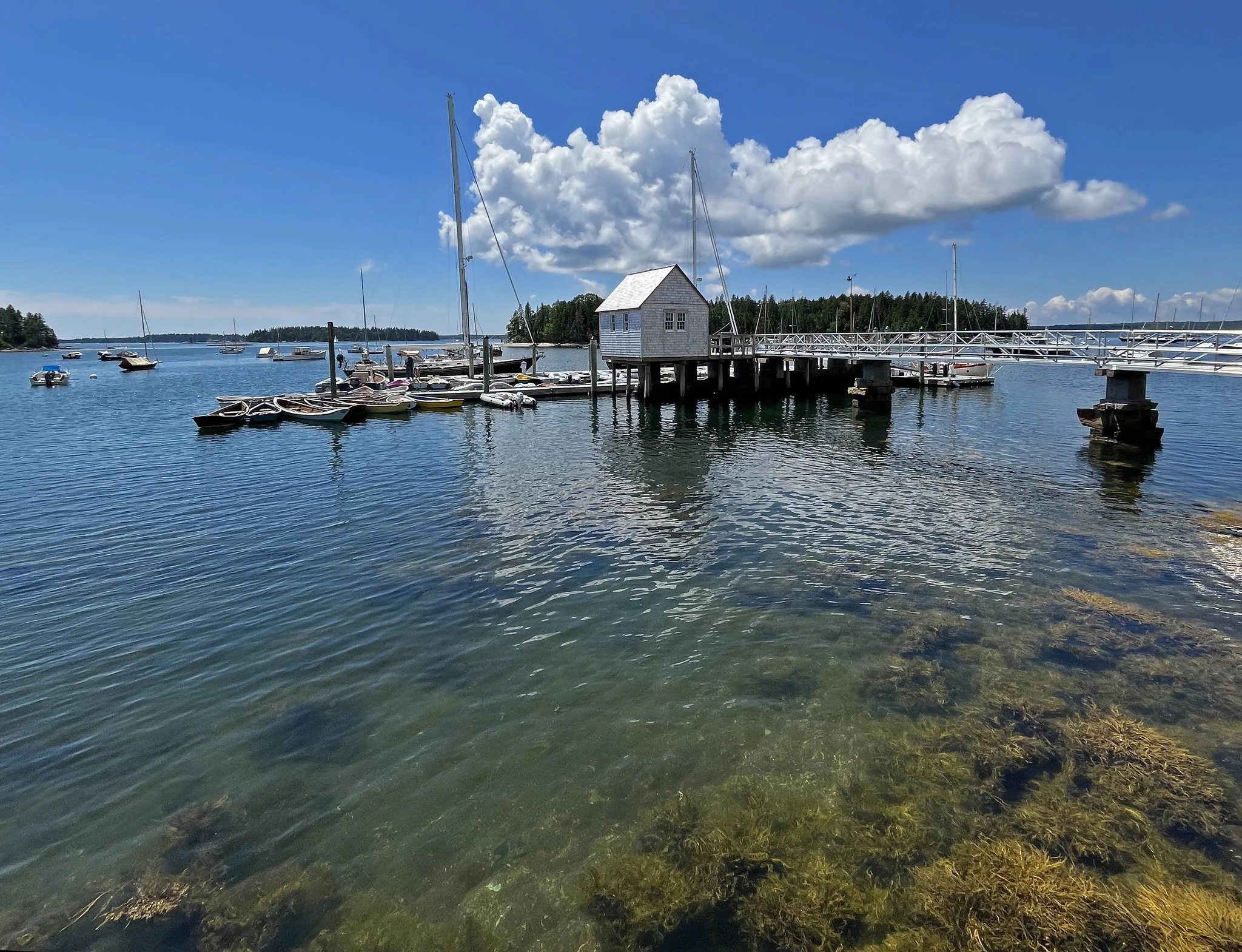
As far as I can tell, Great Cove was named by early European settlers here around the late 18th century. They gave it a literal geographic description of its shape in relation to nearby smaller coves. Because it has an adopted local descriptive (“toponymic”) geographic name, there apparently is no official record of any one specific name-giver or date of its first official mapping as Great Cove.

(Images taken in Brooklin, Maine, on July 3, 2026.)

Comment

Comment

In the Right Place: Let the Show Begin!

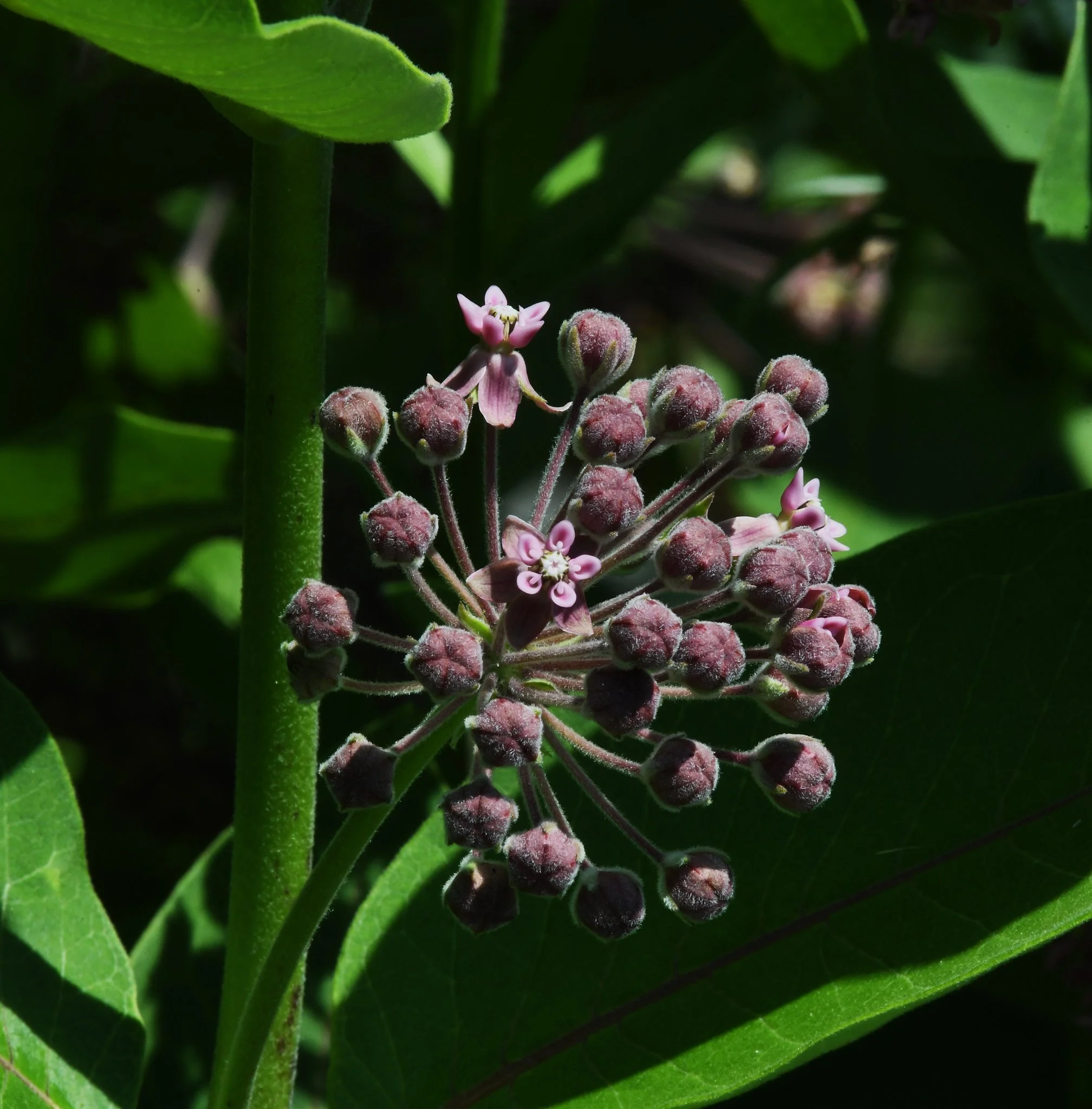
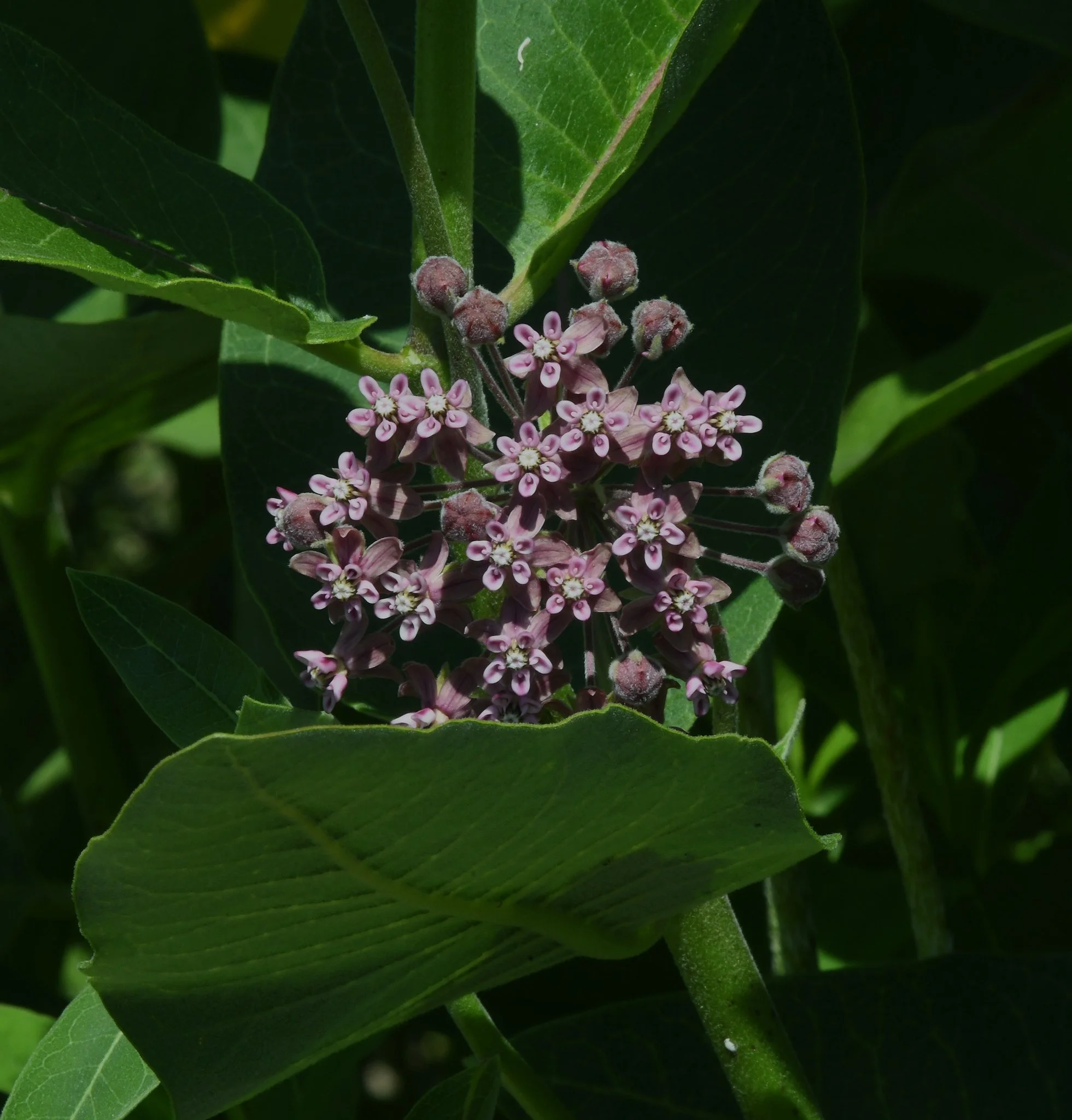
Common milkweed flower heads are starting to blossom here. The plant derives its name from its milky-white sap, which is a toxic latex substance that plays an important role in the lifecycle of monarch butterflies.

Common milkweed (Asclepias syriaca) and its cousin butterfly weed (Asclepias tuberosa, aka butterfly milkweed) are both native plants here on which Monarchs will lay eggs. The eggs develop into caterpillars that eat the plant leaves and become somewhat toxic themselves, both as caterpillars and butterflies. Most insect predators have learned of this toxicity and leave the monarch eggs, caterpillars and butterflies alone.

There seem to be two relevant myths associated with the monarch life cycle. First, common milkweed and butterfly weed are not the only milkweeds on which monarchs lay eggs. There are hundreds of milkweed species in North America and monarchs will lay eggs on many of them; they just prefer certain species if they can find them.

Second, the toxicity of monarch caterpillars and butterflies does not protect them from all predators. They have many hungry enemies. Some spiders, wasps, and ants eat the eggs and the small caterpillars; some birds have learned how to attack and eat the less toxic parts of the caterpillars and butterflies, and frogs, toads and even small mice and rats have been known to dine on a monarch in one or another of its forms.

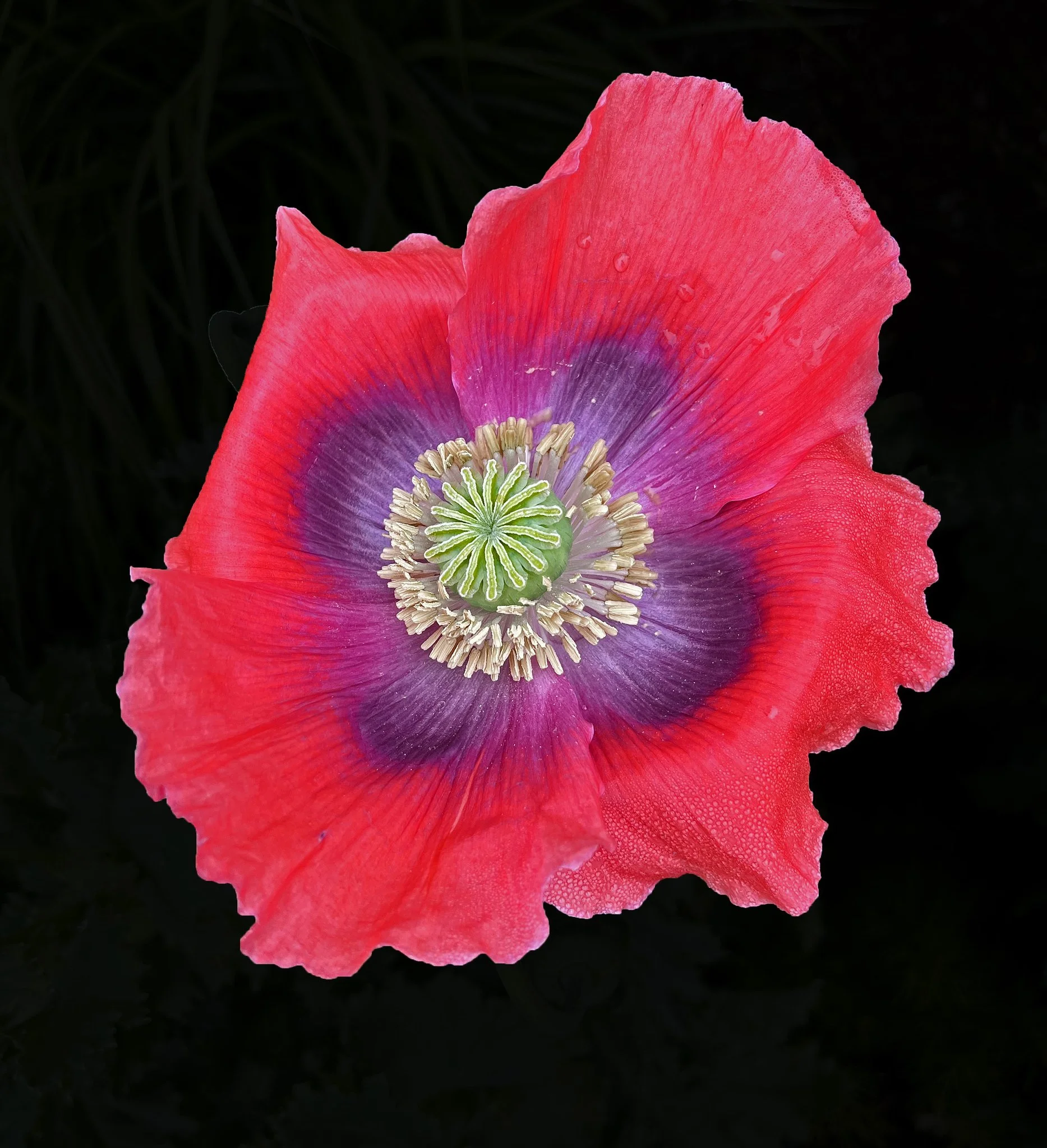
Nonetheless, common milkweed is blooming and the hit monarch show is about to begin. (Images taken in Brooklin, Maine, on July 2, 2026.)
Comment

Comment

In the Right Place: Have a Good Day(lily)

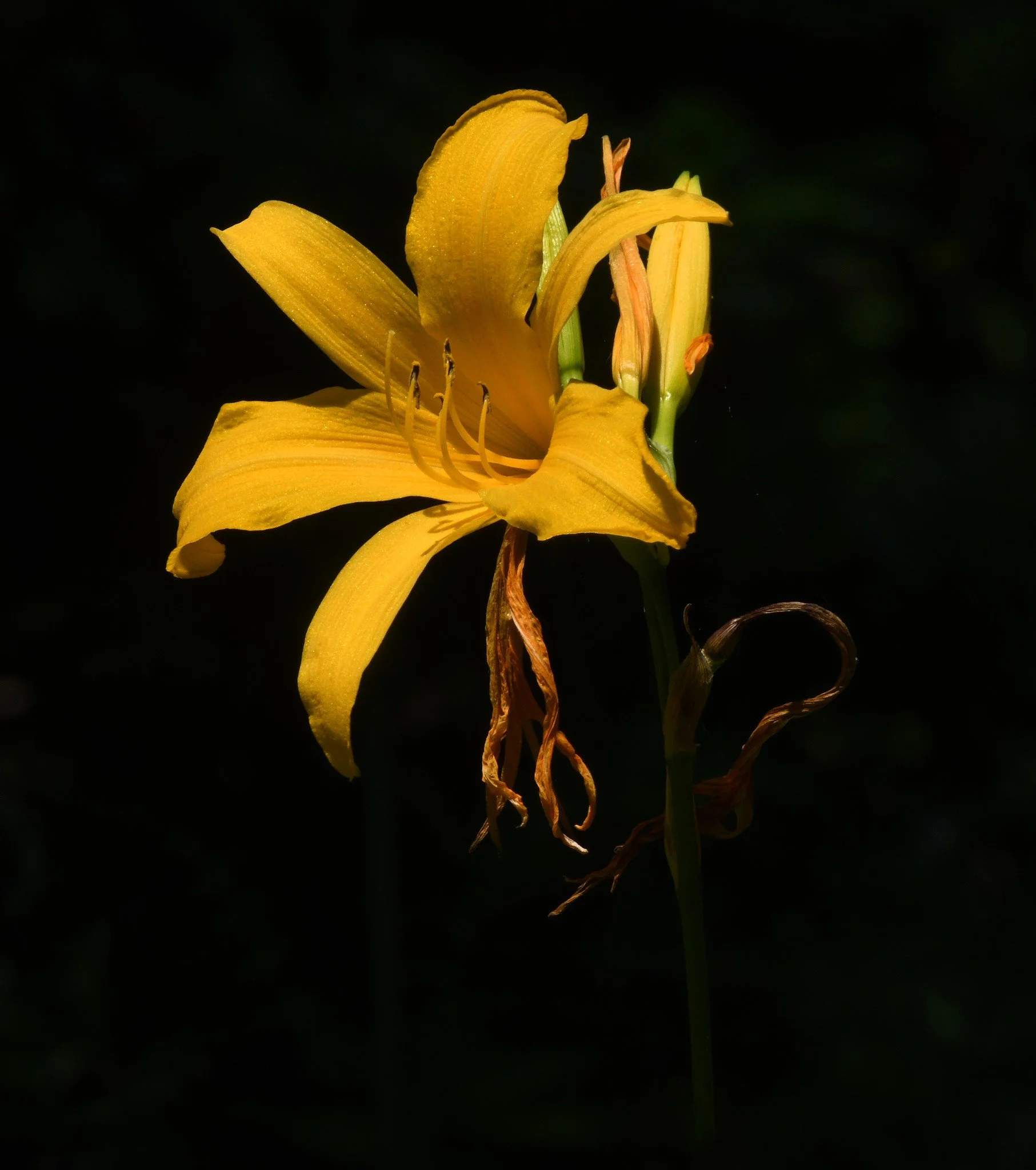
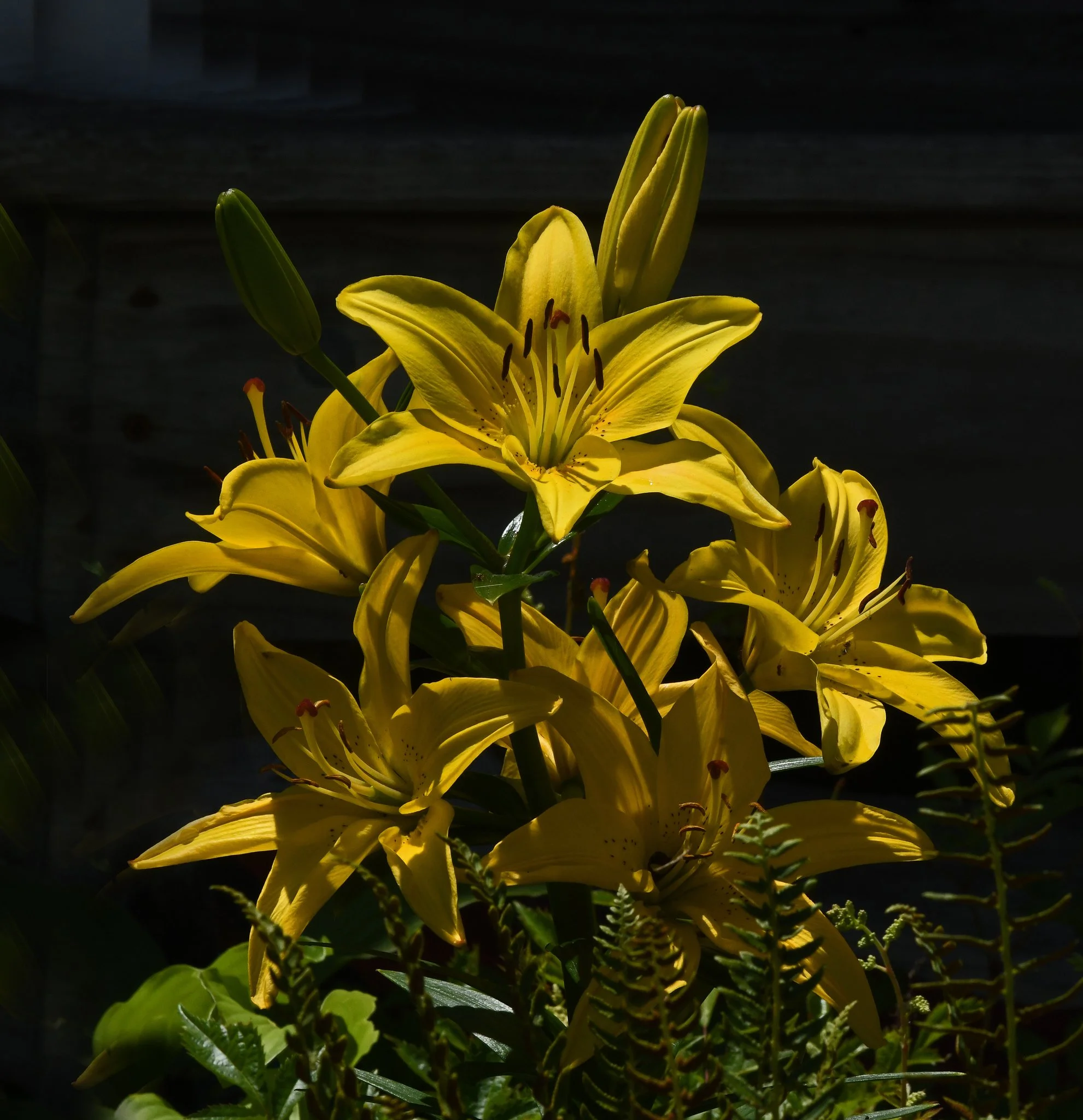
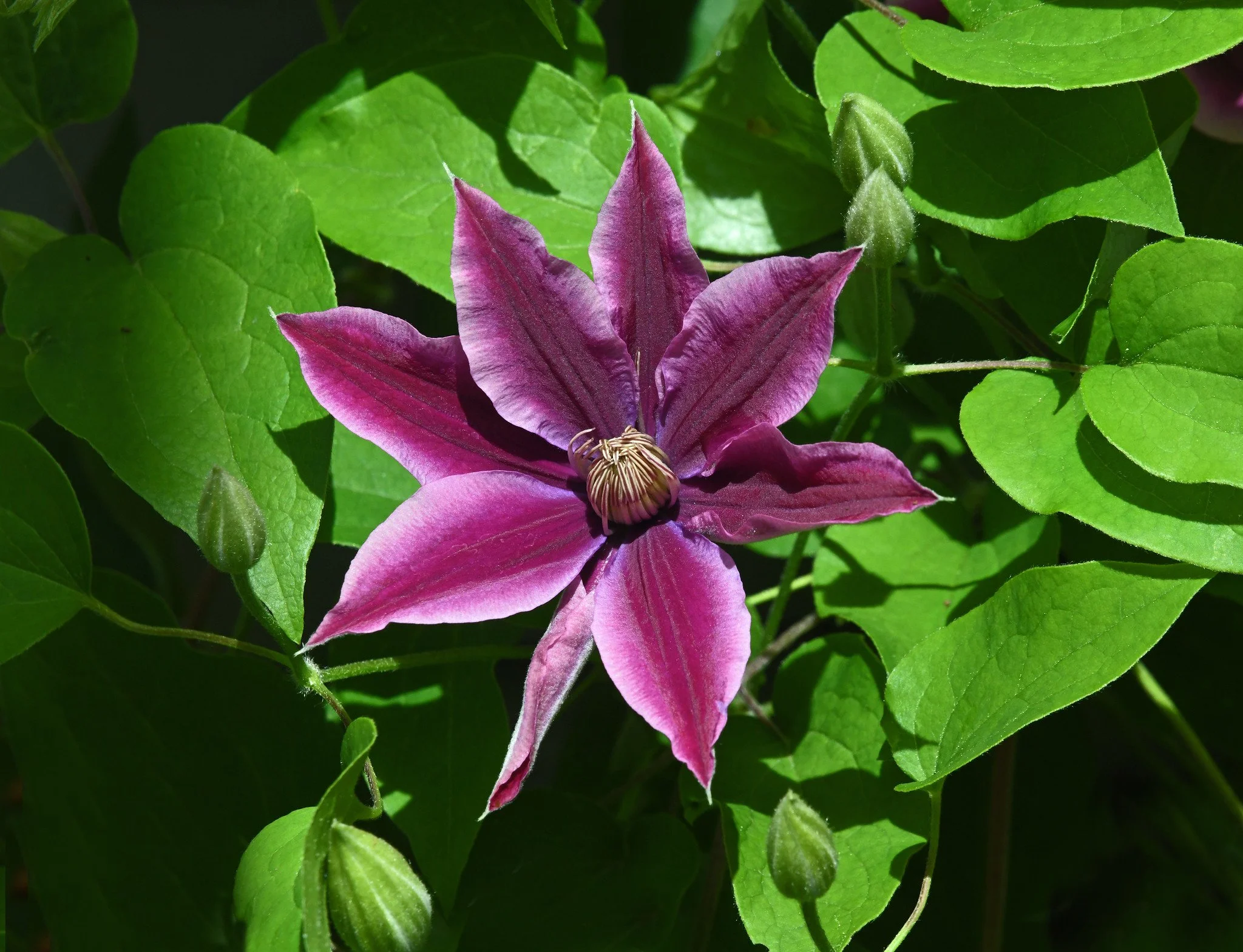
Wild daylilies (aka ditch lilies) have started to appear, and the yellow (lemon) varieties such as this one have been especially dramatic:

They’re not true lilies in the sense of being part of the lily (Lillium) family, but their dense underground tuber webs are effective against soil erosion. They’re also totally edible by humans, even the unopened buds. (Image taken in Blue Hill, Maine, July 1, 2026.).
Comment

June Postcards From Down East Maine

2 Comments

June Postcards From Down East Maine

June 2026 in Down East Maine was primarily a mix of warm, early-summer days with periodic soaking rains that eased our dry and droughted areas. Coastal breezes were abundantly delightful. Short-term fogs were fairly frequent and a welcome way to soften a summer’s day. Temperatures mostly were in the 60s and 70s (F). with a few in the 80s toward the end of the month.

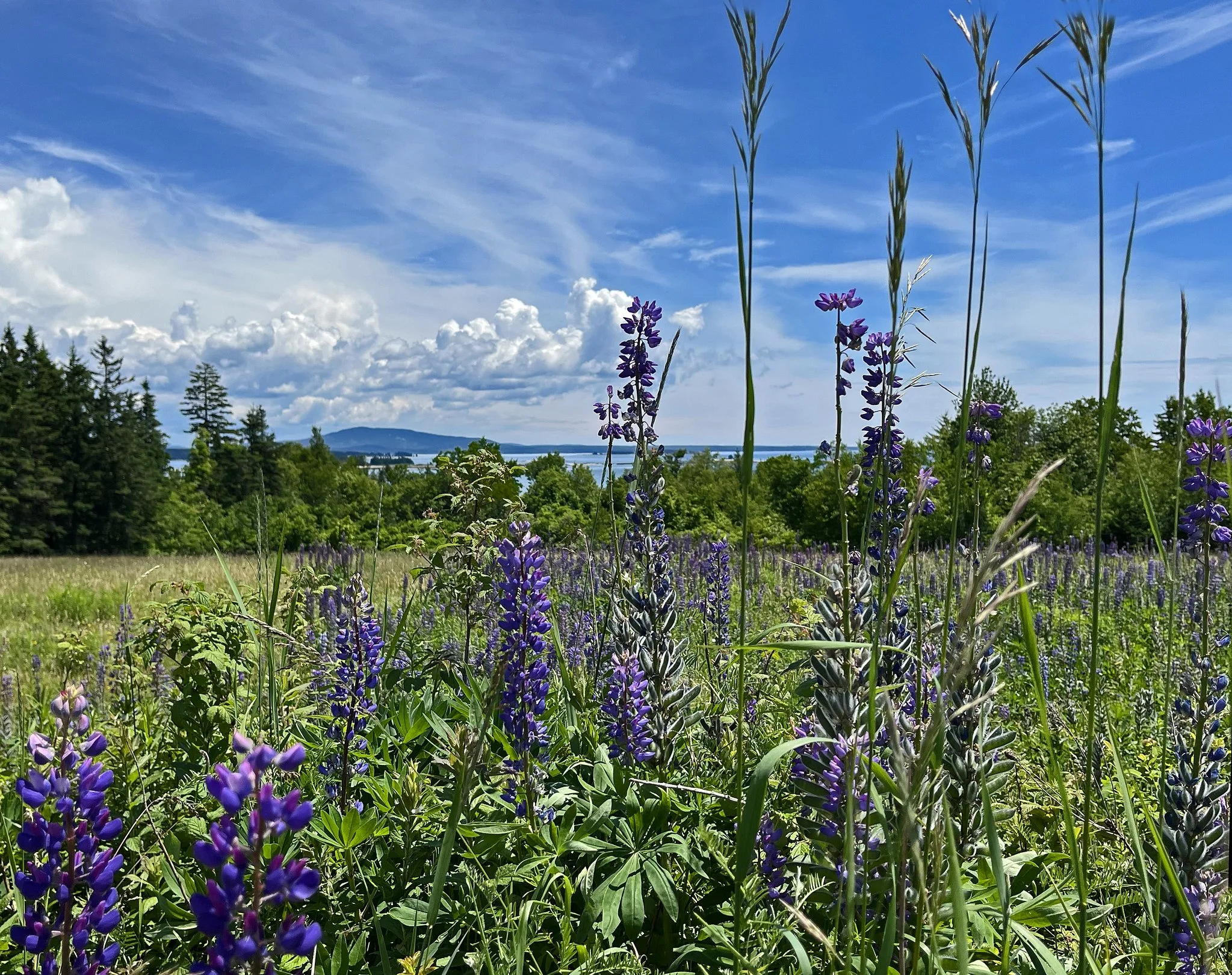
As usual, we’re first sending you images of the four iconic scenes that we memorialize each month for local records: From Brooklin, there are the views from Amen Ridge and Naskeag Point; from Blue Hill, there are the views of Conary Cove and the near mountain called Blue Hill:

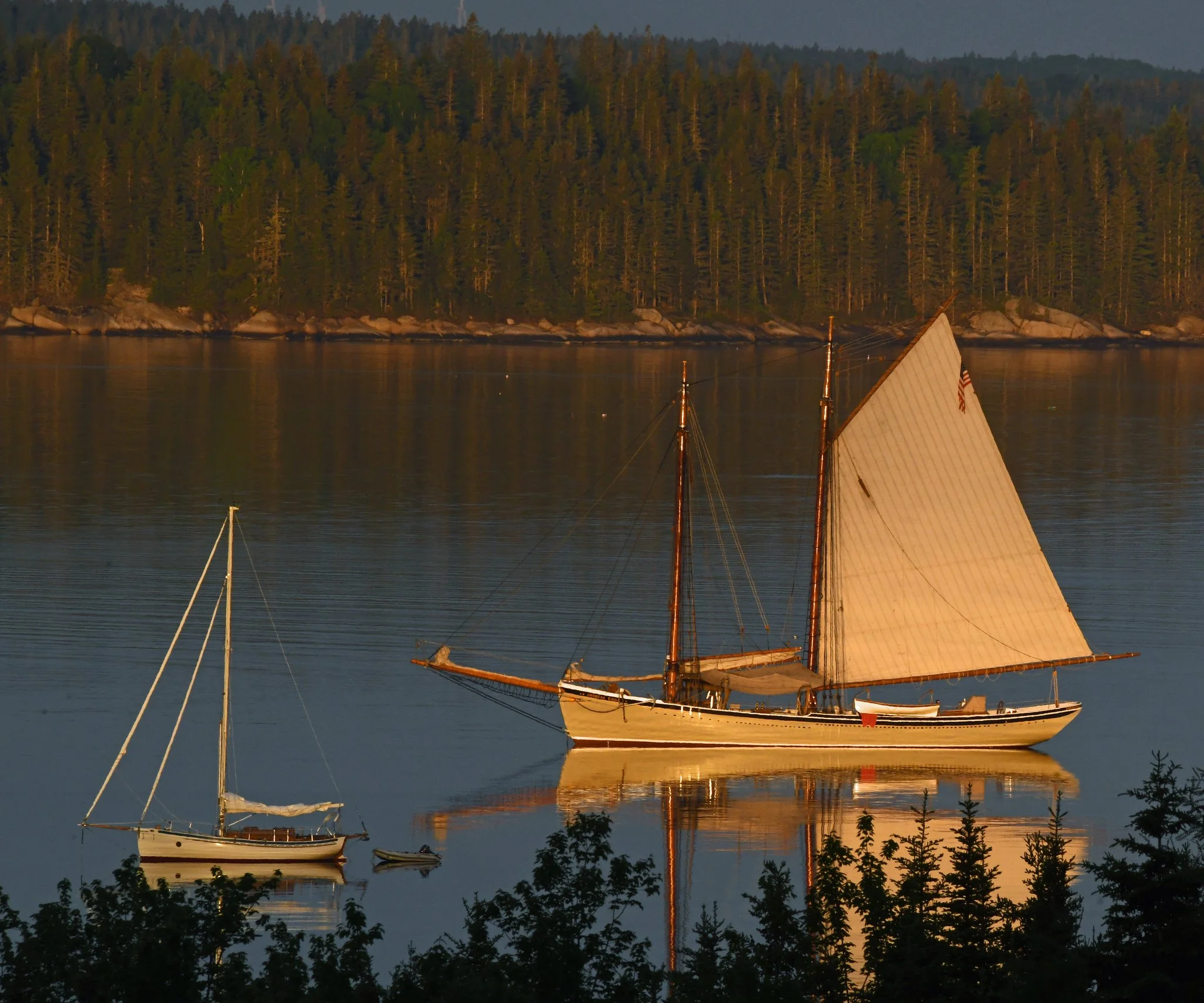
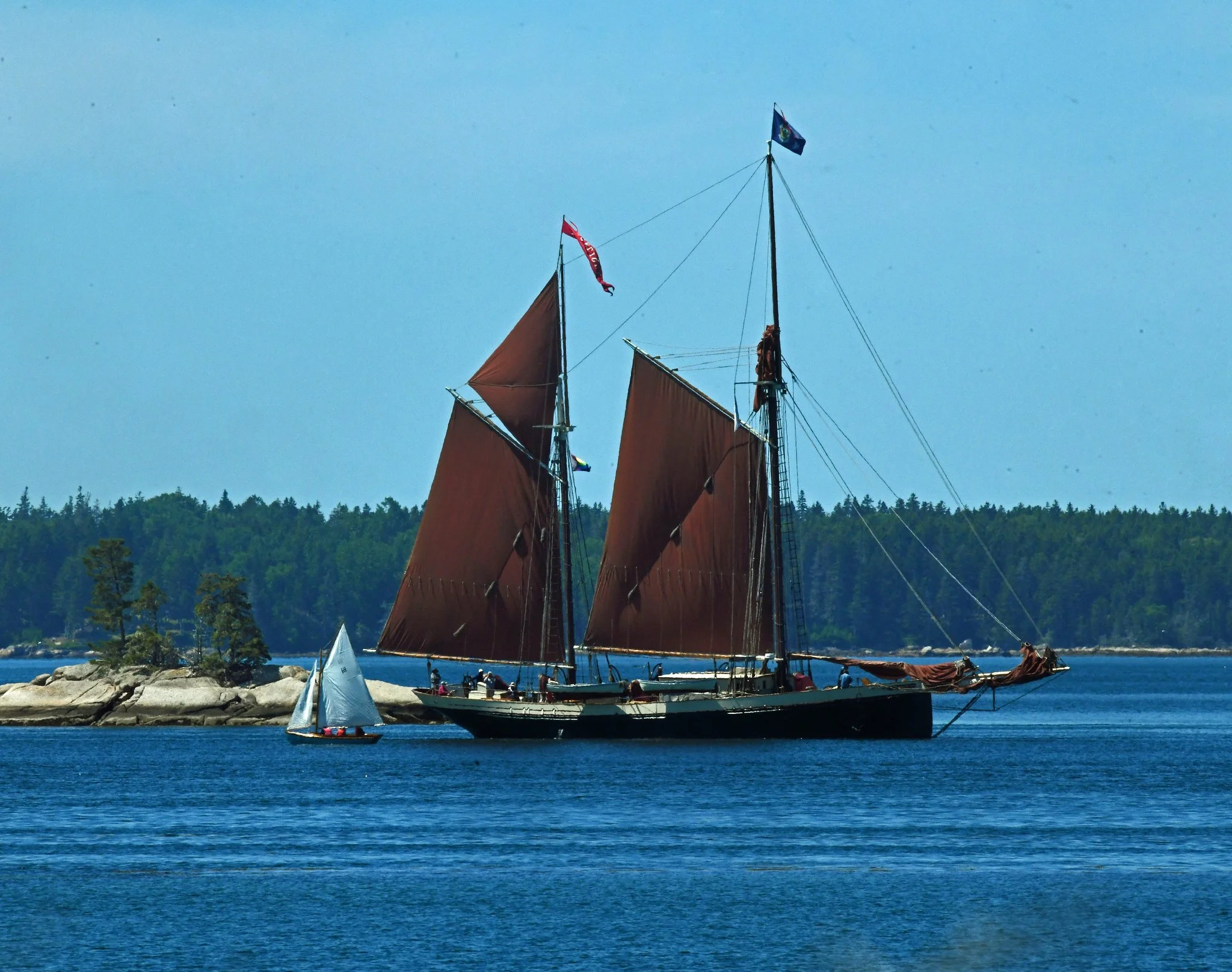
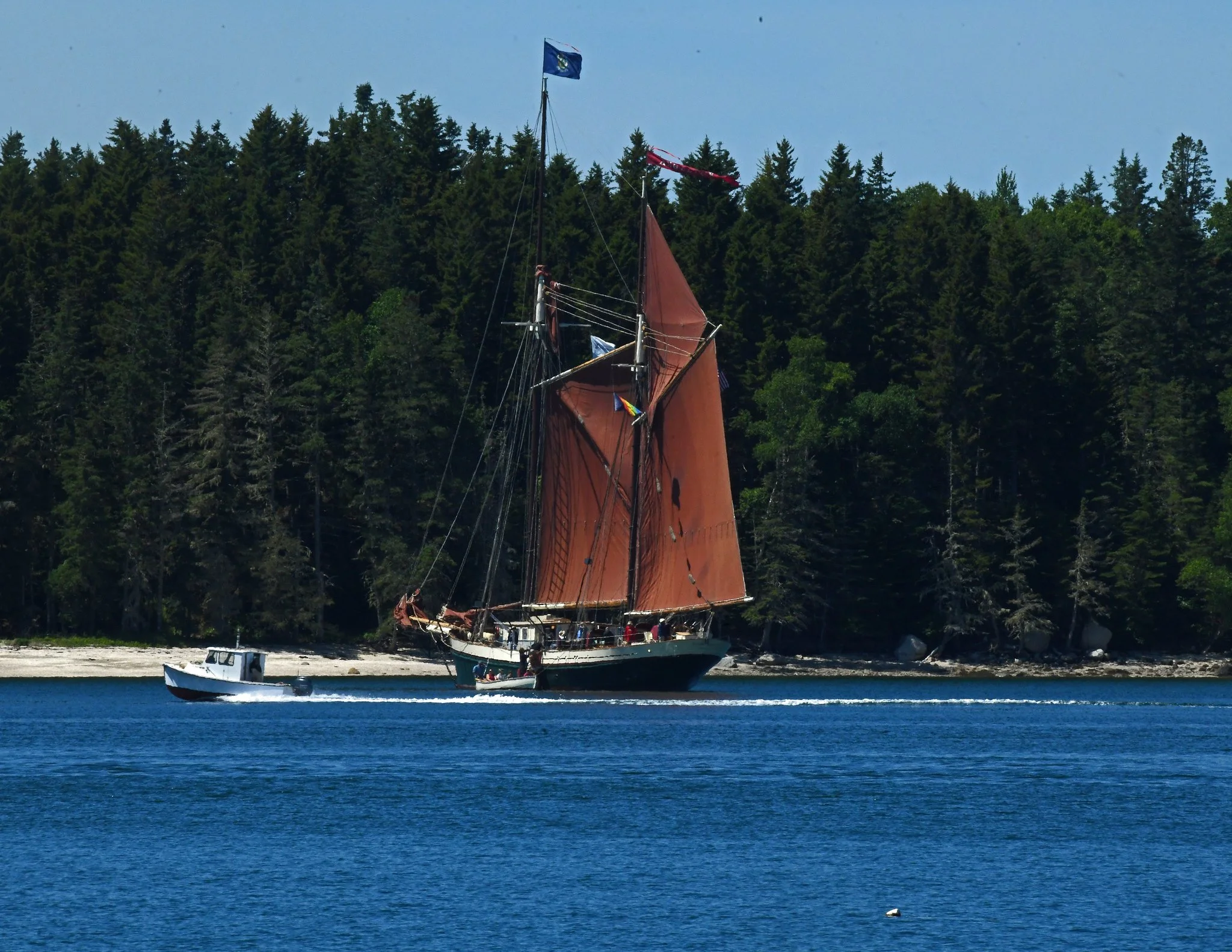
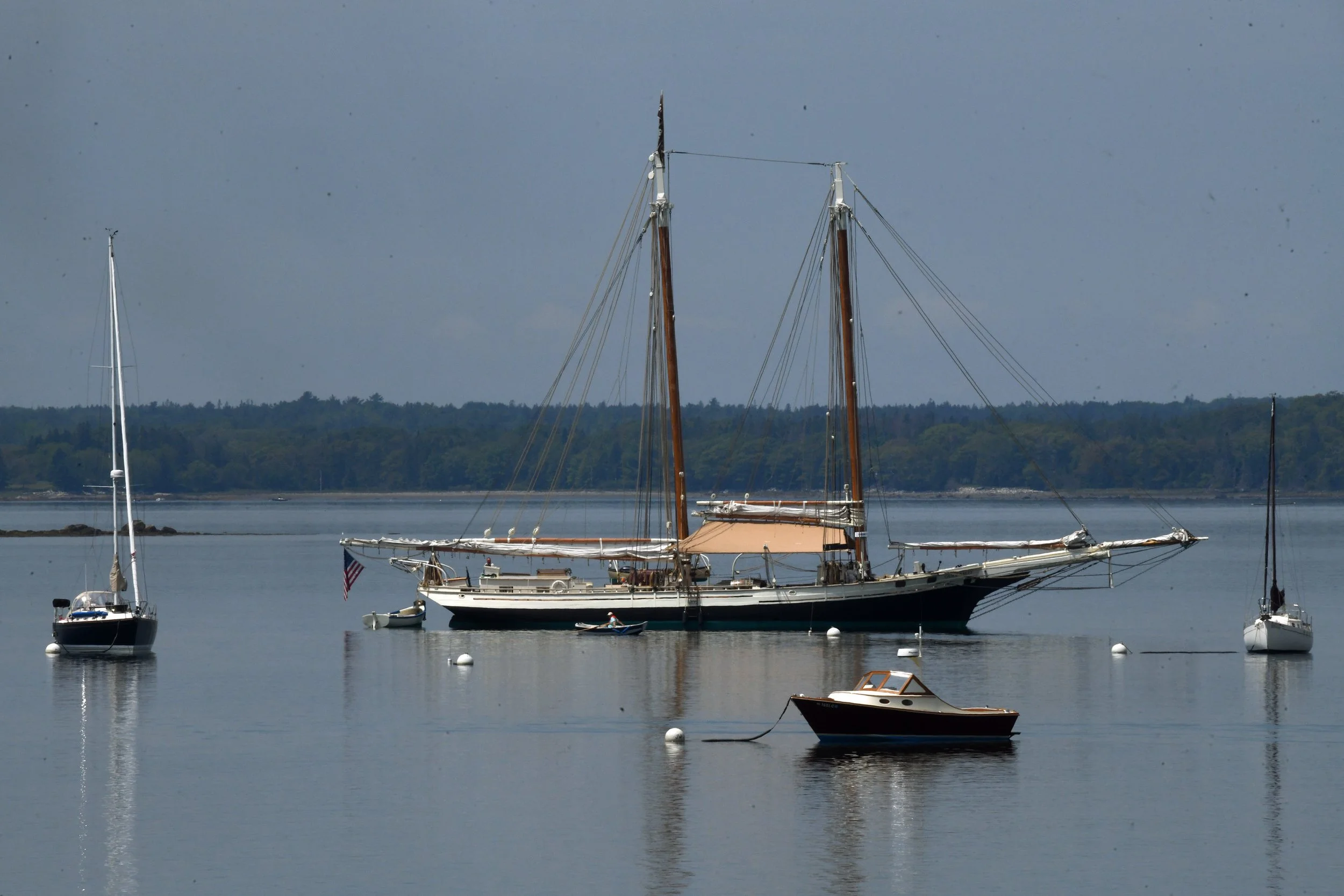
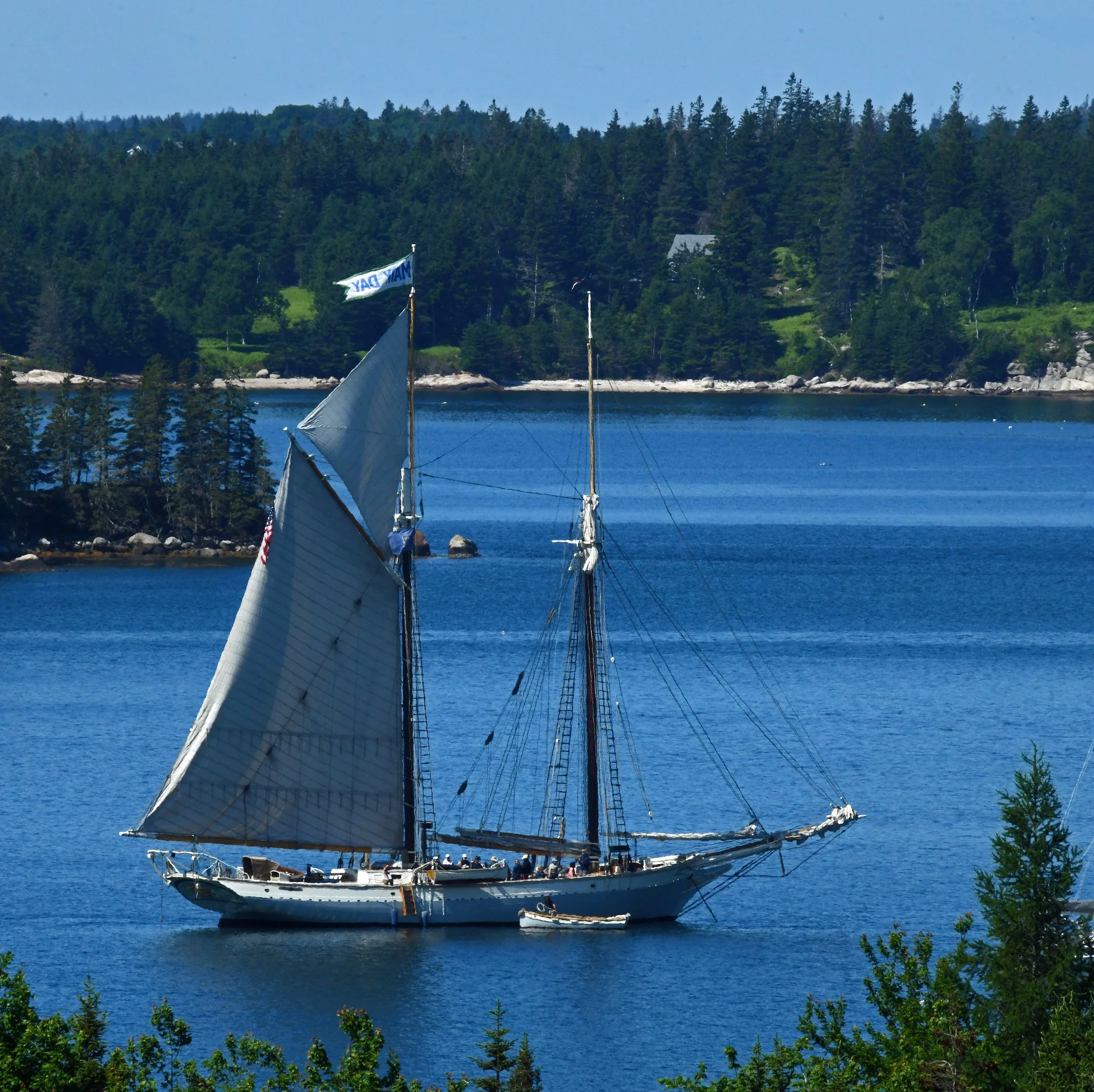
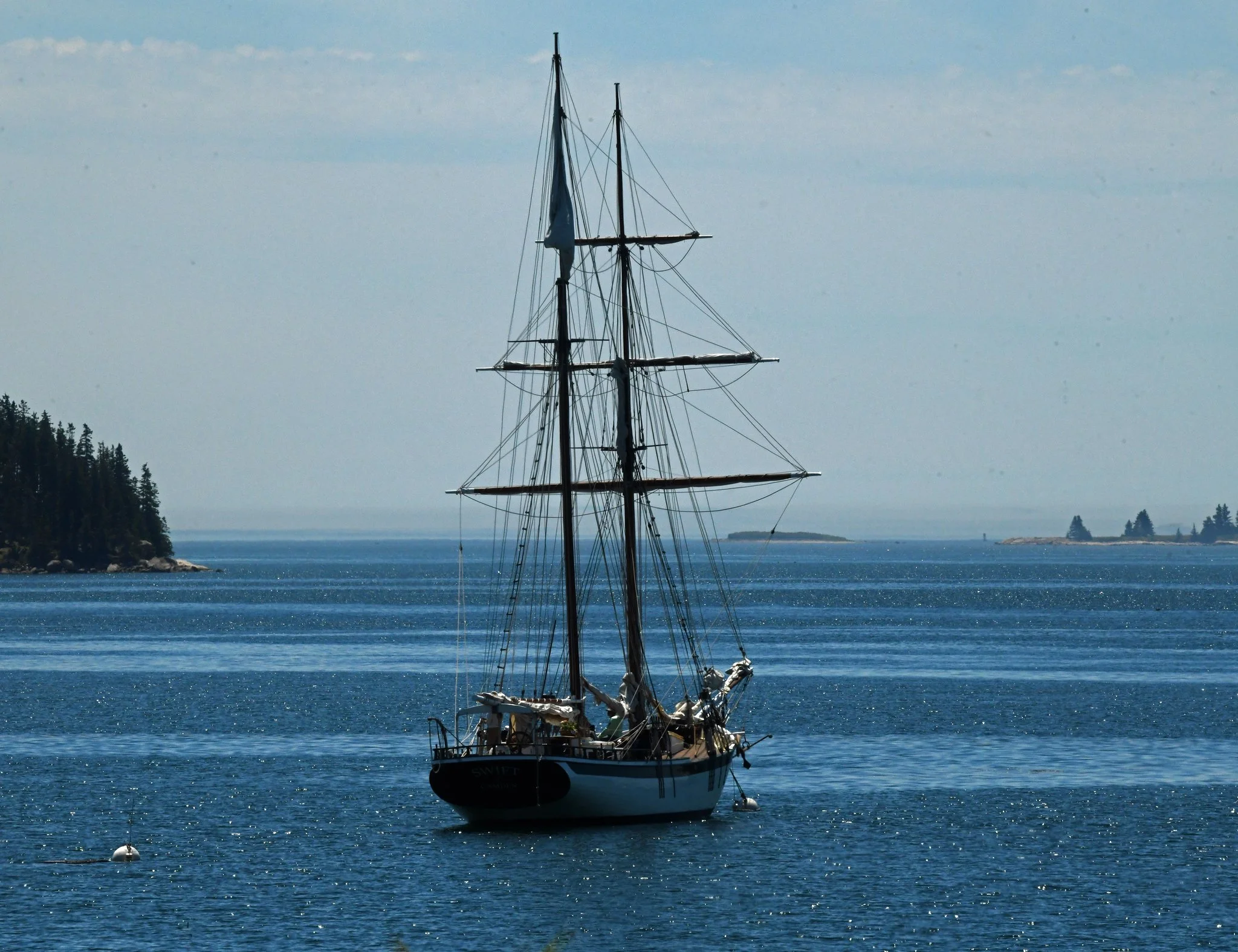
For many, June here is for satisfying pent-up urges to get on the water. There are innumerable options. One is to take a multi-day adventure on one of the classic windjammers that ply the Down East coast. Bleow you’ll see five ‘jammers that visited busy Great Cove during the month: AMERICAN EAGLE sleeping at dawn; ANGELIQUE coming in for a tasty beach lunch on Babson Island; GRACE BAILEY hanging out with some of the locals, and MARY DAY and SWIFT making brief appearances:

Great Cove is the home of renowned WoodenBoat Publications and WoodenBoat School. Students in the School’s sailing classes cavorted in the Cove during sun and fog, at high and low tides, in various interesting vessels:

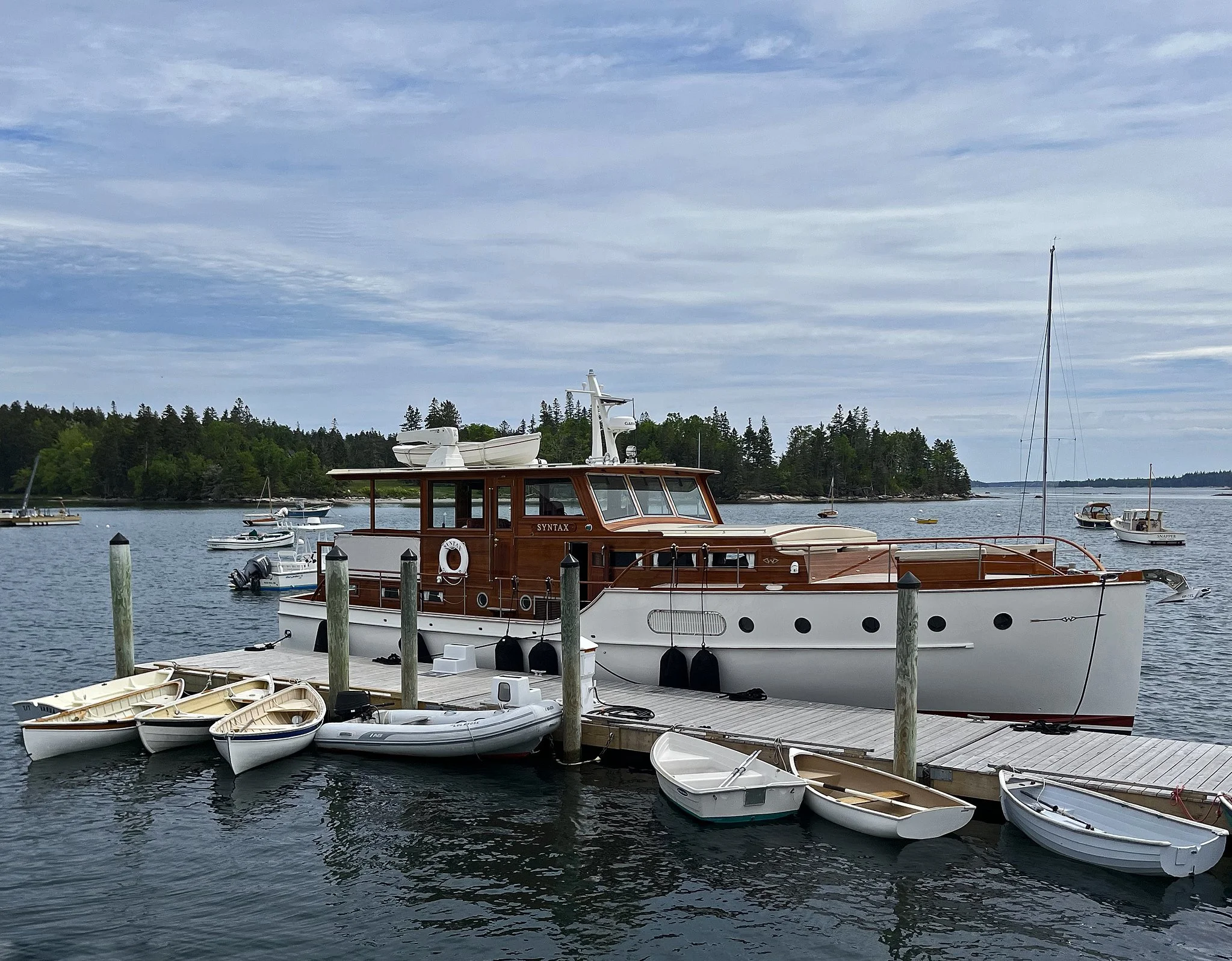
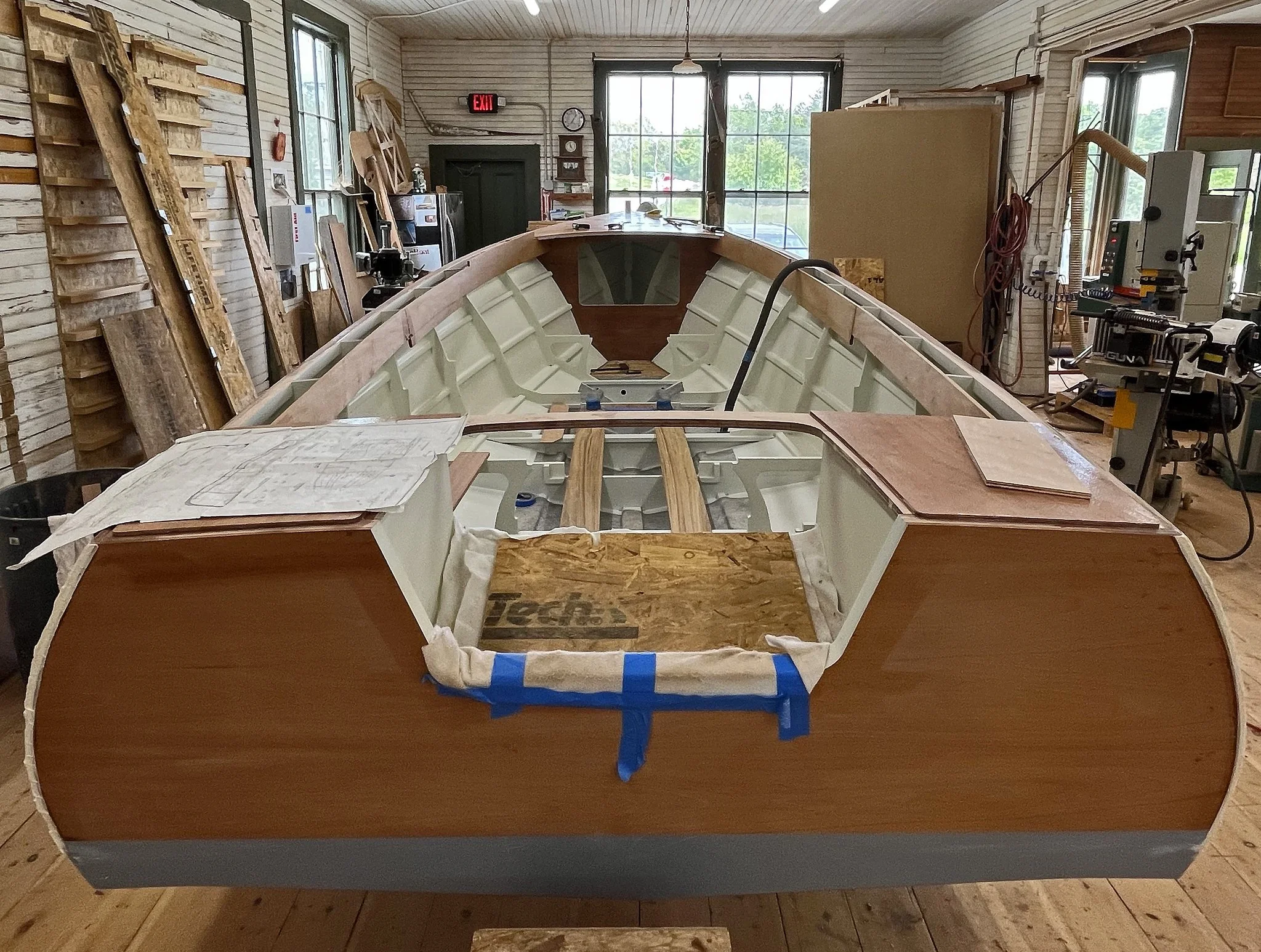
Center Harbor is around the bend from Great Cove and is the home of the famous Brooklin Boat Yard. It’s a good place to see extraordinary boats at the BBY docking floats, under construction in the Yard and moored in the picturesque Harbor:

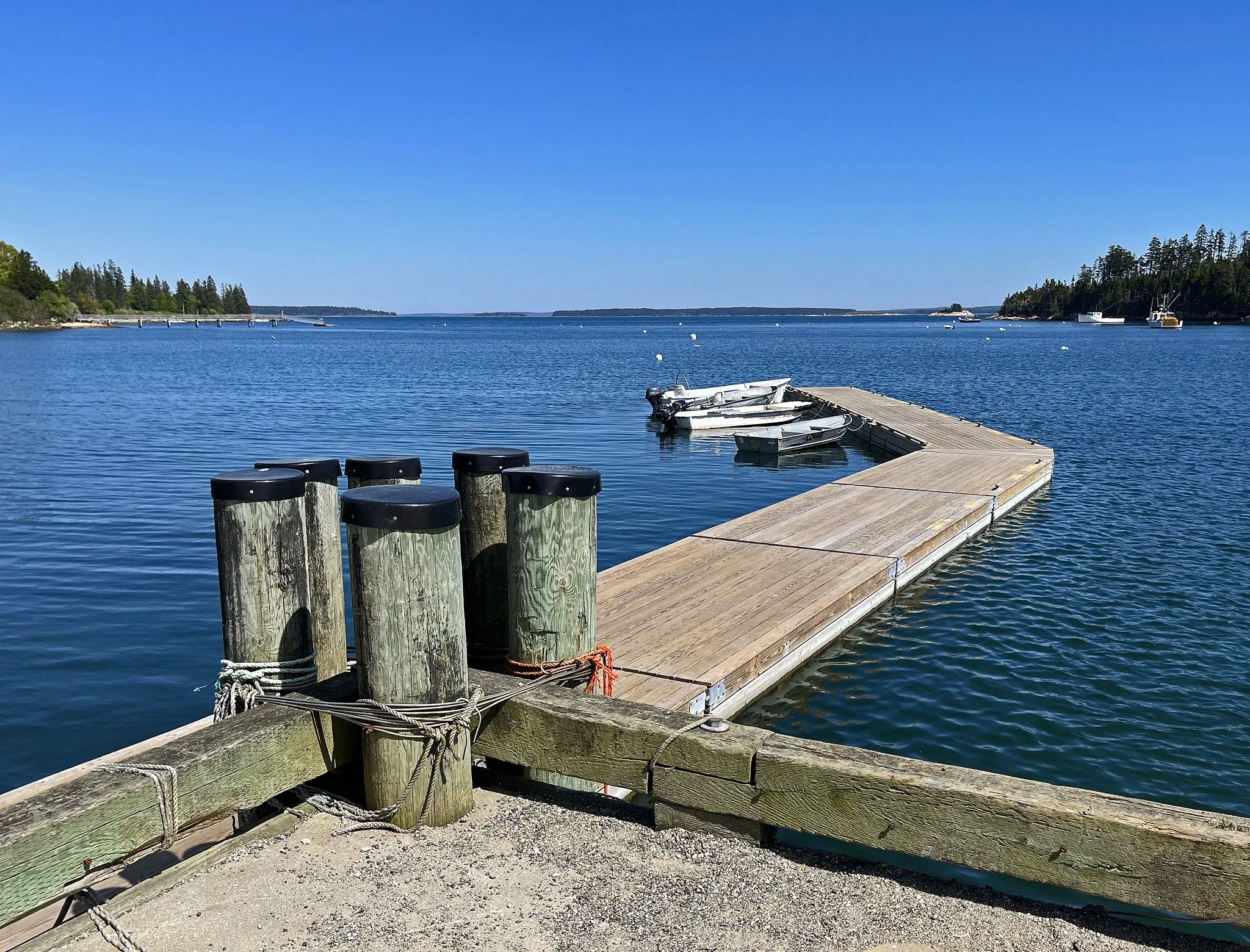
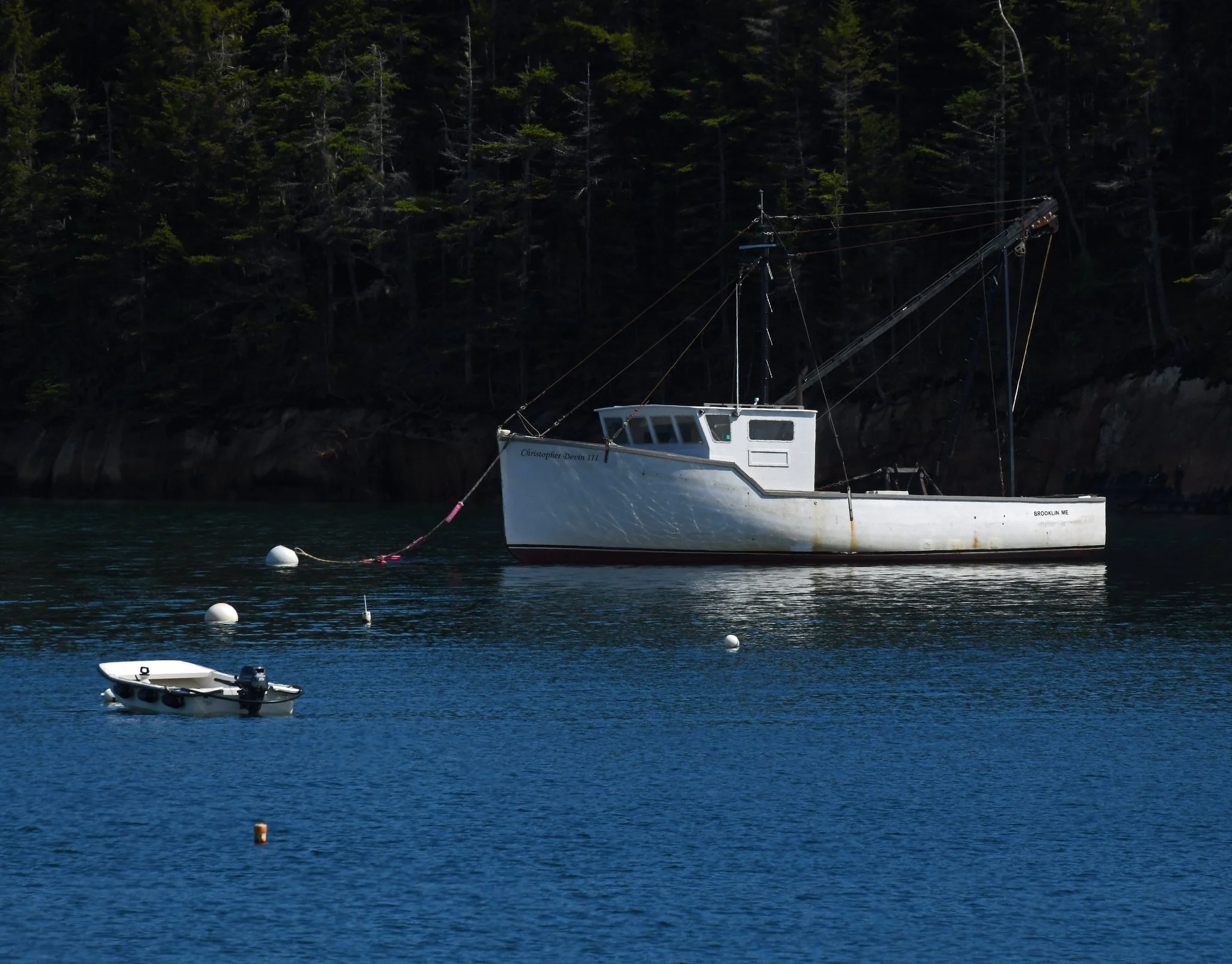
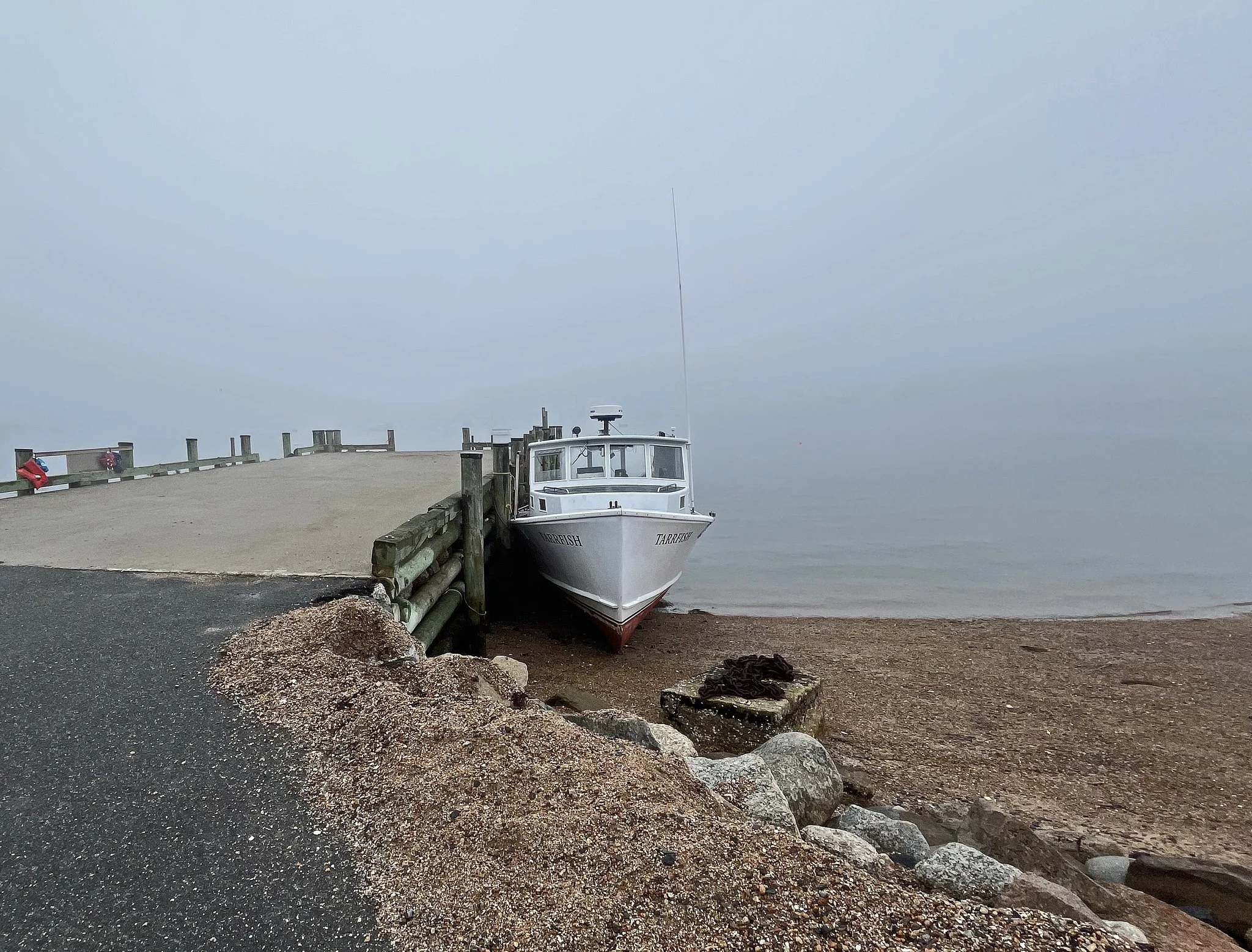
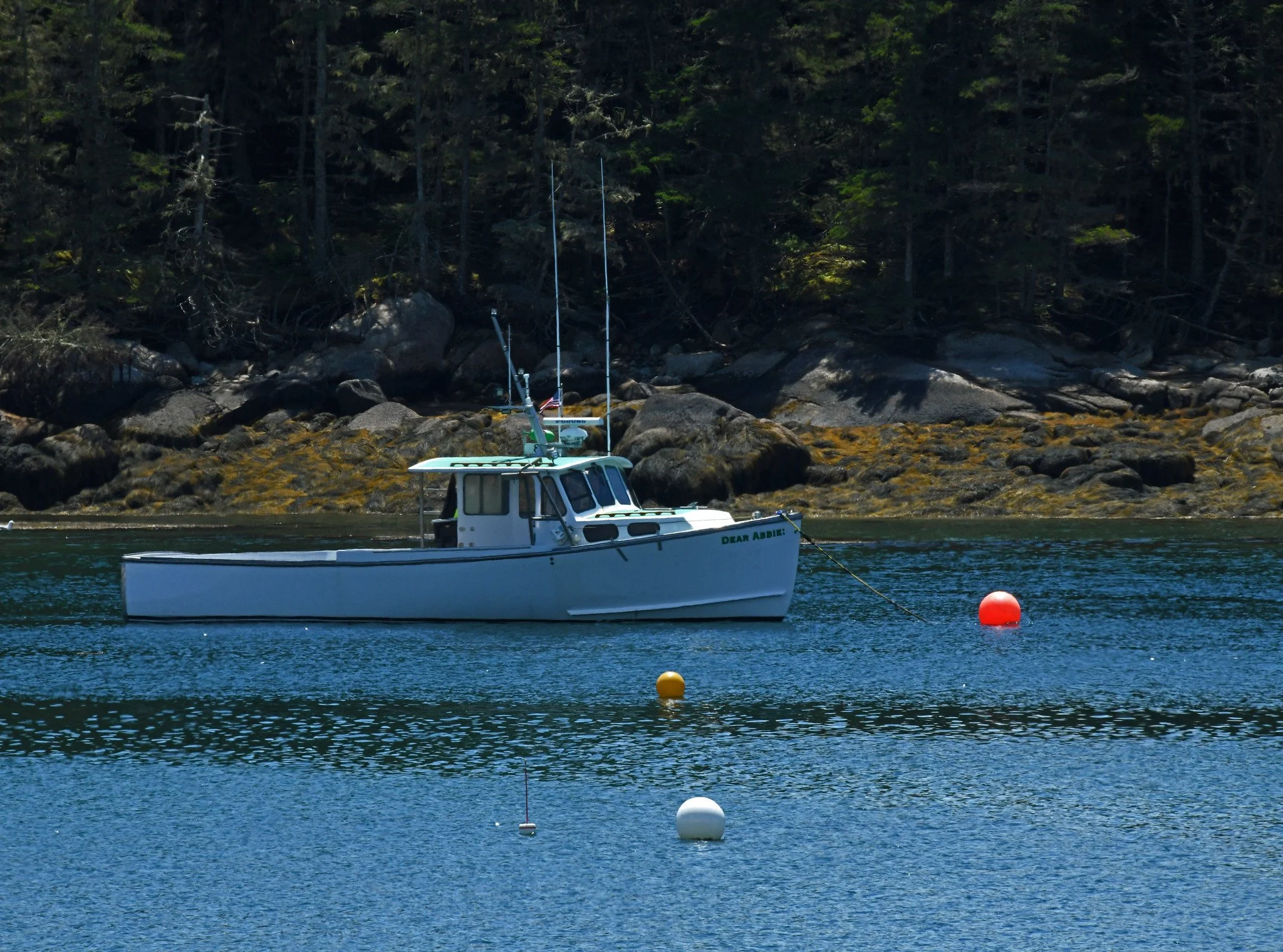
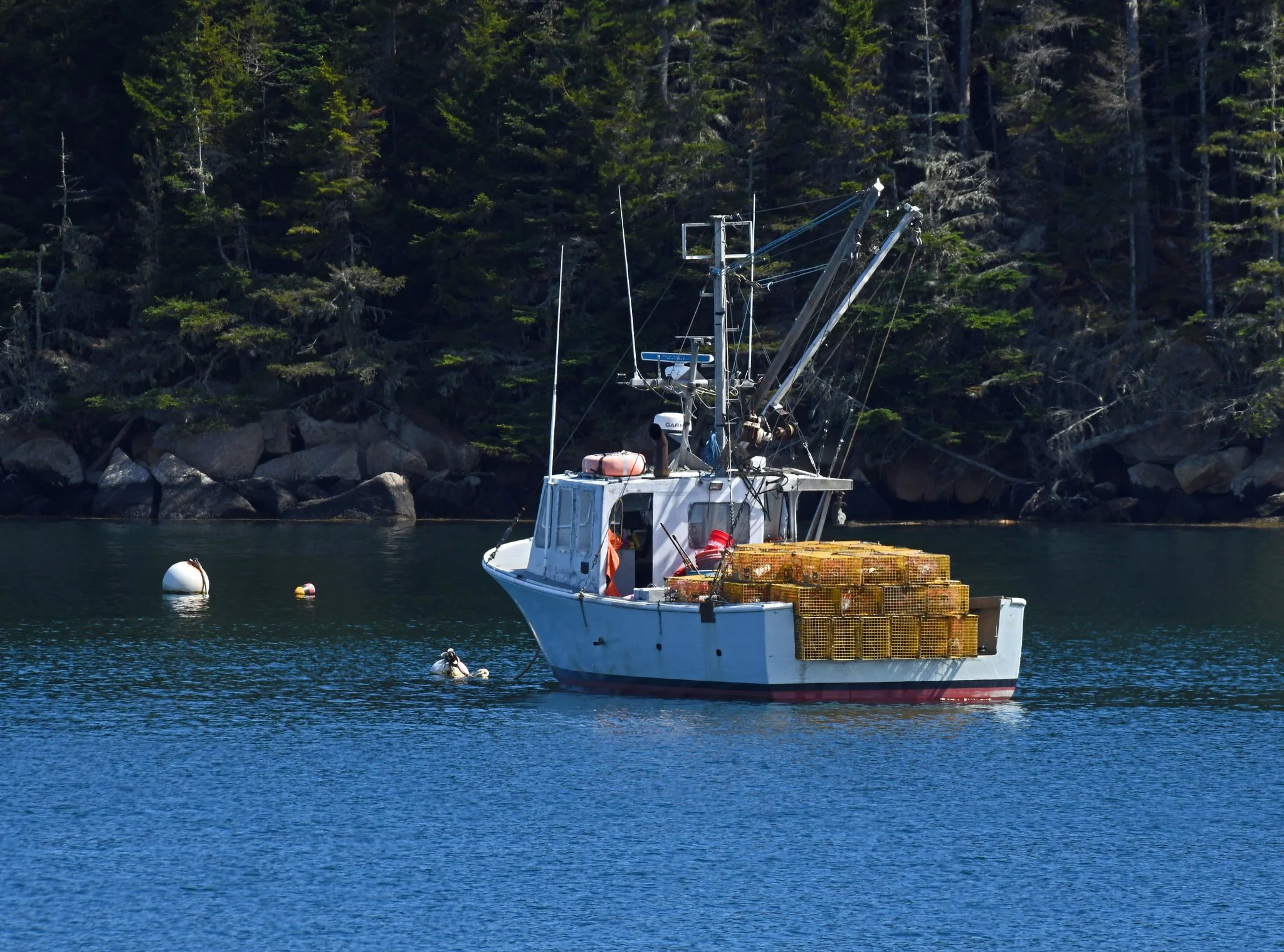
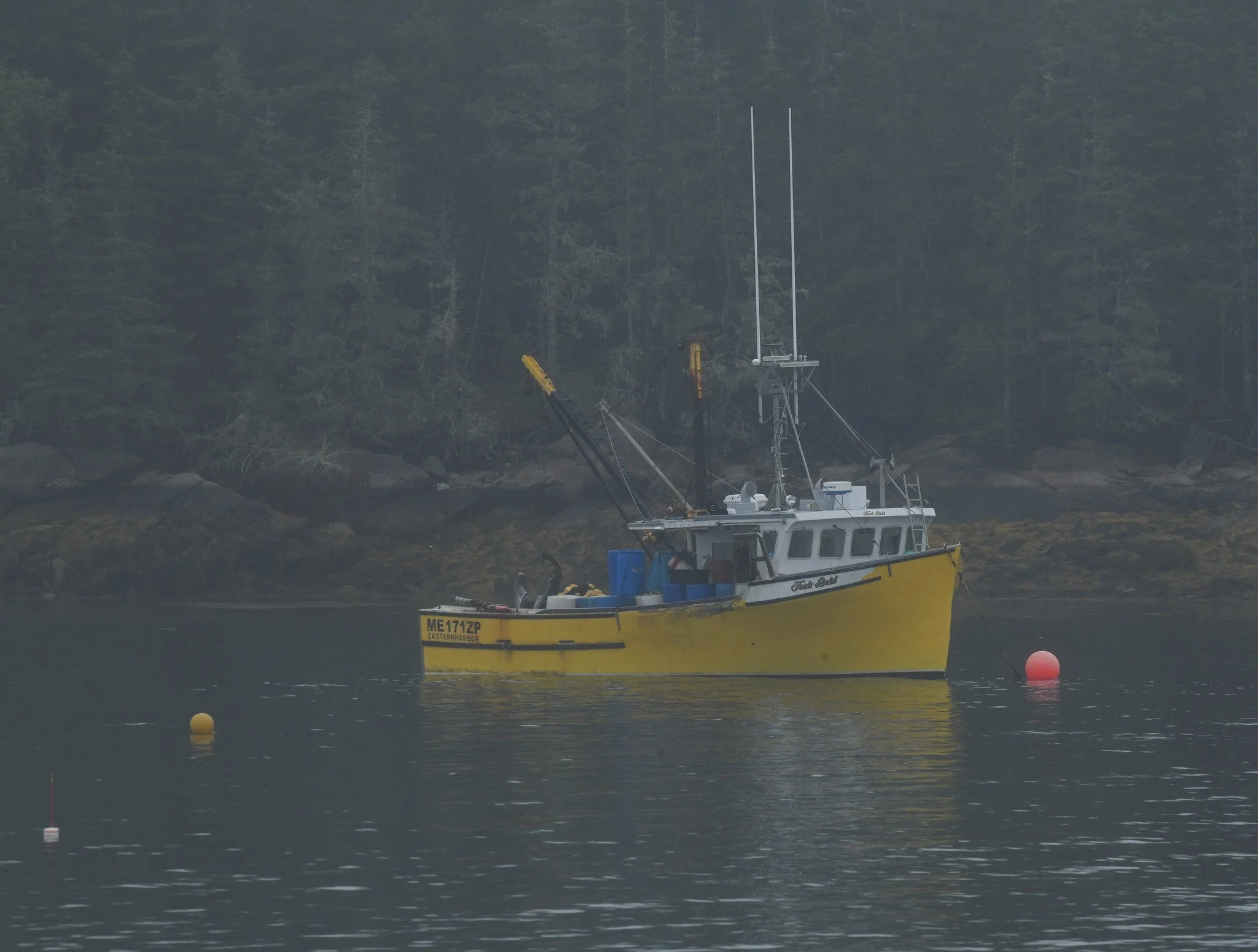
Naskeag Harbor is a working harbor just south of Great Cove. The Brooklin Town Dock is there as is a side docking float. The float is installed in the summer for the skiffs that are used to get out to the moored lobstrer boats and the vessels that serve them in sun, fog and rain:

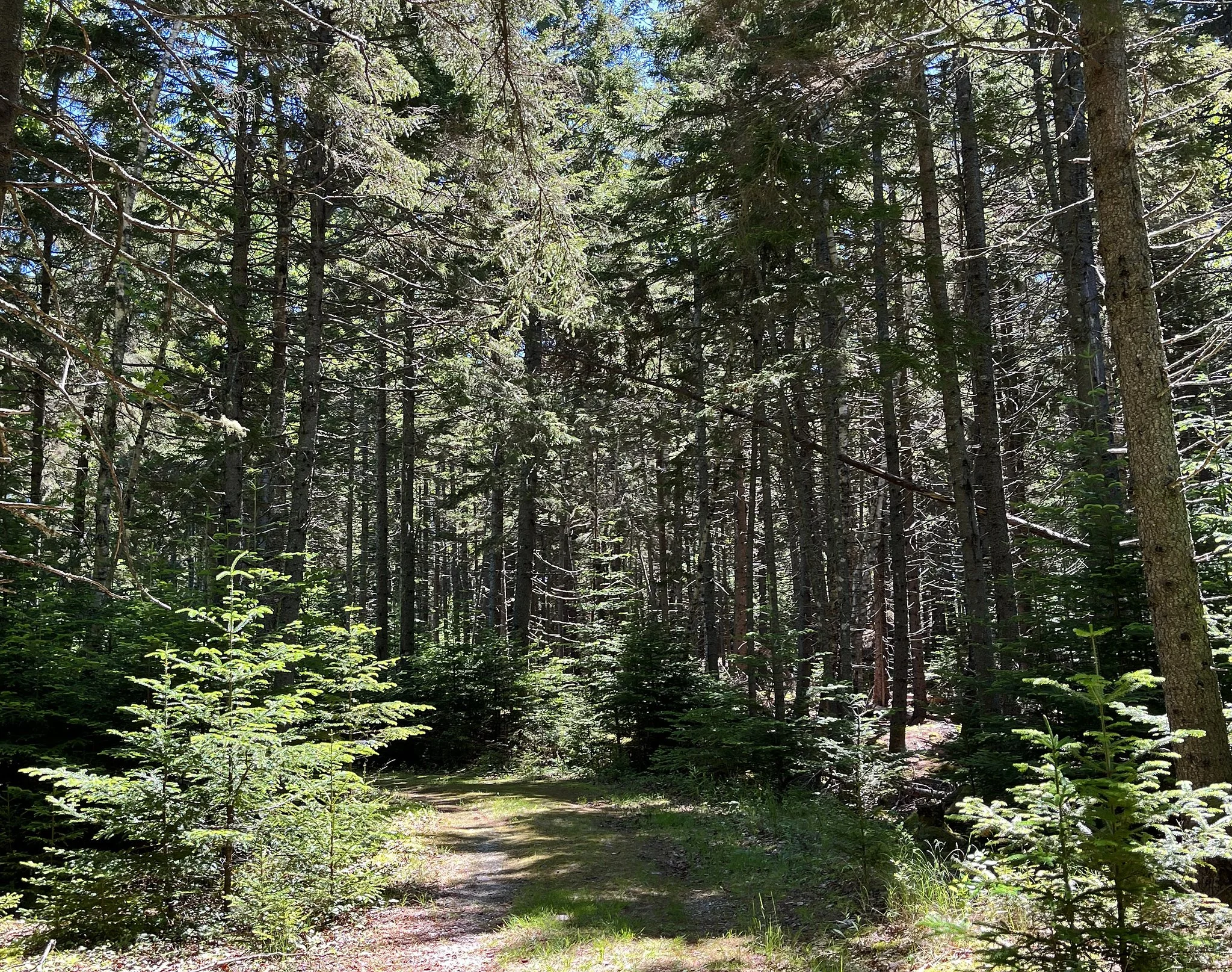
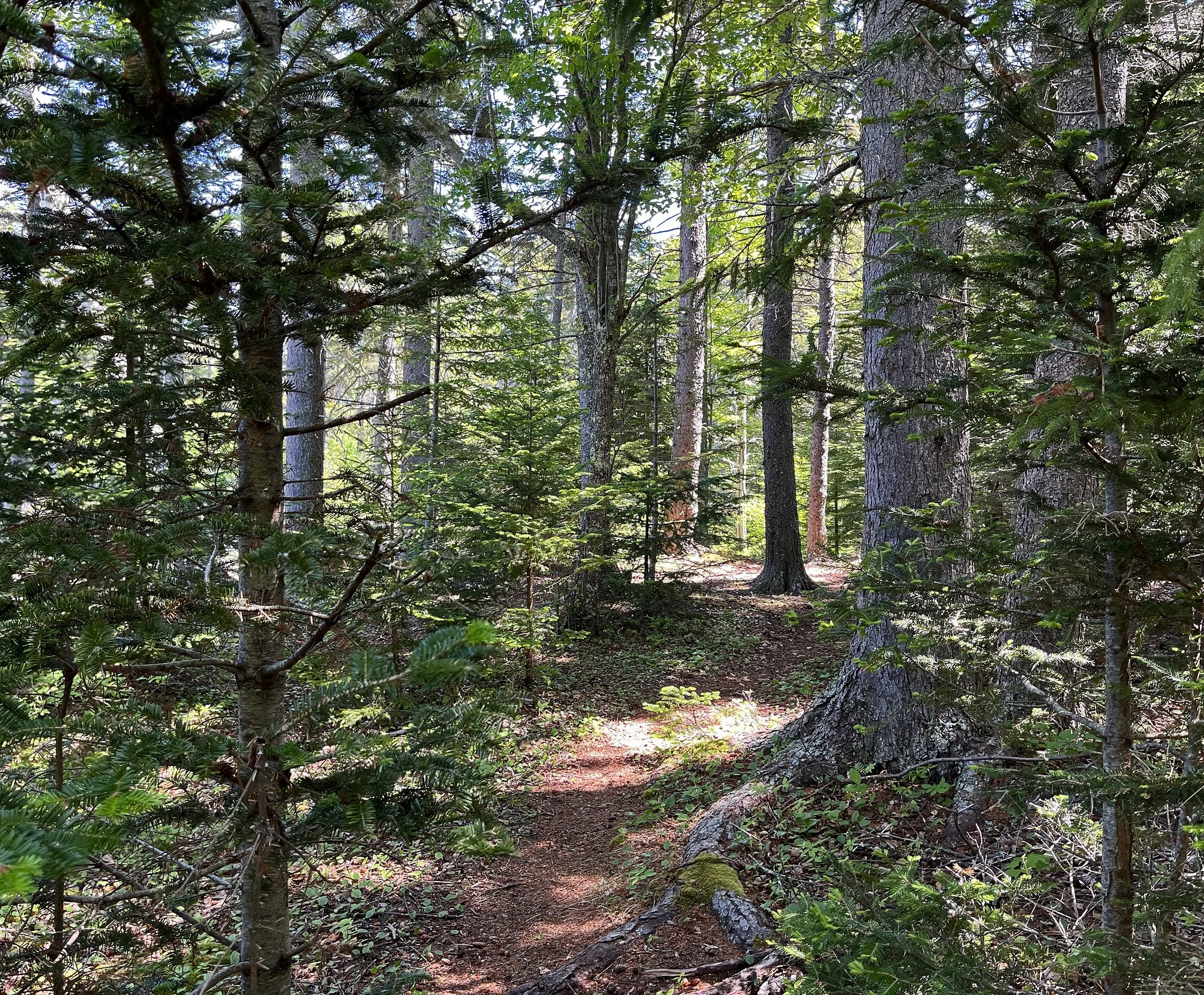
June rains were kind to our fresh waters, fields and woods, keeping most ponds reasonably full, streams flowing well, and meadows lush. Wooded trails were not extraordinarily dry, but there continued to be concerns about potential fire hazards.

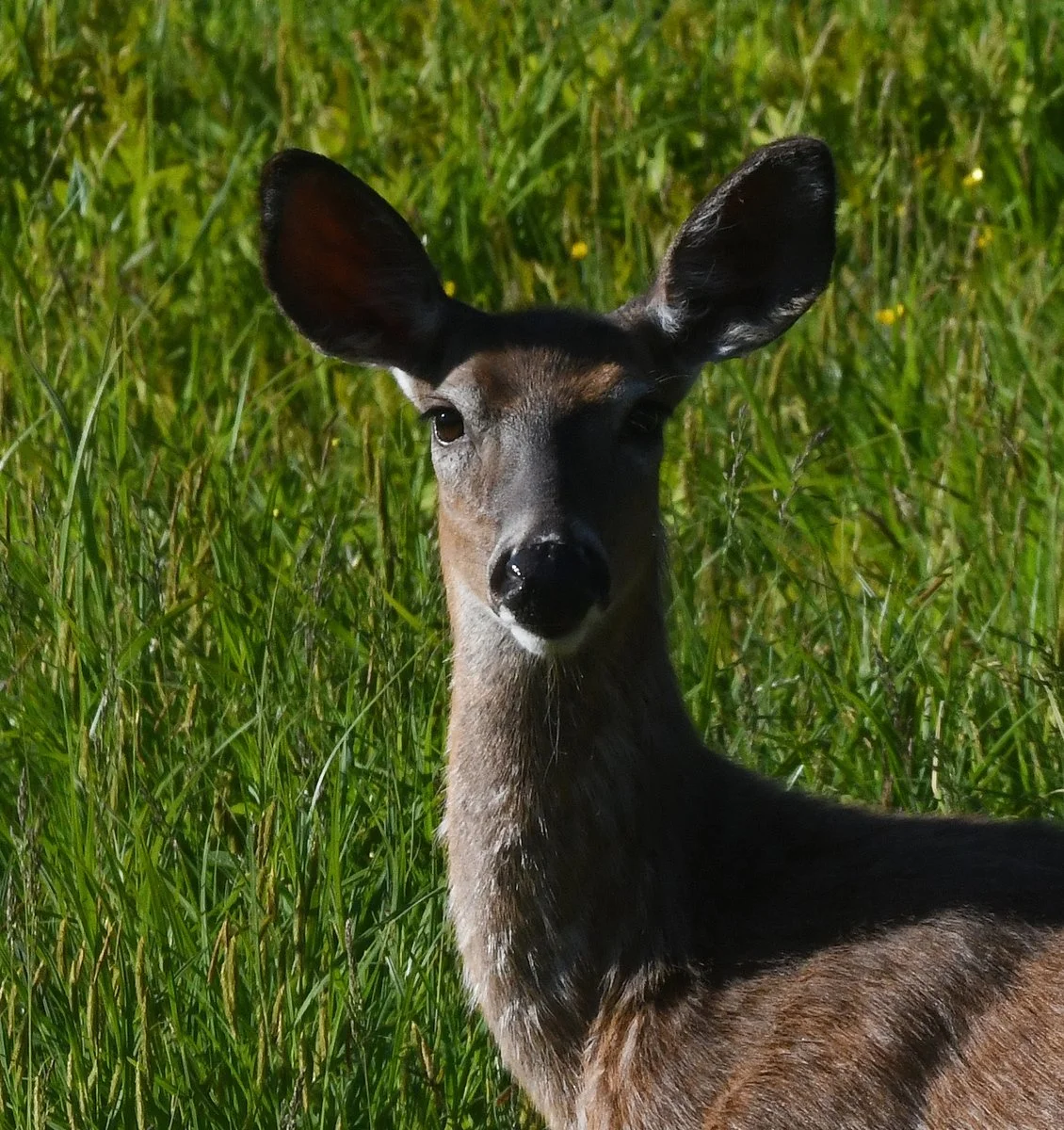
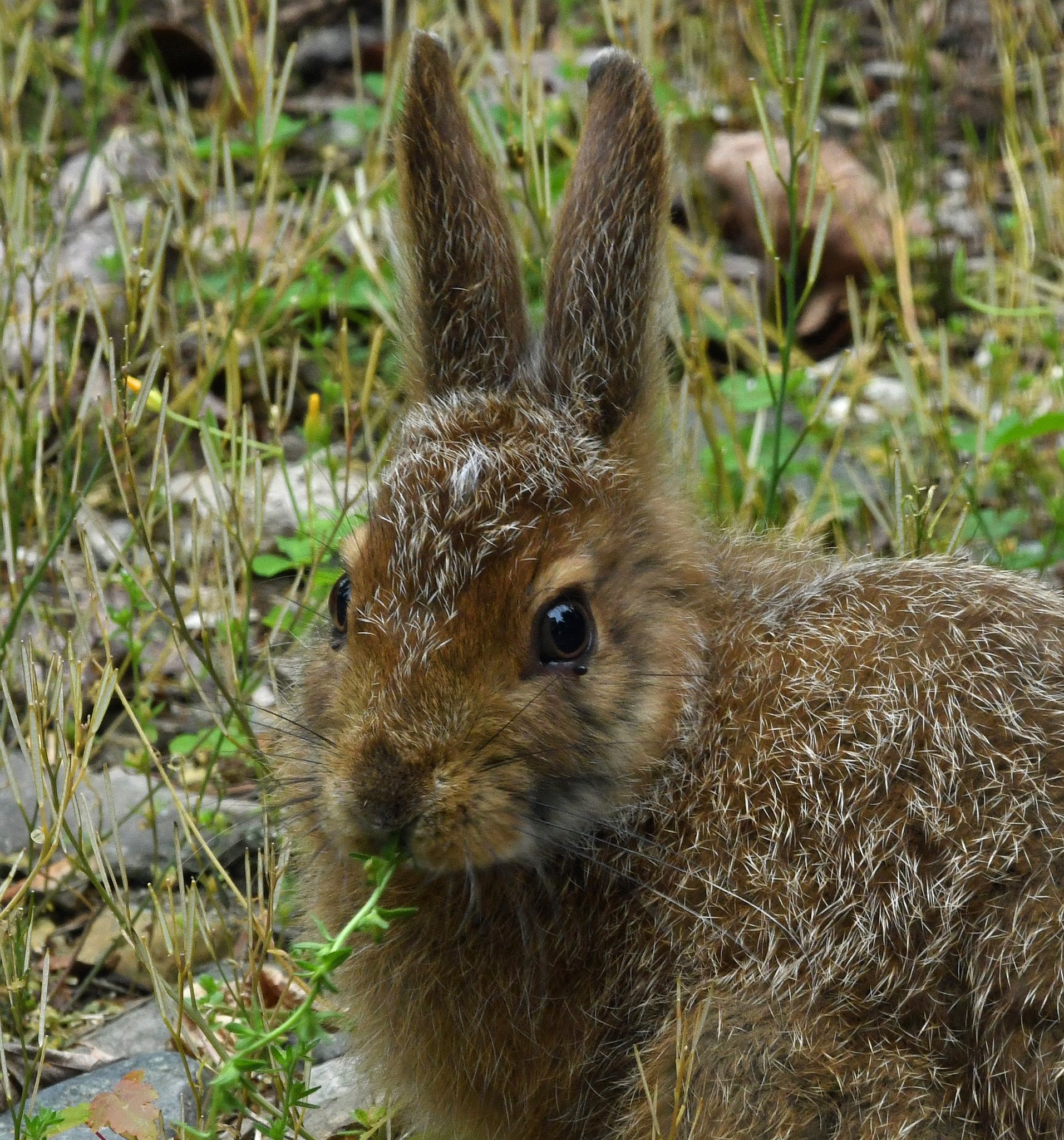
June’s many wildlife sightings included watching the transformation of our field-browsing white-tailed deer and (once all-white) weed-munching snowshow hares, as they grew into their summer coats:

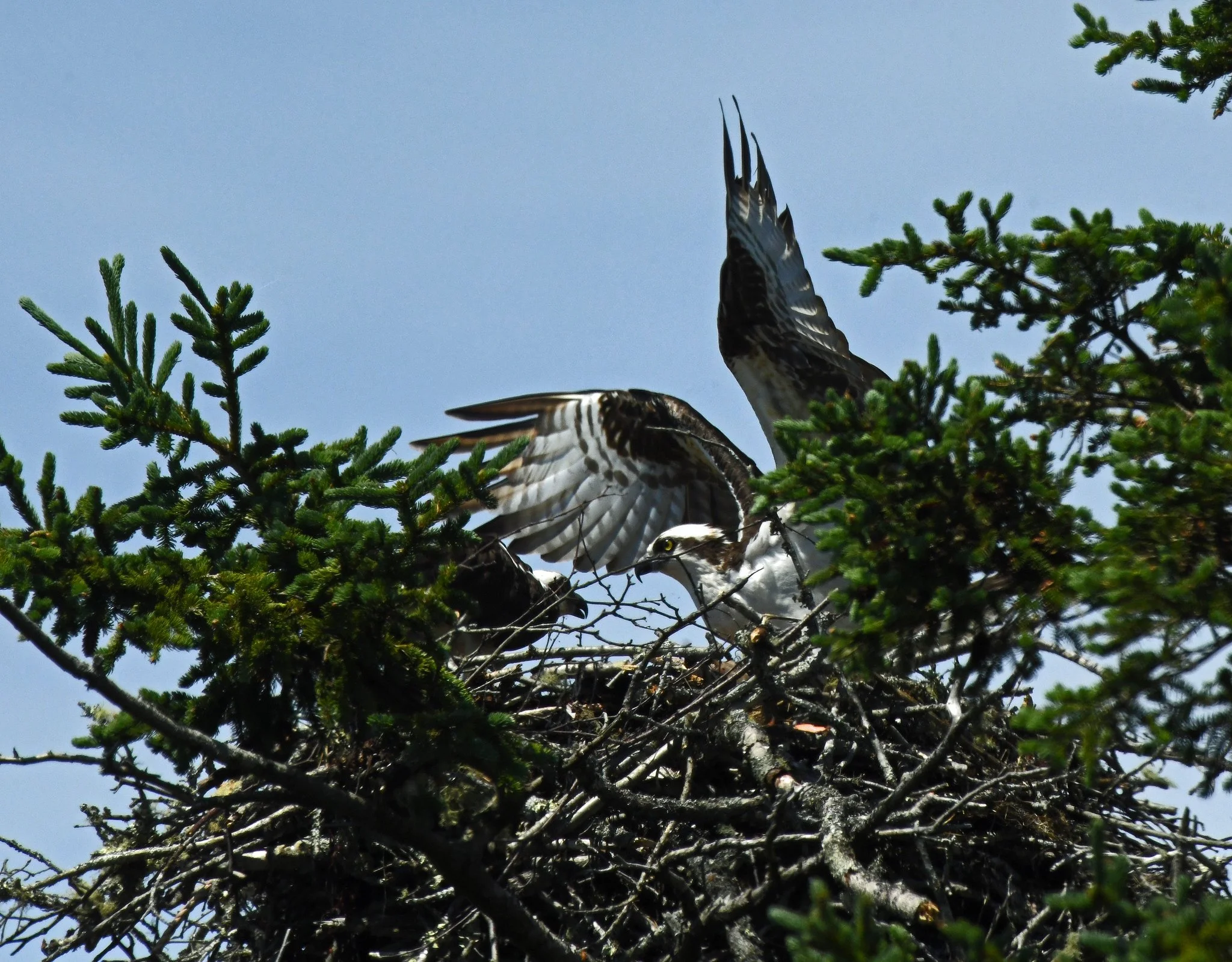
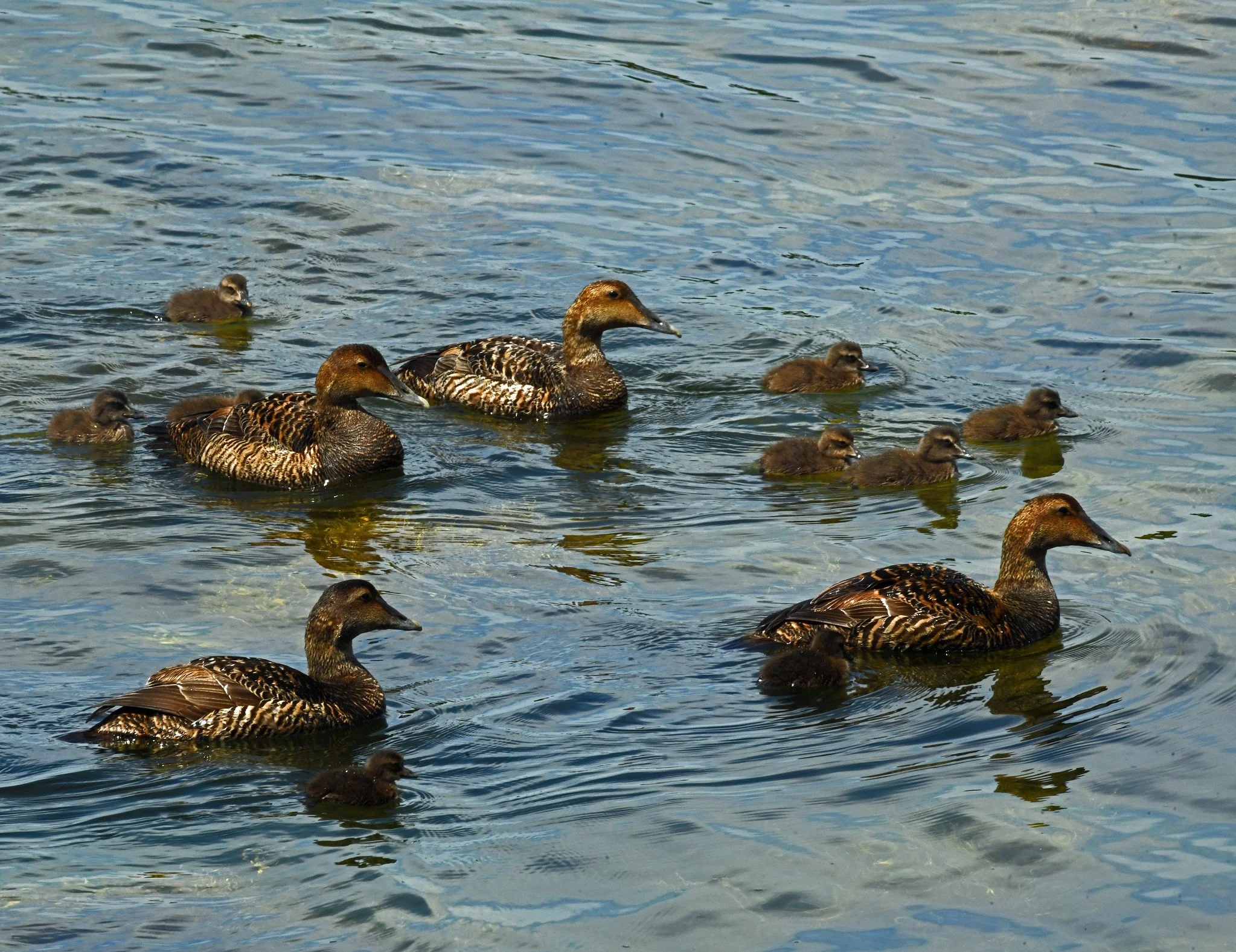
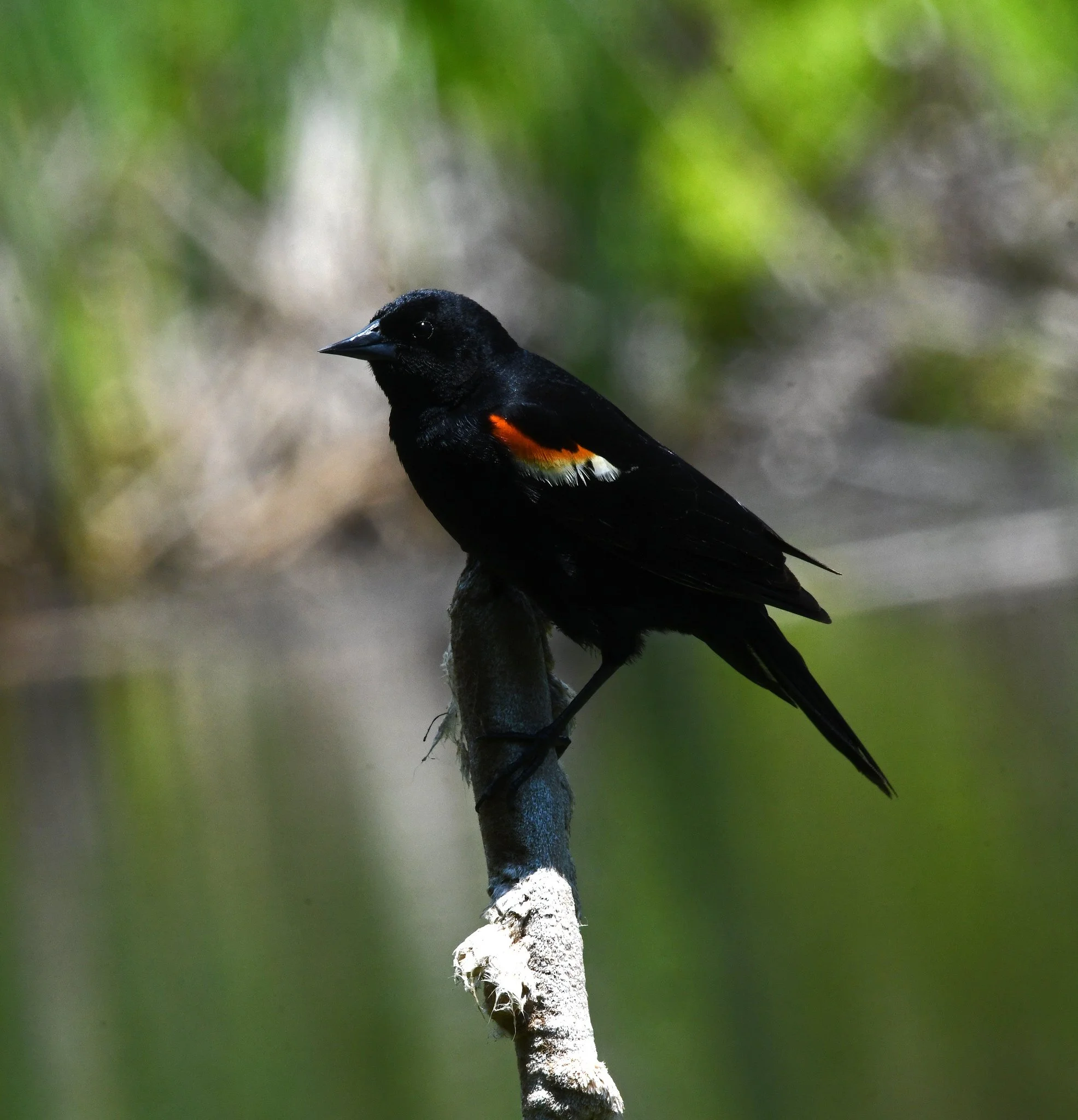
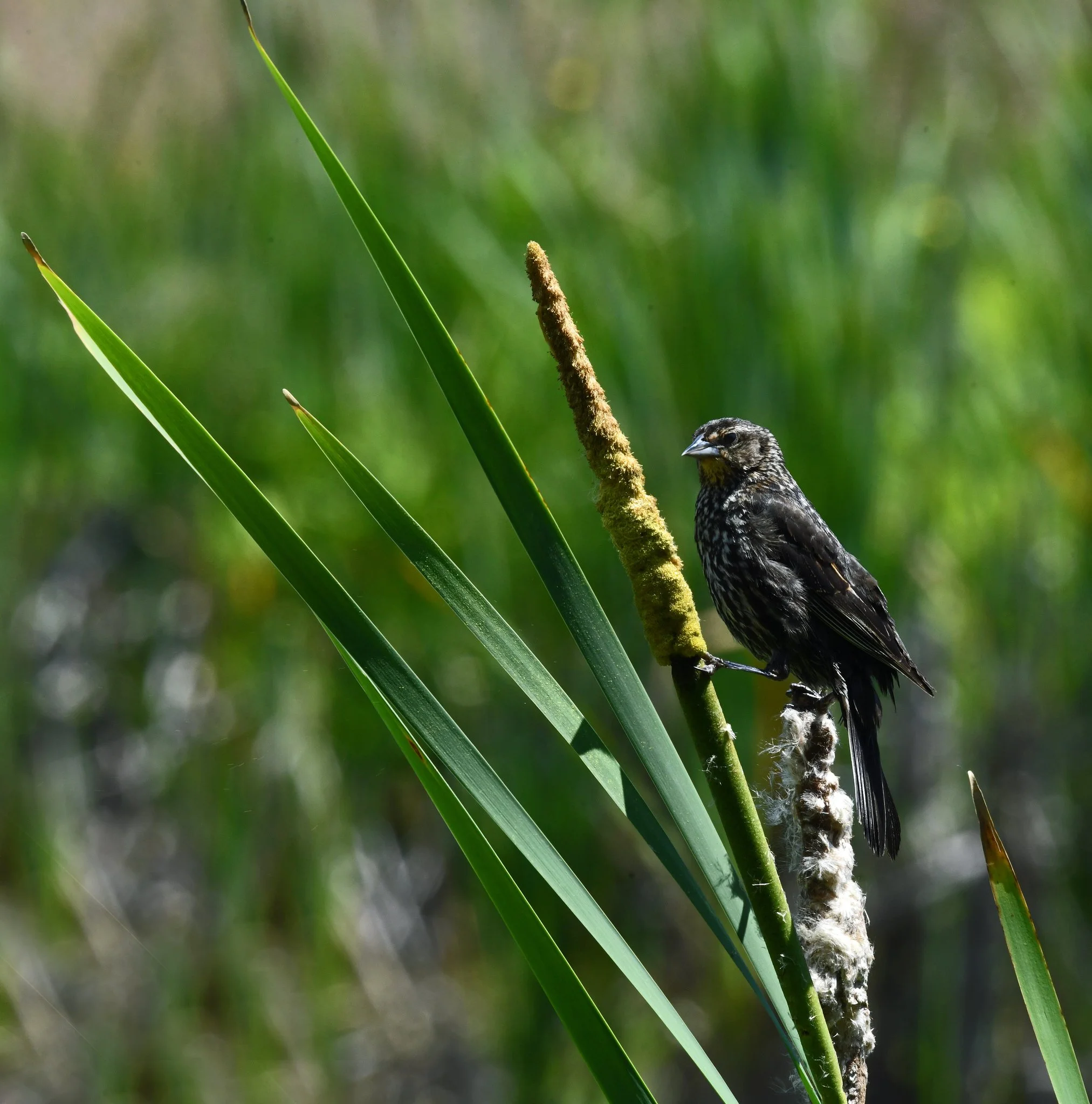
My favorite pair of ospreys acted like they had nestlings, but I haven’t seen one yet. Female common eiders had no problem showing off their ducklings, but red-winged blackbird parents hid even their nests:

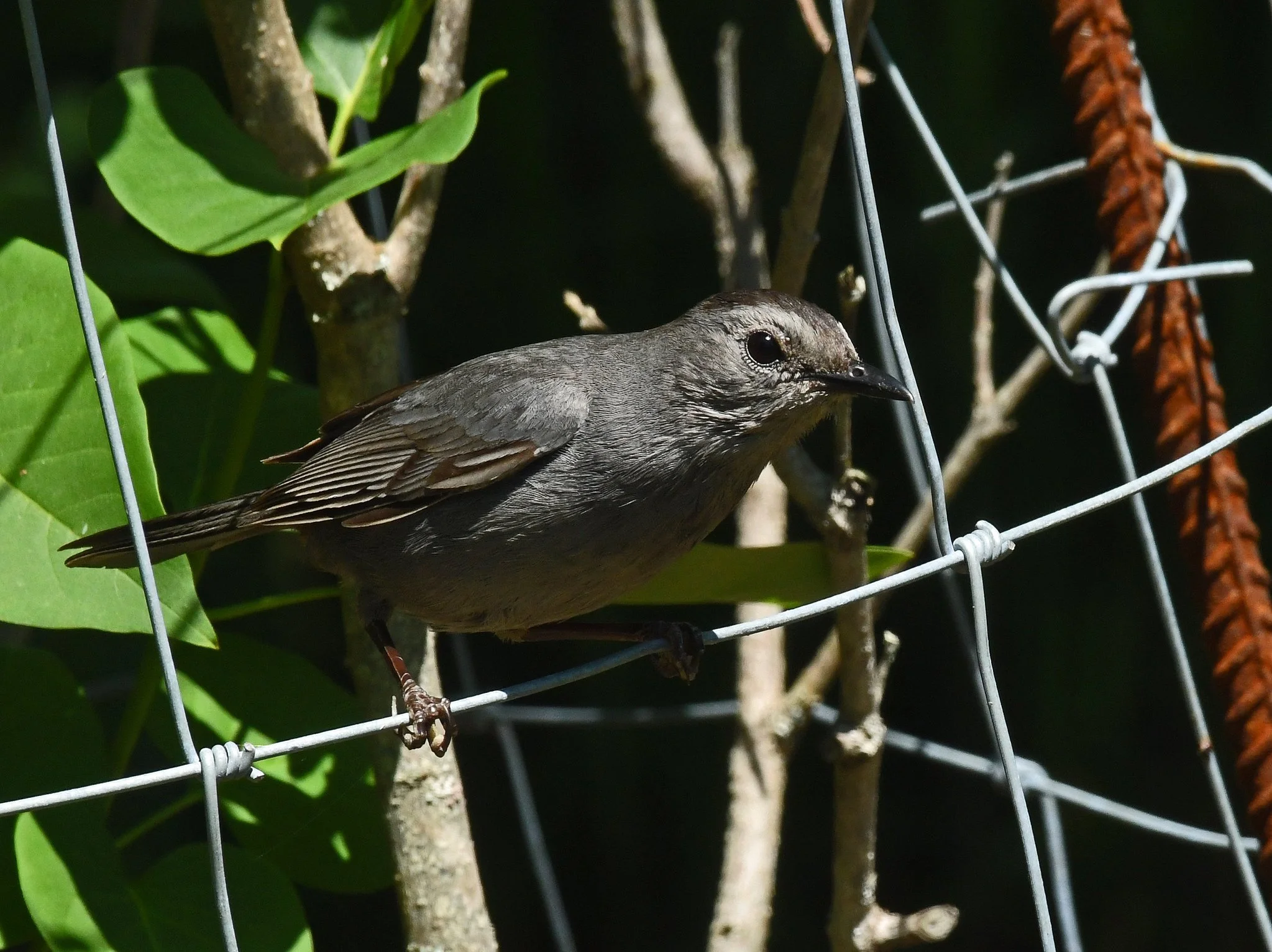
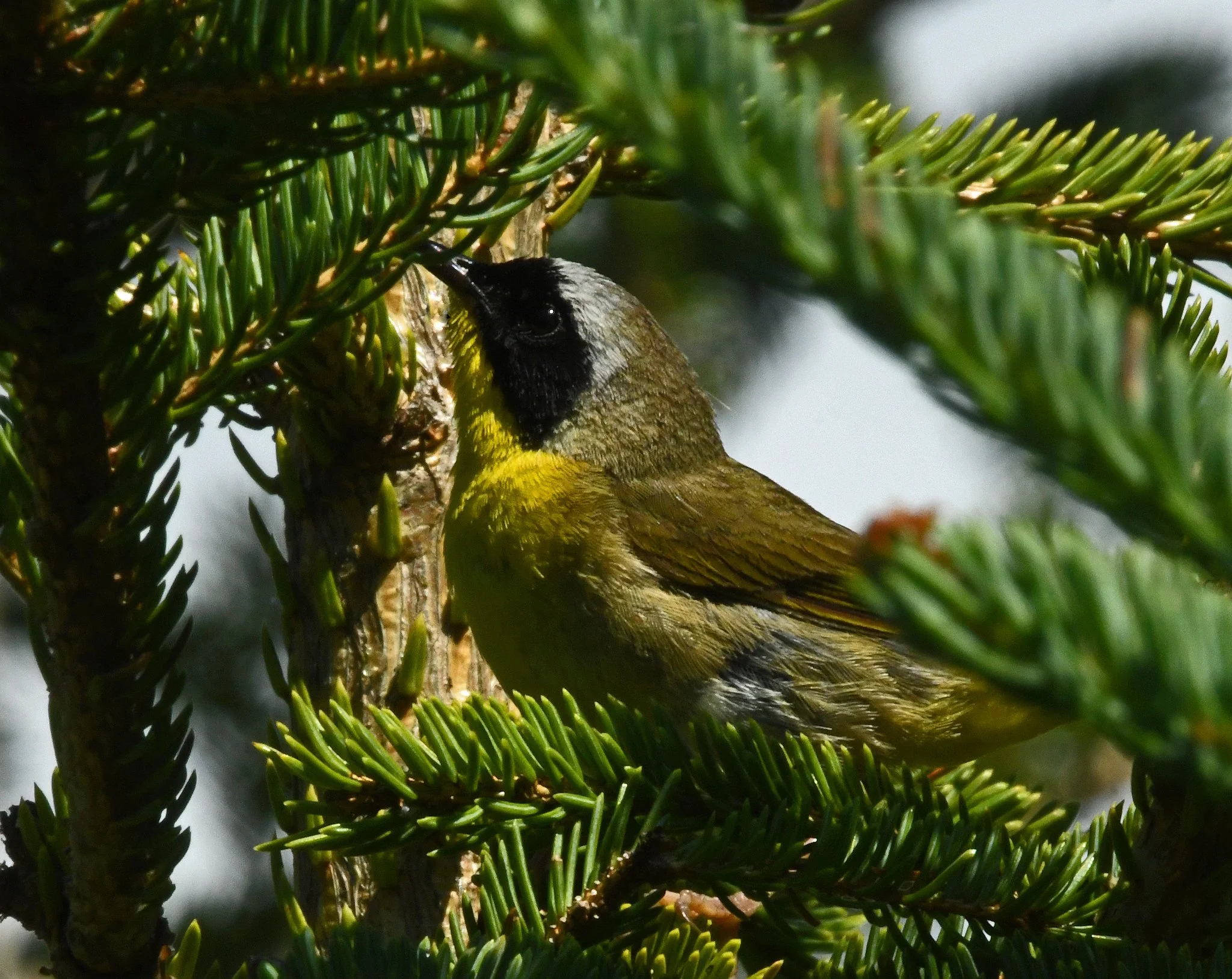
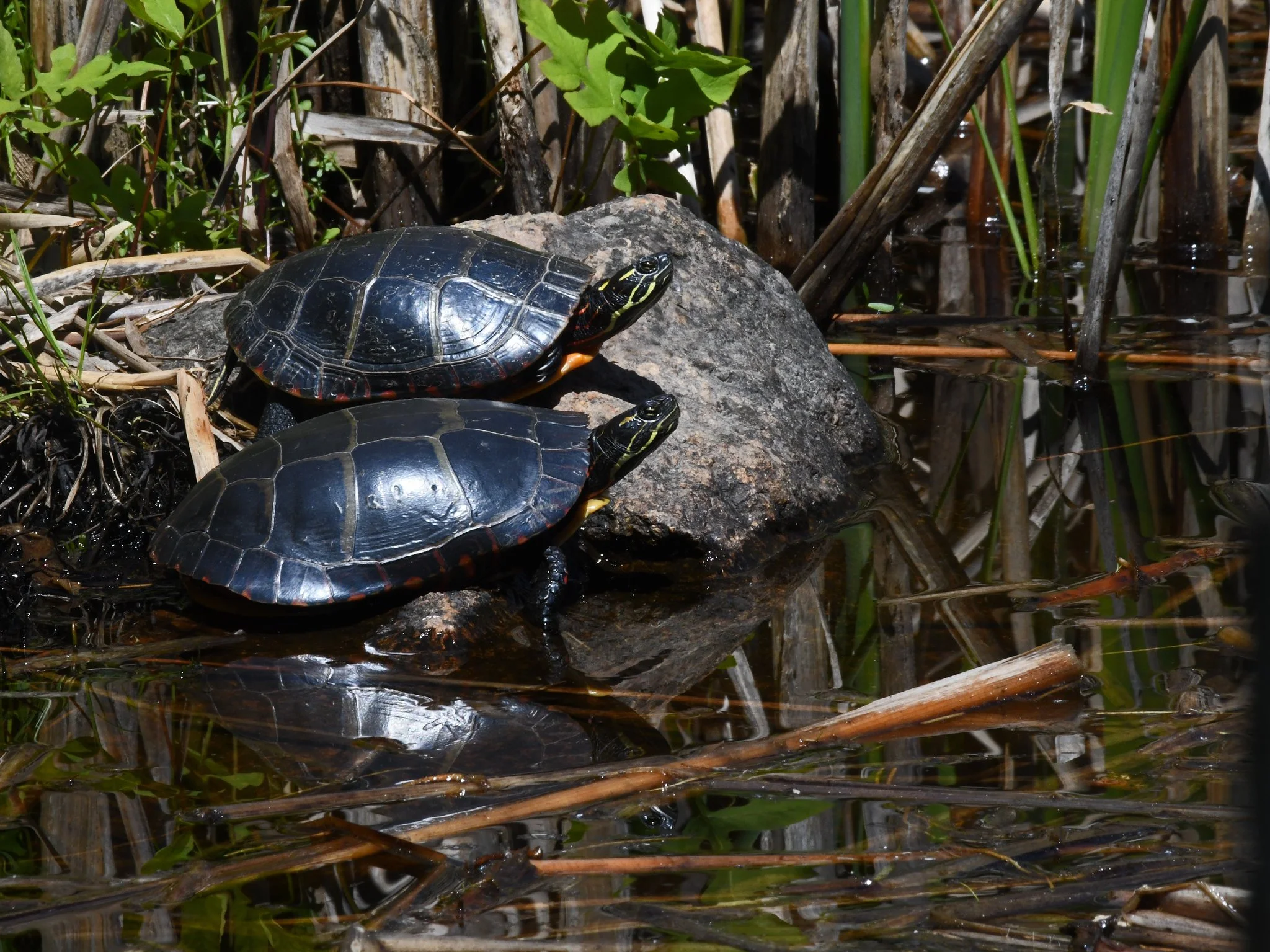
There also were fleeting sightings of reclusive creatures, including gray catbirds, common yellow-throat warblers and painted turtles:

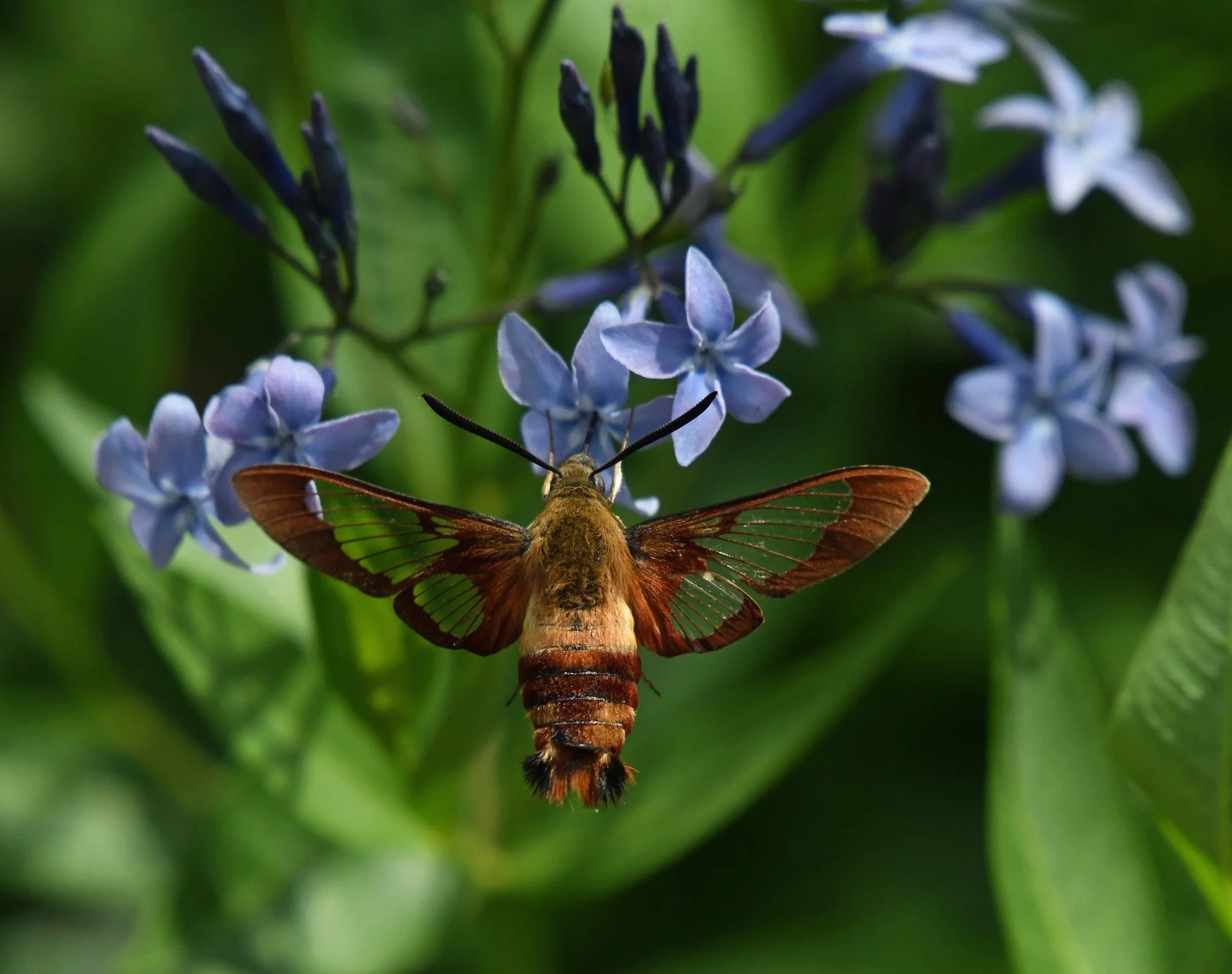
June’s very small world department included hummingbird clearwinged moths and eastern tiger swallowtail butterflies sipping nectar from our flowers:

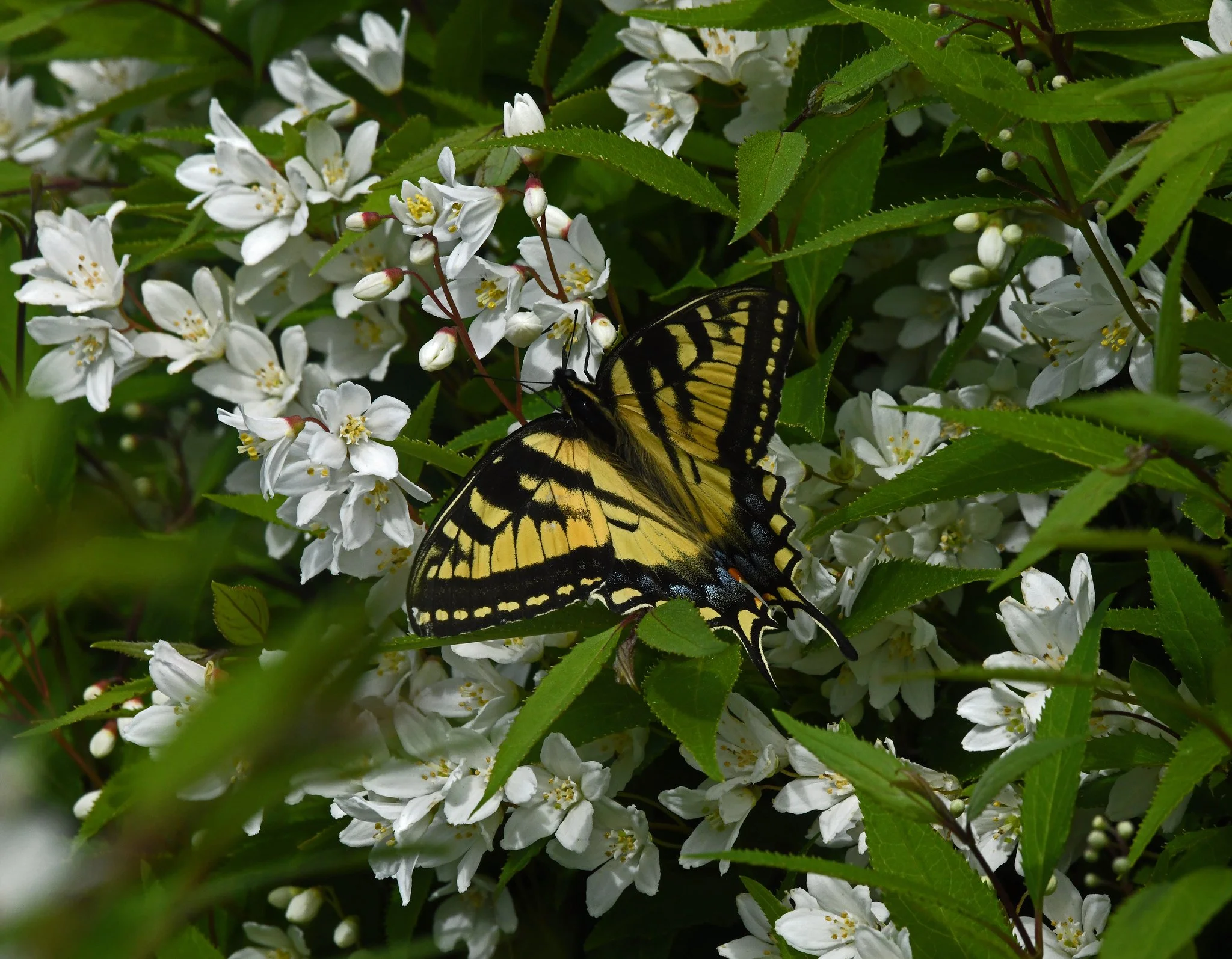
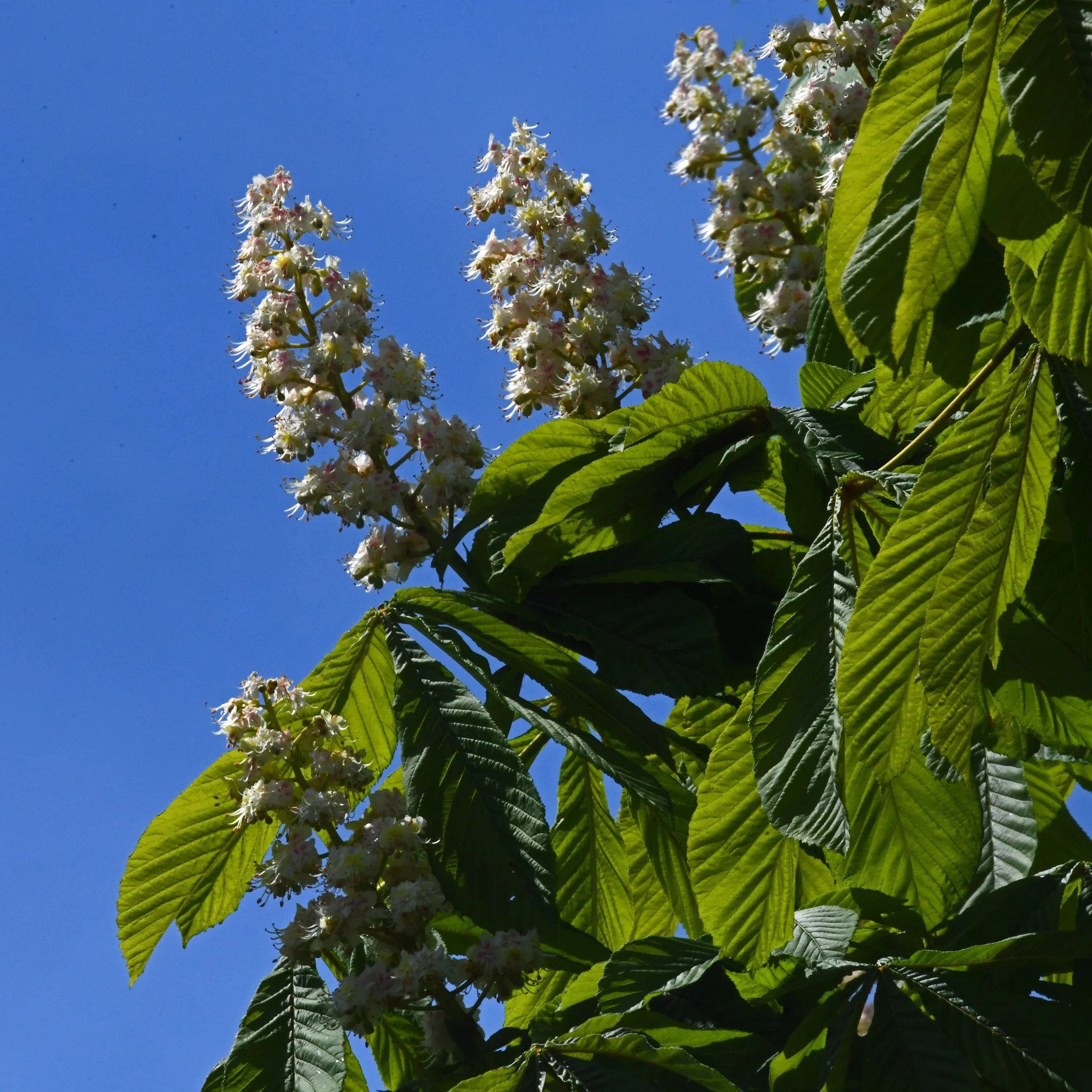
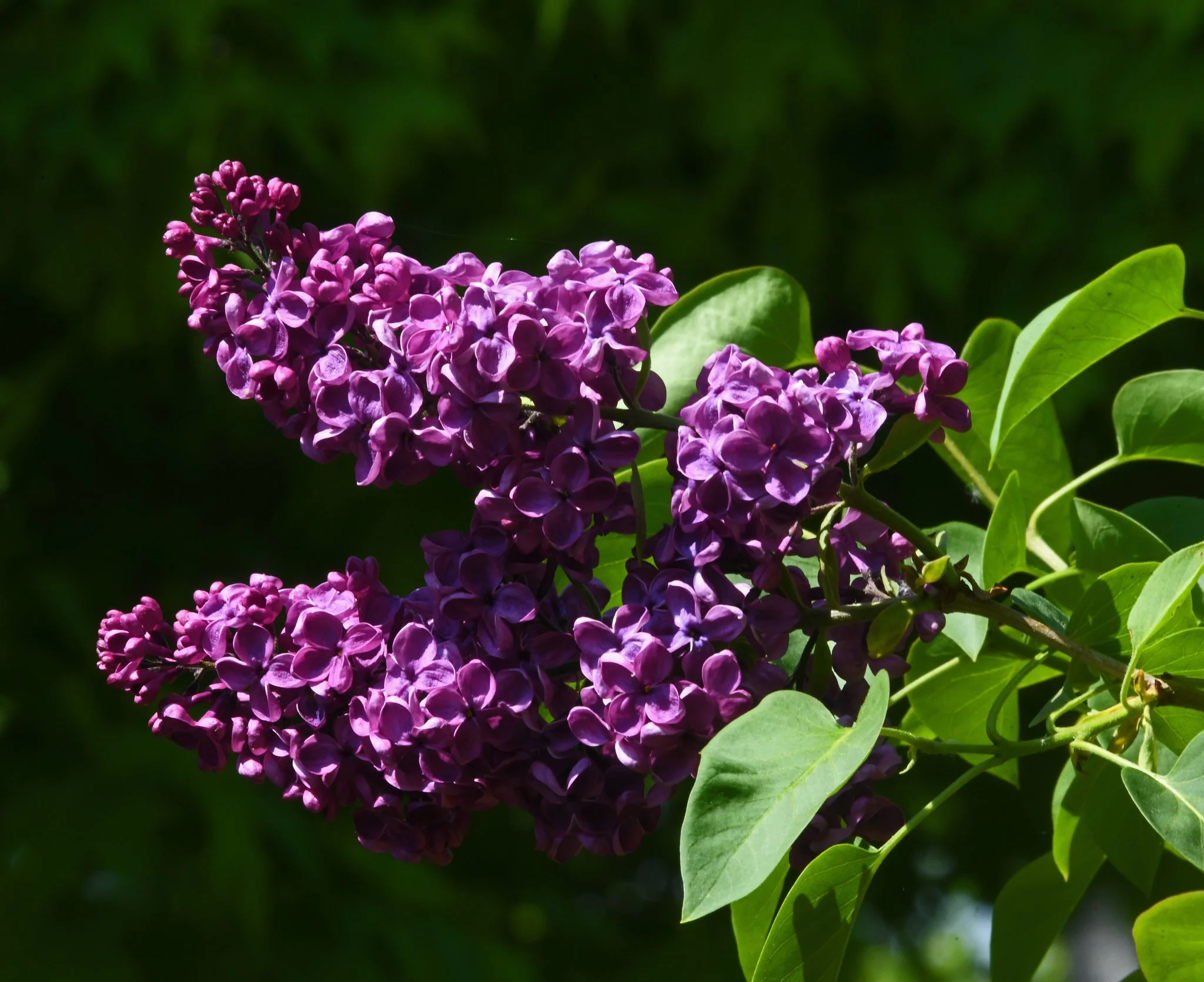
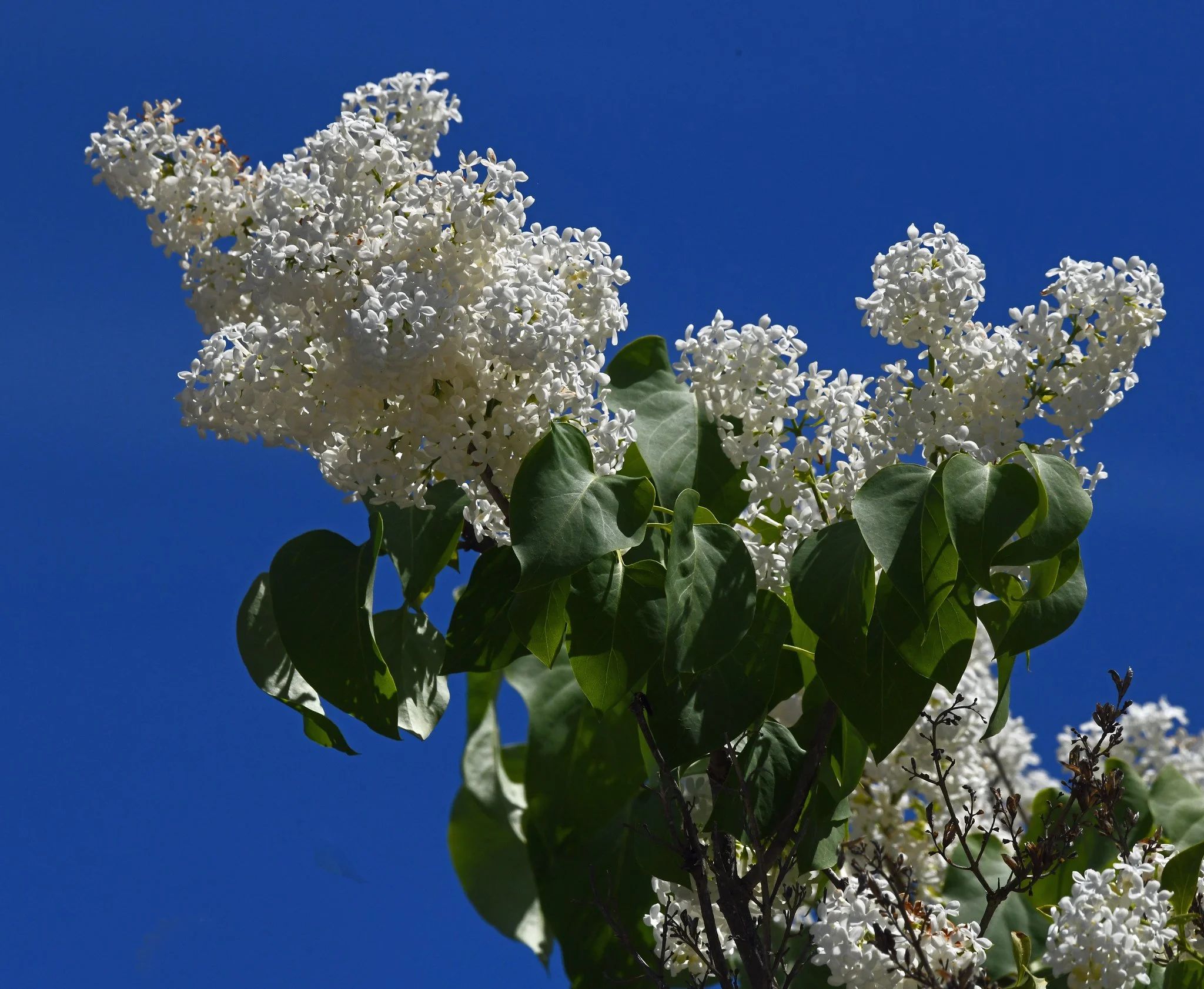
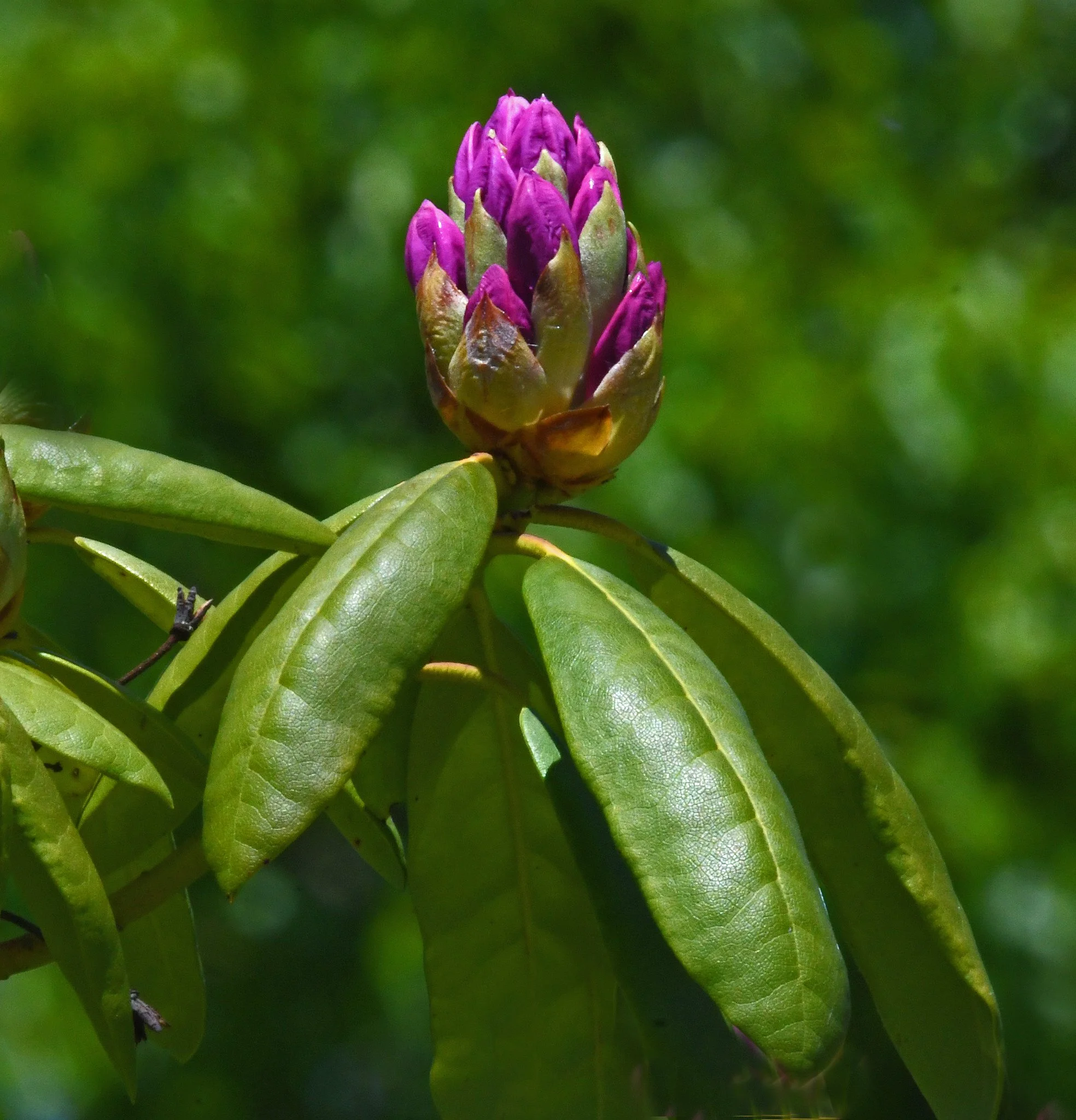
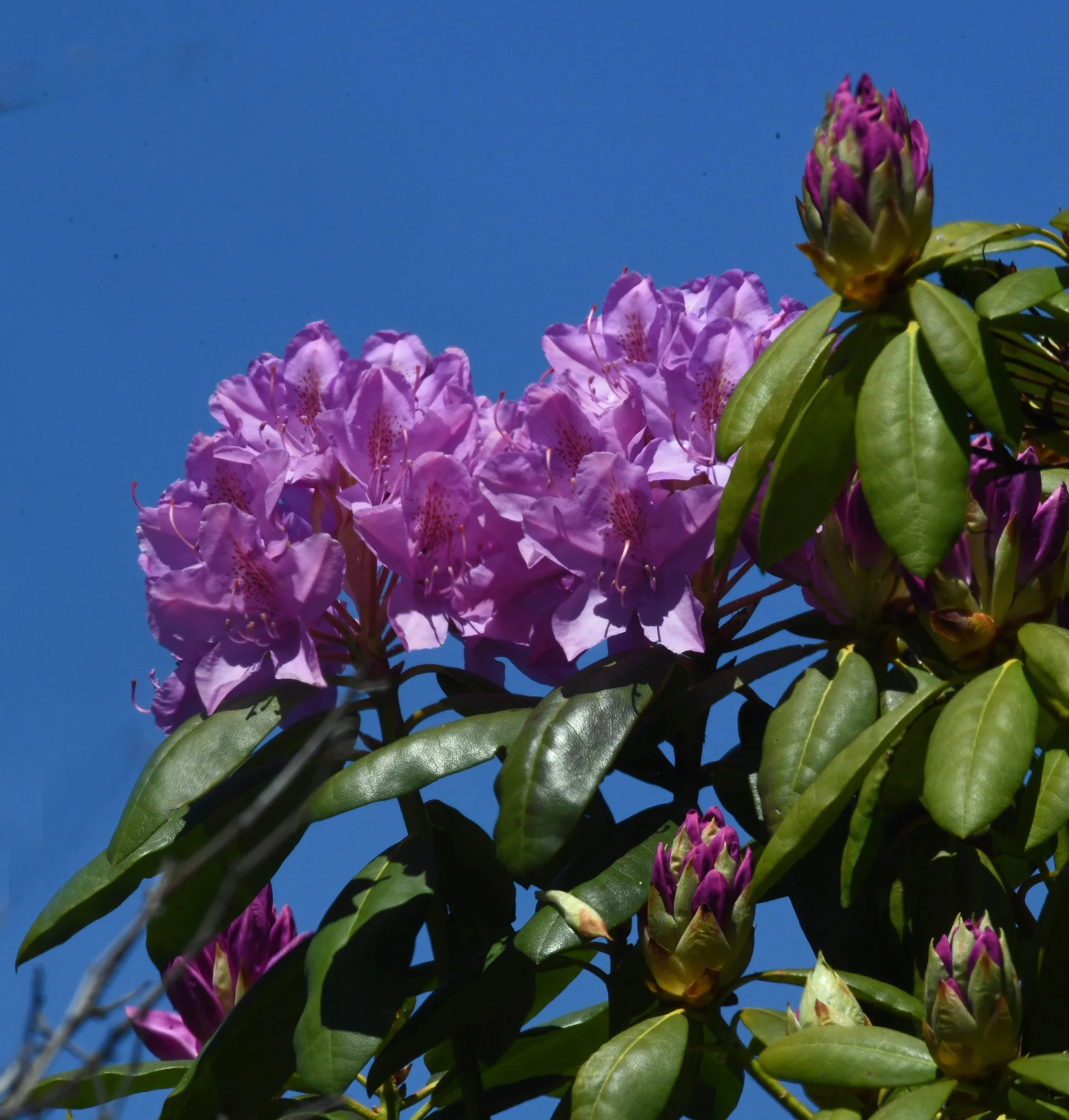
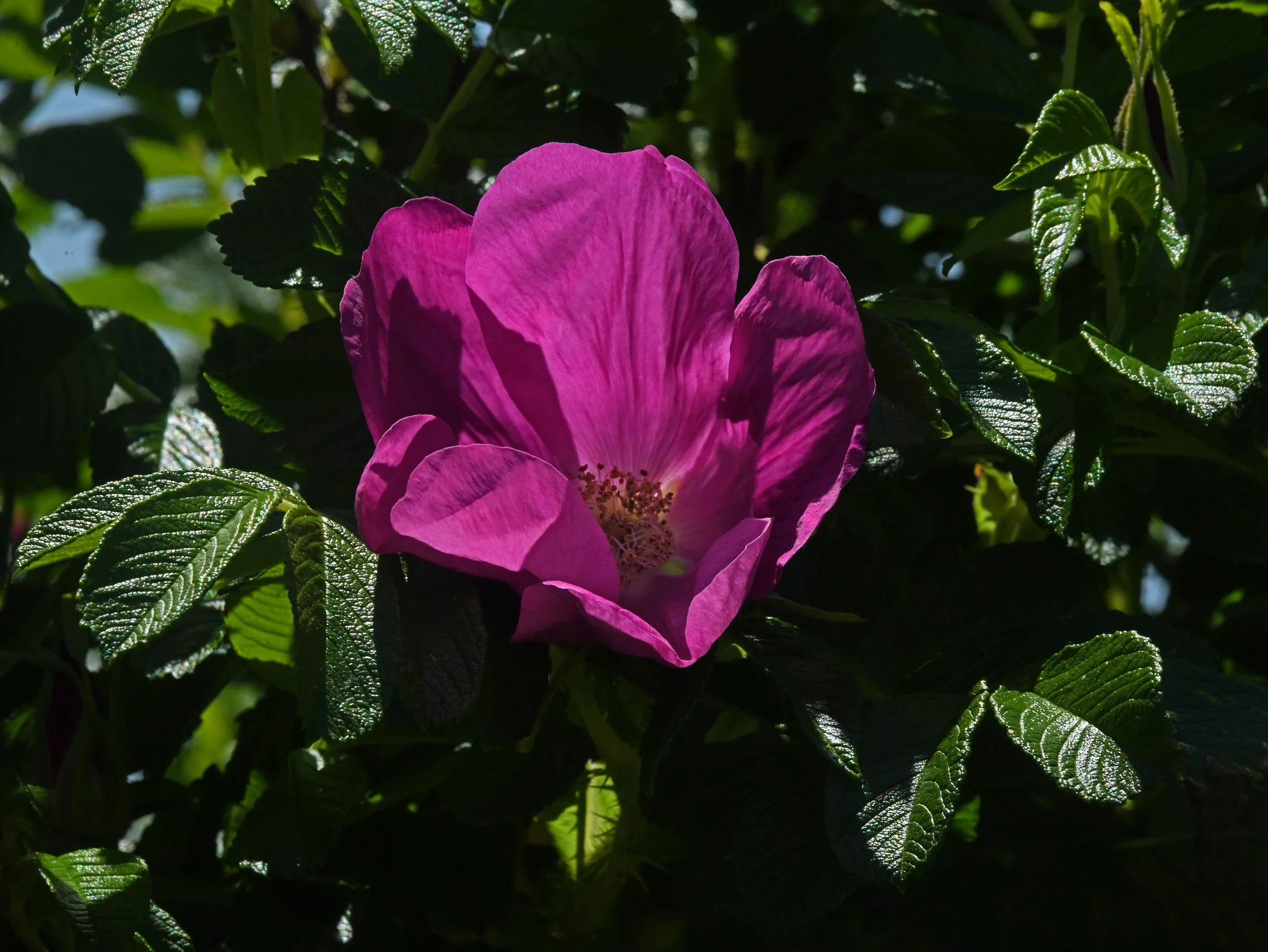
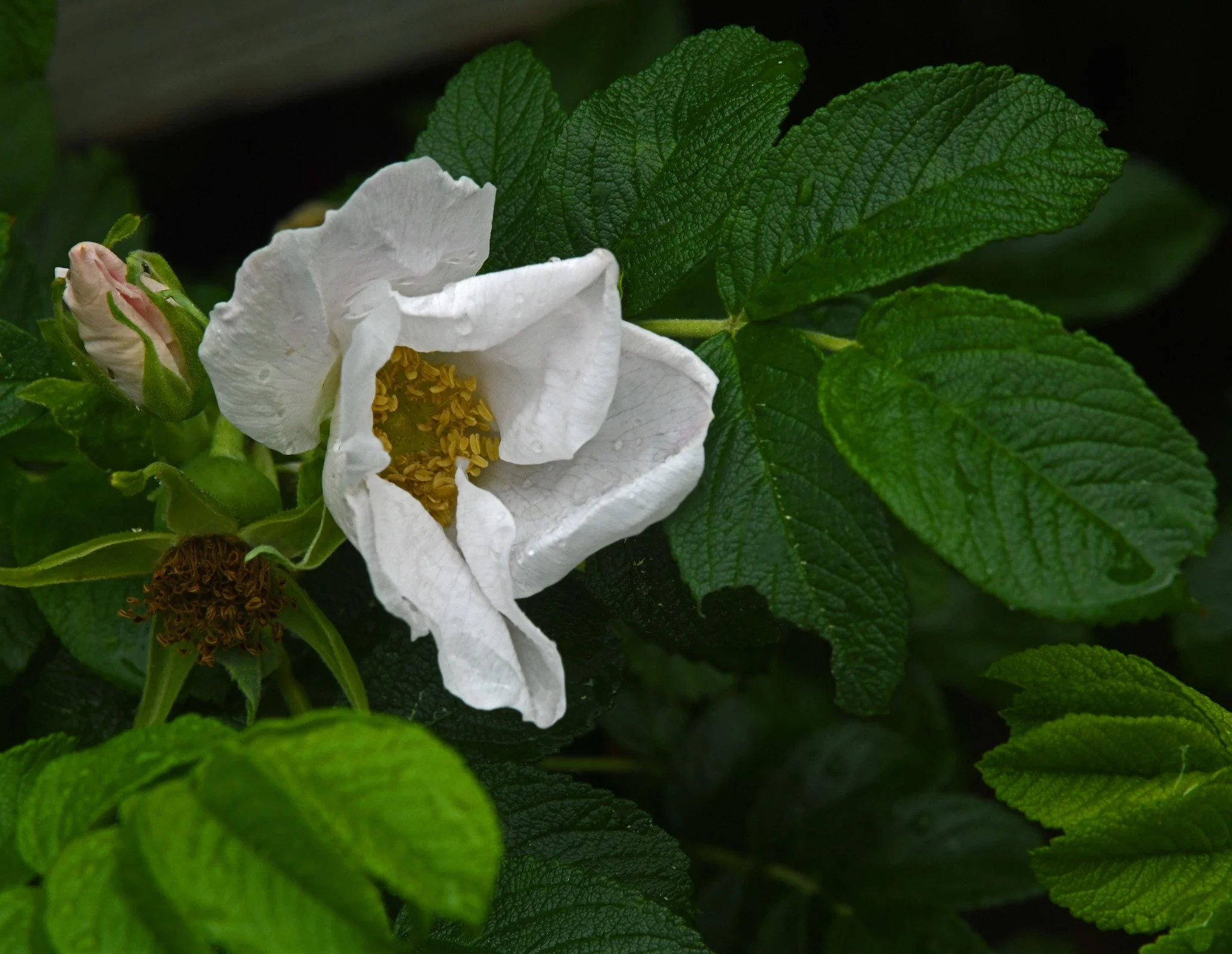
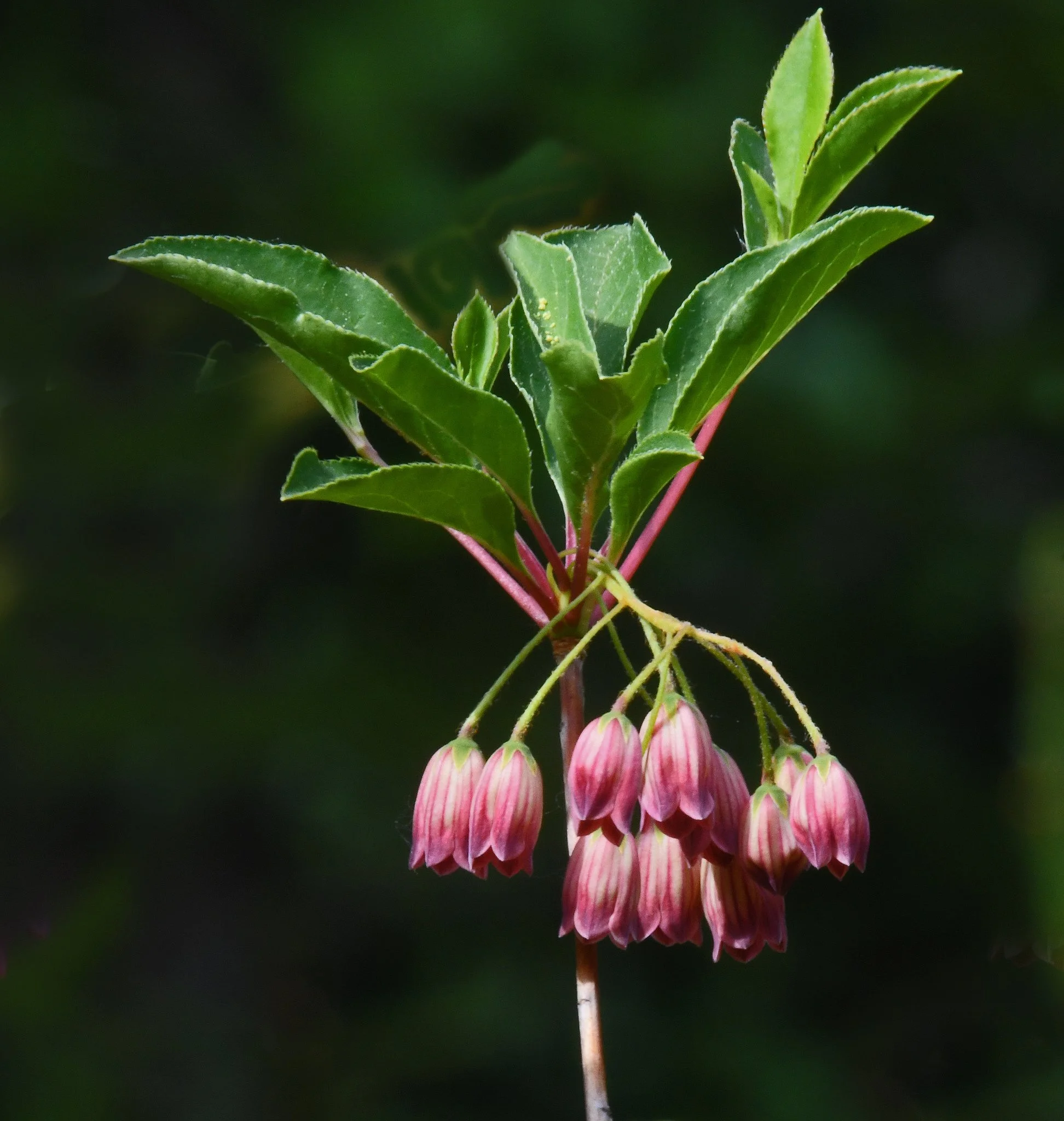
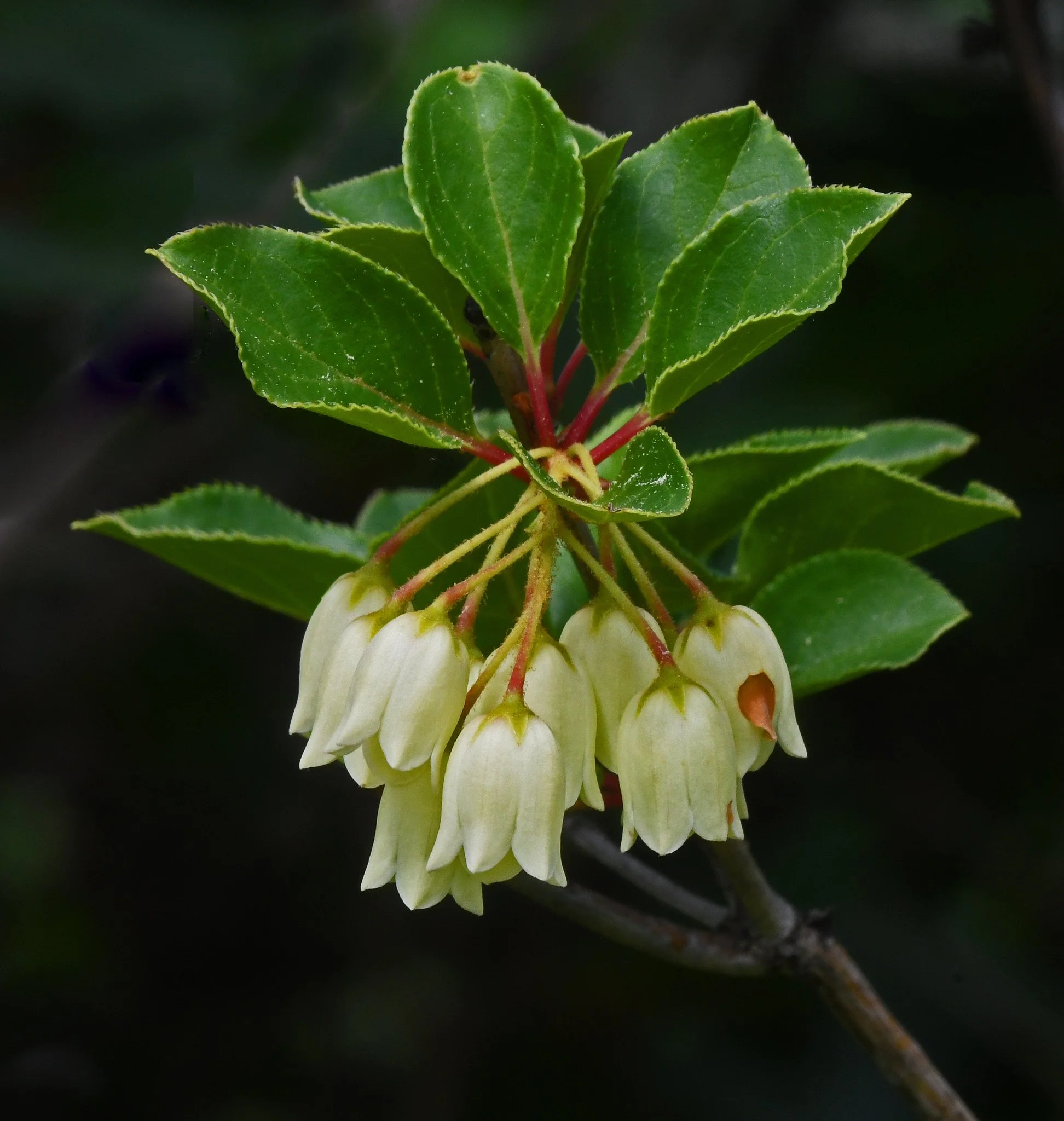
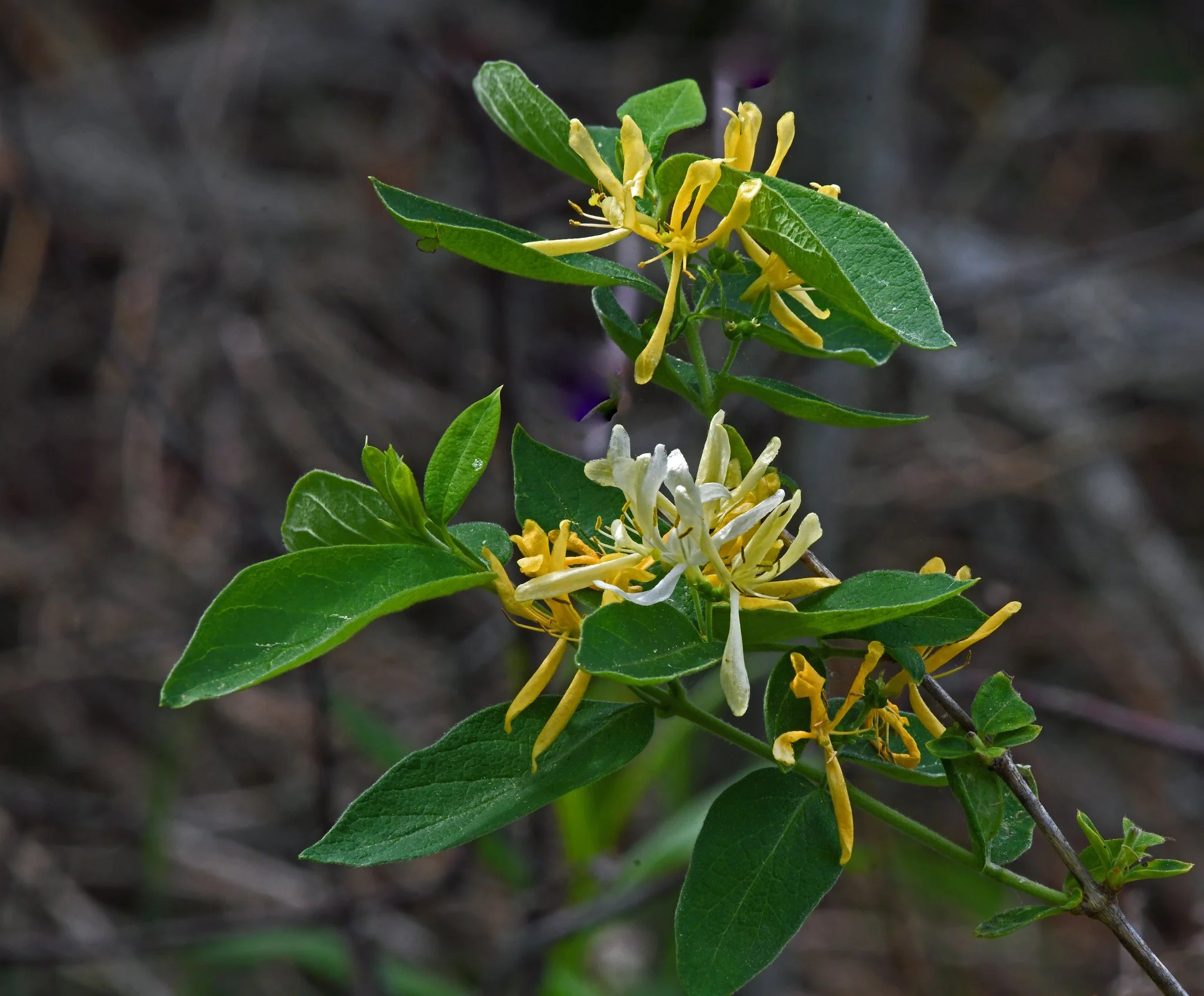
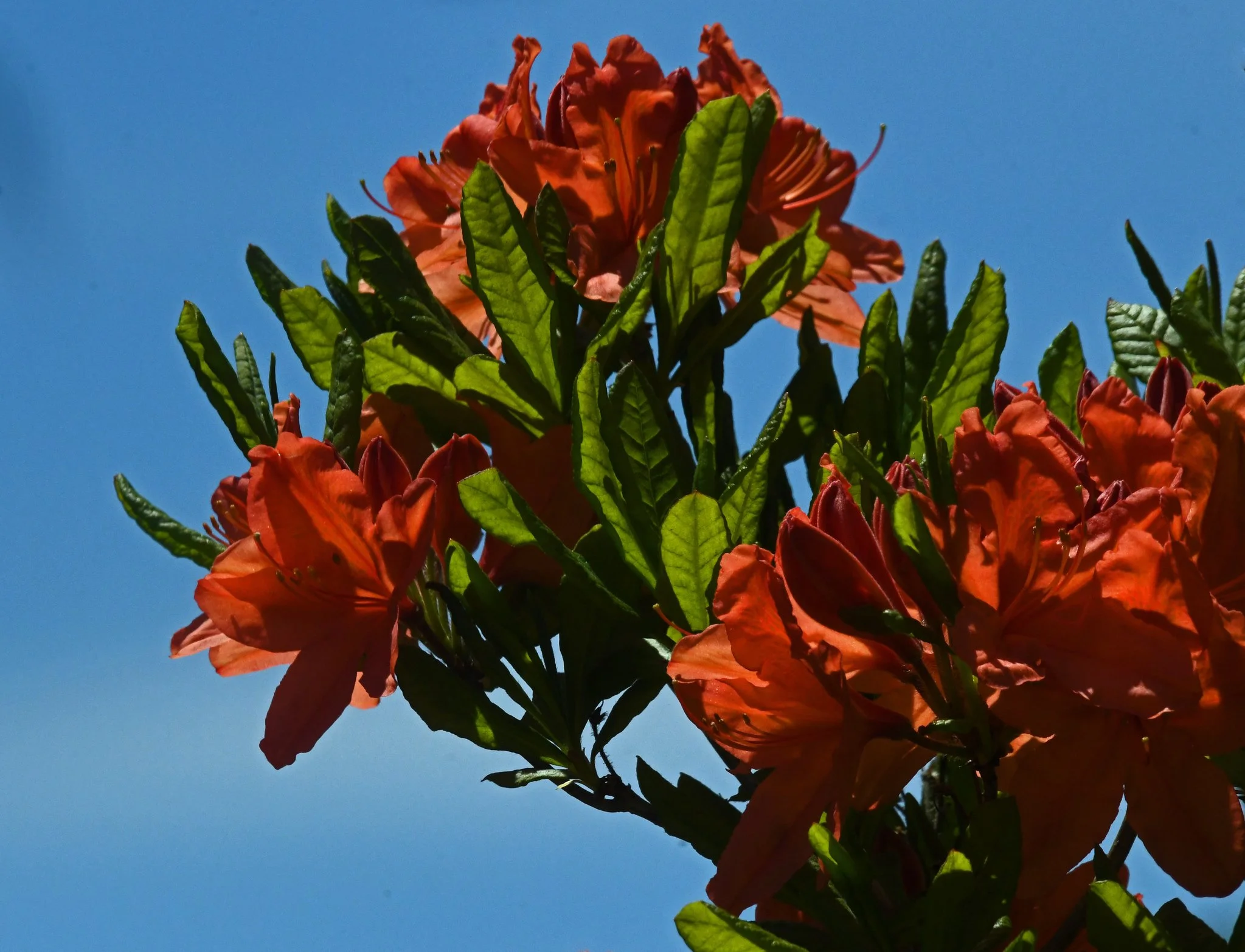
Speaking of flowers, June was busting out all over with them. Let’s first take a look at what was happening on some of the larger plants: horse-chestnut trees; lilacs; rhododendron; vibernum; rosa rugosa (beach rose); andromeda japonica; honeysuckle and azalea:

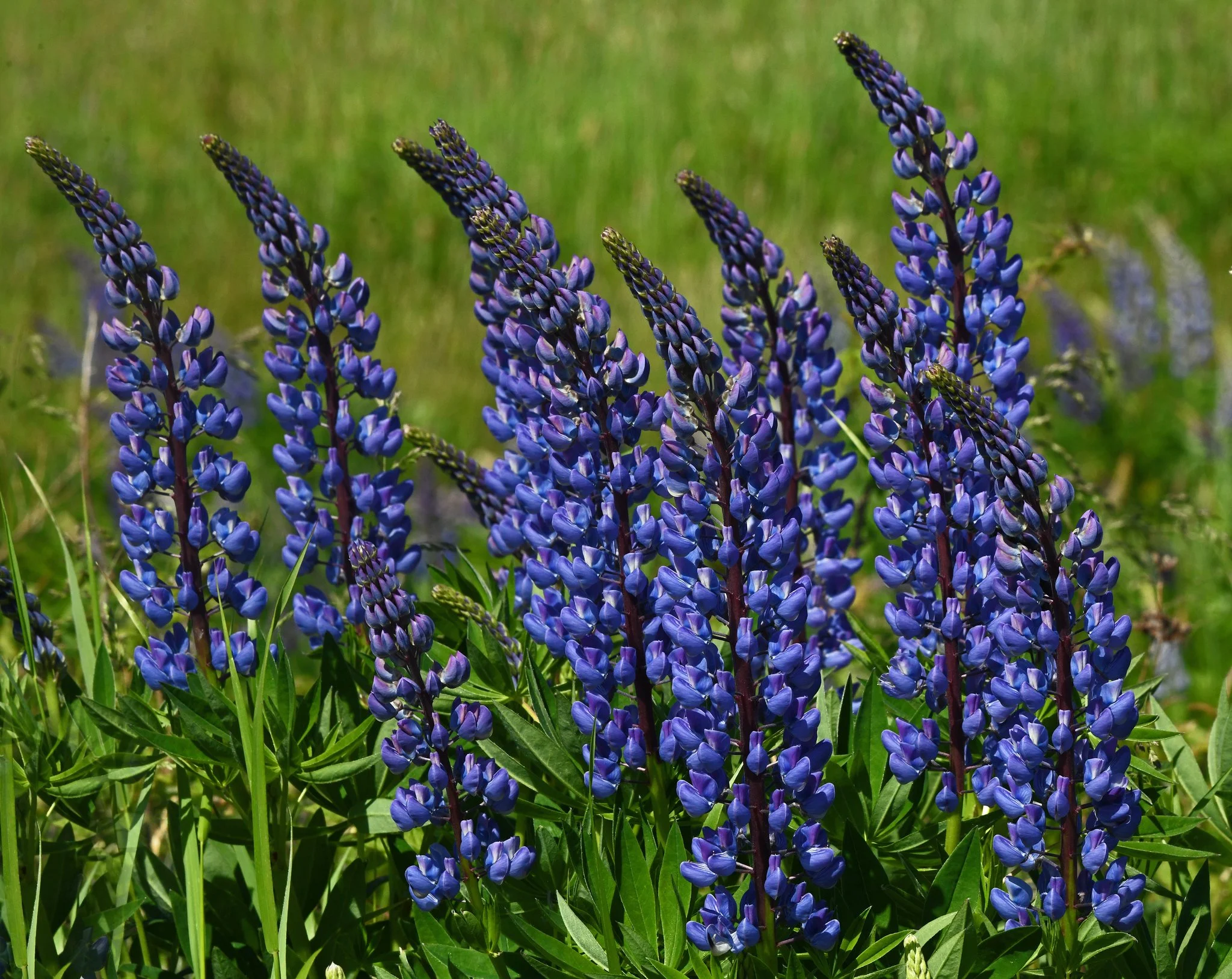
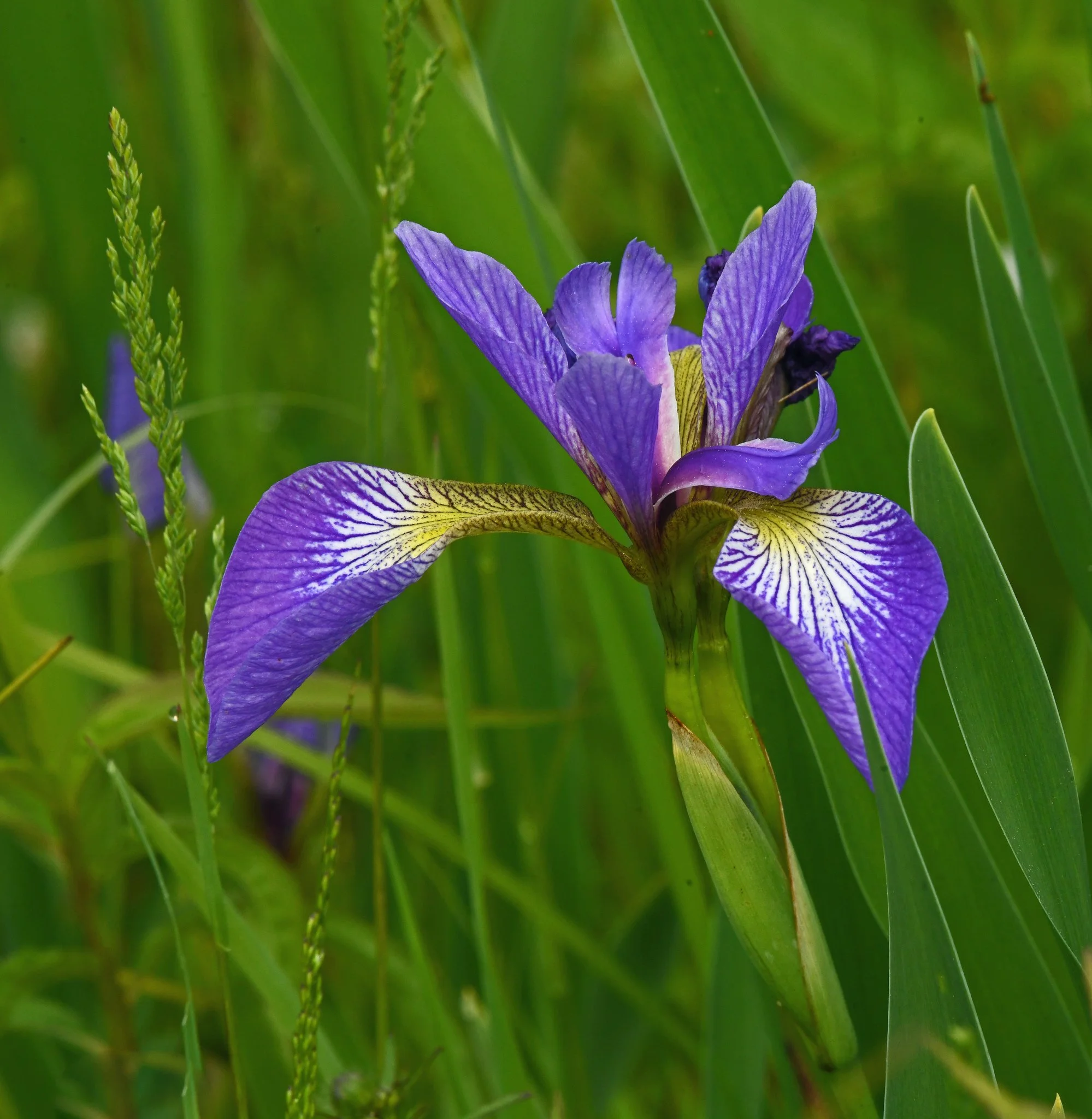
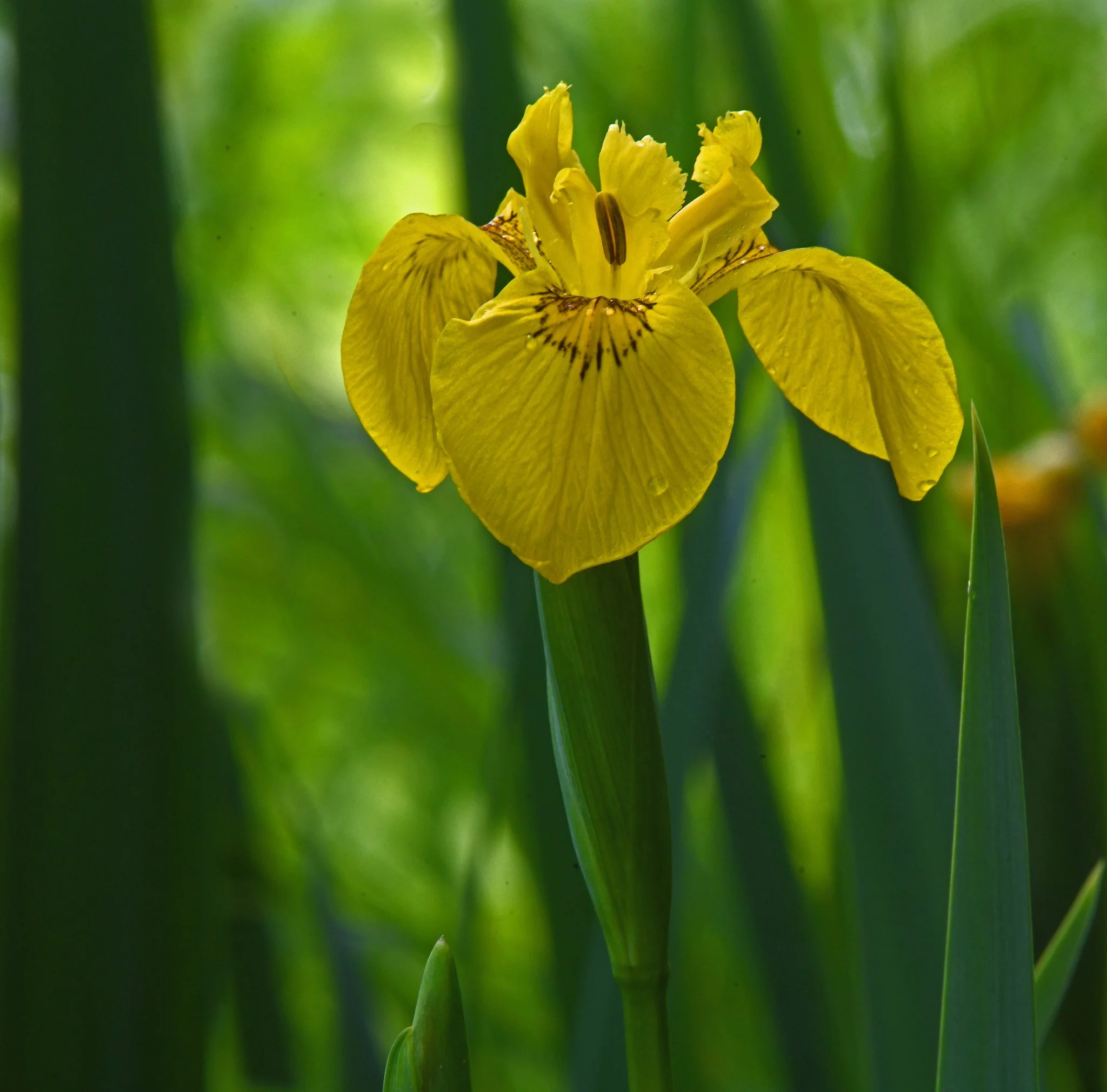
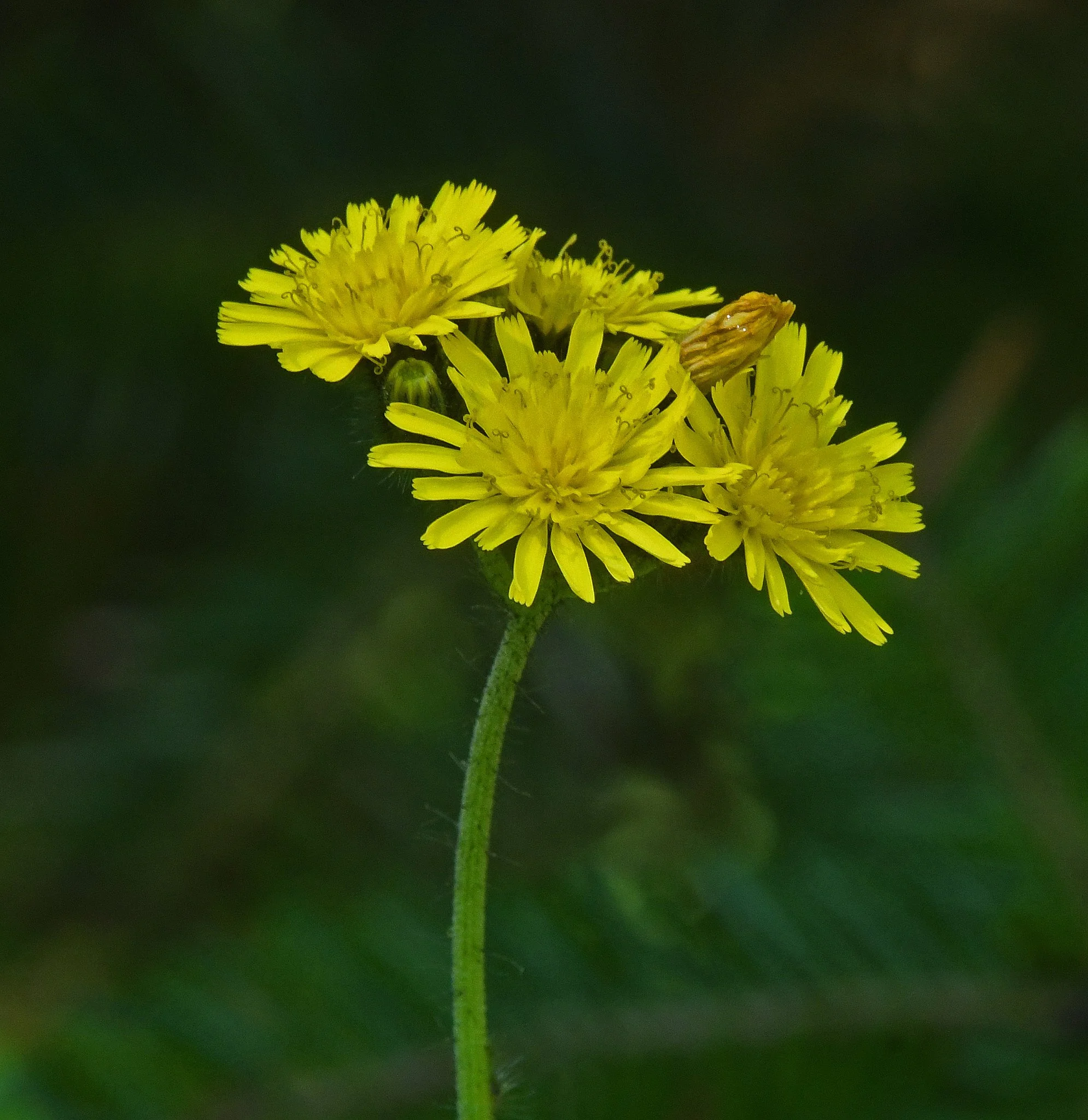
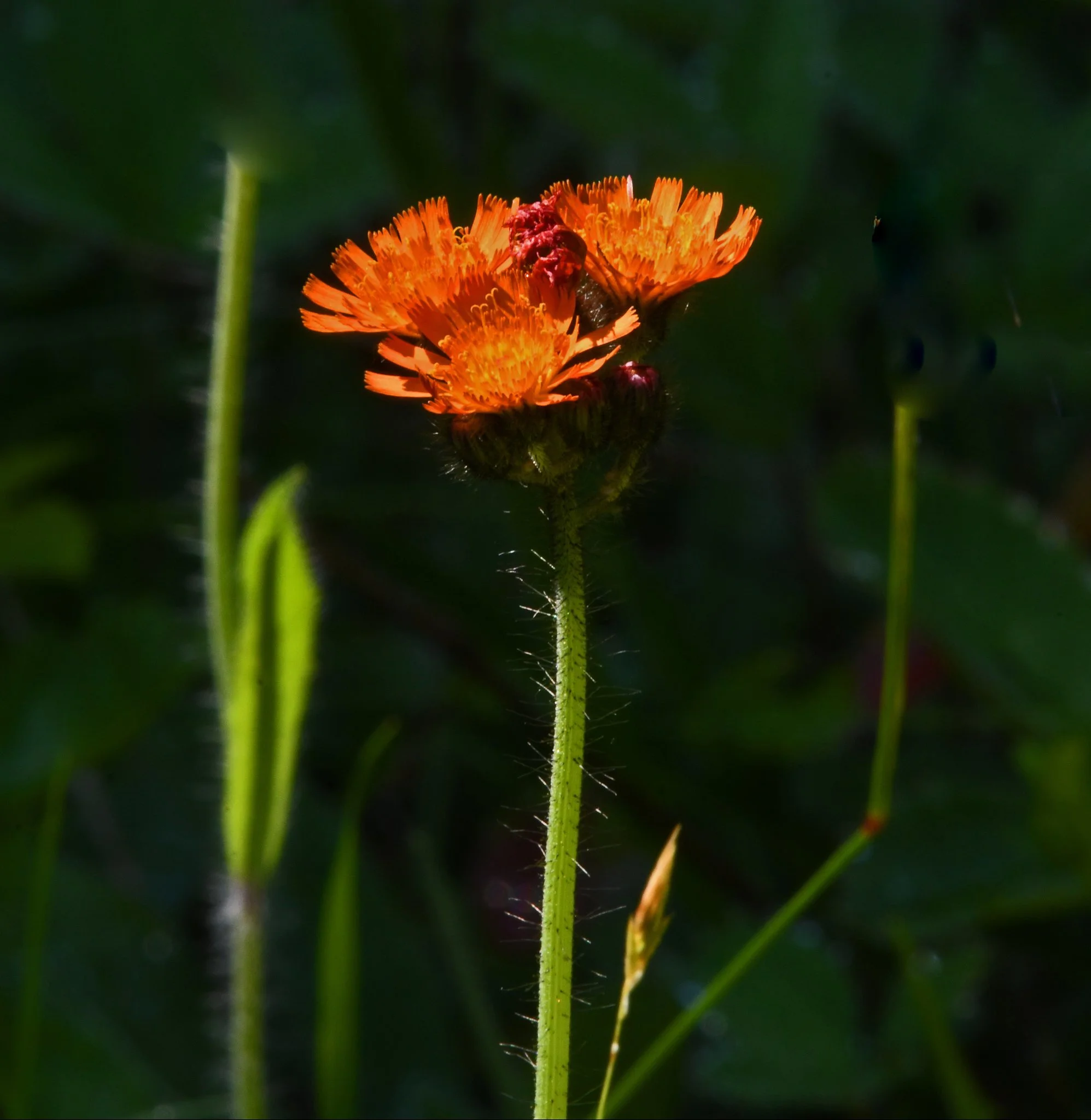
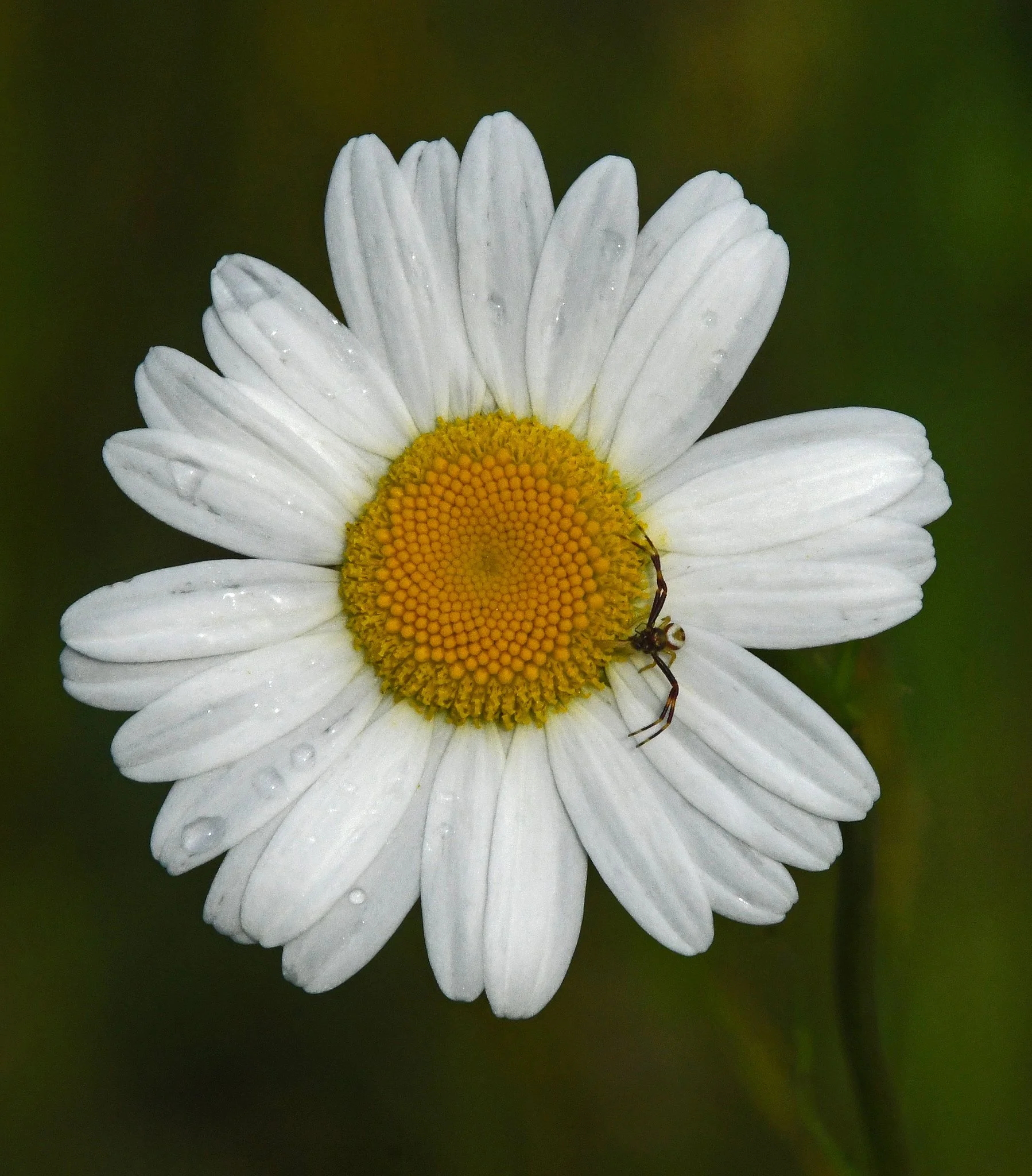
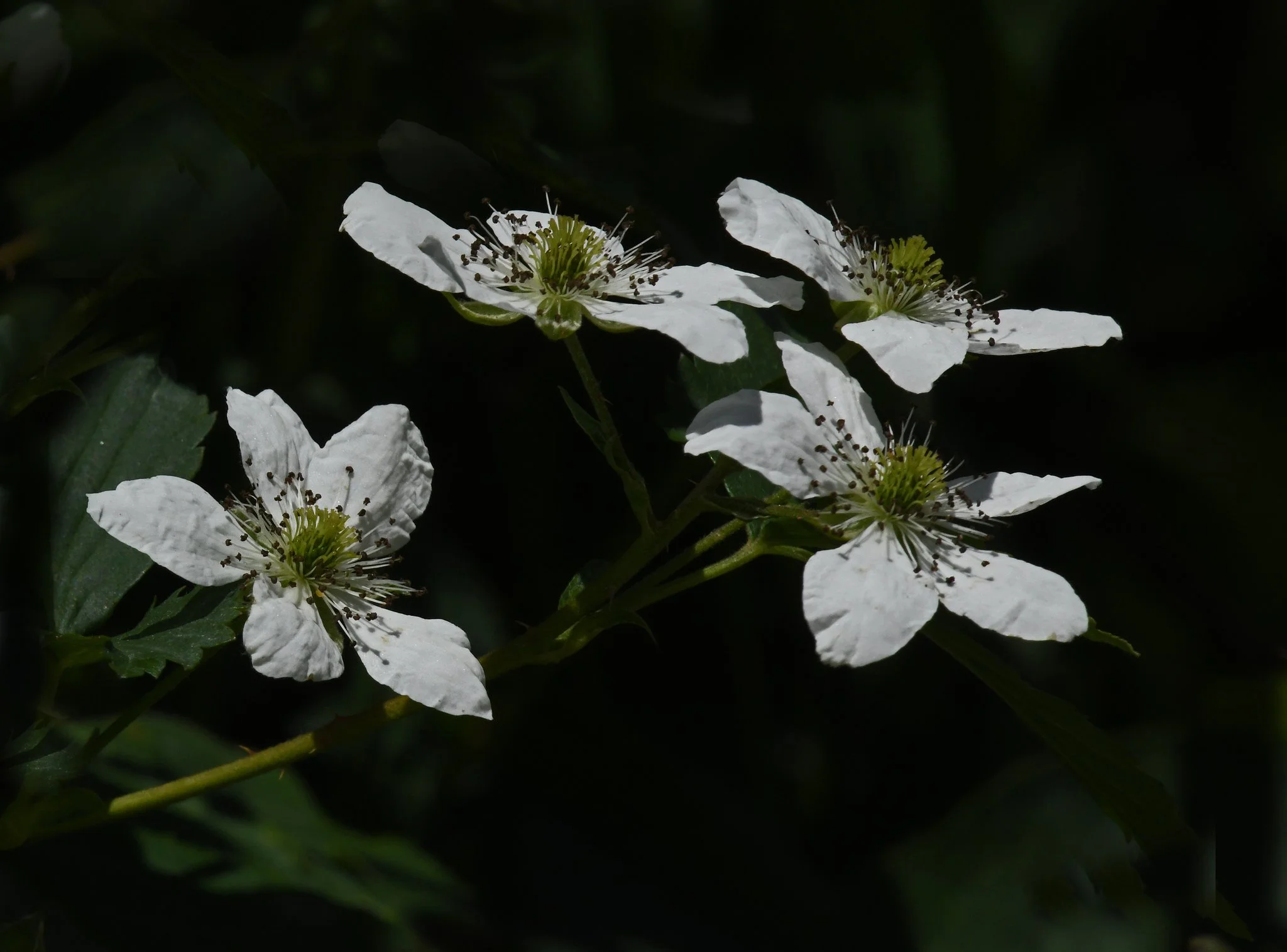
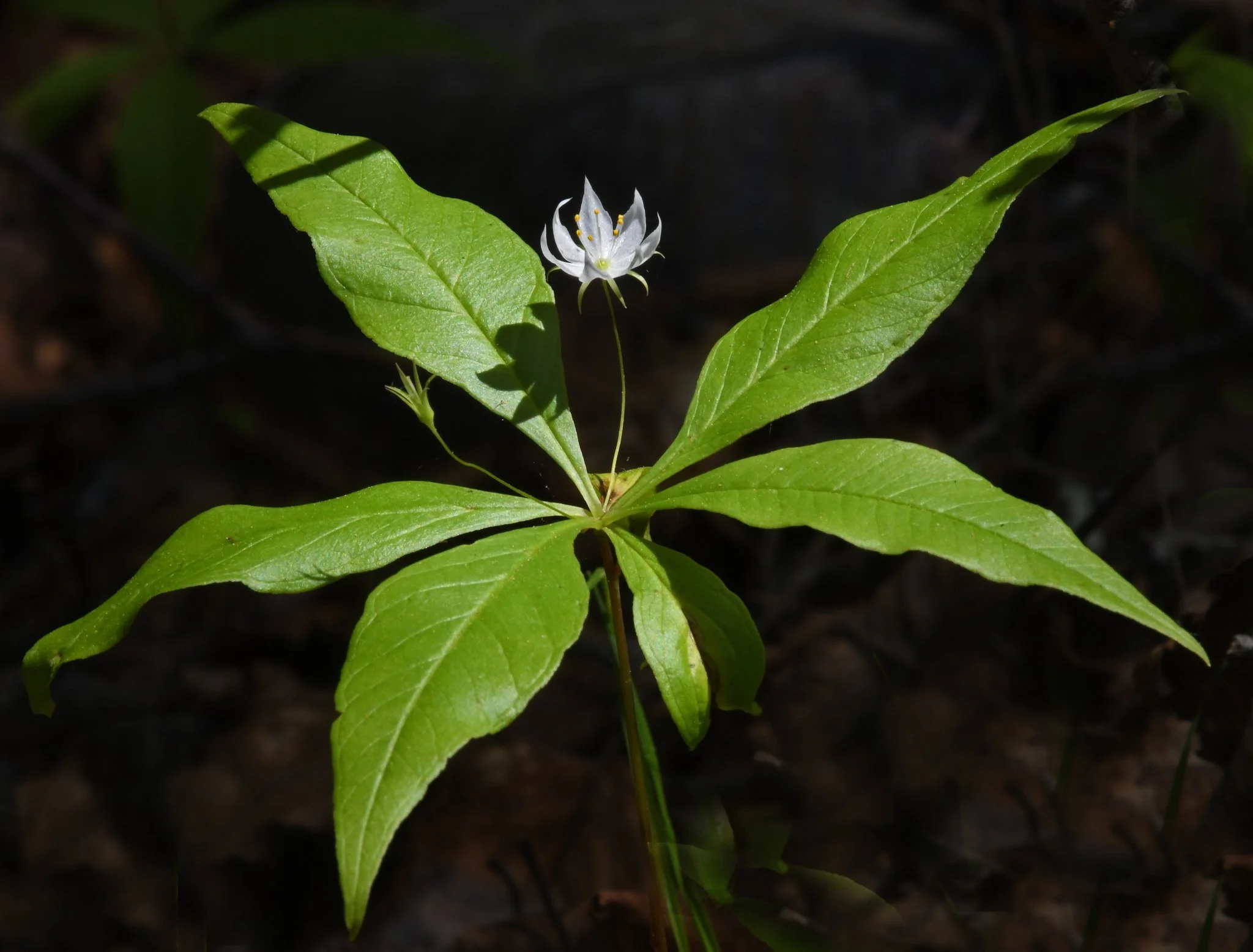
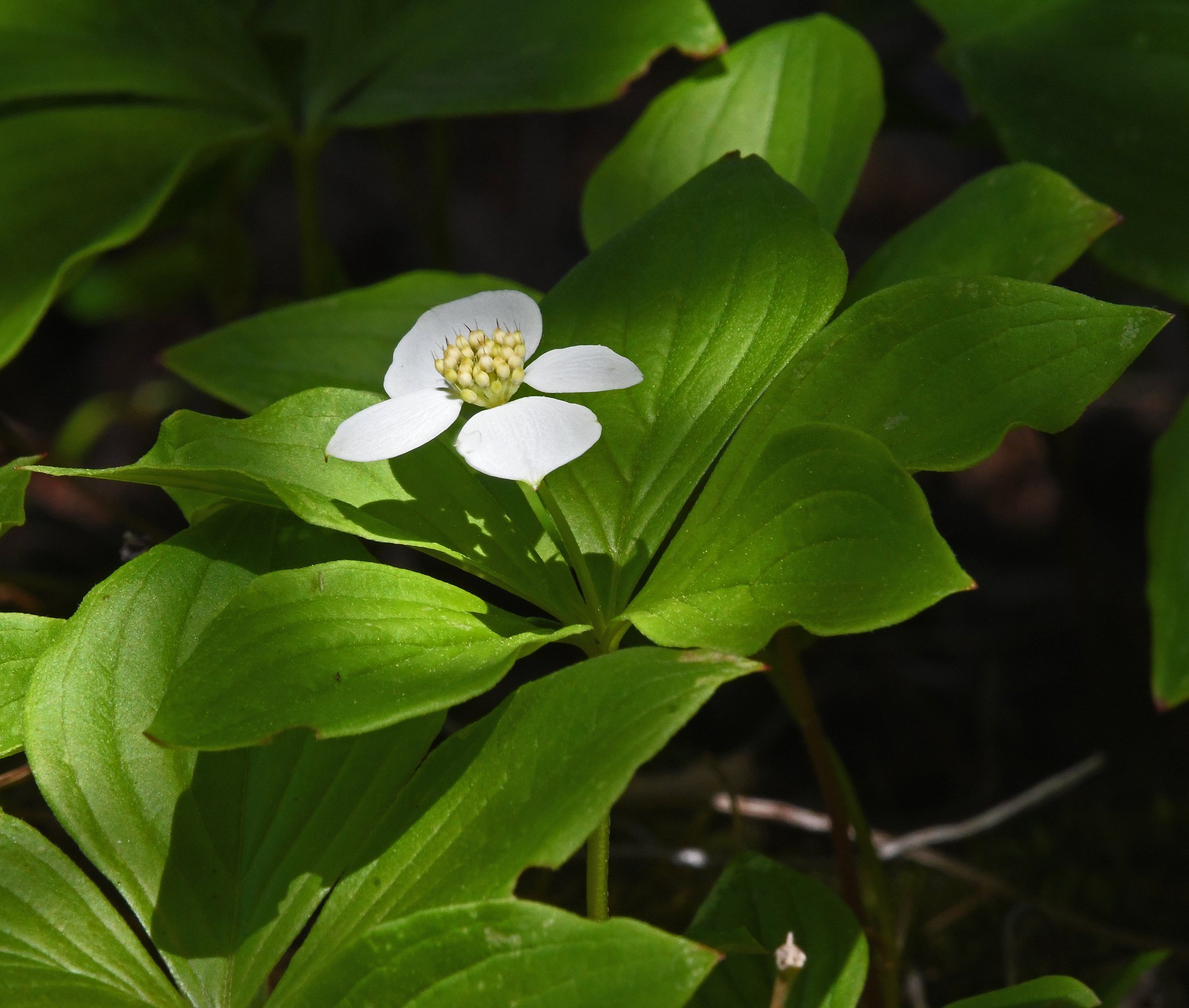
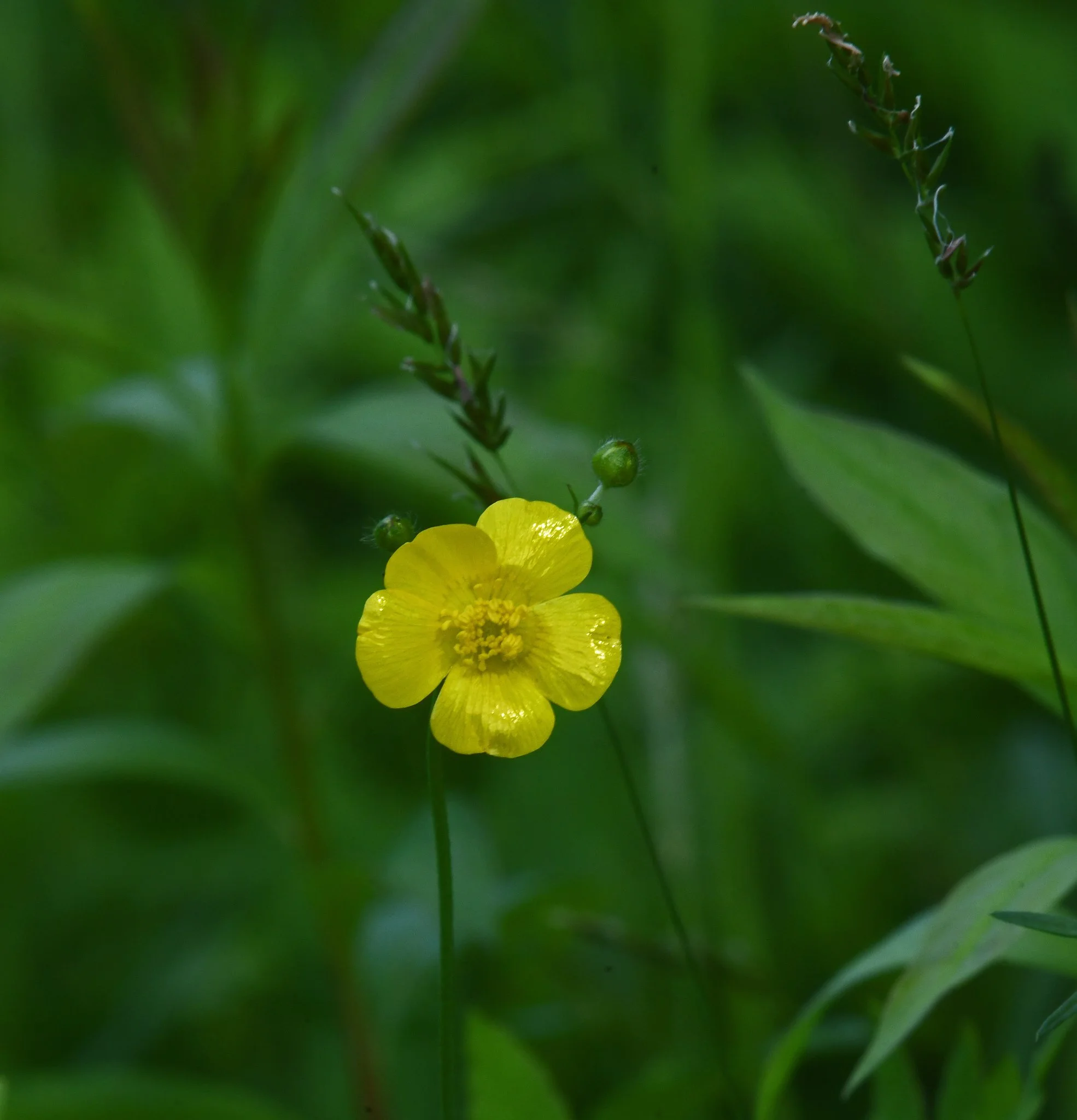
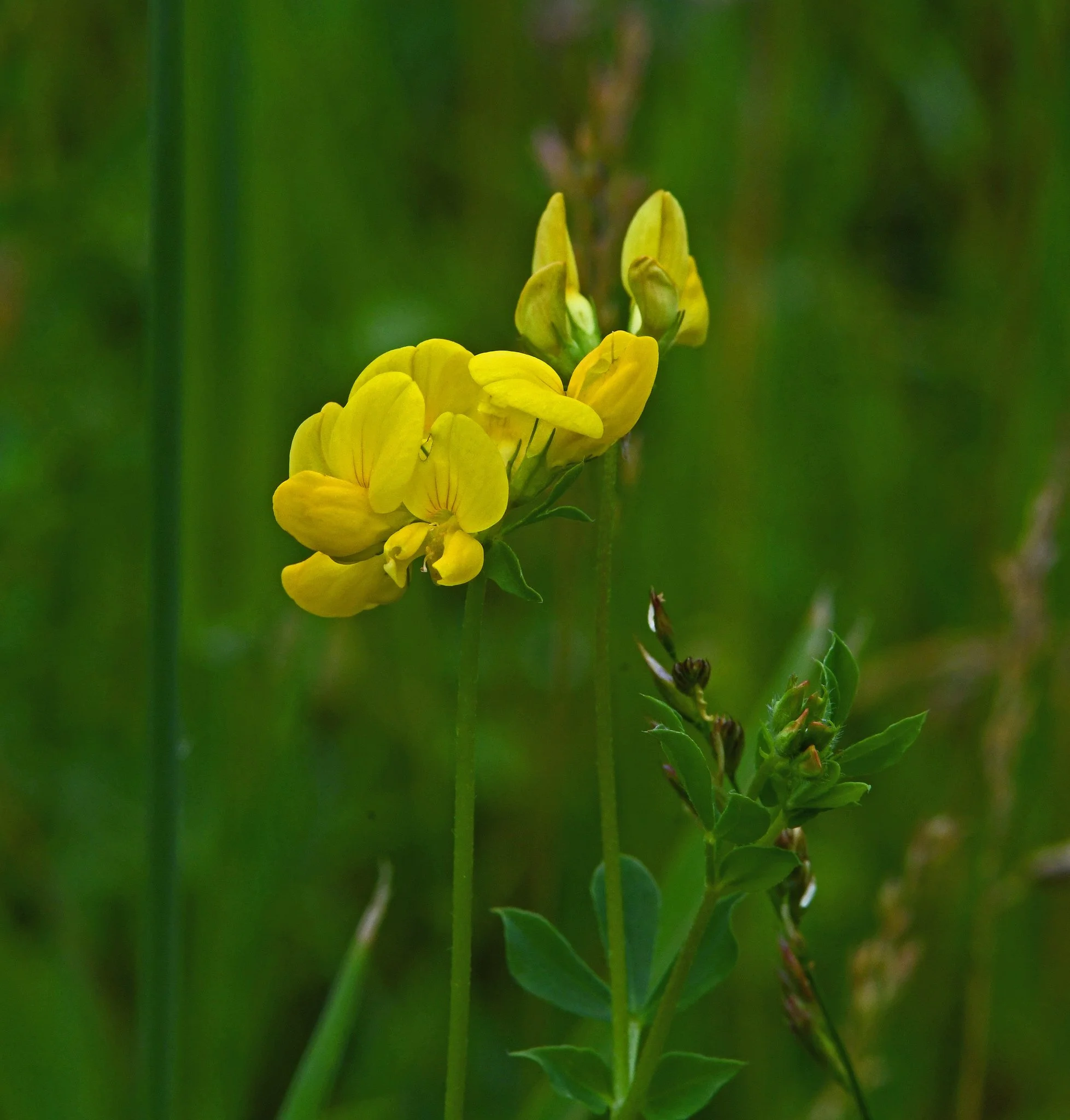
The most impressive wildflowers inckluded lupines; blue and yellow flag iris; yellow and orange hawkweed; oxeye daisies (with or without crab spiders); trailing blackberry; starflower; bunchberry; buttercup; butter and eggs, and water lilies:

In the sometimes-foggy gardens along the coast slopes, the standouts included bearded iris; allium; peonies; poppies; clematis; corn flowers, and Asian lilies:

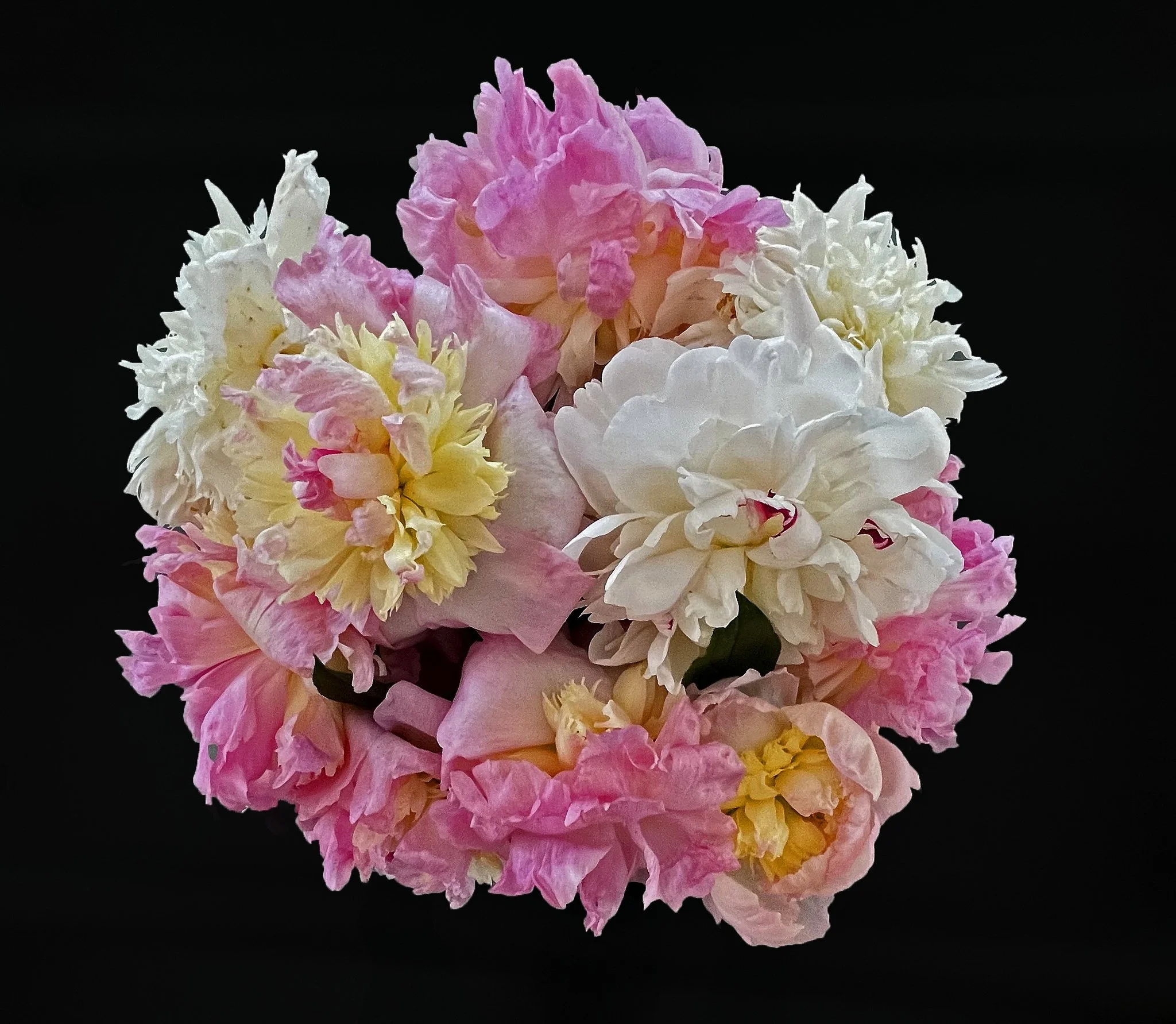
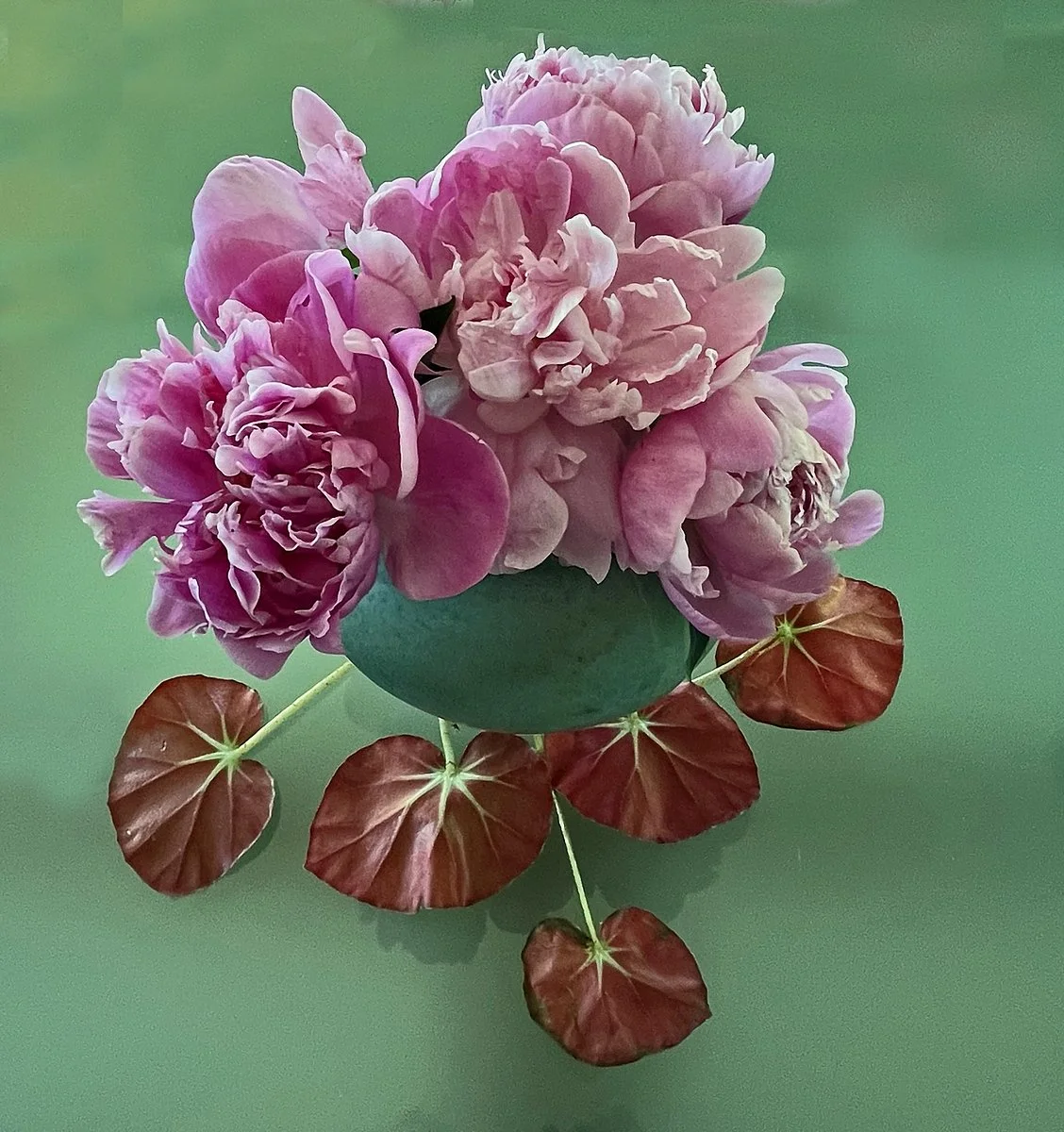
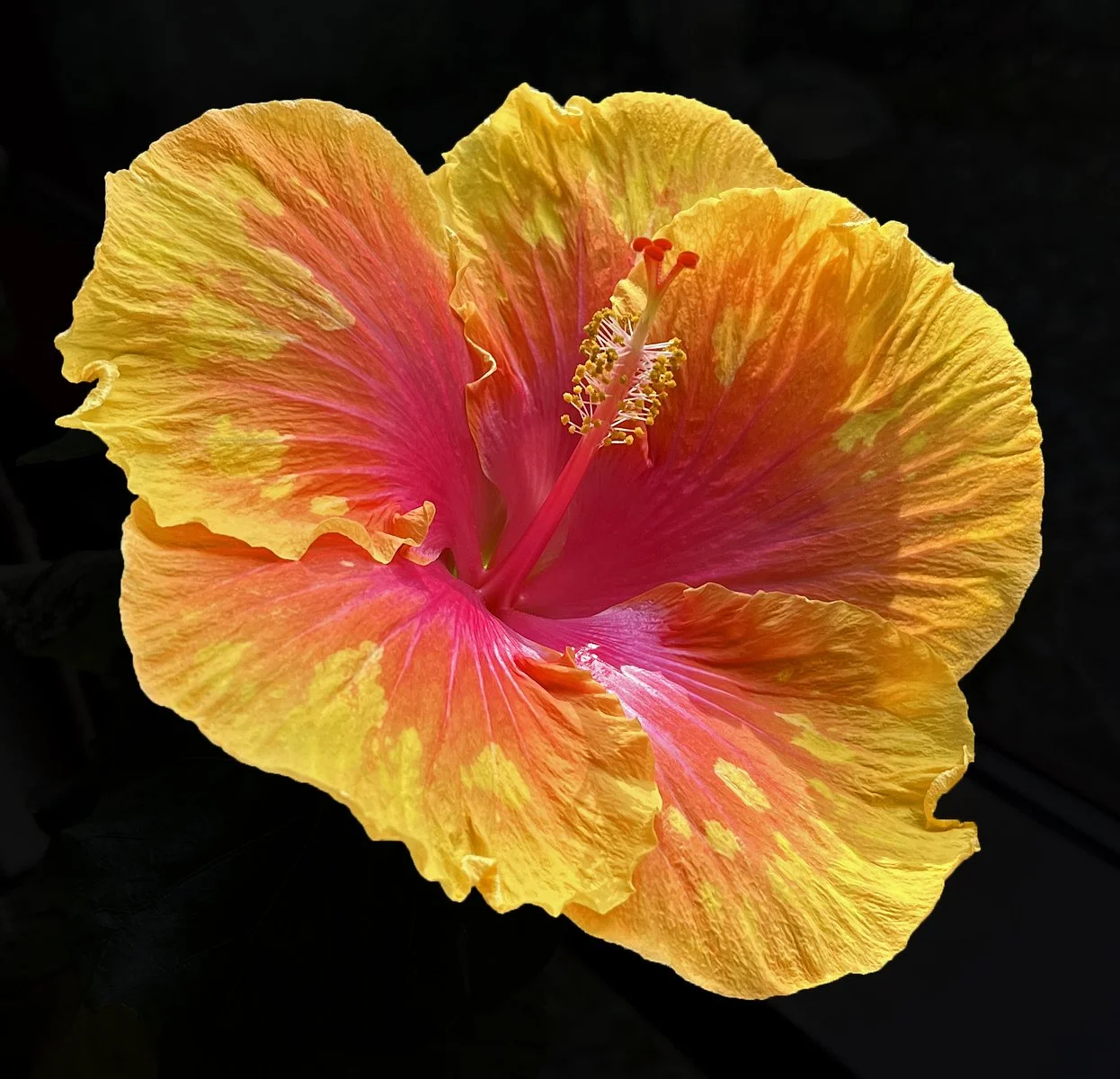
At home, there were various peony arrangements by Barbara and hibiscus blooms to bring the outside inside on rainy days:

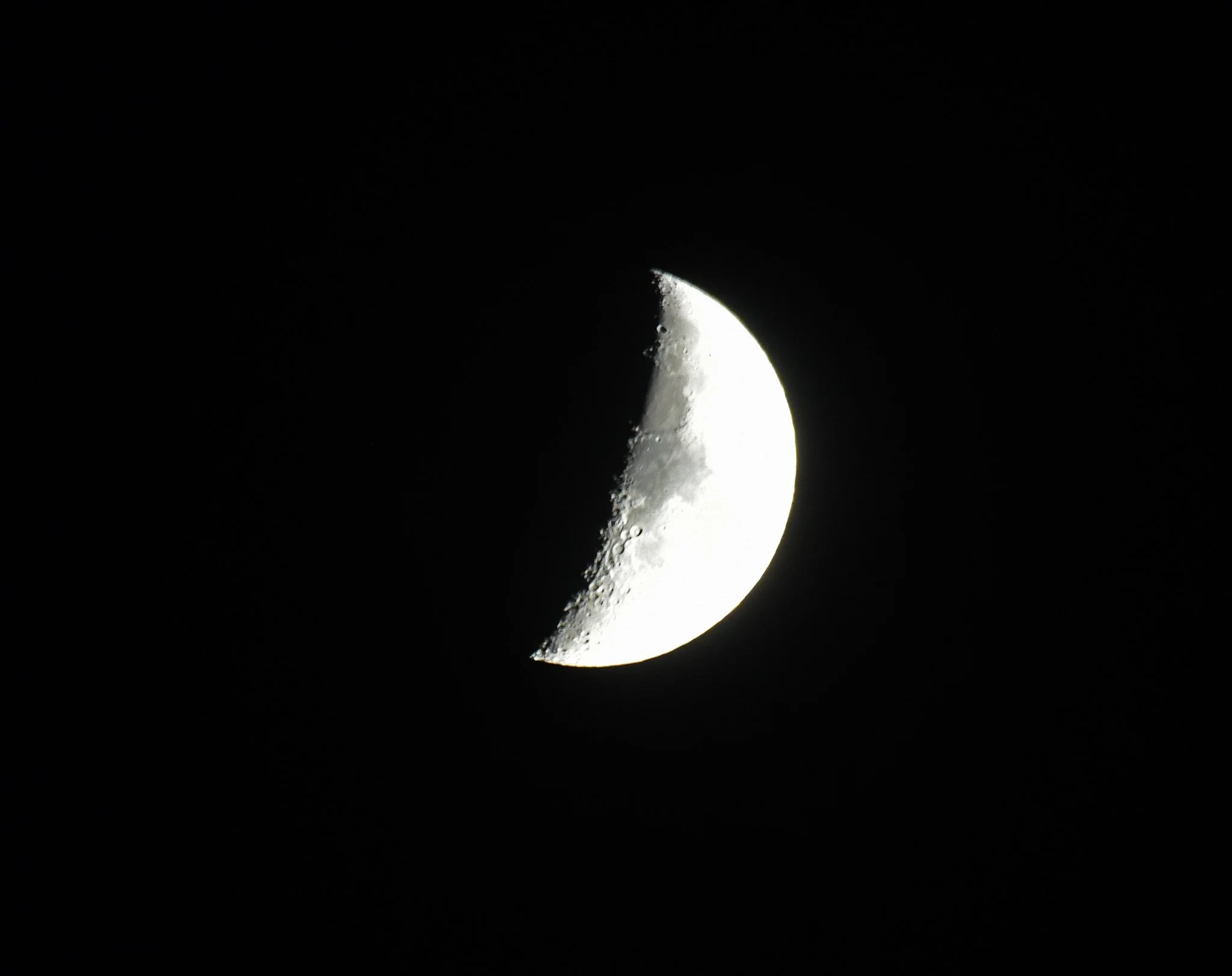
Finally, there was the June 29 full moon, which we call by the name that Native Americans called it centuries ago: The Strawberry Moon:

It rose when wild strawberries were harvested from pristine meadows during pre-Colonial daysa. This June, that moon rose when the year’s first extra-sweet Canadian strawbwerries were harvested by us at our supermarket here:

We’re having a wonderful time; wish you were here!

(All images in this post were taken in Down East Maine during June 2026.)

2 Comments

Comment

In the Right Place: A Fruitful Event

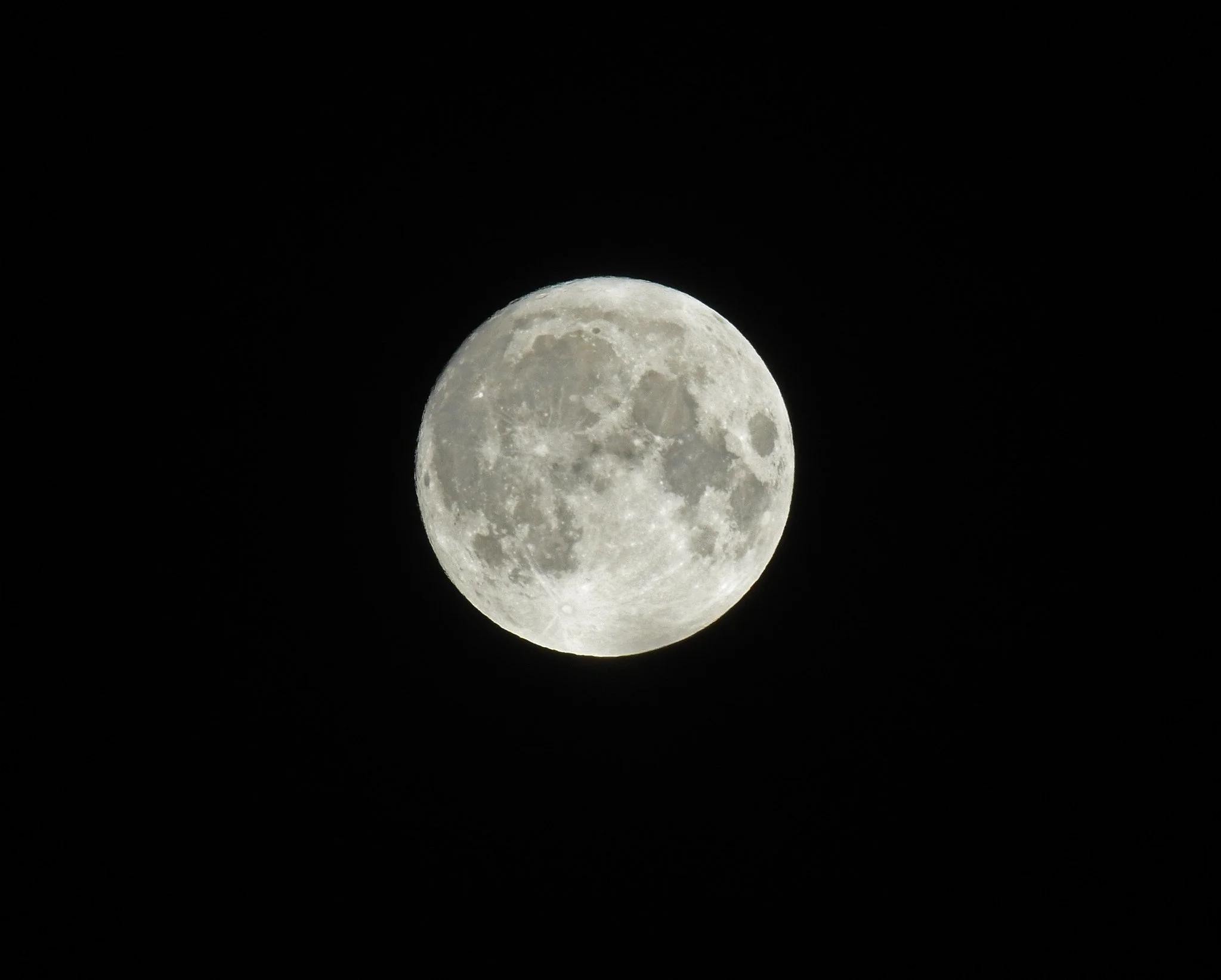
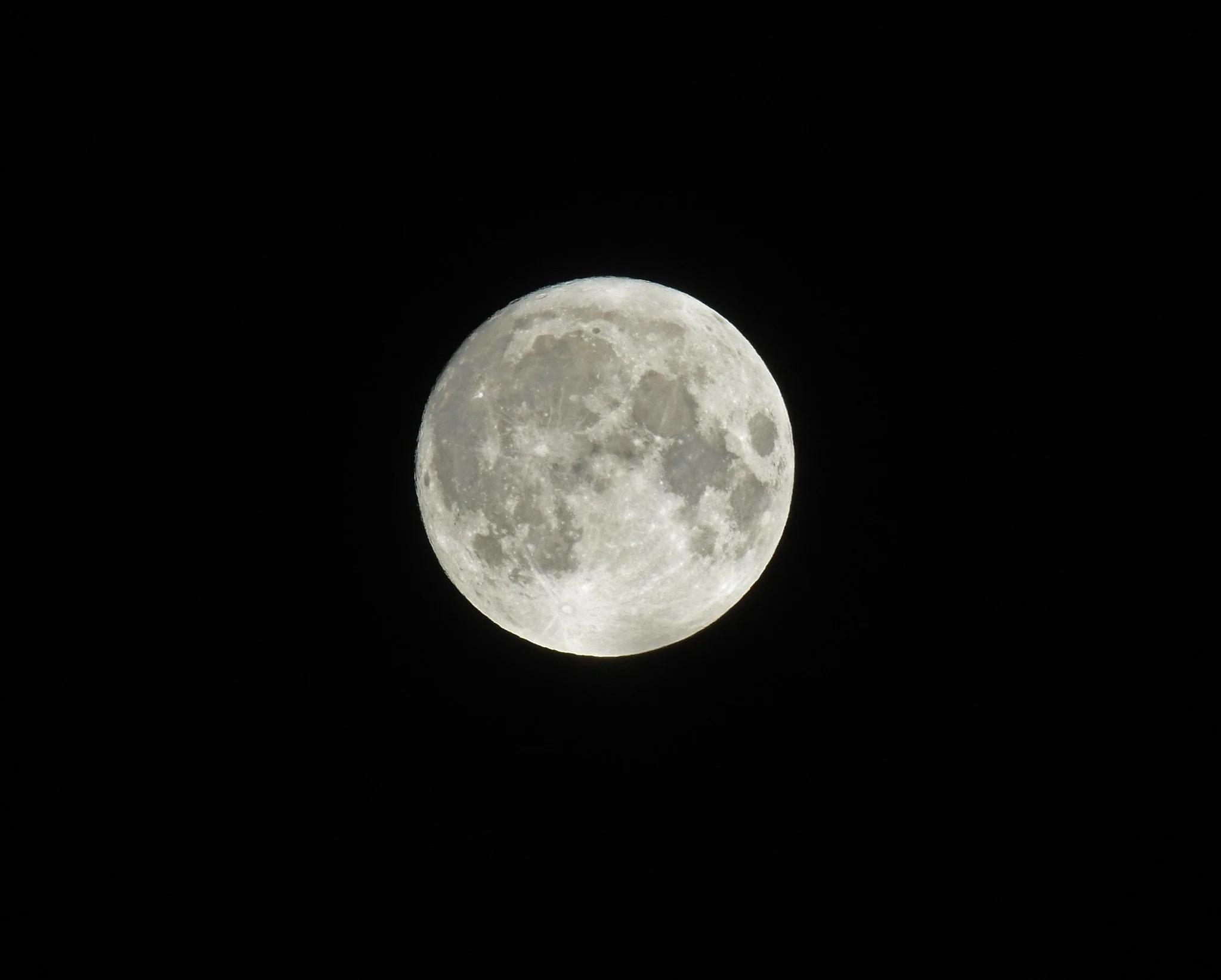
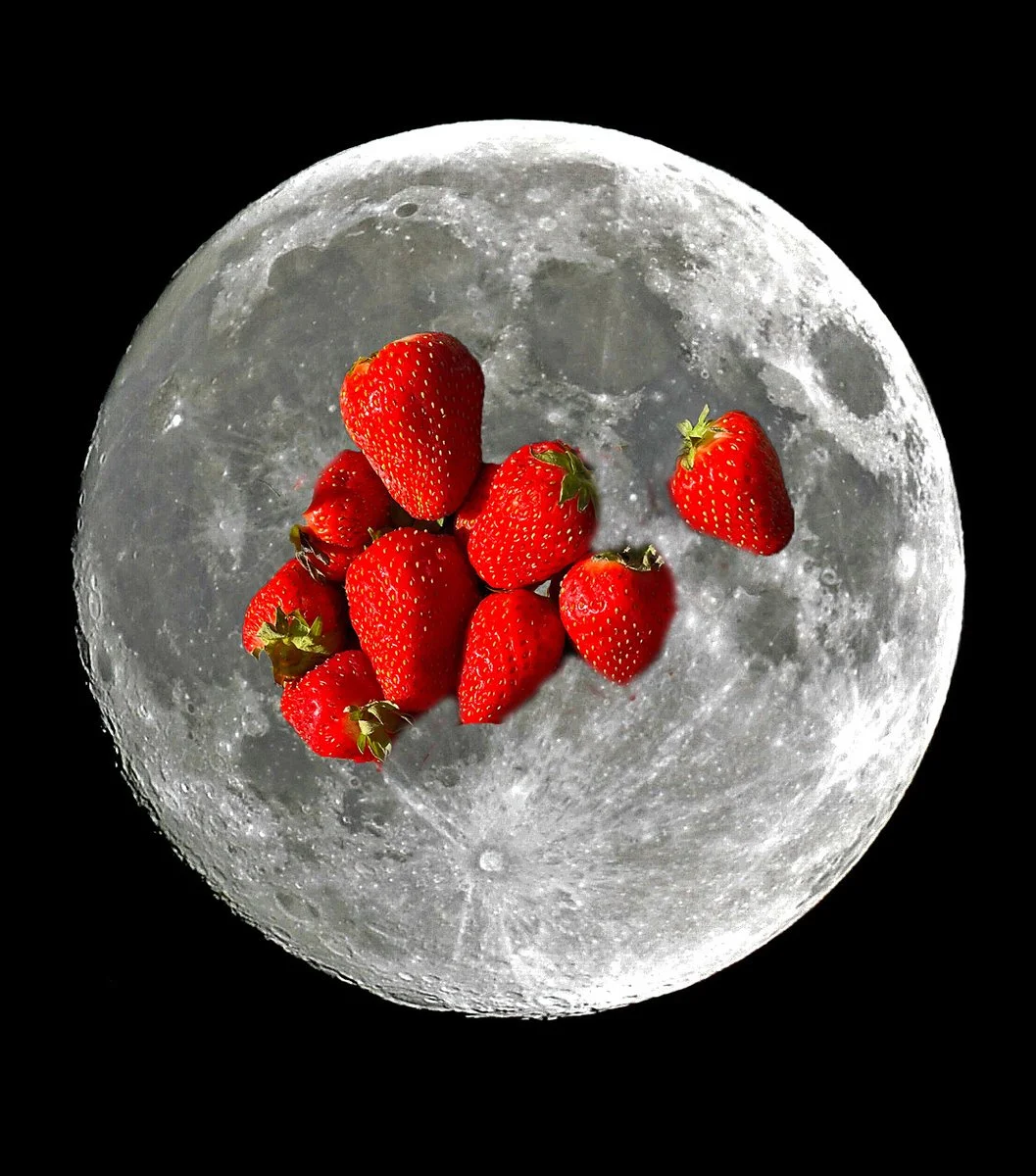
Here’s yesterday’s full moon rising over Great Cove. It’s traditionally known as The Strawberry Moon because it rose when Native Americans in Maine could first get extra-sweet Canadian strawberries in their supermarkets ....

Wait a minute!

Or, we might have gotten that name from the Algonquin People who called this full moon that because it rose when they harvested wild strawberries in pristine meadows, before subdivisions were invented.

(You have to double-check artificial intelligence.)

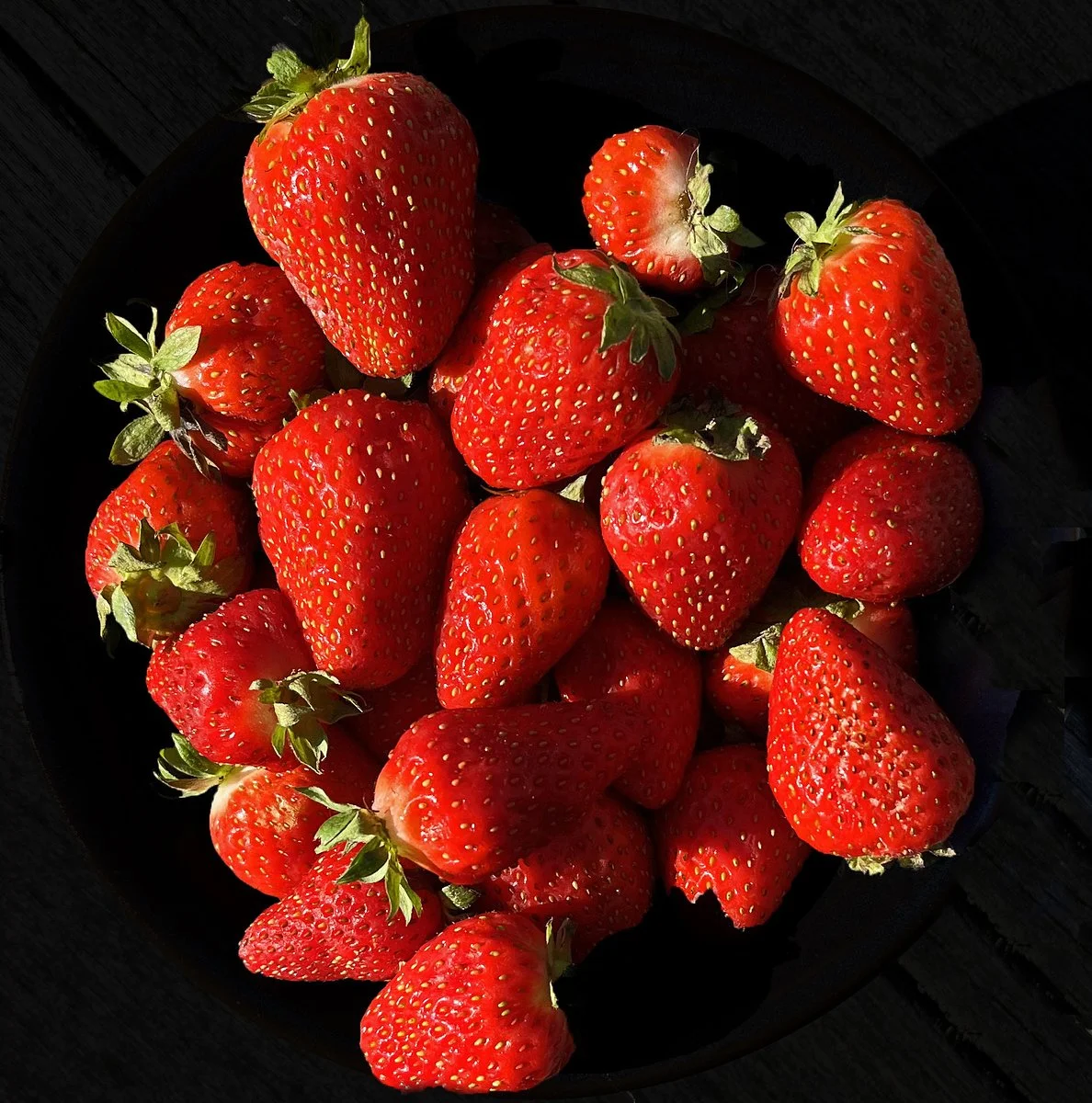
Anyway, delicious Canadian strawberries are in our supermarkets now and they’re good alone or with virtually anything. I’m sprinkling some on the moon for you, so you’ll remember its name:

(Photograph of the moon taken in Brooklin, Maine, on June 29, 2026. Strawberries bought in Blue Hill, Maine, on June 25, 2026.)

Comment

Comment

In the Right Place: At BBY, XV

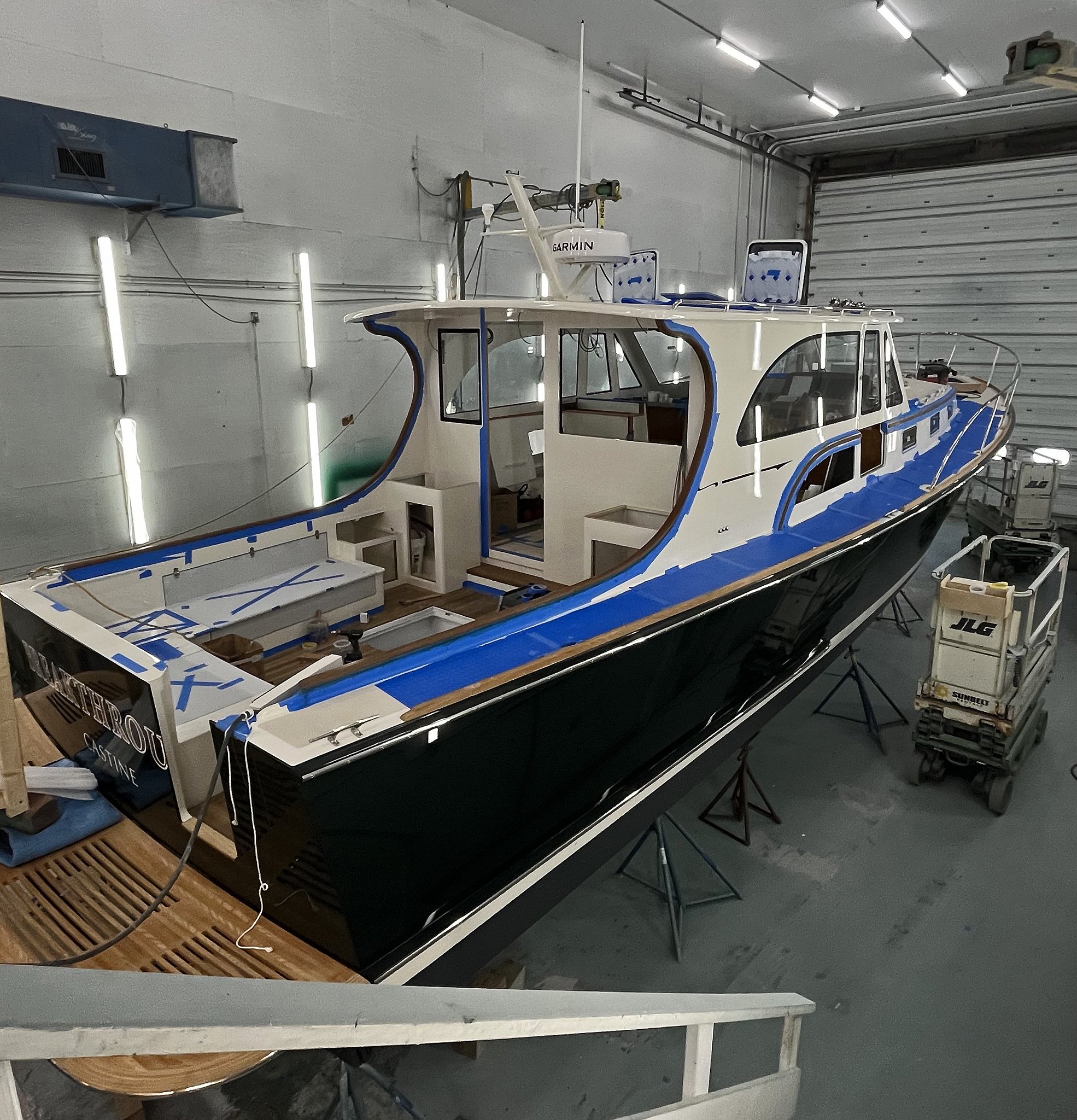
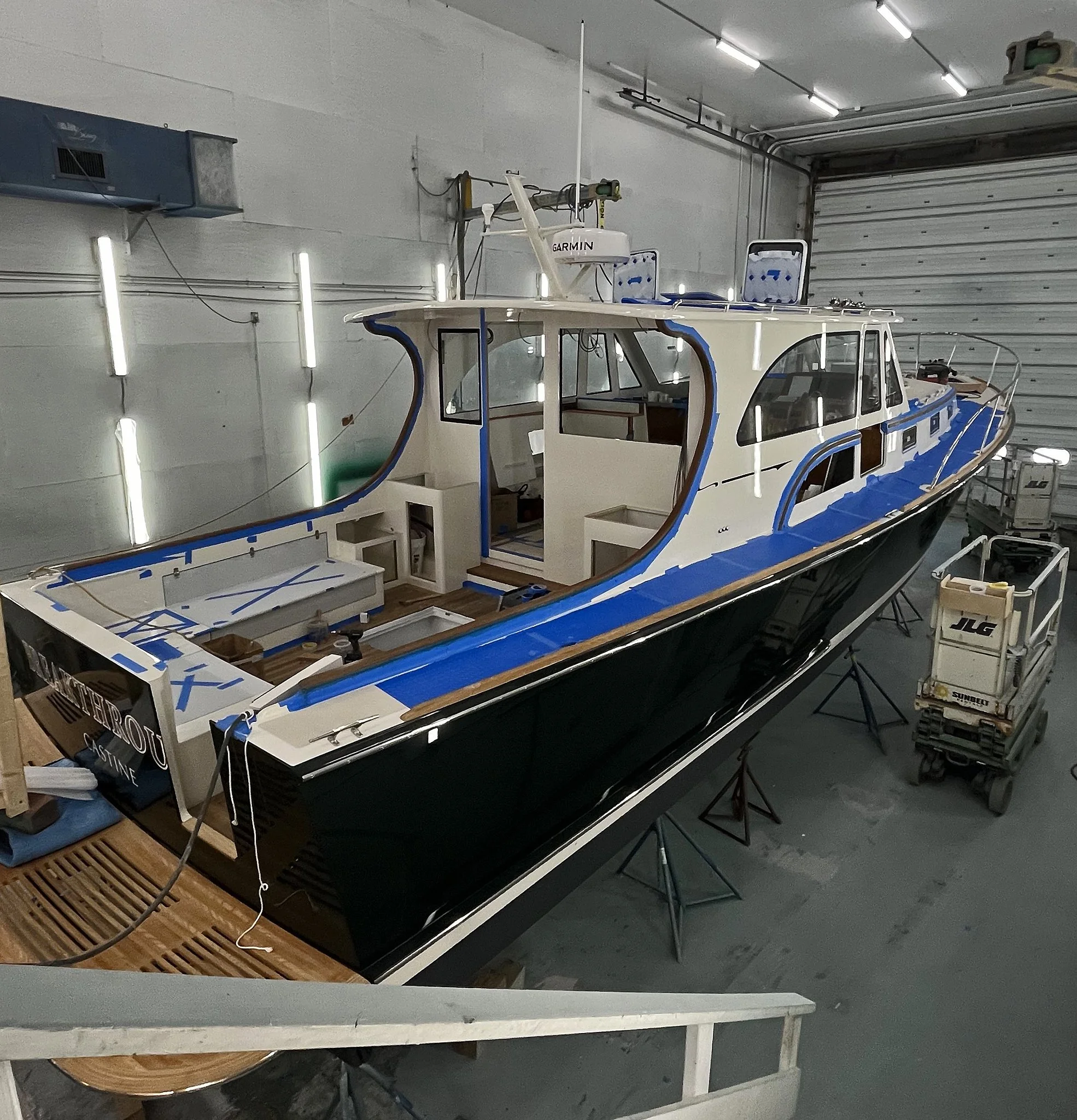
We finally have a name for this 47-foot Express Cruiser that we’ve been watching being built at the Brooklin Boat Yard. She’ll be christened BREAKTHROUGH, reportedly a reference to her innovative design and latest systems. She’ll be home-porting in Castine, Maine.

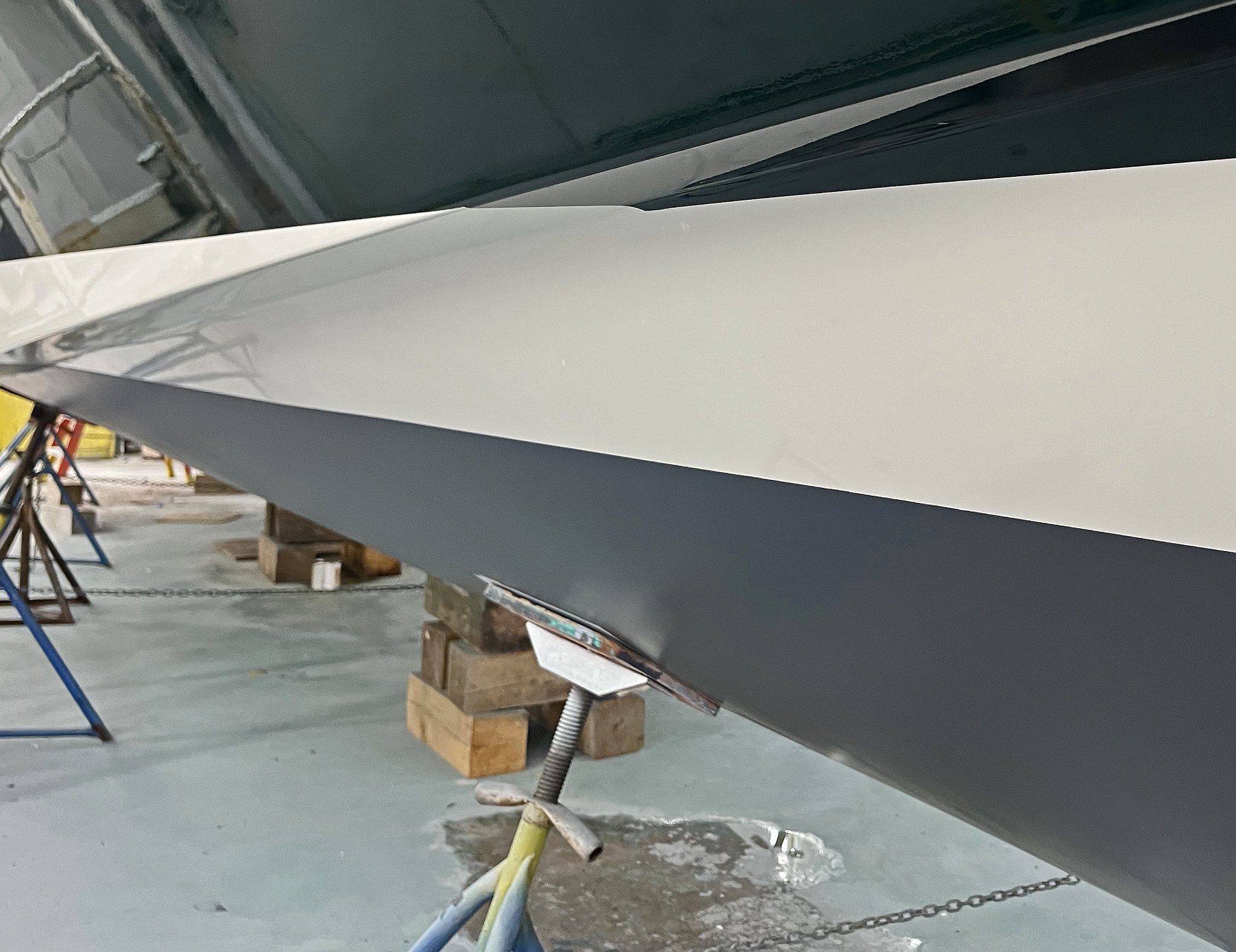
I’m told that BREAKTHROUGH will be undergoing her first trials in our waters on July 15, barring unforeseen circumstances. A hull detail:

(Images taken in Brooklin, Maine, June 28, 2026.)

Comment

Comment

 In the Right Place: Passing the Tests of Time

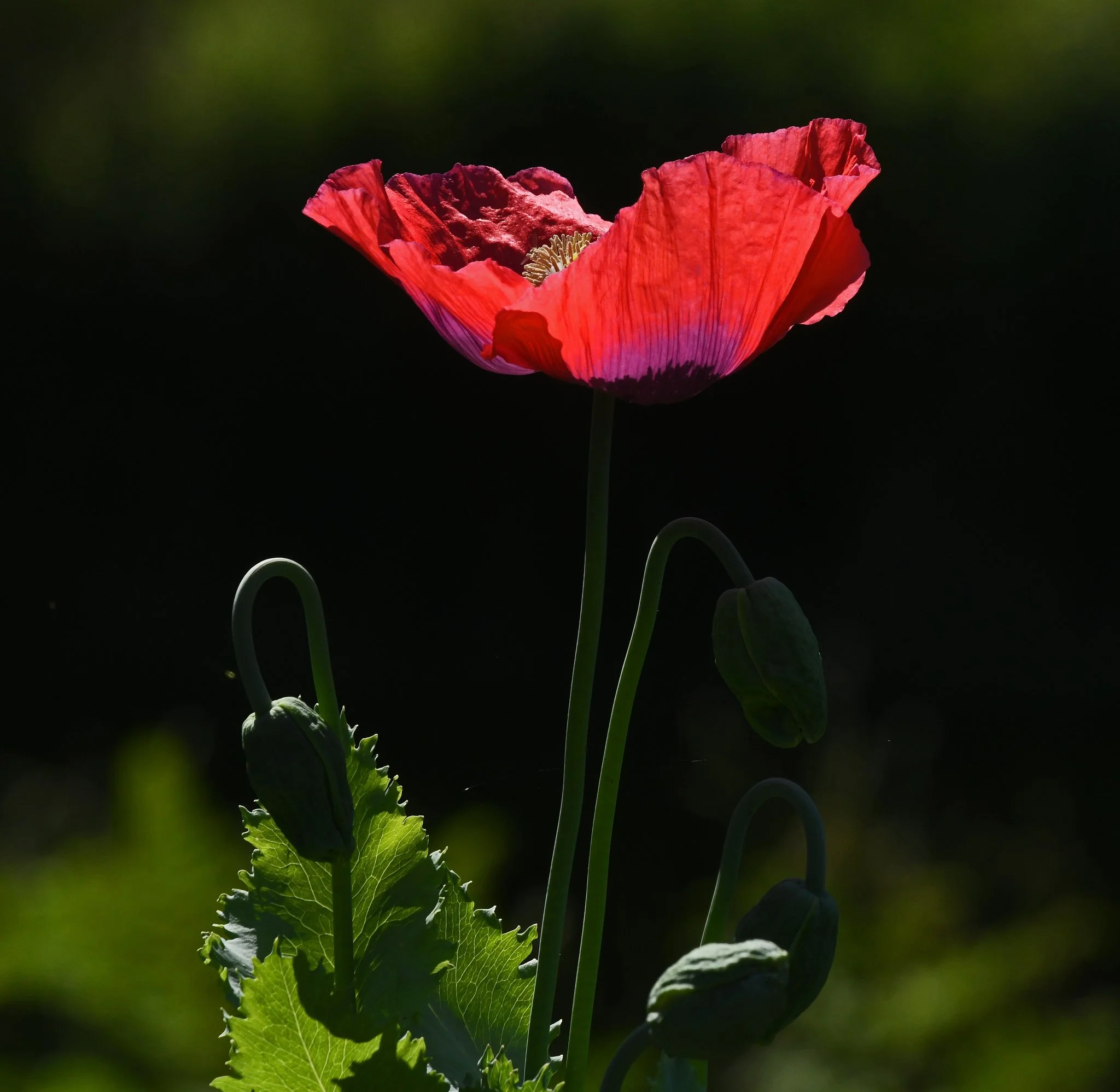
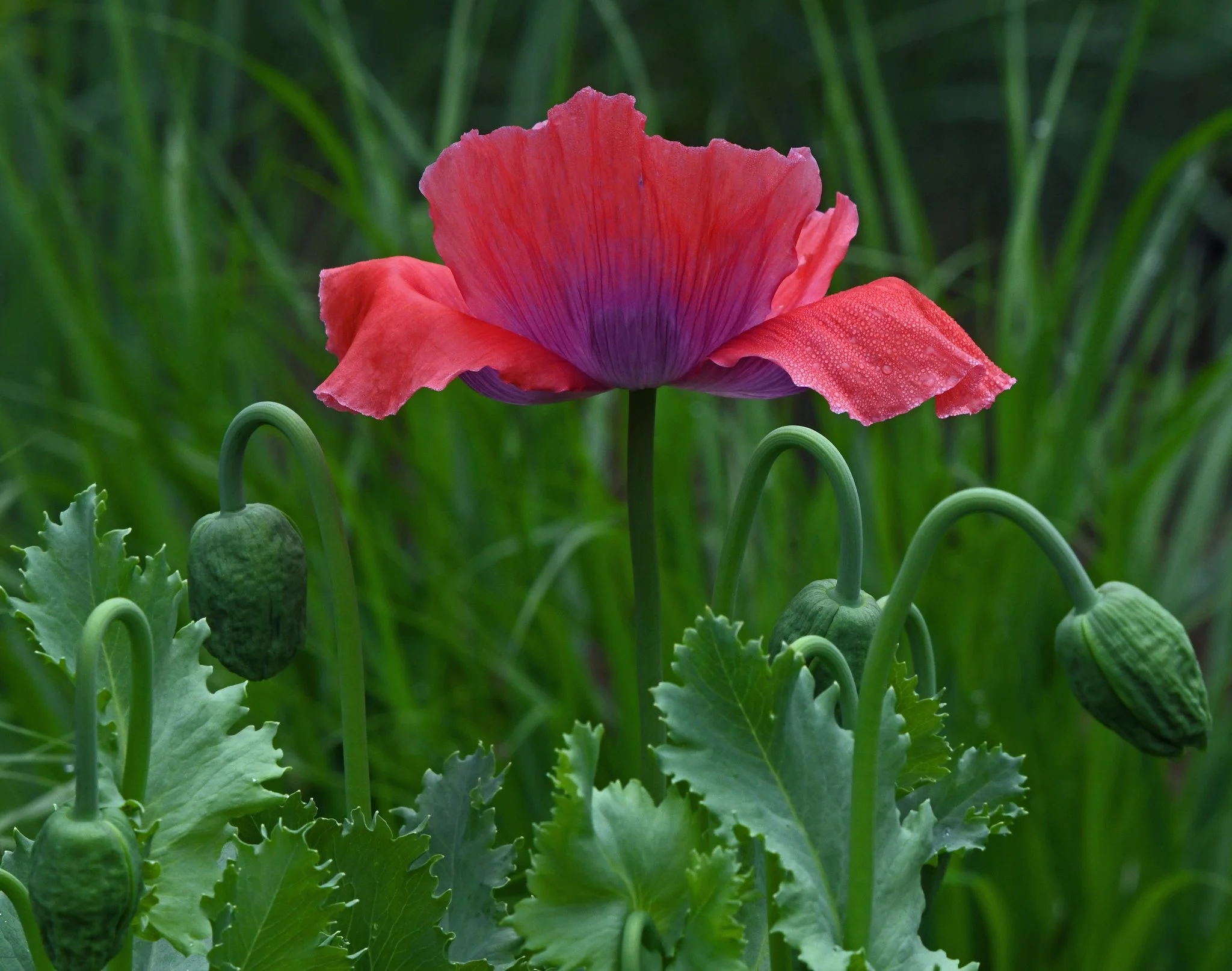
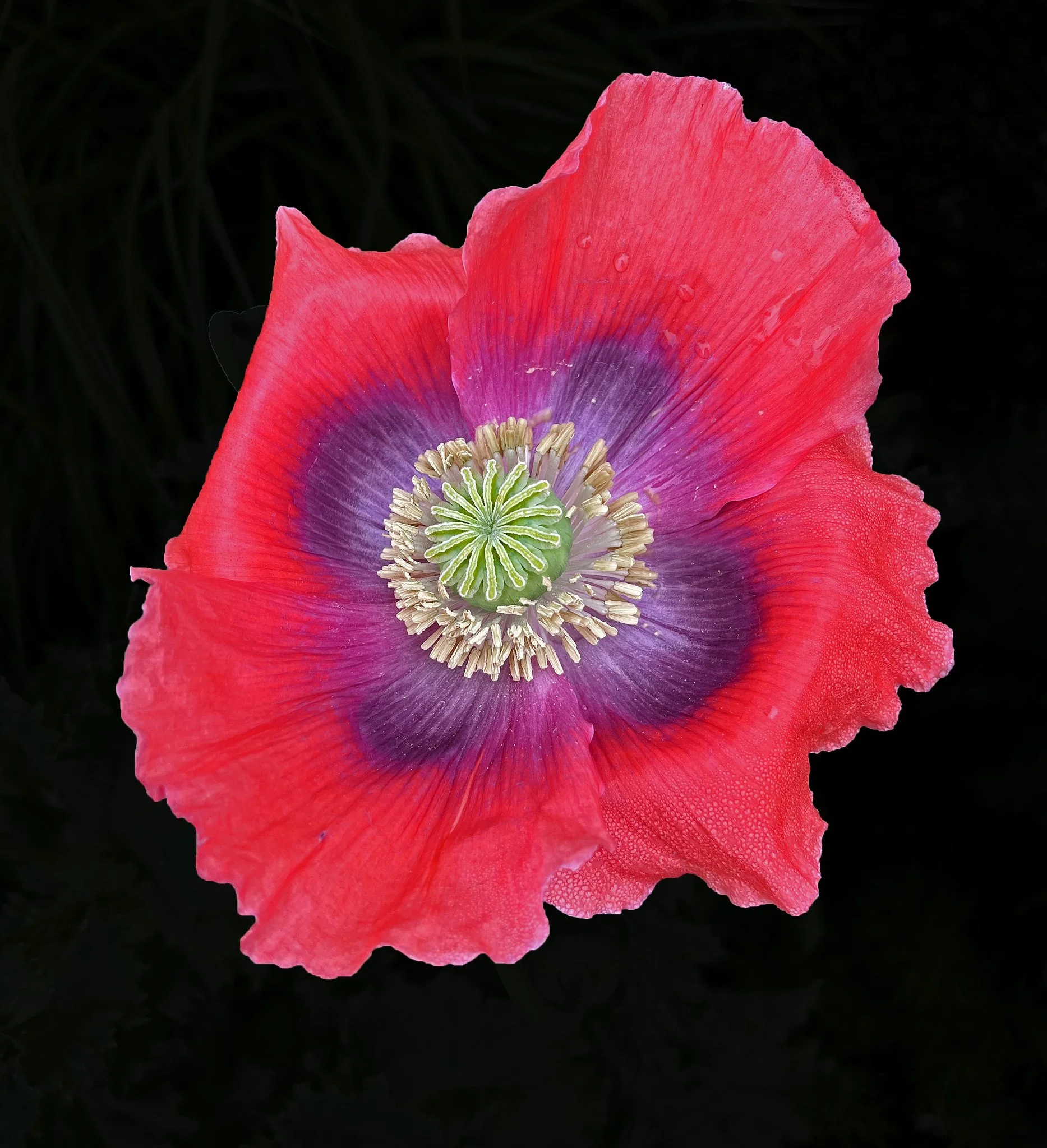
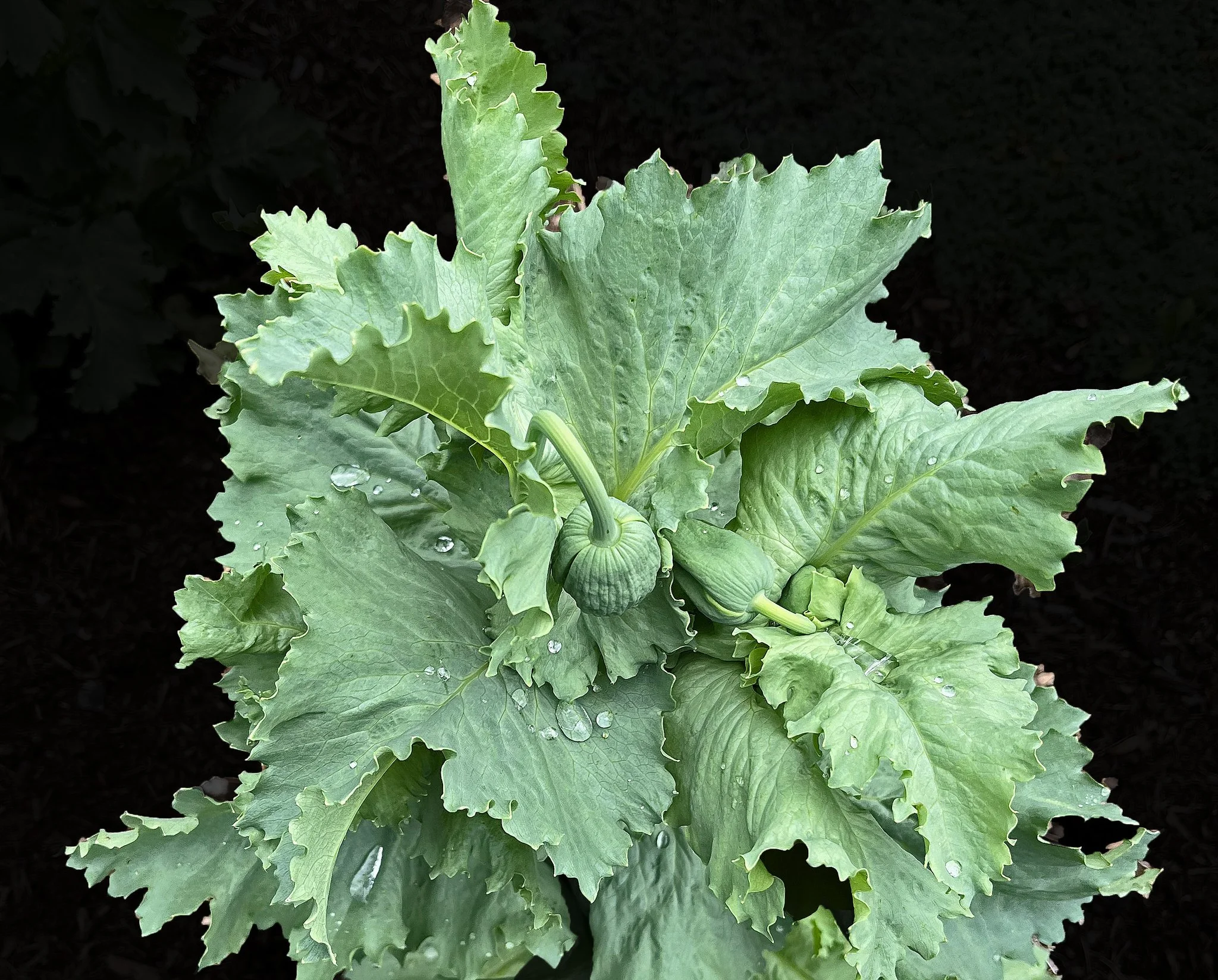
Guess what’s popping out all over now. Poppies add an ancient and mysterious beauty to the garden. Their large, crepe-like petals open and close the flower in slight breezes, revealing flashes of what – with a little imagination – looks like the creation of a small universe or a secret symbol for a sun-worshiping cult:

The popularity of these flowers has survived severe tests of time. The Minoans in Crete were cultivating poppies at least by 2700 BCE and the Egyptians entombed them with important personages, according to the ancient histories. And, the appearance of wild poppies on the bloody, death-strewn Western Front during World War I moved John McCrae to write his heart-twisting 1915 poem, “In Flanders Fields,” which inspired today’s recognition of red poppies as symbols of fallen members of the military.

Of course, some varieties of poppies contain calm-inducing and pain-reducing alkaloids such as morphine and codeine. These opium varieties are not sold in your local flower nursery – I hope. They’ve been extraordinarily beneficial in the right hands and extremely harmful in the wrong ones. (Morphine, as you may know, is named after the Greek god for sleep and dreams, Morpheus.)

(Images taken in Brooklin, Maine, June 27, 2026.)

Comment

Comment

In the Right Place: Stream of Consciousness

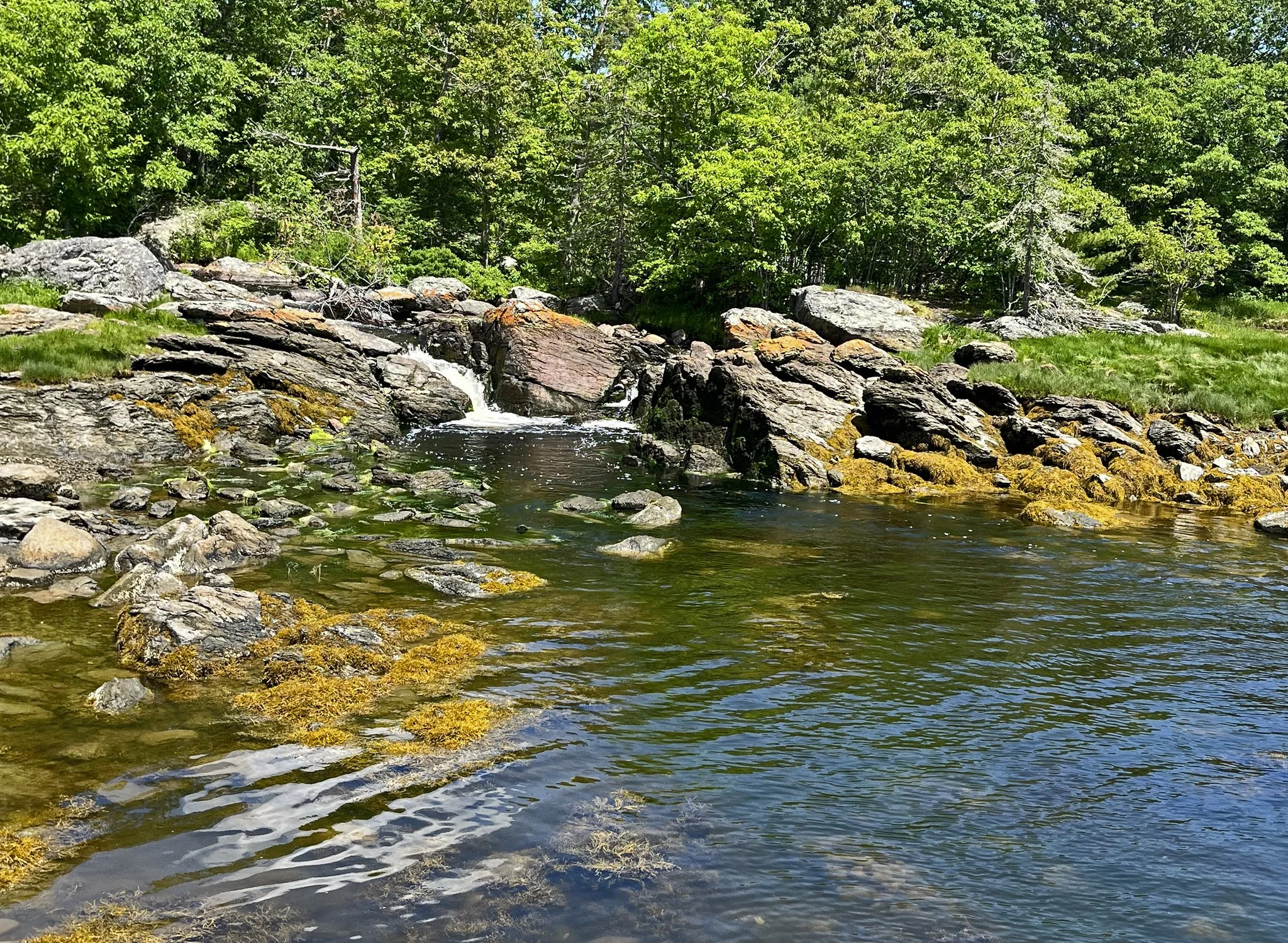
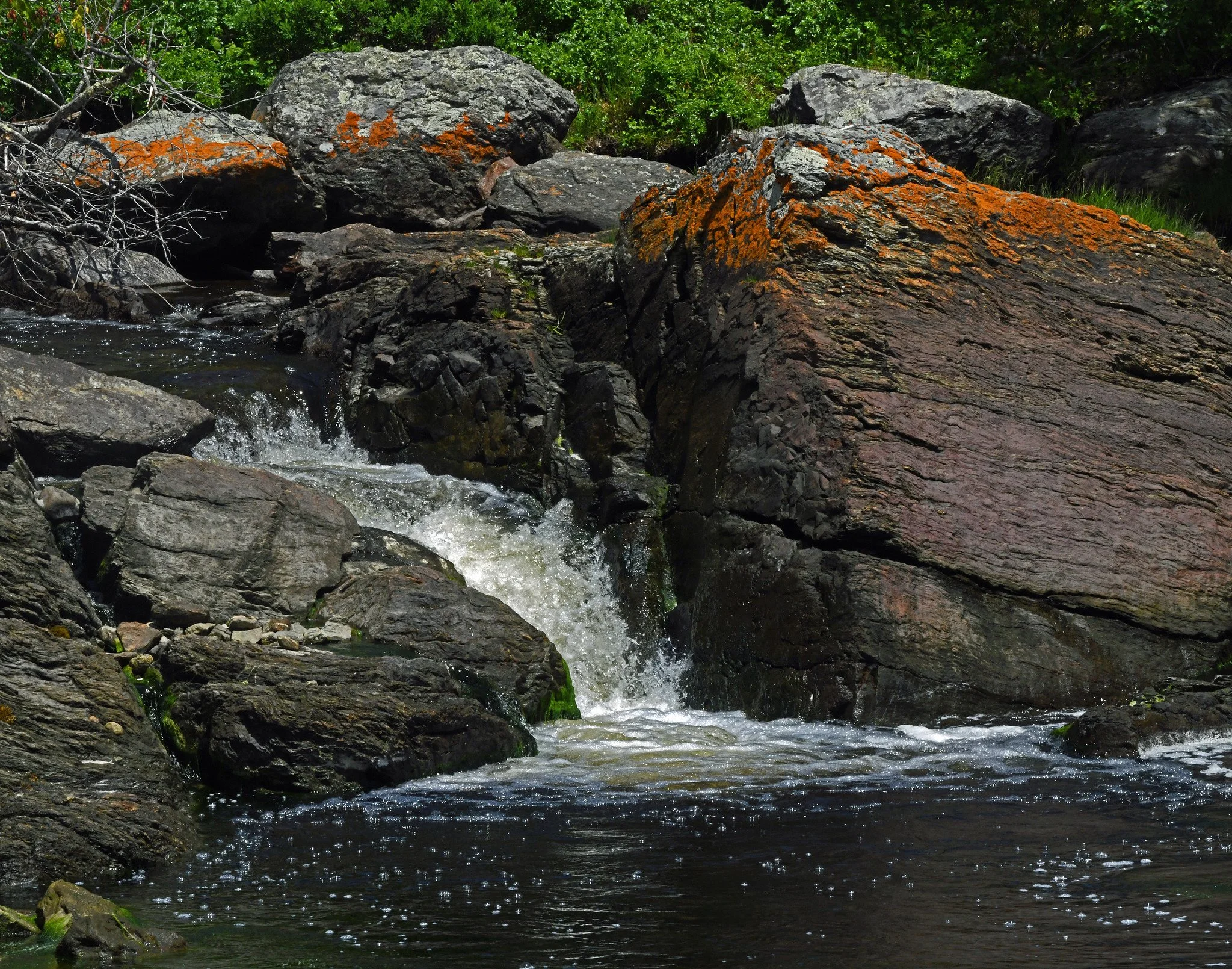
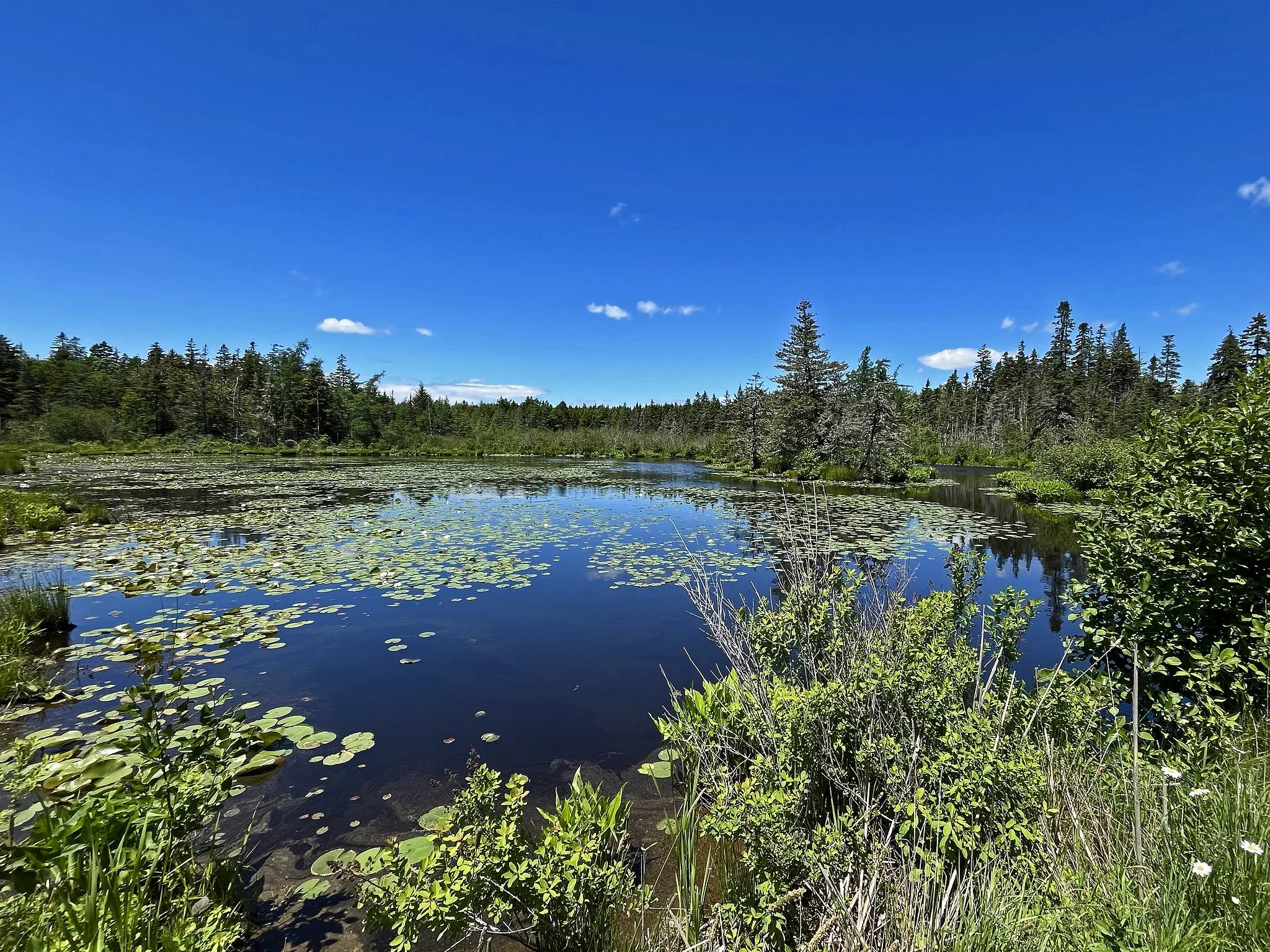
Here’s Patten Stream’s robust flow into Patten Bay Thursday. Heavy rain last week improved Maine’s dry and drought situations considerably.

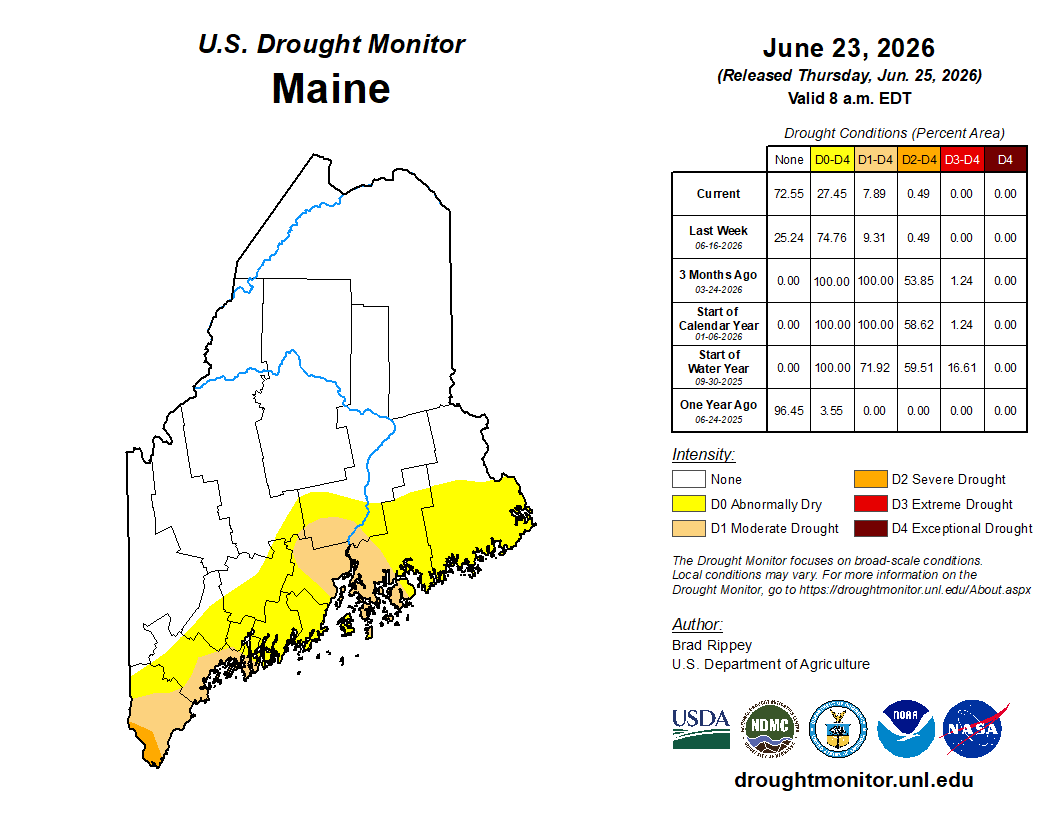
For example, through June 23, month-to-date rainfall in Portland, Maine, reportedly rose 4.98 inches and precipitation generally was good along the entire coast.  Nonetheless, as you’ll see on the official U.S. Drought Monitor map, our coastal areas remain at least abnormally dry, with two pockets of moderate drought (one here) and a small southern pocket of severe drought.:

Make sure those campfires are well-dug to begin with and well-out to end. And, while you’re at it, keep doing those rain dances! (Photo taken in Surry, Maine, June 25, 2026.)

Comment

Comment

In the Right Place: Mimics’ Gimmicks

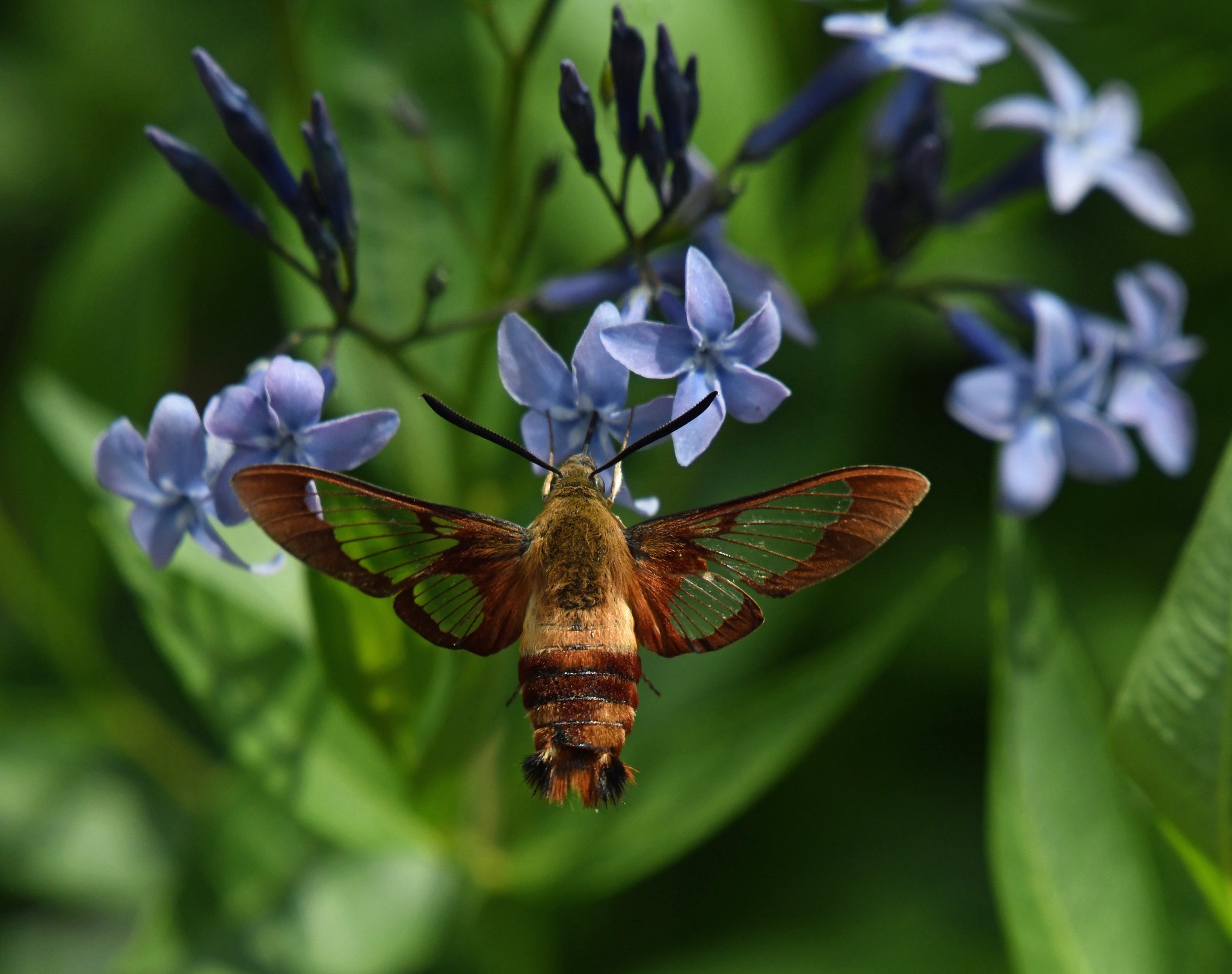
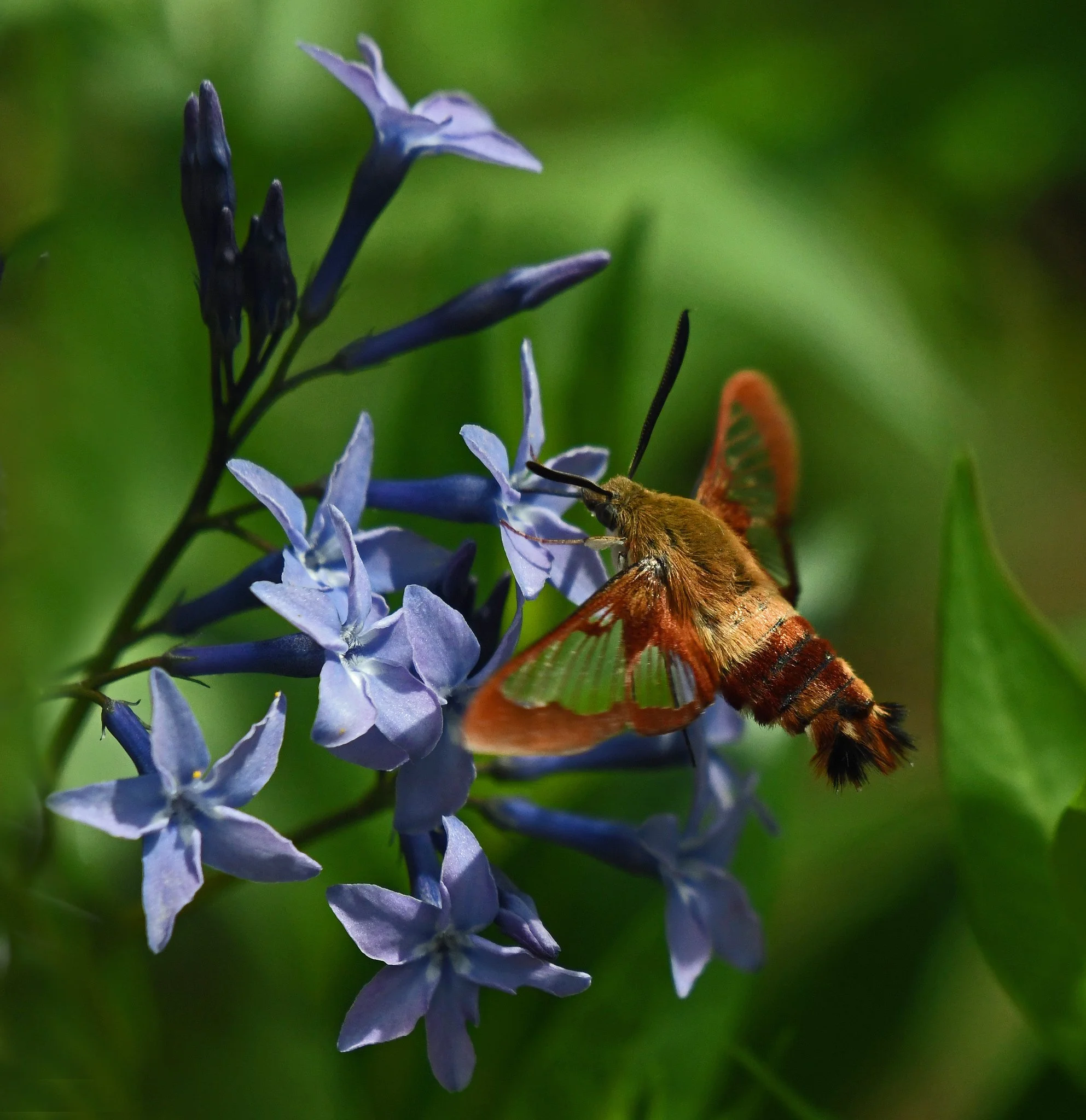
This is one of a pair of humming bird clearwing moths that came a-hovering in our blue stars (amsonia) yesterday, seemingly without fear of leaving a trace. I took that as a challenge to find a shutter setting that could stop them in their high-speed, always-whirring flight. It turned out that 1/5000th of a second did the job nicely. Herre’s the other clearwing:

Hummingbird clearwings (Hemaris thysbe) are unusual moths. For one thing, they fly during the day, not in the dark. For another, they’re born with full-scaled wings, as are virtually all moths, but they lose a good number of those scales on their first flight, due to the high-speed beating of their wings.

Researchers have concluded that these moths have evolved furry bodies and see-through wings as mimicry to avoid the many insect-eating birds. The moths reportedly appear to birds as forms of hummingbirds in some perspectives and bumblebees in another.

(Images taken in Brooklin, Maine, on June 25, 2026.)

Comment

Comment

In the Right Place: On Being Picky

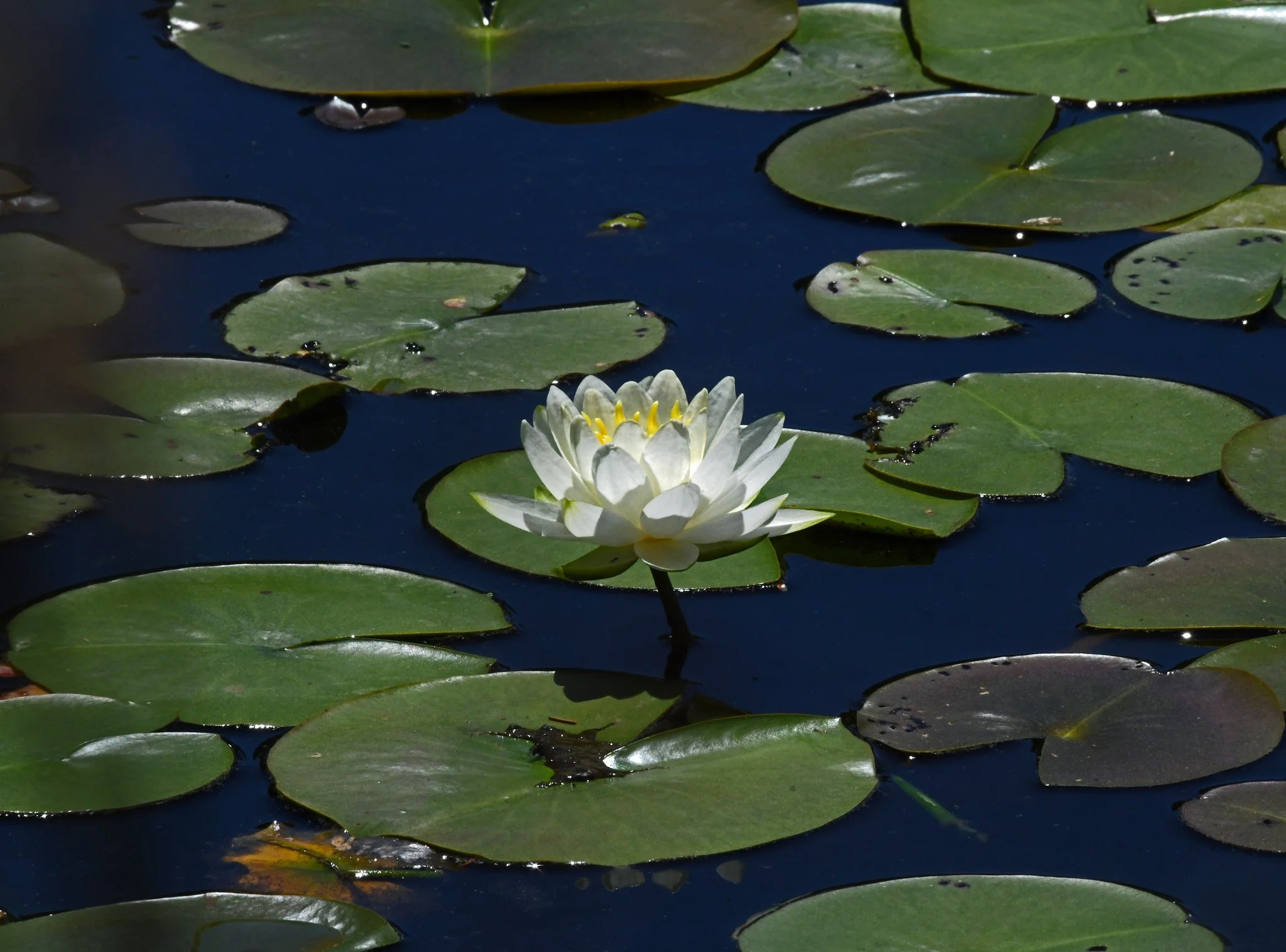
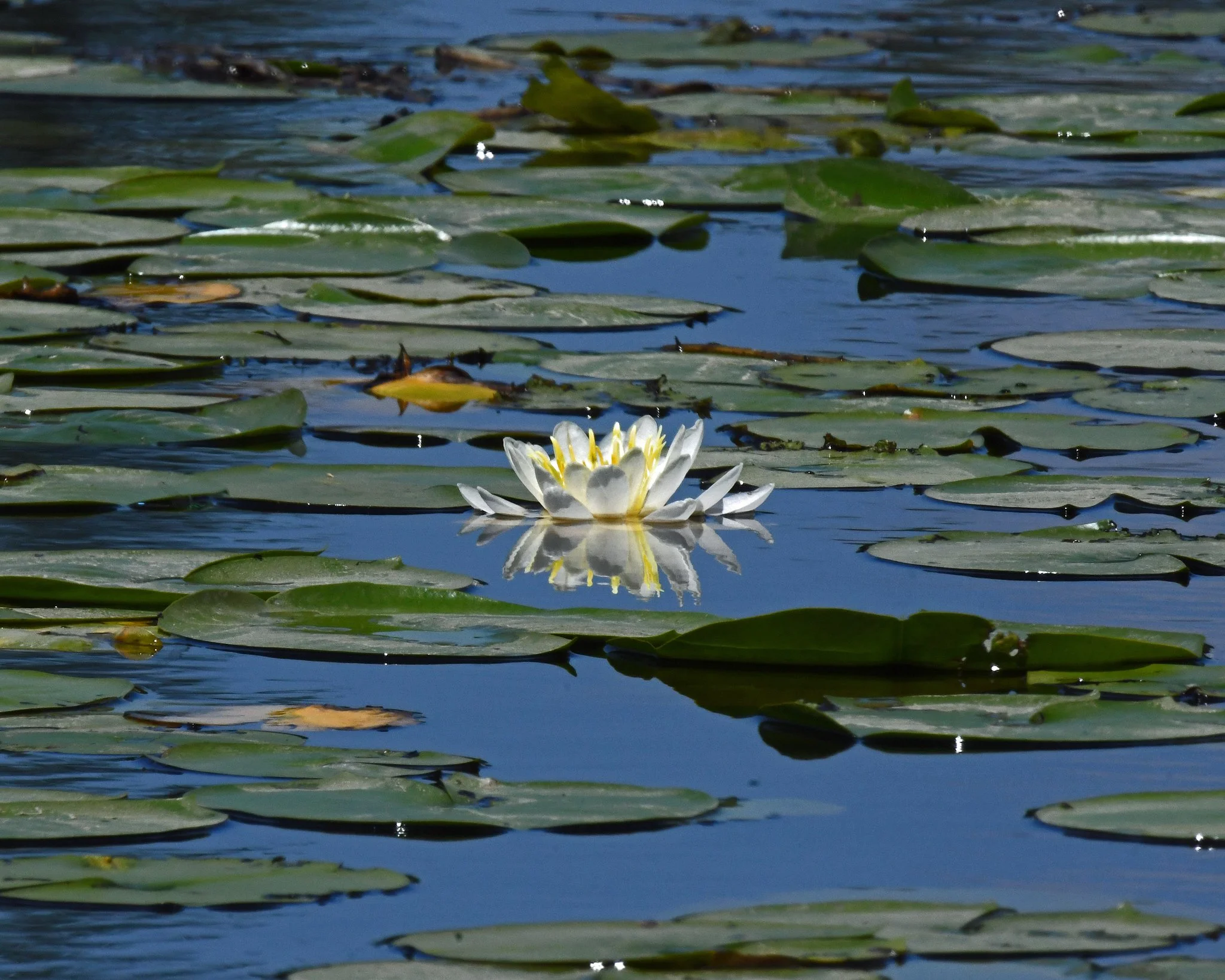
Our native fragrant water lilies (Nymphaea odorata) are rising in good number now and often filling their neighborhood with heaven-sent scents, as are these in the WoodenBoat pond:

These aromatic wildflowers are so different from the famous water lilies painted by Claude Monet that many of us saw in grade school art classes as our first examples of the plant.

Here, our native plants often are in naturally occurring ponds or still lakes that are fed by one or more small streams. We have one choice of the wildflower’s color: white with gold interior. Parts of the plants are eaten and left ragged by muskrats and other wildlife, the pads often are littered with nasty-looking little creatures and their leavings. But, still –  wild water lilies remain beautiful and smell nice and muskrats are fun to watch. There’s no sense being picky.

I learned later in life that the wealthy Monet meticulously designed and had his famous pond built and maintained as part of his pristine sanctuary at Giverny; he reportedly even had a river re-routed to feed it. Many of his colorful water lilies reportedly were rare and expensive hybrids that he installed and had individually cleaned daily by a crew that maintained the pond and tried to keep muskrats out. Now, that’s being picky!

(Images taken in Brooklin, Maine, on June 24, 2026.)

Comment

Comment

In the Right Place: The Pollinator-Predator Paradox

It’s Pollinator Week, which is a valuable international reminder of the importance of those creatures in our ecosystems and food supply. But it also raises a question: Why don’t we have a Predator Week?

I suppose that no politician would support memorializing facts that we like to forget: The world has far more predators than pollinators; they’re part of virtually all animal groups, and predation is still the world’s fundamental survival strategy. Predation is as important as pollination, if not more so, and usually takes more skill.

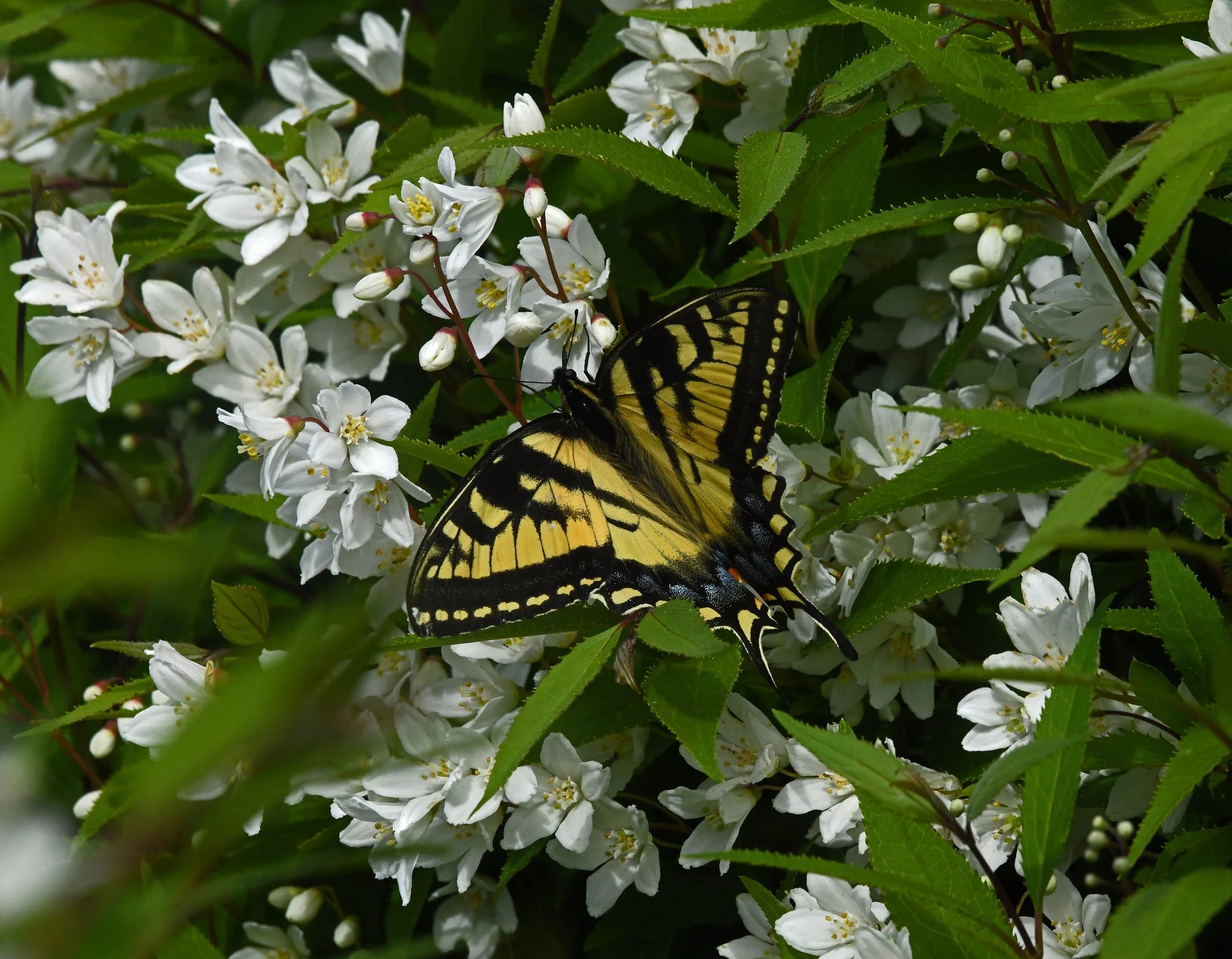
Nonetheless, here in celebration of Pollinator Week, I offer an image of a lovely eastern tiger swallowtail butterfly doing its best to pollinate deutzia blossoms while it accepts their gratefully offered nectar. Fluttering swallowtails seemingly like to flaunt their brilliant beauty.

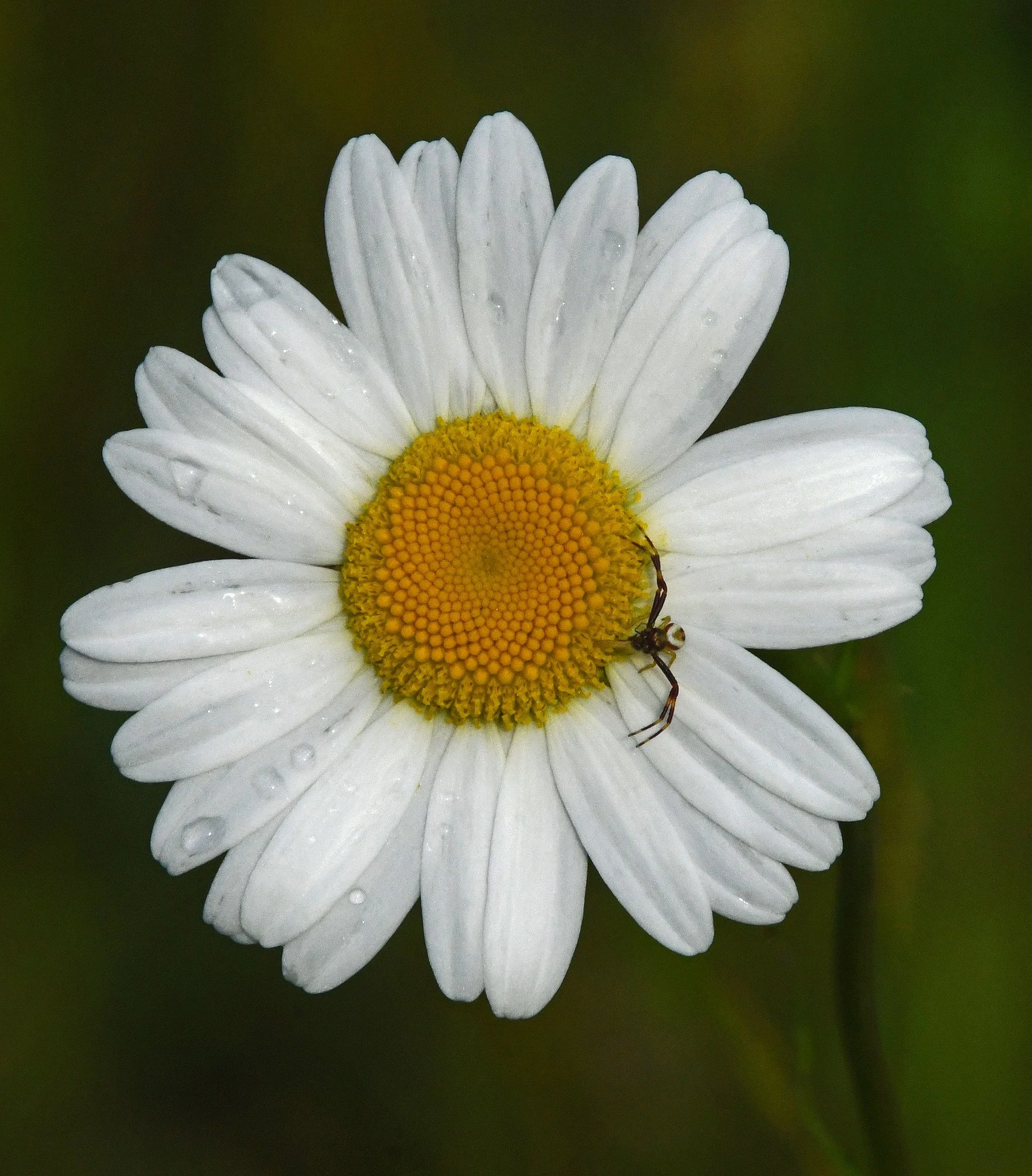
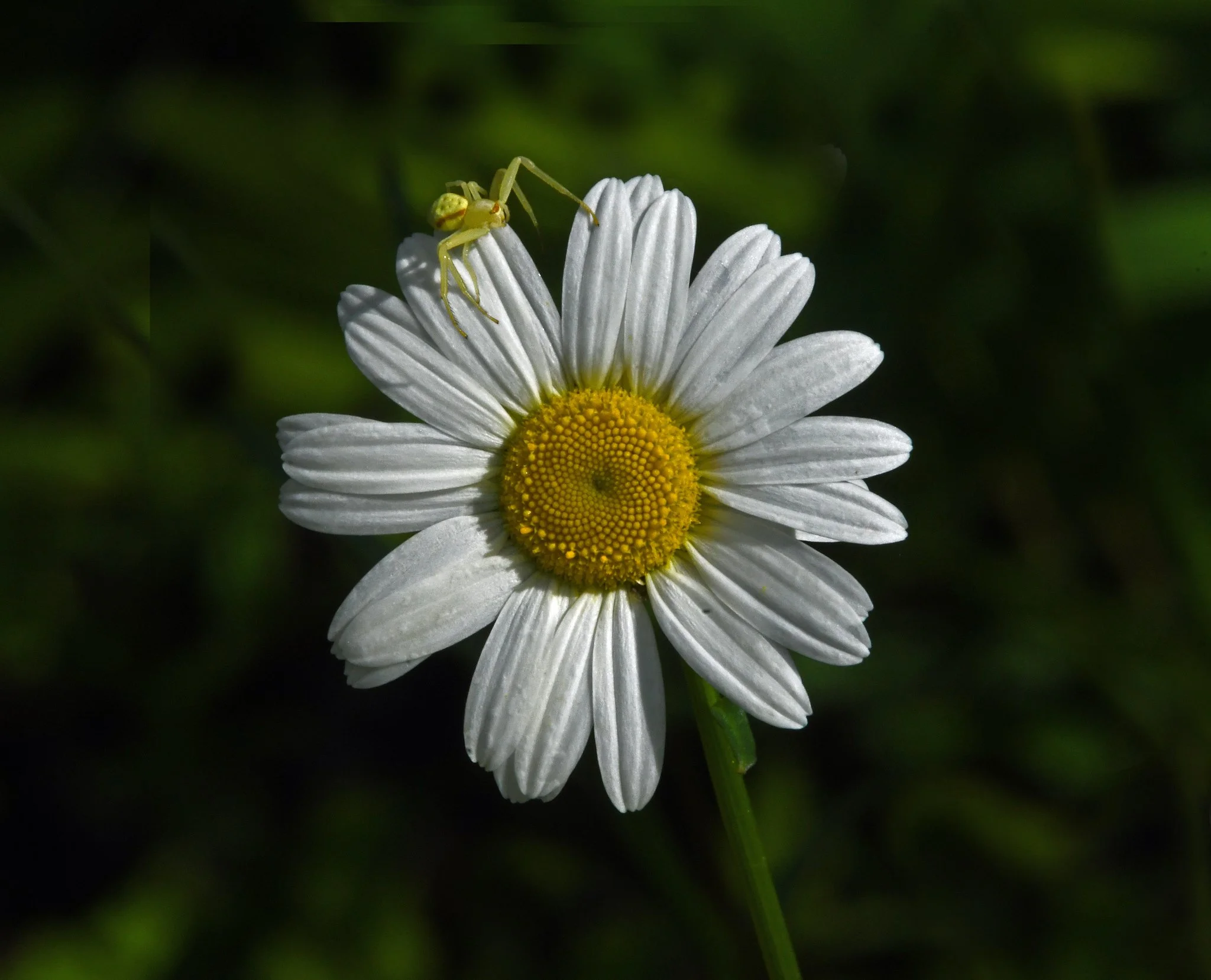
However, in celebration of shy unmentionables, I offer two images of little predators that hide their presence and eat pollinators.  Look closely:

Goldenrod crab spiders don’t spin webs; They sit patiently on flowers (such as oxeye daisies, as here), change color, and pounce on unsuspecting small pollinators. But, of course, even spider life has its ups and downs: These spiders are preyed upon by many other predators, including other spiders and hummingbirds that also pollinate flowers.

I’m tempted to extend this discussion into the metaphysical realm of human predation upon ourselves and other creatures, but I guess I’ll leave that to the daily news reports for now. (Images taken in Brooklin, Maine, on June 15, 21 and 23, 2026.)

Comment

Comment

In the Right Place: Seldom Seen Scenes

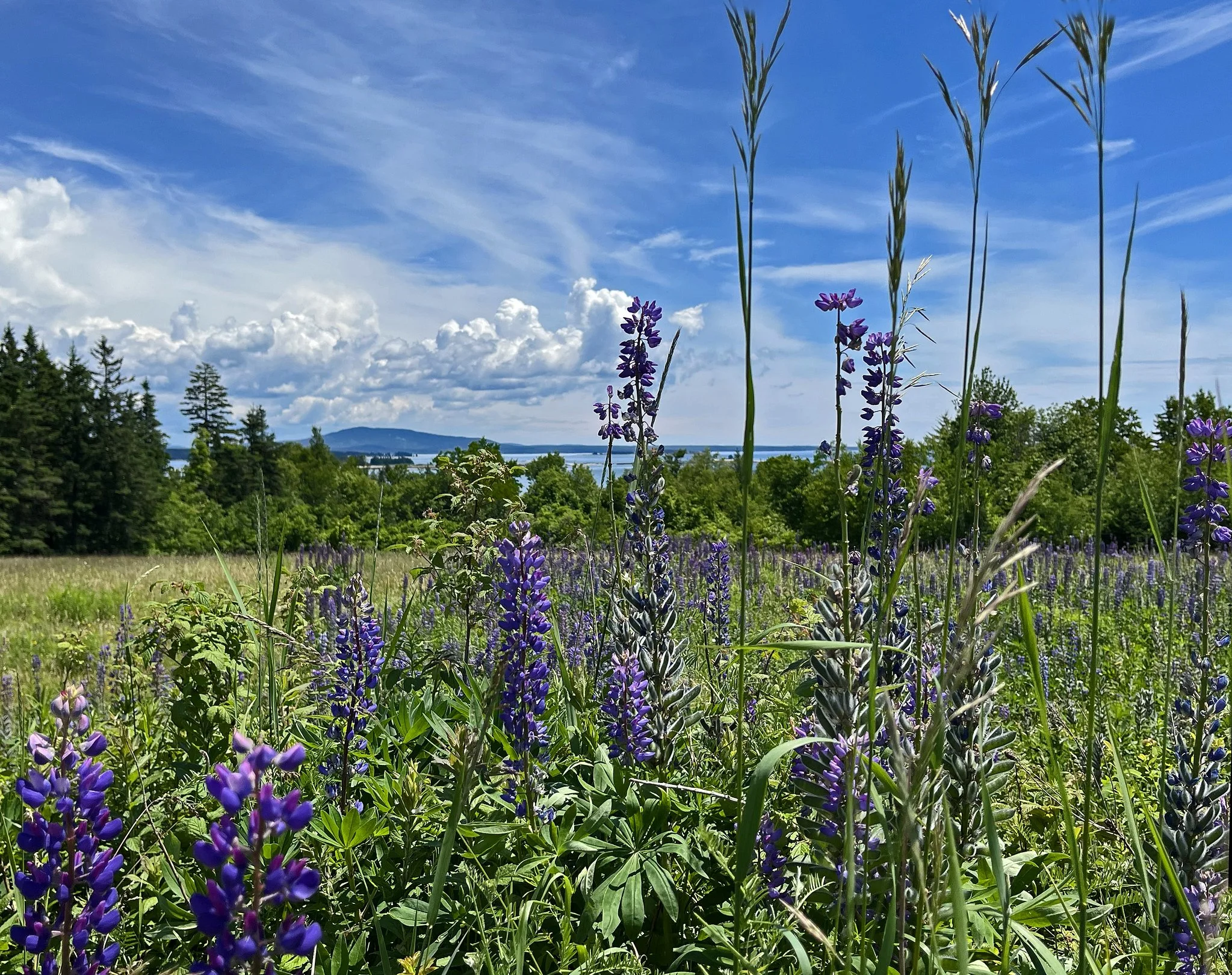
Here you get a grasshopper’s view of Mount Desert Island as seen from the fading lupines and rising grasses on Amen Ridge in Brooklin. MDI is Maine’s largest Island and contains most of Acadia National Park, as well as the tourist-popular Town of Bar Harbor. The puffy pillows above MDI’s western mountains appear to be cumulous clouds and the higher vapor trails appear to be cirrus clouds.

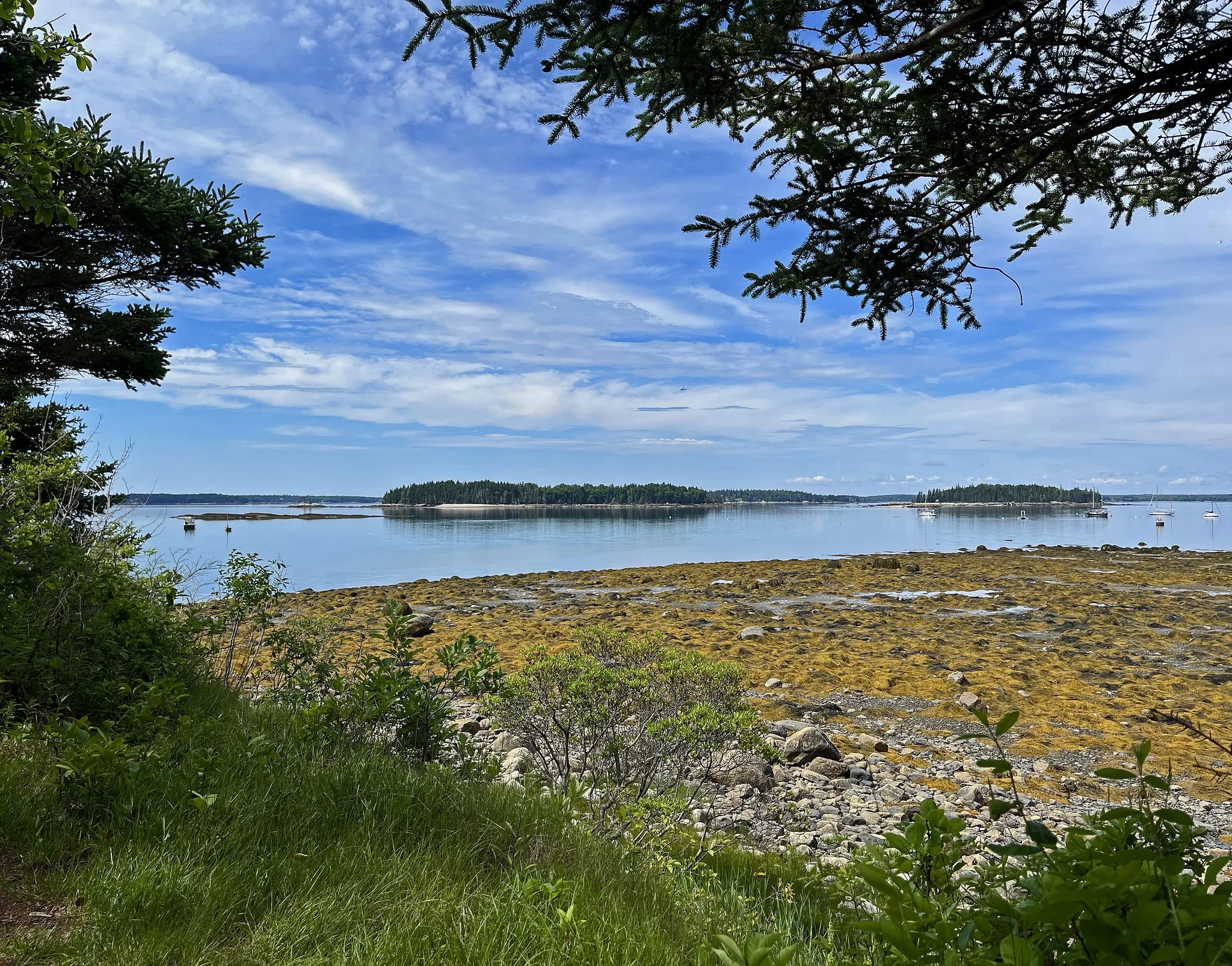
Below, you’ll see Great Cove at low tide, when its rockweed forest is laid to rest and its mud flats are exposed. At this time of day, there can be distinctive primal scents – fresh, briny air mingled with whiffs of fetid mud – that seem to awaken the old animal in me. The rockweed and mud will disappear under the rising tide, as will the scents, but they’ll be back.

(Images taken in Brooklin, Maine,on June 21, 2026.)

Comment

Comment

In the Right Place: Windjammers, IV

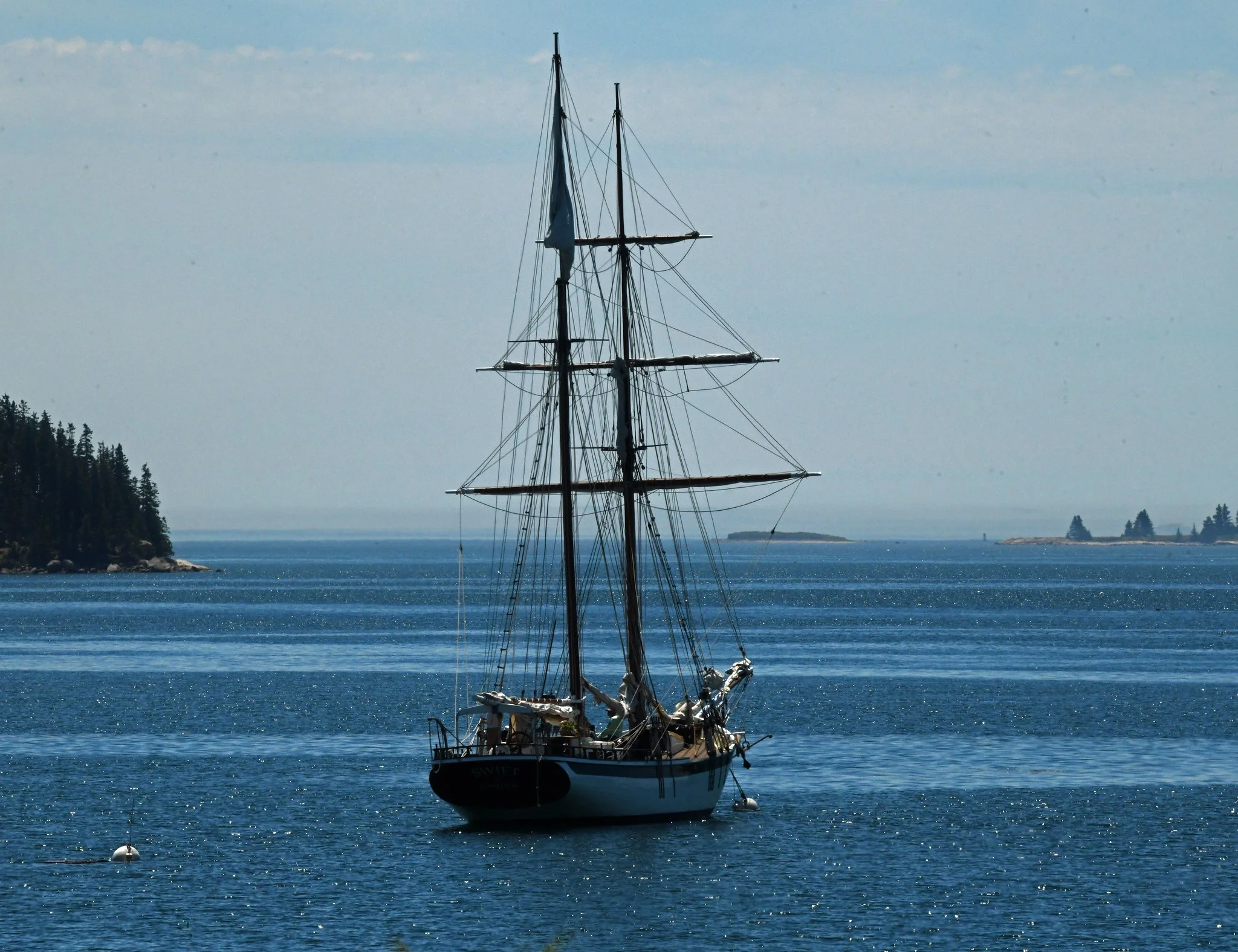
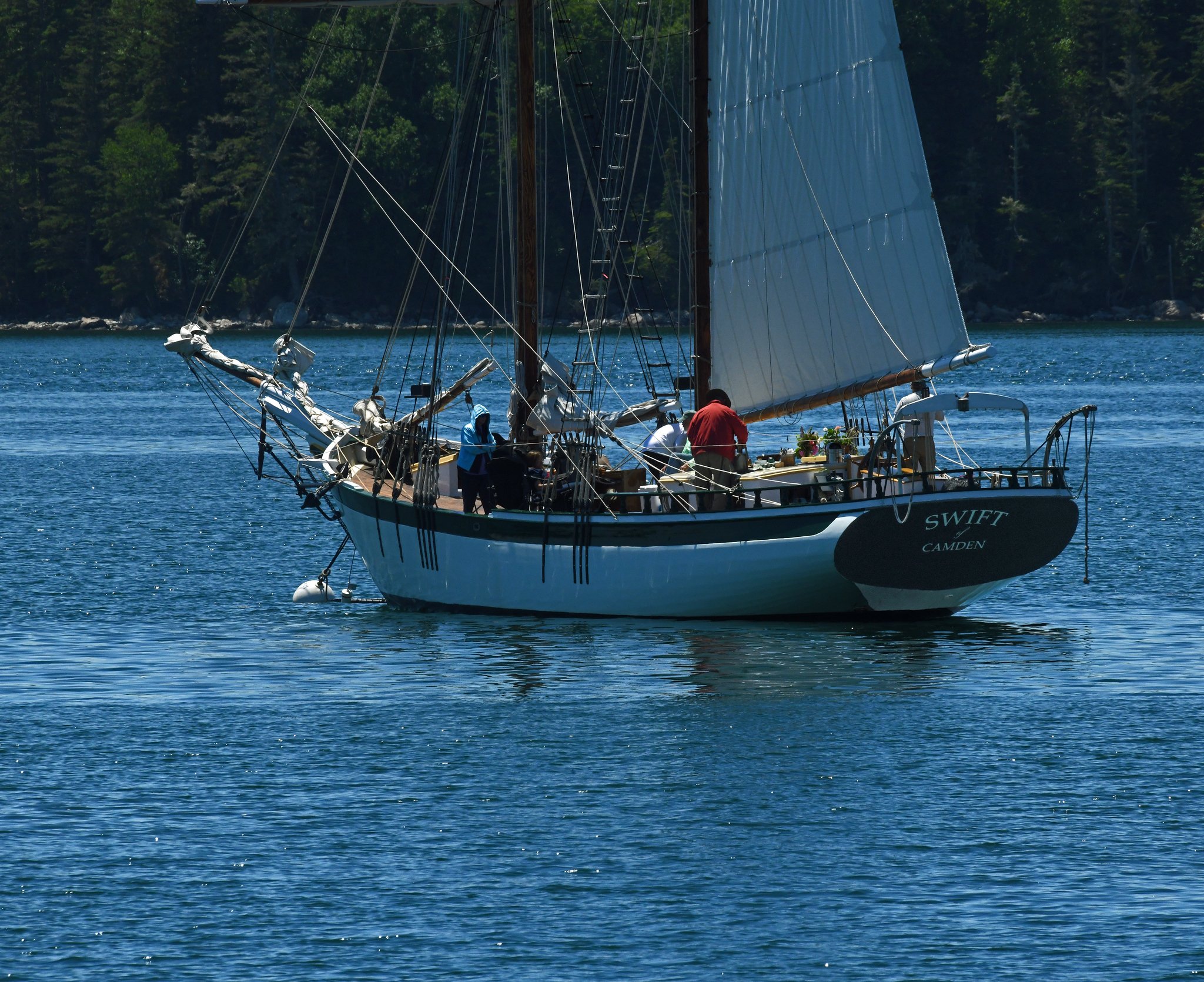
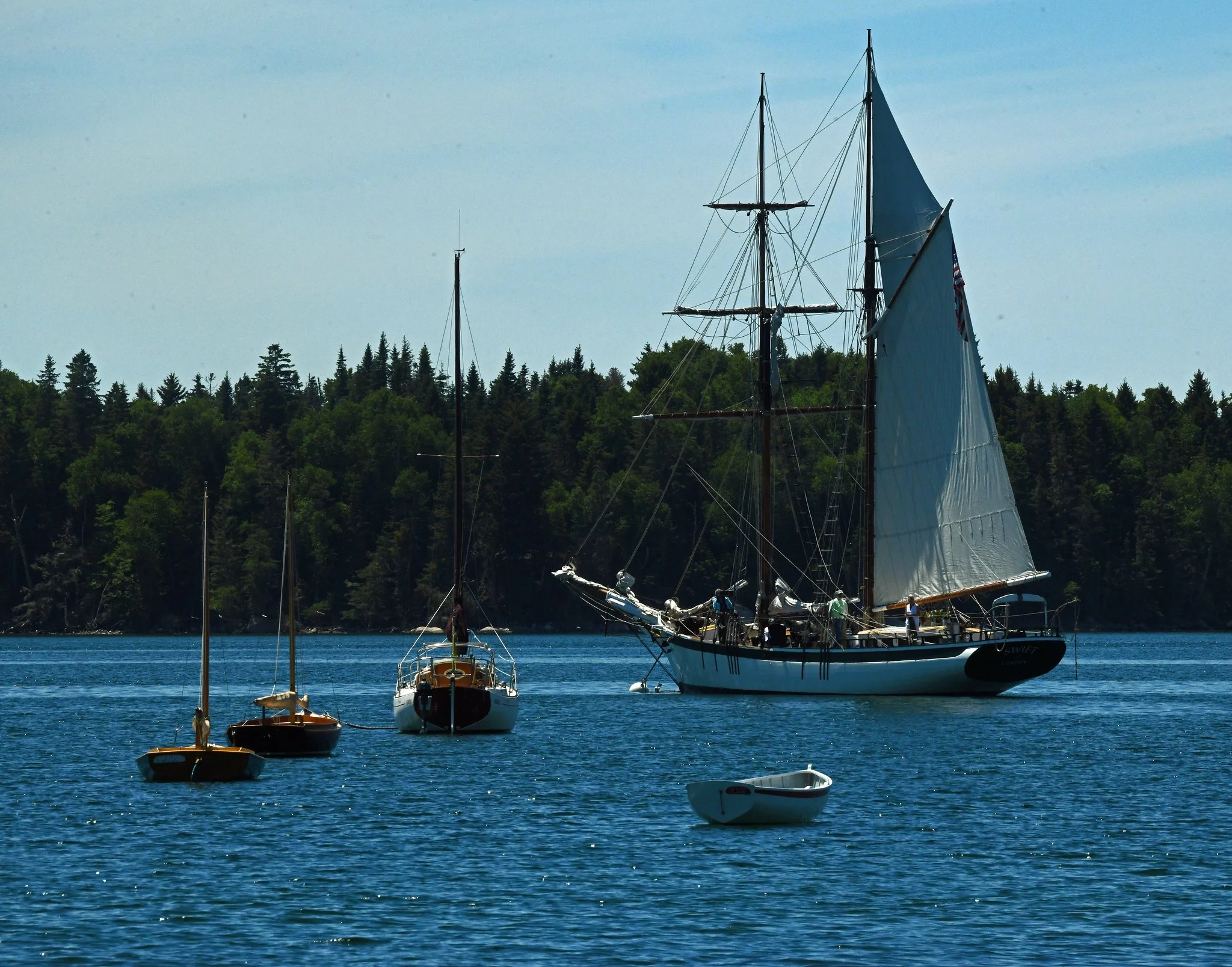
The little windjammer now known as SWIFT snuck into Great Cove last week and snuck out after a few hours without me seeing her intriguing sail configuration. But here she is showing her rigging:

She hails from Camden, Maine, and was on a four-night private charter when she visited, according to her schedule. Among other names, SWIFT was once named ACTRESS, then CAPT. FRANK SWIFT, and is now plain SWIFT. The latest names honor Captain Frank Swift, the person principally responsible for establishing the windjammer tourist trade in the state.

 She’s a relatively small windjammer at a reported  57 feet of overall length. She has room for about six passengers and usually has a crew of three.  In addition to private charters, she reportedly conducts sailing training and maritime education classes.

SWIFT is rigged as a hermaphrodite brigantine (aka half-brig). That is, when fully dressed, she’s got square sails on her foremast, but angular sails fore-and-aft on her main mast. This configuration reportedly was created to produce a vessel that had a good balance of speed and maneuverability, yet could be sailed by a much smaller crew than vessels with square sails on all masts.

(Images taken in Brooklin, Maine, on June 17, 2026.)

Comment

Comment

In the Right Place: Happy Fathers’ Day!

Let’s hope we have a pair of potential Rachel Carsons here with their Dad in Naskeag Harbor:

Rachel’s mother and father often are credited with making major contributions toward her eventual scientific and literary success. Her father, Robert W. Carson, reportedly took her on nature field trips beginning at a very early age and encouraged her to turn nature walks into scientific experiments and to keep a journal of her observations.

Unfortunately, Robert suffered difficulties that eventually led to another story that’s too sad to tell on this happy day when I get to reverse-celebrate our wonderful children who make me a proud father. (Leighton Archive image taken in Brooklin, Maine.) Click on the image to enlarge it.

Comment

Comment

In the Right Place: Peeking at Peaking Peonies

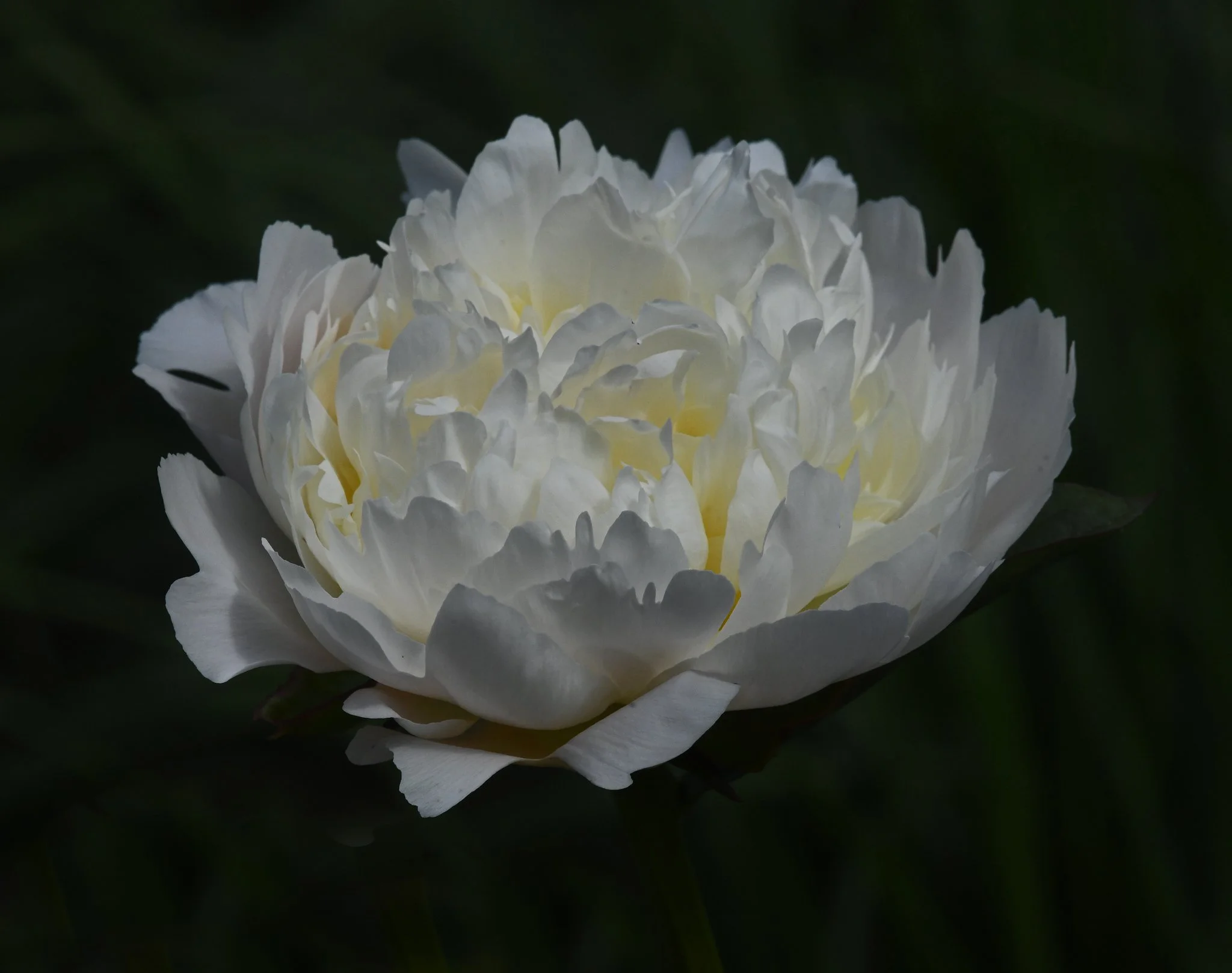
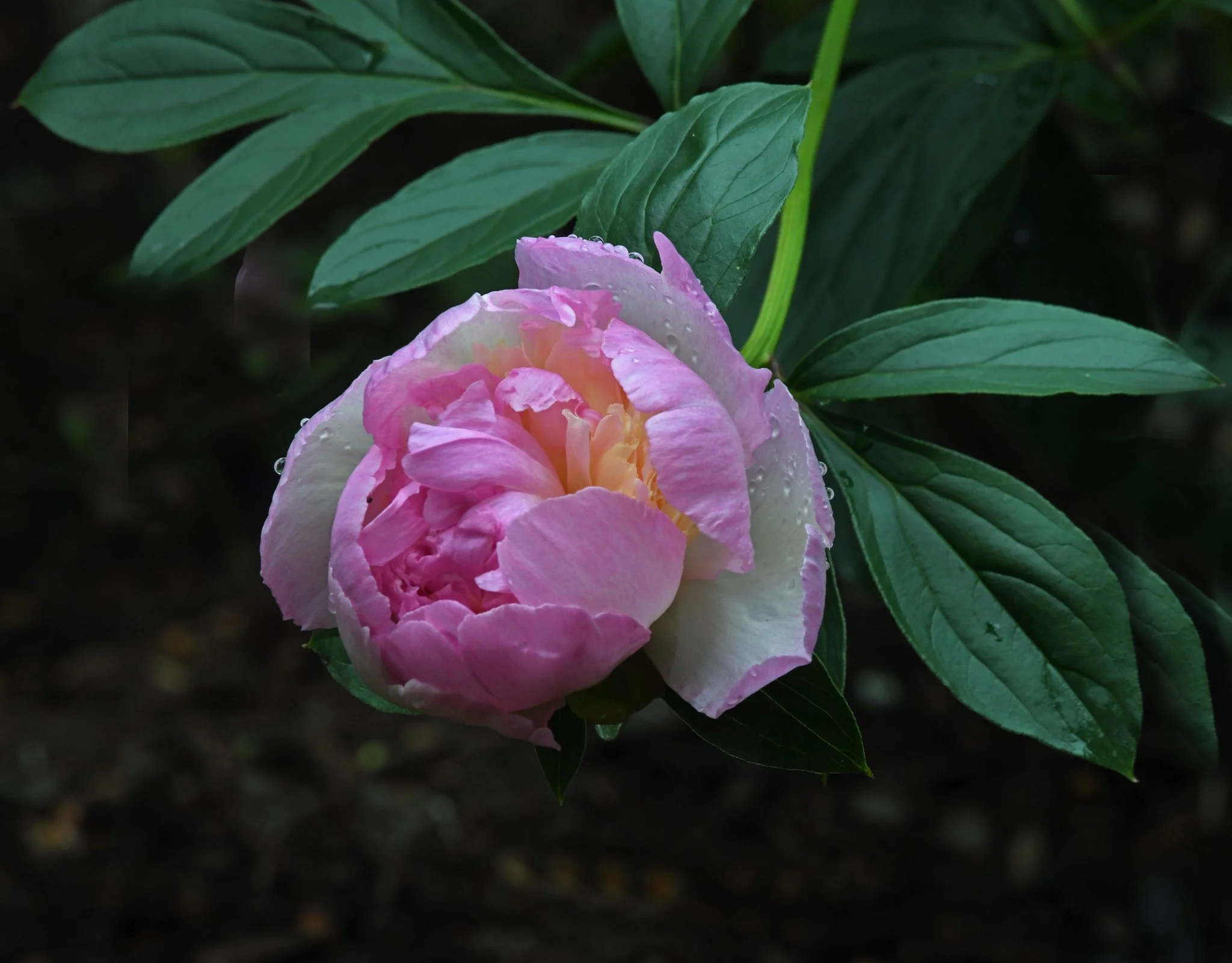
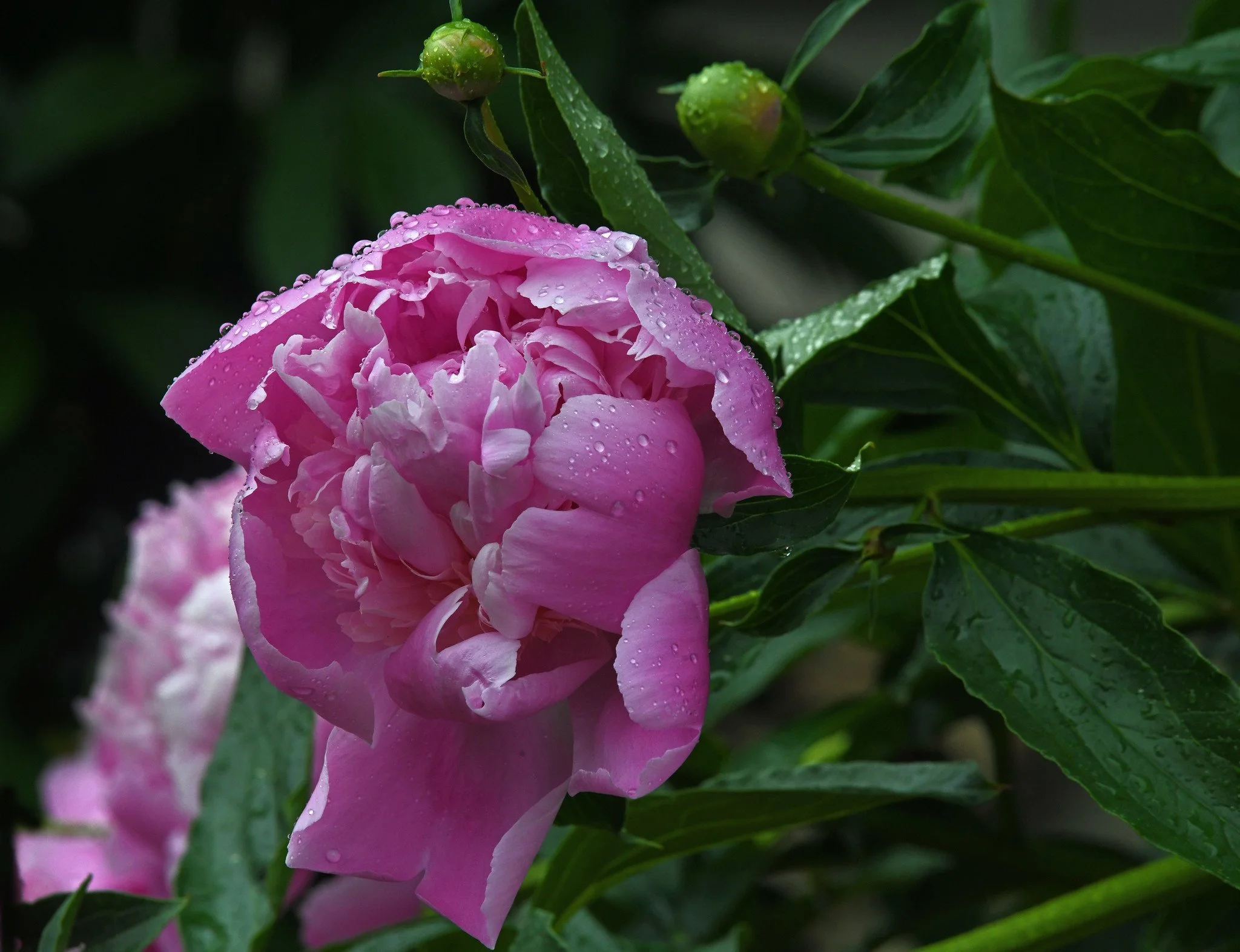
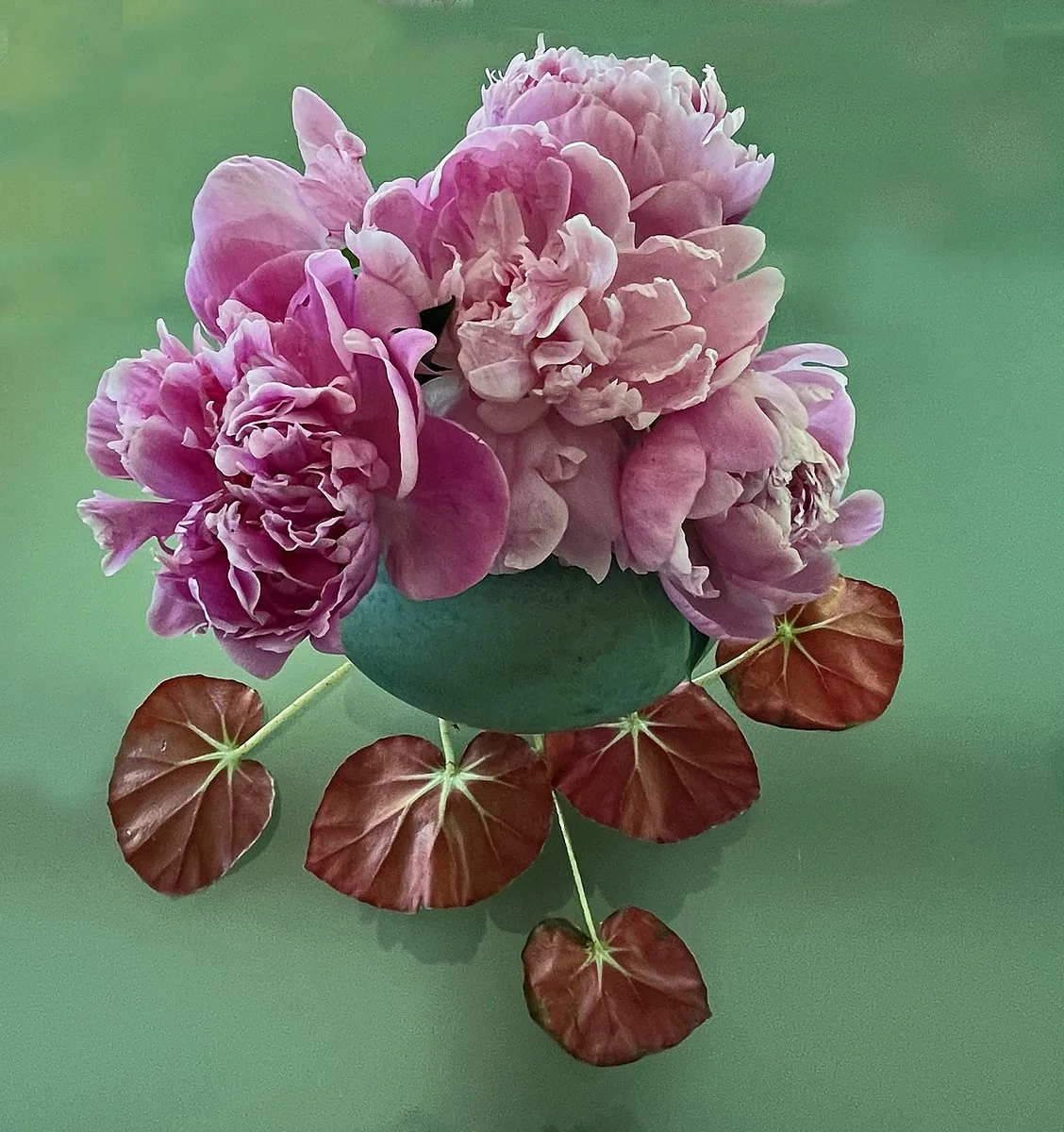
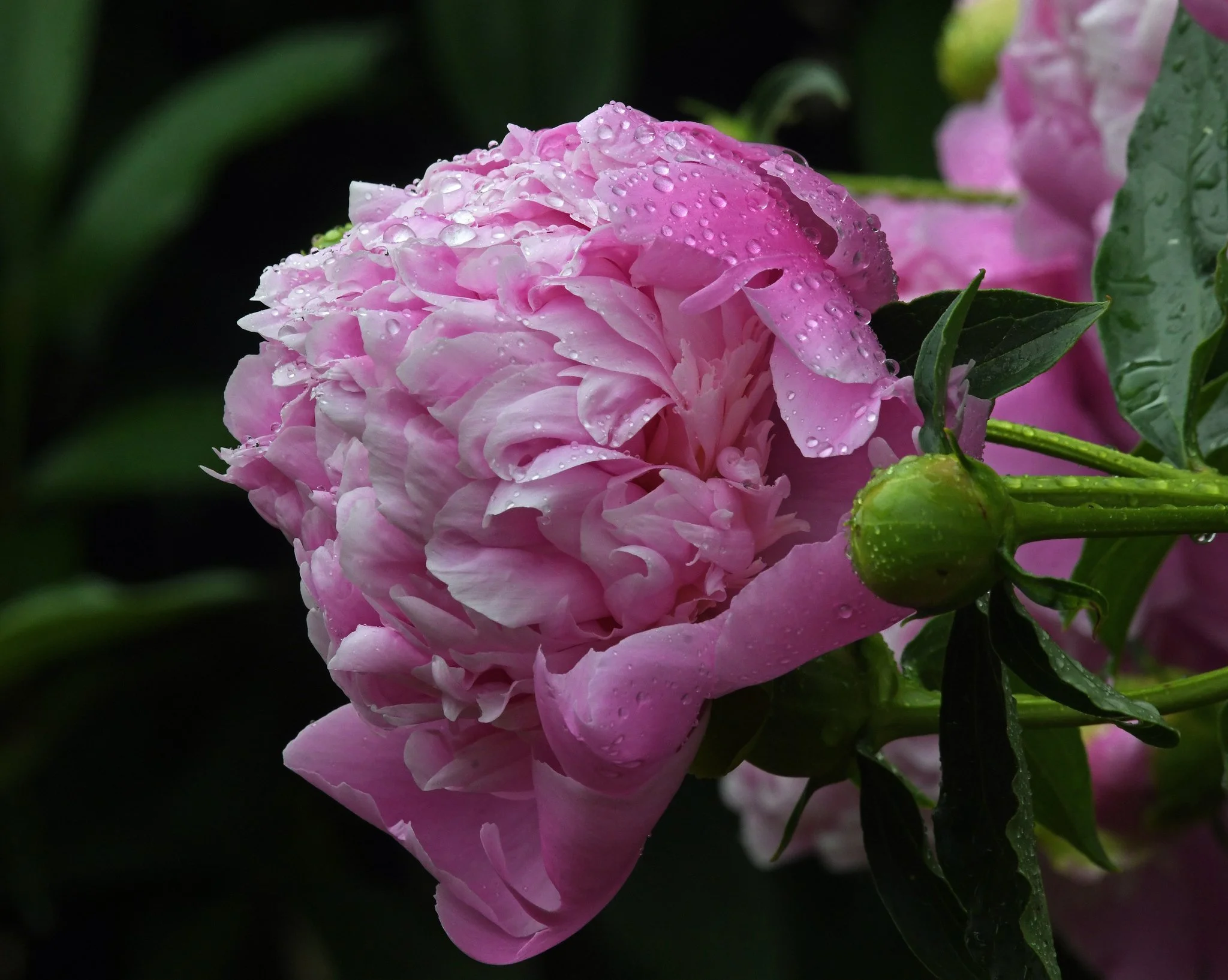
For those who like your beauty voluptuous and exuberant, above is a peony enjoying a shower. They’re starting to reach peak blossoming volume here. For those who like your flower arrangements lush and fragrant, here’s one of Barbara’s peony arrangements:

Peonies have been the subjects of legends for many centuries in Asia and some think that they were brought to Western civilizations by Marco Polo (who was said to be amazed at beautiful blooms that grew big as cabbages.)  Now, in East and West, they reportedly signify romance, happy marriage, prosperity and other good fortune – and all of these at once, if you are lucky enough to grow the right peonies and live in the right culture.

(Images taken in Brooklin, Maine, on June 14 and 18, 2026.)

Comment