Comment

In the Right Place: A Hare-Raising Story

Here you see one of our snowshoe hares caught – somewhat unusually – roaming in daytime yesterday:
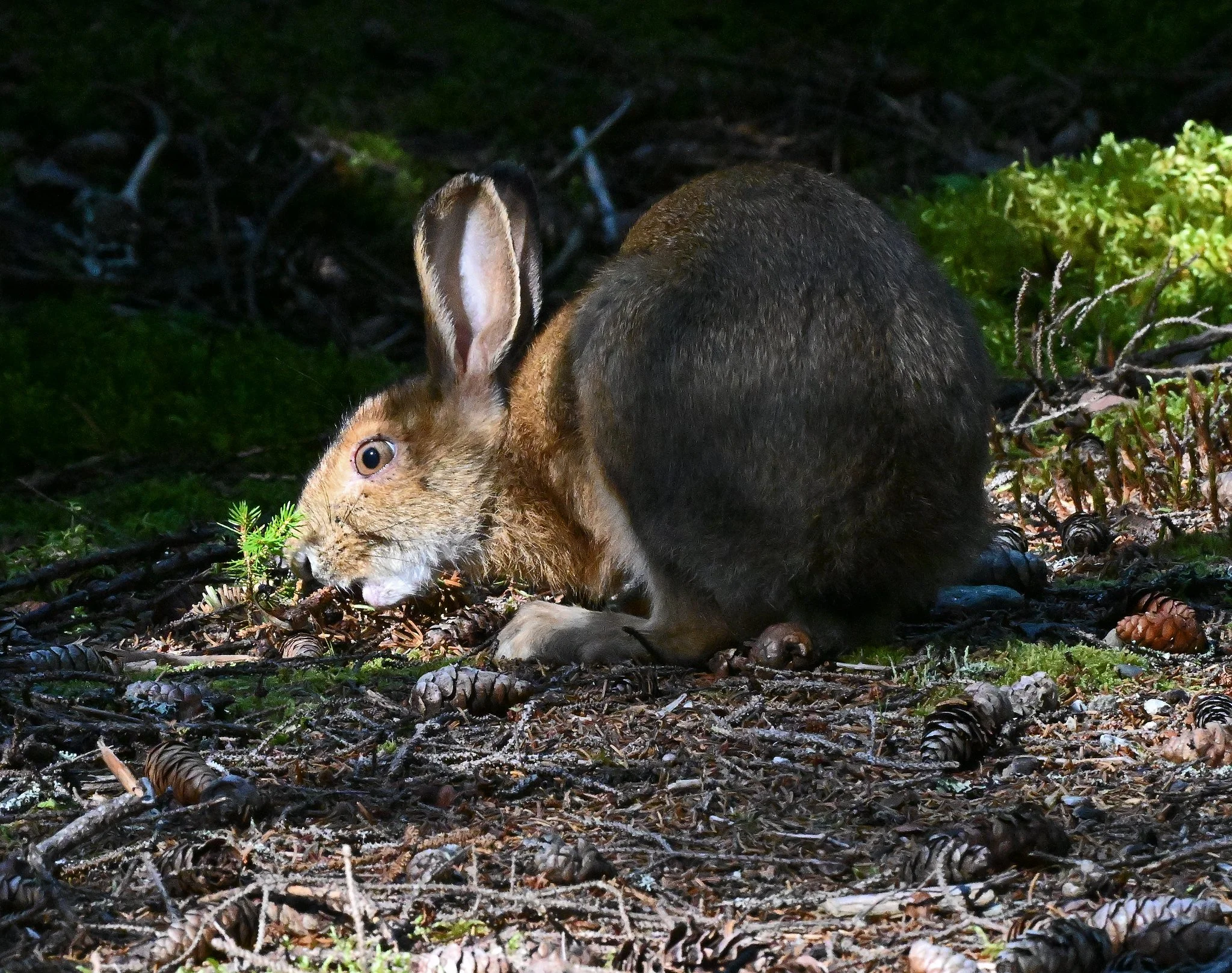
Hares usually roam at night, but I think that this one couldn’t sleep due to disturbing weather predictions. The National Oceanic and Atmospheric Administration is predicting that this year’s El Niǹo will cause a below-average snowfall and a milder, wetter winter for Maine and the rest of the Northeast this season.
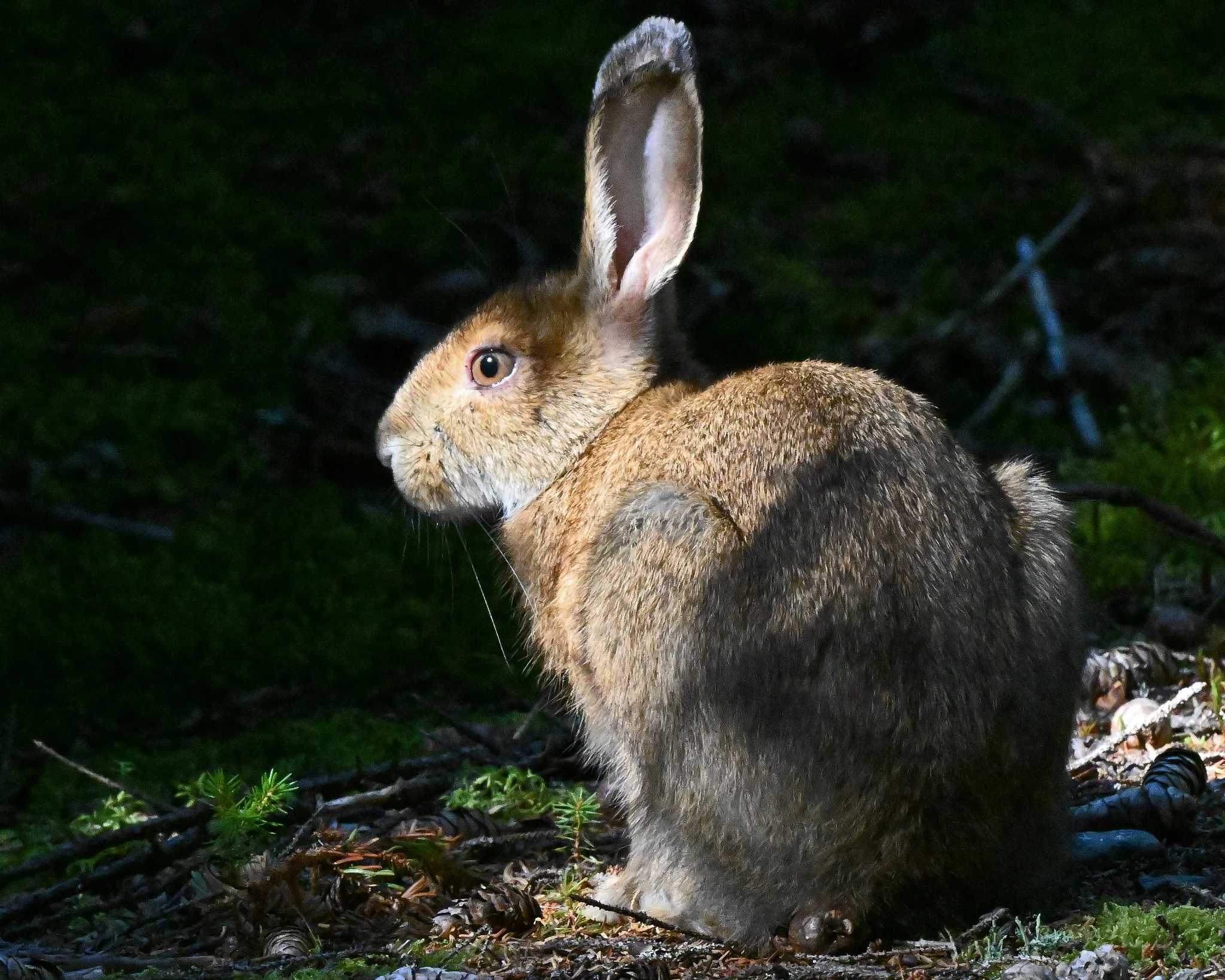
Climate warming is decimating the hare population. Their coats are photo-sensitive and turn lighter and lighter as daylight diminishes into fall and winter. By winter, the hares are bright white, which is great for camouflage on snow-covered ground. But, when that ground is dark and the hares are roaming at night, they look like glowing lightbulbs to night-visioned owls, foxes and coyotes.
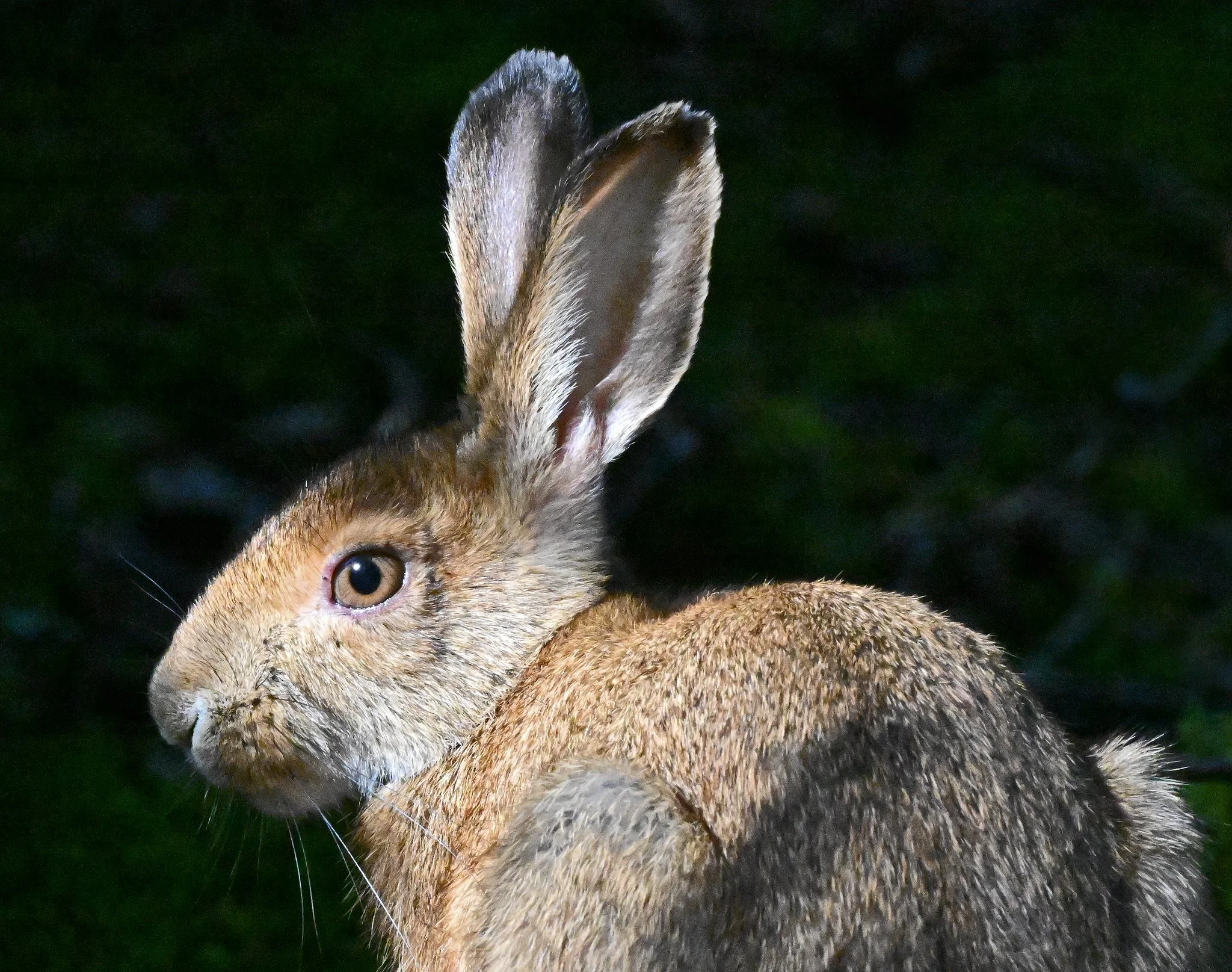
(Images taken in Brooklin, Maine, on September 1, 2026.)
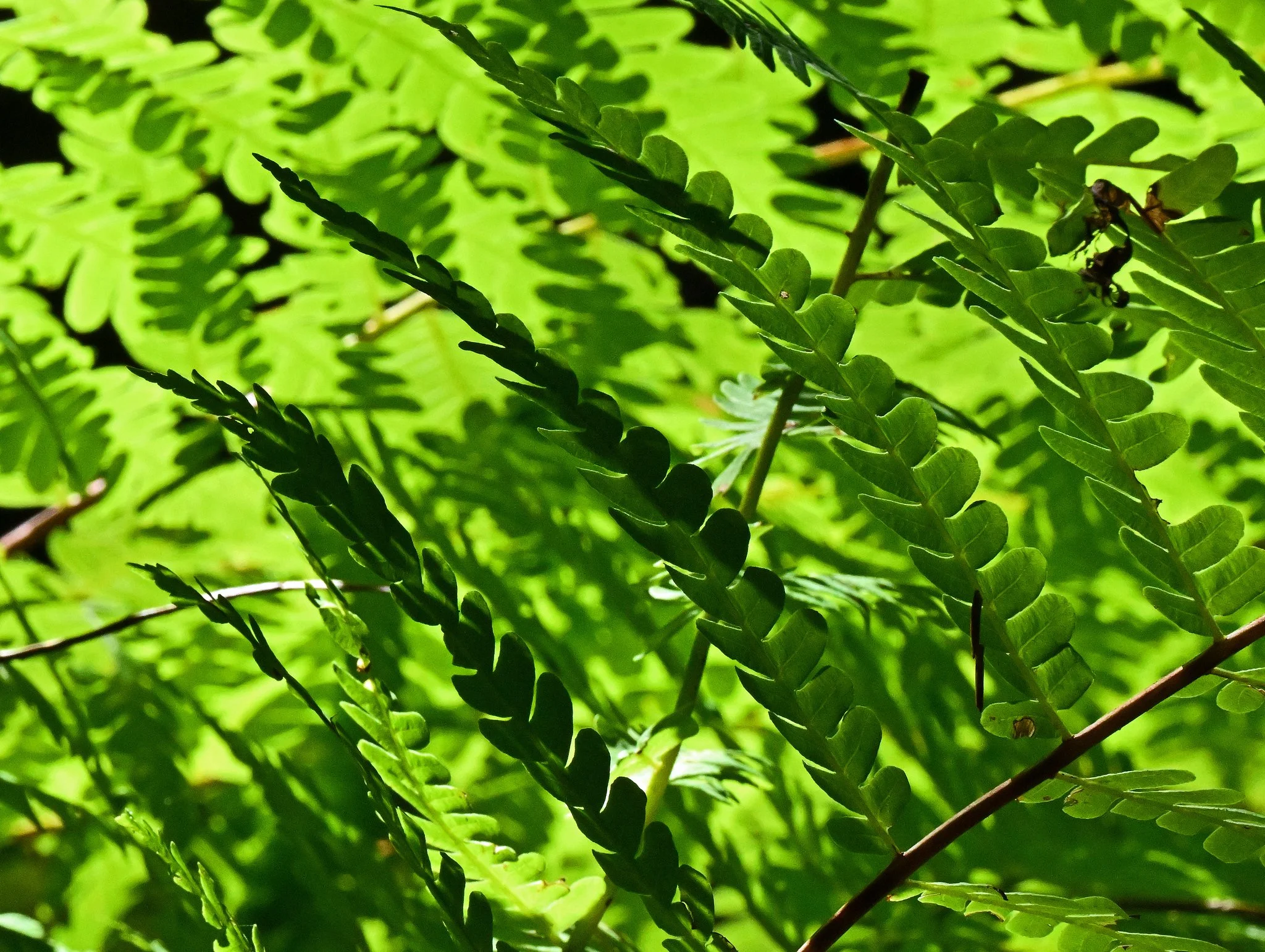
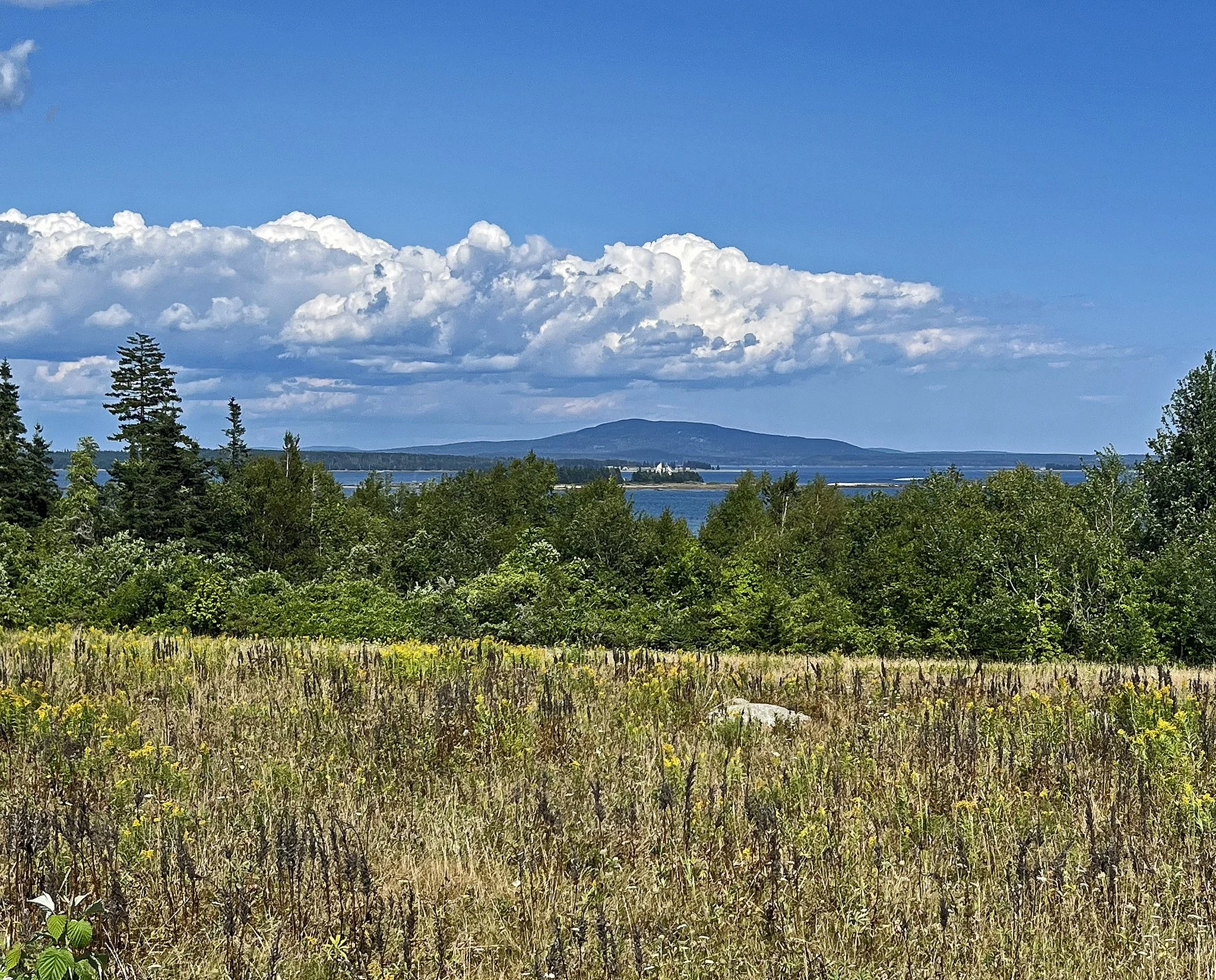
Comment

August Postcards From Down East Maine

3 Comments

August Postcards From Down East Maine

August is the most active month in our “Vacationland” state, especially for those of us who enjoy Maine’s outdoor opportunities. However, we may have had too many fine days this August. We needed rain. A severe drought triggered wildfire alerts here and a significant fire in Penobscot. On balance, however, it was a very good month.

THE EVER-CHANGING ICONS

As usual, we begin our Postcards with a review of the four scenes that we document monthly for local records:

The Western Mountains of Mount Desert Island, as Viewed From Brooklin’s Amen Ridge

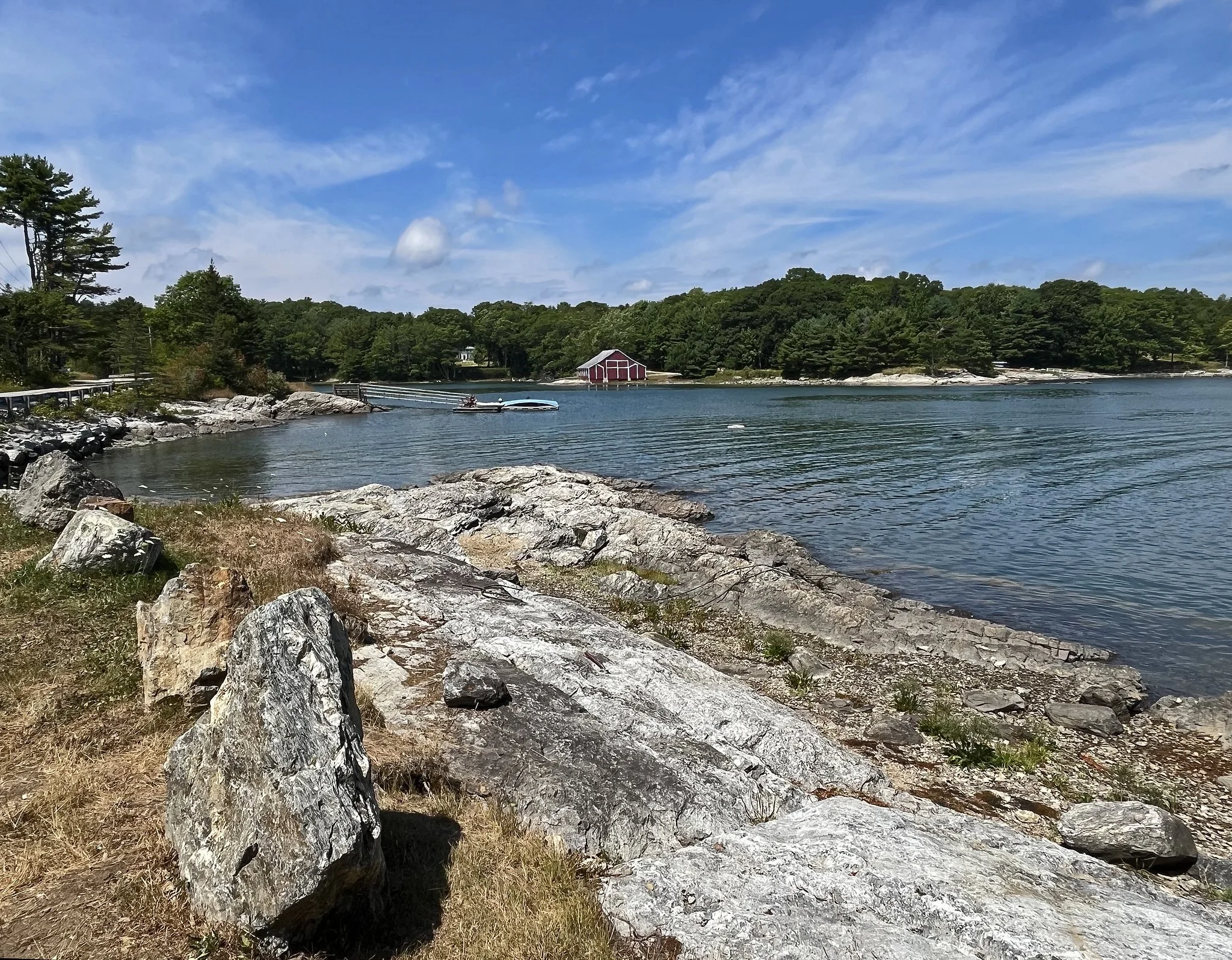
The Old Summr Home on Harbor Island in Brooklin

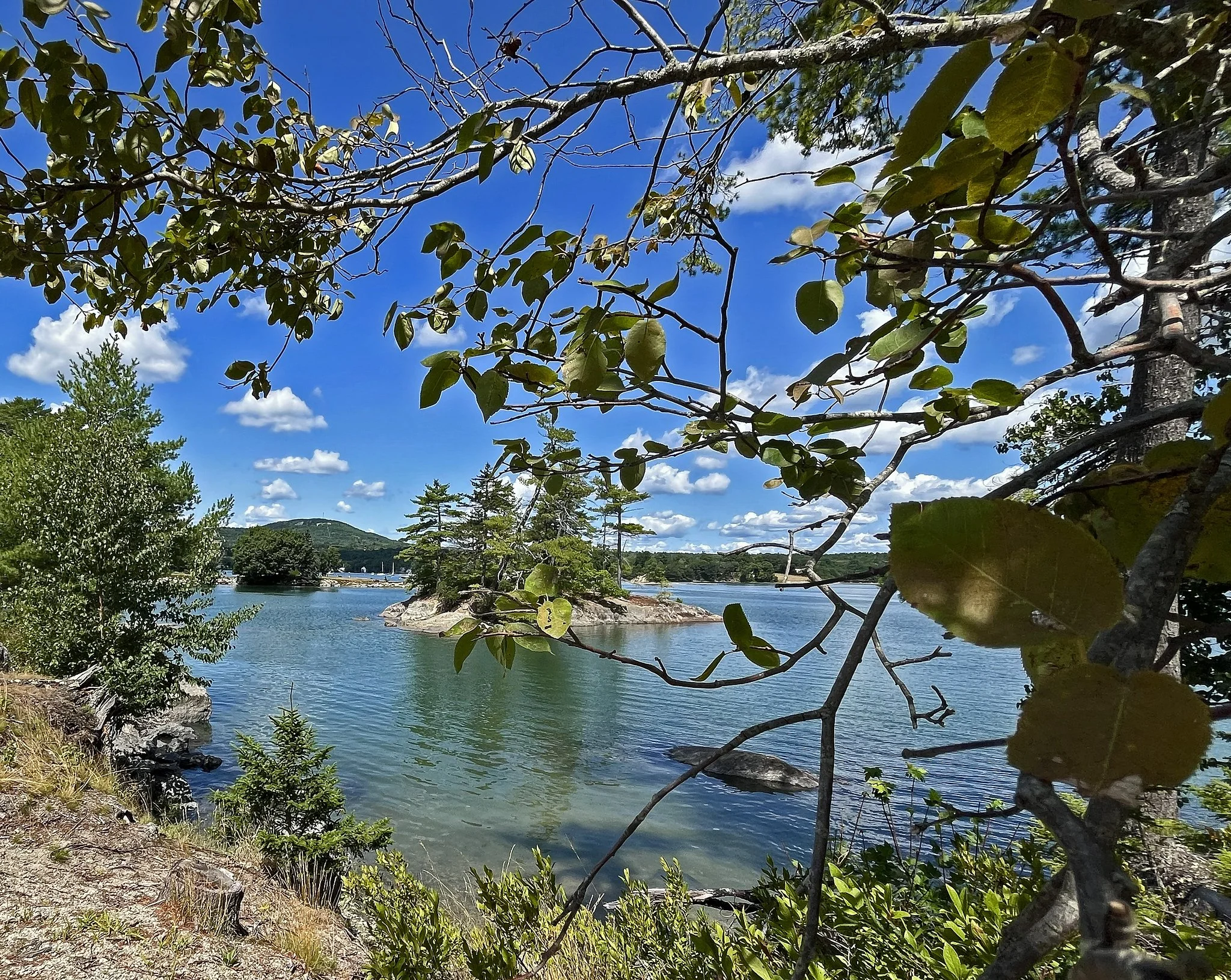
Blue Hill Bay Below the Near-Mountain Called Blue Hill

Historic Conary Cove in the Town of Blue Hill

IN THE WATER

THE WINDJAMMERS

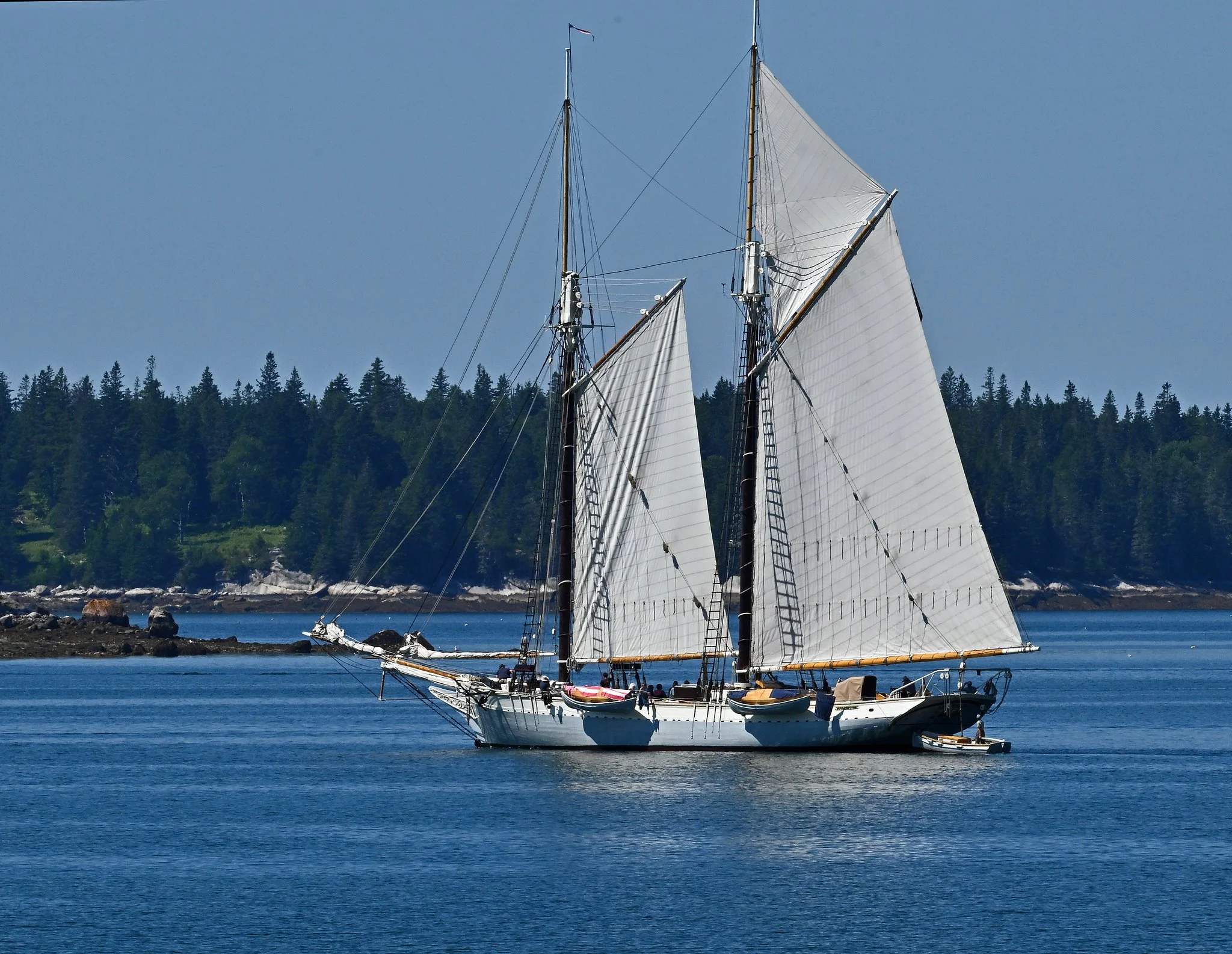
The ancient and ancient-like windjammers that cruise the Down East coast have become an honored tradition and welcome sight. Here are a featured few that were at work here in August:

GRACE BAILEY Under Full Sail

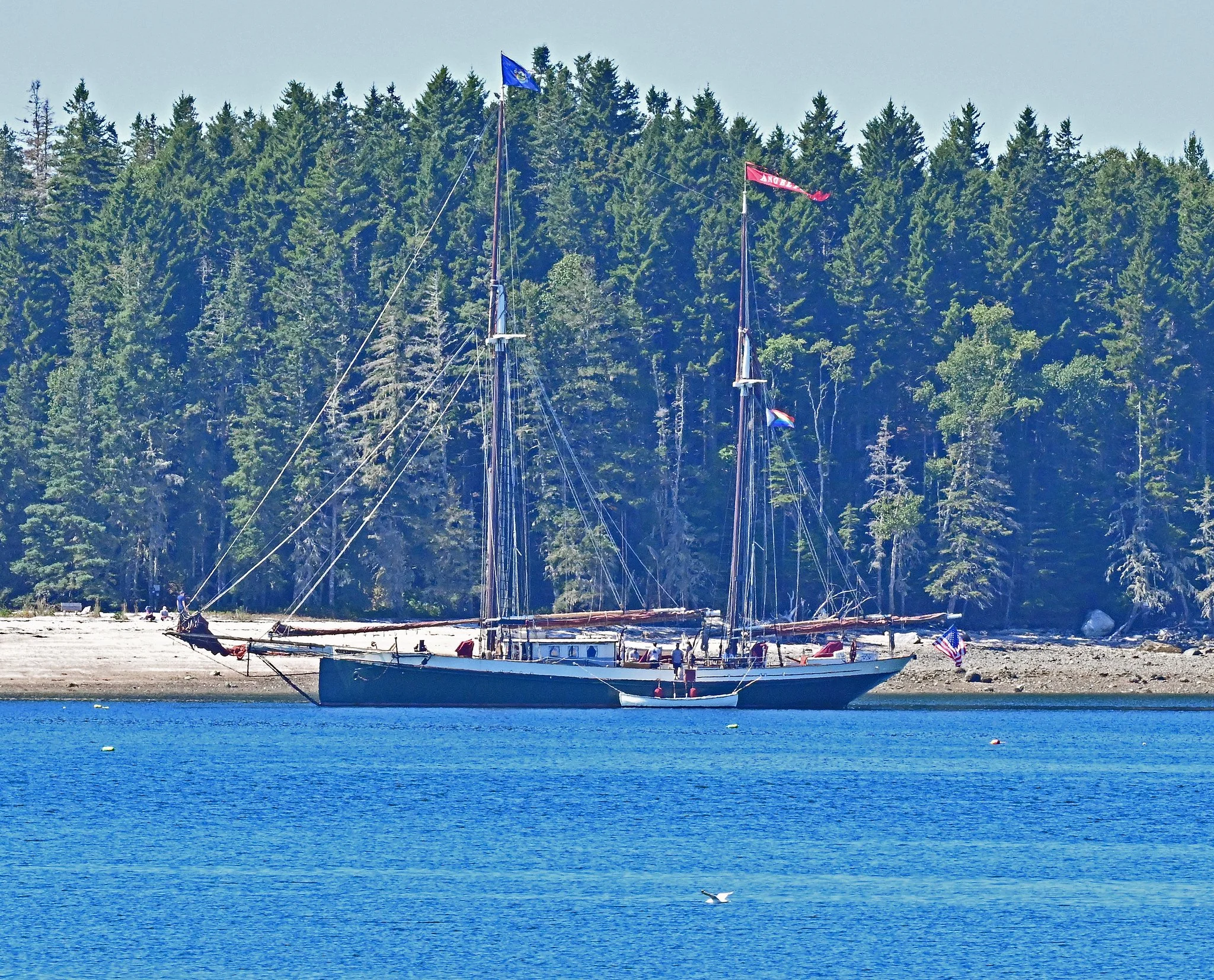
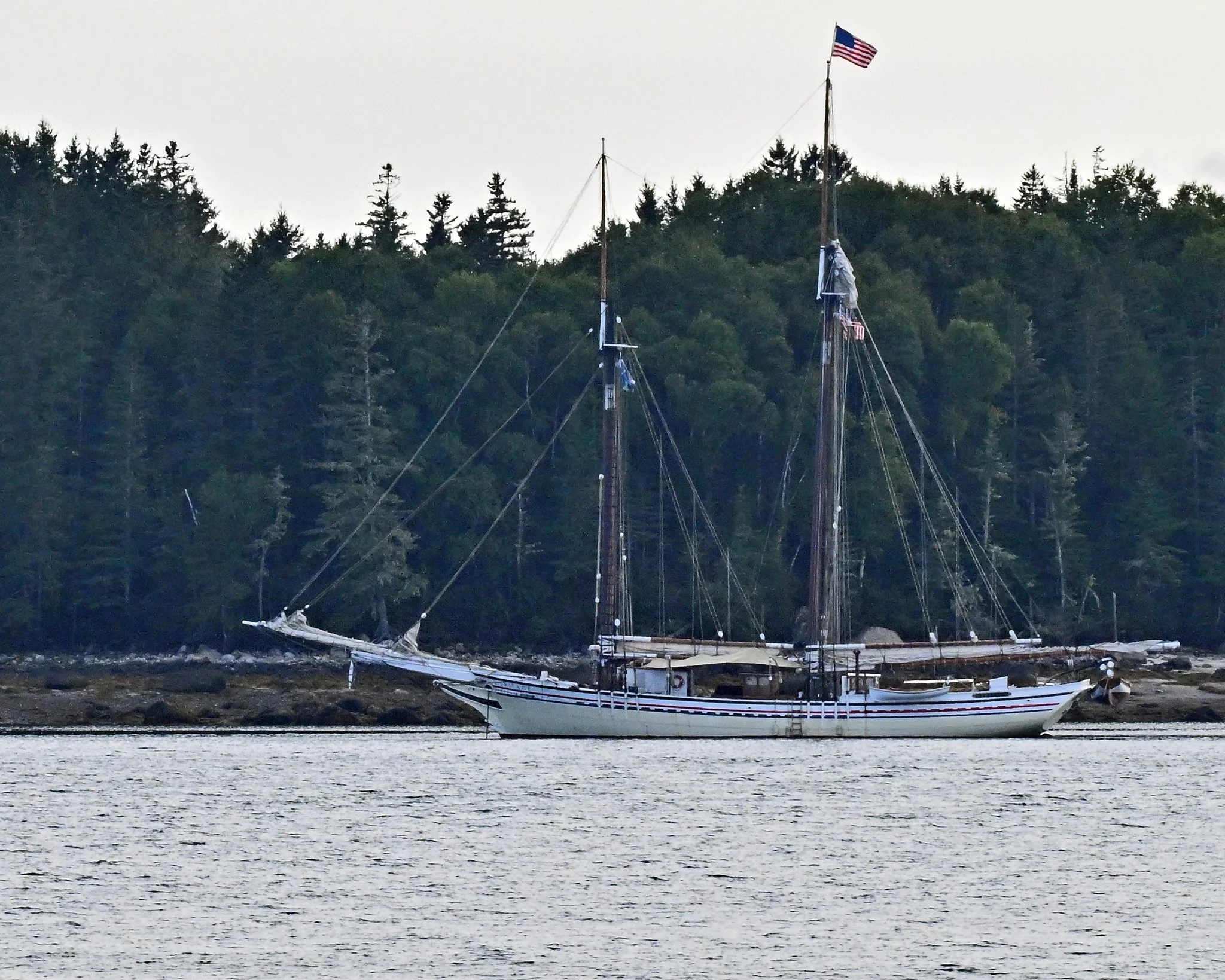
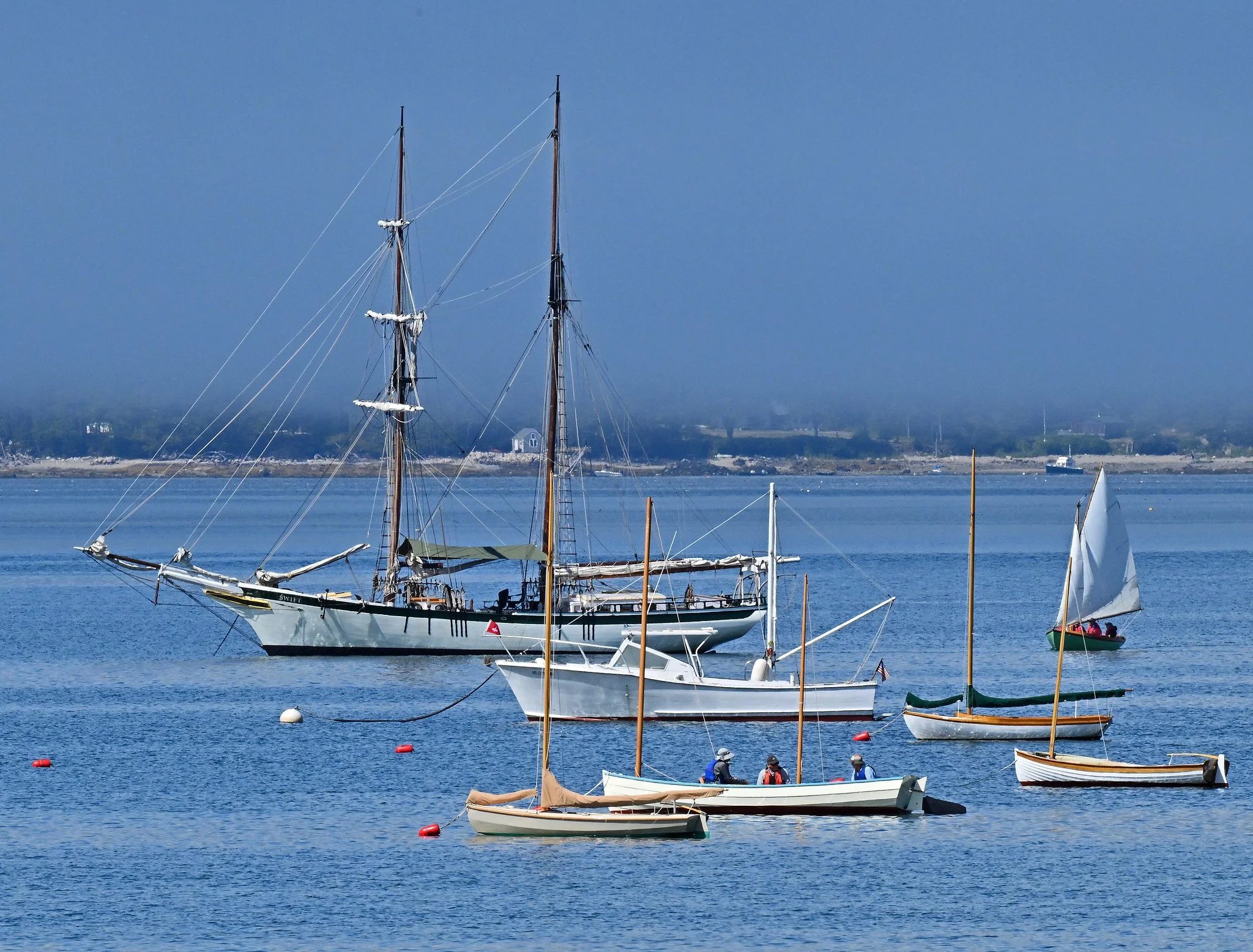
ANGELIQUE, HERITAGE and SWIFT at Rest:

MARY DAY Under Partial Sail

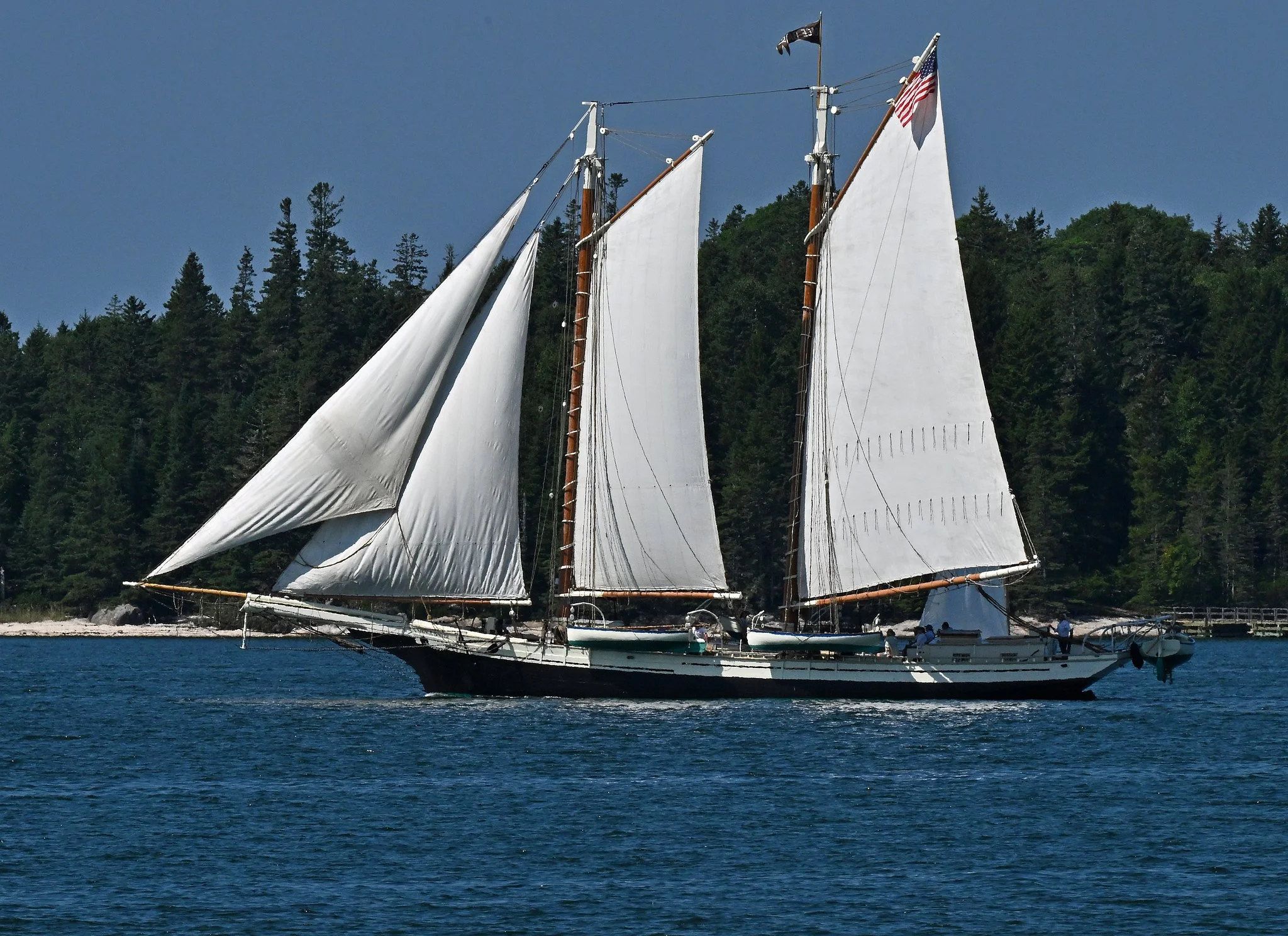
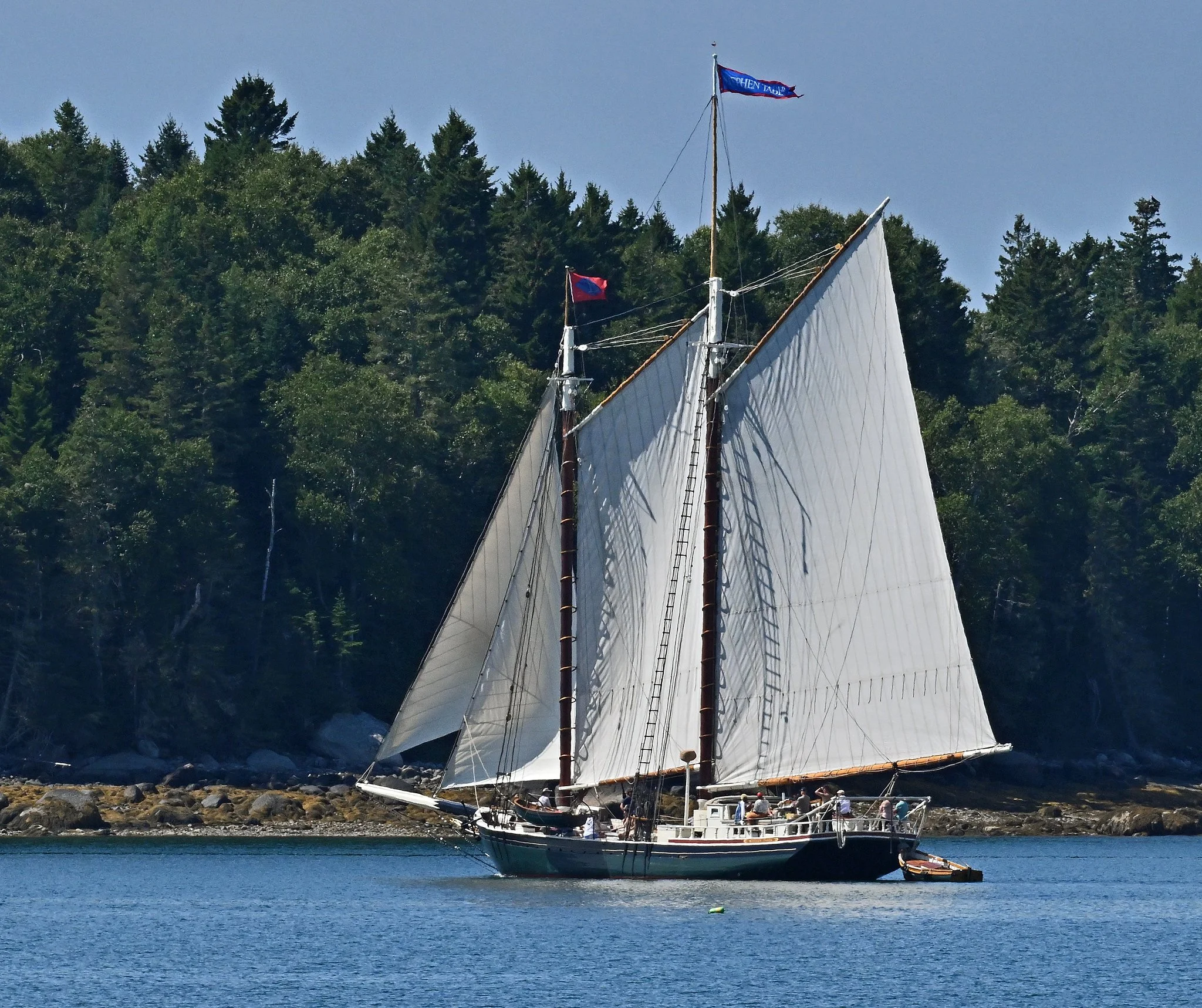
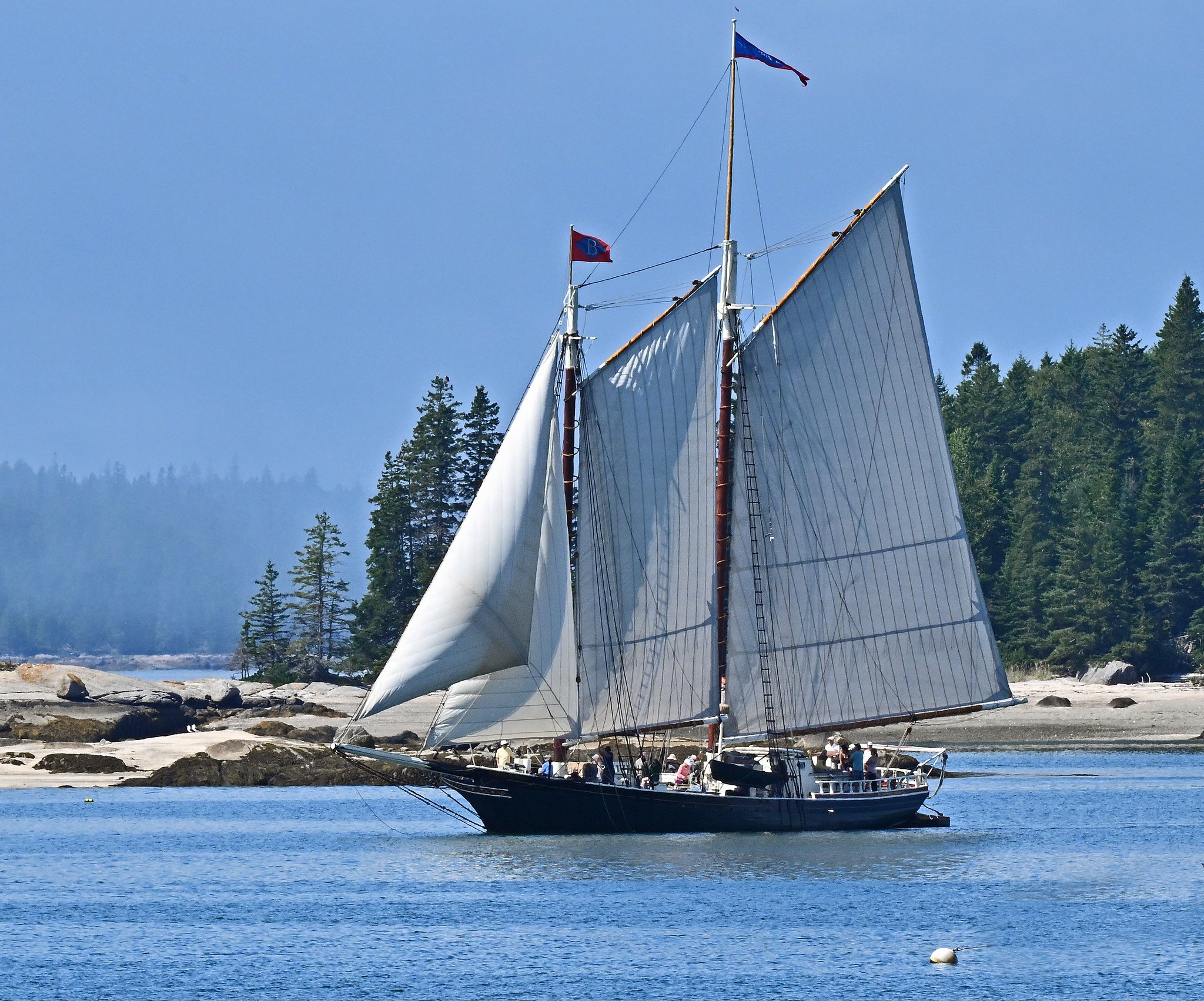
STEPEN TABER Under Full Sail

THE ERR

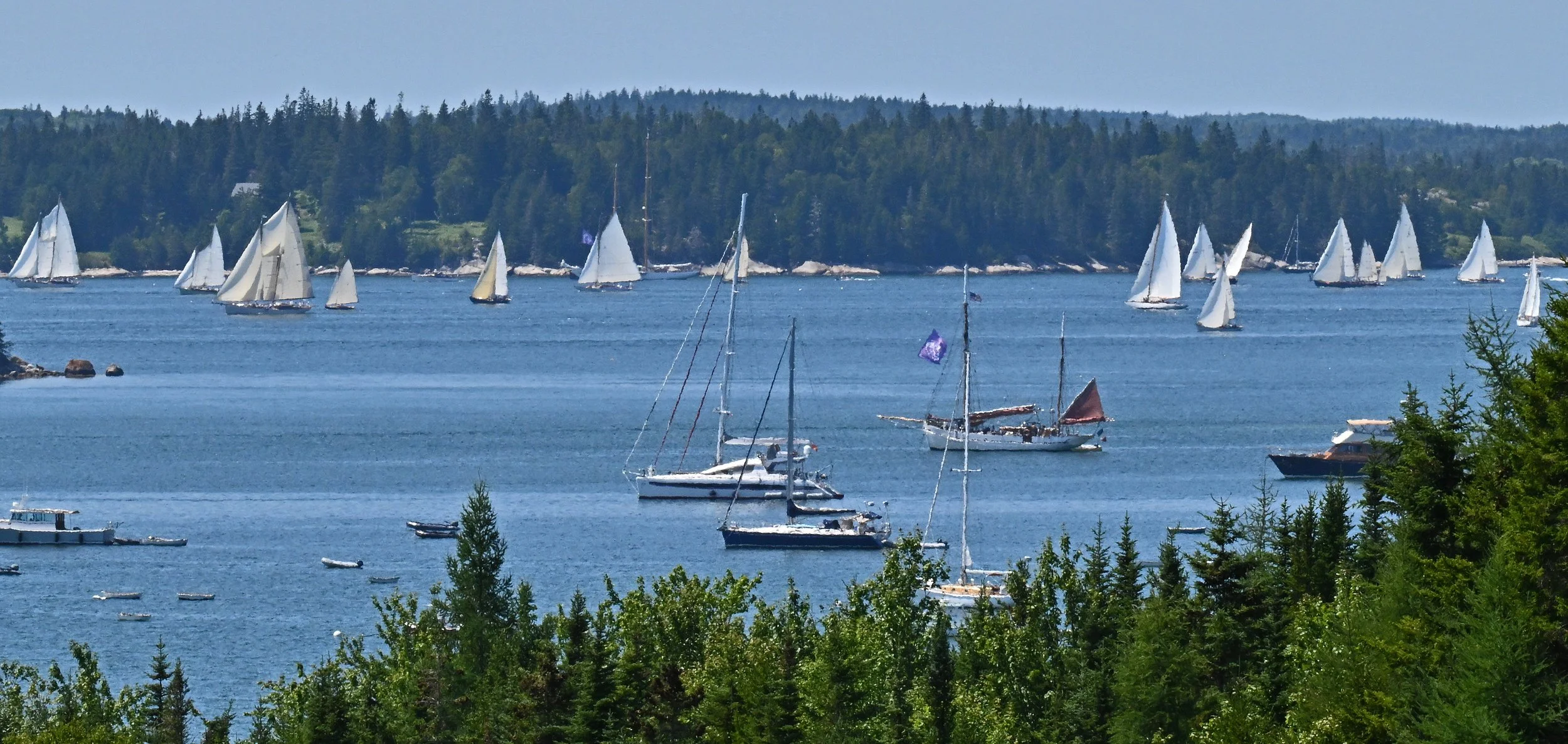
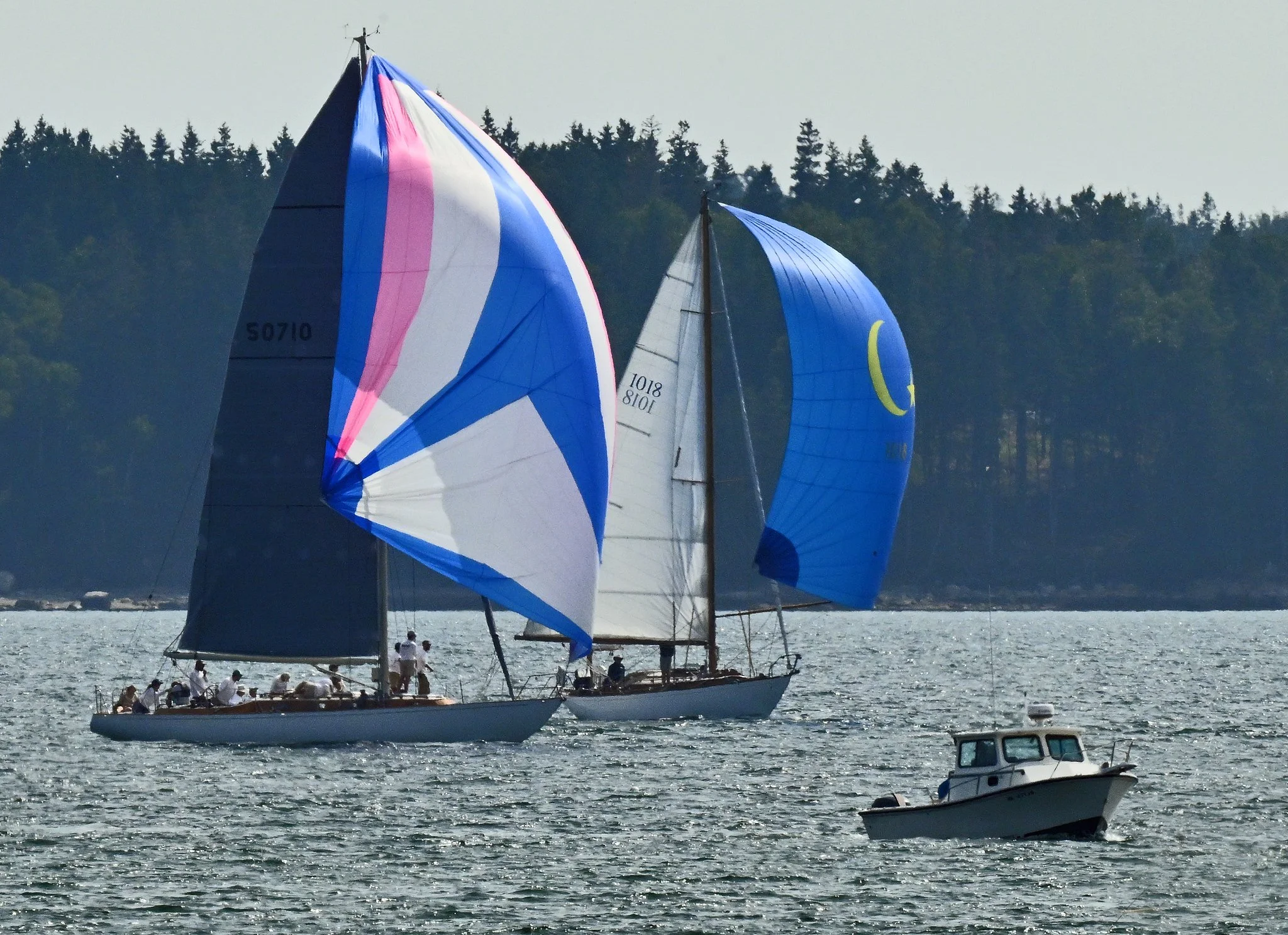
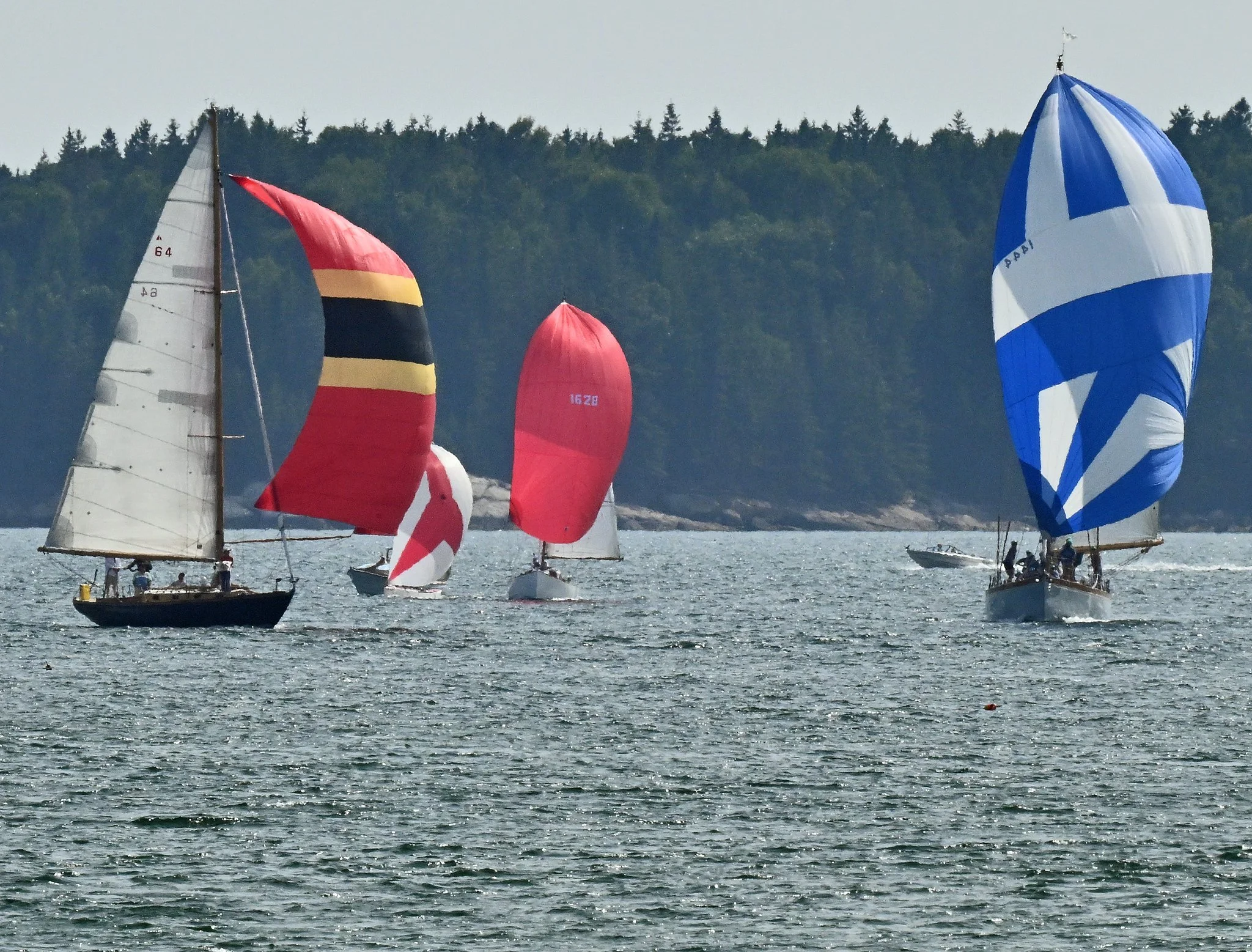
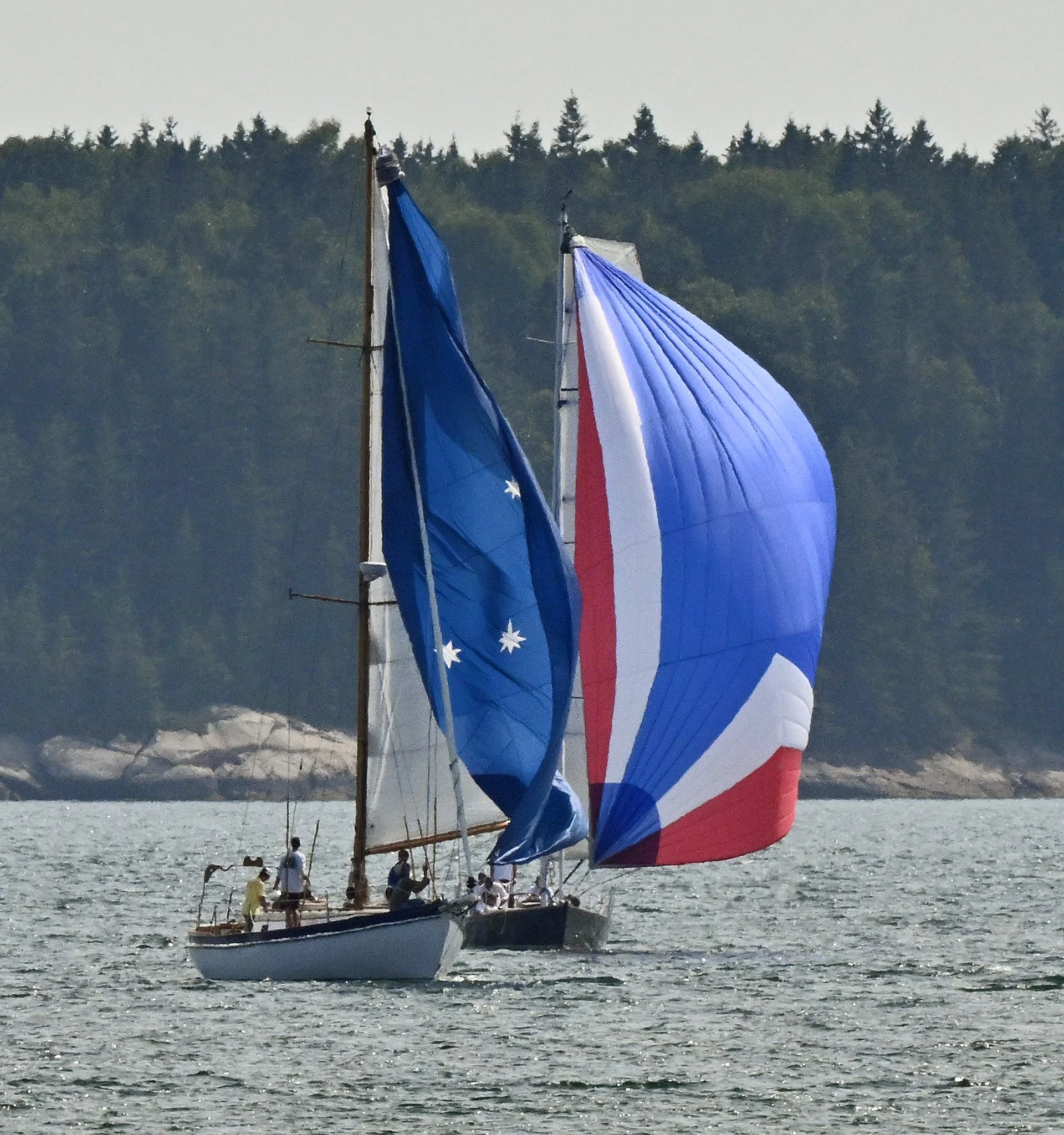
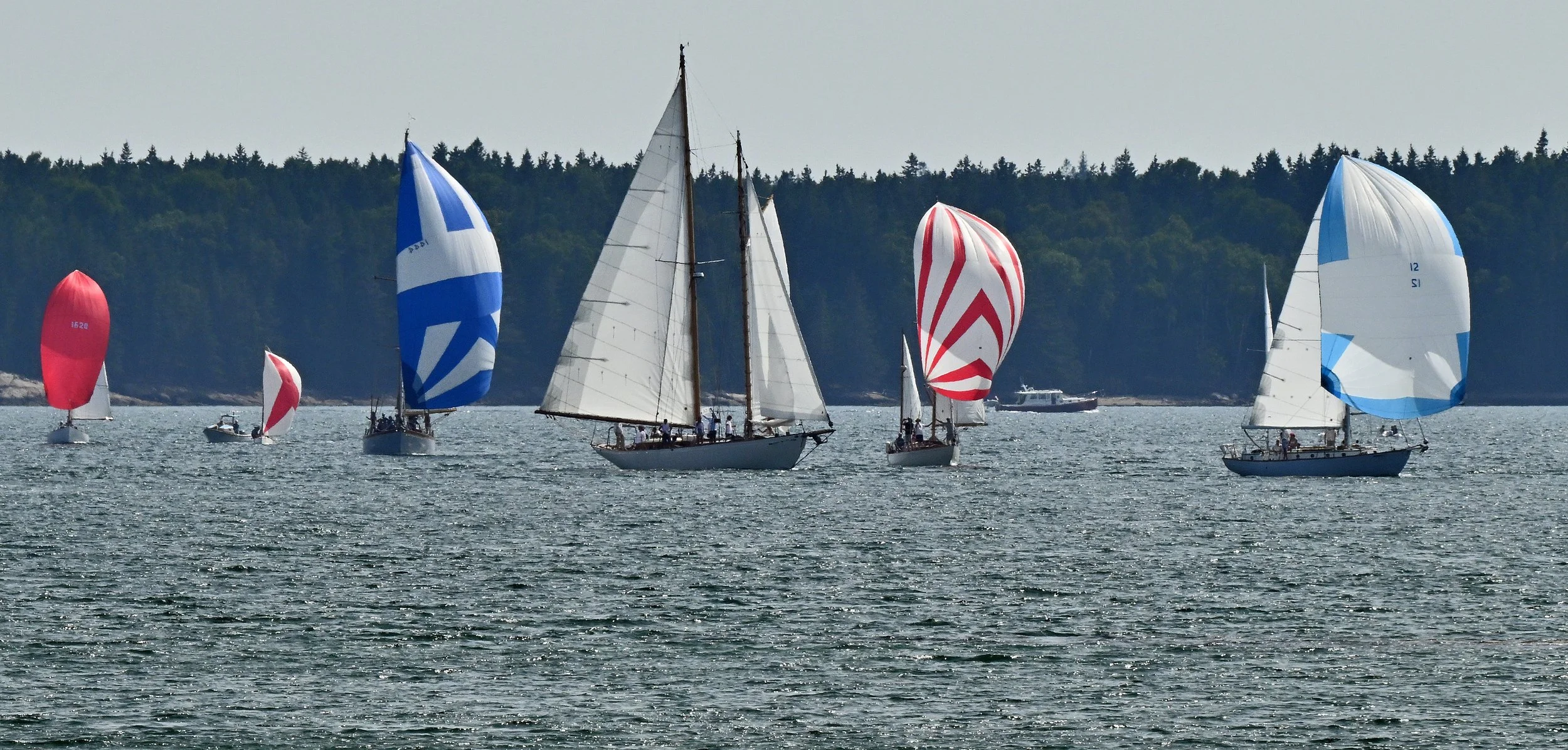
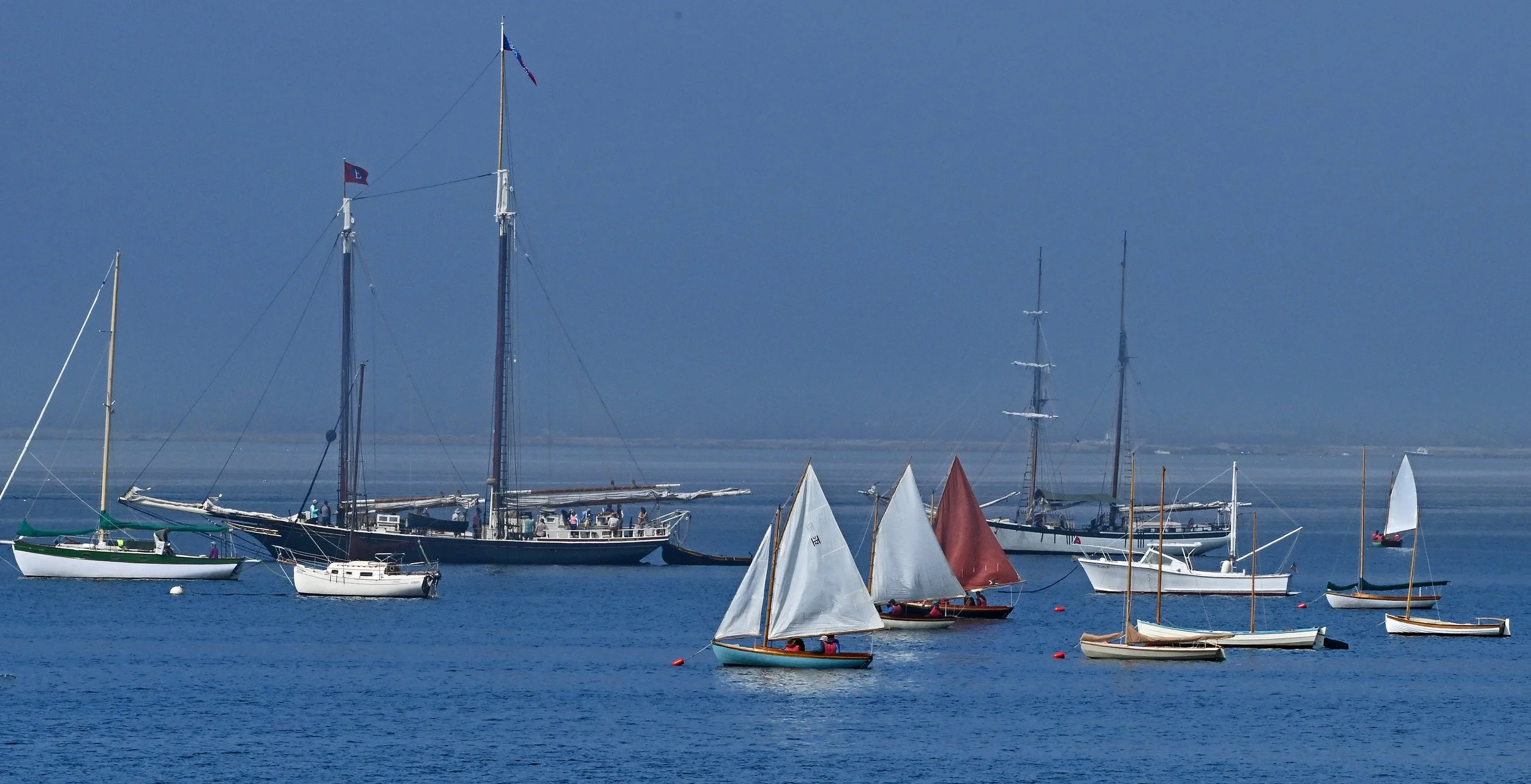
The 41st Annual Eggemoggin Reach Regatta for wooden boats took place as usual on the first Saturday of August, a great way to start the month:

LEARNING THE ROPES (AND PADDLES)

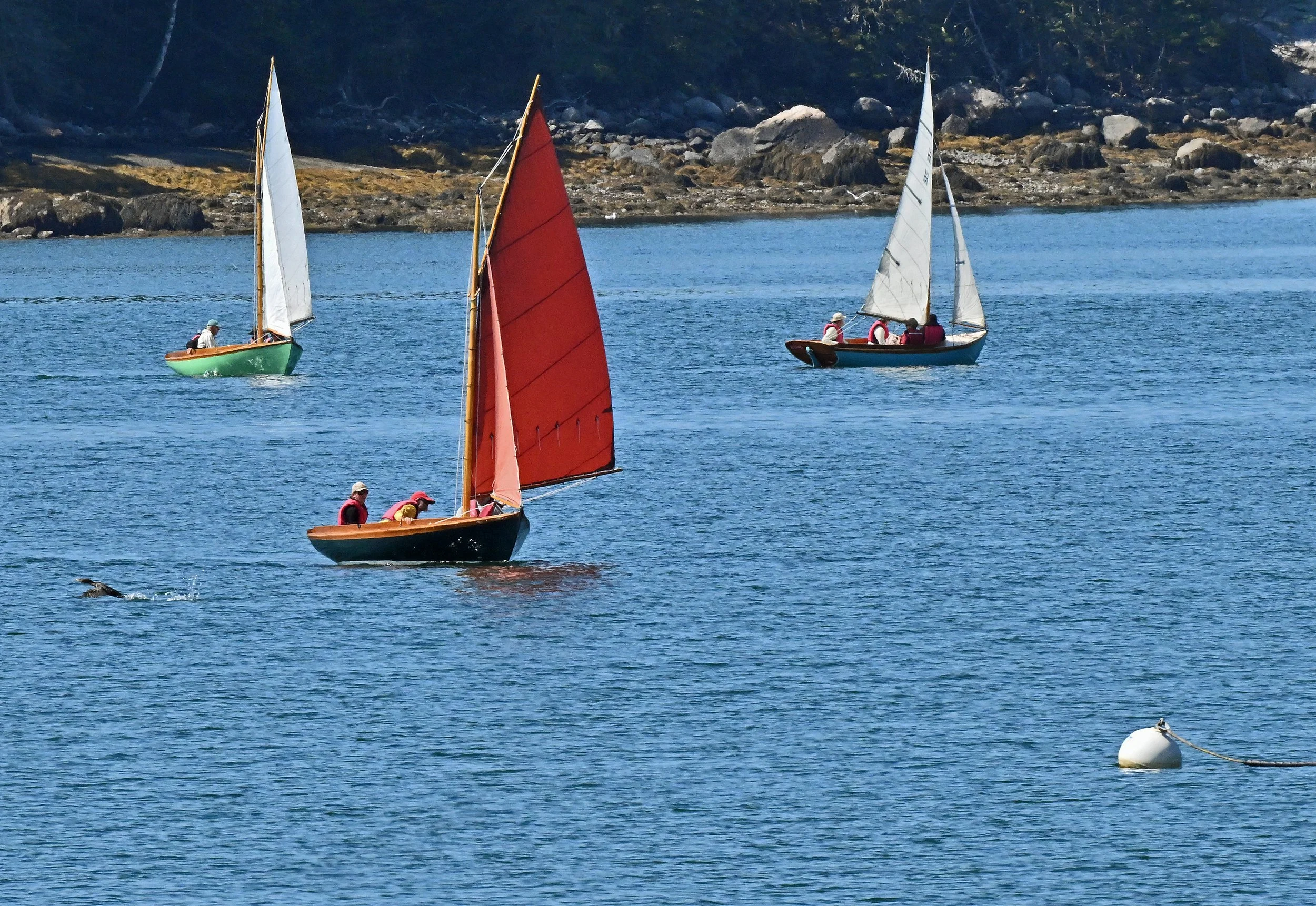
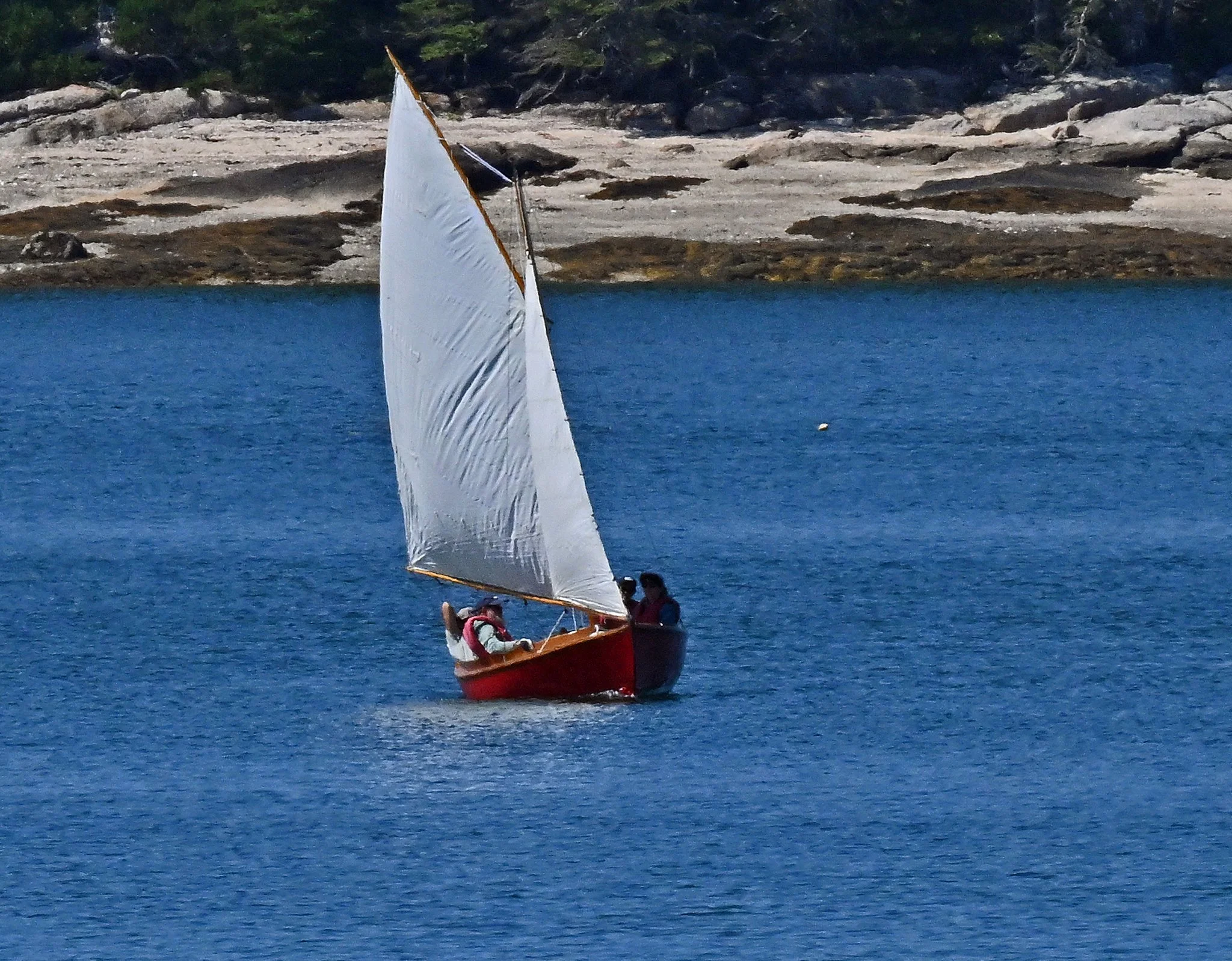
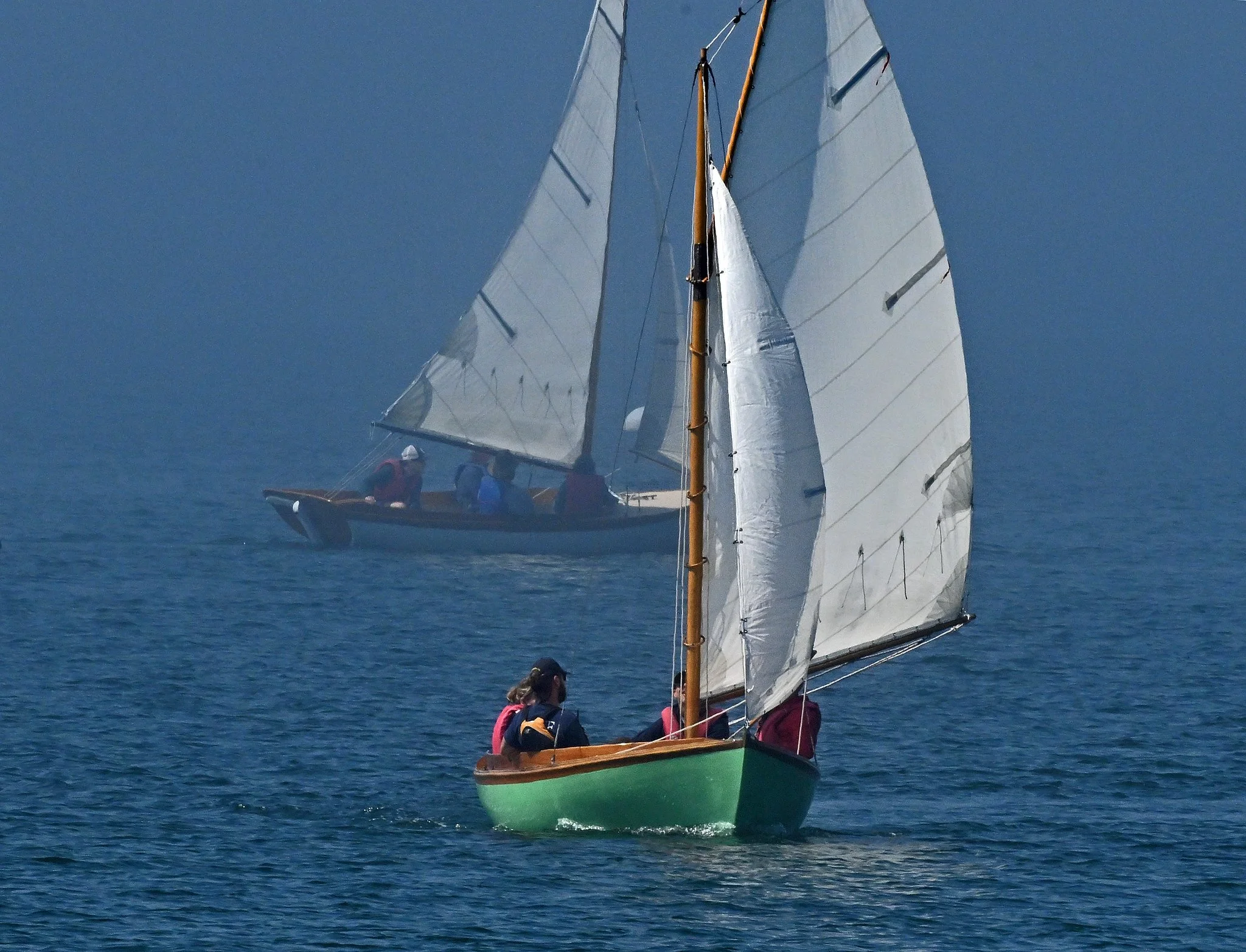
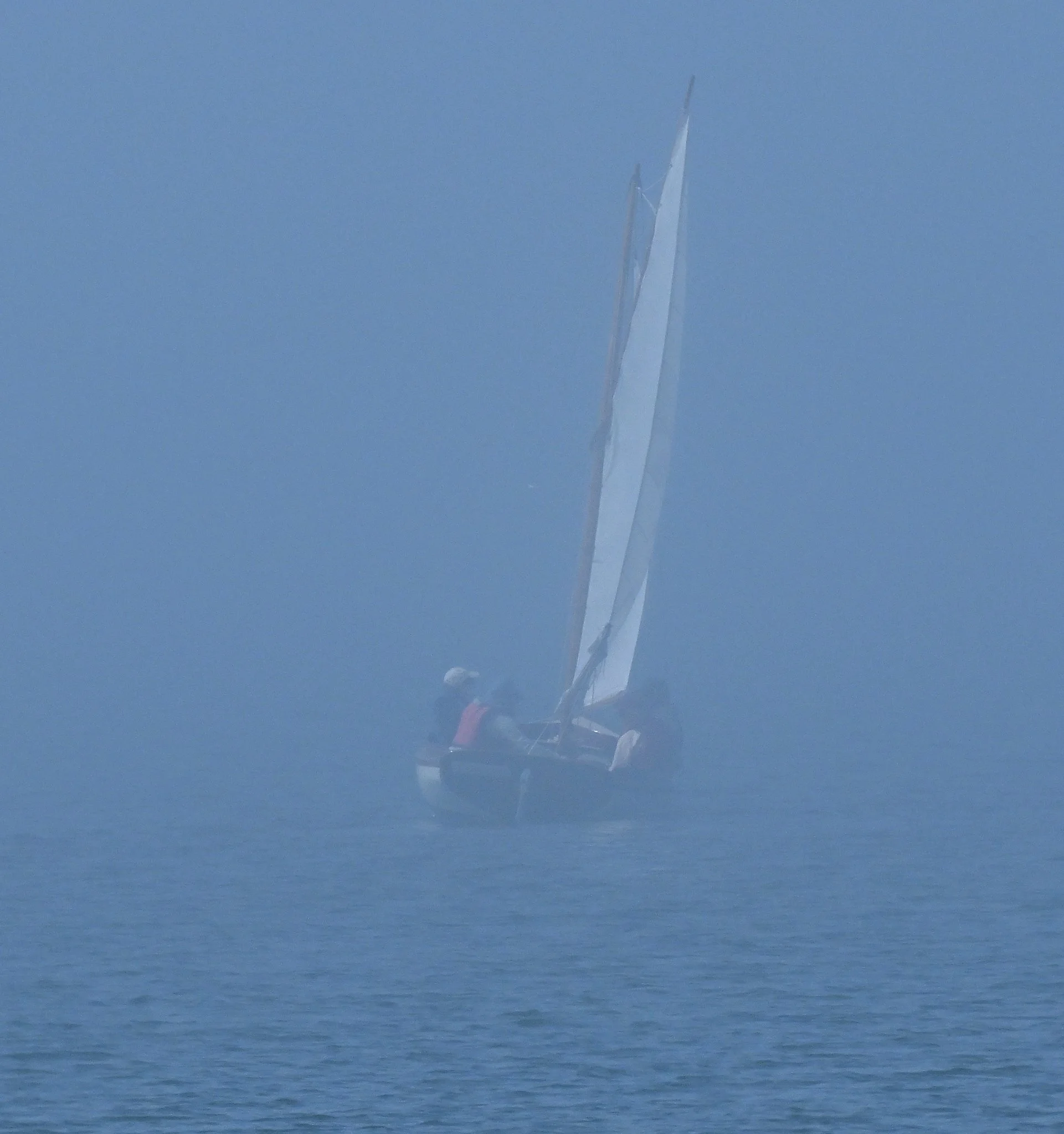
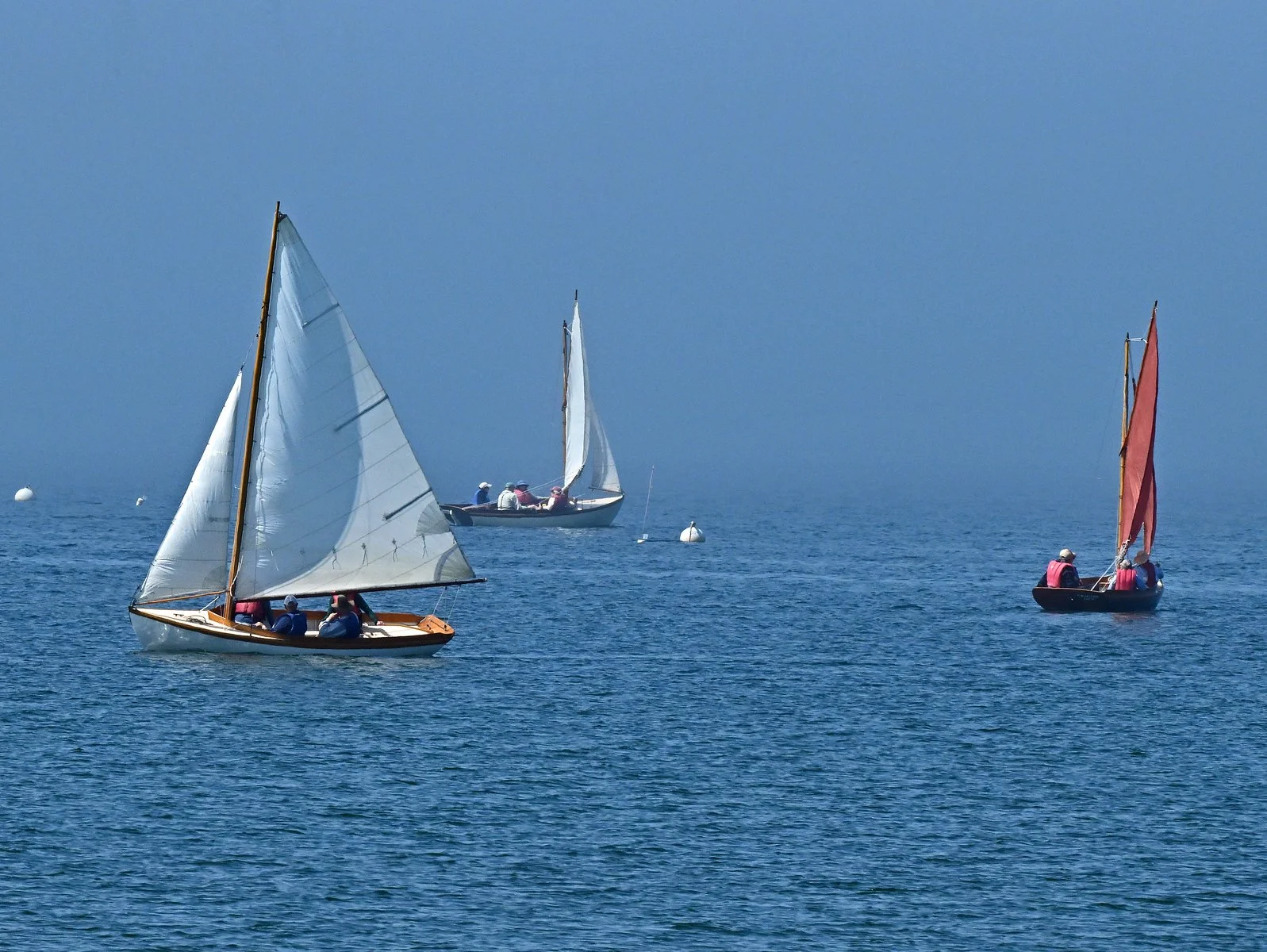
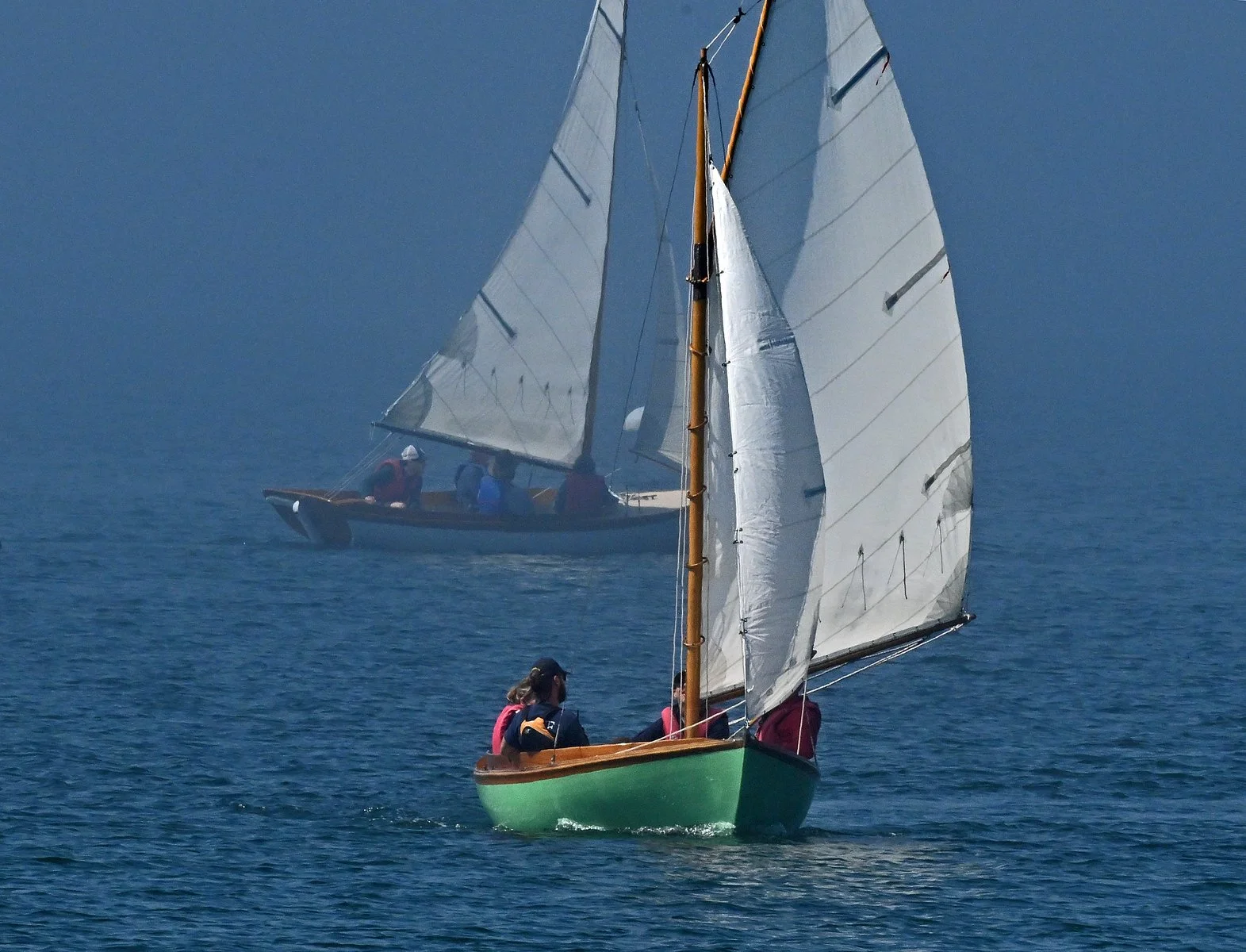
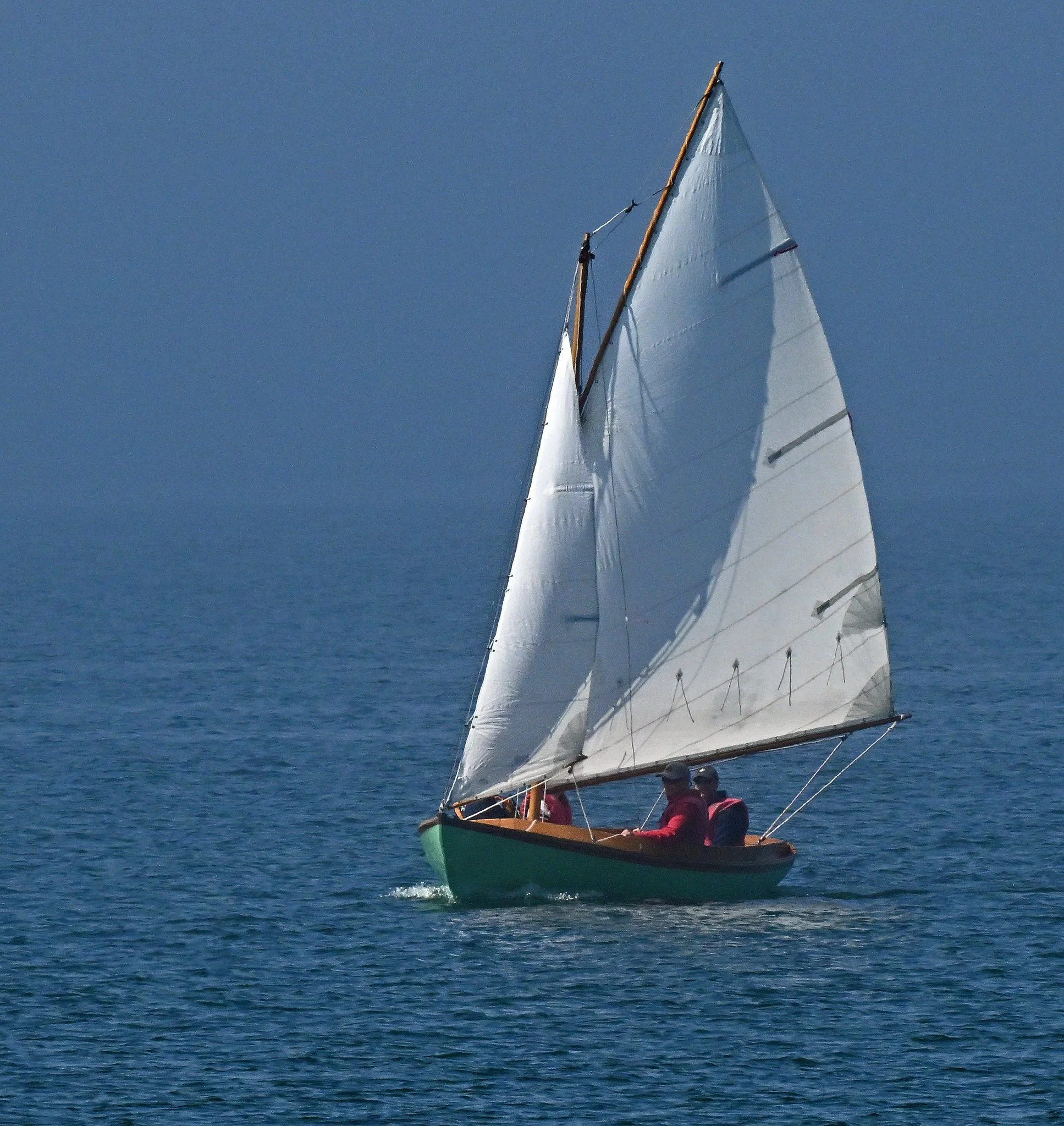
The renowned WoodenBoat School summer sailing classes are where many a saior learned the fundamentals and joys of sailing, including how to sail in fog (with a life jacket on):

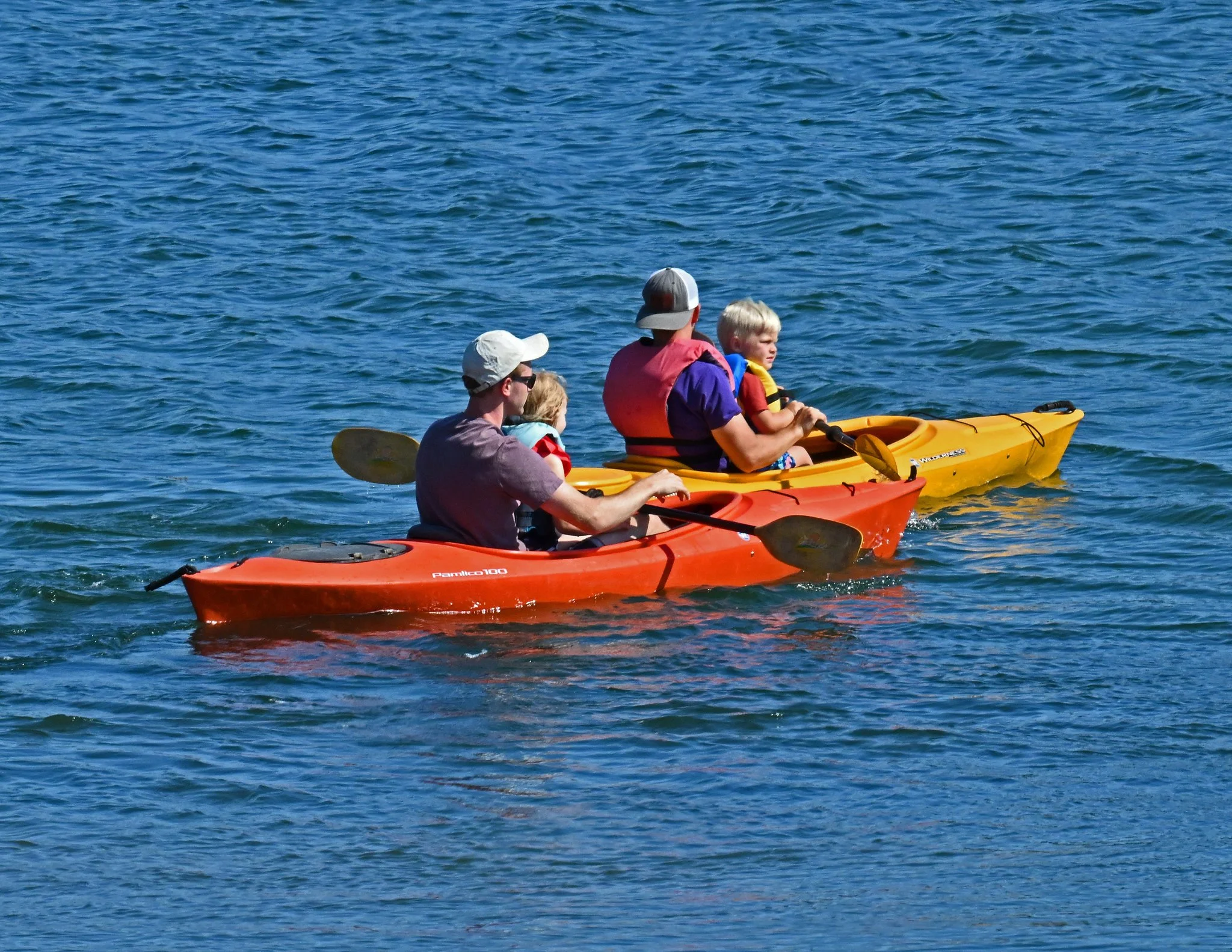
The younger you learn the ways of the sea, the better:

THE WORKING WATERFRONT

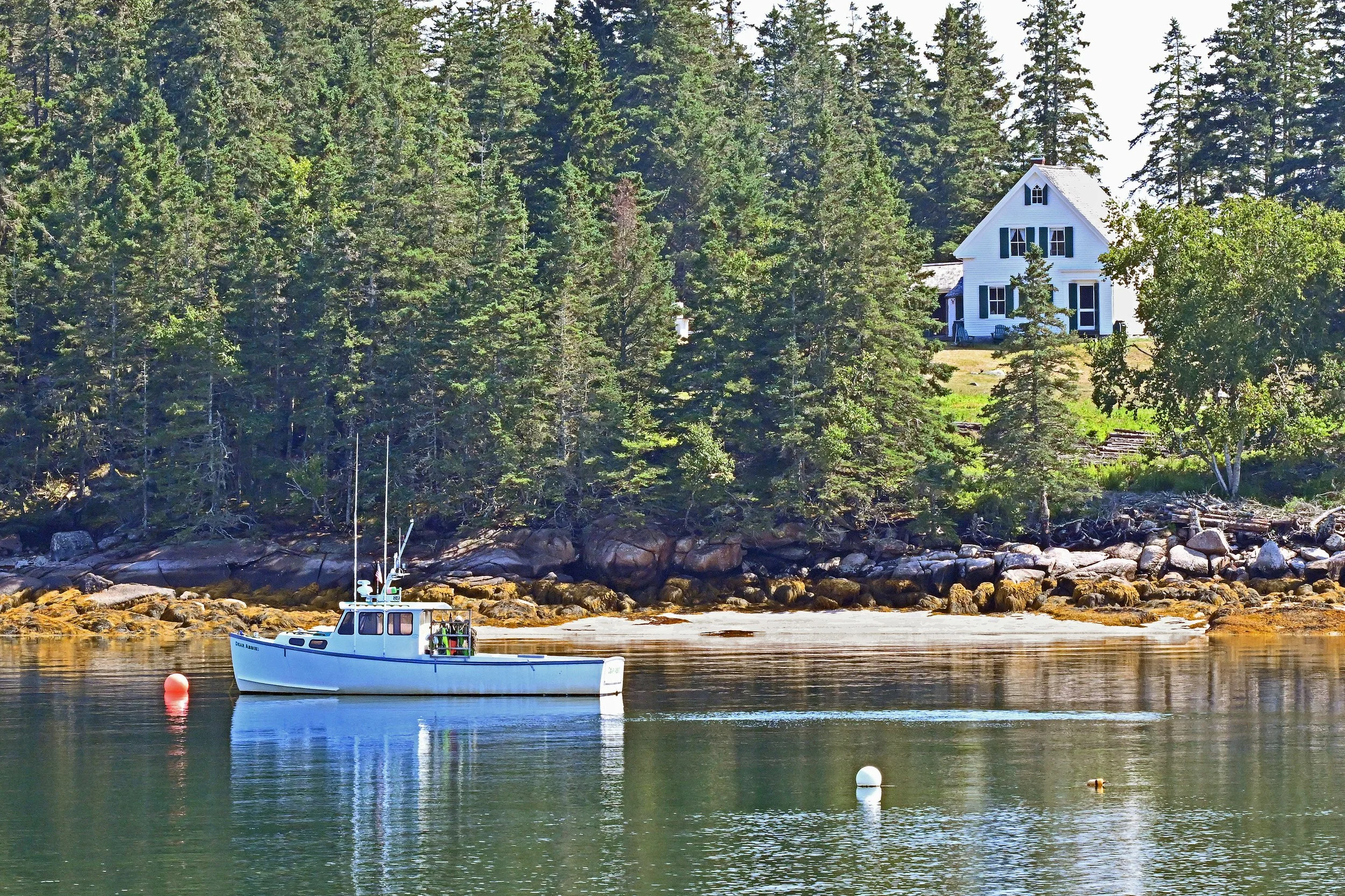
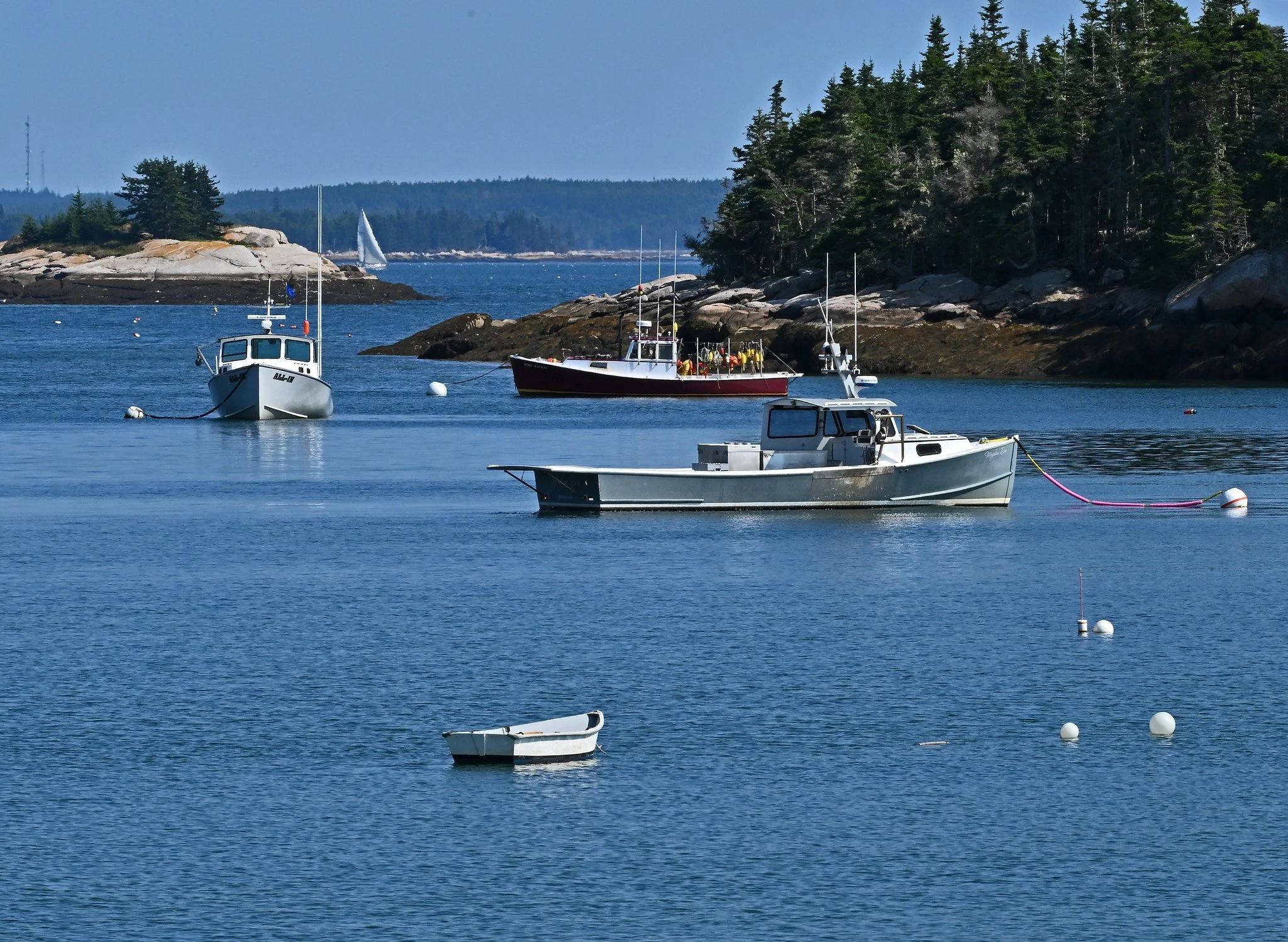
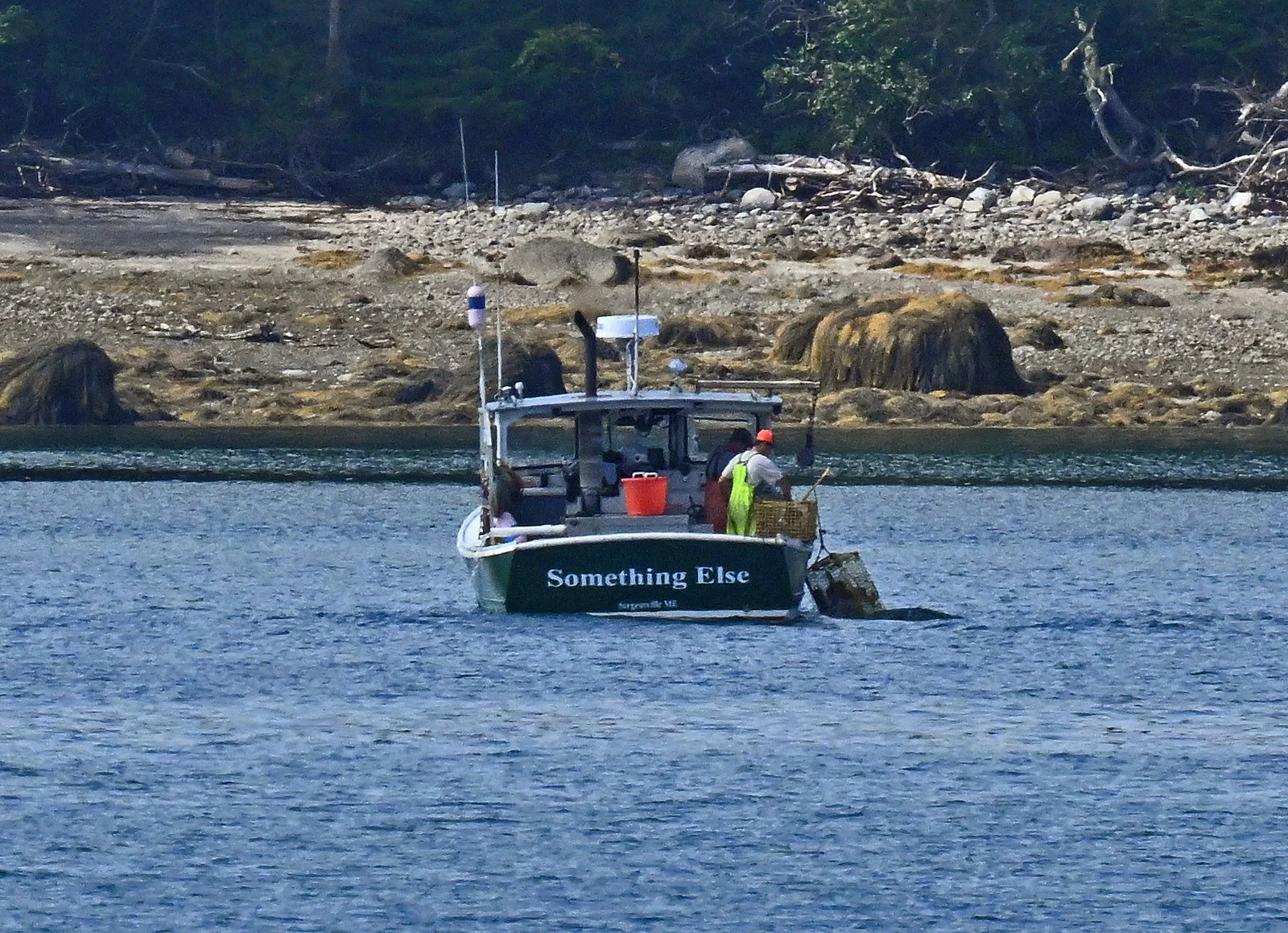
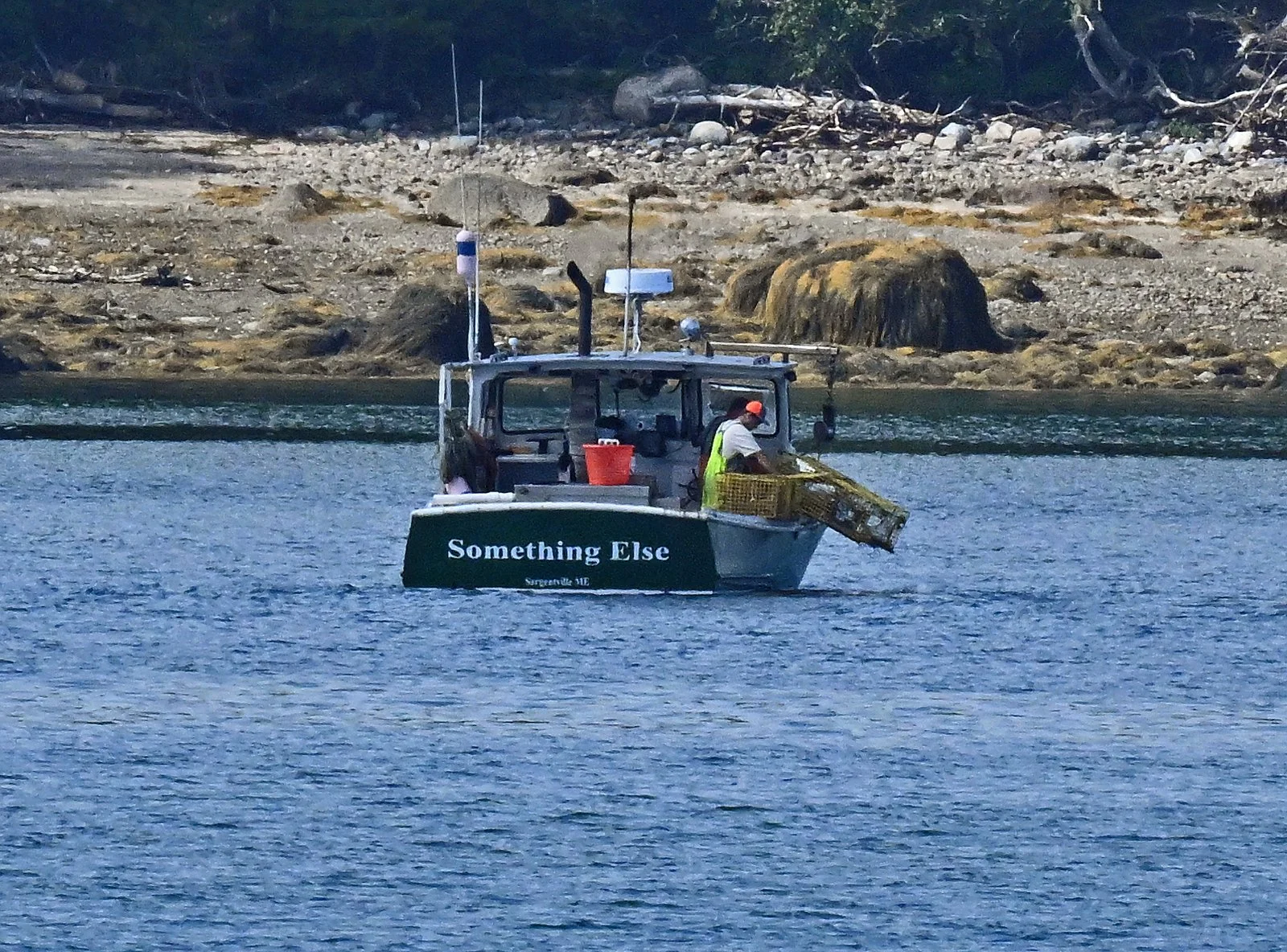
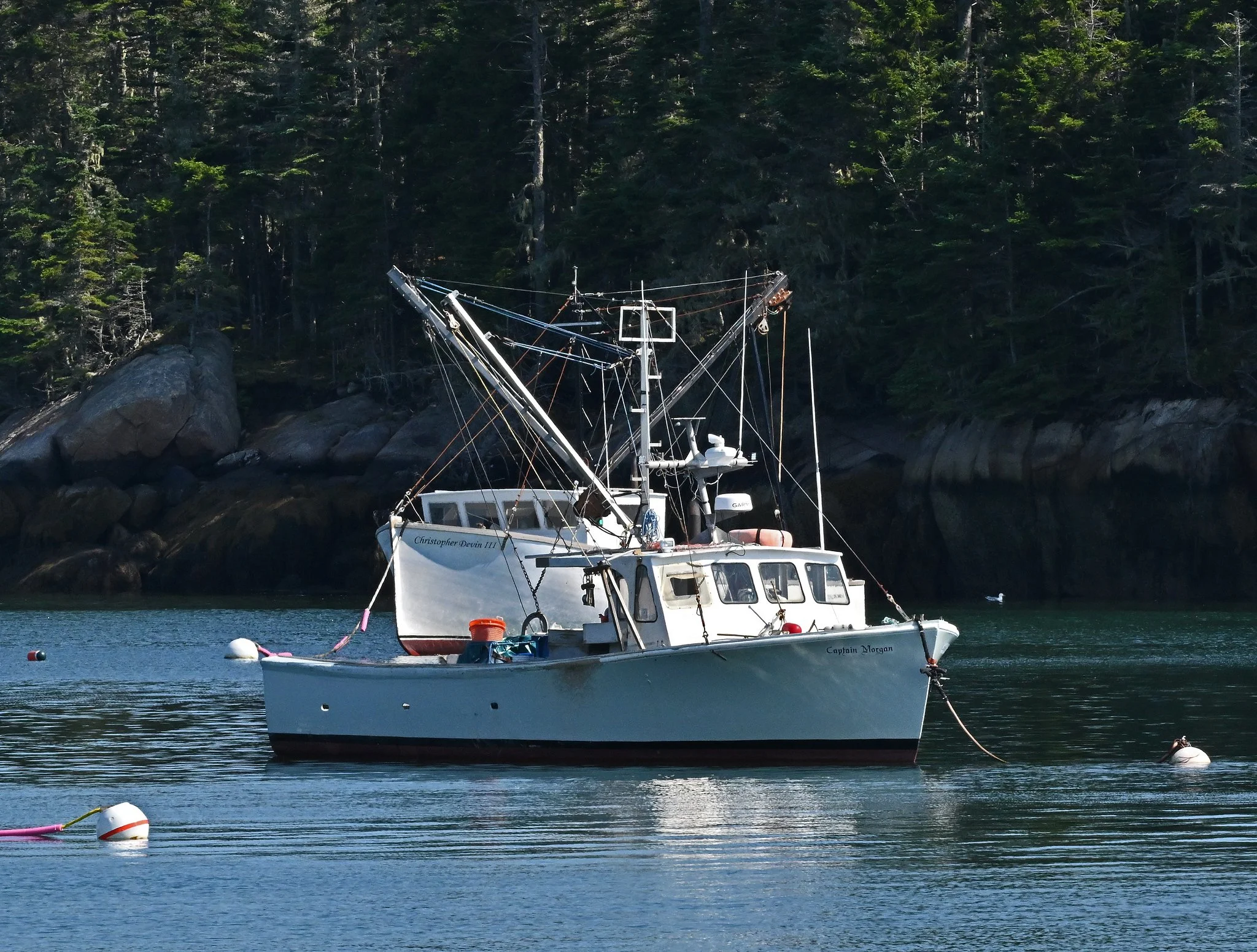
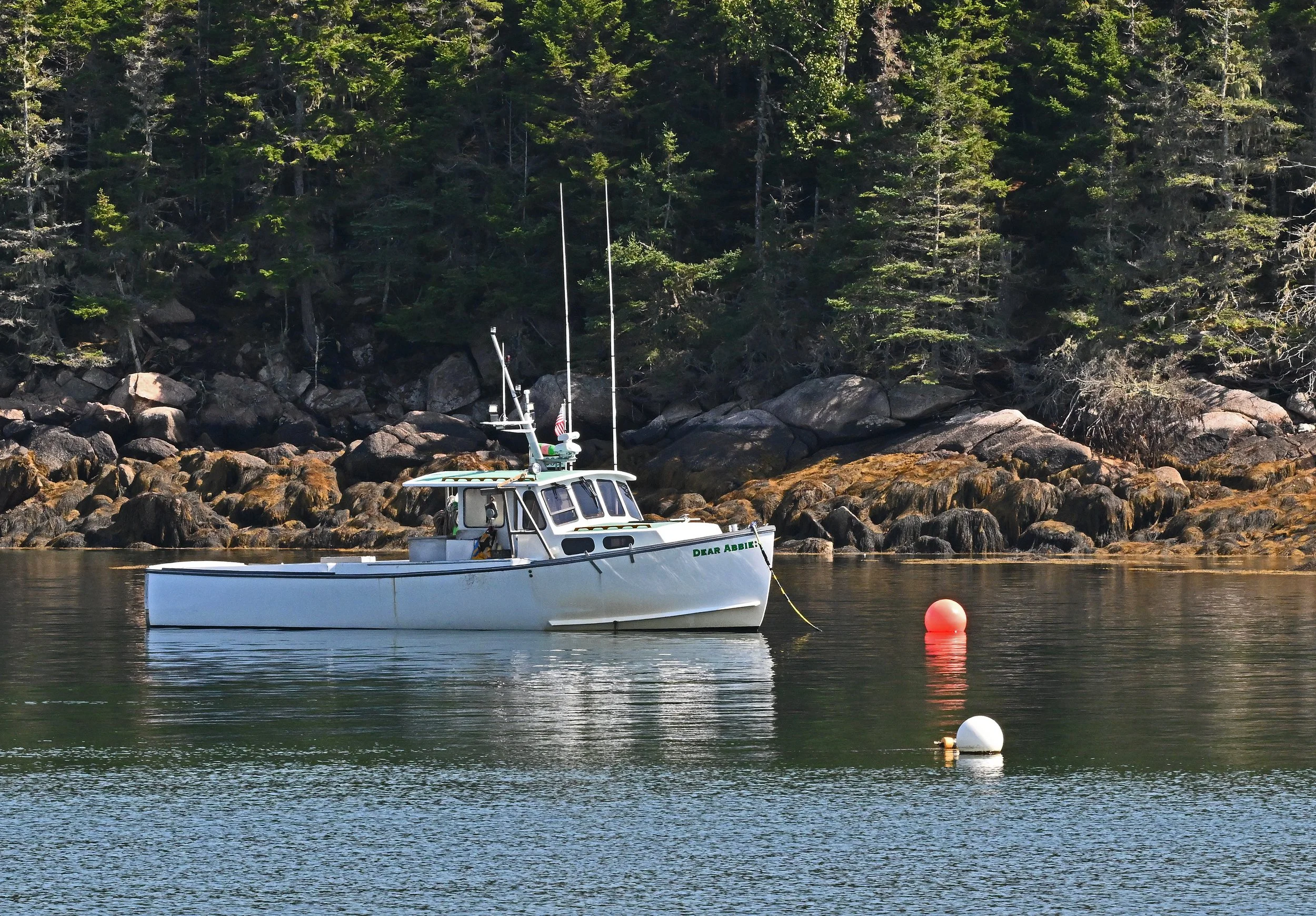
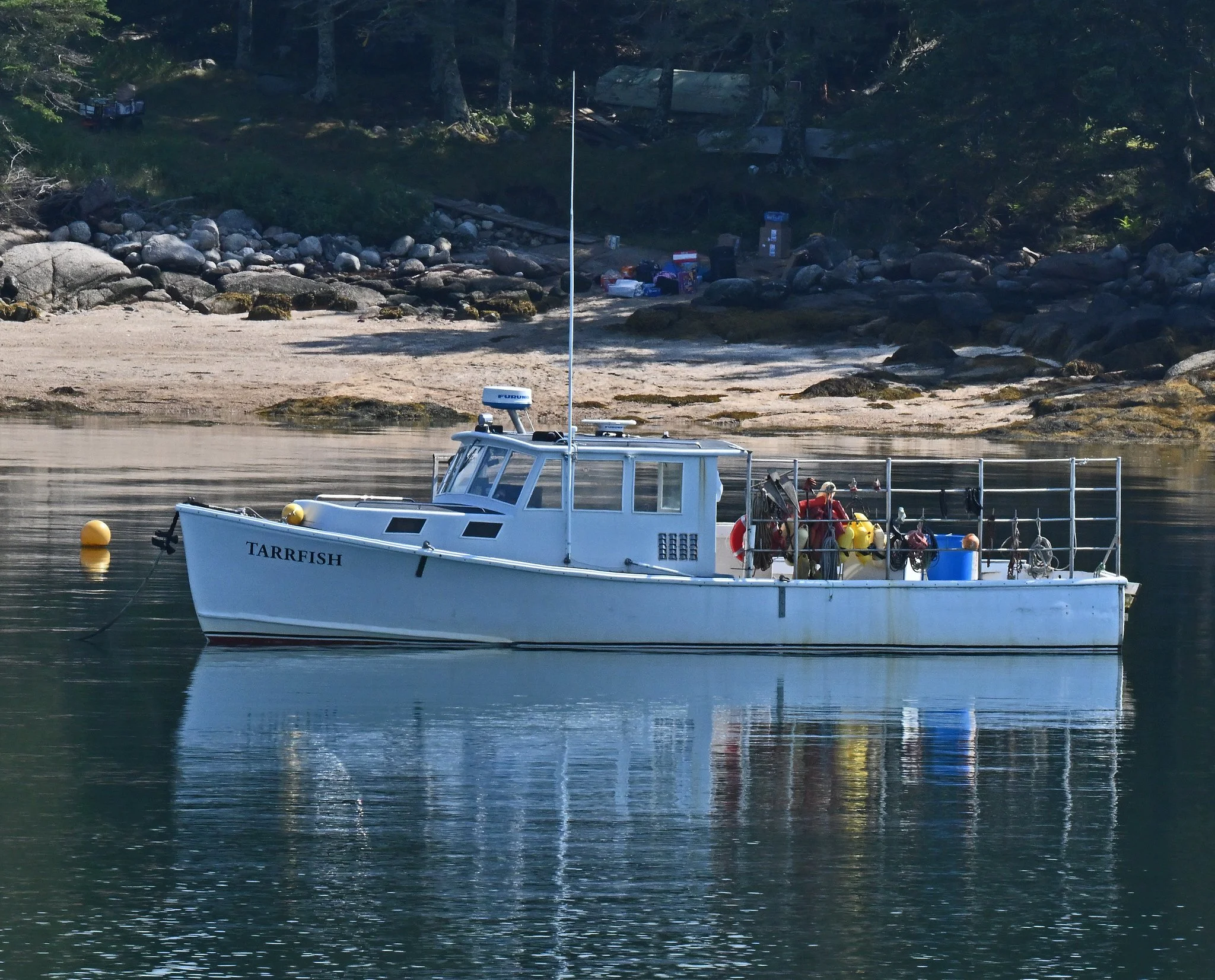
Although form may follow function, the forms of our coastal lobster boats are certainly not identical. Yet, each vessel seems beautiful in her own way:

SPECIAL SEAGOING SIGHTS

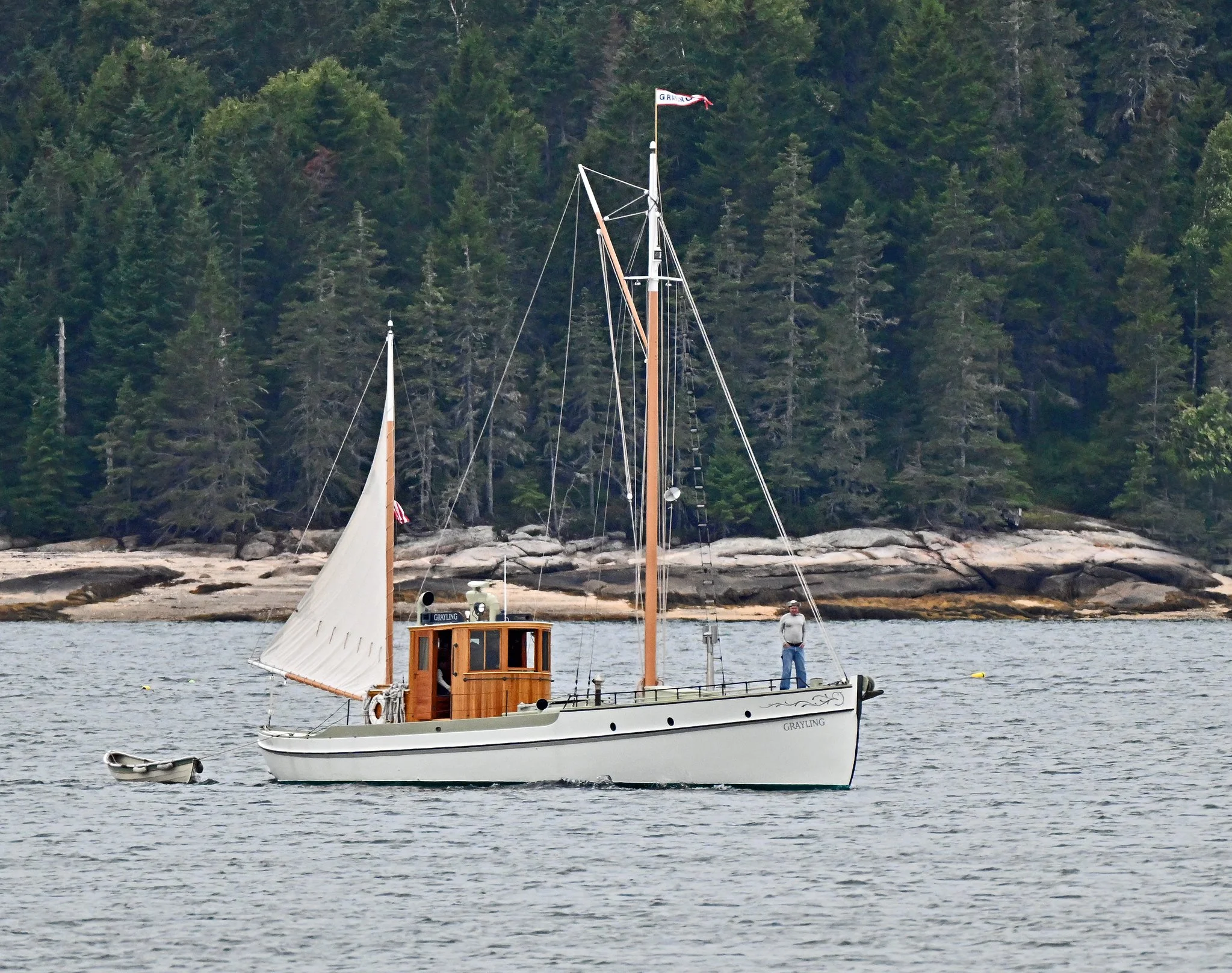
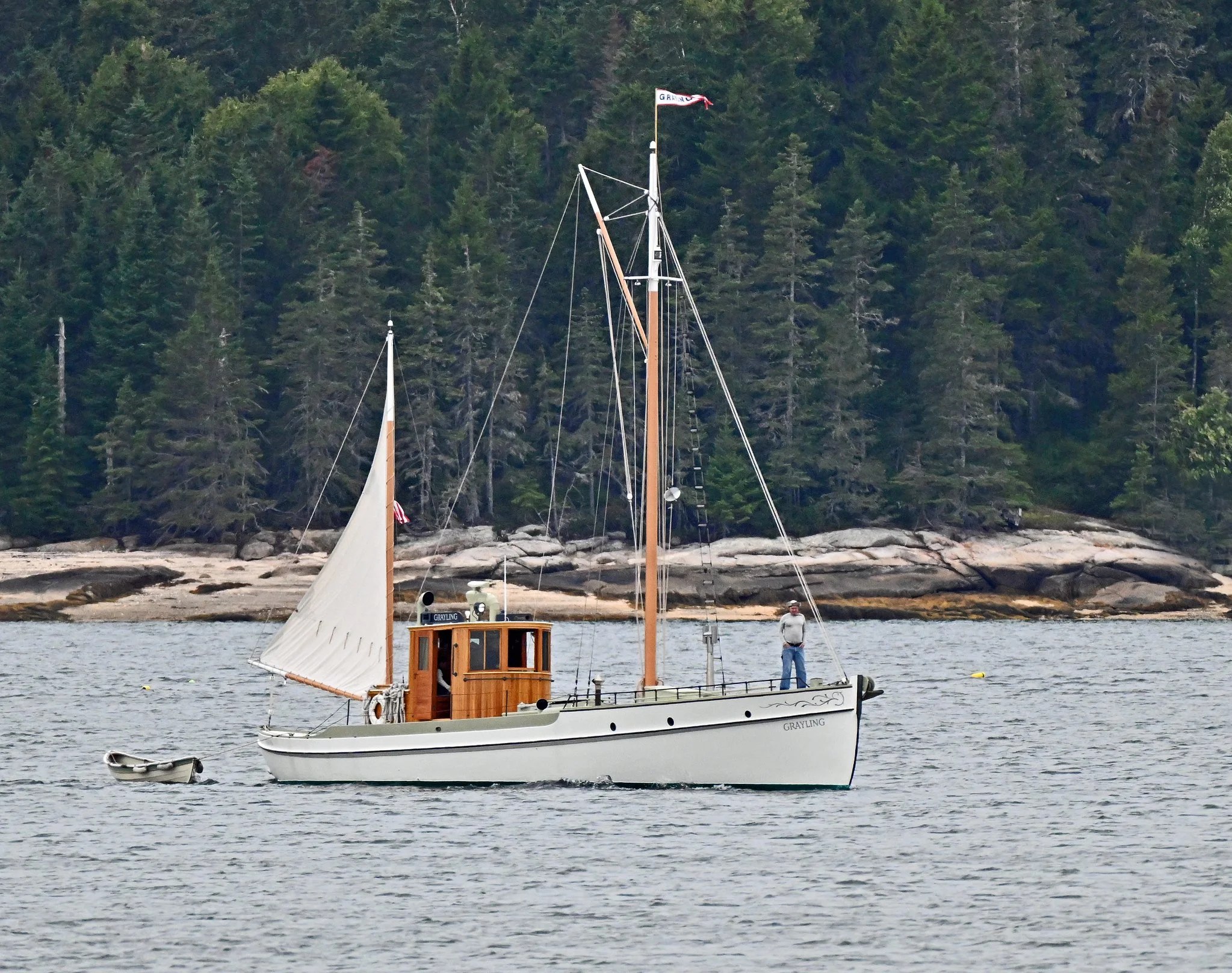
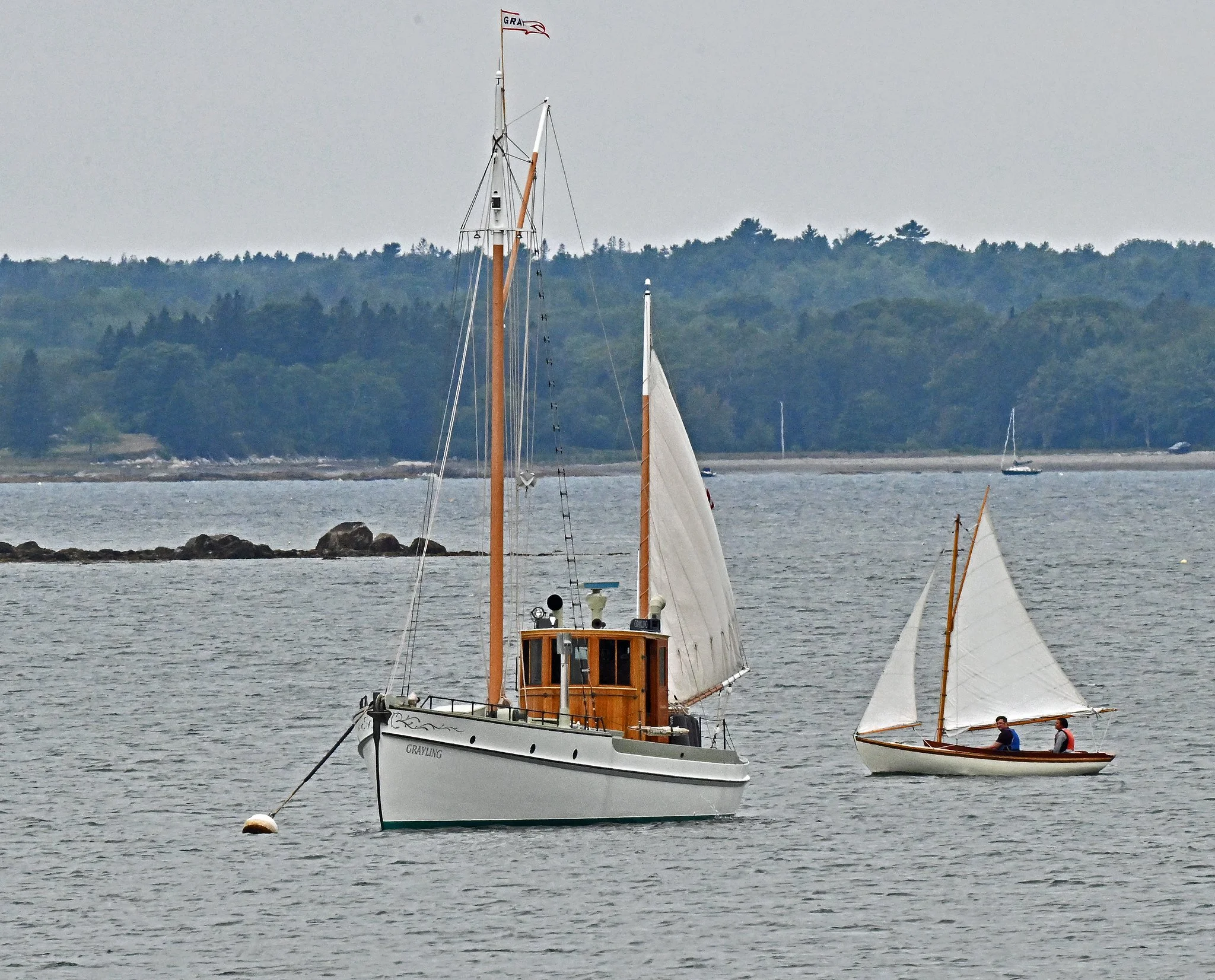
The GRAYLING was a sardine carrier most of her life, but she was transformed into a spectacular yacht by Brooklin boat restorers. She homeports in Connecticut now, but is a frequent visitor to our waters in August:

VISITING THE WOODS, STREAMS AND PONDS

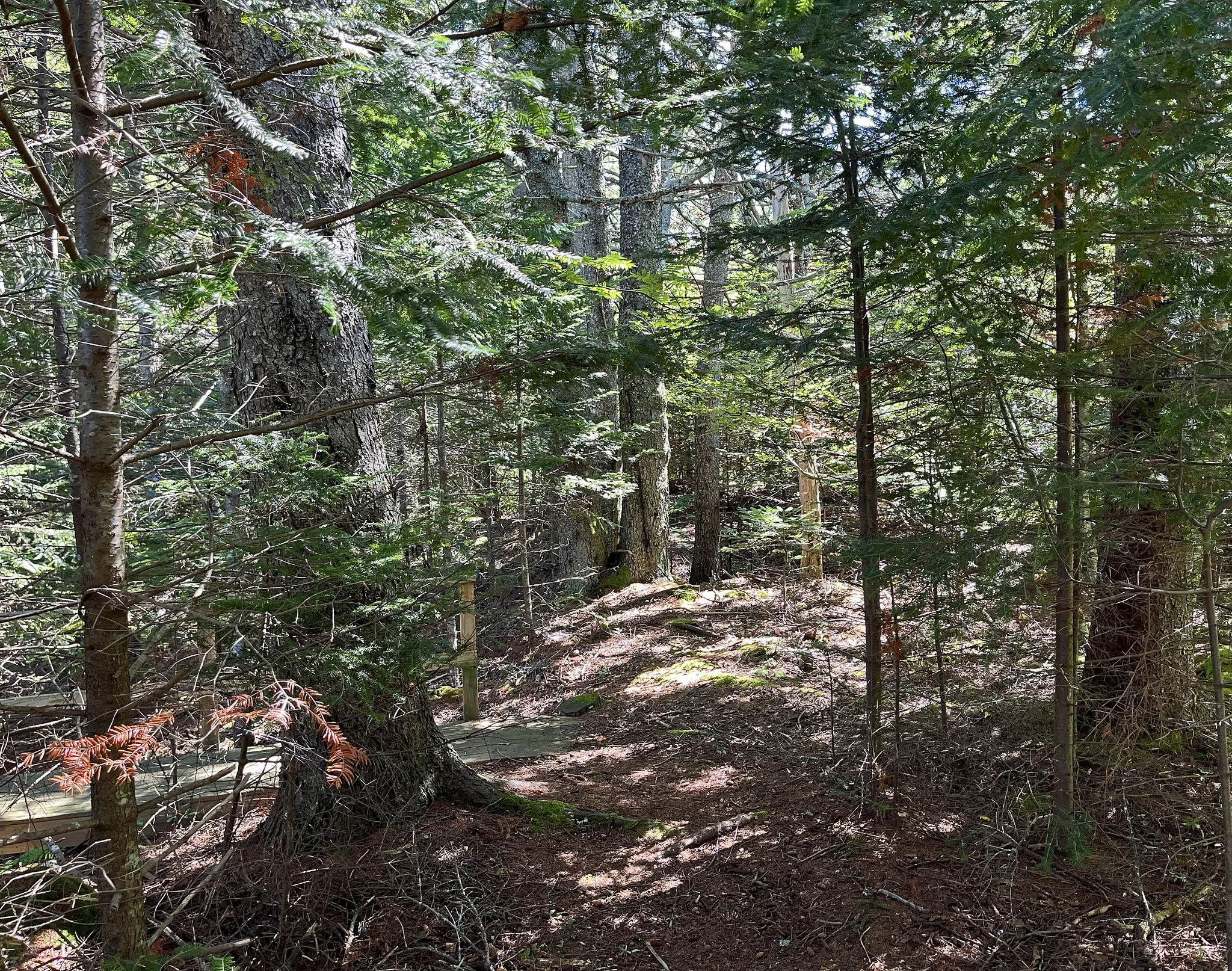
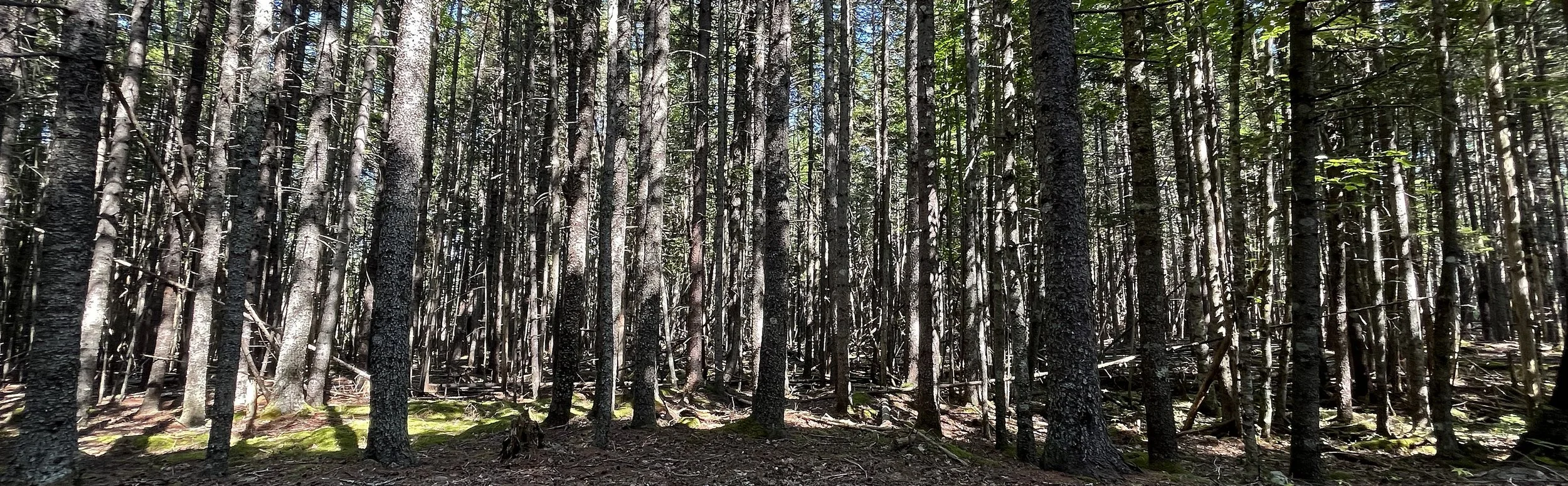
The August woods beckon those of us who need solitude and mystery from time to time:

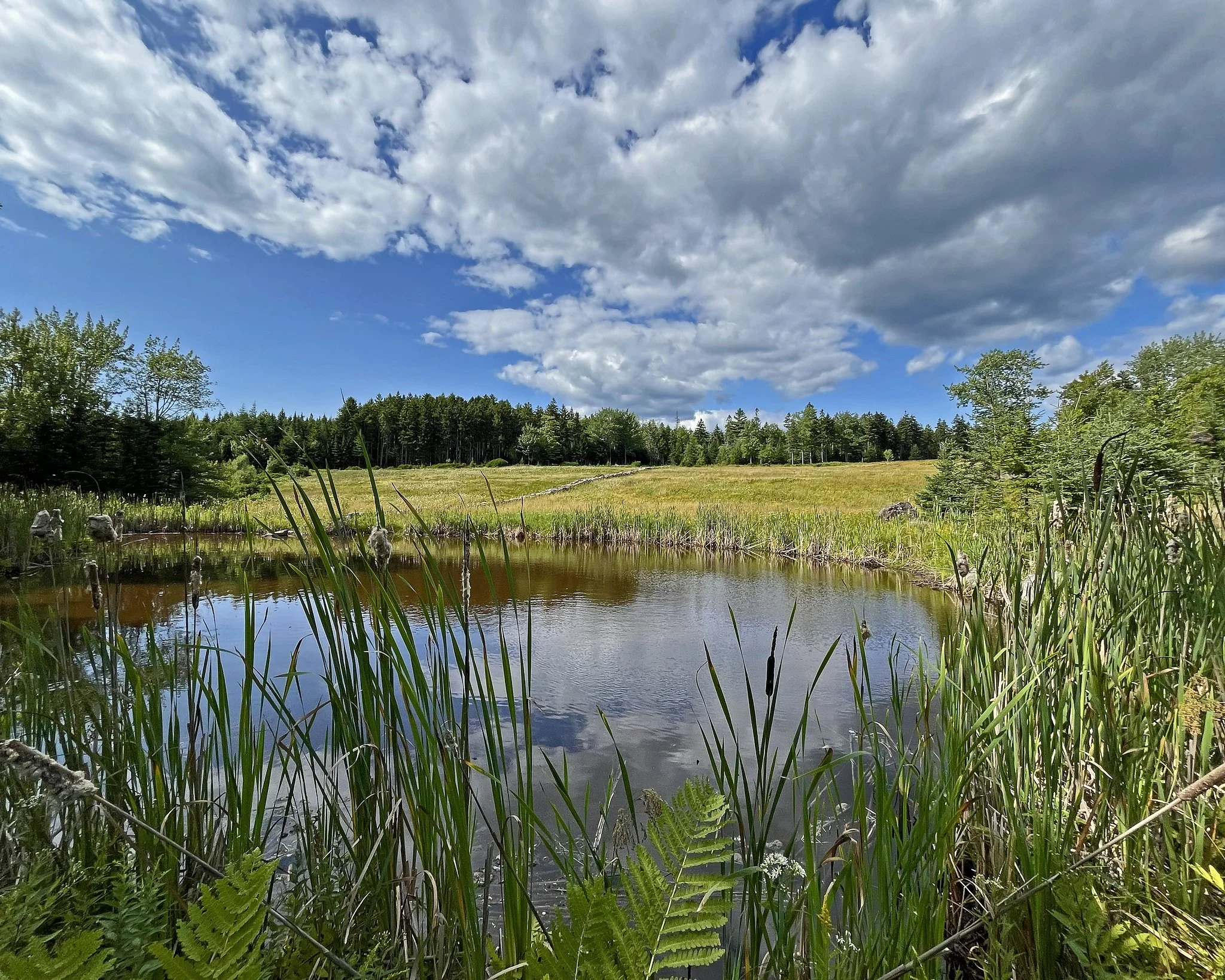
The drought caused ponds to be lowered and stream flows to lighten, but not to the point where their charm disappeared.

WoodenBoat Lily Pond

One of Our Fire Ponds

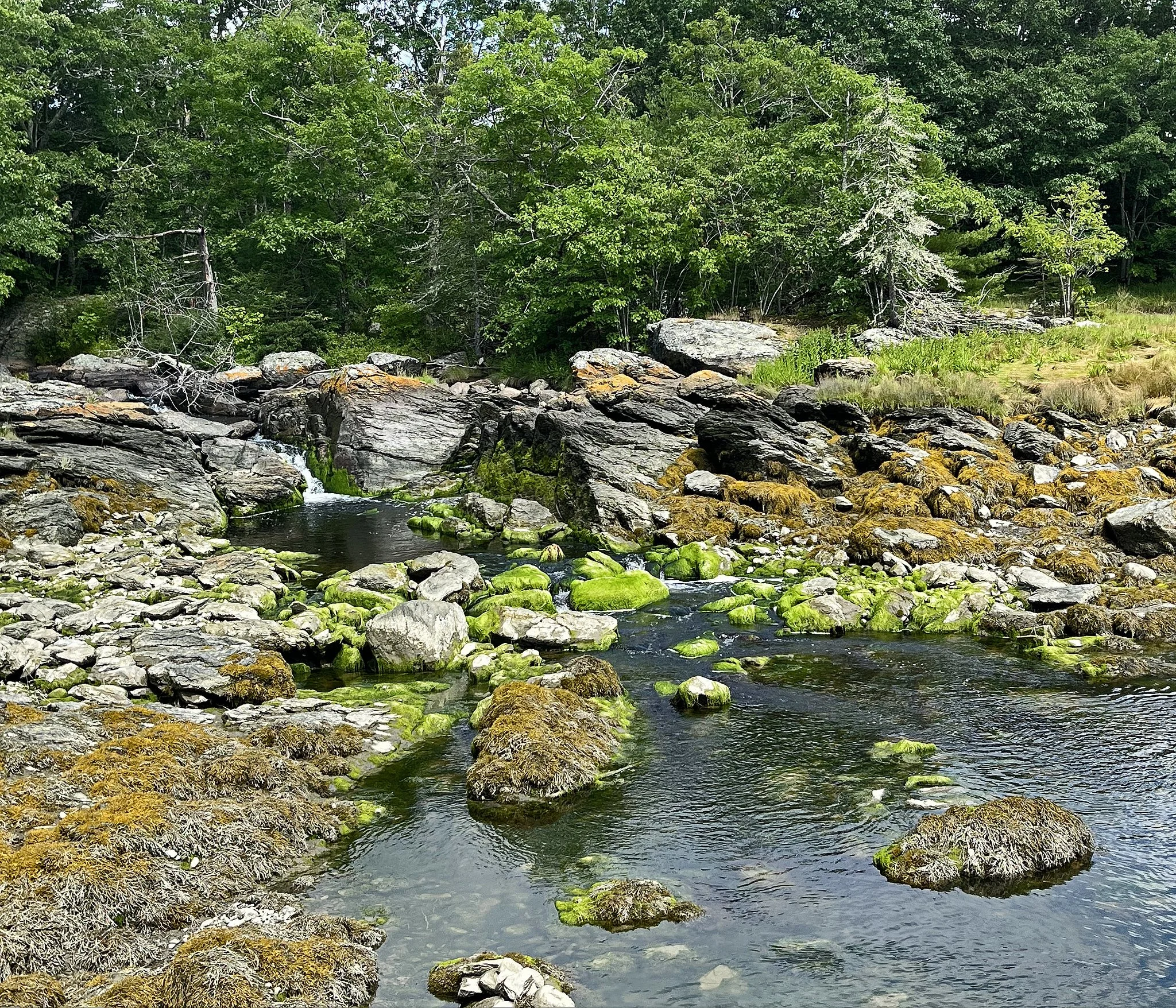
The Mouth of Patten Stream at Low Tide in Patten Bay

FEATURED FAUNA

FUR AND FEATHERS

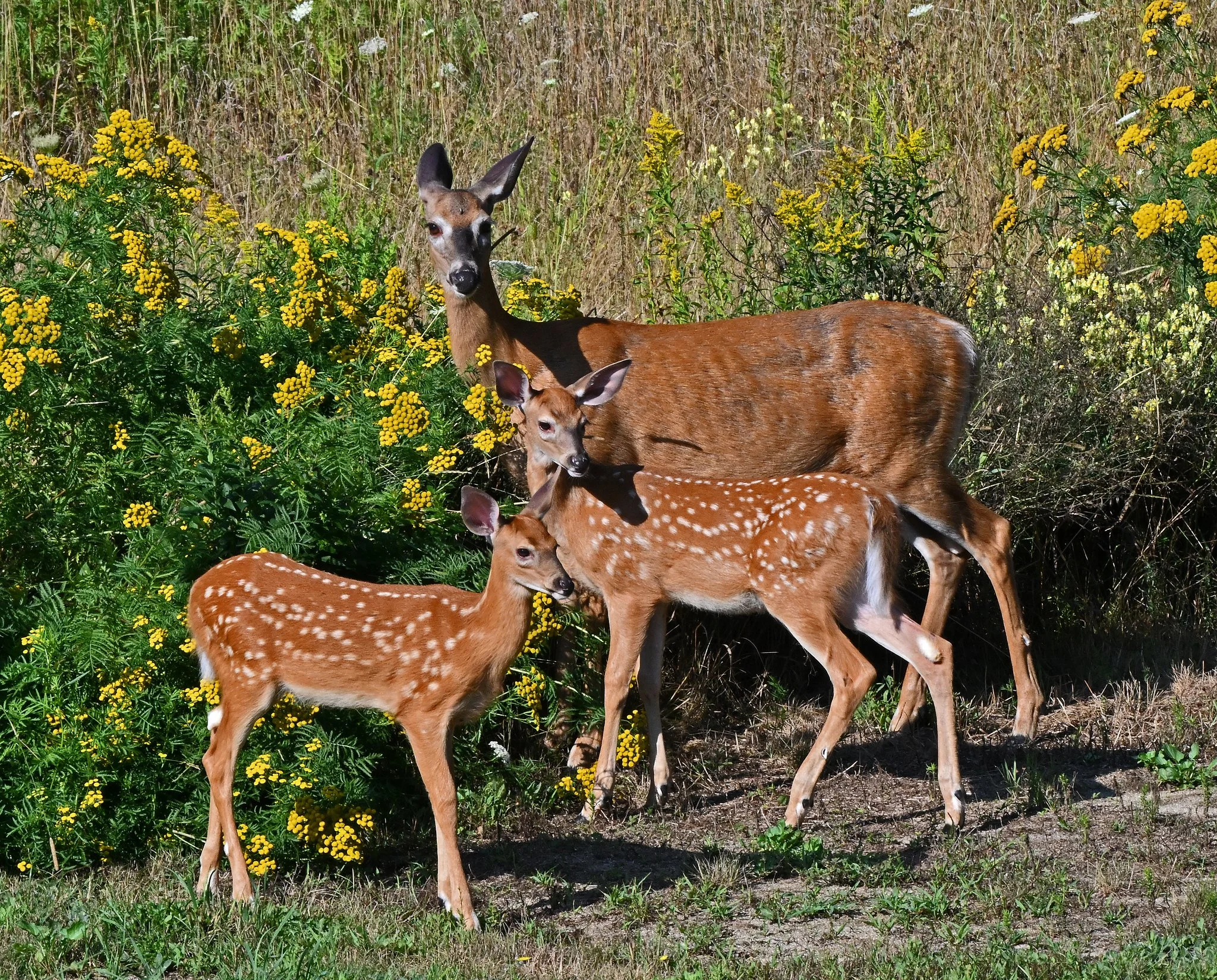
White-Tailed Deer: Mom and Her Twin Fawns

Osprey Fledgling About Two Months Old:

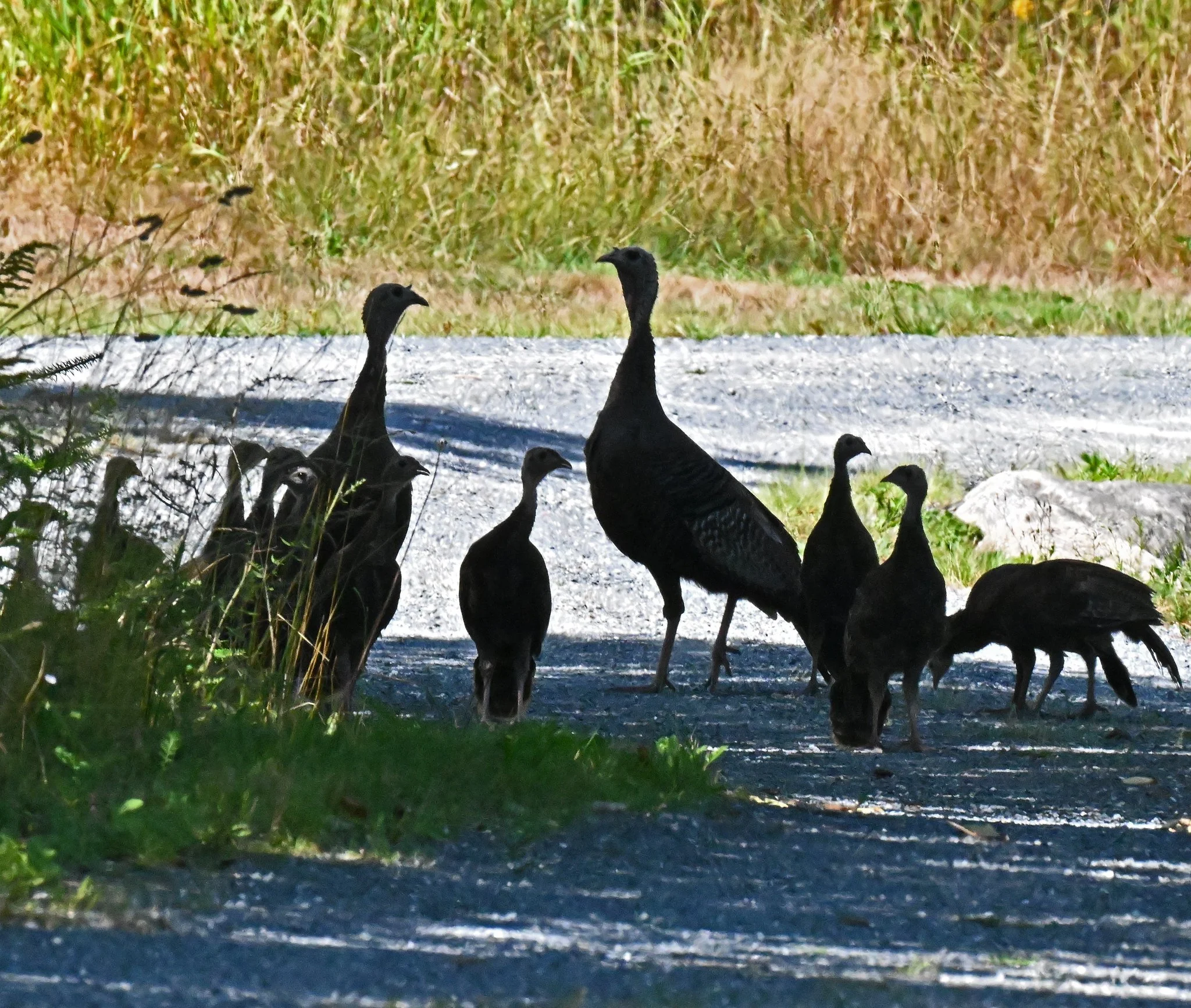
Wild Turkeys: Moms, Aunts and Poults

Common Eiders: Mom and Fast-Growing Ducklings

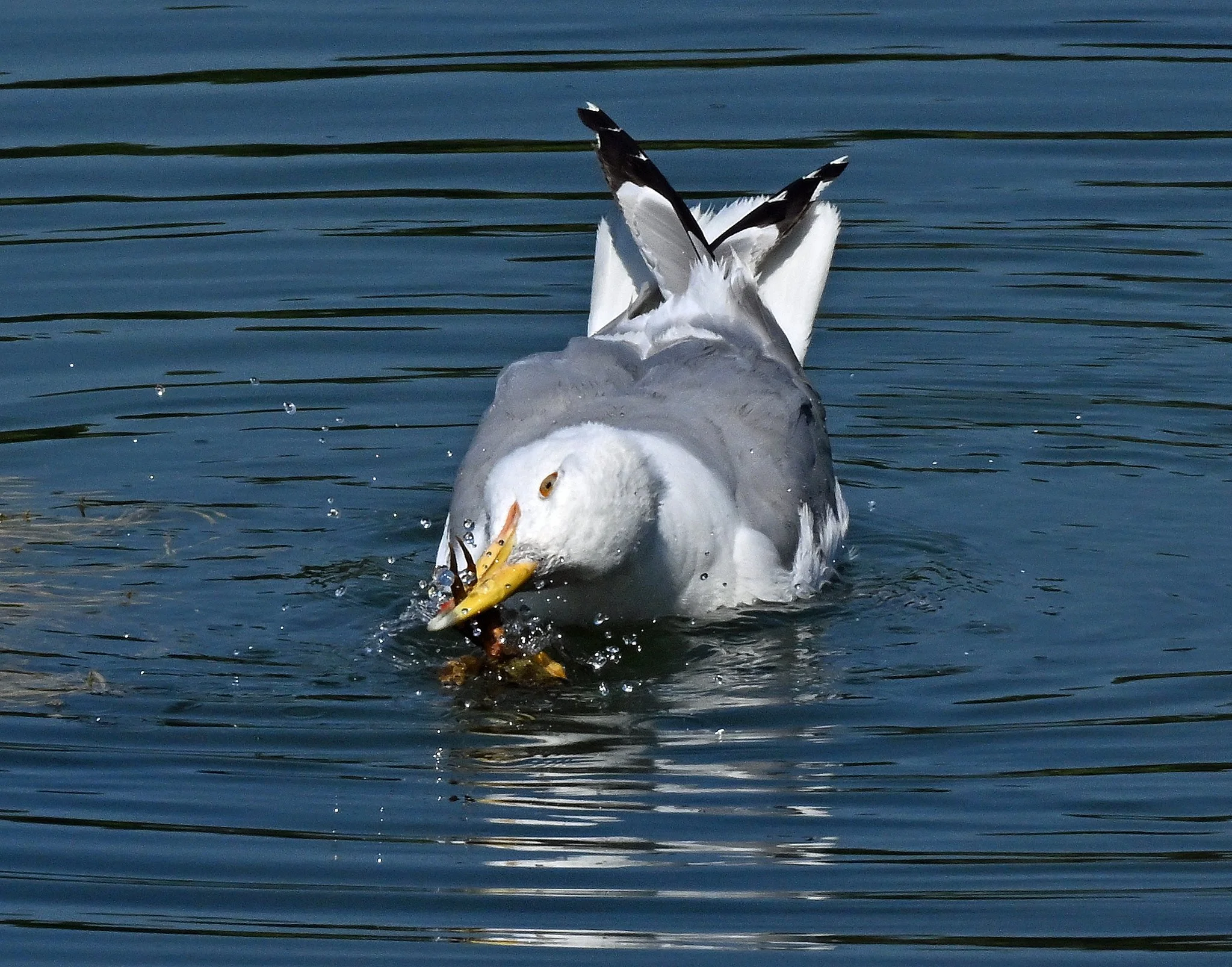
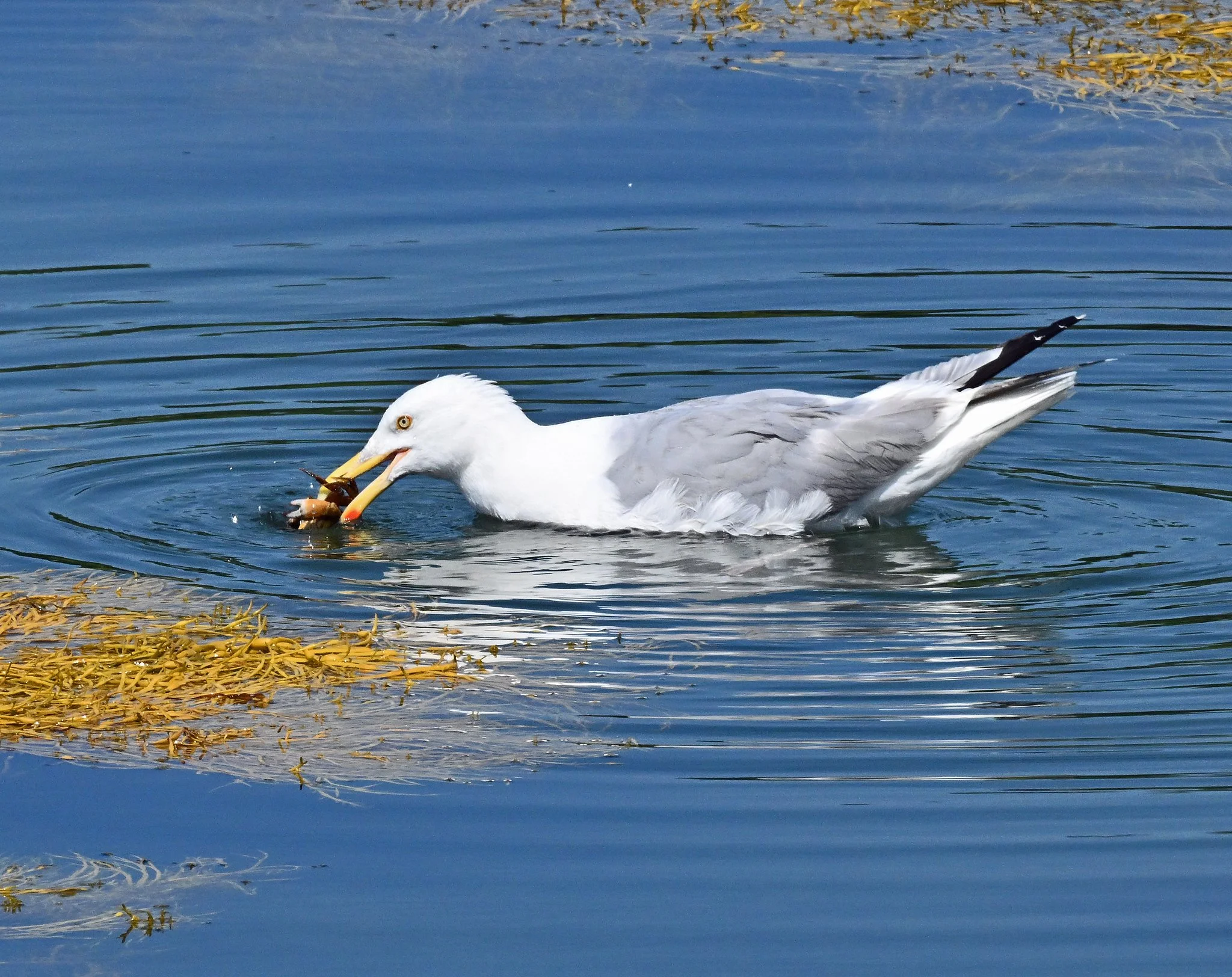
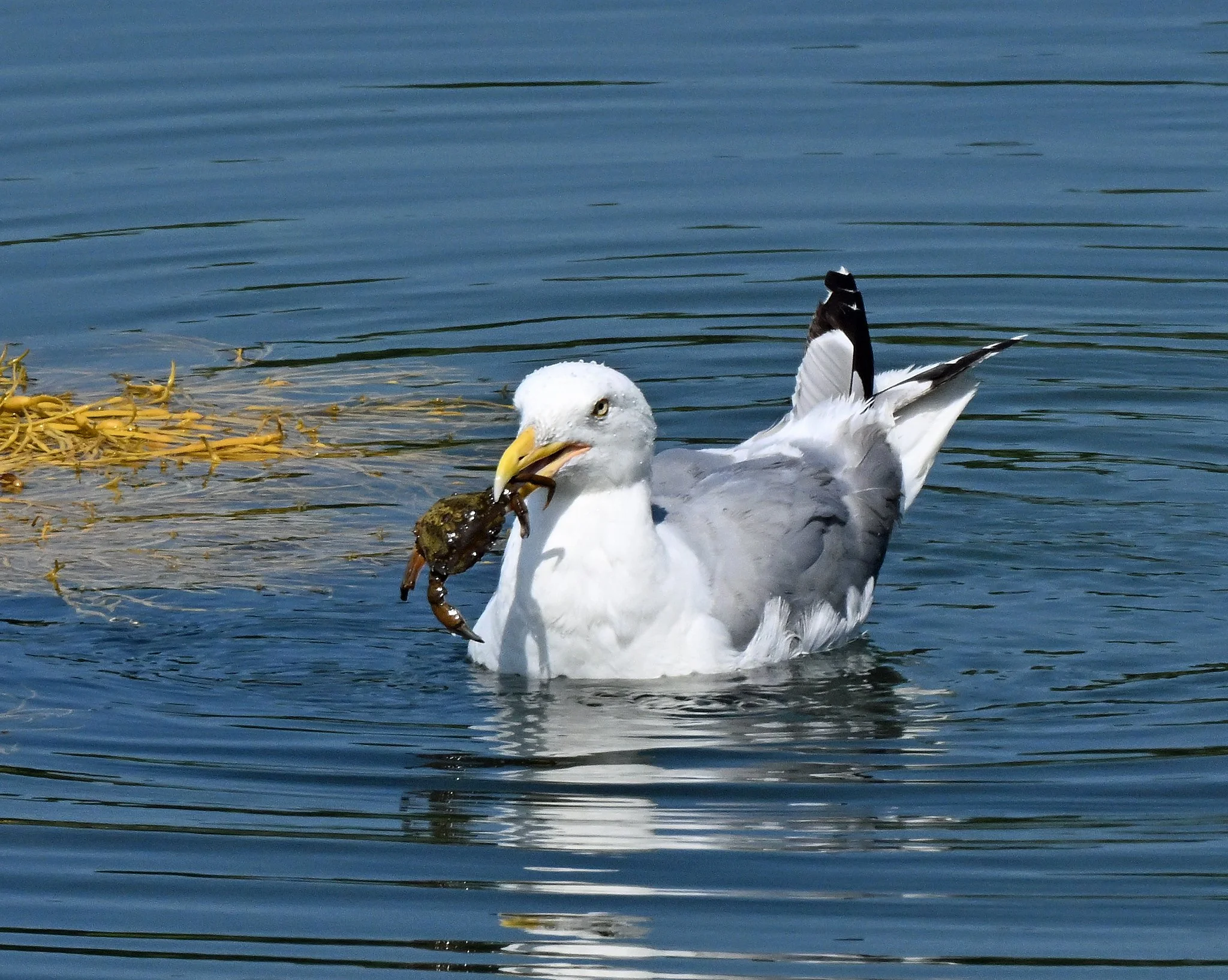
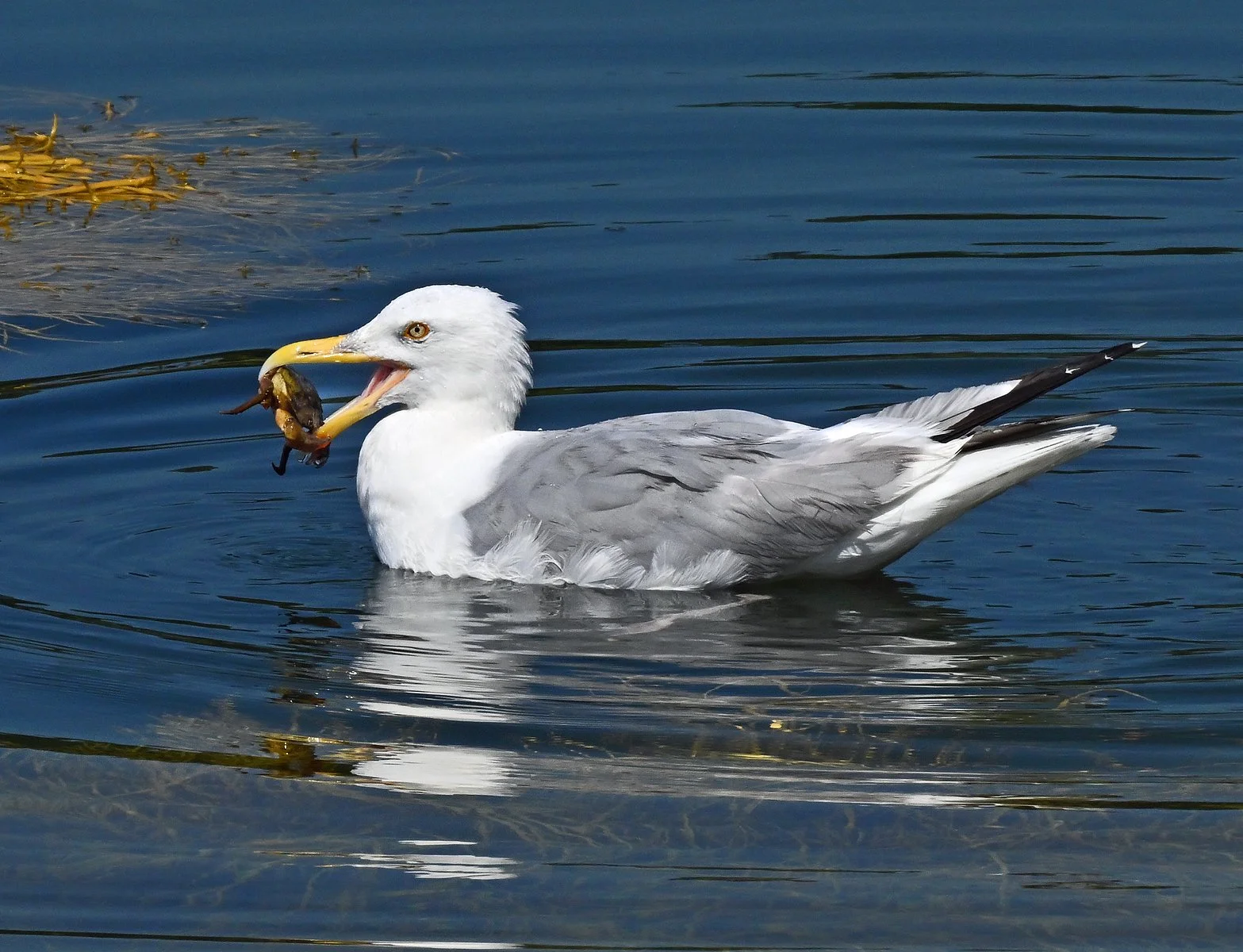
Herring Gull Helping the Environment by Hunting Invasive Green Crabs:

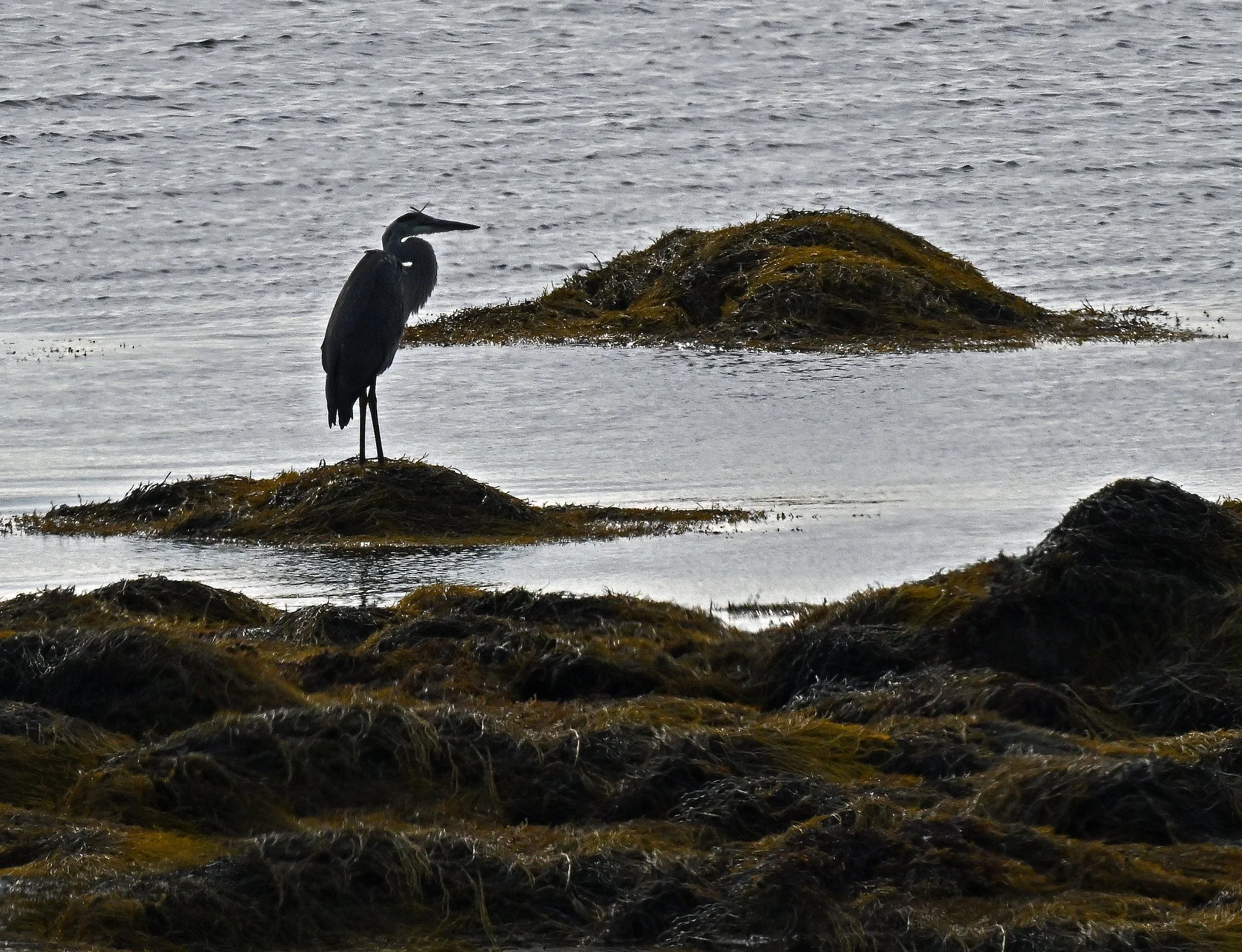
Great Blue Heron Meditating at Dusk

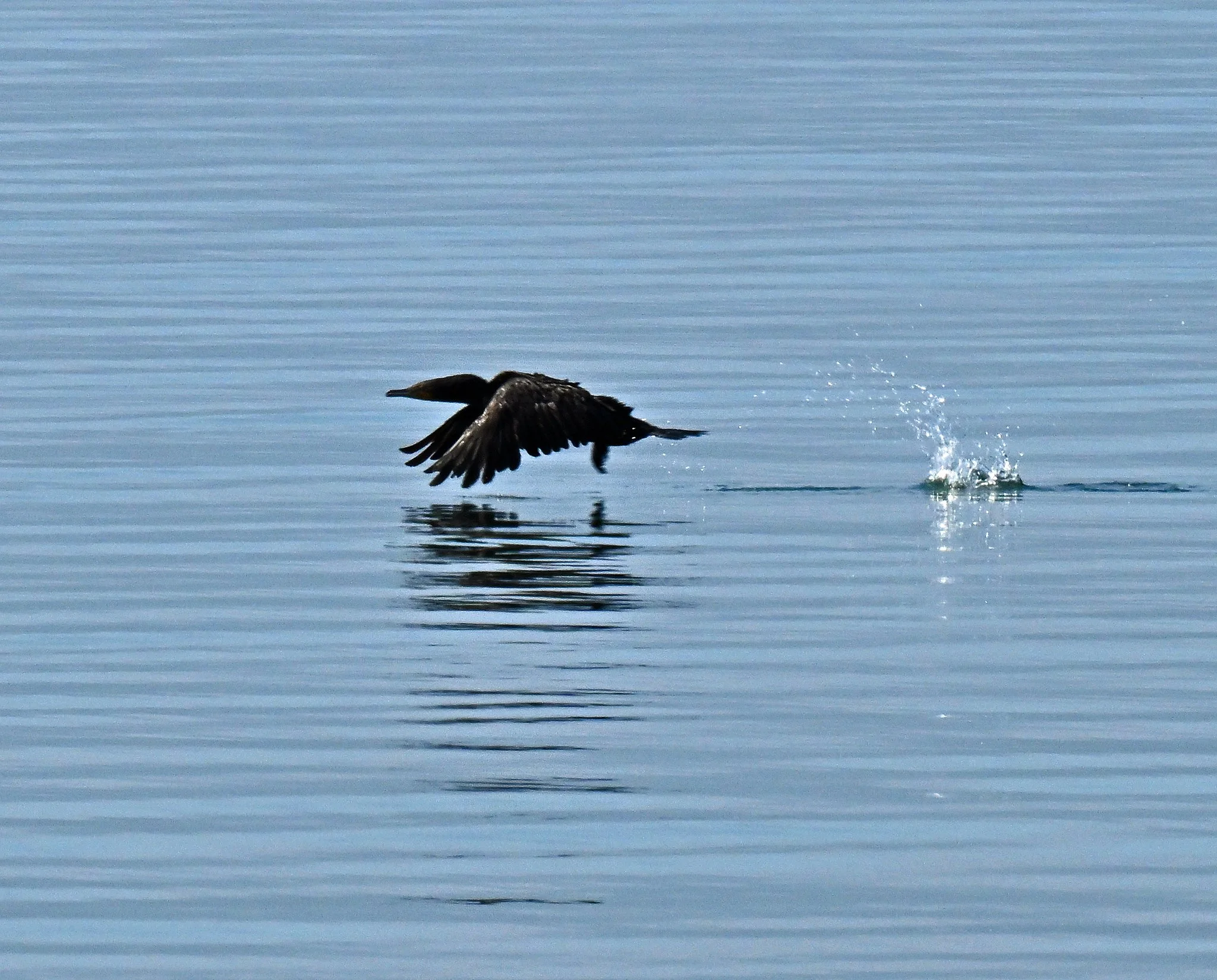
Cormorant’s Long Takeoff

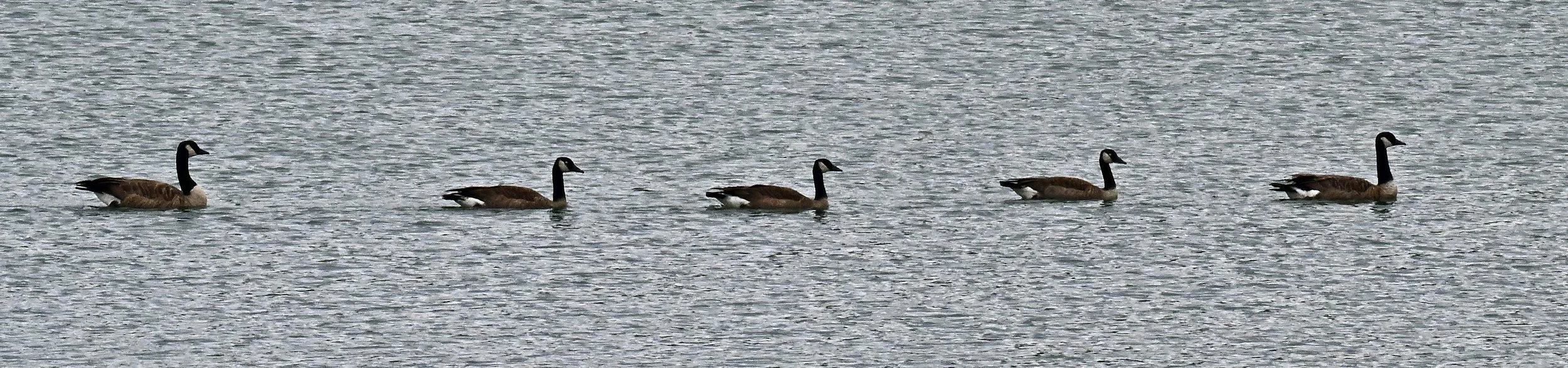
Canada Geese on Their Way South

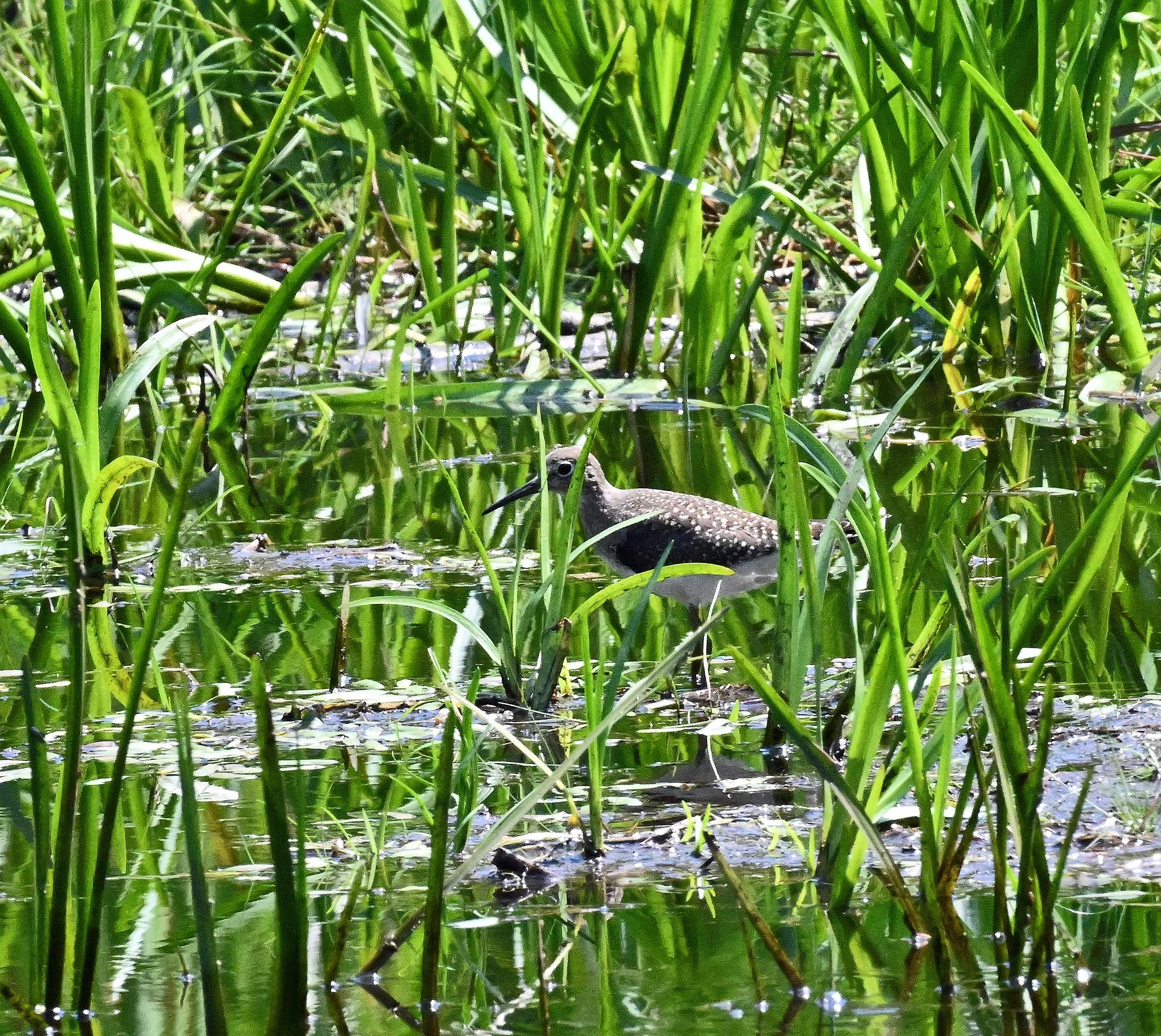
Find the Solitary Sandpiper

FLITTERERS, BUZZERS, HOPPERS AND BASKERS

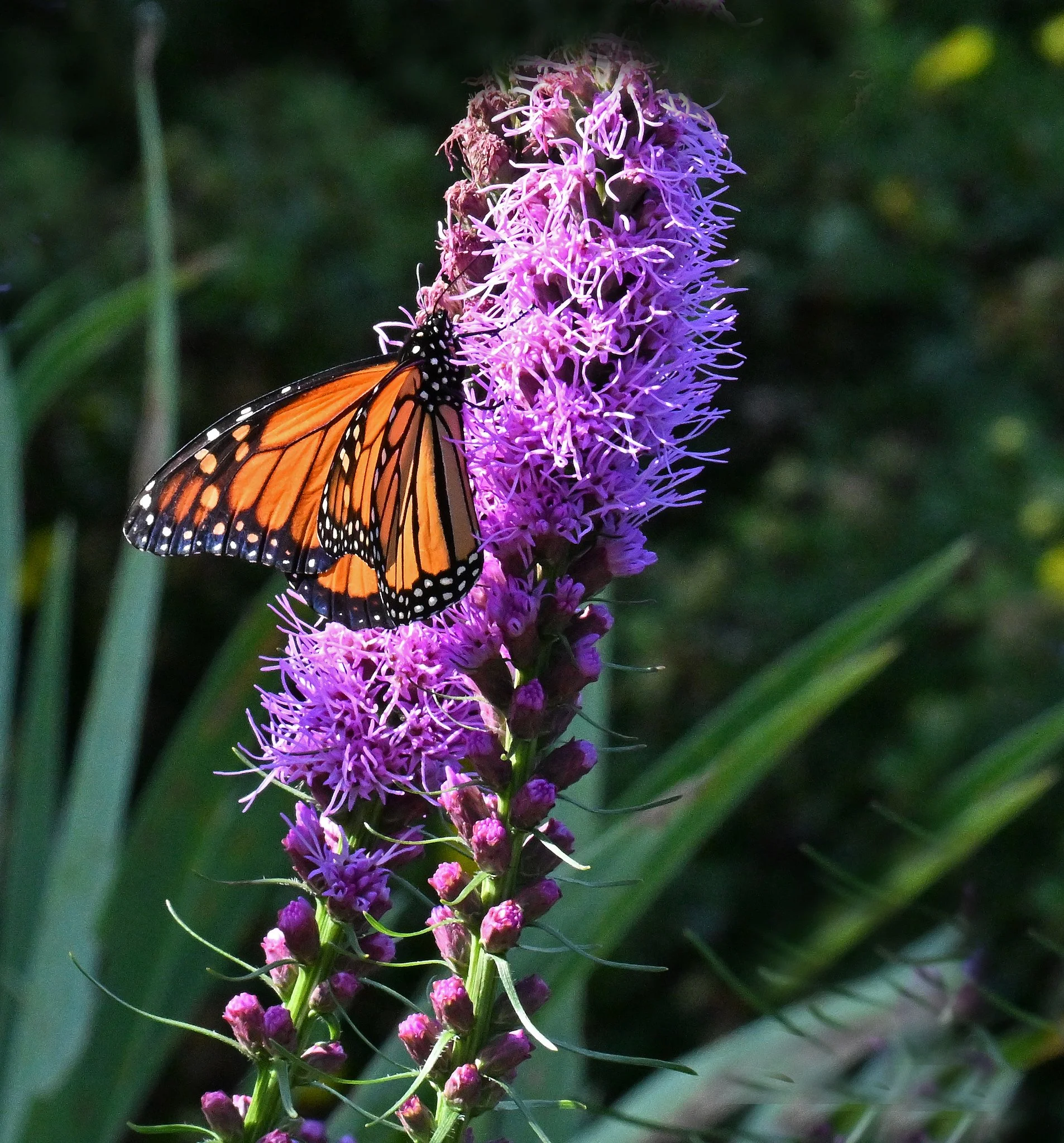
Monarch Butterfly on Liatris

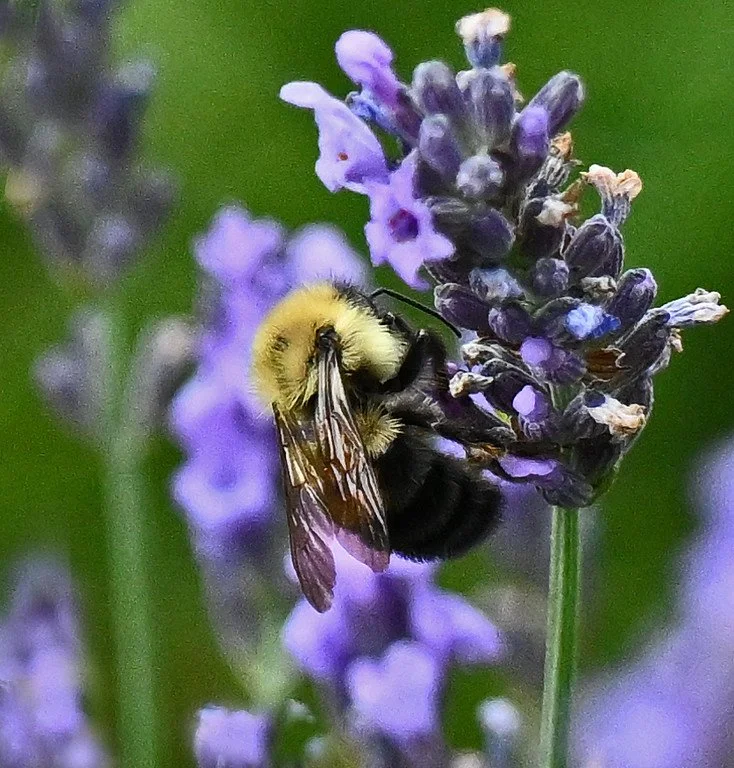
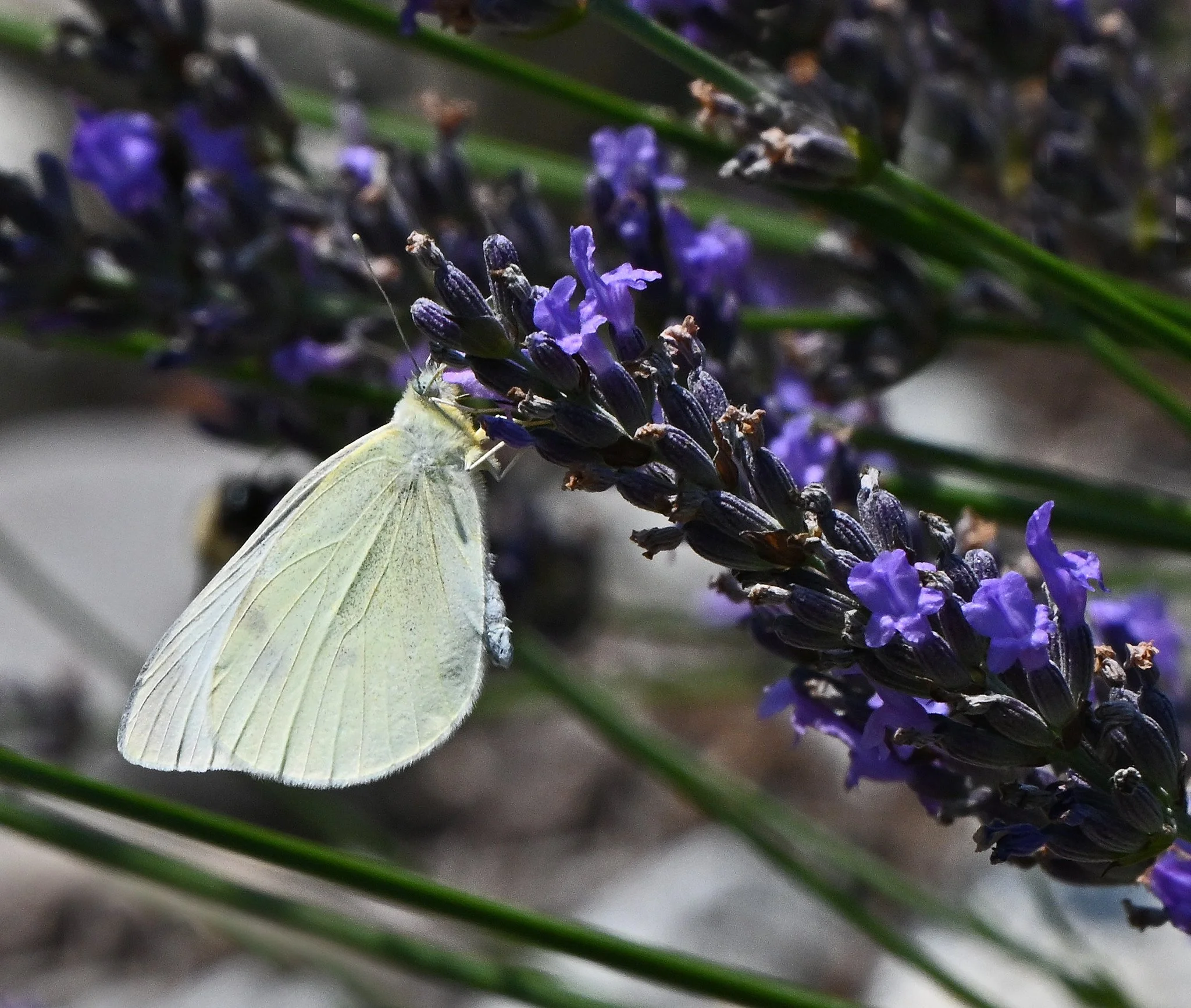
Two-Spot Bumble Bee and Cabbage White Butterfly on Lavender:

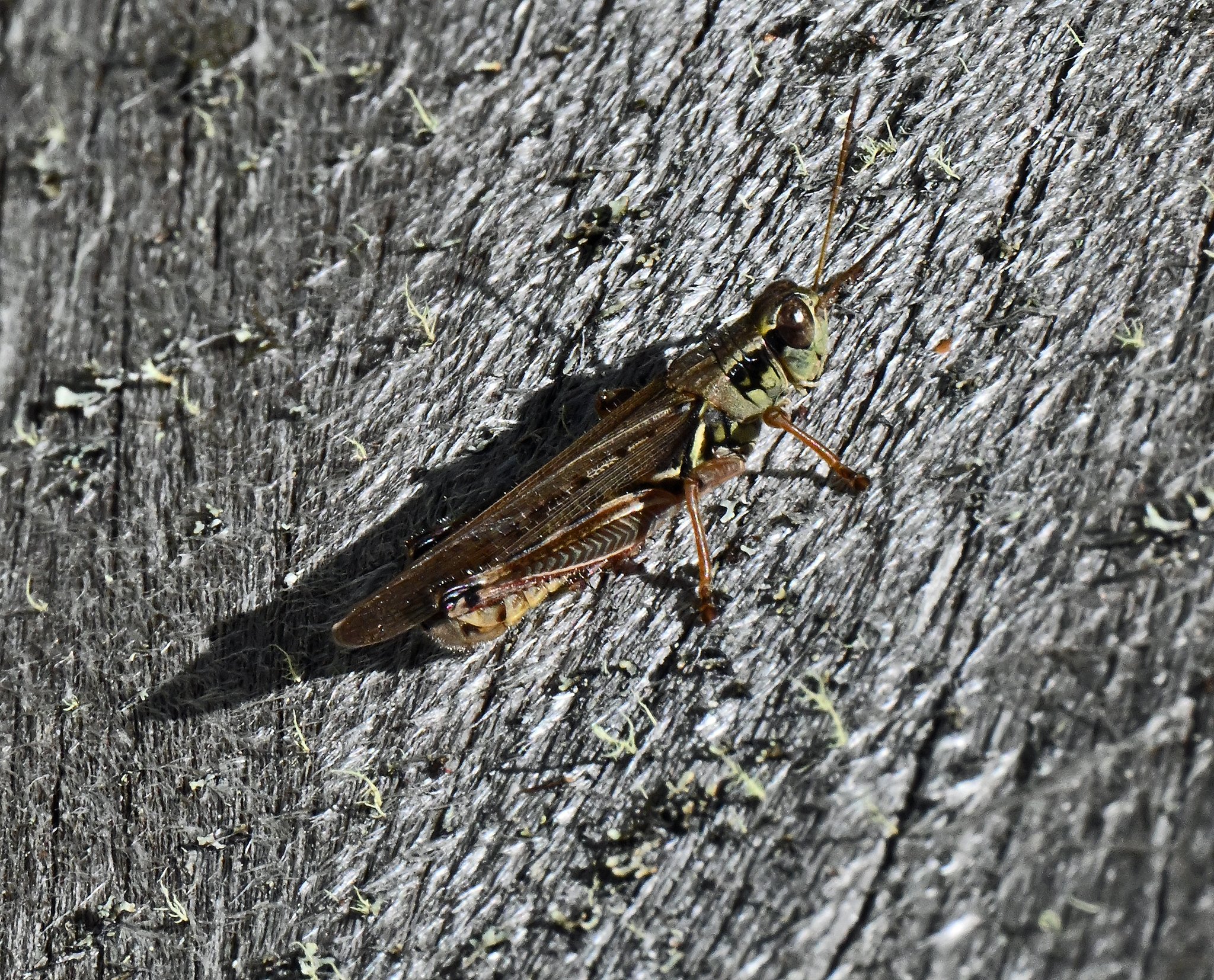
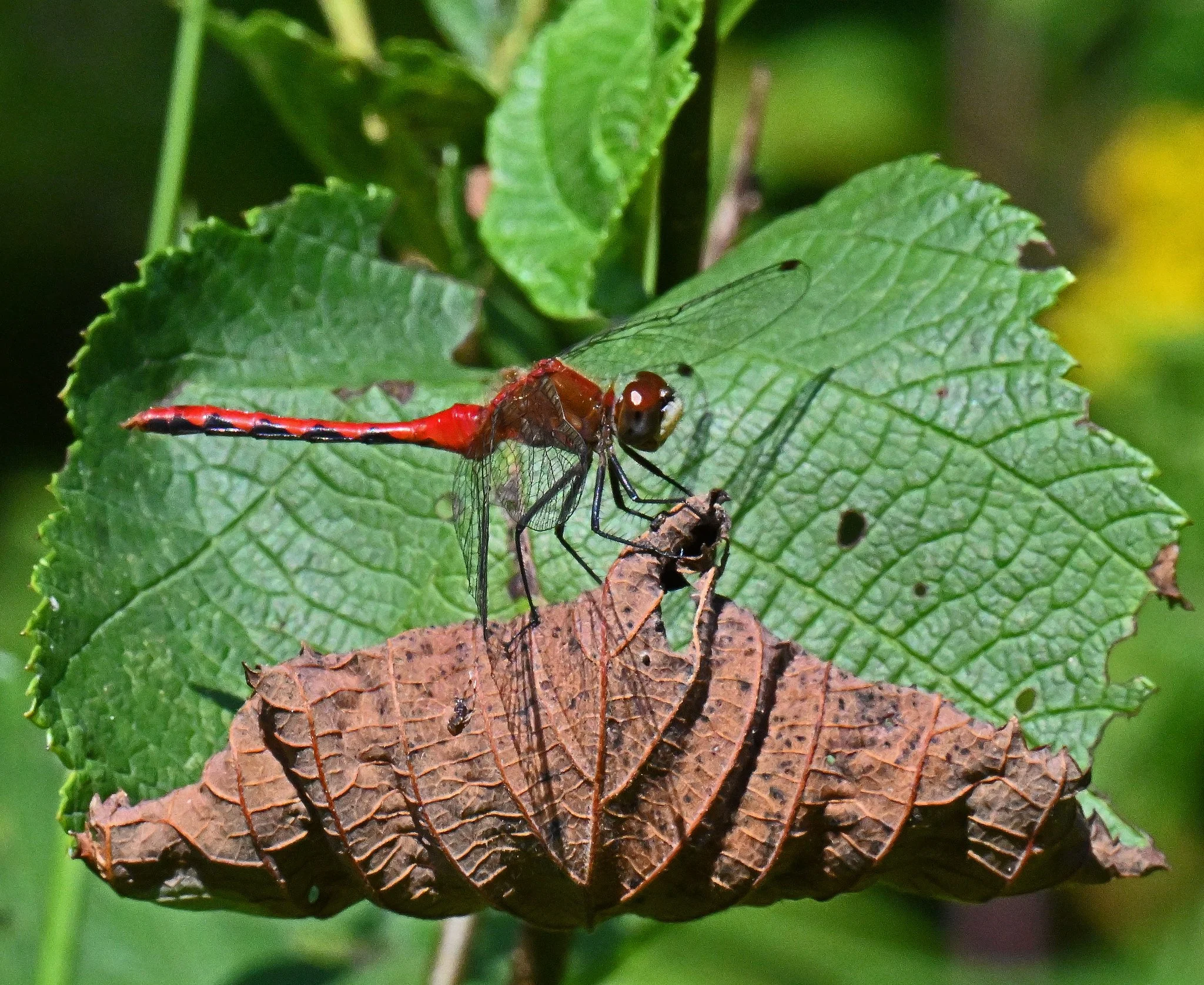
Short-Horned Grasshopper and White-Faced Meadowhawk Dragonfly:

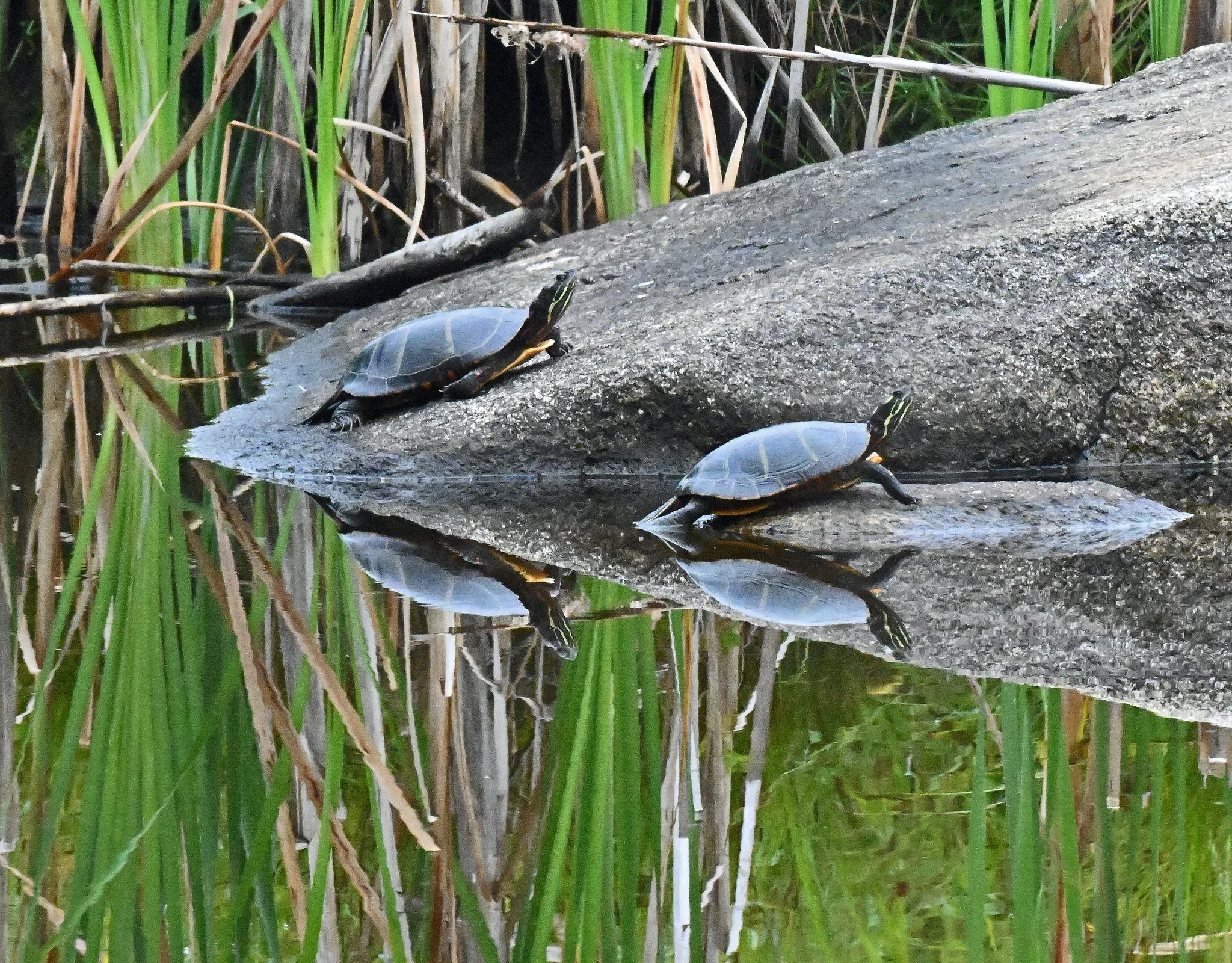
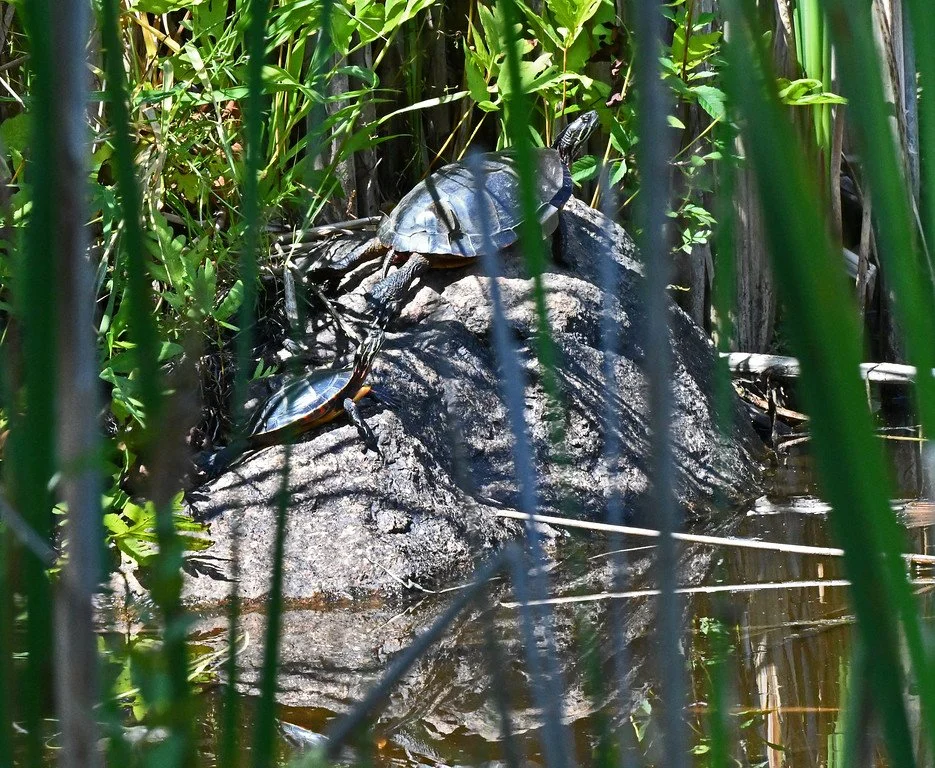
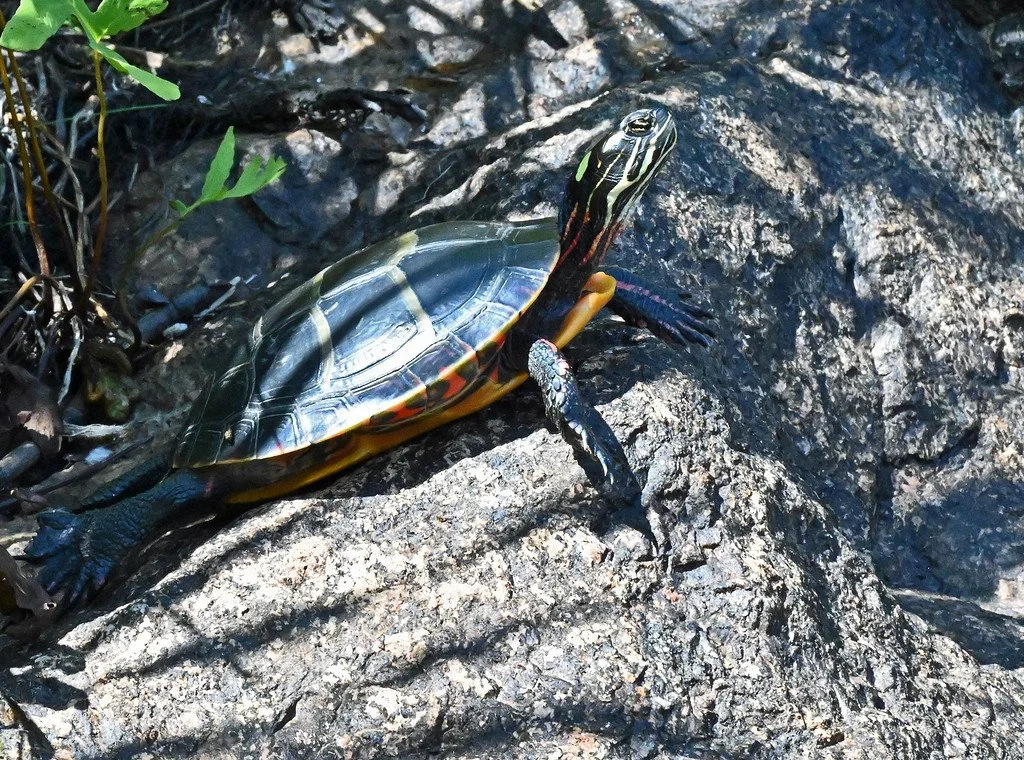
Painted Turtles in a Reflective Mood

FEATURED FLORA AND FUNGI

A FEW OF THE TREES AND SHRUBS

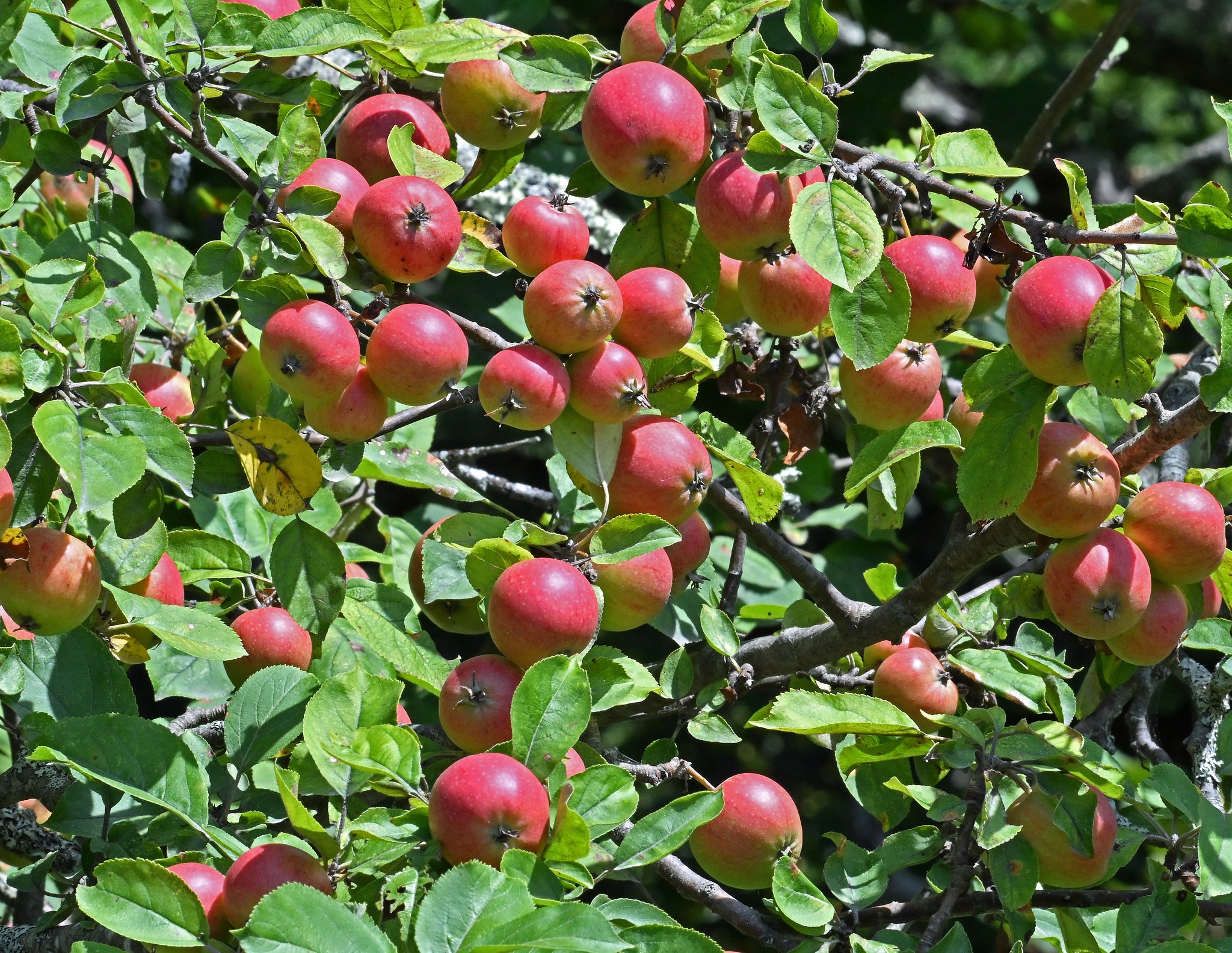
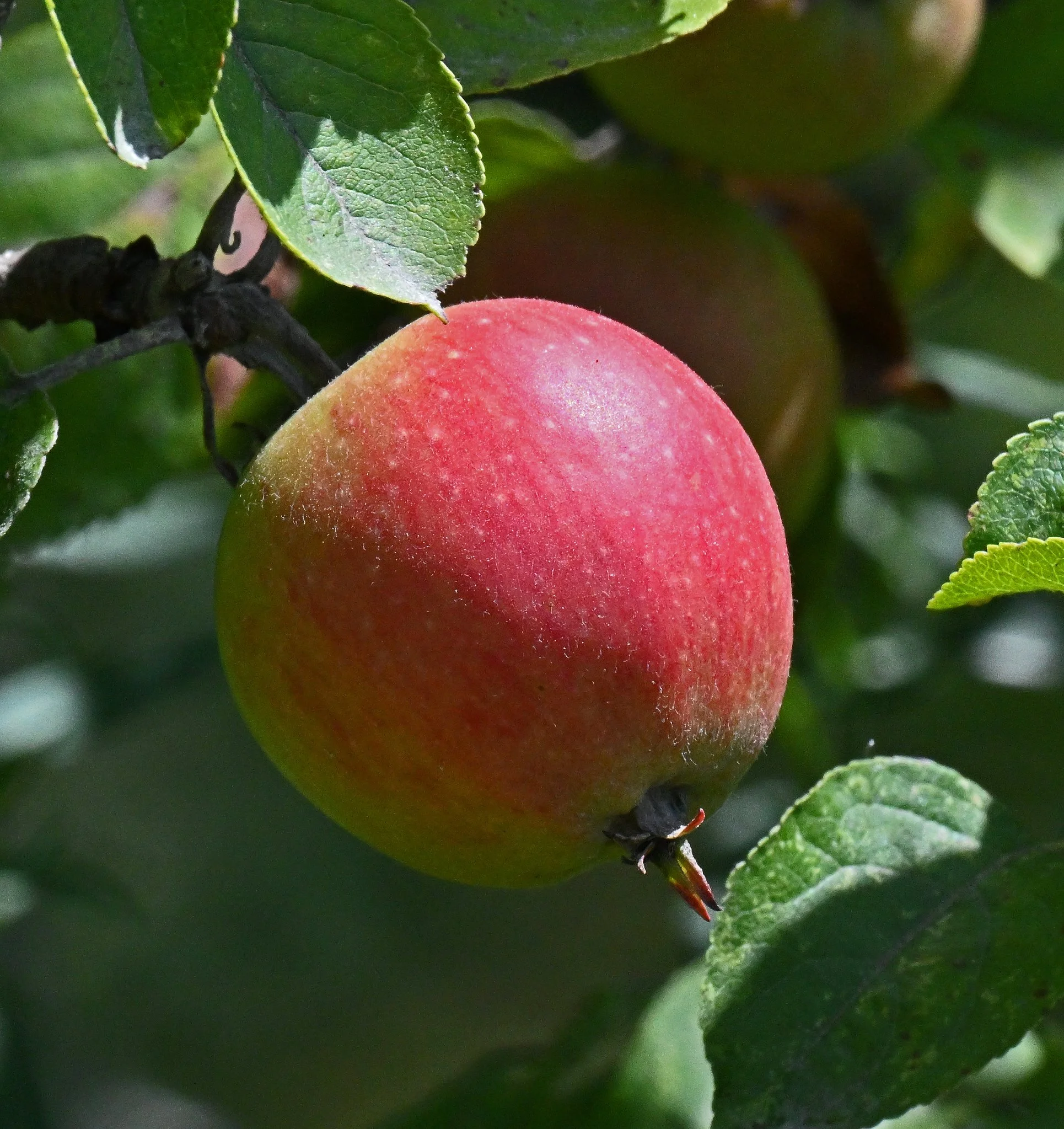
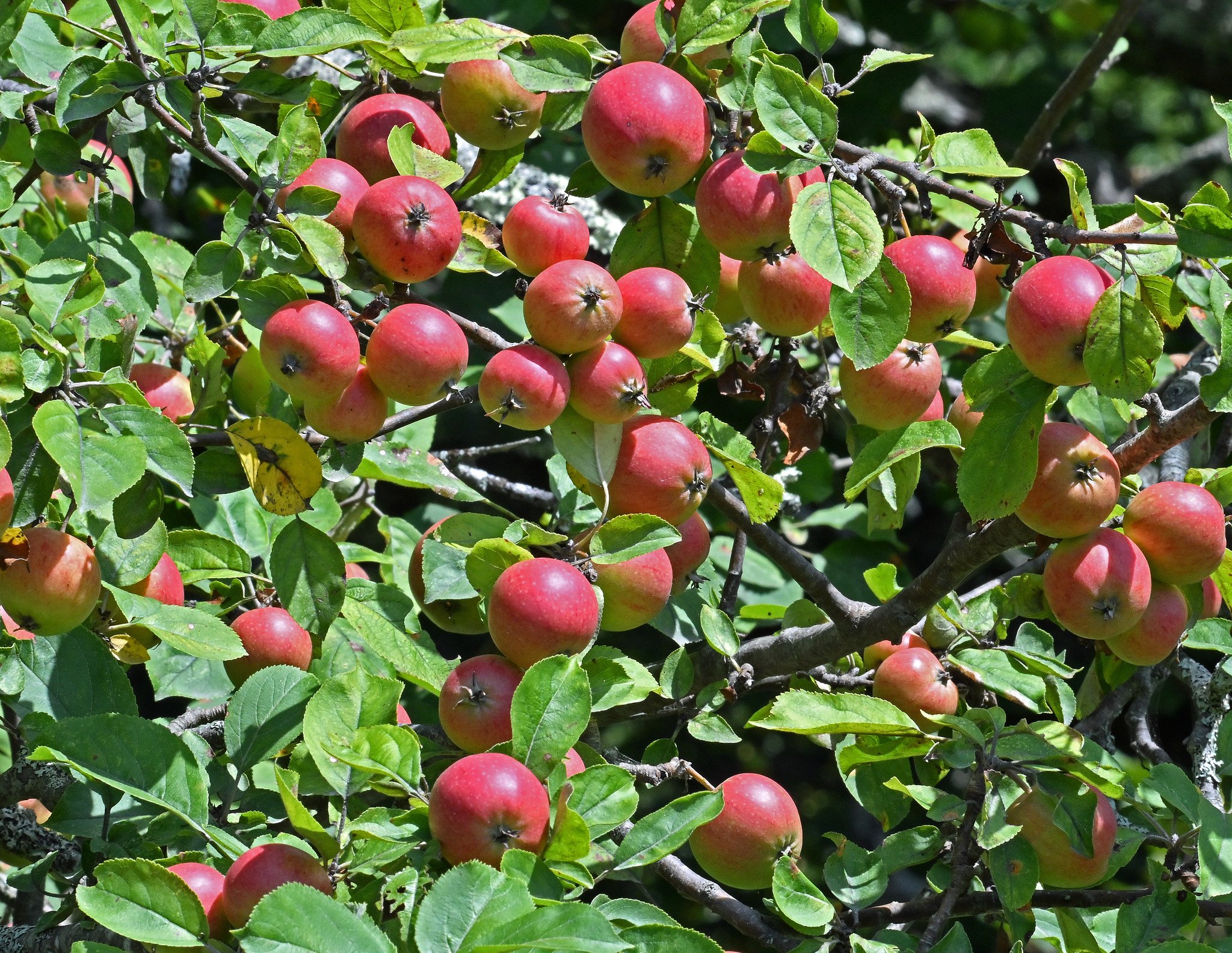
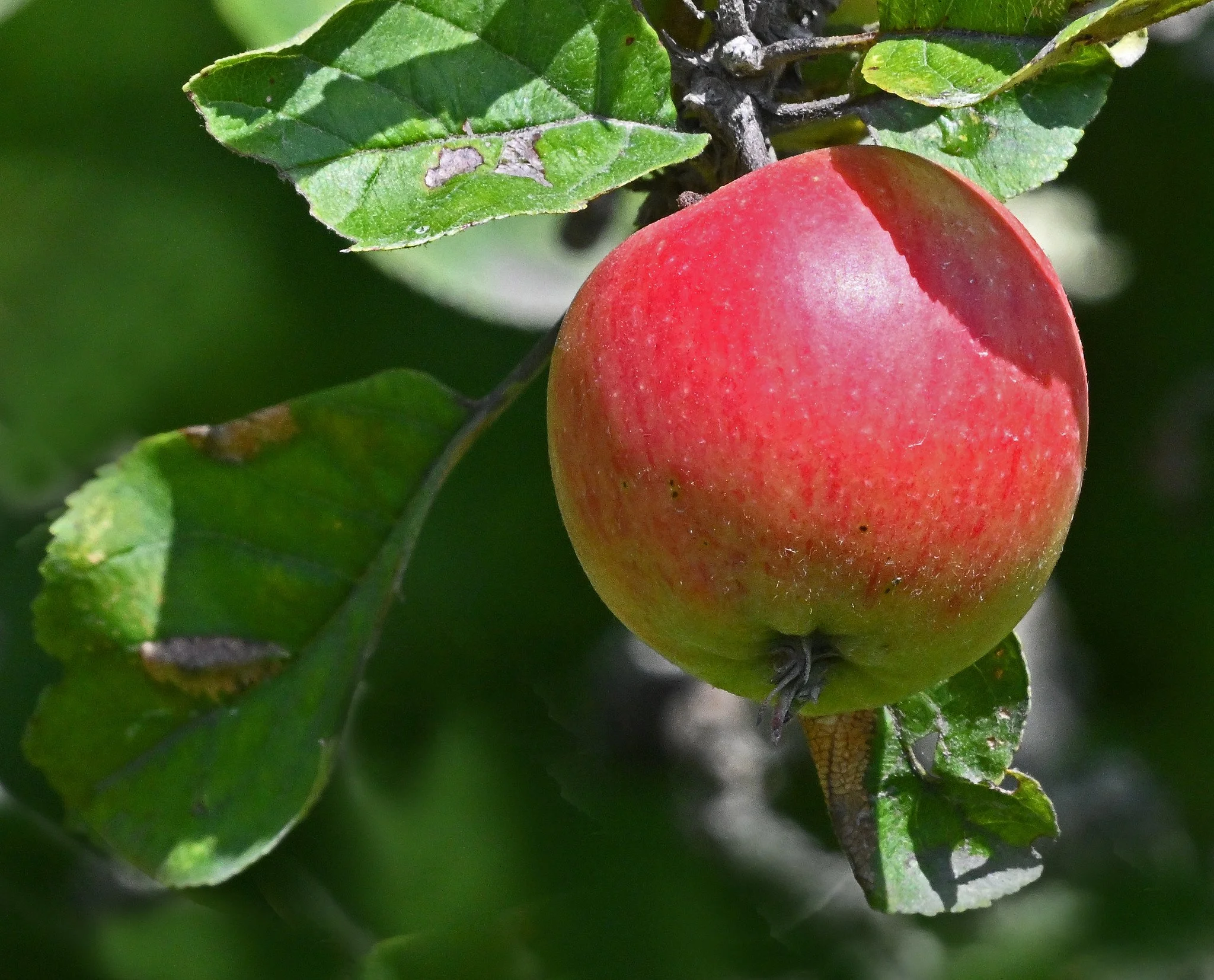
“Wild” (Abandoned) Apple Tree Fruit:

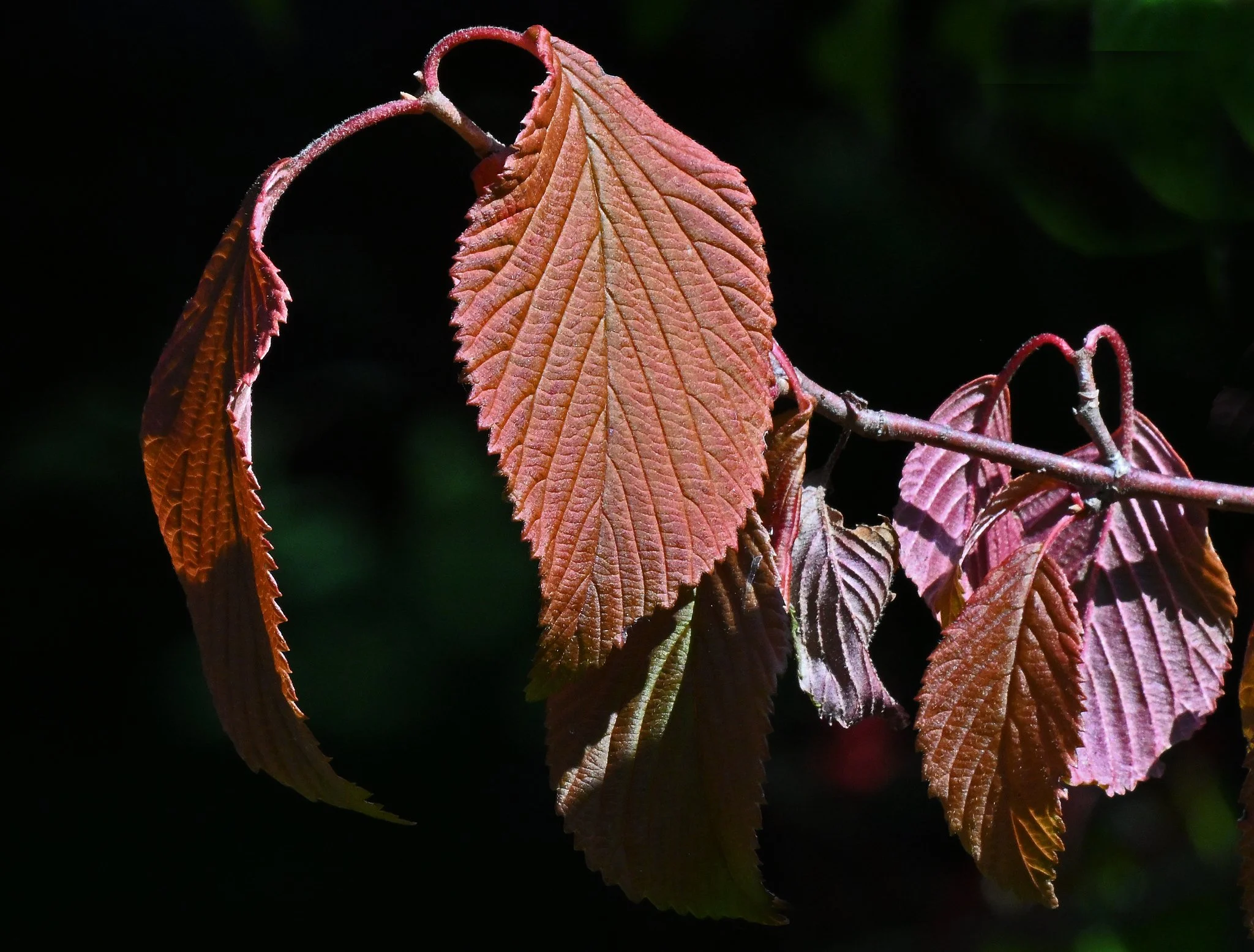
Many Viburnum Leaves Turned Red in August

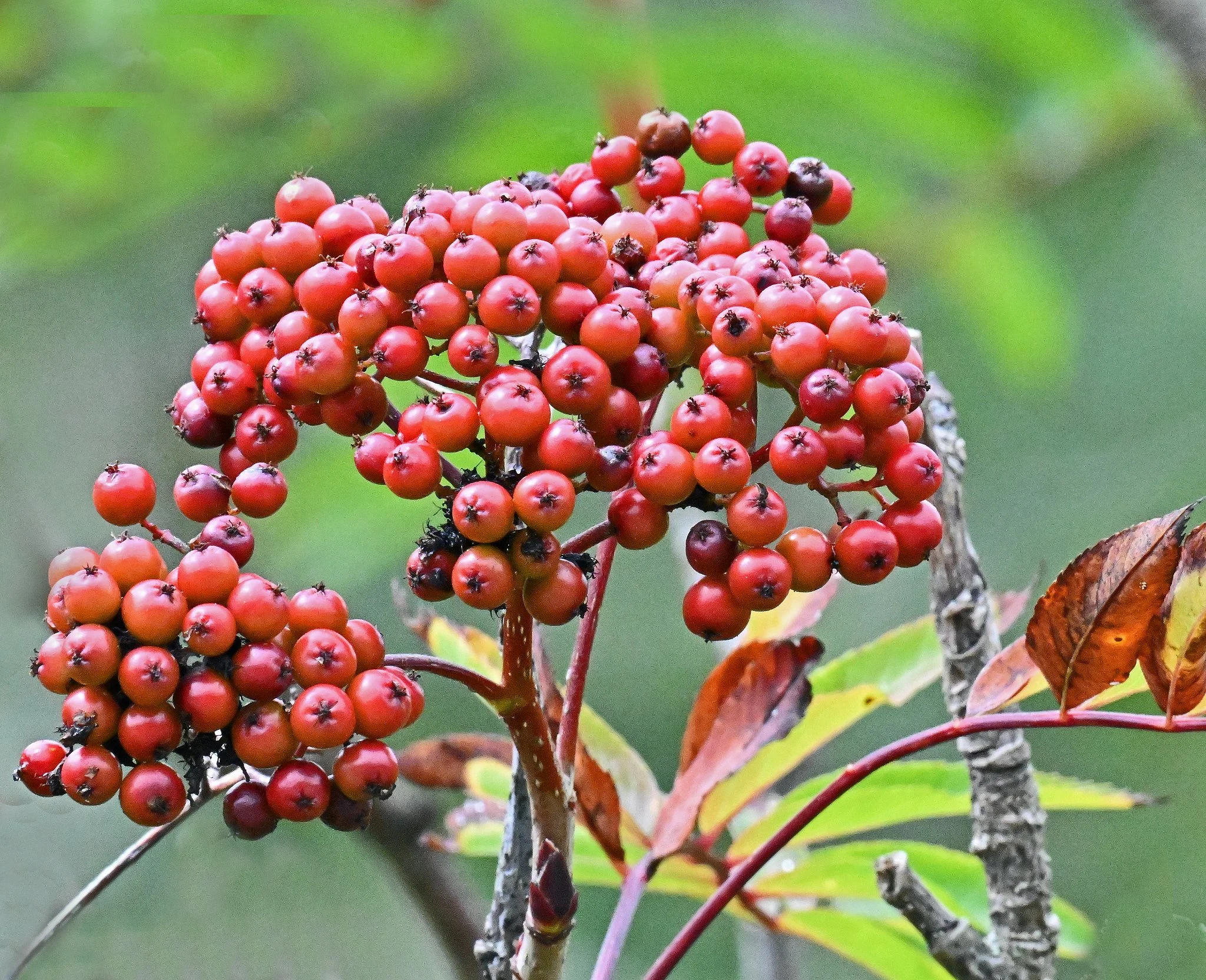
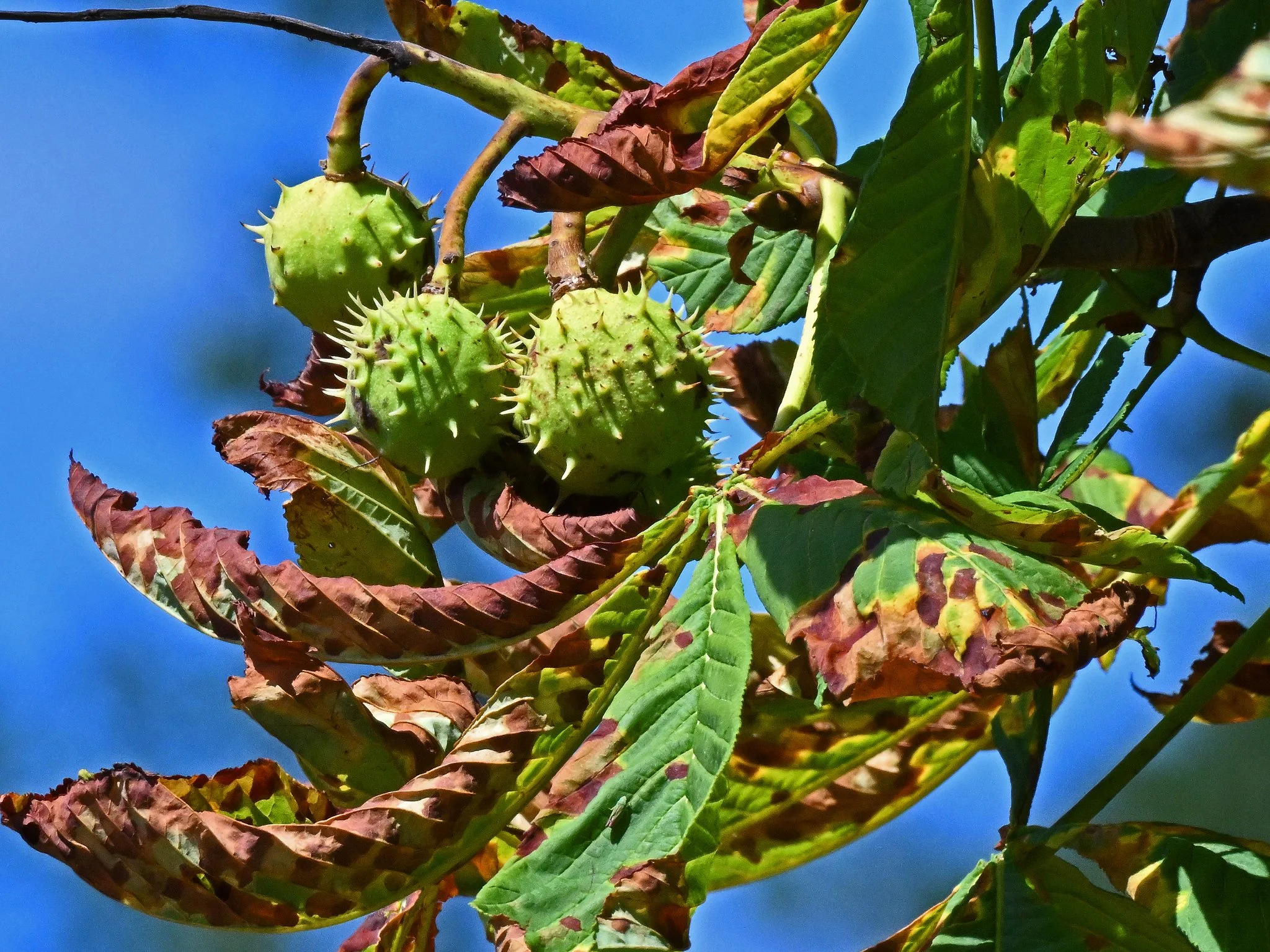
Rowan (Mountain Ash) and Horsechestnut Tree Fruit:

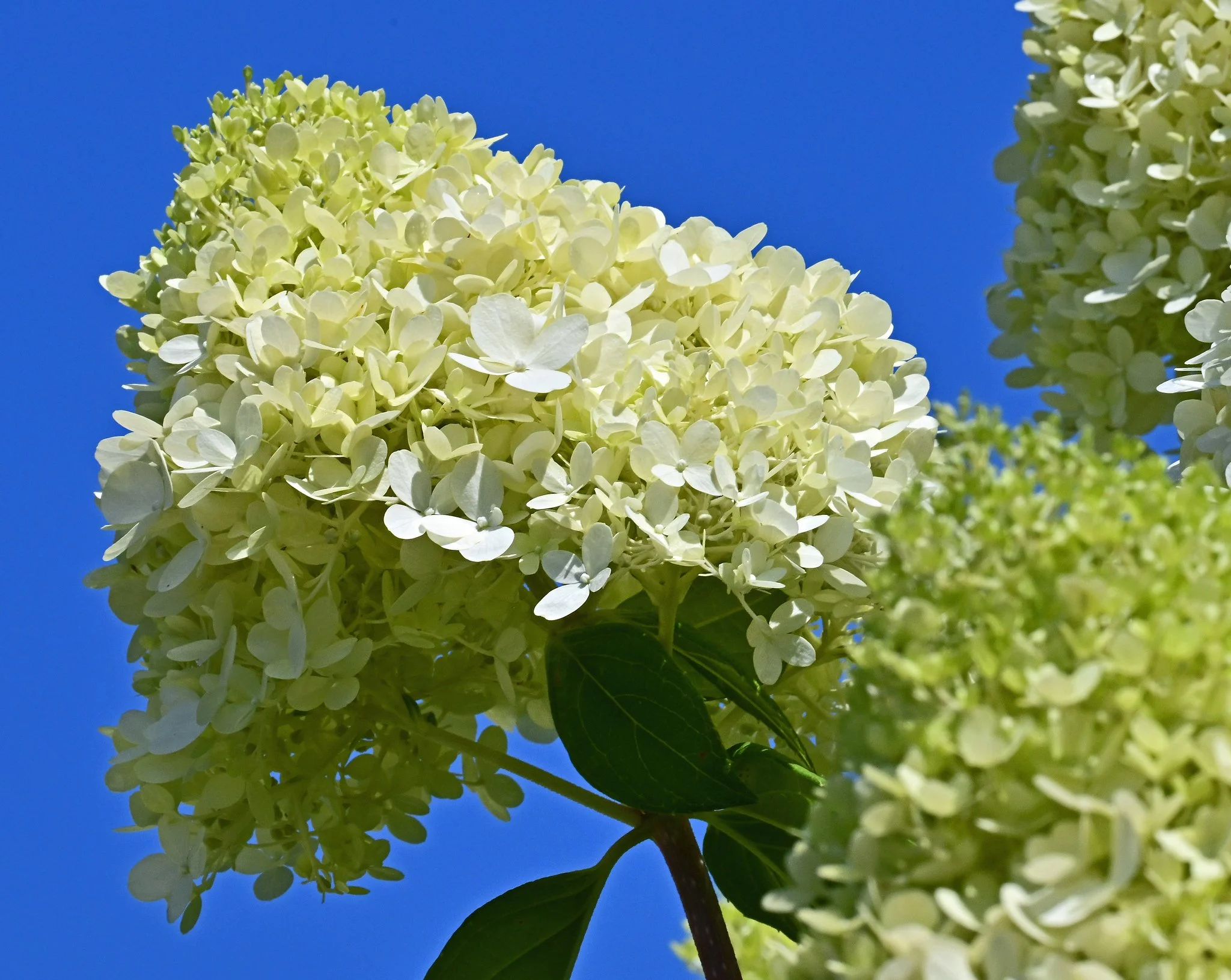
Hydrangia Blossoms Not Yet Fully-Flowered

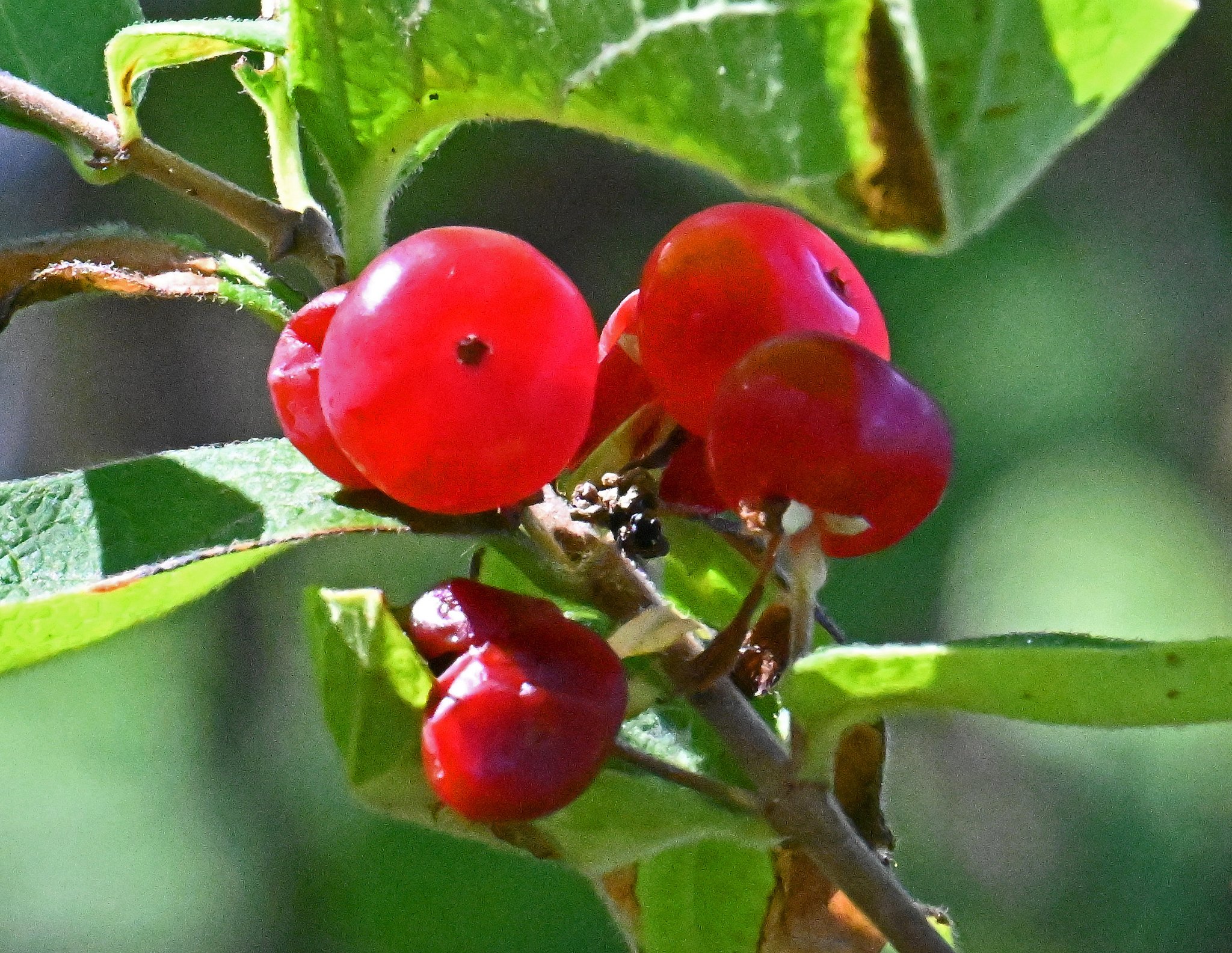
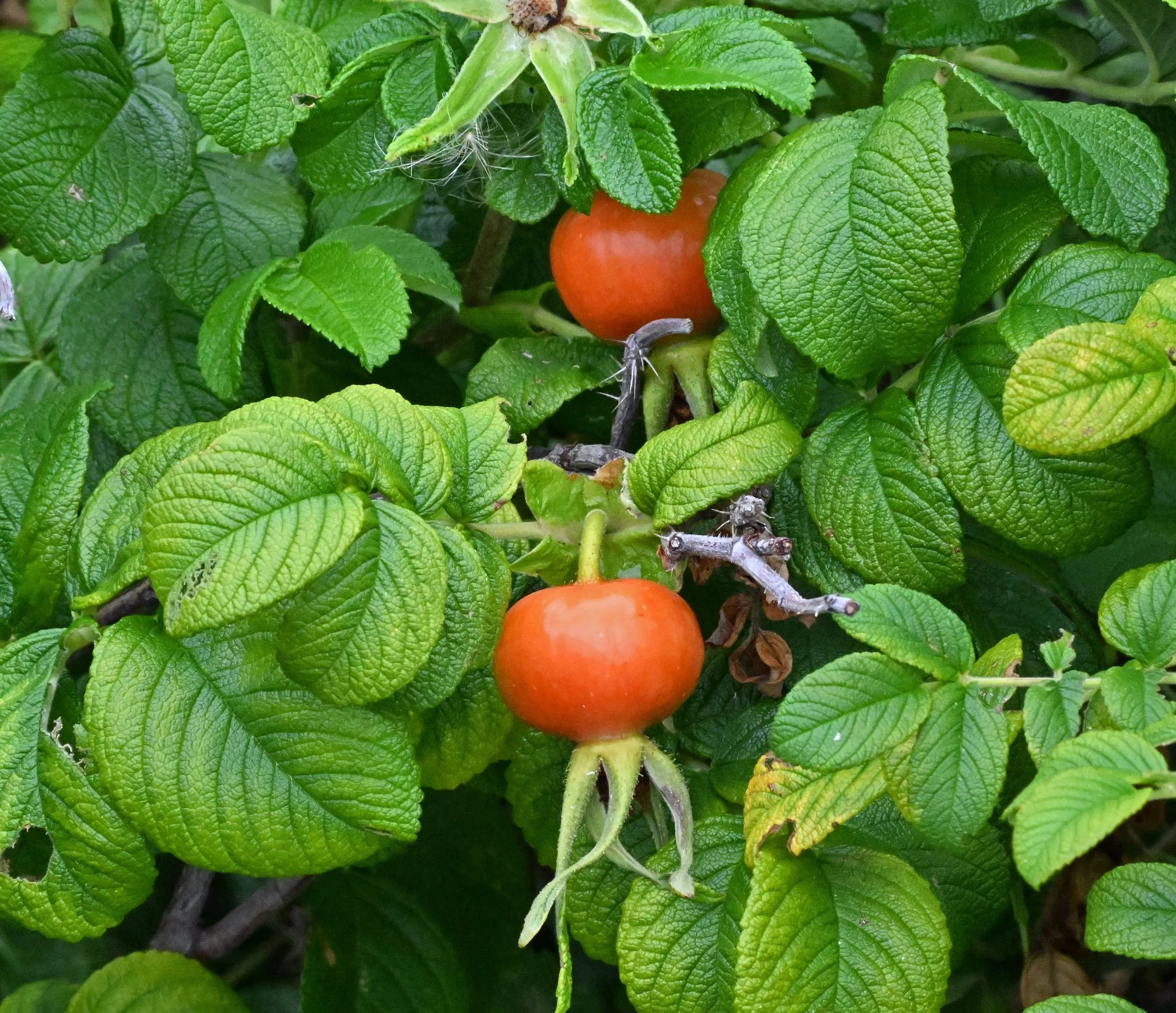
Asian Honeysuckle Berries and Beach Rose (Rosa Rugosa) Hips

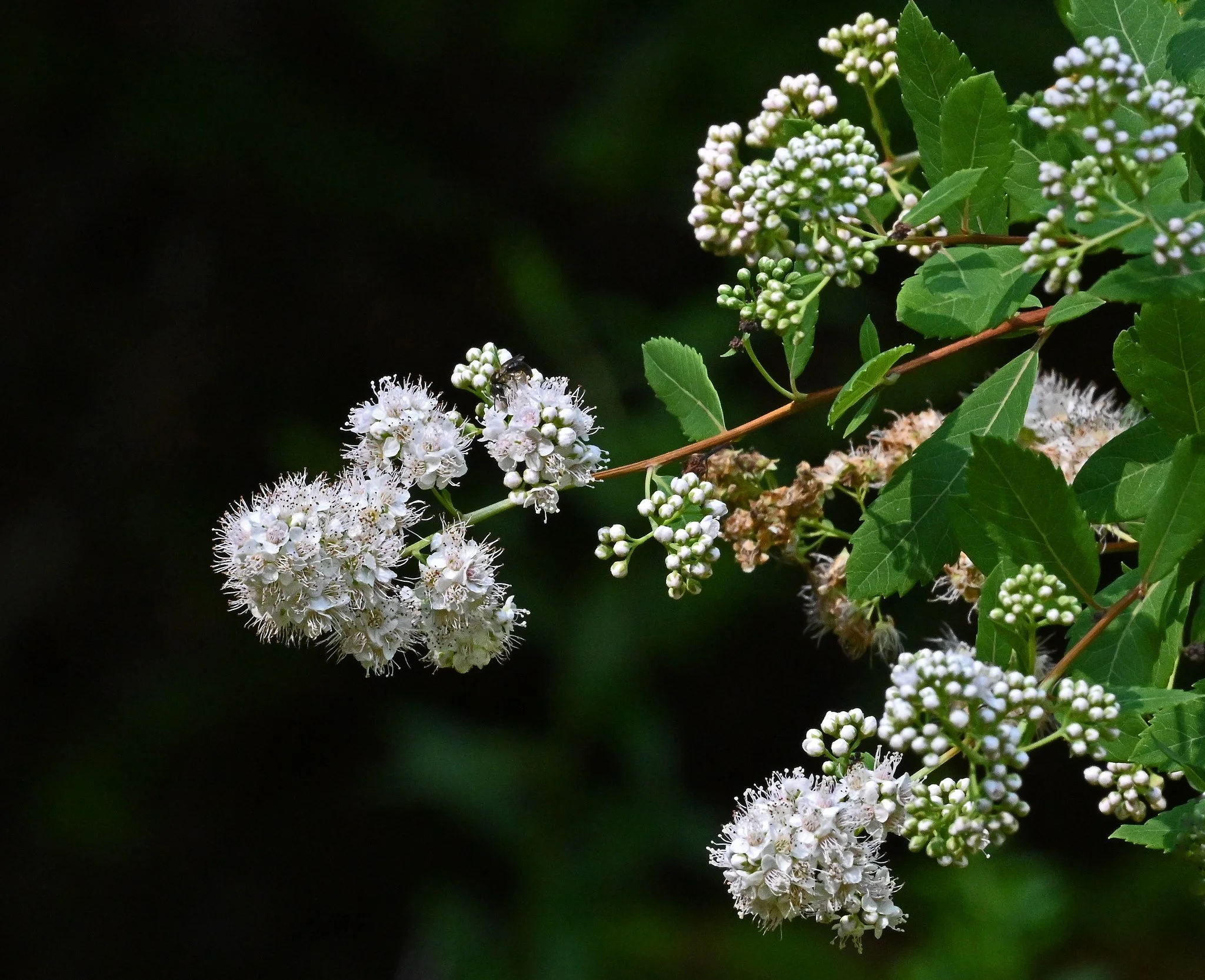
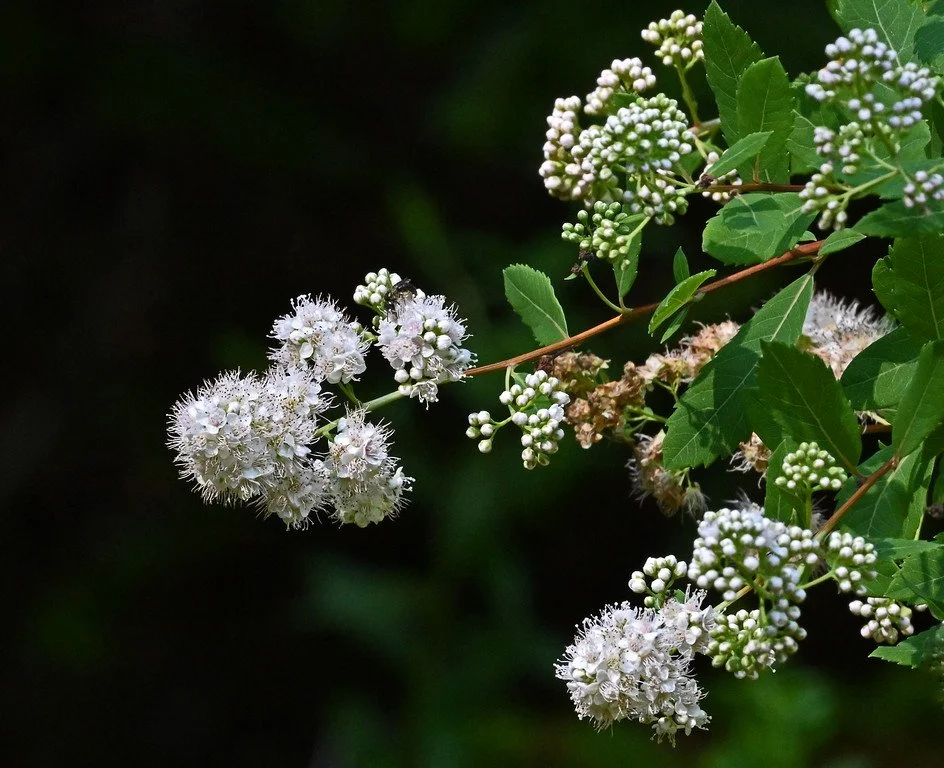
White Meadowsweet Blossoming

A FEWOF THE WILDFLOWERS

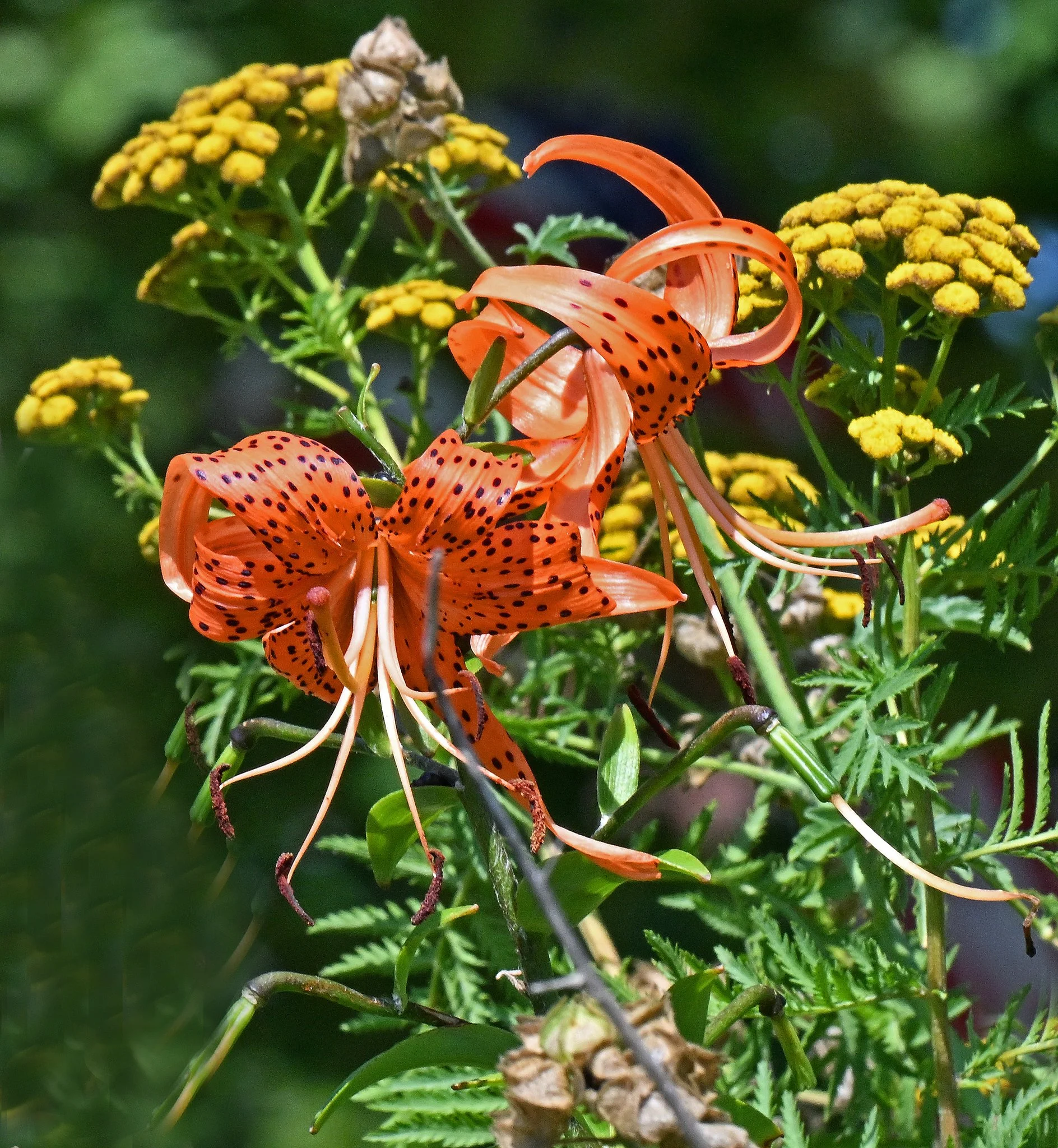
Tiger Liles Tangled in Tansy

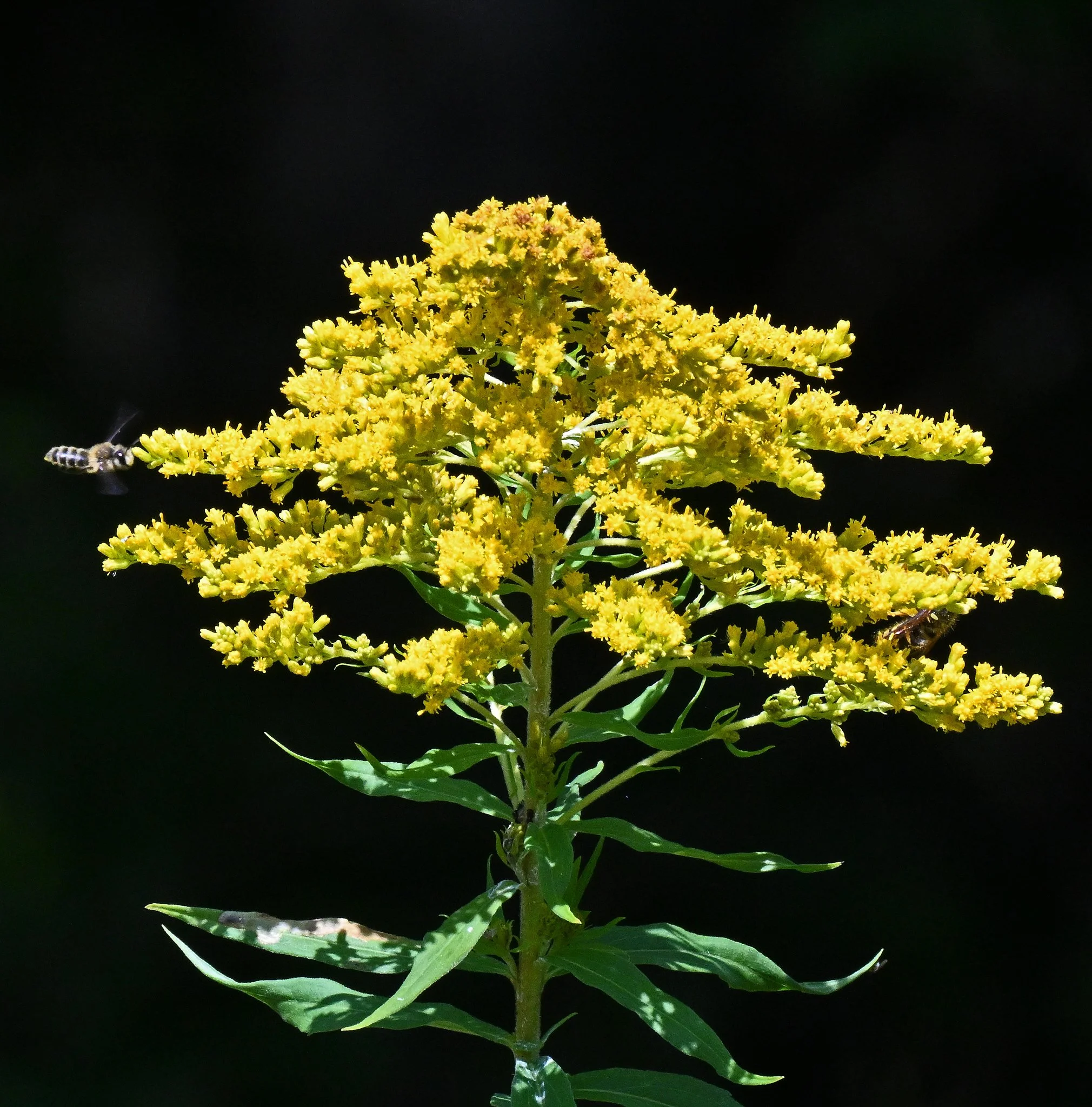
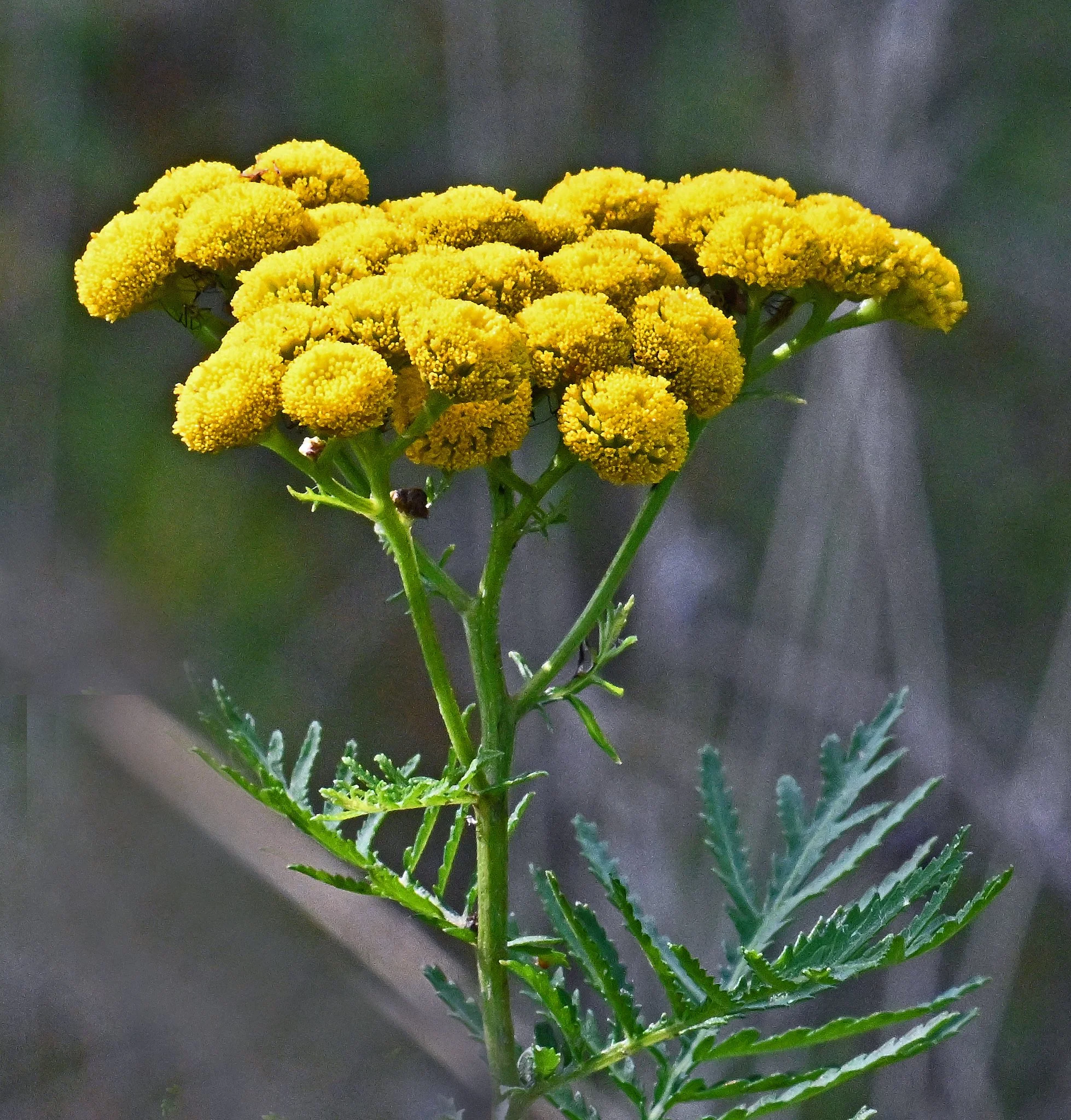
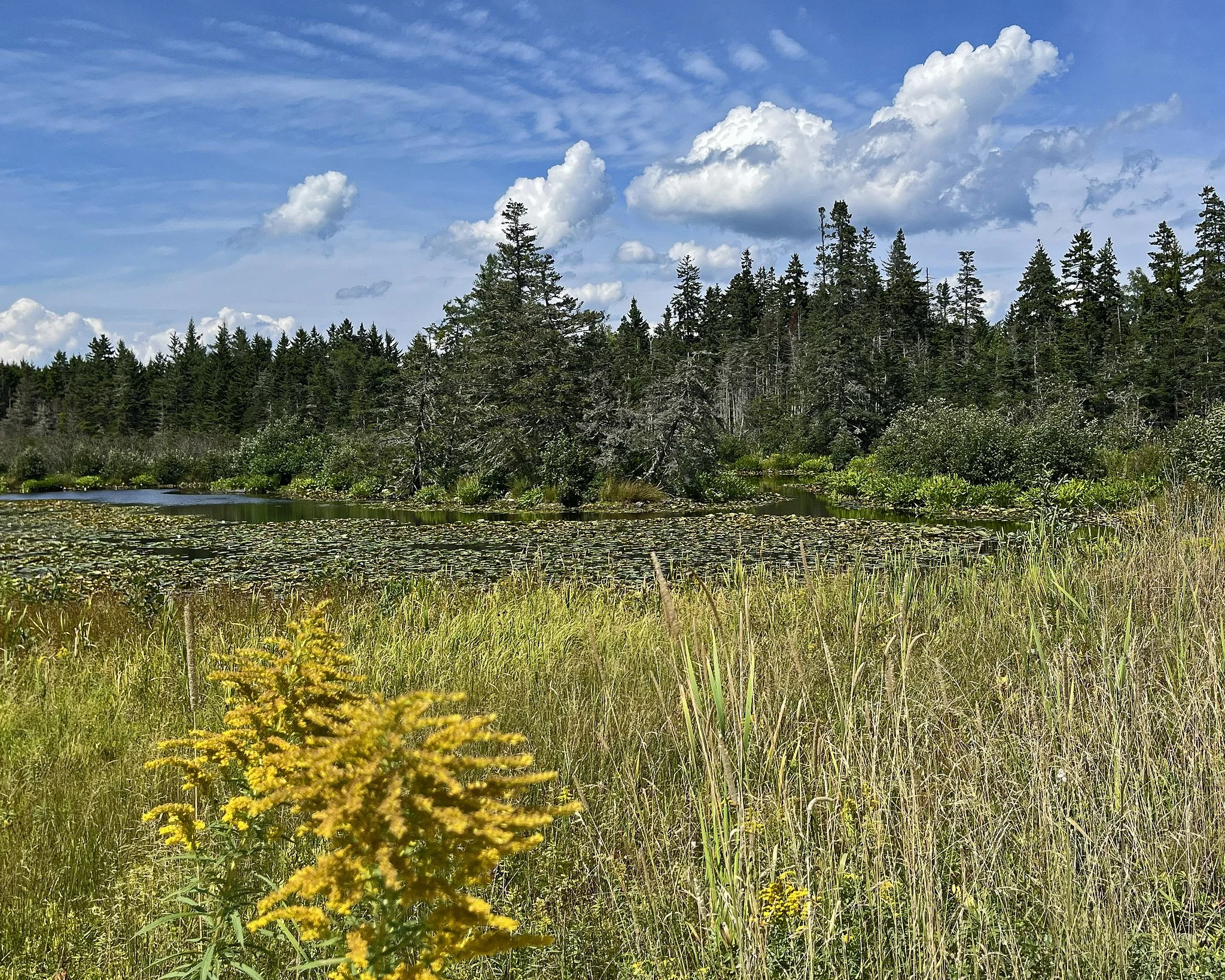
Goldenrod and Tansy:

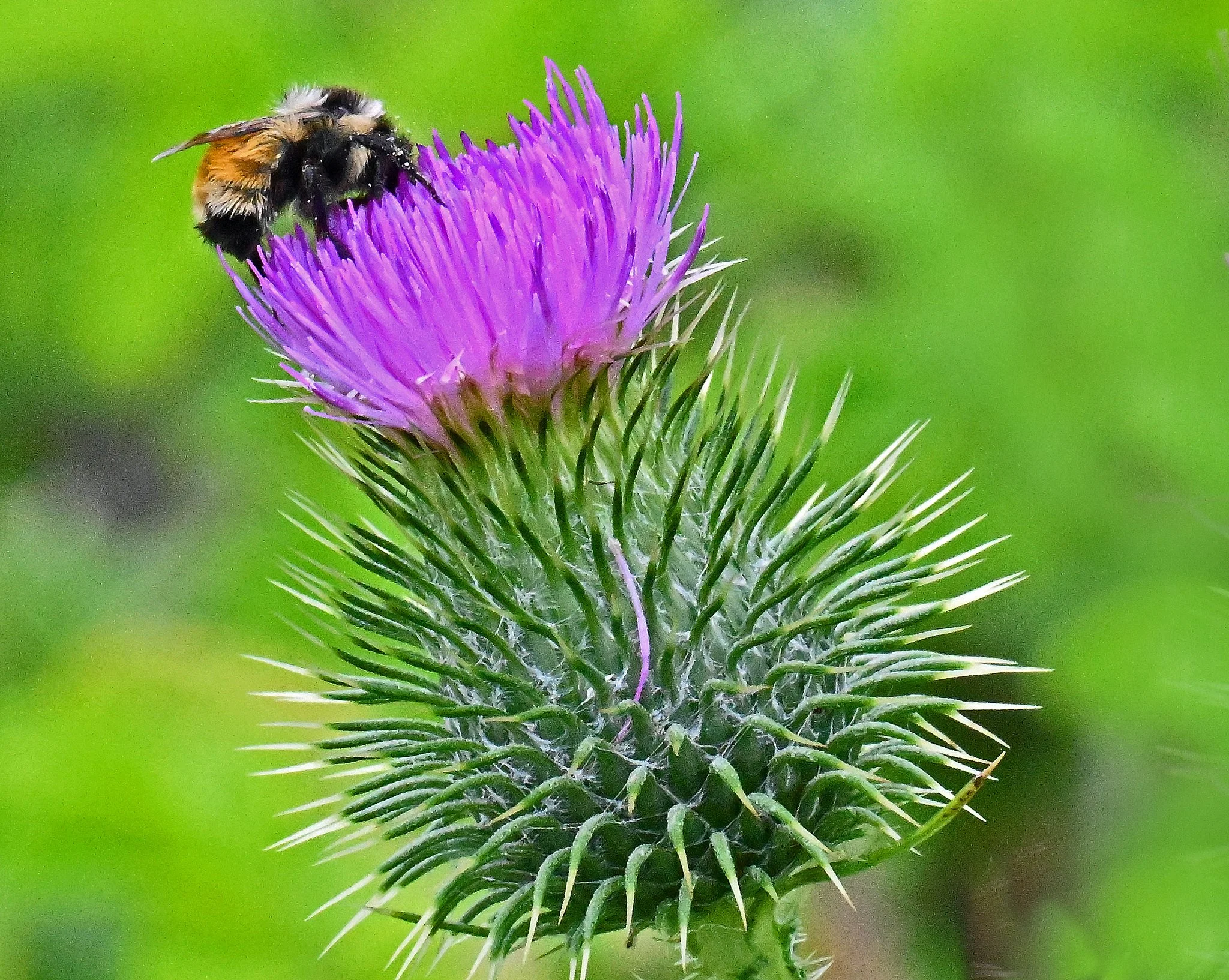
Bull Thistle with Friend (Tricolored Bumblebee)

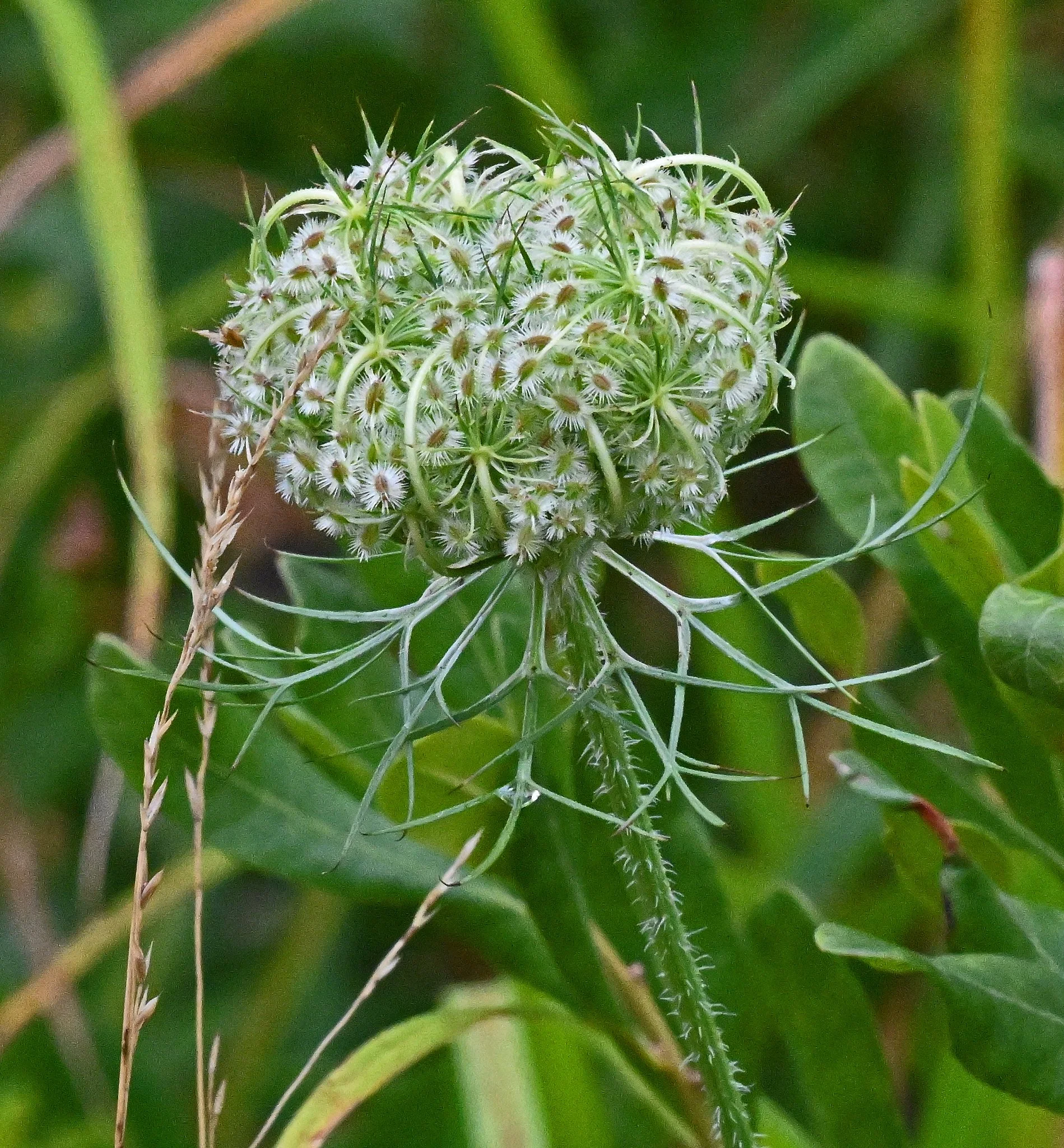
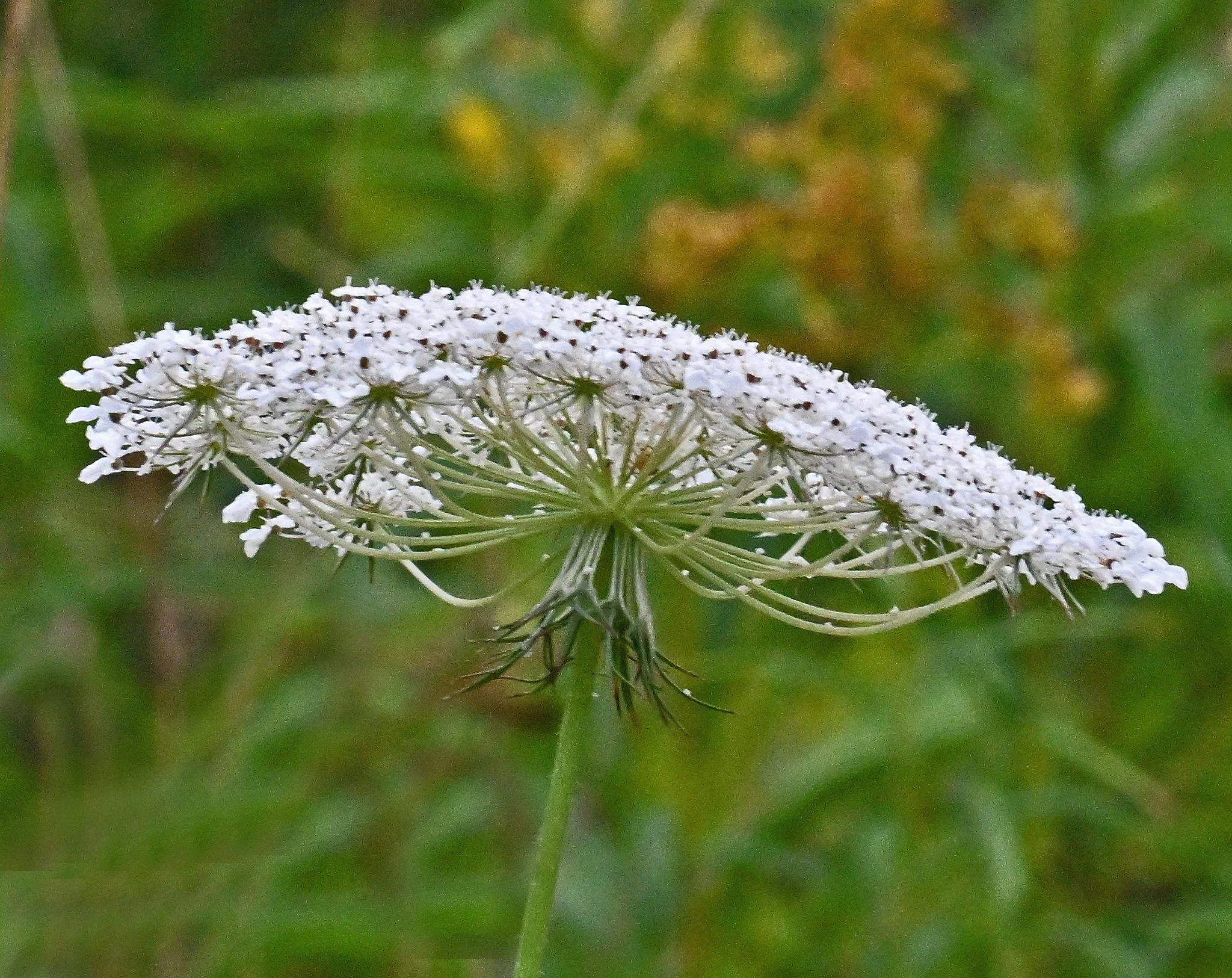
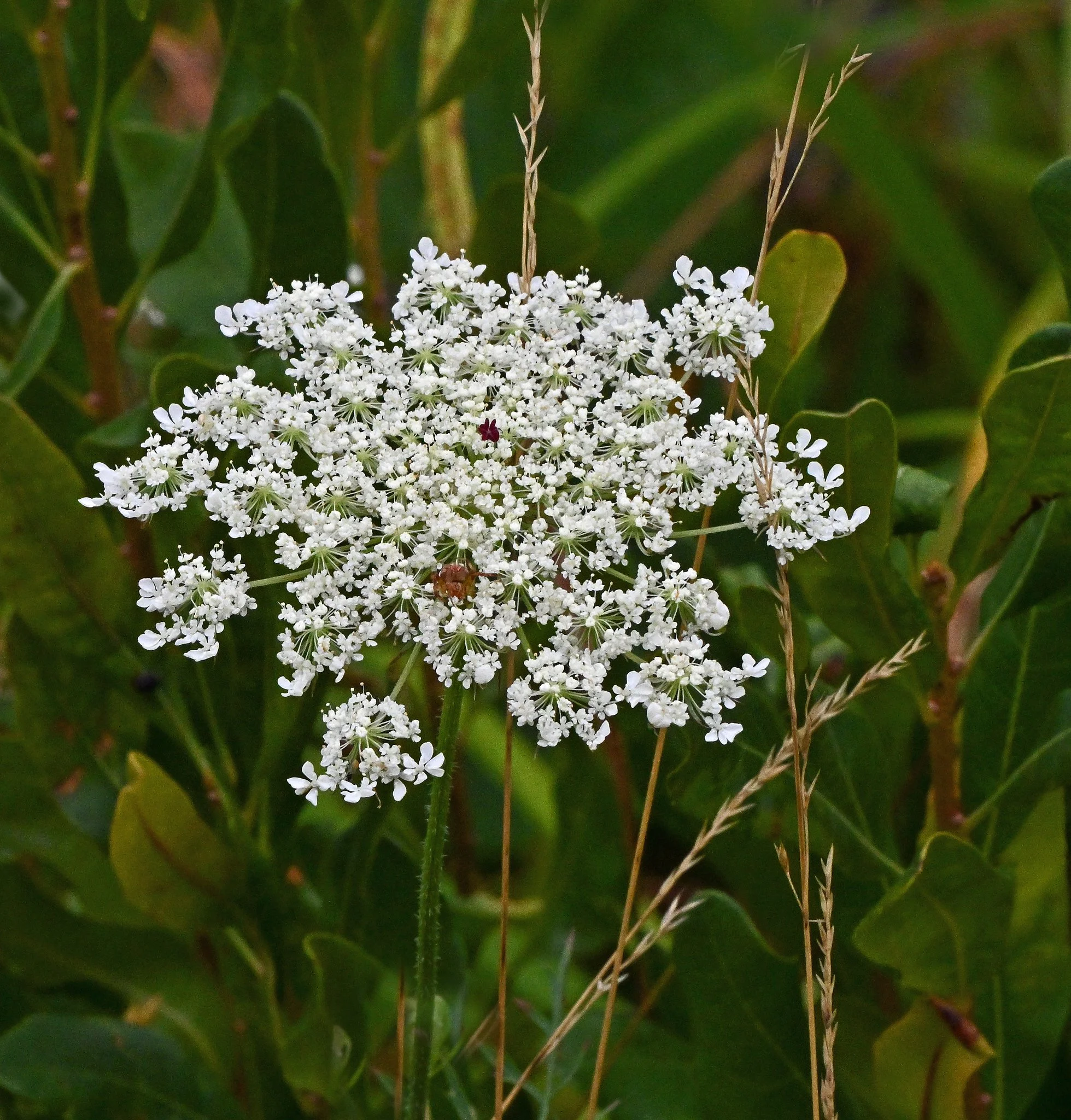
Queen Anne’s Lace:

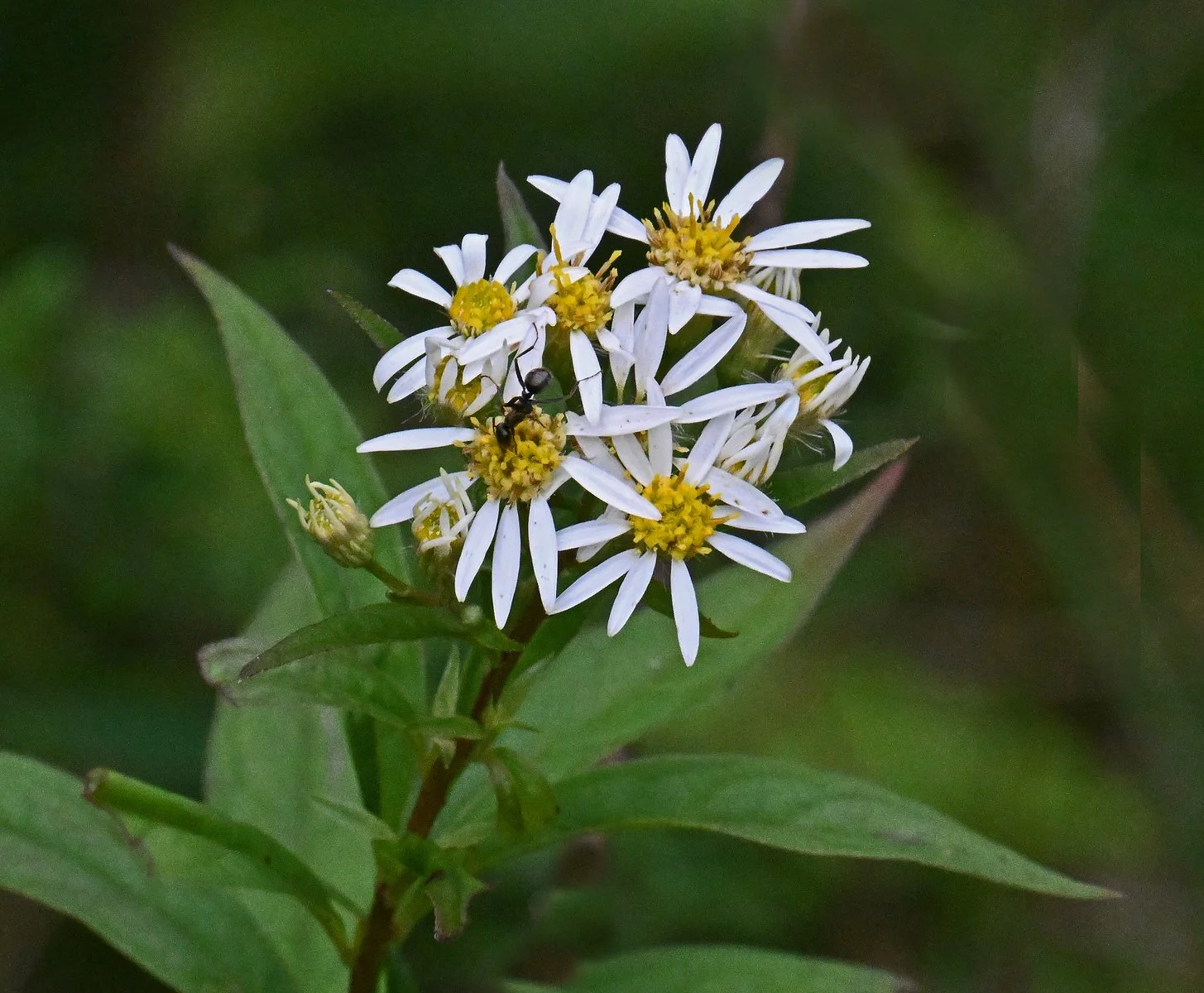
Fading Starflower

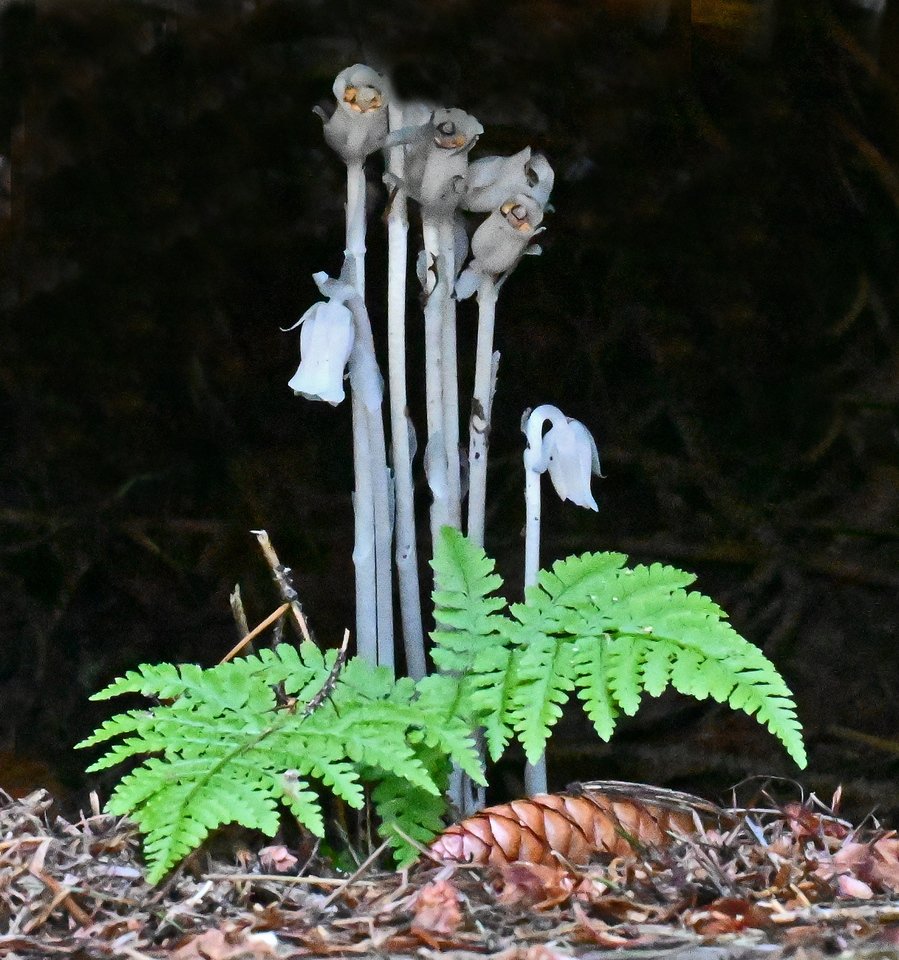
Daisy Fleabane and Ghost Pipes (Yes, Ghost Pipes Are Wildflowers):

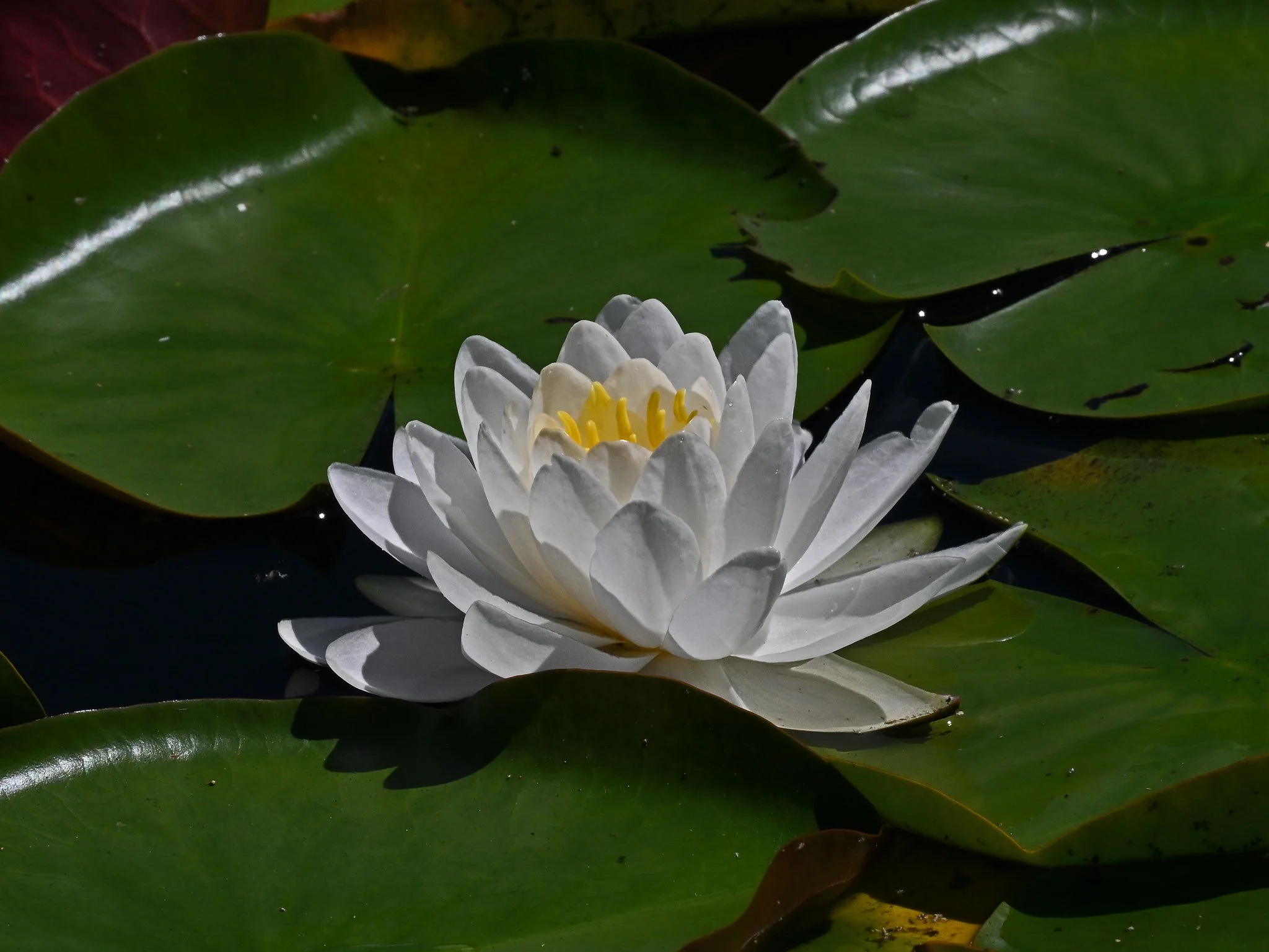
Fragrant Water Lily

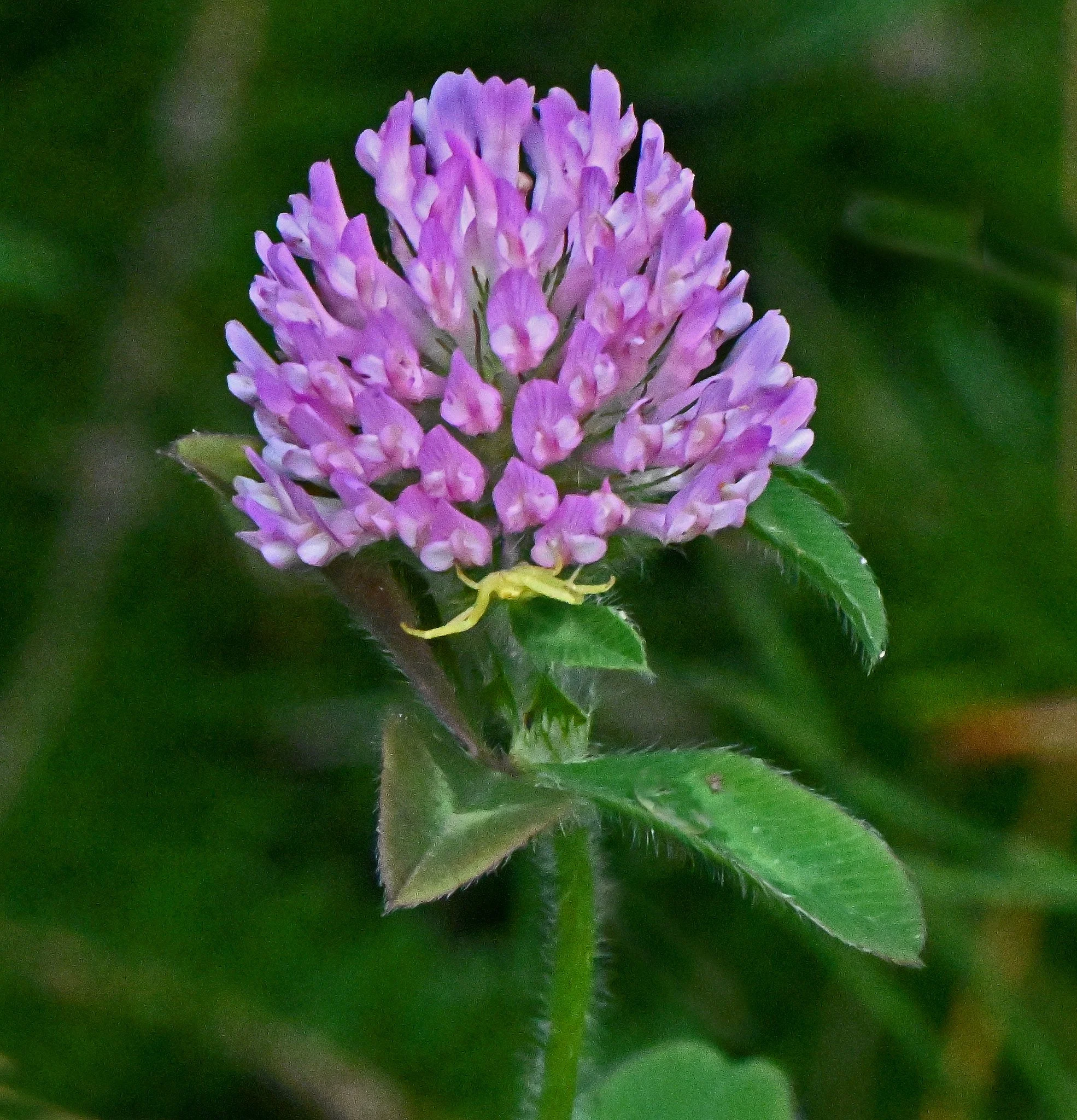
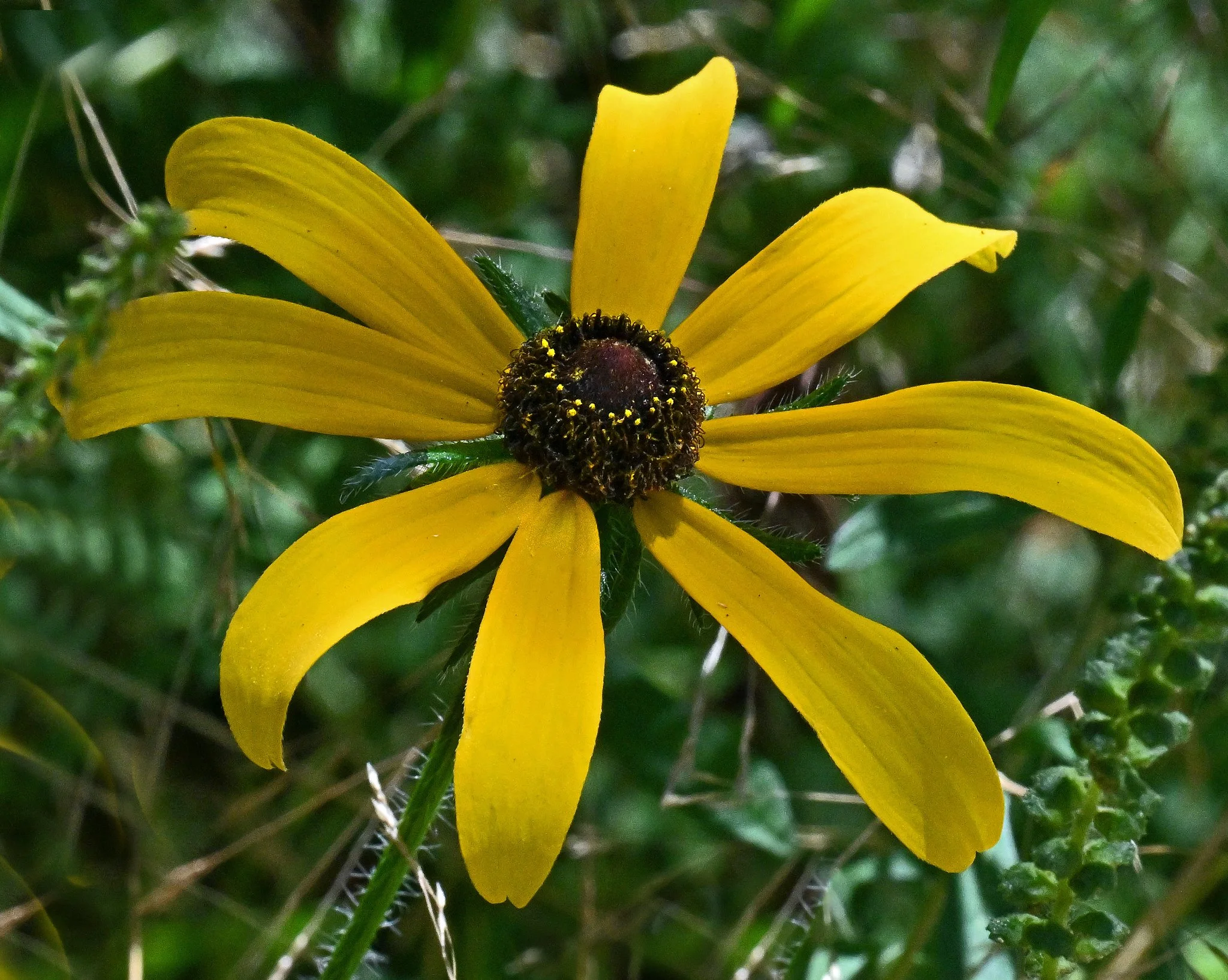
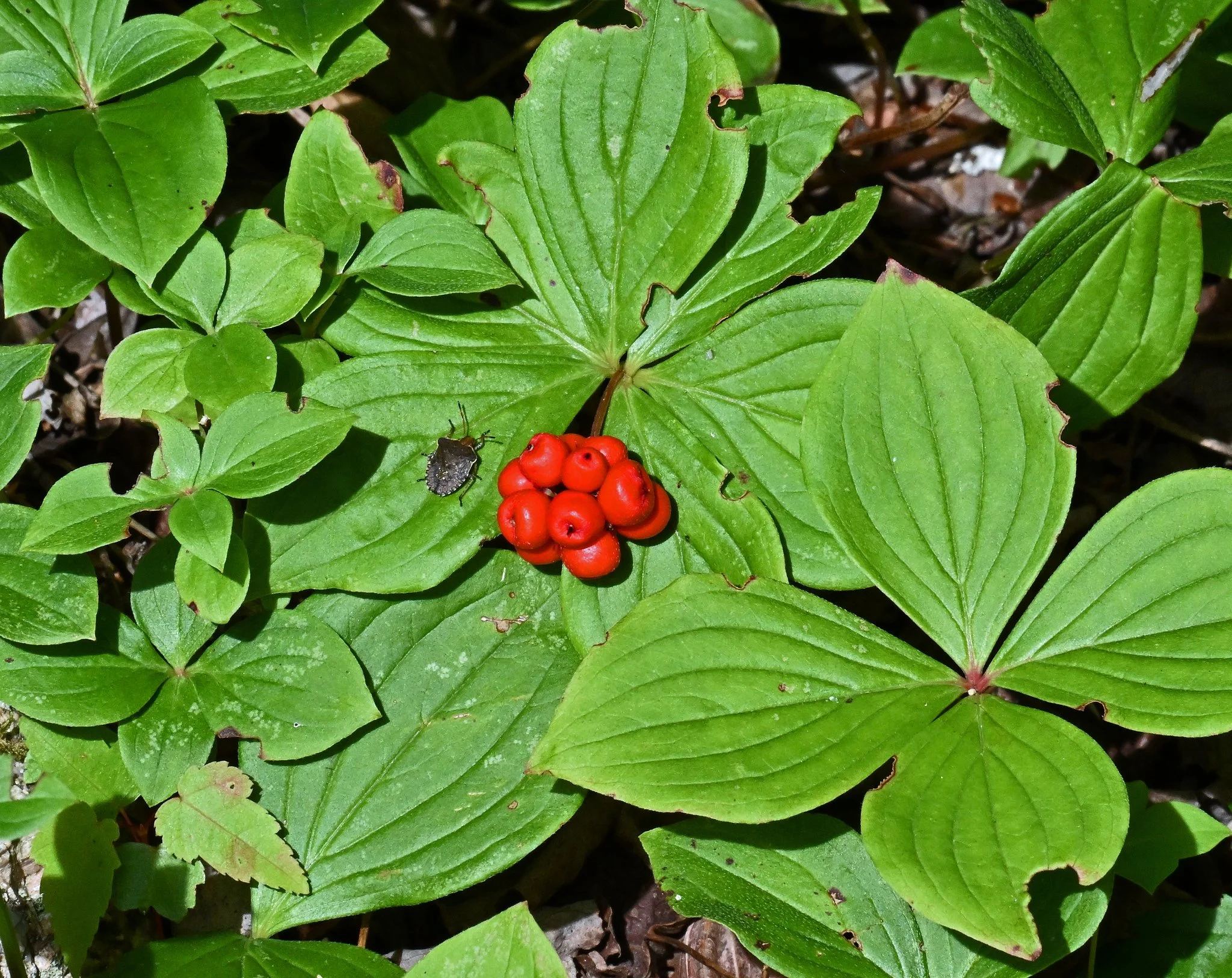
Clover, Black-eyed Susan and Bunchberry:

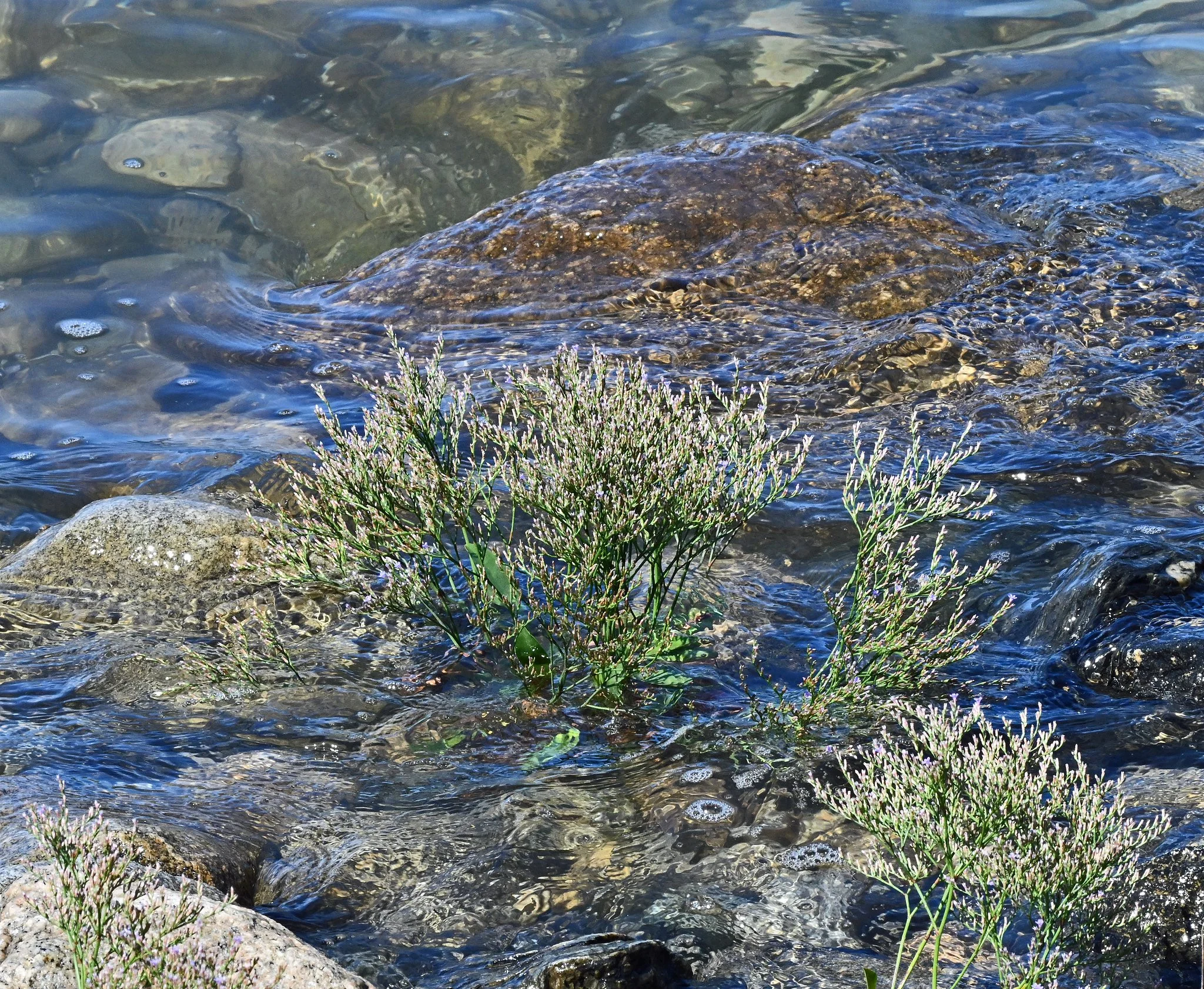
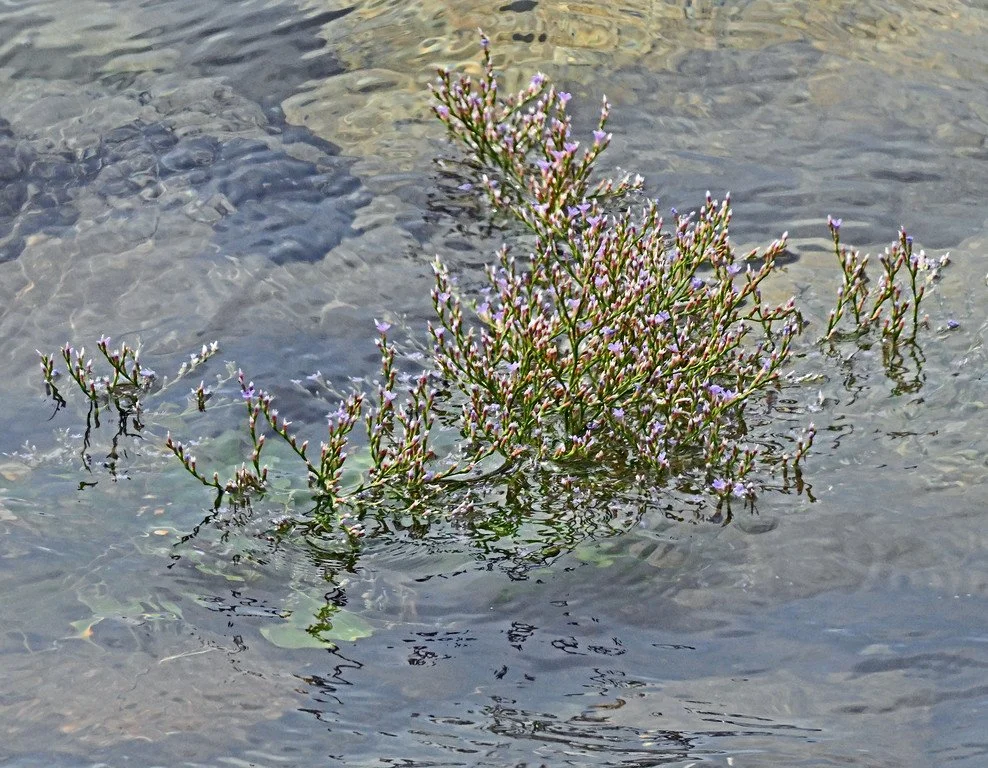
Sea Lavender About to Be Underwater Lavender

TOKEN FUNGI AND FERN

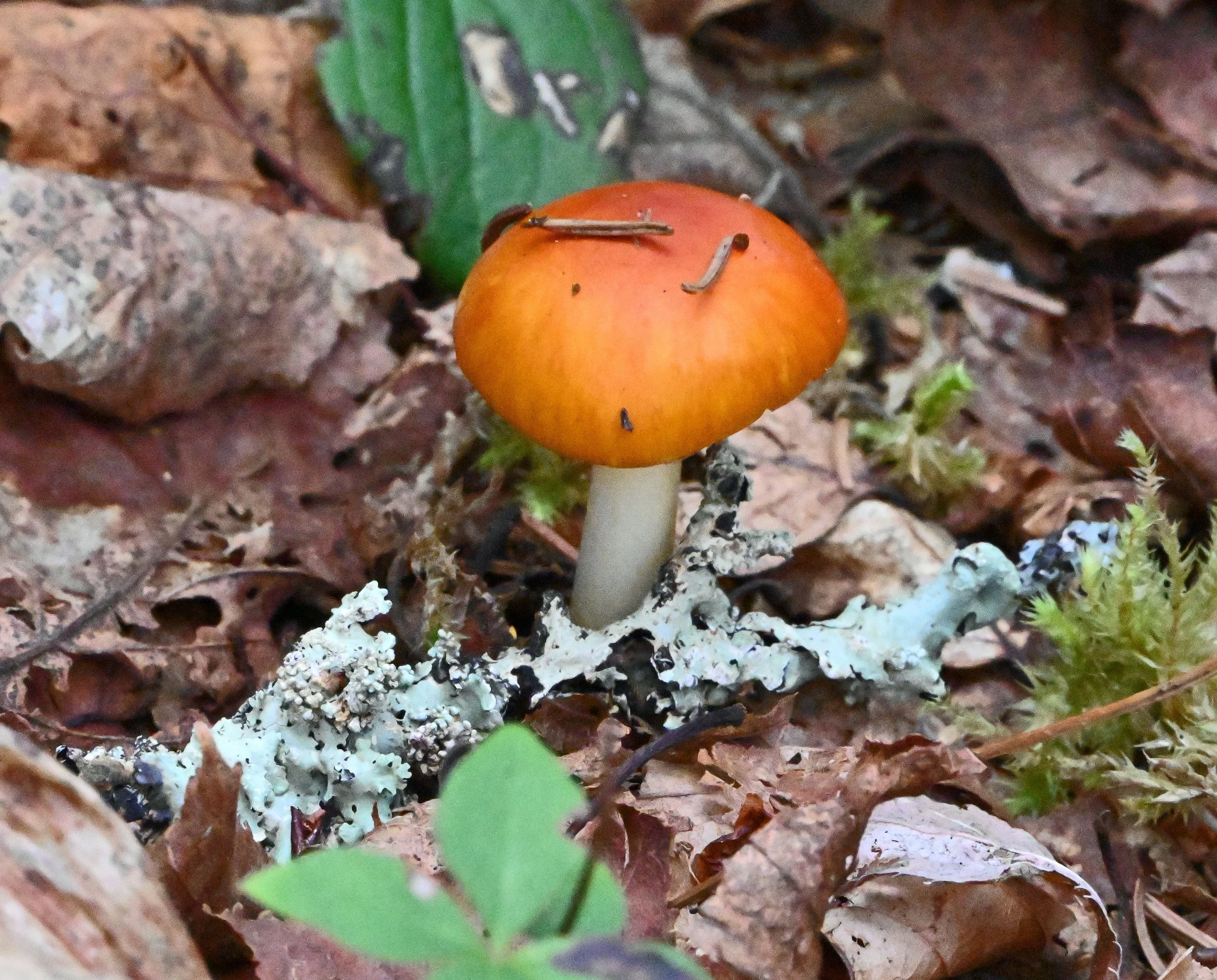
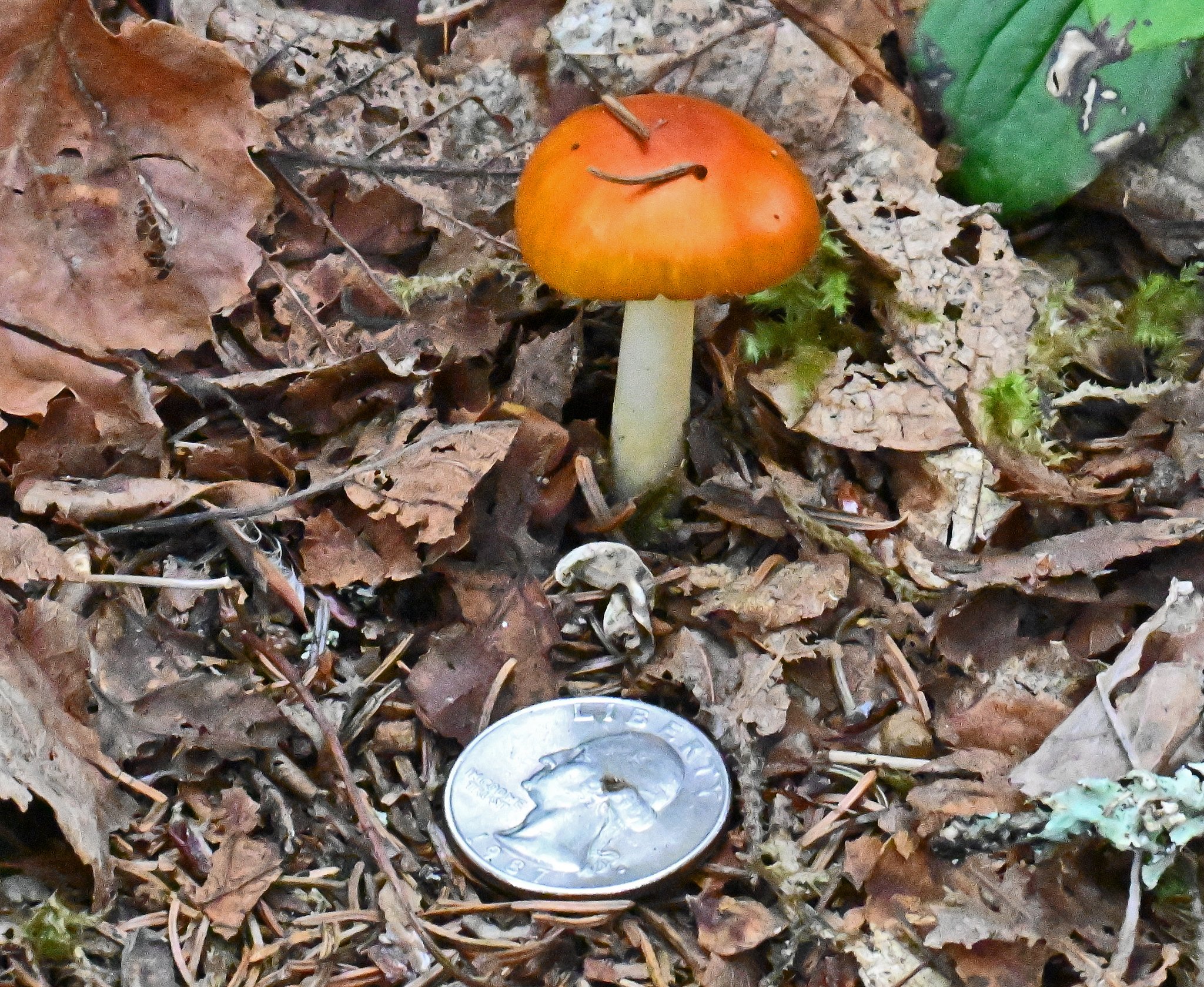
Small Mushroom (Amanita jacksonii?):

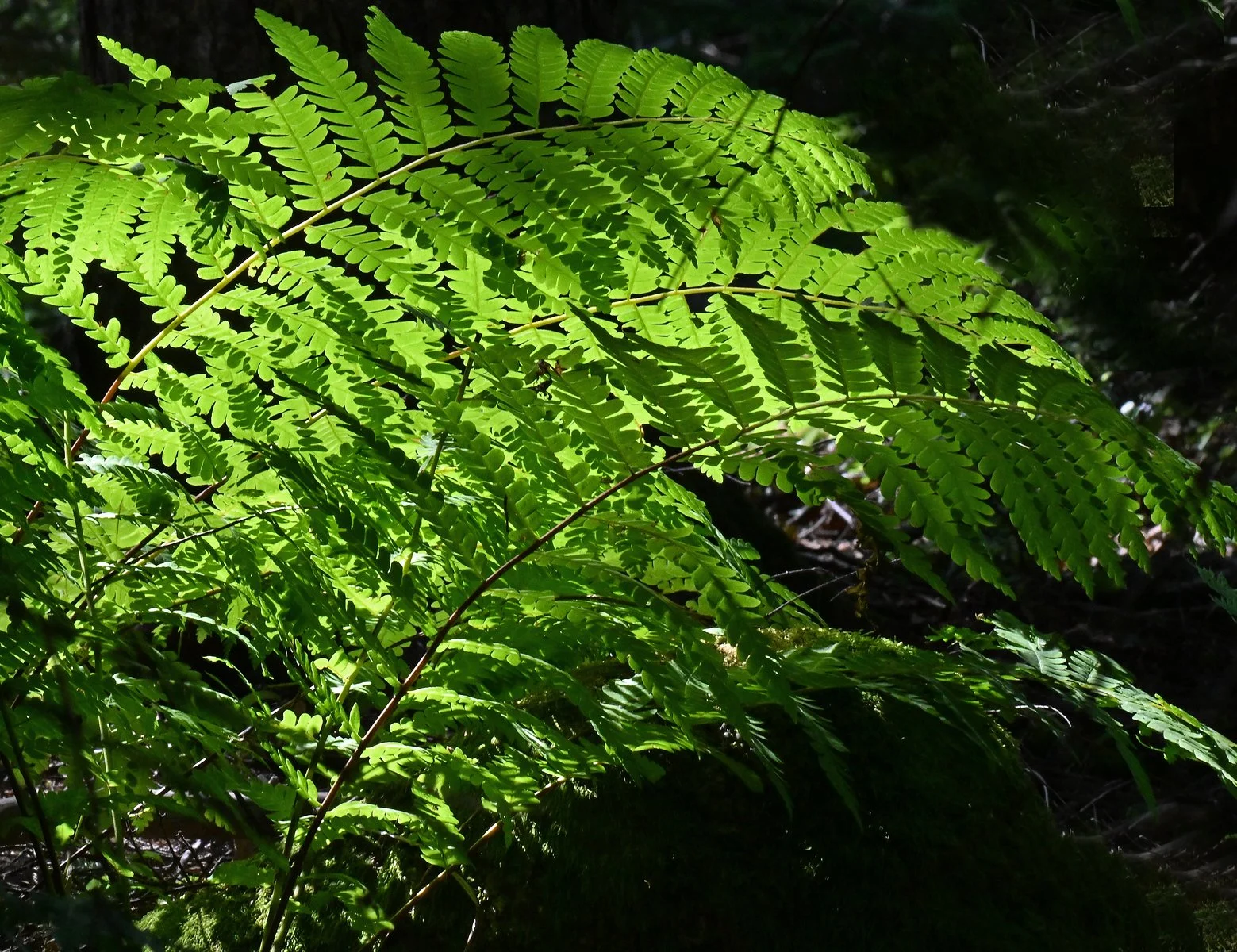
Cinnamon Fern Tsunami

SAMPLING THE GARDENS

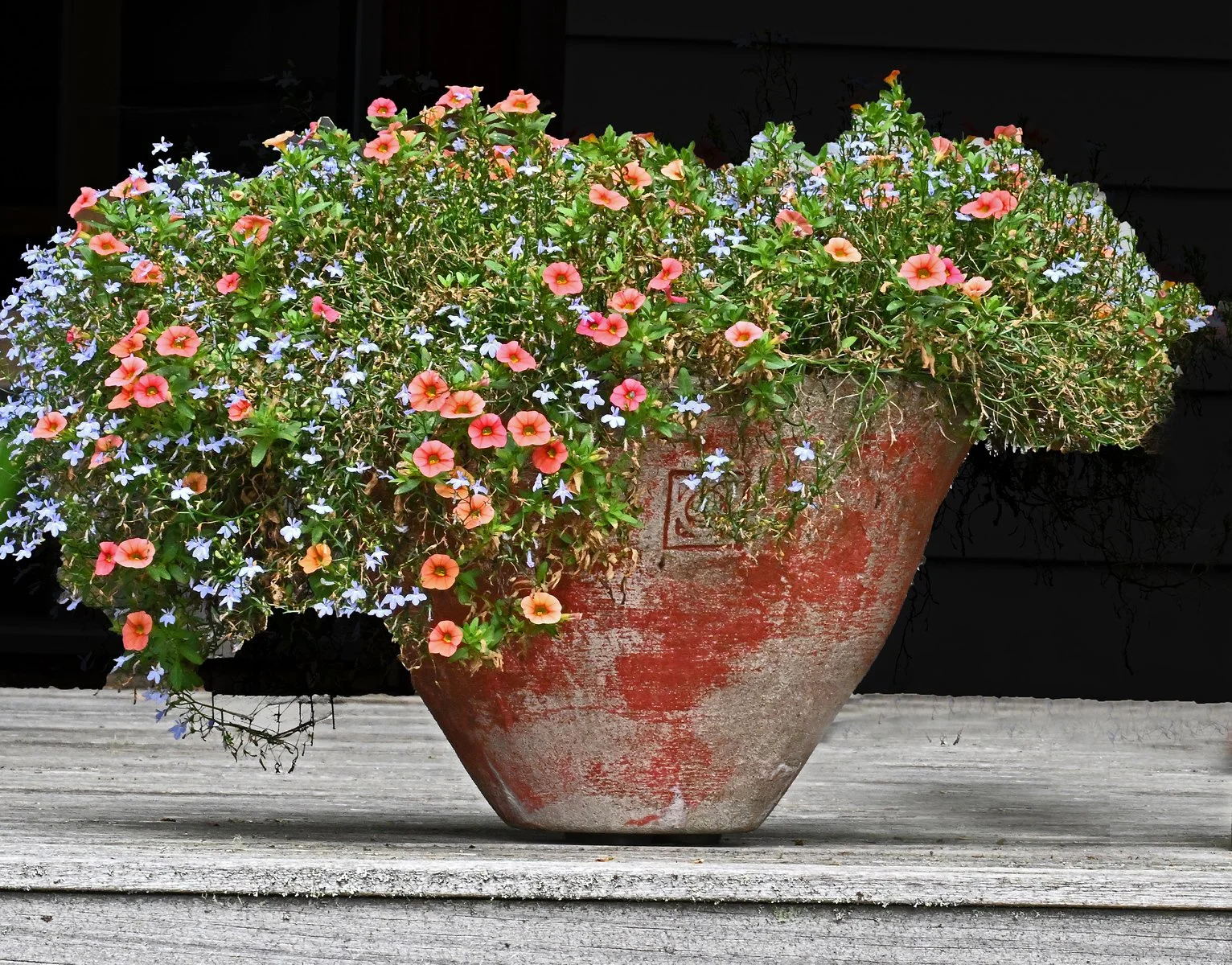
Petunias and Petunia Look-Alikes:

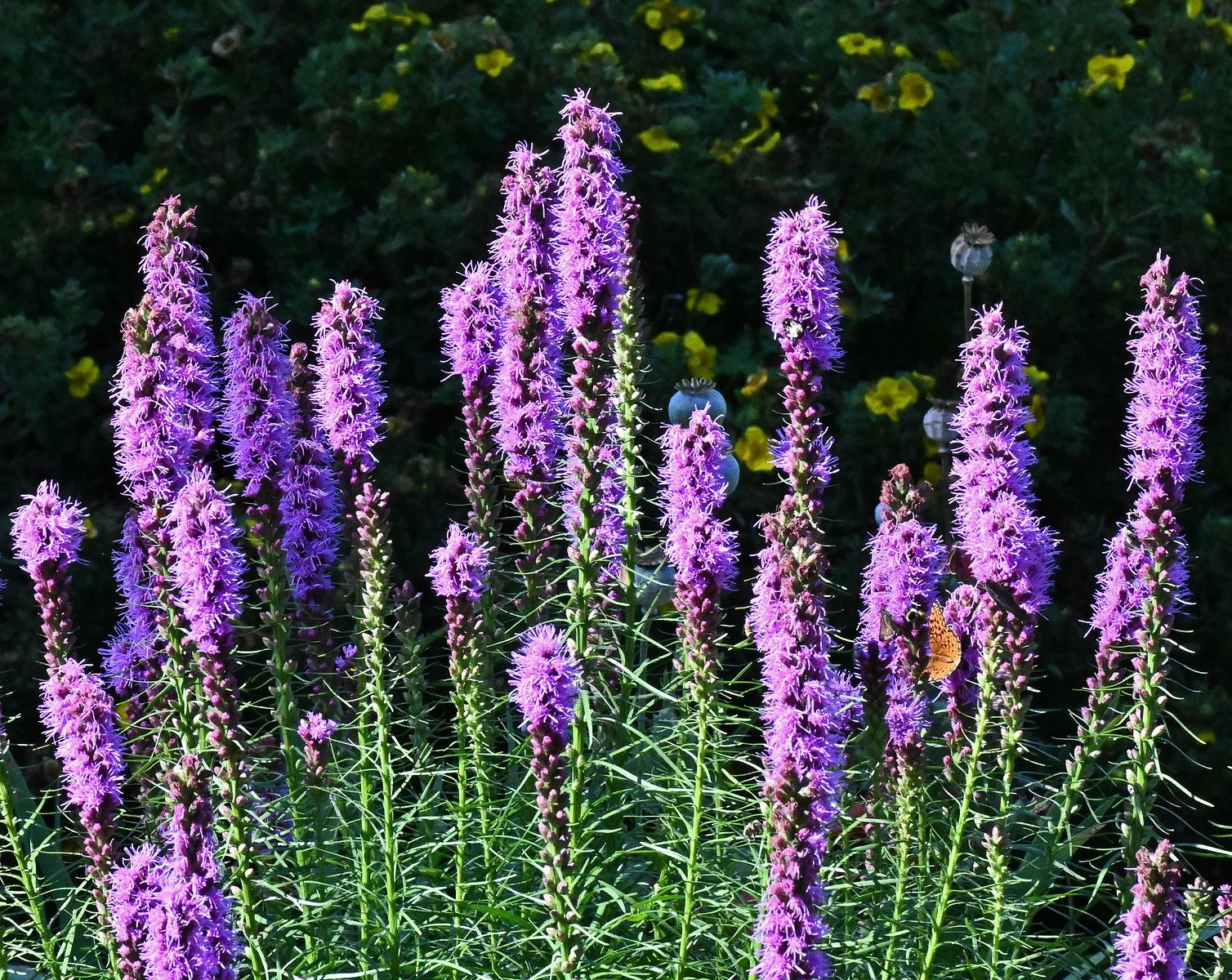
Liatris

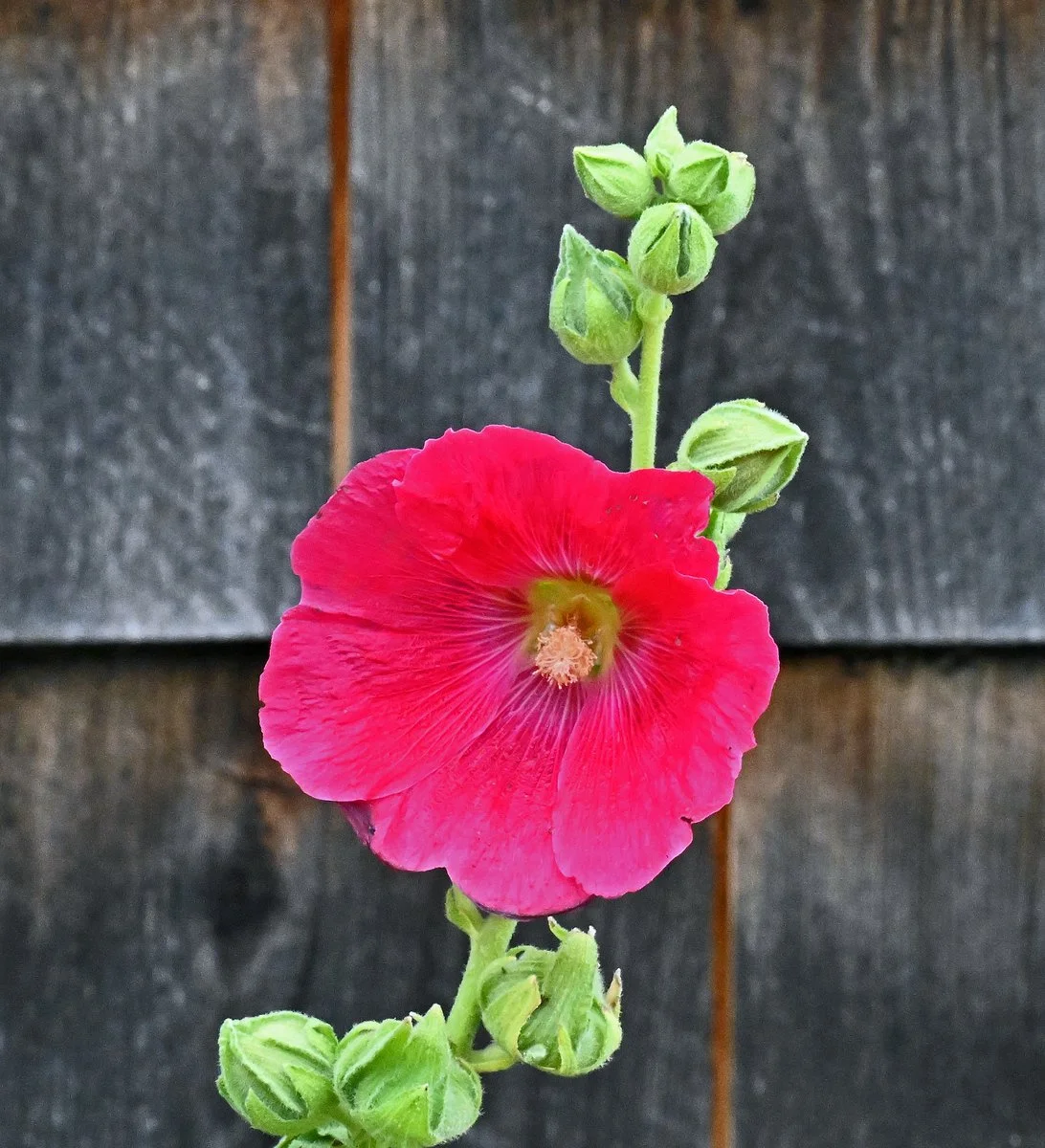
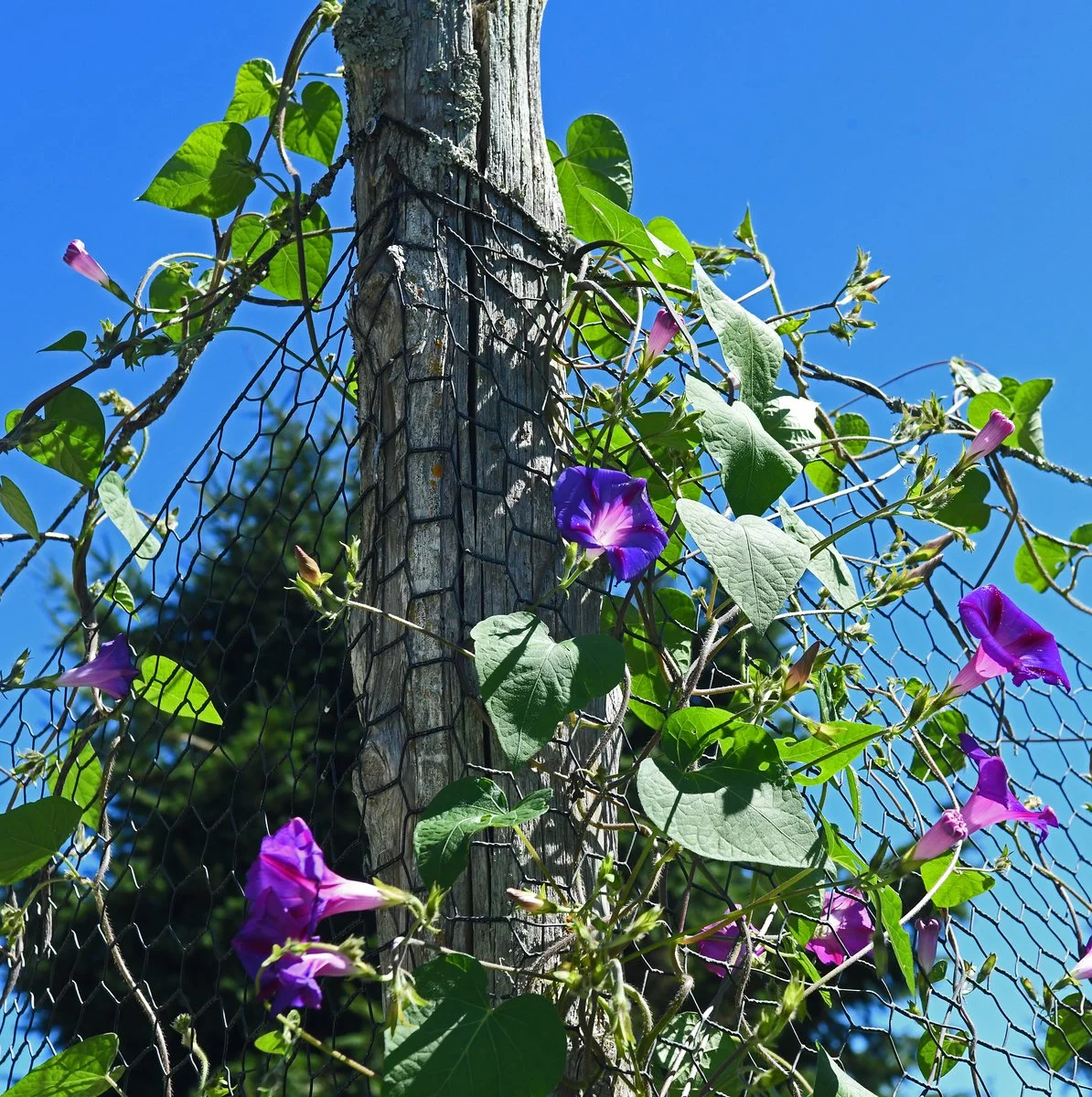
Hollyhock and Morning Glory:

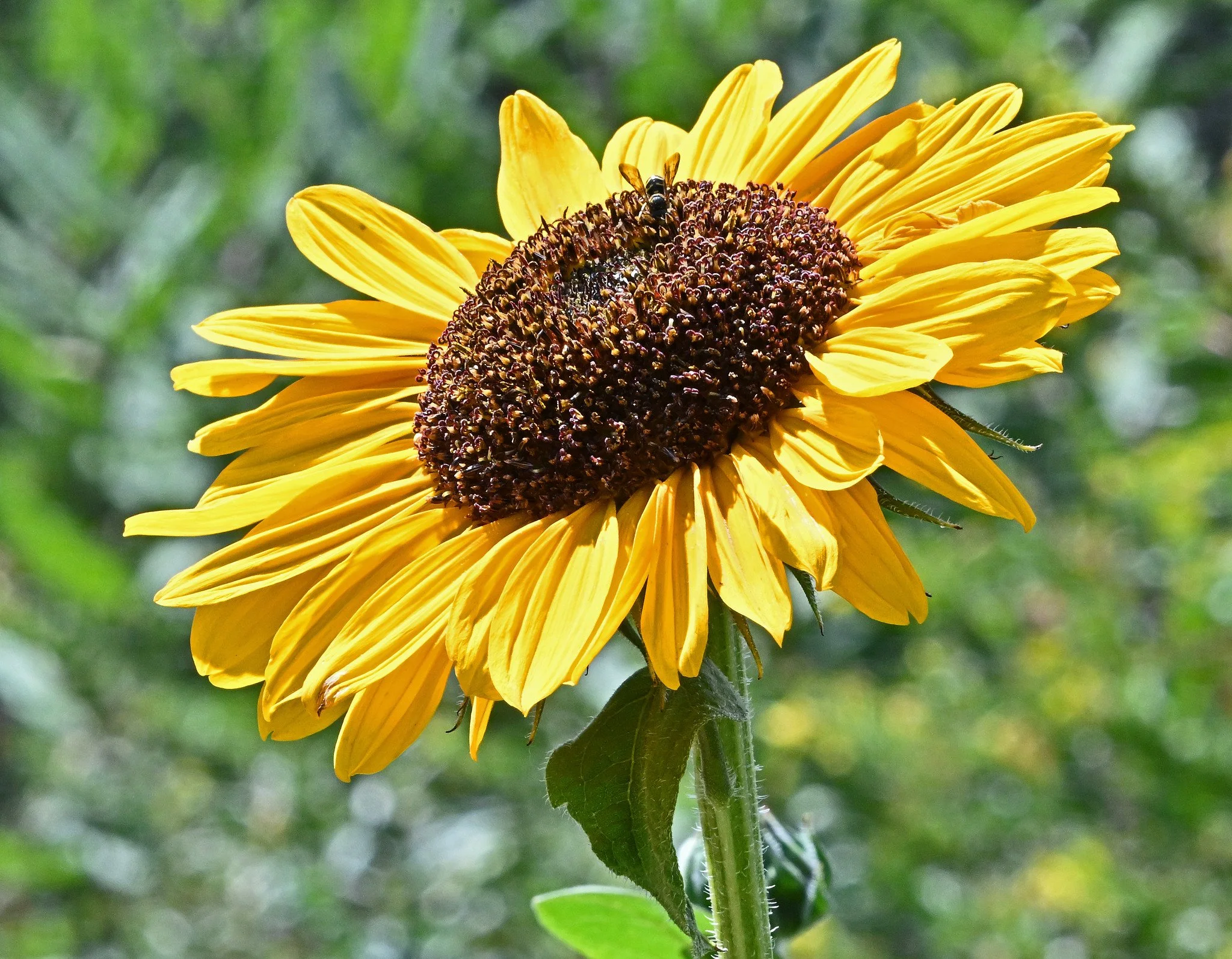
Sunflower with Friend (Longhorn Bee?)

IN THE HOME, BRIEFLY

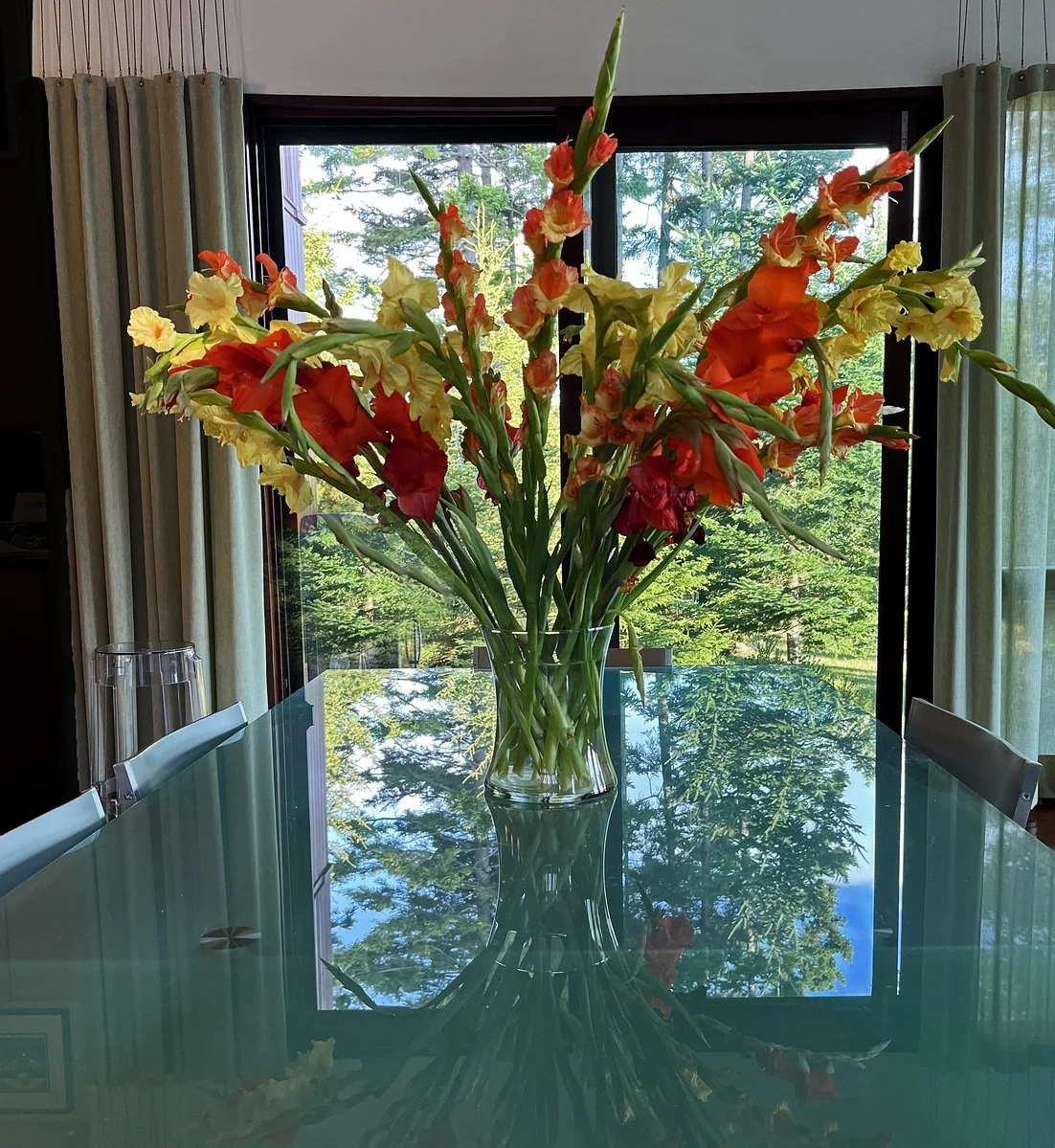
Gladiola Exhuberance

IN THE SKY

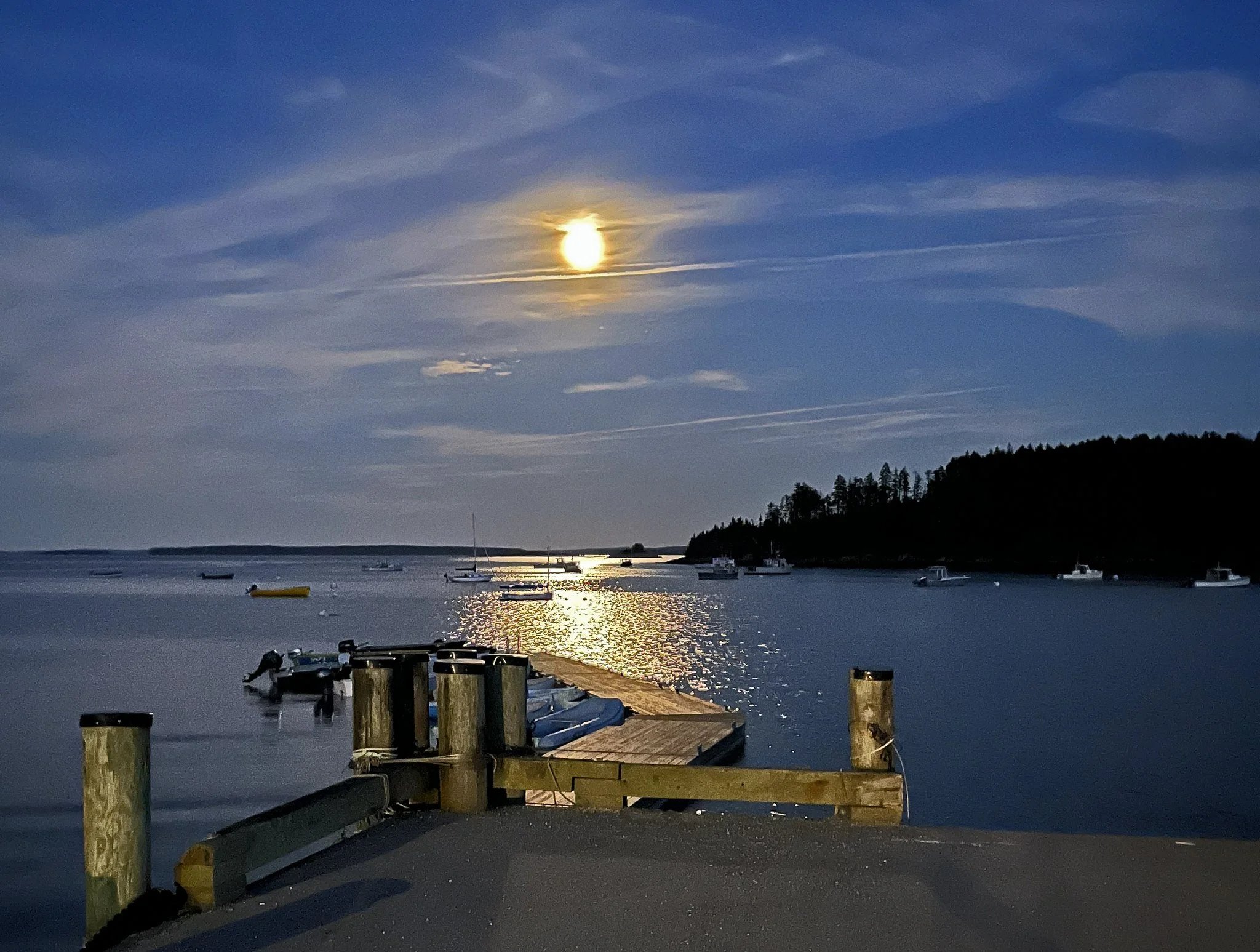
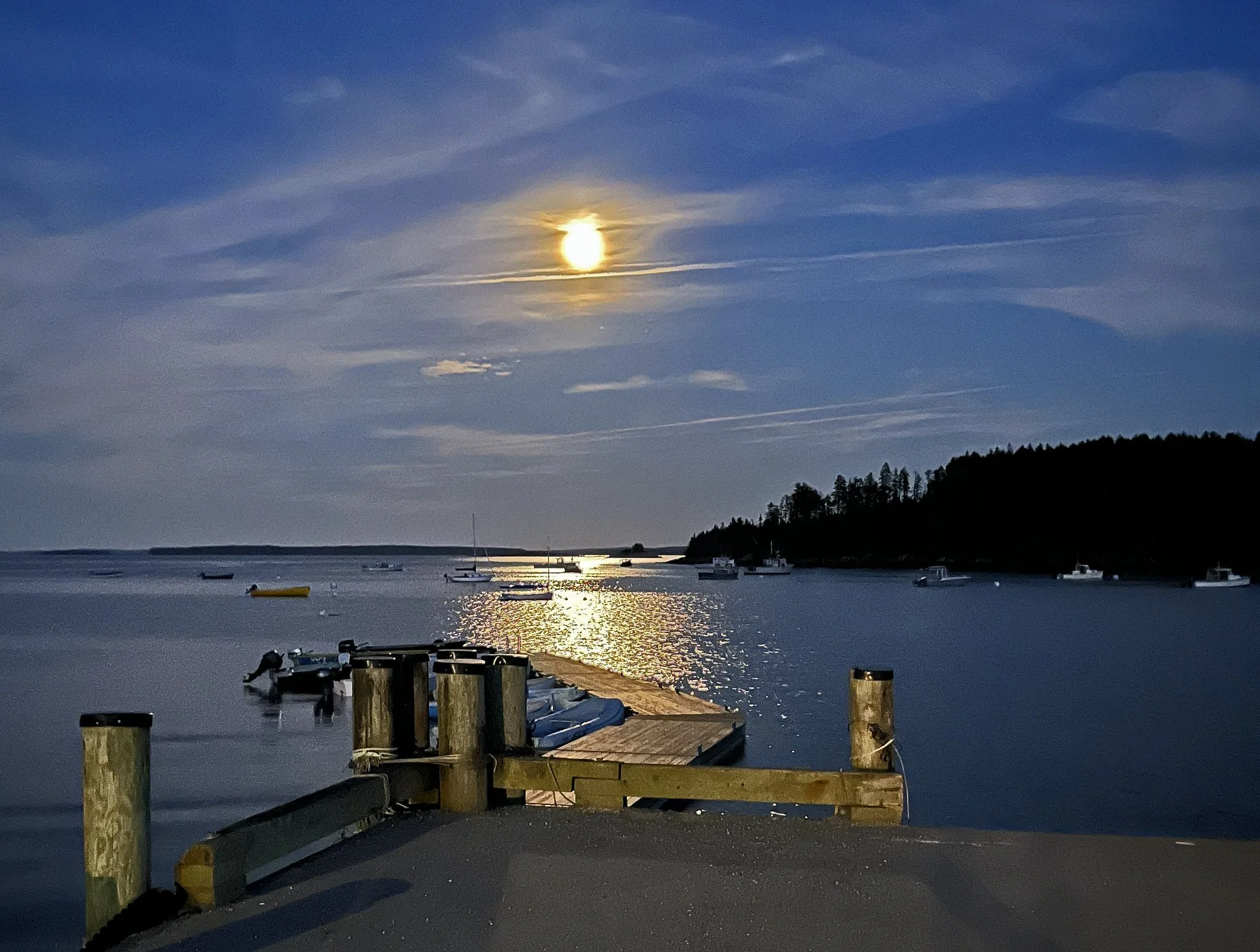
There was nothing fishy about August’s Full Sturgeon Moon and its development.

Glitter Path Entering Naskeag Harbor

WE’RE HAVING A WONDERFUL TIME — WISH YOU WERE HERE!

(All images in this post were taken in Down East Maine during August of 2026.)

3 Comments

Comment

In the Right Place: Quit Horsing Around

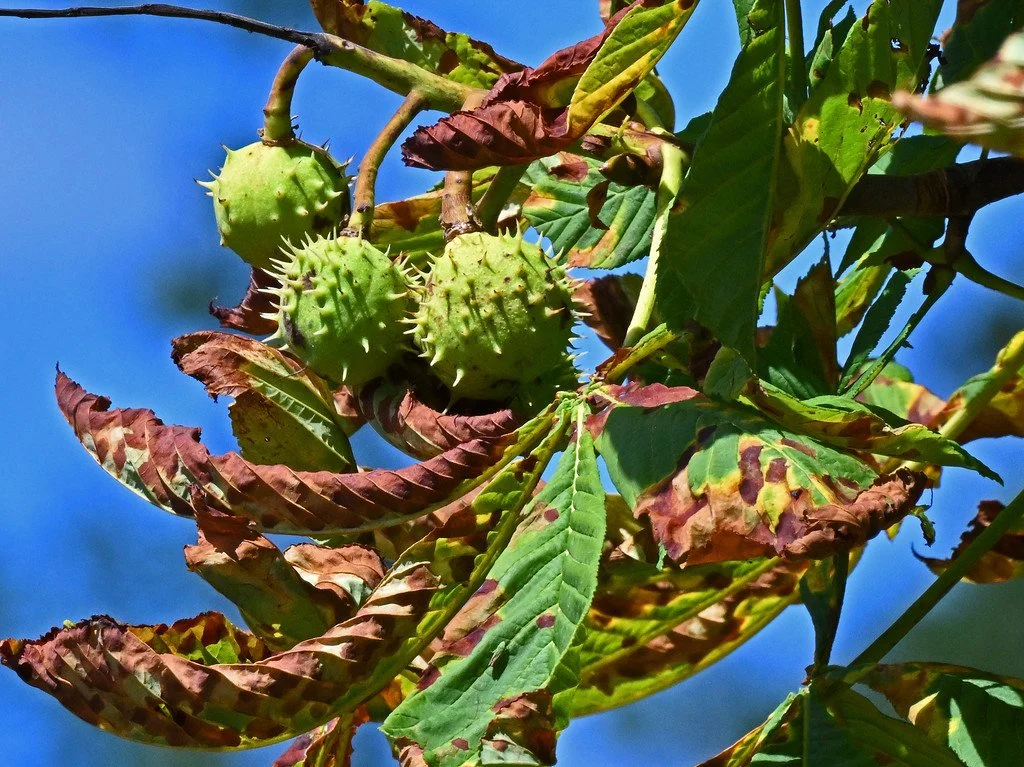
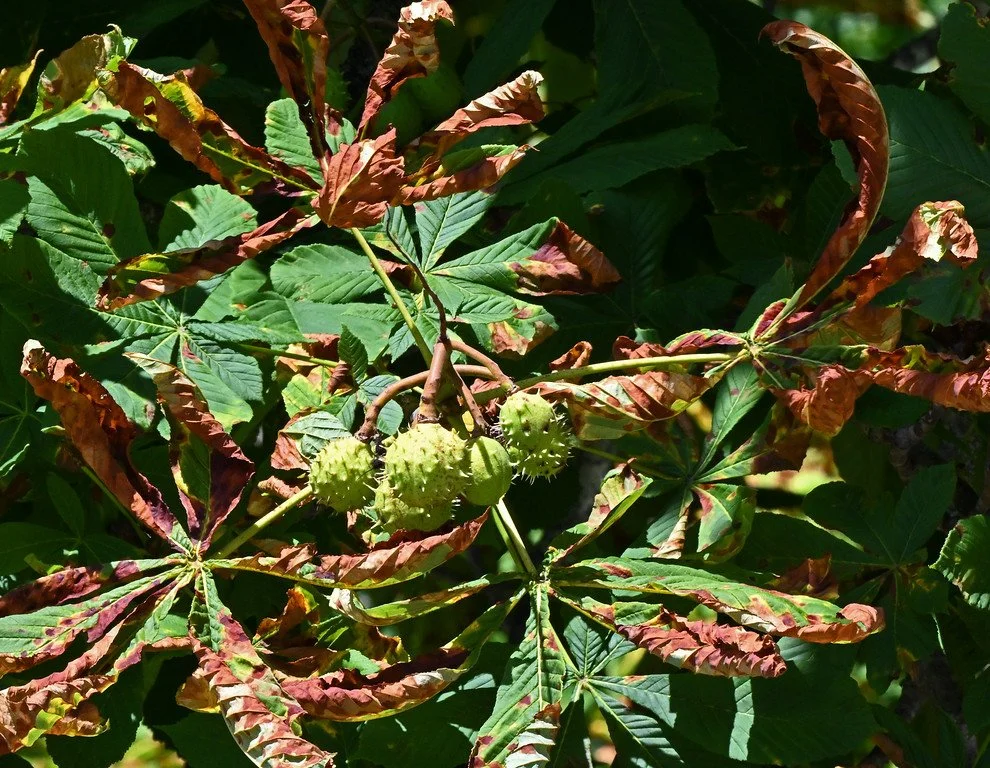
Horse chestnut tree leaves, such as these, are among the first to change color each year, as you see from this image. The large, hand-shaped leaves quickly and dramatically shift from bright green to crispy brown and create little floral planetary scenes with their spiked fruit husks.

Soon, those husks also will turn brown, fall to the ground and split open to release their large, polished-looking seed fruits (“conkers” or “buckeyes”). Some of the conkers that aren’t eaten by wildlife or collected by humans will split open in the spring, send down a root and attempt to become another horse chestnut tree.

Horse chestnut trees (Aesculus hippocastanum) are neither natives nor true chestnut trees. And, unlike true chestnuts, the conker is inedible by humans and probably toxic to most of us. The horse chestnut is in the same family as maples. Its name apparently comes from the ancient practice of crushing and feeding its seeds to sick horses – a practice that probably did more harm than good, according to modern research.

Conkers are still used, especially in England and Ireland, in the ancient “battle” game of “conkers” in which each player has a favorite conker strung on a strong cord.  The players take turns swinging at and striking an opponent’s conker until someone wins by destroying the opponent’s “weapon.” In case you want to book a flight, the Annual World Conkers Championship is scheduled for October 11 in Northamptonshire this year.

(Images taken in Brooklin, Maine, on August 14, 2026.)

Comment

Comment

In the Right Place: Windjammers, XII

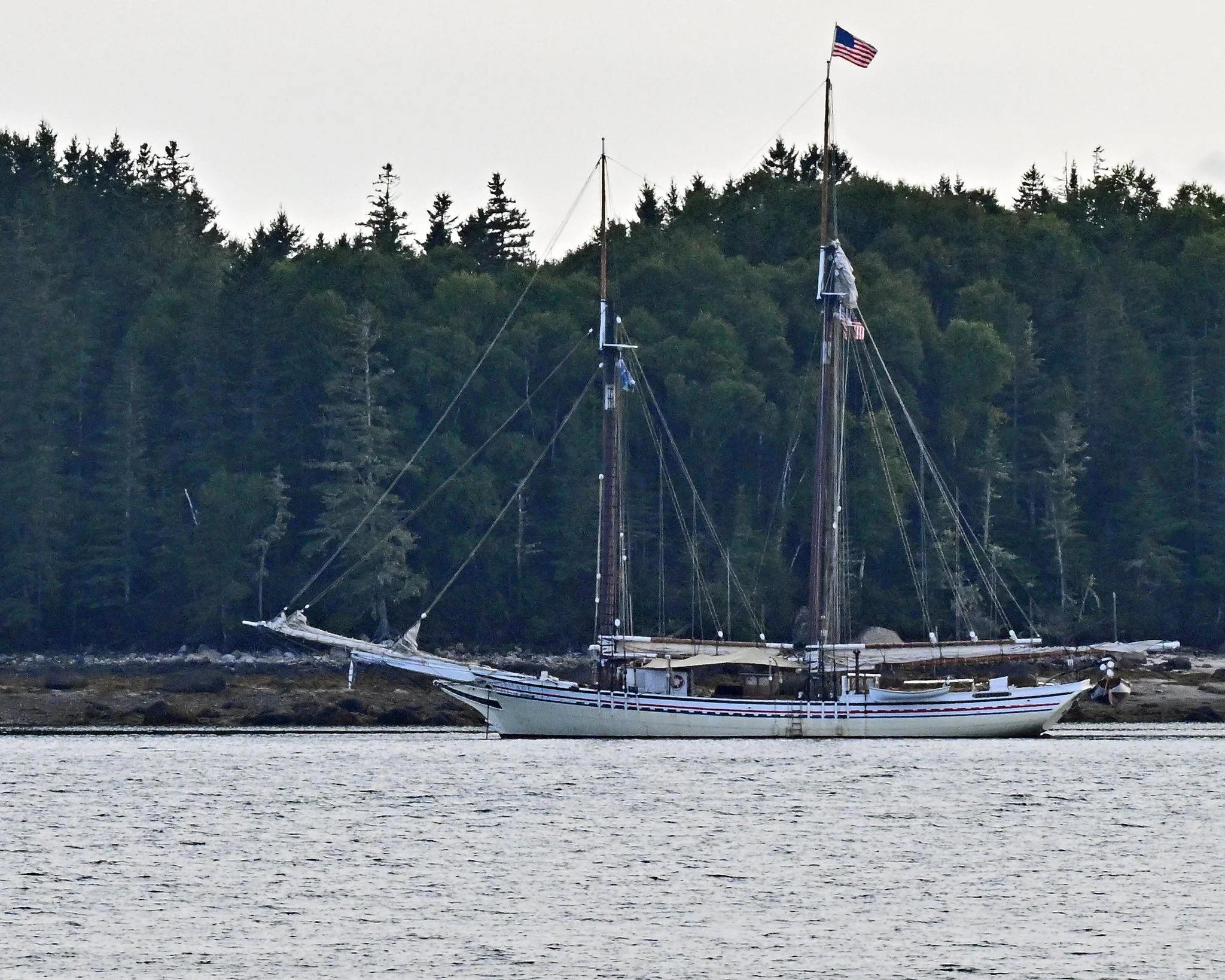
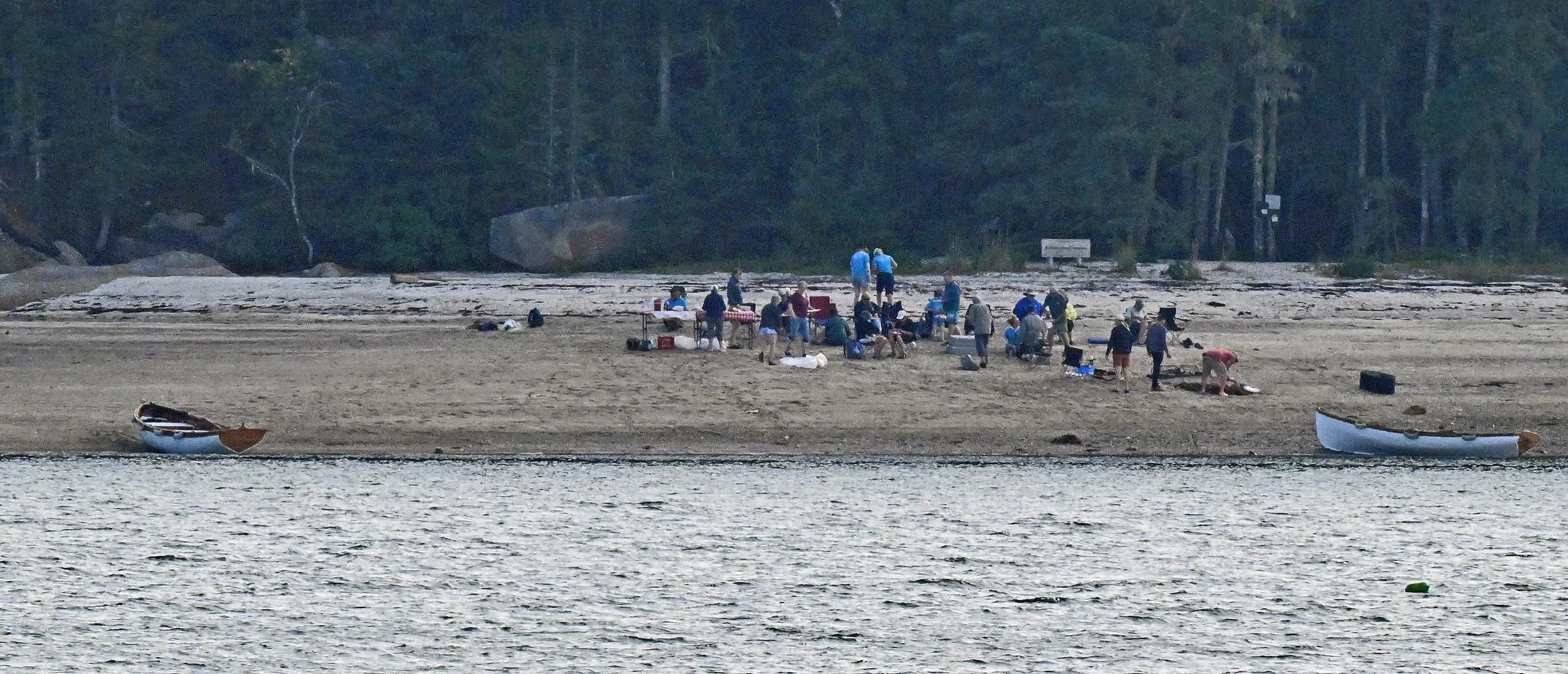
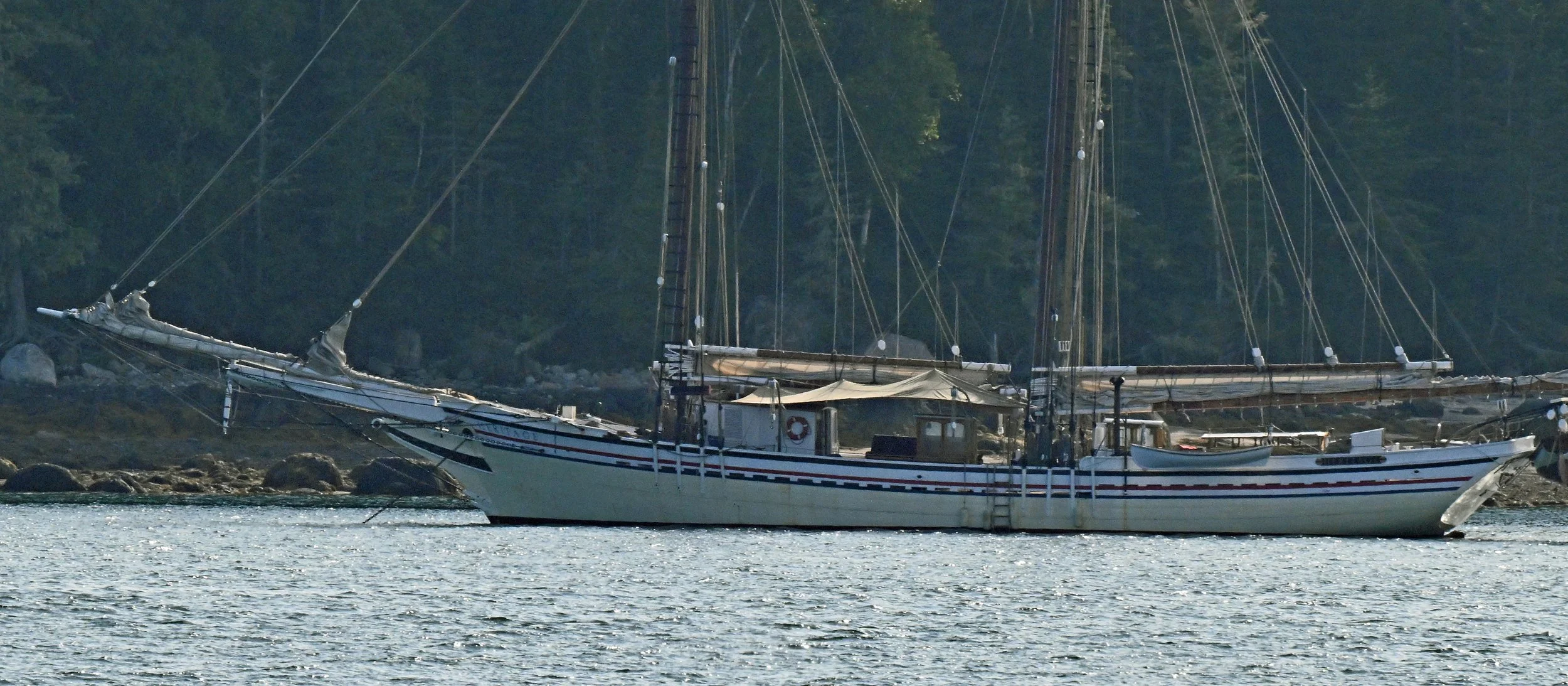
Here you see the schooner HERITAGE anchored off Babson Island in Great Cove late Thursday afternoon. Despite the ambiguous weather, she hosted a happy-sounding lobster bake on the Island’s east beach. (See below.) She was on a 5-night coastal exploration and full-moon-watching cruise, according to her website.

The HERITAGE reportedly is the fleet’s youngest windjammer that was built for tourist cruising. She was built in 1983 in Rockland, Maine, where she homeports now. She’s also the longest windjammer at 145 feet overall (92’ on deck) and may be the widest, with a reported 24-foot beam. She reportedly can accommodate up to 30 guests in 16 cabins and advertises that she has stairs instead of ladders from below to her deck.

(Images taken in Brooklin, Maine, on August 27, 2026.)

Comment

Comment

In the Right Place: Don’t Worry About the Horse You Rode In On

August is a time for multitasking by our dragonflies and damsel flies. They’re extraordinarily busy eating thousands of mosquitoes and other little pests, mating with their kind and laying eggs before the cold weather comes.

It also seems to be a time when recurring myths about them are resurrected. Remember, dragonflies will NOT sting you or your horse or put a mouth-stitching curse on children who lie. Damselflies are NOT female dragonflies, and they won’t sting or curse you either. ALL these insects will NOT die when it gets cold (some dragonflies will have migrated south).

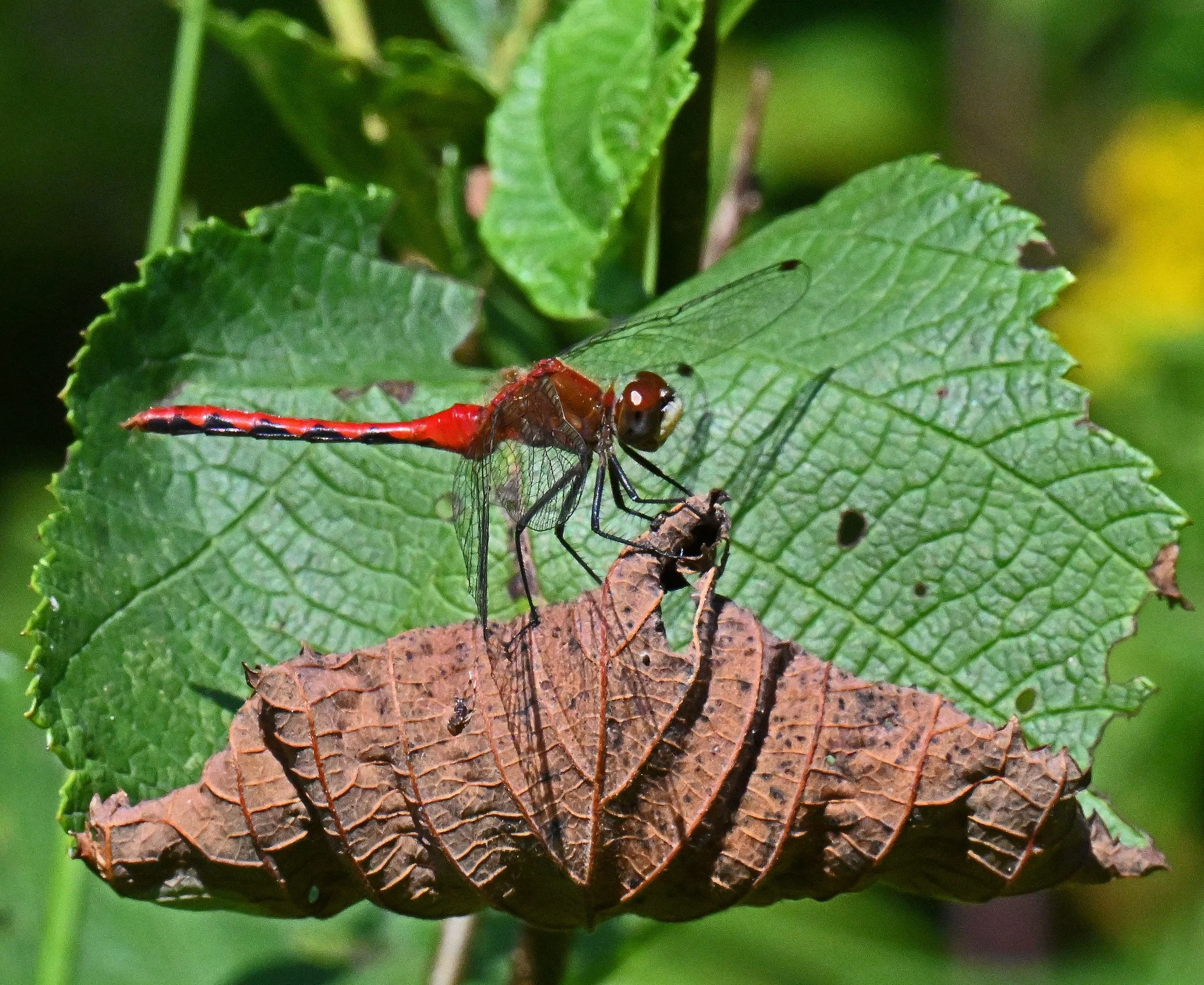
Dragon flies and damselflies are very different from each other. Here is a good example of a dragonfly now whizzing around here; it’s apparently a male white-faced meadowhawk dragonfly (Sympetrum obtrusum), which was a little longer than an inch:

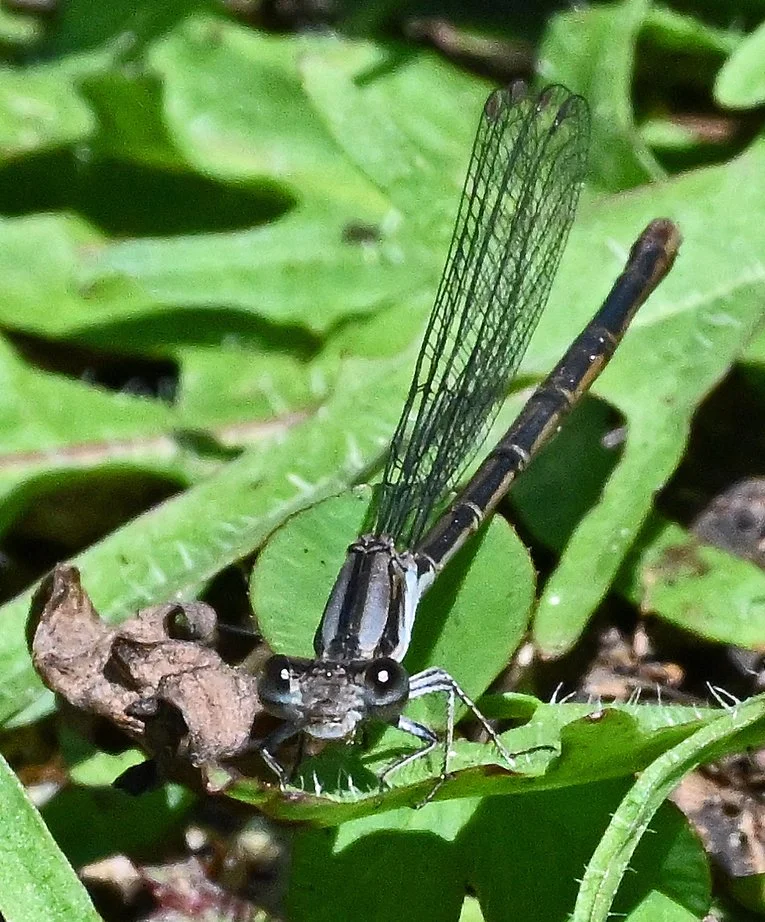
Below is a good example of one of our damselflies, apparently a female violet dancer damselfly (Argia fumipennis violacea), which was about an inch long:

Note that dragonflies, when they rest, almost always hold their wings out separately to the side like fixed-wing aircraft and their relatively massive eyes are wrap-arounds. Damselflies, on the other hand, almost always fold their wings up daintily together when they rest and their even more relatively massive eyes are separated on each side of the head, making them one of our most “bug-eyed” or “goggled” insects.

(Images taken in Brooklin, Maine, on August 12 and 13, 2026.)

Comment

Comment

In the Right Place: Playing the Odds

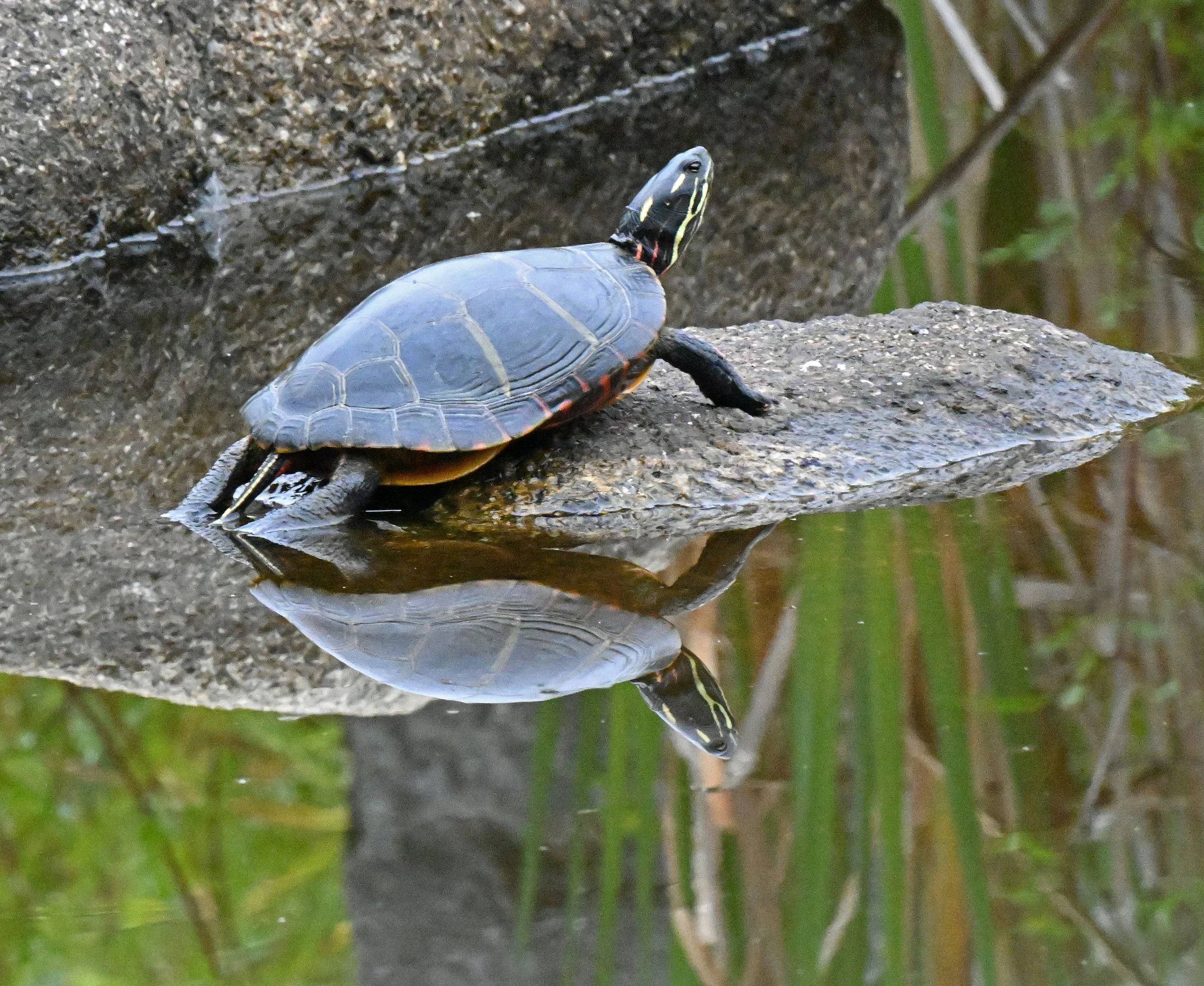
I learned something interesting about painted turtles recently, or at least interesting to the few of us who sometimes wonder about how these little freshwater reptiles get by. As fall starts easing her way into our lives, our foggy and cloudy mornings are increasing here on the coast. Yet, it’s not unusual to see several PTs basking on a log or rock during a morning that feels like we’re all in a black and white movie.

A little online searching revealed (especially in Ohio State research) that it’s not only commonplace to see painted turtles basking on a cloudy day, but that the odds are that we’ll see more PTs basking on cloudy days than on sunny days.

Painted turtles still bask on cloudy days primarily to dry their skin and shells. This not only helps kill harmful fungi, bacteria, and algae, but the residual thermal energy in the ambient air is needed to bring or maintain the turtles’ temperatures to the levels they need to care for themselves.

That is, even without direct sun, turtles must absorb ambient heat. Because they warm up much slower under clouds, they must stay out on logs or rocks longer to reach their target temperature. If each turtle spends a longer time basking, it is more likely that, at any one time, there will be more turtles basking in black and white.

(Images taken in Brooklin, Maine, on August 23, 2026.)

Comment

Comment

In the Right Place: Highlighting Our High Light

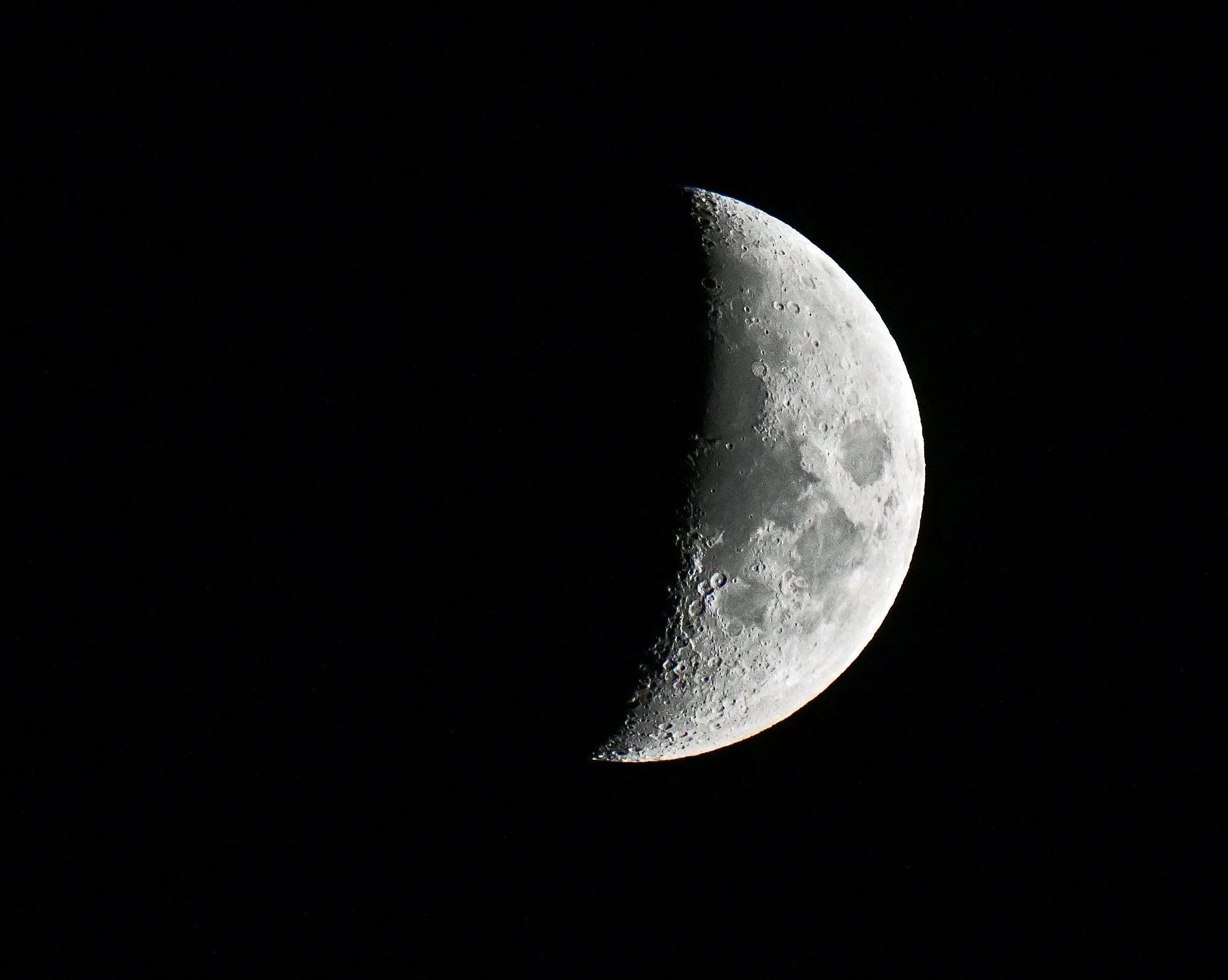
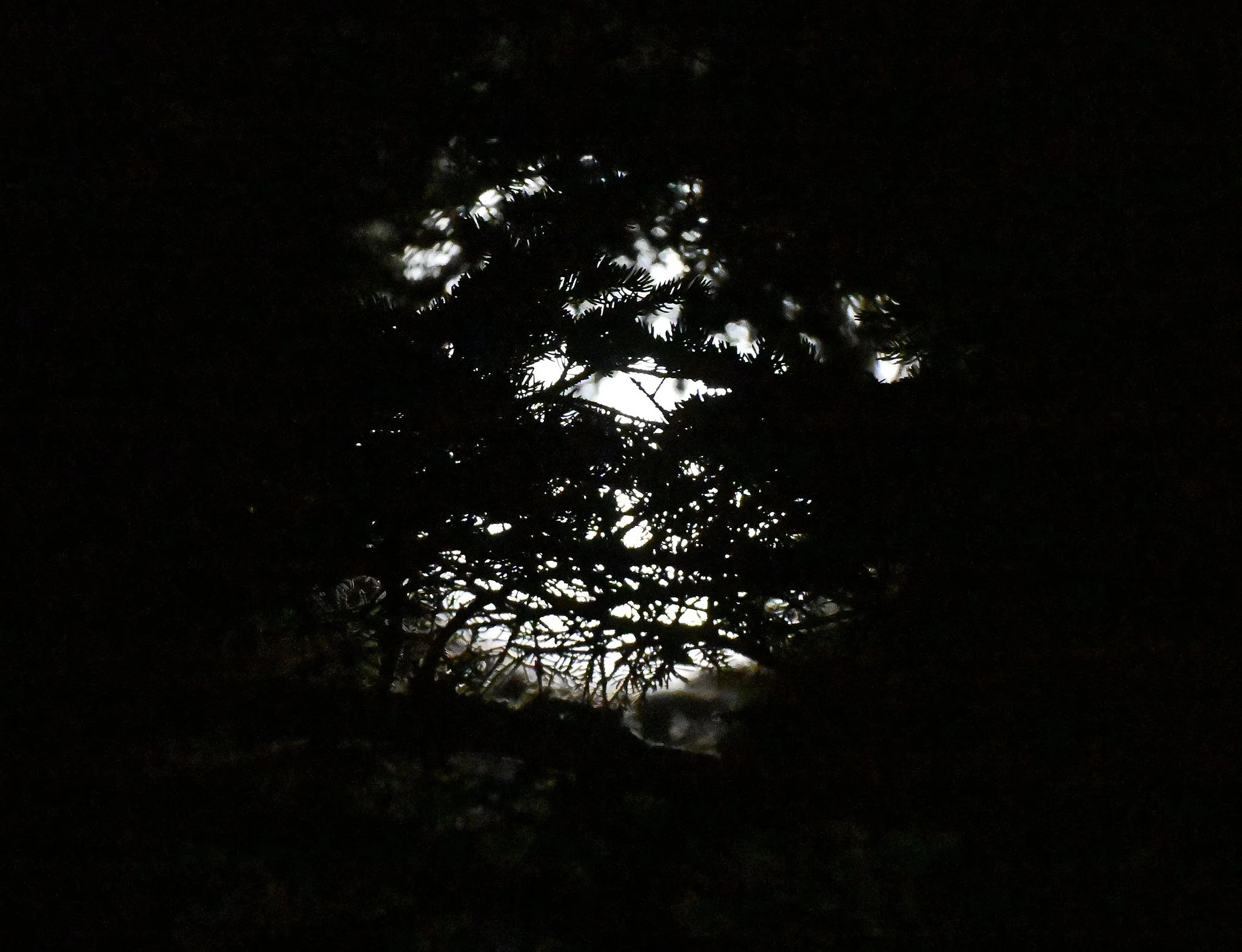
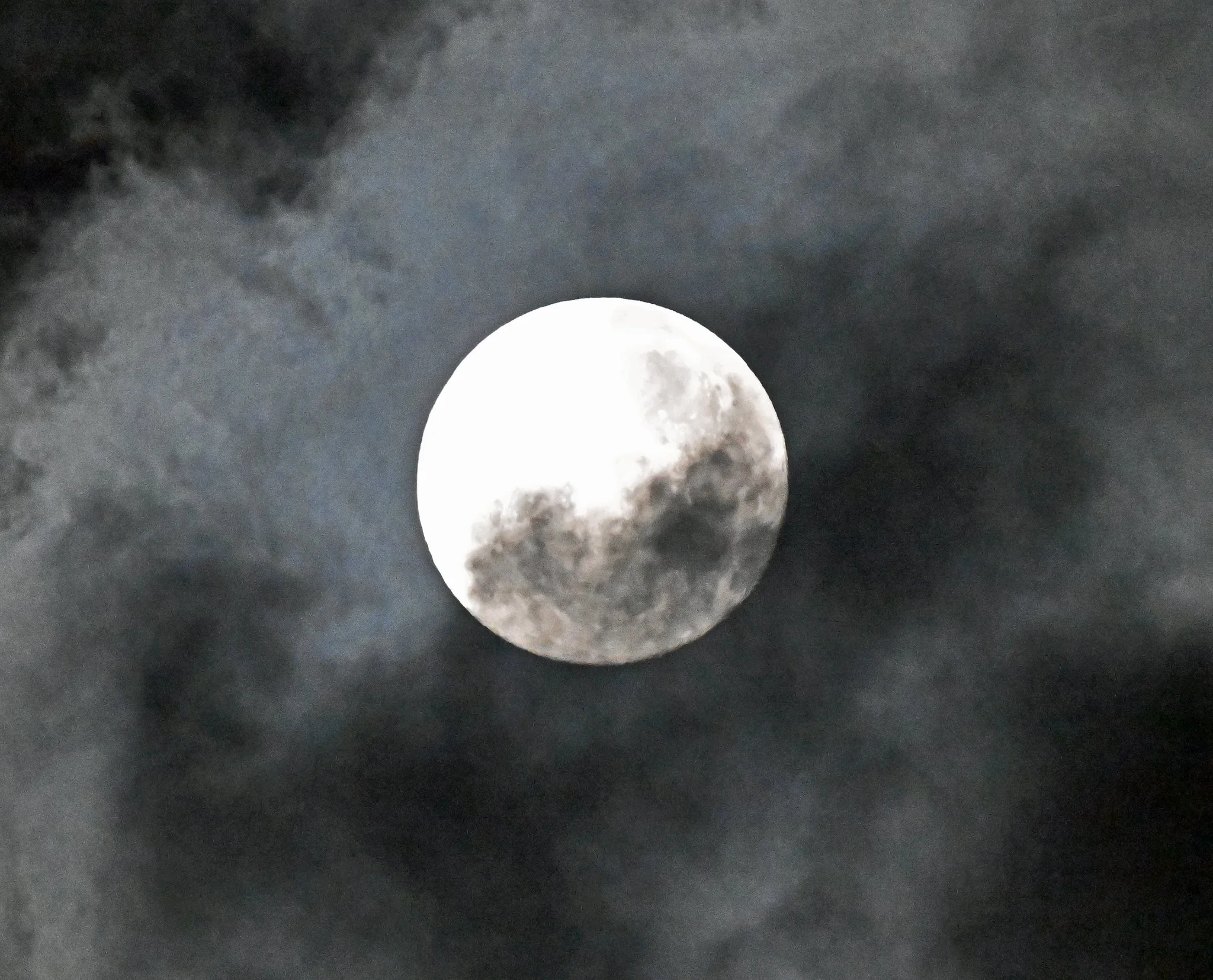
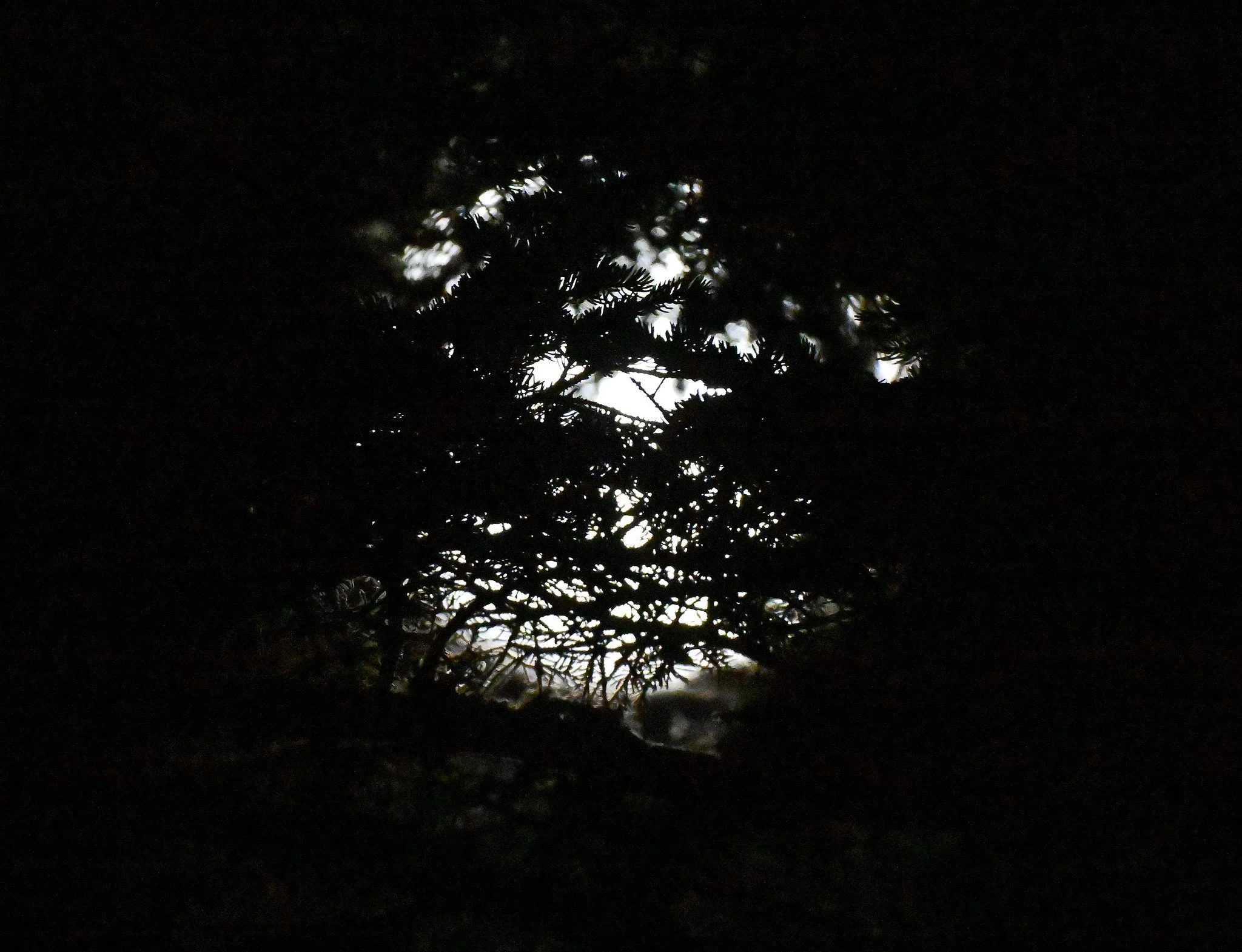
Here you see last night’s attention-getting, nearly full moon rising over Naskeag Harbor. Below, ypu’ll see her climbing up behind Great Cove’s spruce-covered ridge and, finally, in all her cratered glory as she escapes our atmosphere and seems to sail alone over the Cove.

August’s full Sturgeon Moon is due August 28, when the views might even be better if the sky is clear. Or, when we might see nothing but clouds and fog. I decided to hedge my bet. (Images taken in Brooklin, Maine, on August 27, 2026)

Comment

Comment

In the Right Place: In a Fog

It was foggy in Great Cove yesterday morning, but the show went on for the WoodenBoat School sailing classes, as you see. At times, the Cove was entirely engulfed in seemingly impenetrable fog. Then, the fog would retreat several hundred feet, and sun would pour into the surrendered area.

The WBS 12 ½- foot classrooms would appear and disappear. Sometimes, a laugh or conversation would emerge from the shifting cloud, but not the little boat from which it came.

Learning to sail in fog in a small boat without radar and GPS is a valuable experience. And, the relative safety of Great Cove is a good place to have that experience. Especially if you’re wearing a life jacket (or personal flotation device, as they now say), which all WBS sailing students and their instructors must do when they’re on the water. (Most other summer sailors don’t wear them.)

Sailing in fog with your butt at or below the burbling water level is hard to imagine, if you’ve never done it. Listening and looking become heightened senses as the fog drifts in and out and the winds get confused. The literal meaning of the term dead reckoning can occur to you as you estimate where you are by dead reckoning. But the students yesterday seemed to be enjoying every minute of their sailing. And, of course,, all ended well.

(Images taken in Brooklin, Maine, on August 25, 2026.) See also the image in the Comment space.

Comment

Comment

In the Right Place: Little Corporal’s Little Gulls? Naw!

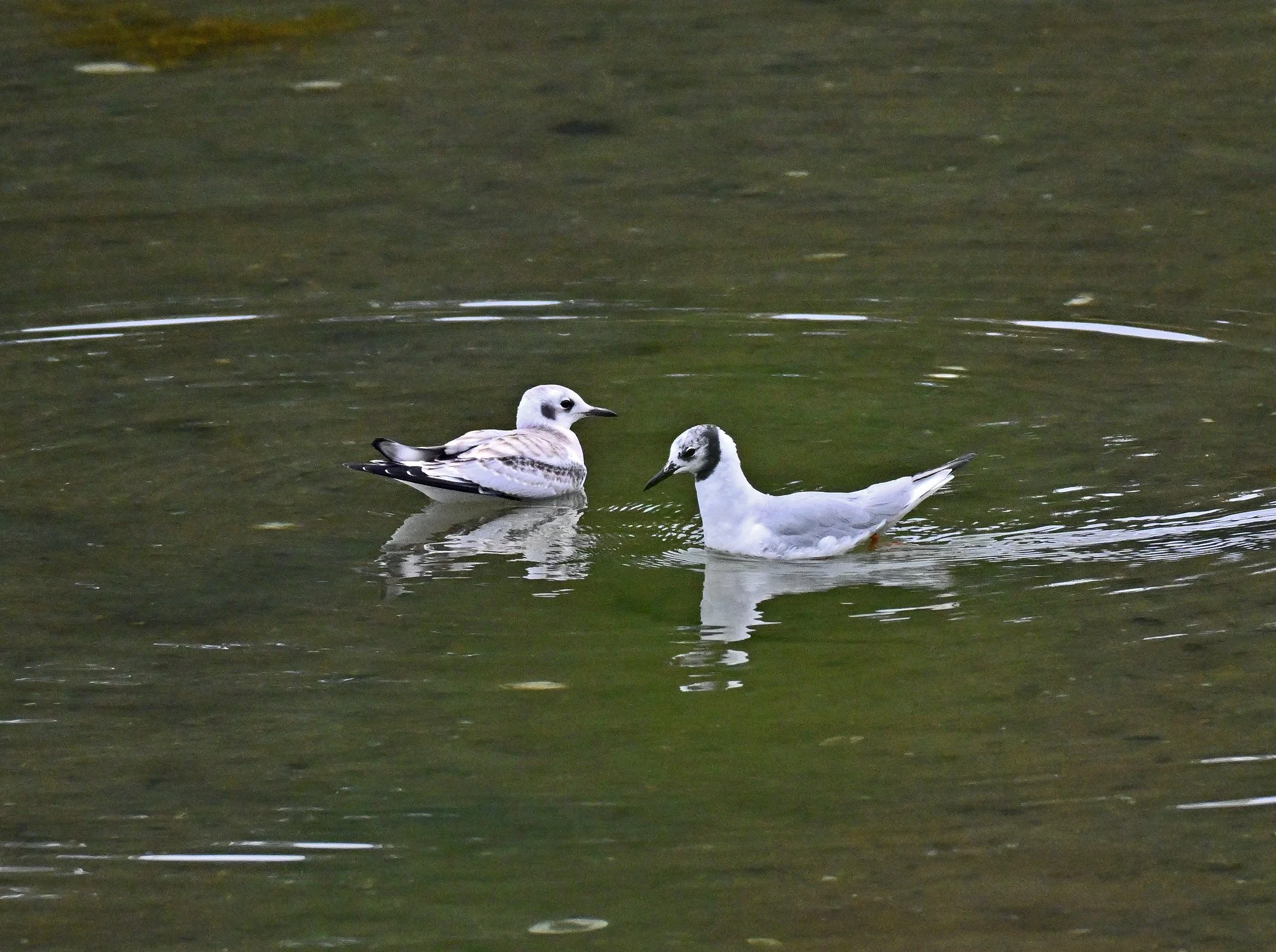
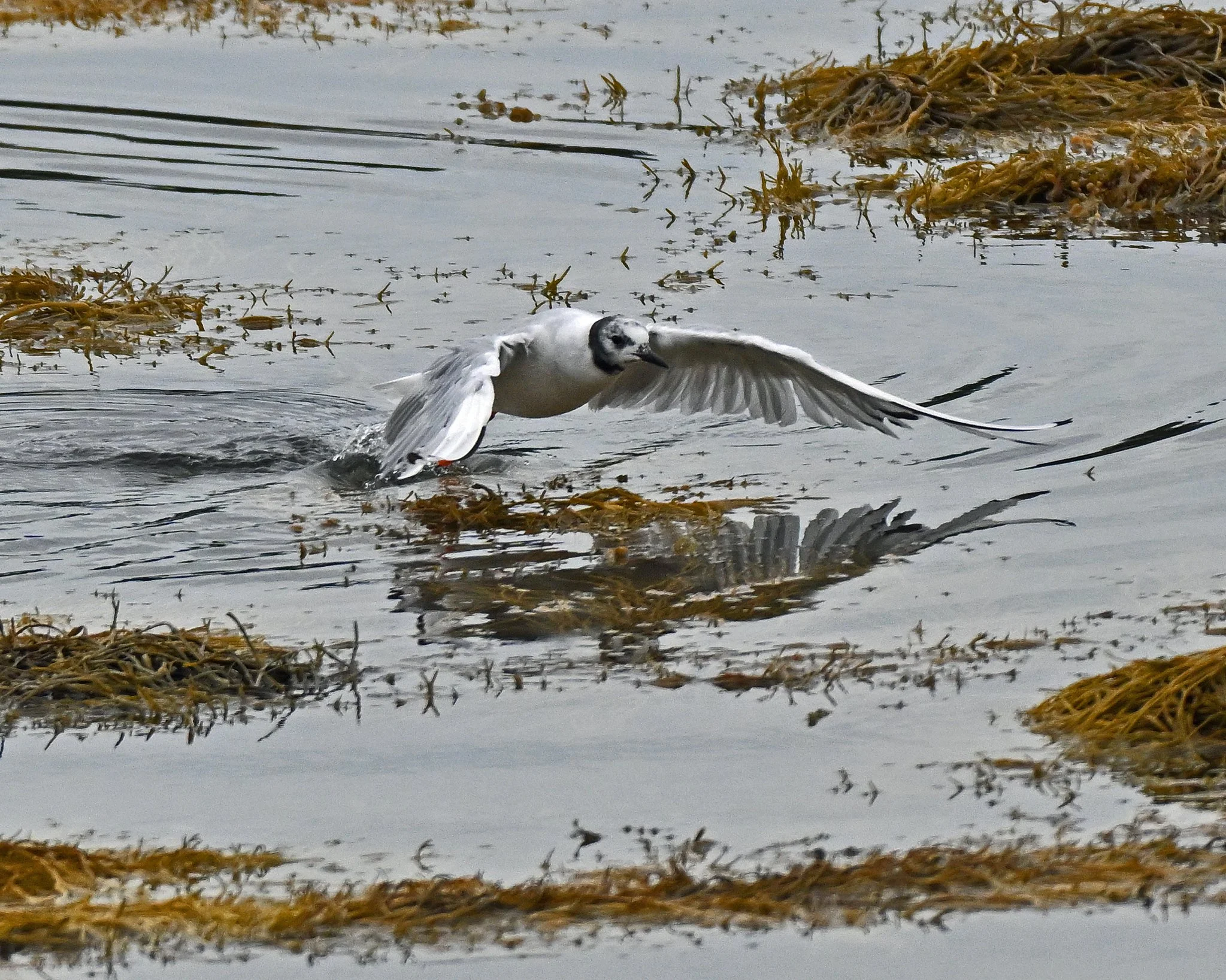
Here you see a pair of Bonaparte’s gulls, one of our more unusual shorebirds. They’re migrating from Canada now and a few may overwinter here. They’re apparently the only gull that regularly nests in trees, usually large conifers in Canada and Alaska. They also rely on insects for their summer diet more than other gulls.

They’re only about a foot long, but extraordinarily graceful and powerful flyers. Like terns, they’ll dip their head into the water to scoop up small fish while in flight, but I’ve never seen one dive completely under water for a fish as terns, kingfishers and ospreys do.

At this time of year, Bonaparte’s gulls are losing their dark summer (breeding) hoods and soon will be left with eyes that are softened by being outlined with smudges (think running mascara) and a dark ear spot (think bodacious beauty mark).

Their common and scientific species names also have interesting backstories. Their common name honors Charles Lucien Bonaparte, the French ornithologist who spent years in the United States studying and writing about our birds. He was the nephew of Napoleon, the little corporal who wanted to rule the world.

Their scientific name is Chroicocephalus philadelphia, which names the species after the U.S. city in which the bird was first collected for classification by noted early American ornithologist George Ord. That was in 1815, apparently.

(Images taken in Brooklin, Maine, on August 22, 2026.)

Comment

Comment

In the Right Place: Born Again

Here you see GRAYLING gliding into Great Cove on a gray day last week. She usually returns here in the summer; Brooklin was where she was reborn as a gleaming yacht. Prior to that, GRAYLING had led a very tough, dirty life and had been abandoned.

GRAYLING was built in 1915 in East Booth Bay, Maine, as a “double-ender,” which means both her bow and stern are pointed. For five grueling years, she towed seine longboats that netted mackerel and herring and transferred the slithering fish into her hold.

When canned sardines became popular, she was sold to a commercial fishing operation up on Maine’s northeast coast and was demoted to the tedious, non-fishing job of sardine carrier. She’d take loads of writhing sardines from smaller fishing boats at sea and truck them back to a cannery. Back and forth; back and forth.

Then the sardine industry in Maine went bust and GRAYLING languished in the 1980s. By the 1990’s, her deteriorating remains were for sale. The simple version of a complicated story is that she caught the eye of Brooklin’s Maynard Bray, a maritime engineer and marine historian. He and Brooklin boatbuilder and designer Doug Hylan thought that she would make a great yacht for someone who wanted a unique vessel with plenty of character.

They eventually helped find a buyer who would have her lovingly restored and appropriately modified at Hylan’s boatyard in Brooklin. She was relaunched in 1997 as the svelte motorized ketch that you see here, a marine Cinderella.

GRAYLING is almost 65 feet long overall, with only a 12 ½ -foot beam (widest part). She reportedly can sleep up to 11 people in her restored crew forecastle (“fo’c sle”) area. She eventually was resold and now homeports in Noank, Connecticut, at the mouth of the Mystic River.

By the way, as you may know, a grayling is a fascinating, long and slim fish that’s found in cold, freshwater. (Images taken in Brooklin, Maine, on August 22, 2026.)

Comment

Comment

In the Right Place: A Tall Order

The sunflower is a monument to summer. You might say high summer. You might even say very high summer. This spectacular native flower tracks the sun like a radar disk, cleans the soil in which it grows and – in its center – hosts thousands of tiny flowers (“florets”) made for tiny pollinators. Did you notice the itsy-bitsy bee on the florets in this image? (It might be one of our longhorn bees.) Look again:.

Corn may grow as high as an elephant’s eye, according to songwriters, but sunflowers (Helianthus annuus) can grow much higher than a giraffe’s eye, according to gardeners.  Sunflowers regularly grow taller than 10 feet and some plants reportedly have grown over 35 feet. These plants also are an older agricultural crop than corn. Native Americans reportedly cultivated sunflower seeds and flowers for food, oil, flour and dyes long before corn was farmed.

Although ancient, sunflowers have very modern uses. They are known to absorb contaminants in the surrounding soil, including the heavy metals and radiation in the Chernobyl disaster area. They also can grow from seed in space, as shown in the 1982 Columbia space shuttle mission experiments.

(Images taken in Brooklin, Maine, on August 20, 2026.)

Comment

Comment

In the Right Place: Ozzie & Harriet, V

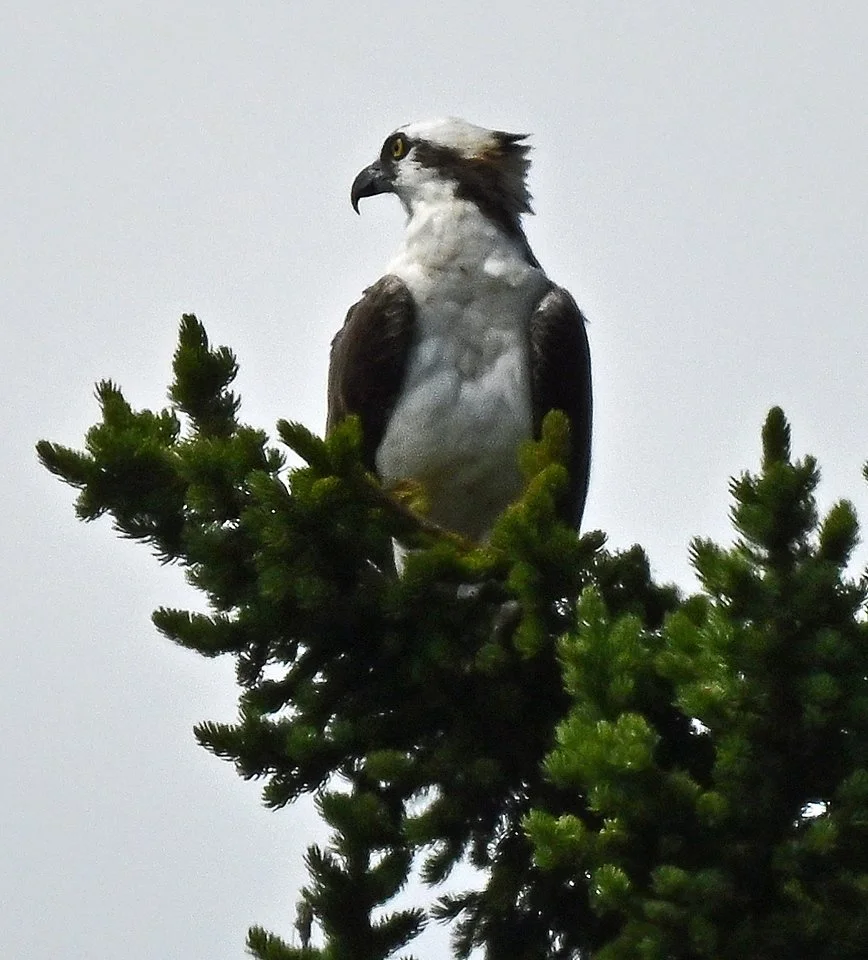
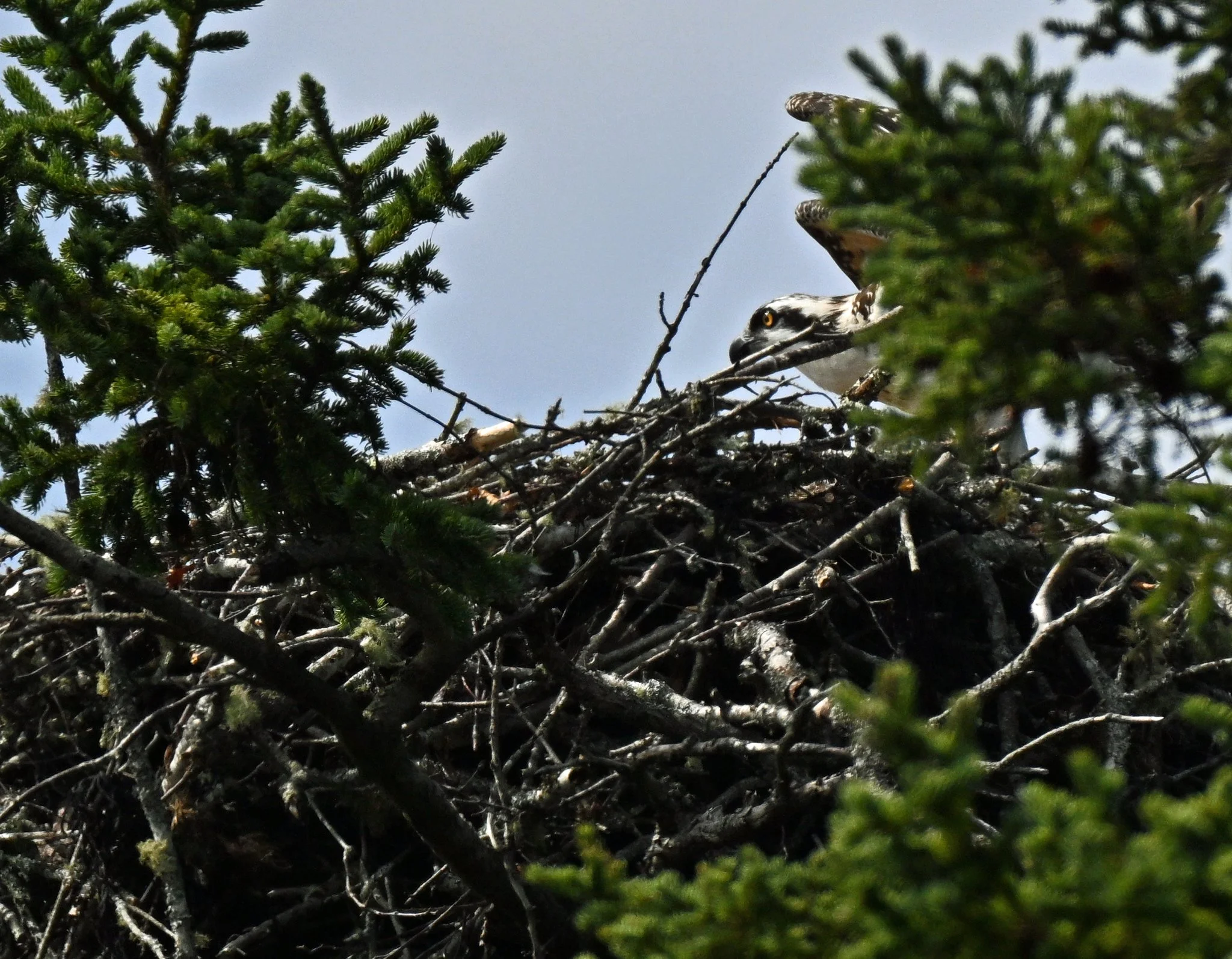
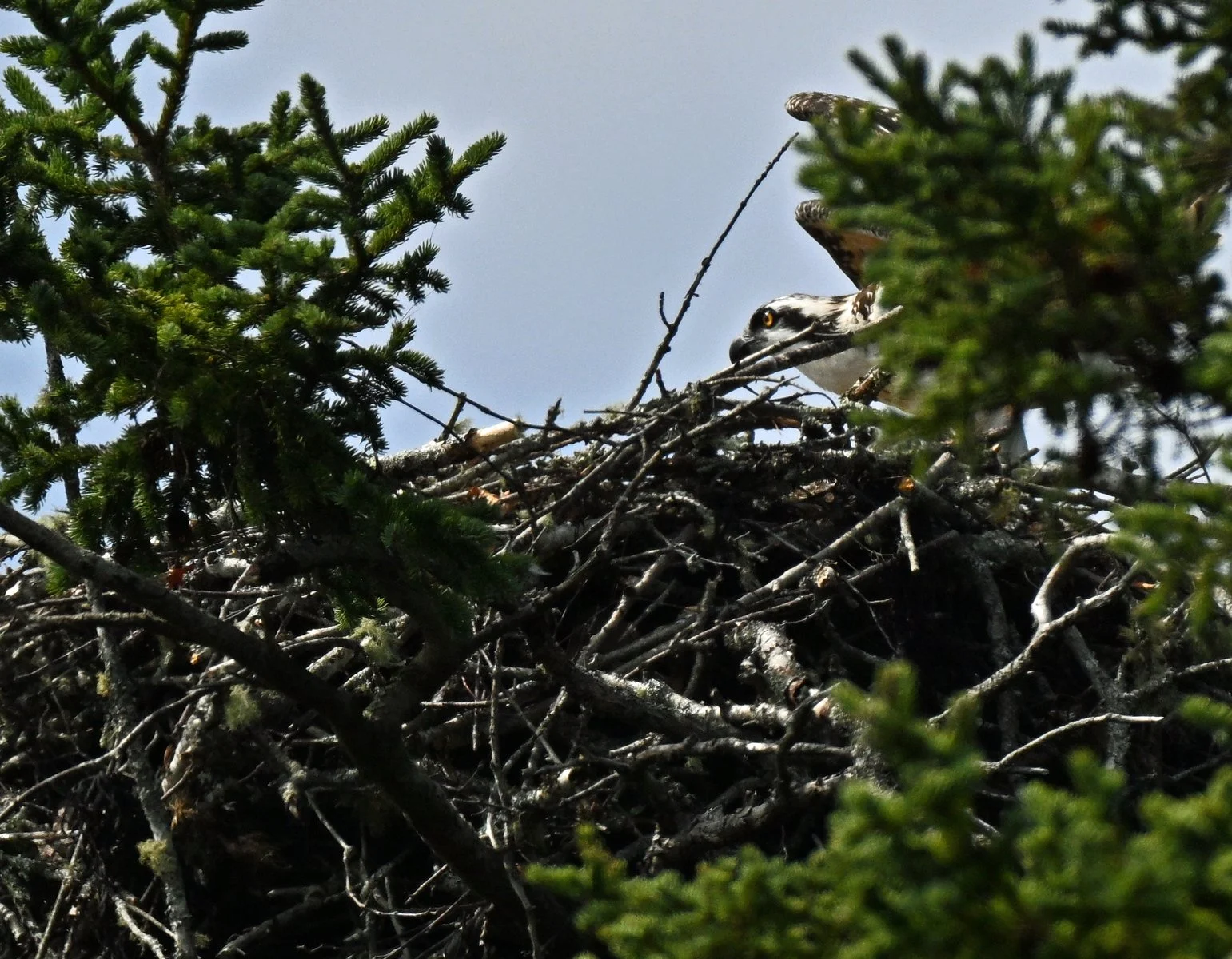
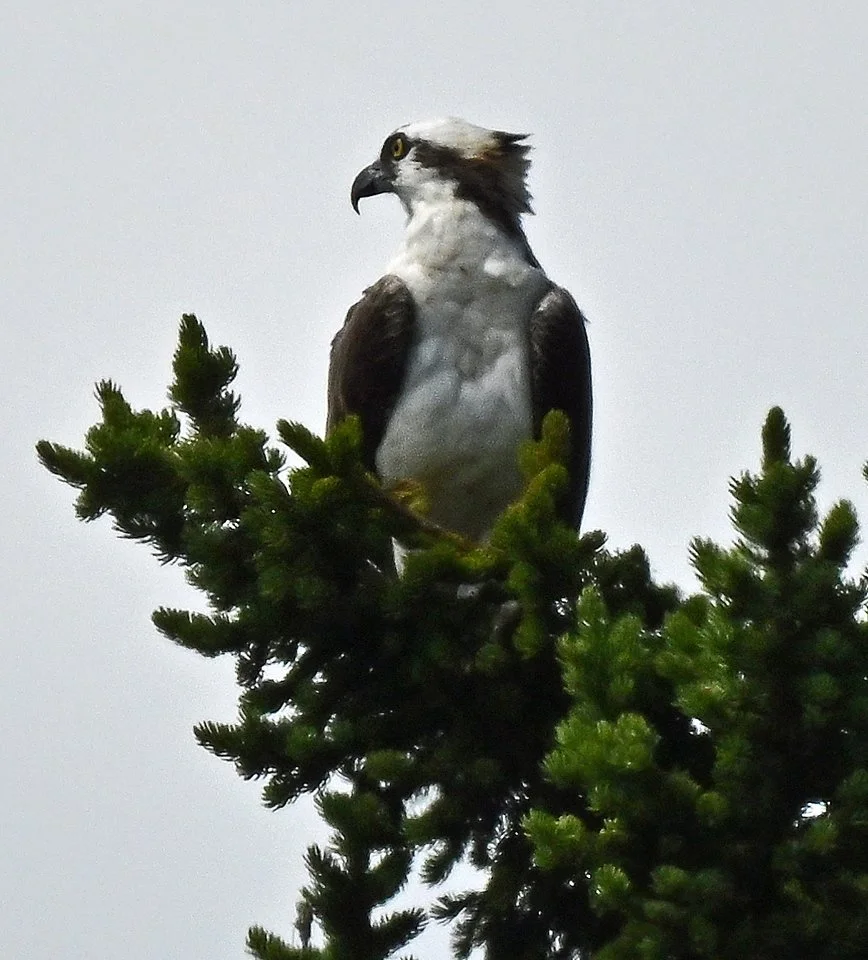
Here you see what apparently is the only offspring of Ozzie and Harriet this year. O&H are the ospreys that we’re monitoring in a nearby nest this breeding season. Per our protocol based on the old Ozzie and Harriet sitcom, we’re assuming that this first born is male and we’re calling him David.

David is fully fledged and flying, and still has a youngster’s reddish eyes. He spends a lot of time in and near his birth nest. David doesn’t seem able to fish yet and seemingly relies on Ozzie to deliver fresh fish to the nest daily. I haven’t seen Harriet for two weeks. She may have migrated south already.

For many years, Ozzie and Harriet produced three fledglings in this nest and once produced four. Last year, they produced none. There are indications that Maine’s coastal breeding ospreys may be declining due to increasing competitive bald eagle incursions and greater numbers of young, rogue male ospreys that attack and disrupt established nesting pairs to take over their nests.

(Images taken in Brooklin, Maine, on August 21, 2026.)
Comment

Comment

In the Right Place: A Fruitful Discussion

Our “wild” apple trees seem to be coping with the severe drought that we’ve been suffering here on the Down East coast. The fruit on most of the trees that I’ve seen looks abundant and much of it appears mature already,

By “wild,” I mean unmanaged trees that are not cared for or commercially harvested. Usually, they’re trees that were planted many years ago to produce cider apples, then abandoned and swarmed by encroaching woods and shrubs. These trees are wholly dependent on rain and other natural resources.

Wild apple trees themselves also become a natural resource for early fall foragers that are preparing for the cold or migration. Our white-tailed deer will stand on two legs to pick the mature fruit. They also eat the fallen fruit, as do black bears, raccoons, wild turkeys, squirrels, porcupines, and various small rodents and birds. In fact, wasps, ants, butterflies, beetles and other insects drink the fermenting juices.

Speaking of that, some of our birds get falling-down drunk eating fermented wild apples. I won’t name names, but these include members of a certain red-breasted family that catches early worms. They’ve been known to be a little too partial to these apples and have been seen tipping over and passing out in public here and – worse – trying to fly and crashing into things, including windows and cars.

(Images taken in Brooklin, Maine, on August 20, 2026.)
Comment

Comment

In the Right Place: Windjammers, XII

Here, trying unsuccessfully to hide in a crowd, you see the schooner STEPHEN TABER and the hermaphrodite brigantine now named SWIFT. They were getting ready to depart from Great Cove as the fog was lifting Tuesday. The daily WoodenBoat School small boat sailing class was beginning, fog or not.

The TABER departed under full sail. (See the image below.)  She was on a “Three-Night Music Trip With Cara and Friends,” according to the schooner’s schedule. It promised guests that they would, “Enjoy a beautiful and sometimes quirky blend of Cara’s fiddle, Graham Lent’s acoustic guitar with vocals from Sophia Hart.”

The TABER is 110 feet long overall (68’ on deck), can accommodate up to 22 passengers in 12 “compact” cabins and usually has a crew of 5, according to her website. She was launched as a cargo cruiser in 1871 in Glen Head, New York (Long Island,) and now homeports in Rockland, Maine.

The SWIFT’s published schedule didn’t describe the cruise she was on when she stopped at the Cove this time. (Those brigantines can be secretive, perhaps a trait descended from their pirate heritage.) I didn’t see SWIFT leave. She’s 75 feet long overall (57’ on deck) and can accommodate up to 6 in three cabins for overnight trips and up to 12 for day cruises, according to reports. She hails from Camden, Maine, these days.

(Images taken in Brooklin, Maine, on August 18, 2026.)
Comment

Comment

In the Right Place: Paean to Petunias

Pity the poor petunia. It’s so common, it never gets the attention it deserves. Petunias rank second only to impatiens as the most popular and best-selling bedding plants in the United States, according to a recent survey.

They come in seemingly limitless colors and often have an enticingly self-contradicting sweet/earthy fragrance. They bring smiles to the visually inclined from spring’s first warmth to fall’s first frost. Yet. no one seems to celebrate them or their look-alikes that horticulturists continually cultivate. Perhaps they’re considered to be old-fashioned.

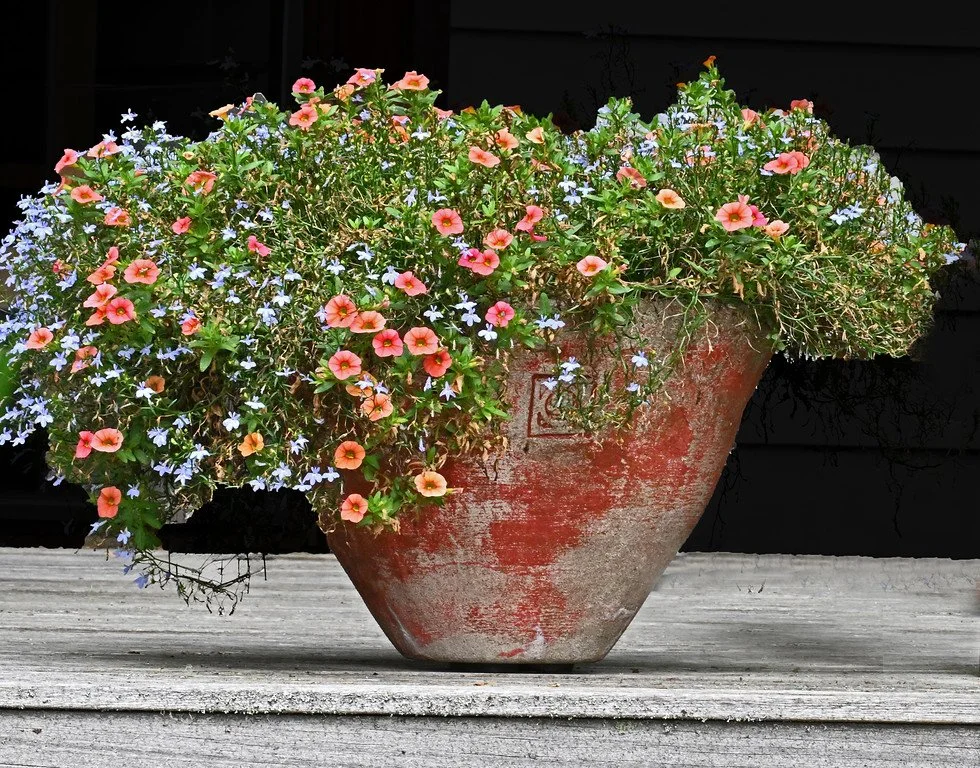
Above, you see mostly violet-blue spreading petunias (Petunia hybrida).Below,, you’ll see what are sold as “mini-petunias,” cultivated peachy look-alikes that here are combined with what appears to be blue trailing lobelia. The attractive flowers in those two planters have been blooming since early spring. All they need is watering.

Petunias are trumpet-shaped flowers that belong to the nightshade family. They’re natives of South America and cousins of tomatoes, potatoes, chili peppers, and tobacco. Their name reportedly comes from “petun,” meaning "tobacco" in an indigenous South American language.

Sixteenth century Spanish explorers initially rejected the wild, white-flowered South American petunias as worthless and didn’t include them in the flora samples sent back to the mother country for cultivation and sale. On the other hand, the native South Americans, including Mayans and Incas, reportedly believed that petunias had mystical powers that warded off evil spirits and monsters. (Unfortunately for them, the petunias weren’t potent enough to ward off Spanish conquistadores.)

(Images taken in Brooklin. Maine, on August 16, 2026.)
Comment

Comment

In the Right Place: Bust or Blast?

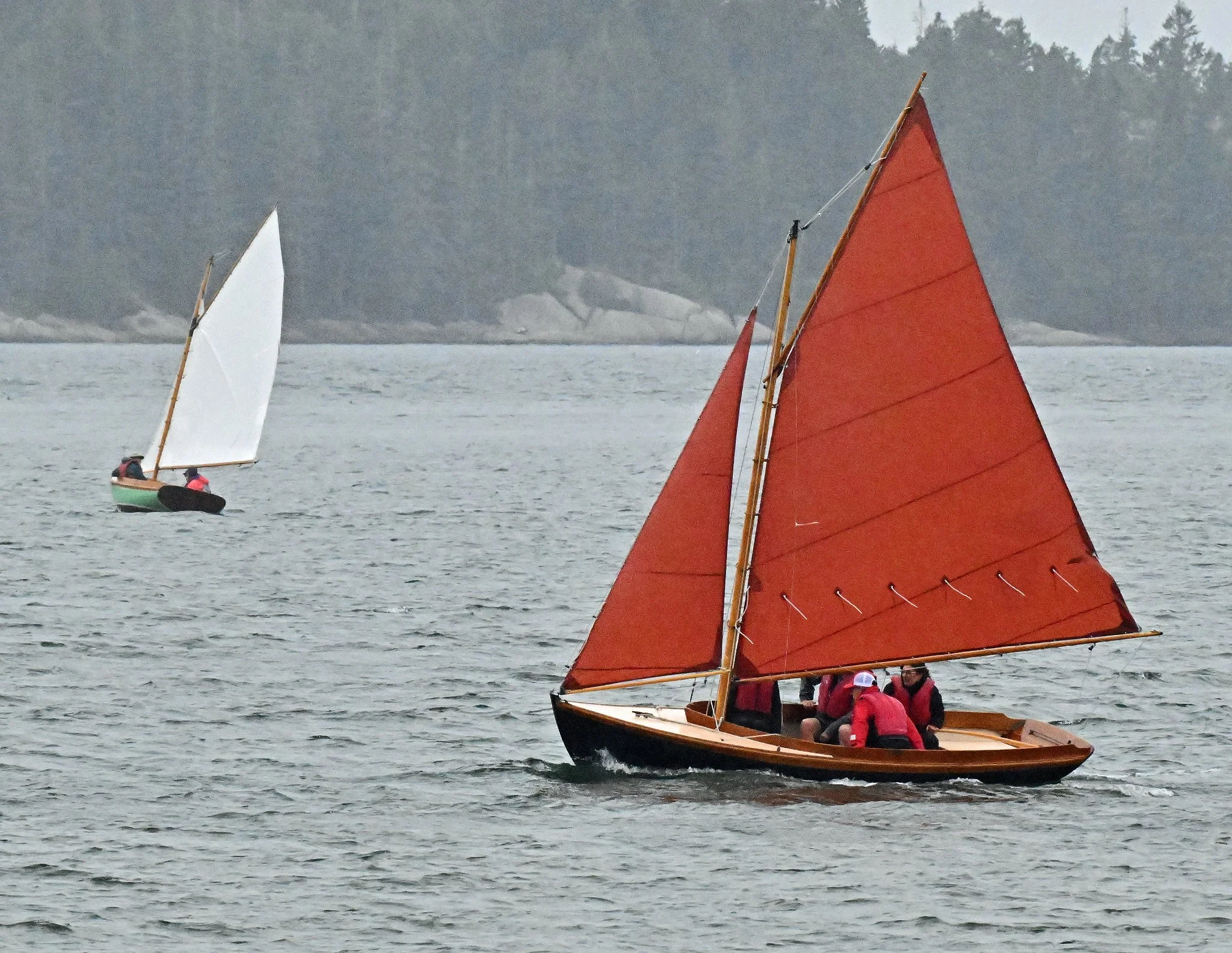
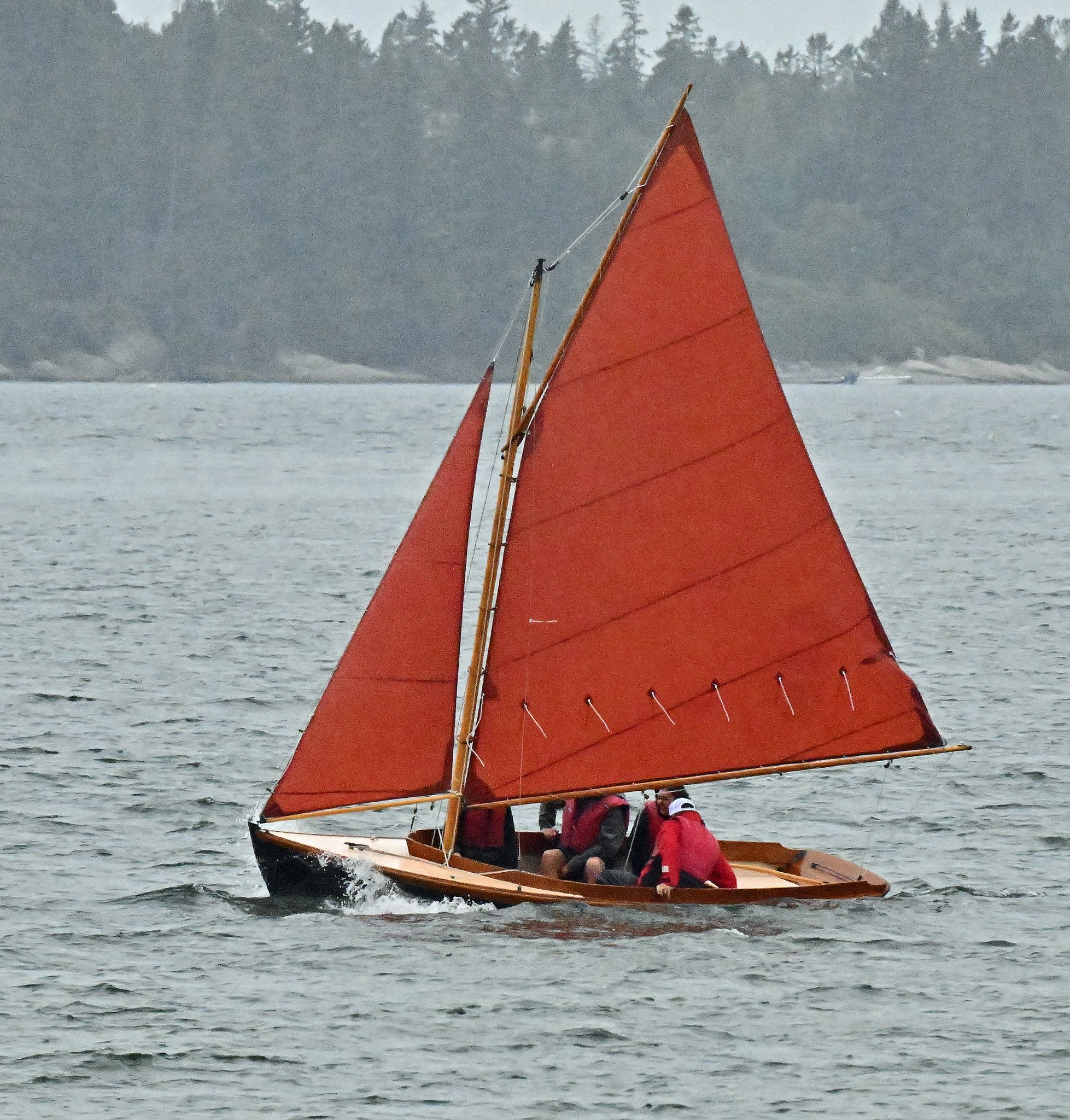
By Maine tourist standards, yesterday must have been a bust – a chilly, foggy, windy, rainy day. But, as far as I could tell, that wasn’t the case for the students in this week’s “Elements of Sailing I” class at the renowned WoodenBoat School. They seemed to be having a blast in the funky weather.

As you see above and below, these sailors had plenty of wind, were in what are perhaps the world’s best small sailboat classrooms and had some of the finest instructors there are.

Those classrooms are the keeled 12 ½-foot Herreshoffs (designed by Nathanael Herreshoff) and their center-boarded cousins, the 12 1/2 – foot Havens (an adaptation by Joel White). The classic “12 and ½” is 12 ½ feet in length at the waterline (15’ 10” overall), maneuverable and about as safe as a sailboat can be.

(Images taken in Brooklin, Maine, on August 17, 2026.)
Comment

Comment

In the Right Place: Lavender by Land and Sea

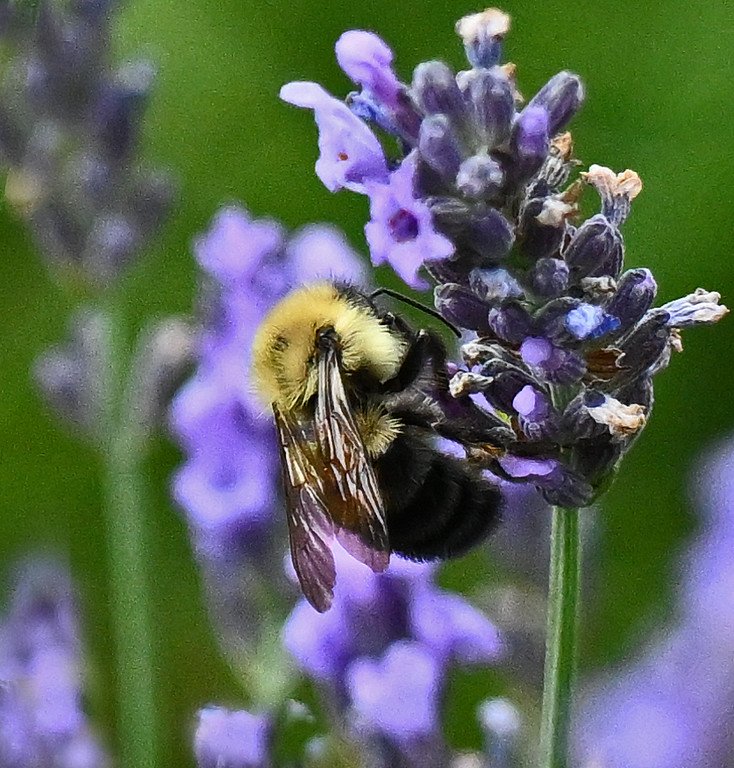
English lavender is a mint that’s popular with gardeners. It does well in dry weather and is extraordinarily fragrant. It also can be processed into perfumes and sachets, used in aromatherapy and added to teas and baked goods for a unique taste. As you see, land lavender also is popular with bumblebees and other pollinators:

Sea lavender is another story, despite its name and color. It’s not fragrant mint; it’s a scentless leadwort. But it is hardy and can survive submersion in salt water. The sea lavender shown below was totally submerged by the rising tide in Great Cove after the image was taken.:

Sea Lavender also is popular with many people who use it for decorations; it preserves well as a dried flower. However, therein lies a problem: sea lavender is a slow grower, and foragers can deplete wild populations. Besides, according to Maine law (as I read it as of now), the rooted sea lavender in the intertidal zones is owned by the upland landowners whose possession should be obtained before it is taken.

(Images taken in Brooklin, Maine, on August 16, 2026.)
Comment

Comment

In the Right Place: Summertime and the Living Is Easy

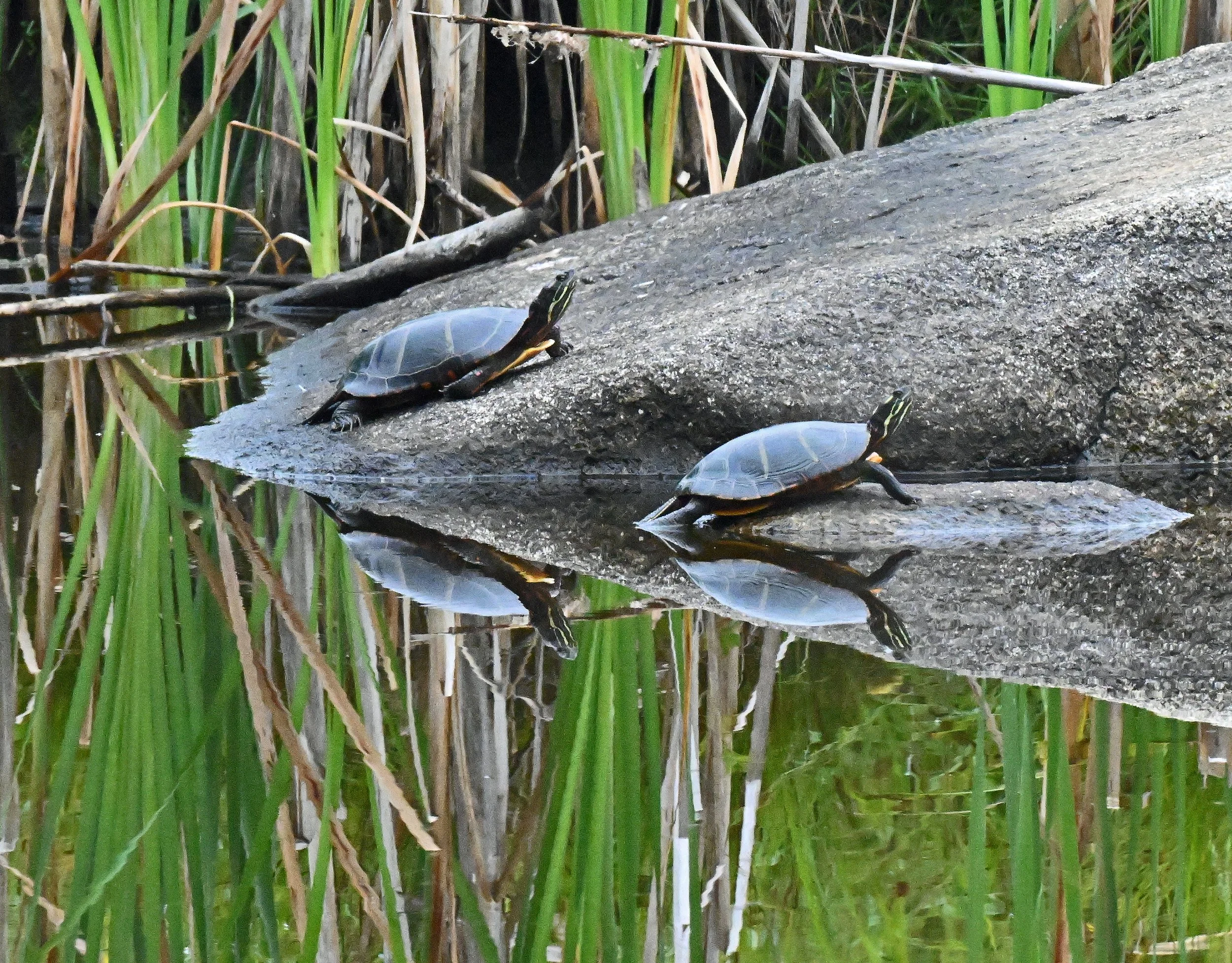
Here you see Porgy and Bess doing what painted turtles do best in August -- basking in the more protected areas of a pond. Unlike turtles in public parks, these remain shy since they’re not accustomed to seeing people. You have to sneak up on them to see them well through the cattails and shadows. (Fortunately, turtles don’t sun themselves topless.)

Mature PTs do make time to feed in the water for plants, small insects and snails, but their primary job for the year has been done. The August heat soon will hatch their babies that are buried in nearby earthen nests. Many of those hatchlings will dig themselves out and head for water, while some will remain in their nests and overwinter there.

(Images taken in Brooklin, Maine, on August 13, 2026..

Comment

Comment

In the Right Place: Good Guy/Bad Guy Performances

Two of high summer’s most beautiful (albeit miniature) shows are performing now, one beneficial, the other not so much. But, as Ralph Waldo Emerson said, beauty is its own excuse for being.

Above, you see white meadowsweet displaying its buds and tiny five-petalled, gleamingly white blossoms that are spiked by multitudes of reproductive stamens. This is in the spirea family, probably Spirea alba.

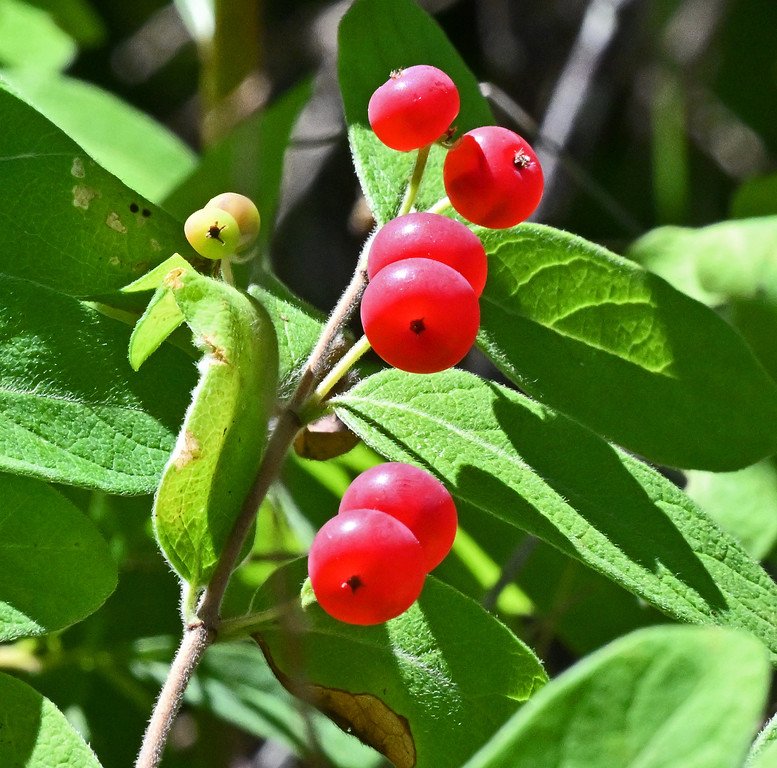
Below, you’ll see the stunningly translucent red berries of an Asian shrubby honeysuckle, which I guess to be Lonicera morrowii or Lonicera tatarica, These shrubs were imported into the U.S. as ornamentals for gardens and as windbreaks, since their leaves emerge early and stay late. But, these honeysuckles like to travel; they got loose and have become severely invasive, thanks to the birds who love those juicy berries.

(Images taken in Brooklin, Maine, on August10 and 14, 2026.)
Comment

Comment

 In the Right Place: A Dark Summer Mystery

They’re appearing now. Relatively few people have seen them in the wild, fewer know much about them, and they’re experiencing new problems.

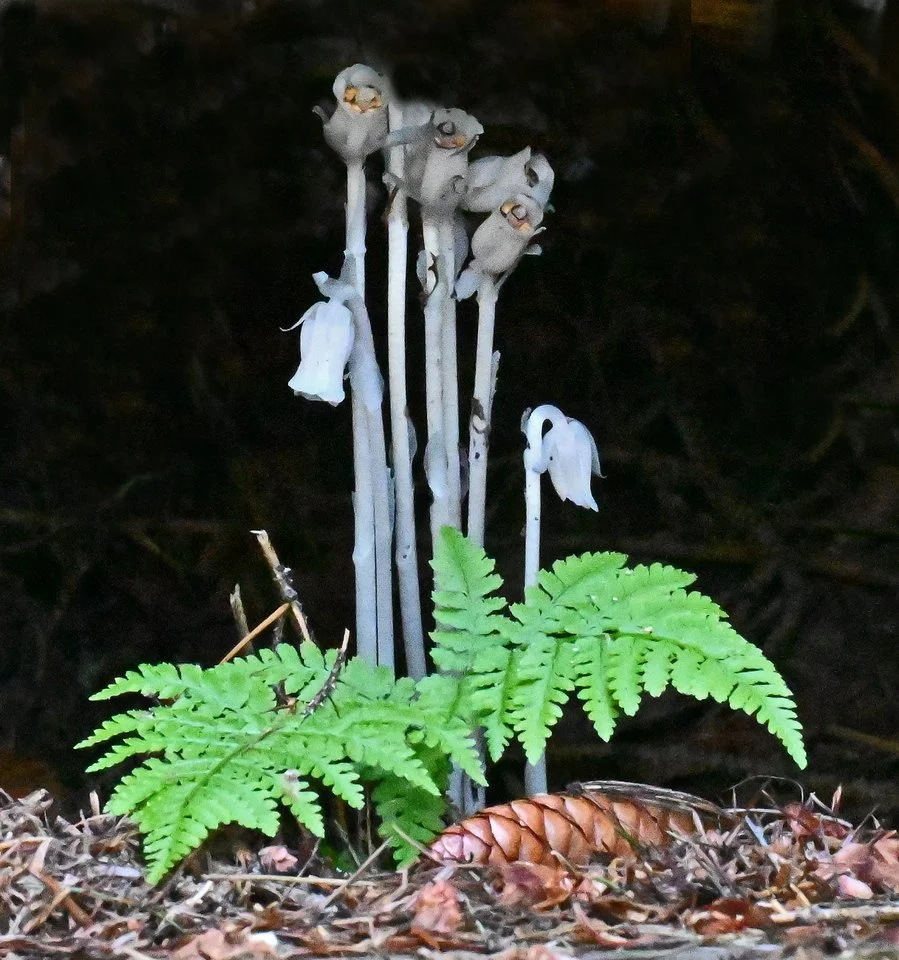
\Mysterious ghost pipes (aka Indian pipes or corpse plants) such as these are the subject of my monthly column in the current edition of the award-winning Ellsworth American newspaper. The myths and Cherokee people’s legend about them also are discussed there. Click on the image to enlarge it. To read the column, use this link: https://www.5backroad.com/montly-column
Comment