Comment

In the Right Place: Time-Traveling

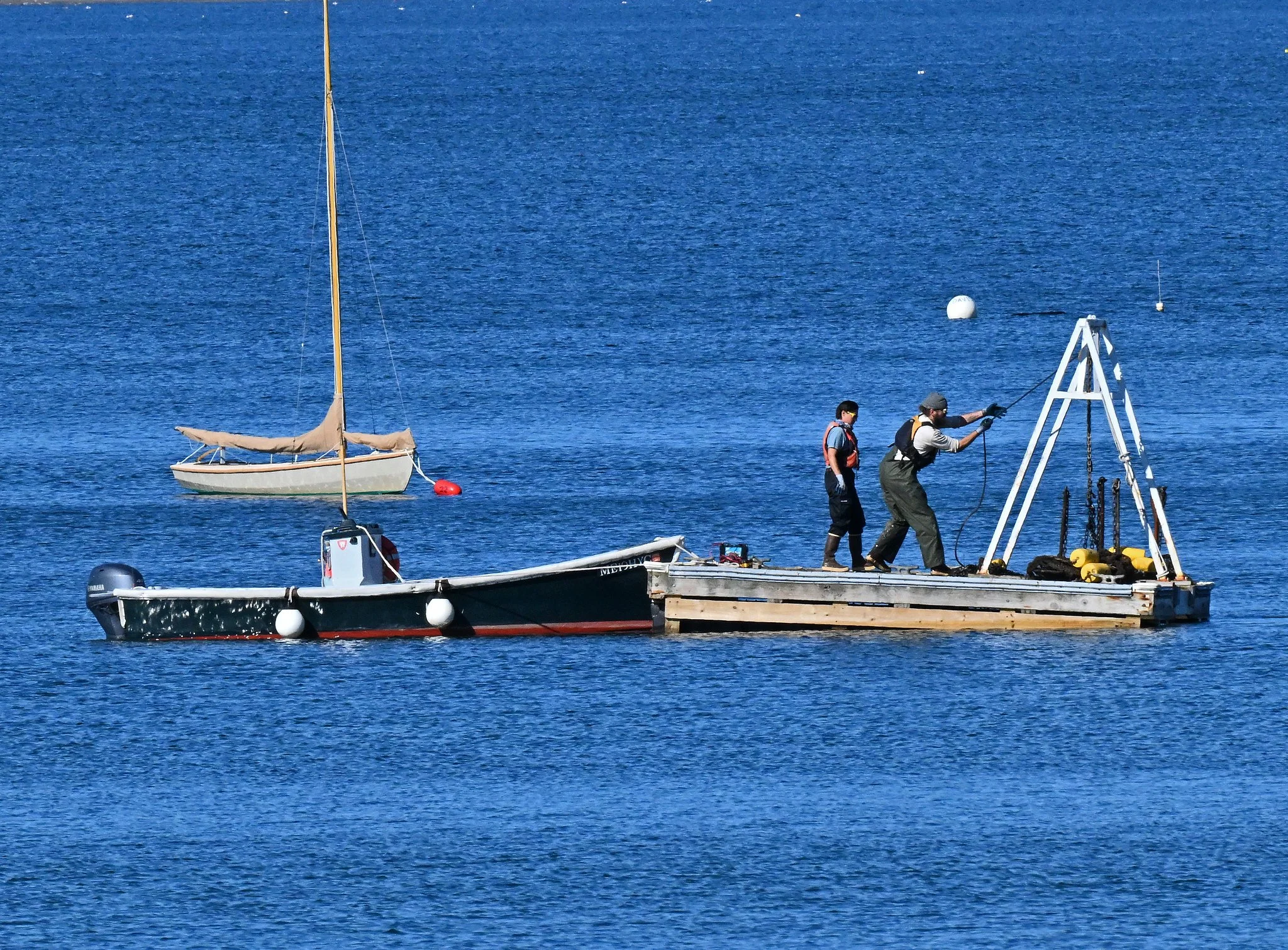
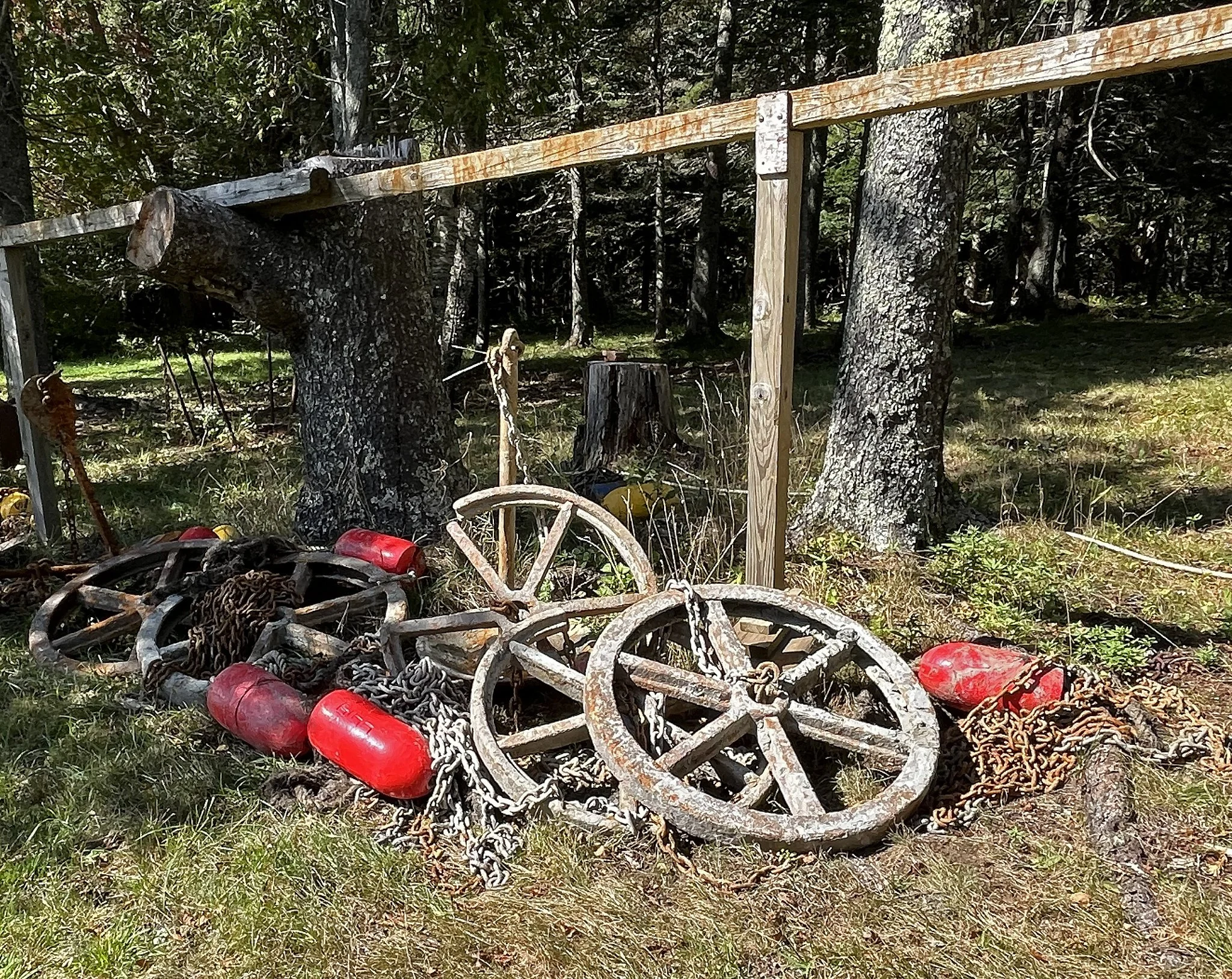
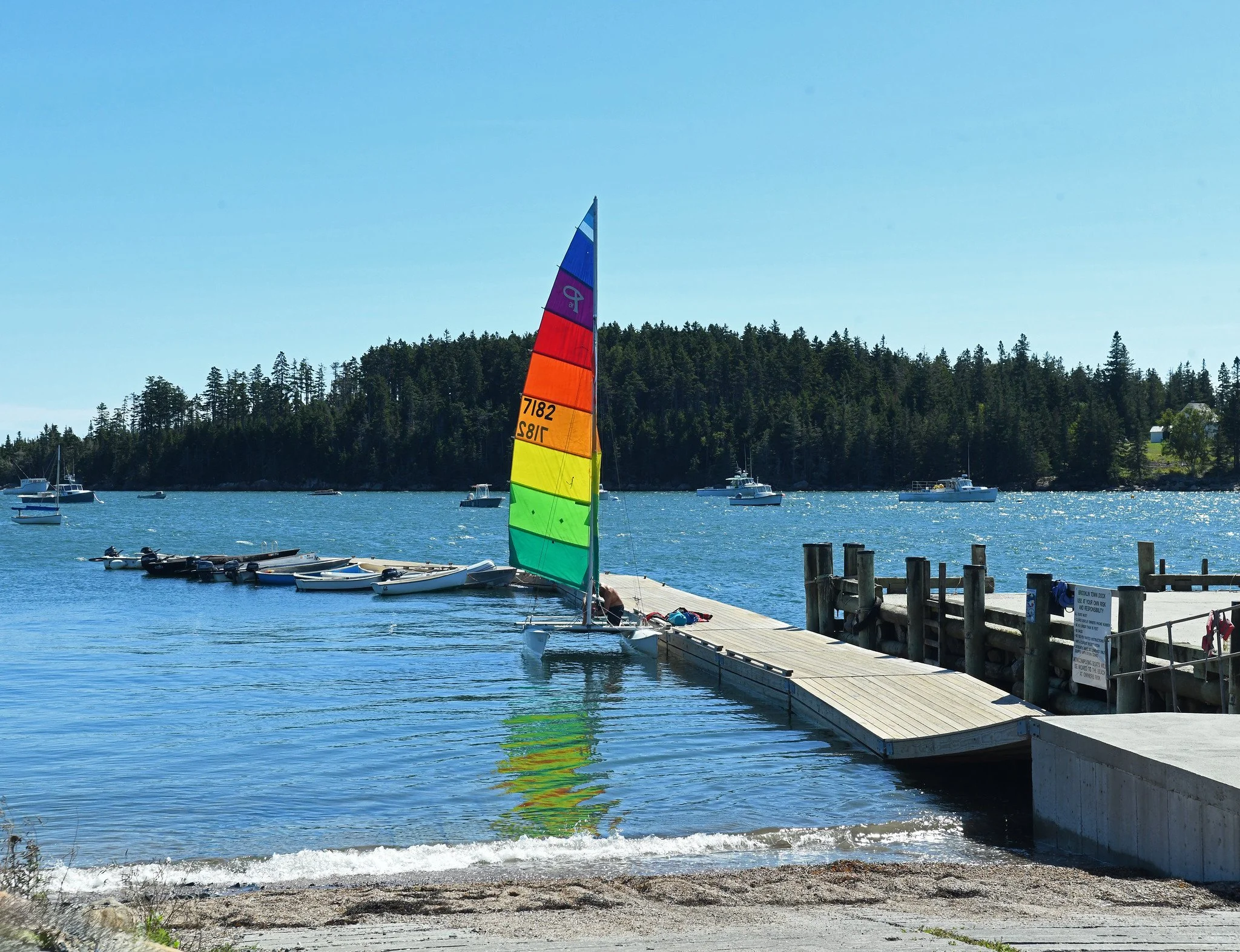
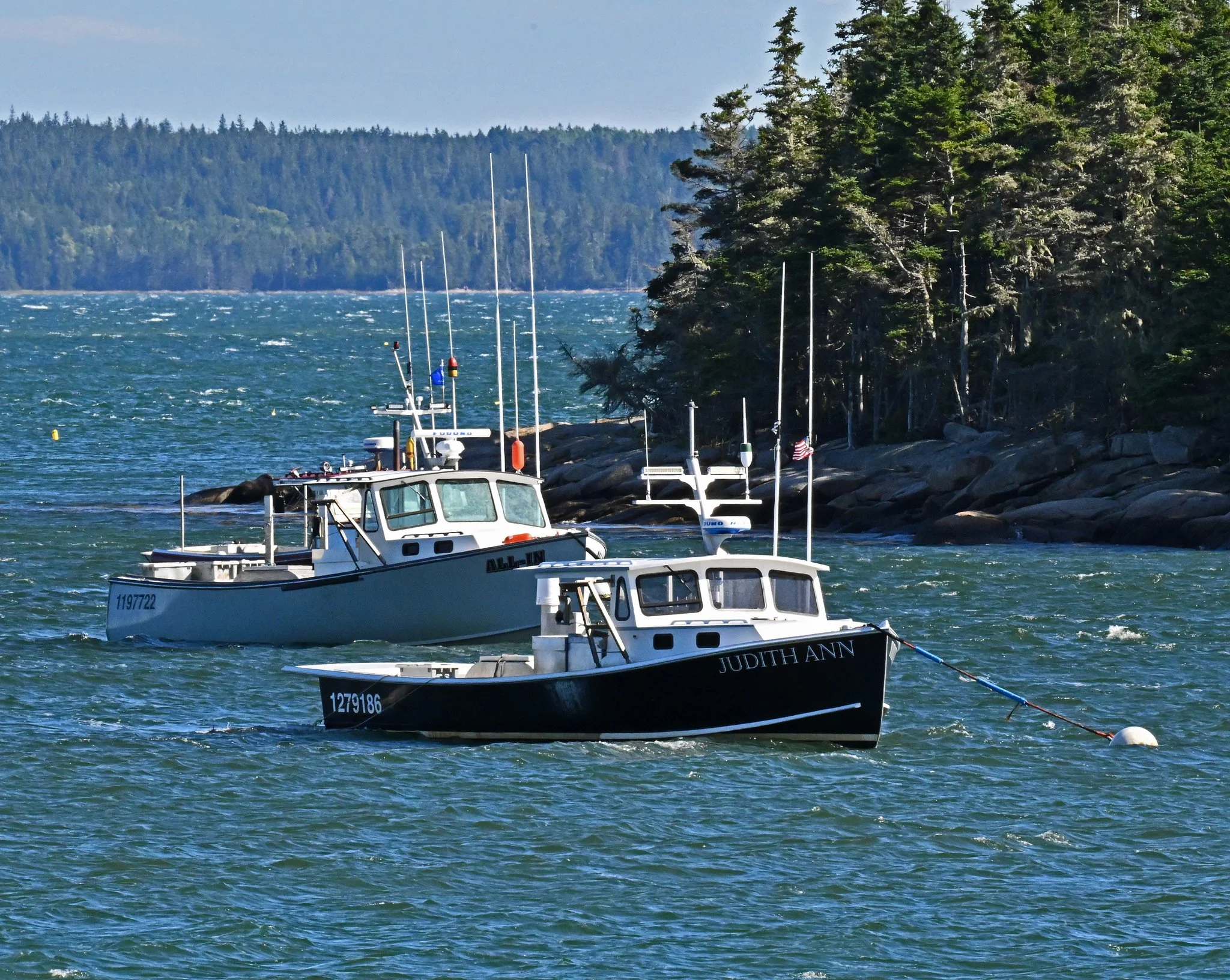
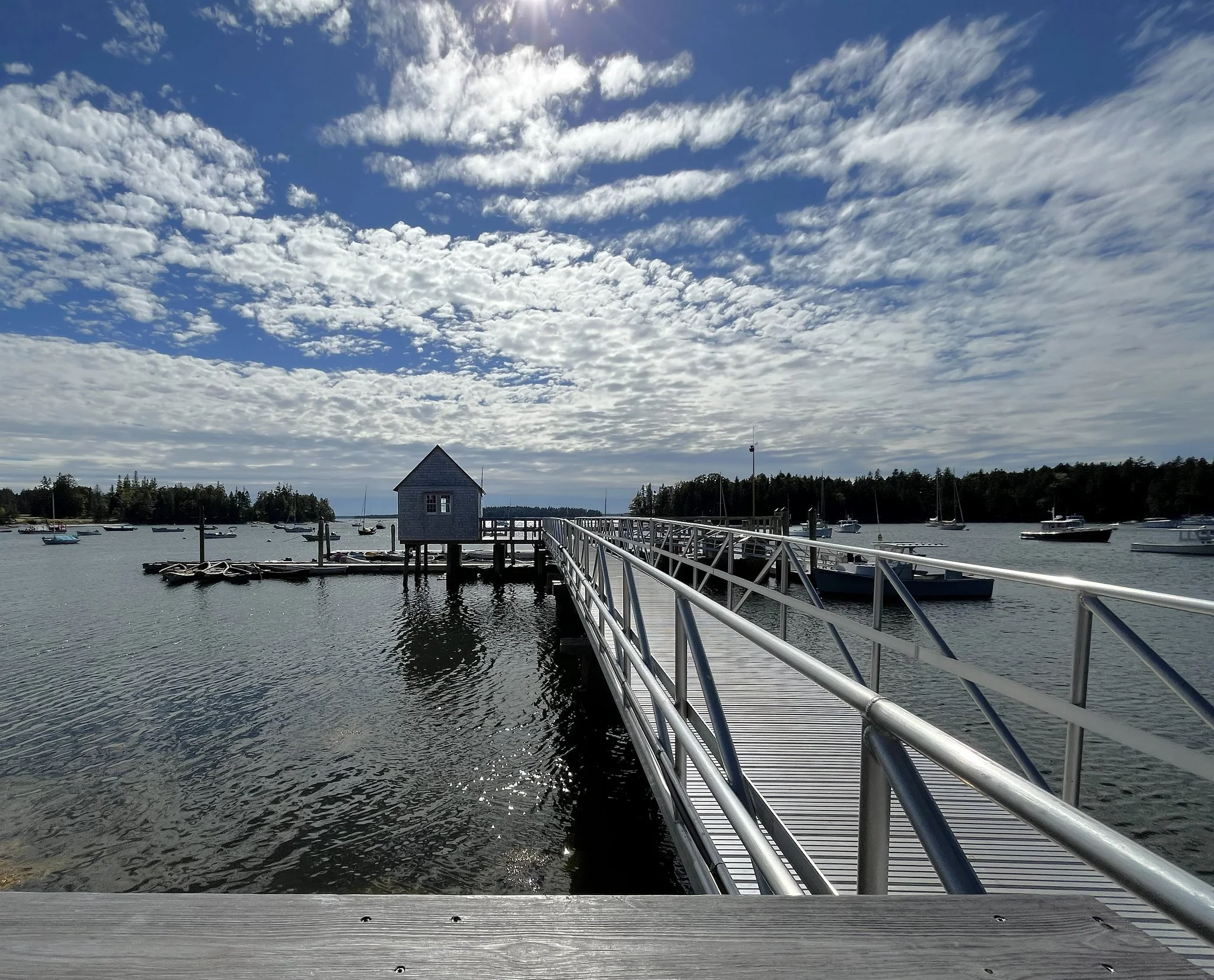
Stepping into the old boatshed at the Brooklin Boat Yard can feel like time- traveling.  It’s at its best as seen here, with the seaside doors open to morning light and Center Harbor’s salty breezes. They saunter in and mingle with the scent of old wood and the sight of well-used mooring gear.
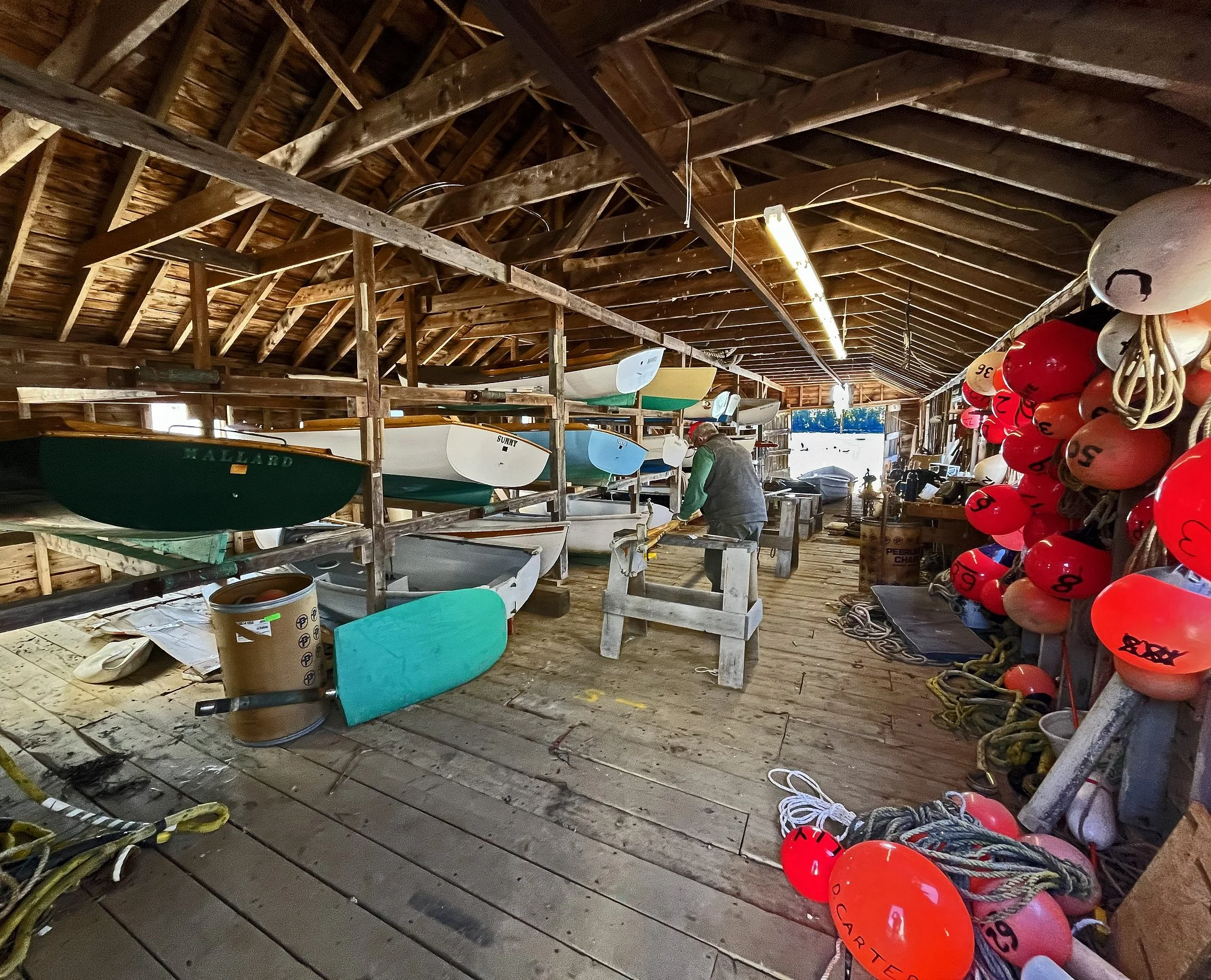
It’s easy to conjure up a sense of times long past here. A lone craftsman working with his hands helped; it looked like he was repairing a small sailboat’s wooden wishbone tiller. All the boat racks were not full yet, but they soon will be.
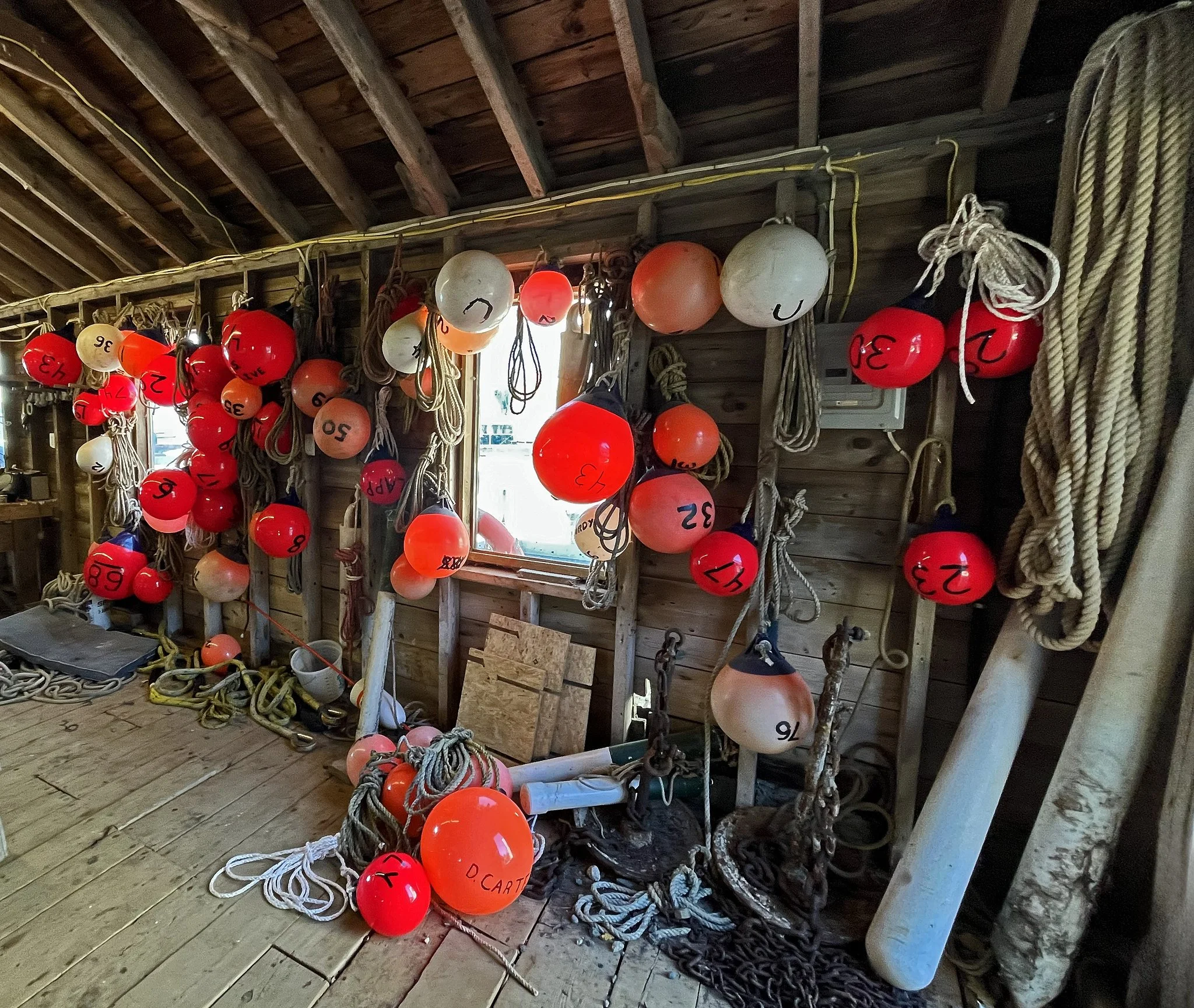
The full history of the shed is not totally romantic. It reportedly was built around 1890 as part of a large sardine canning factory – a part that housed an outhouse that had no flushing capability, but conveniently extended over tidal water. I prefer not to time-travel back that far into the shed’s past.

(Images taken in Brooklin, Maine, on October 15, 2026.) See also the image in the Comment pace.
Comment

Comment

In the Right Place: Invitation to the Dance

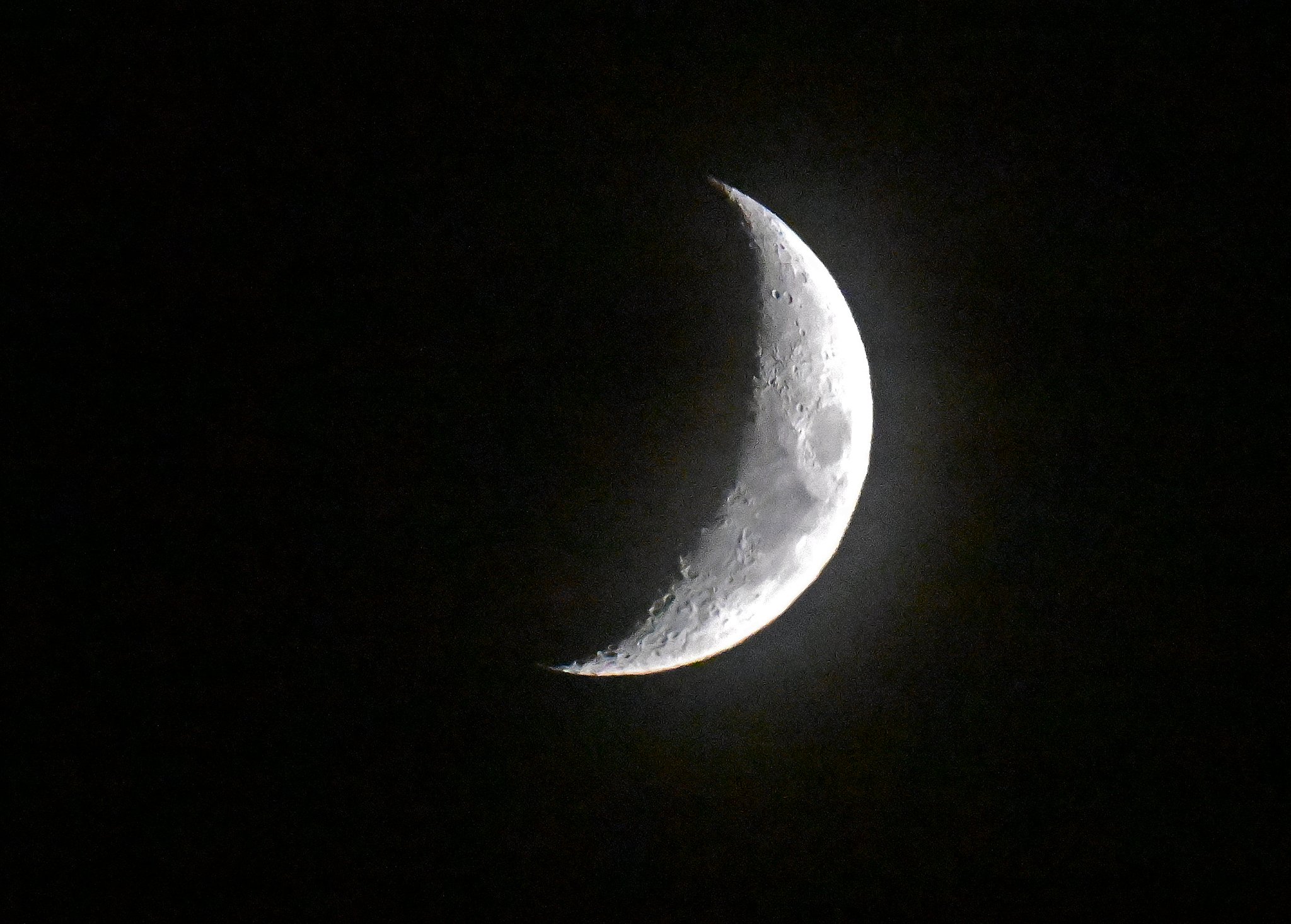
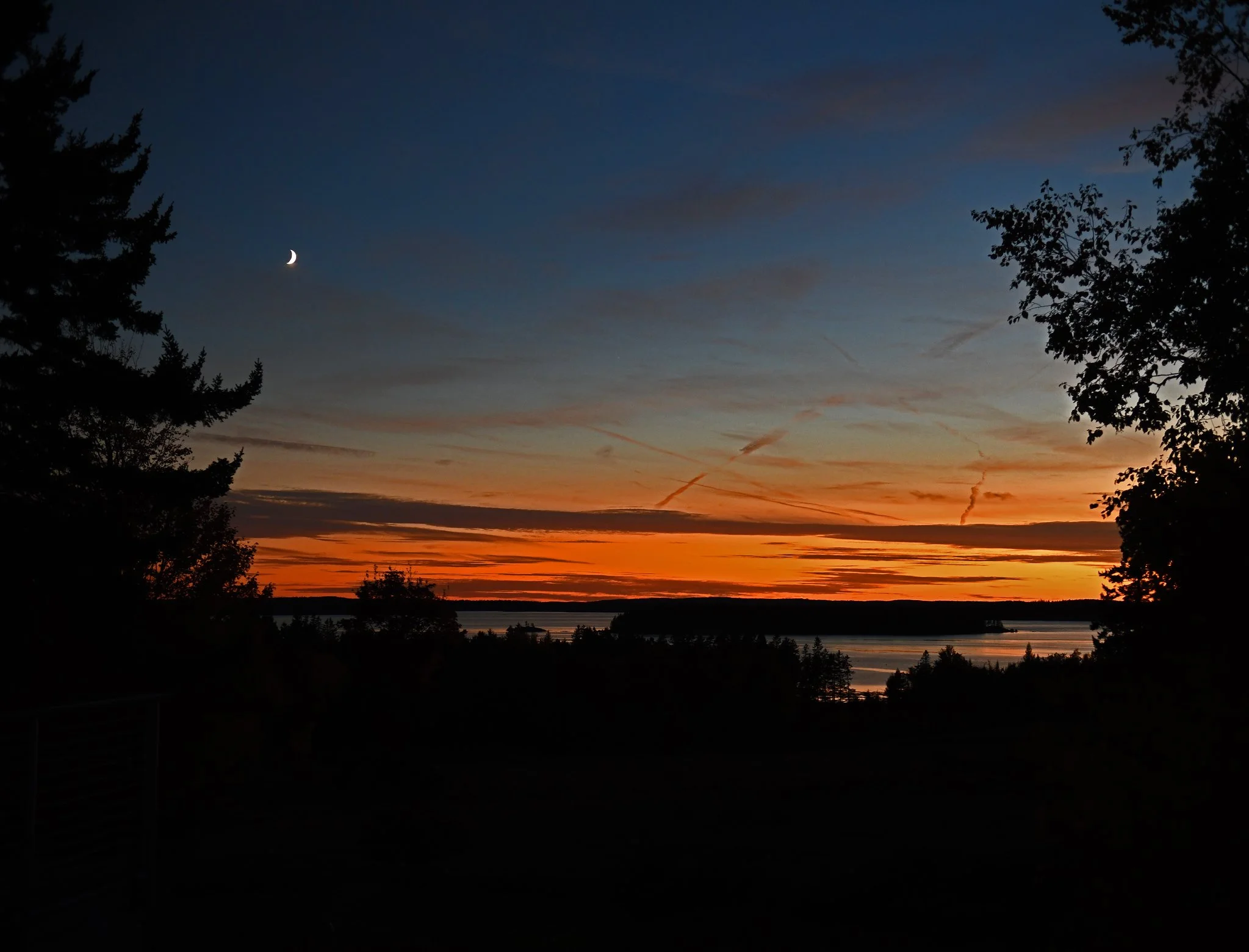
Last night, just after sundown, the crescent moon rose in a darkening blue sky above clouds sailing in a band of burnt orange. Great Cove and Eggemoggin Reach gave live impressions of the performance. The night was perfectly chilled, not cold. It wasn’t hard to imagine that this was an invitation to the October spirits to rise and dance as the blackness came.
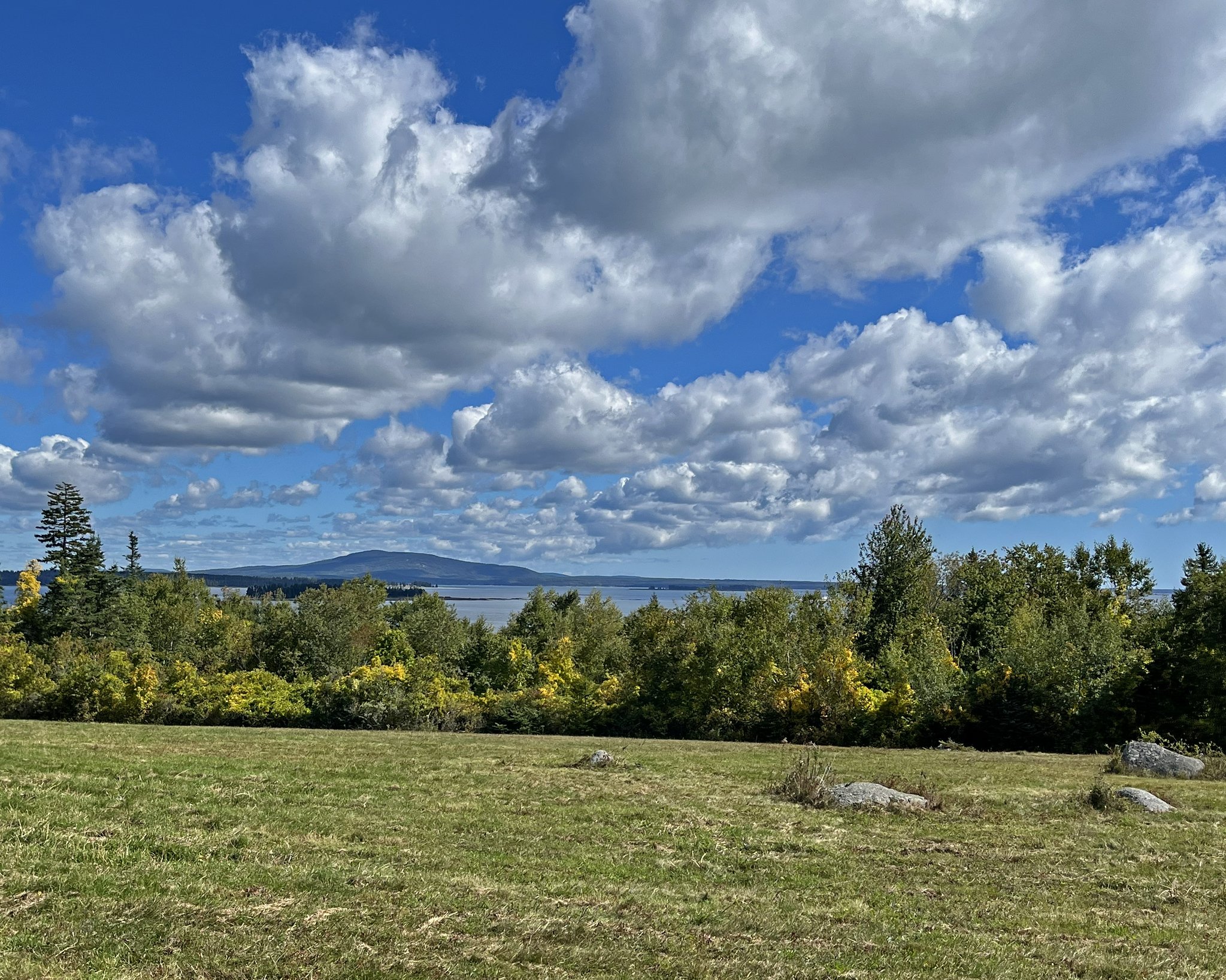
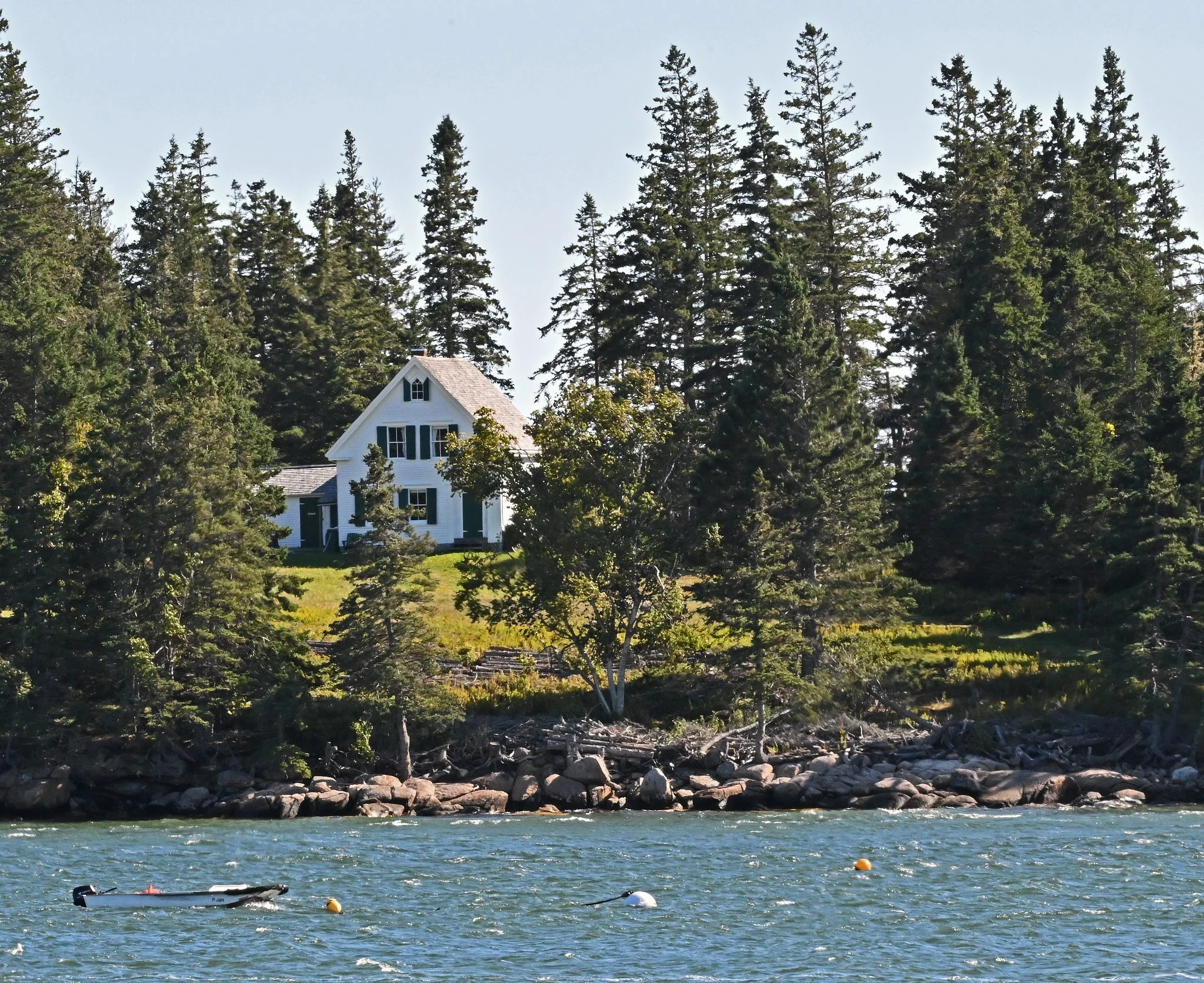
(Images taken in Brooklin, Maine, on October 15, 2026.)

Comment

Comment

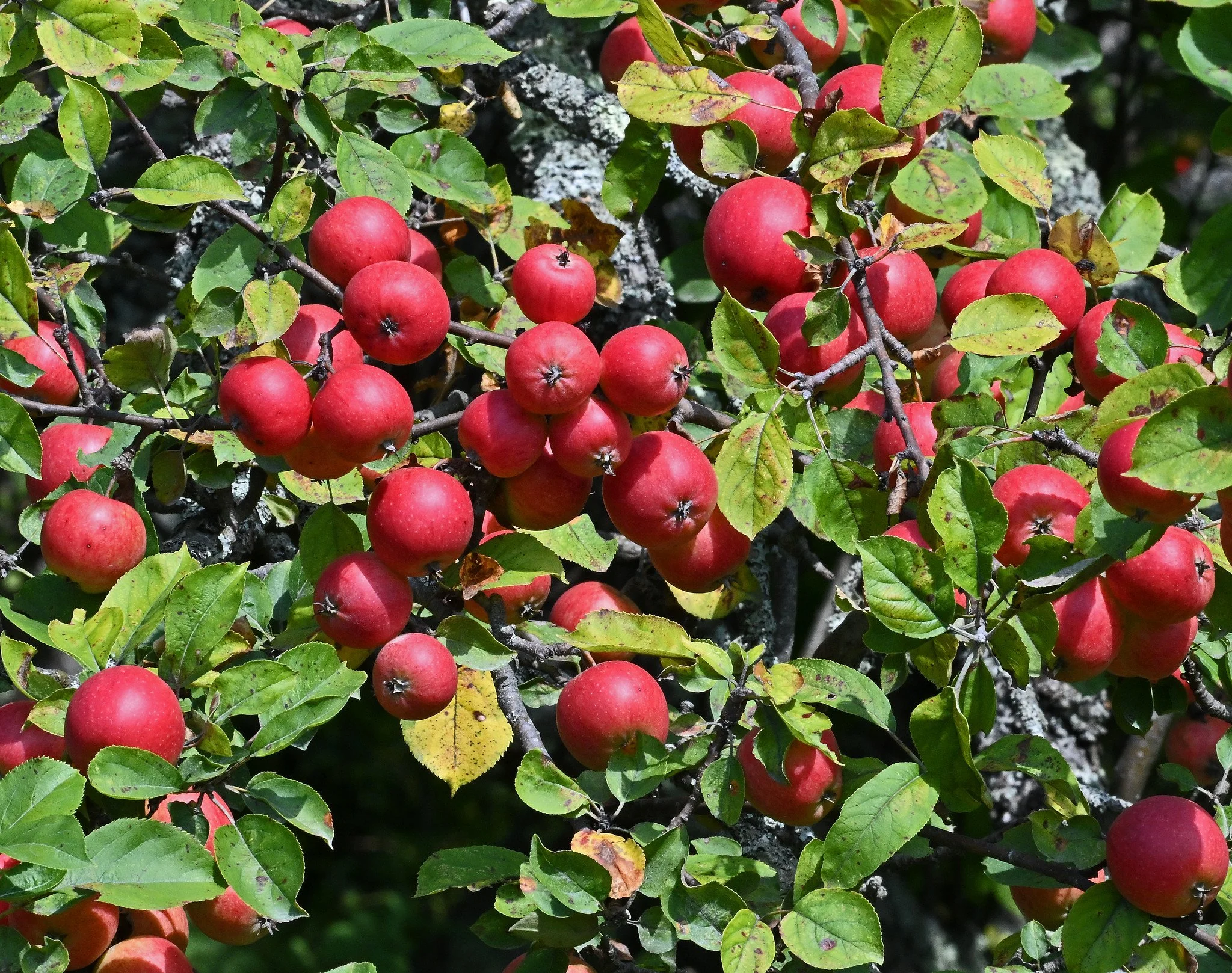
In the Right Place: Hanging in There

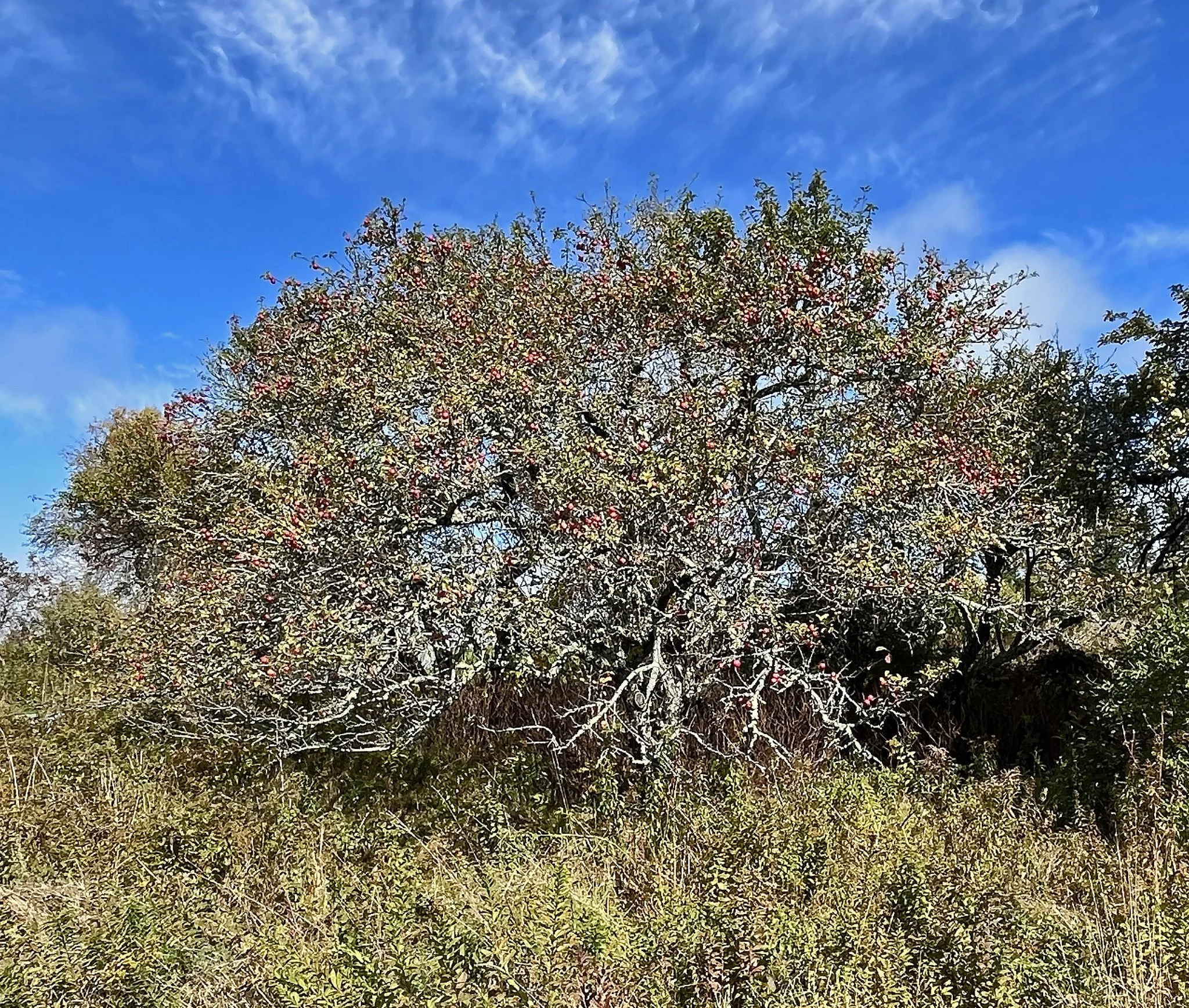
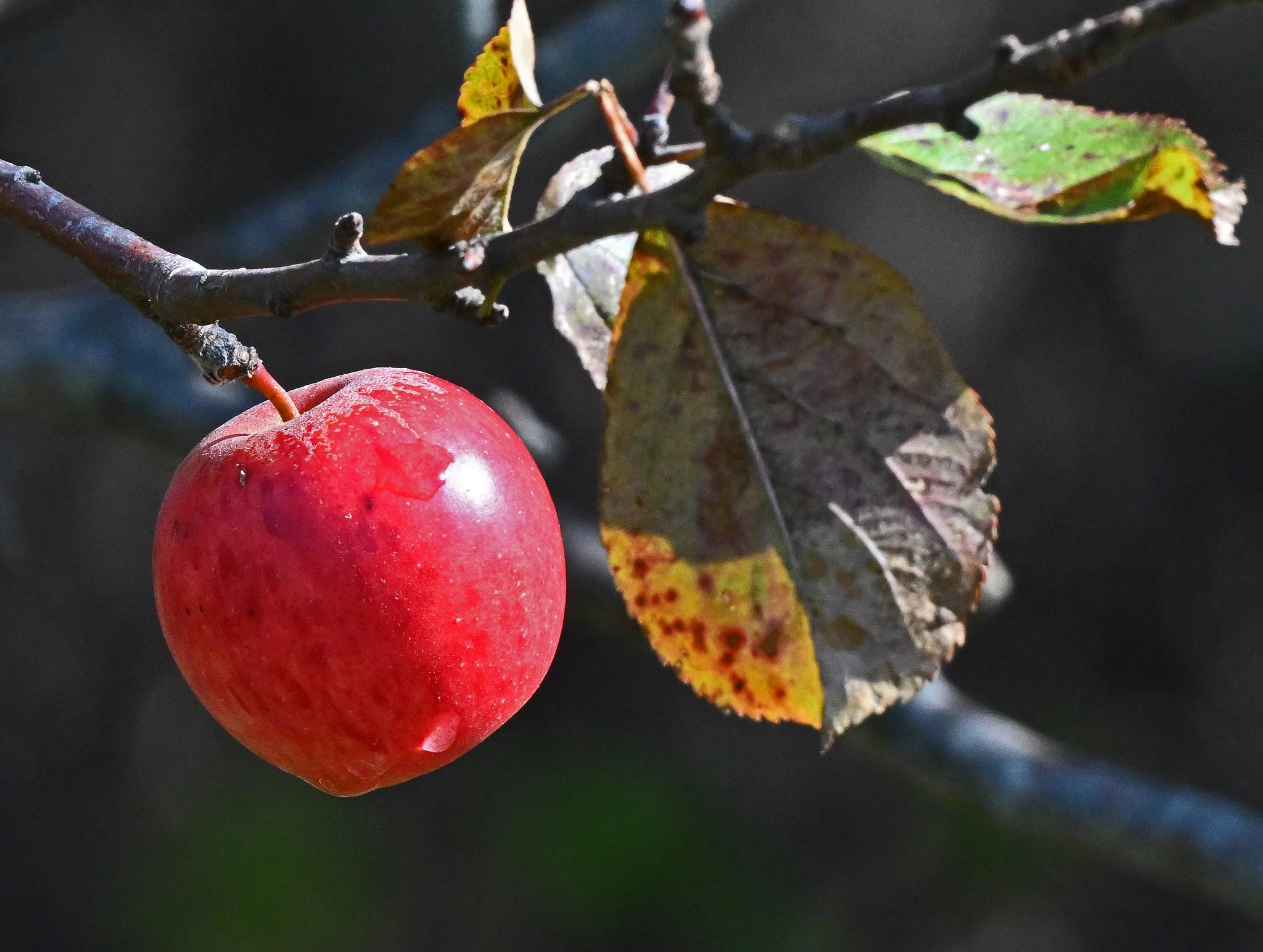
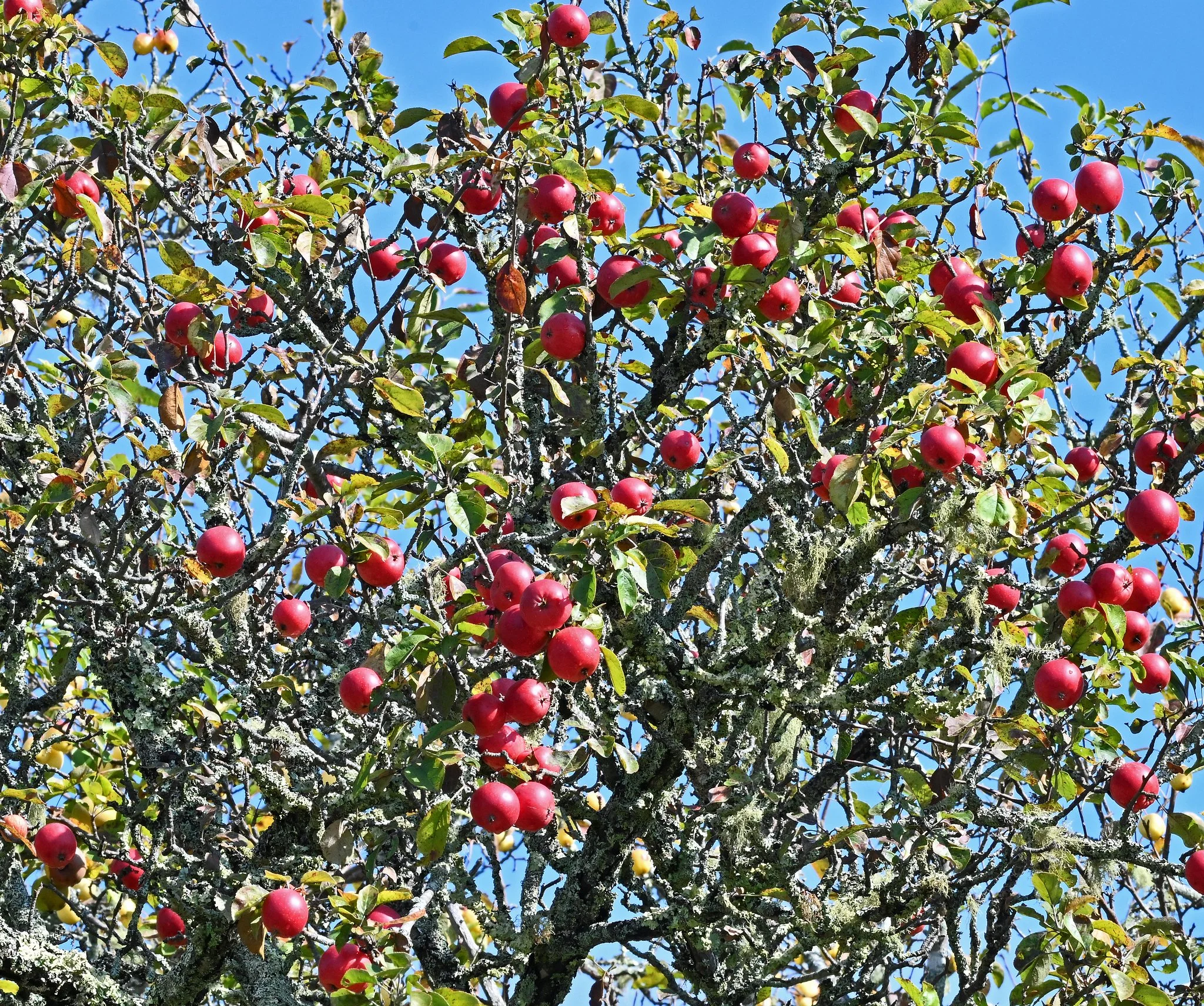
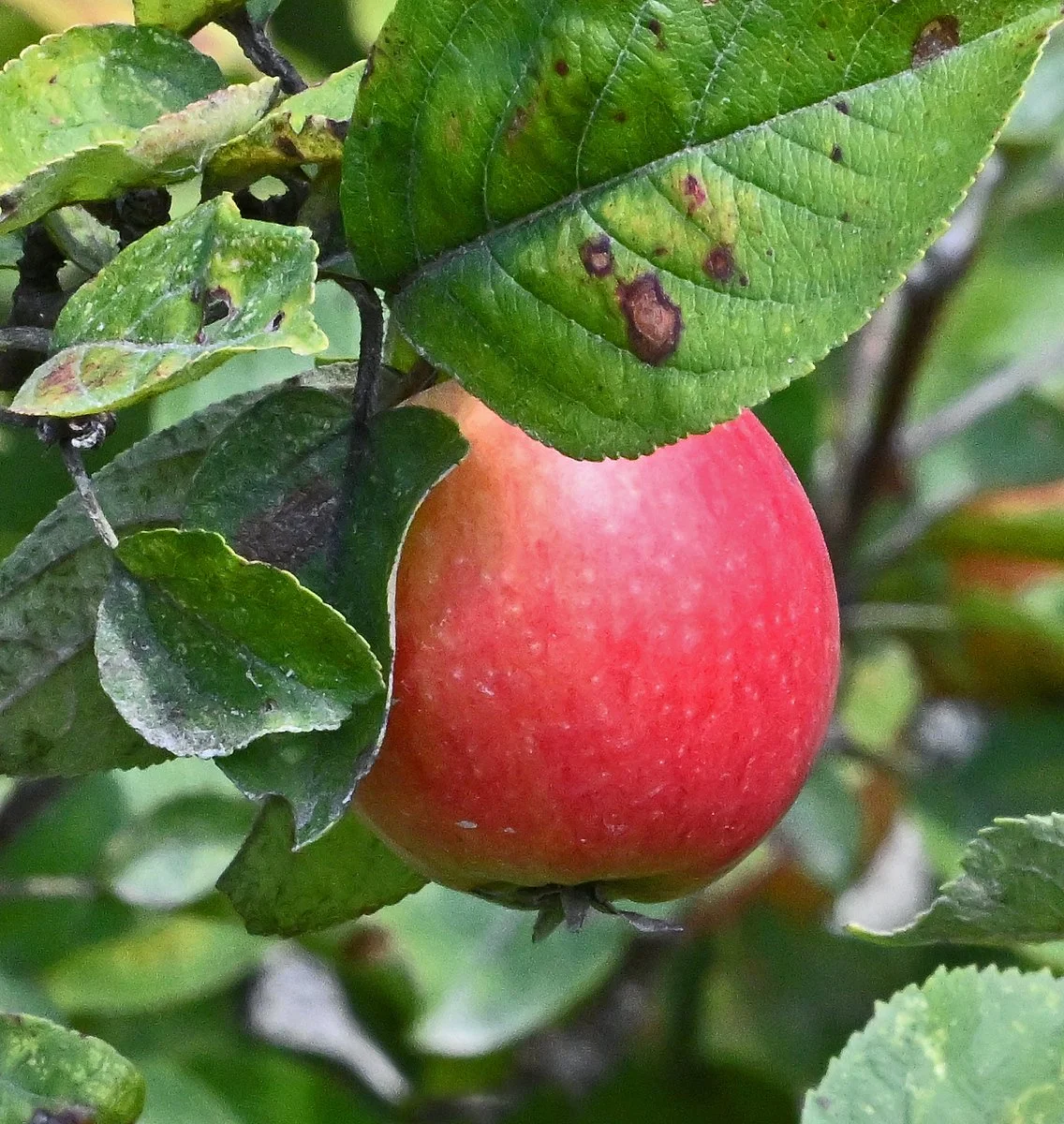
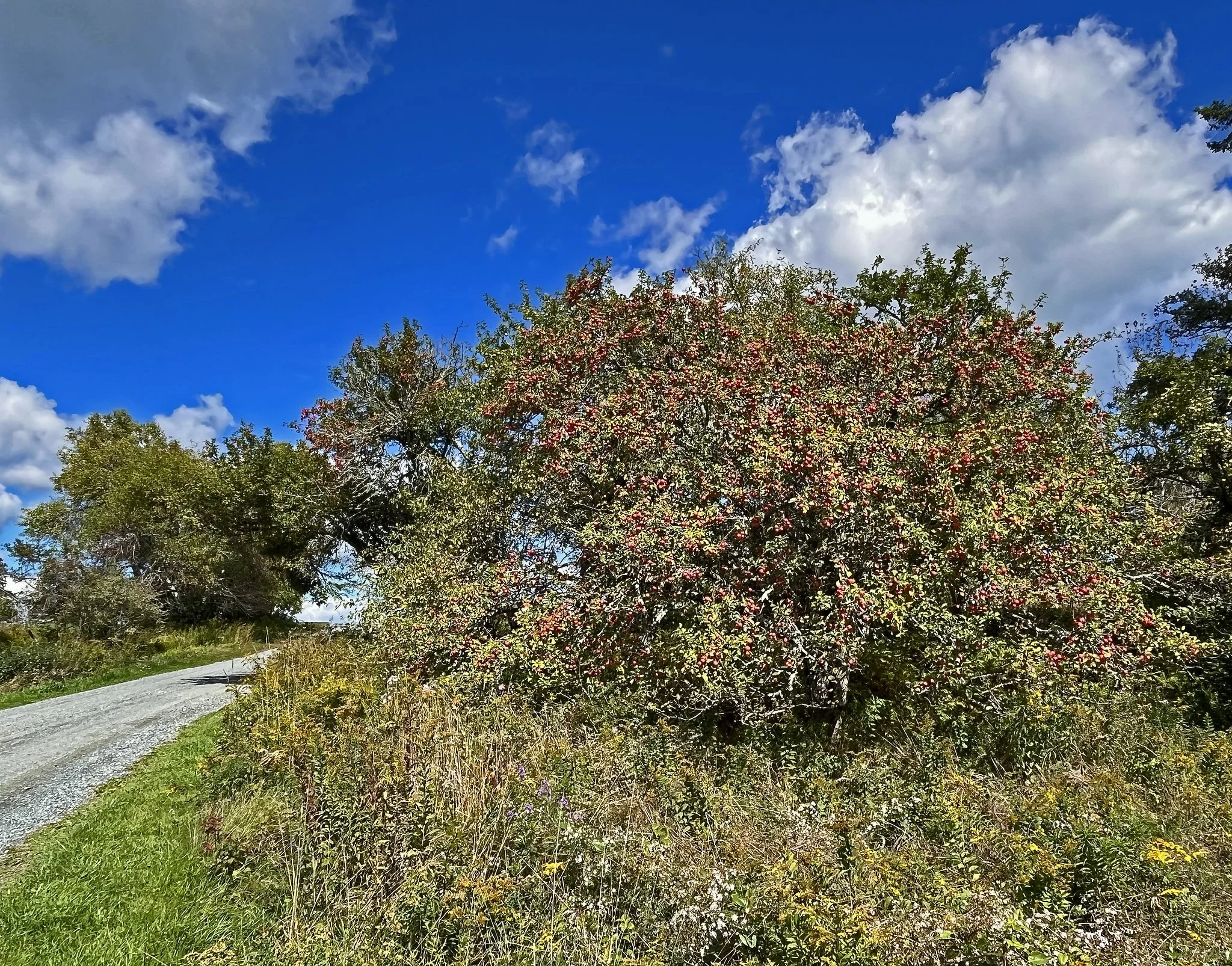
As you see, the gnarly architecture of the “wild” (abandoned or self-seeded) apple trees is starting to appear now like an intricate mystery slowly revealed. Although many of their leaves are drying and dropping, most of their apples seem to be vibrant and hanging on tightly.
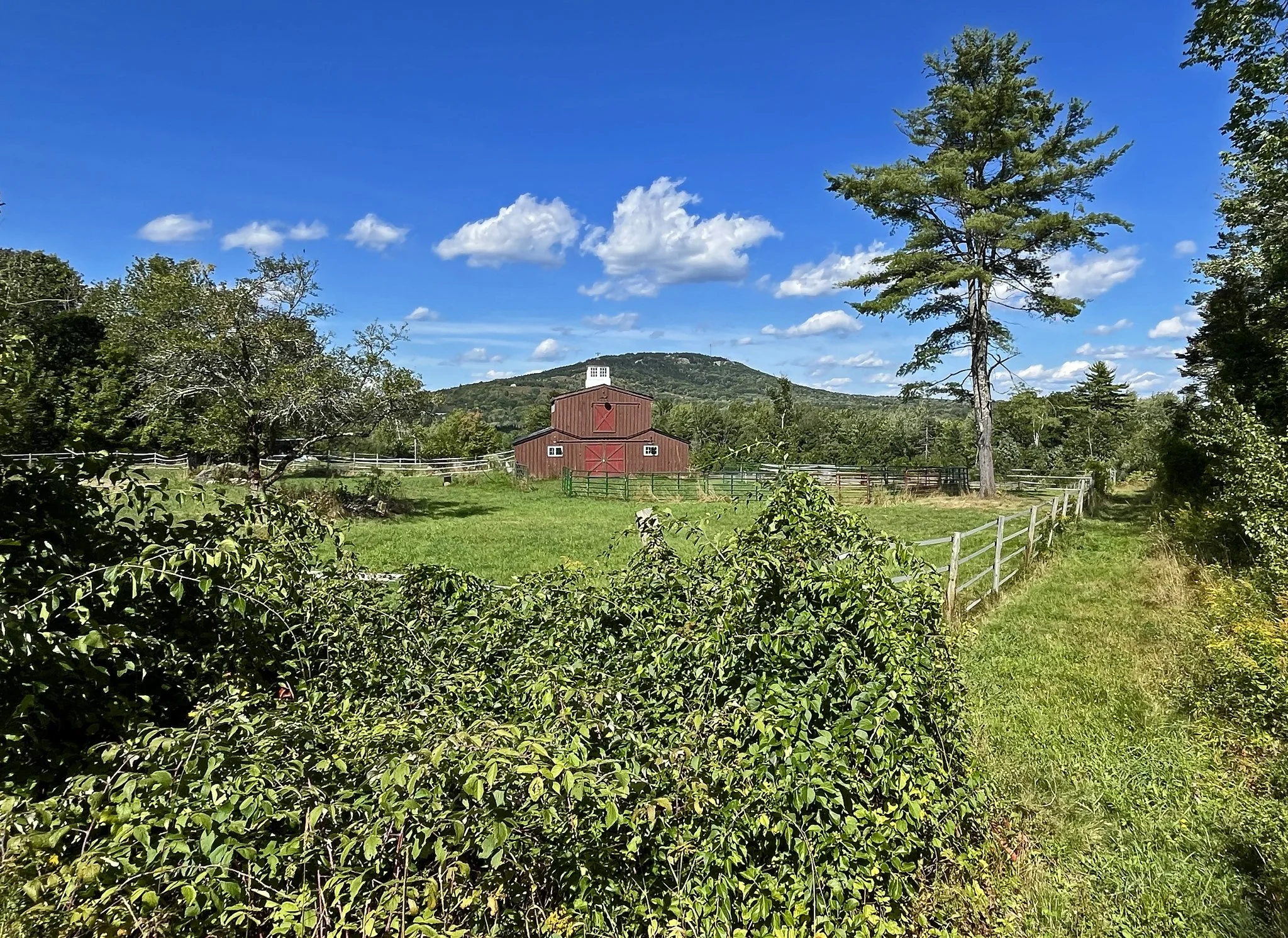
It seems to have been an exceptionally good year for these wizened elders, despite our drought.

(Images taken in Brooklin, Maine, on October 14, 2026.)

Comment

Comment

In the Right Place: The Name Game

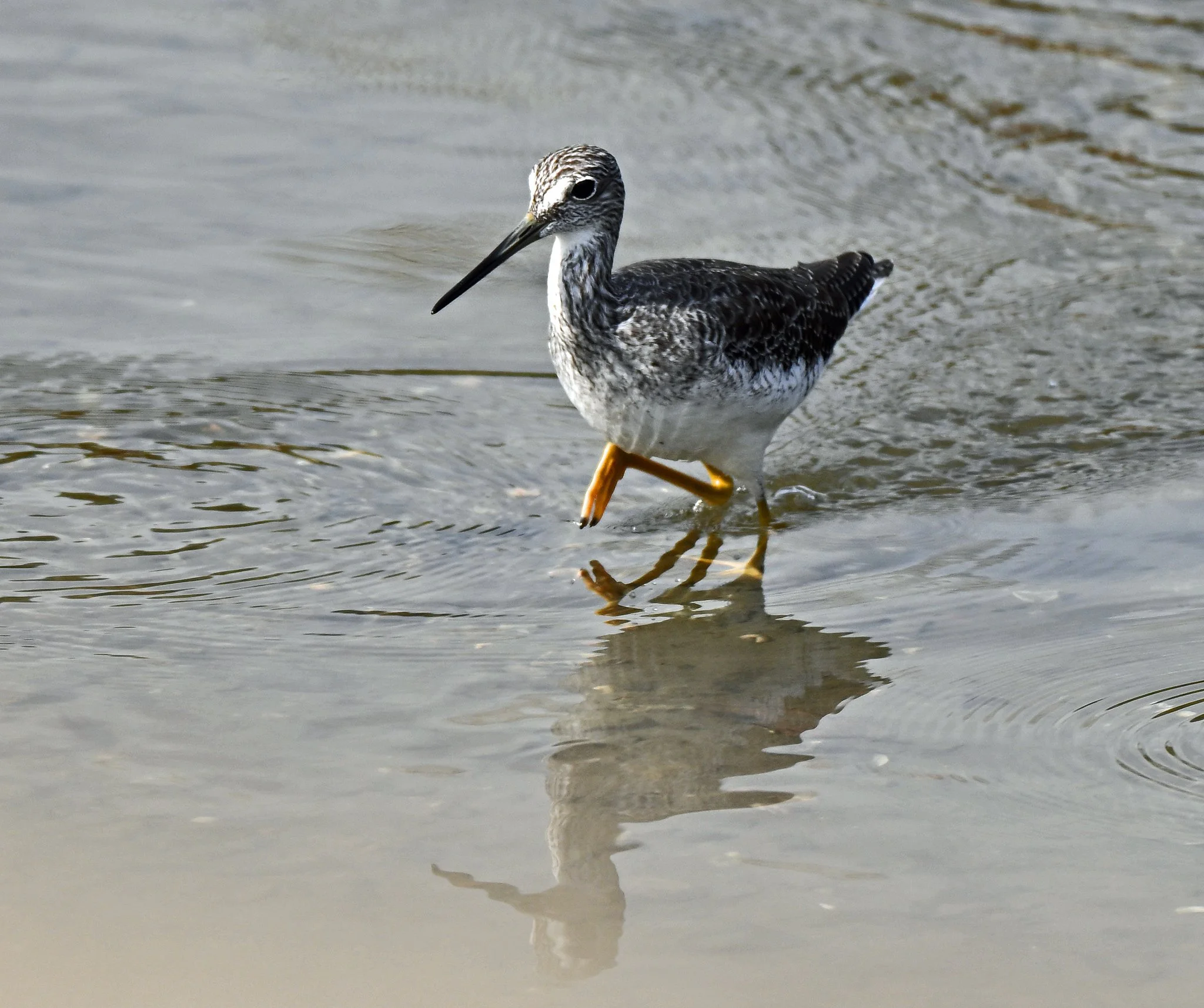
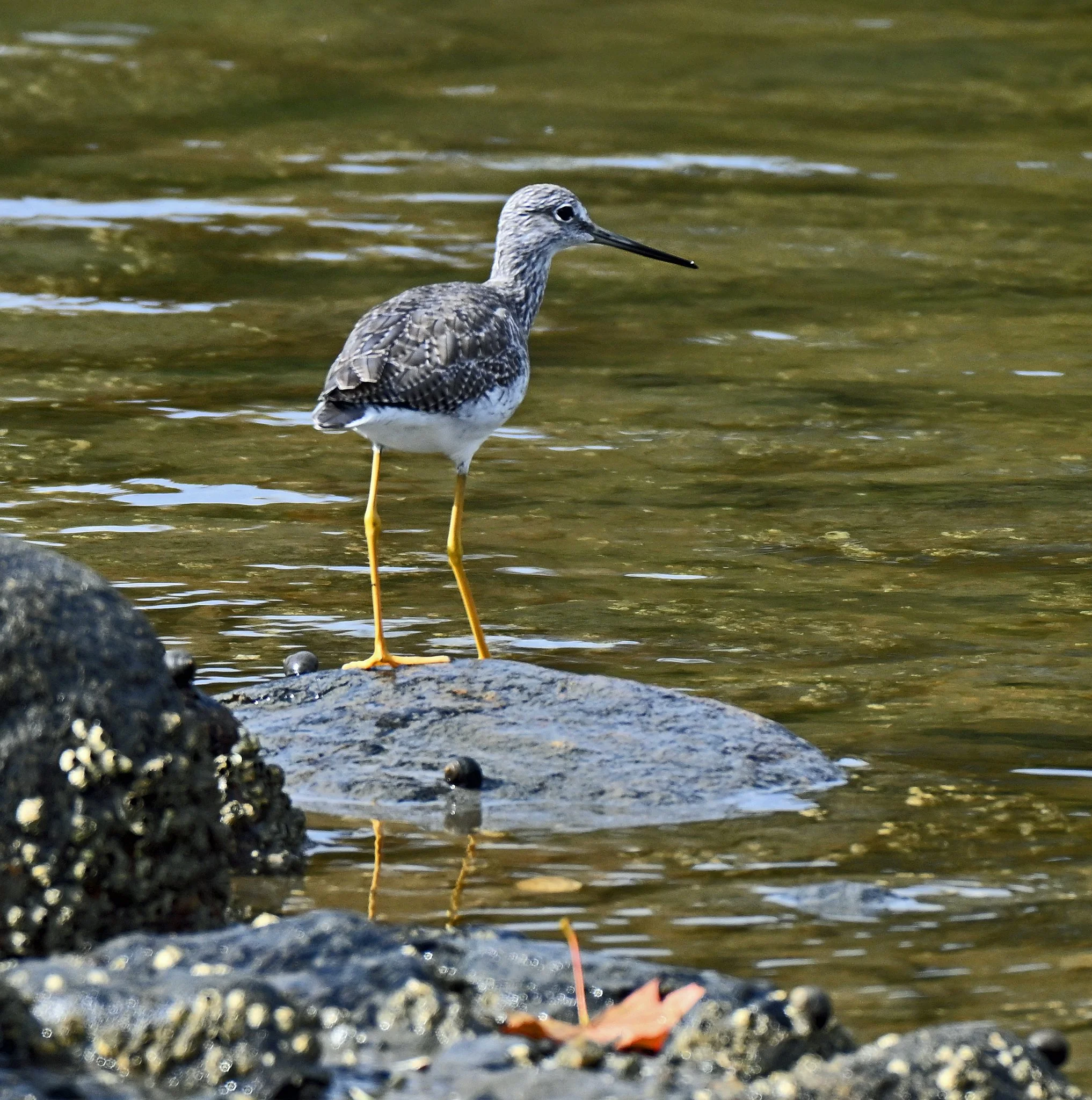
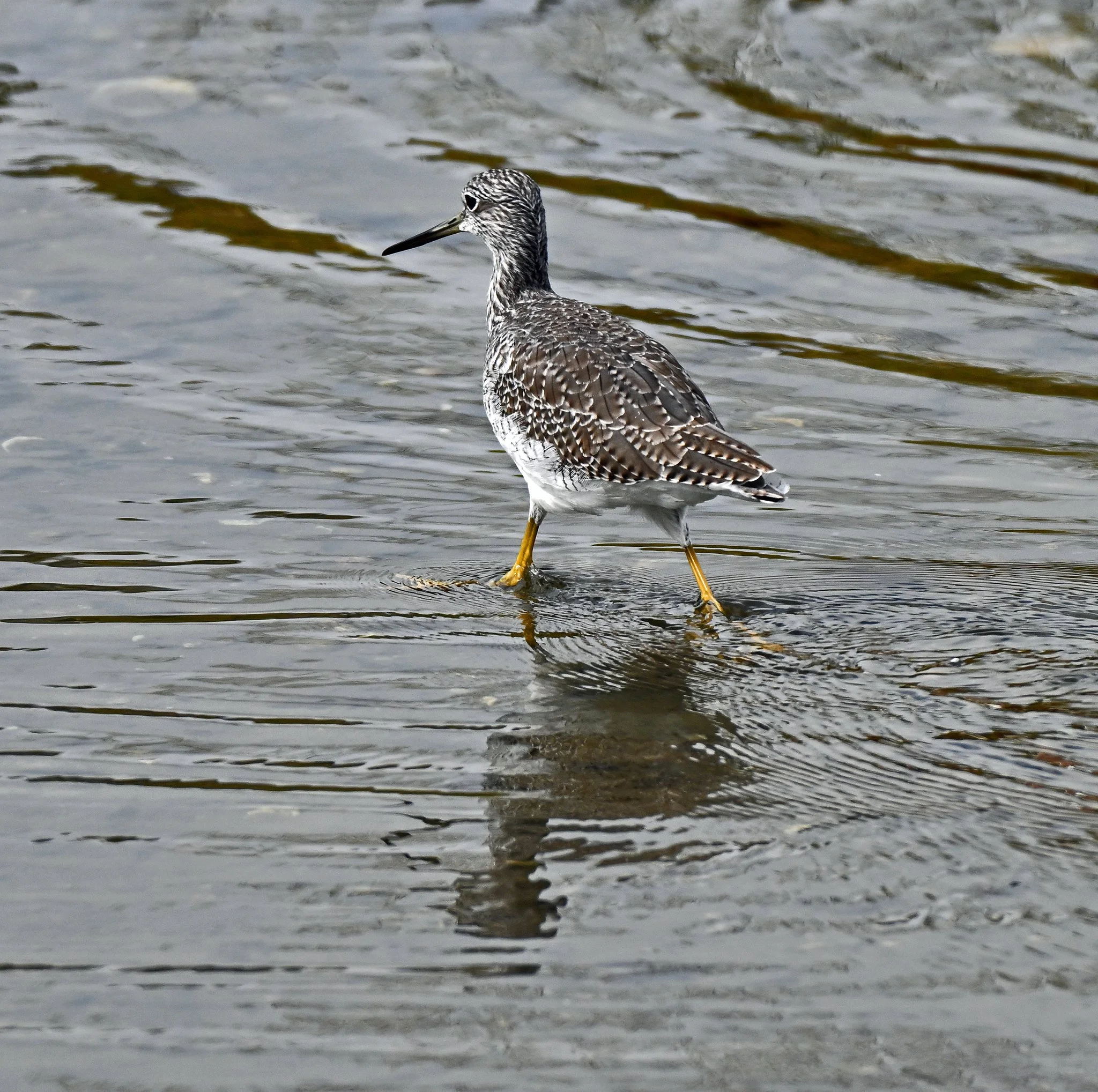
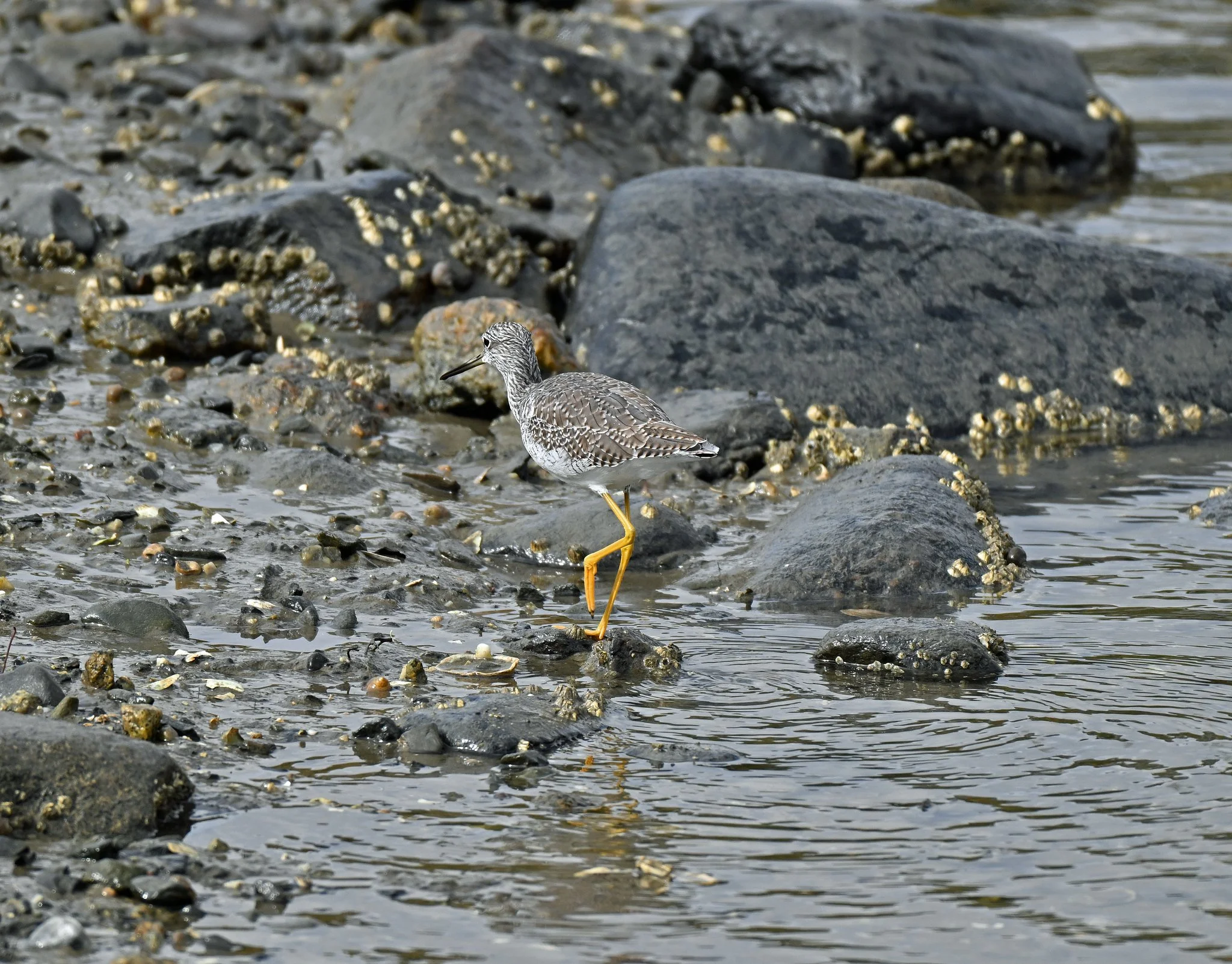
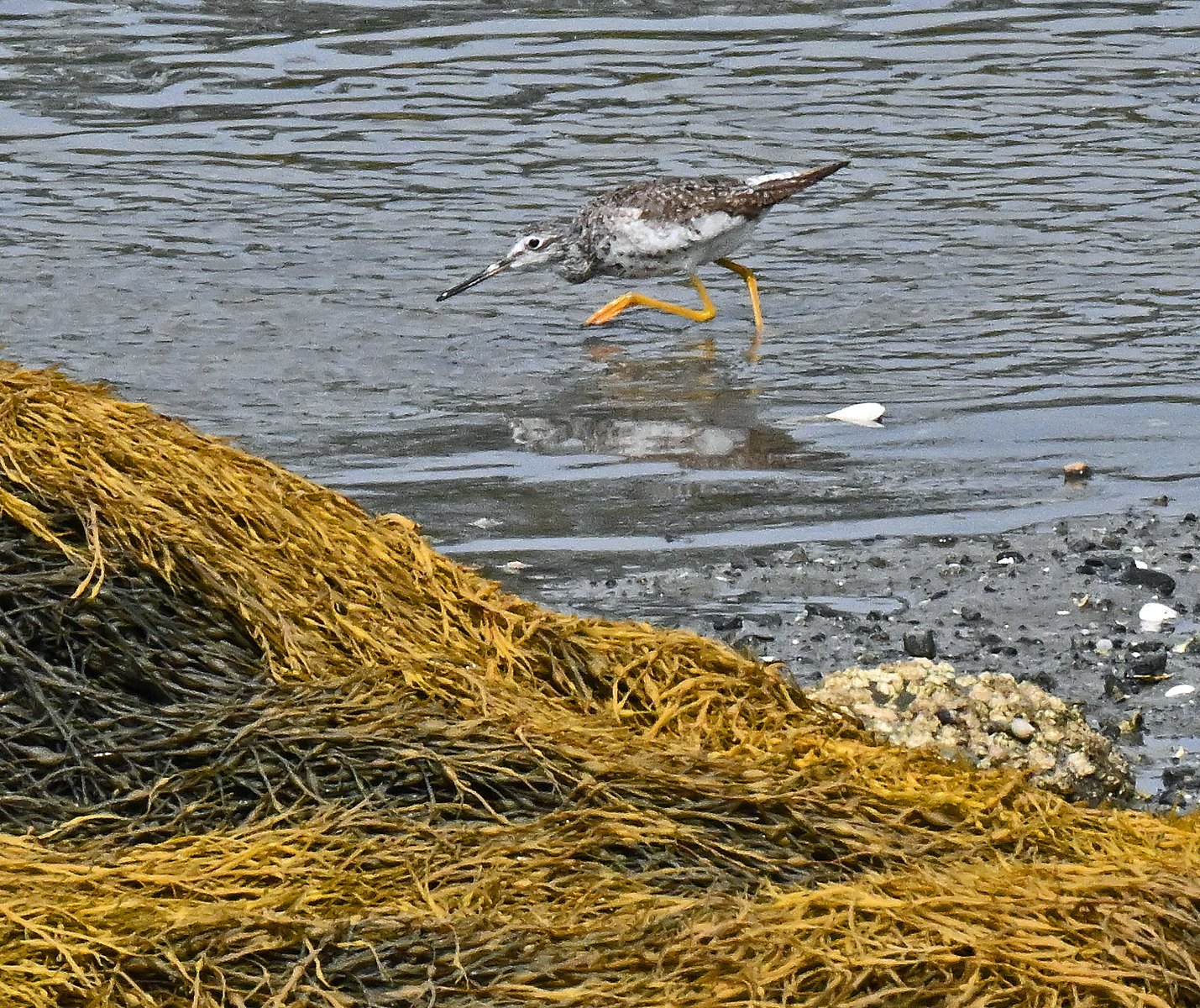
This little, high-stepping sandpiper is passing through Maine now. She’s probably from Canada and on her way to a beautiful beach in South America.

Ornithologists have not given her a name that reflects her combination of delicate beauty and enormous stamina. She’s named simply a “lesser yellow legs” for two descriptive reasons, First, her species (Tringa flavipes) averages about 9 to 11 inches in height compared to the 11½-to-15-inch average of the sandpiper named simply the “greater yellow legs” (Tringa melanoleuca).

Second, both species have long, bright yellow legs that allow beginning birders to see them at a great distance and boast “Yellow Legs!” – only to be stymied when an advanced birder asks “greater or lesser?” It’s very difficult to tell the two species apart at a distance unless they’re together when their height differential is obvious.

A telltale sign: “Greaters” hunt alone more often, while “Lessers” more often hunt in small “flings.” (A group of sandpipers is delightfully called a “fling.”) Another sign if you get close: “Lessers” have straight, needle-thin bills that match or exceed the length of their heads; the bills of “Greaters” are proportionately shorter, thicker, wider at the base, and slightly curved upward.

(Images taken in Blue Hill, Maine, on October 8, 2026; sex assumed.)

Comment

Comment

In the Right Place: Guardian Maples

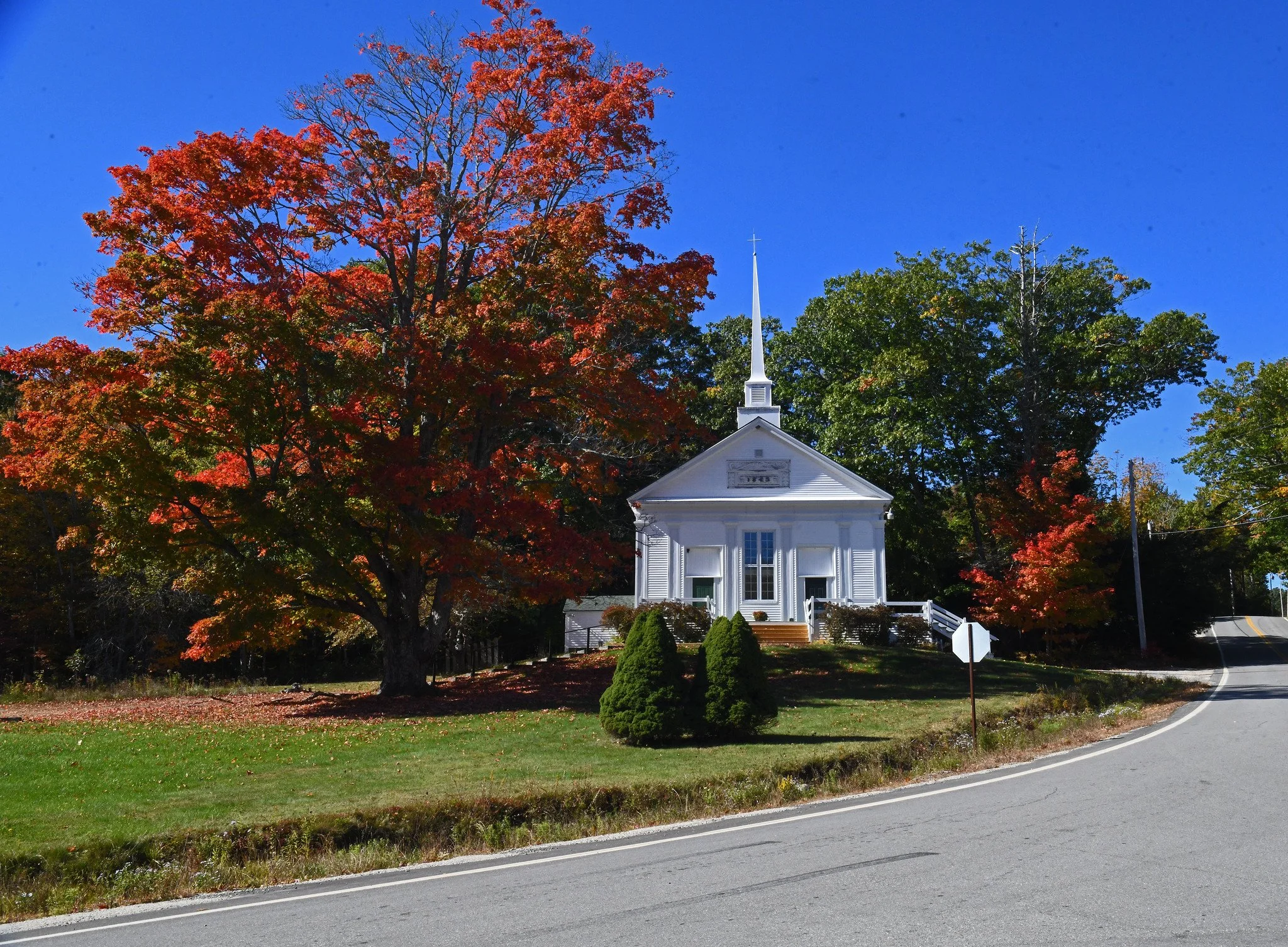
If you can’t hire a guardian angel to protect your church, a muscular maple is a good second choice -- especially to attract congregants in the fall. Here you see the North Sedgwick Baptist Church, built in 1845, on Saturday.

This church is a fine example of the rural (inexpensive/small) versions of Greek Revival architecture. They were popular in New England in the mid-19th Century for rural churches and meeting houses with small congregations. There are grand, mostly marble or brick examples of that architecture that were built in wealthy and well-populated communities. However, this little church in rural Maine seems right for where it is.

The primary characterizing feature of Greek Revival buildings is their Greek-temple-like (triangular) pediment over the entrance. The rural versions had faux (and often flat) wooden “columns” (pilasters) that hinted at the great marble columns of Greek temples. Wooden clapboards were used elsewhere in the rural versions, especially where there were plenty of trees.
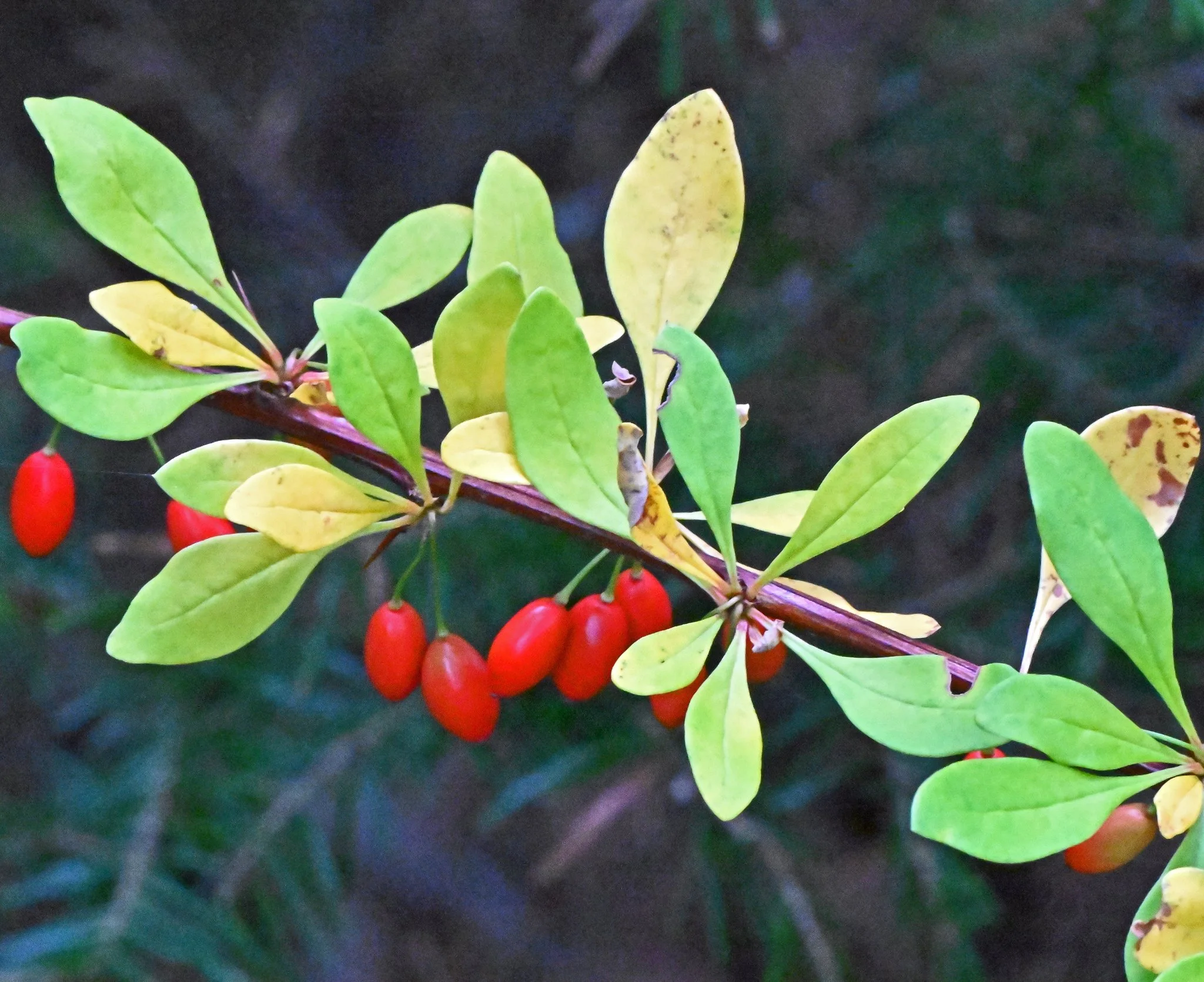
Many of the 19th Century New England churches reportedly had a tiered, square tower rising from the roof that became an octagonal belfry (with or without a working bell) and ended as a spire.
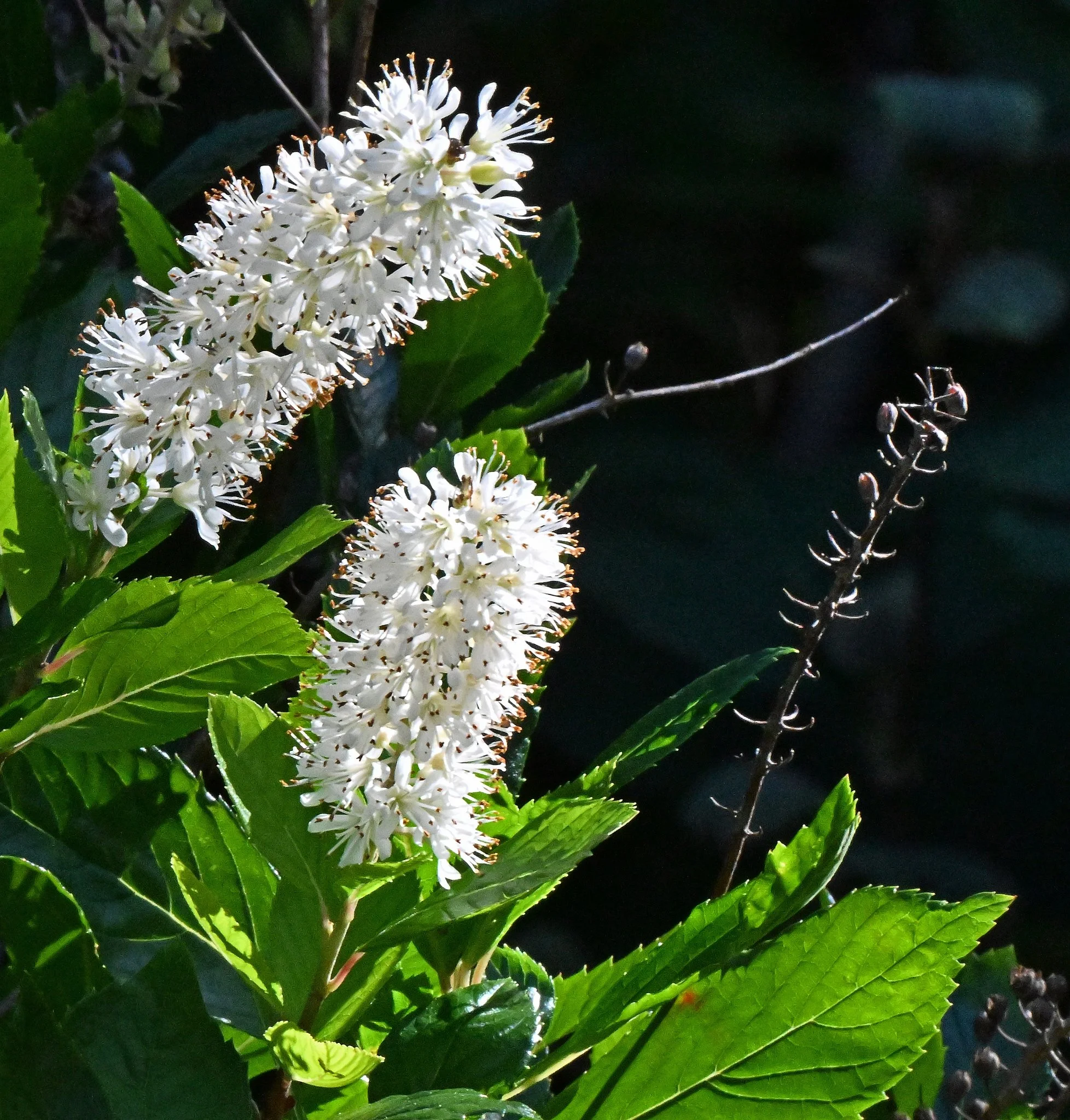
(Image taken in North Sedgwick on October 10, 2026.)

Comment

Comment

In the Right Place: Now You See Them; Now You Don’t

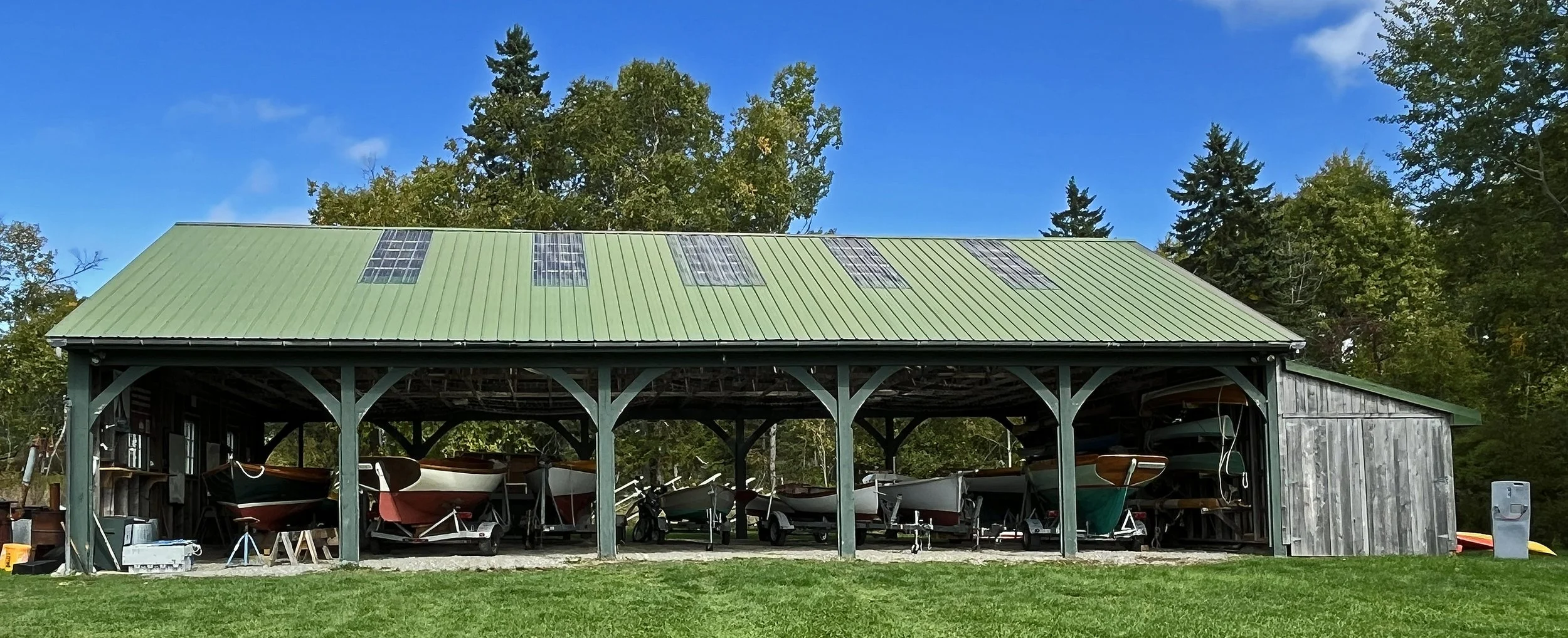
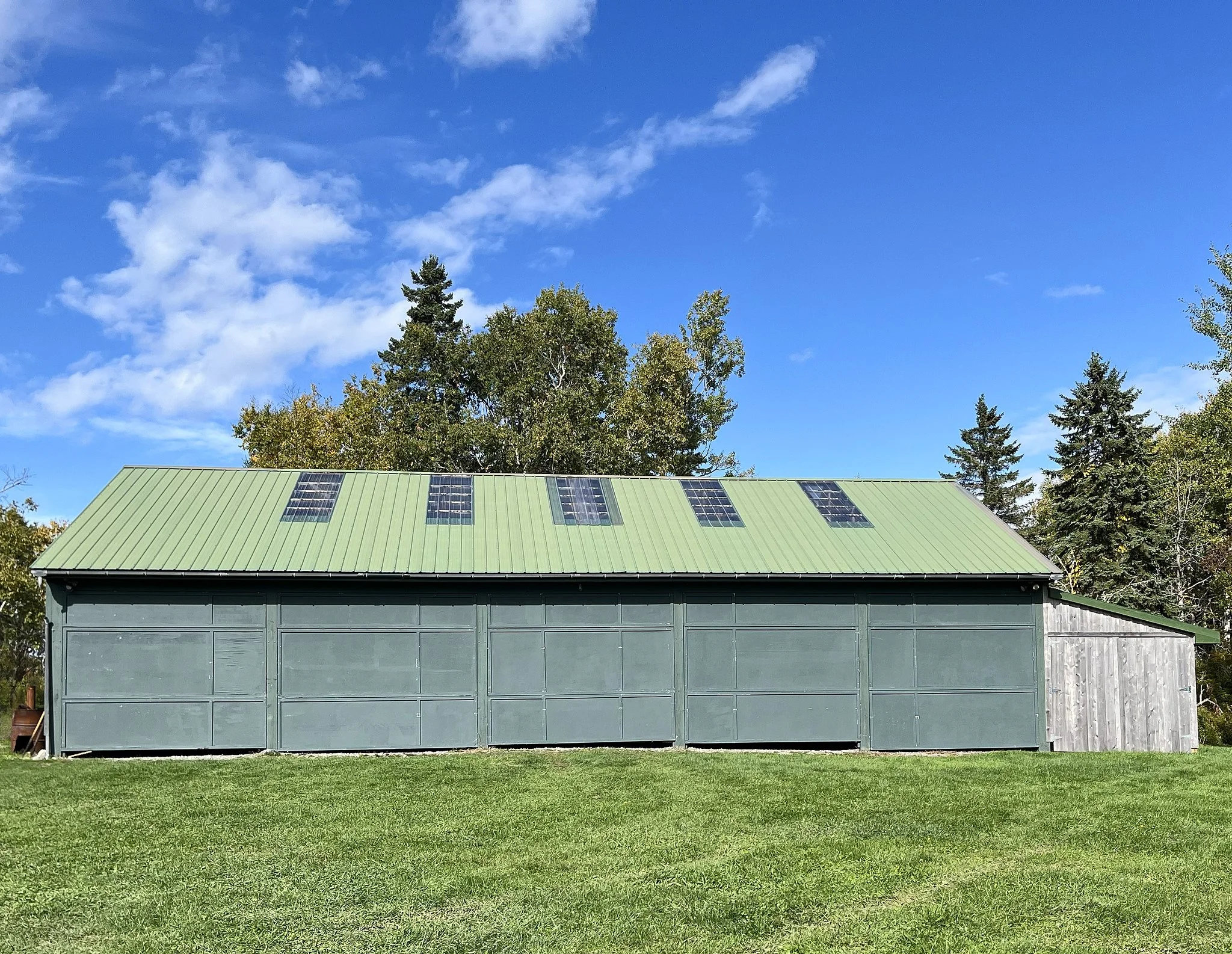
Here you see the boat shed at the renowned WoodenBoat School in the beginning of last week. It looked a lot different by the end of the week:

WBS’s 2026 session is over, and it appeared to have been another excellent one. It’s time for their small fleet and boatbuilding tools to take a well-deserved rest and their alumni to warm their winters with summer fond memories.

This boatshed is quite functional. It’s a post-and-panel structure that can be used as an open air classroom, meeting place and dining area in the summer and a winter storage building at other times. (Images taken in Brooklin, Maine, on October 5 and 9, 2026.)

Comment

Comment

In the Right Place: Mow, Mow, Mow Your Field

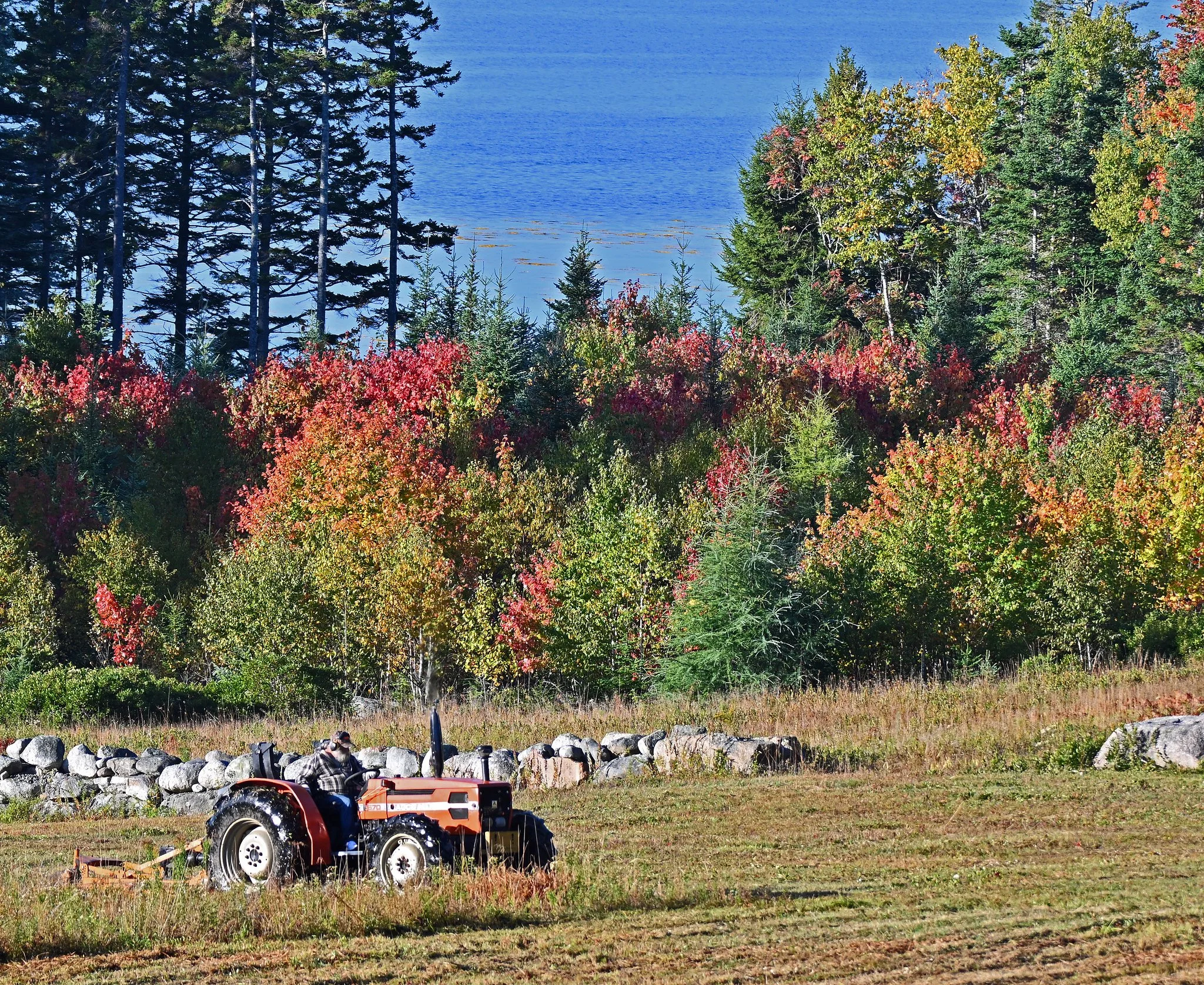
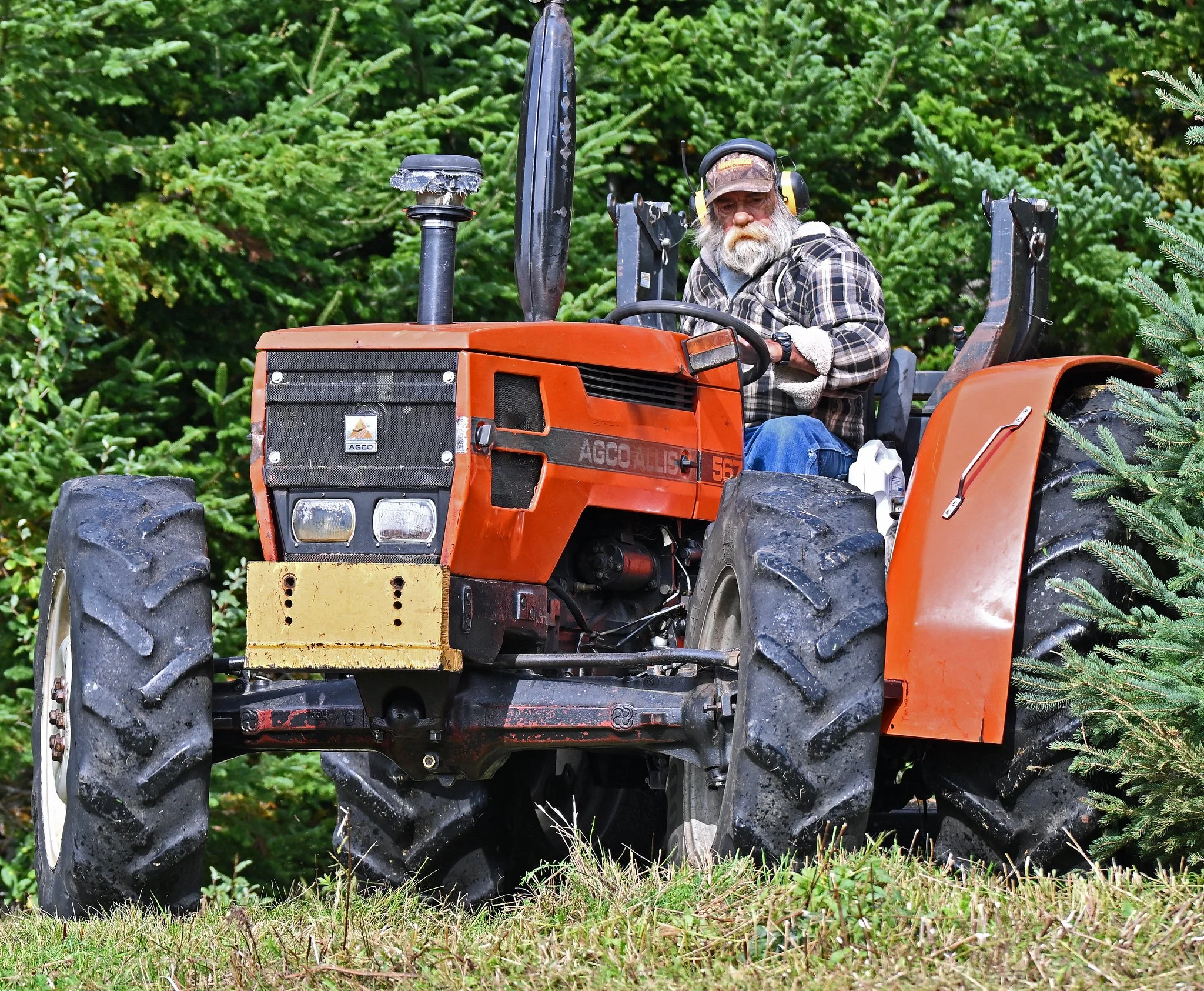
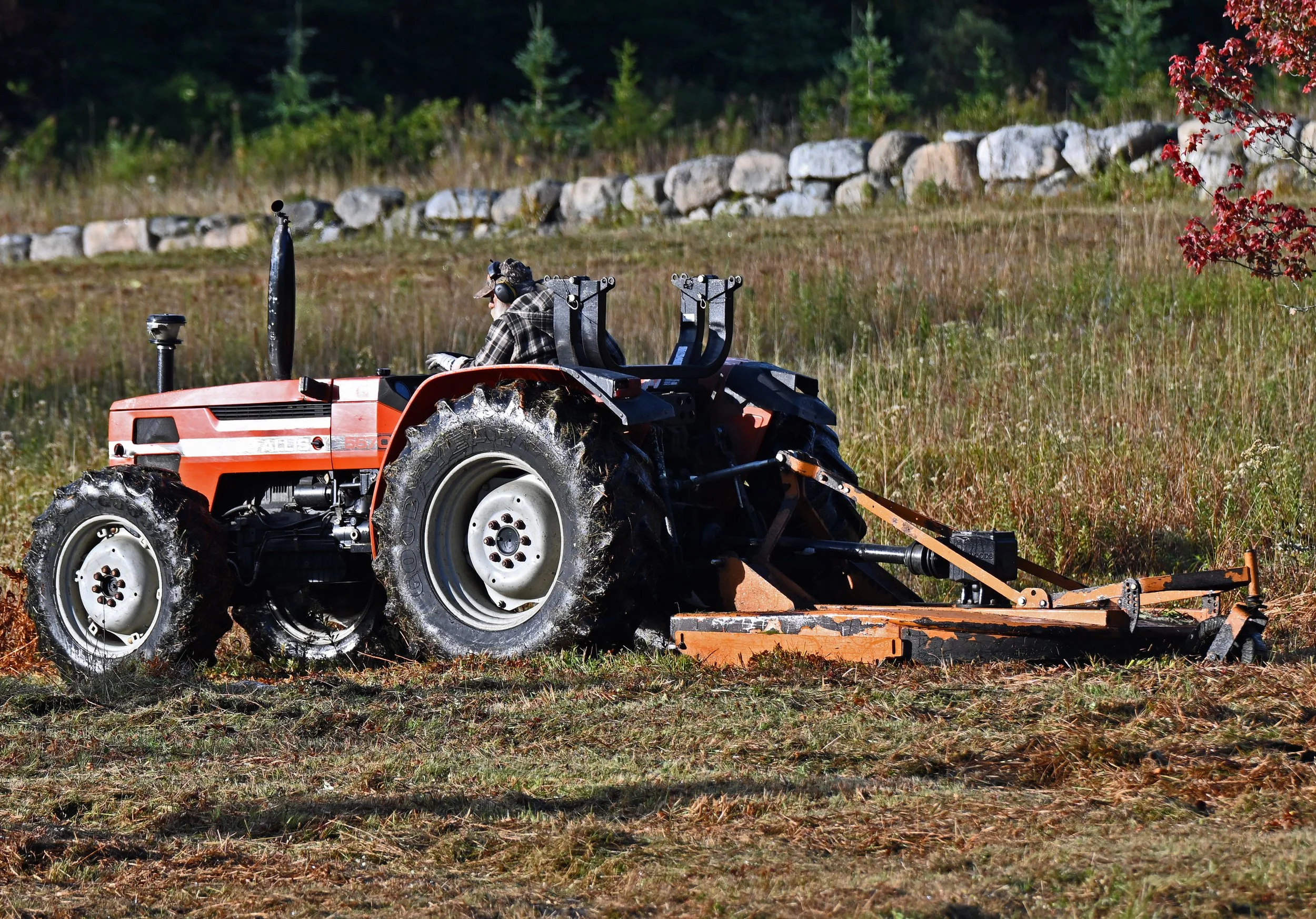
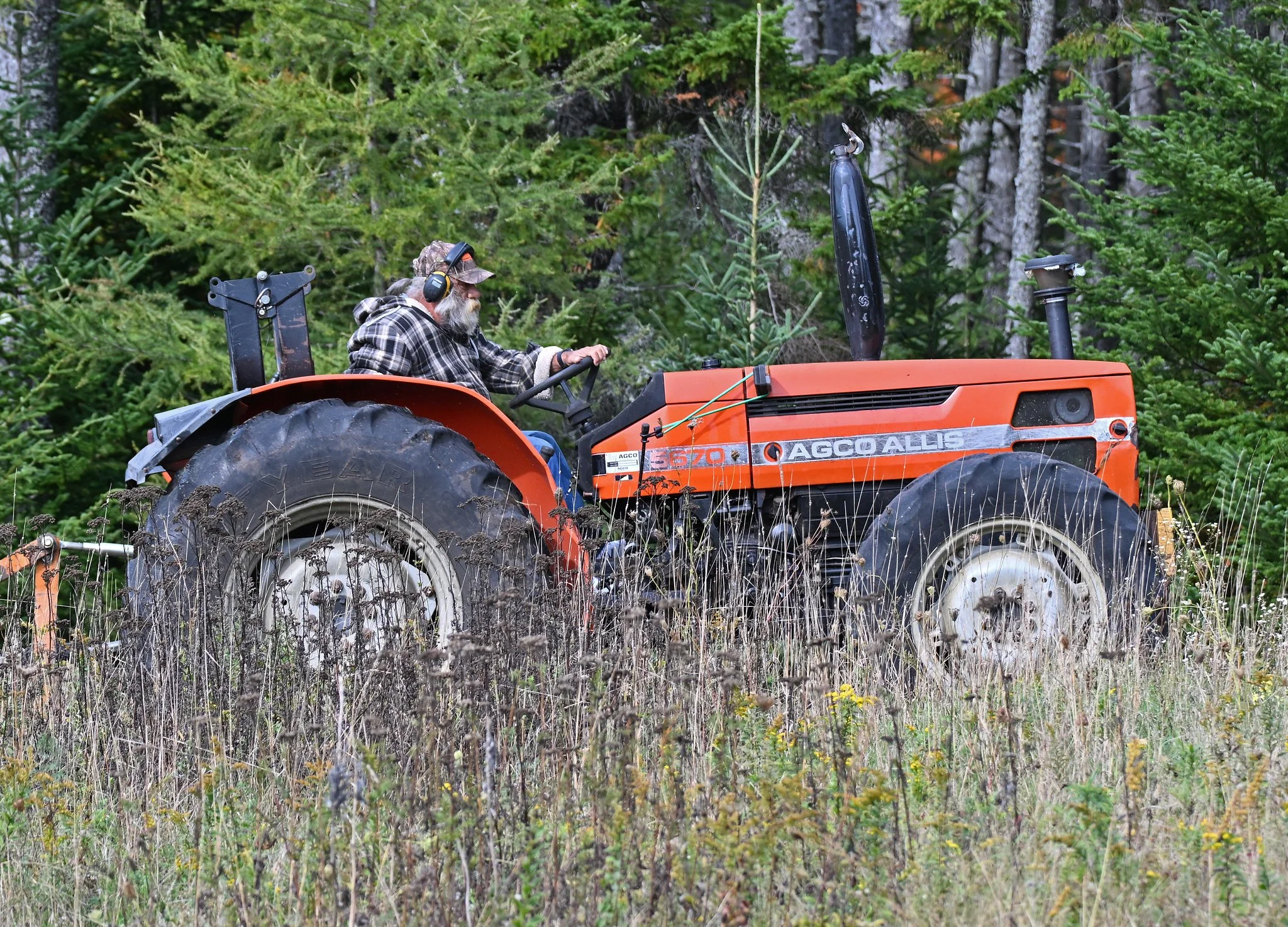
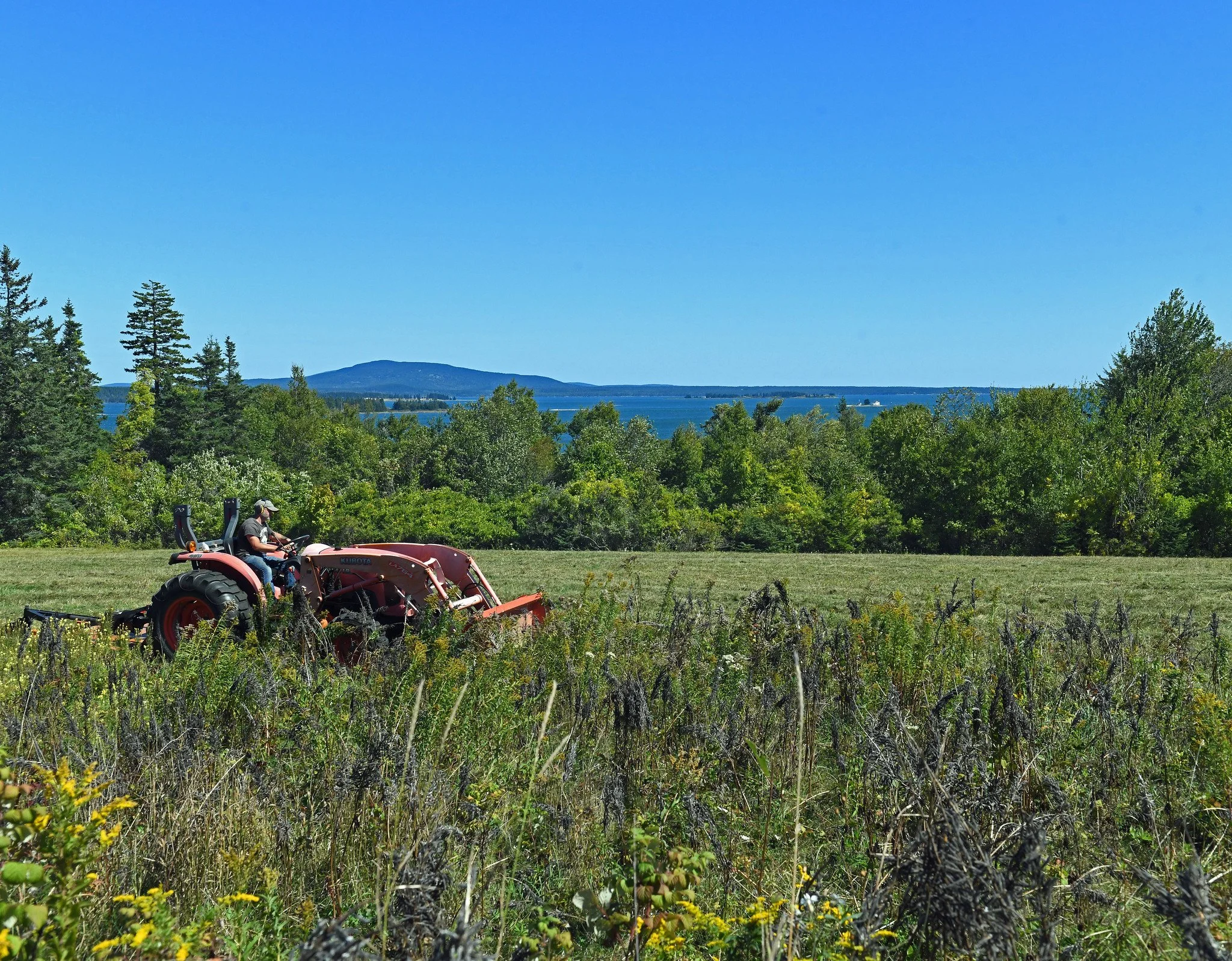
Here you see master mower Dennis Black cutting his way up our north field on Friday as the maples turn red and gold and Great Cove ripples in the background. He also mows other areas on our property that can be very tricky:

It usually takes Dennis a day and a half to do our fields and grassy nooks. He tells me that one 70+ acre field nearby takes him 8 days to mow if the weather is decent. His sturdy old AGCO-Allis 5670 tractor is a 69 hp workhorse. But it’s Italian and replacement parts can be difficult to find. That air-cooled tractor also drinks diesel fuel, which is outrageously expensive now.

He appears to be using a Woods single-spindle rotary cutter. That type of cutter (or “mower”) is commonly, but improperly, called a “Bush Hog,” which is another brand’s name. (Images taken on Brooklin, Maine, on October 9, 2026.)

Comment

Comment

In the Right Place: Strangers

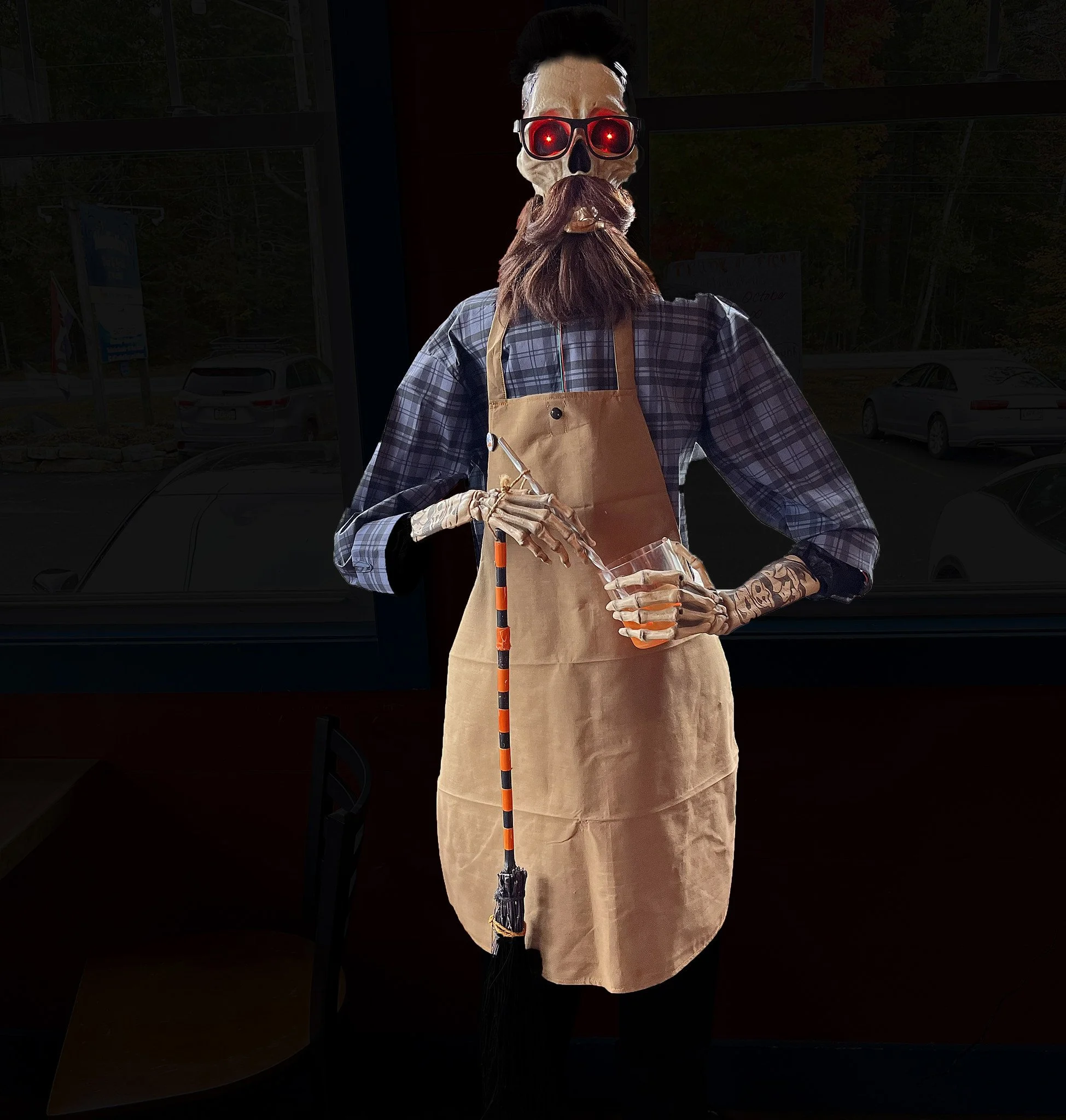
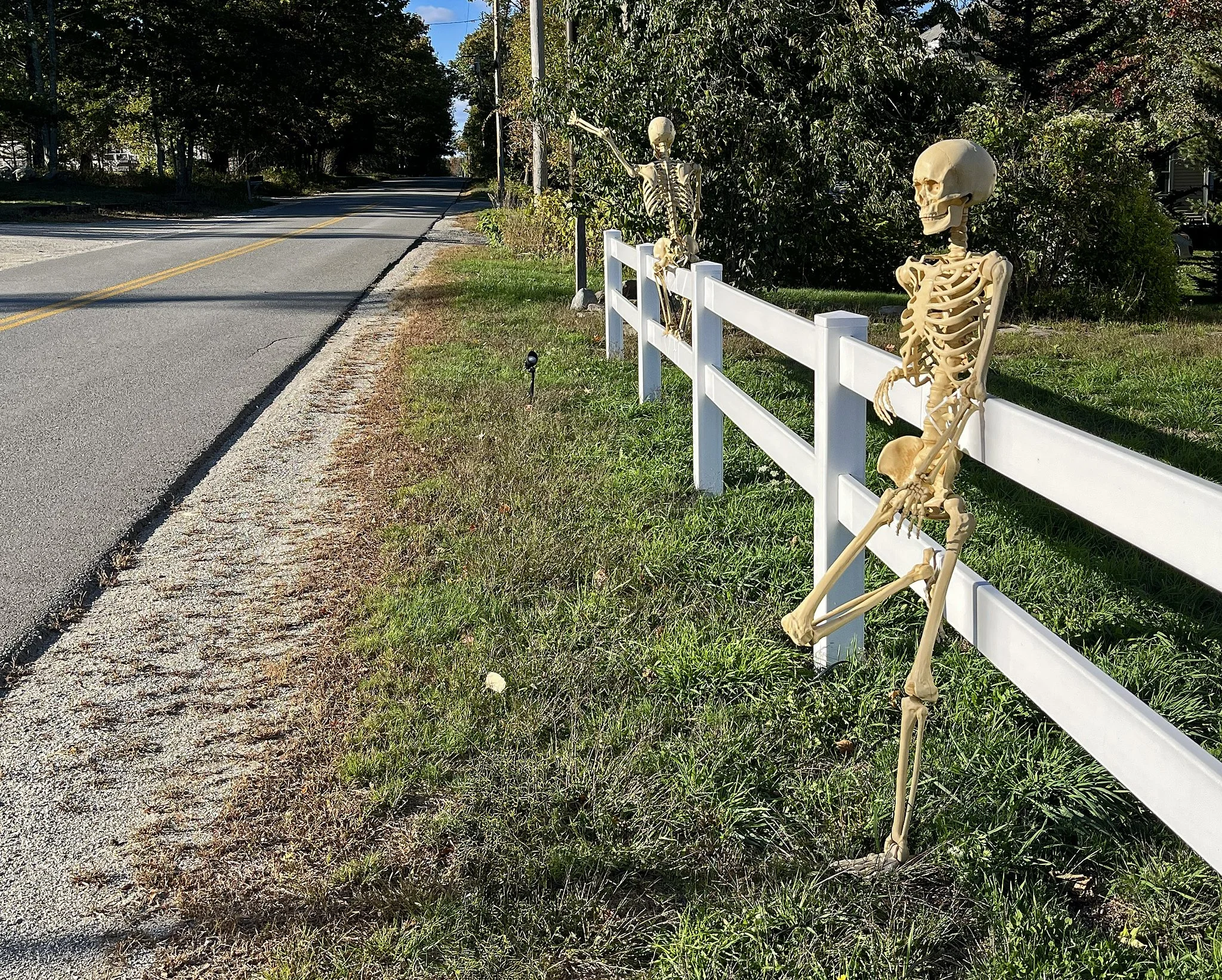
It may be my imagination, but lately I seem to be seeing more visitors from away – FAR away. They’re so thin that I worry whether they overdid it with those fat-killer shots. And, I hesitate to say this, but they seem to be a bit strange. This skinny fellow hangs out in Marlintini’s and watches you eat:

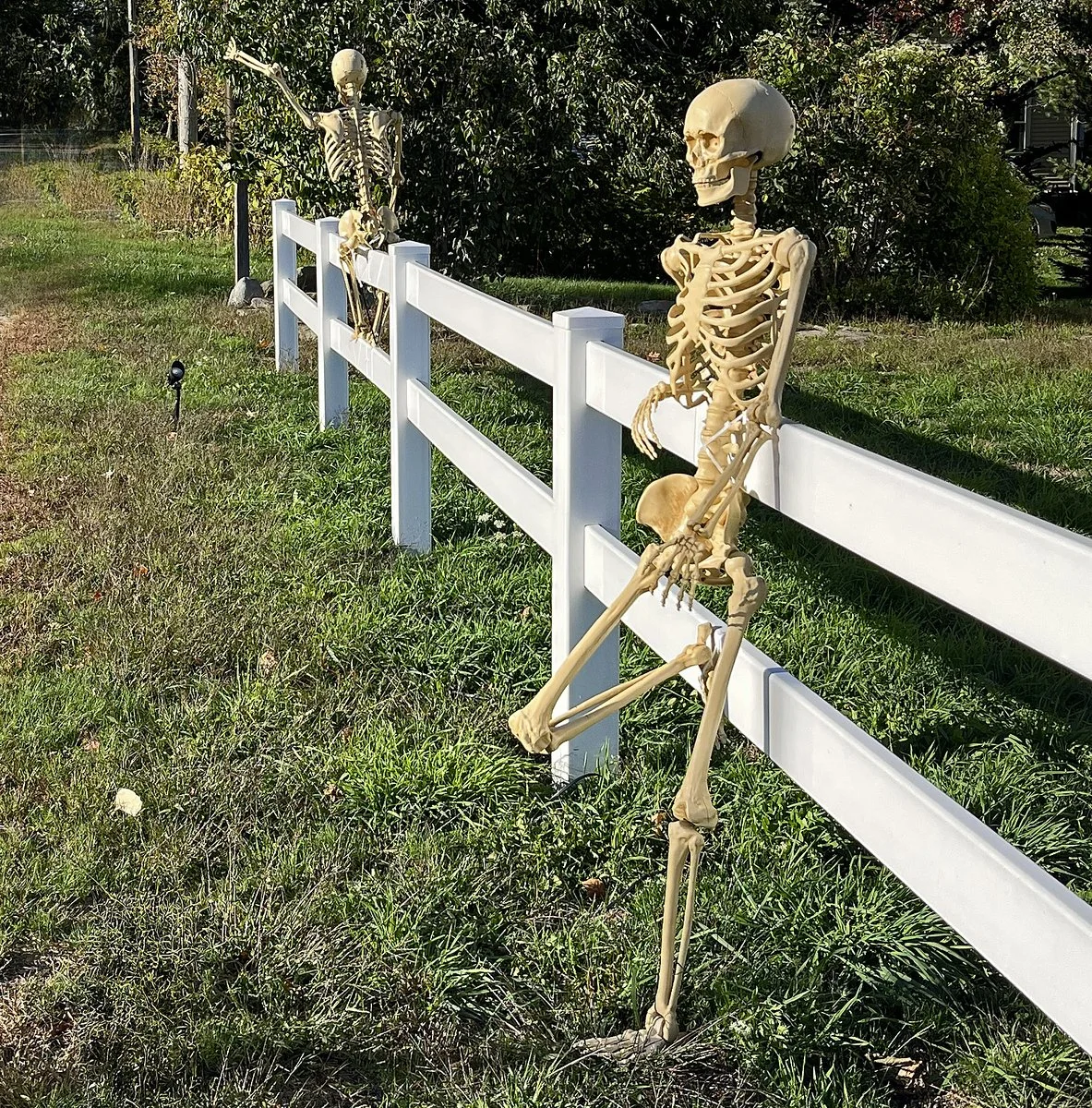
At least he was wearing clothes. Two exhibitionist visitors on Naskeag Road not only don’t have the decency to put a few clothes on their skinny bodies when they’re outside, they like to draw attention to themselves and distract motorists:

(Images taken in Blue Hill, Maine, on October 8 and Brooklin, Maine, on October 7, 2026.)

Comment

Comment

In the Right Place: Home Delivery

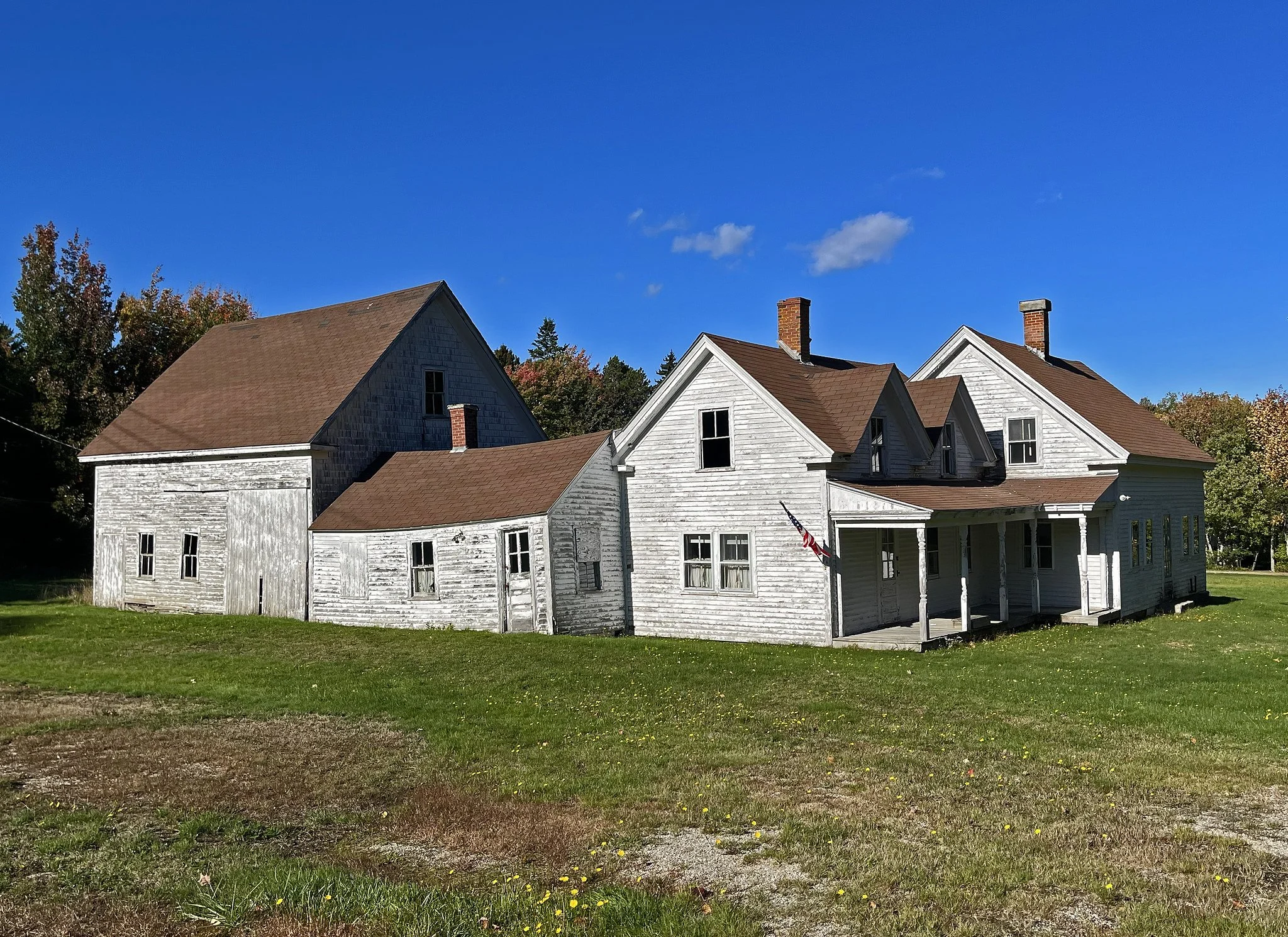
Here’s a local landmark that shows its age as well as some apparent indifference to its needs and fascinating history. Although this structure’s exact age is not clear, records show that it’s over 100 years old.

Except for one distinguishing feature, it’s a traditional New England connected house that was a family home. This style of structure was built for harsh winters and frequently is described as “big house-little house-back house-barn” architecture. (The back house was a privy outhouse.)

The distinguishing feature here is that little, sagging segment with a chimney to the right of the barn in the image. That’s where the North Brooklin U.S. Post Office was housed in the early decades of the 20th Century. Some culturally important mail came through there.

In 1933, renowned author E.B. White and his wife, famous New Yorker magazine editor Katharine S. White, bought a house nearby and used that Post Office to ship and receive manuscripts that became world-famous works.

In the 19th and early 20th centuries, post offices in rural communities often were integrated into existing structures. Locally prominent and/or popular citizens who were capable were employed as federal postmasters. They included farmers, professionals and merchants. And, frequently, the federal post office was in a dedicated area of their home or place of work. (For many, the farm was a place of both home and work.)

The North Brooklin Post Office in this house reportedly wasn’t discontinued until 1958 or later. Its operations were consolidated into the Brooklin Post Office, a single federally owned building a few miles to the south that has been in at least three locations itself.

(Image taken in North Brooklin, Maine, on October 6, 2026.)

Comment

Comment

In the Right Place: Getting Naked

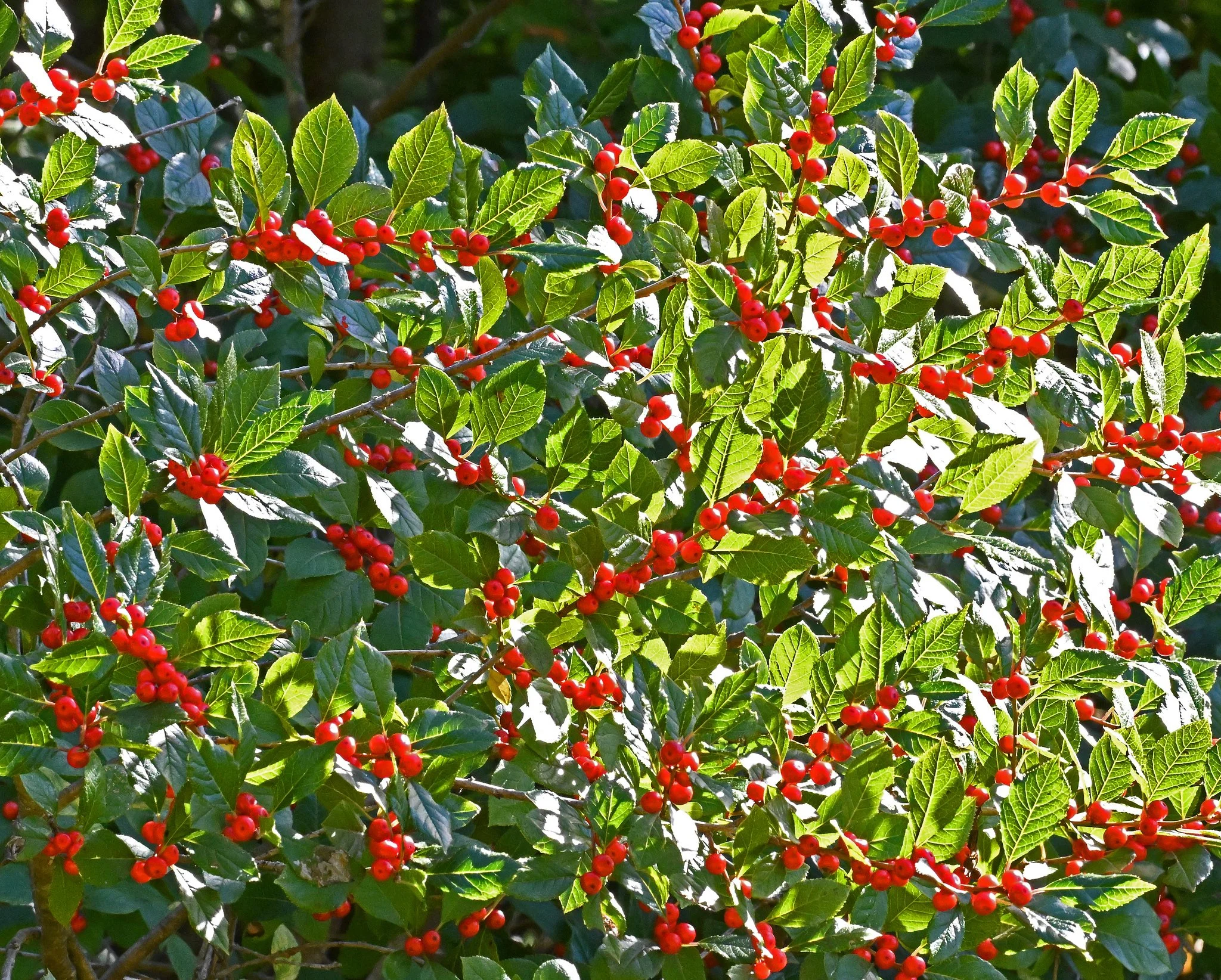
As you can see, our winterberry bushes are  bursting with berries, but still have their leaves on. These are holly plants that come in male and female forms, and only the females produce berries.  Unlike most holiday hollies, however, all winterberry bushes are deciduous and soon will drop their leaves, thereby earning their nickname “naked hollies.”

These berries often are the only thing that keeps overwintering birds alive during the very cold months. More than 40 species of birds reportedly rely on them for survival. BUT NOTE WELL: These berries are toxic to humans and our pets.

(Image taken in Brooklin, Maine, on October 6, 2026.)

Comment

Comment

In the Right Place: Mazurka, II

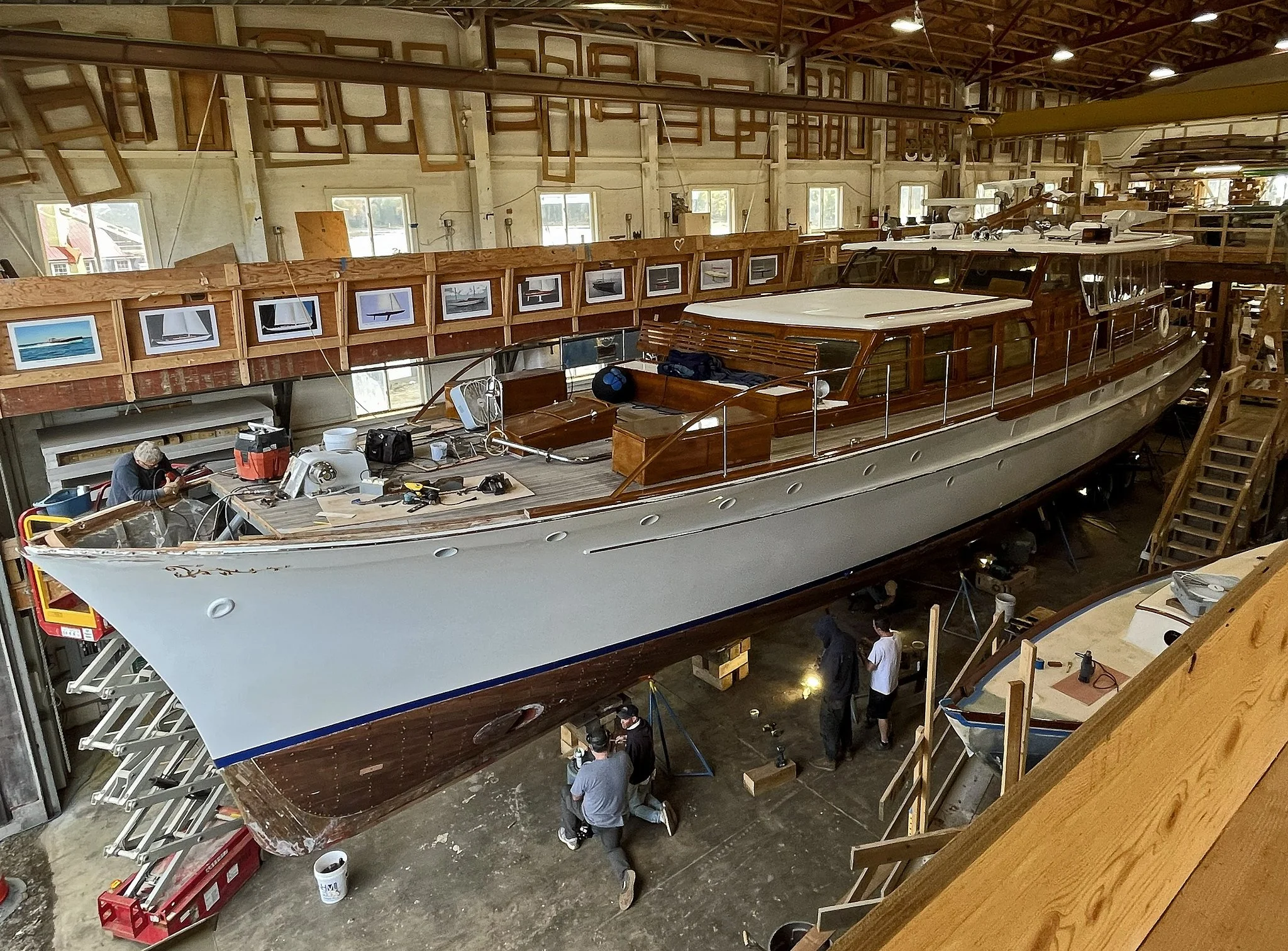
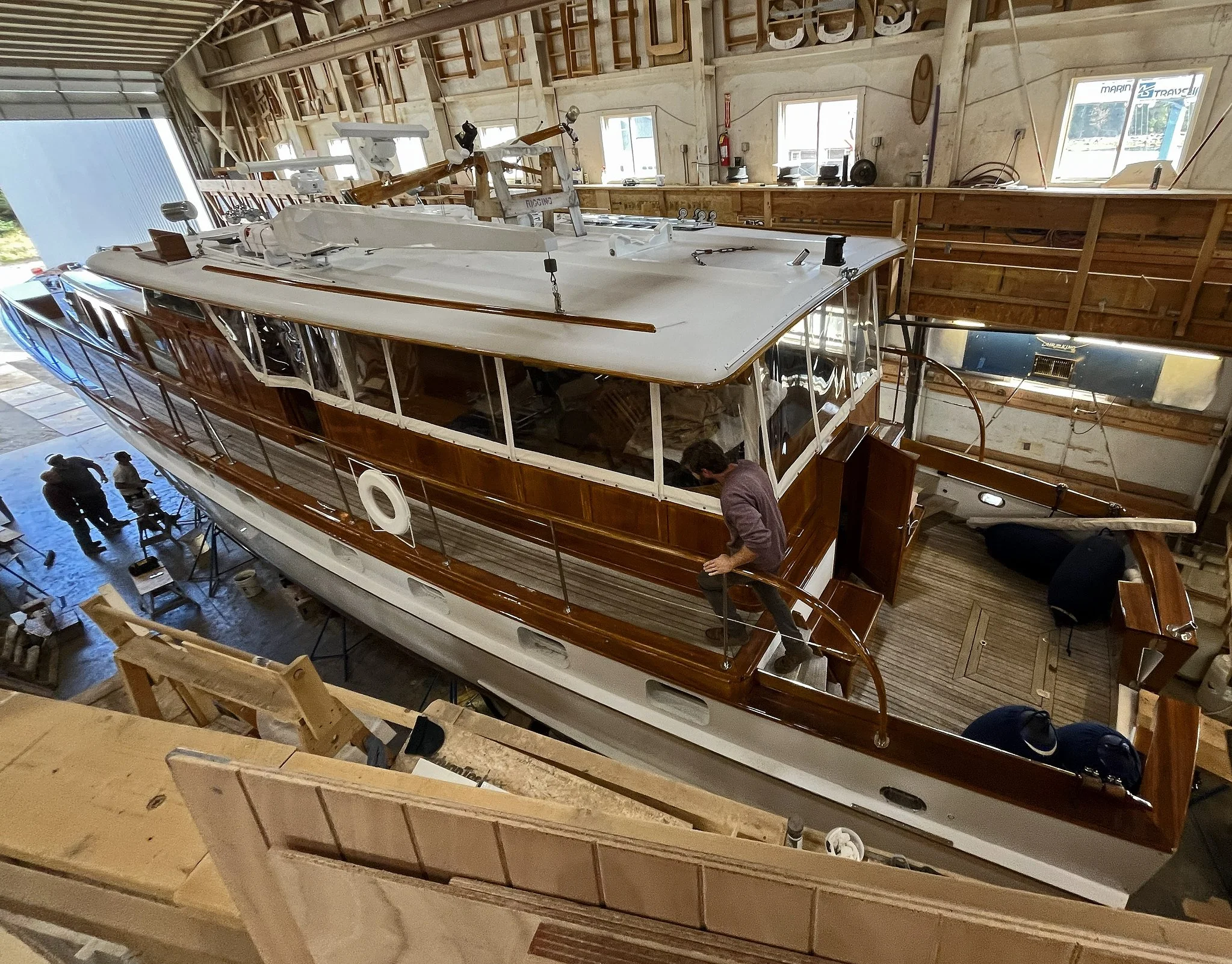
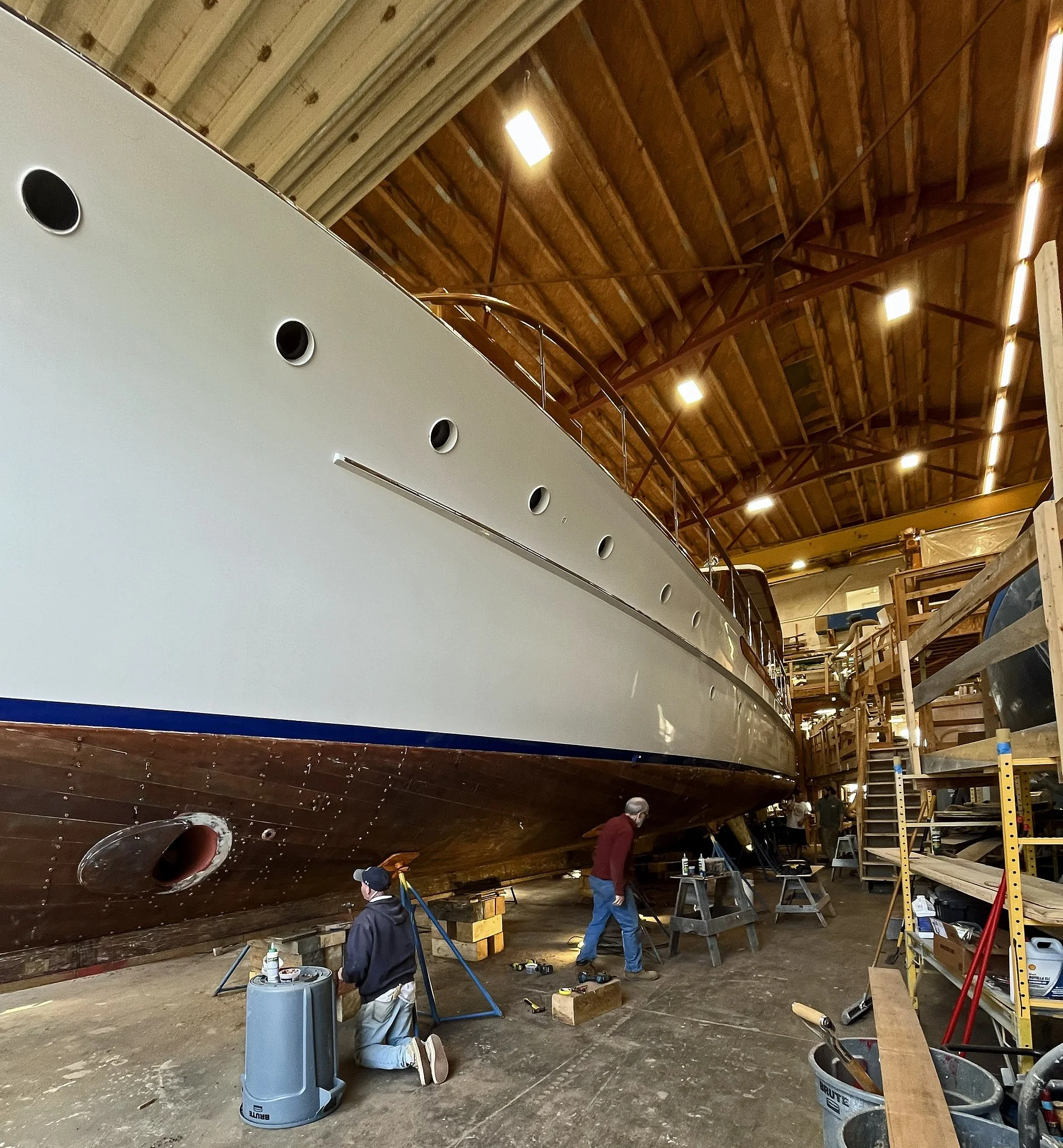
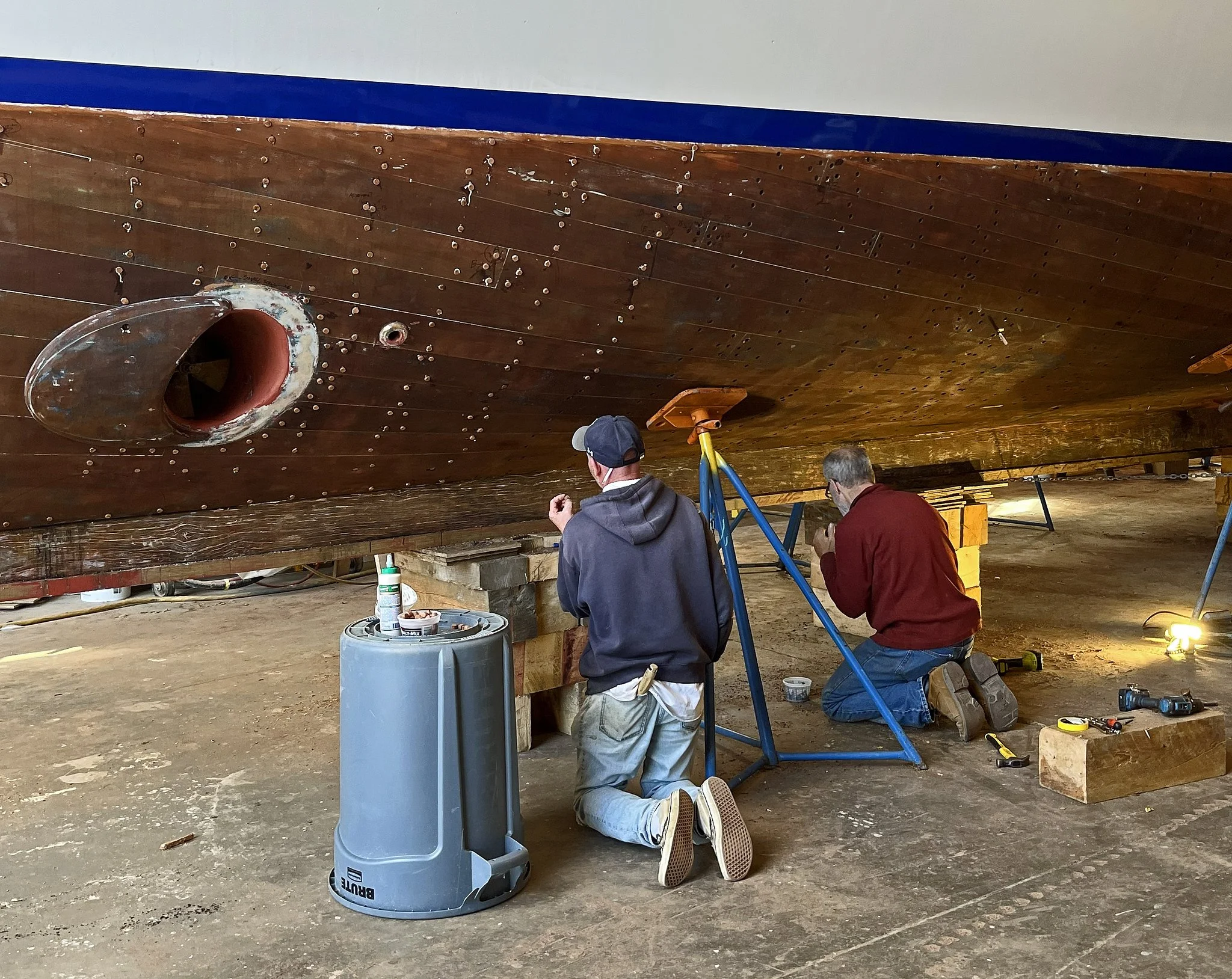
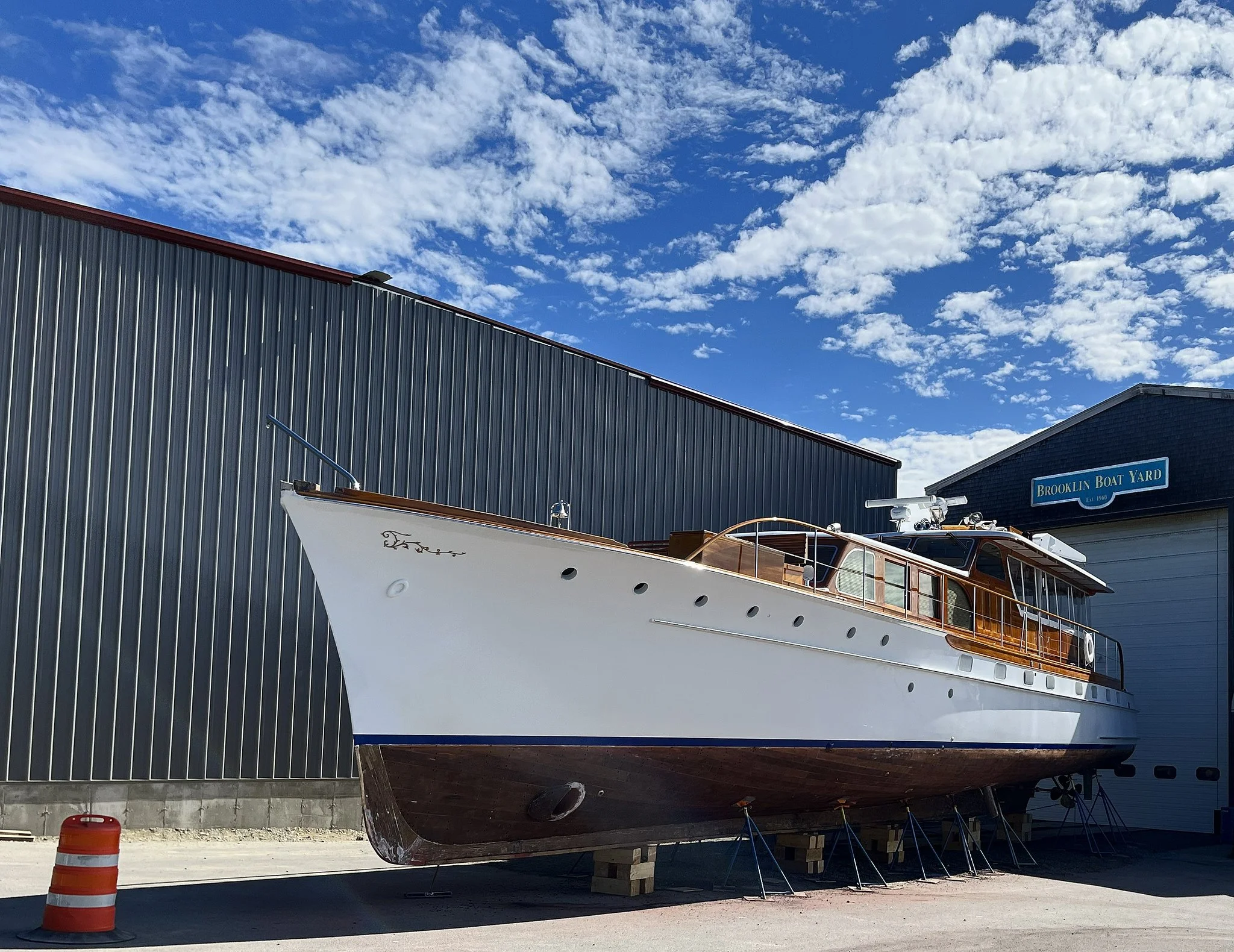
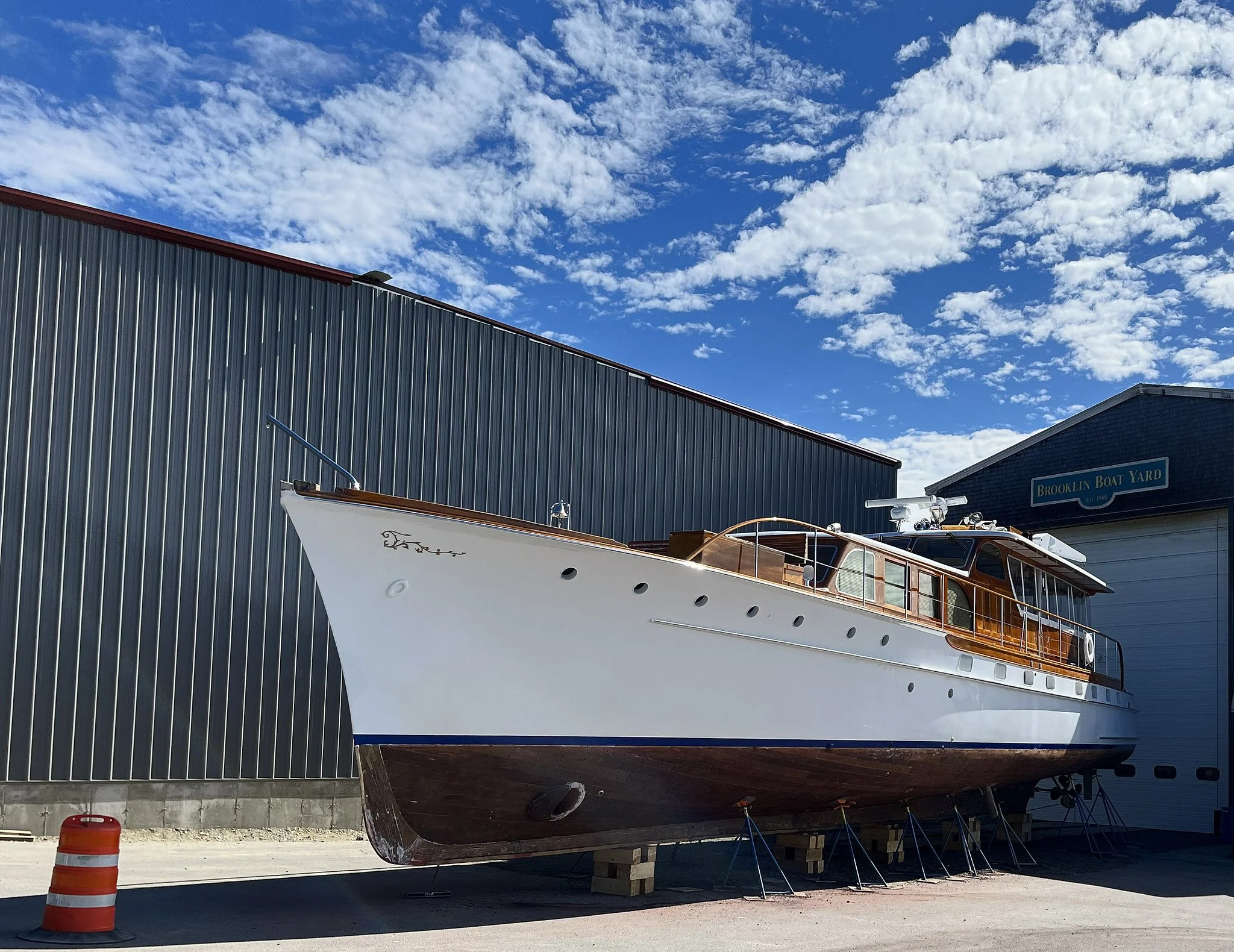
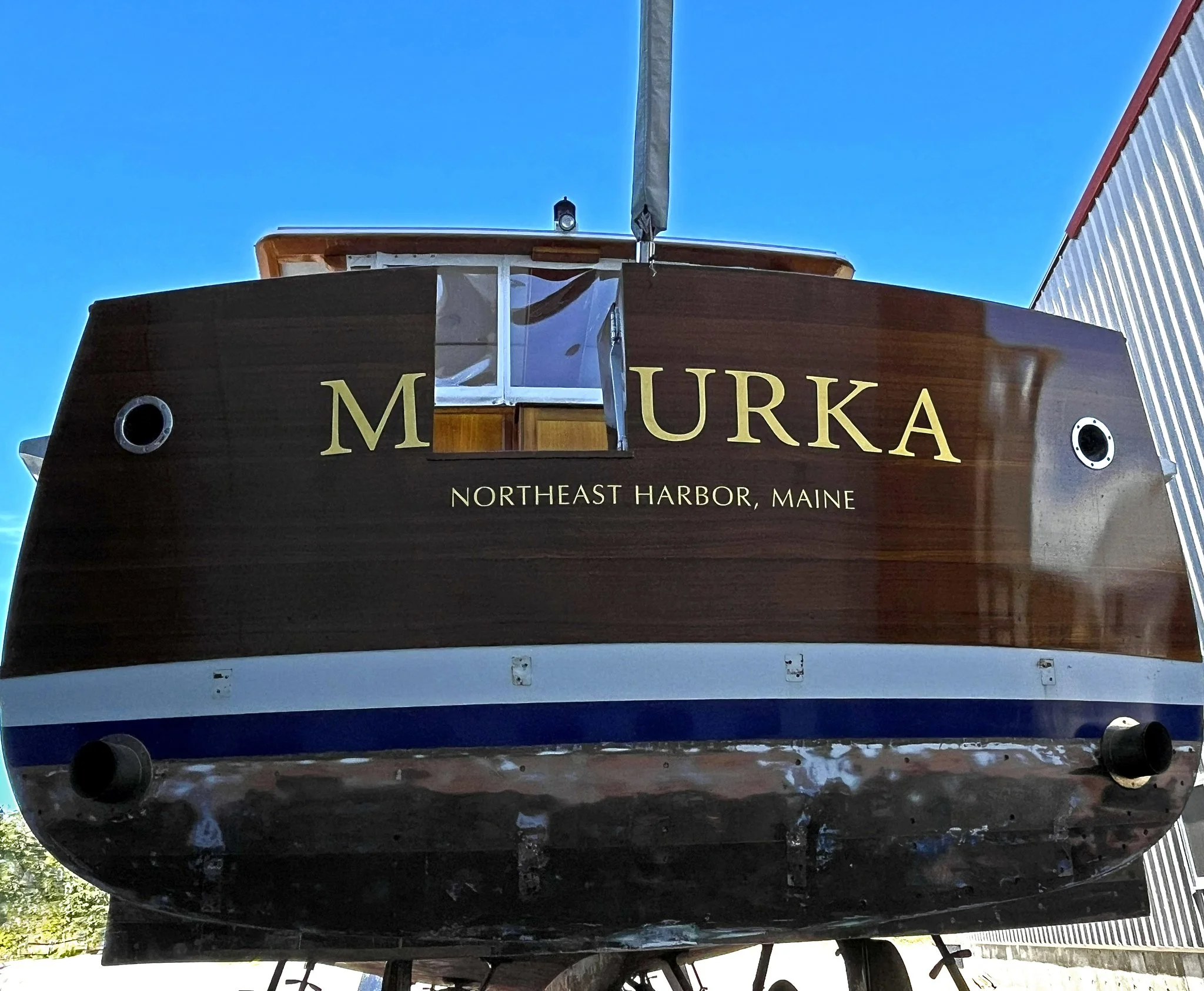
Here you see the 75.5-foot MAZURKA taking up a lot of room now in the Brooklin Boat Yard’s big shop. (See also the image in the Comment space.) She’s the legendary 1955 Trumpy wooden yacht that we reported on last month when she arrived.

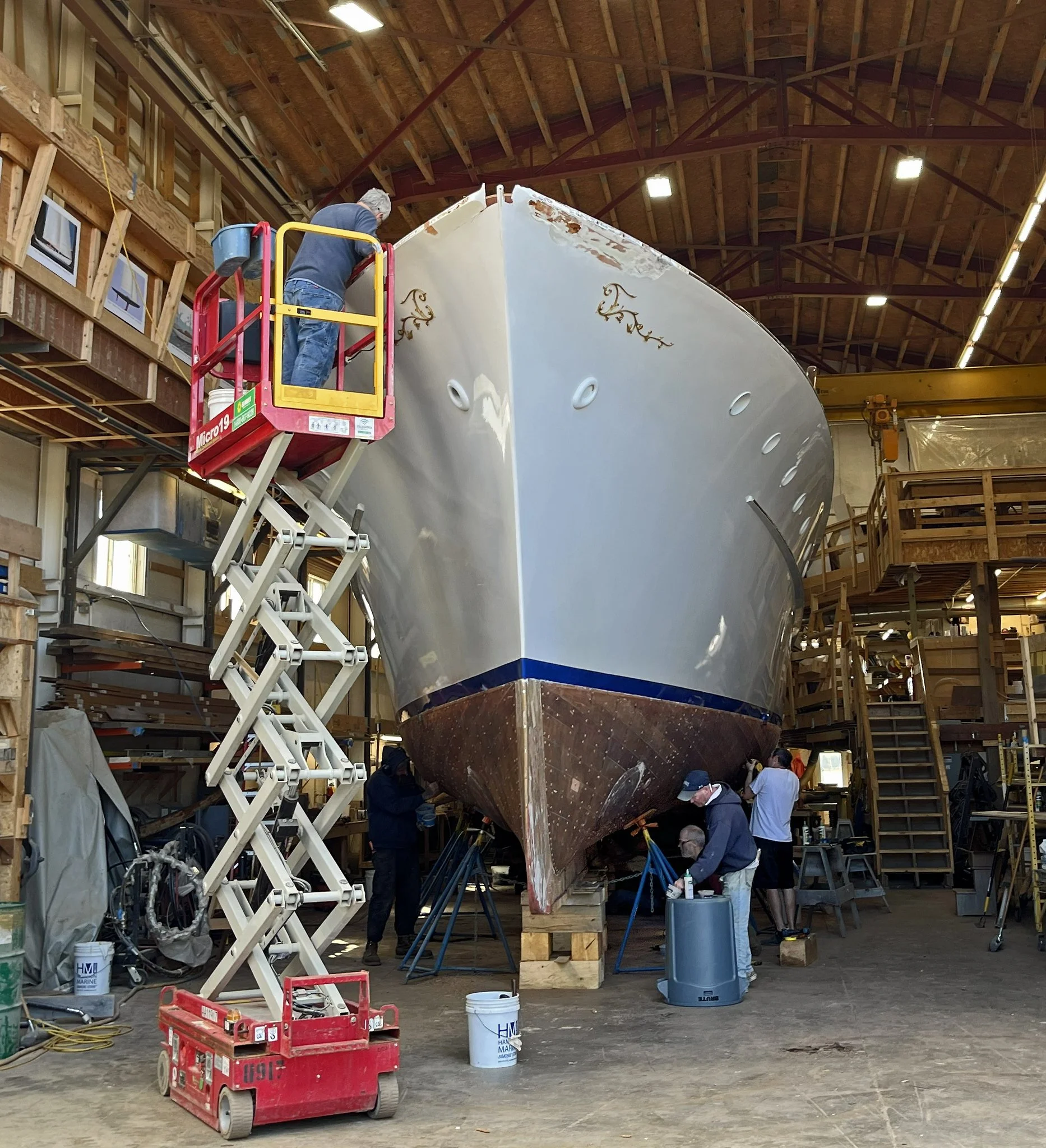
MAZURKA is undergoing a substantial restoration here before she’s taken to her Virginia winter home in early November. Her bottom is being replaced with new wood and the old bronze screws are being replaced with Monel screws – 6500 of them, according to BBY builders. (As you may know, Monel screws are fasteners made from nickel-copper alloys that reportedly provide better resistance to corrosion and temperature extremes.)

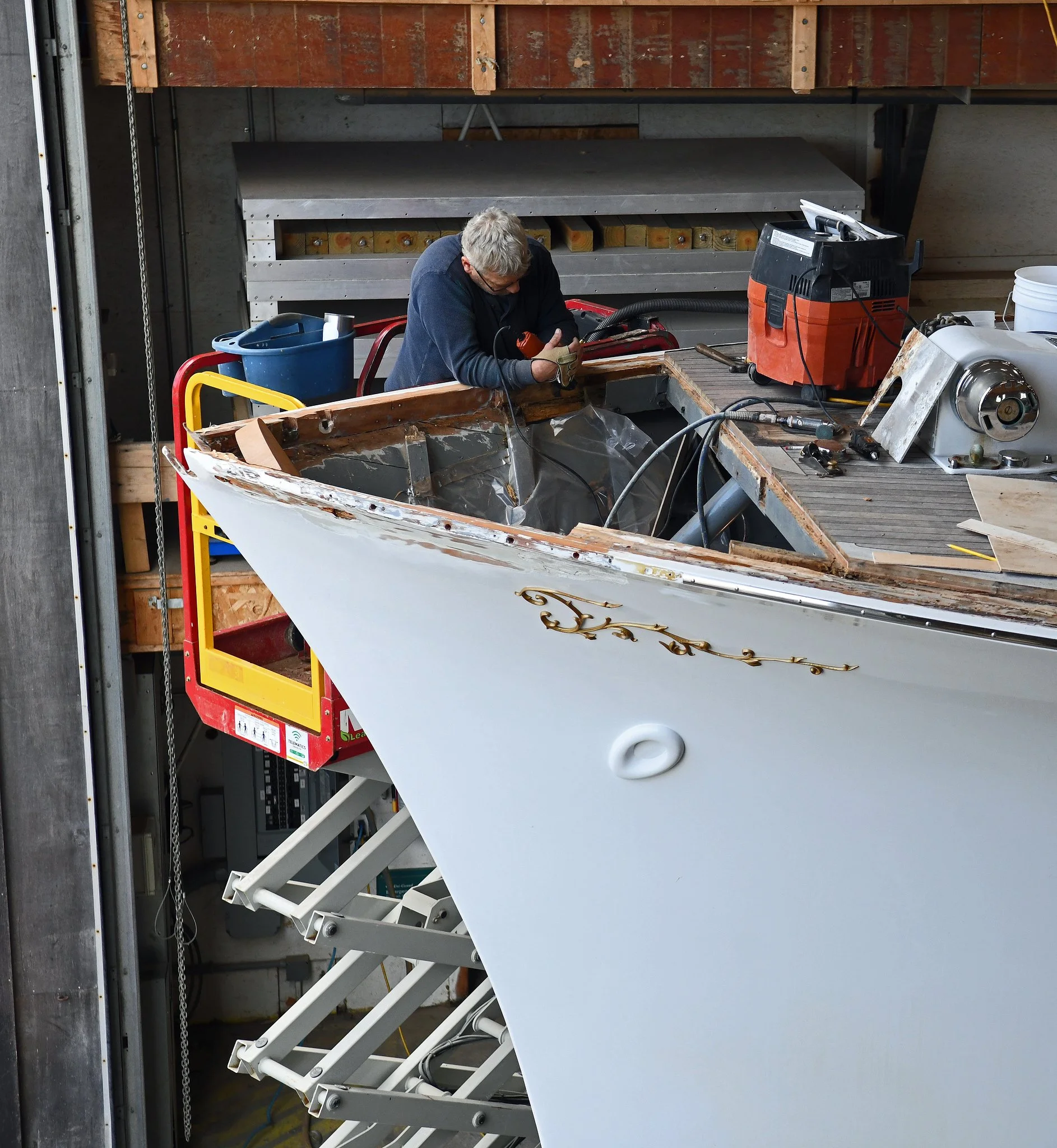
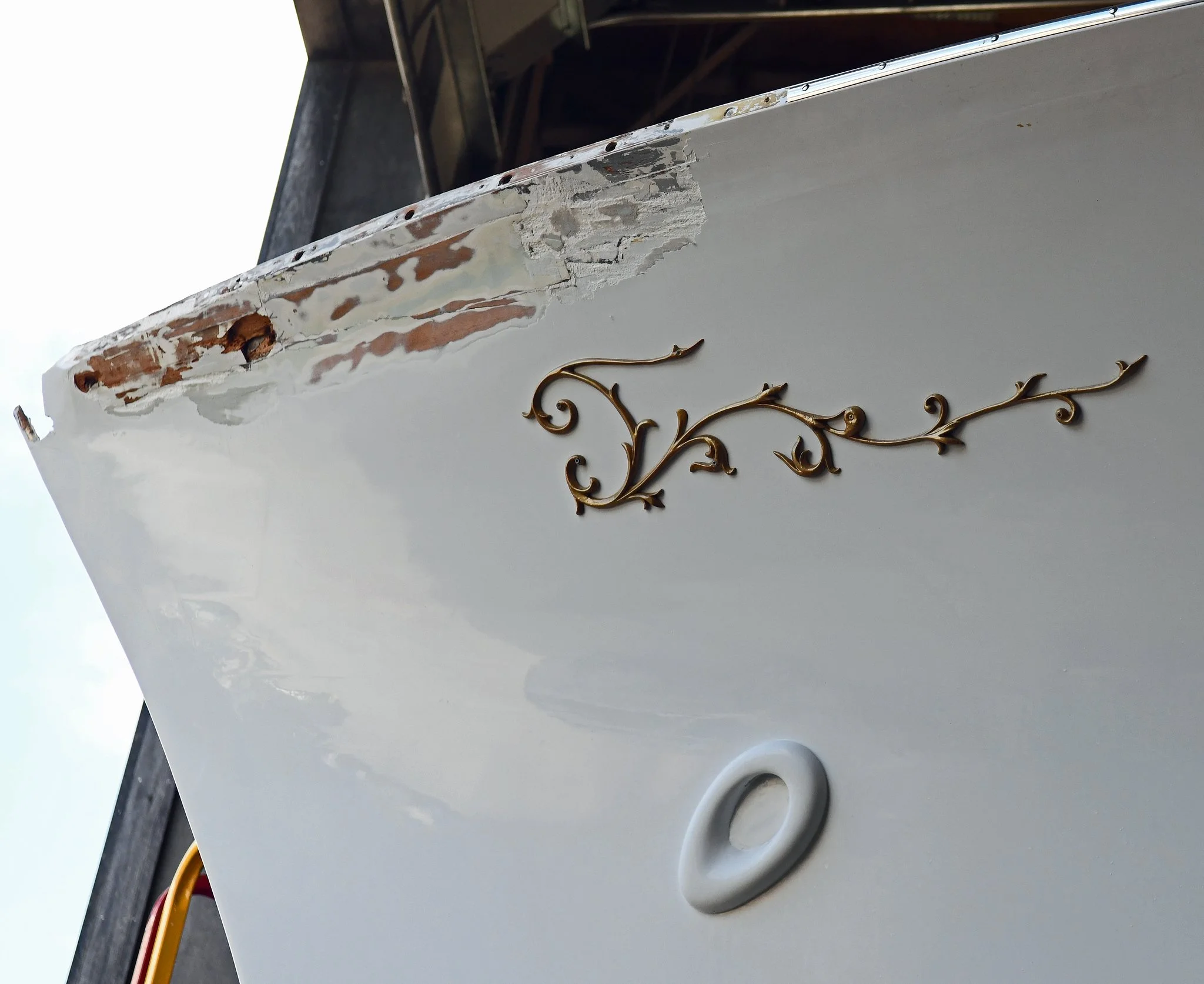
This classic luxury yacht also apparently is having her stem and its surrounding area restored.  (As you probably know, a vessel’s stem is its forwardmost structure, the part of the bow where its sides meet.) The iconic Trumpy & Son’s gilded “T” scrollwork also graces MAZURKA;S bow,


(Images taken in Brooklin, Maine, on October 6, 2026.)

Comment

Comment

In the Right Place: Fall Phenomena

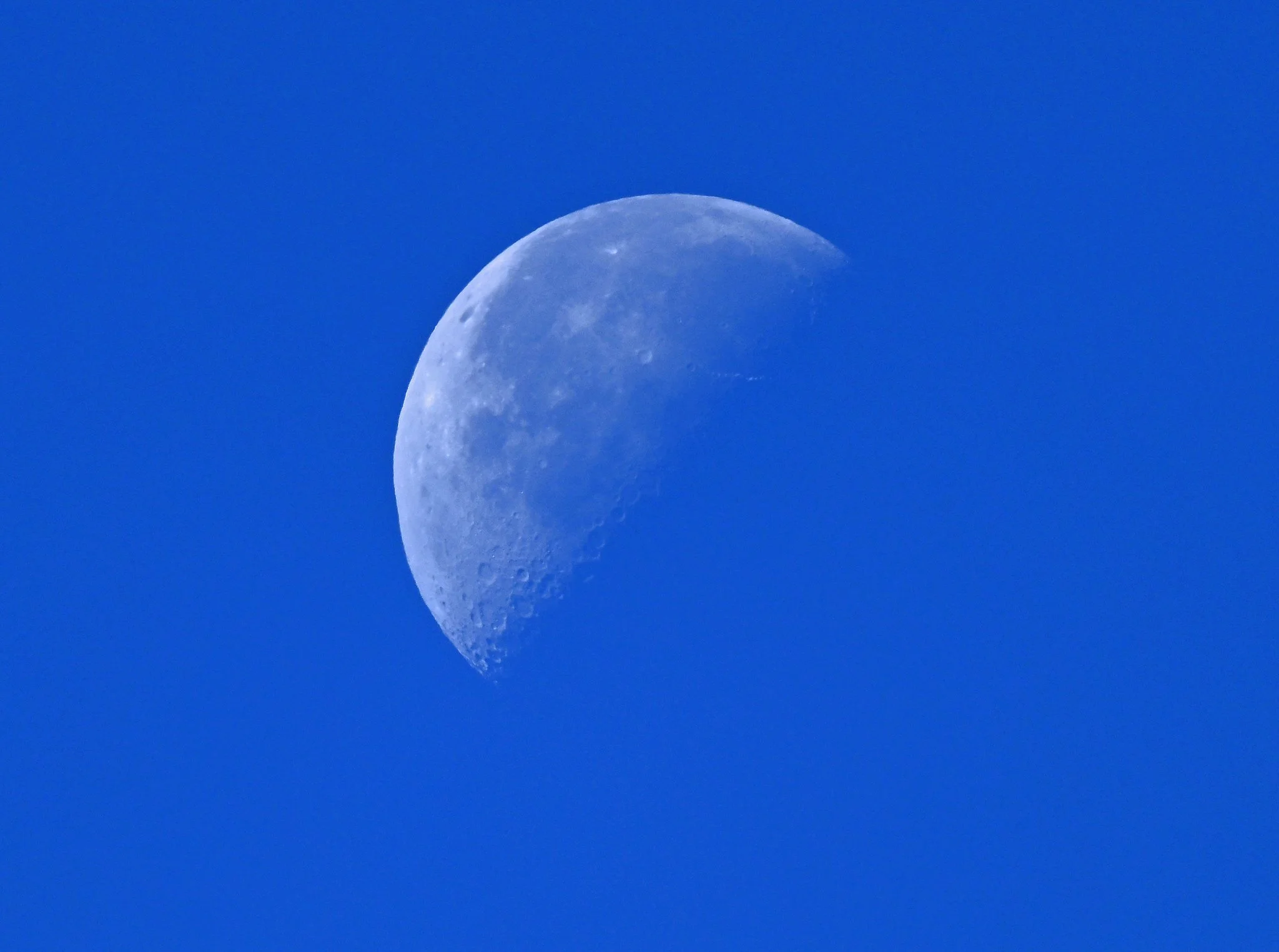
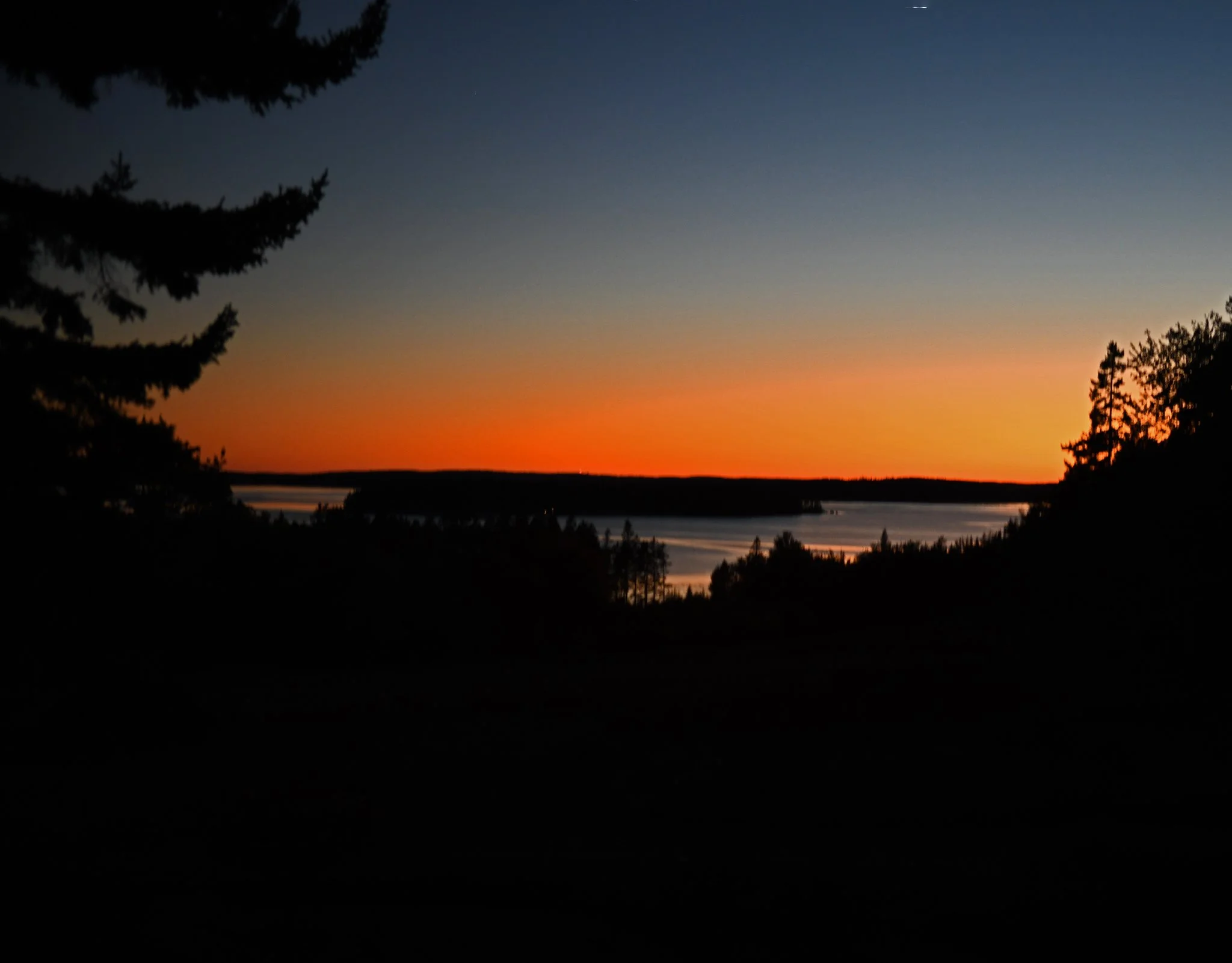
Saturday was a two-fer as far as fall phenomena go: This ghostly waning gibbous morning moon appeared in a vividly blue sky and this breath-taking burnt orange twilight eased us into nighttime:

As I understand it, we see a morning gibbous or quarter moon because the moon is moving farther west relative to the sun and we happen to be in the right place at the right time to catch a glimpse of a short-term lunar reflection of the early sunlight from the east.

In the fall, I’ve read, we see a warm-colored sky at sundown because sunlight travels through a much thicker/longer layer of air when the sun appears low on the evening horizon and that air is cleaner when it is crispy-dry. The blue and violet short wavelengths of the sun’s rainbow of light then are scattered by the band of oxygen and nitrogen gas molecules. But the long waves—red, orange, and yellow—can often pierce through the long space and reach our welcoming eyes.

(Images taken in Brooklin, Maine, on October 3, 2026.)

Comment

Comment

In the Right Place: Joy to the World

It’s mums time! In the U.S., chrysanthemums symbolize optimism and joy – which we sure could use more of nowadays. Their long name is derived from the Greek for “gold flowers” because the early ones in Europe were mostly golden yellow. However, these hardy flowers probably are most closely associated with Asia.

Chrysanthemums reportedly originated In China as far back as the 15th century B.C. and are one of the “Four Noble Ones” there (along with plum blossom, orchid and bamboo). In Japan, the Imperial Seal is an abstraction of a golden chrysanthemum and that country celebrates a National Chrysanthemum Day Festival of Happiness every September 9.

(Images taken in Brooklin. Maine, on October 3, 2026.)

Comment

Comment

In the Right Place: Encounters of the Last Kind

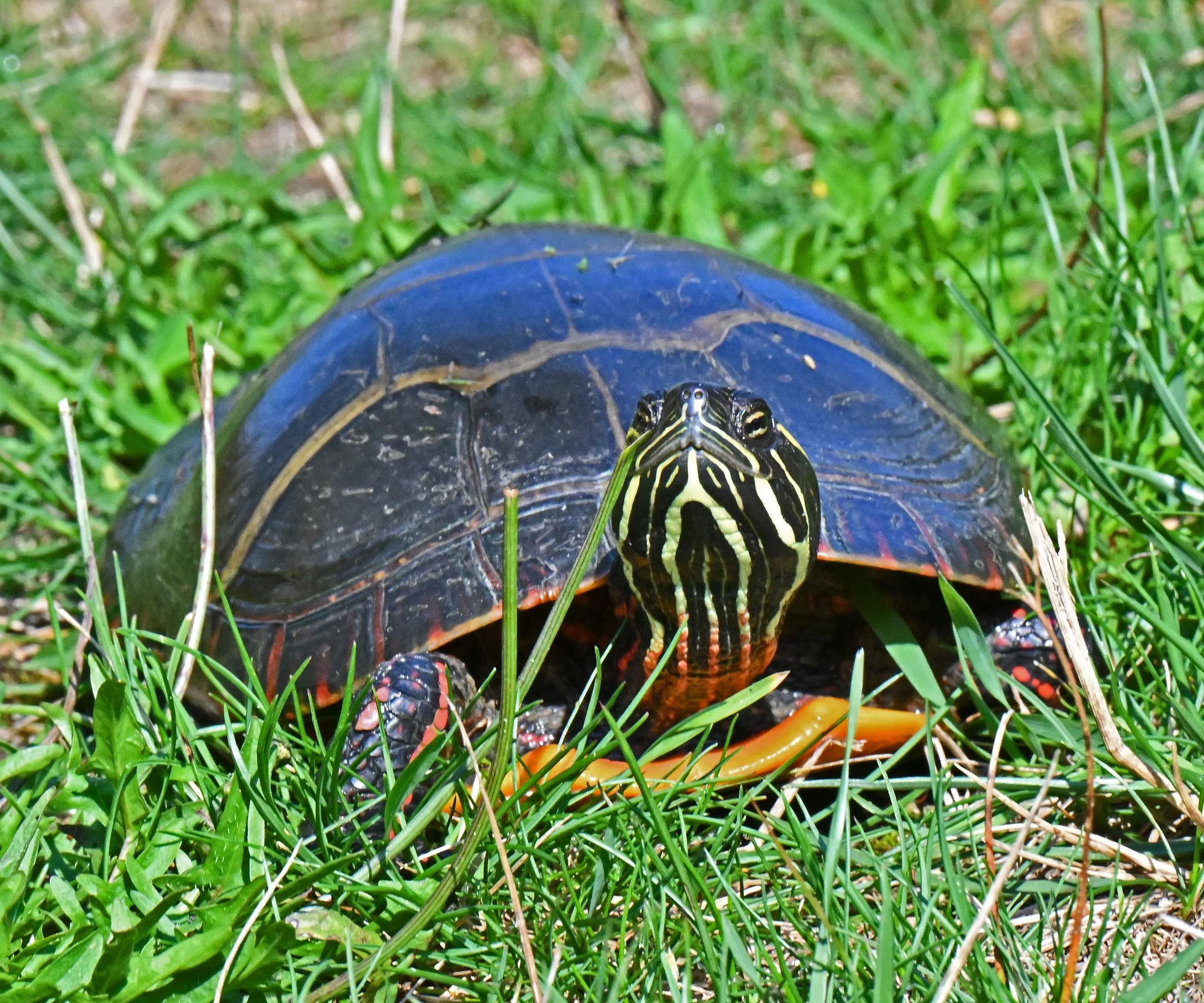
I came upon this handsome guy yesterday (or, he came upon me). He was moving from one pond to another and may be the last painted turtle that I’ll see this year (and, I may be the last human he sees).

This is the time that painted turtles reportedly stop eating and try to rid themselves of their last meals. They’ll soon drop to the bottom of a pond or other mostly still fresh water and bury themselves in the muck there to brumate, probably until spring.

Painted turtles and other brumating reptiles stop eating beforehand so that they can clear their digestive tracts, researchers have found. Apparently, undigested food can decompose and cause severe bacterial infections, even death in animals that are barely alive while brumating.

(Image taken in Brooklin, Maine, on October 2, 2026.)

Comment

Comment

In the Right Place: The First October Sunset

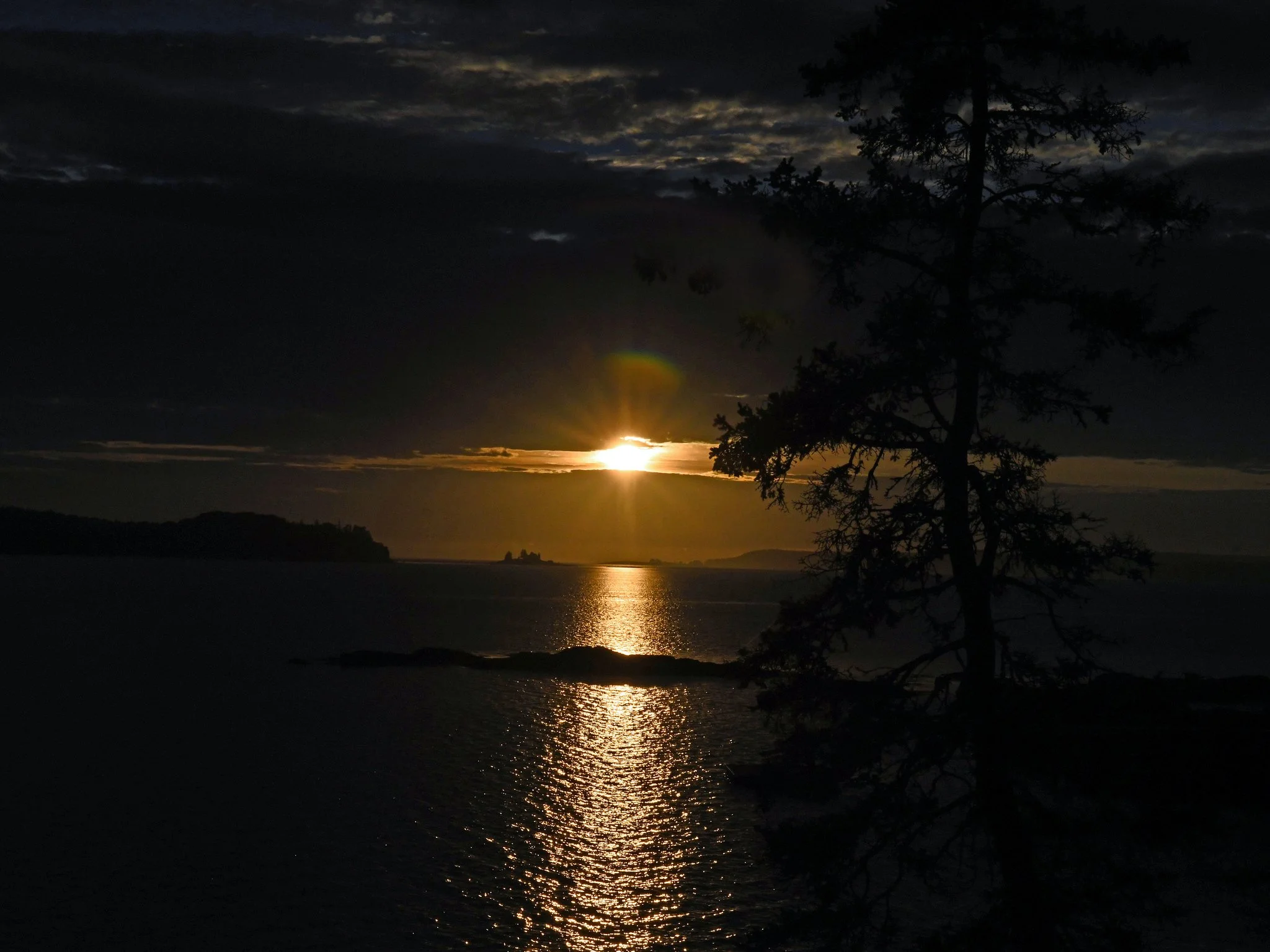
We welcomed-in October in a memorable way yesterday. We had dinner with old friends who would soon be going back to their metropolises. We dined on the deck of their rented cottage in Brooksville, at the edge of Eggemoggin Reach. That is, we were diagonally across from the northern tip of Little Deer Isle and its dormant Pumpkin Island Lighthouse.

The food was great – fresh mozzarella burrata with oil, exquisite lemon chicken, perfectly- prepared salad and vegetables and a French apple tart (tarte normande), all with good wines and coffee later. The conversation was better – old folks reminiscing about the good old days and complaining about the disturbing present.  AND, the sunset on that chilly evening was better yet.

Last night’s sundown wasn’t one of those celestial Mardi Gras celebrations that we can have when the air is cold and clear. No, it was what might be described as your standard-issue, good Down East sunset: many subtle, intermixing shades of gray and the sun performing her robust solo, which included a majestic glitter path seemingly delivered only to us.  

Yes, we ate dinner with jackets on. Yes, soon after the sunset, some of us were shivering and we went inside to continue talking in front of a fire. Yes, we ate too much, drank too much and talked too much. And, yes, we made plans to do it again next year if we live that long. This may be a Northern thing.

(Image taken in Brooksville, Maine, on October 1, 2026.)

Comment

September Postcards From Down East Maine

2 Comments

September Postcards From Down East Maine

September 2026 in Down East Maine was a month of significant transition, highlighted by the official arrival of fall, significant coastal events involving the end of the sailing season, and a late-month nor’easter that brought us 45-mph winds, a few power outages and much-needed rain.

THE EVER-CHANGING ICONS

As usual, the first Postcards that we send show the monthly state of the four changing iconic scenes that we monitor for local records:

The View of Mount Desert Island from Brooklin’s Amen Ridge

The Summer House on Harbor Island

The Long View of Blue Hill, the Near-Mountain

The Rockbound Coast at Conary Cove (in Light Rain)

IN THE WATER

THE WINDJAMMERS

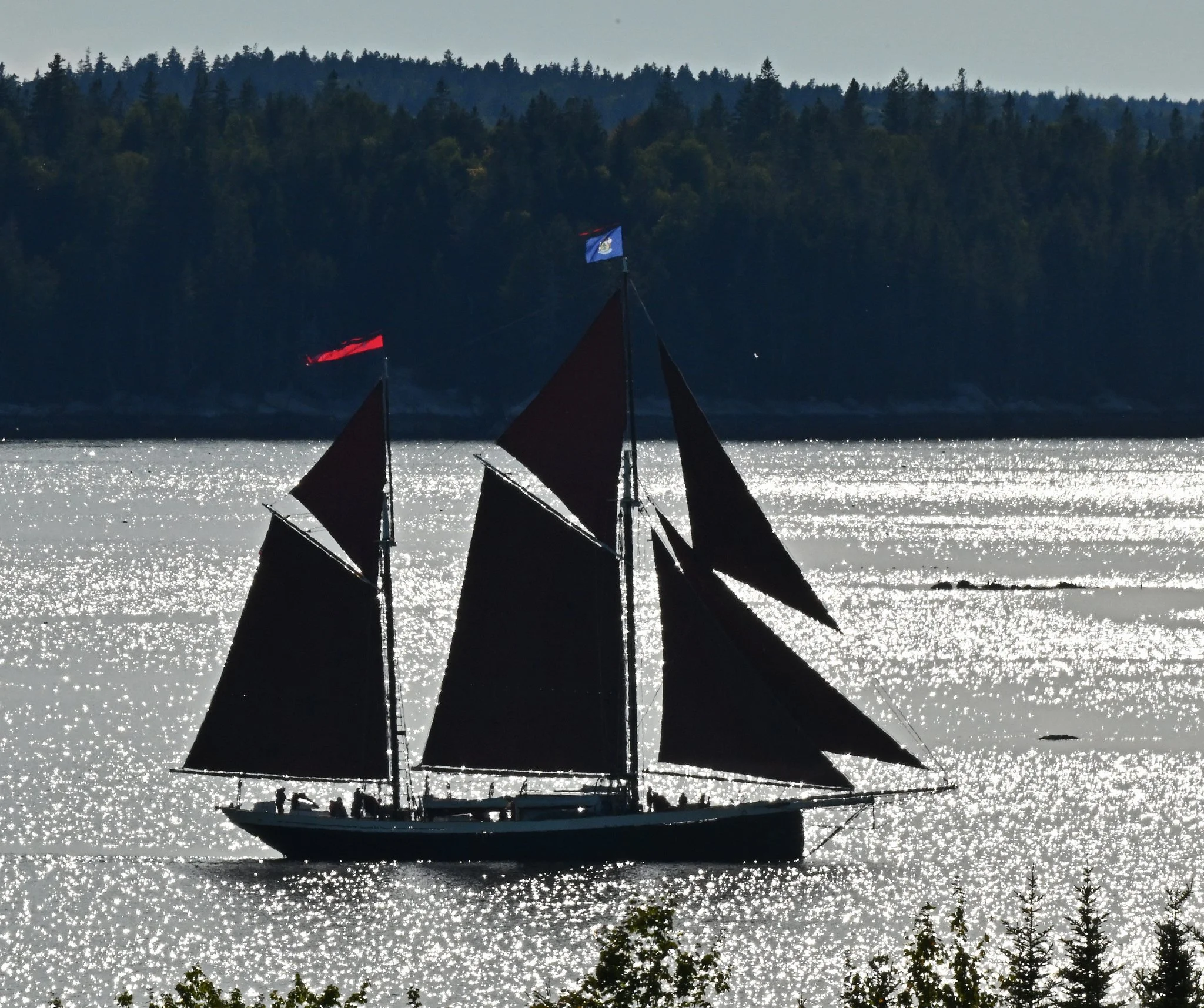
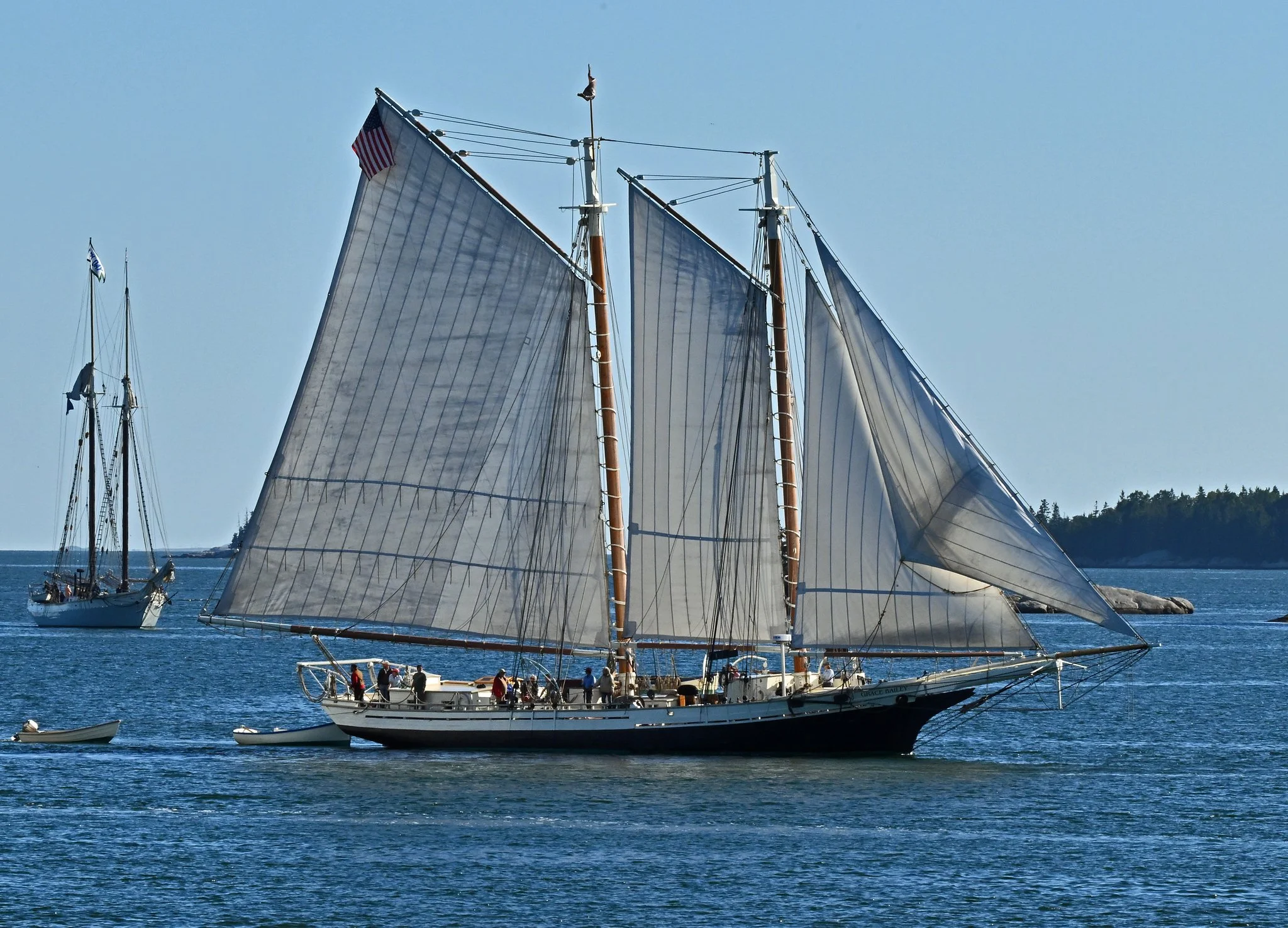
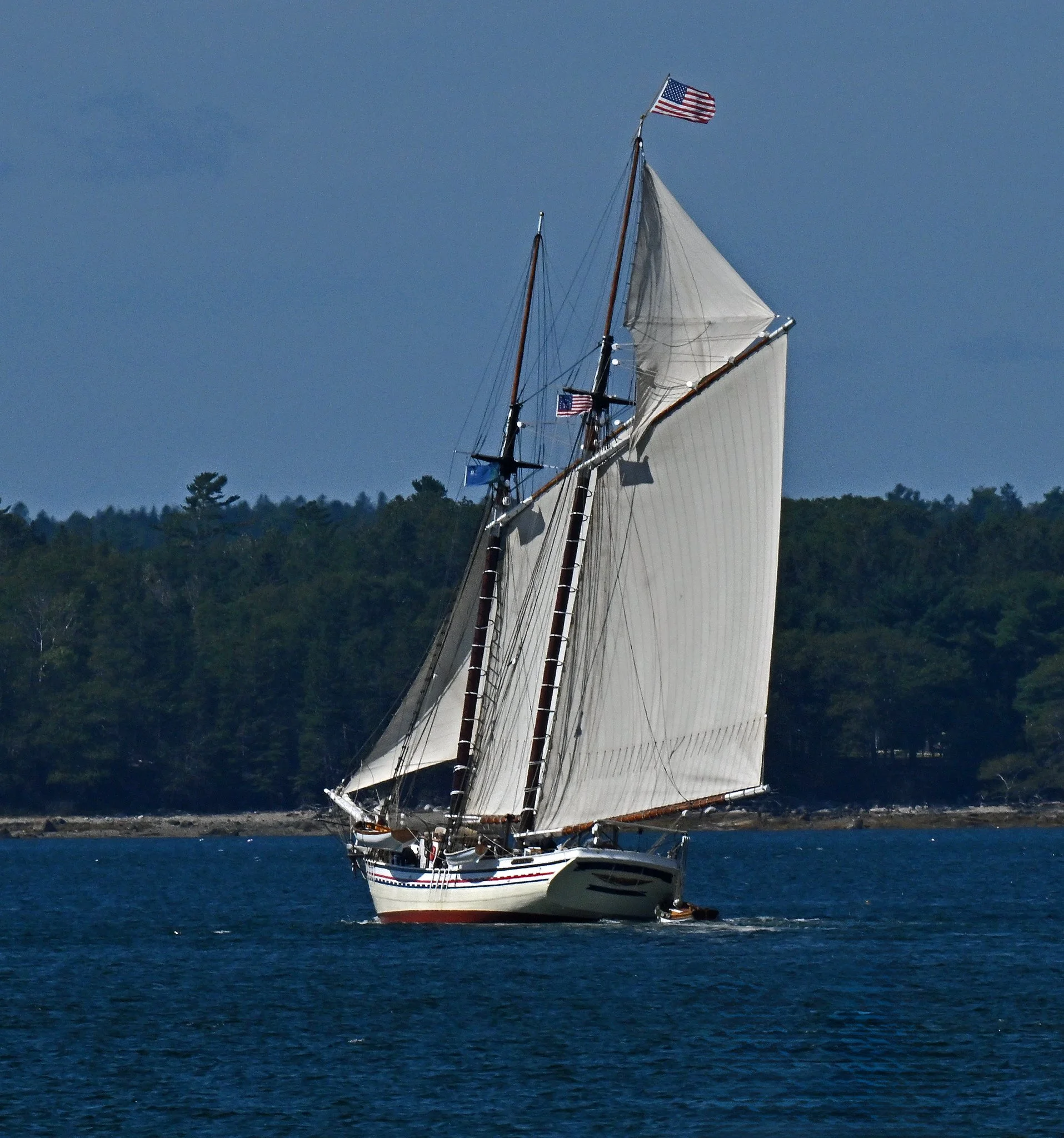
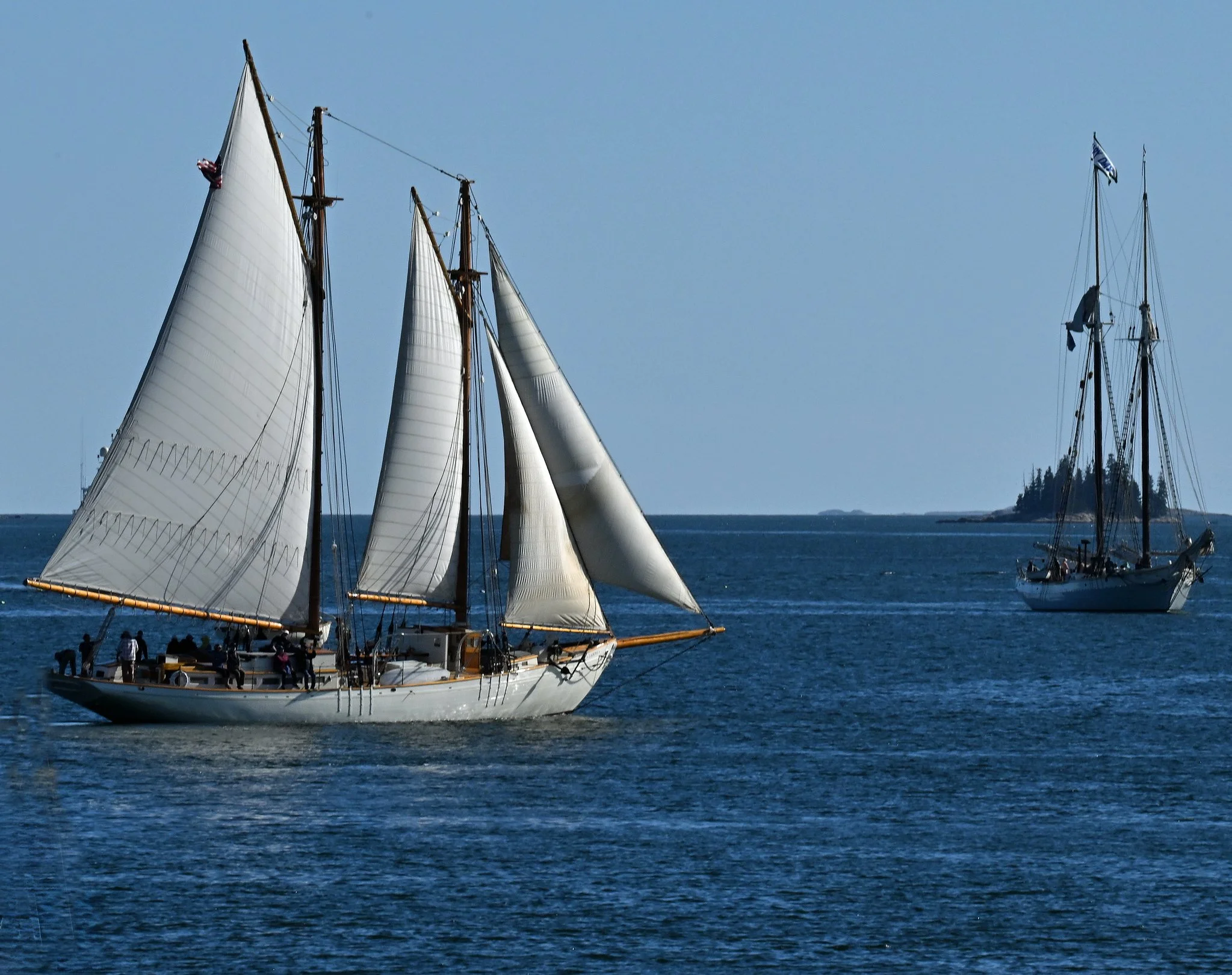
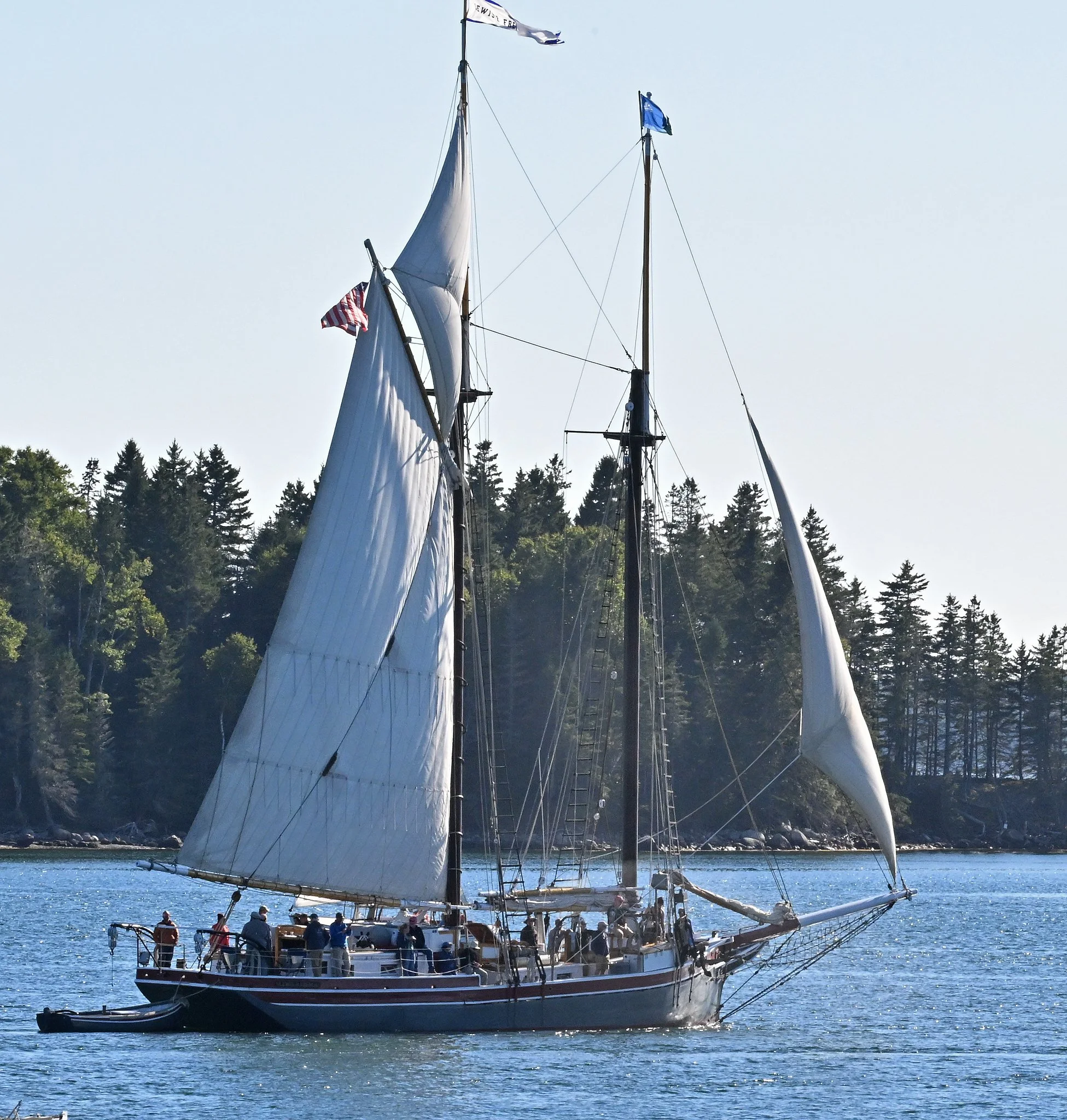
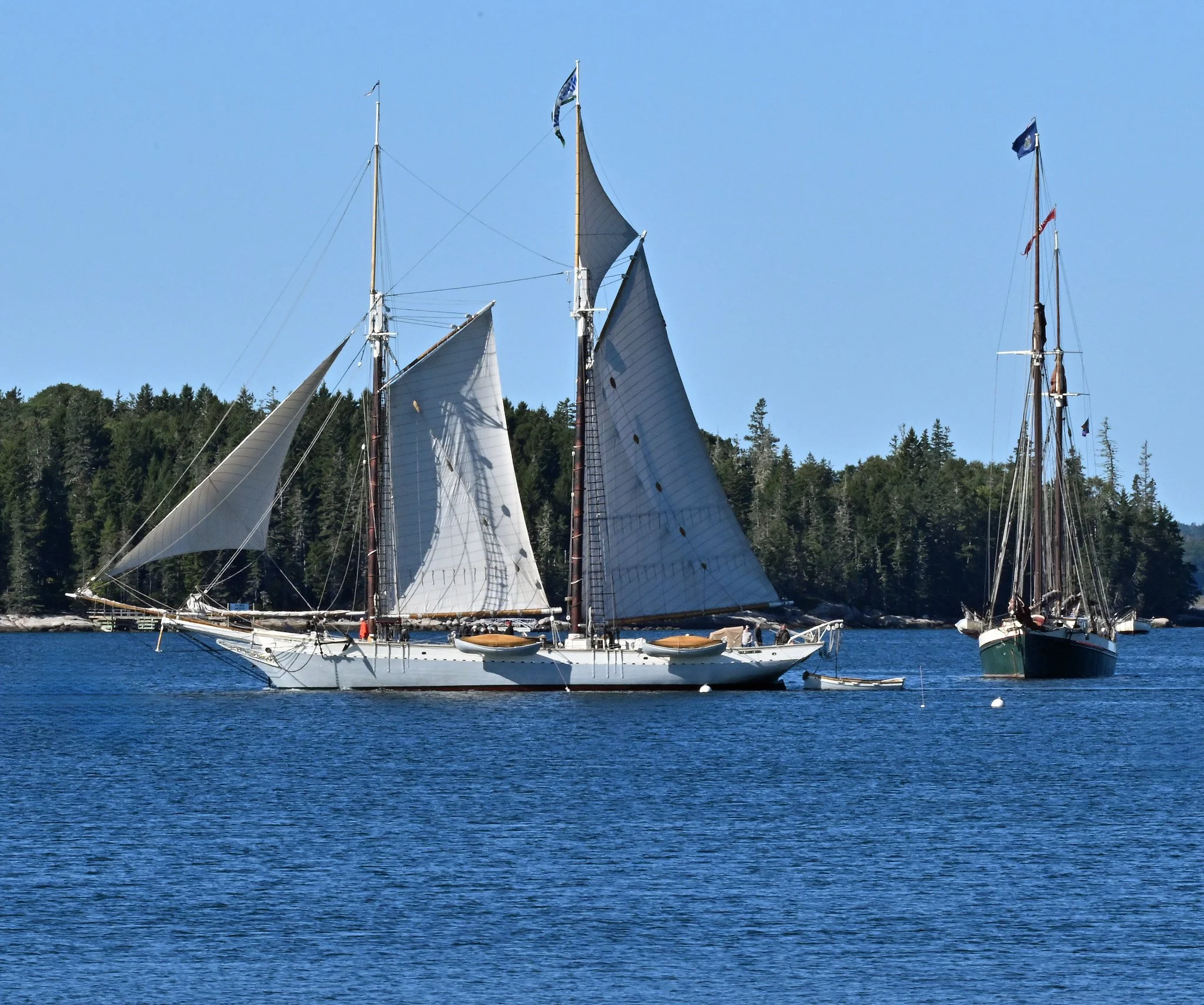
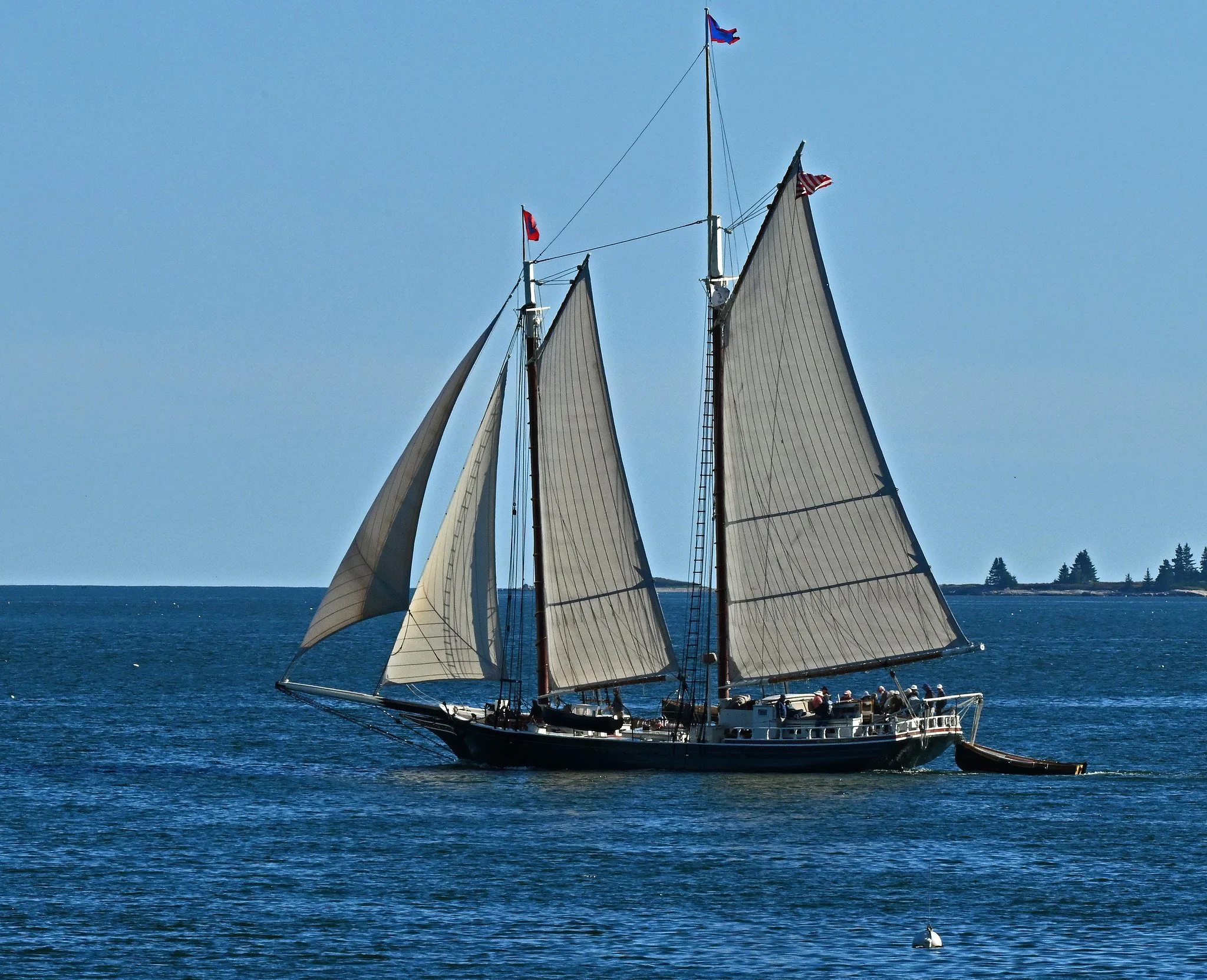
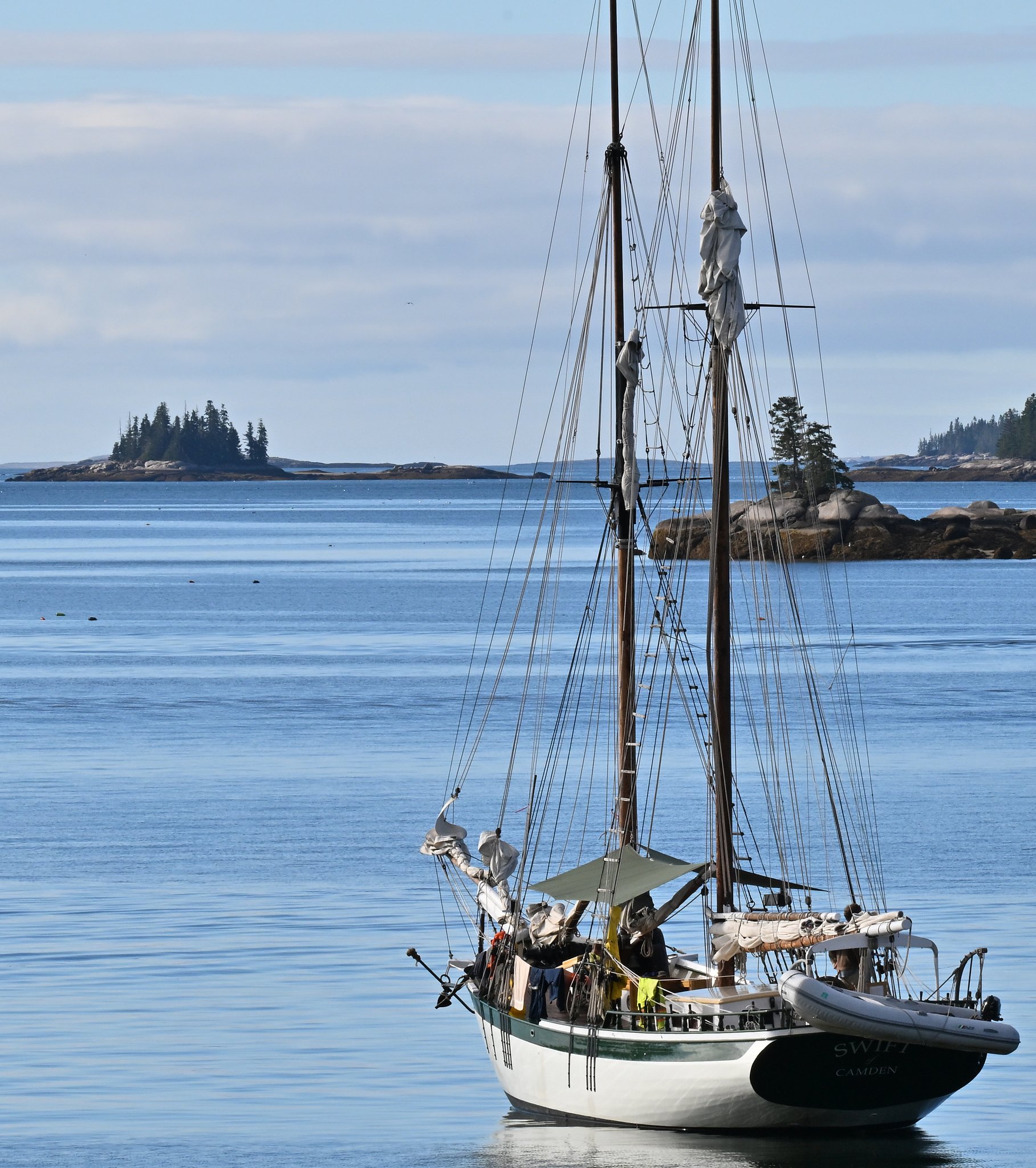
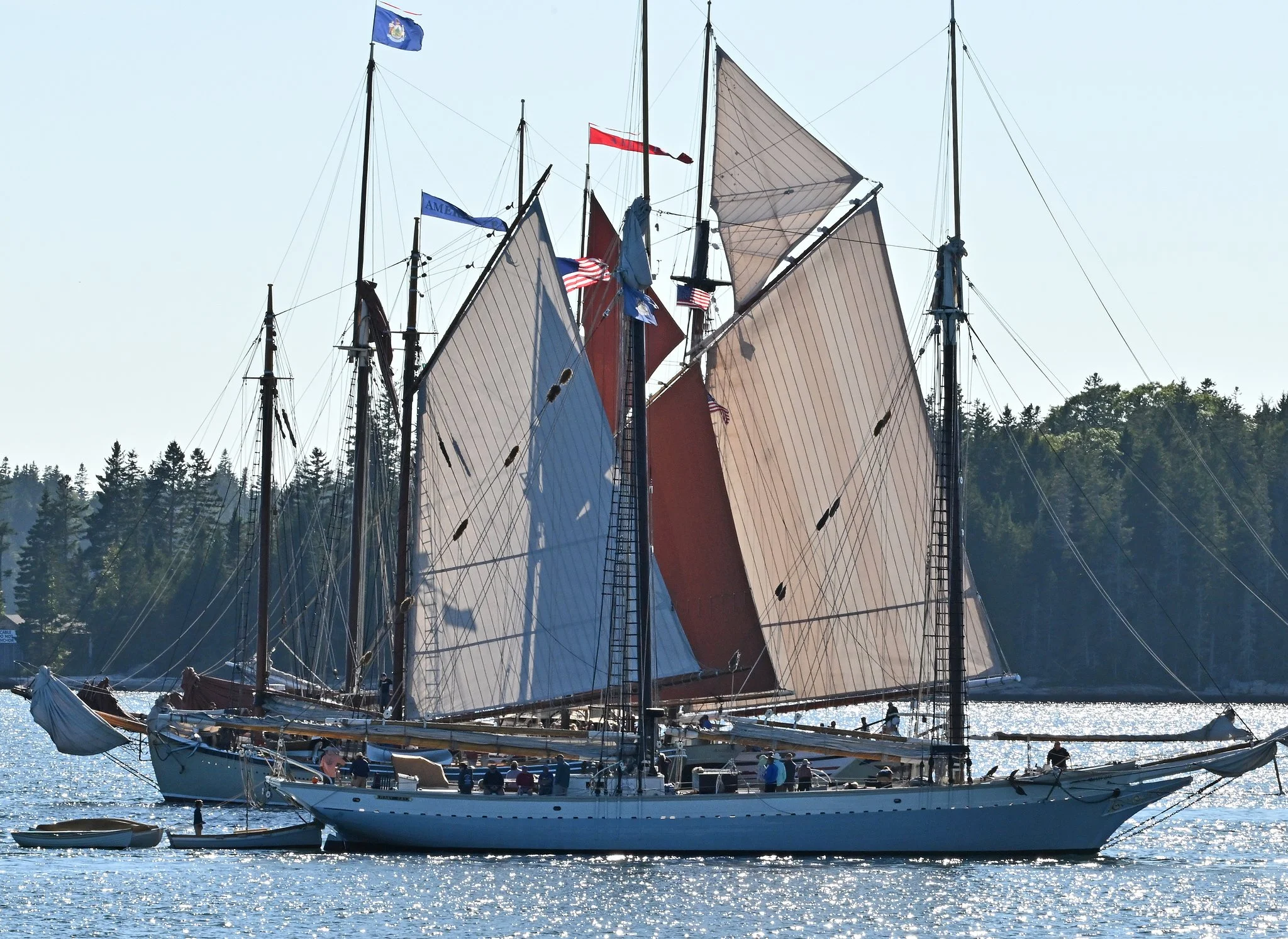
The annual windjammer Sail-In to the WoodenBoat campus in Great Cove always is a September treat, as are the individual visits of the ‘jammers at other times.

ANGELIQUE at Sundown

GRACE BAILEY and HERITAGE

LADONA and MARY DAY

LEWIS R. FRENCH and MARY DAY

STEPHEN TABER

SWIFT

Rafting Up After the Sail-In

THE END OF THE SAILING SEASON AT WBS

The renowned WoodenBoat School ended its sailing classes in September and brought its boats and their moorings ashore for cleaning and winter storage.

NASKEAG HARBOR

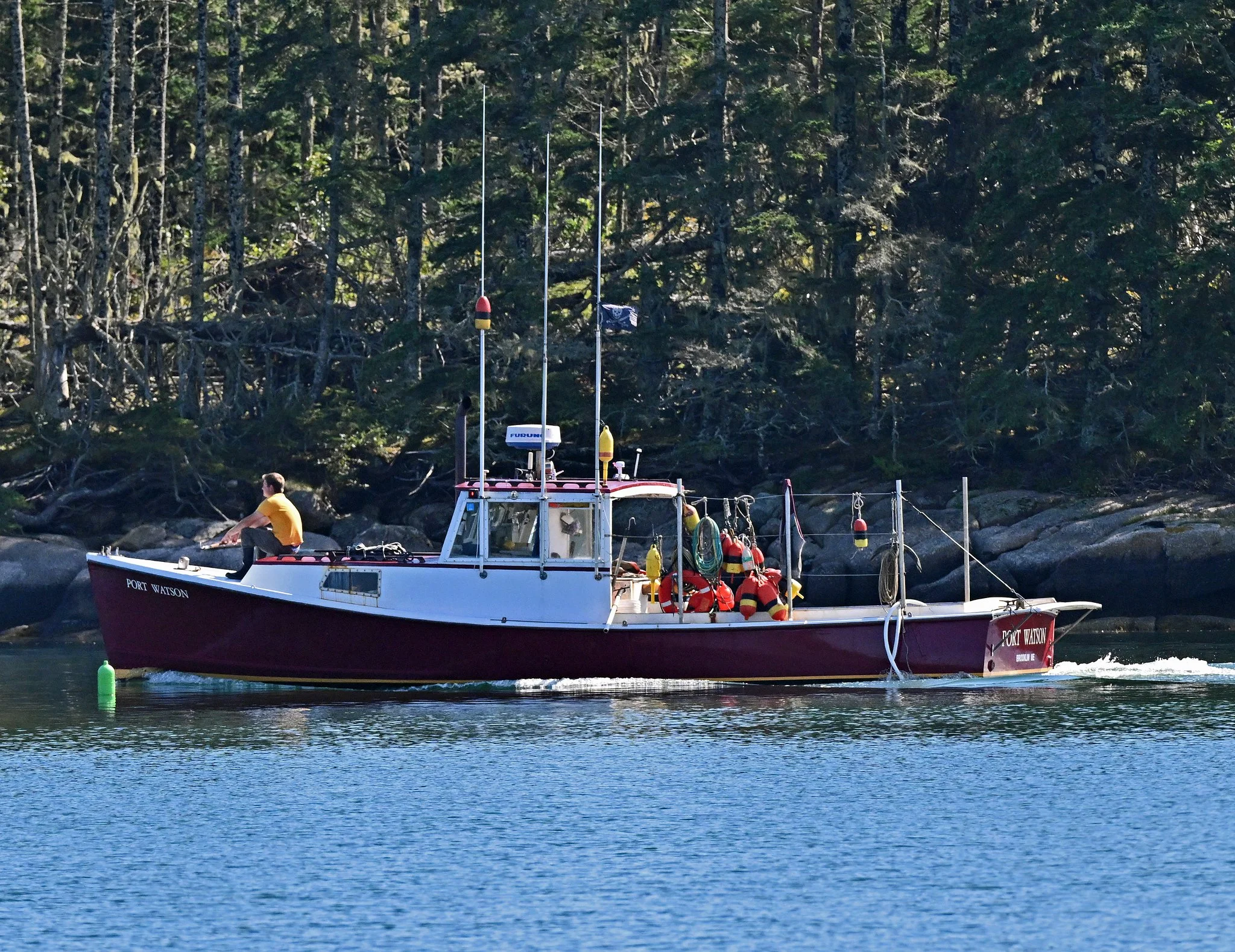
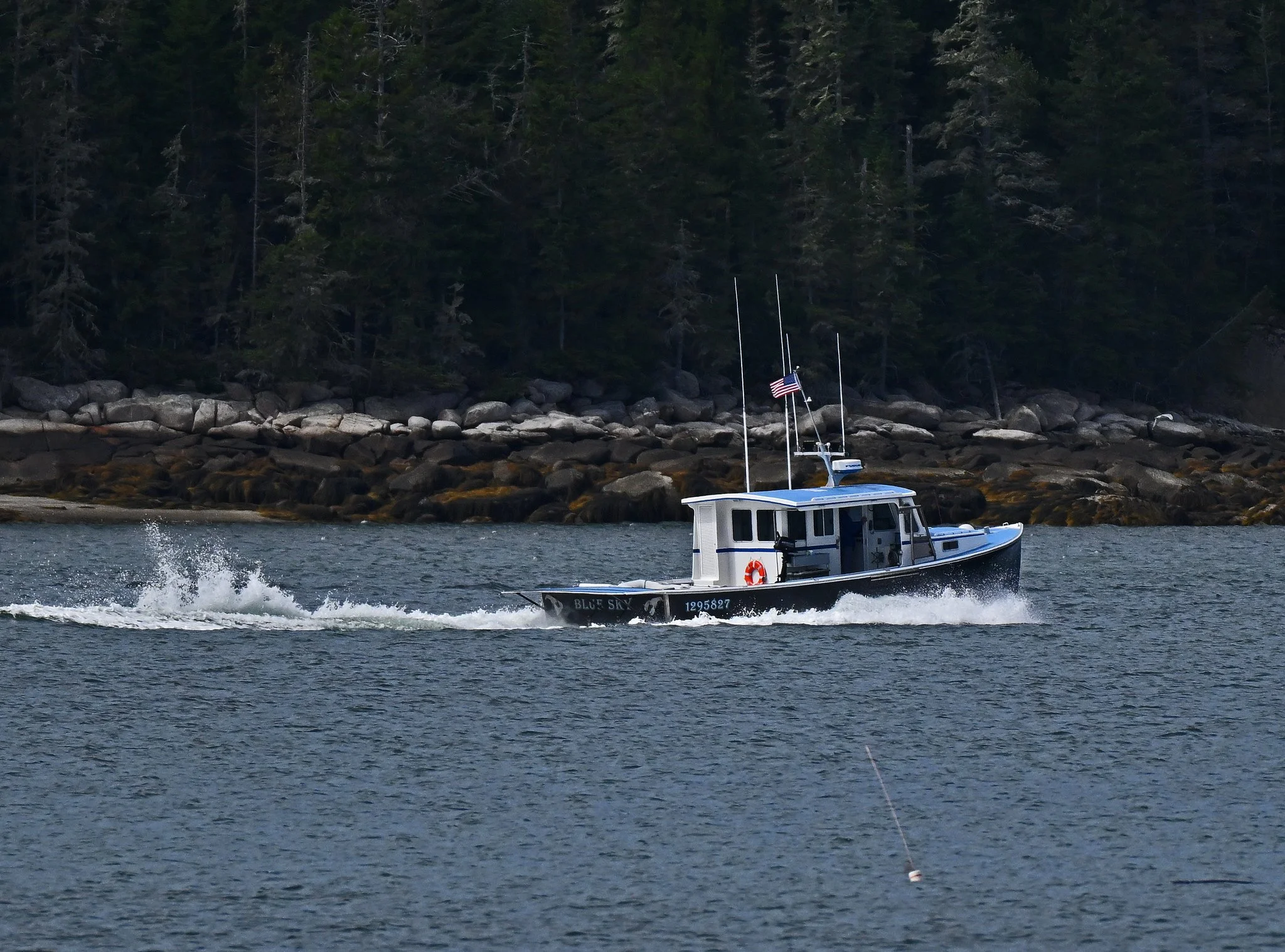
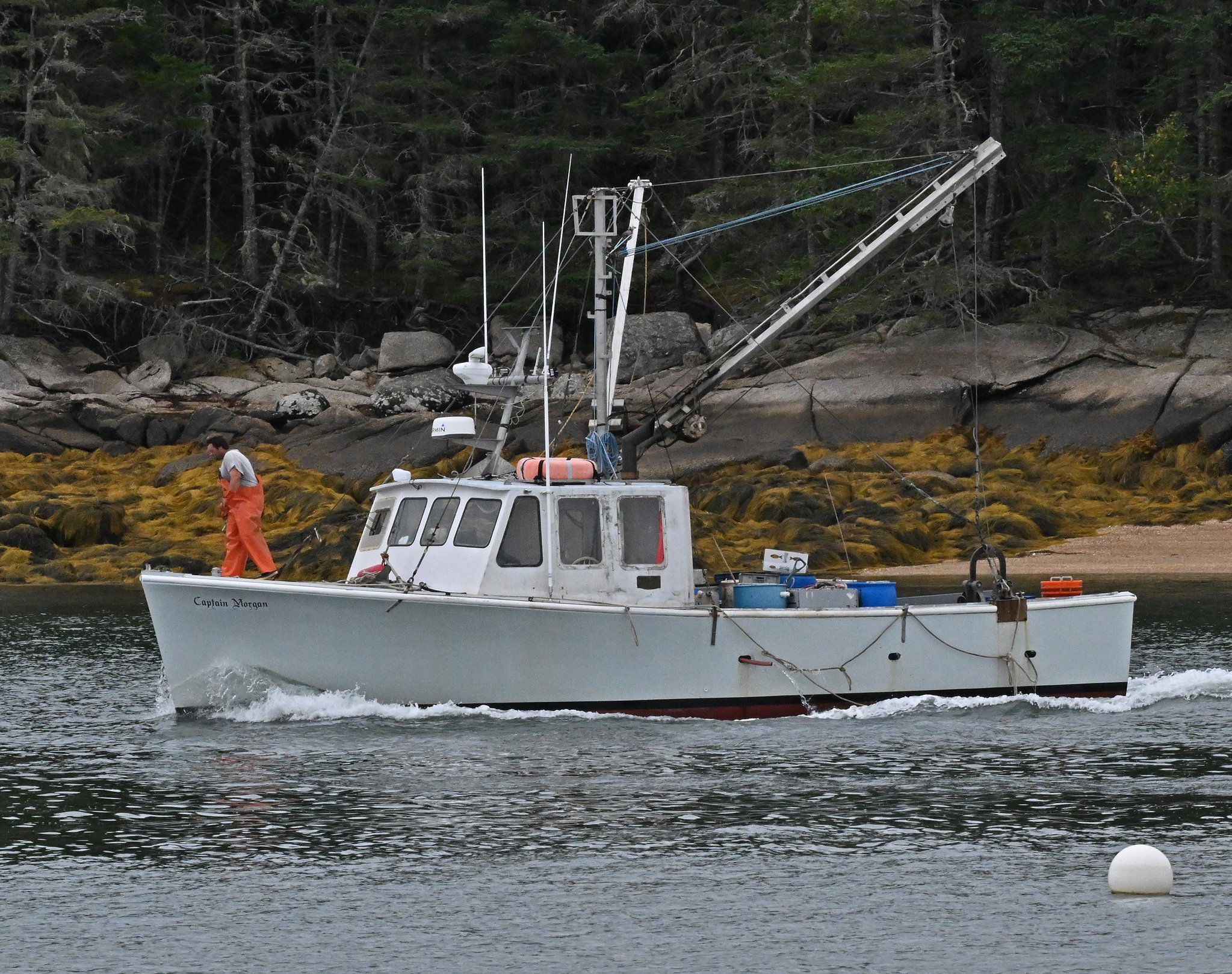
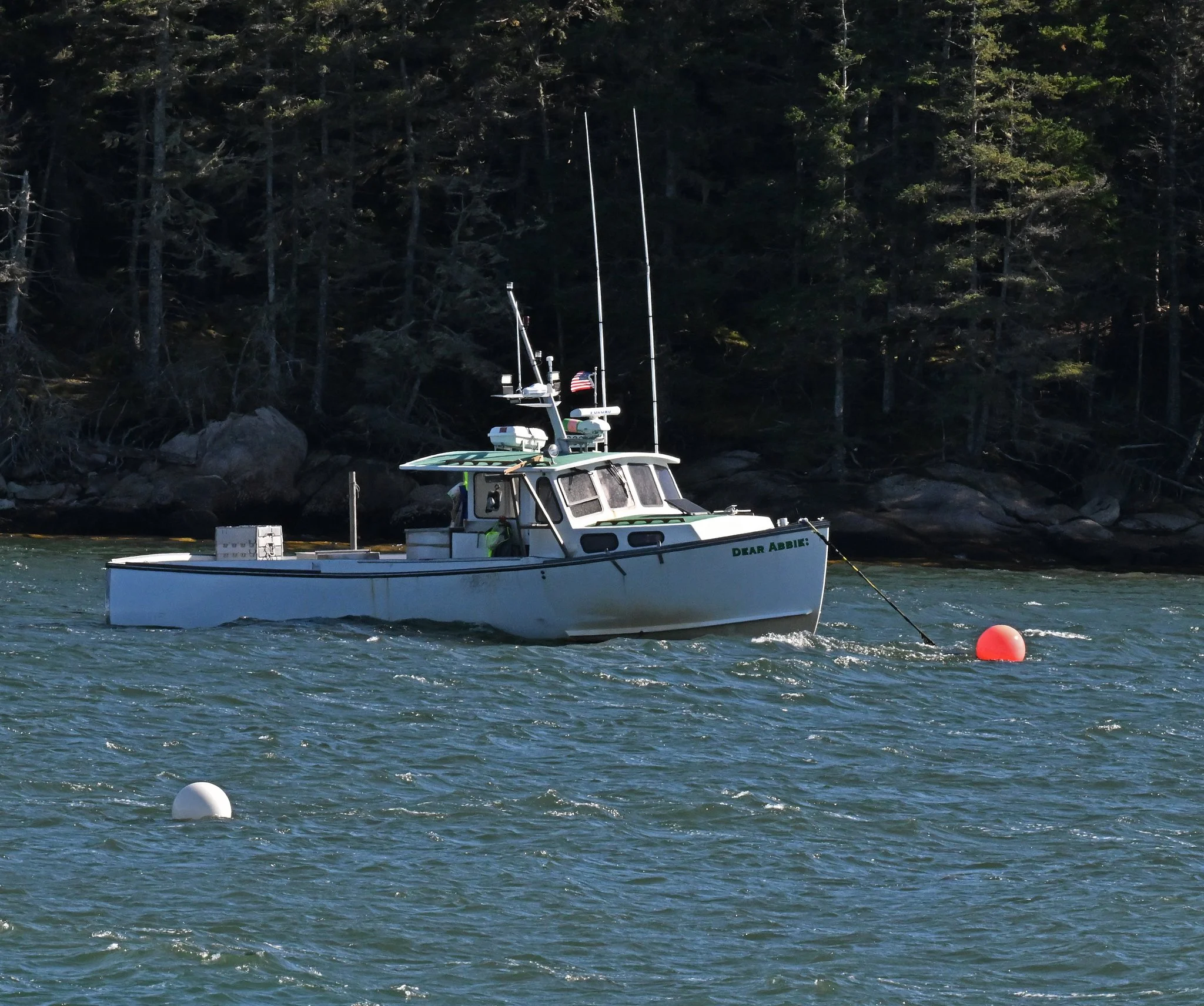
Naskeag Harbor is a place to swim and laze on the beach, as well as the home of a some recreational boats. But, it’s primarily a working waterfront for lobster boats in September.

CENTER HARBOR

Center Harbor is the home port for many recreactional boats, but it is known best for its famed Brooklin Boat Yard, which also was bringing in vessels for winter storage during the month:

WOODS, FIELDS, PONDS AND STREAMS

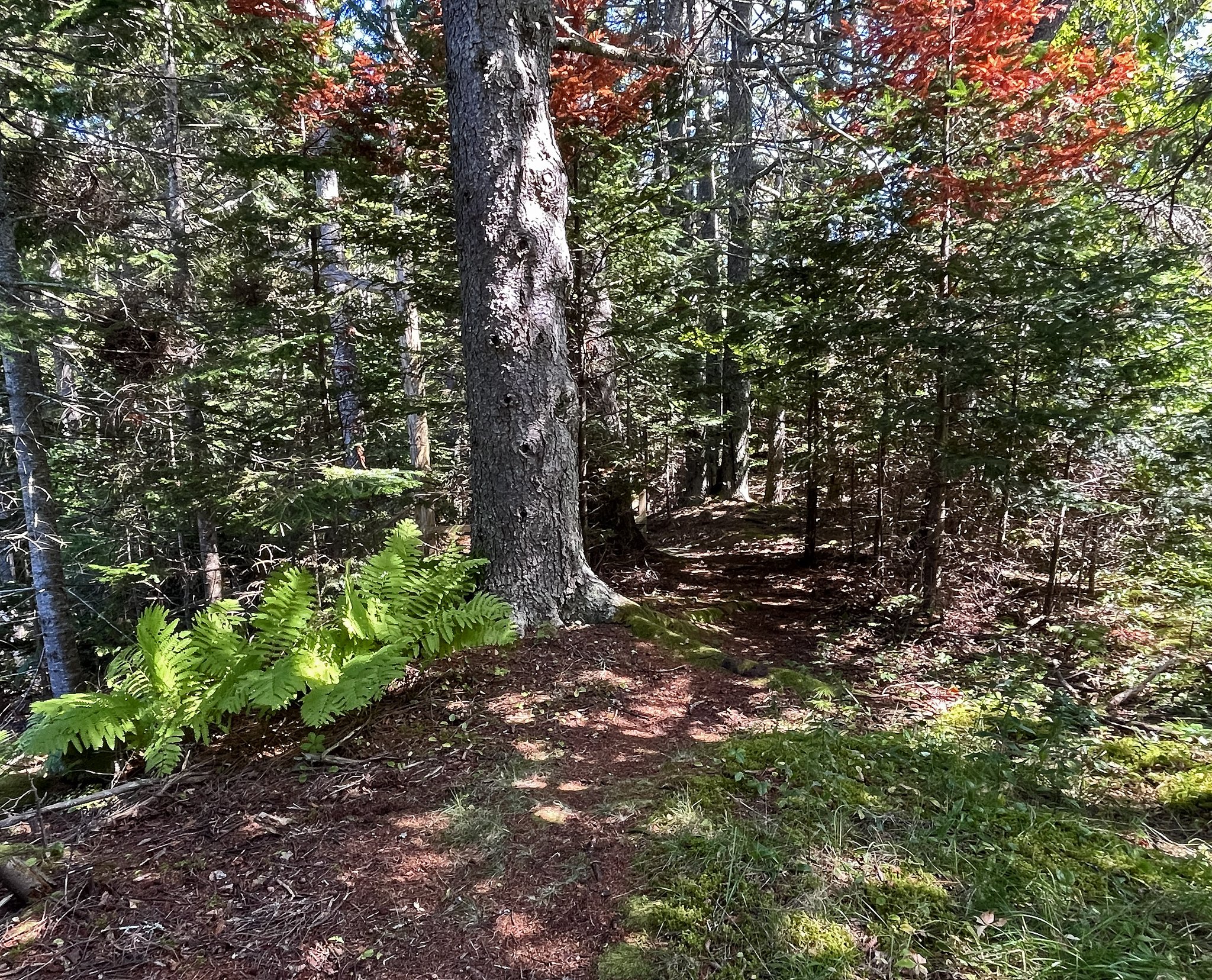
September’s woods were a bit dry, but inviting as always. Our fallow fields usually are mowed in September and October once most of the wild flowers start going to seed and the nesting birds and sheltered nsects have moved on or died off.

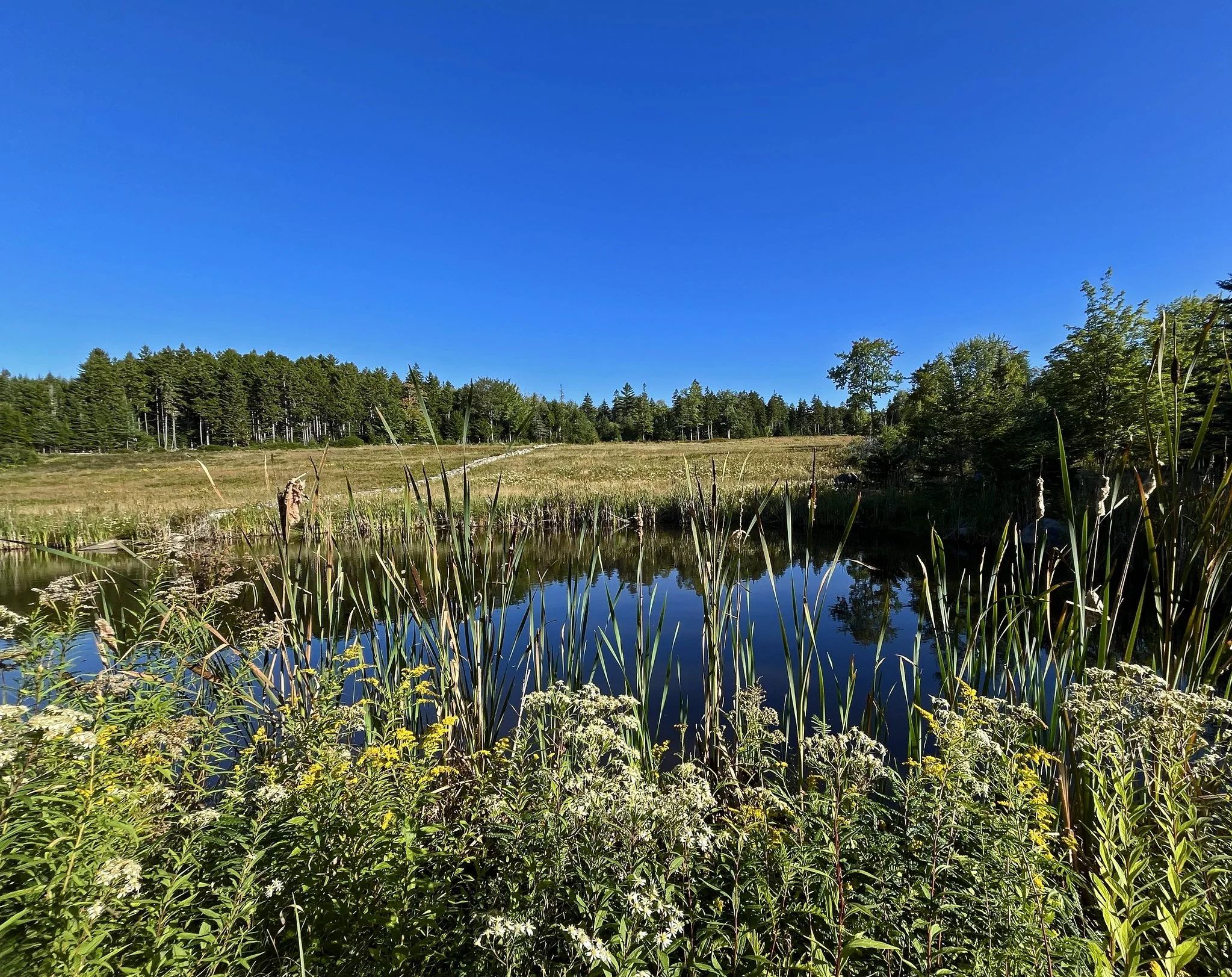
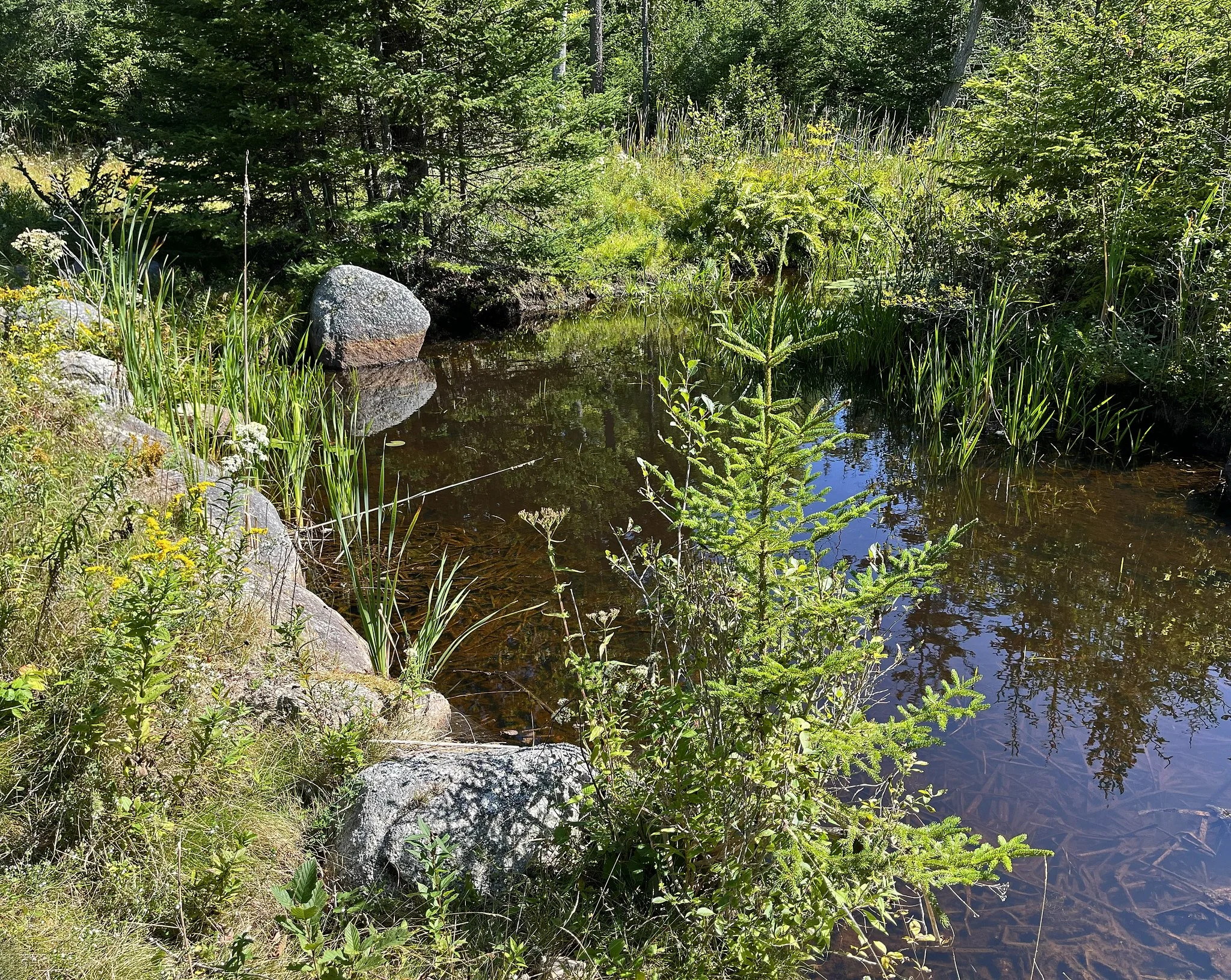
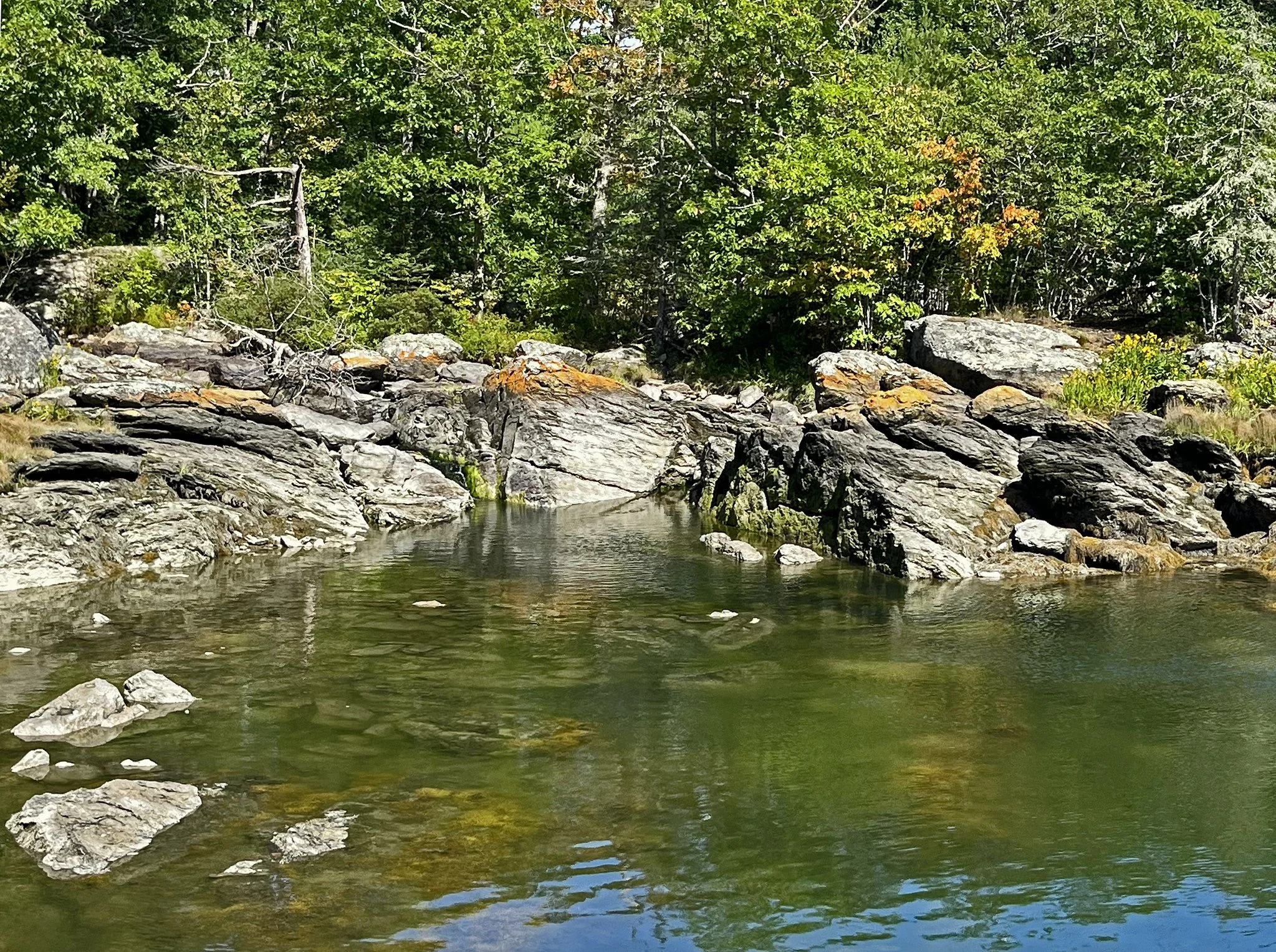
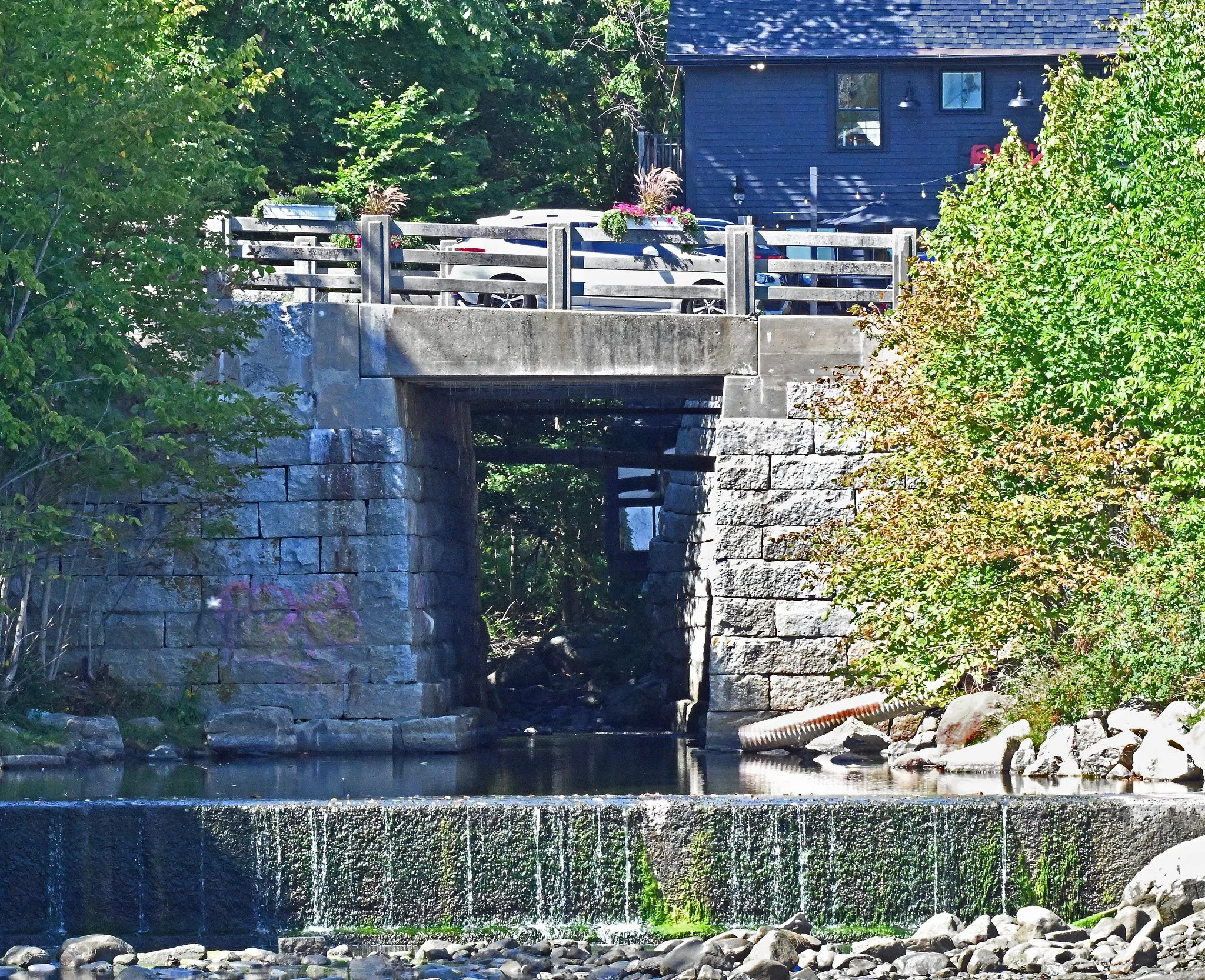
For most of the month, our pond levels were down significantly and stream flows were much weaker than usual.

Brooklin Fire Pond

Brooklin Stream-Fed Pond and Mouth of Surry’s Patten Stream

Mouth of Blue Hill’s Mill Stream

FEATURED FAUNA

FURRY

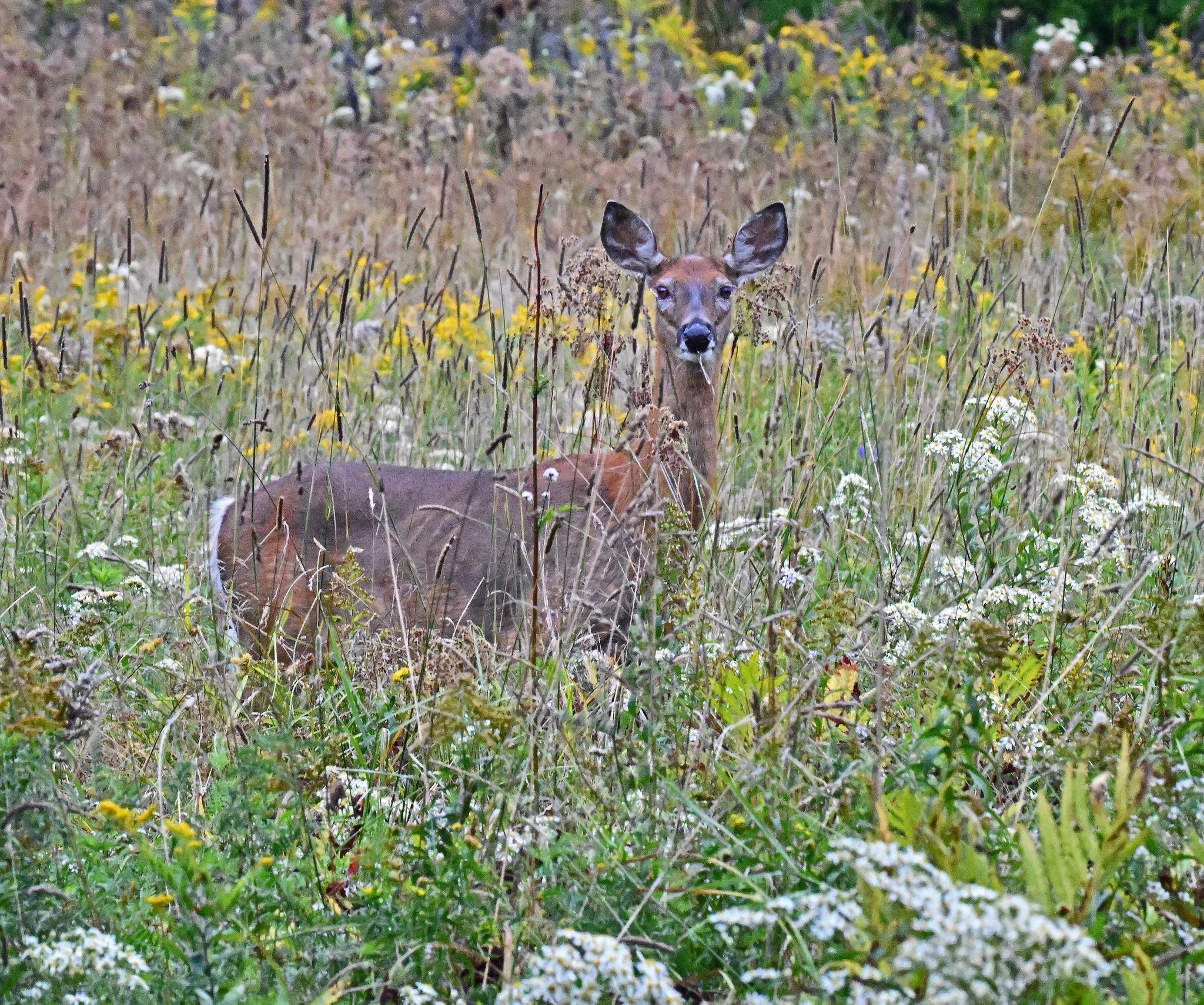
White-Tailed Deer Doe

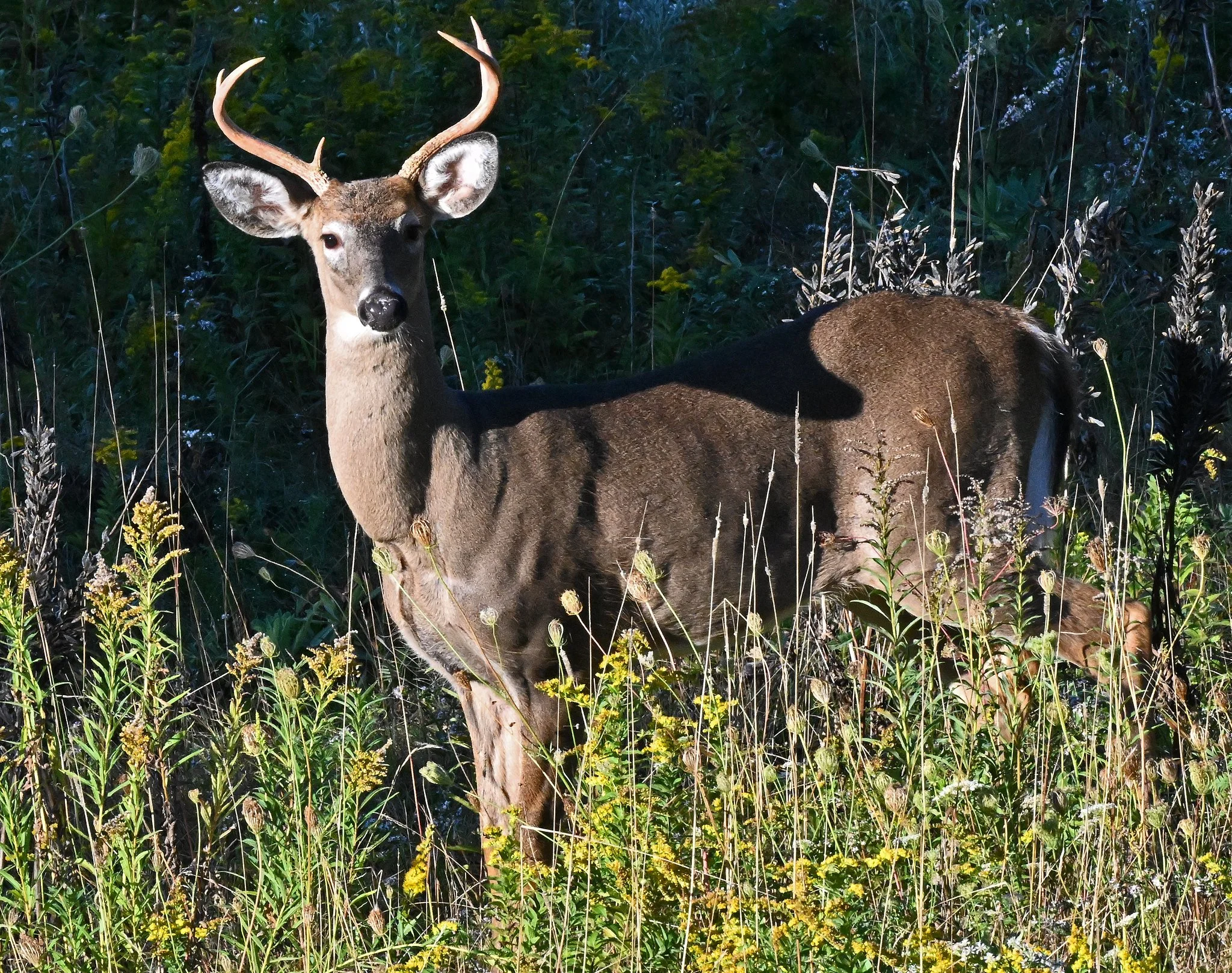
White-Tailed Deer Buck

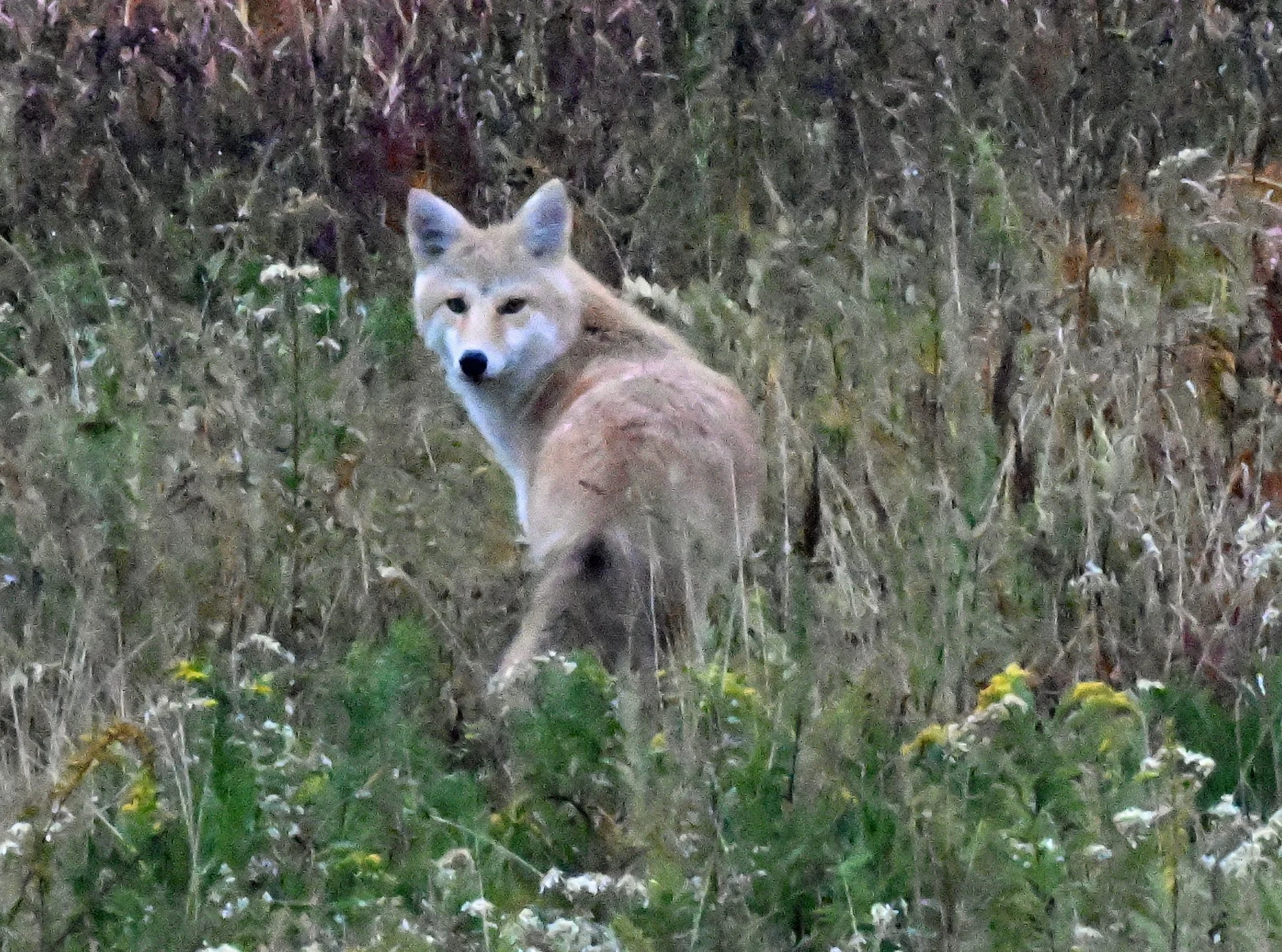
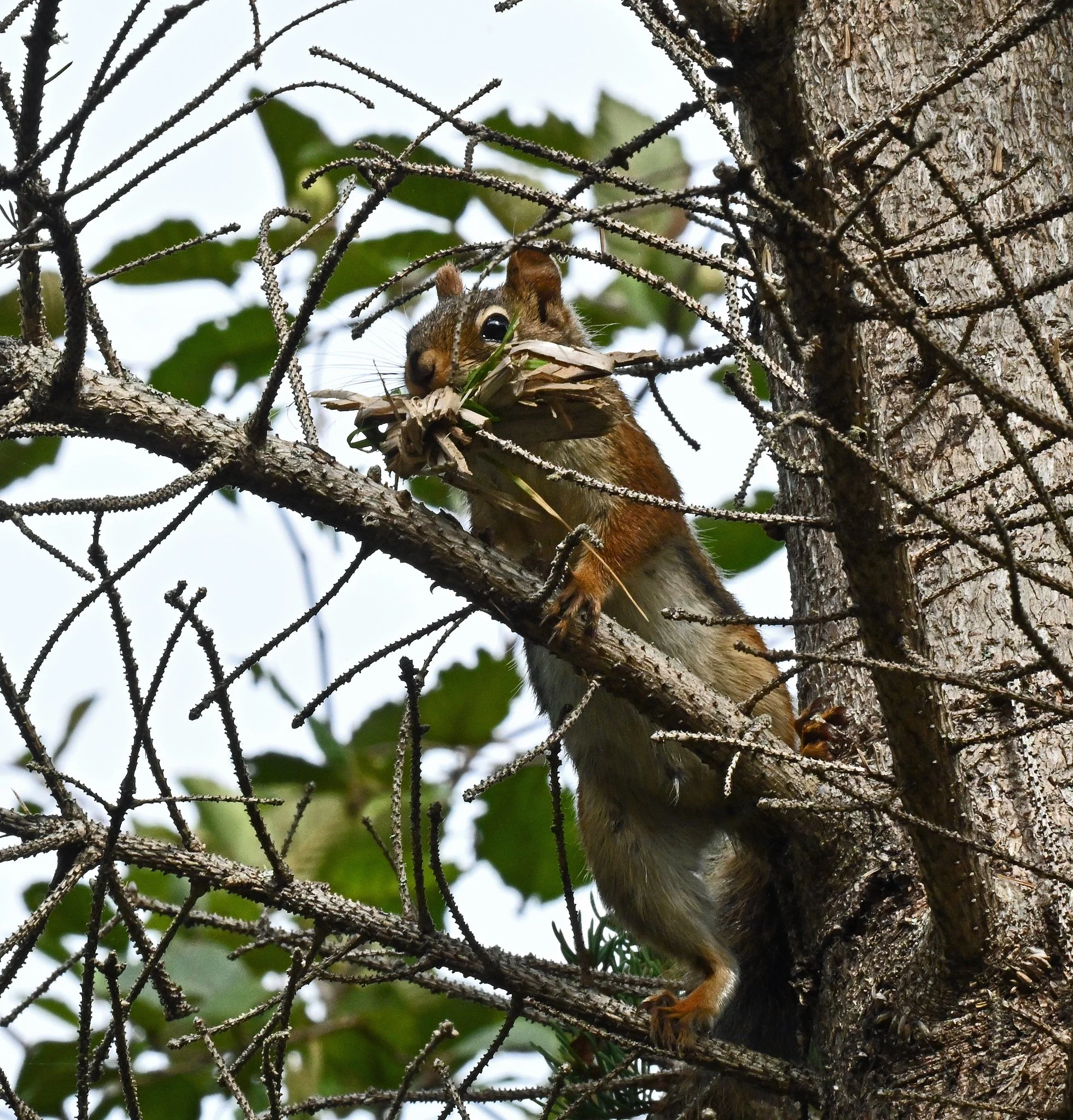
Eastern Coyote and One of His Snack Foods (Red Squirrel)

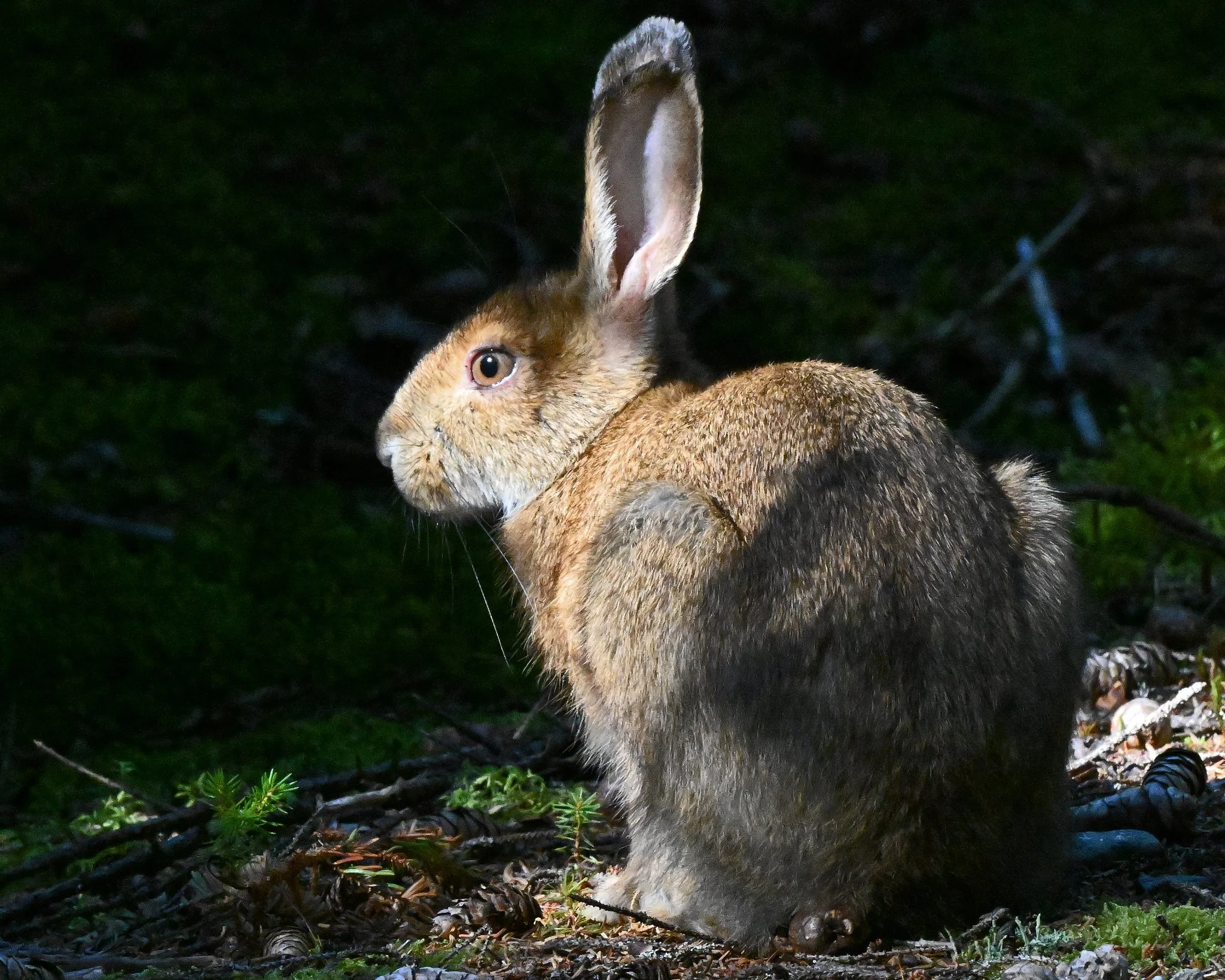
More Coyote Snack Food (Snowshoe Hare)

FEATHERY

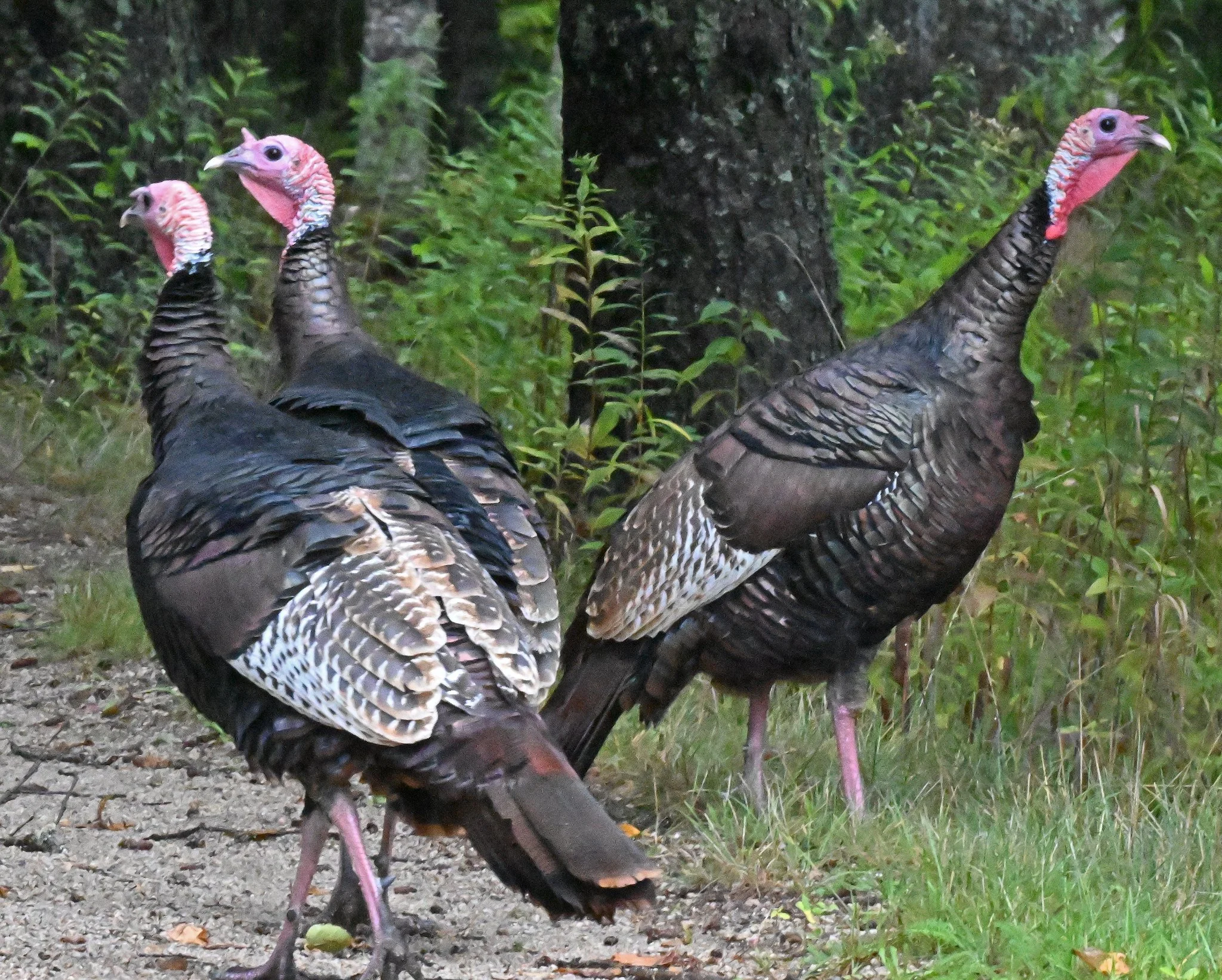
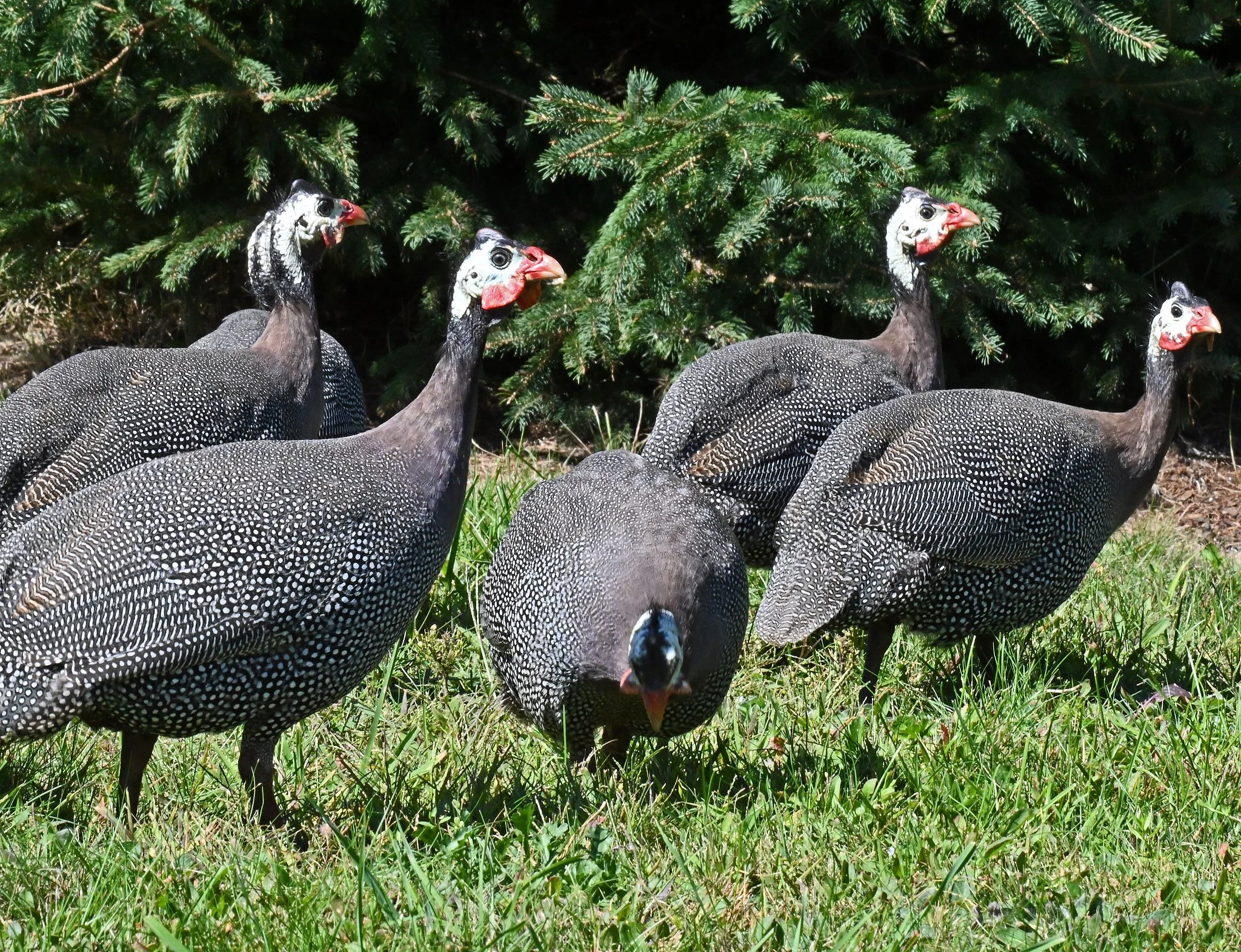
Walkers: Wild Turkeys and Helmeted Guinea Fowl

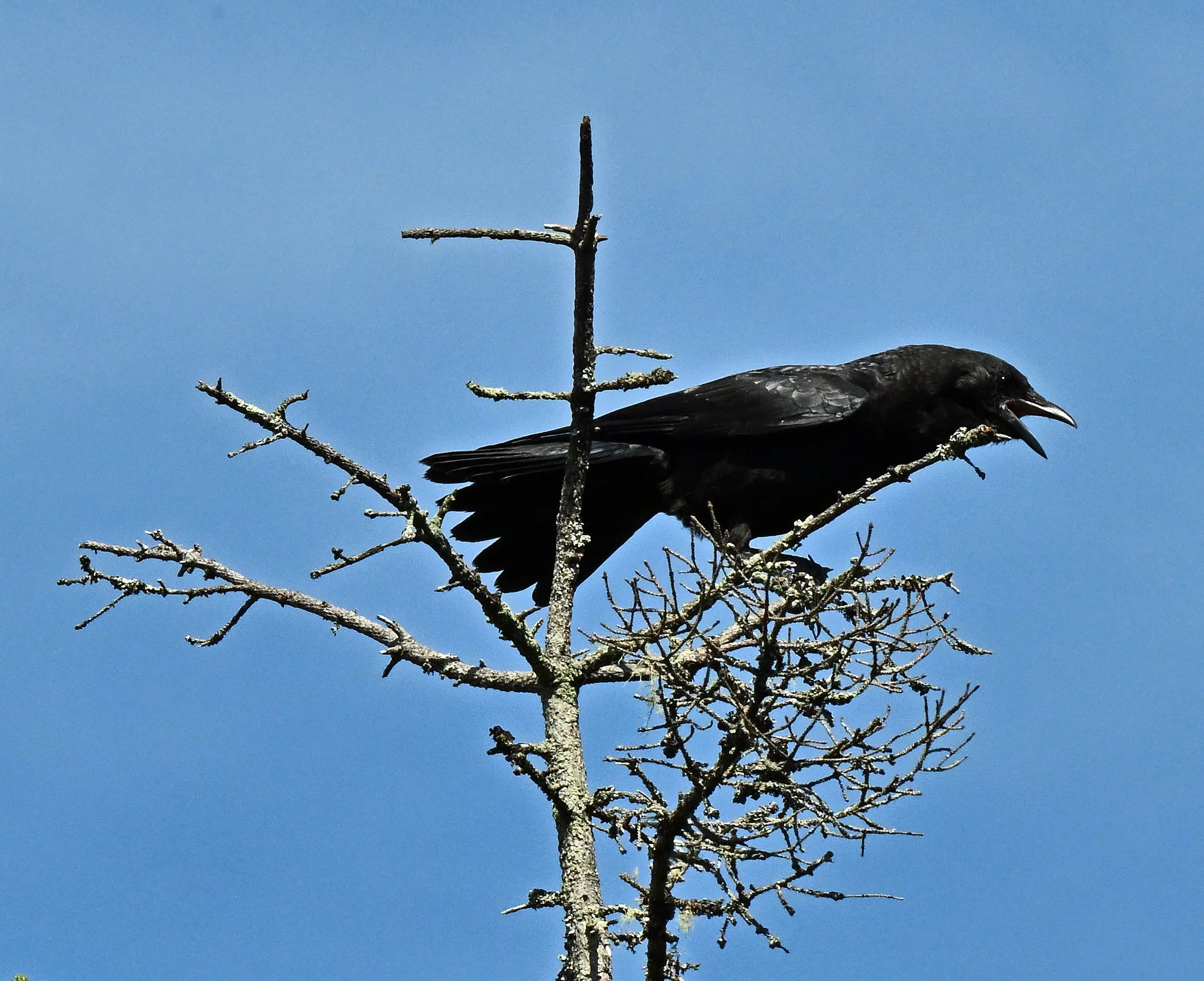
Scquawker: American Crow Sentry

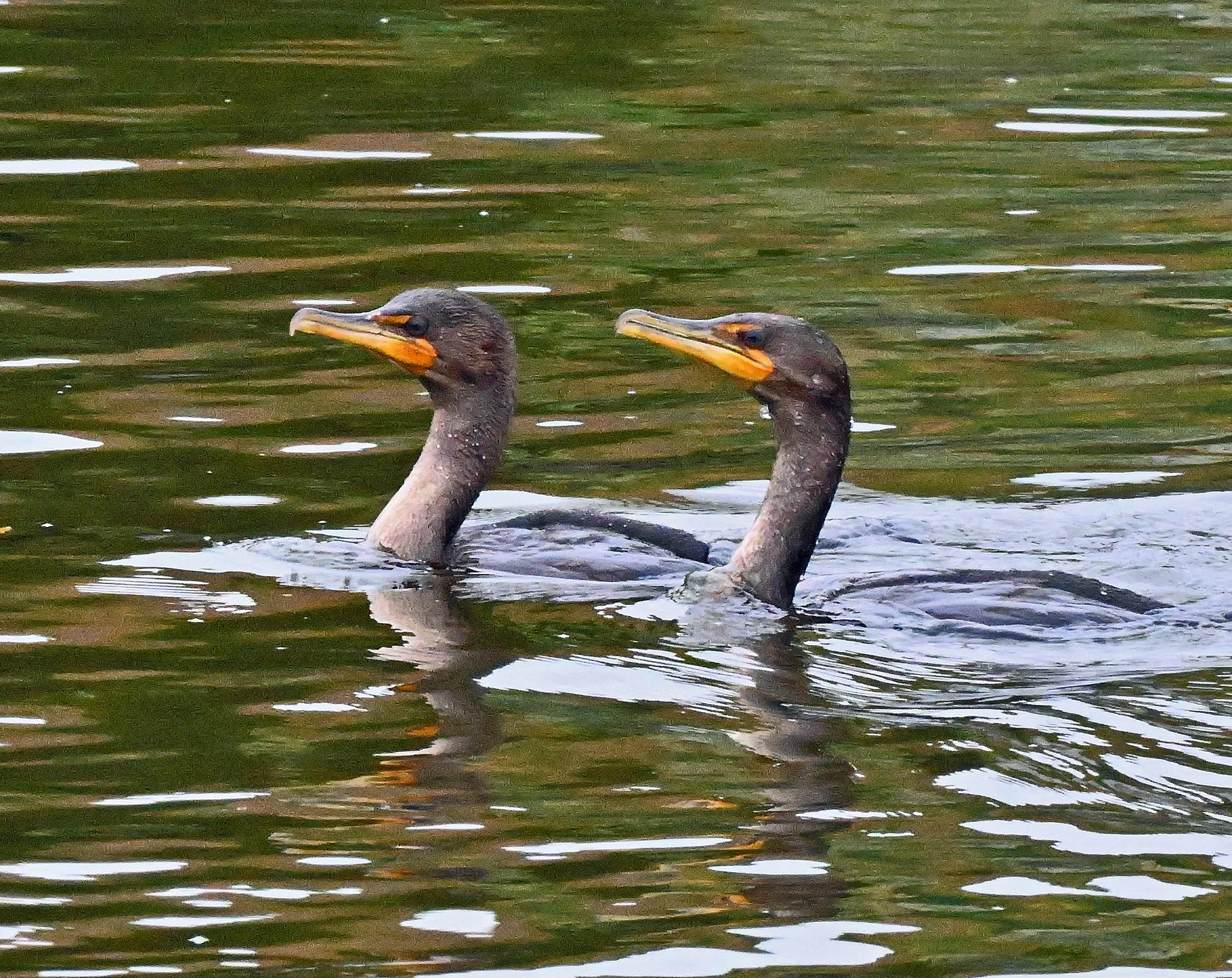
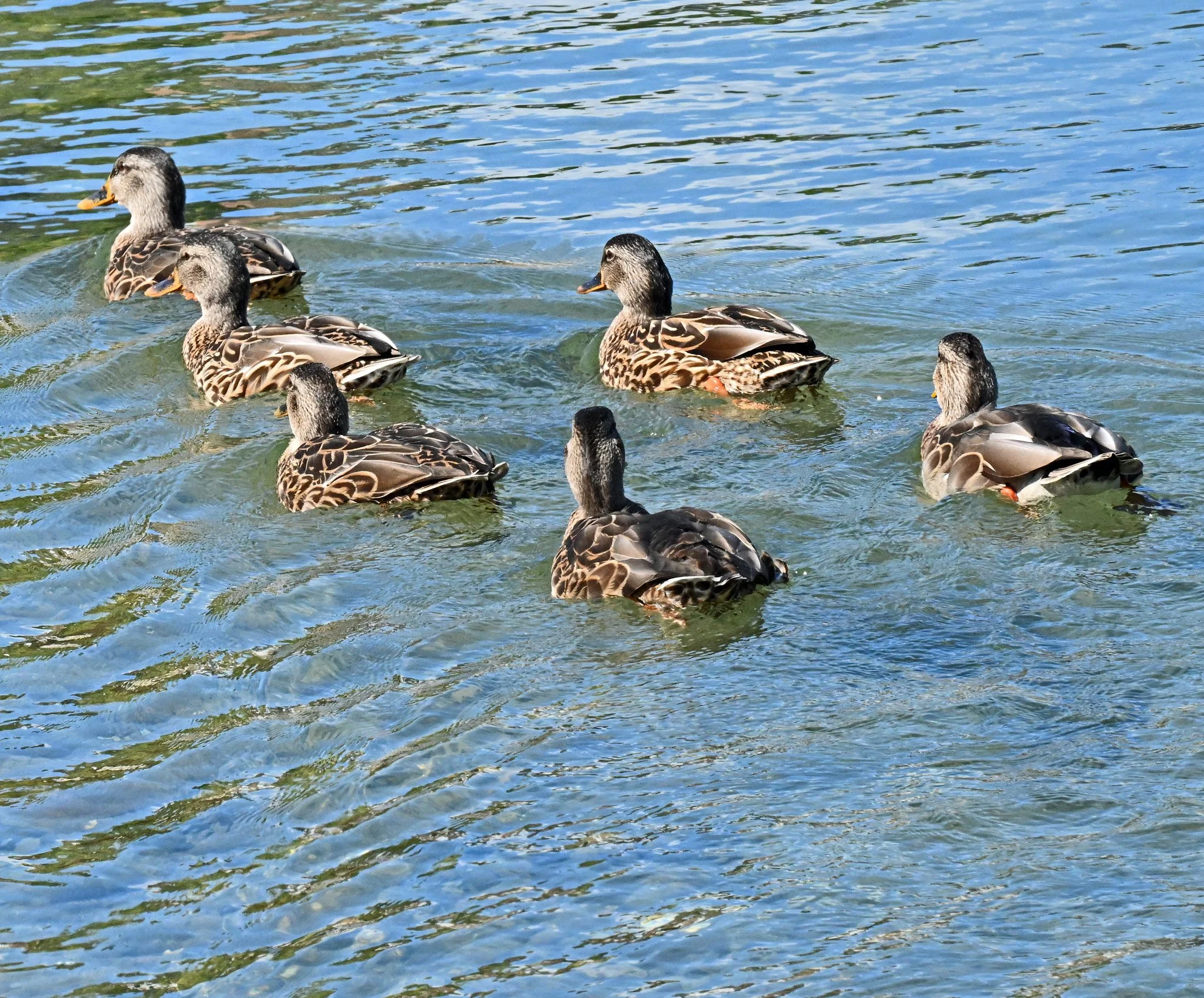
Swimmerrs: Double-Crested Cormorants and Female Mallard Ducks

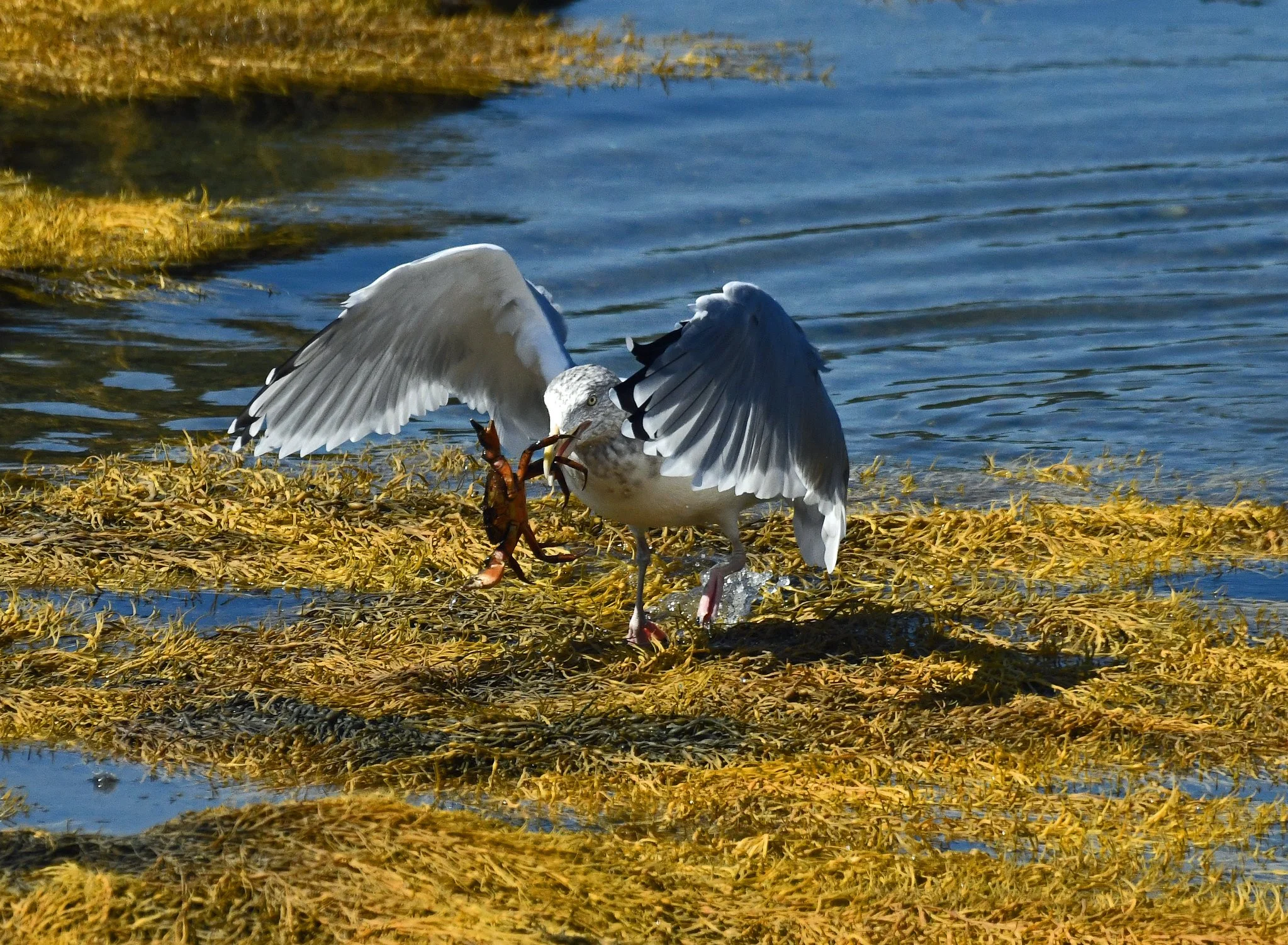
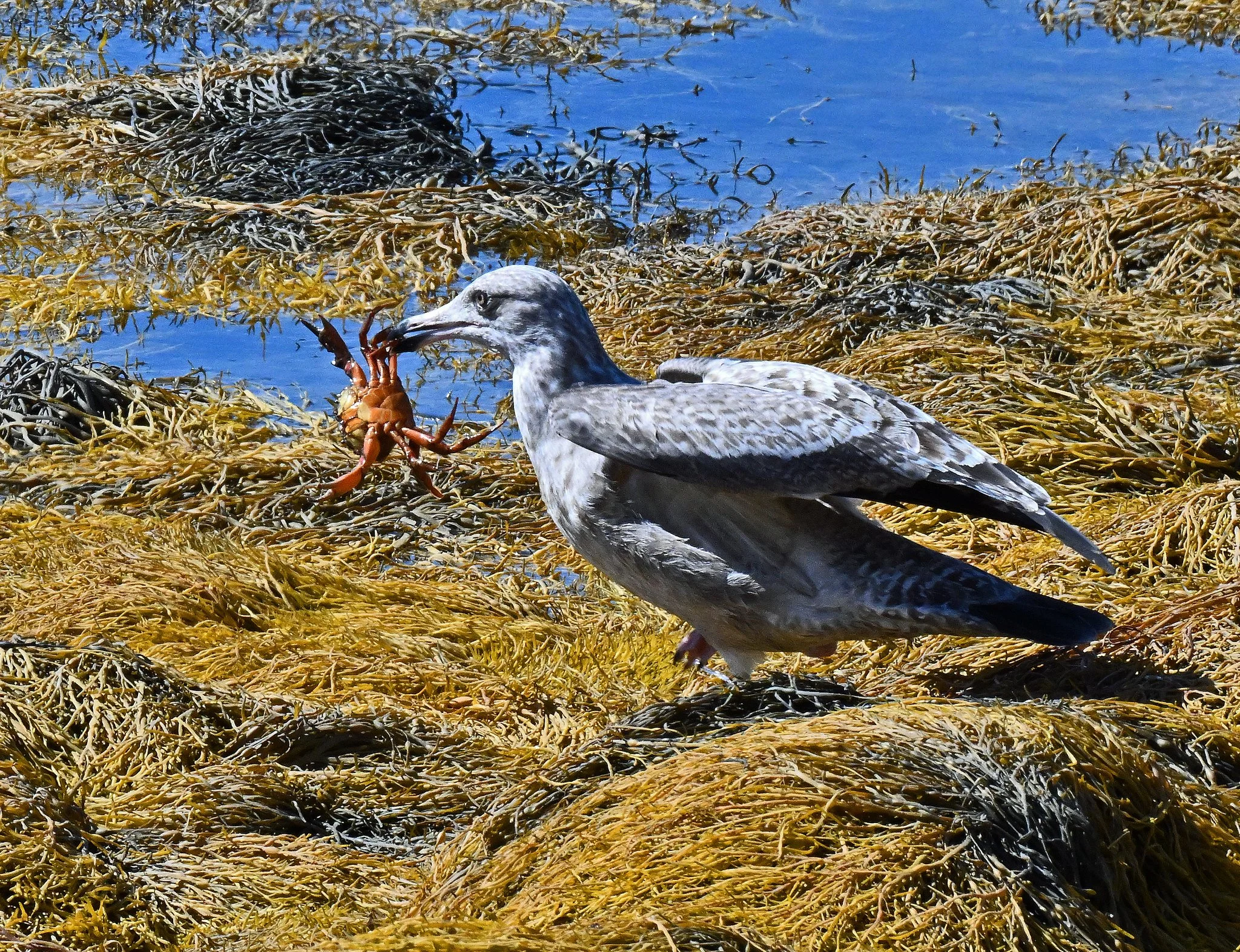
Snacker: Ring-Billed Seagull with European Green Crab Lunch

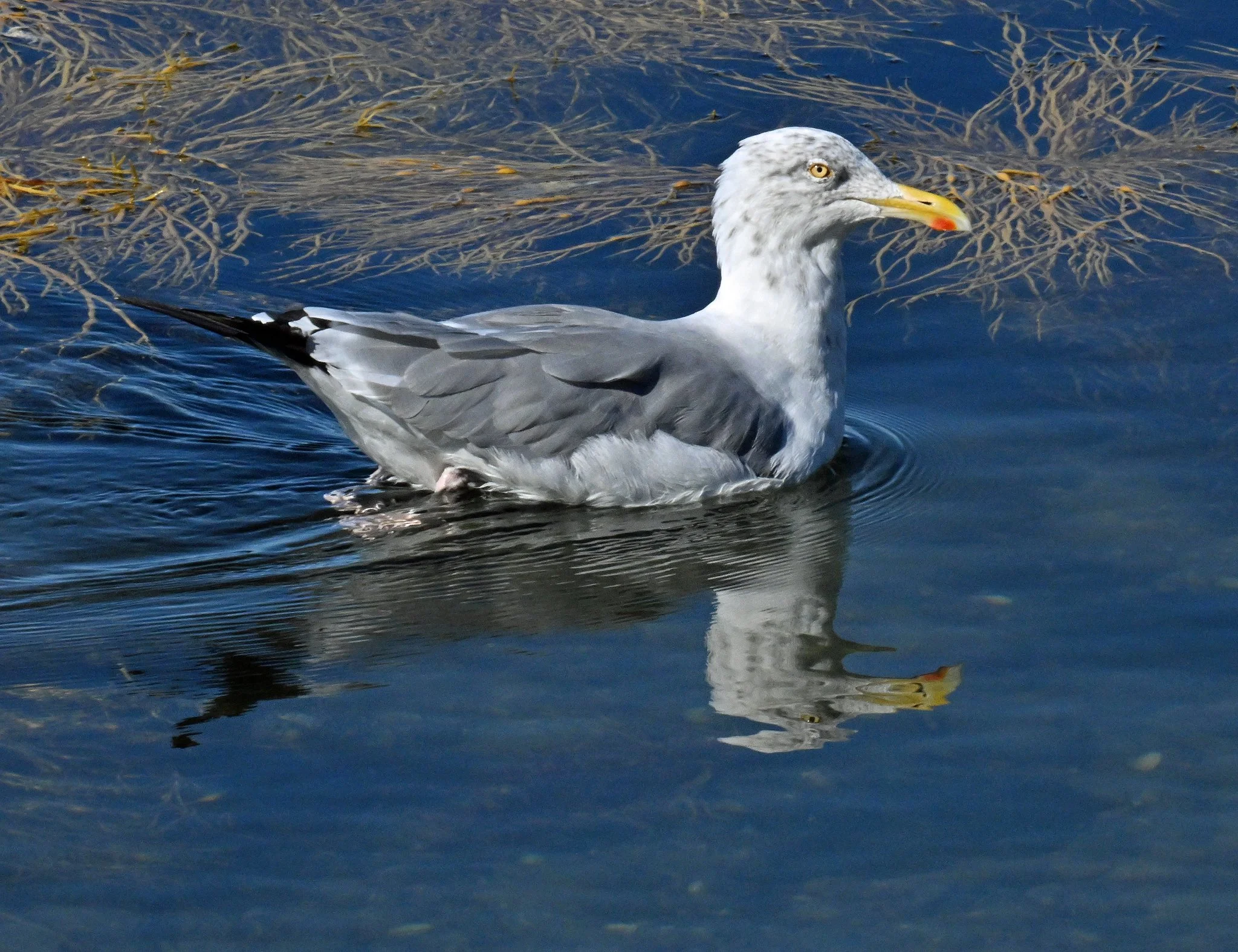
Stalkers: Herring Gull and Lesser Yellow Legs

SHELLED AND SLITHERY (SOON TO DISAPPEAR)

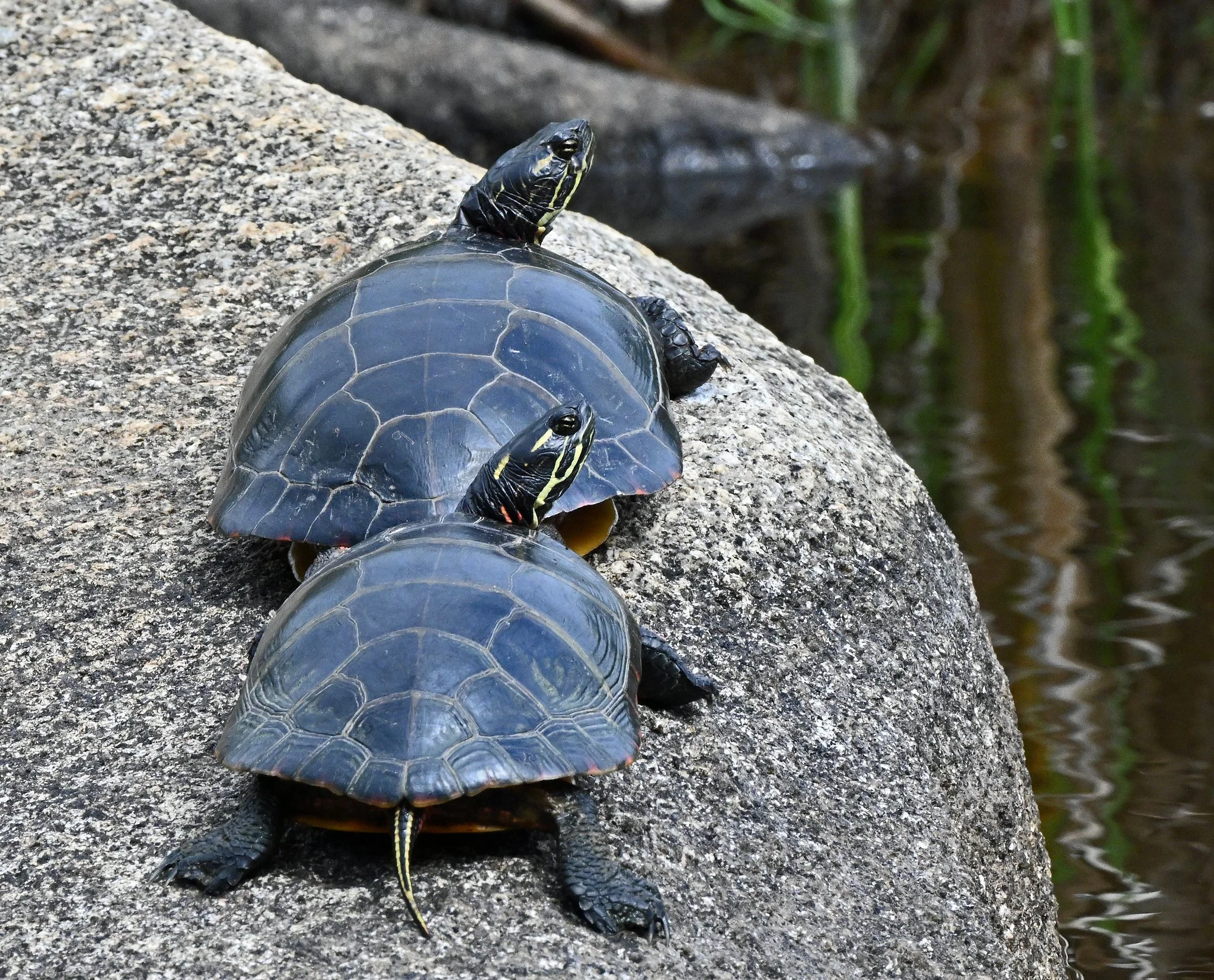
Painted Turtles

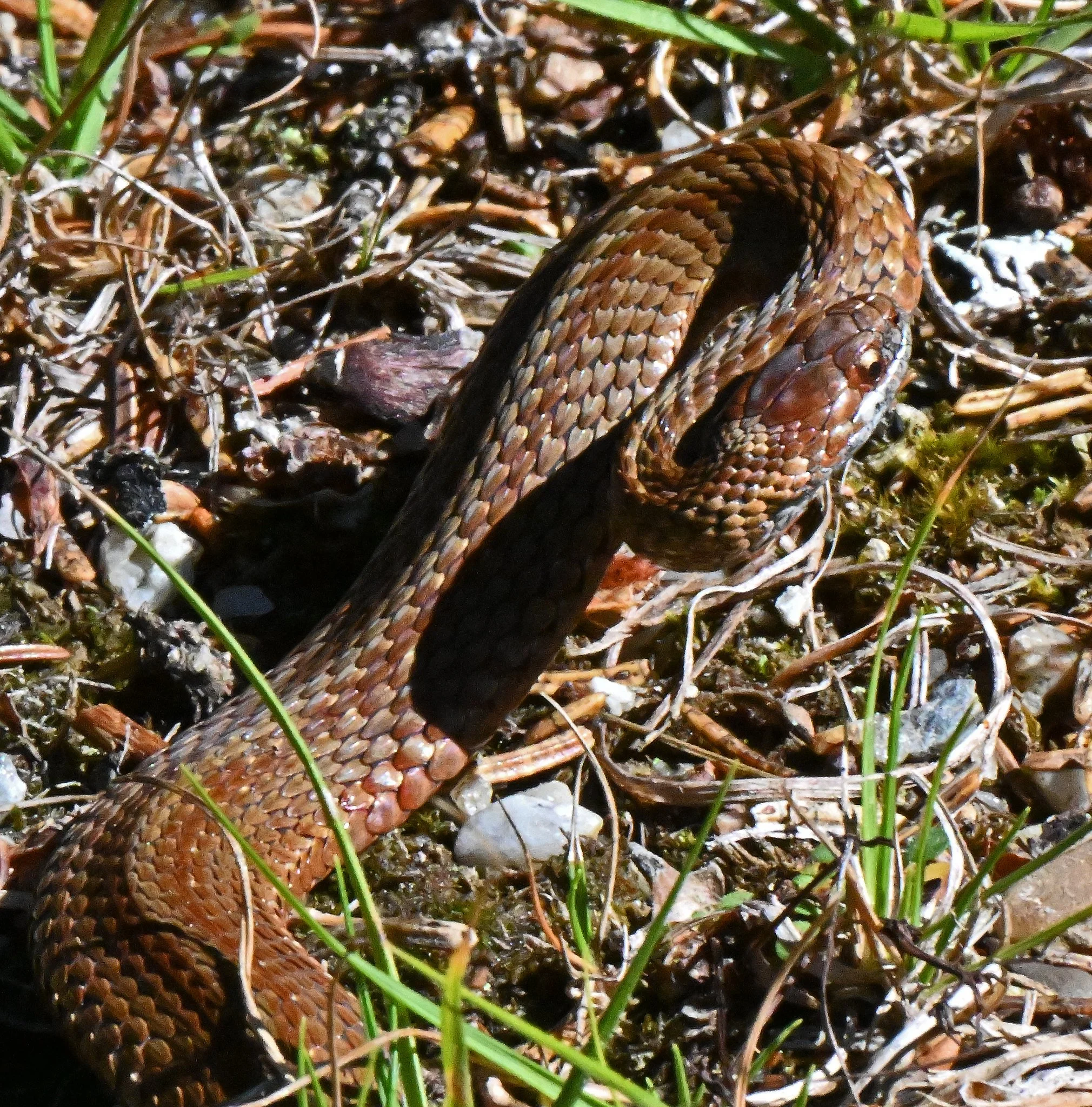
Redbellied Snake

FEATURED FLORA

TRANSITIONING TREES, SHRUBS AND VINES

Wild (Abandoned) Apple Trees and Apples

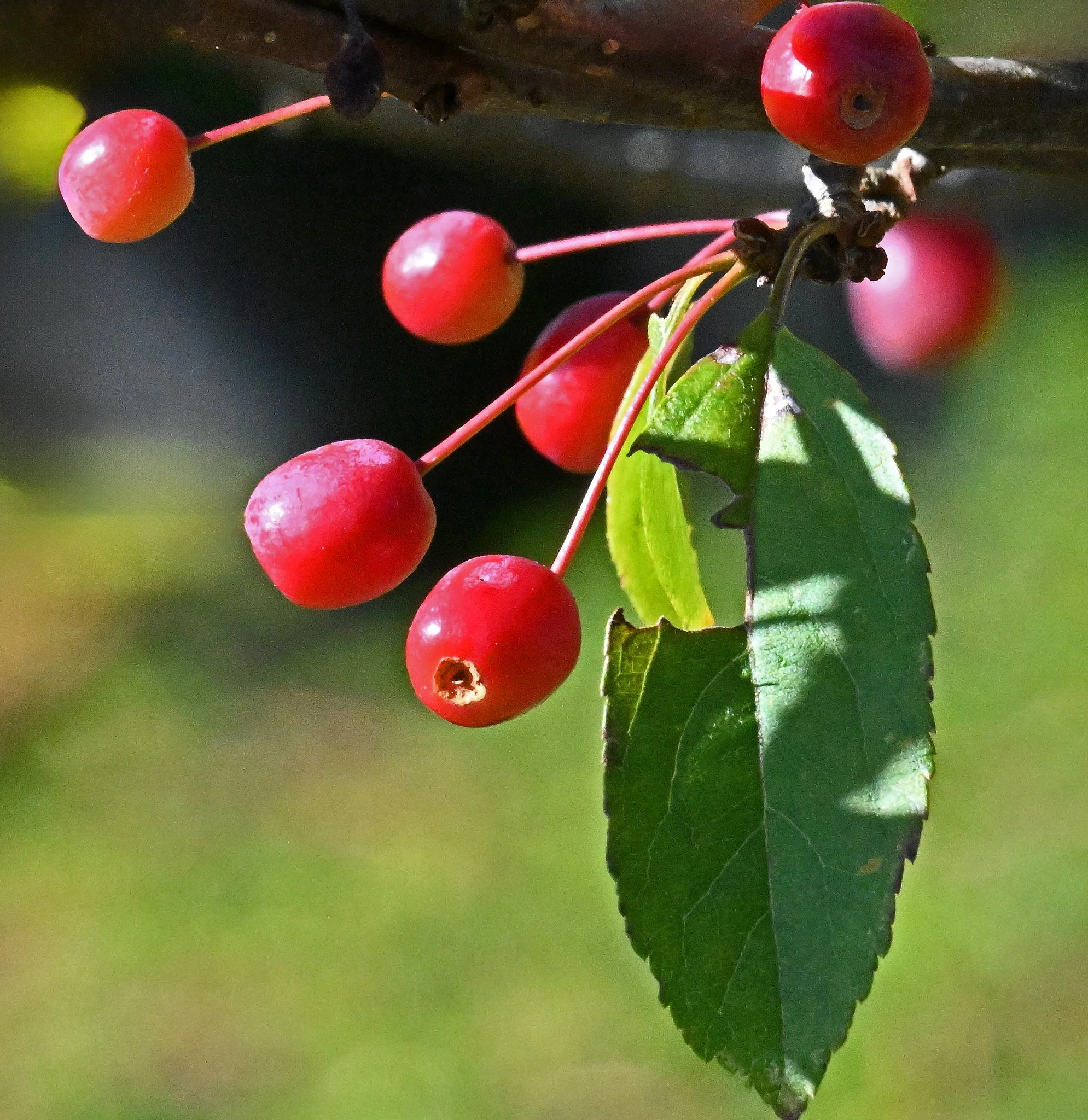
Sugar Maple, Hydrangea; Ornamental Crab Apple

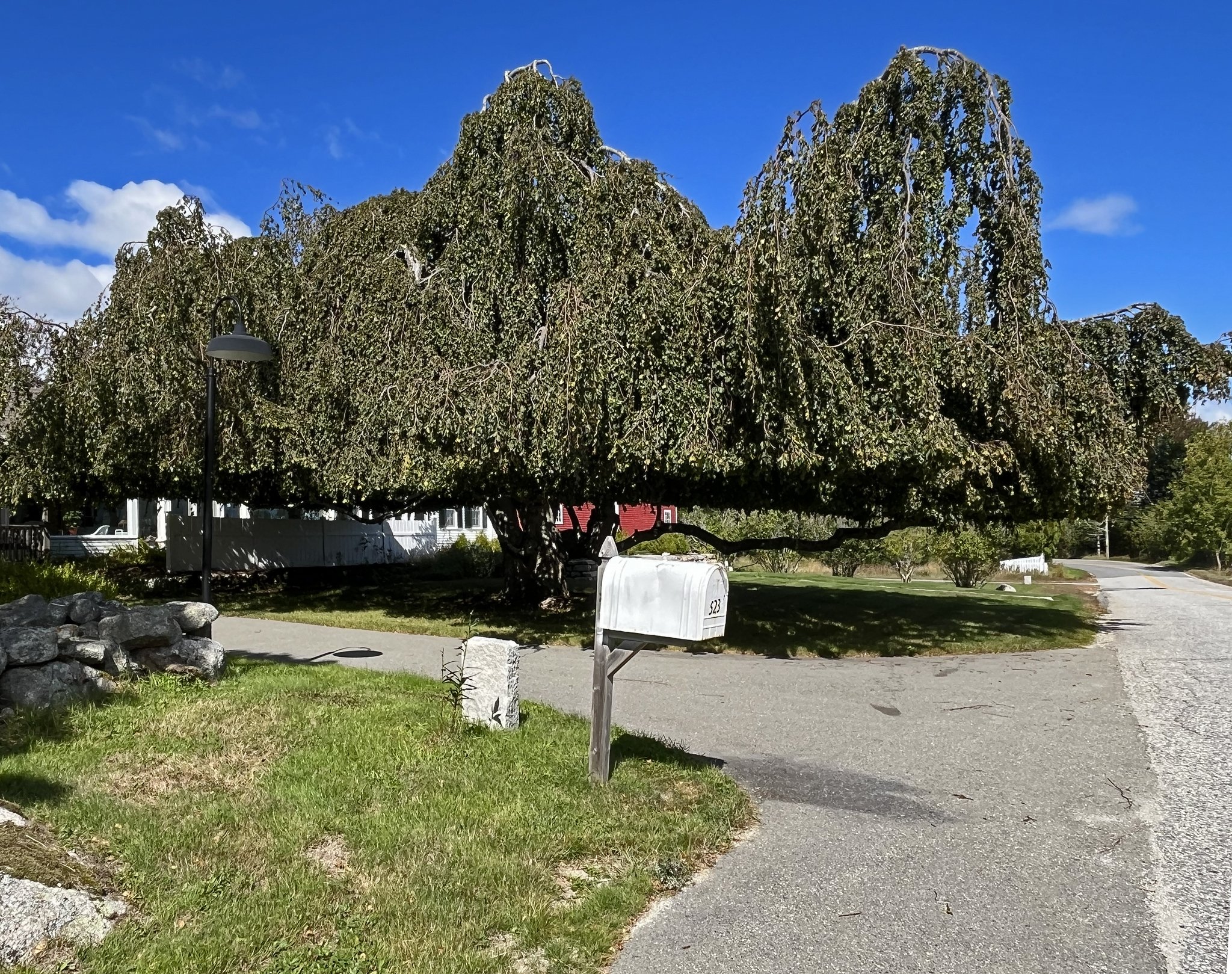
Weeping Beech

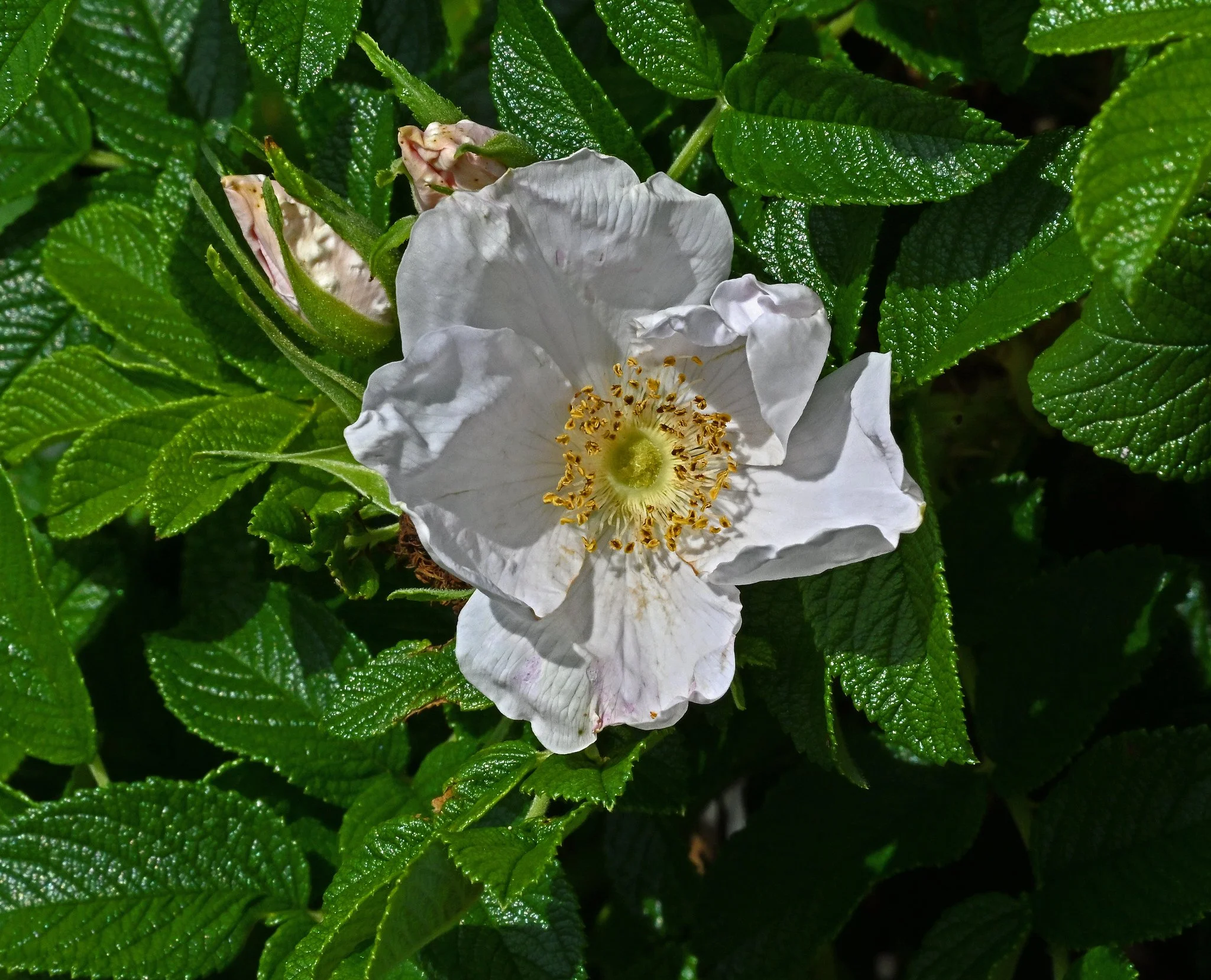
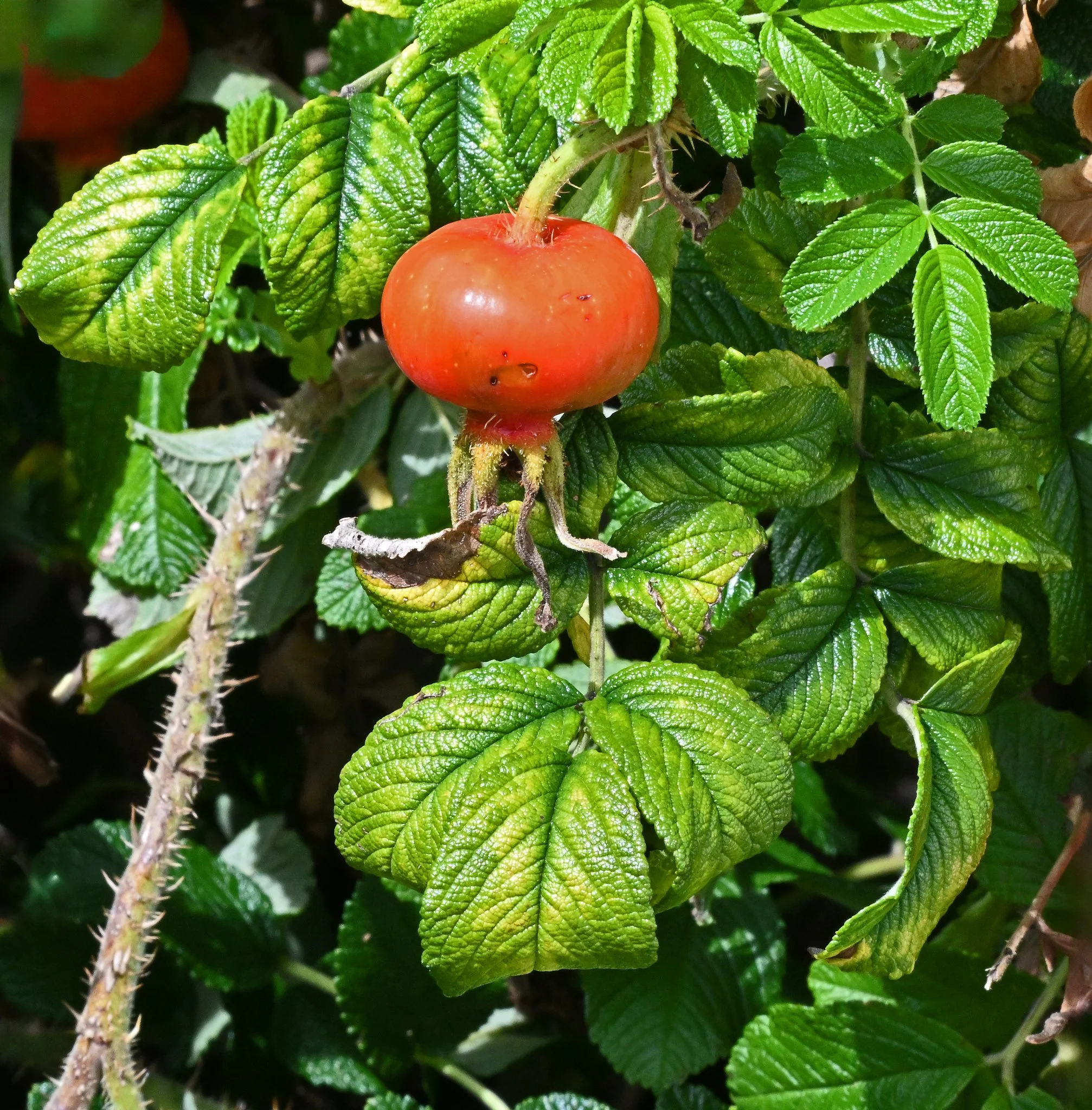
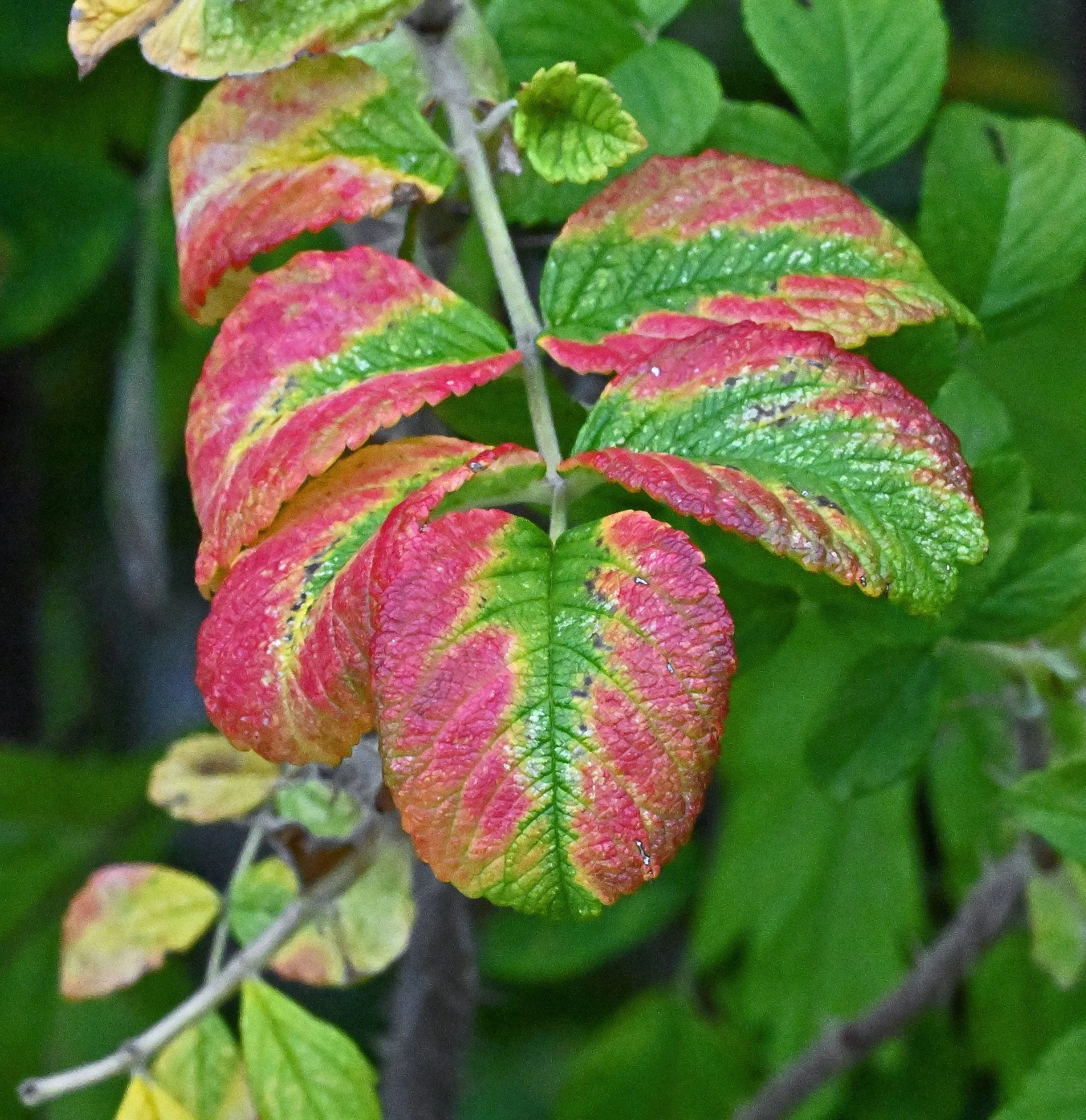
Beach Rose (Rosa Rugosa): Flower, Hip and Turning Leaf

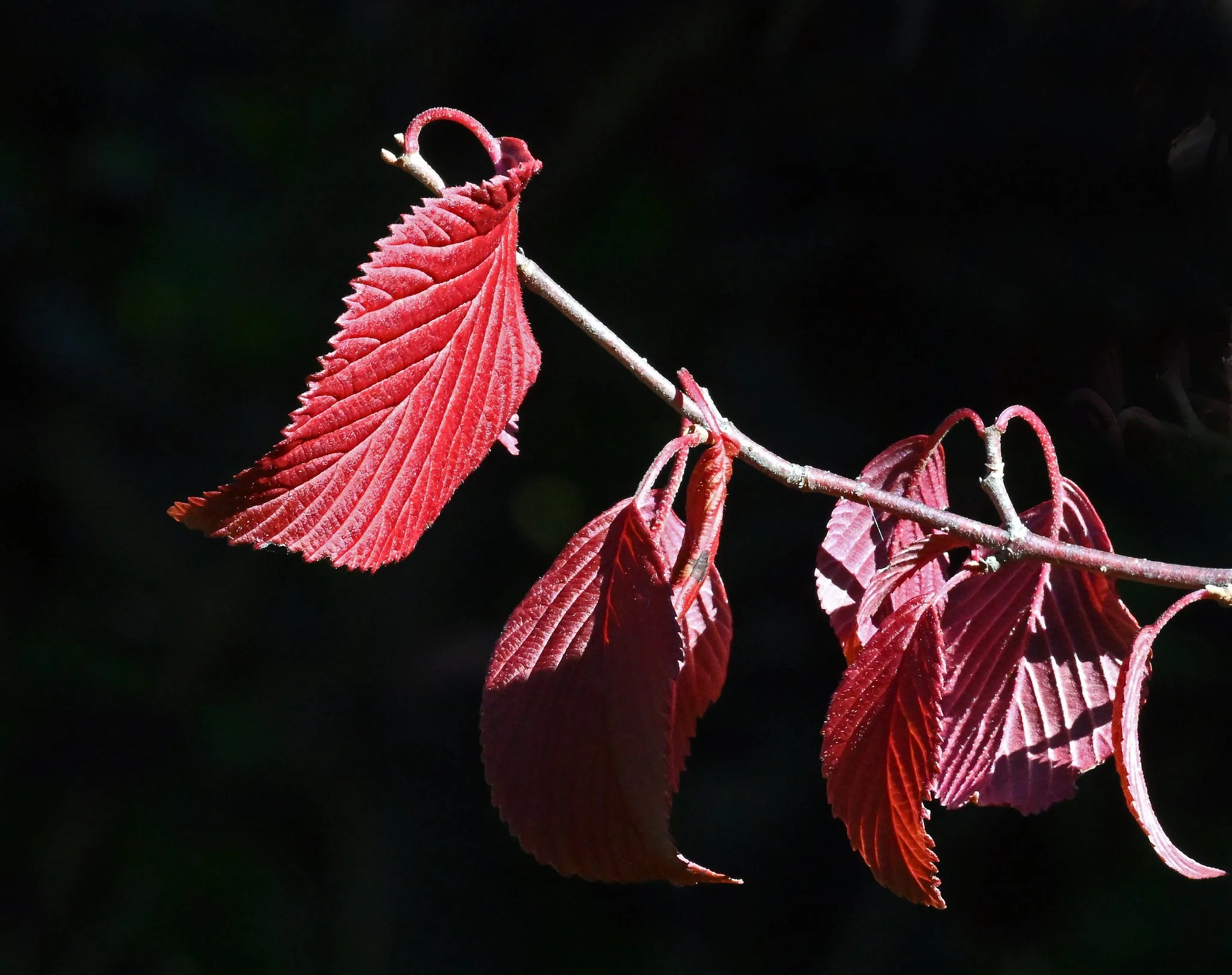
Turning Viburnam Leaves

Barberry, Summerweet, Virginia Creeper

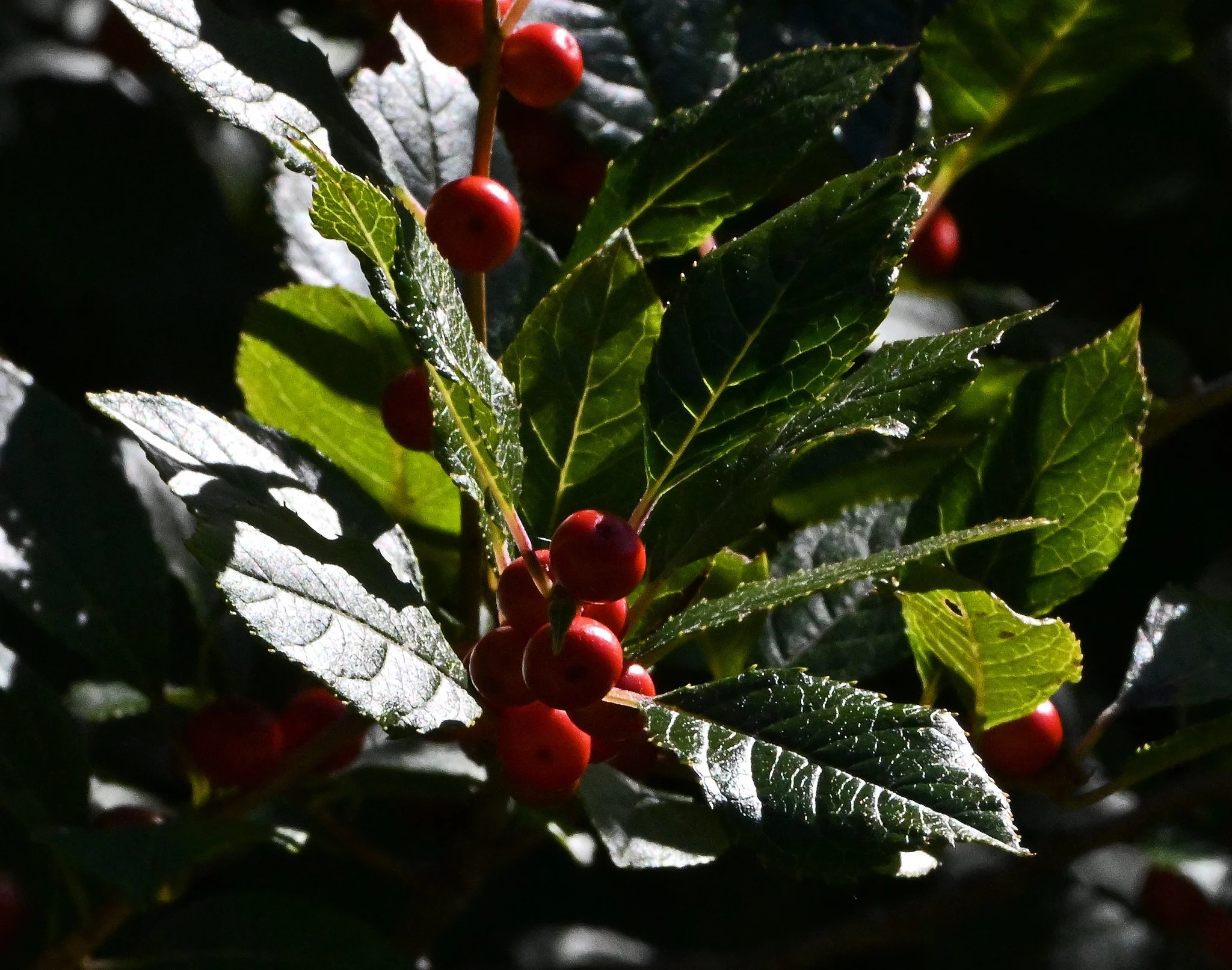
Winterberry

TRANSITIONING WILDFLOWERS AND FERNS

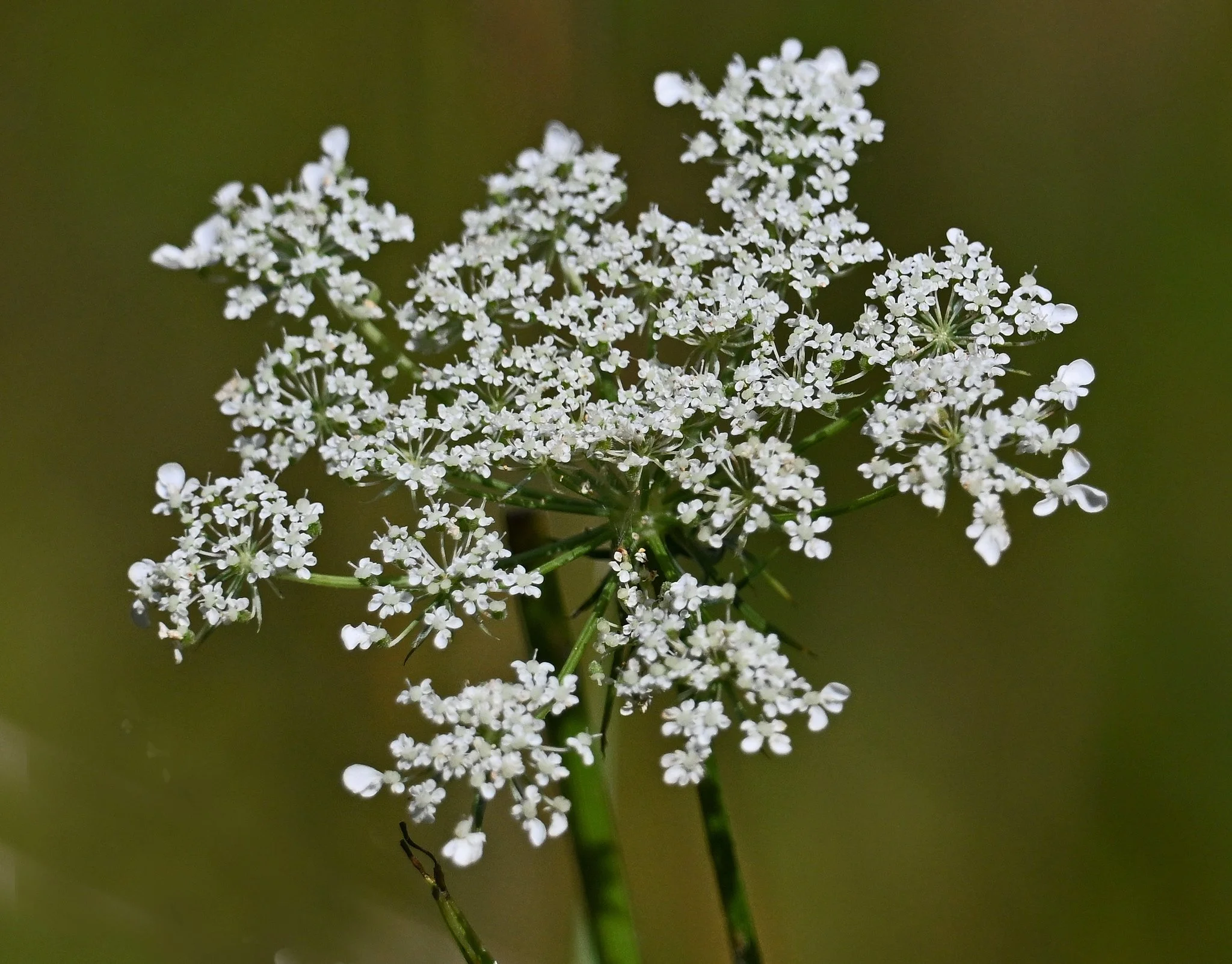
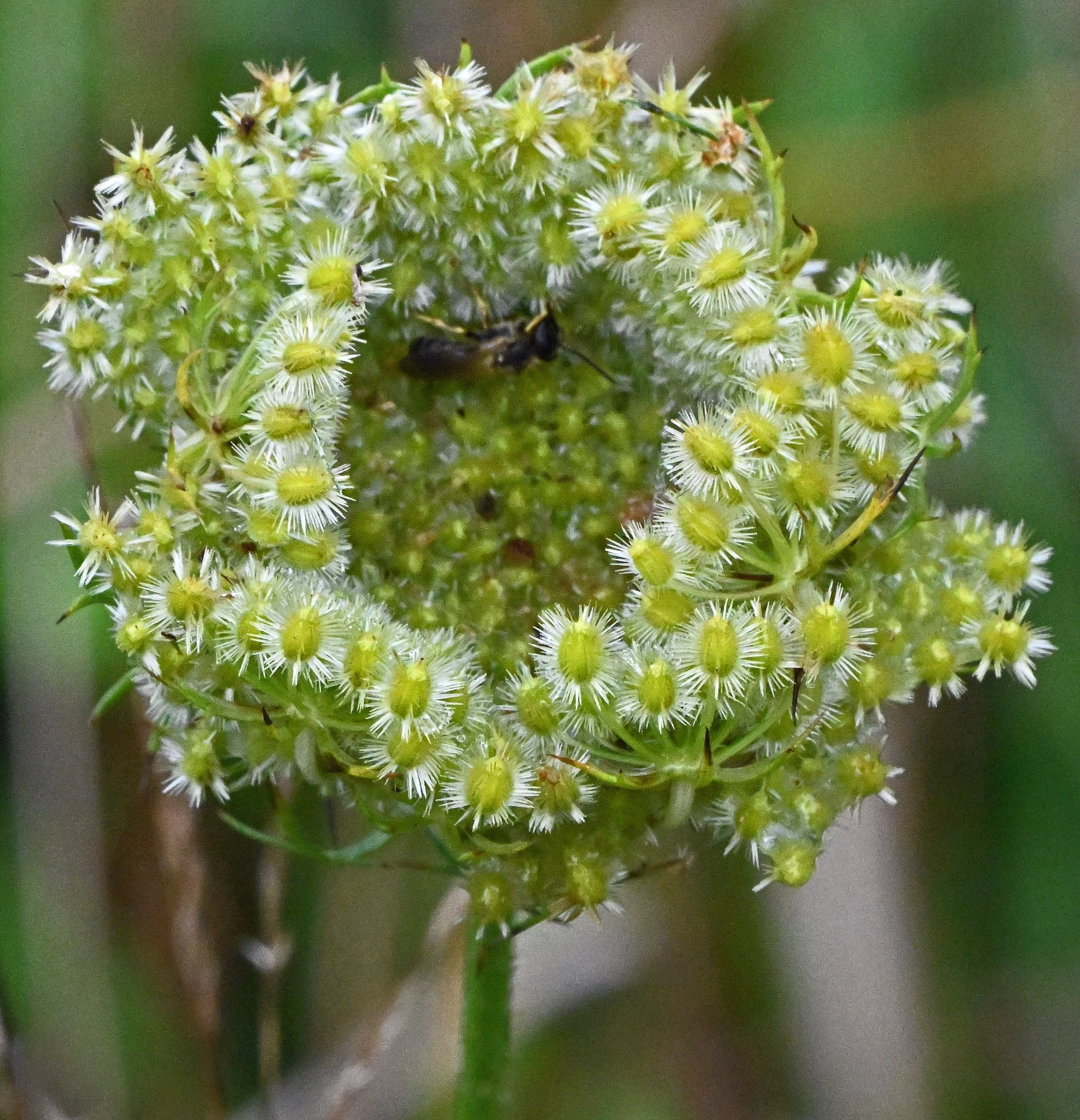
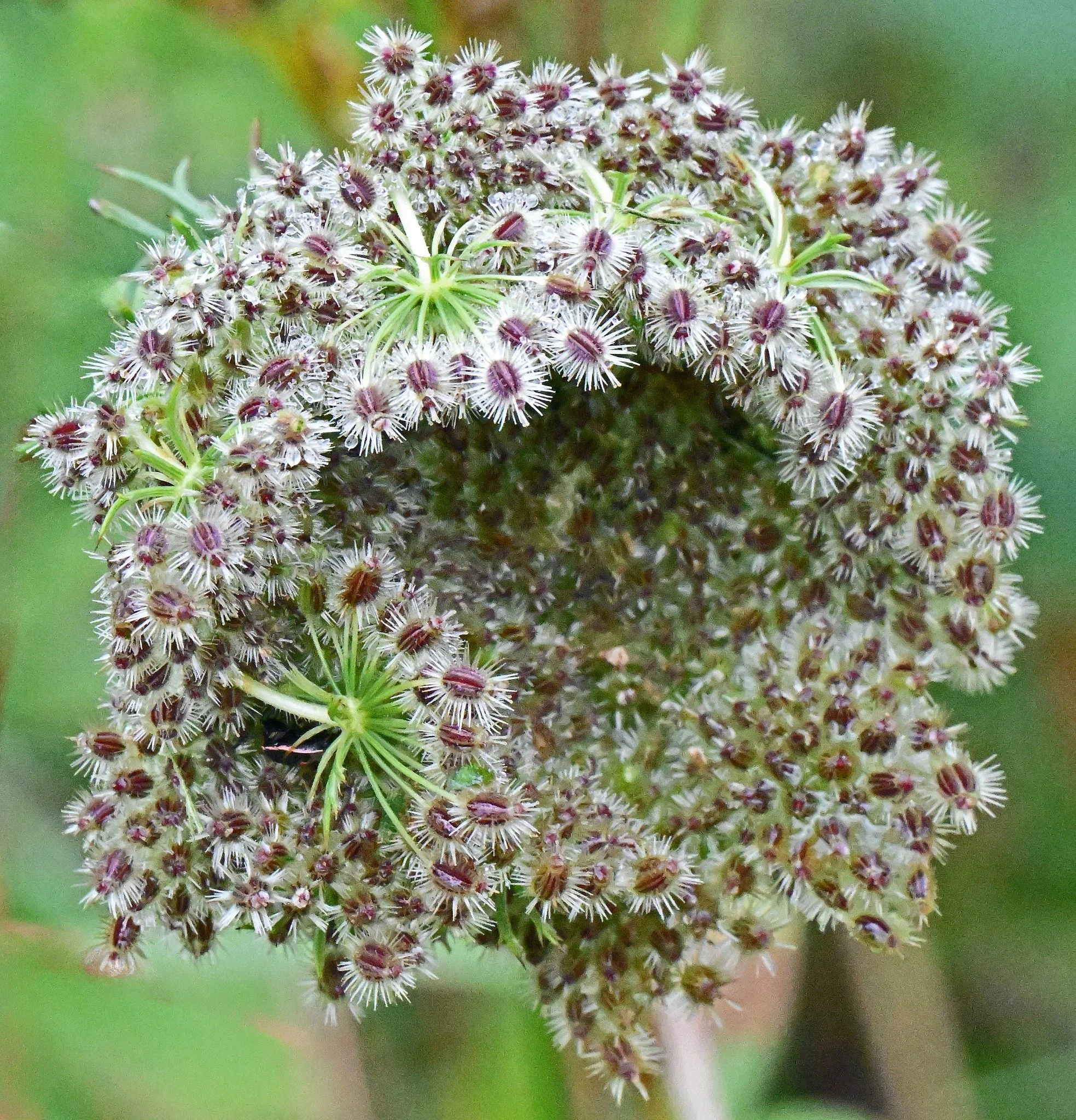
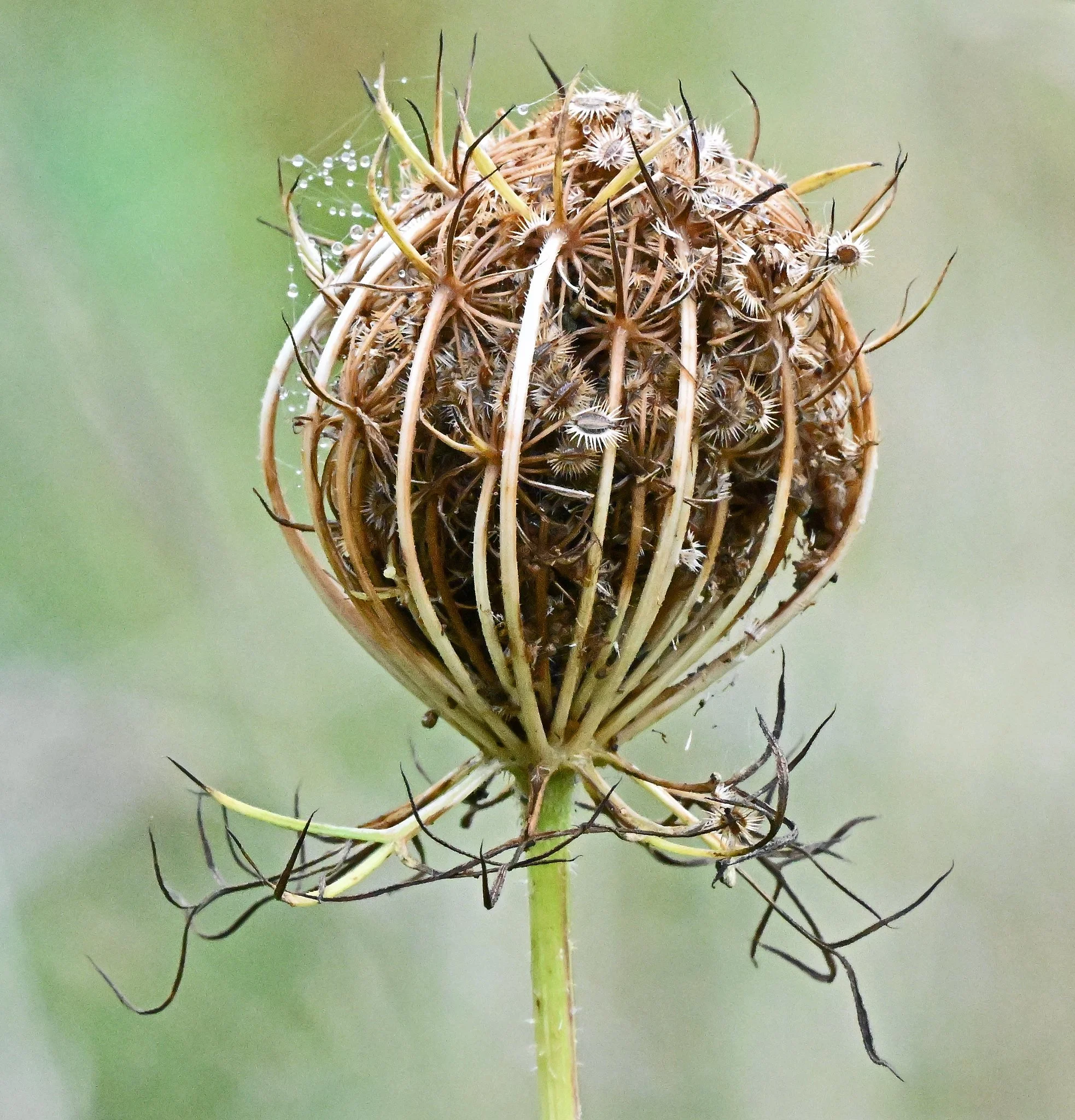
The Four Phases of Queen Anne’s Lace

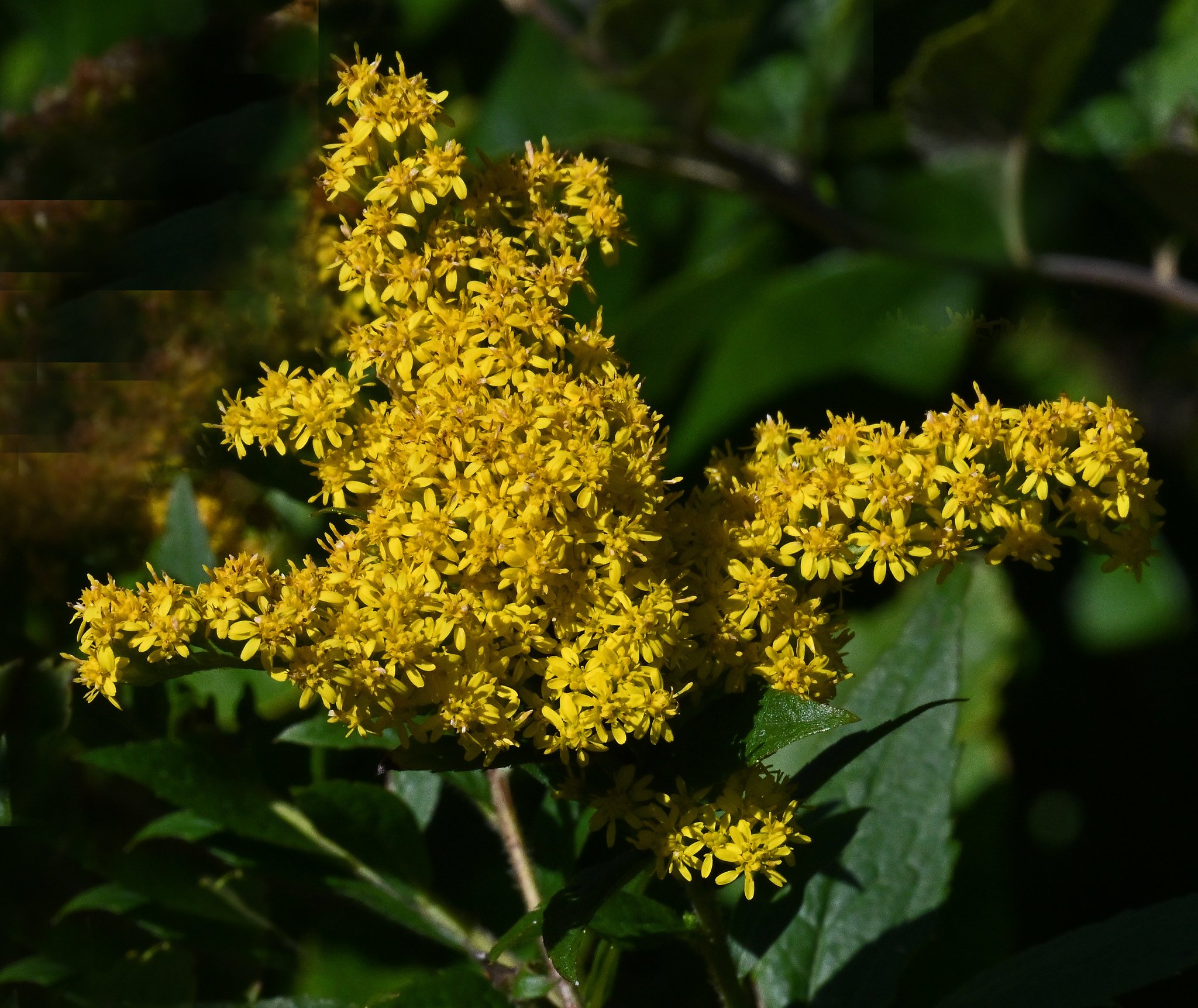
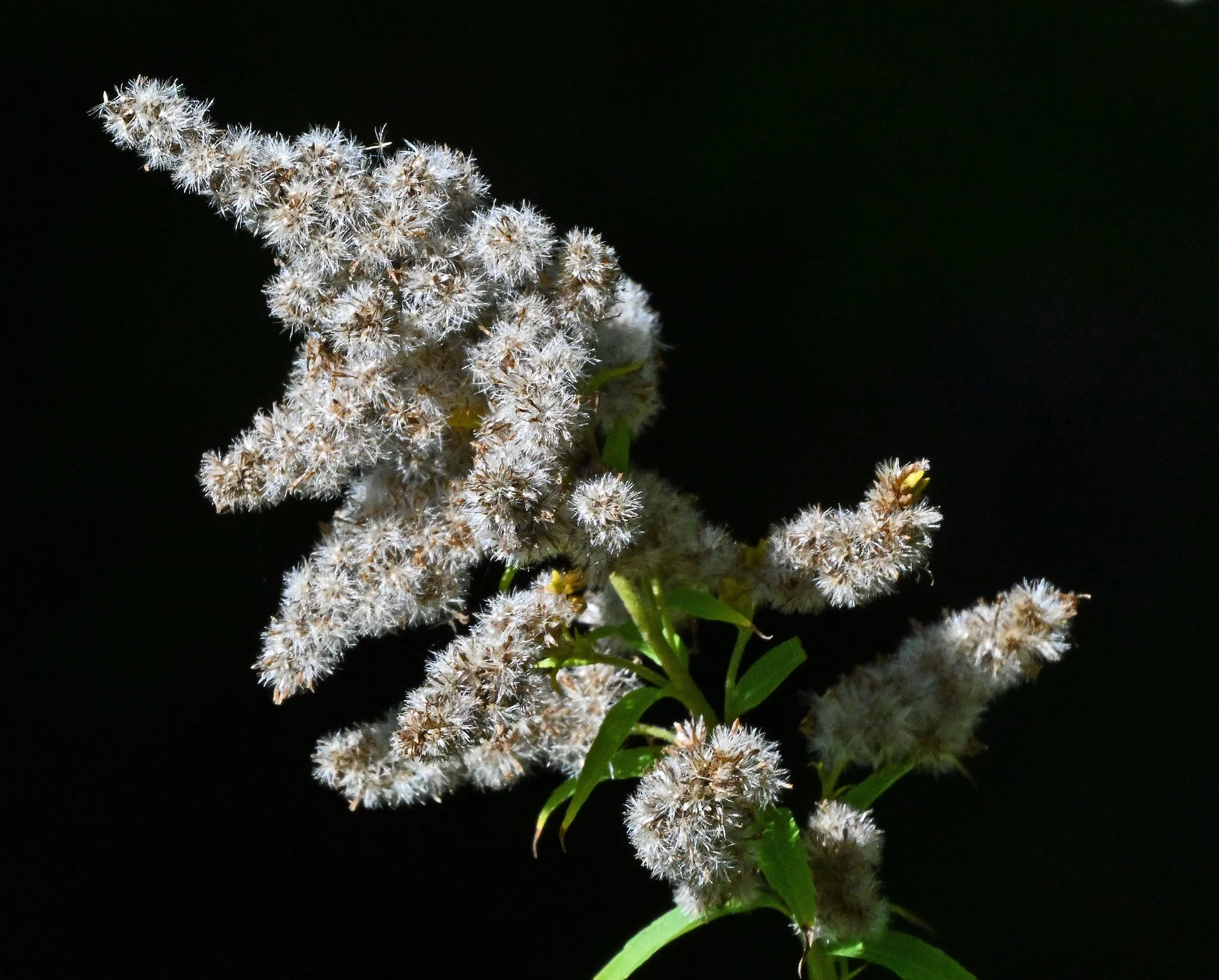
Goldenrod

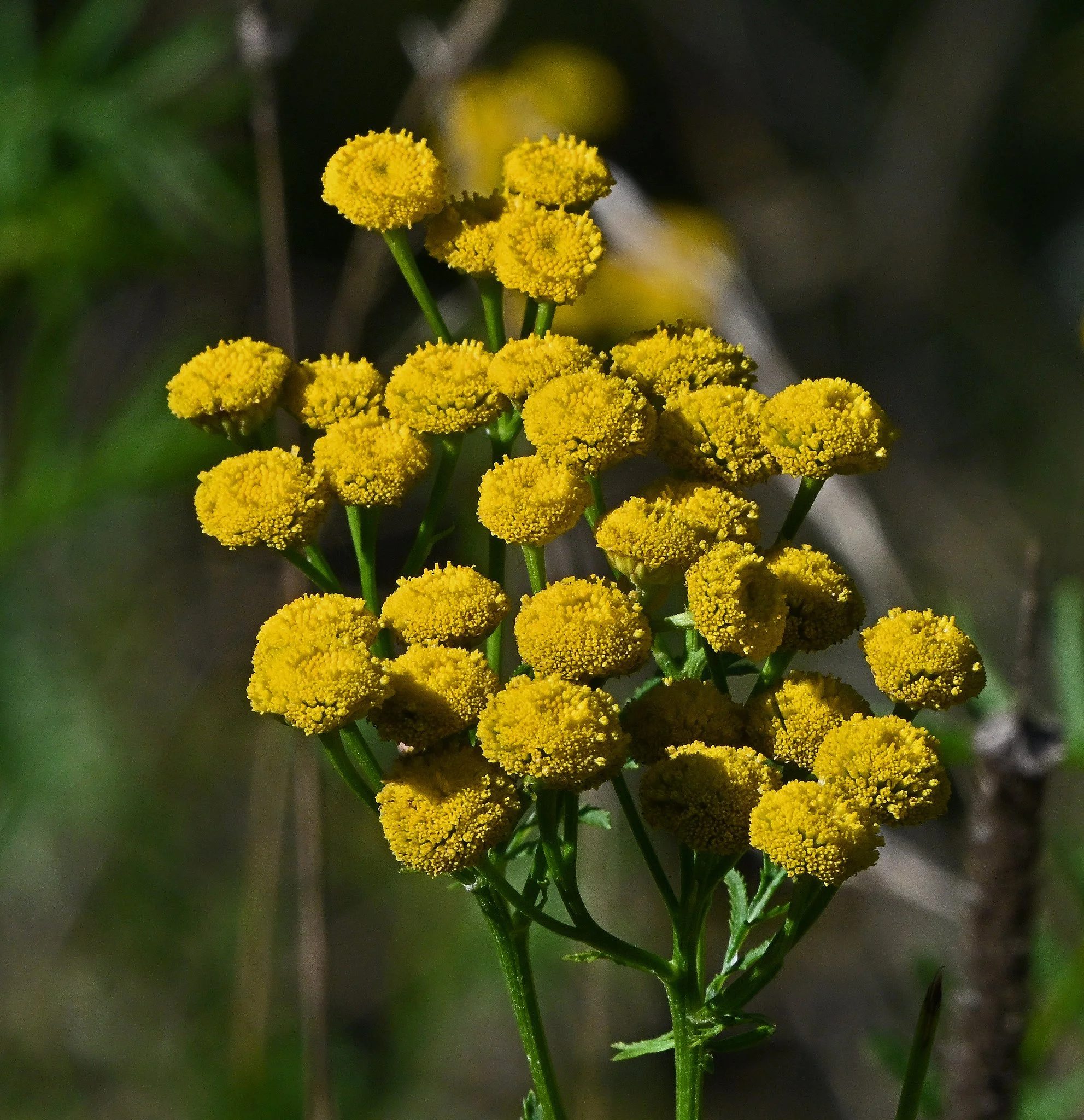
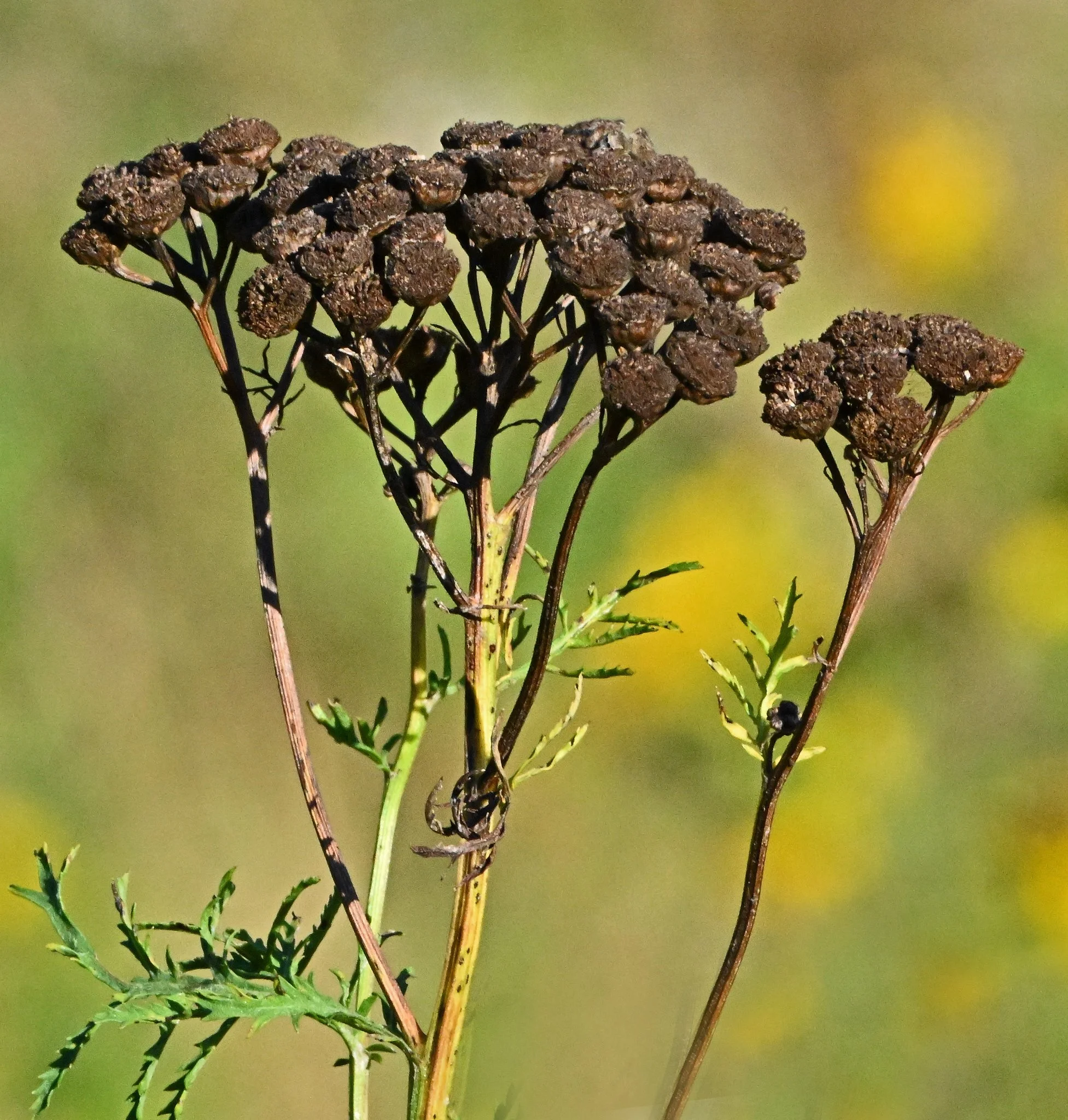
Tansy

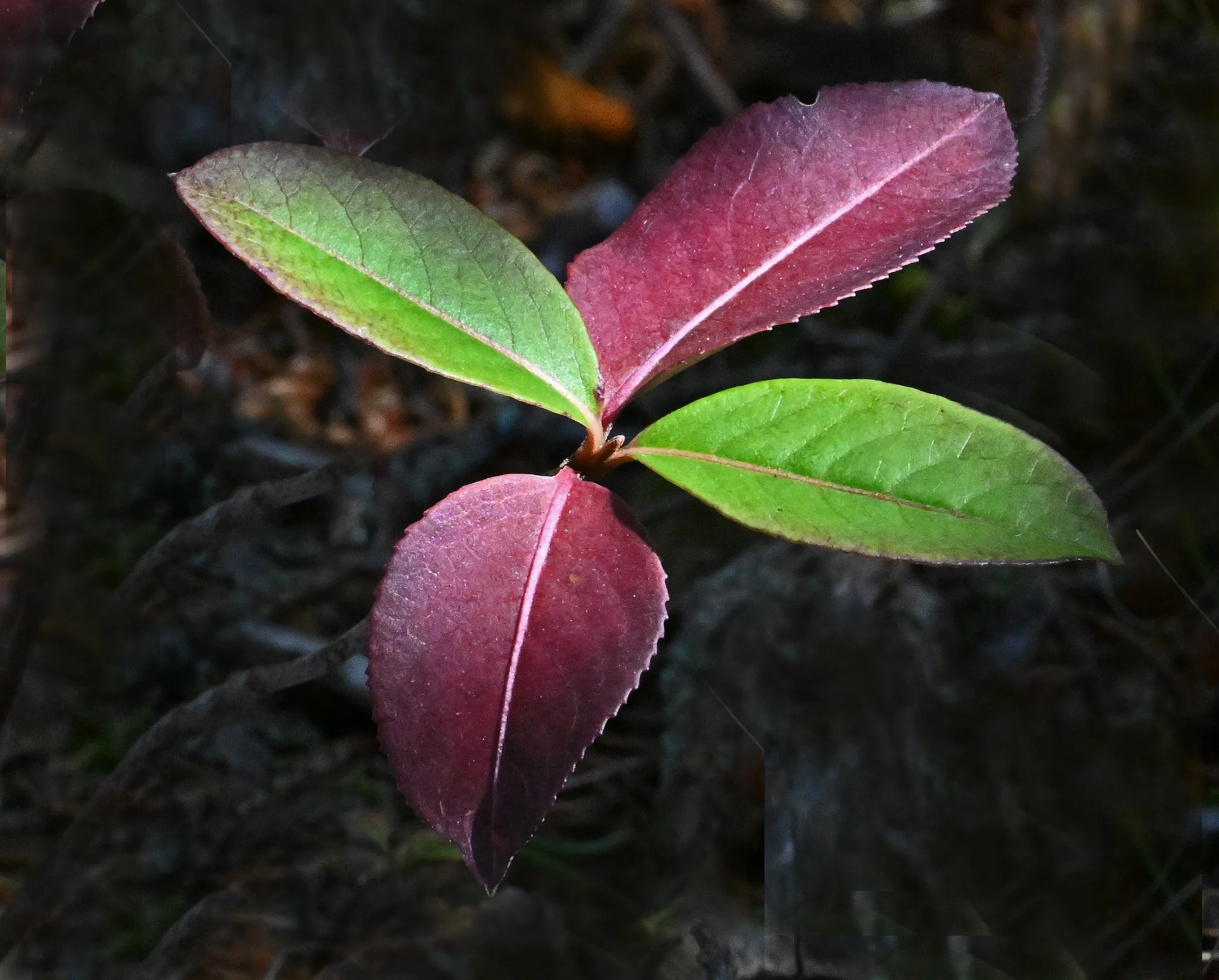
Wintergreen

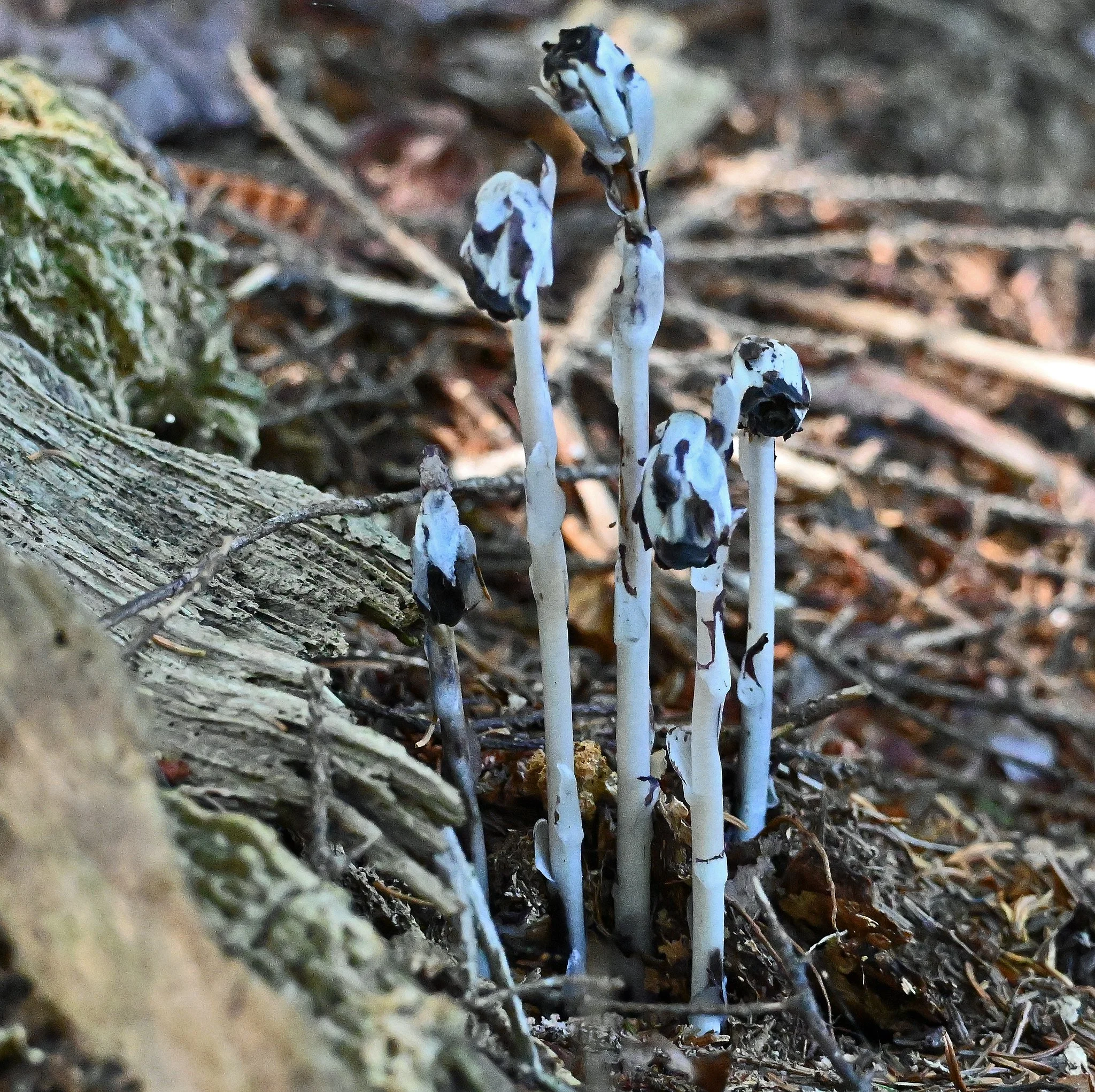
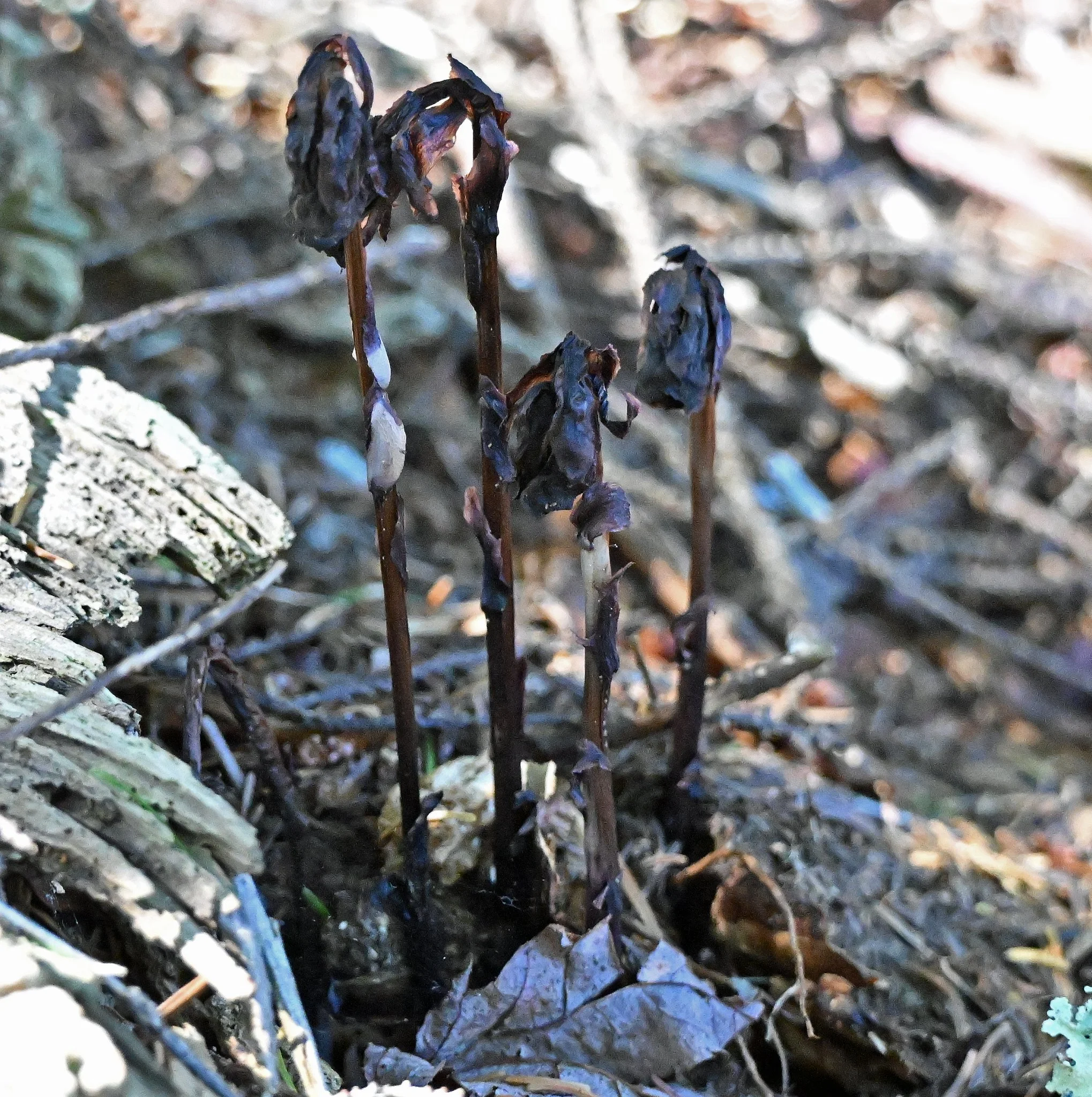
Ghost Pipes (aka Indian Pipes, a Colorless Wildflower)

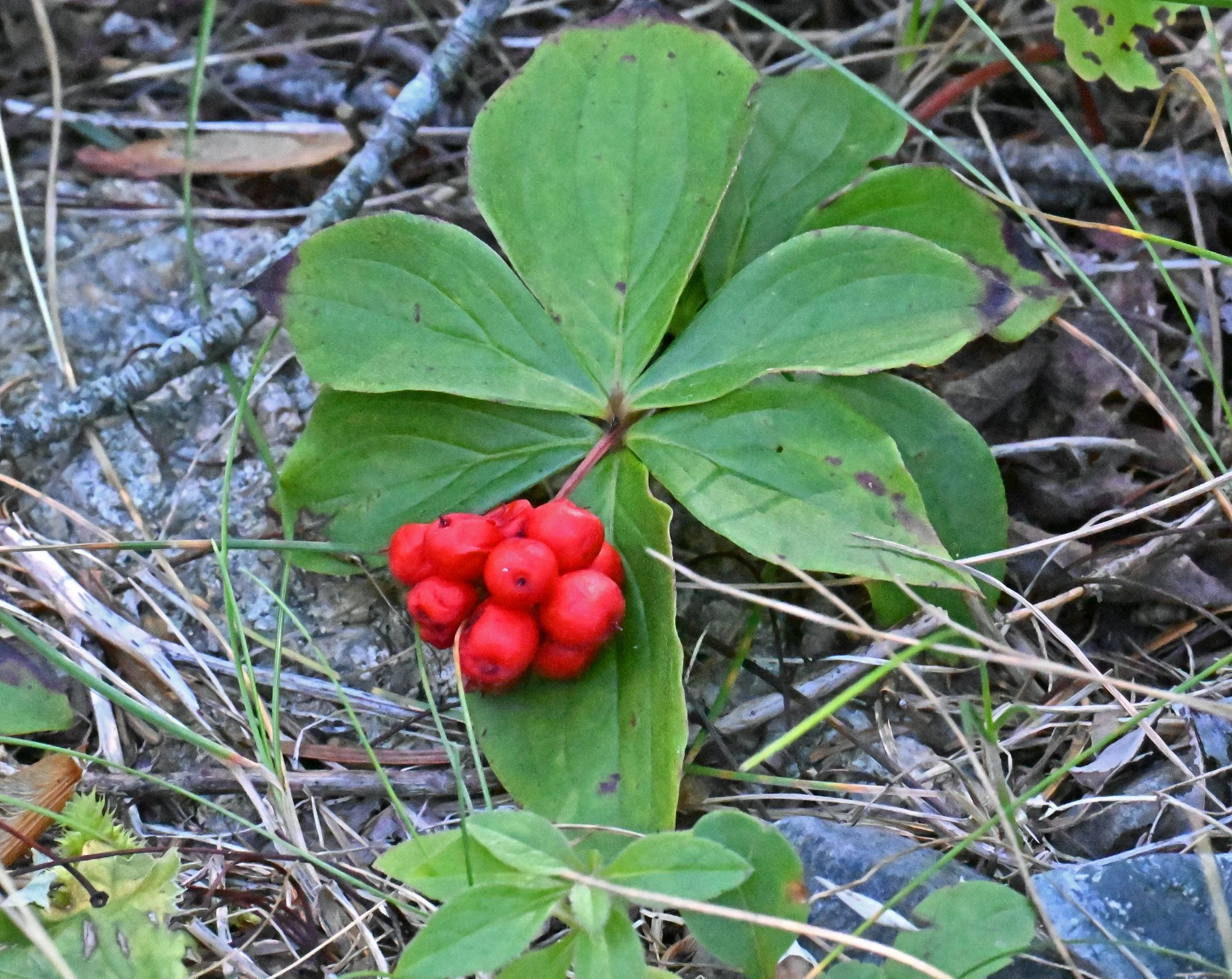
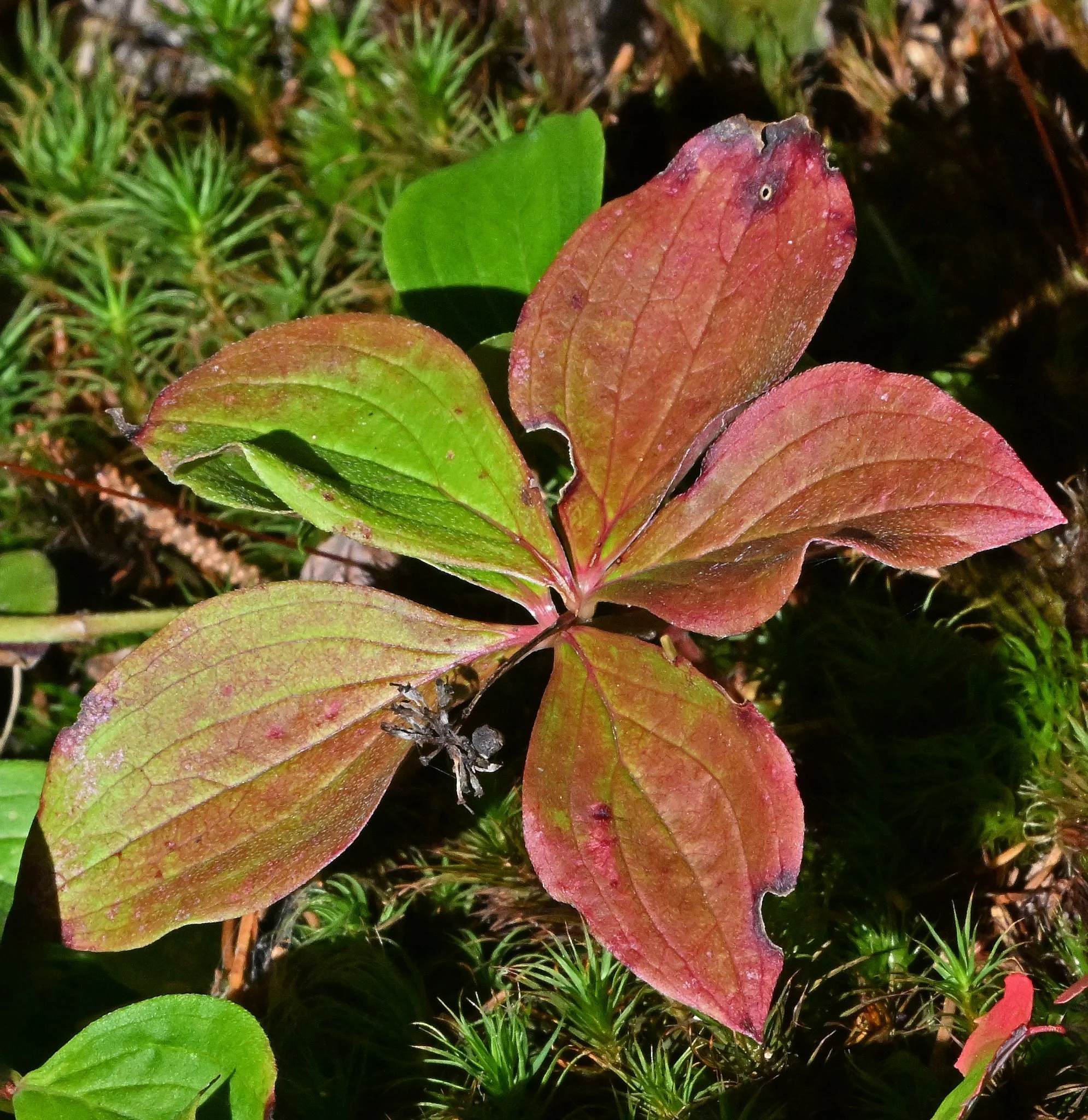
Bunchberry

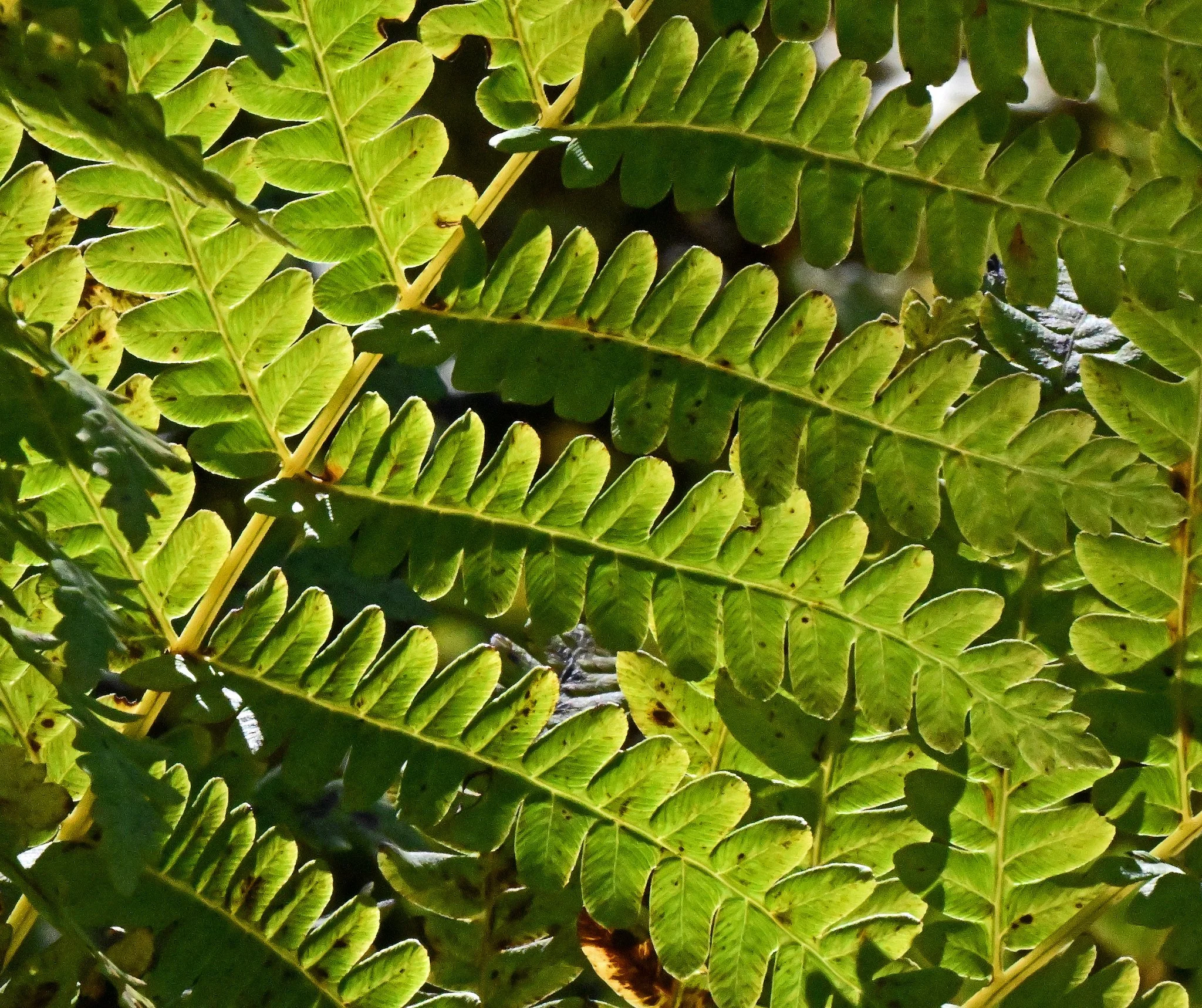
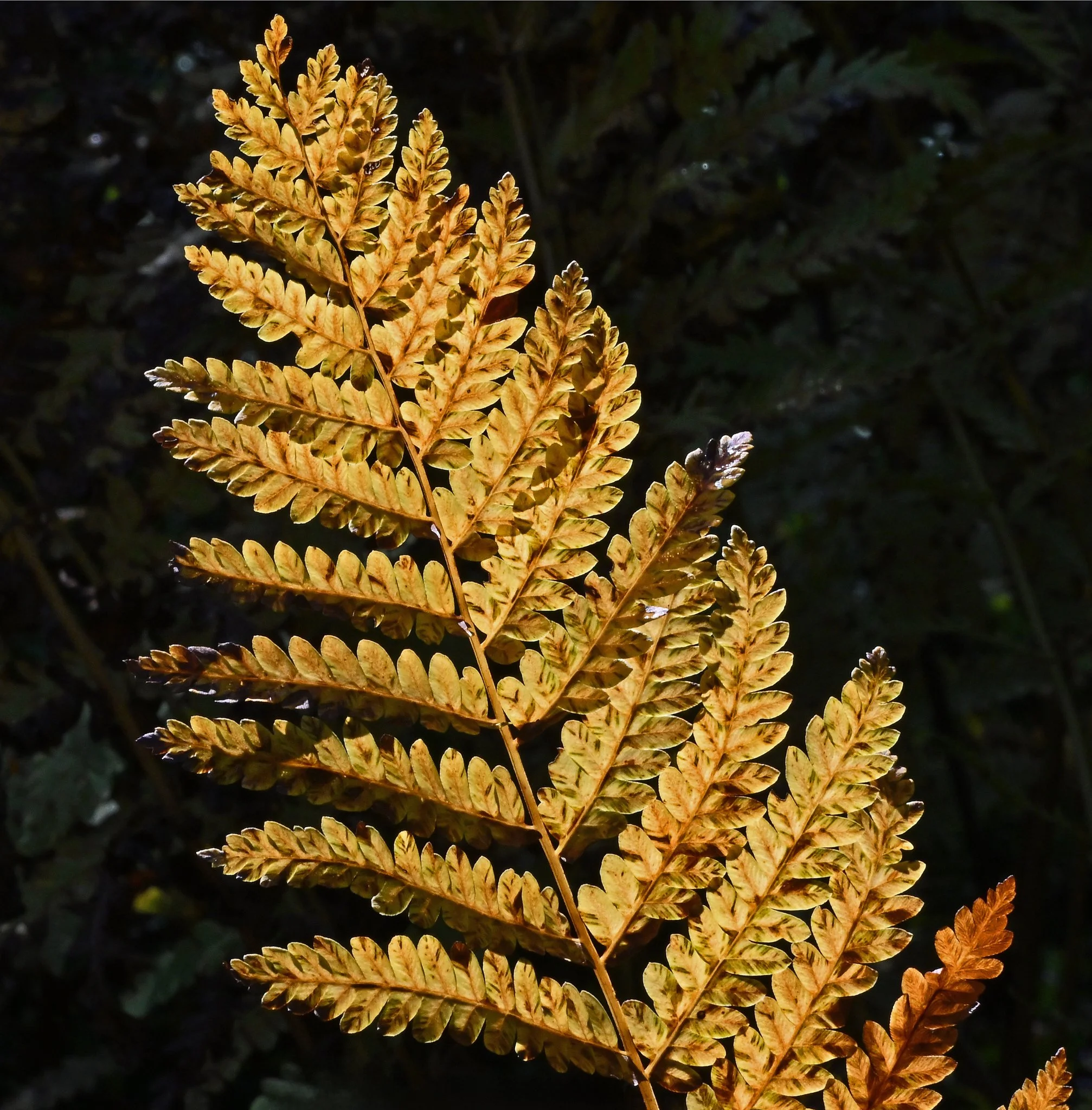
Cinnamon Fern

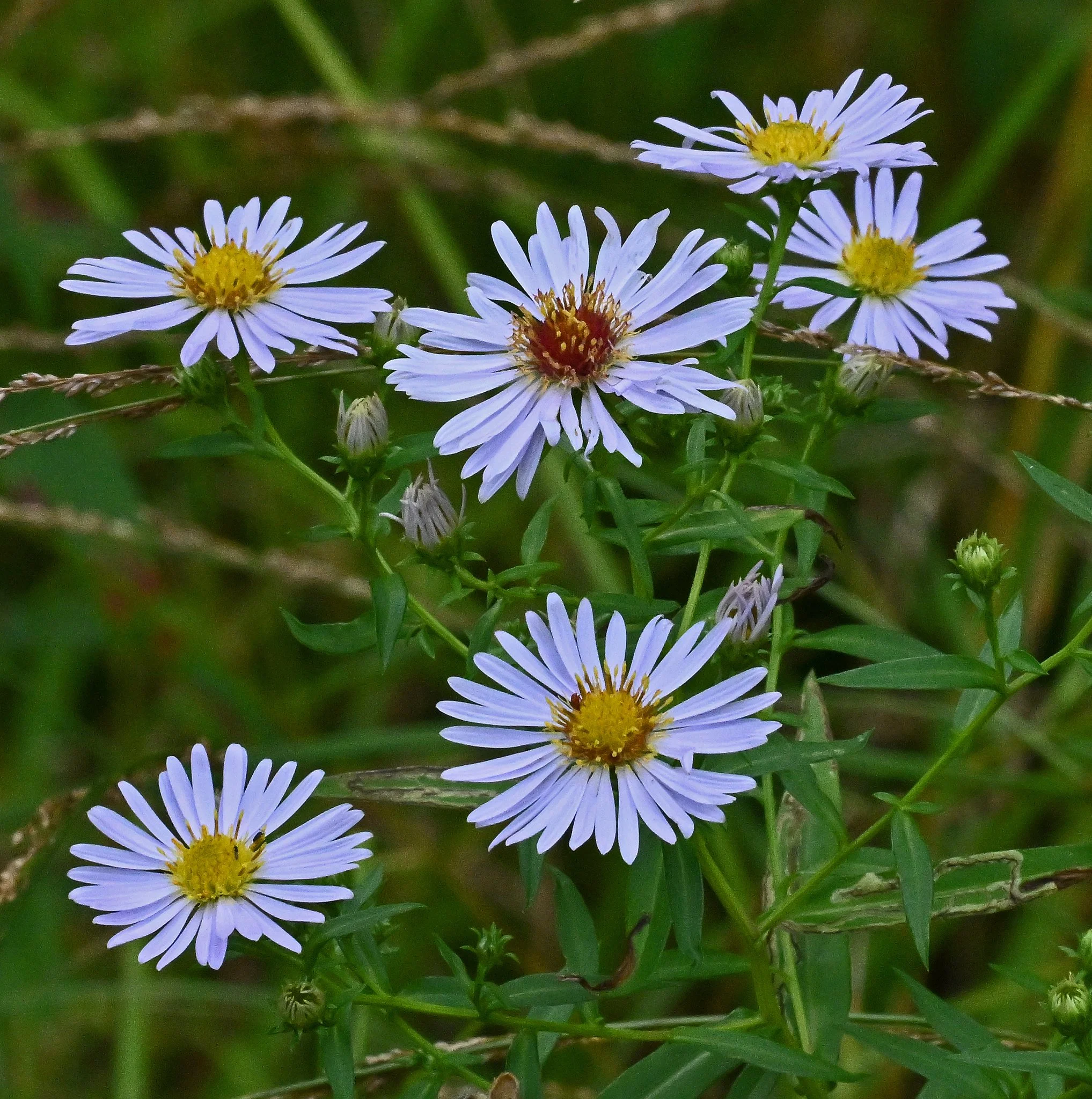
Asters, the September Wildflower

A FEW FALL FUNGI

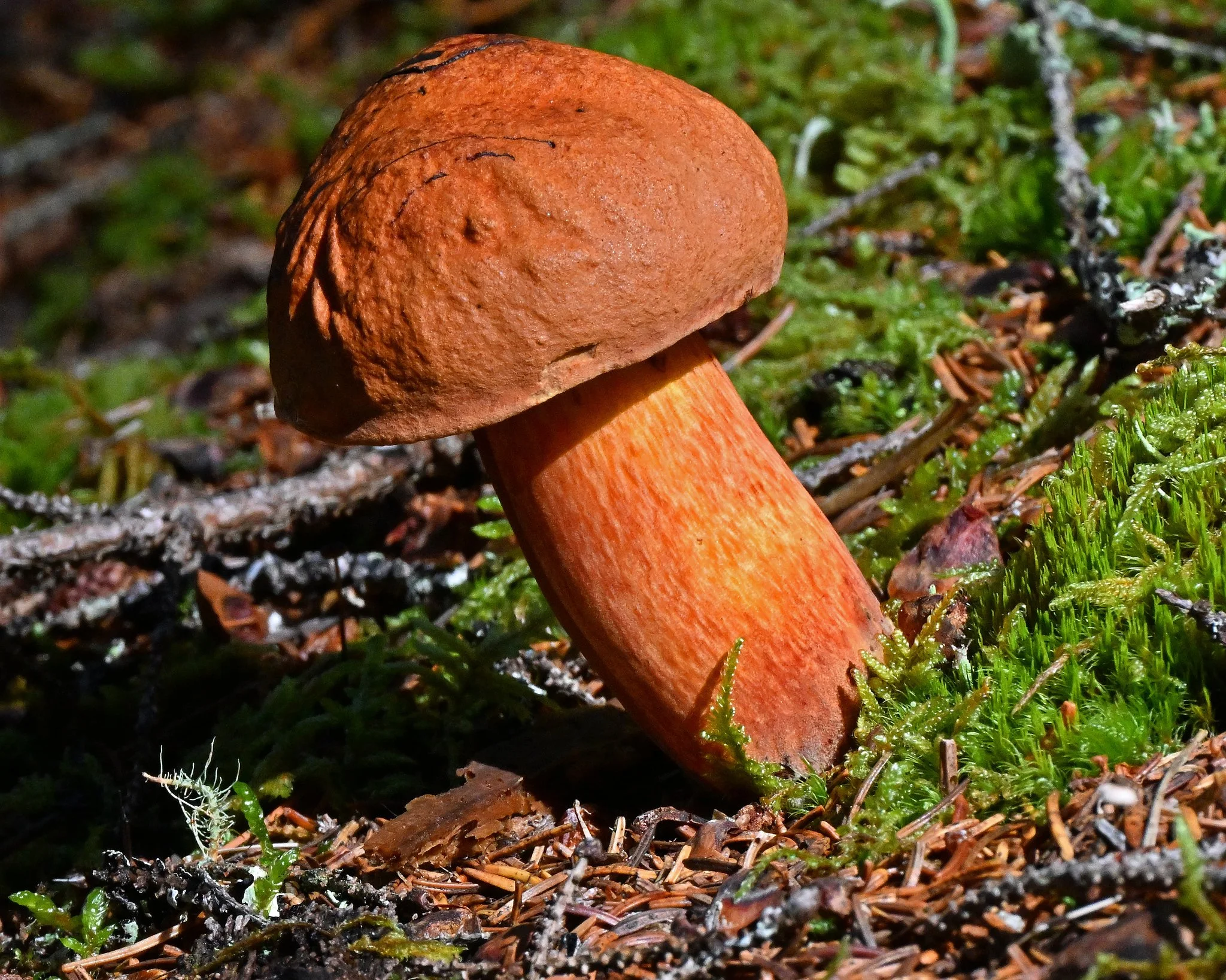
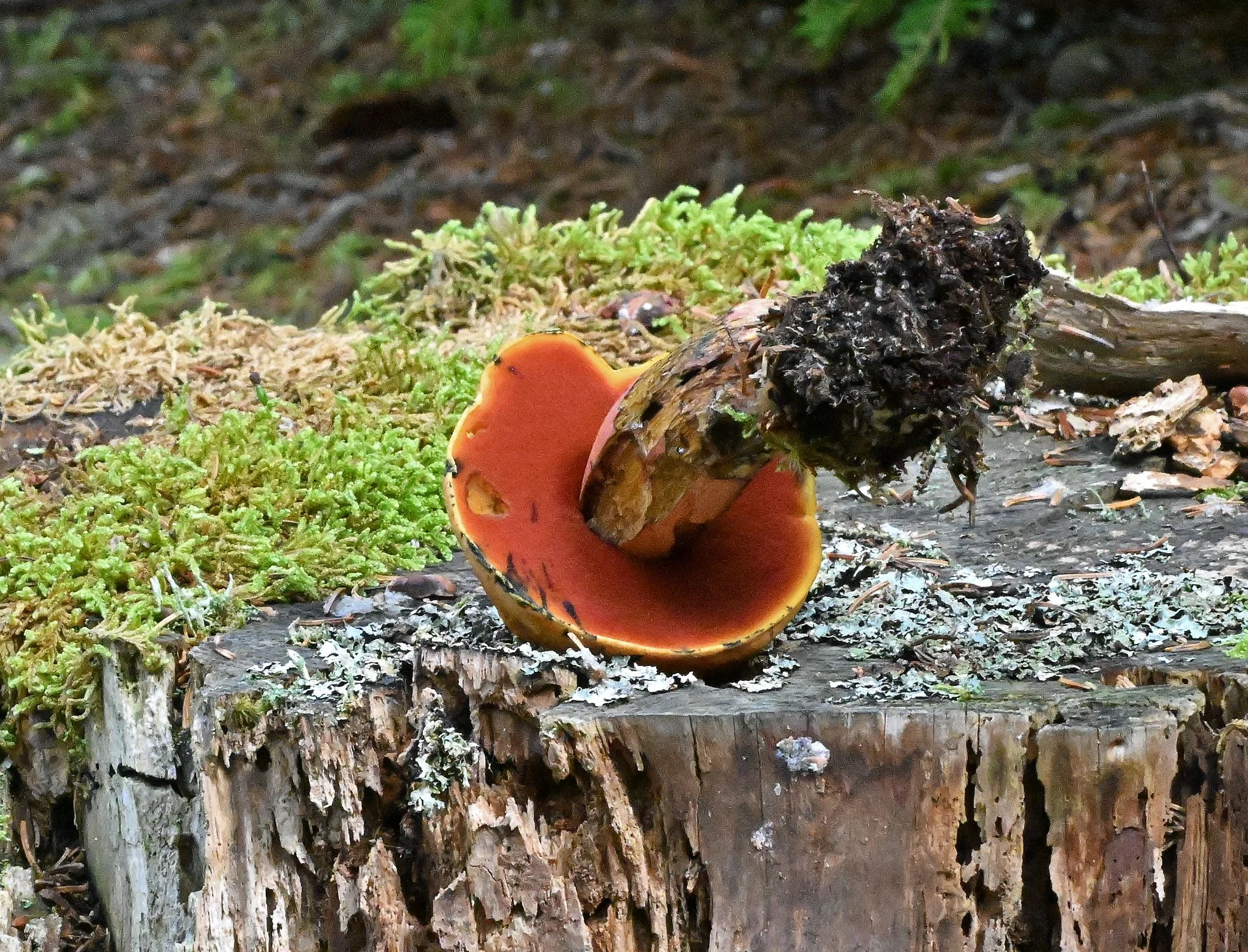
Red-Mouth Bolete

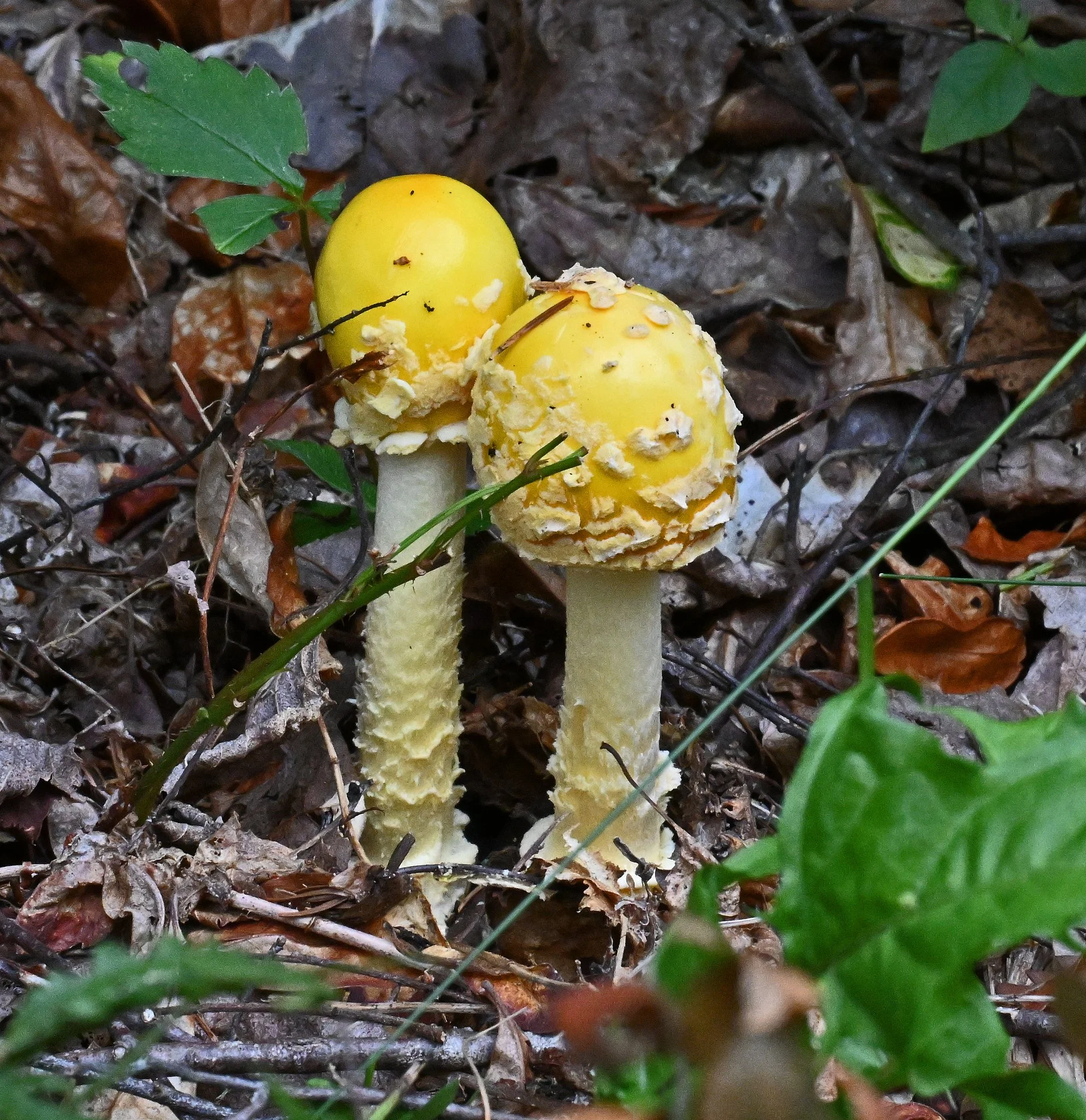
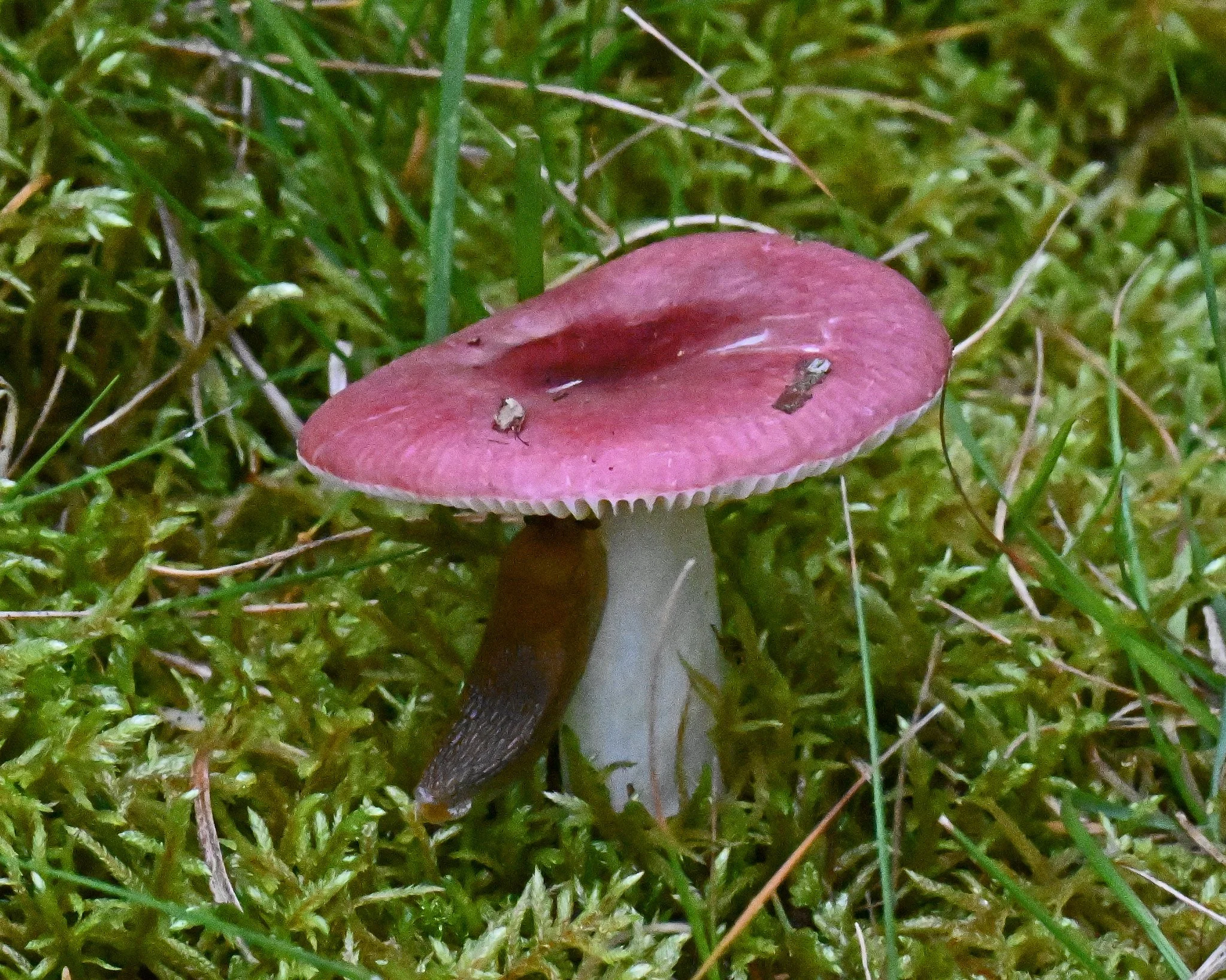
Amanita Muscana and Russula Emetica (I Think)

IN THE GARDENS

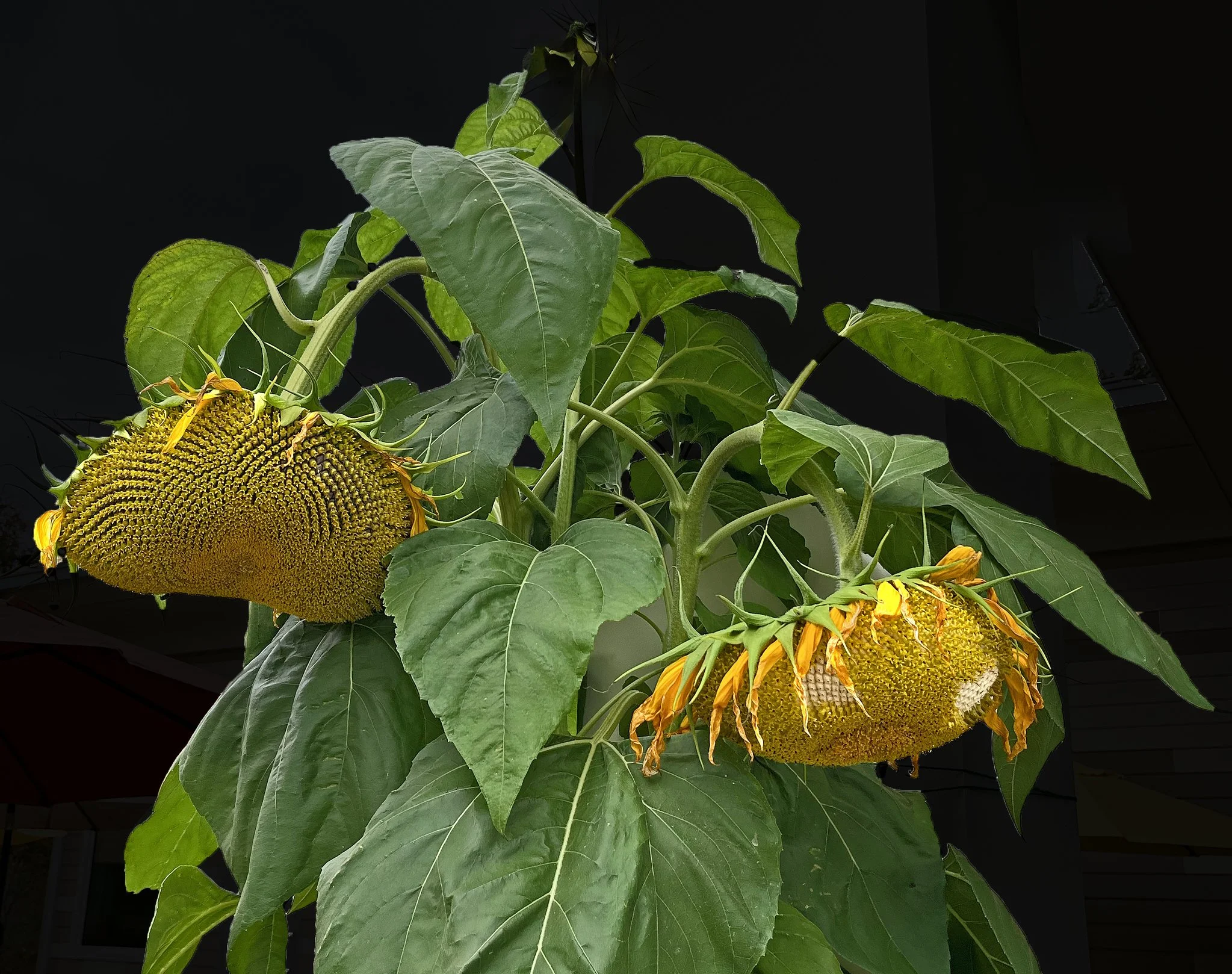
Transitioning Sunflowers

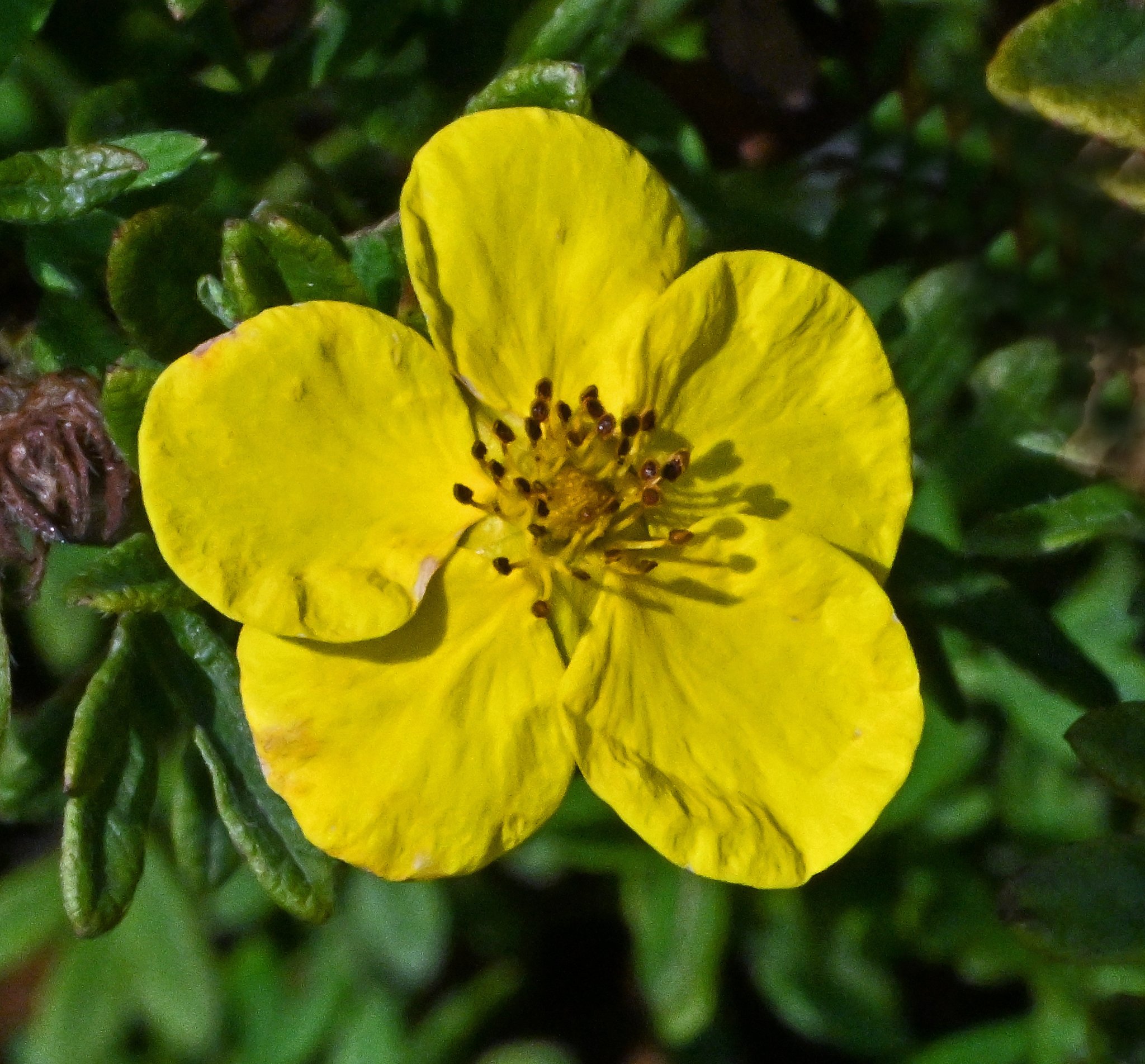
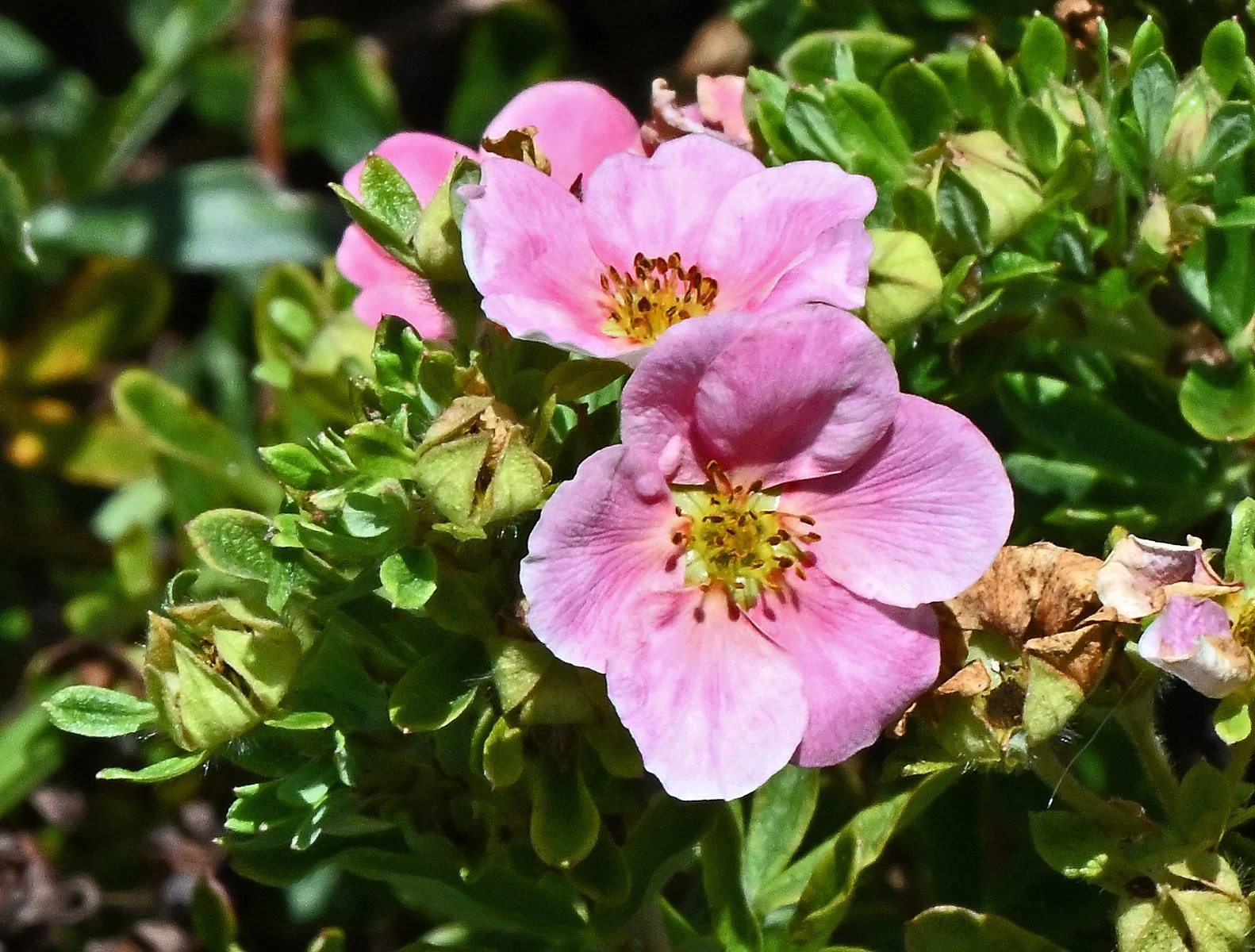
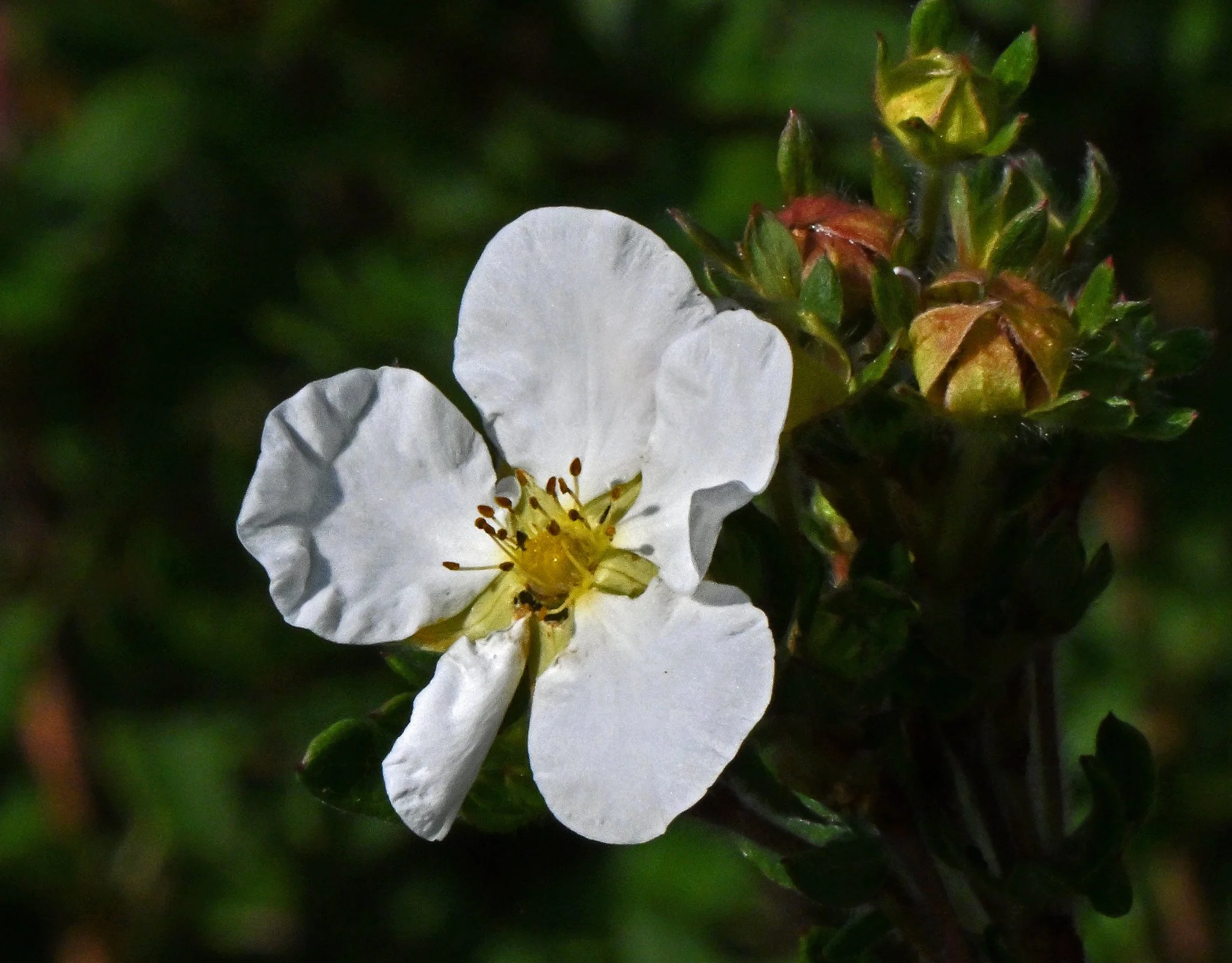
The Three Colors of Potentilla

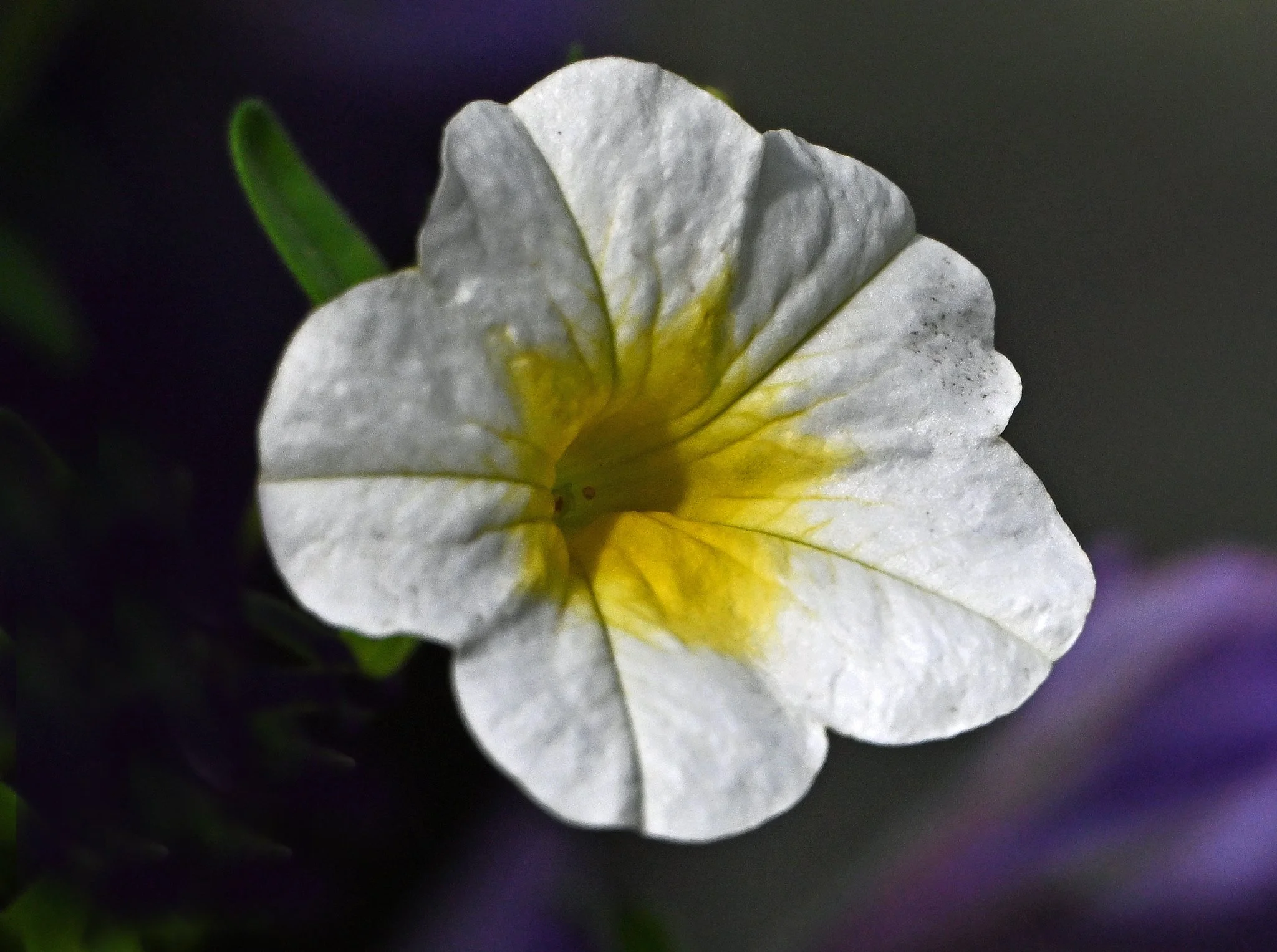
Petunia

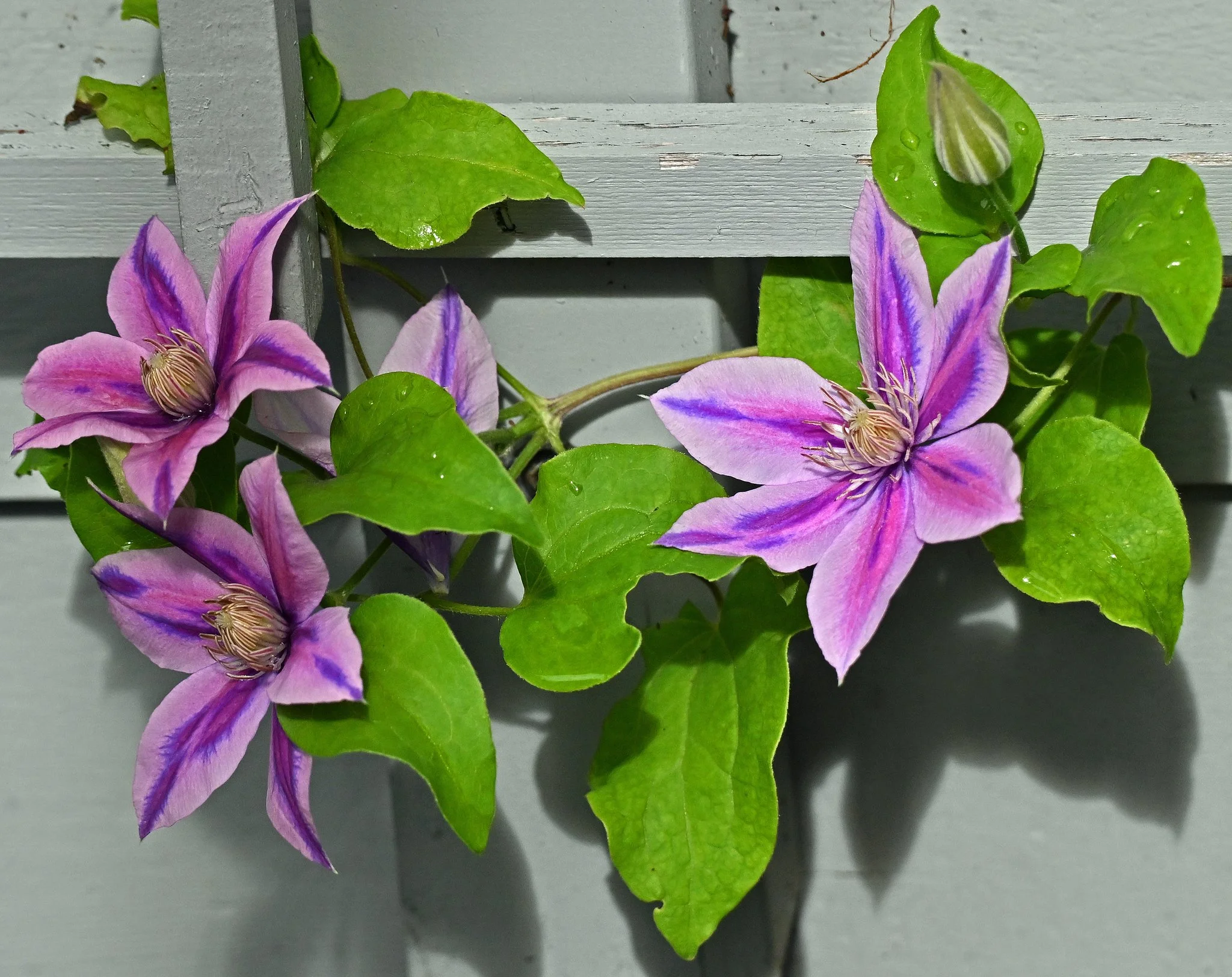
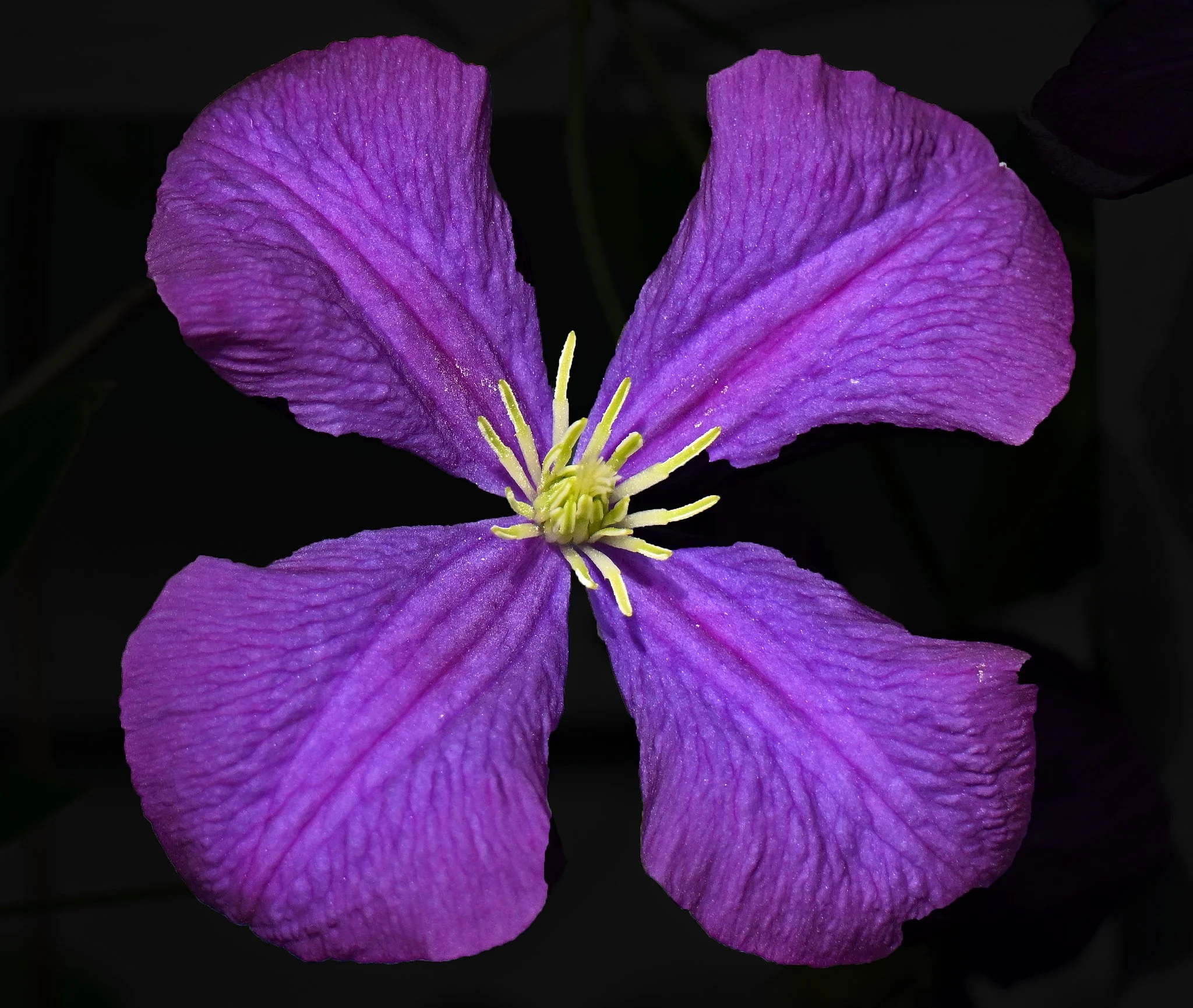
Two Colors of Clematis

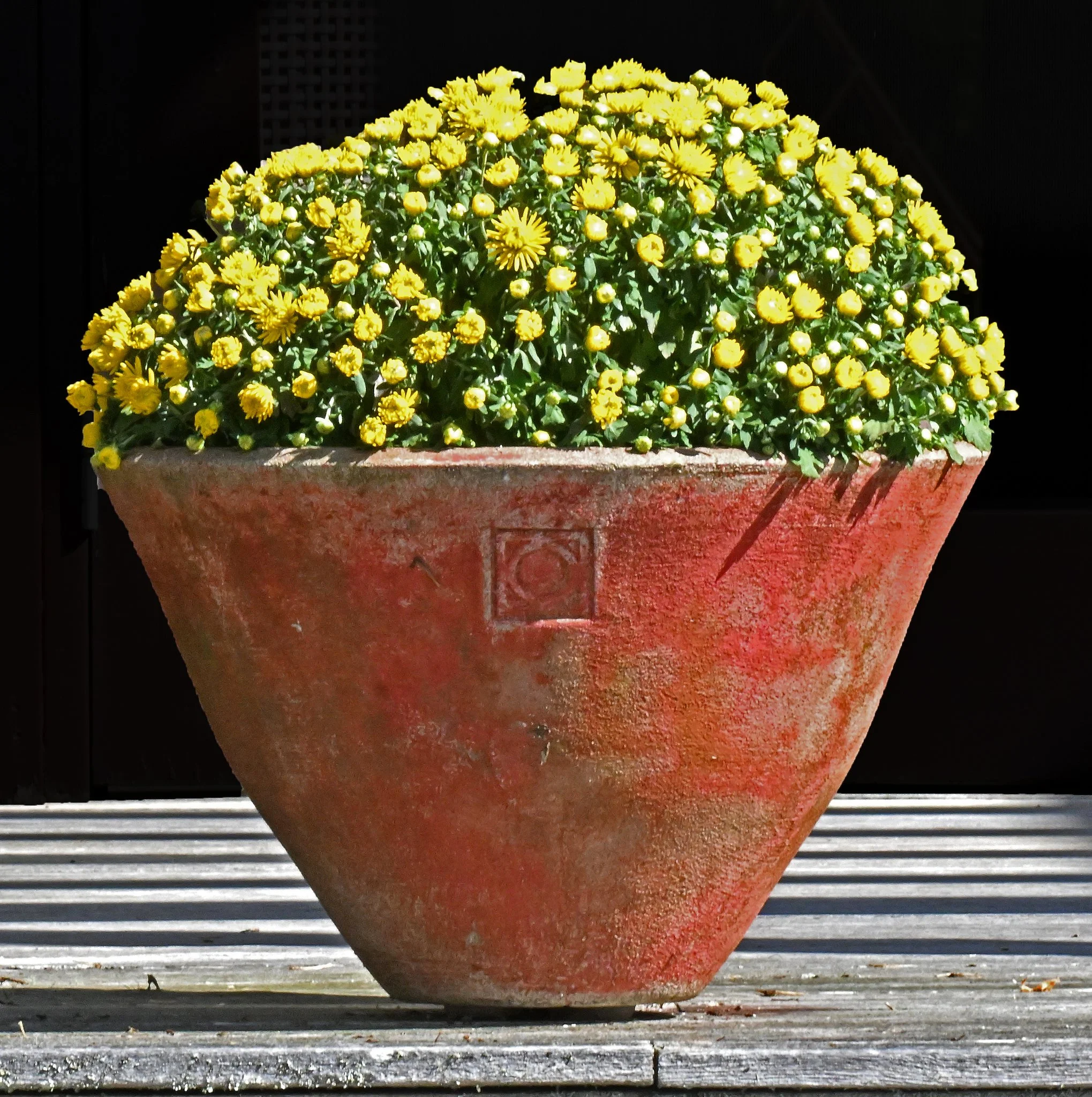
Chrysanthemum Buds About to Bloom

IN THE HOME

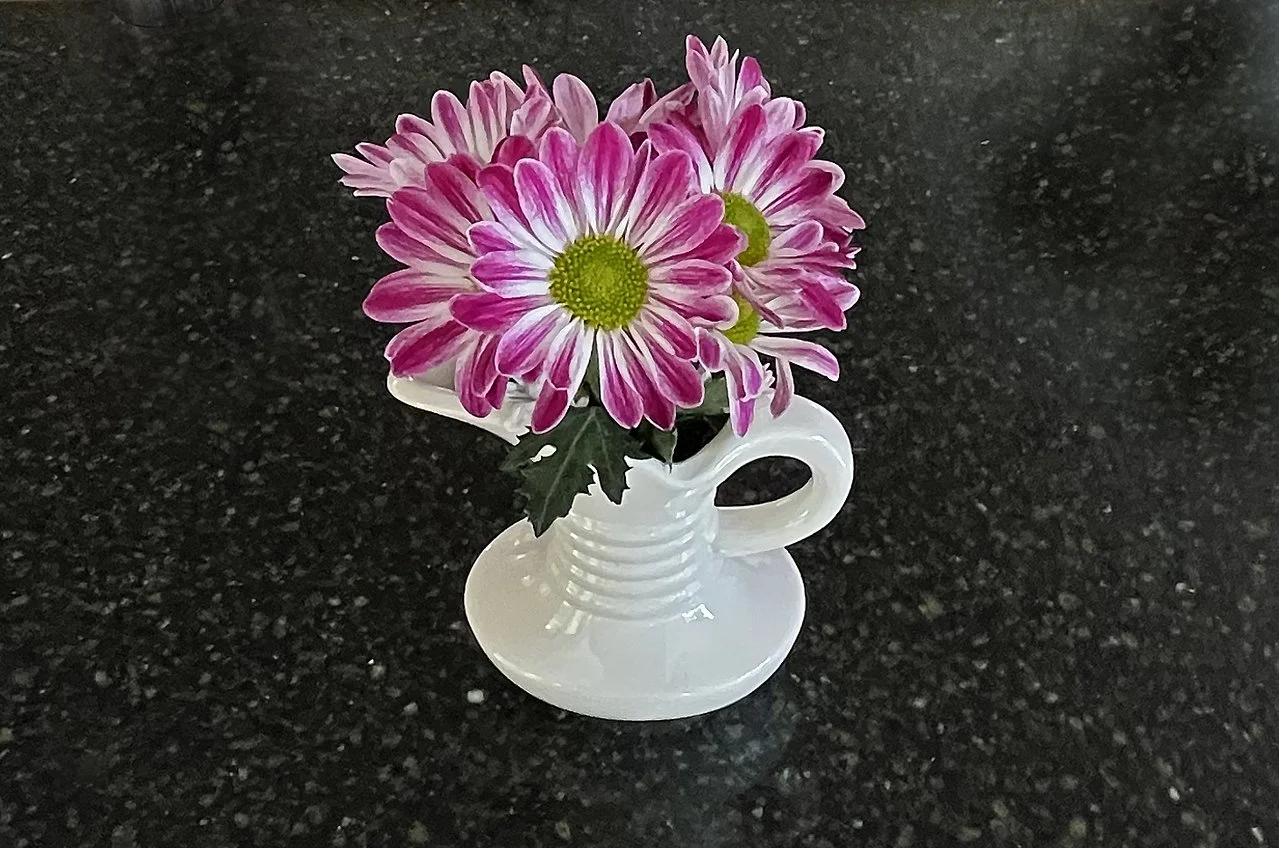
Cyclamen and Spray Chrisanthemums

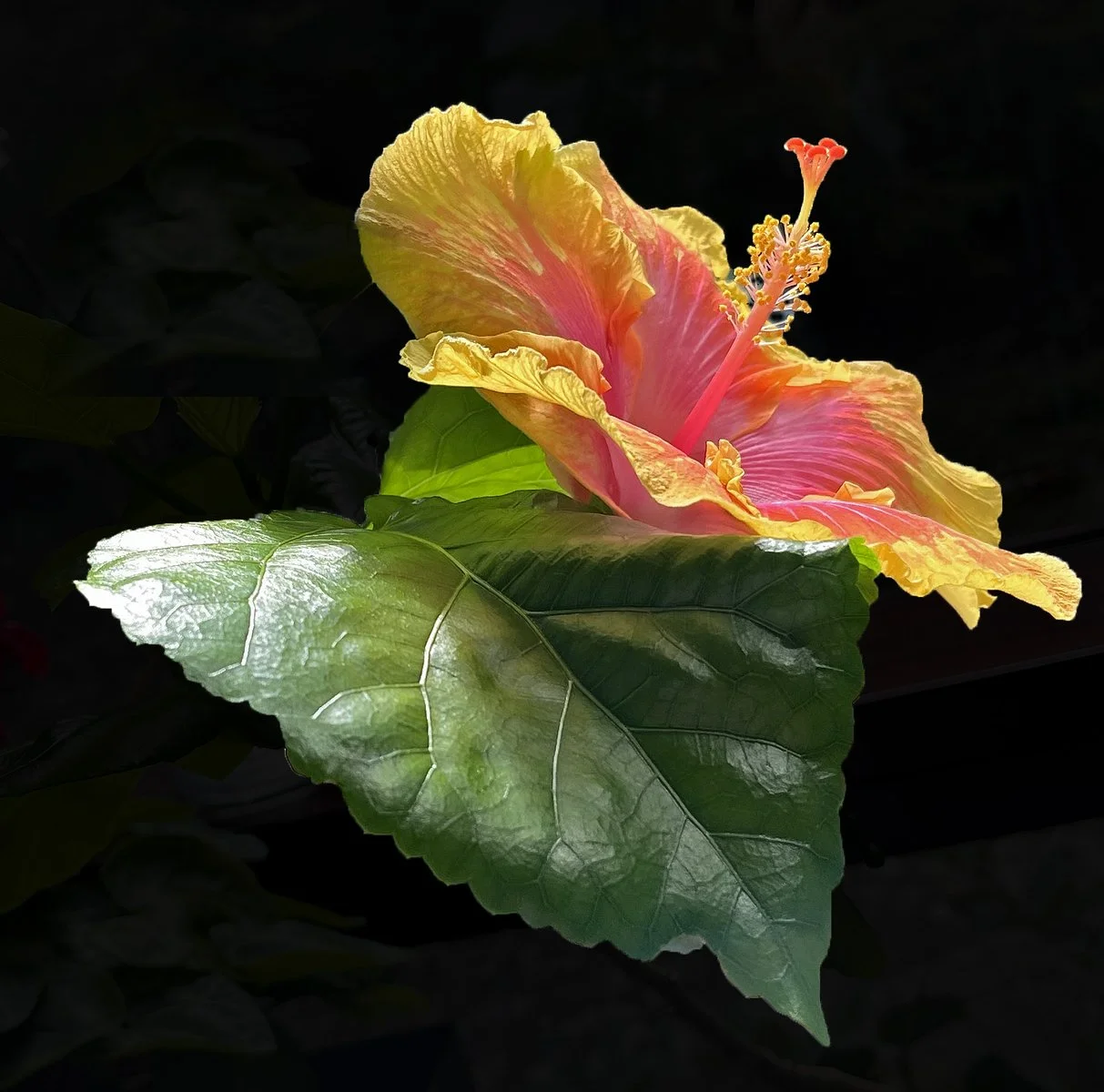
Hibiscus

IN THE SKY

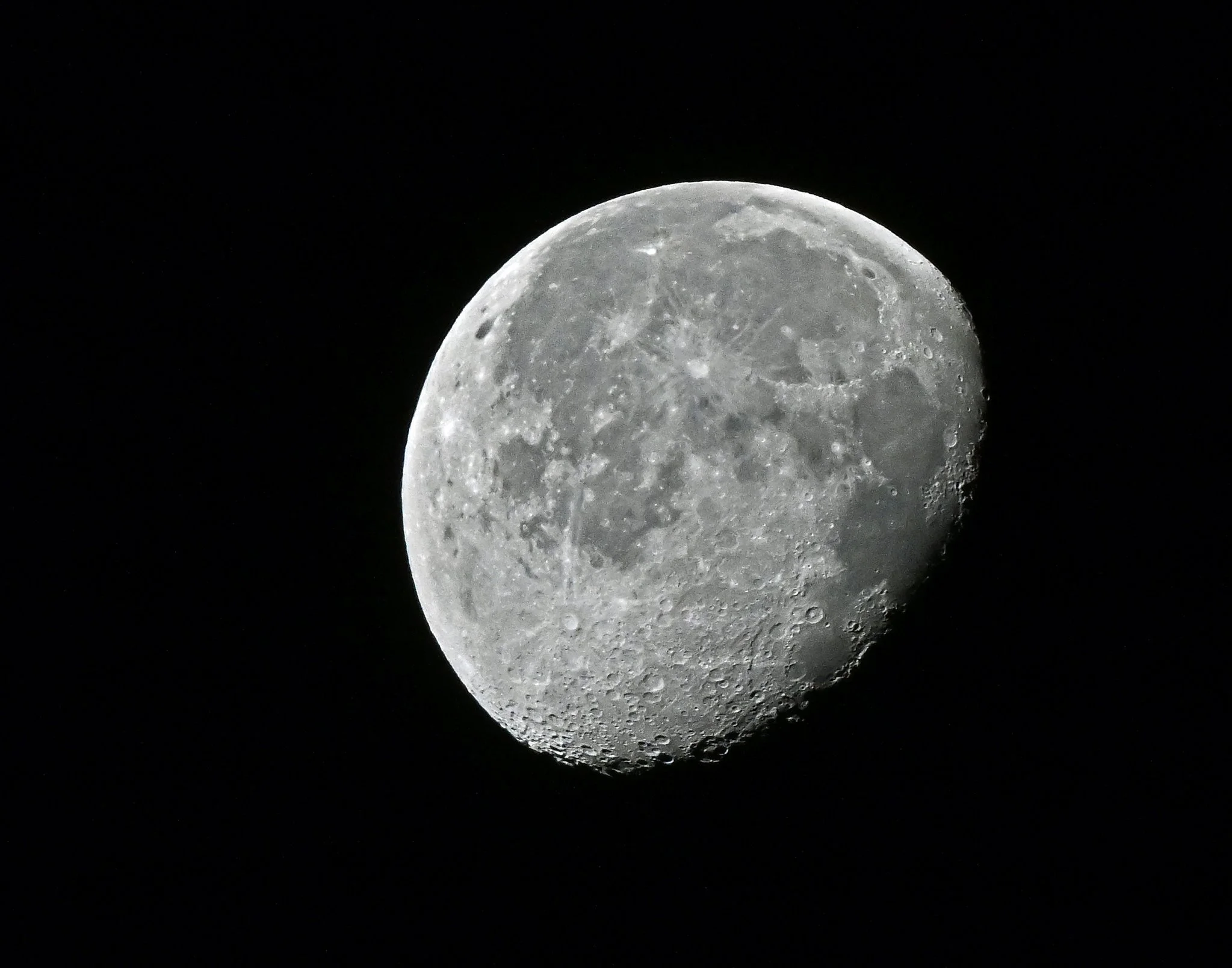
Finally, we looked up and tried to find the full moon — but it wasn’t there! The nor’easter brought us heavy clouds and rain when the Harvest Moon rose. But, on the last day of September, the sky cleared and the diminished (but still spectacular) moon appeared in her gibbous form:

September 30, 2026, at 4:47 a.m.

WE’RE HAVING A WONDERFUL TIME — WISH YOU WERE HERE!

(All images in this post were taken in Down East Maine during August of 2026.)

2 Comments

Comment

In the Right Place:  Getting a Head

In 1955, Disneyland opened in California, Bill Haley and His Comets made rock and roll popular, McDonald’s opened its first fast food franchise, and this legendary yacht was launched. She’s had several names and home ports but is now MAZURKA (as in the Polish folk dance) from Northeast Harbor, Maine.

MAZURKA is one of the few remaining luxury yachts built by John Trumpy & Sons in Annapolis, Maryland. That boat builder was famous for creating large, hand-crafted wooden motor yachts with white hulls that had a “T” in gilded scrollwork carved into their bows. Her fancy “T” can be seen here as she waits at the renowned Brooklin Boat Yard to be put into winter storage.

MAZURKA reportedly is 79.5 feet long and ideally has a 3-person crew. She  can accommodate up to 6 overnight guests in 3 spacious cabins, each of which has its own dedicated, “en-suite” shower and head (toilet).The Captain and rest of the crew share one head and one shower,

According to her history, she was built with a wooden hull and superstructure and teak decks. She’s powered by twin diesel 405 hp engines that allow her to cruise at 12 knots and reach a maximum speed of 15 knots. Her 800-gallon fuel tanks provide a 12-knot range of up to 400 nautical miles.

(Images taken in Brooklin, Maine, on September 26, 2026.)

Comment

Comment

In the Right Place: Wile E. and the Roadrunners

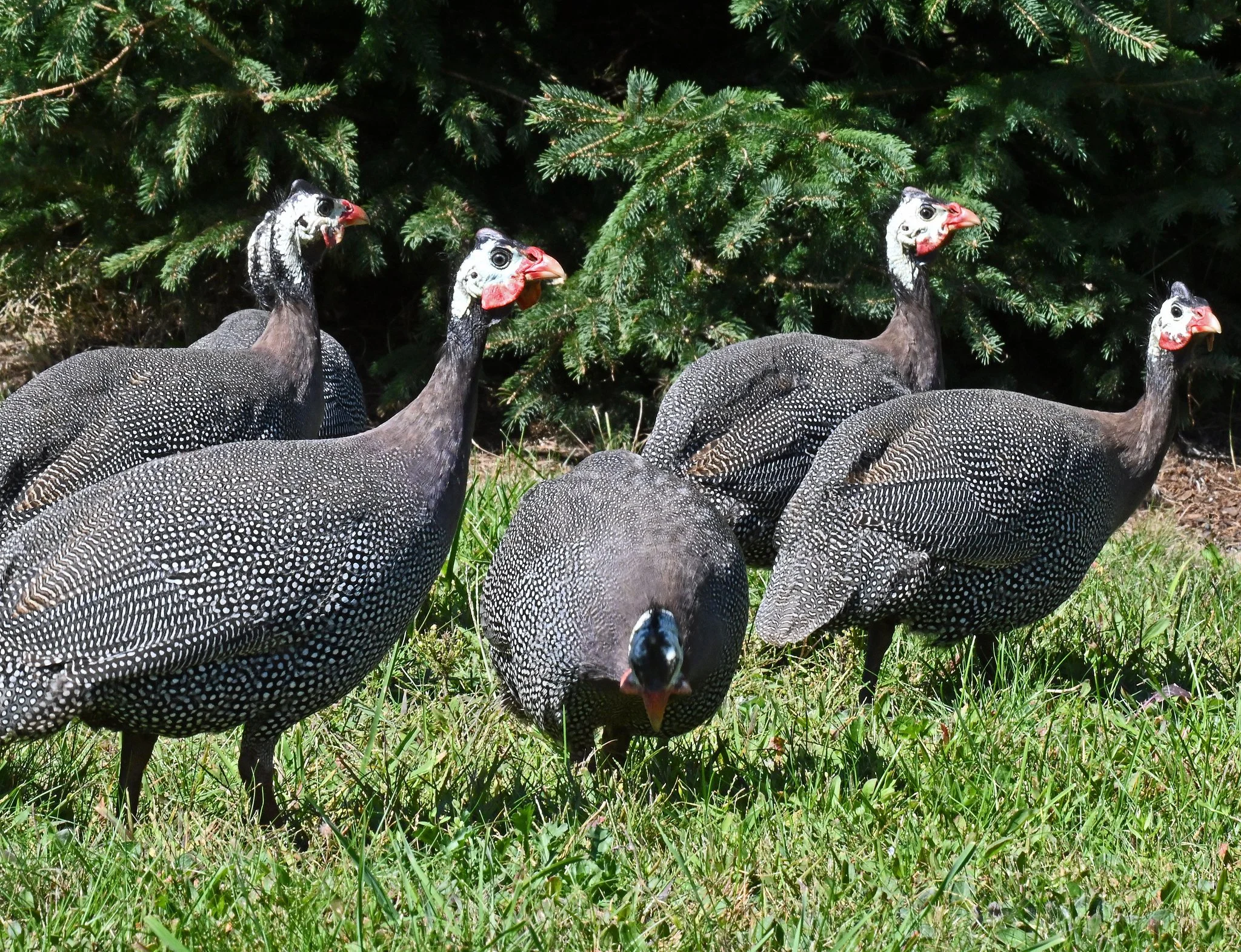
Barbara and I watched a real-life cartoon in yesterday’s rain. It involved this “confusion,” which is the name for a group of helmeted guinea fowls. These birds are like wild turkeys; they prefer to walk everywhere rather than fly (which they can do well). The fowl belong to a neighbor, and they frequently roam the local roads and our property under an apparently expansive interpretation of being “free range.” This image was taken last week when they were together.

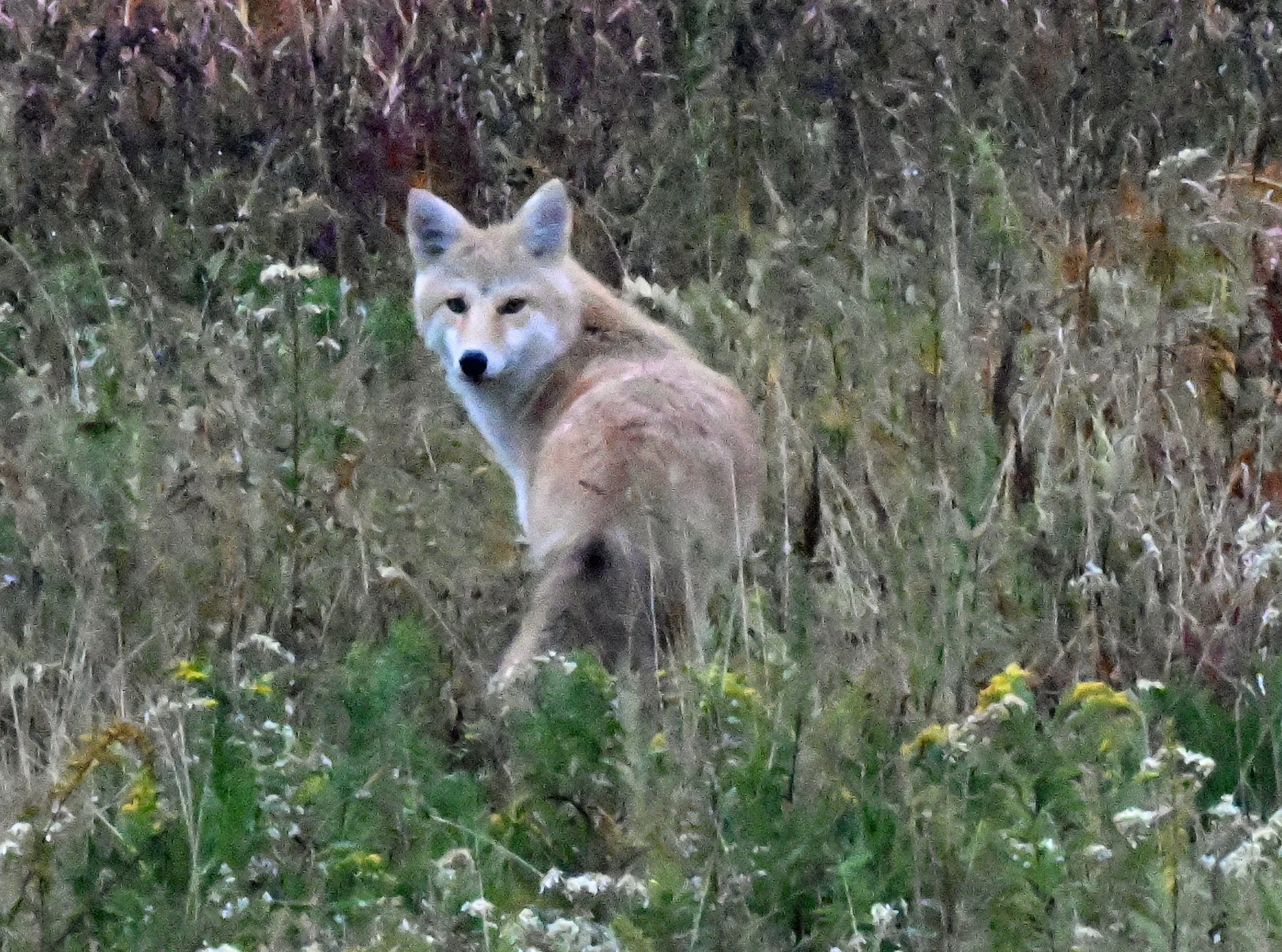
The other character in the cartoon was “Wile E.,” the name we’ve given to an alpha eastern coyote who believes he owns our property (and maybe does in some sense). We hardly ever see him and, when we do, it’s usually a ghostly glimpse at dusk. On the over hand, we hear him often at night celebrating a kill or calling his pack.  But yesterday he was stalking the roadrunners in the daylight, albeit in rain on a dark day.

The birds caught sight of him, ran up close to the house, and then flew up into our nearby maple trees. Wile E. came into the garden area, but wouldn’t get as close to the house as the birds did. (He’s as cautious as he is wily.) He then saw me on the deck. (Yes, in the rain; I’m crazy.) He spun around and loped off into our north  meadow, occasionally looking back to give me the evil eye.

The roadrunners won the confrontation again. But Wile E. knows that they come into his territory and there likely will be a chase in the future that won’t be funny for them. But there always are fun facts.

Guinea fowl are native to Africa, but they often are kept on American farms for their eggs, meat, extraordinarily active tick and small insect foraging and/or their habit of acting like guard dogs and  squawking loudly when a stranger comes near.

Eastern coyotes often are called “coywolves” because they’re hybrids containing 25-30% wolf DNA. They’re heavier and broader than western coyotes, with wider jaws, larger skulls, and longer legs that make it easier to hunt in deep snow.

(Images taken in Brooklin Maine on September 24 and 28. 2026.)

Comment

Comment

In the Right Place: Stormy Weather

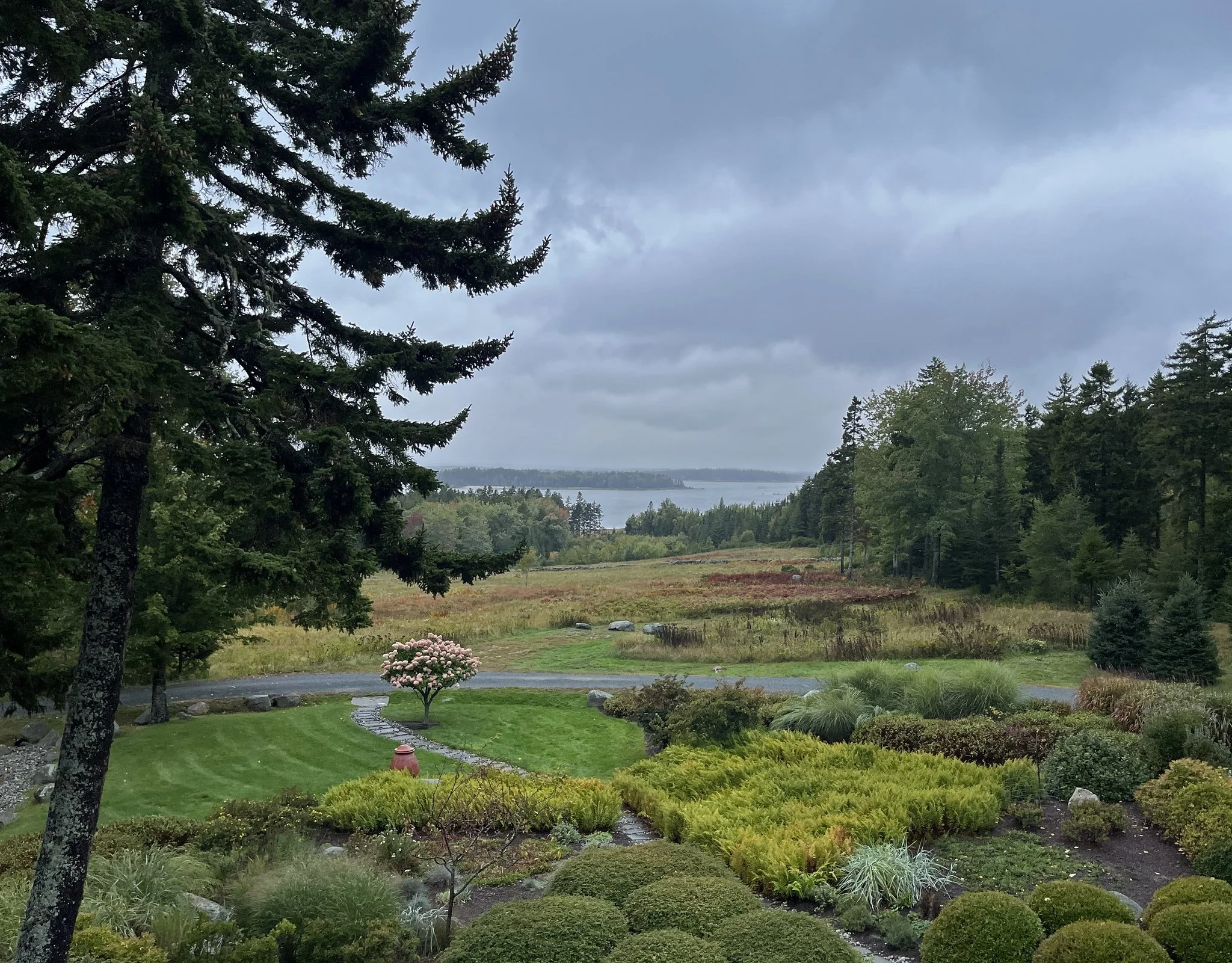
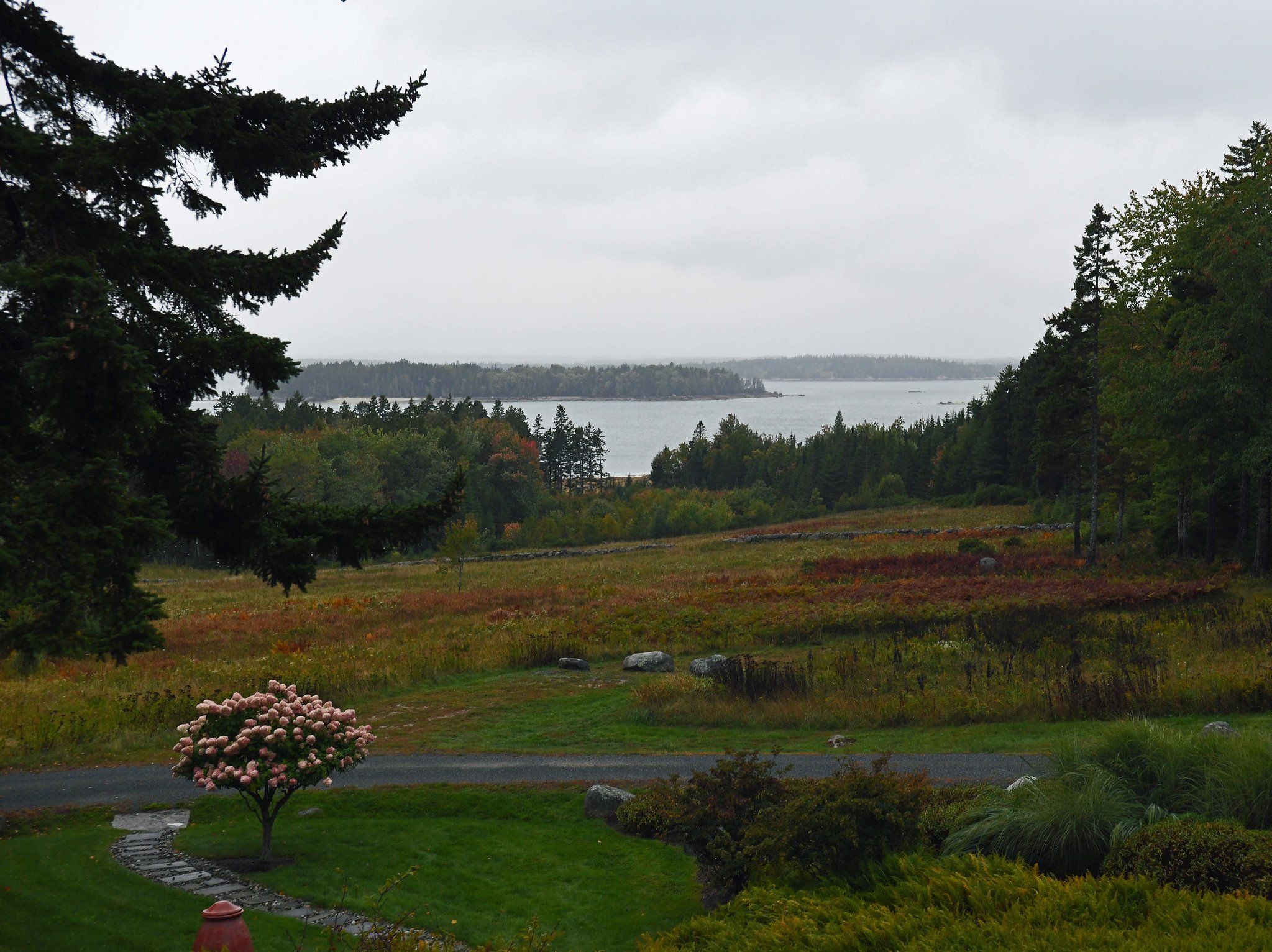
Above and below you’ll see the lighter and heavier versions of this morning’s continuing rainy aftermath to the nor’easter that brushed us last night. The overnight rain and winds were intense, but Down East Maine seemed to have avoided the brunt of the storm and its catastrophic flooding and wind damage south of us. In fact, what happened here probably was a blessing: We need rainwater to ease our drought condition.

Nonetheless, there were reported winds nearby that reached 45 mph and dangerous surf with reported offshore waves 15 feet high and inshore ones up to 8. We experienced only one two-second snap of power outage in our house, but there are reports of longer outages elsewhere along the coast.

I haven’t seen any tree blowdowns from the house, but I’ll be going out later to check the property, especially the shore. Virtually all our deciduous trees still are in full leaf, which makes them more vulnerable to wind gusts and, of course, our many conifers always are in “full needle.”

(Images taken in Brooklin, Maine, on September 28, 2026.)

Comment